

The grocery bags land on the counter. There are fewer of them than when the kids lived at home, but the receipt still curls halfway across the cutting board. You put away milk, chicken, greens, and the good coffee. Nothing looks extravagant.
That is the maddening part. You stopped buying lunchbox snacks years ago. You still know how to stretch a roast. Yet dinner for two has its own waste, packaging, and habits. Some costs stayed because the household changed faster than the shopping list.
#26 The Family-Size Pasta Pot
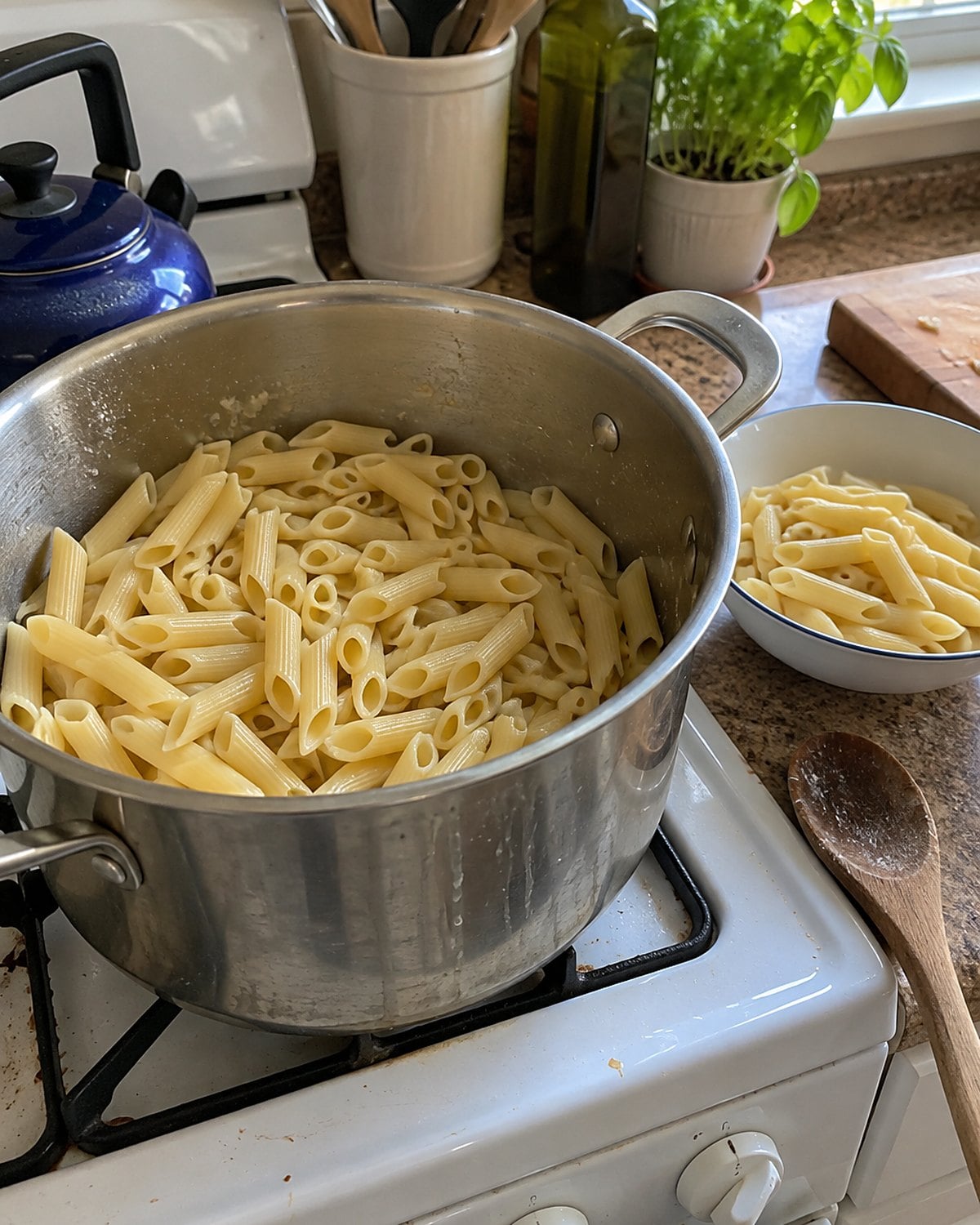
Your hand reaches for the same pot it always has. By the time the water boils, the old amount of pasta feels right. Then two people eat, and a generous bowl goes into the fridge.
That bowl has a job only if you give it one. Plain pasta is easier to use again than pasta already coated in sauce. Pack tomorrow's lunch while you're clearing dinner. If the pasta sits in the fridge without a plan, the money spent on it has bought a second task, not a second meal.
The pot isn't at fault. The serving habit has outlived the crowded table. Before you pour, measure the dry pasta once. Seeing the amount in a bowl gives your eye a new reference for the next time you cook.
#25 The Price Beneath the Shelf Tag
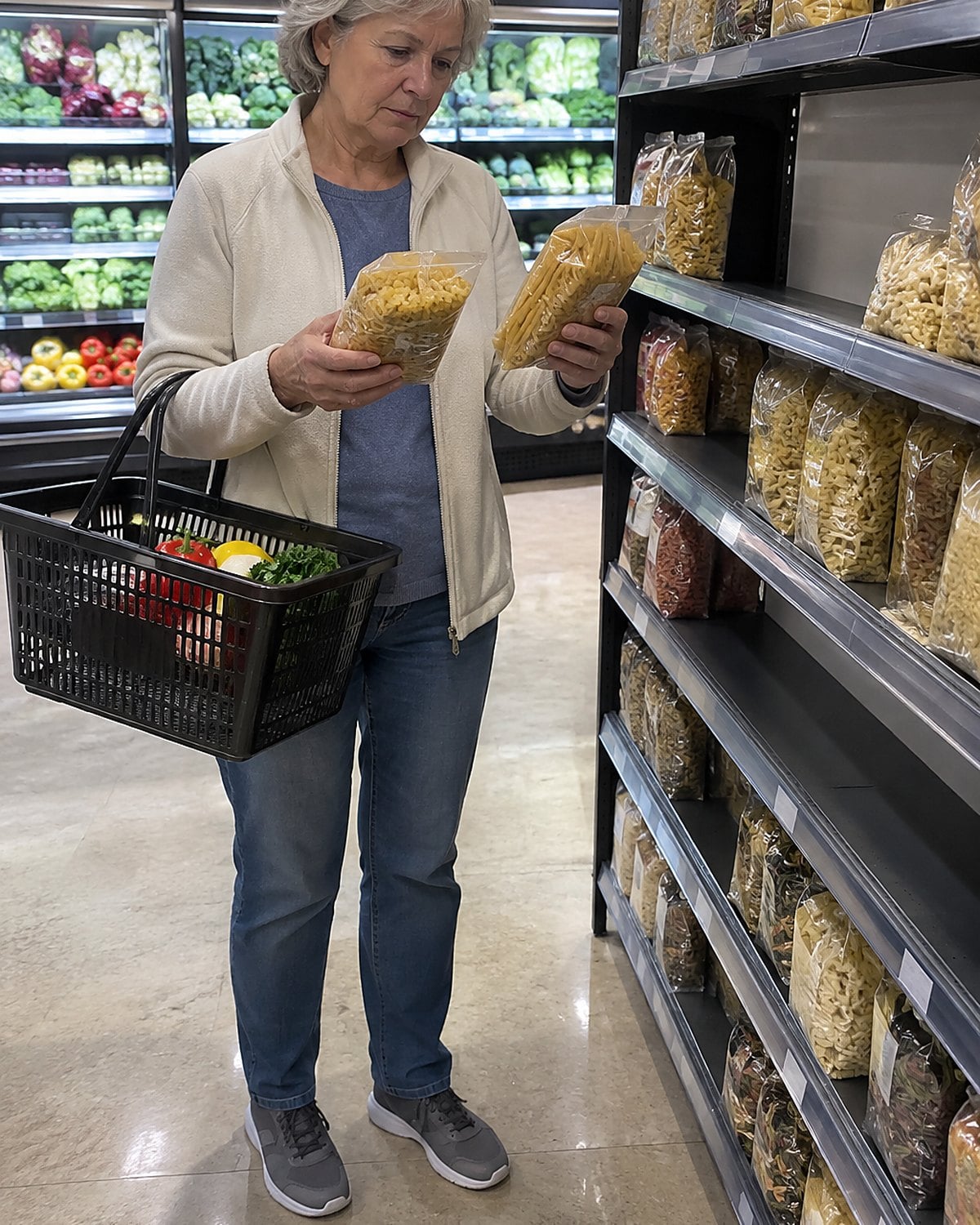
That sale tag shouts the price of the package. The smaller print underneath tells you what you're paying per ounce or pound. Packages beside each other don't always hold the same amount.
At the shelf, compare unit prices for the size you'll finish. A larger tub with a lower unit price still costs more if part of it goes bad. The same goes for crackers, yogurt, rice, and detergent. Your old household went through the big package before anyone thought about it. Today's household has to give that package a deadline.
Look at the amount you actually used last time before the sale sign makes the decision. The shelf tag is useful, but your trash can knows how the purchase ended.
#24 The Chicken Buried Behind Frozen Peas
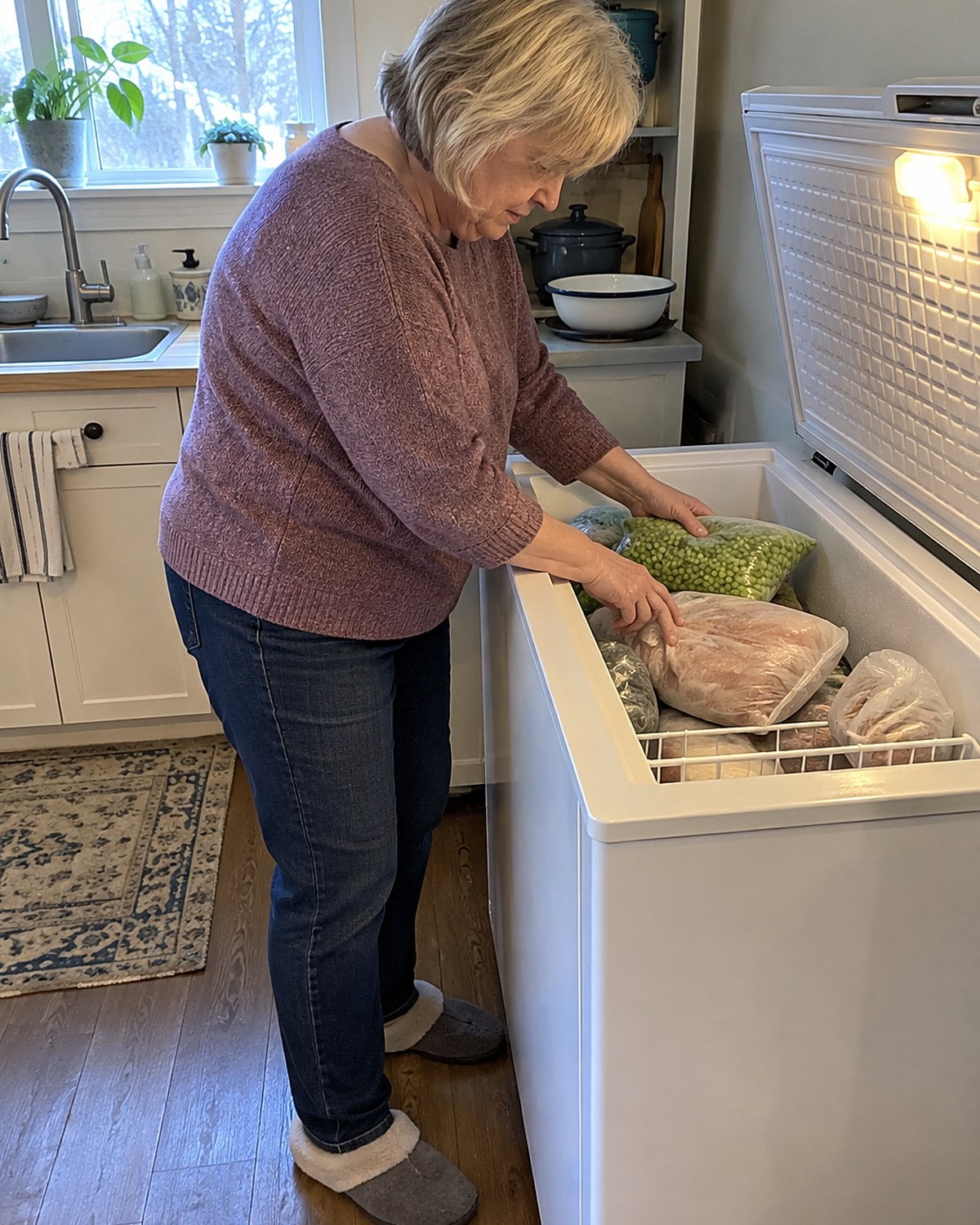
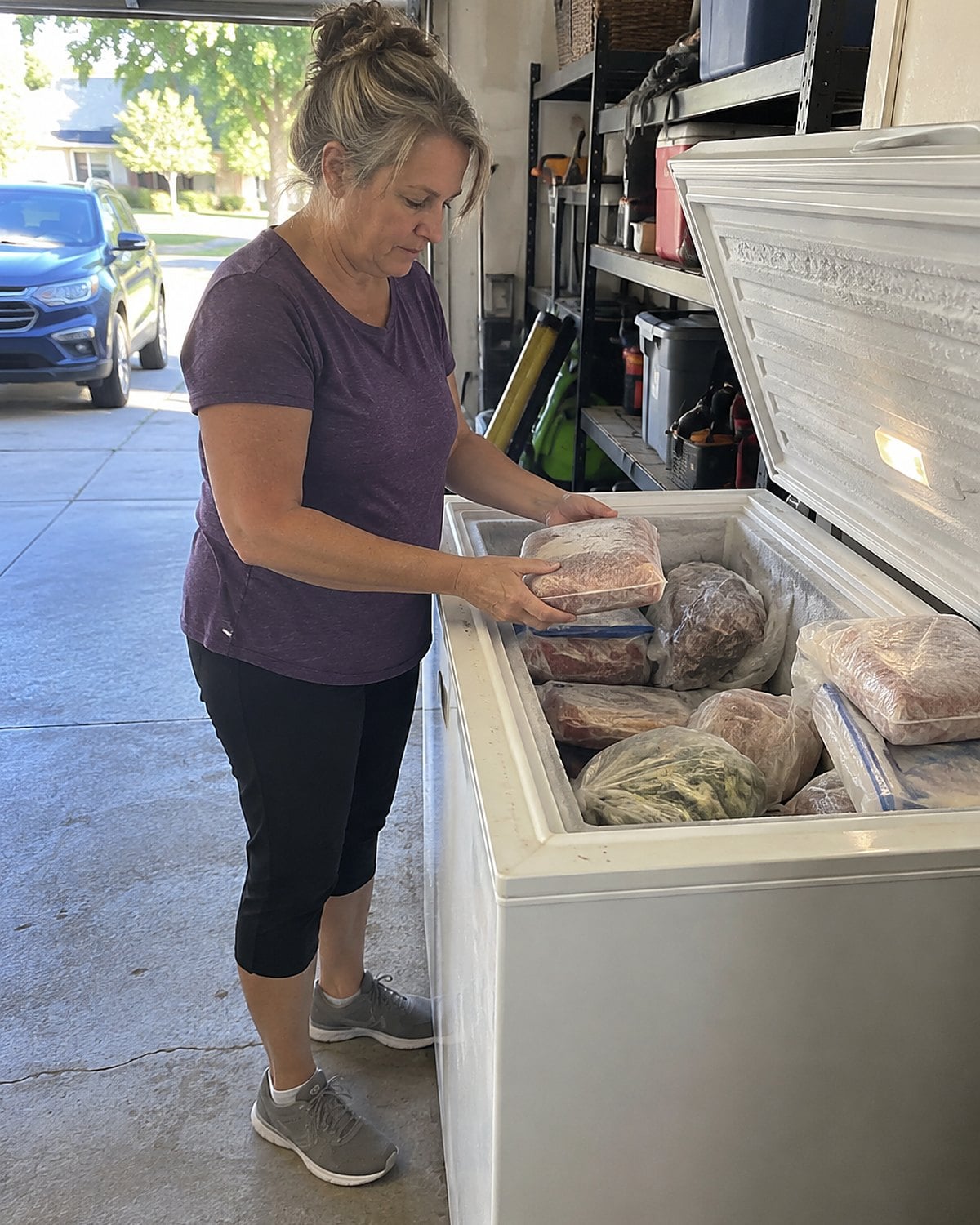
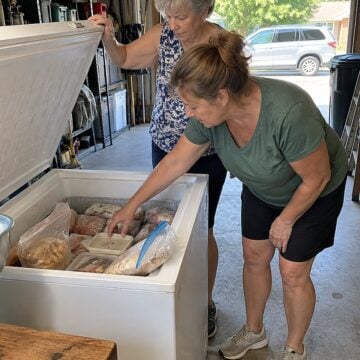
The freezer door shuts with a thump, and dinner disappears behind a bag of peas. You bought the chicken on sale. Three weeks later, you buy chicken again because you can't see it.
A chest freezer makes this especially easy. Food stacks rather than lines up, and the oldest packages sink. Before shopping, move what's on top and look below it. Put meat for the next few dinners in one reachable spot. A piece of tape on the outside listing what went in helps when the lid is heavy and the garage is cold.
Freezing food preserves an opportunity to use it; it doesn't put that meal on the calendar. The USDA's Freezing and Food Safety guide explains why food kept frozen stays safe, while quality declines over time. An inventory helps you eat it while it still tastes good.
Shop that freezer before you shop the store. The chicken you already paid for is the cheapest one there.
#23 The Dinner Ingredients Bought Twice
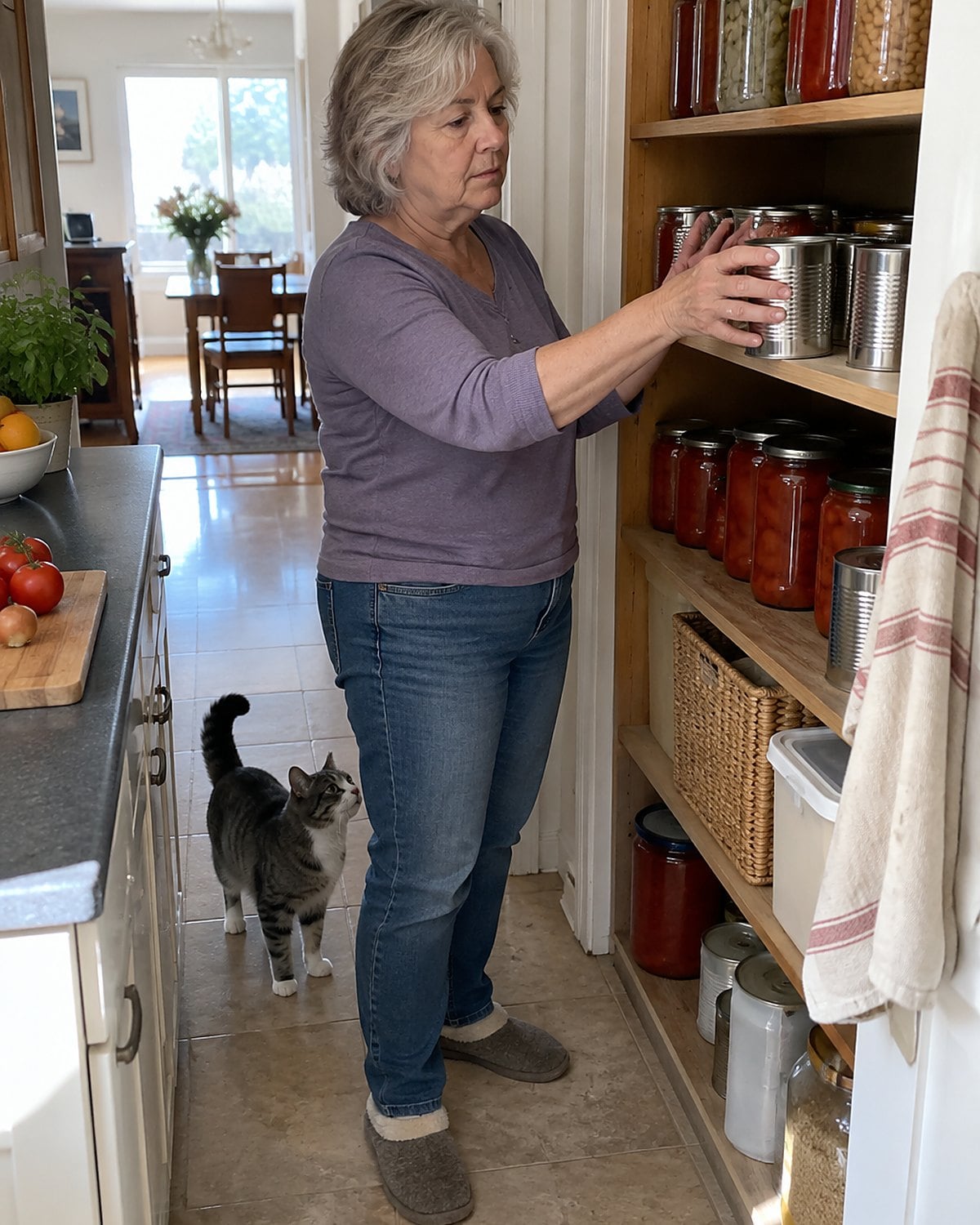
You stand in front of the tomatoes and try to picture the pantry shelf. Is there a can at home? Into the cart it goes. At home, it joins four others.
Duplicates aren't always waste. Canned tomatoes earn their space if you use them. The cost appears when a new dinner plan sends you shopping for ingredients that are already in the house. Open the pantry before you write the list, and build a meal around what you see. Beans, rice, and canned fish are especially easy to overlook because they stay tucked in the back.
A quick look works better than trying to remember every shelf from the store. If you keep buying the same ingredient by accident, give it one place to live. When that spot is empty, you know.
Try it: Instant Pot Recipes Using Tinned or Canned Tomatoes
#22 The Spinach at the Drawer Bottom
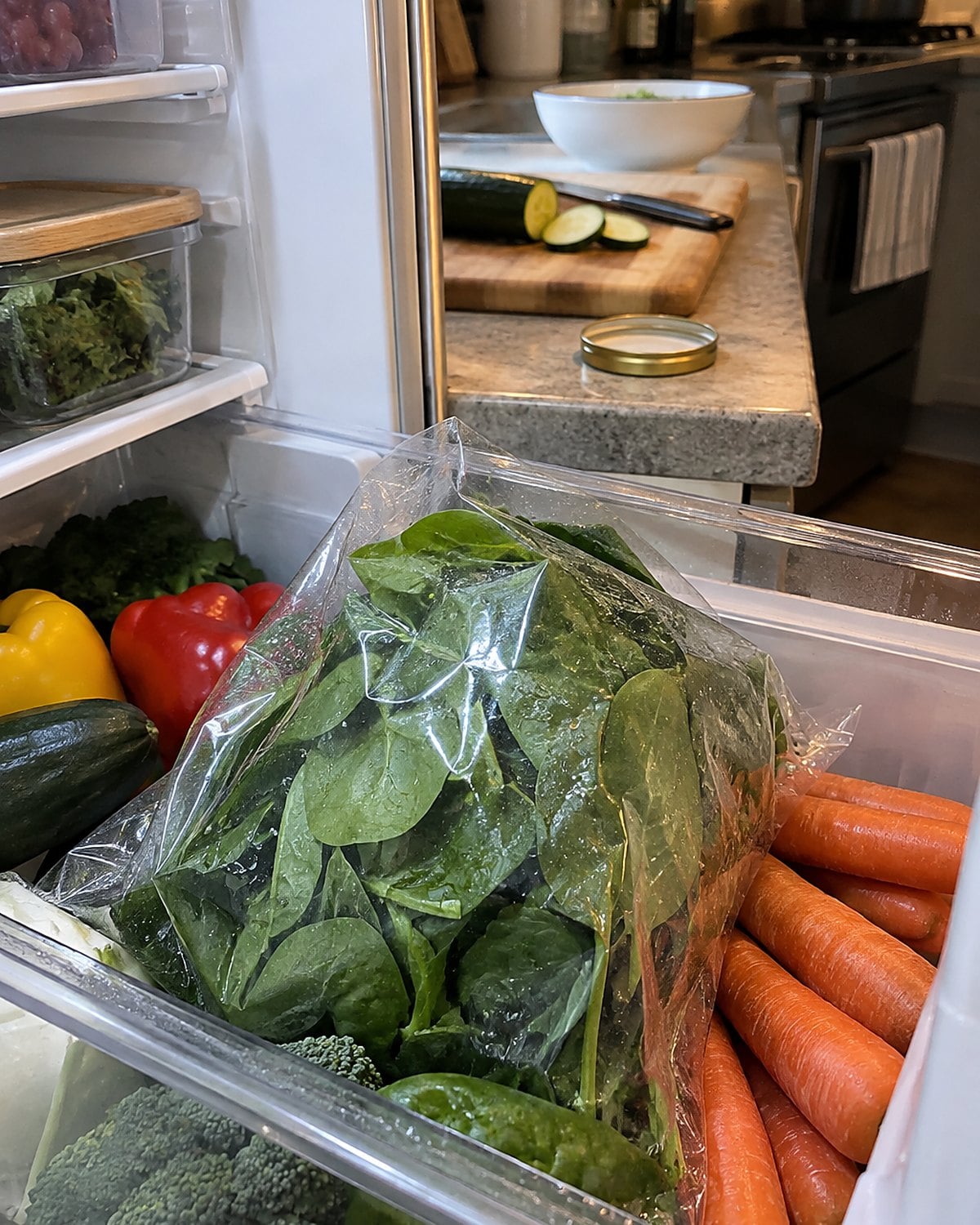
The bag of spinach looked small enough for two. On Friday, you find damp leaves pressed into the bottom of the produce drawer.
Greens are a purchase with a clock attached. Use tender leaves early in the week and save sturdy vegetables for later. Spinach goes into an omelet, soup, or warm beans before it becomes salad you never made. When you get home, put the greens where you see them rather than under a stack of carrots.
The FDA's produce guidance says to keep perishable produce refrigerated. At home, check the leaves before cooking. Slimy leaves belong in the trash; good ones don't need to wait for a special recipe.
For your next shop, choose one tender green, not three competing bags. A smaller household has fewer dinners available to rescue them.
Try it: Instant Pot Pasta With Ricotta, Lemon & Spinach
#21 The Half Loaf on the Counter
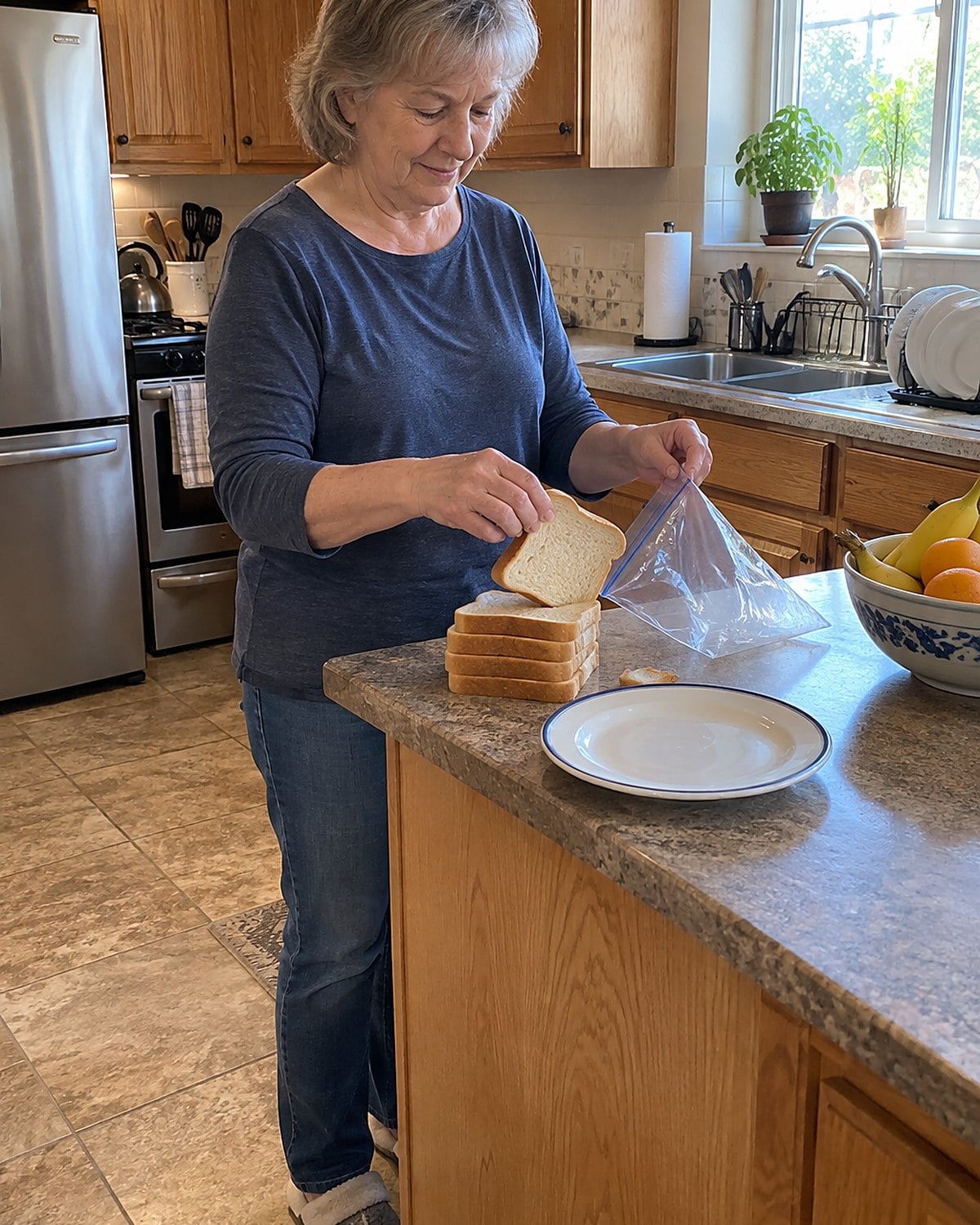
Bread goes stale at its own pace, regardless of who moved out. A loaf bought for sandwiches sits beside the toaster until the last slices feel dry.
Keep out the amount you'll eat soon and freeze the rest while it's fresh. Separate slices before freezing so you don't have to pry apart a solid block. Toast frozen slices straight from the freezer, or thaw what you need for lunch.
This isn't a call to stop buying the bread you like. It's a way to stop paying for the final third of every loaf and throwing it away. Look at what remains on the counter before you put another loaf in the cart. If the bread keeps winning the race, buy a smaller loaf or give half a place in the freezer the day it comes home.
Try it: Herb & Garlic Sourdough Croutons (Great For Soups & Stews)
#20 The Meat Counter's Smallest Package
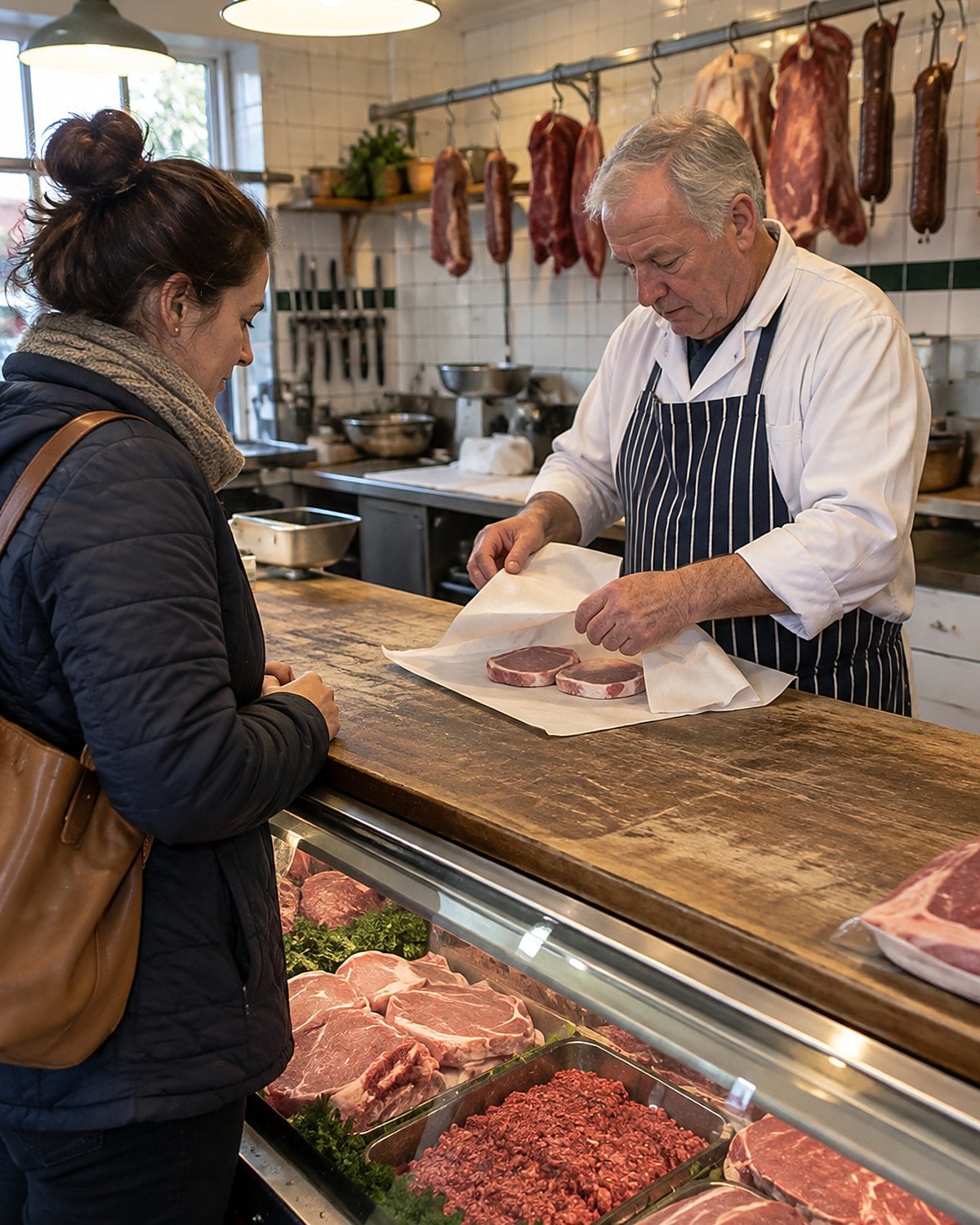
The case holds thick chops in pairs and chicken in trays built for a full table. You only need dinner for two, but the package decides how much you buy.
Ask the butcher, “Do you have a smaller package, or can you wrap two chops?” A staffed counter gives you another choice. Compare the price per pound before you order, since a smaller portion isn't automatically cheaper. Then decide whether the extra meat has a real meal waiting for it.
For ground meat, portion the package when you get home. Flatten each portion in a freezer bag so it freezes and thaws without a thick lump in the middle. Mark the date and the amount on the bag. The USDA cold food storage chart is worth checking when you're unsure how long to keep it.
Check the unit prices yourself rather than counting on a fixed difference between package sizes. The old family pack worked because somebody ate it. Your best buy now is the amount you will cook, not the package with the proudest savings sticker.
#19 The Church Cookbook's Large Casserole
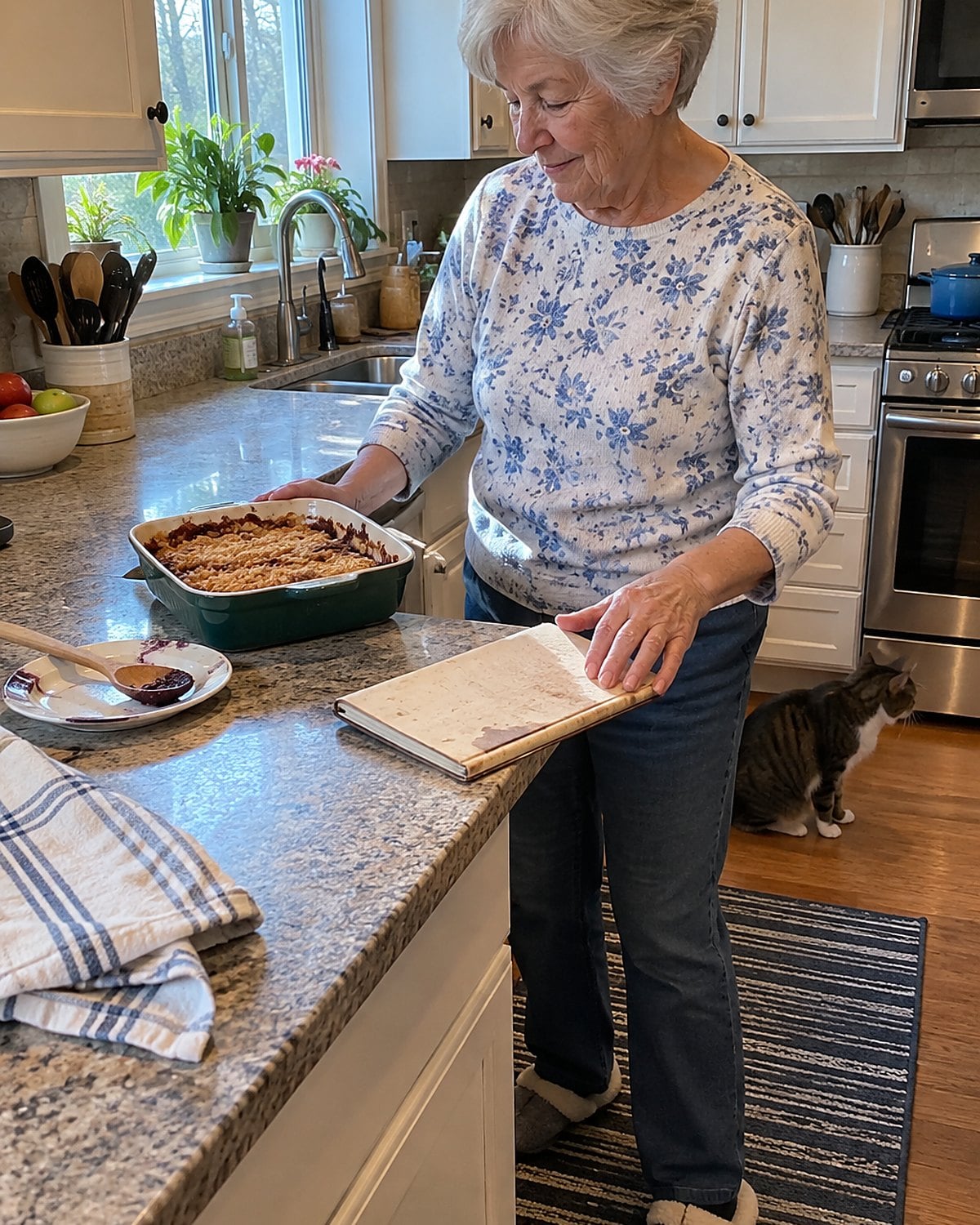
The church cookbook opens to a stained page with directions you could follow from memory. The pan it calls for fed the family and left enough for lunch.
A smaller pan changes more than the serving count. Spread half the filling across the original pan and the casserole becomes thin, dries at the edges, and tastes different. Keep roughly the same depth in a smaller dish. Start checking earlier than the written baking time, since the center has less distance to heat through.
Before cutting a recipe, look at what divides cleanly. Half an onion is simple. Half an egg is fussy, so choose another recipe or make the full dish with a plan for the rest. The book still belongs on your counter. It just doesn't know how many chairs are at your table now.
 You might also like27 Things People Over 60 Still Do With Leftovers That Food-Safety Experts Beg Them to Stop
#18 The Cilantro Bunch for One Supper
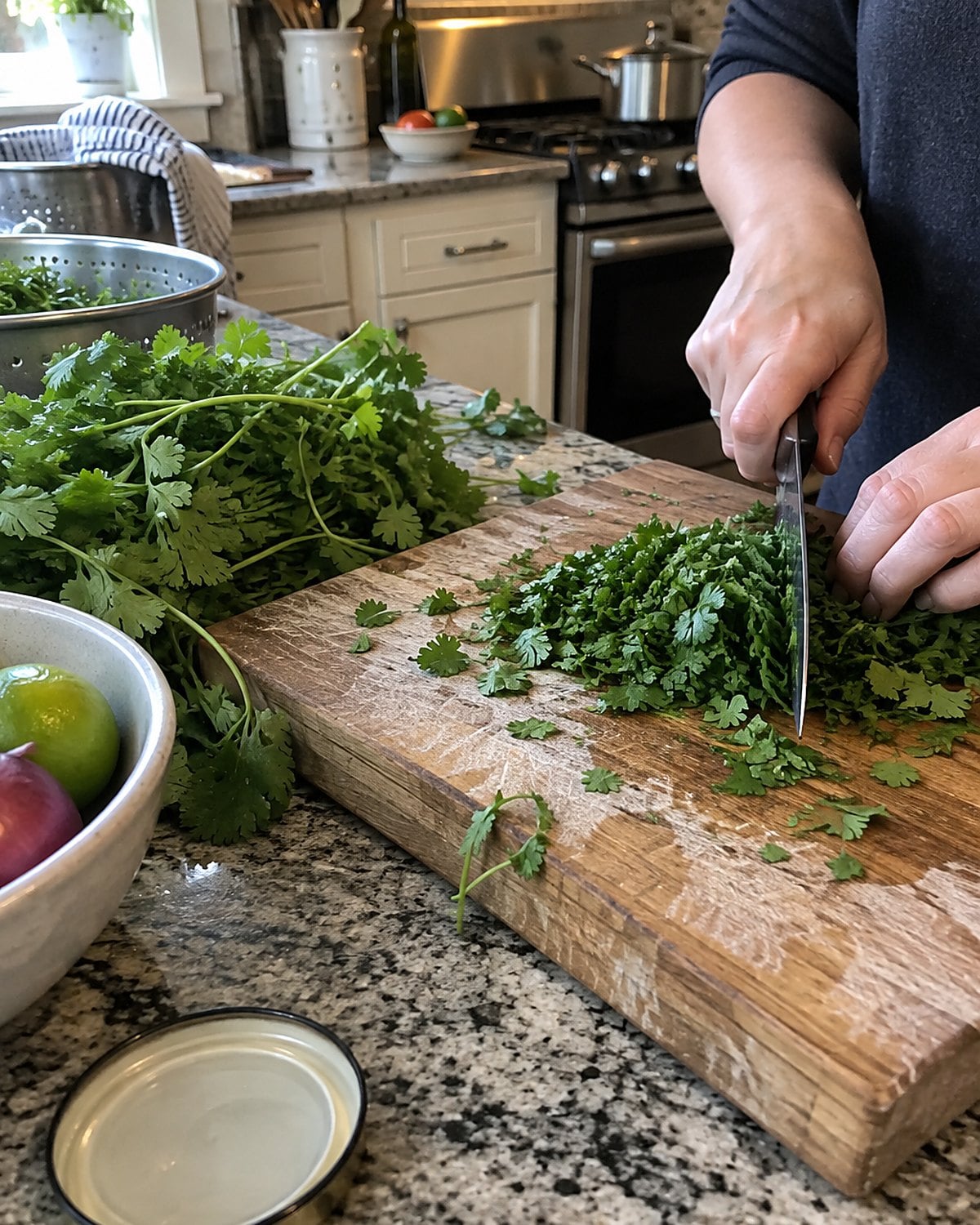
You needed a spoonful of cilantro for tacos. The store sold a bunch, and the remaining stems are turning dark beside the milk.
Give leftover herbs a second job before you buy them. Cilantro belongs in beans or scrambled eggs later in the week. Parsley goes into soup and over roasted potatoes. Chop what remains while the leaves are sound, then freeze it for cooked dishes. The texture changes, but the flavor still has somewhere to go.
If you want fresh leaves on a single dinner, check the price of a smaller pack against the bunch. Price per ounce matters less when most of the bunch dies in the fridge. Put the second use on your shopping list, beside the first one. That small note decides whether you're buying seasoning for two meals or compost.
Try it: Mexican Instant Pot Quinoa With Cilantro & Lime Dressing
#17 The Church Hall Dessert Table

How much of this week's grocery bill went to the potluck? The full sheet cake took flour, eggs, butter, and frosting from the household budget, even though none of it came home.
Generosity has a grocery line. That's fine when you choose it. It's frustrating when the bill looks like dinner for two and you've forgotten the food you cooked for twenty.
Before you volunteer, ask what the table needs. A smaller cake, fruit, or a dish using pantry staples might fill the gap. If the full sheet cake is the point, put it on the list as an event expense.
That doesn't make the gathering less lovely. It makes the receipt less mysterious when you get home and the refrigerator looks almost empty.
#16 The Cheese Block Beside the Shreds
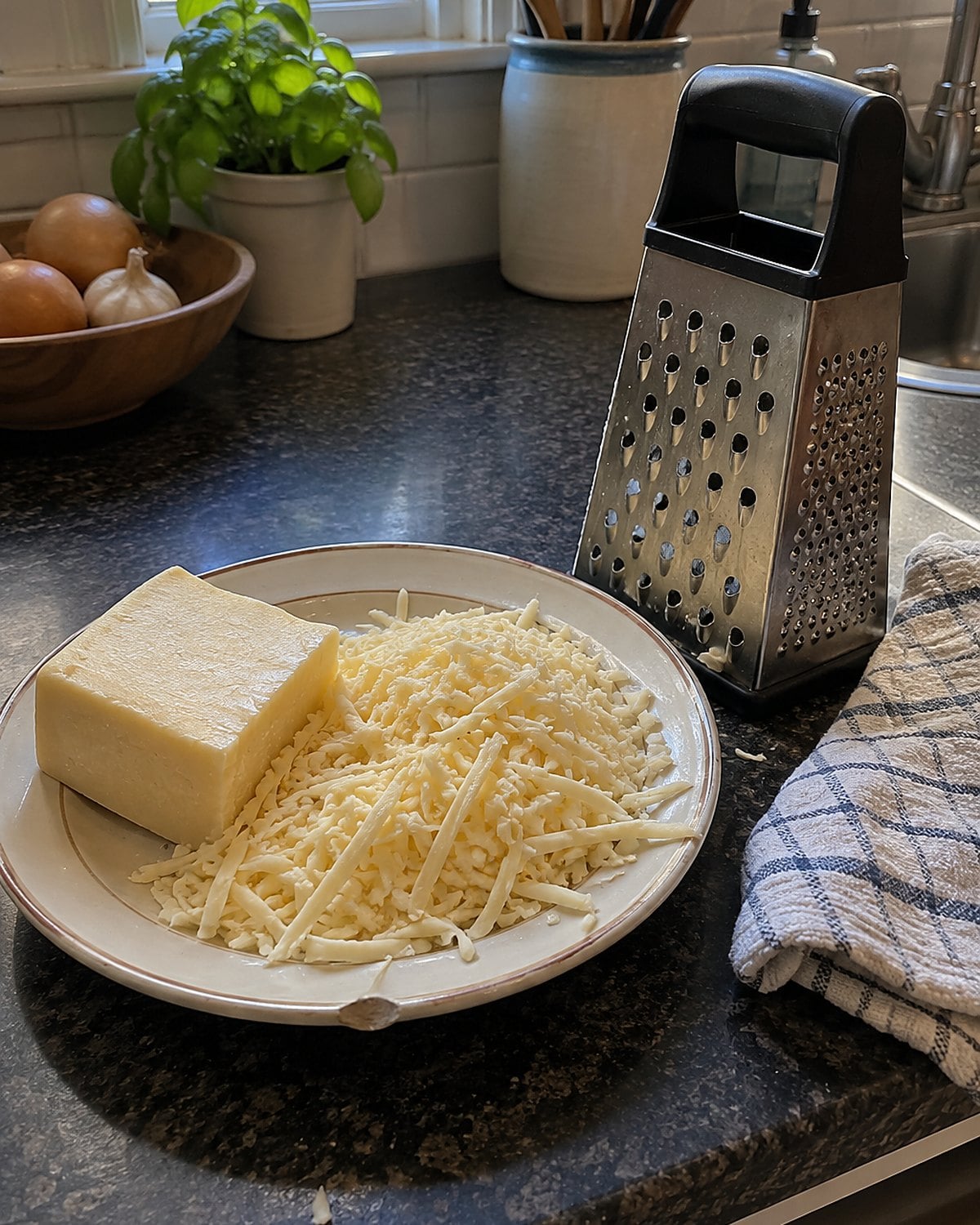
A bag of shredded cheese saves a step. It also invites you to pour straight from the bag until the casserole looks covered.
Compare its unit price with a block, then consider how much cheese you use. Grating a block onto a plate shows the amount before it vanishes into the pan. It also lets you grate only what dinner needs. The rest stays in one piece instead of turning into a forgotten handful at the bottom of an open bag.
Don't buy a huge block because its shelf tag looks better. Buy the size you'll finish, and wrap it well between uses. If you want the convenience of shreds, keep buying them. Measure the first handful once. A clear look at the amount gives you control without adding another chore to dinner.
#15 The Breakfast Cereal Nobody Finishes
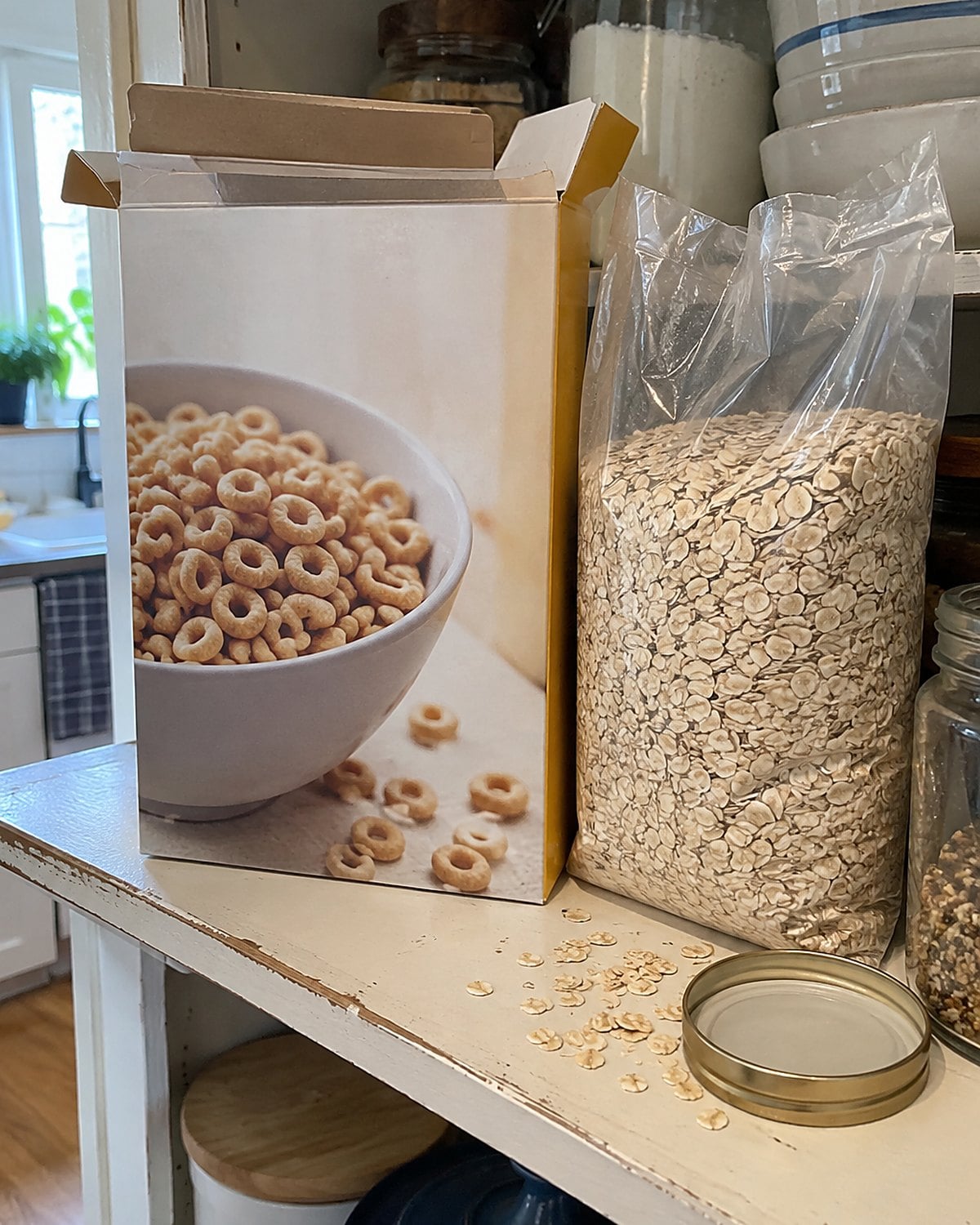
Breakfast is quiet now. The cereal box stands open, and the oats beside it keep moving to the back of the shelf.
Buying several breakfast choices once made sense when different people headed out at different hours. For two, open boxes can linger until the last bowl tastes stale. If a box has sat open for three or four weeks, taste a piece before pouring a full bowl. Before shopping, look at what's already open. Finish that first, then replace the choice you actually missed.
The same check belongs at the dairy case. A large carton of milk has a lower unit price only when it gets used. If you pour a little into coffee and little else, compare the smaller carton with the amount you throw out.
Breakfast doesn't need to become a project. It needs a shelf that reflects who eats at home now.
Try it: Instant Pot Rolled Oats With Cinnamon & Banana
#14 The Rotisserie Chicken's Second Dinner
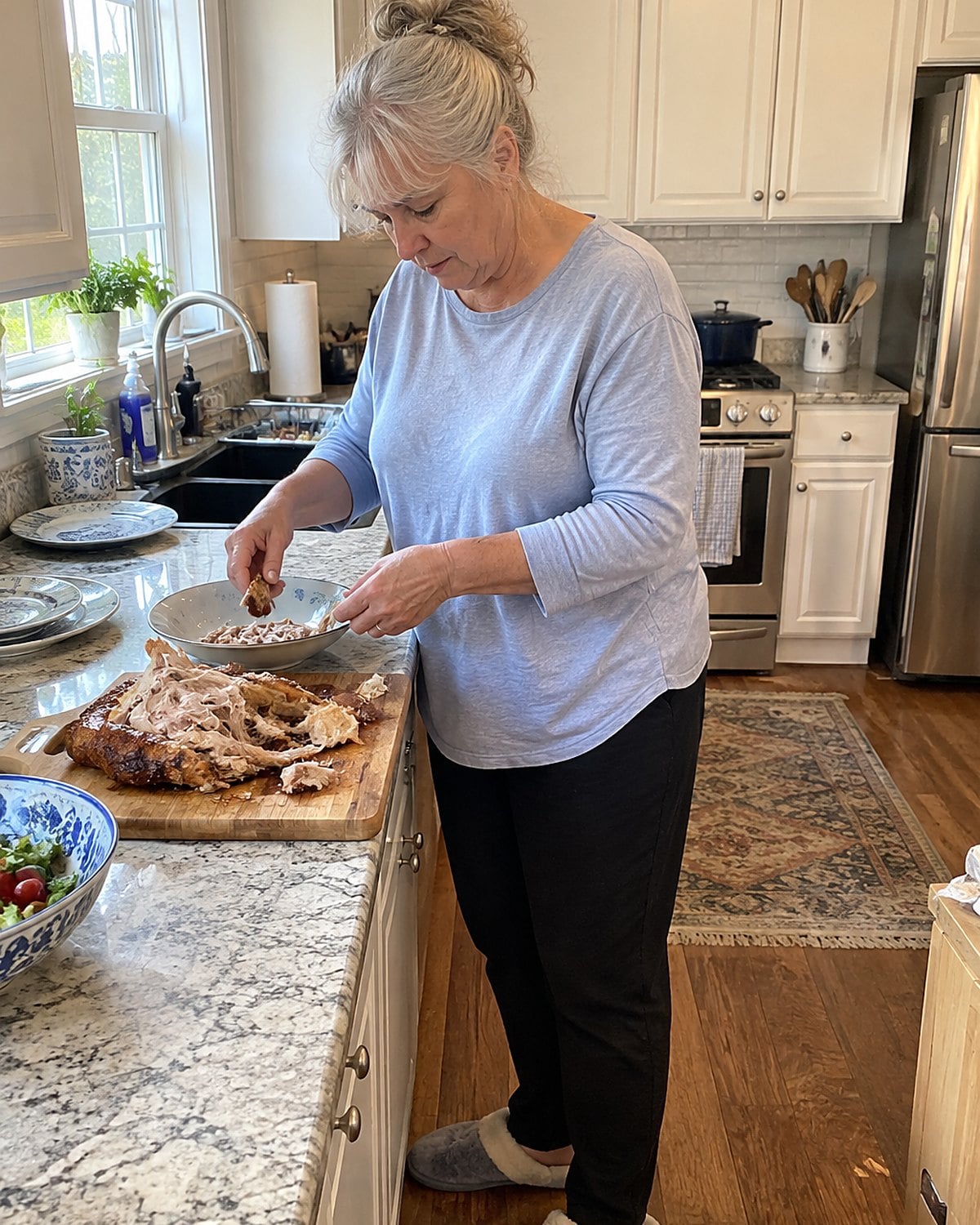
The warm chicken solves dinner the minute you walk through the door. That is worth something. The question is what happens to the rest.
If you eat the breast meat and leave the legs untouched, the chicken was an expensive shortcut for one meal. Pull the remaining meat from the bones after dinner and give it a named job.
Chicken salad for lunch, soup, or a quick filling for tortillas all count. Refrigerate it promptly; the USDA leftovers guidance gives three to four days for cooked leftovers in the fridge.
A whole bird also comes with bones and skin. If you make broth, decide when. Don't leave a picked-over carcass in the refrigerator and call it a plan.
Next time, compare the ready-to-eat chicken with the meal it replaces, not with raw chicken alone. Convenience bought you a free evening. Using the rest buys you another meal.
Try it: Instant Pot Leftover Turkey Recipes
#13 The Frosty Bag of Green Beans
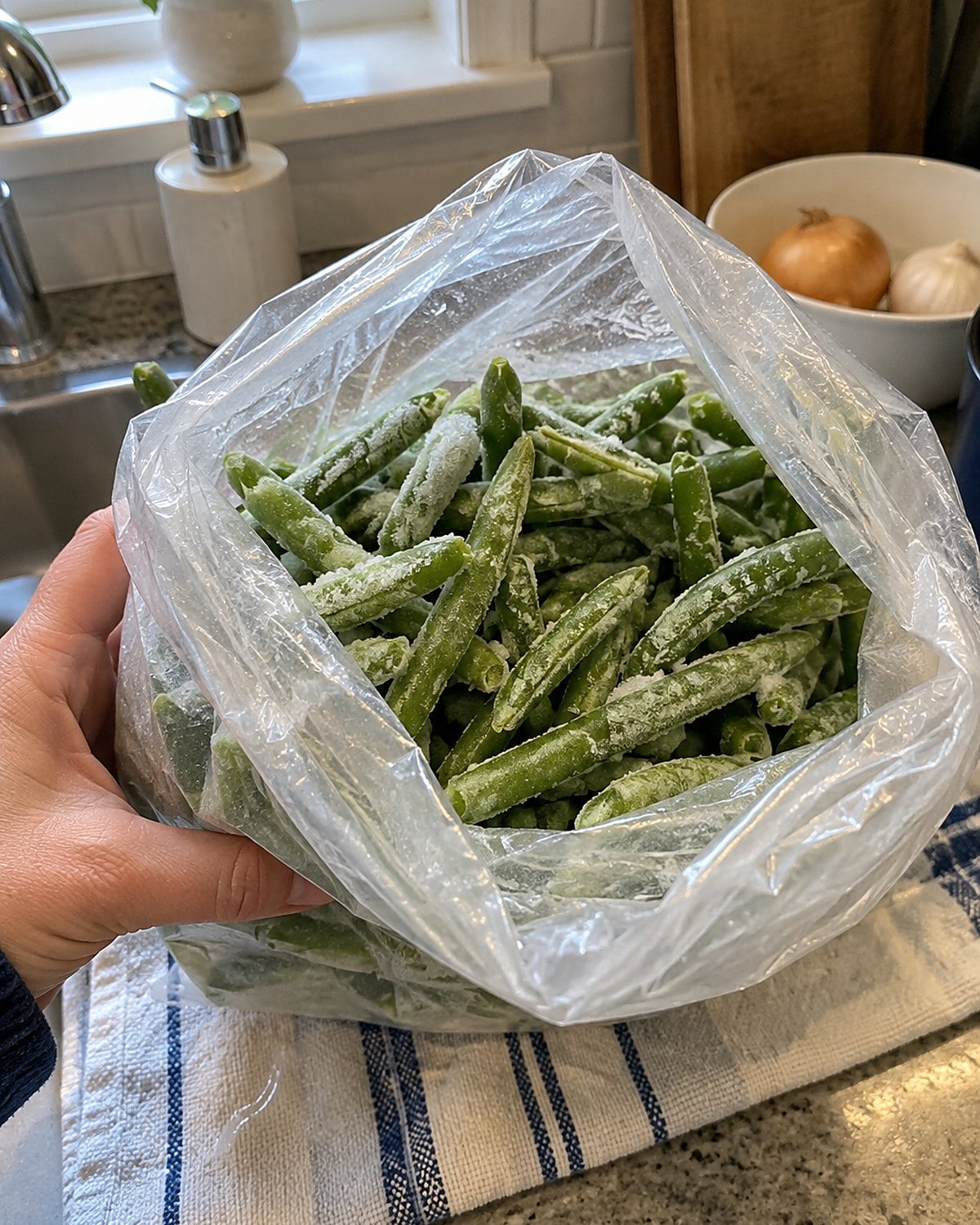
White crystals coat the freezer bag, and the beans smell tired when they hit the skillet. The bag stayed frozen, but air got to the food.
Freezer burn hurts quality. It turns exposed spots dry and dull; it doesn't mean the freezer failed. The USDA's freezer guidance separates safety from quality. Frozen vegetables kept at 0°F hold their quality for about eight to 12 months, according to the USDA cold storage chart. That range isn't a deadline for an open bag that's taken on air.
Press air from a freezer bag before sealing it. For a partly used bag of vegetables, roll the open edge down tightly and close it well. Write the date where you can see it. Then place older bags in front when new groceries arrive.
A sale on frozen vegetables loses its charm if the open bags spend so long in the drawer that you stop wanting to eat them.
Try it: Instant Pot Braised Green Beans (Turkish-Style)
#12 The Third Bottle of Mustard
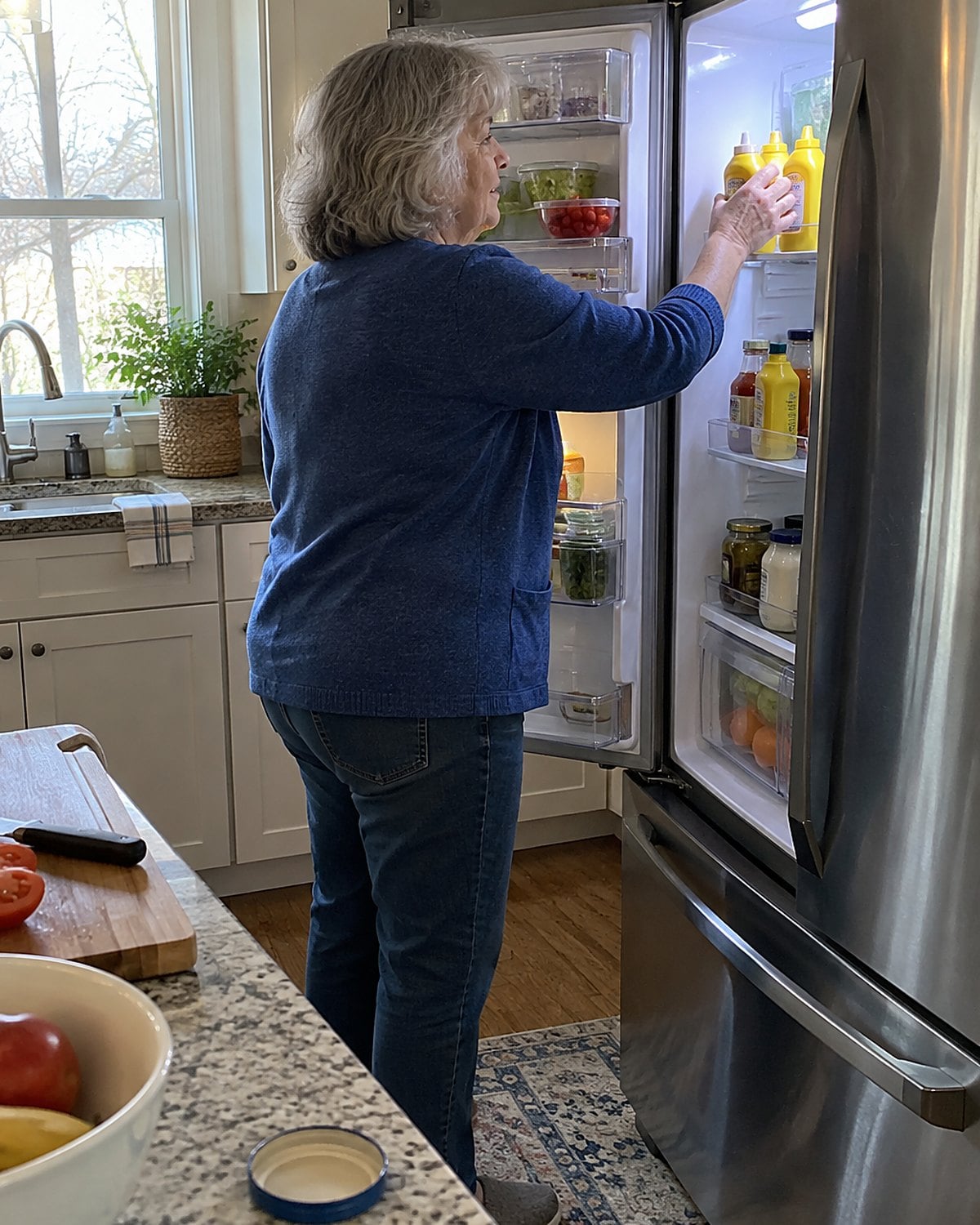
The refrigerator door has its own little collection: two nearly empty mustards and a new bottle you bought because the old one looked low.
Condiments are cheap beside meat, but a crowded door makes every bottle harder to find. Take them out before shopping and group like with like. Check each opened bottle for spoilage and follow the label's storage directions. Then put the one you want to finish at the front.
This is a household habit, not a lesson in mustard. The same thing happens with salad dressing, hot sauce, and jam. When fewer people eat breakfast and lunch at home, those bottles move more slowly. Before you replace one, open the door and look behind the tall jar. You might already own supper's sauce.
#11 The Pasta Sauce Jar for Two
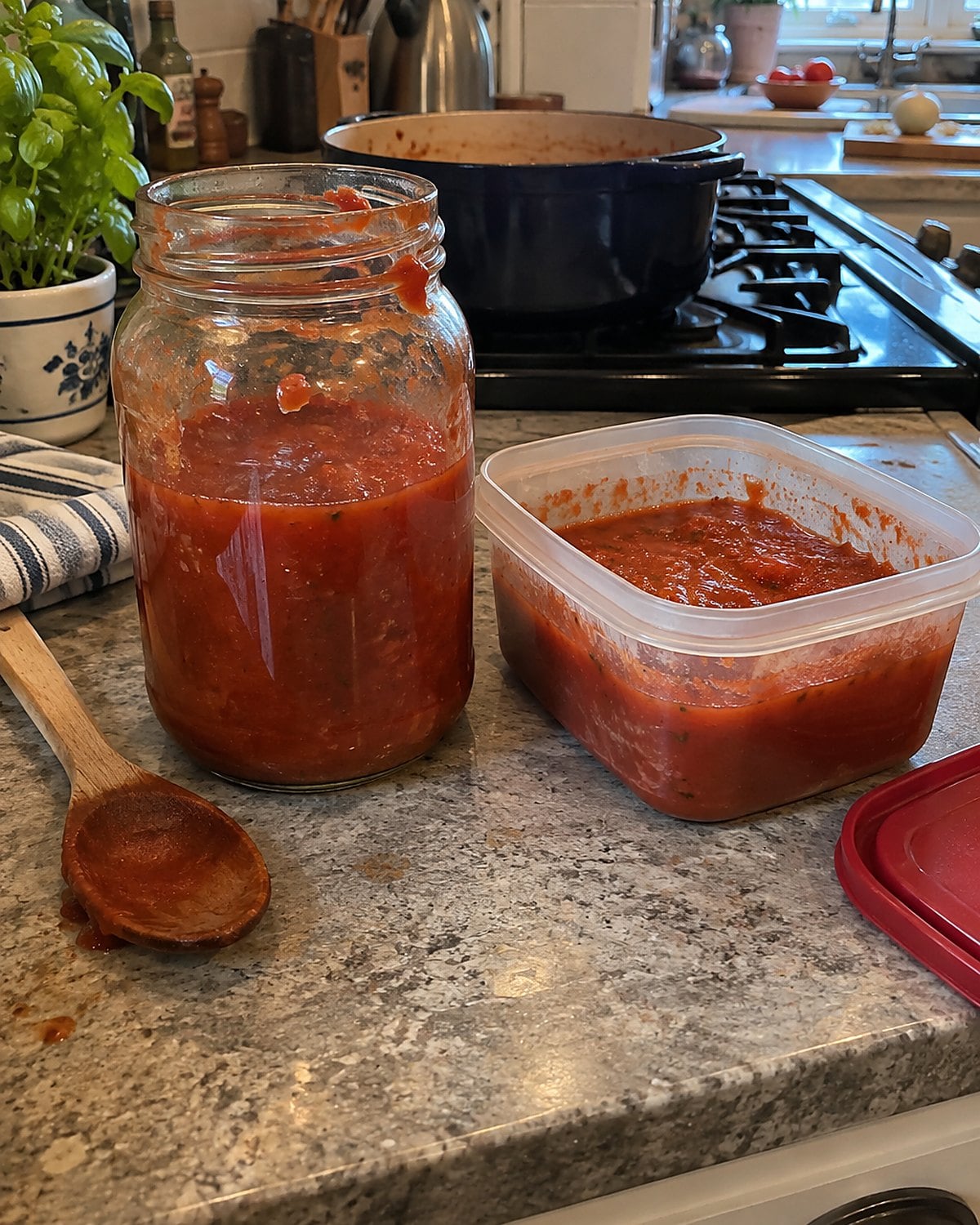
The jar seems sized for dinner. You simmer it with pasta, spoon on enough for two plates, and return the rest to the fridge without a date.
A jar isn't a meal plan. Before opening it, decide where the remaining sauce goes: on another pasta night, in a skillet with beans, or into the freezer in a smaller container. The FoodKeeper tool helps with storage questions when a label leaves you guessing.
You can also buy the smaller jar if the price difference beats the sauce you routinely discard. Look at the unit price, then look at the jar you last opened. Your own pattern settles the argument.
If you freeze a portion, leave room at the top of the container for expansion. Mark what's inside and when you froze it. A mystery red tub doesn't save money until it becomes dinner.
Try it: Instant Pot Spaghetti With Shrimp Scampi
#10 The Leftovers With No Lunch Plan
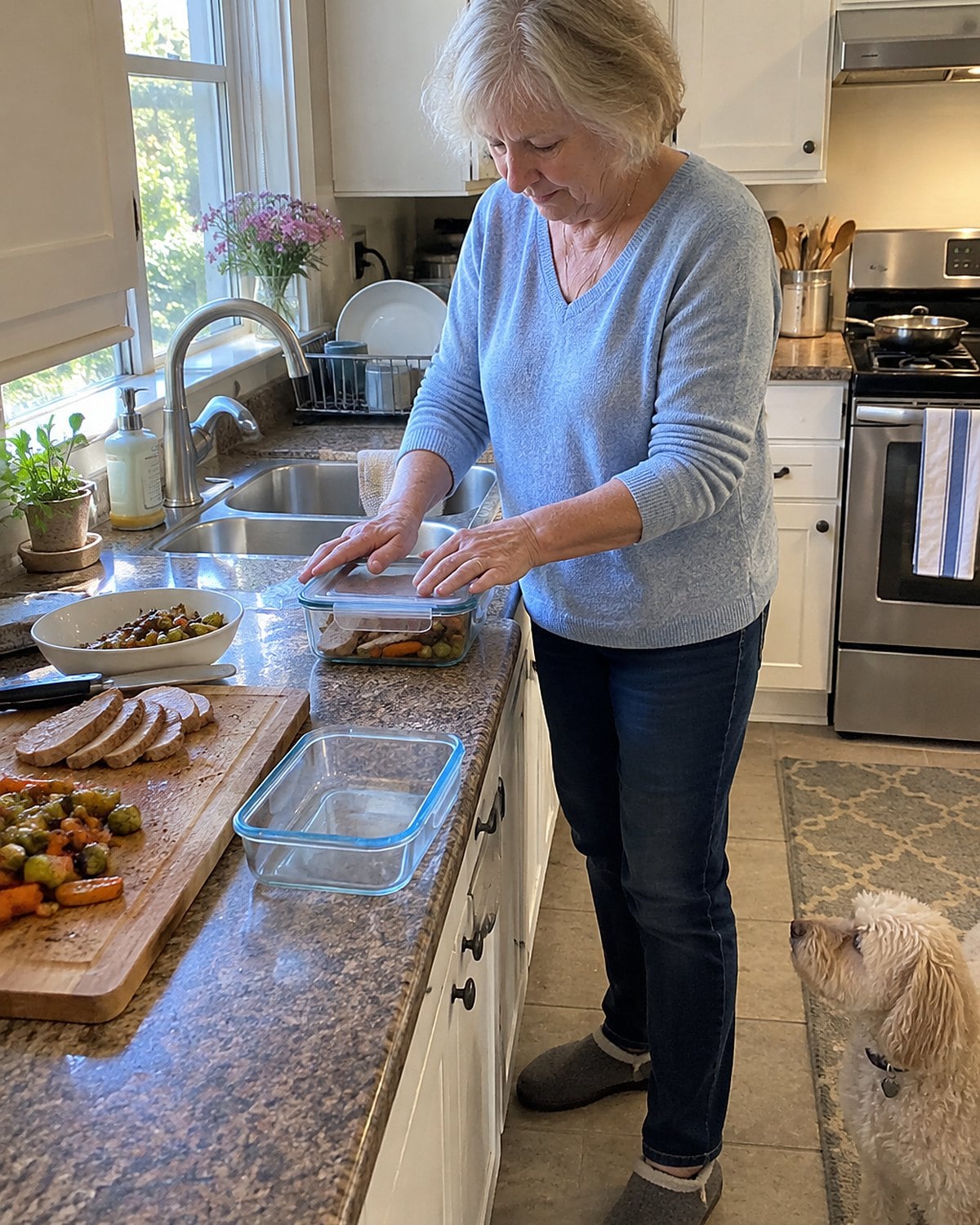
Two pork chops become dinner, and the side dishes go into separate containers. By lunch, nobody wants to assemble yesterday's plate again.
Give leftovers a new form while you're putting them away. Slice the pork for a sandwich. Fold roasted vegetables into an omelet. Spoon cooked rice into a container with the beans you intend to heat beside it. A lunch you can picture gets eaten sooner than four little tubs asking for decisions.
Keep the fridge at 40°F or below, and use the USDA cold storage chart when a container's age is unclear. Labeling dinner leftovers with the date takes less time than opening every lid later.
The money was spent at supper. Lunch is where you find out whether you bought one meal or two.
 You might also like27 Things People Over 60 Still Pay Full Price for That the Store Would Rather You Didn't Notice
#9 The Grandchild's Weekend Yogurt
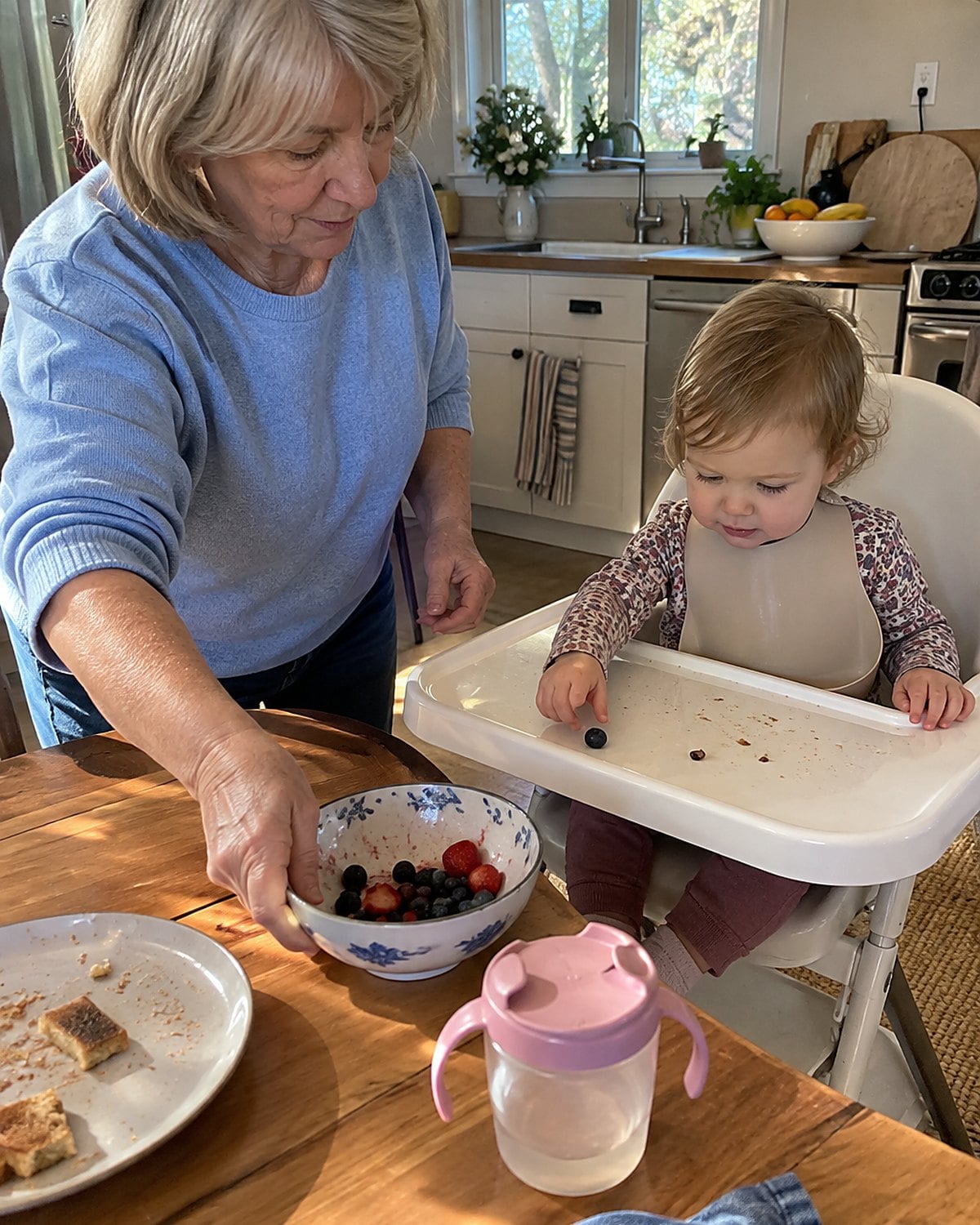
On Saturday, the high chair is back by the table. You bought the little yogurts, berries, and snack crackers that make the visit easy. On Monday, the leftovers belong to a household of two again.
Those visits are part of your grocery life, not an exception that disappears from the receipt. Before the next one, notice what the child actually finished. Buy that, rather than every possible favorite from the last visit. Keep shelf-stable snacks for future weekends, and send suitable unopened extras home if the family wants them.
Fresh fruit needs a plan after the visit. Berries go on your breakfast, into oatmeal, or into the freezer before they soften. If you're buying food for guests every week, write “weekend” as its own line on the list. You don't need to stop feeding people. You deserve to know which groceries are for the house and which are for company.
#8 The Club Pack's Lower Unit Price
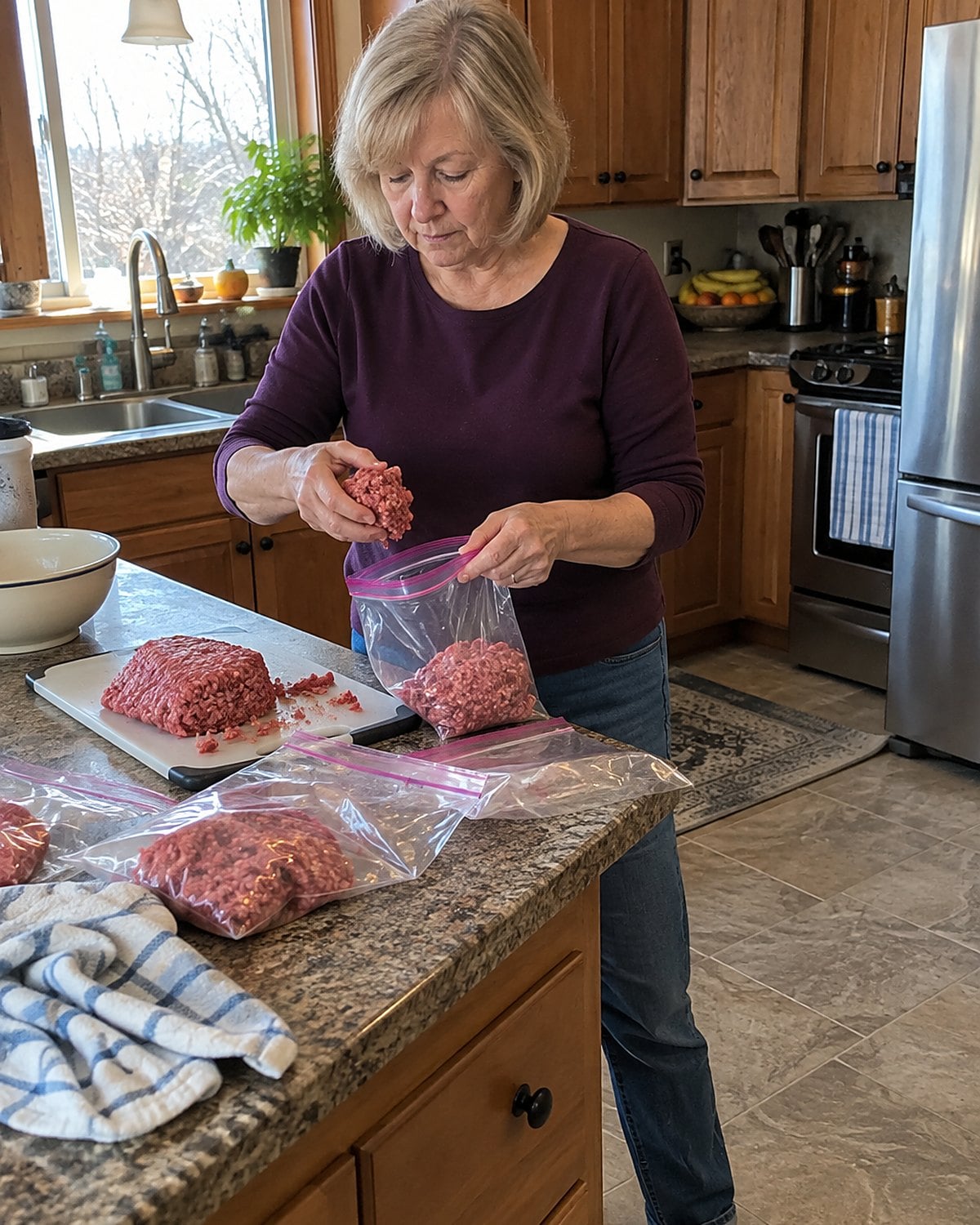
The warehouse pack wins on the shelf tag. At home, its size demands freezer space, containers, and a few minutes of work before anything else happens.
Do that work the day you buy it. Divide meat into portions that match a normal dinner, label each package, and freeze what you won't cook soon. If a pack costs 20 percent less per pound, discarding a quarter of it wipes out that saving. That's arithmetic, not a promise about warehouse prices.
Check the freezer before buying in bulk. A chest freezer packed so tightly you cannot see older food has room on paper, not room in practice. The good unit price doesn't help if it pushes last month's chicken farther out of sight.
Bring the calculator if you like. Bring your memory of what happened to the previous pack, too.
#7 The Weekly Ad's Extra Errand
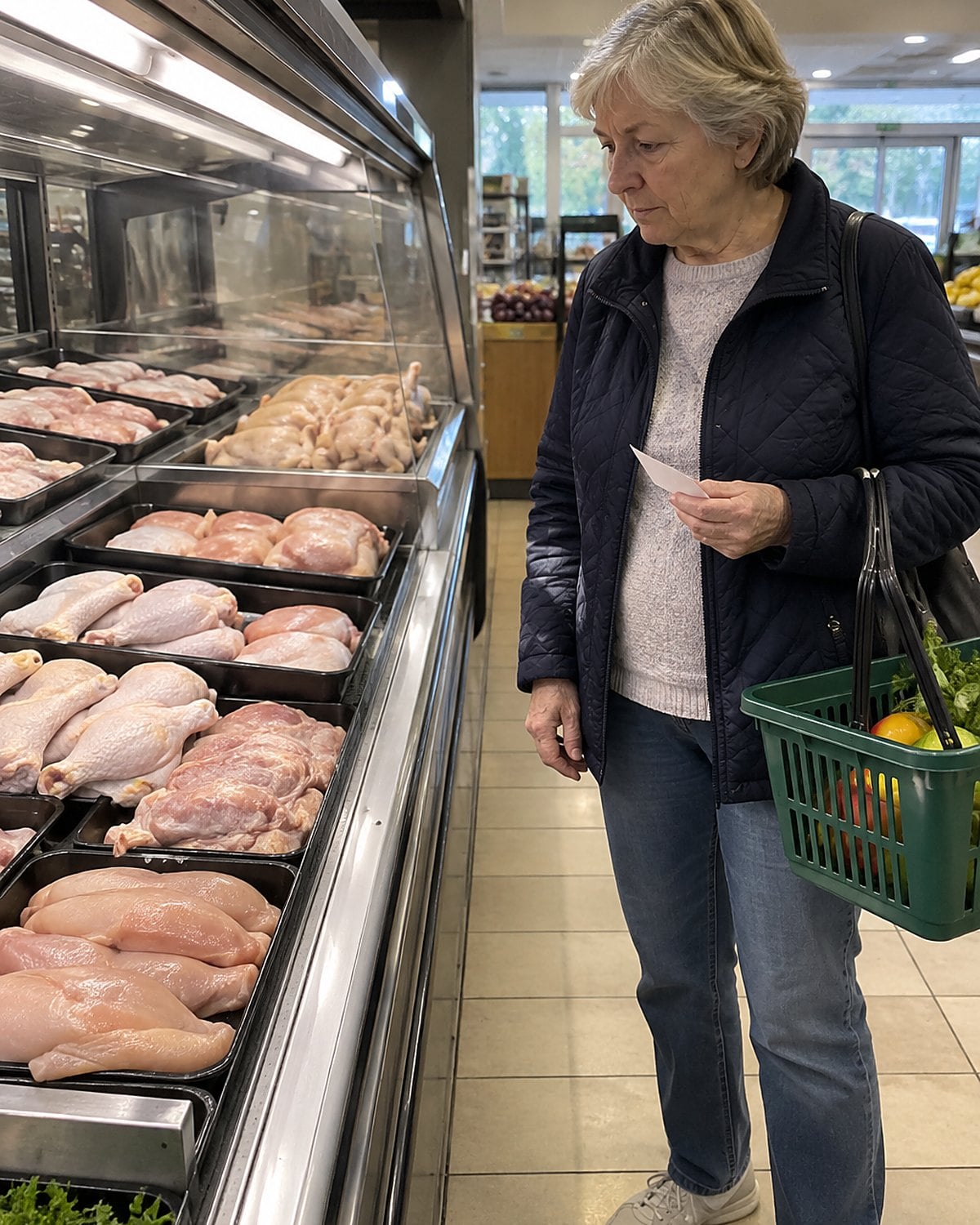
The store flyer promises savings on chicken. You drive over for chicken and come home with chips, flowers, and the coffee you didn't need yet.
An advertised price has to beat the whole trip, not merely the usual price of that one package. Write the sale item on the list before you leave. If you need several groceries there, fine. If it's a special trip for one thing, check whether you have space to store it and a dinner planned for it.
Weekly ads also train the eye to notice what the store wants to move. Your list came from your kitchen. Keep it in your hand, whether it's on paper or your phone.
A sale is useful when it changes the price of something you already needed. It doesn't have to change tonight's menu.
#6 The Takeout Menu Beside the Fridge
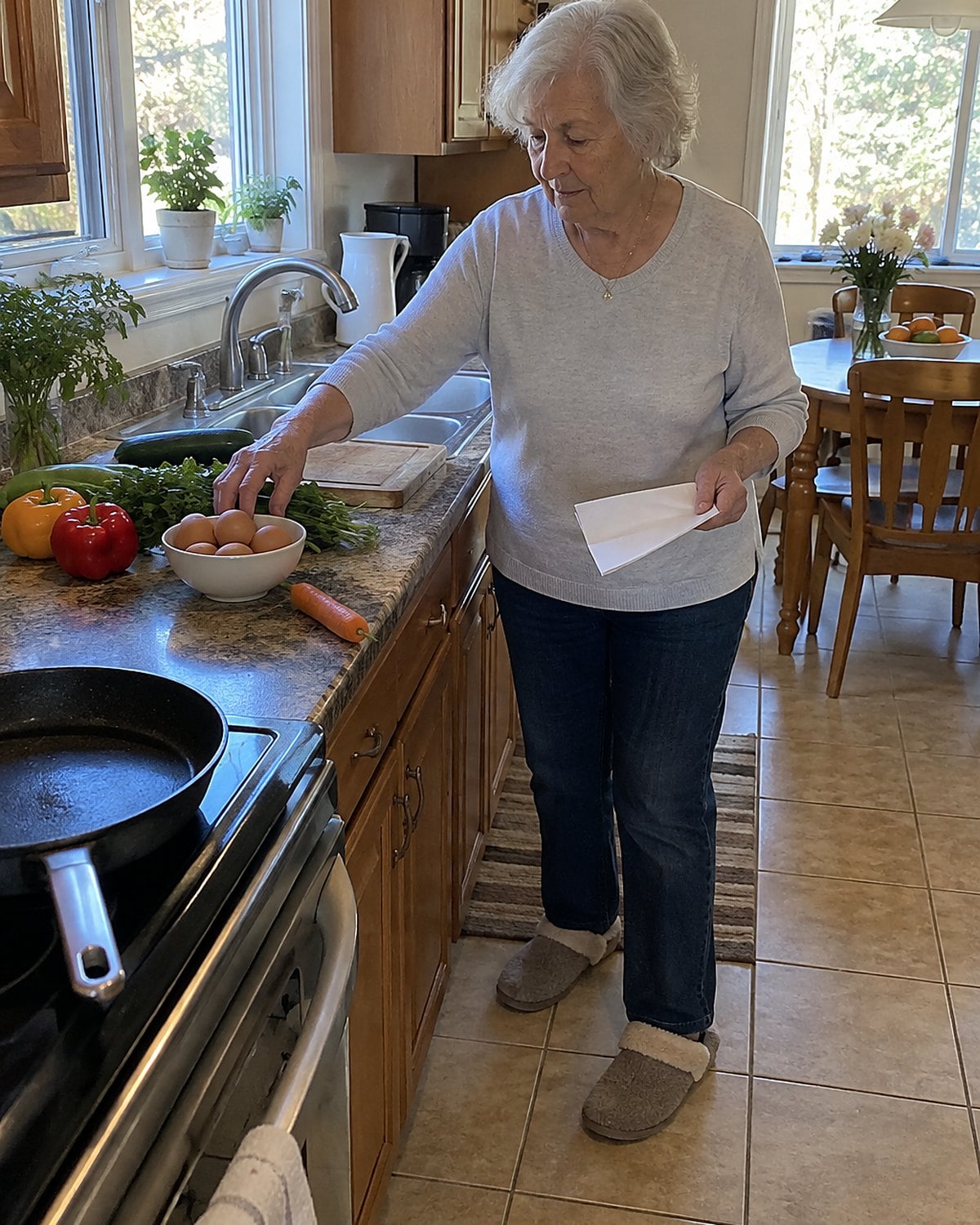
Some nights, the groceries are home and nobody wants to cook them. The takeout menu comes out because the ingredients you bought need washing, chopping, and a clean pan.
Budget for that night before it arrives. Keep one dinner with almost no preparation on hand: frozen vegetables, eggs, and toast; canned beans with rice; or soup you've already made. Pick the one you'll eat when you're tired. A backup dinner that sounds virtuous but unappealing won't compete with takeout.
There's no shame in ordering dinner. If takeout replaces a planned grocery dinner once a week, that's about 52 dinners a year you bought ingredients for but didn't cook. Shop for fewer fresh dinners if Friday is regularly takeout night. Count Friday honestly.
The grocery bill didn't shrink because some of its dinners never made it to the stove. What sits unused in your crisper after a takeout night?
#5 The Thermometer on the Fridge Shelf
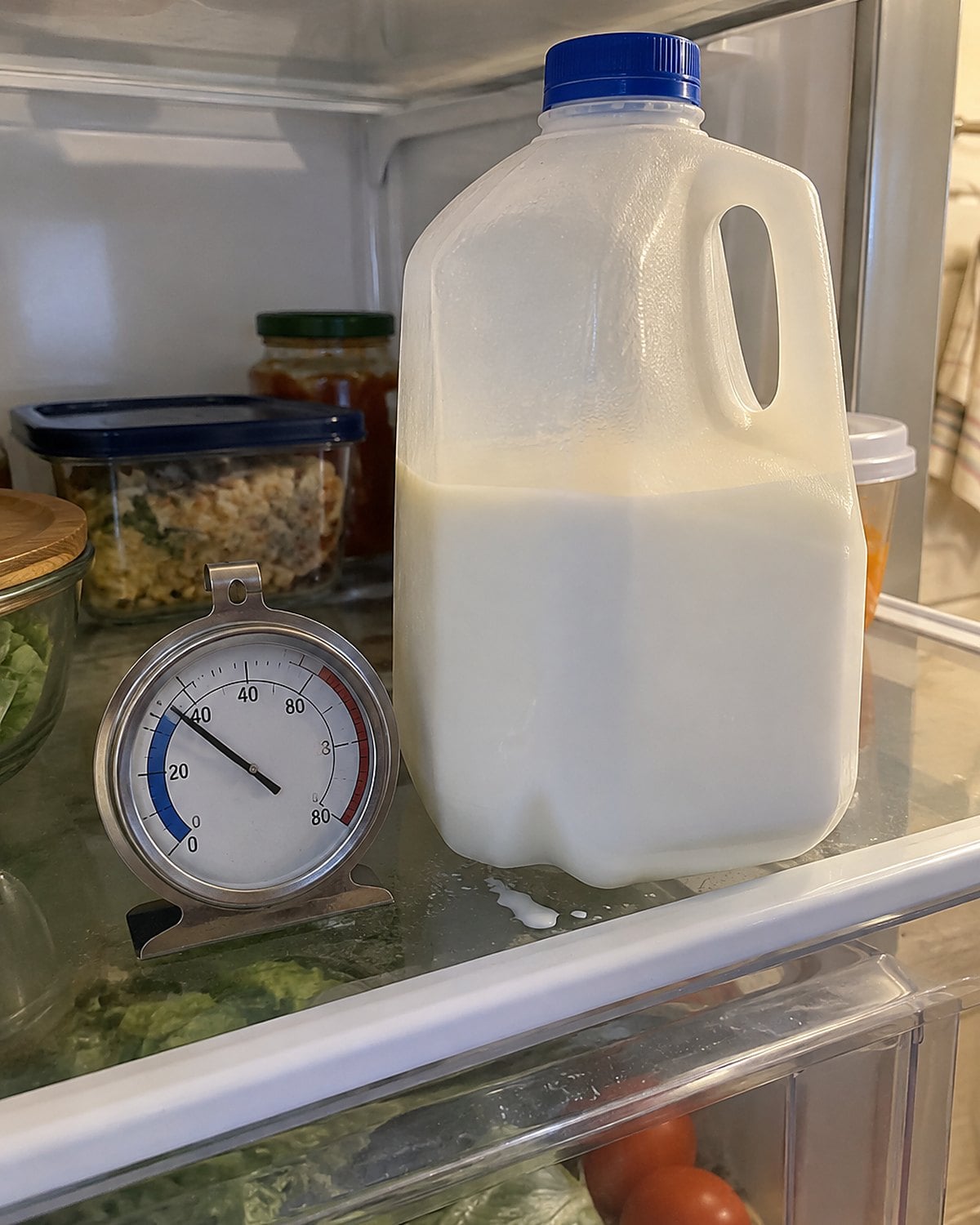
The milk goes sour sooner than expected. You blame the store, then find a forgotten container at the back that feels barely cool.
Put a refrigerator thermometer on a middle shelf and read it after the door has been closed for a while. The fridge needs to hold 40°F or below. The FDA's refrigerator advice backs that number. A cold-looking dial isn't a measurement.
Don't crowd the vents with containers, and check the door seal if the temperature runs high. Food that spoils early costs you twice: once when you buy it and again when you replace it for dinner.
A thermometer is a plain tool, not a new system. Let it tell you whether the appliance holding most of your week's groceries is doing its job.
#4 The Date Stamped on the Carton
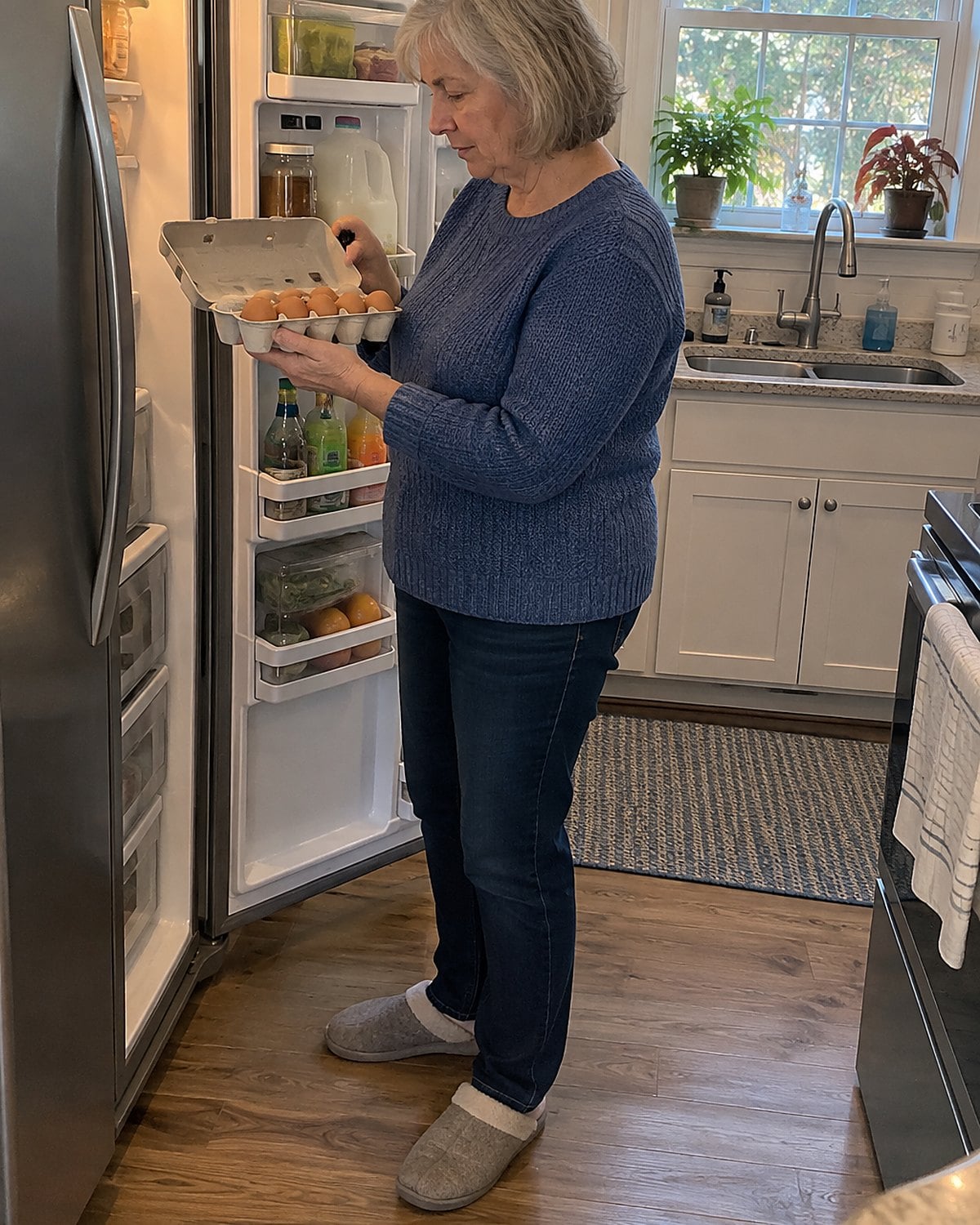
The date on a package catches your eye, and out it goes. The replacement lands on the next receipt.
Dates mean different things on different foods. The USDA's food product dating guidance explains that many dates describe quality, not a sudden change from safe to unsafe. Infant formula is a different case; follow its use-by date.
Read the words beside the date, then consider how the food was stored and whether it shows signs of spoilage. Don't use a date as permission to eat food that smells wrong or has mold where it shouldn't. For storage questions, check the USDA's cold storage chart.
You don't have to distrust every label. Just give the words their actual meaning before you throw away groceries you paid for.
#3 The Receipt Folded in Your Purse
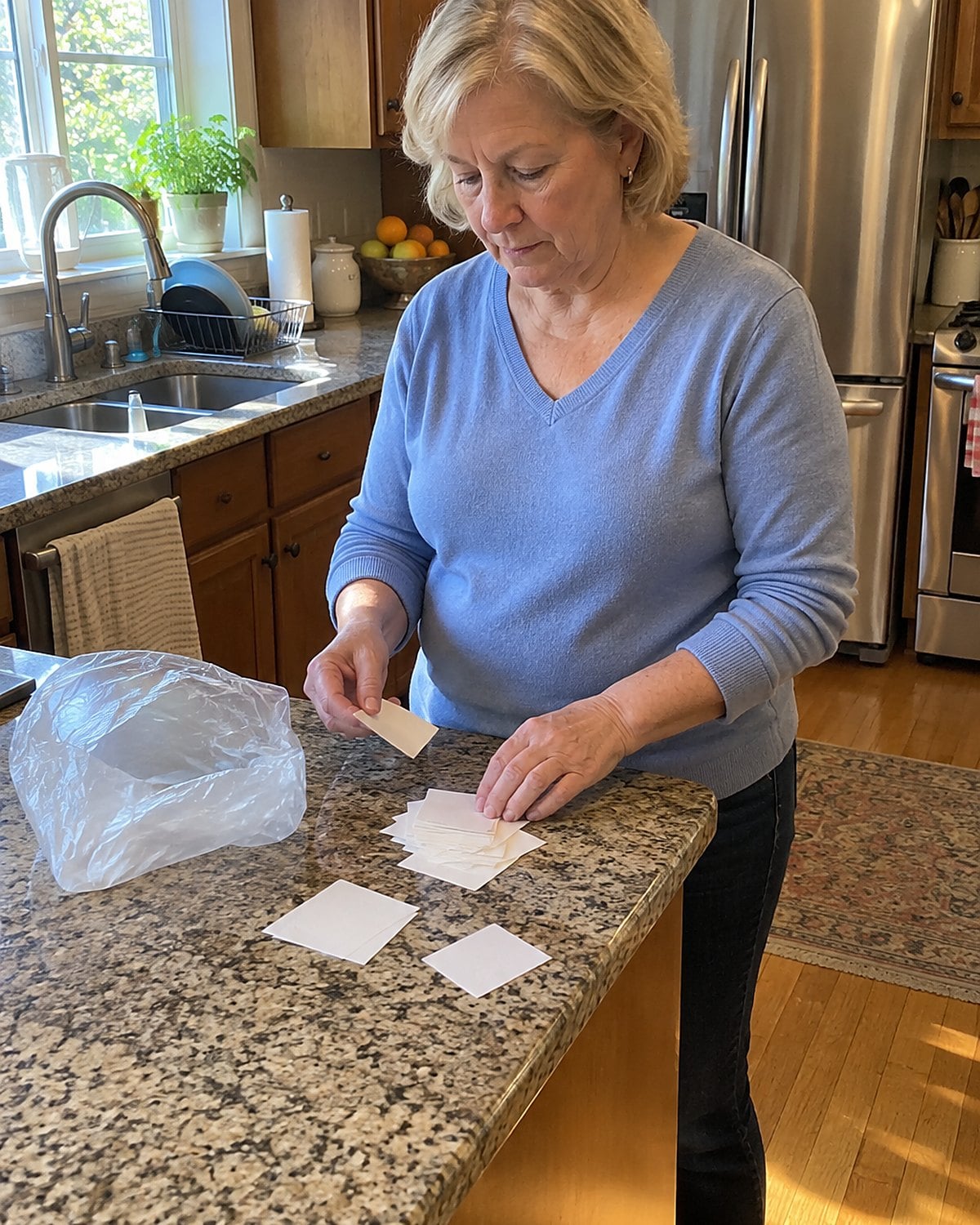
“I spend the same” deserves a closer look than a single total at the bottom of a receipt. Put three recent receipts on the counter and mark the items that became dinners at home.
Then mark food for guests, household supplies, drinks, and the things that never got eaten. Those marks answer different questions.
If dinner ingredients went down but supplies went up, dinner isn't the cause. If vegetables and meat repeatedly show up in the trash, buying less of them will matter more than switching brands of dish soap.
You don't need a spreadsheet or perfect records. Circle the purchases you remember discarding and add those prices with the calculator on your phone. Even an incomplete total gives you a place to begin.
The receipt records what left the store. Your kitchen tells you what became a meal. Bring both to the question before you decide that feeding two costs the same as feeding a full house.
#2 The Cart Before the Checkout Lane
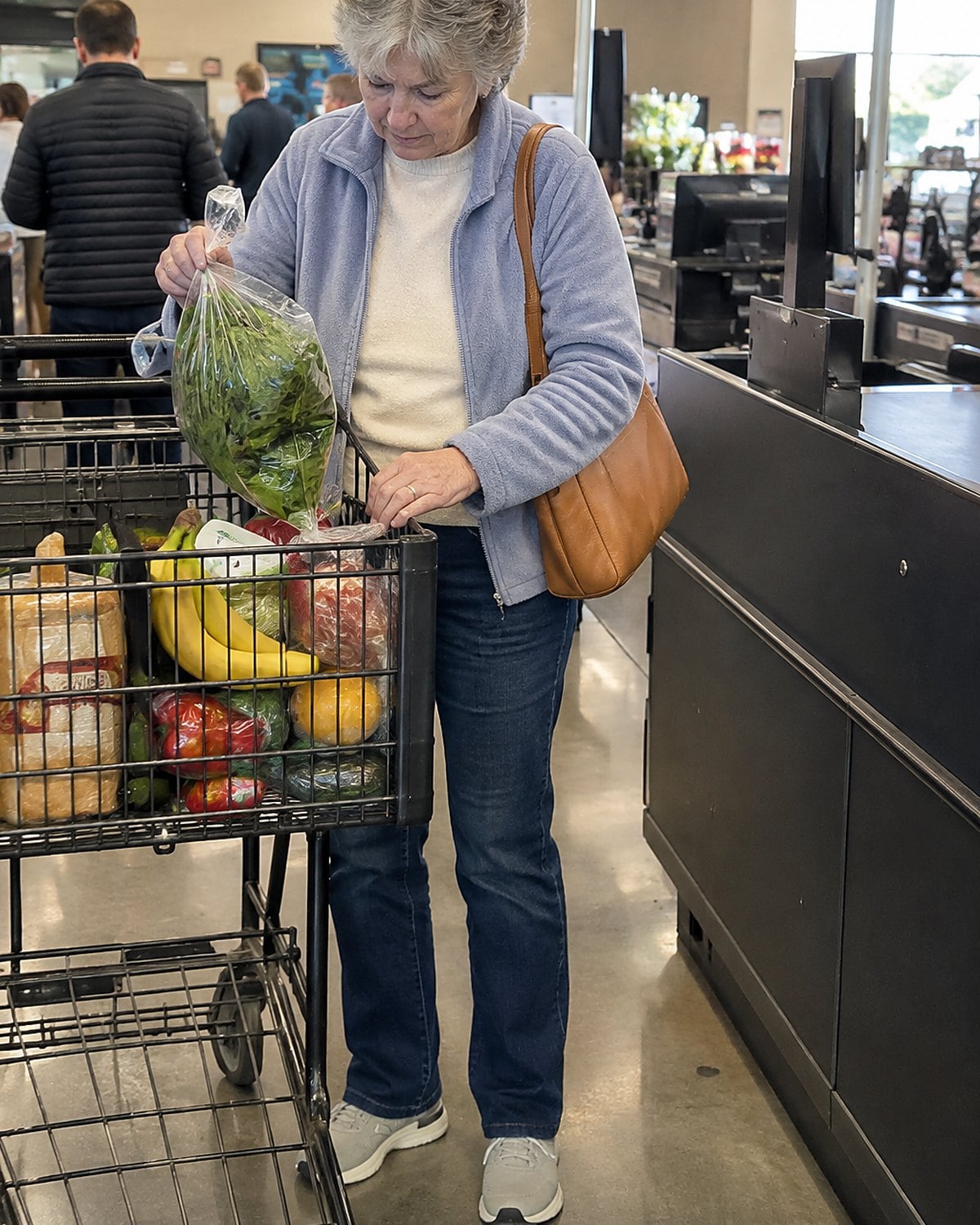
Pause before the belt. Your cart holds groceries for the meals you planned, plus purchases made because a display, a coupon, or a hungry afternoon caught you.
Take a slow look at the fresh food first. Which item has no dinner attached to it? Which ingredient is already at home? If the store has a return shelf near checkout, put back the item you don't have a use for. Otherwise, ask the cashier where it belongs. That brief pause beats trying to rescue it after a week in the fridge.
The goal isn't a joyless cart. Keep the chocolate or flowers if you want them. Choose them on purpose. A household of two leaves less room for hopeful purchases disguised as dinner ingredients.
Checkout is the last moment when the store still owns the food. Your kitchen takes over after that.
#1 The Suppers That Never Happened
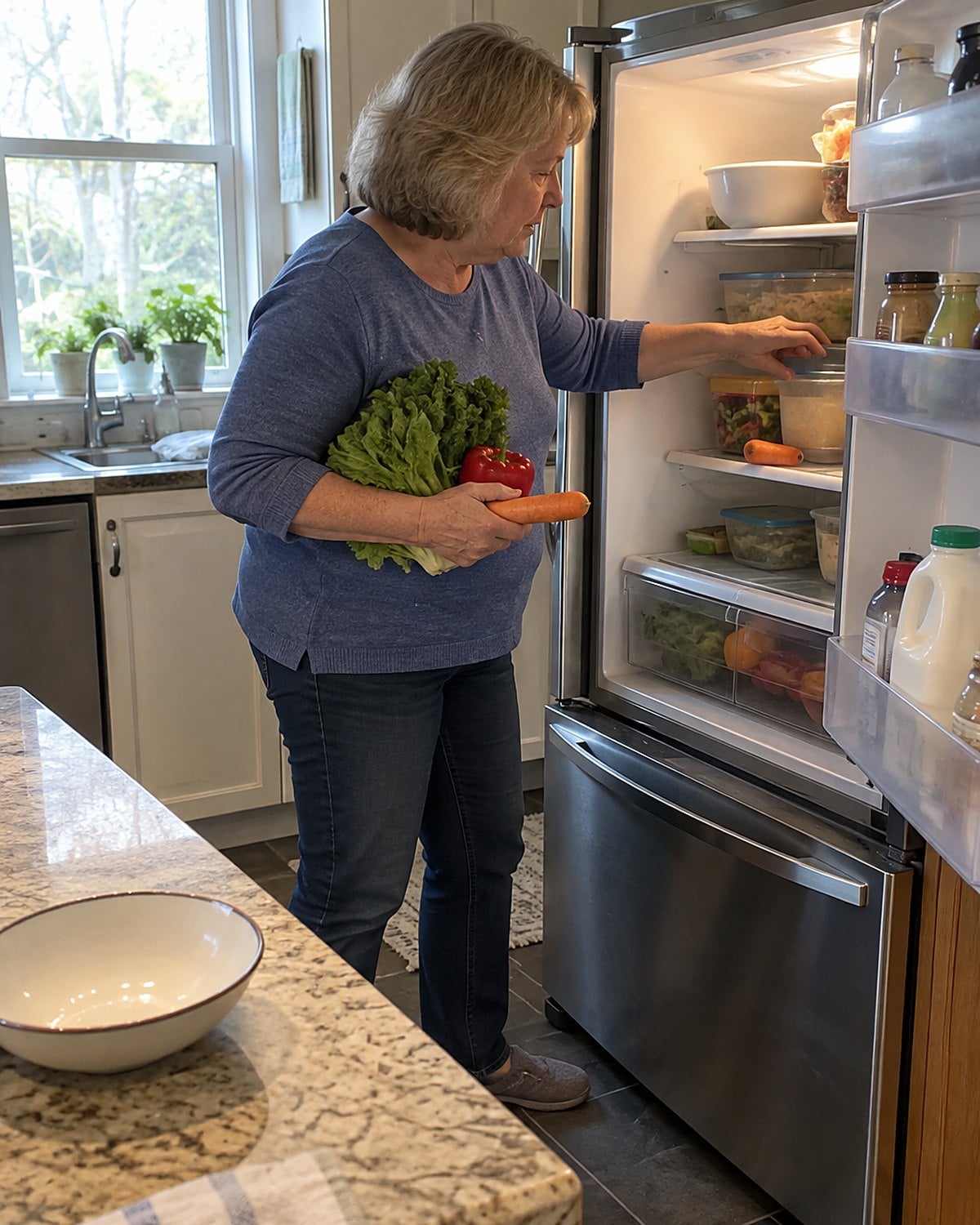
Thursday's supper was meant to use the chicken. Then you stayed late at a meeting. Saturday brought an invitation. By Sunday, the chicken was still in the fridge, and the bill included food for nights you never ate at home.
Those missing suppers are easy to overlook because nothing unusual appears on the receipt. You bought familiar ingredients. The calendar changed after you paid for them.
Look back at the last seven evenings. Count only dinners cooked from groceries you bought for that week. Set aside invitations, takeout, and nights you ate leftovers from an earlier shop. The count tells you how many fresh dinners this household actually needed, not how many it once cooked.
Next time, shop for that number of fresh dinners. Keep a shelf-stable or frozen meal for the night plans fall through. You don't need to guess which evening will change.
Put ingredients with the shortest useful life near the front of the fridge. If an invitation arrives, eat those first on the next night at home. The point isn't to turn down a good dinner elsewhere.
Try the count tonight, before writing another list. How many of last week's planned suppers reached your stove?
Keep reading
 26 Things Grocery Workers Wish Shoppers Over 60 Knew
See all 26 →
More you’ll remember
 27 Things a Woman Learns When Her Husband Starts Cooking in Retirement
 24 Pantry Items That Last Years, So Stop Replacing Them
 25 Fridge Habits That Waste Money Every Week Without Anyone Noticing
The bottom line
The number of people at the table changed. Package sizes, old serving habits, and invitations from other tables didn't change with it.
The well-prepared version of you has checked the freezer, counted the dinners you'll eat at home, and left room for plans to change. What's waiting in your kitchen for a supper that hasn't happened yet?
Leave a Reply