

The cart wheel catches at the end of the cereal aisle. You give it a shove, then notice the larger box has a brighter sale sign but a higher price per ounce.
After years of feeding a full house, shopping for one or two takes a different kind of attention. The old reflex says buy the big box. The shelf says otherwise.
The useful tricks are there in plain sight. Some start with a number too small to read without your glasses. Others start with asking a worker a more specific question.
#26 The tiny number on the shelf tag
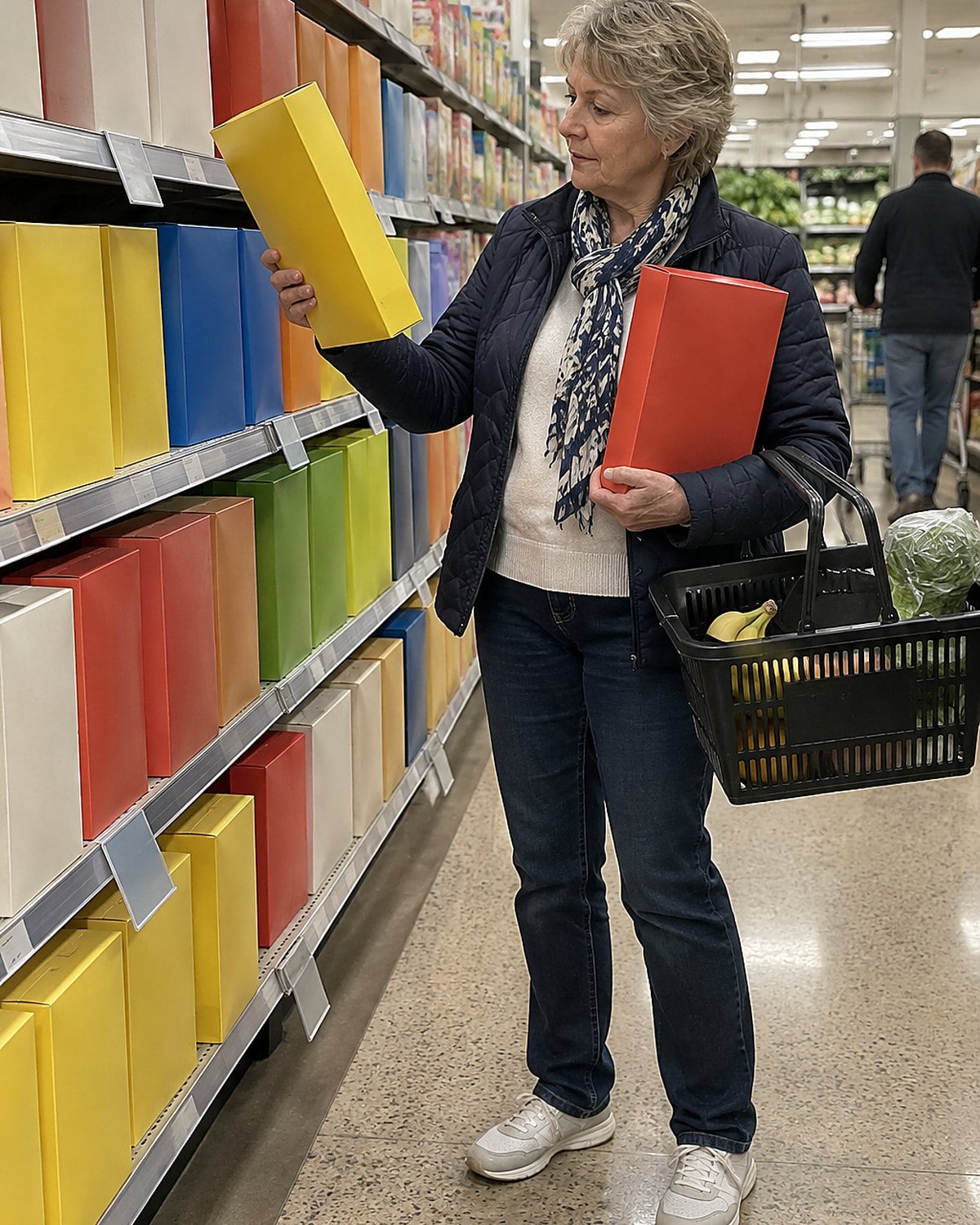
The big price answers one question: what will you pay today? The smaller unit price answers another: how much are you paying for each ounce, pound, or count? Compare that number when packages look alike but hold different amounts. Keep the units the same. A price per ounce won't settle a choice against a price per pound until you convert one.
Shelf tags get misplaced. A carton pushed above the wrong tag gives even a careful shopper bad information. Check the product name and package size printed beside the number before putting it in your cart.
That print is tiny. If your reading glasses are in the car, ask a worker to read the unit prices or use your phone camera to enlarge the tags.
The smallest unit price still isn't automatically the best buy. A huge tub of yogurt loses its advantage if half goes bad in your fridge. For a smaller household, the honest comparison is the amount you'll eat against the amount you'll carry home.
#25 The produce bag with seven lemons
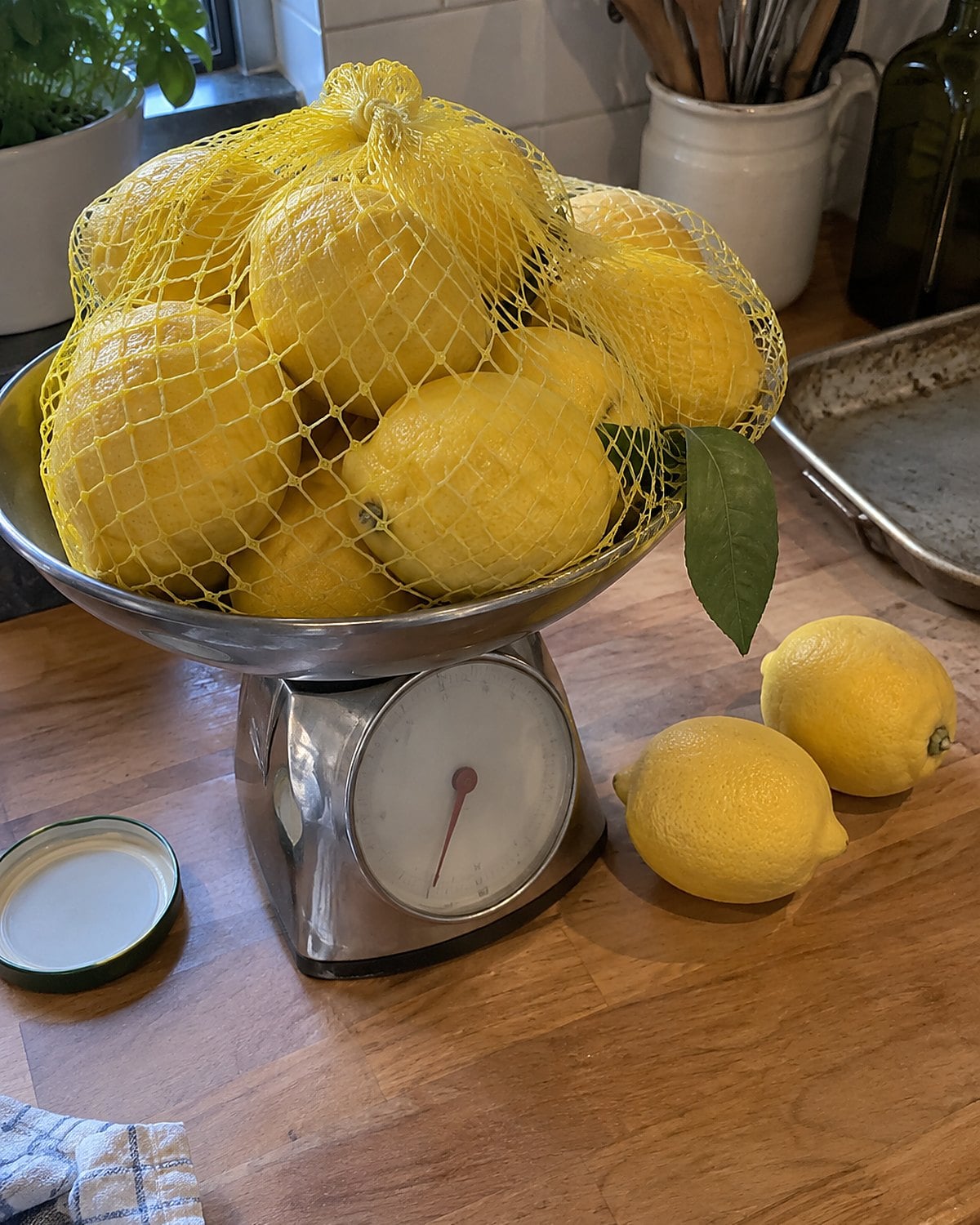
That mesh bag looks like a bargain until you remember you came for lemons to squeeze over fish tonight. Count what you'll use before comparing the bag with loose fruit. If the sign says “each,” you're paying per lemon. If it says “per pound,” the scale settles it.
Put the bag on the produce scale if the price is weight-based. Don't guess from how heavy it feels in your hand.
Loose produce gives you another choice: you pick the pieces. Turn each lemon and look for soft spots or broken skin. Bagged fruit makes you buy every piece inside, including the one tucked out of sight. When the household has shrunk, choosing two sound lemons beats finding five tired ones in the crisper next week.
Keep those two loose lemons apart from the bag while you compare prices. Otherwise, it's easy to forget which price belongs to which choice. Then buy the fruit for the meal you're making.
#24 The parsley bunch beside the cilantro
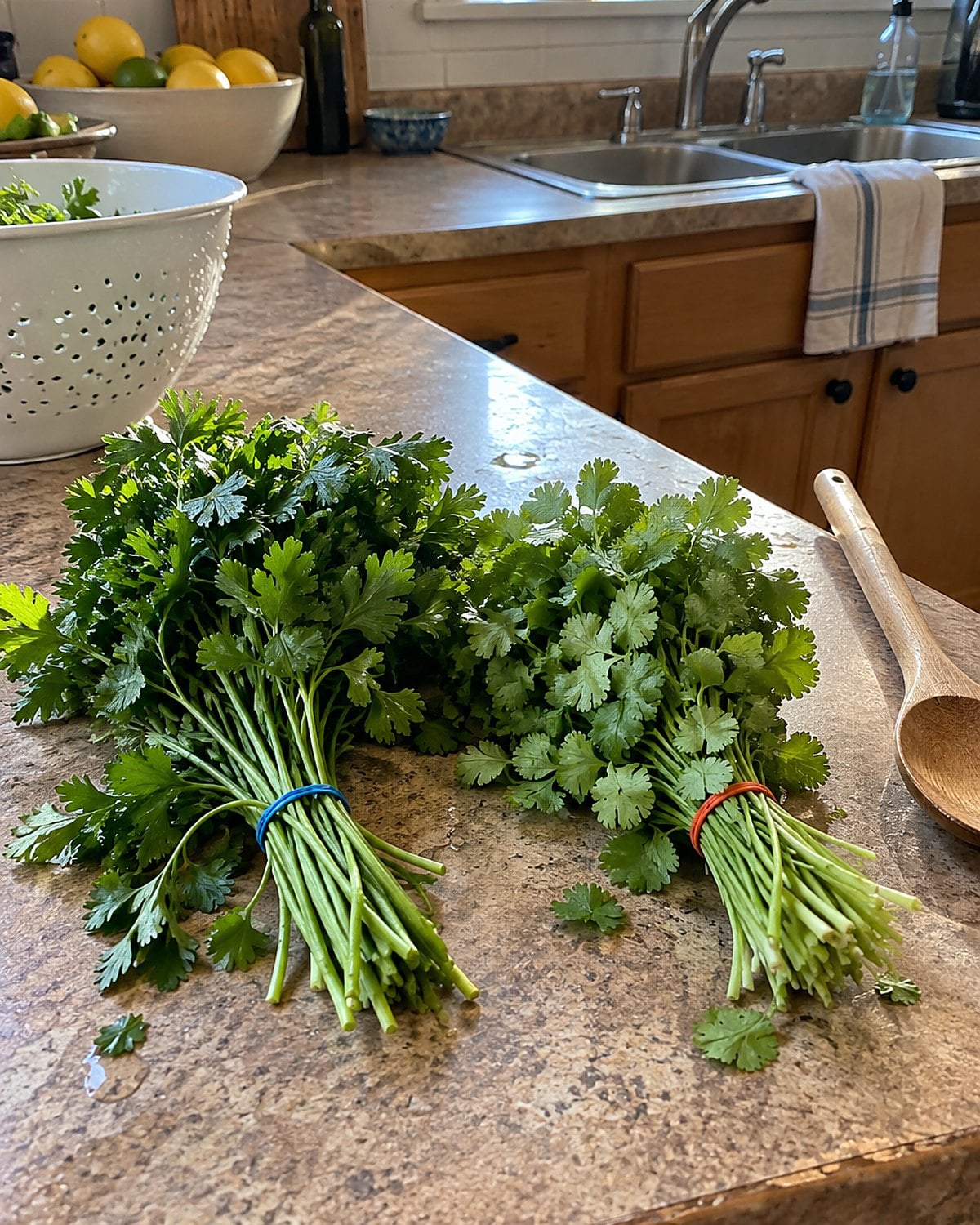
Those green bunches are easy to confuse when you're reaching past a stack of wet herbs. Read the band or shelf tag before checkout. Once home, the difference shows up in dinner: flat-leaf parsley tastes clean and grassy; cilantro has the sharper flavor that people either want or don't.
Herbs also suffer from the trip home. At the store, check the stems. They should look firm, without dark, slippery patches where the band gathers them.
If you need only a little parsley tonight, plan for the rest while you're standing there. Chop some into eggs or soup later, or freeze chopped parsley for cooked dishes. Frozen leaves won't give a salad the same look or texture, but they'll still have a job.
Before putting fresh herbs away, remove any slimy leaves. Keep the bunch in the fridge, not forgotten under a heavy cabbage. If the bands are hard to read, rub a leaf between your fingers and smell it before choosing.
Try it: Mexican Instant Pot Quinoa With Cilantro & Lime Dressing
#23 The spinach leaves under the spray nozzle
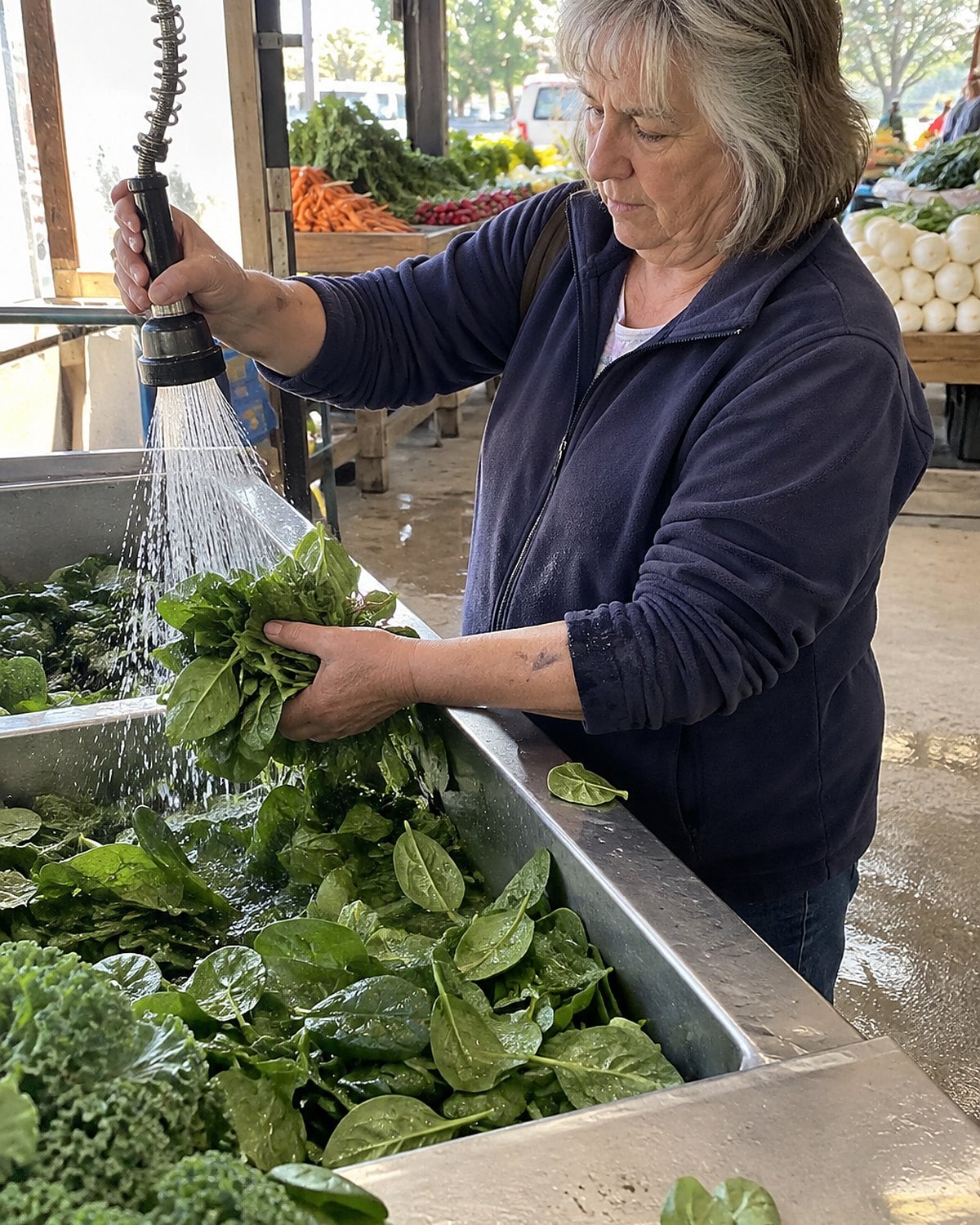
Produce mist makes greens look lively. It also makes it harder to spot leaves turning slick underneath. Lift the bunch or look through the clear side of the bag to inspect the bottom. Look for firm leaves, not a damp mat pressed against the plastic.
For loose spinach, buy the amount you expect to cook. It collapses in the pan, so a generous handful makes a small serving. For salad, check the leaves more closely: there's no hot skillet to rescue a bruised texture.
Leave a bag with pooled liquid behind. Once home, keep greens cold and follow the package directions for washing. If the package says ready to eat, the FDA says you needn't wash them again.
Try it: Instant Pot Spinach Rice (Indian Palak Pulao)
#22 The avocado that has a dinner date
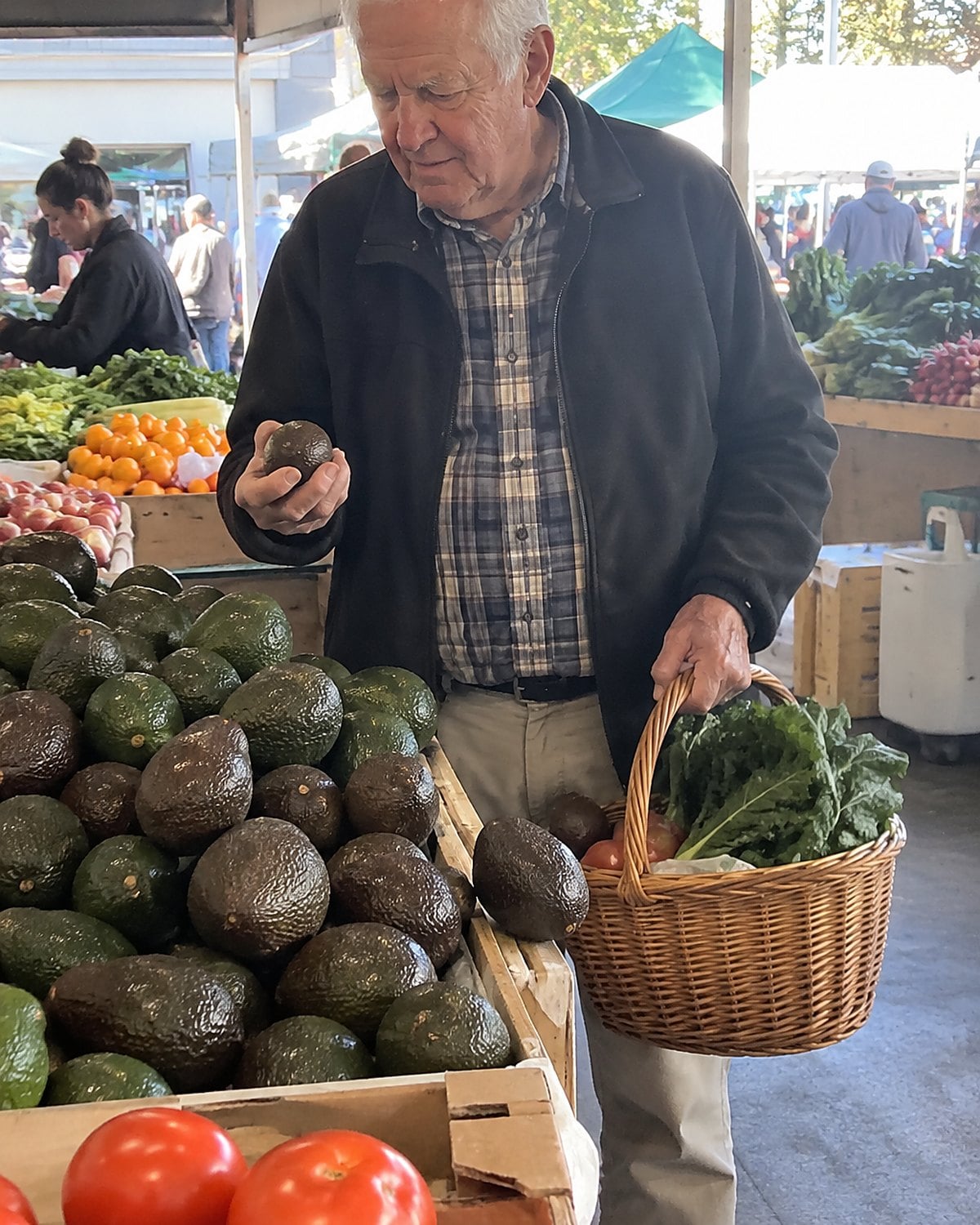
When are you eating it? That question matters more than which avocado looks prettiest. For tonight, look for fruit that yields slightly to pressure in your palm. For later in the week, choose firmer ones. Don't press a thumb into each piece; that leaves bruises for the next shopper.
Look at the stem end without digging it out. Mold or a deeply sunken spot is a reason to choose another. Dark skin alone isn't a dependable test because avocado varieties look different when ripe.
At home, leave a firm avocado on the counter and check it each day. Once ripe, move it to the fridge to slow the softening. Refrigerate cut fruit promptly.
The produce worker can't tell when your tacos are happening. You can. Say “I need one for tonight and one for Friday” if you're asking for help choosing. That gives the person behind the display a useful question to answer.
Try it: Air Fryer Avocado Tacos
#21 The bakery loaf without a label

The bakery case has a loaf that looks just right for soup. Before it goes in your basket, find out what's in it if anyone eating has an allergy. An unlabeled display card isn't an ingredient list, and appearance won't tell you whether the bread contains sesame, milk, or nuts.
Ask at the bakery counter for the ingredient and allergen information. If the worker can't confirm it, pick a packaged loaf with the information printed on it. The FDA's food allergen guidance explains why the exact ingredients matter.
For ordinary dinner planning, ask whether the loaf is sliced. A whole crusty loaf is wonderful beside soup, but a smaller household faces a practical question: how much bread will you eat before it goes stale?
Slice and freeze the portion you won't use soon. Then you can pull out enough for breakfast without wrestling a frozen loaf.
#20 The three-for sale sign in the aisle
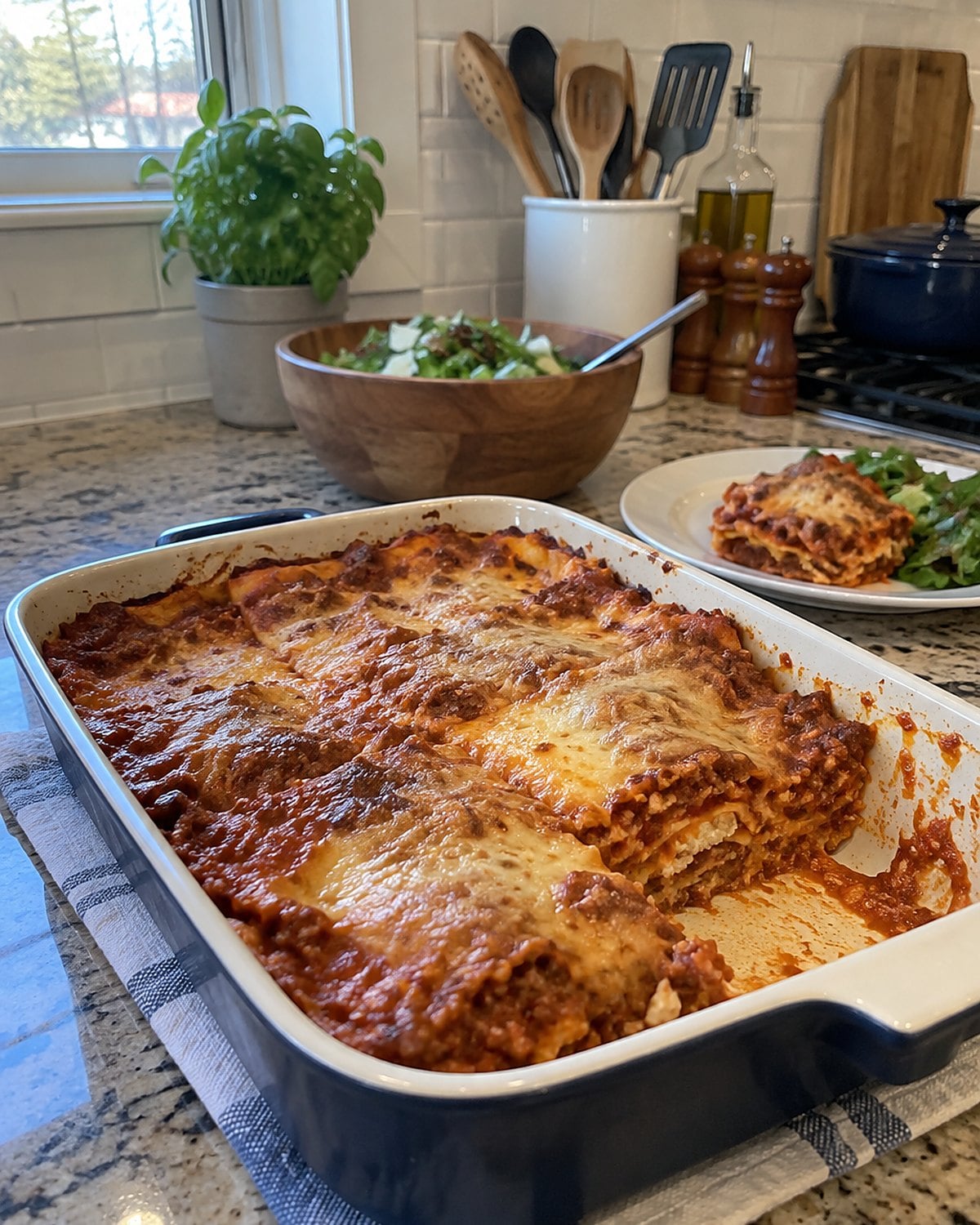
“Three for” catches your eye because you've bought groceries for a crowd before. Read the smaller print before adding the third jar. Some promotions give the sale price when you buy one. Others require the stated quantity. The shelf sign or store app should tell you which.
Then do the household math. If the deal requires three jars of a condiment you barely use, the discount doesn't make the extra jars useful. If it's something you'll finish, like the canned tomatoes you reach for every week, buying ahead has a purpose.
When the wording isn't clear, ask a worker before checkout. Bring the item or take a photo of the sign so the worker knows which offer you mean. “Do I have to buy all three?” is a complete question.
Sale signs tell you how the register will price the jars. Your own shelf tells you whether you need them.
#19 The empty space beneath the sale tag
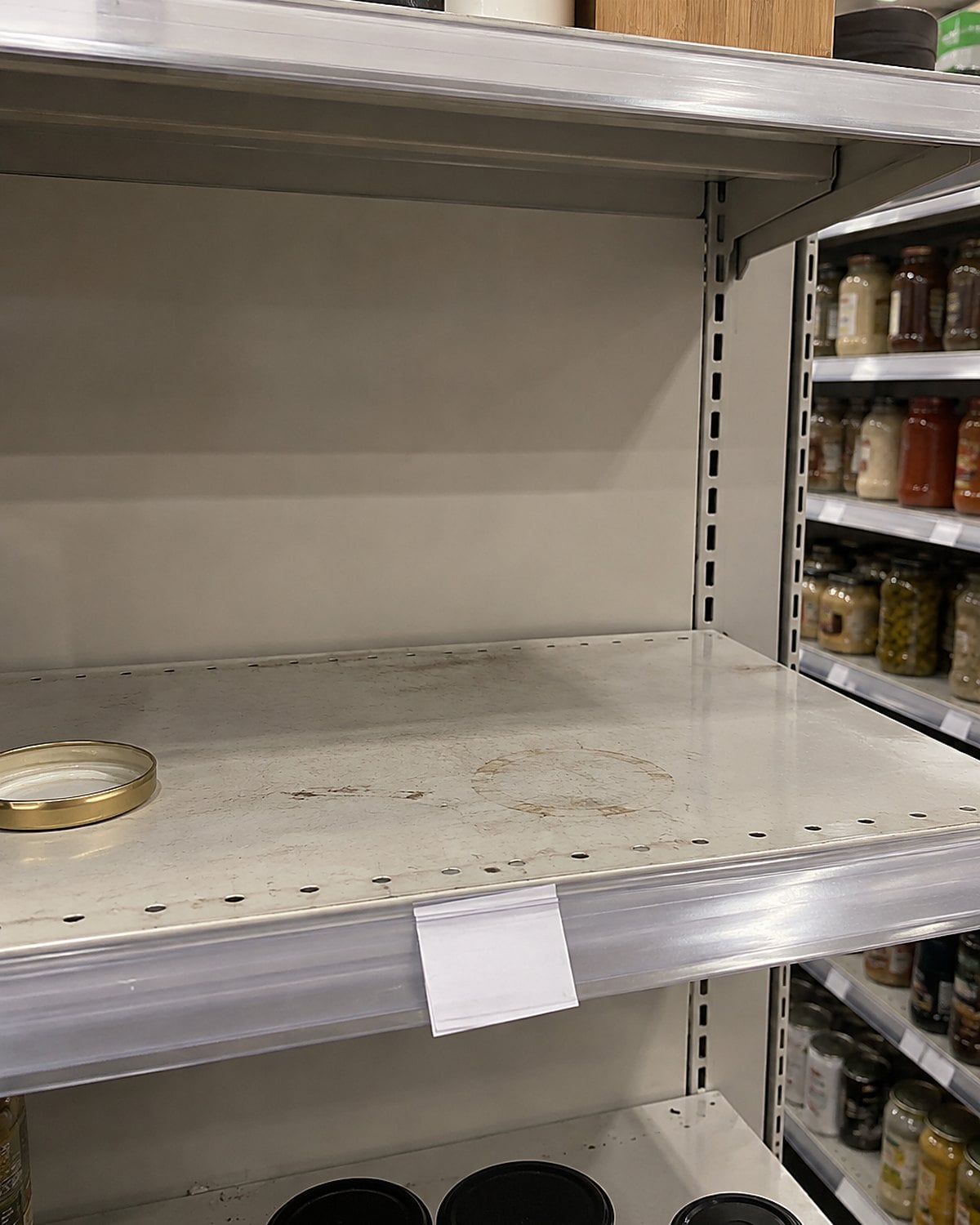
The shelf is bare right where the advertised coffee should be. Check the tag first: the brand, size, and variety all matter. A nearly identical bag on the next shelf might not be included in the offer.
Ask a worker whether more stock is available. If the answer is no, check whether a different size is on sale before choosing a substitute. That keeps the missing bag from turning into a full-price purchase you didn't plan.
Some stores issue rain checks for certain advertised items; others exclude particular promotions. If you want to know, ask the service desk about this offer's policy. Don't plan a return trip around a rain check until the store confirms one.
Take a photo of the sign before leaving the aisle. It gives the desk the exact item and sale terms.
 You might also like26 Things in Your Fridge Right Now That Should Have Been Thrown Out
#18 The label beneath the wrong cereal
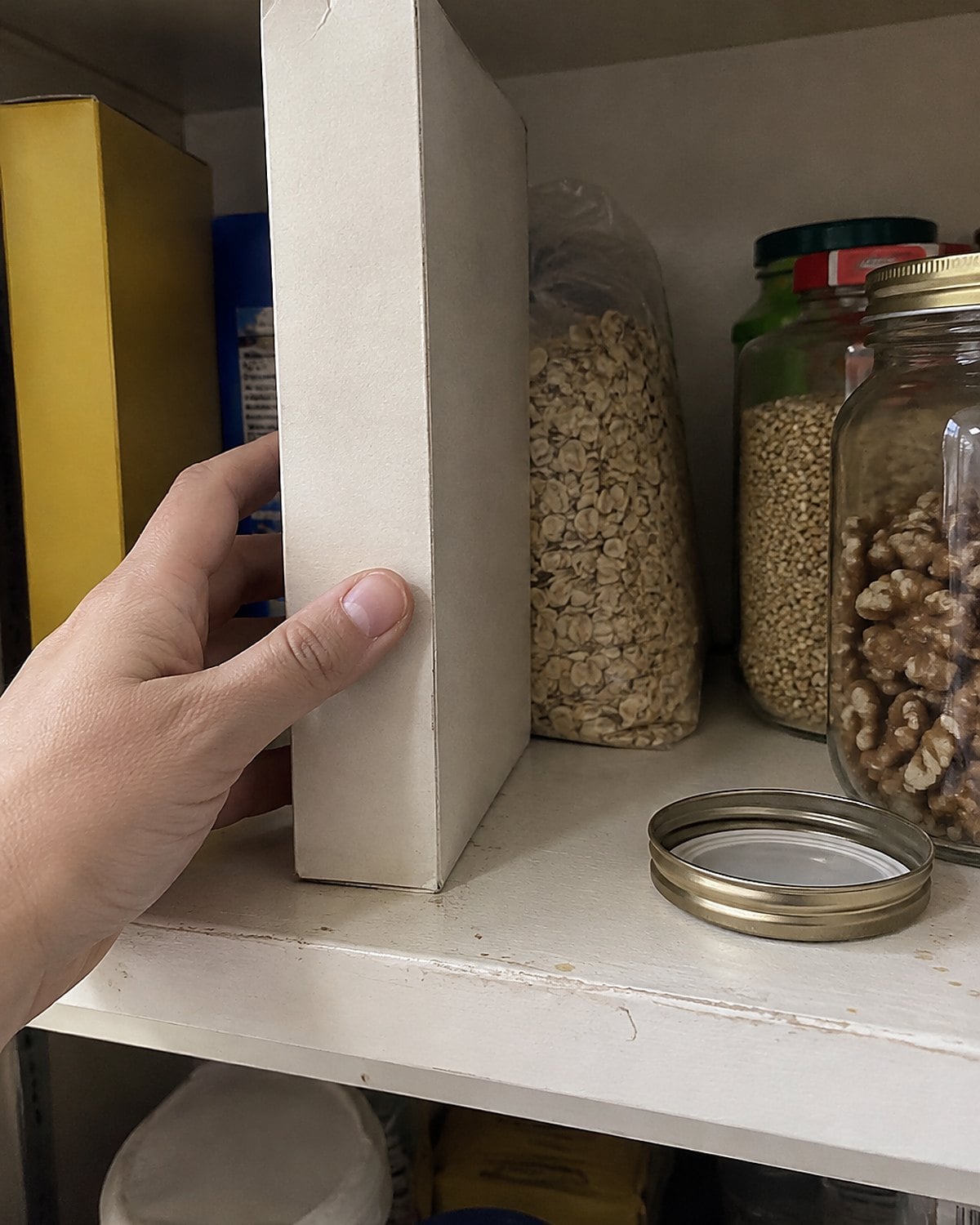
A shelf can be perfectly stocked and still be misleading. Shoppers set boxes down in the wrong spot, and workers shift products during restocking. Before you trust a price tag, match its product description and size to the box in your hand.
This matters with cereal, coffee, and laundry soap, where the packages look alike across several sizes. A shelf tag for a smaller box under a larger one creates a surprise at the register. The unit price is useful only after you've matched the right tag to the right package.
If the tag is missing, scan the product at a price-check station or ask a worker to check it. You don't need to guess, and you don't need to wait until the end of a full cart to find out.
When the box scans, watch the register display. Say something while the cashier still has it in hand if the price differs from the tag you matched.
#17 The coupon clipped on the phone
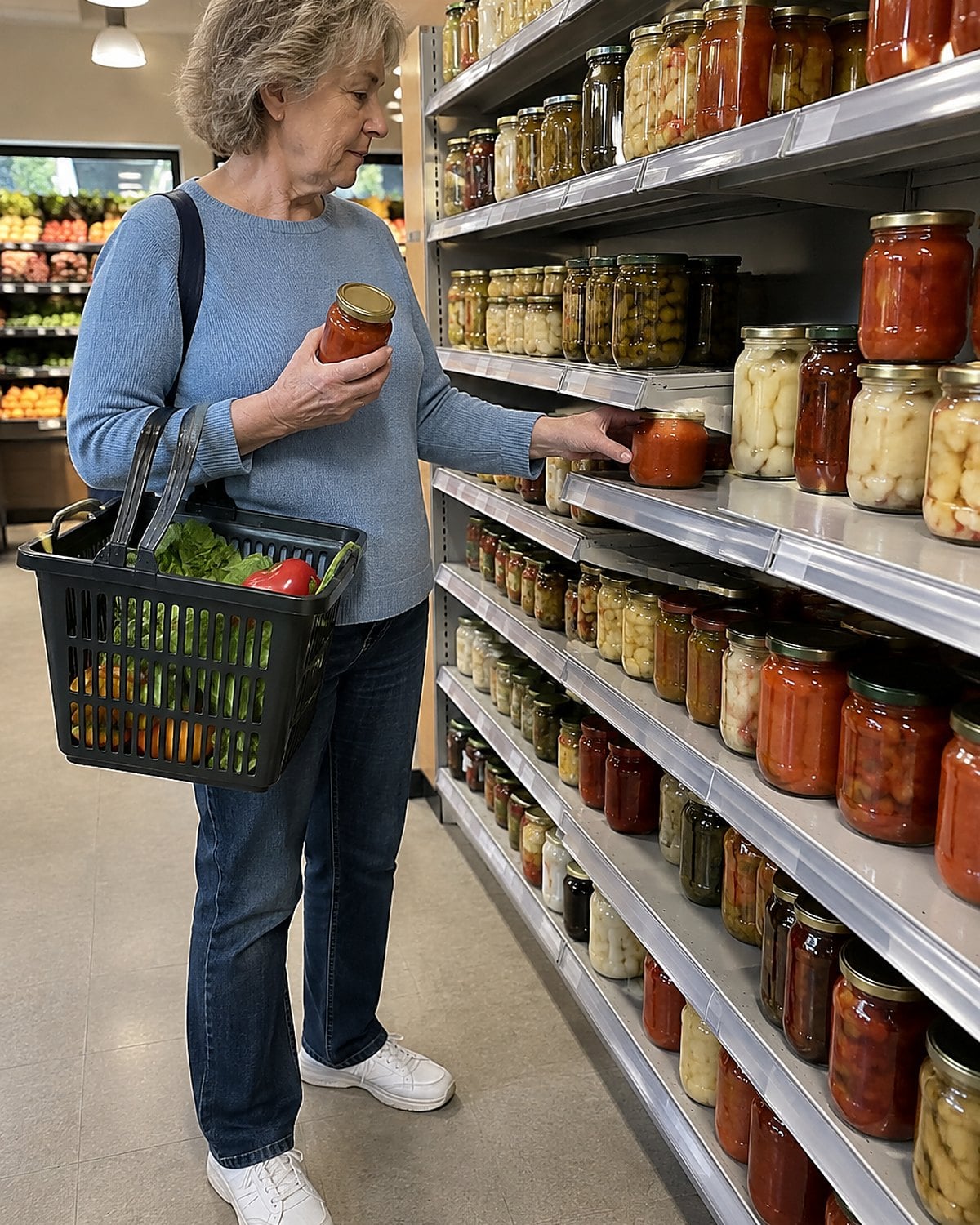
A shelf sign says there's a digital coupon. The lower price doesn't follow you to checkout just because you saw the sign. The offer needs to be loaded to the store account used for that purchase, and its size or variety rules still apply.
Before putting the item in your cart, open the store app or website and check the offer. Look for limits and an expiration date. Then make sure the account at checkout matches the one holding the coupon.
The small screen isn't worth squinting over in the aisle. Ask a worker to point out the eligible package if the coupon description is hard to read. Check that the item in your hand matches before moving on.
No phone handy? Ask whether there's another way to get that price. The answer depends on the store's promotion. A paper sign alone doesn't tell the register which account holds the offer.
#16 The loyalty number at checkout
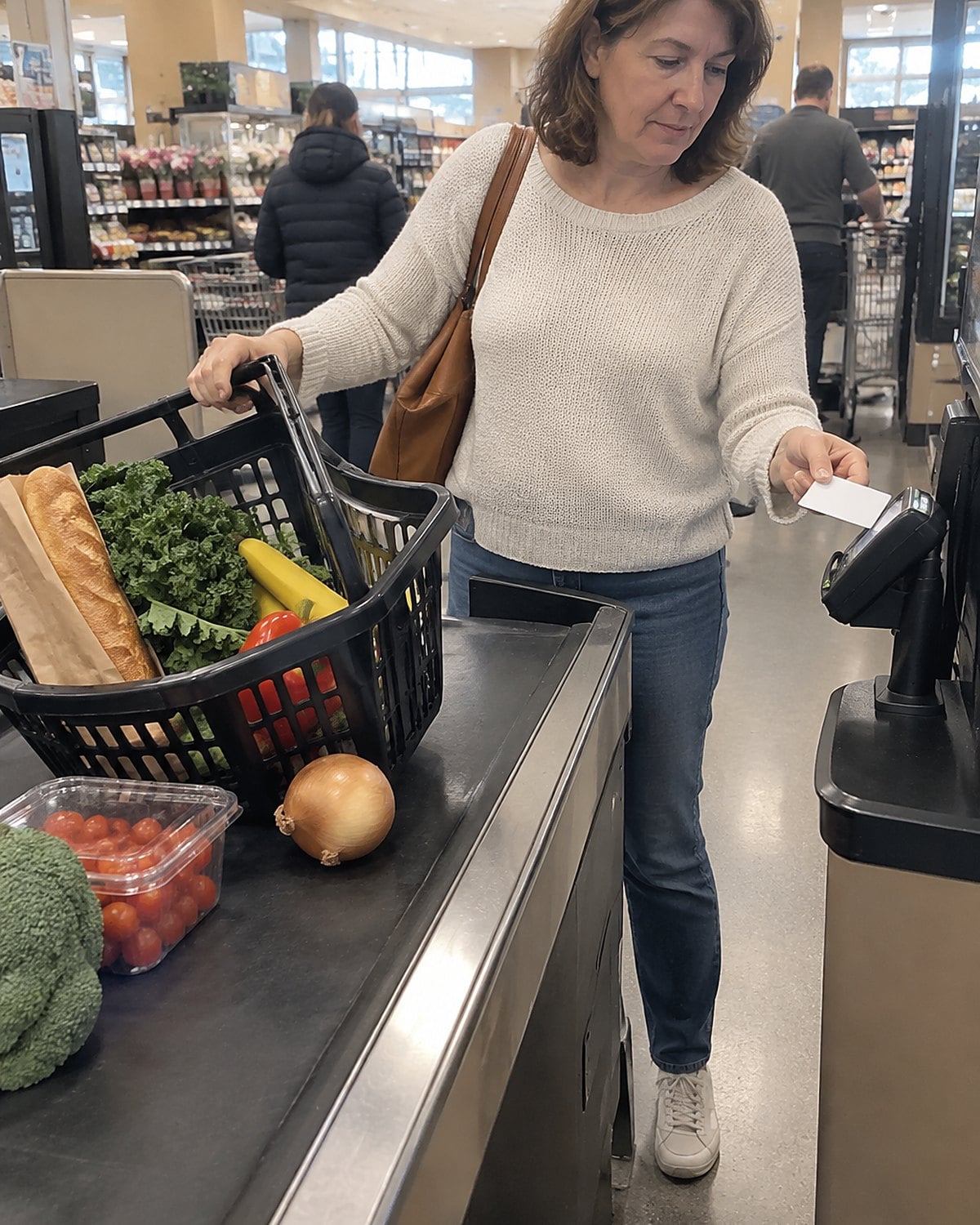
You've found the sale item and reached the register. The cashier asks for a loyalty number, and suddenly the price on the sign is in doubt. Give the number or scan the card before payment so the sale price has a chance to appear on the screen.
If you don't want a store account, that's your choice. Compare the regular price with another product and buy on those terms. A bright “member price” is a different offer from the regular shelf price.
Shopping for someone else? Use the account you've agreed to use for that trip, especially if a digital coupon is involved. Mixing accounts leads to a long search for a discount that lives on another phone.
The cashier can fix a clear pricing mistake. They can't see a coupon that was never loaded to the account presented.
#15 The price change before the receipt
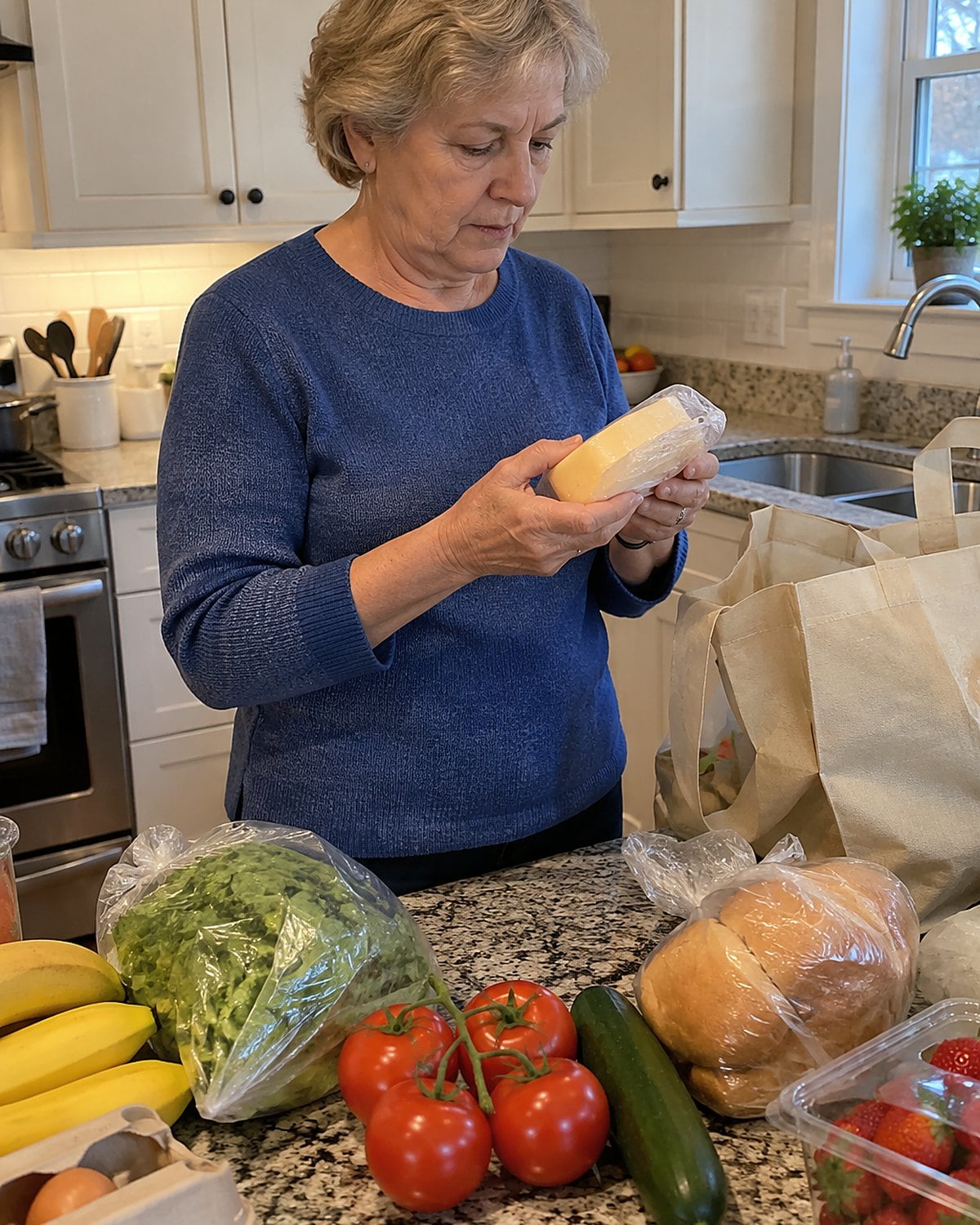
Watch the display when the unusual item scans: the marked-down cheese, the bakery clearance loaf, the jar you chose for its sale price. If the number looks wrong, speak up then. The cashier has the product and its label right there.
Say, “The shelf tag showed a different price. Would you check it?” That's enough. A worker can verify the tag, the product size, and any promotion terms. The tag might belong to another item; the register might need a correction.
Don't wait until you're in the parking lot if you noticed the difference inside. Once everything is bagged, finding the product and the right sign takes longer. A quick question at checkout keeps the evidence together.
#14 The pickup order with a missing ingredient
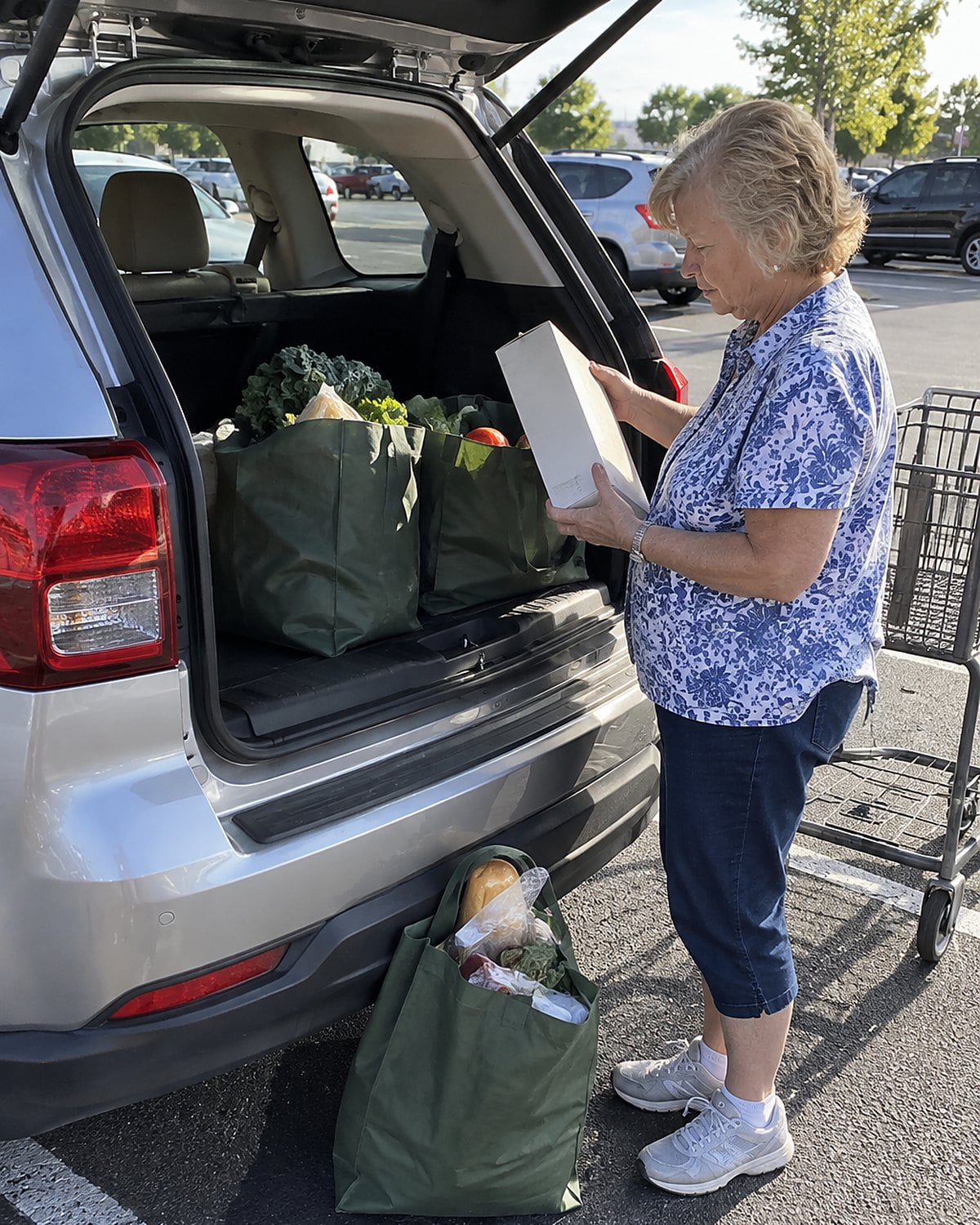
Pickup saves a trip through the aisles, but substitutions change dinner. A different brand of canned tomatoes is one thing. Sweetened coconut milk instead of unsweetened is another, especially when the recipe in your head depends on it.
Before placing the order, set substitution preferences for the items that matter. A specific pasta shape for a grandchild? Mark it. The coffee your household actually drinks? Don't leave that choice to a guess.
When the order is ready, review substitutions and missing items before heading home. Check that chilled and frozen foods are there, and bring them inside promptly. If something isn't right, use the store's help process while the order details are still open.
The worker picking your cart doesn't know that a particular can is meant for tonight's supper. A short note gives them a better chance of finding the right replacement.
#13 The butcher case and the smaller roast
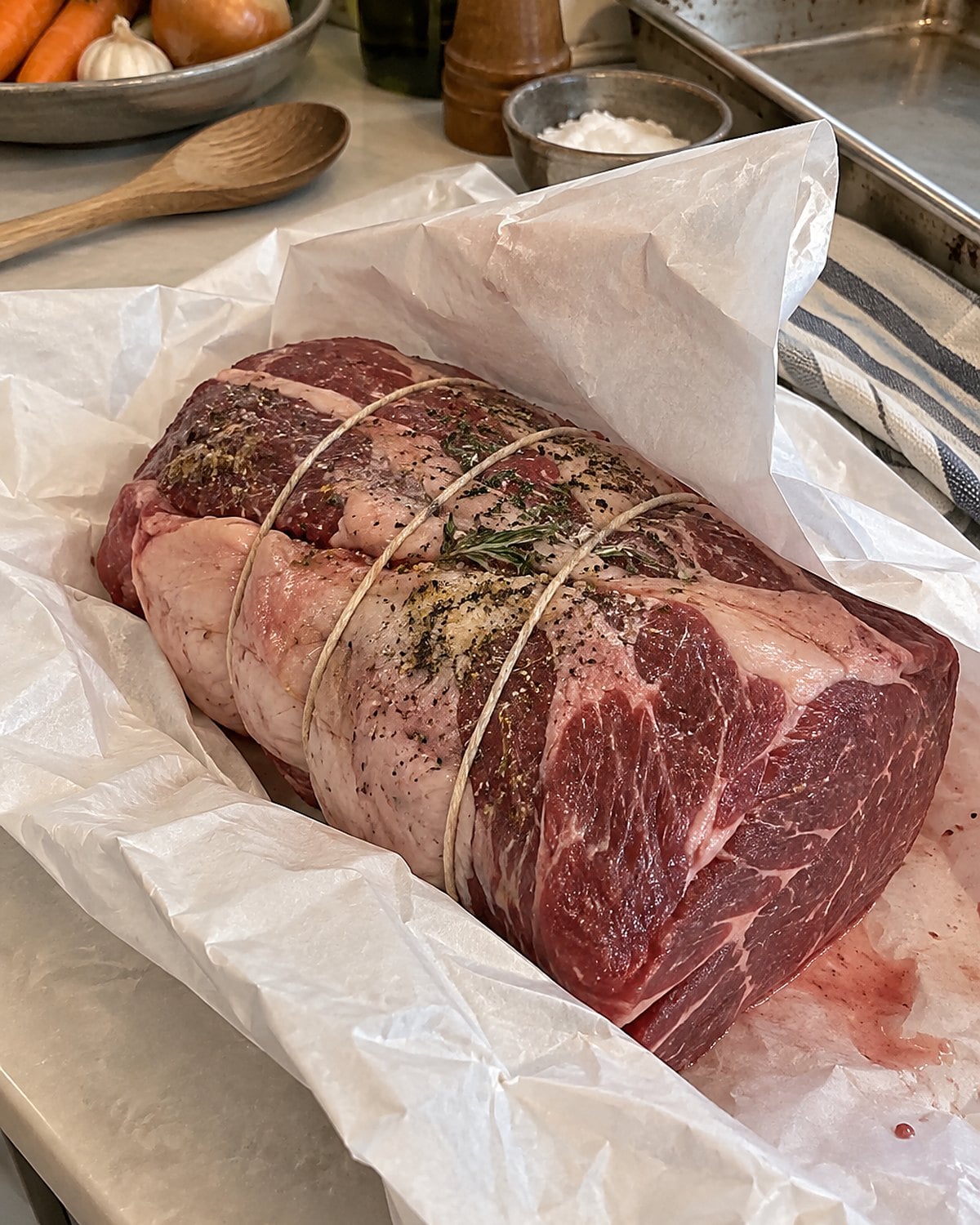
A large roast makes sense for company. For two at the table, it also means planning several meals around the same cut. Ask the butcher counter what smaller pieces are available before assuming you must take the package in the case.
Try a plain request: “I'm feeding two. Do you have a smaller piece of this cut?” The worker can tell you what's available in that store and how it's packaged. If you want a specific thickness for steaks or chops, ask what the counter can cut.
Look at the label after the package is wrapped. Check the cut, weight, and price per pound against what you asked for. Then decide how you'll cook it.
For safety, use a thermometer rather than color. The USDA Food Safety and Inspection Service gives 145°F with a three-minute rest for whole cuts of beef and pork. Ground meat goes to 160°F.
#12 The family pack in the meat case
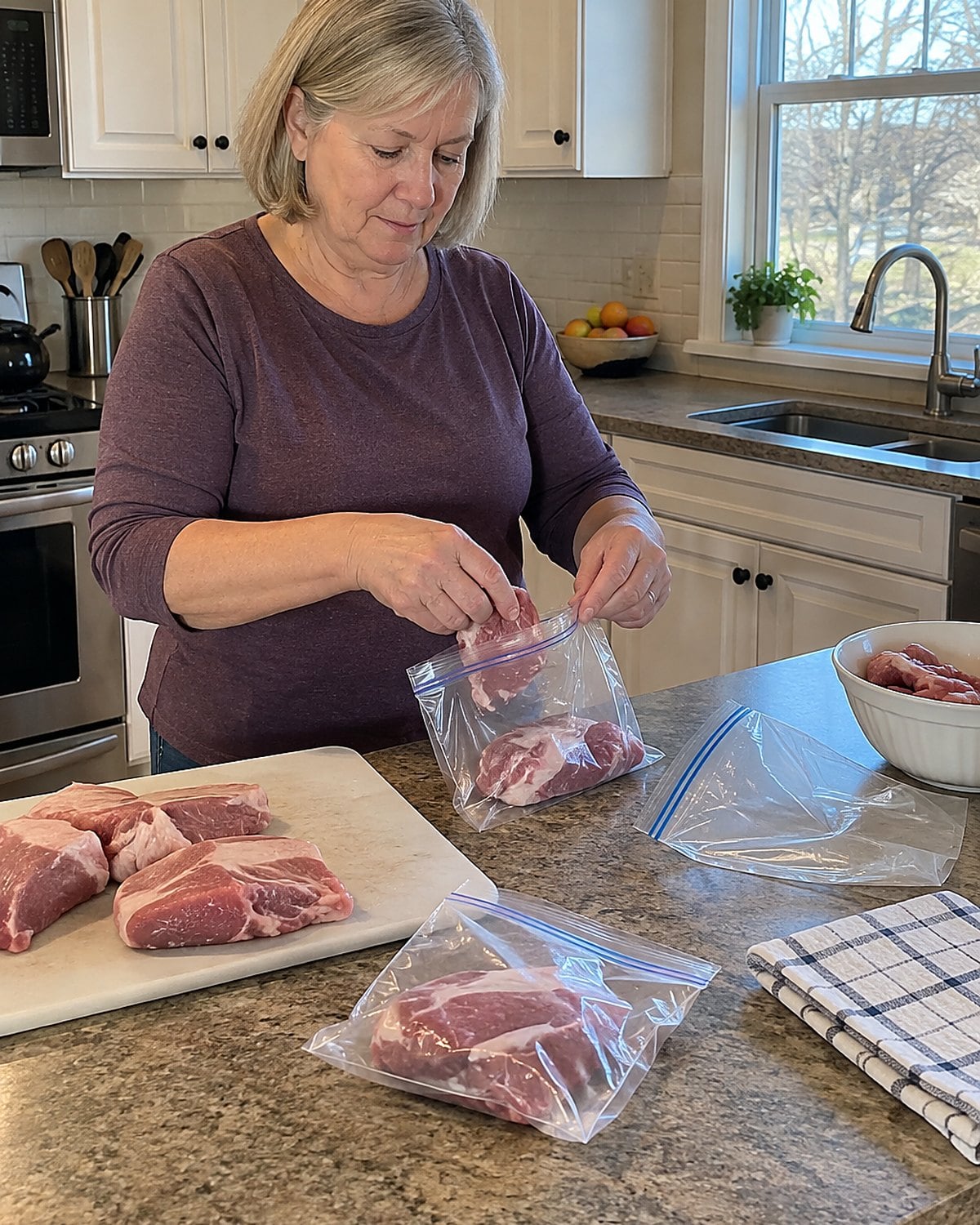
The family pack earns its shelf space by lowering the price per pound, not by knowing who's coming to dinner. Before you lift it into the cart, count the meals it represents and check whether there's room in your freezer.
Divide a large pack into meal-sized portions at home. Wrap each portion well, label it with the cut and date, and freeze it promptly. A flat freezer bag stacks better than a knotted wad, and it thaws more evenly in the fridge.
Compare the unit price with the smaller pack, then include the work of dividing it. If you're too tired to deal with raw meat after shopping, buy the size you'll cook.
Look at the pack's weight before deciding. That figure tells you how many portions you're actually taking home, rather than how many the wide tray appears to hold. The best deal is the one that reaches the plate.
#11 The seafood case on Friday afternoon
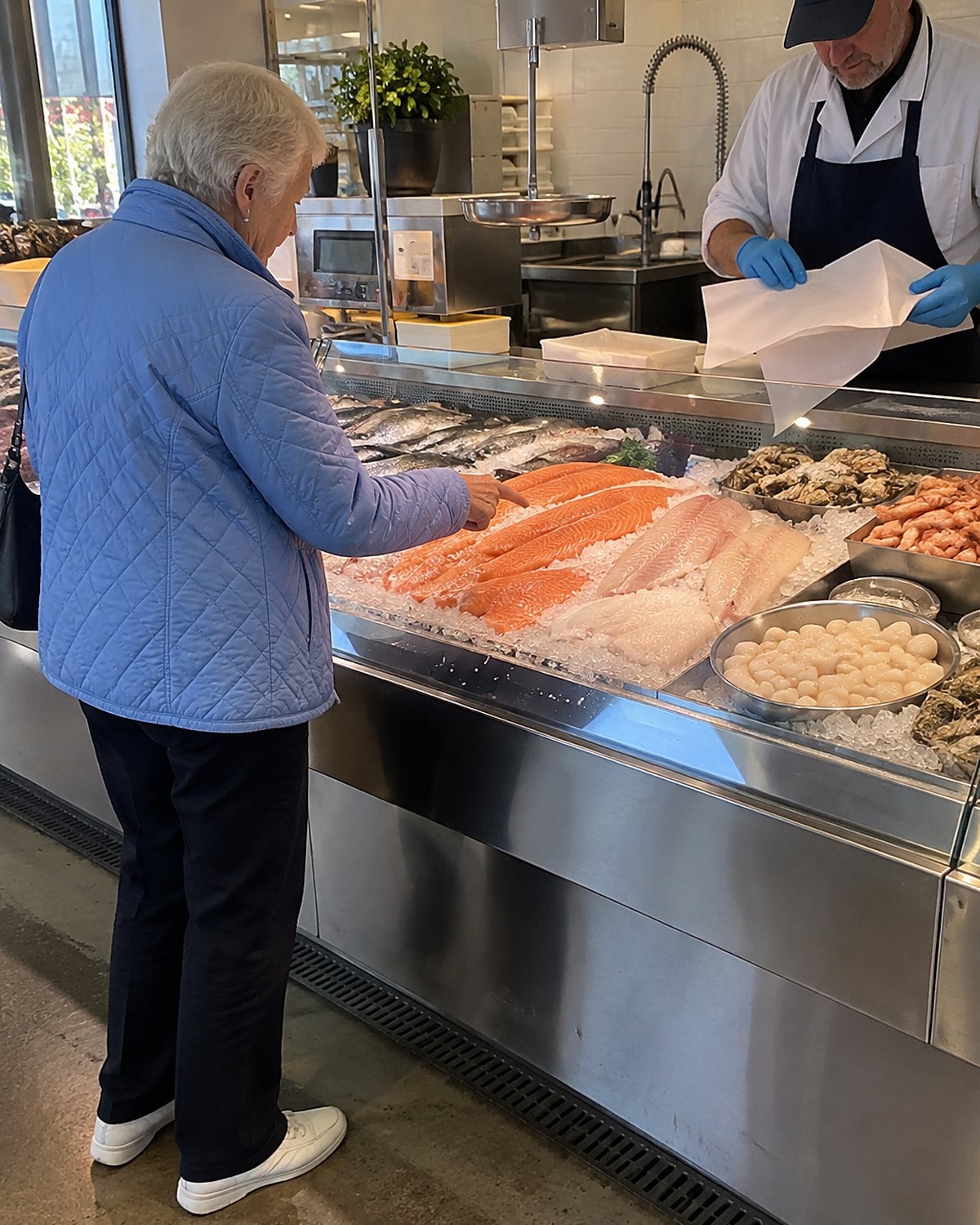
The fish looks bright under the case lights. Lights don't answer the question you need answered: when was it thawed? Ask the person at the counter whether the fish was previously frozen and whether it has been thawed for sale.
That answer helps you plan dinner. If you're buying it for another day, tell the worker your plan and ask what they recommend from the case.
Look closely at the fish itself. Flesh should look moist, not dry at the edges. A strong, unpleasant odor is a reason to leave it there. The FDA's seafood guidance also recommends buying seafood displayed on ice or kept refrigerated.
Don't let a sale price make the decision for a fish you can't use soon. A frozen package with sound wrapping gives you more control over when dinner happens.
#10 The milk carton beside the cart handle
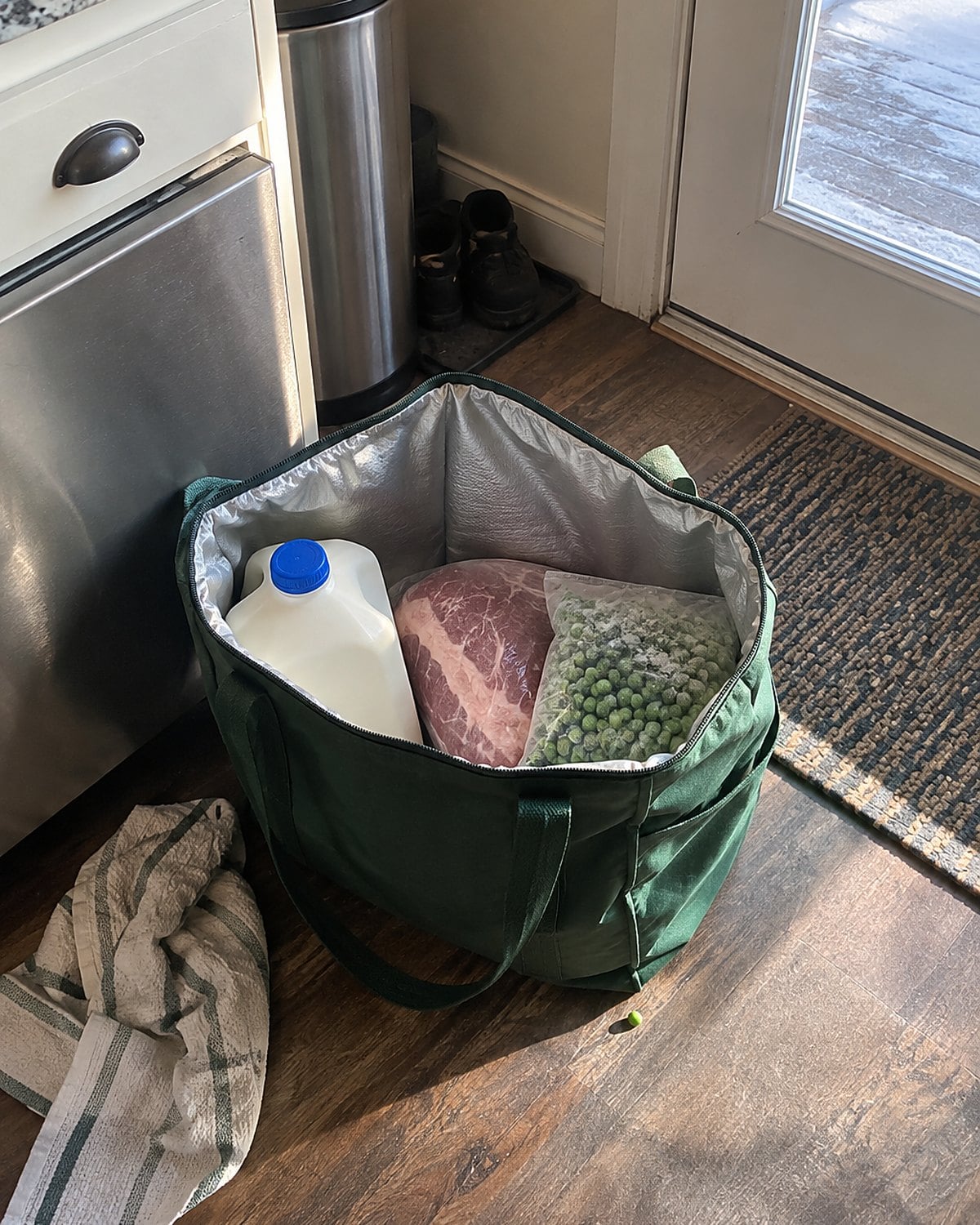
Milk goes into the cart early, then you remember the pharmacy stop and three more aisles. Shop the shelf-stable items first. Pick up milk, meat, and frozen food toward the end, then head for checkout.
At home, your refrigerator should hold food at 40°F or below, according to the FDA's refrigerator guidance. Use a fridge thermometer if you're unsure what the dial setting actually delivers.
A long drive calls for an insulated bag or cooler for cold purchases. Put frozen food together in the bag, not beside a warm roast chicken. The cart order leaves fewer errands between the dairy case and your kitchen.
 You might also like27 Things Home Cooks Over 60 Do Without Thinking That Chefs Would Never Do
#9 The egg carton with one cracked shell
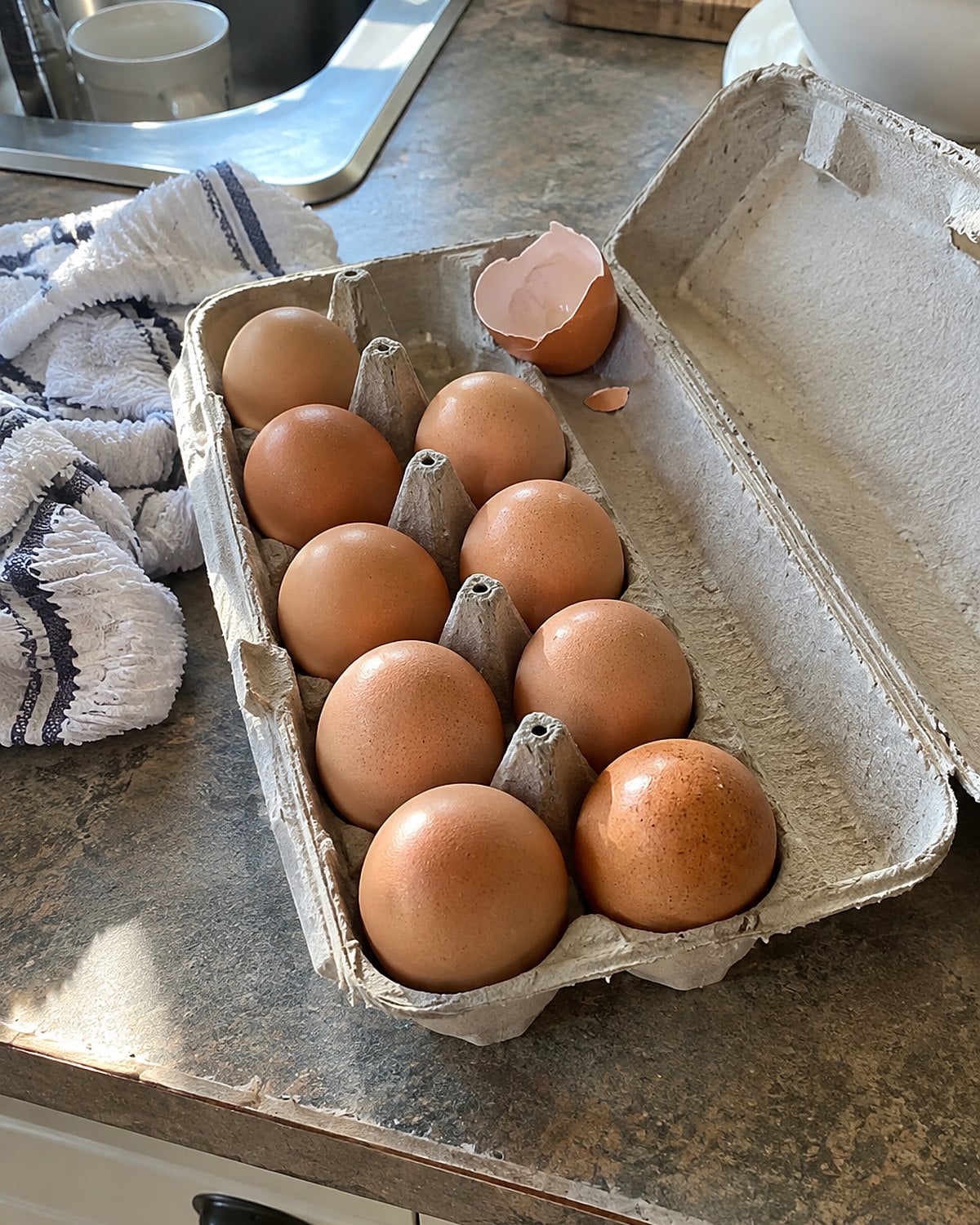
Open the carton. It takes seconds, and a cracked egg hidden in the back corner is easy to miss when you grab by color or price. Check that the shells are clean and unbroken, then put the carton back as you found it if there's damage.
The printed date deserves a look too, especially if you don't use eggs as quickly as you once did. Choose a carton that suits the meals you have planned, rather than buying extra because it's on sale.
Once home, refrigerate eggs in their carton, not in the door rack where the temperature shifts as the door opens. The FDA's egg guidance says to keep them at 40°F or below.
Check every shell before the carton goes into your cart.
#8 The two dates on the package
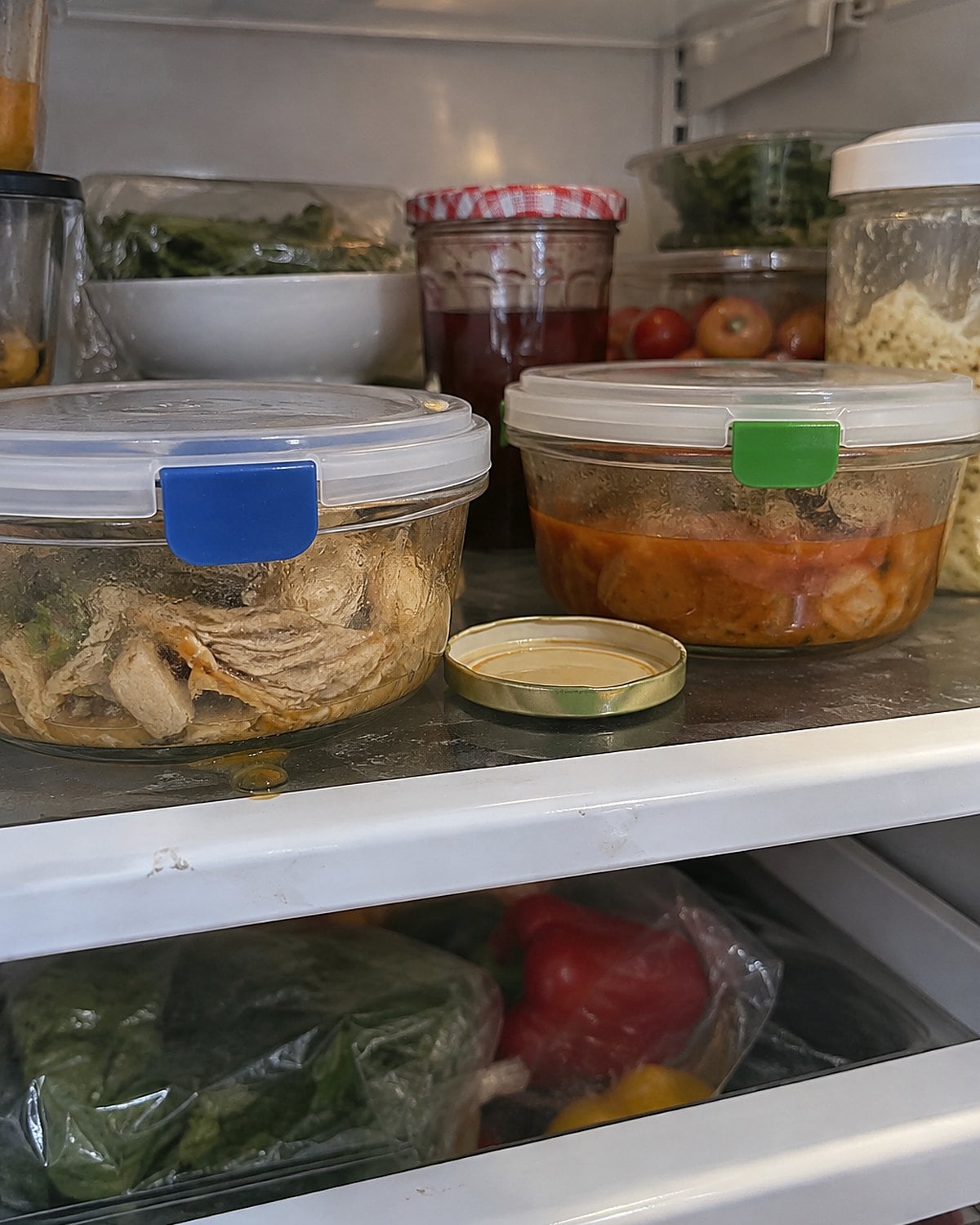
A date stamped on a package needs its label read aloud. “Best if used by” concerns quality. “Use by” has a different meaning on infant formula, where federal rules require the date. Don't treat every printed date as the same kind of safety deadline.
For other foods, storage and condition still matter. A leaking package or food held too warm doesn't become sound because the printed date is weeks away. The USDA's food date labeling guidance explains the common phrases on labels.
At the store, check dates with your household size in mind. A sale on a large tub of sour cream won't help if you need only a spoonful. Choose the package you'll use while it's in good condition.
At home, write the opening date on a container if you lose track. That's especially helpful when the same mustard and broth cartons share a crowded fridge shelf.
#7 The dented can behind the good ones
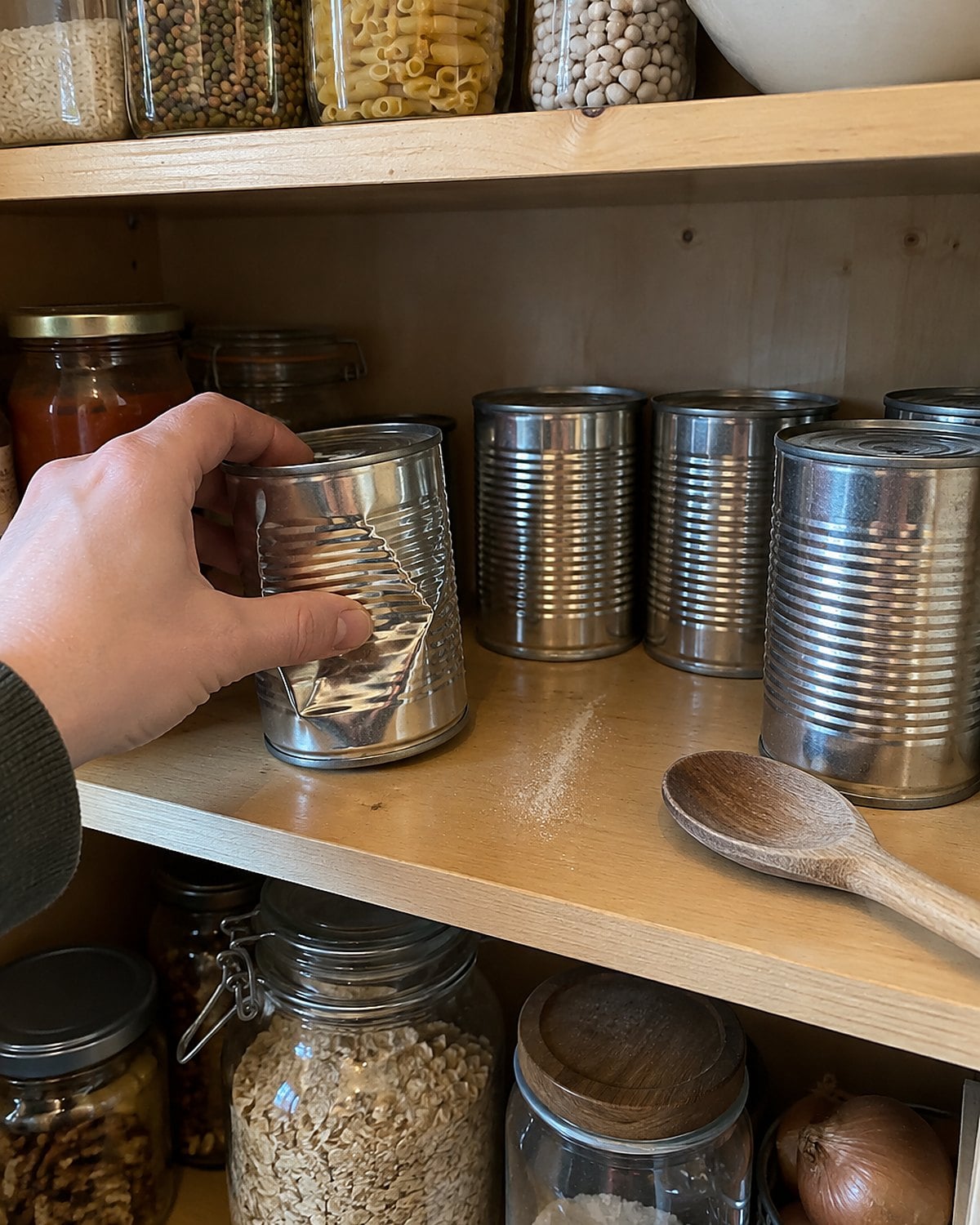
A small surface dent and a deep crease aren't the same thing. Put back cans that are leaking, bulging, badly rusted, or sharply dented, especially along a seam. Pick an intact can from farther back if one is available.
Don't press a bulging lid to see what happens. Tell a worker so the can can be taken off the shelf. At home, the same rule applies to cans already in your pantry.
A cardboard case hides damage until you open it, so look over the cans when you unpack. The USDA's guidance on shelf-stable foods is the place to check when you're uncertain about a damaged container. For tonight's beans, an intact can is an easy choice.
#6 The bulk bin and the scoop
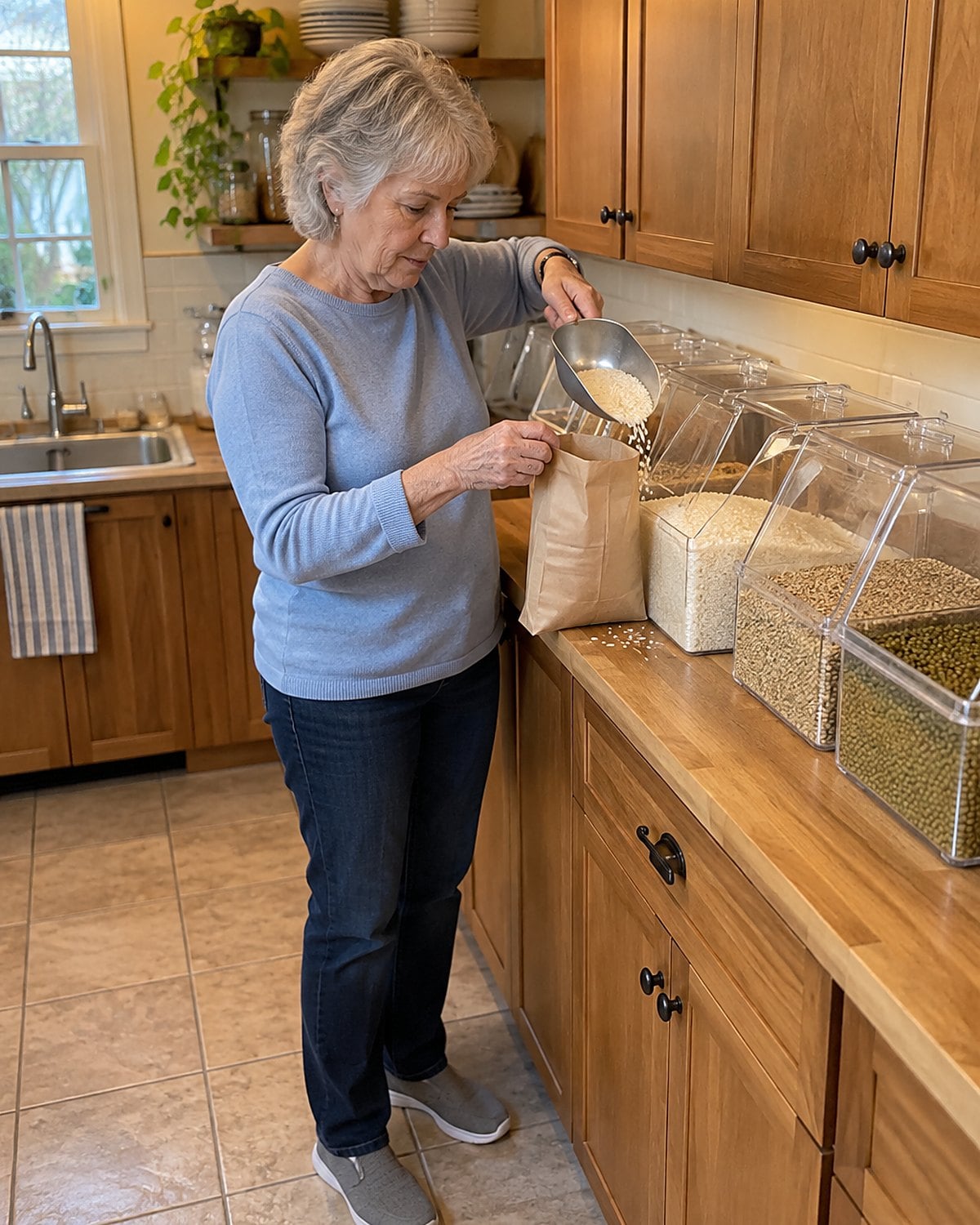
Bulk bins let you buy a cup of rice for a small recipe instead of bringing home another half-used bag. First read the sign carefully: the price is by the unit printed there, usually weight, not by the cup you scoop.
Write the bin number on the tie or label as the store directs. Without it, the cashier has to identify a bag of grains by sight while a line forms behind you.
Check the bin name too. Rolled oats and quick oats won't behave the same way in every dish.
For nuts, grains, or spices, buy only what you'll use while the flavor is still good. Smell the product if the store's setup allows it; nuts that smell stale won't improve in your pantry.
Keep the scoop where the store provides it. Your hands belong on the bag, not in the bin.
#5 The frozen vegetables with frosty corners
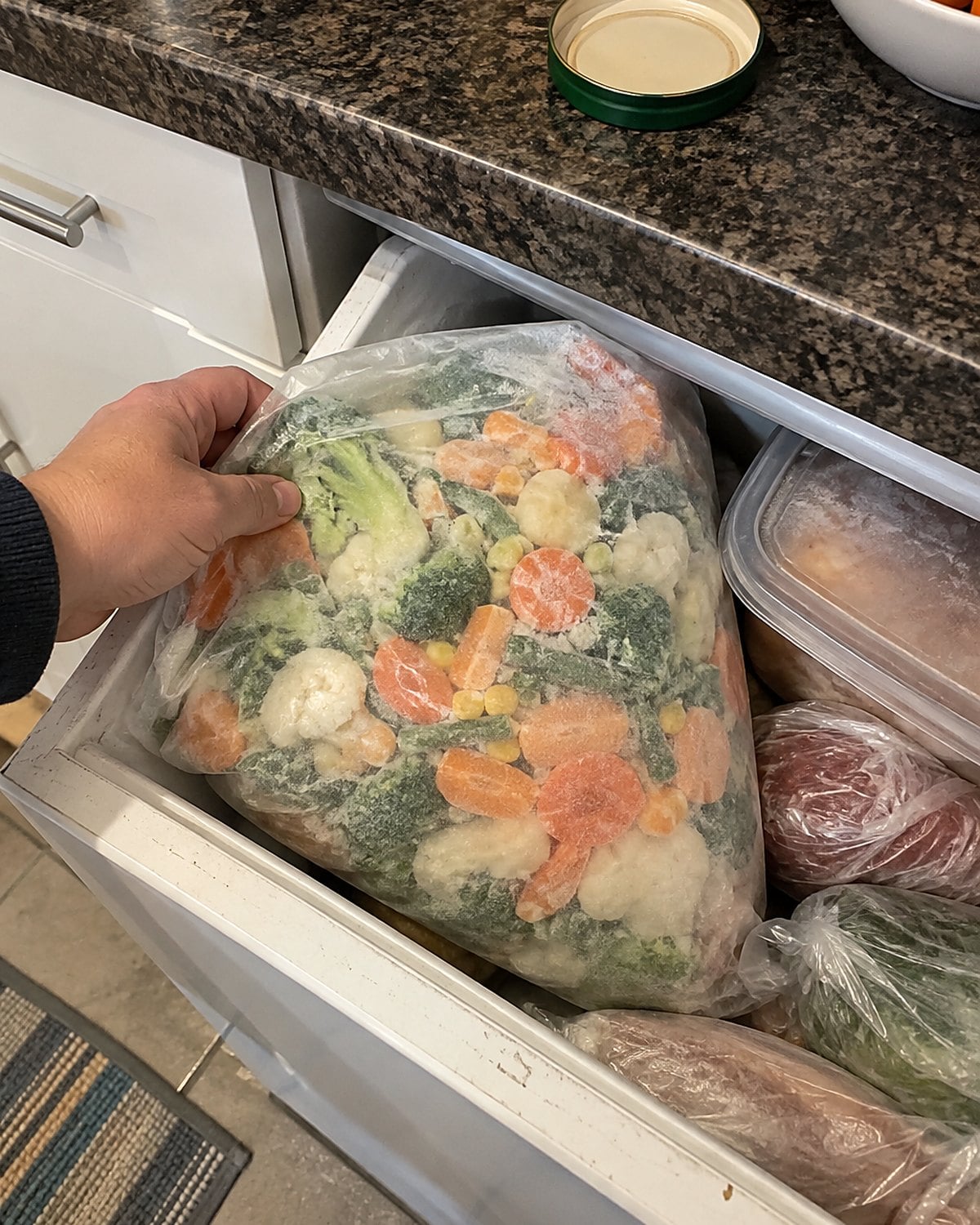
Frozen vegetables earn their space in a smaller household. Take what dinner needs and return the rest to the freezer, rather than racing a fresh bunch through the week.
Feel the bag before buying. A solid block with heavy frost inside points to temperature swings, though frost alone doesn't tell you the bag's history. Choose a bag with pieces that still move freely when the vegetable is sold in separate pieces.
Read the ingredient line if you want plain vegetables. A package pictured with broccoli might contain sauce and seasoning. That's fine when you want it, but it changes how you'll salt the pan.
At home, put frozen purchases away before sorting the pantry bags. Cook the vegetables according to the package directions. In a skillet, let excess water cook off before adding sauce so dinner doesn't turn into a puddle.
#4 The long receipt in your hand
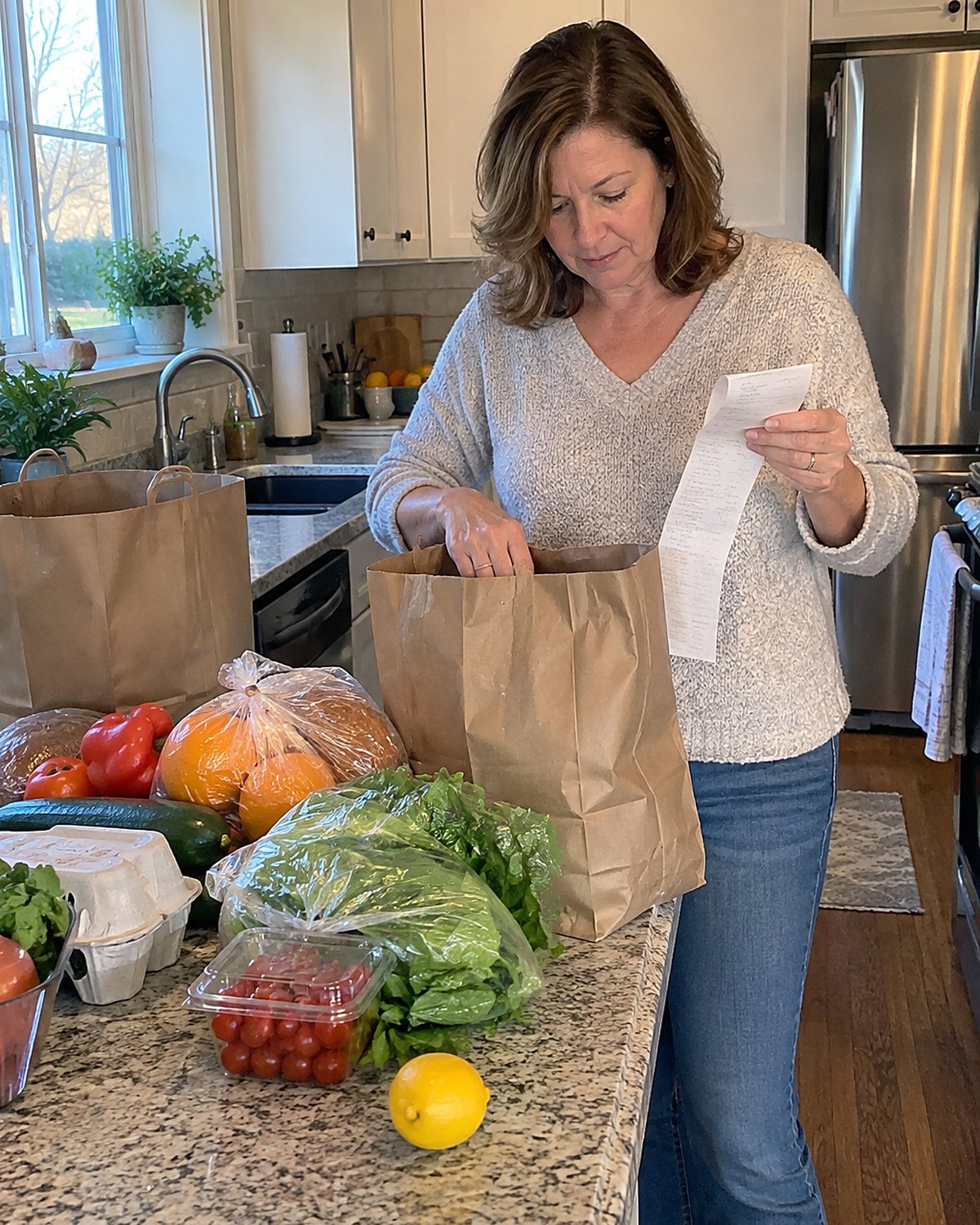
Before you leave the store, give the receipt a quick scan. Check the items whose prices drove your choices: the sale coffee, the marked-down bread, the meat priced by weight. You don't have to audit every onion to catch the mistakes that matter to you.
If something looks off, hold onto the product and find the shelf sign or ask customer service to verify it. A photo of the sign helps when the aisle is far from the desk.
Keep separate receipts for errands you track separately, such as groceries for your house and food bought for a weekend visit. That makes it easier to see what the changing household actually uses.
The receipt records what went into the cart. It also shows which tempting extras came home without a meal attached. Look it over before the bags go in the trunk.
#3 The question at the service desk
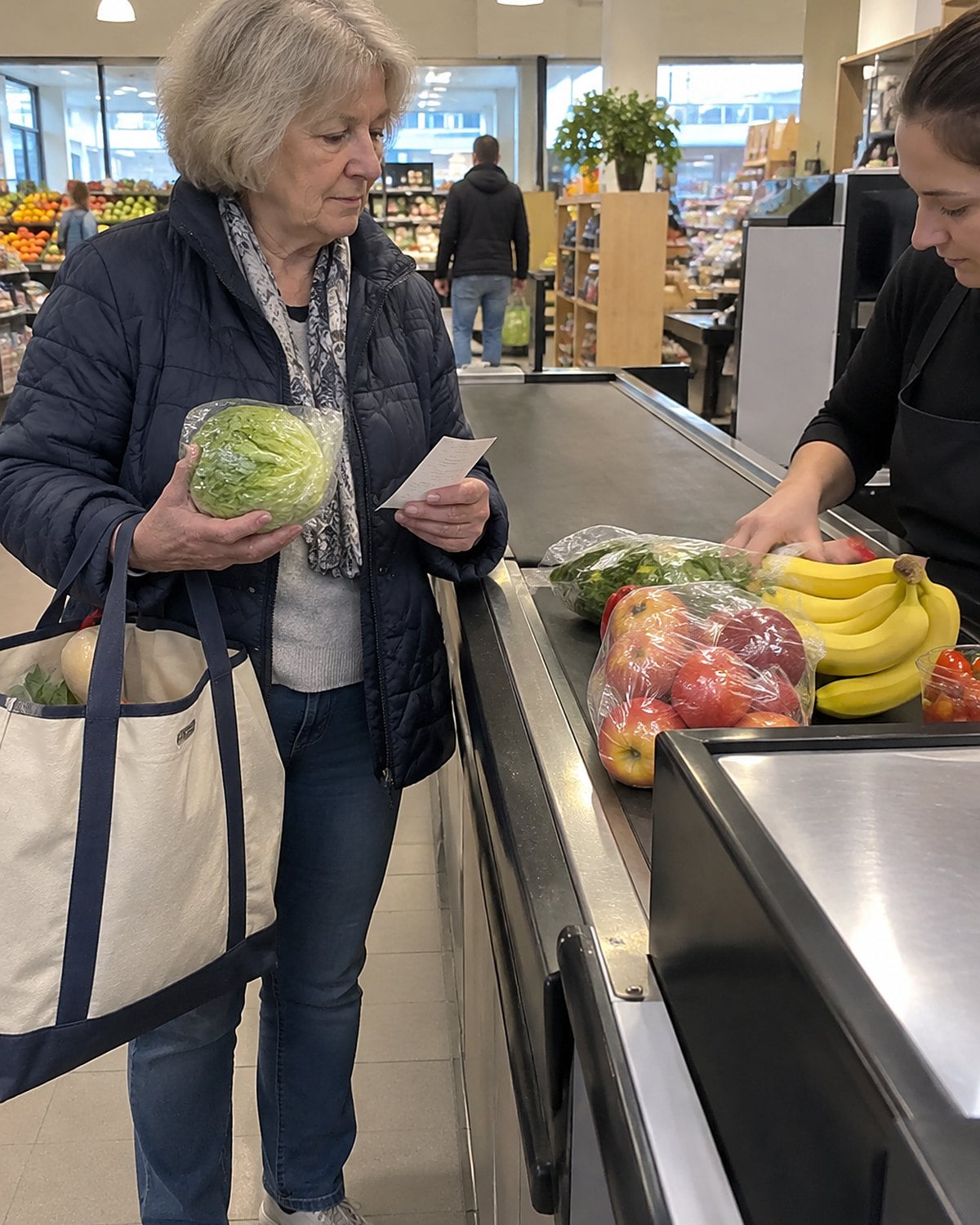
There's no prize for guessing a store rule. Ask the desk when an offer isn't clear, a pickup item is wrong, or a package rings up differently from its shelf tag. Bring the receipt, the product, and a photo of the sign when you have them.
Start with the specific problem: “This package rang up at the regular price, but the tag matched this size.” A worker can check that claim faster than a story about every sale sign in the aisle.
If the answer is no, ask which part of the offer you missed. Perhaps the promotion required a store account, a clipped coupon, or a particular size. That answer helps on the next trip even if today's price stays put.
Workers know the store's systems; you know what you saw and what you meant to buy. Put those together at the desk.
#2 The cold groceries on the counter
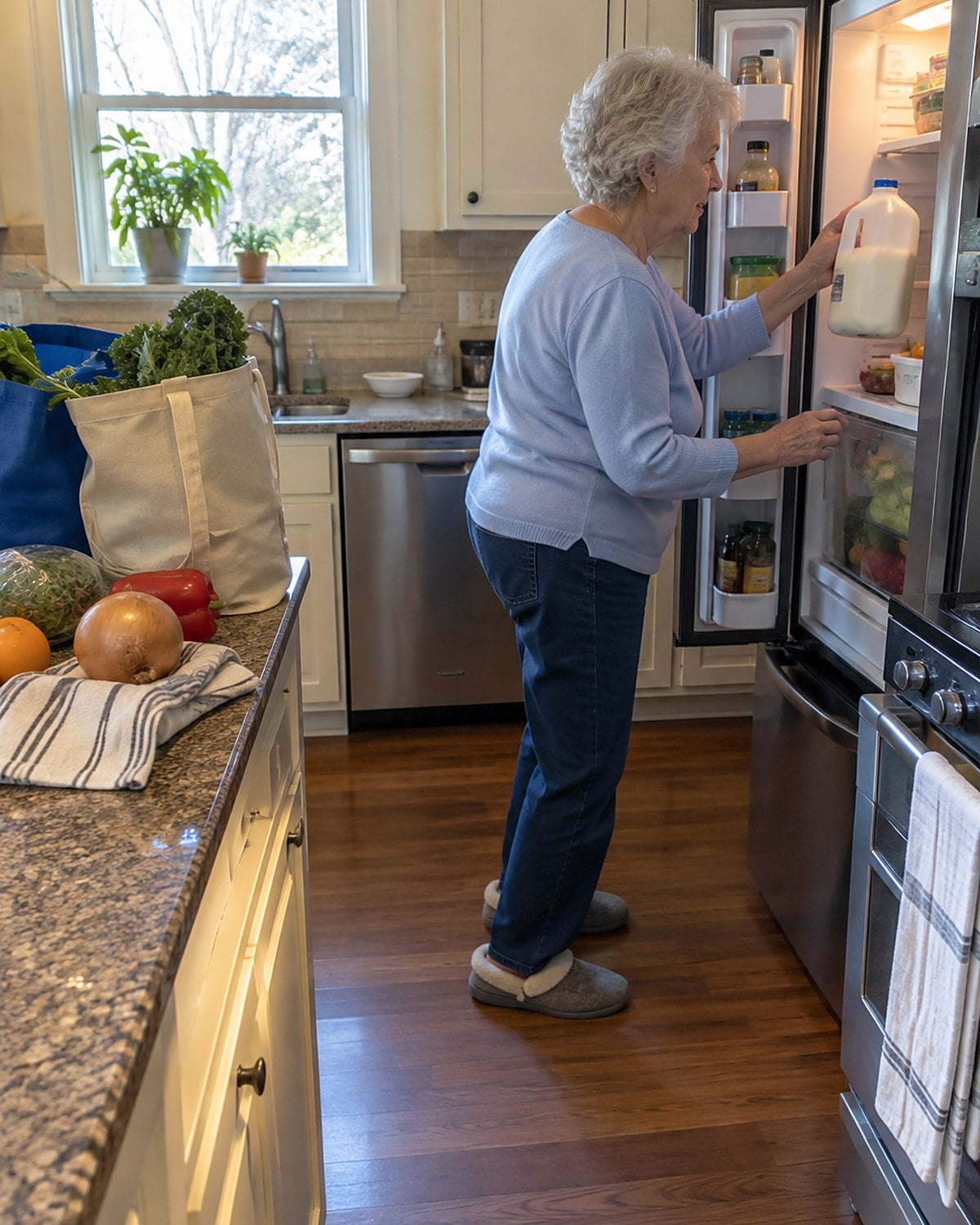
You get home, set down the bags, and the phone rings. Before taking the call, put away the milk, meat, seafood, eggs, and frozen food. The pantry items can wait on the counter.
Separate raw meat from ready-to-eat food as you unpack. Put it in a container or on a tray on a low fridge shelf so drips don't reach the greens below. Check that the fridge reads 40°F or below.
For cooked leftovers, the USDA's cold storage chart gives a fridge window of three to four days at 40°F or below. Refrigerate perishable prepared food promptly, too.
The grocery trip isn't finished at checkout. Those first minutes at home decide whether the food you chose so carefully stays in good shape.
#1 The pantry check before you leave
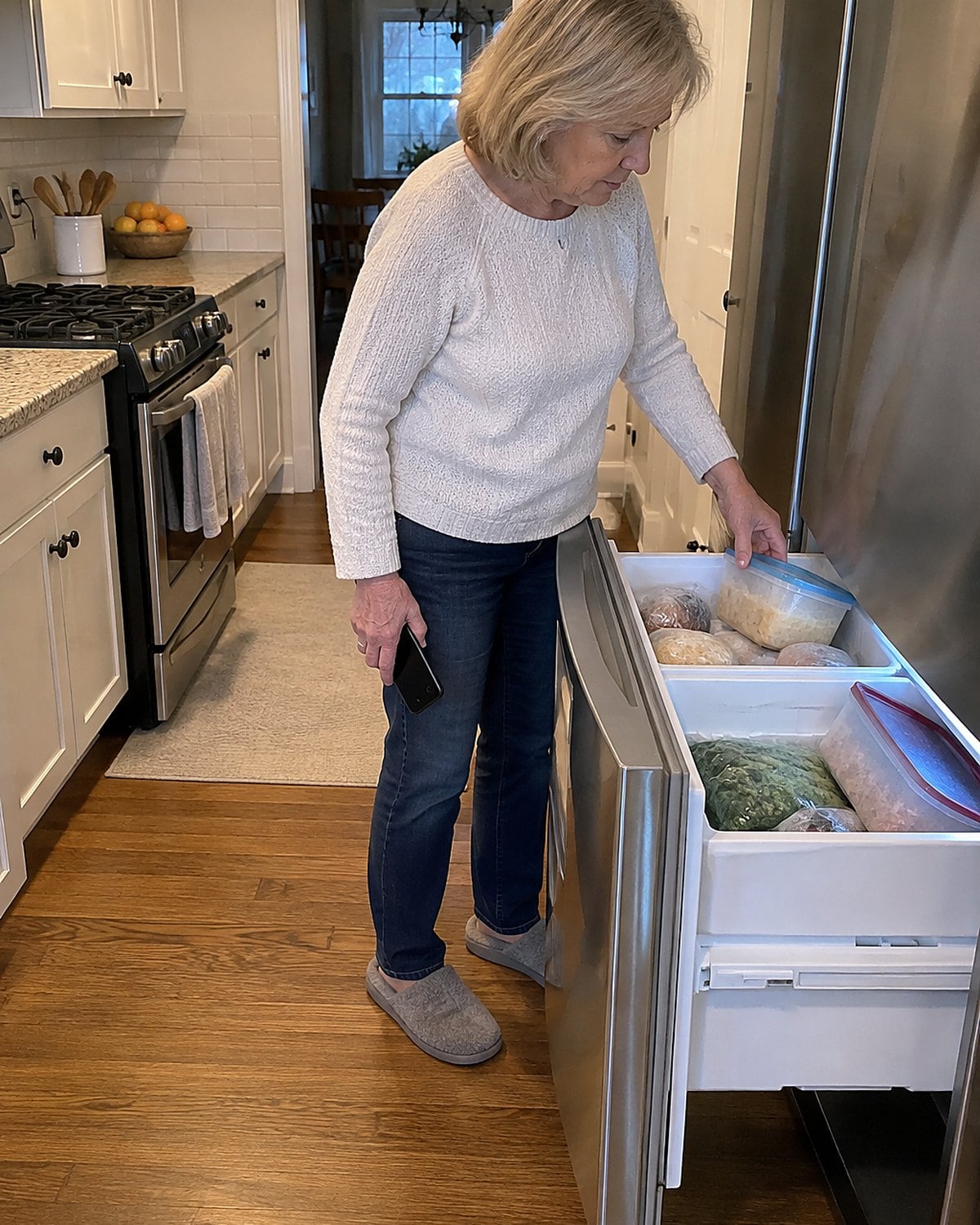
Stand in front of the pantry before making the list. Open the fridge. Pull the freezer drawer far enough to see what's behind the ice cream. This is the step that saves you from buying a third jar of cumin while forgetting the onion needed for tonight.
Choose the meals first, then write down only the missing pieces. For a household of one or two, count the leftovers as meals too. A pot of soup already in the fridge changes what belongs in the cart today.
Keep a pencil or note on your phone where you notice an empty package. When the last can of tomatoes goes into the pot, write it down then. Memory at the store has too much competition from signs, music, and the smell of bakery bread.
Before leaving, glance at what needs using soon. If there's half a cabbage in the crisper, buy the ingredients that help finish it. That habit puts the food you own in charge of the trip.
You don't need a perfect inventory. You need the next meal, the next few days, and a list that tells you what the kitchen lacks.
Keep reading
 25 Fridge Habits That Waste Money Every Week Without Anyone Noticing
See all 25 →
More you’ll remember
 27 Things People Over 60 Still Pay Full Price for That the Store Would Rather You Didn't Notice
 27 Mistakes People Make With Coupons and Loyalty Cards After 60
 24 Pantry Items That Last Years, So Stop Replacing Them
The bottom line
The best grocery tricks put a question in the right place: at the shelf tag, the counter, or the fridge door. Workers have answers about the store. You have the answer about what your household will eat.
The well-prepared version of you has checked the kitchen, asked about the unclear offer, and put the cold bags away first. Which shelf in your kitchen would change your next list?
Leave a Reply