


The grocery receipt curls against the salt shaker while dinner waits on the stove. There’s a loyalty card on your key ring, a coupon in your purse, and a sale price you remember seeing under the chicken. Yet the total feels wrong.
That small doubt has a familiar shape. You’ve spent years knowing which onion to buy and when a roast is worth the trouble. Now the store asks you to track screens, dates, and tiny print while the line grows behind you. The way through starts with one plain question: what did the register actually charge?
#27 The Receipt Beside the Salt Shaker
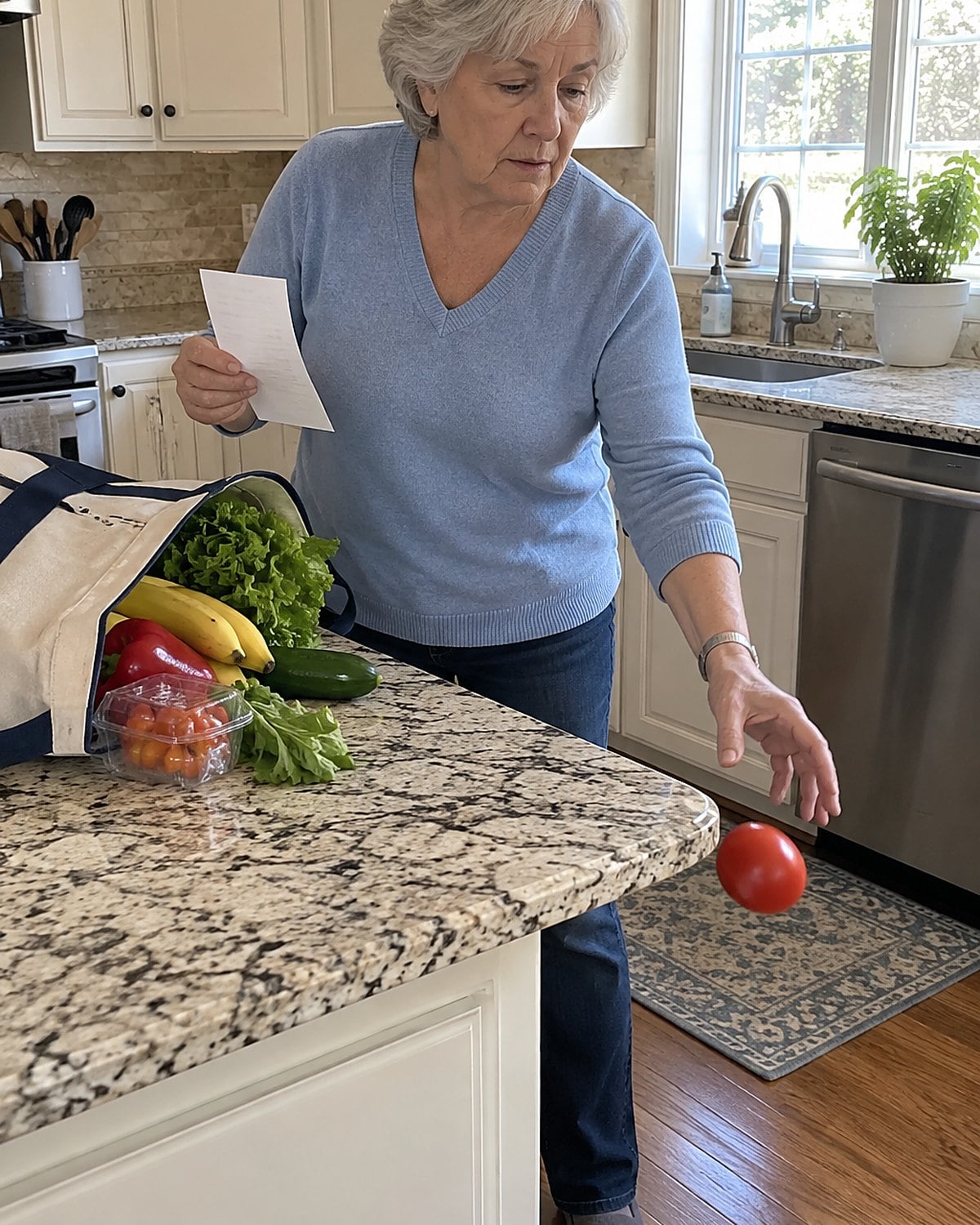
Start where the mistake shows up: the receipt. Before putting it in the drawer with the twist ties, find the item that made you pause. Look for the regular price, any sale adjustment, and the final amount charged. Stores print these in different places, so follow the item name through every nearby line.
If the discount is missing, take the receipt to the service desk while the shelf sign is still up. A photo of the sign helps, especially when it names a size or variety. You don’t need to argue from memory.
Keep the receipt until the food is put away and you’ve checked the disputed item.
The card in your hand tells you what you brought. The receipt tells you what happened.
#26 The Yellow Tag Without a Card Price
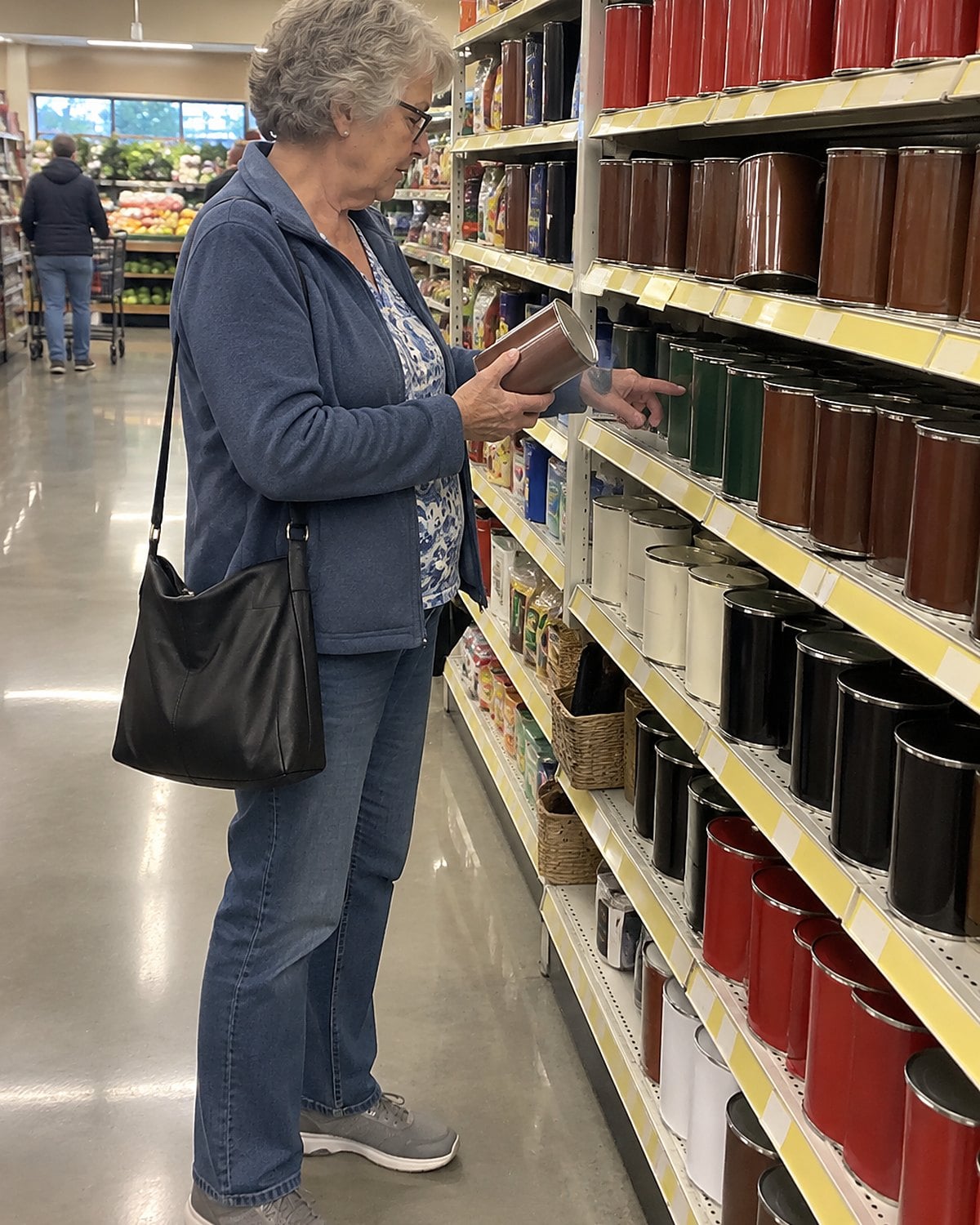
A yellow shelf tag catches your eye just as you reach for coffee. Read the whole tag before lifting the can. Some tags show a regular price and a separate price for loyalty members. Others require a digital coupon as well.
The distinction matters at checkout. Entering a phone number handles a card price, but it doesn’t necessarily activate a digital offer. Look for words such as “with card,” “digital coupon,” or “clip.” Those are separate instructions, even when they sit on the same bright piece of paper.
If the type is too small, take the product and tag to an employee. Ask, “What will this ring up for with my account right now?”
That question beats trying to decode the sign in a moving checkout line.
#25 The Larger Box With the Smaller Discount
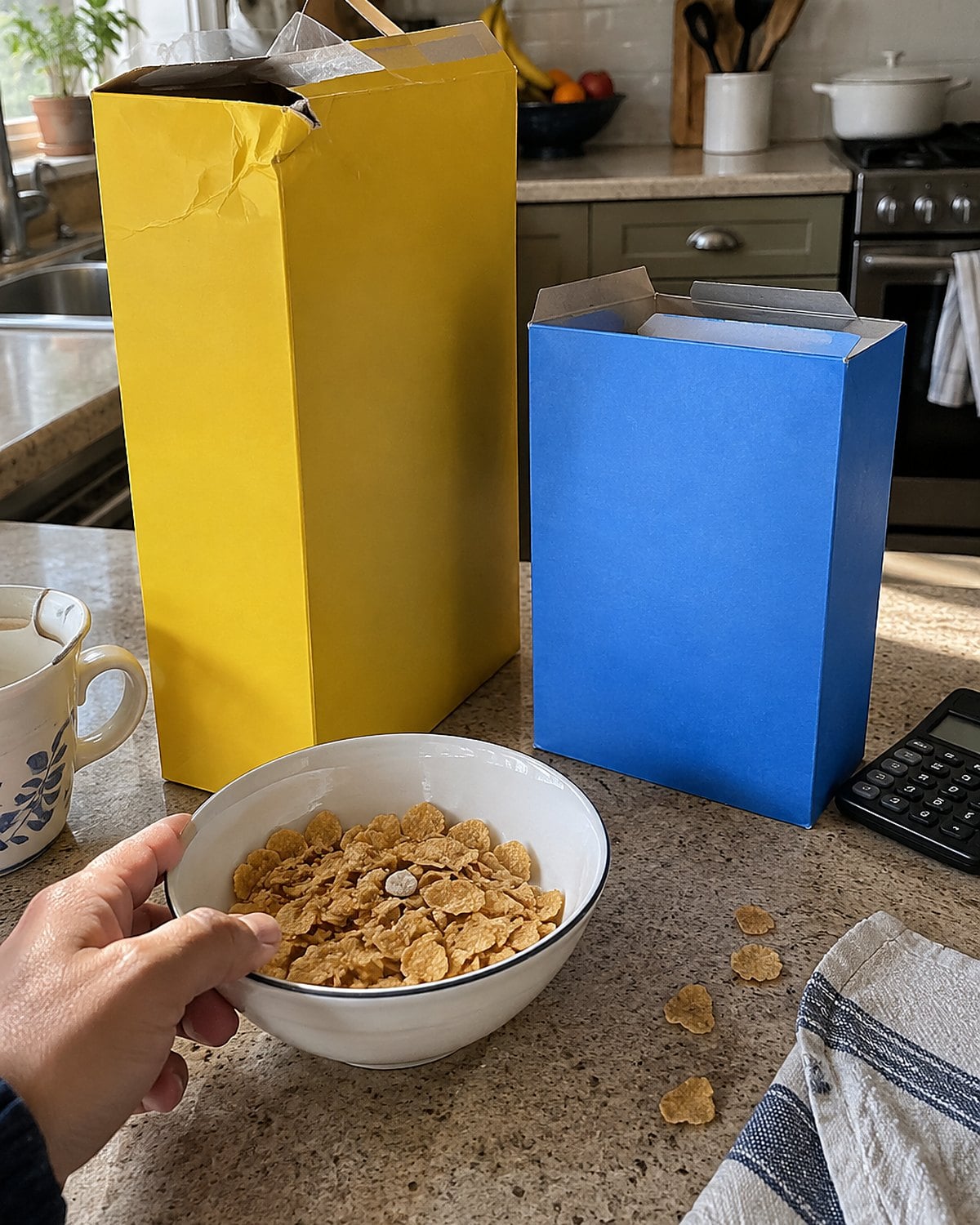
Two cereal boxes sit side by side. The larger one carries a coupon, so your hand goes there first. Stop at the shelf and compare the price per ounce after the discount. The unit-price label gives you a starting point, but it won’t always reflect a coupon you’ve clipped.
Use round numbers to see the trap. A 10-ounce box for about $4 costs about 40 cents an ounce. A 20-ounce box for about $7 costs about 35 cents an ounce. If a coupon takes $1 off the smaller box, its cost drops to about 30 cents an ounce. Now the smaller box wins.
There’s another calculation at home. If the big box goes stale before you finish it, the cheaper ounce wasn’t cheaper for you. Check the size, the final price, and the amount your household will eat.
A pantry built for four people doesn’t automatically fit a table set for two.
#24 The Pasta Already Behind the Flour
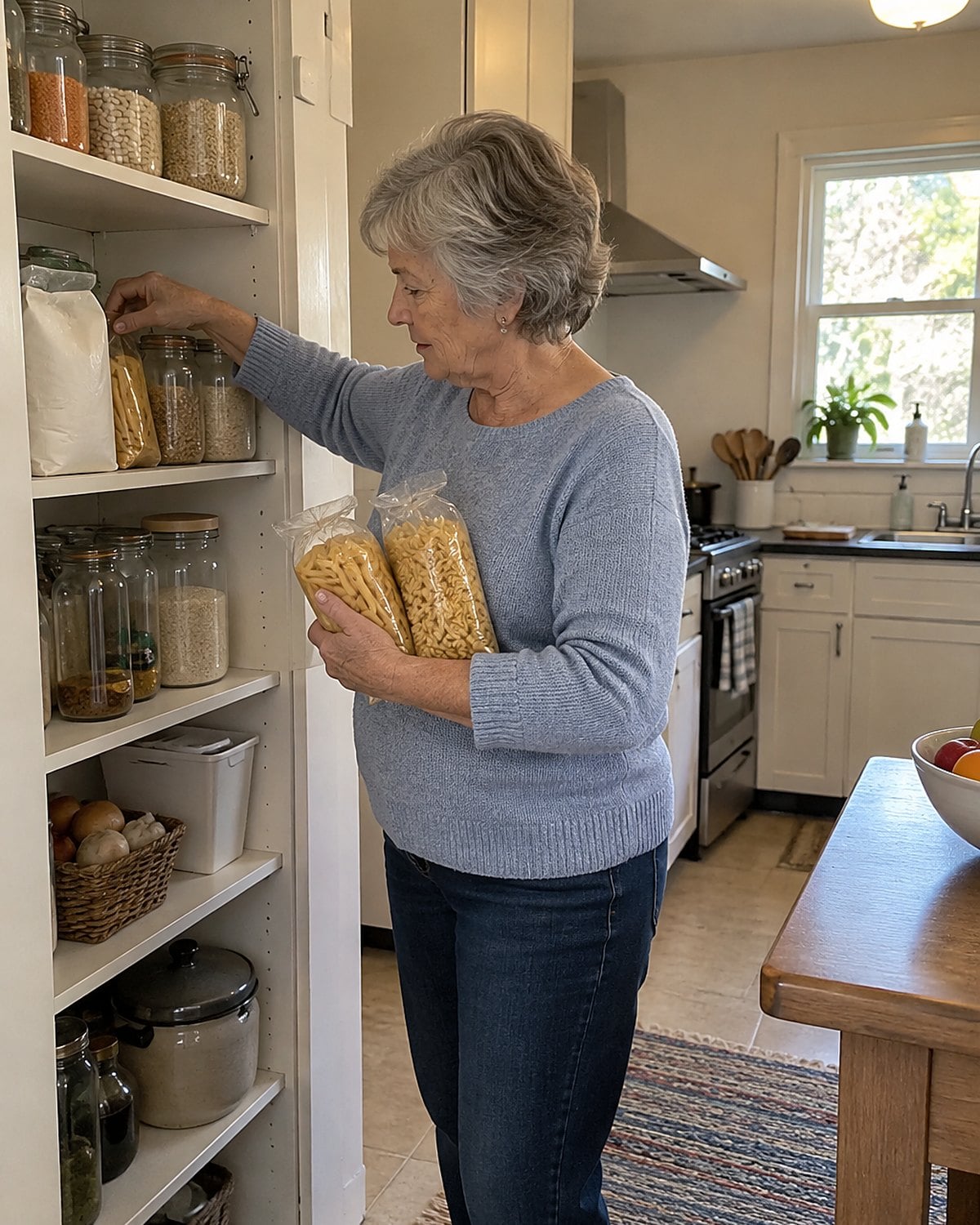
A coupon for pasta looks handy until you open the pantry. There are already bags tucked behind the flour, including a shape nobody in the house asks for.
The next sale doesn’t fix that.
Before a stock-up trip, move the older packages to the front. Check what you have, then decide how many dinners you’re planning. The USDA’s FoodKeeper is a place to check storage guidance when a package or date leaves you unsure.
Write a short pantry note on the back of the shopping list. “Pasta: plenty” takes less time than comparing another shelf full of boxes. A coupon earns a place in the basket when it answers a need you’ve already found.
#23 The Family-Size Chicken for Tuesday Dinner

The family-size chicken pack has a strong-looking discount. Tuesday dinner needs two portions. That gap deserves a plan before the meat goes into the cart.
Think through the trip home: dinner tonight, another meal, and the rest into the freezer. If that last step won’t happen, compare the smaller pack’s total cost instead. A lower price per pound doesn’t rescue food that never gets cooked.
Keep raw poultry cold on the trip home. The USDA’s Safe Minimum Internal Temperature Chart puts poultry at 165°F. If you divide a large pack, wrap the portions before freezing and label them with the date.
Your future self shouldn’t have to thaw an entire bundle to make one skillet supper. The best coupon here is the one attached to a portion you can handle after unloading groceries. Tuesday comes whether the bargain pack fits your evening or not.
Try it: 23 Easy & Tasty Chicken Recipes For Two
#22 The Coupon That Expires at Midnight
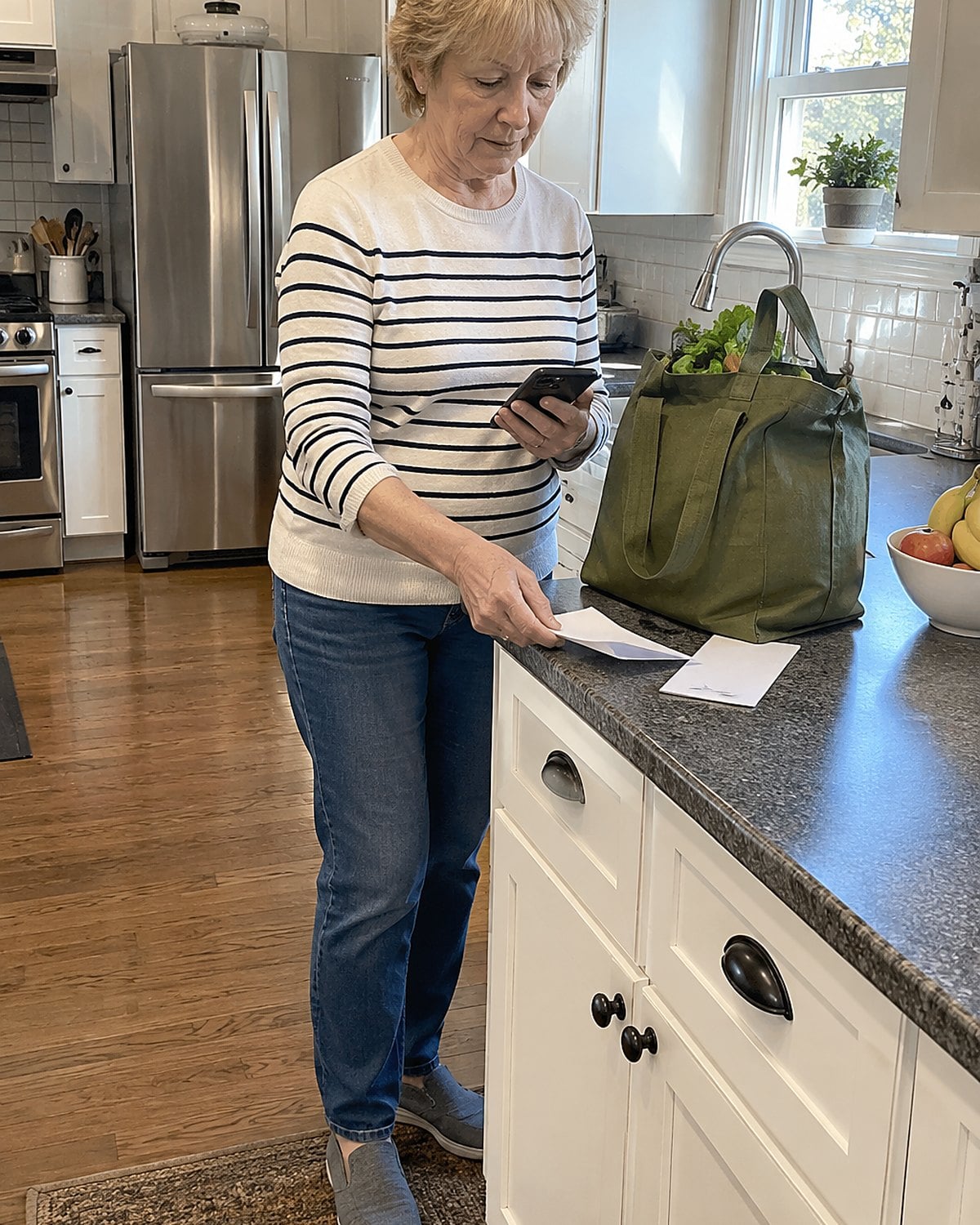
At the register, the coupon on your phone looks ready. Then you see the end date: yesterday. The offer had sat there all week, but it never became part of a shopping trip.
Before leaving home, sort the coupons you intend to use by expiration date. Check the date and time shown in the store app. A paper coupon has its own printed terms.
Don’t rely on the week a sale began to tell you when an offer ends. Put the soonest-expiring deal next to the food it covers on your list.
If you wouldn’t buy the food without it, cross both off. An expiring coupon creates urgency for the store. It doesn’t have to set your dinner schedule.
#21 The Phone Number From an Old Card
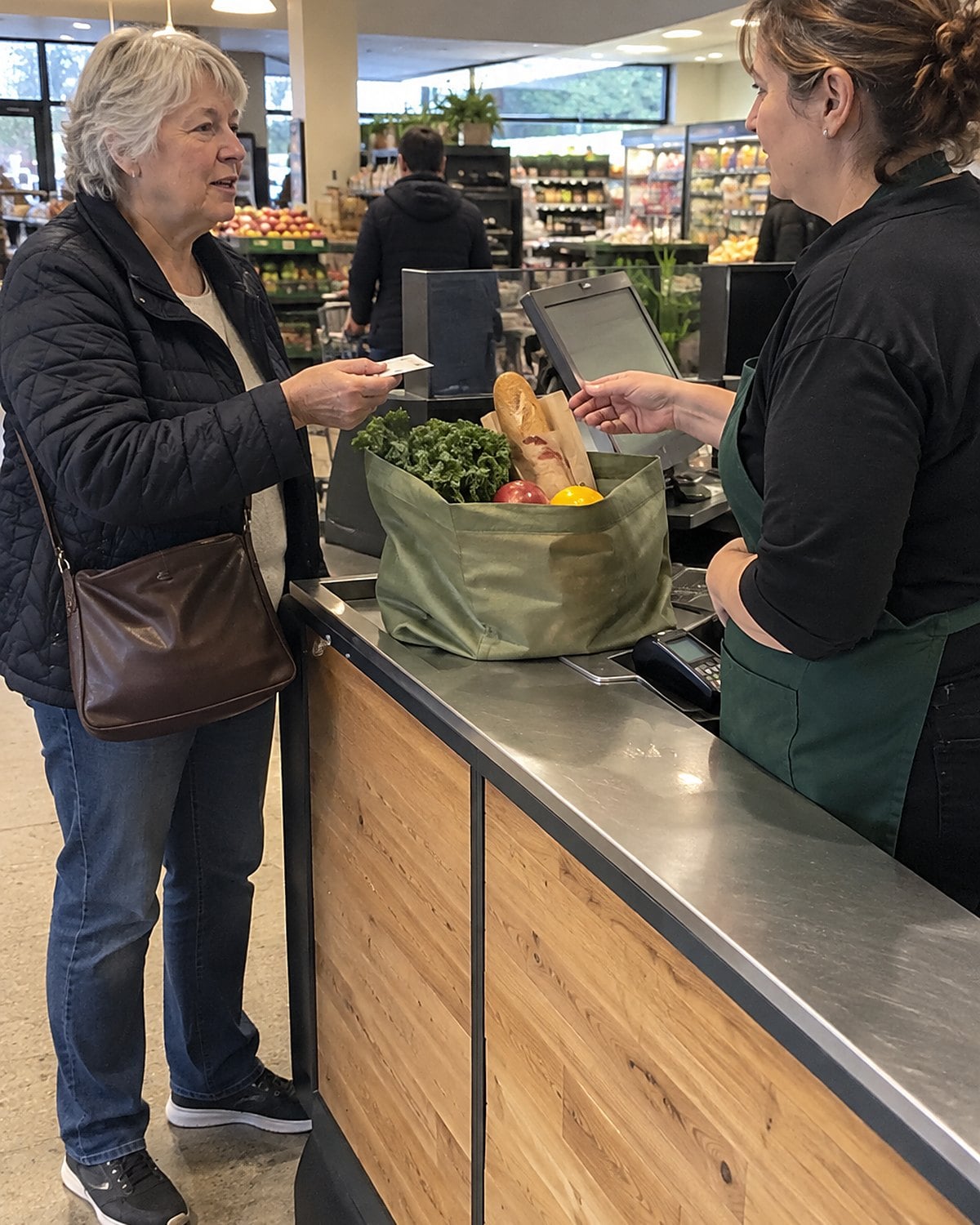
You enter your usual phone number and watch the screen. No member prices appear. The cashier asks for another number, and suddenly you’re trying to recall an account opened years ago.
Step out of line with the receipt rather than guessing through several numbers. At the service desk, ask which account received the purchase and which phone number belongs to your current card. Account details and correction options differ by store, so get the answer from the one you shop.
Once it’s settled, save the right number in your phone under the store’s name. If you carry a physical card, check that it belongs to the same account. A card and an app account that point to different records leave you doing twice the work for one grocery run.
On the next trip, watch the first eligible item ring up. You’ll know early if the account is working.
#20 The “Buy Two” Sign Near the Yogurt

The sign says “buy two,” but what does the rest say? Some offers require two items to earn the price. Other signs advertise a per-item price while using two as the shopping suggestion.
Read the condition before reaching for the second tub. Look for “must buy,” a limit, and the exact flavors or sizes included. If the wording still leaves you guessing, scan one at a self-checkout or ask an employee to check the price.
Your fridge doesn’t gain space because the sign has a large number on it. If you need one tub, find out what one costs. Then decide whether the second belongs in breakfast this week, not in a bargain you invented at the shelf.
#19 The Grandchildren’s Snacks in the Cart
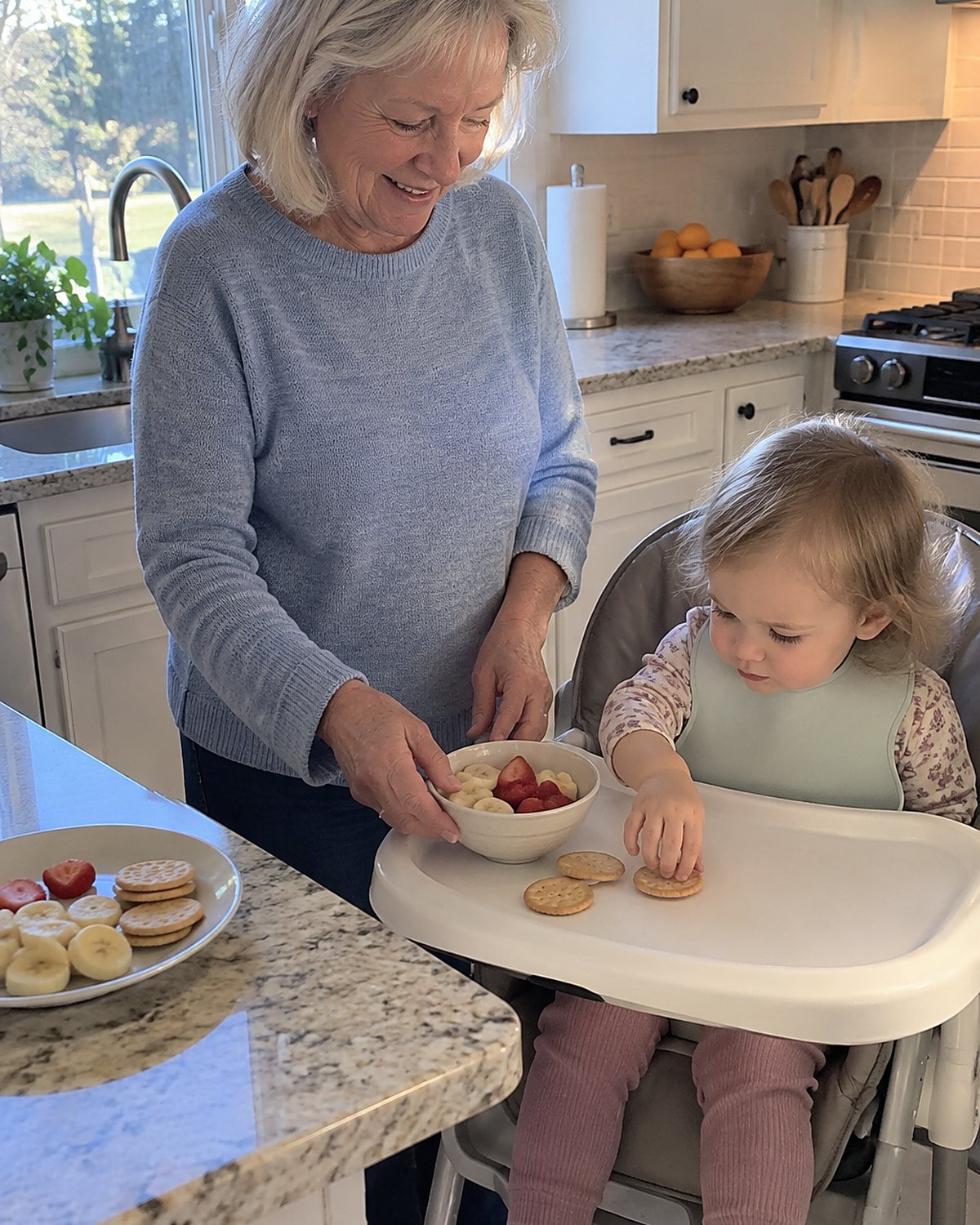
The grandchildren are coming Saturday, and the cart gathers crackers, fruit, and the cereal they liked last visit. A coupon makes the familiar box look settled. Then someone changes their mind, as children do.
Shop for what they ate recently, but leave room for the visit to be different. Check the coupon’s required size and variety before picking the box. If it asks for a larger package than you’ll use after they leave, compare the smaller one at its regular price.
A snack coupon is especially good at turning one weekend into an overfilled pantry. Choose foods that still have a place in your own meals: fruit you enjoy, crackers you serve with soup, or cereal you’ll finish. Then the Saturday plan has a landing spot on Monday.
No grandchild needs you to win a coupon puzzle. They need a snack within reach when the kitchen gets loud.
 You might also like26 Things in Your Fridge Right Now That Should Have Been Thrown Out
#18 The Freezer Drawer Under the Sale Bags
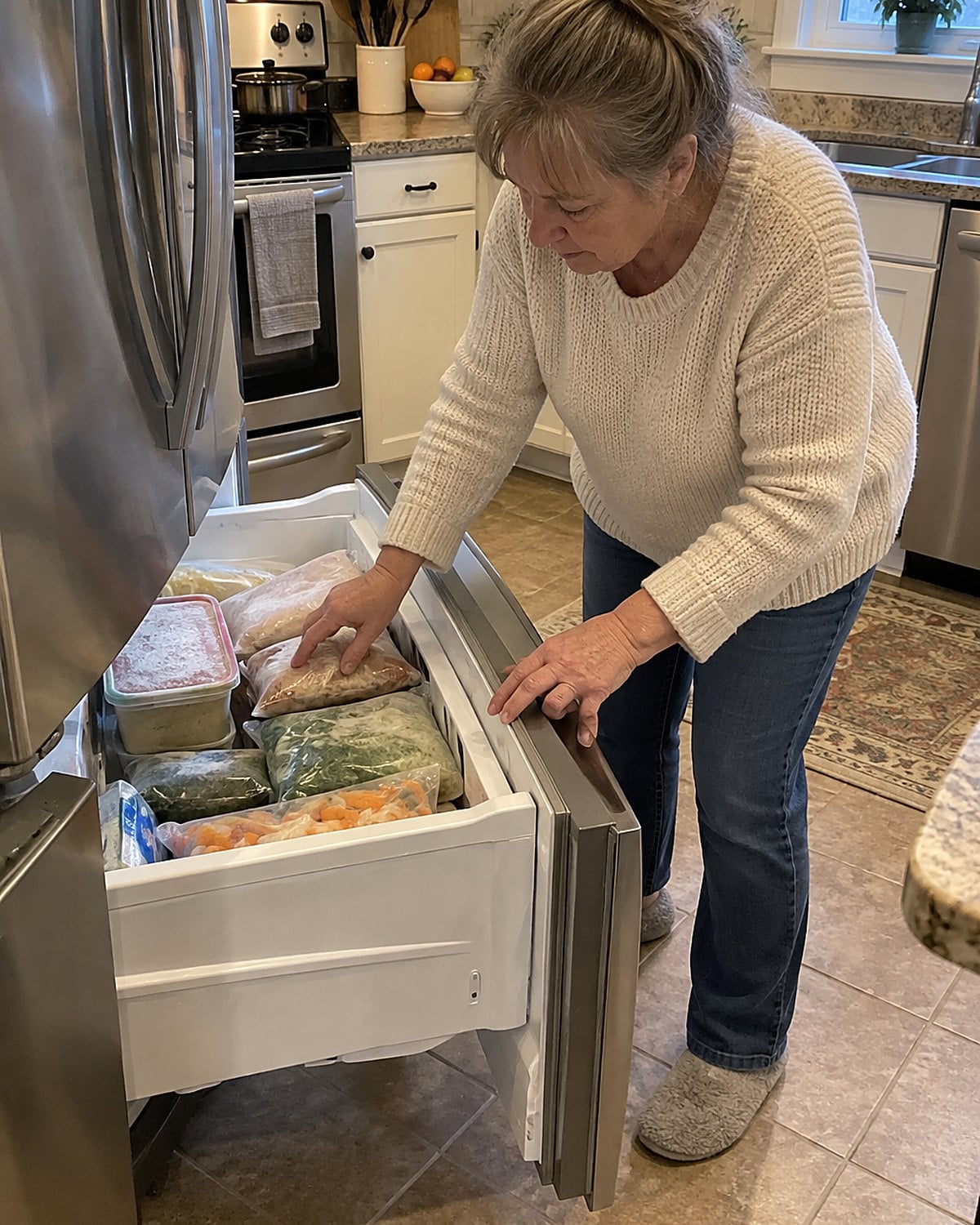
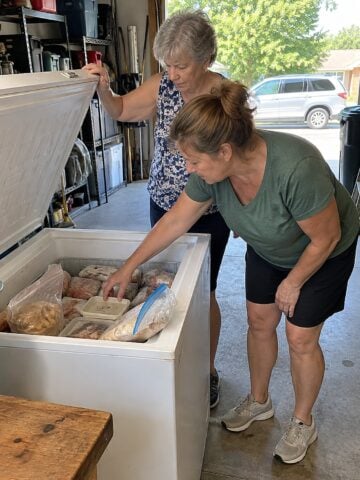
Open the freezer drawer before heading out for a meat sale. If it takes both hands to shut, the discount has already met its limit.
The FDA’s refrigerator and freezer guide says to keep the freezer at 0°F. A thermometer settles that question. It won’t tell you what’s buried at the back, though, so pull out the front bags and read their labels before making the list.
Put a marker beside the freezer, not in a kitchen drawer across the room. Label new packages with the food and the date as you put them away. The cheaper cut helps dinner only when you can find it without unloading the entire drawer onto the counter.
If there’s no room, leave the sale pack at the store.
#17 The Rewards Balance on the Payment Screen
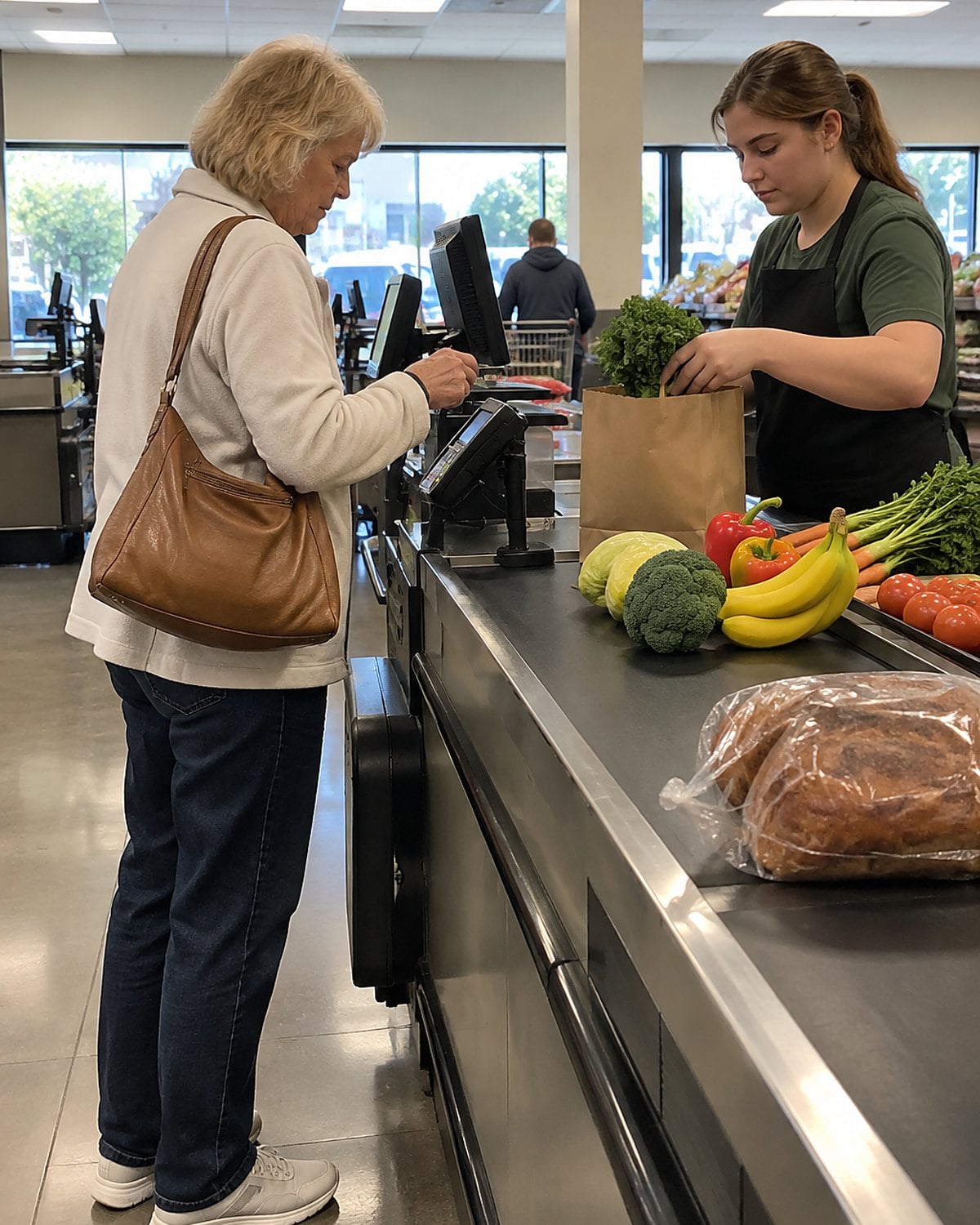
A rewards balance appears at checkout, and the screen offers to apply it. Pause before tapping. A balance is a way to pay for part of this purchase; it isn’t proof that the items in your basket were good deals.
Check the program’s terms for expiration and redemption rules. Some rewards have a minimum or apply only to certain purchases. The store’s app or service desk should show the current rules for your account.
If you’ve been saving rewards for a planned grocery trip, keep that plan. If they’re close to expiring, use them on food already on your list. Either way, compare shelf prices as if the rewards weren’t there.
A reduced total at the register feels good. A sound shopping decision starts earlier, beside the actual food.
#16 The Customer Desk After a Missed Sale
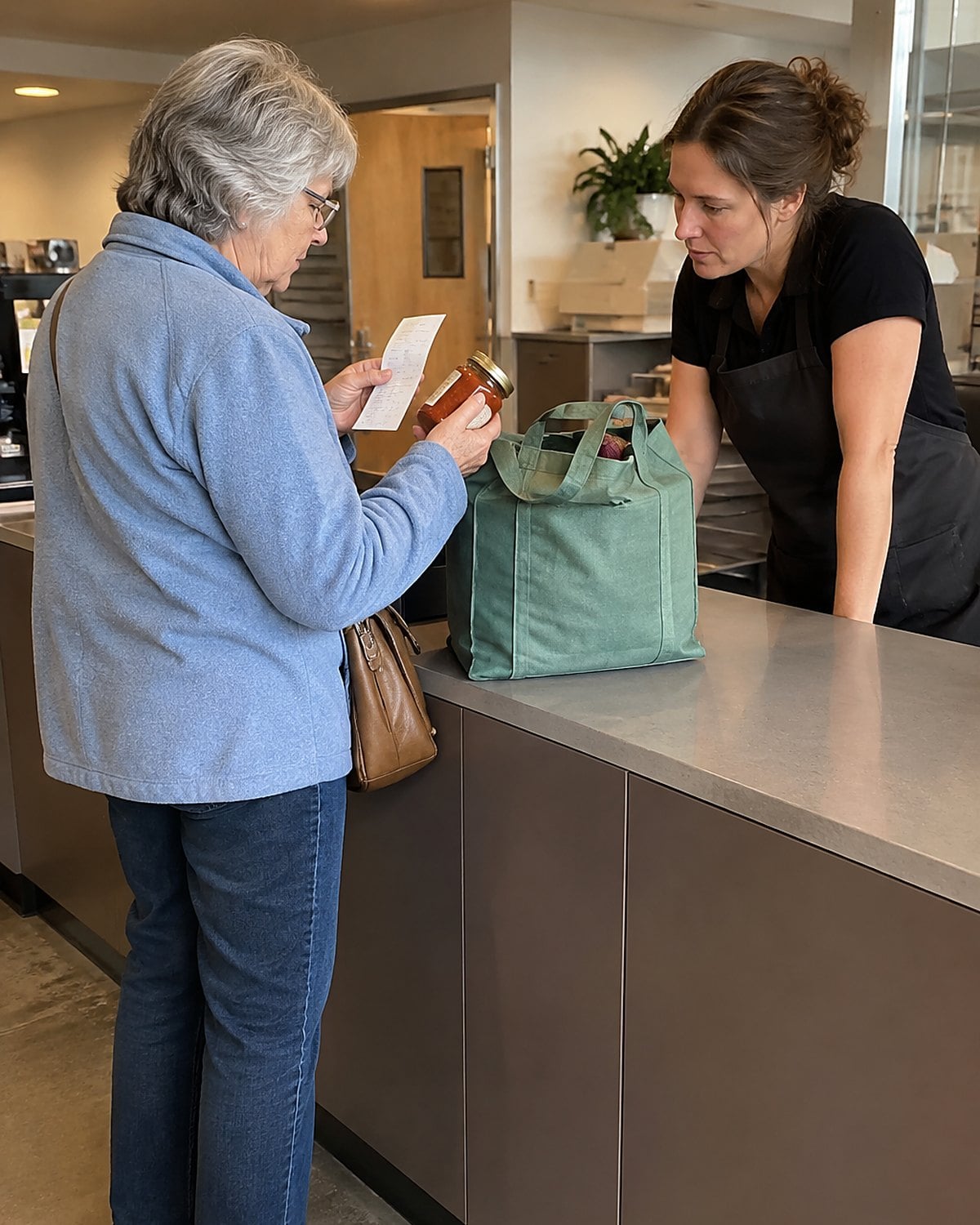
The receipt says full price. You saw a sale sign. Now you’re standing at the service desk wondering how to explain it without holding up anyone else.
Keep the question narrow: “Could you check this item against the shelf offer?” Show the receipt and, if you took one, the photo of the sign. Include the size and flavor on the package.
Those details settle more disputes than a long account of the aisle. For the basics of checking a register price against a shelf price, the National Institute of Standards and Technology explains how retail weights and measures are handled. The store still has to answer for this purchase.
Store policies differ on correcting a price after a purchase, so ask what they’ll do before assuming. If the sign was wrong, ask when it will be fixed. If your item didn’t qualify, you’ve found the detail to watch next time.
#15 The Email Coupon Found After Supper

You finish dinner and find a grocery email offering money off an order you placed that morning. It’s irritating, especially when the offer looked like it belonged to you all along.
Look at how it was delivered. A store email, an app offer, and a paper coupon don’t all work at the same register or under the same rules. Read the offer’s start date, expiration date, and purchase requirements. Then check whether it applies in the store, online, or both.
Set a small routine before your regular trip: open the store app, then search your email for that store’s name. Do this while making the list, not while the milk warms in the cart. Clip only the offers tied to things you need.
After shopping, you can leave the promotional email unopened until the next list.
The store sends it on its schedule. Your kitchen runs on yours.
#14 The Two Transactions for One Dinner
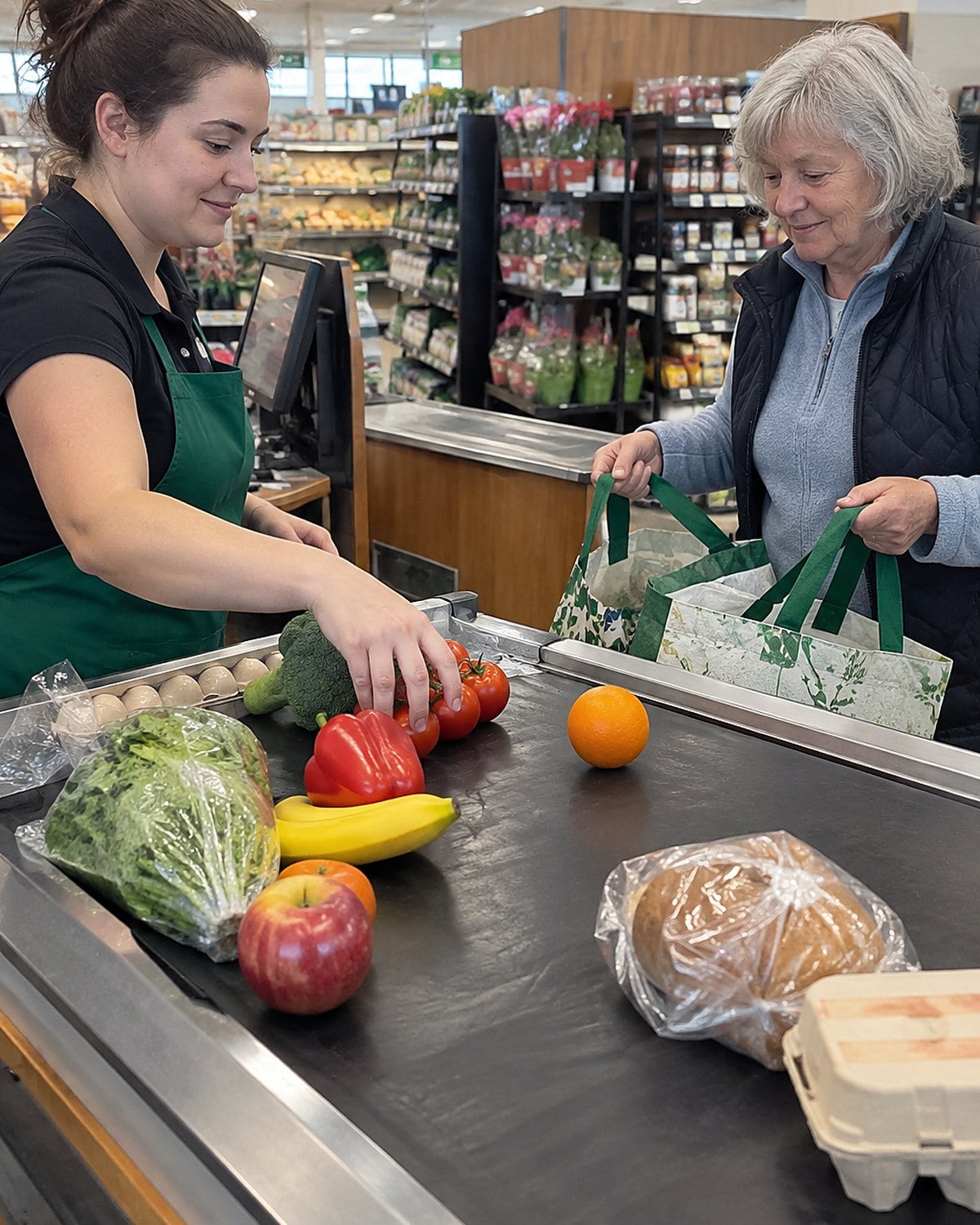
You’ve reached the register with ingredients for dinner, but a coupon requires a separate transaction. Before splitting the cart, read the full condition. Check whether the offer is worth the extra step and whether the store allows the purchase you’ve planned.
Separate transactions also separate receipts. That gets awkward when you need to check a price, return an item, or sort groceries at home. Put the qualifying items together and keep each receipt with its bag until you’ve checked the charges.
If the terms still don’t make sense, skip the maneuver. A discount that depends on a checkout routine you can’t explain back to yourself isn’t ready for your cart.
You’re buying supper, not conducting an experiment for the people waiting in line.
#13 The Market Apples Beside the Bagged Ones

Loose apples sit across from a bag carrying a loyalty price. The bag looks cheaper, but it also makes the choice for you: its size, its mix of fruit, and every apple inside.
Compare the price per pound on the loose fruit with the bag’s total weight and price. Then look through the bag for bruises you wouldn’t choose one by one. A coupon or card price matters only after that comparison.
There’s a practical advantage to buying loose apples when the household is small. You can take the number you’ll eat and leave the rest at the market.
If the bag wins and you already have plans for the fruit, take it. Otherwise, let the discount stay on the shelf. The good knife at home can cut around a bruise, but it can’t give back a shopping choice you didn’t mean to make.
#12 The Soup Pot Full of Coupon Vegetables

The discounted vegetables look tired by the time you reach the stove. You bought them for soup because the coupon made the bag appealing. Now the pot needs more trimming than you planned.
Check produce before it goes in the cart, even when the offer is strong. Look for firm pieces and signs of decay. Once home, put the vegetables where you’ll see them when deciding dinner, rather than burying them behind jars.
If soup is the plan, decide when you’ll make it before you pay. A pot of vegetable soup is forgiving about shape, but a coupon won’t improve a vegetable that’s already past its best.
Taste the finished soup before adding more salt. The bargain was meant to help dinner, not send you back to the pantry to repair it.
Try it: Instant Pot Creamy Vegetable Soup (Vegan, Whole30)
#11 The Drawer Full of Paper Coupons
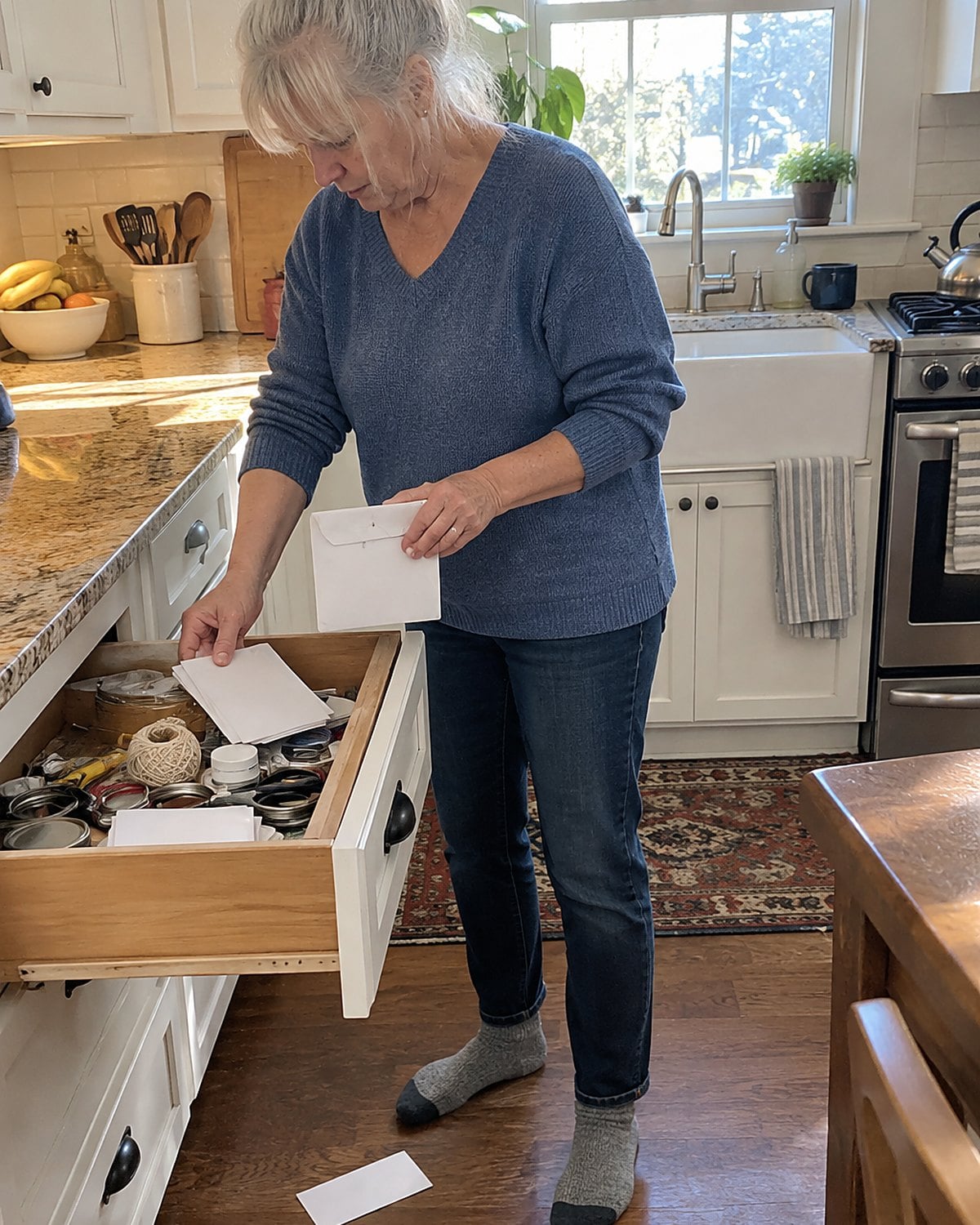
There’s a drawer for coupons, rubber bands, old keys, and a menu from a restaurant that closed. You know the good coupons are in there. Finding one before it expires is another matter.
Give paper coupons a home that travels with your shopping list. An envelope works. Sort the ones you intend to use by store, then put the soonest-expiring at the front. Leave offers for foods you don’t buy out of the envelope entirely.
Check the envelope while writing the list, when there’s time to compare brands and sizes. At checkout, hand over paper coupons before payment and watch for any that are rejected. The cashier can tell you what the register says; the printed terms tell you what to check.
A small, current stack beats a full drawer. The goal isn’t to keep every possible deal. It’s to find the useful one while the food it belongs to is still in your cart.
#10 The Receipt App Asking for Another Scan
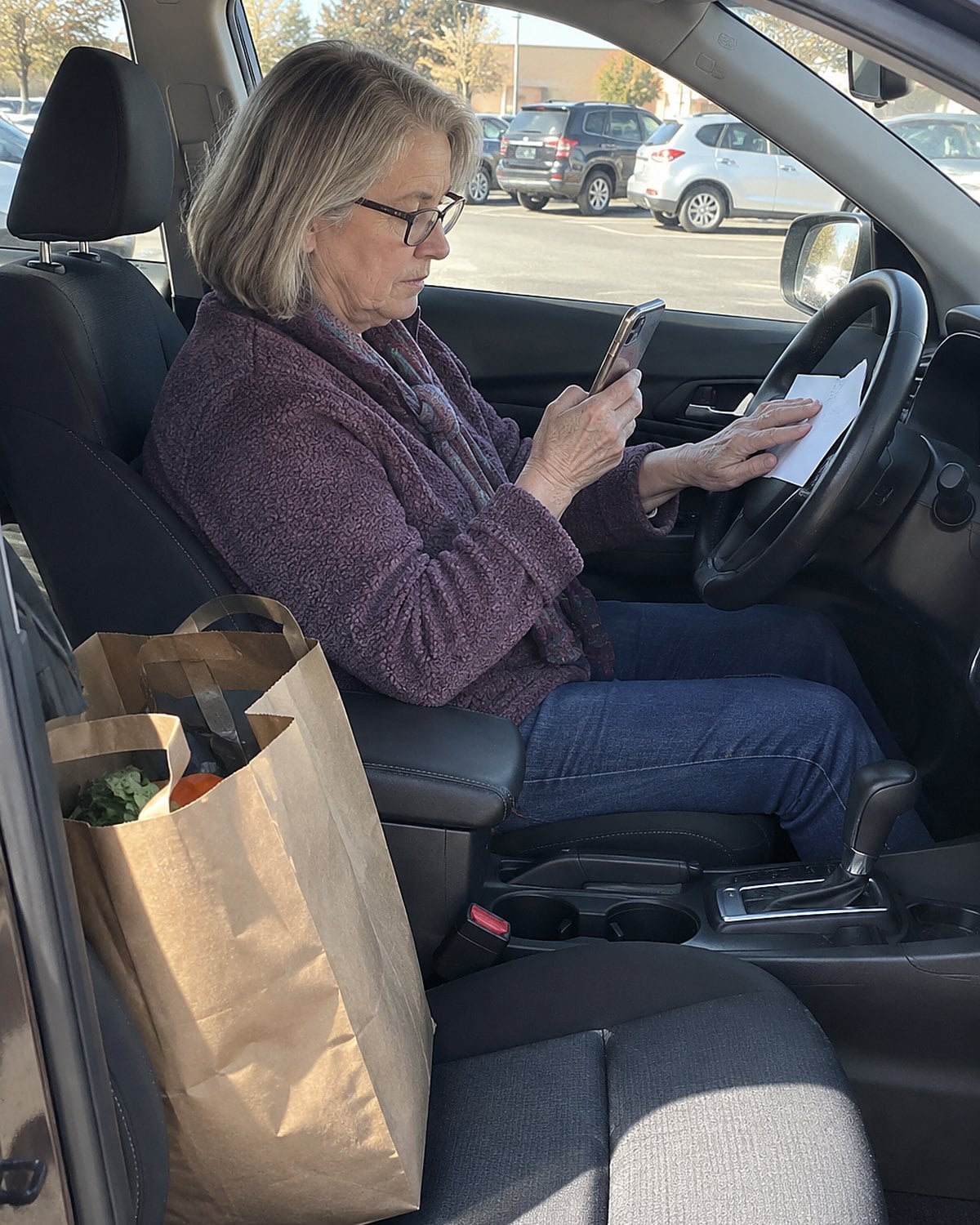
You’ve paid, bagged the groceries, and reached the car. An app now asks you to scan the receipt for another offer. Before doing the extra work, read what that offer requires.
Check the eligible product, purchase date, submission deadline, and any limit shown in the app. Keep the receipt flat until the submission goes through. A crumpled strip with a missing item line makes the task harder.
Don’t count a rebate as money saved at the register. It belongs in your calculation only when it’s approved under the program’s rules.
If scanning receipts feels like another chore you don’t want, skip it. You’ve already made the main purchase. A small extra offer doesn’t get to turn your car into a second checkout lane.
 You might also like27 Things People Over 60 Still Do With Leftovers That Food-Safety Experts Beg Them to Stop
#9 The Cashier’s Question About Digital Coupons
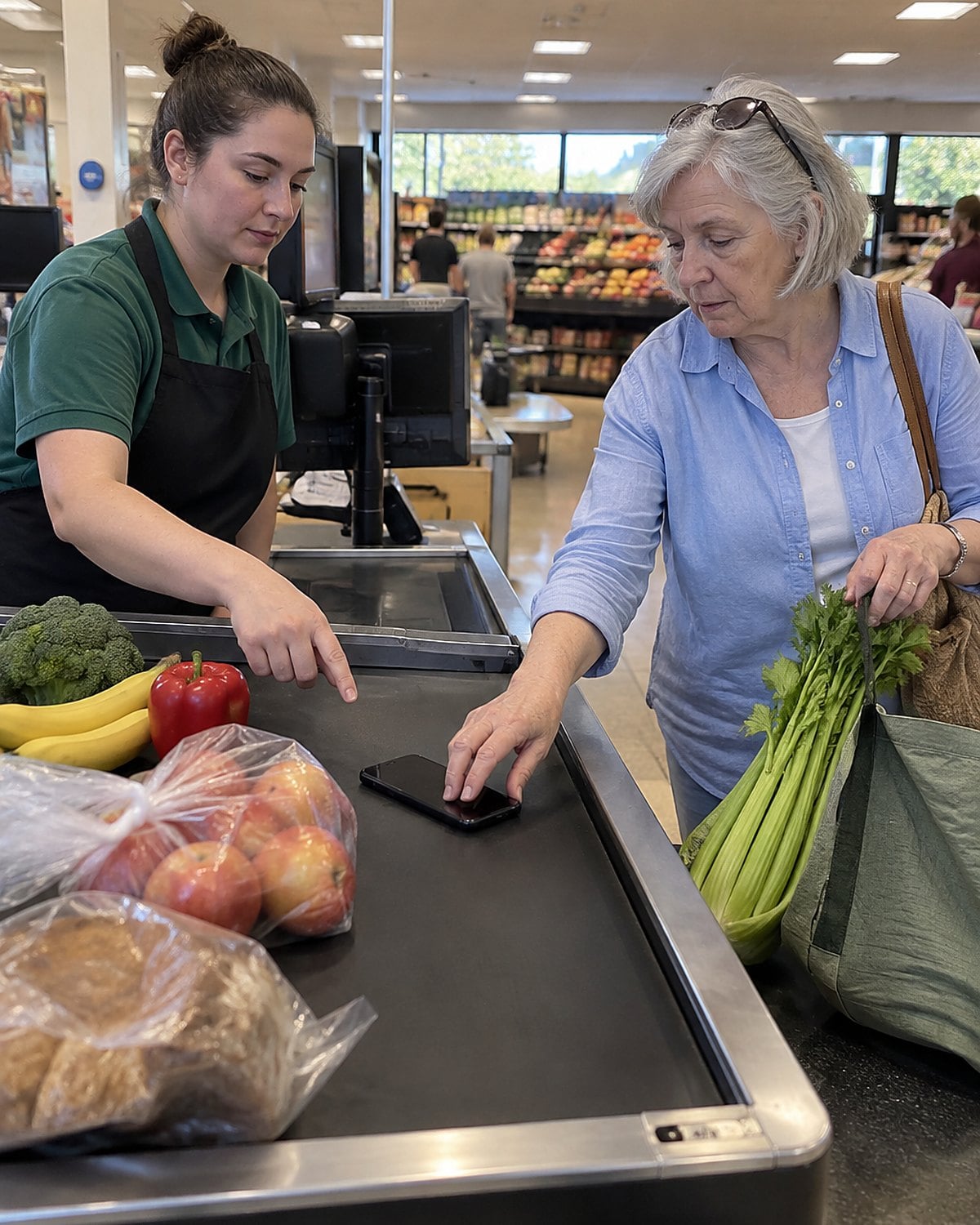
“Did you clip it?” The cashier asks while your groceries move past the scanner. You gave the loyalty number, but the shelf sign called for a digital coupon. Those actions aren’t the same.
Open the store app before shopping and select the offer attached to your account. At the shelf, match the brand, package size, and variety to the offer. Read any limit before putting more than one in the cart. Then check the receipt for the deduction.
If you don’t use an app, ask the store whether it offers another way to access that price. Policies vary. Don’t assume handing over a physical card activates an offer marked digital.
The conversation is worth having outside the rush of checkout, at the service desk on a calmer trip. Ask someone to show you where clipped offers appear in your account. Once you’ve seen the screen, the sign in the aisle reads differently.
#8 The Roast Bought for Its Coupon
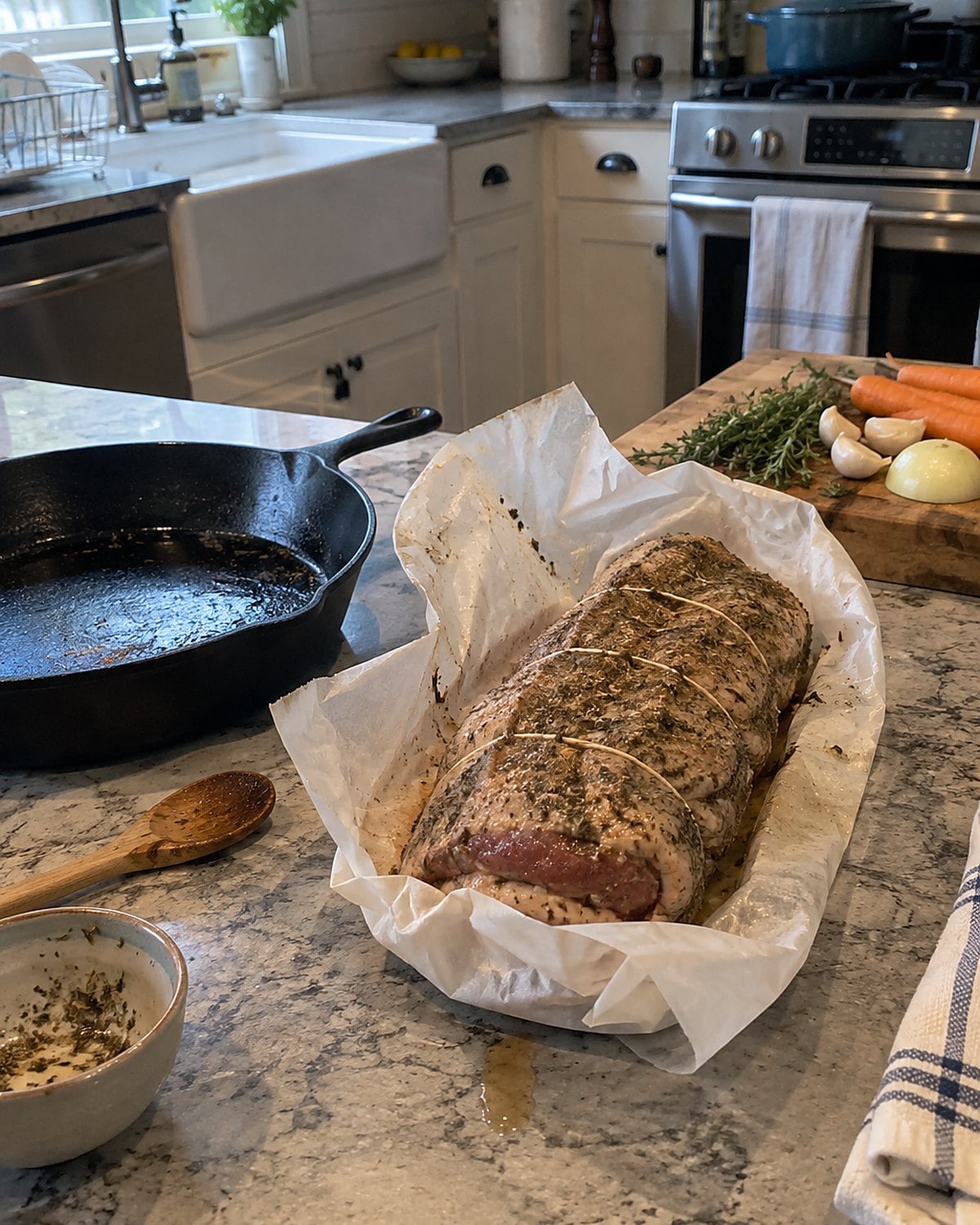
The roast has a coupon, and the cast-iron pan at home is ready. Then you remember that dinner needs to be quick, and there are only two people eating. A good cut at a reduced price still asks for time and portions.
Before buying, decide which meal gets the roast and what happens to the rest. Compare that plan with a smaller cut, even if the smaller one has no offer. Look at the final package prices, not only the discount printed on the tag.
If you choose the roast, the USDA’s Safe Minimum Internal Temperature Chart puts whole cuts of beef at 145°F, followed by a 3-minute rest. Use a thermometer in the thickest part.
The coupon settles the shopping question only after the cooking plan makes sense. Until then, the roast is another task competing with Tuesday dinner.
Try it: Instant Pot Roast Beef & Gravy
#7 The Wrong Variety in the Grocery Bag

You picked the marked shelf, yet the receipt shows no coupon. At home, the bag gives you the answer: you grabbed a different flavor, size, or package count from the one in the offer.
Read the coupon against the actual package, not the shelf below it. Grocery displays get crowded, and similar cartons sit shoulder to shoulder. Check the weight and product name where the barcode is printed. That’s the item the register identifies.
If you catch the mismatch before leaving, ask whether an eligible variety is in stock and whether the store will handle an exchange. Return and exchange rules belong to the store, so check the receipt or service desk rather than guessing.
For the next trip, put the required size on your list: “small carton,” “family bag,” or the stated ounce count. A brand name alone leaves room for the wrong box to follow you home.
#6 The Shopping List Without a Coupon Mark
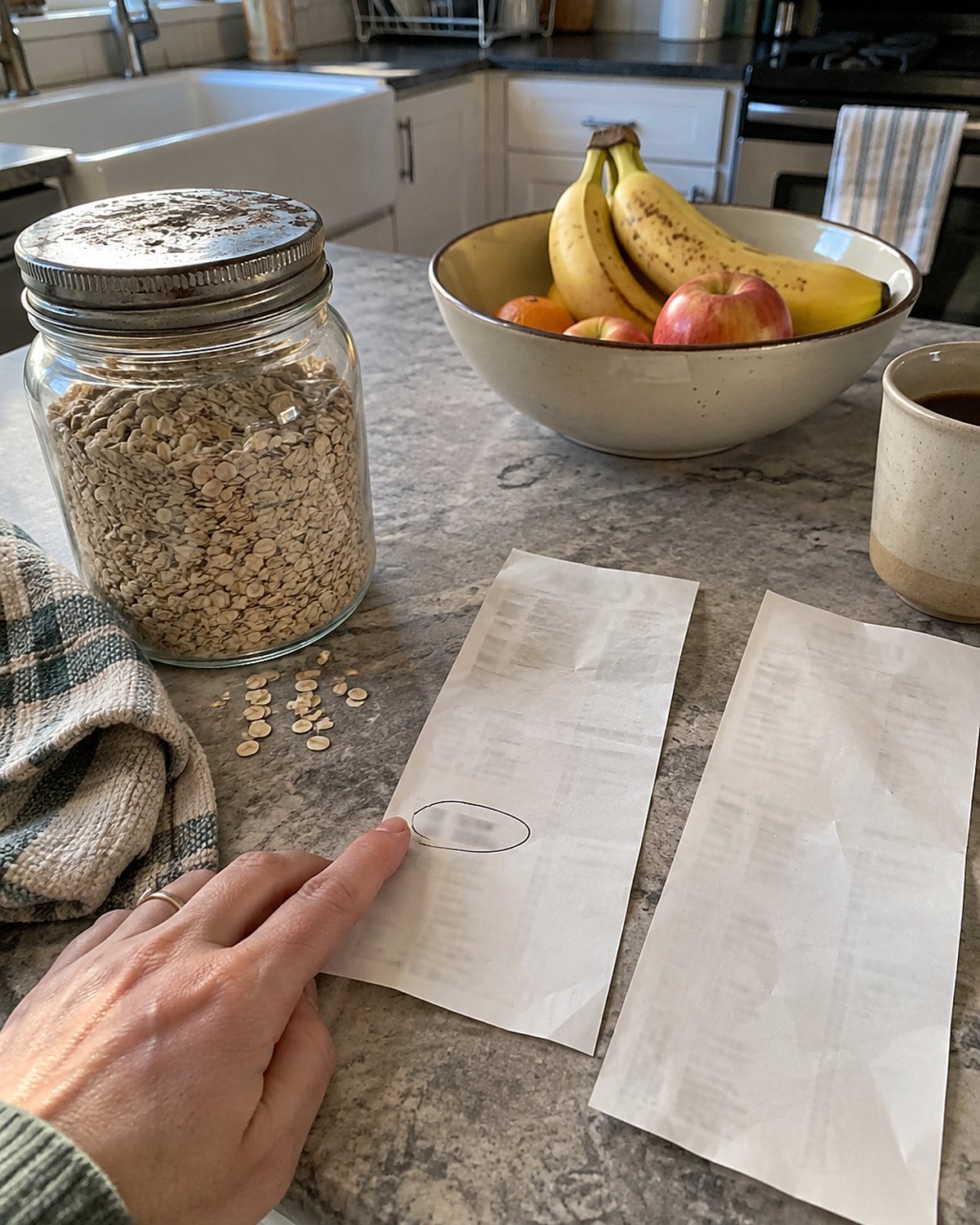
A list that says “beans, milk, bread” gets you through the aisles. It doesn’t remind you which item has a clipped offer or which one needs a paper coupon.
Mark the list beside the food, using whatever sign you already use in the kitchen: a star, a circle, or “card.” Write the exact size when the offer requires it. Keep the paper coupon with the list until checkout.
Do this before you leave home. You’ll make a better choice beside the pantry than beside a crowded shelf. If the coupon item sells out, buy the alternative you’d normally choose or change dinner.
Don’t make a new plan merely to rescue the discount. The list serves your meals first.
#5 The High Chair Snack After the Sale
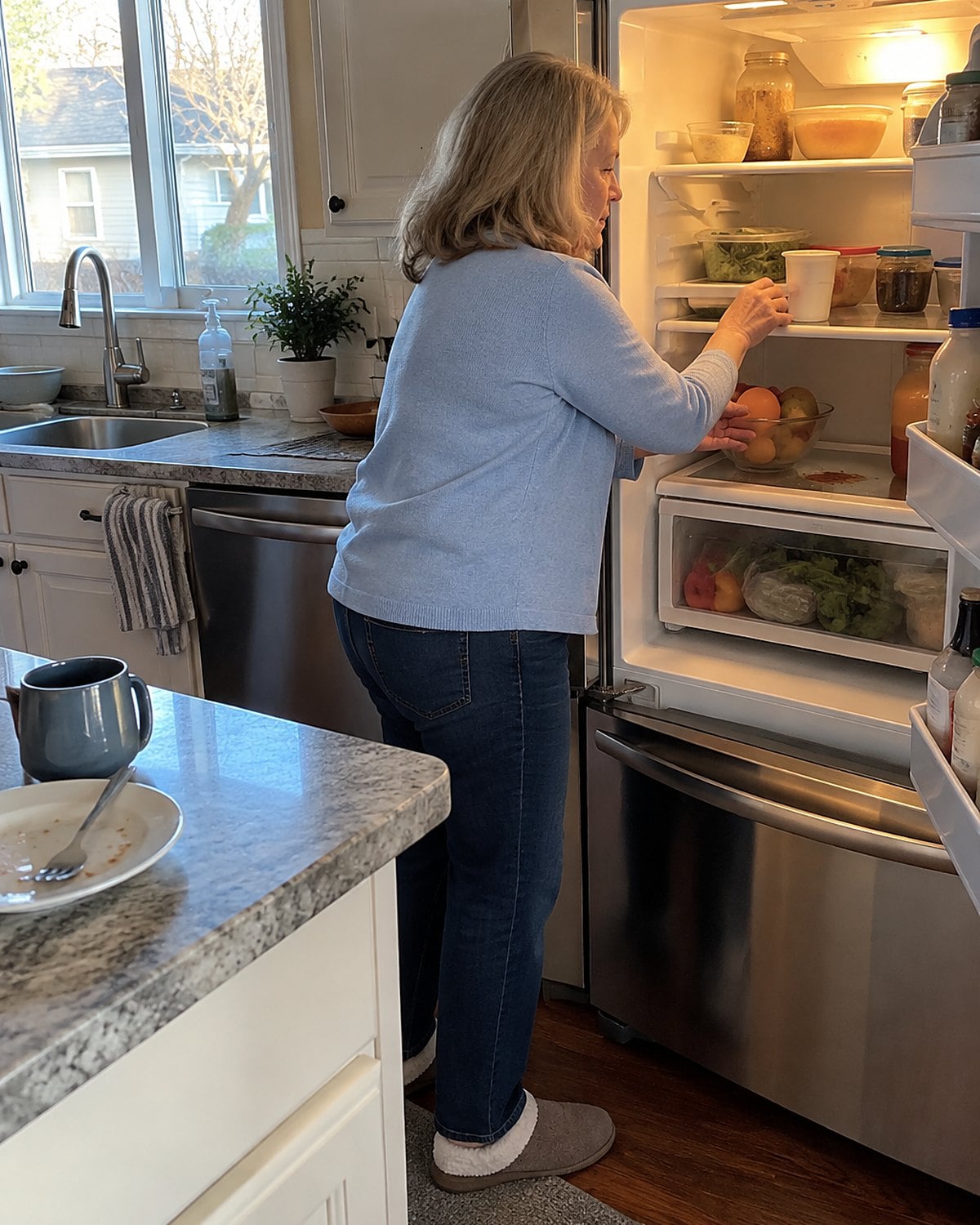
The loyalty deal on snack cups seemed right for a grandchild’s visit. Now the last cup sits on the fridge shelf after everyone has gone home, and you’re deciding what to do with it.
Check the package and follow its storage directions, especially after opening. Keep the fridge at 40°F or below, as the FDA’s refrigerator and freezer guide advises. If you’re unsure how long an opened food keeps, look it up in FoodKeeper rather than relying on the day you remember buying it.
Next time, count the snacks needed for the visit and think about who eats any left over. A deal tied to a large pack works better when the food fits both households.
That’s a more useful question than how much the shelf tag says you saved. It also leaves room in the fridge for dinner. The coupon doesn’t get to fill a shelf on its own.
#4 The Loyalty App With Two Accounts
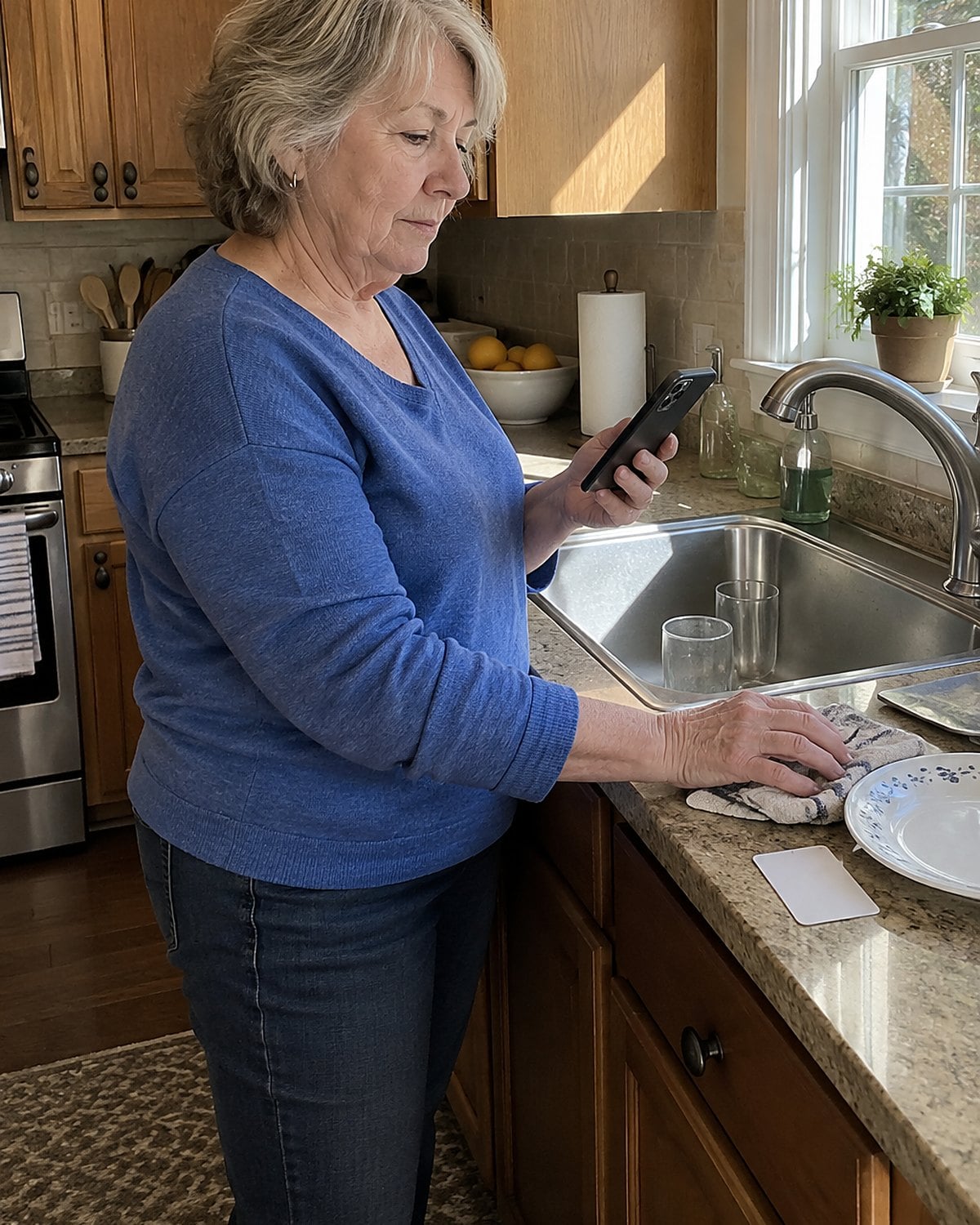
Your card works at the register, but the app shows no purchases. Or the app has coupons you clipped, while the receipt shows none. Two accounts tied to different phone numbers are worth checking.
Open the app’s account page and compare its phone number with the one you enter at checkout. If the details don’t match, ask the store’s service desk how to update or connect them. Don’t create another account in the aisle and hope the offers follow.
After the correction, test it with an eligible item on your next trip. Check the receipt before leaving. A working account is less about carrying the right plastic card than knowing which record the register used.
Once that’s clear, you can stop wondering where the clipped offers went.
#3 The Small Basket Under the Spending Minimum
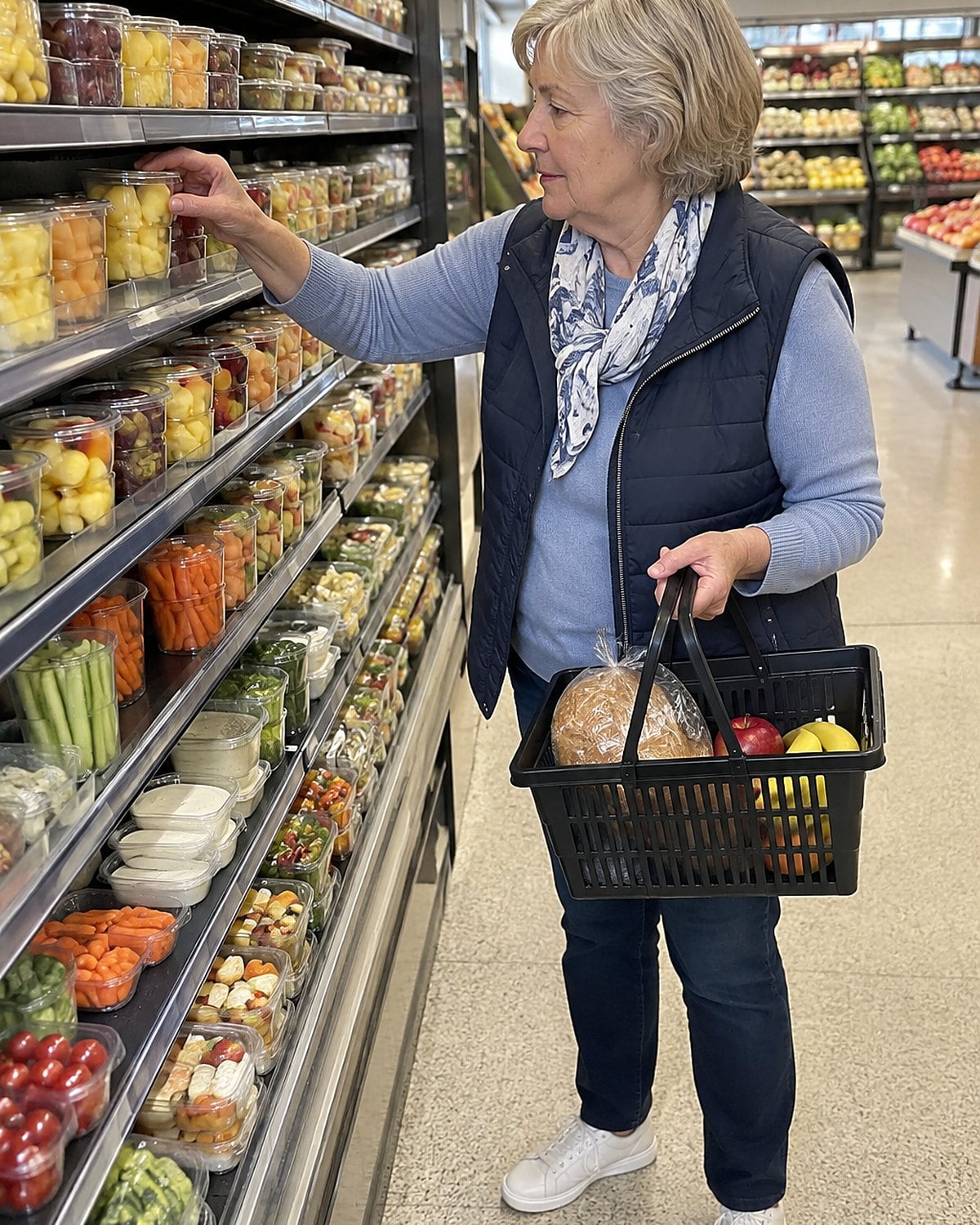
A coupon promises money off a purchase above a stated amount. Your basket is short of the minimum, so you add a snack you didn’t come for. The total now qualifies, but the grocery plan has changed.
Read what counts toward the threshold. Stores set their own terms, and some items or charges are excluded. Work from the amount of eligible food already on your list. If you’re short, check whether a staple you need soon belongs in the cart. If nothing does, let the offer go.
Try the arithmetic before reaching for the snack. Spending about $6 on something unwanted to claim a $5 discount leaves you about $1 behind, with extra food to store. That’s a useful calculation at any age and on any size shopping trip.
A coupon should lower the cost of a basket you wanted. Don’t build a different basket to satisfy its rule.
#2 The Receipt Before You Leave the Store
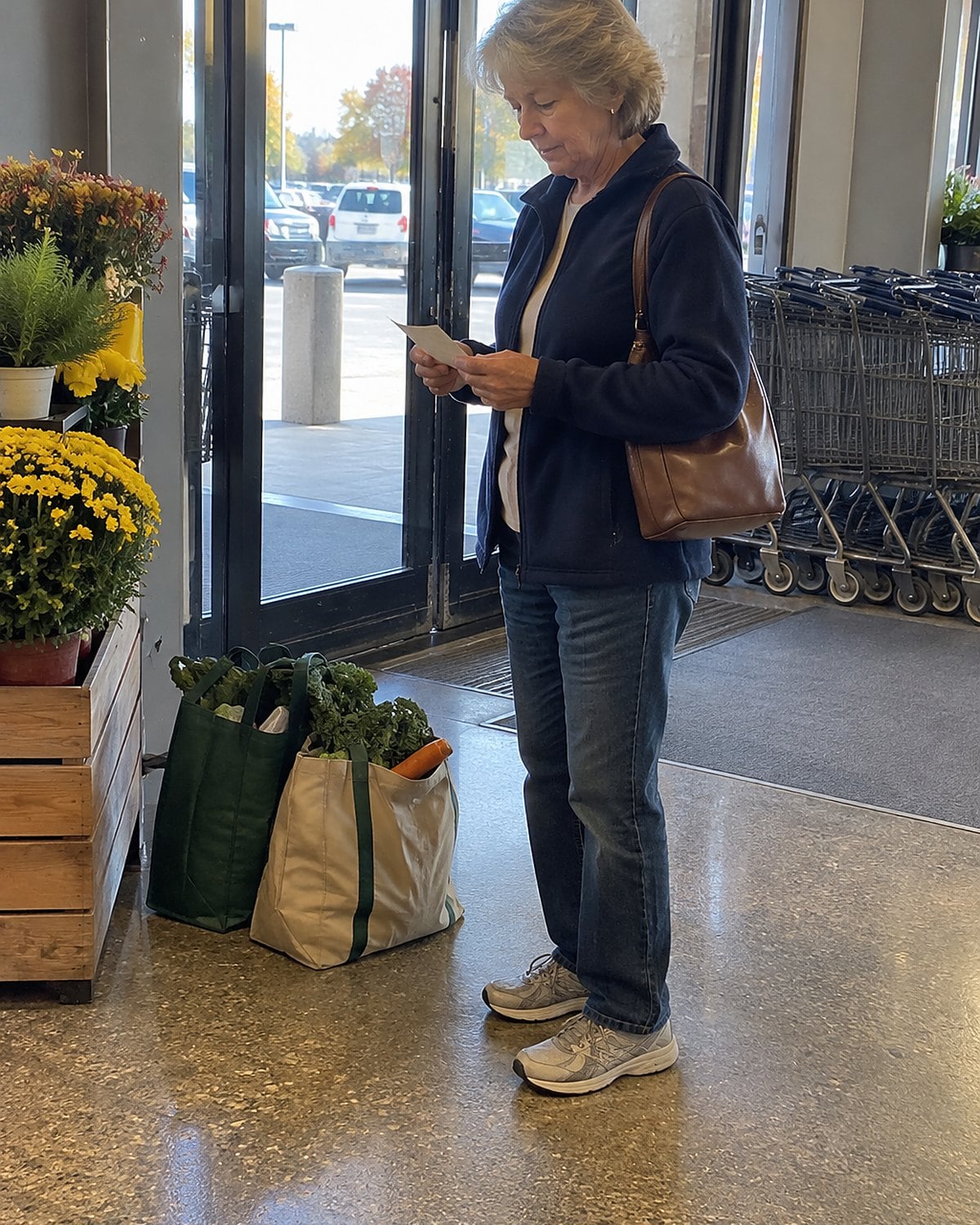
You know the feeling: the bags are packed, the car is waiting, and checking the receipt seems like something to do at home. Then a missing discount becomes a second trip.
Stop near the exit and scan the receipt for the offers you expected. Focus on the items with card prices, clipped coupons, and paper coupons. You don’t need to reread every line. Check the few purchases whose price depended on an extra step.
If something looks wrong, bring the receipt and item to the service desk before leaving. The sign, stock, and staff are still there.
If everything matches, put the receipt away and go make dinner. That small pause turns a vague doubt into an answer while the answer is close.
#1 The Final Price Written Beside Dinner

Before the next grocery trip, write down the dinner you’re buying for. Then choose the food and compare its final price. This is the step that keeps every card, coupon, and bright tag in its proper place.
Say the plan is chicken, green beans, and potatoes for two. One pack has a card price, another has a digital offer, and a third costs less without either. Compare what you’ll pay for the amount you’ll cook.
Include any leftovers you already know how you’ll use. Leave out the savings printed in large type; that number describes a difference from another price, not tonight’s dinner.
At the shelf, ask yourself: “If the coupon vanished, would I still choose this?” If the answer is no, look again at the food and the total. You’re free to change the menu. You’re also free to leave a deal behind.
That’s how the card becomes useful. It helps lower the cost of a decision you made for your kitchen. It doesn’t get to make the decision.
Keep reading
 25 Fridge Habits That Waste Money Every Week Without Anyone Noticing
See all 25 →
More you’ll remember
 27 Things People Over 60 Still Pay Full Price for That the Store Would Rather You Didn't Notice
 26 Things Grocery Workers Wish Shoppers Over 60 Knew
 24 Pantry Items That Last Years, So Stop Replacing Them
The bottom line
The mistakes share a pattern: a discount draws your attention away from the food, the amount you need, or the price the register charges. Bring it back to those three things.
The well-prepared version of you has checked the pantry, chosen dinner, clipped the relevant offer, and kept the receipt long enough to see it work.
What’s sitting in your kitchen right now because a shelf tag made the choice for you?


Leave a Reply