

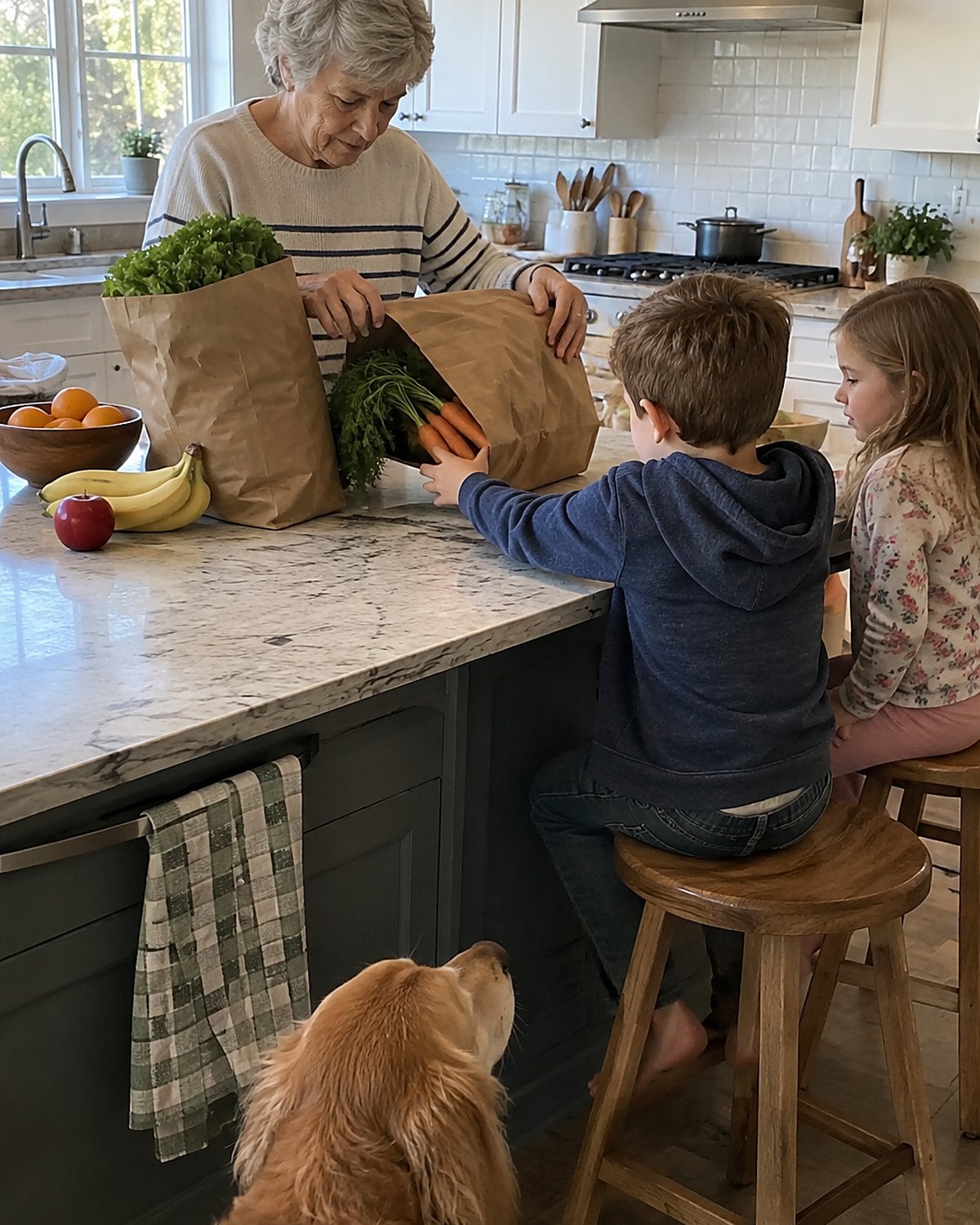
The refrigerator door thumps shut against your hip while you set down the groceries. There are onions in the drawer already. Somehow, another bag came home.
That mistake has little to do with age and plenty to do with a store built to keep you moving. A sale sign shouts. The unit price whispers. The offer tied to your store account waits somewhere behind a screen.
After twenty years in the same aisles, you'd expect the useful details to be familiar. Yet the best question is still worth asking aloud: “Is there a cheaper way to buy this here?”
#27 The Onion Bag Beside the Loose Bin
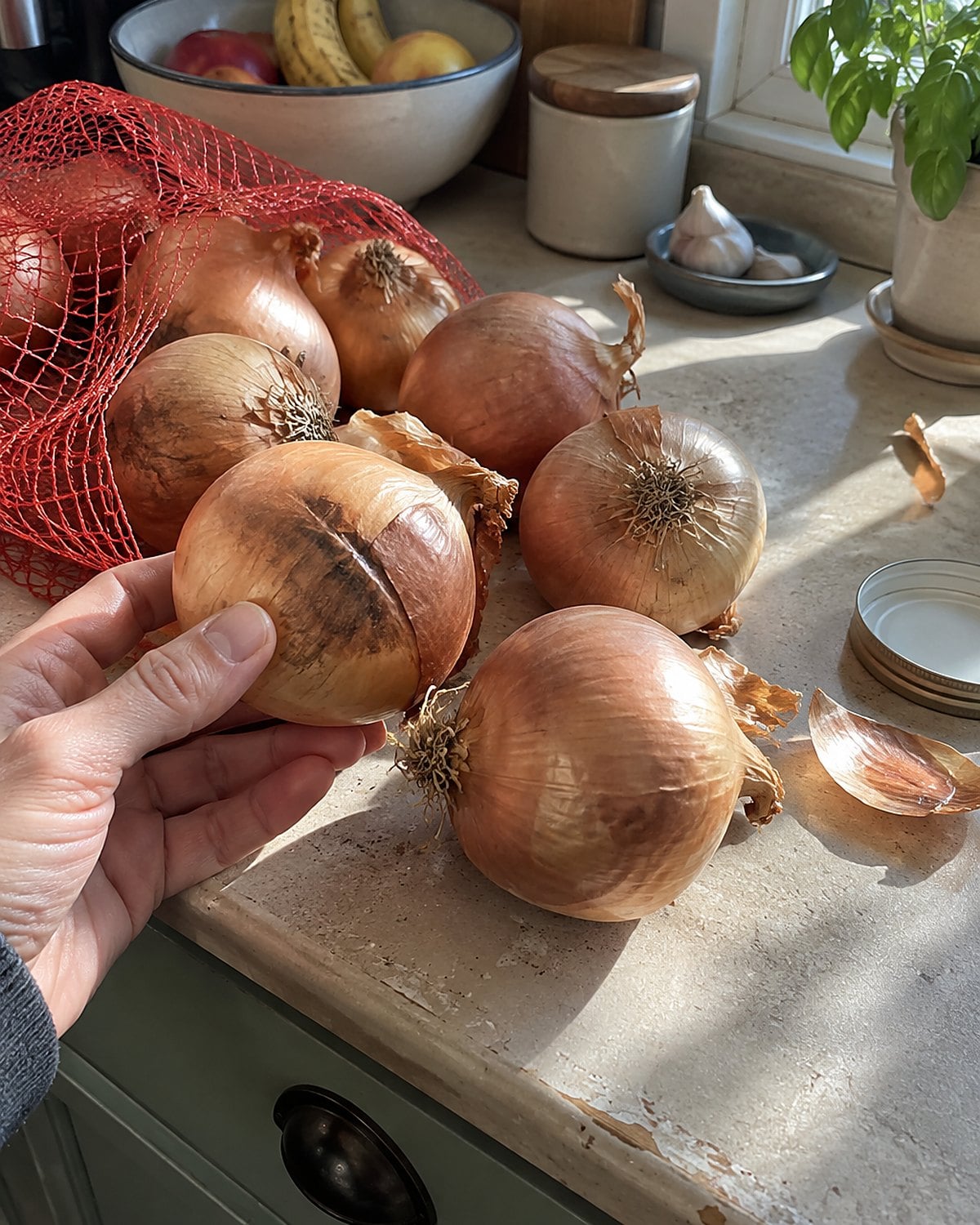
A big bag looks like the sensible choice until you get home and find the onions already in the drawer. Now dinner starts with sorting soft bulbs instead of chopping one.
Look at the price per pound for loose onions, then read the bag's weight and total price. A bag bargain only works if you'll use what you bring home. For a smaller household, the amount matters as much as the shelf price.
There's another difference worth feeling with your hands. Loose onions let you pass over a damp neck or soft spot. A sealed bag hides the middle until you're at the counter.
Buy the number you need for the meals you have in mind. The old habit of buying for a full house deserves a fresh look, even if the store never asks who's coming to dinner.
#26 The Shelf Tag Under the Cereal
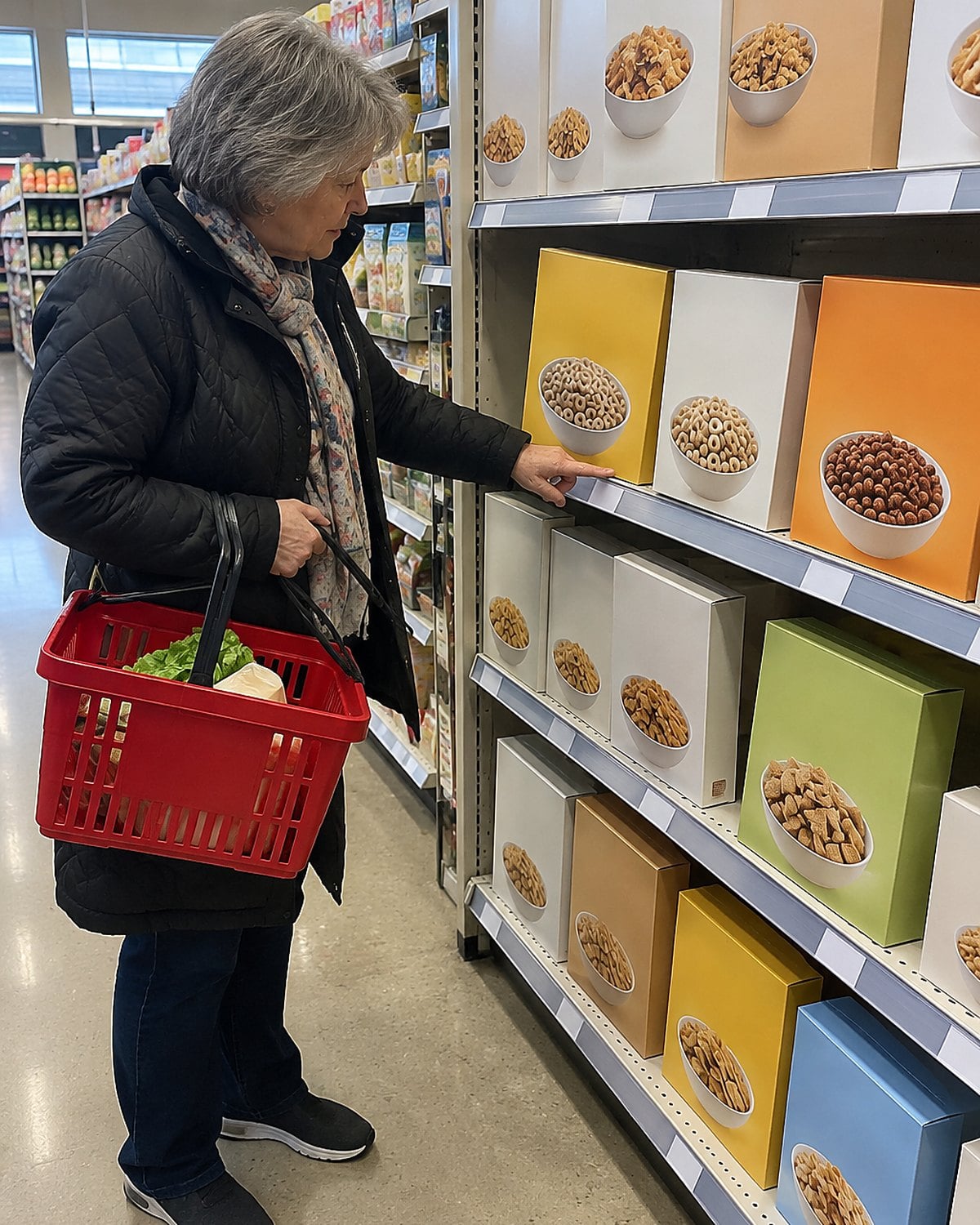
Two cereal boxes sit together, and the taller one costs less. Before it goes into your cart, bend down to the unit-price line on the shelf tag.
Compare the same unit, such as price per ounce. Shelf tags don't always display matching units for neighboring products, so read the unit itself before choosing. A lower box price tells you what leaves your wallet today. The unit price tells you what the food inside costs.
A familiar brand also changes box size without changing the spot where you reach for it. Check the weight printed on the front or side. If the tag's math looks wrong, take both boxes to the register and ask which price applies. You know that aisle well enough to question it.
#25 The Tomato Bin at the Market Stall
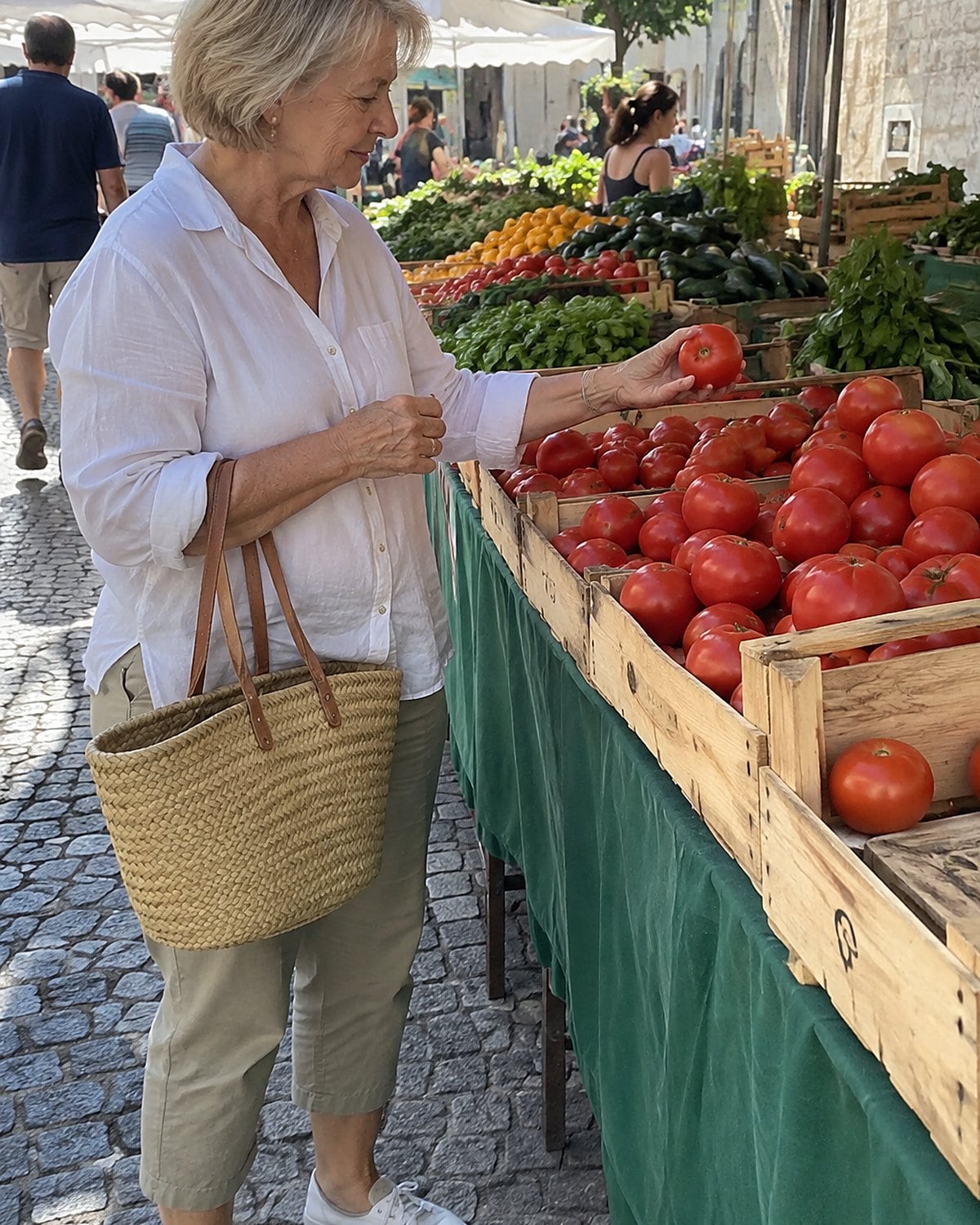
A tomato that's ready for tonight's sandwiches has a different job from one meant to last until Friday. That sounds obvious until a bright stack persuades you to buy a week's worth at once.
At a farmers market, ask the person selling them what they're charging for tomatoes with a bruise or a split skin. Don't expect a discount. Ask. A blemished tomato belongs in a sauce the same day; a sound, firmer one earns its place on the counter for later.
The same question works in a grocery produce department. “Do you mark down ripe produce, and where do you put it?” Some stores have a dedicated rack. Others don't. Finding out takes less time than walking the department twice.
Look under the fruit, too. A soft patch hidden against the crate changes the bargain. Tonight's pot of sauce needs sound tomatoes, not a heroic attempt to rescue spoiled ones.
#24 The Milk Jug Already in the Fridge
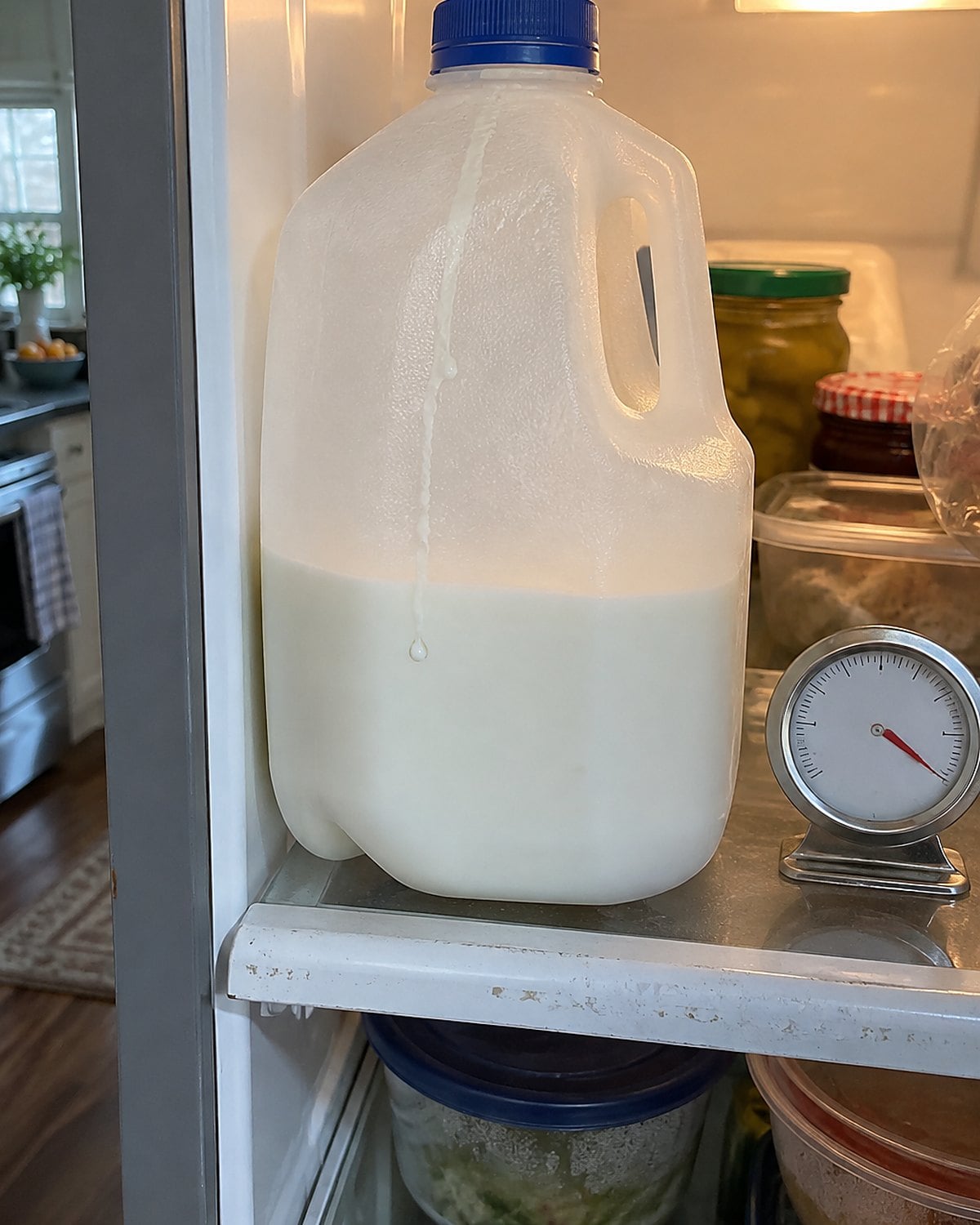
Before reaching for a gallon, picture the jug on your refrigerator door. Is it half full? Who's eating breakfast at home this week?
Compare the unit price on a smaller jug with the gallon, but don't stop there. The cheaper price per ounce loses its appeal when the last glass goes down the sink. Check the date printed on each jug and choose the amount your household will drink.
Keep milk in the main body of a fridge set to 40°F or below, where the temperature holds steadier than it does in the door. If you're unsure of the setting, put a refrigerator thermometer on a shelf and read it after the door has stayed closed.
You don't owe the largest container a place in a smaller kitchen.
#23 The Family Pack Over the Freezer Drawer
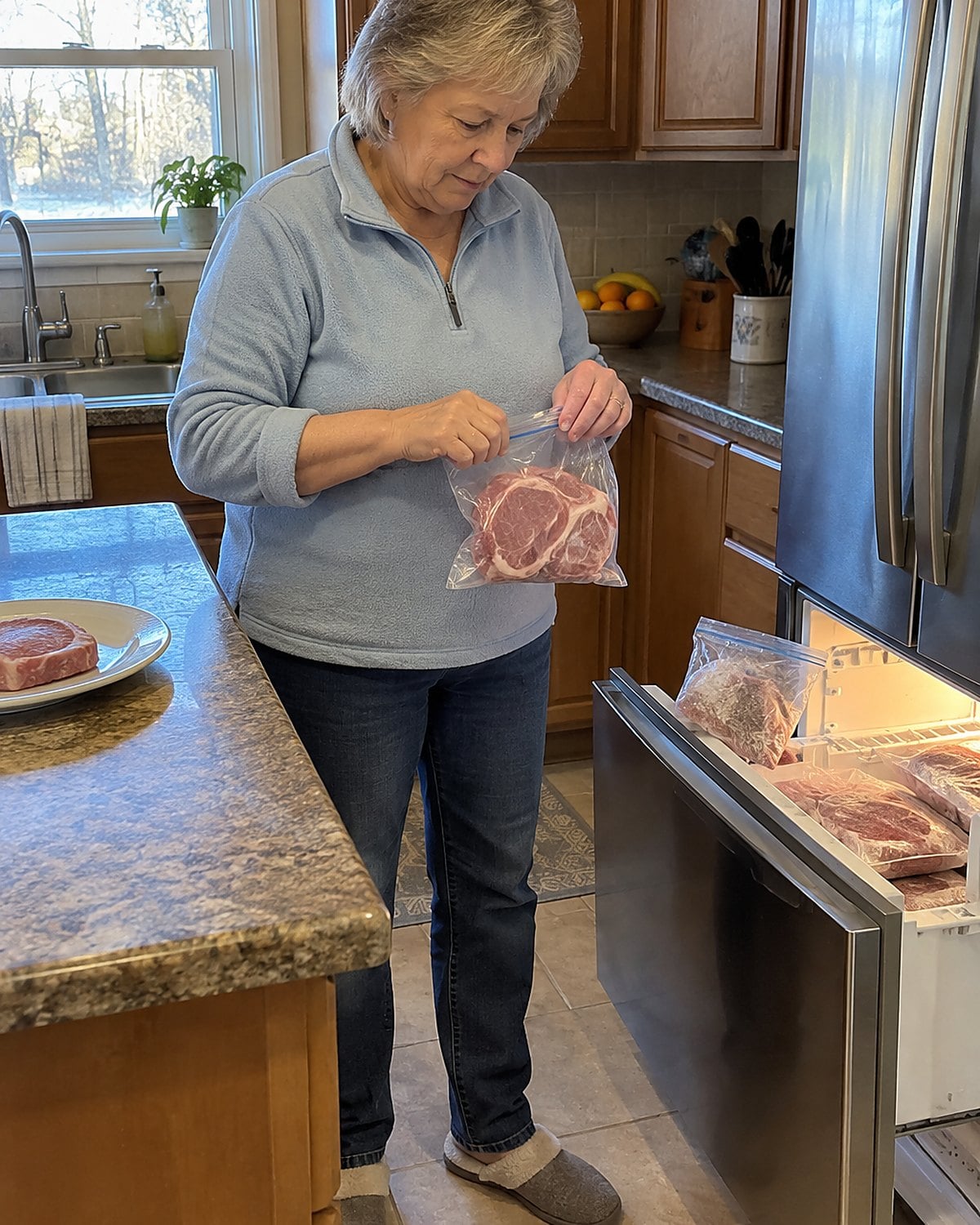
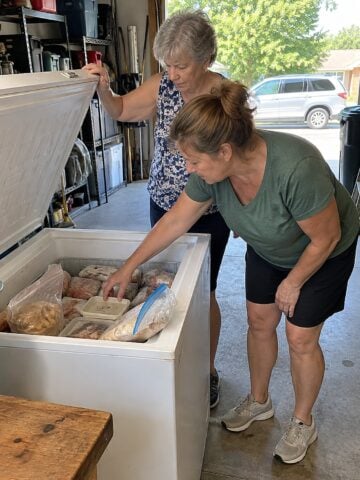
The meat case calls it a family pack. Your table calls for two pork chops. Both descriptions are true, but only one tells you what to do next.
Compare the price per pound against the smaller package. If the large pack wins, decide whether you'll divide it before it goes into the freezer. Put meal-size portions in freezer bags, press out the air, and write the cut and date on each one. A frozen bundle with no label tends to become a guessing game.
Here's where the store's bargain reaches your kitchen. You pay for all of it today, then spend your own time wrapping and finding space. If the freezer drawer won't close easily, the small pack is the practical purchase.
For storage and thawing guidance by cut, look up the USDA Food Safety and Inspection Service's cold storage chart. The price tag knows nothing about dinner at your house.
Try it: Instant Pot Air Fryer Pork Chops With Maple Mustard Glaze (No Breading)
#22 The Rice Bag on the Pantry Shelf
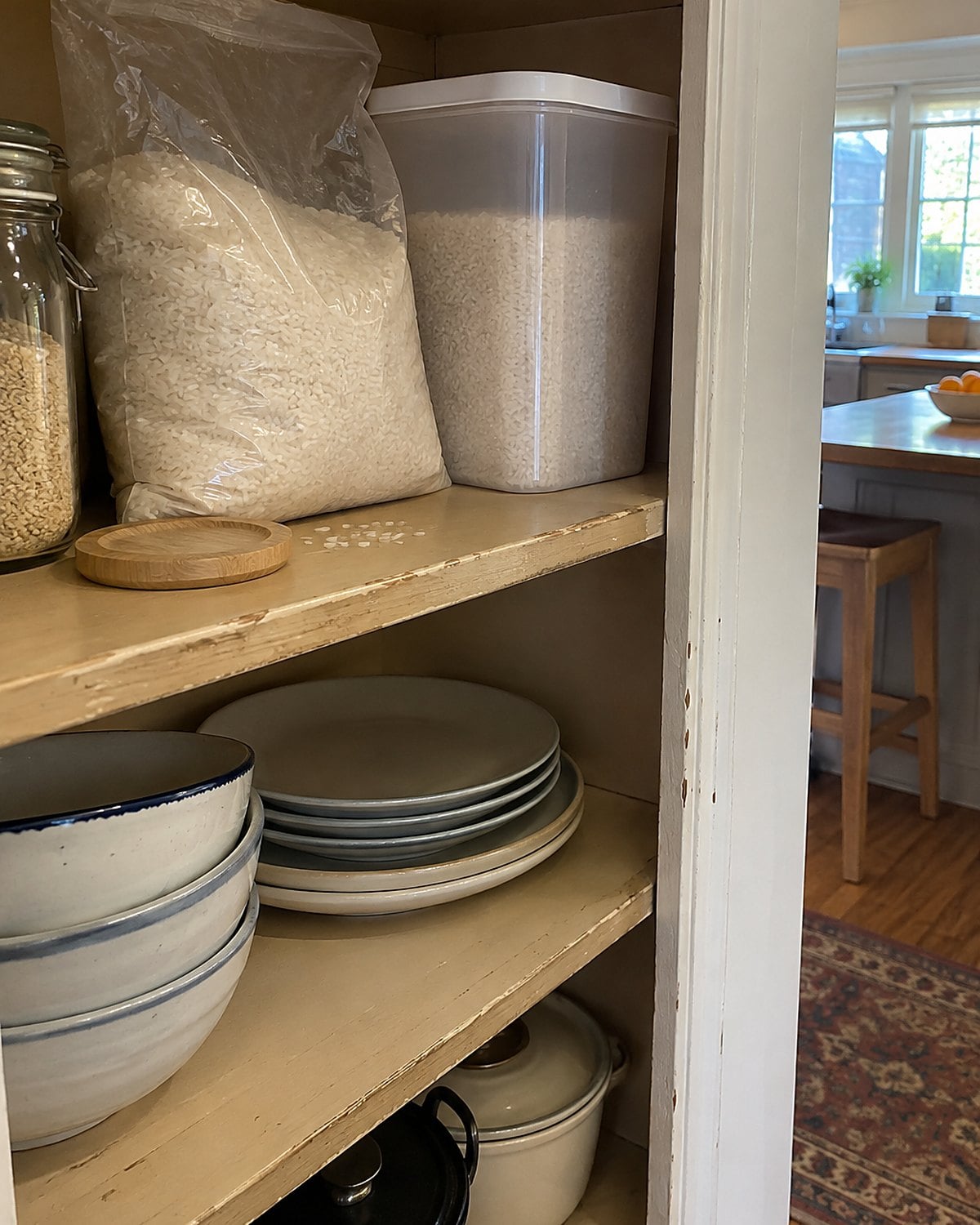
A big bag of rice looks thrifty beside a small one. It also needs a dry place where you can see it and reach it.
Read the unit prices, then check the pantry before buying. If a partly used bag is tucked behind the flour, finish that one first. Rice stored in a clean, tightly closed container stays easier to inspect and less likely to scatter across the shelf.
Take a glance at the bag's seams in the store. Tears and loose grains on the shelf are reasons to pick another bag. At home, pour from the old container before adding new rice, so the oldest gets used first.
The lowest price per pound isn't much help when you're buying rice you already own.
Try it: How To Cook Rice In Instant Pot
#21 The Day-Old Loaf Behind the Bakery Case
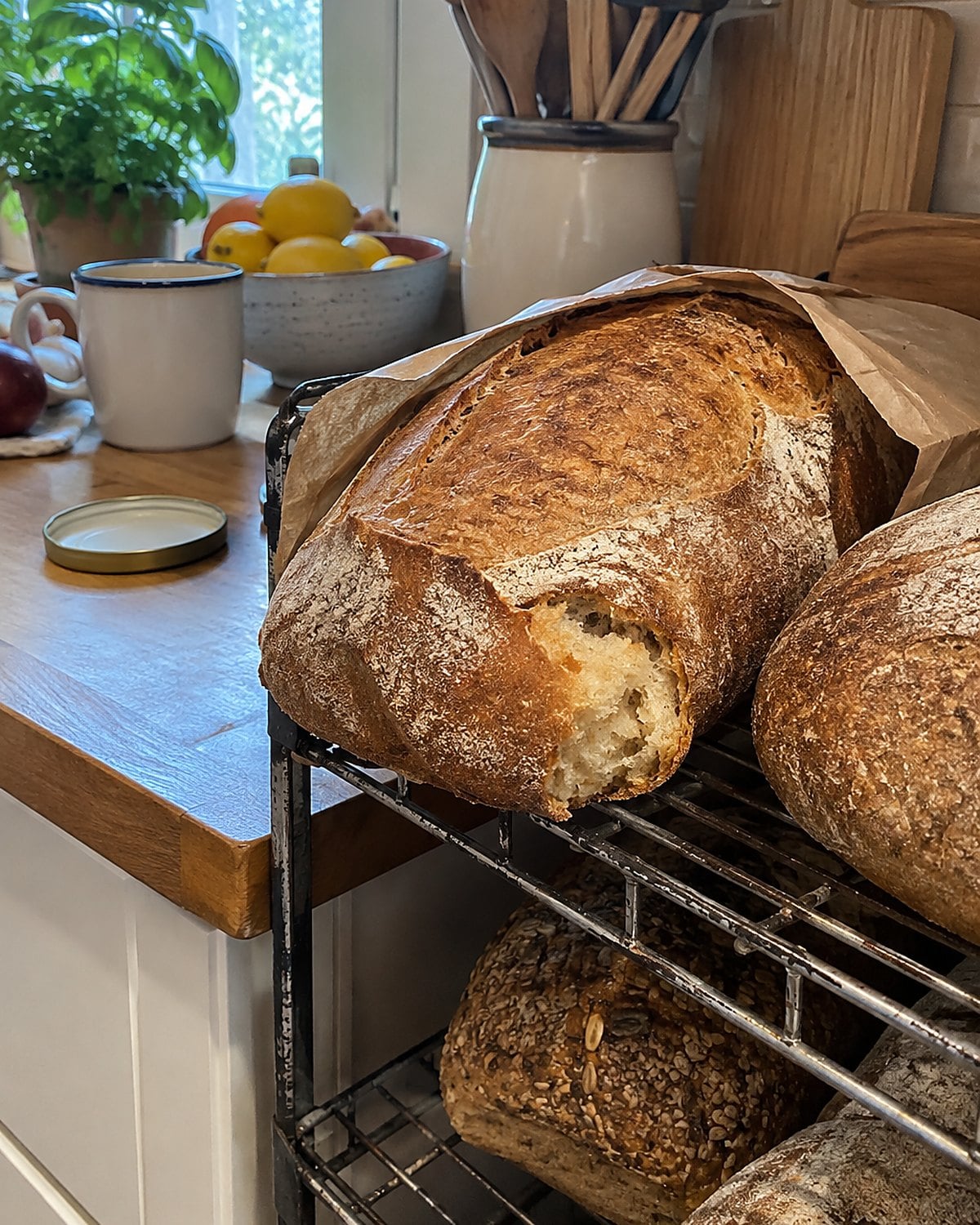
That warm bakery smell reaches the cart before the markdown rack comes into view. If the loaf is headed for toast, stuffing, or bread crumbs, ask where yesterday's bread goes.
A bakery department sets its own markdown routine. Some put older loaves on a separate rack; others mark them in place. “Is there a day-old bread shelf?” is a plain question, not a request for special treatment.
Check the package before you pay. A loaf with visible mold stays at the store. If it's sound and you're saving it, slice it before freezing. Then you can take out what breakfast needs without thawing the whole loaf.
Freshness has a purpose. Soft sandwich bread is worth buying fresh when sandwiches are the plan. For a pan of French toast, yesterday's sturdy slices have an advantage: they hold their shape in the egg mixture.
Try it: Herb & Garlic Sourdough Croutons (Great For Soups & Stews)
#20 The Cheese Block Beside the Shreds
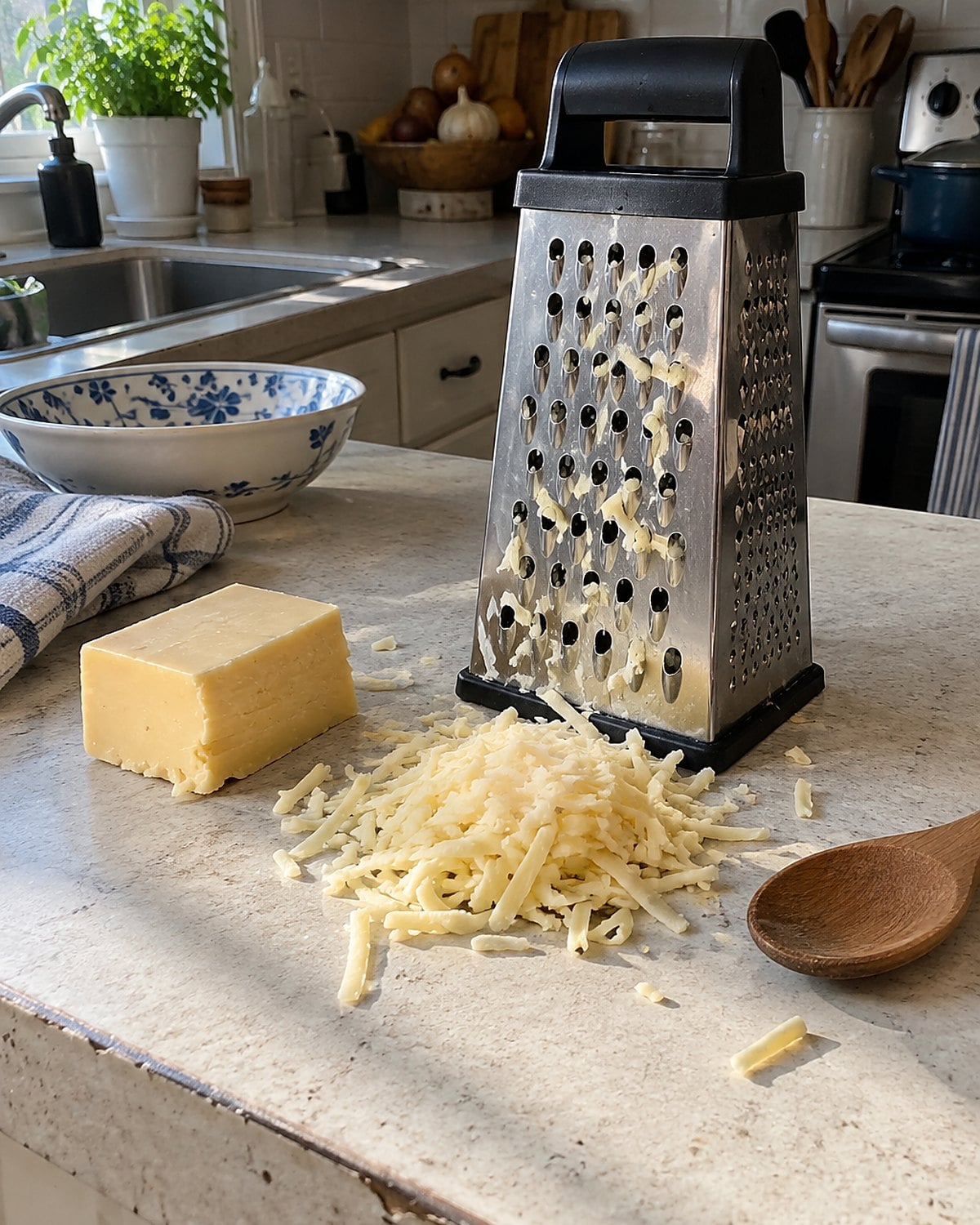
The bag of shredded cheese promises one less task between you and dinner. Turn it over anyway and compare its price per ounce with the block beside it.
A block gives you more choices once it's home. Shred a little for baked potatoes, cut slices for sandwiches, then close the rest up for another meal. A whole bag of shreds invites a larger handful each time because the work is already done.
If arthritis or a sore hand makes grating a chore, the bag earns its place. Otherwise, use the large holes of a box grater over a plate and stop when you have enough.
The cheaper choice is the one you will actually use. The shelf tag supplies only half of that answer.
#19 The Chuck Roast at the Butcher Counter
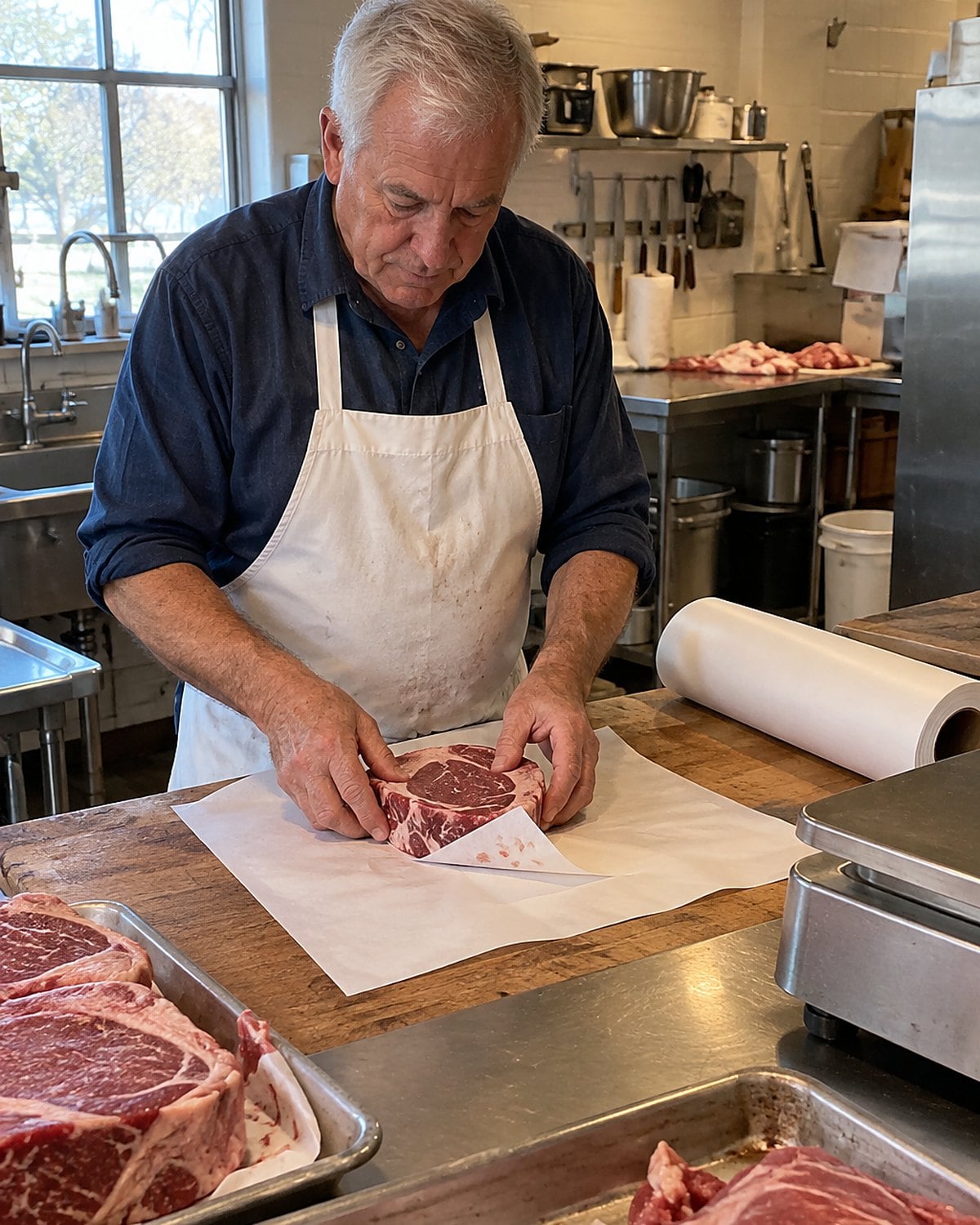
The package in the case has a roast bigger than you want. The butcher counter gives you another place to look.
“Is there a smaller piece of chuck, and what's the price per pound?” That last part matters. A smaller cut isn't automatically the same price per pound as the large one. Compare the answer with the package label before deciding.
Chuck has connective tissue that needs time and moisture to soften. It's a sound choice for a covered pot roast, not the cut to buy for a quick sear in a pan. Tell the butcher what you're making. “I need enough for two, with leftovers for sandwiches,” gives a useful target without asking anyone to plan your dinner.
If the counter can't cut a smaller piece, ask what else fits the dish and compare prices. The case shows what's wrapped. The person behind it knows what's available today.
Try it: Instant Pot Beef Pot Roast With Potatoes & Carrots
 You might also like26 Things in Your Fridge Right Now That Should Have Been Thrown Out
#18 The Chicken Breasts with Added Solution
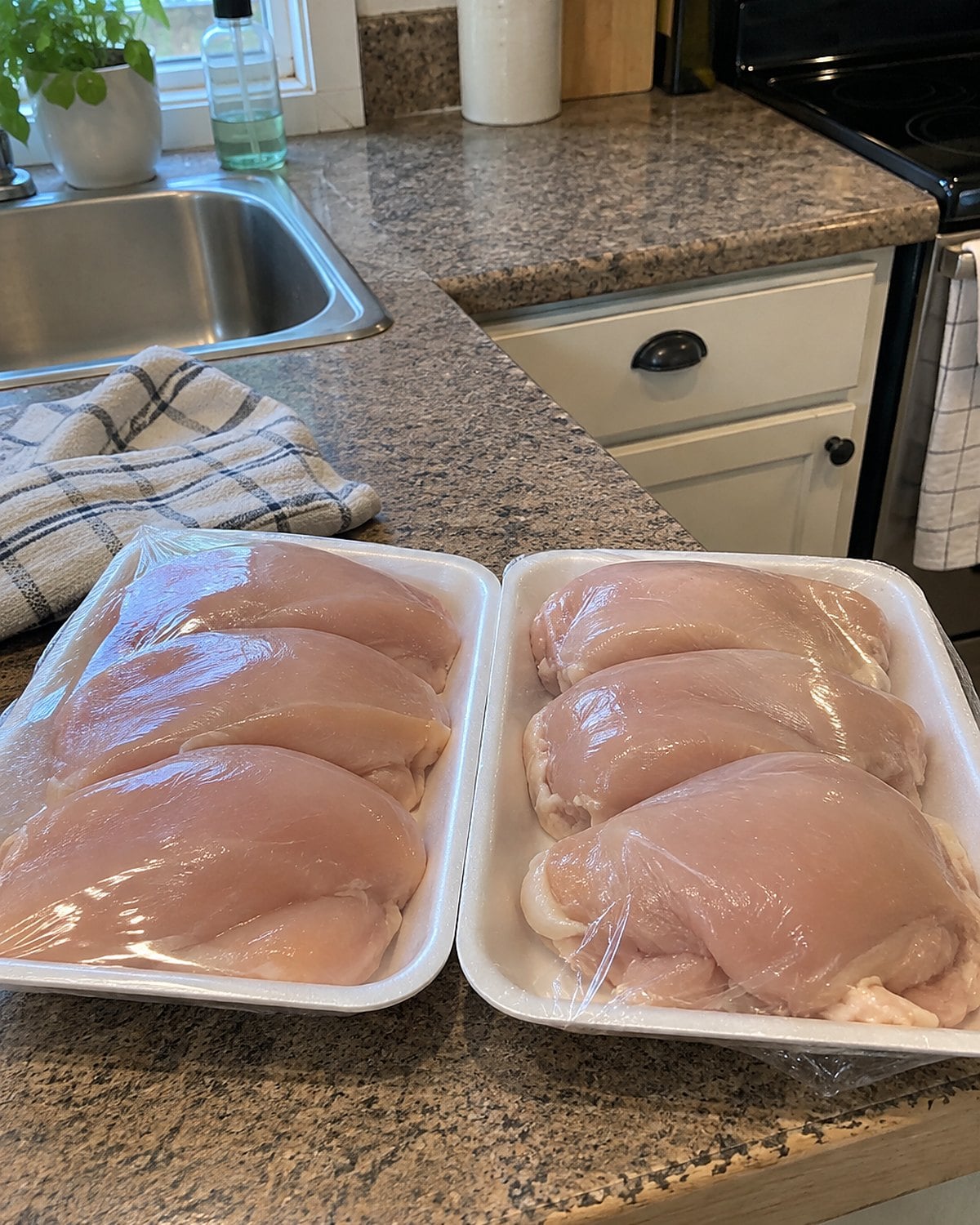
Two trays of chicken breasts look alike through the plastic. Their labels tell a different story.
Read the ingredient statement and the net weight. If one says it contains an added solution, part of that package weight is the solution, not plain chicken. Compare it with an unenhanced package and decide which you want in the pan.
Added salt also matters when you're seasoning. Taste a cooked piece before reaching for the salt shaker. For safety, cook poultry to 165°F, checking the thickest part with a food thermometer, clear of bone.
A package label has more to say than the large price printed above the case. Give the small type a moment before the chicken goes into the cart.
Try it: Instant Pot Chicken Breasts & Gravy
#17 The Fish Fillet Behind the Glass
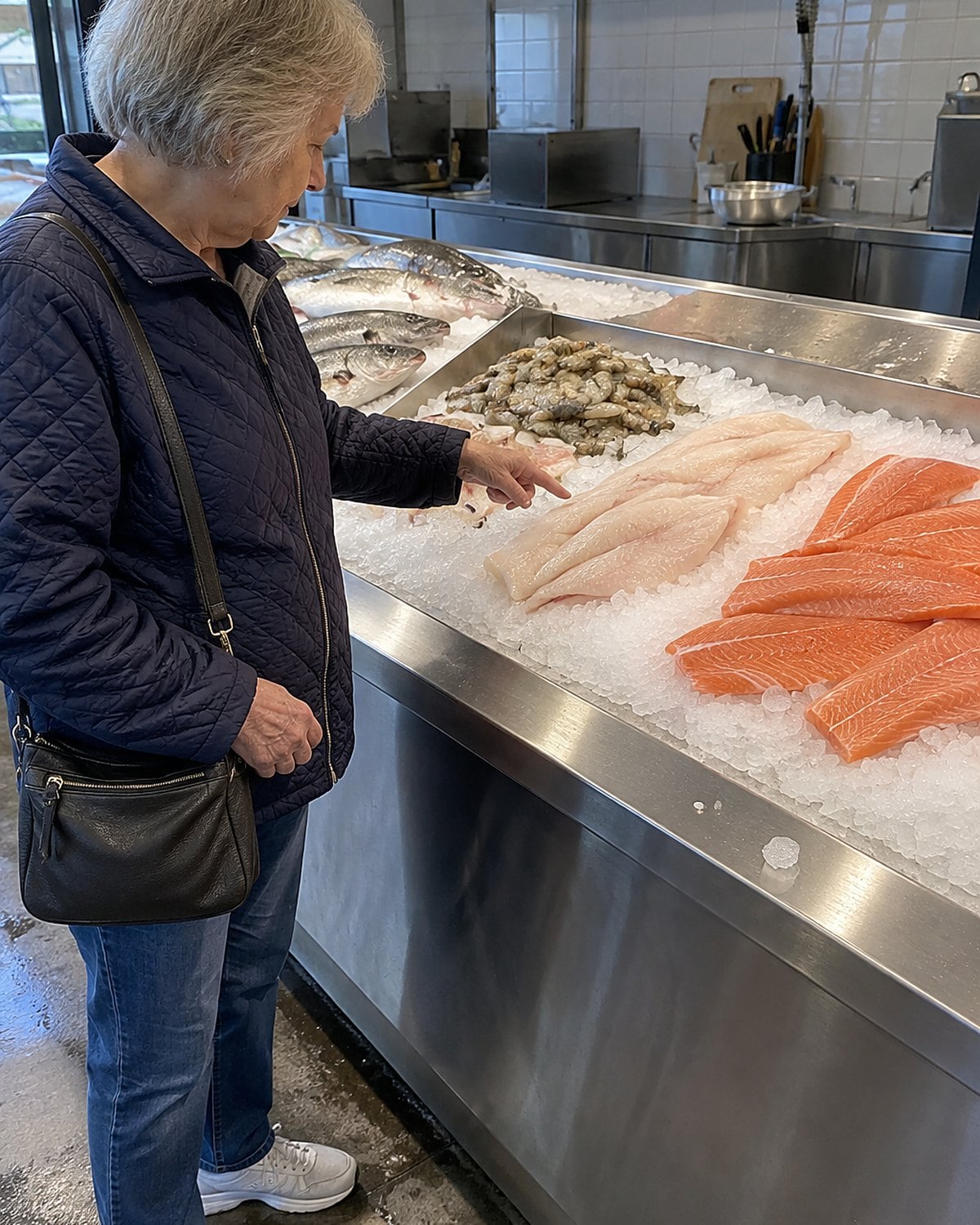
At the seafood counter, the fillet on ice has no package to turn over. That gives you a reason to talk to the person selling it.
Ask, “Was this fish previously frozen?” Then ask what the price is per pound and how much the piece weighs. Previously frozen fish isn't a lesser choice. The answer tells you whether buying more to freeze at home fits your plan.
Look at the display while the fish is being weighed. Fish should sit cold, with flesh that looks firm and moist rather than dried at the edges. If a strong off smell reaches you from the case, choose something else.
For the trip home, put seafood in the cart last and refrigerate it promptly. The FDA's advice on selecting and serving fresh and frozen seafood gives you a second check. The useful conversation starts with that first question at the glass.
Try it: Flaky & Crispy Cod In The Air Fryer
#16 The Deli Ham Cut for Tomorrow
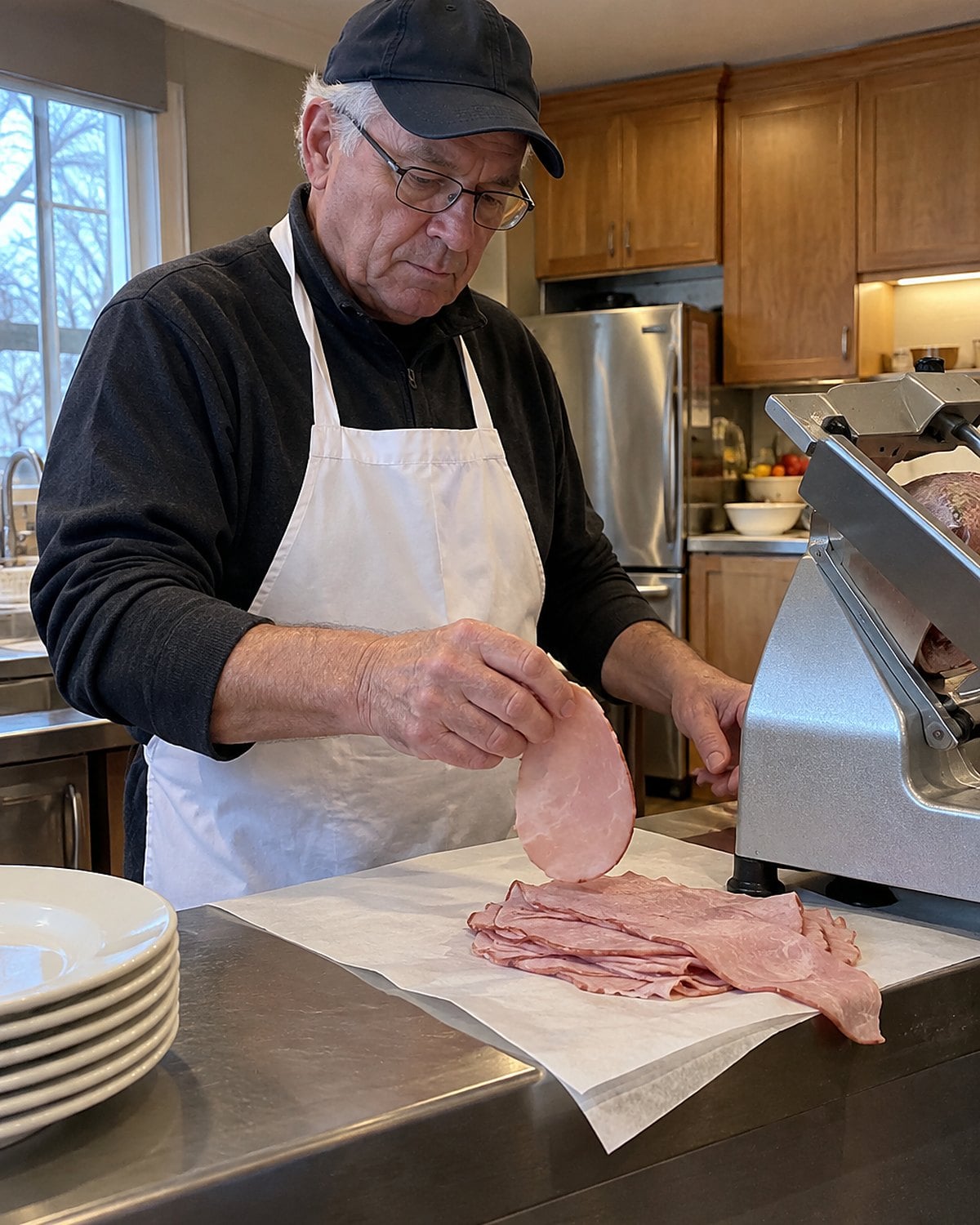
A pound of deli ham sounds like the amount you've always ordered. Then the sandwiches change, and a stack of slices sits untouched.
The counter doesn't require a full-pound order. “Half a pound, sliced thin” tells the clerk what you need. Watch the scale if you want a closer amount.
Compare the deli price per pound with the packaged ham nearby. Read both labels if salt or ingredients matter to you. The counter lets you choose slice thickness and quantity, while the package gives you a set amount.
Don't let the familiar order speak for a household that eats fewer sandwiches now. The clerk won't know your plans until you say them.
#15 The Egg Carton with the Higher Price
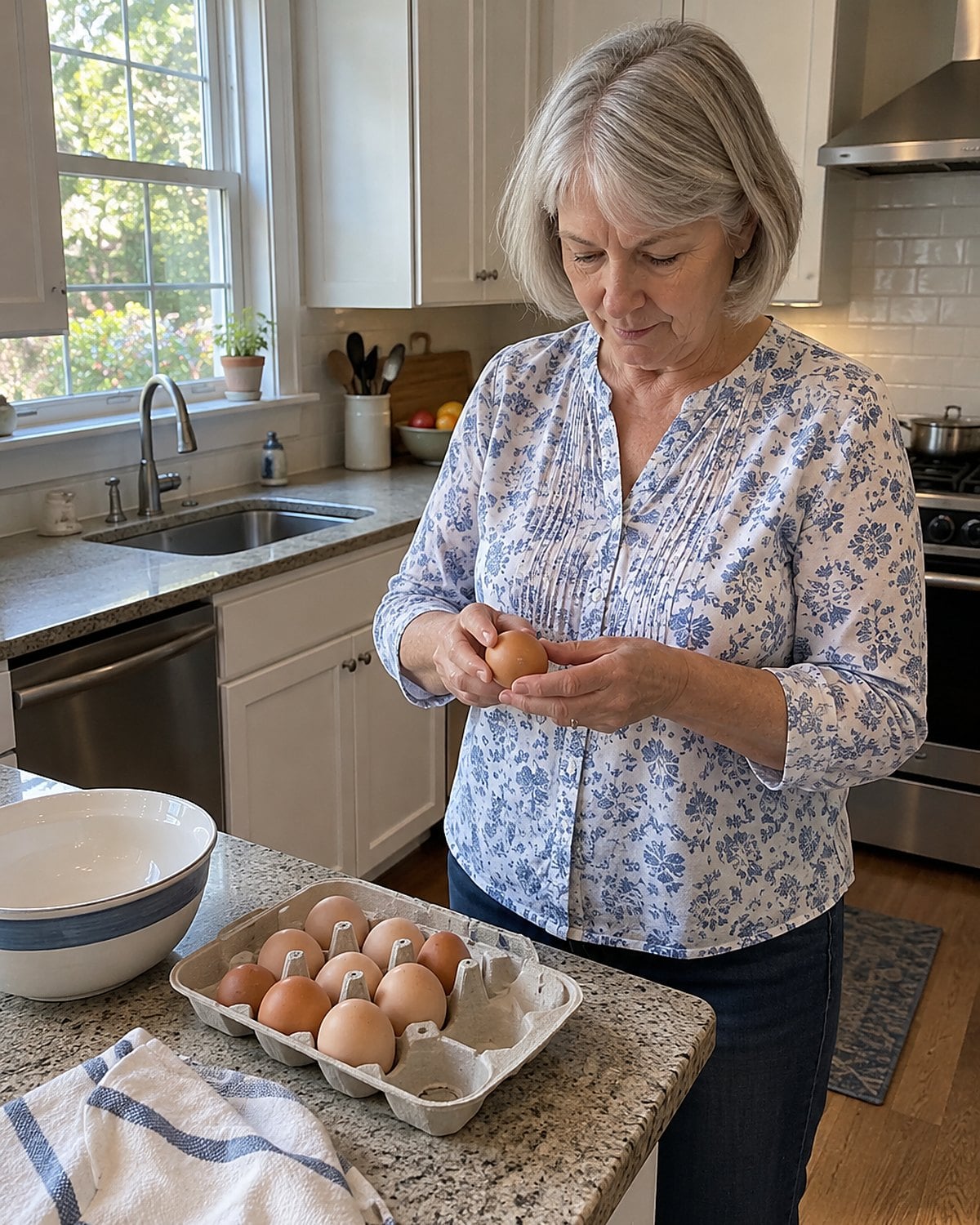
The carton with the larger type and prettier picture gets your attention first. Give the plain carton the same few seconds.
Look at the egg count, size, and price per dozen before comparing. A carton of 6 eggs and a carton of 12 answer different needs, even when one has the better price per egg. Open each carton and check for cracked shells before it goes in the cart.
Then read what the labels actually claim. “Cage-free,” “organic,” and “pasture-raised” describe different production practices; none is a promise that an egg will suit your breakfast better. Choose the practices you want to support, but make that a choice rather than a reaction to the package.
At home, refrigerate eggs in their carton, not the door's molded egg cups. A carton also keeps the date and identifying information with them.
#14 The Soft Bread with a Long Date
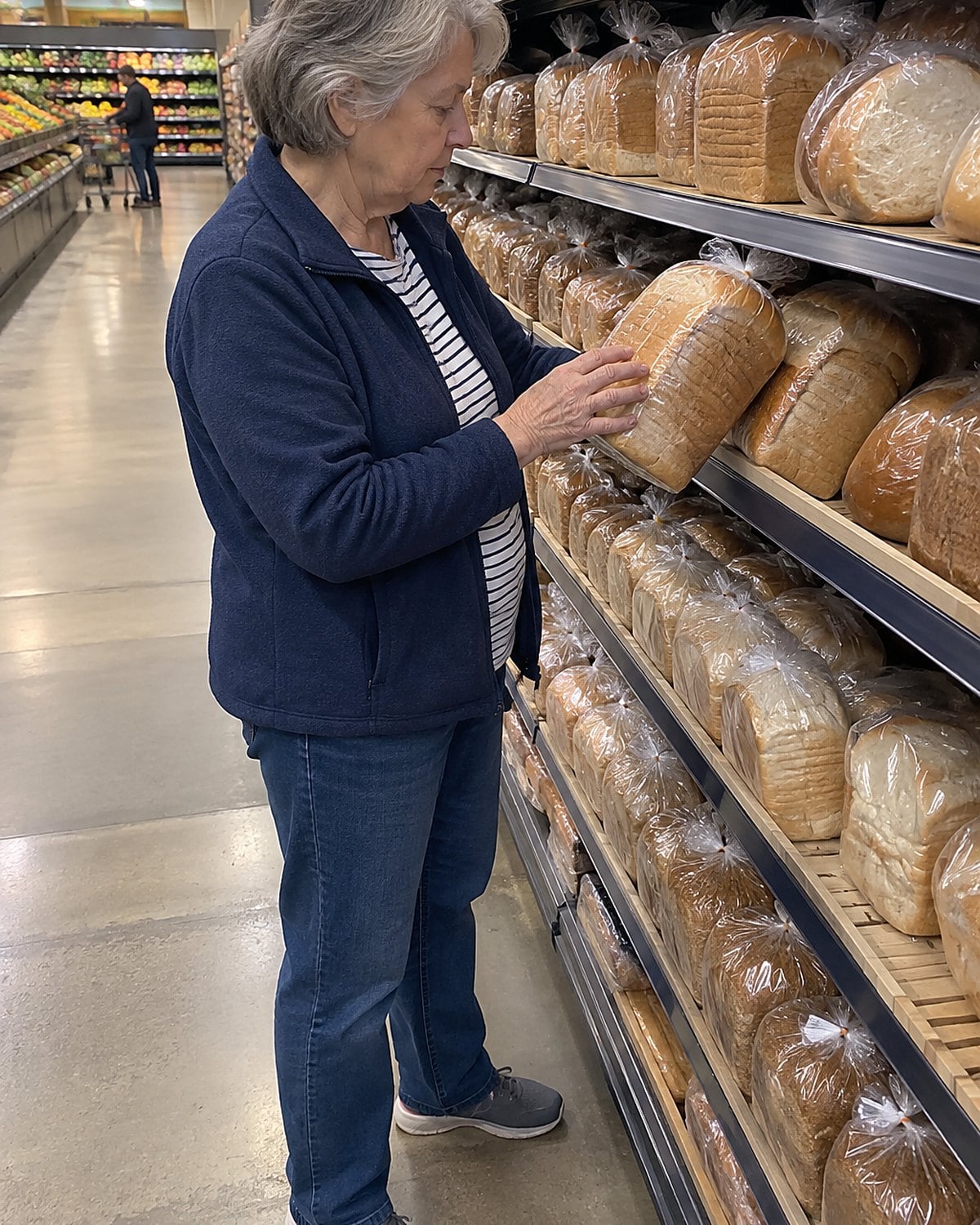
Bread dates look like a verdict from the store. Before you pay more for the loaf with the farthest date, check what you need it to do.
Press the package lightly. If you want soft slices for a grandchild's lunch, pick a loaf that feels right for sandwiches and check that the wrapper is sealed. If the plan is toast, a sound loaf with an earlier date deserves a look, especially when it's marked down.
A printed date isn't permission to ignore what you see. Leave bread with visible mold alone; don't trim off a spot and serve the rest.
Buying the freshest loaf each time sounds responsible. Buying the loaf you'll finish is better housekeeping.
#13 The Coffee Tin You Always Reach For
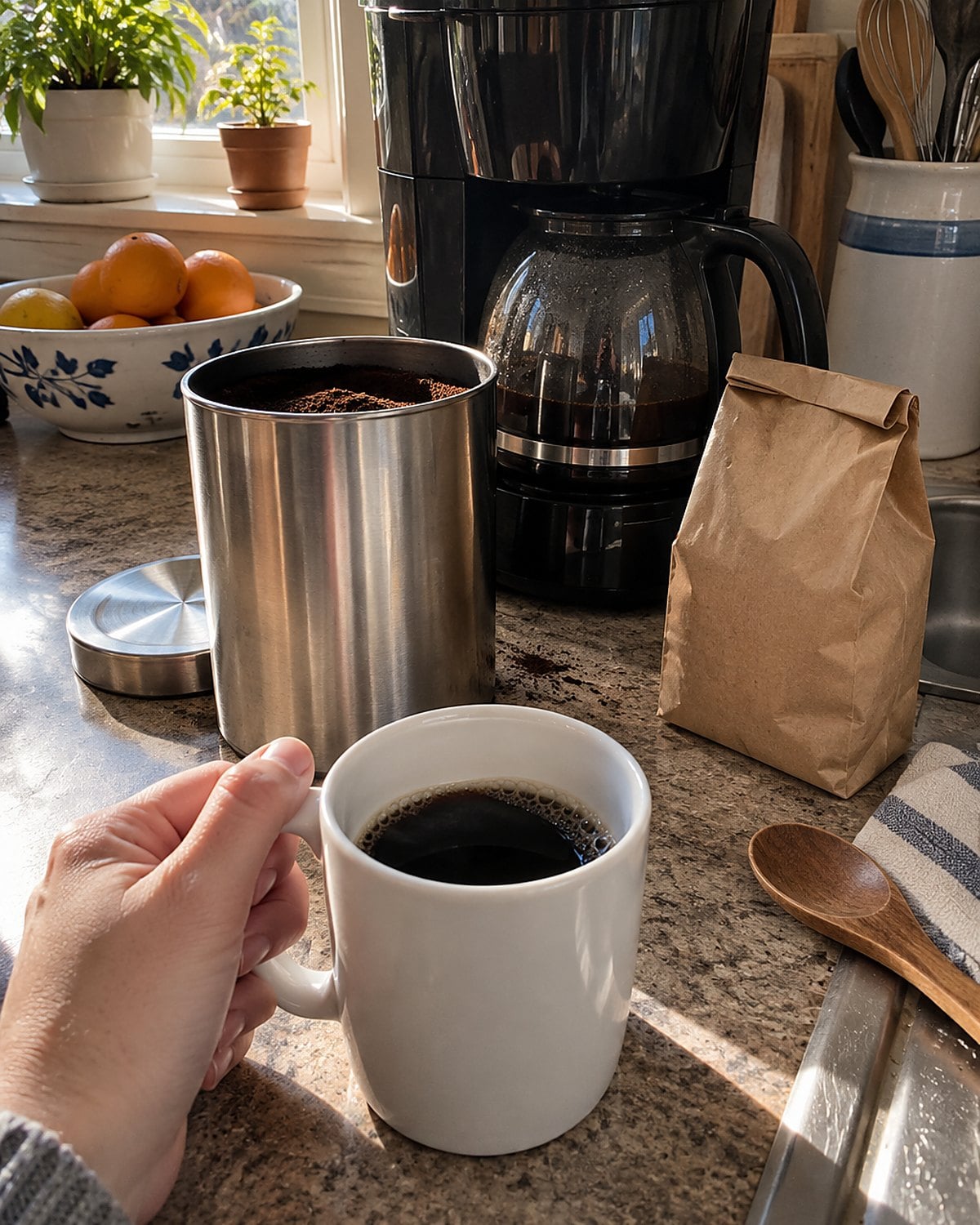
Coffee is one of those purchases your hand makes before your eyes catch the shelf tag. The tin sits where it sat last month, so into the cart it goes.
Stop and read the weight. A familiar-looking container doesn't tell you how much coffee is inside. Compare price per ounce with the bag or tin beside it, including the store brand if you haven't tried it lately.
Think about how you brew, too. Whole beans need a grinder; a bargain bag won't earn its space if the grinder is in the back of a cabinet. Ground coffee that tastes good in your usual pot is the useful comparison.
If you're curious about a cheaper brand, buy a small package first. Brew it the way you always do. The first cup will tell you more than the colors on either label.
#12 The Spice Jar Behind the Stove
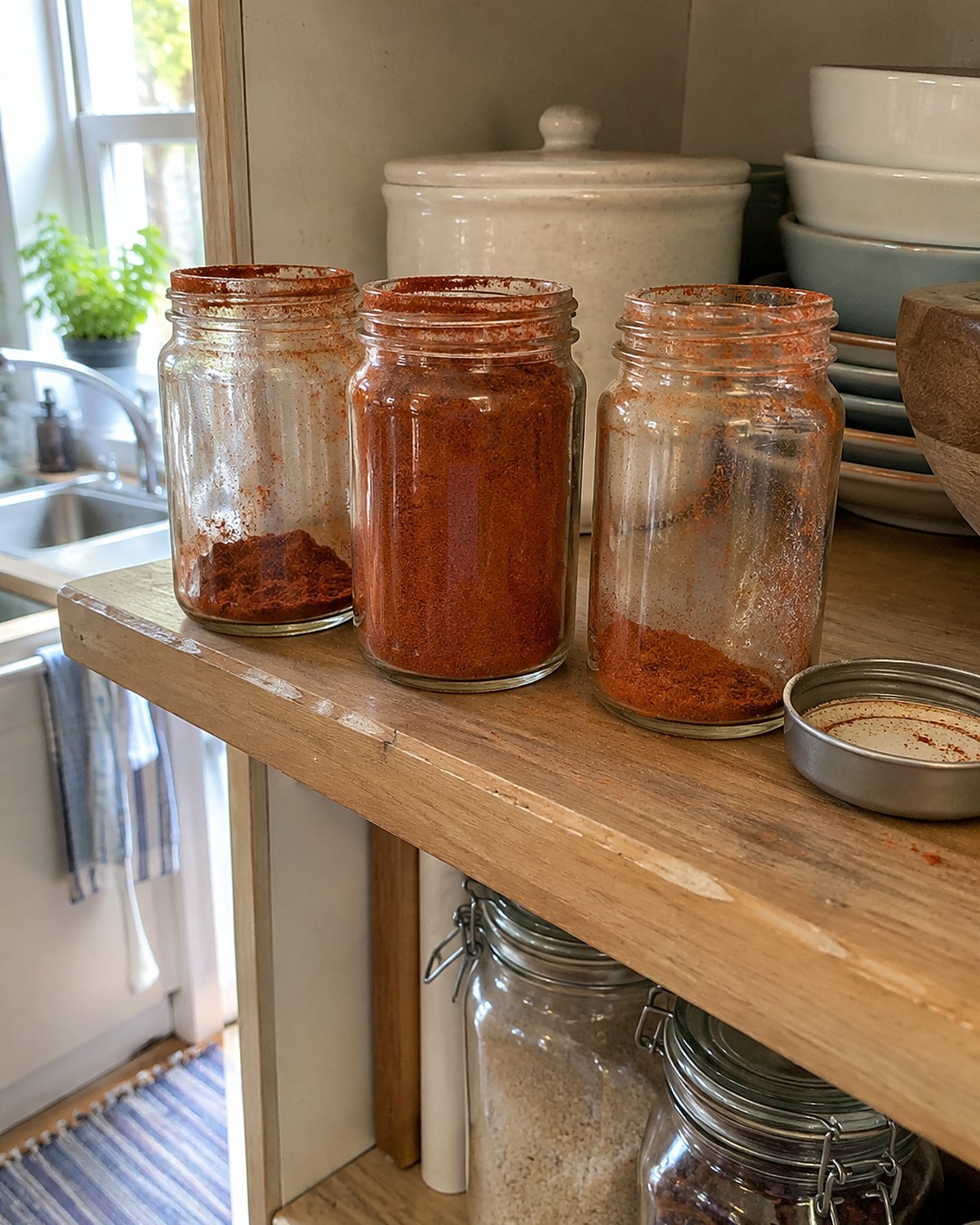
You reach for paprika and find three jars, two nearly empty. That shelf deserves a look before another spice goes on the grocery list.
Check what you have by rubbing a pinch between your fingers and smelling it. If there's little aroma, the jar won't give much to the pot. Replace what you use; leave the spice for a dish you made once on the shelf.
Compare a small jar with a larger refill by unit price. A refill saves money only when the spice stays useful in your cooking. Keep jars away from stove heat and steam, and use a dry spoon.
Next time the recipe calls for a pinch, you'll know which jar still has something to give.
#11 The Oats in the Bulk Bin
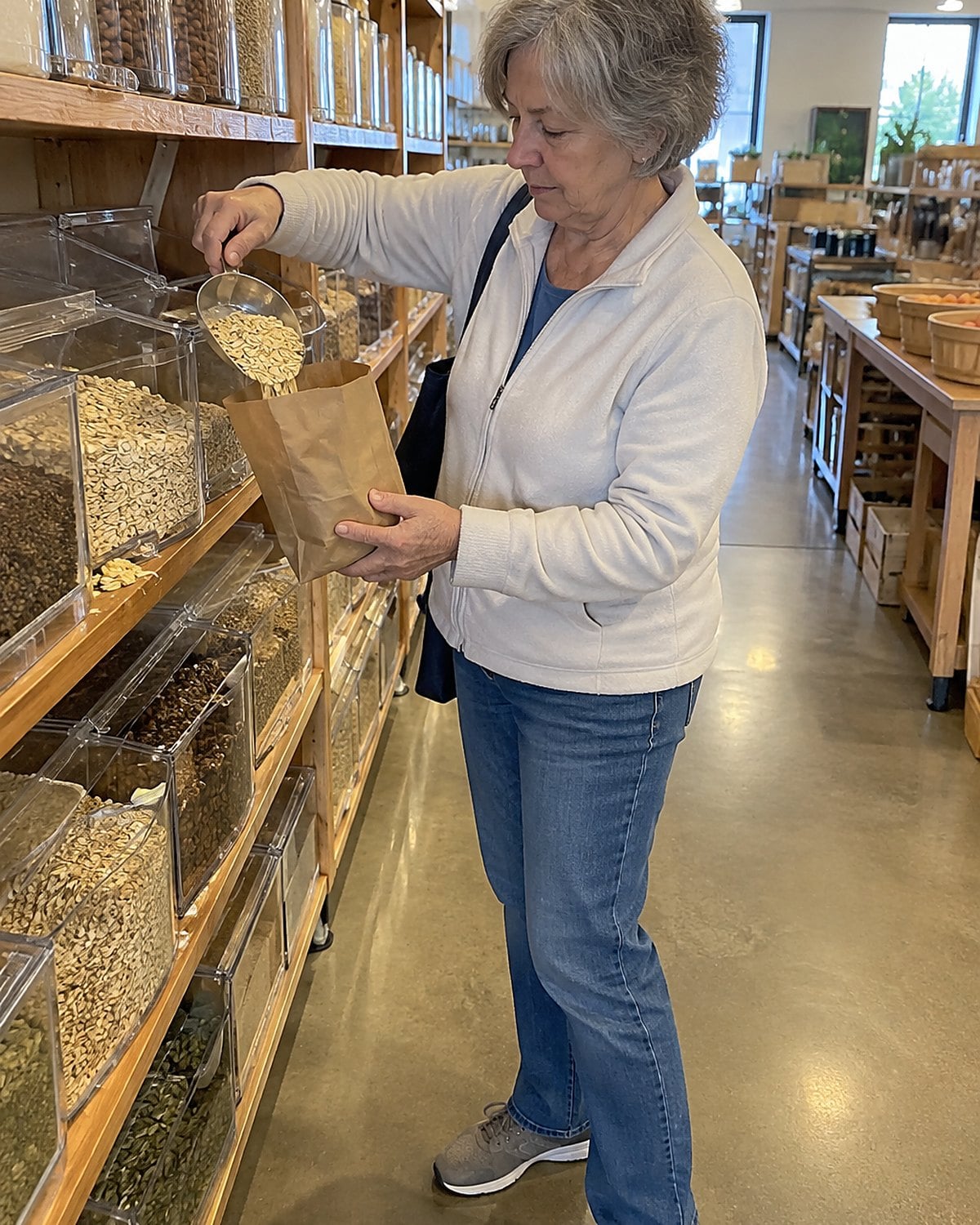
The bulk bin has a lower-looking price, but its sign needs a close read. Is that price per pound? How does it compare with the box of oats down the aisle?
Bring the two unit prices together before deciding. Check the bin label, too. Rolled oats and steel-cut oats behave differently in the pot; one isn't an automatic substitute for the other when breakfast needs to happen quickly.
Scoop only what you'll use, and close the bag well for the trip home. If you're reusing a container, make sure it's clean and dry before the oats go in. Write the type on it if the paper label won't survive.
For a household of one or two, a bulk bin's real advantage is choice of quantity. You can buy less, even when the boxed oats win the price-per-pound contest.
Try it: Instant Pot Rolled Oats With Cinnamon & Banana
#10 The Loyalty Price on the Checkout Screen
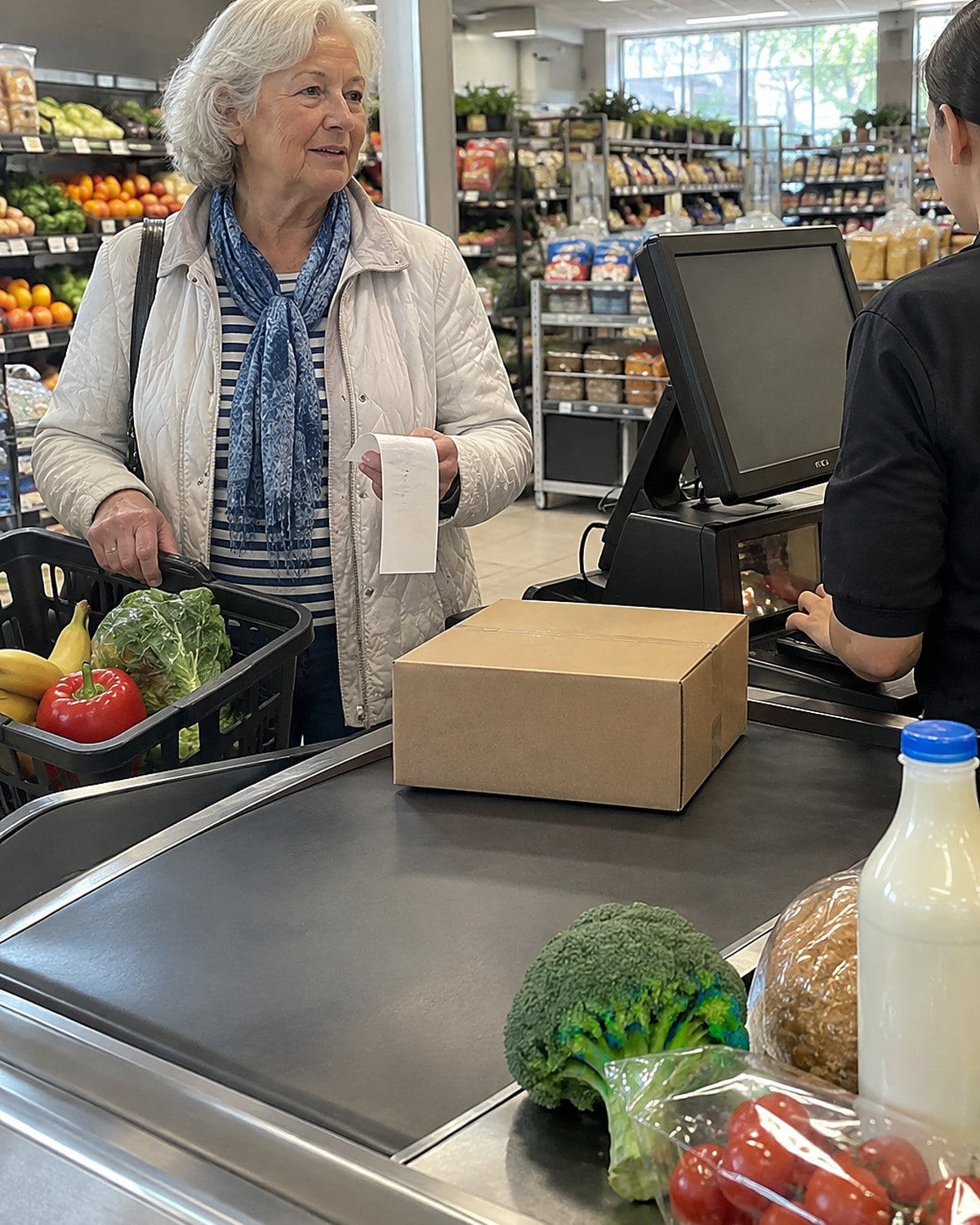
The shelf sign promised a lower price. At checkout, the screen shows the regular one.
Don't wave it through. Ask the cashier whether the advertised price needs a store account, an app coupon, or another condition printed on the sign. If you have the account and it didn't register, give the cashier a chance to correct it before you pay.
For a disputed shelf price, take a picture of the sign with the item in view if the line permits. Then ask customer service to compare it with your receipt. Store policies differ, so the answer belongs to the store, not to a rule you've heard secondhand.
A sale price you never receive isn't a sale.
 You might also like27 Things Home Cooks Over 60 Do Without Thinking That Chefs Would Never Do
#9 The Pharmacy Counter Inside the Grocery Store
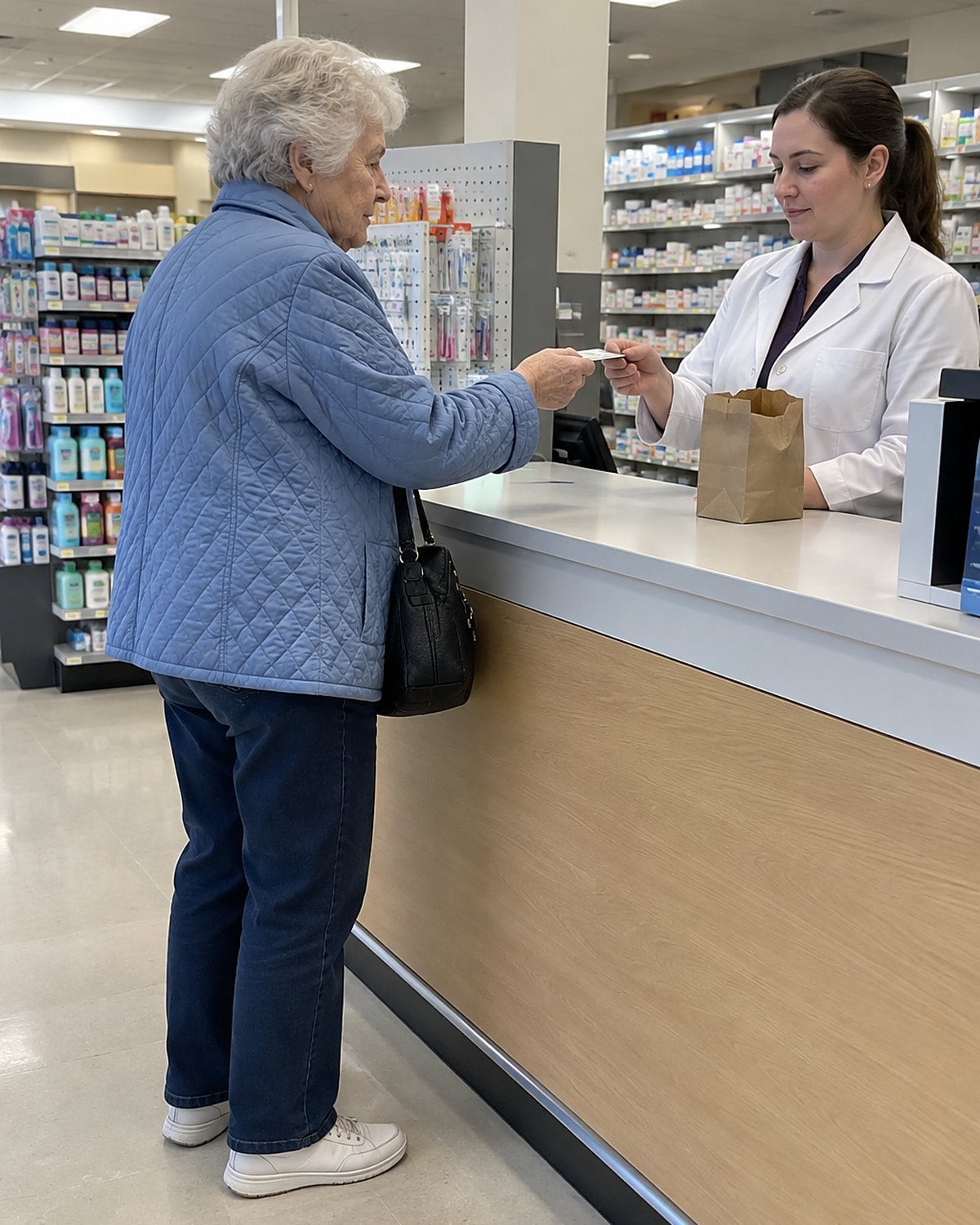
The pharmacy counter has a line of its own, and its prices don't belong in the same comparison as a bag of potatoes. Still, a grocery trip puts you in front of someone who answers pricing questions every day.
For a prescription, ask the pharmacist to compare the price through your insurance with the pharmacy's cash price before the transaction is final. Ask whether a generic is available for the prescribed drug. Don't change a medicine or skip a fill based on a shelf conversation; take medication questions to the pharmacist and prescriber.
If you're covered by Medicare, Medicare.gov is the official place to review coverage details. Bring your card and your questions rather than guessing from an advertisement.
The useful line here is short: “What will this cost me today, and is there another way to fill the same prescription for less?”
#8 The Weekly Circular by the Front Door
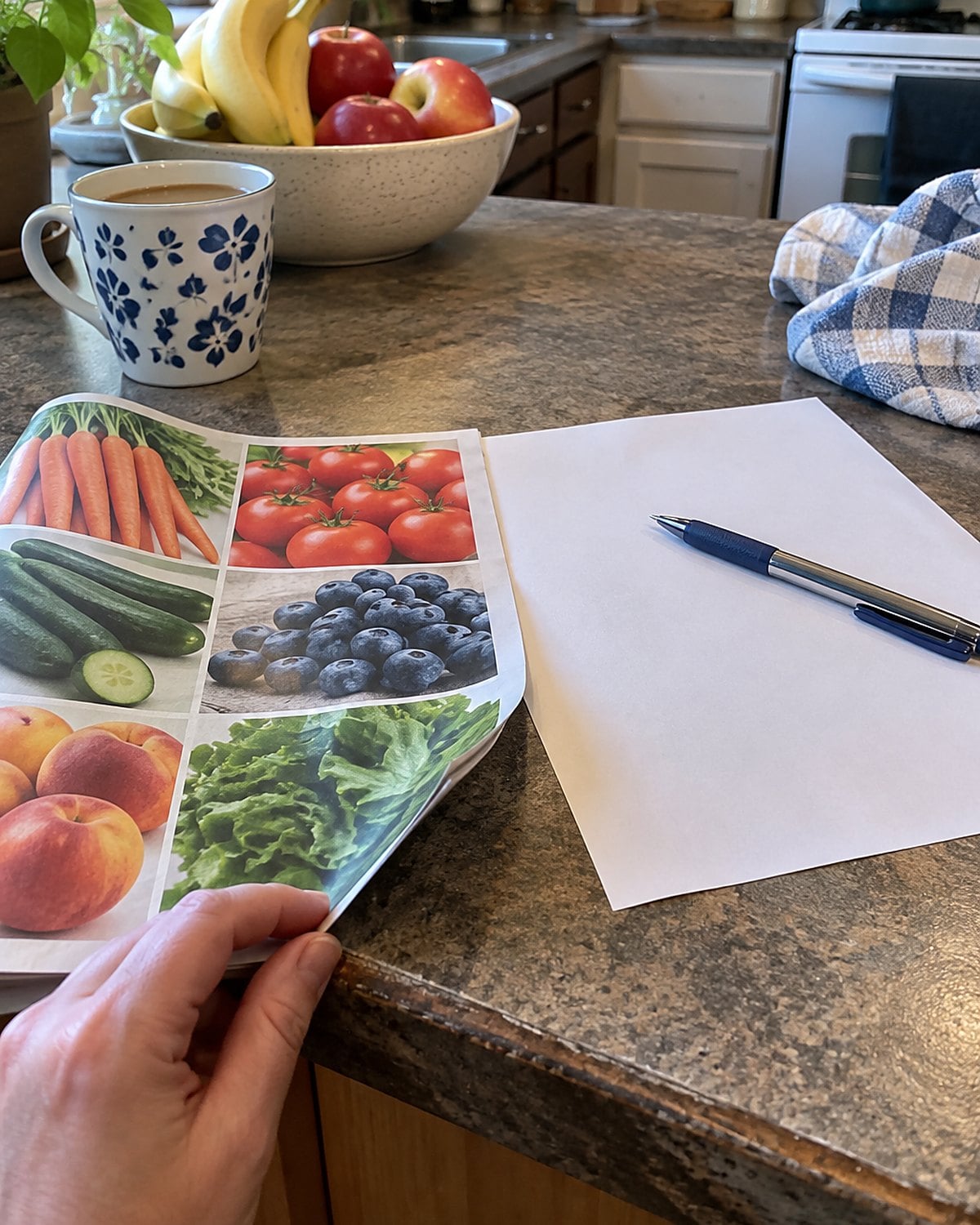
The paper circular arrives after you've already made the shopping list. Before it goes into recycling, scan the offers for things on that list.
Watch for a required quantity, size, or loyalty account. A sale on the large jar doesn't apply to the small one beside it. If the offer says “buy two,” read whether the discount requires two; don't assume.
Compare the circular with the shelf tag when you shop. The ad gives you a lead, not the final word on which package costs less per ounce. Keep the list in your hand, and let the offer earn its way onto it.
The circular's best trick is making a new purchase feel like savings. Your list is allowed to say no.
#7 The Pickup Cart Filled from Memory
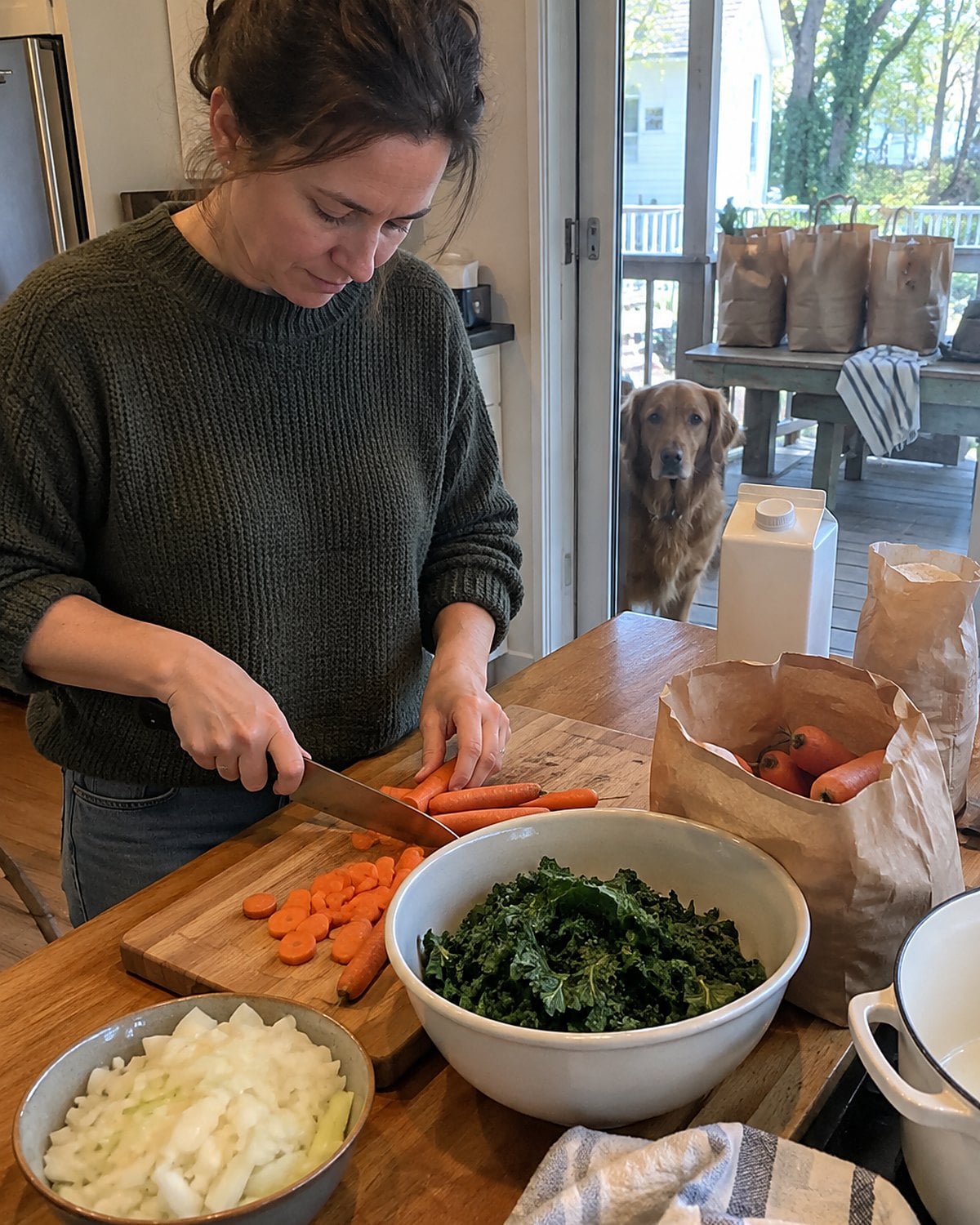
Grocery pickup saves a trip through the aisles. It also removes the moment when you notice that the bag of carrots is smaller than you expected.
Before placing the order, read the weight and unit price for produce, meat, and pantry staples. For items sold by weight, check the final charge on the receipt. If a substitute costs more or changes the size you need, look at the store's substitution settings before checkout.
Give the picker useful directions where the service allows them: “No substitute for whole milk,” or “Any plain rolled oats.” Those words are more helpful than discovering a different carton on the porch.
When you unpack, compare what arrived with the final receipt while the order is still fresh in your mind. Report missing or damaged items through the store's posted process. Convenience earns its fee when the order matches dinner.
#6 The Delivery Receipt Under the Grocery Bag
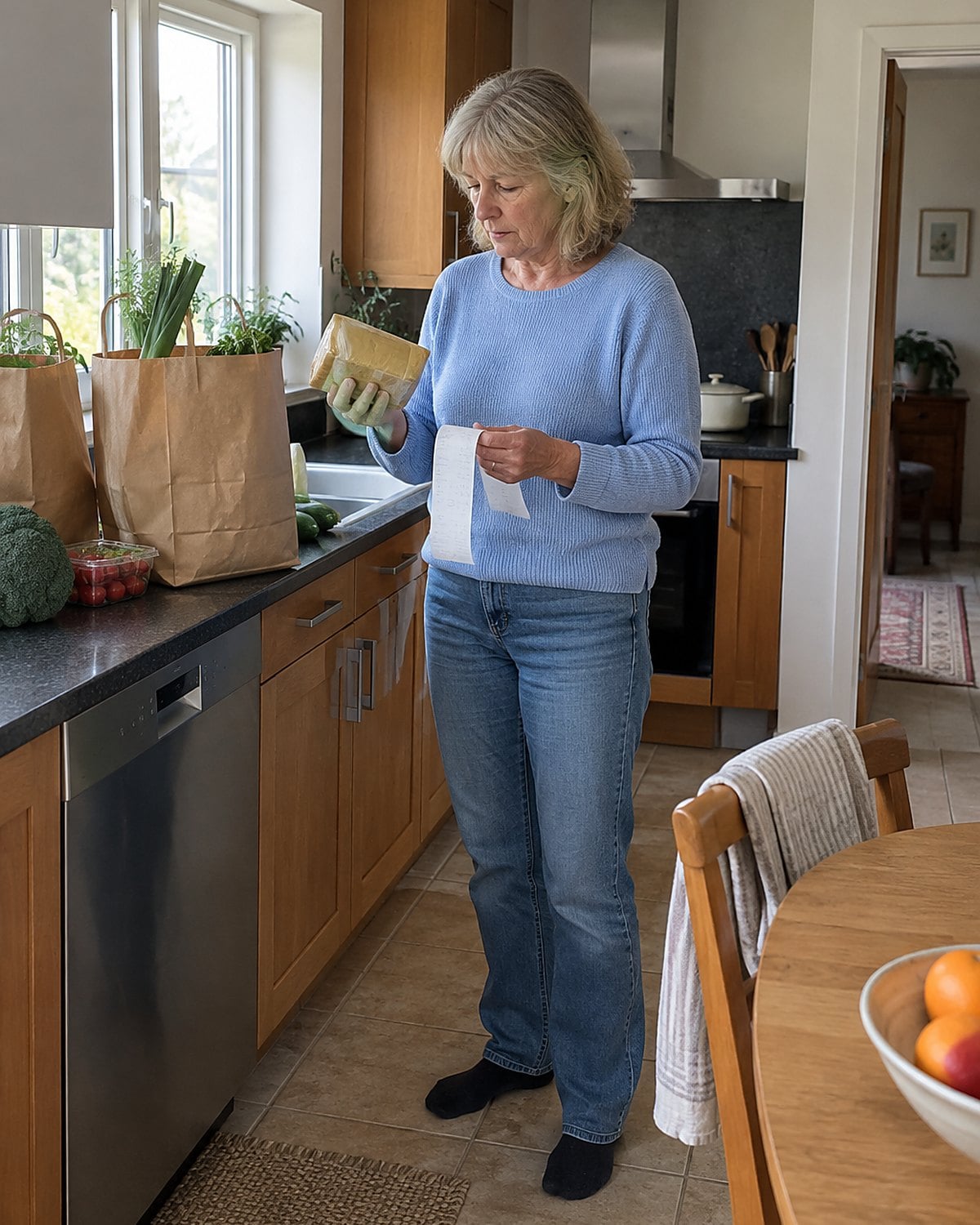
A delivery order has more than one total. There's the food, then any delivery charge, service fee, and tip shown before you place it.
Read the final screen before pressing the order button. Compare it with pickup or a trip you were already making. If a store offers a membership, look at its terms rather than assuming every fee disappears. Promotions and minimum orders change, so use the checkout screen as your source.
After delivery, pull the receipt from under the bags and check the substitutions. A smaller package or a different brand changes what you received, even when the total looks familiar.
Delivery earns its place on a hard day. It deserves a clear price, too.
#5 The Shared Entrée After the Grandkids Leave
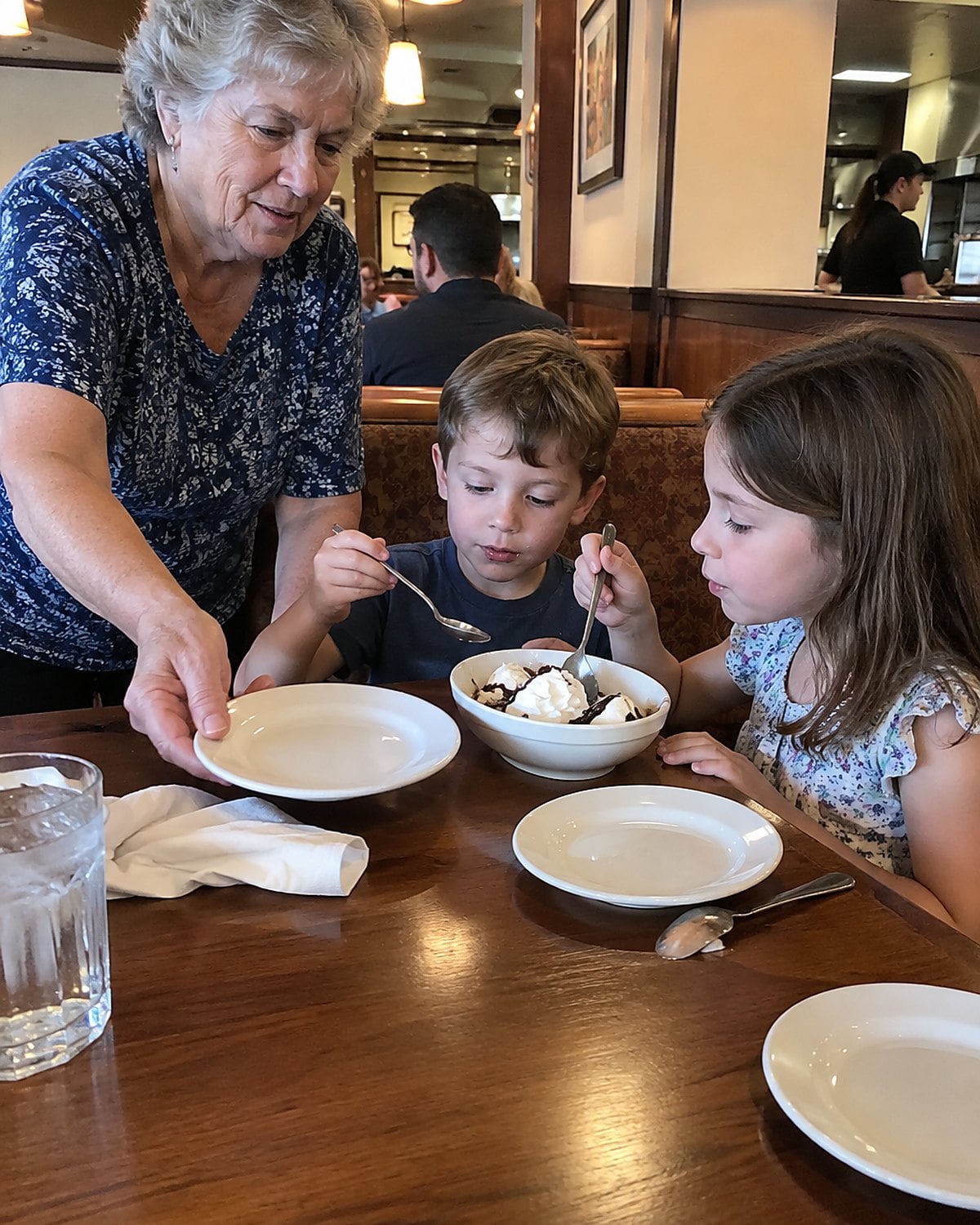
The booth is full of napkins, and someone has carried the last plate away. Half the fries went home in a box. You remember another entrée at the table that hardly got touched.
Next time, look at the menu before everyone orders. If two people want the same dish, ask what it costs to share one entrée. Some restaurants charge for an extra plate. Hearing the fee first gives you a price to compare with ordering two meals.
One dessert and extra spoons might suit a table that wants a taste rather than a serving each. Ask about the extra spoons before ordering. No explanation of anyone's appetite is required.
Sharing doesn't always save enough to change the order. A split fee, different sides, or hungry grandchildren settle that question at your table, not on a sign outside. The useful moment comes before the kitchen starts cooking: “Could we share this, and is there an extra charge?”
#4 The Lunch Plate Behind the Counter
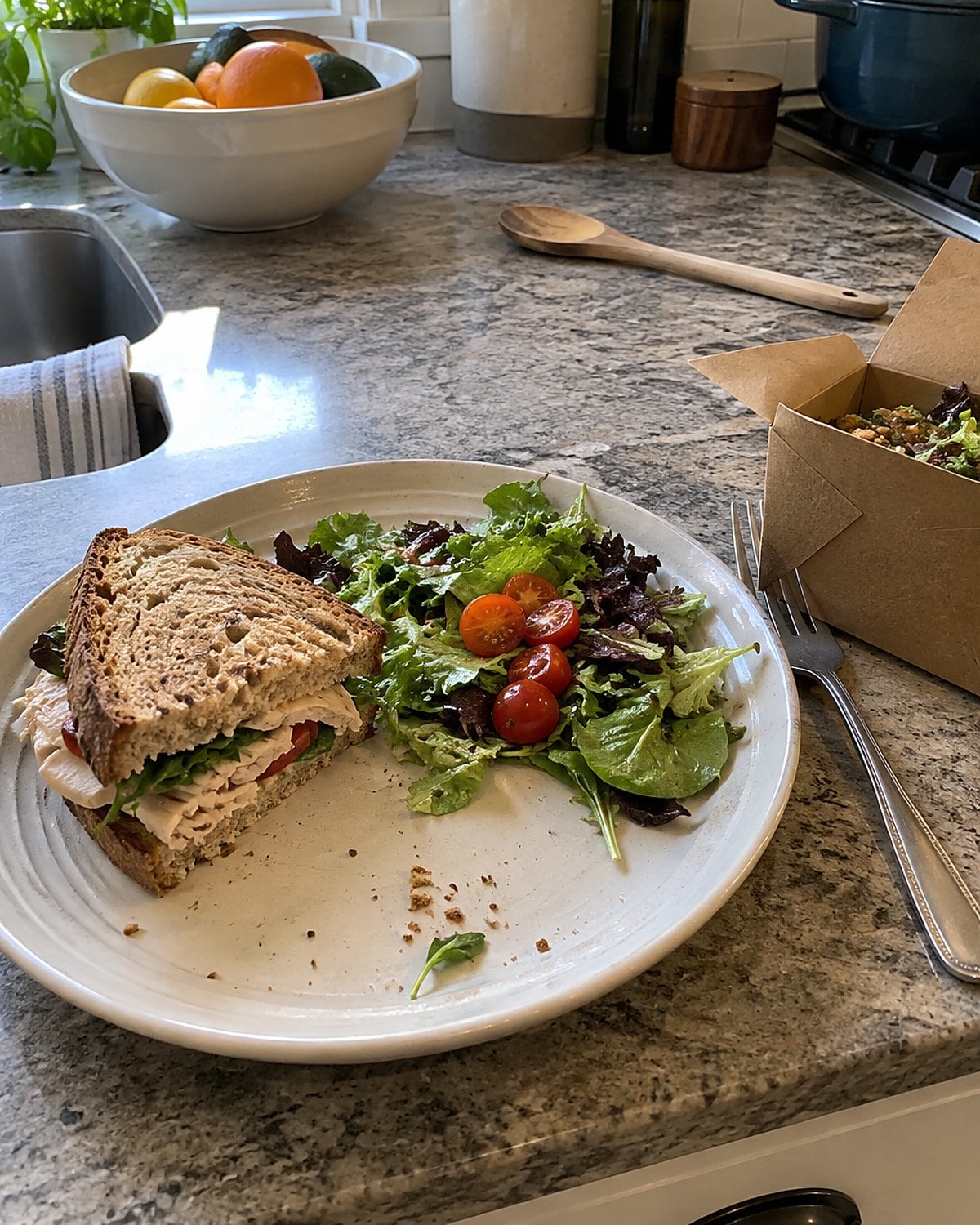
A full dinner plate sounds good until you know half will ride home in a box. Look at the lunch menu before you order.
Restaurants that serve lunch and dinner set their own portions and prices. Ask whether the dish you want appears on the lunch menu and when that menu ends. If it does, compare the sides and portion, not just the name of the entrée.
At a counter, this is a simple exchange: “Is the lunch portion still available?” The answer takes a moment. No special discount or explanation of your appetite is required.
If you take leftovers home, refrigerate them promptly. The USDA Food Safety and Inspection Service's leftovers guidance says to eat refrigerated leftovers within 3 to 4 days. A bargain stops being one when the box sits forgotten behind the milk.
#3 The Produce Stand at the Farm Gate
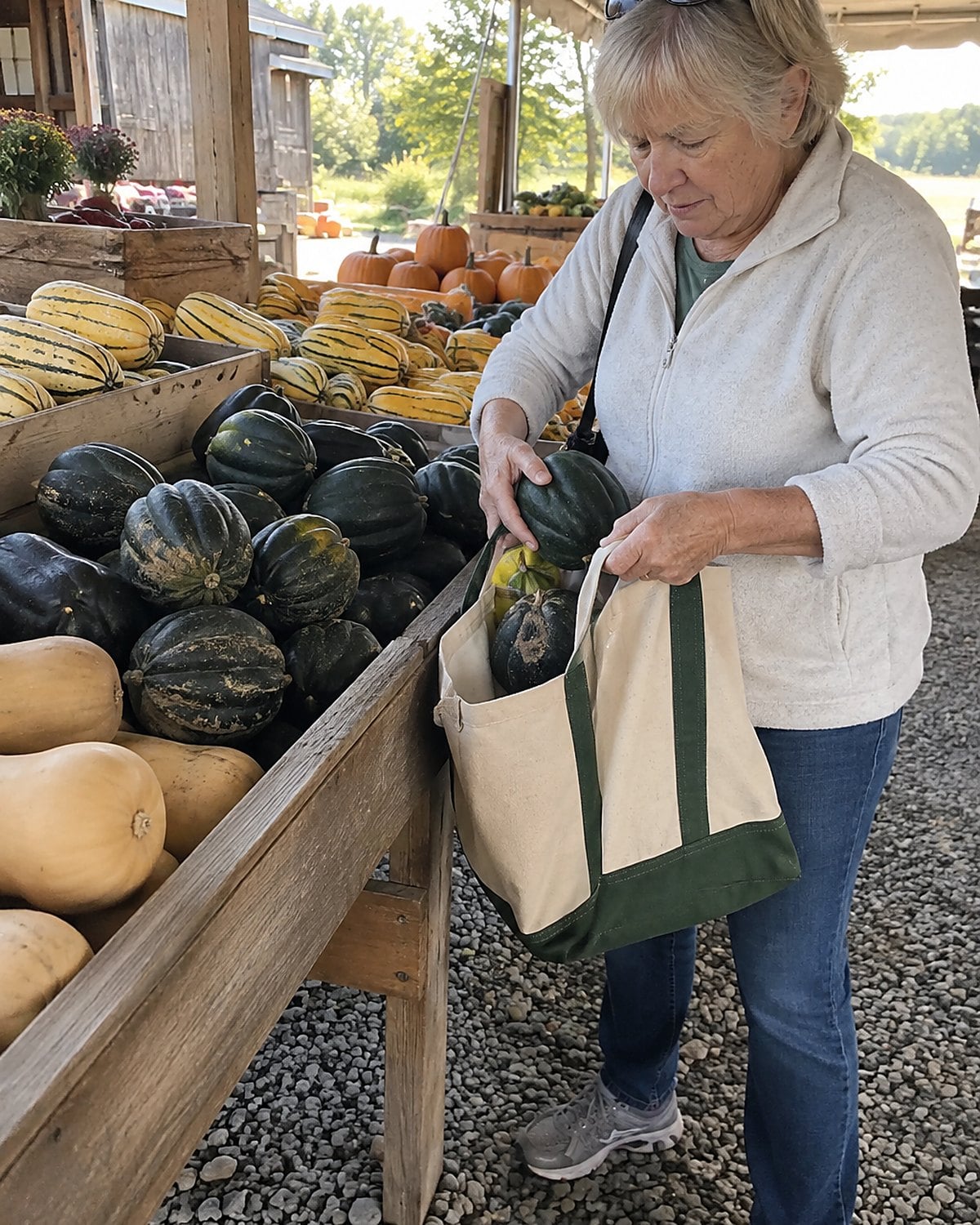
A farm stand gives you a conversation the supermarket sign doesn't. You can ask which vegetables were picked for storage and which are ready for supper.
Ask about a smaller quantity before buying a large basket. If a sign prices a full box, the seller will tell you whether they sell a few pieces separately. Compare the answer with the grocery price you know, but don't overlook what you'll use.
Check the produce itself. Greens should look crisp, with no slimy leaves buried underneath. A sturdy squash should feel sound at the stem end. Carry a tote that supports delicate fruit on the ride home instead of letting it roll beneath potatoes.
Cash, card, and benefit acceptance vary by stand. Ask before filling the bag. Nobody there knows what's already in your crisper drawer, so buy with that drawer in mind.
#2 The Farmers Market Voucher in Your Wallet
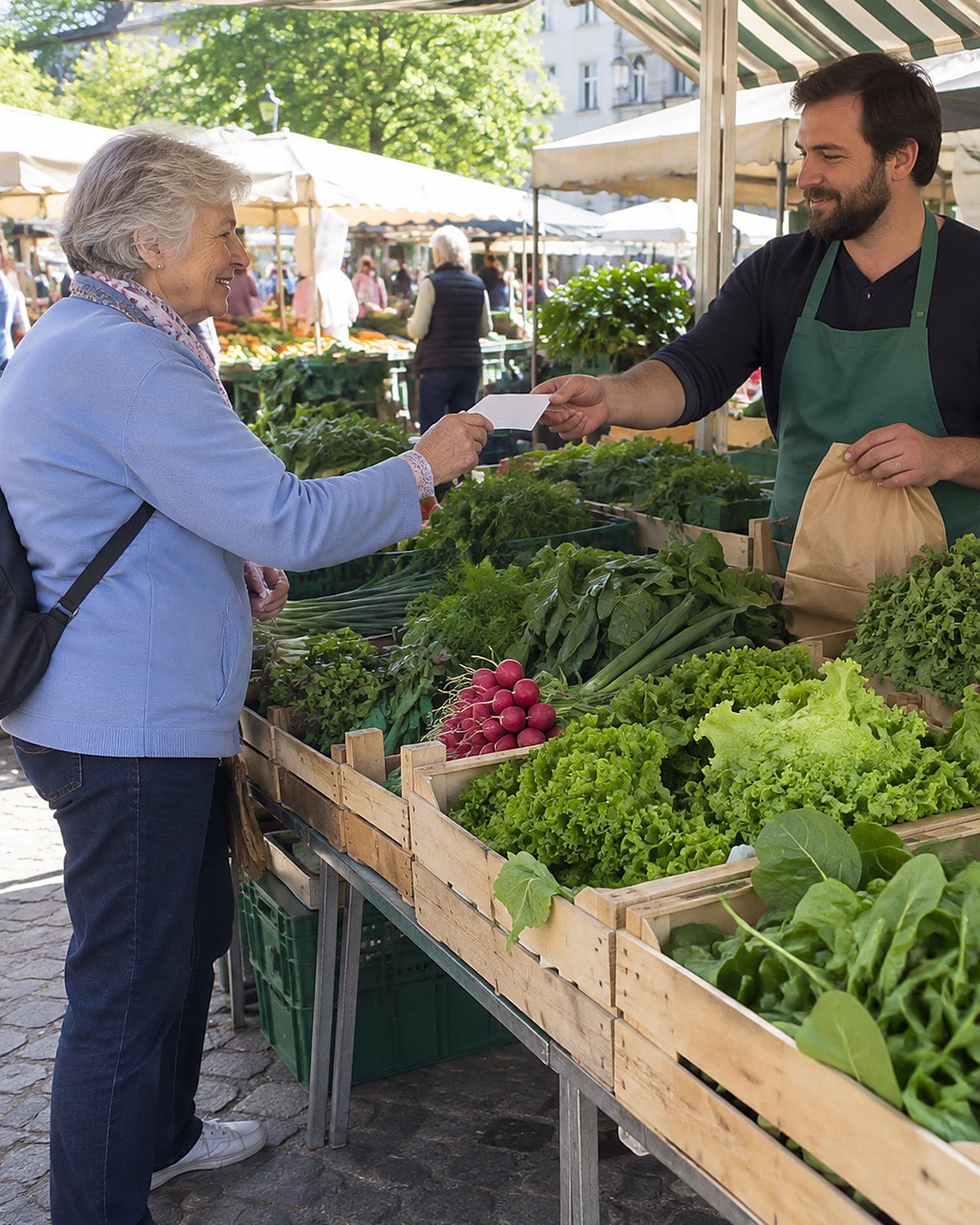
Some market programs are meant for shoppers who never see them advertised in a supermarket aisle. The USDA Food and Nutrition Service runs the Senior Farmers' Market Nutrition Program for eligible older adults.
Eligibility, availability, and approved foods vary by state and location. Find the program through the USDA Food and Nutrition Service, then contact your state agency before shopping. Ask where benefits are accepted; a nearby stand isn't automatically part of the program.
If you qualify, keep the program details with your shopping list, not in a drawer where you'll remember them after the market closes. If you don't, pass the program name to someone who asked you about market prices.
The information should be as easy to spot as a sale sign. It isn't.
#1 The Store Discount Nobody Mentioned at Checkout
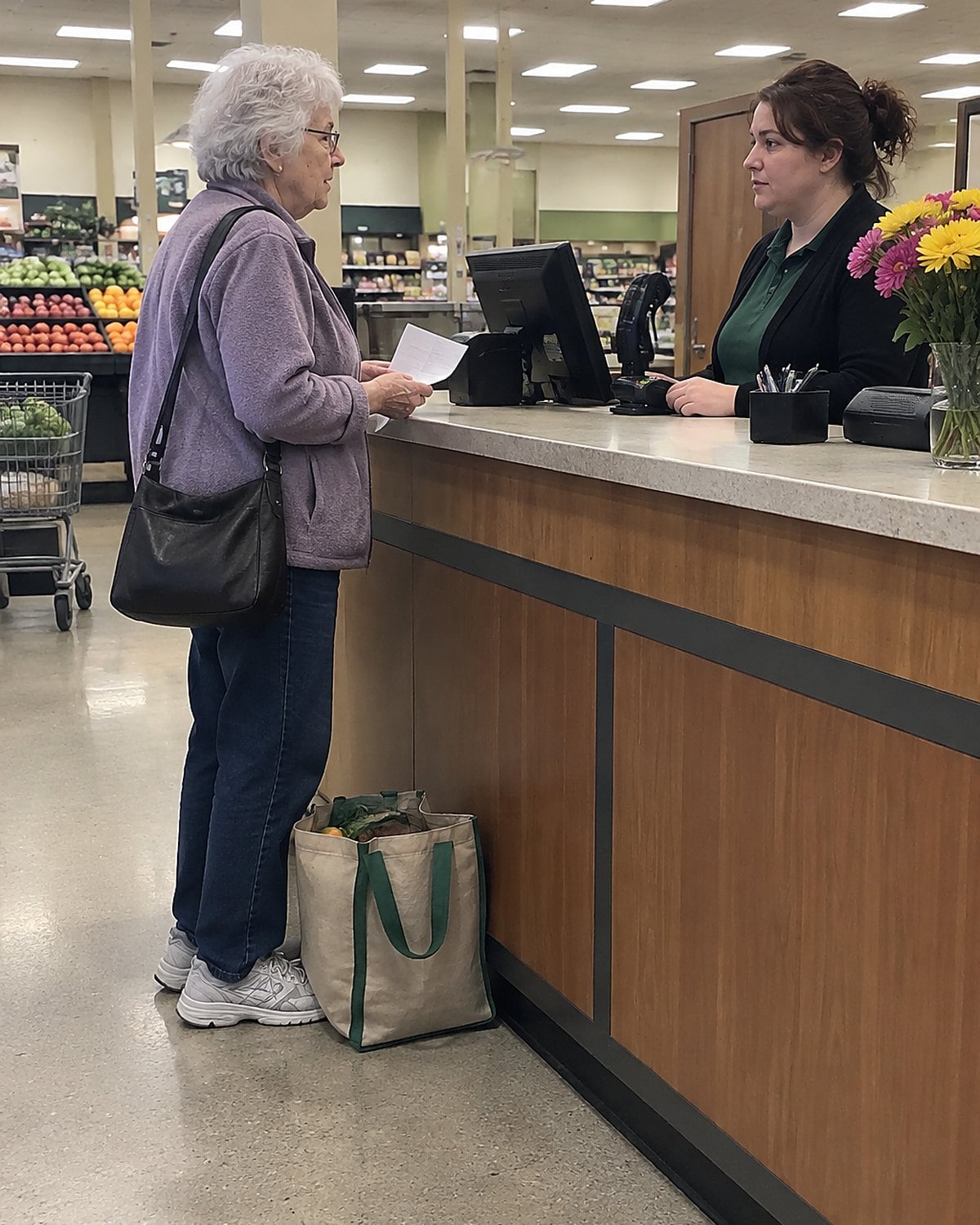
Twenty years of receipts won't tell you whether your grocery store has an age-based discount. Many stores offer none, and no national rule guarantees one. Customer service has the answer, so you needn't guess at the register.
Check the store's website or call its customer service desk before making a special trip. If the posted information says nothing, ask: “Does this location offer an age-based discount?” A no is an answer, not a reason to feel embarrassed. You haven't built a shopping trip around a rumor.
If the answer is yes, get the terms before filling the cart. What's the qualifying age? Which day applies? Do you need identification, a store account, or an action at checkout? Ask what the offer excludes, including sale items, prescriptions, and other categories. Then find out whether it combines with digital coupons.
Write down the answer with the store's name and the date you asked. Terms change, and another location in the chain isn't a promise. Before paying on a qualifying day, watch the screen or check the receipt. If the discount is missing, ask while you're still there.
Keep reading
 25 Fridge Habits That Waste Money Every Week Without Anyone Noticing
See all 25 →
More you’ll remember
 26 Things Grocery Workers Wish Shoppers Over 60 Knew
 27 Mistakes People Make With Coupons and Loyalty Cards After 60
 24 Pantry Items That Last Years, So Stop Replacing Them
The bottom line
Stores post prices for everyone to see. The terms that change those prices take more looking: the unit on the tag, the conditions under the sale sign, and the answer waiting at a staffed counter.
The well-prepared version of you has checked the pantry, made a list that fits tonight's table, and checked a store's terms before getting in line. Which question would change your next grocery receipt?
Leave a Reply