

The cheese drawer slides out with its familiar scrape. There's half a block of cheddar under a packet of sliced Swiss, and behind both sits the good cheese you bought for Saturday. It's Thursday. The question isn't who ate it. The question is which piece you remembered was there.
A full fridge looks reassuring until dinner starts. Then you buy another bag of greens because the first one has vanished behind the milk. None of these fixes asks you to cook differently. They ask the fridge to show you what you already own.
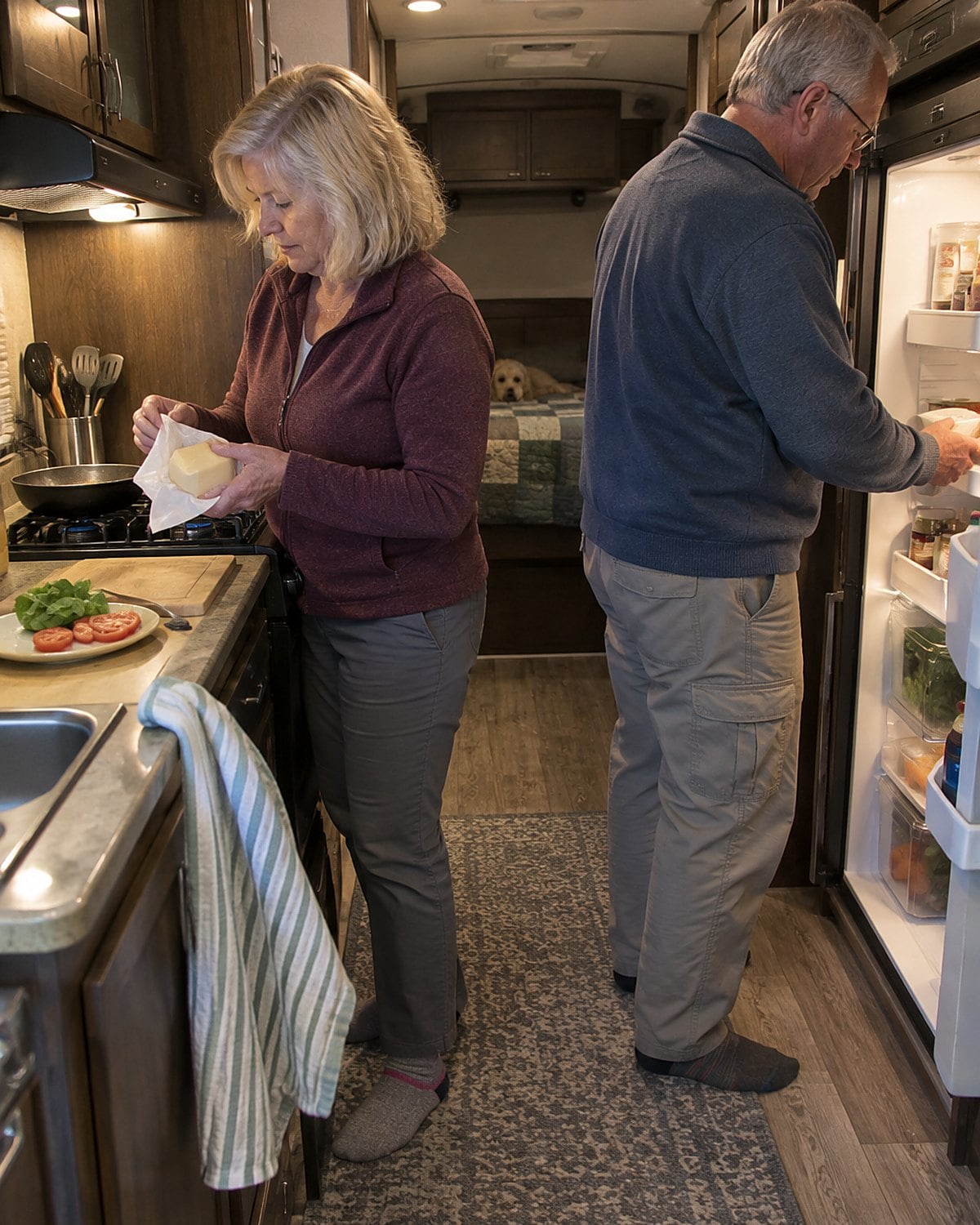
#25 The cheddar behind the Swiss
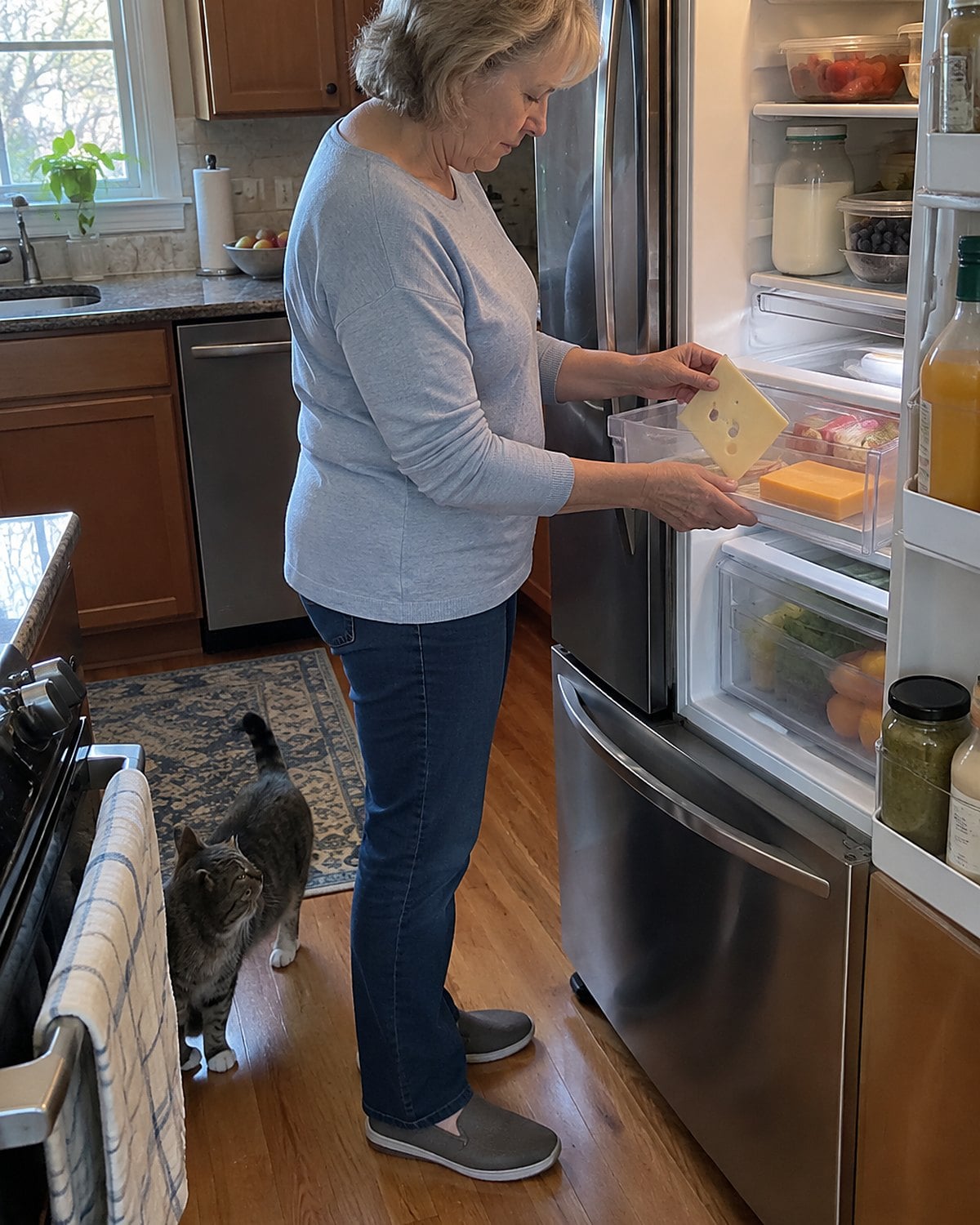
A drawer is handy for cheese until the packets overlap. You see the top slice and forget the block beneath it. Then someone opens a new package while the old one sits under the drawer's back lip.
Pull every piece out before you put groceries away. Group the opened cheese together, with the cut edges facing you. Keep unopened packages behind them.
You'll spot the piece that needs using when you reach for lunch, before a second package gets opened.
This isn't a call to throw away the cheese in your drawer. It's a reason to find it tonight. Grate a sound, forgotten piece over supper, or plan tomorrow's sandwich around it. The cheese you see has a much better chance of getting eaten.
#24 The milk tucked into the door
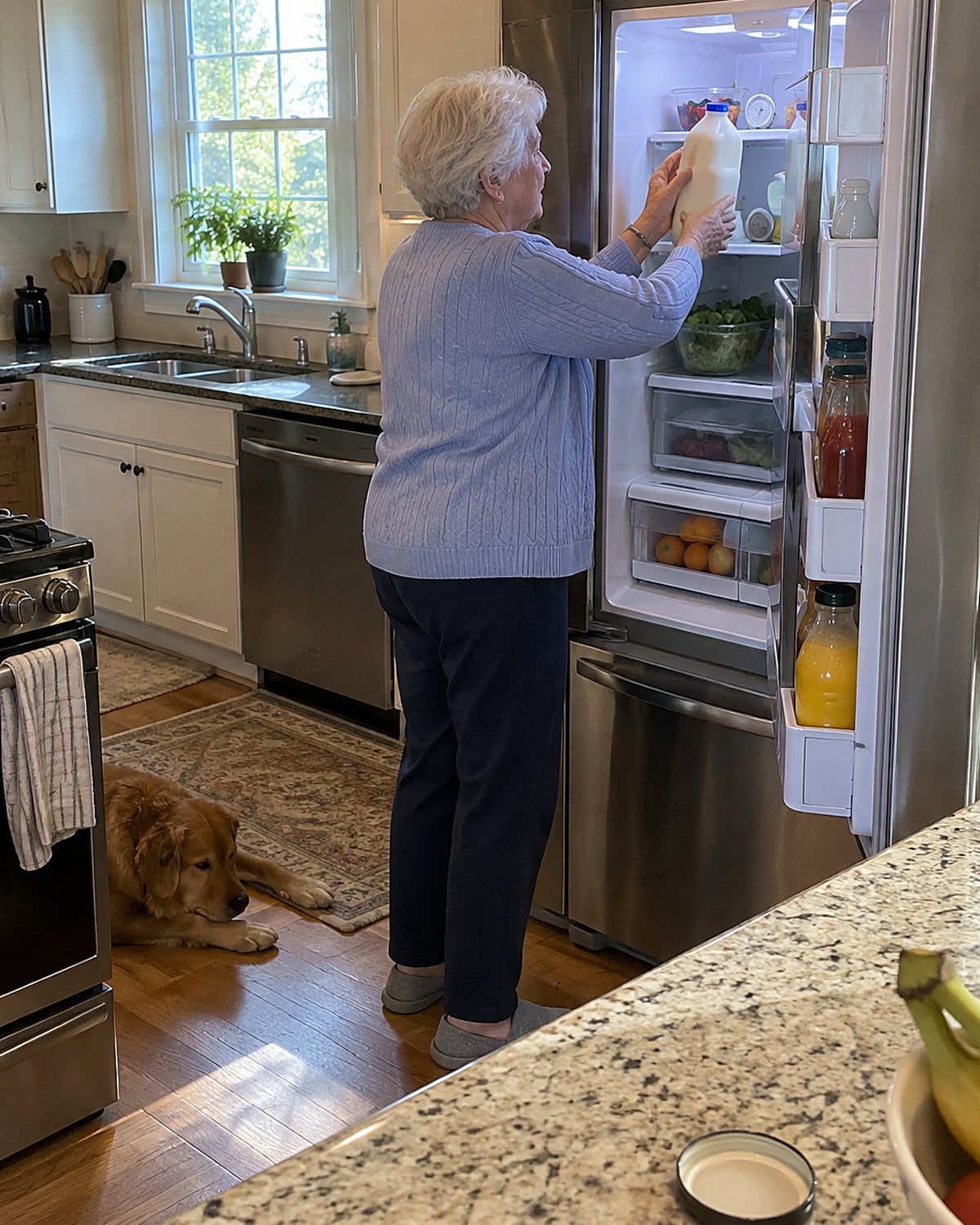
The door is where the milk fits so neatly. It's also the part of the fridge you open whenever you want mustard, water, or a look at what's for dinner. The carton spends that time farther from the cold interior.
Move milk to an inside shelf, toward the back, and put the condiments in the door. The FDA's refrigerator guidance calls for a fridge at 40°F or below. A small appliance thermometer tells you what yours is doing, rather than what the dial claims.
Check the temperature after the fridge has stayed closed for a while. Then look at the milk carton. If it has to be wedged sideways behind leftovers, clear a proper place for it.
A better shelf beats buying a replacement carton because the first one turned before you finished it.
#23 The parsley sealed in its grocery bag
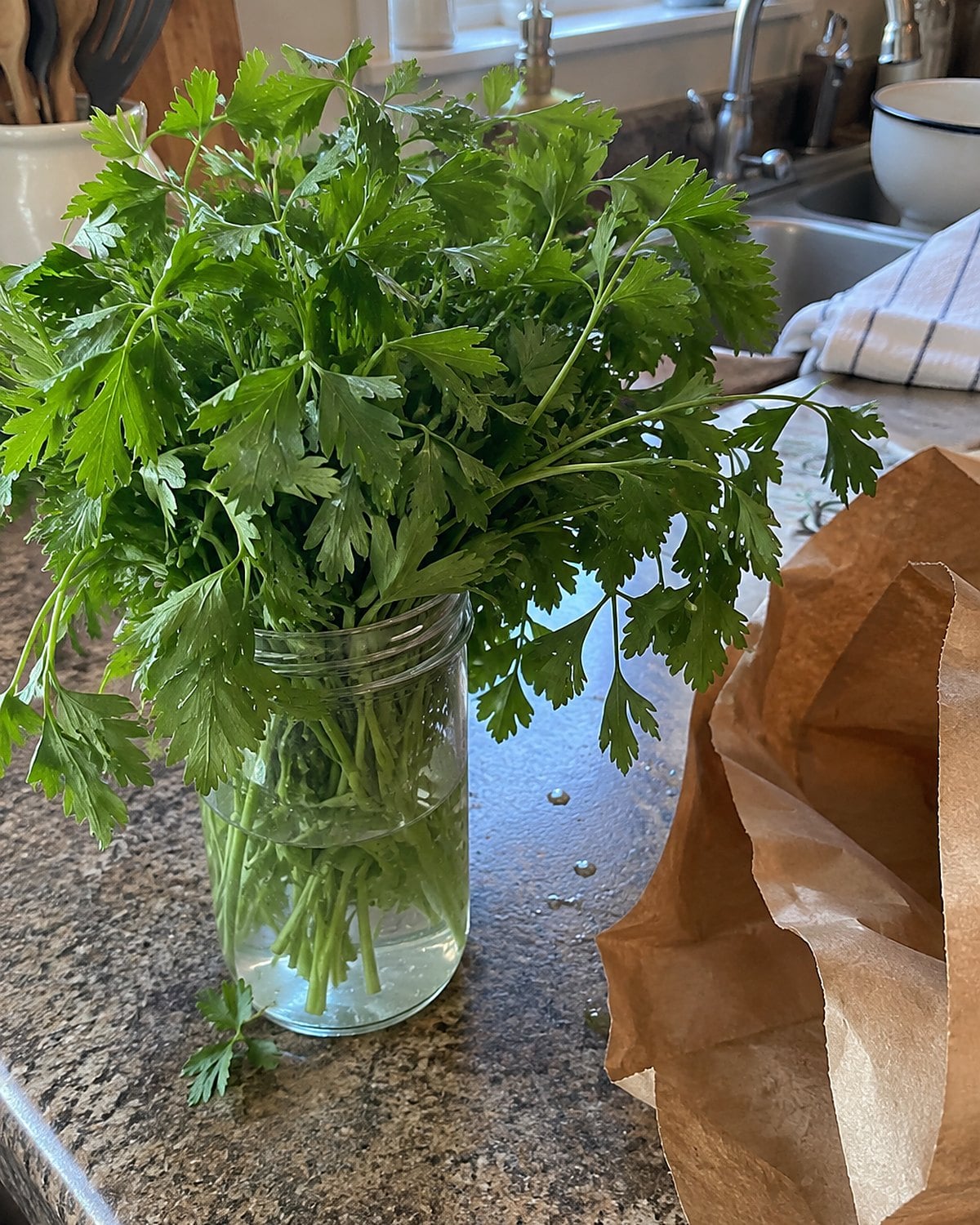
You bought parsley for a sauce. Now its grocery bag is wet inside, and the leaves have gone limp under their own weight.
Take the bunch out when you get home. Trim the stem ends and stand the parsley in a jar with a little water. Loosely cover the leaves with a bag, then put the jar where it won't tip. Check the water when you reach for dinner ingredients.
The jar does another job: it puts the parsley in sight. Use a handful in scrambled eggs, chopped salads, or that pot of beans. A bunch forgotten in an opaque bag doesn't get those chances. If the leaves are already slimy or smell rotten, don't try to rescue them with a fresh trim.
#22 The berry box left unopened
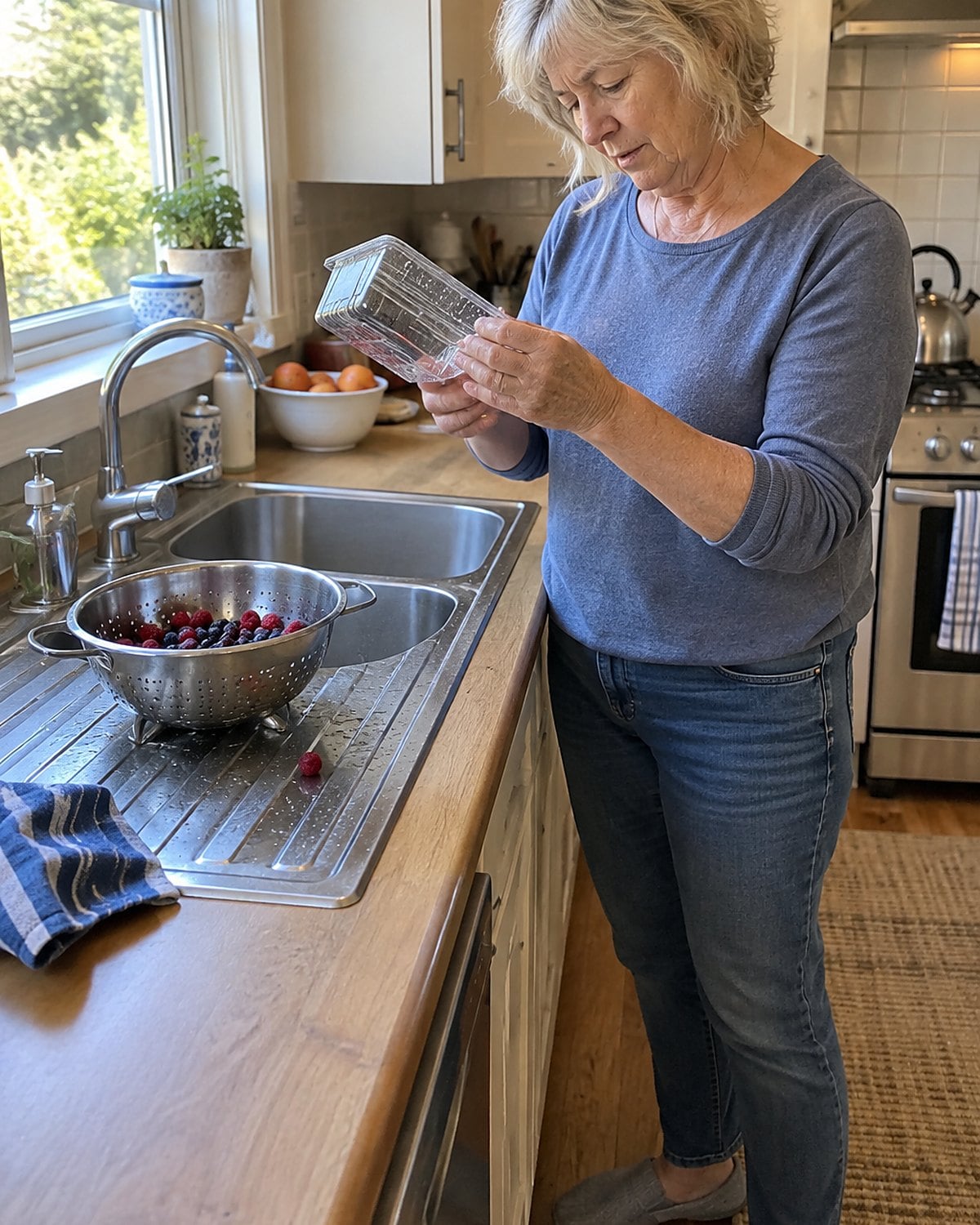
A clear berry box seems to show you everything. It doesn't show the berry pressed against the bottom, leaking onto its neighbors. By the time you lift the lid for breakfast, the good fruit has been sitting against the bad.
Open the box when you get home and look underneath. Remove crushed or moldy berries, and keep the rest dry in a shallow container lined with a paper towel. Wash berries just before eating them, rather than storing them wet.
If you find mold on soft berries, the USDA's mold guidance says to discard the affected fruit.
Then give the berries a job. Put them beside tomorrow's yogurt, or freeze sound extras on a tray before bagging them. You've already paid for the whole box. That quick inspection gives the berries at the bottom a better chance of reaching the table.
#21 The mushrooms sweating under plastic
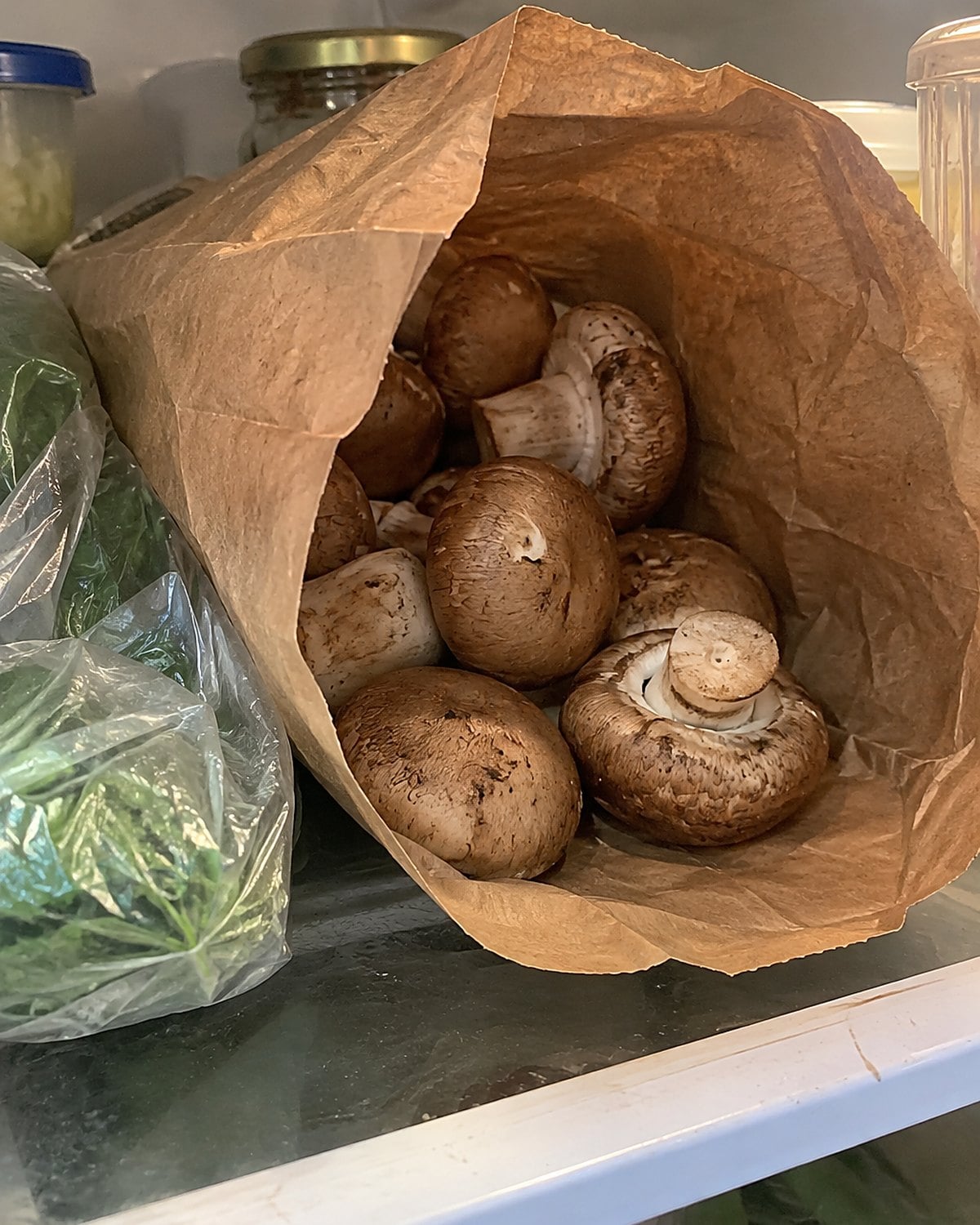
Feel the inside of a sealed mushroom bag. When moisture gathers there, the mushrooms get slick before you remember the pasta you bought them for.
Take them out of tight plastic and put them in a paper bag in the fridge. The bag holds them together without trapping the same wet film against every cap. Don't wash the mushrooms before storing them. Brush off visible dirt when you're ready to cook, then wash them promptly if they need it.
Keep the bag near the front, not behind the tall bottles. At dinner, slice the mushrooms and cook them in a roomy pan. Let their moisture steam off before you add butter or sauce. That step gives you browned mushrooms rather than a pan of gray liquid.
Try it: Instant Pot Creamy Garlic Mushroom Pasta
#20 The greens buried under the carrots
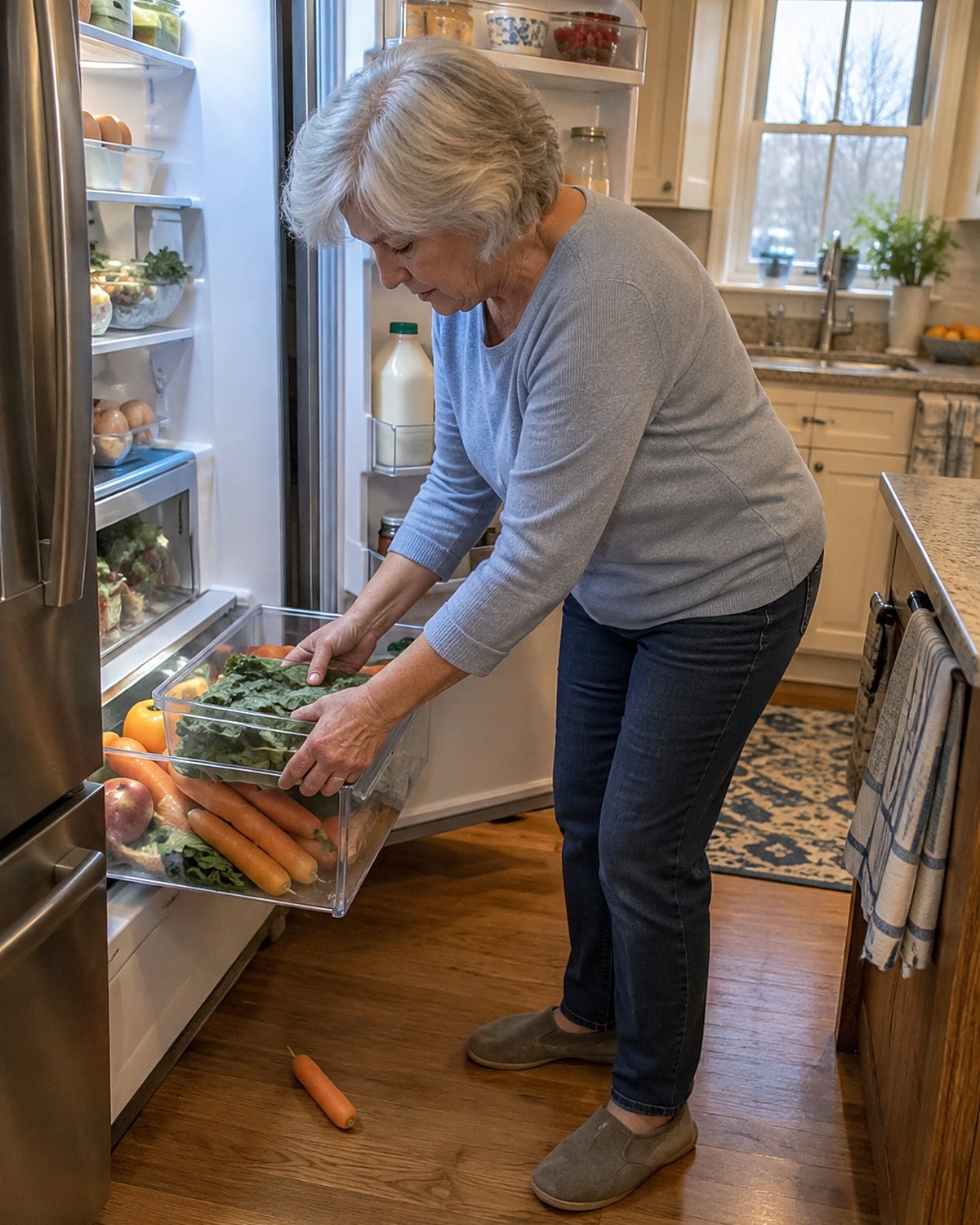
The salad greens looked lovely at the store. At home, they went into the produce drawer beneath carrots, apples, and the extra celery you bought for soup. By Tuesday, the lid of the greens box is hard to lift without unloading the drawer.
Give tender greens their own visible spot. Check for wet, damaged leaves before you put them away, and keep the rest in their original package or a roomy container. Follow the package's washing instructions.
Keep the fridge at 40°F or below, and don't treat a cold drawer as a cure for greens already turning slimy.
Make the next meal decision while you still remember the bag is there. Greens headed for a salad need attention before sturdy carrots do. If supper has changed, cook suitable greens into soup or eggs while they're still sound. The money-saving move happens before the drawer becomes a stack you don't want to sort.
#19 The mustard jar with one spoonful
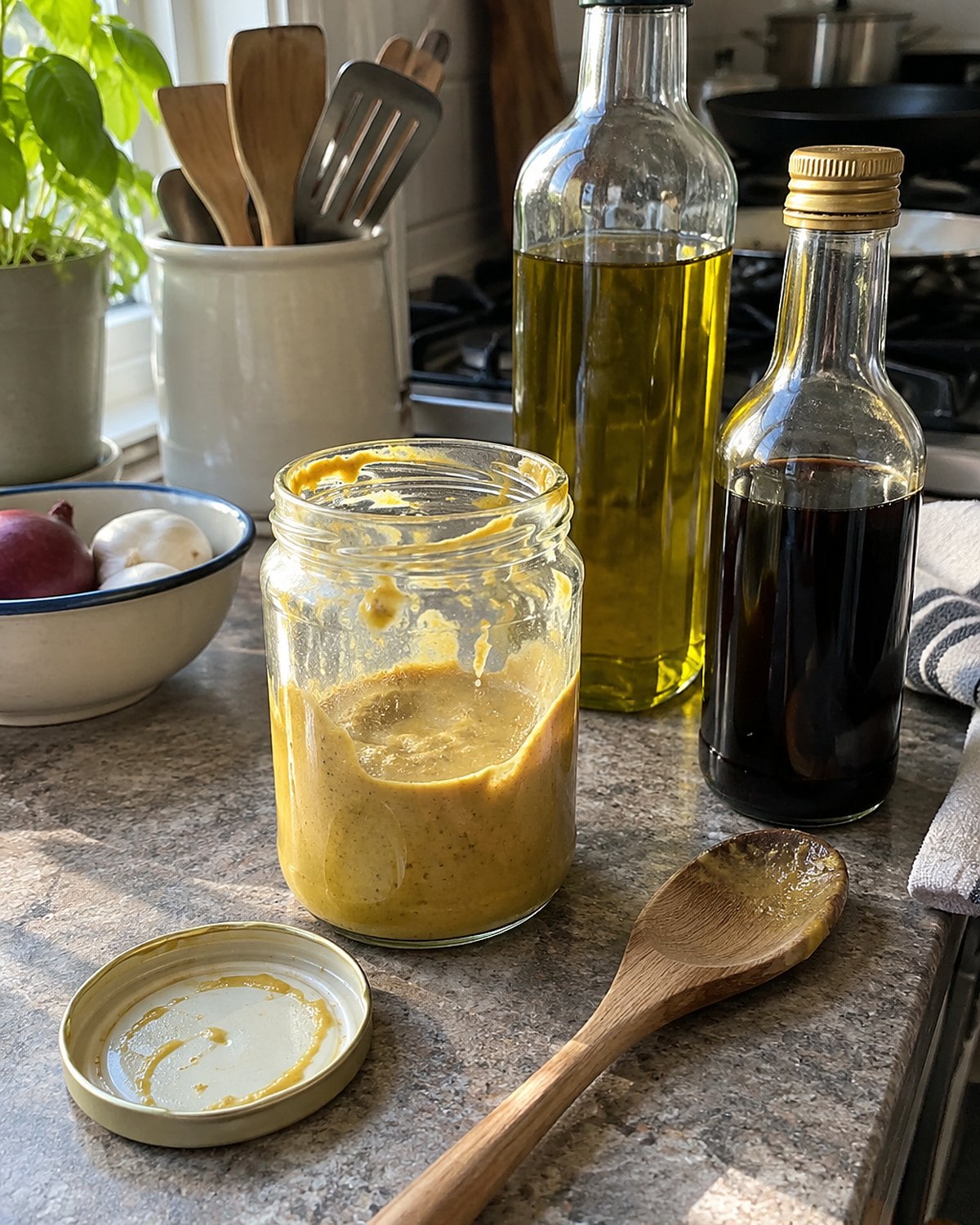
The jar isn't empty, so it goes back in the door. A week later, you open a new one because you can't see enough mustard in the old jar for sandwiches.
Turn nearly empty jars toward you when you put groceries away. Mustard left along the glass is enough to start a dressing: add vinegar and oil, close the lid, and shake. Stir a spoonful of jam into yogurt.
Don't add new food to an old jar and forget which date belongs to it. The point is to finish what you've got, not give every condiment a second, unmarked life. Put the nearly empty jars together, and you won't open another before checking them.
#18 The sliced bread stored beside the milk
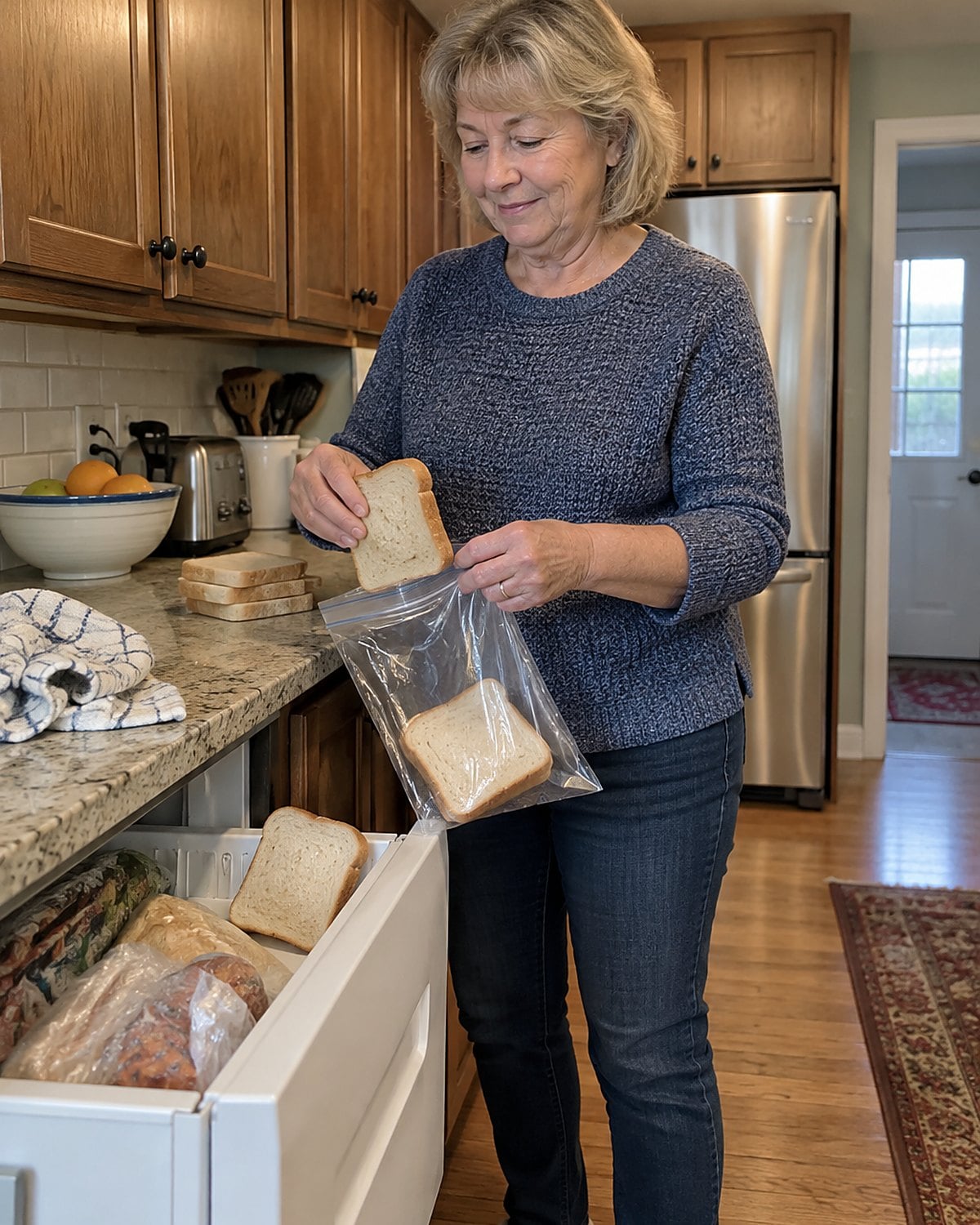
Bread takes up a surprising stretch of fridge shelf. The cold doesn't reward you with better toast. Refrigeration speeds the staling of ordinary bread, leaving slices firm and dry even while they remain free of visible mold.
Keep the portion you'll use soon in its bag, according to the package directions. Freeze the rest in meal-sized portions. A piece of parchment between slices helps if the loaf sticks together. Pull out only what you need for breakfast or grilled cheese.
Don't let a stale loaf turn into a kitchen experiment with mold. If bread shows mold, discard the loaf rather than cutting off the spot. For sound bread that's merely dry, toast or bread pudding gives it somewhere to go.
The freezer handles the extra slices better than a fridge shelf that hides everything behind them.
#17 The tomatoes waiting for a sandwich
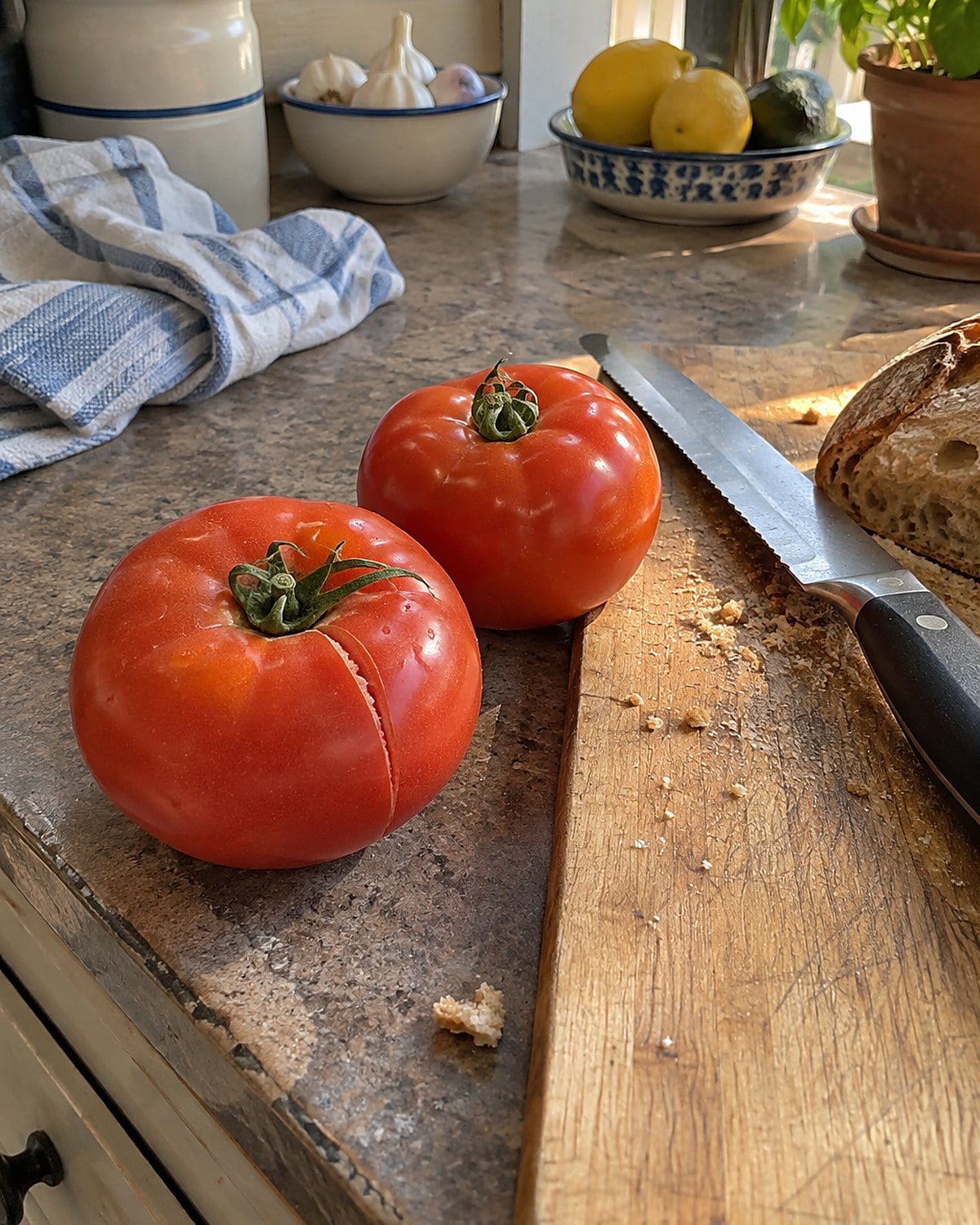
A ripe tomato in the fridge doesn't taste like the one you chose at the market stall. Cold storage changes its texture, and a tomato forgotten in a produce drawer won't improve there.
Keep whole tomatoes at room temperature while they're sound. Set them where you'll see them, away from direct sun. Once you cut a tomato, wrap the remainder and refrigerate it promptly. Bring a chilled piece out while you prepare the rest of the meal if you want less chill on the plate.
The money trap isn't that you bought tomatoes. It's buying replacements because the first ones disappeared into the same drawer as the cucumbers. Put tonight's tomato beside the cutting board before you start the sandwiches.
#16 The produce drawer packed to its stops
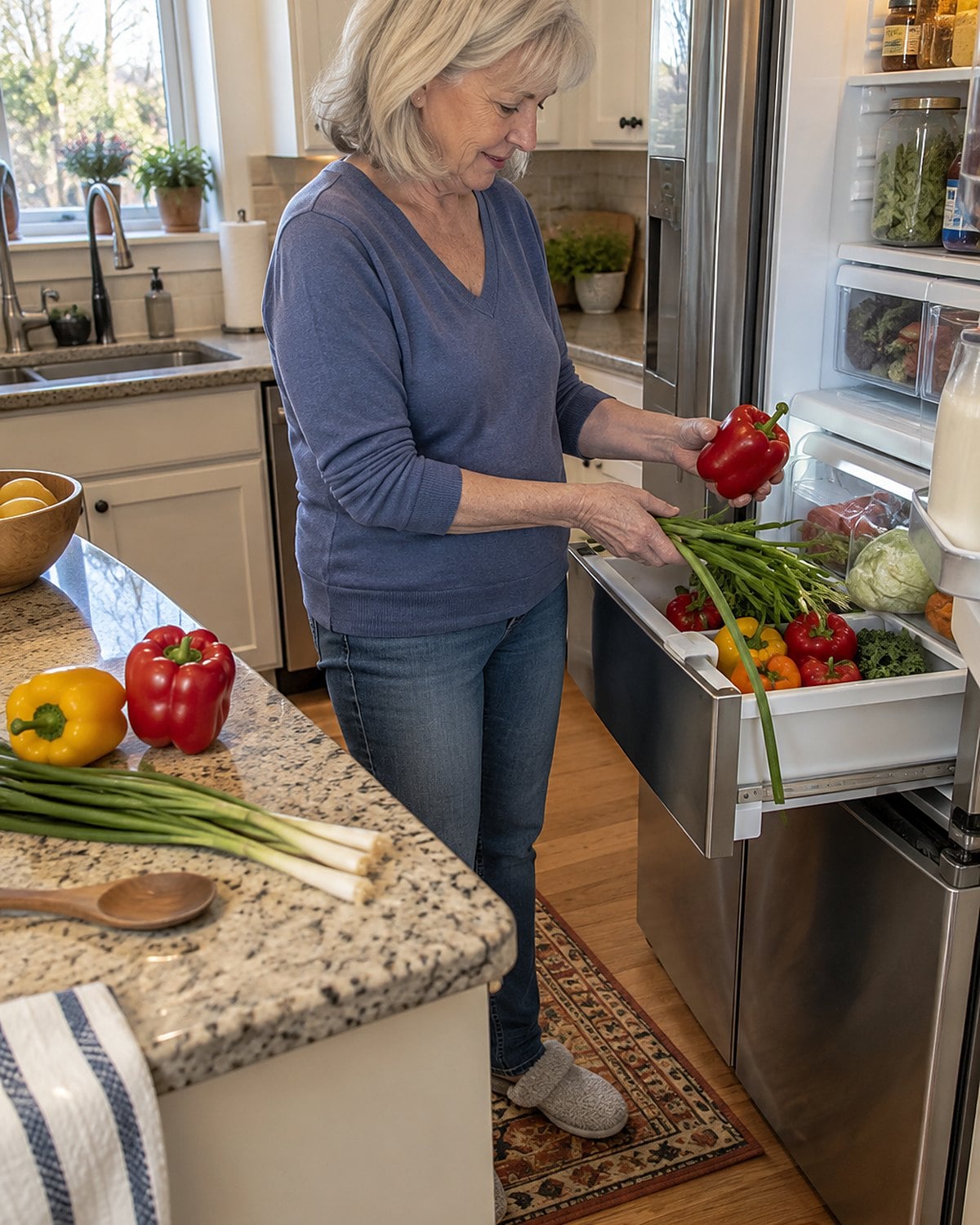
When a drawer is too full to close, you push harder. Something at the back takes the pressure: a pepper, a bunch of scallions, or the soft bag of spinach. You don't notice the damage until you pull out the next handful.
Empty the drawer before the next grocery trip. Wipe up leaks, discard produce that's spoiled, and put sound food back where you can see it. Keep sturdy vegetables apart from easily crushed ones. Don't force a lid or bag under the drawer's sliding edge.
Then ask what belongs outside that crowded space. Whole onions and potatoes don't need a place in the refrigerator drawer; store them separately in a cool, dark, ventilated spot. Give the freed room to the produce that actually needs chilling.
A drawer should open far enough for your hand to reach the back. If it doesn't, dinner planning starts with excavation. Clear it once, and the pepper you bought for Thursday stays a pepper rather than becoming a wet spot under the carrots.
#15 The stockpot cooling on the stove
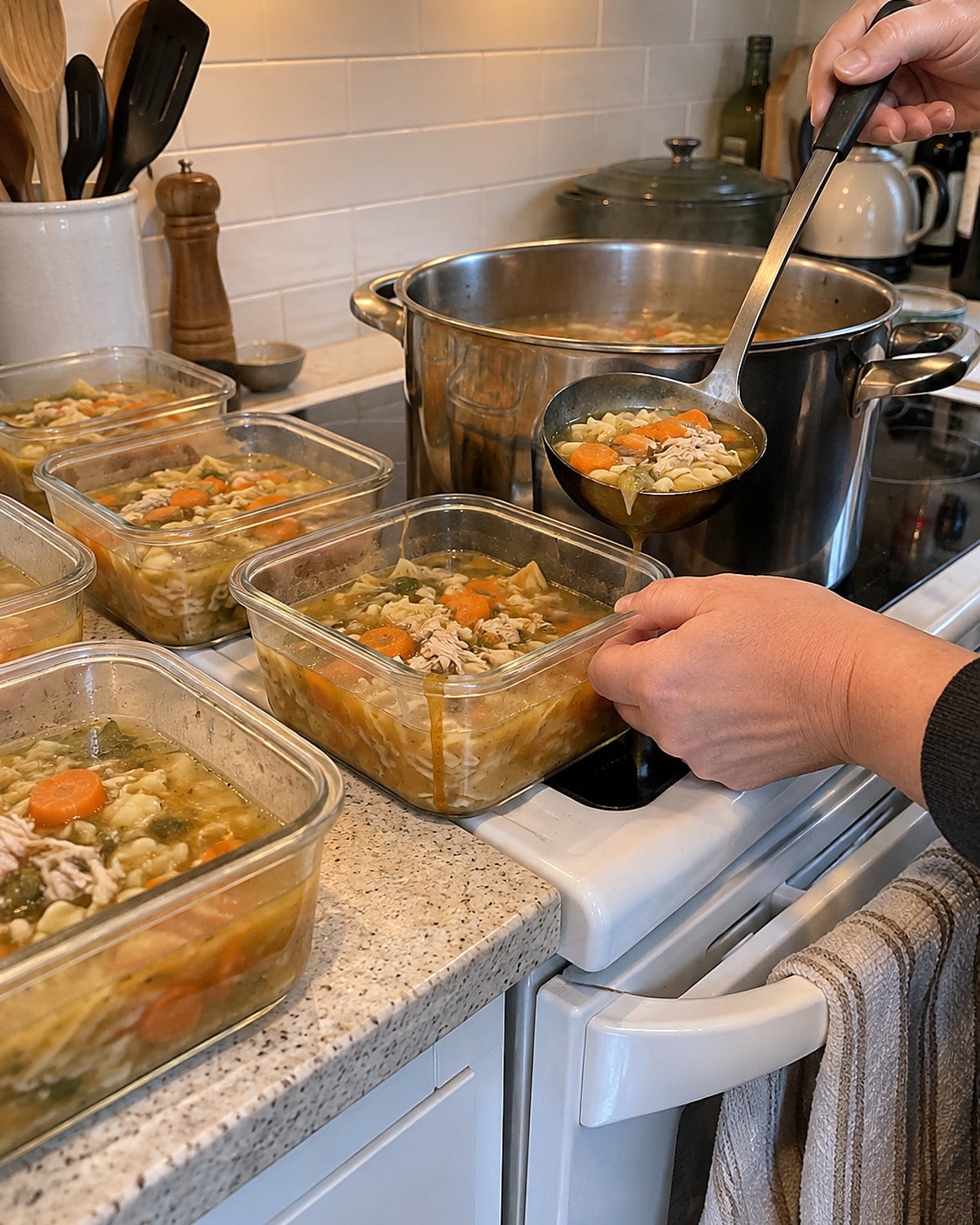
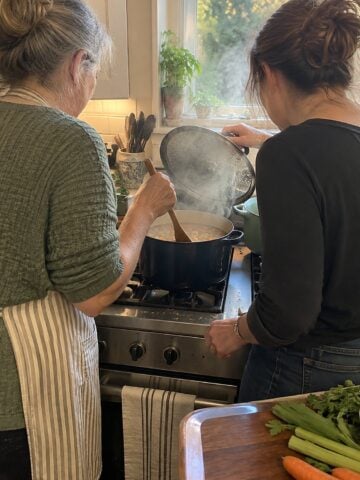
A big pot of soup looks finished when you turn off the burner. Inside, it holds heat. Leave the whole pot on the stove through the evening, and the fridge isn't the only thing being asked to wait.
Move leftovers into shallow containers and refrigerate them promptly. The USDA's leftovers guidance says to refrigerate perishable food within 2 hours, or within 1 hour when the surrounding temperature is above 90°F. You don't need to wait for soup to reach room temperature before putting it away.
Divide a large batch so it cools faster. Leave space around the containers in the fridge instead of stacking hot tubs tightly together. That pot was meant to buy you another dinner, not spend the night beside the stove.
#14 The leftovers in the mystery tub
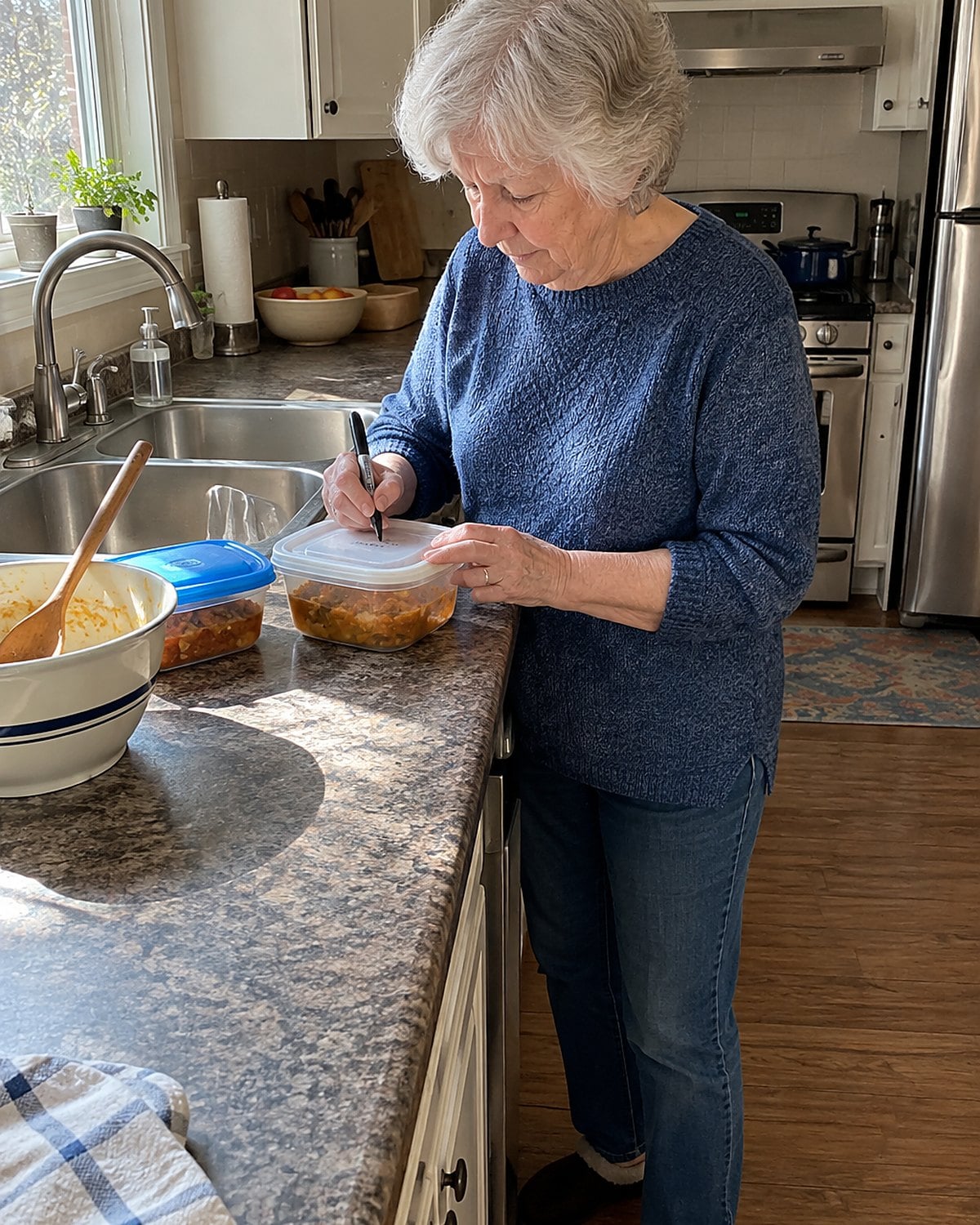
The white container looks familiar, but the lid belongs to another set. Is it Tuesday's chili or last week's pasta sauce? You open it, sniff, close it, and slide it back.
Write the food and the date on the container when you fill it. A strip of masking tape and a pen beat a confident memory at the end of a long day.
Cooked leftovers last 3 to 4 days in a fridge at 40°F or below, per the USDA cold storage chart. If that window won't fit your plans, freeze the container instead.
Don't use smell to decide whether an overdue leftover is safe. Foodborne germs don't owe you a warning odor. Labeling the tub lets you make a dinner choice while dinner is still useful. You'll know whether to reheat the chili, freeze it, or let the next meal start with something else.
#13 The rotisserie chicken without a job
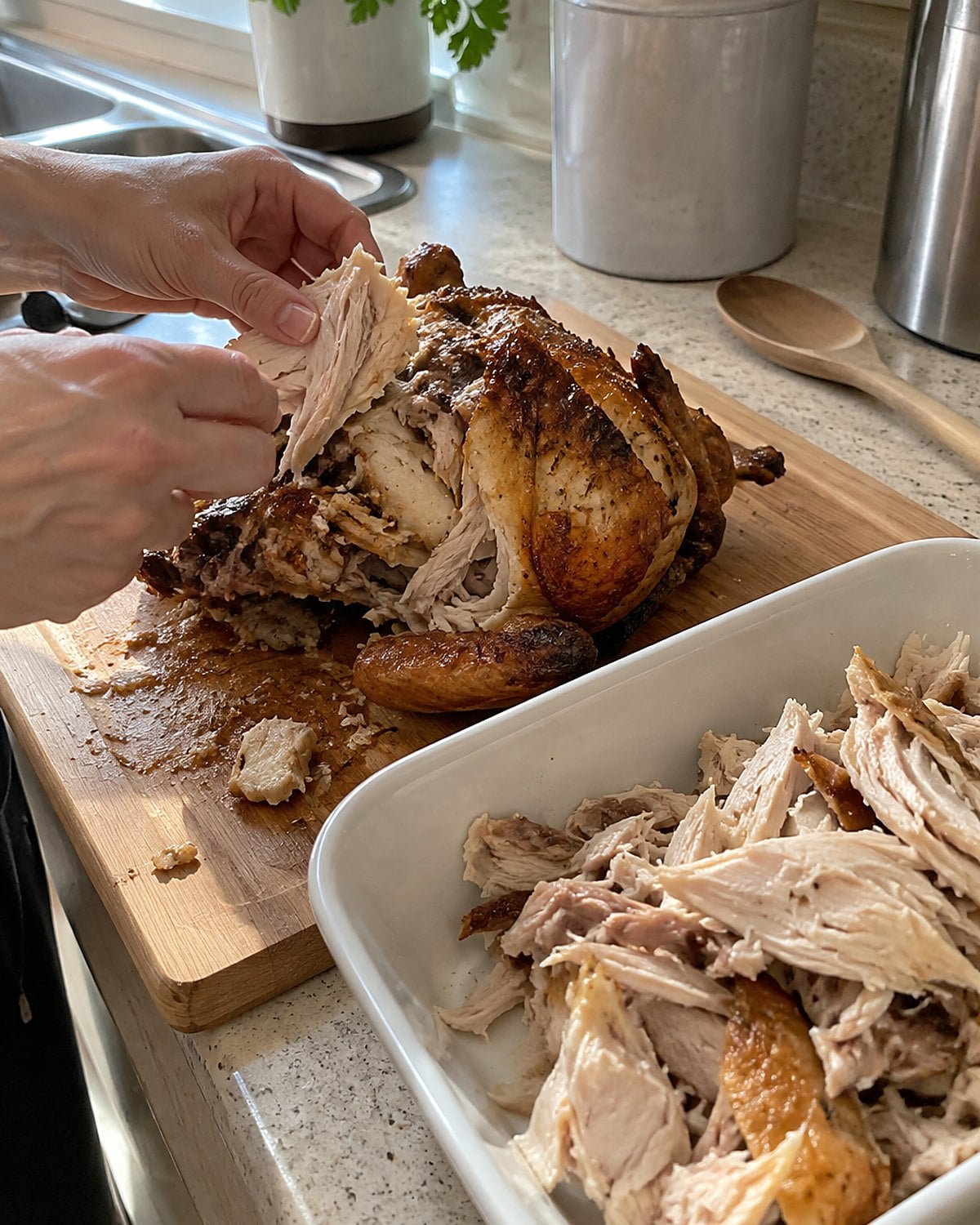
The chicken comes home warm, and everyone takes the pieces they like. Then the carcass and the remaining meat go into the fridge together, still in the store container. By the next meal, the container looks like a chore.
Before you sit down, decide what the remaining meat is for. Pull it from the bones after the meal, pack it in a shallow container, and refrigerate it promptly. Keep the cooked chicken within the same 3 to 4 day leftover window, or freeze it for later.
Name the next meal on the lid: tacos, soup, chicken salad. That isn't a recipe. It's a reminder that you've already paid for part of another supper. If there's only enough for one sandwich, say so on the label instead of saving it for a dinner it can't feed.
Try it: Instant Pot Chicken Bone Broth In 3 Hours
#12 The lunch meat under the cheese
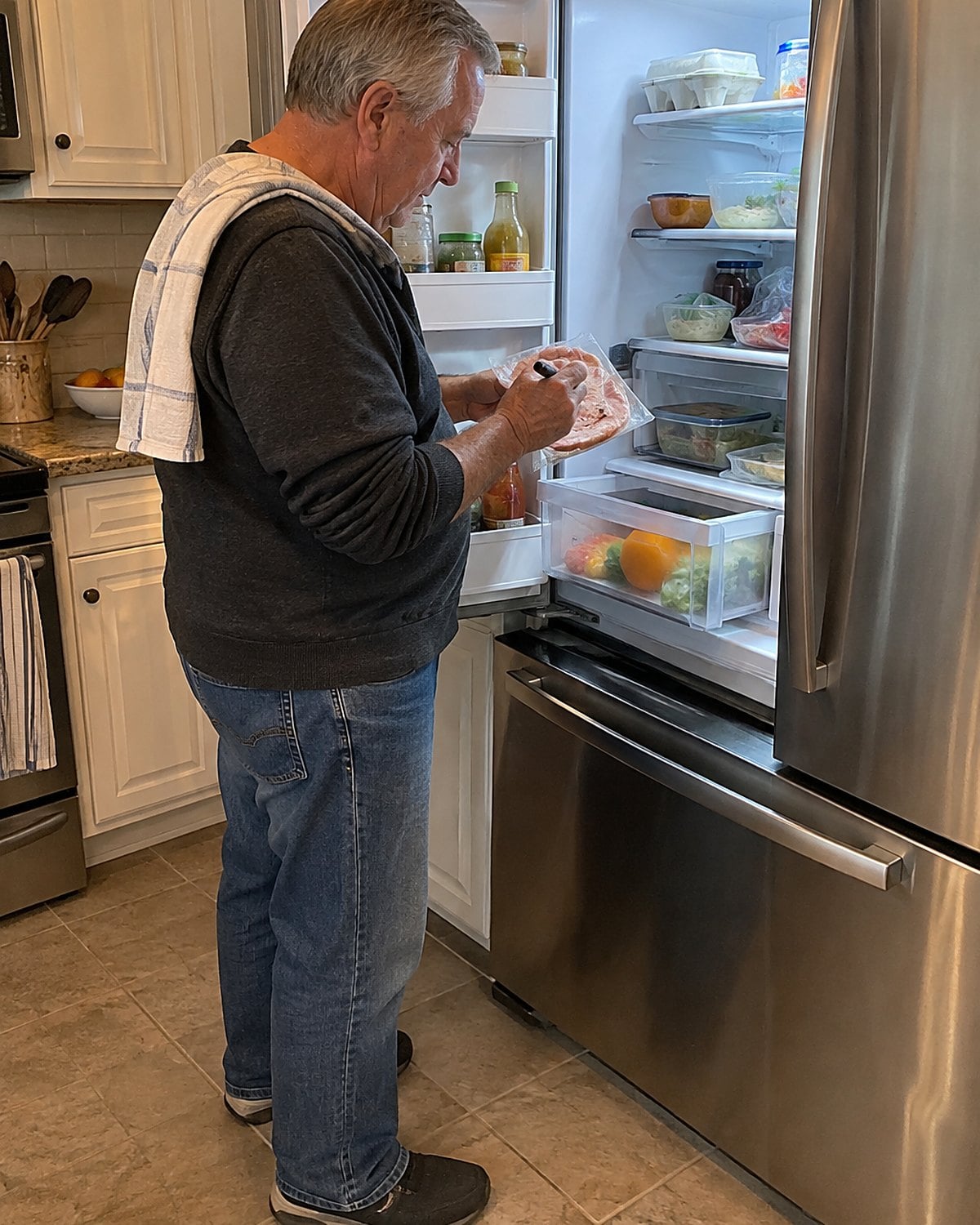
The deli package slips under the cheese, and the printed date seems like permission to ignore it. That date doesn't tell you how long the package has been open in your fridge.
Mark the opening day on the package. The USDA cold storage chart lists 3 to 5 days for opened luncheon meat in a refrigerator at 40°F or below. Follow any shorter instruction on the package.
If that amount is more than you'll eat, buy less at the counter next time or freeze suitable portions promptly.
Keep the package visible rather than adding it to the cheese stack. When lunch rolls around, you won't need to wonder whether the slices belong in a sandwich. And if grandchildren are coming, don't rely on an uncertain package because it seems wasteful to discard it. The purchase decision is easier to change than the date on opened meat.
#11 The raw chicken on the top shelf
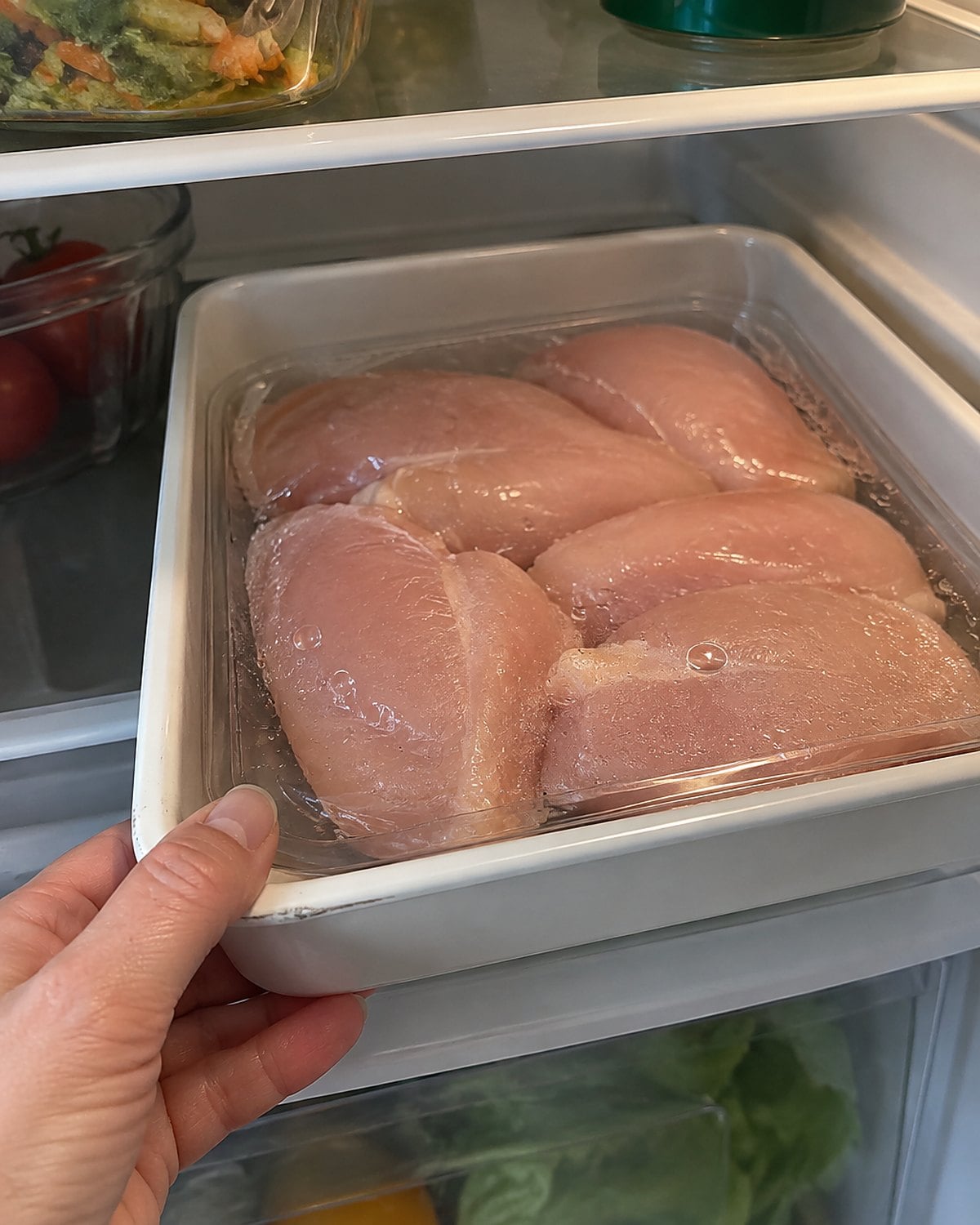
A package of chicken sits on top of a carton of berries because both need to fit. The wrap looks secure, but meat packages leak. The bottom of that tray is no place above food you plan to eat without cooking.
Put raw chicken in a rimmed container on the lowest shelf. Keep it away from ready-to-eat food, and clean any surface touched by raw juices. The USDA cold storage chart lists 1 to 2 days for fresh chicken in the fridge at 40°F or below. Freeze it promptly if dinner has moved farther away.
When you cook it, check the thickest part with a food thermometer. Poultry needs to reach 165°F. A shelf change protects the berries; a dinner plan keeps the chicken from becoming a package you paid for and couldn't use.
#10 The eggs moved into a door rack
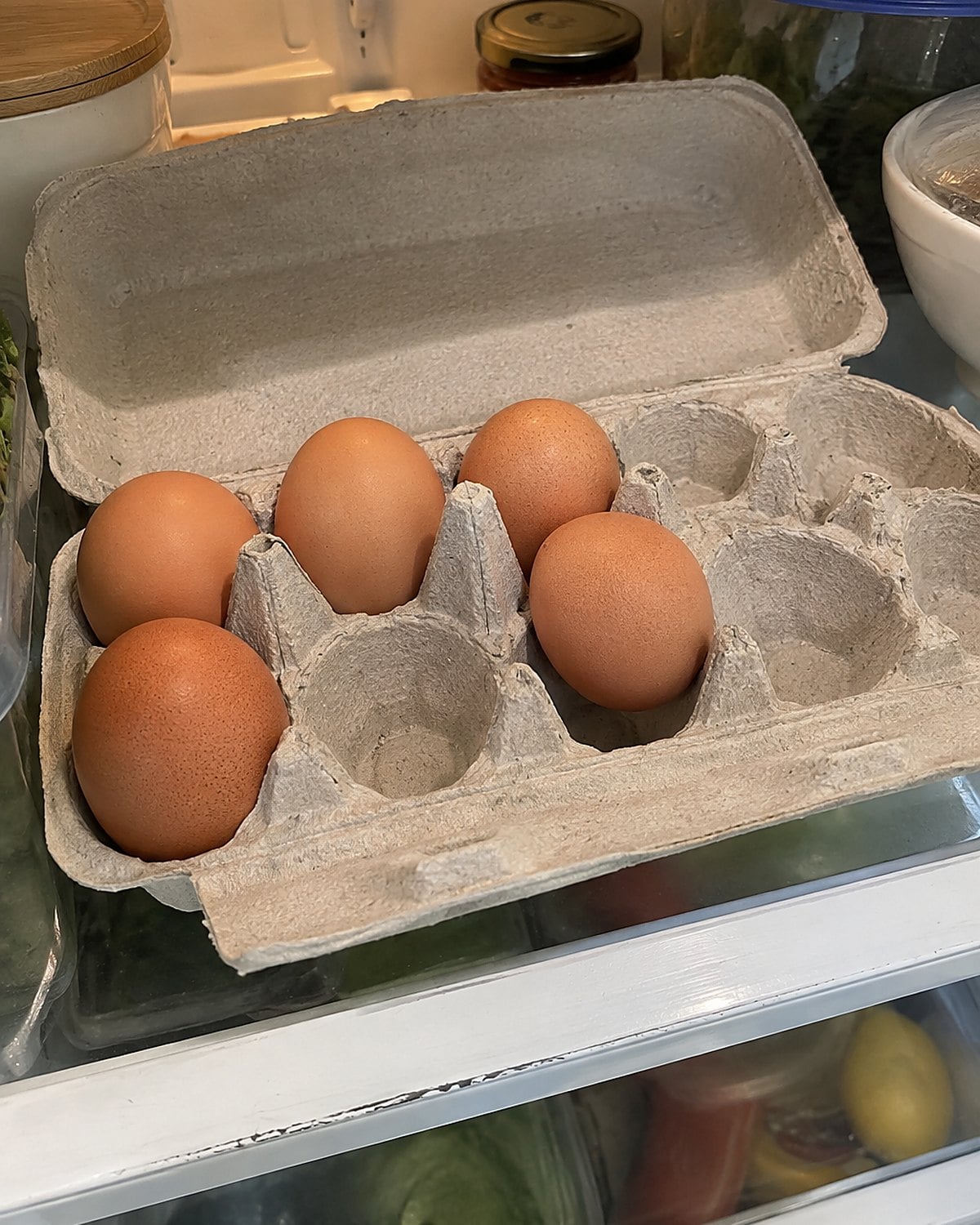
That molded rack in the door seems designed for eggs. It also takes them out of their carton and puts them in the part of the fridge that warms whenever the door opens.
Leave eggs in their original carton on an inside shelf. The carton protects the shells and keeps the date handy. The FDA's egg safety page says to store eggs in the refrigerator at 40°F or below. Don't wash store-bought eggs before putting them away.
The carton also gives you an easy count before you shop. Open it. Six eggs left means one thing when pancakes are planned for visiting grandchildren, another when you cook breakfast for yourself.
Count what you have before a second carton joins the first at the back of the shelf.
#9 The milk carton hiding a smaller one
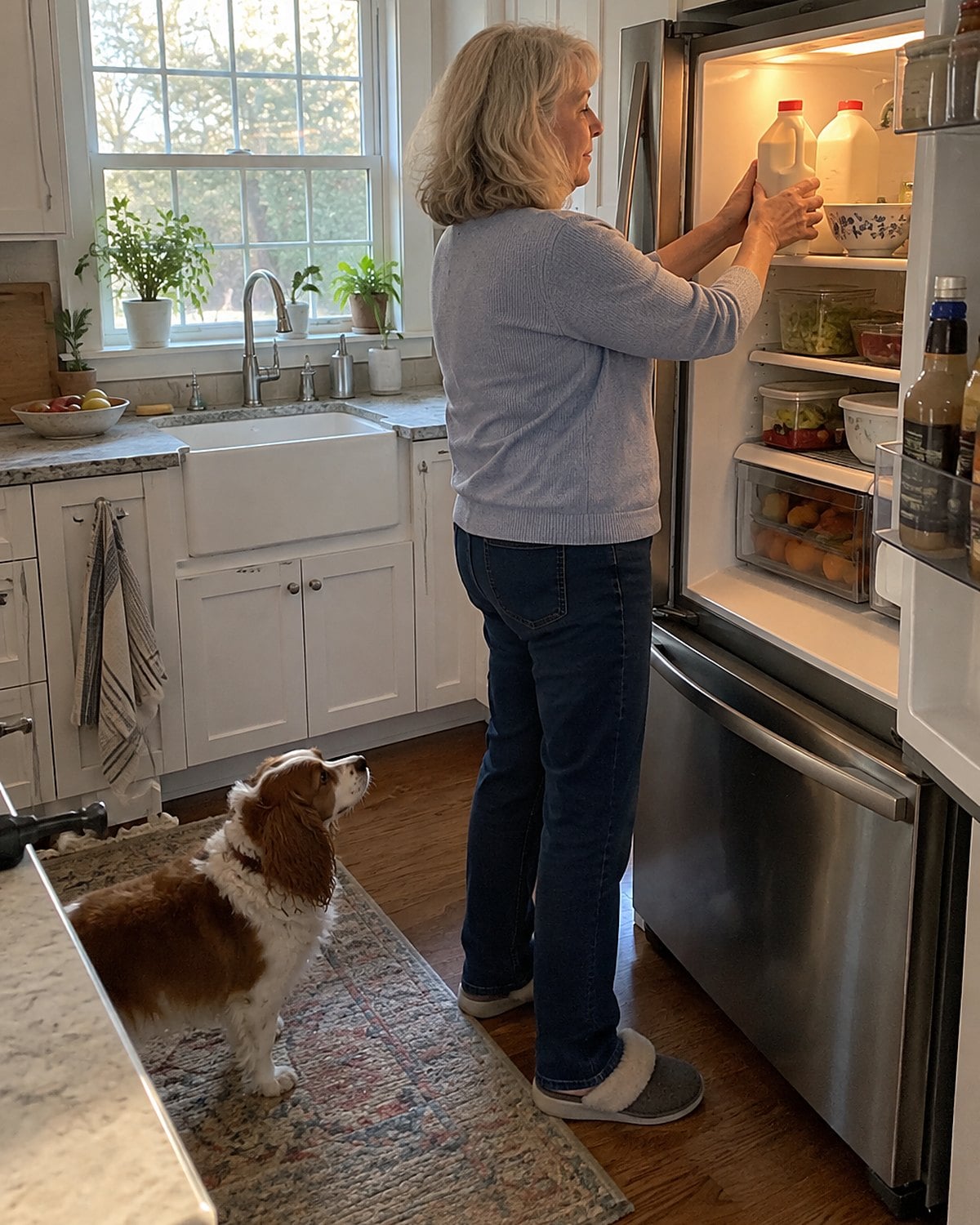
You bring home a fresh carton, slide it behind the old one, and forget which has already been opened. When someone wants cereal, the carton nearest the door wins. The older milk stays put.
Move the opened carton forward when you unpack groceries. If you buy more than one size, put the smaller open carton where your hand reaches first. Keep both on an inside shelf at 40°F or below.
Take a look before you shop again. A carton with a little milk left has a job in oatmeal, pancakes, or a sauce. Use your judgment about milk that smells or looks spoiled; cooking won't make spoiled milk worth keeping. The useful habit is seeing the open carton before you reach for the new one.
#8 The butter dish refilled too soon
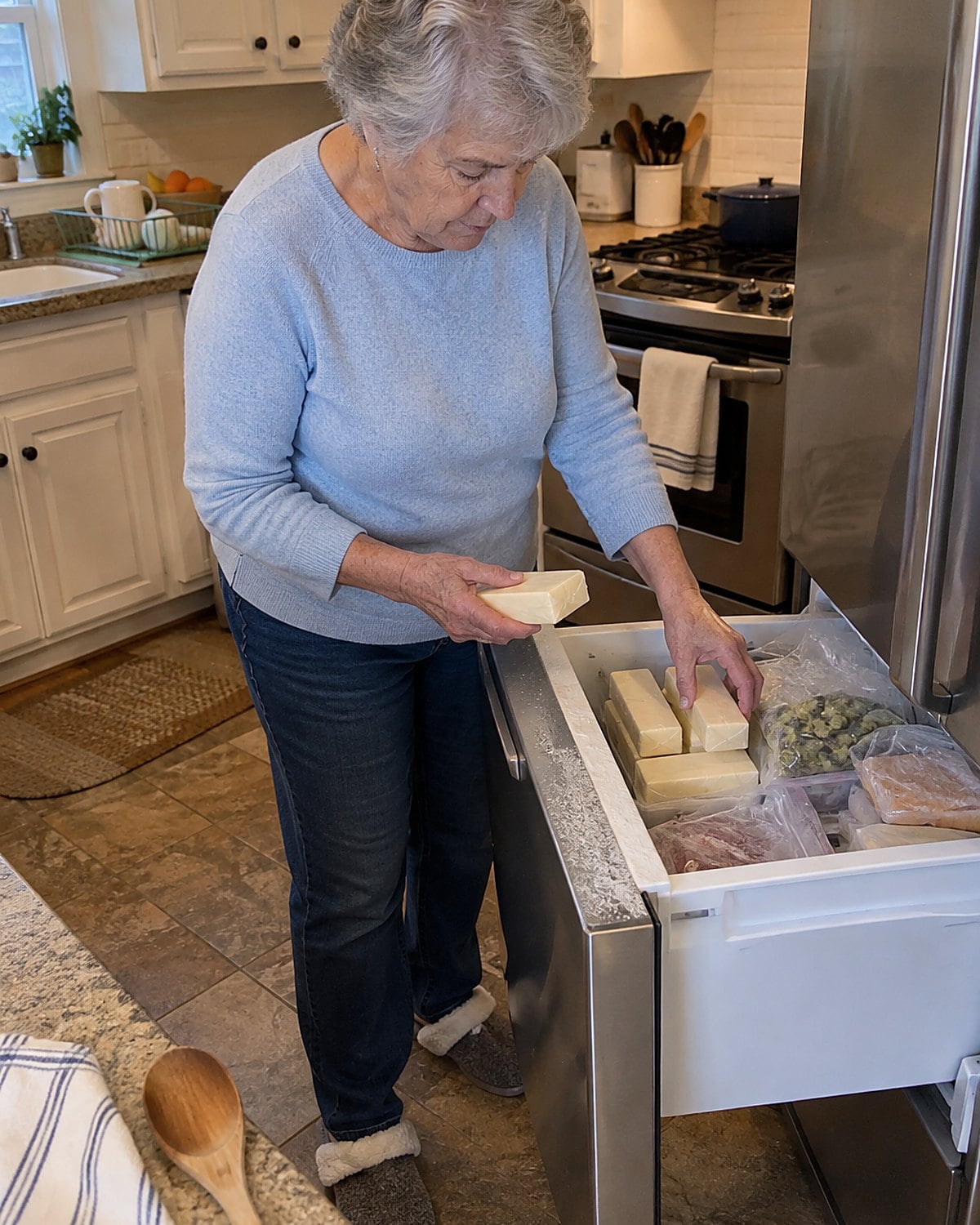
There's butter in the fridge, butter in the freezer, and a half-used stick in the dish. Then a sale puts another box in the cart because nobody remembers the freezer stock.
Keep the boxes together and check them before you shop. The USDA cold storage chart lists butter for 1 to 3 months in the fridge and 6 to 9 months in the freezer. Wrap freezer portions well so they don't pick up odors from fish or onions.
If you use a countertop butter dish, put out an amount that suits your household and follow the product's storage directions. Don't turn a box bought for weekend company into an open-ended counter project.
The fridge and freezer count is what saves the next unnecessary purchase: know what's already there, then buy for the meals ahead.
#7 The cheese block cut with a wet knife
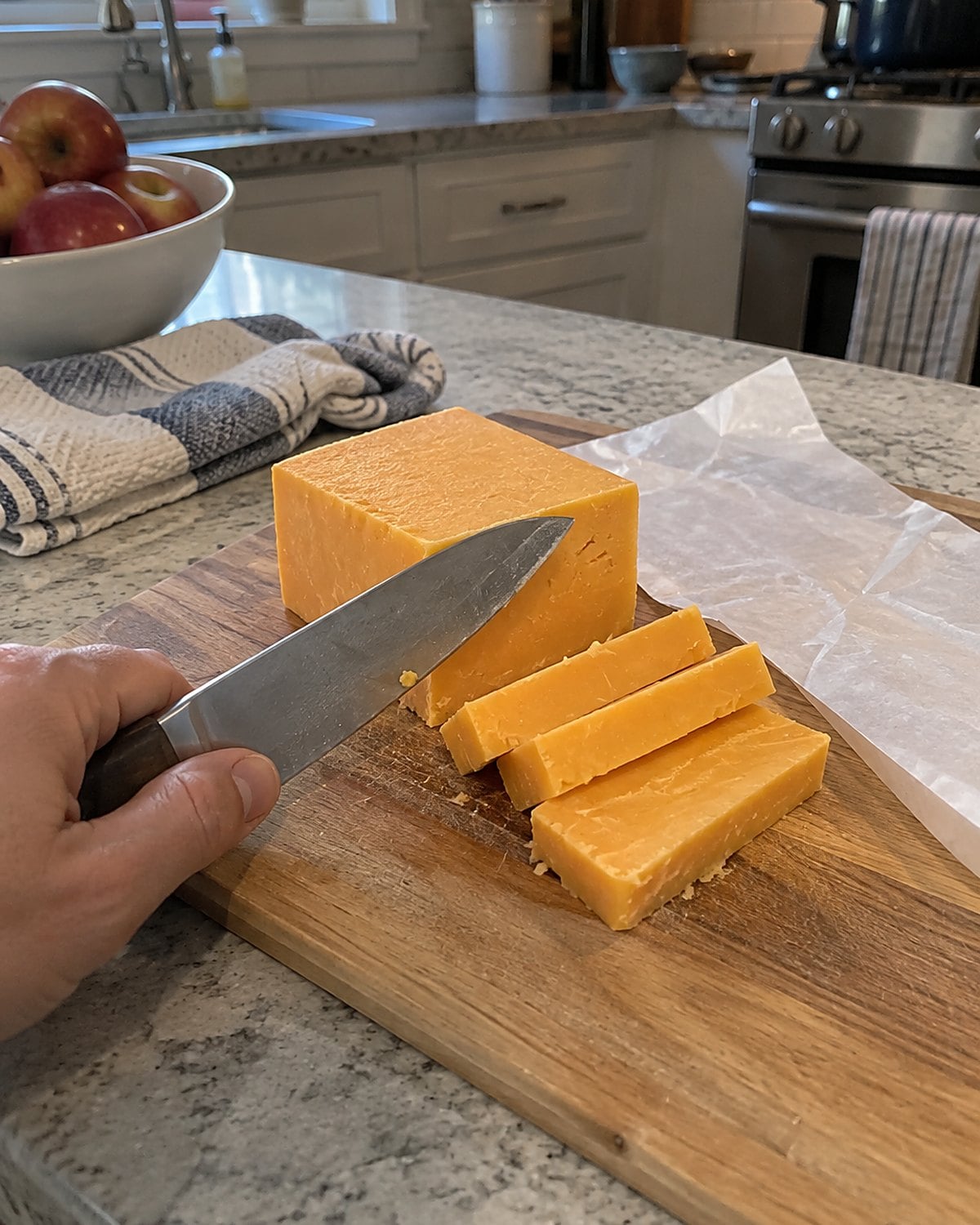
A sound block of cheese gets a wet knife through it after you've sliced a tomato. The cut face goes back into its wrapper damp. Later, you find mold where you meant to find supper's topping.
Use a clean, dry knife and wrap the cut face snugly before refrigerating the cheese. Keep it away from raw-meat packages and drips. If mold appears, don't use the same rule for every cheese.
The USDA's mold guidance says to discard moldy soft cheeses. For hard cheese, it gives specific trimming instructions; check those before deciding what to keep.
Better still, cut or grate only what you're using. The block left in the fridge is easier to protect than a pile of damp shreds. That little pause at the cutting board protects cheese that cost too much to forget.
#6 The freezer bag that never got filled
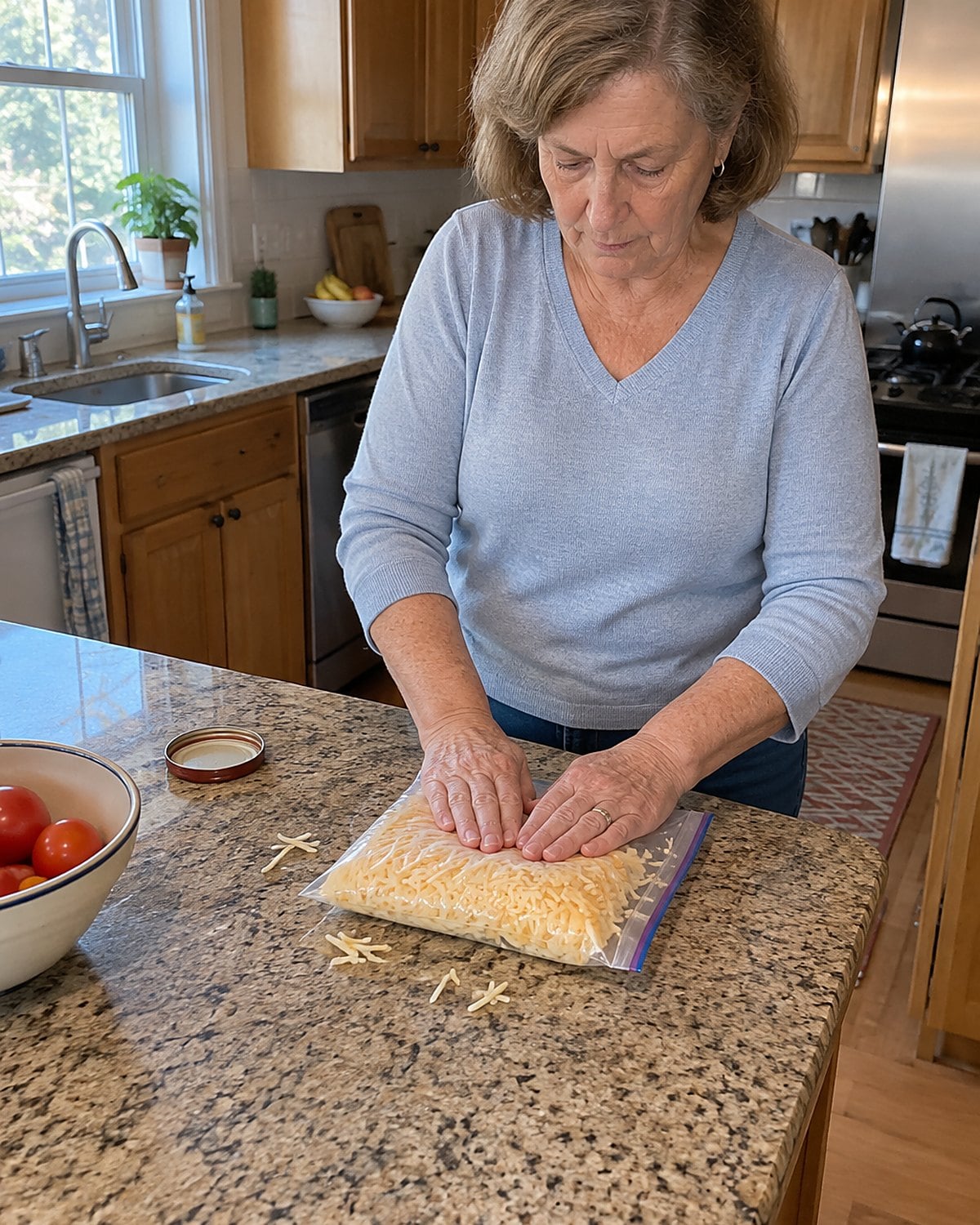
You bought the big bag of shredded cheese for a casserole. After dinner, the open bag goes back in the fridge because freezing it sounds like another task. By the time the next casserole happens, the shreds have clumped or spoiled.
Set the freezer bag beside the cutting board before you cook. Move the portion you won't use into it while the package is still fresh. Press out excess air, seal it, and write the contents and date on the bag.
Freeze it flat so it fits in a drawer instead of becoming a hard lump behind the peas.
Use frozen shredded cheese in cooked dishes, where a change in texture won't matter much. Check the package for its storage directions, especially if it came with added ingredients. This same handoff works for a sound portion of chopped herbs or cooked meat that won't fit your next few meals. It takes less effort now than finding a second use after the food has sat forgotten.
#5 The family pack in a smaller household
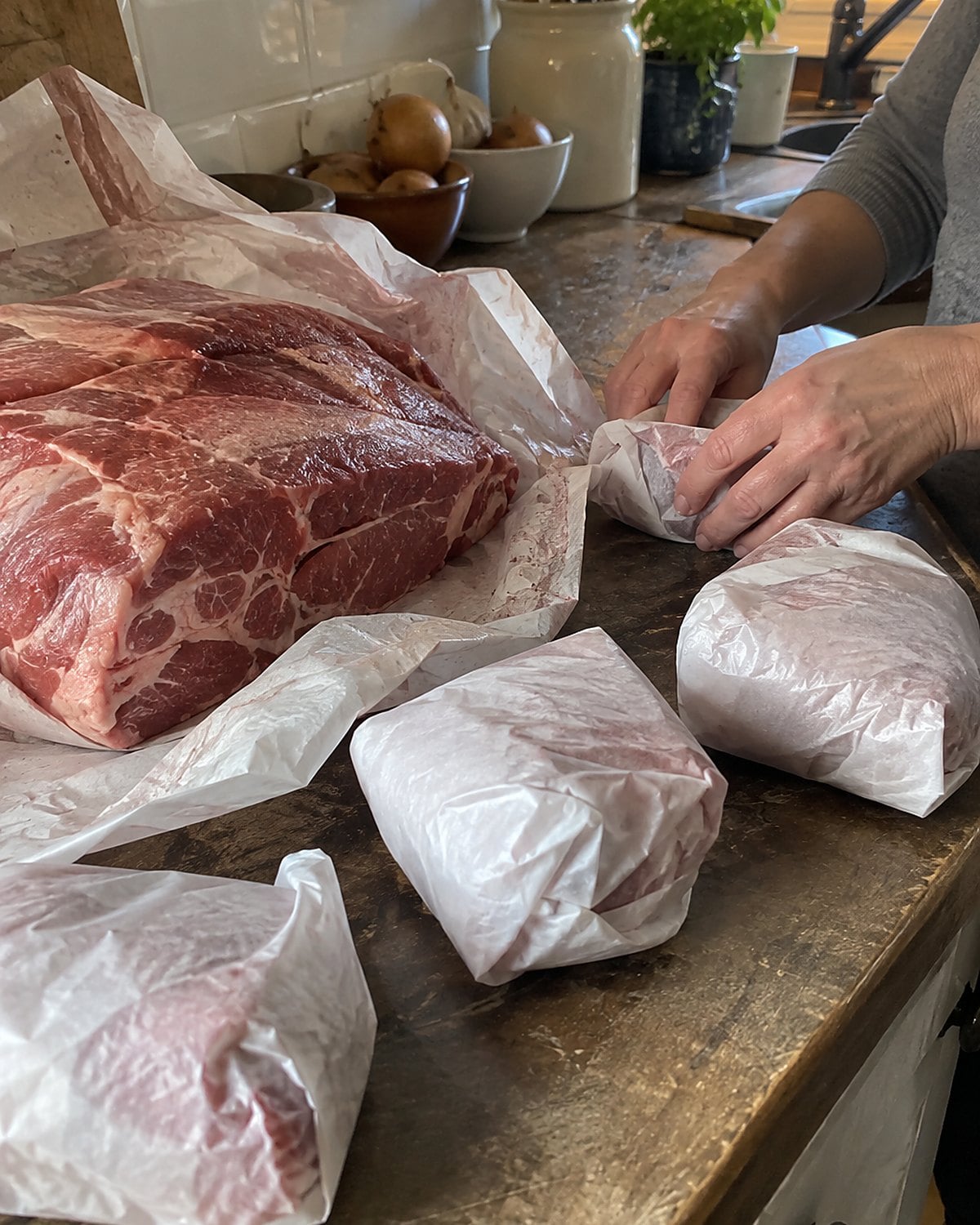
A family pack looks like a bargain under the bright market lights. Back home, it fills the fridge shelf meant for tomorrow's lunch and the vegetables. The package price isn't helpful if half its contents never get cooked.
Before buying, decide where every portion goes. Count the meals you'll make soon, then leave freezer space for the rest. If you won't divide and freeze the package when you get home, choose the smaller one. Compare unit prices on the shelf label, but compare them with your own appetite and plans too.
At home, portion raw meat with clean hands and equipment, wrap it for the freezer, and label it. Keep what you'll cook soon on the lowest fridge shelf. The useful bargain is the one you can put away before dinner starts.
#4 The grandchild's favorite yogurt cups
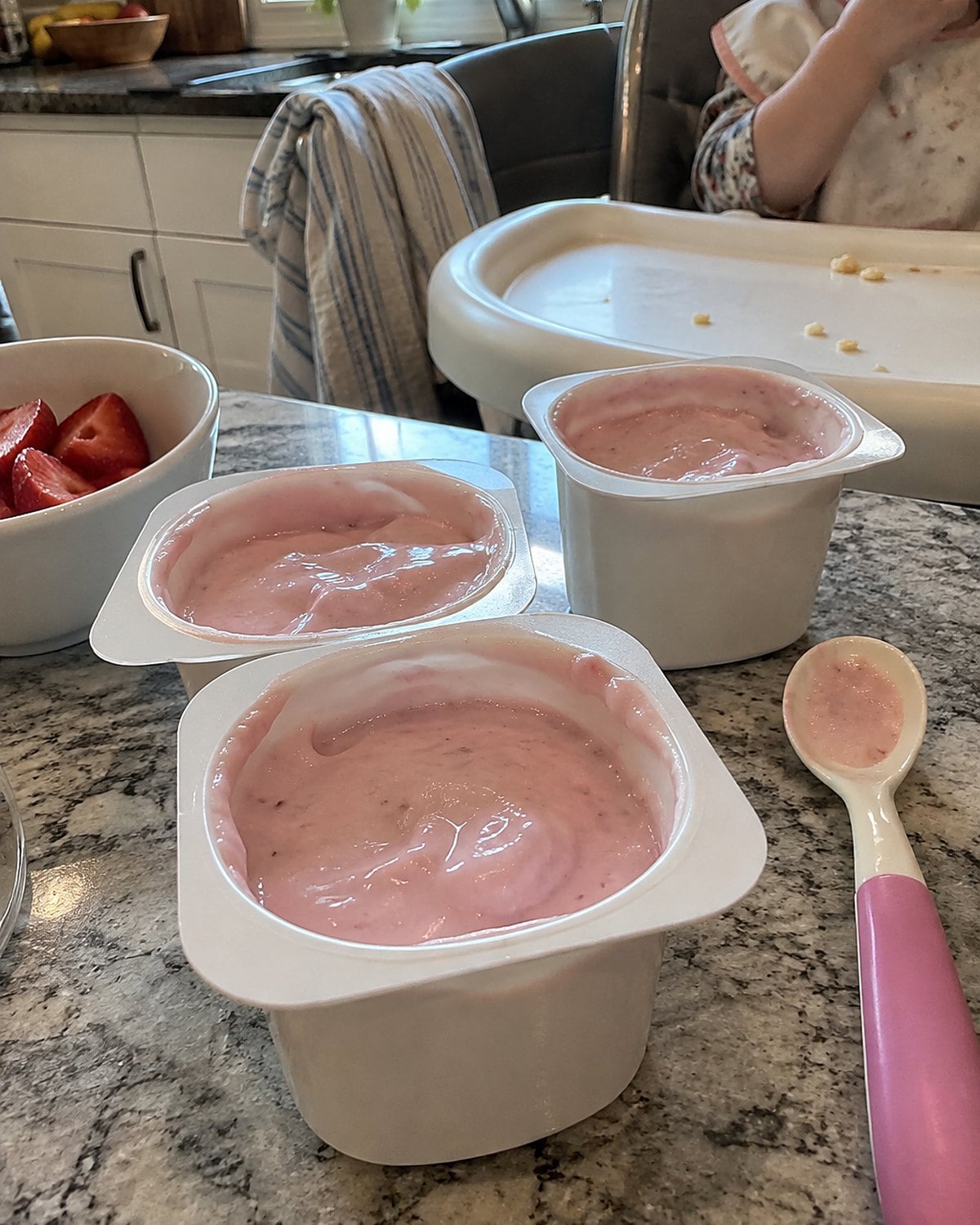
You remember what your grandchild ate last visit: the strawberry yogurt cups with the bright lids. Then the visit changes, and the cups stay behind the orange juice until they're past the date and nobody wants them.
Before shopping for a weekend visit, ask what's actually on the calendar. Count the meals and snacks the child will eat at your house. Buy for that visit, not for the last full house you fed.
Keep the special food together and easy to see, so it doesn't get lost among your regular groceries.
Check the package date and storage directions rather than treating every printed date as the same kind of safety deadline. The USDA's food dating guidance helps you tell a quality date from a storage instruction.
A changed plan doesn't have to become a fridge surprise. Eat the food yourself while it's sound, or send unopened cups home with the family if they can keep them cold.
#3 The grocery trip before the shelf check
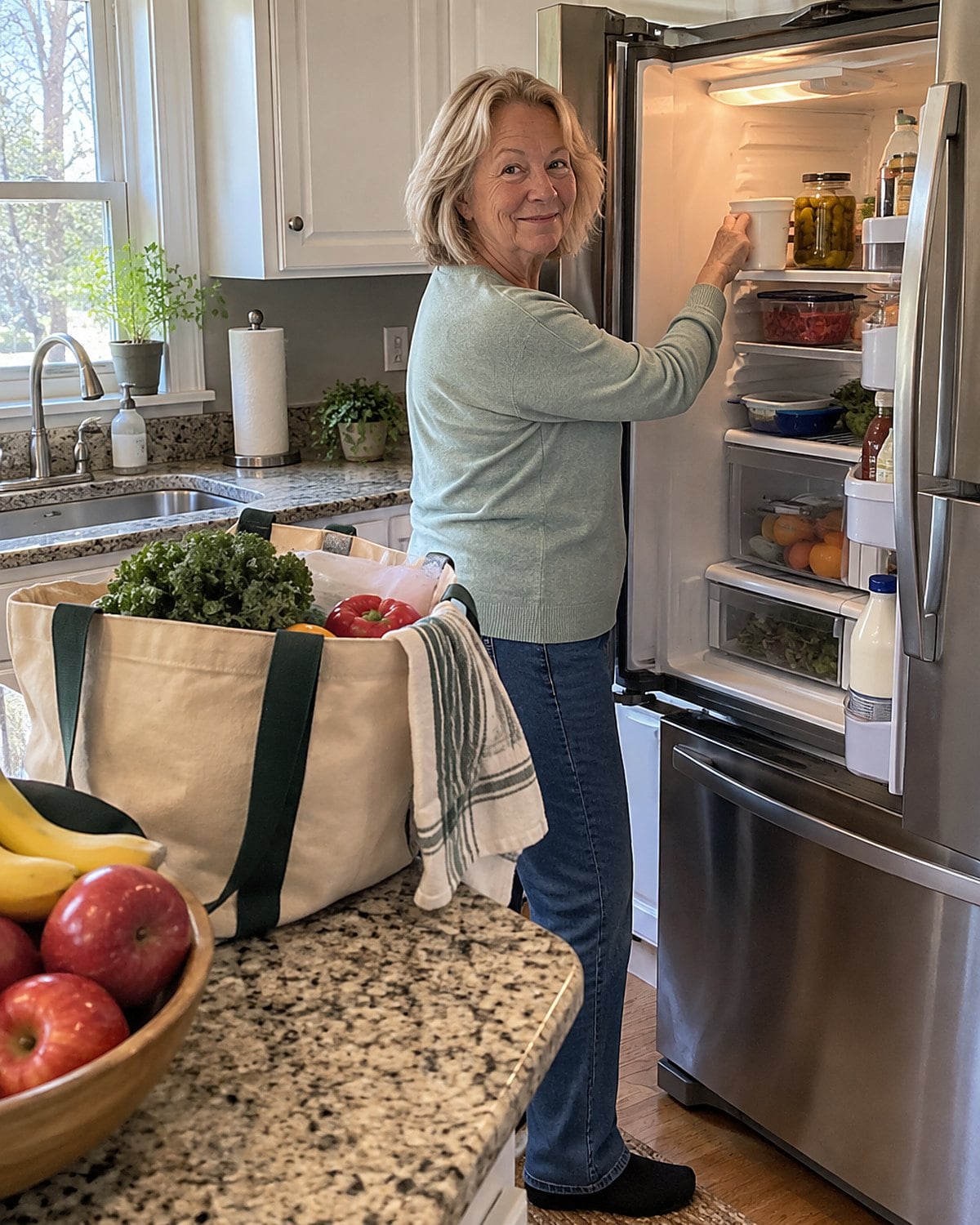
Your list says sour cream. Your fridge says there's an unopened tub behind the pickles. The list wins because you're already in the store.
Before you leave, open the fridge and look where dairy, vegetables, and leftovers actually sit. Don't just glance at the door. Pull a crowded container forward, check the dates on opened packages, and note what needs using for dinner. A photo of the shelves gives you something to check at the store without trying to remember every tub.
Keep the list tied to meals, not vague categories. Write “sour cream for tacos” only after you check the tub at home. If the tacos need one spoonful, think about what you'll do with the rest.
The cheapest duplicate is the one you leave on the shelf.
#2 The leftover night left off the calendar
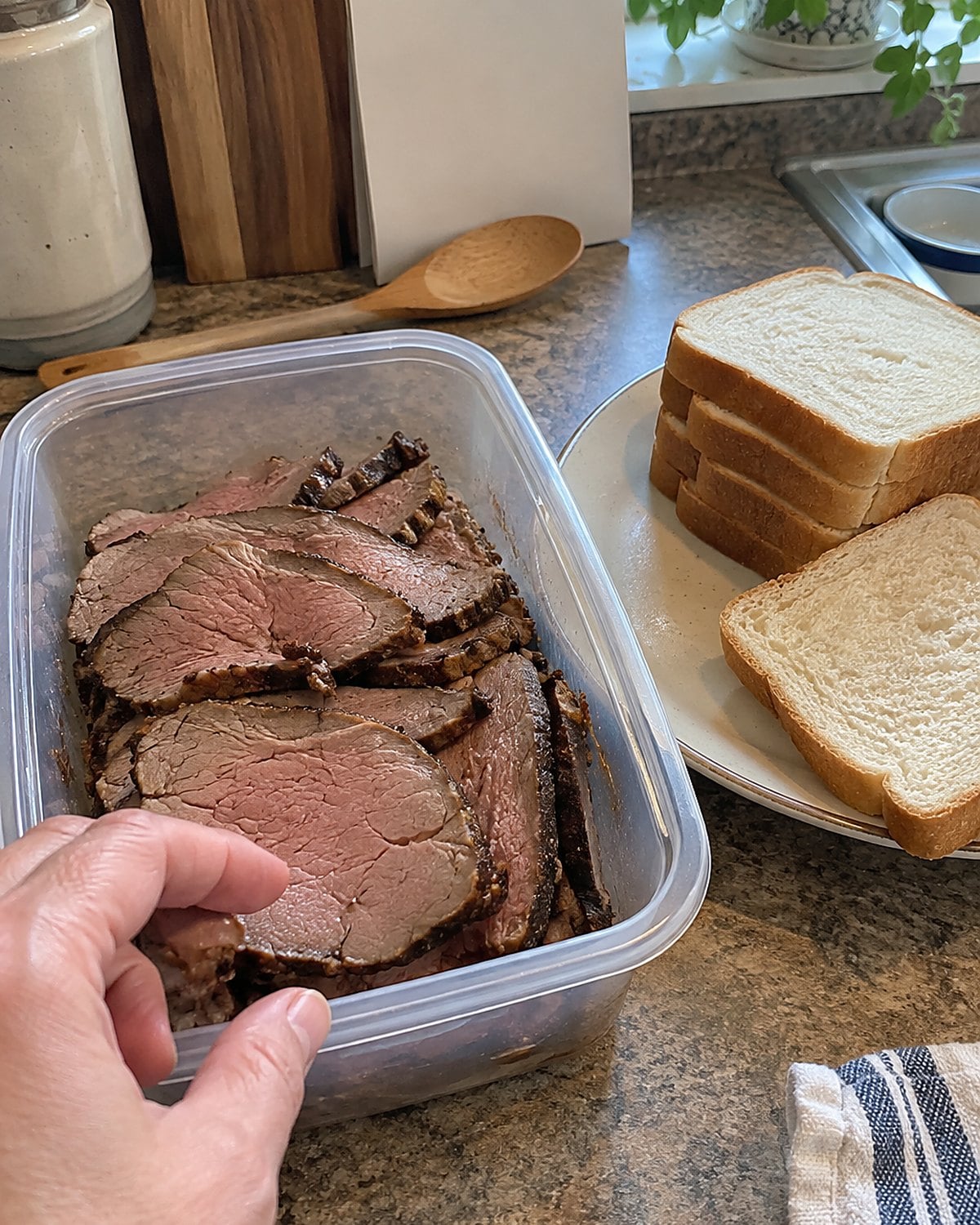
Sunday's roast becomes Monday's container. Tuesday has plans. Wednesday someone wants takeout. By Thursday, you don't remember when the roast went in, and dinner starts from scratch.
Put a leftover meal on the calendar when you put the food away. Give it a name that makes sense to you: roast sandwiches, soup with cooked chicken, or pasta with the vegetables from last night.
Date the container at the same time. The USDA's cold storage chart gives cooked leftovers 3 to 4 days at 40°F or below, so a vague plan for “later” isn't enough.
If the week fills up, freeze the food while it's still within that fridge window. Don't wait until you're doubtful about it and call the freezer a reset. One planned leftover night also leaves room for the new groceries you meant to buy. It gives yesterday's work a place on the table before another dinner pushes it to the back.
#1 The eye-level shelf that shows tonight's food
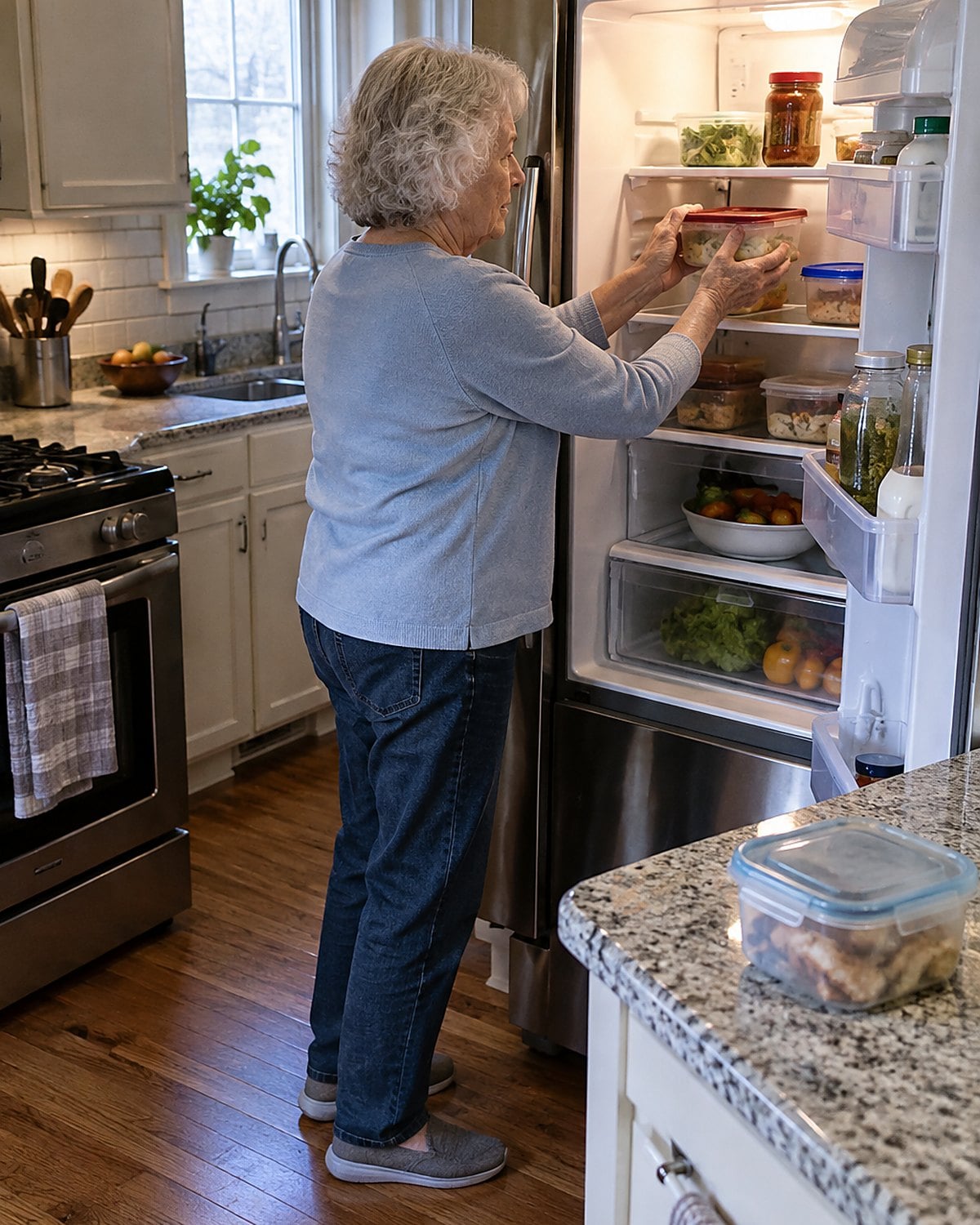
Open your fridge now. What sits at eye level? If it's a row of jars and unopened drinks, the food you need to use has to compete for your attention. That shelf is valuable space.
Clear a small section for food with a near-term plan. Put tonight's thawed ingredient there only if it's protected from drips and kept safely away from ready-to-eat food. Set a container of cooked leftovers or the greens for tomorrow's lunch where you'll see it first. Keep raw meat on the lowest shelf instead.
Each evening, look at that section before asking what to cook.
Move in the food that needs your attention next, and move out anything you've used, frozen, or discarded. Don't make it a permanent home for every half-empty jar. If the space fills up, choose the next meal rather than stacking another container in front.
This takes a minute with the door open. It also answers the question that starts so many extra grocery purchases: “Where did that go?” You don't need to remember the contents of every drawer. You need one clear place that tells you what supper already has.
The bottom line
The expensive fridge habit is losing sight of food you've already bought. Crowded drawers, unmarked tubs, and new packages in front of old ones all lead to the same extra trip down a grocery aisle.
You've got an advantage if you date the leftovers, make room for what needs using, and look inside before you write the list. Which shelf in your fridge would tell a different story if you pulled everything out tonight?

Leave a Reply