

You know those little cooking habits you've followed for years without thinking twice? I certainly understand how easy it is to stick with what works, but there are a few home cooking habits chefs skip for a reason. If Grandma did it that way, it doesn't mean you have to.
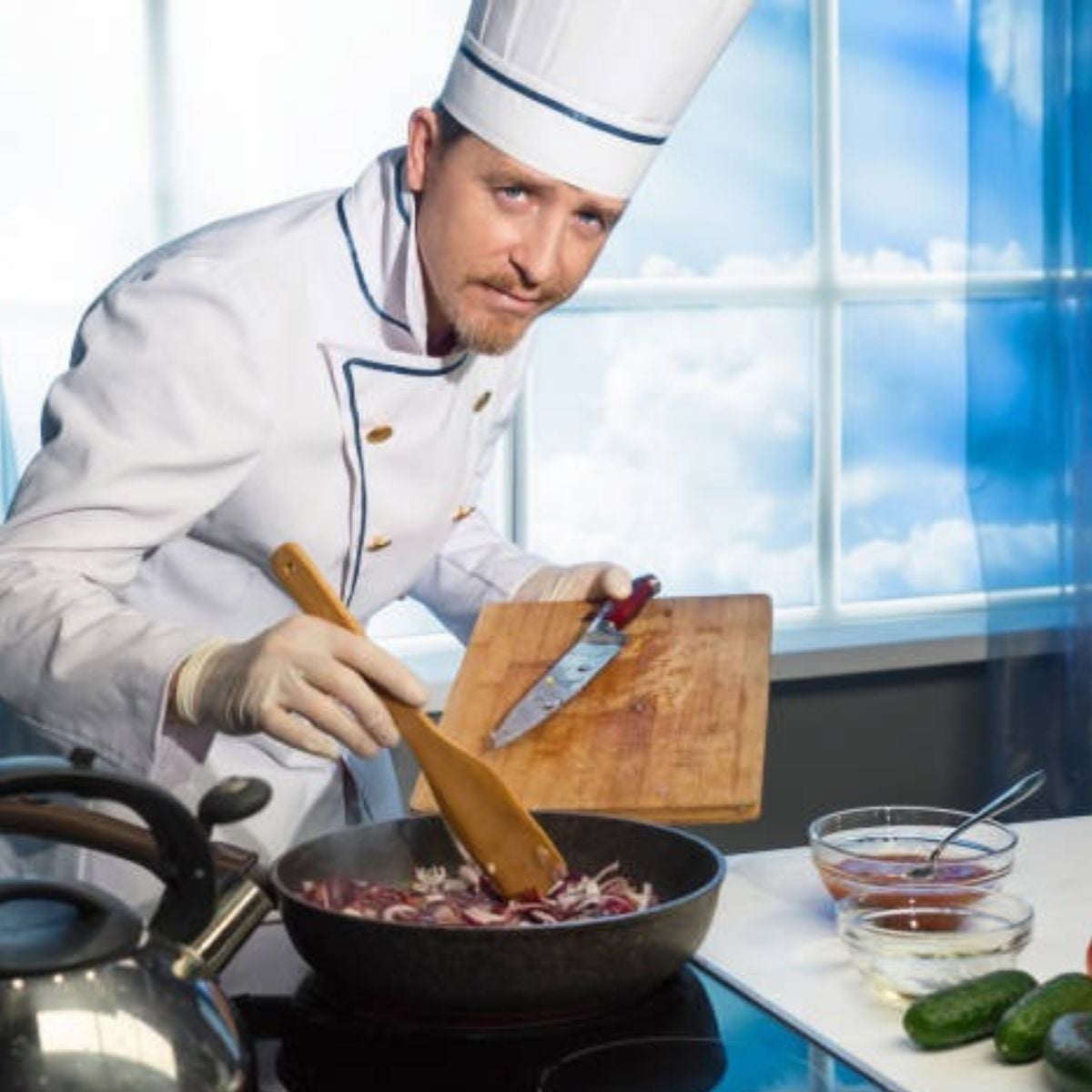
Some familiar shortcuts can actually make dinner harder than it needs to be. From overcrowding pans to guessing when meat is cooked, a few small changes can save time, improve flavor, and prevent another disappointing dinner.
#27 The smoking cast-iron pan
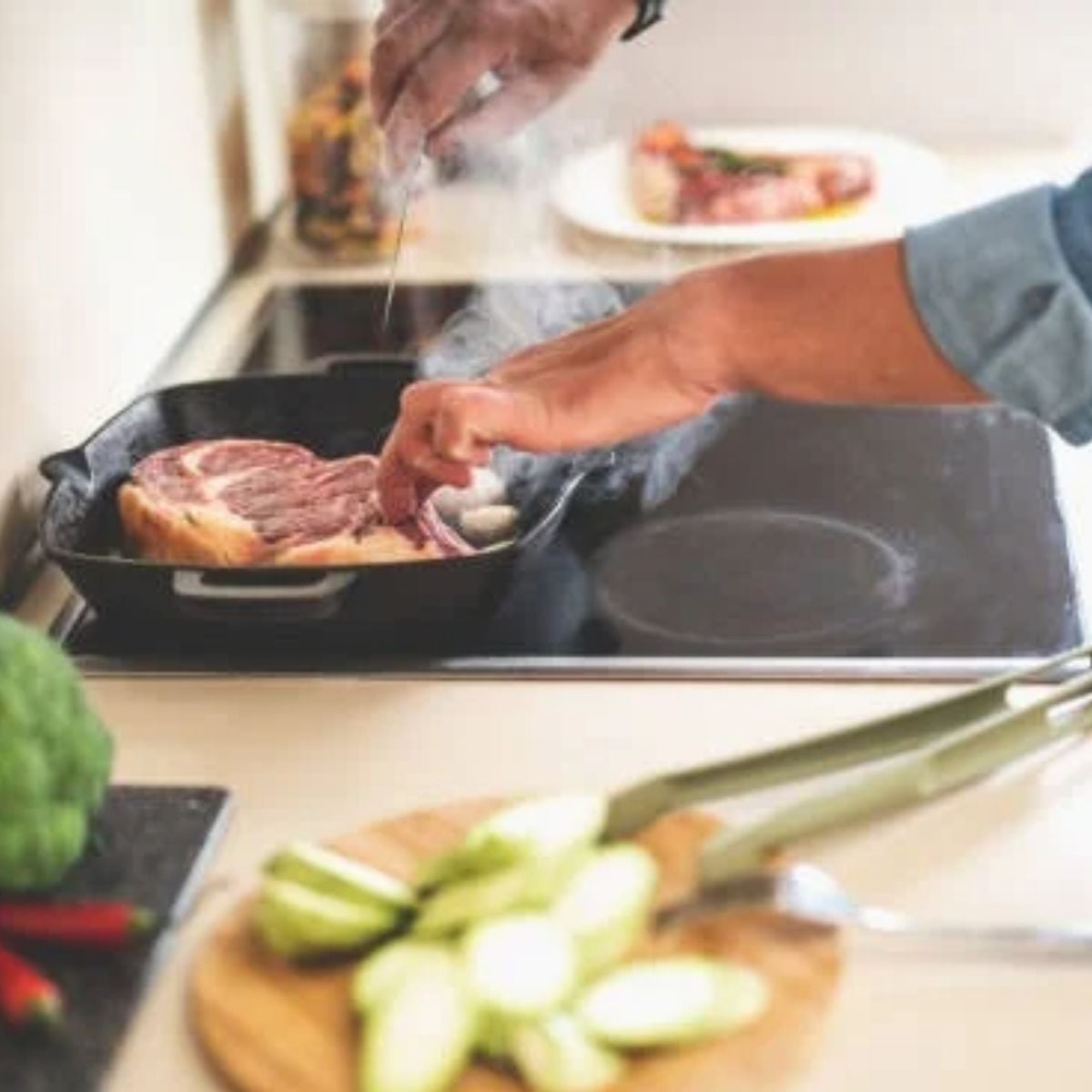
It's tempting to crank up the heat and leave your cast-iron skillet warming while you chop vegetables. But when you return to a smoking pan, you've probably gone too far.
Cast iron holds heat extremely well, which means it doesn't cool quickly when you turn down the burner.
Start over medium heat and give the skillet time to warm. Add a little oil and watch for a gentle shimmer rather than smoke.
If the pan starts smoking, remove it from the heat and let it cool.
I love a good sear, but onions don't need to be introduced to the surface of the sun.
#26 The lettuce in the sink
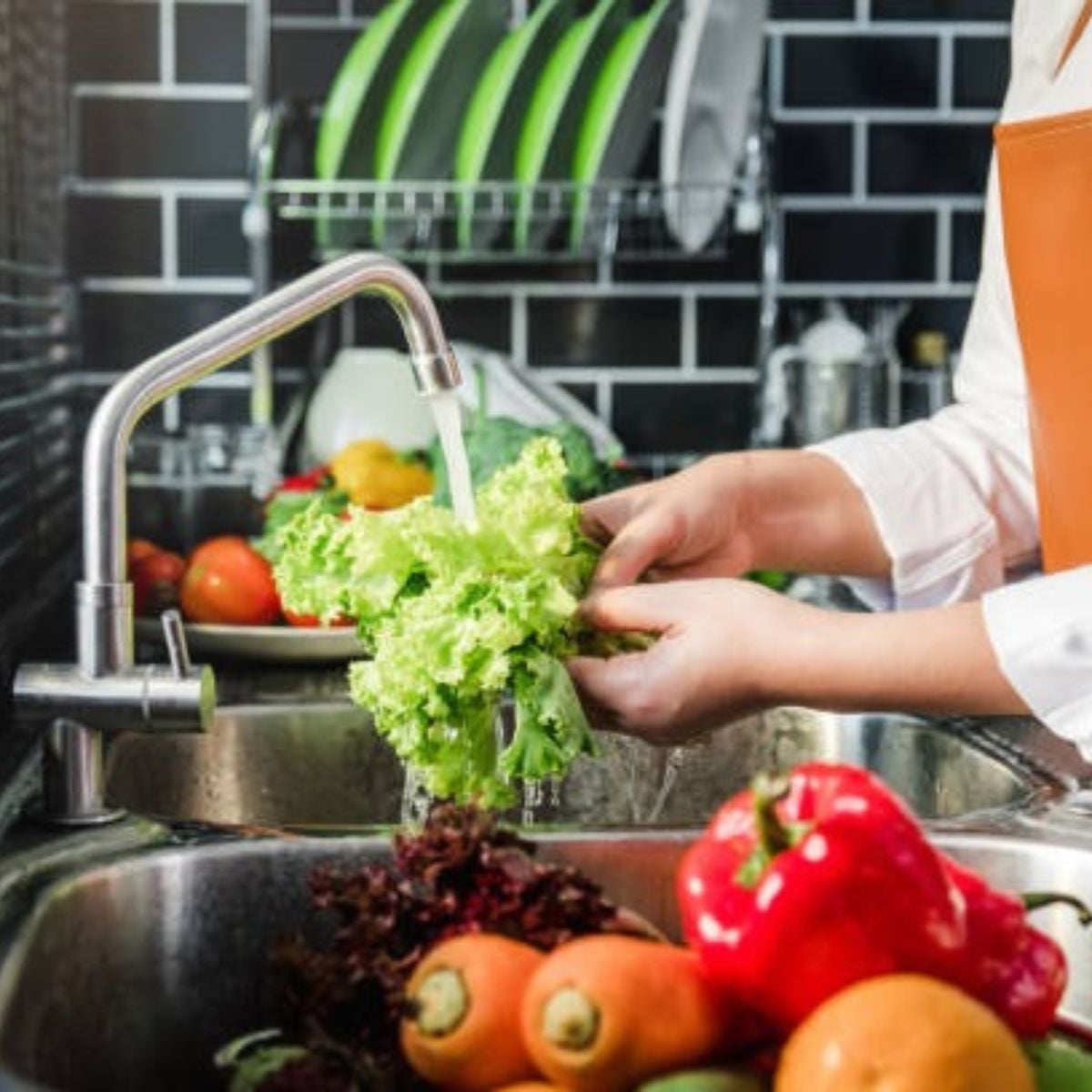
Washing lettuce in a bowl of water is a good way to loosen dirt. The mistake comes when you pour everything into a colander.
All that grit you just washed off can end up right back on the leaves.
Instead, lift the lettuce out of the water, leaving the dirt behind. Repeat with clean water until there's no grit at the bottom.
Dry the leaves thoroughly before adding dressing.
Nobody wants a salad swimming in water, especially when you've made a perfectly good dressing to go with it.
#25 The casserole shoved into a cold oven
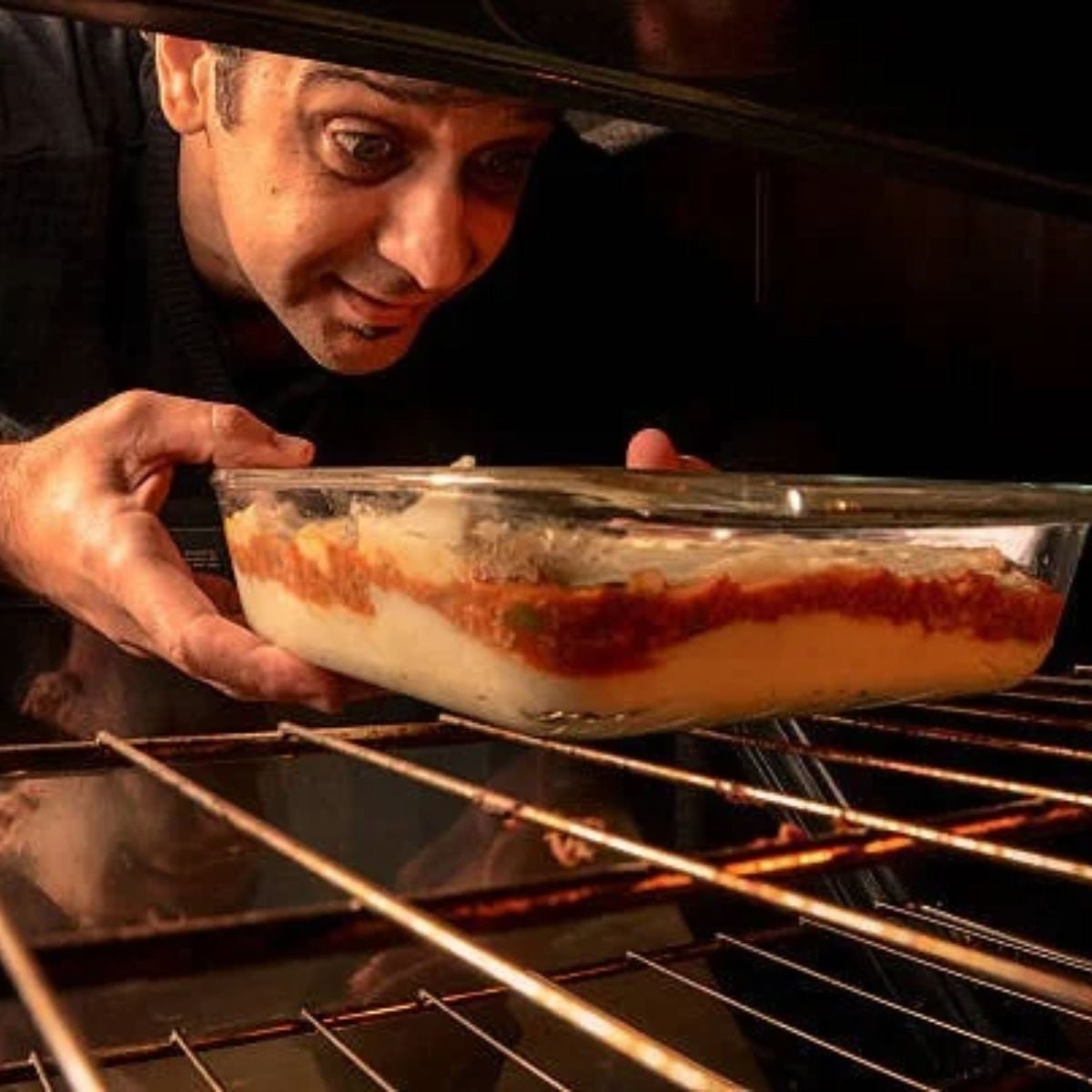
We've all been tempted to slide a casserole into the oven while it's still preheating. Dinner's already running late, so why wait?
Unfortunately, most baking times assume the oven has reached the correct temperature.
A cold oven can leave the center undercooked while the edges spend too long heating.
Preheat first, place the casserole on the middle rack, and check the center before serving.
For casseroles containing meat or poultry, use a thermometer and follow the USDA's safe-temperature guidance.
A golden, bubbling top looks wonderful, but it doesn't tell you what's happening underneath.
#24 The flour scooped with its measuring cup
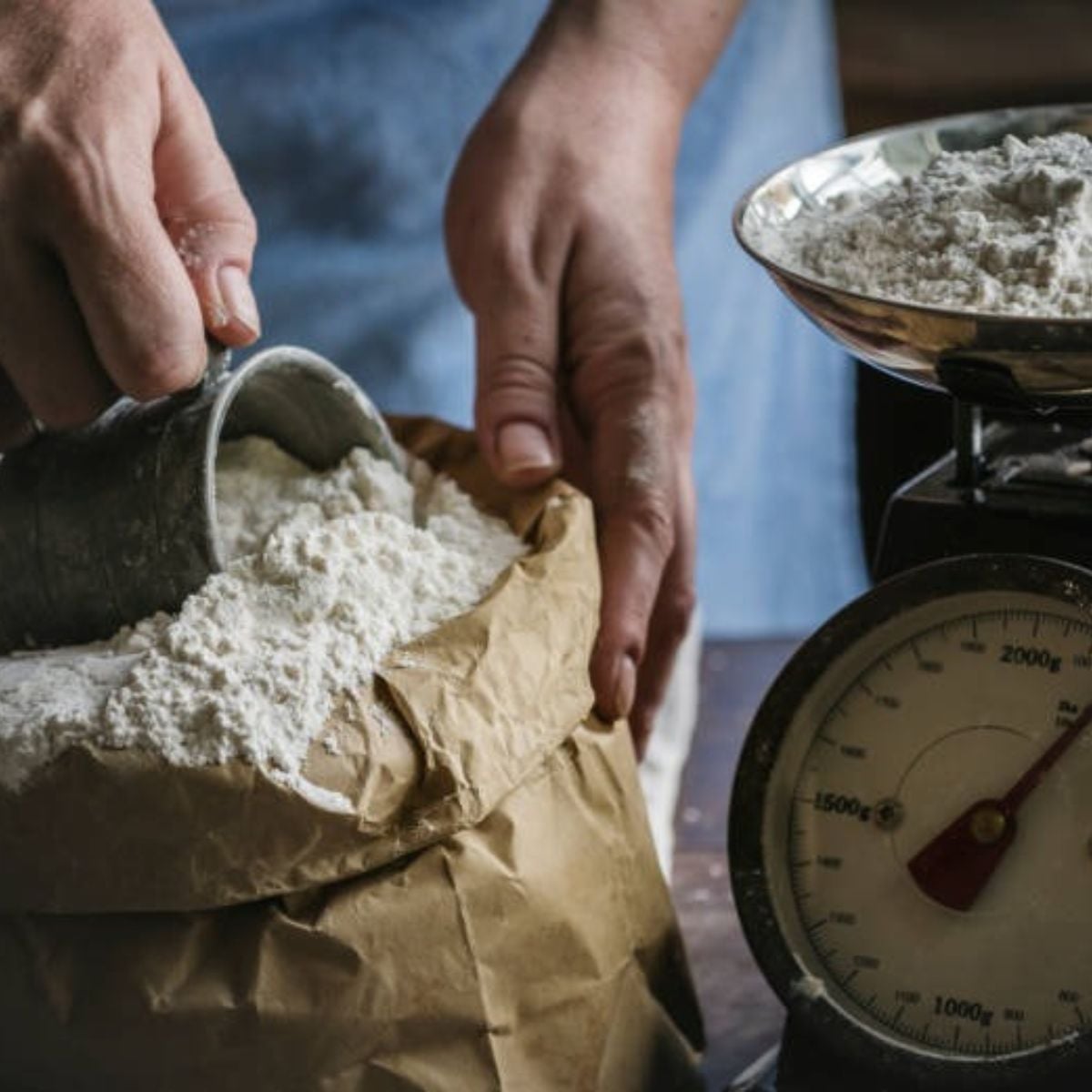
I know it's convenient to dig the measuring cup straight into the flour bag. Unfortunately, that can pack in more flour than the recipe needs.
The result? Cakes that are too dense and cookies that aren't quite right.
For recipes measured in cups, fluff the flour, spoon it gently into the cup, and level it with a straight edge.
Better yet, use a kitchen scale when the recipe provides weights.
It's one of those tiny changes that makes baking more consistent. And it saves you from blaming the oven when the flour was the troublemaker in the first place.
#23 The garlic dropped in before the onion
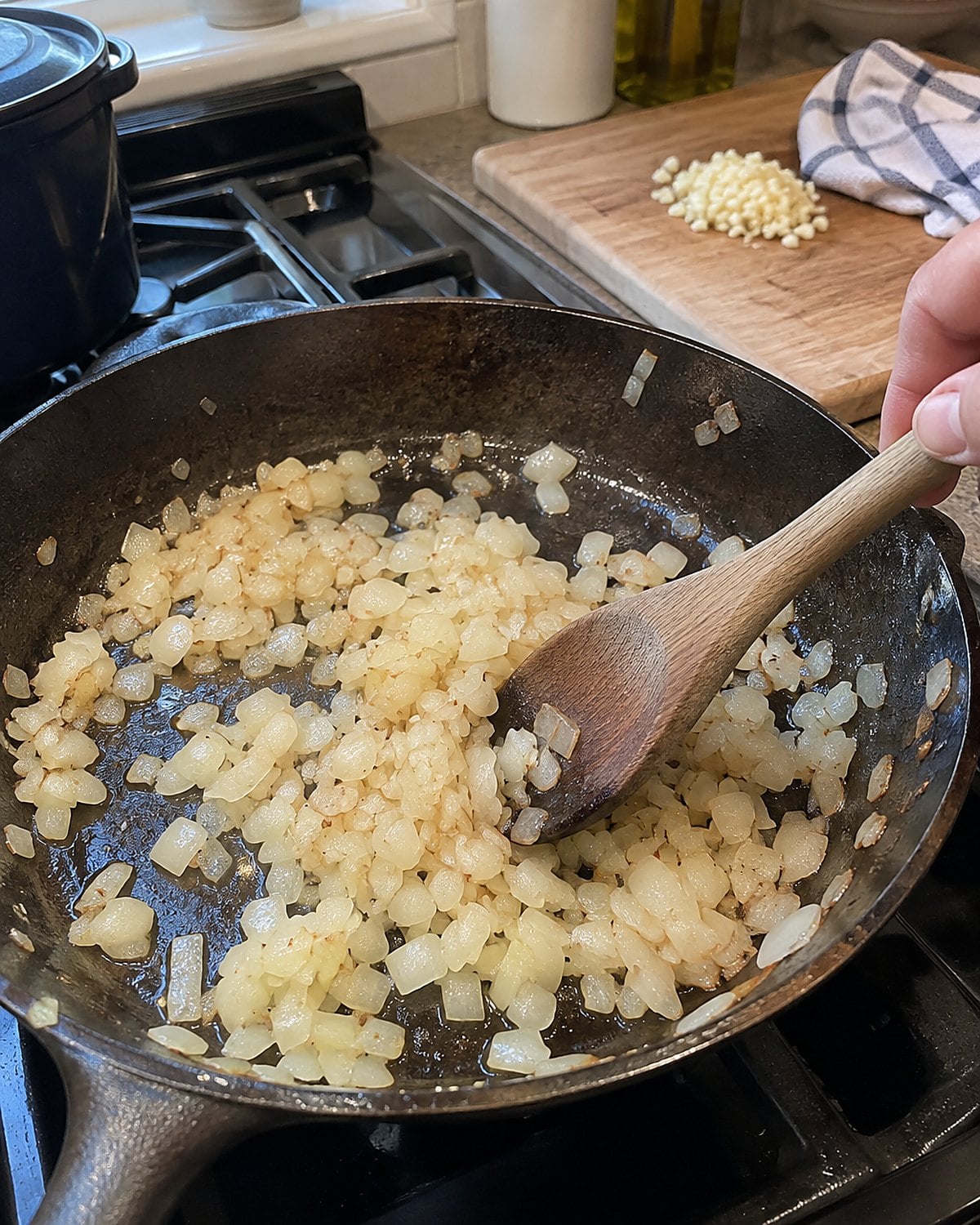
It is so satisfying when you have garlic sizzling in hot oil. It smells like dinner is already off to a good start. But garlic cooks much faster than onions.
Add the garlic too early, and it can burn before the onions have softened.
Cook the onions first until they're tender, then add the garlic and stir briefly until fragrant.
Have your tomatoes, broth, or other liquids ready, so the garlic doesn't sit in hot oil too long.
Burnt garlic has a way of announcing itself, and unfortunately, it doesn't improve with more cooking.
#22 The meatloaf packed into its pan
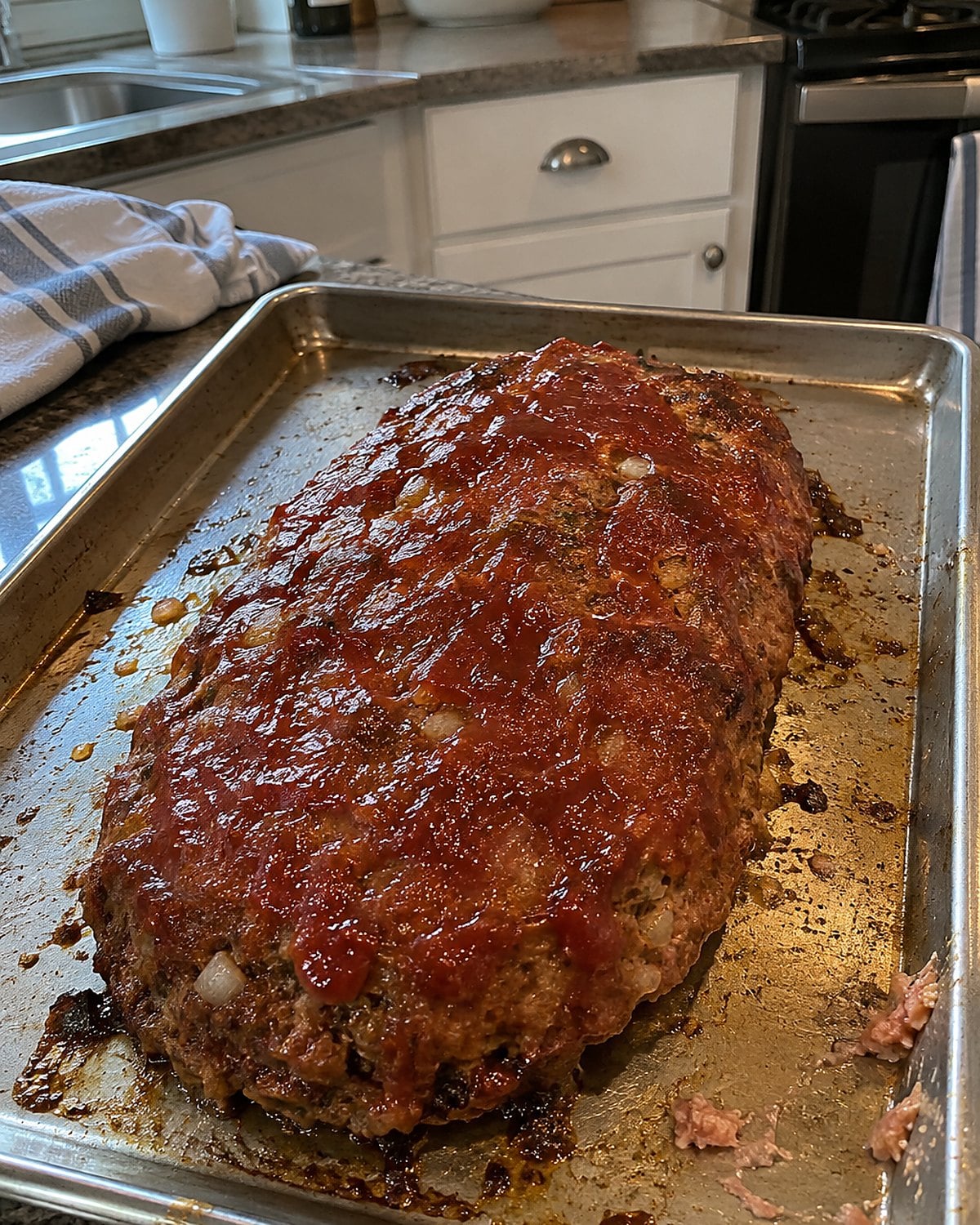
Meatloaf is supposed to be tender, not something you could use to prop open a door.
Mix the ingredients gently, just until everything comes together. Overmixing makes the finished loaf dense.
Instead of packing it tightly into a loaf pan, try shaping it on a rimmed baking sheet.
This allows more of the surface to brown while keeping the inside tender.
Use a thermometer to check doneness. The USDA recommends 160°F for ground beef and 165°F for ground poultry; the thickest part must reach the right temperature.
Try this delicious: Instant Pot Meatloaf With Barbecue Bacon
#21 The steak that sticks to the skillet
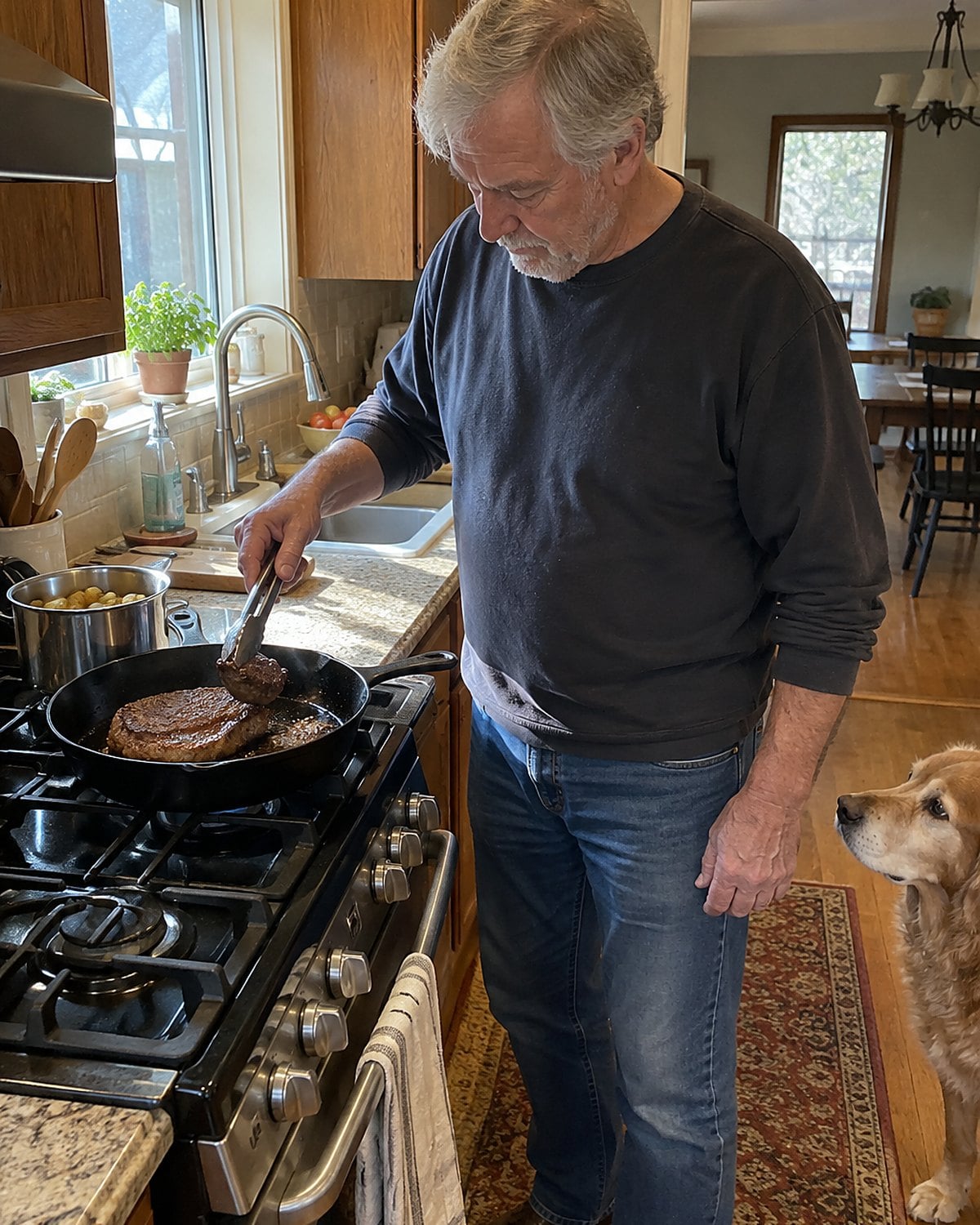
You put a steak into a hot skillet, try to turn it, and realise it's practically glued to the pan, and shows no signs of releasing anytime soon.
The natural reaction is to pull the steak harder. Unfortunately, that's how you leave half the crust behind. Give the steak time to brown. Once a proper crust develops, it usually releases more easily.
Pat the meat dry before cooking it and don't overcrowding the skillet. For whole cuts of beef, the USDA recommends a minimum internal temperature of 145°F followed by a 3-minute rest.
The steak will let you know when it's ready to turn. It doesn't have to turn into a wrestling match.
#20 The milk on the fridge door
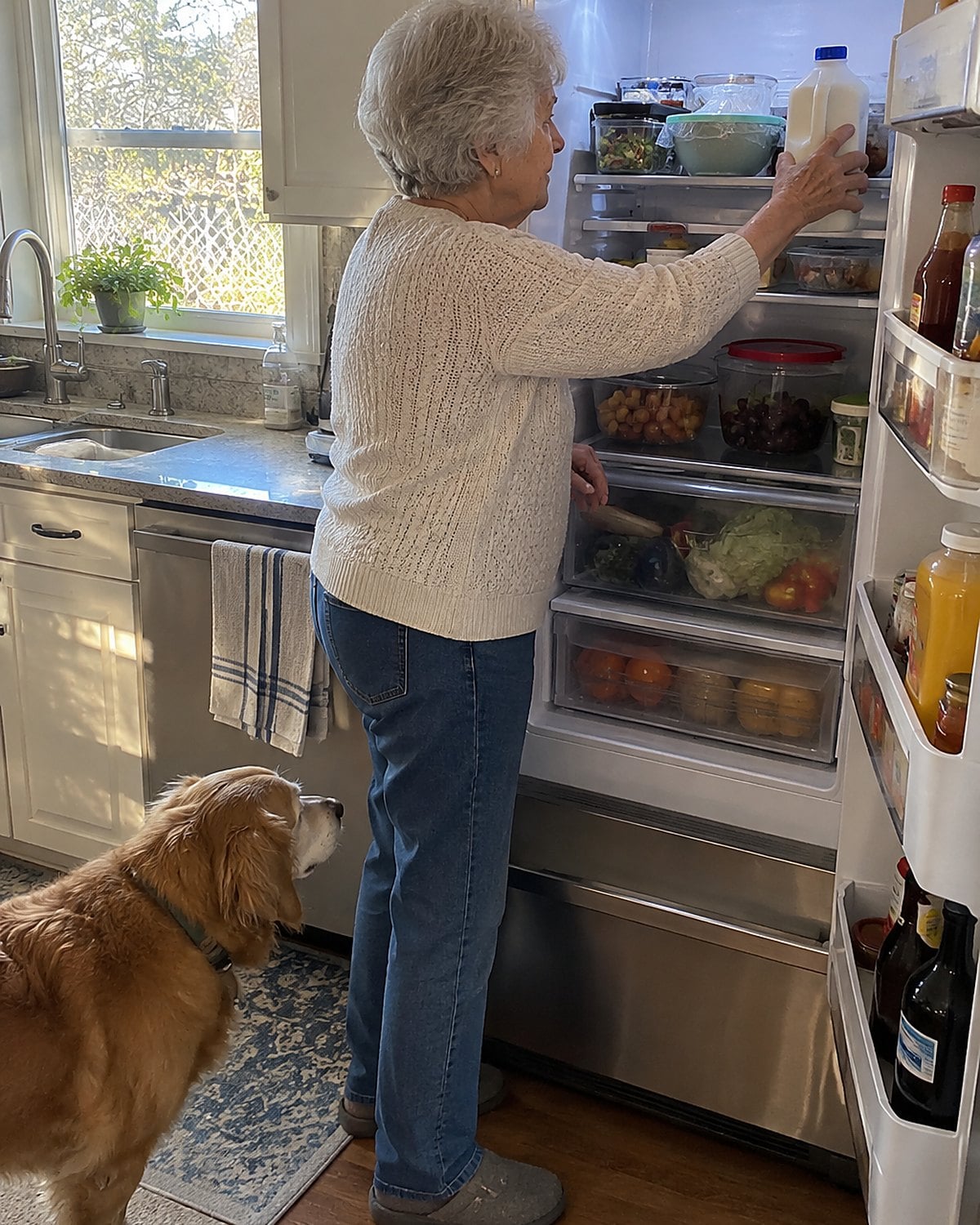
The refrigerator door seems like the obvious place for milk. It's convenient and usually has a perfectly sized shelf.
But the temperature changes every time someone opens the fridge. Milk stays colder more consistently toward the back of an interior shelf.
Move it there and save the door compartments for condiments.
The FDA recommends keeping refrigerators at 40°F or below.
A refrigerator thermometer is worth having, especially if your fridge dial offers helpful settings like numbers one through seven without explaining what they mean.
#19 The soup salted before it simmers
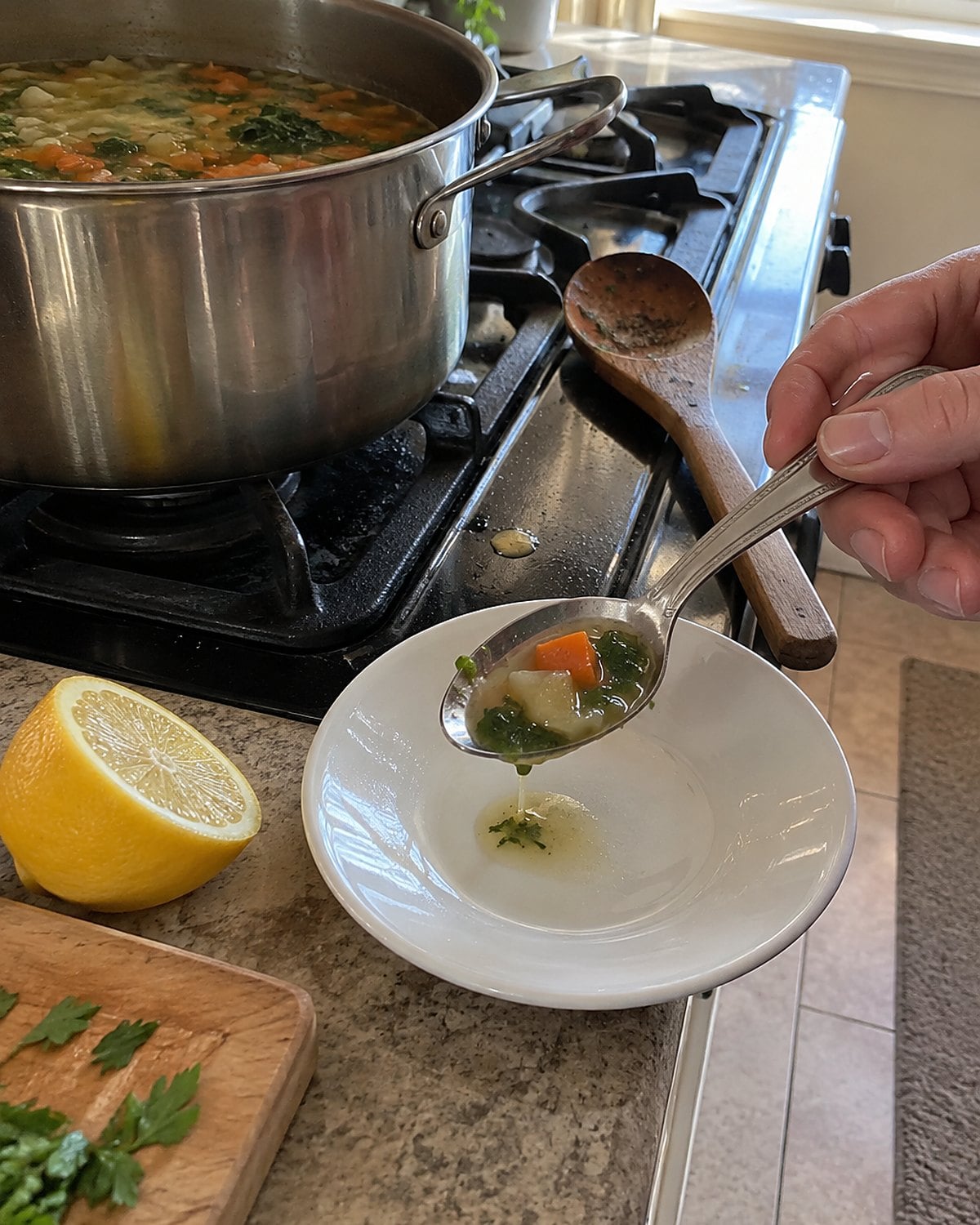
A pot of soup tastes a little bland, so you add salt. Then it simmers for another hour, and suddenly it's salty enough to make everyone reach for water.
As liquid evaporates, the salt becomes more concentrated. Season ingredients as you cook, but save the final adjustment until the soup has reduced.
Taste before adding more salt. Sometimes a little lemon juice is all it needs. If you've already added too much, dilute the soup with unsalted broth or water.
And no, dropping a raw potato into the pot isn't a magical solution.
Cold today? Try this: Instant Pot Vegetable Soup (Italian Farmhouse)
#18 The thick pork chop at the counter
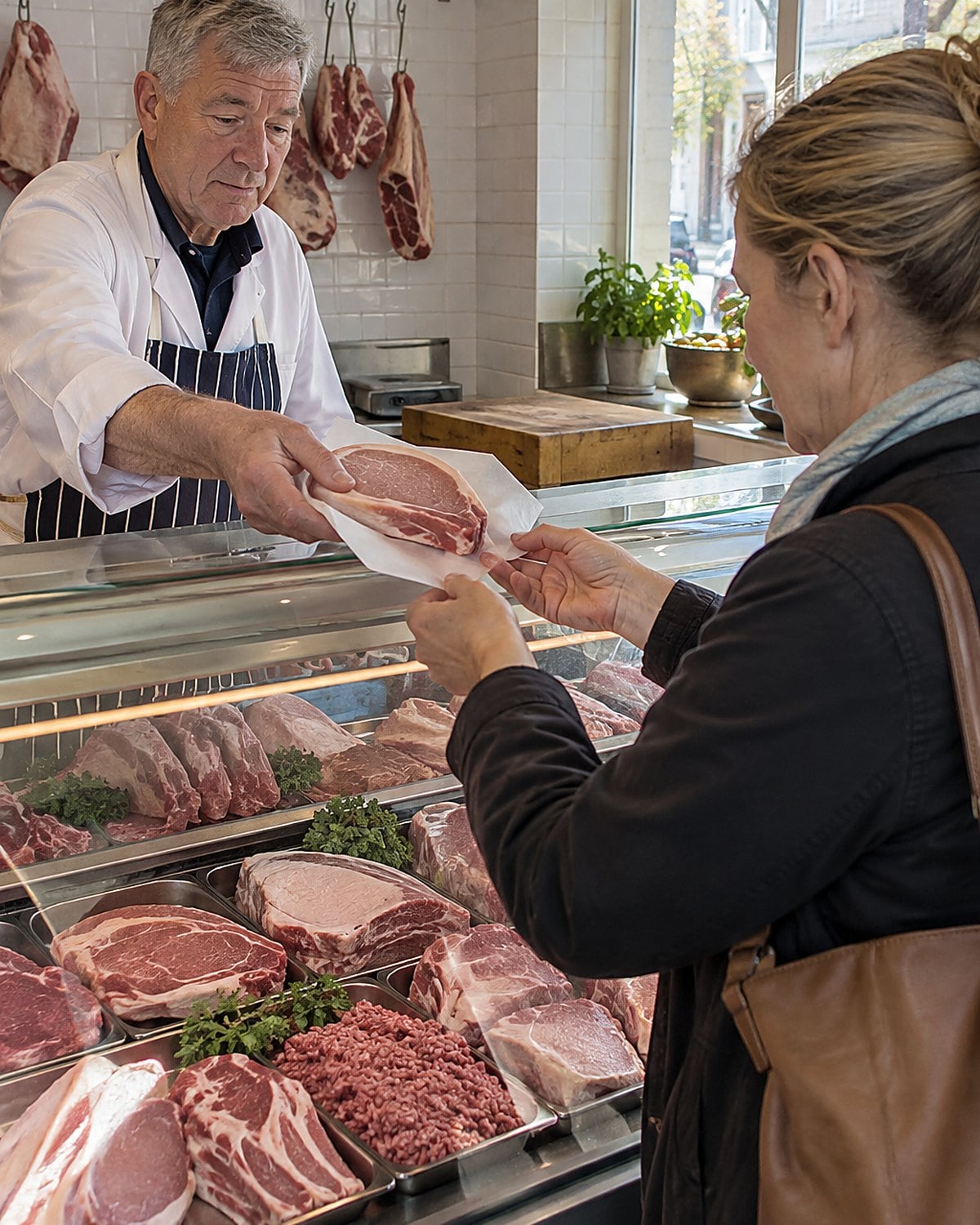
Thin pork chops cook quickly, but they can also dry out before you've managed to brown them properly.
A thicker chop gives you more control. Pat the meat dry, sear it, and lower the heat to finish cooking without burning the outside.
The USDA recommends cooking whole pork chops to 145°F, followed by a 3-minute rest.
I like that a thicker chop gives you a little breathing room. With thin ones, dinner can go from juicy to shoe leather surprisingly quickly.
When last did you try pork chops? Here you go: Instant Pot Air Fryer Pork Chops With Maple Mustard Glaze (No Breading)
#17 The cookie sheet greased by habit
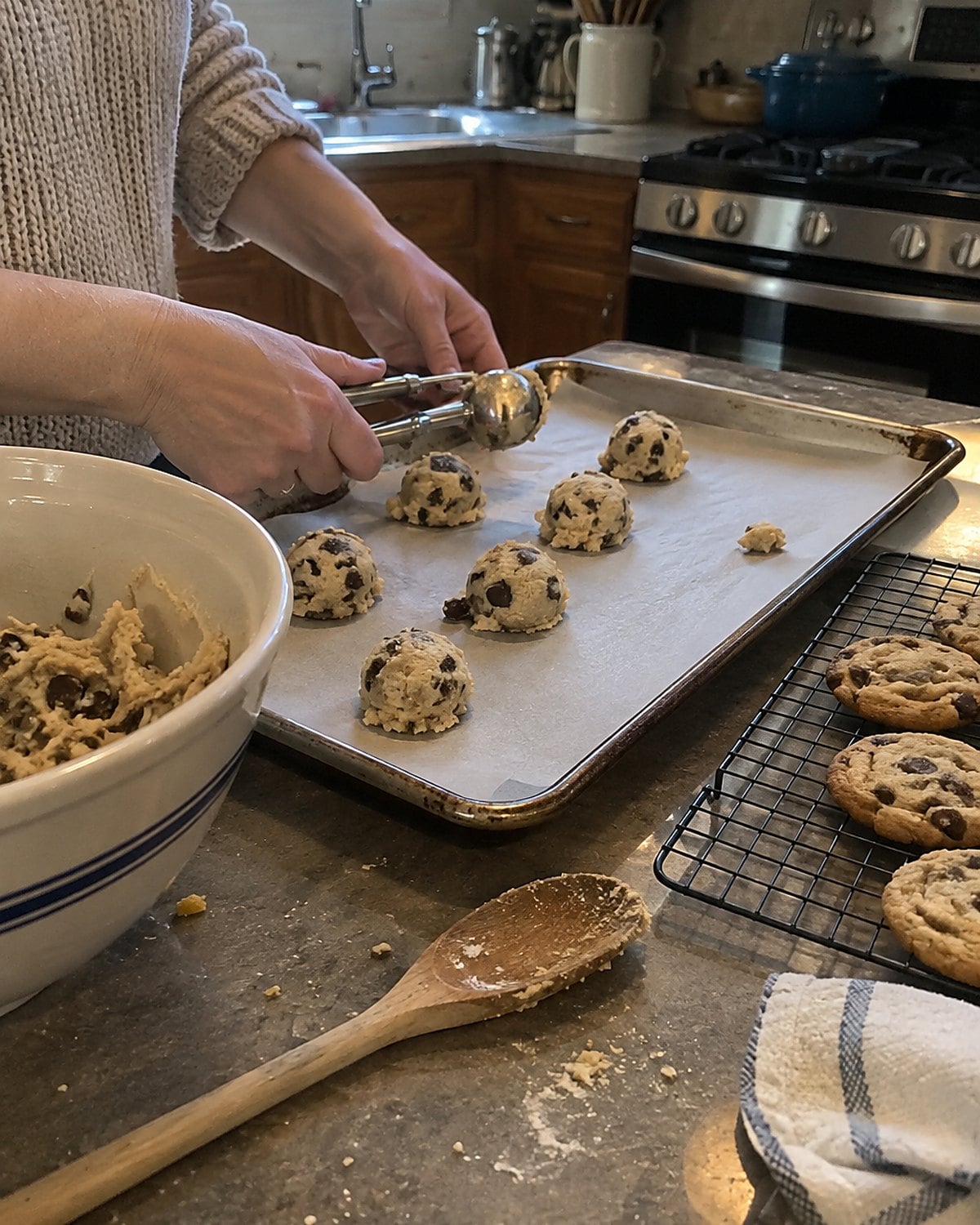
It's easy to grease every baking sheet automatically, especially when that's what you've always done. But extra grease can make cookies spread more than intended.
Follow the recipe's instructions for greased, ungreased, or parchment-lined baking sheets. Let the pan cool completely before adding another batch of dough.
A warm baking sheet starts melting the butter before the cookies even reach the oven.
If your cookies spread into one giant cookie, check the baking sheet before changing the ingredients.
Although, admittedly, one giant cookie doesn't sound entirely terrible as a treat.
#16 The dull knife in the drawer
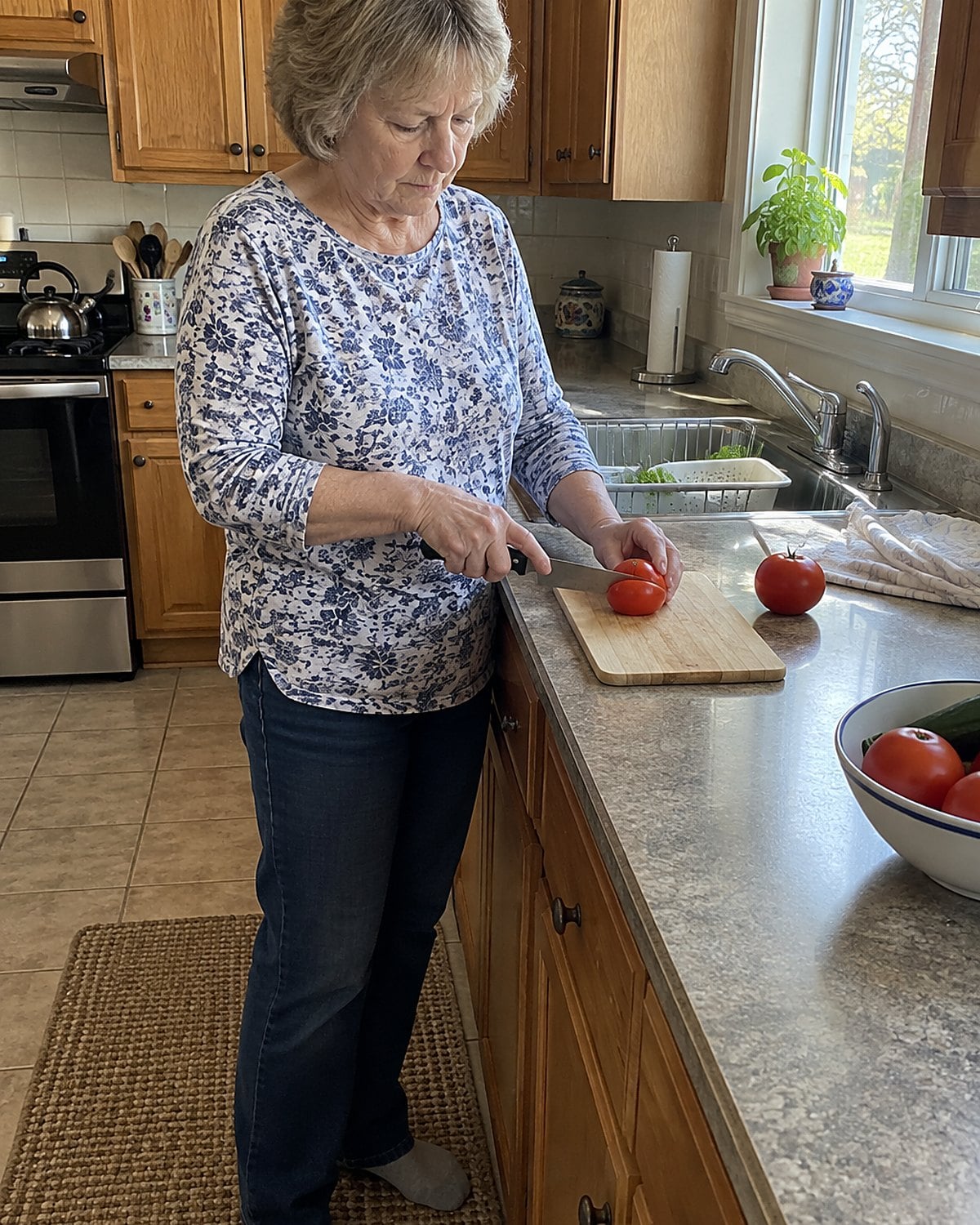
A dull knife might seem less dangerous than a sharp one, but it often requires more pressure and can slip unexpectedly.
If you're struggling to cut through a tomato, it's probably time to sharpen the blade. Use a sharpening tool or have the knife professionally sharpened.
A honing steel helps maintain an edge, but it won't restore a blade that's become truly dull.
Keep your cutting board steady with a damp towel underneath.
I would much rather spend a few minutes sharpening a knife than fight with every onion and tomato I need to chop.
#15 The roast sliced straight from the oven
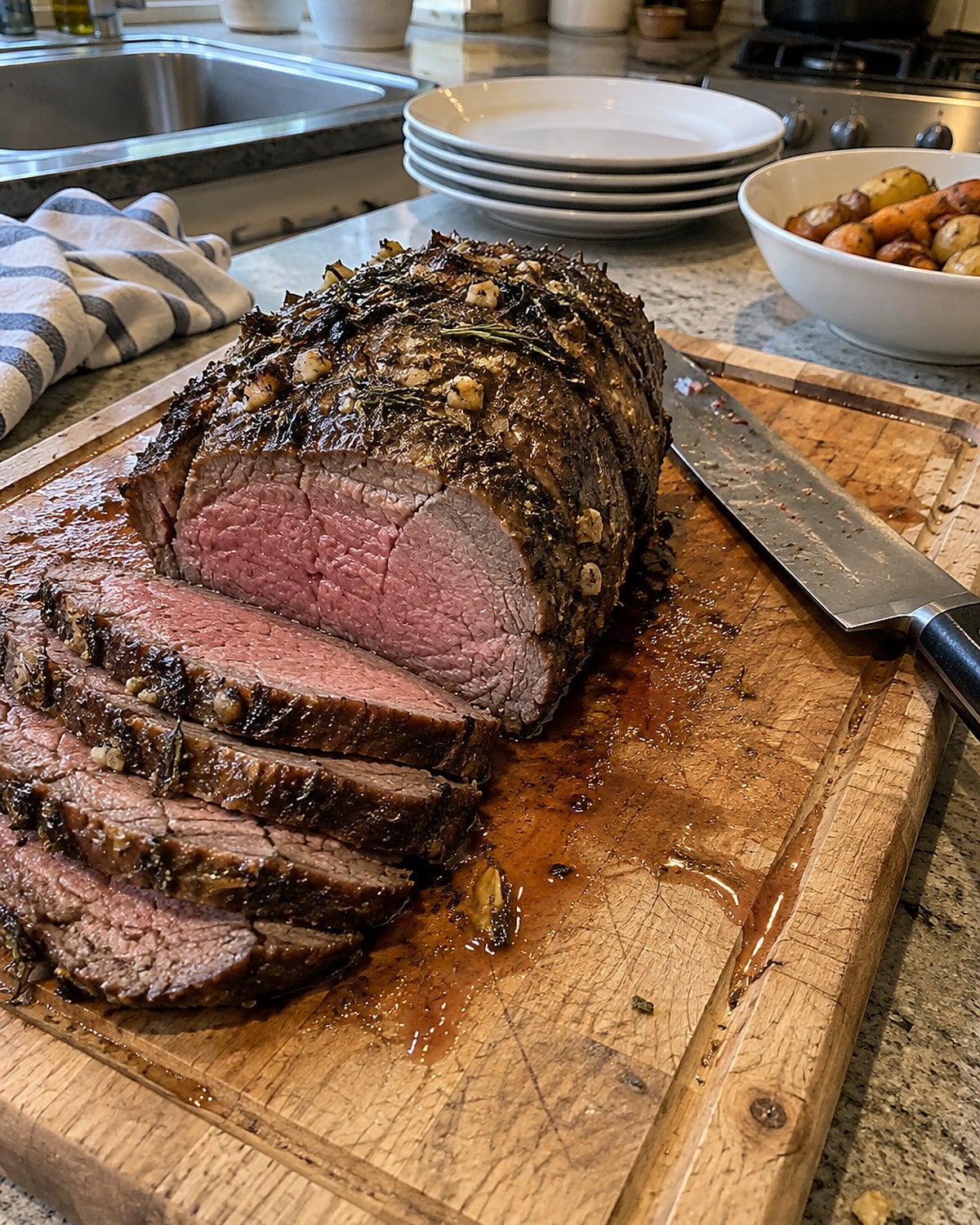
A roast comes out of the oven smelling incredible, and naturally, everyone wants dinner immediately. But cutting it straight away can send juices running across the board.
Let the meat rest before carving. For larger roasts, allow enough time for the juices to settle.
Tent loosely with foil if needed, rather than wrapping tightly and trapping steam against the crust.
The USDA recommends 145°F and at least a 3-minute rest for whole beef and pork roasts. Slice against the grain for more tender pieces.
Use the resting time to finish the gravy, or locate the serving platter that always seems to disappear when you need it the most.
#14 The baking powder behind the spices
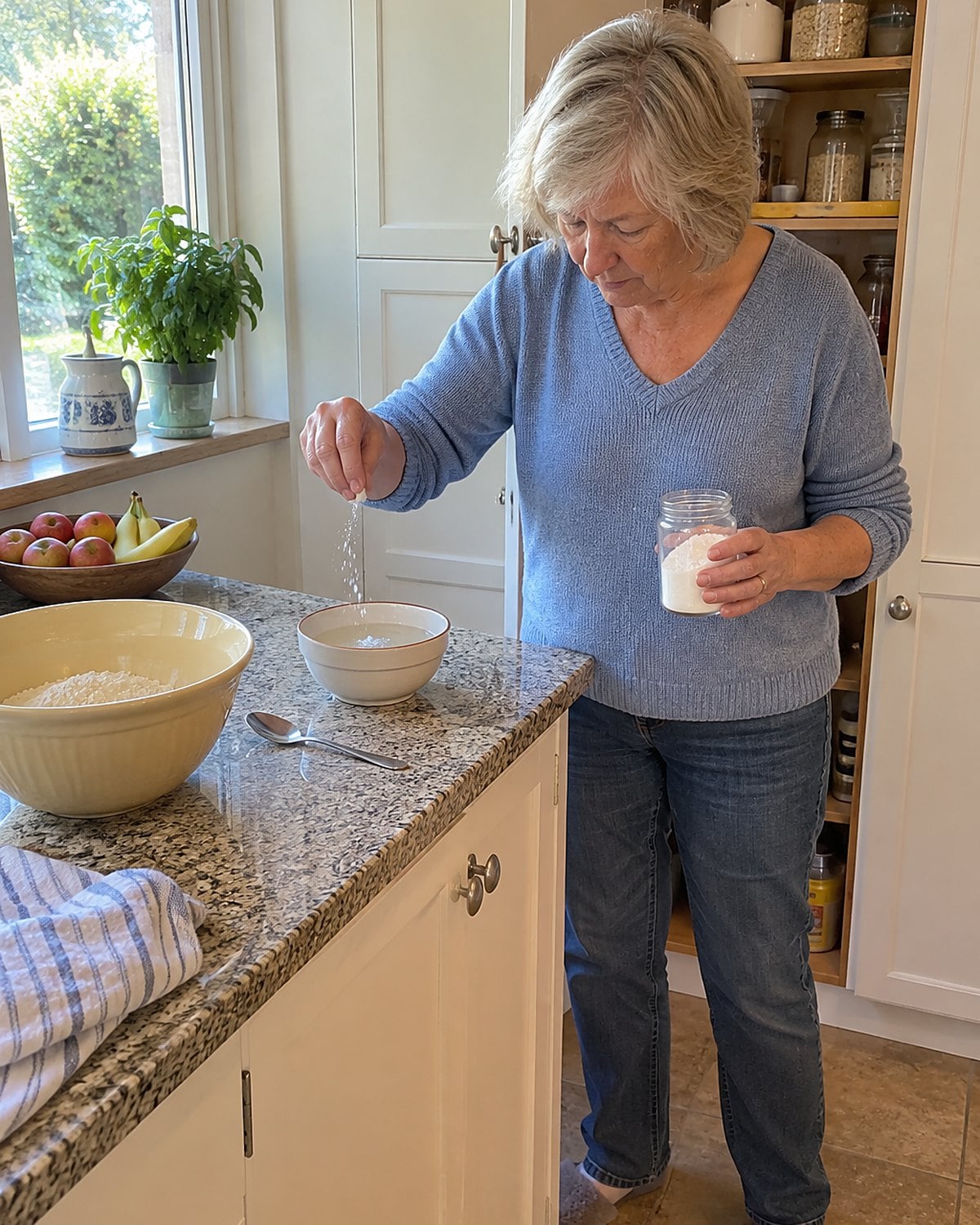
Ever followed a biscuit recipe perfectly, only to end up with something disappointingly flat? Before blaming yourself, check the baking powder.
Put a little in a bowl and add hot water. It should bubble quickly.
If there's barely any reaction, it's time for a fresh container.
Write the opening date on the lid and store it somewhere cool and dry.
Old baking powder can't provide the lift your dough needs, no matter how much you stare through the oven door.
#13 The mushrooms heaped in one skillet
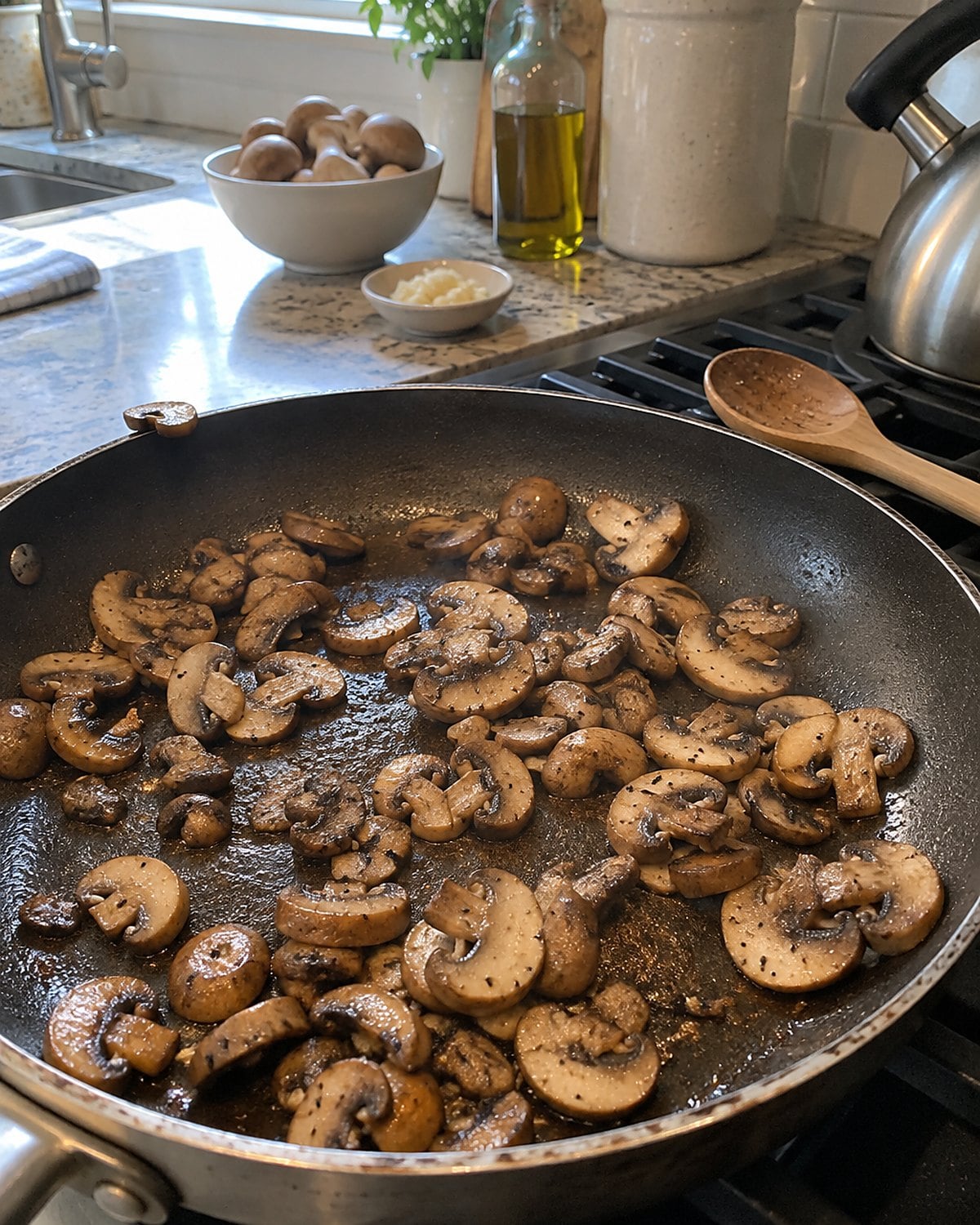
Mushrooms release plenty of moisture as they cook. Pile too many into one skillet, and they'll steam instead of browning.
Cook them in batches, leaving enough space between pieces. Let one side brown before stirring, and allow any released liquid to evaporate.
A wide skillet makes this much easier.
Don't throw away the browned bits left in the pan. Add a little broth and scrape them up for a flavorful sauce.
I know cooking in batches feels like extra work, but it's worth it when your mushrooms actually brown instead of turning into a soggy pile.
#12 The tasting spoon returned to the pot
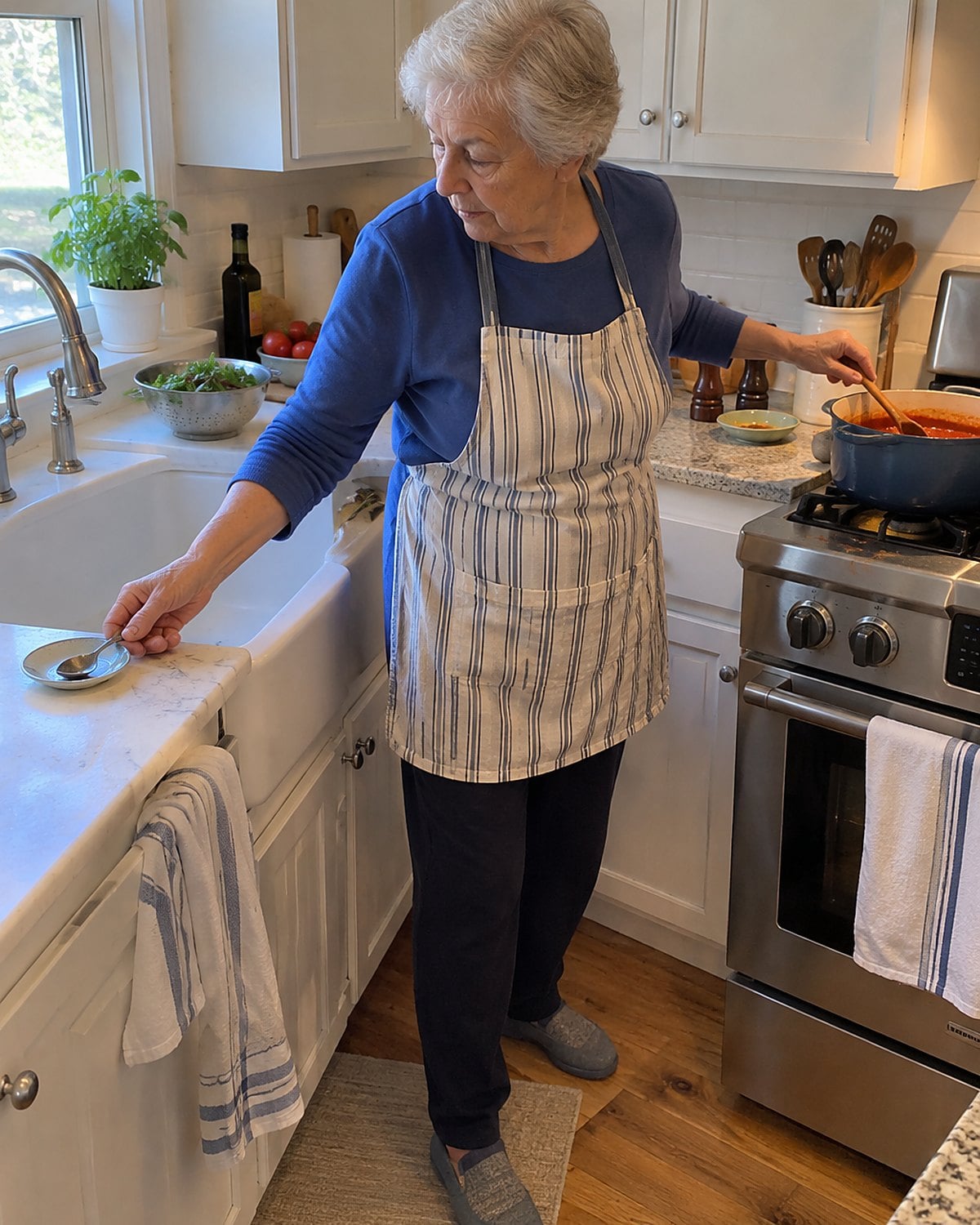
You've tasted the sauce, decided it needs more pepper, and dipped the same spoon straight back into the pot.
It's an easy habit to overlook, but it can introduce saliva and germs into food everyone will share.
Keep clean tasting spoons nearby.
Use one, taste, and put it in the sink. For another taste, grab a fresh spoon or transfer a little sauce into a separate dish. Let hot food cool slightly before tasting so you can judge the seasoning properly.
It means washing an extra spoon or two, but that's hardly the worst thing that can happen during dinner preparation.
#11 The green beans boiled until gray
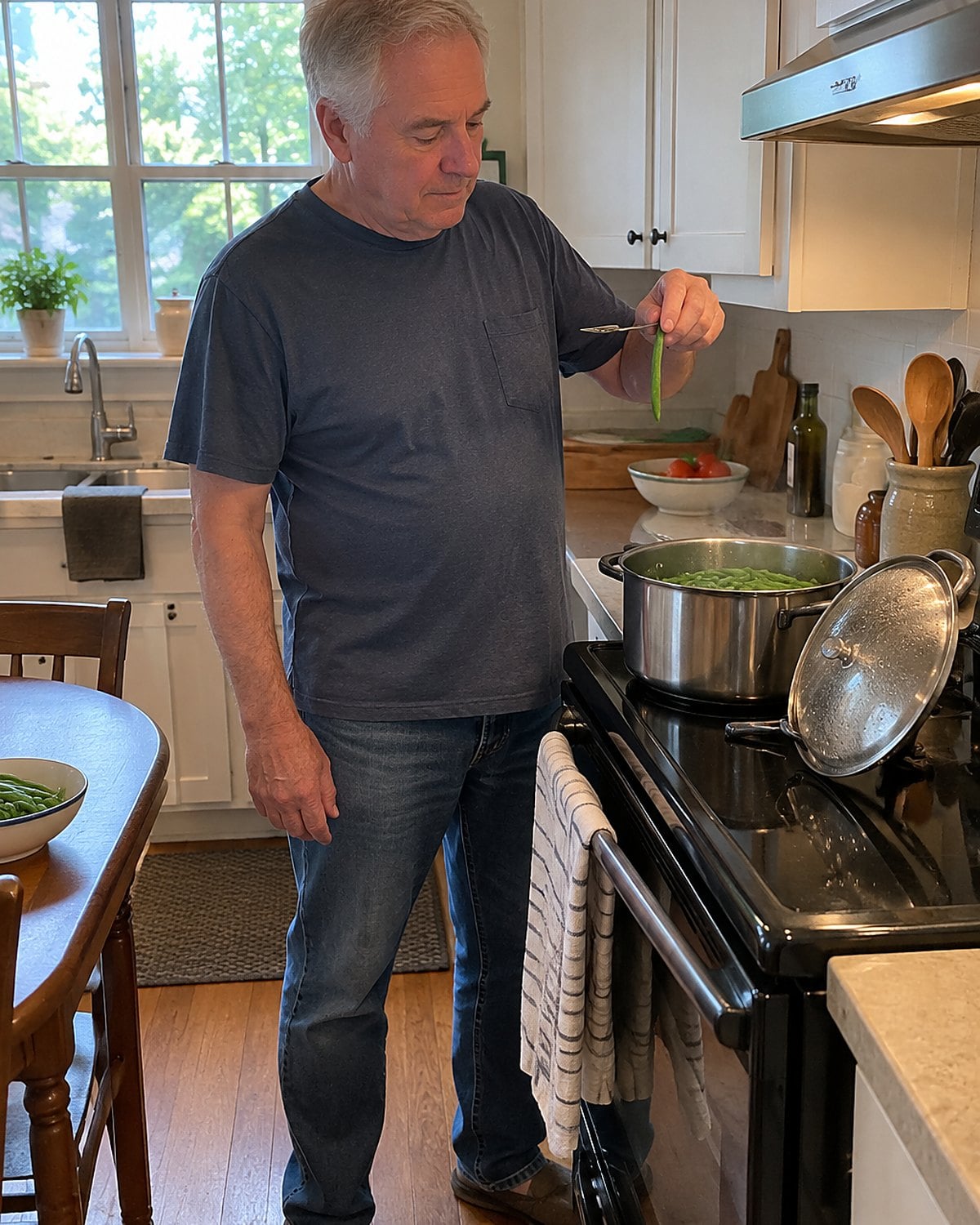
Green beans shouldn't automatically need half an hour in boiling water. For a quick vegetable side, cook them until tender with a little bite remaining.
Taste one while cooking rather than relying entirely on the timer.
Once they're ready, drain them promptly so they don't continue sitting in hot water.
Finish with butter, lemon, or your favorite seasoning. Of course, slow-cooked green beans with ham are a different dish entirely.
But if you're aiming for bright, tender beans, there's no reason to cook them until they've forgotten they were green.
Try it: Instant Pot Green Beans With Butter & Pepper
#10 The chopped onion for tomorrow's dinner
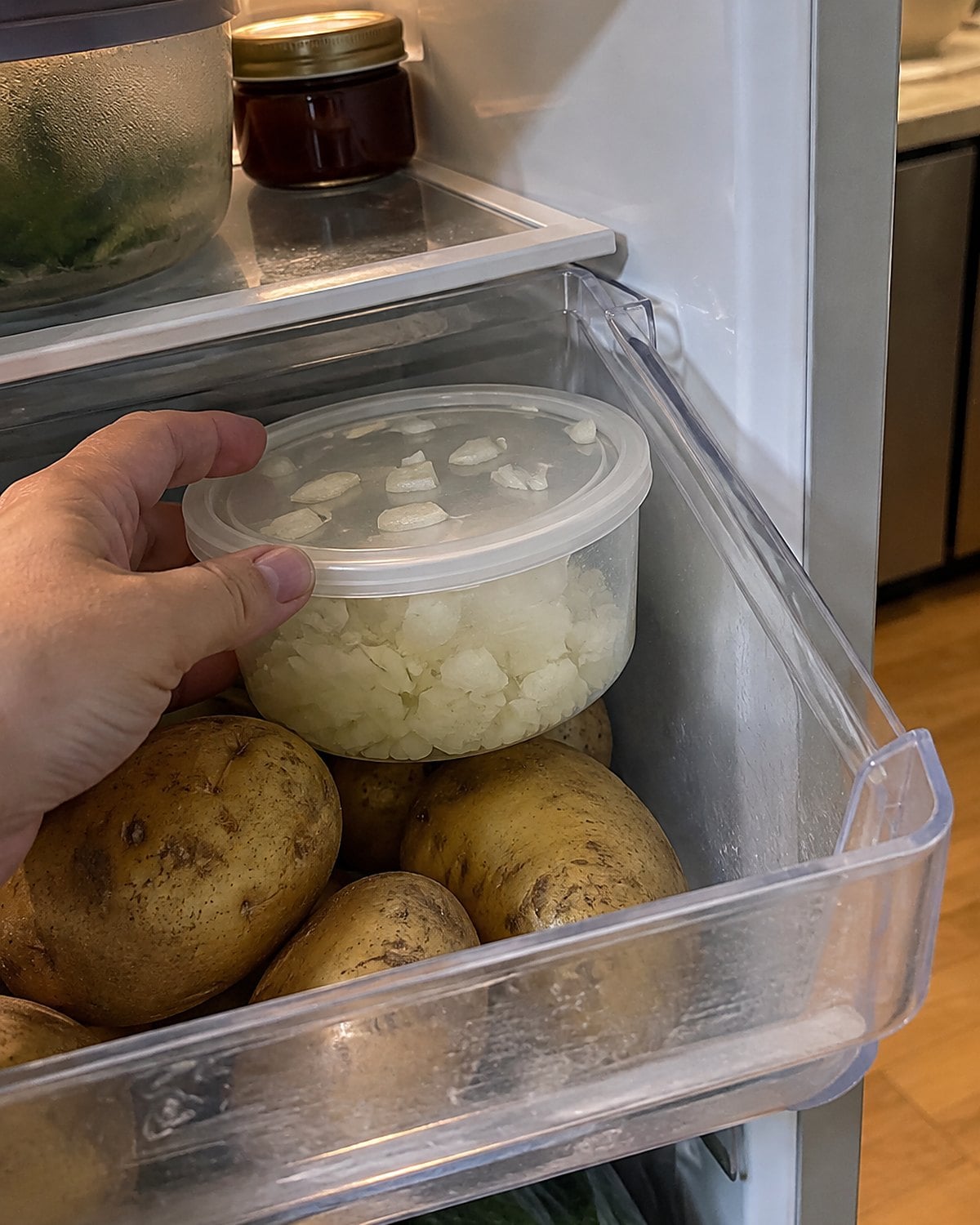
Preparing ingredients ahead of time can make cooking easier, but not everything benefits from being chopped the night before.
Onions can be chopped and refrigerated in a covered container. Potatoes may discolor, and delicate herbs can lose freshness after chopping.
Leave those ingredients whole until closer to cooking time unless your recipe calls for advance preparation.
You can still get organized by setting out pans, measuring shelf-stable ingredients, and planning the meal.
Sometimes the best meal prep is simply knowing where everything is before dinner starts.
#9 The leftover chicken left in its roasting pan
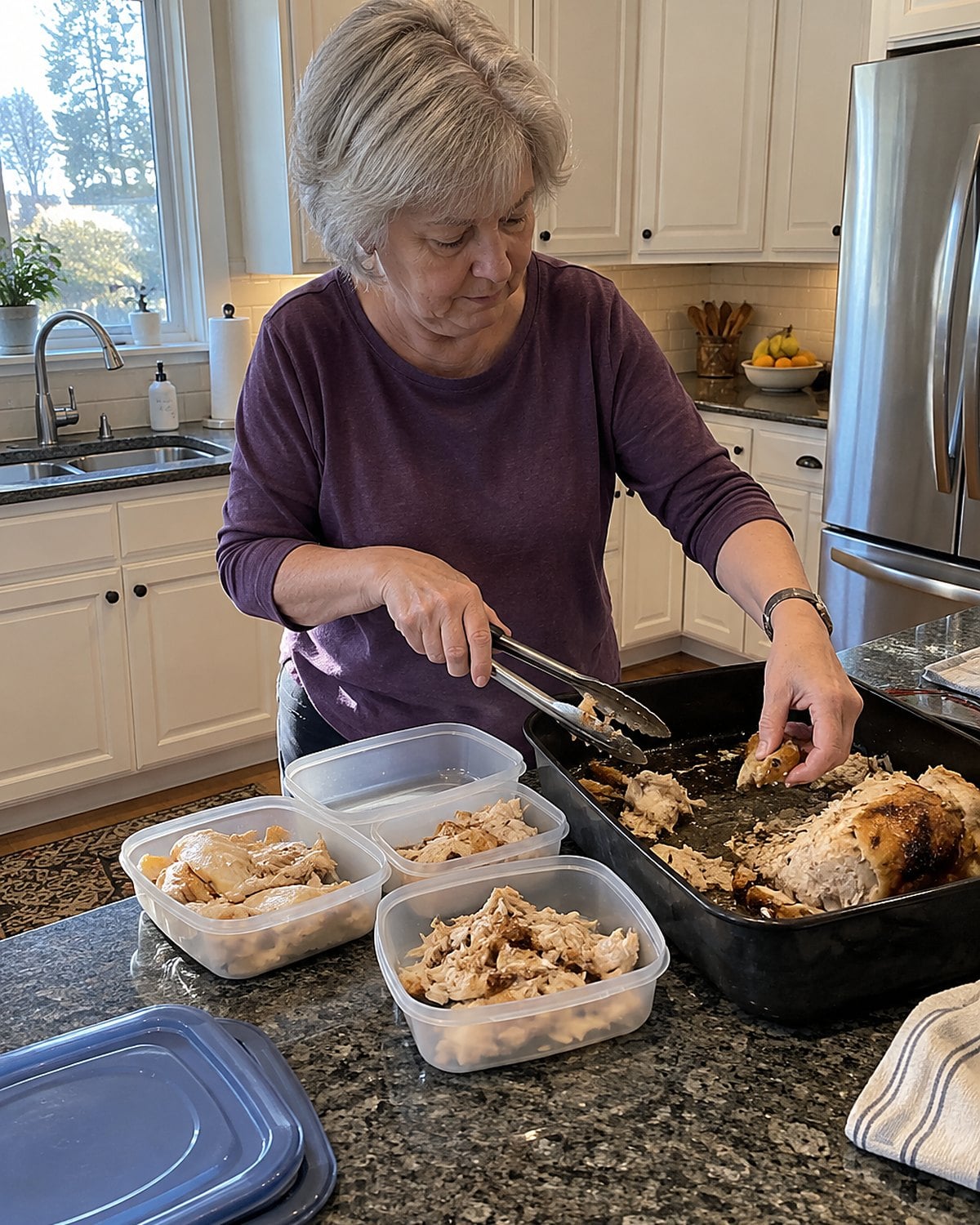
After dinner, it's tempting to leave the chicken in the roasting pan until you've finished cleaning up.
But large portions cool slowly, especially in deep containers. Transfer leftovers into shallow containers and refrigerate promptly.
The USDA's leftovers guidance recommends refrigerating perishable food within 2 hours, or within 1 hour when temperatures exceed 90°F.
Cooked leftovers generally keep for 3 to 4 days in a refrigerator at 40°F or below. Reheat leftovers to 165°F.
Label containers with the date.
It saves you from standing in front of the fridge three days later wondering whether that chicken is from Sunday or the Sunday before.
#8 The ground cumin beside the stove
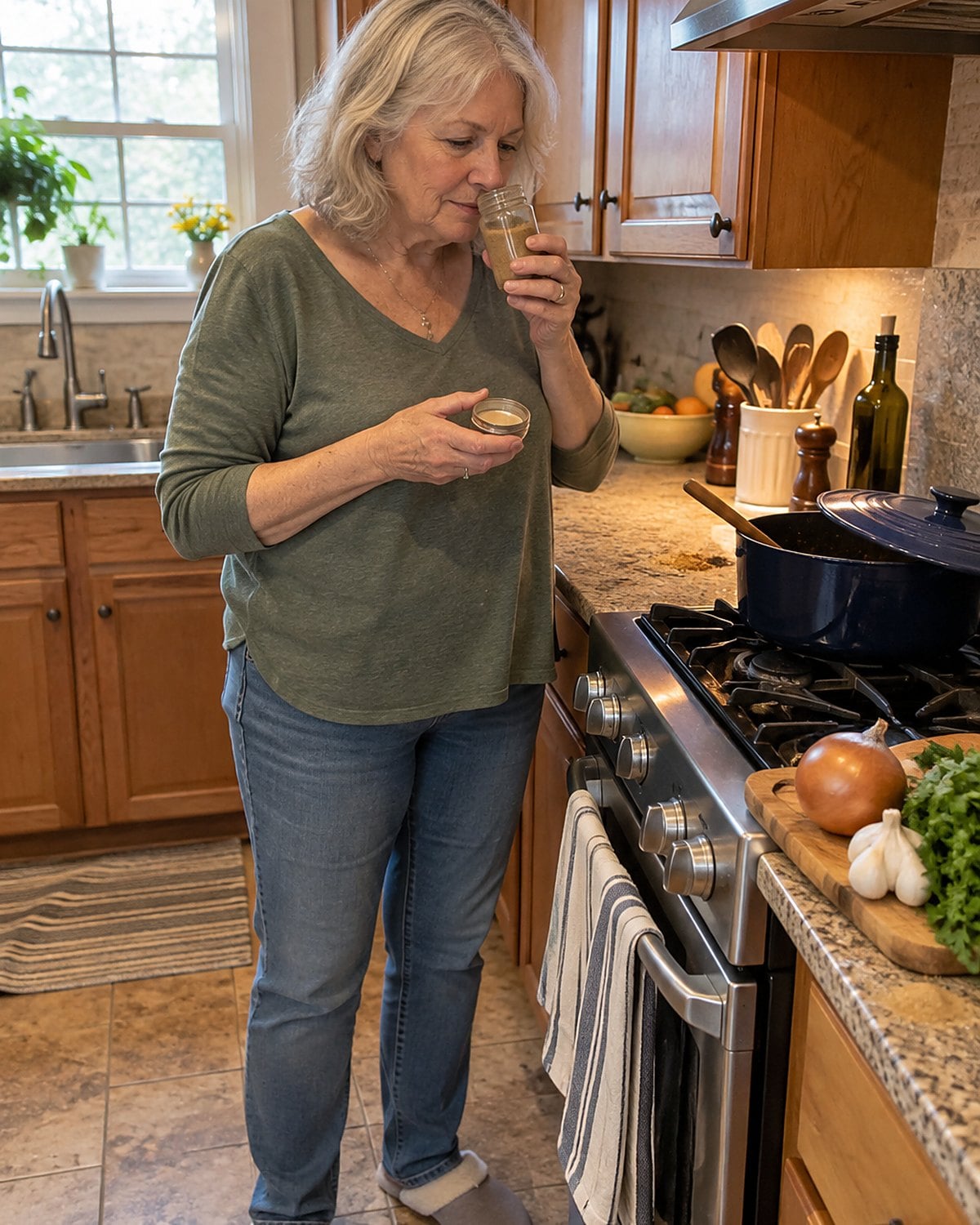
Keeping spices beside the stove is convenient, but heat and steam can make them lose flavor faster.
Store spices in a cool, dry cupboard away from direct heat. Give older spices a smell before using them.
If your cumin barely smells like cumin anymore, adding another spoonful probably won't help much. Whole spices can also be toasted briefly and ground when needed for a fresher flavor.
You don't need to replace the entire spice collection at once. Start with the jars that have been sitting there since nobody can remember when.
#7 The pressure cooker filled past its line
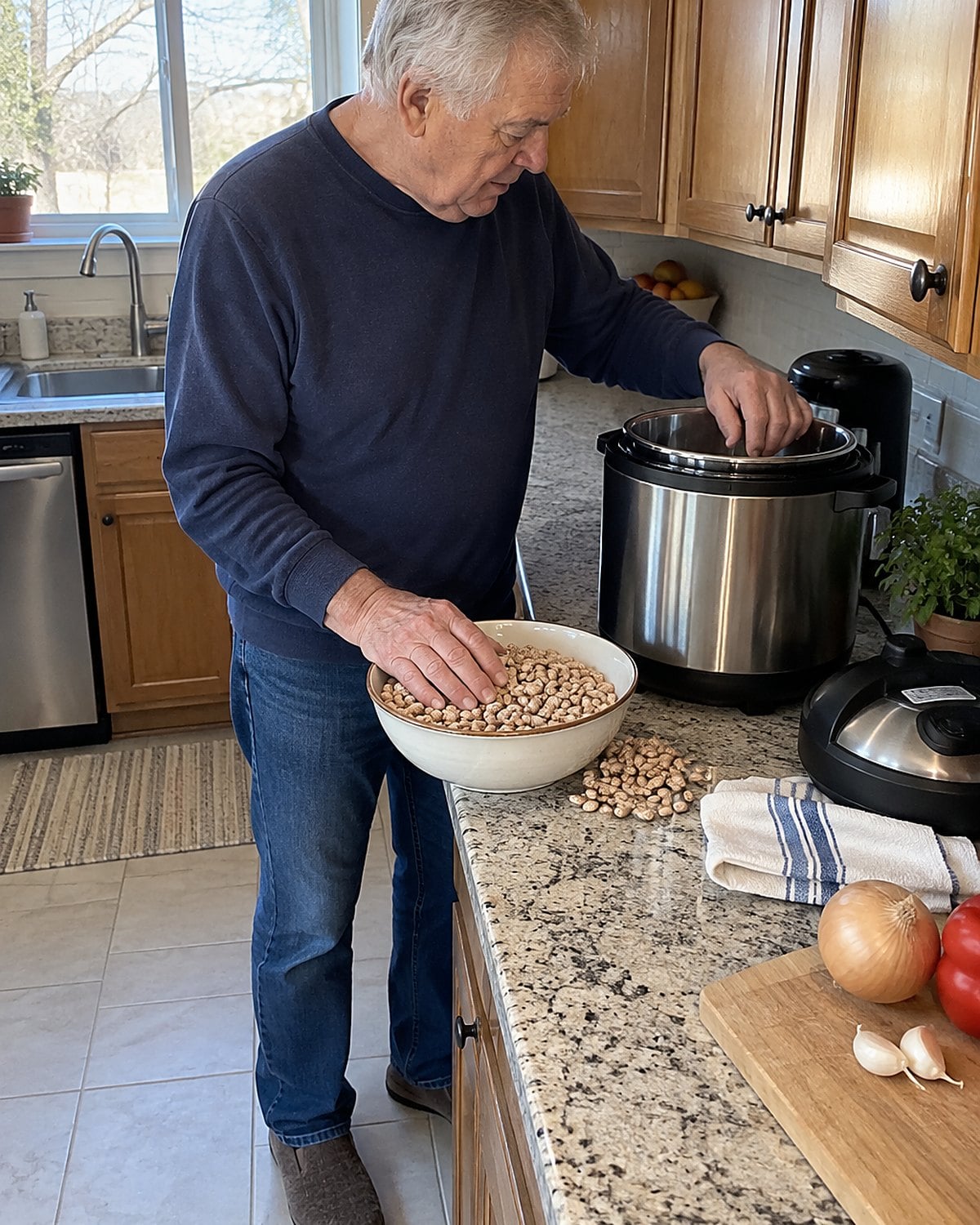
It's tempting to squeeze an entire family-size batch of chili into the Instant Pot. But pressure cookers need enough space to work safely.
Always follow your model's maximum fill markings and instructions. Foods that expand or foam, such as beans and grains, often require a lower fill limit.
Check that the sealing ring is fitted correctly and the vent is clear.
If your recipe makes too much, cook it in batches.
A full pot might seem efficient, but forcing the lid onto an overfilled pressure cooker isn't the kind of kitchen adventure anyone needs.
#6 The dark cake pan from the cupboard
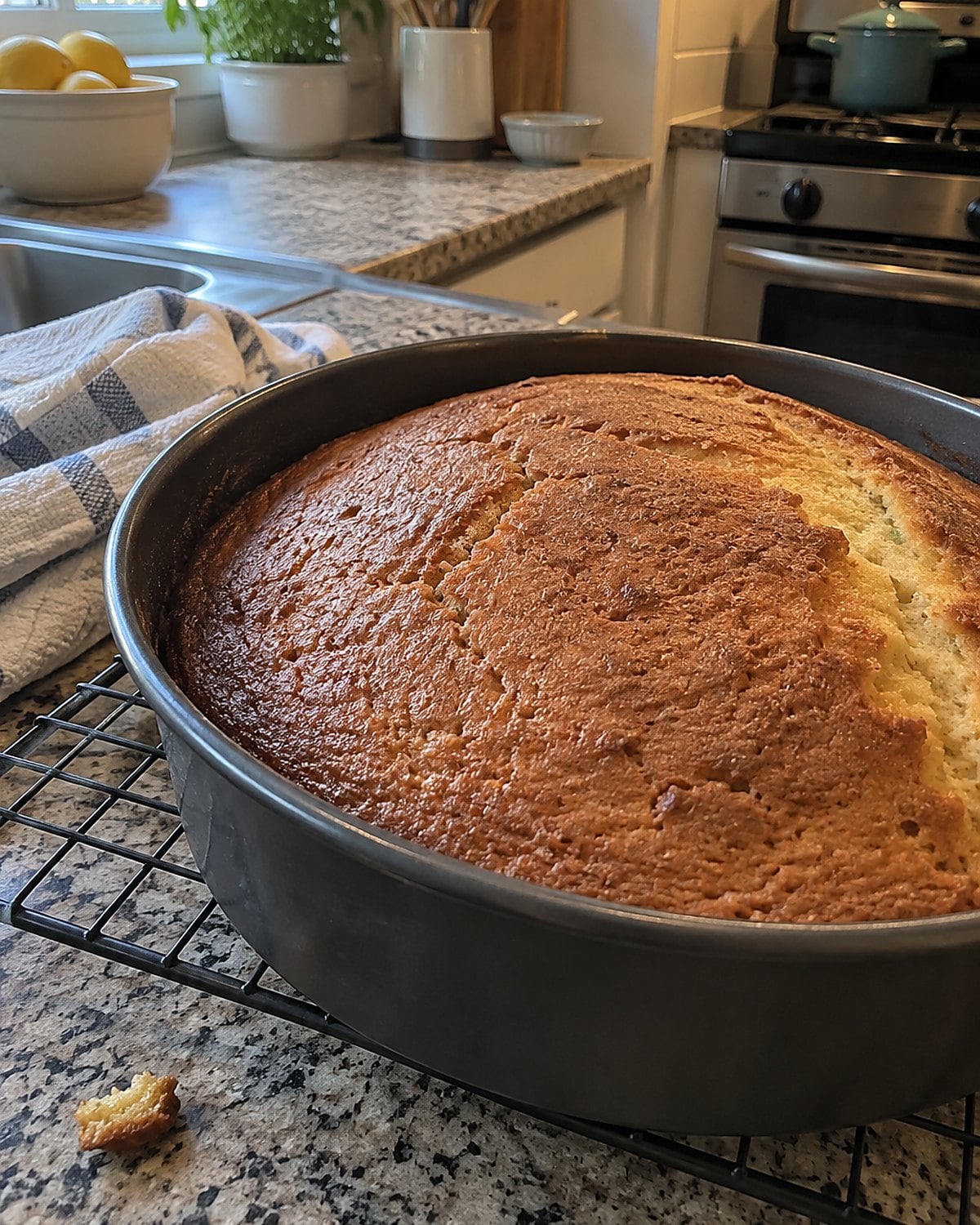
Not all cake pans bake the same way. Dark metal absorbs heat readily, which can make cake edges brown faster than they would in a lighter pan.
Pan size matters, too. A deeper layer of batter takes longer to cook than a thin one.
Check the pan size specified in your recipe and start checking for doneness before the suggested finish time.
Insert a toothpick near the center. It should come out without wet batter.
You don't need to throw away your favorite old cake pan. Just learn how it reacts in your oven.
#5 The raw chicken under the faucet
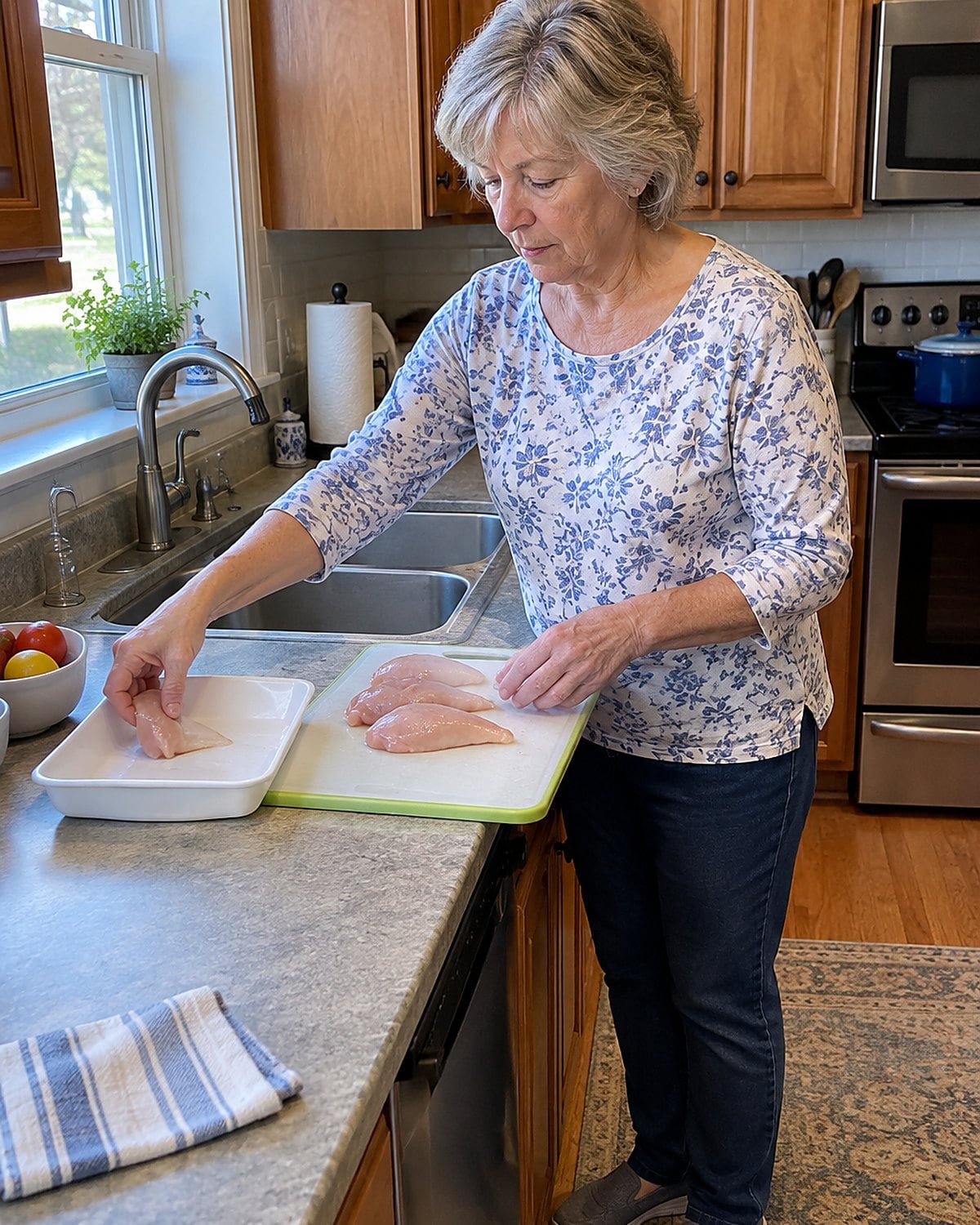
Rinsing raw chicken is a habit many home cooks grew up with. But washing it can spread harmful bacteria through splashing water.
The CDC recommends skipping this step entirely. Move raw chicken directly from its packaging to your cutting board or pan.
If you need a dry surface for browning, pat it with paper towels and discard them immediately.
Wash your hands and clean anything that touched the raw chicken. Cooking chicken to 165°F makes it safe, not rinsing it under the tap.
That's one kitchen chore I'm perfectly happy to cross off the list.
#4 The undated bag in the chest freezer
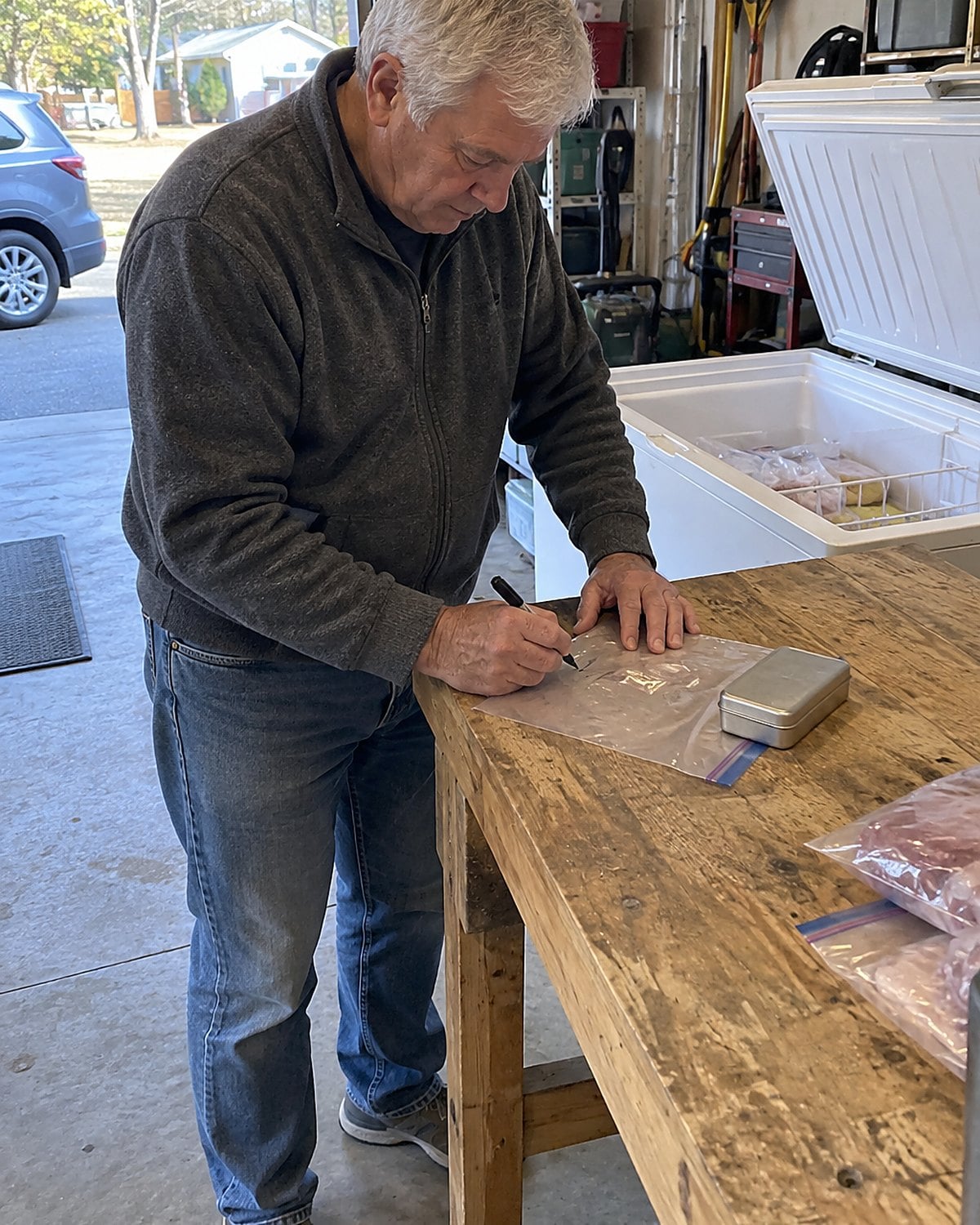
You open the freezer and find a mysterious bag of something. Beef? Chicken? Leftover stew? Your guess is as good as anyone's.
Label freezer bags before putting them away.
Write the contents and date clearly, remove excess air, and freeze suitable foods flat for easier stacking.
Dates also help you use older food before newer purchases. It's a tiny habit that saves a surprising amount of freezer detective work.
And let's face it, nobody wants to thaw what they thought was chicken only to discover it's last month's gravy.
#3 The tomato added before the beans soften
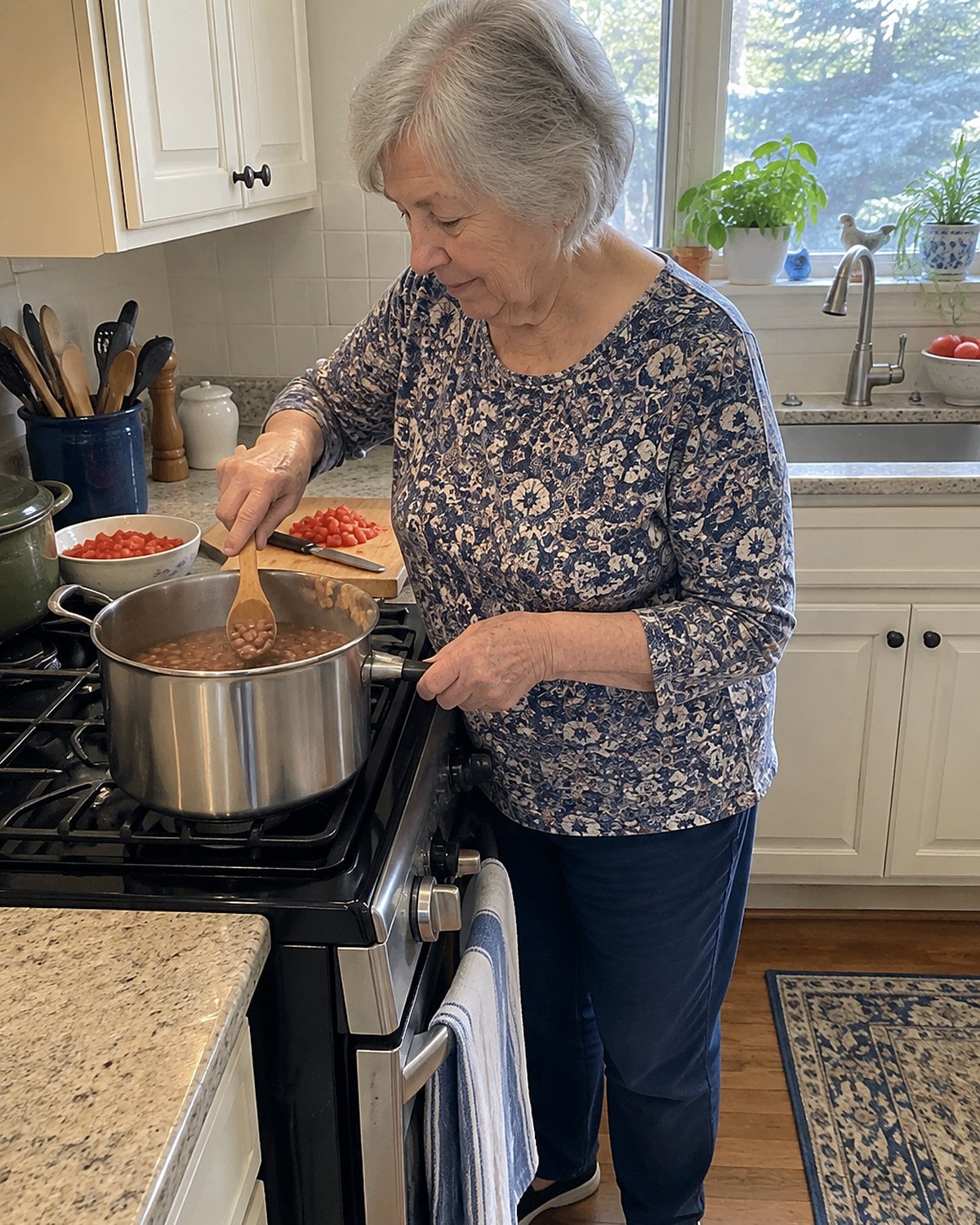
Adding tomatoes early when cooking dried beans can slow their softening. That's because acidic ingredients can keep beans firmer for longer.
Cook the beans in water or broth until tender before adding tomatoes or other acidic ingredients. Check that the centers are soft rather than chalky.
Dried kidney beans also need special care because improperly cooked beans can contain harmful toxins. Follow tested preparation instructions, including the required boiling step before slow cooking.
Once the beans are tender, add the tomatoes and finish the dish. It's much easier than wondering why your beans are still hard after another hour on the stove.
Test the theory here: Instant Pot White Beans With Rosemary & Garlic
#2 The family-size pot of rice
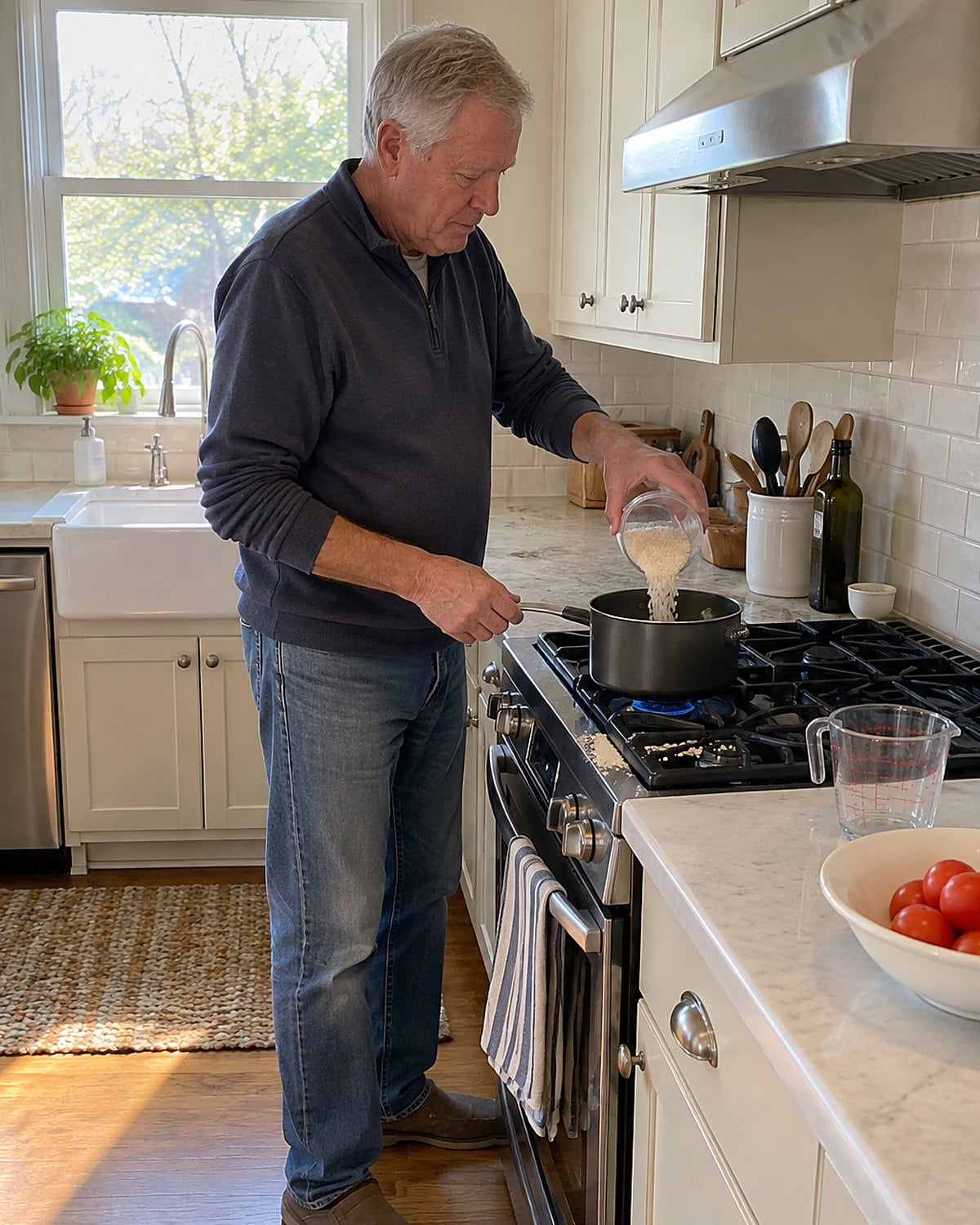
It's easy to keep cooking the same amount of rice you've made for years, even when there are fewer people around the table.
Before pouring rice into the pot, think about how many servings you actually need. Measure the rice and follow the package instructions for the correct water ratio.
Different varieties need different amounts of liquid. If you do have leftovers, transfer them to shallow containers and refrigerate promptly.
I like having leftover rice for another meal, but there's a difference between planning ahead and accidentally making enough to feed the entire neighborhood.
Try it: How To Cook Rice In Instant Pot
#1 The thermometer left in the drawer
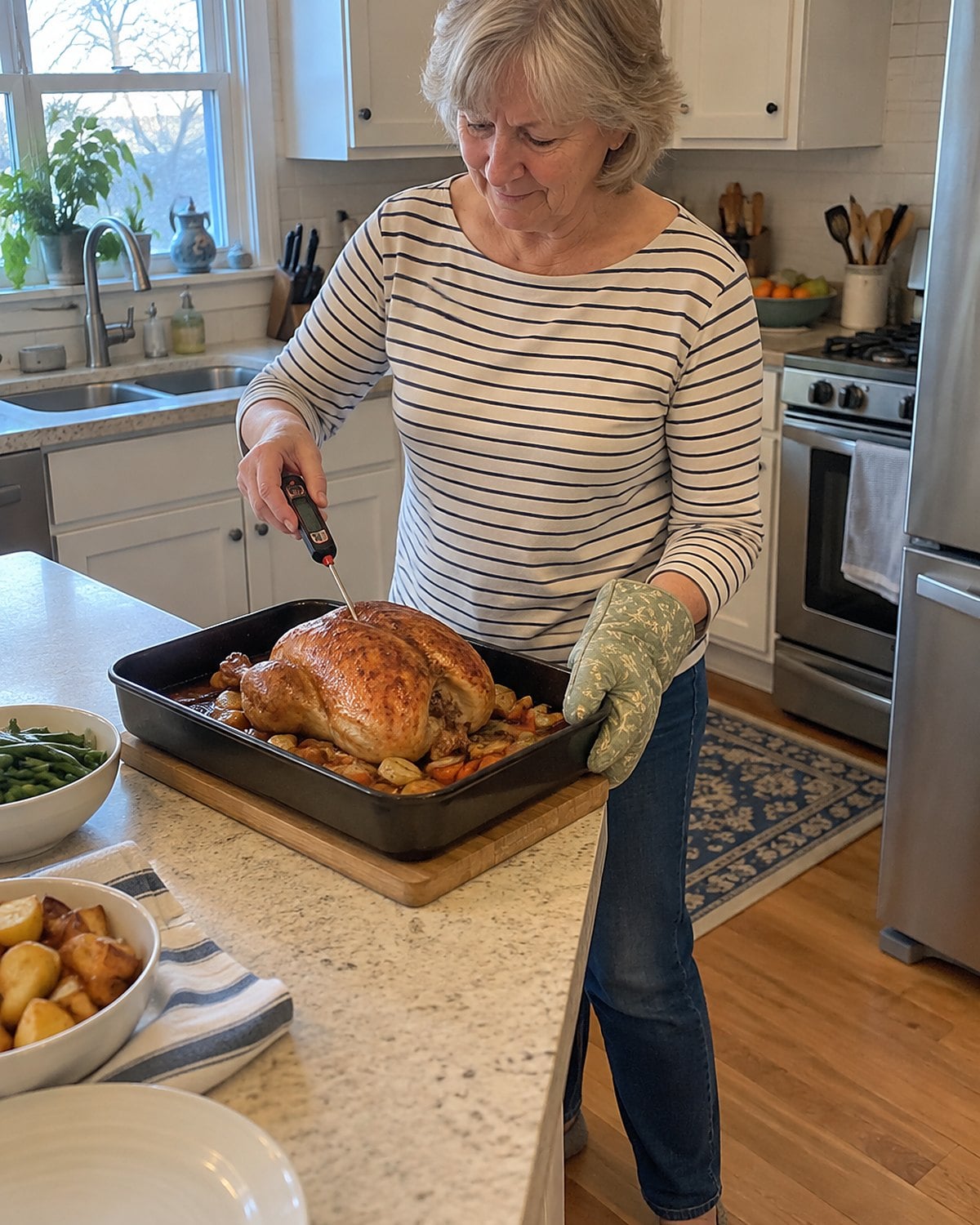
You can recognize the smell of a roast, the sound of a sizzling pan, and the color of browned chicken. But none of those things can reliably tell you the internal temperature of meat.
A food thermometer will make your life so much easier!
Insert it into the thickest part of the meat without touching bone. For burgers, insert it from the side toward the center.
The USDA recommends these minimum temperatures:
- Poultry: 165°F
- Ground beef: 160°F
- Whole cuts of beef and pork: 145°F, followed by a 3-minute rest
Keep your thermometer somewhere easy to reach. It's useful for avoiding undercooked meat, but it also helps prevent overcooking.
And if you've ever served a pork chop that needed an extra set of teeth for chewing, you'll appreciate that second benefit.
The Bottom Line
The home cooking habits chefs skip that last are the ones that save a move. Sometimes they also hide what happened in the pan, the fridge, or the middle of a roast.
I certainly don't think every home-cooked dinner needs to look like something from a restaurant. But if a few chef-approved habits can save me time, improve dinner, and mean fewer dishes to wash, I'm always invested!
Which of these home cooking habits have you been doing for years without realizing there might be a better way?
Leave a Reply