

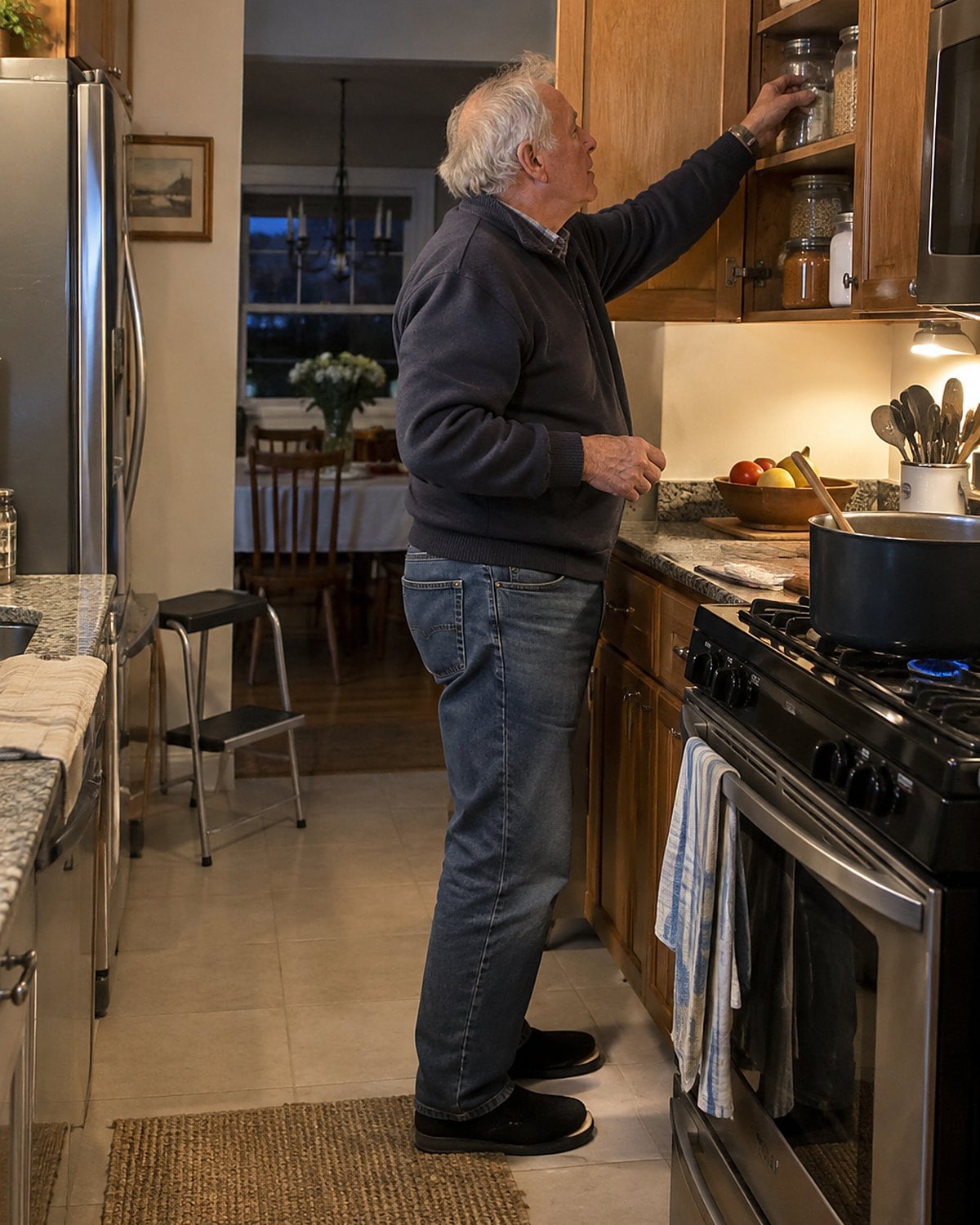
The paper grocery bag lands on the counter with the same familiar thud. Out come the big carton of milk, the second loaf of bread, and enough potatoes to cover a Sunday table. Then the fridge door opens. There's last week's milk behind the new carton, and the potatoes already have eyes.
You didn't plan a feast. Your hands followed a route they've known for years.
There's nothing wrong with knowing how to feed a crowd. The trick is deciding which parts of that skill belong in an ordinary Tuesday cart, and which belong on the list for the weekend everyone comes over.
#26 The extra cans behind the oatmeal
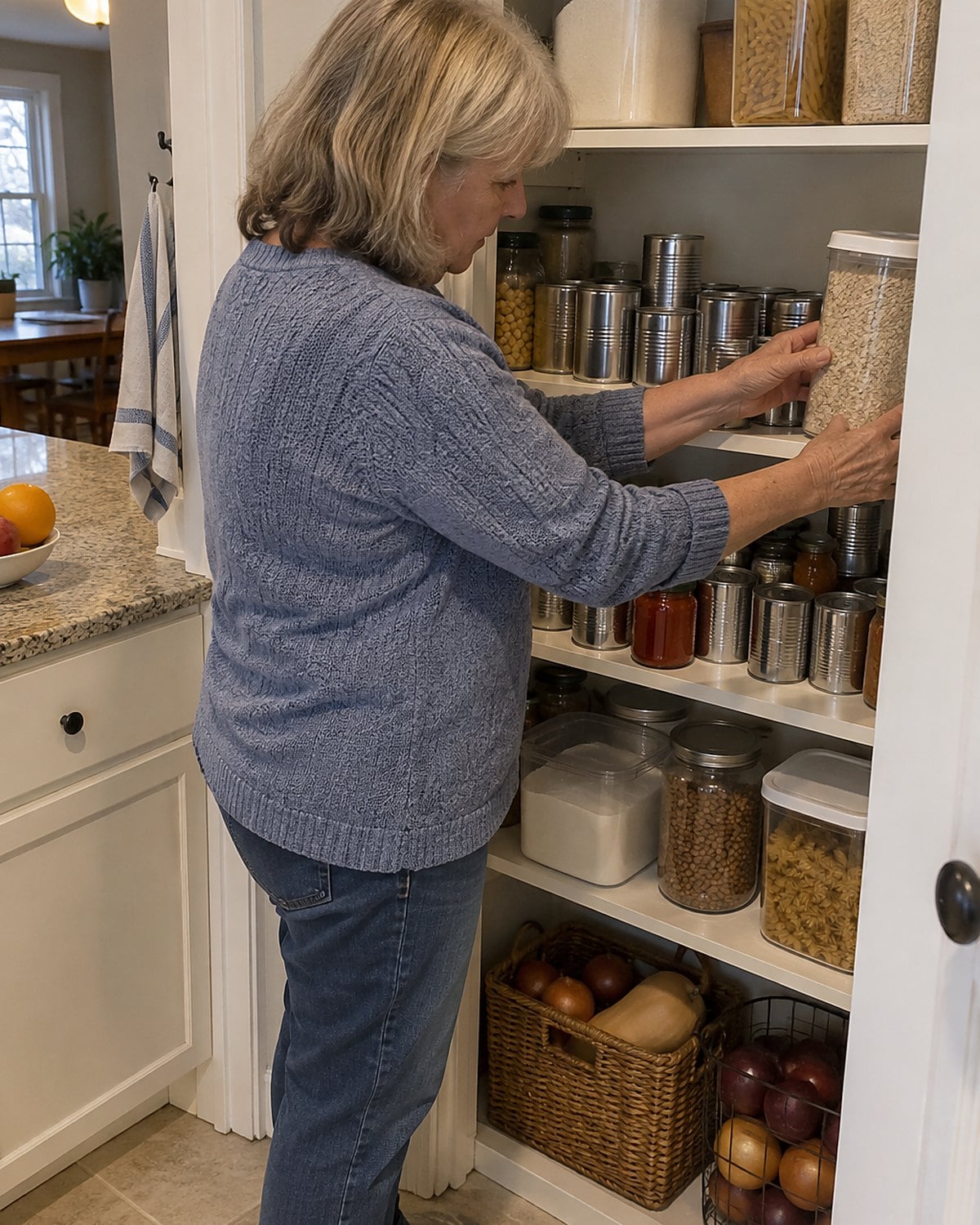
Reach past the oatmeal and count the cans of diced tomatoes. Then look behind the first row. A shelf built for school-night chili has a way of keeping its old inventory, even after the number of people eating it changes.
Cans earn their place. A pantry stocked with food you actually cook gives you an easy dinner when the weather turns or you don't want another trip to the store. The trouble starts when each shopping trip adds tomatoes because you remember needing them years ago, not because you saw an empty space today.
Try giving one stretch of pantry shelf to dinner staples. Turn every label forward and put duplicate cans together. Before you leave for groceries, look at that shelf rather than guessing from the kitchen doorway. If you're holding tomatoes at the store and can't name the meal that needs them, leave them there.
Keep the chili ingredients. Lose the job of stocking a chili supper every Tuesday.
Try it: Instant Pot Recipes Using Tinned or Canned Tomatoes
#25 The second loaf in the cart
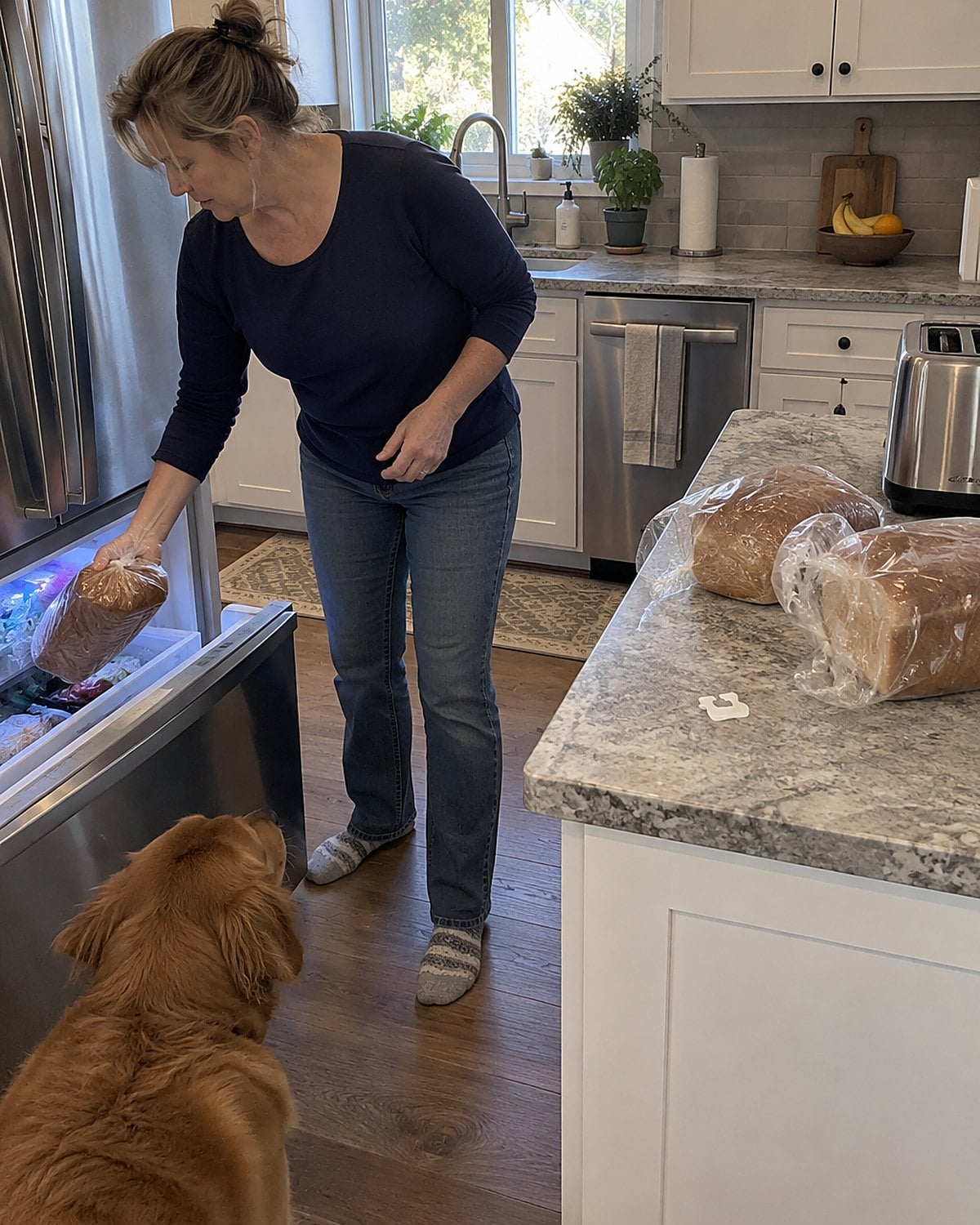
You reach for a loaf, then take another without breaking stride. That second loaf once saved a weekday morning. Now it waits beside the toaster while the first grows stale.
Bread gives you an unusually clear way to spot an old habit. Think about the last loaf: where was it when you bought the next one?
If it still had plenty of slices, buy one loaf. If you want sandwich bread ready for visitors, freeze the backup as soon as you get home. Wrap it well, then take out only the slices you need.
Don't ask yourself how much bread the house has always used. Ask what happened to the loaf you bought last time. The answer is sitting beside the toaster.
#24 The big milk carton still half full
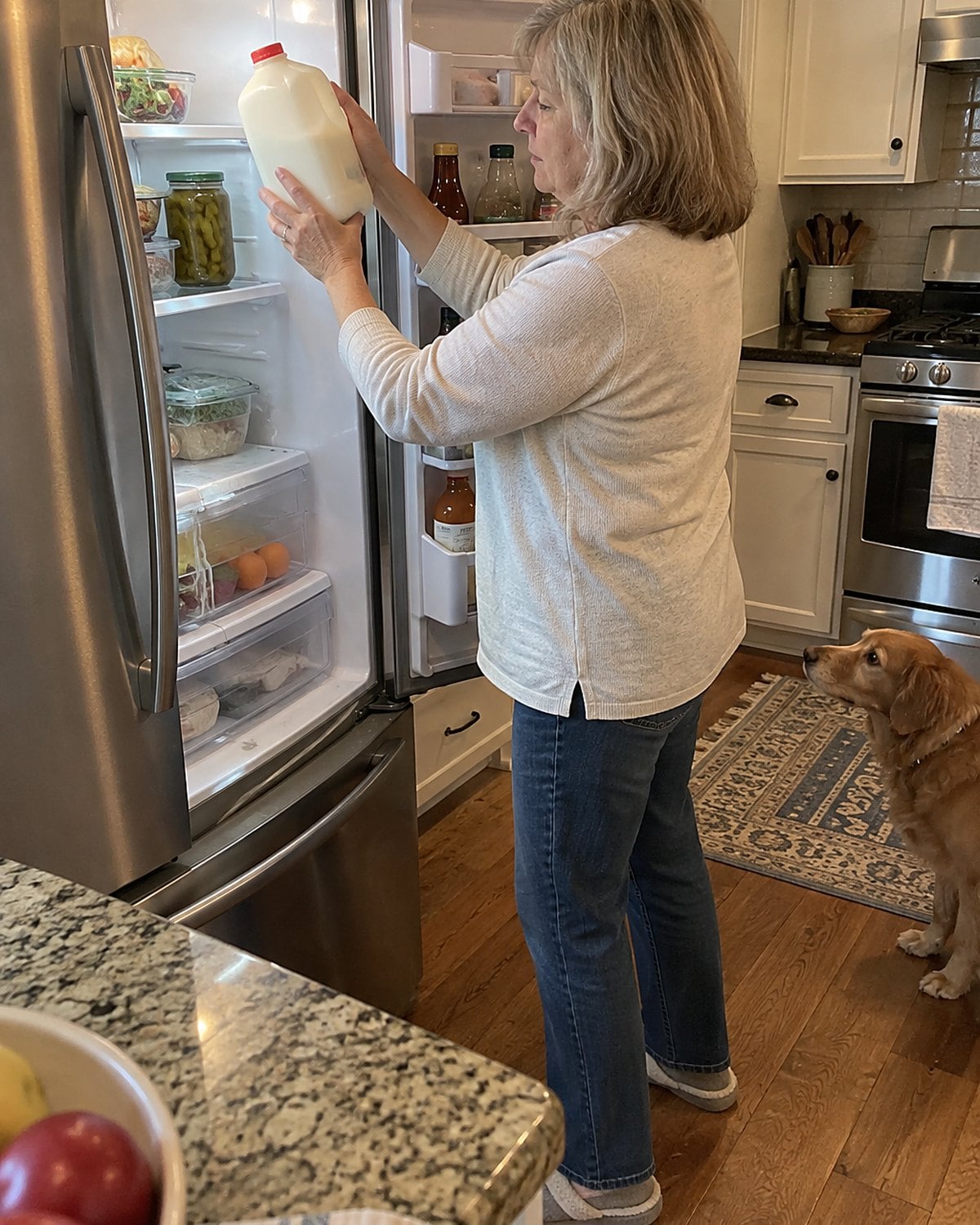
The new milk goes in front. The old milk stays behind the pickle jar, where nobody sees it until the carton feels wrong in your hand. It's a small scene, repeated in kitchens where breakfast no longer means several bowls of cereal.
Milk isn't cheaper because the carton holds more if you pour part of it down the sink. Before shopping, put the current carton on the counter. Check the date, then lift it. Its weight tells you more about this week's needs than the size you bought for years.
At the store, compare the smaller carton with the larger one. Think about your next few breakfasts, coffee cups, and recipes. Choose the amount those plans will use, even if the larger carton looks like the better deal on the shelf tag.
At home, keep milk in the main compartment of a fridge set to 40°F or below. A date on the carton won't tell you how much milk your household drinks.
#23 The family-size label on chicken breasts
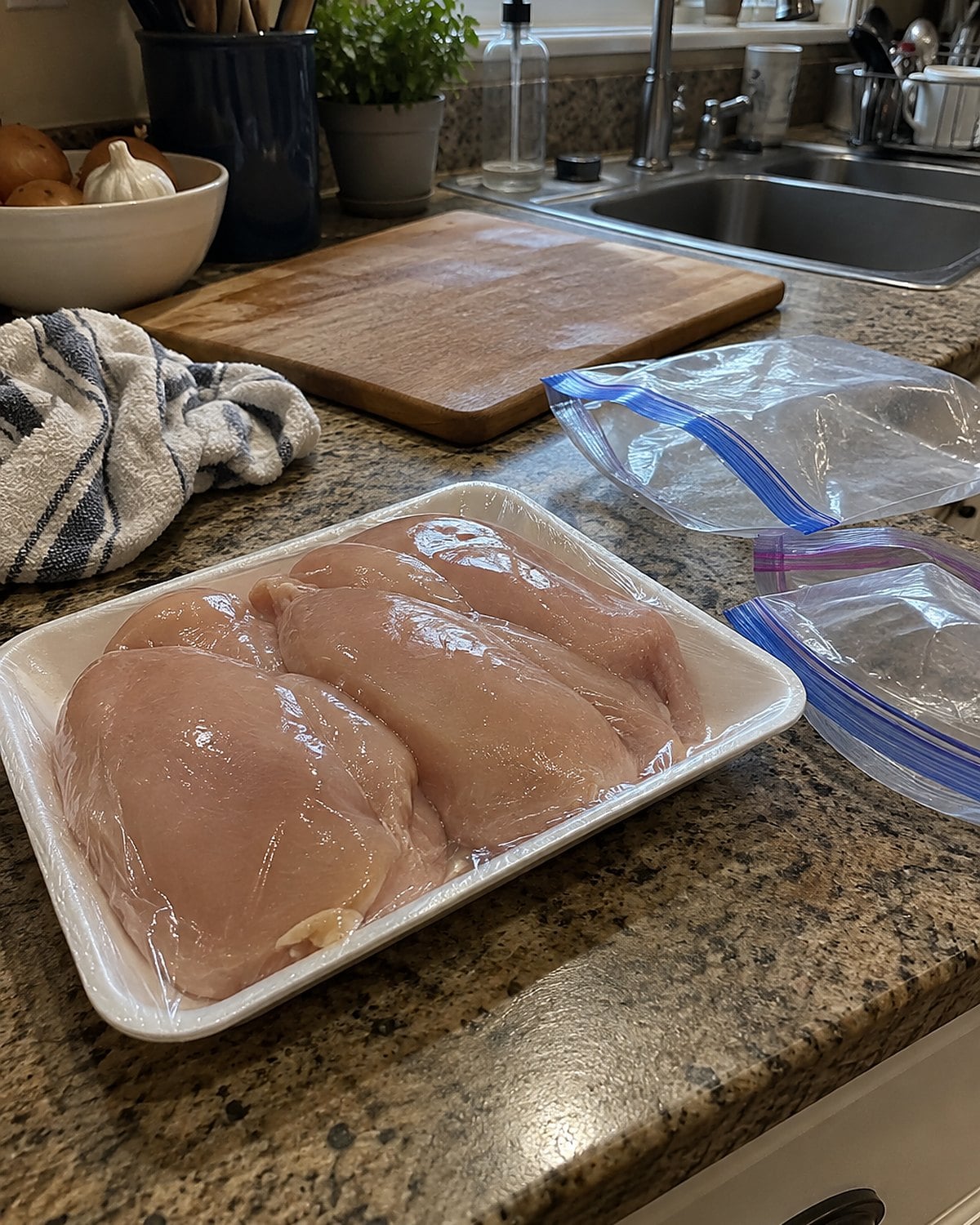
“Family size” describes a package, not the people coming to dinner. Four large chicken breasts look practical under plastic wrap. At home, they become a decision you have to make before the meat sits in the fridge too long.
Read the weight and count the pieces. A package with several breasts gives you separate meals only if you divide it while it's still cold. At the counter, set aside what you're cooking and package the rest for the freezer. Write the contents and date on each bag.
If you don't want that job after shopping, choose a smaller package. You're paying for food you intend to cook, not for a promise to sort it out later.
When chicken does go in the pan, use a thermometer in the thickest part. The safe internal temperature for poultry is 165°F. Package size has nothing to do with that part of dinner.
Try it: 23 Easy & Tasty Chicken Recipes For Two
#22 The freezer drawer packed with old dinners
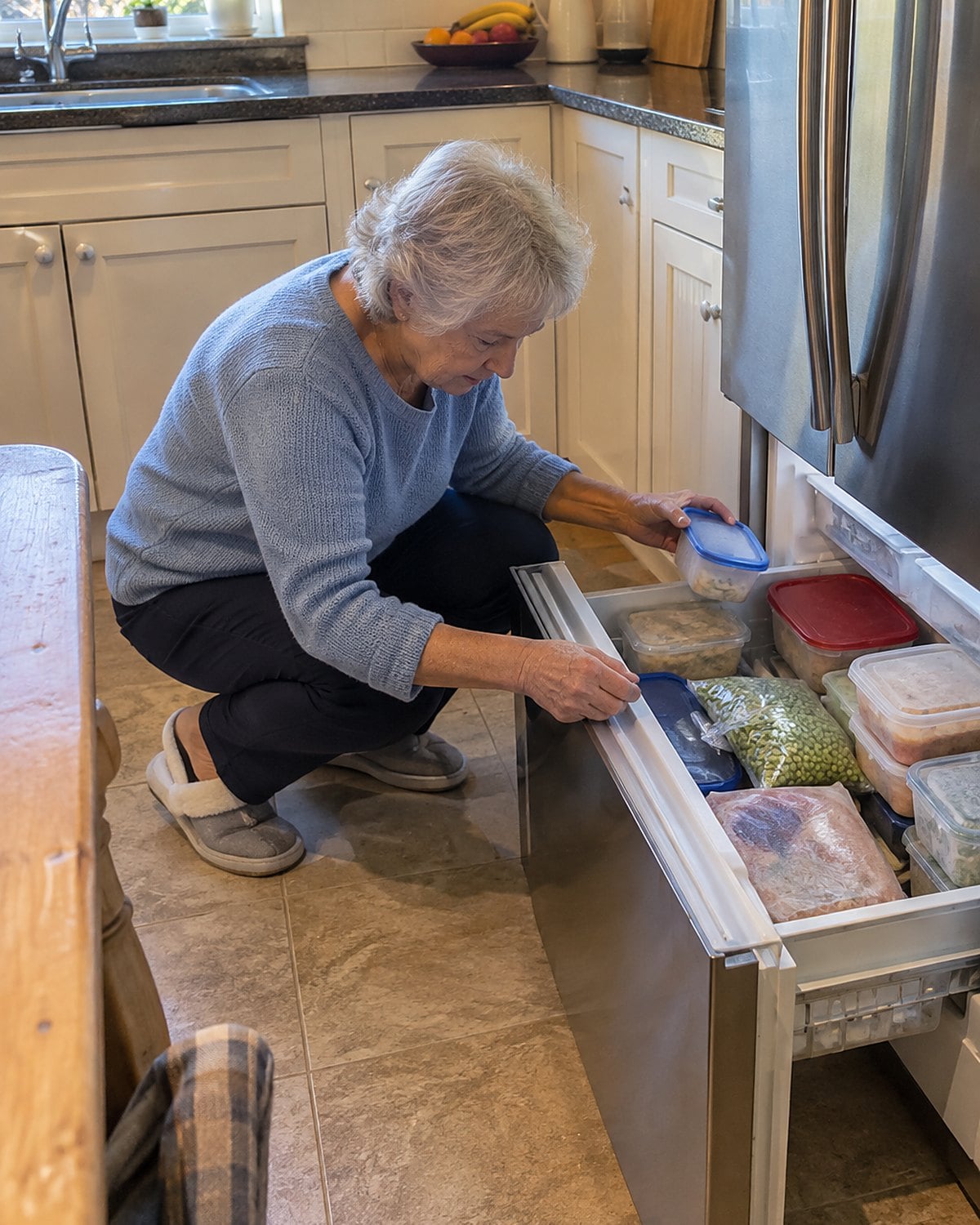
Pull the freezer drawer all the way out. There's a tub of soup under a bag of peas, a casserole piece wrapped in foil, and a container you have to open to identify. Each went in with a sensible plan. Together, they've become a drawer you shop around because you can't see what's there.
Start with an inventory, not a cooking project. Set a bowl on the counter and take out enough containers to read their labels. Write down the meals you want to eat. Put those toward the front, then build an upcoming dinner around one. A freezer full of food doesn't help you if supper always starts with a new purchase.
For leftovers, the USDA's leftovers guidance calls for refrigerating them promptly. It gives 3 to 4 days for refrigerated leftovers and recommends freezing food you won't eat within that time.
After dinner tonight, label what you freeze with the dish and date. “Pasta sauce” invites dinner later. An unmarked tub invites another bag of groceries.
#21 The lettuce head for six salads
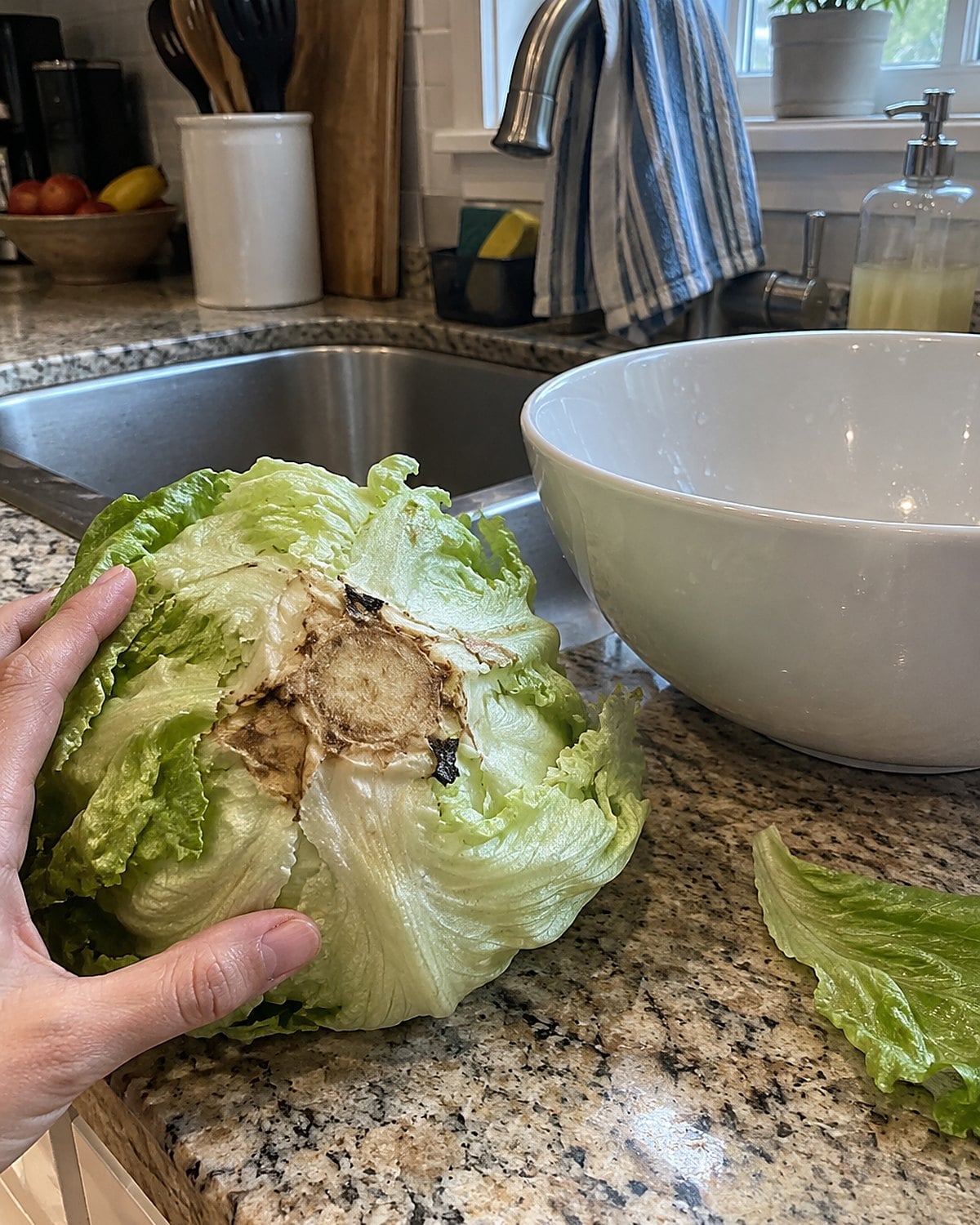
A full head of lettuce looks like the start of a good week. Then Wednesday arrives and its cut edge has turned brown, while the salad bowl still sits clean in the cupboard.
Buy greens for the salads you intend to make, not for the person you hoped to be on Monday. Before putting lettuce in the cart, picture its next appearance: beside soup, tucked into a sandwich, or chopped for dinner. No meal in mind? Take less.
At home, pull off a leaf and check the stem end before you wash the whole head. Crisp leaves deserve a plan. Slimy leaves don't need rescuing. Let the condition of the lettuce, rather than an old grocery routine, decide what you eat first.
#20 The roast ordered by old habit
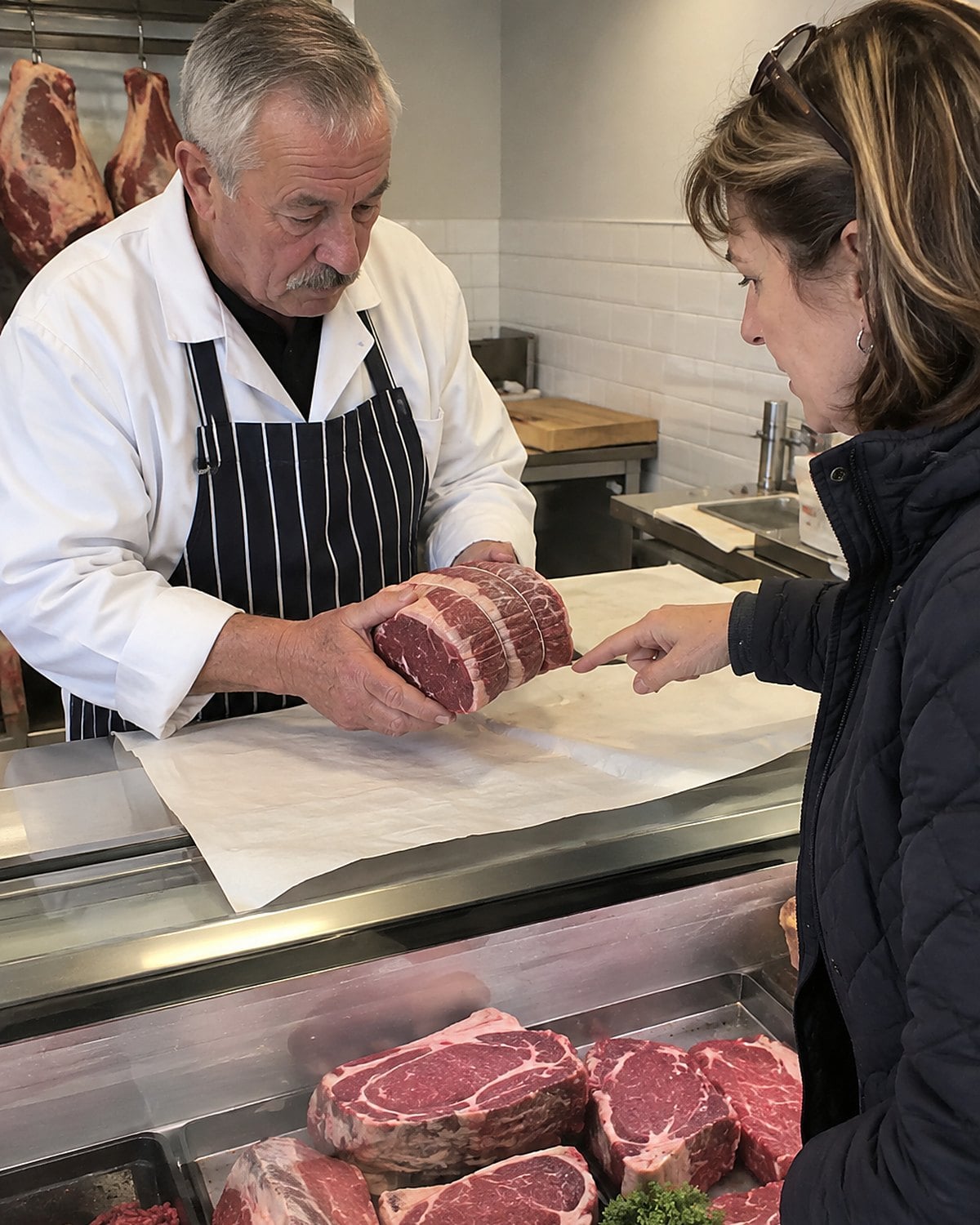
At the meat counter, your eye still goes to the roast that once fed a whole table. You know its shape, its oven time, and which pan holds the drippings. That knowledge is worth keeping. The automatic size isn't.
Ask the butcher, “What's the smallest roast you have today?” If the cut you want is large, ask whether it can be divided before you buy it. You can cook part now and freeze the rest raw, with a label you'll understand later. Or choose a small cut for a dinner that ends when the plates are cleared.
A roast cooked for two needs the same attention as a larger one. Size changes the cooking time, so the clock alone won't tell you it's done. For whole cuts of beef and pork, the USDA gives 145°F and a 3-minute rest. Put the thermometer in the thickest part, away from bone.
Keep the good roasting pan. Let the cut of meat fit the people eating it.
#19 The grandchildren snacks bought on Tuesday
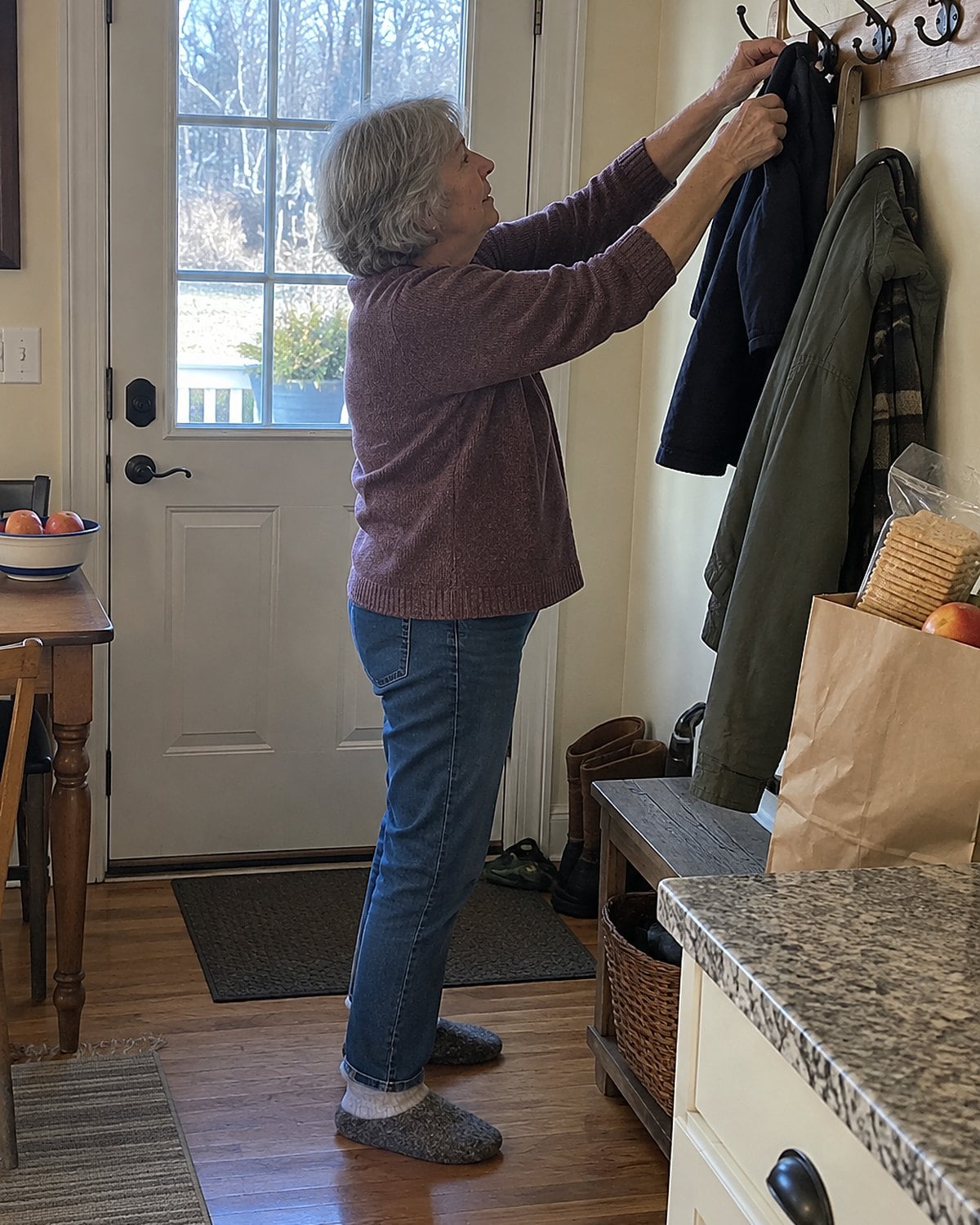
The children arrive Saturday with damp coats and strong opinions about crackers. On Tuesday, though, nobody needs the high-chair snacks you put in the cart. By the weekend, half the package has disappeared into ordinary grazing.
Keep a separate weekend note. Add snacks when you know a visit is happening, then ask what the children are eating these days. Their favorites change faster than the pantry shelf does. For an unplanned visit, a simple food you already keep at home beats a cupboard devoted to last season's favorite.
This isn't about refusing to be ready. You know how to welcome people at the door and find them something to eat. It means buying for the visit on the calendar rather than every visit you can imagine. Let Tuesday groceries feed Tuesday.
 You might also like27 Things People Over 60 Still Do With Leftovers That Food-Safety Experts Beg Them to Stop
#18 The stockpot of soup nobody finishes
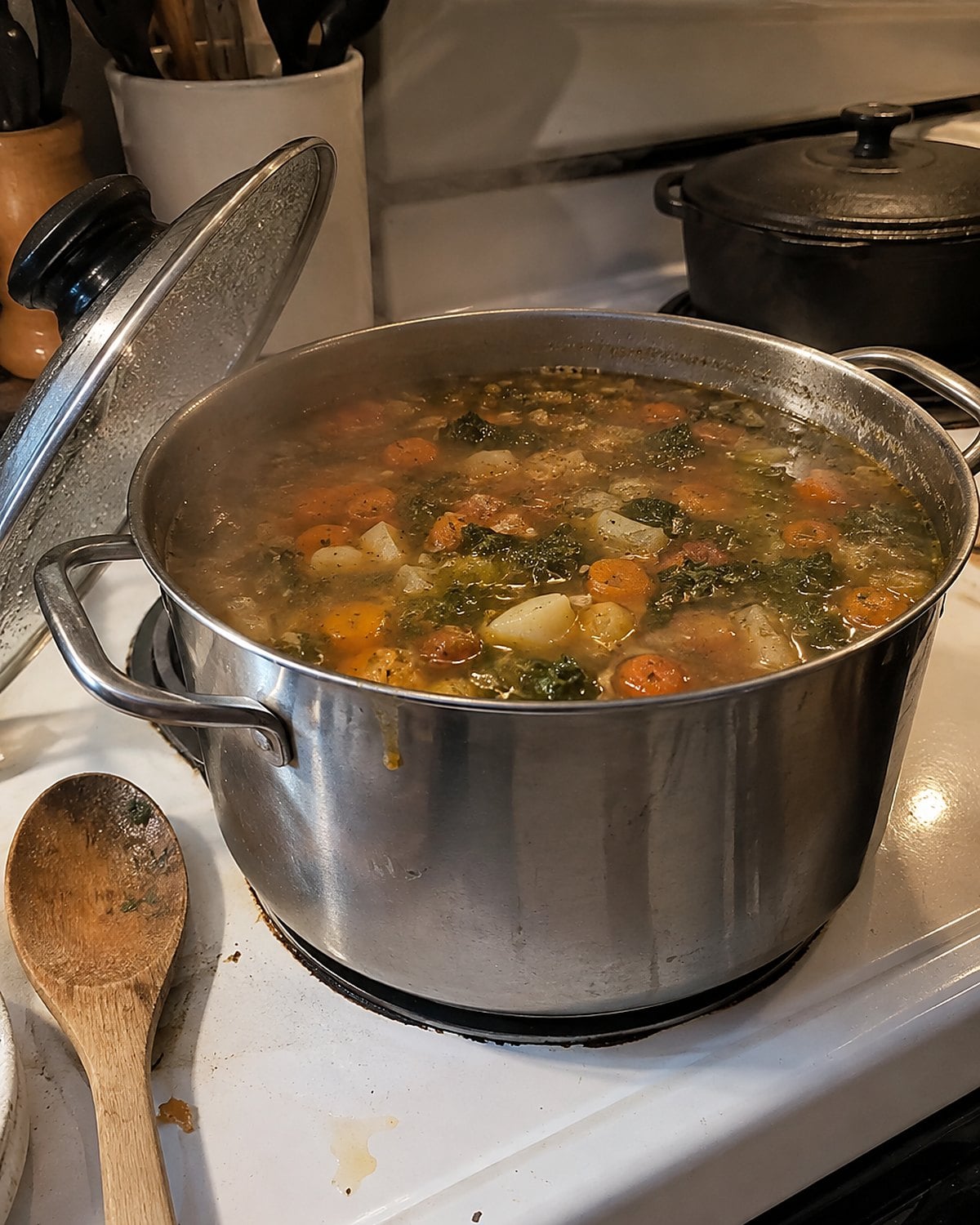
The lid rattles, the kitchen smells of onions, and you've made soup in the pot you've always used. By the time the vegetables are tender, the stockpot holds enough for the family table it used to serve.
A big pot has its place when people are coming. On an ordinary night, soup quantity begins before the broth goes in. Use a smaller pot. Cut fewer vegetables. Add broth a little at a time until it looks like dinner, rather than filling the pot because there's room.
Taste before you add salt. As soup cooks, liquid leaves as steam, and what remains tastes stronger. A spoonful from the edge tells you whether it needs more broth, a little acid, or nothing at all. You already know how to finish a good soup; the smaller pot just gives you less to manage afterward.
If you do make a large batch, divide leftovers into shallow containers for prompt cooling. Put a dinner-sized portion where you'll see it. The rest shouldn't become a reason to avoid opening the fridge.
Try it: Instant Pot Creamy Vegetable Soup (Vegan, Whole30)
#17 The giant bag of washed spinach
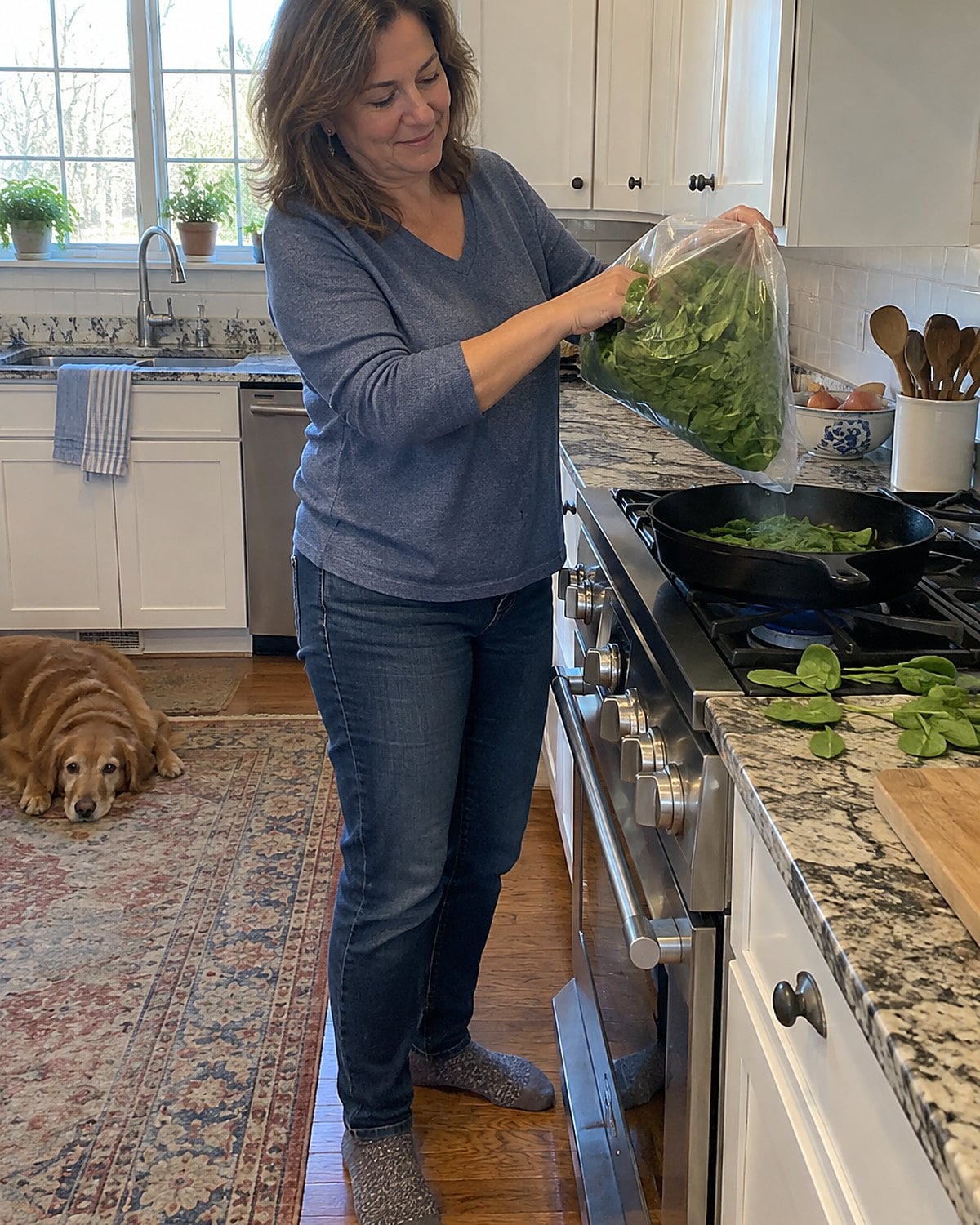
A big bag of spinach looks ready for everything. Open it, and the leaves spring up around your hand. After one salad and one handful in an omelet, the rest sits under a damp patch near the seam.
Look through the clear part of the bag before you buy. Choose leaves that look dry and sound, without liquid collecting at the bottom. At home, plan the first use right away. Tender greens ask for an early dinner, not a vague promise about later in the week.
If you want spinach for cooked meals, use it while the leaves are still good. The pan reduces a generous pile to a modest serving as water cooks off. Seeing that shrinkage once is helpful; it tells you what the bag will actually give you. It also tells you whether you wanted the giant bag in the first place.
Try it: Instant Pot Spinach Rice (Indian Palak Pulao)
#16 The rice canister filled to its old line
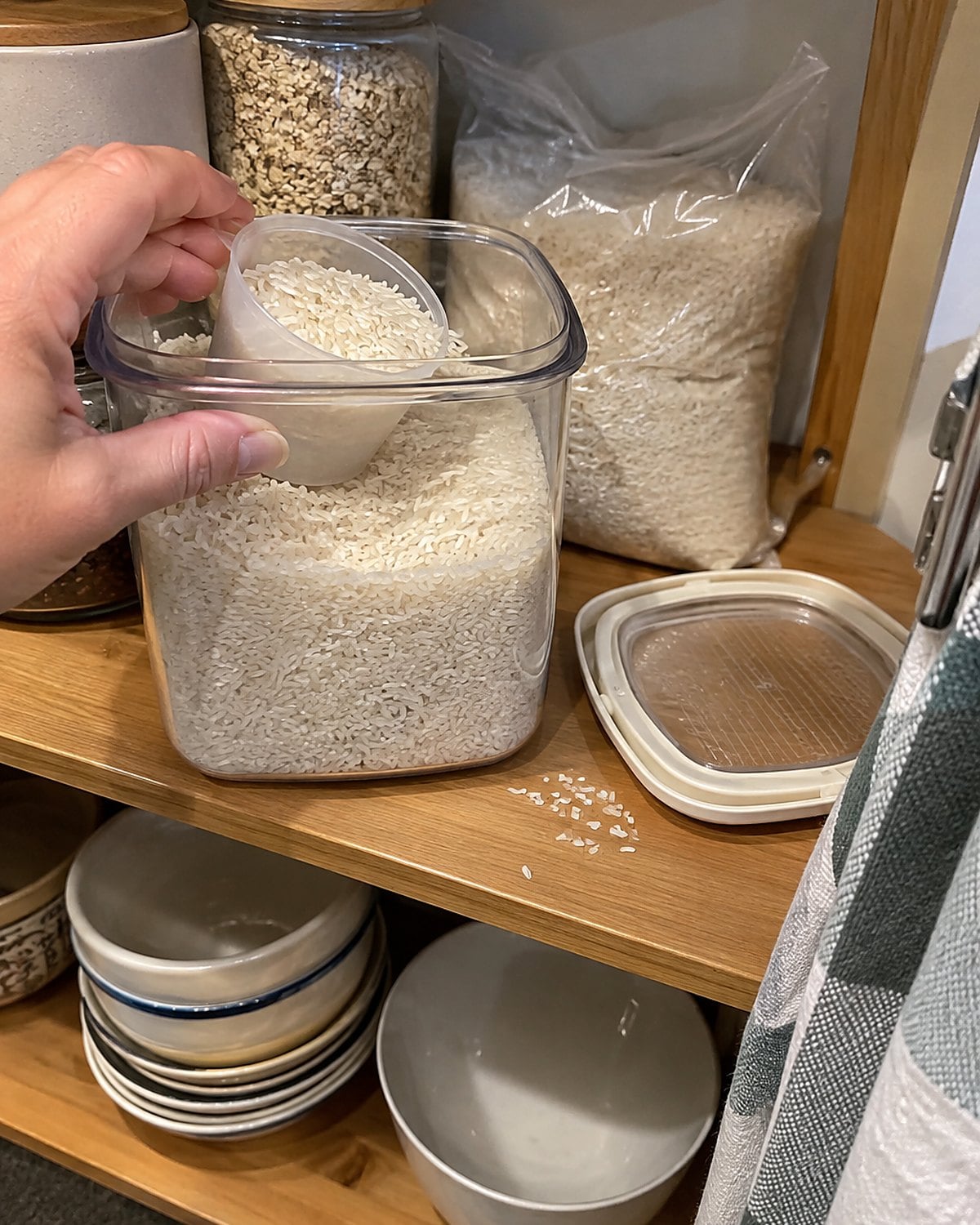
Your hand tips rice into the canister until it reaches the mark it has reached for decades. There's comfort in that. There's also rice already waiting behind it, because the casserole dish isn't coming out as much.
A cupboard staple can outlast a change in household size. Before adding rice to the list, look at the canister and ask which meal will use it. If the answer is “something with rice,” leave the bag at the store. If you've planned stir-fry or soup, buy what you need to keep that meal possible.
Cooked rice deserves more care than dry rice in the cupboard. Refrigerate it promptly in a shallow container. The USDA's cold storage chart lists cooked leftovers at 3 to 4 days in the refrigerator. If you want to keep it longer, freeze portions for later meals.
There is no prize for keeping the canister at its old line. Its job is to hold the rice you'll cook.
#15 The potluck pan on an ordinary Wednesday
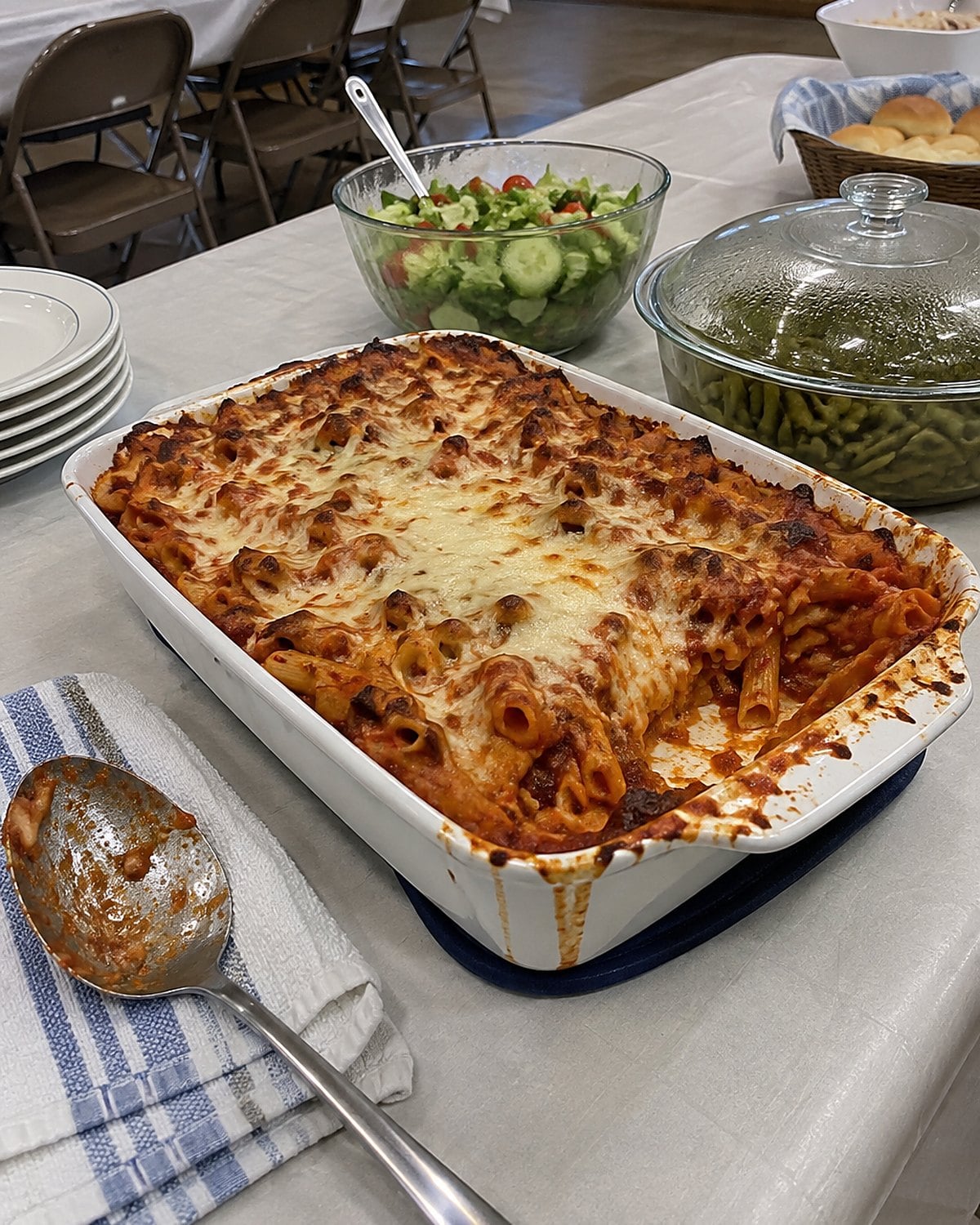
Why is the potluck pan on the counter when no potluck is coming? You made baked pasta because you know how it travels. At the church hall, that pan feeds whoever arrives late. At home, you have to find room for it in the fridge after dinner.
Keep the dish in your collection. Change when you make it. A potluck, a family visit, or a neighbor who's asked for dinner gives that pan a job. For a night at home, choose a smaller baking dish and keep the recipe's flavor in the sauce and topping.
The smaller dish changes how deep the pasta sits. Check the center rather than trusting the old clock time. If the dish contains meat, use a thermometer and the USDA's safe temperature chart for that meat.
That pan still earns its cupboard space. Wednesday's dinner needn't fill it.
#14 The cheese block tucked behind the butter
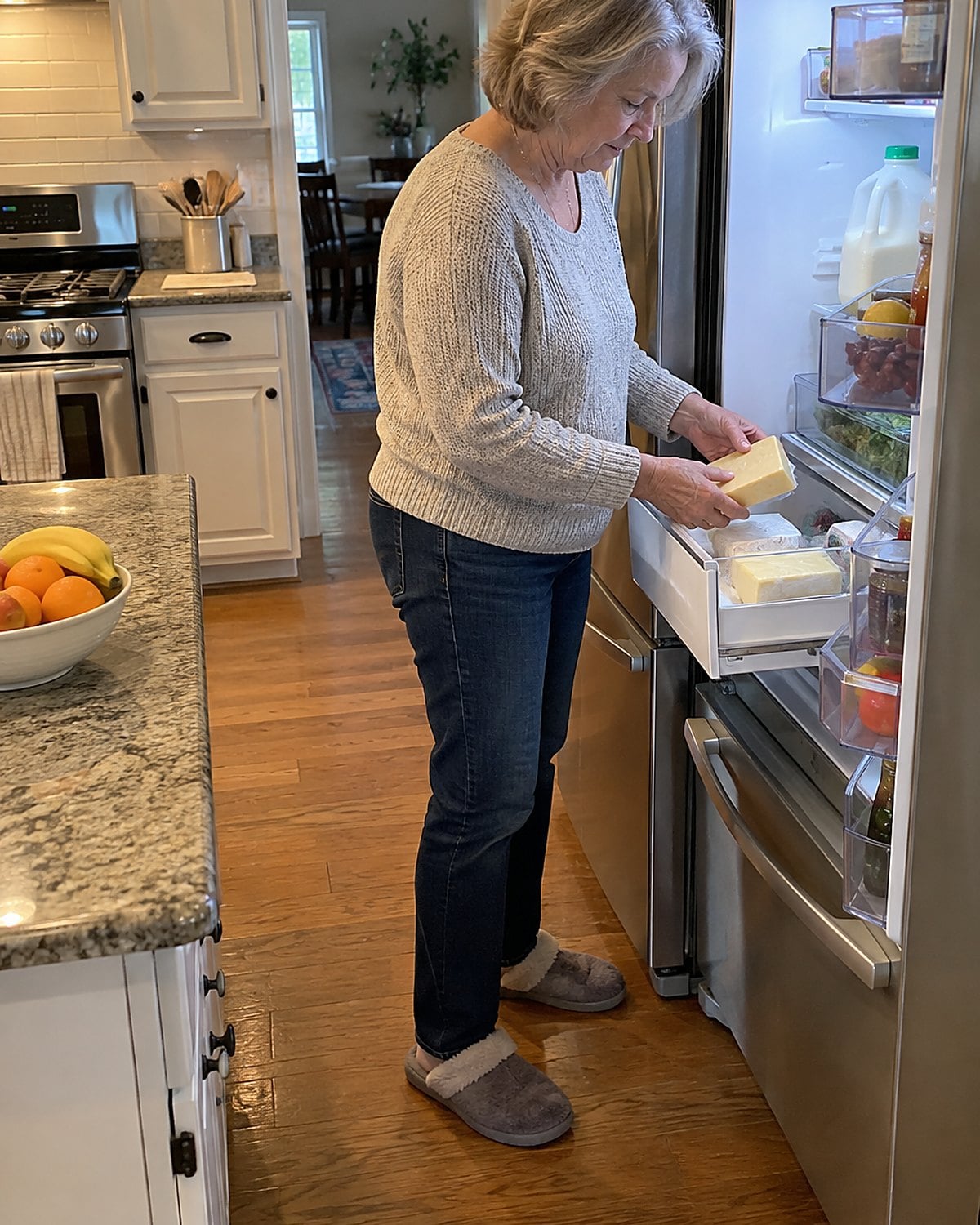
There it is again: a large block of cheese with one corner cut away. You bought it for sandwiches, eggs, and whatever needed finishing. Then you bought another because the first block hid behind the butter.
Put cheese where you see it when you open the drawer. Keep it wrapped, and use a clean knife when you cut it. Before you shop, check what's left and name its next meal. A block that already has enough cheese for grilled sandwiches doesn't need a companion.
The USDA's FoodKeeper tool gives storage guidance by food. Use it for a specific cheese rather than applying the same rule to every soft cheese, hard cheese, and shredded package. If food has visible mold, don't make up a trimming rule at the counter; check guidance for that type or discard it.
Your grocery list needs to know what is behind the butter. You don't have to remember it from the dairy aisle.
#13 The egg carton that never empties
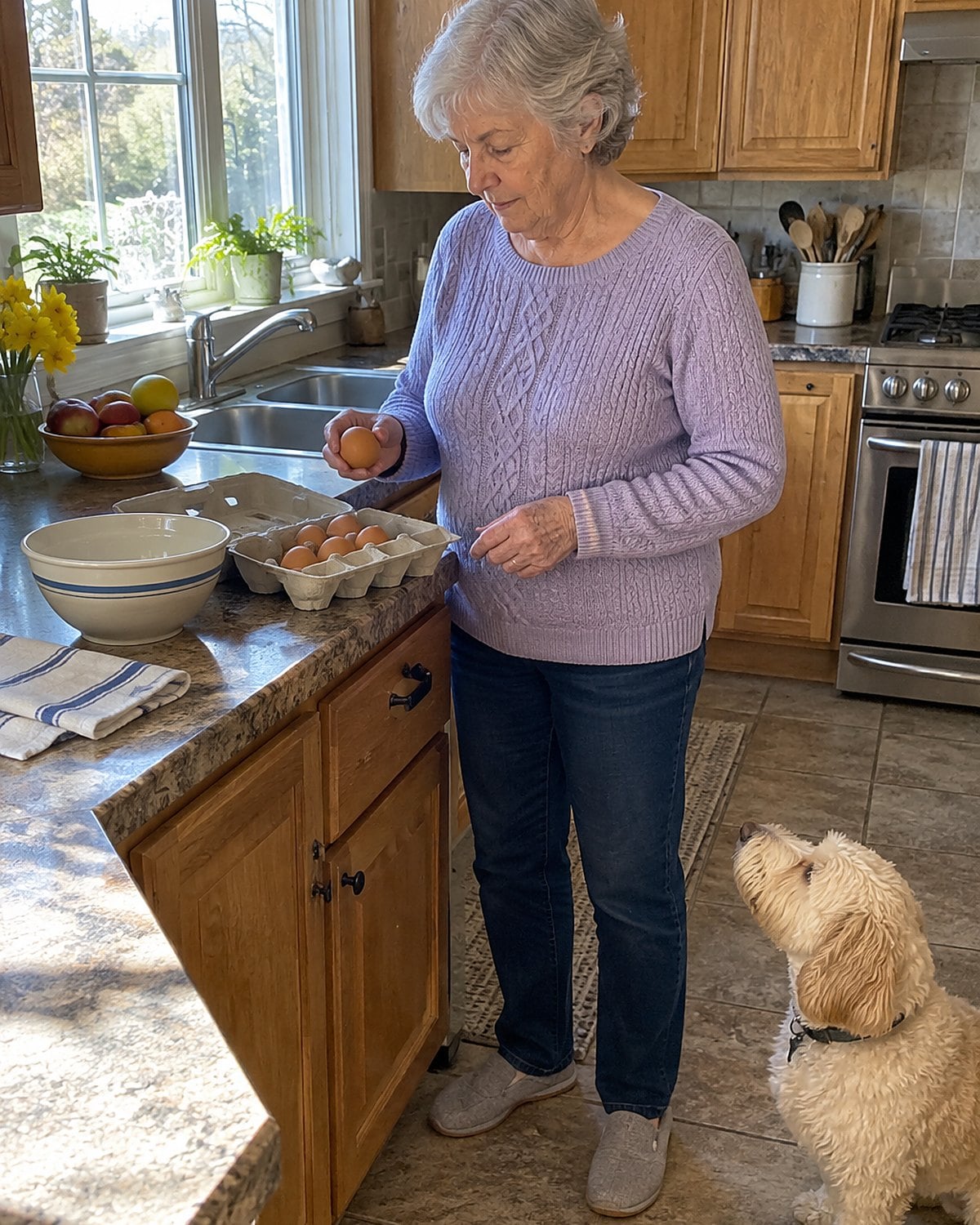
Do you still buy eggs each time you shop? Open the fridge before you answer. A carton with several eggs in it is already a breakfast plan, even if nobody has opened it since last Sunday.
Eggs look like a small, useful purchase, which makes them easy to buy twice. Start with the carton you have. Think about the breakfasts and baking you intend to do before your next trip. Then decide whether another carton belongs in the cart.
Keep eggs in their carton in the main part of a fridge at 40°F or below, rather than moving them to a door compartment. The carton keeps the date and protects the shells. If you need guidance for a particular egg dish, the FDA's egg safety page has it.
The useful question isn't “Are eggs handy?” You already know they are. It's “Will I finish these first?”
Try it: Instant Pot Boiled Eggs (Soft-Boiled, Jammy & Hard-Boiled)
#12 The spice jar bought for one supper
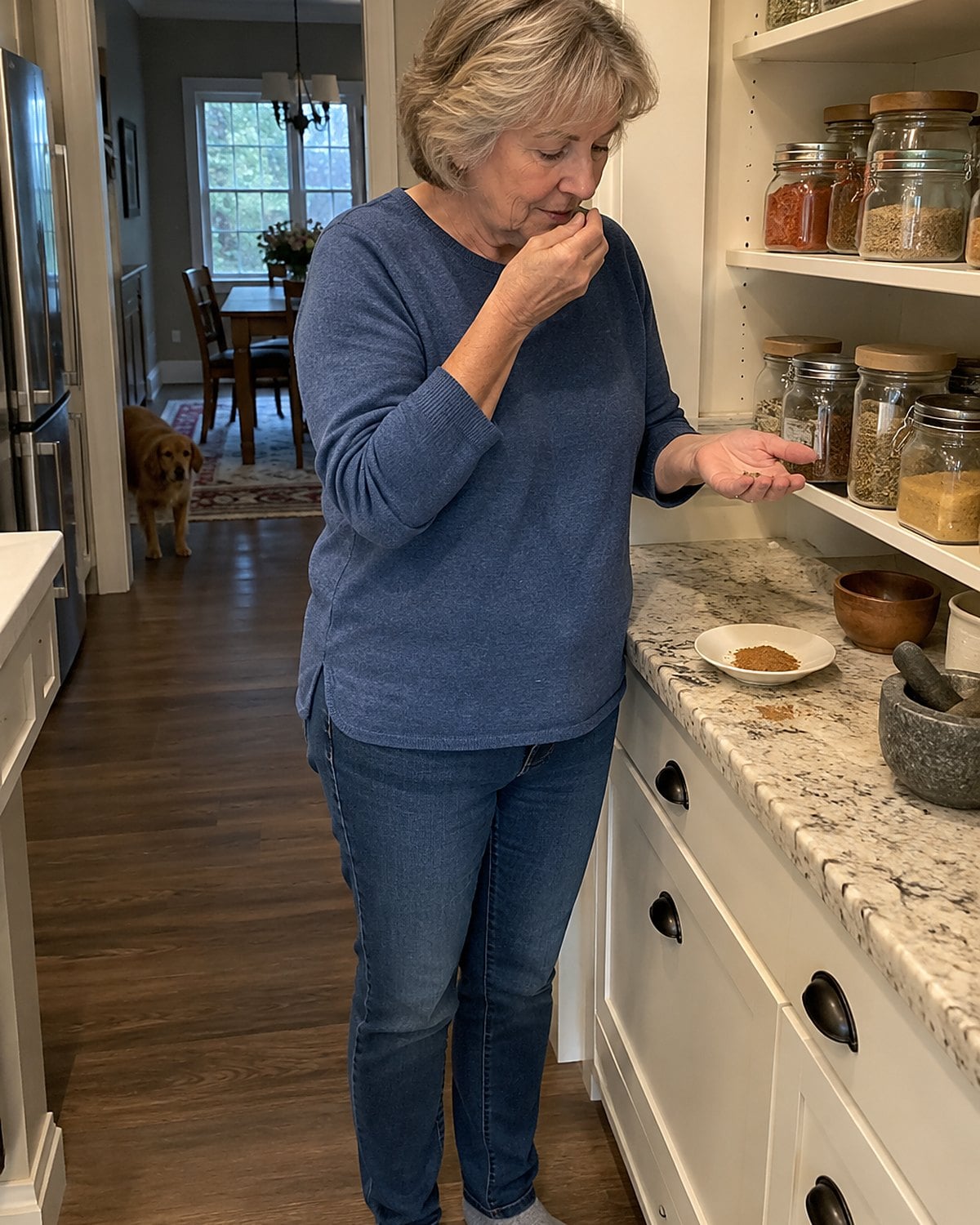
The pantry door swings open, and the new spice jar lands beside two older ones. Each was bought for a different supper. None is empty.
Before buying a spice, put the jar you have on the counter. Open it and smell it. If the aroma is weak, rub a little between your fingers and smell again. That test won't give a precise age, but it tells you what you'll taste in the food. A spice that smells like little more than dust won't do much for dinner.
Whole spices and ground spices behave differently in a hot pan. Ground spices release their aroma quickly and scorch if left in dry heat. Add them with enough oil and keep things moving, or stir them into a moist sauce. You need a smaller jar of good spice more than a collection of backups.
Write a spice on your list when the jar is empty or the next dish truly needs it. The dinner you cooked last month doesn't get to fill this month's cart.
#11 The flour sack for holiday baking
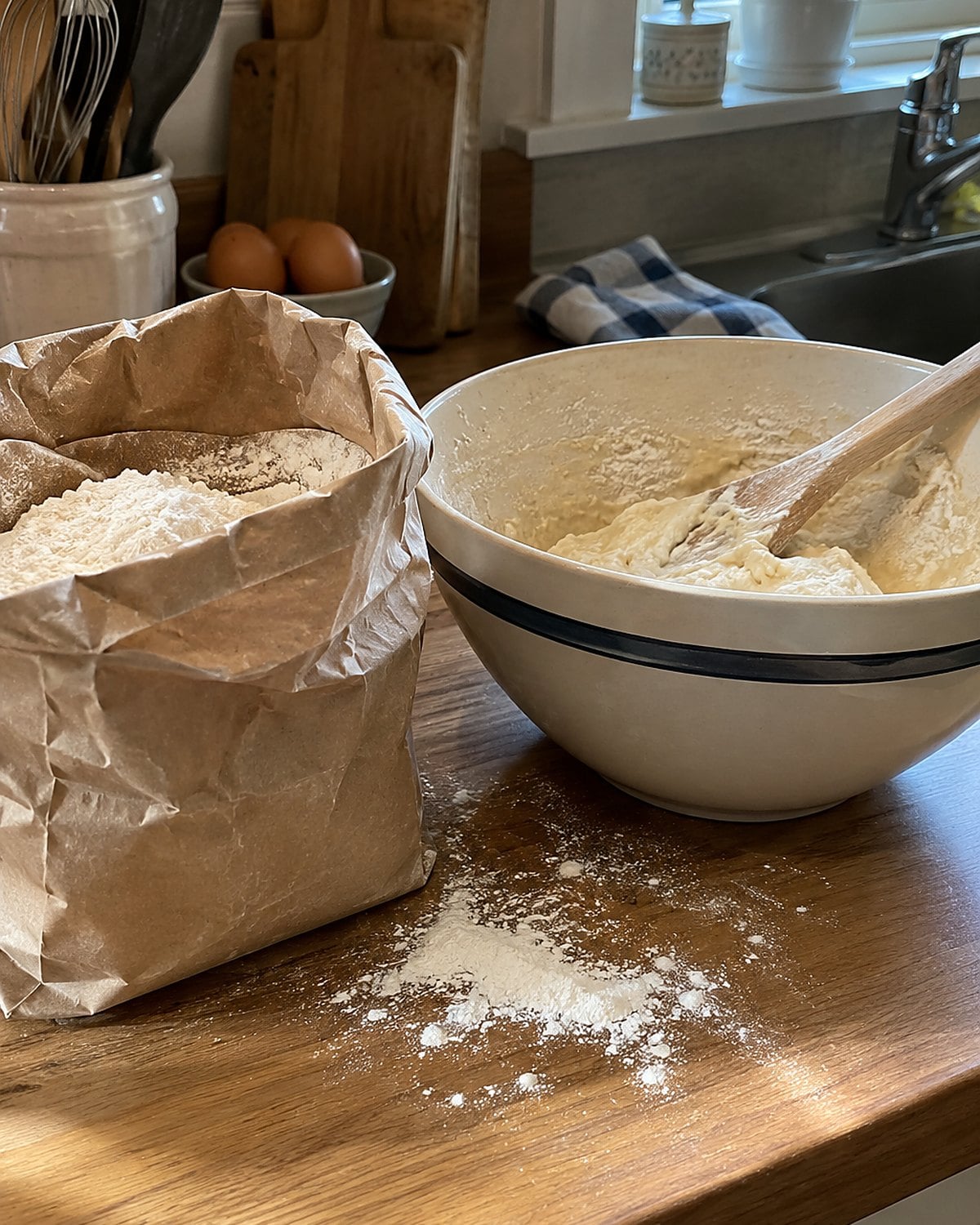
The baking aisle still looks like a holiday plan. You reach for a large sack of flour because that's what a house full of cookie helpers used to require. Back home, the cupboard already holds a sack with its top folded down.
Flour needs a dry, closed place where you can see what you own. Before you buy more, check the bag for its date and condition. If you notice signs of pantry pests, don't bake with it. Clean the shelf and check the foods stored nearby. Your county extension office has guidance for dealing with pantry pests if the problem reaches beyond one bag.
Match the next purchase to an actual baking day. A batch of biscuits doesn't call for the same shopping as a holiday kitchen. If the grandchildren are coming to bake, put flour on the list when you've chosen what you're making together.
You can still turn out the cookies everyone asks for. First, give the flour already in your cupboard a job.
#10 The sandwich meat nobody takes for lunch
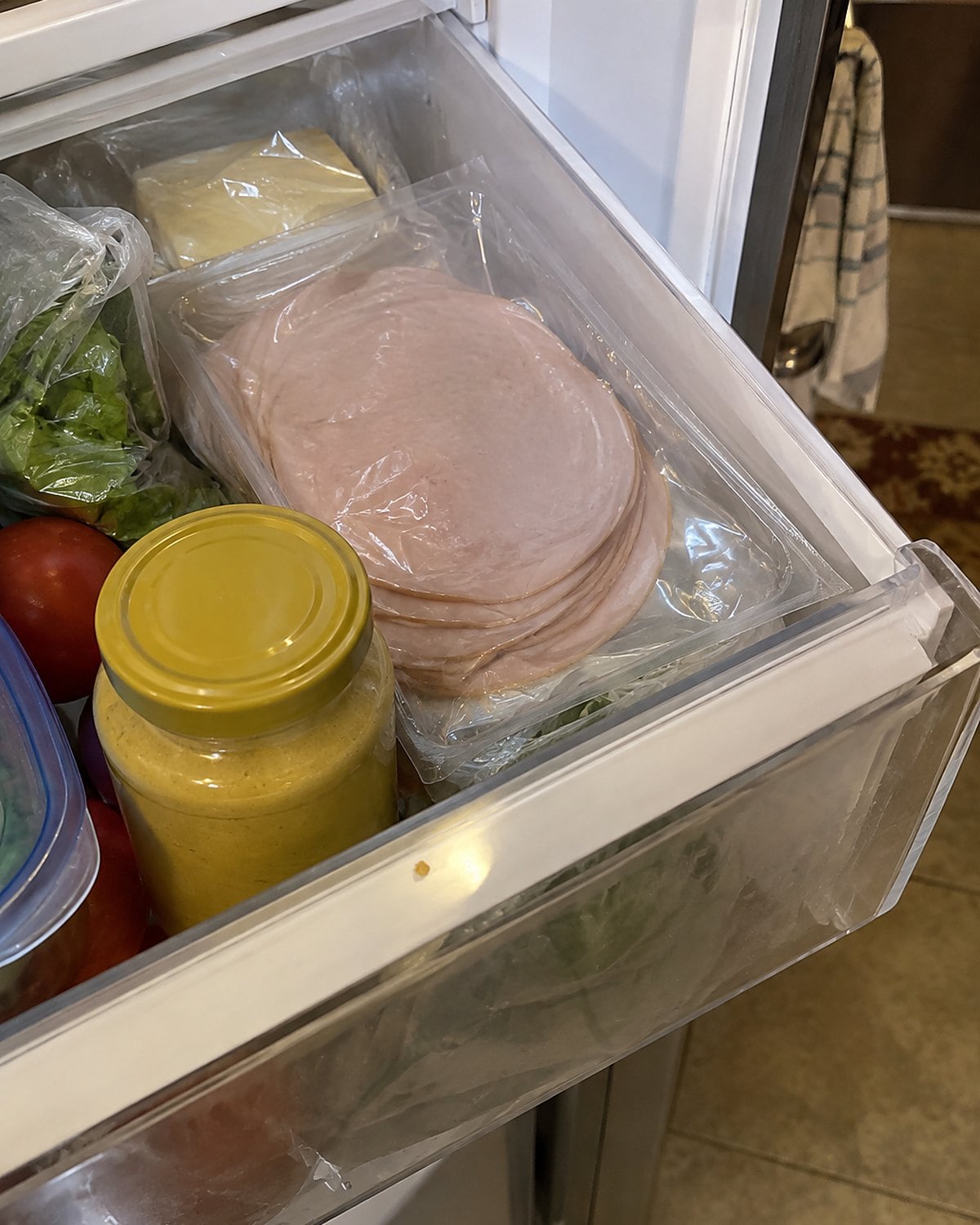
The package goes into the deli drawer because lunches need something quick. Then lunchtime arrives, and you heat soup, make toast, or take the last piece of chicken. The unopened sandwich meat remains behind the mustard.
Look at what you really ate for lunch last week. Your habits at noon count more than your intentions in the deli line. If sandwiches weren't part of the week, skip the package. Buy sandwich meat when you have bread, a plan, and someone who wants sandwiches.
Pay attention once the package is open. The USDA's cold storage chart gives 3 to 5 days in a 40°F refrigerator for opened lunch meat. Write the opening date on the package if it's hard to remember. If you won't use it in that window, don't let the sale tag make the decision.
A quick lunch doesn't have to look like the lunches you packed for other people. It just has to be something you'll reach for when the clock says noon.
 You might also like27 Things People Over 60 Still Pay Full Price for That the Store Would Rather You Didn't Notice
#9 The market basket of ripe peaches
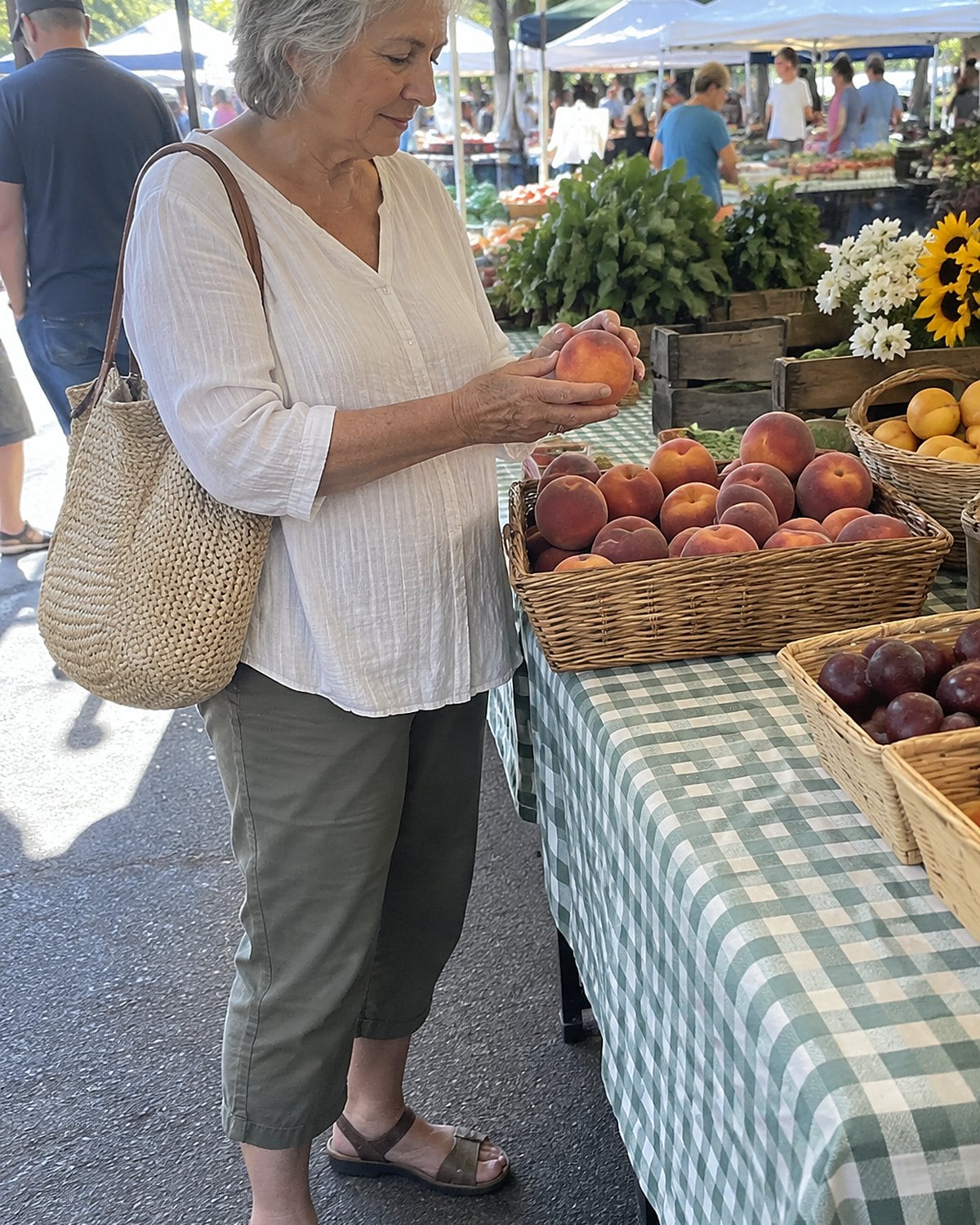
At the market stall, the peaches smell like summer. The basket looks lovely. Back in your kitchen, every peach reaches its best day together, while you still have apples in the bowl.
Buy the number you'll eat while they're good. Lift each peach and check for bruises and soft spots. A little give near the stem tells you it's ready to eat; hard fruit needs more time. Don't squeeze the whole basket.
If you want peaches for visitors, wait until you know when they're coming. For tonight, take enough for dessert or breakfast and enjoy them at their best. You have spent enough summers cooking to know that ripe fruit won't follow a household schedule.
Leave room in the basket for what you'll actually eat tomorrow.
Try it: Instant Pot Peach Cheesecake (Light & Healthy )
#8 The hamburger buns after burger night
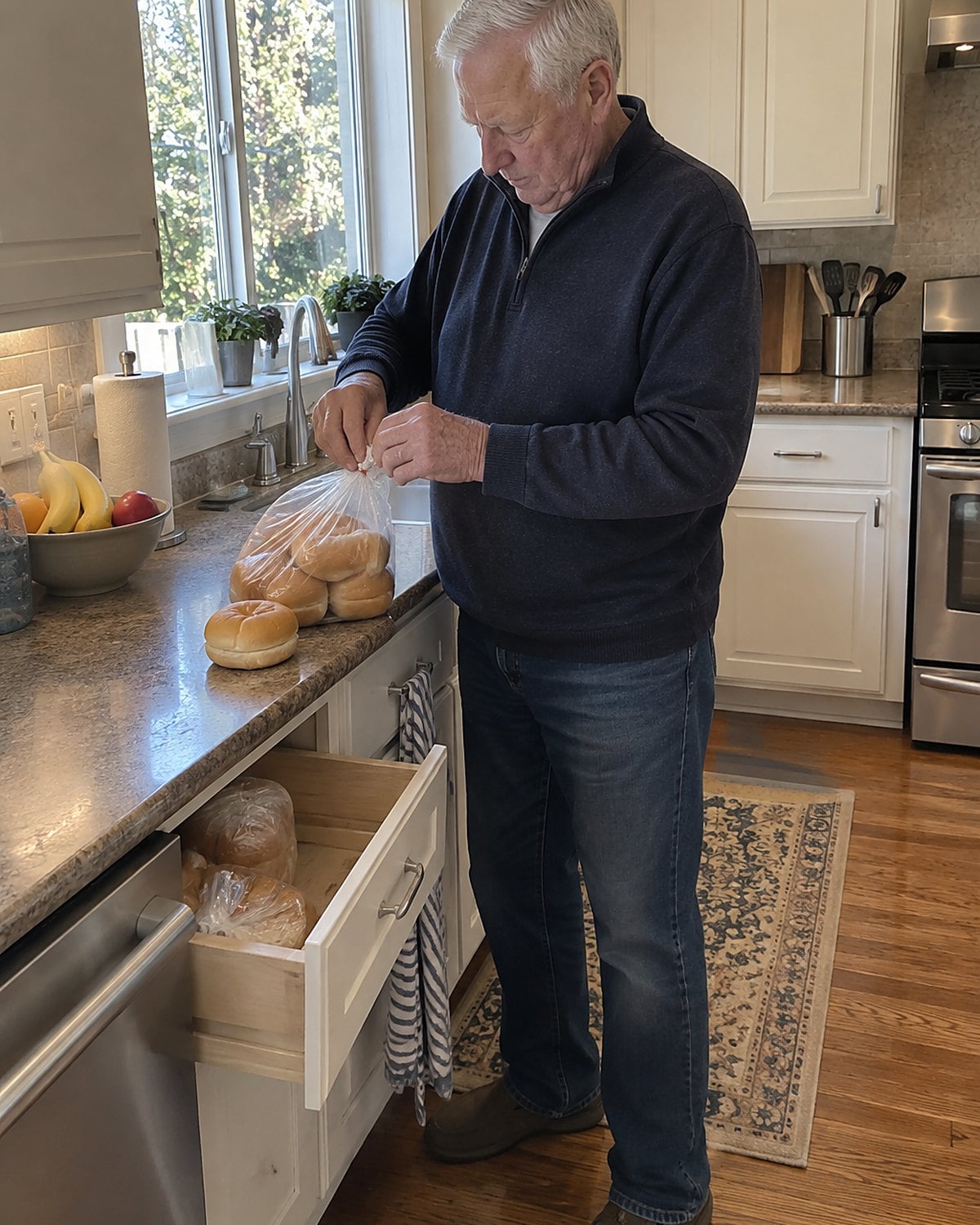
Burger night ends, and the bun bag stays on the counter with a twist tie wound tight. The next grocery trip arrives before anyone wants another burger. Yet another bag lands beside it because buns feel like part of keeping dinner possible.
First, look in the bread drawer. If you're planning burgers, count what's there before you shop. For an ordinary dinner, choose the package closest to the number you'll serve. Extra buns have a job only if you want them for another meal.
Freeze the extras while they're fresh, sealed well enough that the freezer air doesn't dry them out. Later, split and toast them straight from frozen, or let them thaw for lunch. The toasted cut side stands up better to a juicy burger because some surface moisture has been driven off.
A bun is a small thing to waste. It's also an easy habit to catch. The drawer with the twist ties will tell you what to buy.
#7 The serving bowl filled out of reflex
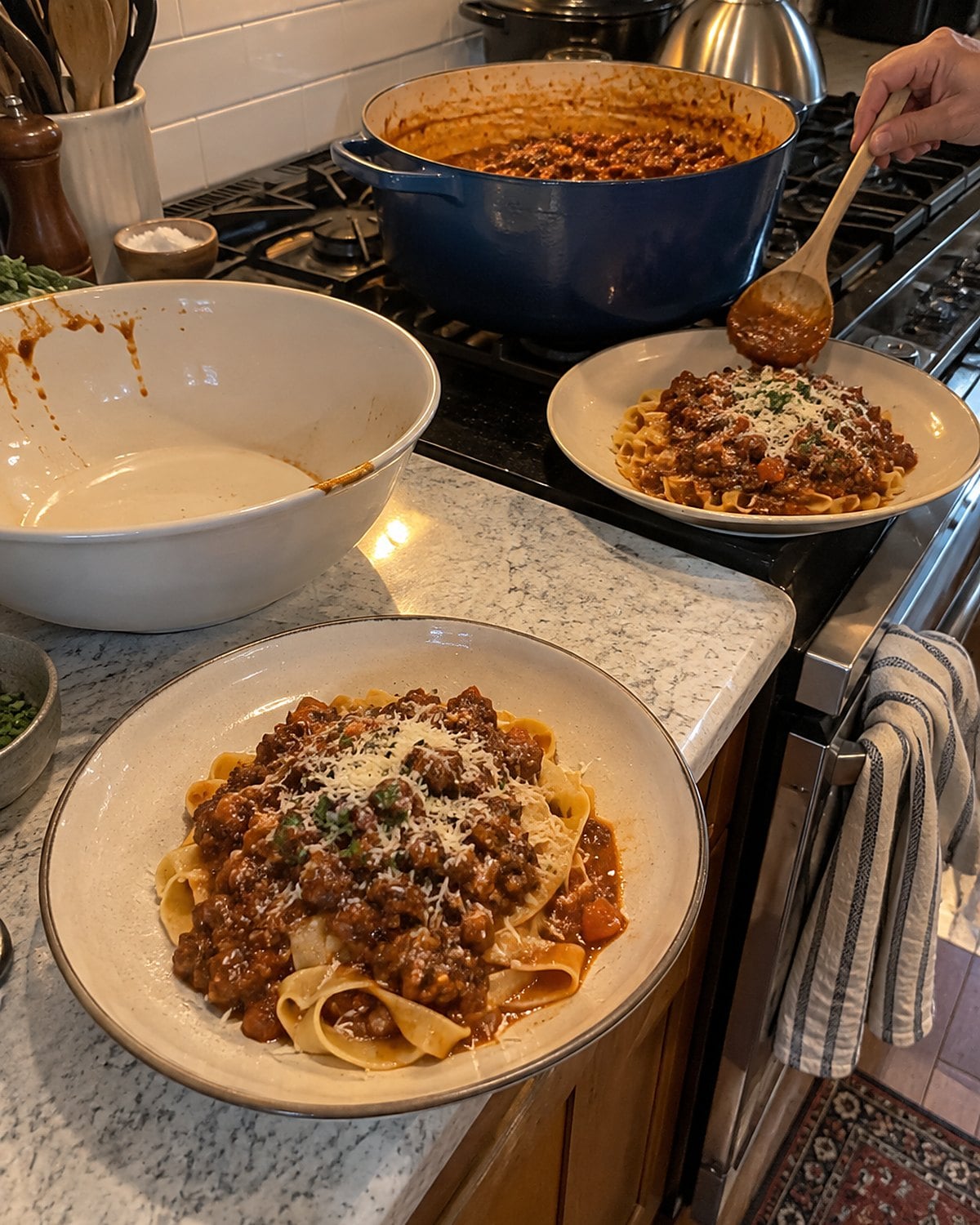
Dinner is ready. Your hand reaches for the wide serving bowl, the one that sat in the middle of the family table. You fill it before you notice the meal is for two.
Put the food on your plates first. Then decide what to do with what remains in the pan. This keeps dinner from turning into a bowl of leftovers that has spent the evening on the table. Refrigerate food you're saving promptly in shallow containers; the USDA advises getting perishable leftovers into the fridge within 2 hours.
There's another benefit. You can see the amount the meal made. Next time, reduce the ingredients before you cook, or choose a smaller pan. The serving bowl still belongs in your kitchen. Bring it out when there are people to pass it to.
#6 The freezer bag labeled only “meat”
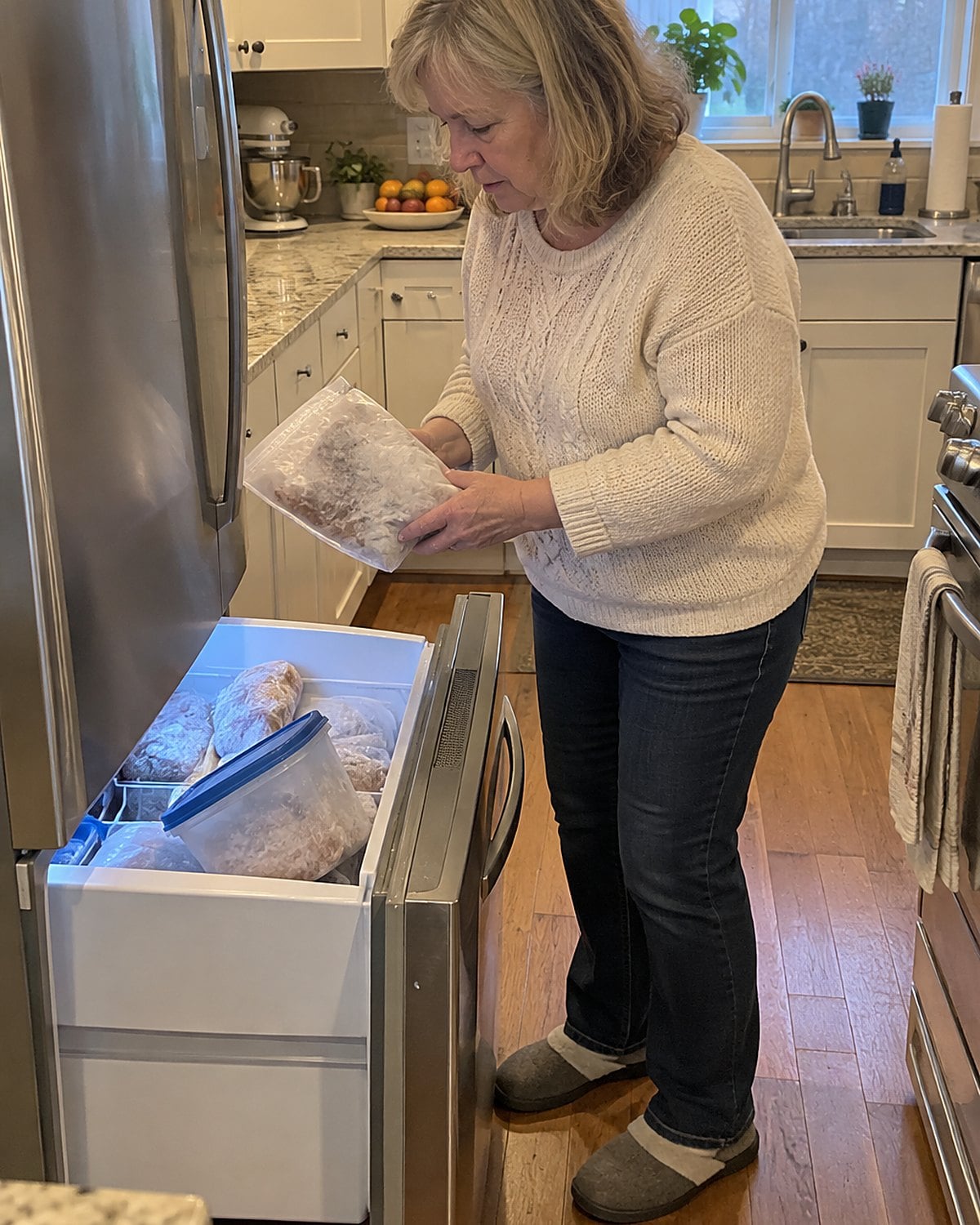
A hand reaches into the freezer drawer and pulls out a hard, pale package. The writing says “meat.” Is it ground beef for sauce or pork for a slow Sunday? You set it back and buy something you can identify.
Make the label before the bag goes in. Write the cut or dish, the amount, and the date. “Ground beef, 1 pound” tells you what dinner it fits. Press out excess air and seal the bag. Put new packages behind older ones so the next choice is visible.
Freezing stops you from having to cook every purchase this week. It doesn't make the contents recognizable by itself. The USDA's freezing and food safety guidance explains why food kept frozen stays safe, while quality changes over time.
Tonight, identify one mystery bag before adding another. If you can't tell what it is or when it went in, don't guess at the stove. A useful freezer has food you can name.
#5 The sale tag on the giant jar
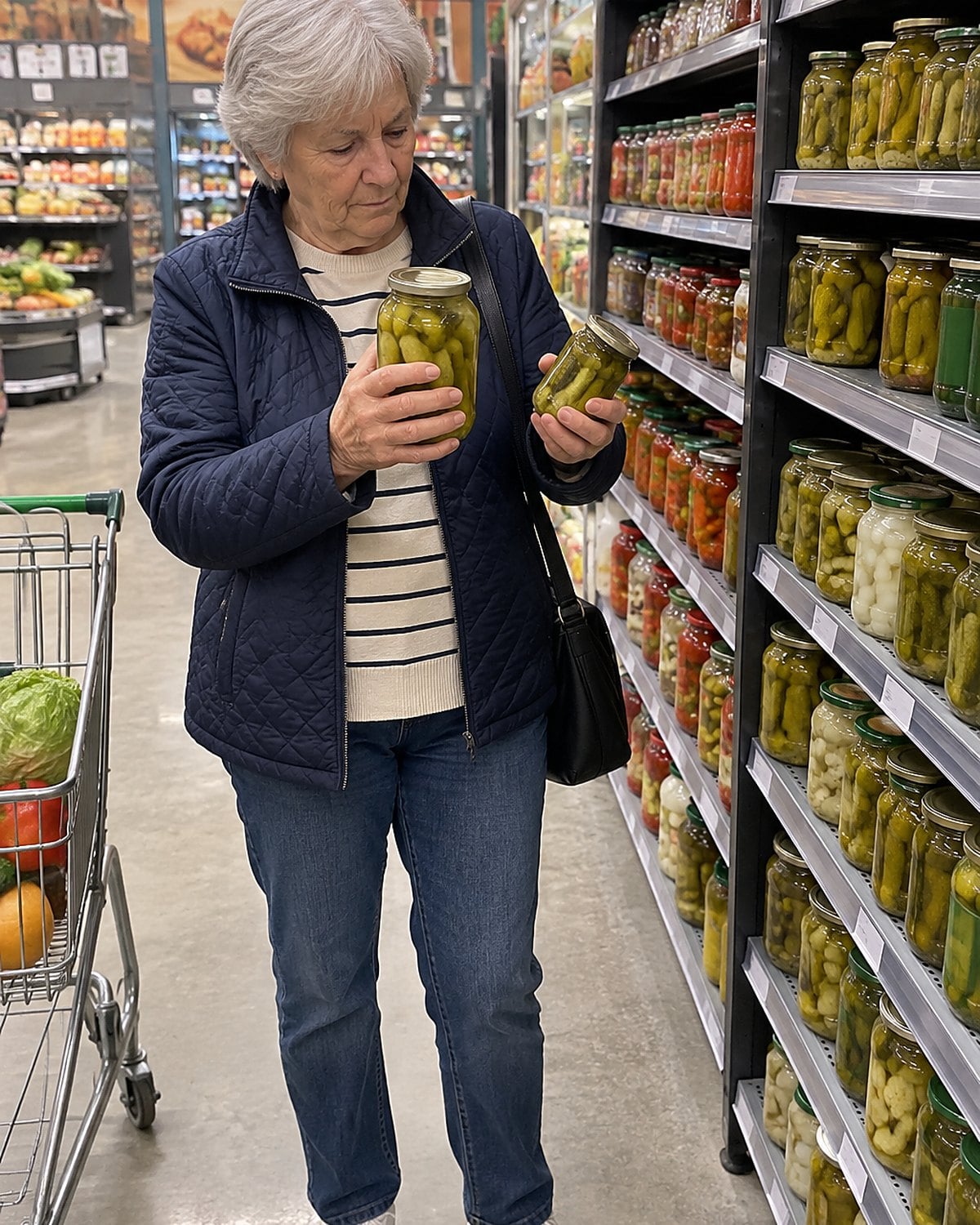
The large jar costs less per ounce. Your hand reaches for it before you've asked what the smaller jar would do. That unit price is real information, but it answers only one question.
Read the unit price on the shelf, then picture the jar open in your fridge. Will you use that much salsa, pickles, or pasta sauce? If you threw out part of the last large jar, the lower unit price didn't make that purchase cheaper for your household.
Buy the size that fits the meals you have in mind. Keep an eye on the label's directions after opening, since products differ. If the smaller jar runs out and you use every bit, you'll have learned something for your next trip.
A sale tag tells you what the store is charging. Your own fridge tells you what the bargain was worth.
#4 The vegetable drawer nobody pulls out
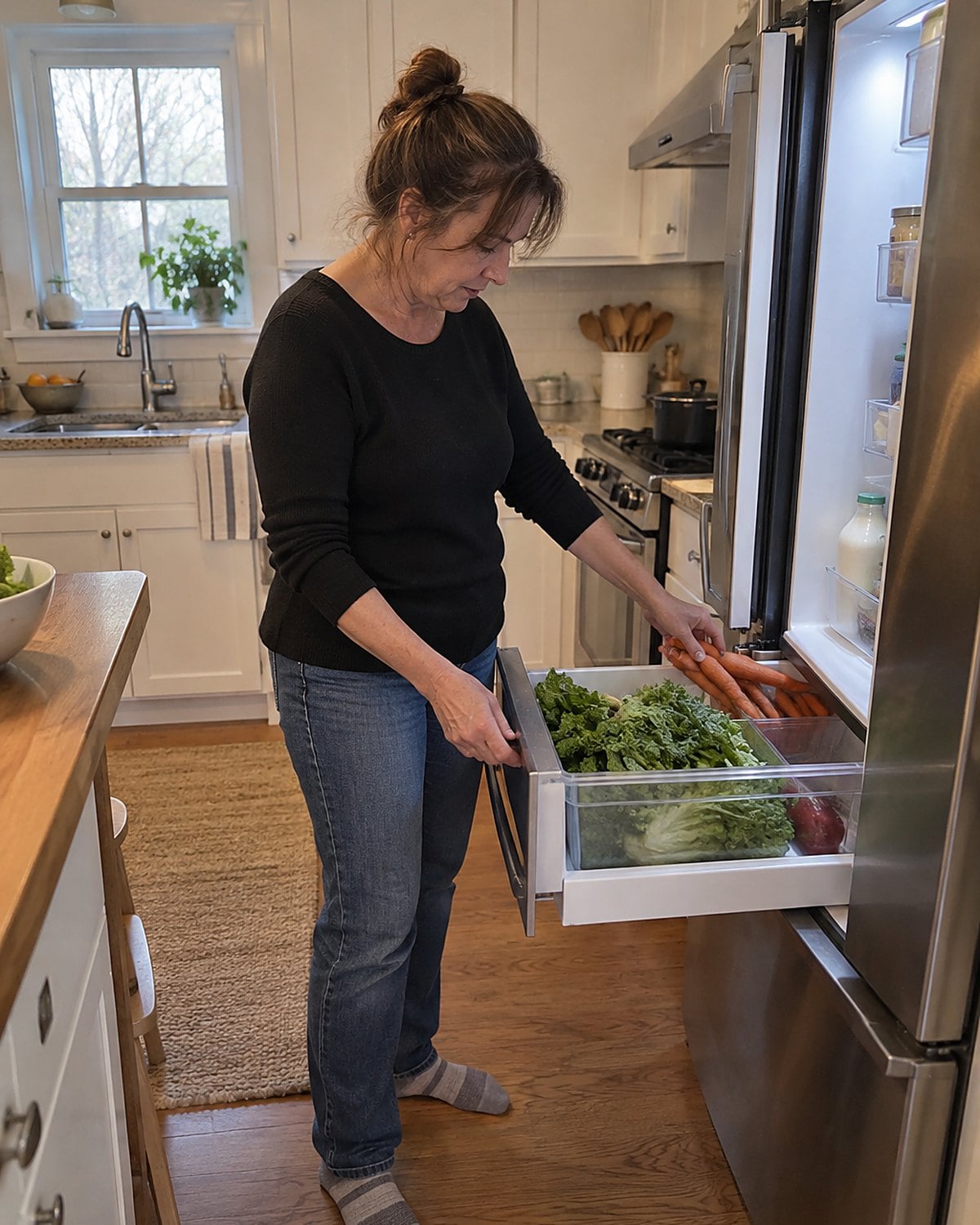
The drawer slides halfway, stops against a jar on the door, and rolls shut again. From that angle, the carrots at the back don't exist. The next bunch goes on top of them, still in its store bag.
Empty the drawer onto the counter. Look at what's sound, what needs using, and what needs discarding. Wipe it out, then return the food so you can see it without moving a pile. Put vegetables you'll reach for soon near the front.
Try the drawer again with the fridge door open as far as it goes. If a tall bottle blocks it, move the bottle. A drawer that opens fully is easier to use than a clever storage system you'll forget by next week.
Leave the carrots where your hand finds them tonight. You don't need to remember every vegetable from the store aisle when the fridge lets you see what you own.
#3 The high-chair tray set for Saturday
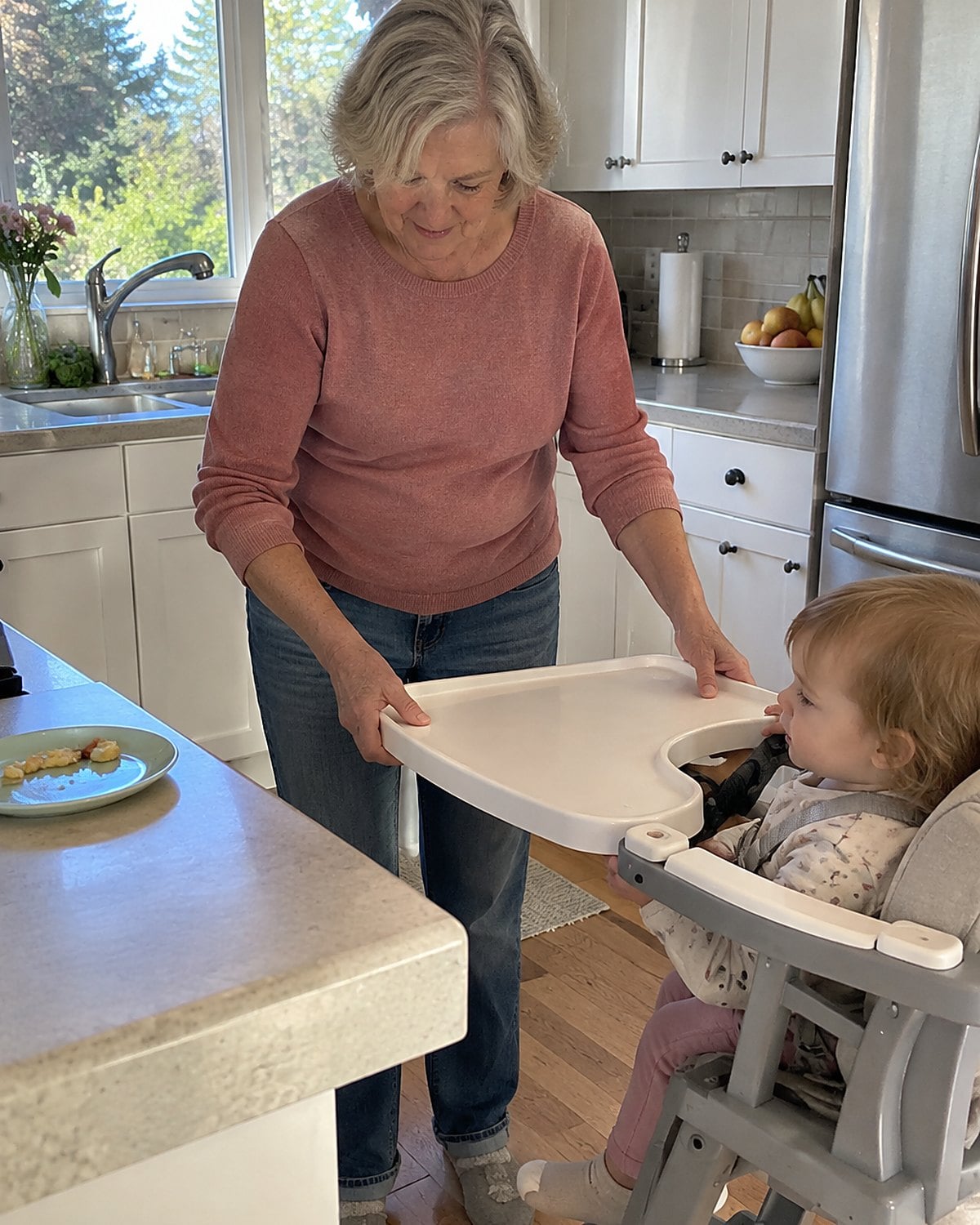
The high chair comes out of the closet for a visit, its tray clicking into place. You want food ready when the grandchild arrives. That doesn't mean every week's cart needs a standing order of children's snacks.
Ask a parent what the child eats now and whether there are allergies or foods to avoid. Then plan the visit's food. Keep it separate from the groceries for your regular dinners, so an uncertain Saturday doesn't dictate the whole week.
Check the fit between food and child, too. Whole grapes, for example, are a choking hazard for young children; the CDC's choking prevention guidance explains how to prepare foods safely. The high chair holds someone you love, and you want the meal to suit the child who arrives now, not the one you remember from the last visit.
#2 The smaller skillet left in the cupboard
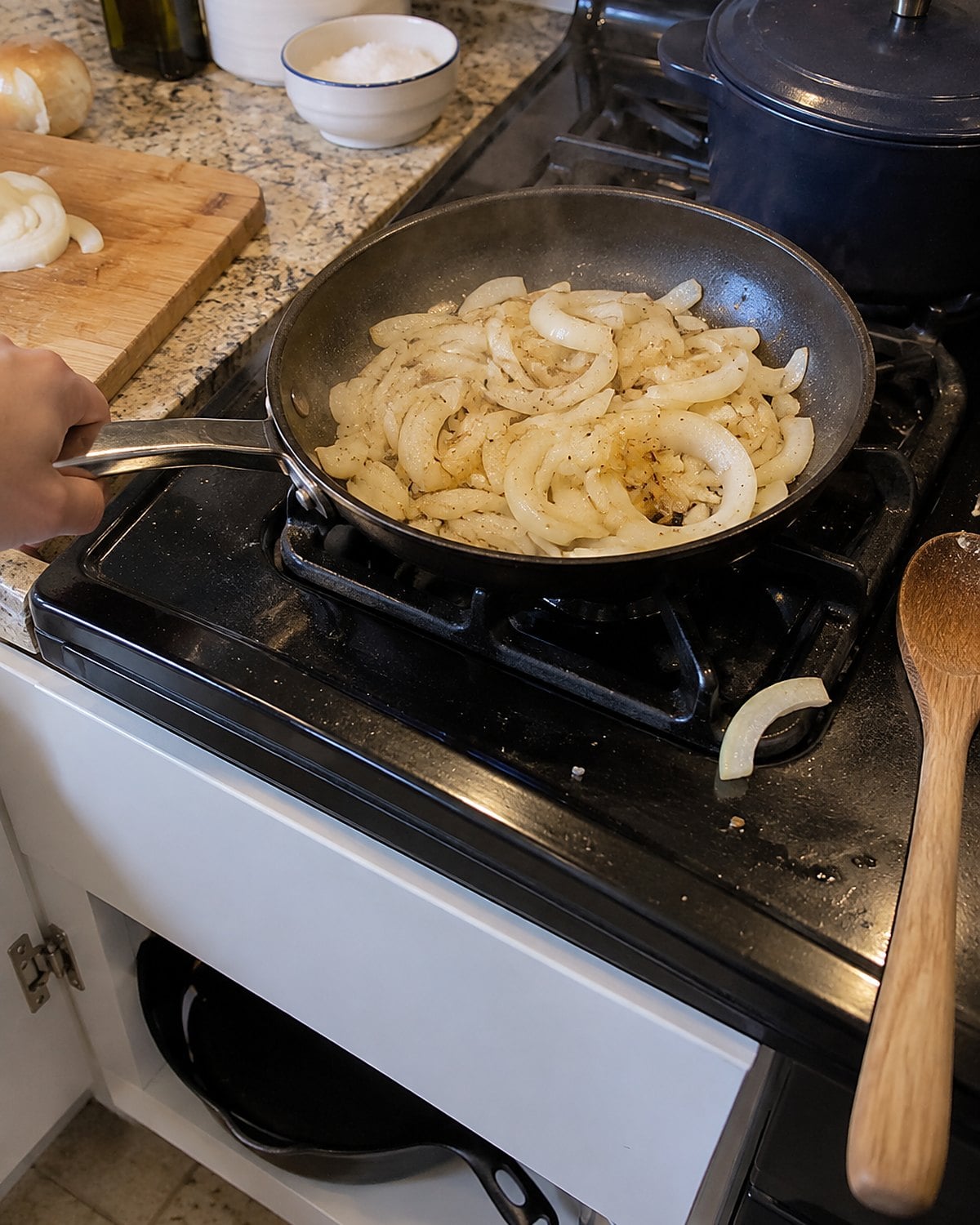
The big skillet sits closest to the stove, so it gets used. You tip in the usual amount of oil, chop the usual onion, and wonder why supper leaves so much behind. The smaller skillet is tucked beneath it.
Try cooking one familiar dinner in that smaller pan. A crowded pan steams food because moisture has less room to escape, so don't pack it full. But an oversized pan invites you to fill empty space with more food than dinner needs. Match the pan to the meal, then adjust the ingredients.
Watch what happens as the onion cooks. In a pan that fits the amount, you can stir it without chasing pieces across bare metal. Add the rest of the meal in stages and taste before serving. You'll see whether you have enough without relying on the old pan's capacity as a measure.
No new cookware is required. Set the smaller skillet where your hand reaches first tonight. Let an ordinary dinner tell you whether it deserves that spot.
#1 The grocery list written after dinner
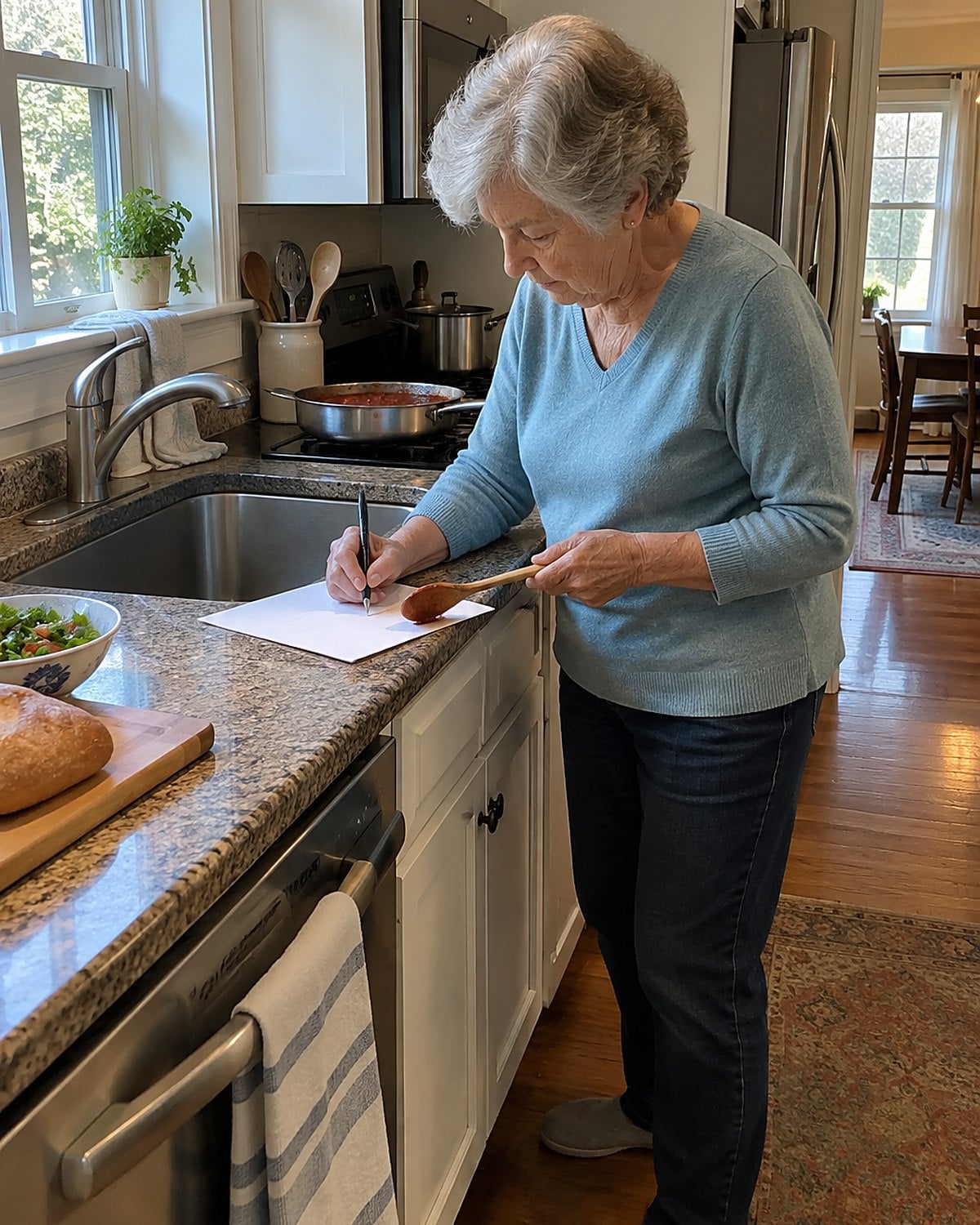
The cart fills itself when the list is made from memory alone. “Milk, bread, chicken, lettuce” sounds right because it has sounded right for years. None of those words says who will eat dinner, what is already home, or when the next trip happens.
Tonight, after dinner, leave the grocery list beside the sink. Look at what's left from the meal you just ate. Then name the next dinner you want to cook and check its ingredients. Write down only what's missing. Do the same for breakfasts and lunches you'll actually make before you shop again.
Put visitors on the list when their visit is set. Give them their own line, apart from your usual meals. If a package size forces leftovers, decide where those leftovers go before the package enters the cart. Otherwise, choose the smaller size.
This list takes its orders from the kitchen you have now. Your years of feeding a family still matter: you know how to make dinner from what is there and how to welcome extra people. The paper beside the sink gives that skill a chance to speak before an old route through the store takes over.
Keep reading
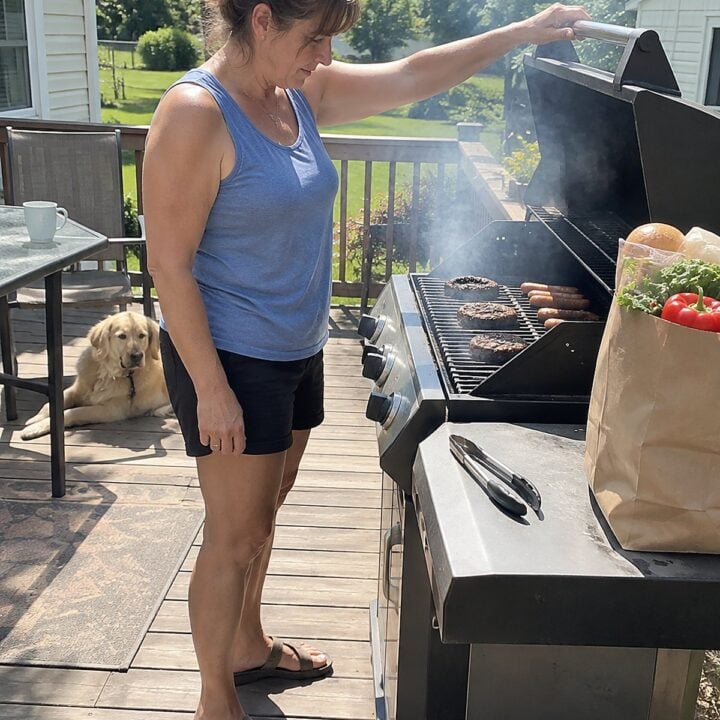 26 Things Grocery Workers Wish Shoppers Over 60 Knew
See all 26 →
More you’ll remember
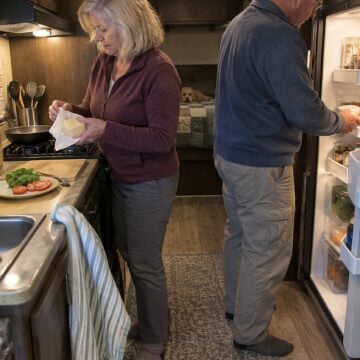 25 Fridge Habits That Waste Money Every Week Without Anyone Noticing
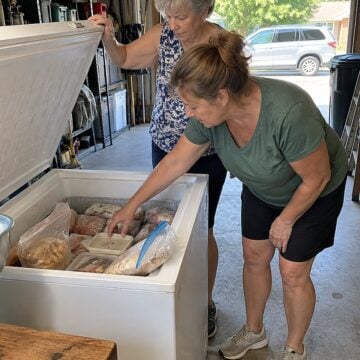 24 Pantry Items That Last Years, So Stop Replacing Them
 27 Things a Woman Learns When Her Husband Starts Cooking in Retirement
The bottom line
The old cart was built for a real household. It did its job. Now it needs to answer to the food being eaten in this one.
You've already got the useful habits: you check the pan, know the good cuts, and make room when people arrive. A look through the fridge before shopping puts those habits back in charge.
What keeps landing in your cart because it used to belong there?
Leave a Reply