

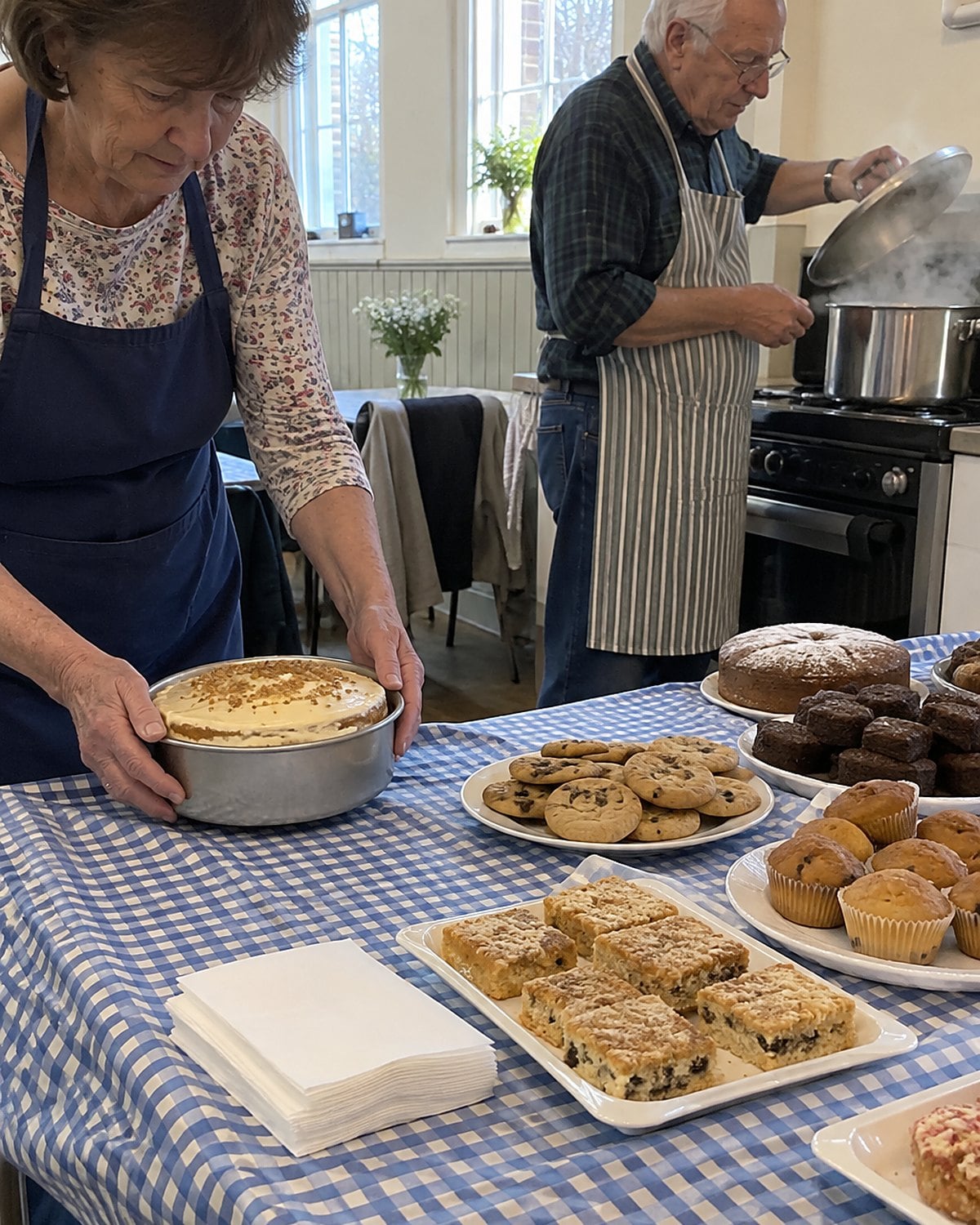
The lid comes off the Sunday pot, and there’s the smell you’ve known for decades: onions, potatoes, and broth from the roast. Then your grandchild says she’s vegetarian. You’ve already set out bowls.
Nobody needs a speech about vegetables. What you need is to know which part of supper she’ll eat, which part touched the meat, and what will fill her plate. Those answers change small things first: the spoon, the stock, the order you use the pan. They also leave room for the dinner you meant to make.
#25 The Sunday roast and its potatoes
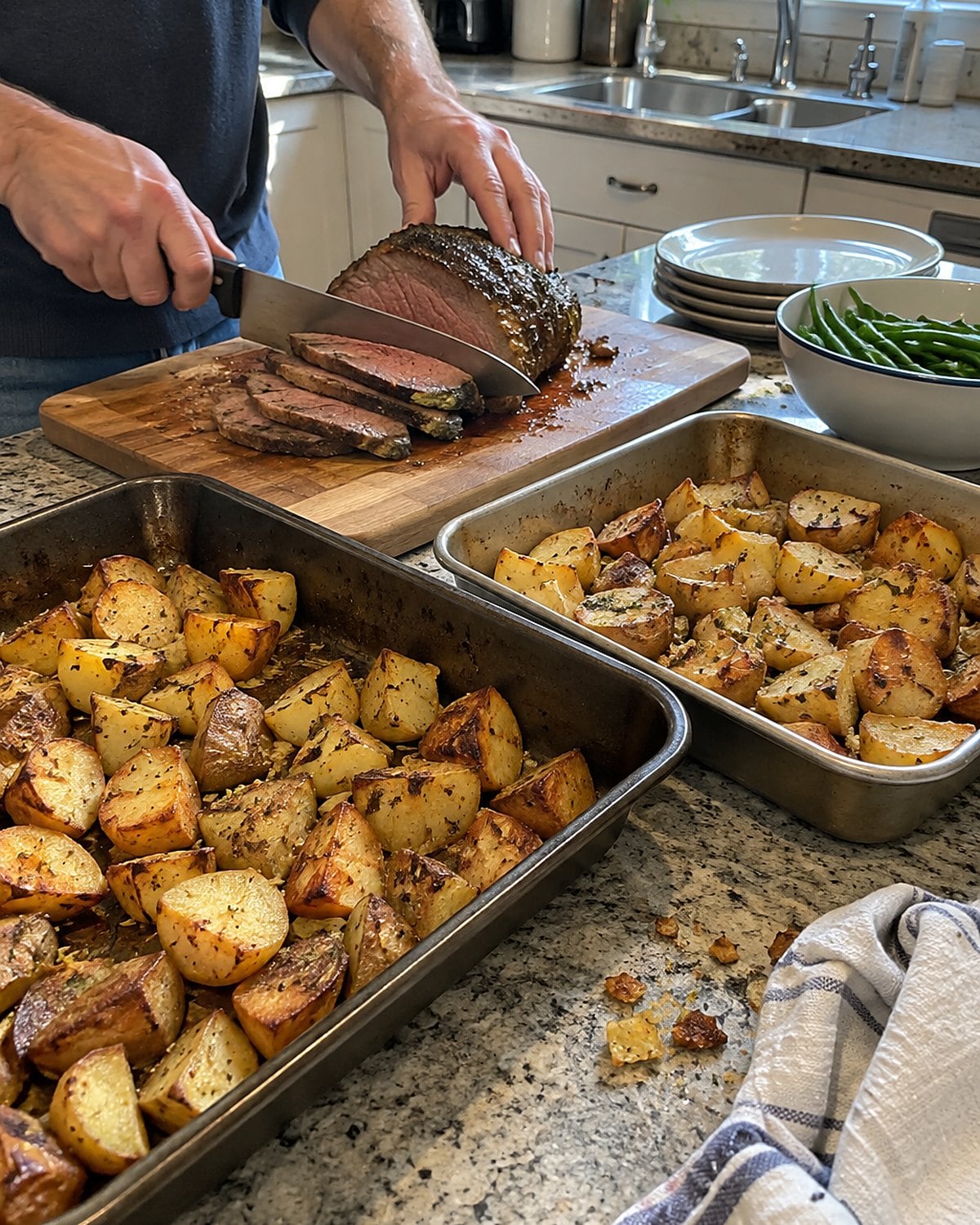
The roast comes out, the potatoes go into the serving bowl, and somebody says, “She can have the sides.” Before you pass them, think back to the pan. Did those potatoes roast beneath the meat, catching its drippings? If they did, ask your grandchild rather than deciding for her.
You don’t have to remake the whole meal. Next time, set a separate small pan beside the roast. Toss its potatoes with oil, salt, and the same herbs you put on the others. Give them space so their cut sides brown against the metal. A crowded pan steams them.
At the table, that separate pan does more than settle an ingredient question. It gives her something you meant for her to eat. The roast stays where it has always been, and you haven’t spent Sunday cooking two complete suppers.
Try it: Instant Pot Air Fryer Rosemary Potatoes
#24 The broth carton behind the cans
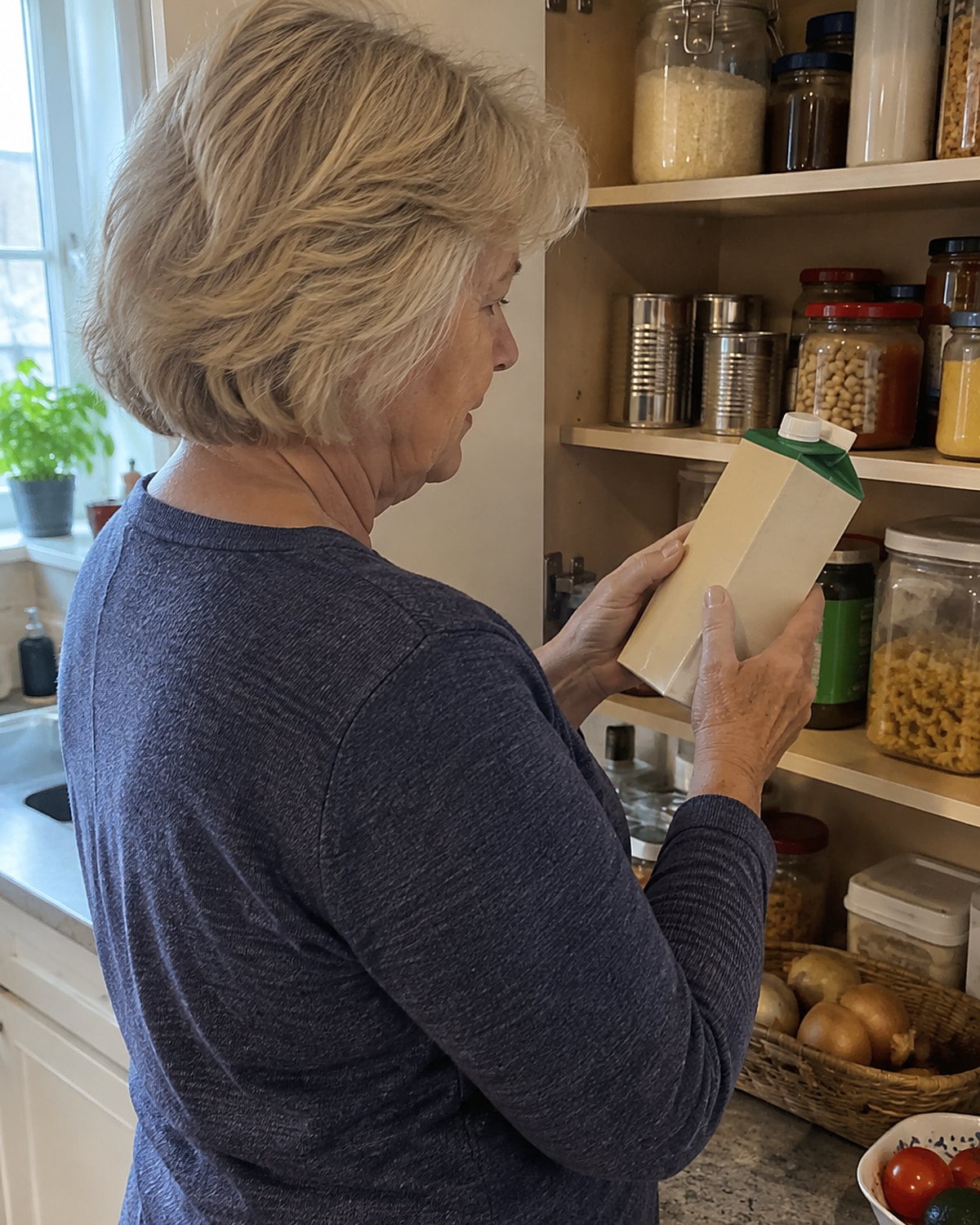
That carton with a drawing of carrots deserves a turn in your hand. Read the ingredients before it goes into soup, rice, or gravy. “Vegetable flavor” on the front doesn’t tell you everything that went into the broth.
A vegetable broth is an easy swap when you’re building a shared pot. The first spoonful should taste savory enough to stand on its own; if it tastes thin, cook onions until they color before adding liquid. Tomato paste browned against the pot bottom also brings depth.
Check bouillon, too. The little jar you’ve used for years has a long reach through your cooking. One label read now beats discovering its contents after dinner is simmering.
#23 The question asked before the apron goes on
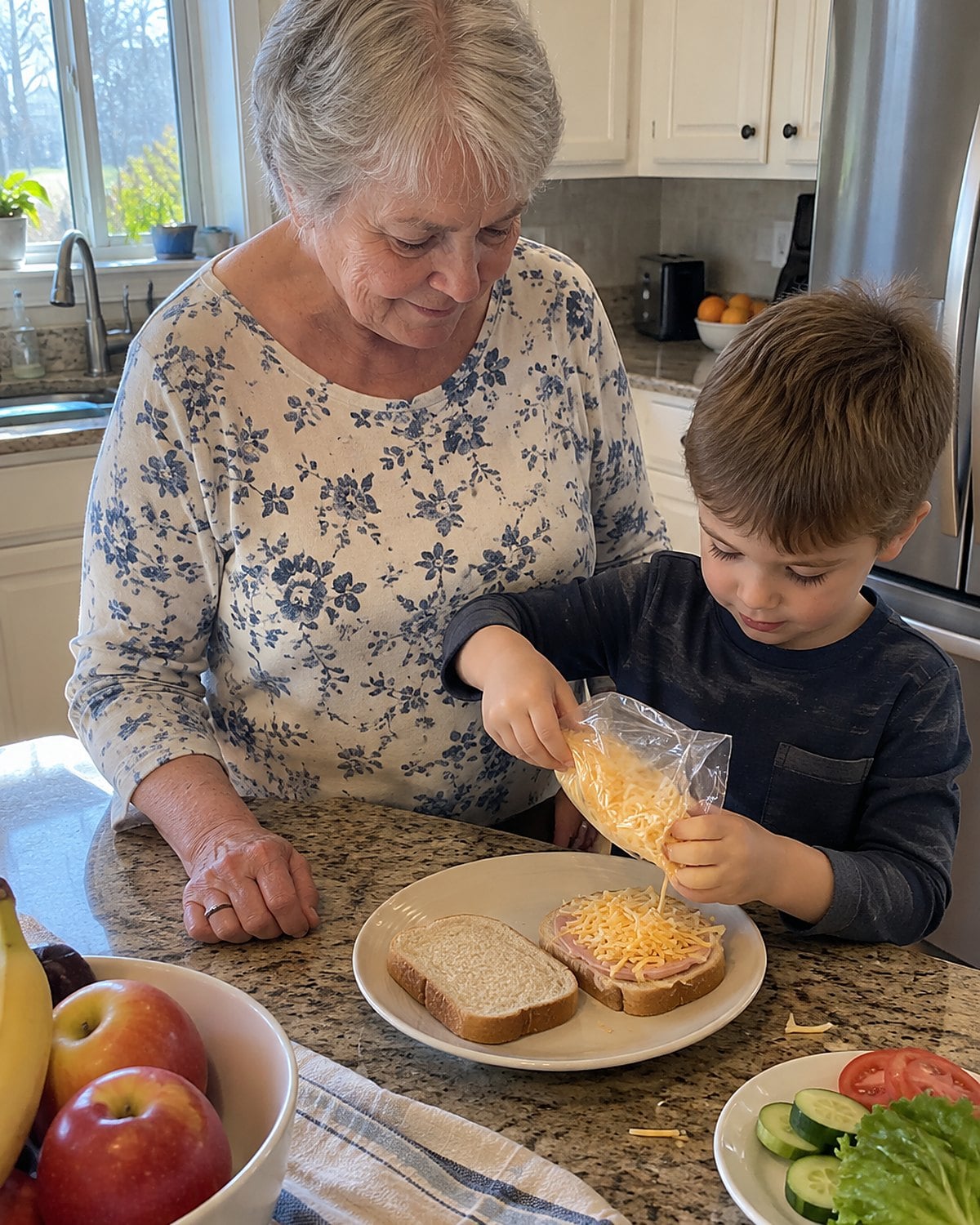
“What do you mean by vegetarian?” sounds blunt only if you ask it like a test. At the kitchen counter, it sounds like hospitality. Ask whether she eats eggs and dairy, and whether fish, broth, or meat drippings are off the table.
Vegetarian food excludes meat and fish. Beyond that, people draw their own lines around ingredients such as gelatin and rennet. Your grandchild gets to tell you where hers are. Don’t make her defend the choice while the rest of the family listens.
Keep the answer practical: “All right, eggs and cheese are fine. I’ll keep the soup broth separate.” Repeat it once so you both know you heard correctly. If she isn’t sure about an ingredient, put the package on the counter and look together.
Her answer also keeps you from doing work nobody asked for. There’s no prize for making a dairy-free dinner when she would gladly eat the macaroni you already know how to make.
#22 The frying pan after the bacon
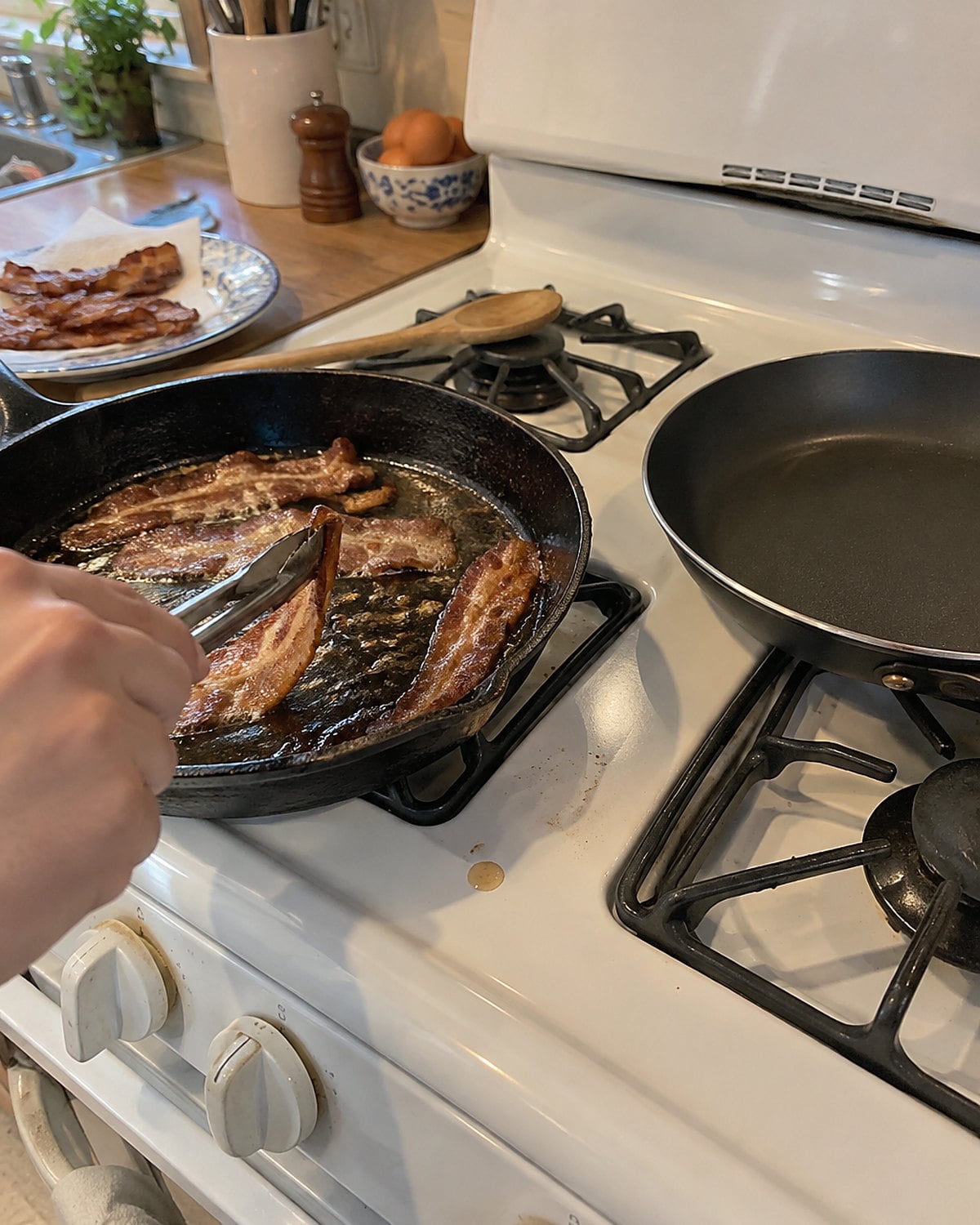
Bacon has a way of staying in a skillet after it leaves the skillet. The grease coats the metal, and a spoonful of beans cooked in it becomes a different dish.
If you’re making bacon for others, cook your grandchild’s eggs, potatoes, or vegetables in a clean pan first. Move them to a clean plate with a clean spatula. Then use the same stove for the bacon. The order saves washing and keeps the choice clear.
You’ve probably used this sort of kitchen choreography for an onion-hater or someone who wants less heat. Here, ask how separate she wants the food kept. Some families share serving dishes; others want separate utensils. Her answer sets the rule.
#21 The green beans without the ham hock
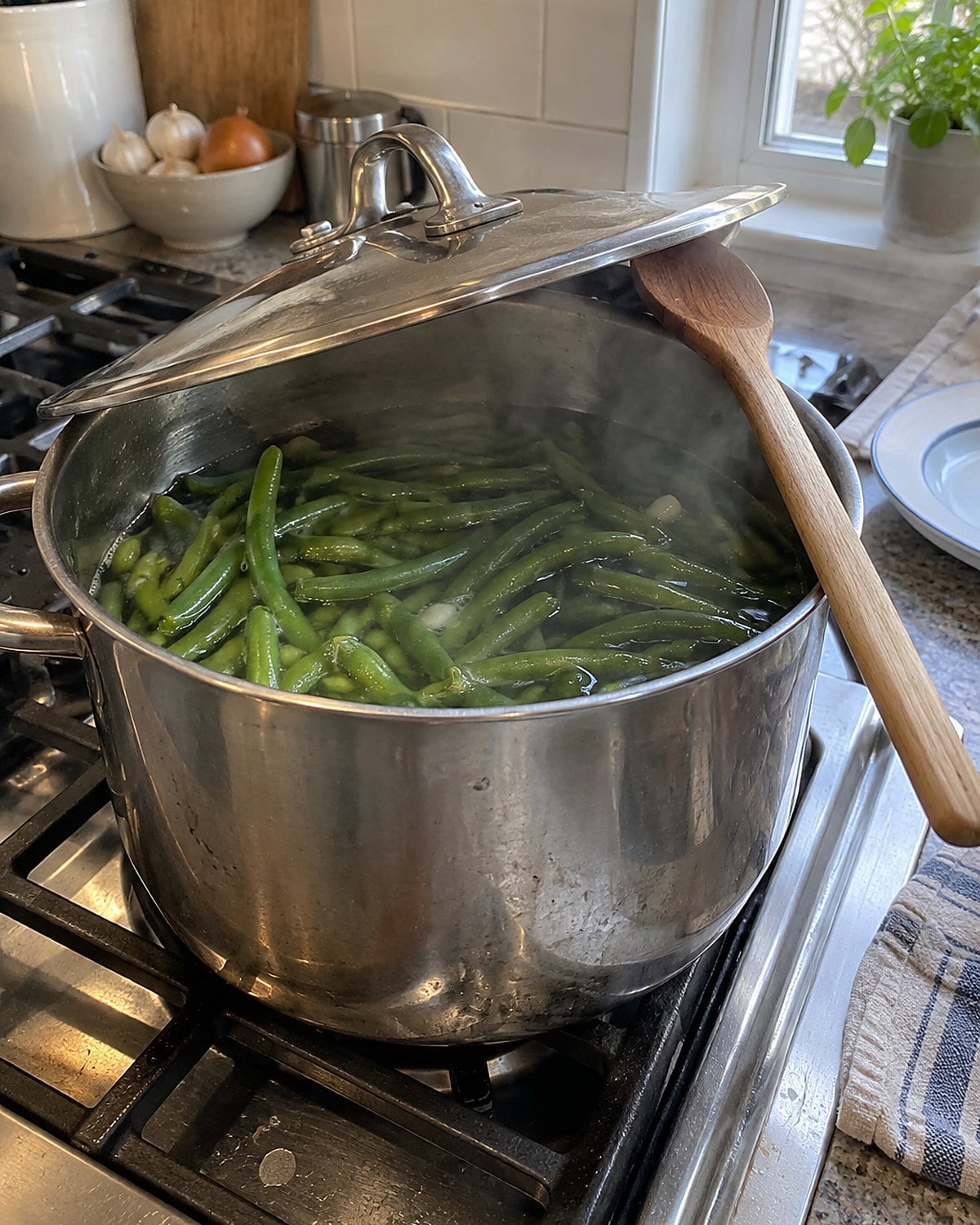
A ham hock does serious work in a pot of green beans. It lends salt, fat, and a smoky smell that reaches the hallway. Take it out, and beans cooked the old way taste unfinished. That’s an honest problem with a fix.
Start onion in oil until its edges color. Add the beans and enough water or vegetable broth to give them room to cook. A little smoked paprika brings smoke, though it won’t turn the pot into ham-hock beans. Taste for salt near the end, after the liquid has reduced.
For your grandchild’s bowl, set aside beans before any ham goes into the family pot. Or make the whole pot without meat and set cooked ham on the table for those who want it. Either way, use a serving spoon that stays with the beans.
What are you tasting for? A bean that bends before it breaks and a spoonful of broth you’d want to sip. That tells you more than the clock.
Try it: Instant Pot Braised Green Beans (Turkish-Style)
#20 The freezer bag marked for supper
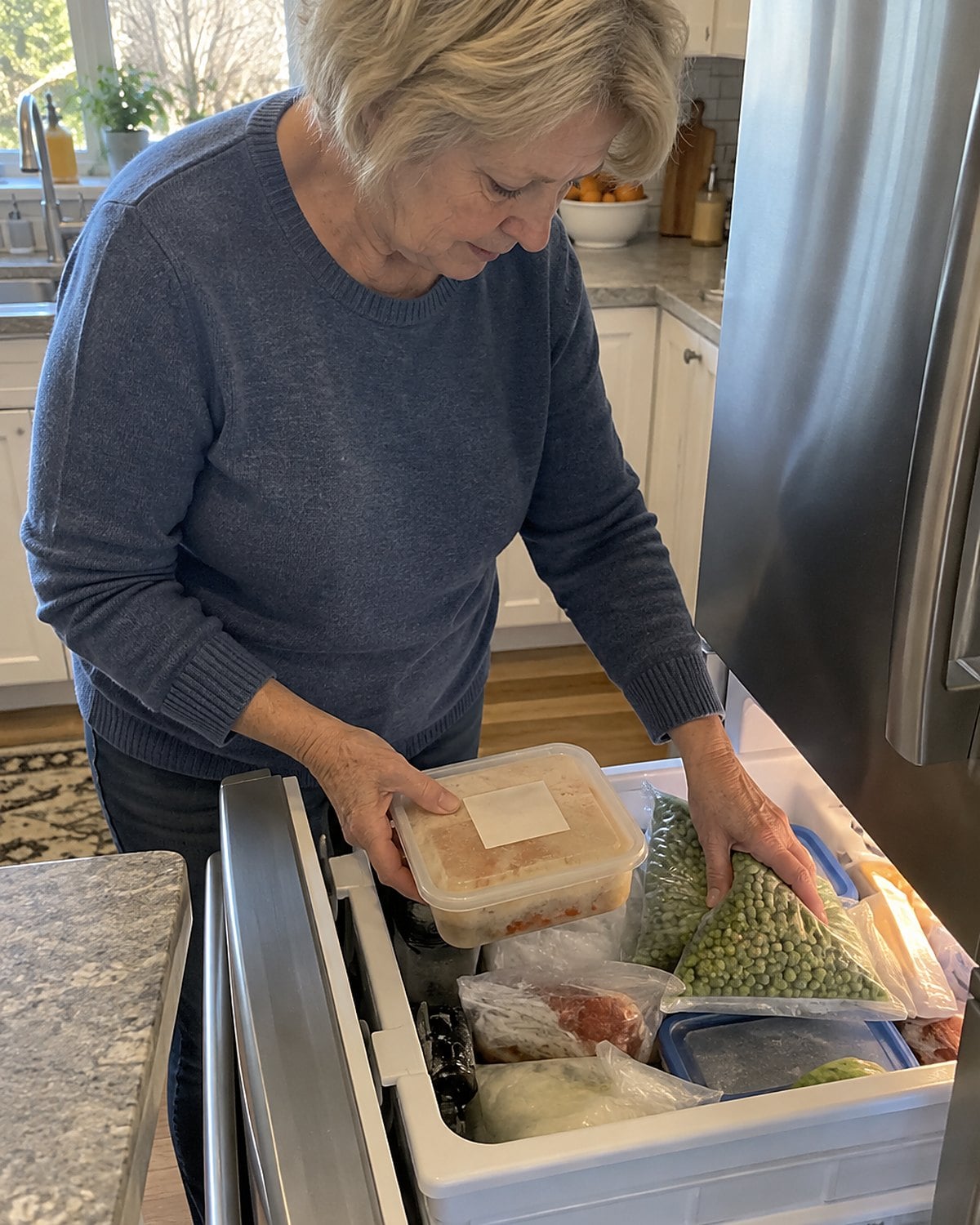
A freezer drawer holds plenty of good intentions: half a bag of peas, a heel of bread, a container nobody labeled. It also holds the answer to an unexpected overnight visit.
Freeze a portion of cooked vegetarian beans, soup, or sauce in a container marked with its name and date. Then you won’t have to inspect an icy mystery while everyone waits to eat. FoodSafety.gov’s FoodKeeper gives storage guidance when you’re deciding what to keep.
Cool cooked food promptly and refrigerate or freeze it within 2 hours. When you reheat leftovers, USDA FSIS says to bring them to 165°F. A thermometer beats guessing from steam.
#19 The lentils added after the tomatoes
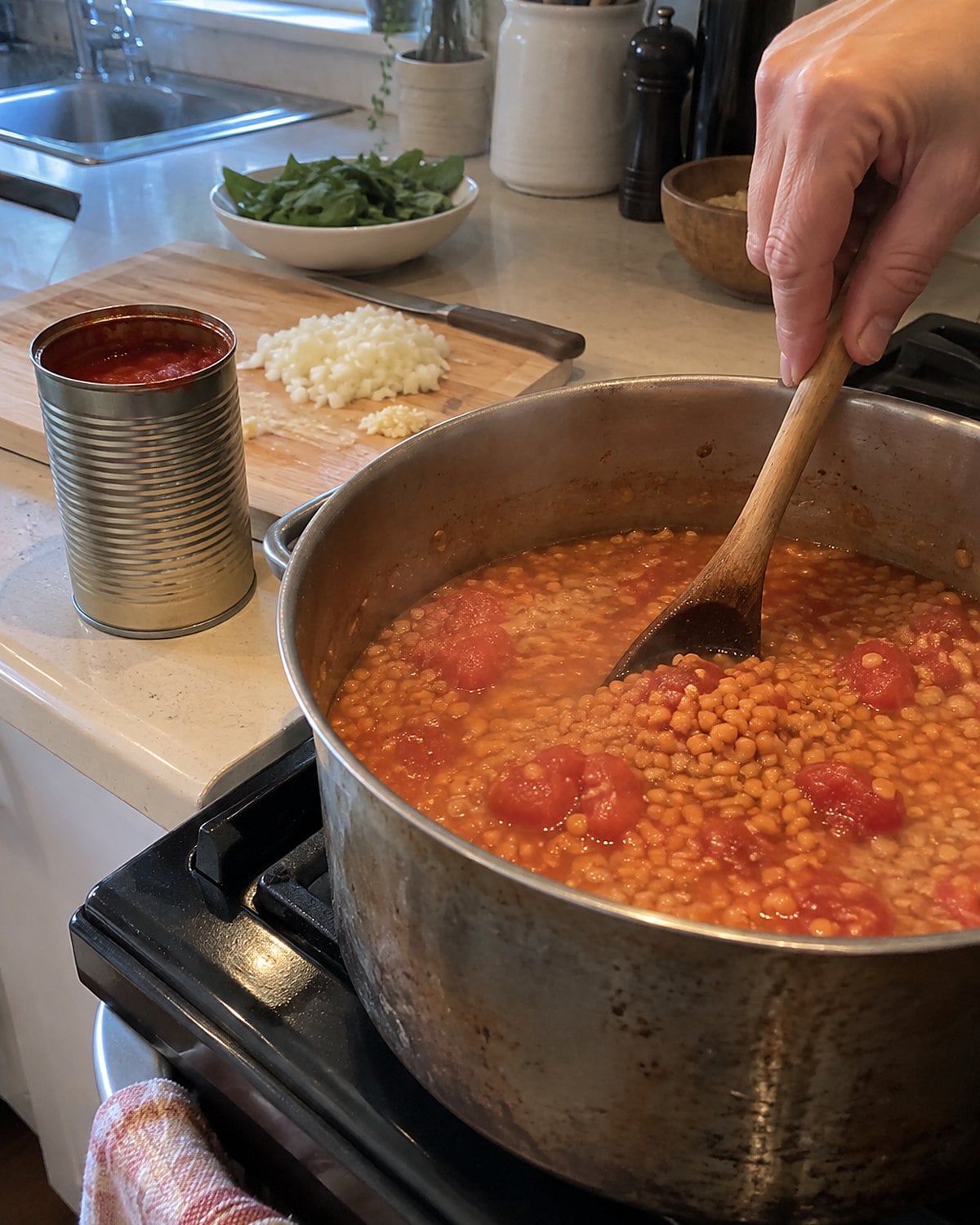
A pot of lentils seems forgiving until you’re stirring hard little lentils through a thick tomato sauce. Acidic ingredients such as tomatoes slow softening, so give the lentils a head start in water or vegetable broth.
Cook onions first. Add lentils and liquid, then simmer until they’re tender before stirring in tomatoes. Brown or green lentils hold their shape; red lentils break down and thicken the pot. Choose by the supper you want, not by which bag looks healthier.
For a sauce that goes over pasta, red lentils disappear into the tomato while leaving body behind. For a bowl with a spoon, brown or green lentils give you distinct bites. If the pot looks dry before the lentils soften, add hot water and keep cooking.
You don’t need to claim it tastes like meat. Taste for enough salt and a bit of brightness at the end. A squeeze of lemon or a spoonful of vinegar wakes up a pot that tastes heavy.
Try it: Instant Pot Lentil Stew (Veggie-Loaded , Step-By-Step)
#18 The small skillet beside the big one
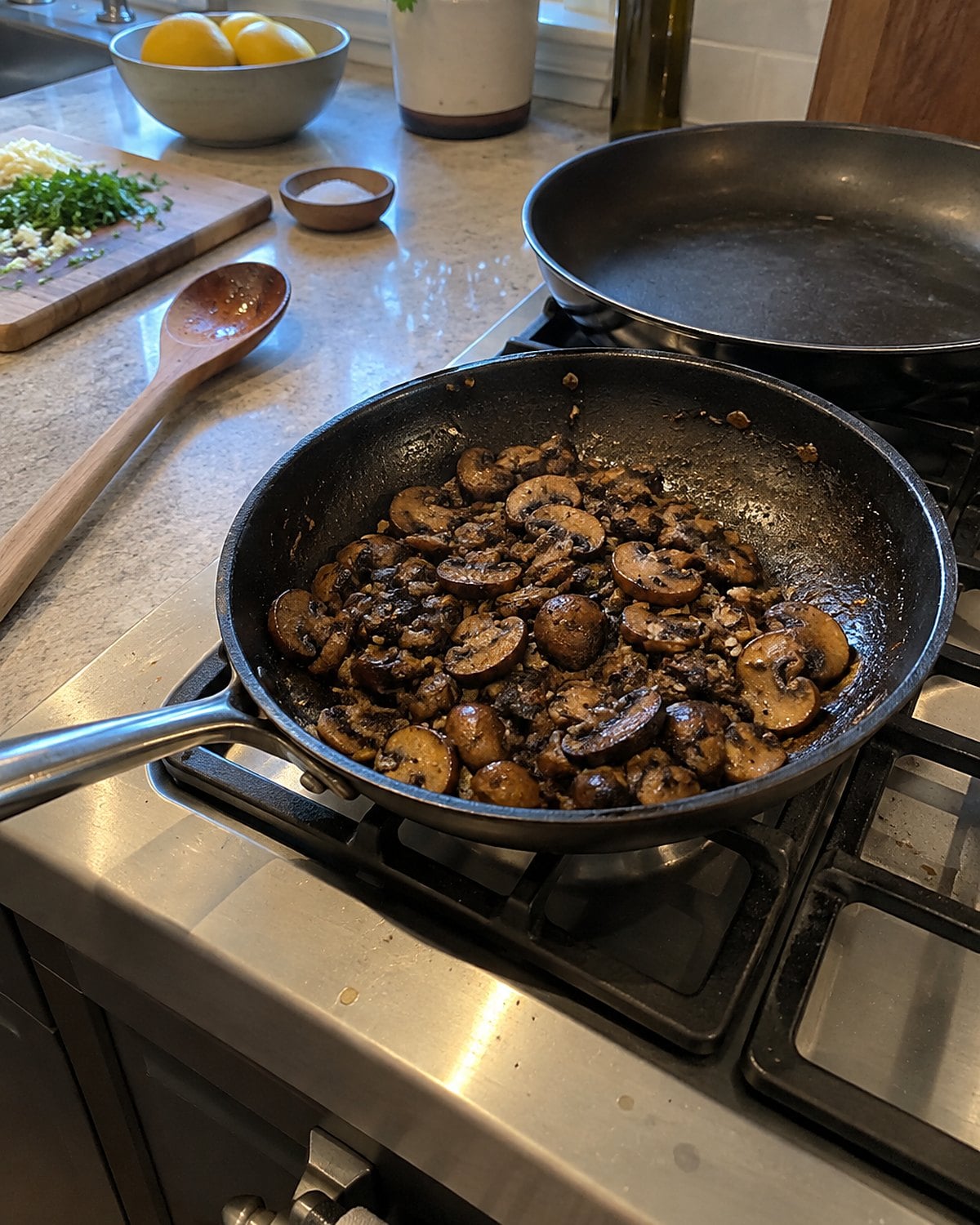
Cooking for one vegetarian at a table of meat eaters changes the pan count before it changes the menu. A small skillet earns its space when you want to brown a few mushrooms or cook one egg without filling the large pan.
Use that skillet for the food that needs contact with hot metal. Mushrooms piled high give off water and sit in it. Spread them out, leave them alone until they color, and salt them after they’ve begun to brown.
Then put them on a baked potato, toast, or rice. This isn’t a separate banquet. It’s the warm, savory part of a plate that otherwise looks like a collection of side dishes.
 You might also like25 Thanksgiving Habits From the Old Days That Food-Safety Experts Beg You to Drop
#17 The sandwich packed for the ride home
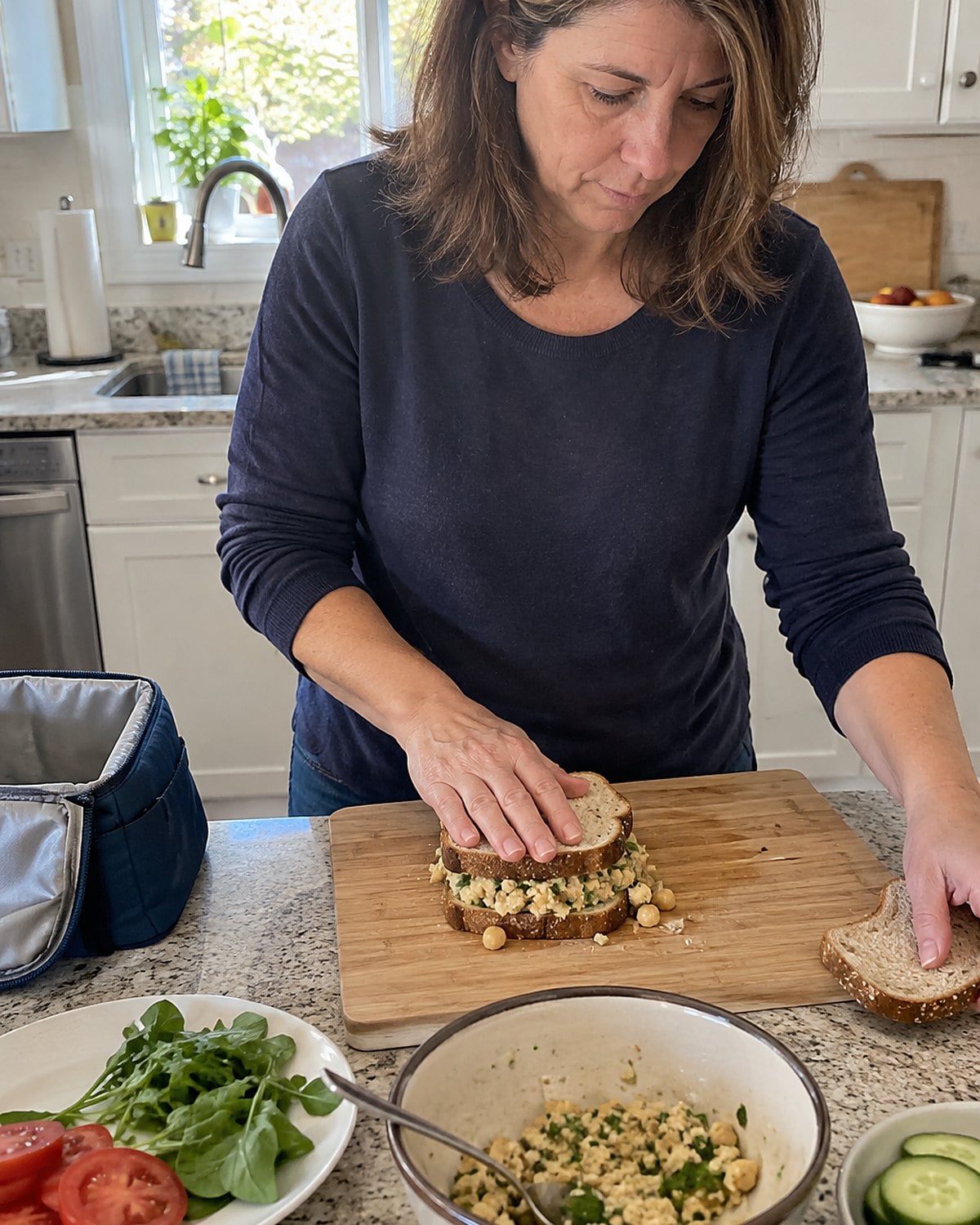
Your grandchild ate well at supper. Then she heads home with a sandwich, and the familiar deli meat is suddenly no help. The easiest replacement is whatever she already enjoyed at your table.
Leftover roasted vegetables fit in a sandwich with cheese or hummus. Mashed chickpeas hold together with a spoonful of mayonnaise or yogurt, mustard, and chopped celery. Press the filling with a fork so it stays between the bread instead of rolling onto the car seat.
Ask whether she wants the sandwich before you make it. Teenagers and younger children have their own strong opinions about mustard, texture, and bread. A packed lunch that returns untouched hasn’t helped anybody.
If the sandwich travels without a fridge, pack it with a cold source. The USDA’s packed-lunch guidance is worth a look when you’re packing perishable food for a long trip.
#16 The vegetable tray below the chicken
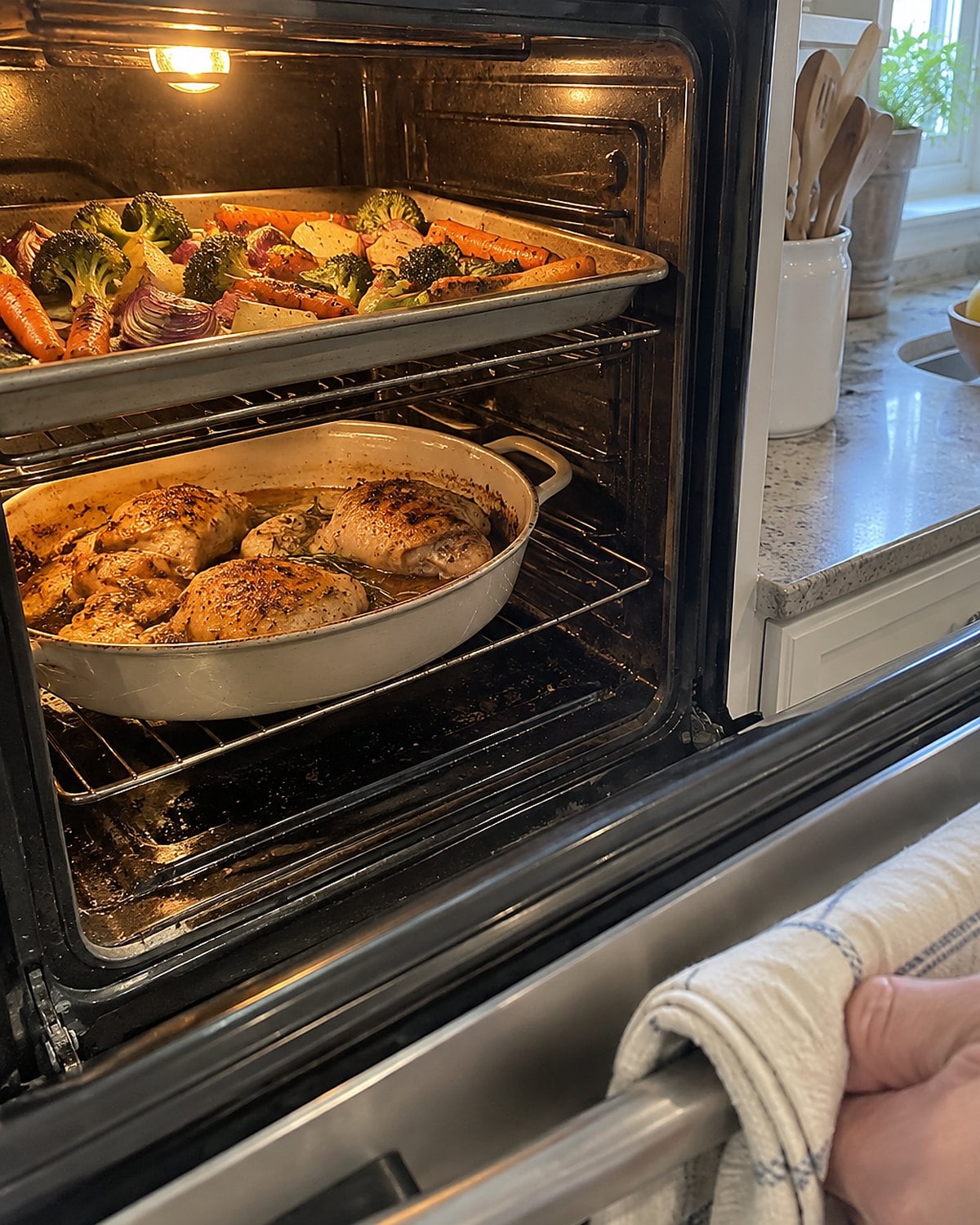
Two sheet pans fit in the oven, but where you put them matters. Raw chicken juices shouldn’t drip onto vegetables that will be served without further cooking.
Put the chicken pan below the vegetable pan, with enough room for air to move. Better yet, roast the vegetables first and move them out of the way before the chicken goes in. Use separate tongs when the food comes out.
The vegetables need their own seasoning, not a rescue spoonful of pan juices at the end. Oil, salt, pepper, and a hot pan give cut edges color. Your chicken still tastes like chicken. Her vegetables taste like dinner, not like an omission.
#15 The dry beans from the pantry jar
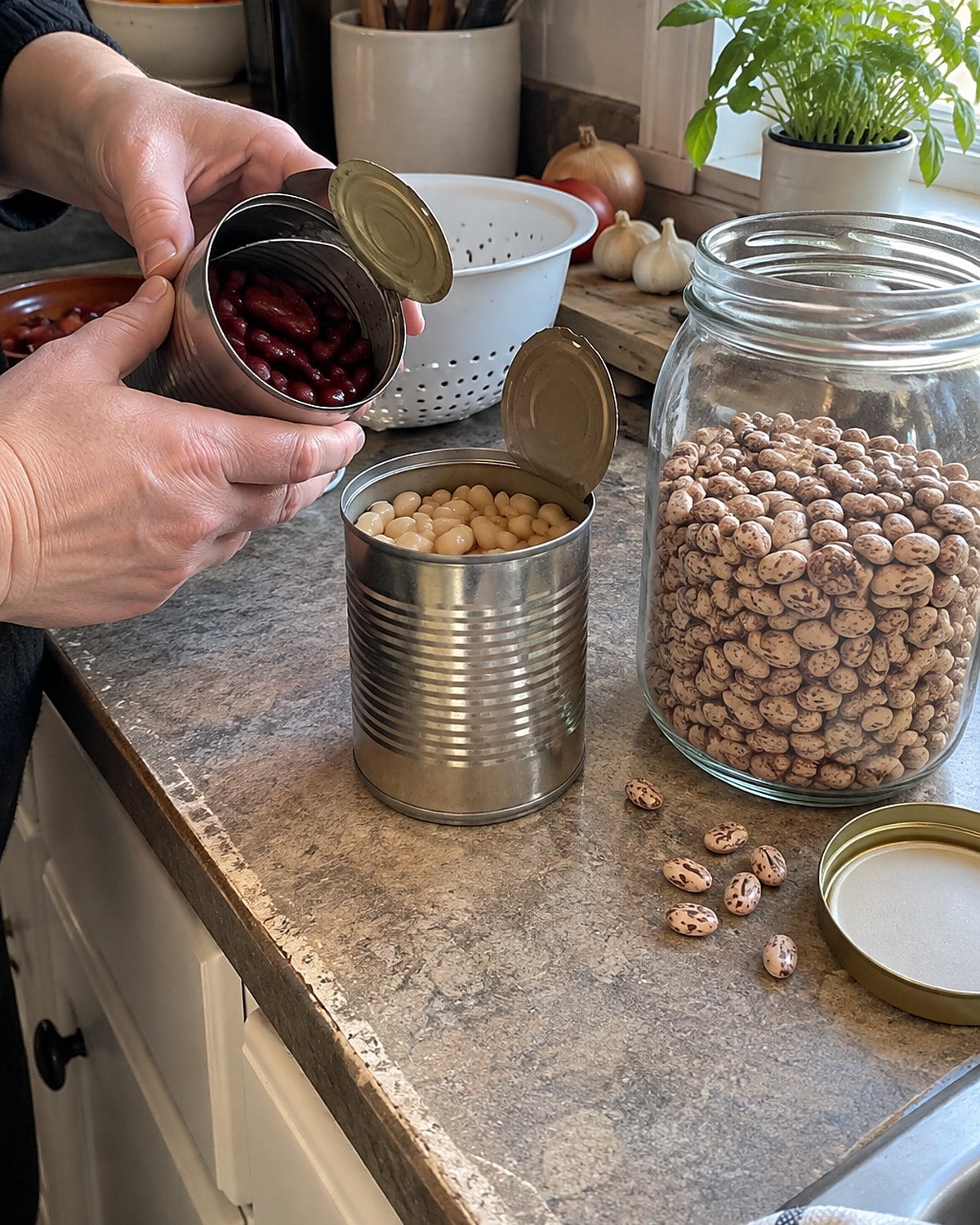
A jar of dry beans looks like supper in waiting. First, find out which beans are in it. Dried red kidney beans need more care than a slow cooker’s steady heat provides.
The FDA warns that raw or undercooked kidney beans contain a lectin that causes illness. Its Bad Bug Book addresses the risk. Follow the package’s preparation directions; if you’re unsure how the beans were prepared, use canned beans instead.
A can spares you that decision on a busy afternoon. Warm the beans with onion, garlic, and a little oil. Taste the center before dinner goes on the table.
Keep a can or two in the pantry for the night your grandchild arrives hungry. You’ll have something ready to add to rice, a baked potato, or a warm tortilla, without asking her to wait for a pot of dried beans.
Try it: How To Cook White Beans In Instant Pot
#14 The cheese label on the counter
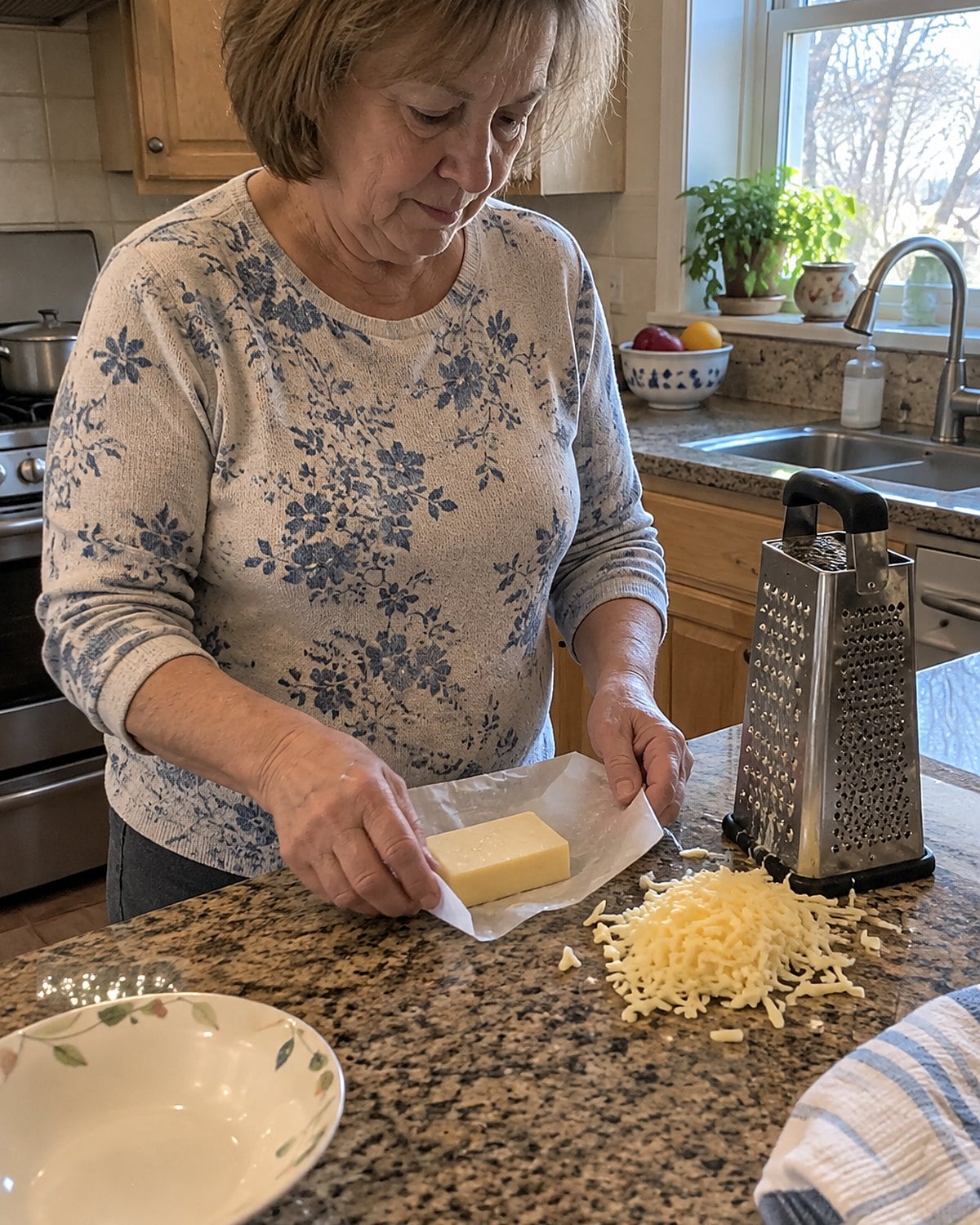
Cheese seems like the easy answer: put it on the pasta and call supper done. Then your grandchild asks about the cheese itself.
Some cheeses use animal rennet, an enzyme used to set the curd. Others use microbial or vegetable enzymes. Look at the label, or ask the maker when the package doesn’t say. If your grandchild avoids animal rennet, let her tell you; plenty of vegetarians eat the cheese in the fridge without asking further questions.
The check is quick when the wrapper is still on the counter. It’s harder after you’ve thrown it away and grated the whole block.
Save the label until dinner is settled. If it doesn’t give you an answer, put the cheese on the table separately. She can decide what goes on her pasta without everyone waiting over the pot.
#13 The spaghetti pot and two sauces
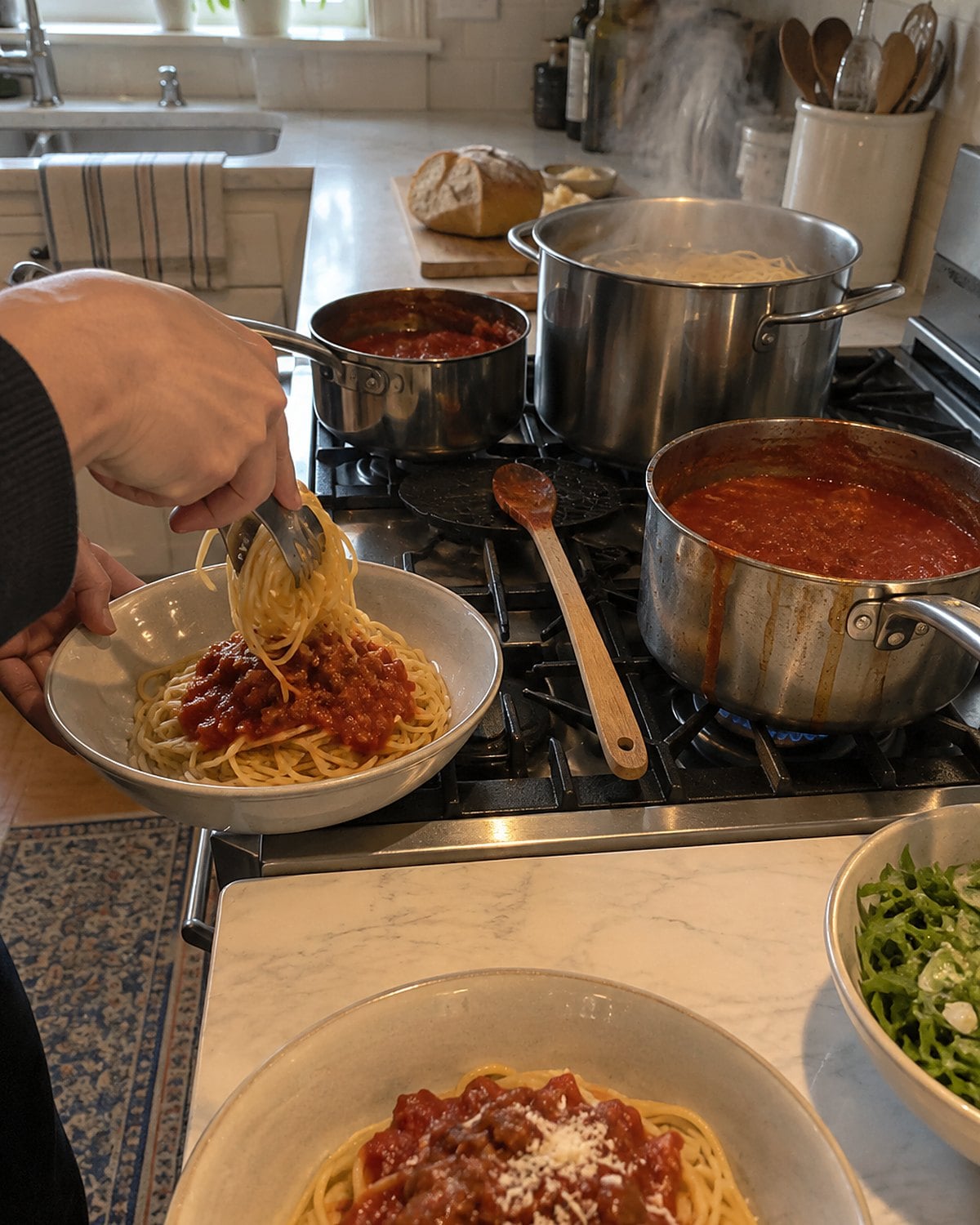
Spaghetti night already has a plan. Keep the pasta, keep the salad, and split the sauce before meat enters the picture.
Start with onion, garlic, tomato, and seasoning in one pot. Ladle some into a smaller saucepan for your grandchild. Add cooked lentils, mushrooms, or beans to that pan if she wants a heartier sauce. Brown the meat separately for the family sauce. Now each pot has a clear job.
Don’t give the vegetarian portion a spoonful of plain tomato while everybody else gets a full simmered sauce. Let both pans spend time on the stove. Taste each for salt, then look for the sharp edge of raw tomato to soften.
When you drain the pasta, save a mug of its cooking water. A splash loosens thick sauce and helps it cling to the noodles. The best part is the familiar sound of dinner being made. You’ve changed the order, not the whole evening.
Try it: Instant Pot Tomato Basil Sauce
#12 The measuring cup for rice
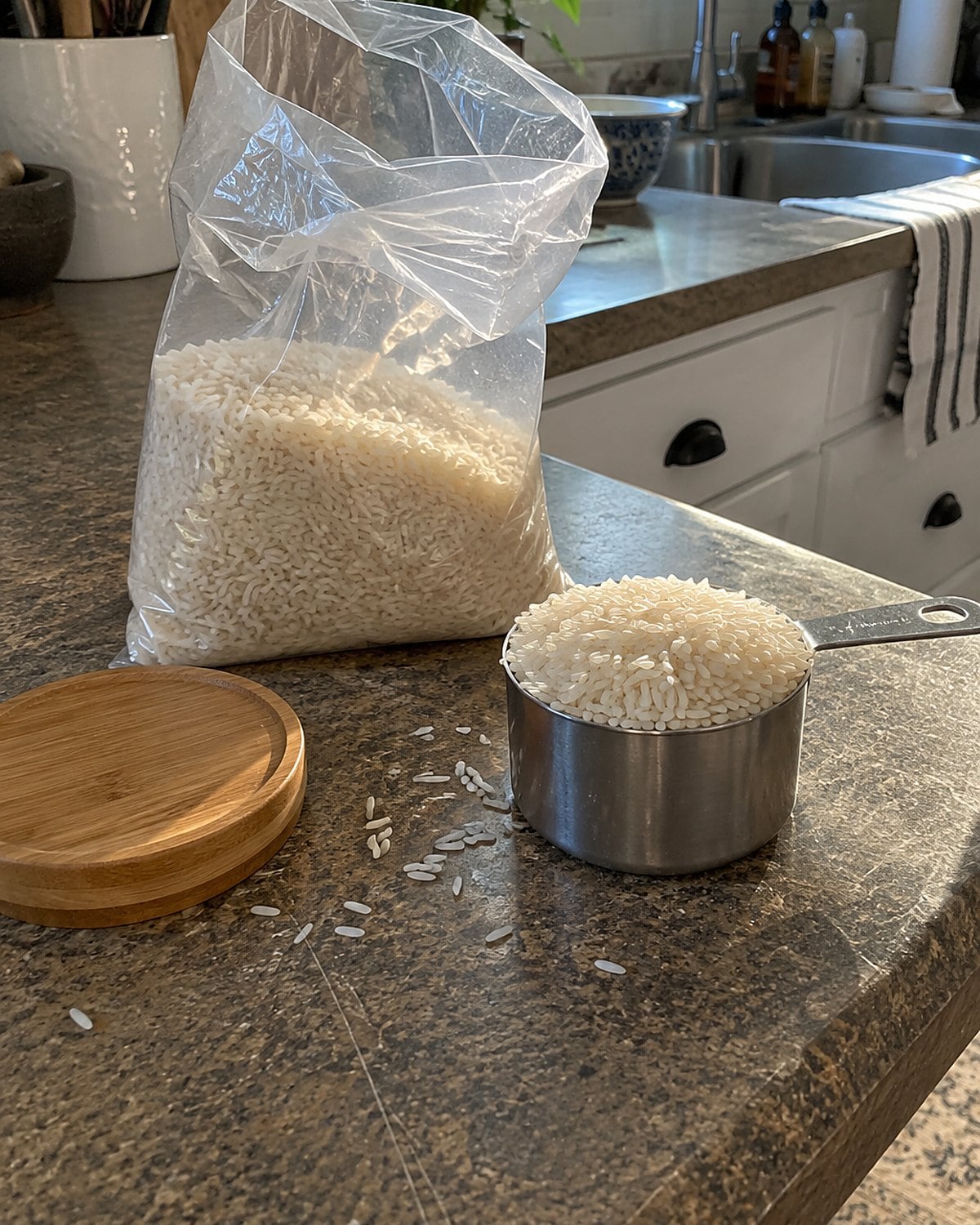
Rice has a way of expanding past the number of people at the table. Before pouring from the bag, measure what you intend to cook and read that rice’s package for its water ratio.
Use water or vegetable broth if the rice is meant for everyone. If you want chicken broth in yours, add it to a separate finished portion rather than making the shared pot unavailable to your grandchild.
Fluff the cooked rice with a fork and let steam escape before you put it away. Don’t leave a pot on the stove for an open-ended afternoon. FoodSafety.gov’s cold storage chart is the place to check storage times for the finished meal.
#11 The grill grate at the cookout
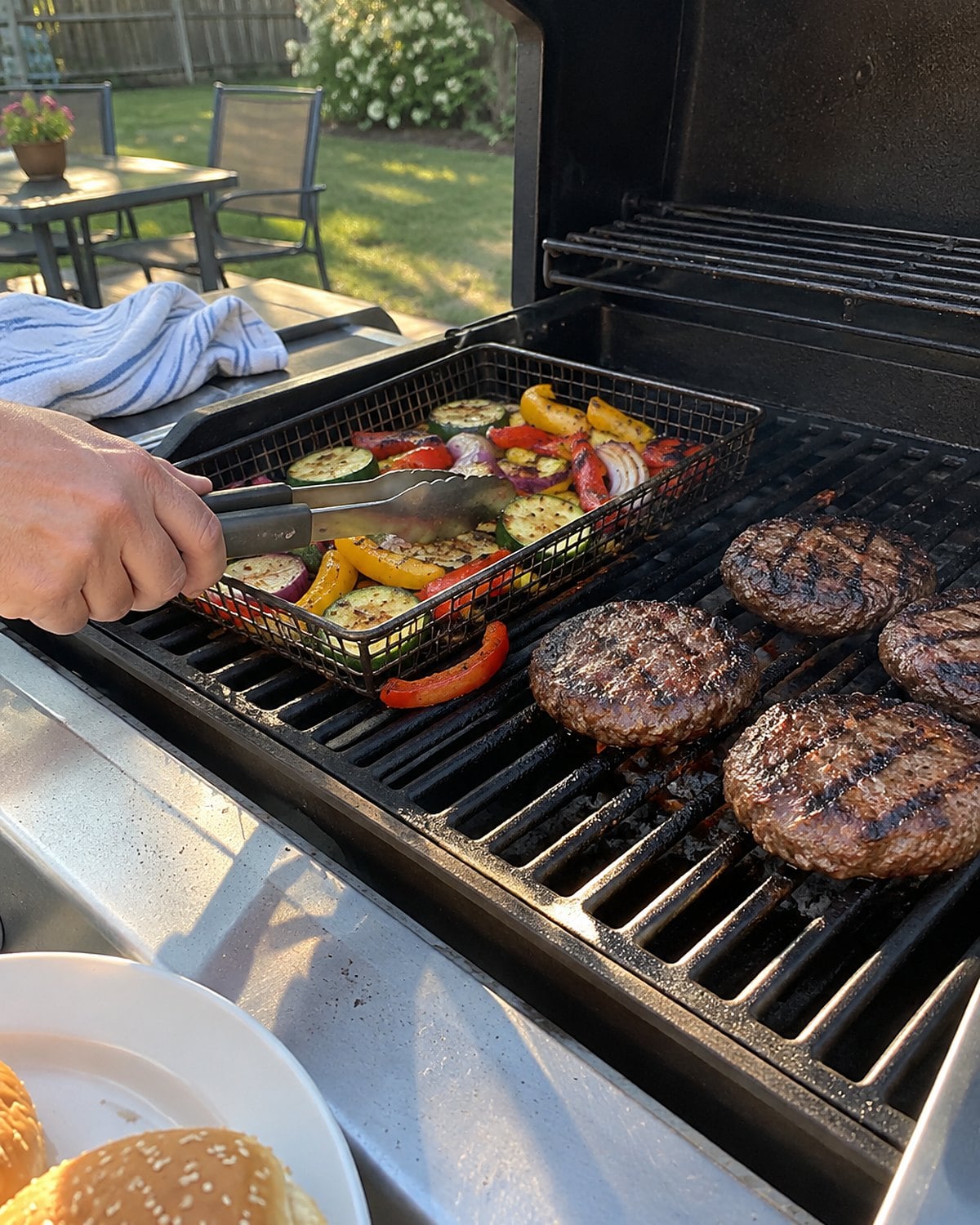
At a cookout, a grandchild’s vegetarian supper has a habit of becoming a bun and whatever salad survived the trip outside. Give the grill a plan before the burgers go on.
Put vegetables in a grill basket, or thread sturdy pieces onto skewers so they don’t slip through the grate. Bell peppers, onions, and zucchini need enough oil to keep their surfaces from drying out. Turn them when they release from the grate; pulling hard tears them.
If your grandchild wants a packaged vegetarian burger, read its cooking directions. Products differ, and a browned outside doesn’t settle whether the center is ready. Use a clean spatula and a clean plate for her food, especially if raw meat has been on the grill.
Set out a substantial topping, too: hummus, sliced cheese if she eats it, or a bean salad. Then the grilled vegetables belong to an actual supper. Ask her what she wants in the bun before you fill it for her.
#10 The reply to the worried relative
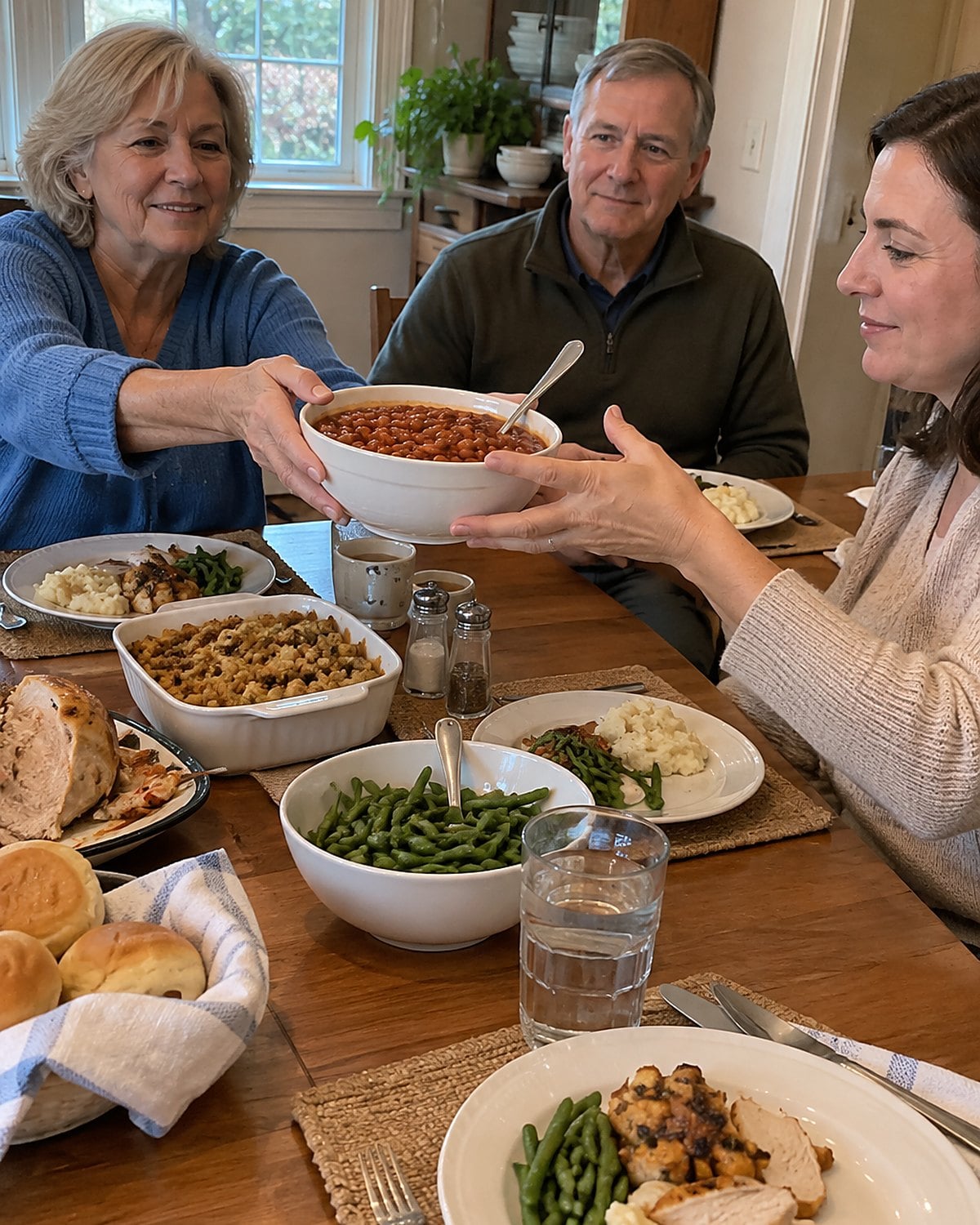
Someone at the table will ask, “But what does she eat?” You don’t have to turn supper into a debate about her diet.
Try a line that keeps the focus on the meal: “She’s having the bean casserole, the corn, and salad. Pass the dressing.” It names real food, then moves the conversation along. Your grandchild gets to eat without becoming the evening’s discussion topic.
This matters when a relative hasn’t seen her since she changed what she eats. A look at her plate answers the question. There’s no need to ask her to explain herself between bites.
If she wants to talk about her choice, she will. If she’d rather talk about the school play or the dog, let her. Hand the serving spoon across the table and ask who wants more corn.
 You might also like27 Thanksgiving Side Dishes From Church Suppers That Nobody Makes Anymore
#9 The casserole dish with one open corner
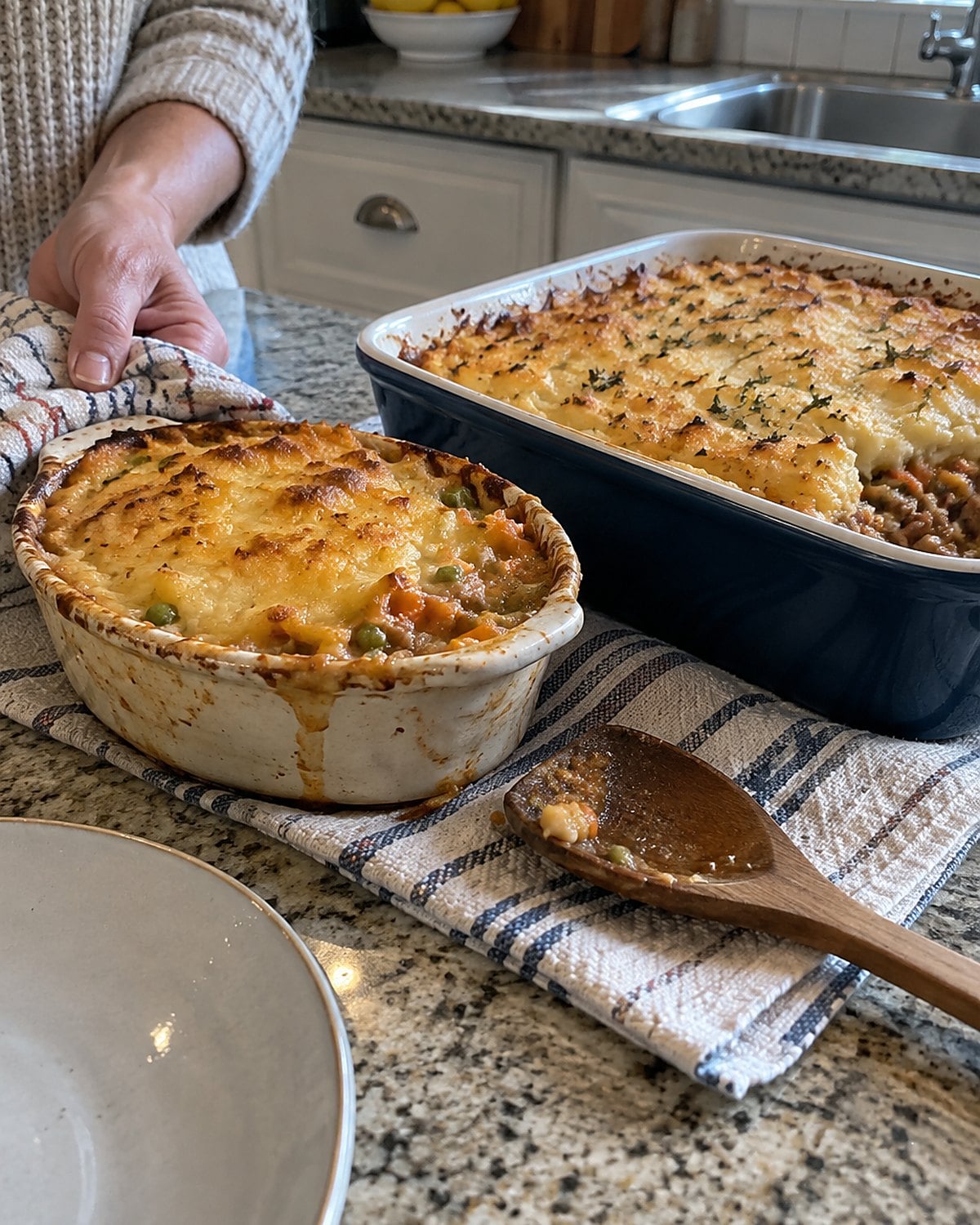
A casserole from an old church cookbook carries family history in its margins. The scribble beside the title says “add sausage,” and you’ve done it that way so long the printed recipe looks wrong.
Before mixing everything in the baking dish, set aside a portion without sausage. Put it in a small oven-safe dish and give it the same topping as the large one.
Check the topping first. If it’s cheese, confirm your grandchild eats dairy. If it’s buttered crumbs, don’t leave her with a bare corner while everyone else gets the crisp part.
Watch the smaller dish. Its edges brown sooner, so take it out when the center is hot and the top looks right. Don’t rely on the large casserole’s clock for a little dish.
There’s another route when the sausage isn’t what makes the recipe work: bake the whole casserole without it and serve cooked sausage separately. Taste the base for salt and seasoning first. A dish remembered as “the sausage casserole” still has onions, herbs, and a sauce worth keeping.
#8 The Instant Pot fill line
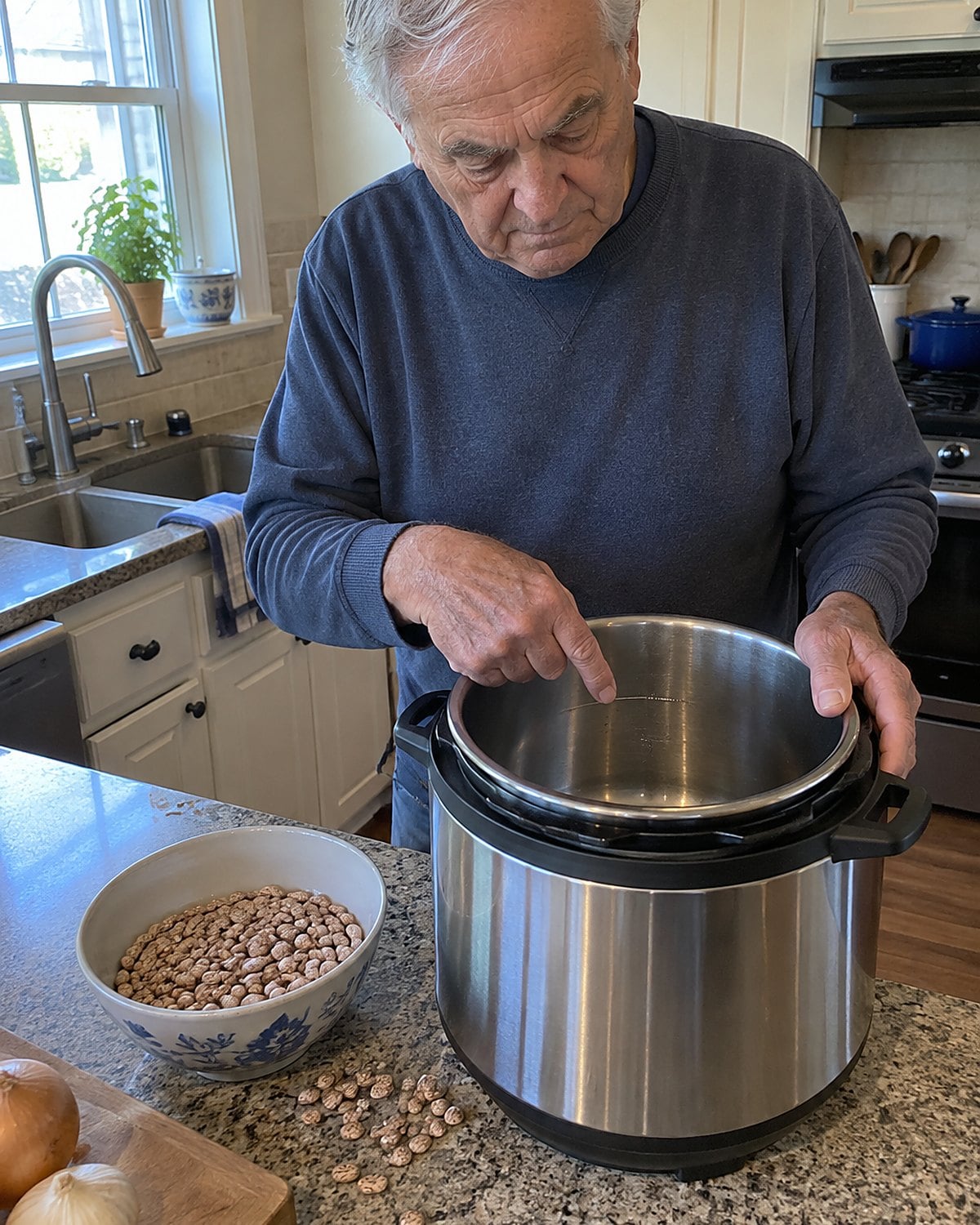
The bean button on an Instant Pot runs a program; it doesn’t check how high you filled the inner pot. That matters when dry beans swell and foam.
Read your cooker’s manual before starting a batch. Find its limit for beans and other foaming foods, which sits below the full-pot mark on many models. Leave the space the manual calls for, even when the last scoop of beans looks as though it would fit.
Use water or vegetable broth for a shared batch. After cooking, follow the manual’s pressure-release directions before opening the lid. Then divide the beans if others want meat added to their portions.
The button is handy. Your job is the part it cannot do: choosing the liquid, leaving room in the pot, and keeping the shared batch vegetarian.
#7 The package marked plant-based
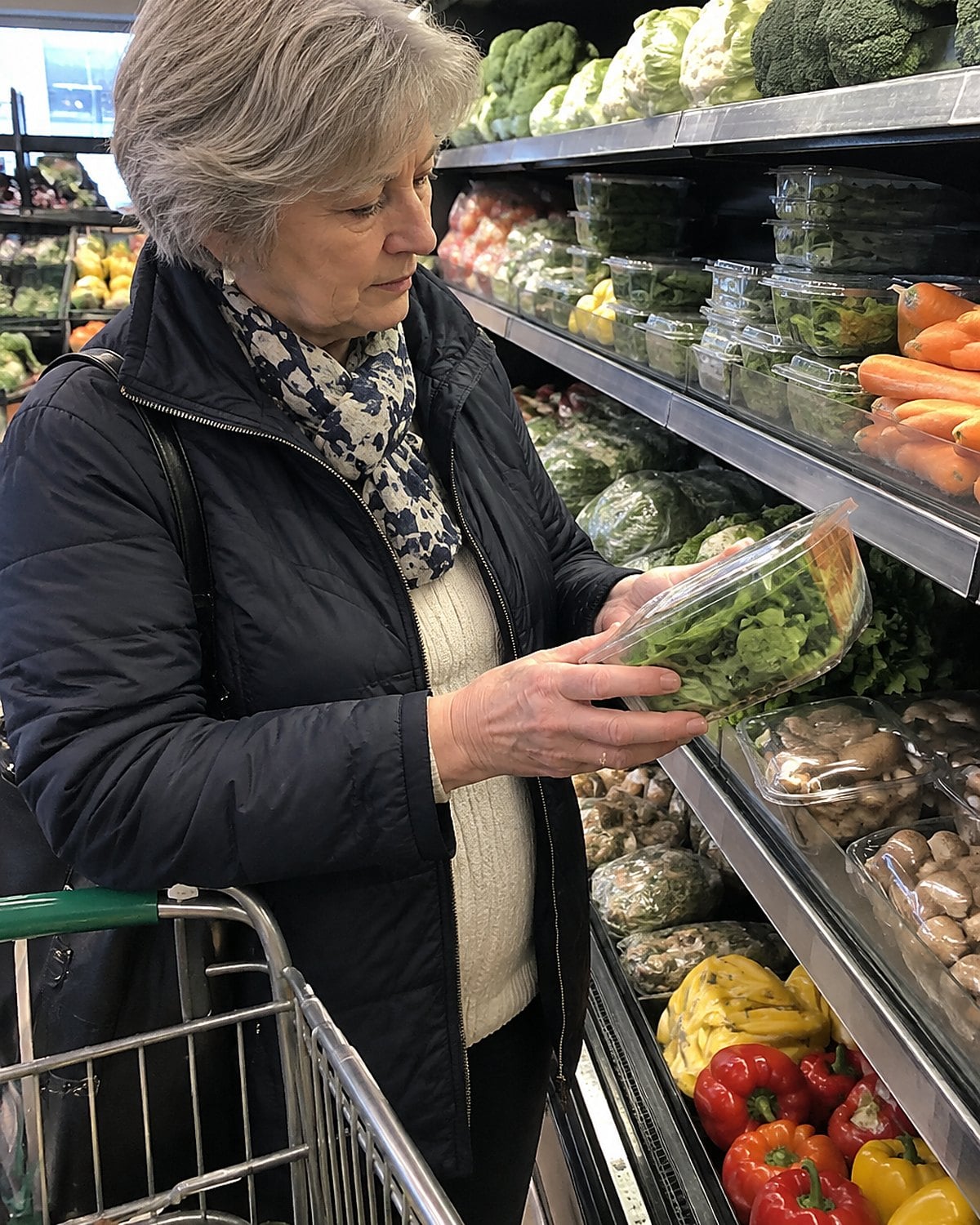
At the market, “plant-based” on the front of a package tells you less than the ingredients on the back. The product still has to fit what your grandchild eats and what you’re making.
Check for egg or milk if she avoids those. Look at the cooking directions before buying a product you expect to serve in a hurry. Some belong in a skillet; others need an oven. A package that takes over your only burner at the wrong moment hasn’t made dinner easier.
Then consider what the product is replacing. A vegetarian burger belongs on a bun with the toppings she likes. Crumbles belong in a sauce with enough moisture to coat pasta. Neither needs a speech about how closely it resembles beef.
If you’re shopping together, hand her the package. “Would you eat this?” is faster than guessing in the aisle, and her answer tells you more than the picture on the box.
#6 The gravy saucepan after the roast
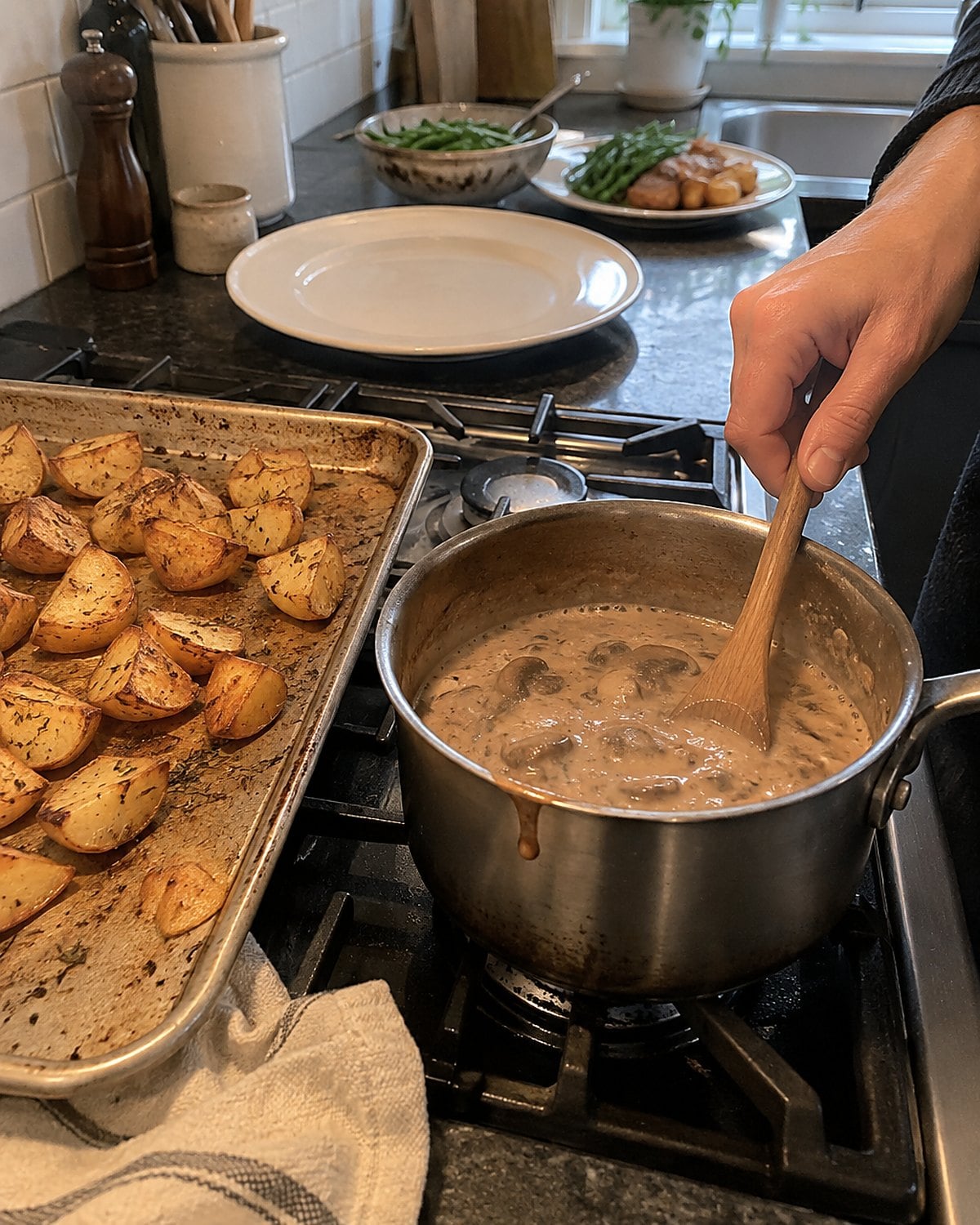
Gravy starts before the flour hits the pan. If the fat came from the roast, the finished gravy carries the roast with it, even after you’ve strained every visible piece.
For a vegetarian version, start a clean saucepan with butter or oil and flour. Stir until the flour smells toasted, then whisk in vegetable broth a little at a time. Let it bubble until the raw flour taste is gone. Browned mushrooms or onions add the savory notes you miss from drippings.
Taste it over a potato, not straight from the spoon. That’s where it has to work. Give the vegetarian gravy its own ladle so nobody has to watch which gravy boat passed down the table.
Try it: Best Instant Pot Gravy (Quick & Easy, No Drippings!)
#5 The high chair at a family dinner
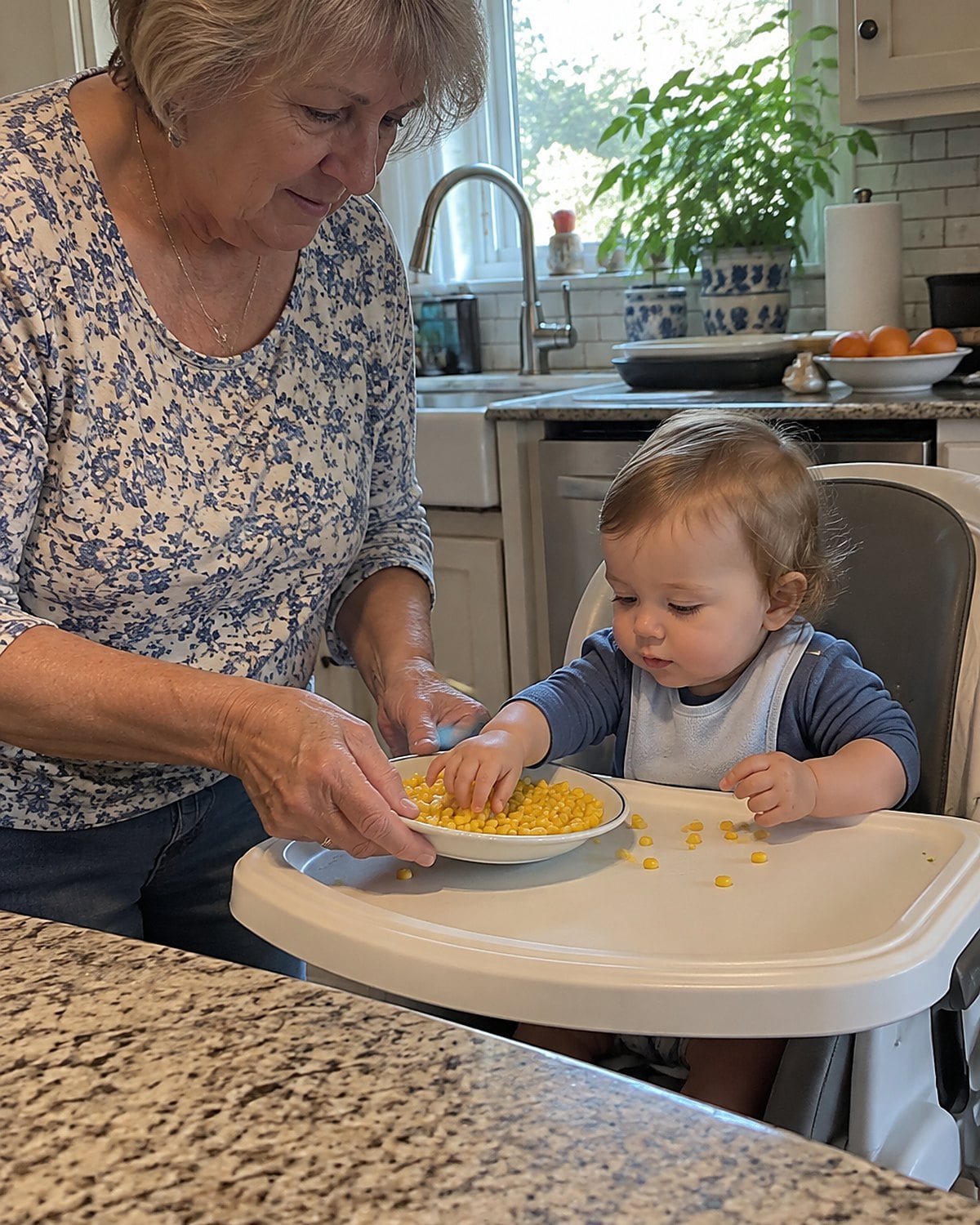
A younger grandchild announces she’s vegetarian, and the grown-ups start talking over her head. Meanwhile, she’s in the high chair pulling apart a roll and asking for another piece of corn.
Ask her parent what she eats at home, then offer a small plate with familiar parts of the meal. Beans, egg, tofu, or dairy belong in the conversation if those foods fit her diet. The USDA’s MyPlate site lays out vegetarian protein foods when you want ideas beyond another bowl of pasta.
For a child with allergies or a medical diet, follow the parent’s instructions rather than improvising. The CDC’s choking prevention guidance helps you check how food is cut and served for a young child.
You don’t have to win her over to a mushroom tonight. Put food within reach, let her tell you what she likes, and leave space for her appetite to change next weekend.
#4 The cutting board in the sink
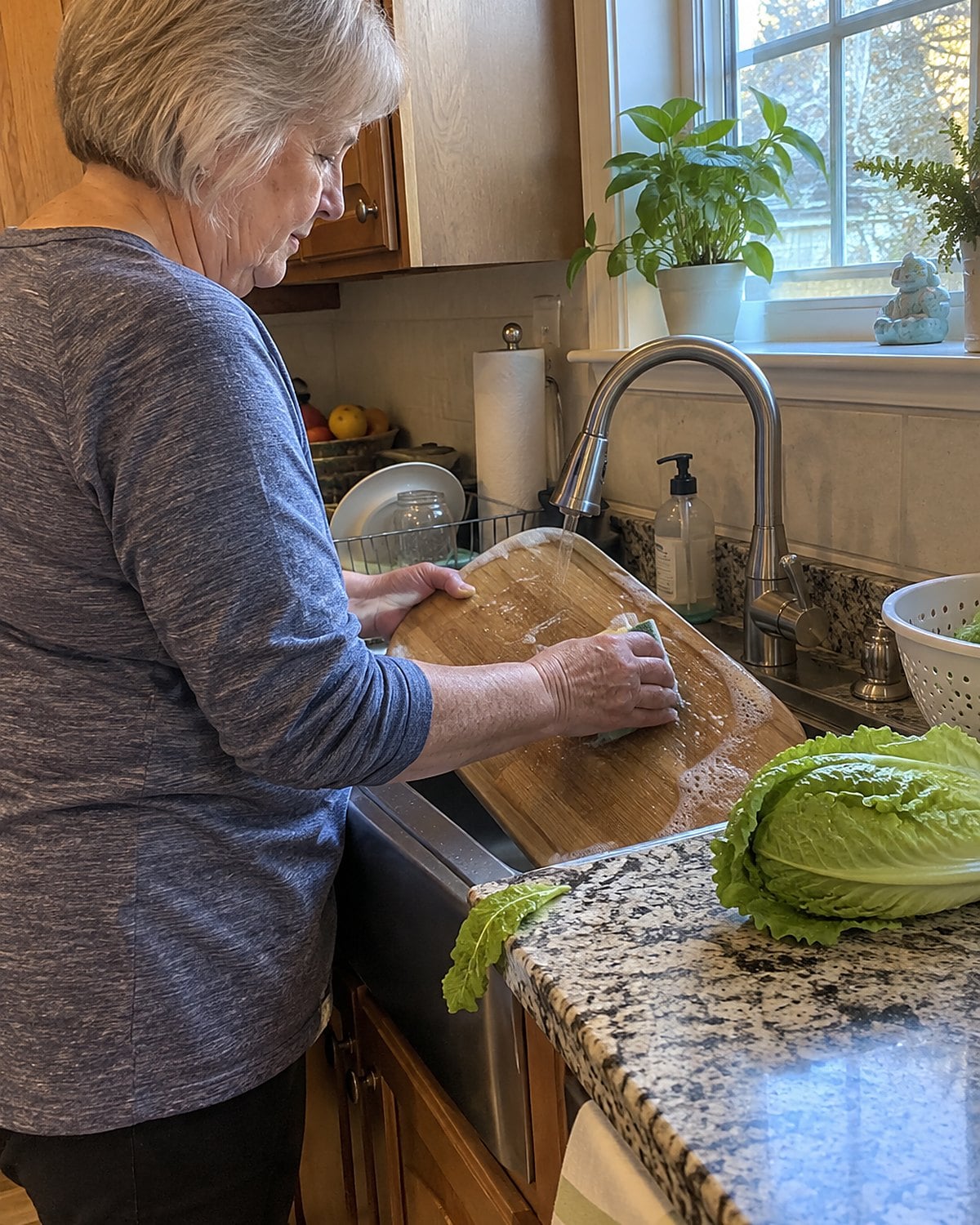
You’ve finished trimming raw chicken. The knife is beside the sink, the board is wet, and now it’s time to chop lettuce for everyone. Stop there.
Wash the board, knife, counter, and your hands with soap and water before you start on food that won’t be cooked. Better yet, chop the salad first and handle raw meat afterward. The CDC’s food safety guidance puts separation alongside cleaning, cooking, and chilling for a reason.
Look at the handle of the knife, too. It’s easy to wash the blade and reach straight for a handle you touched while trimming chicken.
This isn’t a special rule invented for vegetarian food. It protects the whole table. Your grandchild’s meal just makes the order of your prep impossible to overlook.
#3 The supper built around a shared base
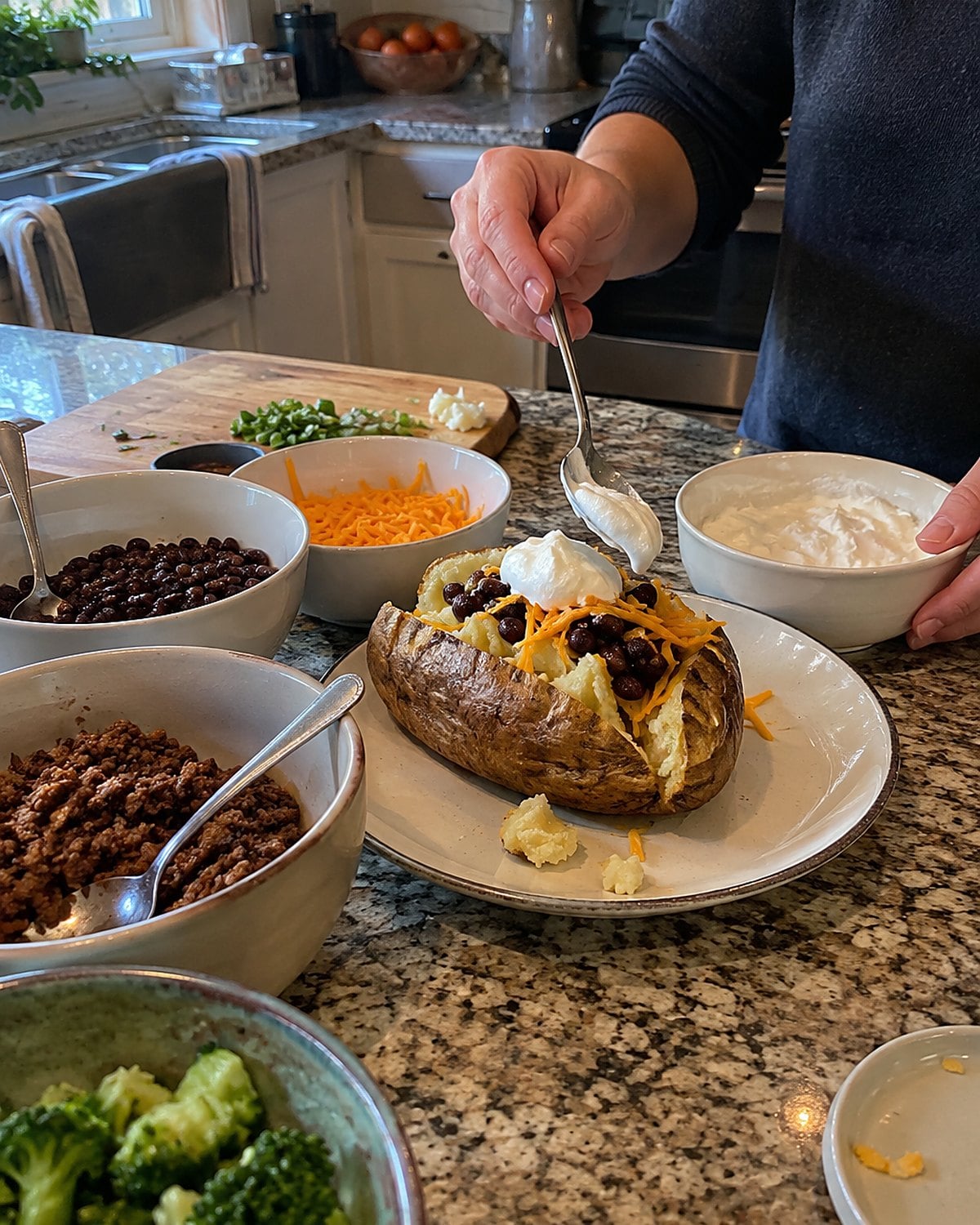
The tiring version of this visit has two menus pinned in your head. One says what the family eats. The other says what you’ll hurriedly invent for your grandchild.
Build supper around a shared base instead. A baked potato takes beans, vegetables, cheese, or leftover meat at the table. A bowl of rice does the same work with different toppings. For tacos, set out beans and cooked meat separately, with their own spoons.
The base needs enough flavor before anyone adds a topping. Salt the potato. Taste the rice. Warm the tortillas so they fold without cracking. Otherwise the vegetarian plate starts bland and stays that way.
This plan also helps on the weekend when another grandchild decides they hate onions. Nobody needs a new recipe for every preference. You’re setting out dinner in parts, then letting people finish their own plates.
Try it: 31 Loaded Baked Potato Topping Ideas
#2 The dish your grandchild names
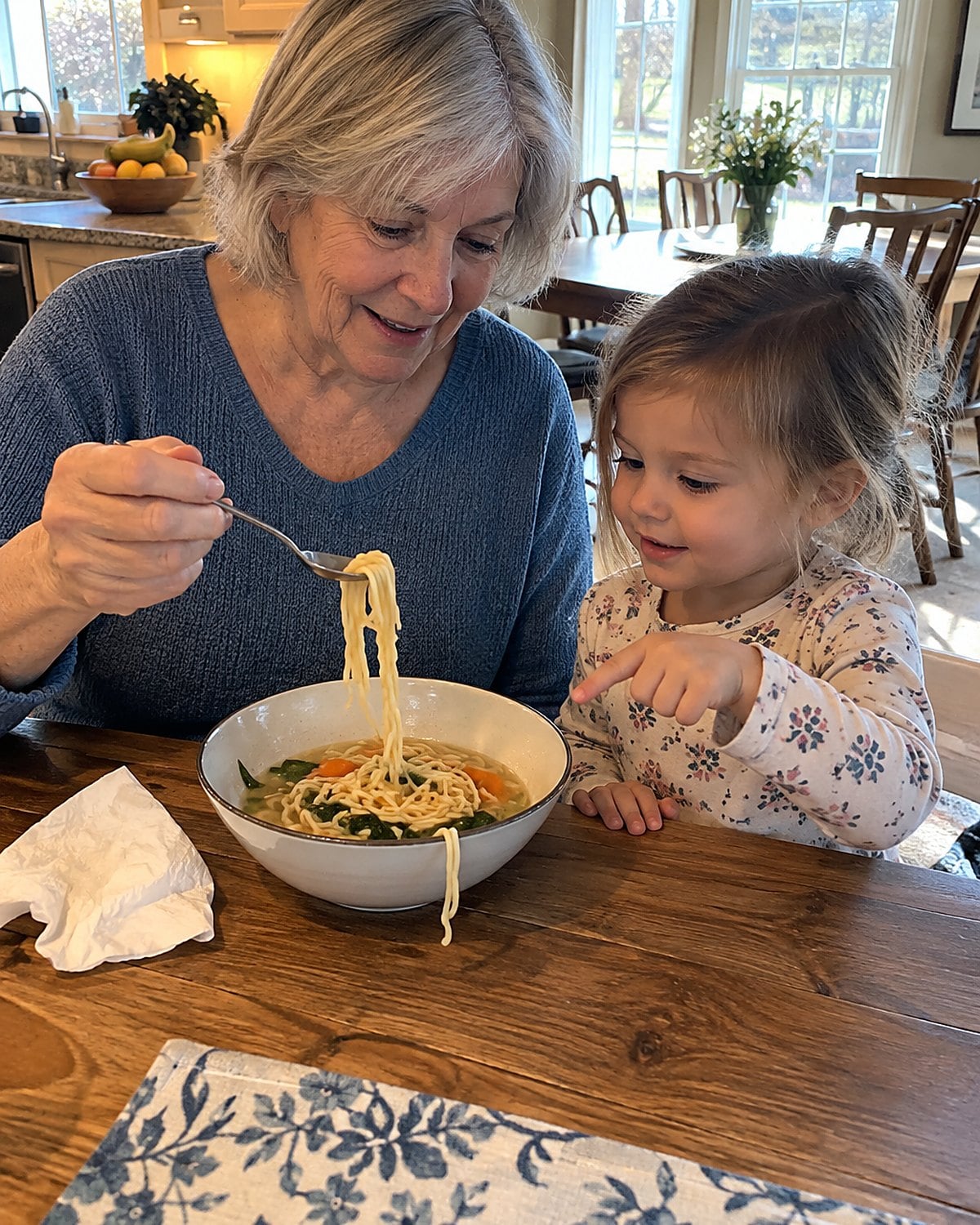
The fastest answer to “What do I make her?” is a question she gets to answer. Ask for a dish she already likes, not a category of food she’s willing to accept.
“Tell me one supper you’d be glad to see here next time.” Give her room to name a bean burrito, macaroni and cheese, peanut noodles, or something you’ve never made. Then ask what makes that version hers: the sauce, the crisp edge, the cheese, the absence of onions.
If she names something new to you, ask where she’s eaten it. That gives you a taste to aim for, rather than a dish name that sends you guessing through the pantry.
Keep her answer in mind while she’s still in the kitchen. At the next visit, you have a starting place that belongs to her, and she knows you listened.
#1 The supper note inside the cupboard door
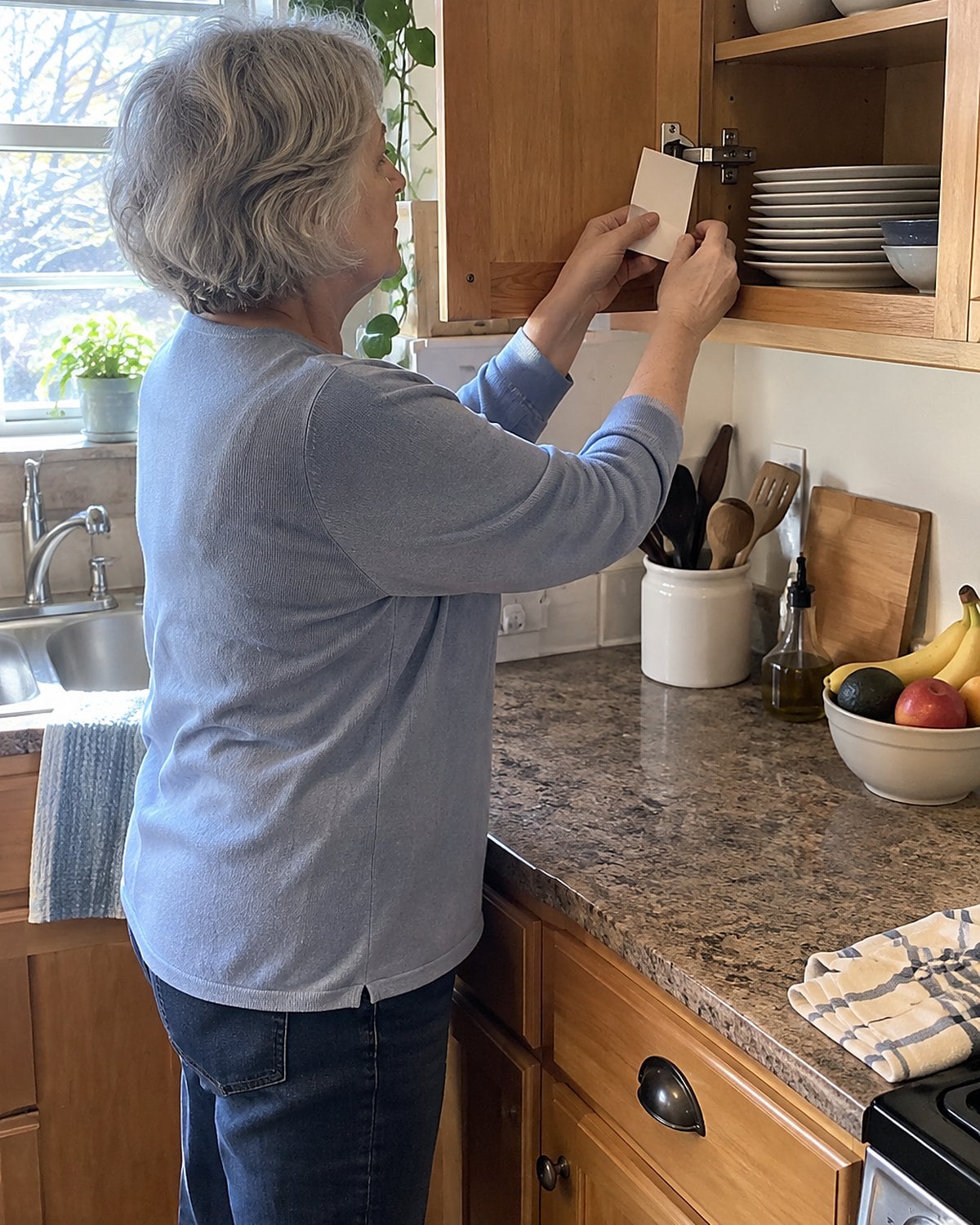
By the third visit, the hard part shouldn’t still be remembering what she said on the first. Put one supper note where you look before cooking: inside a cupboard door, on a card by the spice jars, or in your phone.
Write down what she eats, the ingredients she avoids, and two meals she has actually enjoyed at your table. Add the detail that changes the cooking: “vegetable broth for the whole soup” or “save the potatoes before adding drippings.” Keep it short enough to read with one hand on a cabinet knob.
When plans change, the note gives you something firmer than a memory of a conversation held while the oven timer was ringing. It also tells someone else in the kitchen how to help without making your grandchild repeat herself.
Tonight, ask her for the meal she wants next time. Then make the note. The next visit still brings its own surprises, but supper doesn’t have to begin with the same unanswered question.
Keep reading
 27 Foods Grandmothers Make That Mothers Won't Allow
See all 27 →
More you’ll remember
 23 Mistakes Grandparents Make When Feeding Toddlers, According to Pediatric Guidance
 24 Things Your Daughter-in-Law Thinks About Your Cooking and Won't Say
 27 Things Picky Grandchildren Will Eat If You Stop Announcing It
The bottom line
A vegetarian grandchild changes less of your cooking than the order in which you do it. Ask what she eats, build the shared part first, and keep meat and its drippings out of her portion.
The well-prepared version of you has a broth carton she’s checked, a clean spoon ready, and one meal written down that her grandchild wants again.
What’s already in your kitchen that would make that meal tonight?
Leave a Reply