

Being a grandmother means getting to make all those little treats your grandchildren will hopefully remember for years. But when it comes to grandmother foods, parent rules come first, and things can get a little tricky. You might think an extra cookie before dinner is harmless, while Mom and Dad have other ideas. And suddenly, that innocent cookie has become a family discussion!
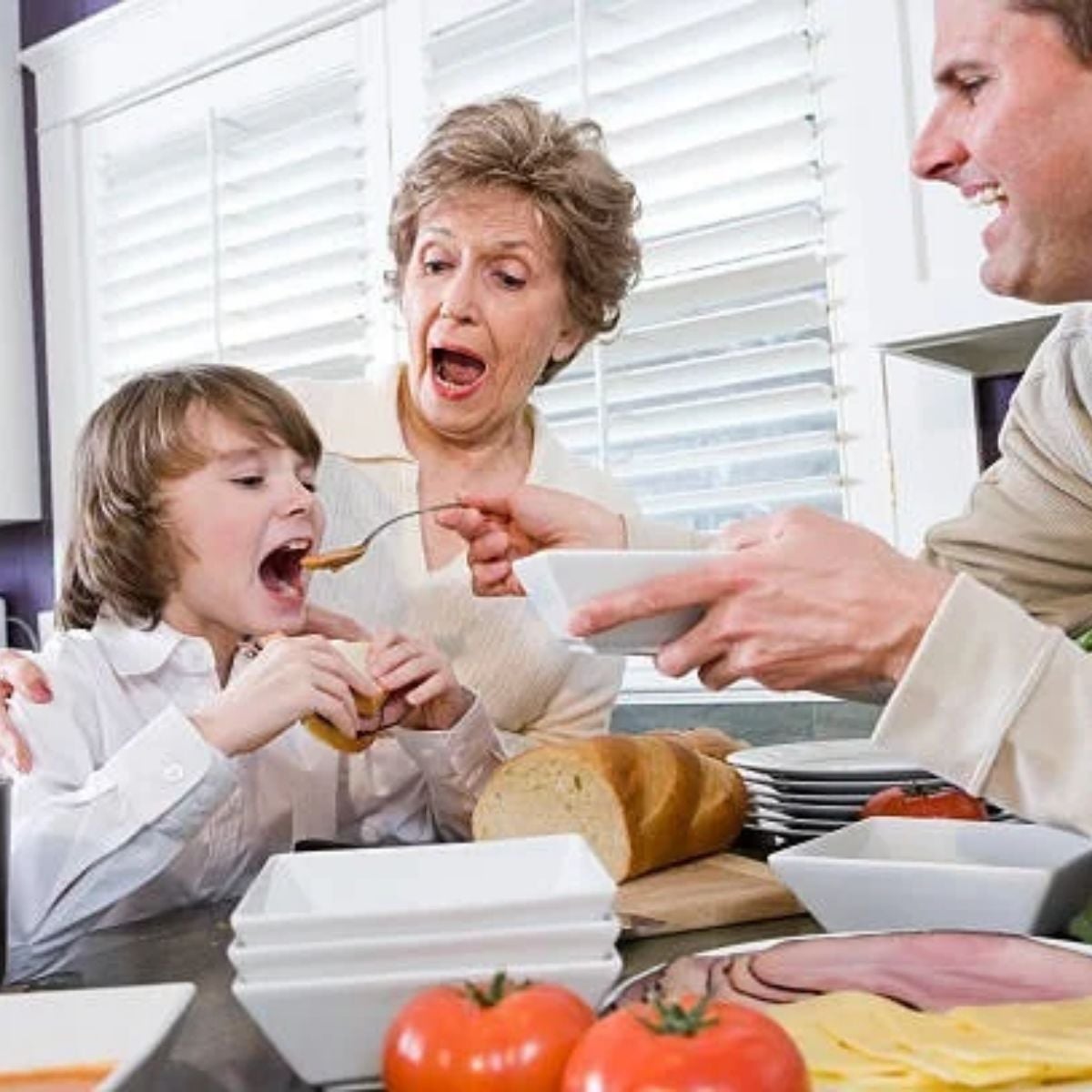
I love the idea of passing down favorite recipes and letting grandchildren help in the kitchen. But I also think it's important to respect the rules their parents have set. The good news? You can still make wonderful food memories without sneaking treats or turning every meal into a disagreement. Here are 27 familiar favorites and a few ways to keep everyone happy.
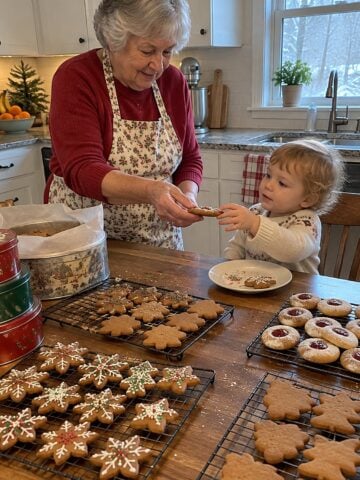
#27 The Cookie Tin Before Supper
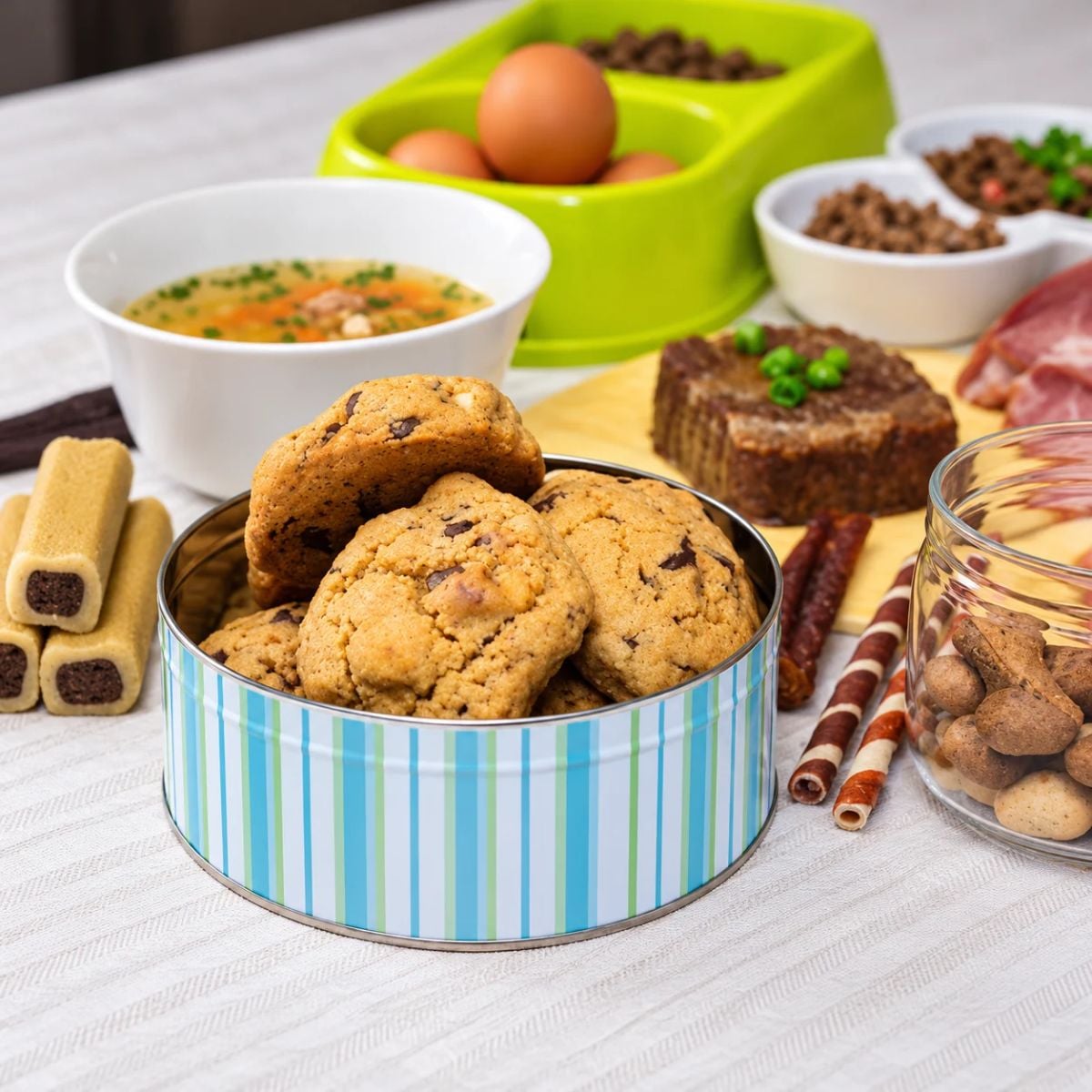
Remember when Grandma always had a tin of homemade cookies waiting?
There was something special about lifting that lid and hoping she'd let you have one before dinner.
But if the parents have a rule about sweets before meals, it's best to save the cookies for later.
Nobody needs to ask a child to keep a cookie secret. For crisp cookies, let them cool completely before storing them in an airtight tin.
Otherwise, trapped moisture can soften them. And don't worry about the broken cookies. They taste just as good. I usually think those are the cook's reward anyway.
#26 The Buttered Toast Triangle
Sometimes the simplest snacks are the ones children remember most.
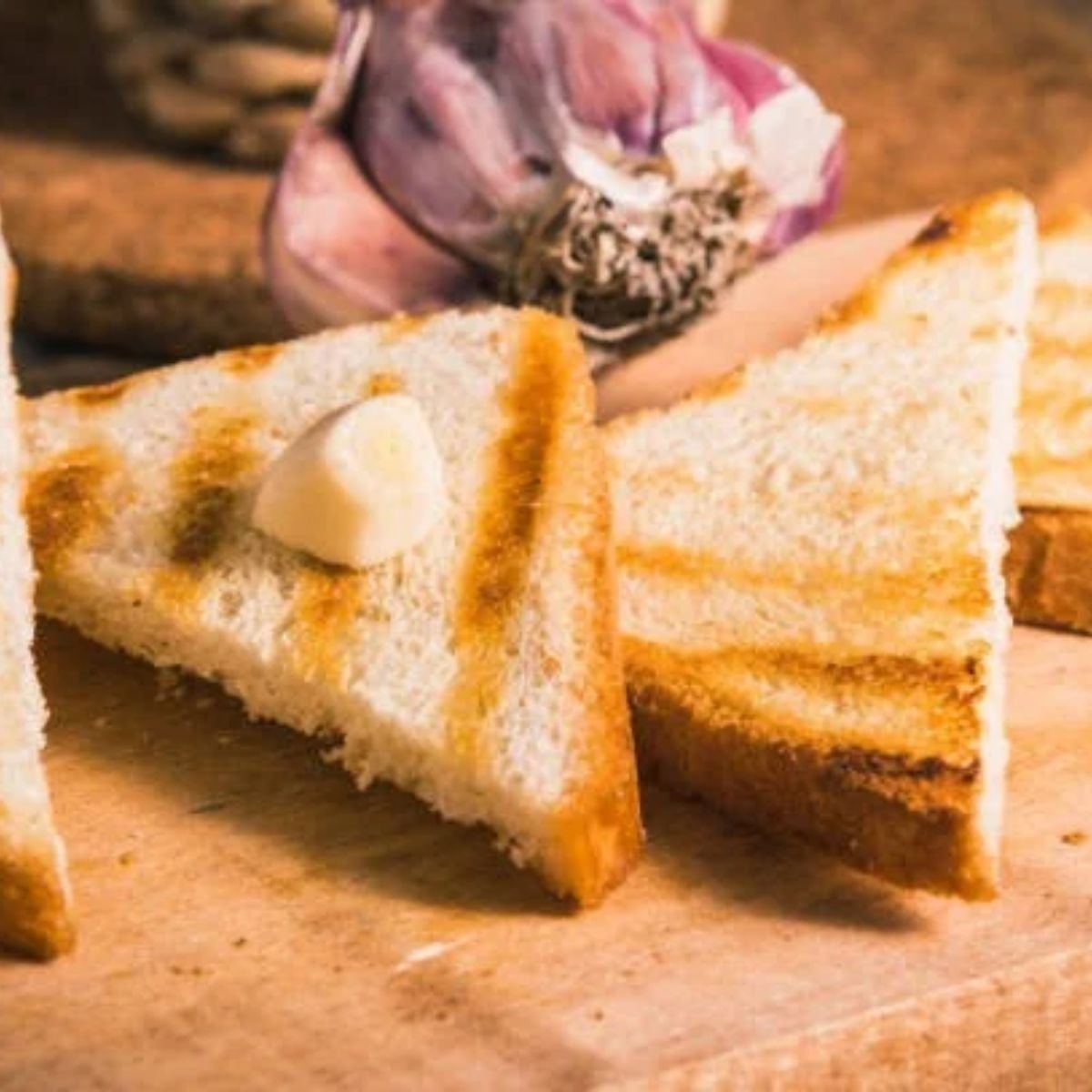
A slice of buttered toast cut into triangles might not sound exciting, but those crispy corners are really satisfying.
Toast the bread until golden before adding butter. If you want it to stay crisp while making more slices, place it on a rack rather than a plate.
Let the child spread their own butter if they're old enough.
It probably won't be even, and you might have a little mess to clean up. But that's part of learning.
And if the parents prefer less butter, serve it on the side so everyone can decide how much to use.
#25 The Pancakes With Chocolate Chips
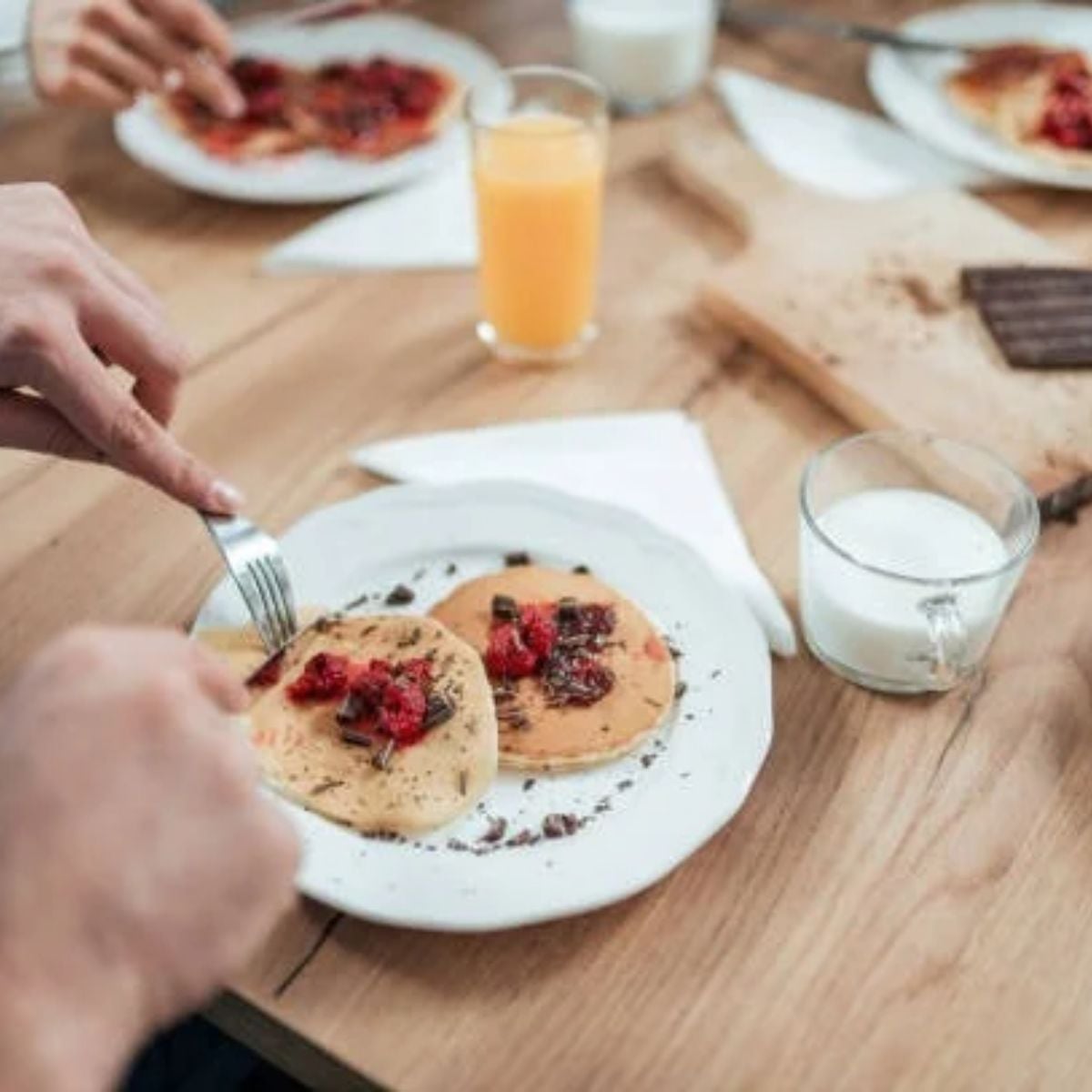
Chocolate chip pancakes are a wonderful way to make breakfast feel special.
But not every parent wants chocolate served first thing in the morning. The easiest solution is to make one batch of plain batter.
Pour the pancakes into the skillet, then sprinkle chocolate chips onto the ones that can have them.
That way, everyone gets the breakfast they've agreed on.
Cook over medium-low heat and flip when bubbles appear and the edges begin to set.
Wipe away any melted chocolate between batches so it doesn't burn. And if your grandchild gets plain pancakes, make them just as nicely.
Nobody wants to feel like they received the boring breakfast.
#24 The Ice Pops in the Freezer Drawer
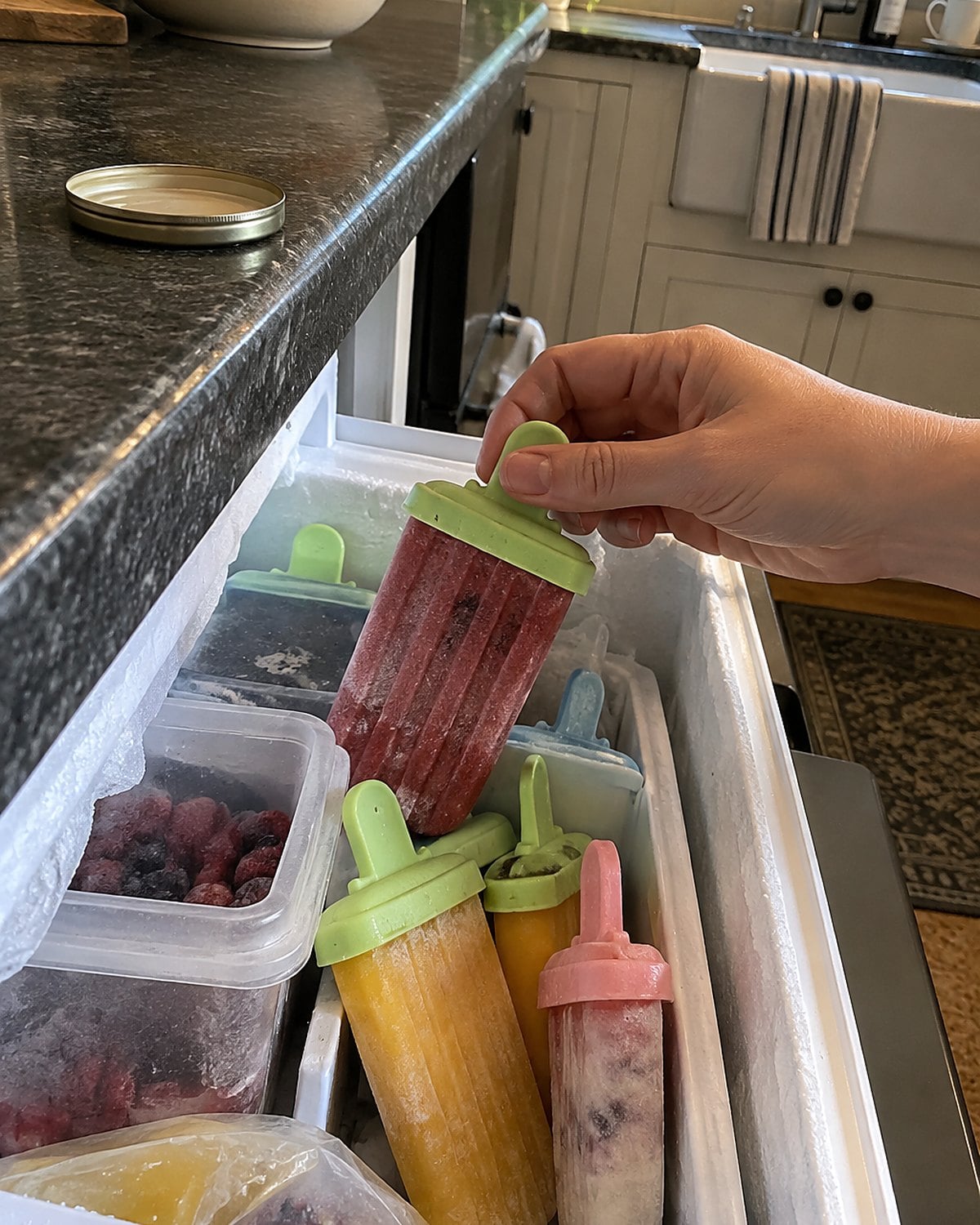
Homemade ice pops are one of those treats that children never seem to get tired of. They're also easy to make with fruit, water, and a little lemon juice.
Blend everything together, taste the mixture, and pour it into molds. Leave a little space at the top because the liquid expands as it freezes.
If a grandchild has allergies or dietary restrictions, keep a note of exactly what went into each batch.
That way, you don't have to stand in front of the freezer trying to remember whether you added yogurt to the purple ones.
And there's something lovely about watching a child choose their favorite color. Even when all the flavors are practically identical.
#23 The Macaroni With a Buttered Crumb Top
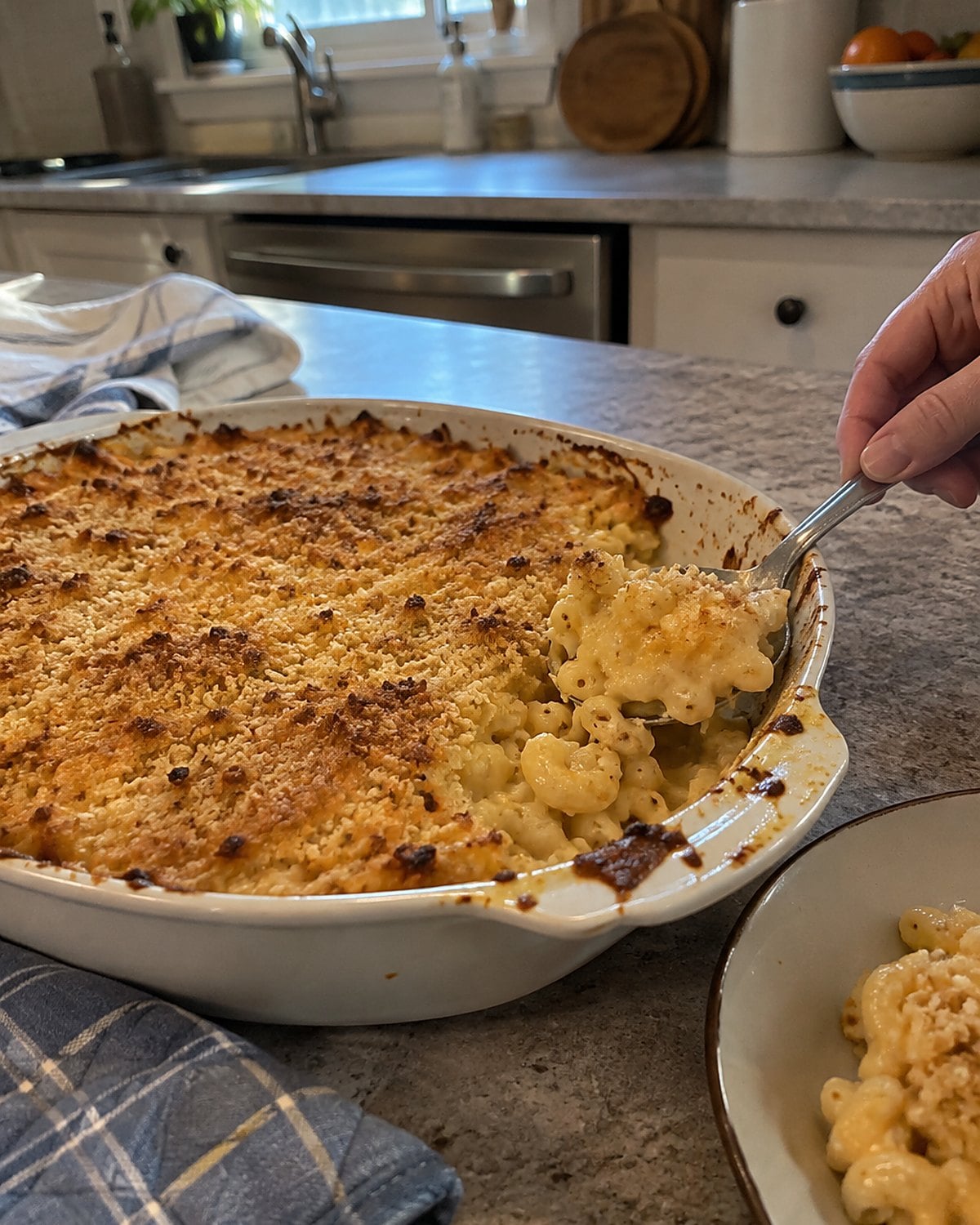
Macaroni and cheese is already a favorite, but adding buttery breadcrumbs makes it even better.
The crunchy topping is often the first thing children dig into. Toss the breadcrumbs with melted butter before sprinkling them over the macaroni.
Make sure there's enough cheese sauce, since the pasta absorbs some while baking.
Once the top is golden, let the dish rest before serving.
That bubbling cheese sauce can be much hotter than it looks. Serve a small portion and let the child decide whether they want more.
And if they only want the crispy bits, well, I can understand the temptation.
Try this delicious recipe: Easy Instant Pot Macaroni & Cheese (Step-By-Step Recipe)
#22 The Jelly Sandwich Cut Into Stars
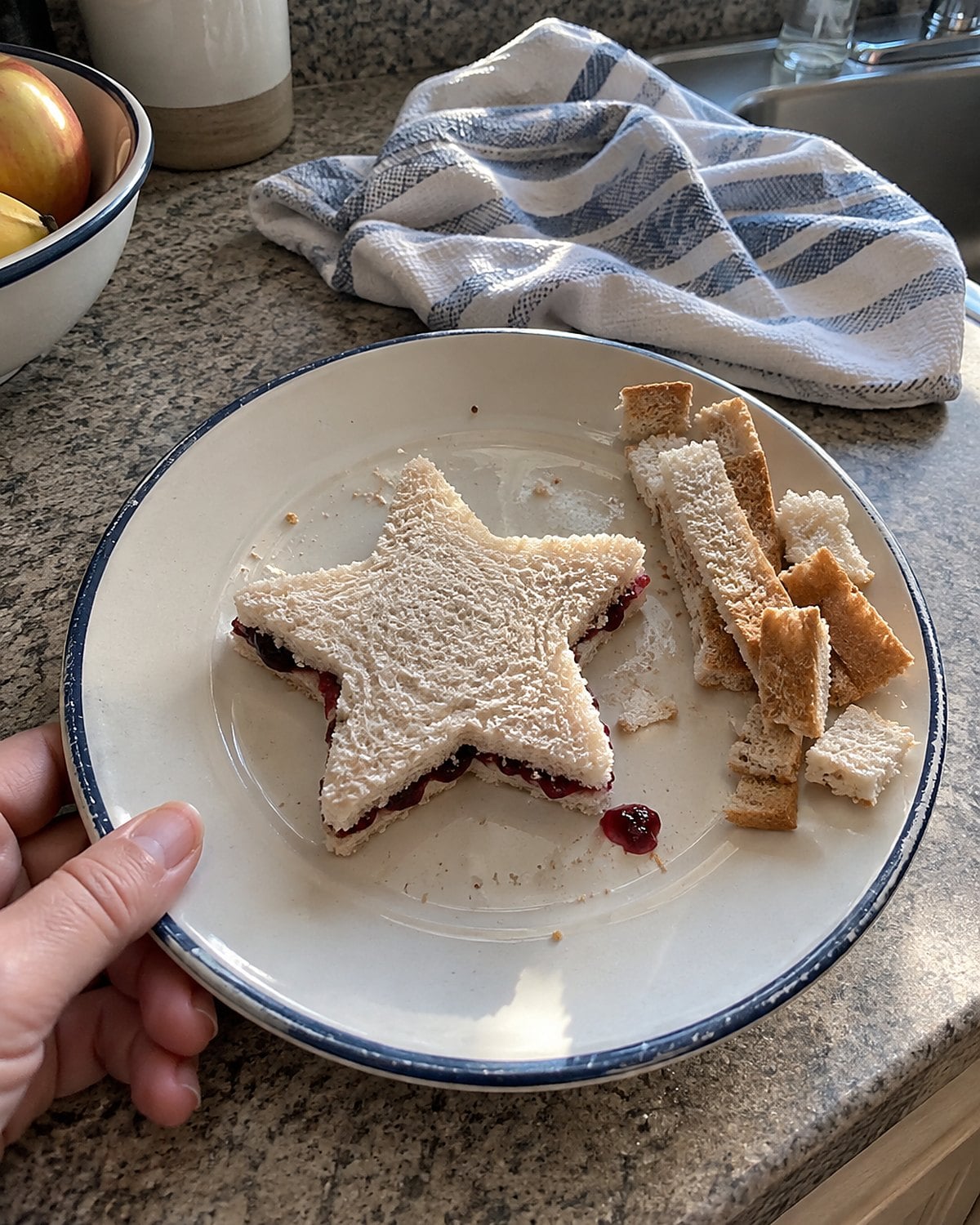
A sandwich cut into stars somehow tastes more exciting than the same sandwich cut into squares.
At least, that's what children seem to think. Use sturdy bread and press the cookie cutter firmly through both slices.
Spread the jelly thinly so it doesn't squeeze out of the points.
And don't throw away the scraps. They're perfectly good for your own snack.
Before adding peanut butter or another filling, check with the parents about allergies and approved ingredients. The FDA’s food allergy guidance is worth reading with the package in hand.
A cute sandwich isn't worth taking chances with food safety. Besides, jelly sandwiches are messy enough without creating another problem.
#21 The Fried Potatoes in the Cast-Iron Pan
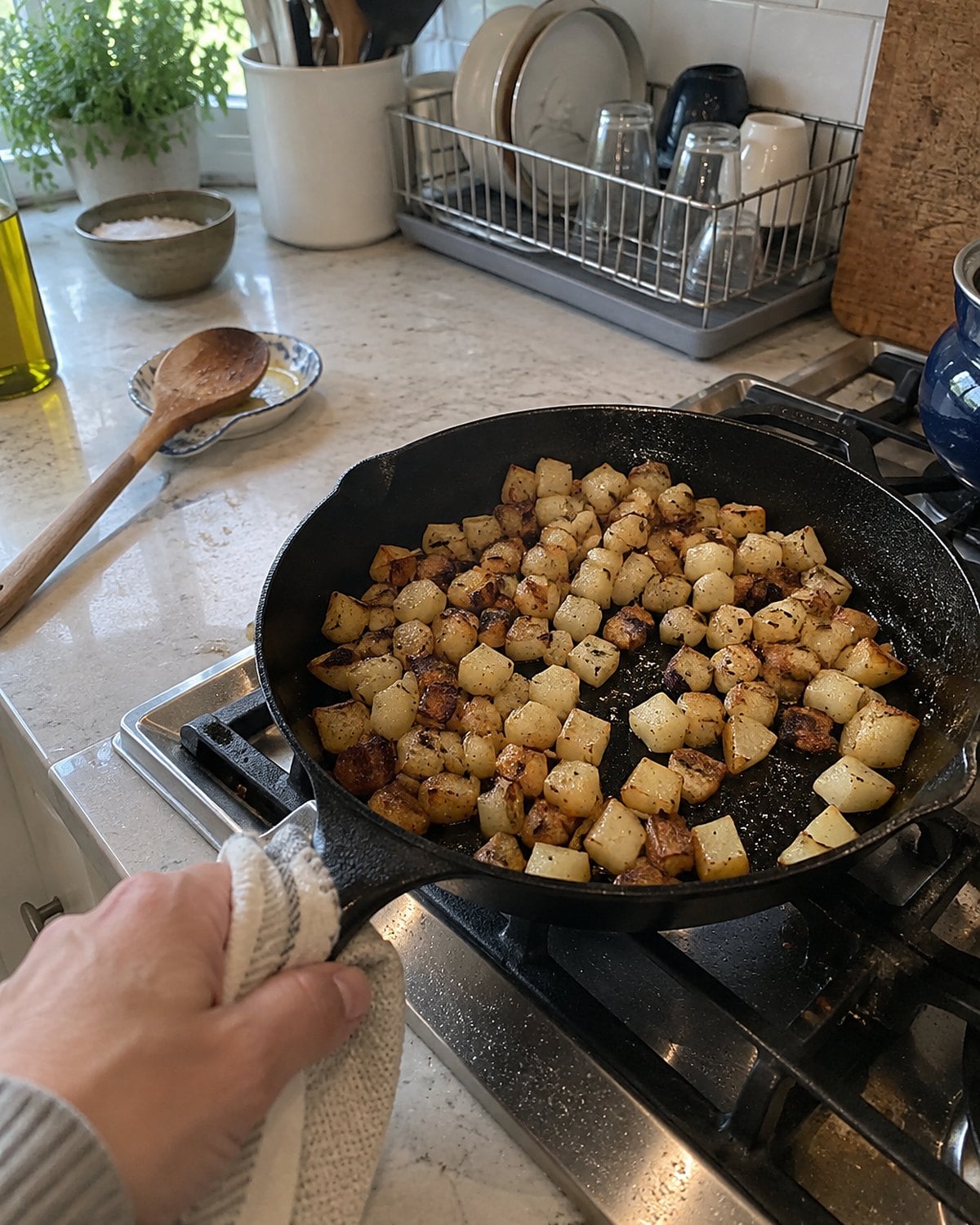
Crispy fried potatoes are one of those simple foods that can make breakfast feel like a proper family meal.
The secret is giving them enough space in the skillet. Dry the potatoes before cooking and cut them into even pieces.
Avoid overcrowding the pan, or they'll steam instead of brown. Let them cook undisturbed for a few minutes before turning.
If they stick, give them a little more time. Serve them with eggs, fruit, or whatever fits the family's breakfast routine.
I love those crispy golden edges, and I suspect most children would happily pick them out first.
#20 The Church Hall Sheet Cake
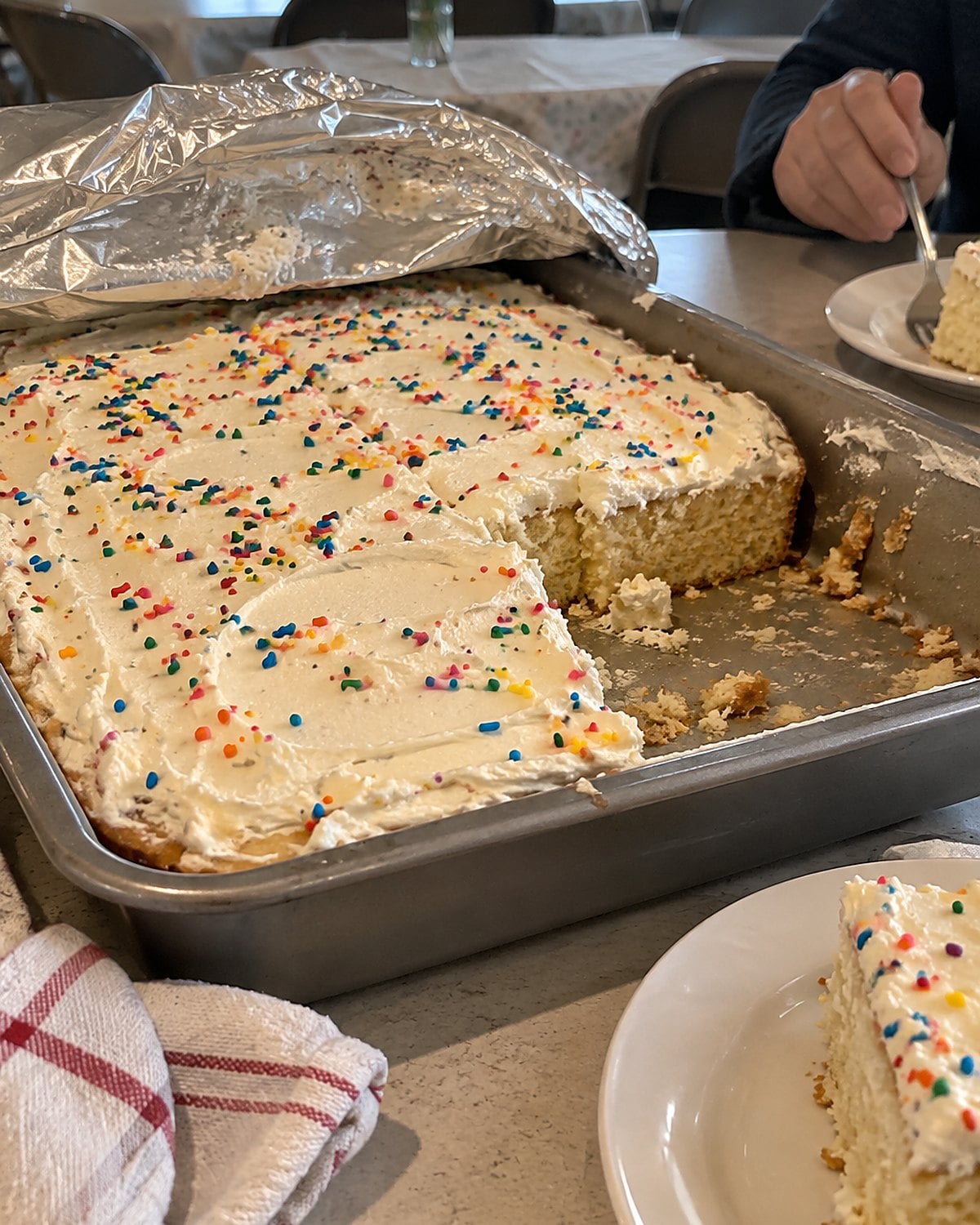
Remember those enormous sheet cakes at church gatherings?
There was always someone asking for a corner piece because it had more frosting. And someone else wanted the soft middle.
If you're making one for a family gathering, chill the frosted cake briefly before slicing. Use a clean knife and wipe it between cuts for neater squares.
Let the cake return toward room temperature before serving so it tastes soft and tender.
Check with the parents before offering a slice to a visiting grandchild. Then let the child choose a corner or middle piece.
Personally, I think the corner wins. More frosting is a perfectly reasonable argument.
#19 The Green Beans Cooked With Ham Hock
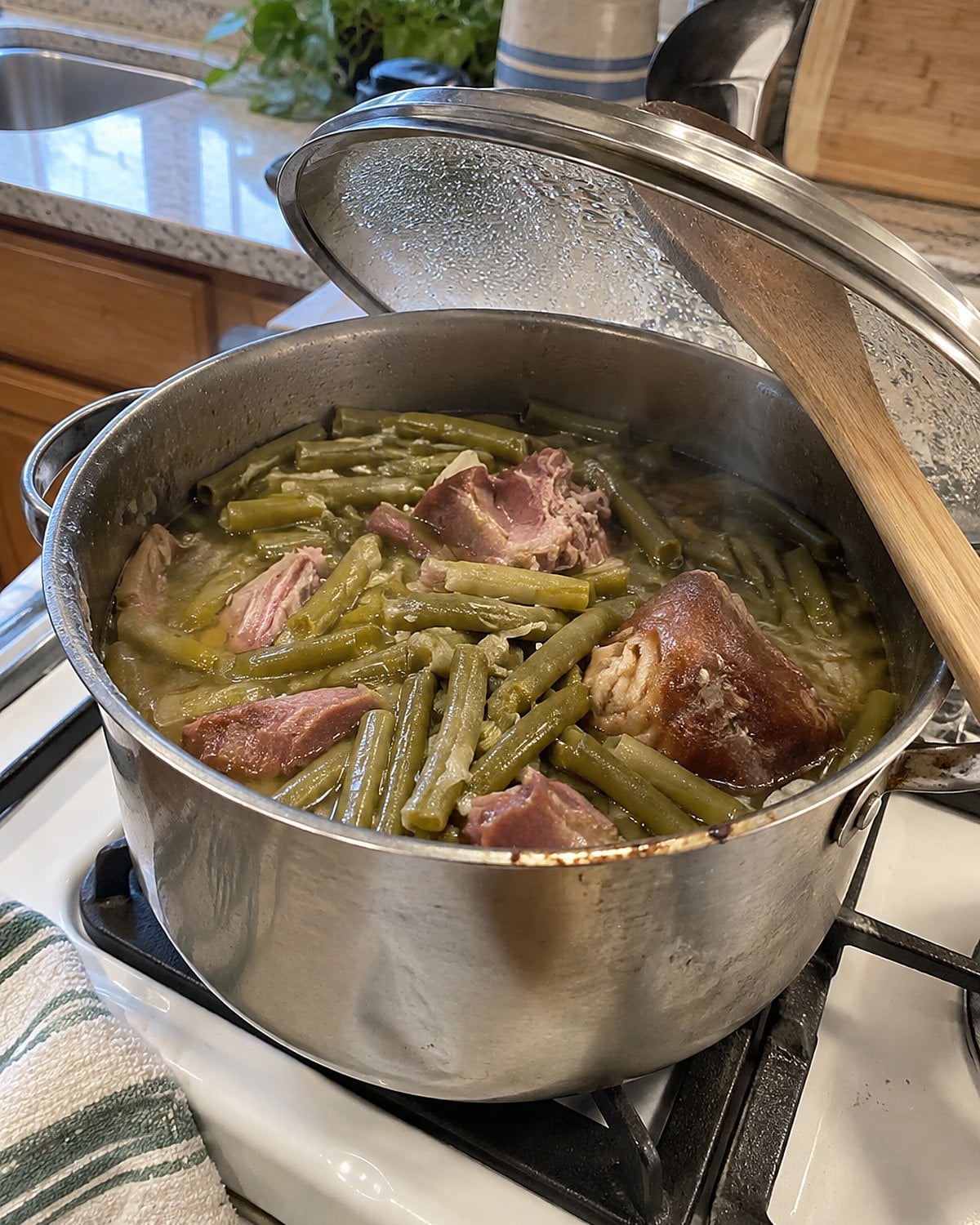
Green beans cooked with a ham hock were a regular part of many old-fashioned family dinners.
They weren't supposed to be crisp. They simmered until tender and absorbed the smoky flavor of the meat.
Taste the broth before adding salt because ham hock can already be quite salty. If the liquid tastes weak, let it simmer uncovered for a little longer.
Now, if the parents prefer their children to eat crisp vegetables, there's no need to argue.
Offer a small spoonful when it fits the meal. If the child doesn't want any, that's fine.
More green beans for you, and no dinner-table negotiations required.
#18 The Biscuit With Jam and Cream
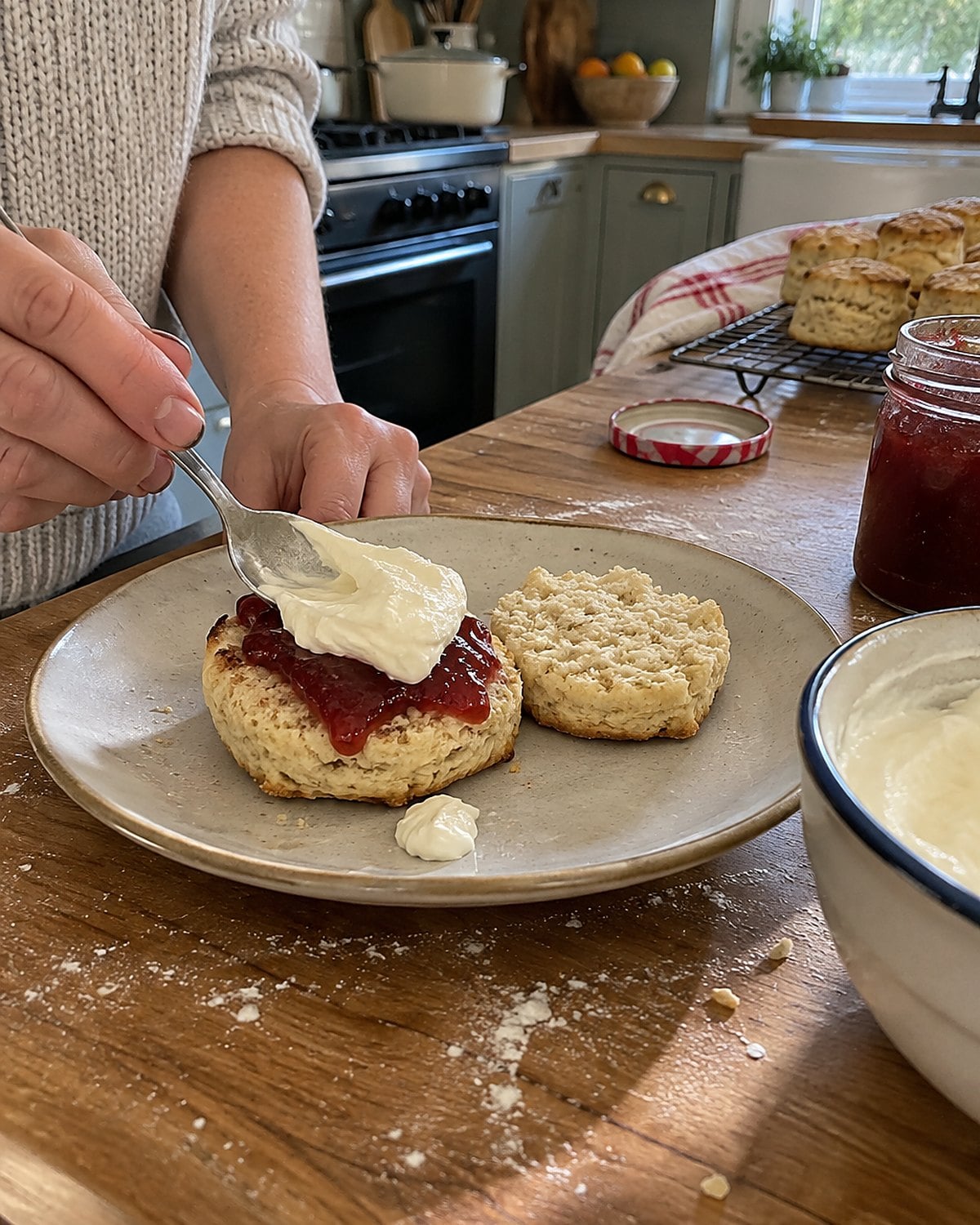
A warm homemade biscuit split open with jam and cream is a lovely little treat.
And making biscuits together can be just as enjoyable as eating them. Handle the dough gently and stop mixing once it comes together.
Press the cutter straight down instead of twisting it, which can prevent the edges from rising freely.
Let your grandchild help cut the dough if they're old enough. Their biscuits might be slightly uneven, but they'll be proud of them.
Serve with jam and cream when the parents are happy with the treat. And don't worry if the cream slides off the side. That usually happens to mine, too.
#17 The Grilled Cheese With Crispy Edges
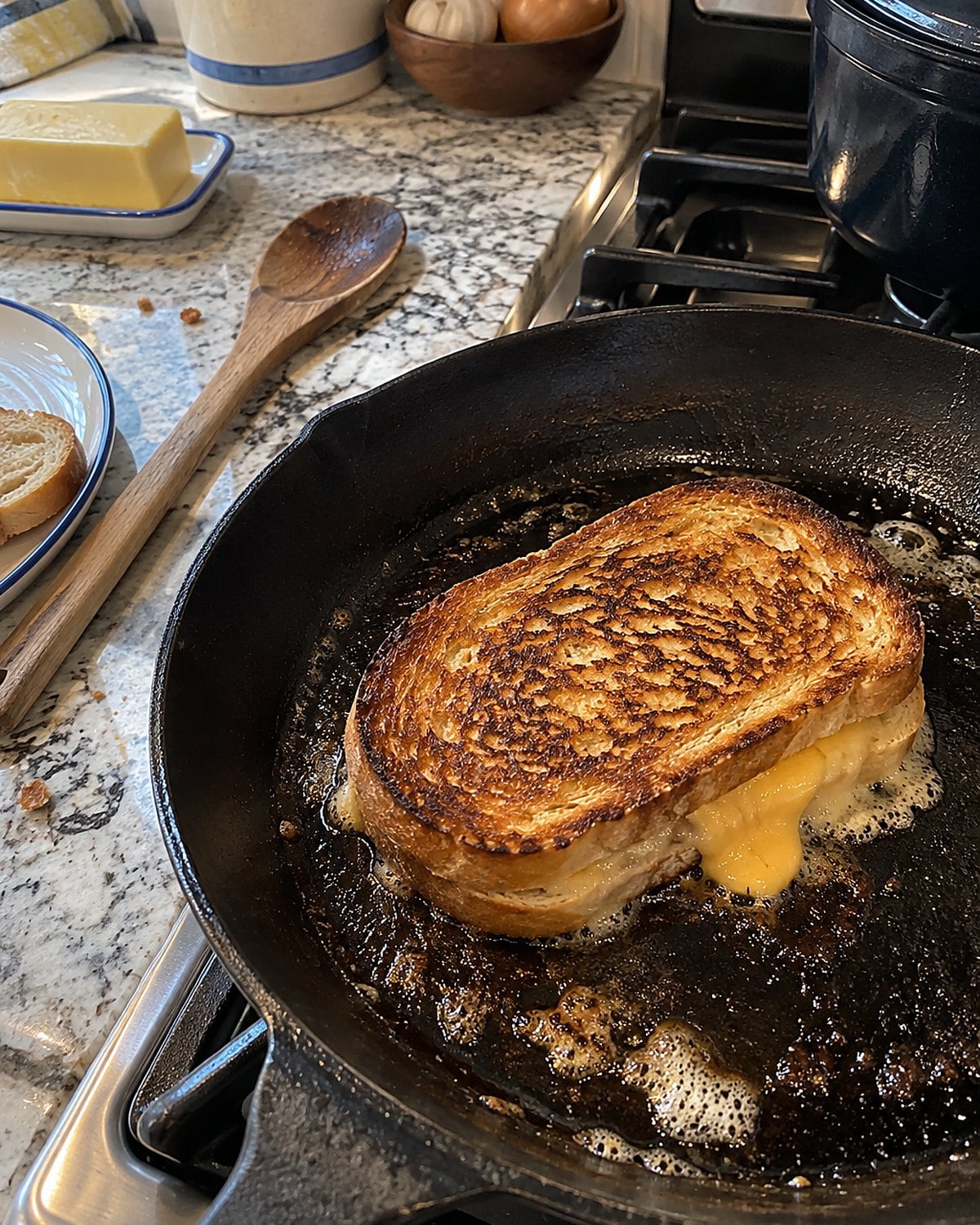
A grilled cheese sandwich doesn't need much to make it delicious. Just bread, cheese, butter, and a little patience.
Cook it over moderate heat so the bread doesn't burn before the cheese melts.
If the bread is browning too quickly, lower the heat and briefly cover the skillet. Use cheese that melts easily and butter the bread right to the edges.
Let the sandwich rest briefly before slicing so the hot cheese doesn't spill everywhere.
You can cut it into strips for easier handling if that's appropriate for the child's age.
And if tomato soup isn't on the menu, don't worry. A good grilled cheese can stand perfectly well on its own.
#16 The Lemonade on the Porch

There's something about homemade lemonade that reminds me of long afternoons and children running in and out of the house. It's easy to make, too.
Dissolve the sugar in a little water before mixing it with fresh lemon juice and cold water.
For a small pitcher, start with about ¼ cup of sugar and adjust to taste. If the parents prefer less sugar, you can make a tarter version.
Let your grandchild help squeeze the lemons. They'll probably get juice everywhere, but at least they'll feel involved.
And sometimes sitting together with a cold glass of lemonade is more memorable than the snack itself.
#15 The Baked Beans Under a Bacon Lid
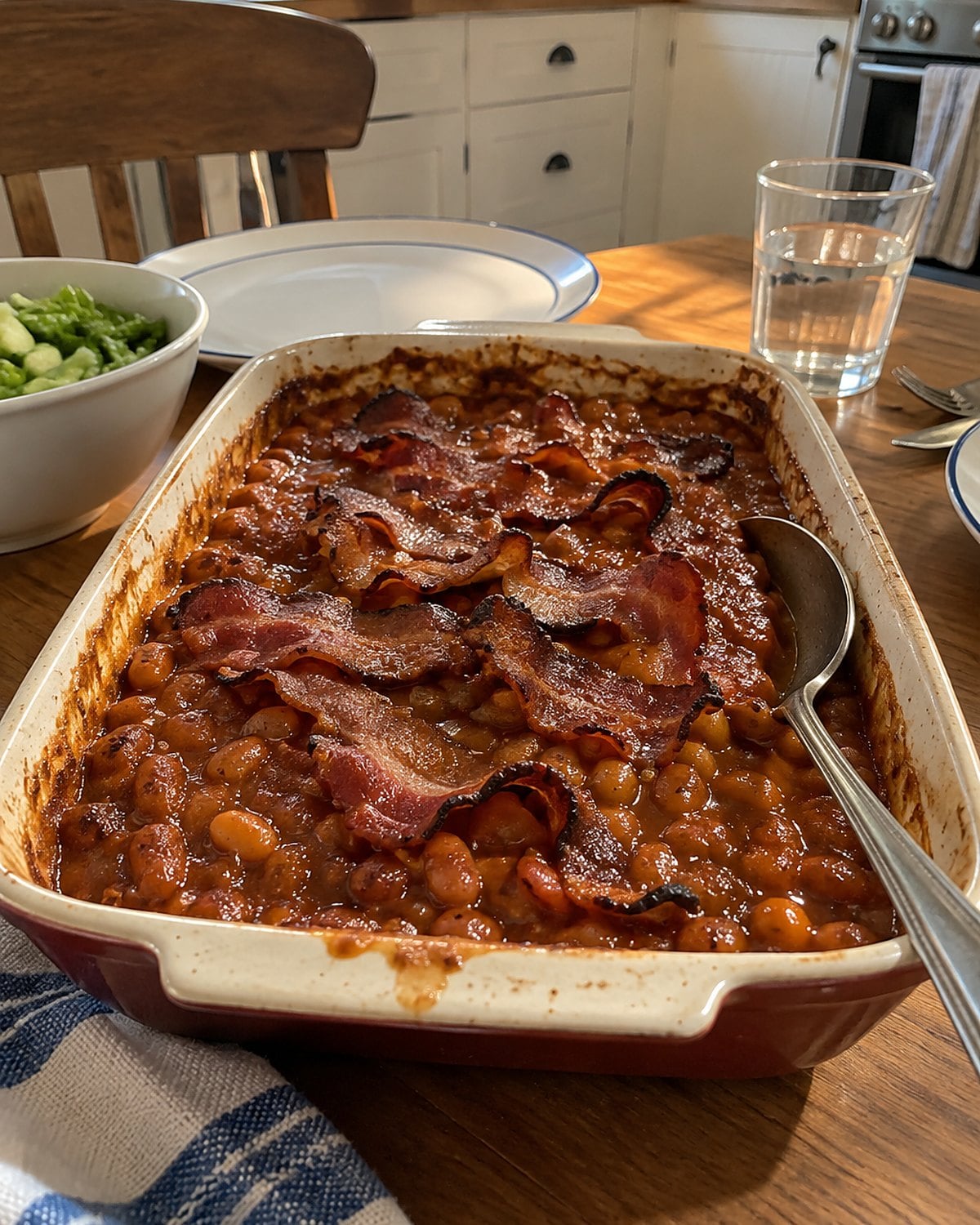
Baked beans topped with bacon were a familiar sight at family dinners. The bacon browned on top while the beans simmered in a thick sauce.
If you're using dried beans, cook them until tender before adding acidic ingredients like tomatoes or vinegar.
Acid can slow the softening process. For canned beans, check how much liquid you're adding so the sauce doesn't become watery.
Taste before adding salt, especially when bacon is involved. If someone doesn't eat pork, set aside a portion before adding the bacon and use clean utensils.
It's a small adjustment that means everyone can enjoy dinner without feeling left out.
Try this: Instant Pot Baked Beans (Vegan & Gluten-Free)
#14 The Rice Pudding With Nutmeg
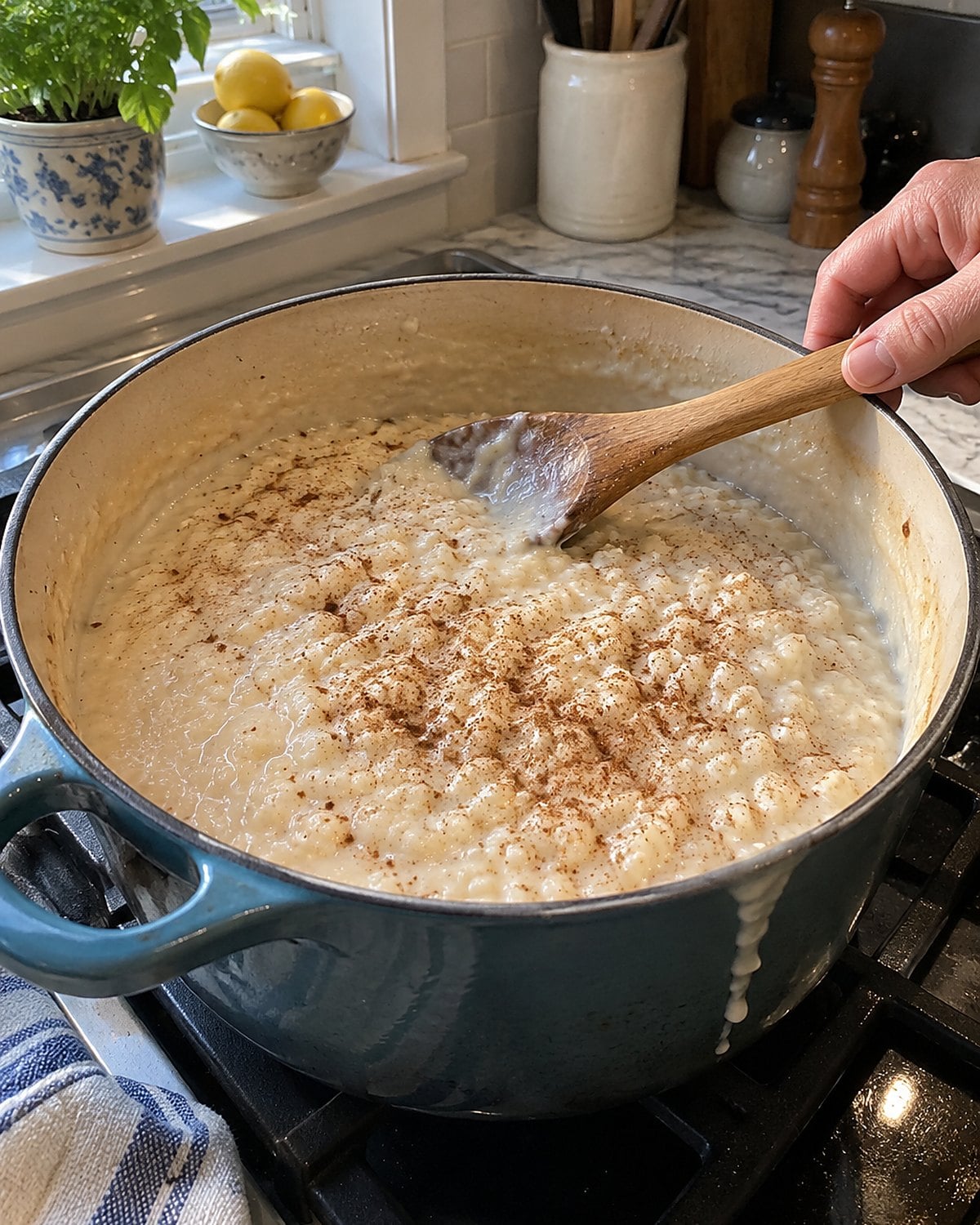
Rice pudding is one of those desserts that reminds me of simple home cooking. Milk, rice, a little sweetness, and nutmeg can make something truly delicious.
Stir the pudding while it cooks so the milk doesn't catch on the bottom. Taste the rice to make sure it's tender.
Remember that the pudding will thicken as it cools, so don't wait until it's completely stiff before removing it from the heat.
Let a small serving cool before offering it to a child. And if they don't like nutmeg, there's no need to insist.
Not everyone appreciates the same flavors, even when Grandma has been making them for forty years.
Did you know you get more than one variation of rice pudding? Instant Pot Rice Pudding (+10 Delicious Variations)
#13 The Meatloaf With Ketchup Glaze
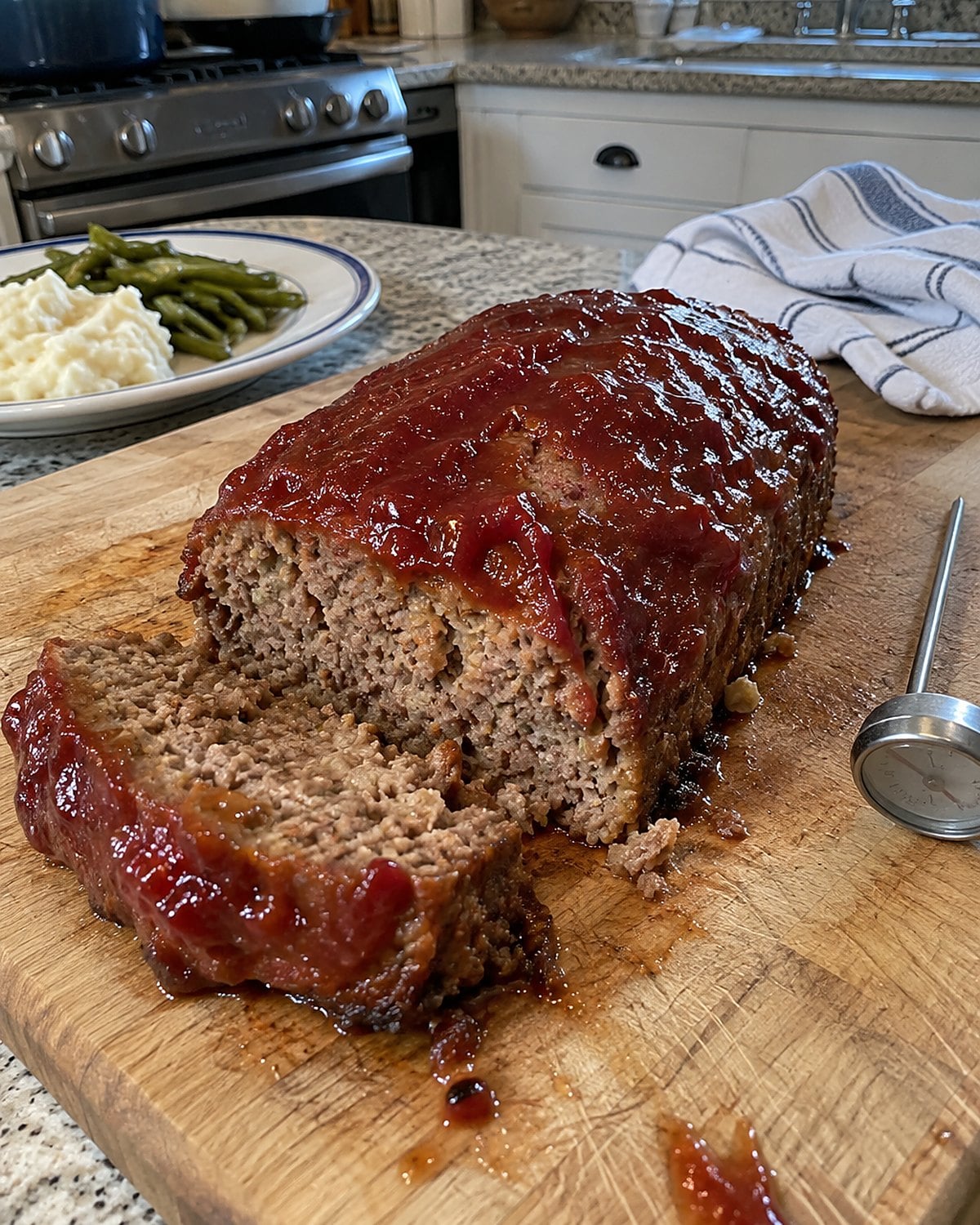
Meatloaf with a sticky ketchup glaze was a regular dinner in many family homes.
And it's still a good way to make a filling meal without spending a fortune. Mix the ingredients gently, just until combined.
Overmixing can make the meatloaf dense. Shape it with some room around the sides so it can brown.
Use a food thermometer to check the center. The USDA recommends 160°F for ground beef or pork and 165°F for ground poultry.
Let the meatloaf rest before slicing, and refrigerate leftovers promptly.
If your grandchild doesn't like meatloaf, don't turn dinner into a debate. You can still enjoy that crispy end piece yourself.
Try it: Best Instant Pot Meatloaf Recipes (Classic & Creative Twists)
#12 The Applesauce in the High Chair
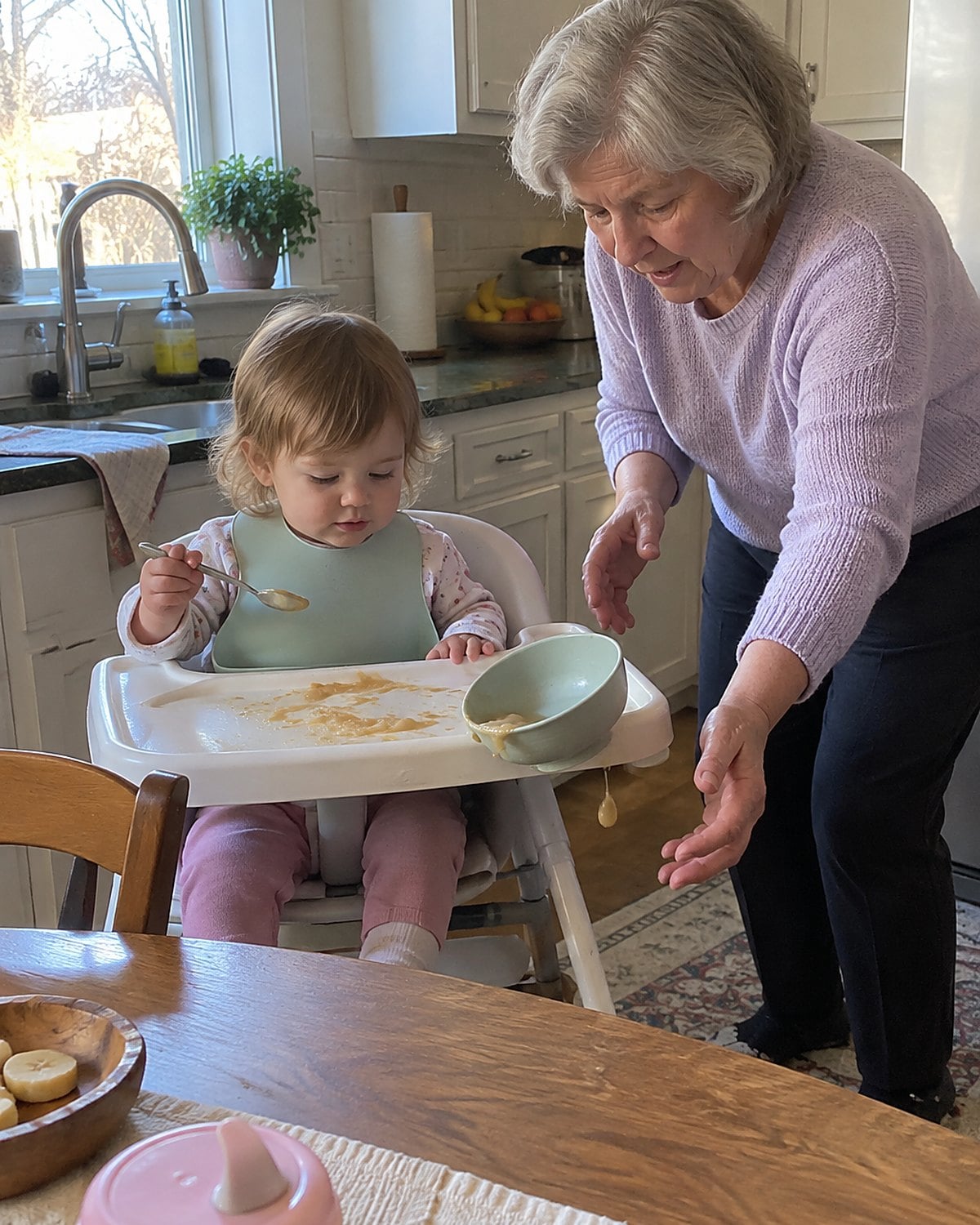
Applesauce is one of those foods that seems simple until a toddler gets hold of the spoon. Suddenly, there's applesauce on the tray, the chair, and possibly in someone's hair.
Before serving it to a baby or young toddler, check with the parents about which foods and textures they're introducing.
You don't want to offer something new without their knowledge. For older children, serve a small portion and let them practice using a spoon.
Taste the applesauce first because some varieties are much tarter than others. Keep a cloth nearby.
And remember, a little mess is part of learning to eat independently. Even if you're still finding applesauce on the chair half an hour later.
#11 The Chicken Soup With Extra Noodles
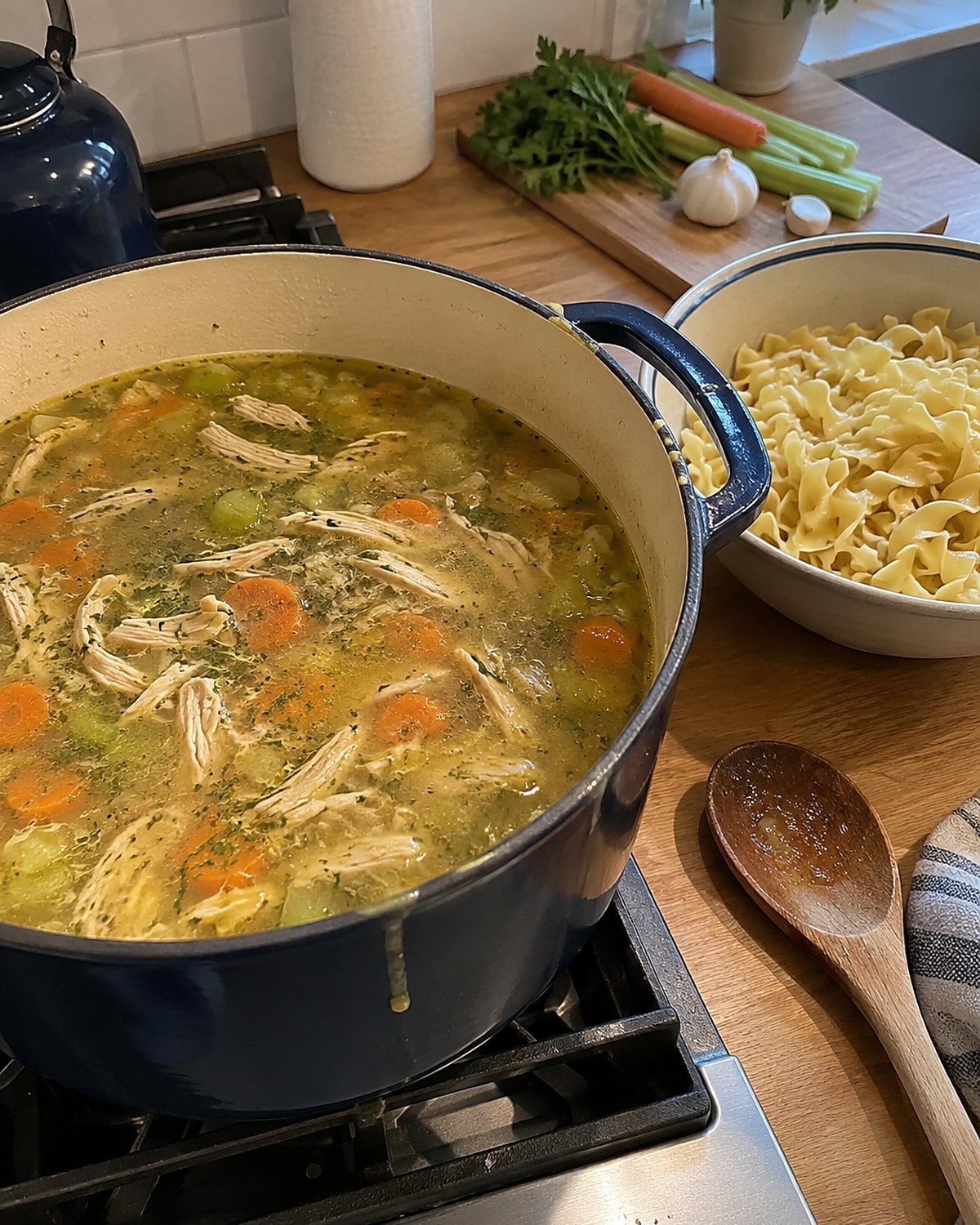
Homemade chicken noodle soup is a wonderful meal to share with grandchildren. But if you add too many noodles to the pot, they can absorb most of the broth.
Cook the noodles separately and add them to individual bowls. That way, everyone can have the amount they prefer.
Taste the broth before serving and add a little lemon juice if it needs brightness. Make sure chicken reaches an internal temperature of 165°F.
And if your grandchild wants only noodles and broth, that's fine. You don't need to spend lunch convincing them that carrots are the most exciting part of the soup.
Try it: Instant Pot Chicken Noodle Soup In 30 Minutes (with VIDEO)
#10 The Peaches From the Market Stall
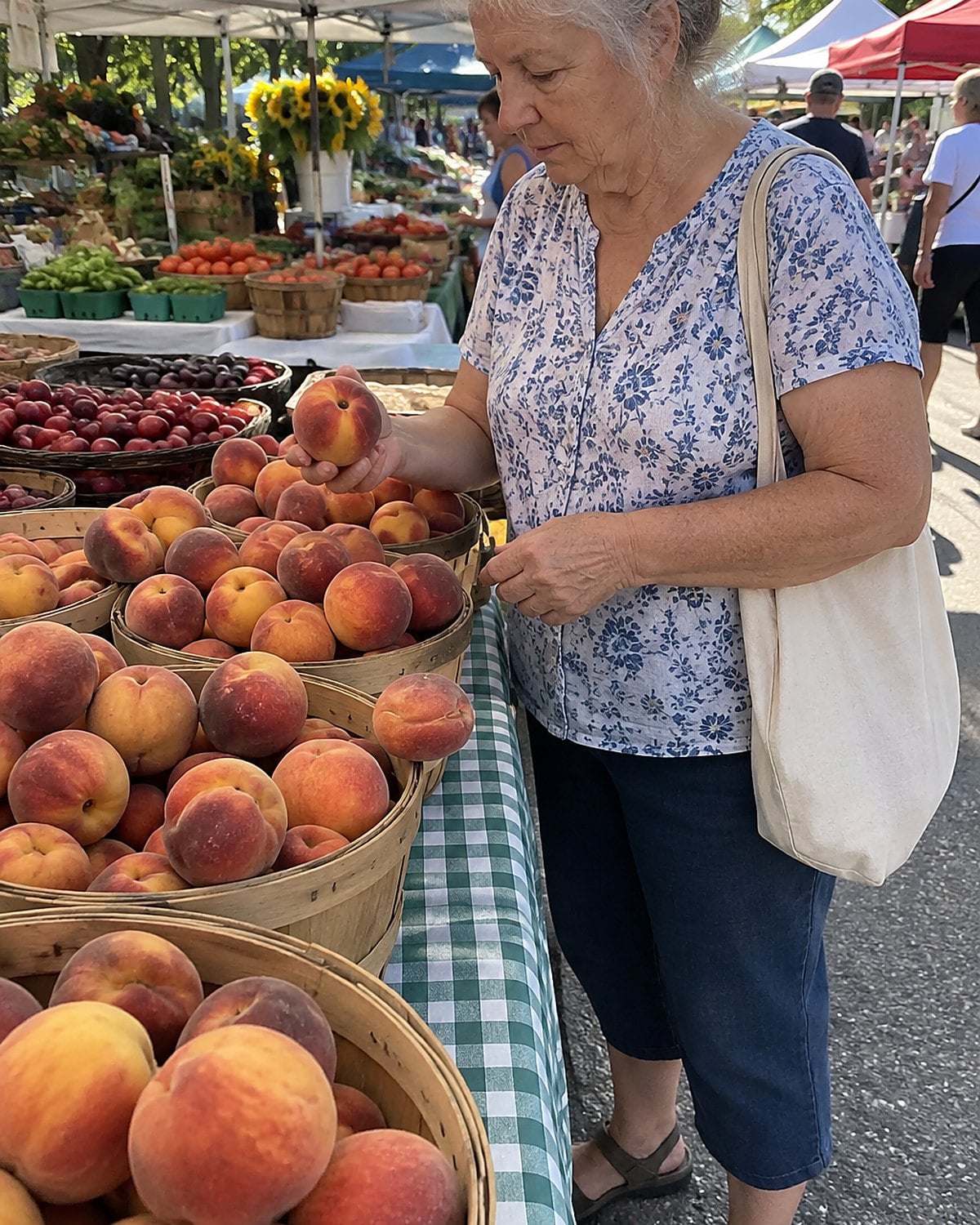
Fresh peaches don't need much preparation to make a lovely snack. Choose fruit that smells fragrant and gives slightly near the stem.
Wash peaches under running water before slicing, even if you plan to remove the skin.
Cut them according to the child's age and the parents' preferences. Catch the juice in a bowl so it doesn't end up all over the counter.
I love serving ripe peaches just as they are. No syrup, fancy topping, or extra sugar required.
Sometimes the simplest foods are the ones children enjoy most. Especially when the peaches are sweet enough to make everyone reach for another slice.
#9 The Fried Apples Beside Breakfast
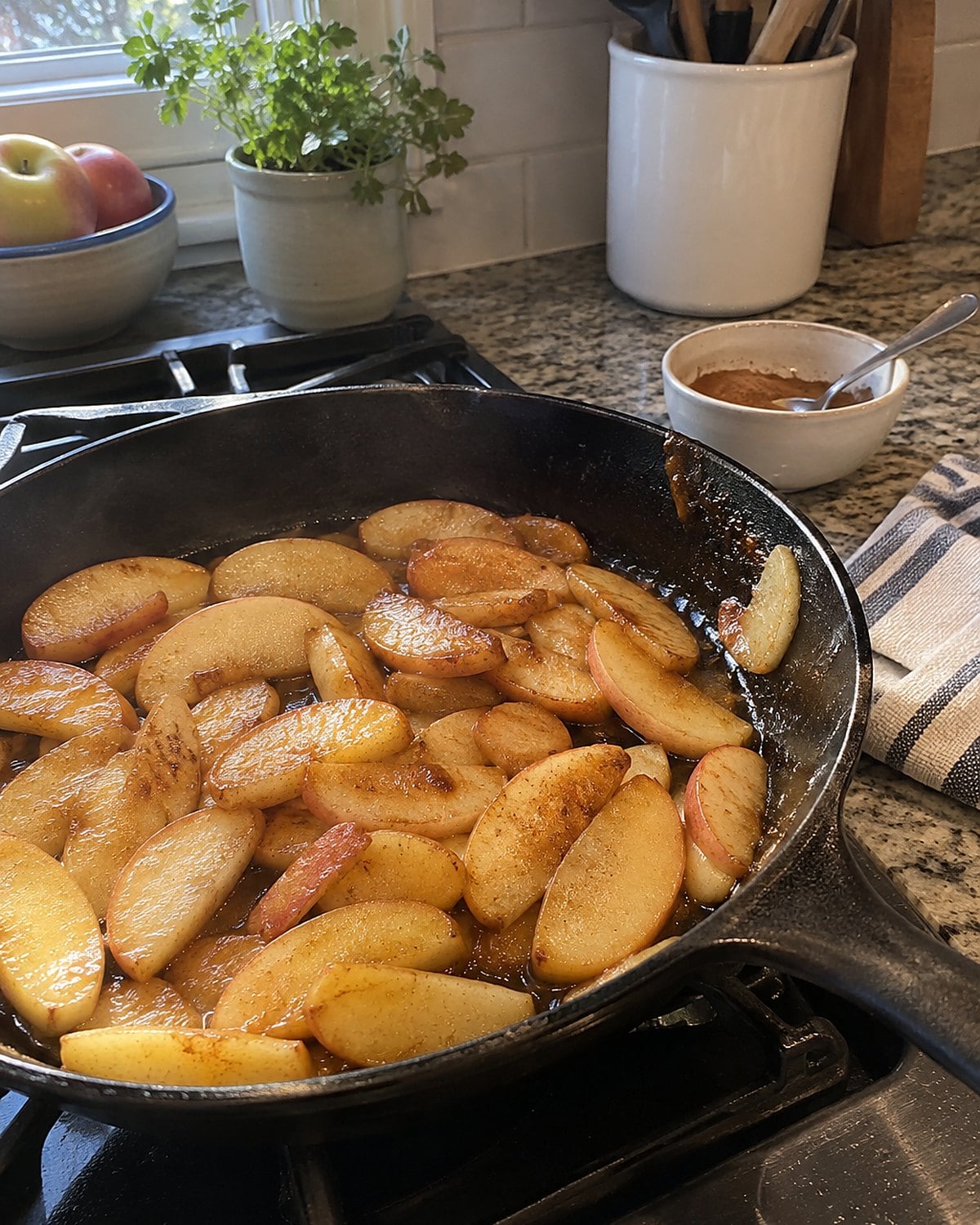
Fried apples are one of those old-fashioned sides that make breakfast feel a little more special.
Slice the apples thickly so they hold their shape. Cook them in a skillet with butter, allowing one side to brown before stirring.
Add cinnamon near the end so it doesn't scorch. Taste before adding sugar because sweet apples may not need any.
Serve a small spoonful beside breakfast or over oatmeal. They're also delicious with plain yogurt.
And if the parents are limiting sweets, this is an easy way to offer something naturally sweet without turning breakfast into dessert.
Try this delicious recipe: Instant Pot Stewed Apples In Mulled Wine
#8 The Hot Cocoa After Snow Boots
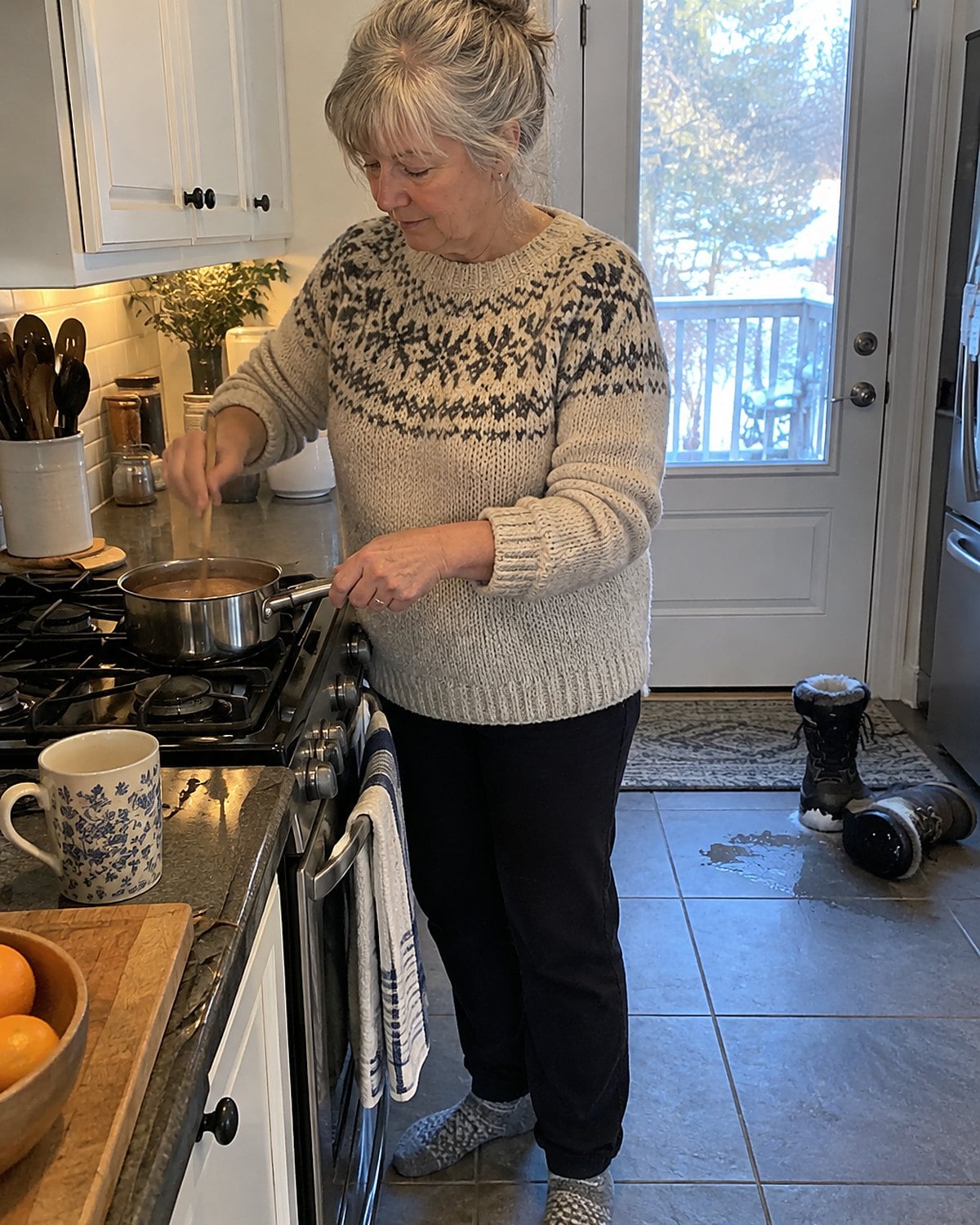
A cup of hot cocoa after playing outside is one of those childhood memories that never really gets old.
The trick is making it smooth without overheating the milk. Warm the milk gently over low heat.
Mix cocoa powder with a little warm milk to form a paste before adding the rest. This helps prevent lumps.
Sweeten to taste and check with the parents before adding marshmallows or other extras.
Let the cocoa cool to a safe drinking temperature before serving. And use a smaller cup for little hands.
There's nothing relaxing about handing a child a mug of cocoa that's hotter than the sun.
#7 The Hand Pies With Leaky Seams
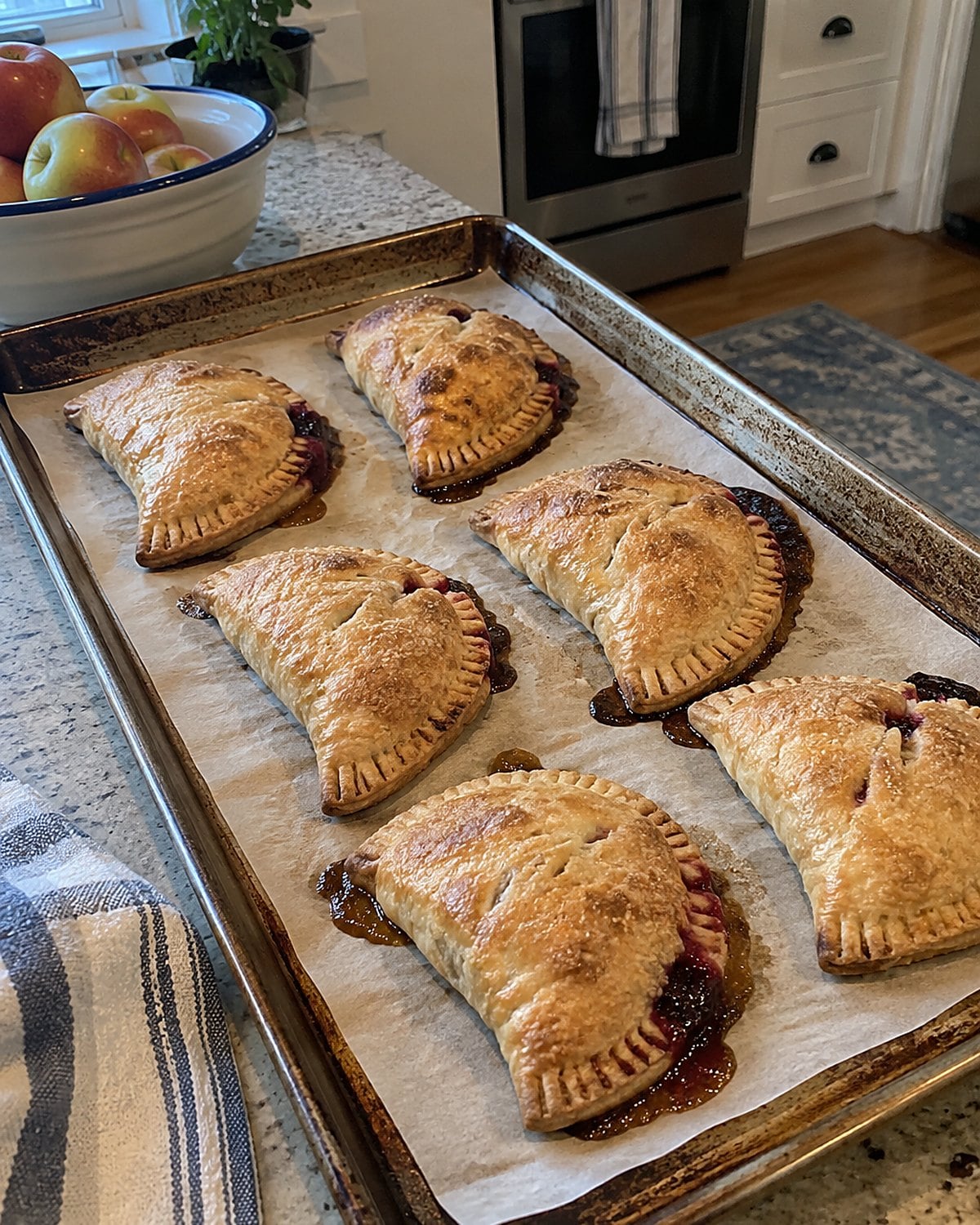
Homemade hand pies are a lovely baking project to share with grandchildren.
They also have a habit of leaking fruit filling all over the baking sheet. Use less filling than you think you need.
Keep it away from the edges, brush the pastry rim with water, and press the seams with a fork.
Cut a small vent in the top so steam can escape. If the dough becomes too soft, chill the pies before baking.
Let them cool properly before serving because fruit filling can stay extremely hot. And don't worry if a few leak.
Children are usually much more interested in the pie they helped make than whether it looks perfect.
#6 The Chocolate Milk in a Small Glass
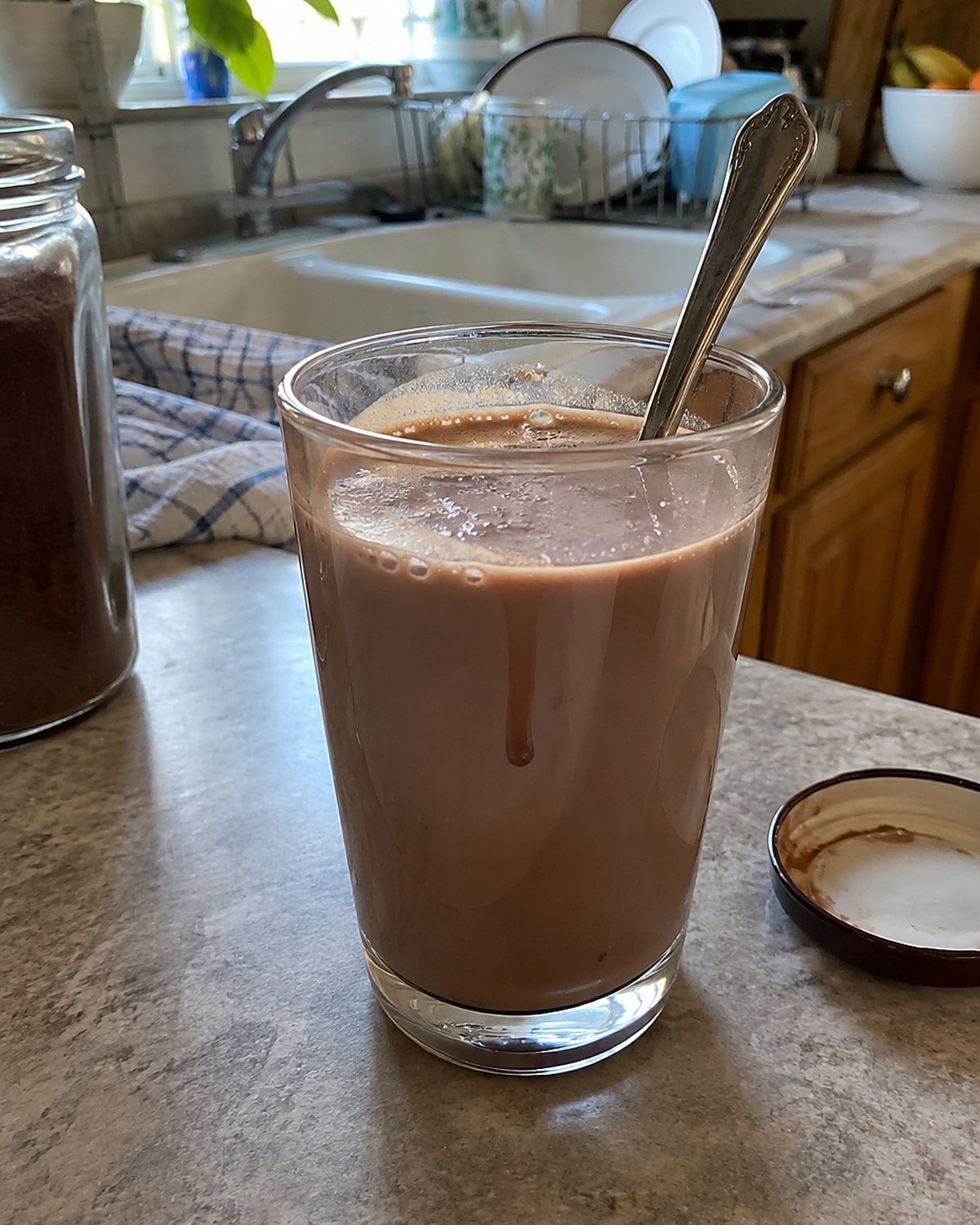
Chocolate milk was one of those little treats that could make an ordinary afternoon feel special.
You don't need to make an entire pitcher, either. Put a little chocolate syrup into a small glass.
Add a splash of milk and stir until smooth, then pour in the rest. If you're using cocoa powder, mix it with a little warm liquid first to prevent lumps.
Check with the parents about how much chocolate or added sugar is appropriate.
Then serve the agreed portion without making a big fuss. Sometimes a small glass of chocolate milk is plenty. Especially when there's another snack being requested five minutes later.
#5 The Corn Pudding at Sunday Supper
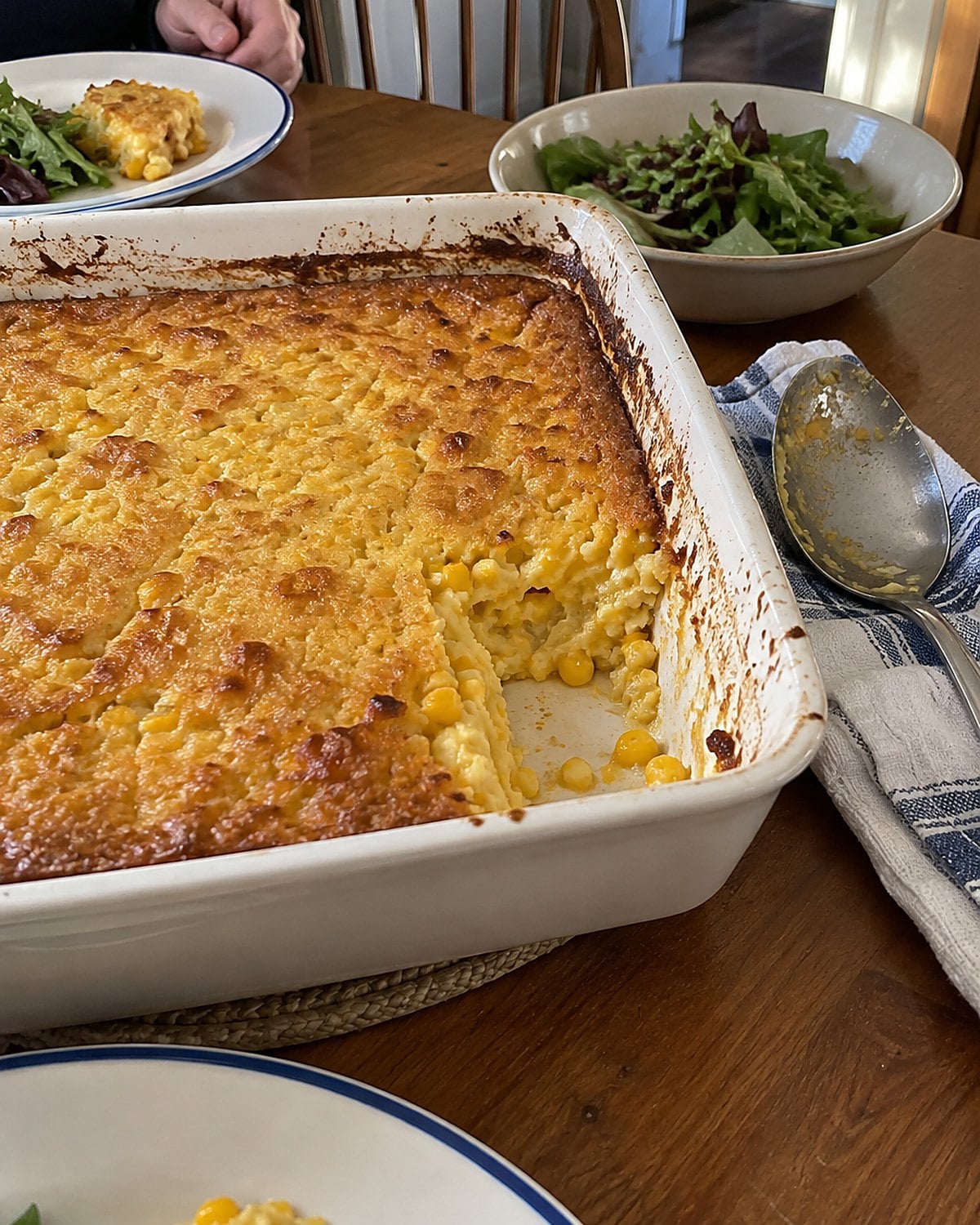
Corn pudding is one of those side dishes that always seems to disappear at family dinners.
It's soft, slightly sweet, and especially good around the browned edges. When baking, look for a center that's just set rather than liquid.
Let the dish rest before serving so the pudding firms up enough to spoon onto plates.
Taste before adding more salt or sugar. Corn already has natural sweetness, and a little butter and seasoning may be all it needs.
Serve a small portion alongside the other vegetables. There's no need to use it as a reward for eating something else.
And if someone wants the crispy edge, I completely understand.
#4 The Leftover Cake Behind the Milk
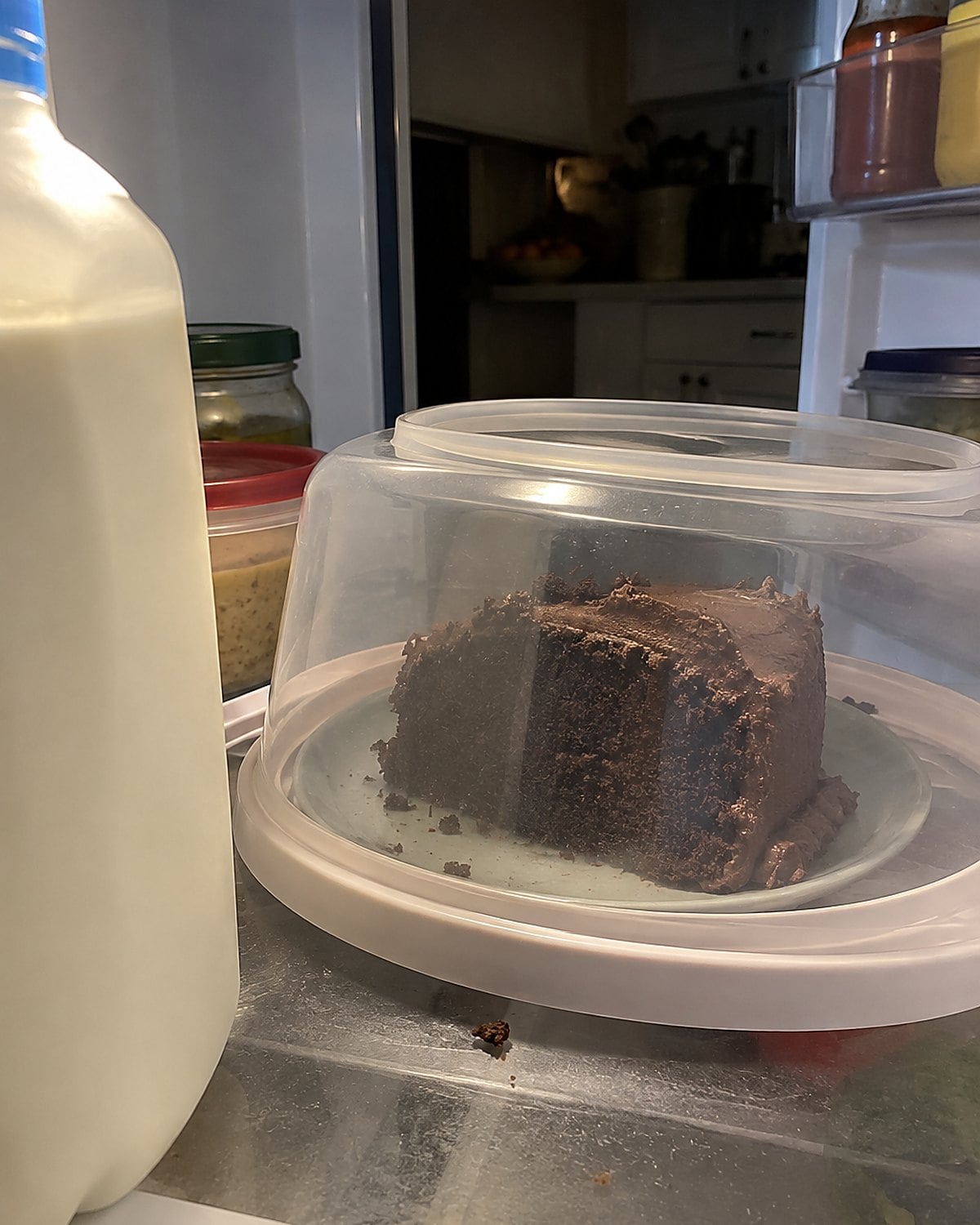
There's a slice of cake hiding behind the milk in the refrigerator. Your grandchild spots it and immediately wants to know whether they can have it.
But just because a treat is visible doesn't mean it's available. It's perfectly fine to explain that the cake is saved for later.
Keep cakes with perishable frosting or fillings properly refrigerated. The FDA recommends keeping refrigerators at 40°F or below.
Use a clean knife when cutting slices, and follow safe storage guidance for leftovers. If the parents have already agreed to dessert, serve the appropriate portion.
Otherwise, the cake can wait. It's a useful lesson that doesn't require turning the refrigerator into a negotiation table.
#3 The Pie Dough From the Tin
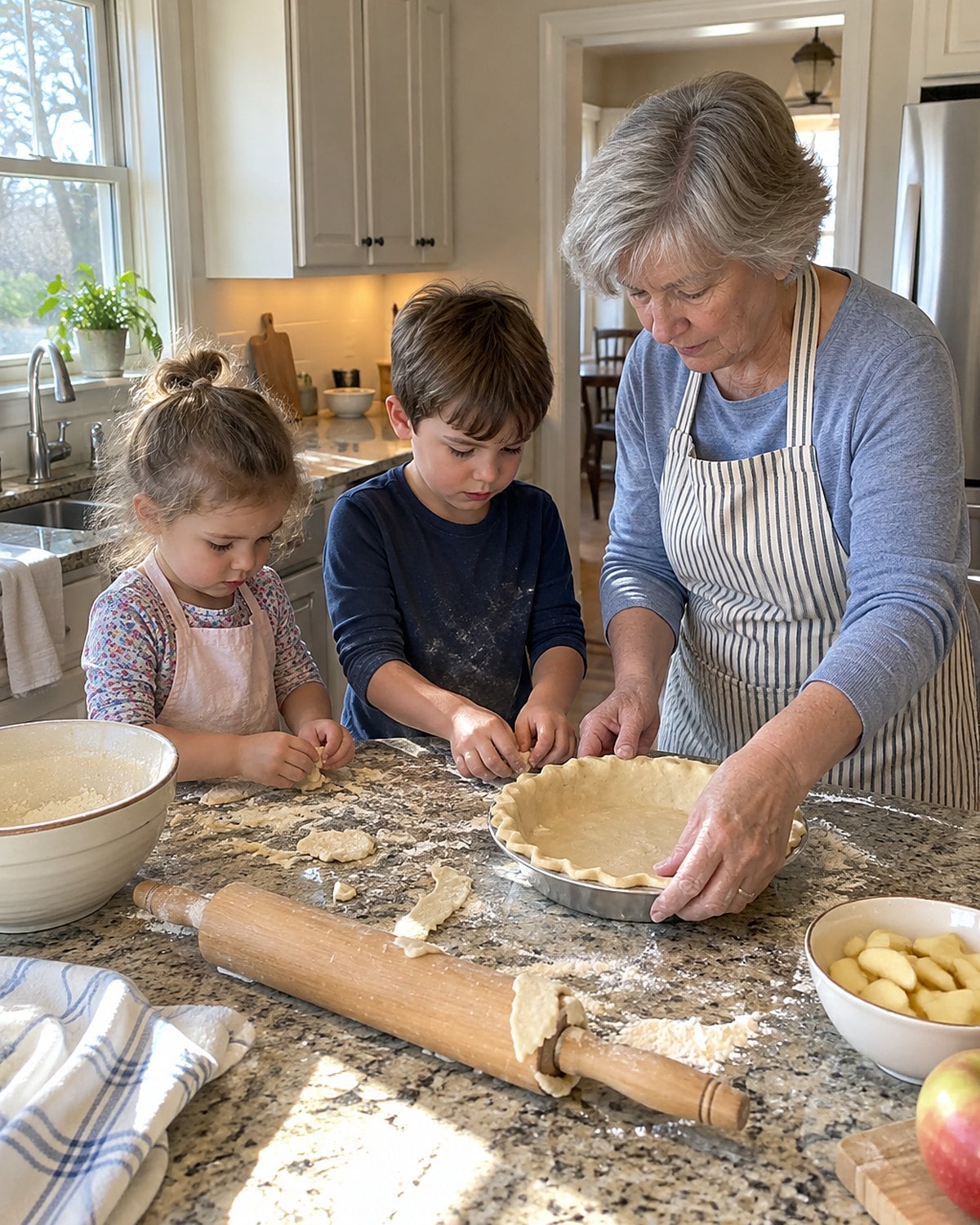
Making pie dough with a grandchild is one of those kitchen experiences I think is worth passing down.
There's something wonderful about letting small hands press shapes into leftover pastry.
Keep the fat cold and add water gradually. Mix only until the dough holds together.
Rest it in the refrigerator for about 30 minutes before rolling.
Give the child a few scraps and a cookie cutter while you work on the main crust. Bake the scraps before tasting them.
Raw flour can contain harmful germs, so uncooked dough isn't safe to eat. Raw flour needs cooking; the CDC’s raw dough guidance is clear on that.
And don't worry if their pastry shapes look nothing like yours.
The important part is letting them enjoy making something with you.
#2 The Labeled Supper in the Freezer
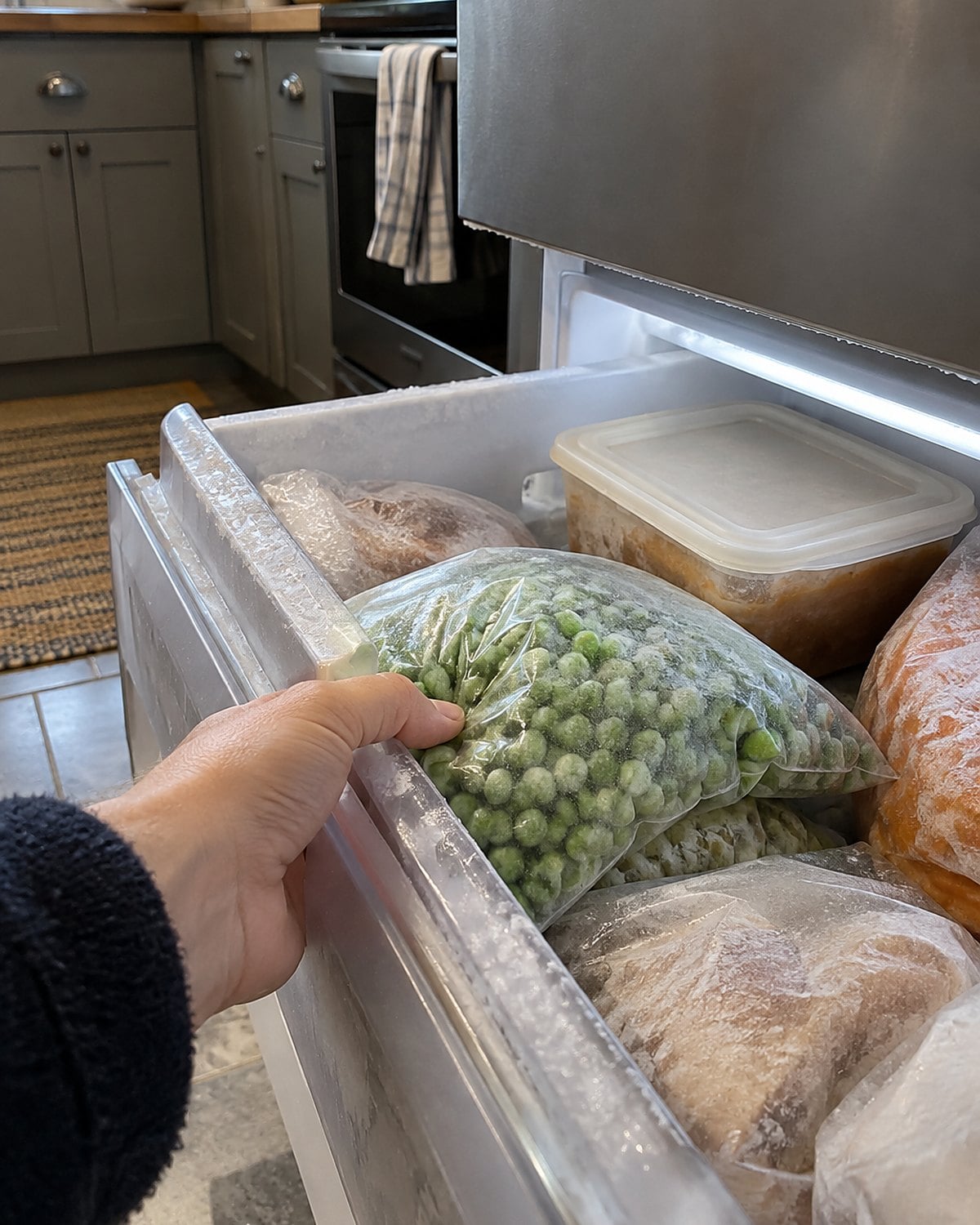
One of the nicest things a grandmother can do is prepare a meal for a busy family. But before making a large casserole, ask whether it's something they'll actually eat.
Check for allergies, preferences, and any ingredients the parents avoid. Make a portion that fits their household and freezer space.
Label the container with the dish name and date. Include reheating instructions so nobody has to guess what to do with it.
Follow recommended food storage guidance when freezing and reheating meals. And remember, a homemade supper should make someone's evening easier.
It shouldn't come with an obligation to return the favor.
#1 The Ingredient Label Beside the Treat
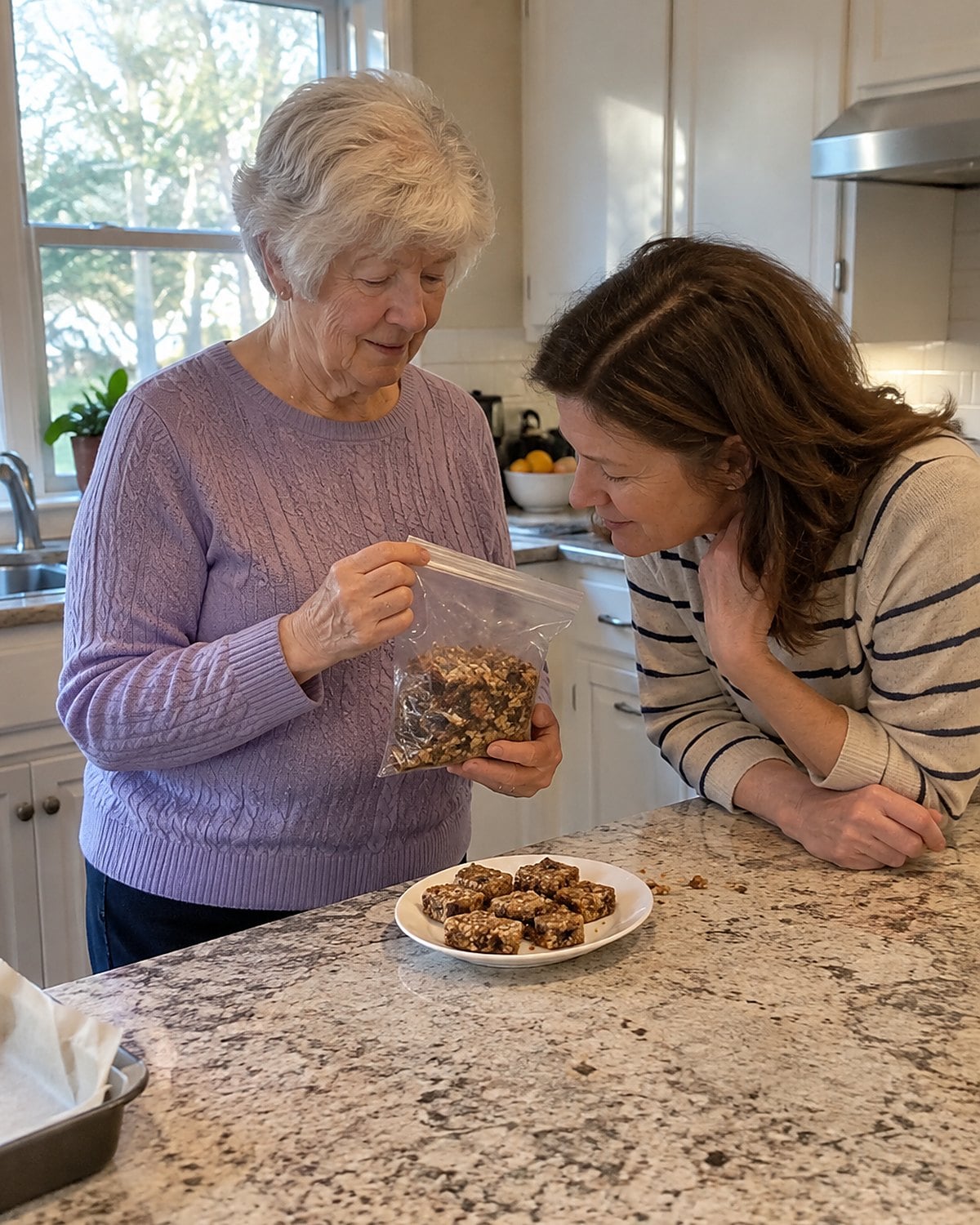
Before offering a packaged treat to a grandchild, take a moment to read the ingredient label.
Even products you've bought for years can come in different varieties or have changed ingredients. If the child has a food allergy, ask the parents exactly what needs to be avoided.
Read the full label rather than relying on the picture or description on the front. Keep the packaging nearby while serving so you can check it again if necessary.
Use clean utensils and avoid cross-contact with foods containing allergens.
If you're unsure whether something is safe, don't serve it until you've checked with the parents. There's no reason to take chances over a cookie or snack.
And when the answer is yes, let the child enjoy it without asking them to keep it a secret.
The Bottom Line
It might be helping cut biscuit dough, licking a little jam off a spoon, or sitting at the table with a small glass of chocolate milk.
But being a grandmother also means respecting the decisions parents make about food, allergies, portions, and treats.
You can still share favorite recipes, teach cooking skills, and make ordinary visits feel special. And you don't have to agree on every little thing to make that happen.
After all, I'd much rather have a grandchild remember baking cookies with me than remember being caught in the middle of an argument over eating one.
Which food from your grandmother's kitchen do you remember most fondly?
Leave a Reply