

The celery snapped when you lifted it from the relish tray. Someone had pressed cream cheese into its groove with the back of a teaspoon, and the olives were rolling toward the edge. Across the table, ambrosia waited in a cut-glass bowl that nobody used on an ordinary Tuesday.
That table had its own logic. Cold dishes held their place while the oven belonged to the roast. A canned ingredient earned its spot if it saved work or tasted like Christmas. Some of those dishes disappeared as households changed. A few deserve another look, especially when you’re setting fewer places and still want the table to feel full.
#23 Celery Sticks Stuffed With Cream Cheese
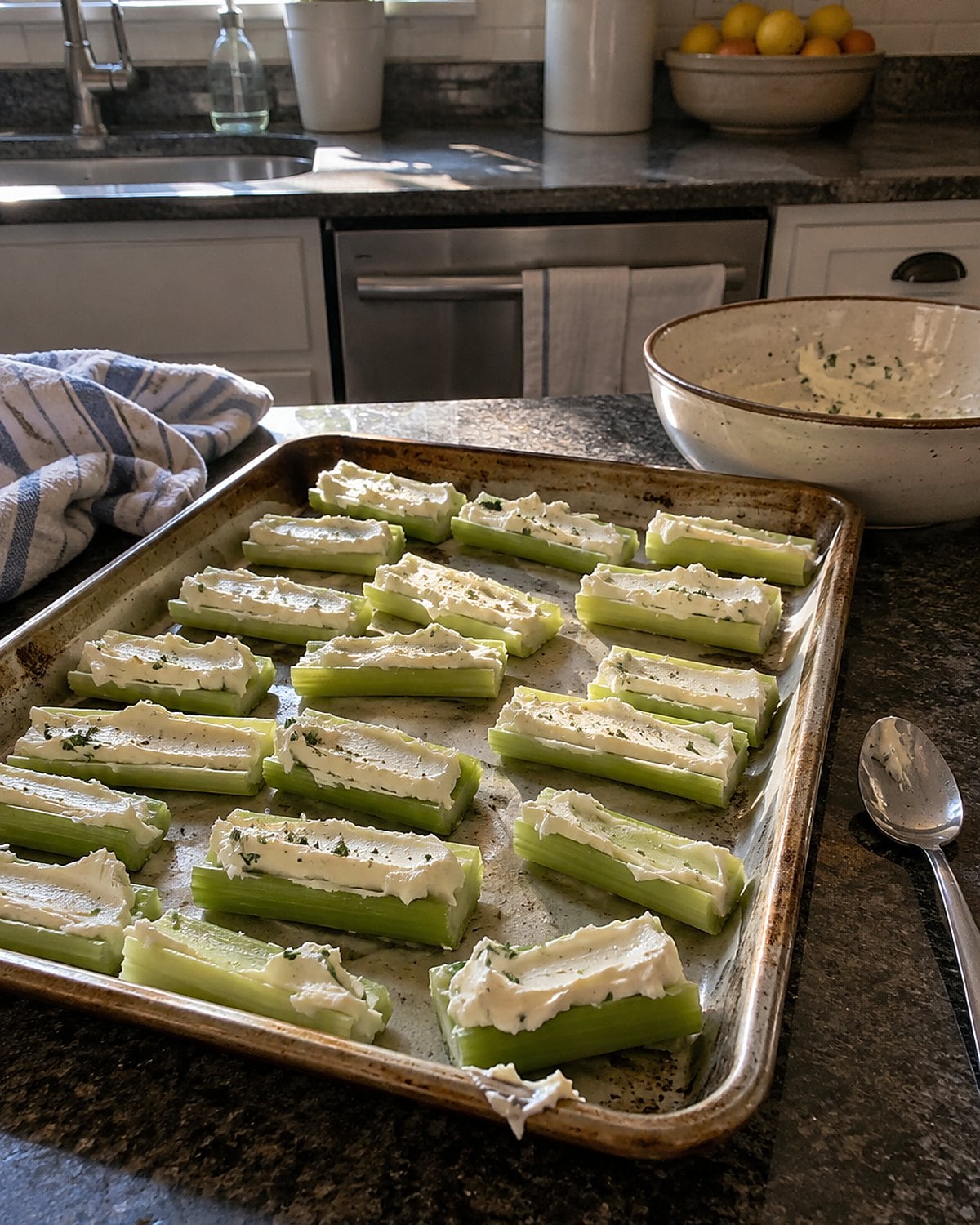
The celery had to be dry. Otherwise, the cream cheese slid out when someone picked up a stick, leaving a white smear on the tray. That small bit of preparation mattered more than any fancy seasoning.
If you’re bringing this back, pull the strings from thick outer stalks with a paring knife. Pat the grooves dry, then press in softened cream cheese.
The back of a teaspoon works as well as a piping bag. A little paprika on top gives each piece the familiar red dusting without making another dish to wash.
Use the tender inner stalks for the children who want crunch without strings. Cut the pieces short enough to take in one bite. The empty space on a relish tray looks less empty once those neat green rows go down.
#22 Black Olives Balanced on Fingertips
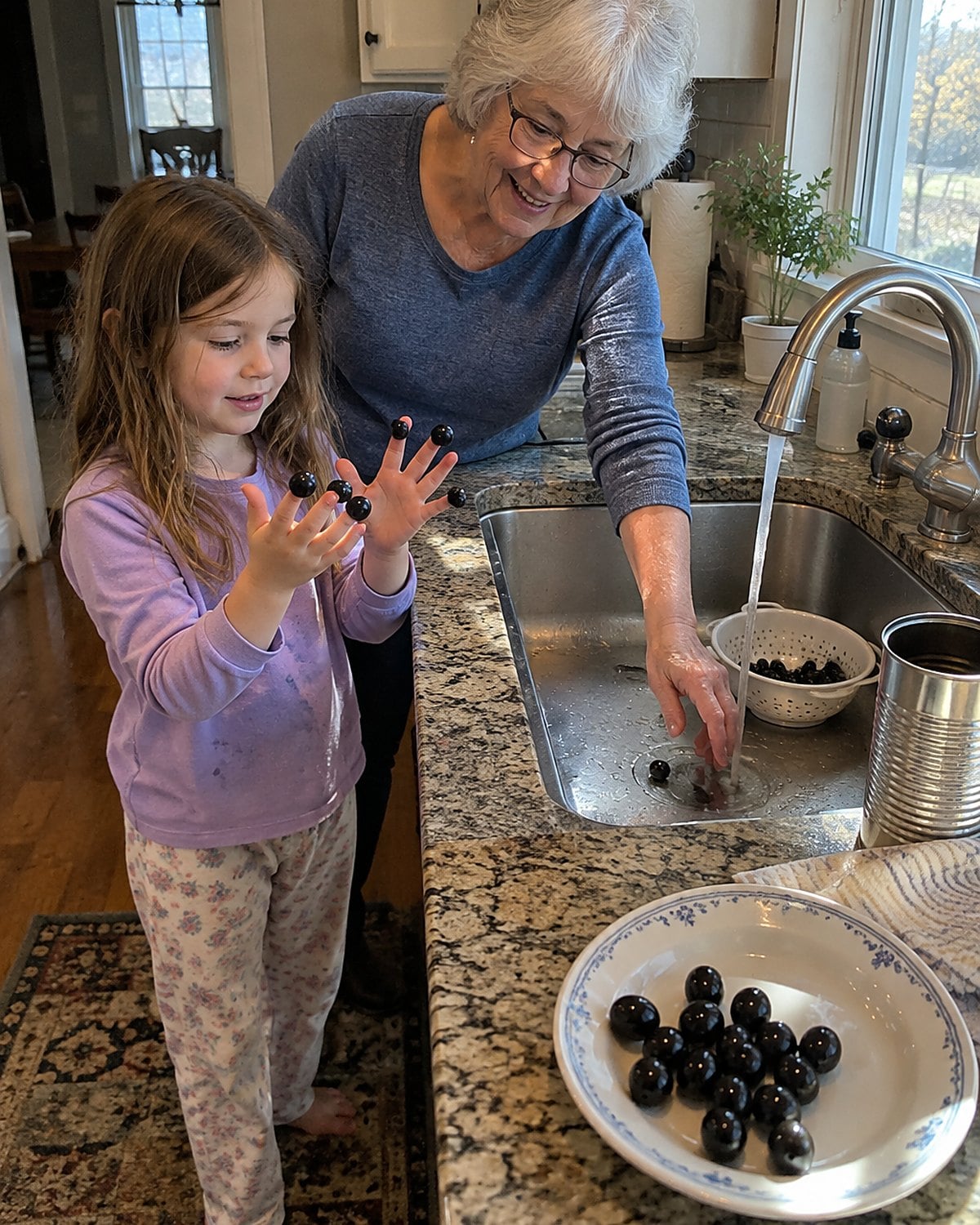
Before dinner, a child found the can of large black olives and turned every fingertip into a little puppet. The serving dish lost half its contents before it reached the table. You knew who had been in the kitchen by the dark rings on their fingers.
For the tray, drain the olives well. Water from the can runs into the celery and leaves the whole arrangement slick. Put them in their own small dish if you’re setting out stuffed vegetables beside them.
The good part wasn’t complicated: something salty and ready to eat while the roast finished. If you miss that pause before dinner, open the olives early and set out toothpicks. Let the tray do its old job.
#21 The Silver Dish of Pickled Beets
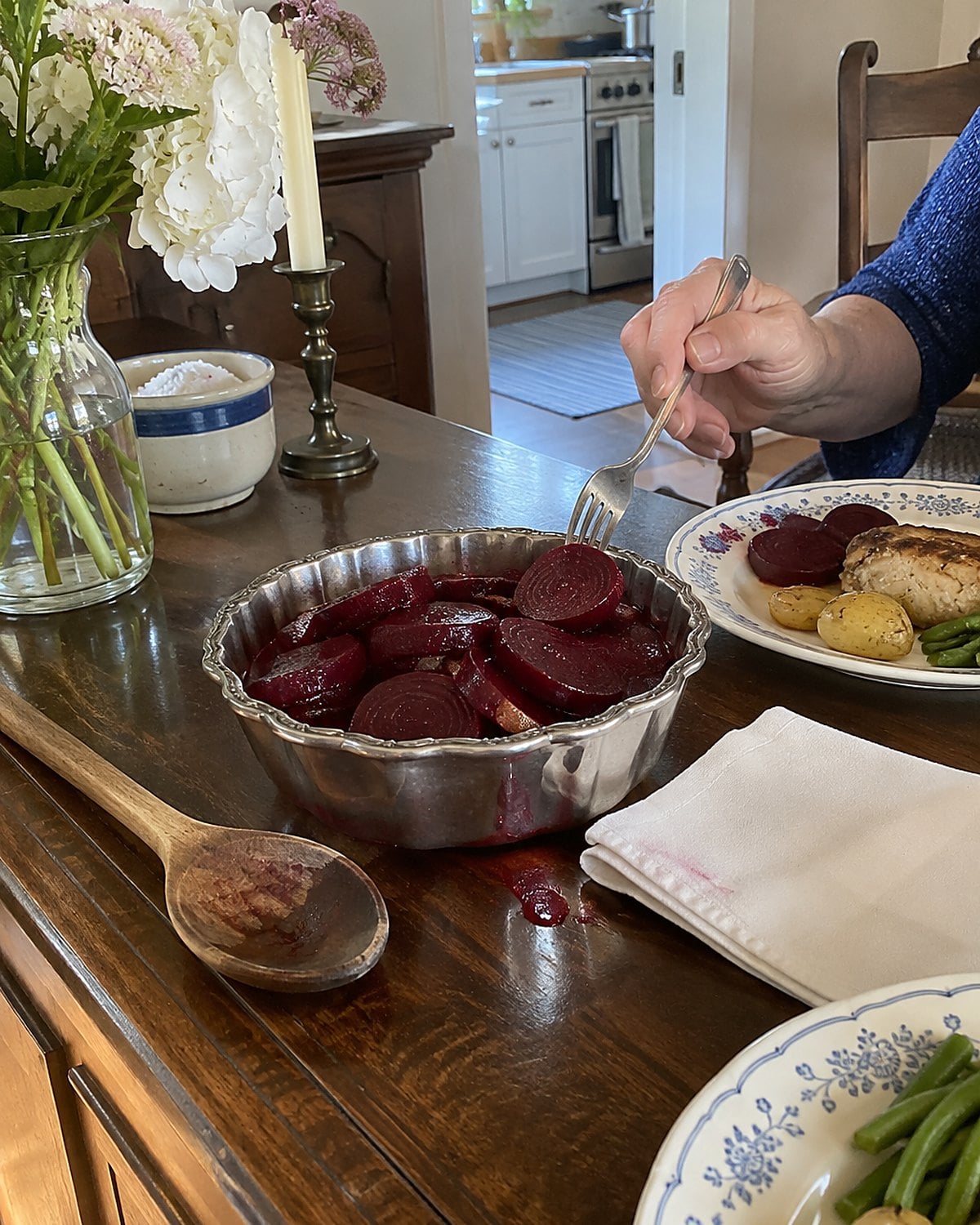
Did the beets stain the tablecloth? They did if the spoon rested on the linen instead of its saucer. That bright red mark was part of why the pickled beet dish had a fixed place, well away from the white rolls.
Pickled beets earned their spot with vinegar. Beside rich meat, creamy potatoes, and buttered bread, a sharp forkful wakes up your mouth. You don’t need a huge bowl to get that effect. A small dish near the roast works, with its own serving fork.
Taste the beets before you set them out. If they taste flat from the jar, drain them and add a splash of vinegar. If they’re sharp enough, leave them alone.
Save the beet juice for its own container rather than pouring it over everything on the tray. Your white napkins will thank you, and the potatoes will taste better after that tart bite.
#20 Sweet Gherkins from the Pantry Shelf
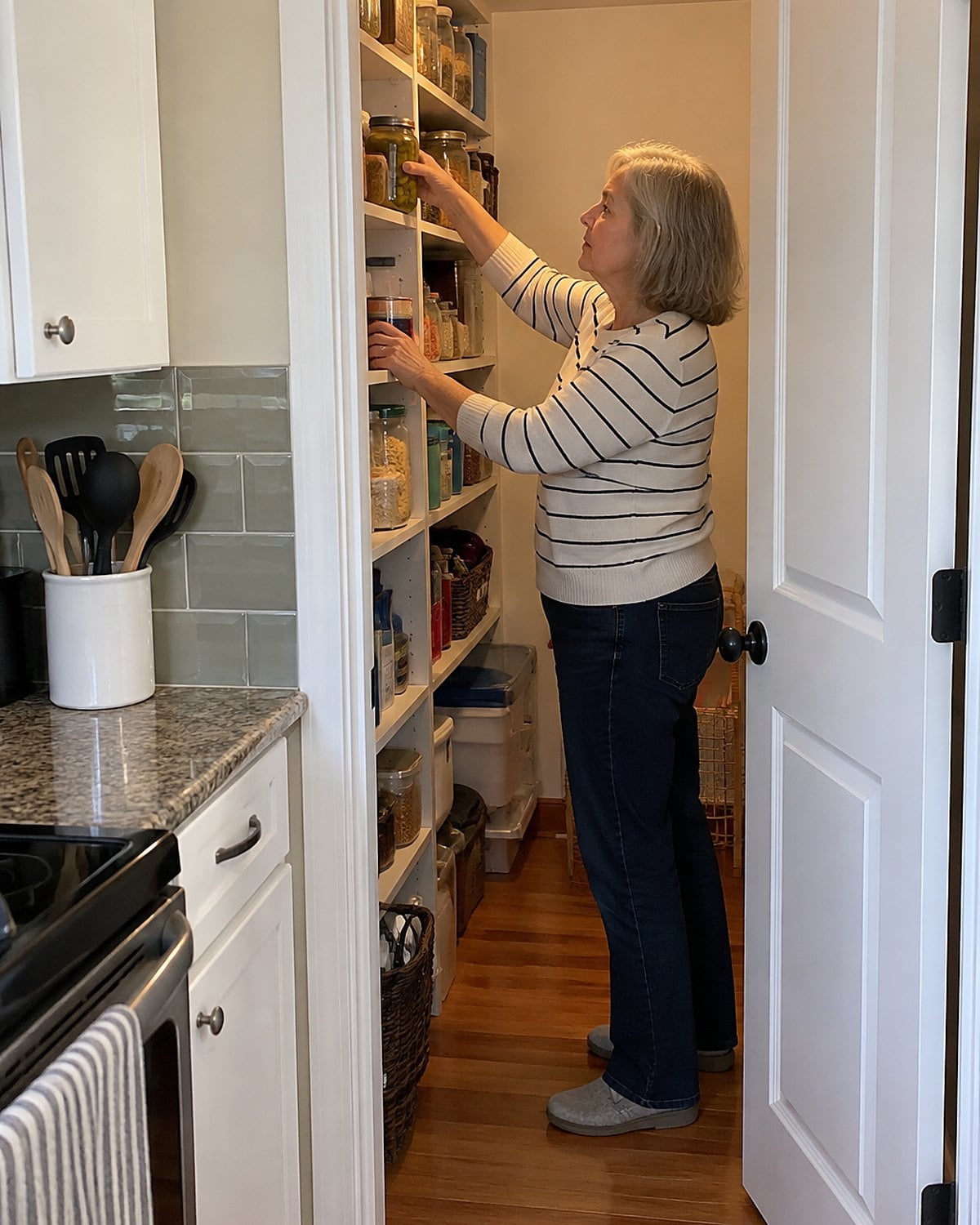
The jar sat behind the canned pineapple until somebody remembered it. Then the sweet gherkins went into a narrow dish, complete with the tiny fork that seemed to appear only in December.
Their sweetness made sense beside salty ham. Unlike a fresh cucumber, a gherkin held its snap while the family came and went. Set out a few rather than emptying the jar onto a large platter. The rest stay in their brine, ready for another meal.
Try one beside a slice of ham before deciding the old pairing was too sweet. The contrast is the point. If your ham already has a heavy sugar glaze, choose a tarter pickle instead. One bite will settle the question faster than a debate at the table.
#19 Ambrosia in the Cut-Glass Bowl
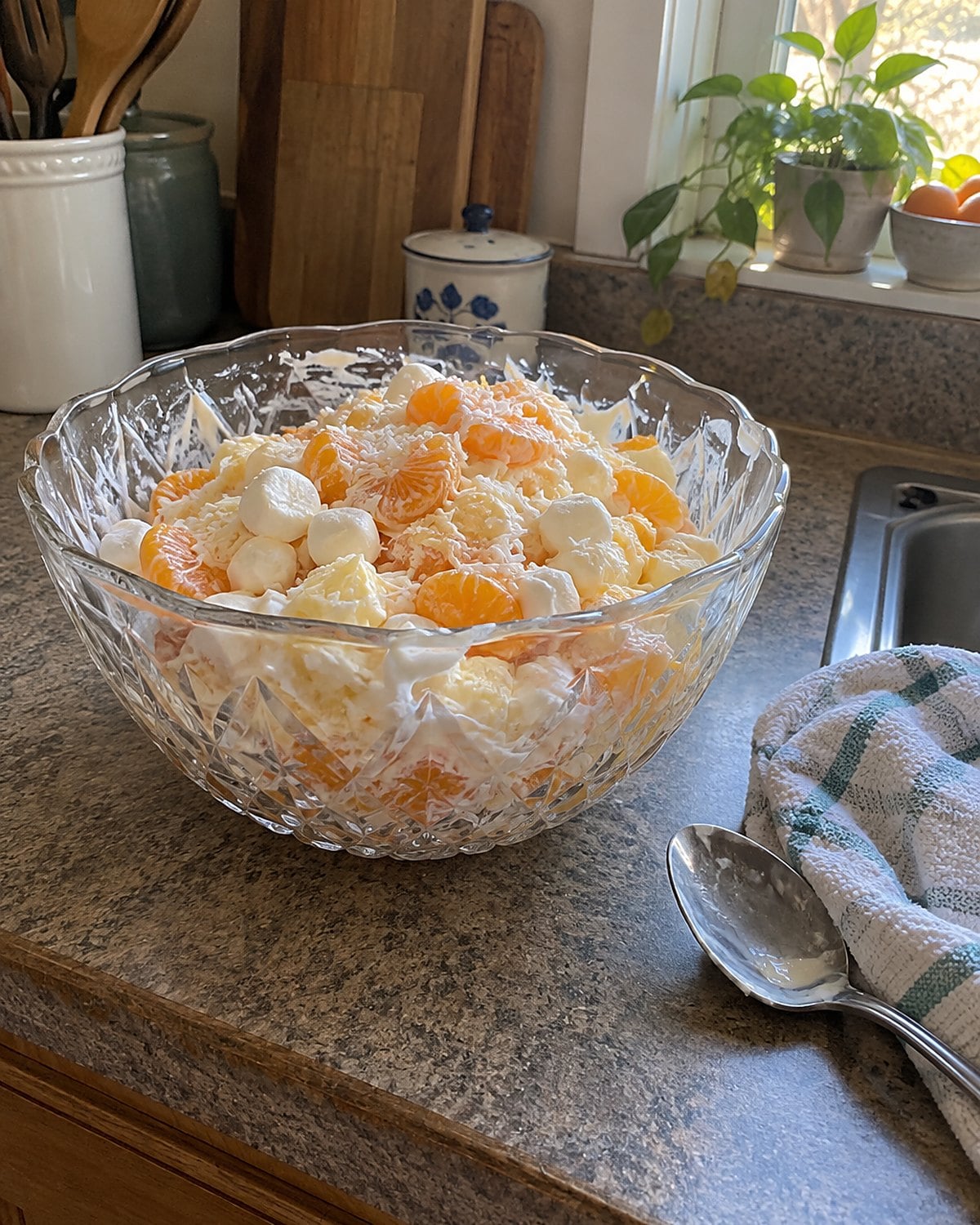
Someone always carried the ambrosia with both hands. The cut-glass bowl was heavy, and the fruit had enough juice to slosh over the rim. It sat between the vegetables and dessert, though nobody agreed which side it belonged to.
Canned mandarin oranges, pineapple, coconut, and marshmallows made it look abundant without turning on the oven. The trouble came when fruit went in dripping wet. Juice thinned the creamy dressing, and the marshmallows swelled into soft lumps.
Drain the canned fruit first. Fold it in with a broad spoon so the orange segments stay whole. Taste a spoonful before adding more sweetness. Between the fruit and marshmallows, you’ve already got plenty.
Keep the finished bowl cold. The FDA’s refrigerator guidance sets 40°F or below as the mark for your fridge. If the cut-glass bowl won’t fit, chill the ambrosia in a covered container.
Spoon it into the good bowl just before dinner. You get the familiar view through the glass without trying to wedge a family heirloom between the milk and the leftovers.
If you’re making ambrosia for fewer people, the bowl needn’t be full to the rim. Leave room for the serving spoon and for someone to carry it without watching every step. The cut glass still catches the light.
#18 Orange Slices Covered in Coconut
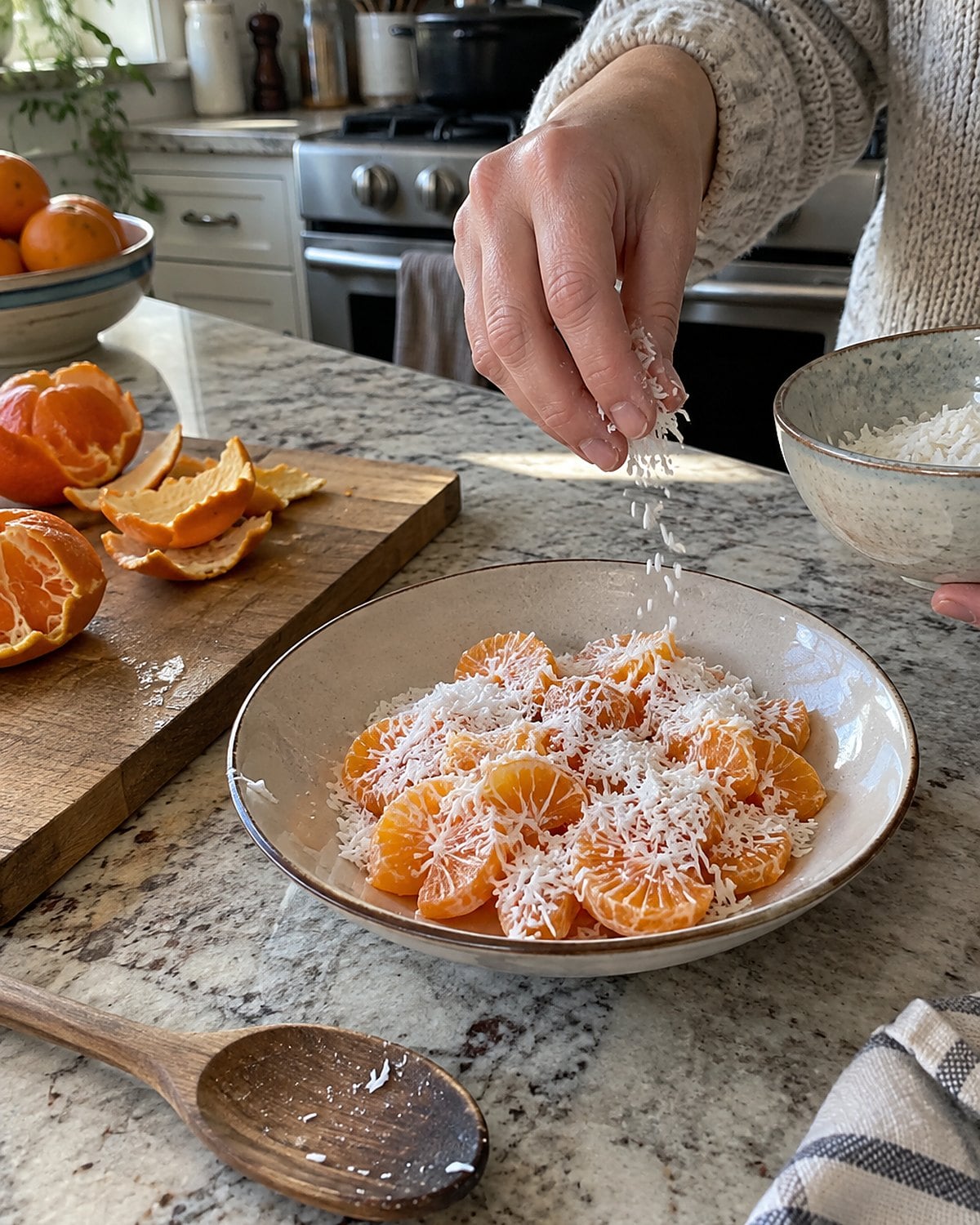
There was a version of ambrosia before the marshmallows took over: oranges under a snowy layer of coconut. It looked especially good on a dark plate, with a little juice catching the light.
Use a knife to cut away the peel and white pith. The pith brings a bitterness that sugar won’t hide. Then cut the fruit over a bowl to catch the juice. If the oranges taste sweet on their own, let the coconut do the rest.
This is worth making when your Christmas table already has plenty of creamy dishes. It gives you the old colors and that holiday smell without another bowl of whipped topping. Set it out in a shallow dish so the fruit stays visible. The person who remembers the older version will spot it before you say a word.
#17 Green Jell-O with Pineapple Suspended Inside
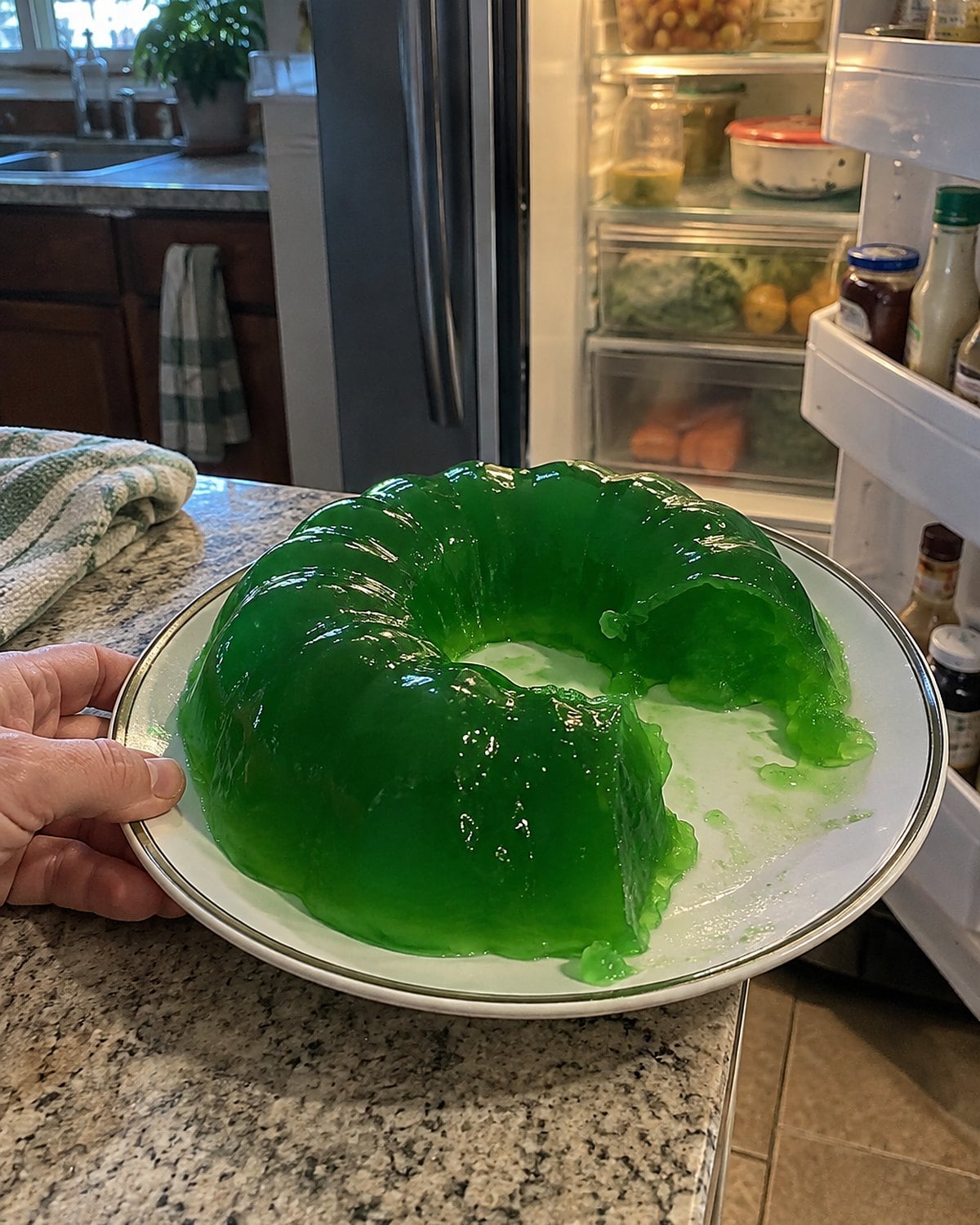
The mold came out of the fridge with a plate balanced over its top. Then came the turn, the pause, and the small thump that told you dinner was saved. A clean release got applause from whoever happened to be in the kitchen.
Fresh pineapple is the catch. Its enzyme breaks down gelatin, so a mixture made with fresh pieces stays loose. Canned pineapple has been heated during processing and works in a gelatin mold. Drain it well before folding it in.
For a clean release, dip the outside of the mold briefly in warm water. Keep water out of the gelatin. Put the serving plate on top, turn both together, and give the mold a moment before lifting.
If it clings, repeat the brief dip rather than shaking harder. A slightly lopsided green ring still belongs on the table. It tells you someone went to the trouble of turning it out.
#16 Lime Gelatin Mixed With Cottage Cheese
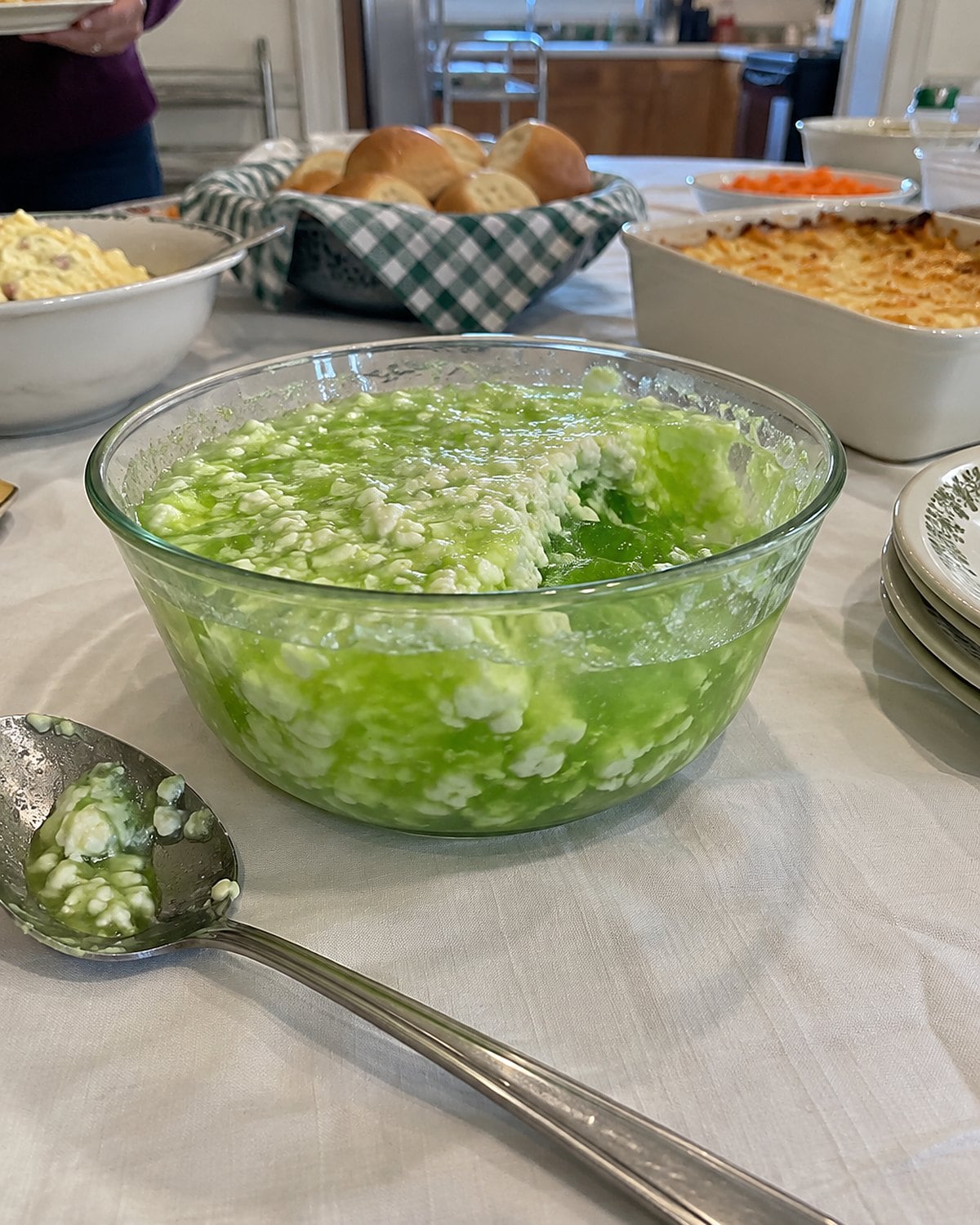
Texture decides whether this old green salad gets another spoonful. Stir cottage cheese into gelatin after the hot mixture has cooled enough that the cheese doesn’t heat through. If the gelatin starts setting in the bowl, you get streaks and clumps instead of an even suspension.
Drain any extra liquid from the cheese first. That green salad with white curds was never going to win over everyone, but it had loyal fans. They liked the cool, tangy spoonful between bites of ham and buttered potatoes.
Serve it cold, in a small bowl rather than a giant ring. You’re offering a taste of a specific Christmas table, not asking anyone to eat a mountain of it. If you loved it then, make enough for yourself. Let everyone else decide after one spoonful.
#15 Carrot and Raisin Salad in a Glass Dish
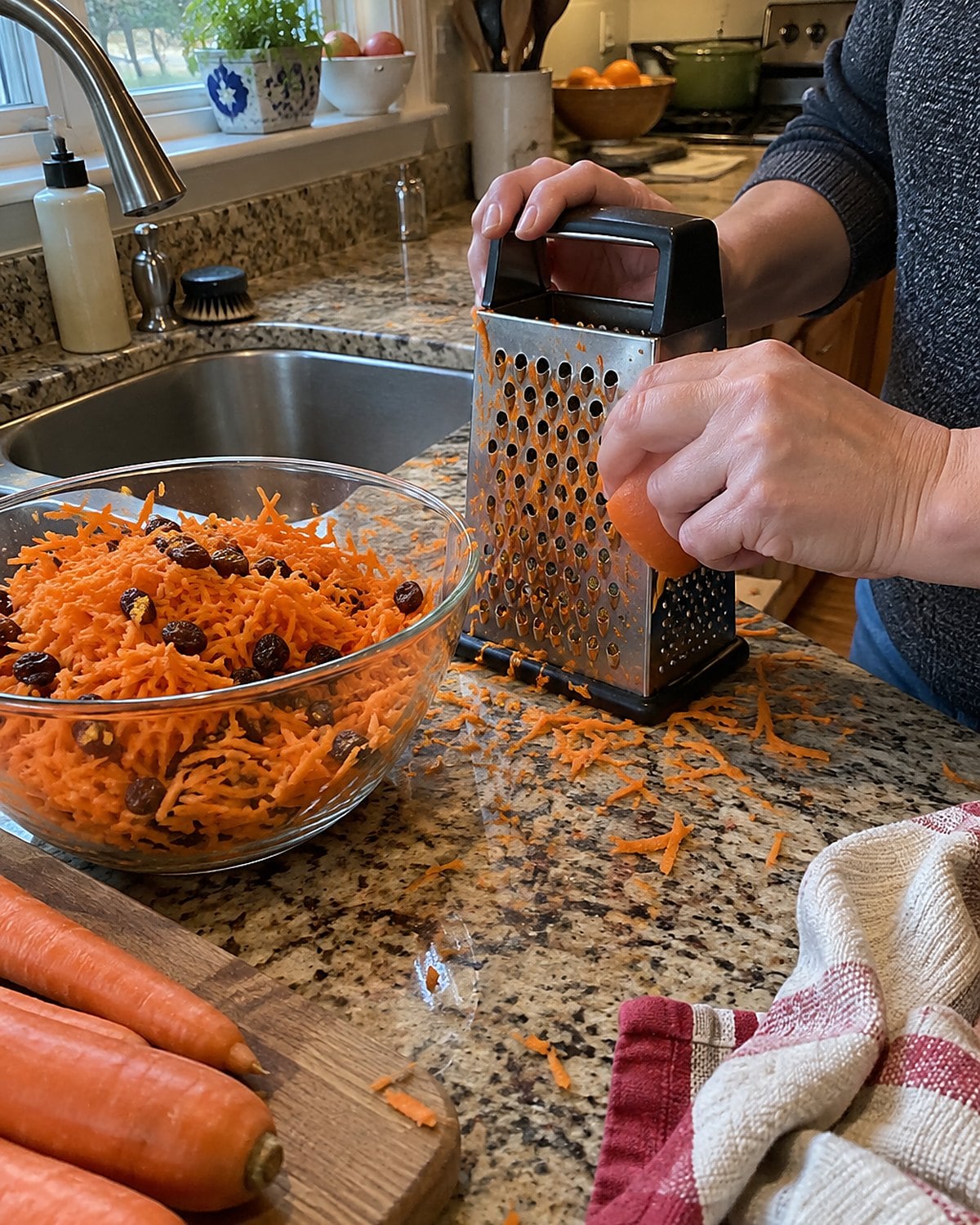
At a church supper, you could find this salad by its orange shreds and dark raisins. At Christmas, it brought a raw, crisp dish to a table crowded with soft ones. Someone had to grate the carrots, and somebody else complained about finding one last shred on the counter.
Grate the carrots shortly before dressing them. Pre-shredded carrots are thick and dry, so they don’t soften the same way in the dressing. A box grater leaves finer strands that hold onto a light coating.
Taste the carrots first: sweet ones need less sugar, and lemon juice keeps the salad from tasting like dessert.
If the raisins are hard, cover them with warm water for 10 minutes, then drain and pat them dry. That small step keeps them from pulling moisture out of the salad. Set the dish beside the roast rather than among the desserts. Its sweetness makes more sense there.
#14 Apple Rings Dyed Cinnamon Red
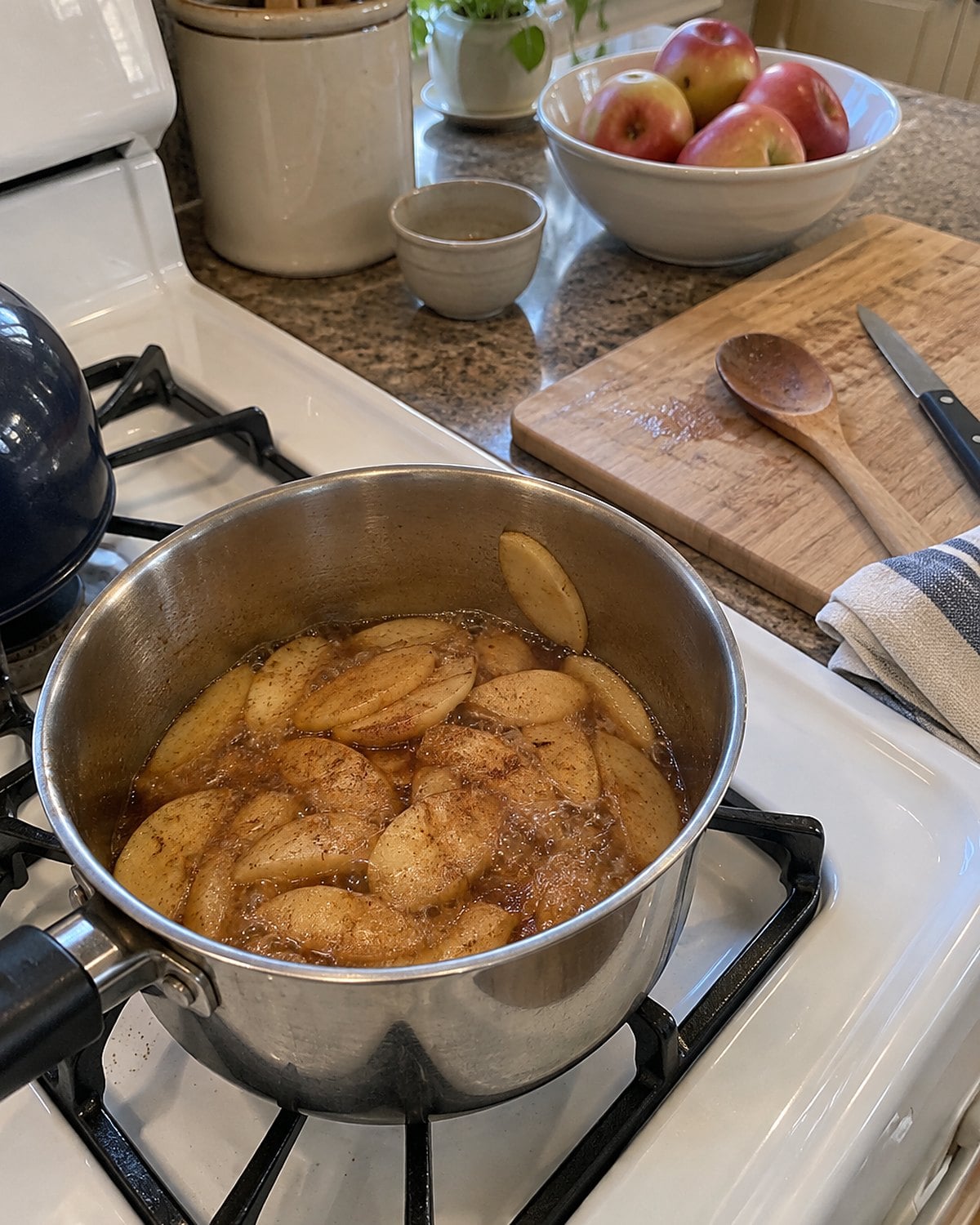
Those bright red apple rings looked almost too polished to be fruit. They sat beside ham, staining the edge of the serving platter pink. Their cinnamon scent reached the table before the platter did.
The old shortcut used cinnamon candies melted into a sweet syrup. That color is part of the memory, but you don’t need it to bring back the pairing. Thin apple slices cooked in a little water with cinnamon and sugar give you warm, tender fruit without the vivid red.
Watch the knife tip rather than the clock. When it slips through a slice with slight resistance, take the pan off the heat. Apples keep softening as they sit in the syrup. Serve a few with ham and see if anyone reaches for the apple before the potatoes.
#13 Pineapple Rings Pinned to Holiday Ham
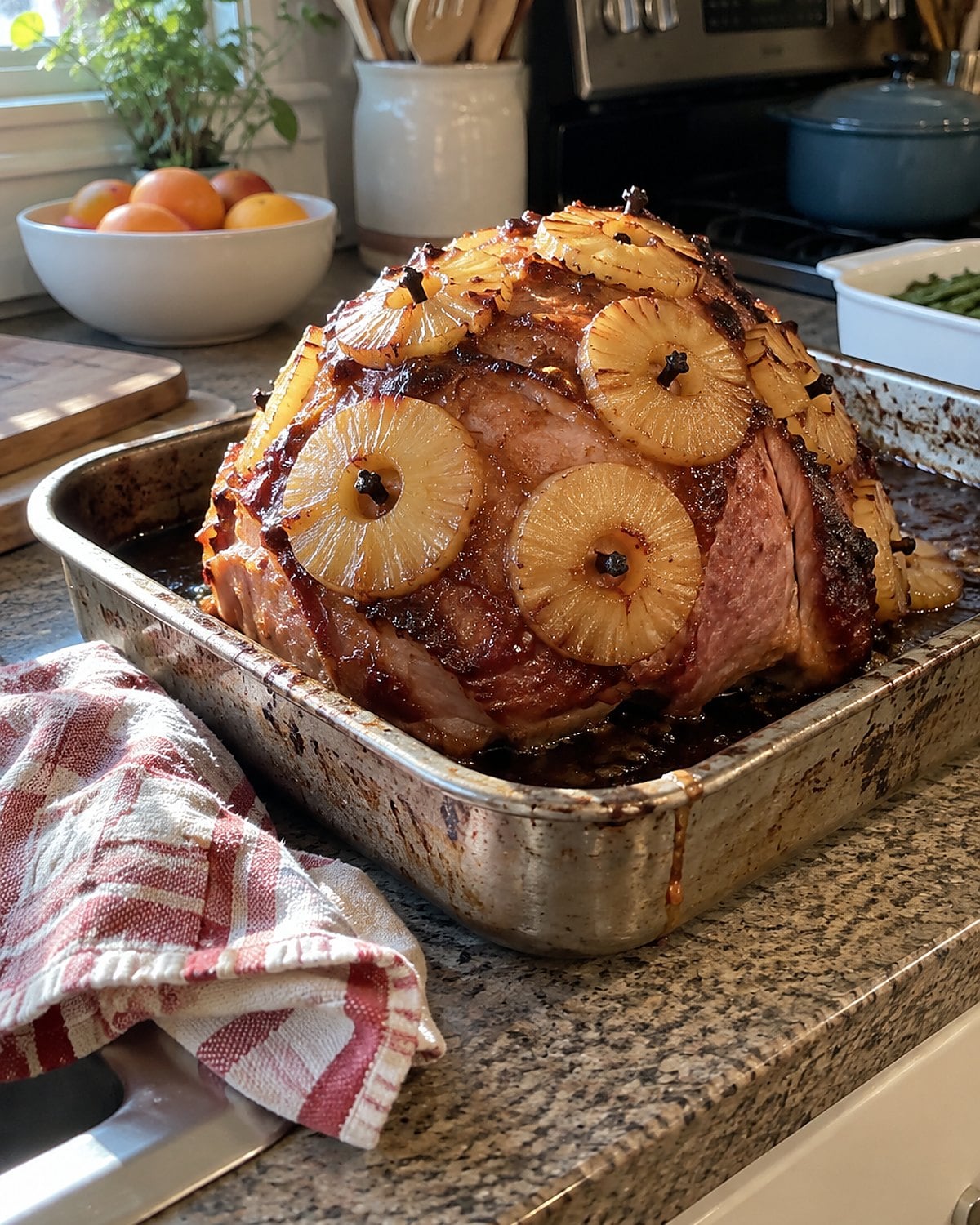
Count the toothpicks before this platter goes into the oven. The pineapple rings need them to stay put, and every one needs to come out before carving. A cherry in each center makes the old pattern hard to miss.
Brush glaze on near the end of heating so its sugar doesn’t scorch during a long stay in the oven. When the pan comes out, the fruit is hot and the glaze is sticky. Set a small dish beside the carving board for the removed toothpicks.
The pineapple does useful work at the table. A tart bite cuts through a salty slice of ham. Taste the fruit before adding more sugar to the glaze; canned pineapple already brings plenty.
If the rings slide off during carving, put them in a separate warm dish. Nobody needs a perfect pineapple pattern once dinner starts. You’ll be glad you counted the toothpicks, though.
#12 Glazed Ham with Diamond-Cut Fat
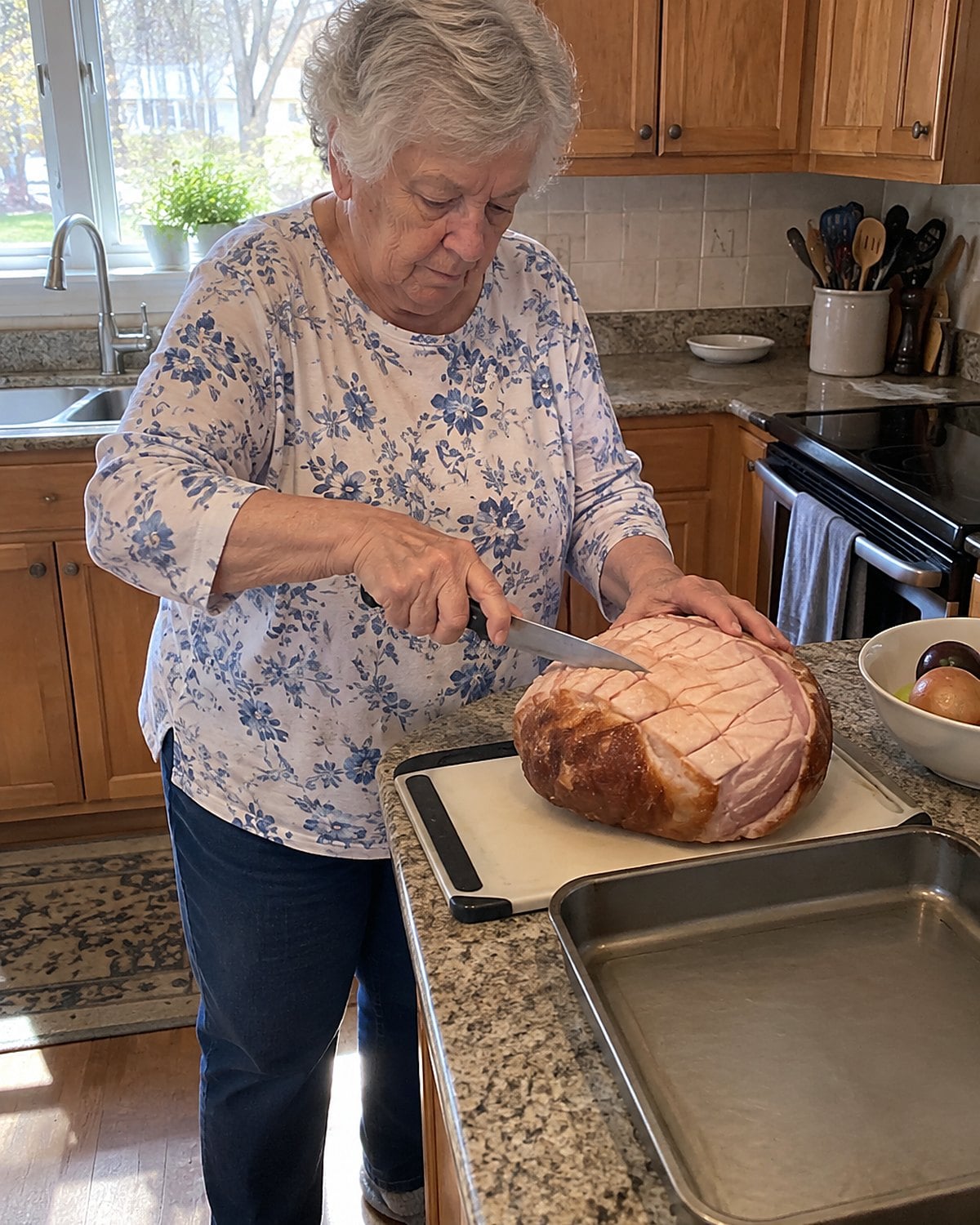
The diamonds looked impressive even before the cloves went in. A knife drawn across the fat in crossing lines gave the glaze places to settle, while the ham browned in the oven.
Cut into the fat, not deep into the meat. Deep cuts expose the ham and dry those edges during heating. If you use whole cloves, press them into the crossings sparingly. Their smell is strong, and biting into one is a sharp surprise.
Check the package before you heat your ham. A fully cooked ham and a raw ham follow different directions. The USDA Food Safety and Inspection Service’s ham guidance is the place to check when the label is unclear.
At the table, slice against the grain and keep the pieces thin. That old carved platter still looks generous, even when fewer people are coming.
Try it: Instant Pot Ham Recipes
#11 Oyster Dressing Beside the Roast Turkey
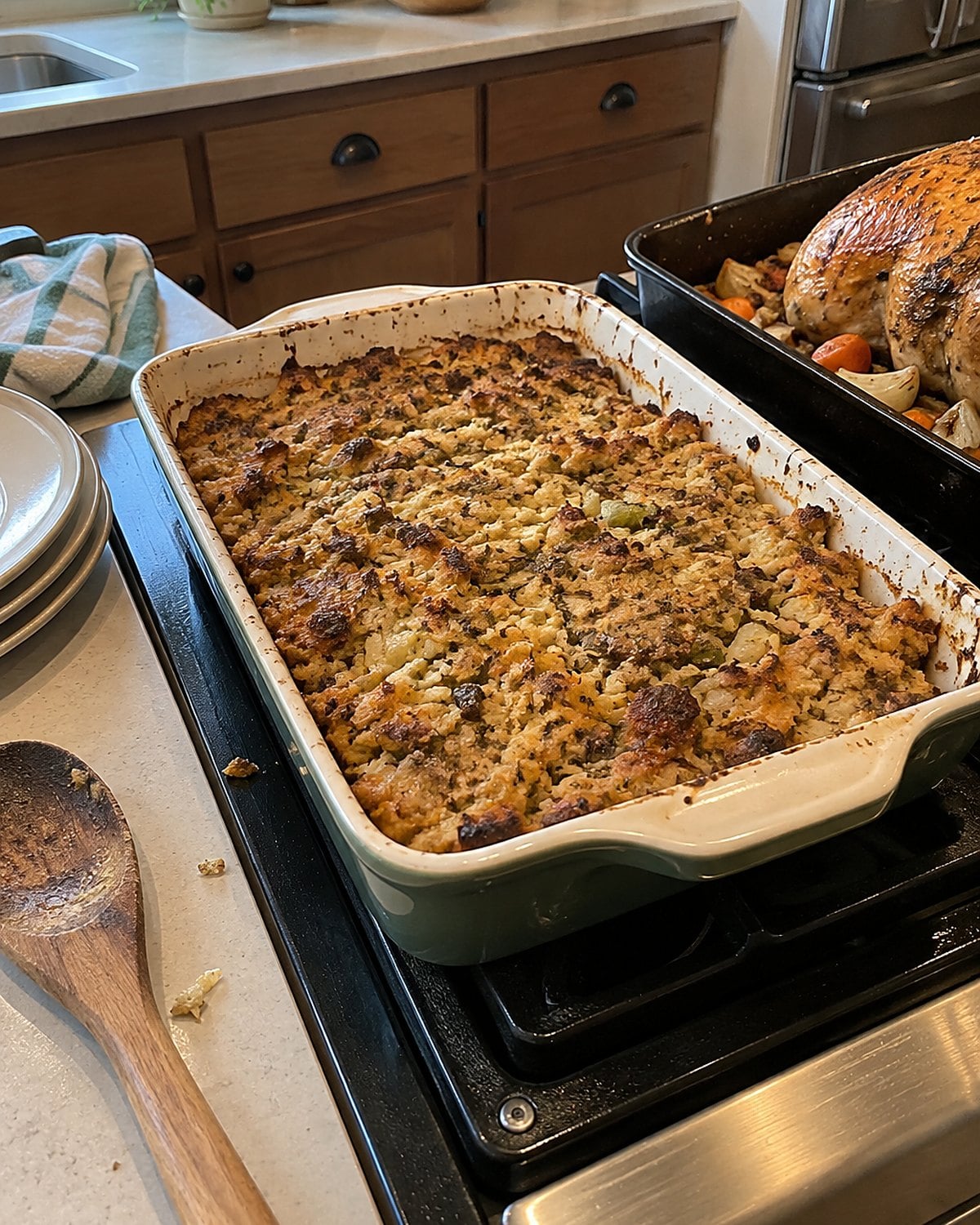
The roasting pan took over the oven. The dressing waited in its own dish, its top going crisp while the inside stayed rich with stock and oysters. For families raised with it, the smell meant Christmas before anyone saw the turkey.
Oysters bring salt and sea flavor, so check the seasoning before the dish goes into the oven. If raw oysters are already mixed in, taste only after the dressing has cooked. Cook it in a separate pan rather than inside the bird. That gives you a clear place to check the center.
Use a thermometer in the middle of the dressing. The USDA’s holiday food safety guidance gives 165°F for stuffing and poultry. Keep the thermometer tip clear of the pan, or you’ll read the hot metal instead of dinner.
A crisp top tells you the surface browned. The center reading tells you whether the dish is ready to carry out. If the roast still needs the oven, plan the dressing’s turn before you start cooking. Otherwise, that familiar dish ends up waiting on the counter.
Bring it out with its serving spoon. The first scoop breaks the browned top and reaches the soft bread underneath, which is why someone saved oven space for it.
#10 Chestnut Stuffing from the Roasting Pan
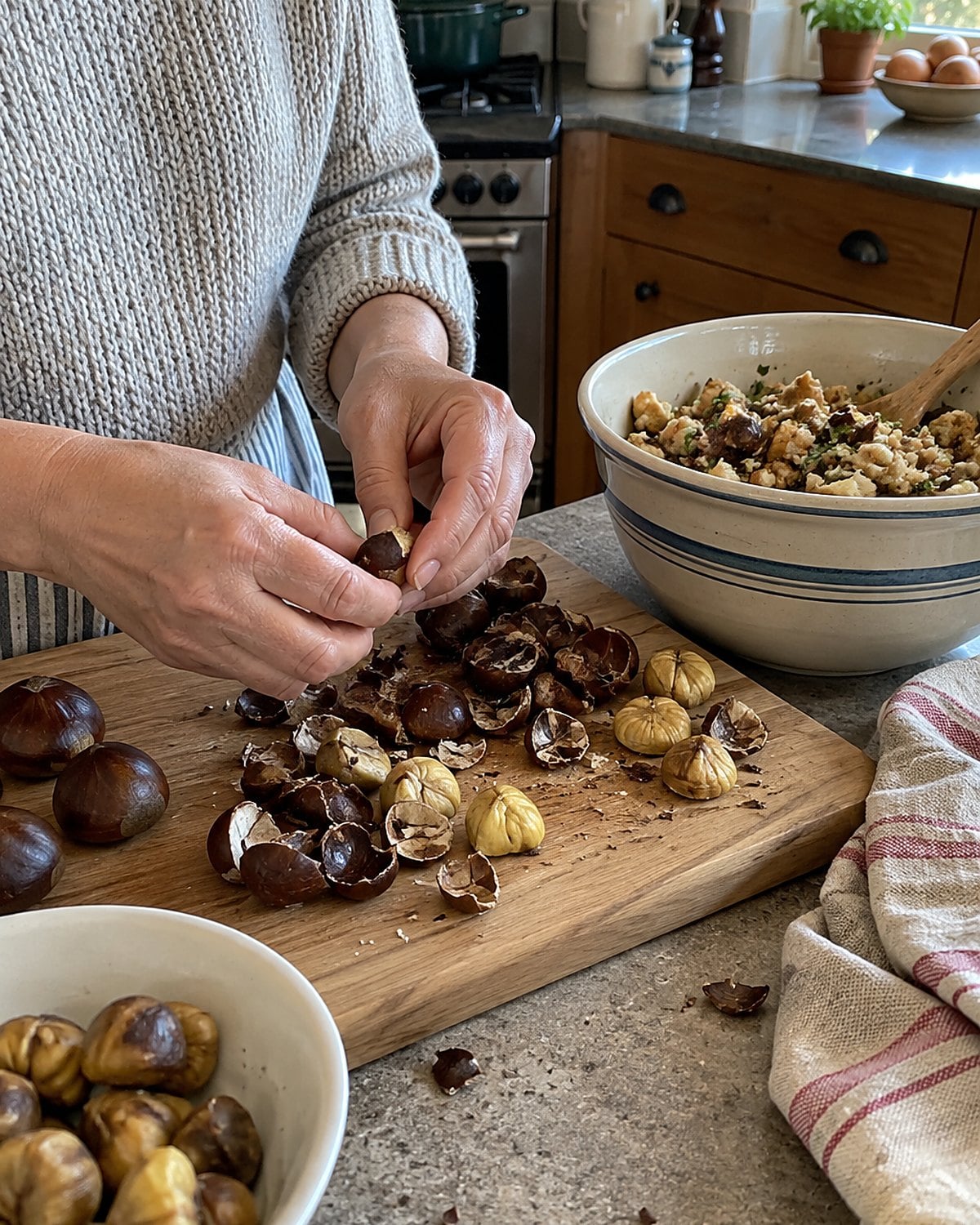
Chestnuts gave stuffing a sweet, firm bite that bread alone couldn’t supply. Preparing them, though, took work. Someone scored the shells, roasted the nuts, and peeled them while they were still warm enough to make the skins budge.
If you’re reviving chestnut stuffing, buy cooked, peeled chestnuts. Break them into rough pieces instead of chopping them fine. You want to find a chestnut in the forkful, not lose it among the crumbs. Add stock gradually; a spoon dragged through the mixture should leave moist bread, not a puddle.
Cook it in a baking dish for a browned top and check the center with a thermometer. The USDA’s stuffing guidance gives 165°F at the center. The flavor deserves that care. It’s especially good beside plain roasted meat, where the chestnuts get room to speak.
#9 Green Bean Casserole with Crisp Onions
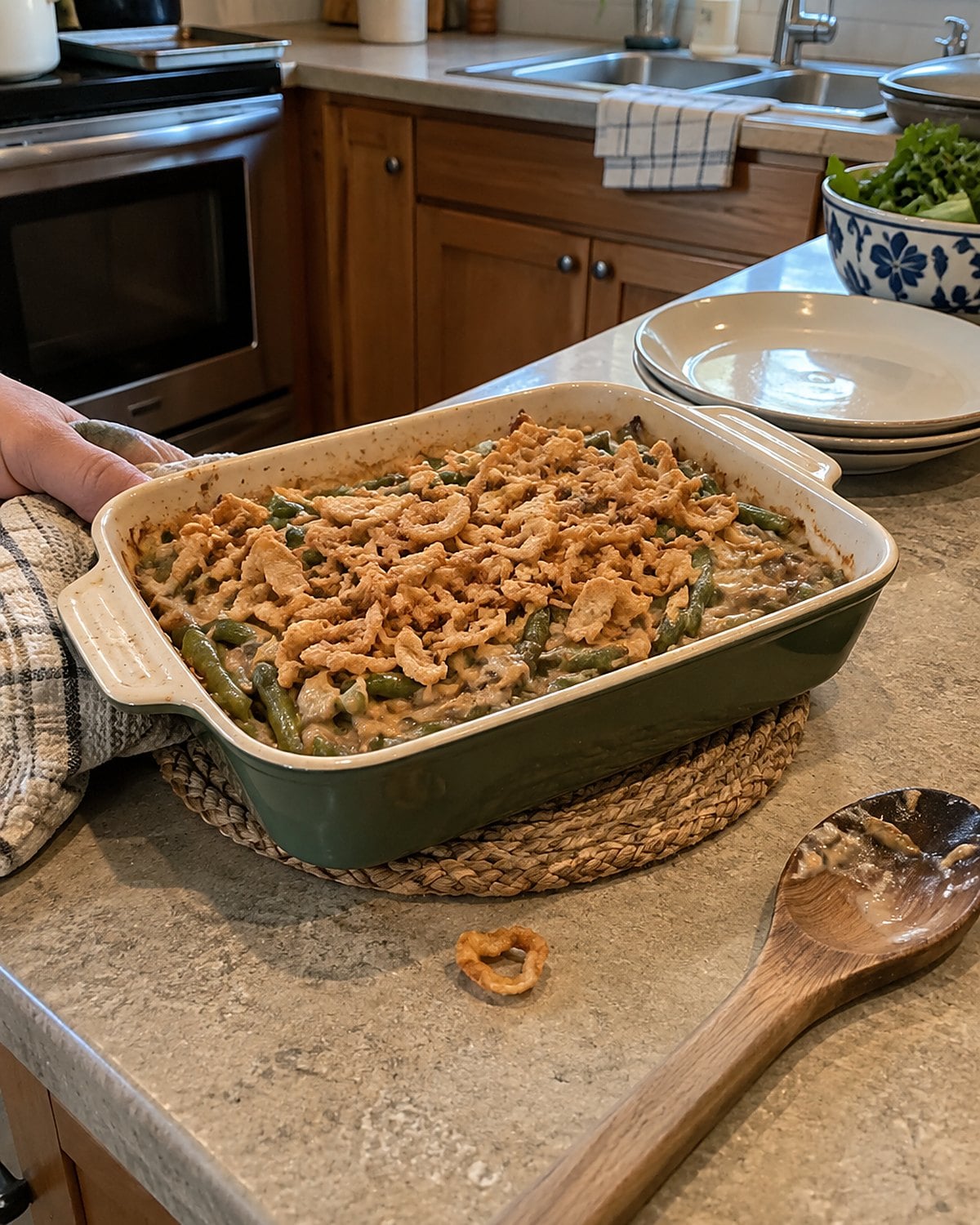
The can of fried onions stayed closed until the casserole was almost ready. Open it too soon, and half the topping disappeared into passing hands. Put every onion on at the start, and the top risked getting too dark before the beans heated through.
Mix the beans and sauce first. Bake until the center is hot, then scatter the onions over the top for the final stretch. Listen when you slide the dish back into the oven: the sauce should be bubbling at the edges, not sitting still under a brown lid.
For a smaller Christmas dinner, use a smaller baking dish. A thin layer in a large pan dries out before it feels like the casserole you remember. Taste a bean from the center, where the sauce takes longest to heat. The onions give the crunch, but the beans underneath still have to be worth eating.
Try it: Creamy Air Fryer Green Bean Casserole
#8 Pearl Onions in a White Sauce
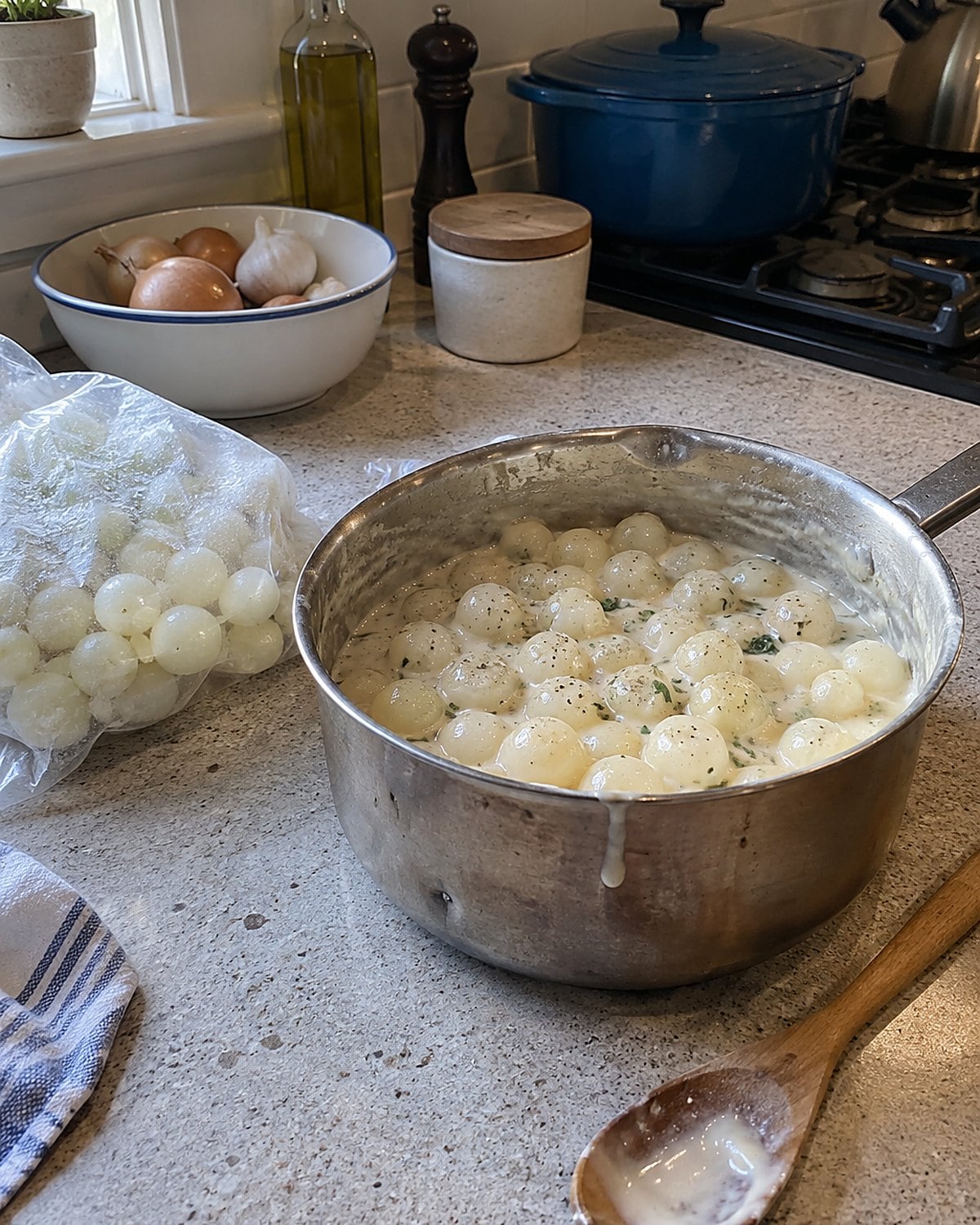
Peeling a bowl of tiny onions took patience. By the time the white sauce was ready, the counter held a heap of papery skins and someone had asked why ordinary onions wouldn’t do.
The small onions were the point. Each stayed whole, sweetened as it cooked, and gave the spoon something to lift through the sauce. Frozen peeled pearl onions spare you the skin pile. Cook off their extra water before adding sauce, or the cream turns thin.
Make the sauce just thick enough to coat a spoon. If it sits in a heavy mound, loosen it with a splash of milk. Taste for salt after the onions go in. You’ll notice how much sweeter they are than the sharp onion smell promised at the start.
#7 Candied Sweet Potatoes Under Marshmallows
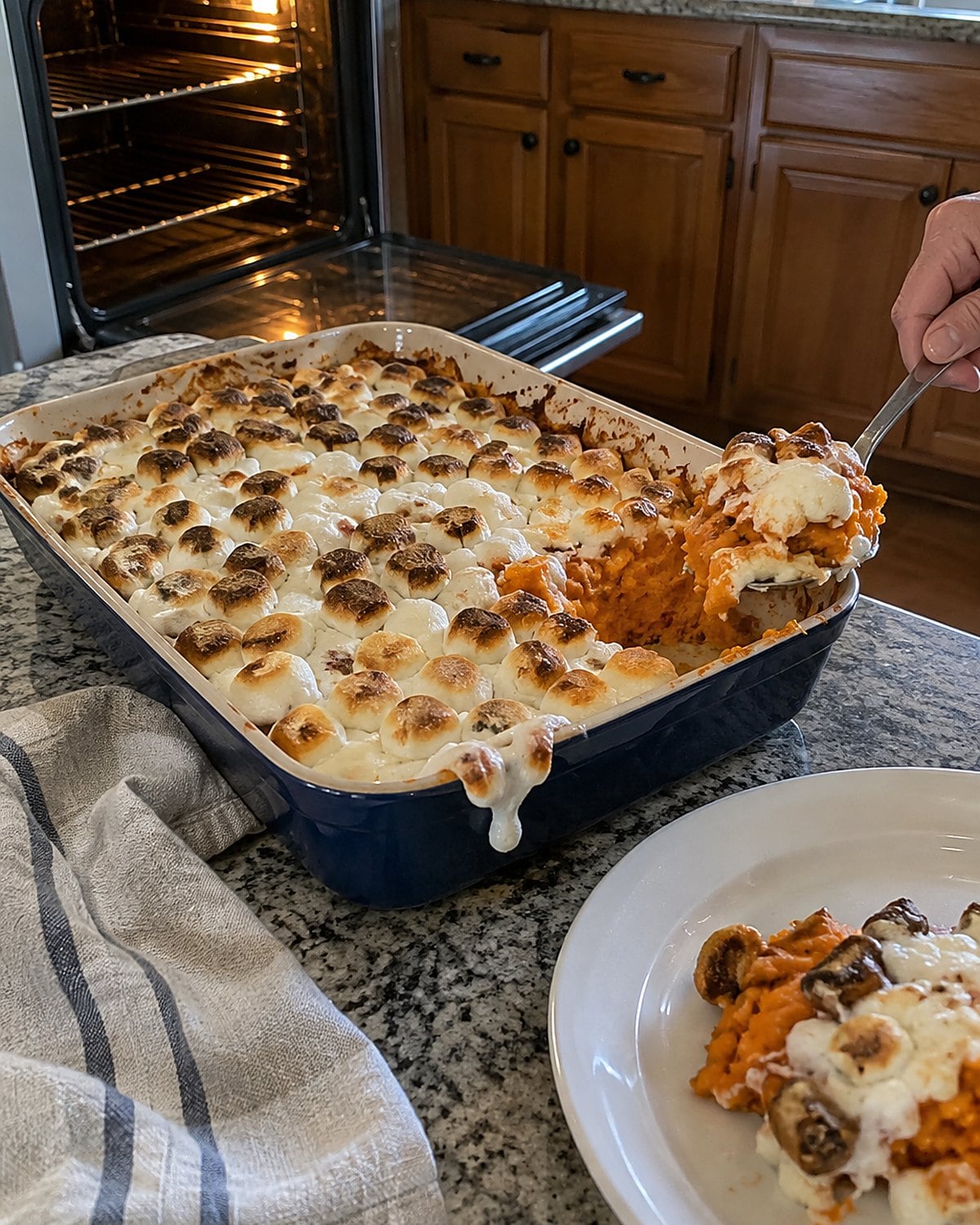
The marshmallows went on at the end. Leave them under the oven heat too long, and their tops turned dark while the sweet potatoes underneath stayed much the same. Someone stood watch at the oven door, waiting for that brief change from white to toasted.
The dish works better when the potatoes have flavor before the topping arrives. Roast or cook the sweet potatoes until a fork goes through, then taste them. Add butter and a pinch of salt before reaching for more sugar.
Salt brings the potato forward instead of leaving you with sweetness from top to bottom.
Spread the warm potatoes in a baking dish and add marshmallows for the final browning. Stay close. The topping changes color quickly, and the hot sugar clings to fingers. If your table already has pie and ambrosia, make a small dish. People who love those browned marshmallow corners will find them.
#6 Cranberry Sauce Shaped Like a Can
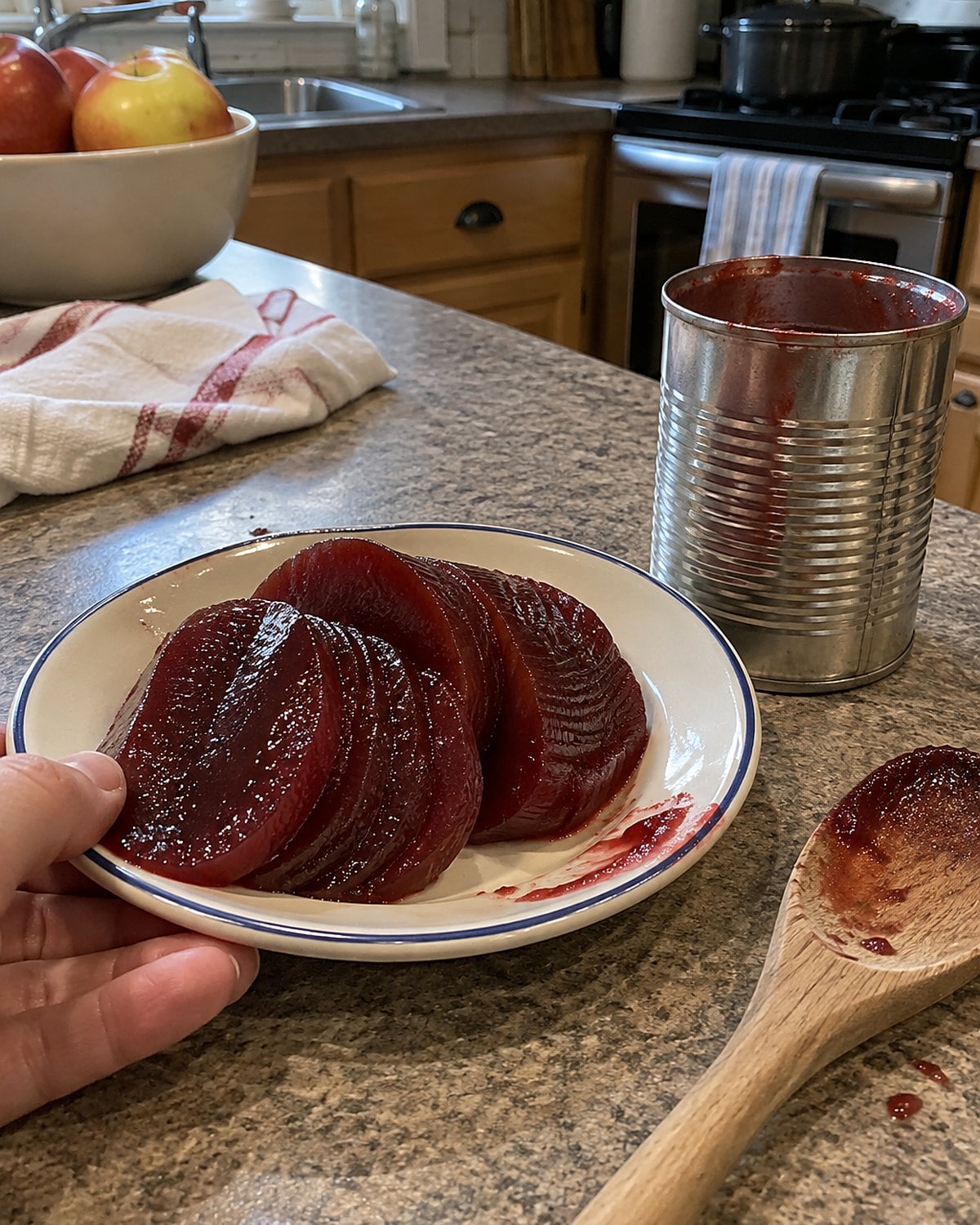
You could see every ridge. The cranberry sauce slid onto a little plate as one firm cylinder, and somebody cut it into rounds with the same knife used for butter.
It brought a tart, cool bite to a hot, rich meal. There’s no need to apologize for the can. Chill it first, open both ends, and push the sauce through for clean slices. A small plate gives the rounds their own space.
Taste it with turkey before deciding it needs an upgrade. Those ridges tell you where to cut. The little plate leaves room for dishes that need oven space.
#5 Corn Pudding in the Oven Queue
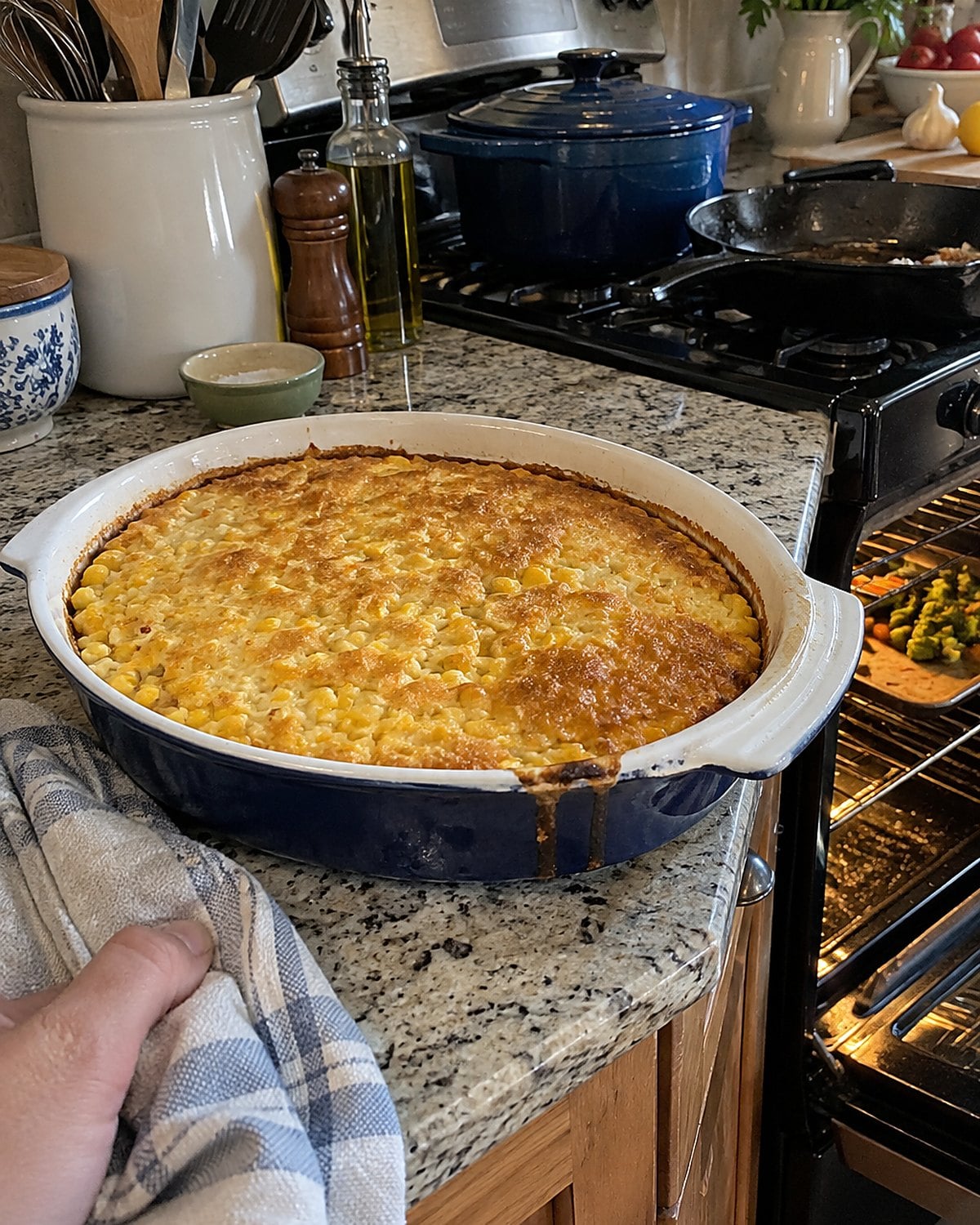
The oven door opened, and the question came again: “Is there room for the corn pudding?” Christmas dinner had a way of filling every rack before the roast was done. The pudding needed steady heat, not a last-minute squeeze beside a pan that blocked the airflow.
Its appeal was texture. Corn kernels sat in a soft custard, with a lightly browned top and a center that held together on the serving spoon. Stir the corn through before the dish goes into the oven so it doesn’t settle in one heavy layer.
When the pan moves, look for a slight wobble in the middle rather than a liquid wave. Give it a resting place on the counter while you carve. The center firms as the dish stands, and the roast gets its own pause.
If you’re planning Christmas dinner now, put corn pudding on the oven schedule before agreeing to another baked side. The old table had room for it because someone made room.
#4 Dinner Rolls in a Cloth-Lined Basket
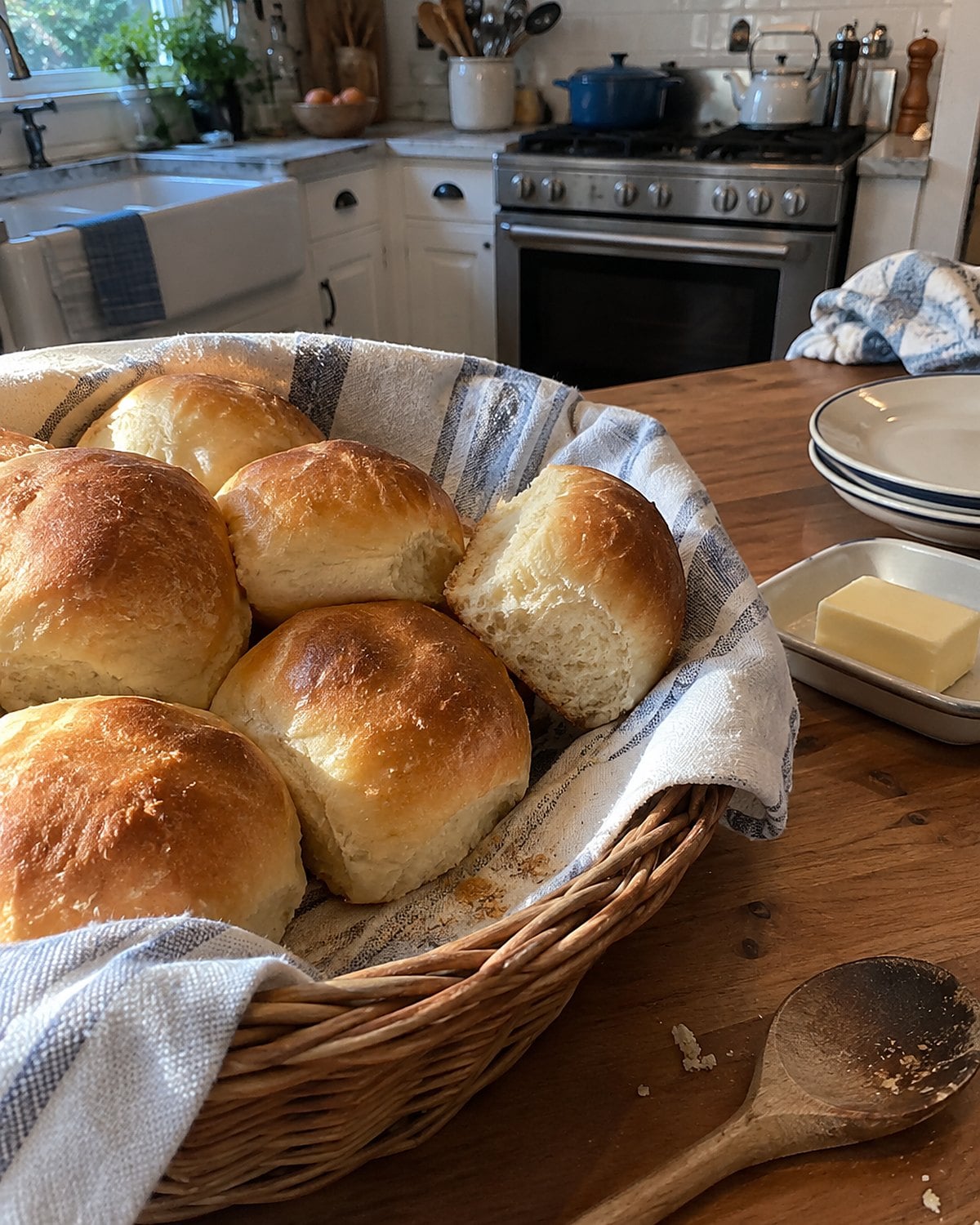
Don’t wrap steaming rolls tightly. Trapped moisture softens the crust and makes the cloth damp. Let the first rush of steam escape, then tuck the cloth over them loosely.
There was always a warm basket, even when the rolls came from a package. The cloth kept them from cooling at once, and everyone knew to pass the basket before the butter disappeared. A small basket is enough when there are only a few of you at dinner.
If the rolls are meant for leftover ham later, set some aside before the basket reaches the table. Otherwise they vanish under butter, gravy, and one more helping of sauce.
You’ve seen that happen before.
#3 Mince Pies Cooling Beside the Stove
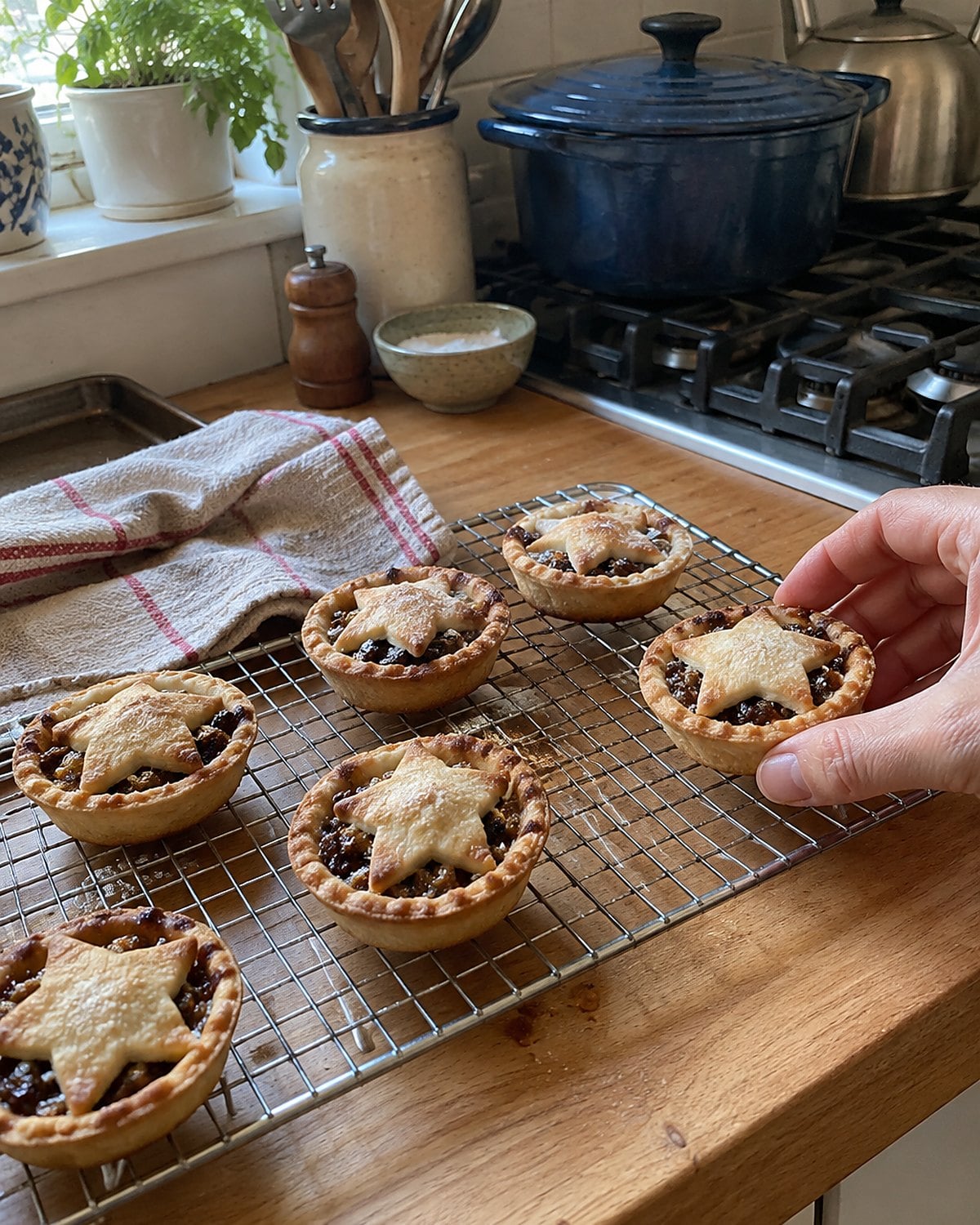
The filling smelled of dried fruit and spice. On Christmas Eve, little pies cooled near the stove while someone tested the least tidy one. Their tops were sometimes full pastry circles, sometimes small stars that let the dark filling show through.
Mincemeat was the name on the jar, but the familiar sweet version centered on fruit, spices, and citrus. Check the label if you’re serving guests with dietary restrictions; recipes differ. For small pies, keep the pastry cold as you fill the tins. Warm dough gets sticky, and the edges lose their shape.
Let the pies cool before lifting them out. Hot filling grips the pastry and burns fingers in a hurry. Once they’re on a plate, there’s no need to explain their uneven tops. They look like somebody made them in a kitchen, which is exactly what you want.
#2 Nuts and Nutcrackers After Dinner
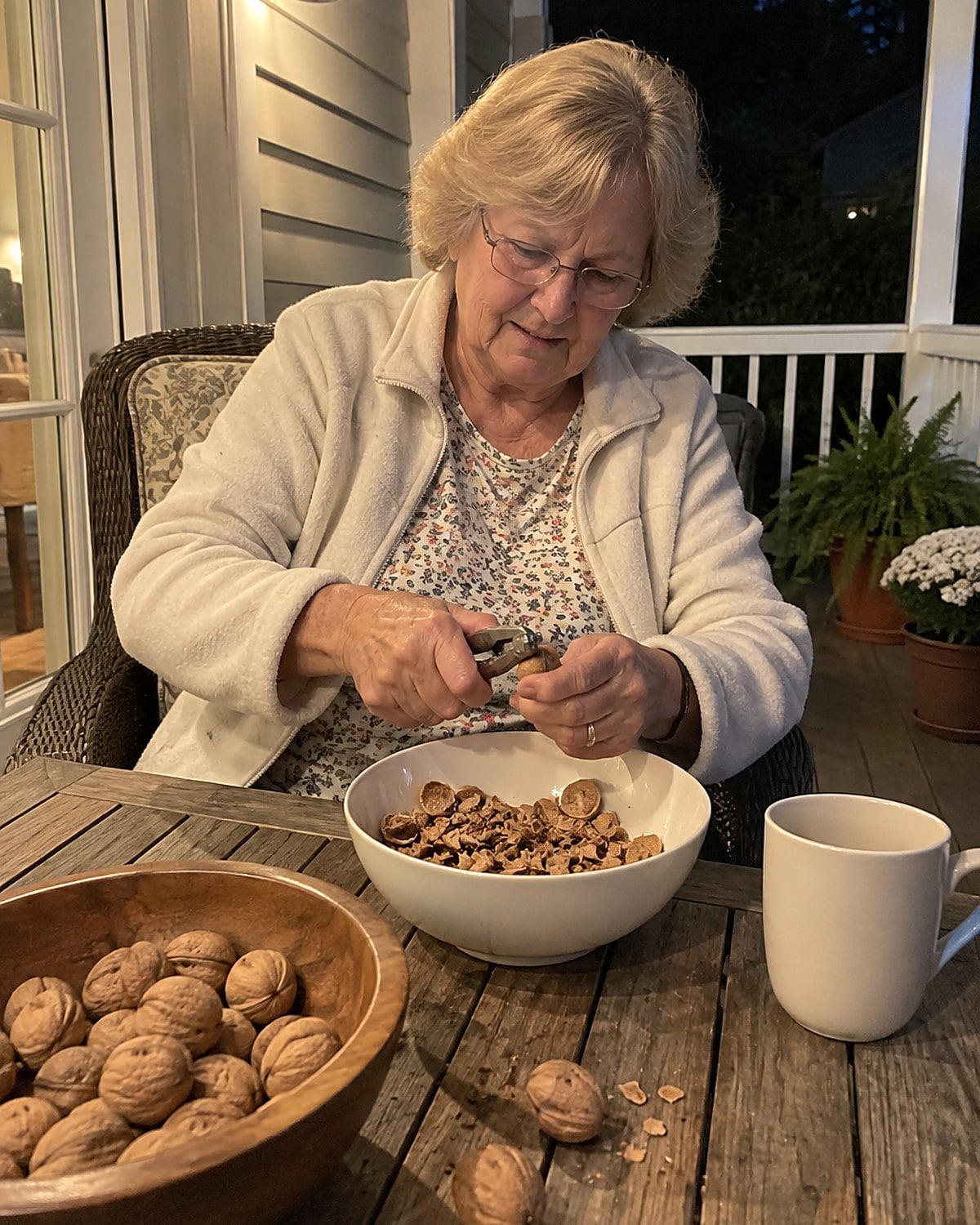
After the plates went away, the wooden bowl stayed. Walnuts, pecans, and a nutcracker gave hands something to do while coffee came out. Shell fragments collected on a saucer, if anyone remembered to bring one.
A nut bowl changes the pace after dinner without asking you to make another dessert. Put the cracker and a small bowl for shells beside the nuts. Keep them away from the grandchild’s high chair; loose nuts and hard pieces are a choking hazard for young children.
For guests who don’t want to wrestle with shells, set out a few shelled nuts in another dish. Then the old bowl keeps its place without making everybody work for a bite. You decide whether the coffee comes first.
#1 Deviled Eggs on the Relish Tray
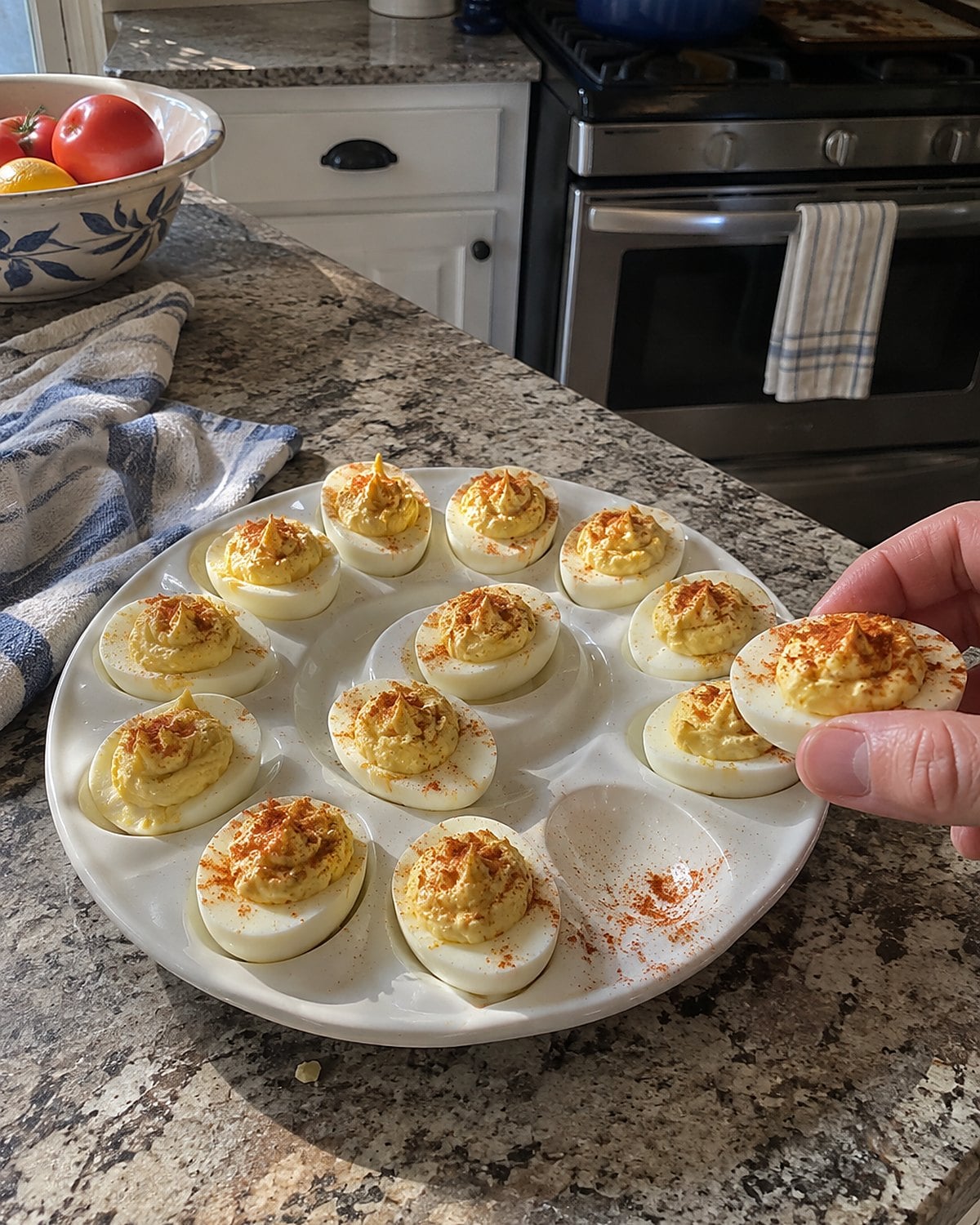
The plate came out early because everyone reached for it early. Deviled eggs filled the gap between setting the table and carving the roast. When one disappeared, the empty oval on the tray gave the thief away.
The useful part for a smaller Christmas is that you decide the count. Make a few eggs, not a platter built for a crowded house. Mash the yolks while they’re still easy to work, then add mayonnaise a little at a time.
Too much leaves the filling loose enough to slide off the whites. A pinch of mustard brings back the sharpness that cold eggs need.
Keep the finished eggs in the fridge until it’s time to serve. If the filling seems dull straight from the fridge, taste a dab and add a little salt or mustard before you fill the last white. Carry them out before the hot dishes arrive. For a moment, the table looks ready.
The bottom line
The old Christmas table made room for cold, sharp, crunchy things while the oven handled dinner. That’s why a little dish of pickles still earns its space beside a roast.
You’ve already got the good bowl, or a perfectly ordinary one, and you know which dish your household will finish. Make that one. Leave the rest as memories until someone asks for them.
Which old dish has someone in your kitchen asked for lately?

Leave a Reply