

Remember when Thanksgiving dinner meant following the same kitchen routines your mother or grandmother used? The turkey went into the oven, the stuffing was prepared, and somehow everything made it onto the table. But some of those familiar habits weren't quite as safe as we thought.
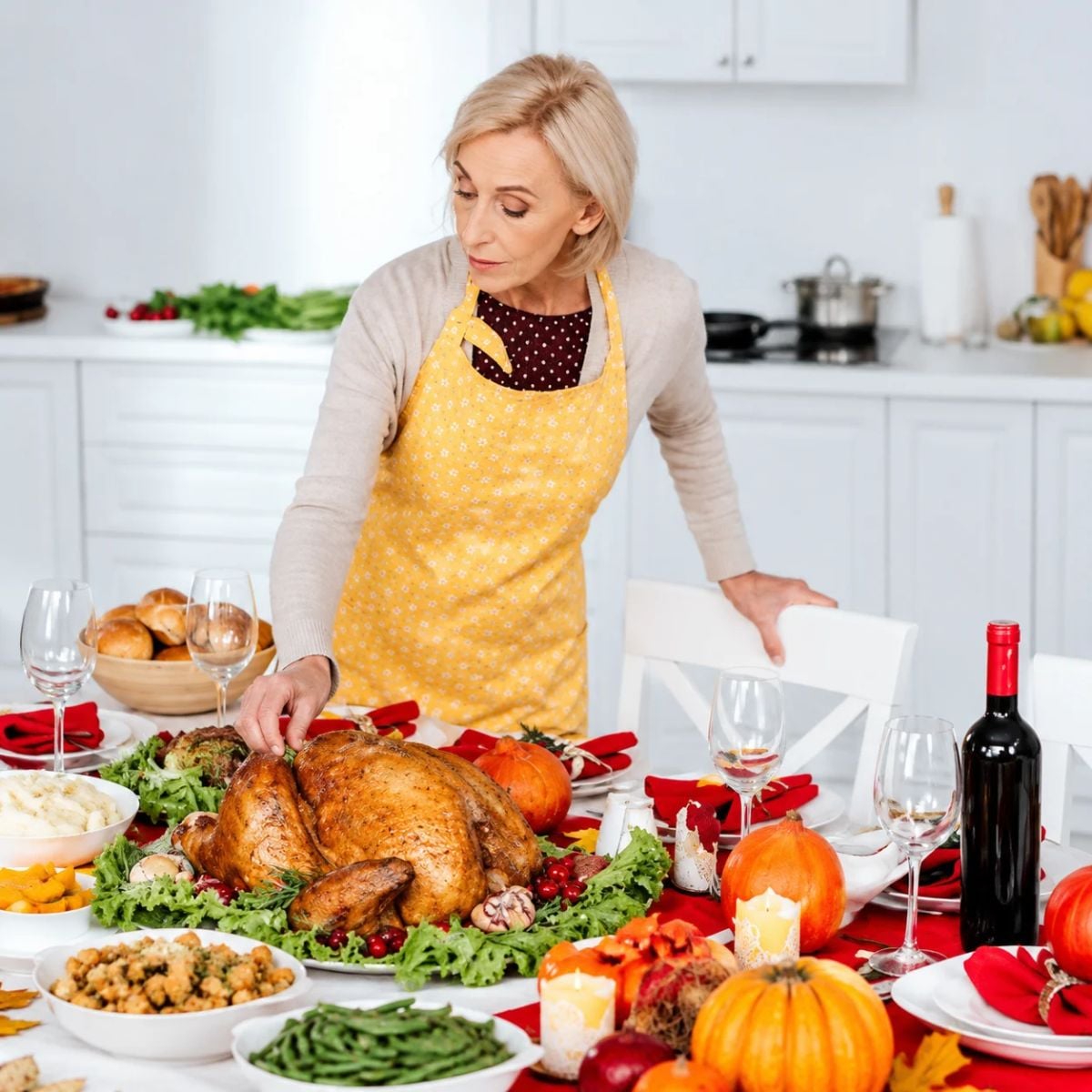
I still love the old family recipes, but there are a few Thanksgiving food safety habits the old days didn't have. From thawing the turkey to storing leftovers, small mistakes can cause problems without anyone realizing it. Here are 25 things to watch out for so you can enjoy the holiday meal without worrying about what's happening in the kitchen.
#25 The roasting pan on the floor
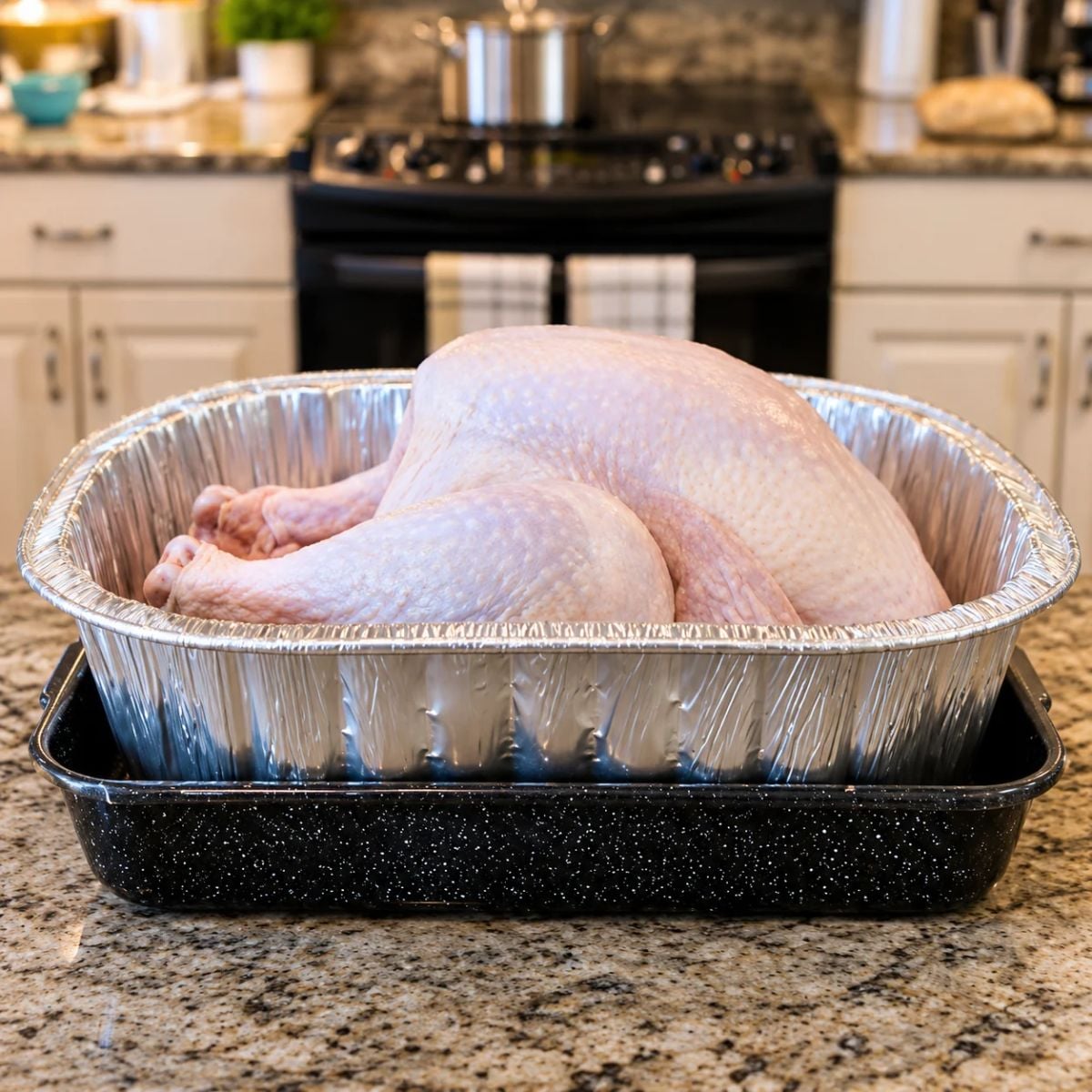
Running out of counter space on Thanksgiving is practically a tradition. But putting the roasting pan on the floor while you make room isn't a good idea.
Raw turkey juices can spread bacteria wherever the pan touches. That includes shoes, pets, and other dishes sitting nearby.
Clear a sturdy counter or table before taking the turkey out of the refrigerator. Use a rimmed tray underneath to catch any drips.
It's much easier to move a few serving bowls than spend the afternoon cleaning turkey juice off the kitchen floor.
#24 The cutting board used for celery
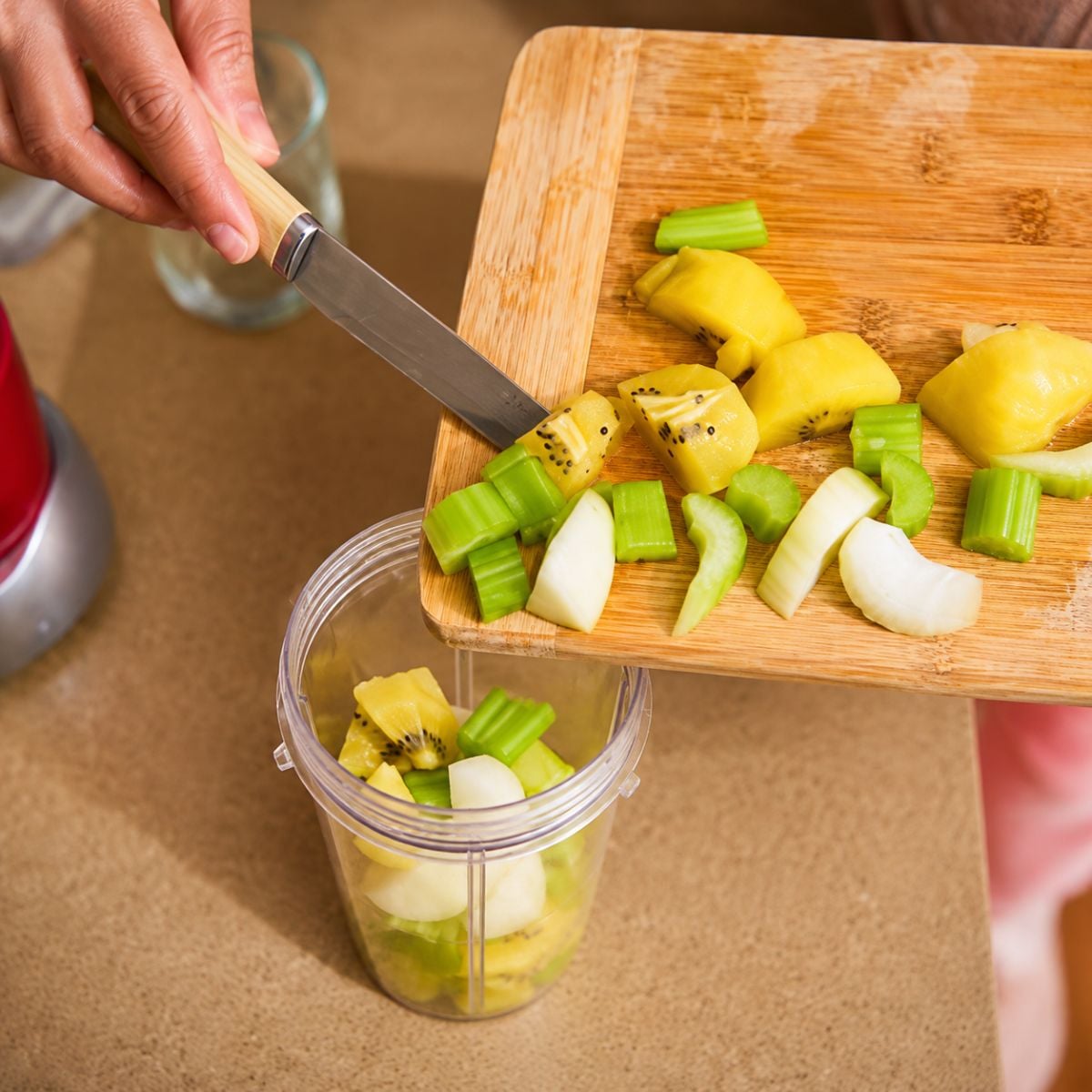
It's easy to use the same cutting board for everything when you're preparing a big holiday meal.
But chopping celery, handling raw turkey, and then cutting more vegetables on the same unwashed board is asking for trouble.
The CDC’s food safety guidance recommends keeping raw poultry separate from foods that won't be cooked. Prepare vegetables for the relish tray first, then use a separate board for the turkey.
If you only have one board, wash it thoroughly with hot, soapy water between tasks. Remember to wash the knife and surrounding surfaces, too.
You don't need a kitchen full of cutting boards. Just a little planning before everything gets busy.
#23 The apron used as a hand towel
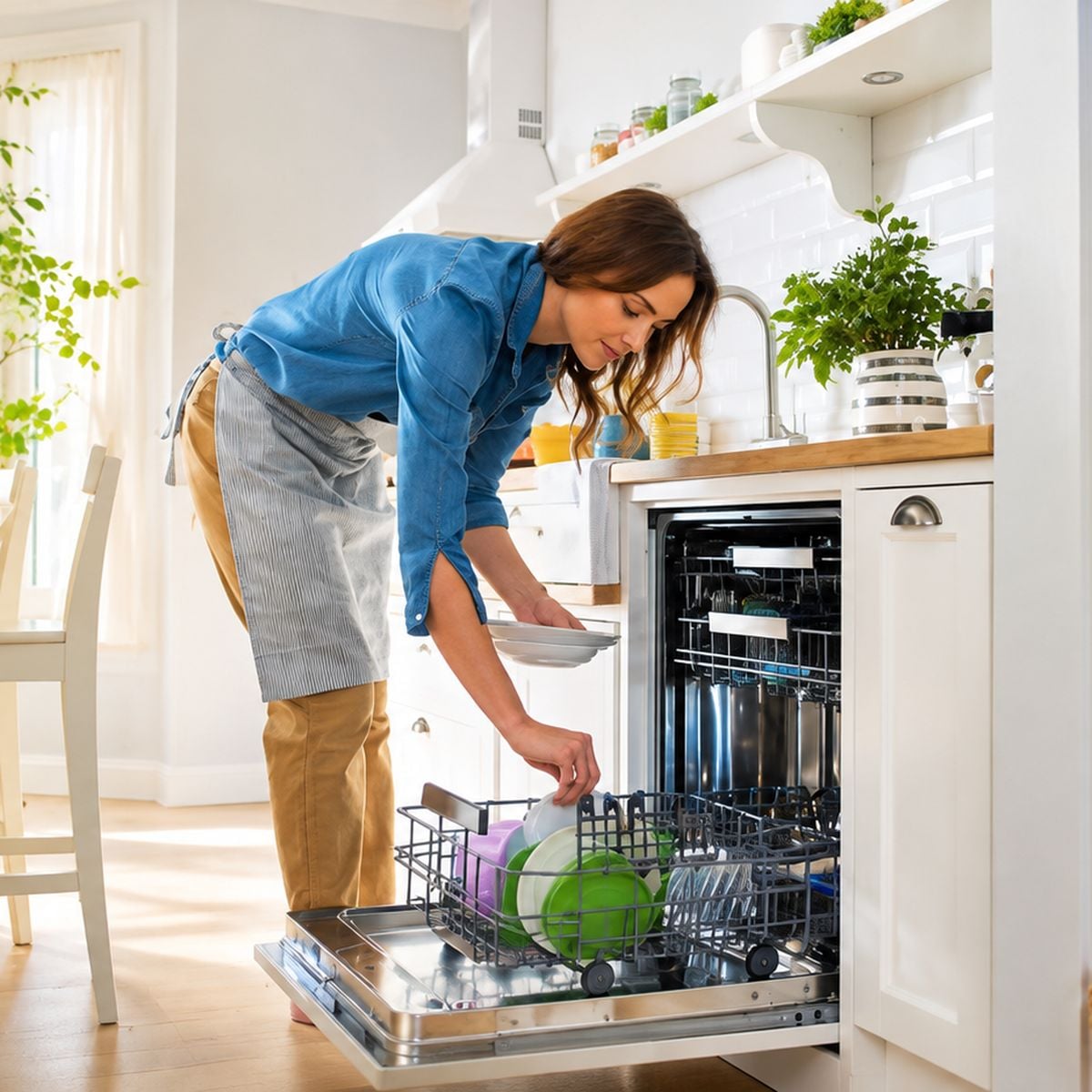
I've definitely seen people wipe their hands on their aprons while cooking. It's convenient, especially when you're moving between several dishes.
But raw turkey juices are a different story.
Wash your hands with soap and water for at least 20 seconds after handling raw poultry. Dry them with a clean towel or paper towel instead of the apron you've been wearing all morning.
If your apron becomes contaminated, put it in the laundry and grab a clean one.
It's a small habit to change, and nobody wants turkey juice ending up in the mashed potatoes.
#22 The gravy spoon passed between pans
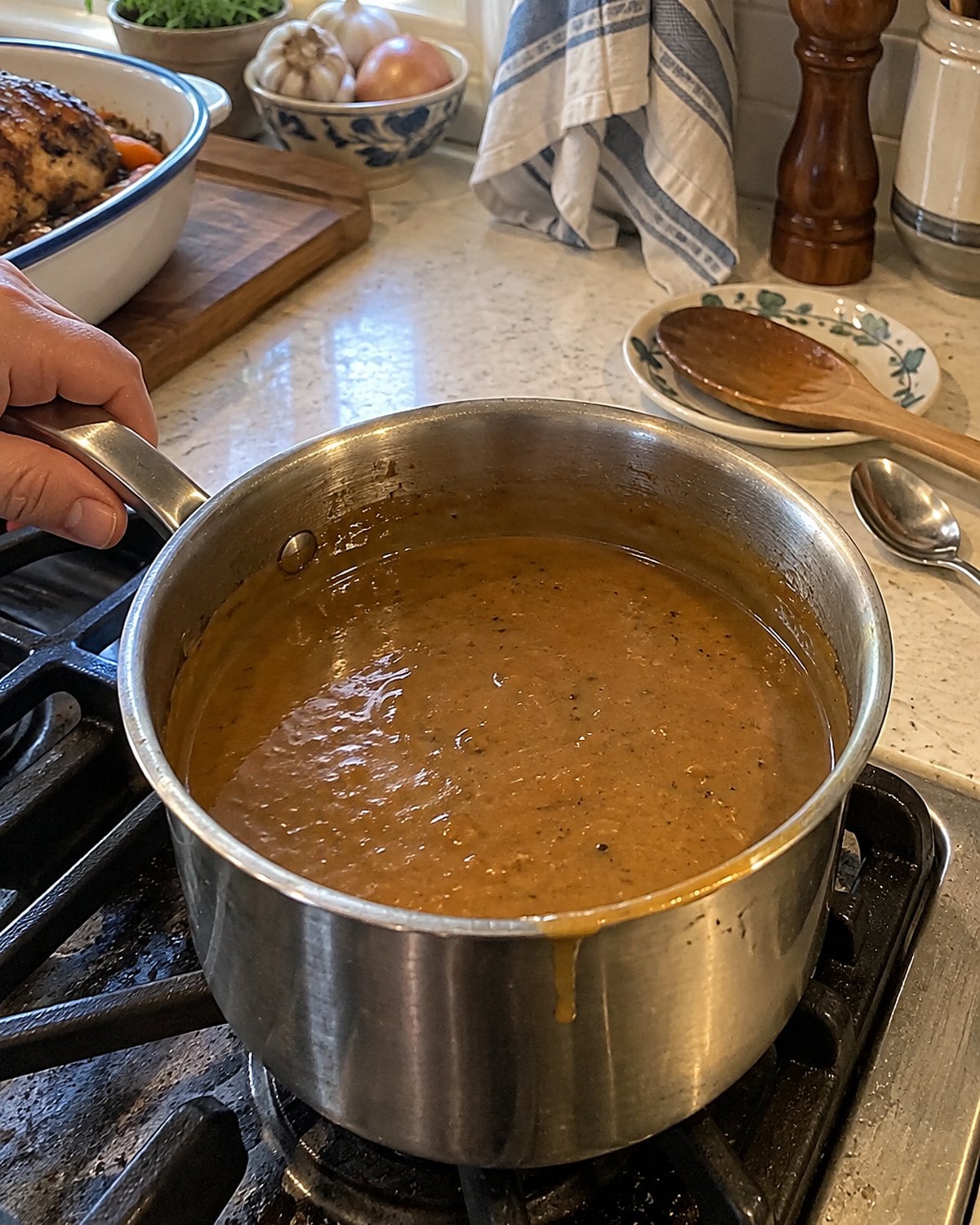
Thanksgiving counters get crowded quickly, and suddenly the same spoon is being used for everything.
That's especially risky when raw turkey drippings are involved.
Use a separate spoon for uncooked drippings and finished gravy. If your gravy contains raw poultry juices, bring it to a boil and stir thoroughly so it heats evenly.
Once the gravy is cooked, use a clean serving spoon rather than returning the one that touched raw drippings.
I like keeping the serving spoon beside the gravy boat before dinner even starts. It's one less thing to think about when everyone is hungry.
Try it: Best Instant Pot Gravy (Quick & Easy, No Drippings!)
#21 The baster beside the dinner rolls
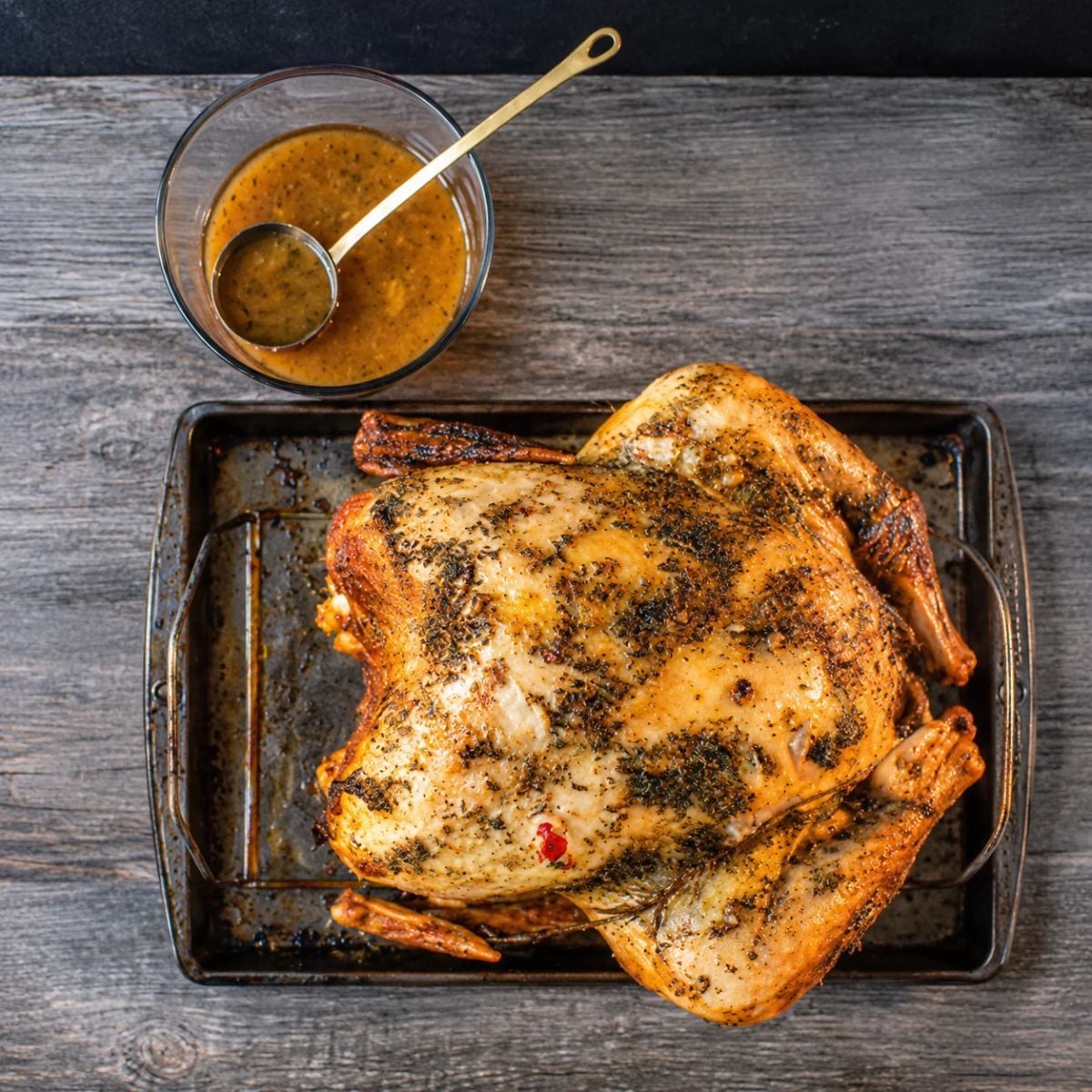
Remember those big turkey basters that always seemed to disappear somewhere on the counter?
The problem isn't the baster itself. It's where it ends up between trips to the oven.
A baster that has touched raw turkey juices shouldn't touch ready-to-eat food or clean serving dishes. Keep it in a separate dish near the roasting pan.
Wash it thoroughly after use.
And remember, constantly opening the oven to baste lets heat escape. A food thermometer is far more useful for knowing when the turkey is ready.
#20 The platter that held the raw bird
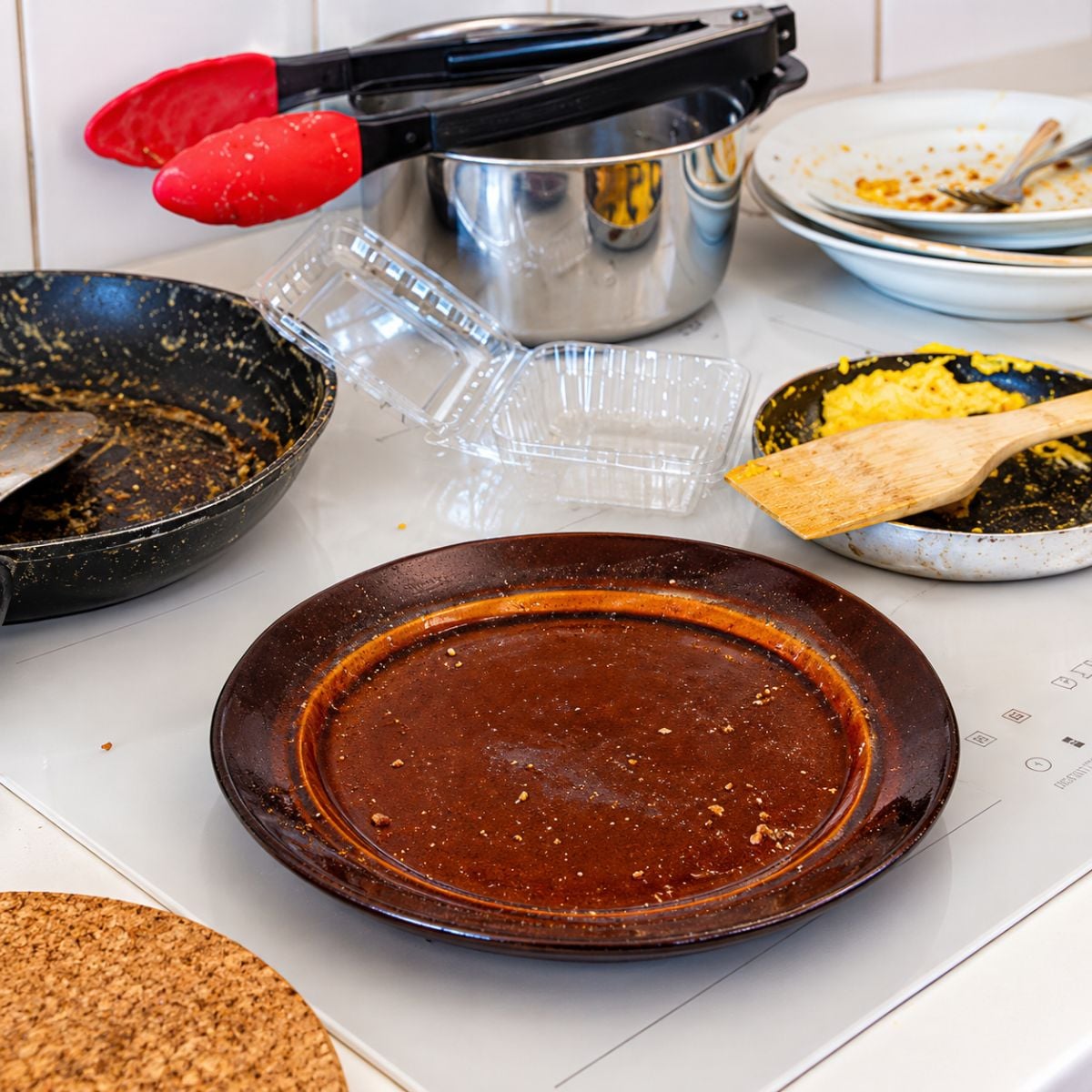
That beautiful oval platter might be perfect for serving turkey, but don't use it straight after it held the raw bird.
Raw poultry juices can contaminate cooked meat. Wash the platter thoroughly with hot, soapy water before using it again, or set aside a separate clean platter for serving.
The same goes for any utensils used to handle the uncooked turkey.
I prefer getting the serving platter ready before the bird goes into the oven. That way, there's no last-minute scrambling when it's time to carve.
#19 The rinse under the kitchen faucet
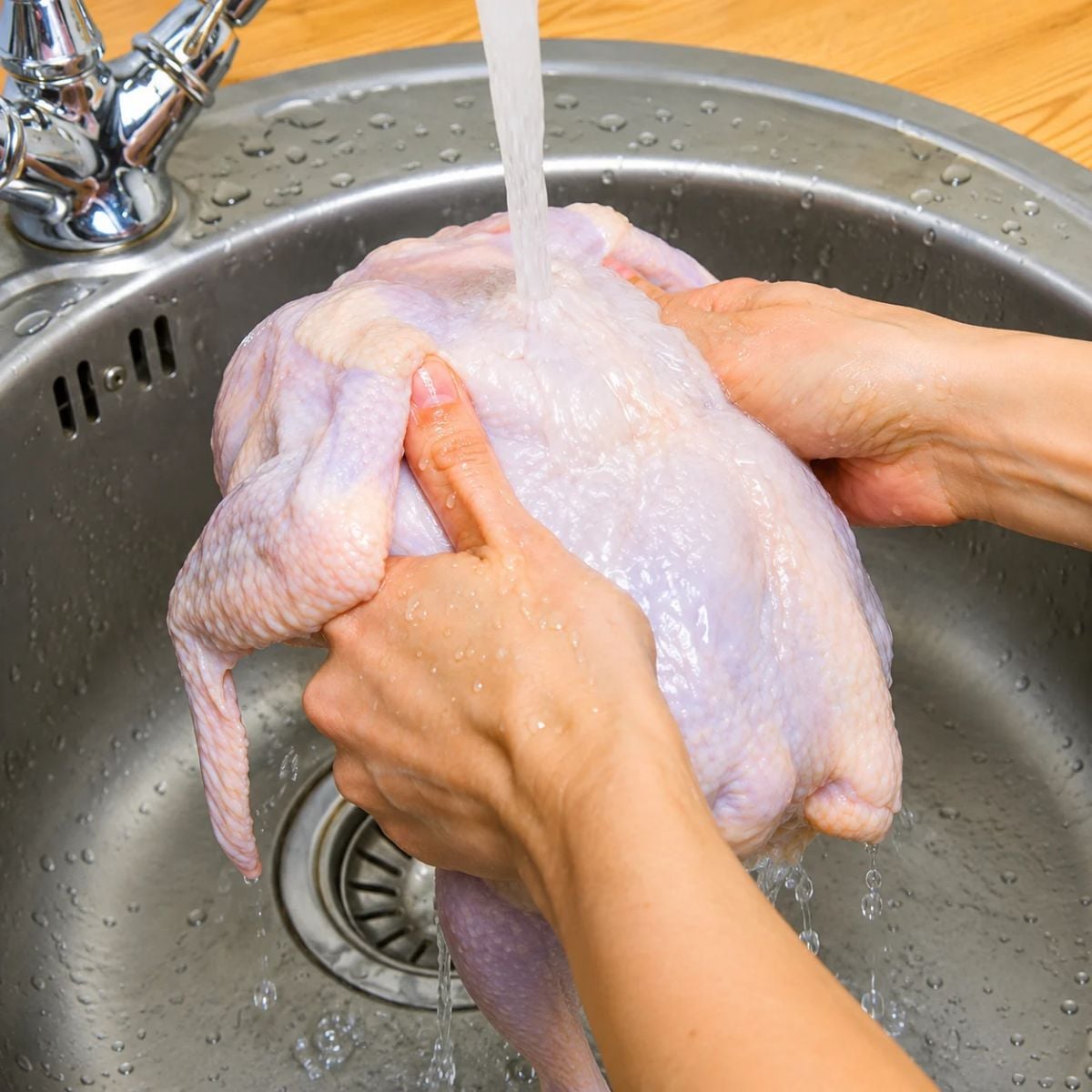
For years, plenty of home cooks rinsed raw turkey in the sink because that's how they were taught.
But this is one tradition worth leaving behind.
Washing raw poultry can spread bacteria through splashing water. Those droplets can reach the faucet, countertops, dish rack, and nearby food.
Take the turkey straight from its packaging to the roasting pan.
If you want drier skin, pat it with paper towels and discard them immediately. Then wash your hands and clean any contaminated surfaces.
Skipping the rinse actually saves time, which is something we could all use on Thanksgiving morning.
#18 The turkey bag leaking in the fridge
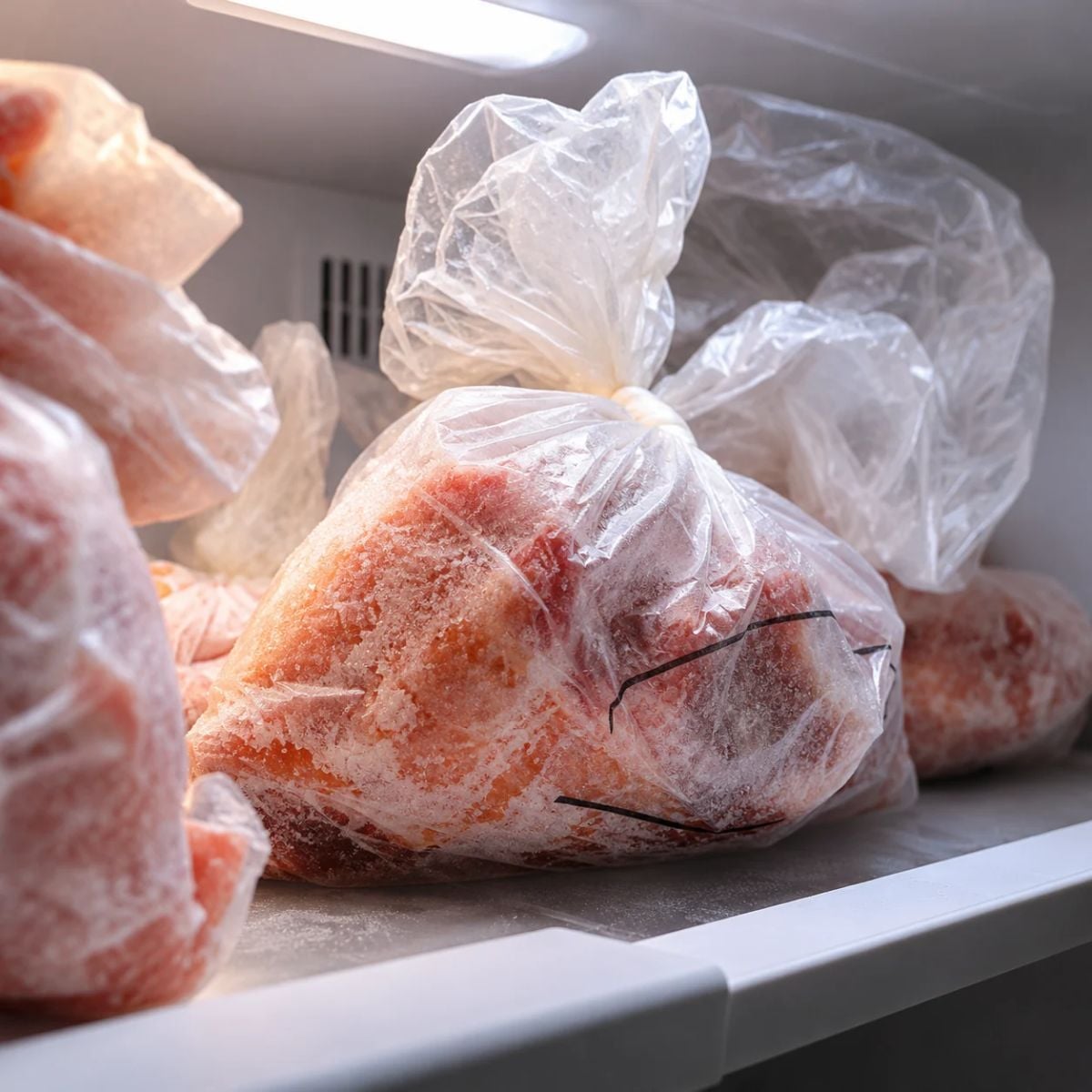
Thawing turkey in the refrigerator is safe, but that doesn't mean the packaging can't leak.
And nobody wants raw turkey juices dripping onto the pumpkin pie ingredients.
Place the wrapped turkey in a rimmed pan on the lowest suitable refrigerator shelf. Keep it away from foods that won't be cooked.
Check for leaks and clean any contaminated surfaces promptly.
Your refrigerator should stay at 40°F or below.
It's such a simple precaution, but it can save you from a very unpleasant cleanup.
 You might also like23 Food Safety Rules Your Mother Taught You That Are Wrong, and the Ones That Still Hold
#17 The extra turkey in a crowded fridge
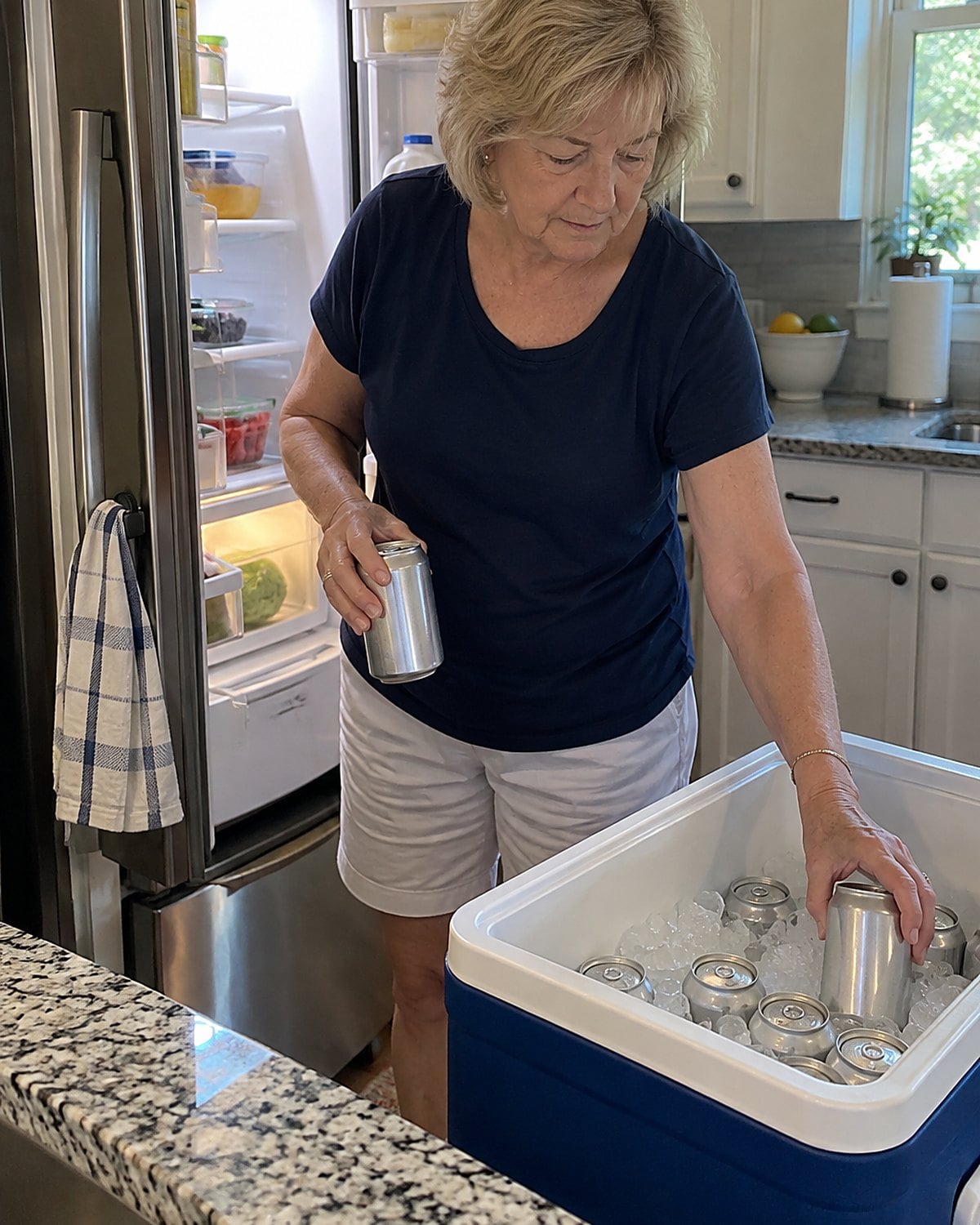
Thanksgiving has a way of filling every inch of refrigerator space. Between the turkey, pies, casseroles, and drinks, it's amazing the door still closes!
But a crowded refrigerator needs enough airflow to keep food properly chilled. Check that the temperature stays at 40°F or below.
Move drinks into a cooler with ice if necessary, leaving the refrigerator space for perishable foods.
Don't move the turkey to the garage or porch just because it feels cold outside.
I'd rather have a cooler full of soda than a refrigerator that can't keep the food cold enough.
#16 The turkey left on the porch

I remember hearing about families leaving turkeys outside when the refrigerator was full.
It might have seemed sensible in cold weather, but outdoor temperatures aren't reliable.
A porch isn't a safe replacement for a refrigerator. Temperatures change throughout the day, and animals can also reach the food.
Thaw turkey in the refrigerator, in cold water using the proper method, or in the microwave followed by immediate cooking.
If space is tight, move drinks into a cooler instead.
The turkey deserves the refrigerator shelf more than the soda does.
#15 The frozen bird under warm water
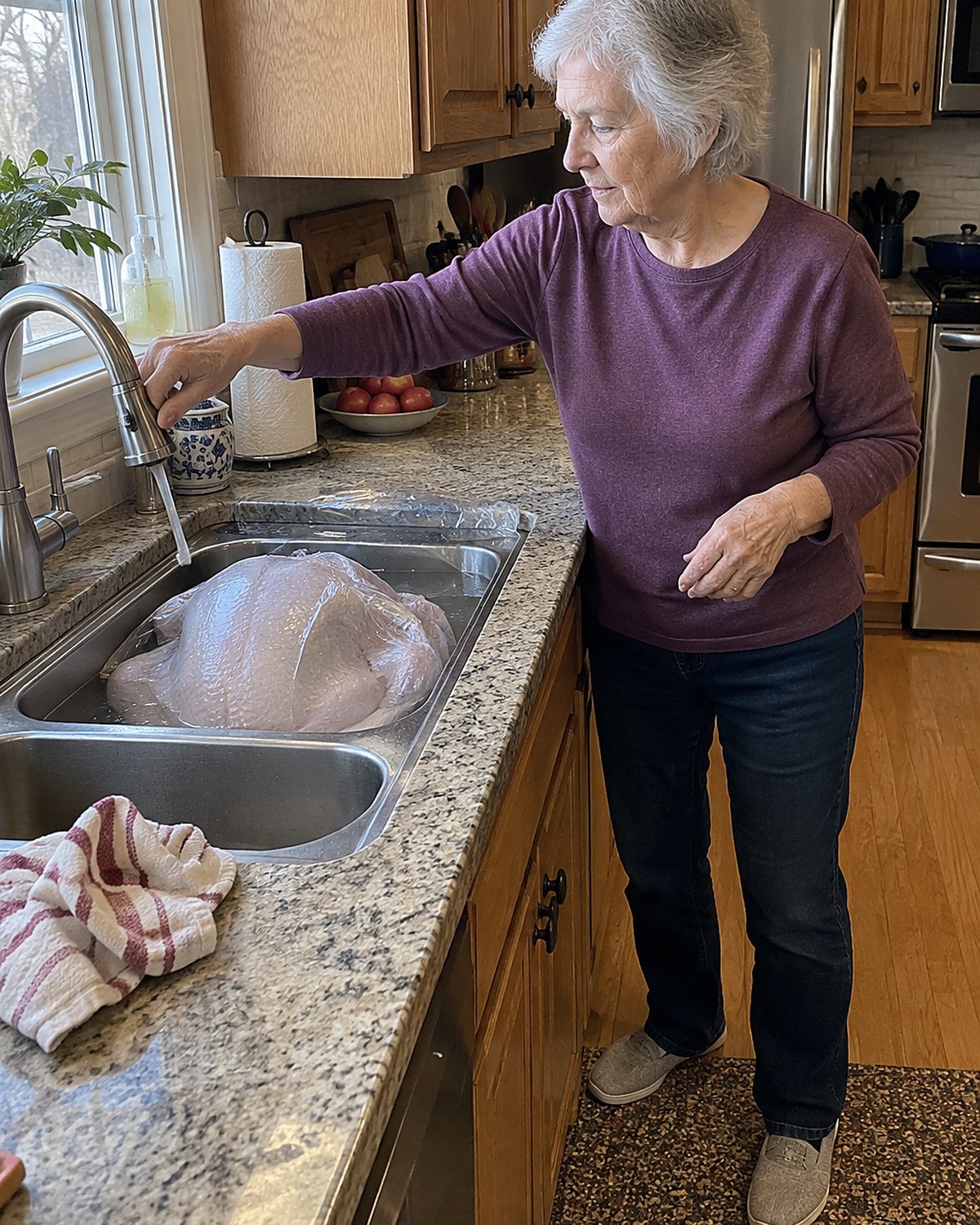
Discovering that your turkey is still frozen can cause a little Thanksgiving panic.
But running warm water over it isn't the answer.
Warm water can bring the outside of the turkey into unsafe temperatures while the center remains frozen.
For cold-water thawing, keep the bird in leakproof packaging and submerge it in cold tap water. Change the water every 30 minutes.
Allow approximately 30 minutes per pound, and cook the turkey immediately after thawing.
It's not the quickest shortcut, but it's much better than taking chances with the main dish.
#14 The overnight turkey on the counter
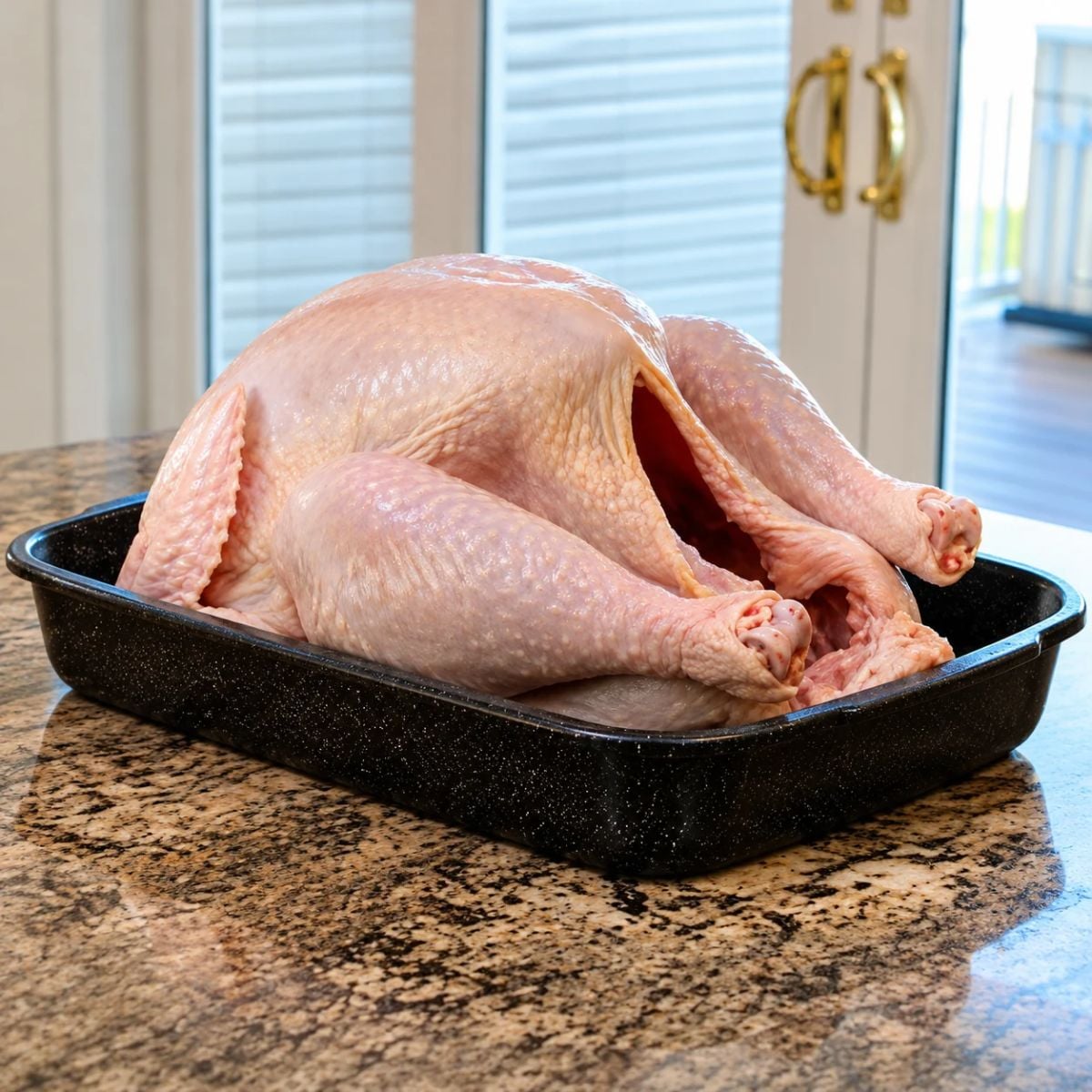
Leaving a frozen turkey on the counter overnight was once a common habit.
Unfortunately, it's also one of the riskiest.
The outside can warm into the bacterial danger zone long before the center finishes thawing. That danger zone is between 40°F and 140°F.
The USDA advises against thawing turkey at room temperature.
If a turkey has been left out overnight, discard it rather than trying to judge its safety by smell or appearance.
It's frustrating to lose a turkey, but food poisoning would make for a much worse Thanksgiving memory.
#13 The just-in-case early turkey purchase
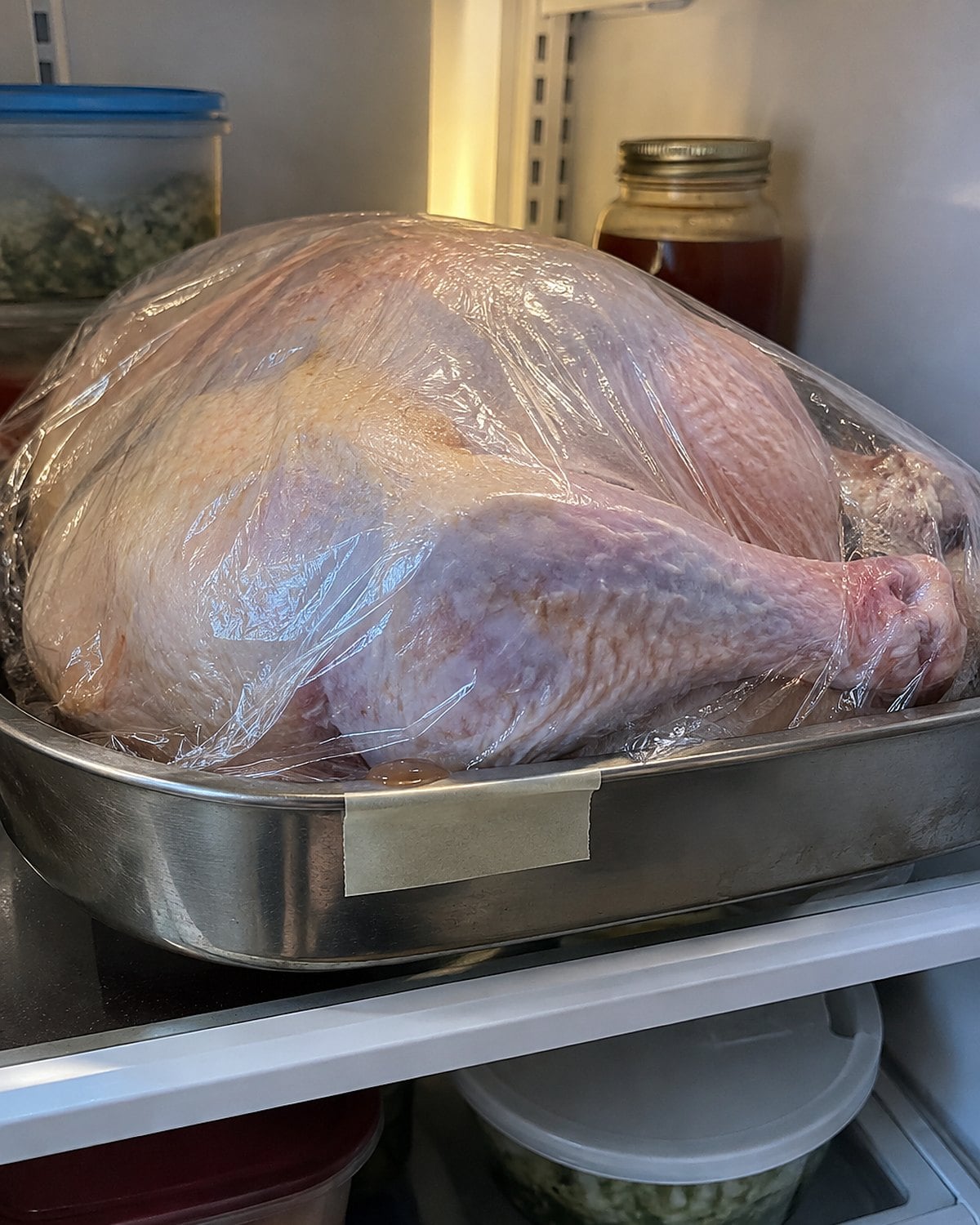
Buying the turkey early feels organized, especially when you want to avoid crowded grocery stores.
But thawing it too soon can create another problem.
A turkey thawed in the refrigerator should be cooked within one to two days after it has completely thawed.
That timing starts when thawing finishes, not when you bought the bird.
Write down the expected thawing date so you don't have to guess later.
I love getting ahead of holiday preparations, but the turkey is one thing that needs a proper schedule.
#12 The stuffing pressed inside the bird
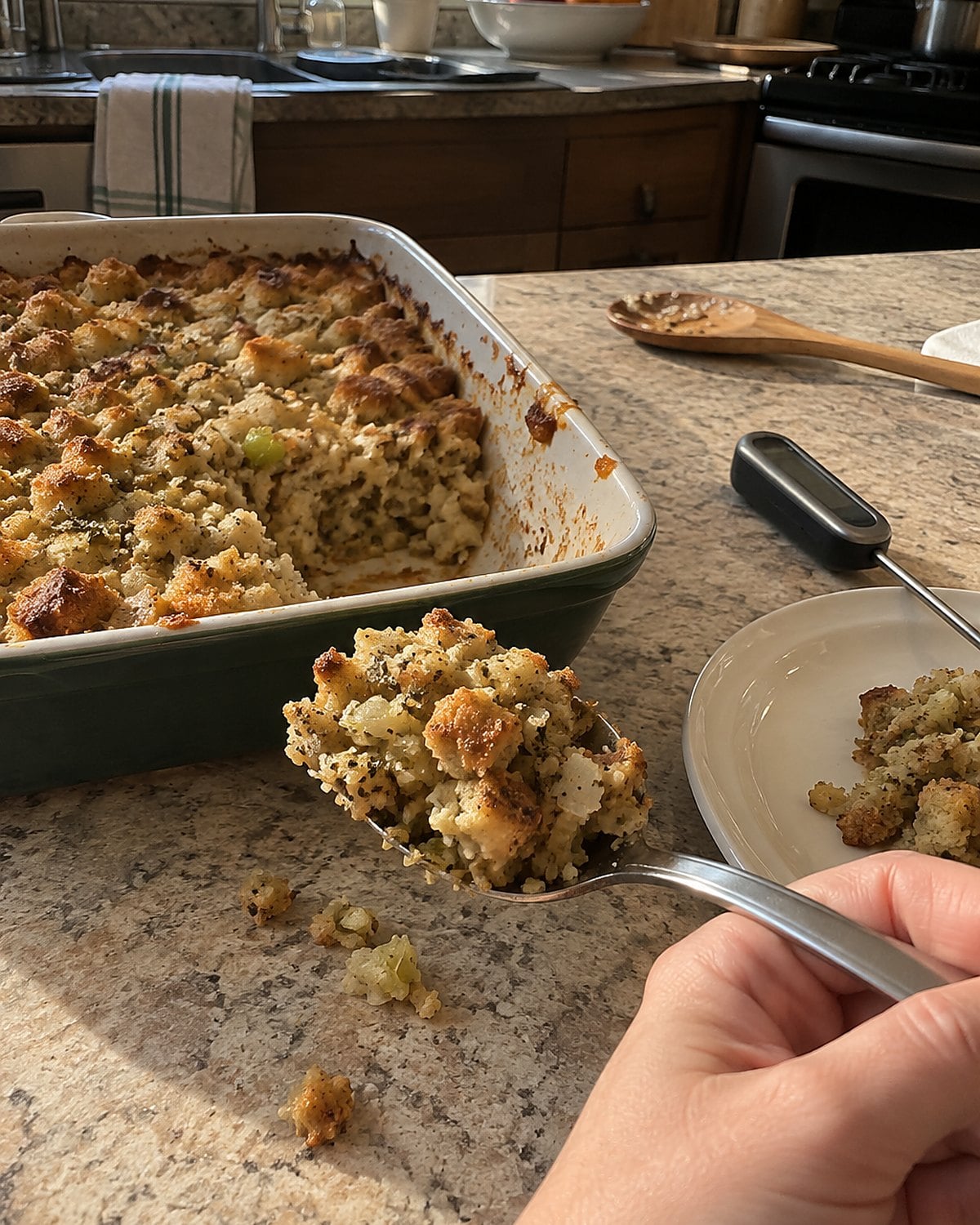
Stuffing cooked inside the turkey is a tradition in many families.
But packing it tightly into the cavity makes it harder for the center to reach a safe temperature.
The stuffing must reach 165°F, just like the turkey.
For the simplest approach, bake stuffing separately in its own dish.
If you prefer stuffing the bird, fill it loosely immediately before roasting and check the center with a food thermometer.
Don't rely on the browned stuffing near the opening.
Personally, I think a separate dish is easier, and you get more of those delicious crispy edges.
#11 The stuffing mixed the night before
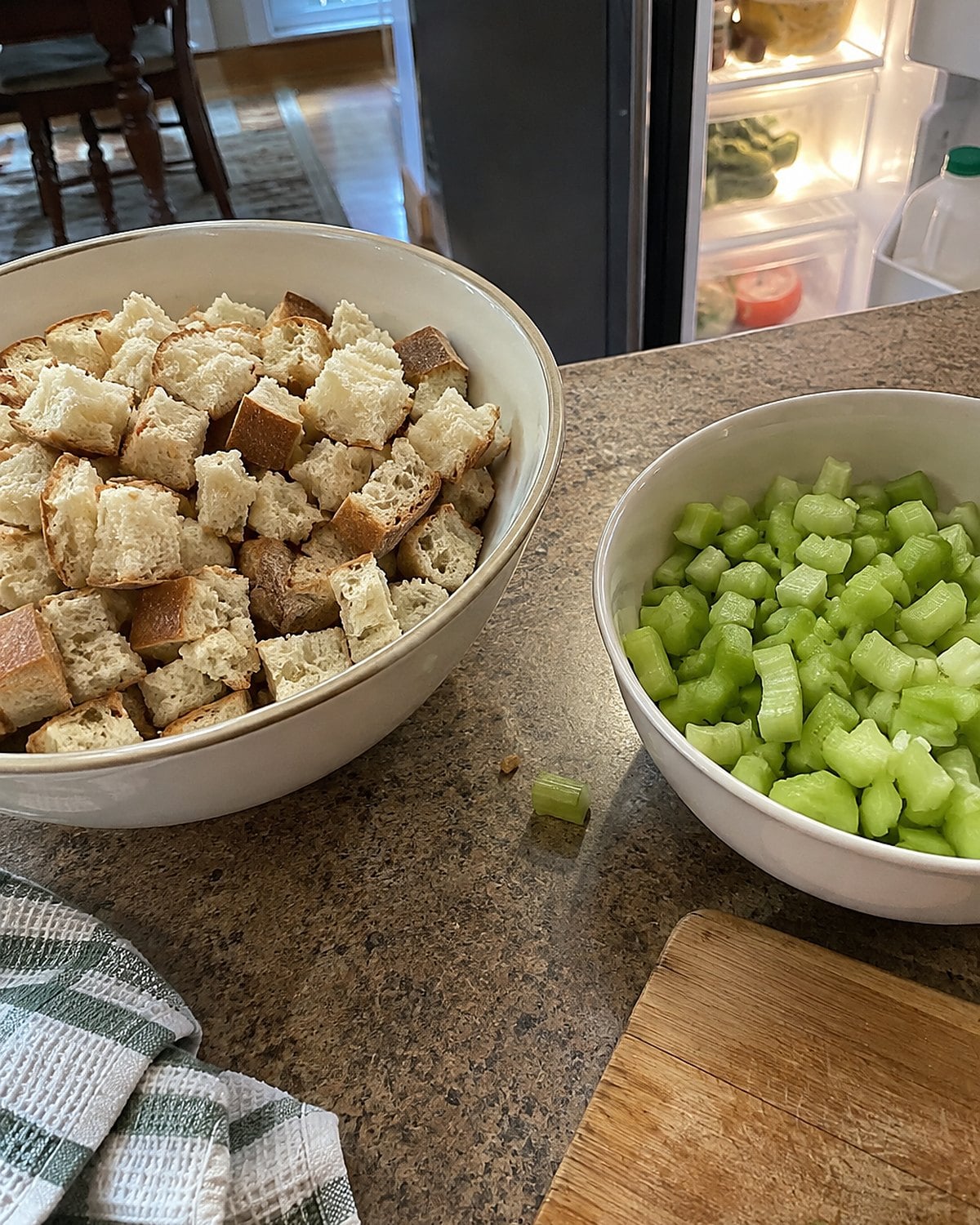
Preparing ingredients ahead of Thanksgiving is a wonderful time-saver.
But fully mixing uncooked stuffing the night before isn't recommended.
Keep the wet and dry ingredients separate until you're ready to cook. You can chop vegetables, cube bread, and measure seasonings ahead of time.
Once broth, eggs, or other moist ingredients are mixed into the stuffing, cook it promptly.
If your recipe contains sausage, follow a tested preparation method.
You'll still save plenty of time in the morning without leaving a bowl of uncooked stuffing sitting overnight.
#10 The buffet set out before guests arrive
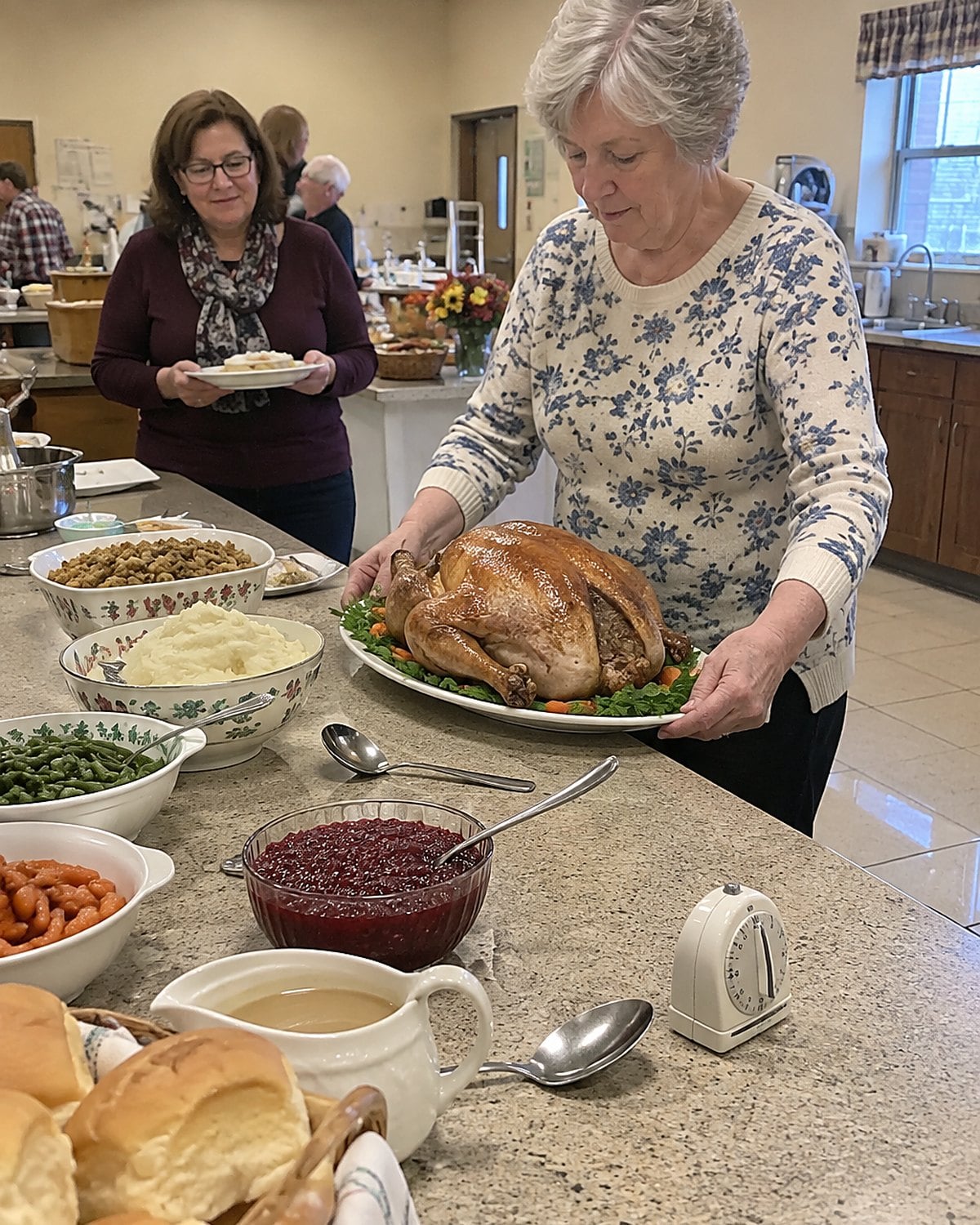
Setting out the Thanksgiving buffet early might seem helpful.
But the longer perishable dishes sit at room temperature, the greater the food safety risk.
Keep hot foods at 140°F or above and cold foods at 40°F or below. Refrigerate perishable dishes within two hours if they're sitting without temperature control.
Instead of putting everything out at once, serve smaller portions and refill them from properly heated or chilled food.
Set a timer when the food first goes onto the table.
That way, you can enjoy the conversation without constantly wondering how long the turkey has been sitting there.
 You might also like27 Things Home Cooks Over 60 Do Without Thinking That Chefs Would Never Do
#9 The gravy boat passed all afternoon
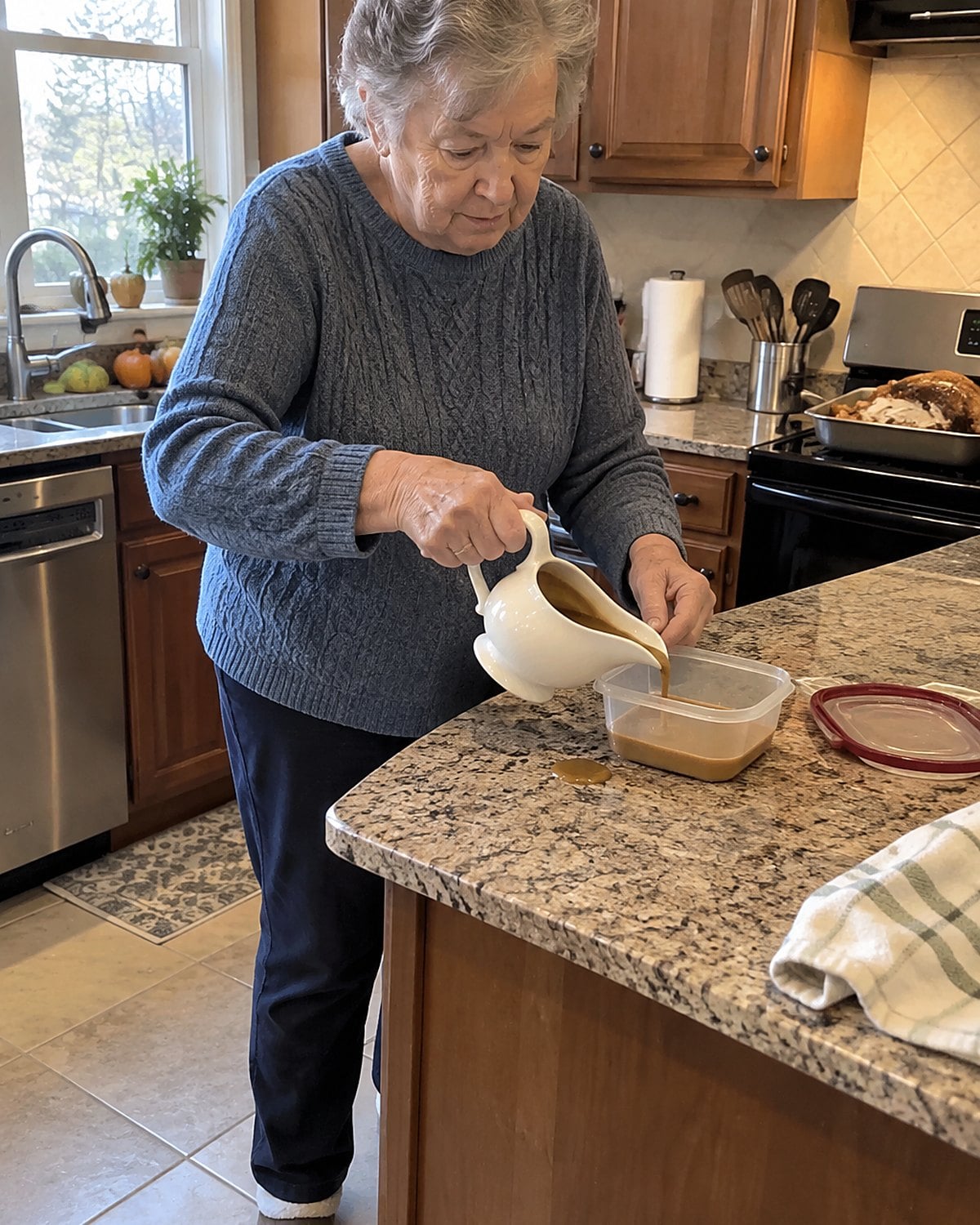
There's always someone who comes back for another helping of gravy long after dinner is finished.
But leaving the gravy boat on the table all afternoon isn't safe.
Refrigerate leftover gravy within two hours of serving. Transfer it into a shallow container so it cools more quickly.
When you're ready to serve it again, bring the gravy to a rolling boil.
Heat only the amount you need instead of repeatedly warming and cooling the entire batch.
And please use a clean spoon. The one sitting in the gravy boat all afternoon has been there just as long as the gravy.
Try it: Best Instant Pot Gravy (Quick & Easy, No Drippings!)
#8 The pumpkin pie on the sideboard
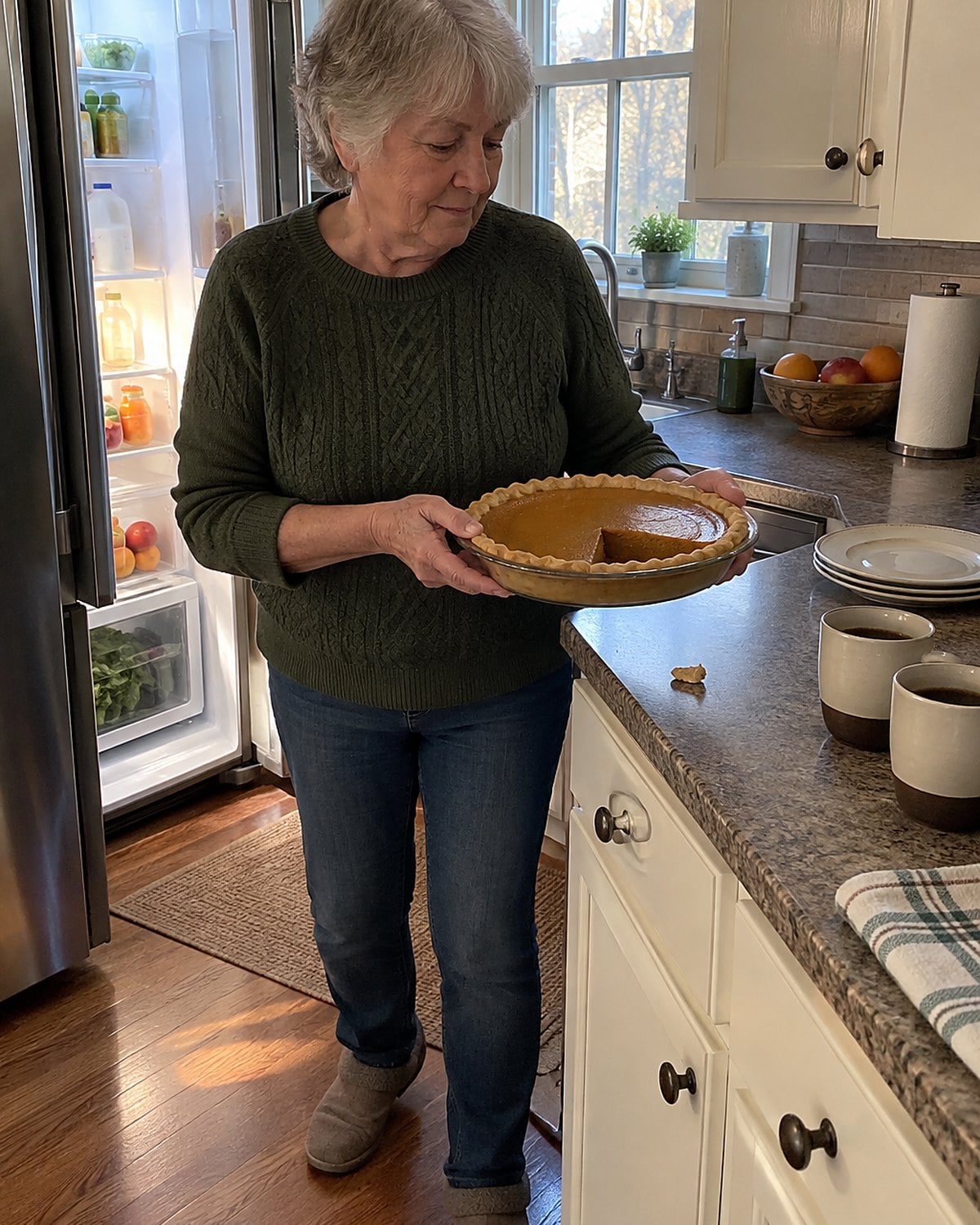
Pumpkin pie looks lovely sitting beside the coffee cups, especially when dessert is still a few hours away.
But it's not a pie that should stay out all afternoon.
Pumpkin pie contains eggs and milk, which means it needs refrigeration. Refrigerate it within two hours of baking or taking it out for serving.
If you're making it ahead, keep it chilled until dessert time.
Slice, serve, and return the leftovers to the refrigerator.
The pie can still have its moment on the table. It just doesn't need to spend the entire day there.
#7 The casserole left to cool overnight
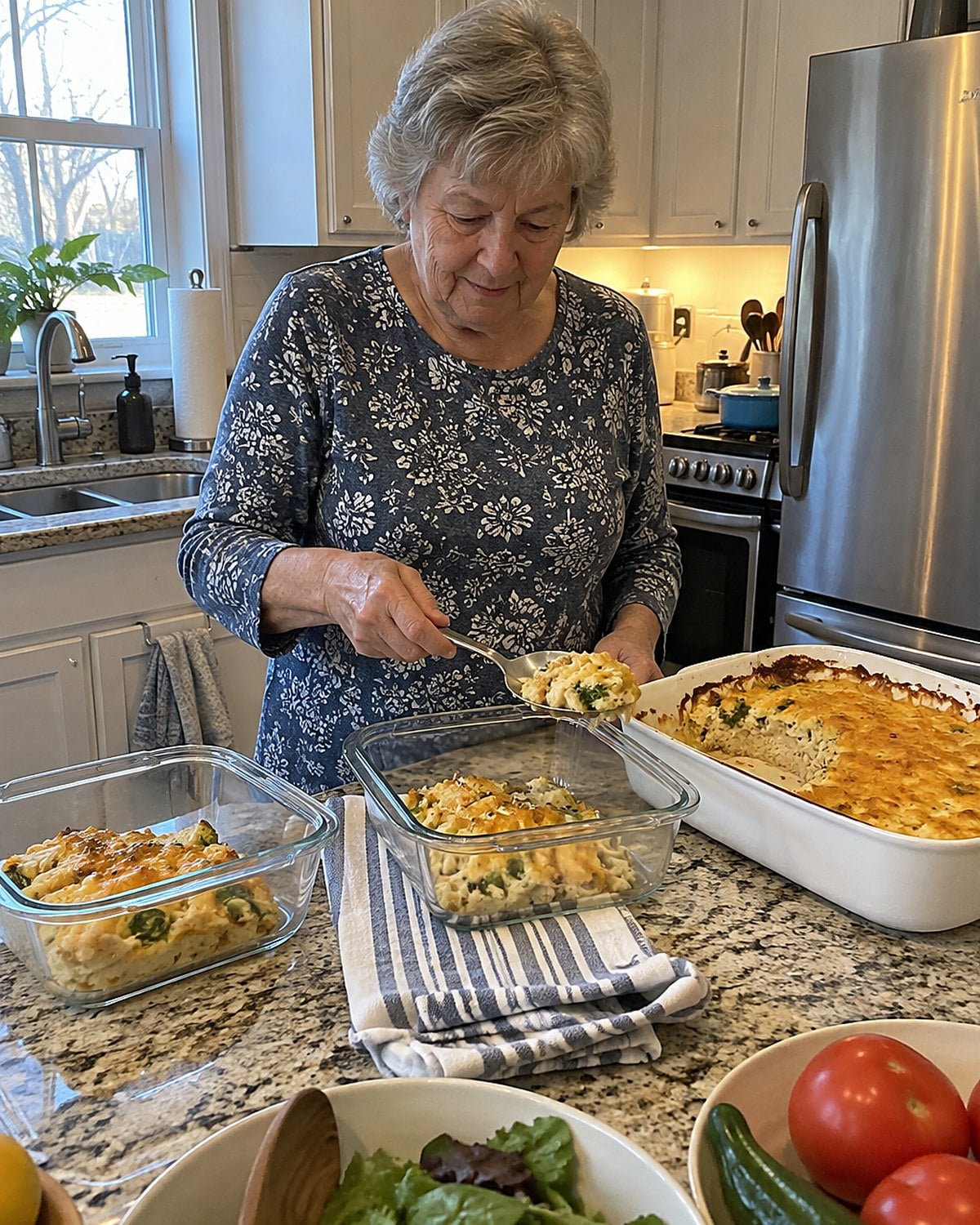
After a big Thanksgiving meal, dealing with leftover casseroles is probably the last thing anyone wants to do.
But leaving a full dish on the counter overnight isn't safe.
Transfer leftovers into shallow containers and refrigerate them promptly. You don't need to wait until the casserole reaches room temperature.
Smaller portions cool more quickly than a deep, heavy baking dish.
Make refrigerator space before dinner so you're not rearranging shelves while holding hot food.
And as a bonus, those smaller containers make reheating leftovers much easier the next day.
#6 The leftovers sent home after dinner
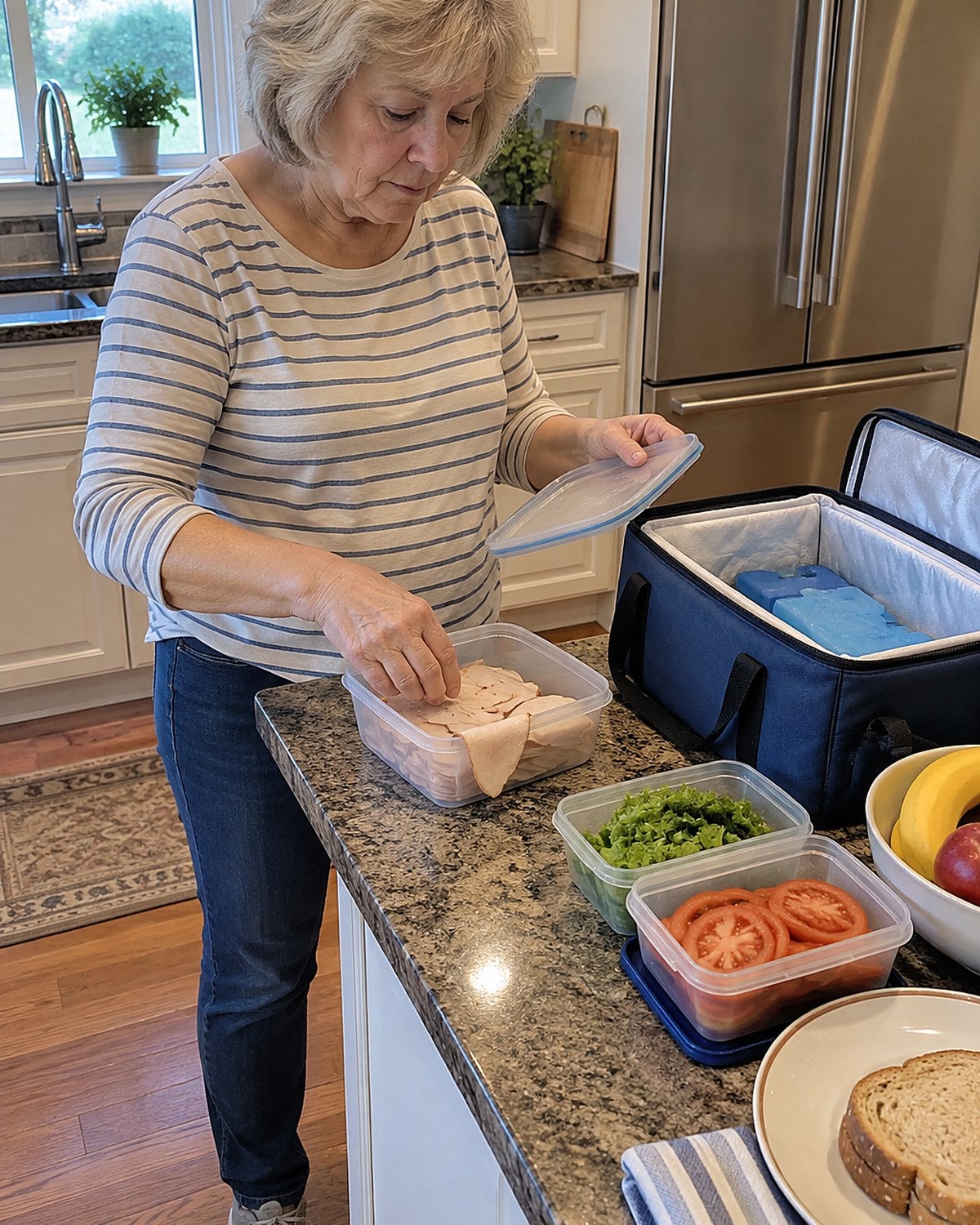
ASending guests home with turkey, stuffing, and mashed potatoes is one of my favorite Thanksgiving traditions.
But those leftovers need a little care before they leave your kitchen.
Pack food into clean, shallow containers and refrigerate it within two hours of serving.
If guests have a long drive, send perishable leftovers in a cooler with ice packs.
Let them know when the food was cooked and refrigerated.
Avoid sending food that has been sitting on the buffet all afternoon.
It's a lovely gesture to send someone home with dinner for tomorrow. Just make sure it's food they can safely enjoy.
Try it: Instant Pot Leftover Turkey Recipes
#5 The breast checked by its color
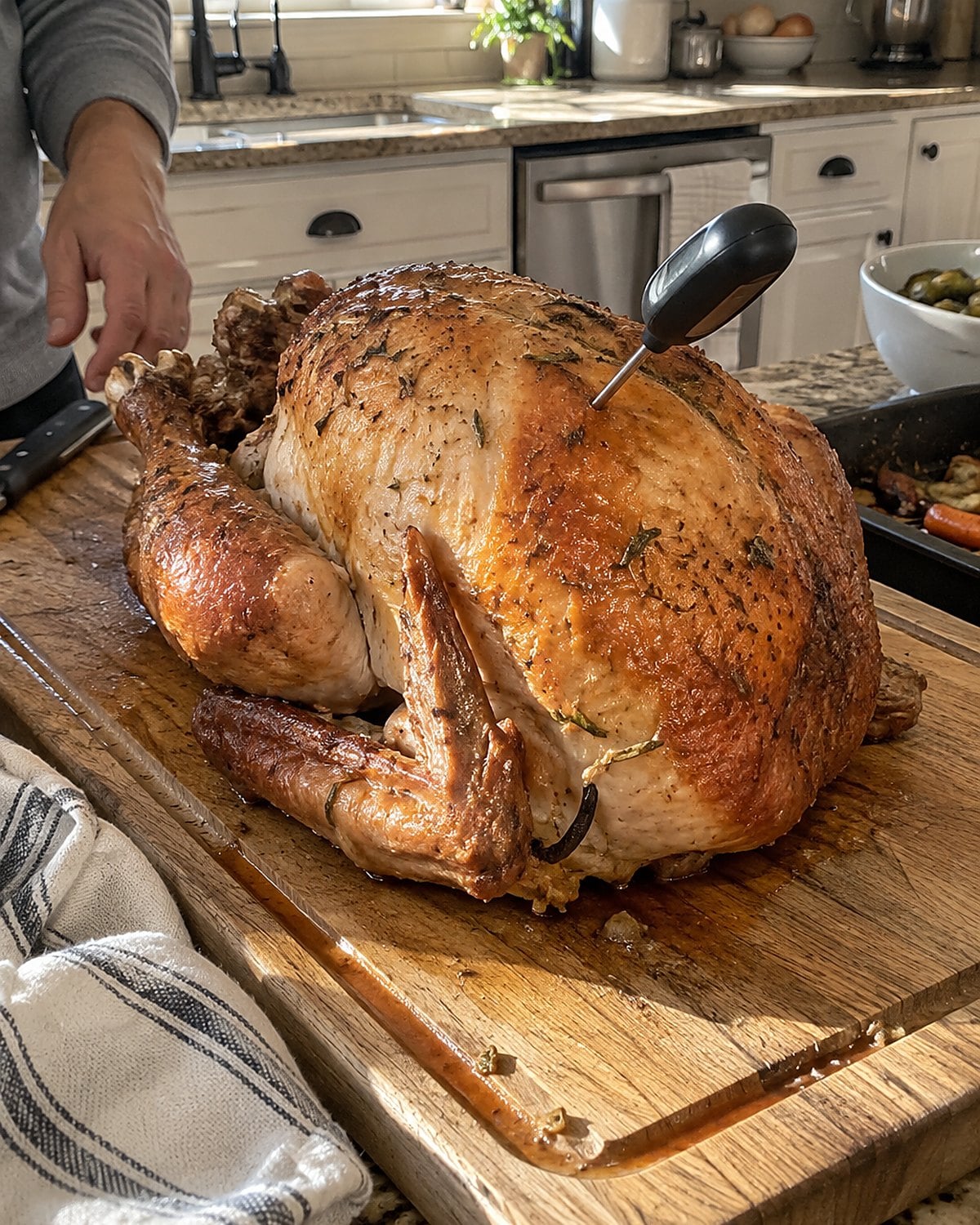
It's tempting to slice into the turkey and decide it's ready because the meat looks white.
But appearance isn't a reliable way to check whether poultry is safely cooked.
Turkey must reach an internal temperature of 165°F.
Use a food thermometer to check the thickest part of the breast, the innermost thigh, and the innermost wing, avoiding the bone.
If any reading is too low, return the turkey to the oven and check again.
I'd much rather wait a few extra minutes than serve a turkey that only looks finished.
#4 The frozen turkey put straight in the oven
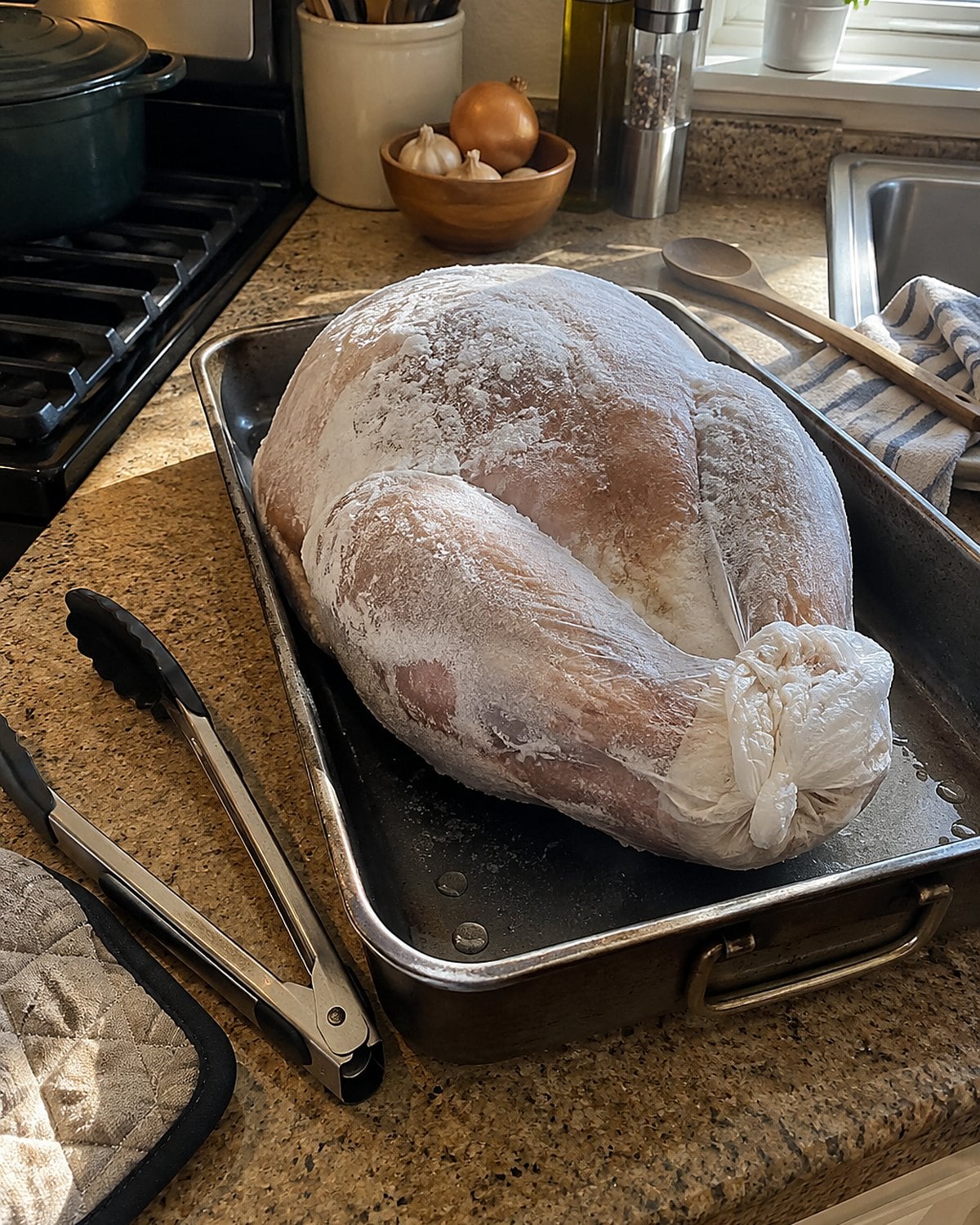
Finding a completely frozen turkey on Thanksgiving morning isn't ideal.
But it doesn't necessarily mean dinner is ruined.
A frozen turkey can be cooked safely in the oven, provided you allow at least 50% more cooking time.
Roast at an oven temperature of at least 325°F.
Don't use an oven bag for a frozen turkey, and don't force out a packet that's still frozen inside the cavity. Remove it with tongs once it loosens.
Check the breast, inner thigh, and inner wing with a thermometer. All must reach 165°F.
Dinner might be later than planned, but at least you won't have to explain why everyone is eating sandwiches instead.
#3 The thawing chart left in a drawer
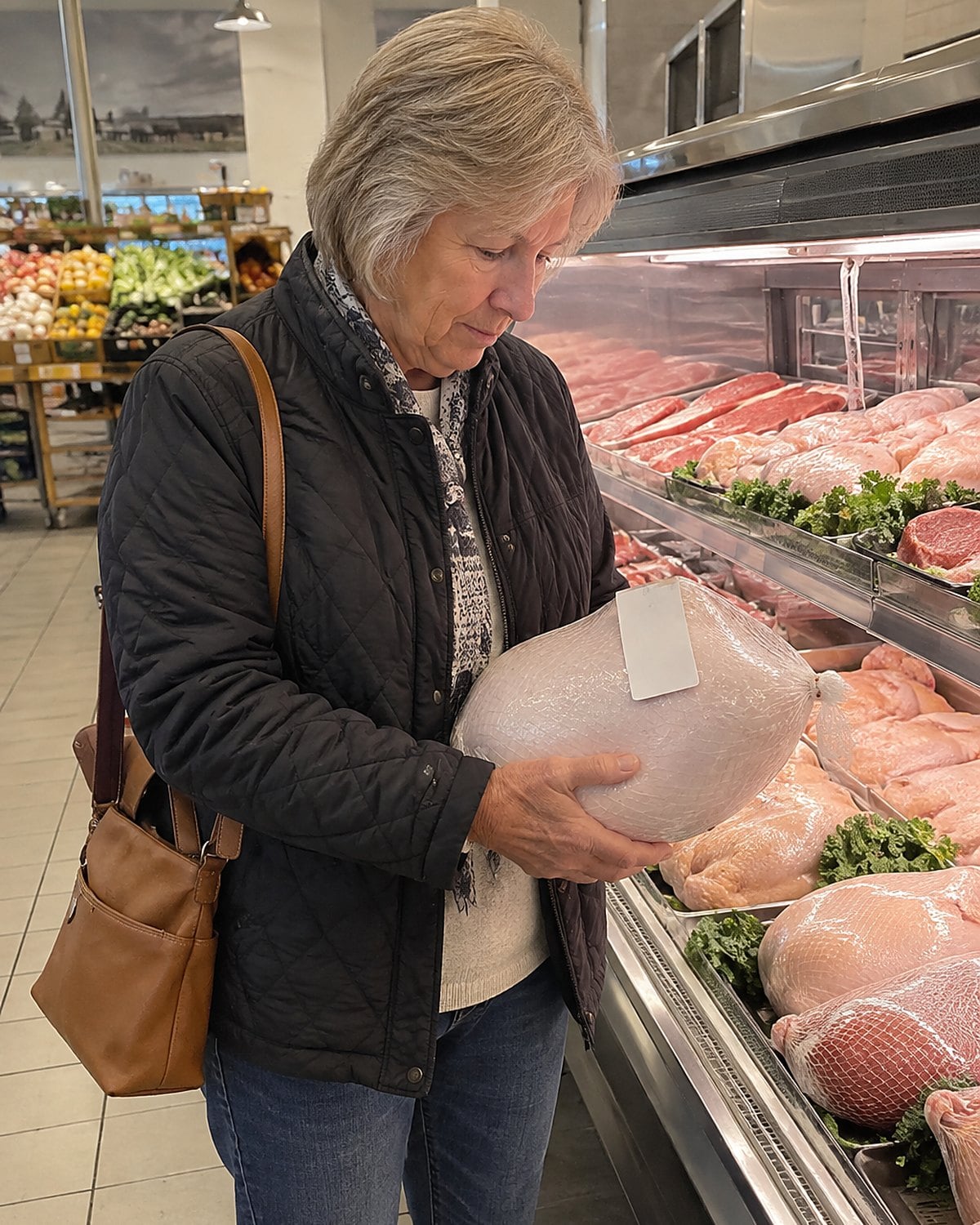
One of the easiest Thanksgiving mistakes is underestimating how long a frozen turkey takes to thaw.
And larger birds need several days.
Allow approximately 24 hours of refrigerator thawing for every four to five pounds of turkey. Keep the refrigerator at 40°F or below.
Check the weight when buying the turkey, then count backward from Thanksgiving Day.
Make sure there's enough space on a low shelf for a rimmed pan.
Trust me, discovering a frozen center on Wednesday night isn't the kind of holiday surprise anyone wants.
#2 The pop-up button trusted alone
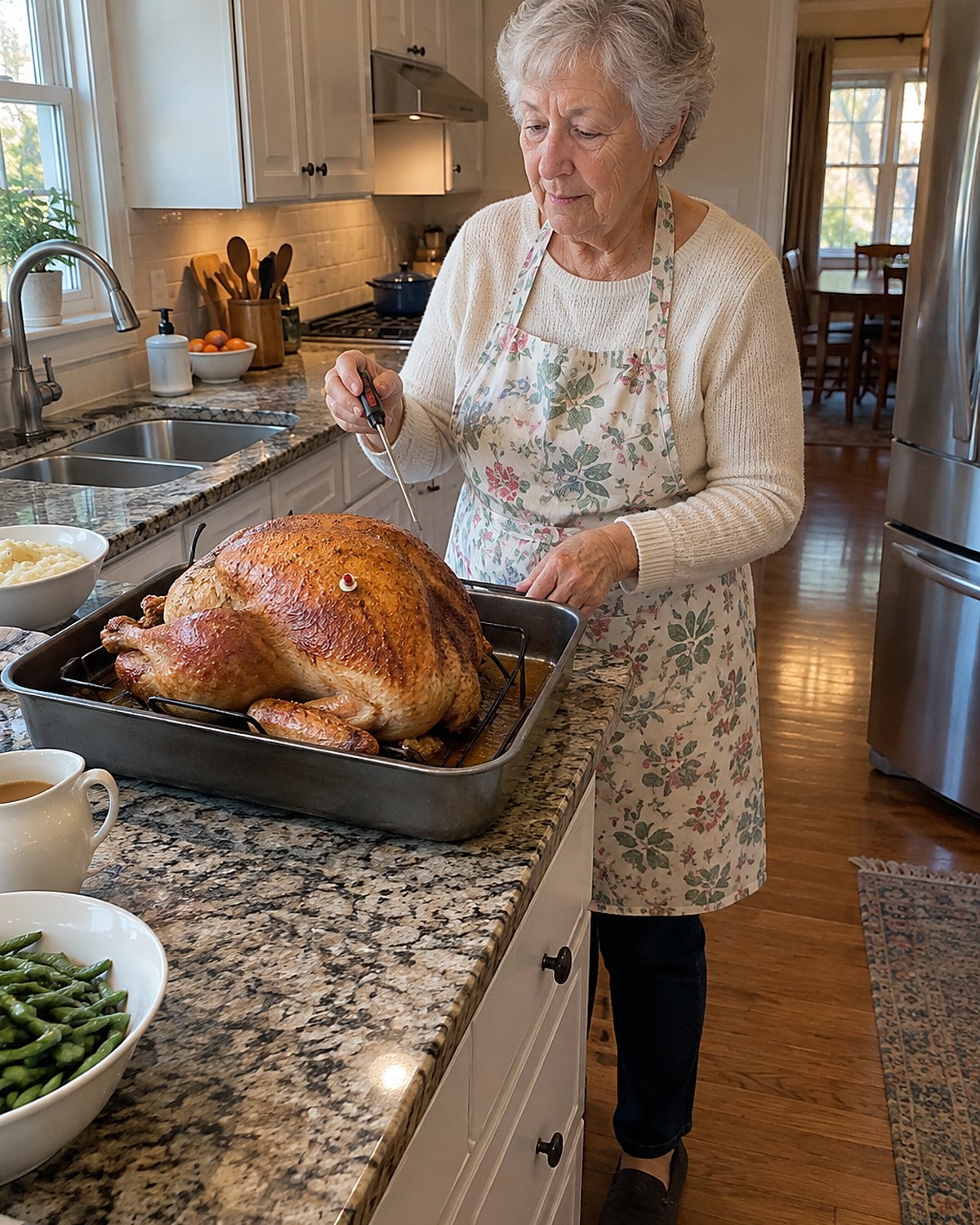
Those little pop-up timers in some turkeys seem convenient.
But they shouldn't be your only way of deciding when dinner is ready.
Always confirm doneness with a reliable food thermometer.
Check the thickest part of the breast, the innermost thigh, and the innermost wing. Each area needs to reach 165°F.
If one spot hasn't reached the correct temperature, return the turkey to the oven.
Cooking charts and pop-up timers can help you decide when to start checking, but they don't replace an accurate temperature reading.
It's a simple extra step that takes the guesswork out of Thanksgiving dinner.
#1 The food thermometer still in its box
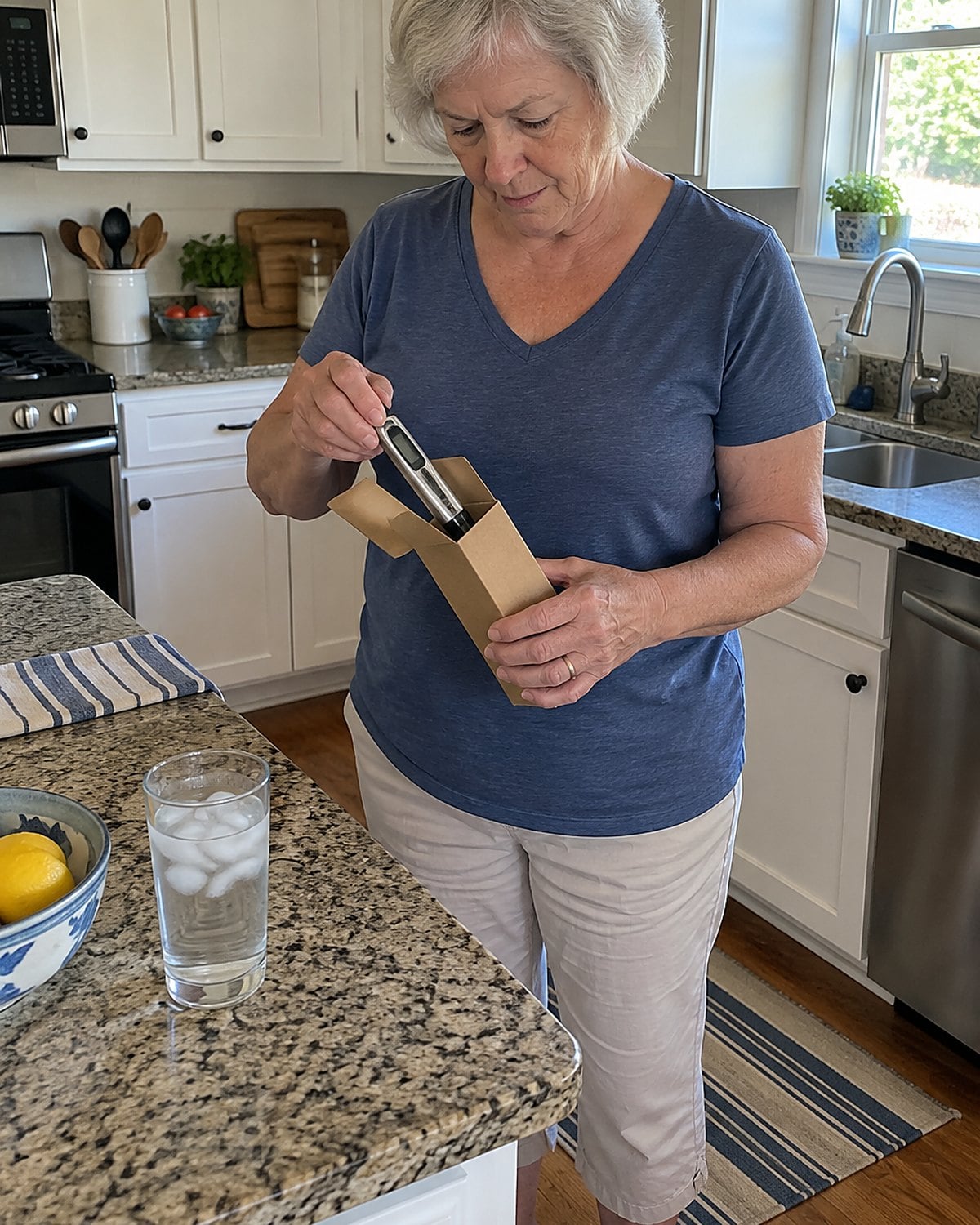
Of all the Thanksgiving cooking tools you could own, I think a reliable food thermometer is one of the most important.
And yet, plenty of people still leave theirs tucked away in a drawer.
Check that your thermometer works before Thanksgiving morning. In a properly prepared ice-water bath, it should read approximately 32°F.
Replace the battery if necessary and read the instructions for calibration.
Keep it somewhere easy to reach, and clean the probe between checks, especially after touching undercooked meat.
Once you start checking temperatures properly, you'll wonder why you ever relied on cooking times and guesswork alone.
Keep reading
 27 Things People Over 60 Still Do With Leftovers That Food-Safety Experts Beg Them to Stop
See all 27 →
More you’ll remember
 27 Things People Over 60 Still Do With Thanksgiving Leftovers That Food-Safety Experts Beg Them to Stop
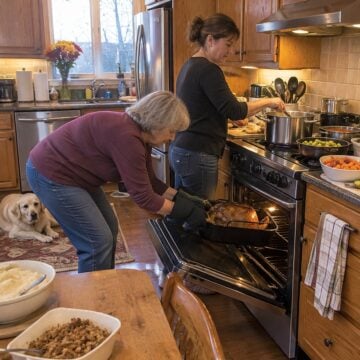 26 Things Home Cooks Over 60 Do on Thanksgiving That Chefs Would Never Do
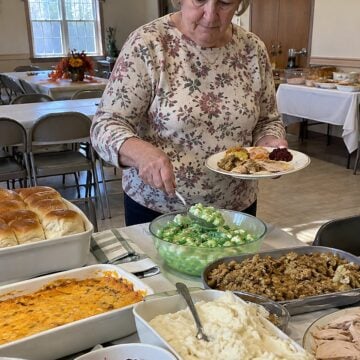 27 Thanksgiving Side Dishes From Church Suppers That Nobody Makes Anymore
The Bottom Line
Thanksgiving cooking comes with plenty of family traditions, and I wouldn't want to lose the recipes that make the holiday special.
But some old food safety habits are better left in the past.
A properly thawed turkey, clean utensils, safe cooking temperatures, and prompt refrigeration can make a big difference.
You don't need to change the entire Thanksgiving menu. Just pay attention to the little habits that might put your family at risk.
After all, the best Thanksgiving memories should be about the food and the people around the table, not an upset stomach the next day.
Which Thanksgiving cooking habit did you grow up with that you've since changed?
Leave a Reply