

Food safety experts warn that bacteria multiply fastest between 40°F and 140°F, known as the danger zone. Your refrigerator should stay at 40°F or below. But does that mean Grandma's butter dish on the counter was a terrible idea?
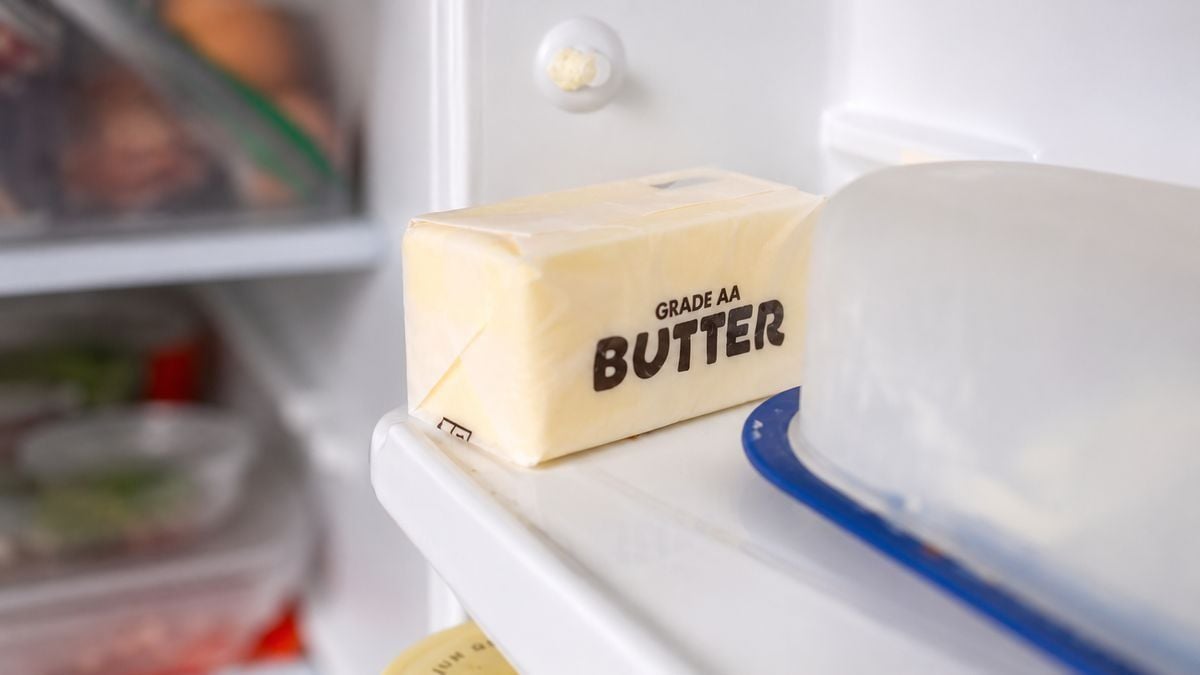
Not necessarily! Butter is different from milk, and leaving it out isn't necessarily unsafe. The secret is knowing which type of butter can stay out, for how long, and when refrigeration makes more sense.
What the Official Cold-Storage Guidance Says
The USDA recommends a refrigerator set at 40°F or below to slow bacterial growth and protect perishable foods.
FoodSafety.gov agrees, recommending 40°F (4°C) or below for refrigerators and 0°F (-18°C) or below for freezers.
That's because bacteria multiply fastest between 40°F and 140°F.
These rules provide a sensible starting point, but butter's unusual composition allows some flexibility.
Can Butter Safely Stay on the Counter?
Good news for anyone who hates tearing their toast with rock-hard butter!
The University of Maine Cooperative Extension confirms that salted butter may be kept at room temperature below 70°F for up to one to two days.
However, it must stay covered and protected from heat, light, and air.
According to the University of Maine Cooperative Extension, salted butter can safely stay on the counter for one to two days, provided the temperature stays below 70°F. Keep it in a covered butter dish or crock, away from heat, sunlight, and air.
This guidance doesn't apply equally to unsalted butter.
Why Butter Behaves Differently From Milk
Butter contains plenty of fat but relatively little water, making bacterial growth more difficult.
Food science expert Harold McGee, cited by The Kitchn, explains that butter's low moisture content helps resist microbial contamination, allowing short periods at room temperature.
But bacteria aren't butter's only enemy.
According to Healthline, heat, light, and oxygen encourage oxidation, which makes butter rancid.
That unpleasant smell or stale, bitter flavor isn't exactly what you want on your morning biscuits.
Keeping butter cool, covered, and away from sunlight helps preserve its flavor.
Butter Dish Rules: How to Store It Safely
You don't need an expensive dish. A covered dish works perfectly well when you follow these rules:
- Keep it covered. Use a butter dish or butter crock.
- Stay below 70°F. Choose a consistently cool spot.
- Avoid heat and sunlight. Keep it away from windows and appliances.
- Limit air exposure. Replace the lid after every use.
- Use it within one to two days. Refrigerate the remaining butter.
Larsson, quoted by The Kitchn, explains:
"Butter can be left out at room temperature for short periods, like overnight, particularly if it is kept covered and in a controlled environment."
That controlled environment matters. A cool kitchen counter and a hot summer kitchen aren't the same thing.
Salted vs. Unsalted Butter: What's the Difference?
Salted butter has a slight advantage because salt helps slow microbial growth and spoilage.
University of Maine explains that salt content, moisture, fat concentration, and processing methods influence how quickly butter deteriorates.
Unsalted butter lacks salt's protective effect, making it more vulnerable to spoilage and flavor changes.
The practical rule? Keep unsalted butter refrigerated. Reserve counter storage for salted butter under the cool, covered conditions described above.
How Long Does Butter Last in the Fridge and Freezer?
Refrigeration helps butter maintain its fresh flavor while preventing rancidity.
Clemson University HGIC states that butter can be stored for up to two weeks at refrigerator temperatures below 40°F. Higher temperatures encourage unpleasant odors and off-flavors.
USDA FoodKeeper provides longer general storage estimates:
| Storage method | Recommended time |
| Refrigerator | 1–2 months |
| Freezer | 6–9 months |
FoodKeeper's estimates run from purchase, with freezer times reflecting best quality.
For longer storage, keep butter tightly wrapped to prevent odor absorption. Freezing extra sticks is an easy way to avoid waste.
What Does the FDA Say About Pasteurized Butter?
There's an important distinction between pasteurization and safe counter storage.
No specific FDA consumer guidance establishing a salted-butter counter-storage limit was identified.
However, FDA's pasteurization definition in 21 CFR 131.3 establishes that dairy products labeled pasteurized must undergo specified heating and holding times.
This includes dairy ingredients such as cream used to make butter.
But pasteurization doesn't make butter indefinitely shelf-stable. The practical counter-storage limits come from the University of Maine's guidance, not an FDA butter-specific rule.
The Bottom Line
Grandma wasn't necessarily wrong about keeping butter on the counter!
For spreadable butter, keep salted butter covered, below 70°F, and use it within one to two days.
Otherwise, refrigerate butter at 40°F or below, or freeze it for longer storage.
You'll enjoy fresh-tasting butter without wasting money or putting your health at risk.




Leave a Reply