

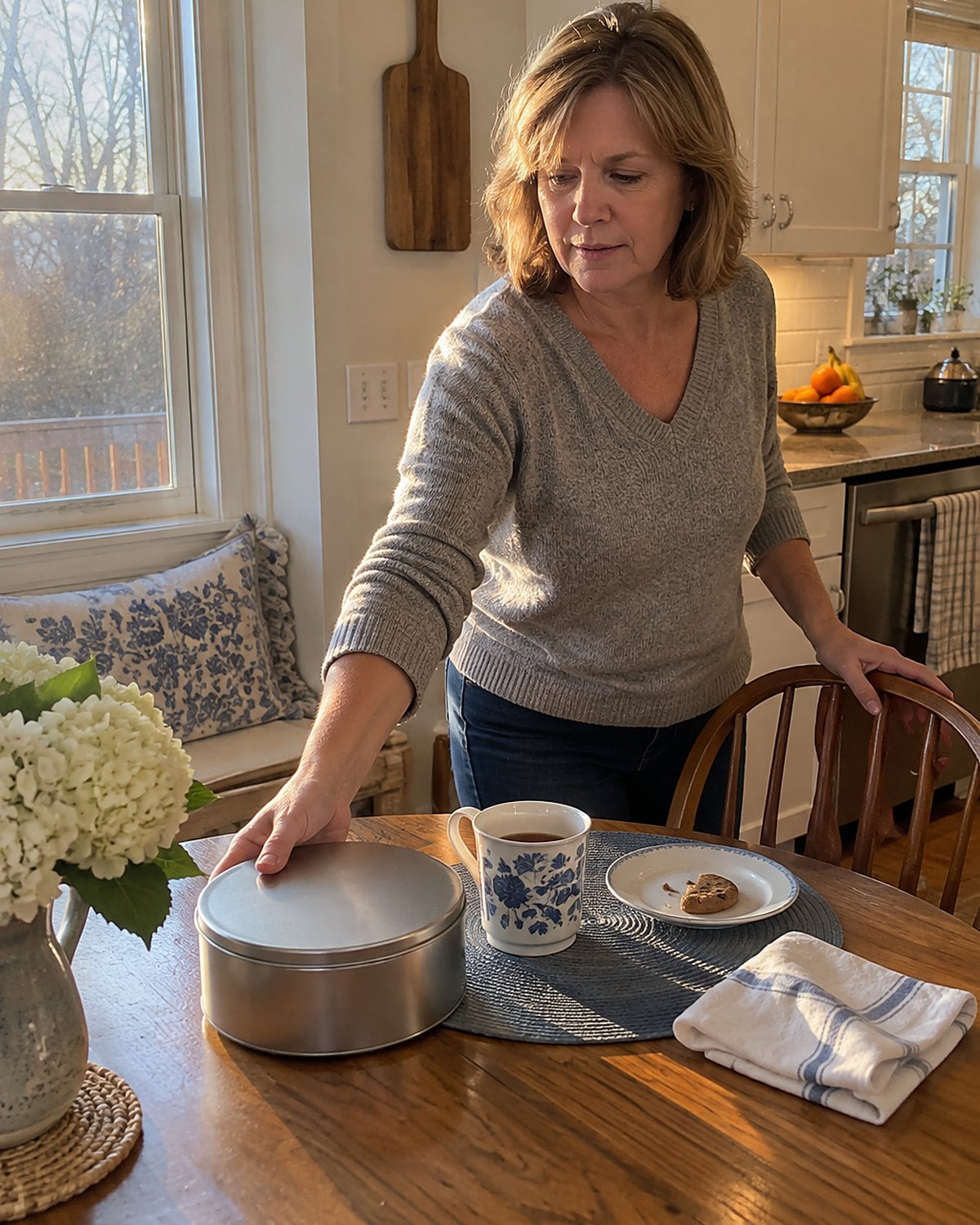
The step stool is still beside the pantry, though the person you once used it to reach for now stands taller than you.
Up on the high shelf sits a tin no one has opened since the last visit. Down below are the things you reach for when a car pulls in: pasta, crackers, the jar that makes a plain dinner feel planned.
You don't have to stock a second household. The trick is remembering which things get eaten when the house fills up, and which things sit there waiting to disappoint you.
#23 The good cookies on the high shelf
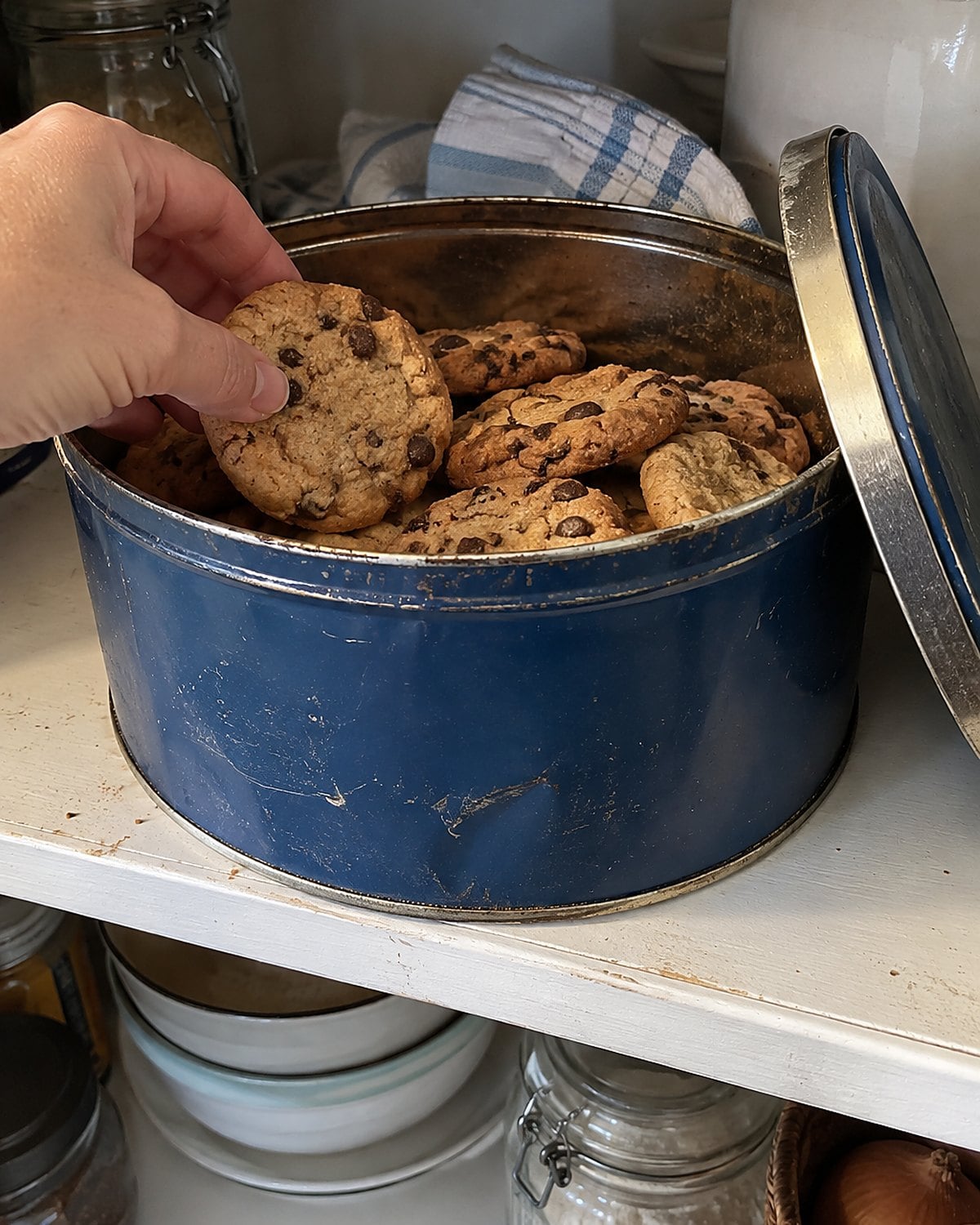
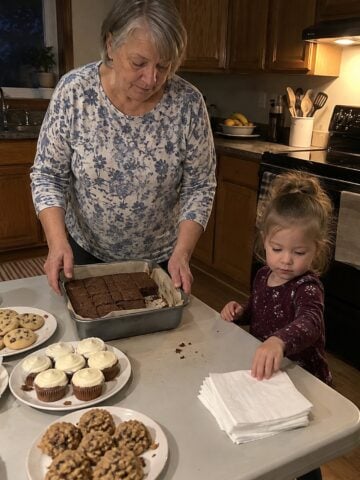
You know which tin it is. Someone asks for a cookie, and you bring down the one you were saving, because this is what you were saving it for. The lid makes its familiar scrape. For a moment, everyone is standing in the kitchen again.
Before the next visit, lift the lid yourself. Cookies don't stay good through sheer affection. If they've gone soft, set out a fresh batch or replace the package. If the tin smells stale, wash and dry it before refilling. A crumb caught beneath the rim can spoil that first, lovely whiff.
Keep the tin where you can reach it without balancing on the step stool. The good cookies should be ready for the hands that arrive, including yours.
#22 A box of plain crackers
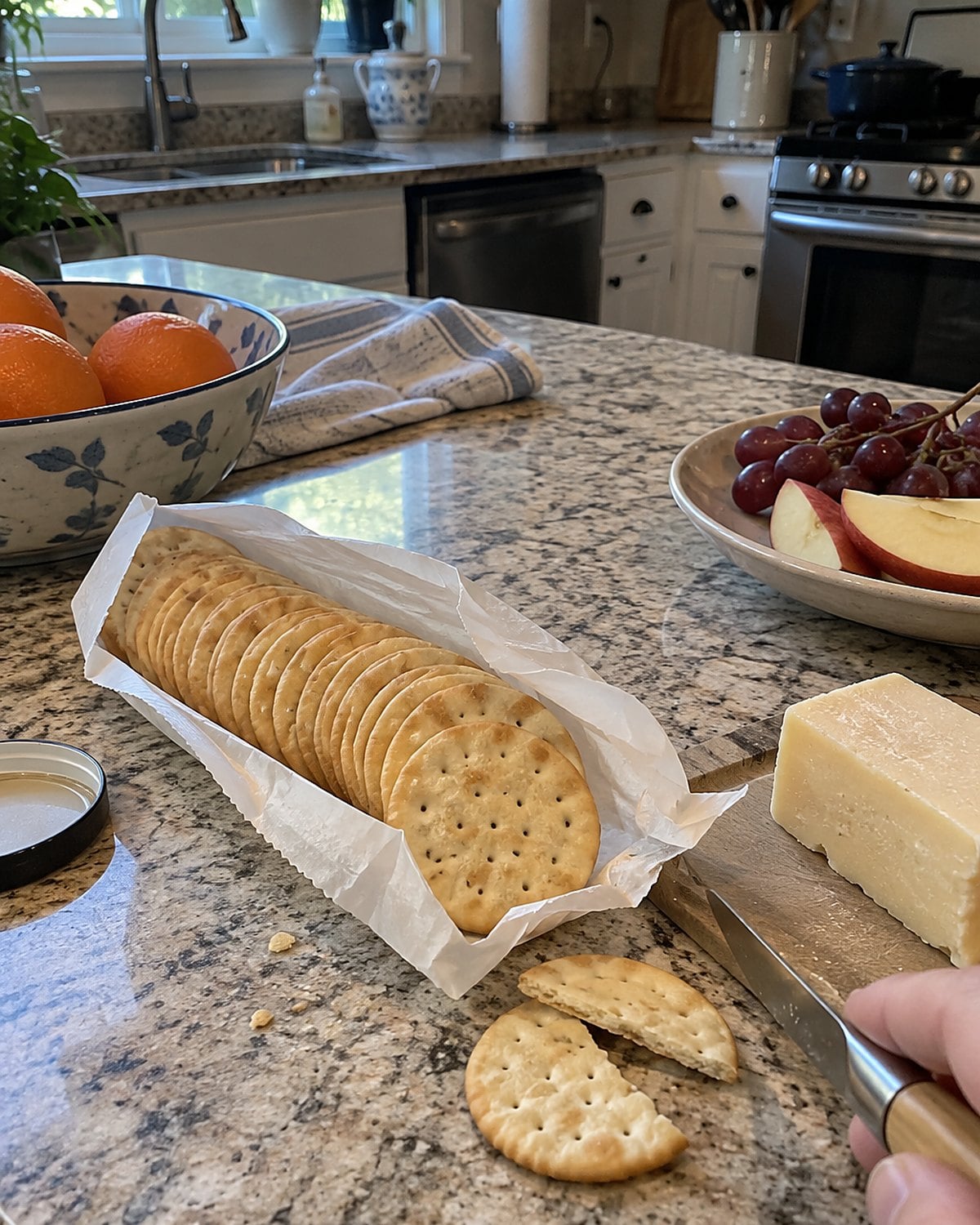
A cracker is the first answer to a hungry arrival who isn't ready to name dinner. Set a few on a plate while you find out who's staying. They're equally useful beside soup, with cheese, or under peanut butter.
Plain matters here. The strongly seasoned box appeals to whoever bought it; a plain cracker leaves everyone room to choose a topping. Keep one unopened box behind the one in use, and bring the older box forward when you restock. An open sleeve loses its snap long before the box looks empty.
Try a cracker before company comes. If it bends or tastes like the cupboard, don't ask a grandchild to finish it. Crush the fresh ones over soup, spread a few for a snack, or leave the box closed for the next knock. This is the kind of pantry item that earns its space by disappearing.
#21 Peanut butter by the porch door
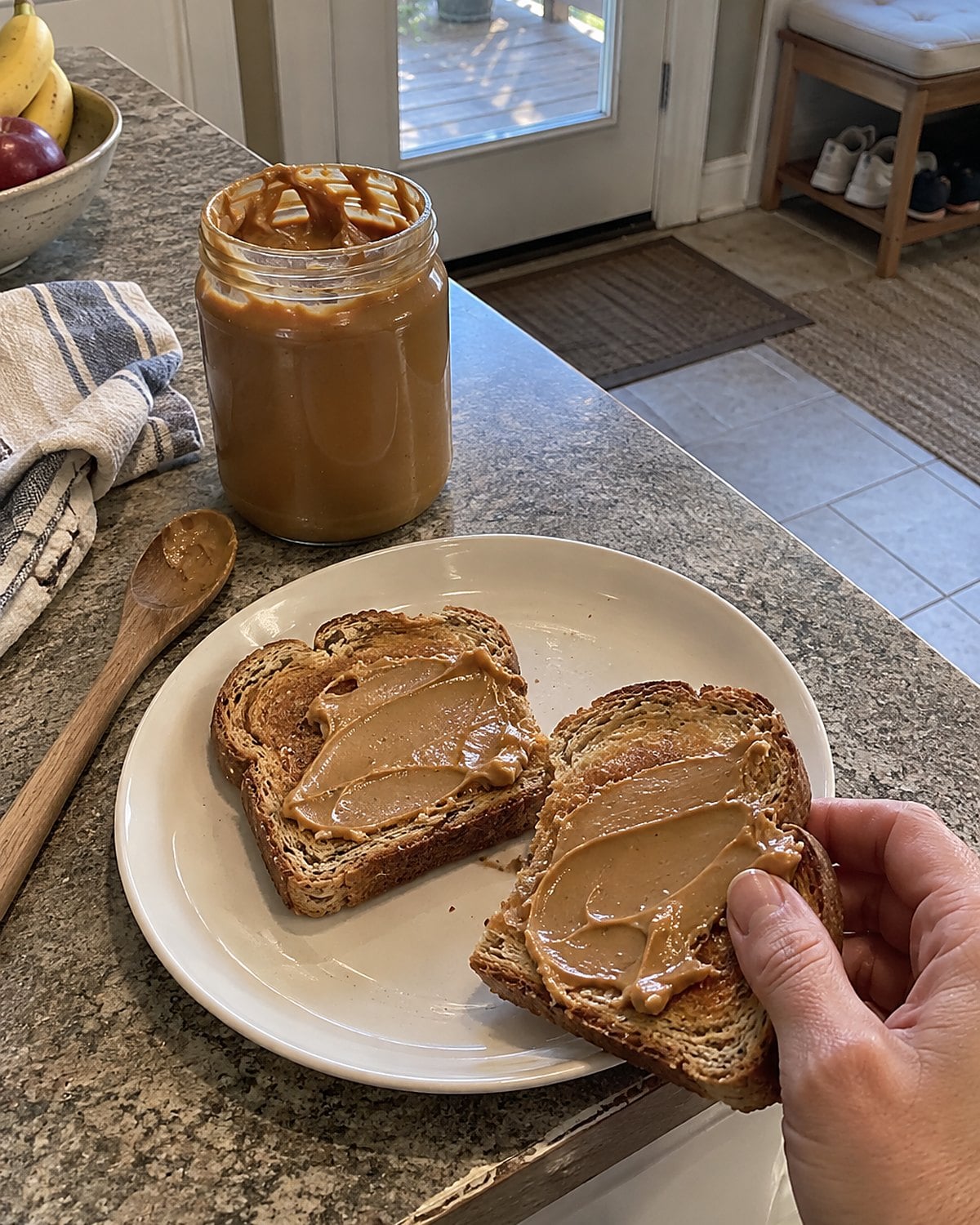
The screen door has barely shut before somebody says they're hungry. Peanut butter buys you time without turning that announcement into a full meal. Put it on toast or crackers, or stir a spoonful into oatmeal that needs another flavor.
Check the label when you're feeding a child whose usual food rules you don't know. Peanut allergy changes the entire plan; don't guess because the jar has always lived in your pantry. Ask the parent first, and use a clean knife if other foods are on the counter.
For a child who eats peanut butter, the jar is a familiar welcome. For a child who doesn't, knowing before you open it is part of being ready.
#20 Applesauce cups for the unexpected eater
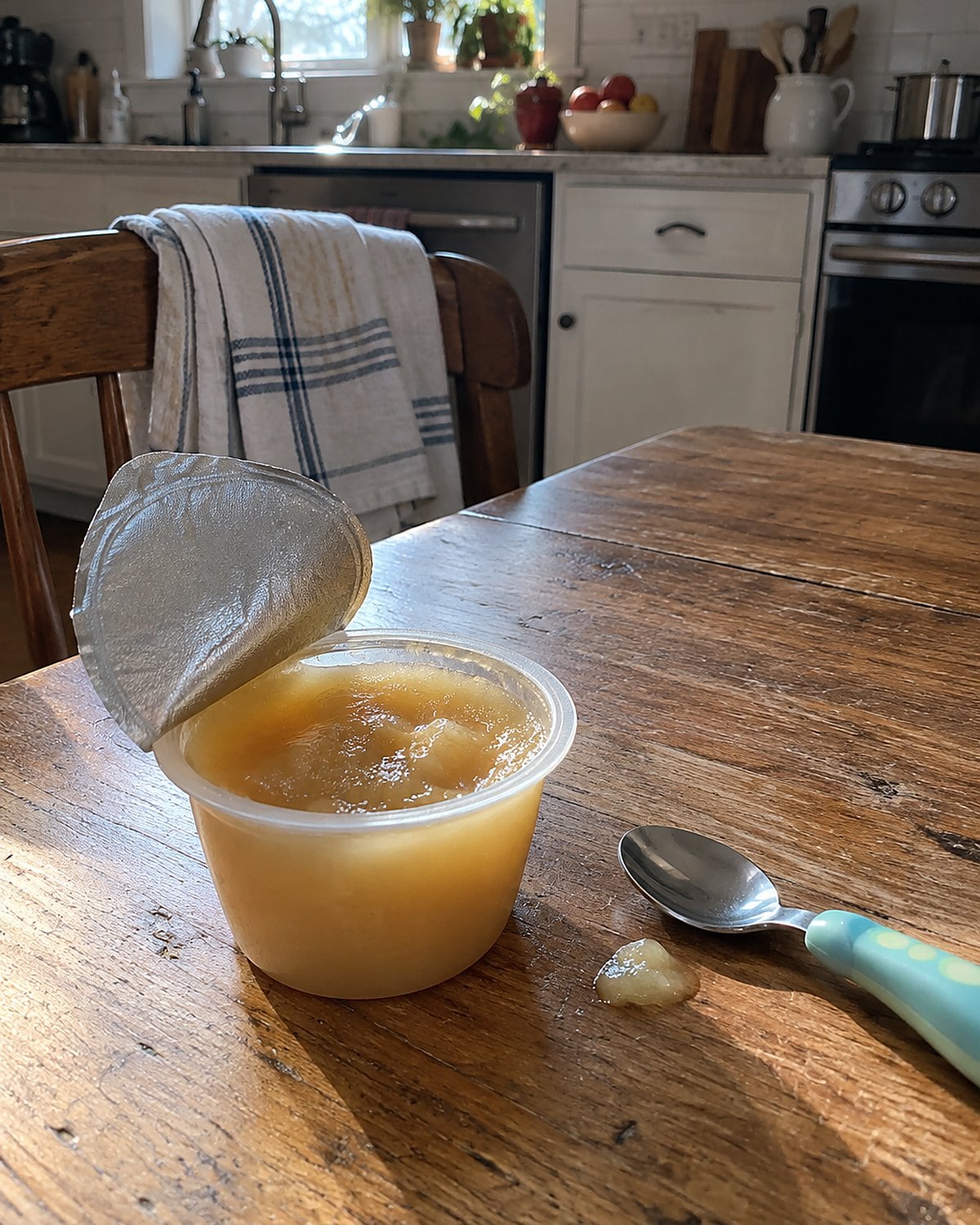
One child wants a snack. Another won't touch the sandwich you made. An applesauce cup gives you something familiar to put out without opening a large jar for a few bites.
Buy the kind your visitors eat, rather than the flavor you wish they'd try. An unopened shelf-stable cup belongs in the pantry until the date and package tell you otherwise. A punctured lid or swollen cup belongs in the trash. Read the package for storage after opening, and put leftovers in the fridge.
You also have a use for applesauce when no children appear. Spoon it beside pork, stir it into oatmeal, or eat it with toast. That matters. A just-in-case shelf works best when it holds food you'd gladly finish yourself.
#19 Raisins for small kitchen hands
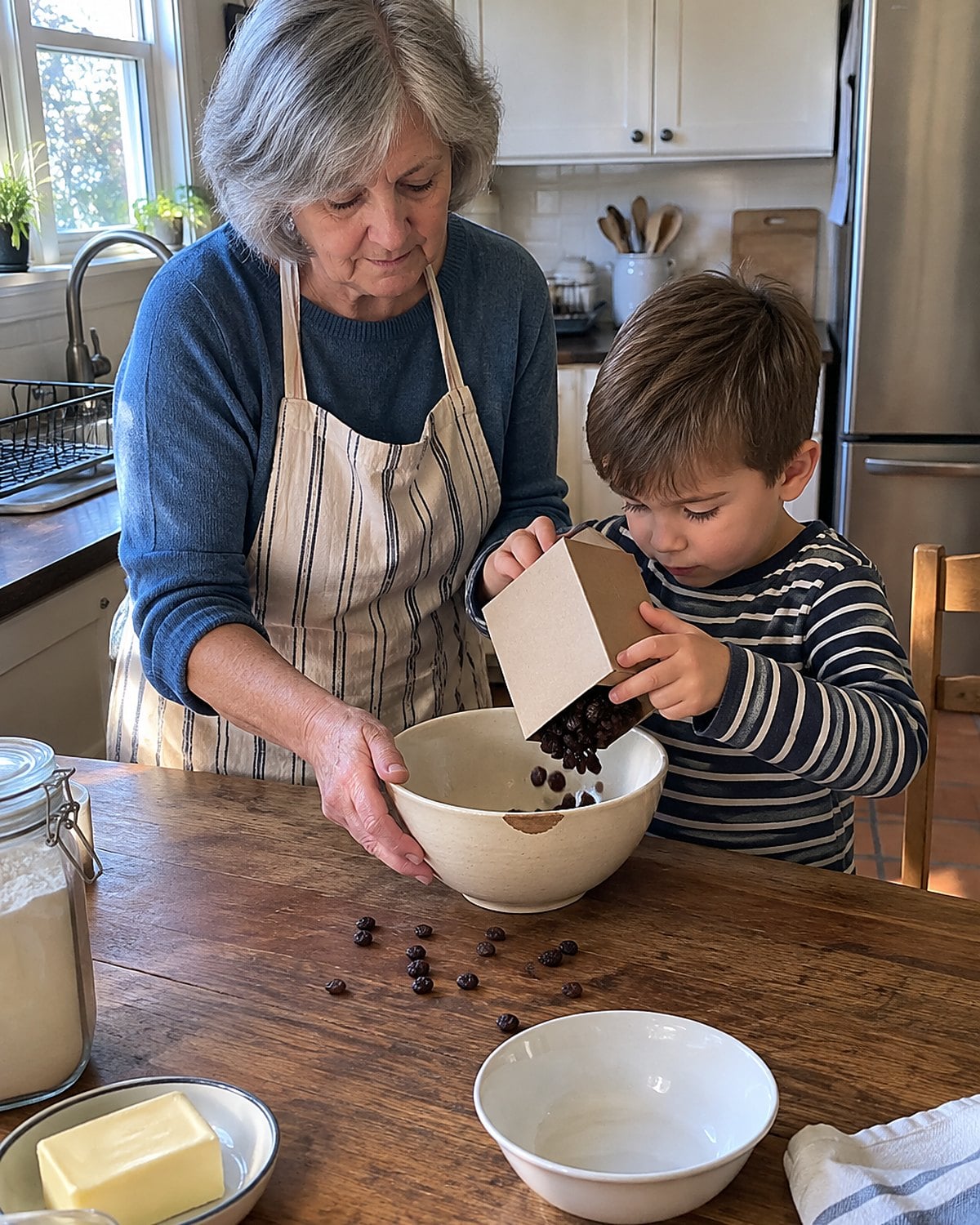
A small box of raisins takes an impressive amount of time to empty when a child insists on picking them out one by one. Tip them into a bowl for a child old enough to chew dried fruit safely. For younger children, ask the parent what works instead.
Raisins also have a job after the visit. Stir them into oatmeal, add them to a baking bowl, or scatter them through rice with toasted nuts for the grown-ups. They won't take up much shelf space while they wait.
Before offering an old box, open it and look. Fruit that's dried into a hard mass won't become appealing because you call it a treat. Put a fresh box where small hands can help you find it, and let those hands do the pouring.
#18 Popcorn kernels beside the heavy pan
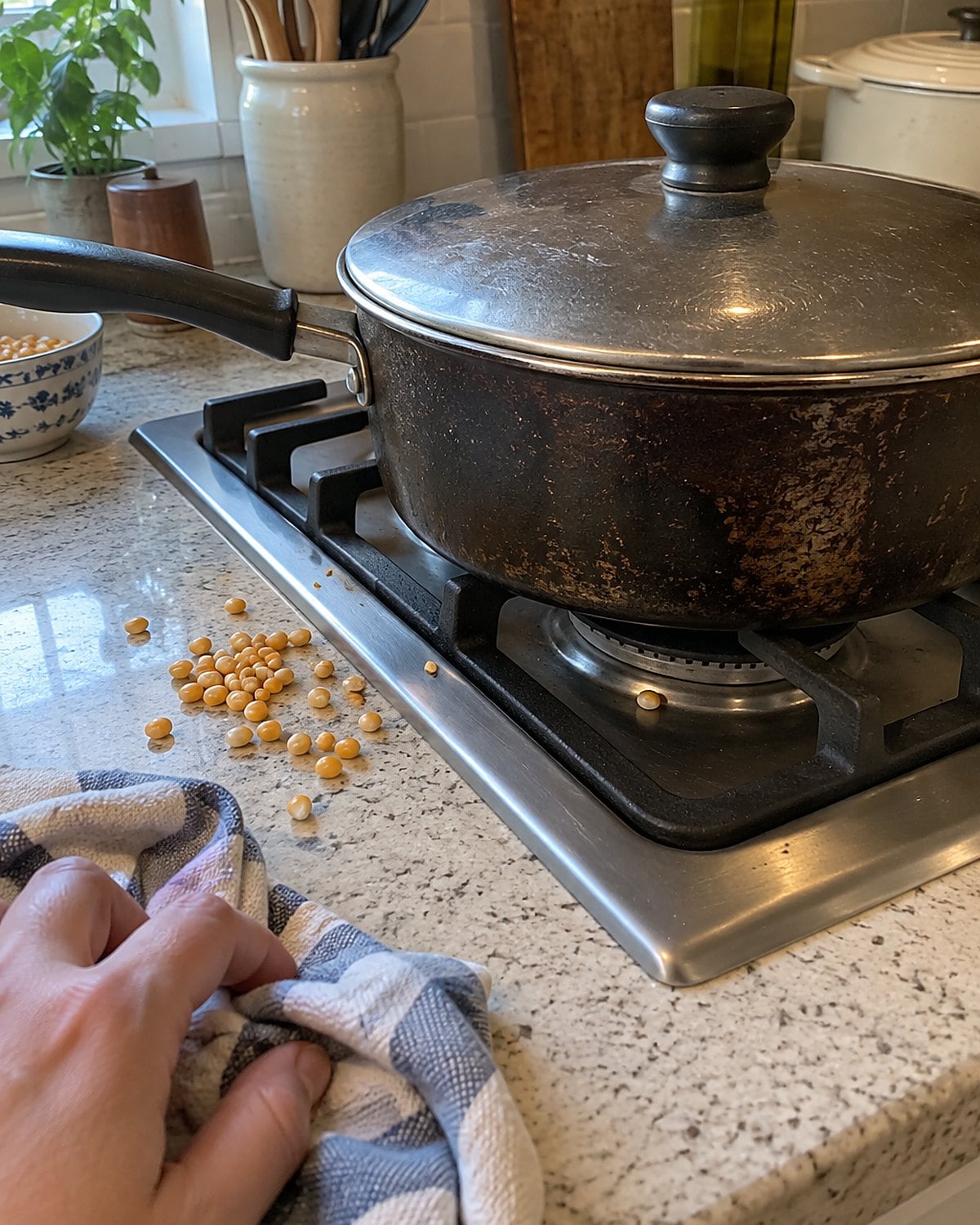
Popcorn changes the sound of the house. The first kernel hits the lid, then the rest follow, and suddenly someone comes to see what's happening.
If you use a heavy pan, coat its bottom with oil, add the kernels, and cover it. Shake the pan over medium heat so the popped corn doesn't sit against the hot metal. Take it off the burner when the popping slows; waiting for the final stubborn kernel leaves the first ones scorched.
Hold back on toppings until you know who's eating. Salt and melted butter are easy to add in separate bowls. The American Academy of Pediatrics lists popcorn among choking hazards for children under 4. For an older child, check with the parent before you start popping.
The kernels wait in less space than a stack of snack bags. Better still, making them gives everyone a reason to linger near the stove.
#17 A jar of cinnamon sugar
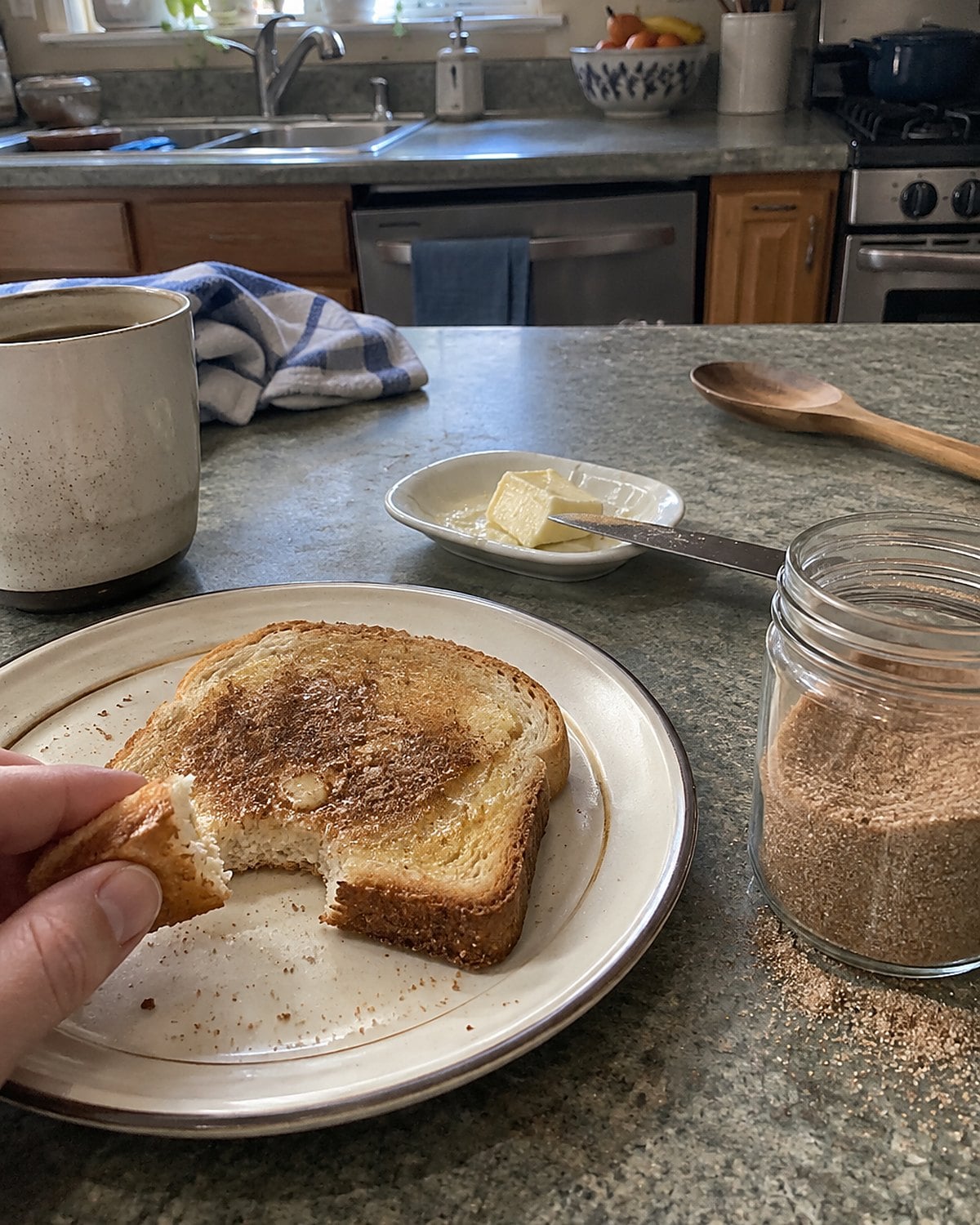
You needn't turn every visit into a baking day. A small jar of cinnamon sugar makes buttered toast feel like an occasion, and the person shaking it on gets to decide how much.
Mix it in a clean, dry jar, then close the lid before the spoon goes back into the sink. Moisture clumps the sugar. Label the lid if other spice jars look alike; cinnamon on scrambled eggs is a breakfast surprise nobody requested.
Set out the shaker with toast and fruit. If the jar has become a solid lump, break it up with a dry spoon before guests arrive. It's a tiny piece of preparation, but it saves that awkward pause while everyone watches you pry at the lid.
 You might also like27 Things Picky Grandchildren Will Eat If You Stop Announcing It
#16 Pasta behind the flour canister
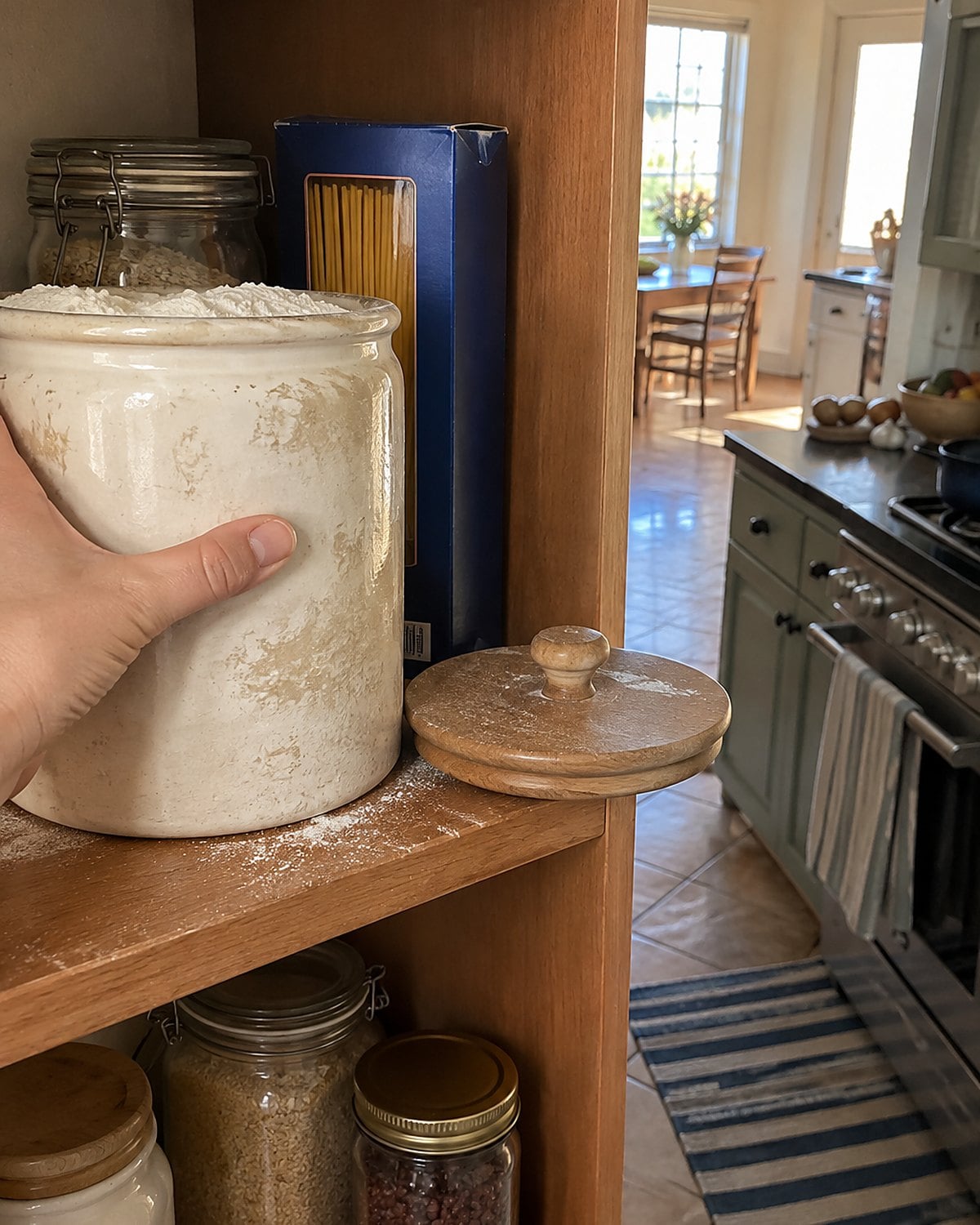
An unopened pasta box is useful only when you know where it is and how much is left. Look behind the flour before promising spaghetti to everyone at the table. If the box is half empty, you'll want another plan.
Pasta gives you a meal whose size changes easily. Cook what you need, then add sauce, butter and cheese, or vegetables from the fridge. Reserve a mug of the cooking water before draining. Its starch helps a thick sauce loosen and cling instead of sliding to the bottom of the bowl.
For a child who wants food kept separate, set aside plain pasta before tossing the rest. No separate pot, no argument over a dish that was meant to make the evening easier.
Keep the unopened box visible when you put groceries away. The pantry can't help you at six o'clock if its best dinner is hidden behind a canister.
#15 Canned tomatoes with a pull tab
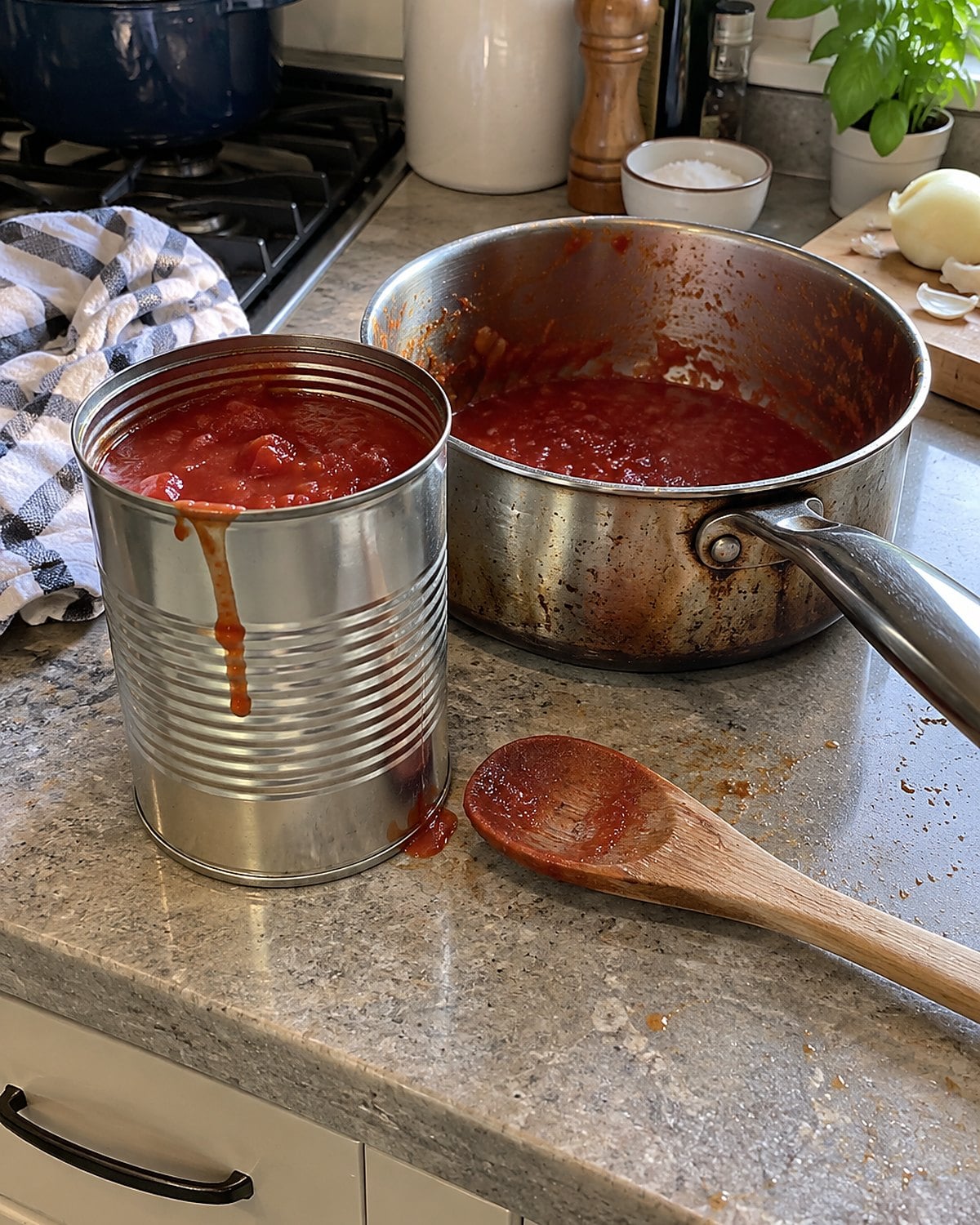
A can of tomatoes turns that pasta into supper, but it also gives you a head start on soup, chili, or a quick pan sauce. A pull tab is handy when the opener has migrated to a drawer nobody remembers using.
Don't tip tomatoes straight into a hot pan and expect the sauce to taste finished. Let them simmer until the sharp, raw taste eases and the liquid thickens. Taste with a clean spoon before adding sugar; salt, cooking time, or a little fat is often what the sauce needs first.
Before opening any can, check for leaking, swelling, or a badly damaged seam. The USDA Food Safety and Inspection Service's guidance on canned food says to discard suspect cans rather than taste what's inside. When the can is sound, dinner is already halfway out of the cupboard.
Try it: Instant Pot Recipes Using Tinned or Canned Tomatoes
#14 Tomato soup for a rainy arrival
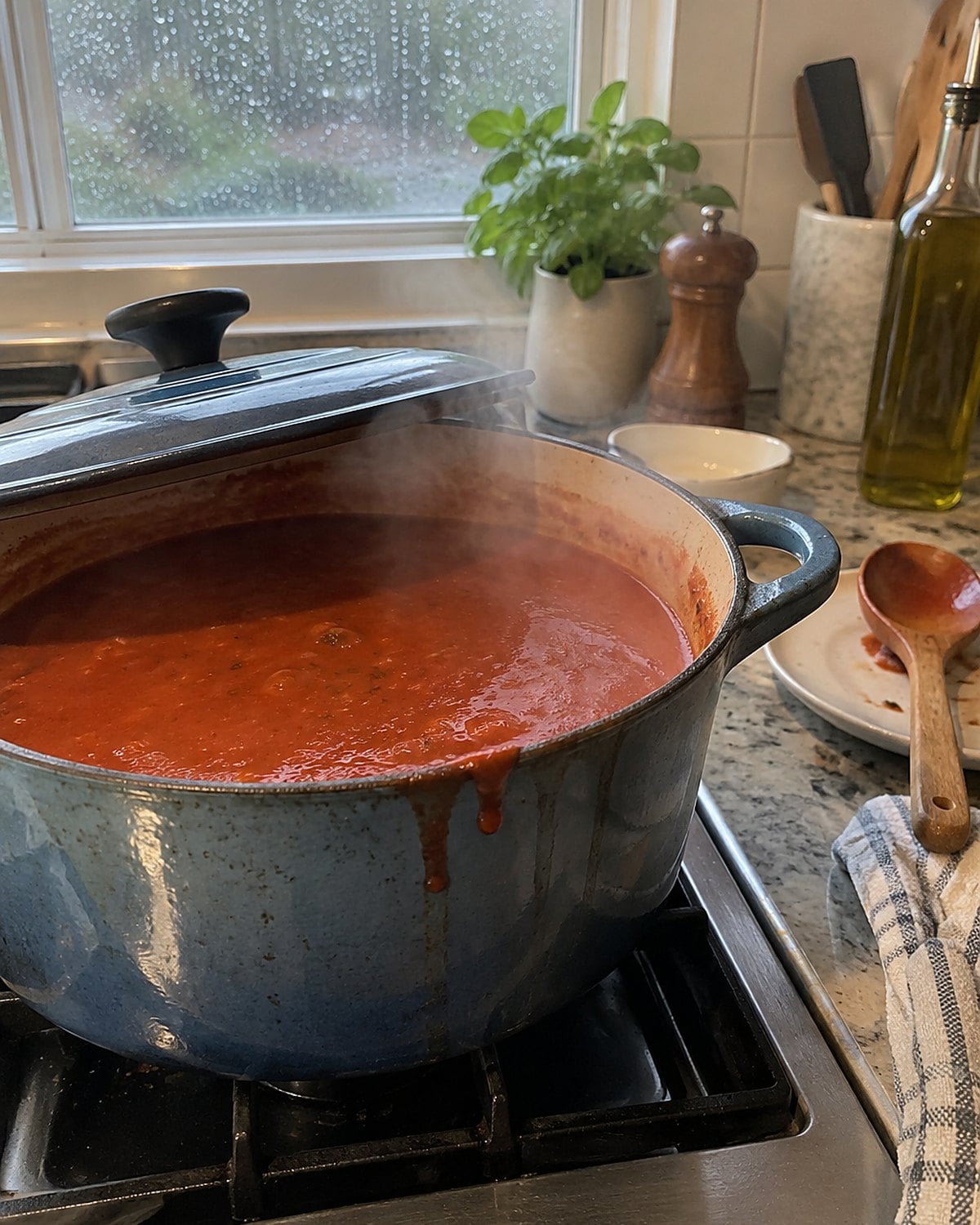
Rain on the porch, wet coats by the door, and someone asks what's for lunch. A can of tomato soup gives you an answer while the towels are still being found.
Heat it according to the label, then taste it. A splash of milk or a spoon of cream rounds out a sharp soup, while a pinch of salt belongs only after you've tried it. Put crackers beside the bowl and leave the topping to the person eating. Some want theirs crisp; others want a thick, soggy layer.
If you make grilled cheese with it, cook the sandwich over moderate heat. Bread that browns before the cheese melts leaves you with two pieces of toast holding a cold middle. Cover the pan briefly if the cheese needs help.
Keep the soup where you see it. It has a way of becoming lunch for one on an ordinary Tuesday, which is reason enough to replace the can.
Try it: Best Instant Pot Tomato Soup (Panera Bread Inspired)
#13 Instant oatmeal on the reachable shelf
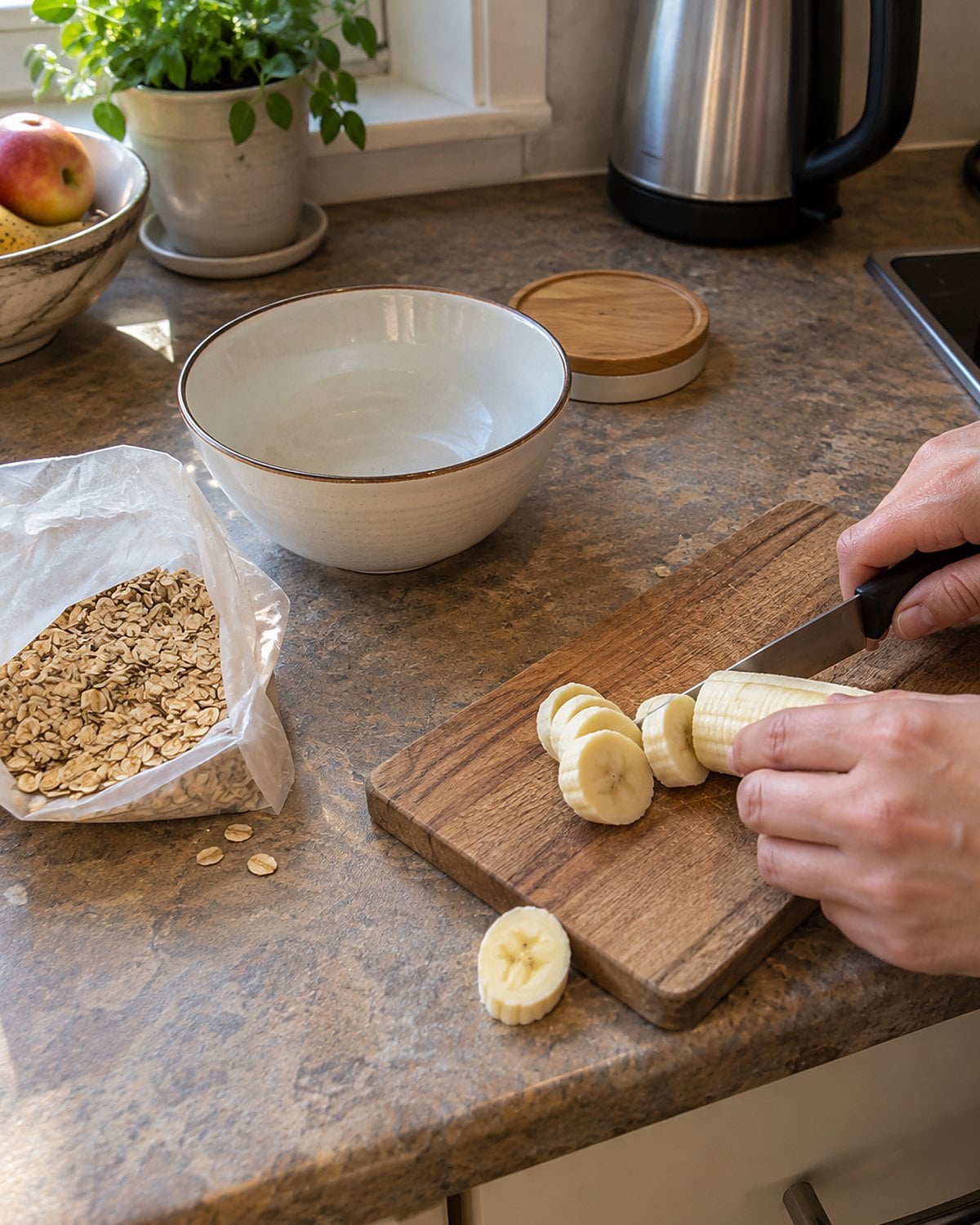
Breakfast has a different rhythm when someone wakes before you do. An oatmeal packet lets an early riser start without finding your measuring cup or waking the whole house.
Choose a plain version if the usual visitors like adding their own toppings. Sweet packets settle the question before anyone gets a say. Stir the oats well after adding hot water or milk; dry pockets hide at the bottom of a deep bowl. Follow the package directions for the amount and heating time.
Keep the packets low enough for the person who's meant to reach them, provided they're old enough to handle the hot water safely. A banana sliced over the top turns a small bowl into a steadier breakfast. So does a spoonful of yogurt from the fridge.
#12 Rice for one more chair
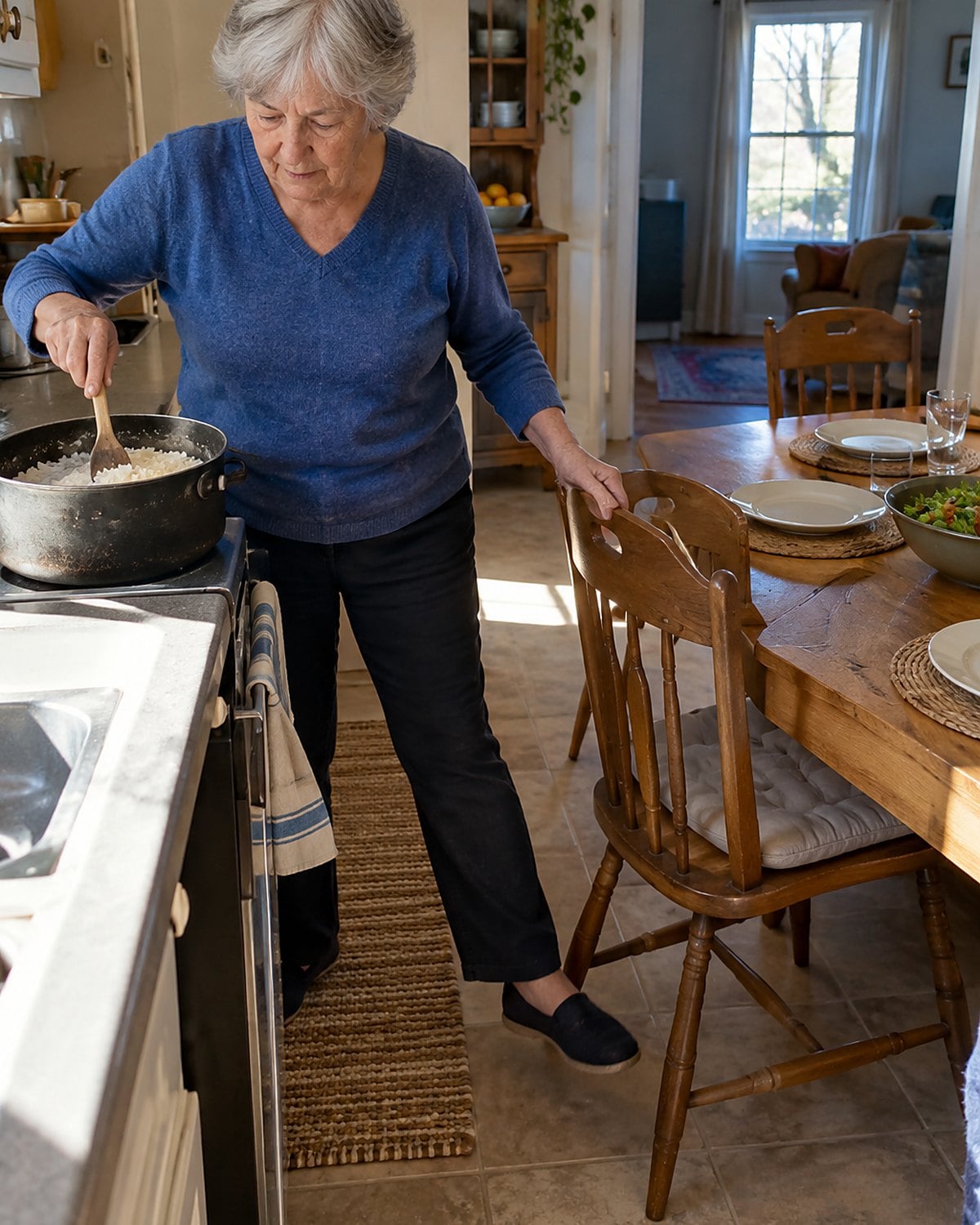
Sunday dinner has a way of gaining a chair after you've counted portions. Dry rice gives you room to stretch what's already cooking without making another main dish.
Choose the rice you know your household eats and follow its package for water and cooking time. Leave the lid on while it cooks. Lift it repeatedly and the steam that should finish the grains escapes. When the heat goes off, give the pot a covered rest, then fluff with a fork.
Rice also asks for a little care after supper. The USDA Food Safety and Inspection Service's leftovers guidance says to refrigerate cooked food promptly in shallow containers and use leftovers within three to four days. Don't leave a pot on the stove while everyone settles into a long evening.
Put the extra rice away first. Tomorrow, check that it's hot all the way through before you serve it.
Try it: How To Cook Rice In Instant Pot
#11 Tortillas folded around almost anything
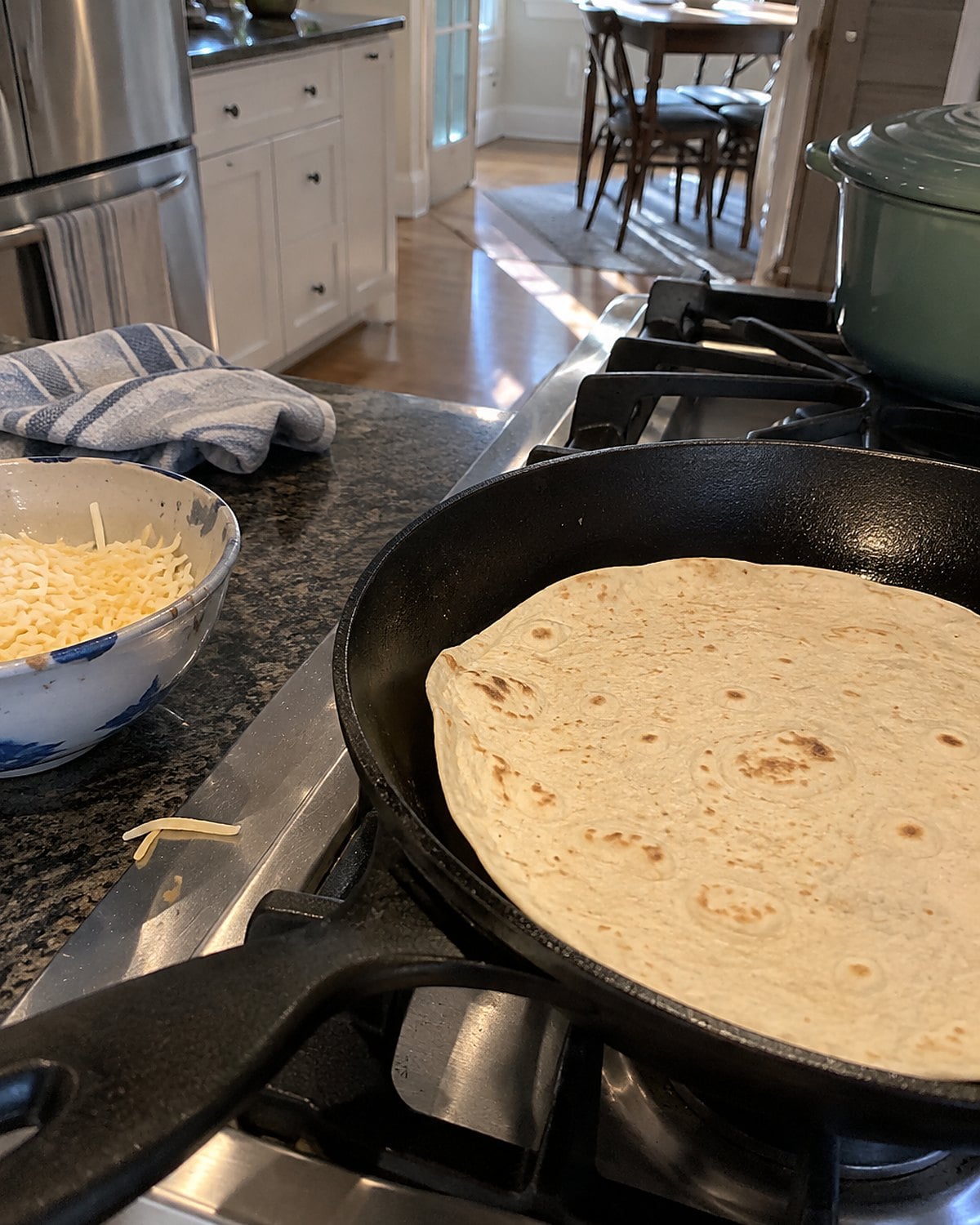
A tortilla asks less of leftovers than a sandwich does. A spoon of beans, some cheese, and a little cooked chicken each fit without needing matching portions or a fresh loaf.
Warm tortillas before filling them. A cold one cracks at the fold, especially when it's been sitting in its package for a while. Lay one in a dry skillet until it bends easily, then move it to a plate. Keep the filling modest so a child can hold the result without wearing it.
For a quick quesadilla, put cheese and the filling on one half, fold it, and cook until both sides have color and the center is hot. Cut it at the counter rather than handing over a floppy whole. The small wedges are easier to share, and everyone sees what went inside.
#10 Chicken broth for a sudden pot of soup
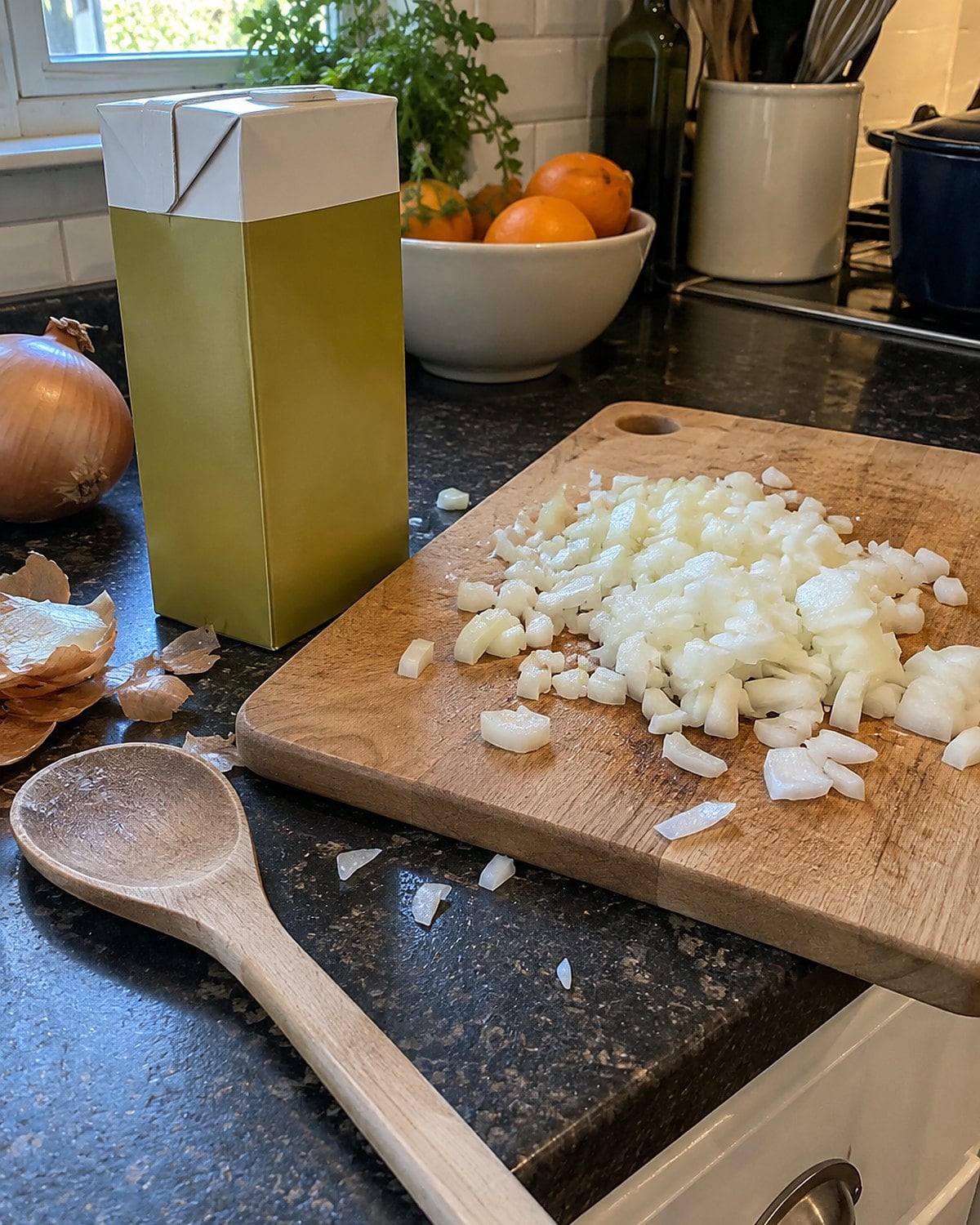
A carton of broth is useful right up to the moment you discover it was opened last week. Check the cap and the package directions before you build a meal around it. When in doubt, use a fresh carton.
Start soup by cooking onion or other sturdy vegetables in the pot first. Add the broth after they've had a chance to soften and take on flavor. Then add cooked meat, beans, or pasta according to how long each needs. Pasta put in too early drinks the broth and swells while you wait for everyone to arrive.
Taste at the end, especially if you're adding salty leftovers. A pot of soup should taste like its contents, not like a carton you opened in a hurry. If the visit doesn't happen, freeze portions promptly in containers with room for the liquid to expand.
#9 Dried beans with a dinner plan
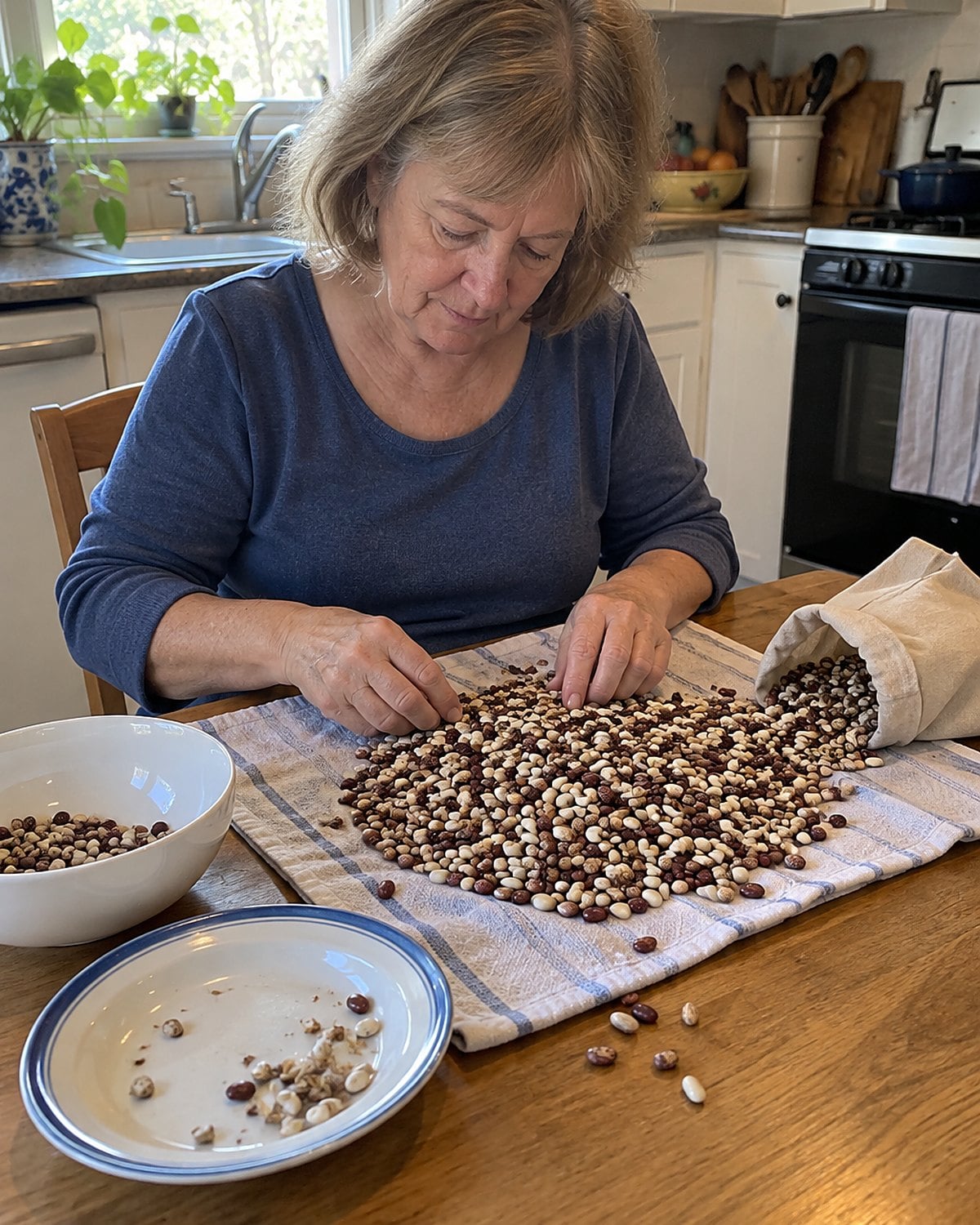
Dried beans look reassuring on a shelf, but they won't feed a surprise arrival tonight unless you've already cooked them. Keep them because you enjoy making a pot, not because the bag promises an instant dinner.
Sort through the beans before washing them; small stones do turn up. Soak and cook them according to a reliable method, and don't taste until they're fully cooked.
Kidney beans need particular care. The FDA's Bad Bug Book warns that raw or undercooked kidney beans contain a toxin. Its guidance calls for soaking them, then boiling them in fresh water for at least 30 minutes. Don't put uncooked kidney beans straight into a slow cooker.
If your visitors love bean soup, cook a batch before the busy weekend and freeze portions. Then the bag in the pantry becomes a plan you've actually carried out.
Try it: Instant Pot 101: How to Cook Legumes
 You might also like27 Things People Over 60 Still Do With Leftovers That Food-Safety Experts Beg Them to Stop
#8 Canned beans for the unplanned casserole
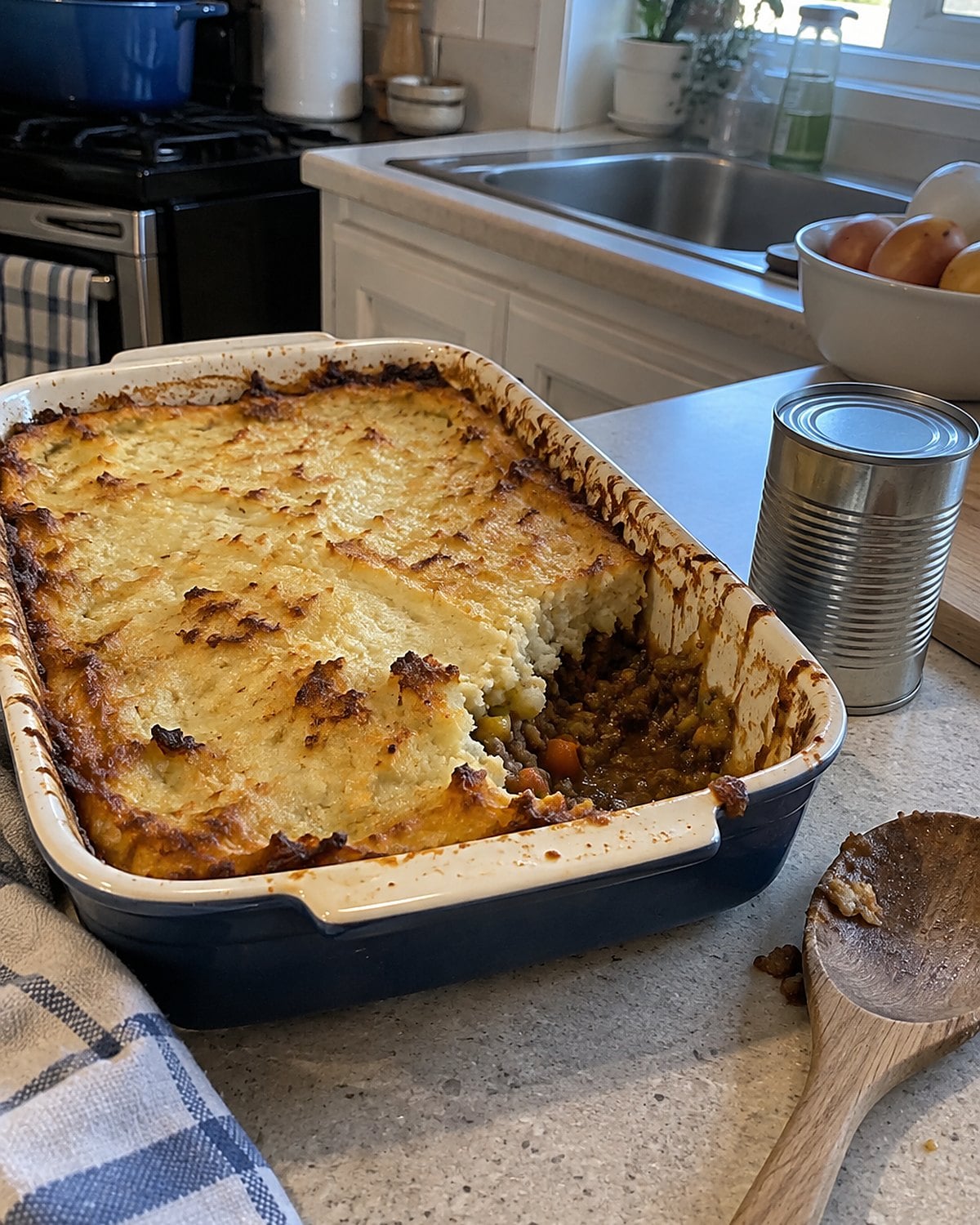
The unplanned casserole starts with a look in the fridge: half an onion, a little cheese, and cooked meat that won't feed everyone by itself. A can of beans fills the pan without another shopping trip. Unlike the dried beans, these are ready when you open the can.
Drain and rinse them if the liquid doesn't belong in the dish. Fold them in late, since canned beans are already cooked and rough stirring breaks them apart. If the mixture looks dry, add a spoonful of broth or tomato sauce before it goes into the oven.
Cheese on top hides a dry middle for a moment, but it doesn't fix it. Taste the filling before baking when its ingredients are ready to eat. The beans bring body, not enough seasoning to carry the whole dish. A pinch of salt or a little acid changes what comes out of the oven.
Keep the can where you'll see it when company arrives hungry.
#7 Fruit cups in their own juice
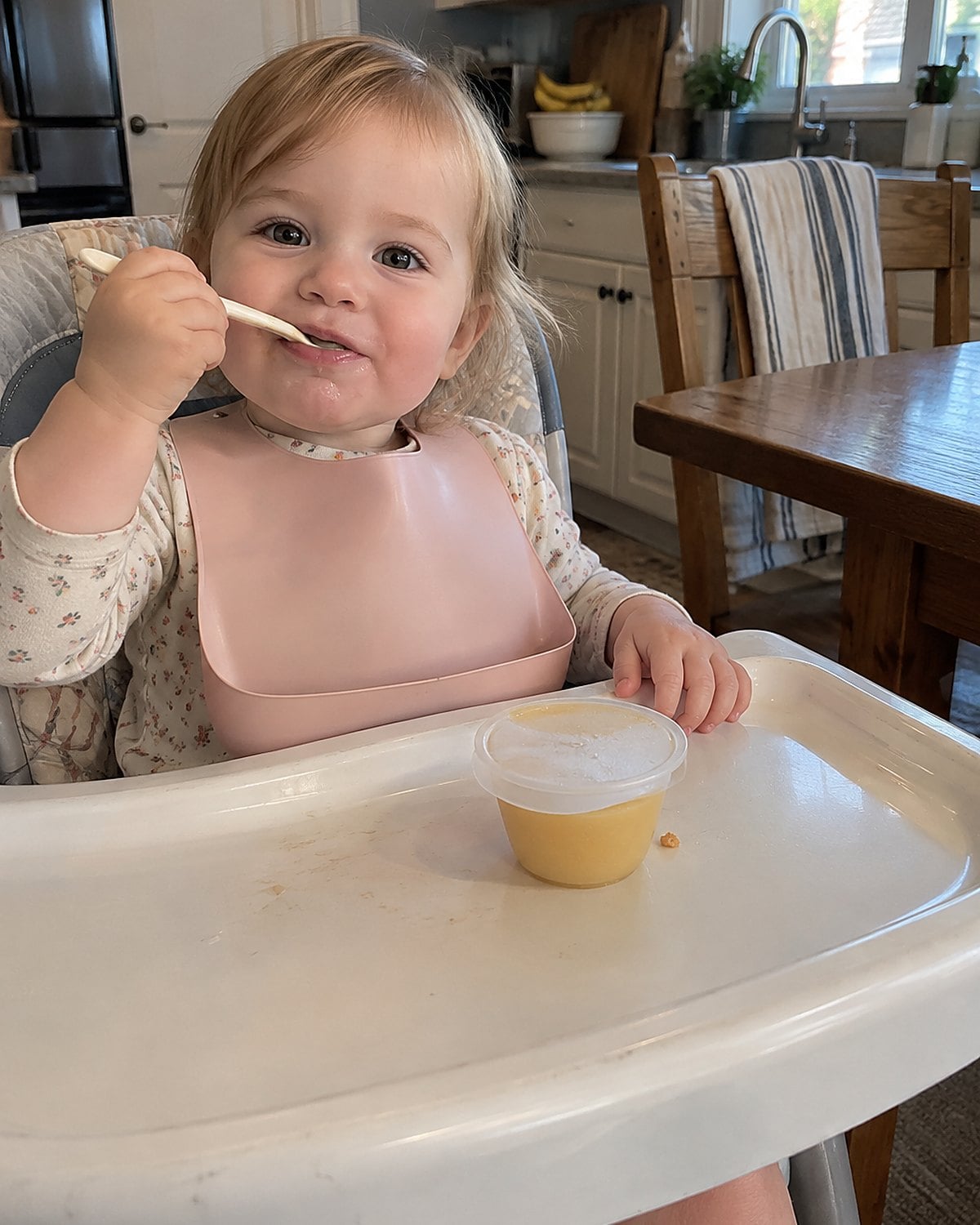
Some visits begin between meals. You want to offer something, but nobody wants to spoil dinner. A fruit cup in its own juice gives you a small portion without opening a can the size of a serving bowl.
Check the seal before serving, and use a spoon for a child who tends to squeeze the cup from the sides. Put the empty cup in the trash before its sticky rim reaches your sofa.
These cups also solve a quieter problem: a fresh fruit bowl goes from ripe to overripe while the house is empty. Keep fresh fruit when you'll eat it. Keep the shelf-stable cups for the visit you didn't know was coming. The distinction saves food as well as a last-minute trip.
#6 Pancake mix for a crowded morning
The first person downstairs finds the griddle. The last person downstairs still hopes breakfast is waiting. Pancake mix lets you cook in rounds without turning the morning into a production.
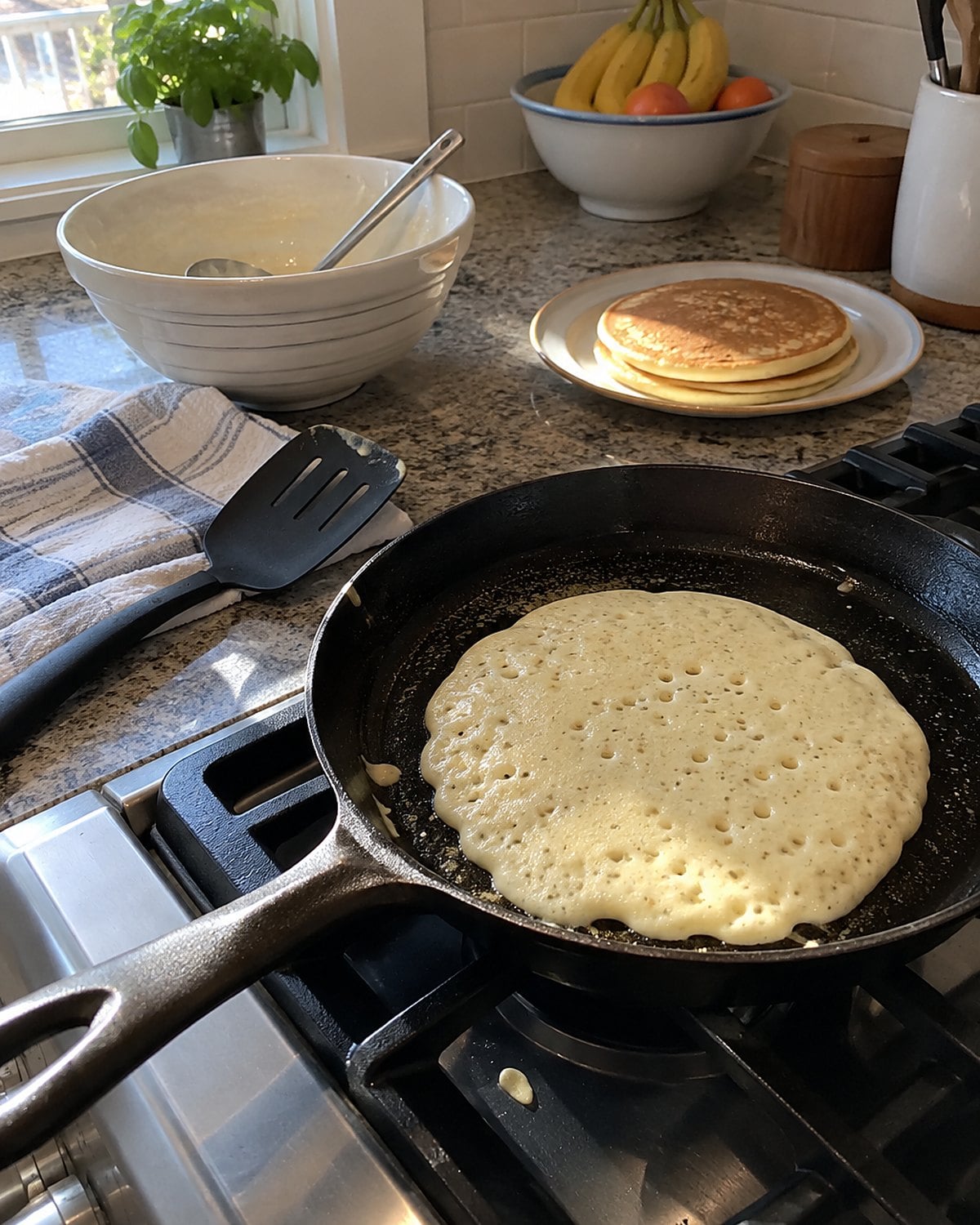
Read the box before adding anything; mixes call for different liquids and extras. Once the batter is wet, stir only until the dry streaks disappear. Hard beating develops the flour's gluten and leaves the pancakes tougher. Give the batter a brief rest while the pan heats.
Watch the surface, not the clock. Bubbles should appear and the edges should begin to look set before you flip. If the outside darkens while the middle stays wet, turn down the heat. Keep finished pancakes warm in a low oven while you cook the rest.
Then sit down for your own. Breakfast doesn't require you to spend the entire visit standing over a pan.
#5 Shelf-stable pudding for the last guest
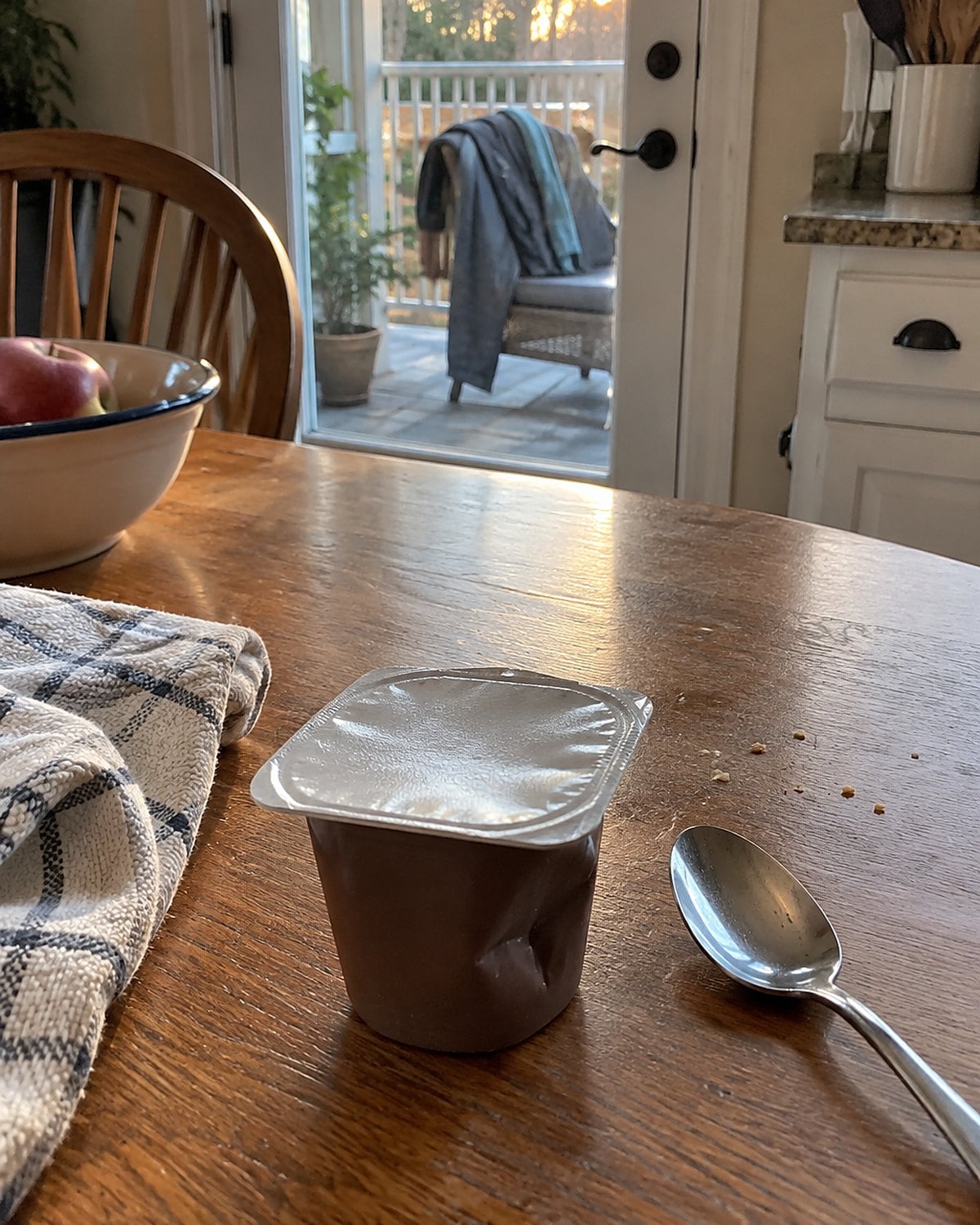
There's always someone who says no to dessert, then changes their mind when the bowls come out. An unopened shelf-stable pudding cup waits without asking you to bake for that possibility.
Read the label before storing it. The cups sold from the refrigerated case need the fridge, while cups labeled shelf-stable belong in the pantry unopened. They look much the same when someone carries them home in a grocery bag. Check the label again for what to do after opening.
If your guests like pudding cold, move a cup to the fridge before they arrive. Keep a spoon nearby, too. By the time everyone is reaching for coats, hunting through a drawer for one feels like far more work than it should.
A spoon and a cup don't have the ceremony of cake. Offer it without a speech, and let the person decide. If nobody wants dessert, the unopened cup waits for another day.
#4 Chocolate chips in the baking drawer
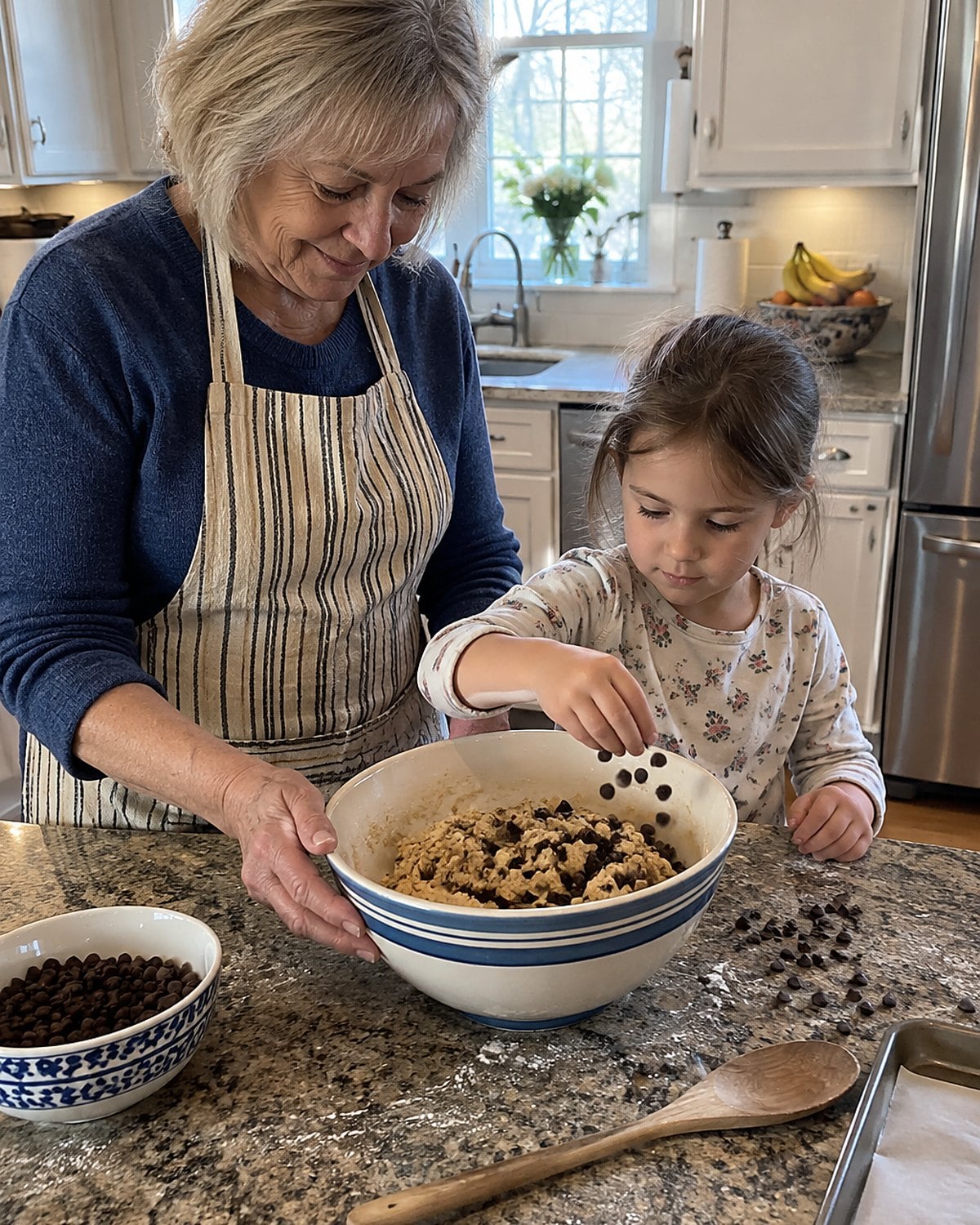
A grandchild who asks to bake is asking for time at your counter as much as a cookie. Chocolate chips make that invitation easy to accept. The bag needs no chopping, and small hands have a clear job once the dough is ready.
Before you begin, check that you've got the rest of what your chosen recipe calls for. Finding the empty flour canister after the butter is soft is nobody's favorite kitchen memory. Follow the recipe for oven temperature and baking time, then watch the edges. They should look set even if the centers still look tender.
Let the baking sheet stand before moving the cookies. Fresh from the oven, they break under a spatula. Set a few aside for the person who isn't there yet, if you know they'll come through the door. That little plate has a way of being noticed.
#3 Jam for the toast that became supper
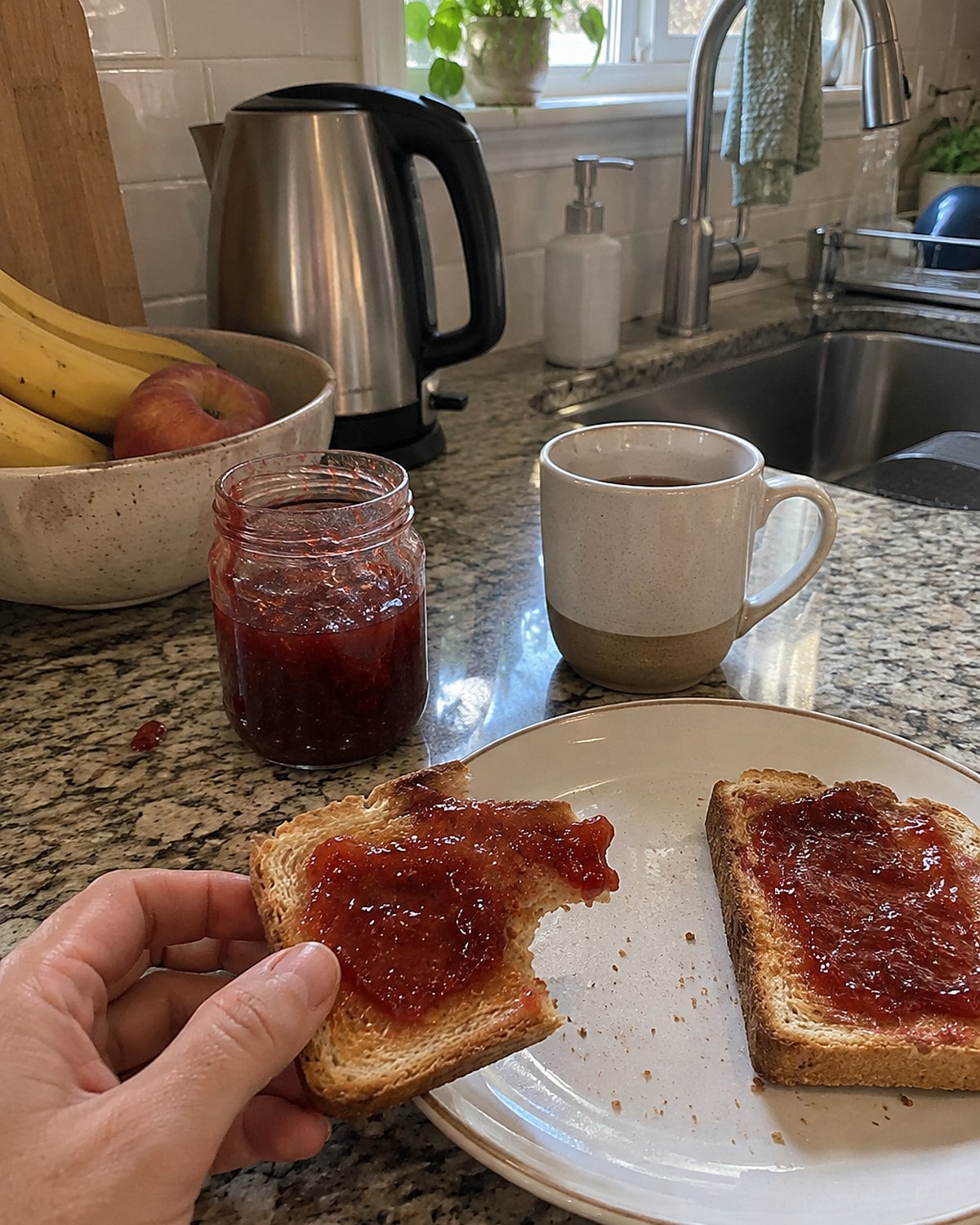
Toast and jam don't sound like supper until a visit runs past the time anyone expected to cook. Add cheese, eggs, or yogurt from the fridge, and the table has enough on it for people to stay a little longer.
The jam jar deserves a look before company arrives. Use a clean spoon, keep the rim free of crumbs, and follow the label's refrigeration directions after opening. An unopened jar in the pantry doesn't replace the open one you discover has gone bad.
Choose a flavor your visitors know. The unusual preserve someone gave you can wait for a slow breakfast. Tonight, the familiar jar gives people something they can serve themselves while you put the kettle on.
#2 The backup shelf you can see
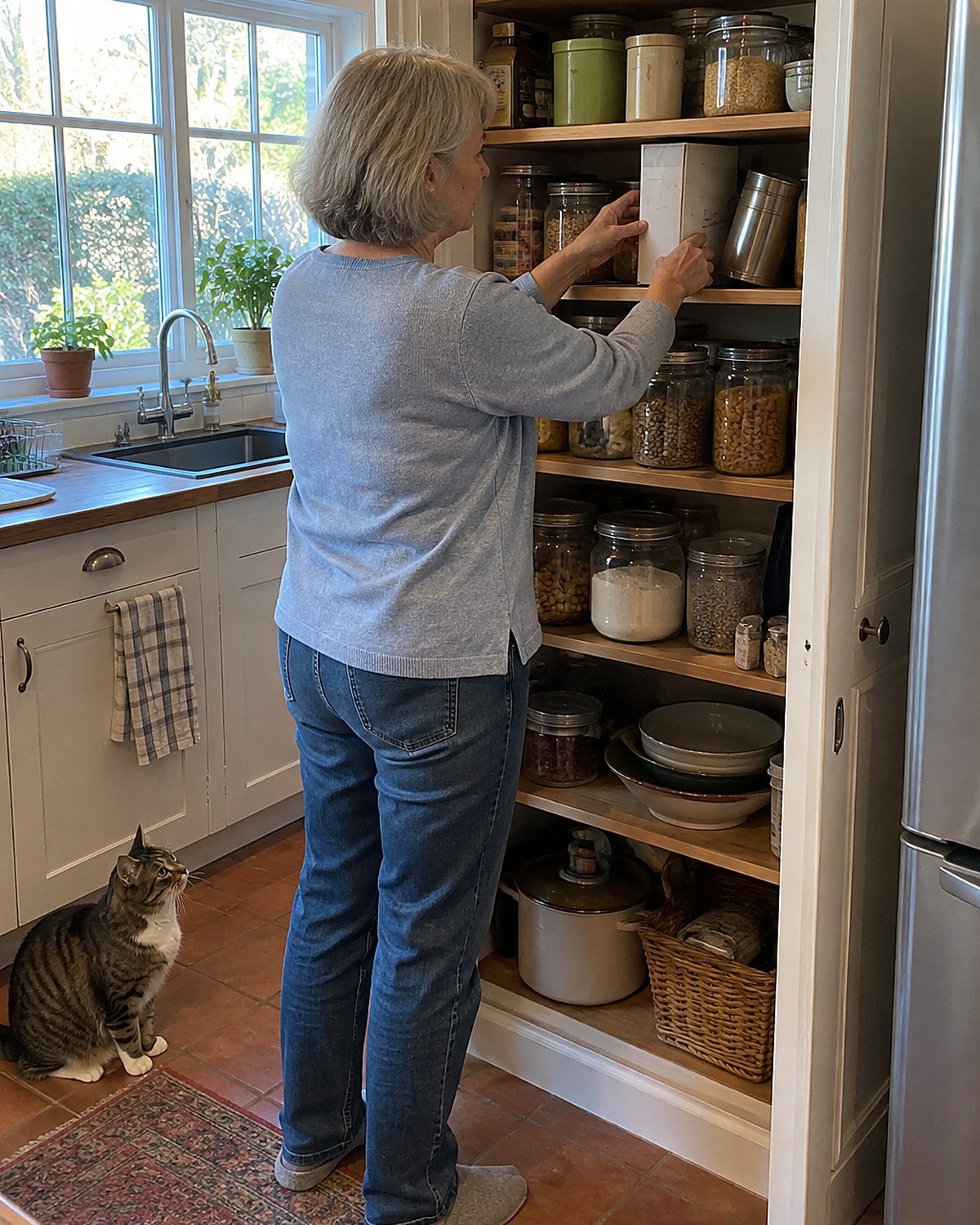
Open your pantry and look past the front row. Is there enough of any meal left back there to feed the people who arrive? That question does more work than buying another assortment of snacks.
Give the just-in-case food one visible stretch of shelf. Put the oldest unopened packages in front when you bring groceries home. Check dates and package condition as you go, and write down what got eaten after the last visit. If the same box survives three visits untouched, stop buying it for your guests.
This shelf should also serve you. A pantry full of food reserved for someone else grows stale while you make do with what's left. Keep what you like within reach, and use it on an ordinary night. Replace a can or box before the next knock.
There's one more thing to keep on that shelf. It takes less room than all the food, and it prevents the most awkward guess at the stove.
#1 The note beside the church cookbook
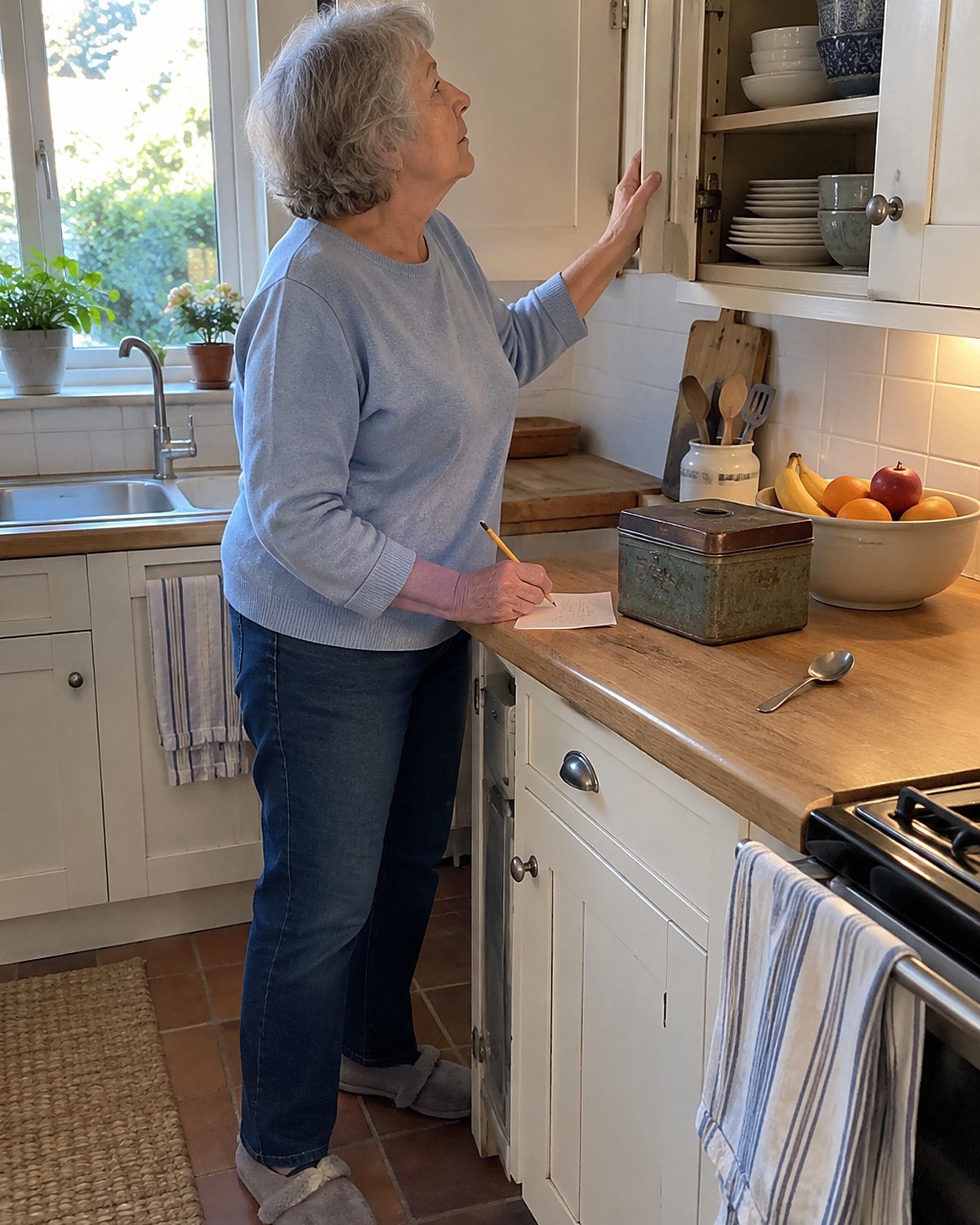
Keep a small paper list where you look when someone calls to say they're coming. Write the foods each visitor will eat, along with allergies and any instructions their parent has given you. Add the date when you check it. The note belongs beside the church cookbook or the shopping list, not buried in your phone.
Ask again before serving. Children's tastes change, and food rules do too. A scribble from last summer doesn't settle what a child eats tonight. With the current answer, pull the right package forward and leave the wrong one closed.
This helps with grown visitors as well. You don't have to remember who stopped drinking milk or who wants supper after a long drive. Ask, write it down, and let them correct you next time.
The good cookies still matter. So does knowing who can have one.
Keep reading
 24 Pantry Items That Last Years, So Stop Replacing Them
See all 24 →
More you’ll remember
 23 Mistakes Grandparents Make When Feeding Toddlers, According to Pediatric Guidance
 27 Foods Grandmothers Make That Mothers Won't Allow
 26 Things Grocery Workers Wish Shoppers Over 60 Knew
The bottom line
A well-stocked pantry has food you'll use between visits, with a little room for the people who turn up at your door. The best backup isn't hidden behind the flour.
You've checked the tins, moved the older packages forward, and kept a current note about who's coming. What on your own shelf would you reach for first if the car pulled in tonight?
Leave a Reply