

The step stool scrapes across the kitchen floor. Before anyone takes a seat, a grandchild is already asking what smells good. You lift the lid, proud of what you made, and begin naming every ingredient. Halfway through, the question changes: “Do I have to eat that?”
You know this child. You know a good dinner. Still, the introduction has done more work than the stove.
Nothing here requires a secret ingredient or a performance at the table. Food gets a fairer chance when the shape feels familiar, the texture holds up, and nobody gives it a speech before the first bite.
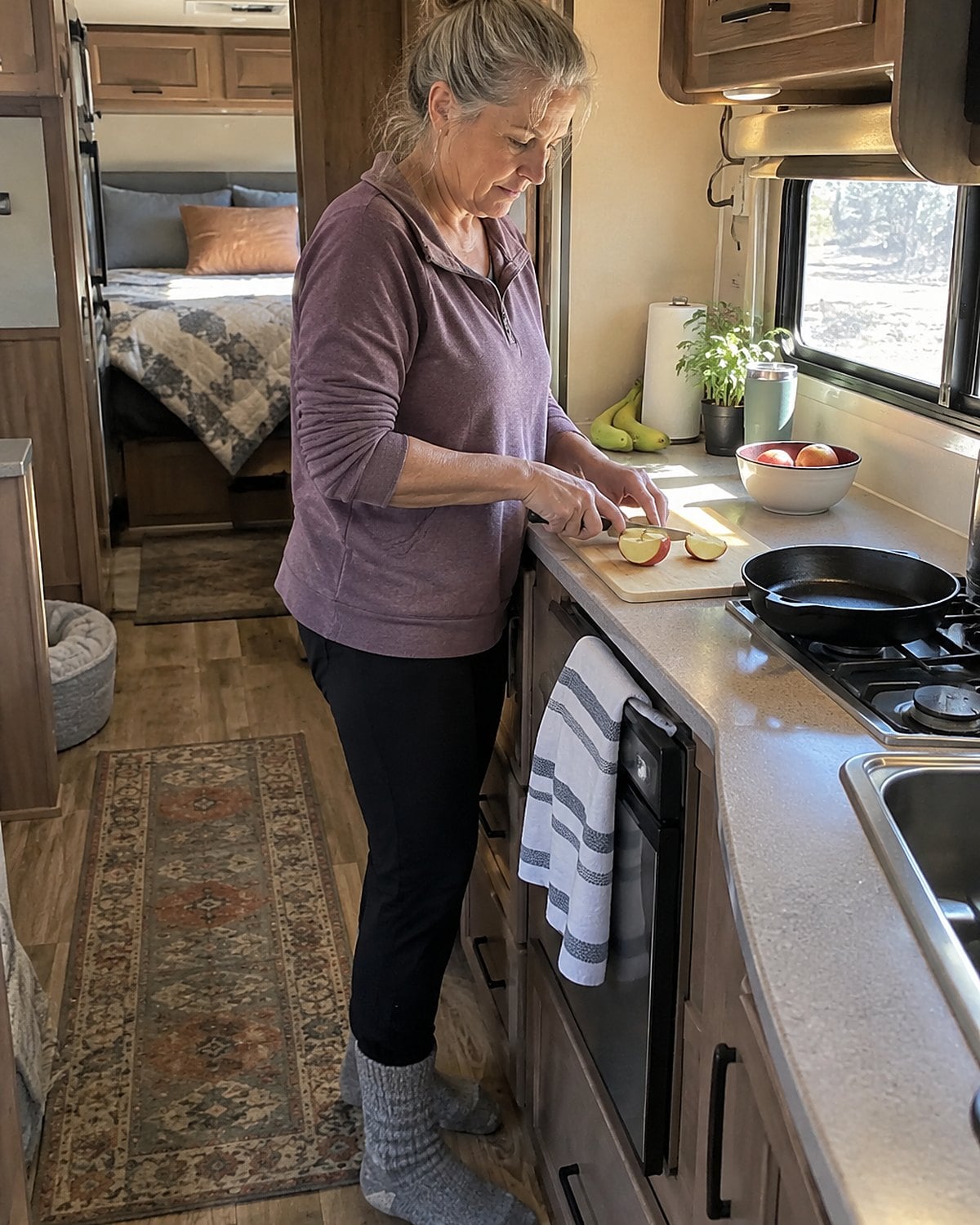
#27 The Smooth Tomato Sauce
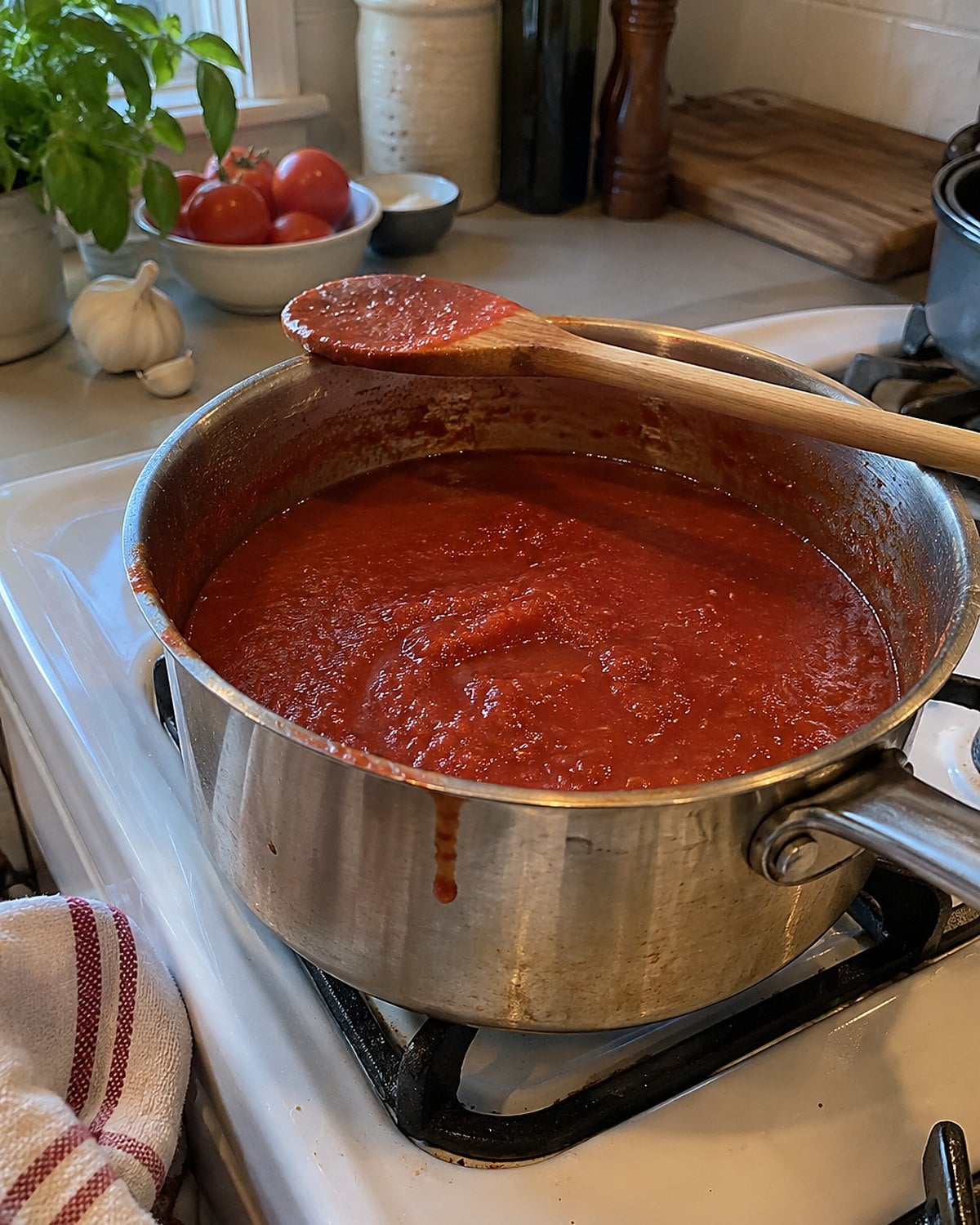
A saucepan of tomato sauce has a way of attracting questions once someone spots a piece of onion. Start with the sauce you already make. Cook the onion until it loses its raw bite, then blend it into the tomatoes if visible pieces stop dinner before it starts.
Blending doesn't erase the onion's flavor. It changes what the spoon finds. Tomato paste helps, too: stir it against the hot pan before adding liquid, so its sharp, tinny edge cooks off.
Taste the sauce before it meets pasta. If it tastes flat, try salt before sugar. If it tastes too sharp, give it more time in the pan. Then put it on the table as pasta with tomato sauce. You don't owe anyone an ingredient tour.
Try it: Instant Pot Tomato Basil Sauce
#26 Apple Slices With a Crisp Edge
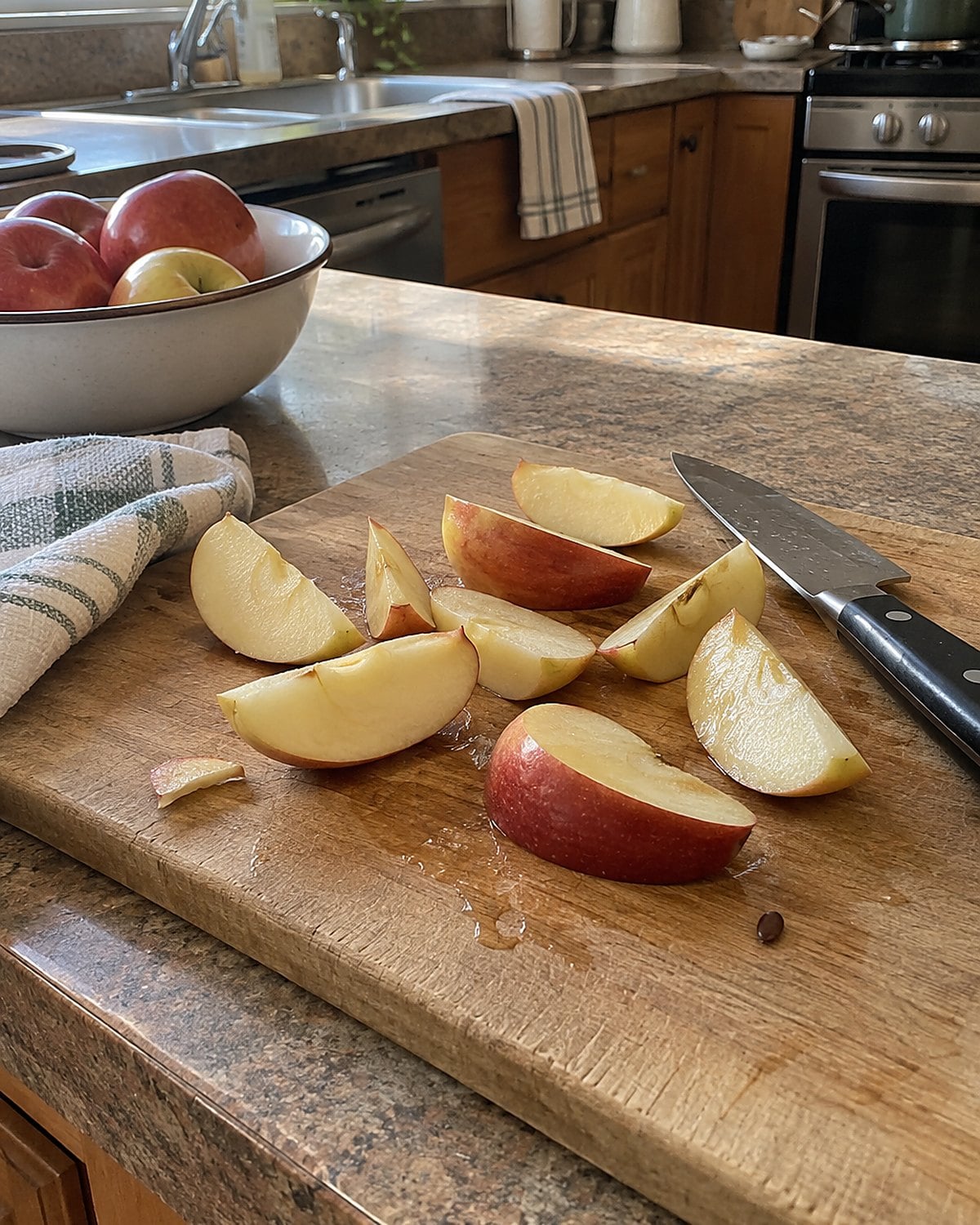
An apple cut at breakfast and served after lunch has lost its best argument. The cut faces turn brown, and the bite goes dull. Slice it near serving time, leaving the skin on if that is how the child knows apples.
Try a thin wedge beside a thicker one. The thinner piece has less skin in each bite; the thicker one gives a louder crunch. That small difference tells you more than asking, “Do you like apples?”
Set the slices beside the sandwich, where a hand already reaches. Don't announce a fruit course. Watch which thickness disappears first, then cut the rest of the apple that way.
If there's a little one at the table, ask the parent how they want the apple cut. A crisp wedge that suits an older child isn't the right shape for every grandchild.
#25 Roasted Carrot Coins With Brown Edges
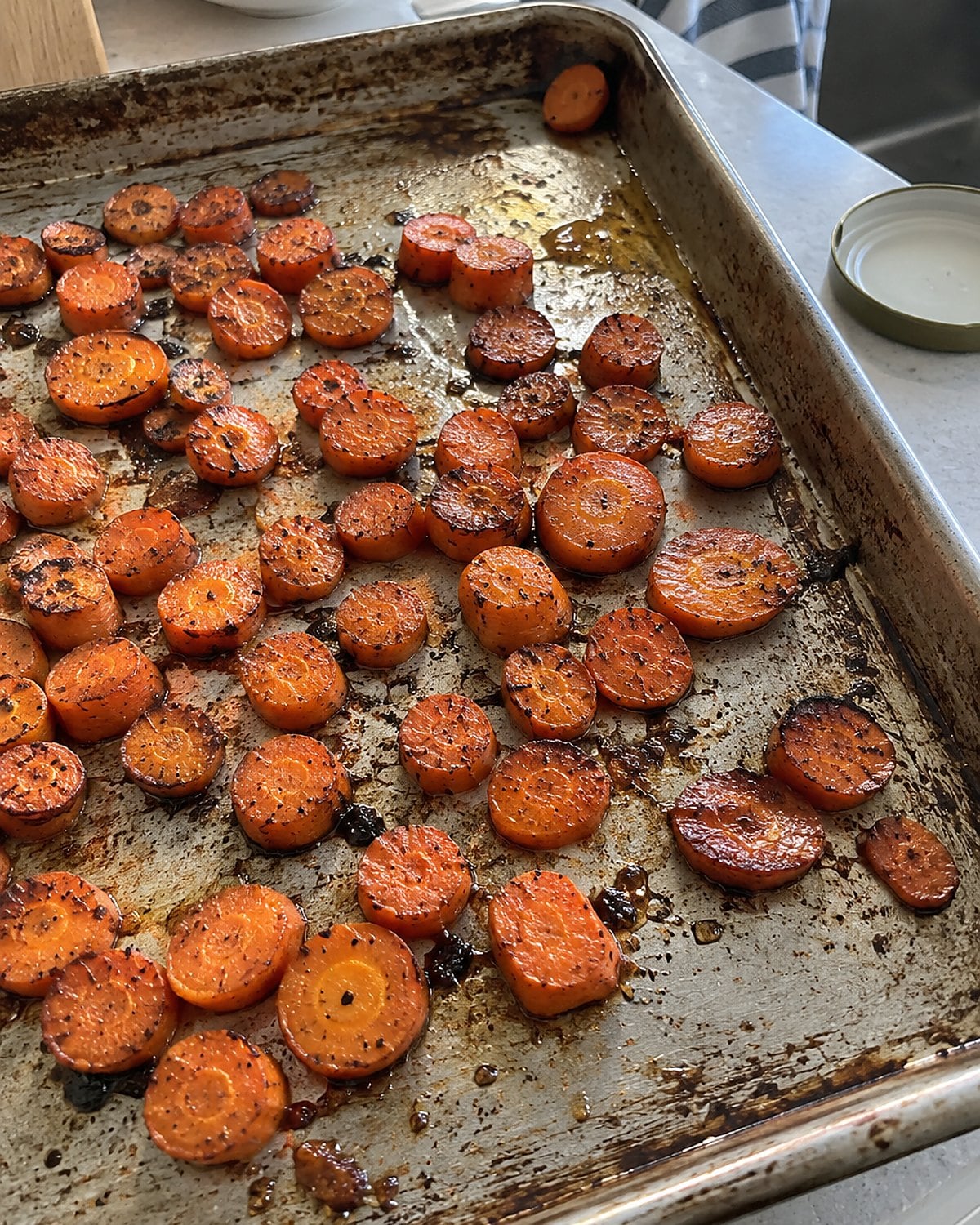
The carrots you boiled for years and the carrots that vanish from a baking sheet have the same name. They don't taste the same. Roast carrot coins in a single layer so their cut faces touch the hot metal. Piled carrots steam against each other and stay pale.
Cut the coins to a similar thickness. Toss them with oil and a little salt, then check the underside when the kitchen starts smelling sweet. A fork should pass through without turning the coin to mush.
If they need more color, leave space between them rather than turning up the heat and forgetting them. Put a few beside chicken or a burger, not in a separate bowl with an announcement.
The browned edges do the introduction. If a grandchild eats the ends and leaves the centers, you have a clue for next time: thinner coins, more contact with the pan.
#24 Peanut Butter on Banana Rounds
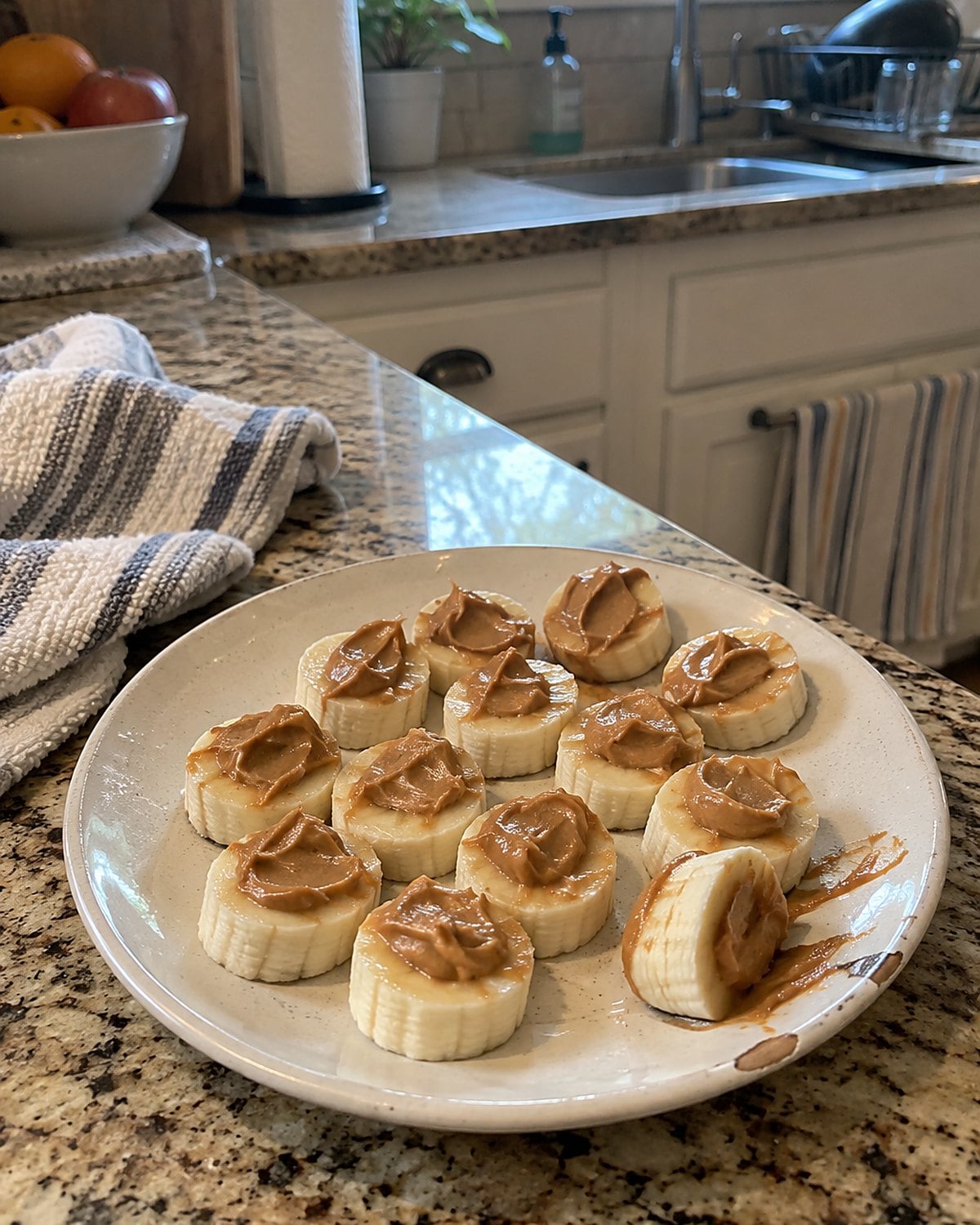
A banana with peanut butter already belongs to snack time. Changing its shape gives small hands a way in. Cut the banana into thick rounds and spread a little peanut butter on top, rather than building a slippery sandwich that slides apart at the first bite.
If you're cooking for visiting grandchildren, ask their parent about peanut allergies before opening the jar. For a child who eats peanut butter, this is a useful fallback when dinner is still on the stove.
Keep the plate plain. No face made from raisins, no explanation about what the snack contains. The child sees banana and peanut butter and gets to decide whether to take one.
#23 Cheese Quesadilla With Tiny Peppers
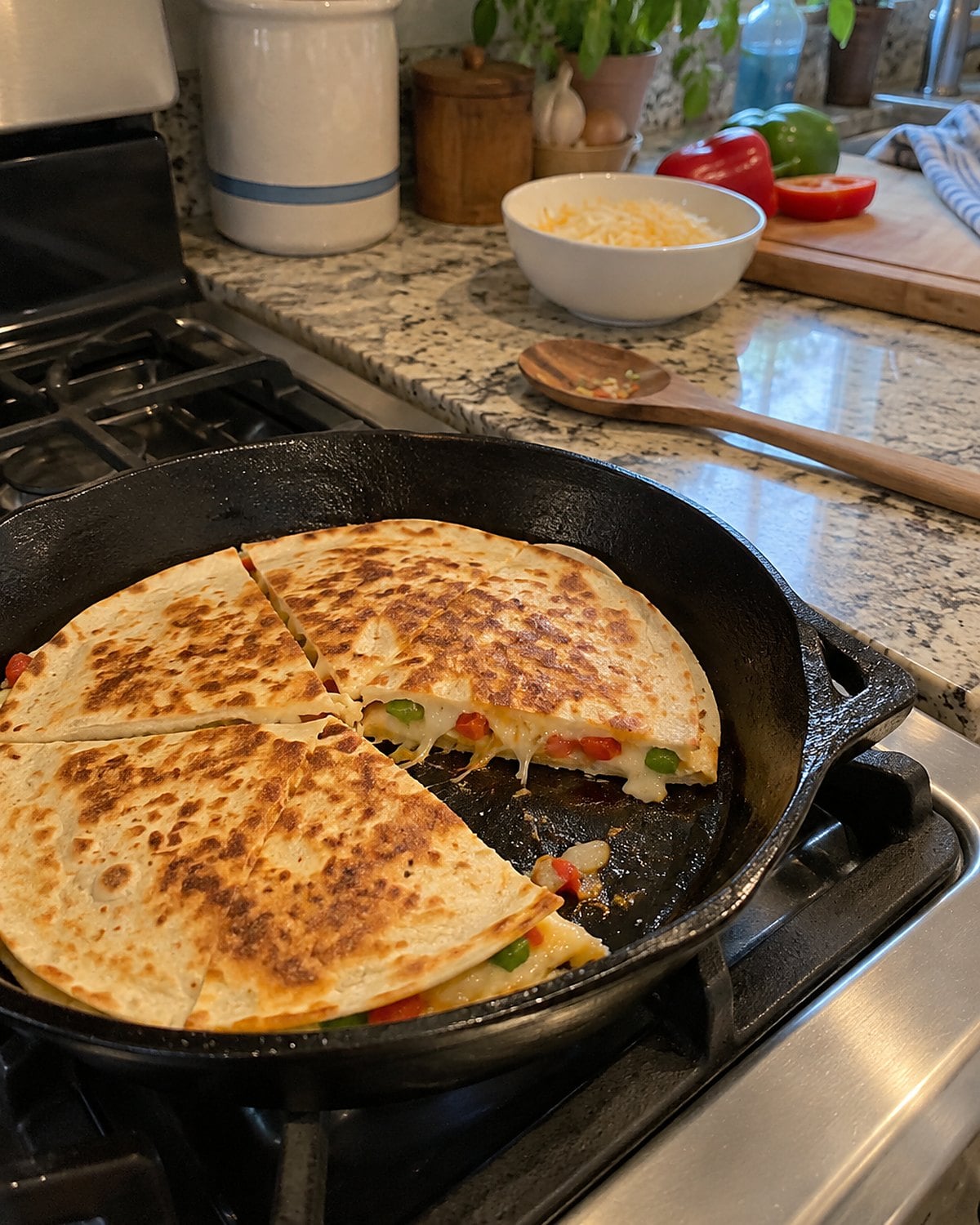
The first pepper piece on a quesadilla shouldn't be big enough to pull out with two fingers. Dice it small, cook it in the skillet until it loses its raw crunch, and scatter it among the cheese. Then fold the tortilla.
Keep the filling light. Too much cheese spills out; too many peppers make the tortilla soggy. Press the quesadilla against the pan and wait for the underside to turn crisp before flipping it. Cut it into wedges only after the cheese has settled, or the filling follows the knife.
Call it a cheese quesadilla. That's what the first bite delivers. You haven't hidden a whole dinner inside it, and you haven't promised the child a plain tortilla.
If peppers are the sticking point, leave a patch of cheese-only filling near one edge. The grandchild gets a familiar first bite while you learn whether the rest has a chance.
#22 Cucumber Sticks With the Seeds Removed
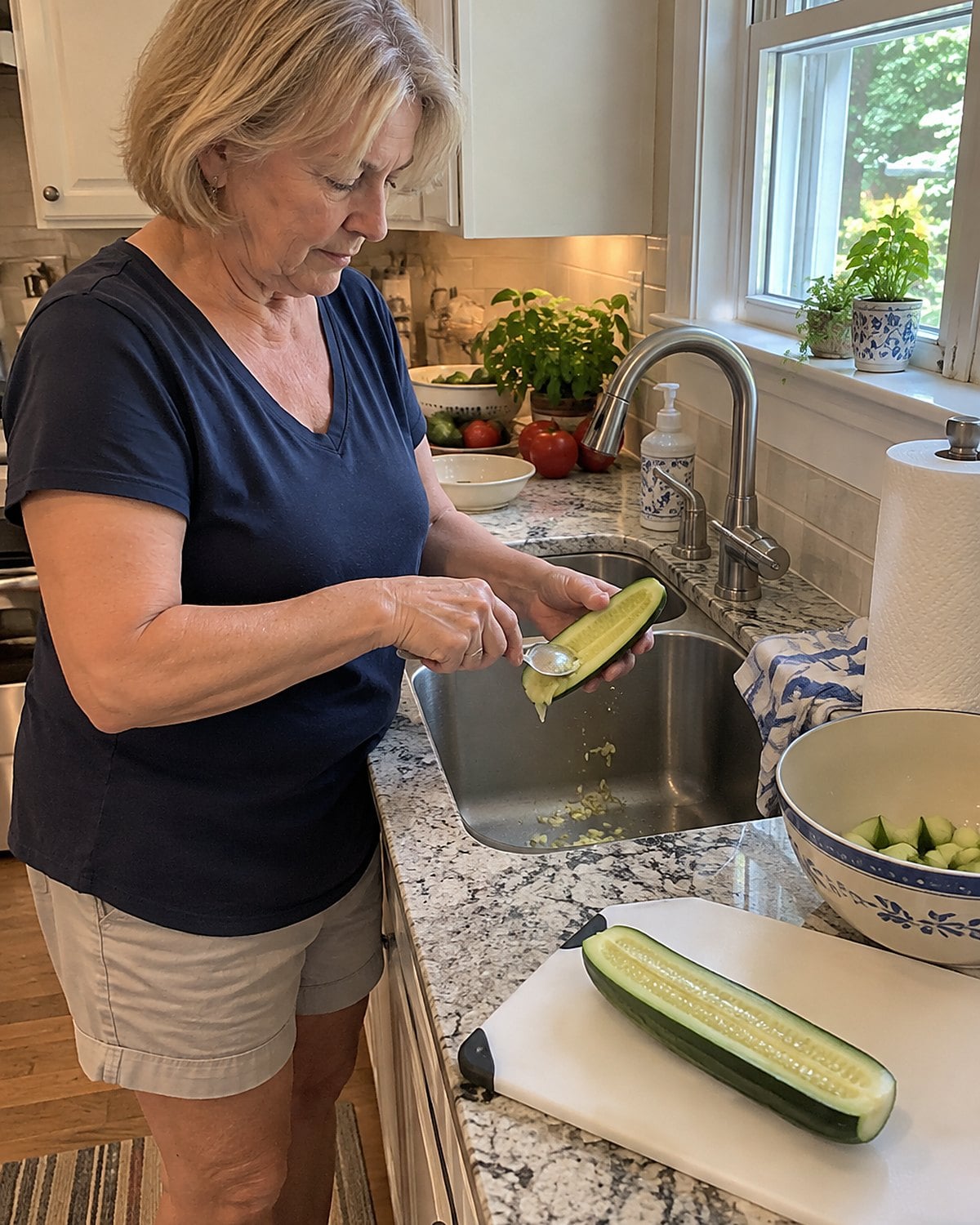
Some cucumbers make a sharp crack; others leave a wet center on the plate. If your grandchild rejects the slippery part, cut the cucumber lengthwise and scrape out the seeds with a spoon. Slice the firmer halves into sticks.
Offer one stick as you finish setting out lunch. A whole pile invites a verdict; one piece invites a bite. Keep the skin if it adds crunch, or peel a strip and see which piece gets taken.
You don't need to call attention to the change. The test is visible afterward: a bare stick means keep cutting them this way. A bite missing from one end means the cucumber at least got a hearing.
#21 Little Meatballs From the Same Dinner Batch
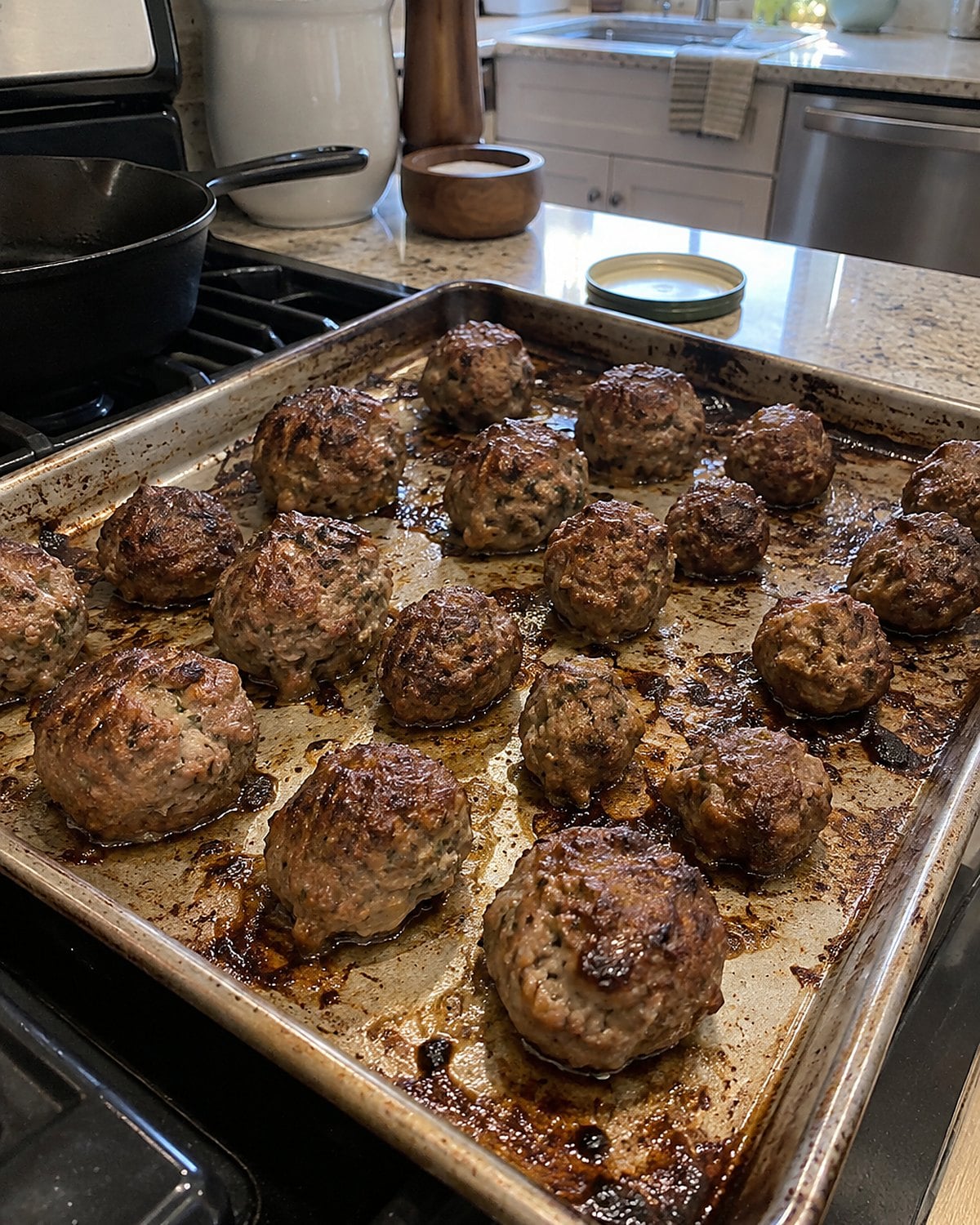
By Saturday afternoon, you're making meatballs for dinner and someone small is circling the counter. This is the moment to form a few smaller ones from the same mixture. They cook faster than the large ones, so check them separately instead of judging them by the family batch.
A small meatball has a familiar shape and no intimidating slice down the middle. Serve it with sauce on the side if sauce is still under suspicion.
Use a thermometer in the center. Ground beef or pork needs 160°F; ground poultry needs 165°F. Color alone won't settle it. The USDA's safe temperature chart is handy when you're cooking both.
Put the larger meatballs on your plate and the smaller ones where the child sits. You made one dinner, with a small adjustment at the shaping stage. That beats starting a second meal while yours gets cold.
Try it: Instant Pot Meatballs In Italian Tomato Sauce (Whole30, Paleo)
#20 A Spoonful of Mac and Cheese
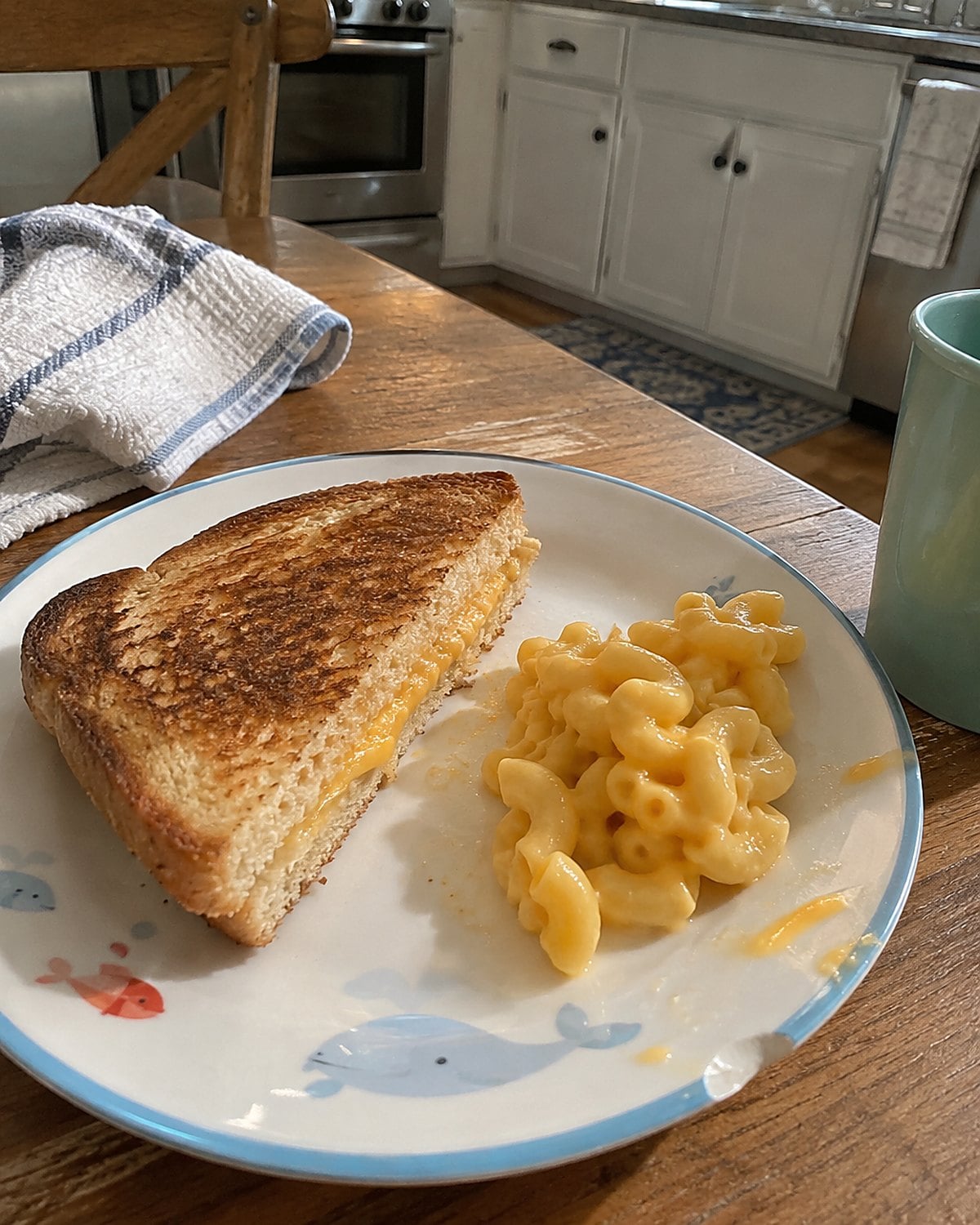
The big scoop is a commitment. A spoonful beside the familiar part of dinner is a question the child answers without words.
If you're adding anything to macaroni and cheese, begin with the cheese sauce. Whisk it smooth before stirring in pasta, then taste it. A smooth sauce stays on the noodles; a grainy one leaves bits that invite inspection. Add-ins deserve their own trial, not a surprise buried in the whole pot.
Serve a small spoonful first. When it's gone, there's more. When it sits untouched, you haven't wasted the serving or turned supper into a debate. That little portion lets your grandchild meet the food without an audience waiting for a verdict.
Try it: Easy Instant Pot Macaroni & Cheese (Step-By-Step Recipe)
#19 Grilled Cheese With a Tomato Dip
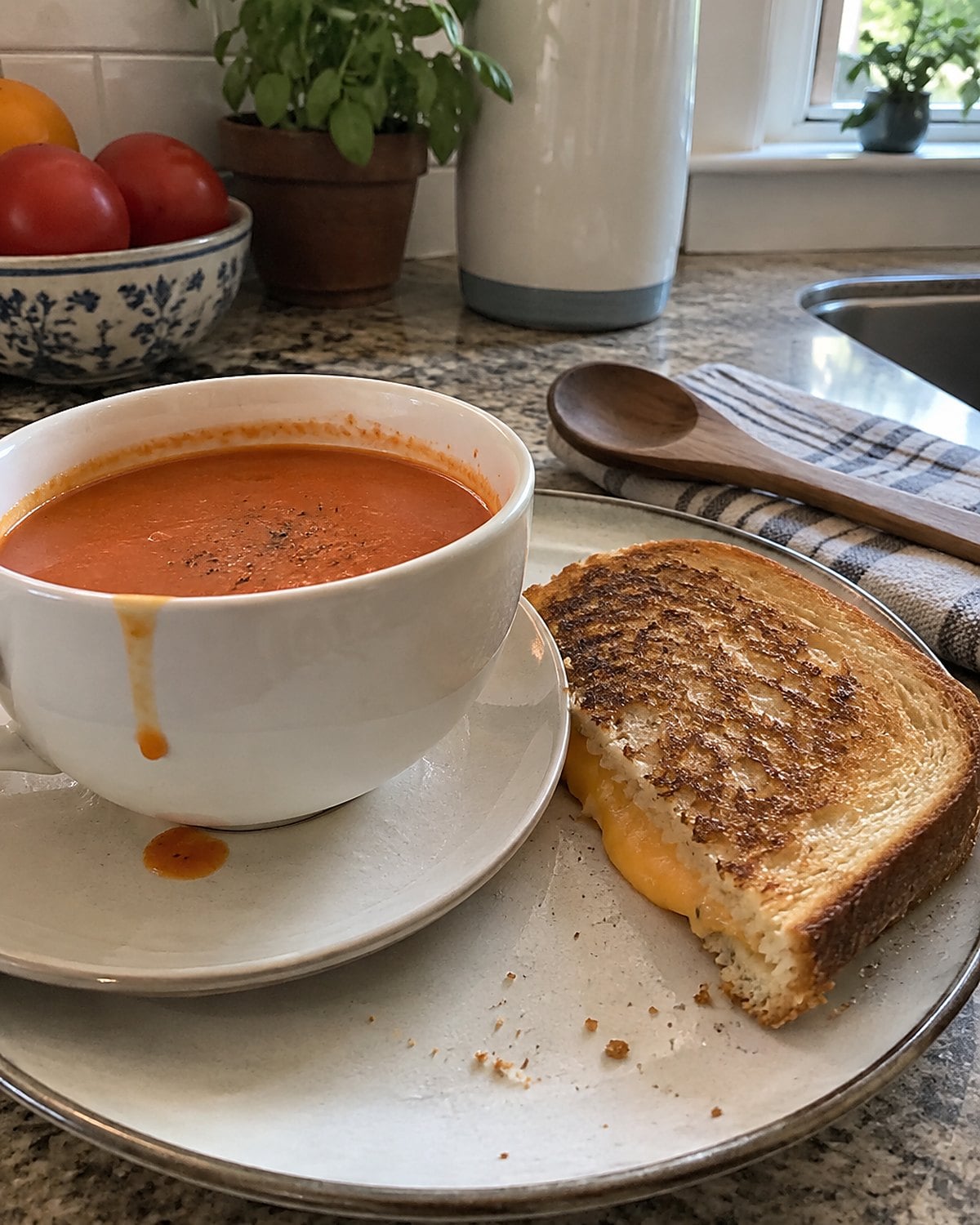
A grilled cheese sandwich already has the crisp outside and stretchy middle working for it. A small cup of warm tomato soup beside it changes the meal without changing the sandwich. Let the child decide whether the corner goes in.
Make the sandwich on moderate heat. Bread that browns before the cheese melts forces you to choose between a burnt crust and a cold center. Covering the pan briefly helps the cheese melt; lift the lid again so the bread stays crisp.
Keep the dip thick enough to cling to a corner. A watery soup runs down the wrist and makes the bread limp. Taste it yourself before serving.
Then say, “The soup's here if you want to dip.” That's all. The sandwich remains dinner even if the cup stays full, and the first dip belongs to the person holding it.
Try it: Best Instant Pot Tomato Soup (Panera Bread Inspired)
#18 The Crispy Casserole Corner
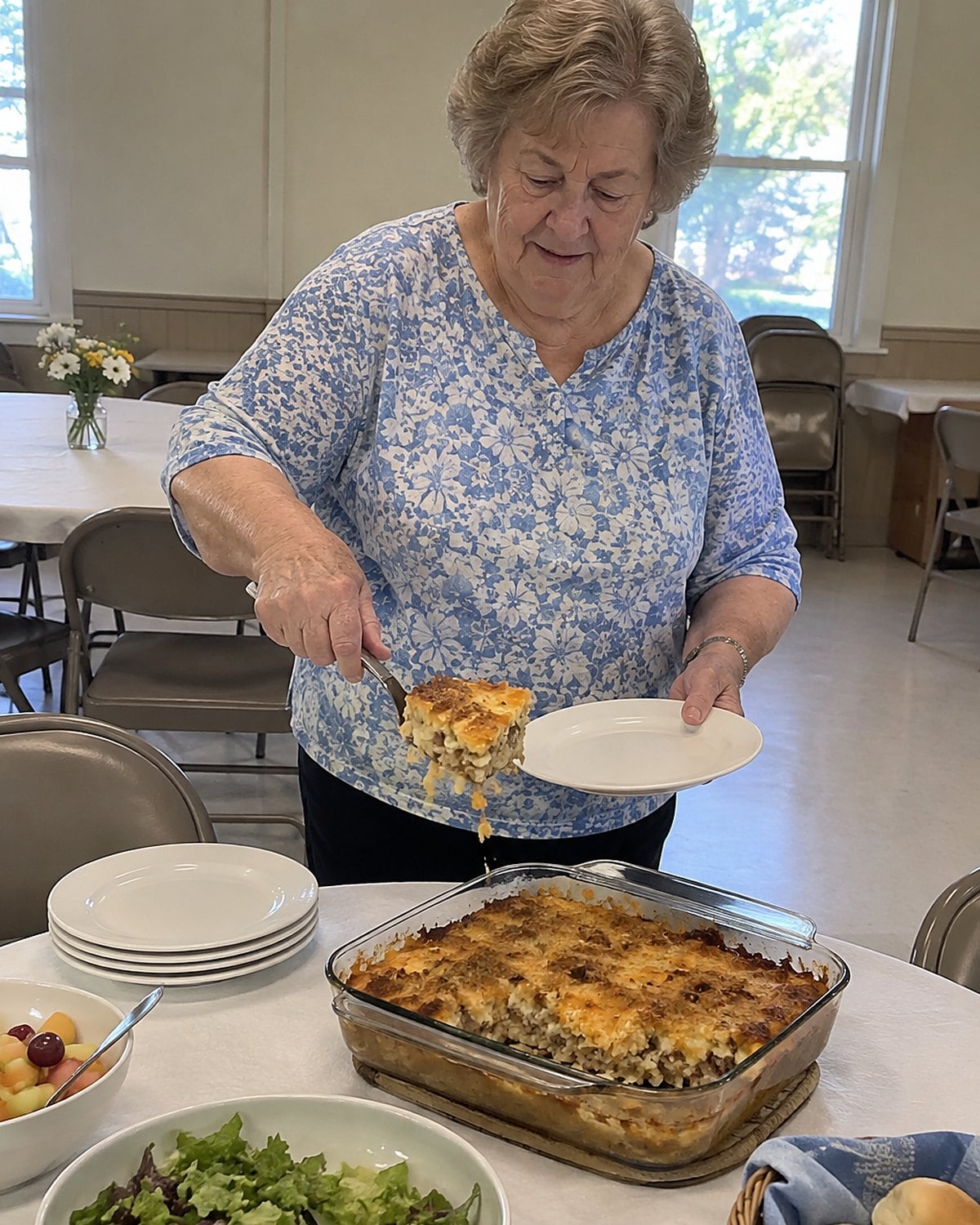
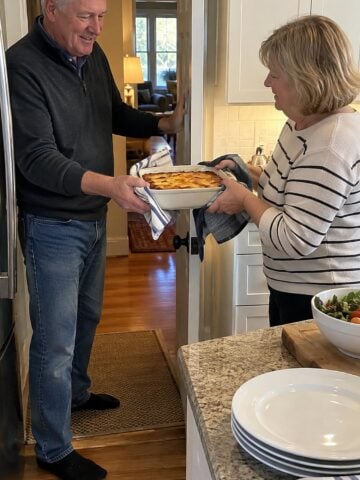
You know which piece someone claims before the serving spoon reaches the pan. The corner has browned edges and a little resistance under the fork. The middle is softer. For a child wary of casseroles, those are two different dinners.
Spoon out a corner without dragging wet filling across its top. If the dish has a crumb or cheese topping, let it brown before you call everyone over. A pale topping promises crunch and delivers none.
Skip the announcement about everything beneath it. Say, “Do you want a corner?” That's an invitation with a real choice in it. If the child wants another piece, you already know which part of the dish to save.
#17 Corn With a Pinch of Salt
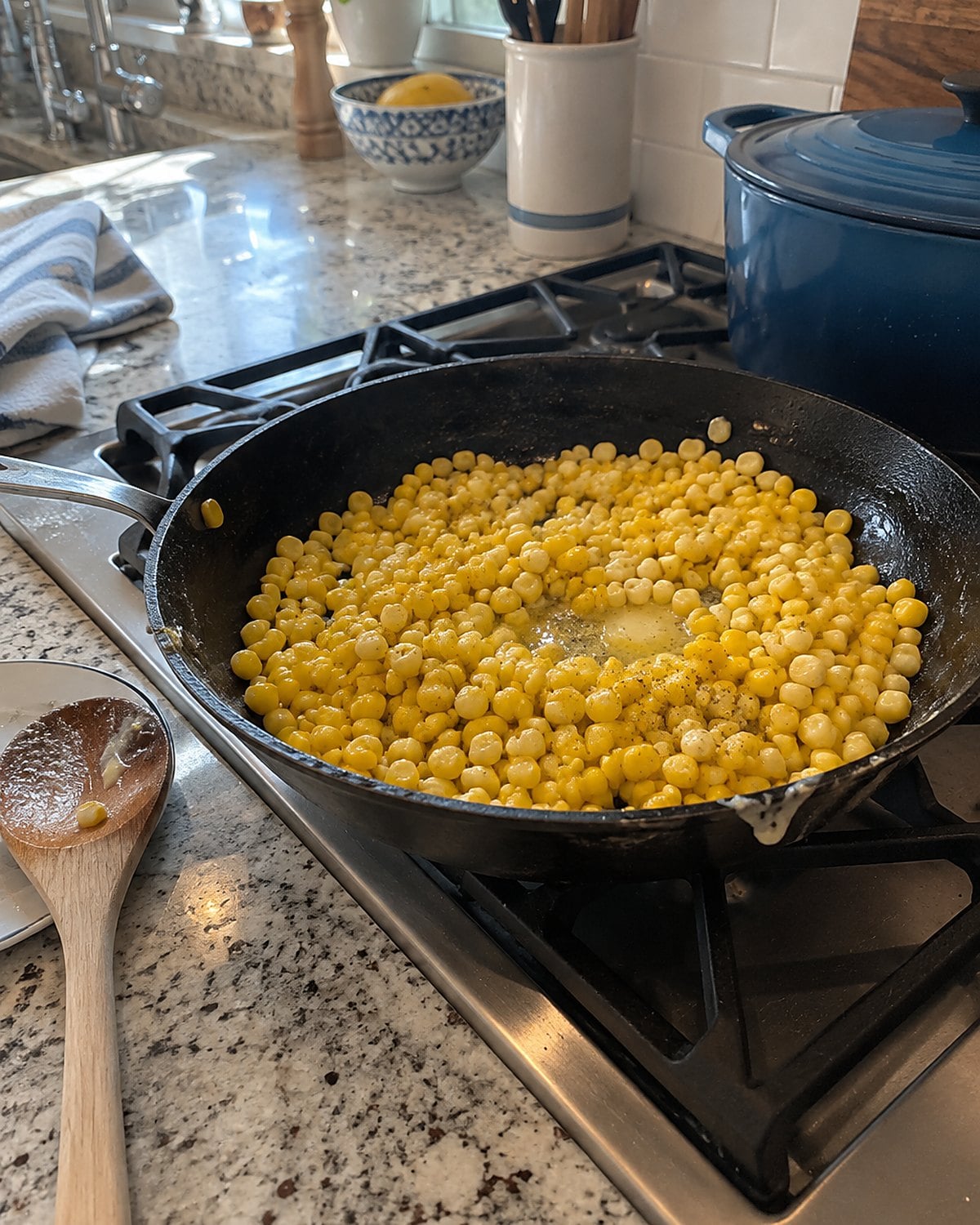
Corn goes from sweet to disappointing when its kernels sit in a puddle or get cooked until their snap is gone. Drain it well. If it came from the freezer, heat it in a wide skillet until the extra water cooks away, then add a small piece of butter.
Listen to the pan. Once the wet hiss gives way to a light sizzle, lift out a kernel and taste it. A pinch of salt sharpens the corn's sweetness without making it salty. If the kernel feels chewy, take the skillet off the heat.
Leave the kernels on their own side of the plate if your grandchild dislikes foods touching. A child who takes corn separately has eaten corn. Next time, you'll know whether the drier skillet version beats the wetter one.
#16 Chilled Grapes for the Porch
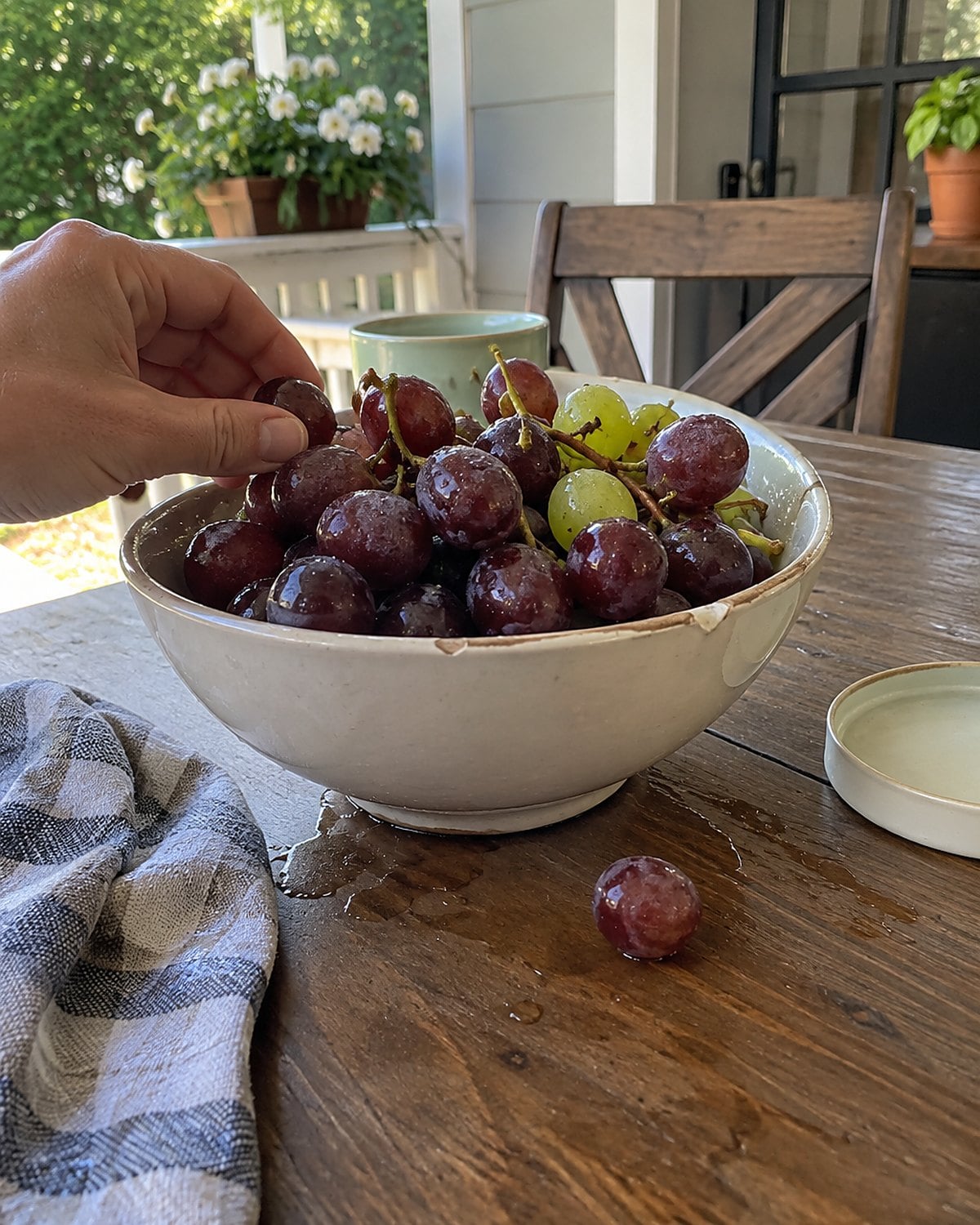
A bowl of cold grapes on the porch needs no introduction. Whole grapes are a choking risk for young children. Cut them lengthwise into small pieces, and ask the parent what shape their child is ready to eat.
For an older child who eats whole grapes, rinse them, then chill them in the fridge. The cold makes them refreshing without making the bite hard. The CDC's guidance on choking hazards is worth checking when a younger grandchild visits.
Keep the bowl within reach, along with a damp towel for sticky fingers. No one needs a pitch about fruit. For a child whose chewing skills you're unsure about, ask the parent before setting out a snack.
#15 Pumpkin Pancakes With Crisp Edges
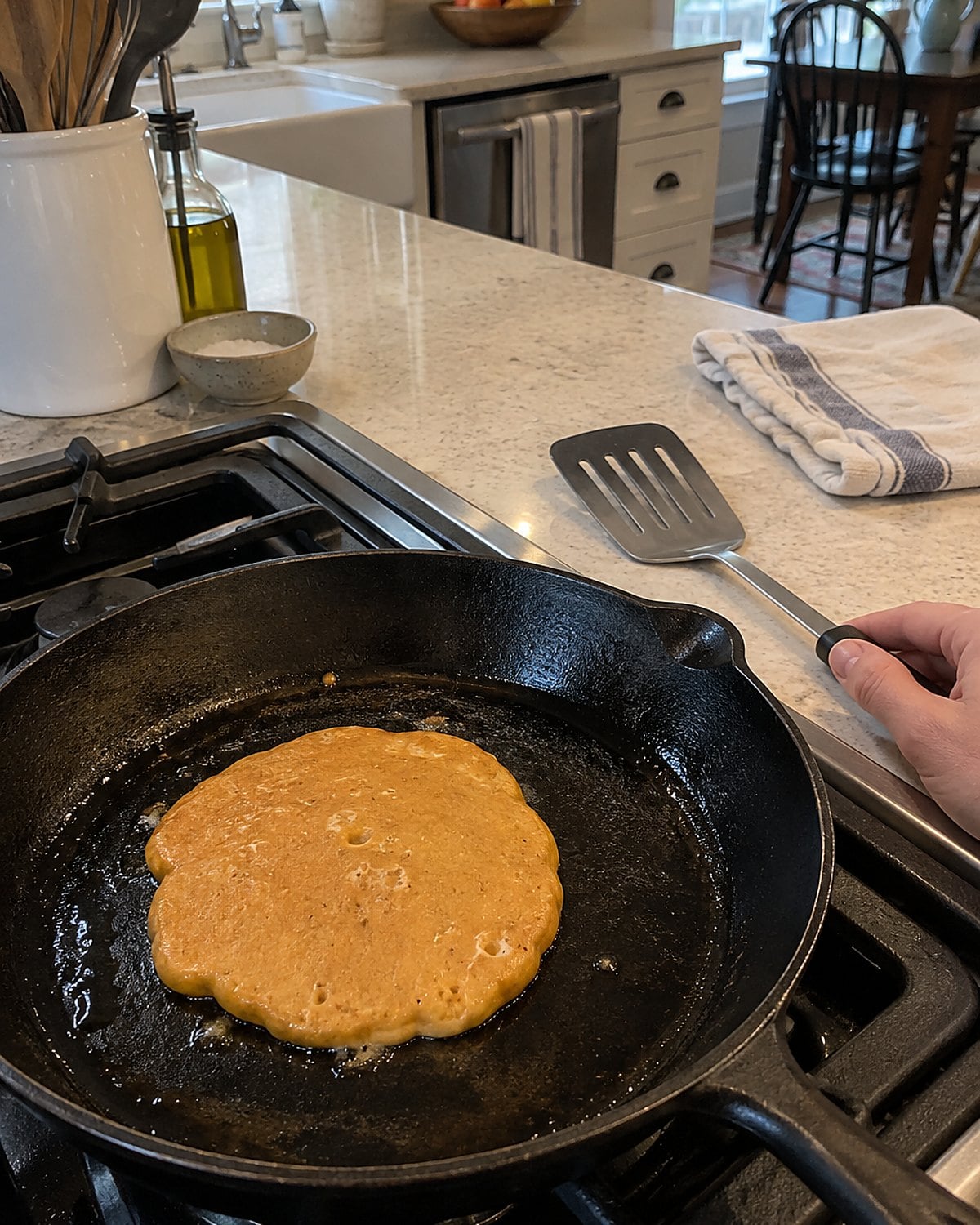
A spoonful of plain canned pumpkin changes pancake batter fast. It adds moisture and weight, which means the old pour-and-flip rhythm needs a check. Make a small test pancake first. If the center stays wet while the outside browns, use less batter per pancake.
Wait for bubbles at the surface and edges that look set, then slide the spatula underneath. After the flip, press the center lightly. It should spring back rather than leave a dent of wet batter.
Keep the pumpkin modest enough that the pancakes still taste like the breakfast your grandchild knows. Cinnamon belongs in the batter if that's already part of your house pancake smell. Put syrup or butter on the table as usual. The first question is whether the pancake tastes good, not whether anyone identified the pumpkin.
#14 Celery Sticks Cut Across the Strings
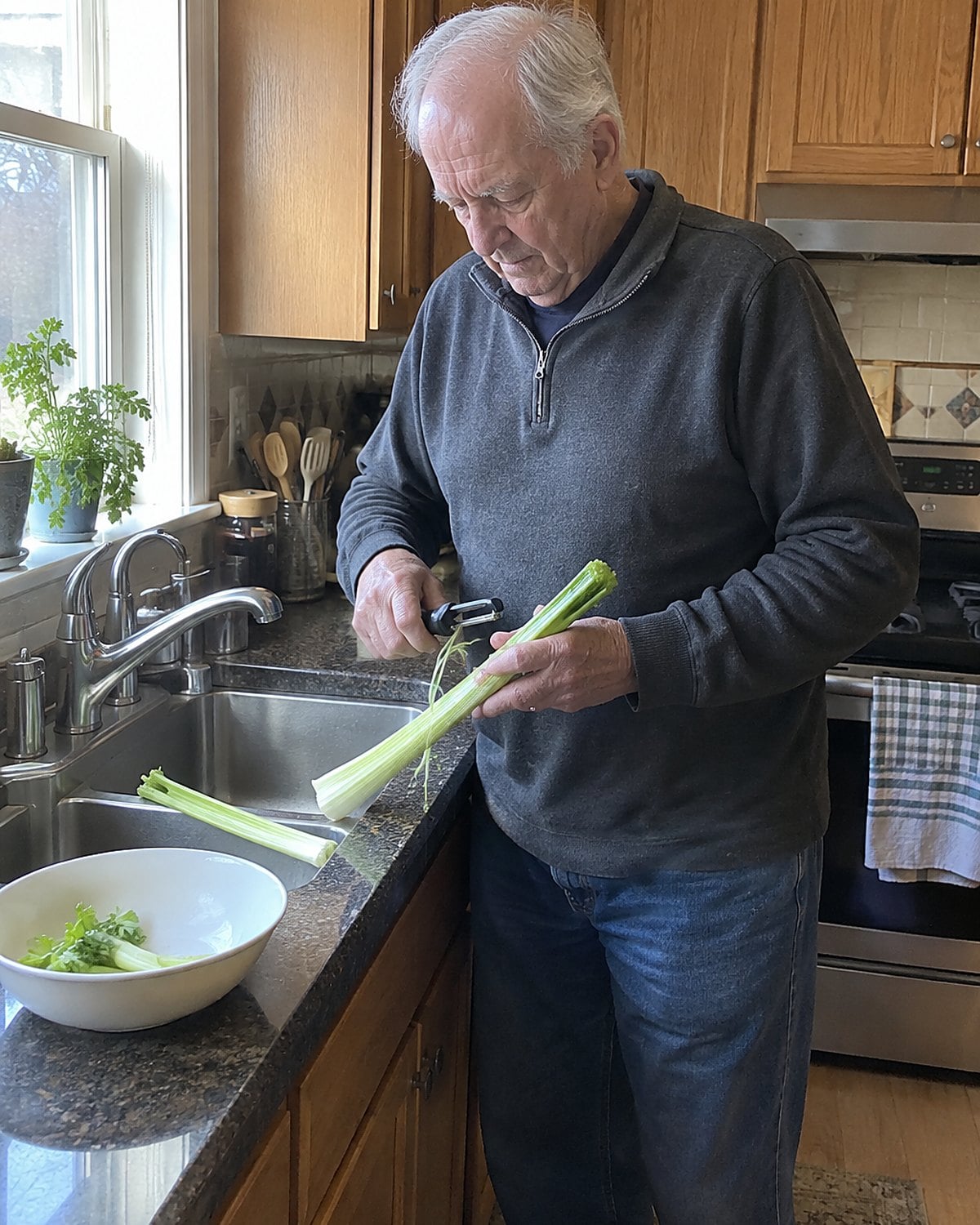
The sink is full of lunch dishes, and one celery stick lies there with its filling licked off. Before writing celery off, look at the stalk. Long, tough strings turn a bite into a tug.
Use a peeler along the outside of a thick stalk, then cut shorter sticks across it. The ribs still crunch, but each bite asks less work of small teeth. If celery is new to the child, offer it beside a dip they already eat rather than loading every piece.
A rejected stick tells you very little by itself. A stick stripped of dip tells you something exact: the topping worked, and the celery needs another look.
#13 Broccoli Tops With Toasted Crumbs
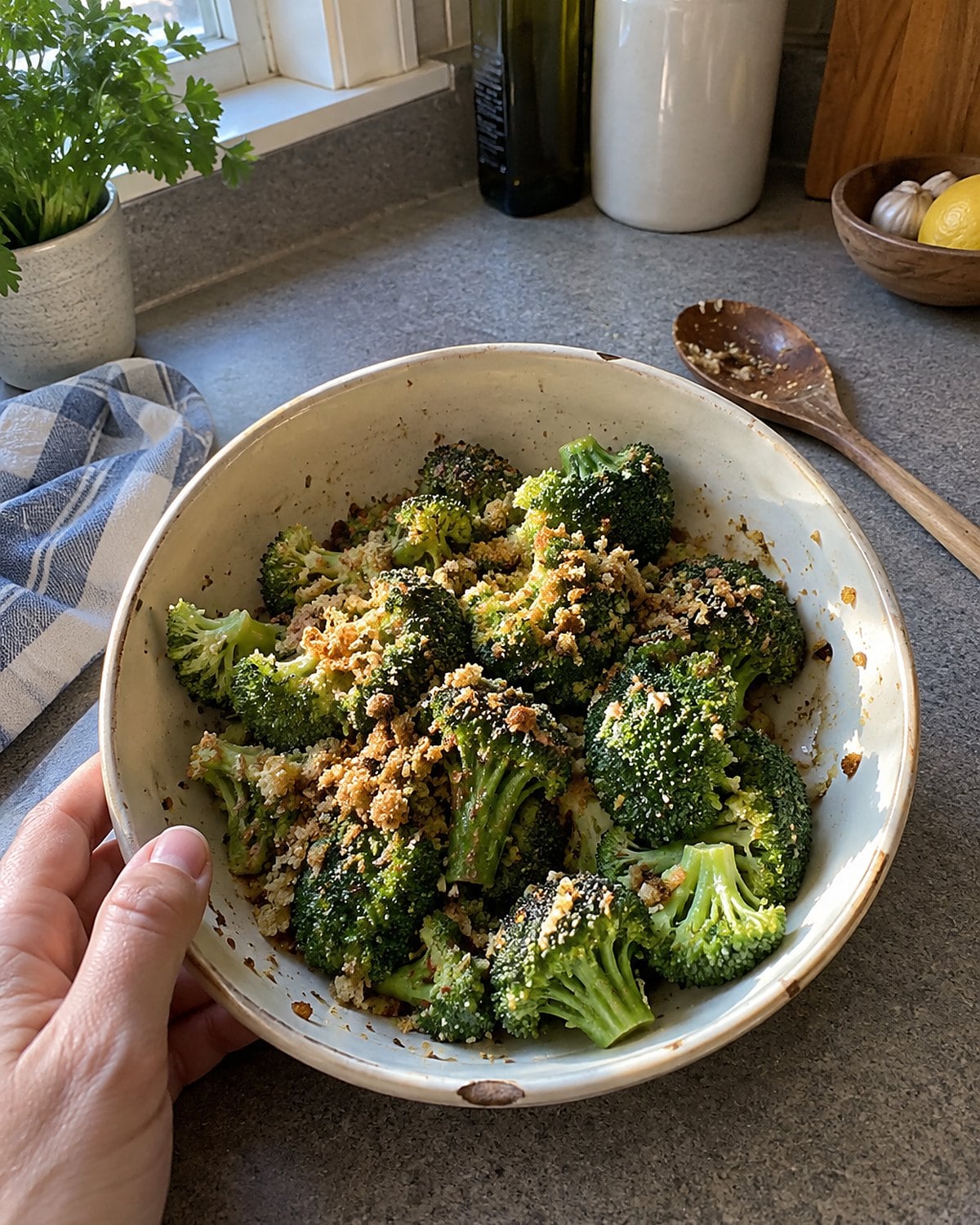
A large broccoli stalk on a small plate resembles a chore. Cut the florets so each piece has a short handle. Steam them until a fork enters the stem with a little resistance. Start checking after about 5 minutes; limp broccoli has lost its good bite.
While the pot steams, toast plain breadcrumbs in a dry skillet until they smell nutty. Scatter a little over the broccoli after cooking. Crumbs added before steaming turn damp, and nobody asked for a soggy topping.
Serve the pieces where the child can see their shape. Don't bury them under melted cheese and call the dish something else. The crumbs give each top a crisp finish; the short stems make the pieces easy to hold. If the crumbs go first, you've learned what drew the hand to the plate.
#12 A Peach From the Market Stall
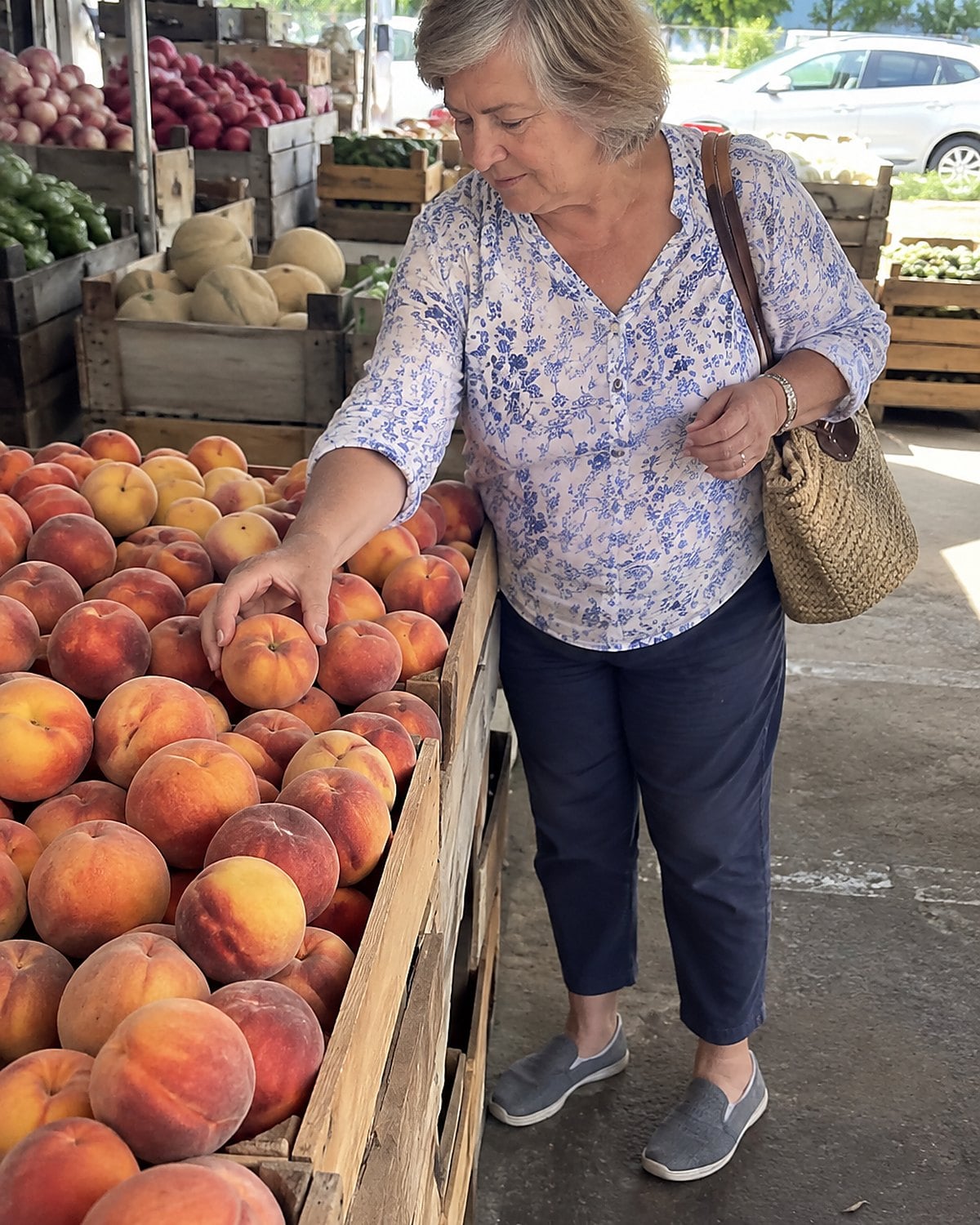
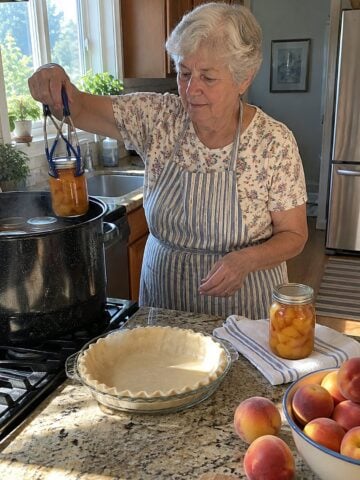
At a market stall, a ripe peach tells you something a hard one can't. Smell near the stem. Look for fruit that gives a little under a careful touch, without a bruised patch that sinks. Don't squeeze every peach on the table; choose with your eyes and nose first.
Once home, slice it over the counter, where the juice has somewhere to land. For a child put off by fuzzy skin, peel one wedge and leave another intact. Let them take the one they want.
A good peach doesn't need sugar, a dish name, or a story about where it came from. It needs a napkin. Keep one within reach and watch which wedge goes.
#11 Baked Sweet Potato Fries
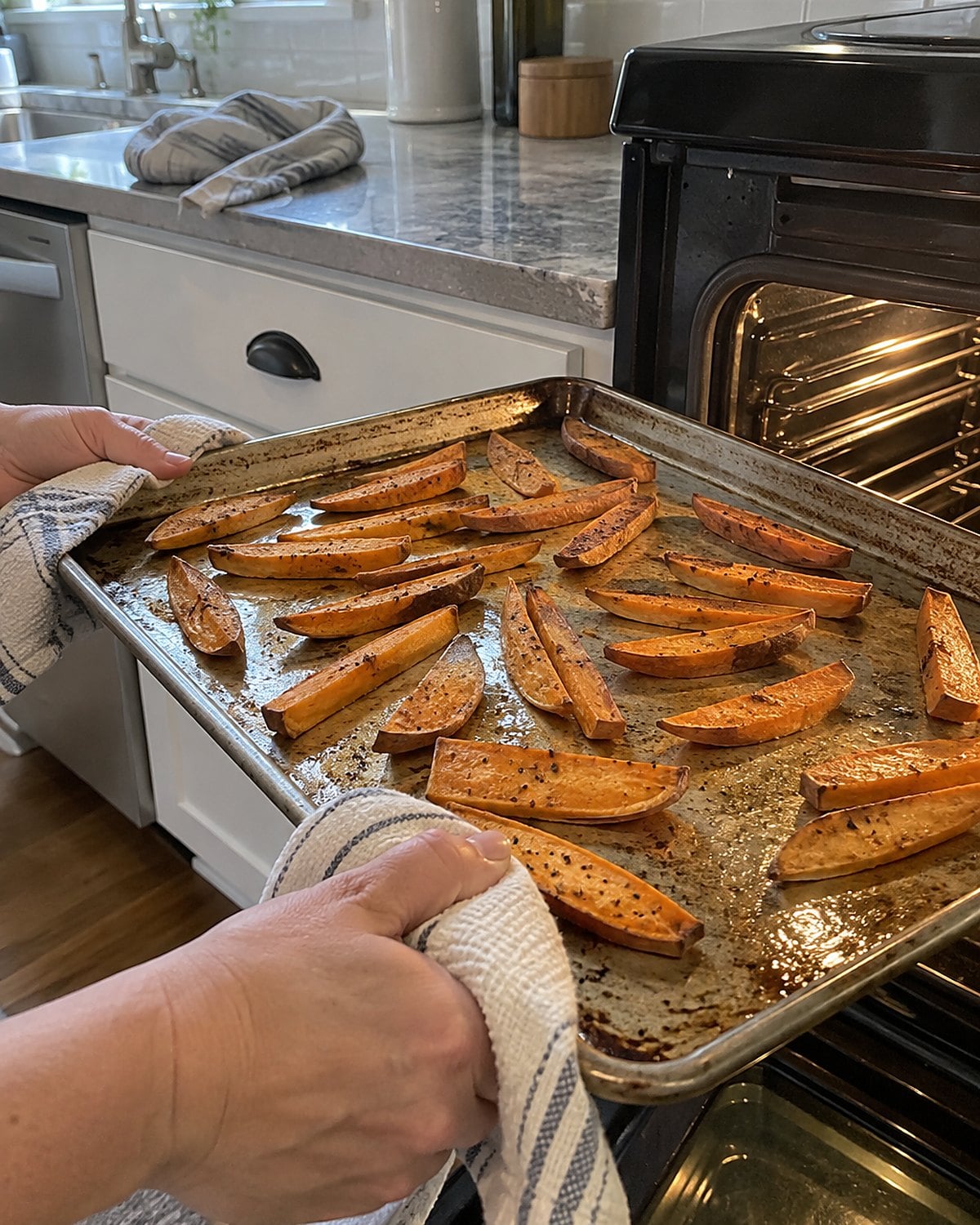
The oven door opens, and the tray looks crowded. That's the warning. Sweet potato strips release moisture as they cook; packed close, they turn soft instead of browning at the edges.
Cut the strips evenly, dry them after washing, and spread them across a baking sheet with space between. Oil them lightly. Turn them when the bottoms color, using a spatula that reaches under the full strip.
Thin ends brown before thick middles, so pull the finished pieces rather than waiting for every fry to match. Give your grandchild a few on the same plate as the rest of dinner. Call them sweet potato fries.
They won't have the same snap as fried potatoes, and that's worth admitting. The goal is a sweet center with browned edges, served while those edges still hold.
#10 The Little Bowl of Ranch
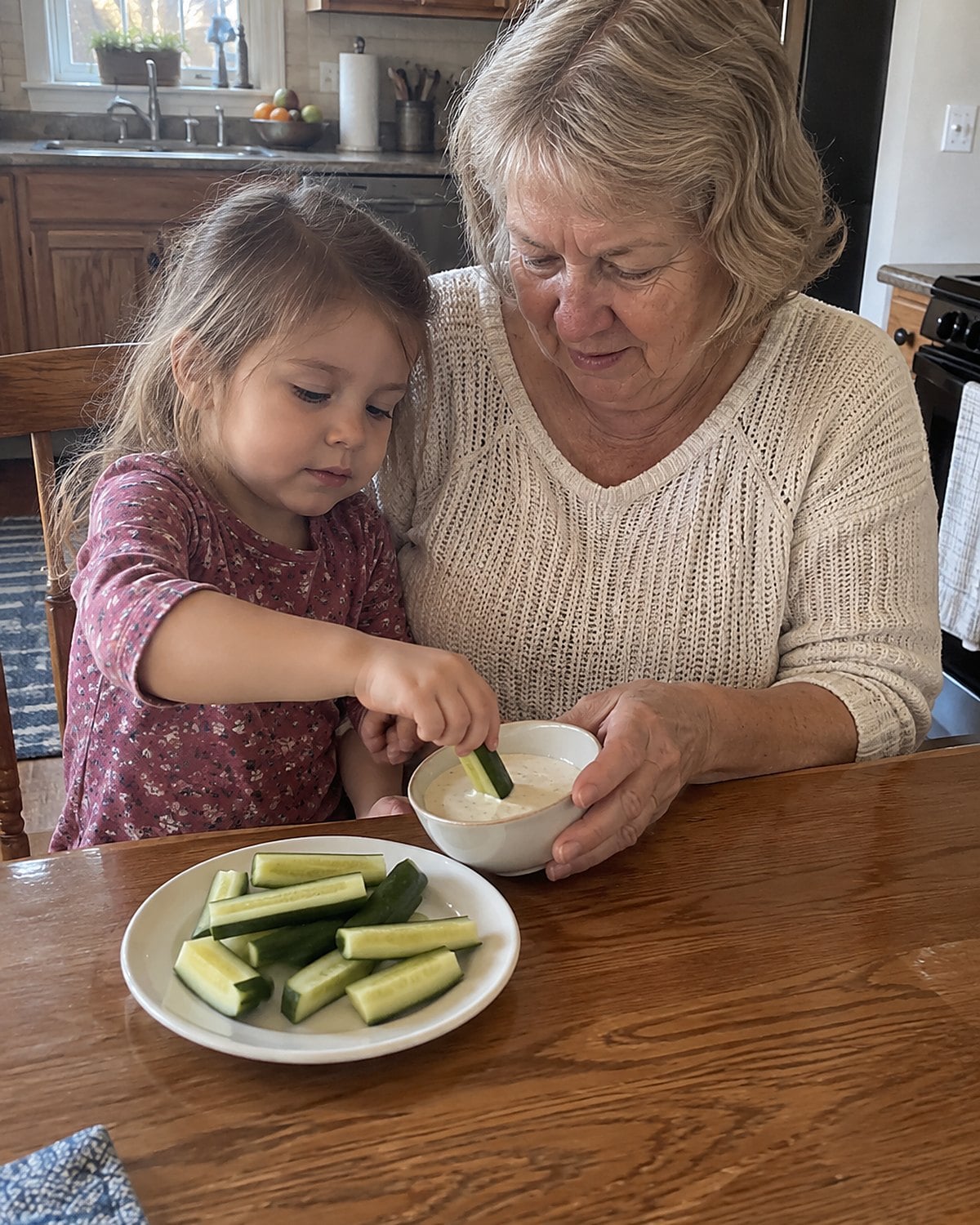
Does the dip bowl get emptied while the food beside it stays put? Keep the dip, but make it part of the test rather than the entire plan. Put a small amount of ranch in a cup wide enough for a short carrot or cucumber stick to reach the bottom.
A child gets to choose how much to dip. You get to see whether the food itself ever gets bitten. Don't wipe the ranch off the stick or ask for an undipped bite. That turns an ordinary snack into an inspection.
When the cup is empty, offer more if the food is being eaten, too. The bowl isn't cheating. It's a way to make the first bite feel like their idea.
#9 Rice With Peas Stirred in Last
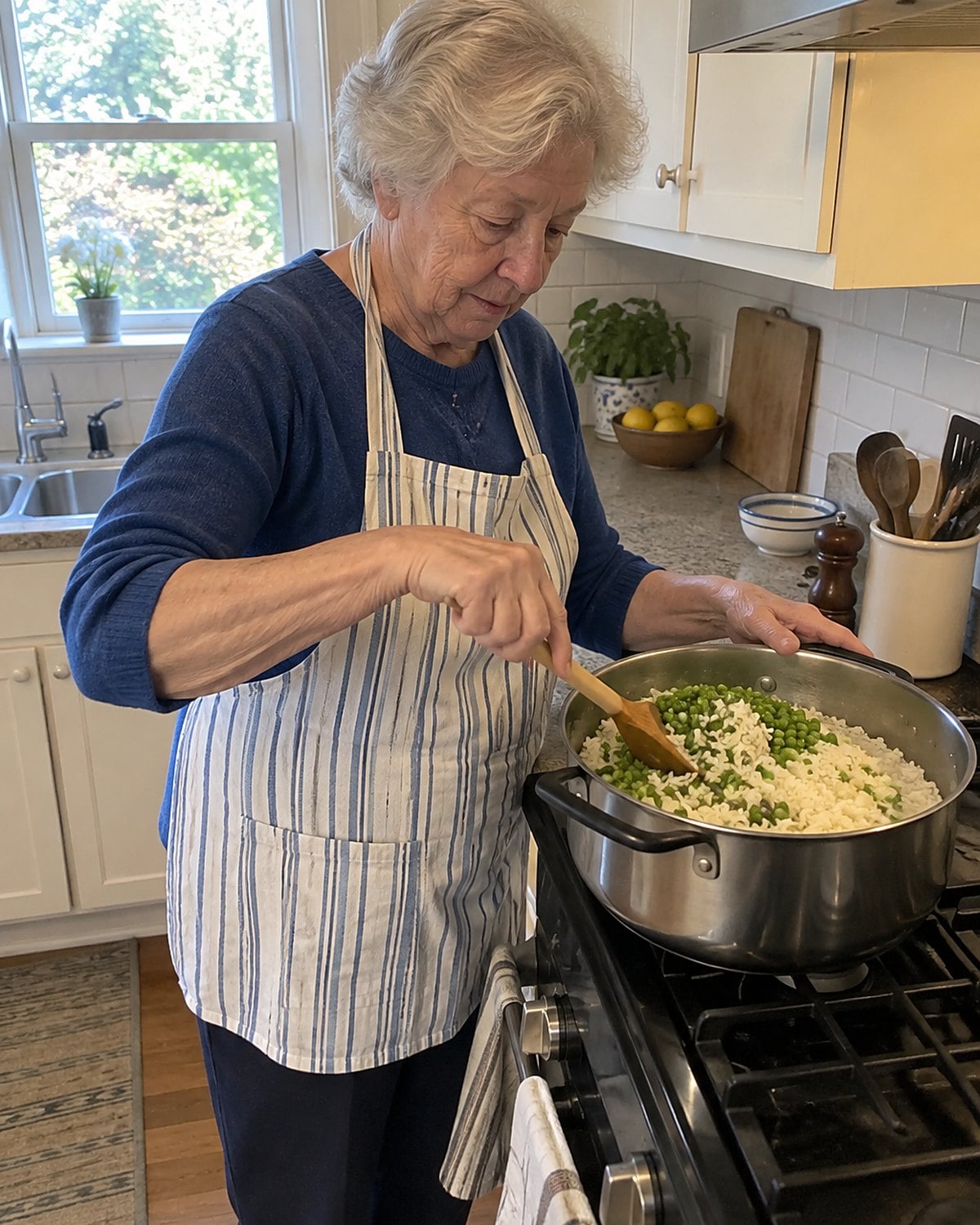
A pot of rice finishes steaming under its lid. Warm the peas separately while the rice rests, then fluff the grains before folding the peas through. Put them in while the rice cooks, and they lose their bright color.
Stir with a light hand. Heavy mixing crushes the peas and turns the pot sticky. Taste a spoonful for salt before bringing it to the table.
If your grandchild picks out the peas, you've still served a familiar bowl of rice. Next time, put a few peas on top instead of mixing them through. The child can see exactly what they're choosing. You can stop guessing whether the objection was the pea or the surprise.
Try it: Instant Pot Yellow Rice With Corn & Peas
#8 Mini Pita Pizzas on the Sheet Pan
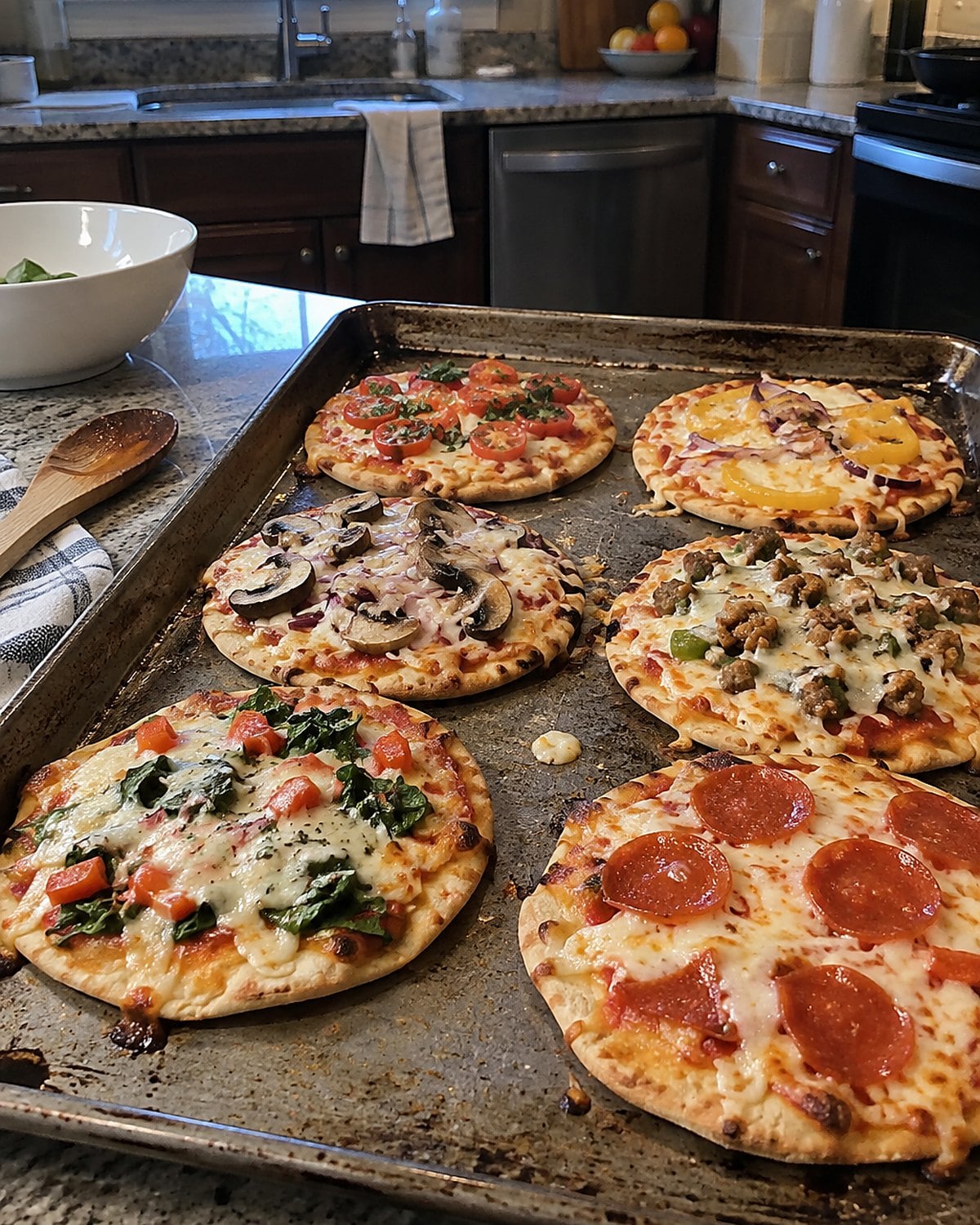
A pita has the useful job already done: it holds toppings without asking you to make dough. Set out small pitas, spread on a thin layer of sauce, and keep the cheese away from the very edge so it doesn't burn onto the pan.
For a hesitant eater, let the child top one pita. A few pieces of chopped spinach or pepper are enough to test interest; a heap makes the center wet. Bake until the cheese bubbles and the pita edge firms up.
Call it pizza because it is pizza on pita. The child chose what went on top and watched it come out of the oven. You can leave your own pita exactly as you like it.
#7 The Skillet Cheese Egg
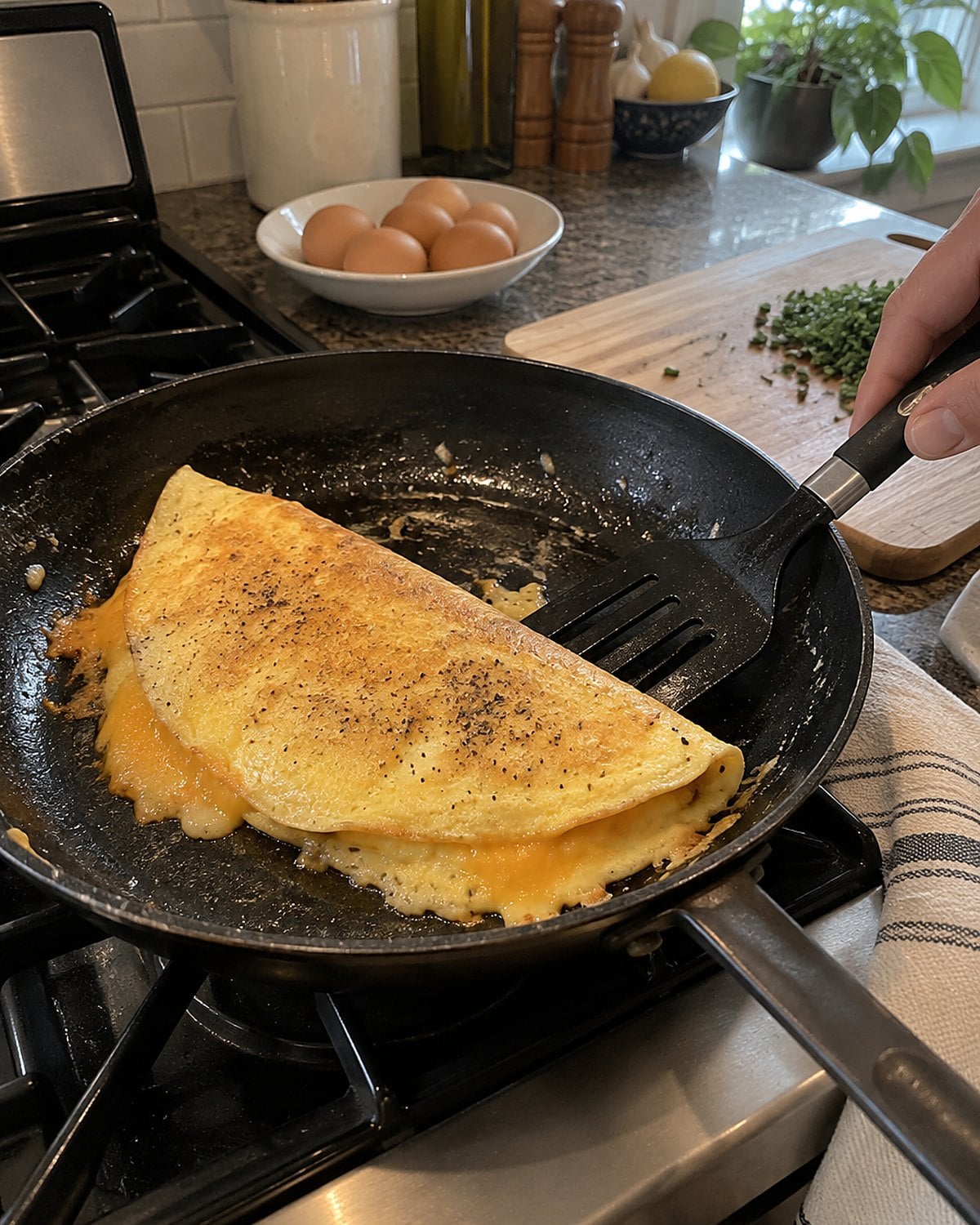
What happens when an egg looks rubbery before it reaches the plate? It sits there. A hot skillet and a little patience give you a better shot.
Beat the egg until the white and yolk come together. Pour it into a pan over moderate heat, then move the set edges toward the middle. Cook until the egg is set throughout, and add cheese near the end so it melts without scorching against the pan.
Serve it folded or in pieces, whichever shape your grandchild already recognizes. The cheese smells familiar before anyone asks what's for breakfast. You don't need to call the egg “special.” The test is whether the next forkful follows the first.
#6 Cold Orange Wedges Without the Pith
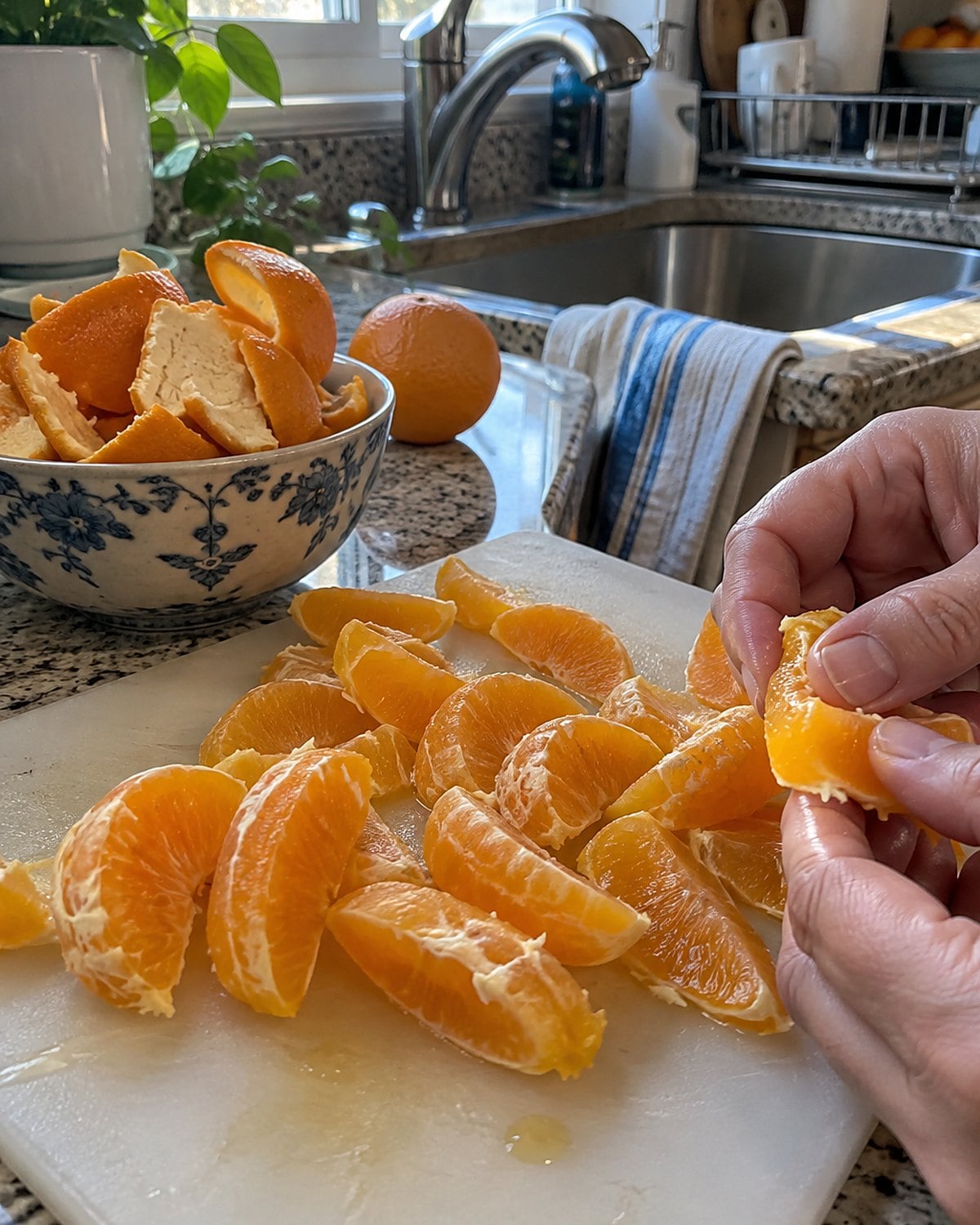
A cold orange tastes good until a thick white thread gets caught in the bite. Peel it thoroughly and pull away the heavy pith before separating the wedges. For a younger child, ask the parent how they want the wedges cut.
Do the prep at the counter, not while everyone waits with sticky hands. A small bowl by the sink catches peels, and a damp cloth takes care of the juice.
Taste a wedge yourself. If the orange is tart, choose another snack instead of trying to sell it. Put the clean wedges out cold. Their smell travels across the room faster than your invitation will.
#5 Chicken Tenders With a Crunchy Coating
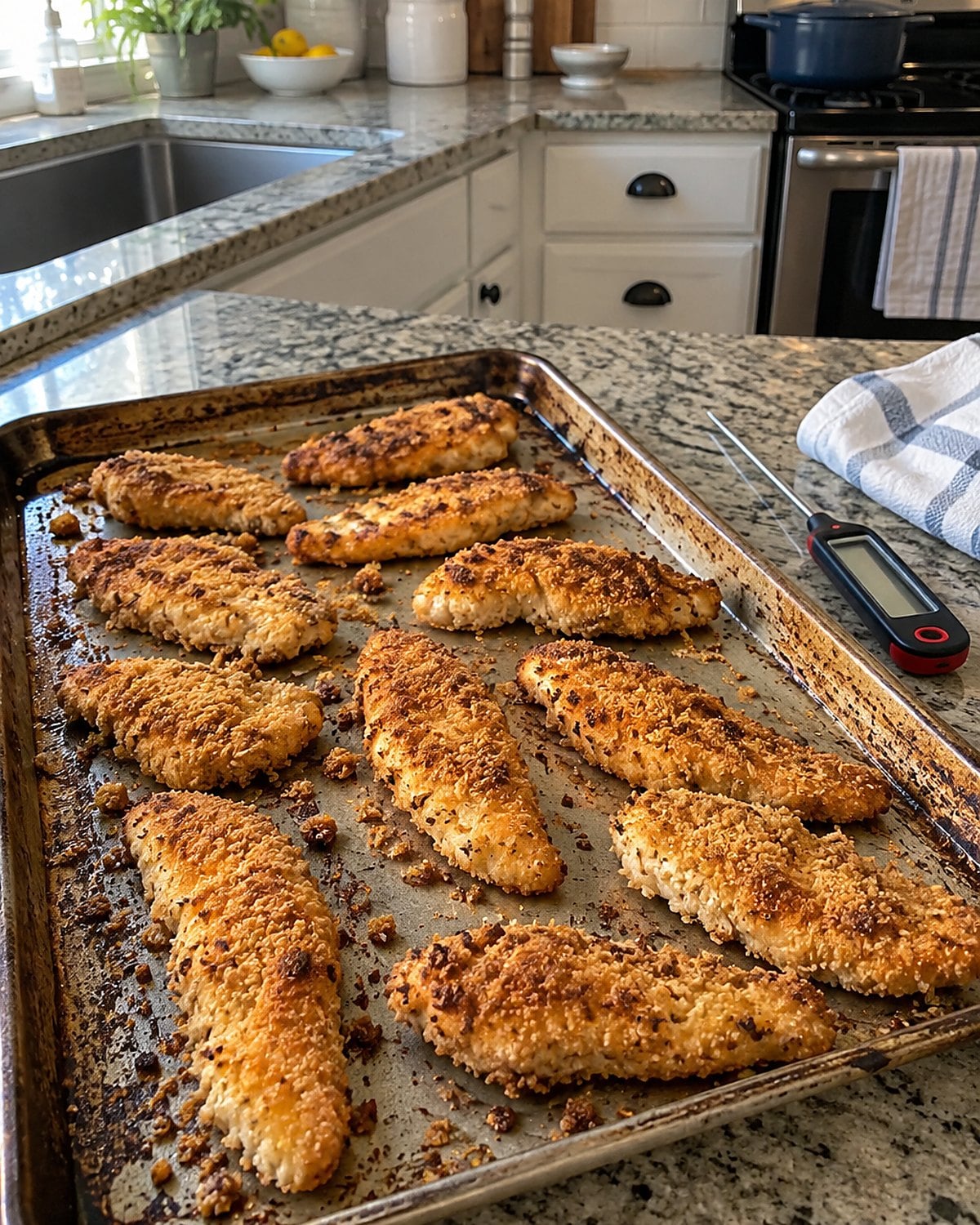
A baking sheet of chicken tenders should come out with a crust you can hear against the spatula. The step that helps is drying the chicken before coating it. Moisture trapped under crumbs steams the coating loose.
Set the coated pieces apart on the sheet. Give them room to brown, then turn them so both sides meet the hot pan. Crumbs that fall off aren't a crisis, but bare patches tell you the coating never gripped. Next time, pat the chicken drier before it goes into the egg and crumbs.
Use a thermometer for the center, not the color of the crust. Poultry needs 165°F. Serve the tenders with a familiar dip and let the rest of dinner sit alongside them. You have a reliable main dish without asking the child to admire the work behind it.
#4 Green Beans That Still Bend
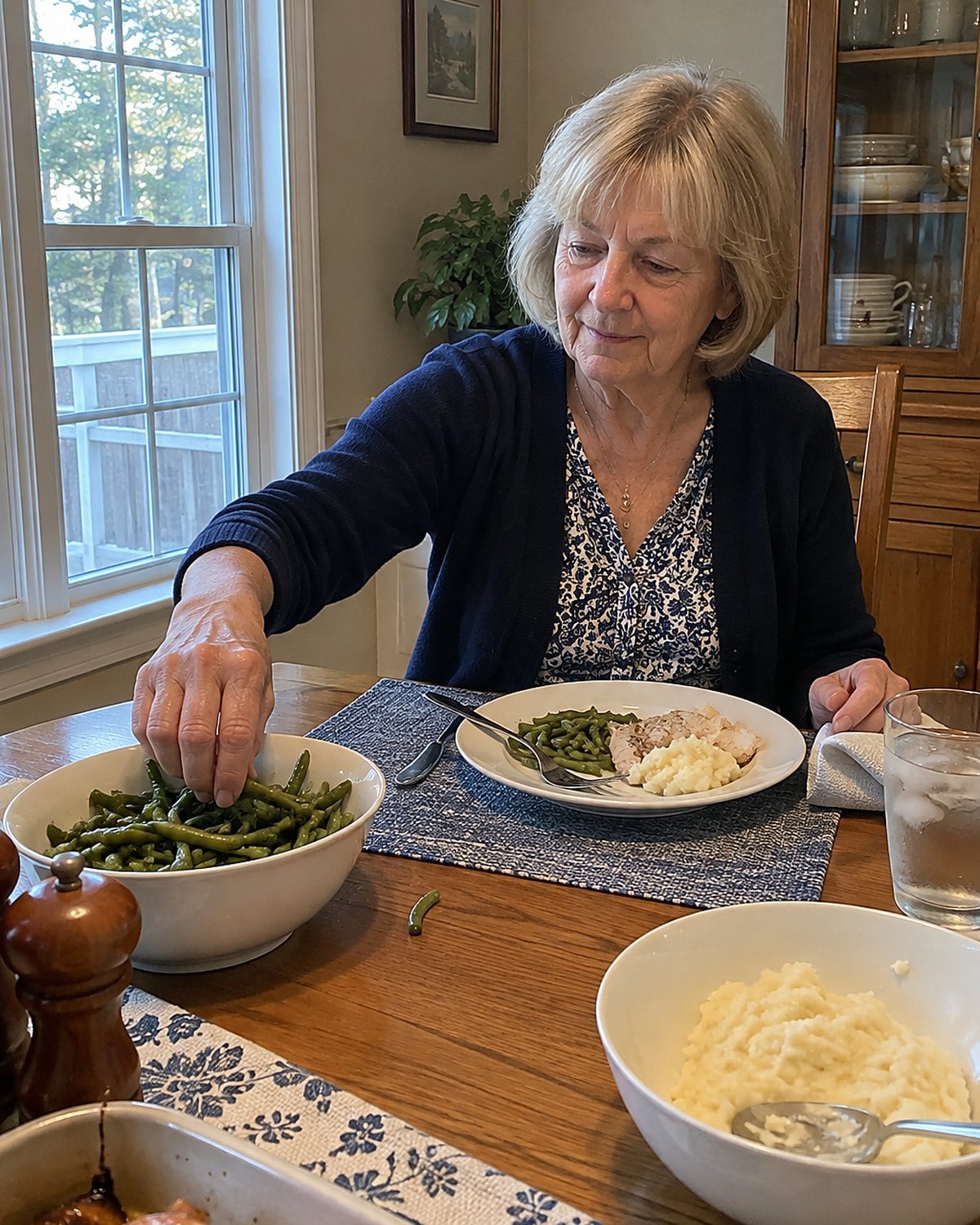
The first green bean disappears. Your hand goes to the serving spoon, ready to make a point of it. Hold back. A second helping given without applause stays an ordinary part of dinner.
At the stove, lift one bean with tongs. It should bend before it snaps, yet still hold its shape. Taste it. If it squeaks and feels raw, give the pan a little longer. If it falls apart on the fork, stop sooner next time.
Butter and salt belong there if that's how your family likes them. Set out a small portion and leave the bowl within reach. When your grandchild asks for more, pass it over. “Here you go” is enough.
Try it: Instant Pot Green Beans With Butter & Pepper
#3 Sunday Chicken and a Bowl of Gravy
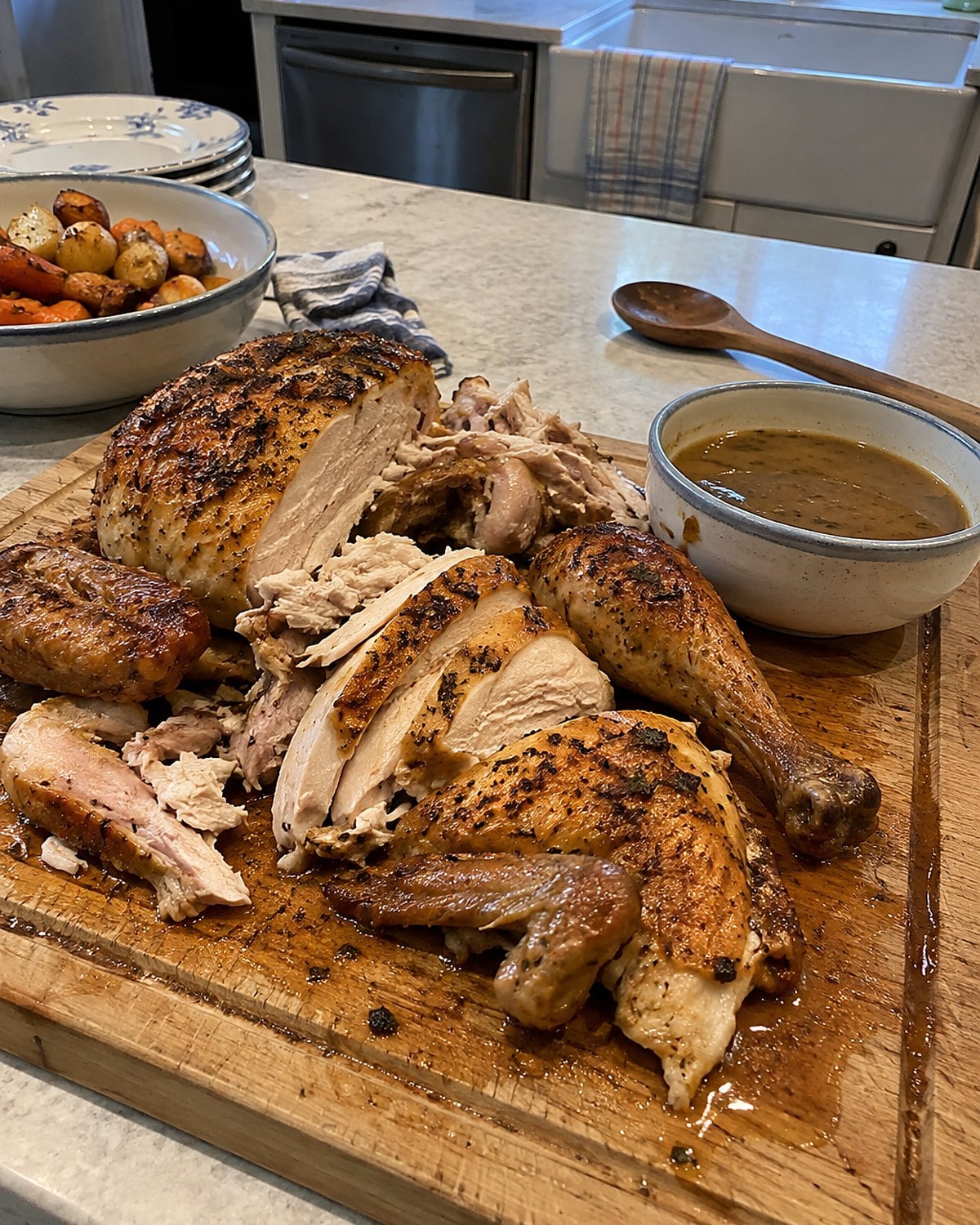
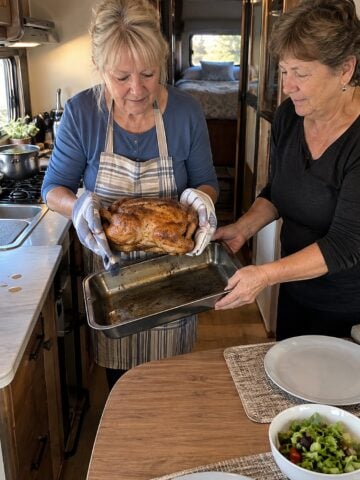
When family comes over, the familiar roast chicken still has a place at the center. Carve it before calling the children in. A plate piled with bones, skin, and mixed pieces asks them to sort through dinner before they eat.
Put a few plain slices on the child's plate and the gravy in a small bowl nearby. Someone who wants a dip gets one. Someone who doesn't still has chicken. Keep the skin crisp for anyone who claims it, rather than soaking every piece under gravy.
Check the thickest part with a thermometer, away from bone. Poultry needs 165°F. Then taste the gravy for salt while it's hot. You have plenty to do at that stove already. Let each person handle their own gravy, and let the chicken speak for itself.
Try it: Instant Pot Roast Chicken & Potatoes (Duo Crisp Or Oven Finish)
#2 Two Bowls at the Mixing Counter
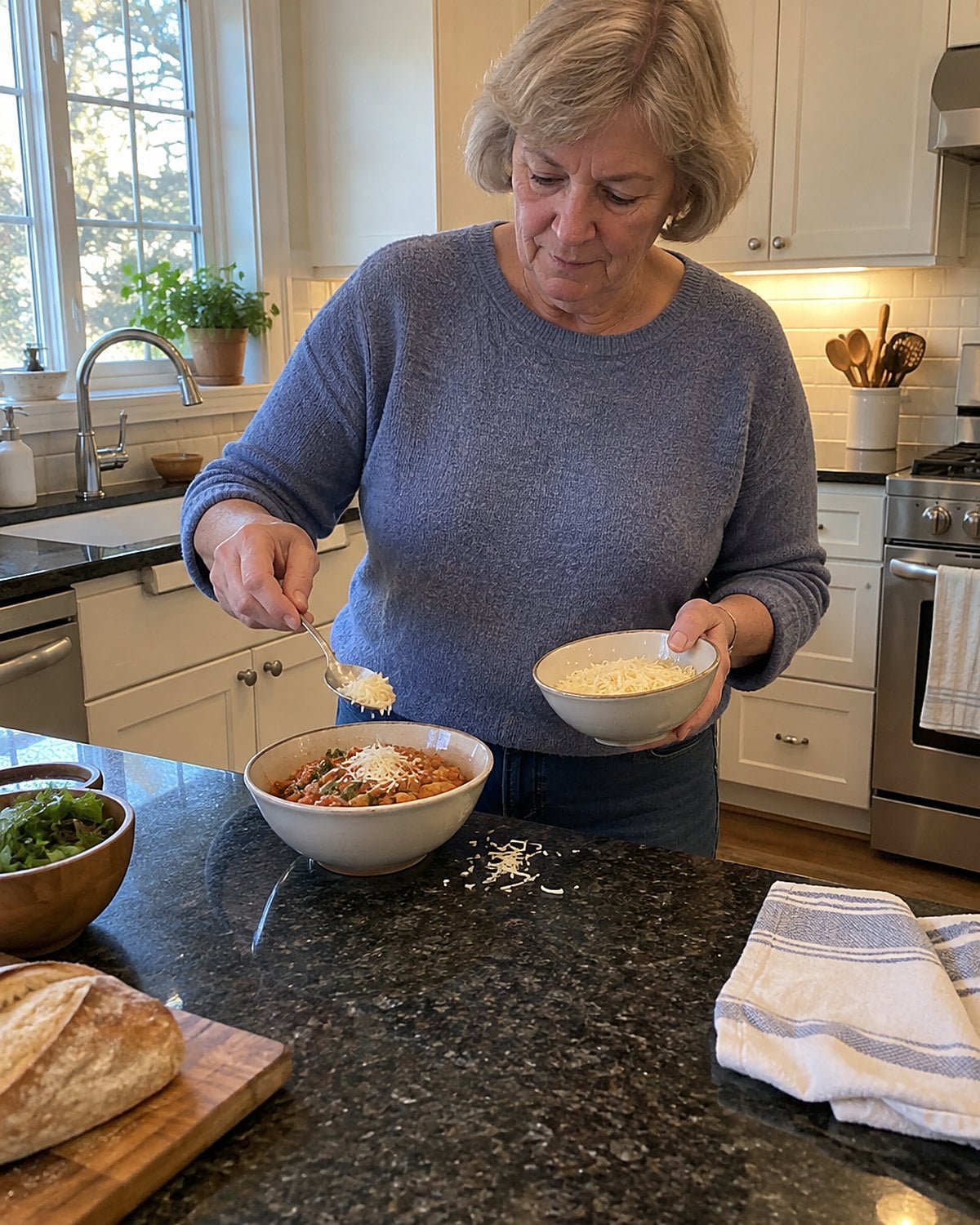
One bowl holds the main dish. A second holds the topping. That little bit of space saves you from stirring a disputed ingredient through every serving.
Think of chopped herbs, toasted crumbs, grated cheese, or sauce. Put the topping on the table where anyone can take it. Your grandchild sees the food underneath before deciding what belongs on top. You still get the dinner you intended, with your own bowl finished your way.
Keep the choice small and matter-of-fact: “The cheese is here.” Then pass the spoon. Nobody has to defend a preference, and you don't have to cook twice. The extra bowl goes into the sink, which is a fair trade.
#1 The First Five Minutes at the Table
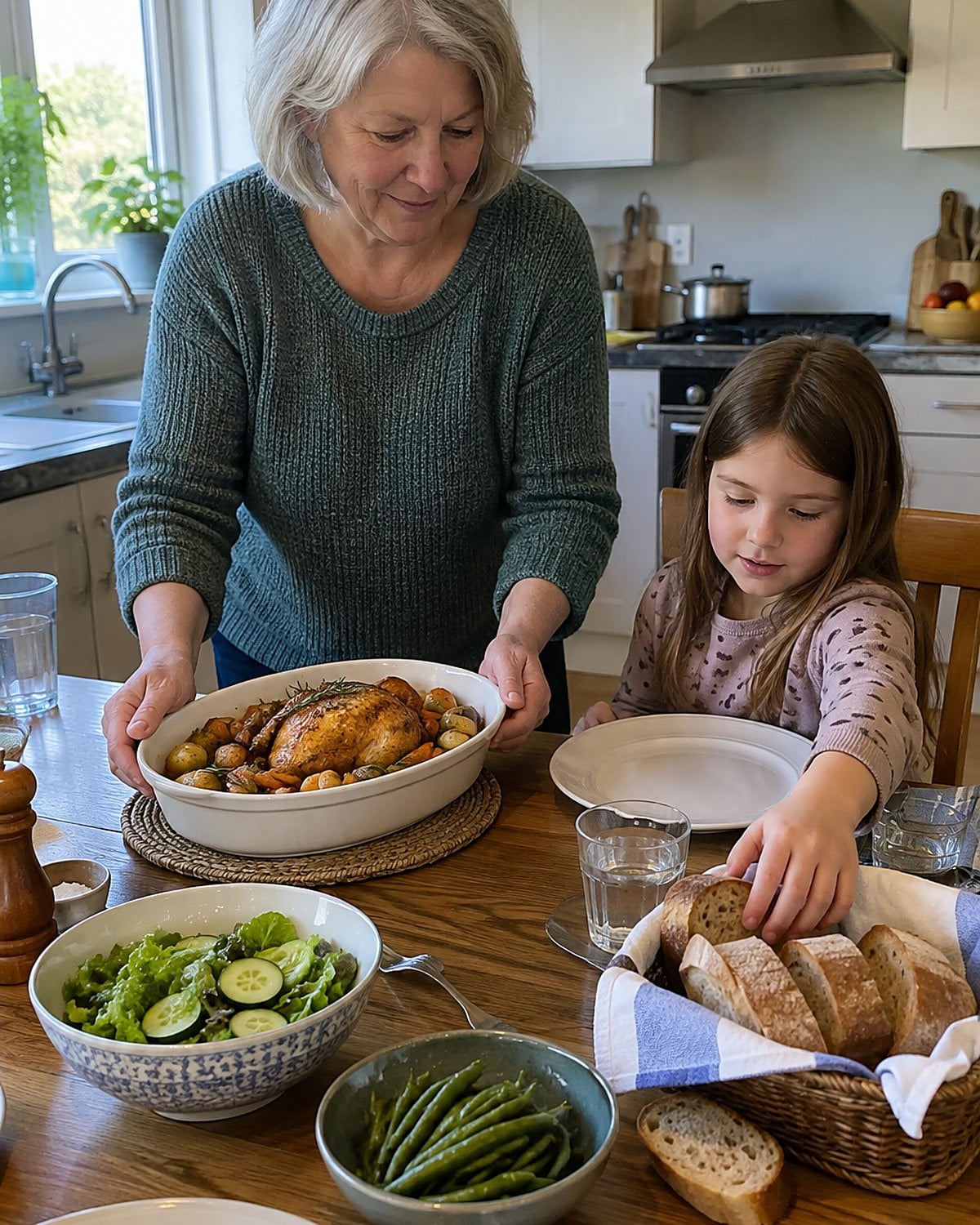
They walk in hungry, and you're tempted to explain what you've made before the coats are off. This is the moment to do less. Put one familiar food on the table first: the bread they know, a few apple slices, or the plain part of tonight's dinner.
Then keep serving. Give the new dish a place within reach, with a spoon or tongs the child can use. Don't ask for a bite. Don't list its ingredients. Let the first few minutes belong to getting settled and noticing what's there.
If a grandchild asks, answer plainly. “Those are carrots.” No invented name, no claim that it tastes exactly like candy. You haven't given up on dinner; you've taken the spotlight off a child holding a fork.
This works beyond the weekend visit. The well-prepared version of you has a familiar food ready and leaves space for curiosity. You'll still hear “no” now and then. You won't have to turn every “no” into the main event.
The bottom line
Familiar shapes, good texture, and room to choose give a new bite its chance. You know the difference between a crisp edge and a damp one. The children notice it, too.
Before the next visit, you can have the dip cup washed, the sheet pan clear, and one familiar food ready. No separate menu. No opening speech.
What's already in your kitchen that a grandchild reaches for without being asked? Start there.
Leave a Reply