

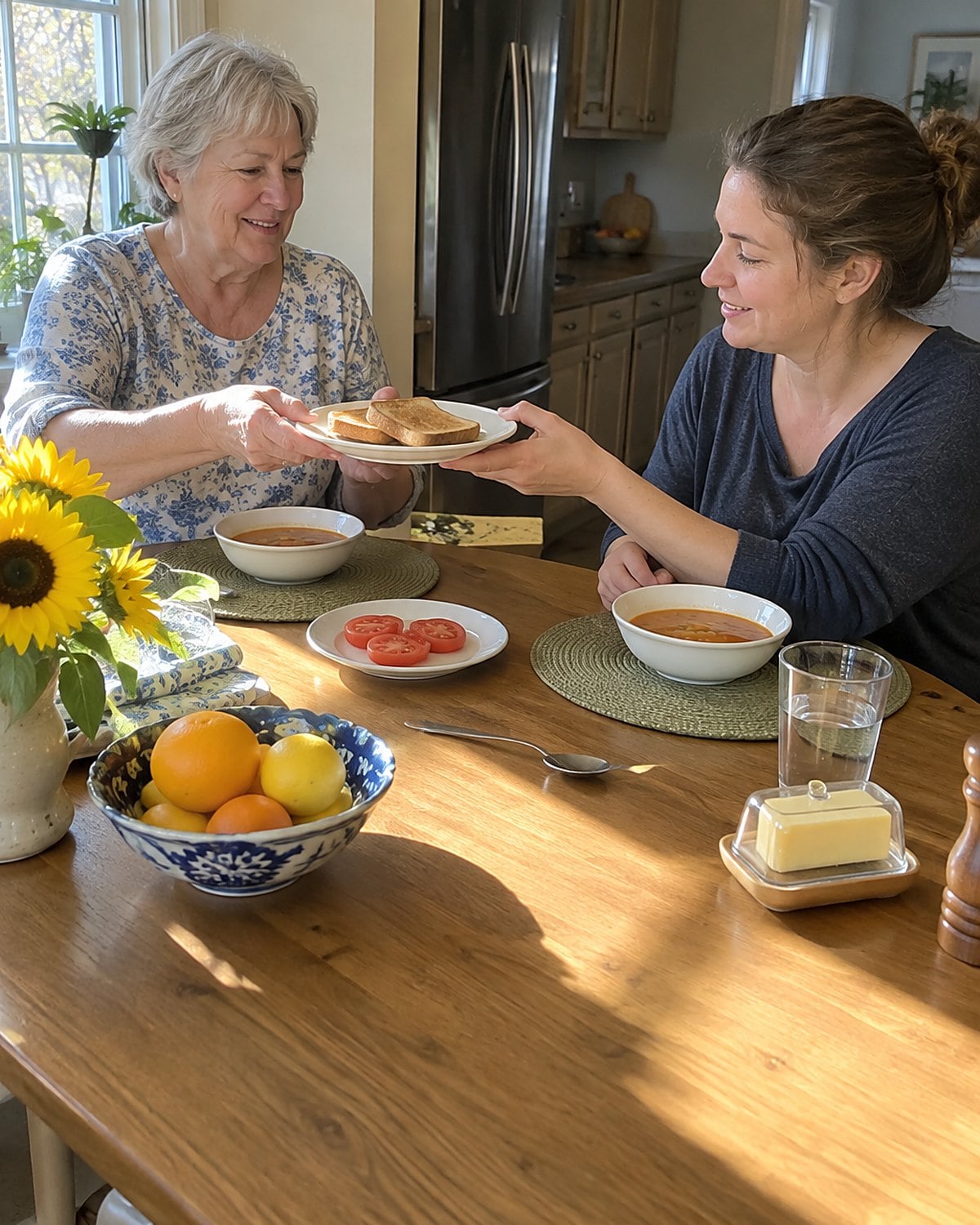
The skillet hisses, dinner smells right, and then you remember the instruction from your last appointment: cut back. Salt? Sugar? Fat? You’ve made enough dinners to know that stripping everything from a plate won’t make anyone eager to eat it.
A food limit deserves a more useful question: how much of this belongs in dinner, and what else is already there? Start with the instructions your clinician gave you. If you follow a medical eating plan, ask your care team before changing it. Then look at the jar, the portion, and the moment you add it.
#23 The pickle jar beside your sandwich
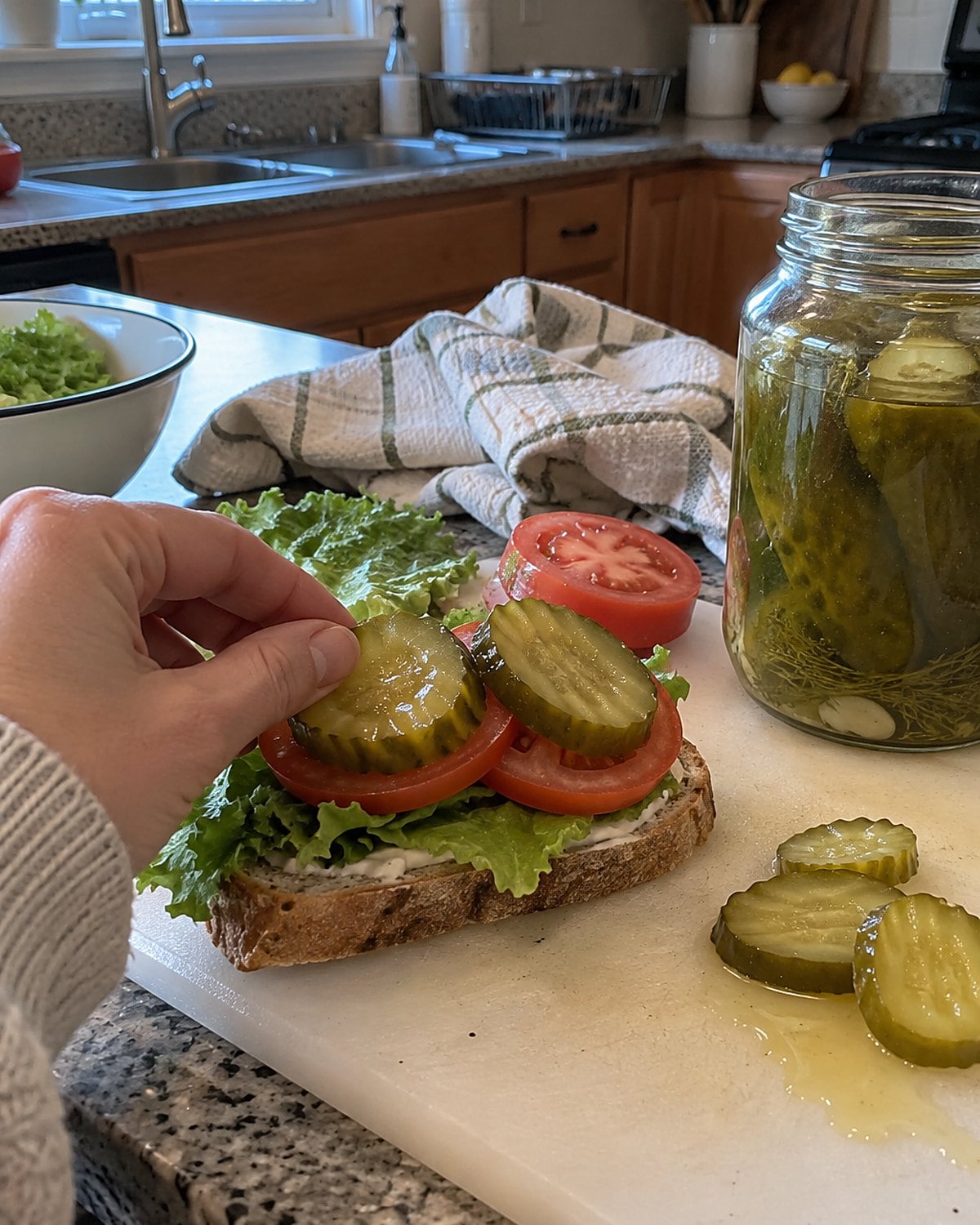
A pickle makes a plain sandwich worth sitting down for. If your doctor has asked you to cut sodium, the pickle is worth a look. It brings salt along with its crunch, even when the jar looks small beside lunch.
Put a few slices on the sandwich, then return the jar to the fridge. Before reaching for another salty side, look at what’s already between the bread. Deli meat, cheese, and pickles each bring their own share. If all three are there, let the pickle do its sharp little job and skip the chips.
Next time you shop, compare sodium on the Nutrition Facts labels for the brands you actually buy. Keep an eye on serving size too. The lower-sodium jar is useful only if you like its crunch.
#22 The browned pork chop in cast iron
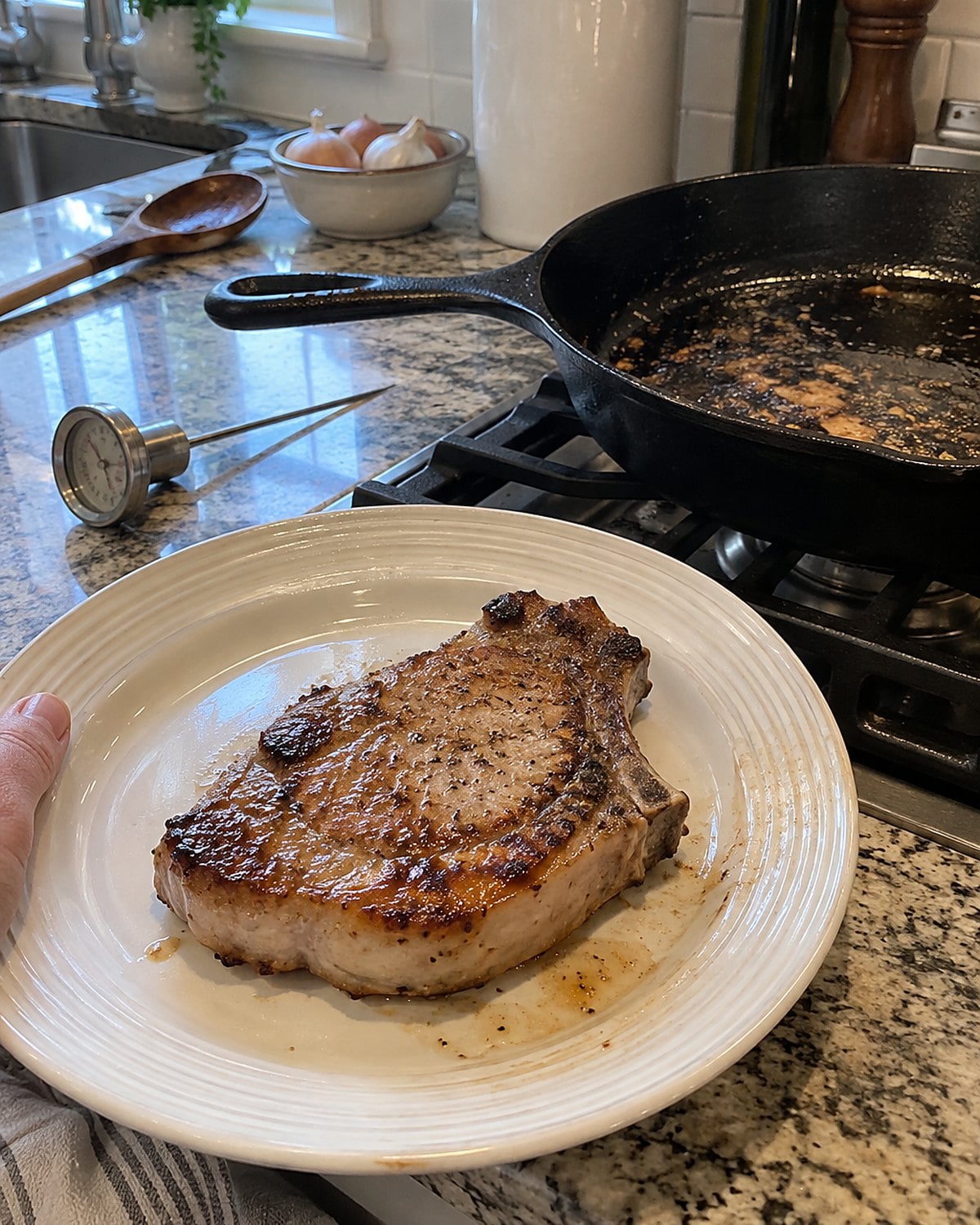
Fat is the reason a pork chop browns and smells like dinner. If you’ve been told to cut back on saturated fat, you still have several choices before the pan heats up.
Start at the meat counter. Look for a chop with a modest rim of fat rather than heavy marbling throughout. Leave enough fat for the pan, then trim what you don’t want to eat.
A thin film of oil helps the meat meet the hot surface without swimming in it. Give the chop room; a crowded pan steams it. That pale surface won’t give you the browned edge you came for.
A thermometer settles the doneness question better than cutting the meat open. The USDA says to cook whole cuts of pork to 145°F, then rest them for 3 minutes. During that rest, a squeeze of lemon or a spoonful of mustard brings the browned edge forward. Taste before adding more salt. That pan has already done useful work.
Try it: Instant Pot Air Fryer Pork Chops With Maple Mustard Glaze (No Breading)
#21 The breakfast cereal with real crunch
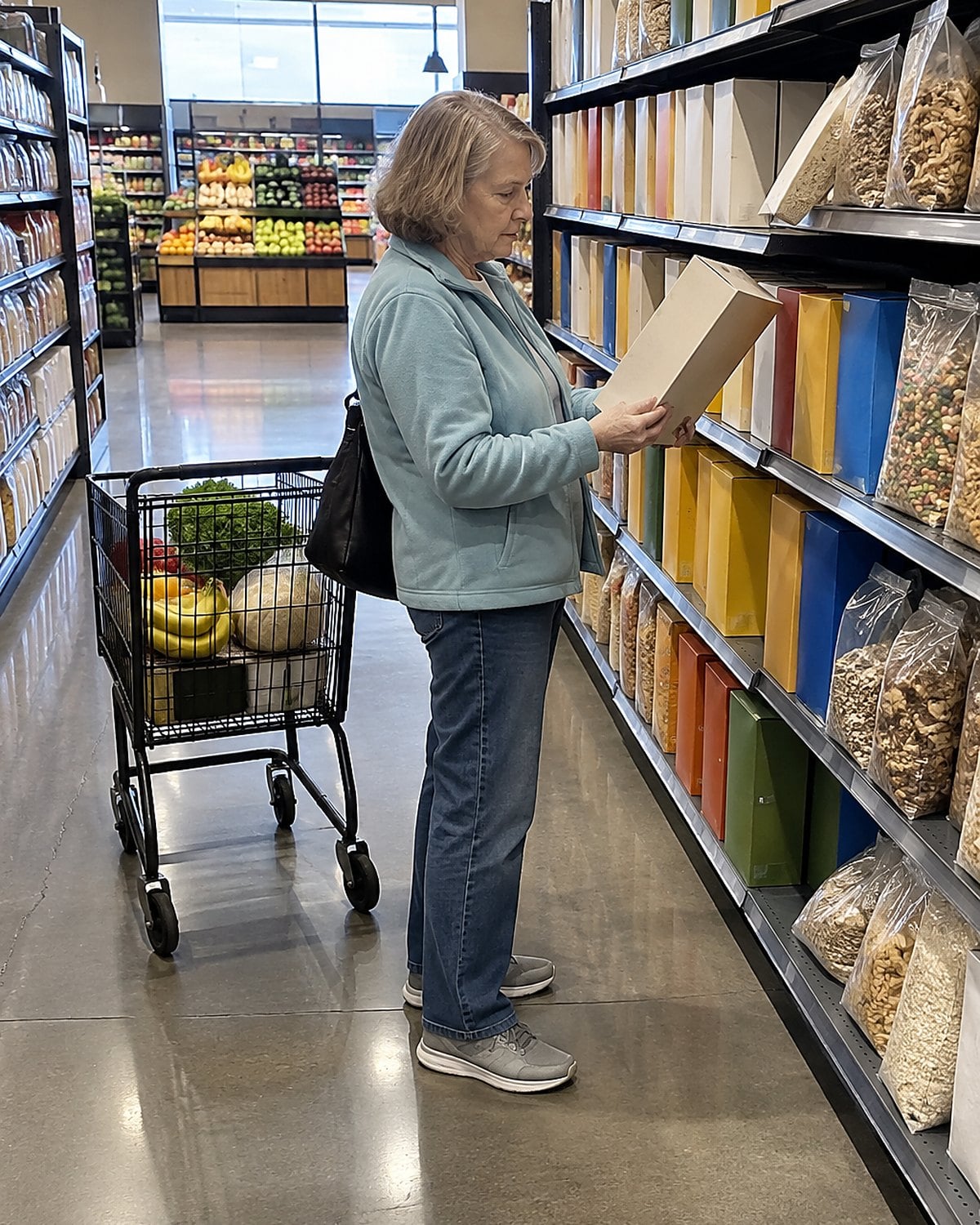
The cereal box that looks wholesome from the front still needs a turn toward the Nutrition Facts panel. Two crunchy cereals on the same shelf can contain very different amounts of added sugar.
First, compare the listed serving sizes. Then check Added Sugars, not just Total Sugars. The FDA’s Nutrition Facts label distinguishes sugar added during processing from sugar already present in ingredients, such as dried fruit.
Keep the cereal you like, but change the bowl. Scatter some over plain yogurt or a less-sweet cereal, then add fruit. The familiar crunch is still there. So is a breakfast that doesn’t depend on pouring half the box.
#20 The toast with jam at breakfast
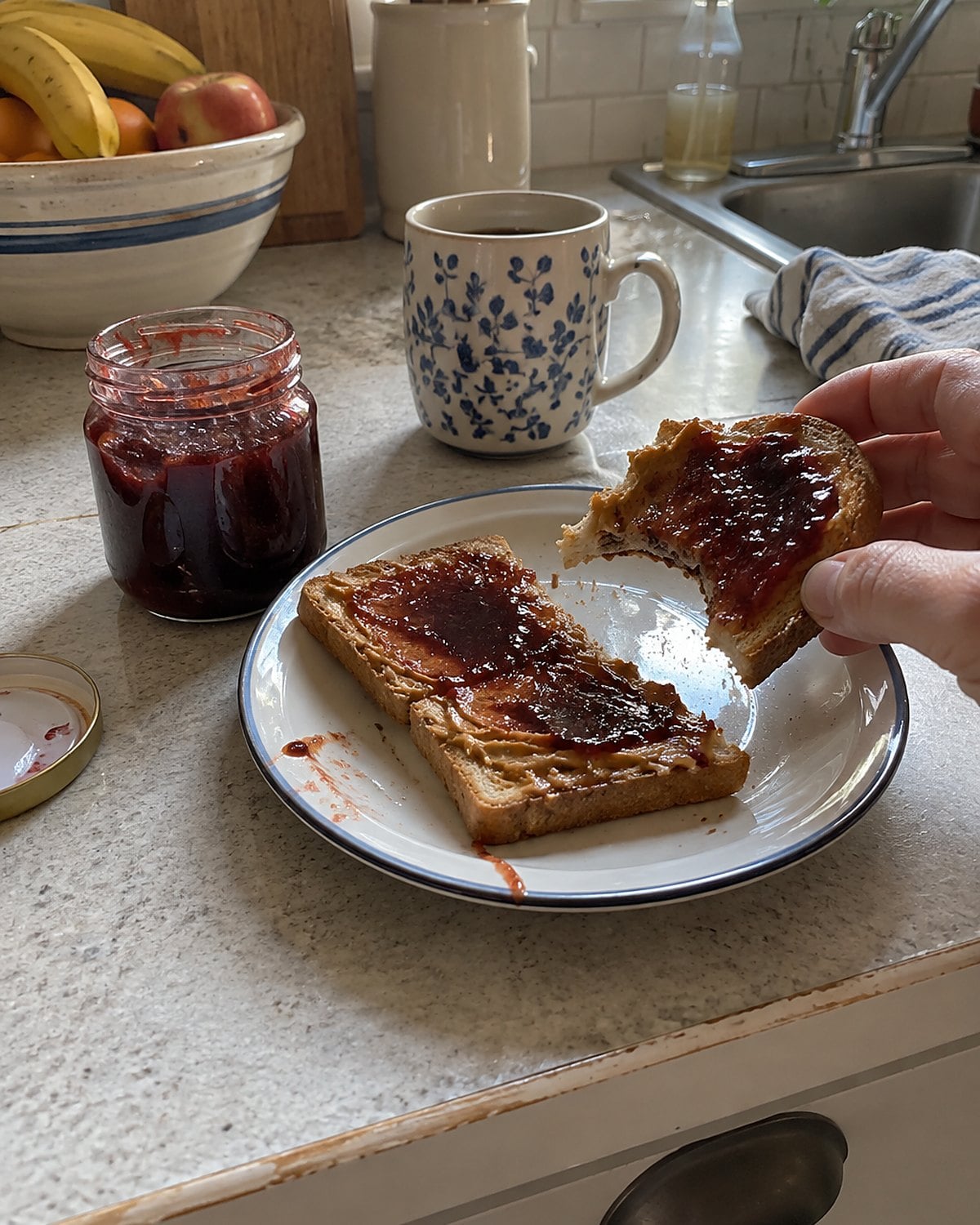
A thick swipe of jam disappears into hot toast before you’ve even found your coffee. That makes it easy to add another. If added sugar is on your cut-back list, ask which part of breakfast you most want to taste.
Toast a sturdy slice well, so its edges stay crisp under the topping. Spread peanut butter first if it belongs in your breakfast, then add a thin layer of jam. You get the fruit flavor in each bite without asking jam to carry the whole meal. If peanut butter isn’t for you, try plain ricotta or another topping you already keep in the fridge.
There’s no prize for buying a jam labeled “natural” without reading the back. Fruit spreads differ, and a smaller spoonful of one you truly like beats a generous spoonful chosen for its front label.
Put the spoon on a plate, rather than leaving it in the jar. You’ll see what went onto the toast, and breakfast still tastes like yours.
#19 The frozen burger for one
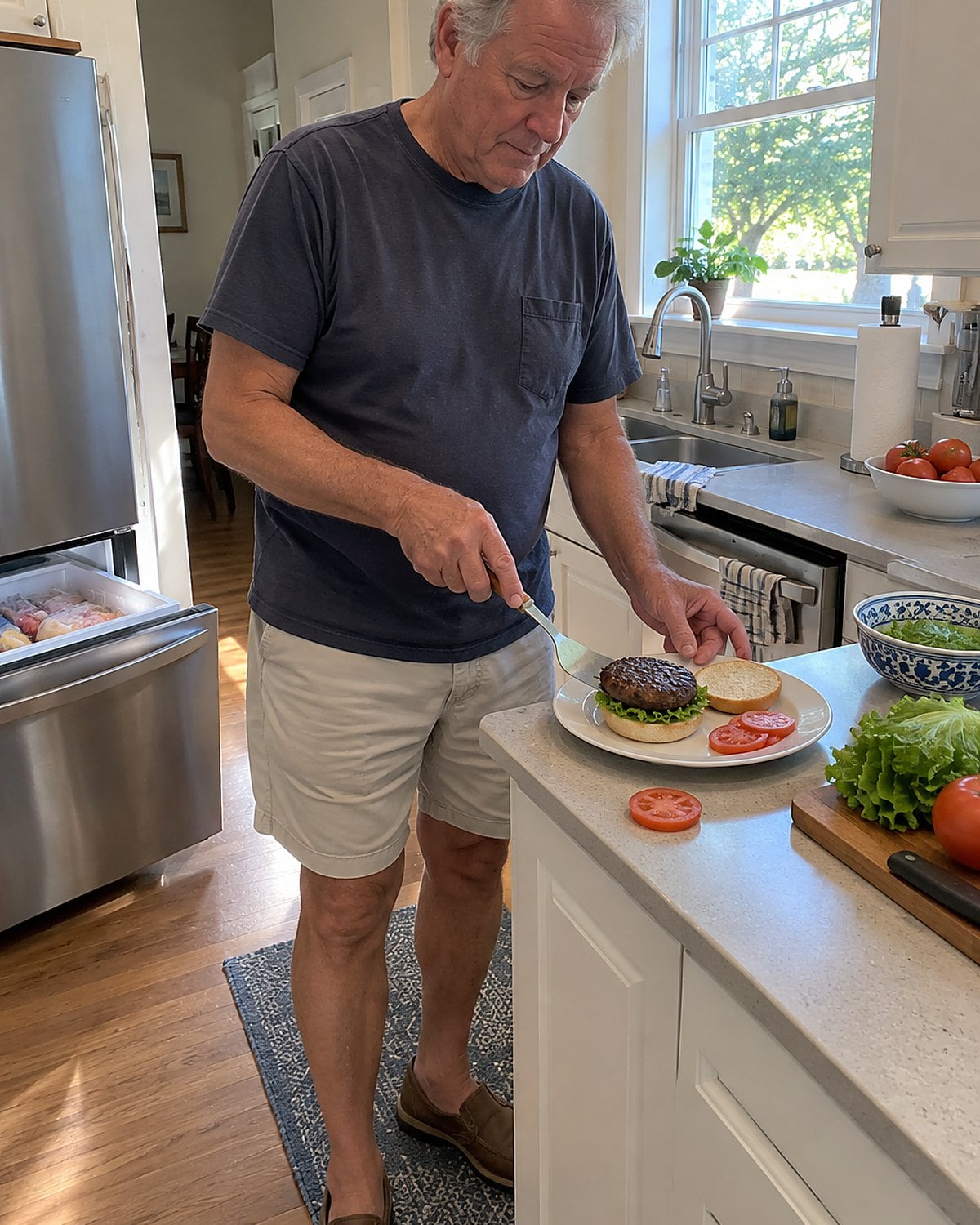
When you’re cooking for one, a burger from the freezer is a sensible plan. If your doctor wants less saturated fat or sodium on your plate, the burger doesn’t have to bring every topping along.
Make the burger the part you planned. Cook ground beef to 160°F, following the USDA’s safe-temperature guidance. Use a thermometer in the center; the browned outside won’t tell you what happened inside. While it cooks, slice a tomato or pull out leftover vegetables that need eating.
Then choose the additions you’ll enjoy. A small amount of sharp mustard does a different job from a heavy pour of sauce. If you want cheese, have it.
Put the burger on a plate before deciding whether you want a bun, a side, or both. Cooking for one gives you that vote.
Try it: Vegan Bean Burgers Two Ways (With Instant Pot)
#18 The spoonful of bottled barbecue sauce
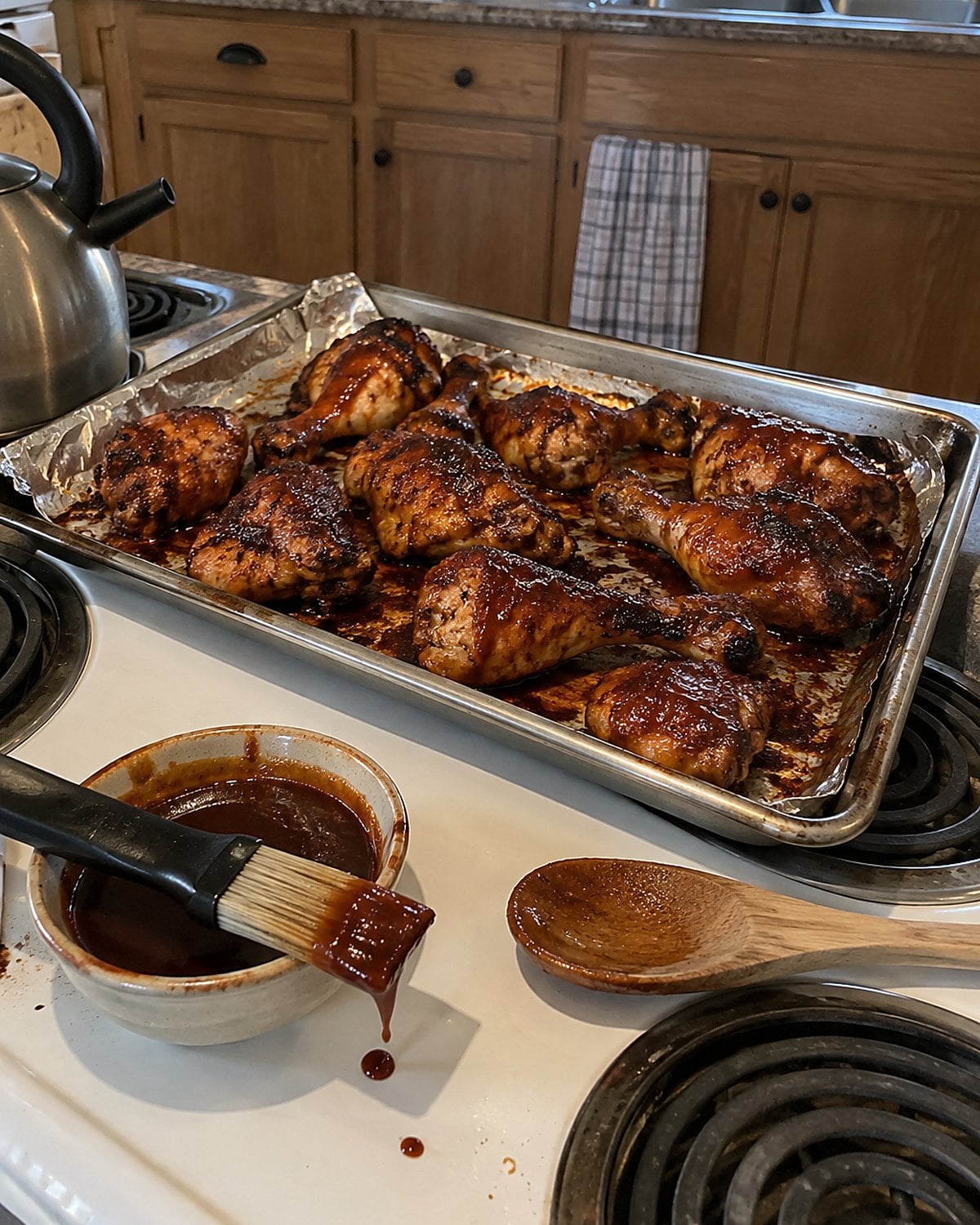
Barbecue sauce works hard: sweet, tangy, smoky, and ready when dinner isn’t. It also tends to bring sugar and sodium in the same spoonful. That’s worth knowing when either one is on your doctor’s cut-back list.
Pour a little sauce into a bowl instead of straight over the food. Brush it onto cooked chicken or roasted vegetables near the end, then taste. The surface gets that familiar sticky finish, and the rest of dinner keeps its own flavor.
Heating a sugary sauce for too long can scorch it before the food beneath is ready. If you’re comparing bottles, read both the serving size and the added-sugar line.
A sauce you use sparingly has a different place at dinner from one you pour across the whole tray. Let the spoon, not the bottle opening, decide how much lands there.
#17 The birthday cake at the church hall

There’s a birthday cake on the church hall table, and you want a piece. If you’re watching sugar, choose a piece you’ll enjoy instead of arguing with yourself about the frosting.
If you’re managing blood sugar, your care plan still matters. Ask your diabetes care team how celebration foods fit alongside your medication or meal plan. The American Diabetes Association also has food guidance to discuss with them.
Maybe it’s the cake you want, not the thick frosting. Maybe you want the frosted corner. Choose your piece and sit down with it. The celebration stays a celebration.
 You might also like26 Things in Your Fridge Right Now That Should Have Been Thrown Out
#16 The deli turkey at the counter

Deli turkey sounds like the restrained choice until you check its sodium. “Turkey” tells you what meat is in the case, not what went into preparing it. If your doctor said to cut salt, that difference matters.
Ask the person at the counter, “Which turkey has less sodium per serving?” If the package or counter card has a Nutrition Facts label, compare the same serving amount across choices. Don’t rely on words such as “oven roasted” to answer a sodium question.
Back home, build a sandwich that lets a smaller amount of turkey taste good. Add tomato, lettuce, or a sharp spread you like. A sandwich thick with deli meat isn’t the only way to make lunch satisfying.
On another day, leftover home-cooked turkey gives you a different starting point, with whatever seasoning you put on it yourself. That choice began at your own stove.
#15 The oil in your muffin batter
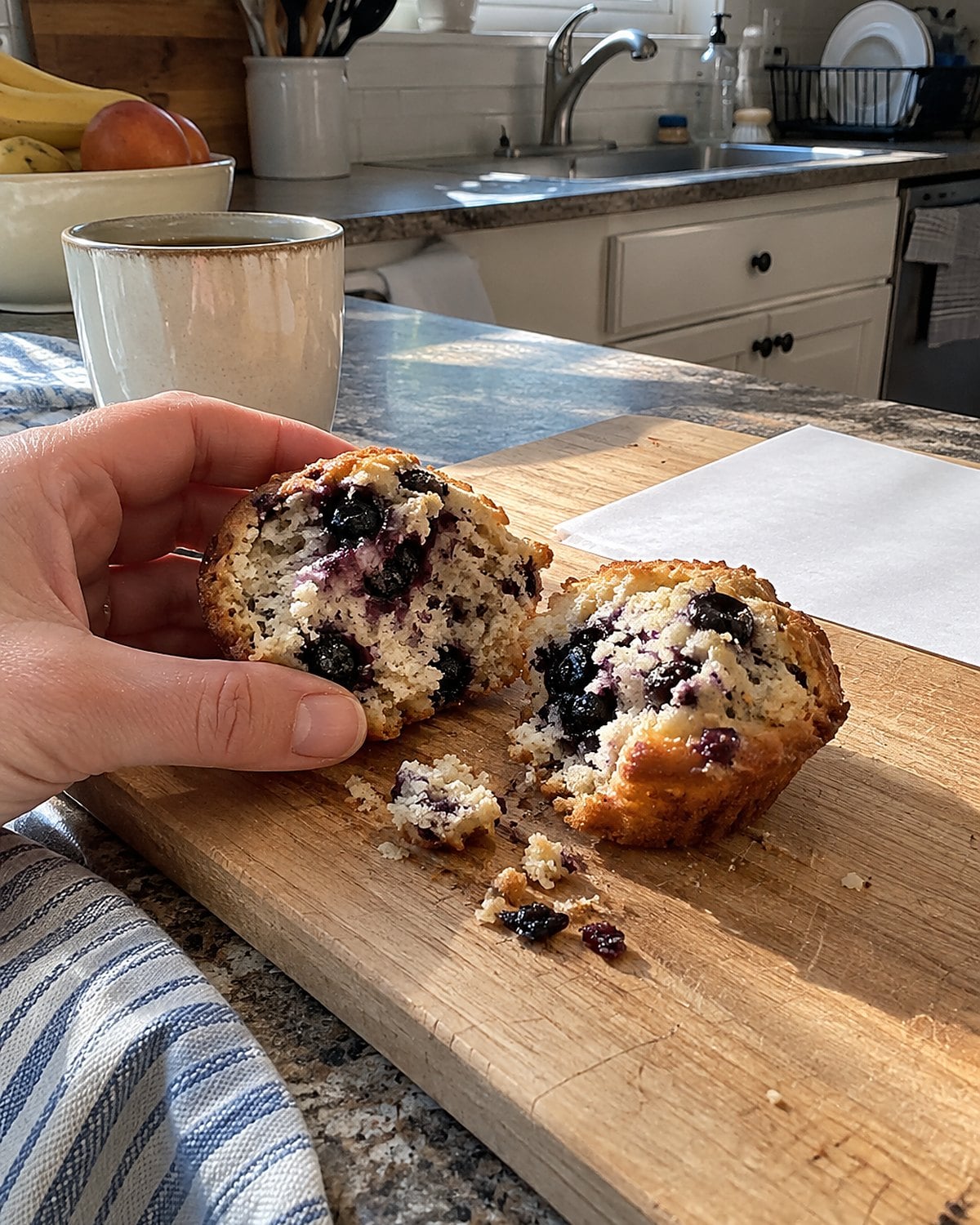
The handwritten muffin recipe has probably survived more moves than your measuring cups. You don’t have to remake it into a different food because someone told you to watch saturated fat.
Look first at the fat the recipe calls for. Liquid vegetable oil has less saturated fat than butter, according to the American Heart Association. In a muffin that already uses oil, there’s no need to add a buttery topping out of habit. In a butter-based recipe, try changing part of the fat rather than rewriting every ingredient at once.
Keep the first test batch small. Watch the crumb when you break a muffin open: tender is the aim, greasy or rubbery isn’t.
Write the change in the margin of the recipe. Next time, you won’t have to remember whether that new version earned a place.
#14 The tomato sauce simmering on the stove
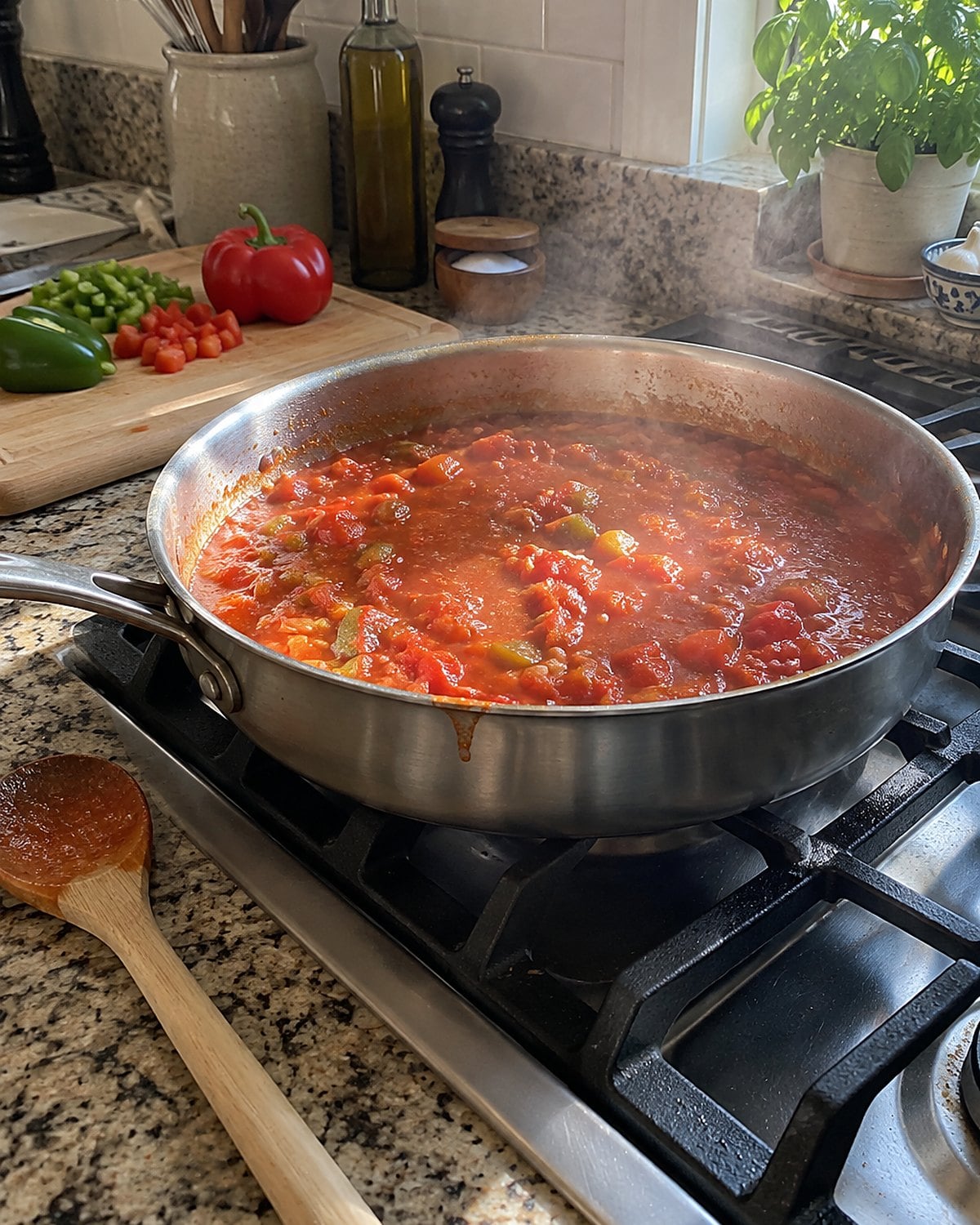
Jarred tomato sauce solves dinner on a tired evening. It also varies widely in sodium and added sugar, which is why the front label deserves less attention than the panel on the back. Those are the figures to check if your doctor has asked you to cut either one.
At the store, compare serving sizes first. Then look at sodium and added sugars on the sauces you’d actually bring home. The FDA’s sodium guidance notes that much of the sodium people eat comes from packaged and prepared foods.
At home, pour the sauce into a wide pan and warm it through. Stir in sautéed mushrooms, peppers, or whatever vegetables need using. Taste it before reaching for the salt shaker.
A little olive oil or a pinch of red pepper flakes changes the finish without turning dinner into a project. Save the jar you like, but make the pan yours.
Try it: Instant Pot Tomato Sauce (With 10 Vegetables, Sugar-Free)
#13 The sweet tea glass on the porch

Sweet tea belongs to some afternoons as surely as the porch chair does. If the sugar in that glass is what you’ve been asked to reduce, there’s room between your usual pitcher and tea you don’t want to drink.
Brew the tea as you always do. Before sweetening the whole pitcher, pour a small glass and add less sugar than you’d normally use. Chill it, then taste again. Cold changes what you notice, and this is a decision for your tongue rather than a label.
Keep the change you like for the next pitcher. If the first try tastes flat, adjust it instead of declaring the experiment over.
Lemon, mint, or a strong brew gives the tea more to say without asking sugar to do every bit of the work.
#12 The plain yogurt under your berries
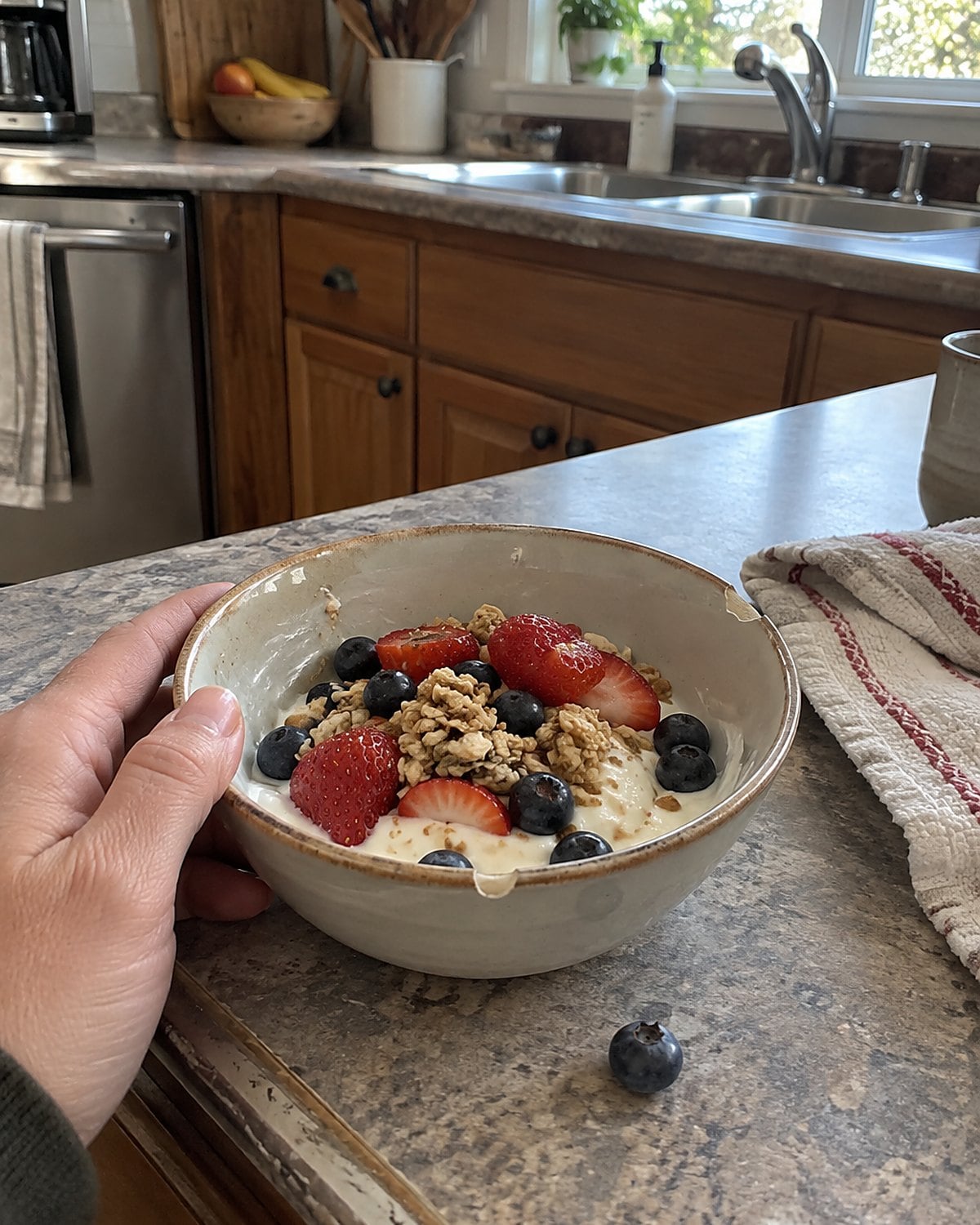
Plain yogurt has a tart edge. If you’ve spent years buying fruit-flavored cups, that first spoonful alone can feel like an unnecessary correction. Don’t eat it alone.
Put berries, sliced peach, or a spoonful of the fruit you have over the top. Stir only partway, so some bites are tart and some are sweet. The contrast is the point. For crunch, add a small scatter of the cereal you already like instead of turning the bowl into a second breakfast.
Compare labels when you shop, especially if added sugar is on your cut-back list. Plain and flavored yogurts differ in added sugar, and brands differ in protein too. The FDA label separates added sugars from total sugars, so the natural sugar in milk doesn’t get mistaken for sugar put in during production.
Choose a texture you enjoy. A tub that sits untouched until it spoils hasn’t helped breakfast at all.
Try it: How To Make Yogurt In Instant Pot Without Yogurt Button
#11 The Sunday roast with its browned edges
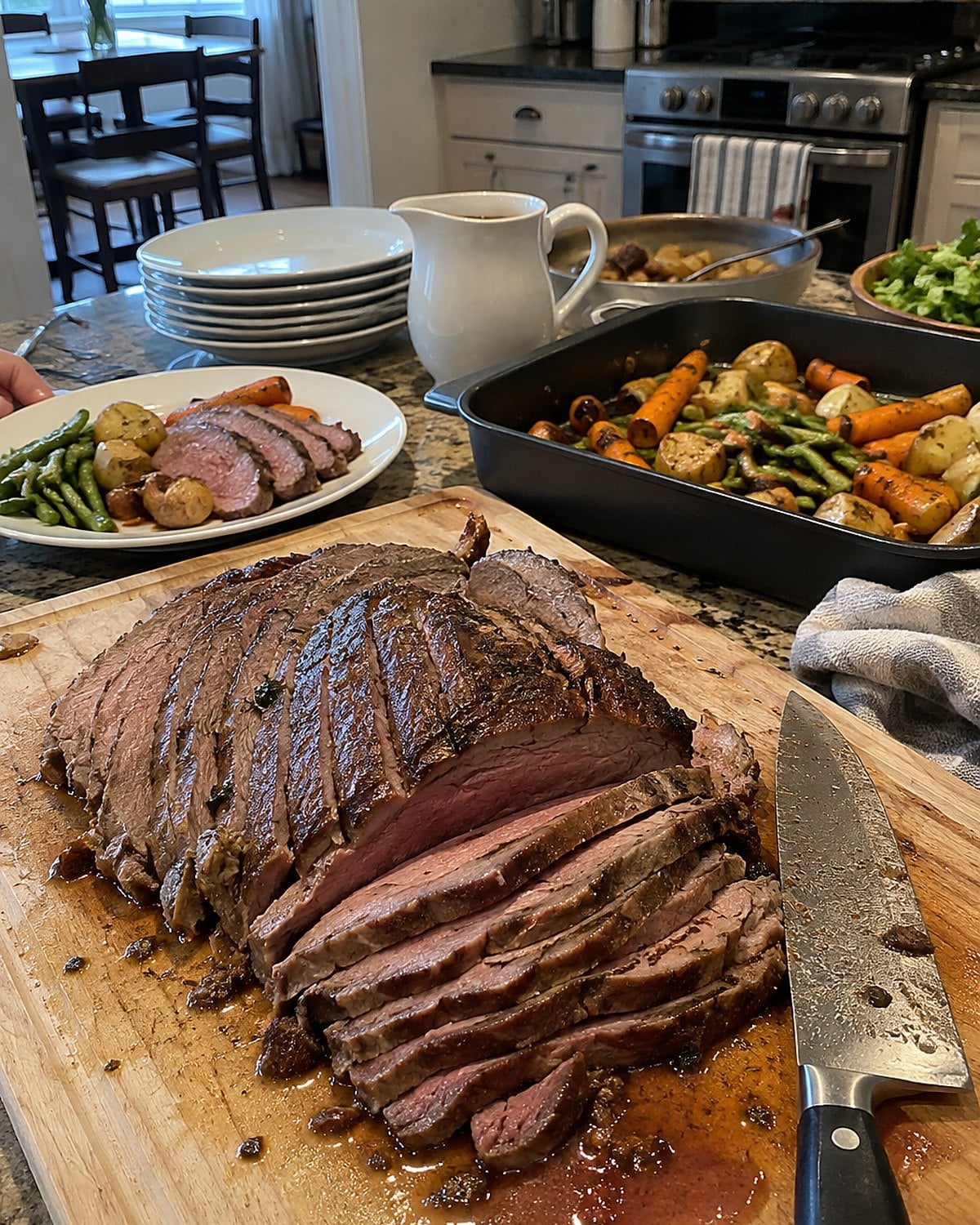
A roast on Sunday leaves a smell in the kitchen that no lecture about red meat can replace. If your clinician has asked you to have less of it, think about the plate before giving up the meal.
Slice the roast thinly across the grain. Put the vegetables and potatoes on the plate first, then add slices of beef or pork where you’ll enjoy them. That changes the balance without changing the fact that you made a roast.
Keep the browned bits for flavor; don’t cover everything in salty gravy before tasting. When you buy the meat, ask for a leaner cut if that fits your plan.
Roast, rest, and slice rather than relying on extra fat to keep the meat pleasant. The next day’s sandwich gives the remaining roast another job.
Try it: Instant Pot Roast Beef & Gravy
#10 The restaurant fries in a takeout box
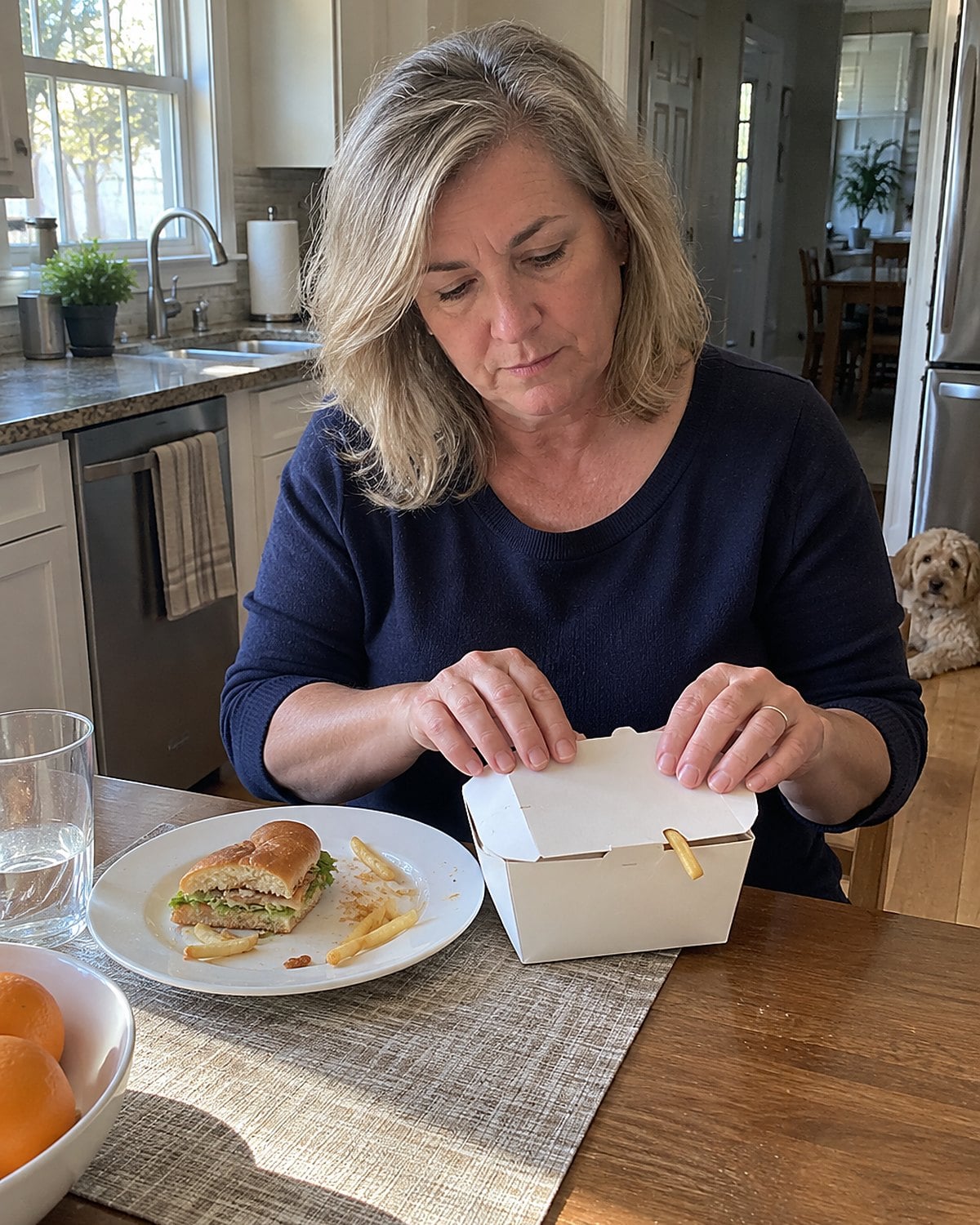
Fries arrive hot, salty, and bigger than the space left beside your sandwich. If sodium or portions are behind your doctor’s advice, you still get to decide how many fries belong to this meal.
Put some on your plate and close the takeout box. Eat those first, with the rest of dinner. If you’re satisfied, you’ve answered the question without a rule about never ordering fries again. If you want more, they’re there.
The pause gives you a choice that an open carton in your lap doesn’t. Restaurant portions and sodium vary, so a guess from across the table won’t tell you much.
When a chain provides nutrition information, look it up before your next visit if sodium is a firm limit for you. Otherwise, choose the part of the meal you care about most. A sandwich and a few hot fries beat a lukewarm pile eaten because it arrived.
#9 The canned beans behind the pasta
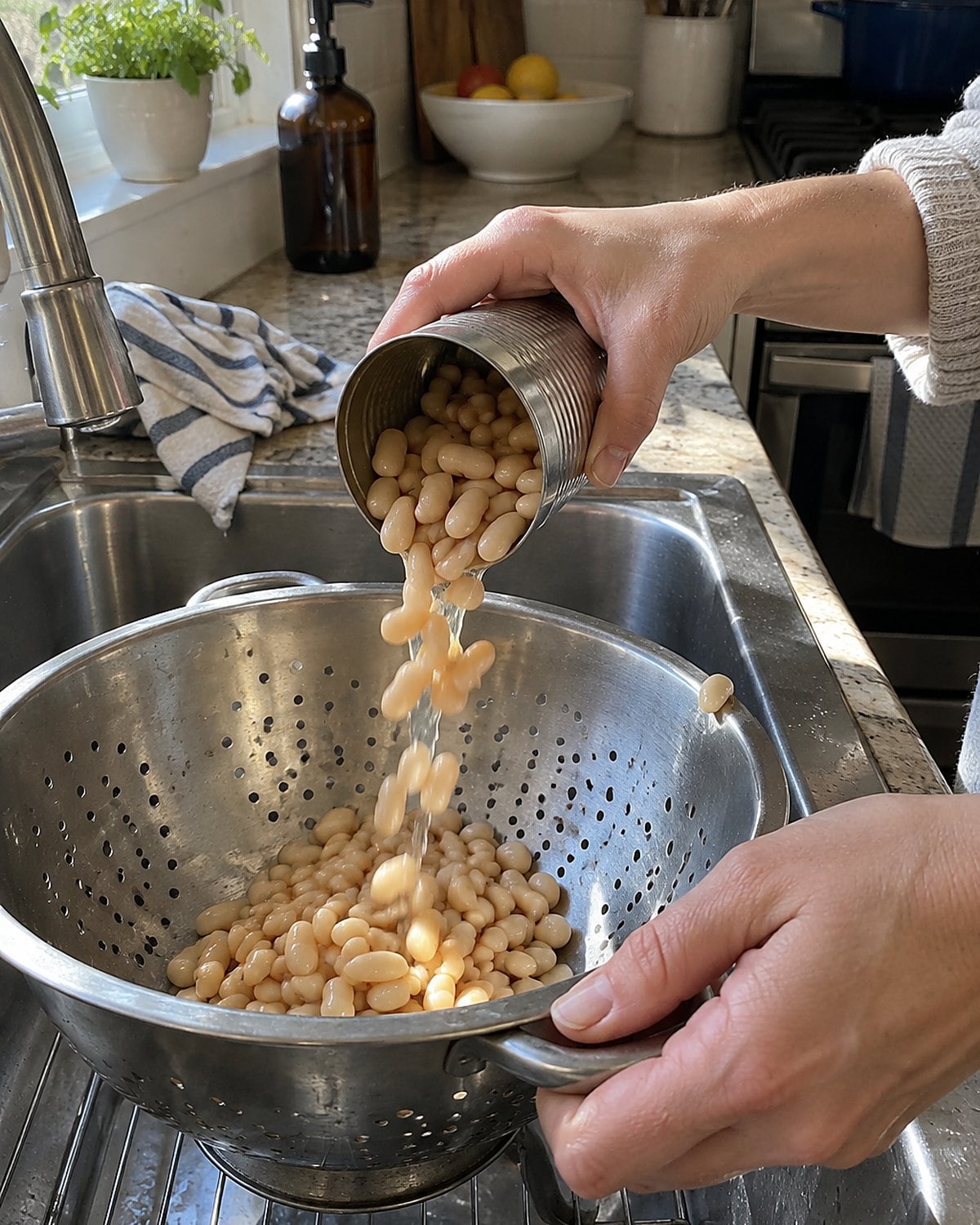
A can of beans is supper waiting in the pantry. It doesn’t have to leave the shelf because you’re watching sodium.
Look for a no-salt-added or lower-sodium version the next time you replace a can. For the beans already at home, drain and rinse them in a colander. The USDA’s MyPlate includes beans among its protein foods. That pantry can still has plenty of work left in it.
Warm the beans with garlic, onion, herbs, or a spoonful of tomato sauce. Then taste. If they need salt, add it to the finished dish rather than pouring it in before the other flavors have had a turn.
Toss them with pasta, spoon them over toast, or fold them into the vegetable pan. Dinner was behind the pasta all along.
 You might also like27 Old-Fashioned Desserts That Deserve a Comeback
#8 The peanut butter in the grocery aisle
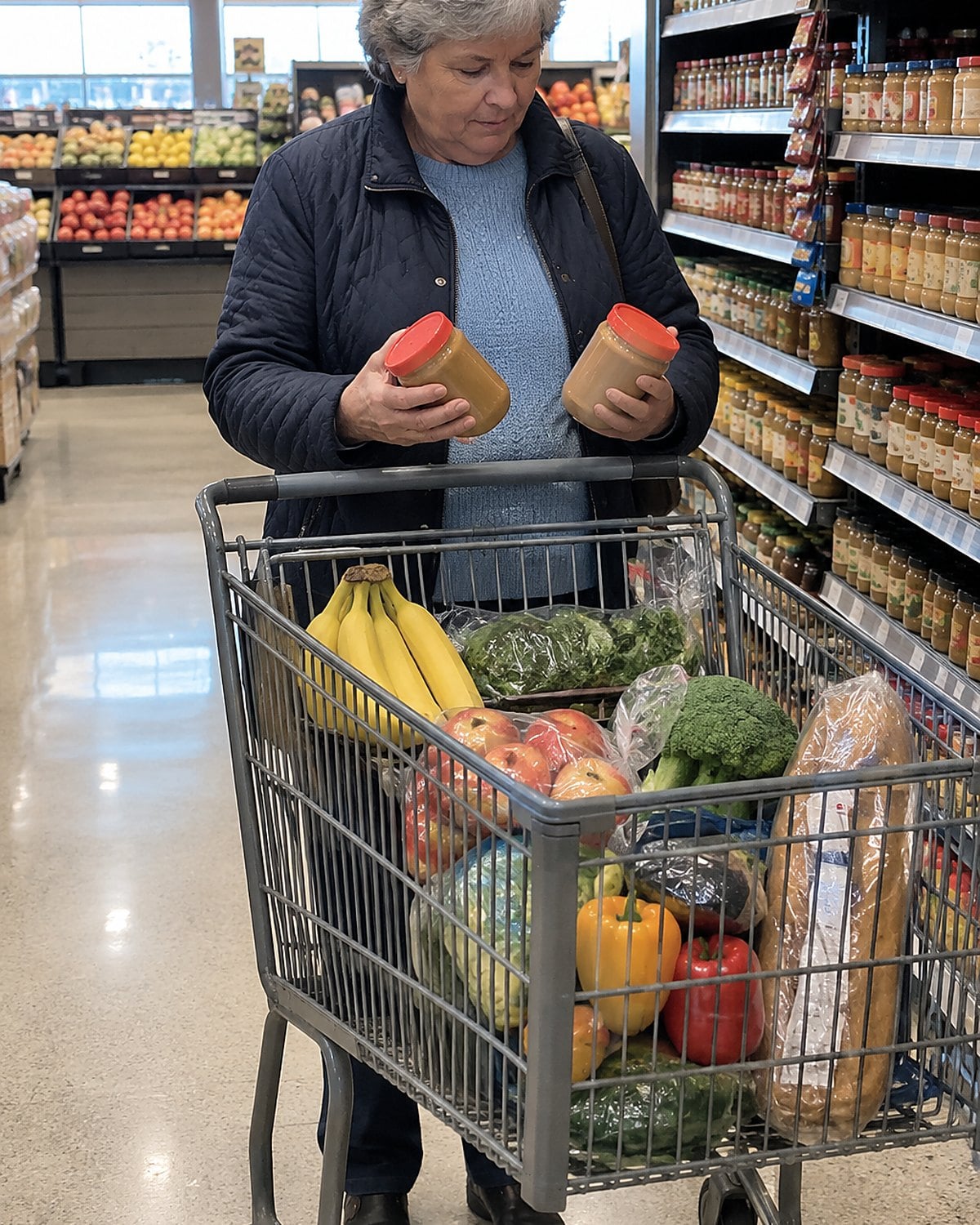
Peanut butter earns its shelf space. It spreads quickly, travels well, and makes an apple feel more like lunch. Still, the jars differ in added sugar, sodium, and texture. That matters when your clinician has named one of those things to cut.
Turn over the one you usually buy, then compare it with another jar you’d consider eating. Read the ingredient list as well as the Nutrition Facts panel. Some contain peanuts and salt; others include sweeteners and oils.
The shortest list won’t help if its texture keeps you from using it, so don’t buy by virtue alone. At home, put peanut butter on toast or fruit where you can taste it. A thick layer scraped from the jar while making lunch is easy to lose track of.
If you have a peanut allergy in the household, follow the allergy plan instead of trying to make this food fit. Otherwise, the question is which jar and which use leave you satisfied.
#7 The pasta pot for two
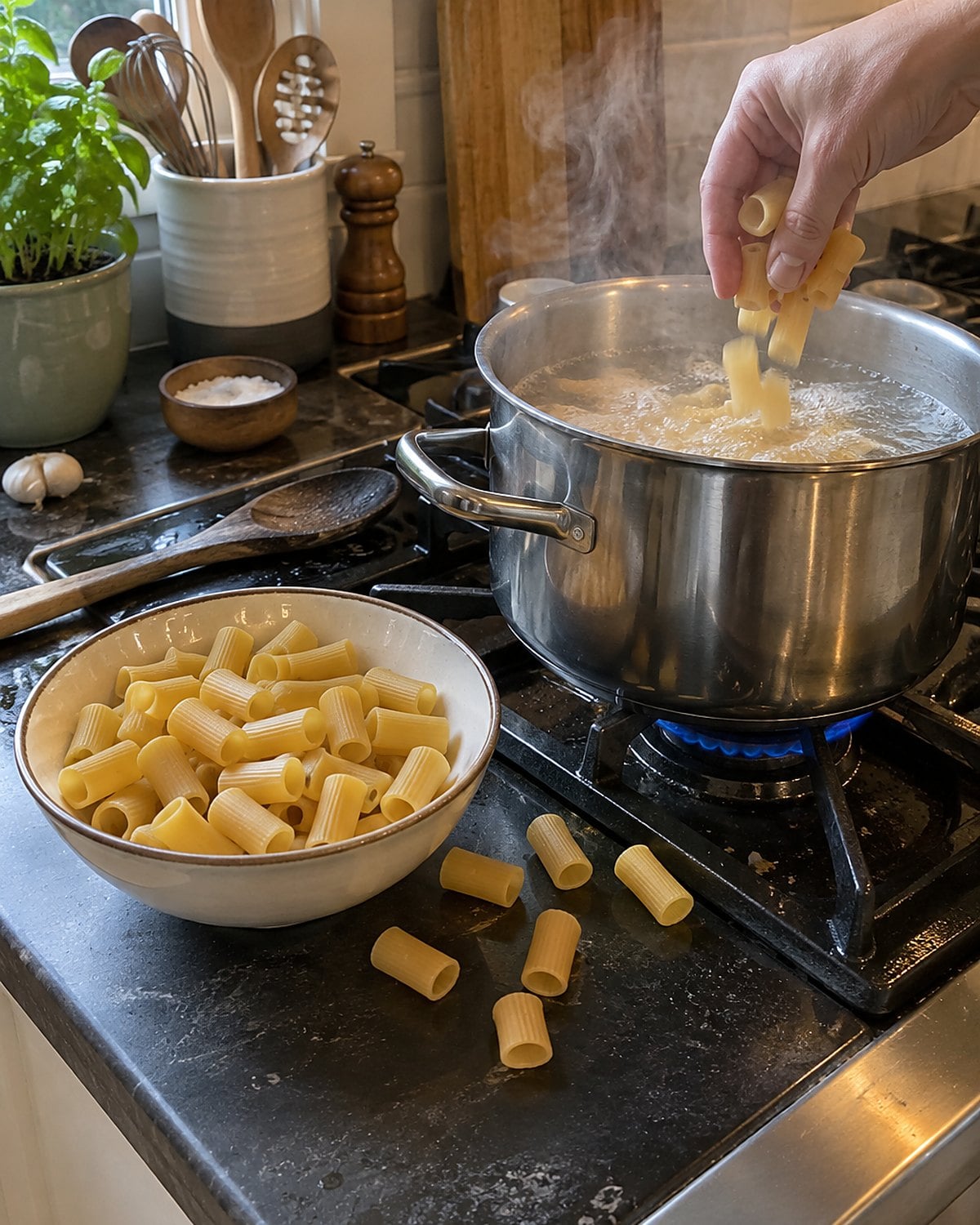
Pasta has a way of becoming dinner for six even when only two people are eating. The dry noodles look so small in your hand, and then the pot tells a different story. If your doctor has asked you to change carbohydrate portions, start with what you put into that pot.
Measure the dry pasta before it hits the water. You don’t need to keep measuring forever; do it once with the bowl you use on weeknights. You’ll see how much becomes a plateful after cooking.
Save the amount that suits your table and use the same bowl next time. For a fuller dinner, put vegetables and protein in the sauce rather than asking extra noodles to do all the work.
Cook the pasta just shy of how you like it, then finish it briefly with the sauce. That last step helps the sauce cling instead of pooling beneath a mound of bare noodles. The pasta stays. So does the pleasure of eating it hot.
Try it: Instant Pot Pasta Primavera
#6 The ice cream tub in the freezer drawer
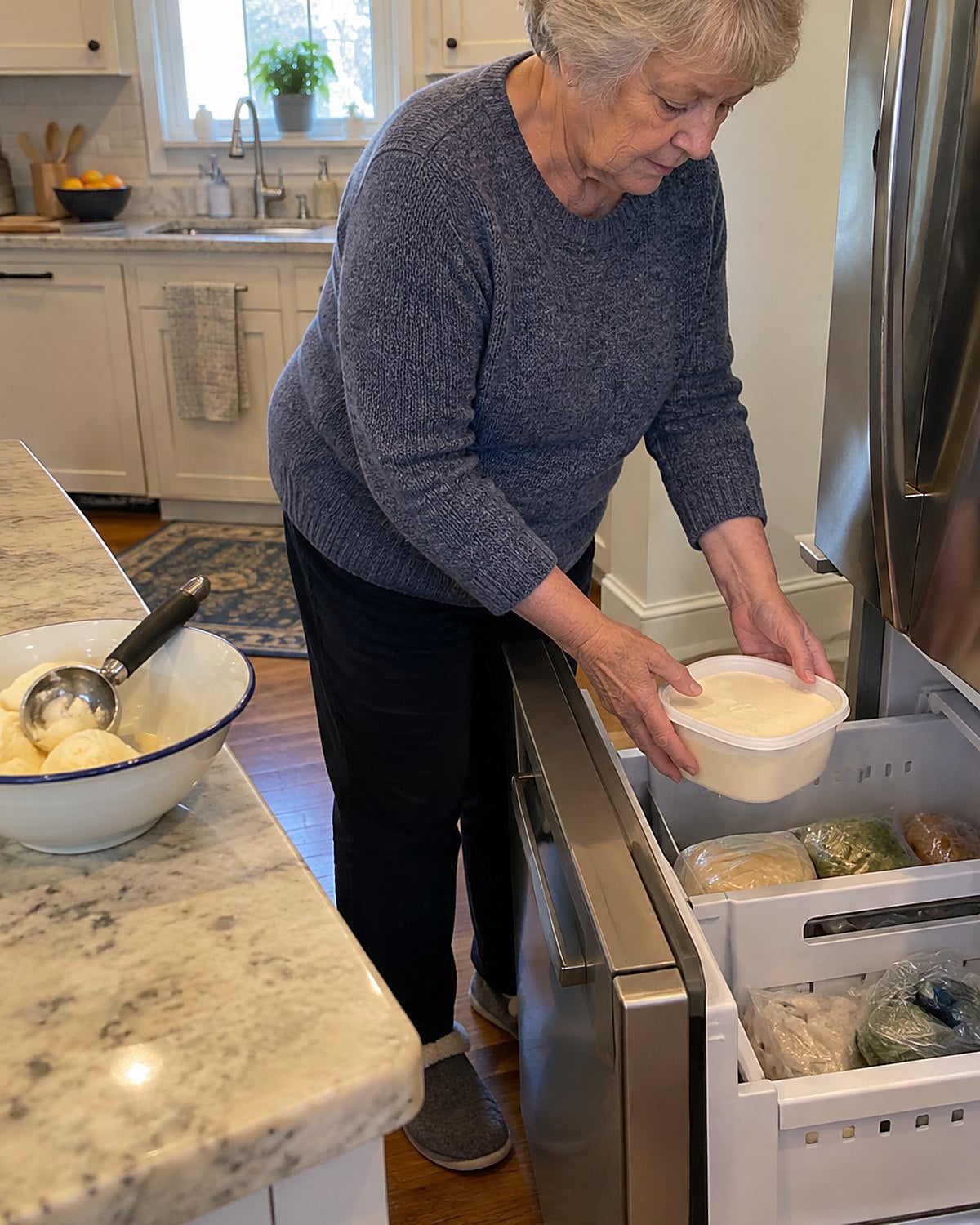
The freezer door is open, the tub is in your hands, and a spoon has somehow appeared. That’s a familiar dessert scene. It also makes it hard to tell when dessert started or finished. If your doctor has asked you to cut added sugar or saturated fat, begin there.
Scoop ice cream into a bowl and put the tub back before eating. Choose a bowl you like, not the smallest one in the cupboard as a punishment. Add sliced fruit if you want it. Sit down while it’s still cold enough to taste properly.
If you compare ice creams, check serving sizes along with added sugar and saturated fat. A label on a different brand won’t decide what your evening treat should be, but it will tell you what you’re bringing home.
Keep the flavor you’ll enjoy in the bowl. Dessert tastes better when you’re paying attention to it than when you’re standing in the freezer’s cold light.
#5 The bread loaf on the counter
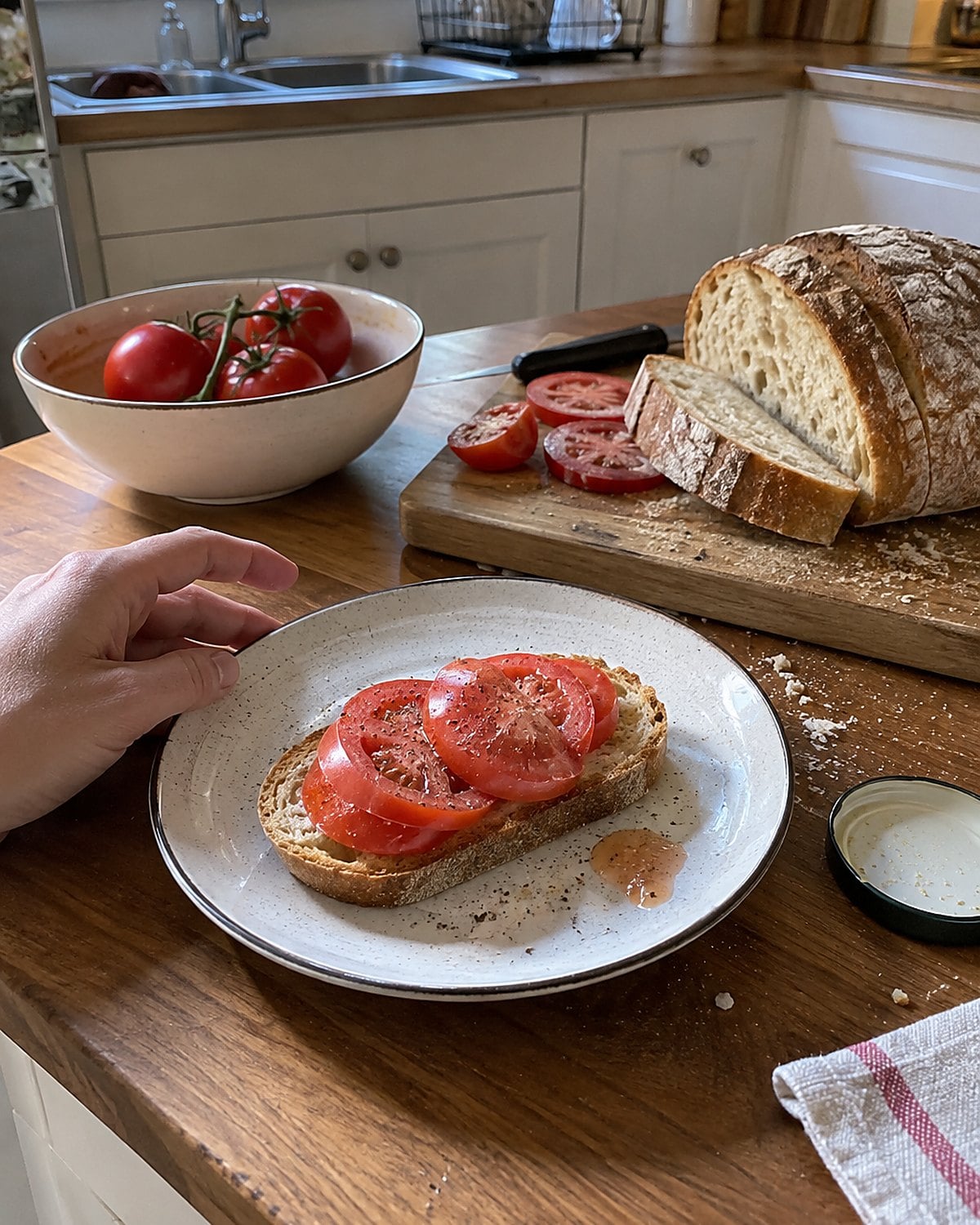
Bread takes the blame for a lot of meals it didn’t plan. A slice beside soup is different from a sandwich piled with salty filling and sauce, even if the same loaf is involved. If you’ve been told to cut back on bread, look at the whole lunch.
Choose bread by what you’ll eat, then read the label for fiber and sodium if either matters in your care plan. “Multigrain” describes a mix of grains; it doesn’t tell you how much whole grain is in the loaf. The ingredient list gives you more to work with. Look for whole grain named near the start.
Toast changes the meal, too. A crisp slice holds a tomato or an egg without needing a thick spread to give it character.
If you’ve been leaving bread off the plate and missing it every time, bring back a slice you want and look at the meal around it.
#4 The cheddar on the cutting board
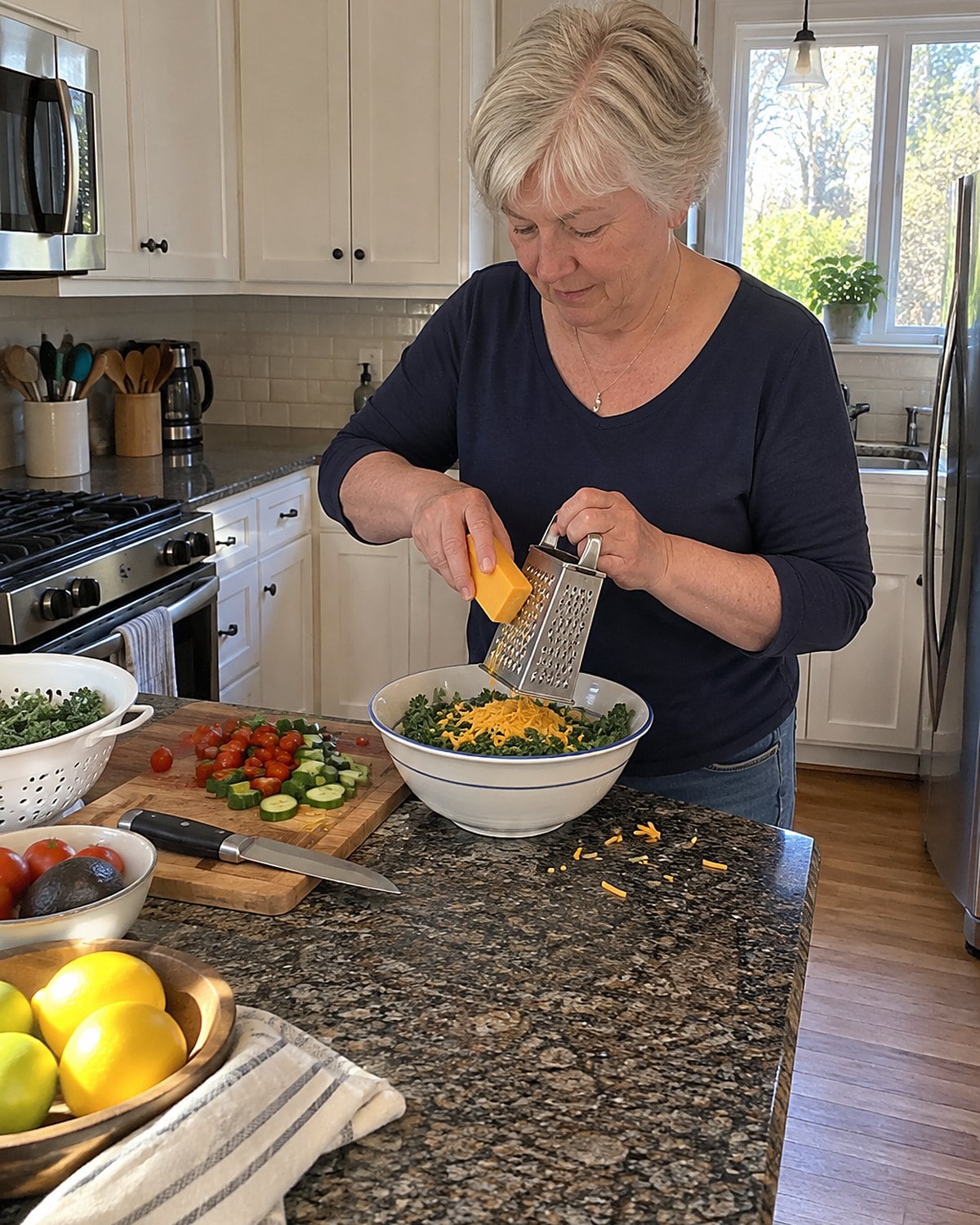
A block of cheddar outlasts a bag of shreds in many kitchens because you notice it every time you cut it. That notice is useful when cheese is staying on the menu but your clinician wants you to watch saturated fat or sodium.
Cut a piece and put the block away before you build the sandwich, salad, or snack. Sharp cheese gives you a clear taste even in a smaller amount. Grate it yourself when you want it spread across a dish; a little grated cheese reaches more bites than thick slices tucked into one corner.
Don’t trust color as a guide to nutrition. White and orange cheddars still need a label check if you’re comparing sodium or saturated fat.
And don’t force a low-fat cheese you dislike onto a dish that matters to you. Find the amount of good cheese that makes the food taste finished. Put the knife down, take a bite, and decide from there.
#3 The baked potato under the chili
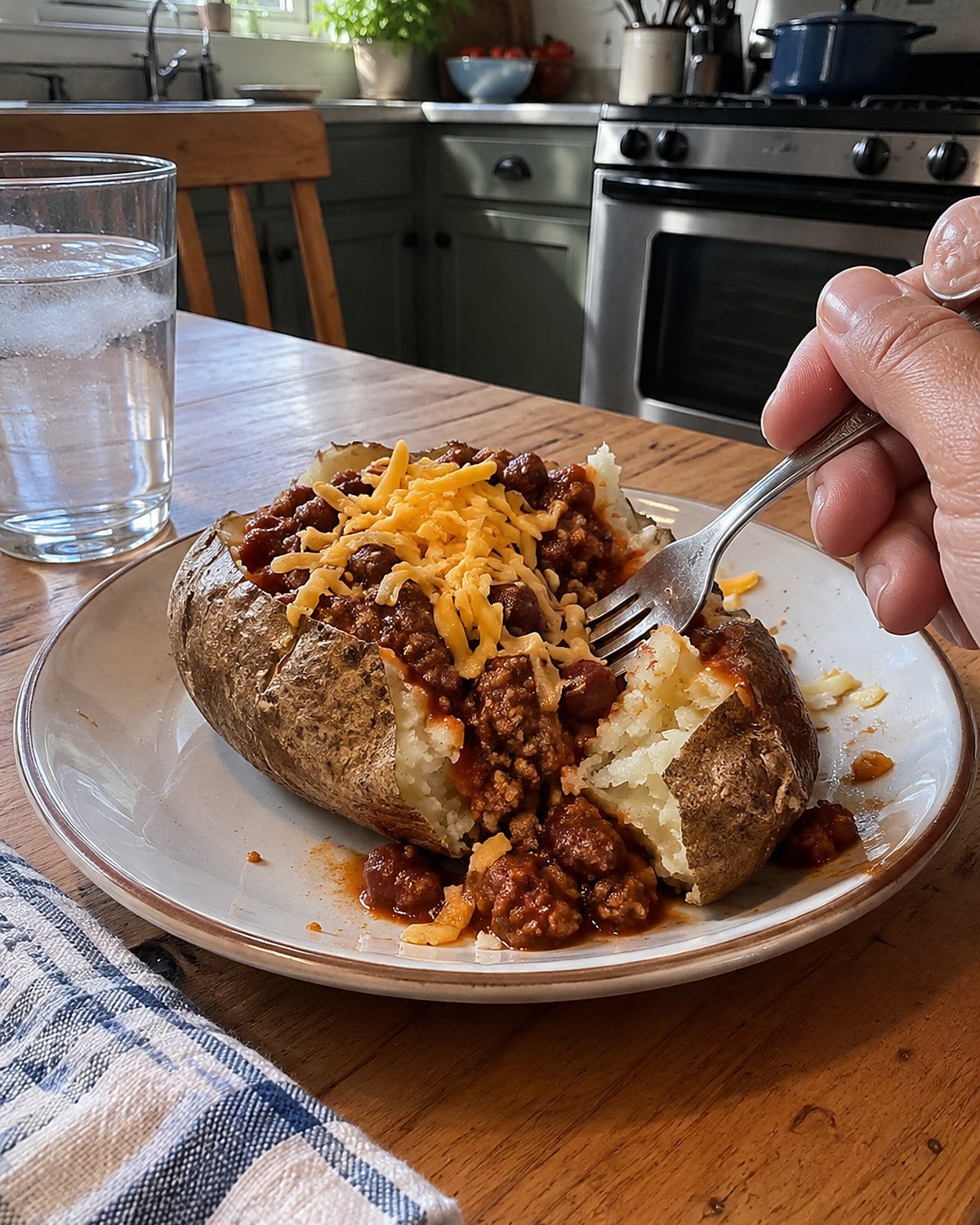
A baked potato is a solid supper base. If your care team has asked you to watch carbohydrate portions, keep that advice in view. Then look at what happens after the potato leaves the oven: butter, sour cream, cheese, and salty chili, each added without tasting the last one.
Bake the potato until a knife slips through the center. Split it open and fluff the inside with a fork so the topping reaches the potato instead of sitting in a heap. Spoon on chili or beans, then taste before adding cheese or salt.
For everyone else at the table, this is a chance to make the potato part of dinner, not a blank surface buried beneath it.
Keep the skin if you like its texture. A properly cooked potato needs less rescuing than an underdone one.
Try it: Instant Pot Stuffed Baked Potatoes 4 Ways
#2 The green beans with bacon
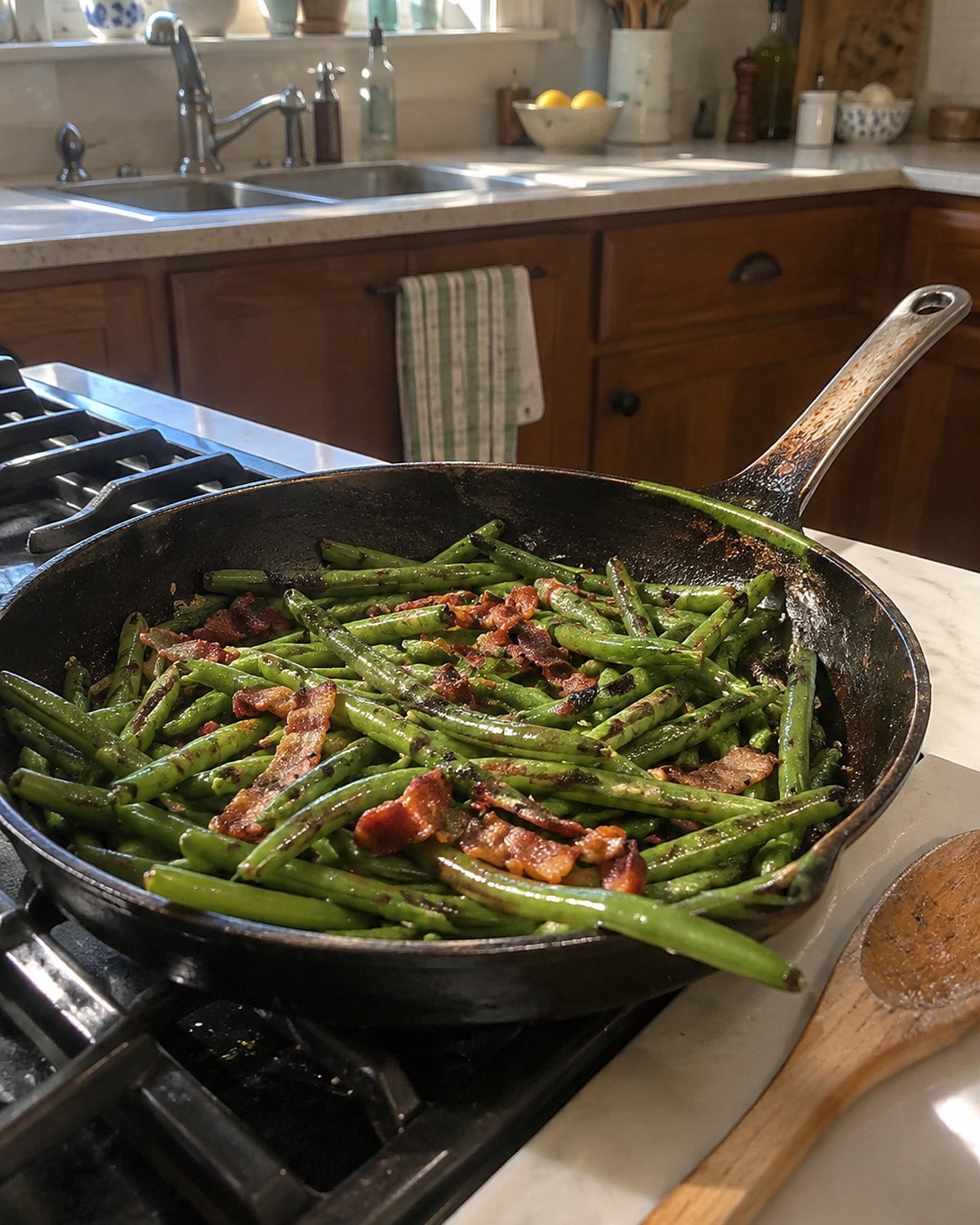
A little bacon changes a whole pan of green beans. The smell reaches the hallway before anyone asks what’s for dinner. If your doctor wants you to cut sodium or saturated fat, the bacon doesn’t have to disappear; its job changes.
Cook a small piece until crisp, then lift it out. Pour off excess fat. Add the beans to the pan with a splash of water, cover, and cook until they bend but still have some snap. Finish with the bacon crumbled over the top.
Putting it on last keeps each bit noticeable instead of losing it during the cook. A squeeze of lemon gives the beans a bright finish alongside the bacon.
Your family gets the smell they remember. You get to decide how much bacon it took to make that happen.
Try it: Instant Pot Green Beans With Butter & Pepper
#1 The measured salt beside the stove
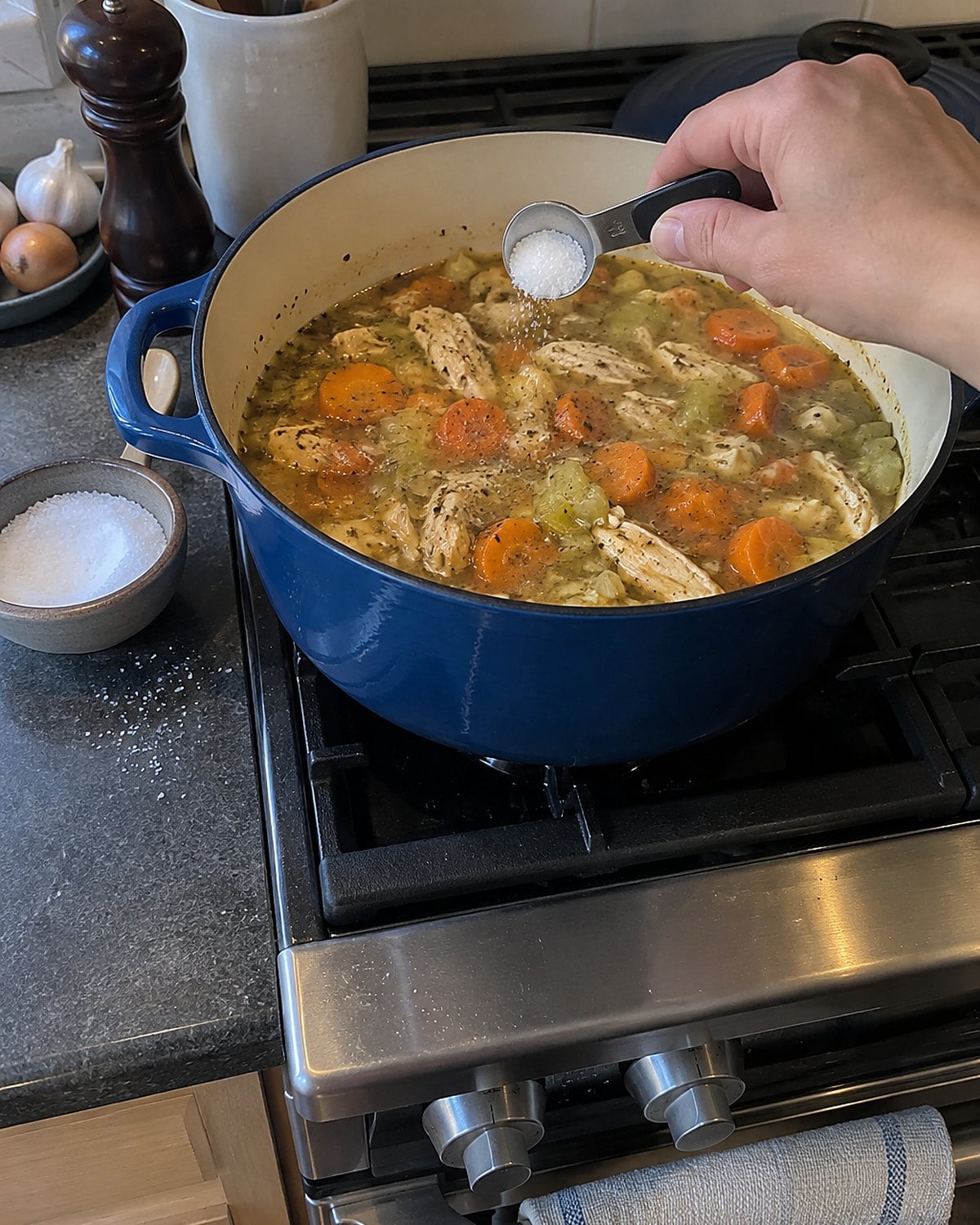
The salt shaker lives near your hand because you’ve used it for decades. That reach is so practiced that you can salt a pot before you’ve tasted what went into it. If cutting sodium was the instruction you carried home, this change reaches across dinner.
For one meal, put the shaker away and set a small dish beside the stove. Measure any salt you plan to use into the dish first. Add some during cooking where it does real work, then stop and taste the finished food.
Lemon, vinegar, browned onions, herbs, and pepper each bring something different; none needs to pretend to be salt. Try the browned onions in soup before deciding what the soup lacks. Try vinegar in a pan of greens. The point is to hear what dinner is asking for before your hand answers from habit.
Now look at what entered the pot before the shaker did. Broth, canned tomatoes, cheese, seasoning blends, and sauces all have labels worth checking. The FDA’s Daily Value for sodium is less than 2,300 milligrams per day. Use your clinician’s limit instead if you’ve been given one.
That daily figure doesn’t tell you what to do with a single spoonful at the stove. The dish does. When dinner is finished, see what’s left in it.
Keep the little dish for another dinner. You’ll learn which foods need seasoning in the pan and which tasted finished already.
Keep reading
 27 Things Home Cooks Over 60 Do Without Thinking That Chefs Would Never Do
See all 27 →
More you’ll remember
 27 Things People Over 60 Still Do With Leftovers That Food-Safety Experts Beg Them to Stop
 24 Pantry Items That Last Years, So Stop Replacing Them
 23 Food Safety Rules Your Mother Taught You That Are Wrong, and the Ones That Still Hold
The bottom line
The useful change is seldom “never again.” It’s choosing the jar, seeing the portion, and tasting dinner before adding what’s already in it.
You’ve got the tools: a measuring spoon, a thermometer, and enough experience to know when a dish tastes right. Your medical instructions still come first. Which familiar food in your kitchen deserves a closer look at how you use it?



Leave a Reply