

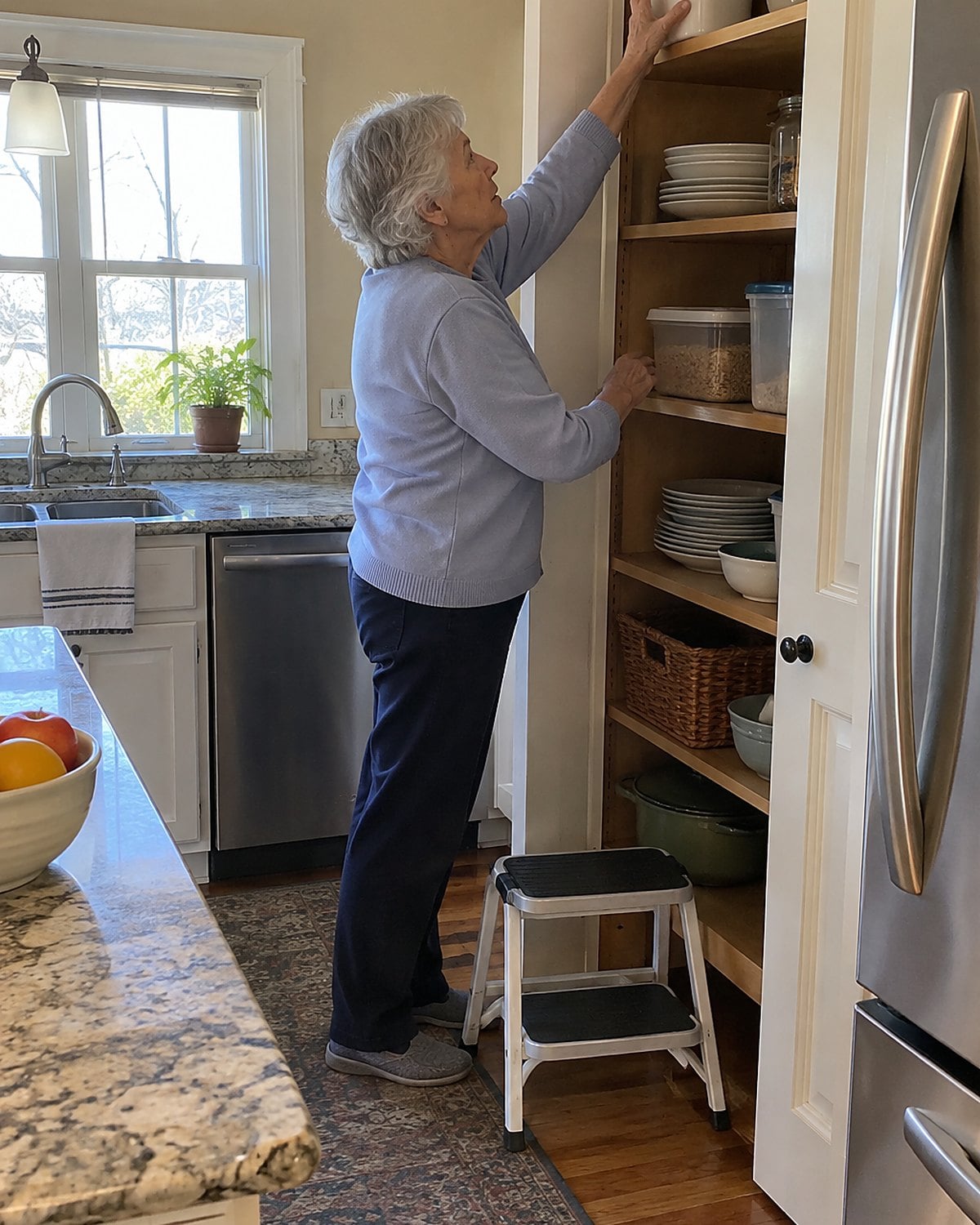
The butter knife taps the rim of the plate, and someone cuts the toast corner to corner. Nobody asks whether you want triangles. You’re under a blanket, and the plate arrives in pieces you can pick up with one hand.
Years later, you’re the one holding the knife. Dinner doesn’t need a holiday or a full table to carry that feeling. The useful part is often small. Broth that tastes right before the noodles go in. An egg still tender at the center. A meal set aside before the evening gets away from you.
#23 Buttered toast cut into triangles

When you were sick, the shape mattered. A whole slice asked you to sit up and manage crumbs. A triangle fit between your fingers, and someone had already spread the butter to the corners.
Make it with the bread you have. Let the toast cool just long enough for the butter to stay on top rather than vanish into it. A thin scrape of jam or a shake of cinnamon sugar changes the plate without asking you to make breakfast from scratch.
Cut each slice corner to corner and bring it over while the edges still crackle.
If you’re feeding someone who hasn’t felt like eating, don’t stack the pieces. Lay them apart on the plate so the bottoms stay crisp. Put a napkin underneath, the way someone once did without making a speech about it.
#22 Soft scrambled eggs in a small pan
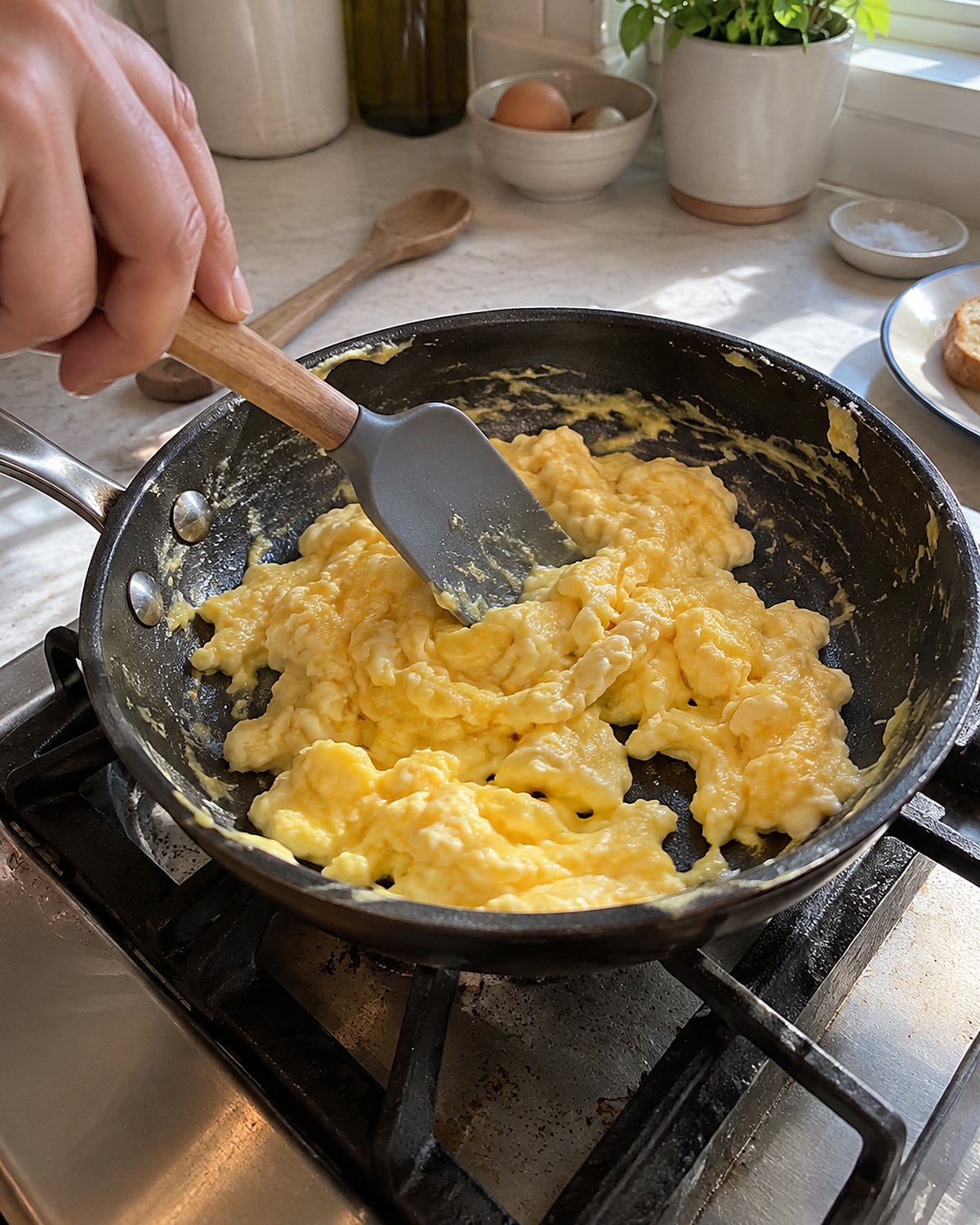
The eggs keep cooking after the burner goes off. That’s why the pan you leave on the heat until the eggs look done gives you dry curds by the time you sit down.
Use low heat and push a spatula across the bottom in broad strokes. Take the pan off while the eggs still look a little glossy; the heat left in the pan finishes them. A small pat of butter belongs at the start, when it coats the metal, rather than at the end as a rescue.
There’s a particular kindness in making eggs for one person instead of treating them as a reduced version of breakfast for four.
Warm the plate first. By the time you carry it over, the eggs will have settled into themselves.
#21 Chicken broth with noodles added last
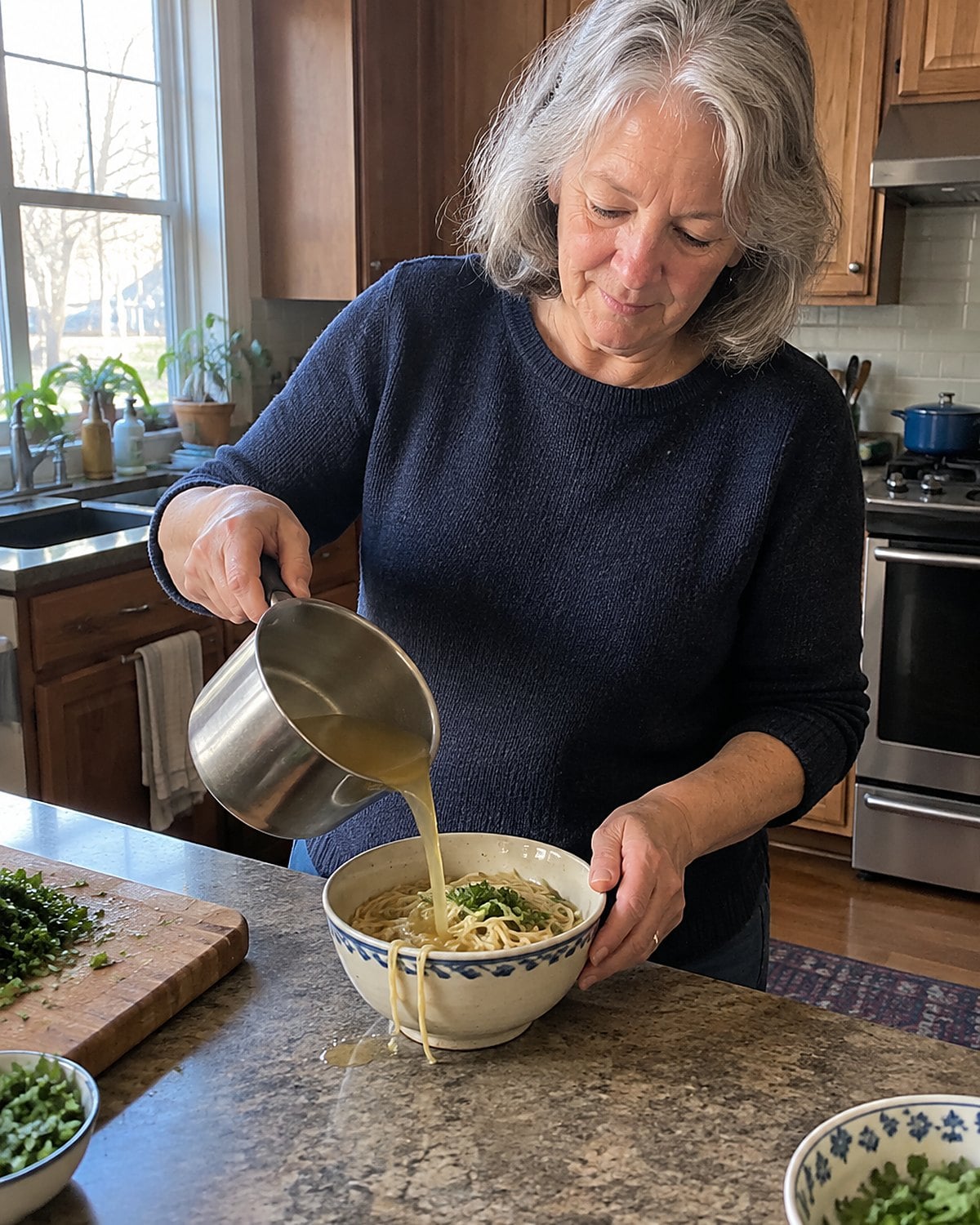
Have you ever reached for a bowl of soup and found that the noodles drank nearly all the broth? They keep absorbing liquid while the pot sits, then swell further in the fridge.
If you expect leftovers, cook the noodles separately. Spoon them into a bowl and pour hot broth over them. The next serving gets noodles with a little spring left in them, and you don’t need to add water to bring a thickened pot back to life.
Taste the broth before the noodles go in. A squeeze of lemon wakes up a flat pot; a pinch of salt helps if the lemon alone leaves it thin.
Add shredded cooked chicken if you have it, then heat everything until it’s steaming. The person holding the bowl gets a proper soup, not a rescue operation.
Try it: Instant Pot Chicken Noodle Soup In 30 Minutes (with VIDEO)
#20 Tomato soup beside a grilled cheese
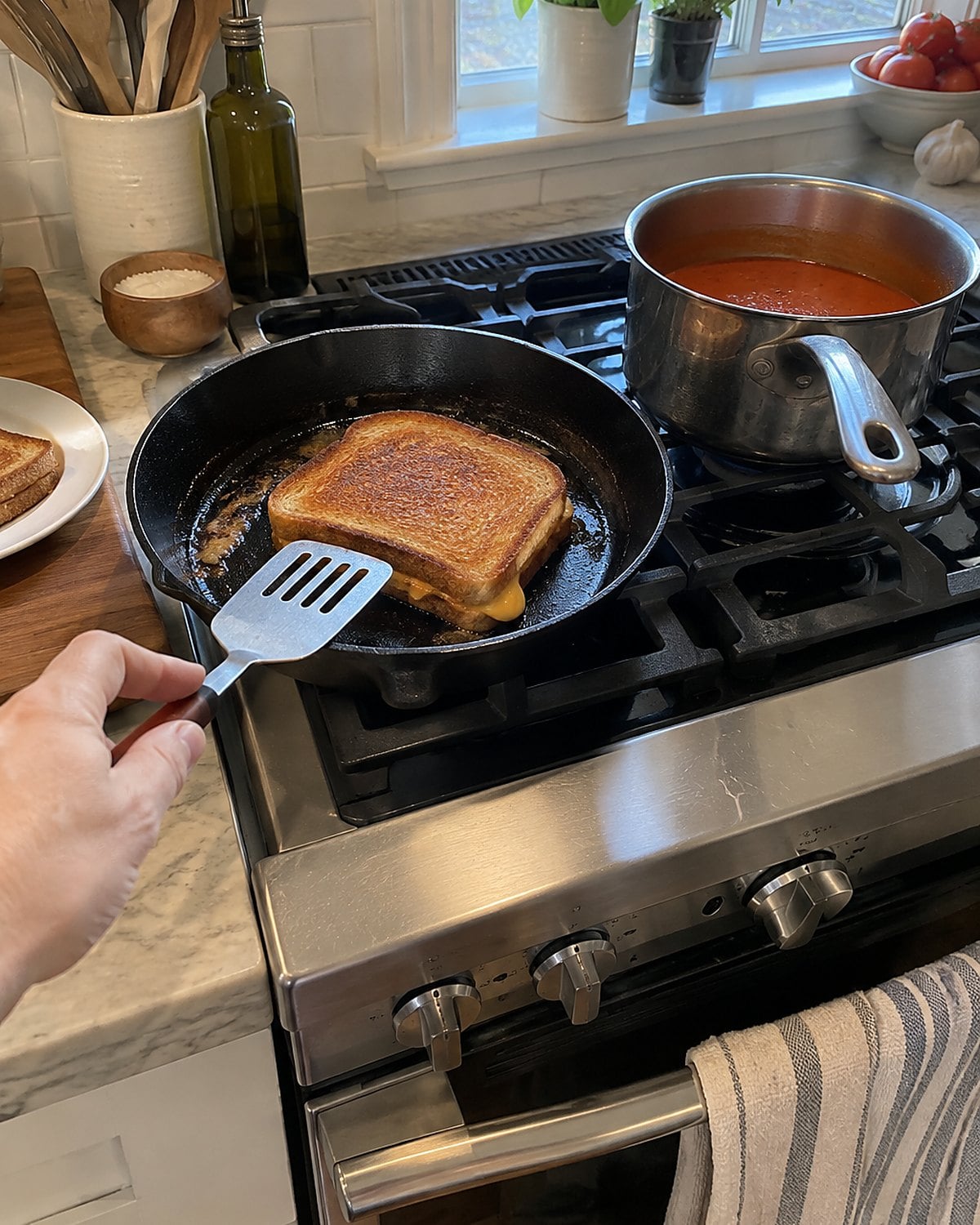
You know the sound: bread scraping across the pan, then the brief silence when you lift it to check the bottom. That sound tells you more than the clock.
Keep the heat at medium-low. The bread needs time to brown while the cheese melts, especially if the slices are thick. Press with a spatula only enough to bring the bread against the pan. A hard press sends melted cheese out the sides and leaves you with a thin sandwich.
For the soup, taste before adding cream. Tomatoes need salt first; cream rounds them out but won’t fix an underseasoned pot. If the soup tastes sharp, a small knob of butter gives it body without turning it sweet.
Cut the sandwich so you have an edge to dip. Set it alongside the bowl, not across the top, where steam will undo the crust you just watched so carefully.
Try it: Best Instant Pot Tomato Soup (Panera Bread Inspired)
#19 Rice warmed in a covered skillet
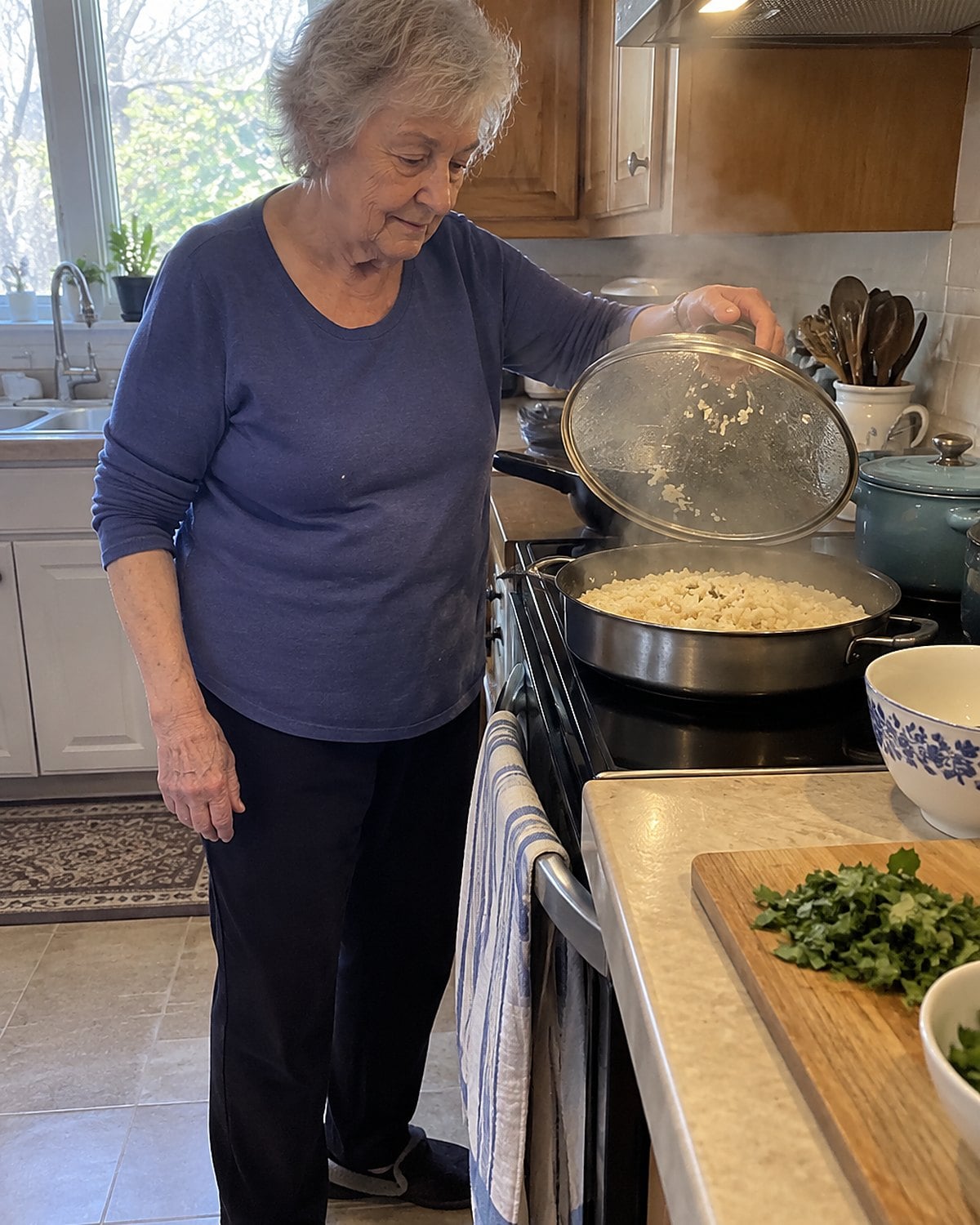
A bowl of rice left from dinner gives you a place to start when cooking another pot sounds like work. The trouble comes when cold grains hit a dry pan: the bottom crisps before the middle warms.
Break up the clumps with a spoon. Add a splash of water, cover the skillet, and heat the rice until it’s steaming throughout. The trapped steam reaches between the grains. Then uncover the pan so extra water cooks away. You get rice for supper without scraping a hard layer off the skillet.
Have an egg or leftover vegetables? Warm them separately, then add them to the bowl.
Rice needs prompt attention after dinner, not a night in the pot. The USDA Food Safety and Inspection Service says to refrigerate perishable food within 2 hours. Use shallow containers so the rice cools faster.
That small pause after dinner gives tomorrow’s rice a good start.
#18 Pot roast with carrots at the edges
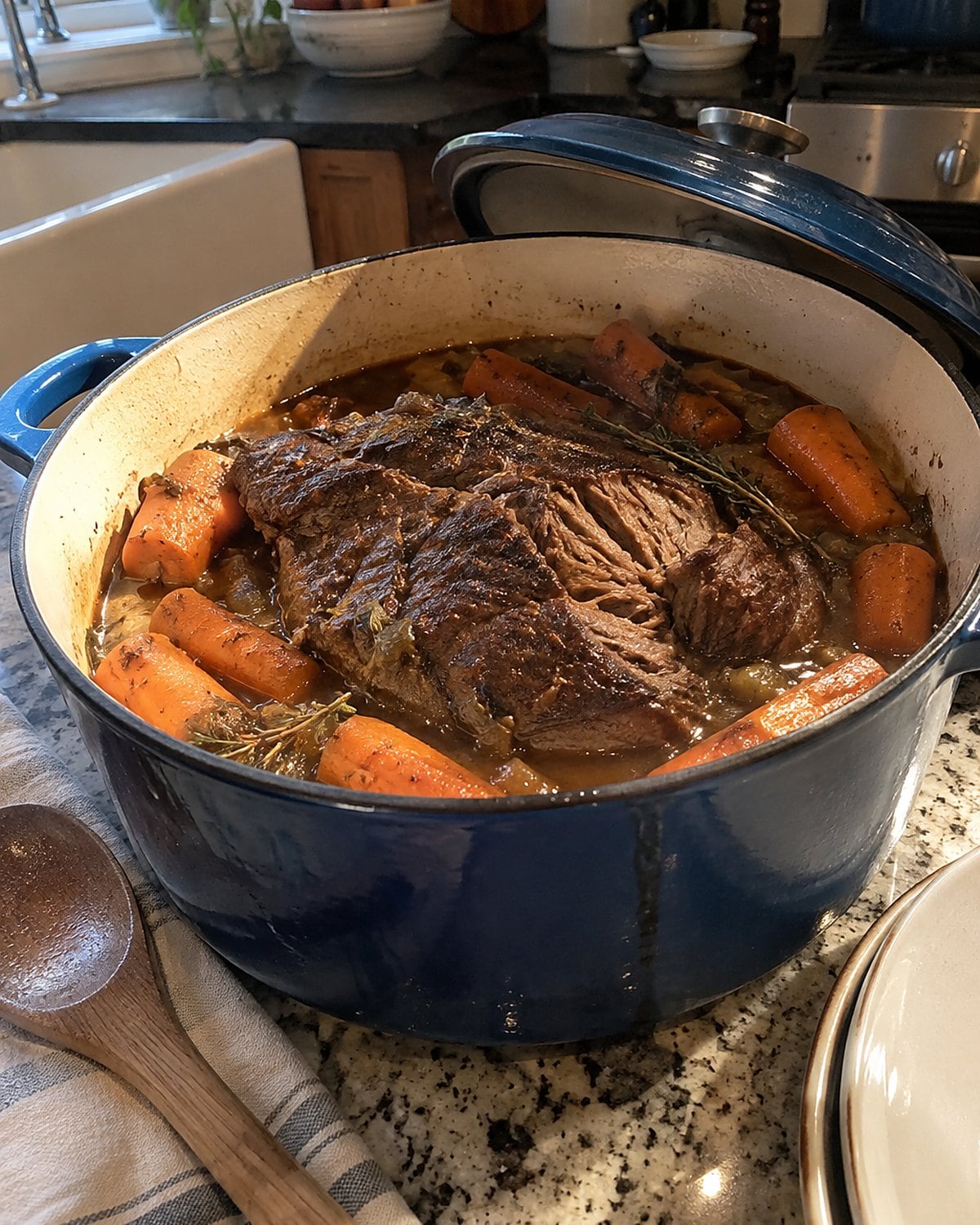
The lid lifts, steam fogs your glasses, and the carrots near the edge of the pot are the first thing you see. They’ve taken up the cooking juices without falling apart. Someone thought to put them where you’d find them.
Chuck roast works here because its connective tissue softens during a long, moist cook. A lean cut stays firmer under the same treatment. Brown the roast before adding liquid if you want the deeper taste from the browned bits on the pot’s bottom. Scrape those bits into the liquid.
Add the carrots late enough to keep their shape. Check with a fork: it should enter easily, but the carrot should still lift out whole.
In an Instant Pot, use the cook time for your roast’s size from your model’s manual. Check the meat with a fork after releasing pressure as directed. If it resists, it needs more time. For a whole cut of beef, the USDA’s safe minimum temperature is 145°F with a 3-minute rest.
Spoon the juices over the meat at the table. Keep a little back for tomorrow, when a reheated slice will need them.
Try it: Instant Pot Beef Pot Roast With Potatoes & Carrots
#17 Applesauce warm from the saucepan
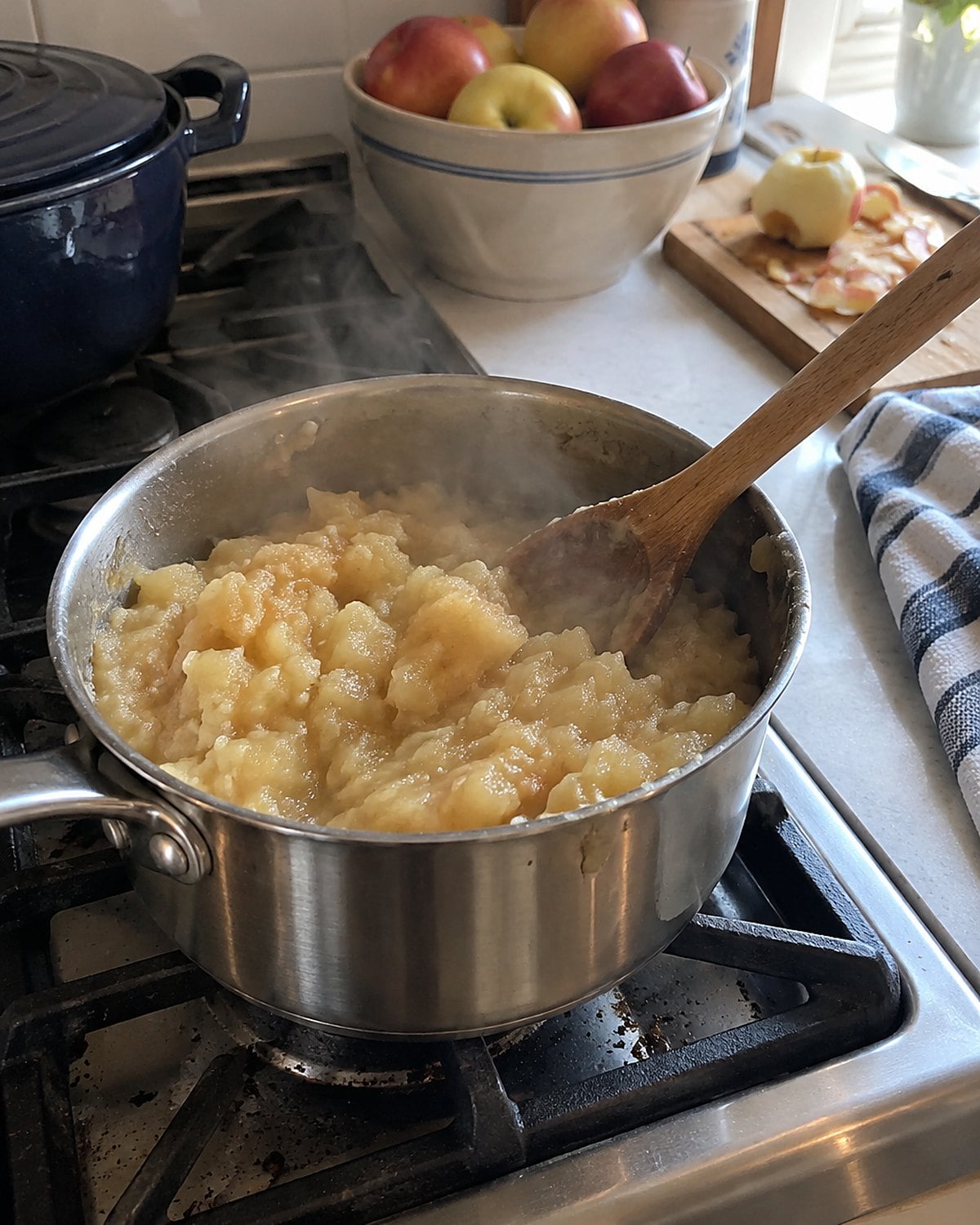
A spoonful of applesauce straight from the saucepan tastes different from the cold jar in the fridge. The apple smell reaches you first. You take a bite standing up, even if dinner’s still half an hour away.
Peel the apples if you want a smooth sauce; leave the skins on for a rustic one and mash well. A splash of water keeps the fruit from catching before it releases its own juice. Start without sugar, since some apples bring plenty of sweetness on their own.
When the pieces yield to the back of a spoon, taste.
Add cinnamon only after you’ve checked the apples. You’re making something that tastes like the fruit you brought home, not trying to hide it.
 You might also like26 School Lunchbox Foods From the 1960s That Would Horrify a Parent Today
#16 Cream of wheat without lumps
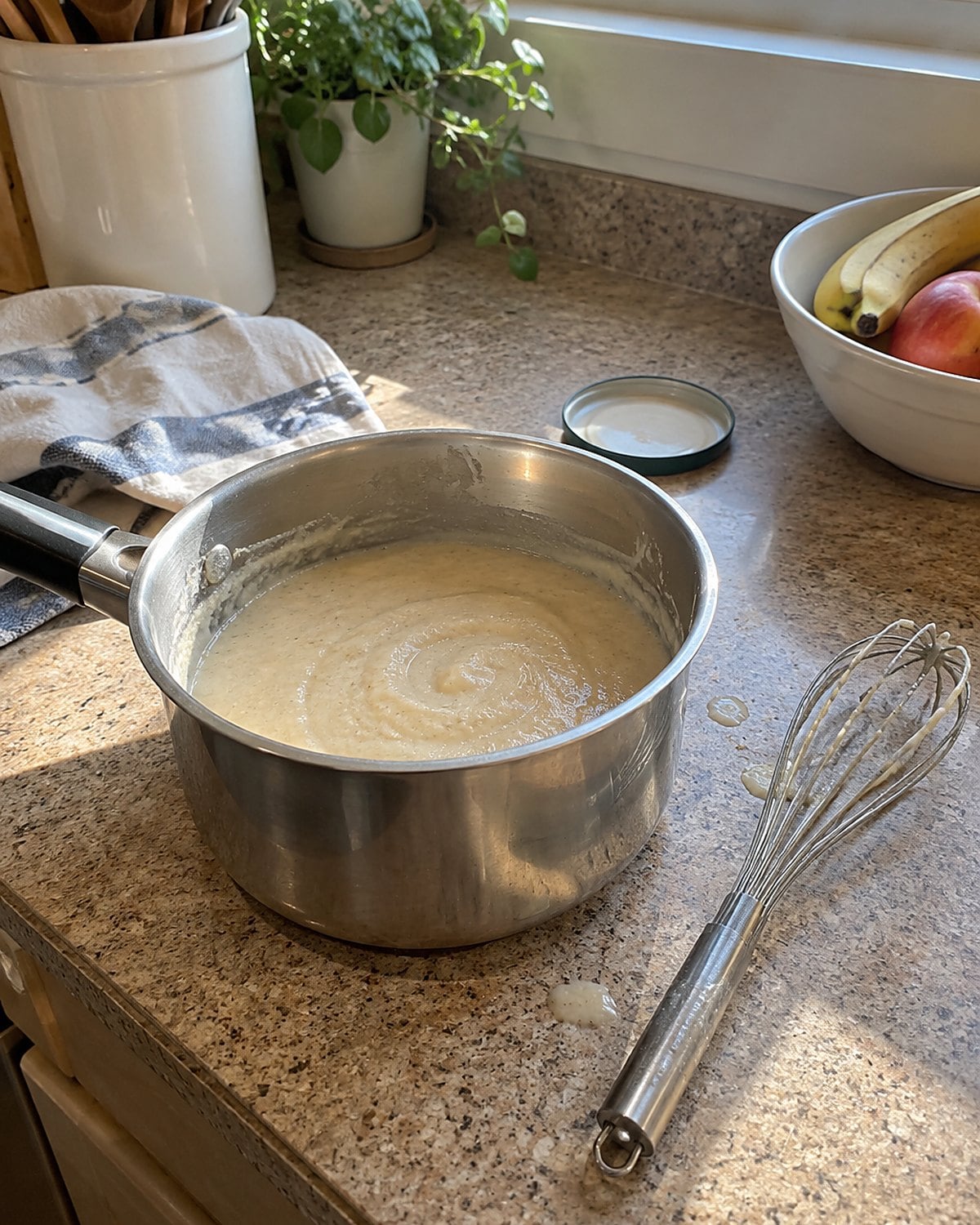
The first spoonful should be smooth enough that you don’t have to inspect it. If you’ve eaten a bowl with dry little pockets in it, you remember.
Whisk the cereal into the liquid as it heats, following the package ratio for the thickness you like. A steady stream matters more than a vigorous rescue whisk after lumps form. Scrape the bottom and the corner where the pan’s side meets its base; that’s where cereal catches first.
Don’t judge it while it’s boiling. Spoon a little into your bowl, let it stand briefly, then check the thickness. It firms as it cools. Add warm milk if the spoon stands up too straight.
A dab of butter, brown sugar, or a sliced banana goes on top where you can taste it. The bowl is plain on purpose. You get to decide what belongs in it today.
#15 A baked potato split while hot
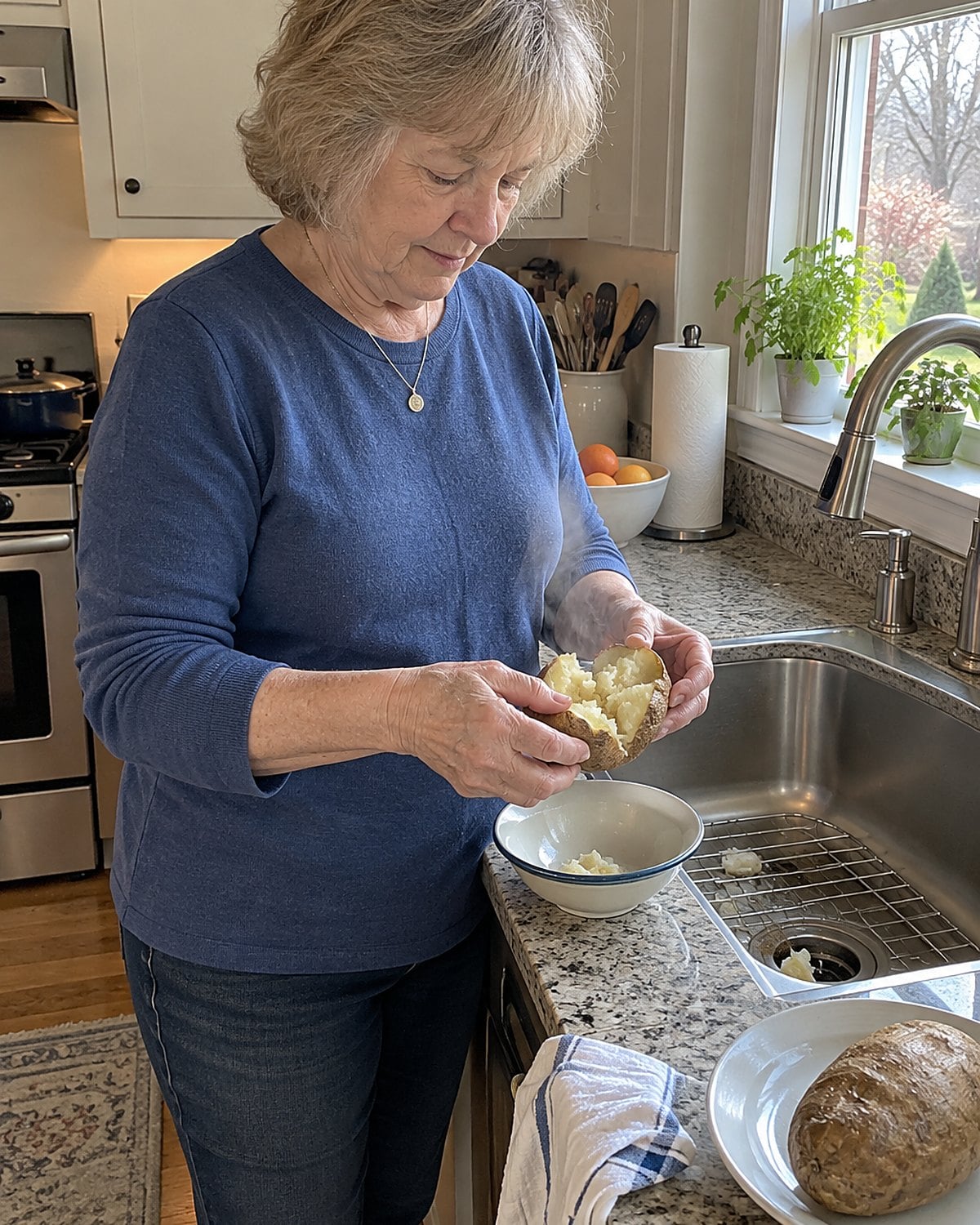
“I’ll put a potato in for you” sounds like a small offer. It means someone will wait long enough for the center to turn fluffy and find the butter while you sit down.
Scrub the potato, dry it, prick the skin, and bake it until a knife slides through the center without a hard spot. Split it as soon as it’s done and pinch the ends inward to open the middle. Steam escapes, and the inside stays light instead of settling into a damp block.
Salt the flesh, not only the skin.
Then add what you actually want: butter, leftover chili, cottage cheese, or nothing more. If another person is eating with you, ask before loading theirs. Being looked after includes getting the potato the way you like it.
#14 Chicken and dumplings under a lifted lid
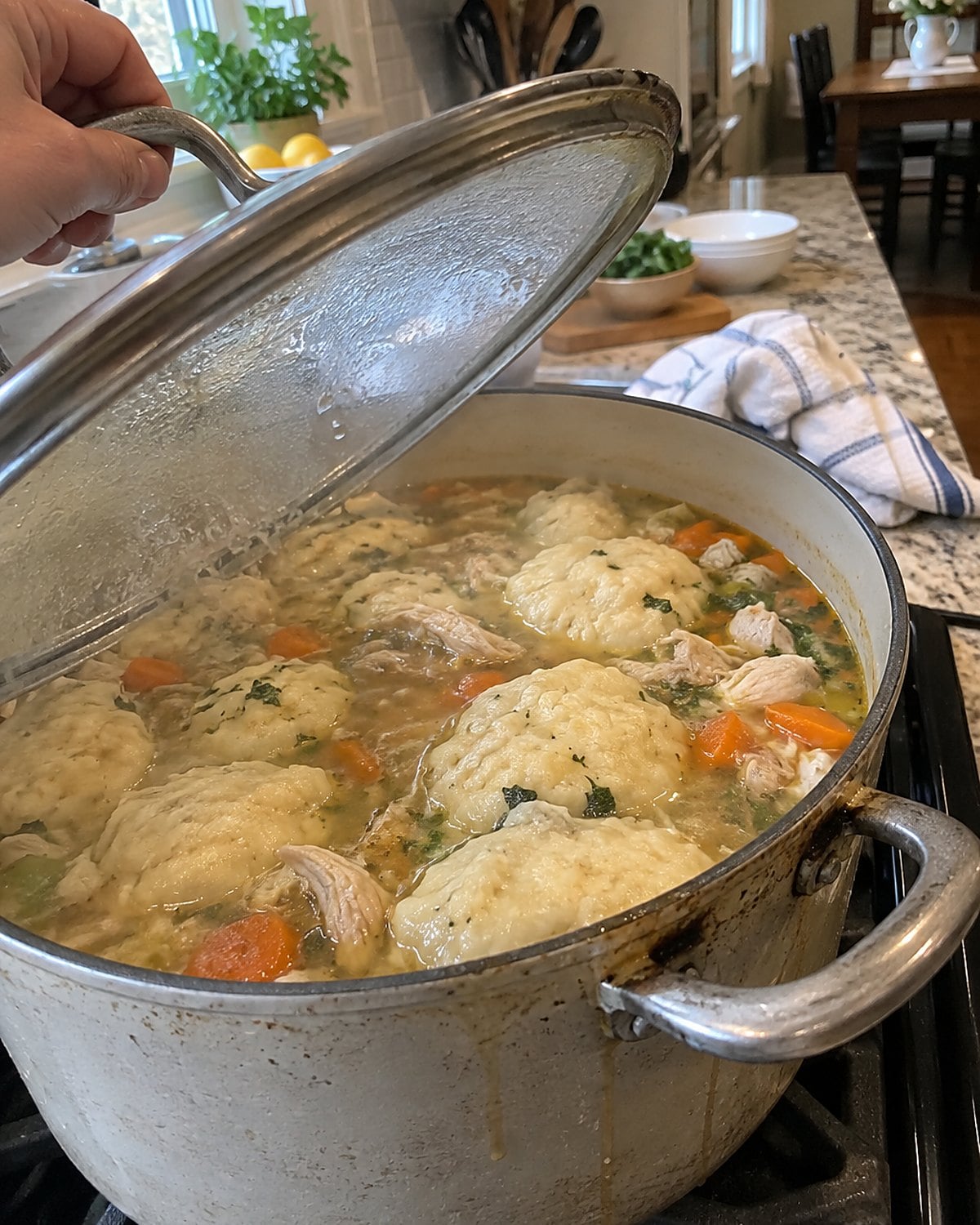
The temptation is to keep checking the dumplings. You lift the lid, see pale mounds, and wonder if they’re done. Each peek lets steam out, and steam is doing much of the cooking.
Get the chicken and broth tasting right first. A dumpling won’t correct a bland pot. Keep the liquid at a steady simmer, then drop in the dough with space between the pieces. Cover the pot and follow the cooking time for your dumpling recipe before opening it.
Cut into a dumpling from the center of the pot. Its middle should look cooked through, with no wet dough. If the broth has thickened too far, stir in hot broth around the edges rather than working a spoon through the dumplings.
Serve one over a piece of chicken with enough broth to reach every bite. The dumpling is the part people look for when the lid comes off.
#13 Peanut butter toast with banana coins
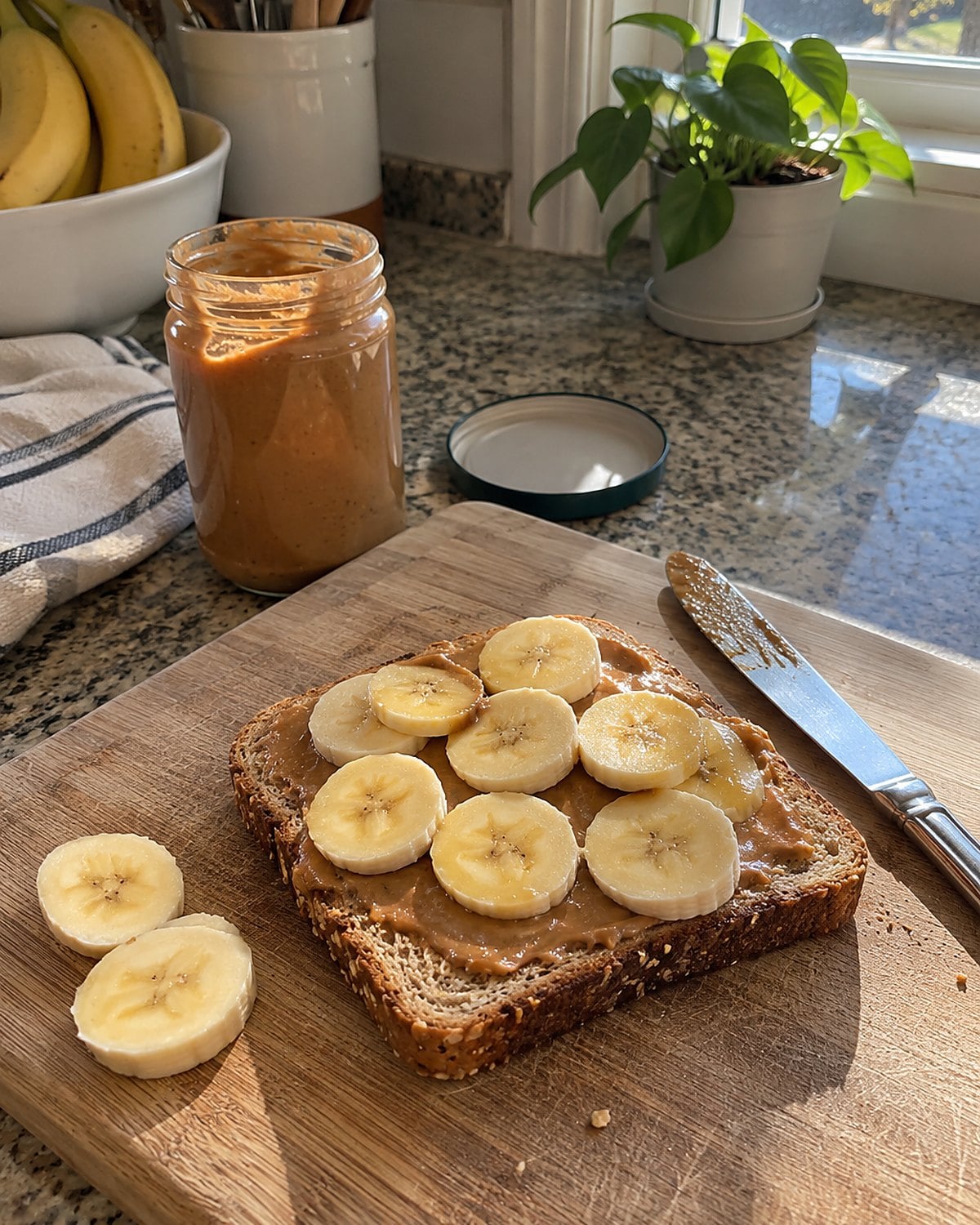
At the counter, you slice a banana straight over the toast because getting out a cutting board feels excessive. The coins land unevenly. That’s fine; you’re making yourself something to eat, not arranging a display.
Let the toast cool a moment before spreading peanut butter. On very hot bread, it melts and runs off the edges before you get to the second bite. Add the banana, then a pinch of salt if your peanut butter tastes flat.
This is also a useful plate for someone who says they aren’t hungry enough for lunch.
Make one slice, set it within reach, and leave the decision to them. You know how much easier a first bite feels when nobody is watching for it.
#12 Beef stew with potatoes that hold together
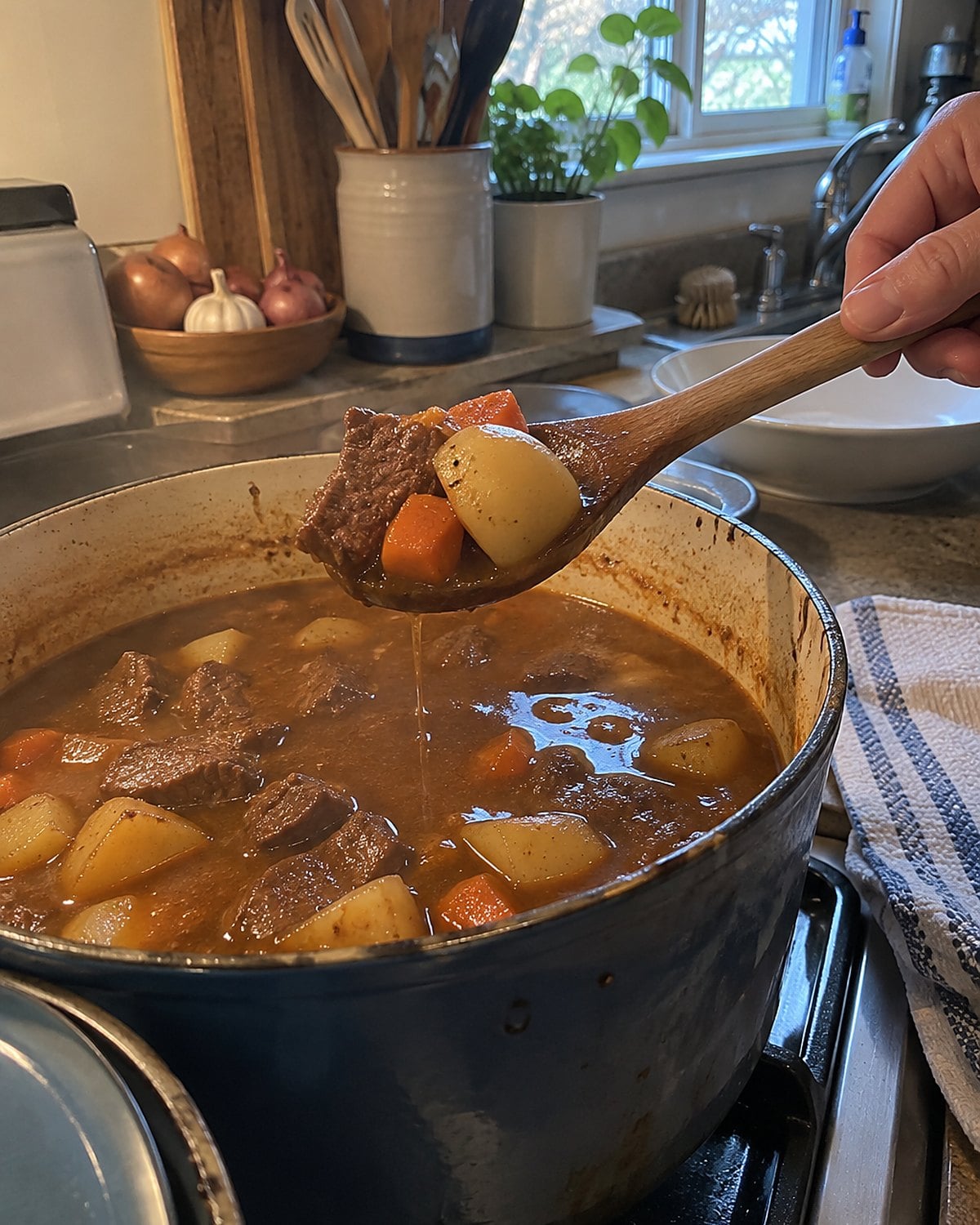
There’s a point in a stew when the potatoes are cooked but still have corners. Catch it, and you get broth around the pieces instead of potato dissolved into every spoonful.
Brown the beef in batches so it meets the hot pot rather than steaming in a crowd. After you add liquid, let the beef simmer until it starts to soften before the potatoes go in. The meat and potatoes don’t need the same amount of time.
For a stew you intend to reheat, waxy potatoes hold their shape better than floury ones. Push a knife tip into the largest piece. It should slide in without the potato breaking around it. Taste the broth then, because potatoes absorb salt as they cook.
Put away a serving with plenty of liquid. Tomorrow’s bowl will be thicker, and that saved broth gives you room to warm it without stirring the potatoes to pieces.
Try it: Whole30 Beef Stew (Instant Pot & Stovetop Recipe)
#11 Cornbread with butter on the cut edge
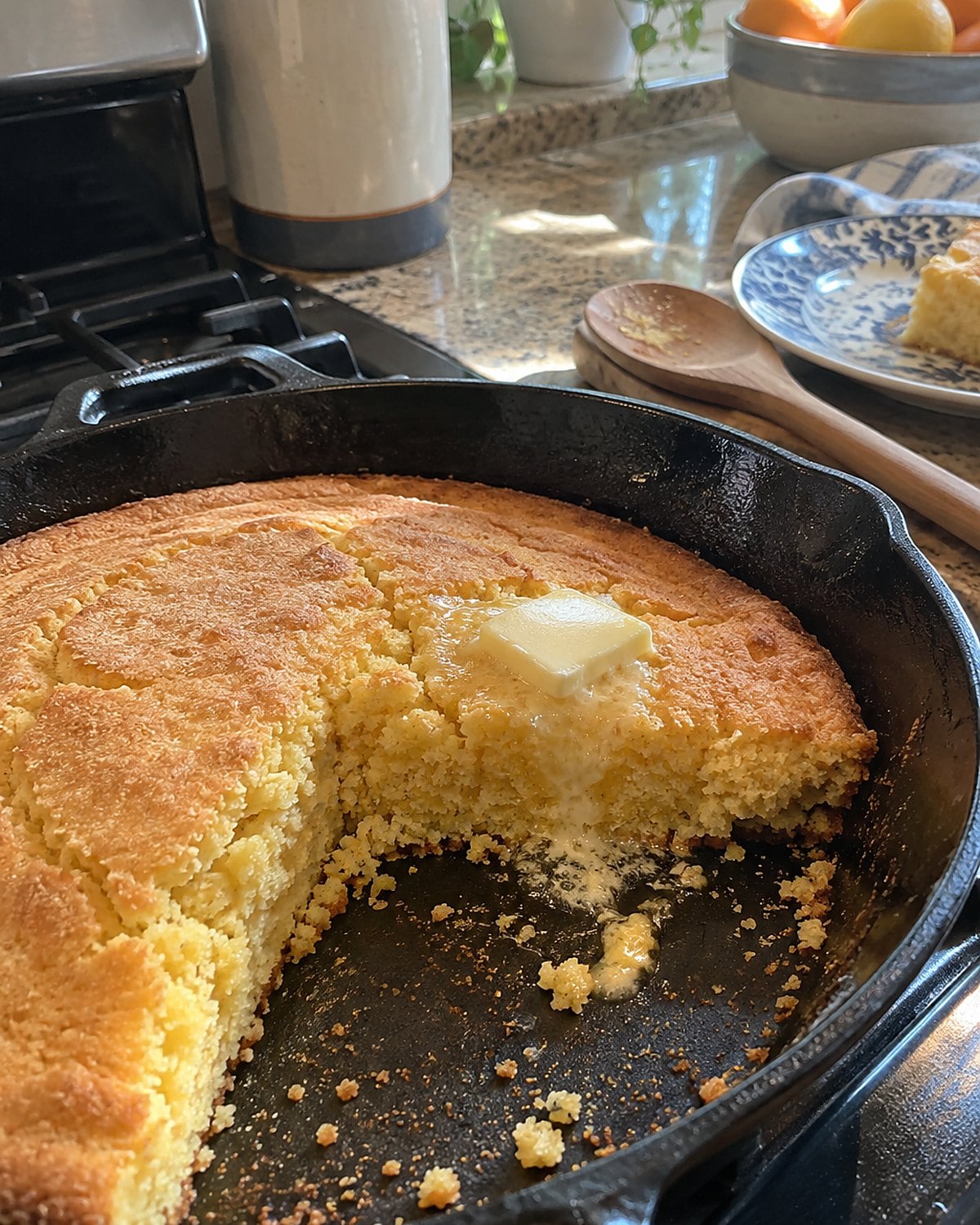
A square of cornbread beside soup is useful. A warm square opened and buttered on its cut face is what you remember.
Heat the skillet before the batter goes in. When batter meets a hot, greased pan, the bottom begins to set at once and develops a crust. A cold pan gives you a softer base. Neither changes the cornbread’s worth, but the crust makes the slice especially good for catching a little pot liquor or gravy.
Let it rest before cutting so the crumb doesn’t fall apart under your knife.
Then split a square and butter the inside while it’s still warm. If you’re eating alone, put the rest away once it cools. The first square deserves a plate.
#10 Fried egg on leftover potatoes
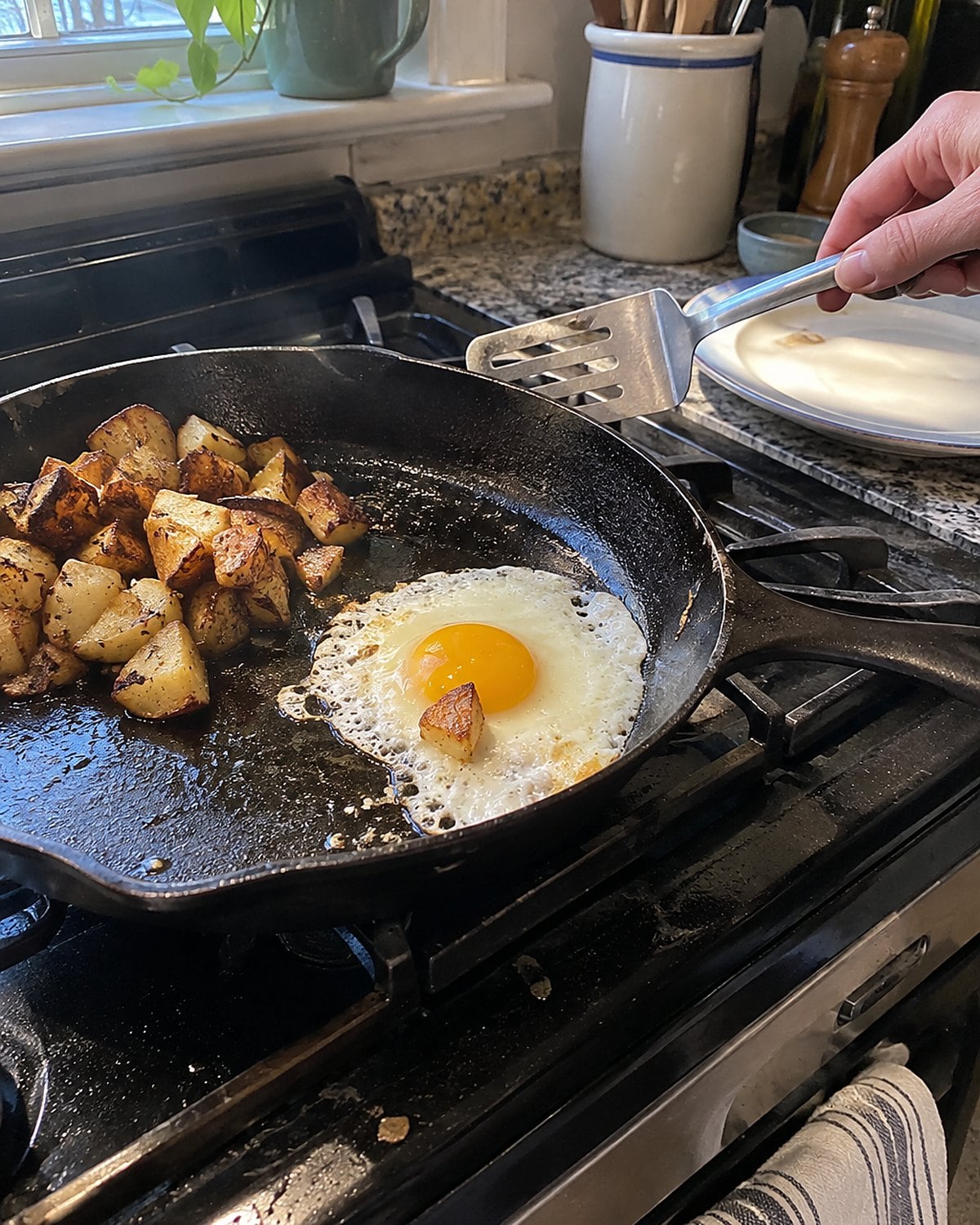
Last night’s potatoes are sitting in a container with a few onions stuck to the side. That’s enough. A hot skillet gives them crisp edges, and an egg turns them into a meal.
Dry the potatoes with a paper towel if they look wet. Moisture has to cook off before the surfaces brown. Spread the pieces across the pan and leave them alone until the undersides form a crust. Turn them once, then make a space for the egg.
For a fully cooked egg, cook the white and yolk until firm, as the FDA’s egg safety advice says. A softer yolk carries more risk, especially for anyone pregnant, older, very young, or immunocompromised.
Slide the egg over the potatoes and bring the skillet to the table if the handle is safe to touch. Otherwise, use a plate and scrape up the browned onion bits. They’re part of dinner.
#9 Oven fries with room on the sheet
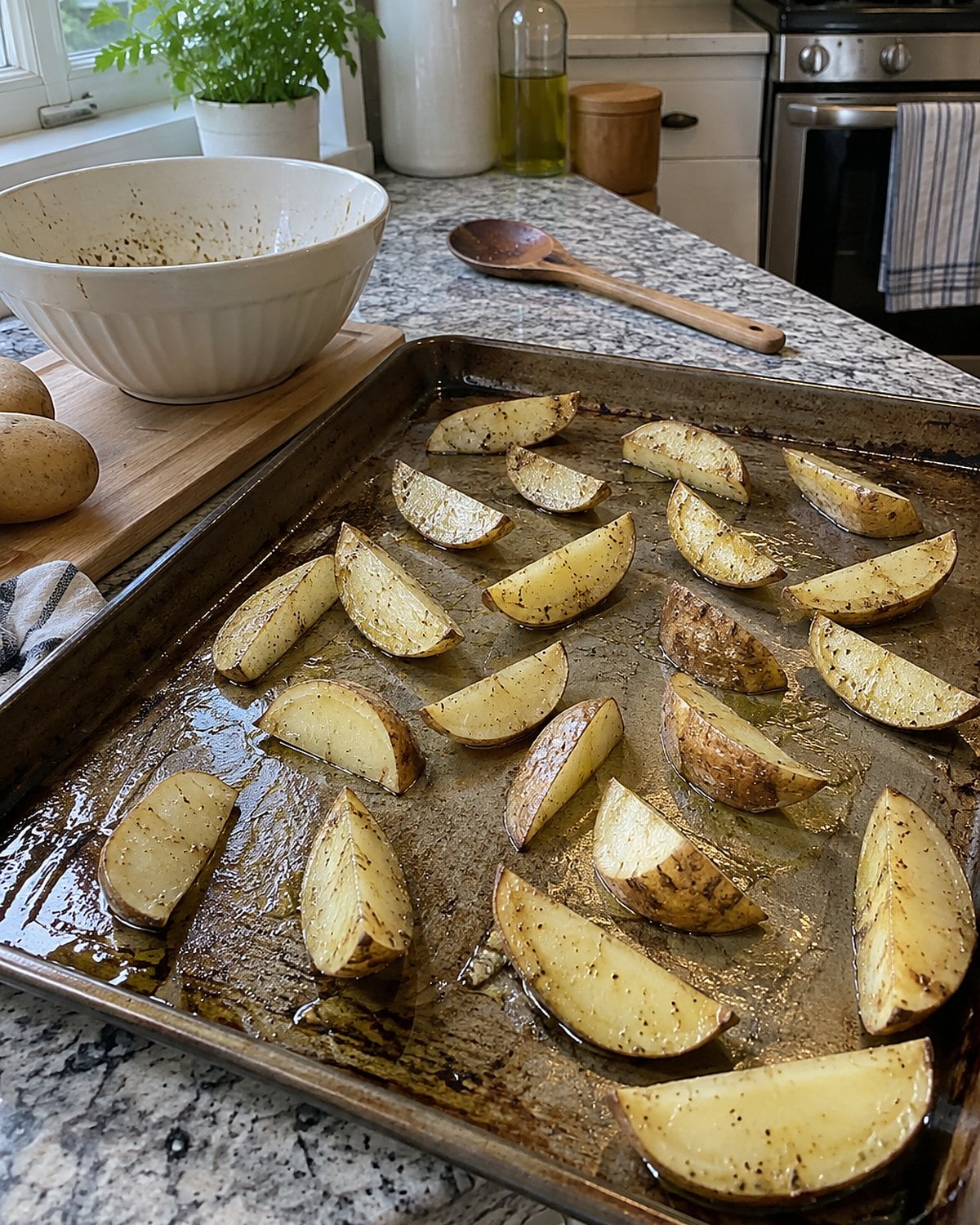
Why are homemade fries limp when you’ve left them in the oven long enough? Look at the pan before you change the temperature. Crowded potatoes release steam into each other.
Dry the cut potatoes, toss them with oil, and spread them in a single layer. Give the pieces gaps. Use another sheet pan rather than piling the rest on top.
Turn them after the bottoms brown, not every few minutes while they’re trying to form a crust. Start checking at 20 minutes; a thick cut and a thin cut won’t brown at the same pace. Lift one with a spatula and look underneath before turning the batch.
Salt them as soon as they leave the oven, when a little oil still clings to the surface. Bring the sheet near the table and let everyone choose the crisp pieces. If you’re eating by yourself, you get first pick of the browned corners.
 You might also like24 Dishes That Died With the Woman Who Made Them
#8 Rice pudding with a loose spoonful
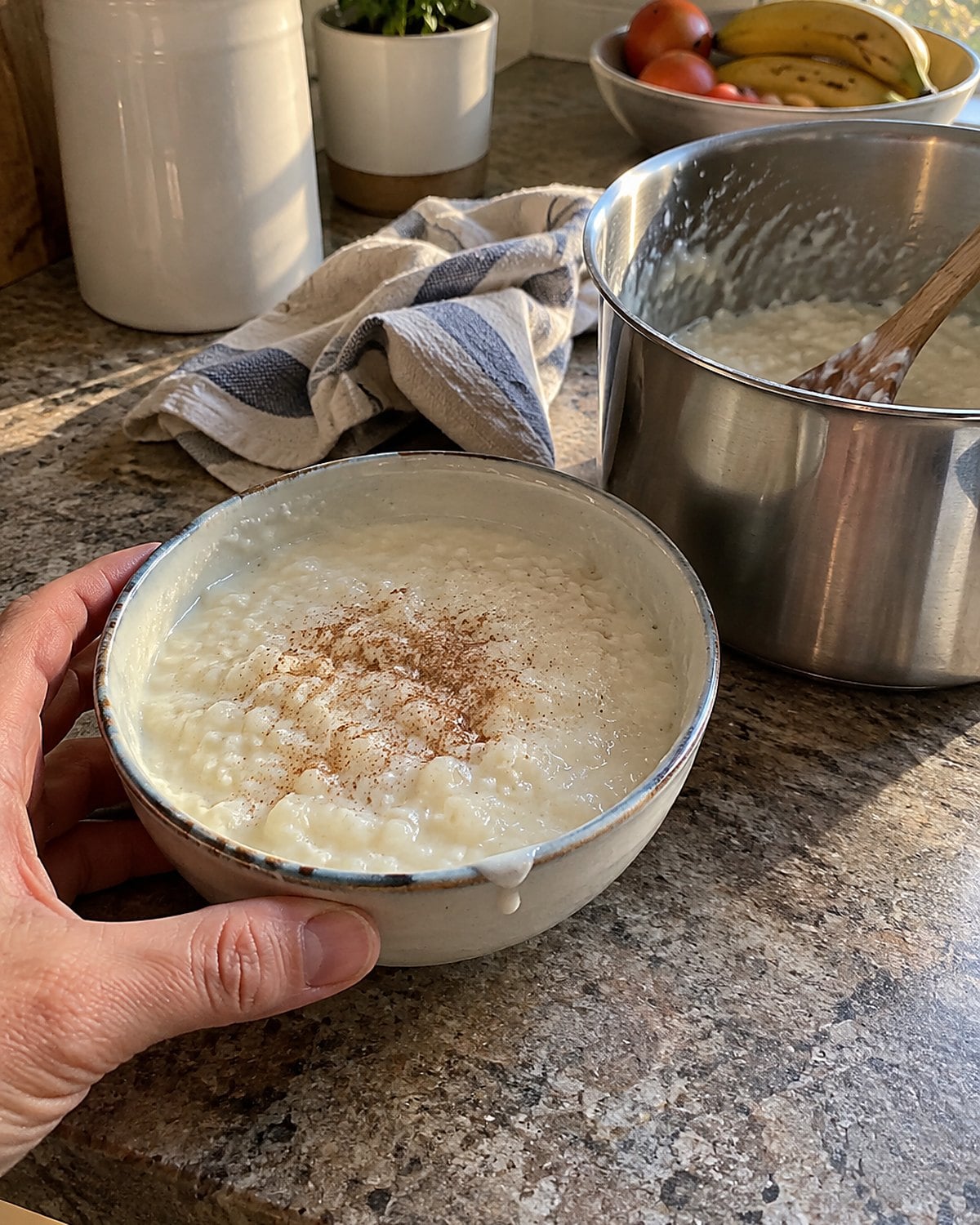
The pudding you remember wasn’t firm enough to cut. It settled in a bowl, and a spoon left a slow trail through it. That texture depends on stopping before the pot looks finished.
Rice keeps taking up liquid as it cools. Take the pudding off the heat while it still moves when you tilt the saucepan. Stir along the bottom during cooking, where milk and rice are most likely to catch.
If you’re adding raisins, give them time in the warm mixture to plump rather than scattering dry ones over the top. Taste for salt before adding more sugar. A small pinch brings the milk and rice into focus. Cinnamon belongs where you can smell it.
Eat a little warm. Chill the rest promptly in shallow containers, with the fridge set at 40°F or below. Tomorrow’s portion will be thicker; stir in milk before you warm it.
Try it: Instant Pot Rice Pudding (+10 Delicious Variations)
#7 Canned peaches in a small bowl
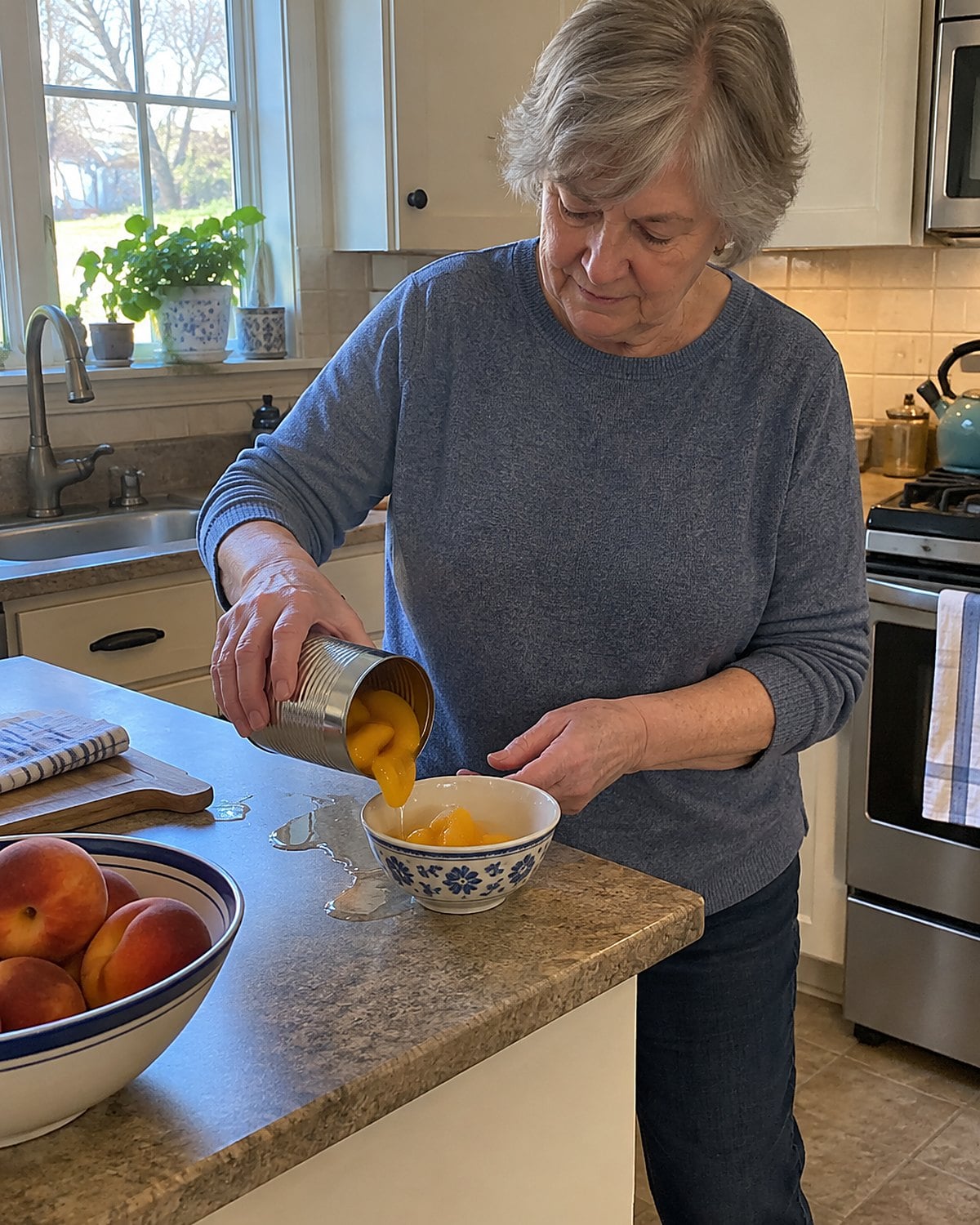
There’s a can at the back of the pantry that you bought without a plan. Open it on an evening when the fruit bowl is empty and the meal needs a last bite.
Drain the peaches if you want their flavor to stand apart from the syrup or juice. Save a spoonful of the liquid if you’re serving them over plain yogurt. A squeeze of lemon gives canned peaches a brighter edge without pretending they’re fresh summer fruit.
Put them in a bowl.
Eating from the can saves one dish, but a bowl lets you add a little cream, a few nuts, or nothing at all. It turns the thing you had on hand into the thing you chose.
#6 Sunday roast chicken with saved juices
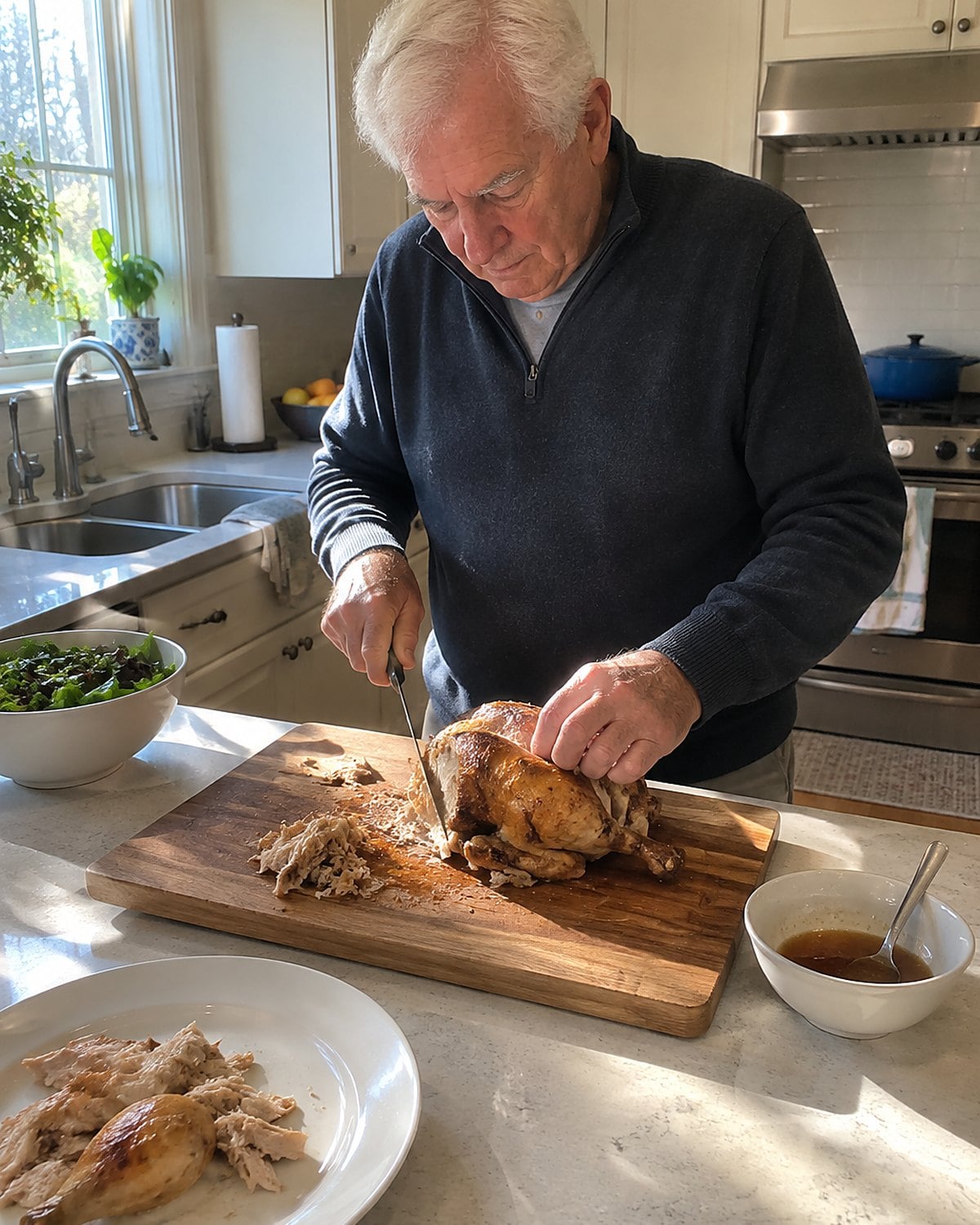
The oven door opens, and someone asks when dinner will be ready. You’ve asked that question yourself while watching a chicken rest on the counter. Waiting feels harder once the skin is brown.
Use a thermometer rather than the color of the juices to decide whether it’s done. The USDA Food Safety and Inspection Service says poultry needs to reach 165°F. Push the thermometer into the thickest part without touching bone and check more than one spot. Let the chicken rest before carving.
While it rests, tip the juices from the roasting pan into a small bowl. Skim off excess fat and spoon the rest over the carved pieces. That small step gives the breast meat help without covering the crisp skin.
Save the bones and any meat you didn’t serve for broth or another meal. Put leftovers in the fridge promptly. Tomorrow, when the household has thinned out again, a little roast chicken waiting there will feel like someone planned for you.
Try it: Instant Pot Roast Chicken & Potatoes (Duo Crisp Or Oven Finish)
#5 Savory oatmeal with cheese and pepper
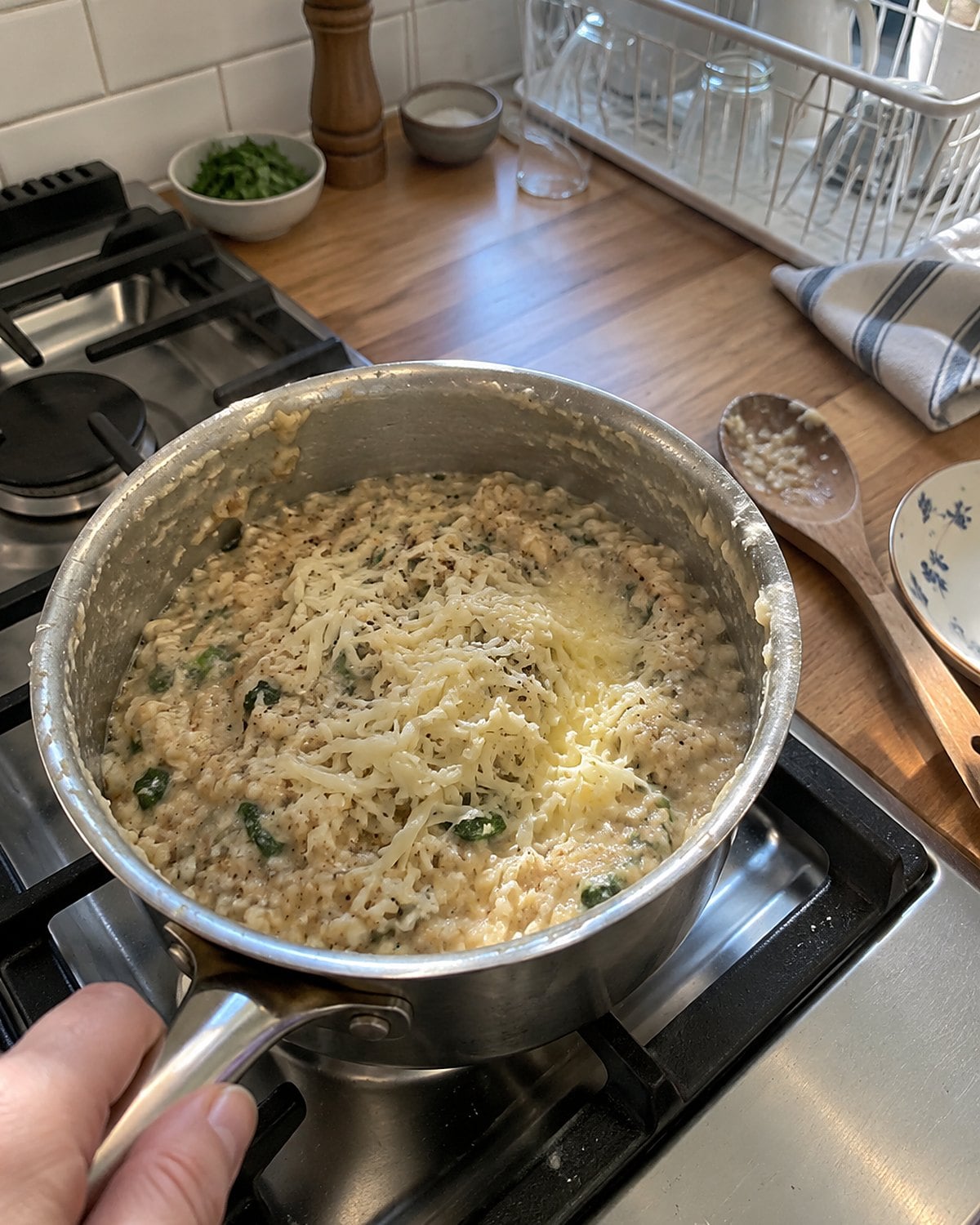
Breakfast cereal isn’t required to taste like dessert. If you’ve got oats and no appetite for sweetness, cook them with water or broth and treat the bowl as you would grits.
Stir in grated cheese after the oats come off the heat. It melts into the hot cereal without sticking to the bottom of the pan. Add black pepper and taste before reaching for salt, especially if you used broth or a salty cheese.
A few wilted greens make it supper, but the plain cheese bowl stands on its own.
Keep the oats loose enough to move under the spoon. If they tighten while you answer the phone, stir in a little hot water and sit down.
#4 Gravy made from the pan bits
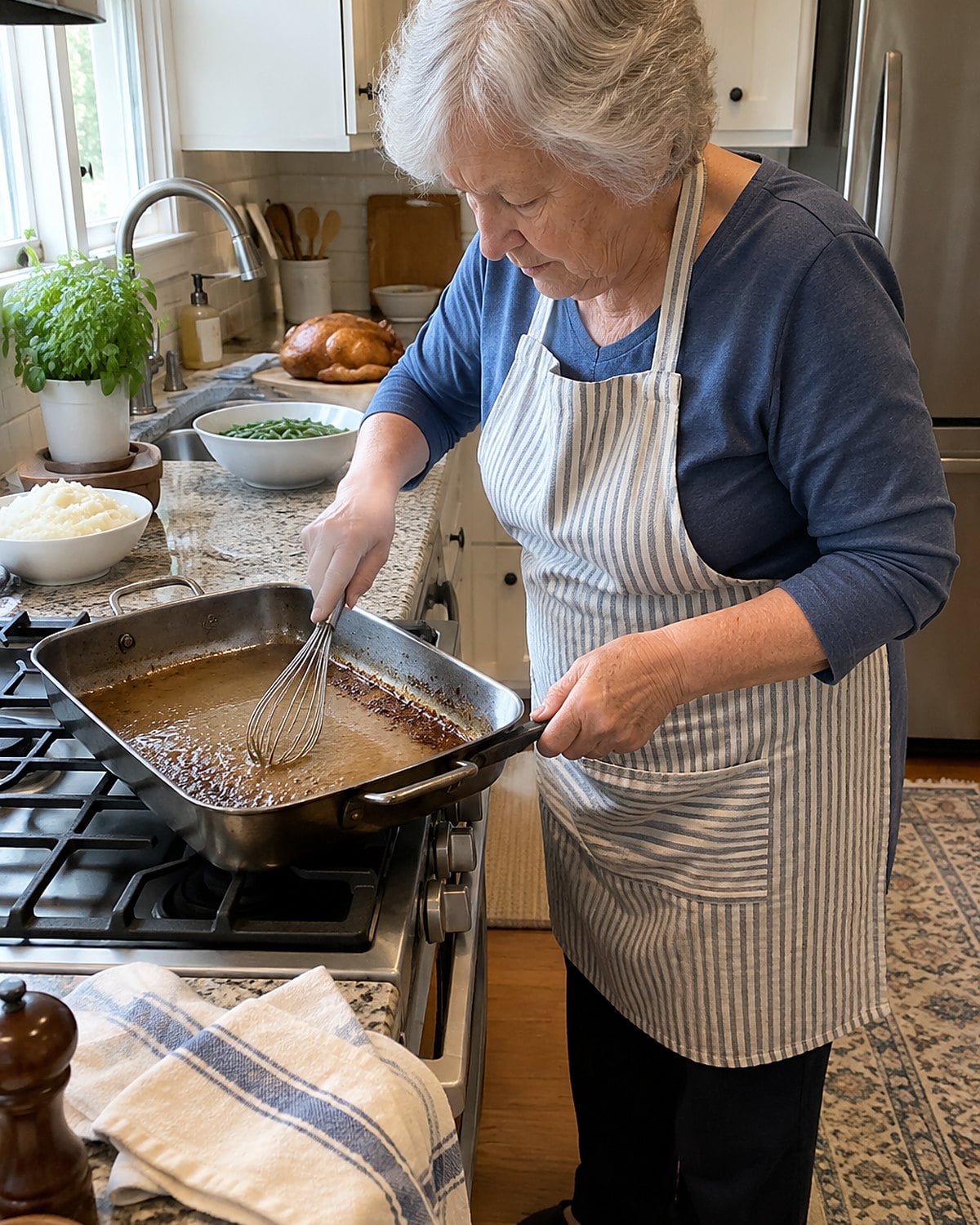
The pan looks messy after the meat comes out. Good. Those browned bits hold flavor that plain broth doesn’t have, provided they’re brown rather than burned.
Pour off excess fat, leaving enough to cook the flour. Stir the flour through the drippings and give it time to lose its raw smell. Then add warm liquid a little at a time, scraping the bottom as you whisk. If you pour it all in at once, you’ll spend dinner chasing lumps.
Let the gravy simmer before judging its thickness. It thickens as the flour cooks. Taste after it has simmered, then add salt. Pan drippings differ, and salting early gives you less room to correct them.
If it gets too thick, whisk in more warm liquid. If it tastes flat, scrape the spoon across the bottom once more. Check that no good browned patch got left behind before you carry the gravy to the table.
Try it: Instant Pot Roast Beef & Gravy
#3 A half pan of baked pasta
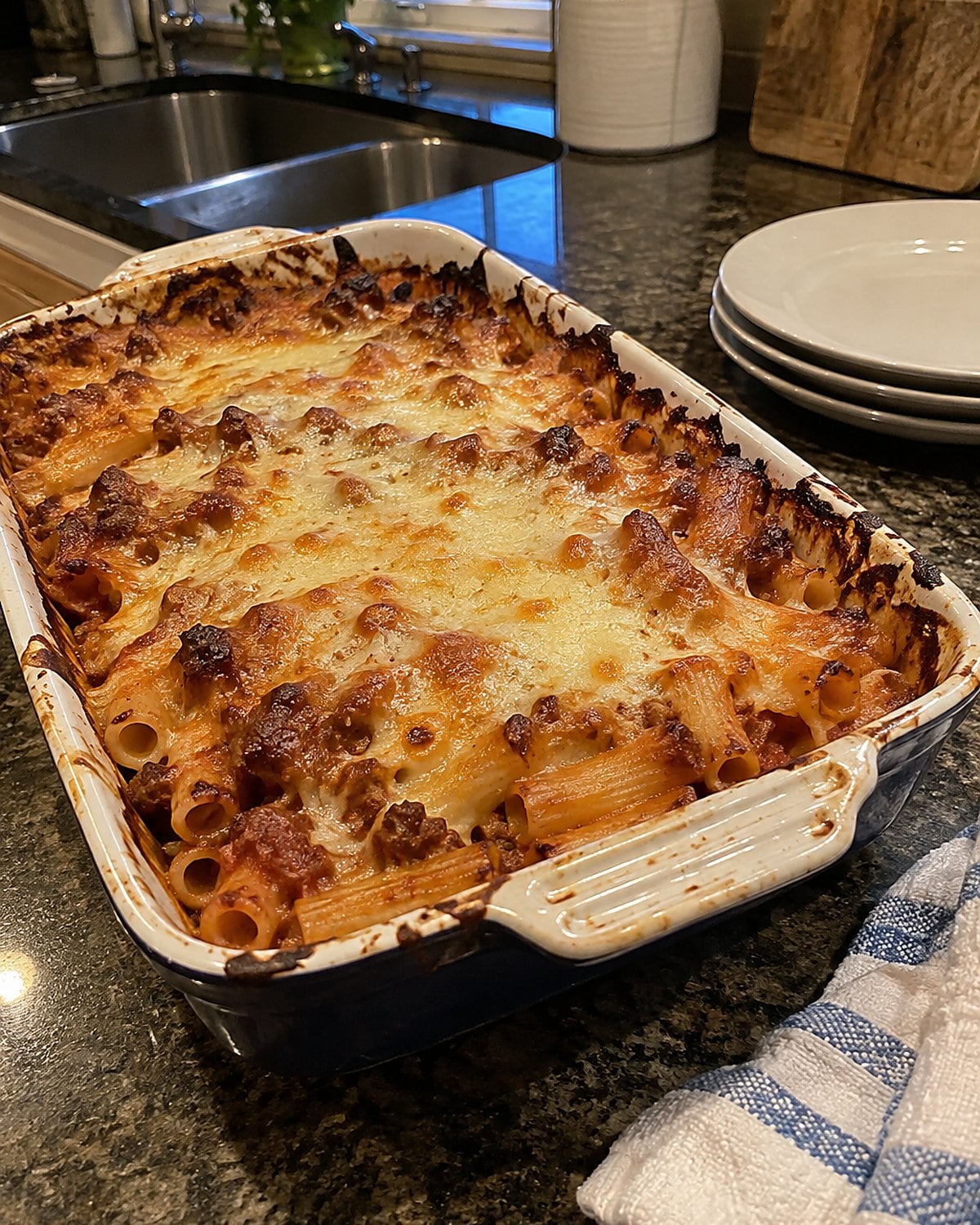
The casserole dish you used when everyone lived at home holds a lot of pasta. You don’t have to fill it to get the smell of tomato and cheese coming from the oven.
Use a smaller dish and leave space around the pasta when you cover it with sauce. Dry edges stay dry after baking. Spoon sauce into the corners, then add cheese where it will brown.
Check the center with a knife tip; it should come out hot, not merely warmed by the crust. For leftovers, the USDA advises reheating to 165°F. A thermometer answers the question when the top looks ready but the middle hasn’t caught up.
Portion leftovers into shallow containers and refrigerate promptly. The USDA’s cold storage chart gives cooked leftovers 3 to 4 days in a fridge at 40°F or below. The smaller dish fits your table tonight, without asking you to eat baked pasta all week.
Try it: Instant Pot Pumpkin Pasta Bake (Only 5-Ingredients!)
#2 A covered bowl left at the door
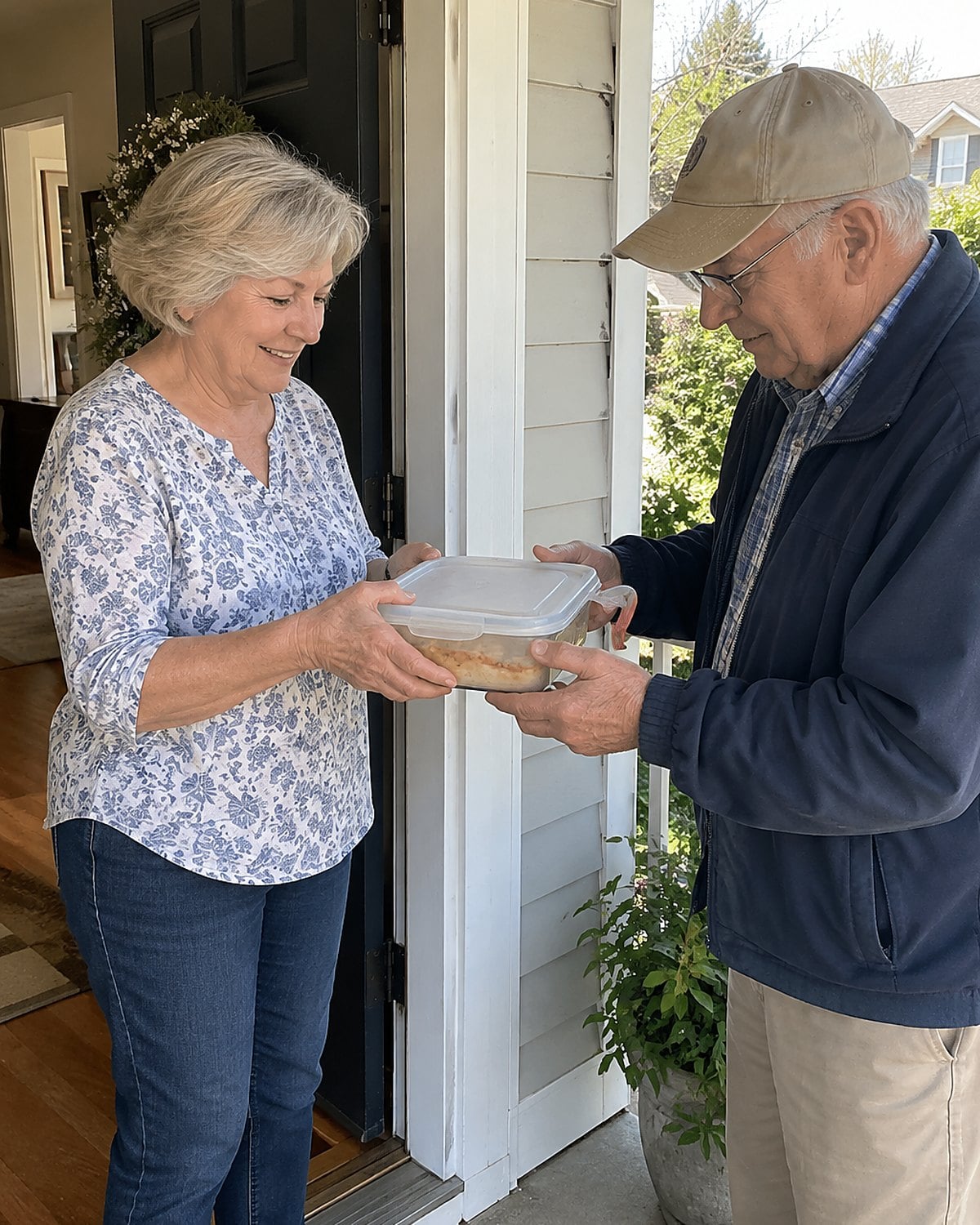
The knock comes while you’re still in your slippers. Outside is a covered bowl and a person who says, “I made extra. No need to visit.” They’ve understood the part you didn’t know how to ask for.
A meal left for someone should be easy to handle. Choose a container they don’t have to return, write down what’s inside, and tell them when it was made. If you don’t know about allergies or food restrictions, ask before cooking. A plain answer saves both of you trouble.
Keep hot food hot on the trip, or chill it promptly and deliver it cold. Keep cold food at 40°F or below, as the FDA’s food safety guidance says. Don’t leave perishable food waiting on a porch. Hand it over, or arrange a time when someone will be home.
When you’re on the receiving end, you’re allowed to say thank you and close the door. The food has already done its job.
#1 A ready meal with your name on it
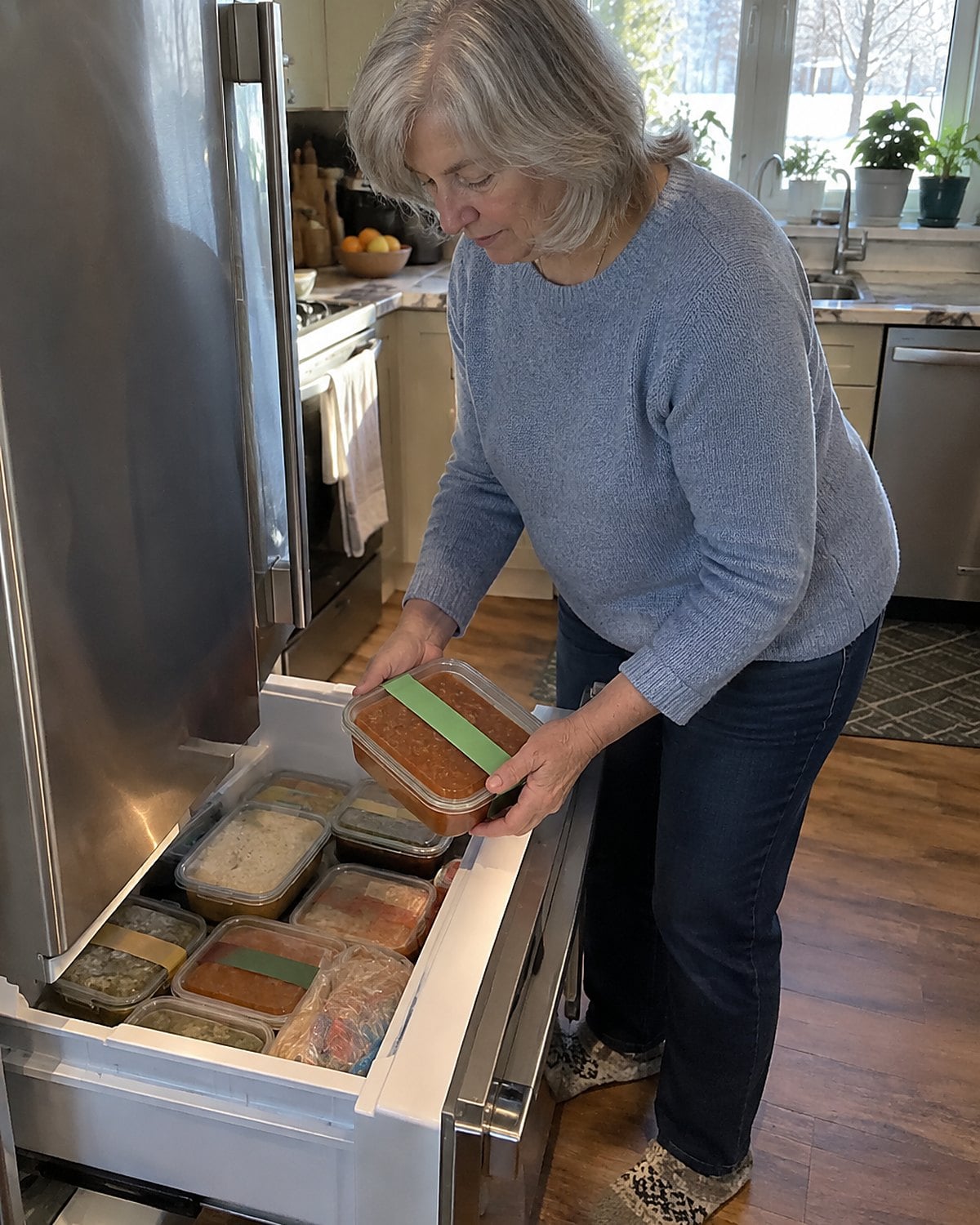
The most useful food on this list is the one you make before anybody knows it’s needed. It sits in your freezer in a portion that suits your table now, with a date and a name on the lid. There’s no guessing what’s inside when you get home late.
Start with something you already cook well. Before you serve dinner, put a good portion into a shallow container and refrigerate it promptly. Once it’s cooled, label it with the dish and the date, then freeze it. The USDA’s freezing and food safety guidance explains how freezing affects food quality and storage.
Give the container enough sauce or broth for reheating. Leave it where you can see it in the freezer drawer.
On a hard day, the chopping is already done. You still get to choose what sounds good.
Keep reading
 27 Dishes From Church Suppers That Nobody Makes Anymore
See all 27 →
More you’ll remember
 27 Dishes Your Mother Made From Nothing That You've Never Managed to Copy
 27 Old-Fashioned Desserts That Deserve a Comeback
 24 Casseroles That Fed America in 1975 and Disappeared Without a Funeral
The bottom line
The food that stays with you has often had a small decision made on your behalf. The toast was cut. The broth was tasted. The potato was opened while it was hot.
The well-prepared version of you has a labeled portion in the freezer and a clean bowl ready to use. She doesn’t wait for a full table before making something good.
What’s the dish in your kitchen that you’d be glad to find waiting tonight?

Leave a Reply