

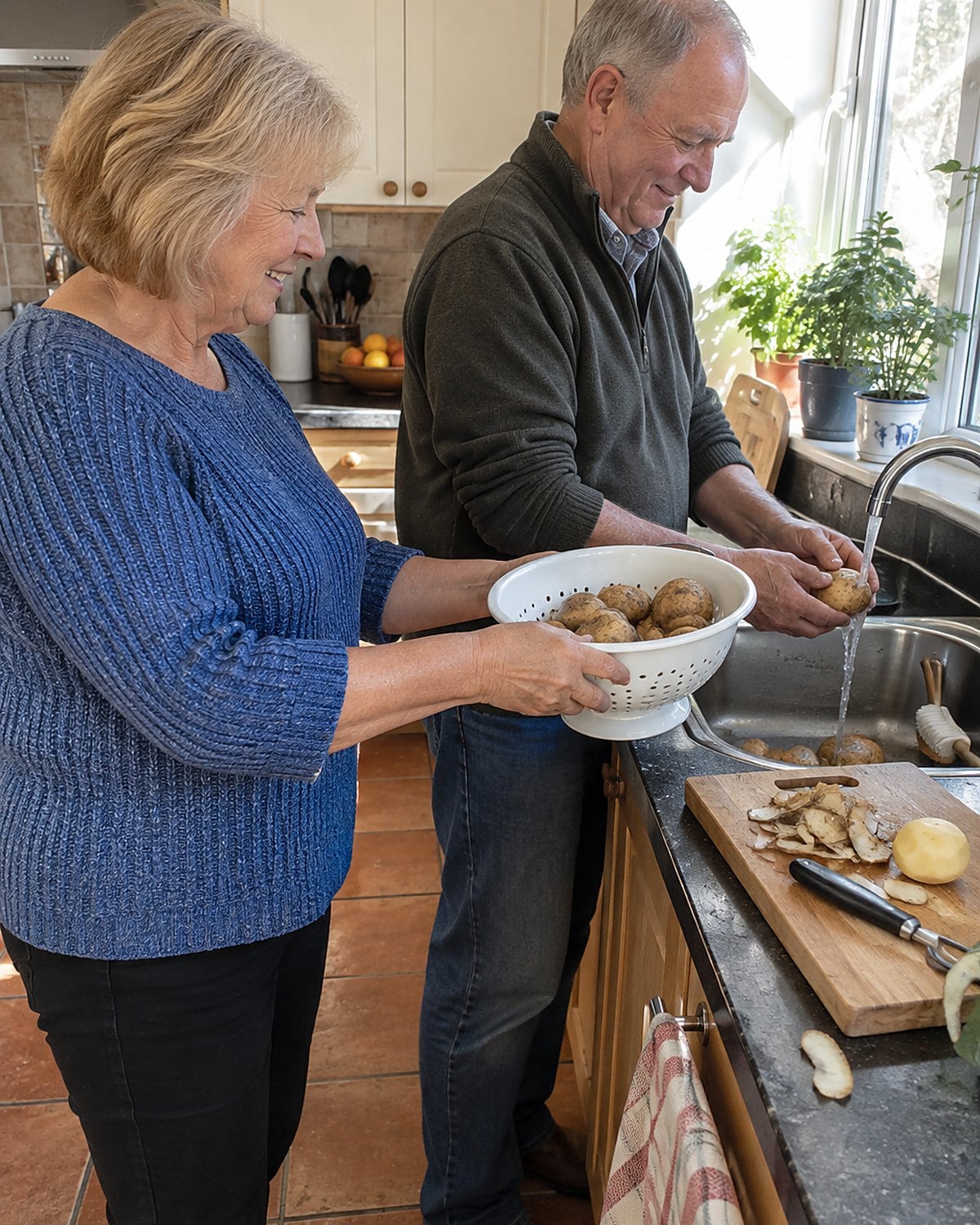
The dish towel hung over the oven handle, stiff with flour. At the sink, a colander caught the last potato while a pot lid rattled behind you. She lifted that lid, stirred once, and put it back. No timer, no measuring cup. Dinner still came out right.
Try to repeat it now, and the potatoes break down or the gravy tastes thin. The missing instruction wasn’t always an amount. It was the look of an onion before the next ingredient went in, or the feel of dough before it met the pan. It was the moment she took a spoonful and changed course.
#27 Potato Peels Saved for Broth
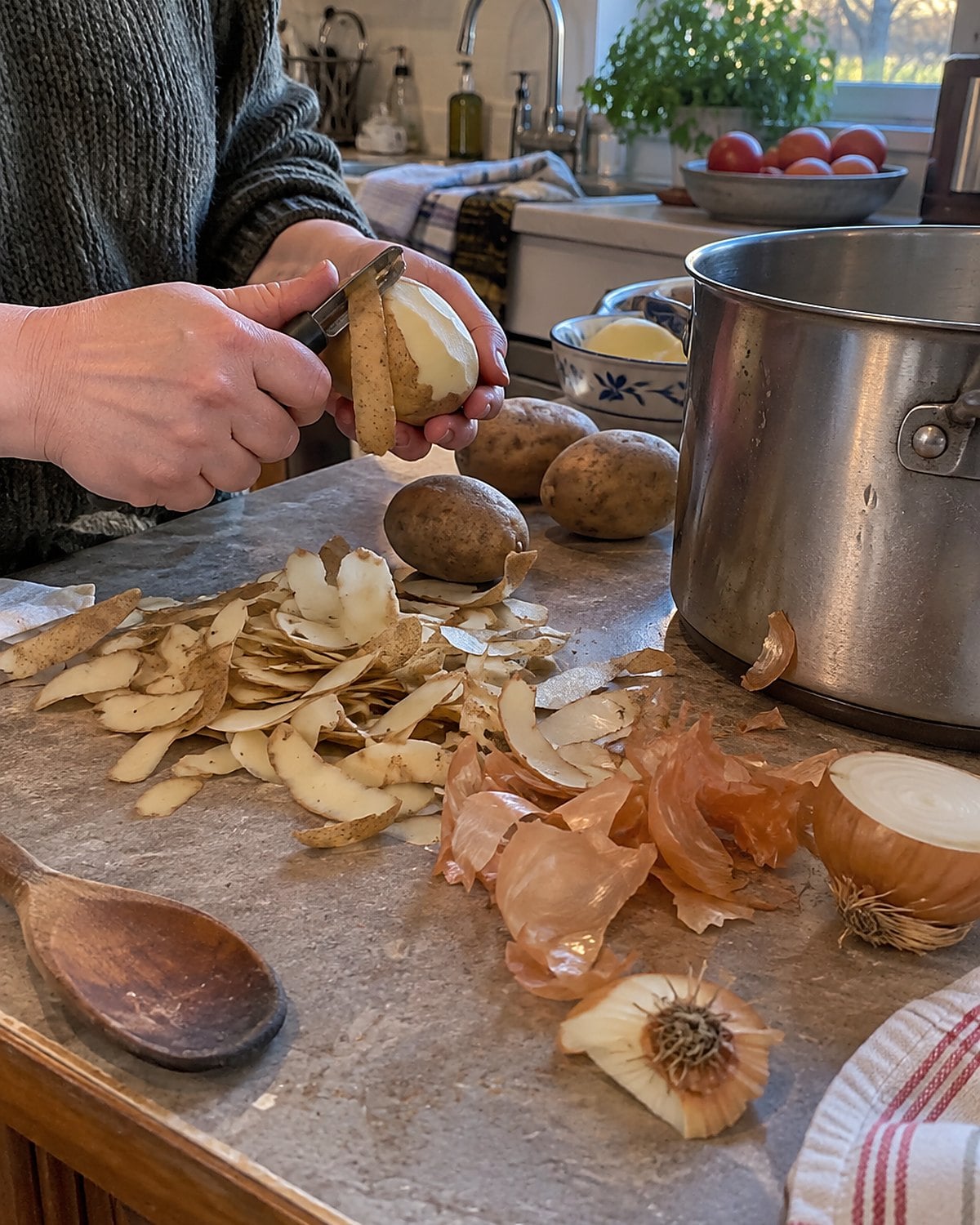
A pot of vegetable broth starts before the pot goes on. Your mother swept onion ends, carrot trimmings, and potato peels off the cutting board. If the scraps were clean and sound, they still had something to give the water.
The part worth copying is restraint. Potato peels add a faint earthy taste, but a pot full of them turns the broth cloudy and dull. Onion skins deepen the color. Celery leaves bring more celery flavor than the pale stalks. Cabbage scraps, meanwhile, take over quickly. You remember broth that tasted like supper, not like every vegetable in the drawer.
Keep a container of clean trimmings in the freezer. Leave out anything spoiled or moldy. Cover the scraps with water, simmer, then taste before adding salt. That last sip tells you what the broth needs when it becomes soup, rice, or gravy. It also explains why her “water” never tasted like plain water.
Try it: Instant Pot Stocks & Broths (Meat, Fish, Mushroom, Veggie)
#26 Bread Heels Fried in Butter
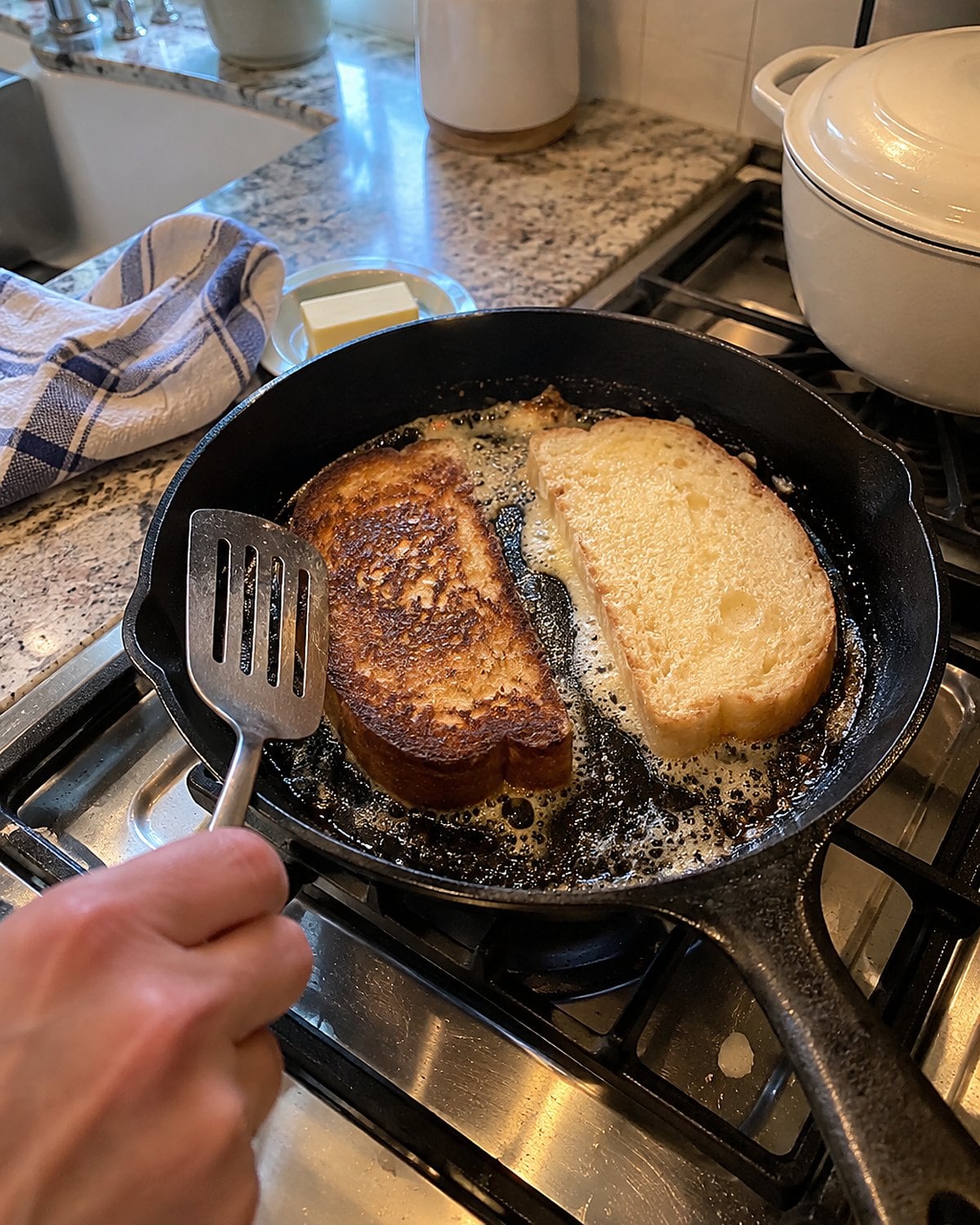
Why did the heels disappear first when she fried bread? They had more crust, and crust holds its shape against a hot pan. The soft middle of a fresh slice drinks butter fast. A heel takes the butter, browns at the edges, and still gives you something to bite.
Start with a skillet hot enough that the butter foams. Set the bread down and leave it alone until the underside has browned. Moving it around wipes up butter without building a crust. Flip it once, then listen. A steady sizzle says the pan is doing its work.
If the butter turns dark before the bread colors, pull the skillet off the heat and let it settle. Your mother wasn’t making toast in butter. She was letting the bread meet the pan long enough to taste toasted all the way through.
#25 Sunday Pot Roast and Its Onions
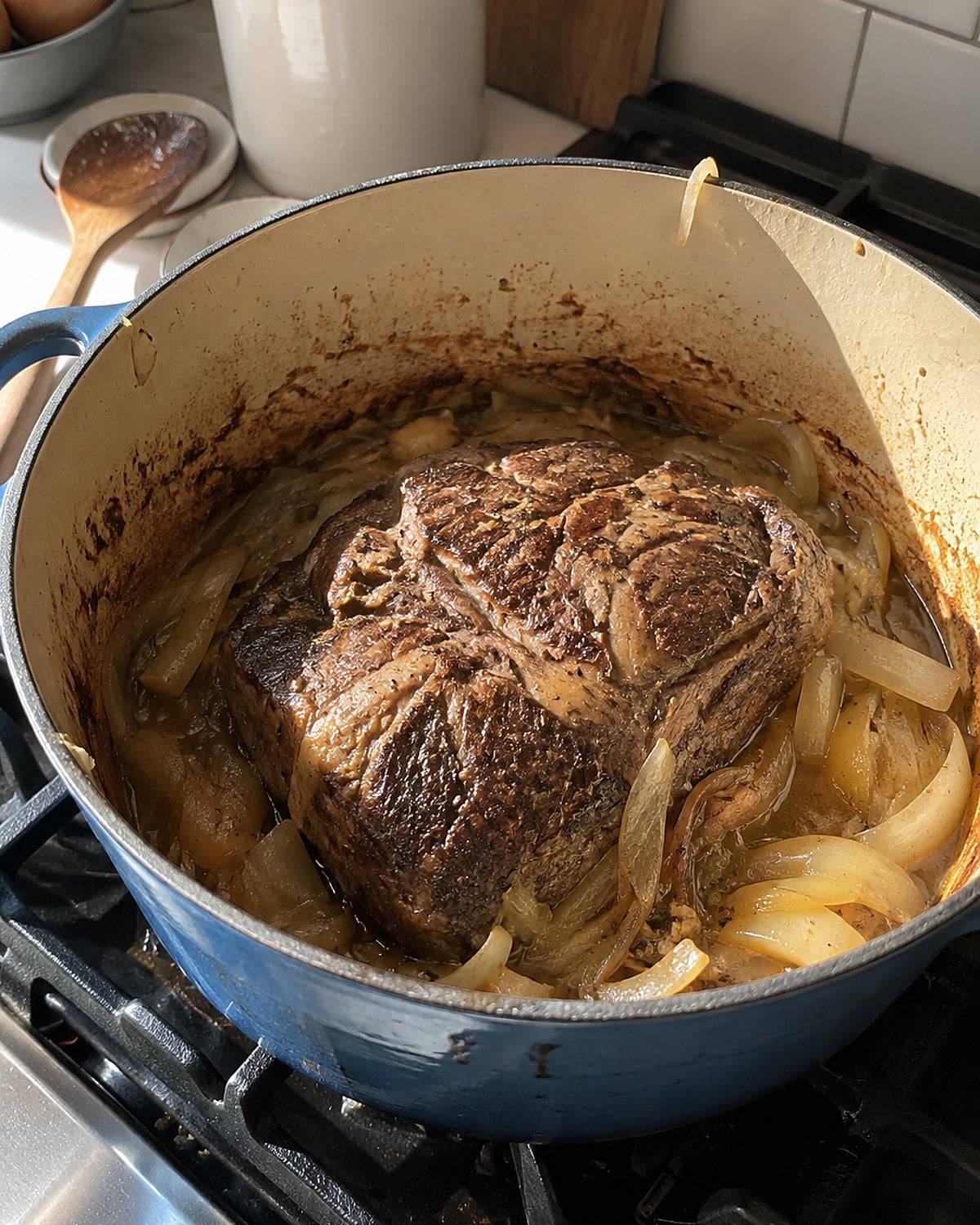
The onion was never a garnish in that pot. It went underneath and around the roast, sank into the cooking liquid, and came back as part of the sauce. Without it, a roast tastes like meat sitting in water, no matter how handsome it looked before the lid went on.
Brown the roast first. A wet piece of meat steams against the pot, so pat its surface dry and give it room. After browning, cook sliced onions in the same pot. Their water loosens the browned bits stuck to the bottom. Add a little liquid, scrape the pot, and put the meat back. Now the sauce has a head start.
A chuck roast needs time in a covered pot because its connective tissue has to soften. A fork pushed into the center gives you a better answer than the clock: it should go in without a fight.
If dinner has to wait, keep the meat with its onions and juices. That’s the part your mother knew by sight. She lifted the lid, saw the onions slumped into the sauce, and knew the pot was close.
Try it: Instant Pot Beef Pot Roast With Potatoes & Carrots
#24 Gravy Made From Pan Drippings
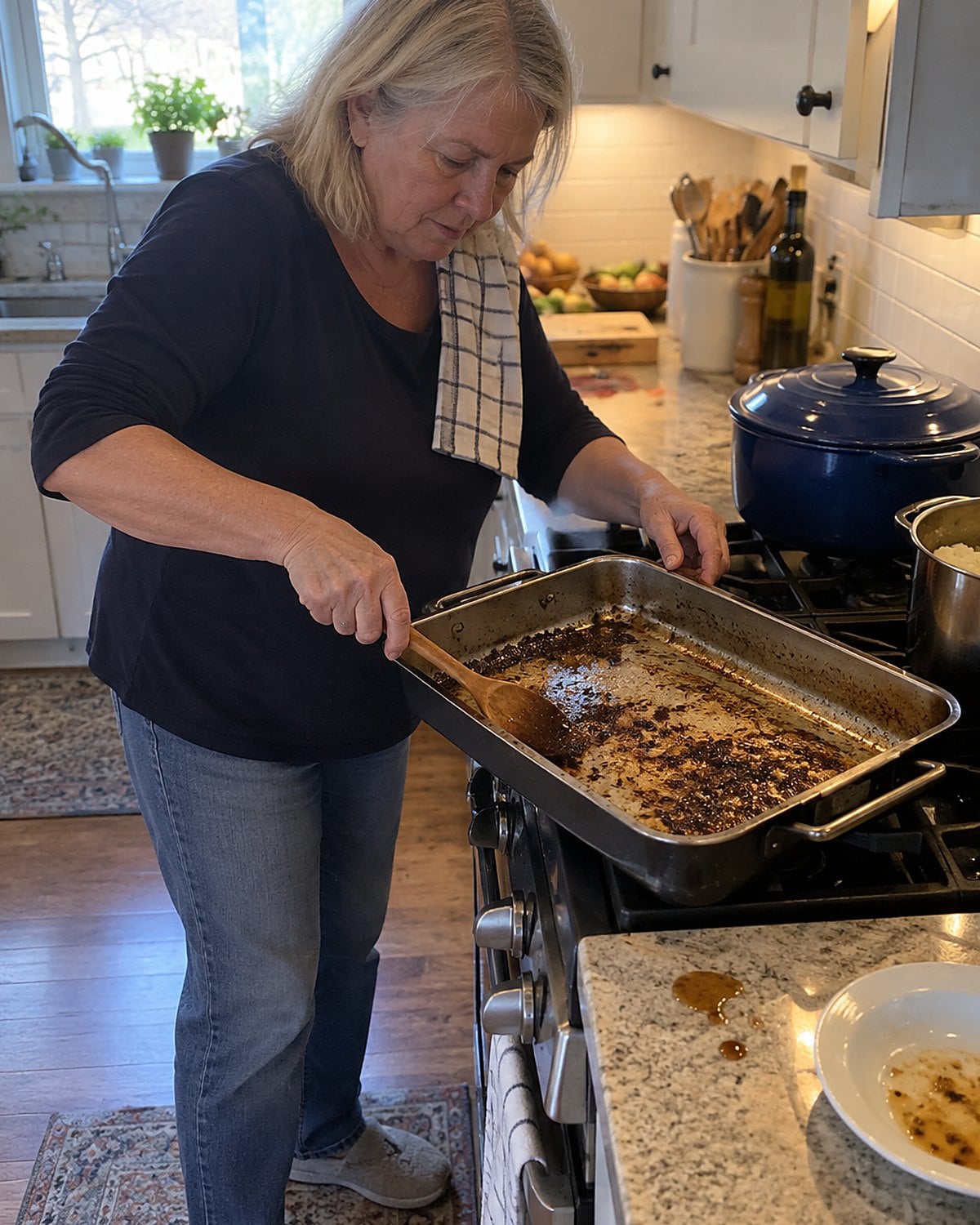
That roasting pan held the seasoning your gravy missed. Pour off the excess fat, but leave the browned bits clinging to the bottom. They dissolve when warm liquid hits the pan, and they bring the roast’s flavor along with them.
For a flour-thickened gravy, cook flour in the fat before adding liquid. Stir until the raw flour smell fades. Then pour in liquid gradually, scraping as you go. Dumping it all in at once leaves lumps for the spoon to chase.
Don’t salt it on memory. Pan drippings already carry salt from the meat. Taste the gravy after it thickens, because a thin spoonful and a finished spoonful don’t taste the same. Your mother’s measuring cup was the pan itself: its fat, its browned bottom, and the amount of liquid needed to loosen both.
#23 Green Beans With a Ham Hock

The lid rattled for a long time before anyone called those beans done. The ham hock went into the pot early, giving the cooking liquid its smoky, salty taste. The green beans took that taste in as they softened. A hock added near the end leaves you with plain beans and a piece of meat beside them.
Older-style green beans weren’t aiming for a bright snap. They were cooked until tender and tasted like the broth. That doesn’t mean boiling them in a huge pot of water. Keep enough liquid for the beans to simmer, turn them now and then, and taste both a bean and a spoonful of broth.
Hold the extra salt until that taste. Ham hocks vary in saltiness, and the broth concentrates while the lid is off. If the beans taste flat, a small splash of vinegar brings their flavor forward without making the pot sour. You’re listening for the point where the bean and the broth taste as though they belong together.
#22 Mashed Potatoes Before the Milk
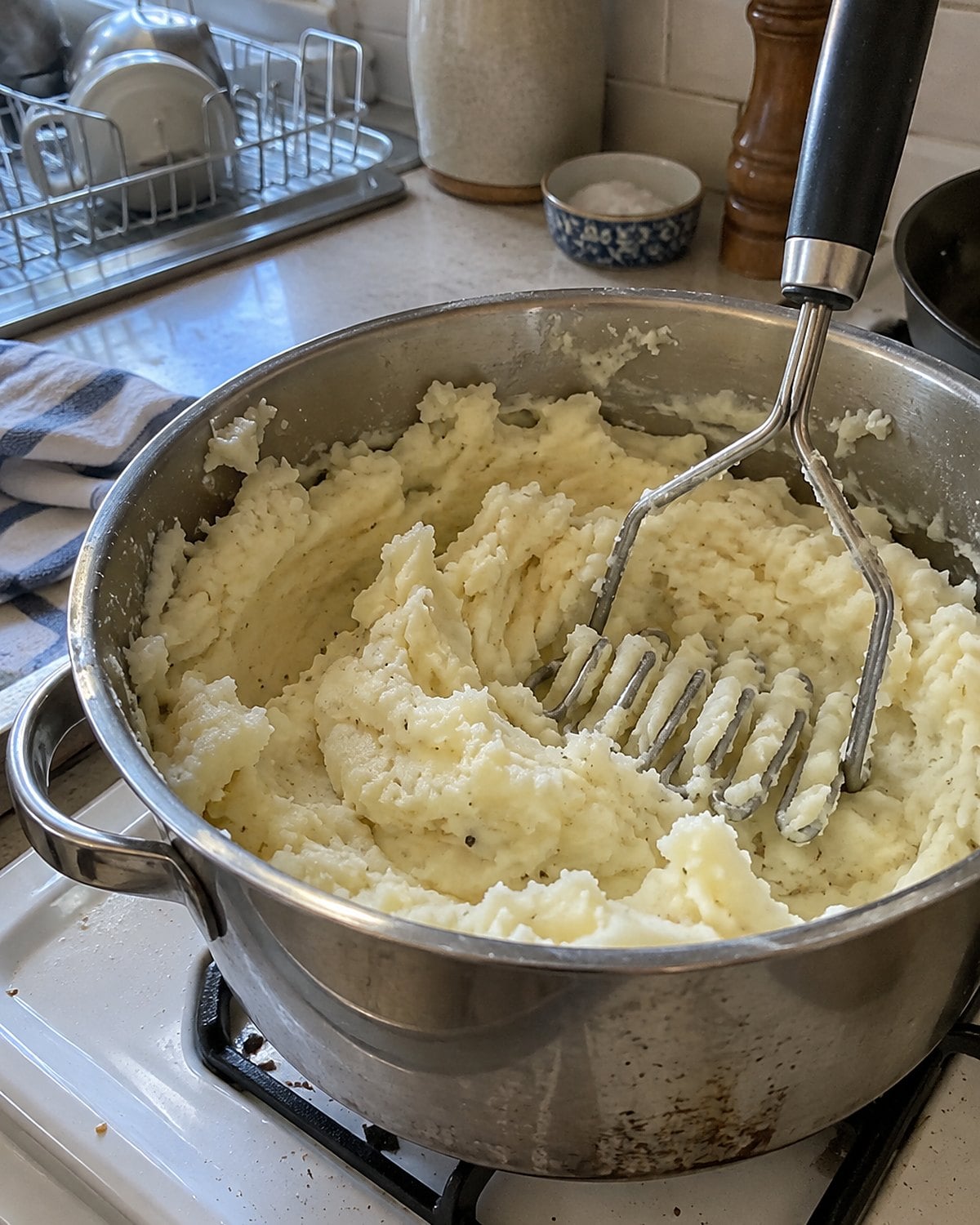
A spoon dragged through her potatoes left soft ridges that stayed put. Yours turn gluey after the milk goes in. The difference starts before the mashing: potatoes hold water after boiling, and water weakens the flavor.
Drain them well, then return them to the warm, empty pot. Shake the pot over low heat until the surface of the potatoes looks dry. Mash them before adding warm milk. Cold milk cools the potatoes just when the butter needs to melt through them.
Use a masher, not a food processor. Fast blades work the potato starch until the bowl turns stretchy. Taste after the butter goes in, then add milk until the spoon leaves those ridges. Her potatoes weren’t made to a fixed measure. She stopped when they held together and still felt light on the tongue.
#21 Roast Chicken in Its Own Pan Juices
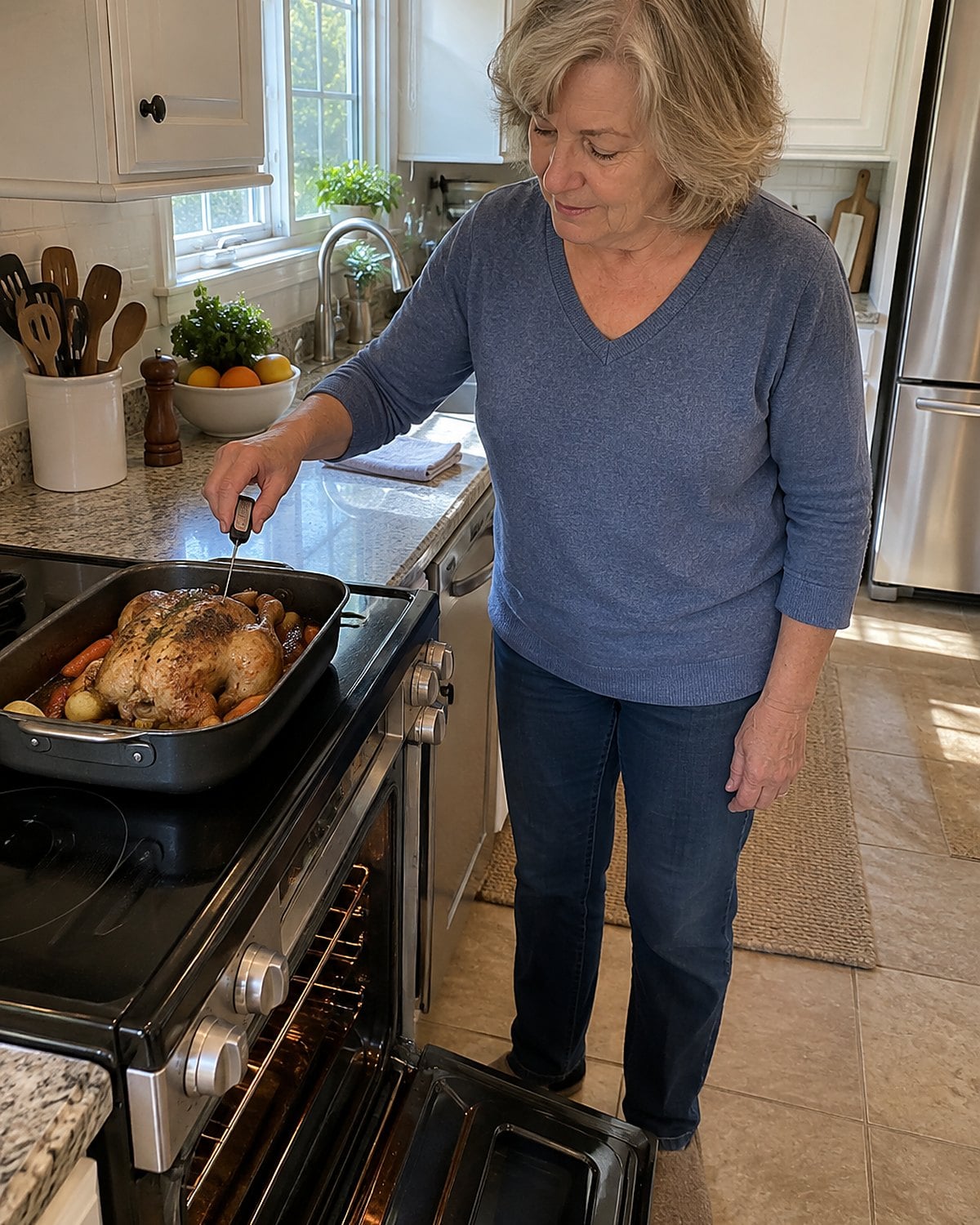
There was always a spoon near the roasting pan. Your mother used it to lift the juices and baste the chicken, though the real lesson was underneath the bird. A crowded pan full of wet vegetables gives off steam. A chicken sitting in that steam won’t brown like one with space around it.
Dry the skin before roasting and put the chicken in a pan that leaves room at the sides. If you add vegetables, cut them into sturdy pieces and turn them in the fat that collects below. They’ll brown where they touch the metal. The pieces tucked directly under the bird will be softer, rich with drippings rather than crisp.
Basting colors the skin, but it doesn’t replace checking the meat. Push a thermometer into the thickest part, away from bone. Poultry is done at 165°F, the temperature given by the USDA Food Safety and Inspection Service. Let the chicken stand while you scrape the pan juices together. Those juices are supper’s sauce, and your mother never left them behind.
#20 Rice Pudding From Yesterday’s Rice
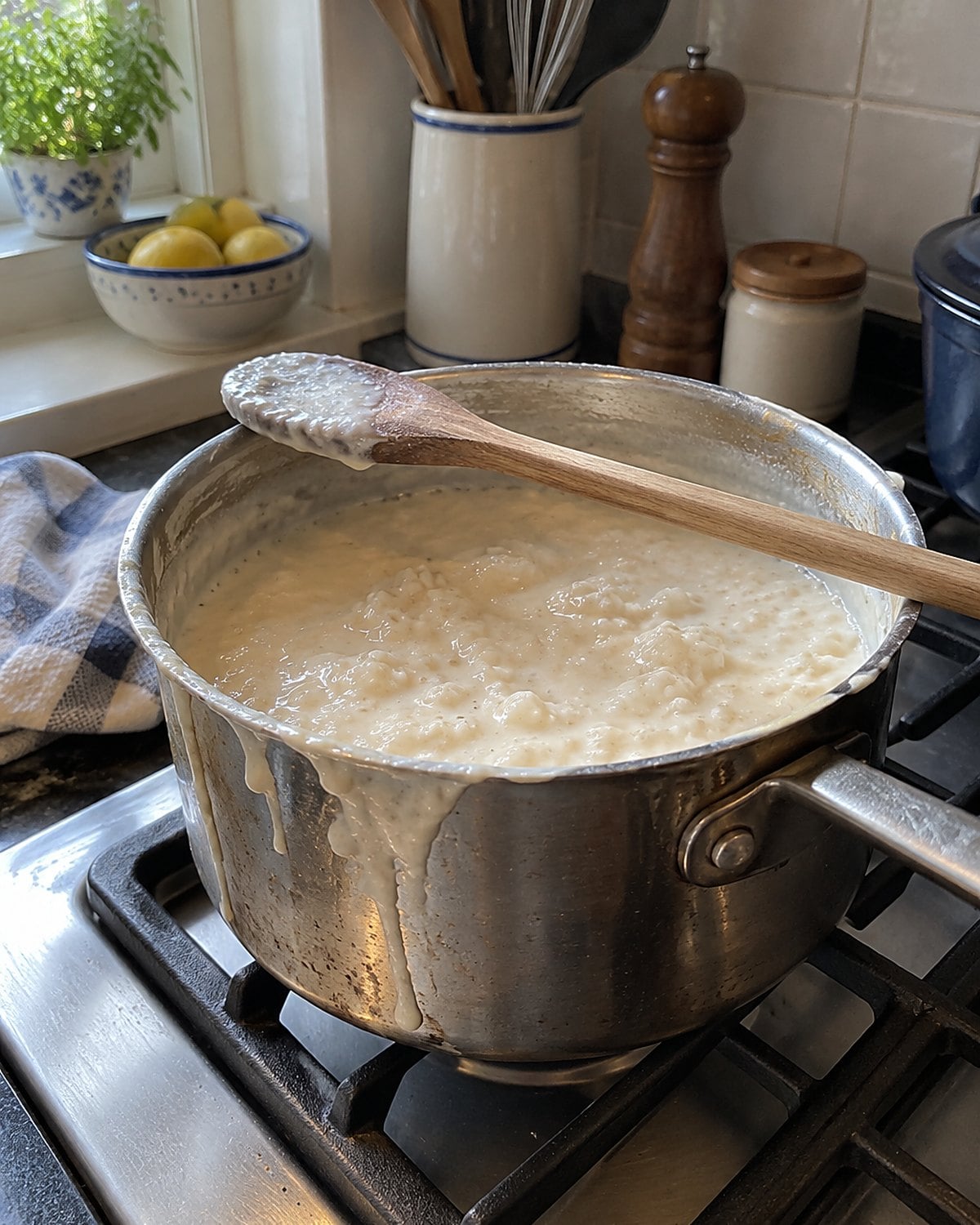
Yesterday’s rice was already cooked, so the pudding had a shorter job: absorb milk, soften again, and turn creamy. Add milk in stages. A pan that looks loose at first thickens as the rice swells and starch moves into the liquid.
Keep the heat low and scrape the bottom with a spoon. Milk catches there before the surface gives you any warning. Once the rice looks plump, taste a spoonful before reaching for more sugar. Cinnamon and raisins change that balance, too.
Use rice that has been refrigerated promptly, following the USDA’s cold storage guidance for cooked leftovers. Don’t leave a pot of cooked rice on the stove waiting for tomorrow’s pudding. Your mother’s thrift worked because she treated yesterday’s food as an ingredient worth looking after. A chilled container of rice gives you a warm dessert without starting from dry grains.
Try it: Instant Pot Rice Pudding (+10 Delicious Variations)
#19 Tomato Sandwiches on Soft White Bread
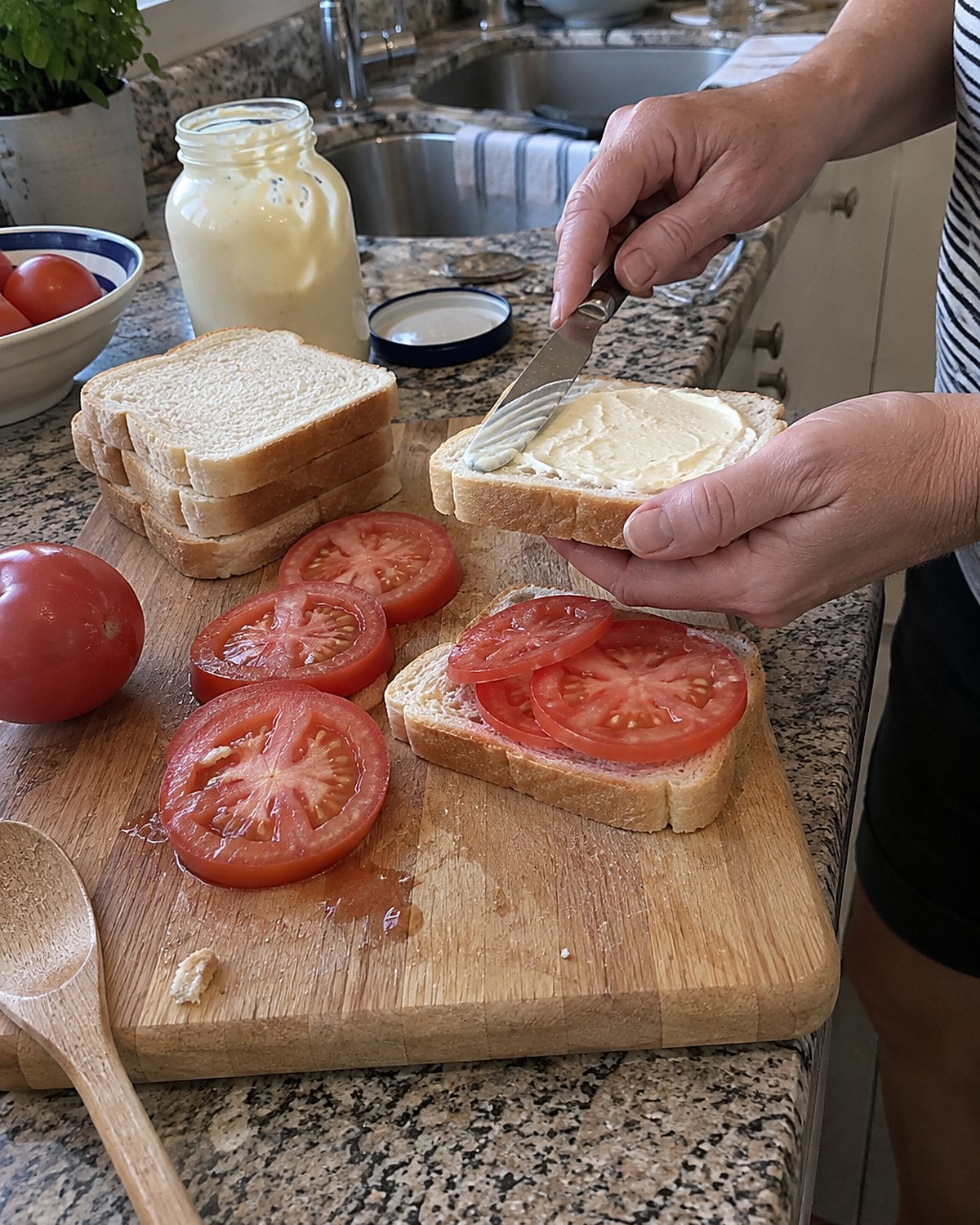
A tomato sandwich has almost nowhere to hide. The tomato needs to smell like a tomato before it meets the bread. Salt the slices, then give them a moment on a plate. The salt draws juice to the cut surface, where it mixes with the mayonnaise.
That juice is why the bread matters. Toasted bread turns the sandwich crisp, but soft white bread presses around the tomato and catches the dressing. Spread mayonnaise right to the corners. If a thick slice of tomato slides out with the first bite, cut it thinner next time.
You know the version eaten standing at the counter, with juice headed toward your wrist. The test happens before assembly: taste a slice of tomato by itself. If it has no flavor, more mayonnaise won’t make it taste like the one she made in August. Save that sandwich for the tomato that earns it.
 You might also like27 Dishes From Church Suppers That Nobody Makes Anymore
#18 Drop Biscuits With Uneven Tops
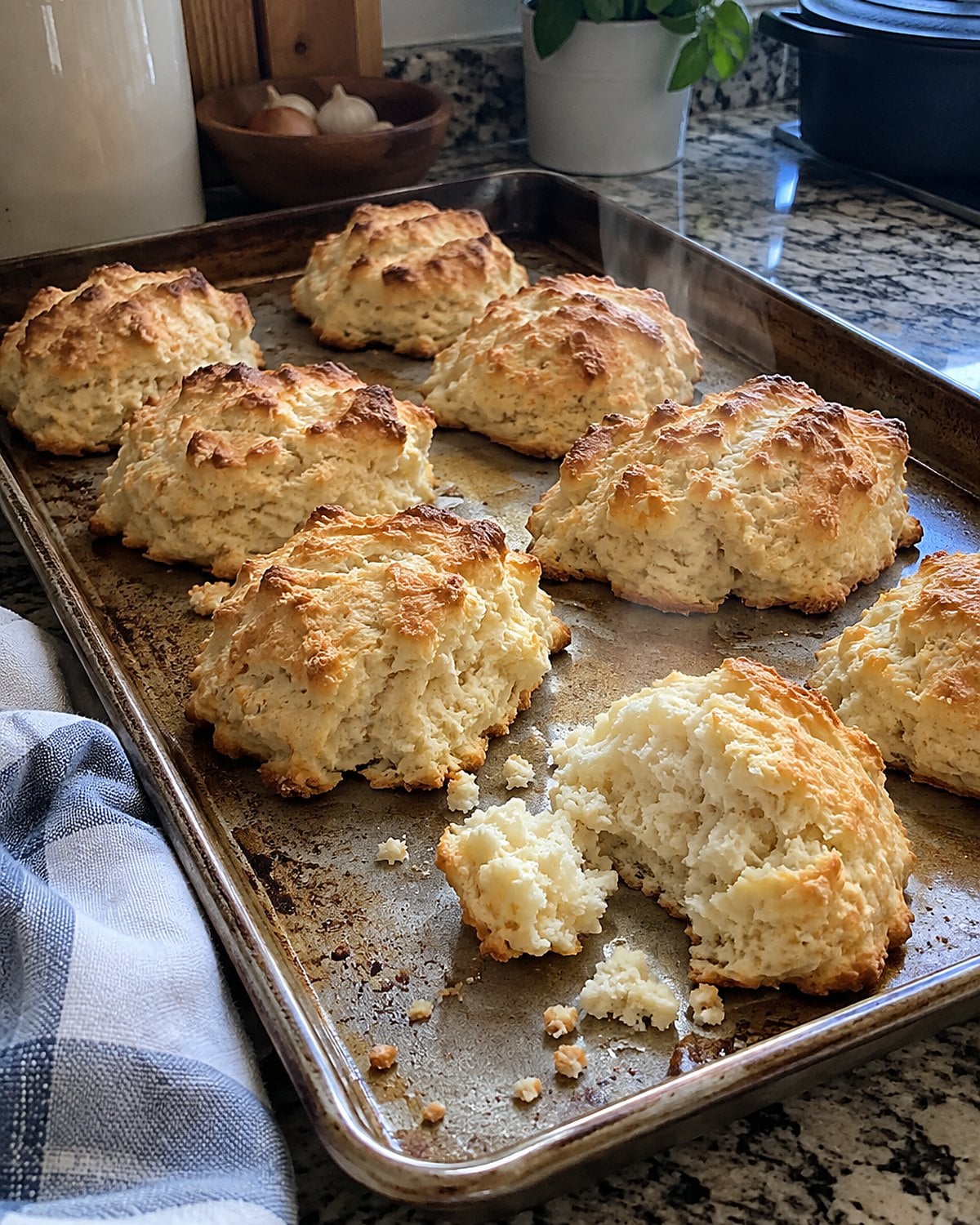
Those rough peaks browned first. A drop biscuit with a smooth, worked surface has already lost part of its charm. Stir the flour and fat with the liquid only until no dry pocket remains. Then drop the dough onto the pan without pressing it into tidy rounds.
Watch the dough as you stir. It should cling to the spoon, yet release in a lump when nudged. If it pours, it’s too wet. If dry flour collects at the bottom, it needs a little more liquid. Your mother read the bowl before she read the oven dial.
Bake until the uneven tips color and the sides feel set. Break one open if you need proof. The center should look tender, not shiny with raw dough. Next time, leave the tops alone. The biscuit that looks least polished is the one closest to hers.
#17 Thanksgiving Dressing Baked in a Pan
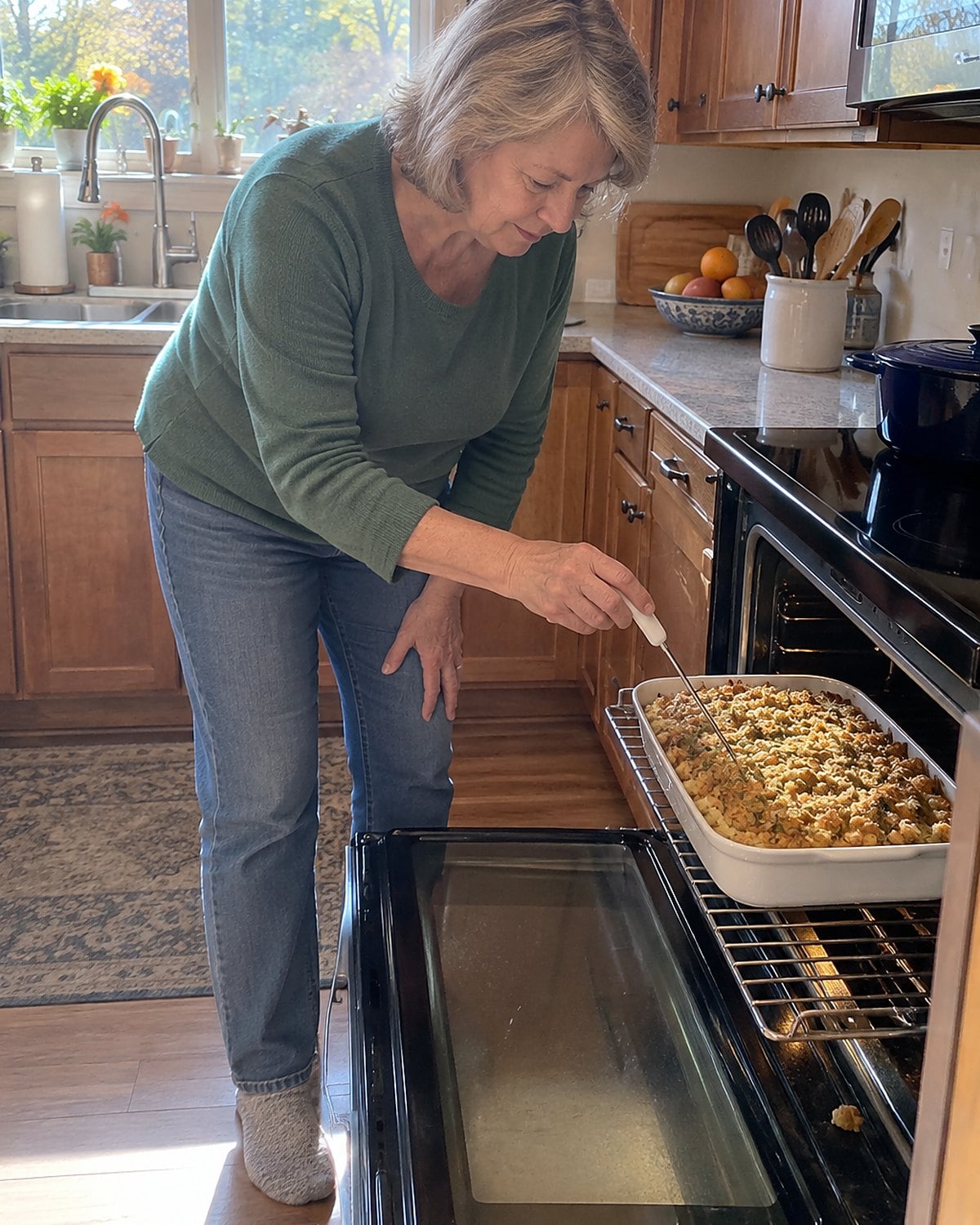
The church cookbook said “bread” and left you to guess which kind. Your mother knew that dry bread absorbs broth while fresh, soft bread clumps. She spread cubes out ahead of time or dried them in the oven, then added broth until the mixture held together without turning soupy.
Cook the onion and celery before they meet the bread. Raw onion stays sharp inside a pan of dressing; cooked onion becomes part of the savory base. Add the broth in stages and turn the mixture from the bottom. Let it stand briefly, then check again. Dry bread needs time to take in liquid.
For dressing baked separately, the center must reach 165°F under USDA guidance. Use a thermometer in the middle rather than trusting a browned top. The flavor test comes earlier, while you’re building it: taste the cooked onion mixture and the broth before adding them. If both are bland, the bread has no chance to rescue the pan.
#16 Fried Apples in the Skillet
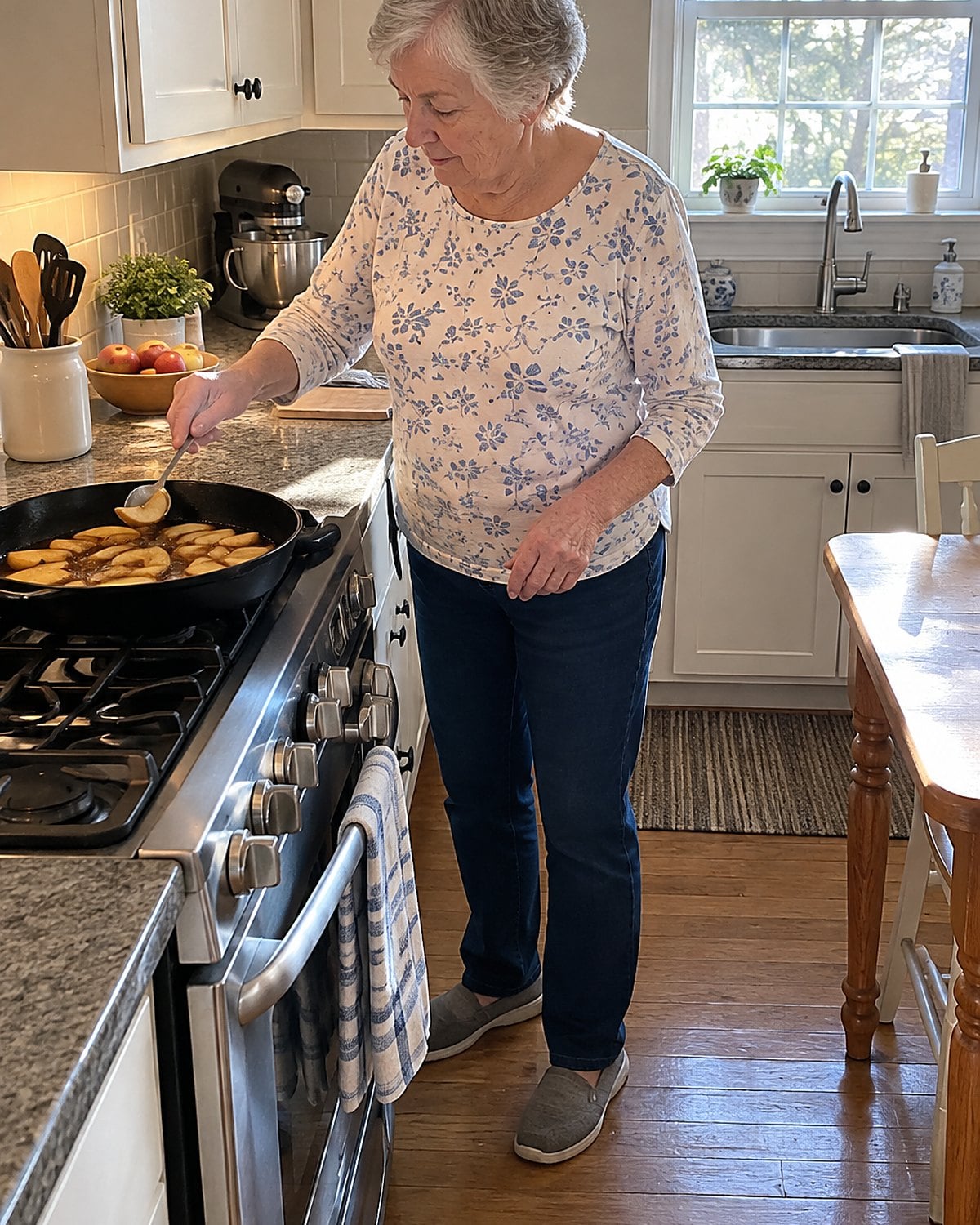
You heard the apples hit butter, then heard the sizzle settle as their juice came out. That change in sound matters. Cooked over high heat from start to finish, the butter darkens before the apple slices soften. Start with a lively pan, then lower the heat once the fruit releases its juice.
Choose apples that hold their shape when cooked. Cut the slices evenly so you don’t end up with sauce beside hard pieces. Cinnamon belongs near the end, when you’re ready to taste the fruit. Put it in too early and its smell fills the kitchen before you know what the apples taste like.
A spoon should slide through a slice with slight resistance. If the pan looks watery, leave it uncovered and let the juice reduce. That shiny coating on her apples came from the fruit itself, not a thick spoonful of syrup.
#15 Creamed Chipped Beef on Toast
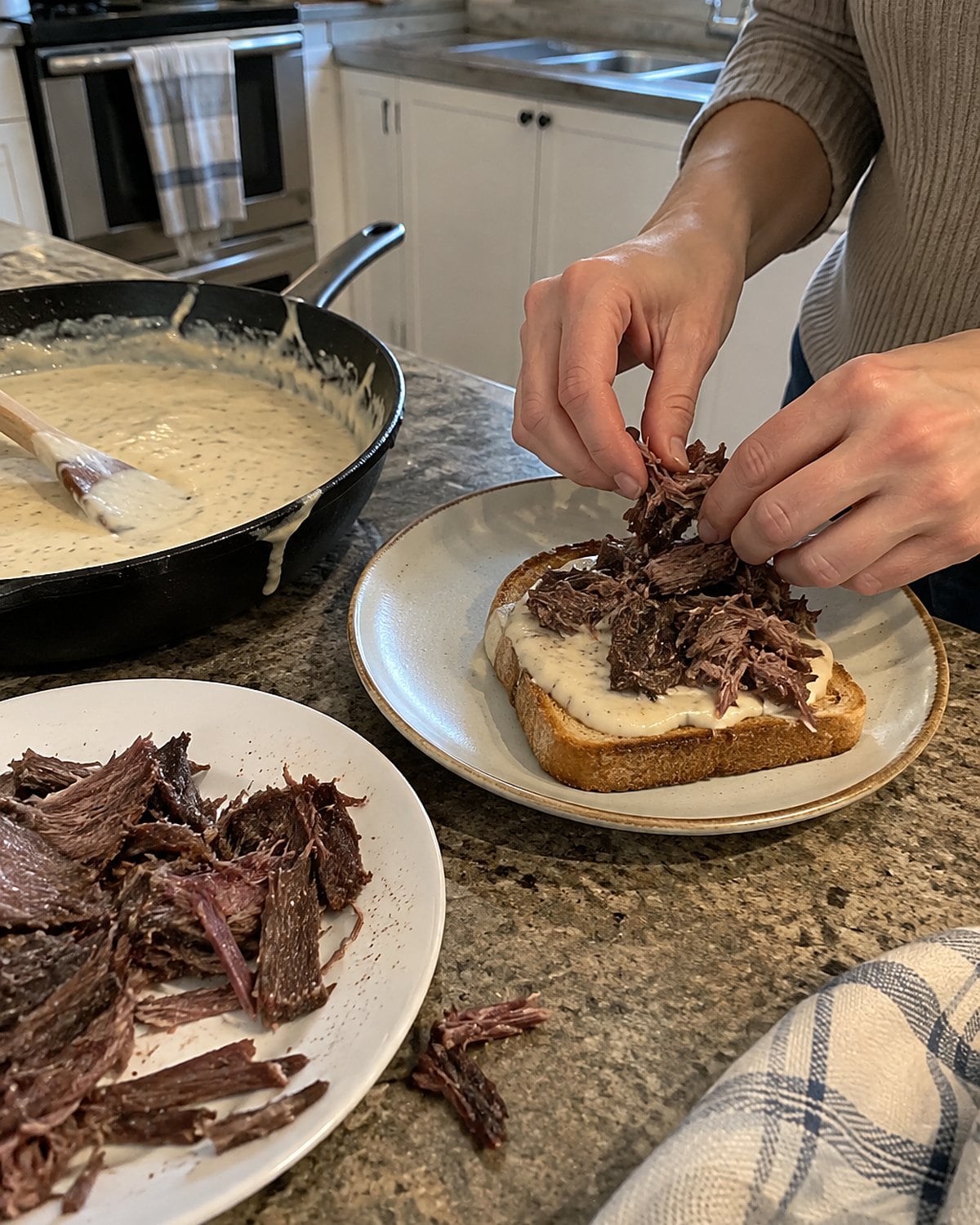
The little jar or packet of dried beef looked too small to make supper. It worked because the beef was strongly flavored, and a plain white sauce spread that flavor across the toast. The mistake is salting the sauce before the beef goes in.
Melt butter, stir in flour, and cook it until the raw smell fades. Add milk gradually and stir until the sauce thickens. Then pull the beef into small pieces and add it. Let it warm through before tasting. Some dried beef is very salty; tasting first saves the whole skillet.
Toast earns its place here. Soft bread sinks under the sauce, while crisp toast keeps an edge you can cut with a fork. Put the toast on the plate when the sauce is ready, rather than letting it sit and cool. If your mother made this after a long day, she was counting on contrast: hot creamy sauce, salty beef, and toast that still cracked.
#14 Baked Custard With a Small Wobble
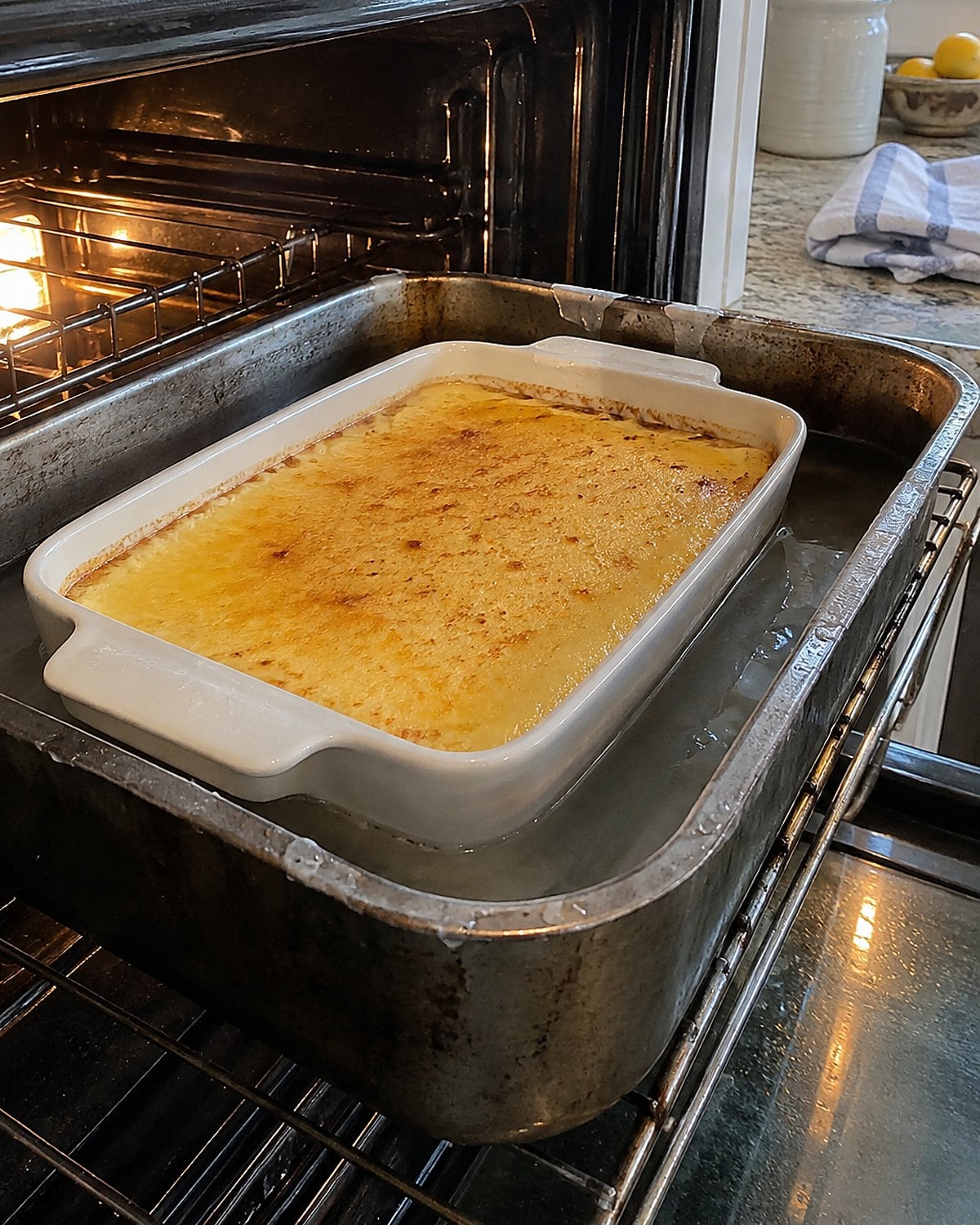
Opening the oven door gave her enough information. The custard had set around the edge, but the center still moved when she nudged the dish. That small wobble is what you want. Wait until the center stands firm in the oven, and the finished custard turns grainy.
Eggs set with heat. A water bath slows the heat reaching the dish, which helps the custard cook evenly. Set the filled dish in a larger pan, then add hot water around it before baking. Move carefully; splashed water thins the custard.
Check the center with a slight shake of the pan. It should move together, not ripple like liquid. Take it out and let the heat already in the dish finish its work. Her custard looked unfinished at the exact moment she knew it was ready.
#13 Pot of Beans on the Back Burner
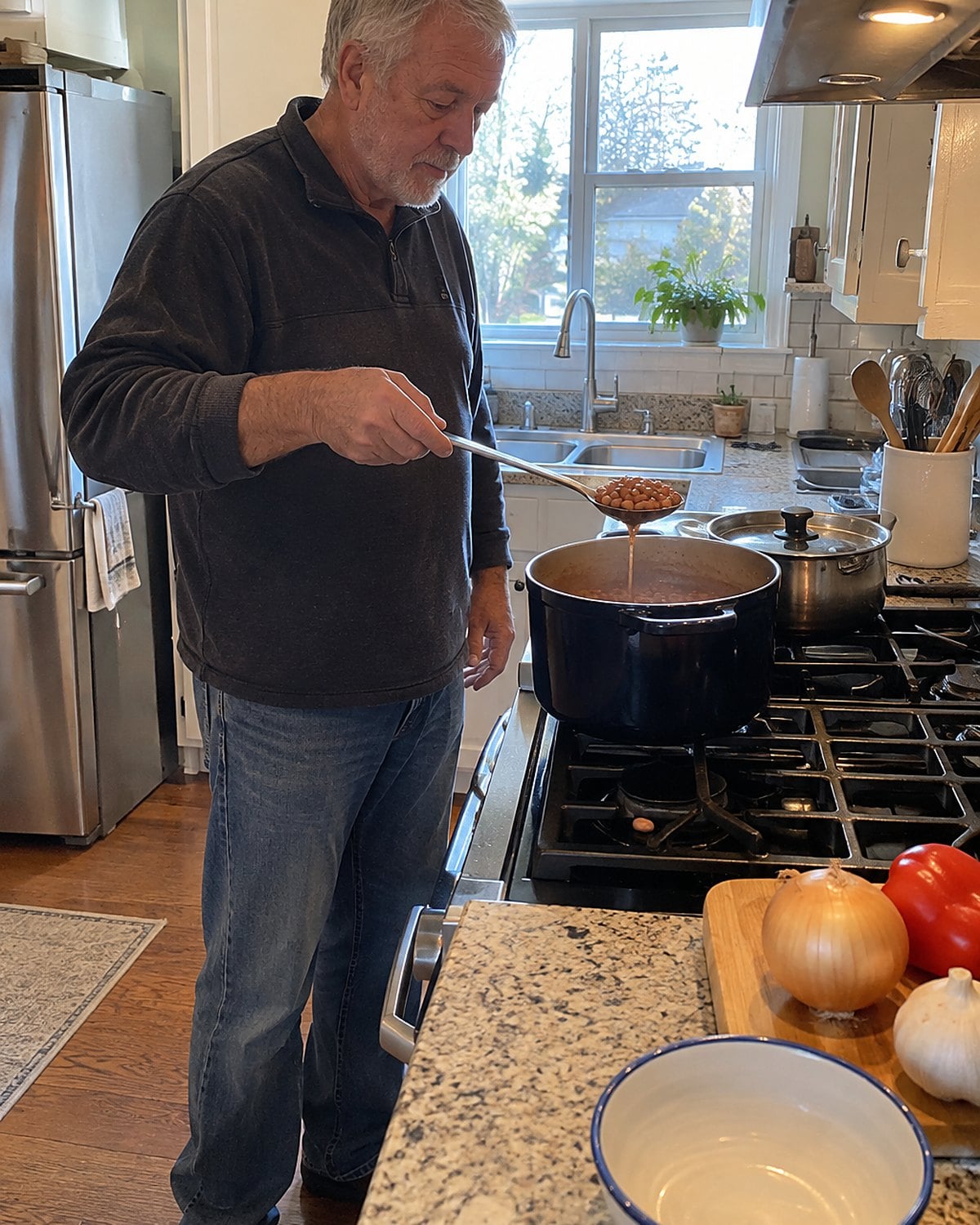
A pound of dried beans looked like a pot of supper to her. To you, it looks like a pot that refuses to soften. Bean age matters: beans stored a long time take longer to cook. So does the strength of the simmer. Hard boiling breaks skins while the centers lag behind.
Sort the dried beans and rinse them. Give them plenty of water, then keep the pot at a steady simmer. Check the water level as they swell. Taste a bean from the middle of the pot, not the one floating at the top. It should be tender all the way through, with no chalky center.
Acidic ingredients such as tomatoes belong after the beans soften. Add them earlier and tender beans take longer to reach. Your mother knew when to put the tomato can away and let the beans have the burner. When you finally season the pot, taste the liquid as well as the beans. That liquid is the beginning of soup tomorrow, provided you cool and refrigerate the leftovers promptly.
#12 Pie Dough Under Floury Hands
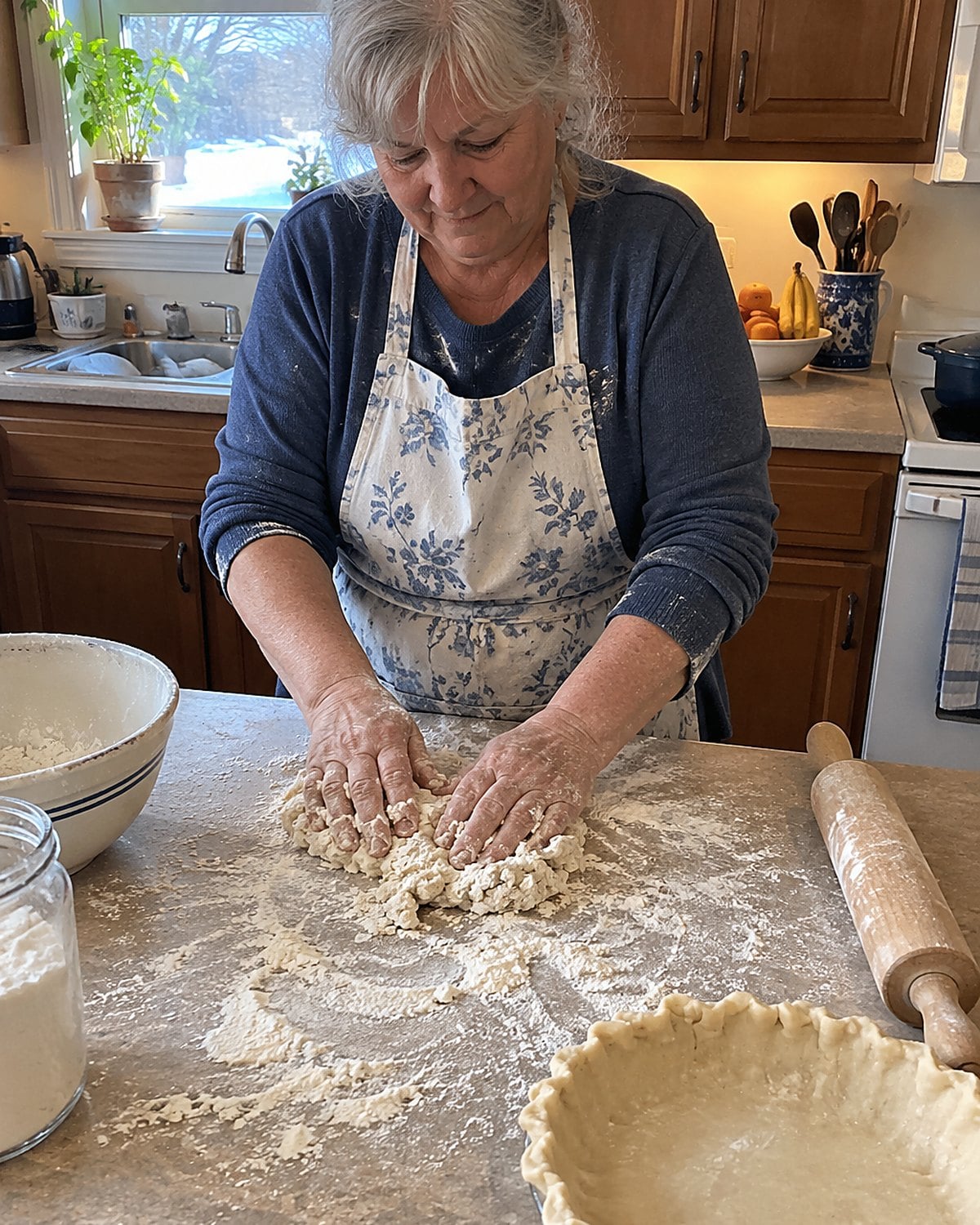
Flour dusted her knuckles, but the dough in the bowl looked shaggy. That was deliberate. Large, flat pieces of fat trapped between layers of dough melt in the oven and leave flaky spaces behind. Work the dough until it’s smooth, and those spaces disappear.
Add cold water a little at a time. Press a handful of dough between your fingers. If it holds, stop adding water, even if loose crumbs remain in the bowl. Gather the dough, wrap it, and chill it before rolling. Rest gives the flour time to absorb water, so the dough holds together without another splash.
On the counter, lift and turn the dough as you roll. If it sticks, dust the counter rather than kneading flour into the dough. Her crust came from knowing when her hands had done enough.
#11 Cabbage Cooked With Bacon Drippings
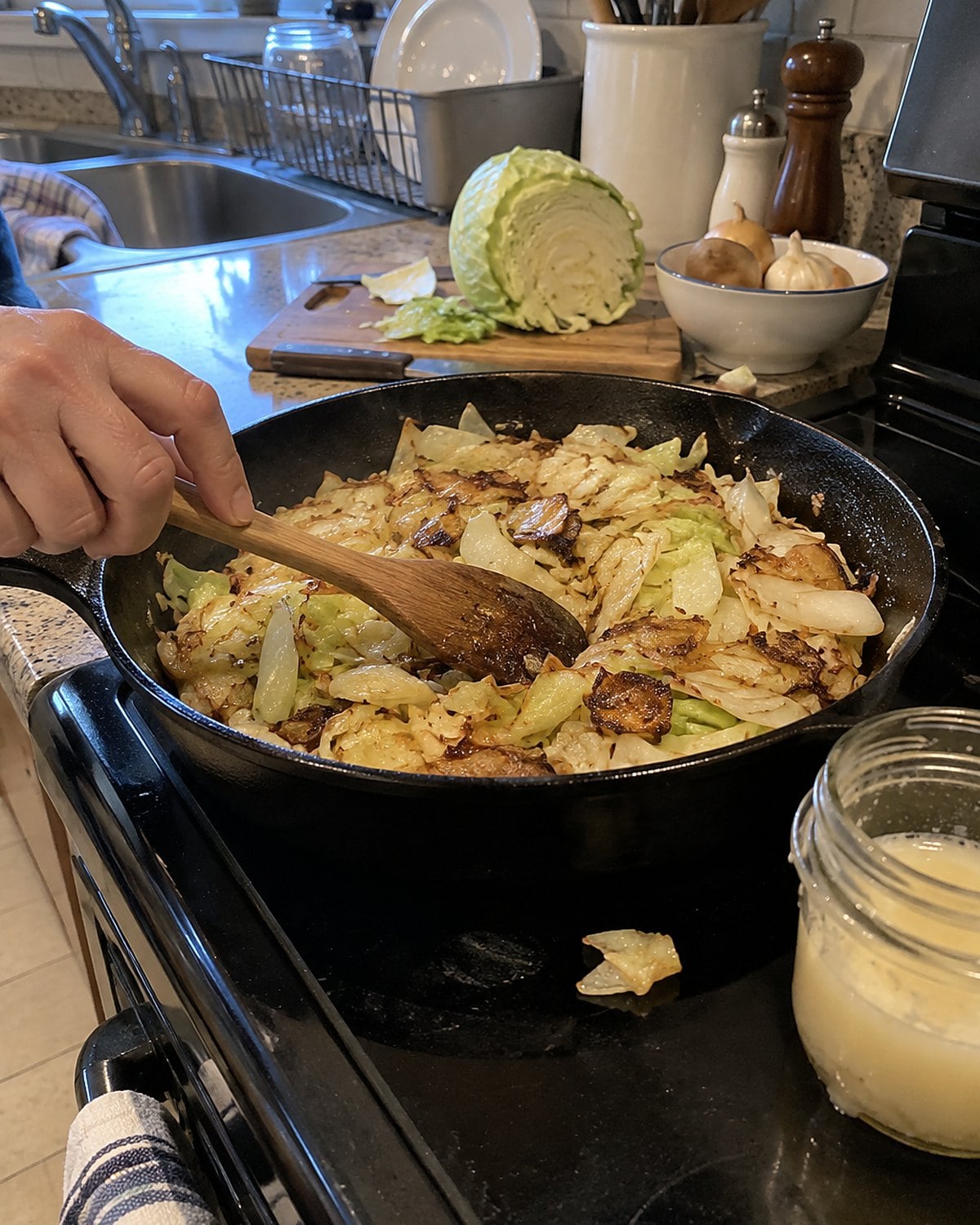
The skillet held yesterday’s bacon drippings, and a cabbage went into it in rough pieces. That combination still needs order. Brown the cabbage where it touches the skillet before you add liquid or cover it. Once covered, it steams and softens; the chance to build those browned edges has passed.
Cut the thick core away, then slice the leaves into pieces that fit your pan. Work in batches if the skillet is crowded. Turn the cabbage after the bottom layer colors, add a splash of water, and cover briefly. The leaves should bend easily but keep a little body.
Bacon drippings bring salt as well as flavor, especially if bits of bacon remain. Taste before adding more. A few drops of vinegar at the end sharpen the rich pan juices. Your mother wasn’t trying to make cabbage taste like bacon. She let the cabbage brown first, then used the drippings to carry that sweetness across the pan.
#10 Buttered Noodles for a Visiting Grandchild
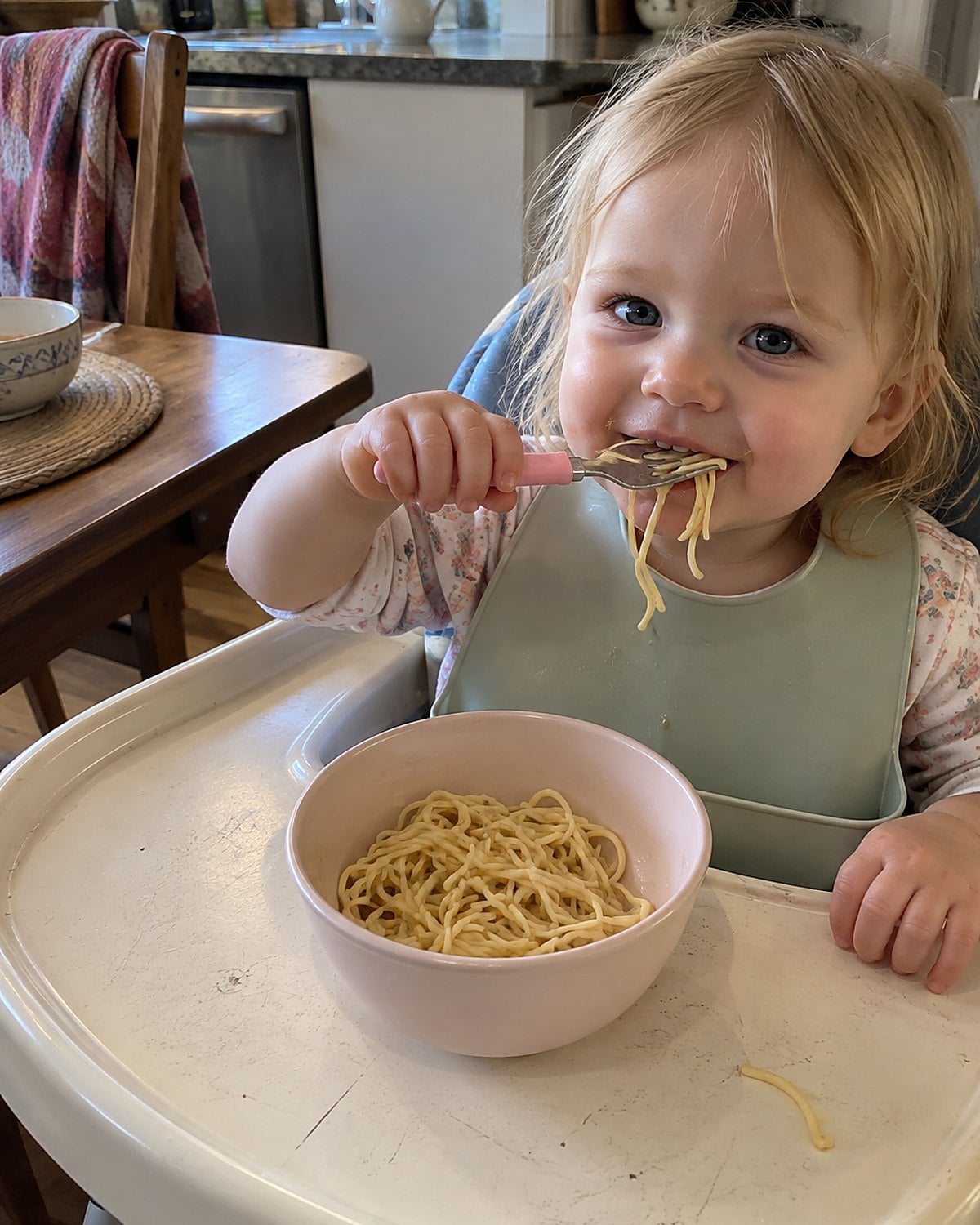
The grandchild’s high chair held a bowl of noodles while everyone else ate the roast. She didn’t argue with the bowl. She made the noodles good enough to eat: plenty of boiling water, a stir after they went in, and butter added while they were hot.
Drain the noodles, but don’t rinse them. A little starch left on their surface helps the butter cling. If they look dry, toss them with a small spoonful of the cooking water. The butter turns glossy instead of sitting in a puddle at the bottom.
Taste one noodle before it reaches the chair. The center should be tender, with no hard line. You’re making a plain dish, not an afterthought. That was the trick she knew: even the backup supper deserved her full attention.
 You might also like27 Old-Fashioned Desserts That Deserve a Comeback
#9 Egg Salad Chopped on the Board
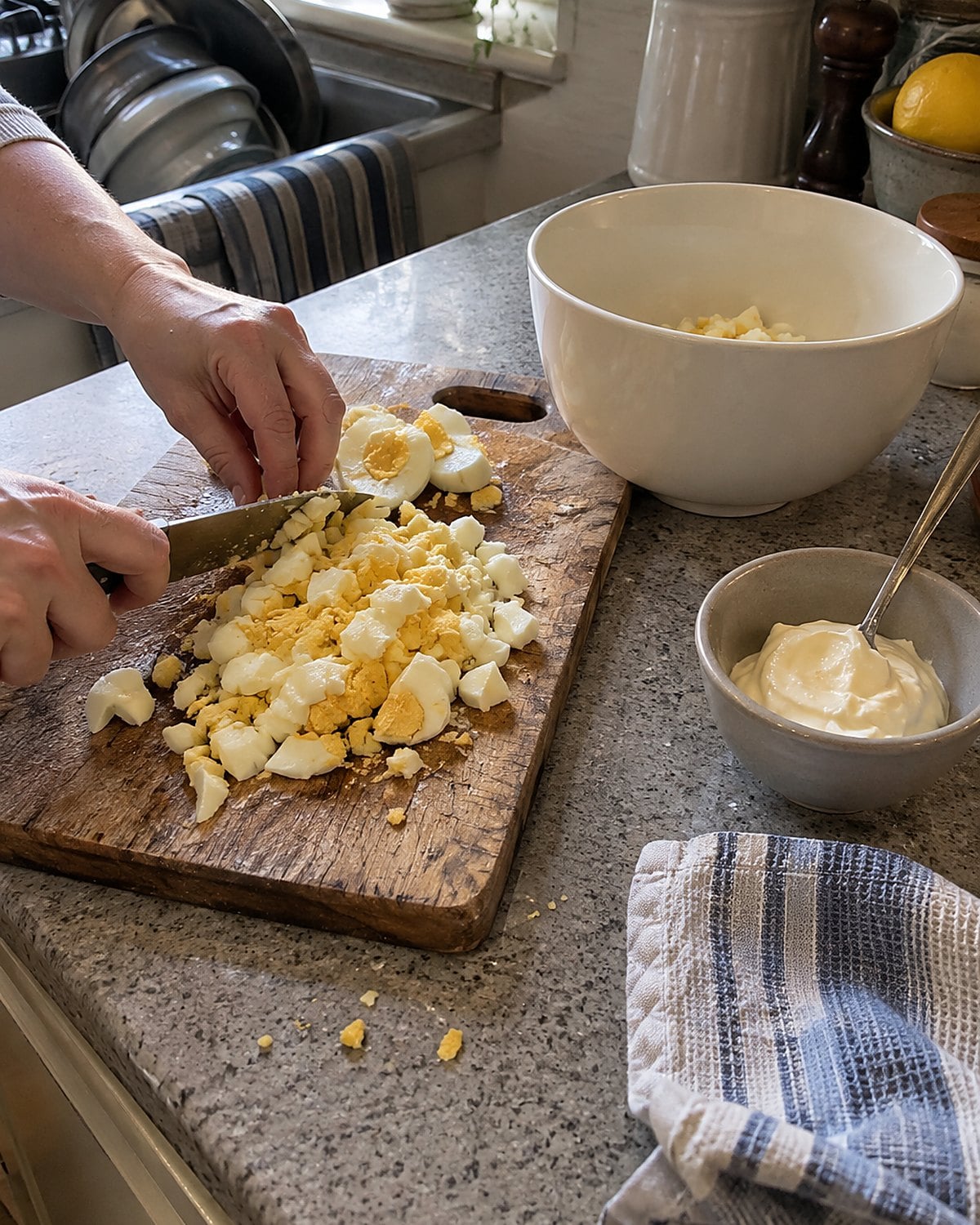
Her egg salad had little pieces you could see, not a bowl of paste. She chopped the cooled eggs on a board, then folded them with mayonnaise. The difference matters. Stir hard enough to break every yolk into the dressing, and the salad turns dense.
If boiled eggs keep giving you a dark ring around the yolk, cool them promptly after cooking. The ring comes from a reaction between sulfur in the white and iron in the yolk. It looks worse than it tastes, but cooling helps stop it.
Start with less mayonnaise than you think you need. Fold, wait a moment, and check how the chopped yolks absorb it. Add mustard or pickle only after tasting the eggs with salt. Your mother’s bowl held distinct bites because she stopped stirring while there were still edges to see. For lunch later, keep the finished salad refrigerated at 40°F or below, as the FDA advises for the fridge.
Try it: Instant Pot Egg Salad (Keto, Gluten-Free)
#8 Soup Container Behind the Pickles
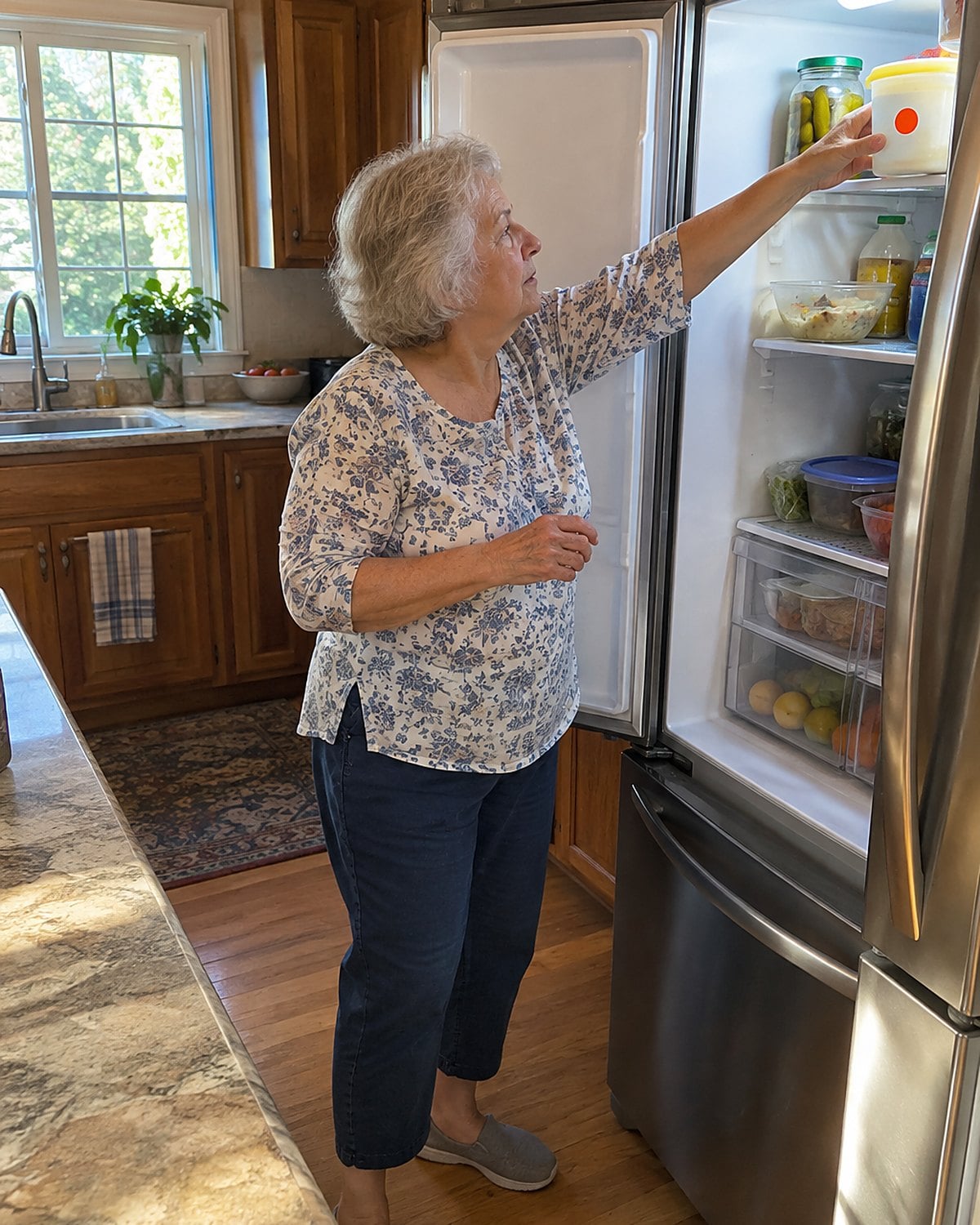
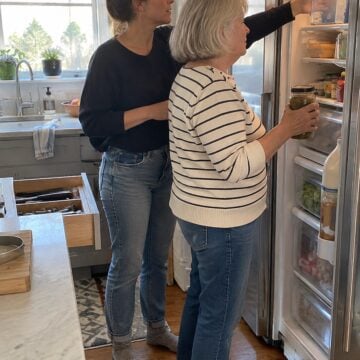
Open the fridge and look behind the pickles. The container from the last soup night has one job: become lunch while it’s still good. Your mother’s habit of saving every spoonful only worked when somebody remembered what was inside.
Cool leftovers promptly and put them in shallow containers so they chill faster. The USDA’s cold storage chart gives cooked leftovers three to four days in a fridge kept at 40°F or below. Write the date on the lid. A clean marker on masking tape beats lifting lids and guessing by smell.
Freeze what you won’t eat within that window. Leave room in the container for soup to expand as it freezes. This isn’t the charming part of her kitchen, but it protects the charming part: opening the freezer drawer and finding a dinner she already made. Put the newest container behind the older one, where your hand reaches past it first.
#7 Chicken and Dumplings Under the Lid
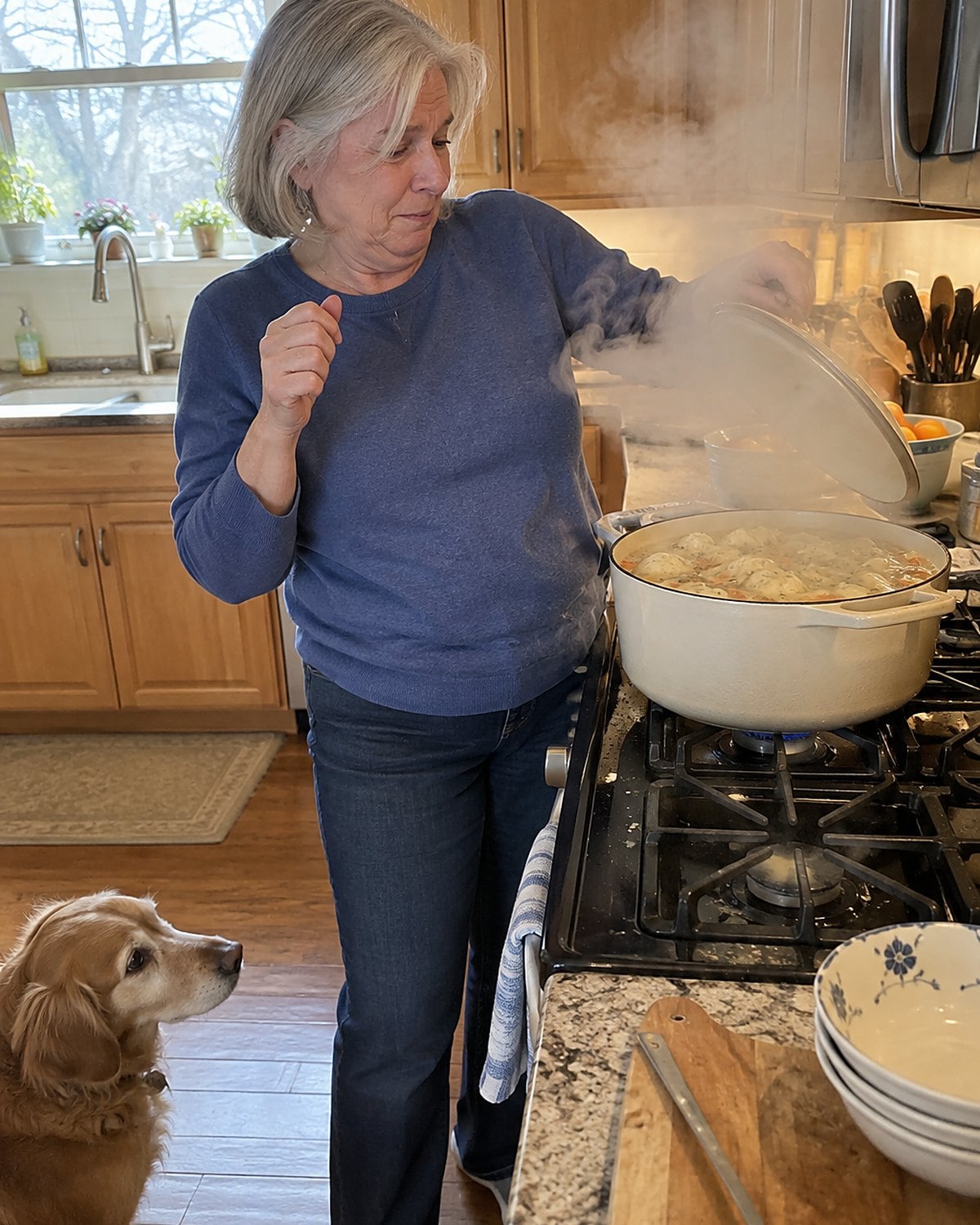
The lid stayed on while the dumplings cooked. Lift it too early, and steam escapes before the centers set. Your mother knew what was happening beneath it because she had watched the broth first: it was simmering steadily, not boiling hard enough to break the dough apart.
Build flavor in the broth before adding dumplings. Taste it while there’s room to stir. Drop the dough onto the simmering surface, leaving space between pieces, then cover the pot. When you check, cut open a dumpling. The center should be cooked through, with no wet dough clinging to the knife.
If the dish includes chicken, check the thickest piece with a thermometer. Poultry reaches 165°F under USDA guidance. A cooked dumpling doesn’t tell you the chicken is ready, and a ready chicken doesn’t tell you the dumpling is cooked. Two quick checks keep supper from depending on a guess. Then ladle from the bottom, where the broth has caught the flour and turned rich.
#6 Stuffed Peppers With Tender Rice
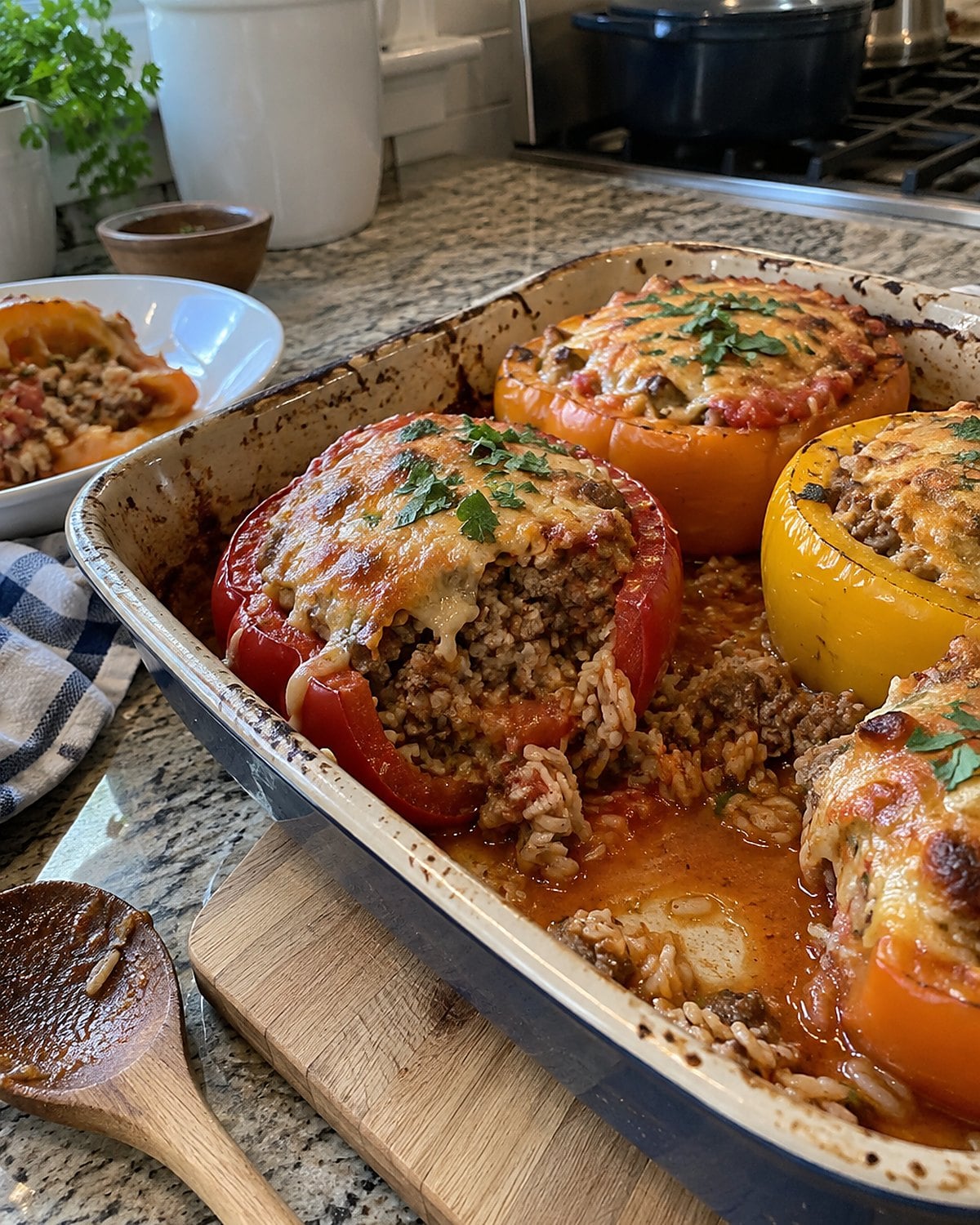
Why was her filling tender while the pepper still held its shape? She gave the rice a head start. Dry rice packed into a pepper needs enough liquid and cooking time to soften, while the pepper around it risks collapsing. Cooked rice removes that contest.
Mix cooked rice with the filling, but don’t pack it tight. Heat needs to reach the center. Set the peppers upright in a baking dish with sauce around them, then cover the dish for the first part of cooking. Uncover it when the peppers have softened and the tops need color.
If the filling contains ground meat, push a thermometer into its center. The USDA gives 160°F for ground beef and pork, and 165°F for ground poultry. The pepper’s tenderness alone tells you nothing about the meat. Your mother cut into one before serving because she wanted to see the middle.
Try it: Best Instant Pot Stuffed Peppers
#5 Macaroni Salad on the Church Hall Table
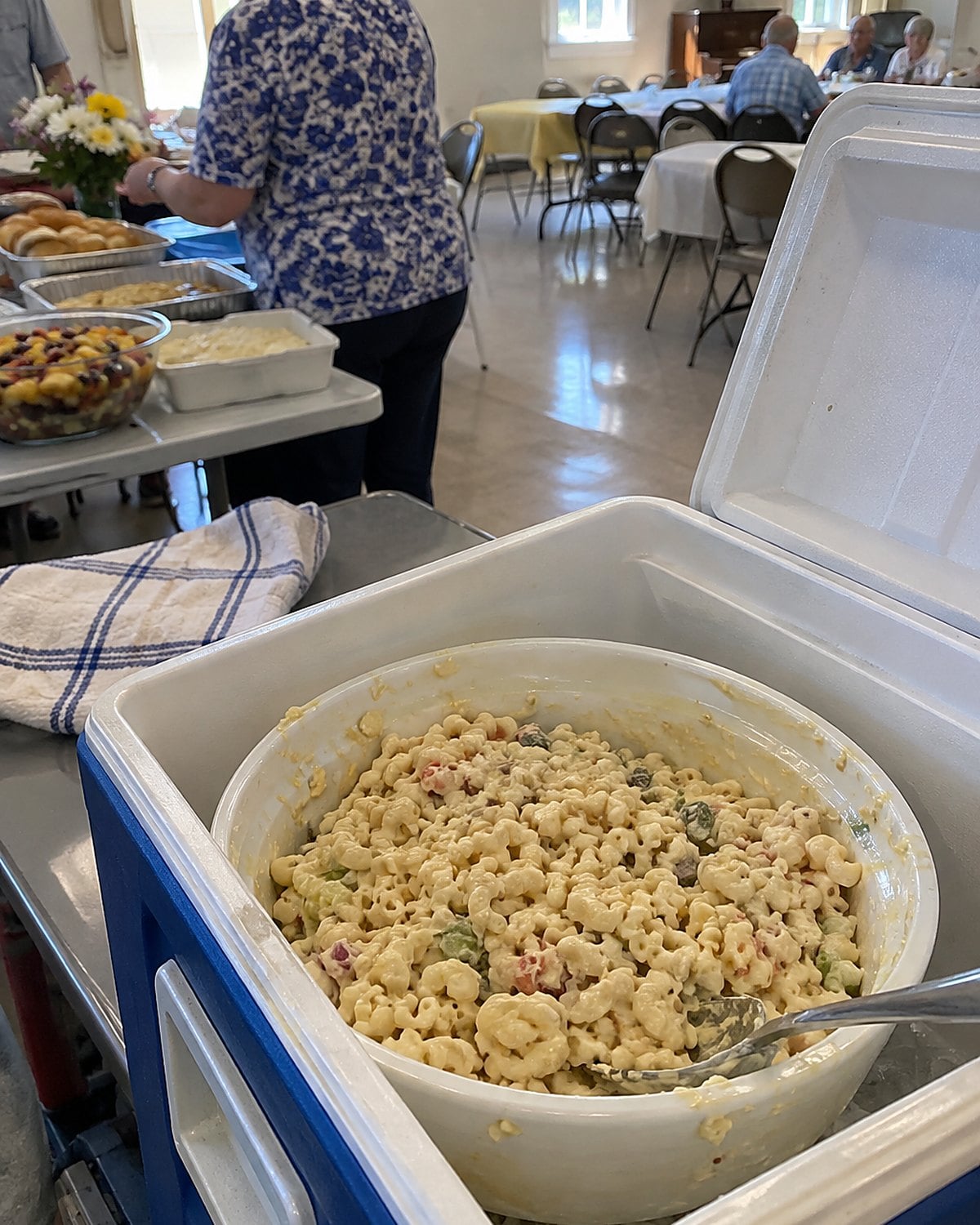
You brought the bowl in with a serving spoon tucked under the plastic wrap. Hers had a little bite and enough dressing to coat every elbow. By the time the dishes lined the church hall table, yours had gone dry.
Pasta absorbs dressing as it sits. Cook it until tender, drain it well, and let it cool before mixing. Dress it once, then check the bowl again before serving. A second spoonful of dressing belongs there if the macaroni has taken up the first. Celery adds crunch, but its cut matters: thick pieces announce themselves in every bite.
Keep mayonnaise-based macaroni salad cold until it’s served. The FDA’s food safety guidance says perishable food shouldn’t sit out beyond two hours, or one hour when the temperature is above 90°F. Bring the bowl in a cooler if the trip and wait are long. Your mother’s salad tasted generous because she checked it at the last moment. Her spoon went in once more before anybody else’s did.
Try it: Creamy Macaroni Salad With Peas & Ham (Instant Pot, Stovetop)
#4 Cornbread Crumbled Into Beans
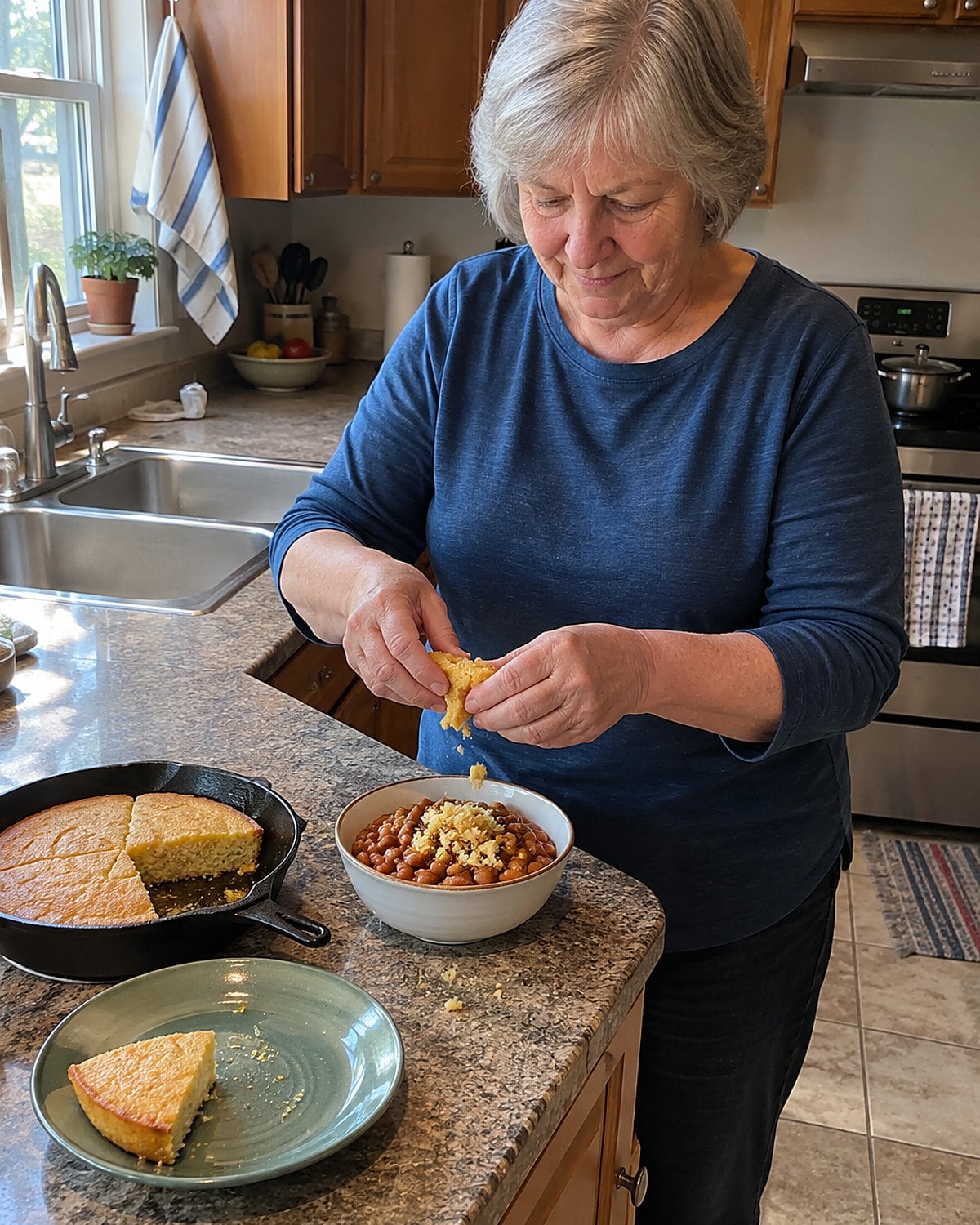
A slice of cornbread beside beans is fine. Crumble it into the bowl, and it changes the broth. The coarse crumbs drink in liquid without disappearing at once. That’s why a tender, faintly gritty cornbread works better here than a sweet, cake-like square.
Use a hot skillet for the batter. The edge sets when it meets the fat, giving you a crust sturdy enough to survive the bean broth. If your cornbread keeps coming out pale underneath, preheat the skillet before you pour. Listen for the sizzle as the batter lands.
Taste the beans before crumbling anything into them. Once the bread absorbs broth, adding salt means stirring through a thick bowl. Your mother had the order right: season the pot, break the cornbread, then eat while the edges still had a little crunch.
#3 Rolled Dumplings Resting Before Cutting
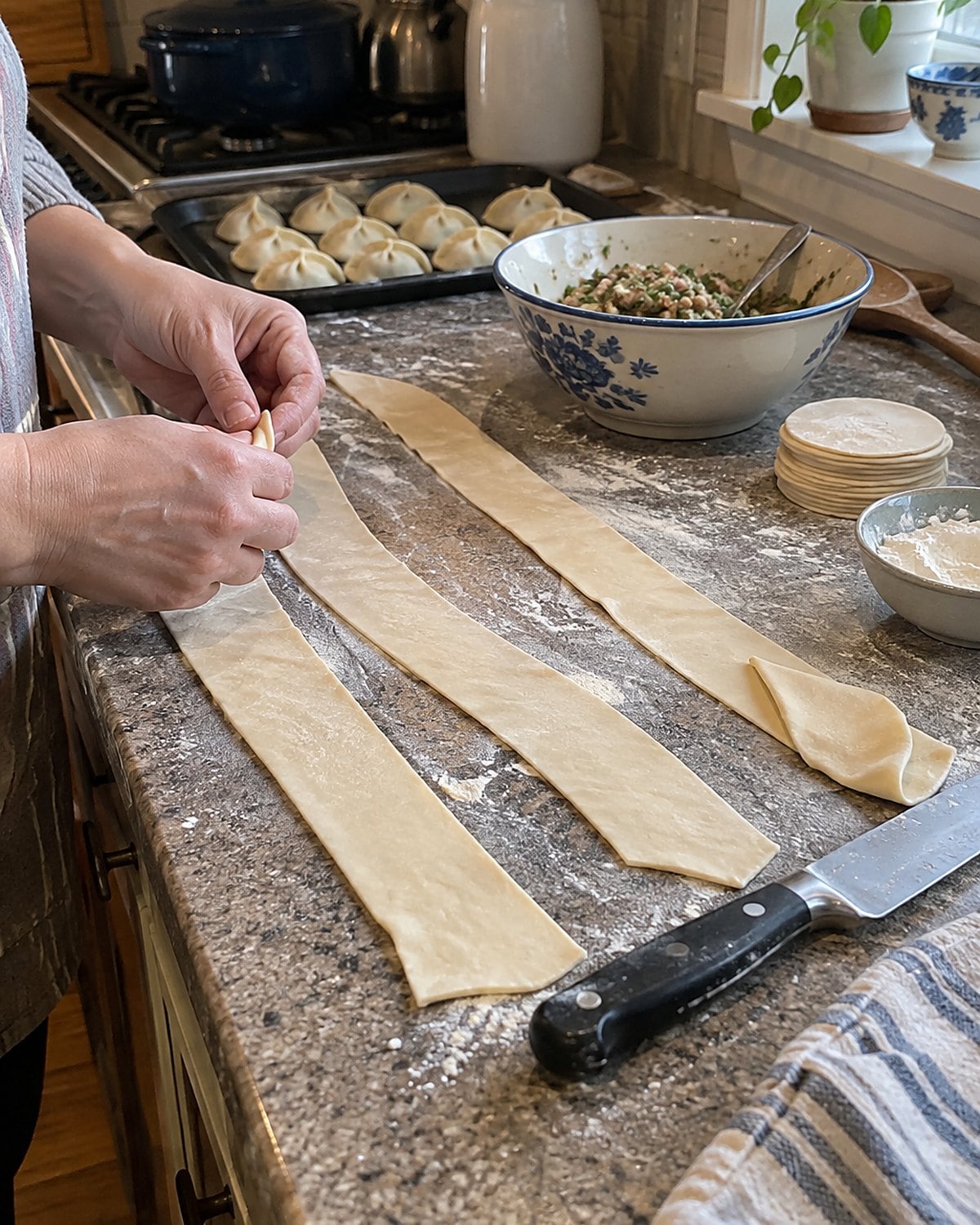
The dough looked ready when she stepped away from it. Why wait? Rolling works the flour, and a short rest makes the dough easier to handle. Cut it at once, and the strips pull back under the knife or toughen from extra flour worked in during another roll.
Roll the dough on a floured counter, then let it sit while the broth comes to a simmer. Cut strips with a knife or pizza wheel. Shake off loose flour before dropping them into the pot; enough flour comes along on the dough to thicken the broth. Too much leaves a pasty coating.
Keep the simmer steady. Stir after the strips have had time to set, not as soon as they land. Cut one open before calling them done. You want a cooked center and a tender bite, not a strip that melts away. Her pause at the counter was part of the cooking, even though the pot was across the room.
#2 Meatloaf for a Smaller Table
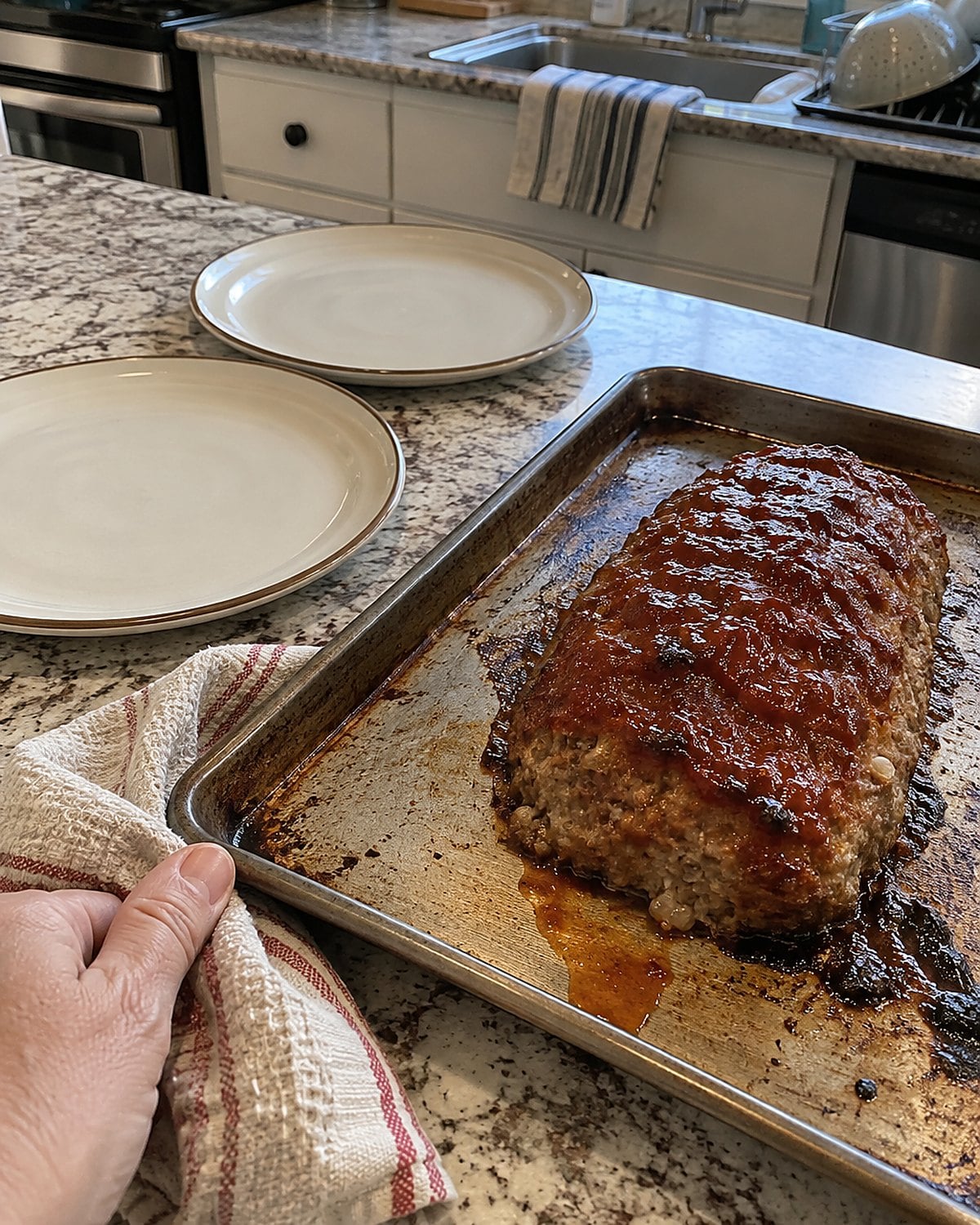
The old loaf pan fed everybody, then left enough slices for sandwiches. With two at the table, that pan holds a lot of meatloaf. You don’t need to abandon the dinner. Shape a smaller loaf on a baking sheet, where more surface meets the oven heat and browns.
Mix the meat and seasonings only until they hold together. Kneading gives the loaf a tight texture. Cook a small spoonful of the mixture in a skillet if you want to check the seasoning before shaping the rest. It’s easier to add salt to the bowl than to a finished slice.
Use a thermometer in the center: ground beef and pork need 160°F; ground poultry needs 165°F, per the USDA. Save the extra slices for sandwiches, then follow the USDA’s cold storage chart for the leftovers. A changed table doesn’t mean giving up the supper you remember.
Try it: Best Instant Pot Meatloaf Recipes (Classic & Creative Twists)
#1 The Spoonful She Tasted Before Serving
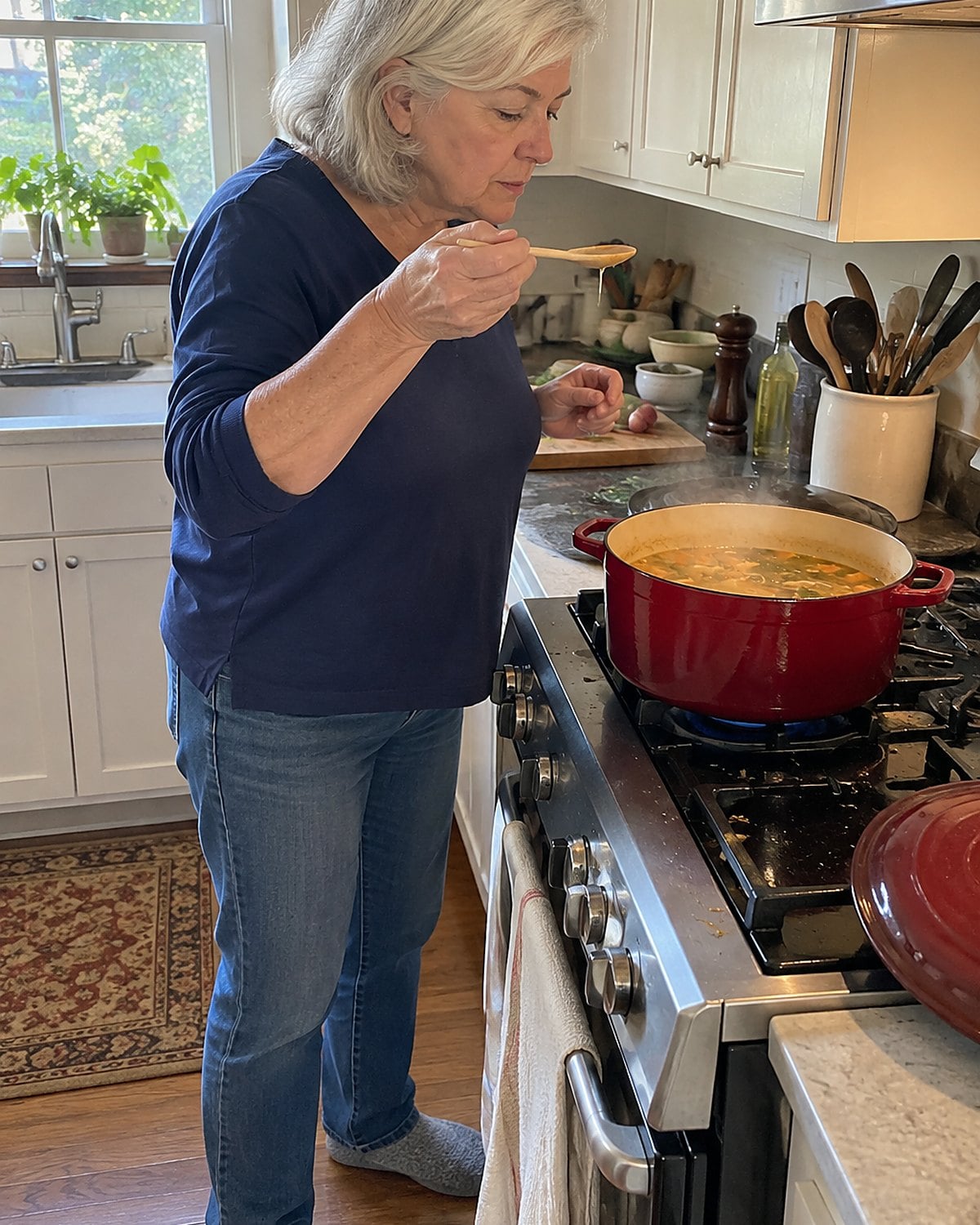
She never measured, but she did stop. Before the pot reached the table, she took a spoonful and waited. You saw a cook who knew the answer in advance. What you missed was her checking it.
Taste in stages, while there’s still time to change something. A soup tasted before it simmers tells you about the broth; tasted after, it tells you what the vegetables gave back. A sauce tasted before it thickens reads differently from one that coats the spoon. Take a small spoonful, let it cool enough to taste clearly, and ask one plain question: what’s missing?
Salt brings flavors forward. Acid, such as lemon juice or vinegar, brightens a heavy pot. More heat removes extra liquid. None repairs a burned bottom, so stop stirring if the pot catches and move the unburned food to a clean one.
Set a clean spoon beside the stove tonight. Taste, rinse it or take another, and taste again after each change. That was the part of her method you could copy all along. Her hands knew the measures because her mouth checked the work.
Keep reading
 24 Dishes That Died With the Woman Who Made Them
See all 24 →
More you’ll remember
 27 Pies Your Grandmother Made Without a Recipe
 23 Foods That Were Made at Home Until the Store Started Selling Them
 26 Church Cookbook Lessons That Fed a Whole Town, and Why They Worked
The bottom line
Your mother’s dishes had clues: a browned bottom, a steady simmer, a center that moved, a spoonful that needed something. She paid attention before dinner was finished.
The well-prepared version of you has a clean spoon by the stove, a thermometer in the drawer, and a dated container ready for leftovers. Which dish in your kitchen deserves one more taste before you call it done?
Leave a Reply