

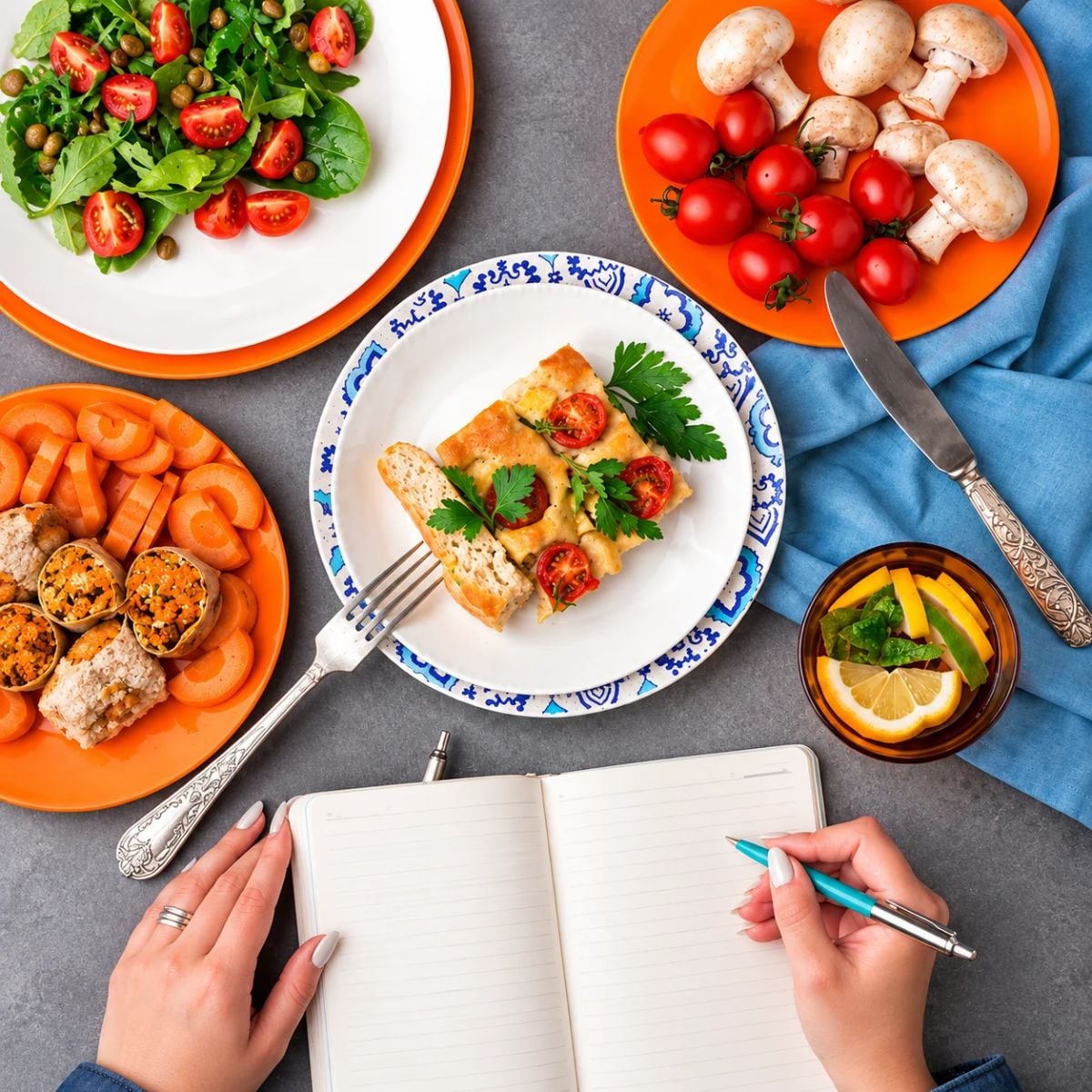
Have you ever asked your mother or grandmother how she made a favorite family dish, only to hear, "Oh, I just throw everything together"? It's frustrating when you try to recreate it years later and realize nobody wrote anything down. These dishes women left unwritten remind me how much of our family cooking was passed along by watching rather than following a recipe.
I still think some of the best meals come from those old kitchen habits. A handful of this, a splash of that, and somehow dinner turns out perfectly every time. But remembering how something tasted isn't quite the same as knowing how to make it. Here are 24 family favorites and the little cooking details worth saving before they're forgotten.
#24 The Rattling Pot of Sunday Beans
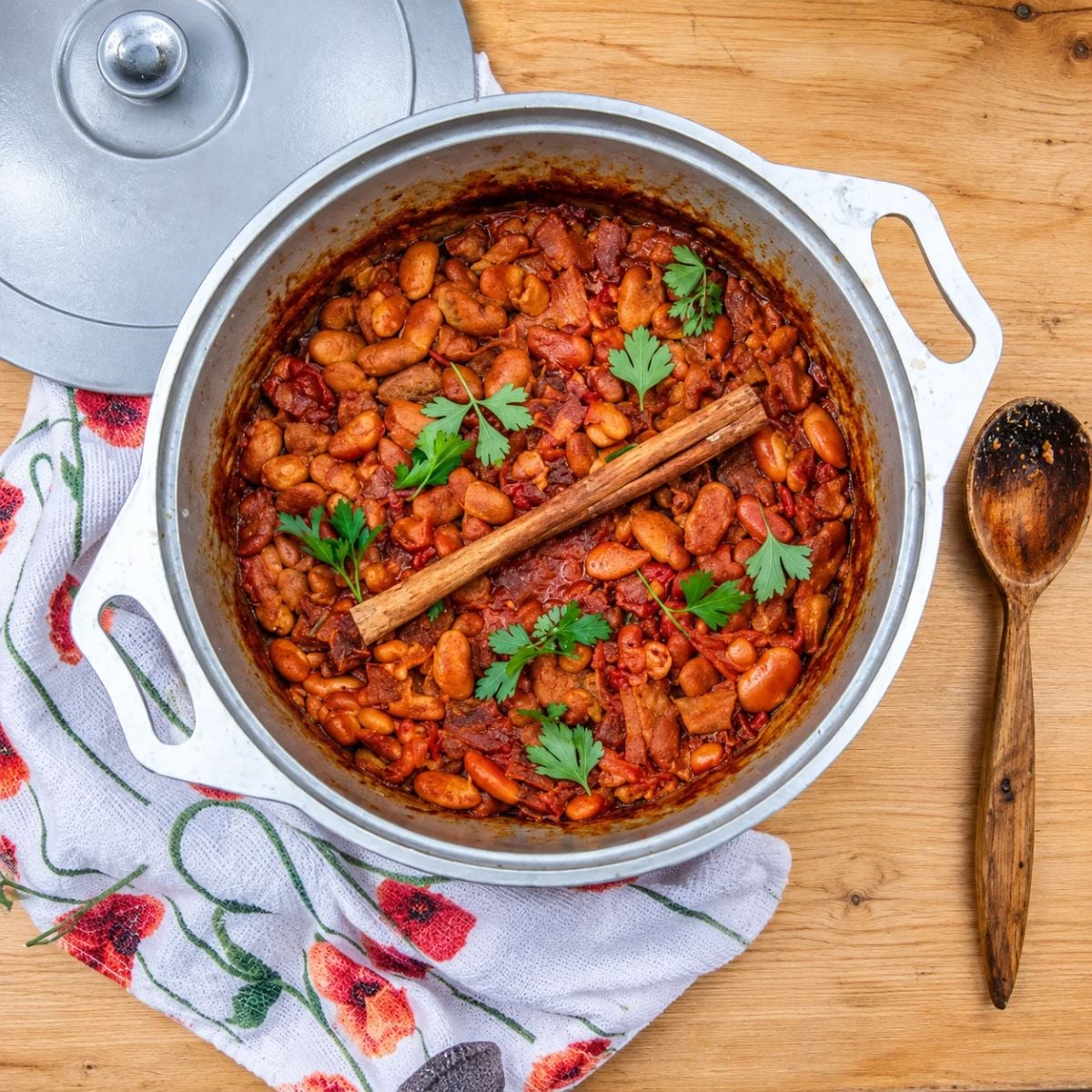
Remember that big pot of beans simmering on the stove all afternoon? Grandma never seemed to measure anything, but the broth always turned out rich and flavorful.
The secret was cooking the beans slowly and knowing when to add certain ingredients. A gentle simmer helps them soften without breaking apart, while tomatoes and other acidic ingredients are best added after the beans are tender.
If you're trying to recreate her beans, ask which variety she used and what went into the pot first. Those little details make a surprising difference.
Red kidney beans need special care, including a full boil before slow cooking, because improperly cooked beans can contain harmful toxins. Some old kitchen habits are worth keeping, while others deserve a modern safety check.
Try it: Instant Pot White Beans With Rosemary & Garlic
#23 The Lumpy Bowl of Mashed Potatoes
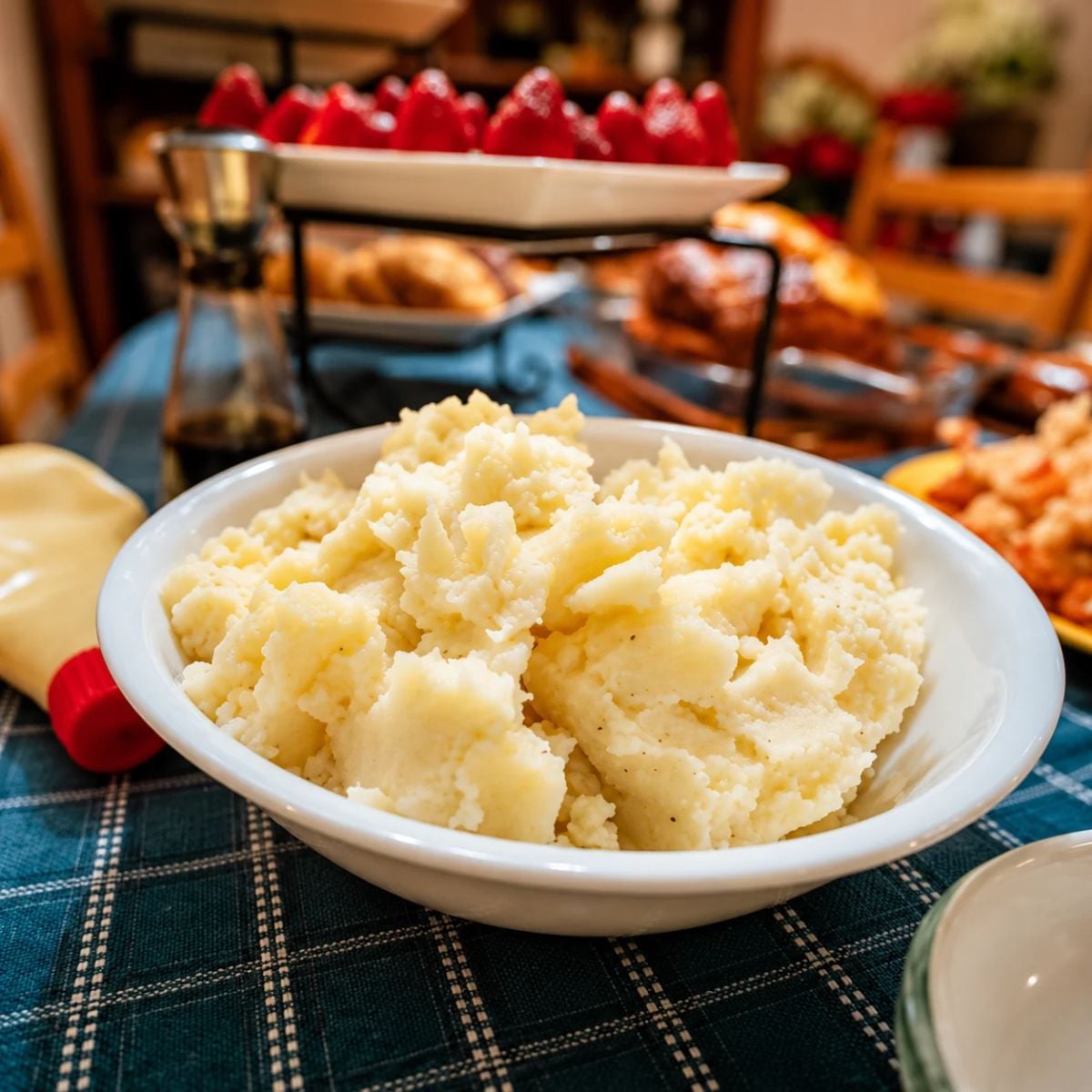
I don't know about you, but I actually like mashed potatoes with a few lumps. They remind me of the big bowls that appeared at family dinners, usually with a generous amount of butter.
The trick is not overworking the potatoes. Drain them well, let the excess steam escape, and mash by hand until they're just combined. Too much mixing releases starch and can make them sticky.
Add butter and milk gradually, then taste before serving. A little extra salt can make all the difference.
And don't worry if they aren't perfectly smooth. Sometimes those little lumps are exactly what makes homemade mashed potatoes so good.
Try it: Sour Cream Mashed Potatoes (Instant Pot Step-By-Step Recipe)
#22 The Bread Pudding from Stale Ends
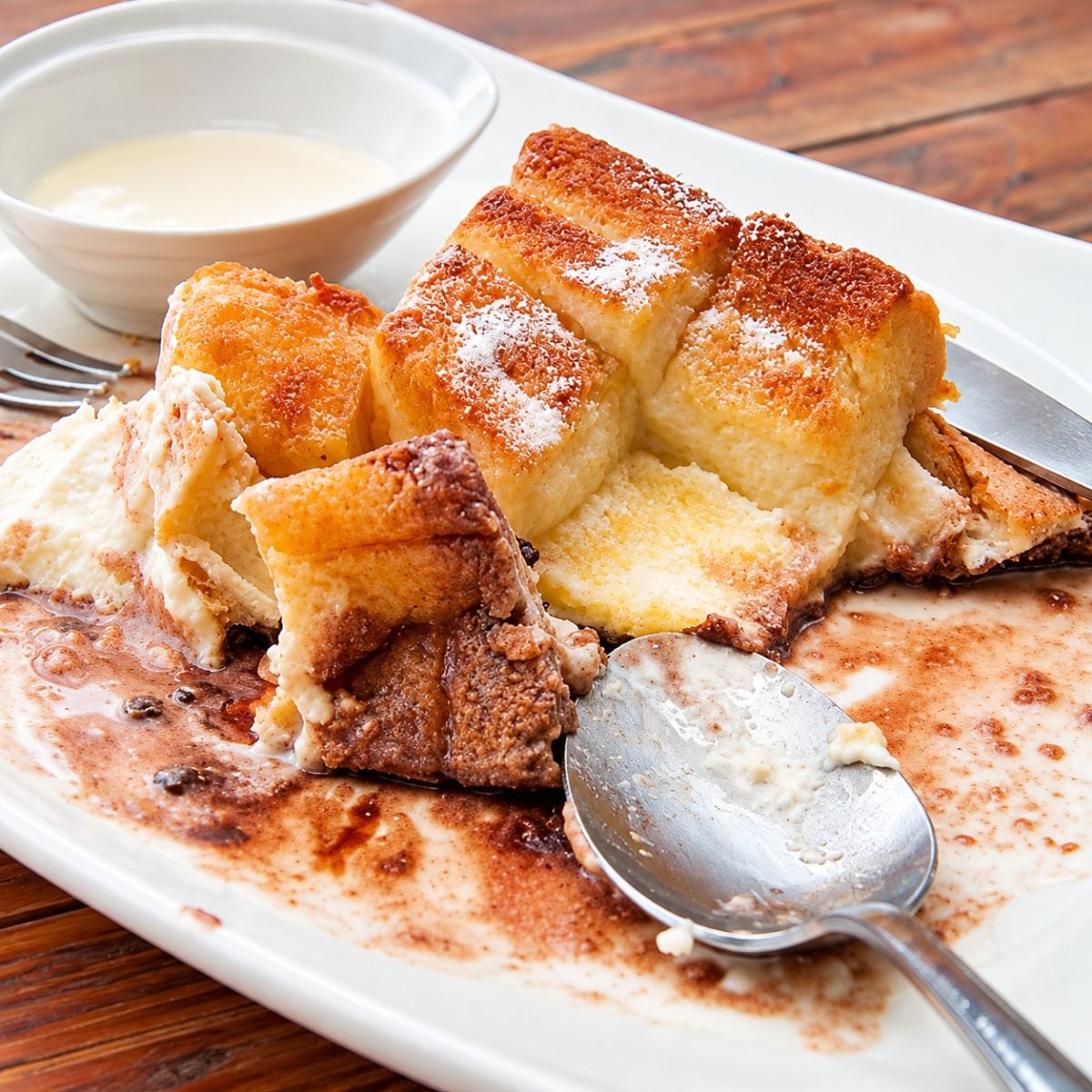
Before anyone worried about throwing away the last few slices of bread, Grandma was already saving them for bread pudding.
And somehow, those dry leftovers became one of the best desserts on the table.
The secret is letting the bread absorb enough custard before baking. Stale bread needs a little more soaking time than fresh bread, but it should be moist without sitting in a puddle of liquid.
If your family added raisins, find out whether they were mixed through the bread or sprinkled on top. Even that small detail changes the finished pudding.
I always think bread pudding tastes best when it's still slightly warm. Especially with a little sauce poured over the top.
#21 The Pie Crust with Uneven Edges
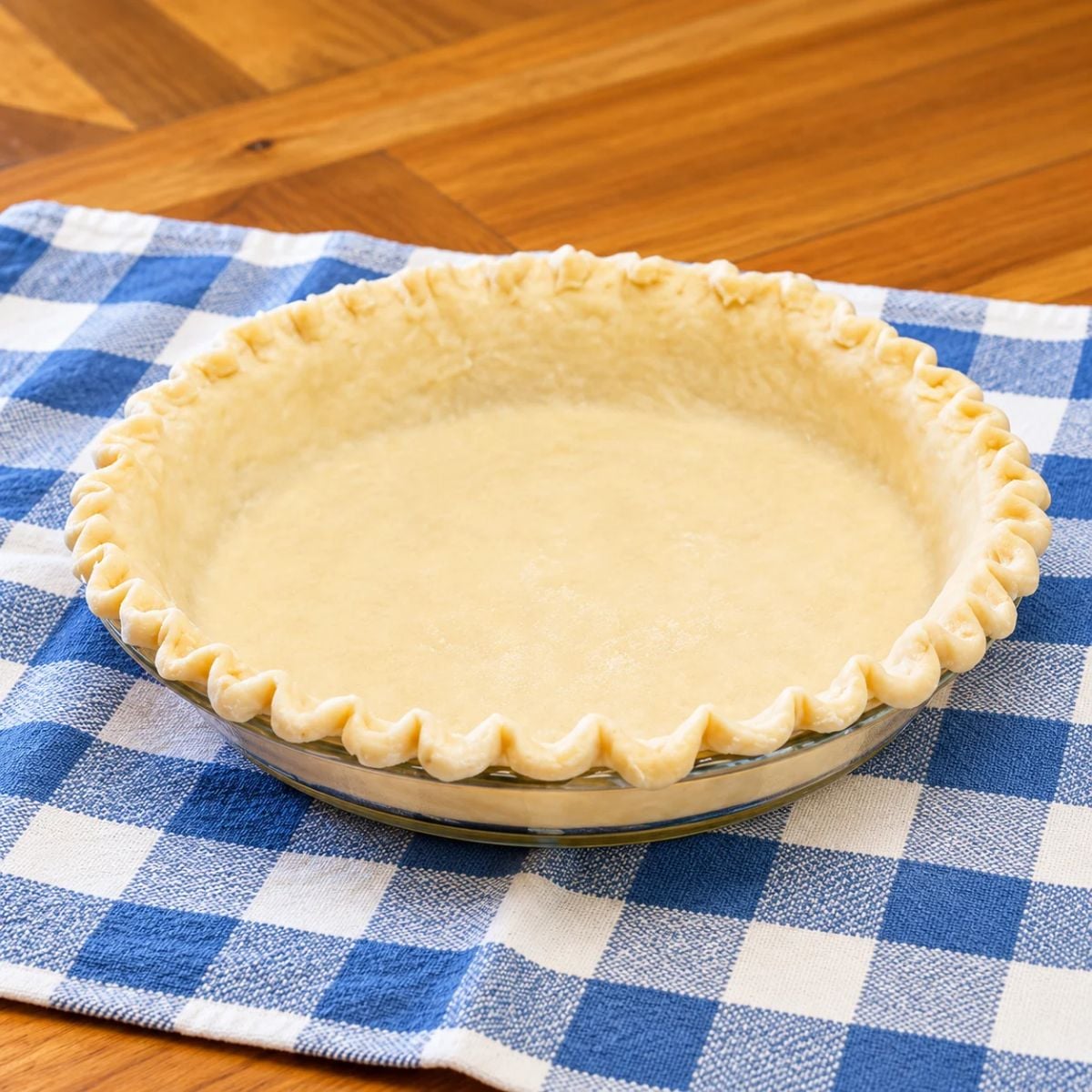
Grandma's pie crust wasn't always perfectly shaped, but it was flaky, tender, and delicious.
And honestly, I'd take that over a beautiful but tough crust any day.
Cold ingredients and gentle handling make all the difference. Work the fat into the flour, leaving some pea-sized pieces, then add just enough cold water for the dough to hold together.
Avoid kneading it until smooth. Too much handling can make the pastry tough.
If you're trying to recreate an old family pie, ask which pie plate she used and how she rolled the dough.
Those uneven edges weren't mistakes. They were part of what made her pies homemade.
#20 The Meatloaf Slices That Held Together
Remember those thick slices of meatloaf that stayed together even when covered in gravy?
Getting that texture right isn't always as easy as it looks.
The binder and how much you mix the meat both matter. Breadcrumbs absorb moisture, while bread soaked in milk creates a softer texture.
Mix everything just until combined. Overworking the meat can make the loaf dense.
Let the meatloaf rest briefly before slicing, and use a thermometer to check doneness. Ground beef and pork should reach 160°F.
And let's not forget the leftovers. A cold meatloaf sandwich the next day was sometimes even better than dinner.
Try it: Instant Pot Meatloaf With Barbecue Bacon
#19 The Roast Chicken with Dark Pan Juices
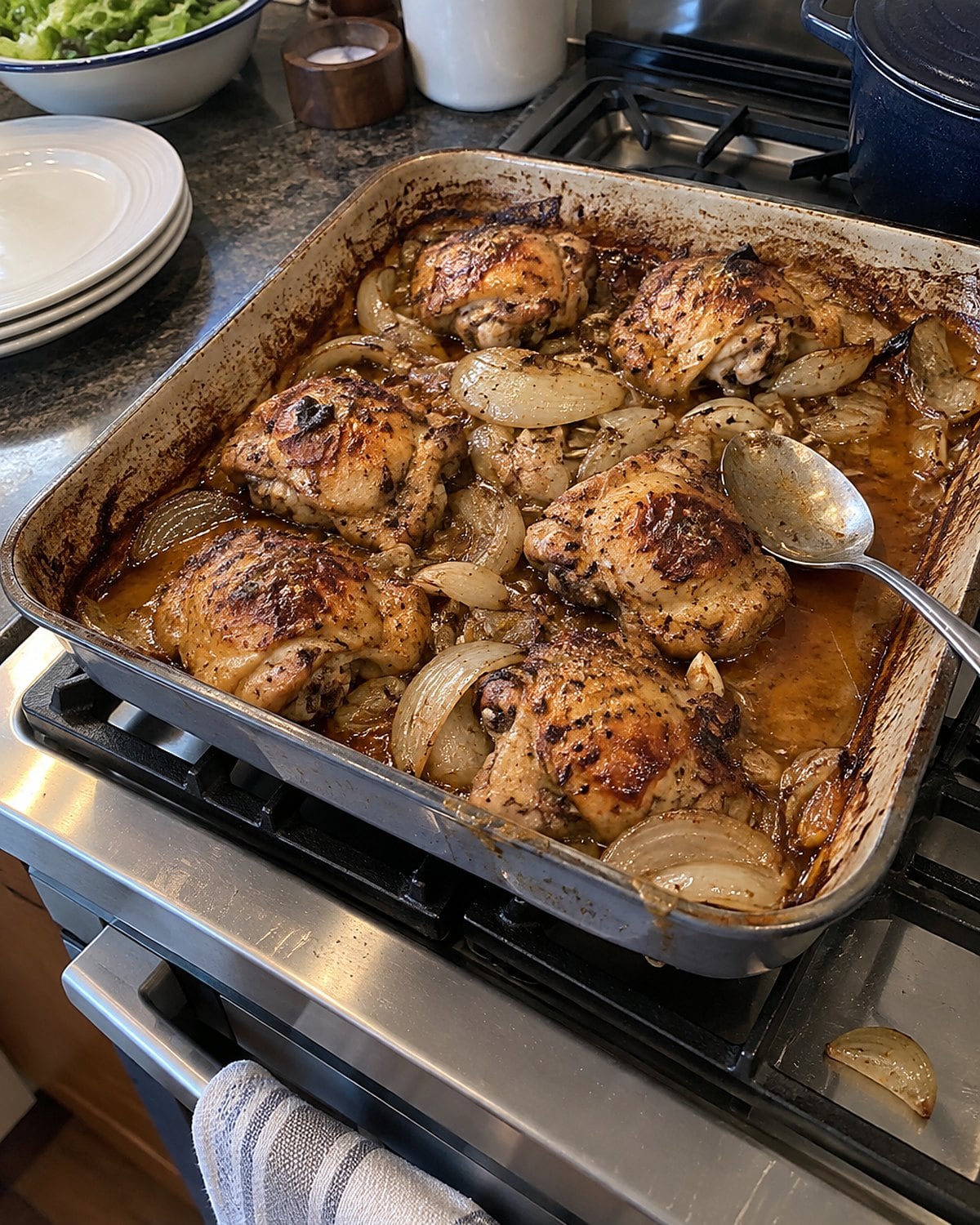
There's something about the smell of a chicken roasting in the oven that takes me straight back to Sunday dinner.
But what made Grandma's chicken taste so good wasn't always the chicken itself.
Those onions, carrots, and pan drippings underneath added so much flavor. As the chicken roasted, the vegetables softened and the juices collected in the pan.
If you're trying to recreate her version, ask what she placed underneath the bird and whether those vegetables went into the gravy.
For crispier skin, pat the chicken dry before roasting and avoid overcrowding the pan. Use a thermometer to confirm the poultry reaches 165°F.
And whatever you do, don't throw away those pan juices. They're far too good to waste.
Try it: Instant Pot Roast Chicken & Potatoes (Duo Crisp Or Oven Finish)
#18 The Dumplings Cut from Soft Dough
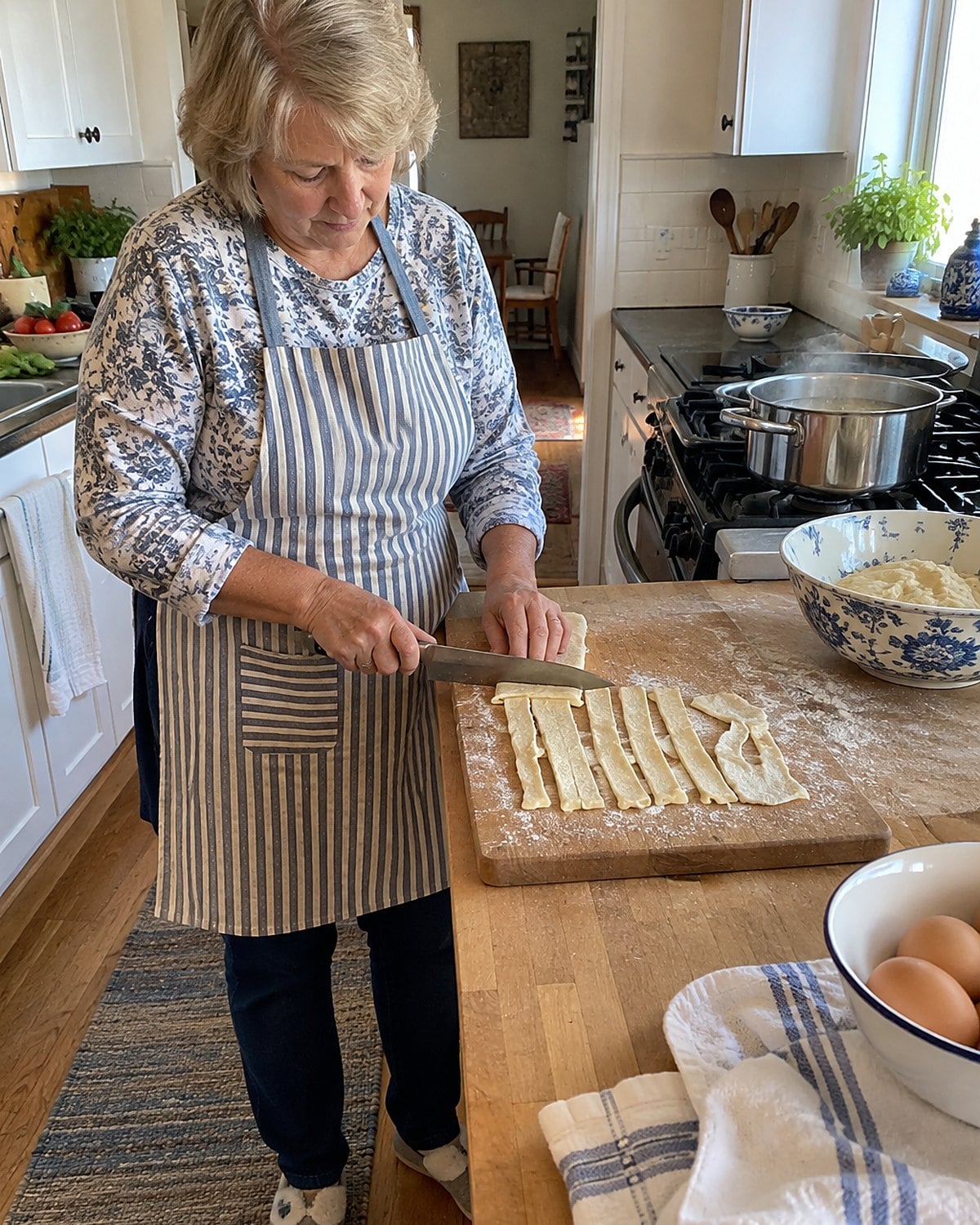
Homemade dumplings always seemed effortless when Grandma made them. She'd mix the dough, roll it out, and cut uneven strips without checking a single measurement.
The dough should be soft but manageable, not buried in extra flour. Add flour gradually while shaping, rather than trying to fix sticky dough with a huge handful.
Drop the dumplings into gently simmering broth instead of a hard boil, which can break them apart.
Cut one open before serving to make sure the center is fully cooked.
And don't worry if every dumpling looks a little different. Nobody ever complained about that when the pot came to the table.
#17 The Church Supper Macaroni Pan
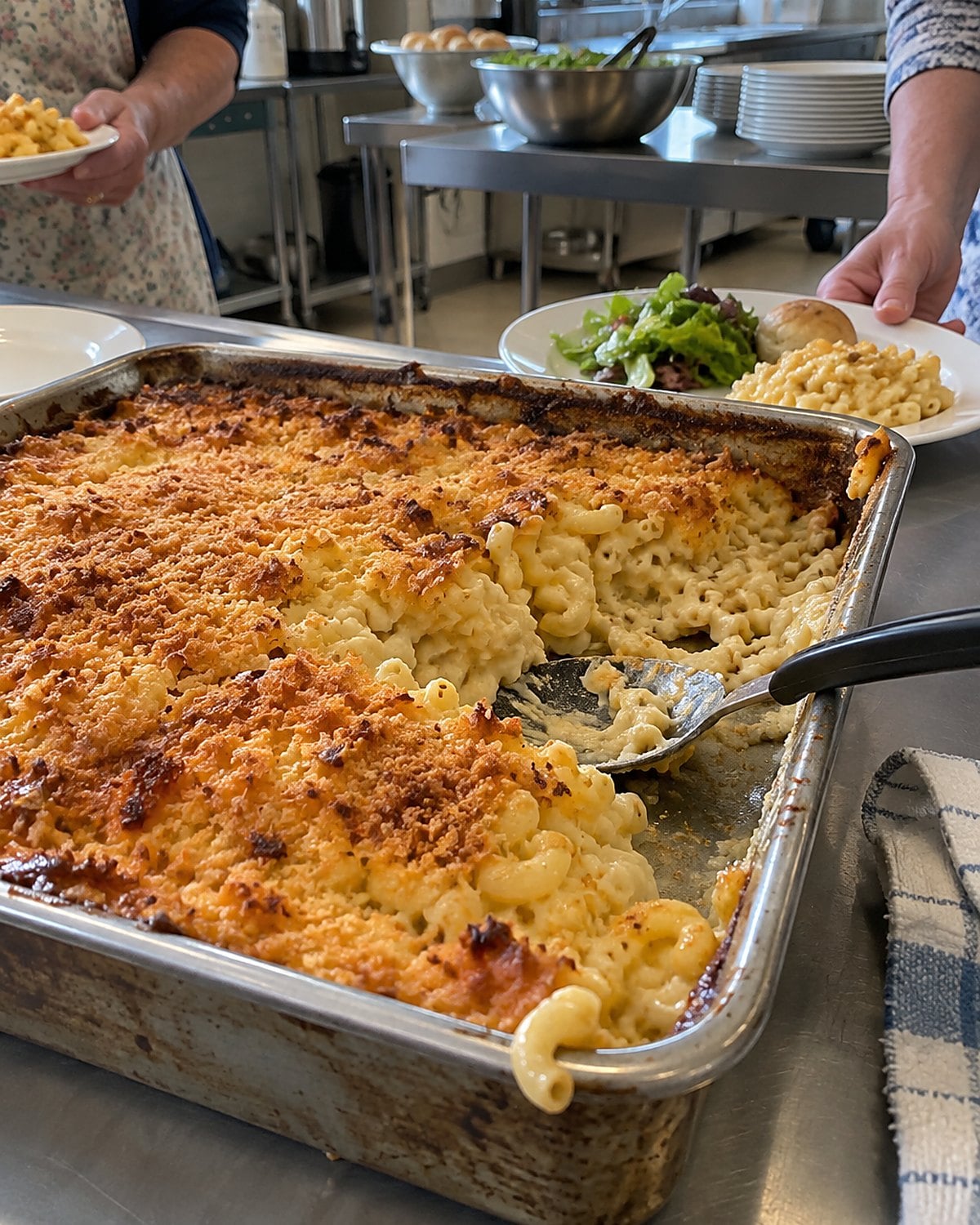
Every church supper seemed to have at least one big pan of baked macaroni and cheese. And somehow, everyone knew which person made the best one.
The secret often came down to the cheese and how the pasta was layered. Some cooks stirred cheese into a creamy sauce, while others layered it directly between the macaroni.
Cook the pasta slightly less than usual so it doesn't become mushy in the oven.
Make sure there's enough sauce to reach the center, and let the top develop those delicious browned edges.
I always went for the corner piece. There was just something about that crispy cheese around the sides.
Try it: Easy Instant Pot Macaroni & Cheese (Step-By-Step Recipe)
 You might also like27 Things That Were Always on the Table in the 1960s and Never Are Now
#16 The Green Beans Cooked with Ham
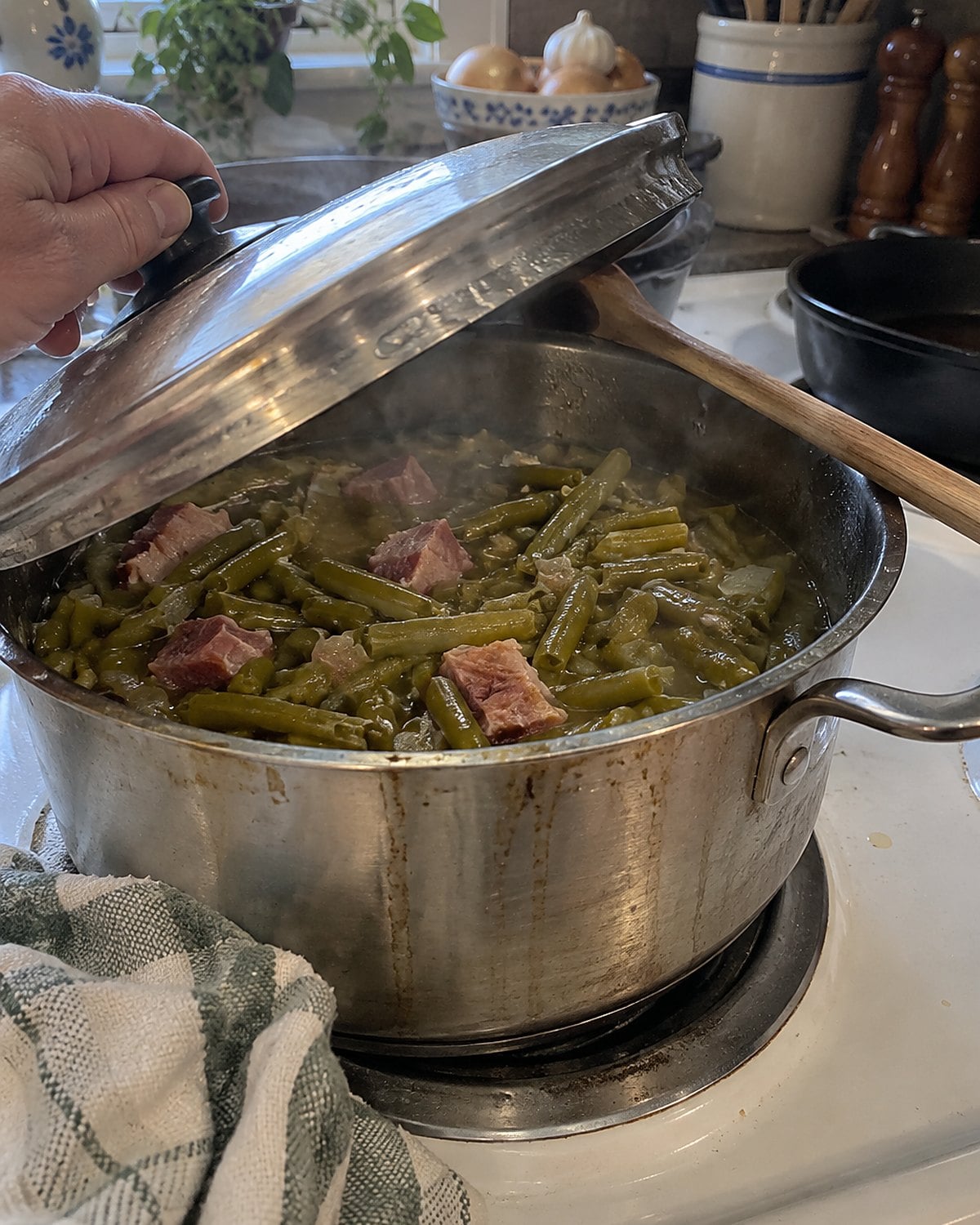
Not every green bean dish needs to be crisp and bright green. Sometimes the best ones are cooked slowly until they're tender and full of flavor.
Start by simmering the ham to create a flavorful broth. Then add the green beans and let them cook until they've absorbed that savory taste.
If Grandma added potatoes, they would have softened in the broth and helped thicken the liquid.
Taste before adding extra salt because ham can already be quite salty.
And if you remember spooning that delicious broth over cornbread, you'll know exactly why this dish deserves to be remembered.
#15 The Cornbread Baked in Iron
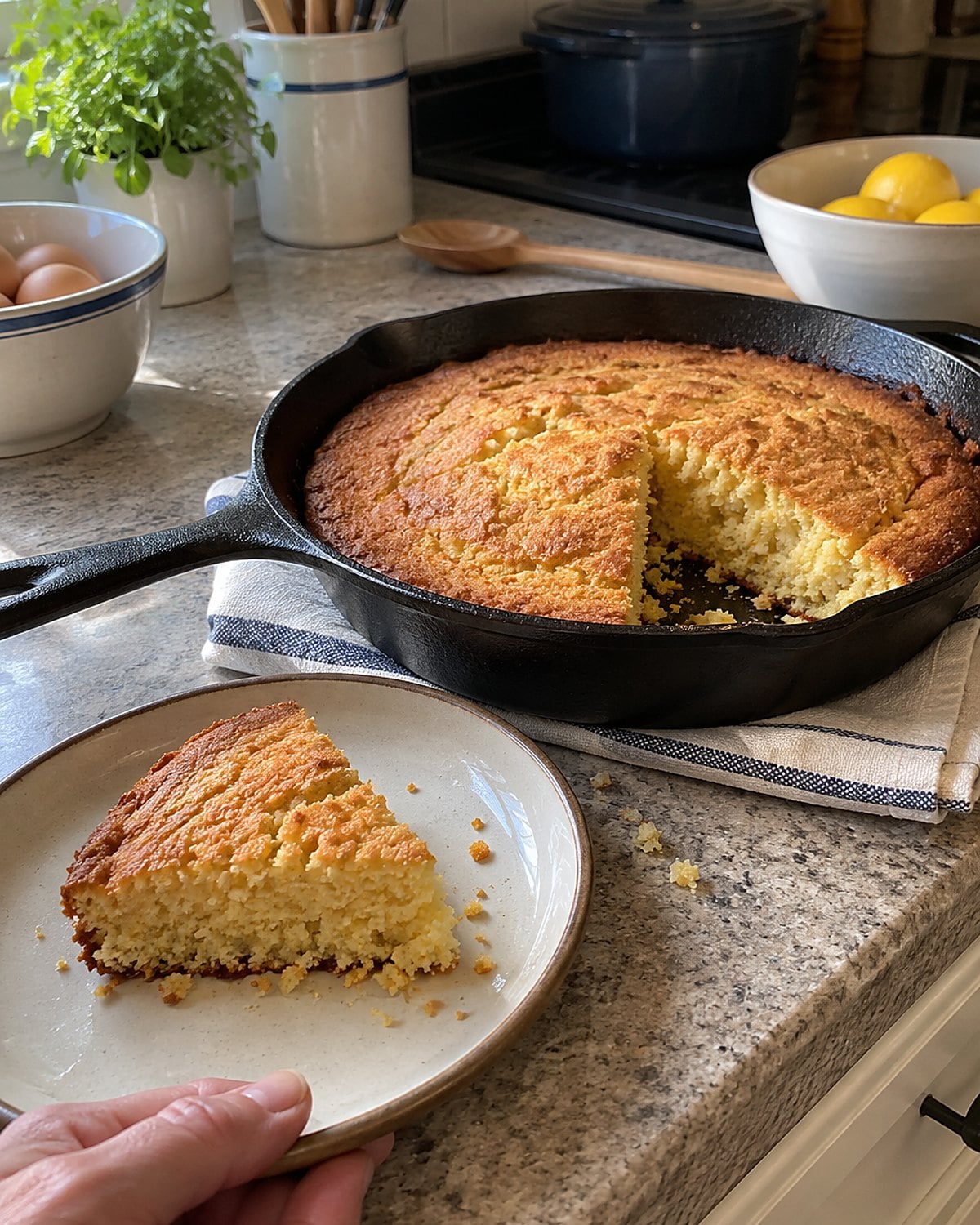
I think the crispy edges are the best part of homemade cornbread. And if Grandma used a cast-iron skillet, she probably knew exactly how to get them.
Heat the greased skillet before pouring in the batter. That immediate sizzle helps create a golden crust along the bottom and sides.
Mix the batter gently and avoid overworking it.
The size of the skillet matters, too. A wider pan makes thinner cornbread with more crispy edges.
As for whether cornbread should contain sugar, I'm staying out of that family argument!
#14 The Pot Roast She Turned Once
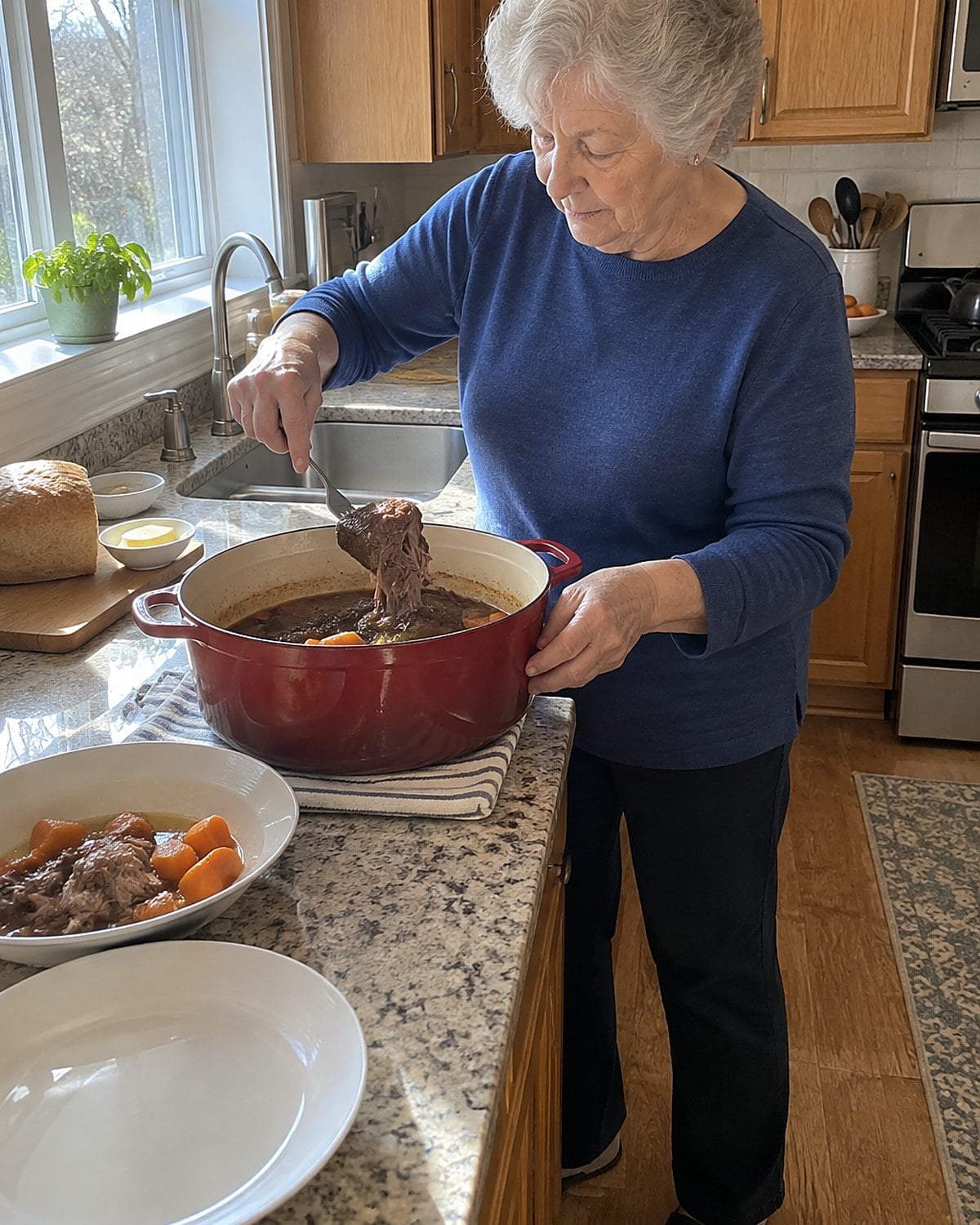
A proper Sunday pot roast was worth waiting for, especially when the meat was tender enough to pull apart with a fork.
But not every cut of beef will give you that result.
Chuck roast works beautifully because its connective tissue softens during slow, moist cooking. Brown the meat first, then add enough liquid to keep the bottom of the pot from drying out.
Cover and cook gently until the meat becomes tender.
If you're recreating Grandma's version, ask when she added the potatoes and carrots. Early additions become very soft, while later ones hold their shape.
And please save that cooking liquid. It's the beginning of some seriously good gravy.
Try it: Instant Pot Beef Pot Roast With Potatoes & Carrots
#13 The Tomato Gravy in the Small Pan
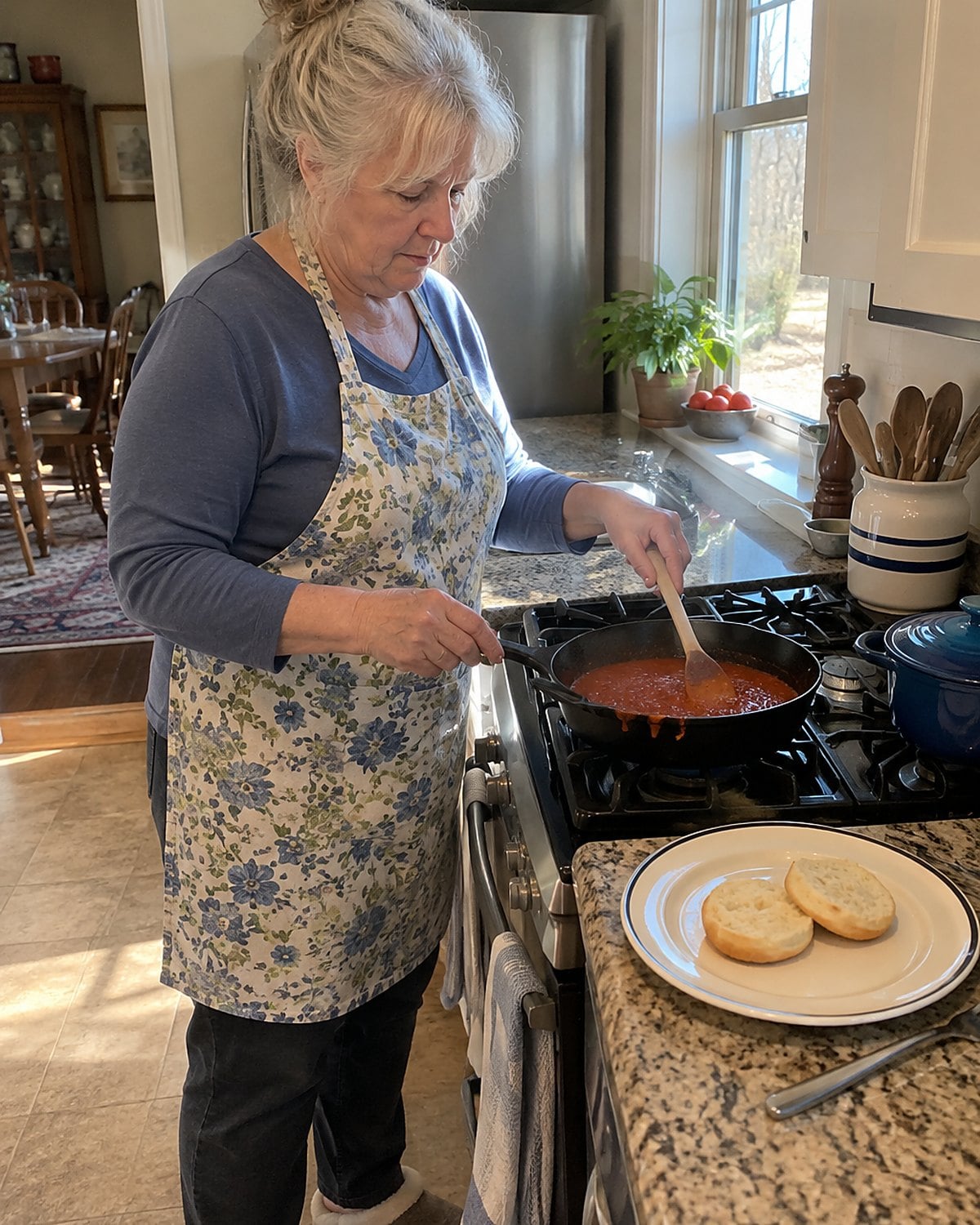
Tomato gravy poured over warm biscuits was one of those simple meals that didn't need much else. And it was actually easy to make.
Start by cooking flour in a little fat until the raw smell disappears. Add tomatoes gradually, stirring and scraping up the flavorful bits from the skillet.
Let the gravy simmer until it thickens.
If you remember Grandma's version, think about whether it was smooth or had soft tomato pieces throughout.
I love how a small skillet of gravy can turn plain biscuits into a proper meal. Sometimes the simplest dishes are the ones we miss most.
#12 The Lasagna with the Missing Layer
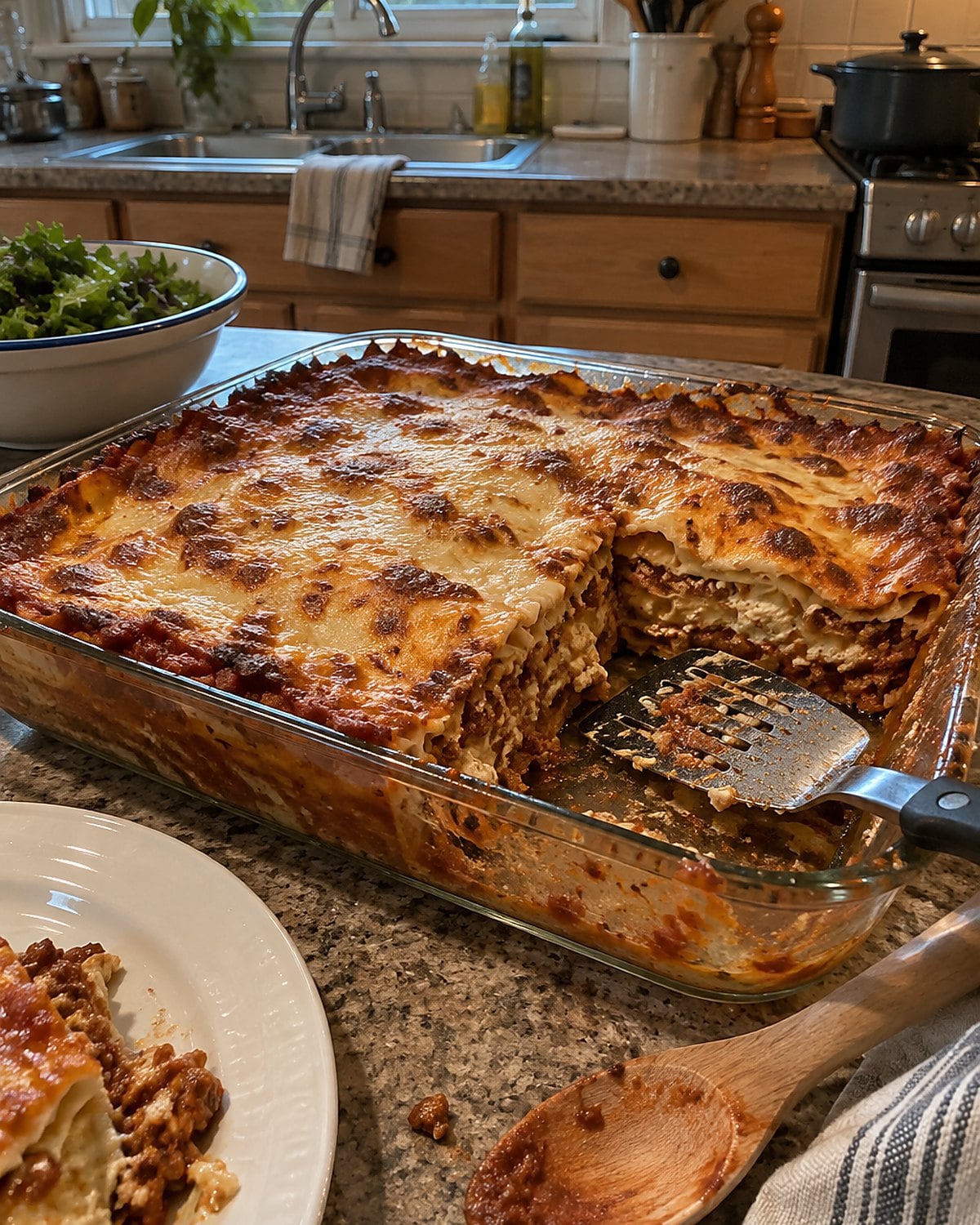
Have you ever tried recreating someone's lasagna, only to discover that your version tastes completely different?
It might be something as simple as the order of the layers.
Start with sauce on the bottom of the baking dish to prevent the pasta from drying out. Then layer the noodles, filling, cheese, and sauce according to your family's method.
Ricotta creates a different texture from cottage cheese, and even the amount of sauce can change the finished dish.
Make sure the top pasta is covered so it doesn't become hard during baking.
And if you're lucky enough to remember who always claimed the crispy corner, that's another little family detail worth keeping.
#11 The Rice Pudding for the High Chair
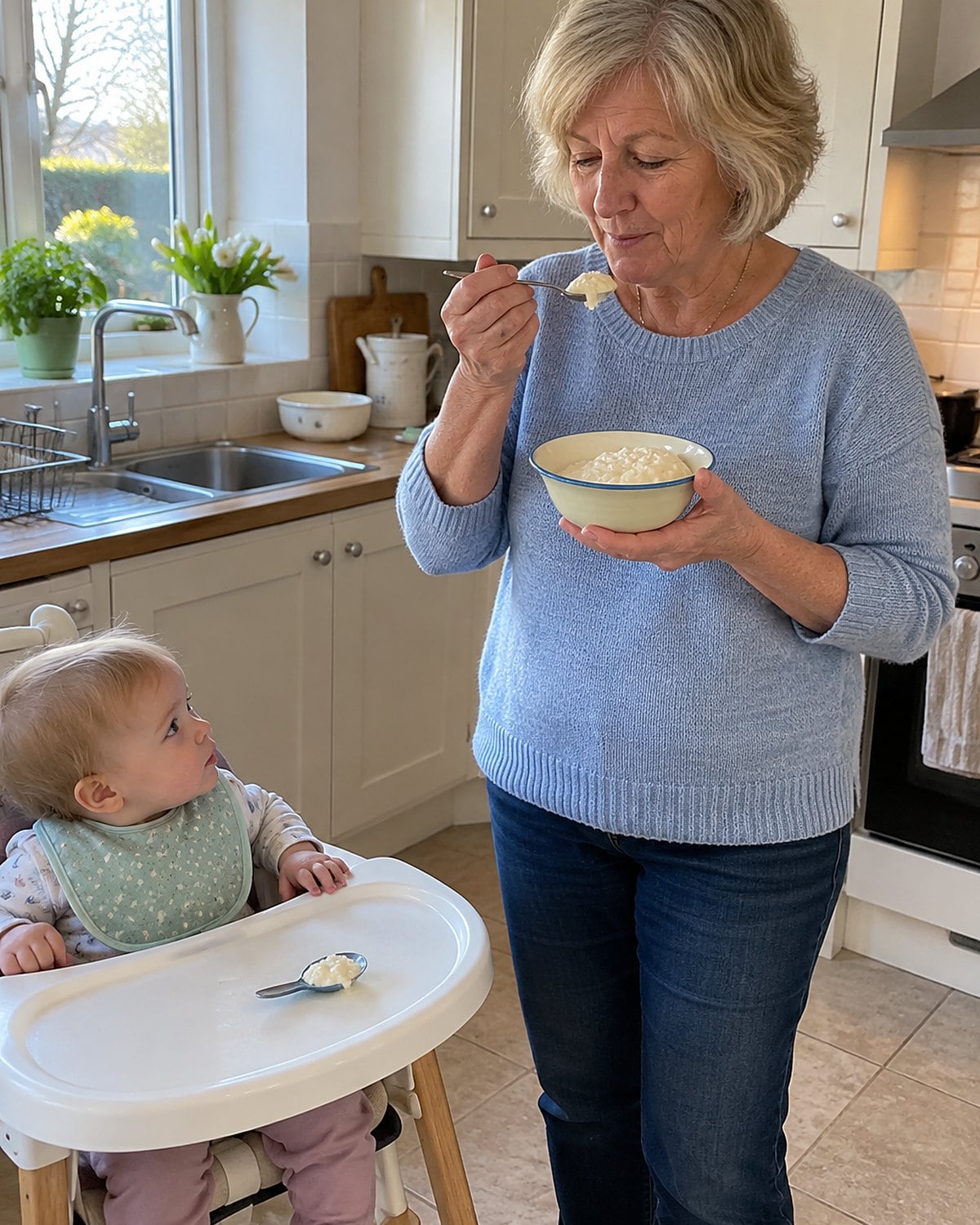
Homemade rice pudding is one of those desserts that brings back memories of being little. It was simple, inexpensive, and usually made with ingredients already in the kitchen.
The important thing is remembering that rice continues absorbing liquid after cooking. Remove the pudding from the heat while it's still slightly loose, or it can become too thick as it cools.
Leftover cooked rice creates a different texture from rice simmered directly in milk.
Stir regularly to prevent the milk from catching on the bottom of the saucepan.
And don't forget to let it cool before serving. Nobody wants a burnt tongue, especially an impatient little one.
Try it: Instant Pot Rice Pudding (+10 Delicious Variations)
#10 The Pickles That Smelled of Dill
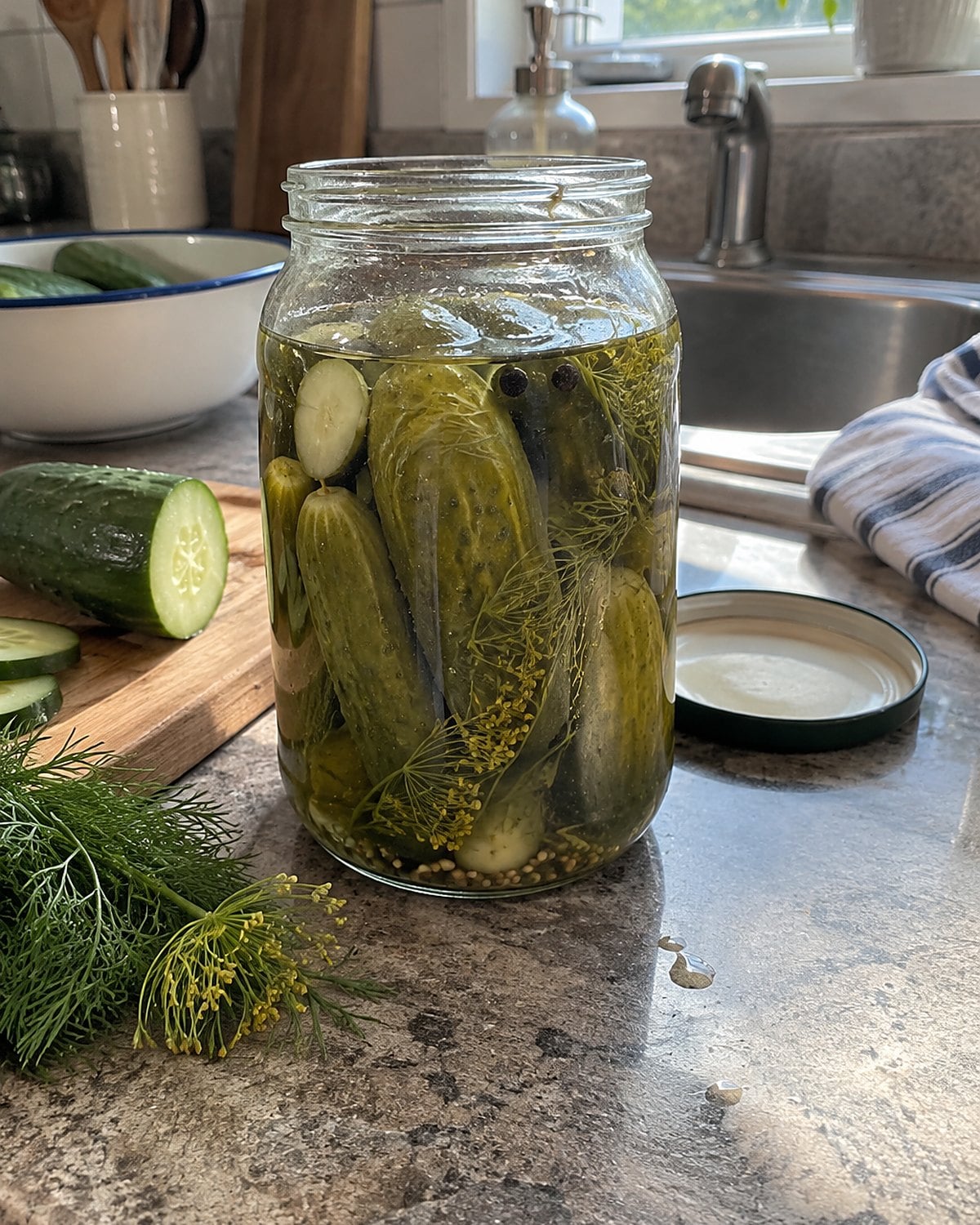
Remember opening a jar of homemade pickles and smelling that strong combination of dill, garlic, and vinegar?
It's a flavor that's difficult to forget.
The ingredients are only part of what makes homemade pickles special. The cucumber variety, thickness of the slices, and type of dill all affect the finished result.
If you're trying to recreate a family recipe, ask about those details first.
For shelf-stable pickles, always use a tested canning recipe. Old handwritten instructions might leave out important information about vinegar strength or processing.
The National Center for Home Food Preservation and the USDA Complete Guide to Home Canning give tested methods. Follow one all the way through.
You can keep Grandma's favorite seasonings while still following modern food safety guidelines.
#9 The Biscuits Patted with Fingertips
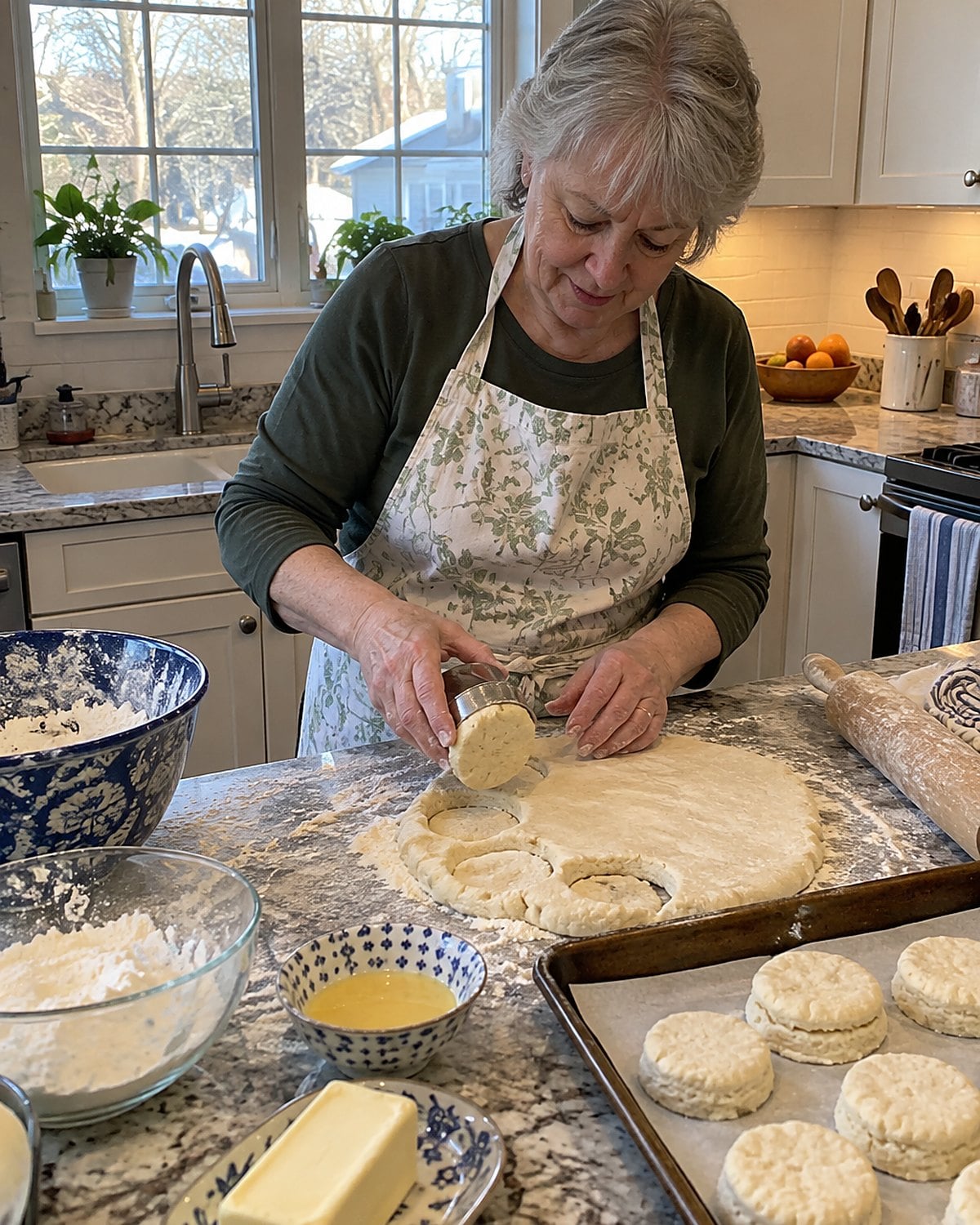
Some of the best homemade biscuits I've eaten weren't rolled with a rolling pin at all. They were gently patted into shape by hand.
Handle biscuit dough as little as possible to keep it tender. It should come together in a soft mass without becoming completely smooth.
Press the cutter straight down rather than twisting it, which can compress the edges.
If you place the biscuits close together, they'll rise against each other and have softer sides. Space them apart for crispier edges.
I actually like biscuits that look a little rough. They're usually the ones that pull apart into the nicest layers.
 You might also like27 Things Home Cooks Over 60 Do Without Thinking That Chefs Would Never Do
#8 The Cabbage Rolls in Tomato Sauce
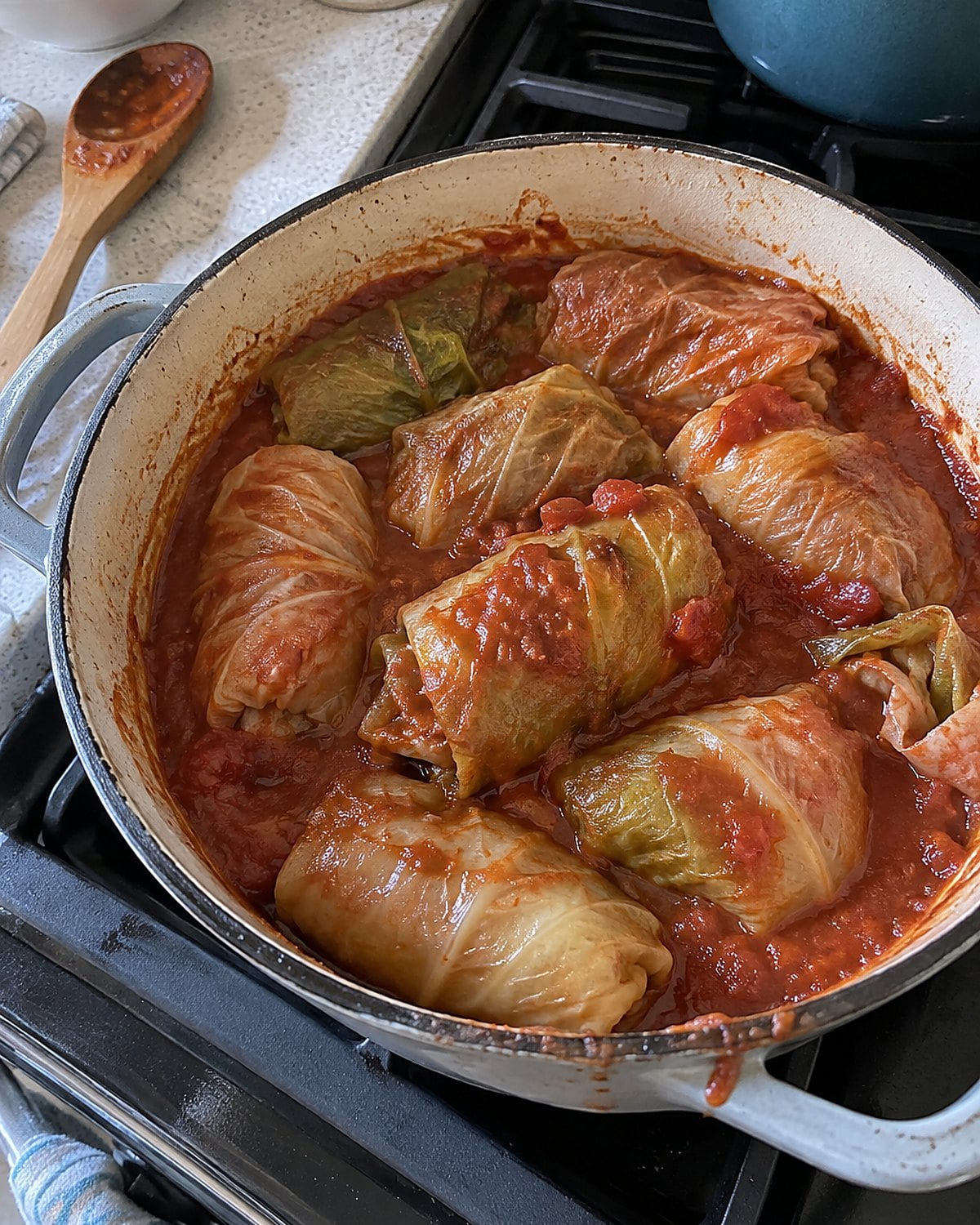
Cabbage rolls were one of those dishes that took a little patience, but the results were always worth it. And every family seemed to have a slightly different filling.
Blanch the cabbage leaves until they're flexible enough to roll without tearing. Trim the thick ribs if necessary, then wrap the filling and place each roll seam-side down.
Ask whether Grandma used cooked or uncooked rice because that changes how the filling cooks.
If the rolls contain ground beef or pork, check the center with a thermometer to make sure it reaches 160°F.
And don't worry if a few rolls look uneven. The smaller cabbage leaves never make perfectly matching parcels anyway.
#7 The Birthday Cake from a Box
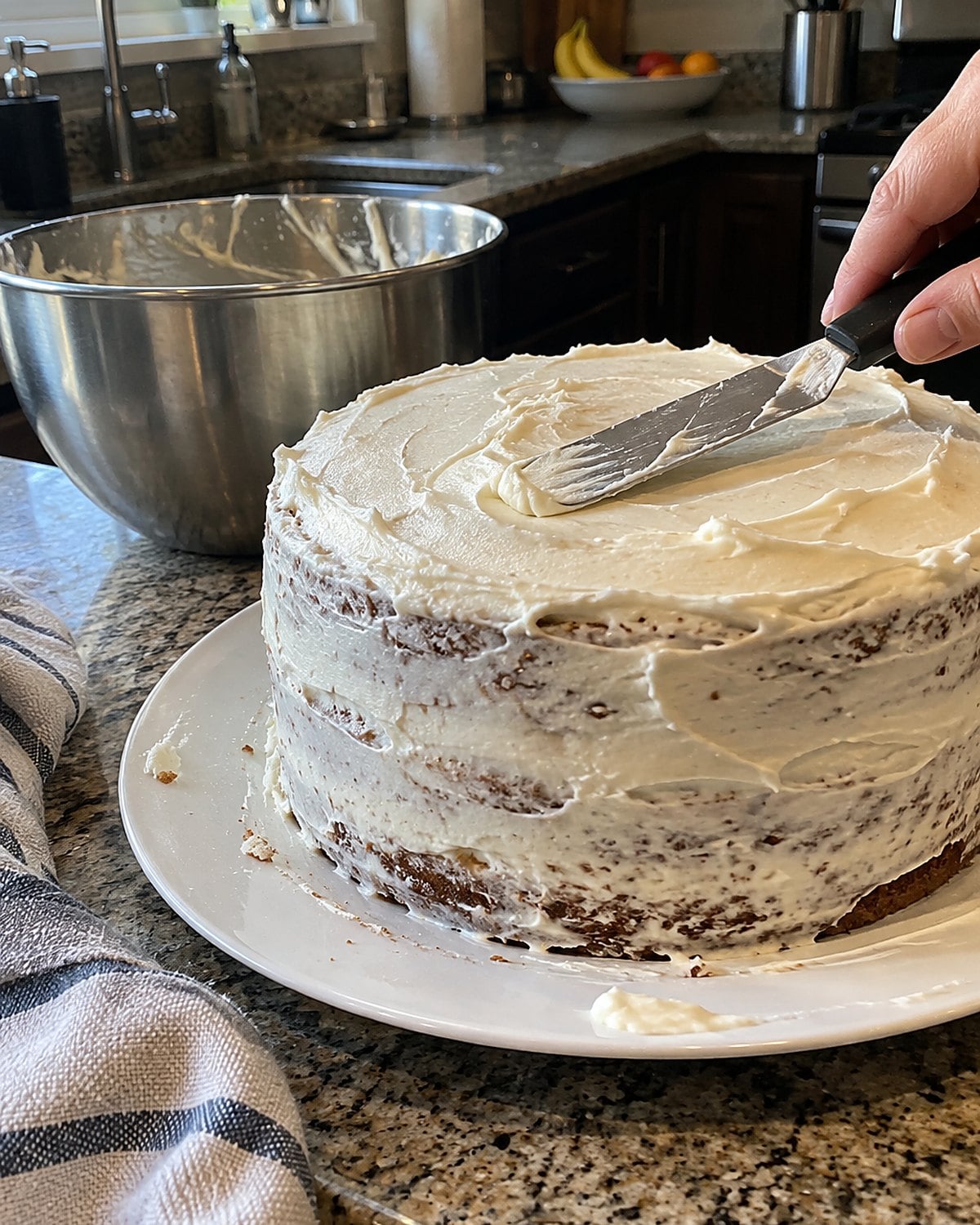
Not every memorable family cake was made completely from scratch. Sometimes Grandma started with a boxed mix, and nobody cared because the finished cake was delicious.
The real difference often came from the filling and frosting. Maybe she added jam between the layers, used extra frosting, or decorated it in a way everyone remembered.
Let the cake cool completely before frosting so the icing doesn't slide off or pull away crumbs.
A thin first coat of frosting can help trap crumbs before you finish decorating.
I think that's worth remembering. A cake doesn't have to be complicated to become someone's favorite birthday tradition.
#6 The Leftover Soup in a Yogurt Tub
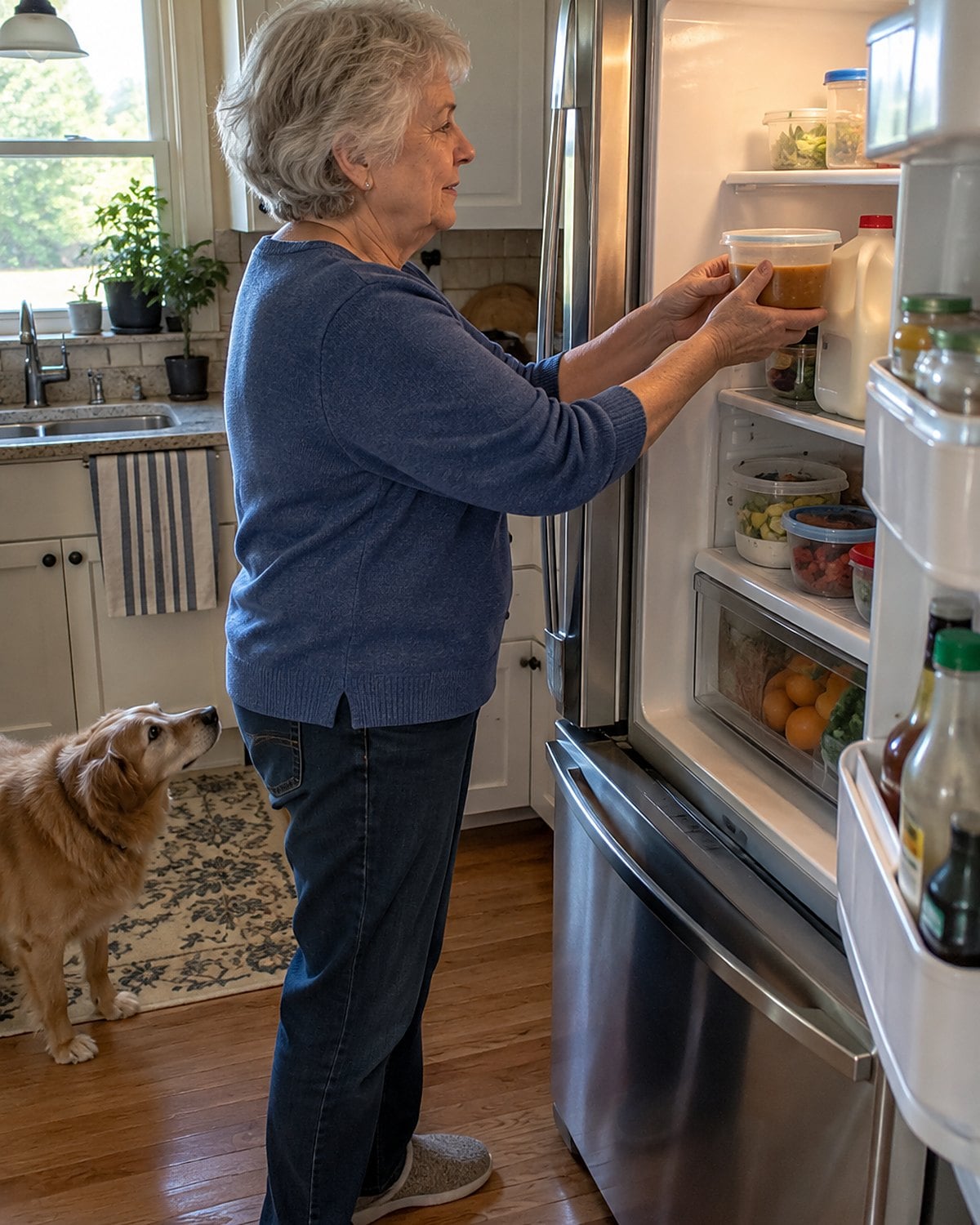
Remember opening the refrigerator and finding leftover soup stored in an old yogurt container?
The only problem was figuring out what was inside!
Label leftovers with the name and date before refrigerating them. Cooked leftovers generally keep for three to four days in a refrigerator at 40°F or below.
Cool large batches in shallow containers so they chill more quickly. And if you're saving a family recipe, write a few ingredient notes on the label, too.
Something as simple as "bean soup with ham and onions" might help you recreate that same delicious pot years later.
#5 The Steamed Pudding Beneath a Lid
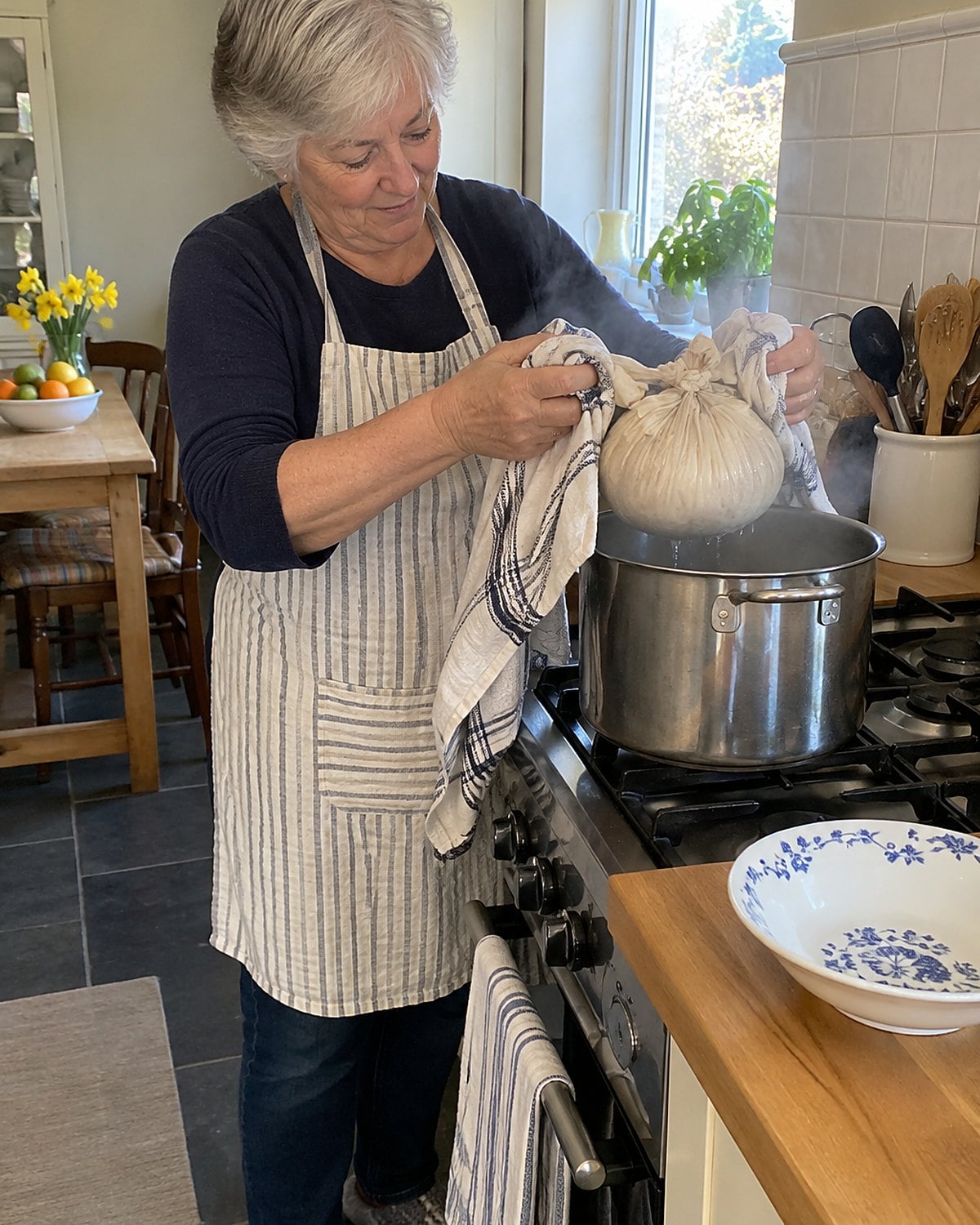
Steamed pudding is one of those old-fashioned desserts you don't see nearly as often anymore. But there's something awesome about a soft, moist pudding served with sauce.
The trick is maintaining steady steam without letting water drip into the batter. Use a suitable covered mold or securely wrapped bowl, leaving enough room for the pudding to rise.
Keep the water at a gentle simmer and check occasionally so the pot doesn't boil dry.
When the pudding is ready, a tester inserted near the center should come out without wet batter.
And don't rush to turn it out. Letting it rest briefly makes the whole process much easier.
#4 The Peach Jam Cooling on the Porch
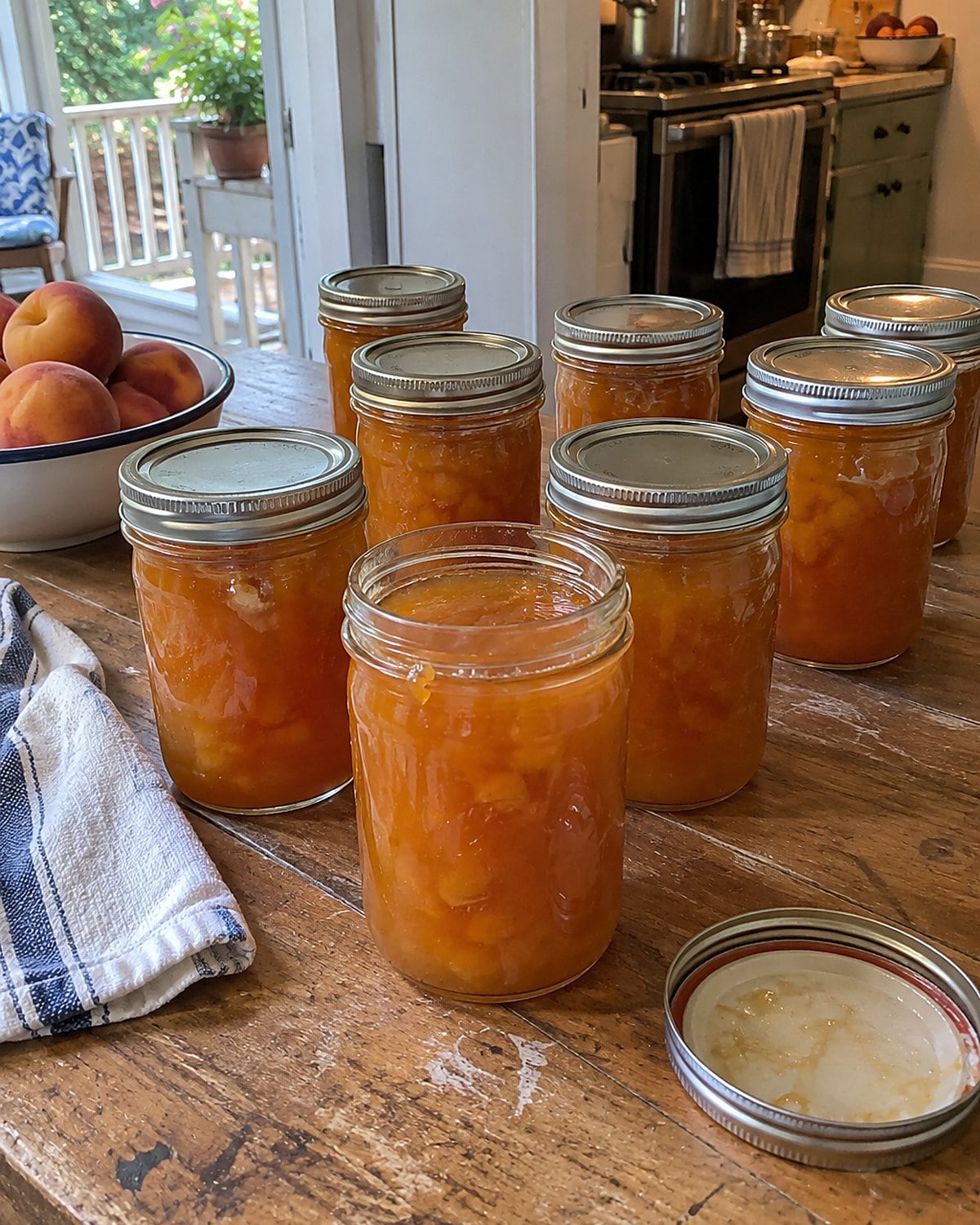
Rows of homemade jam jars cooling after a long afternoon in the kitchen are a familiar memory for many families.
But recreating old preserves requires a little more care than simply remembering how they tasted.
A sealed lid doesn't automatically mean jam was safely processed. For shelf-stable peach jam, use a tested recipe with the correct jar size and processing instructions.
You can still preserve the little details that made Grandma's jam special.
Ask whether she left peach chunks in the mixture, how ripe the fruit was, and whether she added any favorite spices.
Those are the memories worth keeping. The preservation method, however, should always follow reliable food safety guidance.
#3 The Gravy Made Without a Cup
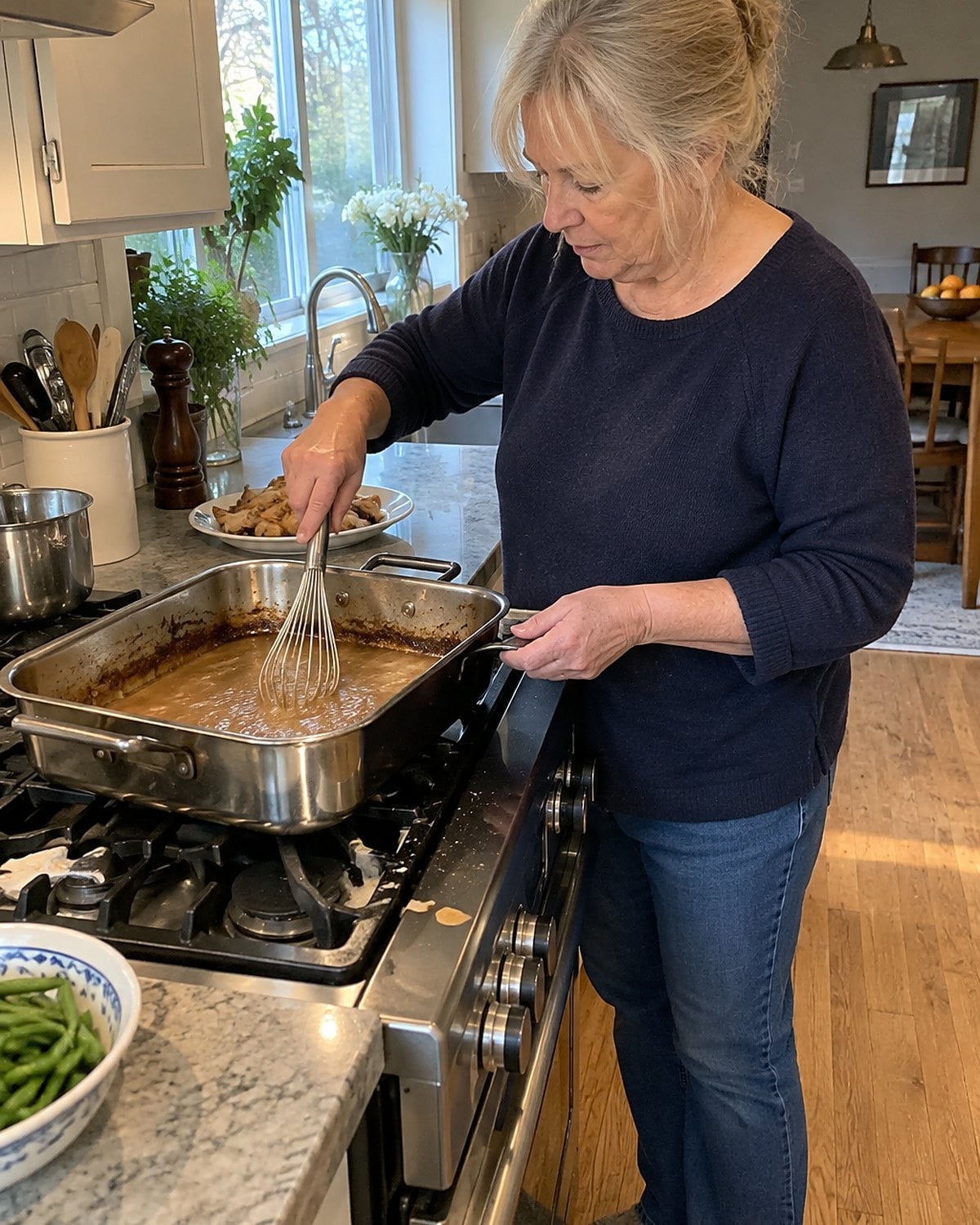
I think homemade gravy is one of the most useful cooking skills anyone can learn.
And Grandma probably made it without measuring a single thing.
The secret is cooking the fat and flour together before adding liquid. Stir until the flour loses its raw smell, then gradually whisk in broth or pan juices.
Add the liquid a little at a time to prevent lumps. Let the gravy simmer until it coats the back of a spoon, then taste before adding salt.
If the drippings taste burnt, don't use them. Bitter gravy isn't something extra flour can fix.
Once you've made gravy this way a few times, you'll start knowing exactly when it needs another splash of liquid.
Try it: Instant Pot Roast Beef & Gravy
#2 The Holiday Salad with No Name
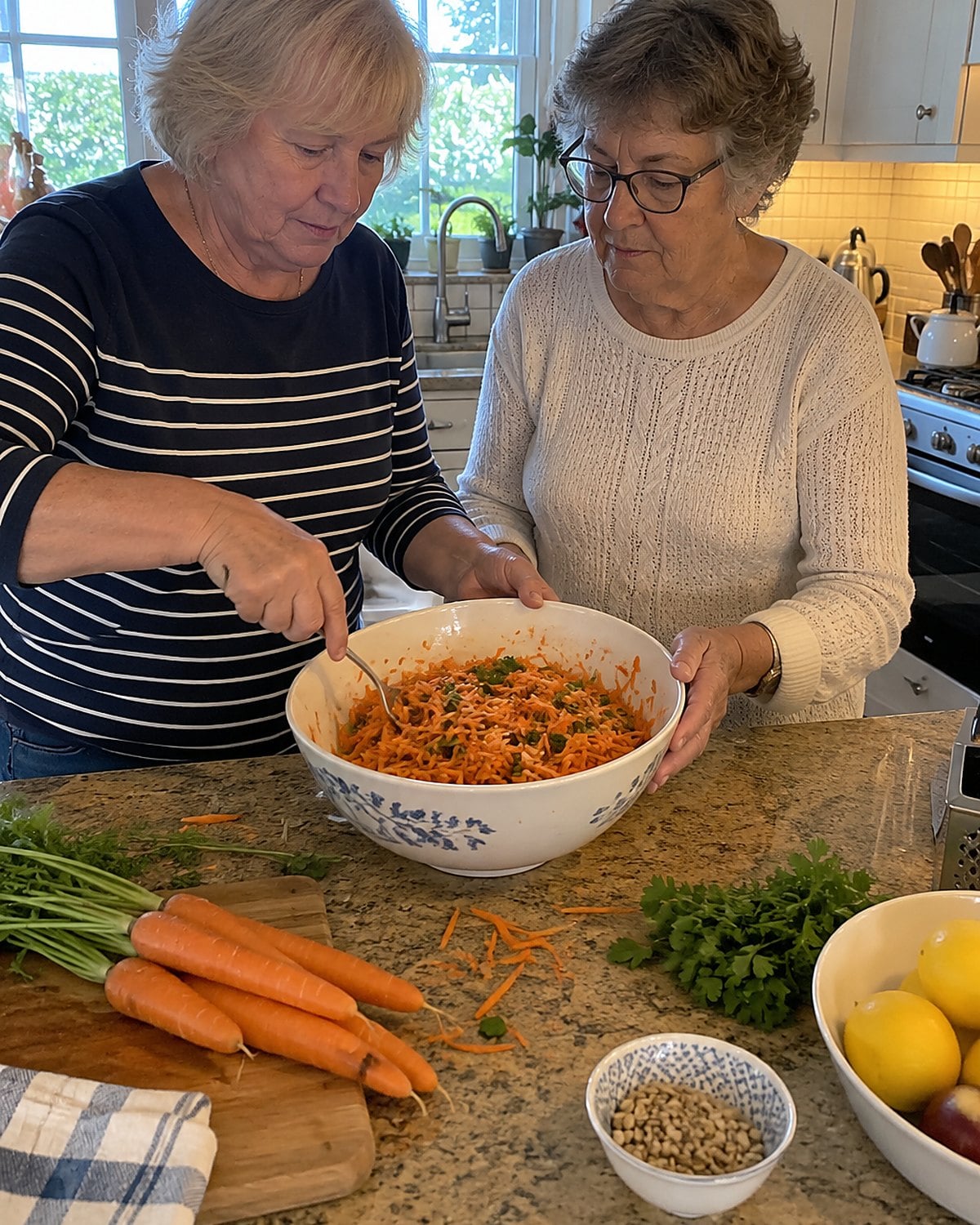
Every family seems to have at least one holiday dish that nobody knows the proper name for.
You know the one. Someone says, "Bring that salad you always make," and everyone understands exactly what they mean.
The best way to preserve a recipe like this is to watch someone make it. Pay attention to whether the vegetables are salted, drained, or mixed straight into the dressing.
Taste the salad before and after chilling because the flavor and texture can change.
If it contains shredded carrots and raisins, find out whether the dressing was sweet, tangy, or creamy.
Sometimes it's the smallest detail that makes a family dish taste exactly the way you remember.
#1 The Phone Recording Beside the Cutting Board
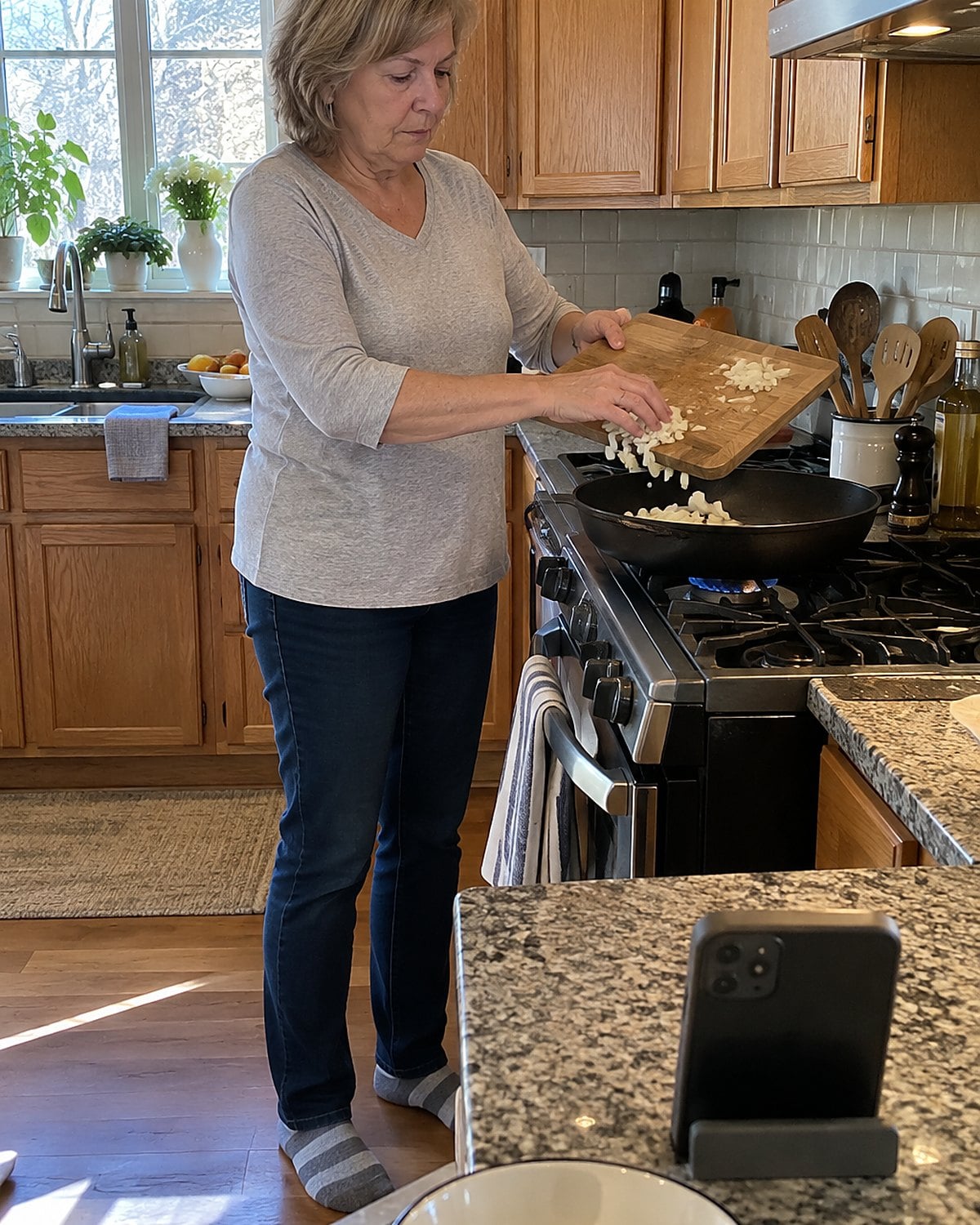
Of all the ways to preserve an old family recipe, I think this might be the most valuable.
Ask someone to make their favorite dish while you record the process. You don't need a professional camera or fancy equipment. Your phone is perfectly fine.
Film their hands, the ingredients, and the food as it cooks.
When they say "add a little" or "cook until it looks right," ask them to show you what they mean.
Write down the ingredient amounts when possible, and save the recording with the dish name and date.
And if the person who made that dish is no longer around, record yourself recreating it from memory. Explain what you remember and what you've had to figure out along the way.
One day, someone else might be grateful you took the time.
Keep reading
 27 Dishes From Church Suppers That Nobody Makes Anymore
See all 27 →
More you’ll remember
 27 Dishes Your Mother Made From Nothing That You've Never Managed to Copy
 27 Pies Your Grandmother Made Without a Recipe
 25 Dishes That Deserve to Come Back, With a Note on What Went Wrong the First Time
The Bottom Line
I think some of the most meaningful family recipes are the ones that were never properly written down. They lived in someone's memory, and everyone simply assumed that person would always be there to make them.
But those little cooking details deserve to be saved, whether it's how Grandma made her gravy, the way your mother shaped biscuits, or that holiday salad nobody ever named.
You don't need a beautiful handwritten cookbook to preserve them. A few notes, a photograph, or a simple phone recording can make all the difference.
And who knows? Years from now, someone might be standing in their own kitchen, making your favorite family dish and remembering you.
Which family recipe do you wish someone had written down?
Leave a Reply