

The church hall door sticks until you give it a shove with your hip. Inside, foil lids crackle against the backs of chairs. Someone has set a spoon beside a pan whose corners have browned harder than its middle. You know which piece you want.
Those suppers fed people who came hungry, stayed late, and carried something home. Their dishes solved problems that still show up in your kitchen. They stretched a pound of meat, kept a topping crisp, or sent food across town without making a mess.
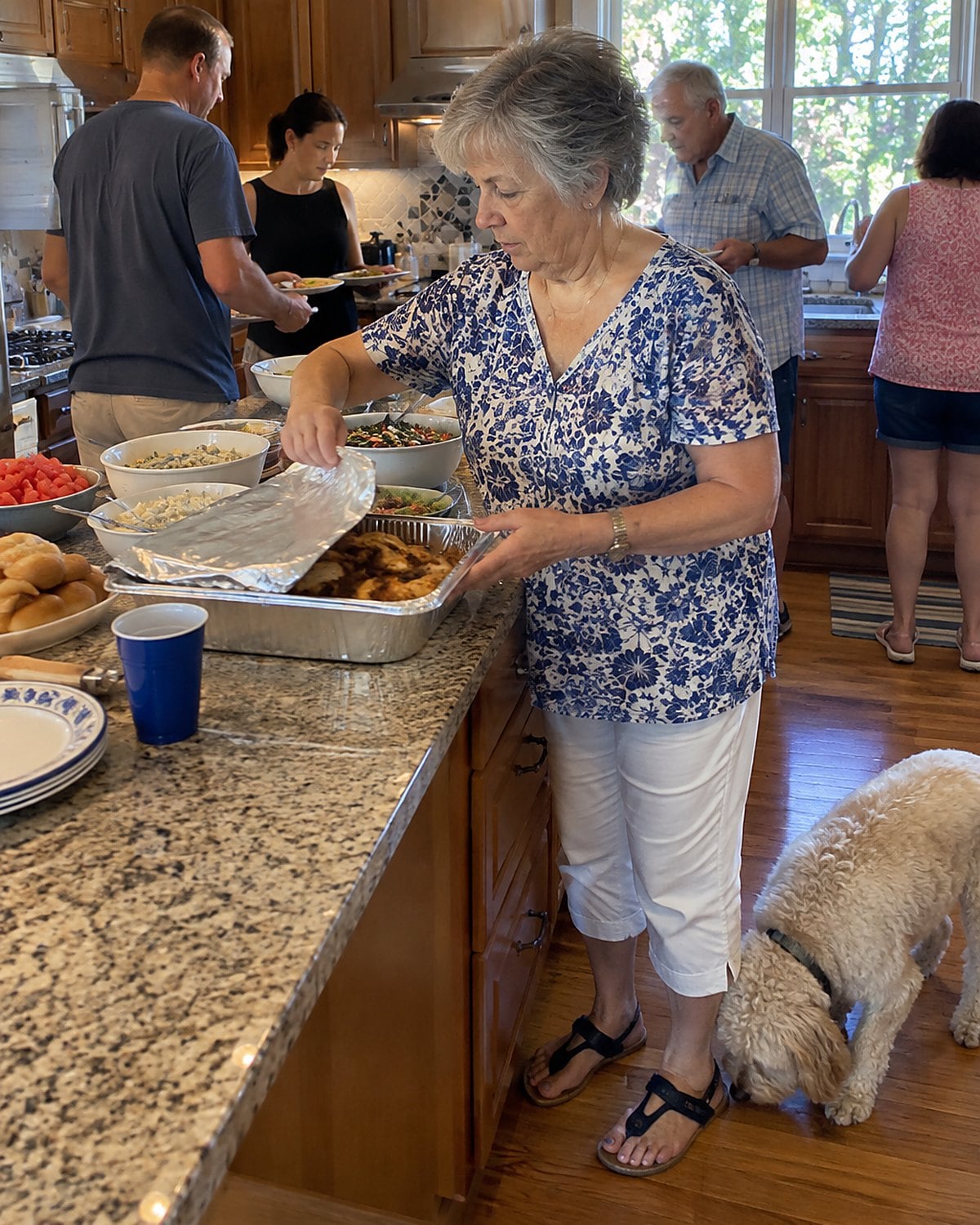
#27 The foil pan of funeral potatoes
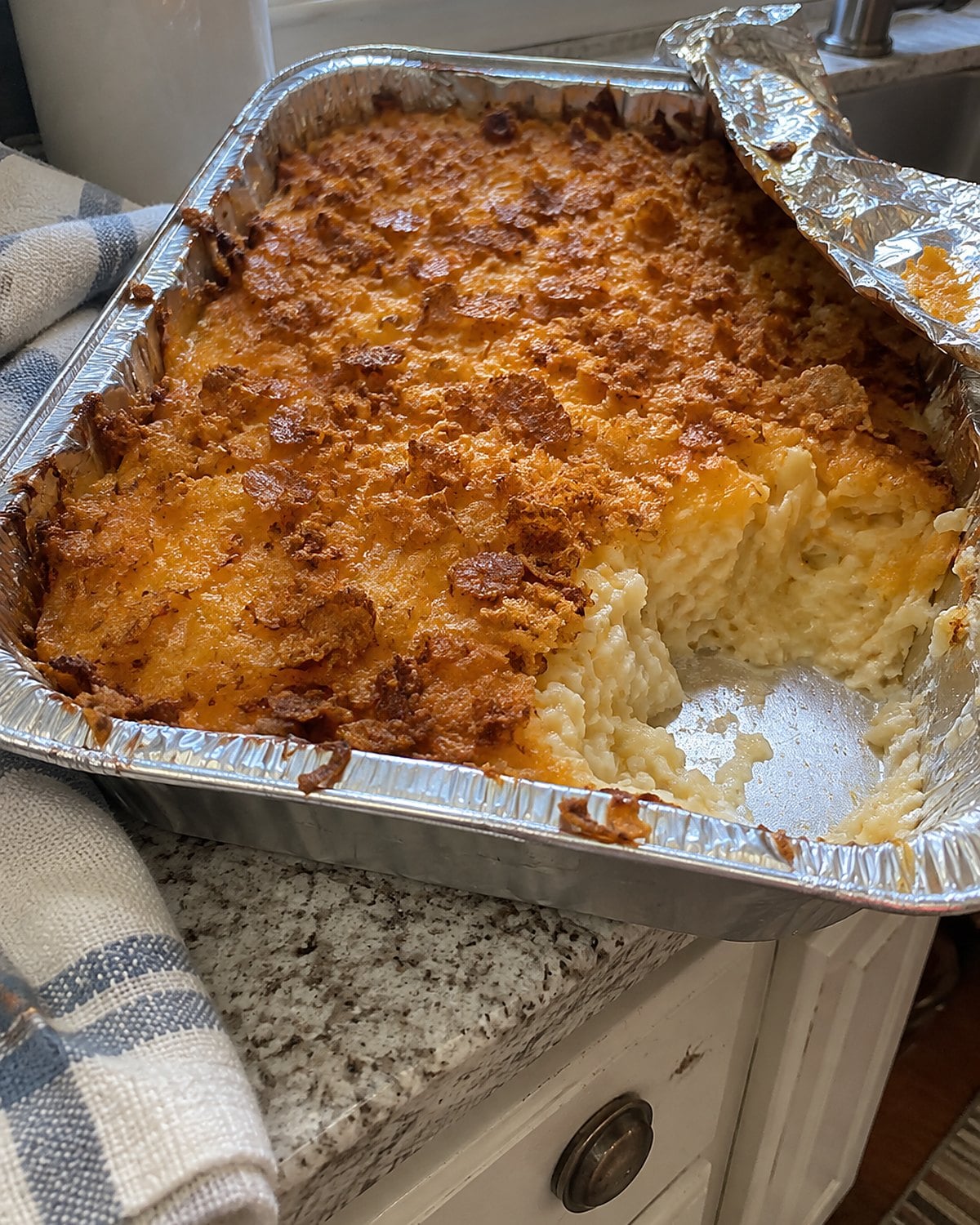
Somebody always brought the potatoes under a sheet of foil pressed tight around the rim. By the time the pan reached the long table, its cheesy corners had pulled away from the sides. Those were the pieces that vanished first.
Funeral potatoes got their body from thawed hash browns, sour cream, condensed soup, and cheese. The step worth keeping is drying the potatoes before they meet the sauce. Wet potatoes loosen everything underneath that browned top.
Crushed cornflakes belong on just before baking. Fold them into the filling and they lose the crunch that made the dish worth circling back for. Taste a spoonful near the edge before adding salt; the soup and cheese have already done their share.
#26 The platter of deviled eggs
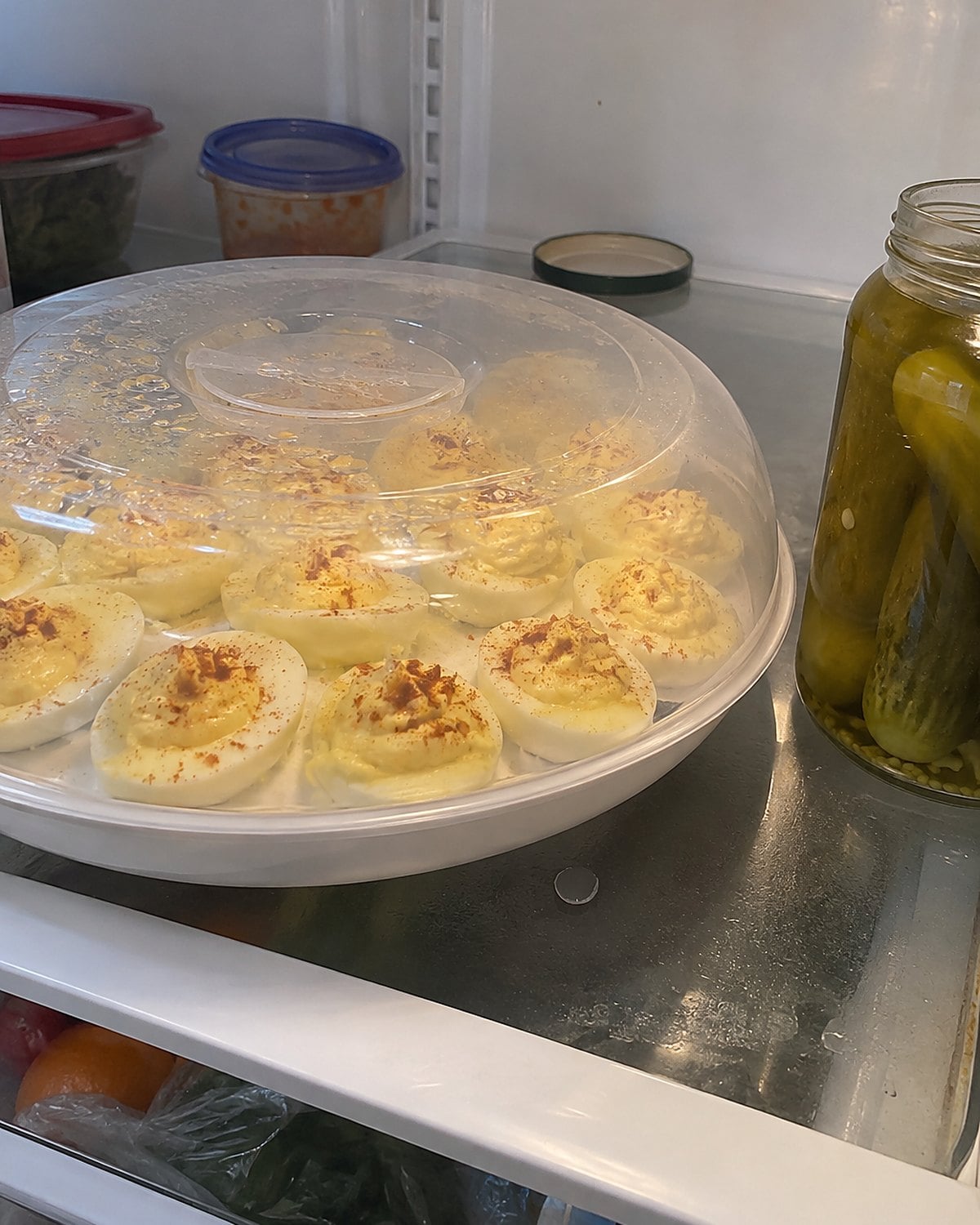
How did the eggs disappear before anyone touched the roast? They were already portioned, cold, and easy to eat while standing beside the coffee urn.
For yolks without a gray ring, lower eggs into boiling water, cover, turn off the heat, and leave them for about 10 to 12 minutes. Move them straight to ice water. That ring comes from heat and time, not a lack of skill with the saucepan.
The filling deserves a taste before it goes into the whites. Mustard sharpens it; pickle juice cuts through the mayonnaise. Add either by the spoonful, because a loose filling slides off a plate the moment someone reaches past it.
If you're taking eggs across town, set them into a covered carrier straight from the fridge. The FDA's egg safety guidance says cooked egg dishes belong under refrigeration until serving. Nobody misses a warm deviled egg.
#25 The blue bowl of Jell-O salad
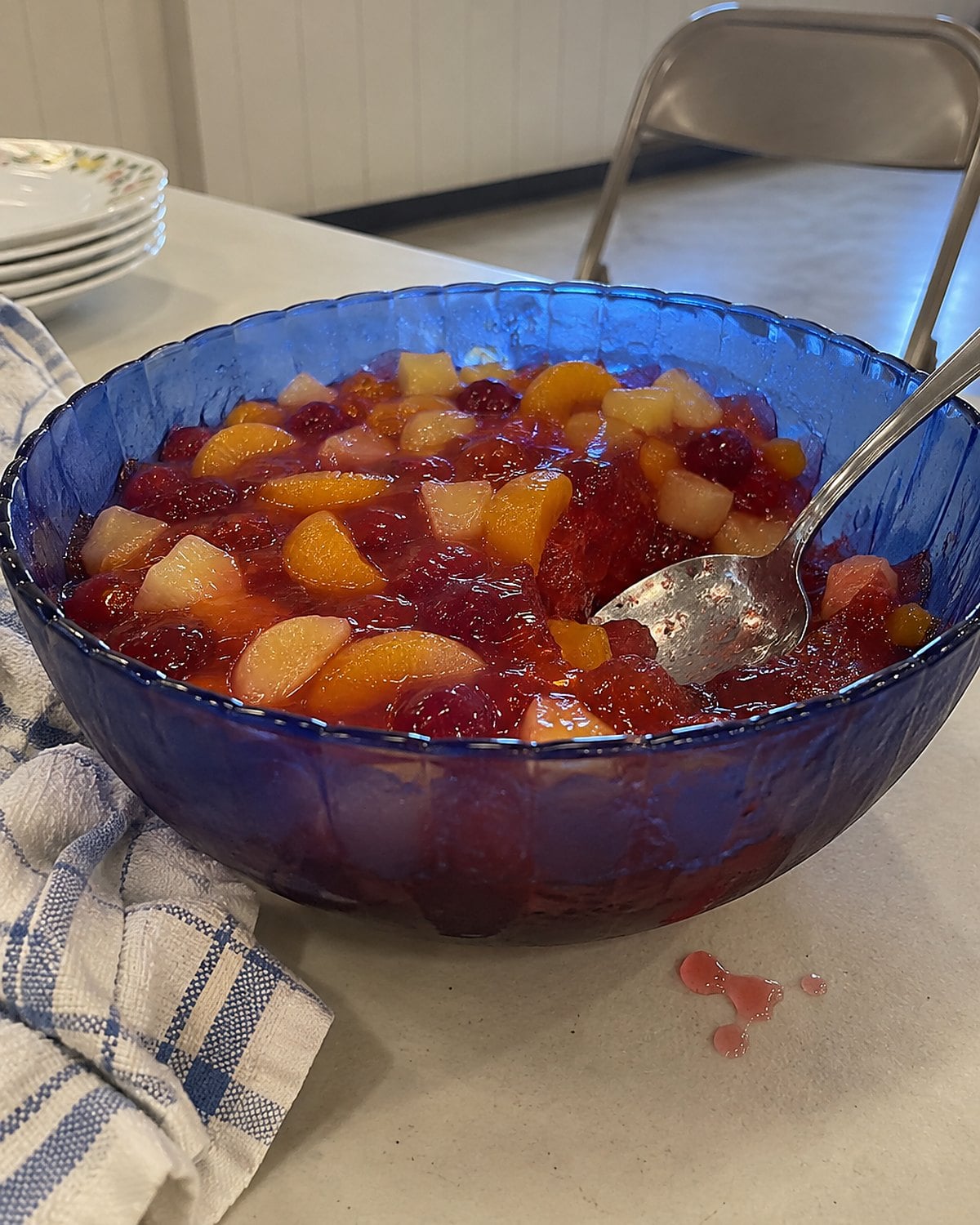
The bowl looked like stained glass under the church hall lights. Fruit hung in colored gelatin, and there was always a question about whether the white layer was dessert or salad.
The trick was timing. Stir canned fruit into gelatin before it thickens and the pieces sink. Wait until the mixture has the feel of unbeaten egg white, then fold the fruit through. Drain it well first; extra syrup weakens the set.
Fresh pineapple brings its own complication. Its enzymes interfere with gelatin setting, while canned pineapple has been heated and works differently. If that old recipe calls for pineapple, read the word before the ingredient. Someone put it there for a reason.
#24 The roaster full of chicken and noodles
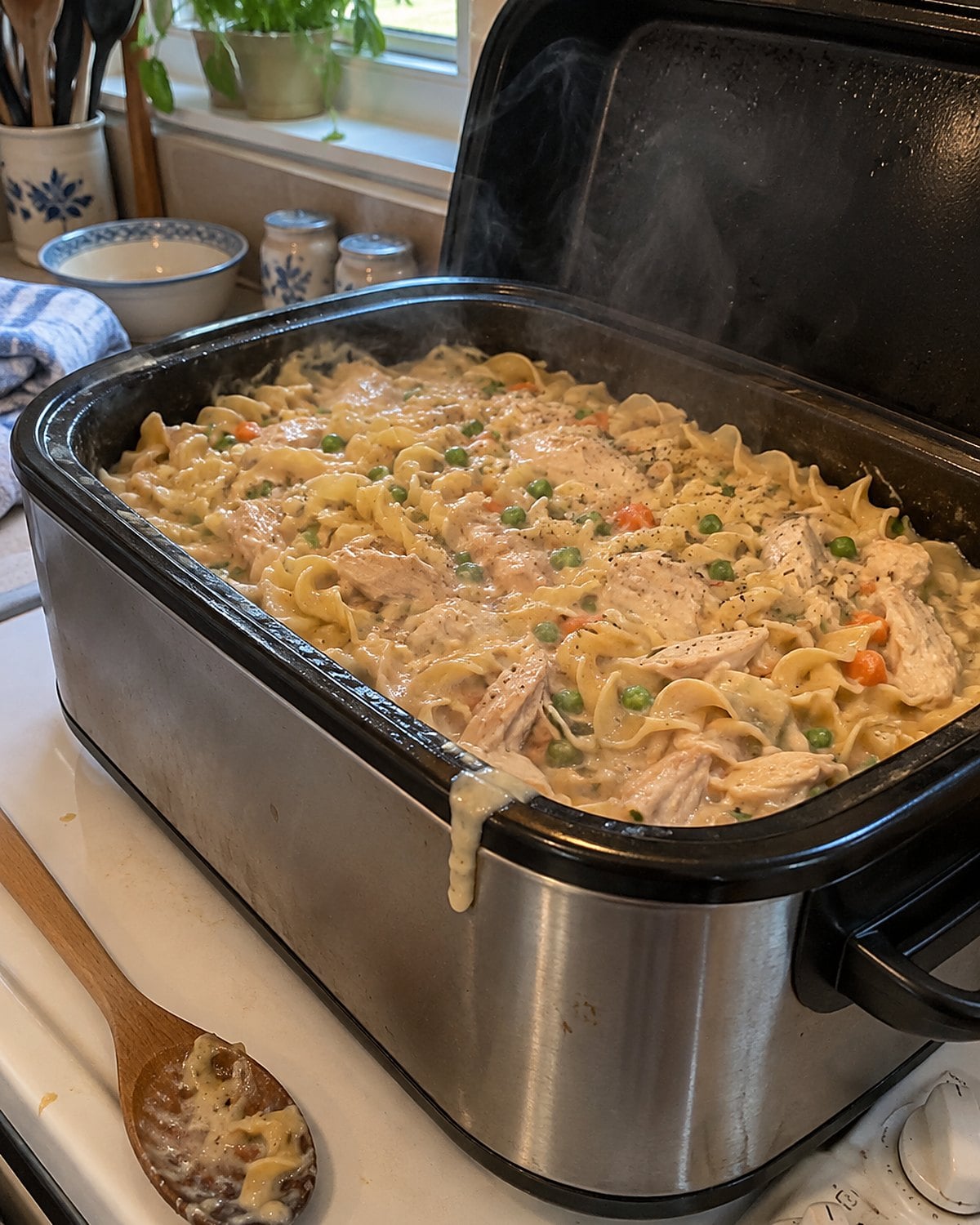
A big electric roaster could make this look effortless. You lifted the lid, saw noodles beneath the chicken, and assumed the whole thing had been simmering together since morning.
The order mattered. Chicken cooked first, giving the broth its flavor. The meat came off the bones while the broth was strained. Only then did the noodles go in. Leave noodles sitting in a hot roaster through a long supper, and they drink the broth until the serving spoon stands up in them.
For a smaller pot tonight, cook the noodles separately and add them to each bowl. Your leftover broth stays broth. Taste it before the noodles arrive, while you can still tell whether it needs salt or a little black pepper.
If you're cooking raw chicken, push a thermometer into the thickest piece, clear of bone. The USDA's poultry guidance puts the finished temperature at 165°F. A cloudy broth won't answer that question for you.
Try it: Creamy Instant Pot Chicken & Noodles
#23 The skillet of creamed dried beef
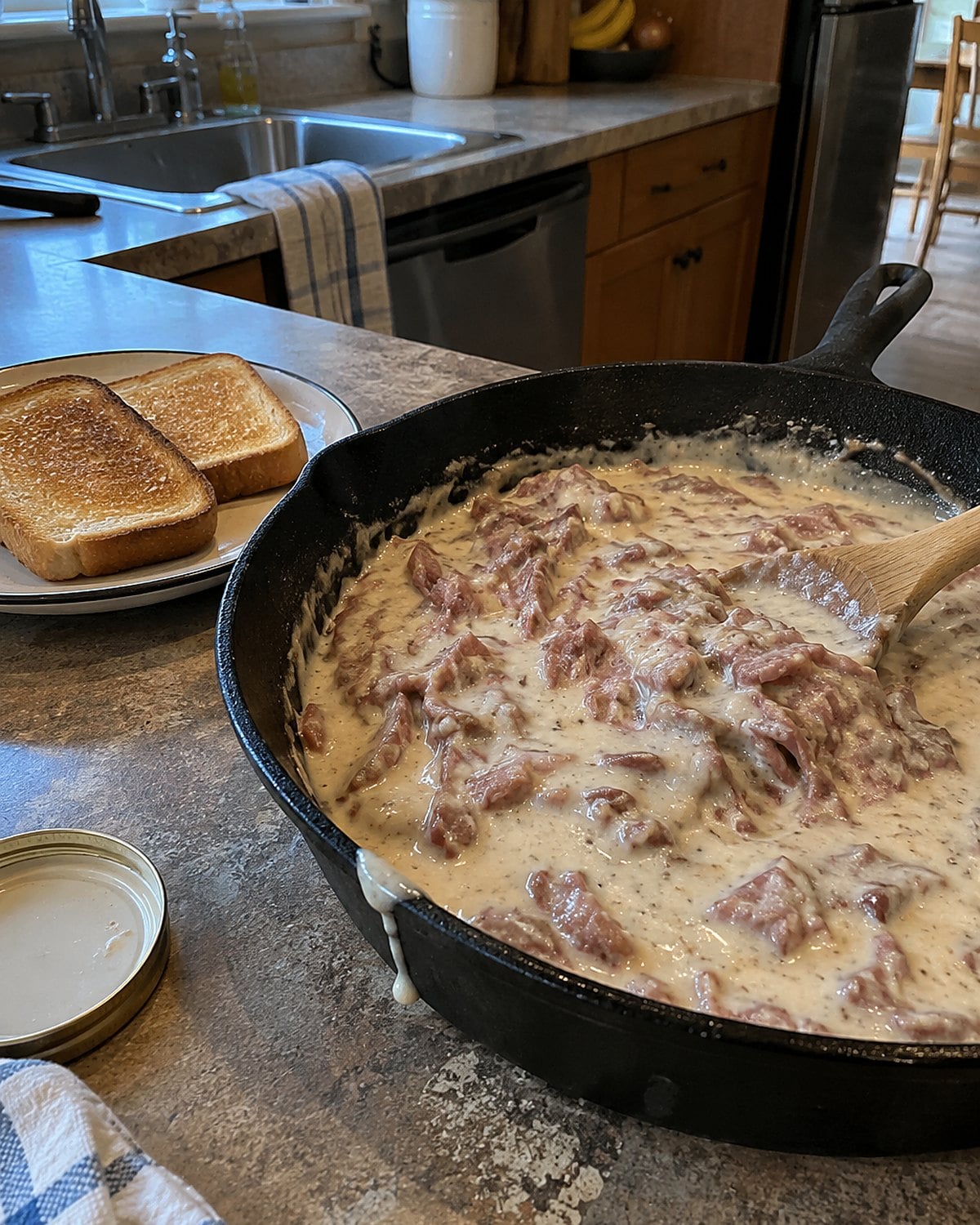
Creamed dried beef had a way of appearing when the supper committee needed another hot dish and the oven was full. A skillet on the stove could supply it.
The beef brings plenty of salt. Rinse a piece, taste it, then decide how much goes into the pan. Build the white sauce before adding the meat: cook flour in melted butter until it smells toasted, then pour in milk while whisking. Dump milk onto uncooked flour and you'll spend supper chasing lumps.
Toast goes underneath only when people are ready to eat. Set it out too early and the sauce turns it into a sponge. That small bit of timing separates a generous plate from a soggy one.
#22 The cooling rack of peanut butter sheet cake
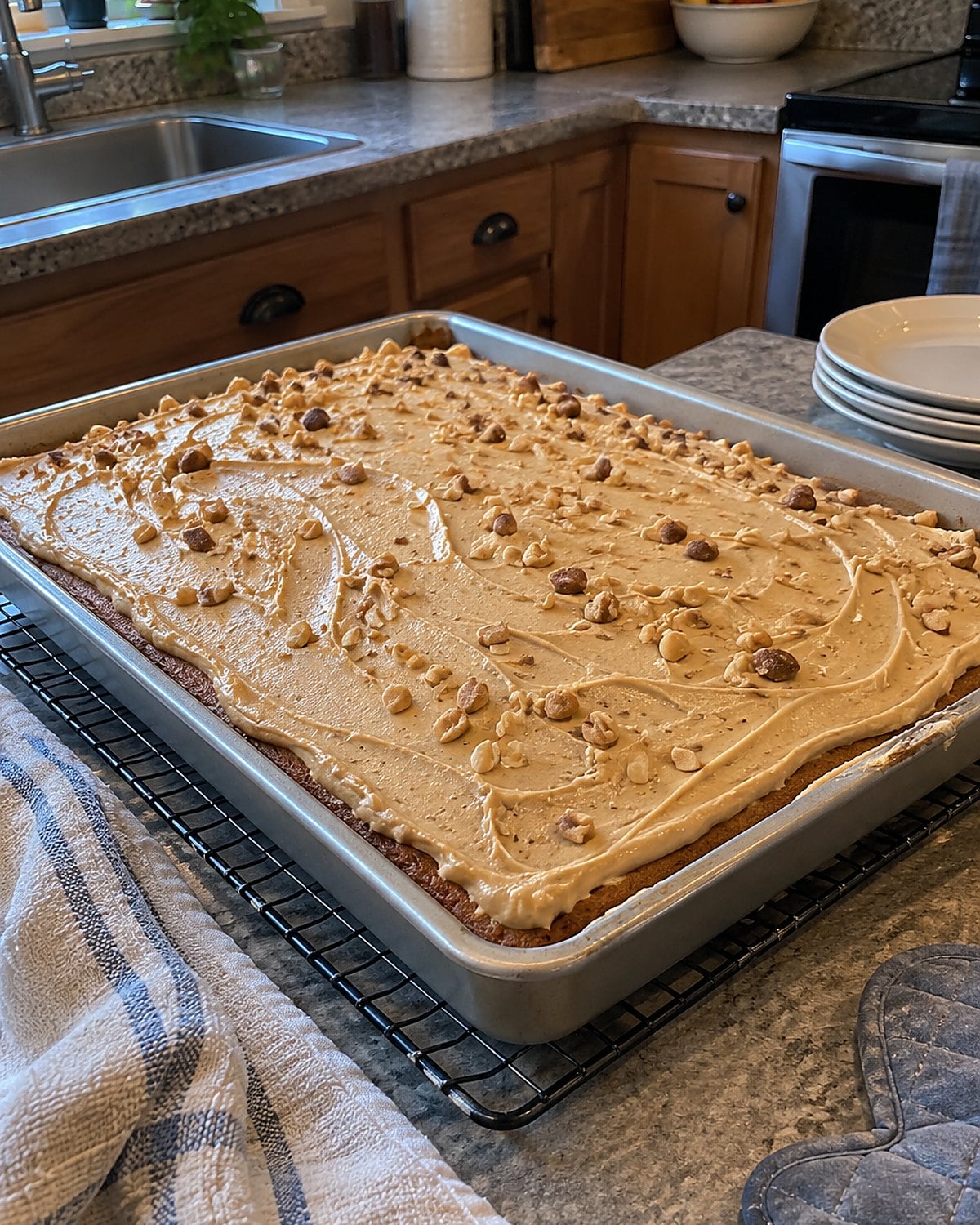
A sheet cake was built for people who arrived without warning. You cut another square, slid a paper napkin beneath it, and nobody asked where the cake stand had gone.
The peanut butter version relied on warm icing. Spread it while the cake is still warm, and the surface takes in some of that sweet glaze. Pour it onto a cold cake and the icing sits higher, like frosting. Both taste fine, but the church-supper square had that thin, almost fused top.
Use the cooling rack for the pan, not for lifting the cake out. A large sheet cake breaks under its own weight. If you want clean edges, let the icing set before cutting, then wipe the knife between rows. The uneven corner pieces still belong to whoever did the dishes.
#21 The picnic plate of bologna salad
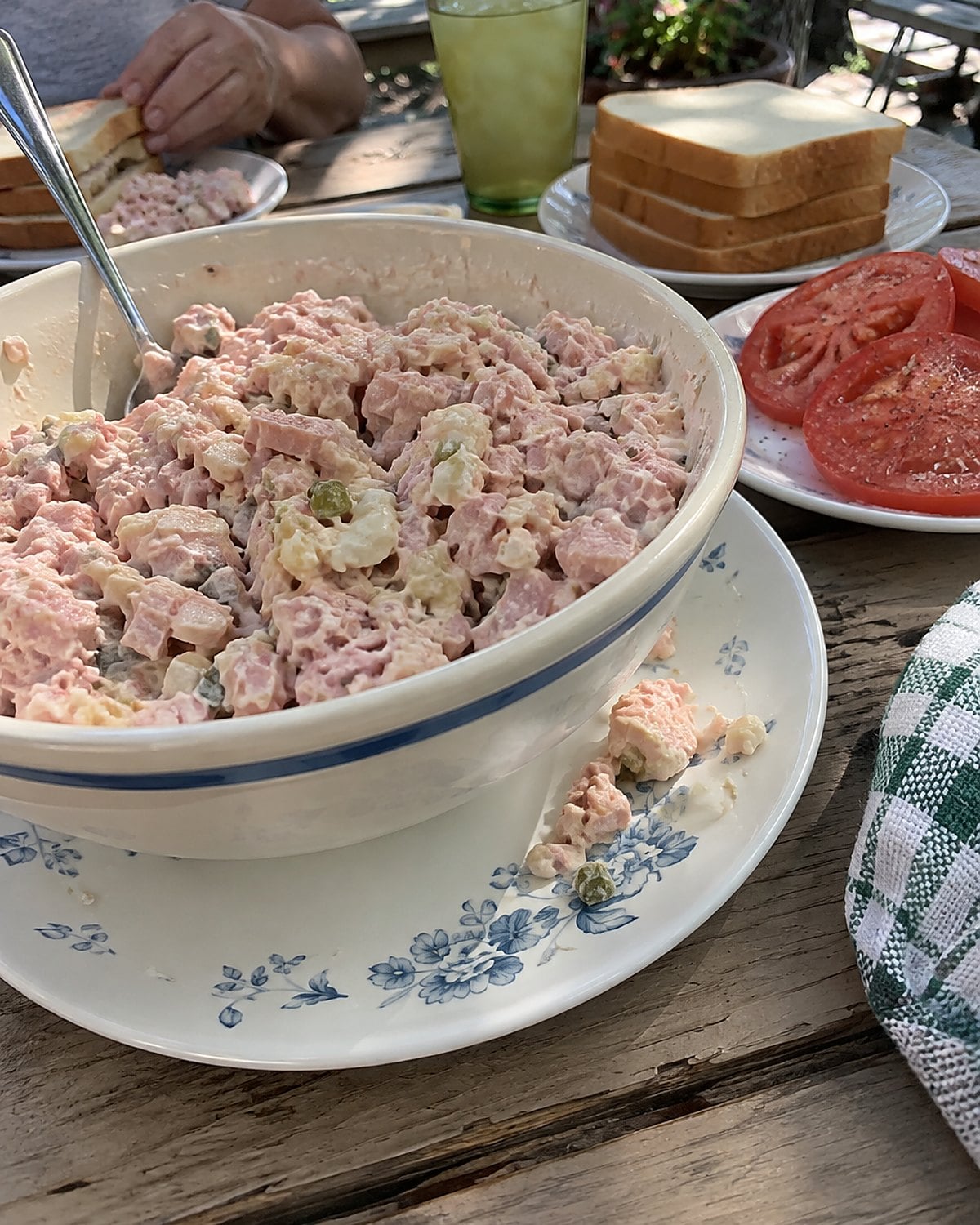
A bowl of bologna salad beside the sliced tomatoes could start an argument before grace. Some people wanted it finely ground; others wanted enough texture to recognize the meat.
The old hand grinder made distinct little pieces. A food processor reaches paste quickly, so use short pulses and stop while you can still see the diced pickle. Stir in mayonnaise afterward, not before, or you lose track of the texture.
Serve it cold on crackers or bread, with something sharp beside it. You don't need to defend bologna to anyone. The point was to turn what was in the refrigerator into sandwiches for the people who came back after setting up chairs.
#20 The deep pot of ham and beans
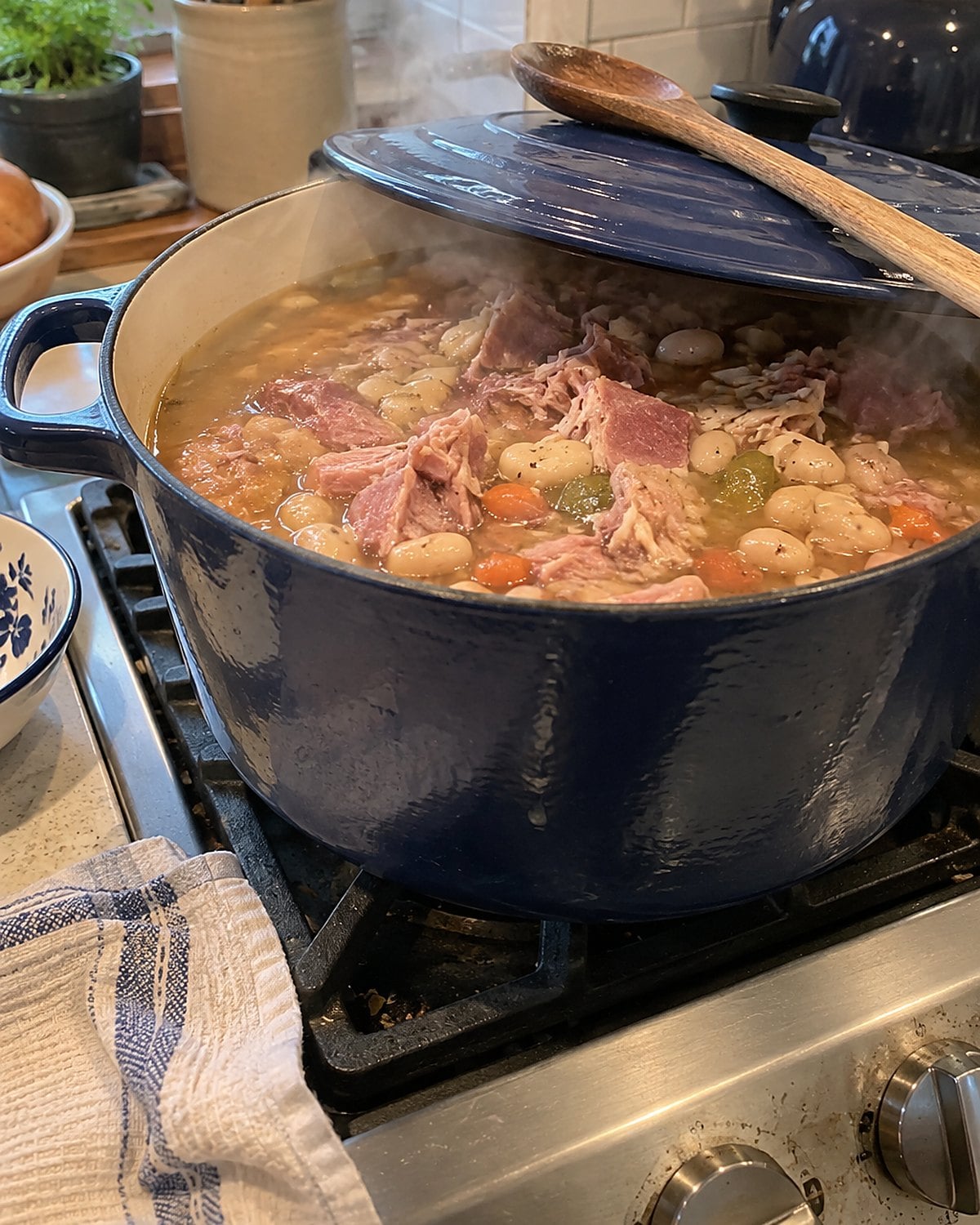
The lid rattled while somebody swept the floor. That pot of beans seemed to have been there forever, though most of the work happened before the simmer.
Dried beans need sorting and rinsing. Spread them across a tray and look for small stones, then rinse until the water runs clear. Soaking shortens the cooking, but the real test comes later: press a bean against the side of the pot. Its center should mash without a hard white spot.
A ham bone gives the broth flavor; it doesn't guarantee enough salt. Wait until the beans are tender, then taste. Salt added earlier isn't the disaster some family recipes claim, but salty ham makes guessing unnecessary.
Keep acidic ingredients, including tomatoes, until the beans have softened. Acid slows the softening of their skins. If you remember only one move from that long Sunday simmer, remember the order.
Try it: Instant Pot Ham And Beans
#19 The bowl of seven-layer salad
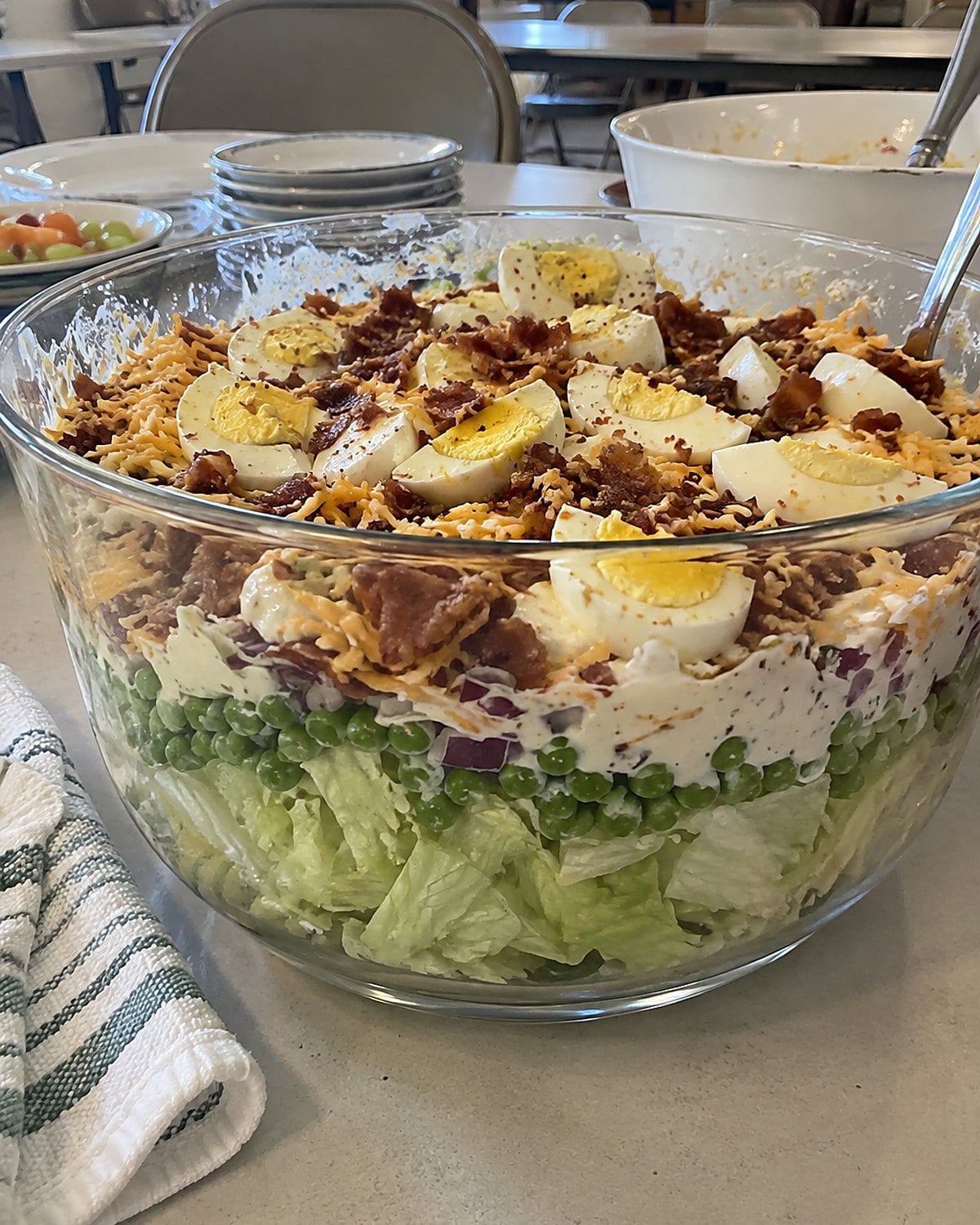
Seven-layer salad was a clear bowl's excuse to show off. Lettuce pressed against the glass, peas made a bright stripe, and the mayonnaise lid waited on top.
That lid was meant to keep the layers distinct until serving. It also hid water. Dry the washed lettuce thoroughly, and thaw frozen peas in a colander before they go into the bowl. A puddle at the bottom dulls every bite.
Bring a long serving spoon that reaches through the layers. A shallow spoon takes all dressing and no vegetables; the next person gets bare lettuce. You've seen the aftermath. Toss the salad when people are ready to eat, and give it a taste from top to bottom.
#18 The pan of tuna noodle casserole
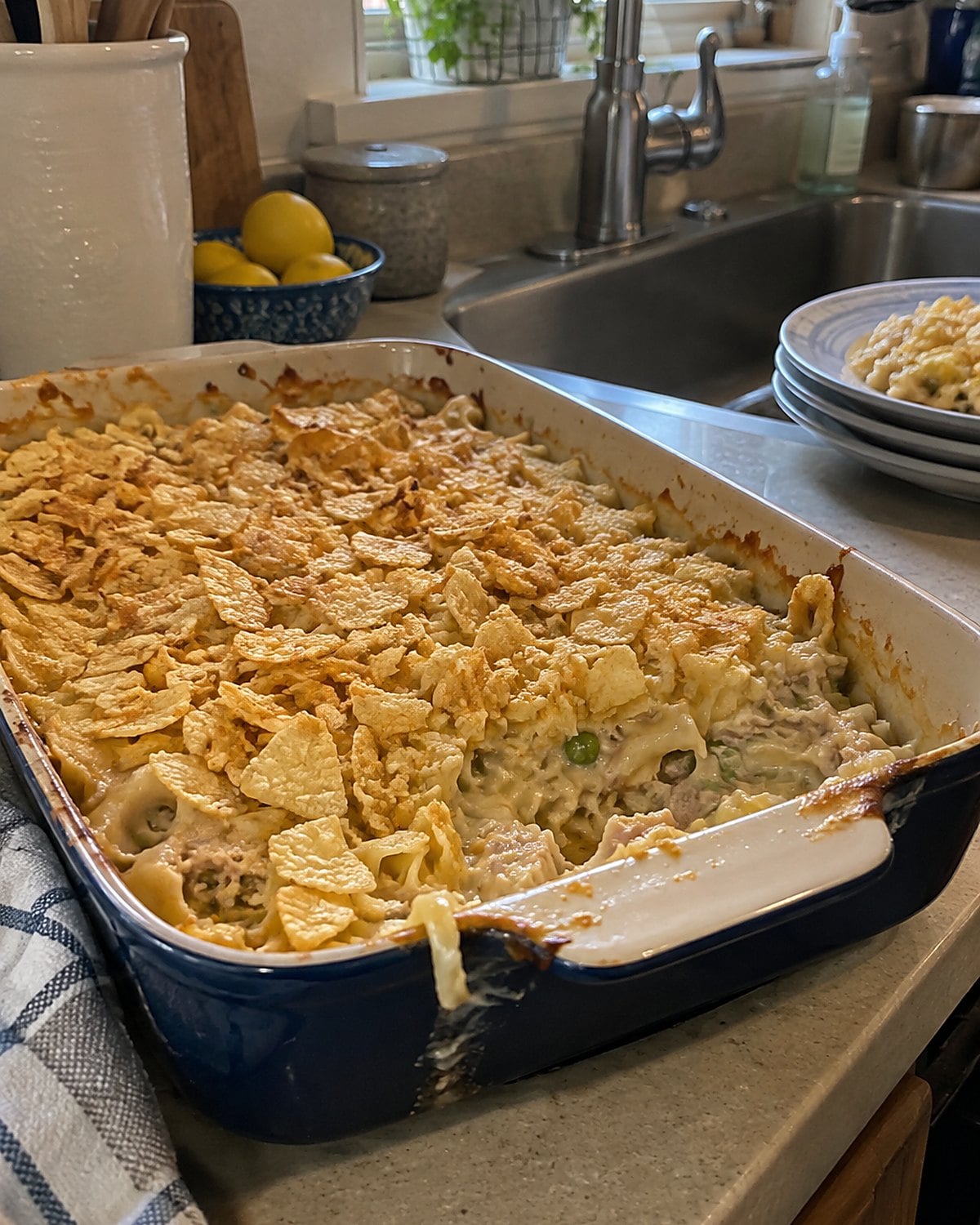
A tuna casserole came to the table wearing crushed potato chips like a hat. Underneath were noodles, peas, tuna, and a sauce that had to hold together long enough to serve a line of people.
Cook the noodles short of fully tender before they enter the oven. They continue to take up liquid while the casserole bakes. If they start soft, the center turns heavy before the top browns.
There is a small choice that changes the whole pan: drain the tuna well. Press it with a fork in the can, then flake it through the sauce rather than leaving dense clumps. Add the chips near the end so they stay crisp instead of soaking up steam beneath foil.
Tonight, make a smaller pan if that's all the table needs. The real church-supper lesson is the contrast between creamy middle and salty crunch, not the size of the baking dish.
Try it: Instant Pot Tuna Casserole
#17 The spoonful of orange fluff
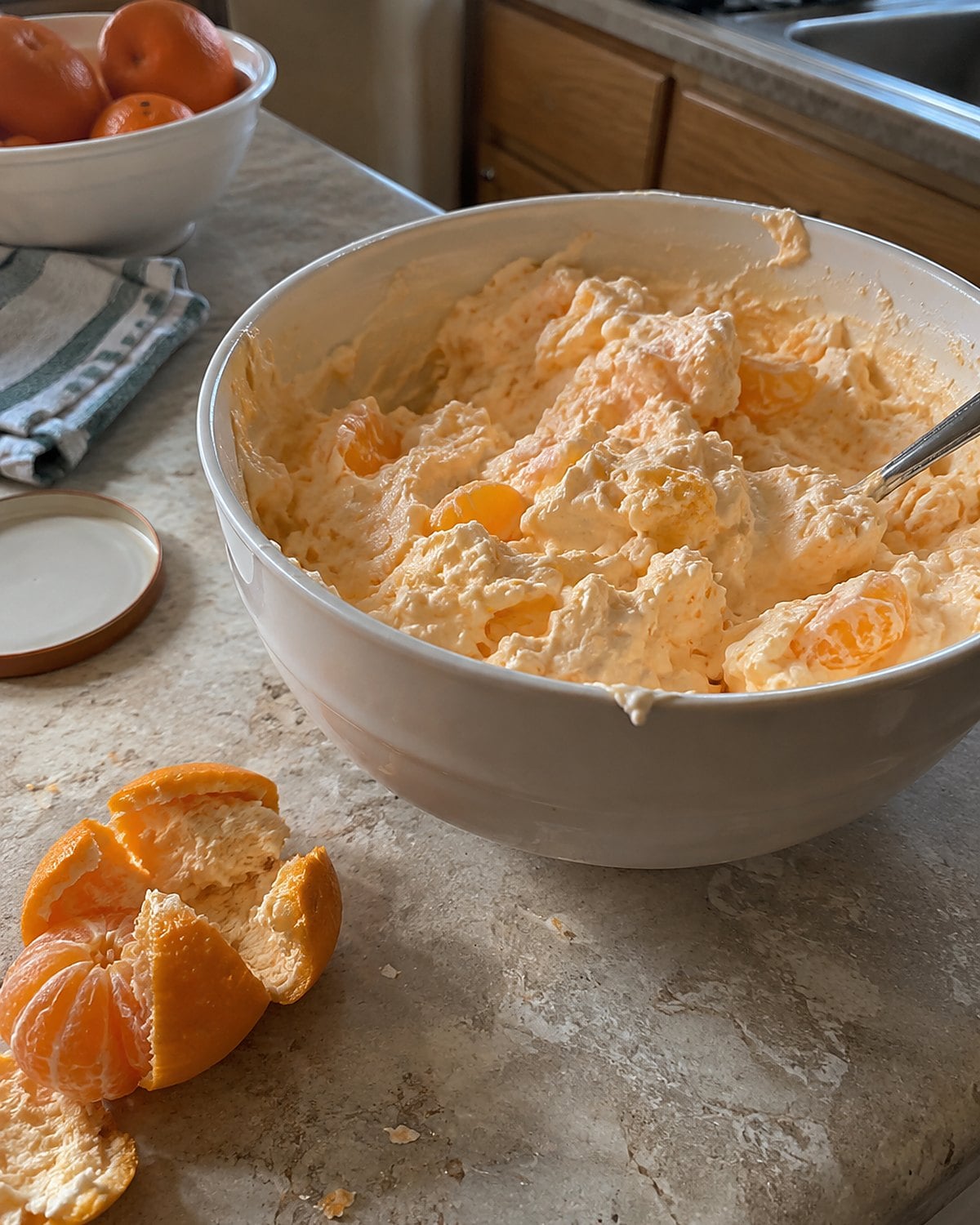
You knew where orange fluff sat without reading a card. It occupied the space between the salads and the desserts, light enough to take a spoonful and sweet enough to take another.
Mandarin oranges, whipped topping, and pudding mix gave it that airy shape. The oranges needed draining; their packing liquid made the bowl weep as it stood. Fold rather than stir once the topping goes in. Stirring drives out the air that keeps each spoonful from feeling dense.
A little tartness helps. Taste a segment before it goes into the bowl, then add plain yogurt if the mixture tastes all sugar. The old dish has no reason to be solemn. Bring back the orange bowl because it made people smile.
#16 The fridge door jar of pickled beets
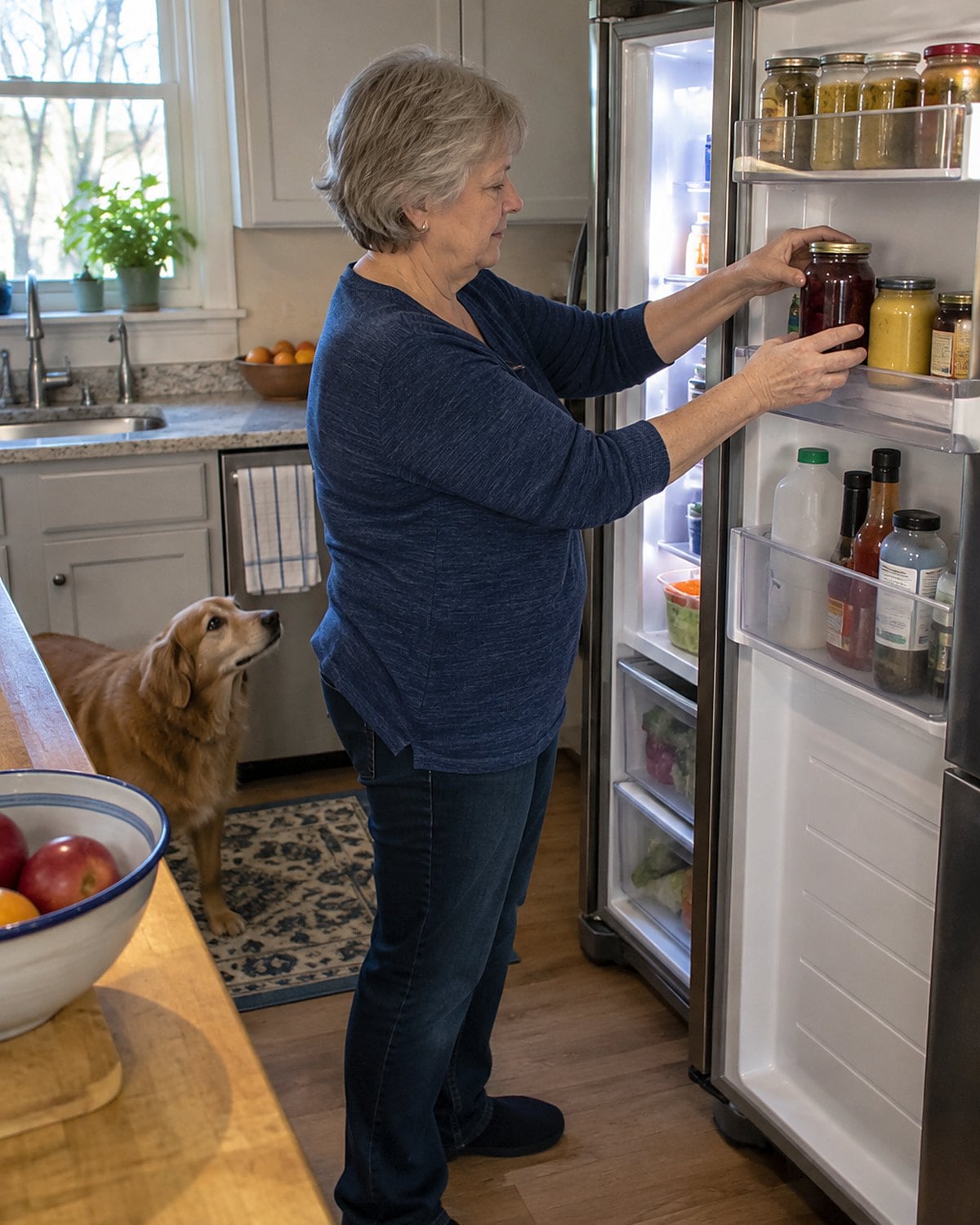
Why did pickled beets appear at nearly every supper? Their sharpness cut across ham, creamy salads, and buttery rolls. A forkful reset your mouth.
Open a jar, drain a few beets, and taste the liquid before changing it. If it tastes too sweet for the plate you're serving, add a splash of vinegar to the portion you plan to eat. Keep that experiment in a separate bowl, not the original jar.
Home-canned beets are another matter. A familiar lid and a handwritten date don't prove a jar was processed safely. Beets are low-acid vegetables, and plain beets require pressure canning under tested directions. The National Center for Home Food Preservation has those directions.
When you want the flavor without a canning project, use commercially pickled beets and set the jar back in the fridge. The old relish tray did its job with very little work from the cook.
#15 The handwritten card for salmon loaf
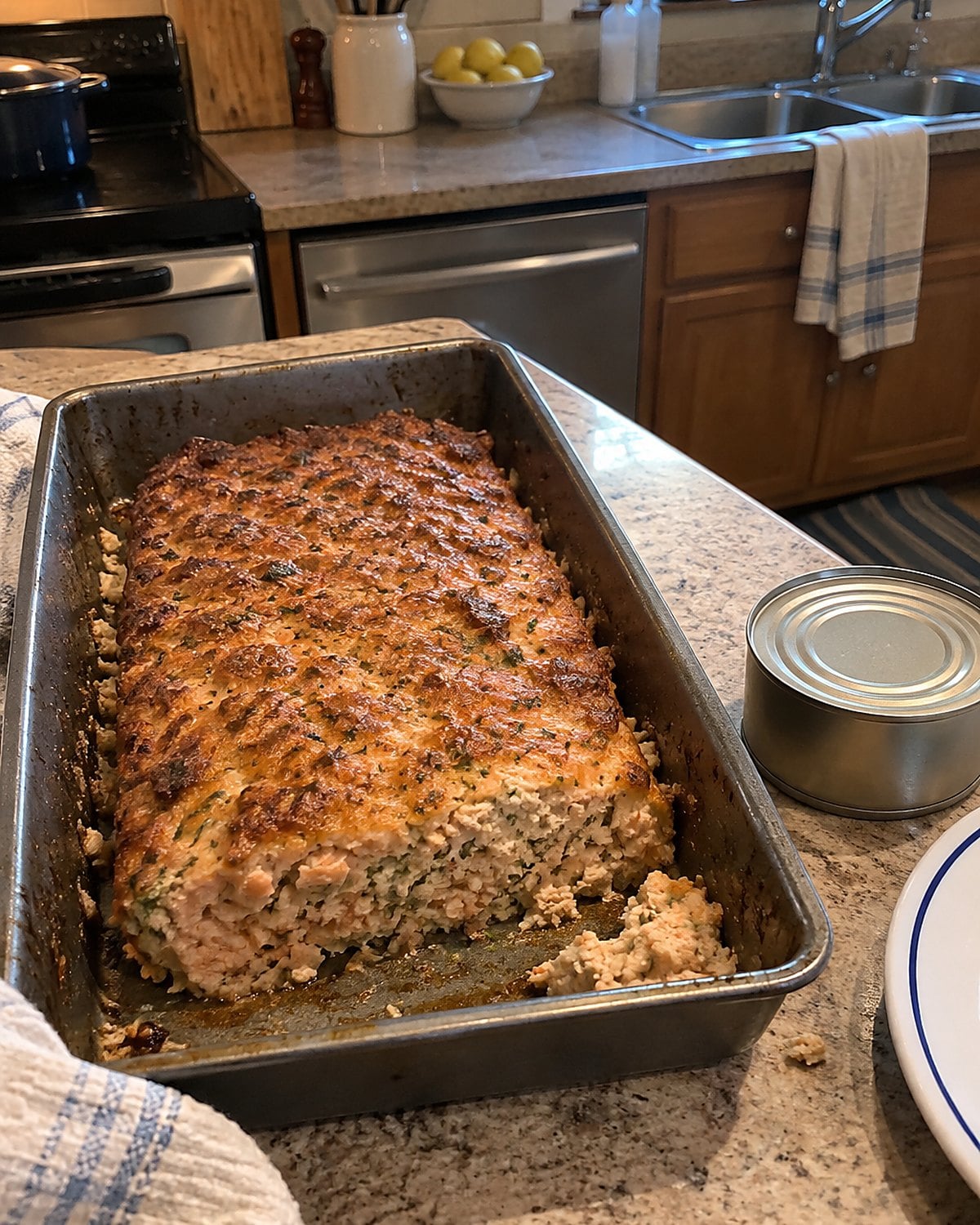
A church cookbook with a broken spine holds recipes that assume you know what “a can” means. Salmon loaf is one of them, pressed into a pan, sliced thick, and passed beside lemon wedges.
Drain the canned salmon, but don't discard the soft bones out of habit. They crush easily with a fork and disappear into the mixture. Pick out the skin if its look bothers you. A beaten egg and bread crumbs bind the loaf; too many crumbs make a dry slice that breaks at the first touch of a fork.
The better test is your hand. Press a small mound together before it goes into the pan. It should hold its shape without feeling stiff. A squeeze of lemon at the table does more for the finished loaf than another spoonful of sauce.
#14 The square pan of scalloped corn
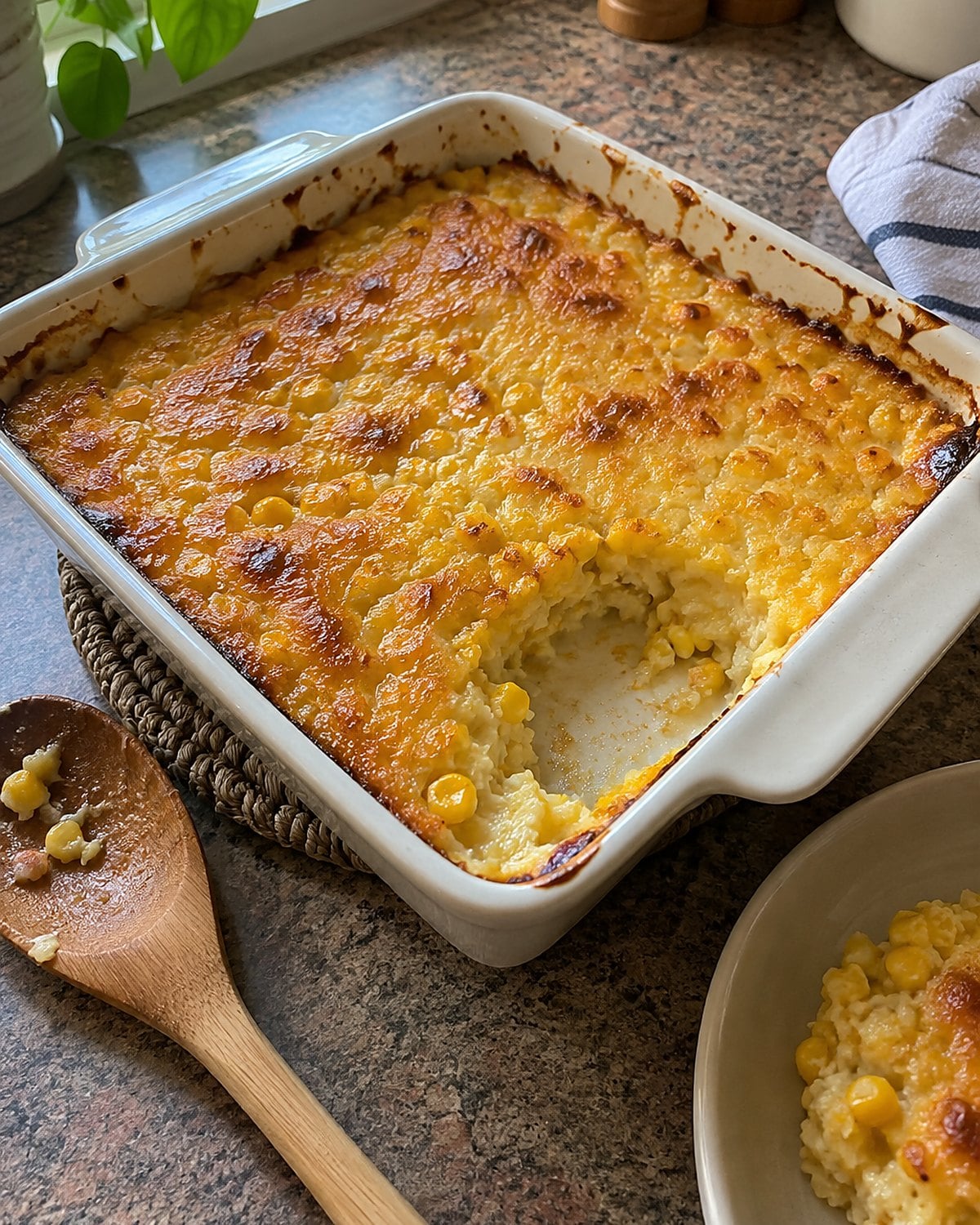
Scalloped corn looked sturdy enough to cut into squares. Sometimes the serving spoon went in and found a soft center that ran across the plate.
Canned corn carries liquid into the bake, especially if the recipe also calls for milk. Drain whole kernels well; keep creamed corn if the recipe calls for it, since that thick liquid is part of the dish. Crushed crackers on top absorb steam and brown, while crackers buried underneath help hold the filling.
Let the pan stand after it leaves the oven. The hot center settles and cuts more neatly once it stops bubbling. If the top browns before the middle sets, cover it loosely with foil and keep baking.
Check the center with a spoon rather than judging the browned edge. That edge has had a head start all along.
#13 The sugar bowl beside vinegar slaw
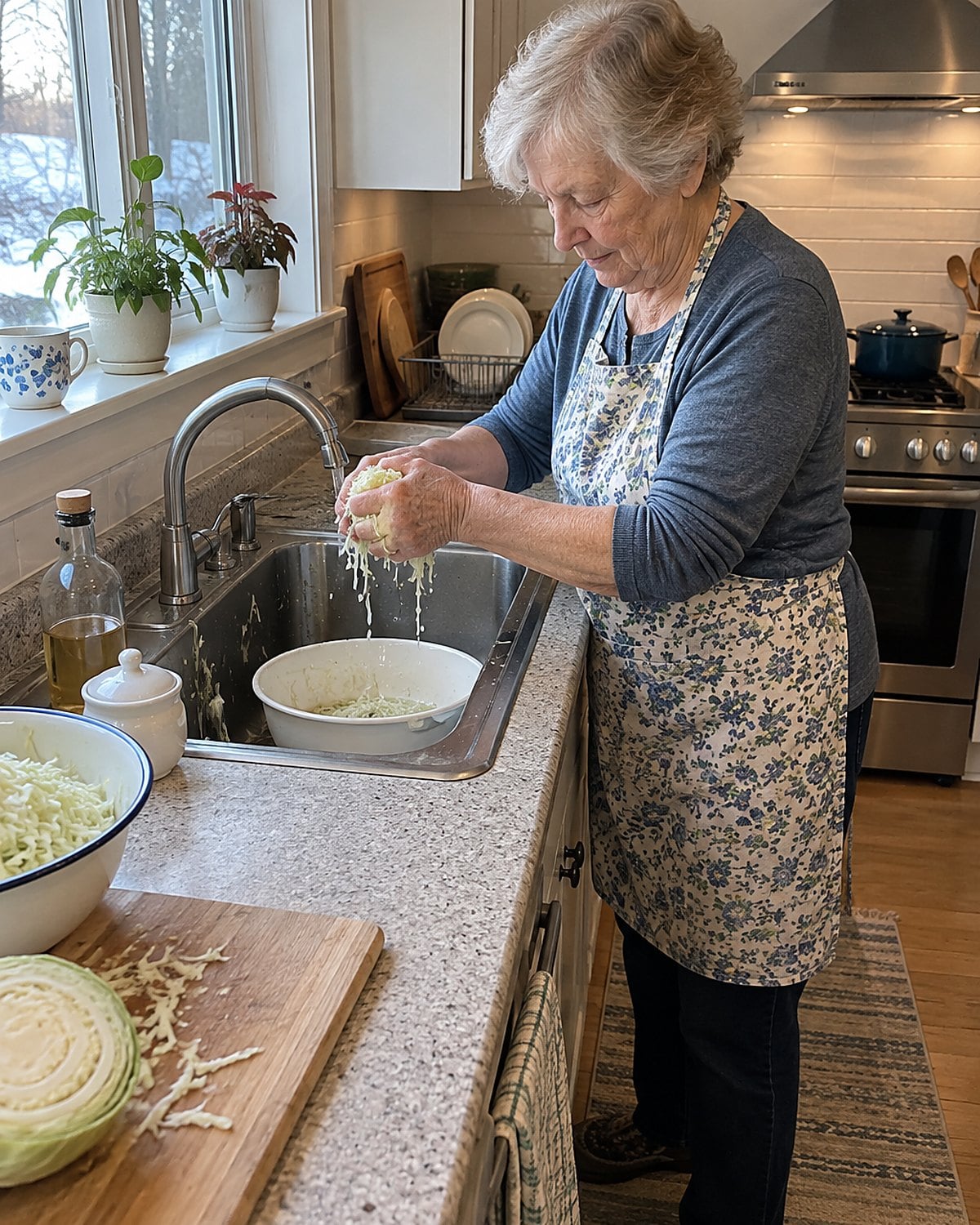
The coleslaw at church suppers had a particular snap. It held up next to fried chicken without becoming another creamy dish on an already crowded plate.
Vinegar slaw starts with salt. Toss shredded cabbage with a pinch, let it sit, then squeeze out the water it releases. Only after that do vinegar and sugar go in. Skip the squeeze and the dressing gets thinner as the bowl waits.
Taste it beside the food you're serving, not straight from the mixing bowl. A slaw that seems sharp alone makes sense against baked beans and ham. Keep the sugar bowl nearby, but use it to balance the vinegar, not to cover the cabbage.
#12 The holiday dish of candied sweet potatoes
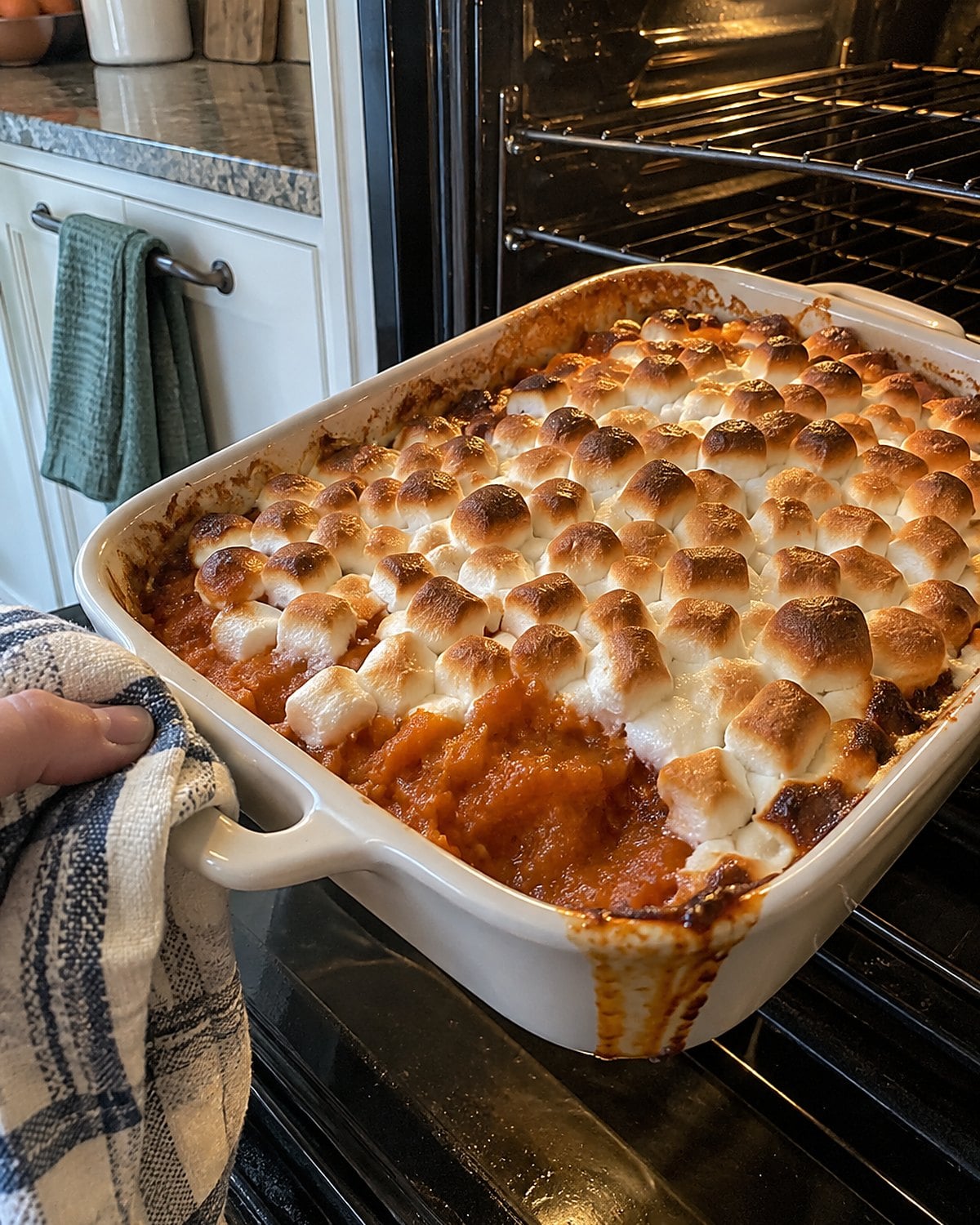
Someone would lift the foil and find a row of marshmallows browned in spots and white in others. Beneath them, sweet potatoes sat in a syrup that had gathered at the bottom of the dish.
Roast the sweet potatoes before you dress them, rather than boiling them until they take on water. Roasting lets their own sweetness deepen. Cut them into sturdy pieces so they survive the second trip through the oven.
Add a little orange juice or lemon juice to the butter and sugar. That acid keeps the syrup from tasting flat. Marshmallows belong on at the end, with the dish uncovered, so you can watch them color without burning.
If you grew up eating the corner with the most marshmallow, take it. Just check the potatoes underneath with a knife tip first. A soft top tells you nothing about a firm center.
#11 The parchment-lined date bars
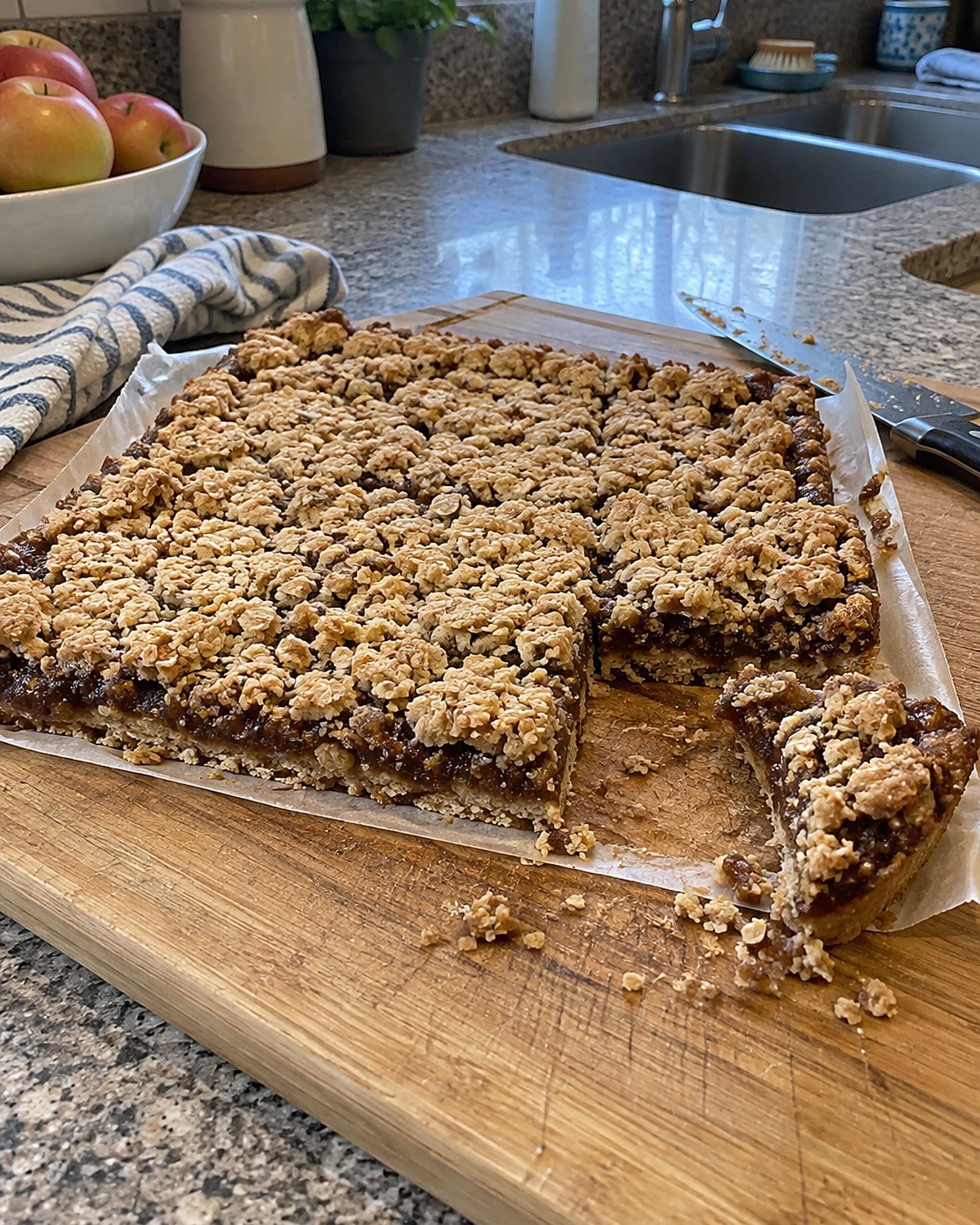
Date bars traveled well because their filling stayed tucked between layers of crumbly oats. The pan arrived with a few pieces already missing, blamed on the person who “checked” them before supper.
Dates need moisture to become a spreadable filling. Warm chopped dates with a little water until they break down, then let that mixture cool before assembling the bars. A hot filling softens the bottom crust before it bakes.
Line the pan with parchment and leave handles over the edges. Once the bars cool completely, lift out the whole slab and cut it on a board. You get cleaner pieces, and the cook gets to scrape the good crumbs from the pan.
#10 The skillet of fried apples
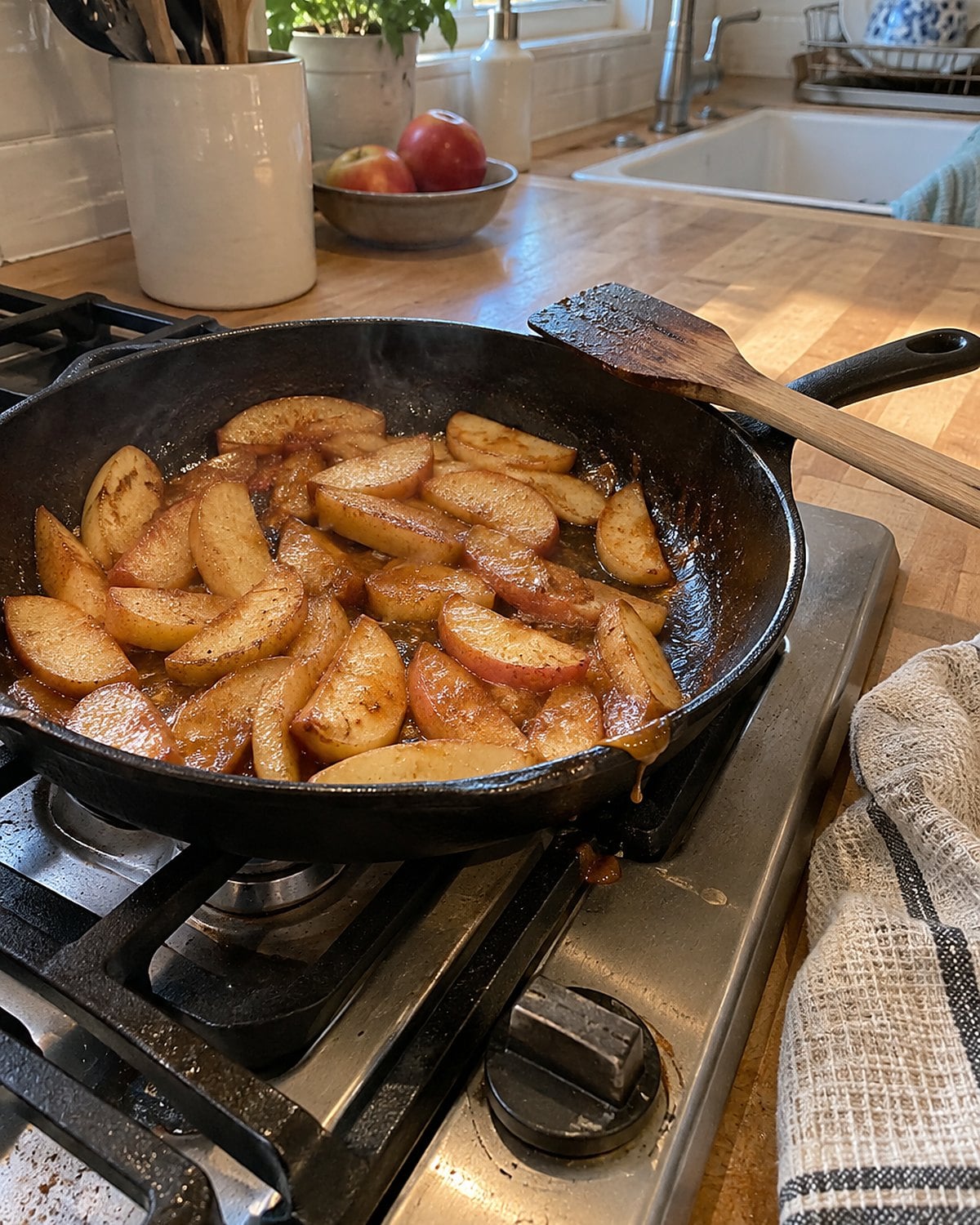
The first sound was butter foaming around apple slices. By the time people came through the line, the fruit had softened but still held its shape.
Choose apples that stay firm when heated, such as Granny Smith or Braeburn. Cut the slices thick enough to turn with a spatula. Crowding the skillet makes them steam; giving them room lets their edges brown.
Add sugar after the apples start to soften. Sugar draws out liquid, and that liquid needs time to cook down. Cinnamon goes in near the end so its scent stays clear instead of getting lost in the pan.
Here's the test you want: push a fork into a slice. It should yield, then hold together when you lift it. Spoon the apples beside pork or over a plain piece of cake. The skillet won't stay full long enough to settle the argument about which is better.
#9 The cutting board of tomato aspic
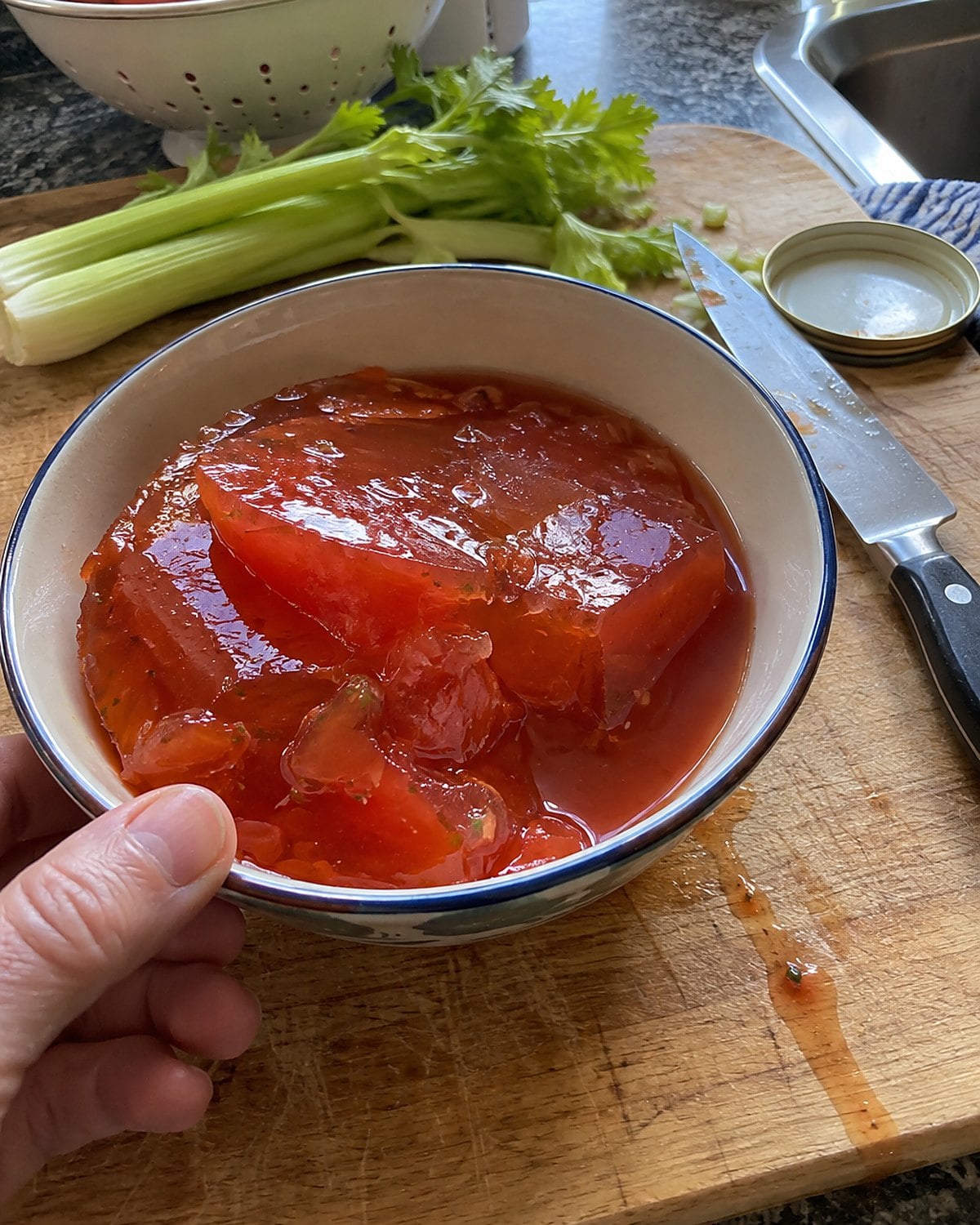
Tomato aspic turned a familiar drink into a trembling side dish. A slice stood on a lettuce leaf, bright red and sharp with celery or lemon.
The flavor depended on seasoning the tomato liquid before it set. Cold food tastes less salty and less sharp, so taste the warmed mixture with a firm hand. It should seem lively before it goes into the mold.
Gelatin needs to dissolve fully. Stir it into the liquid until no grains cling to the spoon, then pour through a fine sieve if the mixture looks cloudy. A small bowl is enough to revisit the taste. Nobody needs to wrestle a ring mold out of the cupboard for supper tonight.
#8 The steam table pan of chicken tetrazzini
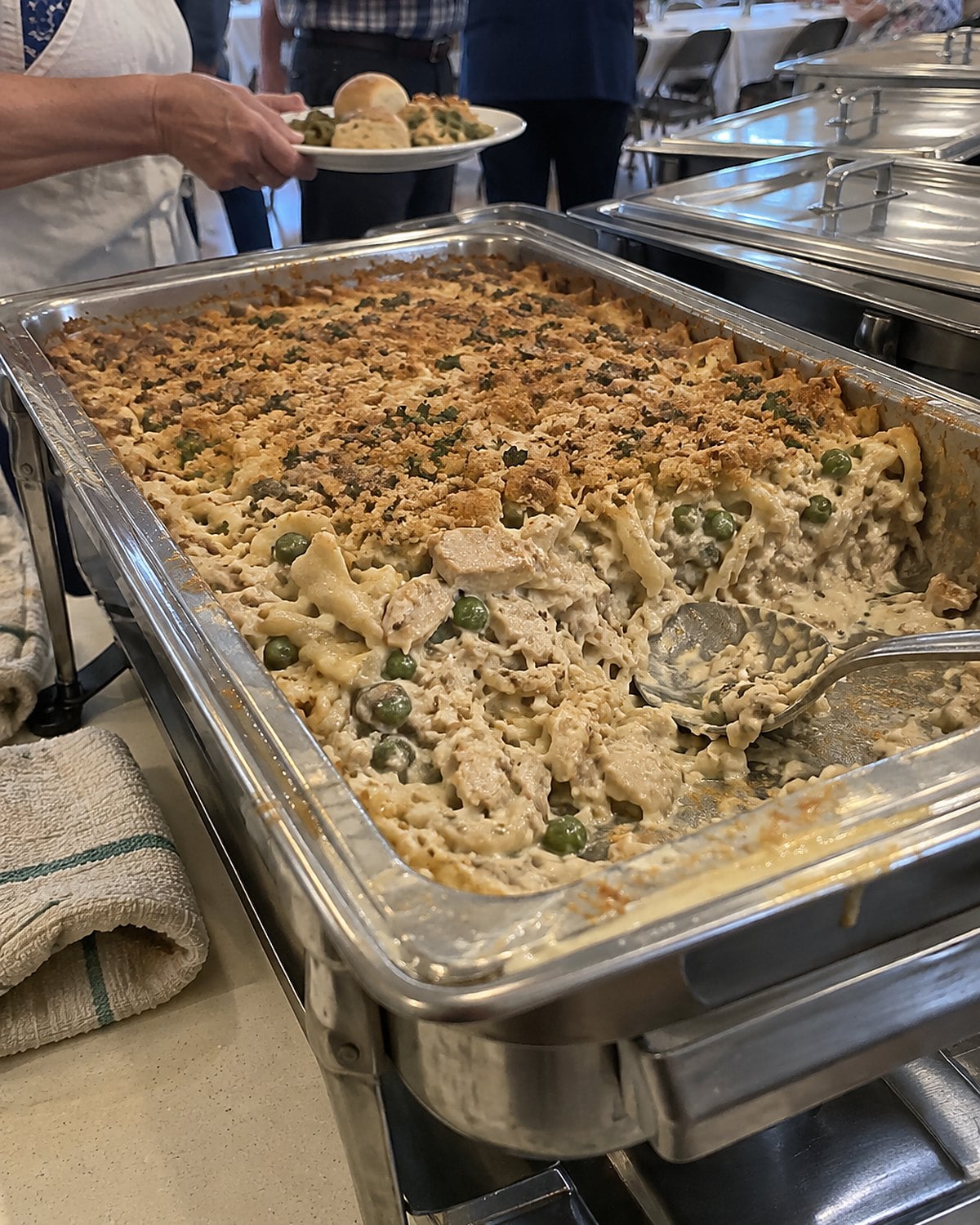
A serving of tetrazzini showed you everything a church supper did well: chicken, pasta, mushrooms, and sauce held in one pan for people arriving in waves. It also showed how quickly a good sauce thickens under heat.
Cook mushrooms until their released liquid has gone. If they go into the sauce wet, that water weakens the flavor before the pasta ever arrives. Use cooked chicken in bite-size pieces so a serving spoon brings up some meat with every scoop.
The sauce should look looser in the bowl than you want on the plate. Pasta absorbs it during baking. Take the pan out when the edges bubble and the center is hot; don't wait for the surface to dry.
If you're warming a prepared pan for another meal, the USDA's leftovers guidance calls for 165°F at the center. Slide the thermometer between the noodles, away from the pan.
#7 The ladle of oyster stew
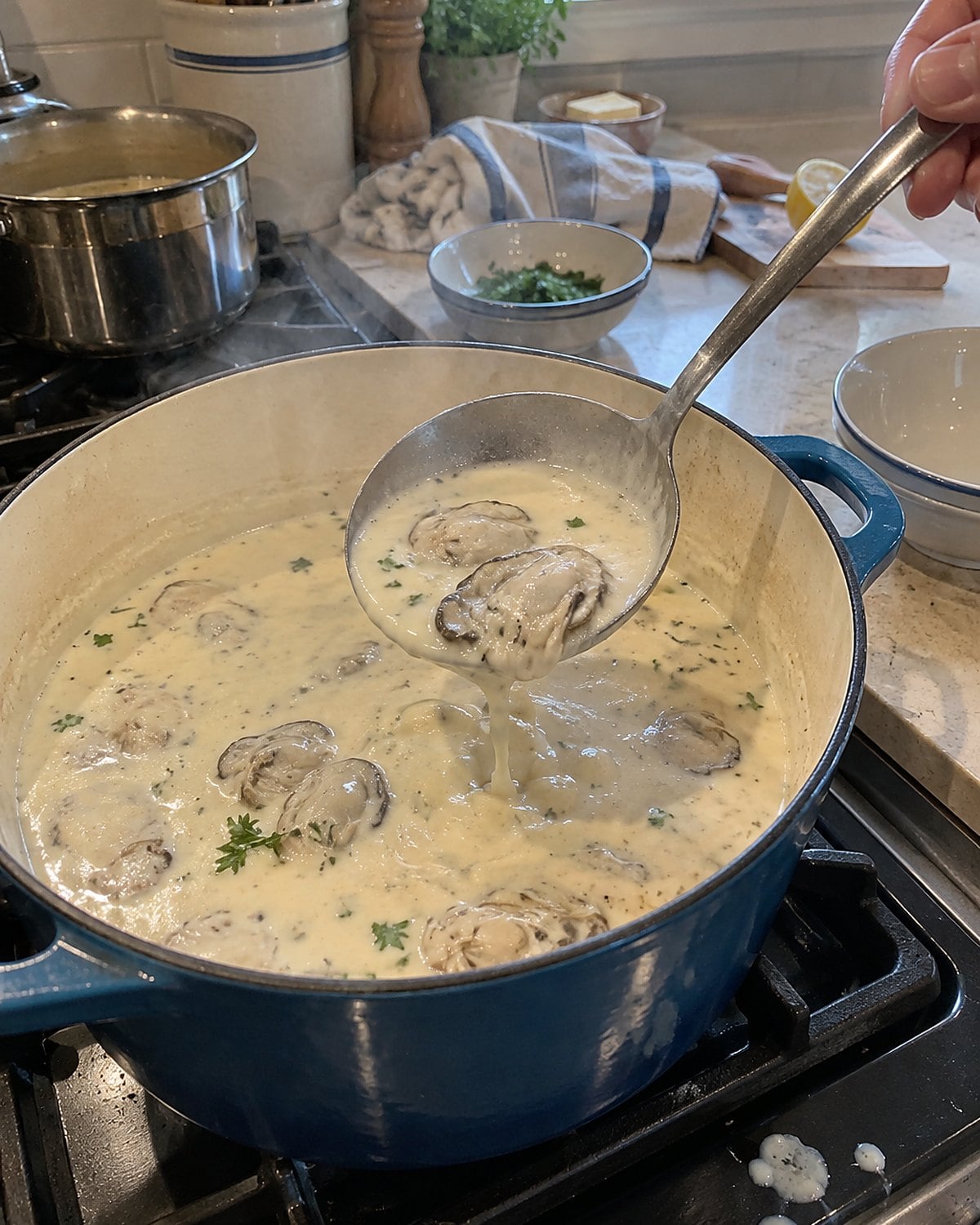
Oyster stew arrived at some church suppers as a holiday dish, pale and spare among all those browned casseroles. One ladleful held milk, butter, oysters, and little else.
Its danger was a hard boil. Milk scorches on the bottom while oysters turn tight and rubbery. Warm the milk over low heat, stir along the pot's bottom, then add the oysters and their strained liquor. Stop when the oyster edges curl and follow the FDA's seafood cooking advice for fully cooked shellfish.
Crackers went in at the table, where they stayed crisp for a moment. You knew the stew was right when the milk tasted of the sea without losing its sweetness. The old ladle made modest portions; it was a dish people came back to between visits.
#6 The platter of molded cranberry salad
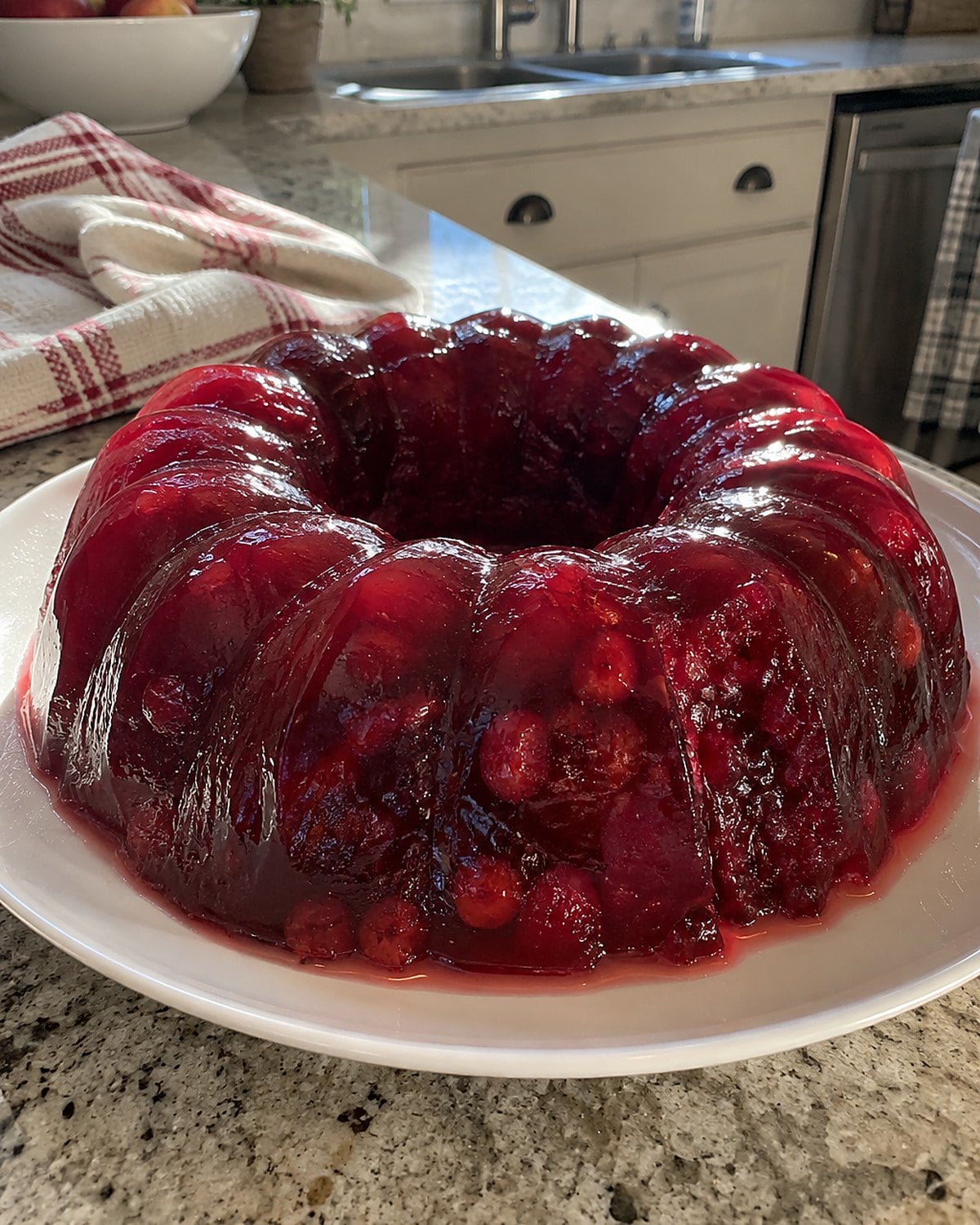
The mold had fluted sides and a stubborn grip. Someone dipped it in warm water, held a plate over the top, and waited for the small thump that meant the salad had released.
Chopped cranberries give the dish tartness and texture, but large pieces sink into a rubbery layer. Chop them fine, then fold them in after the gelatin begins to thicken. Drain crushed pineapple if it's in the recipe. The extra juice changes how firmly the mold sets.
Don't fight the mold if you don't want to. Serve the same mixture in a glass bowl and keep the cranberry bite. The useful part was the bright, sharp spoonful alongside turkey and rich dressing, not the suspense of turning a pan upside down.
#5 The cracker topping on green bean casserole
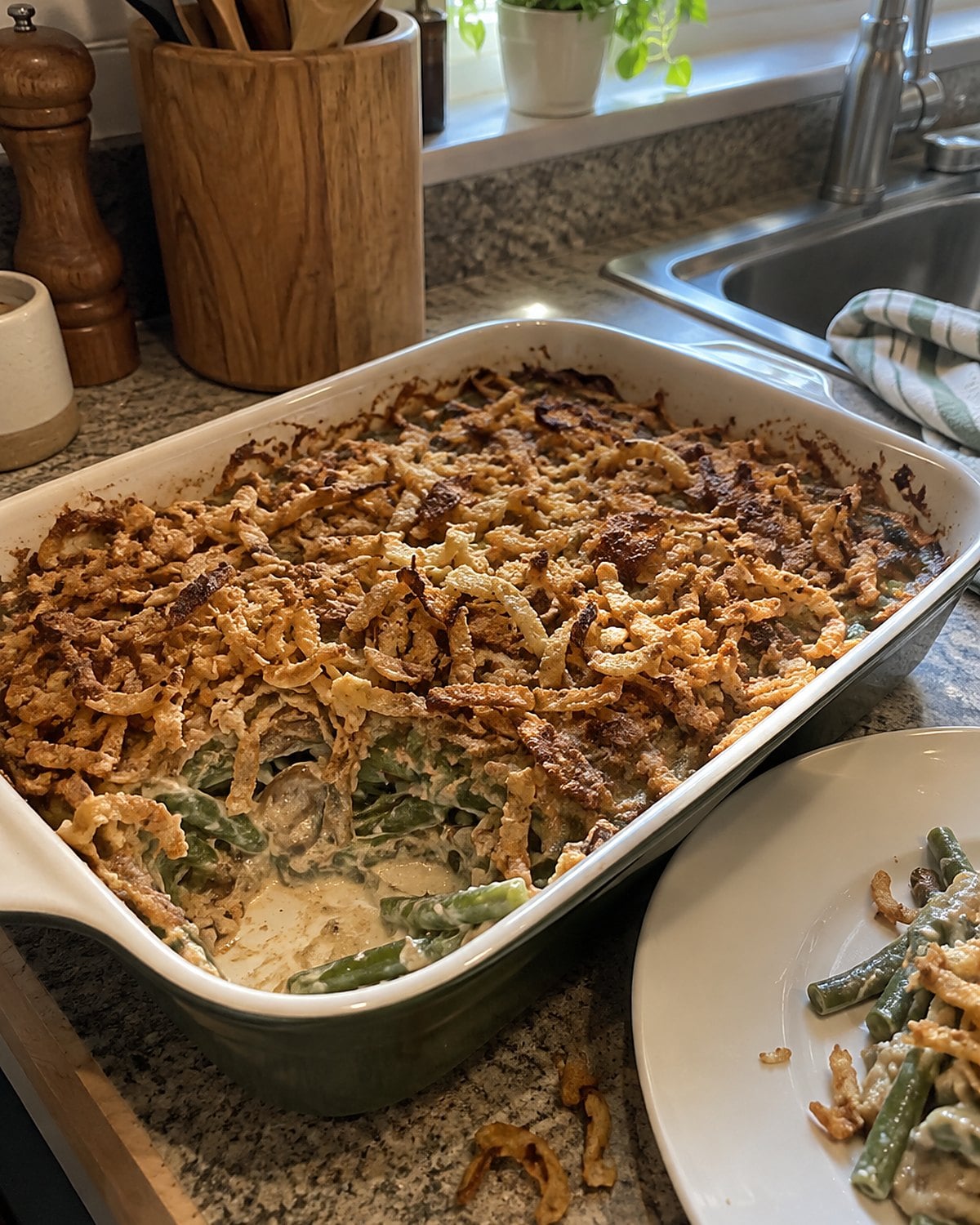
That browned topping was the reason people took a second scoop. Beneath it, green beans and mushroom sauce had steamed together under foil.
Give the beans a little attention before they go into the dish. Thawed frozen beans need draining and patting dry. If you use canned beans, drain them thoroughly too. Water from the beans thins the sauce as the casserole heats.
Keep fried onions or cracker crumbs out of the oven until the filling is hot. Scatter them on top for the last stretch of baking, uncovered. They crisp while the sauce bubbles below.
The topping isn't decoration. It supplies the brittle bite the rest of the pan lacks.
Try it: Instant Pot Green Bean Casserole
#4 The brownie pan of Mississippi mud cake
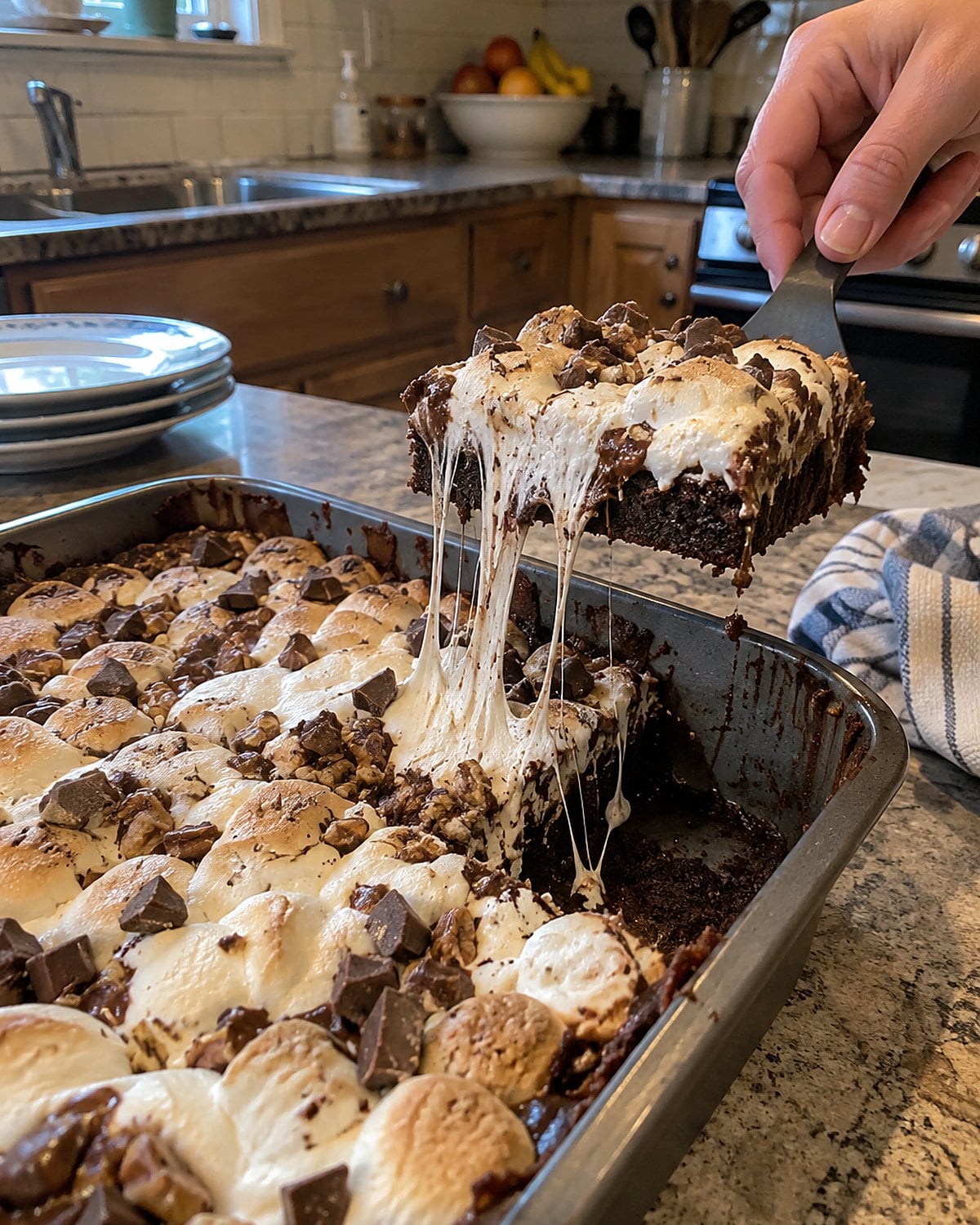
Mississippi mud cake arrived low and dark, with marshmallows peeking through chocolate icing. It wasn't a layer cake dressed for company. You cut it straight from the pan.
Spread marshmallows over the cake while it's hot enough to soften them. Give them a moment before pouring on the icing; a flowing glaze settles into the gaps and holds the top together. Pour too soon and marshmallows float around the pan.
Use a knife dipped in hot water for the first cut, then wipe it clean. Sticky topping clings less to a warm blade. A small square carries plenty of sweetness, especially beside church coffee that has sat on its burner too long.
That pan earned its place because the cook didn't have to frost tidy edges. The mess belonged to the cake.
#3 The serving bowl of chow-chow
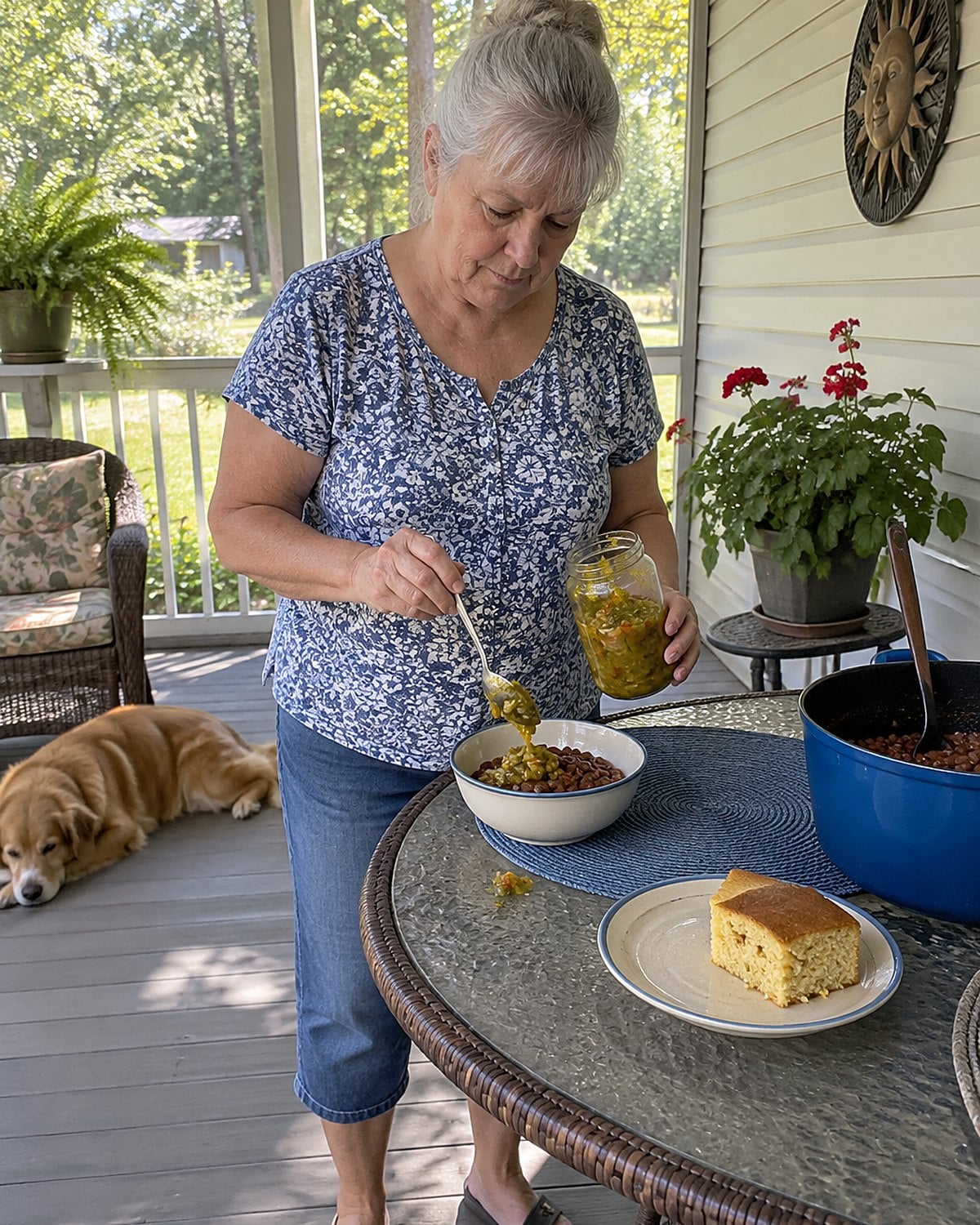
Chow-chow took its turn at the table beside beans and cornbread. A spoonful of chopped vegetables and vinegar gave both a sharp lift.
If you have a family jar, ask what went into it before trying to copy it. Cabbage, peppers, onions, and green tomatoes all show up in versions of chow-chow, but the amounts and processing method matter when jars are meant for the shelf. The National Center for Home Food Preservation is where to look for tested canning directions.
For tonight, buy a prepared jar and see what it does next to your beans. Add a spoonful to the bowl, not the pot. That way the person who wants plain beans still gets them, and you get the bite you remember.
#2 The towel-wrapped pan of baked ziti
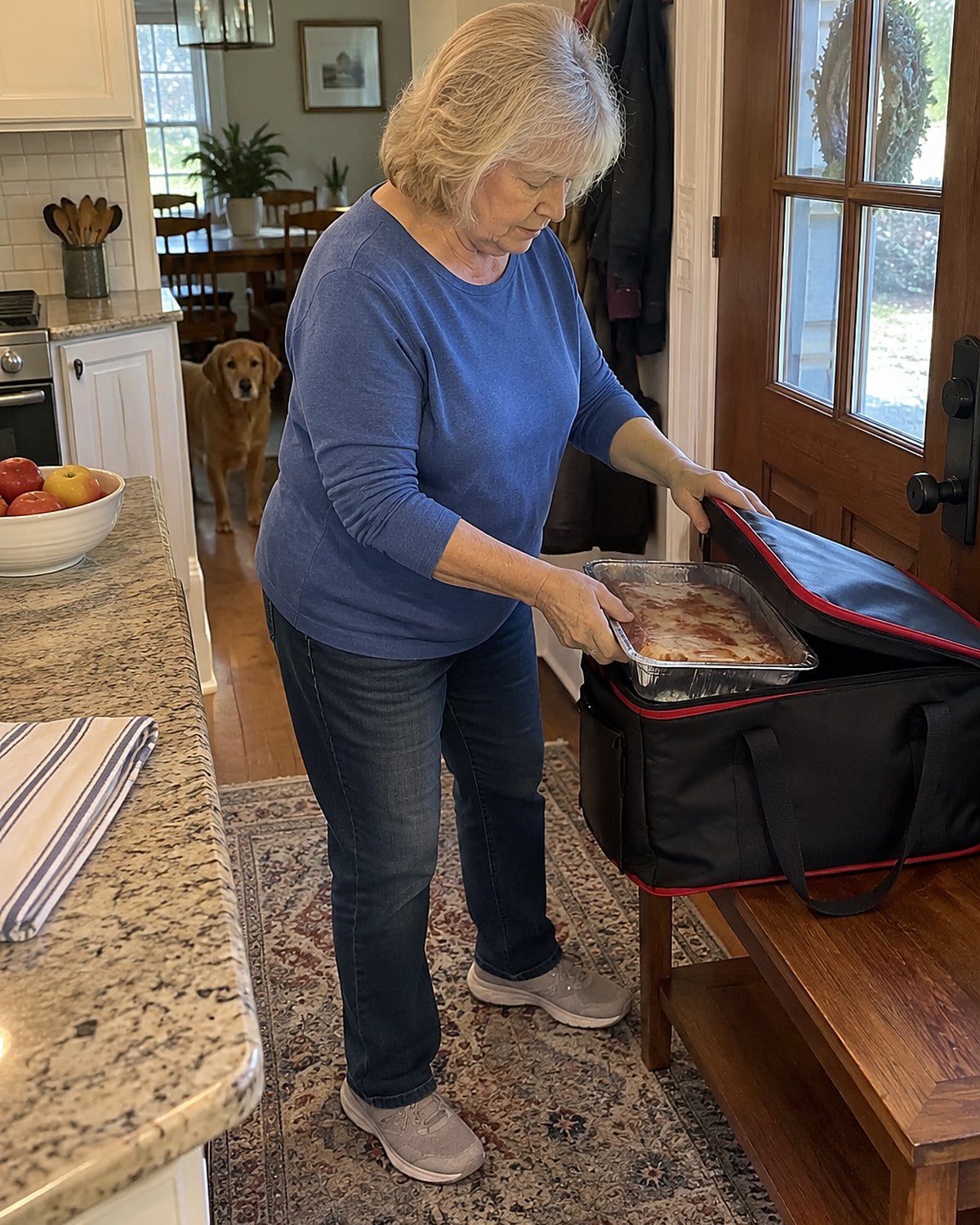
A thick towel around a hot pan, another towel under it on the car floor: that was the old transport system. Baked ziti put up with the trip because its sauce and cheese kept the pasta together.
Cook the ziti until it still has a firm middle. It finishes in sauce in the oven, then keeps absorbing moisture while the pan rests. Stir a little sauce through the pasta before layering cheese on top. Sauce only on the surface leaves the bottom dry.
For the trip, skip the towel as your only plan. Put the covered pan in an insulated carrier and take it straight to the table. The USDA's guidance on serving food safely gives 140°F as the temperature for keeping hot food hot.
An insulated carrier alone doesn't tell you the food's temperature. If you cannot hold the ziti at 140°F or hotter, chill it promptly. Reheat it to 165°F before serving.
#1 The spoon beside the empty casserole dish
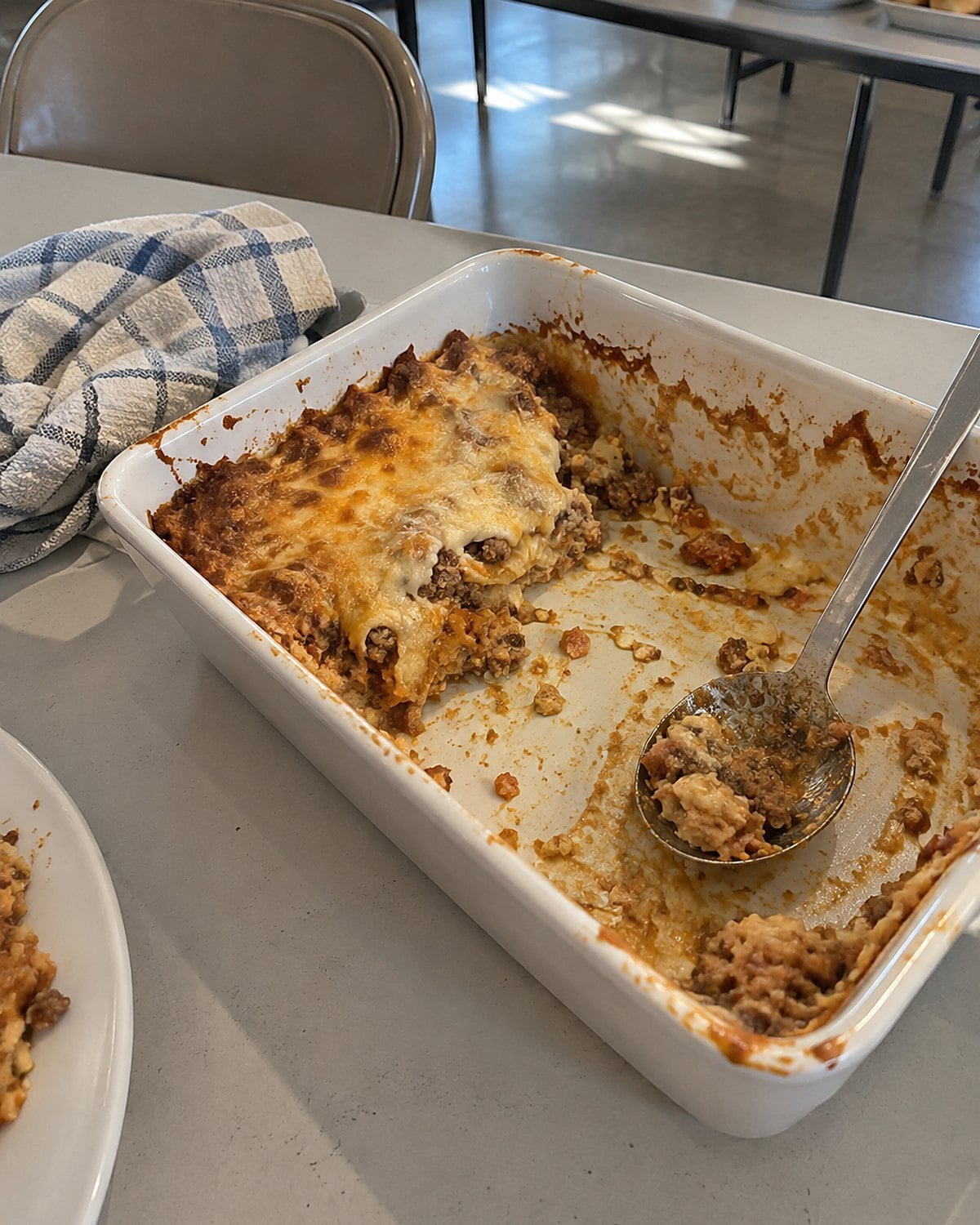
An empty dish near the end of the table told you something useful. People had come back for it, even after they had a full plate. The serving spoon was still there, resting in the last streak of sauce.
That spoon is worth paying attention to when you cook for a smaller table. Think about what made people return: crisp edges, a tart pickle beside rich food, noodles that held their bite. Those details work in a modest pan just as well as they did in a foil tray meant for a hall full of neighbors.
Before you put away tonight's dishes, leave yourself a short note on the recipe card. Write what went first and what stayed behind. “More vinegar.” “Top browned before center was hot.” “Make the smaller pan again.”
Your own kitchen has kept records for years. The spoon gives you one more.
The bottom line
Those long tables were full of practical cooking. Someone knew which pan traveled well, which topping went on last, and which sharp little side made another scoop taste good.
The well-prepared version of you has already saved the recipe card and checked the size of the pan. What dish from your kitchen would leave its serving spoon beside an empty tray?
Bonus: what belongs beside your cast-iron skillet
- Set a sturdy trivet beside it before you cook; a hot skillet needs a landing place.
- Keep a dry towel near the handle. Iron stays hot after the burner is off.
- Have a plate ready for the first batch of apples. Crowding the pan steams the rest.

Leave a Reply