

The refrigerator door shuts with a thump while you carry out the last little bowl. Dinner is ready, but you still need to find space between the meat platter and the potatoes. There’s a dish of pickles, a stack of bread, and something your mother called a salad though it wobbles.
That crowded table was work. It was also a way to make a modest supper feel complete, especially when someone dropped by. You don’t need to bring every bowl back. A few are worth remembering because they solve problems your kitchen still has.
#27 A Butter Dish Left on the Table
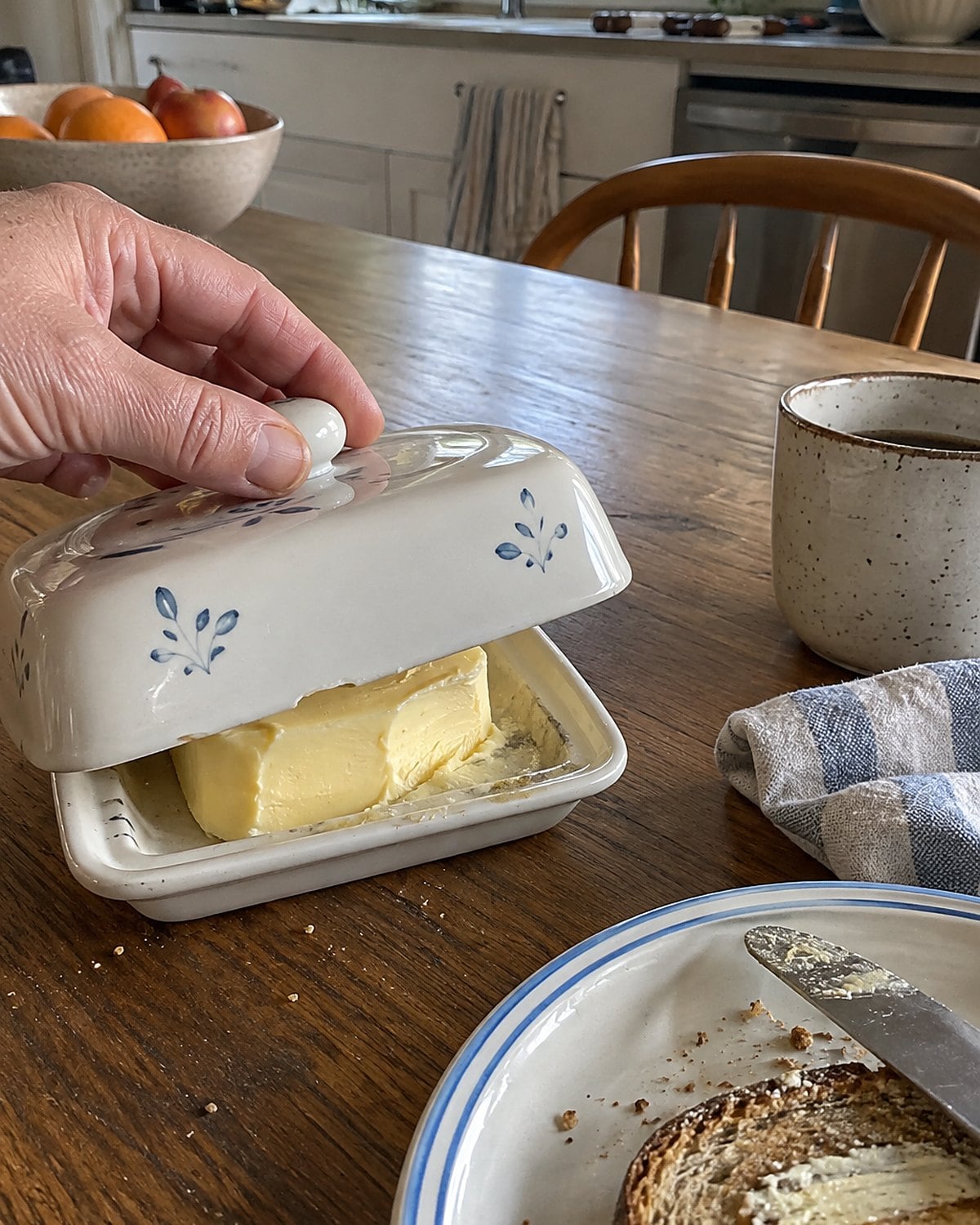
The butter dish had its own place, even when dinner was spaghetti. Lift the lid and there was the butter knife, tucked against a stick marked by crumbs from breakfast. Nobody had to interrupt supper to hunt through the refrigerator.
That small convenience came with a question your mother’s covered dish didn’t settle: how warm is the room, and how long has the butter been there? The USDA’s cold storage guidance is the place to check when you’re unsure.
For an easy supper habit, bring out only what the table will use, then put it away when you clear the dishes. Wash the knife instead of leaving it inside for the next meal.
The bread beside it has its own story.
#26 The Basket of Bread With Every Meal
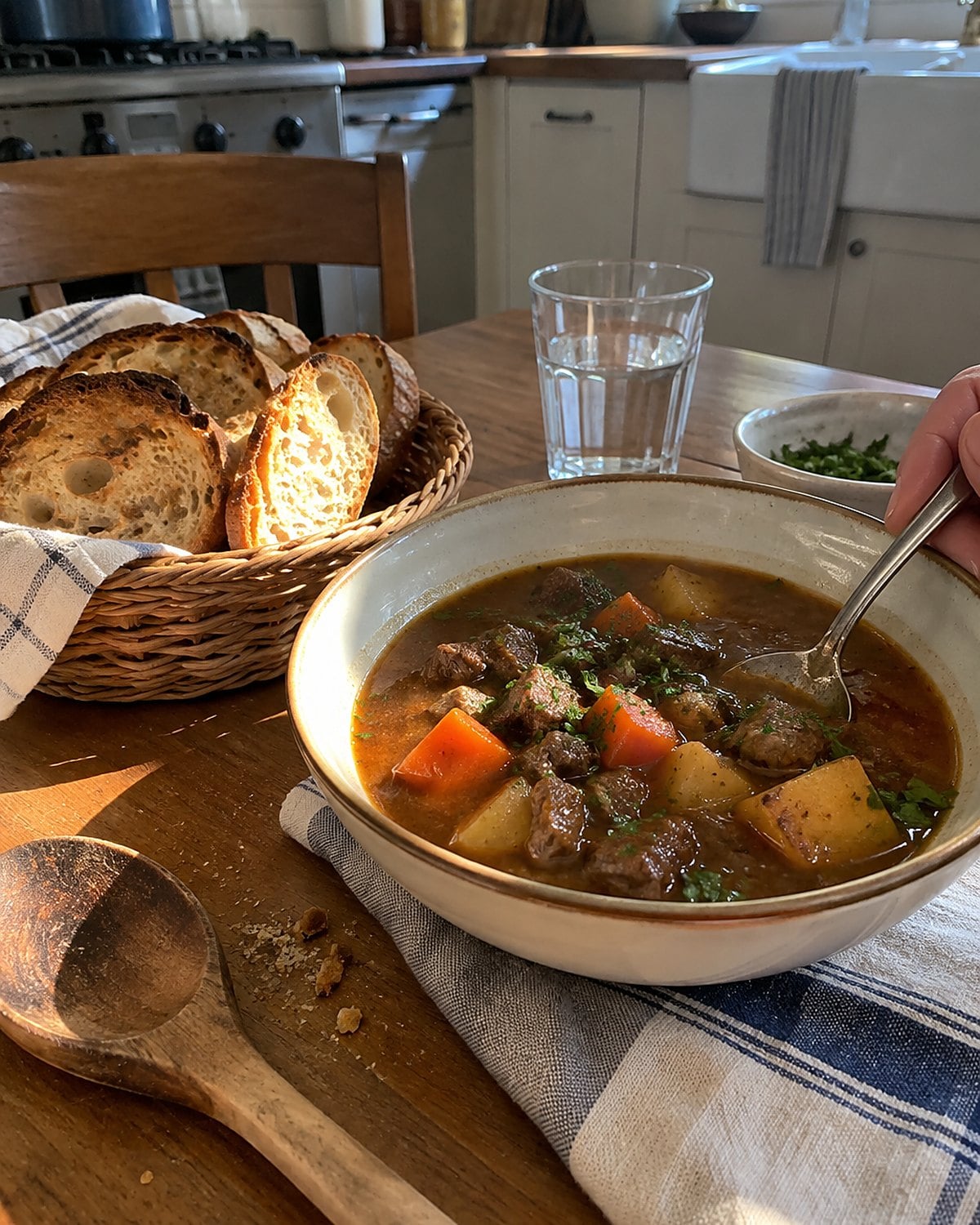
A slice of sandwich bread could turn a small serving of stew into supper. The basket came out for roast chicken, canned soup, even a dinner that already had potatoes. Somebody always used the last corner to collect the gravy.
It gave everyone enough to eat without another pan on the stove. That’s handy when a grandchild appears at dinnertime, hungry before the main dish is ready.
Tonight, skip the whole loaf. Toast a couple of slices in a dry skillet and cut them into pieces. Their rough edges catch gravy better than a tidy square. You’ll know whether the basket earned its place when you clear the table.
#25 Celery Sticks in a Drinking Glass
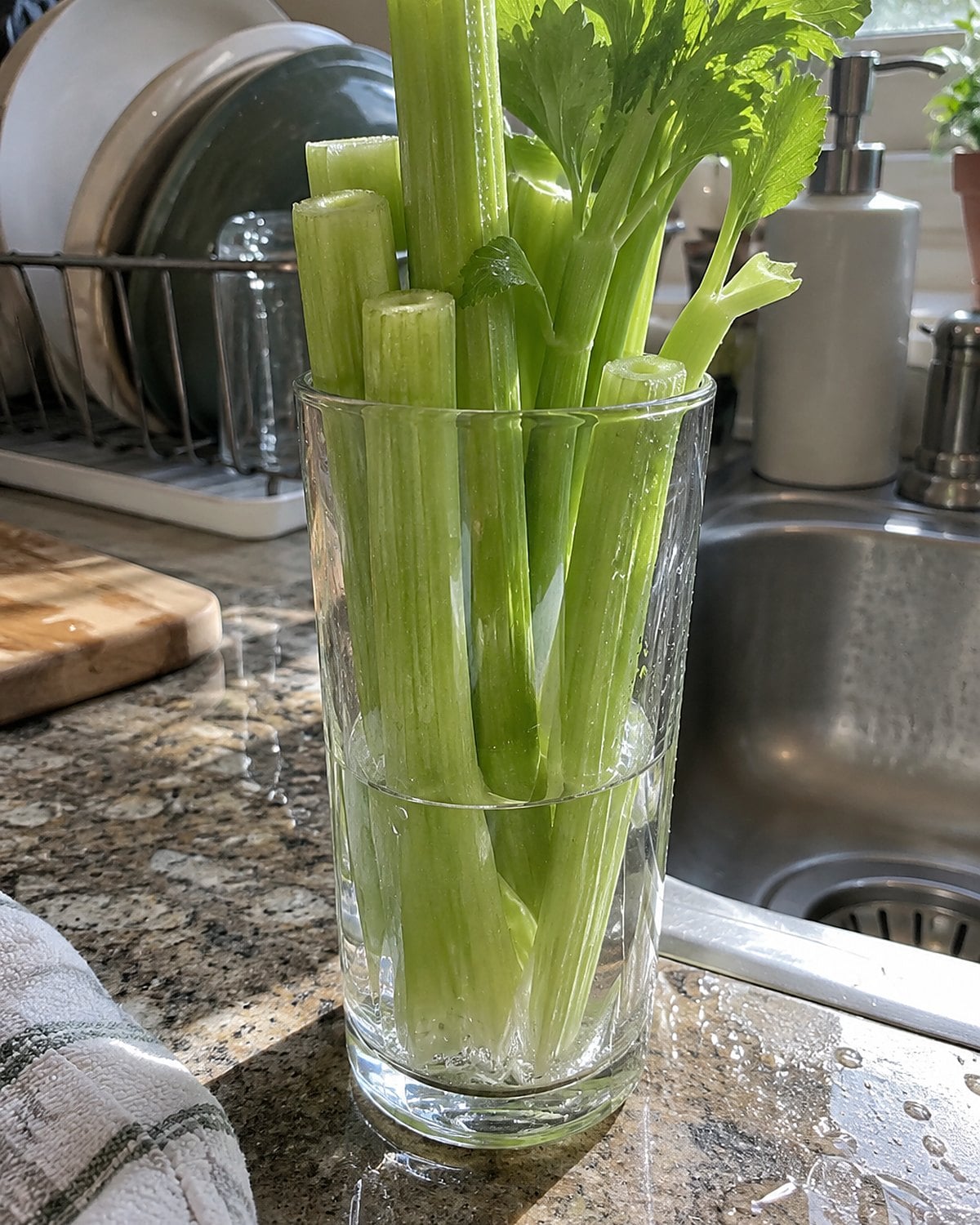
Celery sat upright in a glass, leaves removed, stalks cut short enough to grab. It filled the gap while dinner finished and gave people something crisp beside soft food. That crunch matters more than the decoration.
The old method had a flaw: stalks cut far ahead of supper lost their snap. Bend one. Fresh celery holds firm and breaks; limp celery folds. If yours has gone slack, trim the ends and stand the stalks in cold water in the refrigerator while you finish cooking. Give the glass a fresh rinse before it goes to the table.
Celery also has a useful partner. Spread a little cream cheese down its groove, or serve it plain beside a dip that needs a sturdy scoop.
You don’t have to carve it into tiny boats. The best piece is the one you’ll eat while standing at the counter, before anyone calls it an appetizer.
#24 Cranberry Sauce Still Shaped Like the Can
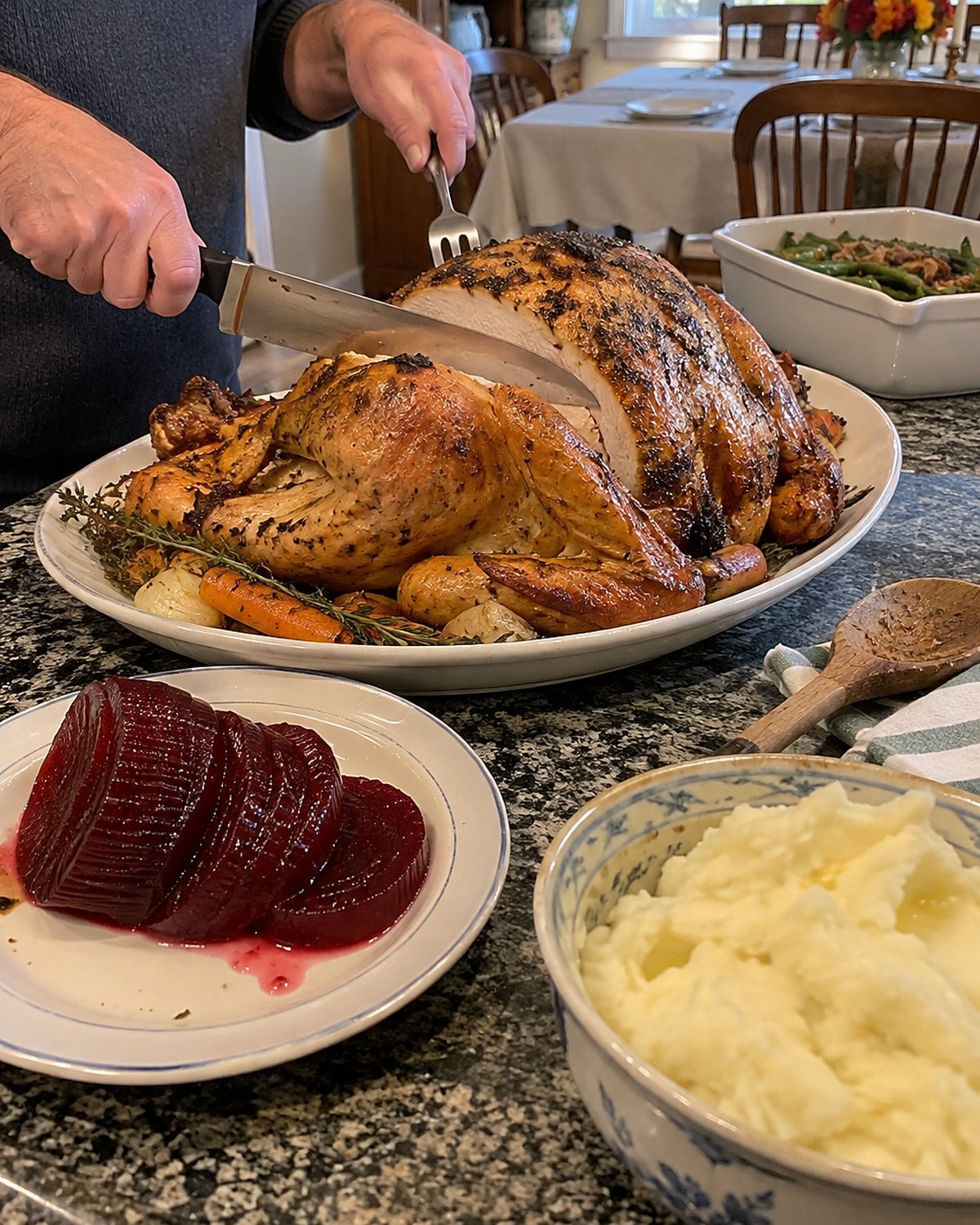
The cylinder landed on a small plate with every ridge intact. Someone cut it into rounds, and each slice slid against the turkey or ham. You knew what it was before you sat down.
Canned cranberry sauce worked because tartness cut through a rich dinner. The ridges were incidental. If you miss that sharp bite but not the ceremony, put a spoonful beside roast pork or leftover chicken. Taste it with the meat before deciding whether the plate needs more salt. The contrast does the job that another rich side won’t.
There’s no reason to apologize for opening a can. Nor do you have to call it homemade. A dish that vanishes faster than the centerpiece has made its case, even if the can opener did most of the work.
#23 Cottage Cheese Under a Peach Half
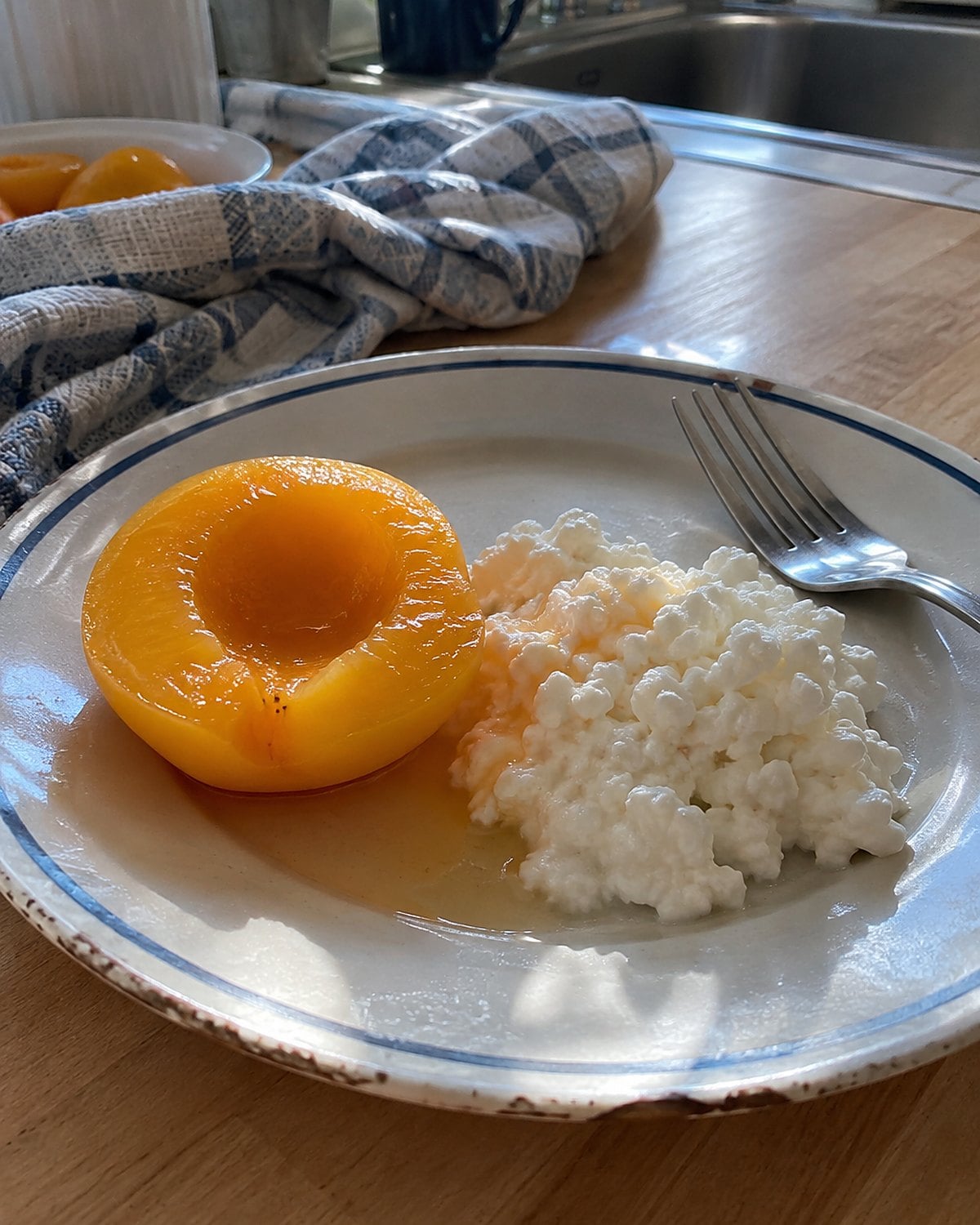
Was the peach meant to be a salad or dessert? It depended on where you put the plate. A canned peach half, a scoop of cottage cheese, and a lettuce leaf showed up at lunches and company suppers under either name.
The pairing has a sound idea behind it. Sweet fruit tastes sharper against the tang of cottage cheese, and the curds give the soft peach some texture. Trouble starts when syrup pools under everything. Drain the peach well, then taste the cheese before adding anything else.
You can make one plate instead of a platter. Use a peach half and a spoonful of cottage cheese, and leave off the lettuce if it’s there only for show. Eat it cold while the rest of supper heats. It’s an oddly satisfying reminder that the side dish didn’t always need its own saucepan.
#22 Frozen Orange Juice in Its Little Can
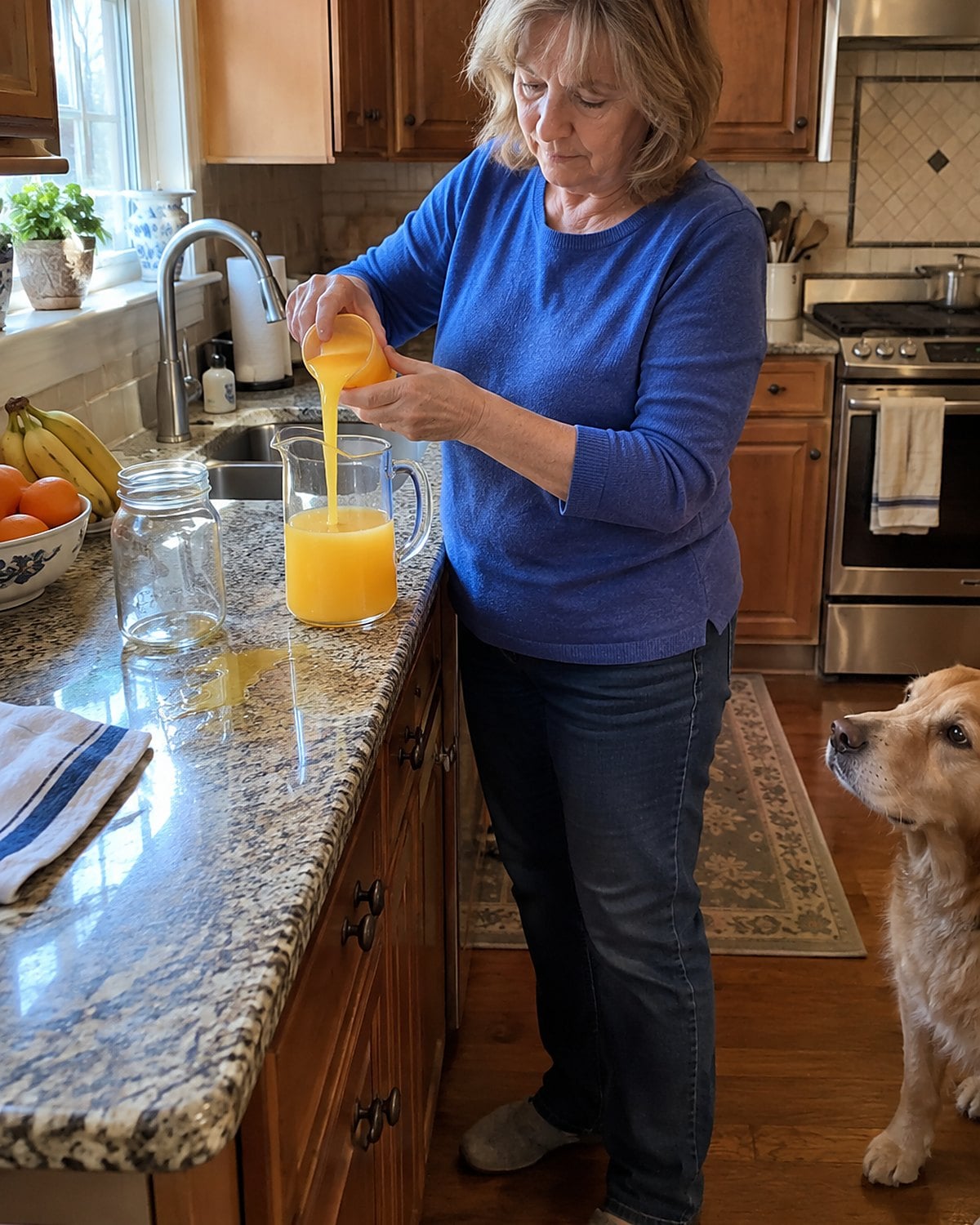
The freezer door opened, and there was the cardboard tube tucked behind the peas. You levered off the lid, squeezed the frozen concentrate into a pitcher, and stirred in water. Once the orange lump disappeared, the pitcher went to the table.
Frozen concentrate earned its space because it waited for company. It also let you mix only what you needed. If a tube is in your freezer now, read its label for the water ratio rather than relying on the pitcher you used decades ago. Concentrates aren’t all made alike.
The real test comes after stirring. Scrape the bottom of the pitcher with the spoon; a dense patch of concentrate hides there and makes the last glass far sweeter than the first. That small job was often handed to a child. The reward was licking the spoon, provided nobody had already set it in the sink.
#21 Green Beans Cooked With a Ham Hock
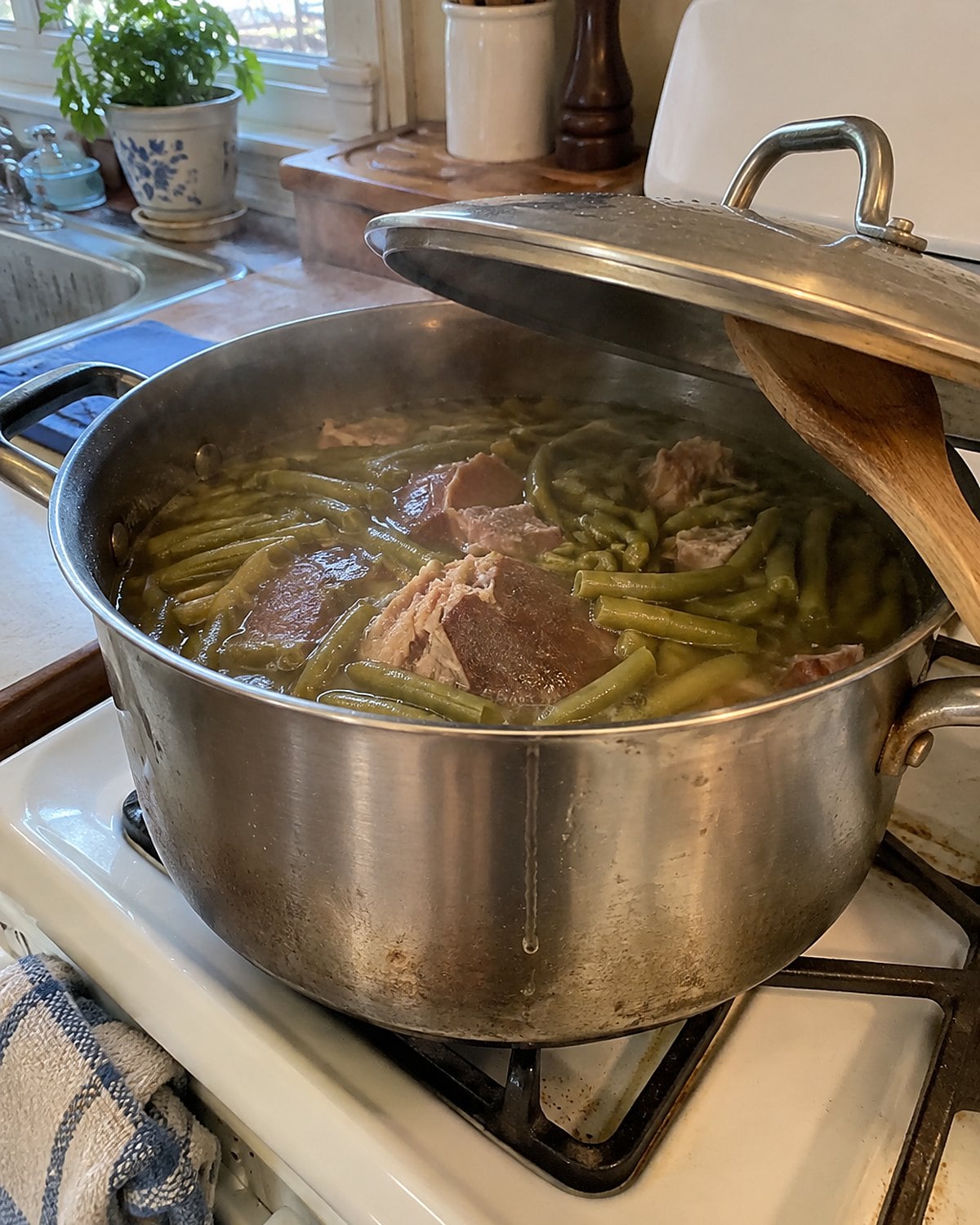
The lid rattled while green beans cooked with a ham hock. By the time the pot reached the table, the beans had lost their bright color and picked up the flavor of the meat. That was the point.
Start the hock in water before adding the beans. It needs time to flavor the liquid first. Green beans don’t need the same head start.
When the pot smells smoky, add the beans. Let them cook until a fork goes through without resistance. This isn’t the crisp-tender green bean you’d toss with almonds.
Taste the liquid, too. If it tastes flat, a splash of vinegar wakes it up without hiding the ham.
For a smaller household, use less meat and a smaller pot. You want enough liquid to keep the beans cooking, not a full stockpot because that’s the one your mother owned. Spoon some of the pot liquor over the serving. Leaving it behind means leaving much of dinner’s flavor on the stove.
#20 Deviled Eggs on the Special Plate
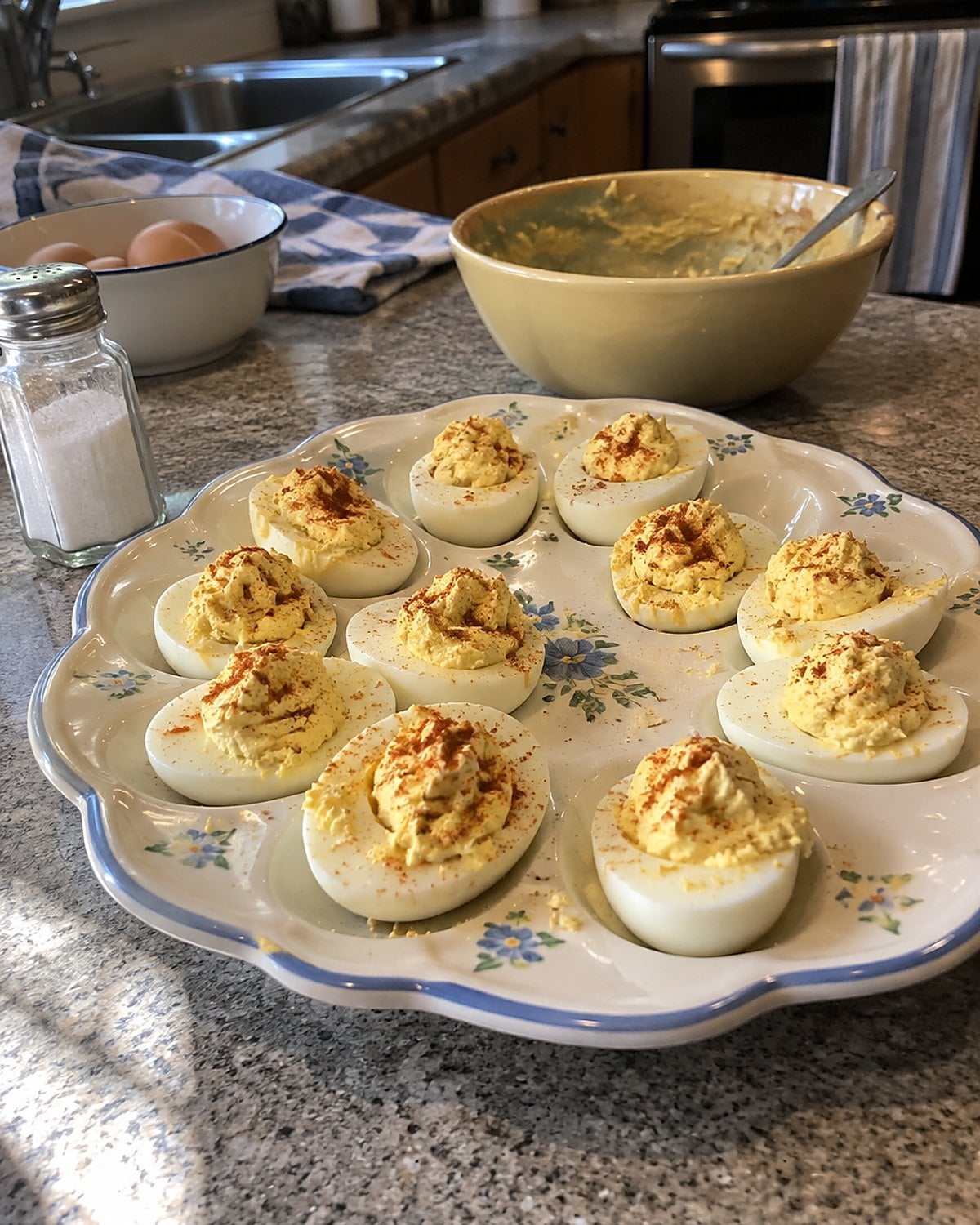
The plate had little hollows that held each egg half upright. It lived at the back of the cupboard until a shower, holiday, or Sunday dinner gave it a reason to come out. By then, someone had already asked who was bringing the eggs.
Deviled eggs still reward a small extra step. Press the yolks through a sieve or mash them thoroughly before stirring in mayonnaise and mustard. The filling turns smooth without needing more mayonnaise. Taste before you pipe or spoon it back; mustard changes the balance quickly.
Keep the finished eggs cold until serving. The FDA’s food safety guidance is worth consulting if they’re headed to a long buffet or a warm porch.
At home, the plate’s hollows are reason enough to use it again. No guests are required.
#19 A Small Bowl of Pickled Beets
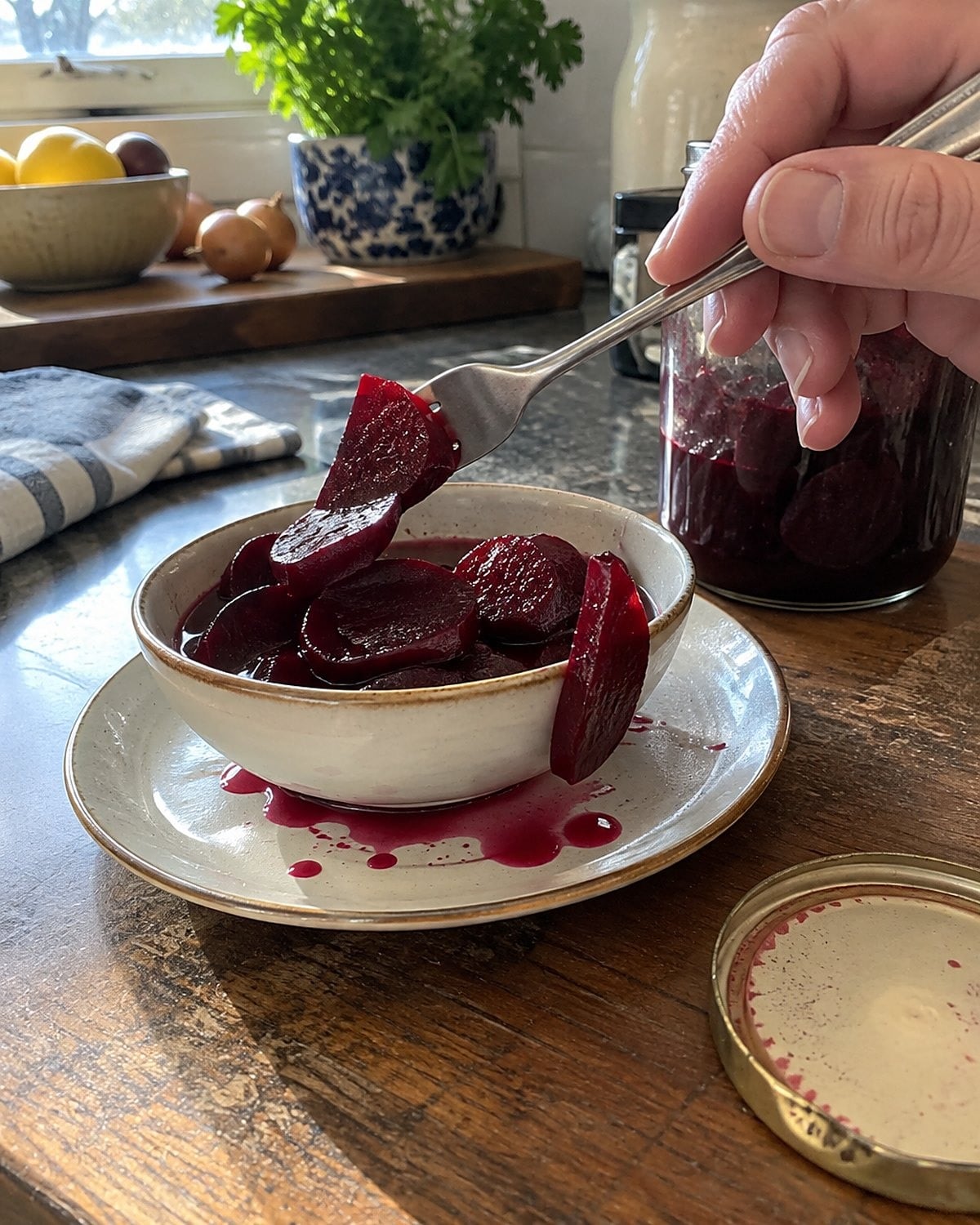
Pickled beets left pink marks on the tablecloth and divided the room. If you loved them, you took a second helping. If you didn’t, one slippery slice was plenty.
Their value beside roast meat was the vinegar. A rich plate gets tiring when every side is buttery or creamy; a tart bite resets your tongue.
Before serving beets from a jar, taste one over the sink. If the liquid is sweeter than you remember, drain the slices and add a little vinegar. Give them about 15 minutes while you set the table, then taste again. That pause lets you find out whether they need more vinegar before the bowl reaches dinner.
Use a small bowl. That isn’t a judgment about the beets; it keeps their juice from wandering into the mashed potatoes. Set the spoon on a saucer so the drips have somewhere to land.
Your tablecloth has already done its share of work.
#18 Tomato Aspic Turned Out on Lettuce
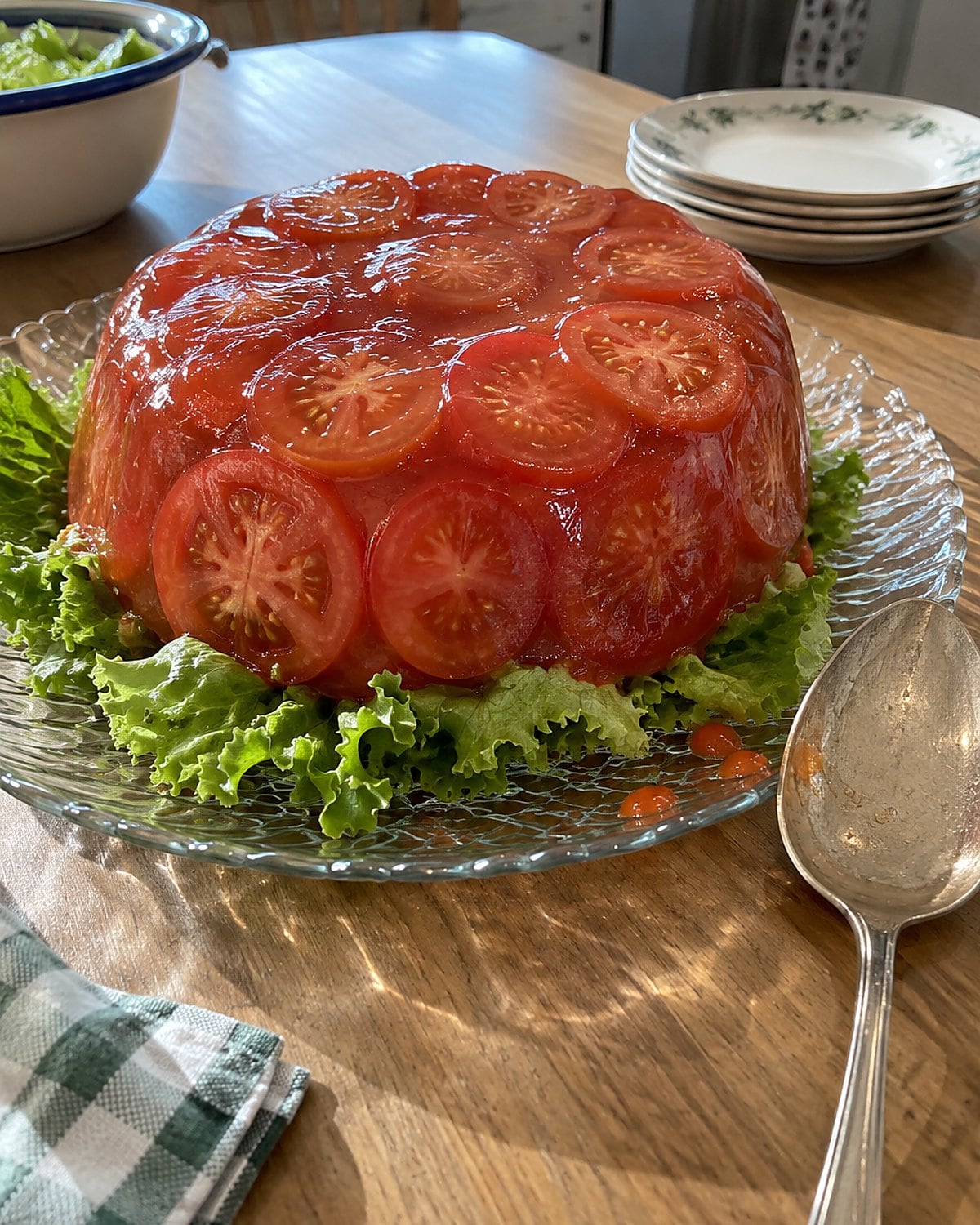
A tomato aspic carried itself to the table in one trembling piece. It had been chilled in a mold, turned onto lettuce, and given a moment of attention before anyone cut into it.
Its savory flavor is the surprise. Tomato juice, lemon, and seasonings made it closer to a cold soup you could slice than to a fruit gelatin dessert.
Found the recipe in a family notebook? Look closely at the gelatin directions. The amount of liquid determines whether it stands or slumps. A mold also needs thorough chilling before you try to unmold it.
You don’t have to make a whole ring to find out whether you like it. Set a small portion in a dish and taste it cold. The flavor changes once it’s properly chilled. Then you can decide whether the lettuce deserves another appearance.
#17 Raw Radishes Beside the Salt Shaker
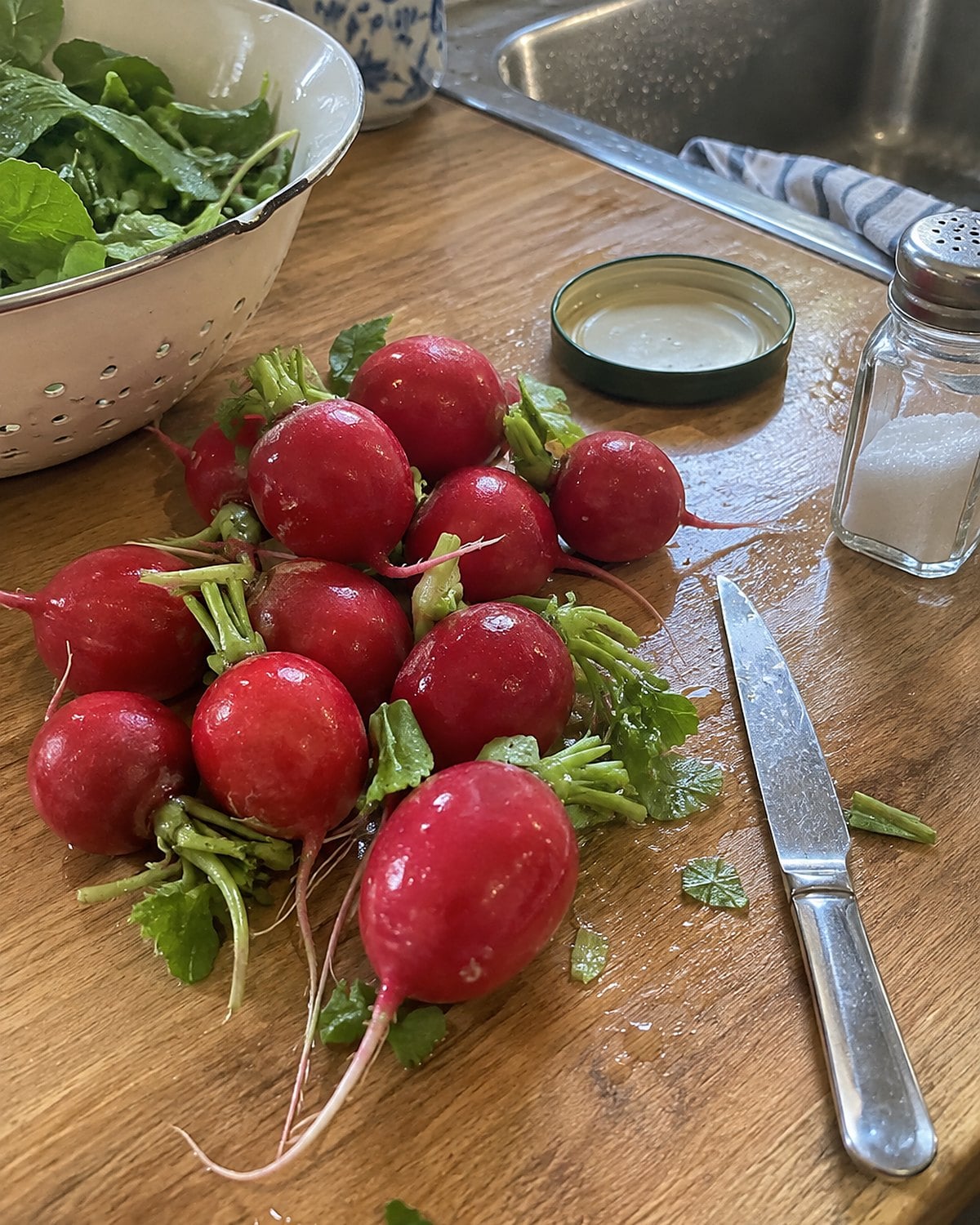
Radishes came to the table with their roots trimmed and a little salt nearby. They looked plain until the first bite: crisp, peppery, and sharper than the rest of dinner.
There’s a reason they were served with butter in some households. A thin smear of butter softens the heat and helps the salt cling. Wash a radish, slice it, and try one piece plain before dressing the next. You’ll learn more from that comparison than from burying a whole bunch in salad.
Look at the leaves when you bring radishes home. If they’re attached, cut them off before storing the roots; the leaves pull moisture from the radishes. Keep the roots cold, then rinse them before serving. That familiar little dish offers something a heavy casserole cannot: a clean, brisk bite halfway through the meal.
#16 Ambrosia in a Big Serving Bowl
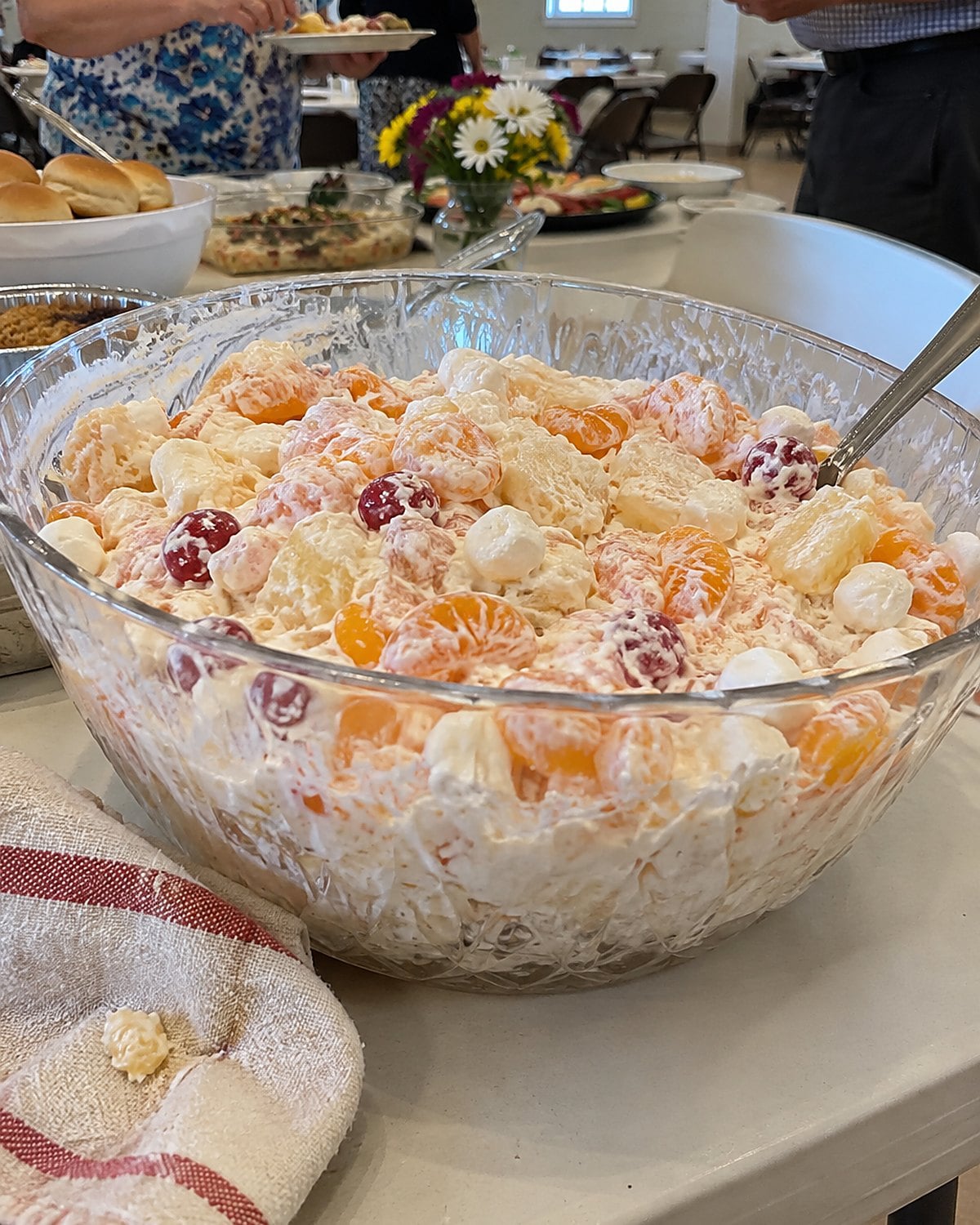
At a church supper, ambrosia sat between the potato salad and the cake. You had to decide where it belonged on your plate. Orange segments and coconut made sense together; marshmallows turned the argument into dessert.
The trick is drainage. Wet fruit thins the creamy dressing and leaves a puddle at the bottom of the bowl. Drain canned fruit thoroughly, and dry fresh orange pieces after cutting them. Fold everything together close to serving so the pieces keep their shape.
If the old version tastes too sweet to you now, don’t fight it with a larger scoop of sour cream. Start with less sweet fruit and taste before adding marshmallows. You still get the familiar spoonful, minus the syrup running into your dinner roll.
#15 Pineapple Rings Topped With Mayonnaise
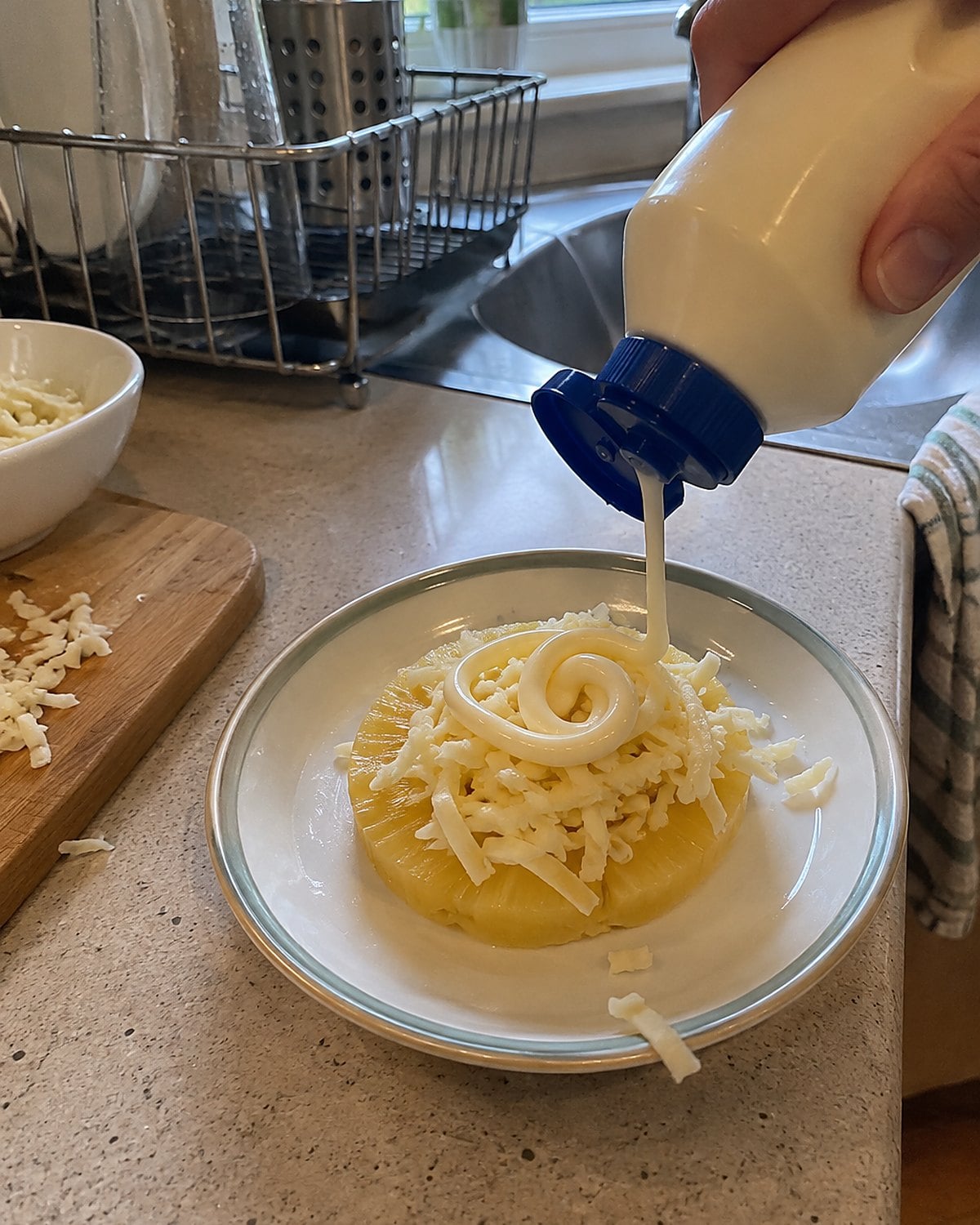
A pineapple ring on lettuce, a dab of mayonnaise, and shredded cheese: there it was, called salad. The combination sounds unlikely until you remember how many 1960s tables prized a little sweet, a little salty, and a cold dish ready before the roast came out.
The problem is canned pineapple juice left on the plate. It loosens the mayonnaise and wilts the lettuce. Drain the rings, then blot them with a clean towel before assembly. Use a sharp cheese; mild cheese disappears against the fruit.
Make one on a small plate if curiosity gets you. Take a bite with all three parts before you judge it. Or leave the mayonnaise off and keep the pineapple as a tart-sweet side for ham. Your mother’s recipe card isn’t a contract.
#14 Sliced Tomatoes With a Sugar Shaker
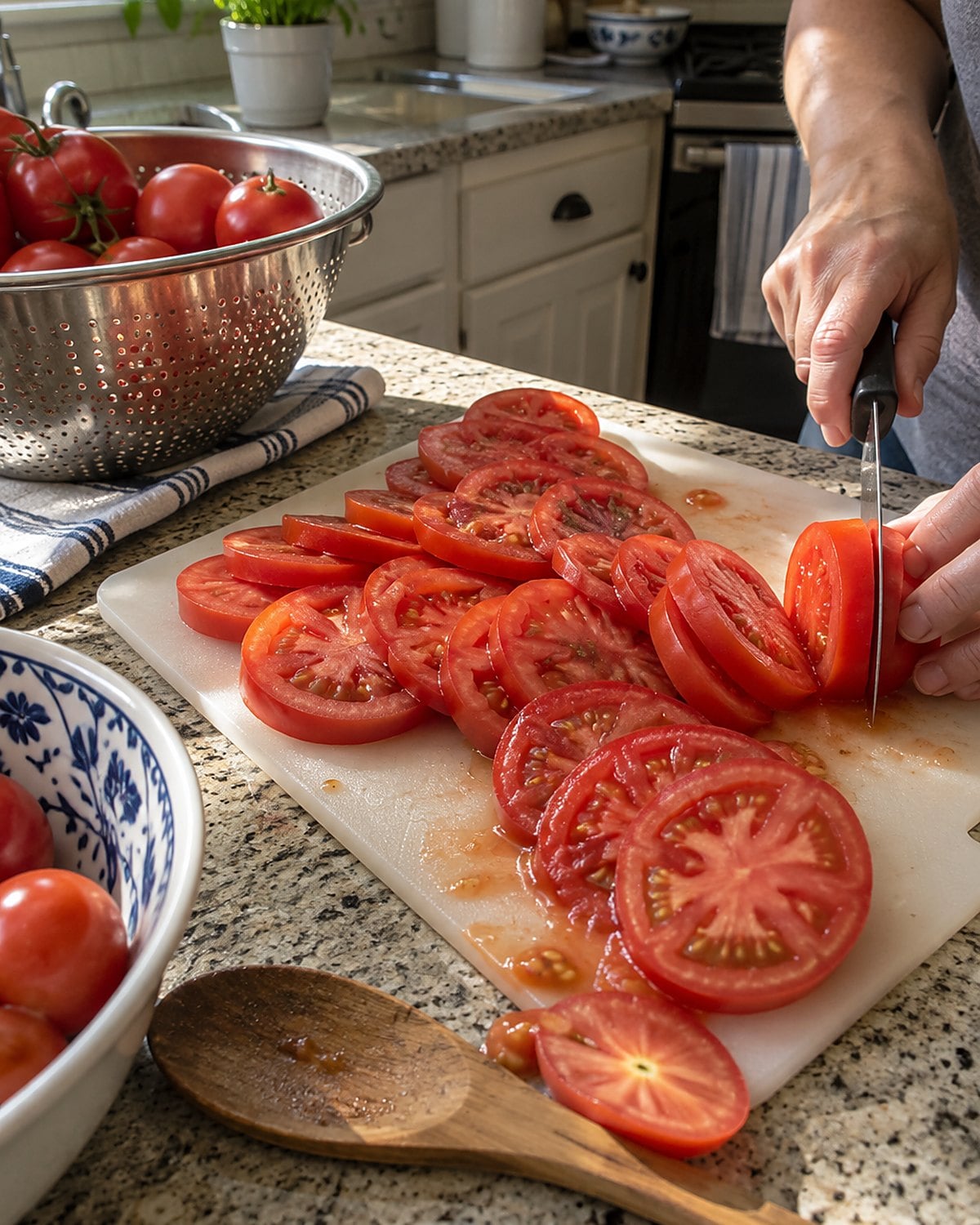
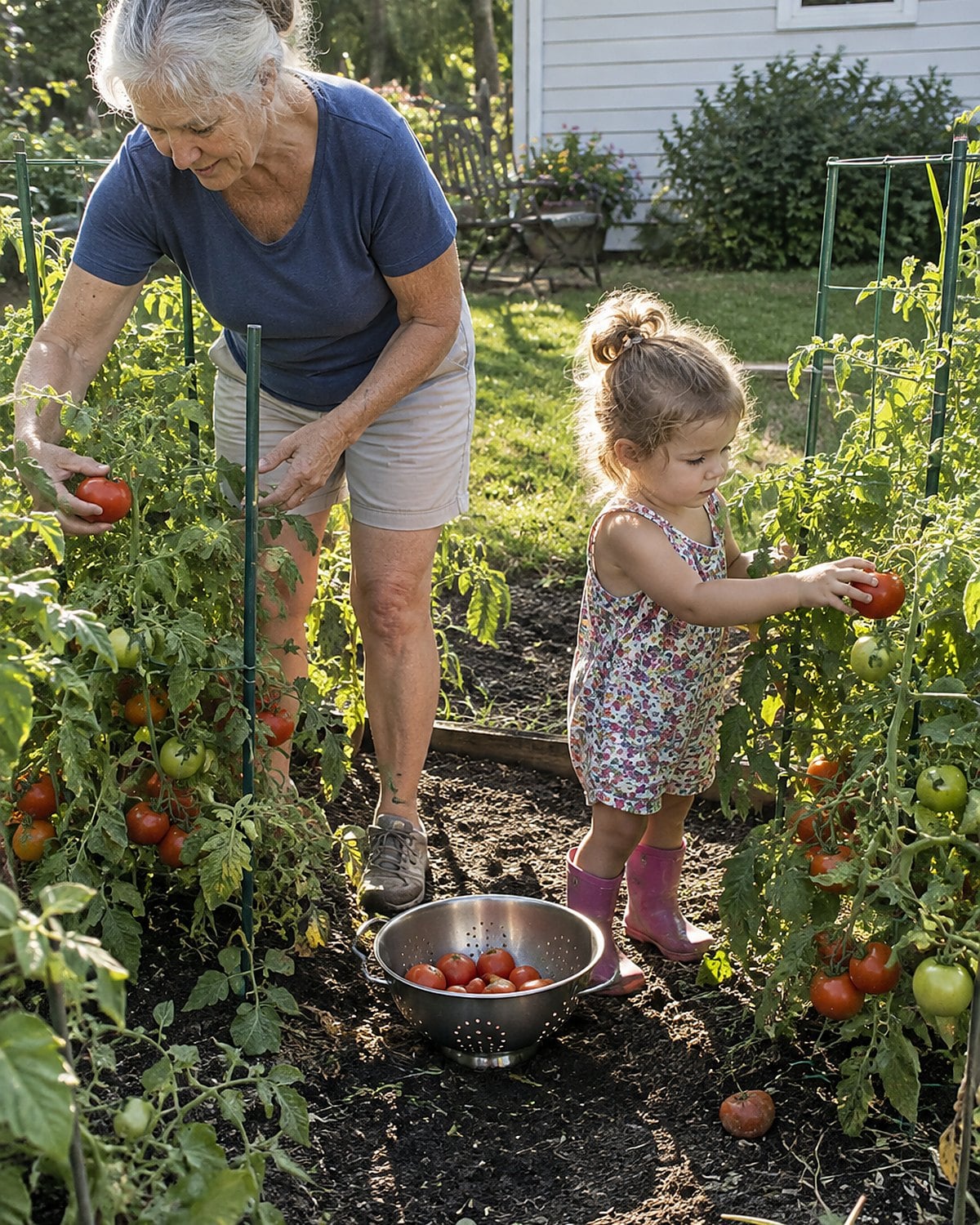
In tomato season, the counter filled up before breakfast. Someone brought in a colander from the garden, and the best tomatoes went straight onto a plate. A sugar shaker appeared beside the salt.
Sugar had a purpose when tomatoes tasted too sharp. First, taste a slice without it. Sprinkle on salt and wait for the surface to shine with juice; the salt draws moisture out and makes the tomato taste more like itself. If the slice still needs sweetness, add a pinch. There’s no prize for following the shaker by habit.
Use a serrated knife on a ripe tomato. Its teeth get through the skin without pressing out the middle. Then carry the plate to the table before the juice runs across the cutting board. This is one old habit that needs no revival plan, only a good tomato.
#13 Creamed Chipped Beef on Toast
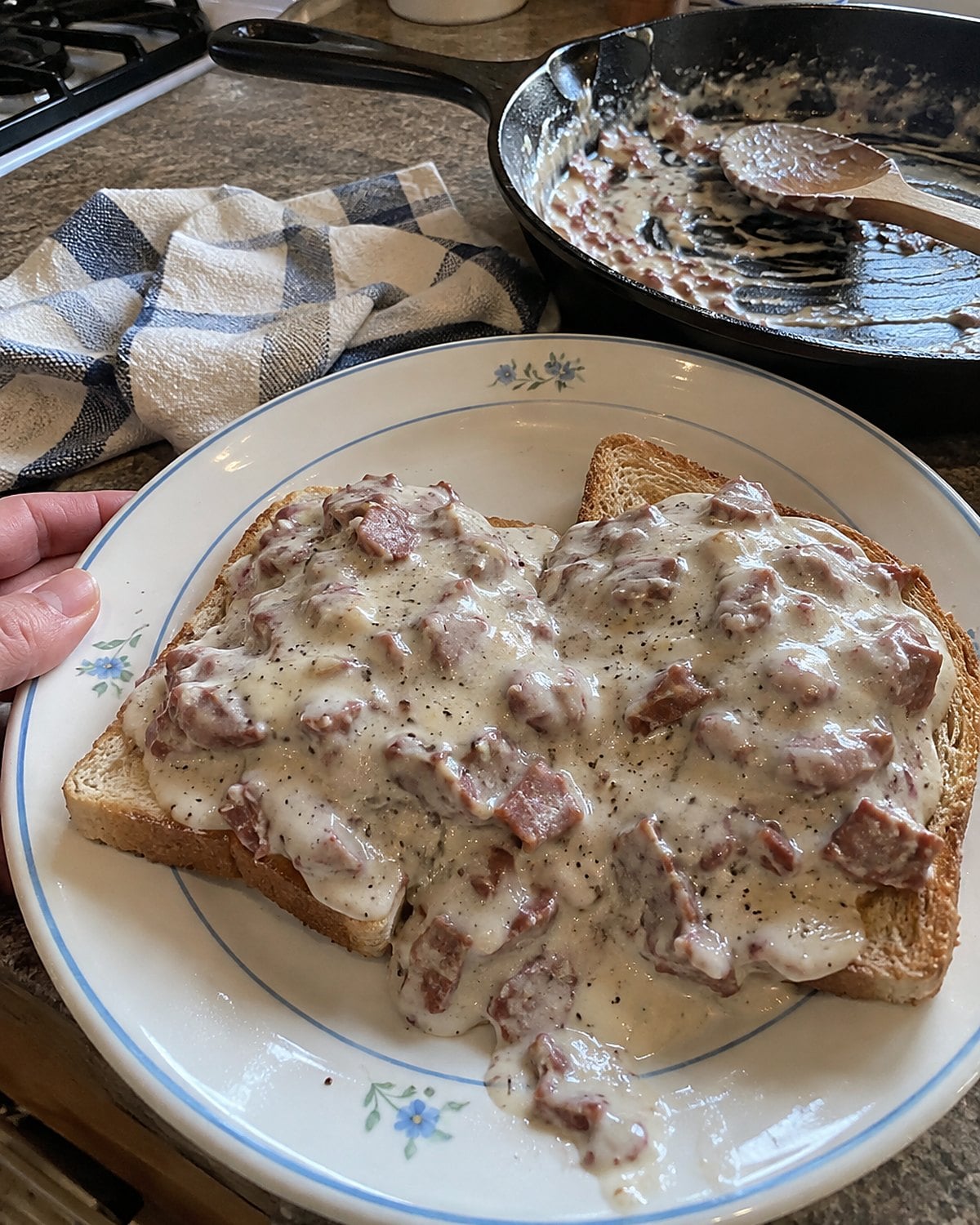
The skillet started with butter and flour. Milk went in slowly while somebody whisked, and the sauce thickened around chopped dried beef. Served over toast, it made a meal from pantry food and a few minutes at the stove.
Dried beef is salty, so hold the salt until the sauce is finished. Taste a piece before it goes into the pan. If it’s too salty for your liking, rinse and pat it dry. Add the beef after the white sauce has thickened; that lets you judge its seasoning before the meat changes it.
The sauce should coat a spoon, not sit on the toast like paste. Add milk a little at a time if it tightens too much. Use firm toast, too, or the bottom disappears before you reach the table. You don’t need to make a big pan. One skillet and a couple of slices will tell you whether this supper deserves a return.
#12 Canned Pear Halves With Cheese
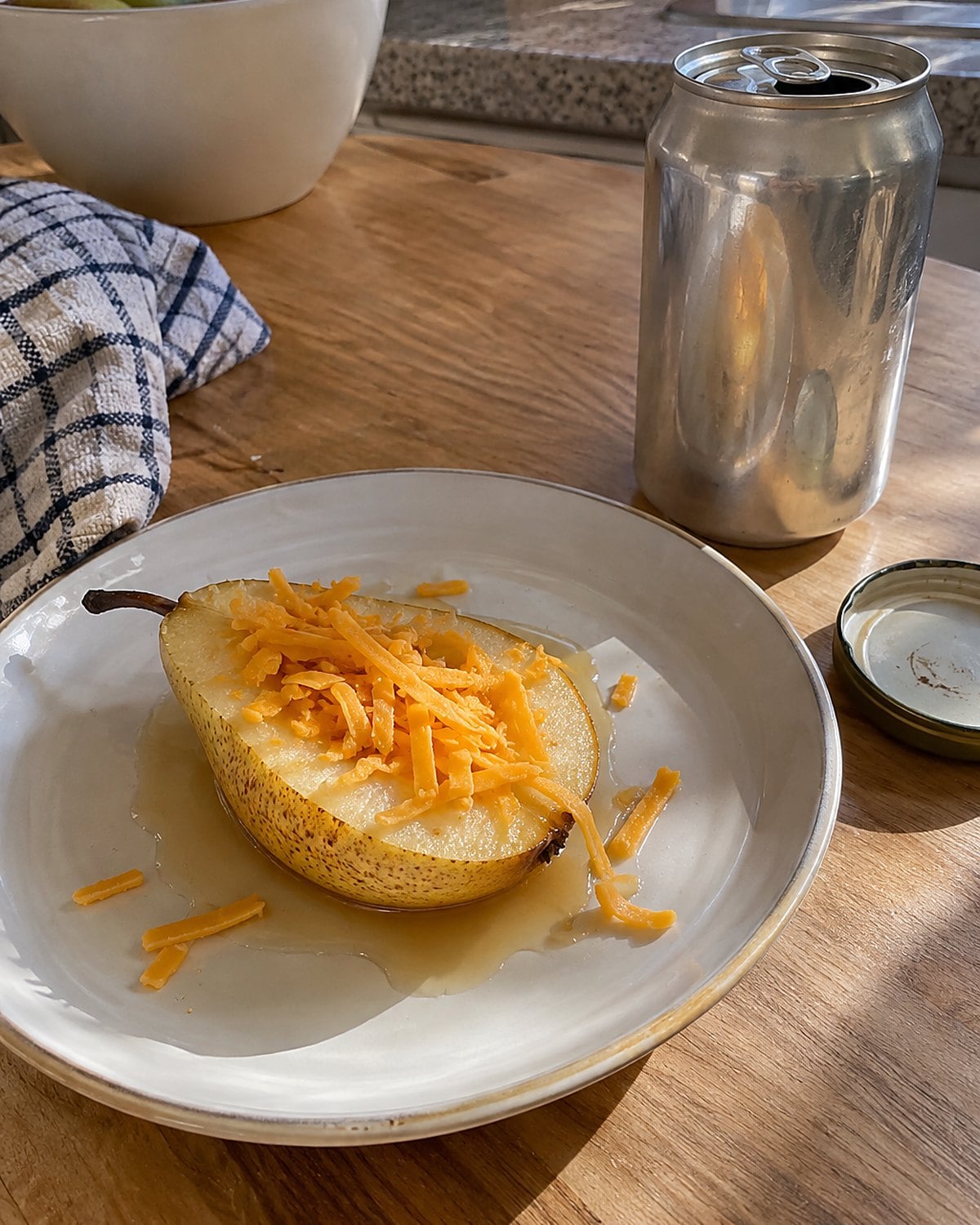
Canned pears came out of the pantry when fresh fruit was scarce or company stayed for lunch. A pear half on lettuce, grated cheese on top, and sometimes a cherry finished the plate.
For a table of one or two, opening a whole can feels like a commitment. Put the extra fruit into a covered container in the refrigerator. The USDA’s cold storage chart helps settle how long to keep leftovers when you’re in doubt.
On the plate, give the pear time to drain. Sharp cheddar has enough bite to stand up to the syrup. If you remember loving the cherry most, set one there. The point was never to pass a test of grown-up taste. It was a small, pretty dish somebody took the trouble to make.
#11 Baked Potatoes Wrapped in Foil
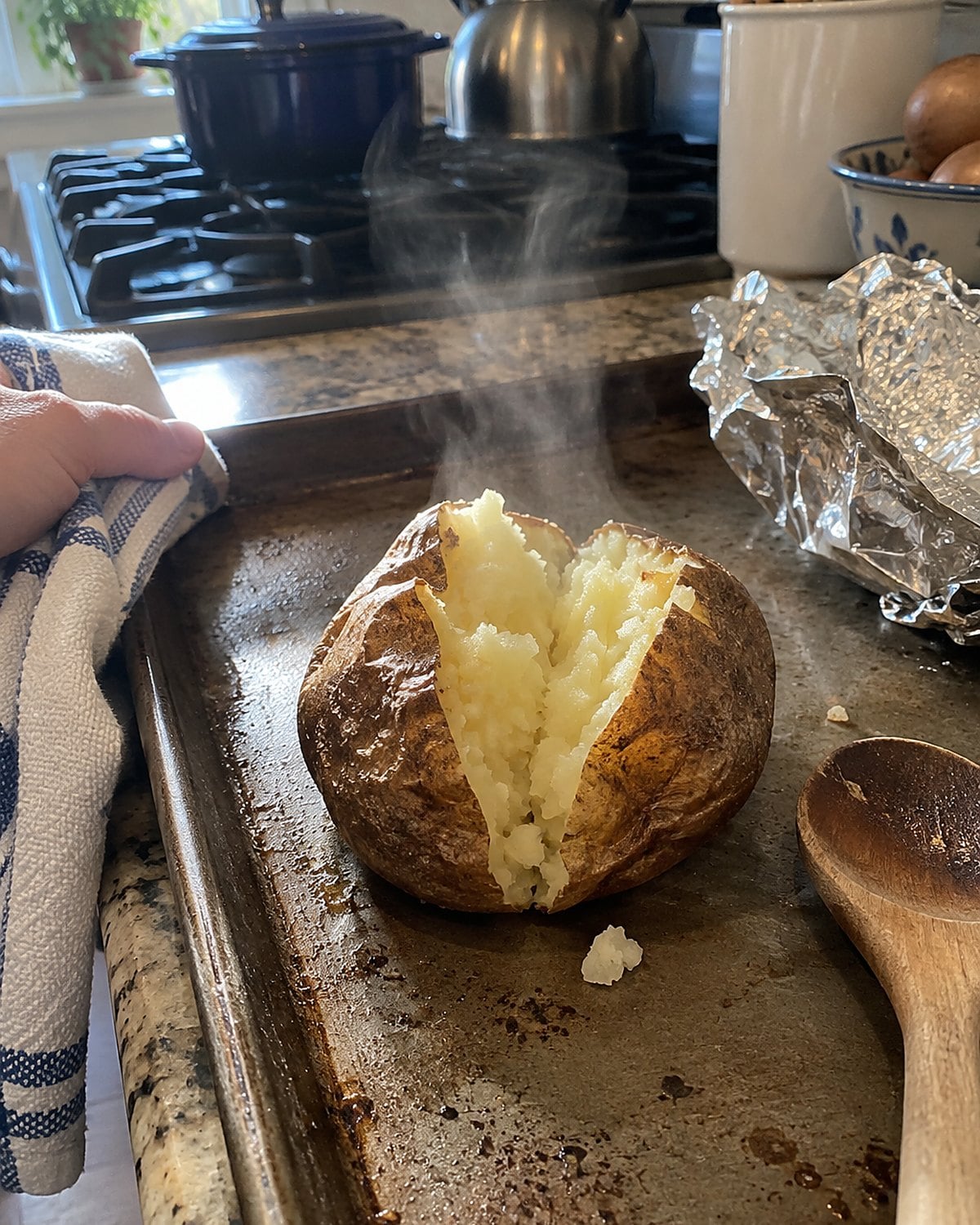
Foil-wrapped potatoes arrived in a bowl, still too hot to hold. Their skins were damp rather than crisp, and everyone split one open to let the steam out.
For better skin, skip the foil and bake the potato directly on an oven rack or baking sheet. Pierce it first, rub the skin with a little oil, and cook at 425°F until a knife slips through the center. Size changes the time, so trust the knife over a timer. The oven dries the outside while the inside turns fluffy.
If you do wrap potatoes in foil, don’t leave them sitting at room temperature after dinner. The FDA warns about botulism risks with foil-wrapped baked potatoes held improperly. Take off the foil and refrigerate promptly. It’s a detail worth remembering because the old bowl looked harmless long after the meal was over.
Try it: Instant Pot Stuffed Baked Potatoes 4 Ways
#10 A Bowl of Canned Fruit Cocktail
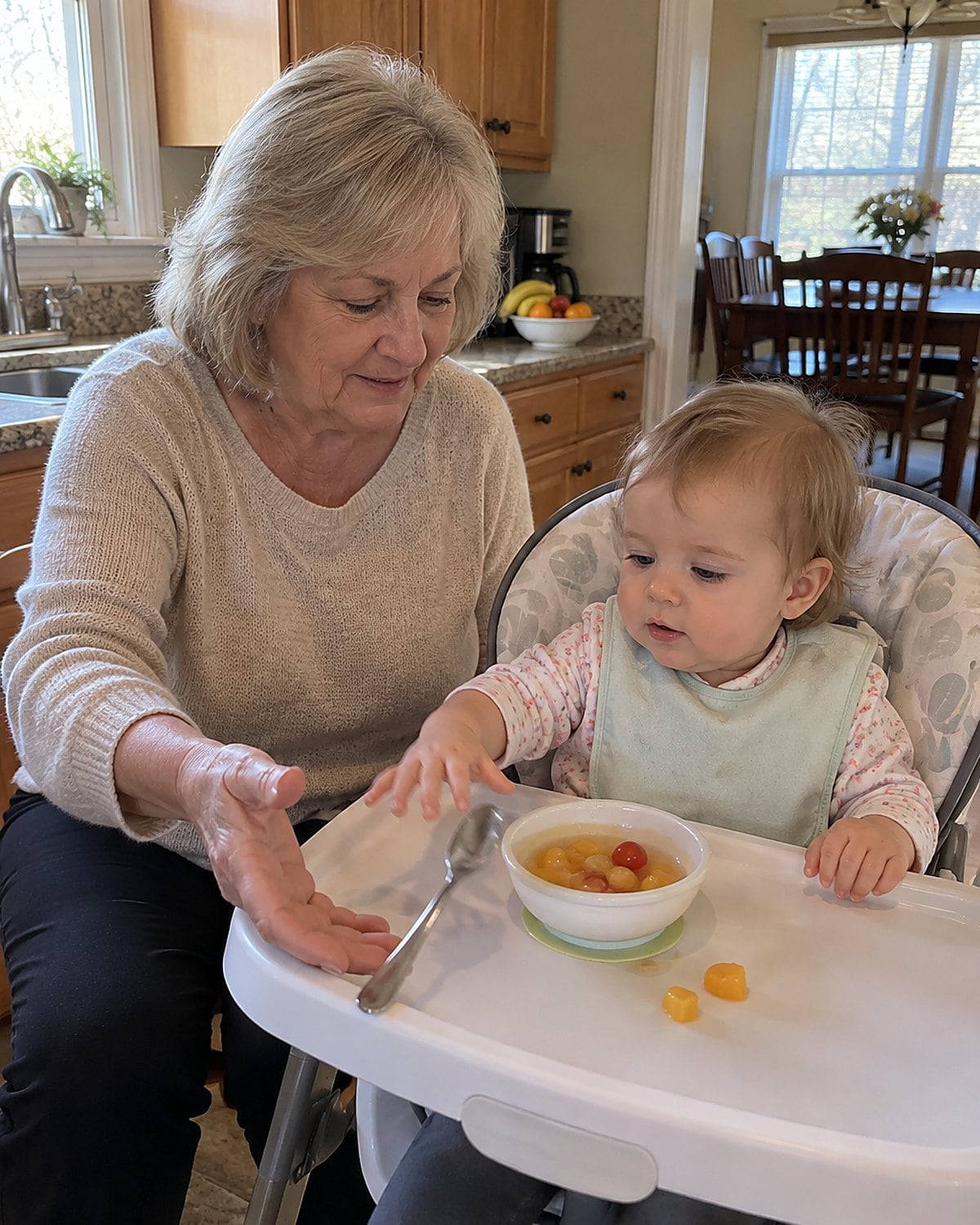
Fruit cocktail was the easy answer when a child asked what was for dessert. Everybody watched for a cherry. If the can held only a few, the serving spoon became an instrument of fairness.
You can bring back that little ritual without asking anyone to love canned grapes. Drain the fruit and serve it cold in small bowls. Add a few pieces of fresh fruit for a firmer bite, then taste before pouring any syrup back in. The syrup is where the dessert quickly becomes sweeter than you want.
When a grandchild asks which bowl has the cherry, you have two honest choices: stir and let luck decide, or make sure each bowl gets one. The second choice saves a surprising amount of discussion at the table.
#9 A Jar of Chow-Chow by the Beans
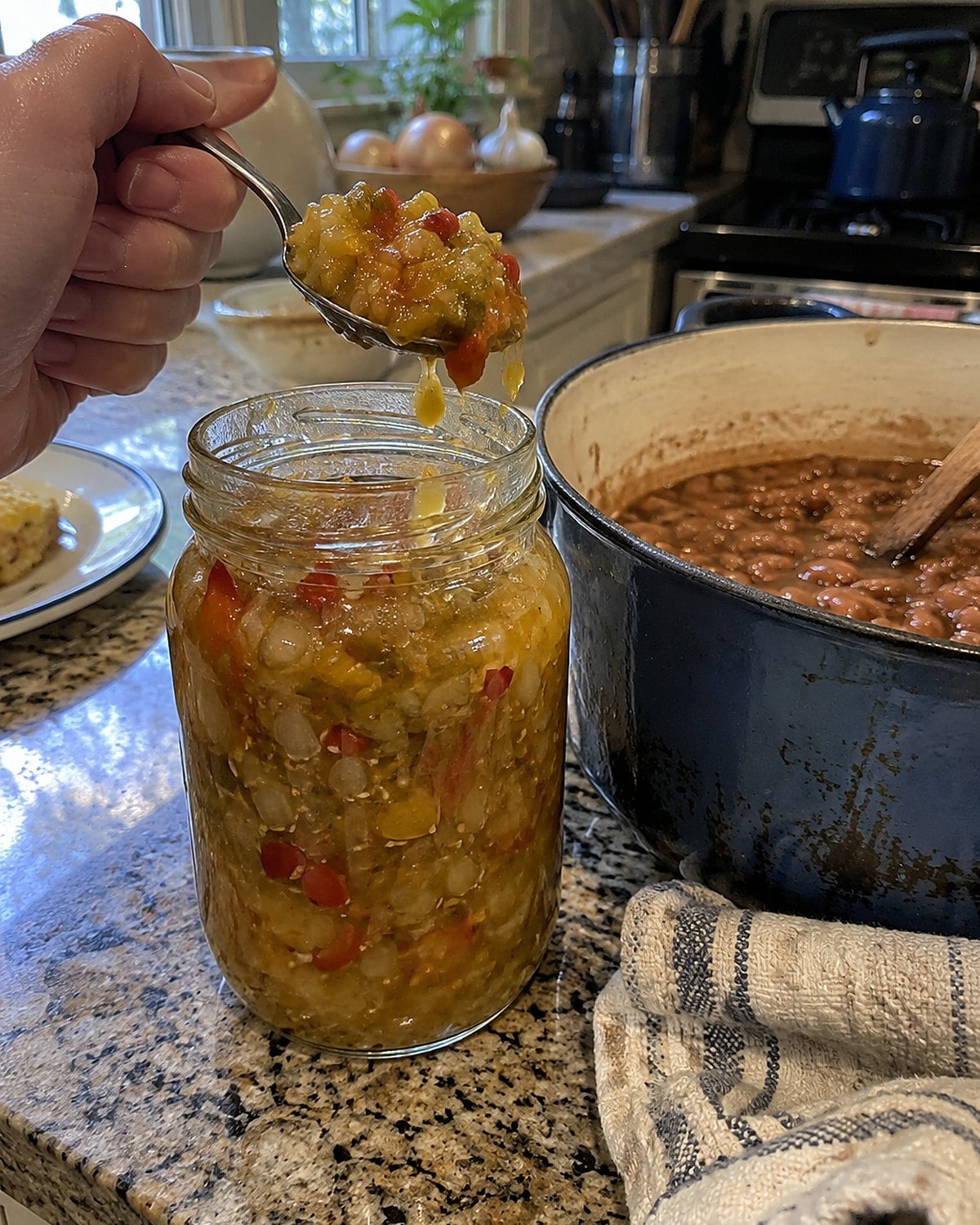
Chow-chow lived near the back of the pantry: chopped vegetables in a tangy relish, ready for a pot of beans or a plate of cold meat. One spoonful could make a plain supper feel thought through.
Recipes vary from family to family, especially in their heat and sweetness. Taste a little on a plain cracker before putting it beside dinner. Then try it against the beans. The relish should sharpen their flavor, not drown it. A serving spoon prevents the jar from collecting crumbs.
If your old church cookbook gives canning directions, don’t treat age as proof they’re safe. The National Center for Home Food Preservation has current, tested guidance for home canning and pickling. Making a batch is a different job from opening a jar. For tonight, the jar you already have is enough.
#8 Green Jell-O With Shredded Carrots
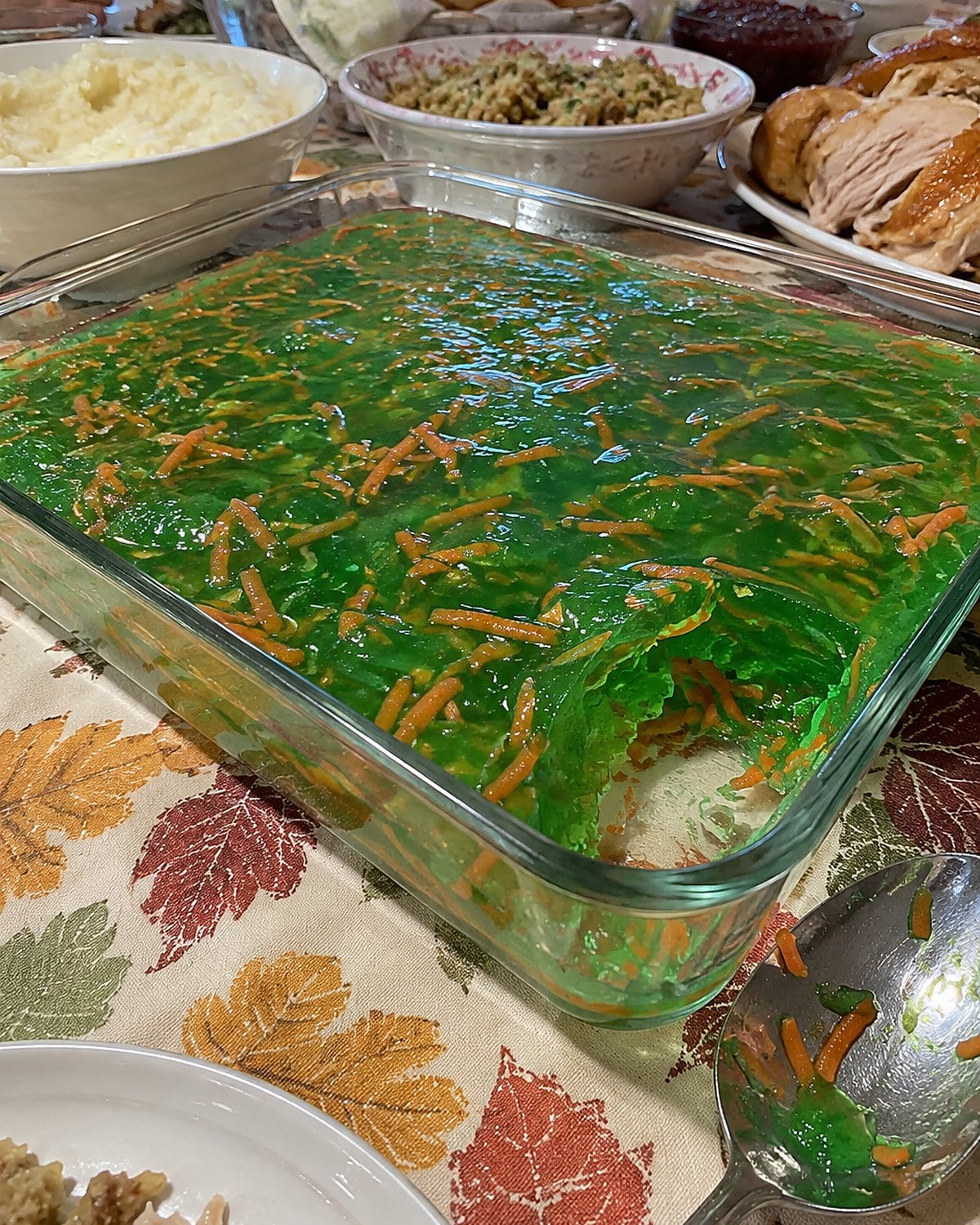
There it was on the holiday table, green and clear enough to show every strand of carrot. Someone had chosen a mold with ridges, and somebody else held a warm towel against it, hoping the whole thing would release.
The carrots gave the gelatin a crunch that plain Jell-O didn’t have. They also sank if the mixture was poured while fully liquid.
Let the gelatin chill until a spoonful mounds instead of running flat, then stir the shreds through. Start checking after about 45 minutes in the refrigerator; the dish and its depth change how quickly it thickens. If the carrots sink, wait and stir again before the mixture sets firm.
Follow the package directions for liquid amounts and final chilling rather than trusting a faded card with a different box size. Unmolding isn’t required, either. A glass dish lets everyone see the color and saves the tense moment over the serving plate.
You still get the familiar fork mark left in each square.
#7 Fried Apples Beside the Pork Chops
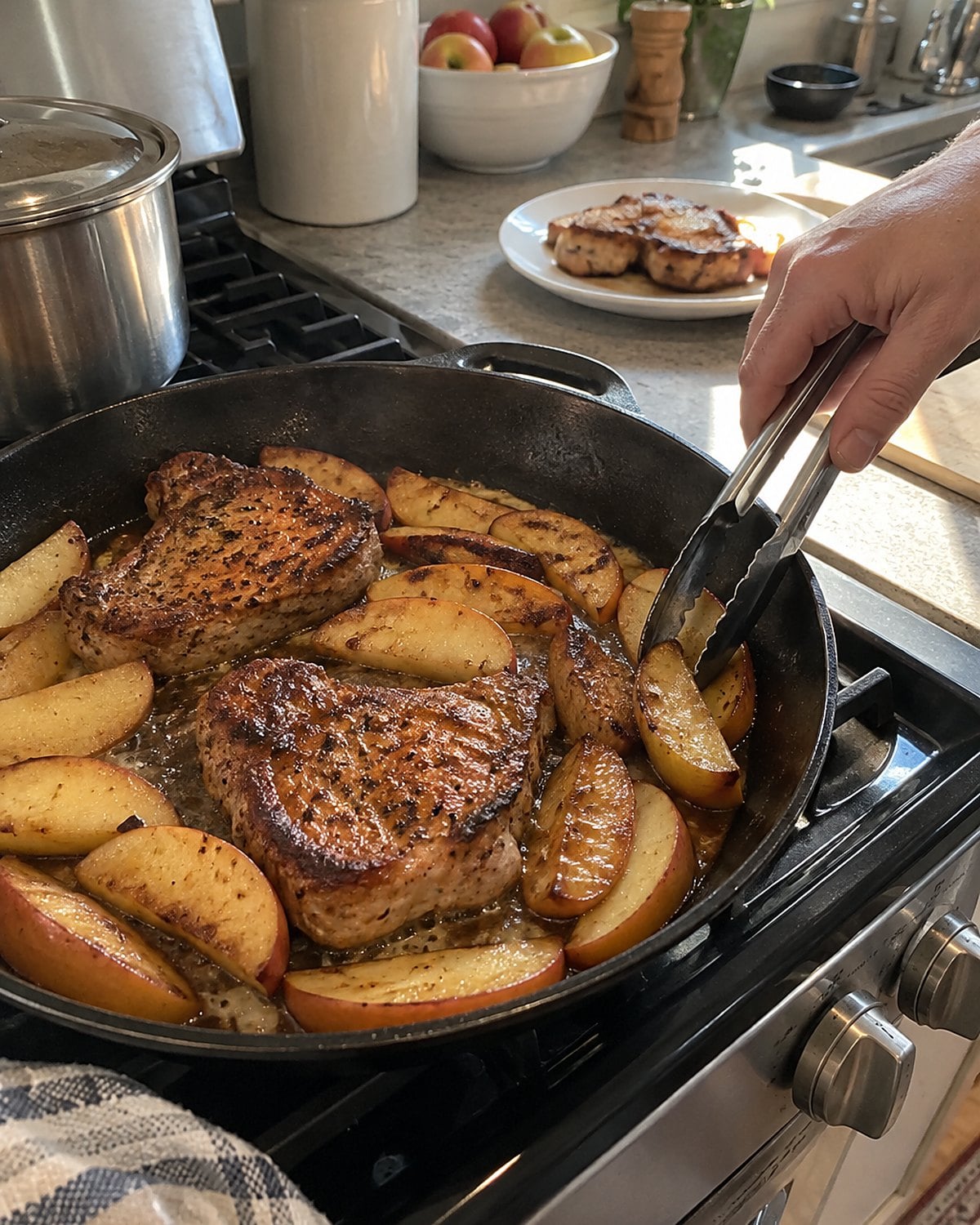
The apples went into the skillet after the pork chops came out. They picked up the browned bits and turned glossy at the edges. By the time dinner was served, they were part side dish, part sauce.
Use an apple that holds its shape when heated. Cut thick slices, leave the peel on if you like it, and give them room in the skillet. Crowding traps steam; a little space lets the cut sides brown. Add a splash of water only if the pan starts to scorch before the apples soften.
Taste before reaching for sugar. The apples have sweetness already, while the browned pork bits bring the savory part. A pinch of salt and a little acid, such as lemon juice, pull both into focus. You’ll know they’re ready when a knife enters easily but the slices still lift from the pan intact. Spoon them next to the chops, where they belong.
Try it: Instant Pot Stewed Apples In Mulled Wine
#6 The Pitcher of Homemade Iced Tea
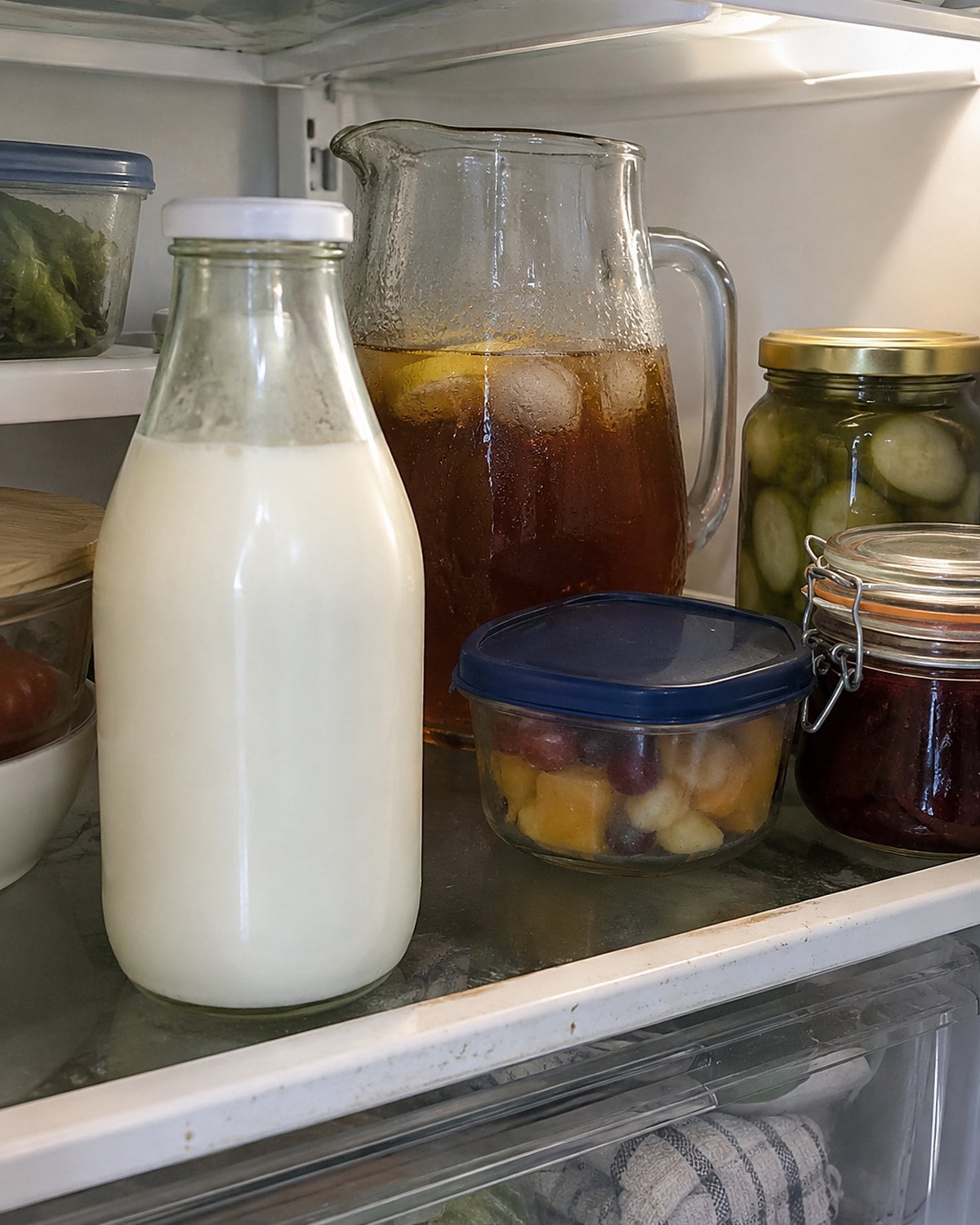
A glass pitcher sat behind the milk, its handle taking up more refrigerator space than anyone admitted. At dinner, it came out beside the water glasses. Tea bags went into hot water, and the tea was made strong enough to stand up to ice.
The easy mistake is leaving the bags in too long. Follow the time on the package; for many black teas, that’s about 3 to 5 minutes. Lift the bags out before the drink turns harsh, then dilute to taste.
If you’re sweetening the whole pitcher, stir sugar in while the tea is warm so it dissolves. Or leave it unsweetened and let each person decide.
Clear a place in the refrigerator before you make it. That sounds obvious until you’re holding a pitcher and moving jars with your elbow. Let the tea cool before refrigerating it. The old pitcher was less about ceremony than having something ready when someone walked in.
#5 Parker House Rolls in a Napkin
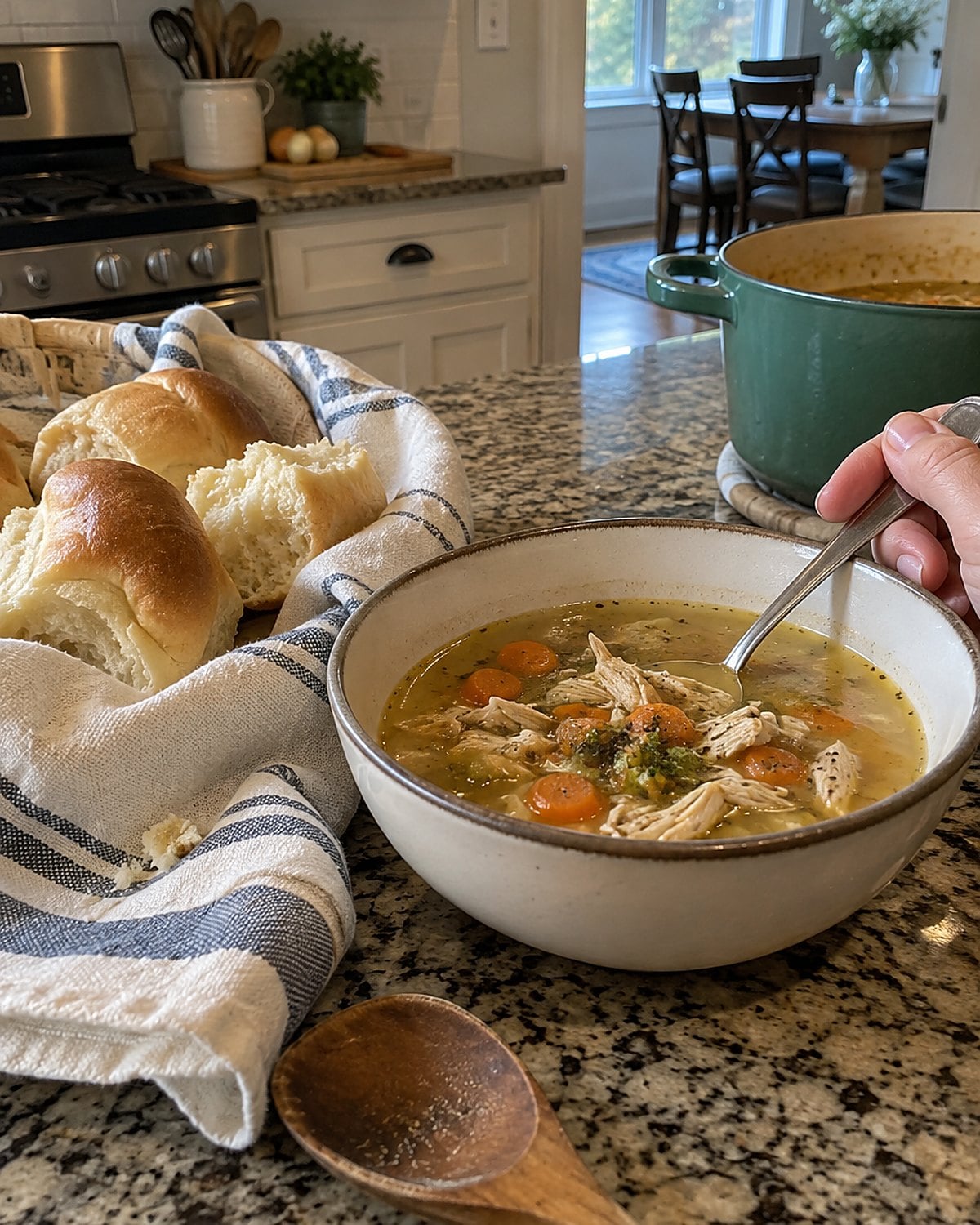
The napkin opened and warm rolls came out, folded over at the center so they pulled apart easily. Someone had brushed the tops with butter. They were gone before the main dish cooled.
That fold did practical work. The thin flap gave you a place to split the roll without sawing through its soft middle. If you’re warming store-bought rolls, wrap them loosely and heat only until the centers are warm. Too long in the oven dries them out; a hot crust won’t fix a dry middle.
A small batch belongs on a smaller table. Warm what you’ll eat and keep the rest back, instead of turning every roll into a leftover. Put one beside soup tonight and notice what happens. The bowl feels like a meal, and there’s a little bread left for the last spoonful.
#4 Saltines Set Out With the Soup
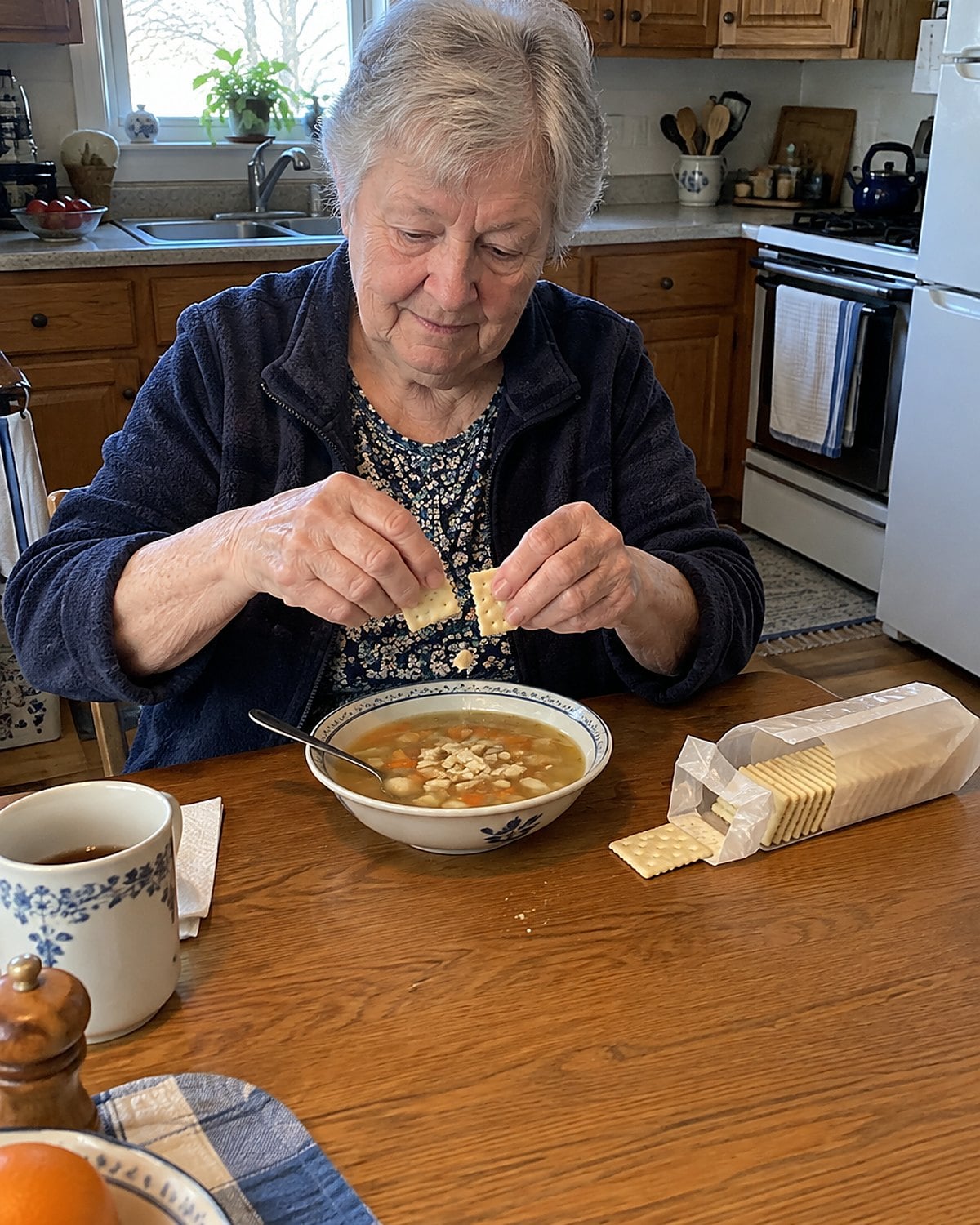
Why did the soup need crackers when it already had noodles? Because saltines did more than fill space. Crumbled on top, they soaked up broth and gave each spoonful a little crunch before they softened.
Keep the sleeve closed until supper is ready. Once opened, the crackers lose their snap in a humid kitchen.
Break one over your own bowl rather than dropping it into the pot. You control how much softens and how much stays crisp.
There’s a reason the cracker plate stayed within reach of the youngest person at the table. It let them change a bowl of soup without asking for another dinner. That’s a useful bit of hospitality even now, particularly when everyone likes the same soup a different way.
#3 Chicken Noodle Soup From the Stockpot
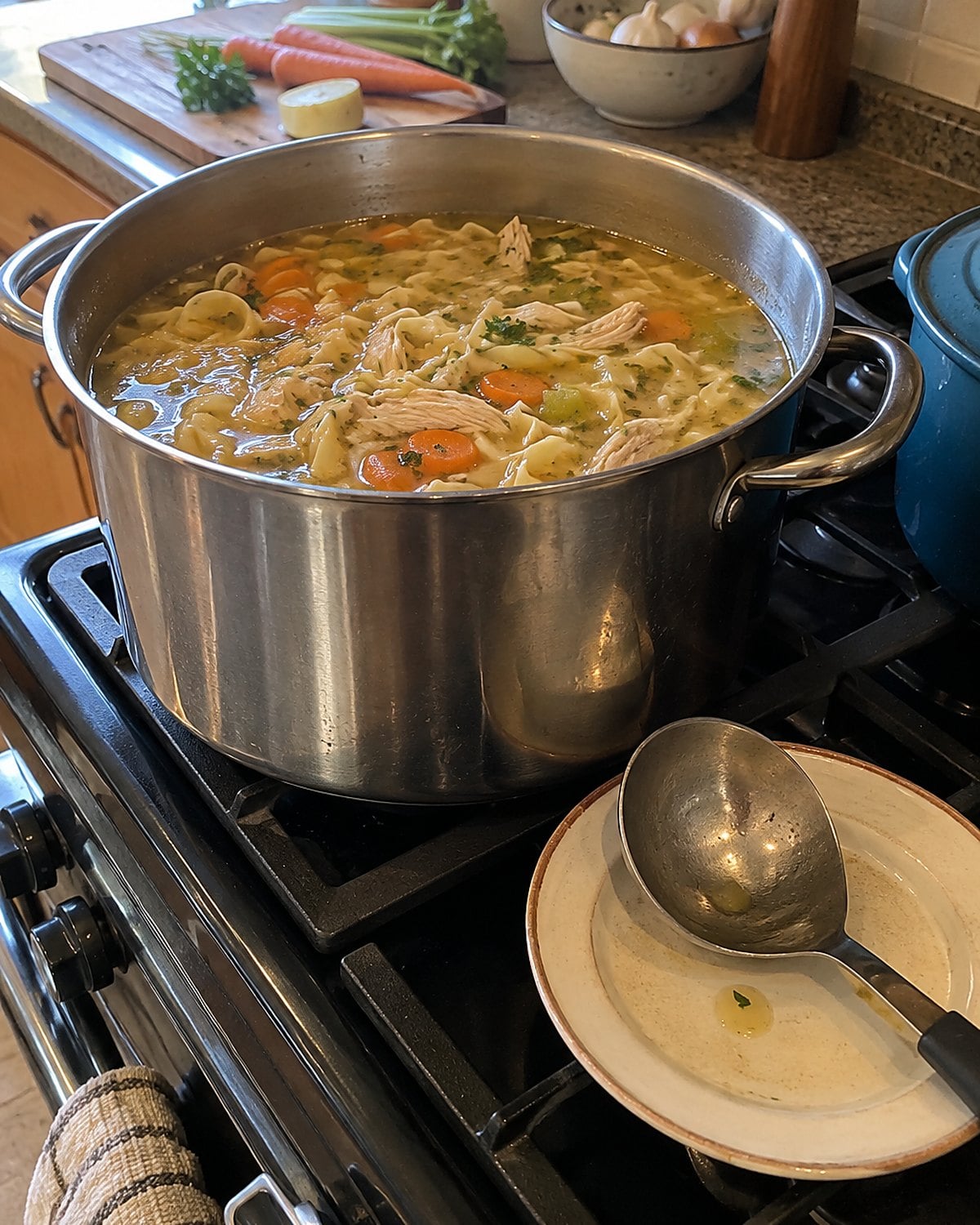
The stockpot waited on the back burner while lunch dishes were cleared. Chicken, broth, vegetables, and noodles turned into supper, with enough left for anyone who came through the door.
The order matters. Cook the chicken until it’s done, then pull it out to shred. If you’re using raw chicken, the USDA’s safe minimum internal temperature for poultry is 165°F; check the thickest part with a thermometer. Add the noodles near the end so they don’t drink up the broth while the chicken cooks.
For the smaller pot you need now, think about tomorrow before adding noodles. Cook only what you’ll eat tonight, or cook noodles separately and put them into each bowl. The broth stays brothy in the refrigerator. Tomorrow’s lunch won’t be a container of swollen pasta with a spoonful of liquid hiding underneath.
Try it: Instant Pot Chicken Noodle Soup In 30 Minutes (with VIDEO)
#2 Tuna Noodle Casserole Under Crushed Chips
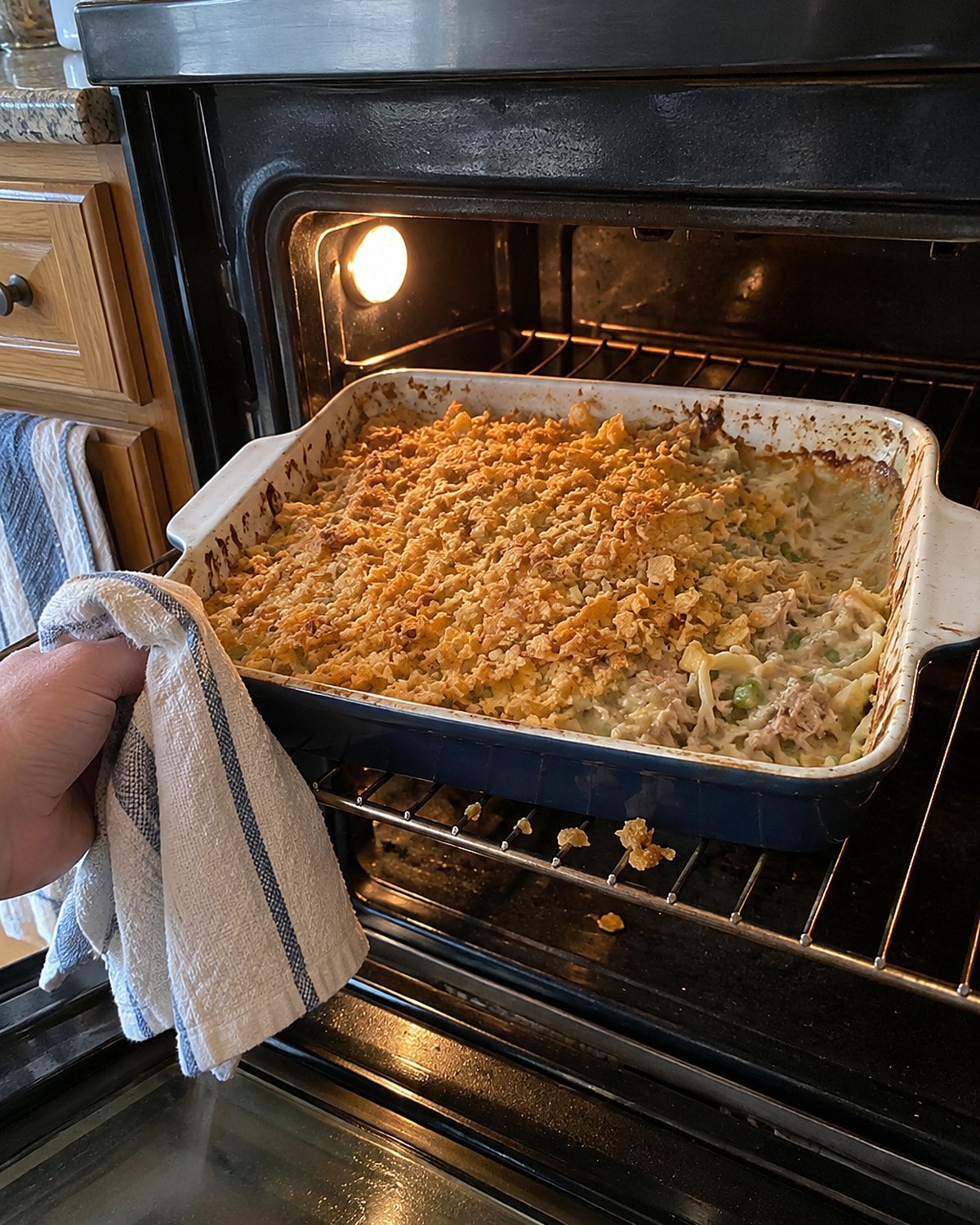
The casserole went into the oven pale and came out with browned chips on top. It stretched canned tuna, noodles, and a creamy sauce into dinner, then kept the oven warm long enough to make the kitchen smell like supper.
The skipped step is checking the noodles before baking. They’ll keep absorbing liquid in the oven, so start with cooked noodles that still have a little firmness. Stir the sauce through and look at the pan: if it seems dry before baking, it won’t improve under the chips. Add a little milk and stir again.
Save the crushed chips for the top. Mixed into the filling, they turn soft and salty without giving you the crunch you remember. And if a handwritten recipe says to leave the casserole out for late arrivals, ignore that instruction. The USDA’s guidance on leftovers is the better guide for cooling and refrigerating it.
Try it: Instant Pot Tuna Casserole
#1 The Relish Tray Before Dinner
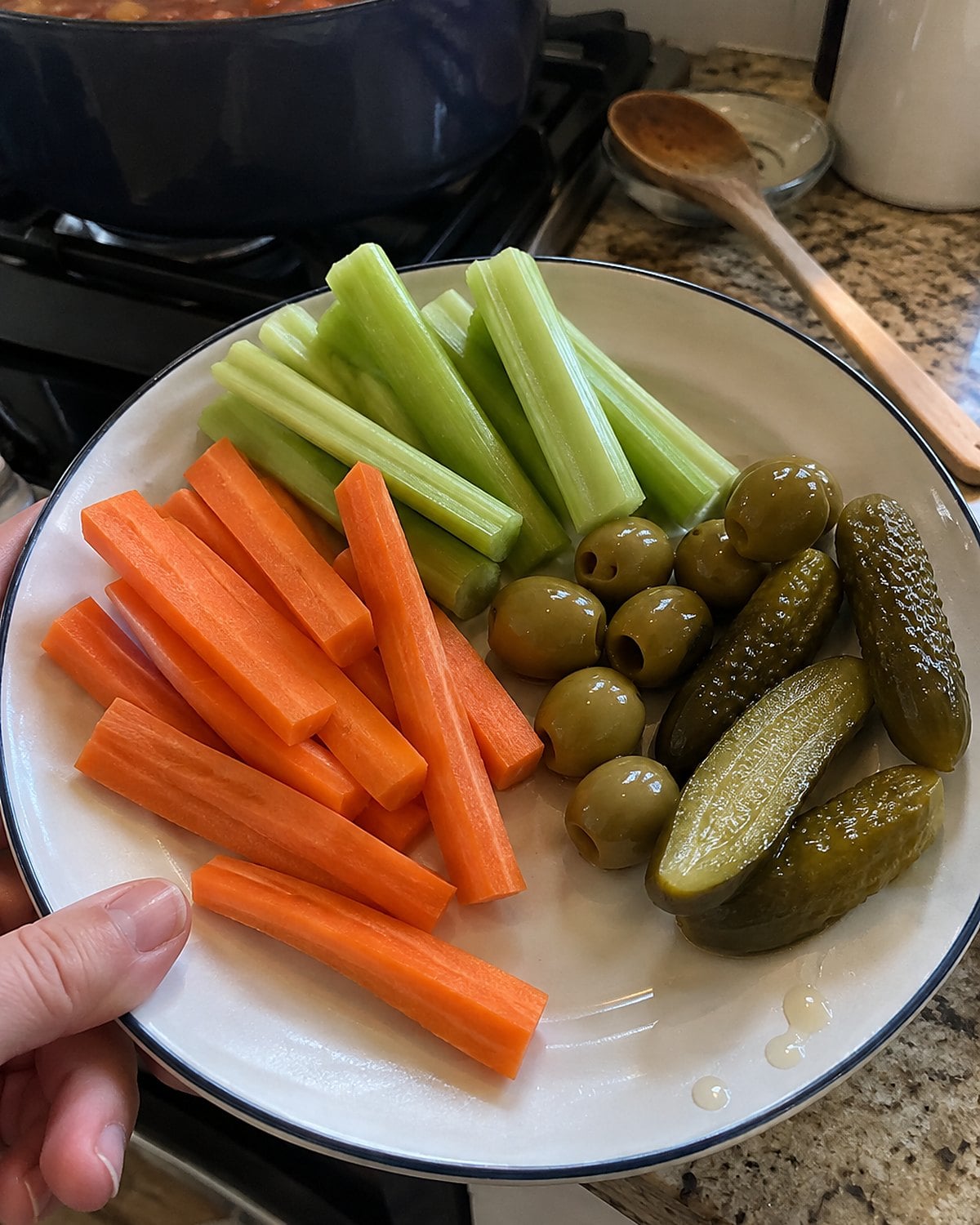
The relish tray arrived while someone was still tending the stove. It bought dinner time. Carrot sticks, celery, olives, and pickles gave everyone something to nibble, and the cook didn’t have to announce that the roast needed longer.
That’s why this is the table habit worth stealing tonight. You don’t need a divided glass dish or enough guests to fill it. Find a small plate. Put out something crisp, something briny, and a little dip if there’s one in the refrigerator. Cut only what you expect to eat. Keep foods that need refrigeration cold until you serve them; the FDA’s guidance on serving food safely covers longer gatherings.
The tray also answers a familiar question at a changed-size table: what do you put out when dinner for two suddenly becomes dinner for four? Set down the pickles and vegetables first. Let people talk and reach for another olive while you finish the main dish. Nothing on the tray has to match, and nothing has to be molded.
The bottom line
Those crowded 1960s tables had a pattern. A little crunch, something tart, and bread to catch the sauce made an ordinary dinner feel ready for company.
You’ve already done the hard part if there’s a jar of pickles in your refrigerator and a clean plate within reach. Put them to work before you add another side to the stove.
Which dish from your old table would you set down again, and who would reach for it first?
Leave a Reply