

A spoon stood in the yogurt jar on the counter. Beside it sat the pot that had warmed the milk, waiting to be washed. The refrigerator held supper leftovers, not a row of little breakfast cups.
Buying the finished version took work off the calendar. It also changed what you tasted, how much you made, and what happened to the scraps. Some of those old jobs deserve to stay gone. Others take less time than a trip to the store.
#23 The warm jar of yogurt
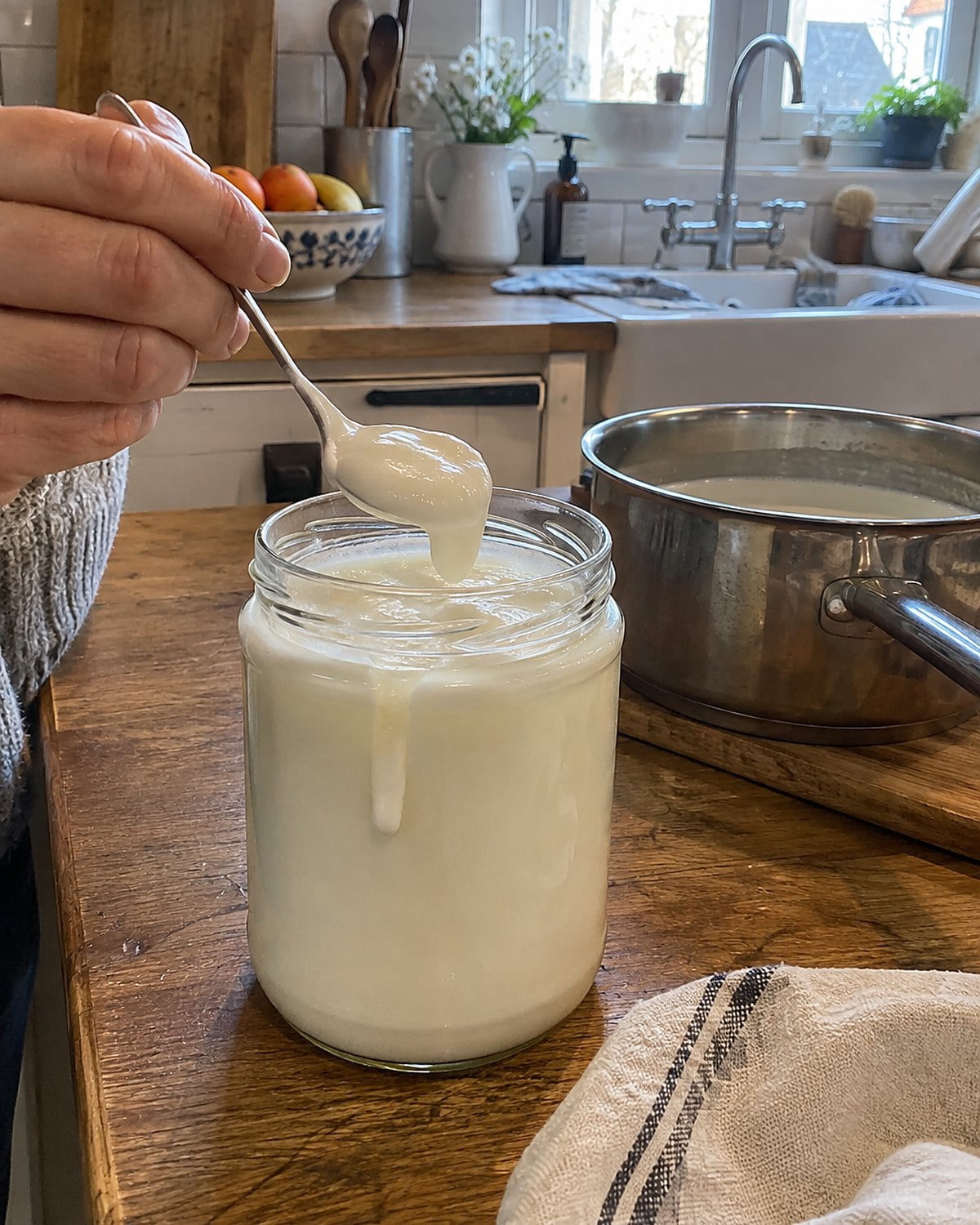
Yogurt began with milk and a spoonful of yogurt saved from the last batch. The jar sat somewhere warm until the milk turned tart and thick. You knew whose house you were in by the row of jars near the stove.
The detail worth keeping is the heat. For a standard cultured yogurt, heat milk to 180°F, then cool it to about 110°F before stirring in the starter. The first heating changes the milk proteins, giving the finished yogurt a firmer set. Add starter while the milk is too hot and the culture suffers.
An electric pressure cooker with a yogurt setting handles the steady warmth without tying up the oven. Use pasteurized milk, clean equipment, and a plain commercial yogurt labeled with live cultures. Follow the machine's yogurt instructions rather than guessing at incubation.
Homemade yogurt will not land on the same texture every time. Taste it when it has set. If you like it thicker, the next item explains where much of that thickness comes from.
Try it: How To Make Yogurt In Instant Pot Without Yogurt Button
#22 The strainer full of thick yogurt
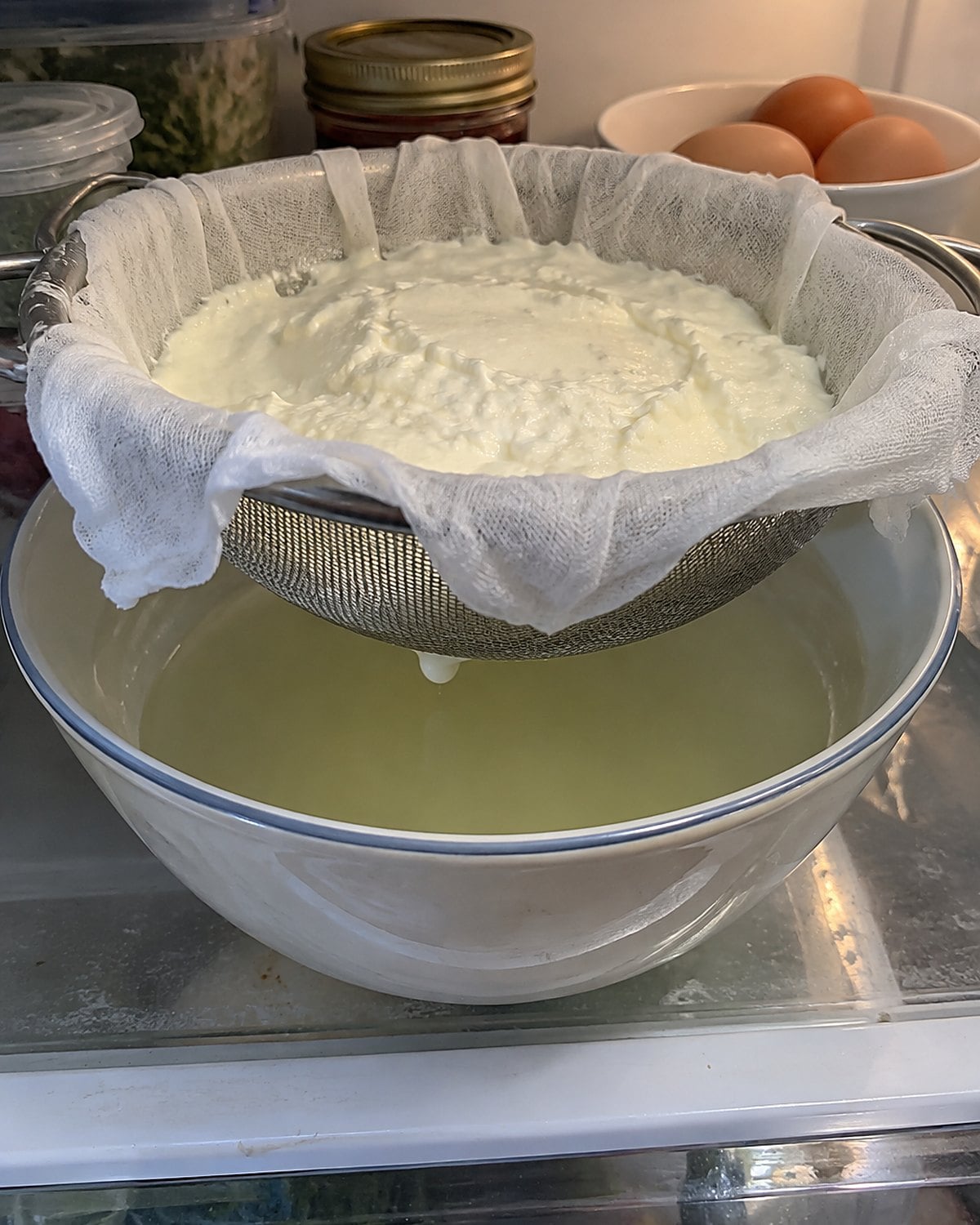
That expensive little cup of thick yogurt started as a larger bowl of regular yogurt. Straining removes whey, the pale liquid that gathers underneath.
Line a strainer with clean cheesecloth, set it over a bowl, and put the whole thing in the refrigerator. A few hours leave you with spoonable yogurt; longer straining makes it thick enough to spread. Keep the bowl deep enough that the draining liquid never touches the strainer.
The whey belongs in the sink if you have no use for it. There is no obligation to turn every byproduct into a project. What matters is knowing why that small store cup costs more and why your larger bowl shrinks.
#21 Applesauce bubbling under a loose lid
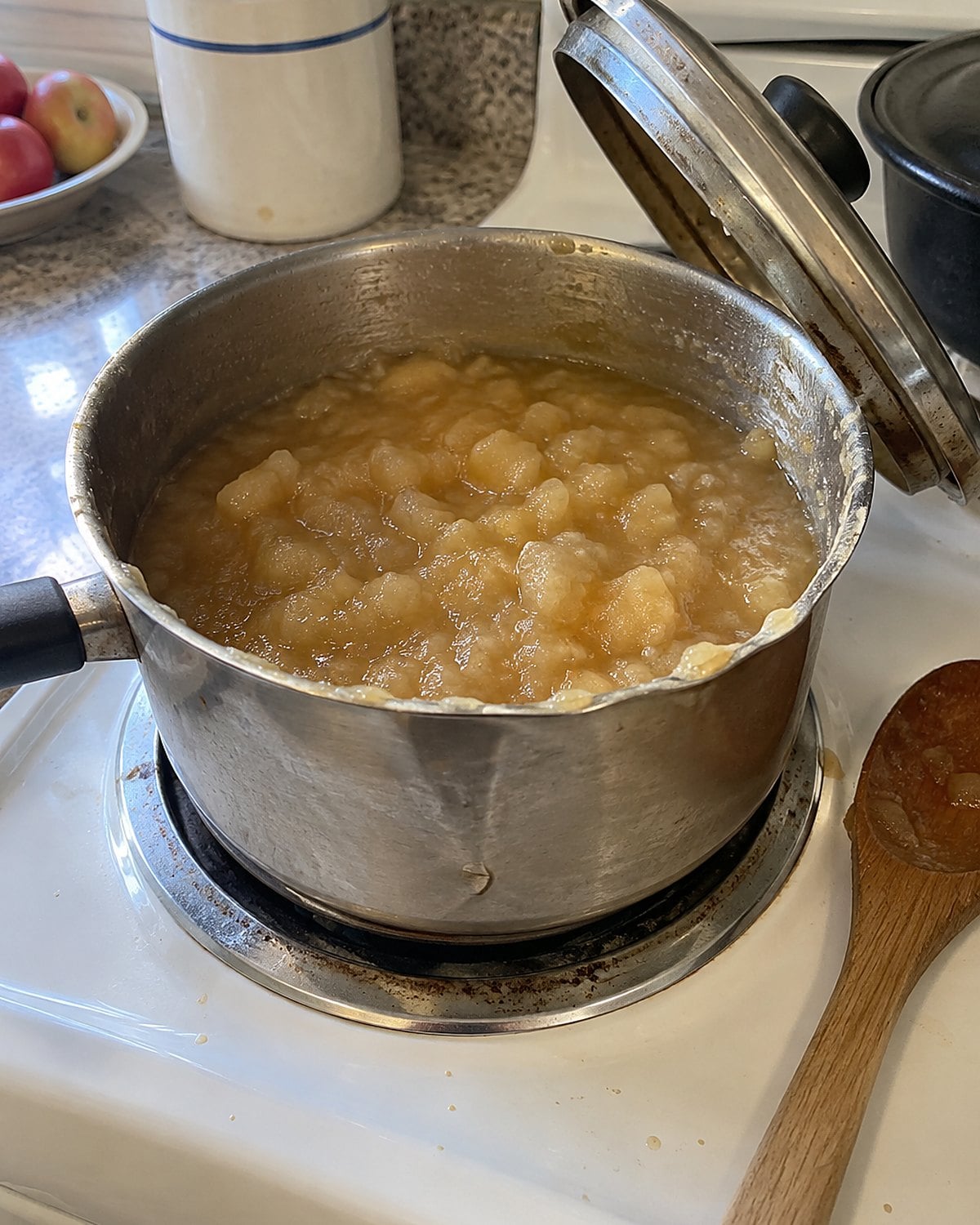
A bag of apples with bruises used to mean applesauce. Cut away bruised flesh, but discard any apple with mold or rot. Peel if you want a smoother result, and cook the sound fruit with a splash of water. Stir as the pieces collapse.
The store jar hides a useful choice: texture. Stop when some chunks remain, or mash the pot smooth. Taste before adding sugar. Sweet apples need less help than a recipe written for tart ones, and a pinch of salt sharpens the apple flavor without making it salty.
Keep the lid slightly ajar once the fruit softens. Steam escapes, and the sauce thickens instead of sitting in a pool of liquid. If the bottom starts sticking, lower the heat and stir across the whole pan, especially its edges.
A small pot is enough for tonight's pork chops or tomorrow's oatmeal. You don't have to fill a pantry shelf to make applesauce worth doing. If you do want shelf-stable jars, follow the National Center for Home Food Preservation's tested applesauce directions.
#20 A butter dish of cultured butter
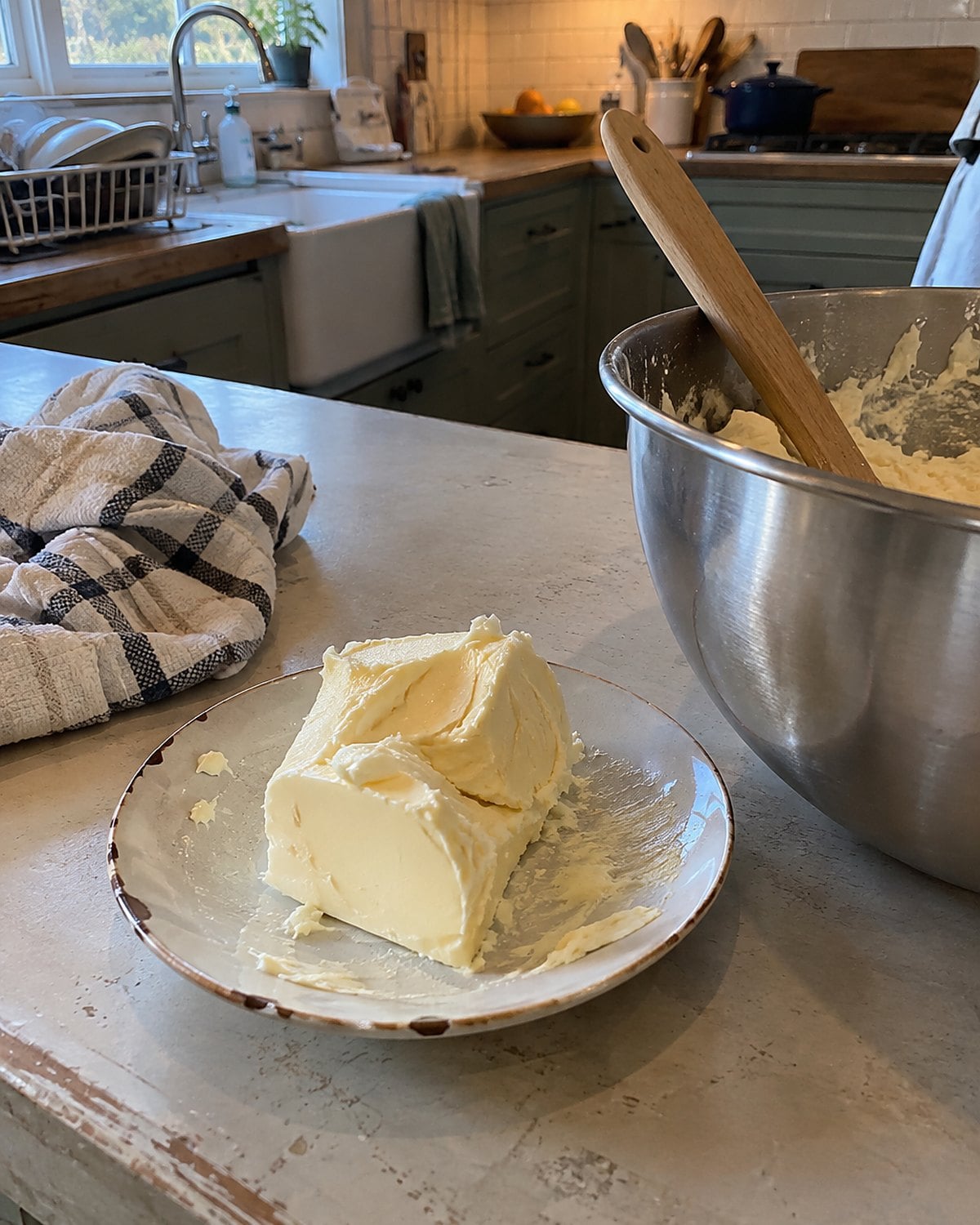
Butter once started with cream and a long spell of shaking, churning, or beating. Store butter spared households real labor, and that was a welcome trade.
Still, making a little teaches you what the mixer is doing. Whip cold heavy cream past the stage you would put on pie. It turns grainy, then separates into yellow butterfat and liquid. Stop the mixer before that liquid splashes across the counter.
Press the butter together and work out the liquid. For cultured butter, the cream is soured with a live culture first, using a tested method and careful refrigeration. Plain sweet-cream butter is the simpler kitchen experiment.
Try it when you have a carton of cream and a reason to bring out good bread. You will never mistake the grainy stage for ruined whipped cream again.
#19 Pudding thickening in the saucepan
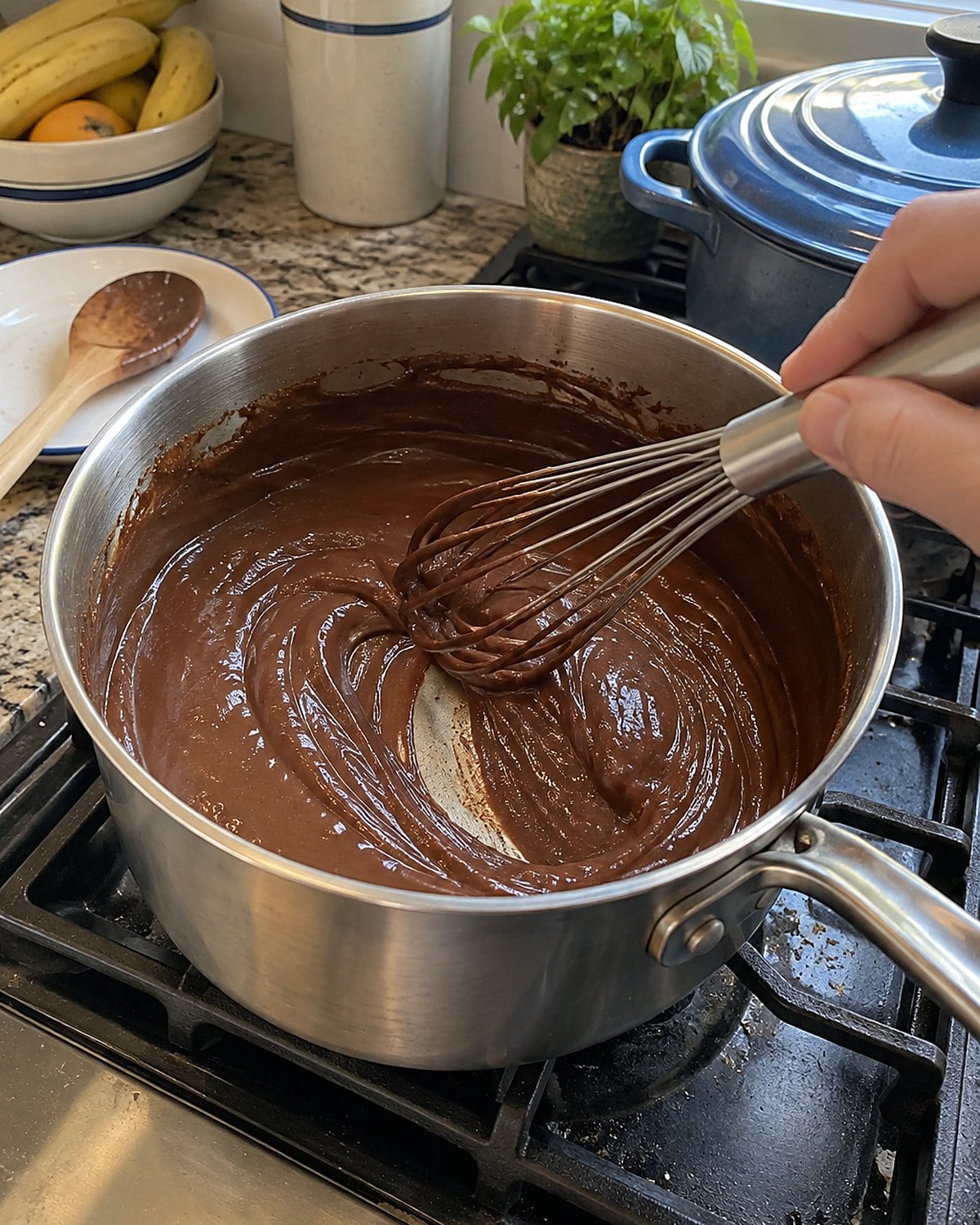
The box made pudding look like a powder problem. At the stove, you see that the real work is controlling heat.
Milk, sugar, and cornstarch thicken as the starch absorbs hot liquid. Whisk into the corners of the saucepan, where a thin layer catches first. Once the mixture boils, keep stirring for about 1 minute. That brief boil cooks out the raw starch taste and gives the pudding its set.
Taste while it is still warm. A pinch of salt brings chocolate forward; vanilla goes in after the pan leaves the heat, so its aroma stays in the bowl. Press a piece of wrap against the surface if you dislike the skin that forms as pudding cools.
The skin has its fans, though. If you are one of them, leave the bowls uncovered while they cool, then refrigerate them. That little argument never came printed on the box.
#18 Pickles cooling beside the porch door
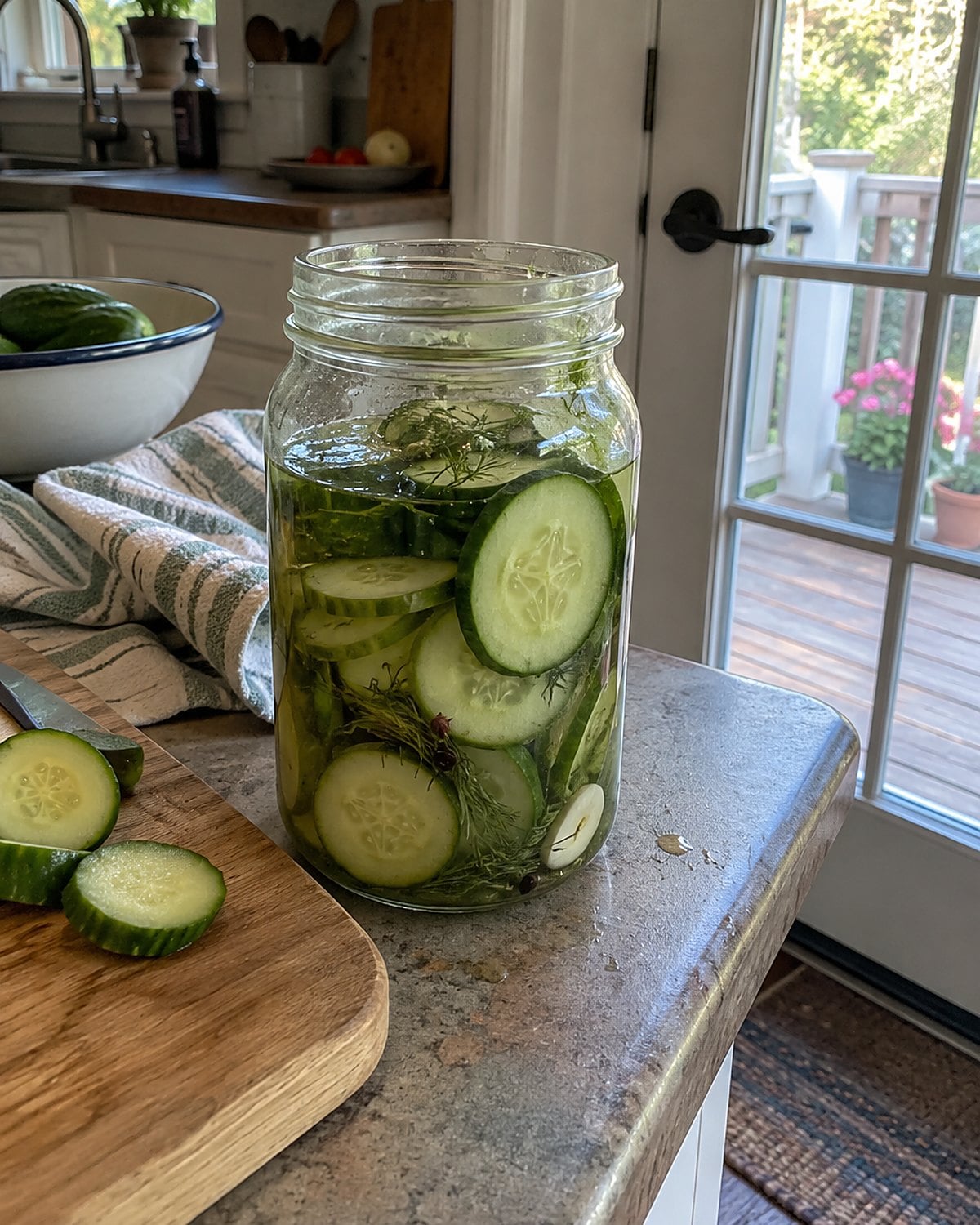
A crock of cucumbers used to occupy a cool corner because pickling preserved a harvest. A jar of refrigerator pickles has a different job: it makes tonight's sandwich taste sharper.
For a quick pickle, slice cucumbers thinly and cover them with a hot vinegar brine made from a tested refrigerator-pickle recipe. The National Center for Home Food Preservation has pickling directions when you want a dependable method.
Chill the jar. Refrigerator pickles belong in the refrigerator, not on the pantry shelf. Salt draws water from the slices, while vinegar supplies the tang.
Pay attention to the cucumber before you start. A firm one gives you a better bite than a soft cucumber rescued from the drawer. Cut one slice and bend it. If it folds without much resistance, save that cucumber for another dish.
That first crunch is the reason to make a jar, even with store pickles sitting nearby.
#17 Breadcrumbs from the last crusts
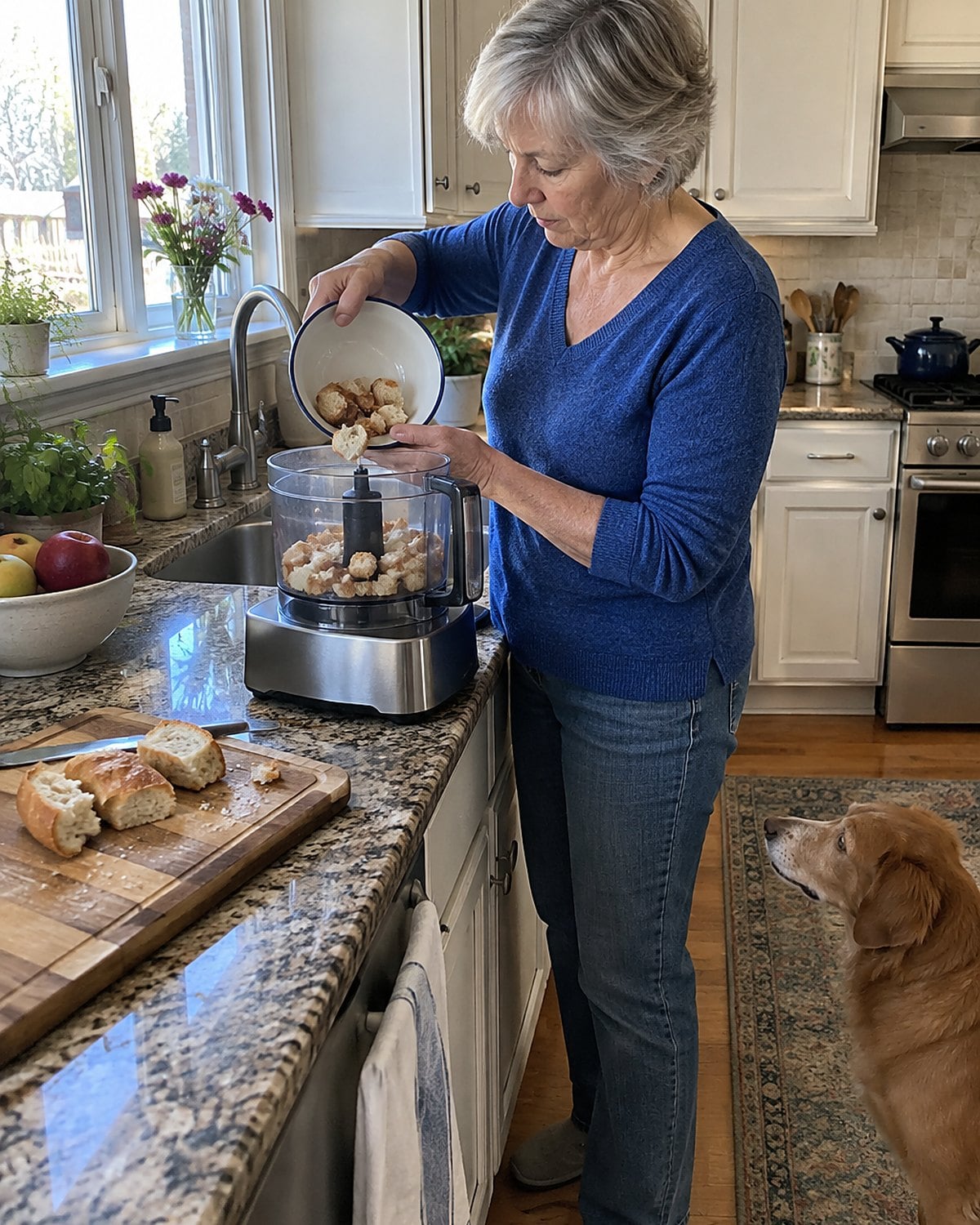
The heel of the loaf had a routine before breadcrumbs came in a cardboard tube. It dried on the counter, then went through a grater or processor.
Dry crumbs and fresh crumbs do different work. Dry ones make a coating that browns on chicken or fish. Fresh crumbs, made from soft bread, hold moisture inside meatballs and meatloaf. Swap them without thinking and the texture changes.
For dry crumbs, toast torn bread on a sheet pan until it feels dry all the way through. Cool it before pulsing. Warm bread traps steam in a container, so check a large piece by breaking it open. There should be no soft center.
You can leave the herbs out and season the crumbs for each dish. That gives you one container with several jobs, rather than a shelf of partly used seasoned cans.
#16 Whipped cream in a chilled bowl
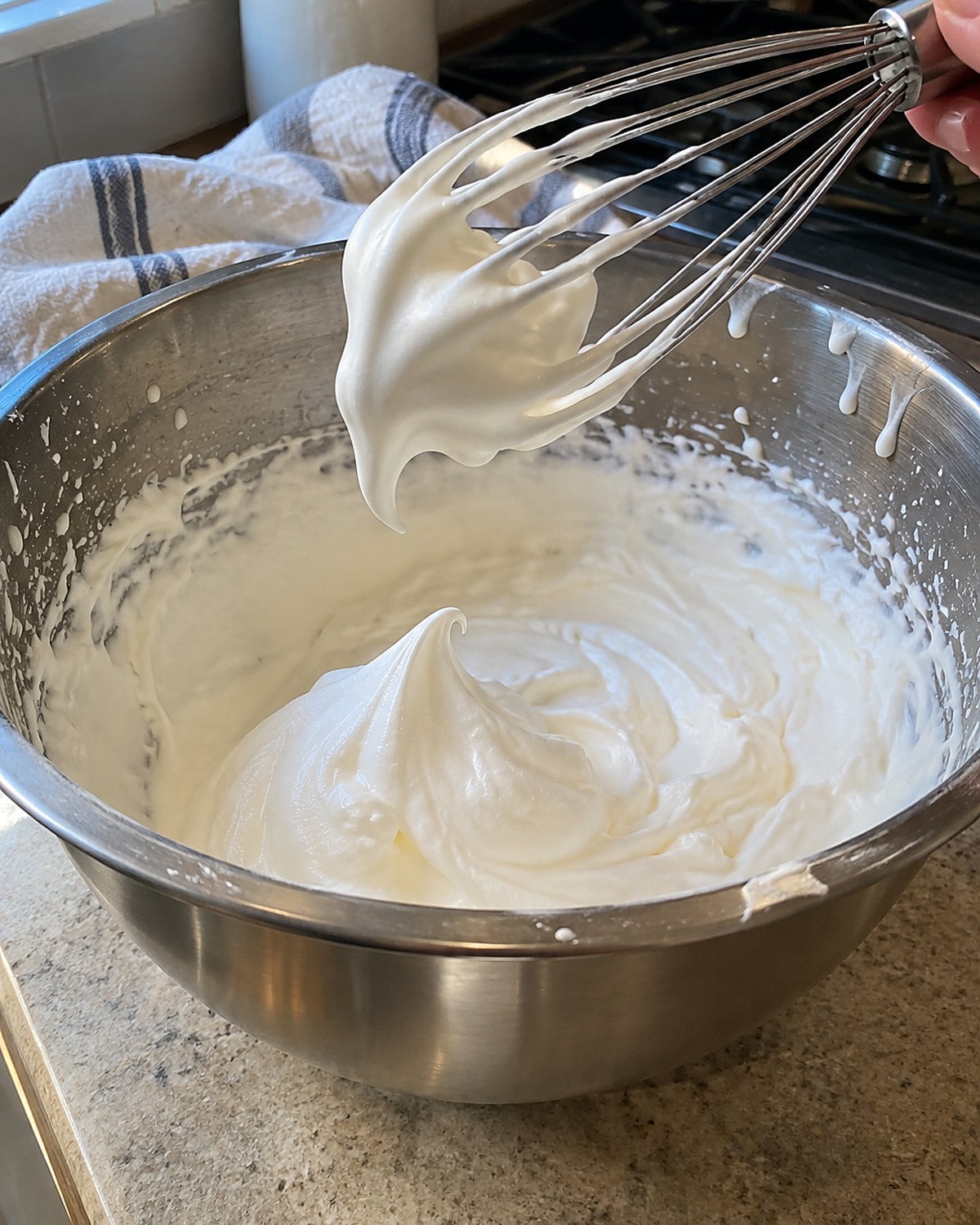
The aerosol can ends with a hiss. Whipped cream made at home ends when you decide it does.
Start with cold heavy cream and a cold bowl. Beat until the cream holds a soft peak that bends when you lift the whisk. Stop there for spooning over berries. A firmer peak stands taller on a pie, but keep watching: beat too far and the cream turns grainy on its way to butter.
Sugar is a choice, not a requirement. Taste the dessert first. A very sweet pie needs cream that brings richness without another layer of sweetness.
If you grew up being handed the mixer beaters, you know the best test already. Lift one and look at the peak. No can will tell you that.
#15 Lunchbox oatmeal cookies from the tin
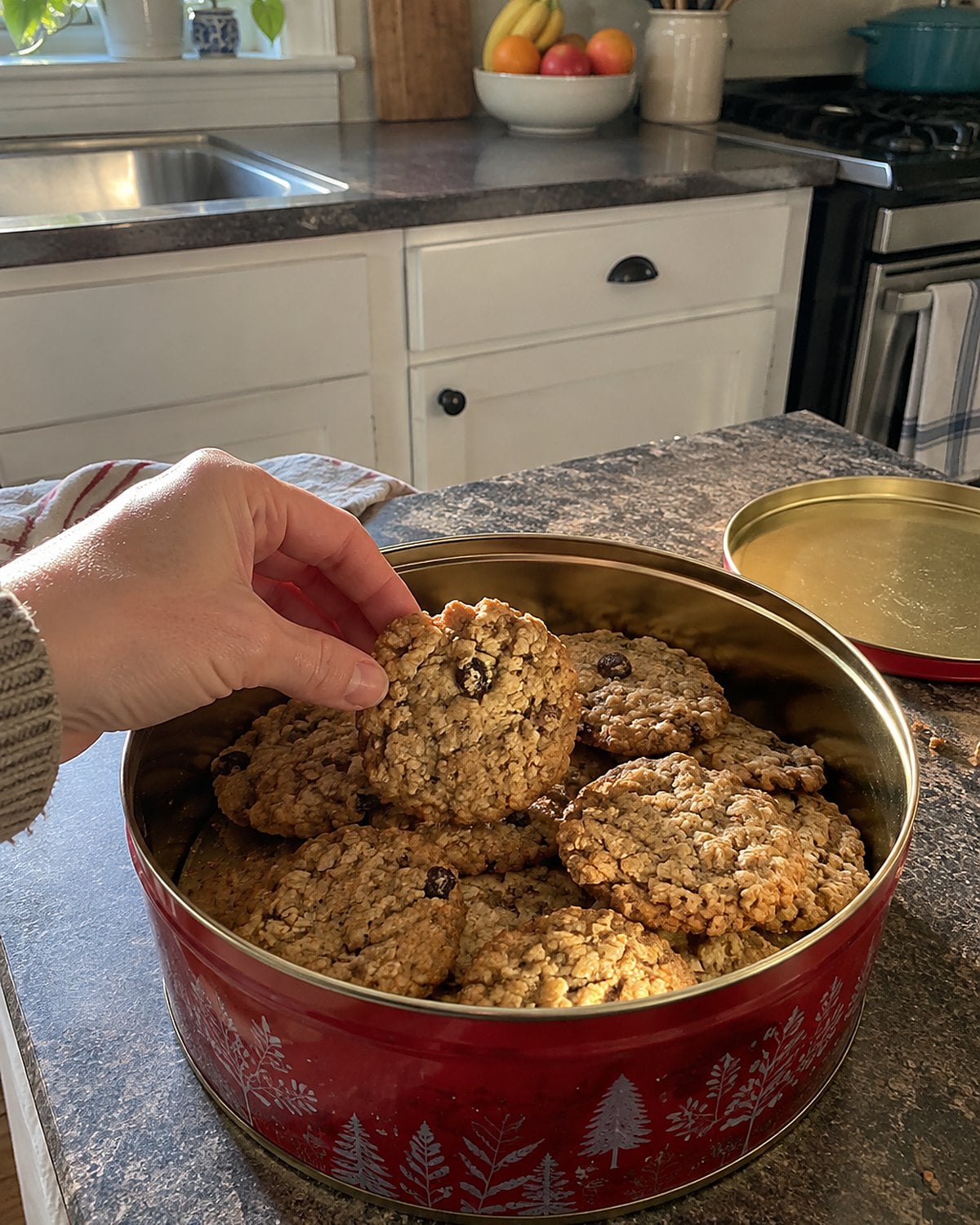
A cookie tin had a sound: metal lid against metal rim, then the scrape of someone checking what remained. Oatmeal cookies came from a mixing bowl long before a sealed plastic tray made them an everyday purchase.
The oats matter more than the raisins. Old-fashioned rolled oats give the cookie distinct flakes and a chewy middle. Quick oats absorb moisture faster and make a more even, softer texture. Both work, but they do not make the same cookie.
If the dough spreads too far, chill it before the next tray goes in. Cold dough takes longer to melt in the oven, giving the edges time to set. Look for browned edges and a center that still gives slightly when touched; the cookies firm as they cool.
Make a batch when someone is coming through the door, not because you need a tin filled forever. The smell reaches the hall before the cookies do.
#14 Fresh noodles on a floured board
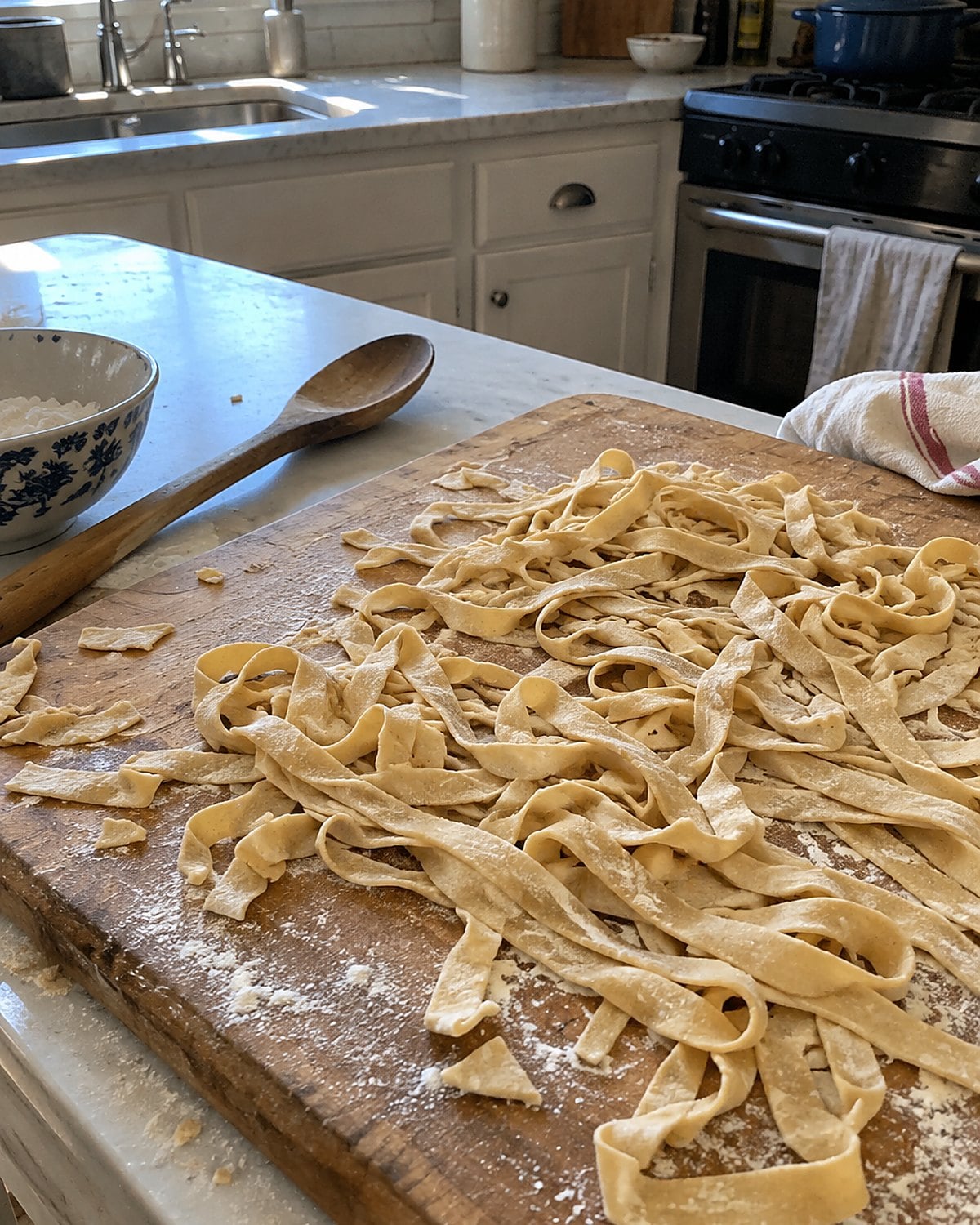
Before a bag of egg noodles went into the cart, dough was rolled thin and cut with a knife. The strips did not match. In soup, that was part of the pleasure.
Fresh noodles cook differently from dried ones. Drop a strip into simmering broth and taste it as soon as it floats. It should have no floury center, yet still offer a little resistance. Crowding the pot makes the broth cloudy, so add the noodles with room to move.
Flour the board enough to keep the dough from sticking, then shake excess flour from each strip. Pick up a handful before cutting the rest. If the dough clings to your fingers, dust the board again. You are after noodles in broth, not a pot thickened by loose flour.
#13 Chicken pot pie under a patchwork crust
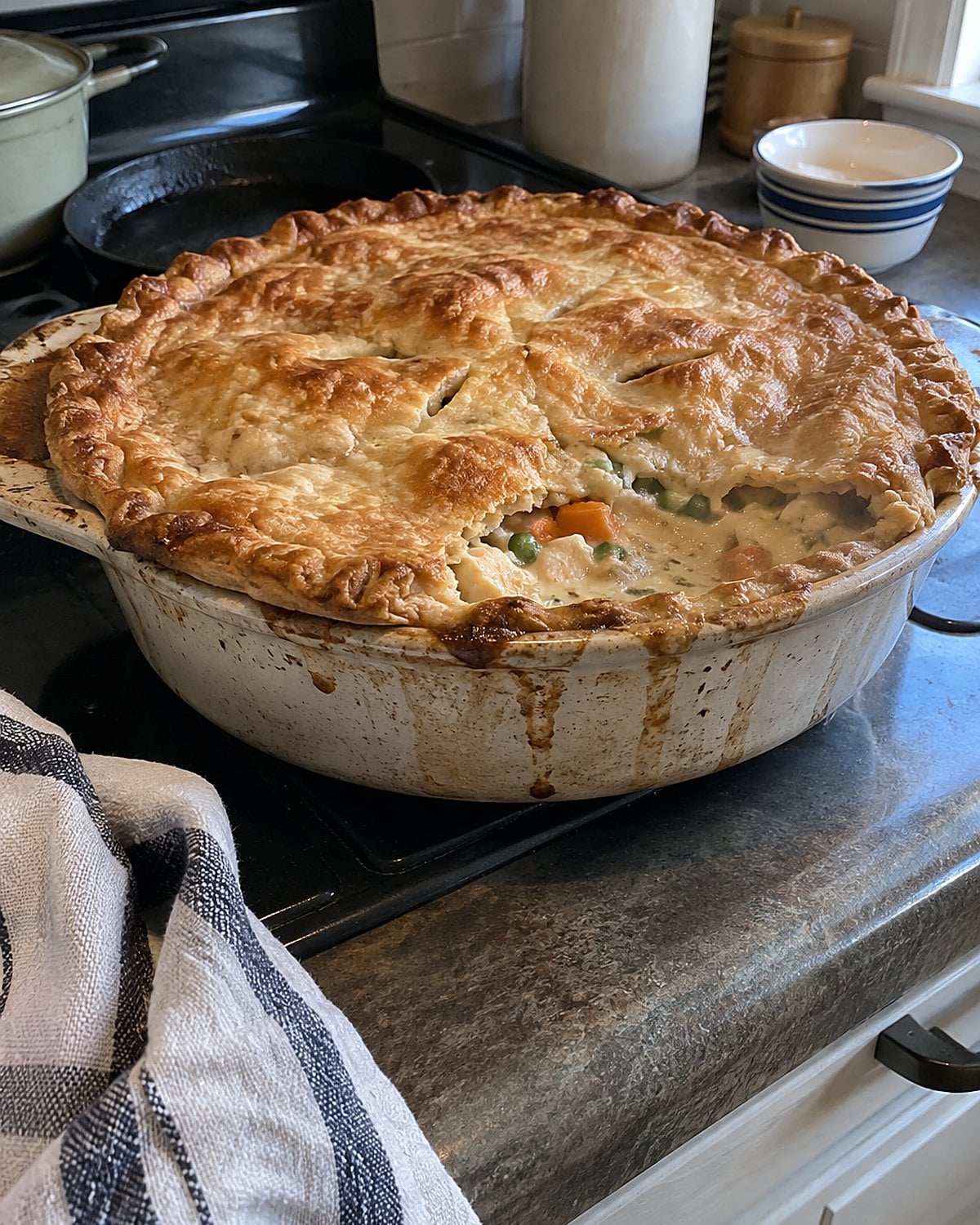
The roast chicken on Sunday left small pieces near the bone. Those pieces had somewhere to go: under a crust with carrots, peas, and gravy.
Pot pie succeeds or fails before the crust goes on. The filling needs to taste good in the skillet. If its gravy tastes flat, pastry will only cover the problem. Add salt, pepper, or a little lemon, then taste again. Keep the filling thick enough to cling to a spoon; a watery filling soaks the bottom crust.
A patchwork top made from leftover pastry does the job. Leave a few openings for steam, and bake until the crust browns and the filling bubbles through them. For a pie containing cooked chicken, the center needs to reach 165°F.
The store pie still has its place on a crowded night. But when the refrigerator holds a little chicken and a few vegetables, you have the part that takes the most thought already done.
Try it: Instant Pot Chicken Pot Pie (Two Ways)
#12 Croutons crackling in the skillet
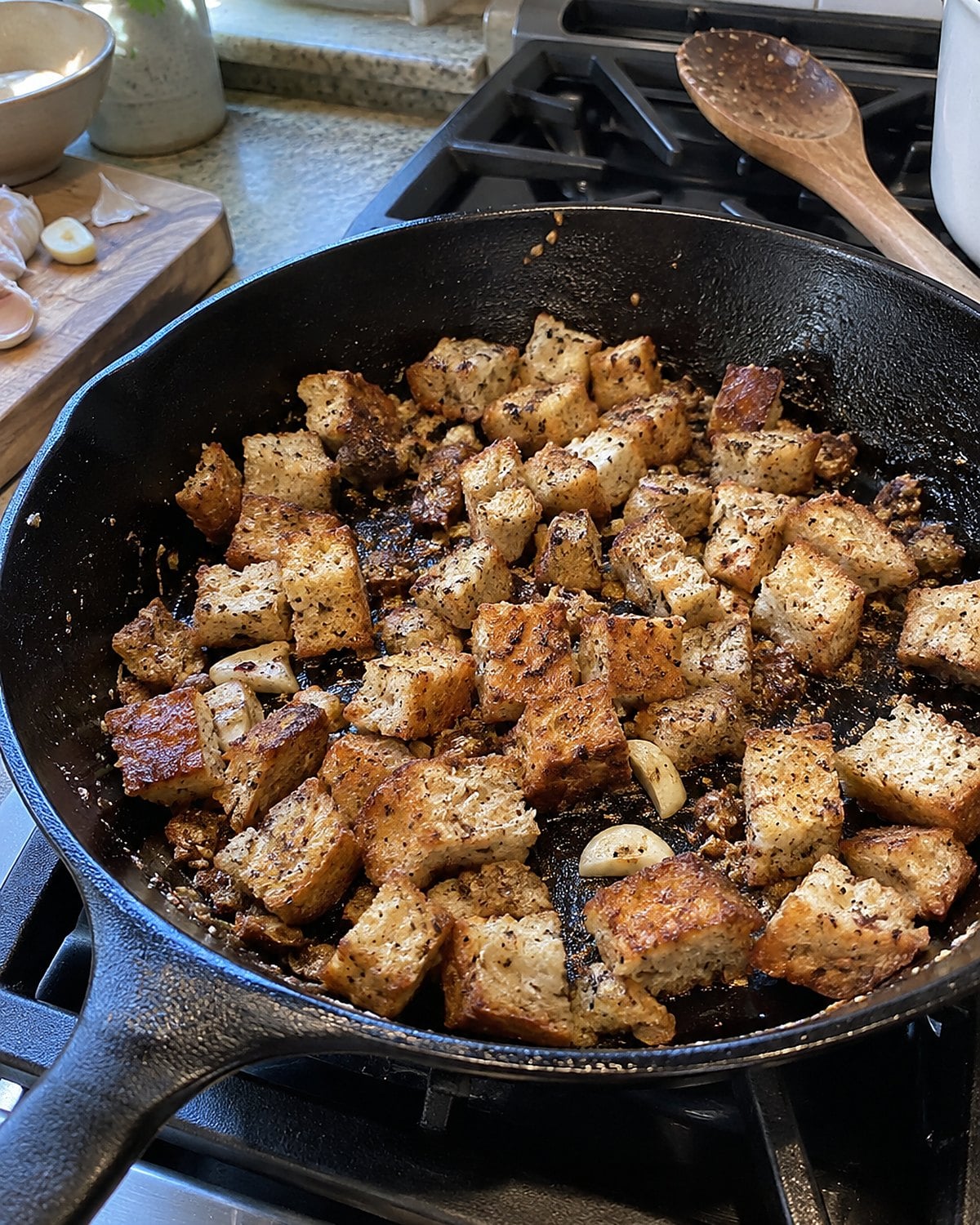
Stale bread hits warm oil and starts to sound useful again. Croutons were the answer to bread that had lost its softness, not a separate item on the shopping list.
Cut the bread into uneven cubes and use a wide skillet. Give each piece contact with the pan, then turn the cubes as their sides brown.
Garlic burns faster than bread toasts. Add minced garlic near the end, or rub a cut clove on the bread first.
Pull a cube out and let it cool before judging the crunch. Hot bread still feels a little soft inside. Scatter the finished croutons over soup just before serving, where they stay crisp long enough for your spoon to find them.
Try it: Herb & Garlic Sourdough Croutons (Great For Soups & Stews)
#11 Cottage cheese draining through cloth
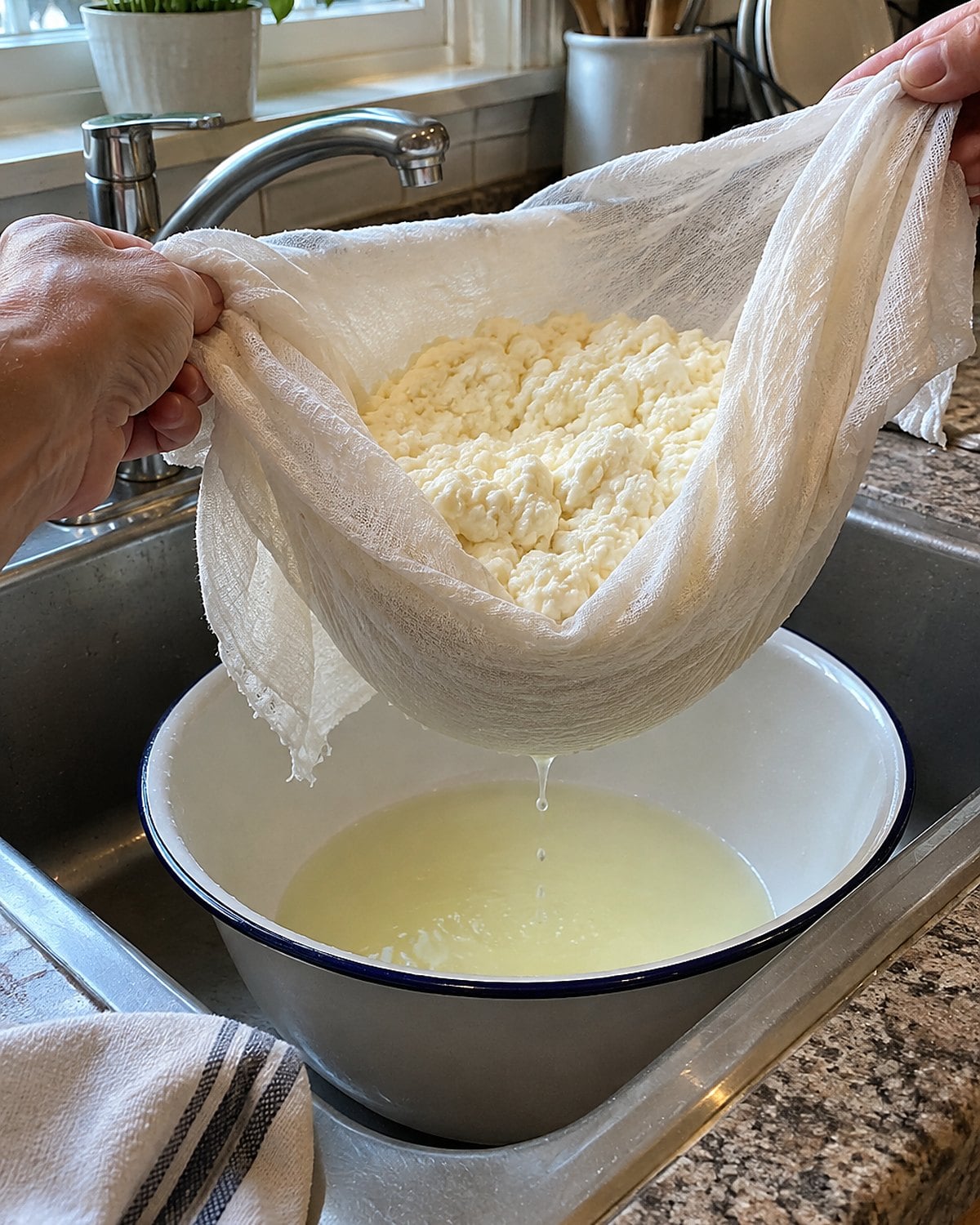
Cottage cheese came from curds, not from a tub-making machine. Acid and heat separate milk into solid curds and liquid whey. The size of the curd depends partly on how much you stir and break it.
This is a project for a tested dairy recipe, not a guess with leftover milk. Use pasteurized milk, a thermometer, and clean utensils.
Once the curds form, drain them through a cloth-lined strainer. Less draining leaves them moist; more draining gives you firmer curds. Cream added after draining makes the familiar creamy version.
The store tub offers a steady texture and saves a fair amount of washing up. Making cottage cheese once gives you a closer look at what that tub contains. Spoon the fresh curds onto toast with pepper while you decide which version belongs in your regular week.
#10 Jam from the soft berries
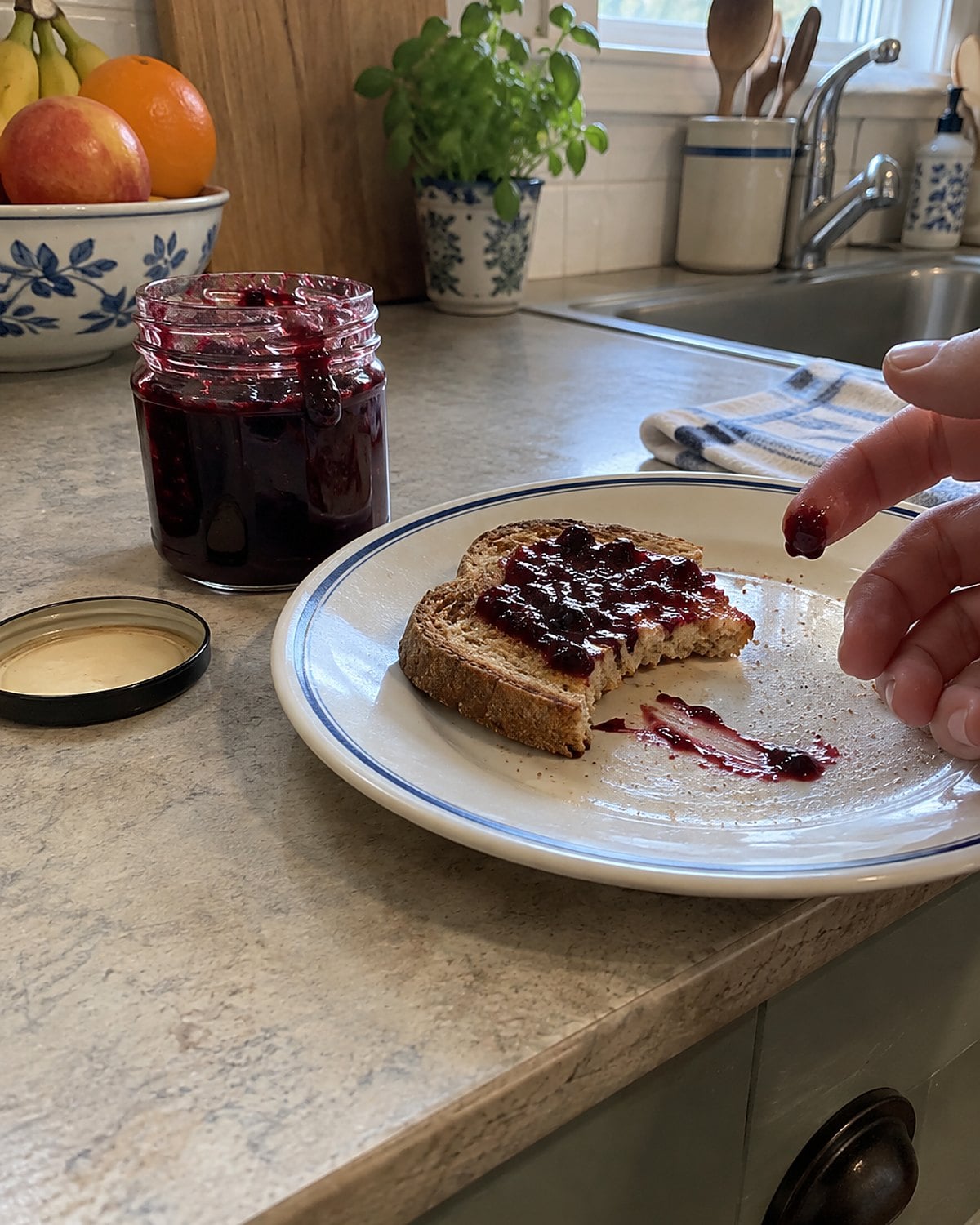
Soft berries in a colander need attention soon. Jam was a way to keep a harvest, but a small refrigerator batch is also a way to use fruit that will not look good tomorrow.
Cook fruit with sugar and stir along the bottom as it thickens. To check the set, put a small spoonful on a chilled plate. Push it with a fingertip after it cools. If the surface wrinkles, the jam has thickened enough for a spread. Runny jam still tastes fine stirred into yogurt.
Refrigerator jam is not shelf-stable canned jam. For jars destined for the pantry, follow a tested recipe and processing directions from the National Center for Home Food Preservation. The sealed lid alone does not settle that question.
#9 Sauerkraut in the stoneware crock
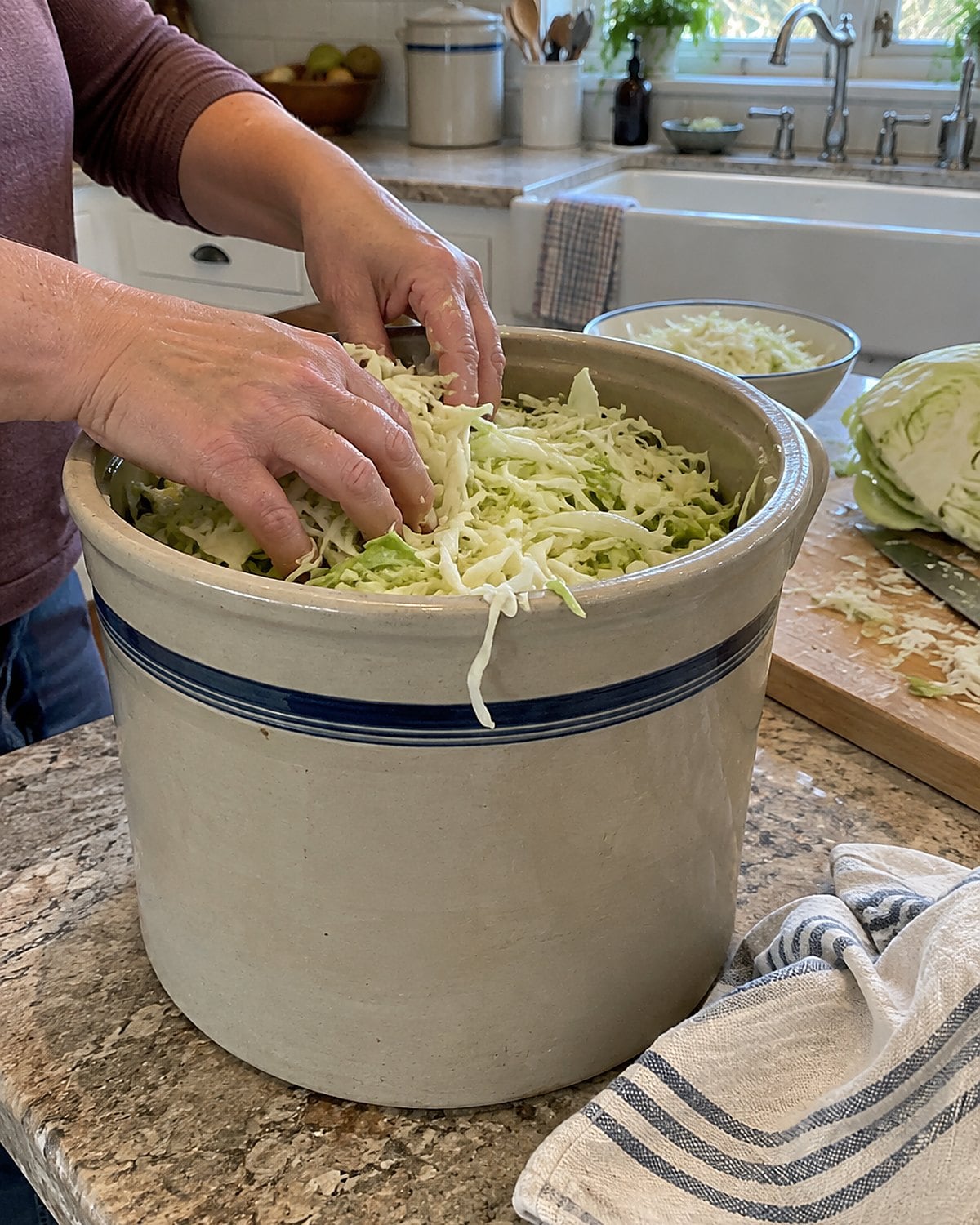
Shredded cabbage and salt have a striking trick. Work the salt into the cabbage, and liquid begins to collect in the bowl. Pack it down, and that liquid rises over the shreds.
Fermentation takes more care than putting a lid on a crock. The cabbage has to stay submerged under brine, with a tested salt proportion and a method that accounts for temperature. The USDA Complete Guide to Home Canning includes tested directions for fermented sauerkraut. Follow those rather than adjusting the salt by taste.
The weight matters.
You can see why when a loose shred floats above the liquid. Push it back beneath the brine using the method in your tested directions. A crock passed down through the family deserves the same care as a new jar; its familiar shape doesn't make the salt measurement optional.
A jar from the store gets sauerkraut onto a hot dog in seconds. Making it shows you why the sharpness differs from vinegar pickles: fermentation produces acids as microbes work on the cabbage.
If that sounds like a weekend project, it is. Tonight, taste the store jar before adding it to a dish. Some are sharp enough to supply all the acid you need.
#8 Broth from a picked-over chicken
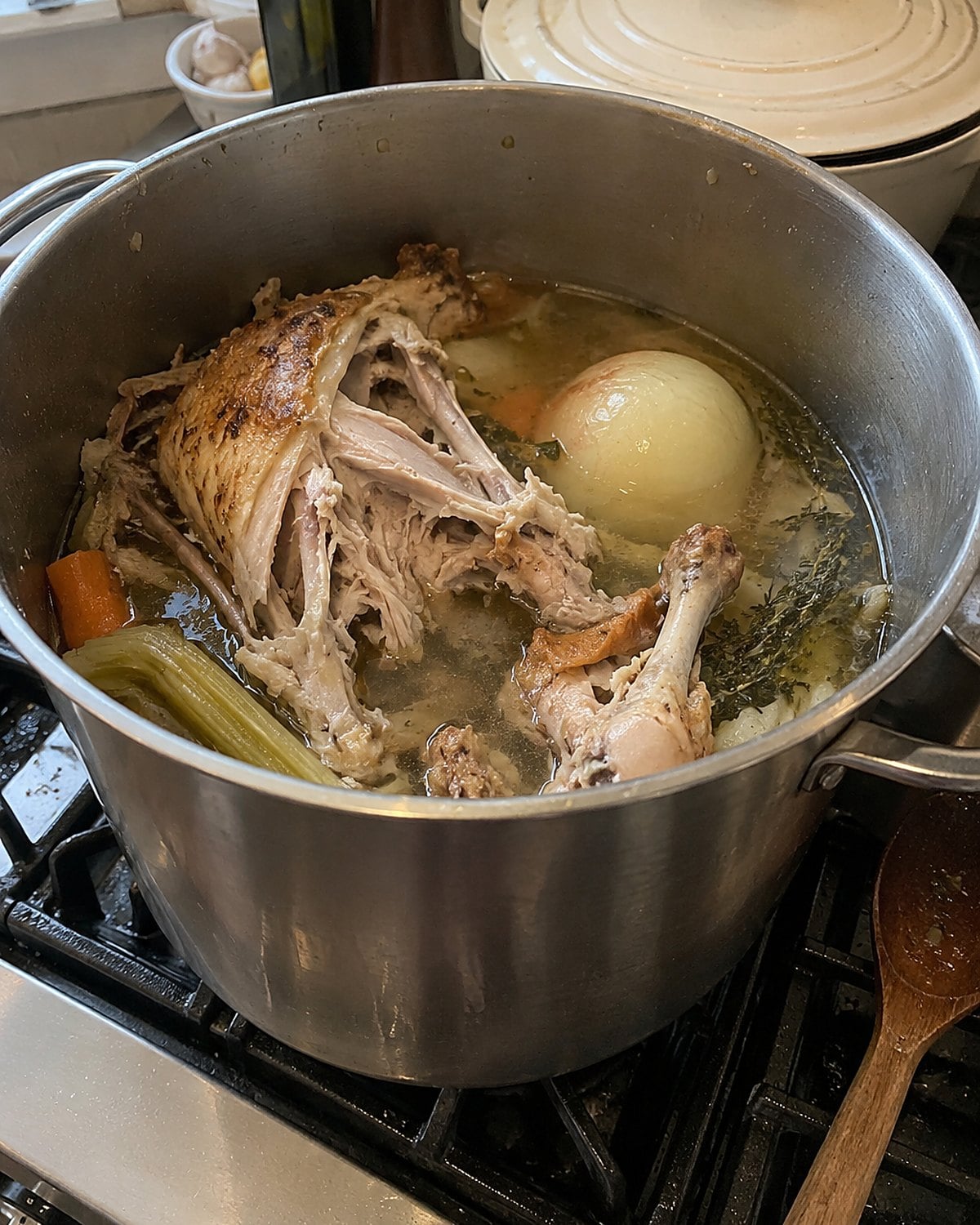
What should you do with the bones after dinner? Put them in a pot with onion and water, then let a low simmer draw flavor from them. Strain the broth and discard the solids.
Skip the hard boil. It churns fat and particles through the liquid, making broth cloudy. Cloudy broth still tastes good, but a low simmer gives you a cleaner bowl of soup. Taste only after straining; salt in a shrinking pot grows stronger.
Cool broth promptly in shallow containers before refrigerating or freezing it. The USDA's leftovers guidance gives the handling rules. You needn't save every bone. Save the ones from a chicken you enjoyed eating.
Before it goes into a freezer bag, leave room for the broth to expand as it freezes. Label the bag while it lies flat on the counter. You will be glad you did when the freezer drawer holds several bags that look alike.
Try it: Instant Pot Chicken Bone Broth In 3 Hours
#7 Fermented cucumbers beneath a weight
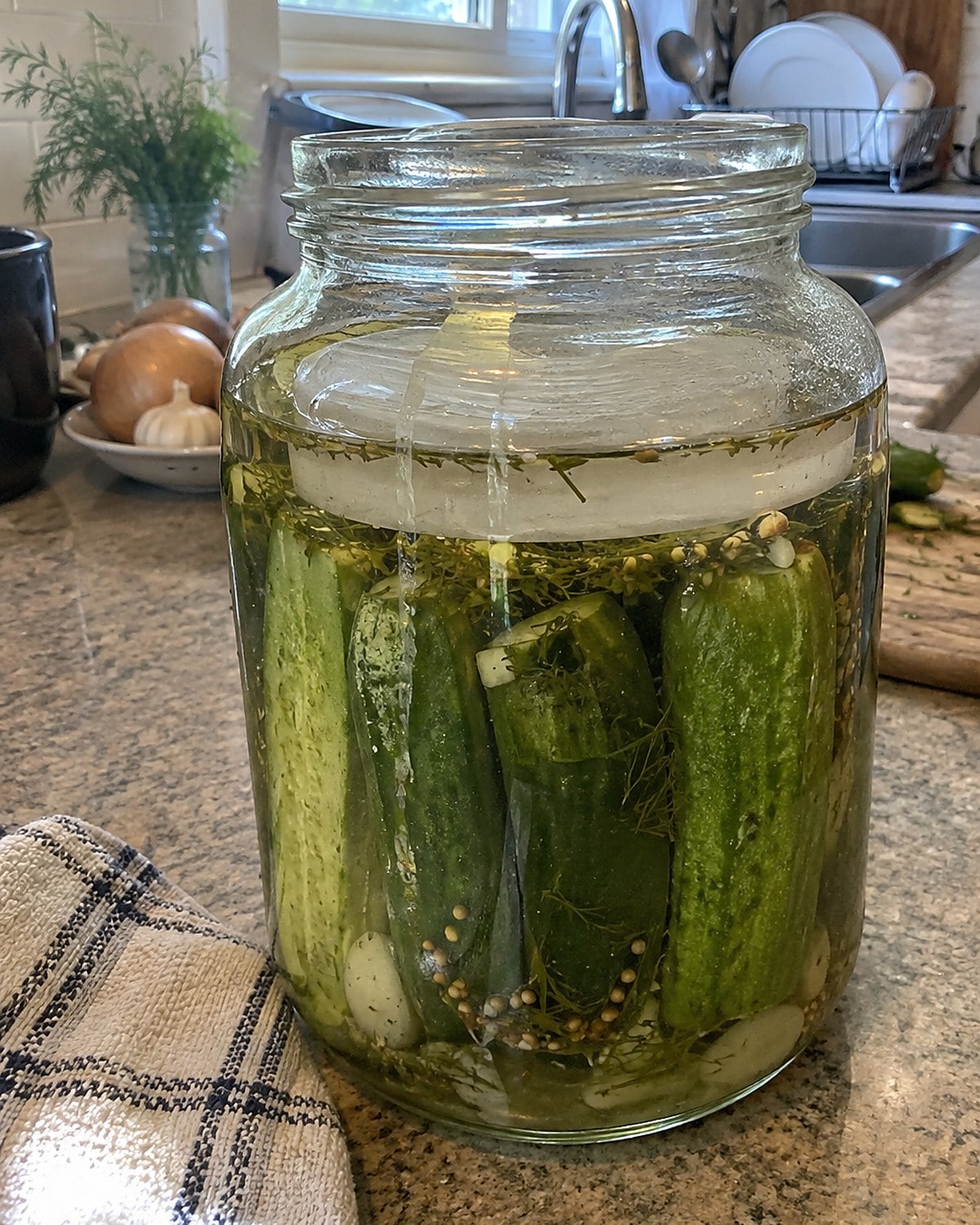
The old pickle crock had a plate on top for a reason. Cucumbers floating above the brine are exposed to air. A weight keeps them below the surface while fermentation changes their flavor.
This is the moment to follow a tested recipe exactly. The salt level, cucumber size, water, and temperature all affect the result. The National Center for Home Food Preservation's pickling guidance separates fermented pickles from quick vinegar pickles and shelf-stable canned ones. Those are different jobs, even though all three end with a crunchy cucumber.
Want the old-fashioned sour flavor without starting a crock? Buy a refrigerated fermented pickle and look for its short ingredient list. Then compare it with the vinegar pickle already in your fridge. The difference is plain in one bite.
#6 Pancakes lined up on the griddle
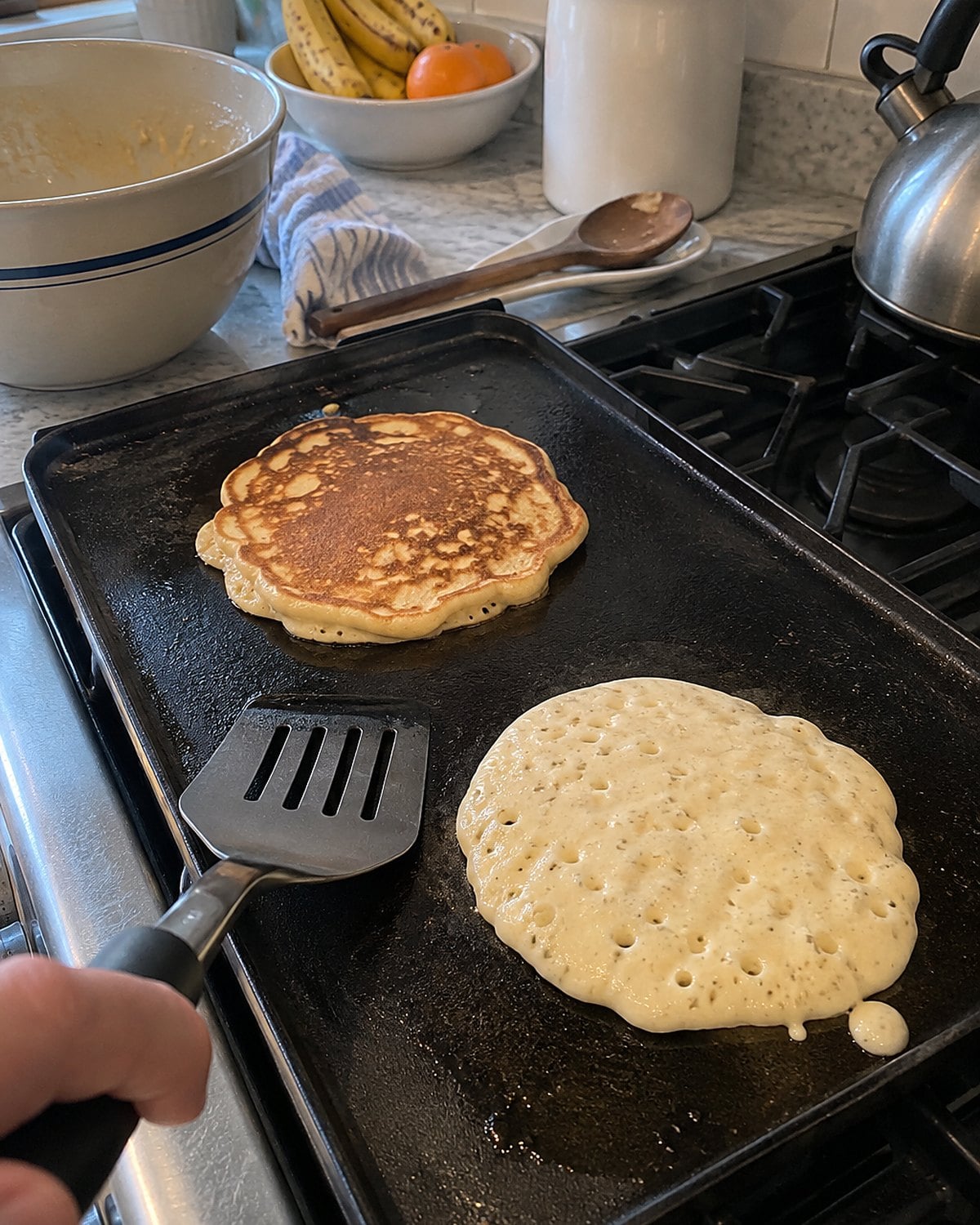
A box of pancake mix took a measuring job off Saturday morning. It did not take over the griddle.
Watch the batter rather than the clock. Bubbles form on the surface, the edges lose their shine, and the underside turns brown. That is when you flip. Pressing the pancake with a spatula squeezes out the air you worked into it, so leave it alone.
For a small household, mix only what you intend to cook. Keep the dry ingredients together in a jar if that saves time next weekend, and add the wet ingredients when the griddle heats. The first pancake still tells you whether the pan needs less heat.
Lift its edge before you turn it. If the underside is dark while the top still looks wet, lower the heat for the next one. That imperfect first pancake has always been the cook's breakfast.
#5 Granola cooling on a baking sheet
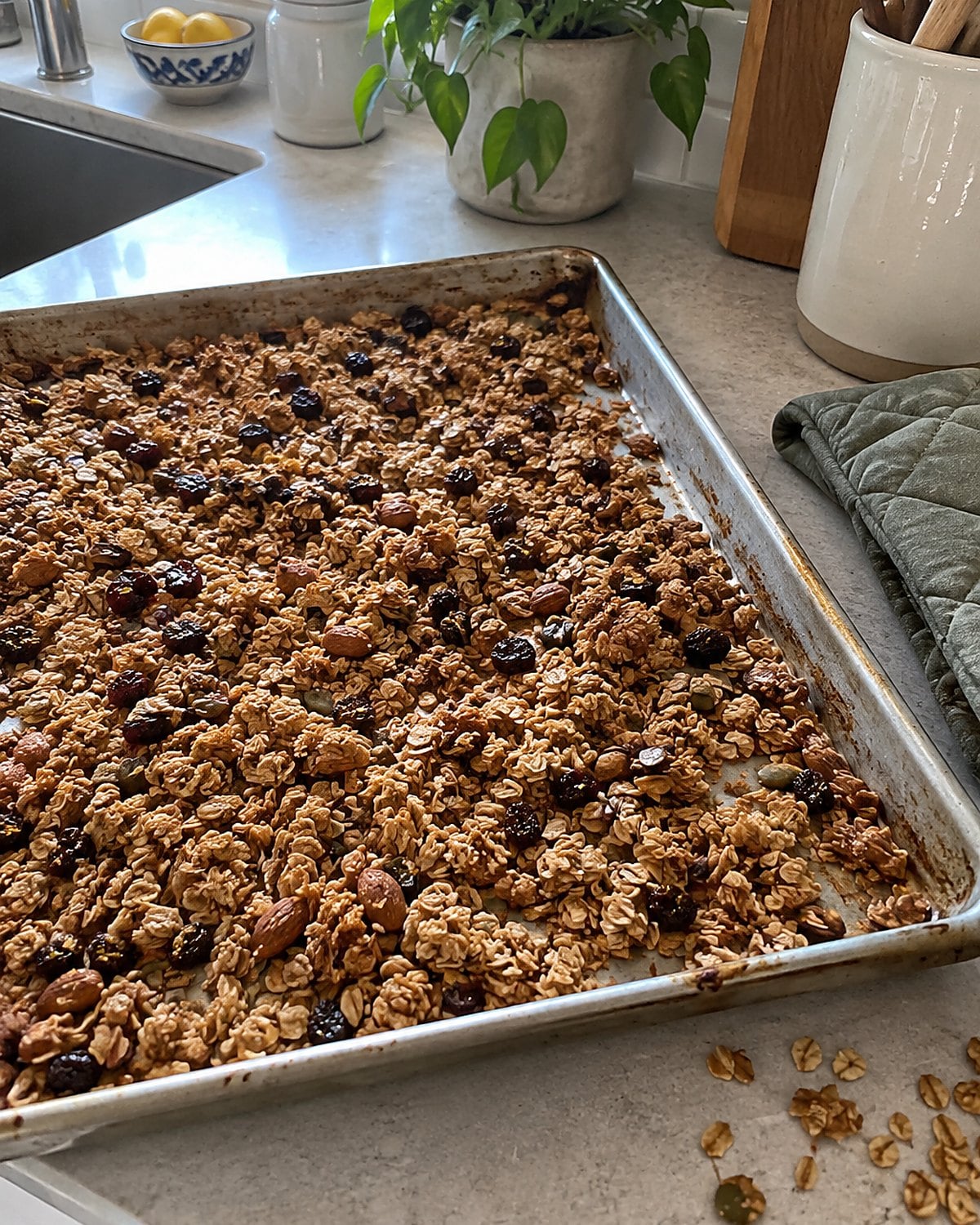
The grocery aisle puts granola in bags with pictures of fruit. At home, the crucial ingredient is the baking sheet.
Spread the oat mixture in a shallow layer. A deep pile steams instead of toasting. Stir once during baking for loose clusters, or leave much of it undisturbed if you want bigger pieces. Nuts and oats should smell toasted, not scorched; the color deepens further at the hot edges.
Let the pan cool before you break up the granola. Sugar firms as it cools, and a warm handful tells you little about the final crunch. Add dried fruit after baking so it stays chewy rather than turning hard.
You get to decide how sweet breakfast tastes. That is a better reason to make granola than trying to reproduce a bag exactly.
#4 Coleslaw at the church hall
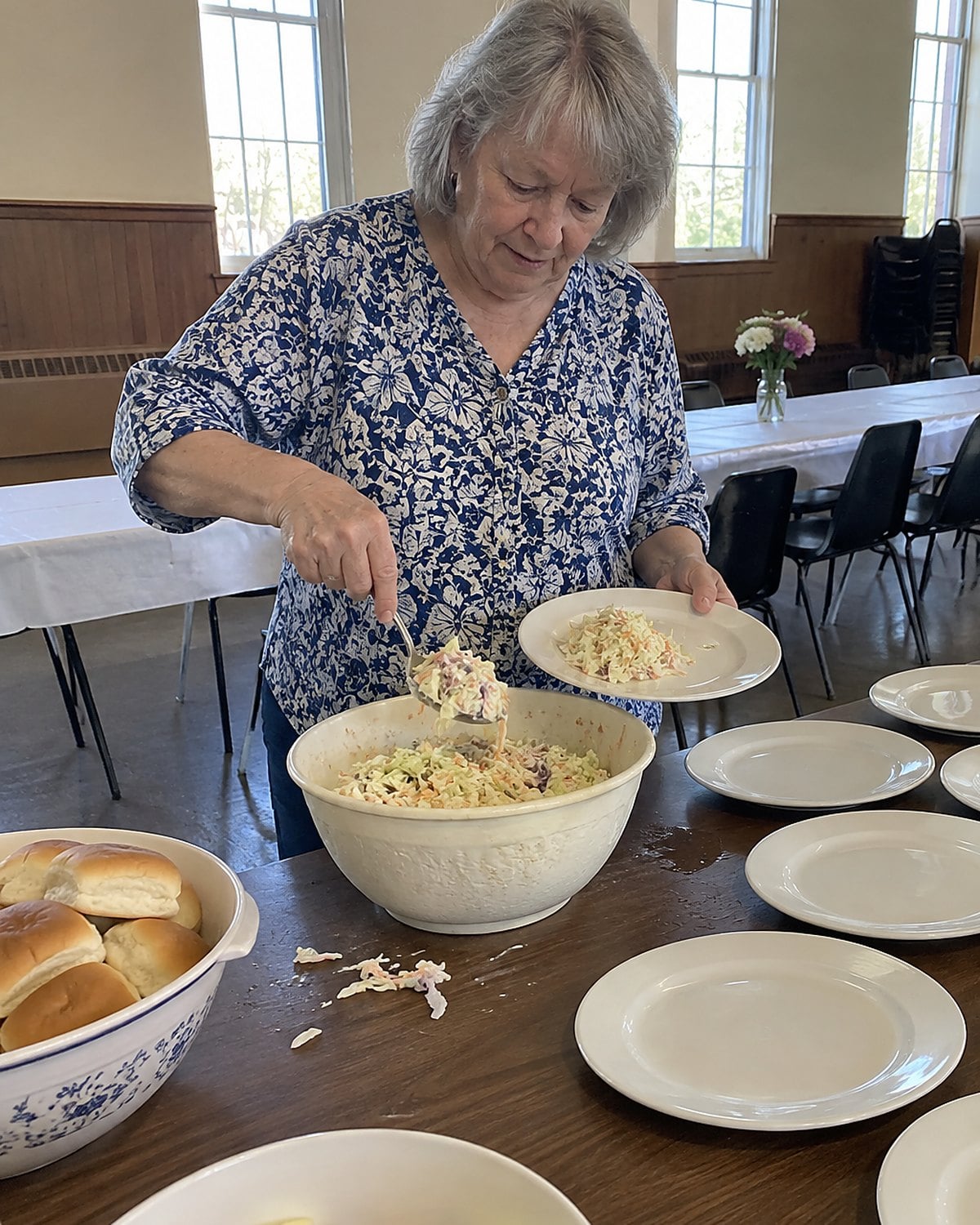
A church hall table once held several bowls of coleslaw, none quite alike. One was sweet, another sharp, and somebody had cut the cabbage with a knife instead of a shredder.
The difference starts before the dressing. Salted cabbage releases water. If you dress it immediately and let it sit, liquid gathers at the bottom of the bowl.
For a crisp salad served soon, dress close to mealtime. For a softer slaw, give the cabbage time and drain excess liquid before finishing the dressing. Look at the bottom of the bowl before you add more vinegar. The puddle there has already diluted what you mixed in.
Taste a forkful with the rest of supper. Barbecue needs a sharper slaw than a plain sandwich does. A bag of shredded cabbage still leaves that choice in your hands.
#3 Freezer bags of homemade meatballs
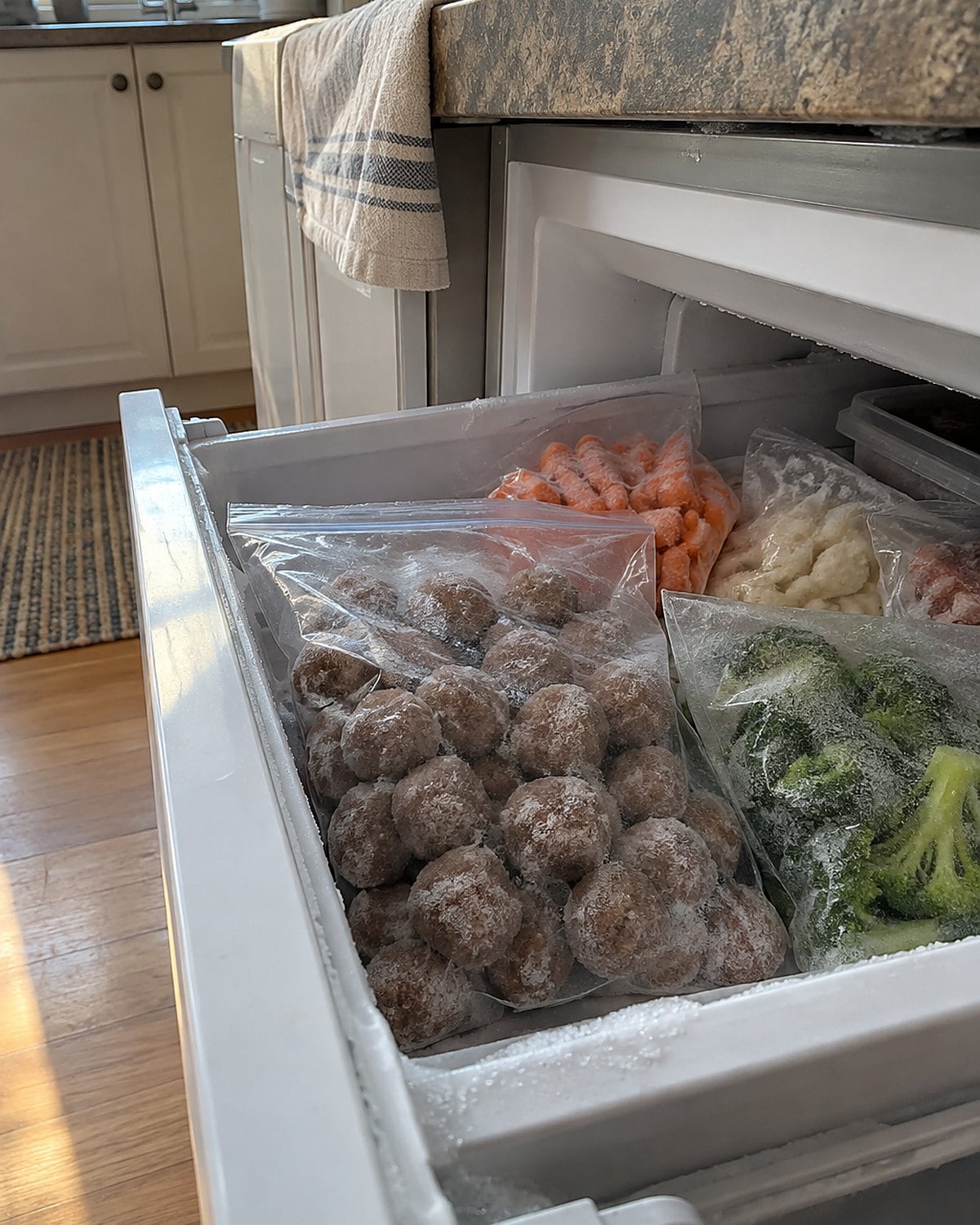
The freezer drawer holds the answer to a tiring Wednesday if you put dinner there earlier. Meatballs are worth making in a batch because shaping them is the slow part. Once your hands are messy, a few more take little extra effort.
Bread soaked in milk, often called a panade, helps meatballs stay tender. Mix it with the meat before shaping, and stop working the mixture once it holds together. Tight packing gives you tight meatballs.
Freeze shaped meatballs on a tray, then move them to a labeled bag after they firm up. Cook ground beef or pork meatballs to 160°F; ground poultry needs 165°F. Check the center with a thermometer, not the color of the sauce.
A store bag is handy. Your own freezer bag has one advantage the label cannot promise: you know exactly how much garlic went in.
Try it: Instant Pot Meatballs In Italian Tomato Sauce (Whole30, Paleo)
#2 Salad dressing shaken in a jar
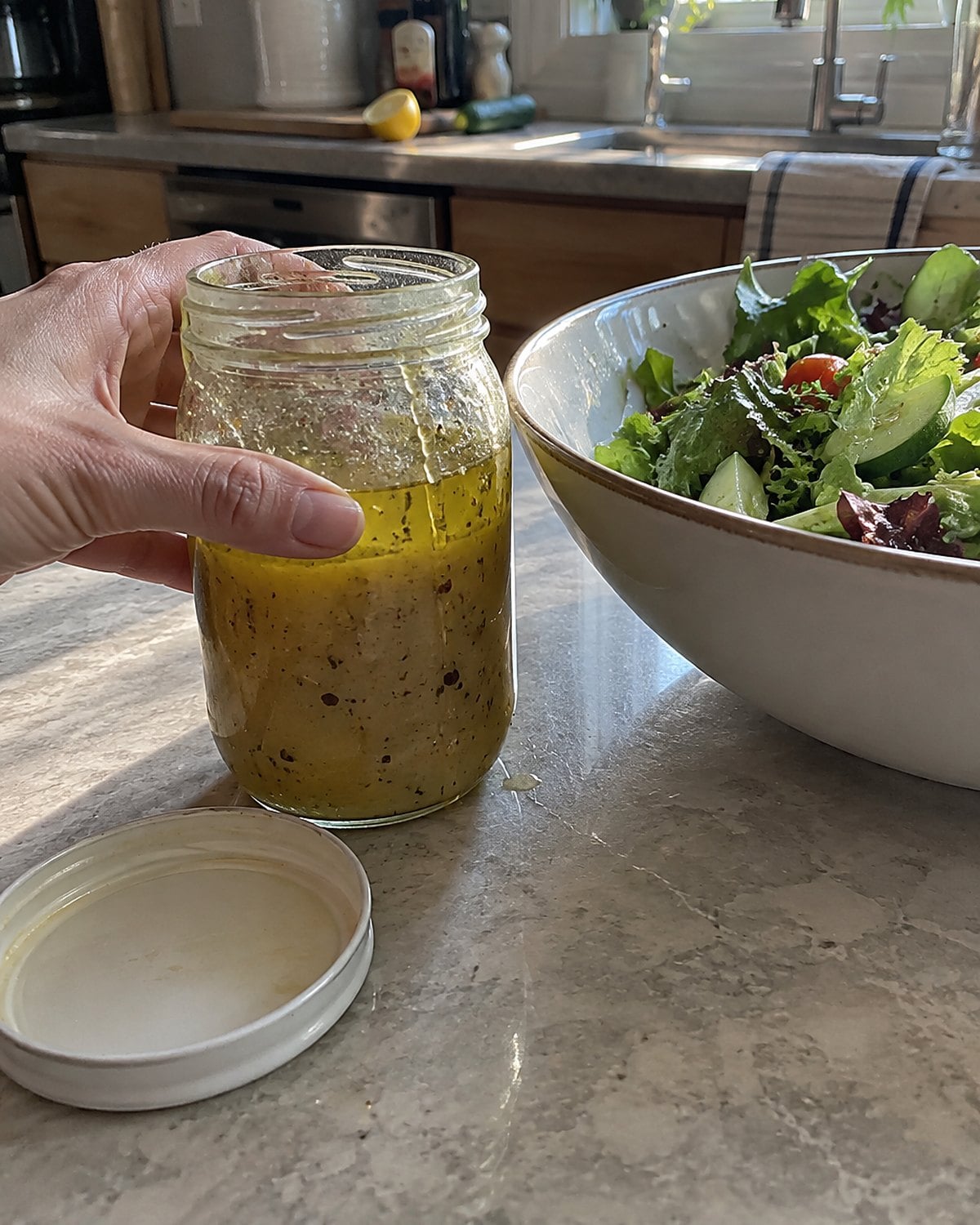
The bottle in the refrigerator door is convenient until its flavor takes over a delicate salad. A jar lets you make enough dressing for the bowl in front of you.
Start with about 3 parts oil to 1 part vinegar, add mustard and salt, then shake. Taste a dressed leaf, not a spoonful of dressing. The leaf tells you whether the acid reaches through the greens. If it tastes dull, add vinegar; if it bites too sharply, add oil.
Mustard helps the oil and vinegar stay mixed long enough to coat the salad. The mixture will separate again on the shelf, which is why the jar gets another shake.
That is the small advantage of making it yourself: you season supper, rather than commit to finishing a bottle.
#1 The refrigerator door full of condiments
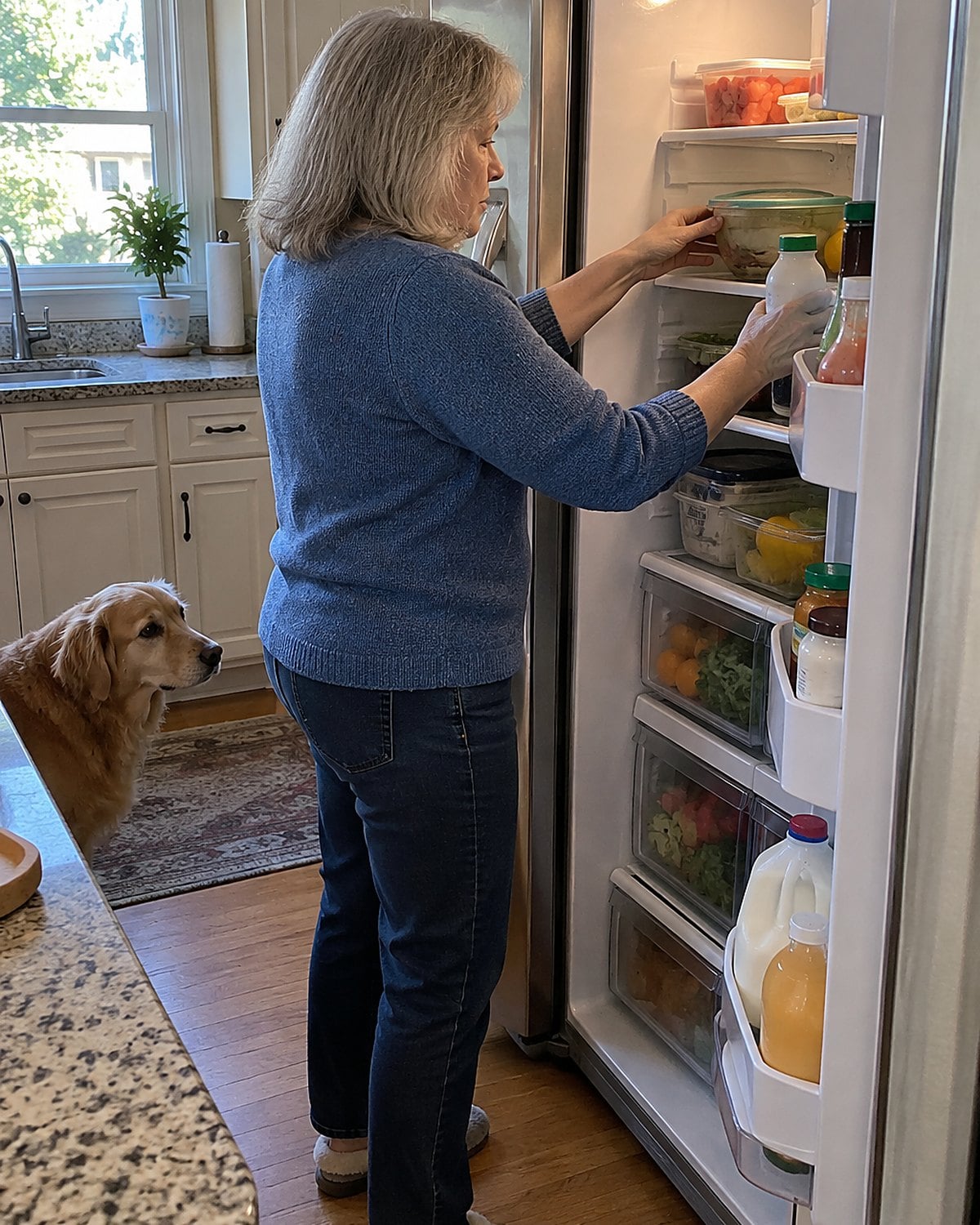
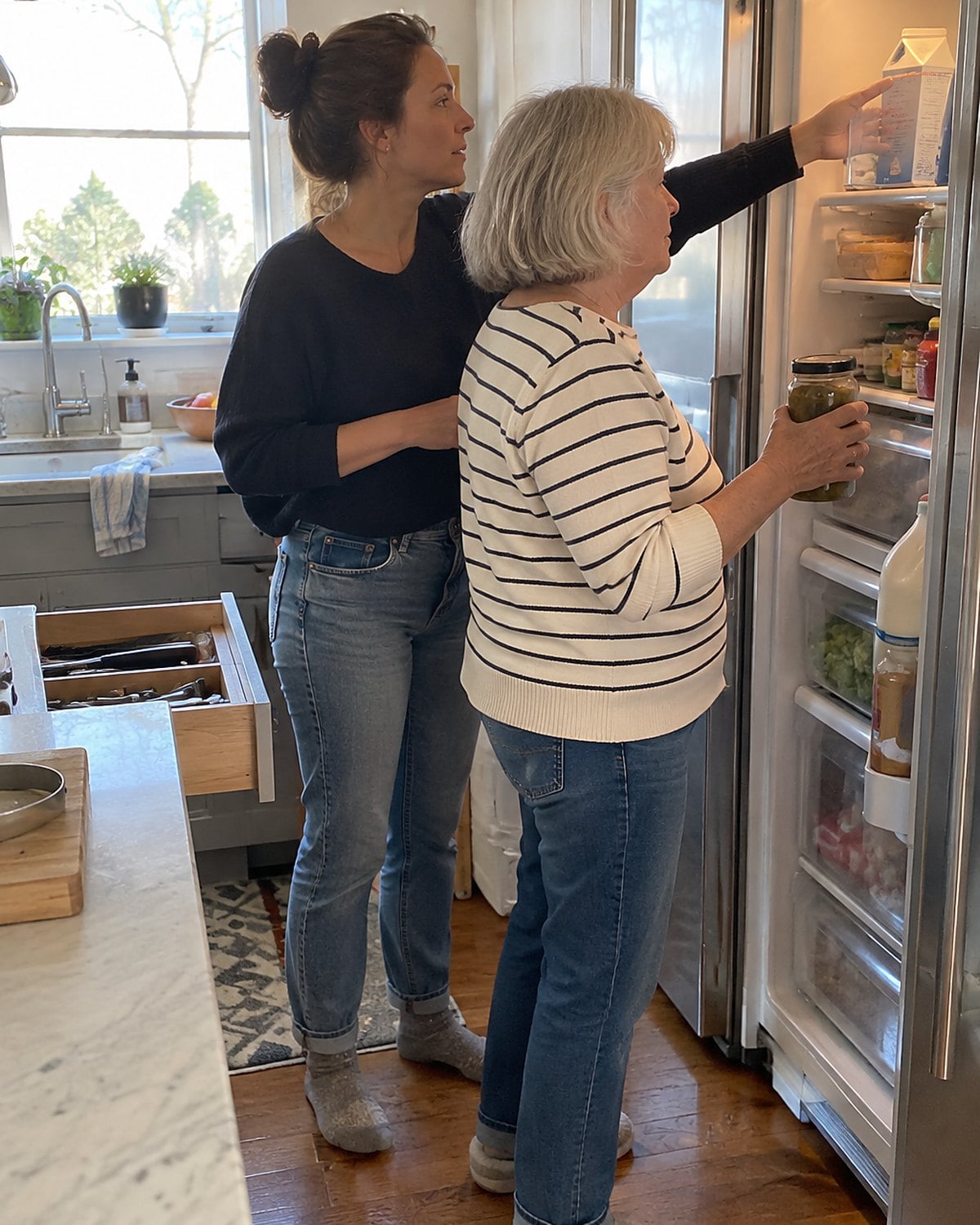
Open the fridge at mid-afternoon and look at the door. A half-used bottle of dressing sits beside a jar of sauce, a second mustard, and something bought for one recipe. That collection explains both the appeal and the cost of ready-made food. You paid to skip a task, then gave the unfinished portion a place to live.
Pick one bottle you reach past every week. Taste it. Check its label for storage directions and its date before deciding what to do with it. If it belongs in dinner, put it there tonight. If it doesn't, let it go instead of keeping it as a reminder of money spent.
Then look at the food behind the door. Apples become sauce, bread becomes crumbs, and cooked chicken becomes pie or broth. You don't need to make all of those. The useful habit is choosing the homemade job that clears space and feeds the household you have now.
Start with the thing that needs attention soonest. Set it on the counter before you decide what else to cook. That small move keeps a good intention from disappearing behind a carton when the evening gets busy.
If you want a second meal idea, open another Instant Pot Eats article while that jar or leftover is still in your hand. Choose the idea that uses what you found, rather than buying a fresh set of ingredients for a new plan.
That is the part the store cannot do for you. It cannot see what is already in your refrigerator.
The bottom line
Store-bought food gave time back to the cook. Homemade food gave the cook control over texture, seasoning, and batch size. Neither choice deserves a rule that covers every Tuesday.
The well-prepared version of you has checked the fridge, kept a clean jar handy, and decided which task is worth doing tonight. What would you make from what is already in your kitchen?



Leave a Reply