

The oven door sticks for a second, then gives. Out comes a square dish with browned edges and a topping that crackles under the serving spoon. You know the smell before you see it.
A casserole like this belongs to the world of the 1975 kitchen: condensed soup in the pantry, foil over the pan, crushed chips waiting for the top. That year in the headline marks a kitchen you remember, not a claim that every dish appeared on every table. The dishes didn’t vanish all at once. They went when the weeknight crowd went. But a few of their best tricks still work tonight.
#24 Tuna Noodle With Crushed Potato Chips
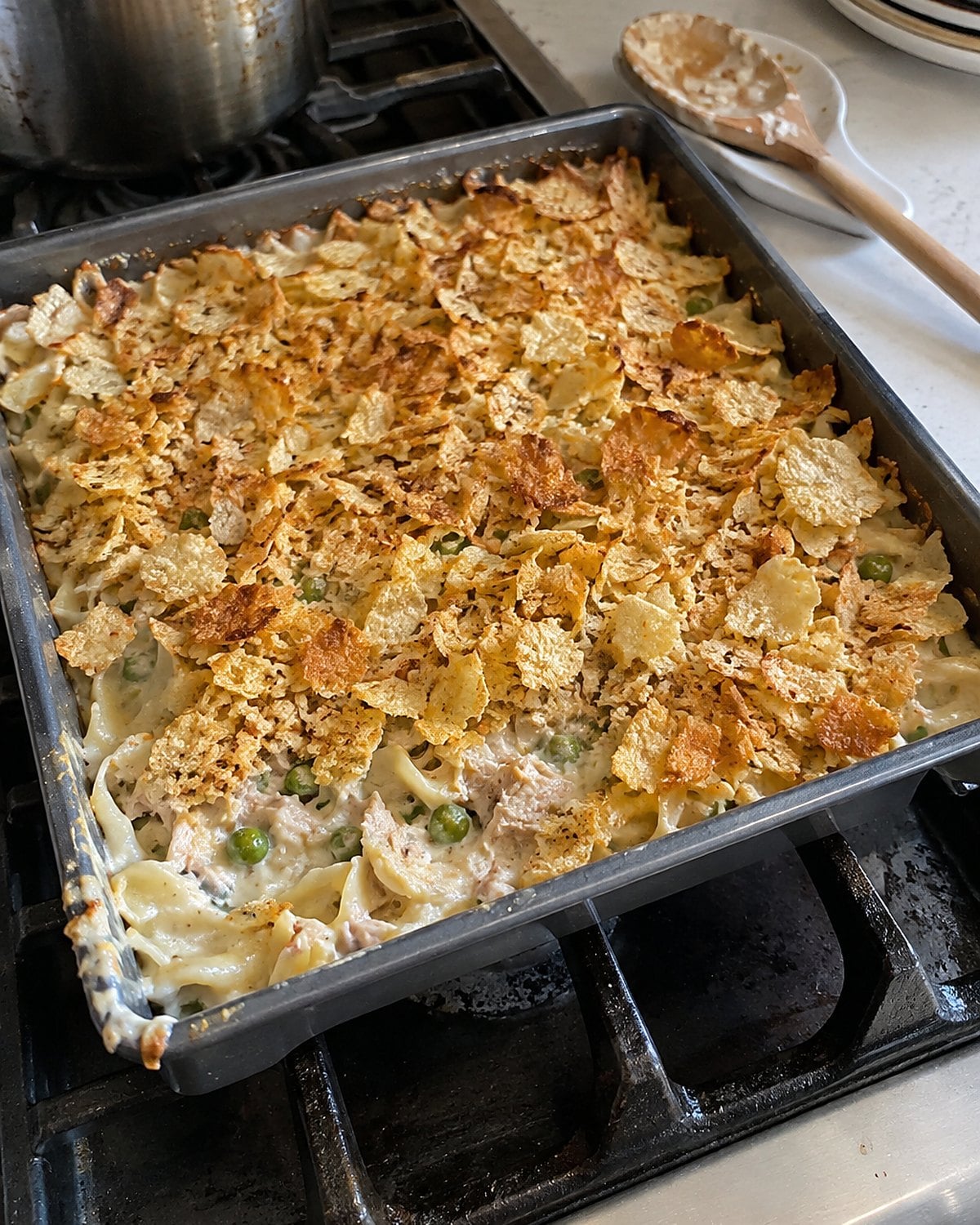
The chips went on last. That was the pleasure of tuna noodle casserole: a plain, creamy middle under a salty lid that broke when the spoon went in. If yours went soft before dinner reached the table, the timing was probably to blame.
Cook the noodles just shy of tender. They’ll take up sauce while the dish heats, and fully cooked noodles lose their shape there. Drain the tuna well, too. Its packing liquid thins the sauce and leaves a puddle beneath the first serving.
Scatter the crushed chips over the top shortly before baking, where the oven’s dry heat reaches them. Taste a forkful with a chip attached before you salt the filling. The topping has already done some of that work.
You don’t need to make the deep dish you once carried to a school supper. An 8-inch pan gives you browned corners and enough for another meal. What mattered was the contrast under the spoon.
Try it: Instant Pot Tuna Casserole
#23 Green Bean Casserole’s Damp Onion Crown
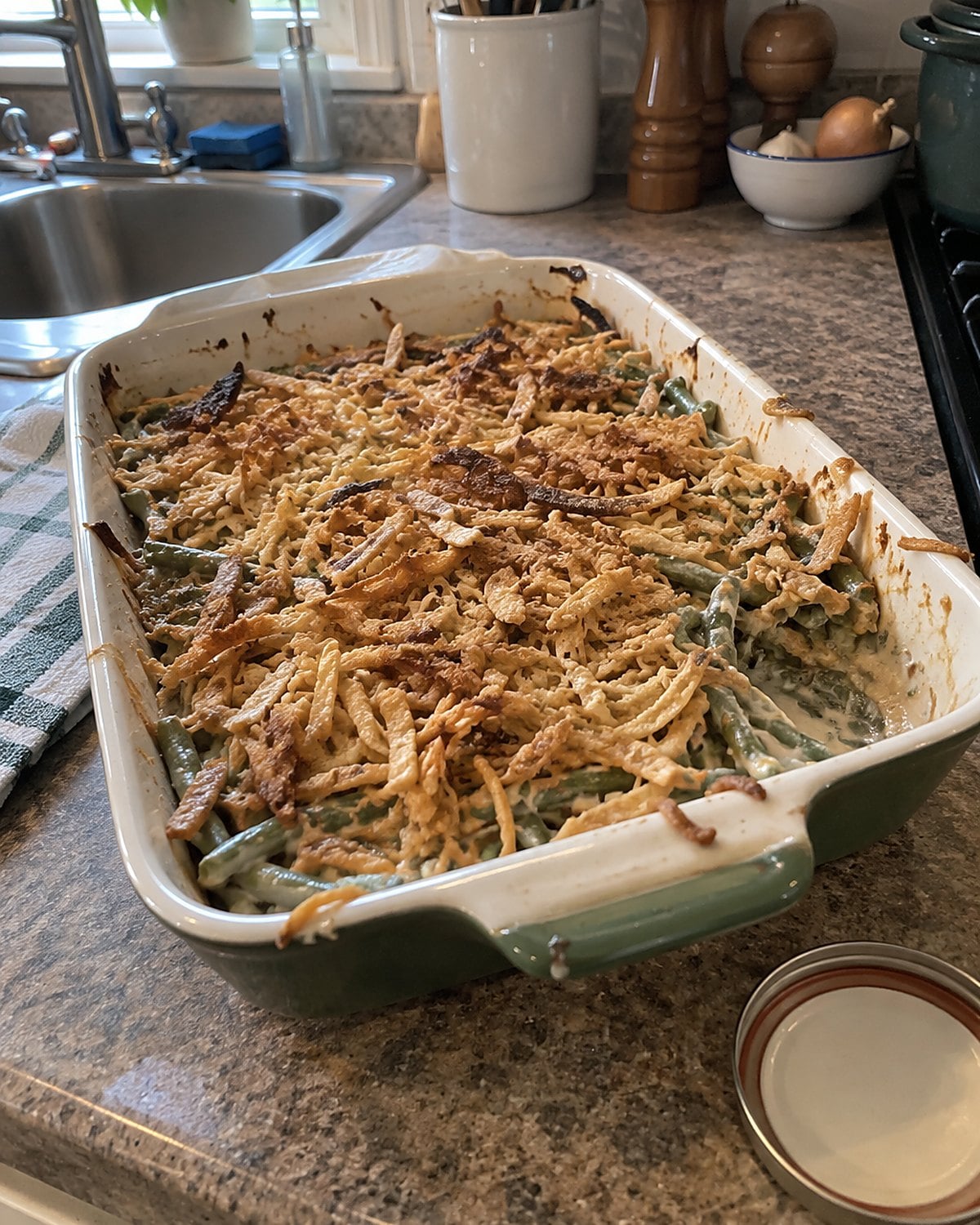
A crisp onion topping has a short window. Bury it under the beans too early, and steam turns it limp.
Keep some onions back while the green beans and sauce heat through. Add the rest near the end so they brown on top instead of soaking underneath. Before that, look at the beans. Canned beans need a thorough drain; thawed frozen beans need their surface water shaken off.
Otherwise, the sauce loosens before anyone has taken a bite. Here’s the test at the table: drag a spoon through the center. The sauce should coat the beans, not rush into the gap like broth.
If the old version tasted mostly of salt, try mushrooms browned in a skillet before they join the sauce. Their dark edges give the filling something to say beneath those onions. You still get the familiar crunch, only now the beans have a chance to be heard.
Try it: Creamy Air Fryer Green Bean Casserole
#22 Chicken Divan and the Broccoli Stems
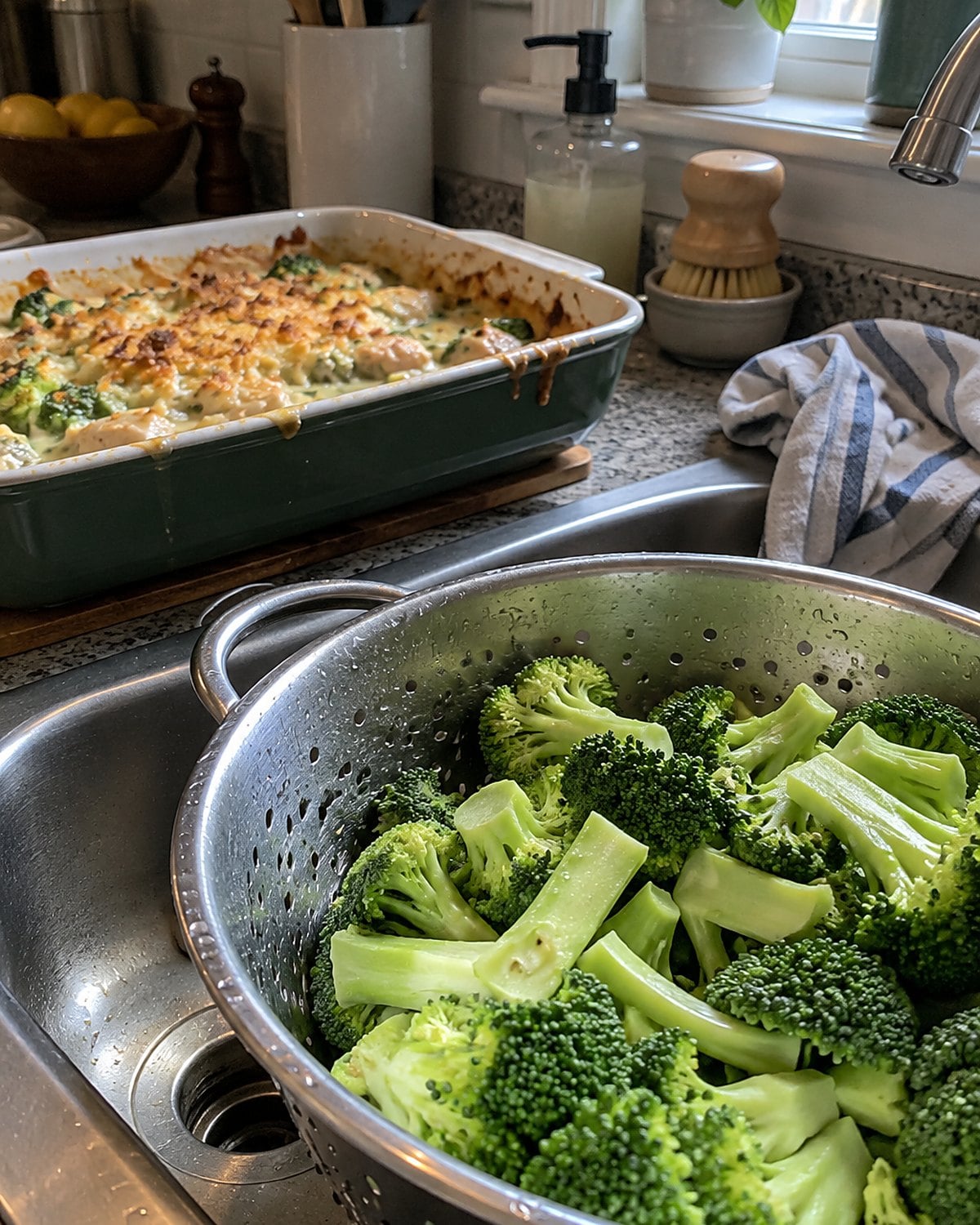
Chicken Divan looked dressed for company, with chicken and broccoli under a creamy sauce. It also had a way of leaving the broccoli stems hard and the florets weary. Both parts went into the same dish, but they didn’t cook at the same speed.
Cut the stems smaller than the florets and give them a head start in boiling water. Drain everything well before it meets the sauce. Wet broccoli leaves water in the bottom of the baking dish, even when the top looks browned and ready.
Use cooked chicken that still tastes good on its own. Sauce covers a lot, but it doesn’t put moisture back into dry breast meat. A little sharp cheese or a squeeze of lemon at the end wakes up the rich filling without changing the dish you remember.
This was a supper that brought out the good serving spoon. You still get to use it on a Tuesday, with enough broccoli left visible to prove what’s underneath.
#21 Turkey Tetrazzini’s Tangled Spaghetti
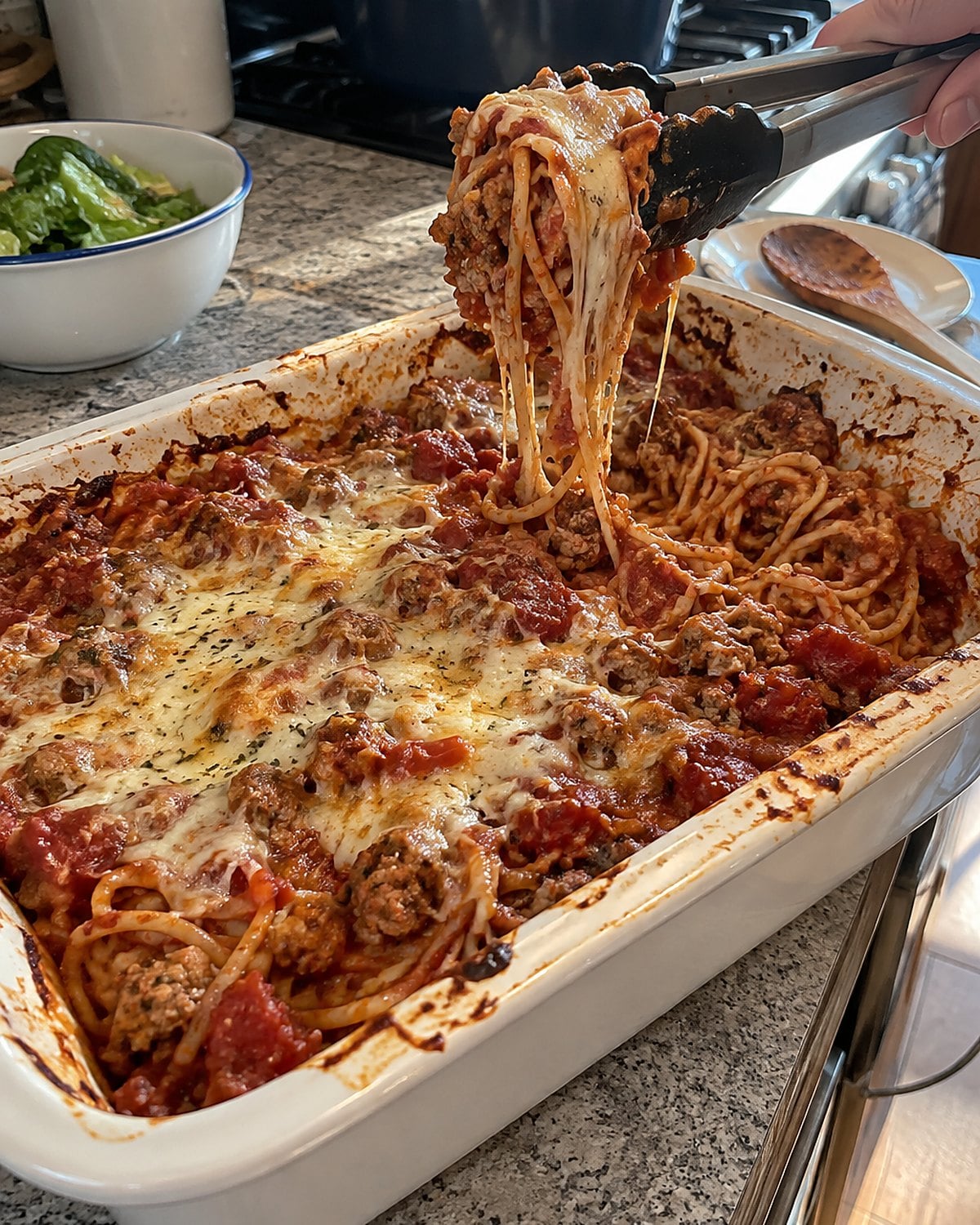
What made turkey tetrazzini worth saving after a holiday? For starters, the leftover turkey had somewhere to go besides another sandwich. Then there was the pleasure of a browned top over slippery strands of pasta.
The trouble starts when long spaghetti clumps in the baking dish. Toss the cooked pasta with the sauce before adding turkey and mushrooms. Pull it apart with tongs until every strand has a coating. If the sauce looks thick in the skillet, it will feel thicker once the pasta drinks some of it.
Brown the mushrooms first. Raw ones release water into the casserole, and the flavor stays faint. Taste the sauced pasta before it goes into the oven; it should be well seasoned already.
Turkey tetrazzini earned its place after a holiday meal. It doesn’t need a holiday-sized pan to earn one now.
#20 Ham and Scalloped Potatoes After Sunday
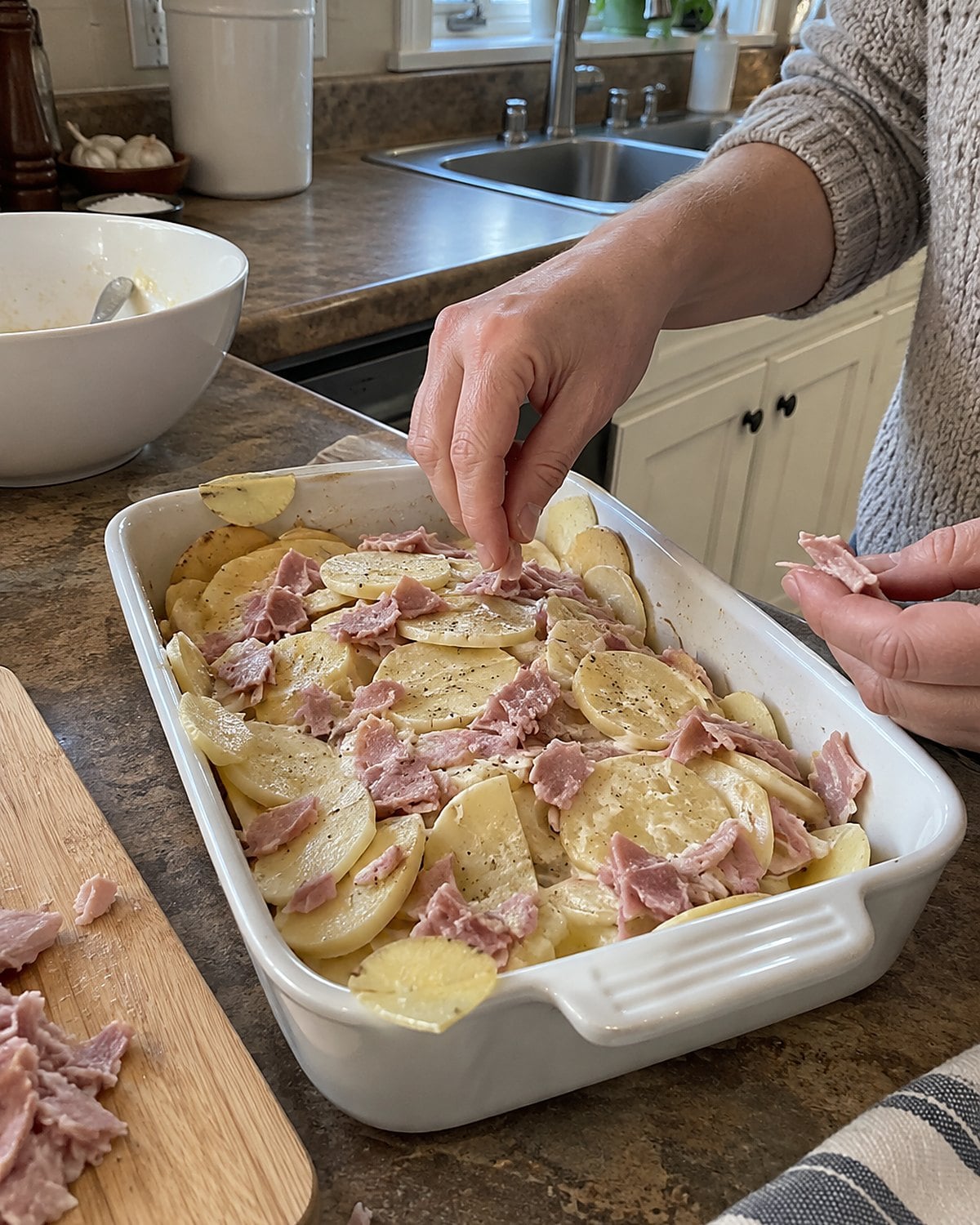
A few slices of ham sat under foil in the fridge. There wasn’t enough to serve again as ham, but there was plenty to tuck between potatoes. Scalloped potatoes made the leftovers feel planned.
The potato slices matter more than the amount of ham. Slice them evenly so the thick ones finish with the thin ones. Nestle the ham between layers rather than piling it on top, where its edges dry out.
Pour the hot sauce down the sides of the dish. Nudge a knife through the layers to help it reach the bottom. Then give the potatoes the time they ask for.
Don’t trust a browned top. Push a knife tip into the center and down through the potatoes. It should meet no firm spot. If the top darkens first, cover the dish with foil and let the middle catch up.
Ham brings plenty of salt. Taste the sauce before adding more, and remember that each forkful will carry some ham with it. For a question about storing leftover ham, use the USDA’s cold storage chart rather than guessing from the smell.
Try it: Instant Pot Scalloped Potatoes & Leeks (Au Gratin)
#19 Corn Pudding’s Unsteady Center
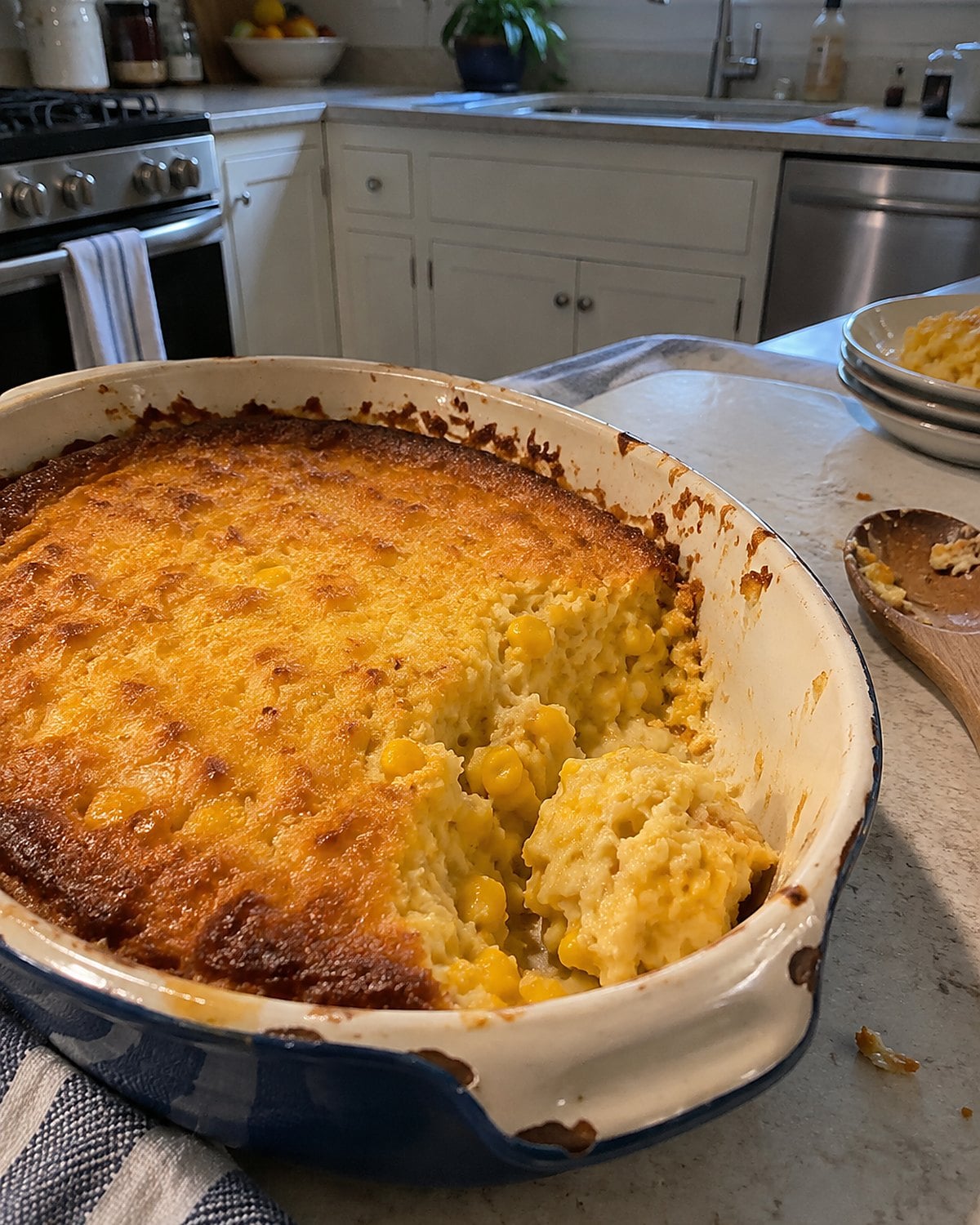
Corn pudding was the soft side dish that behaved like dessert while nobody called it dessert. It belonged beside ham, roast chicken, or anything that needed a spoonful of sweetness.
Its hardest moment is deciding when to take it out. The edge should look set, while the center gives a small wobble when you nudge the dish. A center that sloshes needs more time. A pudding baked until it stands stiff all the way across has lost the tenderness you wanted.
Let it rest before serving. The heat in the dish keeps working, and the pudding firms enough for a spoon to lift it. If you’ve only eaten the dry, blocky kind, try the wobble test. It changes the result more than another handful of corn.
#18 Stuffed Pepper Casserole Without the Shells
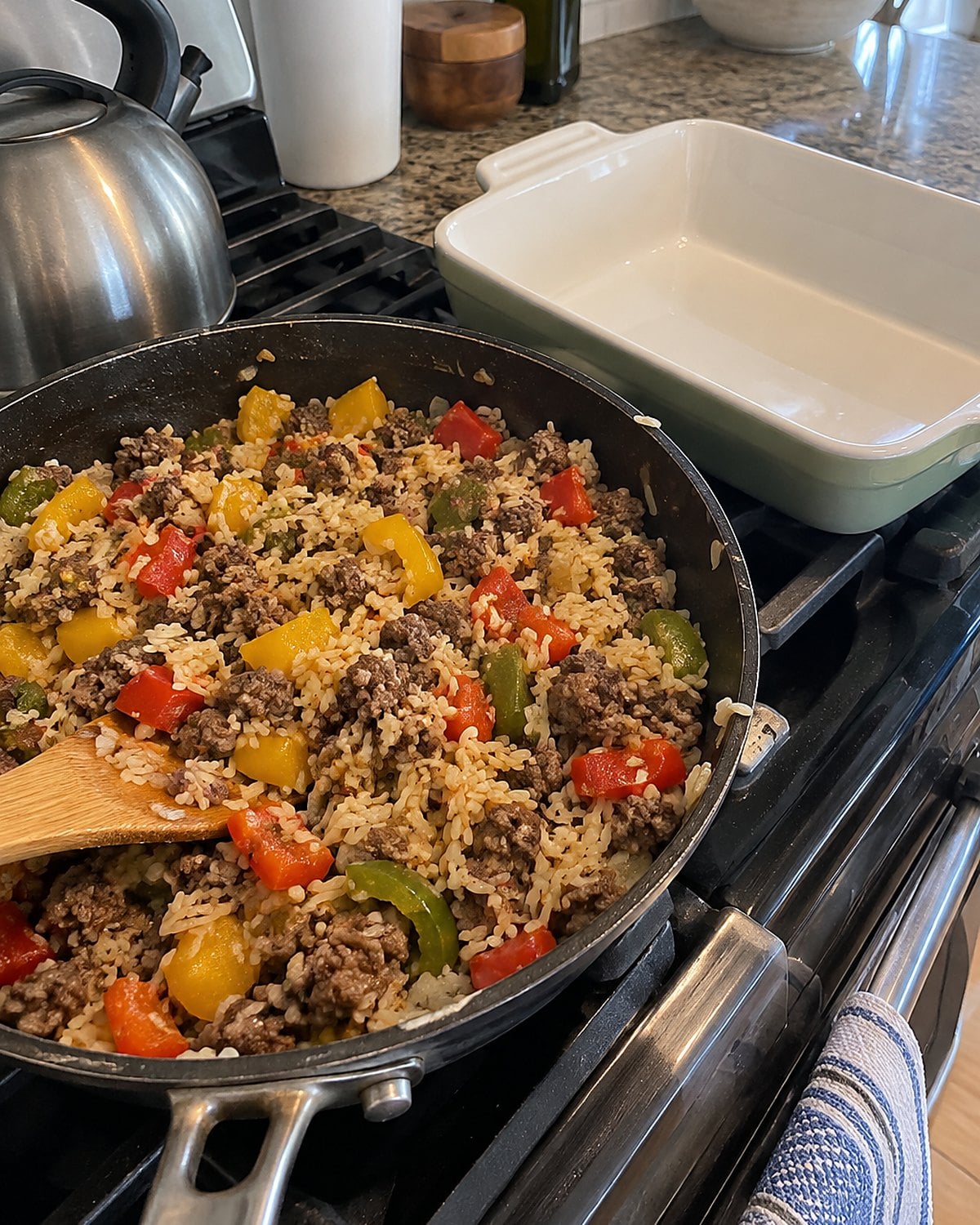
Someone always wanted the filling from a stuffed pepper and left the softened pepper behind. At a family table, you could watch it happen. Stuffed pepper casserole solved that small standoff by putting the pepper into the filling.
Brown ground beef and diced onion first. Give chopped peppers a turn in the skillet before adding tomato; that takes away their raw edge. Cook ground beef to 160°F, as the USDA Food Safety and Inspection Service advises.
Stir in cooked rice near the end so it holds its shape instead of drinking every drop of liquid while the casserole bakes. Watch the tomato, too. The mixture should look moist before it goes into the oven, without liquid standing around the edges. If the rice seems dry when you taste it, add a little more tomato sauce.
You can put green pepper in half the dish and leave the other half for the person who always scraped it aside. Nobody has to make a speech about it. The familiar filling does the work.
#17 Salmon Loaf in the Narrow Pan
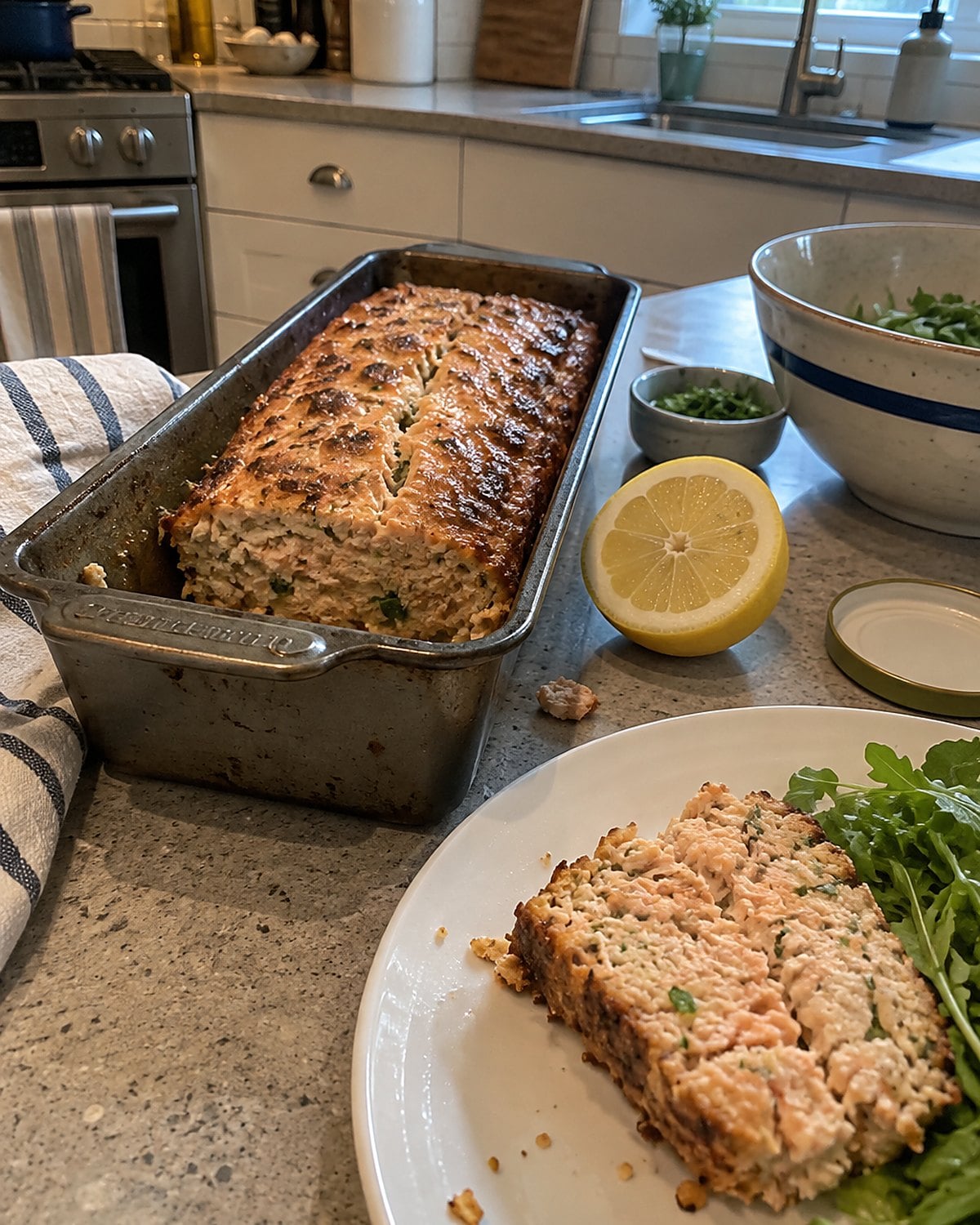
A salmon loaf cut into tidy slices was an economical-looking dinner with surprising staying power. The narrow loaf pan helped it keep its shape, but it also trapped moisture along the bottom.
Drain canned salmon well, then break it up with a fork. Mix in the binder until the fish holds together when pressed, without turning it into a paste. Too much bread or cracker crumb gives you a loaf that slices beautifully and tastes mostly of the binder.
Let the baked loaf stand before turning it out. Slice immediately, and it crumbles at the knife. A little lemon beside it makes more sense than hiding the fish under a heavy sauce.
You don’t have to remove the soft bones from canned salmon; they’re edible and crush under a fork. If their texture bothers you, pick them out. That choice belongs to the person holding the fork.
#16 Tamale Pie’s Heavy Cornmeal Lid
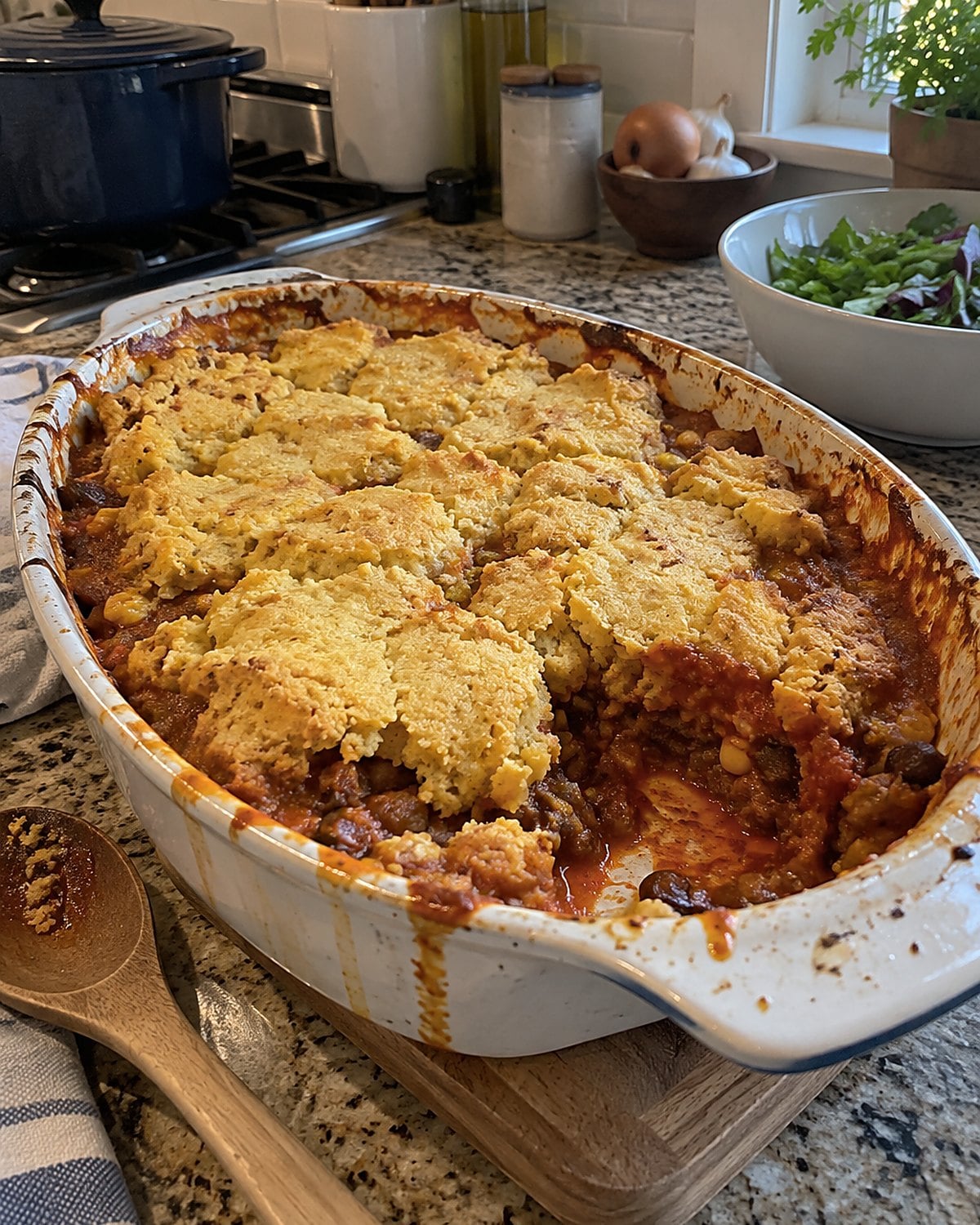
The cornmeal lid was supposed to meet a saucy beef filling, not sit on it like a paving stone. In tamale pie, thickness decides whether the dish eats well.
Keep the filling loose enough to bubble at the edges. Cook the cornmeal topping until it spreads, then spoon it over rather than pressing it down. Steam from the filling finishes the underside while the oven browns the top.
Take a bite that includes both layers. If the topping tastes flat, it needs salt. If the bottom tastes dull, give the chili powder time in the skillet with the meat before adding tomato. Contact with the fat brings its flavor through the filling.
When you lift a spoonful, the cornmeal should yield to the sauce rather than separate as a thick slab. This casserole tells you what went wrong with the first forkful. The fix happens before the pan enters the oven.
#15 Broccoli Rice Casserole From the Freezer Drawer
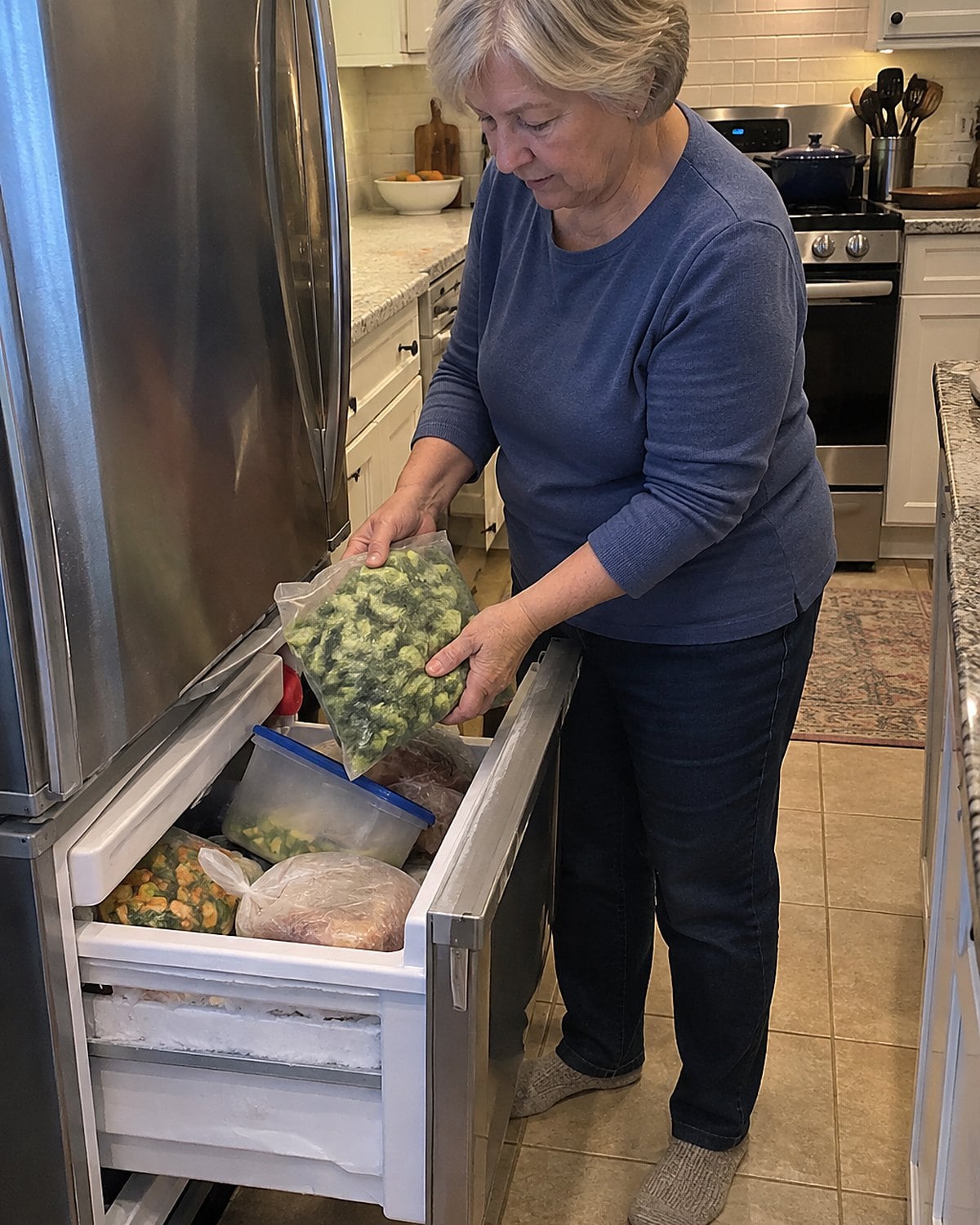
There was a bag of broccoli in the freezer drawer and cooked rice waiting in the fridge. That combination once became dinner with very little discussion. The danger was water, not effort.
Thaw the broccoli and press out the excess moisture. Break up cold rice before mixing it with the sauce so no hard lumps hide in the center. Then taste the mixture. Rice dulls seasoning as it spreads through a dish, and broccoli brings very little salt of its own.
If you’re using leftover cooked rice, follow the USDA’s leftovers guidance: refrigerate it promptly and reheat the casserole until the center reaches 165°F. Slide a thermometer into the middle, away from the hot edge of the pan. The browned cheese on top won’t tell you what happened underneath.
That freezer bag was useful because it was there. The dinner still deserves a good bite: broccoli with some firmness left, separate grains of rice, and enough sauce to hold them together.
#14 Hamburger Noodle Bake’s Crunchy Cornflake Top
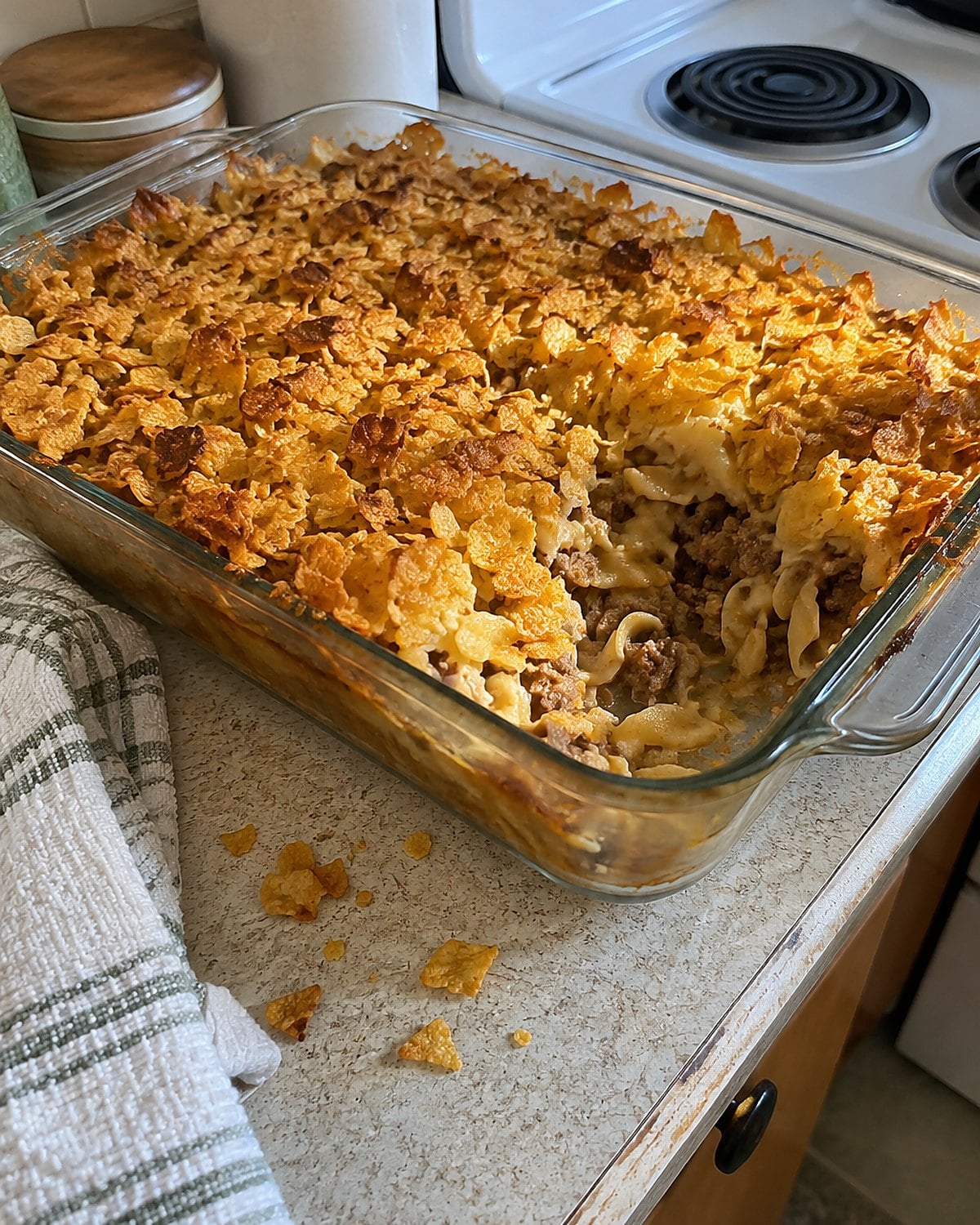
Cornflakes on dinner sounded peculiar until you tried the first bite. Their light, crisp flakes gave hamburger noodle bake a top that breadcrumbs couldn’t quite copy.
Crush them with your hands, leaving some larger pieces. Dust-fine cereal sinks into the sauce and loses its crunch. Add the topping late enough that it browns without scorching.
Underneath, the noodles should still have a little resistance before baking; they’ll soften further in the sauce. Look for a coating on every noodle before the cornflakes go on. Dry patches under a crisp top stay dry.
If the casserole tastes sweet, check the tomato sauce before blaming the cereal. A sharper tomato flavor, helped by a small splash of vinegar, balances the rich beef and creamy middle. Taste the filling first. After the flakes go on, you’re judging through a crunchy roof.
Keep the serving spoon shallow when you lift the first portion. That way you get flakes and noodles together, which is the entire reason this unlikely topping survived in your recipe box.
#13 Beef Stroganoff Bake and the Sour Cream
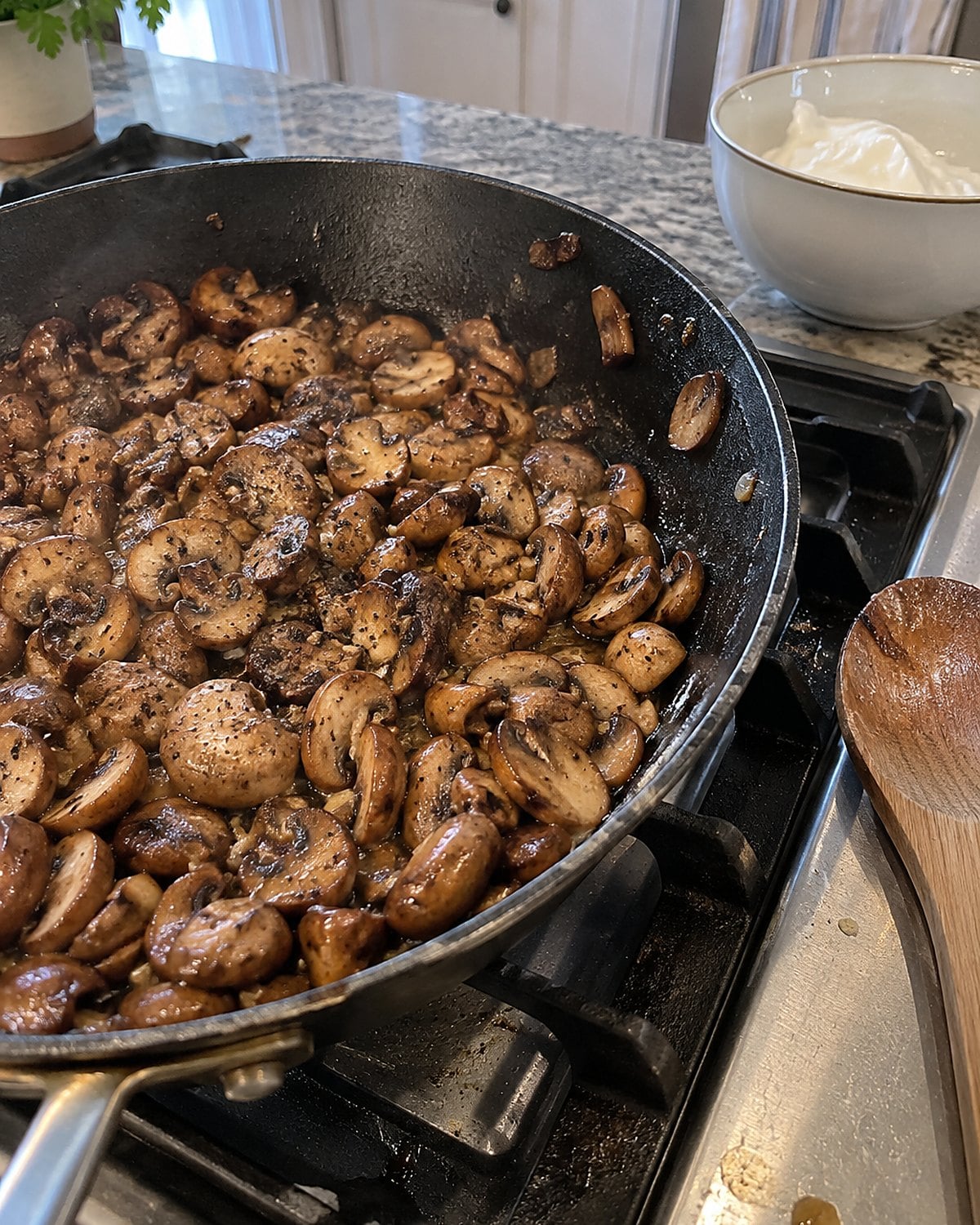
Stroganoff didn’t always stay in a skillet. Some kitchens folded the beef and mushrooms into noodles, put the whole thing in a baking dish, and called dinner done.
Sour cream makes that sauce taste like stroganoff. It also looks grainy when it boils hard. Cook the beef and mushrooms first, build the sauce, and let the heat settle before stirring in sour cream.
If you’re baking the dish, keep it covered until hot rather than chasing a dark, bubbling surface. Mushrooms deserve room in the skillet. Crowd them, and they give off liquid faster than it evaporates.
Spread them out and wait for brown patches before moving on. Taste for tang at the end. If the sauce tastes heavy, another spoonful of sour cream does more than another spoonful of butter.
The baked version has less glossy drama than one served straight from a pan. It holds supper together when people come through the door at different times. The USDA’s leftovers guidance settles the reheating question; a creamy-looking surface alone won’t tell you the center is hot.
Try it: Instant Pot Ground Beef Stroganoff
#12 Shepherd’s Pie Under Mashed Potatoes
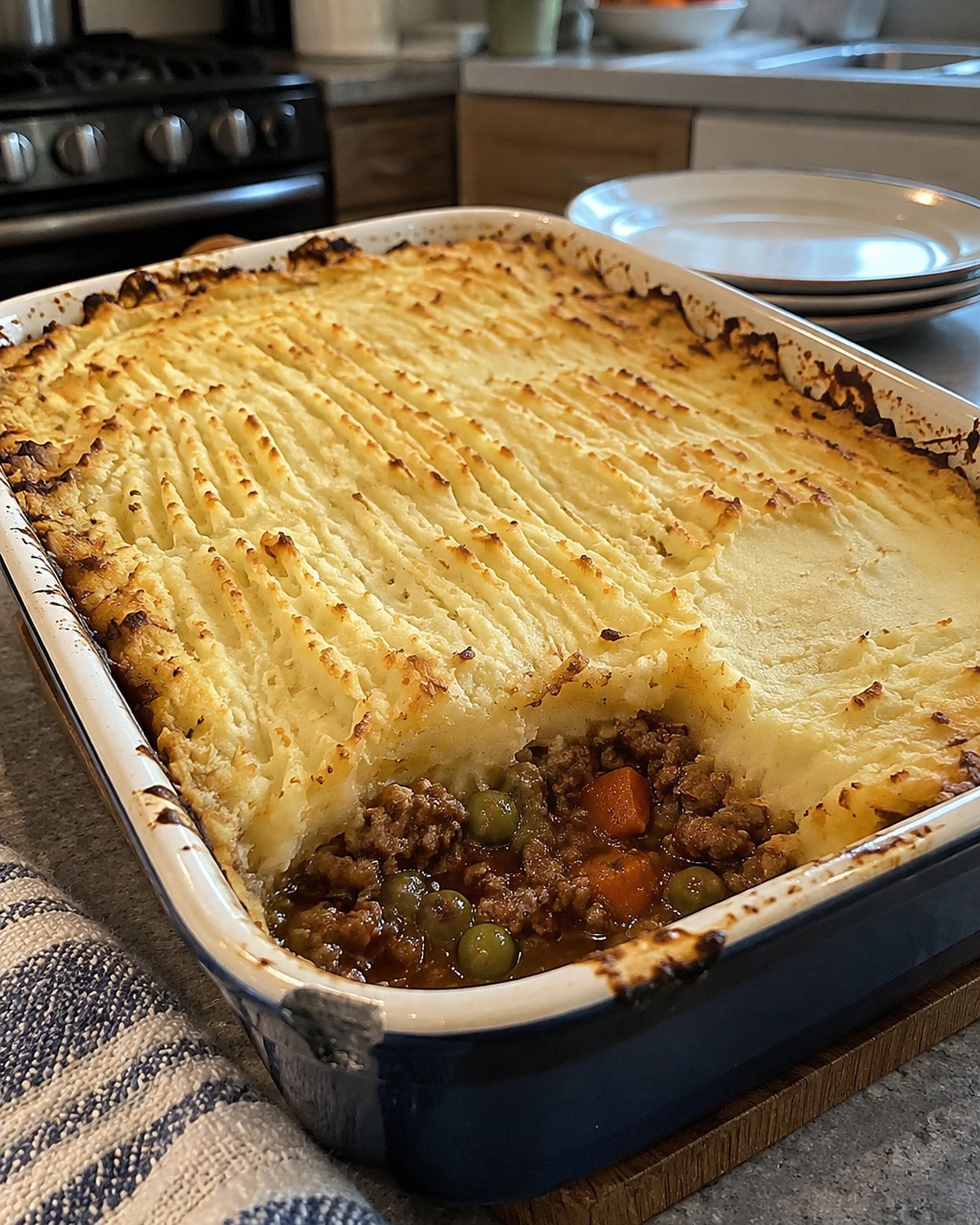
Potatoes sliding off the meat have a straightforward cause: the filling was too wet.
Cook the meat and vegetables until the gravy clings to a spoon. Let the filling cool a little before spreading mashed potatoes over it. Start around the edges, pressing potatoes against the dish, then cover the center. Drag a fork across the top for ridges that brown.
A note from the old recipe cards: shepherd’s pie traditionally uses lamb. Beef makes cottage pie. Call yours what your household has always called it; the knife and fork don’t care.
What matters at serving time is a spoonful that holds both layers. If gravy races across your plate, reduce the filling longer next time. Those fork ridges are worth making, but they can’t hold back a flood underneath.
Try it: Instant Pot Shepherd's Pie (or Cottage Pie)
#11 Baked Macaroni Beneath Buttered Crumbs
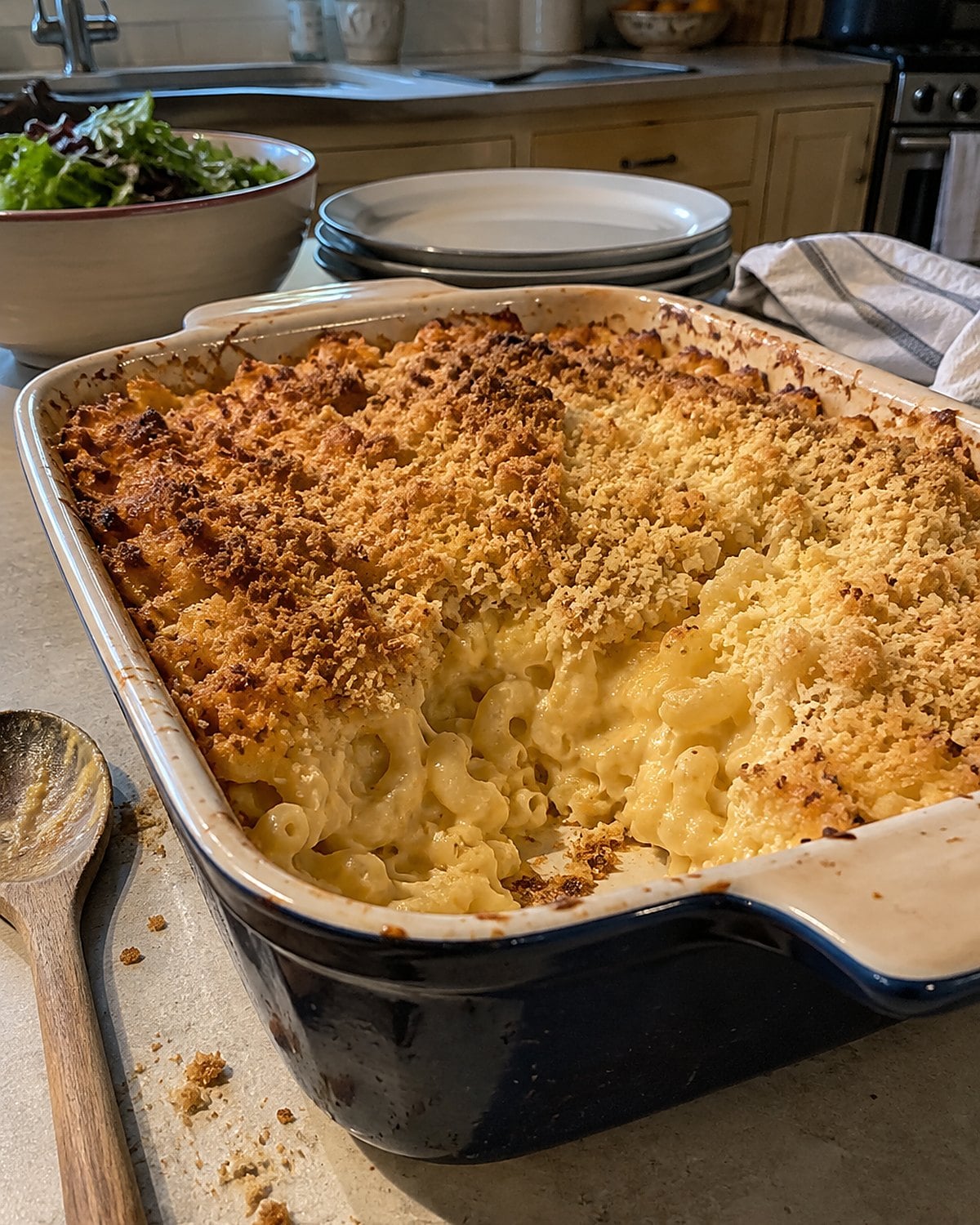
The spoon broke through crumbs and found macaroni that had gone dry at the edges. You remembered the top; the pasta underneath needed help.
Cook the macaroni short of tender. Keep the cheese sauce loose enough to flow between the shapes.
Cheese tightens as it cools. Pasta absorbs liquid while it bakes. A sauce that looks finished in the saucepan leaves little for the oven to work with. When you stir the pasta in, there should still be sauce visible between the elbows.
Rub breadcrumbs with melted butter before scattering them across the dish. Dry crumbs stay pale and dusty. Buttered ones brown in uneven little peaks, the part people pick at while dinner is being served.
Taste the sauce with a piece of macaroni, not by itself. Plain pasta changes the balance. If that bite tastes right before baking, the dish has a fighting chance after it comes out. The crumb top is worth keeping; it just shouldn’t cost you the creamy middle.
Try it: Easy Instant Pot Macaroni & Cheese (Step-By-Step Recipe)
#10 Chicken and Rice Under Foil
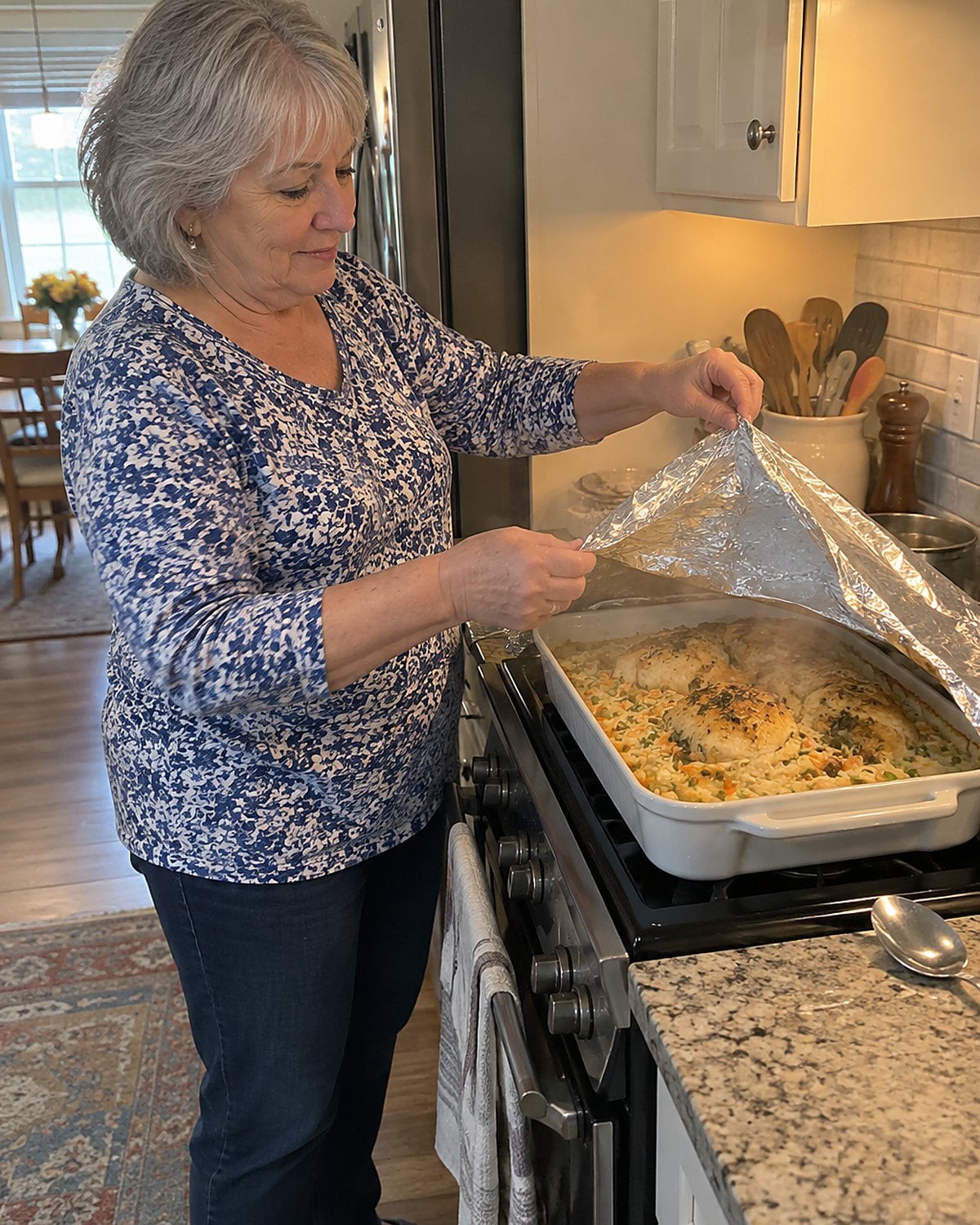
The foil came off, the chicken looked done, and the rice under it still had a hard center. Chicken and rice casserole was a household staple, but the grains needed more attention than the chicken.
Rice needs enough liquid and a tight cover to cook in the oven. Leave a corner of foil loose, and steam escapes. Use the rice called for in your recipe rather than swapping in another kind without changing the liquid and timing.
Instant rice and regular long-grain rice behave differently. Check the rice near the center of the dish, not at the wetter edge. If it’s firm, put the foil back on and give it more time.
For chicken, the USDA Food Safety and Inspection Service’s safe temperature is 165°F in the thickest part. Keep the thermometer away from bone. A tender grain and a safe piece of chicken are separate checks, even when they share the same pan.
Try it: Instant Pot Chicken Broccoli & Rice Casserole
#9 Baked Ziti With the Bare Corners
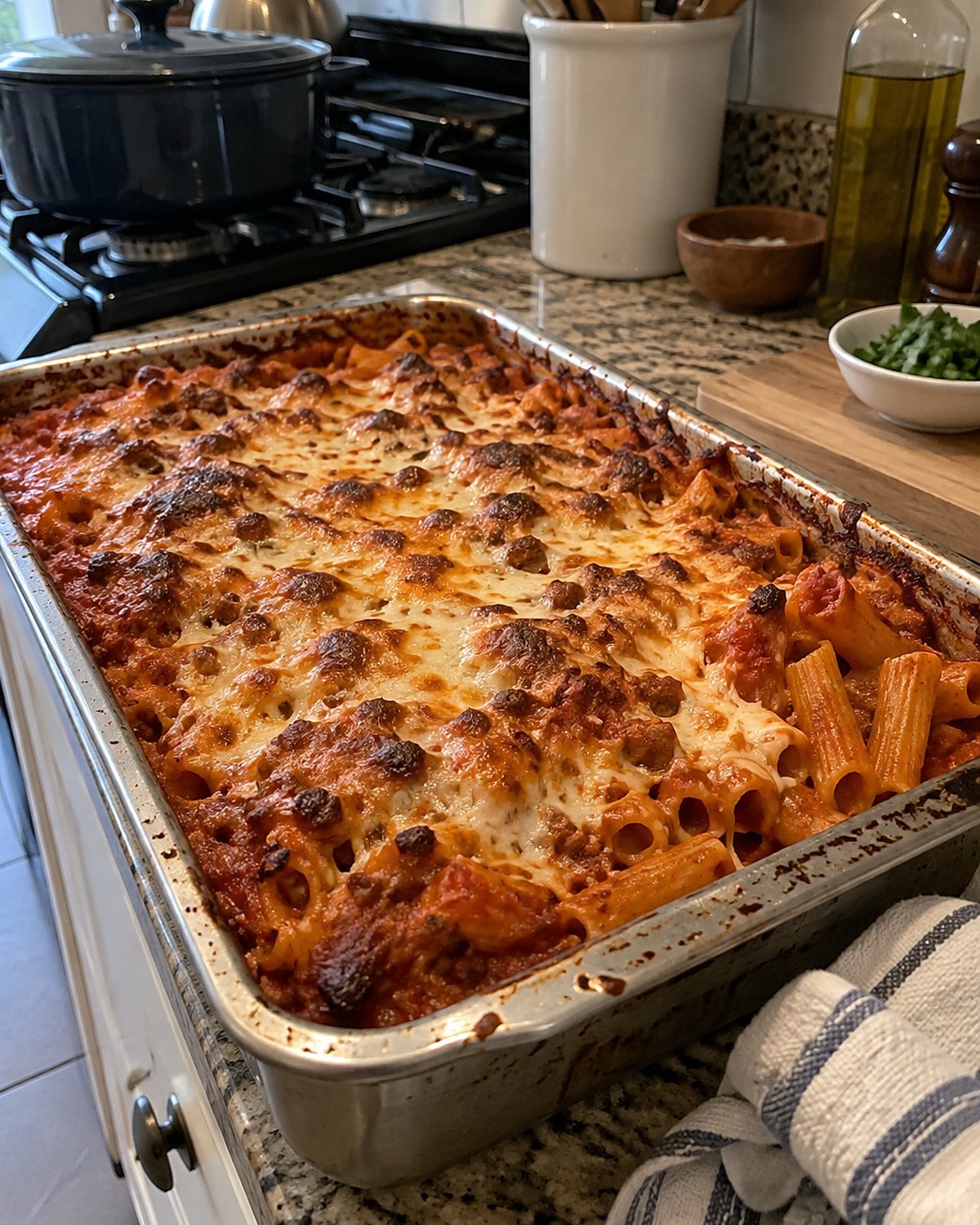
The corner pieces told on the cook. Their pasta ends stuck above the sauce and baked into hard little hooks, while the center stayed soft.
Baked ziti needs more sauce than a plate of freshly tossed pasta. Coat the cooked noodles, then look across your pan before adding cheese. If bare pasta points upward, push it down or spoon sauce over it.
Save some sauce for the bottom of the dish so the first layer doesn’t stick. Use ricotta in small spoonfuls rather than one thick blanket. Pockets of cheese warm through; a solid layer separates the pasta from its sauce.
Finish with mozzarella where it will brown, not where it will disappear. Before the dish goes in, taste a sauced noodle.
You’ll know whether the tomato needs salt or whether a little sharpness is missing. The oven concentrates what’s already there. It won’t season the corners for you.
#8 King Ranch Chicken Beneath Corn Tortillas
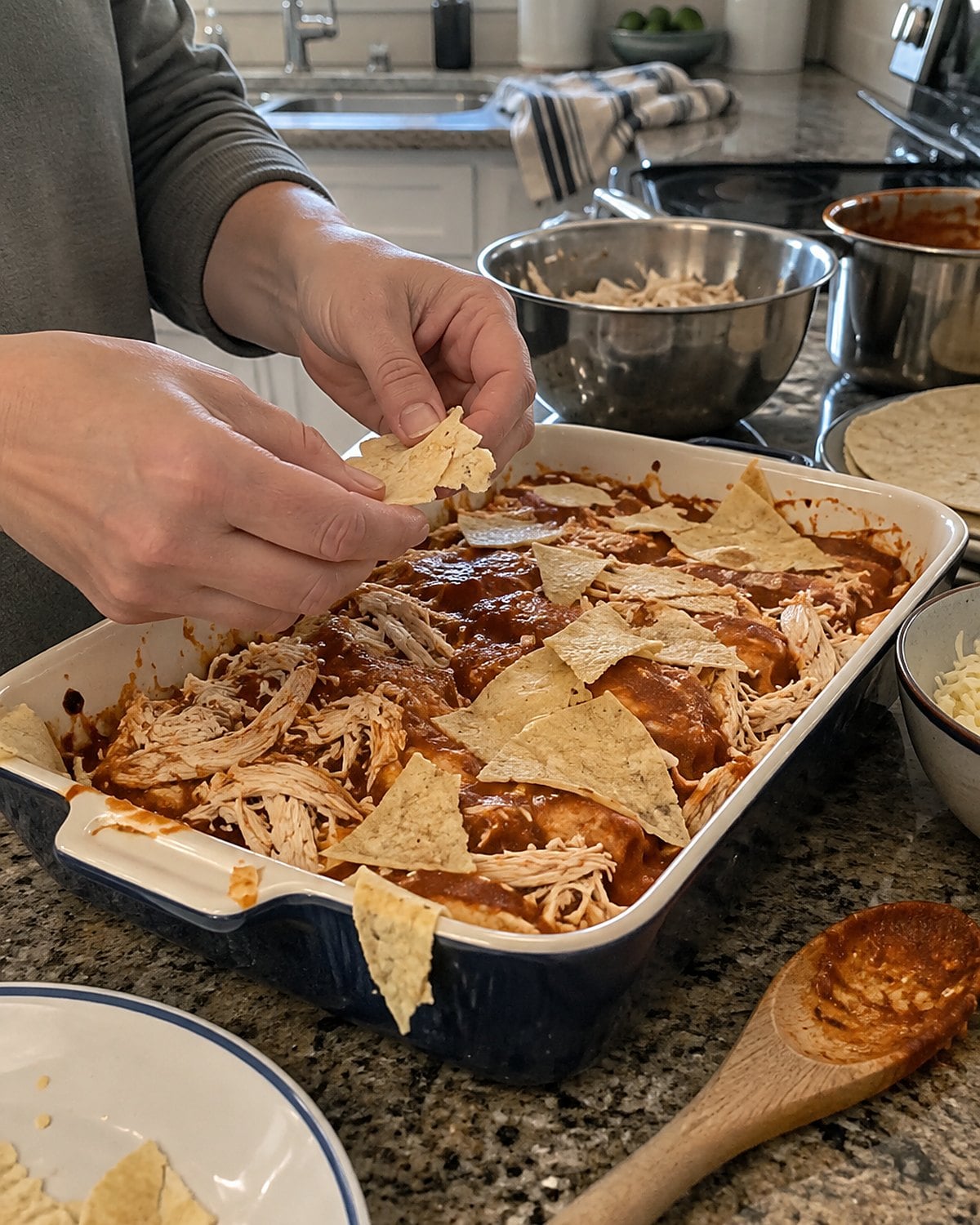
King Ranch chicken came to the table in layers. Tortillas, chicken, sauce, then the same again, until the serving spoon pulled up a piece of each. The dish was generous enough for a crowd and unruly enough to spill over the edge.
Corn tortillas do a particular job here. They absorb some sauce but keep a faint corn flavor. Flour tortillas turn soft and gummy in the same layers.
Tear the corn tortillas into pieces that fit the dish. Don’t pack them so tightly that sauce has nowhere to travel. A dry patch in the middle won’t improve in the oven.
Taste the sauce before building the dish. Once it’s layered, fixing a bland middle is hard. A little chile warmth should come through the creamy sauce without hiding the chicken.
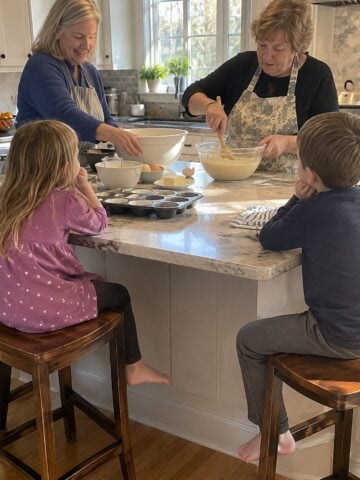
When the grandchildren arrive, put a spoon beside the baking dish. Neat squares were never the point. Getting a bit of every layer was.
#7 Hot Dog Casserole’s Sliced Frankfurters
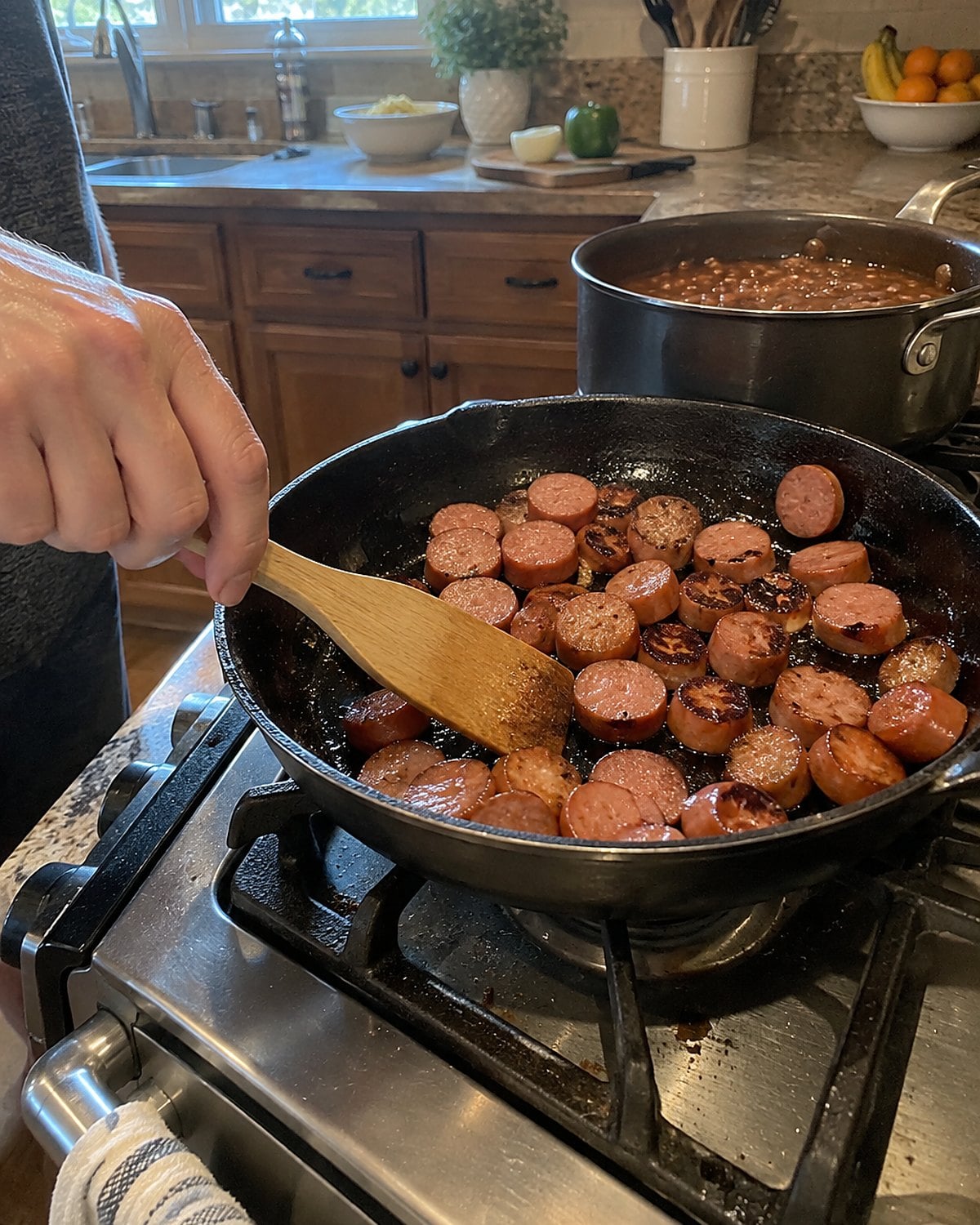
Hot dog casserole belonged to a certain kind of weeknight: a package in the fridge, a pot of beans or noodles, and dinner that didn’t ask for ceremony.
The sliced frankfurters matter because each piece gets hot and picks up sauce. Cut them into coins rather than laying whole hot dogs across the pan. Brown the coins in a skillet first if you want crisp edges; straight from the package, they’ll stay soft in the casserole.
Taste the base before adding them. Hot dogs carry salt, so a well-salted sauce at that stage ends up too salty on the plate. A spoonful of mustard beside baked beans gives the old sweet-and-savory version some needed bite.
You don’t have to bring this dish back. But if it fed your house once, it deserves an honest account of why.
#6 Sweet Potato Casserole’s Marshmallow Blanket
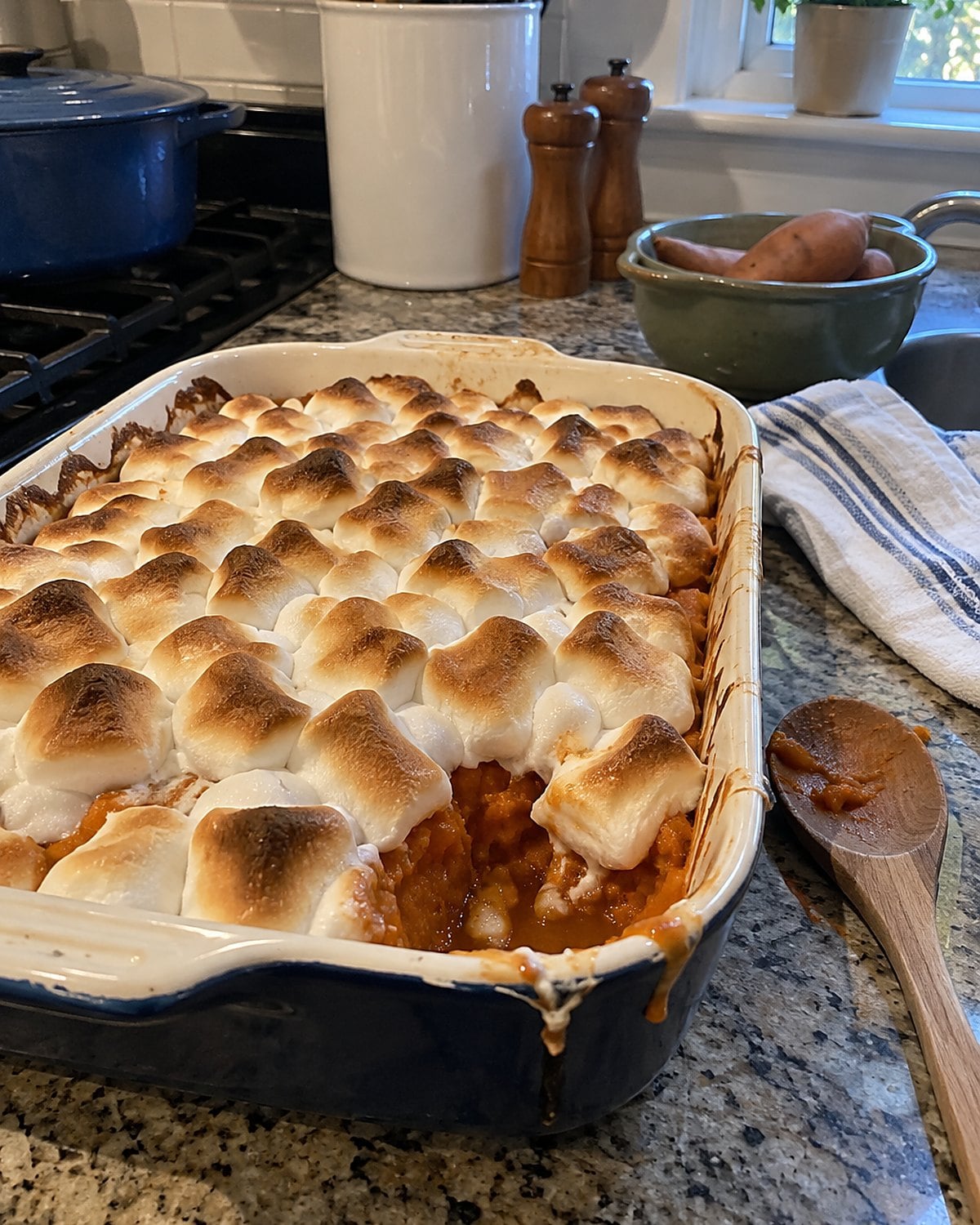
There was a time when a vegetable arrived under a white blanket that puffed and browned in the oven. Sweet potato casserole still appears at holidays, but the everyday version slipped away with the big family meal.
The marshmallows weren’t the whole problem. Sweet potatoes already taste sweet, and extra sugar underneath leaves little contrast. Mash them with salt and butter first. Taste before deciding what else belongs there.
If you want marshmallows, add them late, when the potatoes are hot, and watch until their tops color. For a less sweet finish, chopped pecans give the same top layer a different kind of crunch. Put them on just before baking so they stay above the wet mixture.
Serve a small spoonful beside something savory. Then notice whether anyone reaches back for another. That tells you more about the dish than the old argument over marshmallows ever did.
#5 Spinach Casserole and the Squeezed Towel
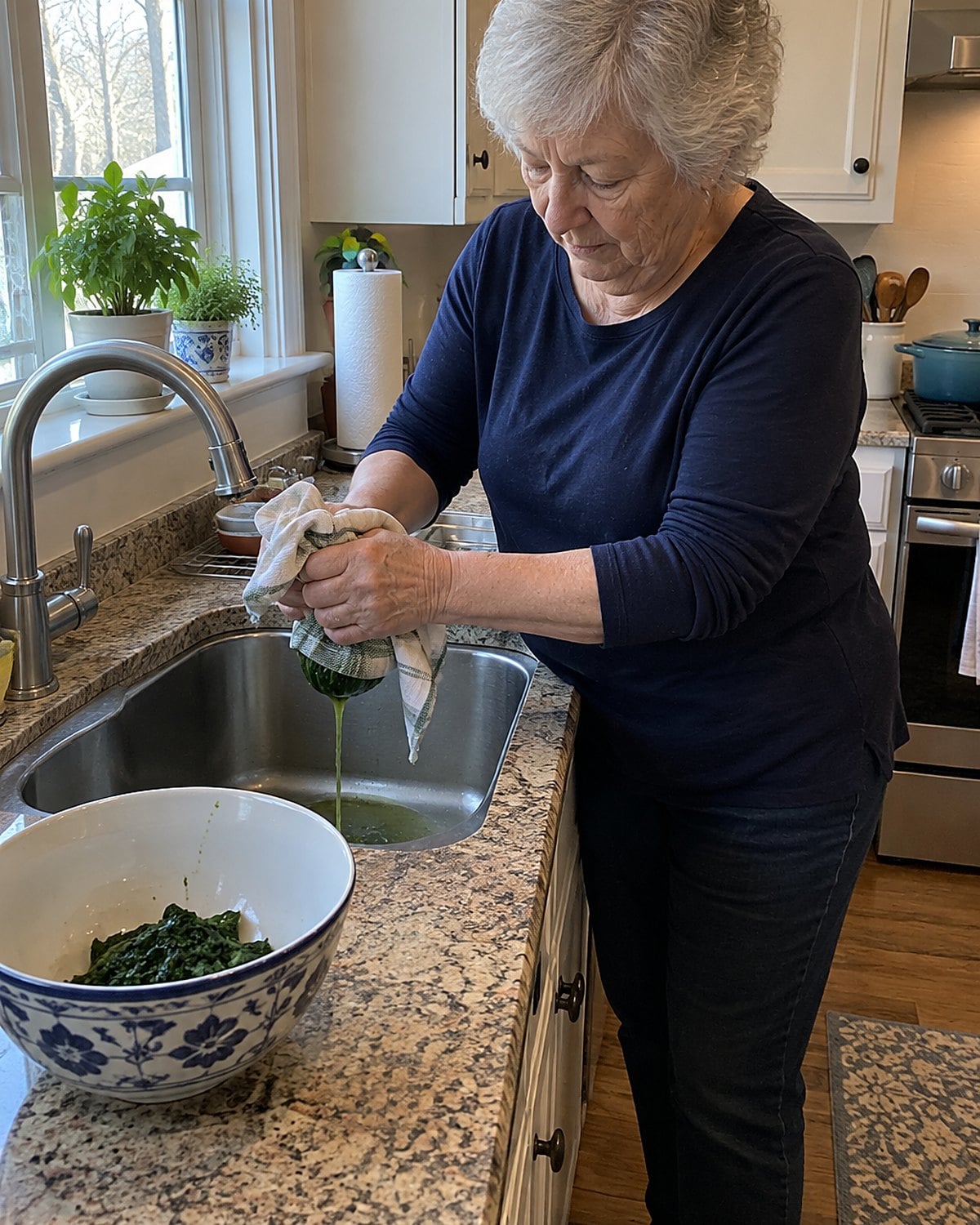
Frozen spinach carries a remarkable amount of water into a casserole. Thaw it, wrap it in a clean towel, and squeeze over the sink.
Keep going until drops slow to a stop. Your sauce will stay where you put it.
The towel test explains why the old spinach casserole split into a green layer and a pale layer. Warm cream sauce couldn’t hold all that extra liquid. Squeezed spinach mixes in evenly and leaves the cheese tasting like cheese.
Loosen the spinach with a fork before folding it into the sauce. A tight green lump stays a lump in the oven. Taste the mixture for salt and a little acidity; a squeeze of lemon cuts through the richness.
That stained towel is a nuisance. It’s also the quickest way to find out what your frozen spinach was about to do to dinner.
#4 Mock Lasagna in the Church Cookbook
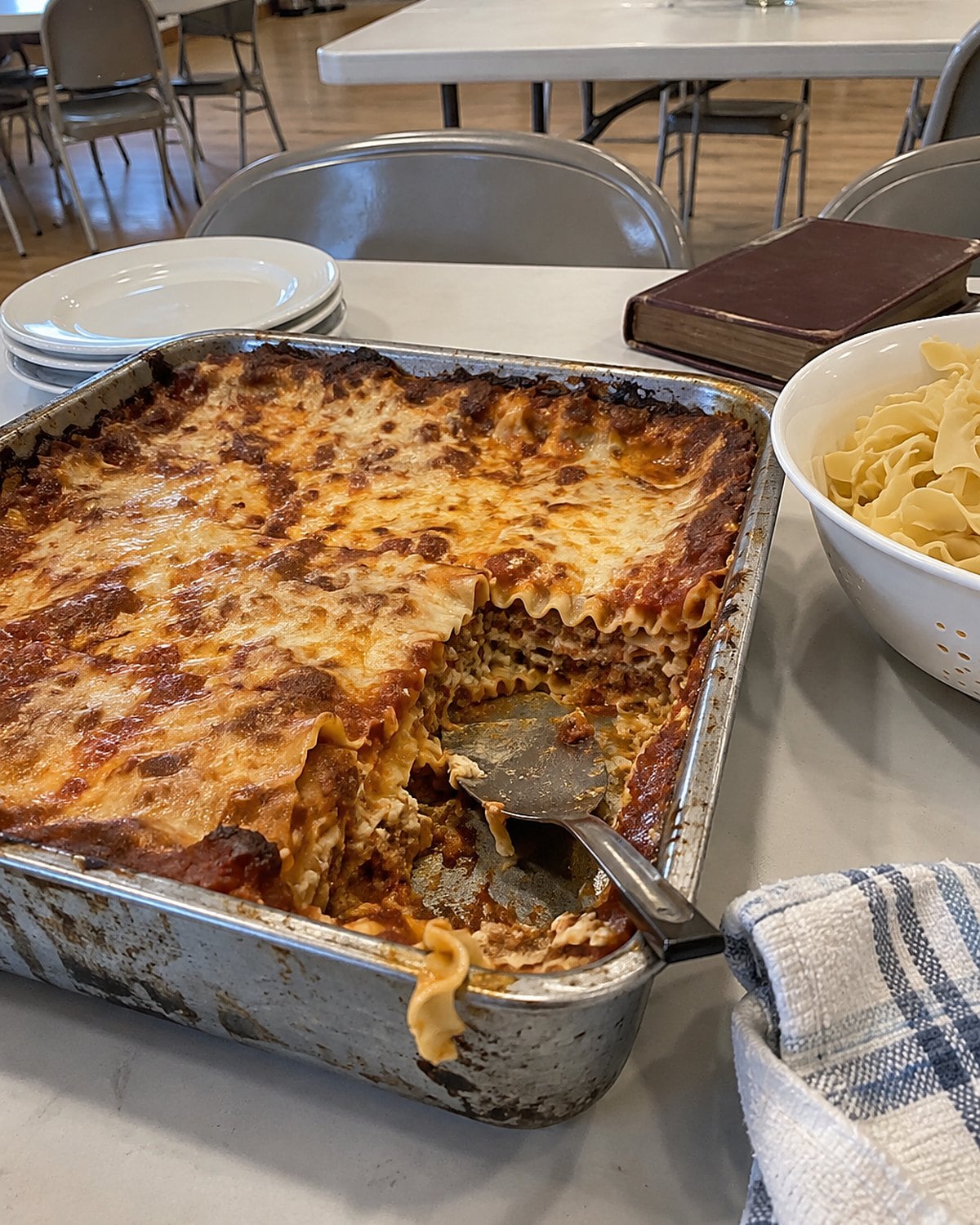
The church cookbook’s broken spine fell open near a mock lasagna: egg noodles, meat sauce, cottage cheese. Nobody had to hunt down wide pasta sheets, and the pan traveled well.
Cottage cheese made sense in that dish. Its curds held pockets of moisture between the noodles. Drain off excess liquid before using it, though, or the first slice will leave a puddle.
Brown the meat and simmer its sauce until it coats a spoon. Thin sauce has another chance to leak between the layers. Egg noodles cook fast; stop while they still have some firmness, then let the oven finish them.
When the pan comes out, give it a rest before cutting. Hot sauce runs; rested sauce holds the serving together.
The title promised a stand-in for lasagna, but that undersells it. If your old cookbook opens to a stained page, read the notes in the margin. Somebody there already learned which pan worked.
#3 Tomato Soup Casserole’s Red Sauce
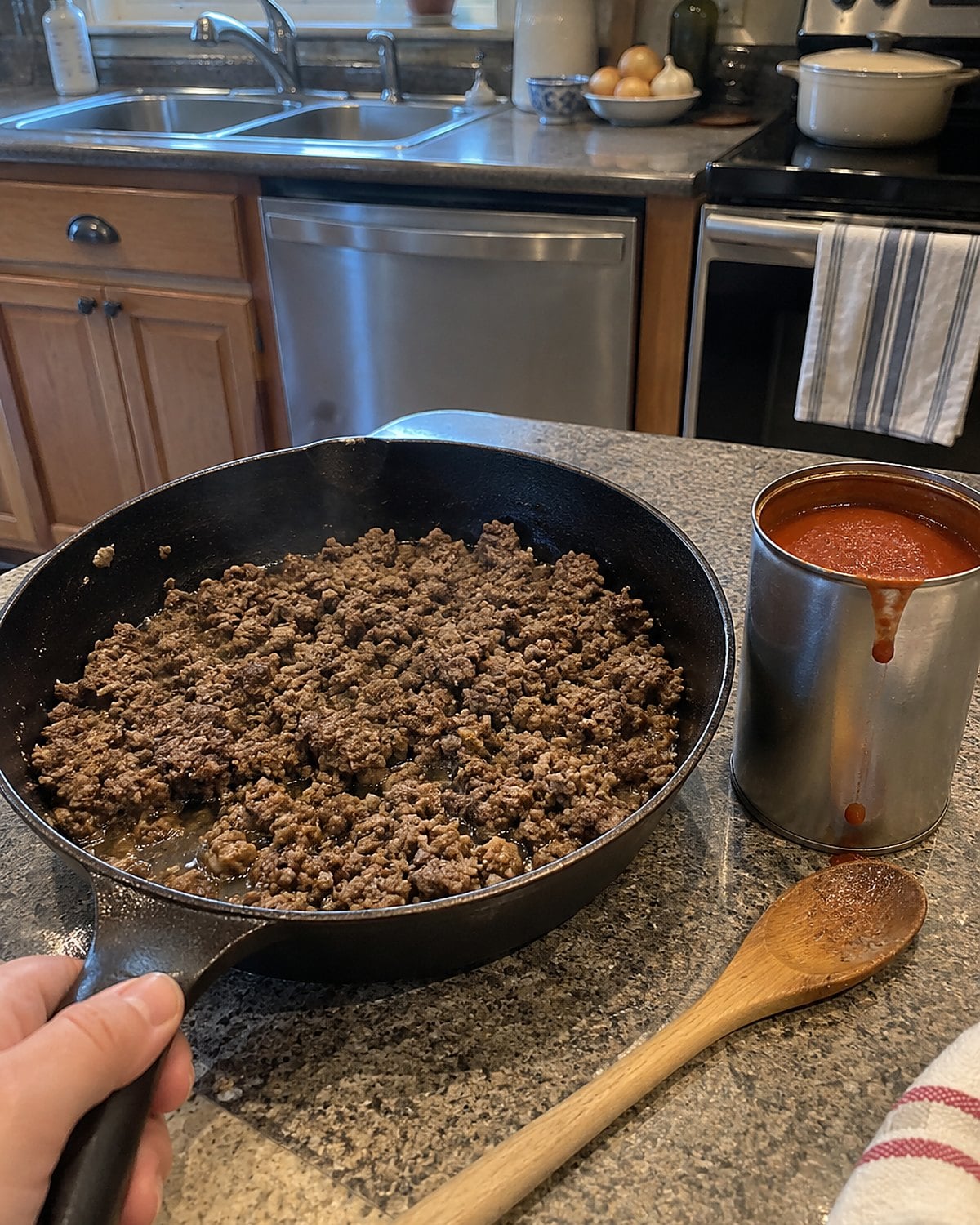
A can of condensed tomato soup once stood in for a sauce. Mixed into beef, rice, or noodles, it gave a casserole its red color and a flavor you’d recognize across the room.
Heat it with the browned meat before the mixture goes into the baking dish. That lets you taste what the soup is doing.
If the sauce is too sweet, a small splash of vinegar sharpens it. If it’s too thick to coat the starch, loosen it with a little water or broth. Add either by the spoonful; you’re adjusting the coating, not making soup again.
Don’t pour it over an assembled dish and hope it finds the bottom. Mix it through, then scrape a spoon along the pan. You want a light coating on each bite.
The can in the pantry was a shortcut, and shortcuts have earned their place in real kitchens. This one works better when you treat it as a sauce you’re allowed to adjust.
#2 Leftover Casserole in a Shallow Container
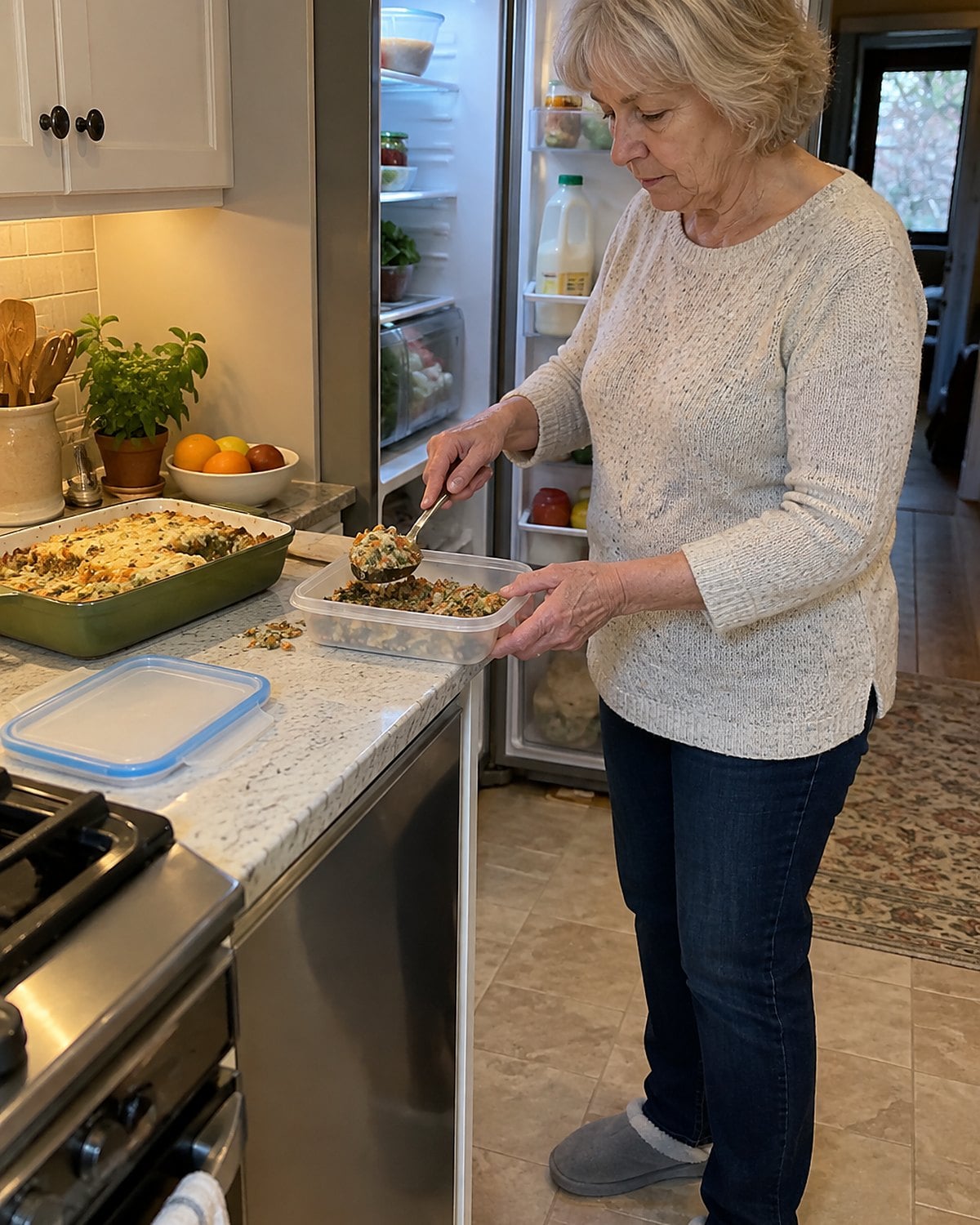
The old baking dish went back into the oven the next evening, and its center stayed cold after the edges were hot. A deep dish heats unevenly. A shallow portion lets you see more of dinner as it warms.
After the first meal, divide leftovers into shallow containers and refrigerate them promptly. Keep the fridge at 40°F or below. The USDA’s cold storage chart gives most cooked leftovers three to four days in the fridge. If you won’t eat them in that time, freeze them.
When reheating, bring leftovers to 165°F. Put the thermometer into the thickest part, especially if the top is bubbling and the middle looks dense. The USDA Food Safety and Inspection Service has its full leftovers guidance for a question at the fridge door.
A smaller container also changes what you see. Yesterday’s casserole stops looking like a pan of obligation and starts looking like tomorrow’s lunch.
Try it: How To Reheat Leftovers In Instant Pot (From Fridge & Freezer)
#1 The Unbaked Portion for Another Night
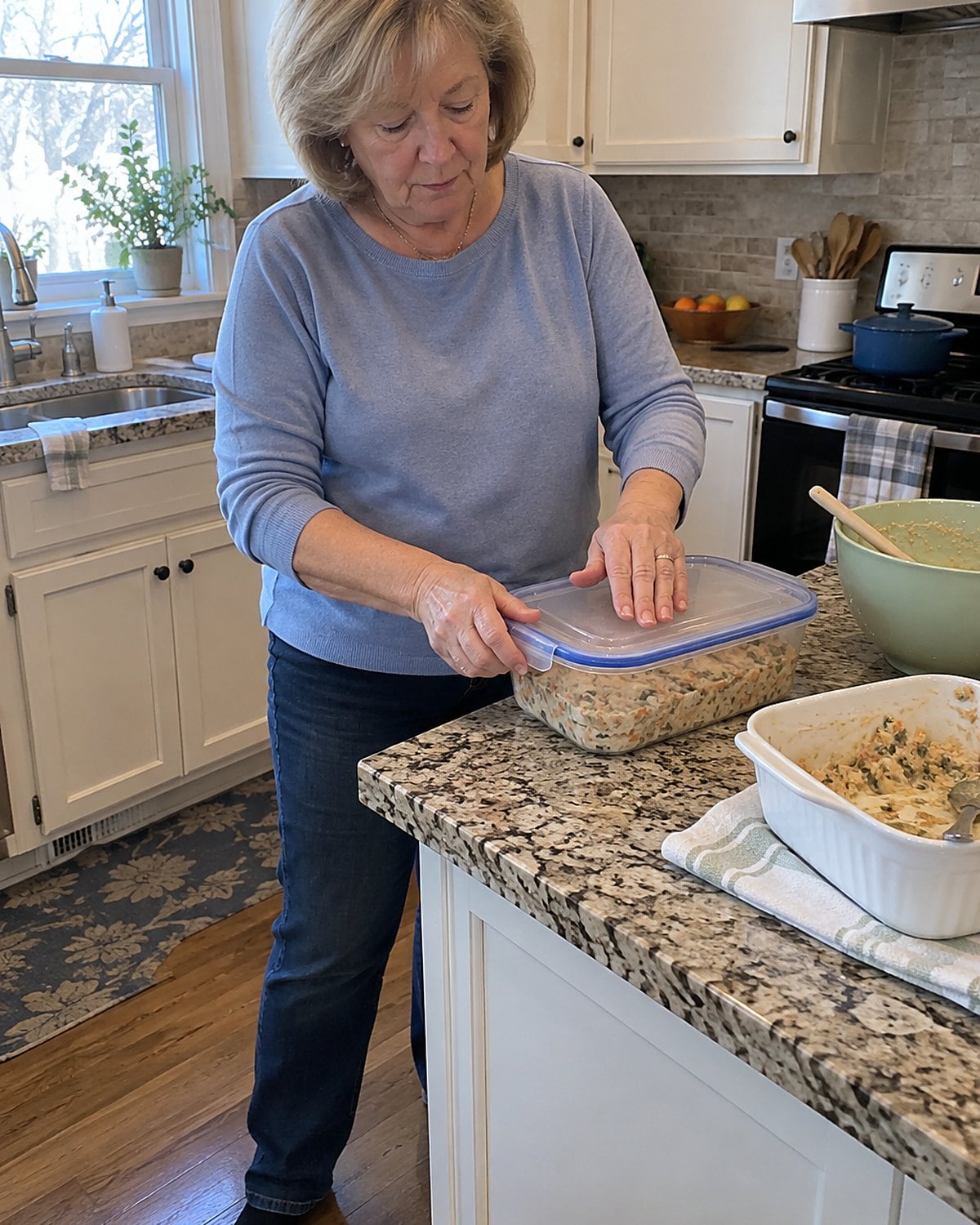
Here’s the old casserole habit worth keeping: make the dish once, but don’t ask your table to eat it all week. Set aside an unbaked portion for another night before the crunchy topping goes on.
This works best with a casserole whose meat, noodles, rice, and vegetables are already cooked. Divide the mixture into tonight’s baking dish and a freezer container. Label the container with the dish and date, then freeze it promptly. Keep the topping separate so it won’t soak up sauce while the filling thaws.
Raw chicken and uncooked rice change the plan. They need their recipe’s liquid and cooking instructions, so don’t divide that kind of casserole and guess. When you cook chicken, check the thickest part for 165°F, the USDA Food Safety and Inspection Service’s safe temperature.
For the saved portion, the USDA’s freezing guidance is the place to settle questions about thawing and reheating. A bubbling edge won’t tell you what’s happening in the middle. Reheat a cooked casserole to 165°F, with the thermometer pushed into its center.
Then add that topping. The spoon breaks through it just as it did on the first night, and you’ve still got a dinner waiting without another round of chopping. Which old recipe would be worth making twice?
The bottom line
Those casseroles worked because somebody knew what was in the pantry, who was coming home, and how much oven space was left. The best parts still hold up: browned edges, a good sauce, and a topping with some crunch.
The well-prepared version of you has already checked the freezer drawer and found a container for the second portion. Which dish in your old cookbook would you make if it only had to feed your table tonight?
Leave a Reply