

The lid lifts with a little pop. Inside is a pale green salad with a spoon mark already through the middle. Beside it sits a casserole dish with masking tape on the handle, its owner’s name written in ballpoint pen. Someone brought a good serving spoon. Someone else borrowed it.
Those church-supper sides had a job beyond filling the plate. They traveled, waited their turn, and fed whoever came through the door. A few deserve a place on your table again, even if the table is smaller now. The trick is remembering what made each one worth carrying.
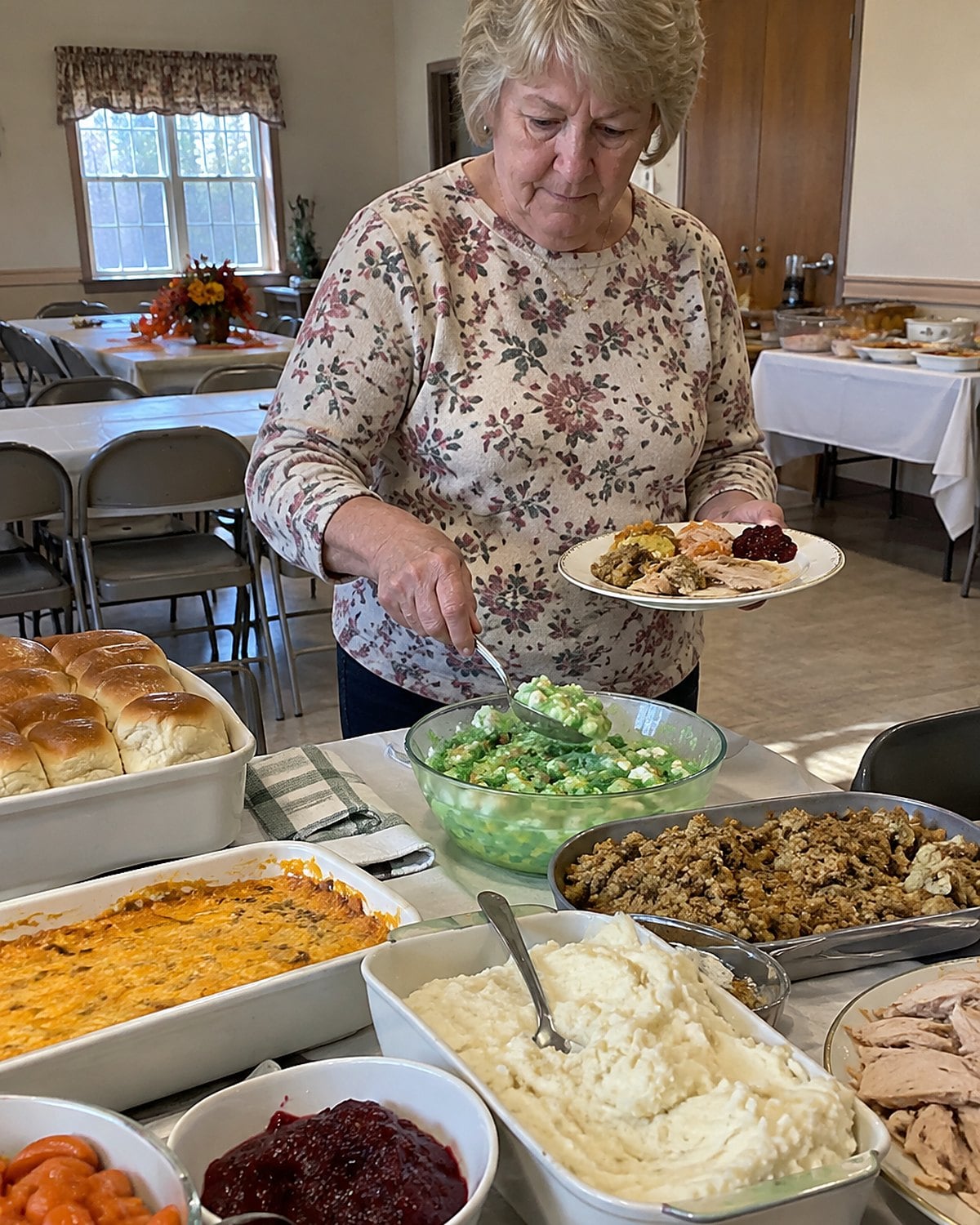
#27 Lime Gelatin Salad With Pineapple

There it is at the end of the folding table: pale green, cold, and holding its shape despite a spoonful missing from one corner. The pineapple pieces are suspended where they landed. Somebody always took a small serving first, then came back for more.
Lime gelatin salad earns its place beside turkey because its sharp sweetness cuts through gravy and buttery dressing. Drain canned pineapple well before folding it in. Juice left in the bowl pools at the bottom and gives you a loose, slippery edge.
There’s a useful bit of kitchen chemistry here. Fresh pineapple contains an enzyme that interferes with gelatin setting. Canned pineapple has been heated during processing, which stops that enzyme from doing its work. If a handwritten card says “pineapple,” check which kind before you start.
Set the finished salad in a shallow dish so the middle chills through, then bring it to the table cold. That familiar green square tastes best when the turkey is hot.
#26 Broccoli Casserole With Buttered Cracker Crumbs
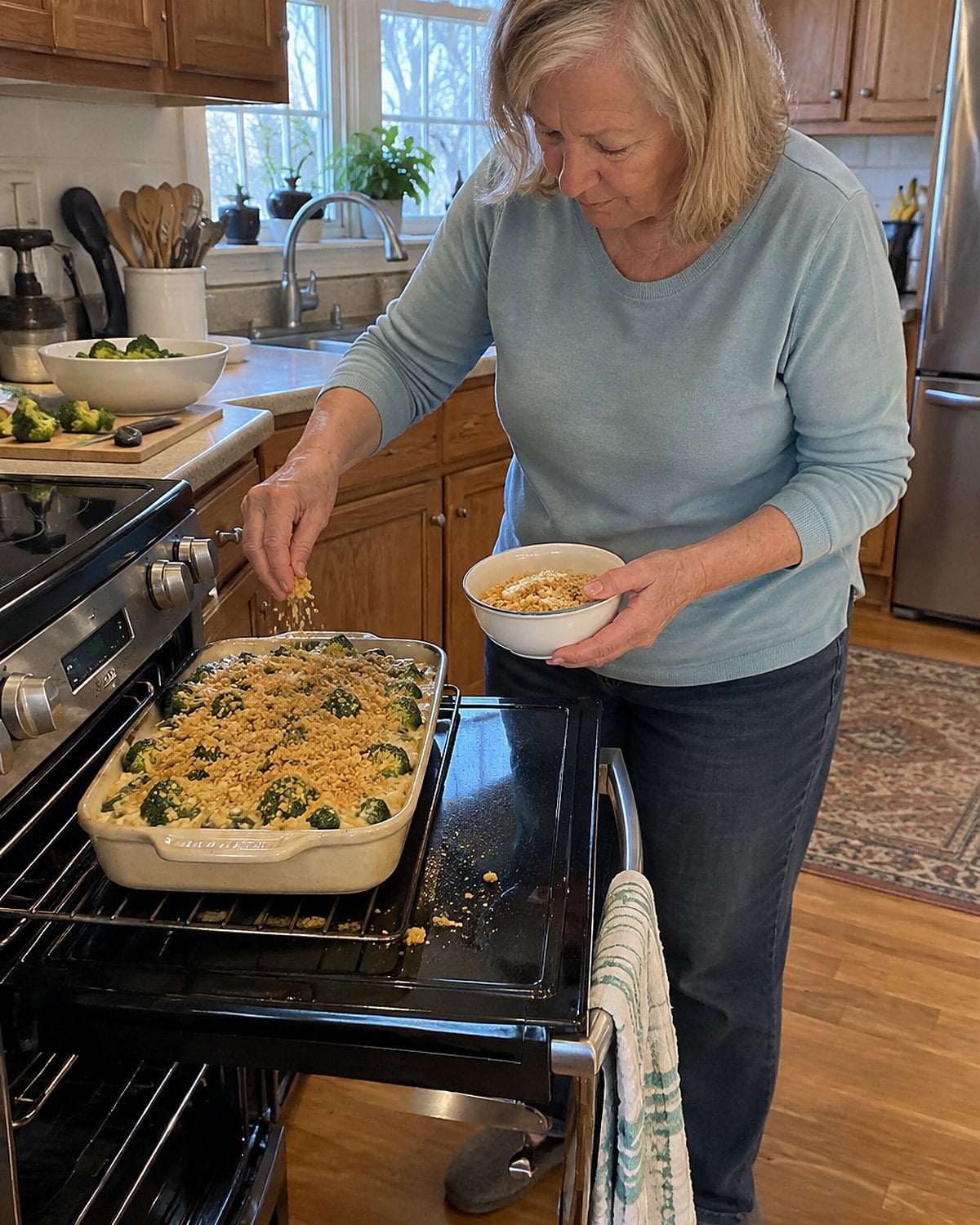
A covered casserole dish looked tidy in the car. At church, the lid came off and revealed a problem: the cracker crumbs had steamed into a damp layer. The broccoli underneath still tasted good, but everyone wanted that buttery crunch.
Keep the topping separate until the casserole goes into the oven. A bag of crushed crackers travels well in the same carrier as the dish. Scatter the crumbs over the top before baking, leaving a few uneven pieces. They brown at different rates and give your spoon something to catch.
Broccoli brings water with it, especially when it comes from the freezer. Thaw it and squeeze it well in a clean towel before it meets the sauce. Otherwise, the bottom of the dish turns thin while the top looks done.
Take a spoonful from the edge before serving. You want tender broccoli, sauce that clings, and crumbs that still crackle.
#25 Cranberry Salad With Chopped Celery
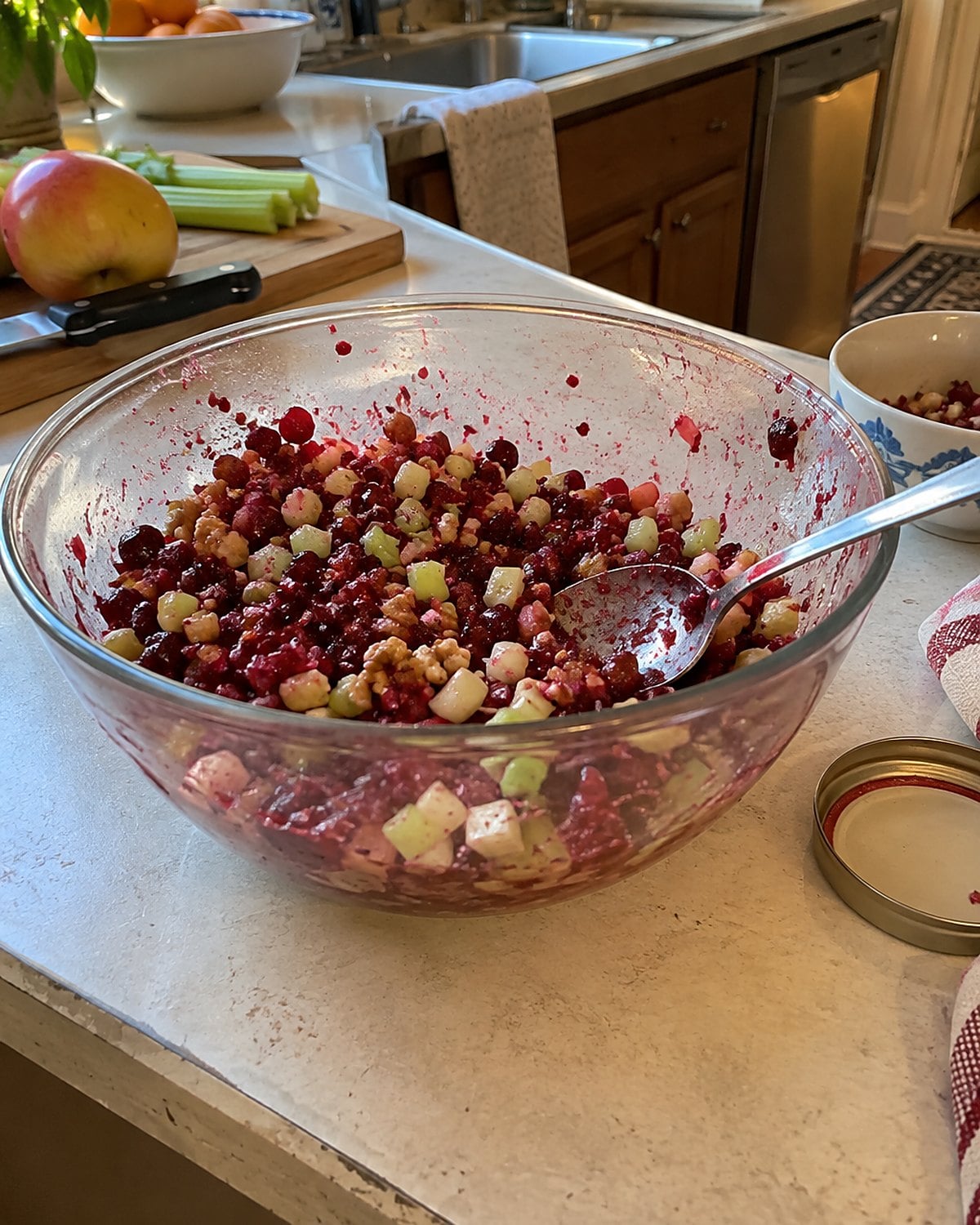
The first bite is startling if you expect cranberry sauce. There’s tart fruit, a little sweetness, and then the clean snap of celery. It makes sense after a forkful of rich dressing.
That celery needs to be chopped small enough to share a spoon with the cranberries. Big pieces feel like someone slipped a relish tray into dessert. Mix the fruit first, then add celery and taste. You’re looking for a bright bite, with no single ingredient taking over.
A glass serving bowl showed off the color at a church supper. At home, your cereal bowl works. This salad has little need for decoration; its job is to wake up the plate.
#24 Oyster Dressing Baked In Its Own Dish
Oyster dressing announces itself before anyone lifts the lid. Briny oysters meet onion, celery, bread, and butter, and the kitchen smells different from the usual Thanksgiving lineup. If it appeared at your church supper, somebody had a loyal following for it.
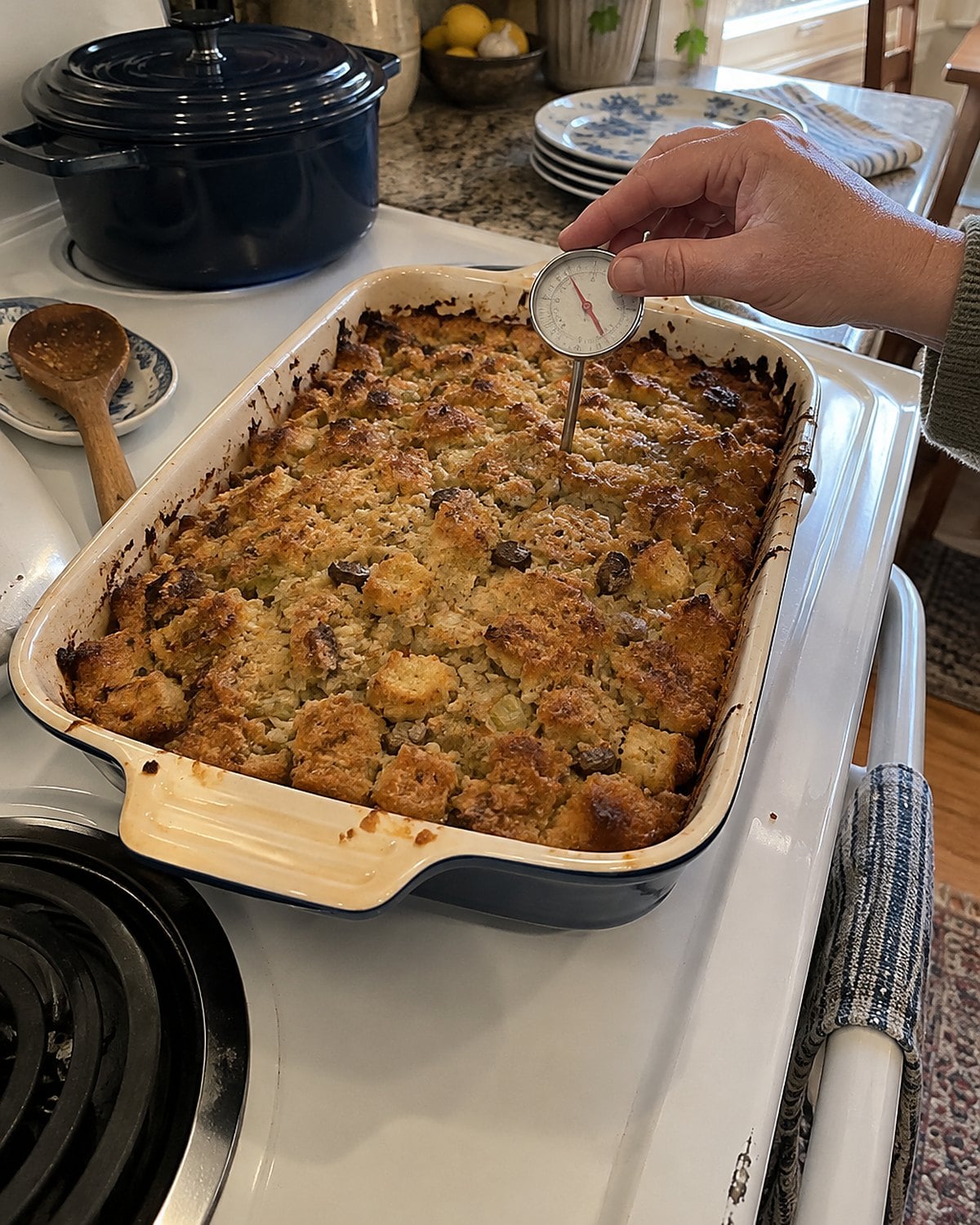
Bake it in its own dish rather than inside the bird. That gives you a top with browned edges and a center you can check.
Fold the oysters in after the hot vegetables meet the bread. Prolonged stirring breaks them into bits, so add liquid gradually. The bread should feel moist when you press a spoon into it, without liquid collecting at the bottom.
Take care with the timing. The USDA Food Safety and Inspection Service says stuffing, including dressing baked separately, should reach 165°F in the center. Push a thermometer into the thickest part, away from the dish, before it goes on the table.
Taste a corner piece once it has rested. You should get the sea first, then the savory bread. If all you taste is salt, the oysters never had room to speak.
#23 Sweet Potato Casserole Beneath Marshmallows
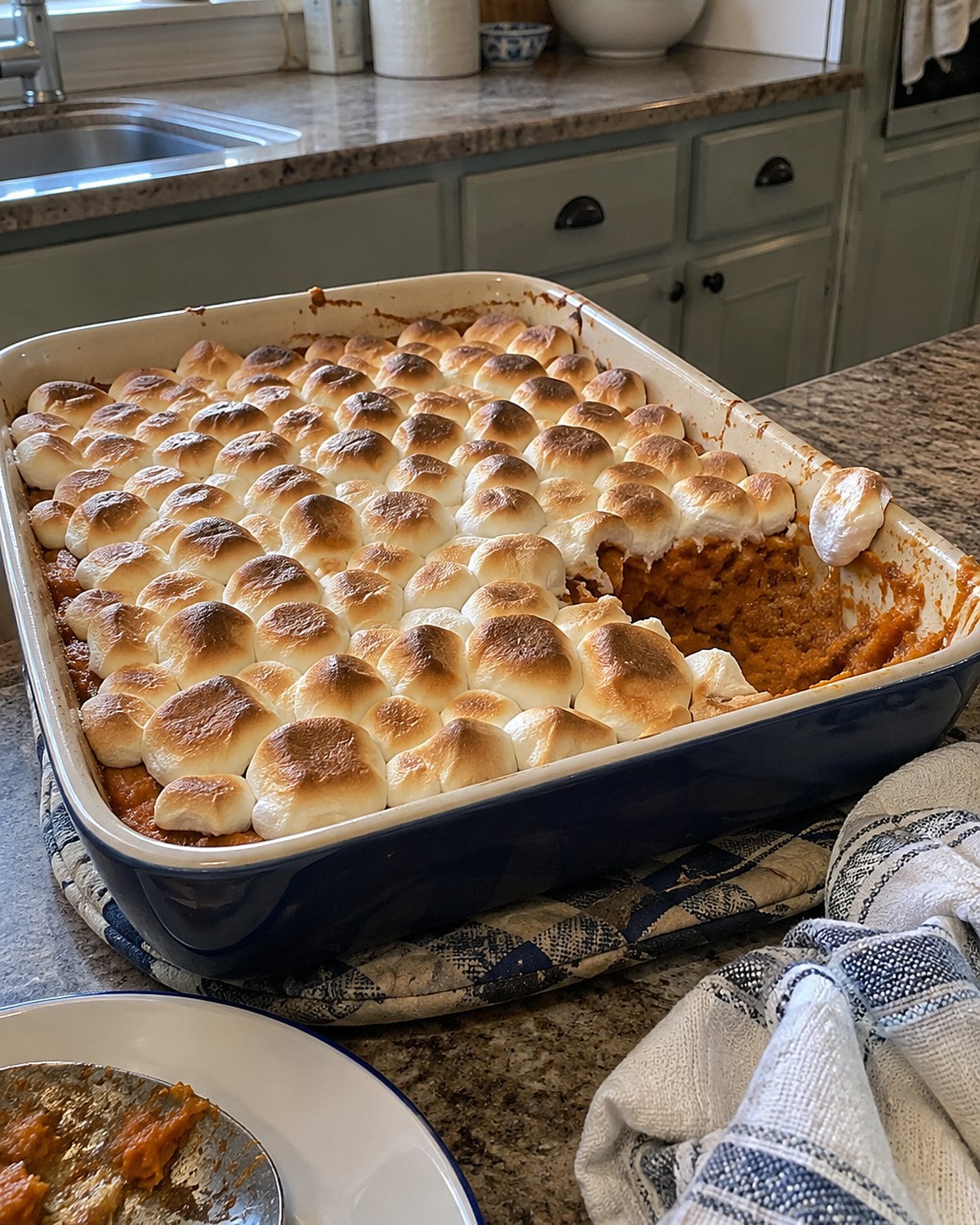
“Do you still make the one with the marshmallows?” That question tells you how firmly a side dish belongs to Thanksgiving. There is no reason to apologize for the answer.
The trouble comes when the topping hides bland potatoes. Taste the mashed sweet potatoes before they go into the baking dish. They should taste good without any marshmallow on the spoon. A pinch of salt sharpens their sweetness; butter gives them body.
Add the marshmallows to the hot casserole near the end of baking. Give them 2 to 4 minutes, watching through the oven window. Their tops turn from pale to brown quickly. Pull the dish when you see toasted patches rather than waiting for every piece to match.
The first spoonful should reach the potatoes, not bring up a cap of sugar alone.
#22 Green Beans With Ham Hock
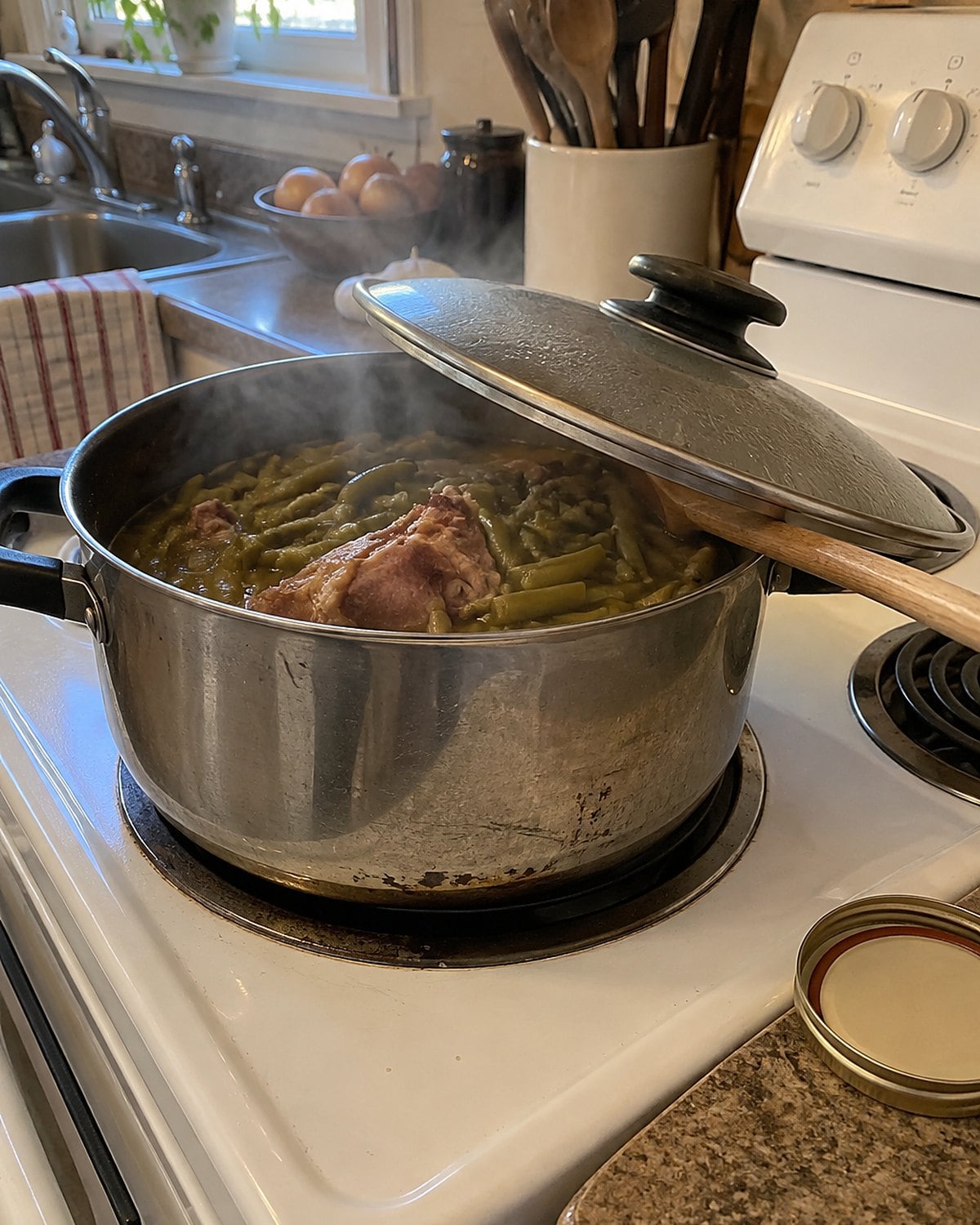
A pot of green beans and ham hock sat at the back of many church kitchens. Someone lifted the lid now and then to check the broth between trips to the serving line. Those beans weren’t trying to stay bright green. They were meant to drink in the smoky pot liquor.
Start the ham hock in water before adding the beans. That head start gives the broth time to pick up flavor. Then add the beans and cook until they bend easily against a spoon. Taste the liquid before reaching for the salt; the hock has already seasoned it.
There’s a sensible supper after the holiday here, too. Spoon the beans and their broth beside leftover turkey, with bread to catch what’s left in the bowl. If your usual green beans are crisp, these will feel like a different dish entirely. Give them the time they ask for.
Try it: Instant Pot Braised Green Beans (Turkish-Style)
#21 Creamed Onions In A Shallow Bowl
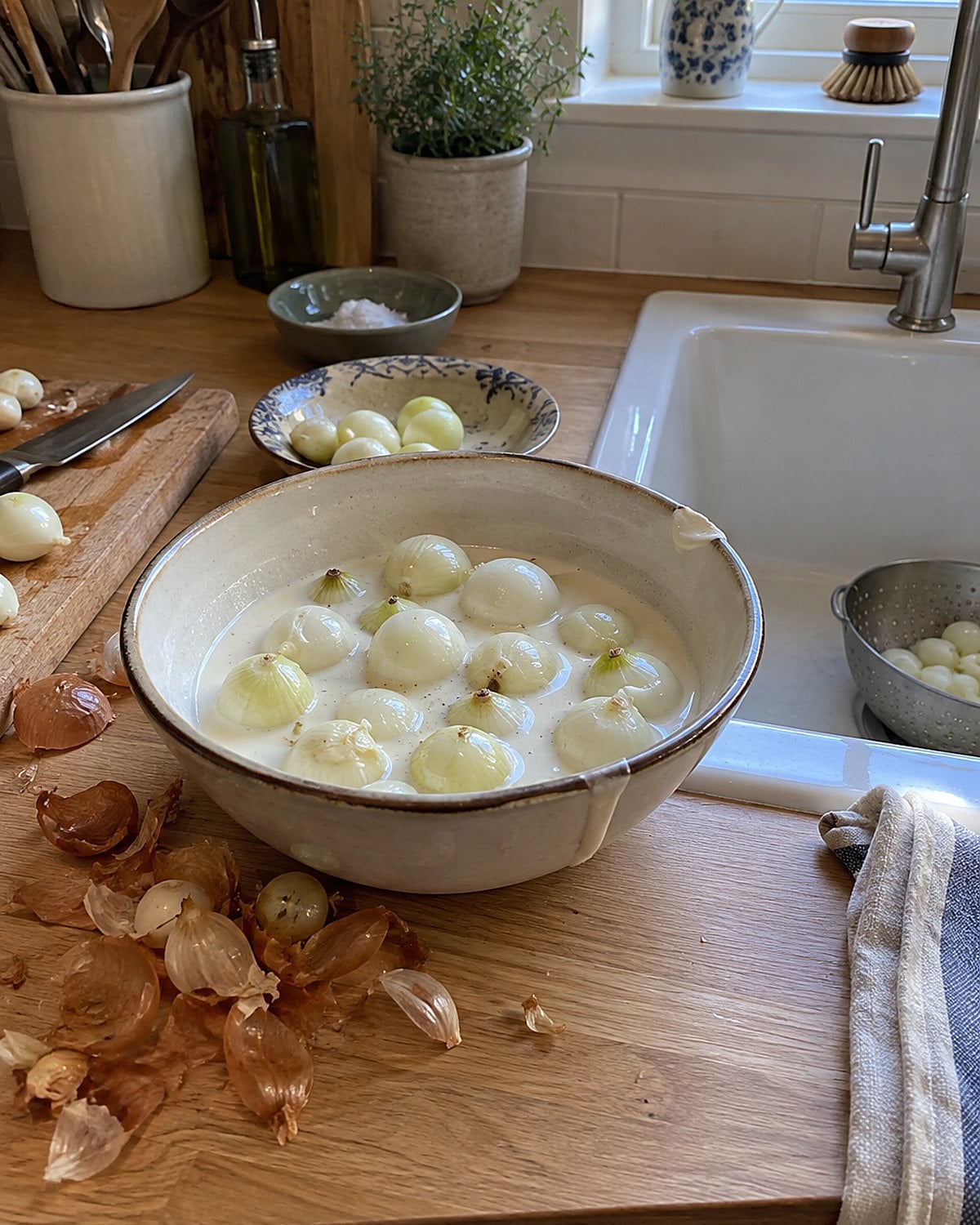
Pearl onions in cream were the side that made people ask what was under the white sauce. One spoonful answered them: sweet onions, soft enough to cut with the side of a fork.
Their size is the nuisance. To loosen the skins, blanch the onions briefly in boiling water, drain them, and trim the root ends. The skins slip off with far less picking. Cook the peeled onions until tender before adding them to a thickened cream sauce.
A shallow bowl helps here. It gives each serving onions and sauce rather than leaving a puddle behind after the last onion is gone. Taste for salt at the end. Cream dulls seasoning, and the onions need that small push to keep from disappearing.
#20 Molded Carrot Salad From The Fridge
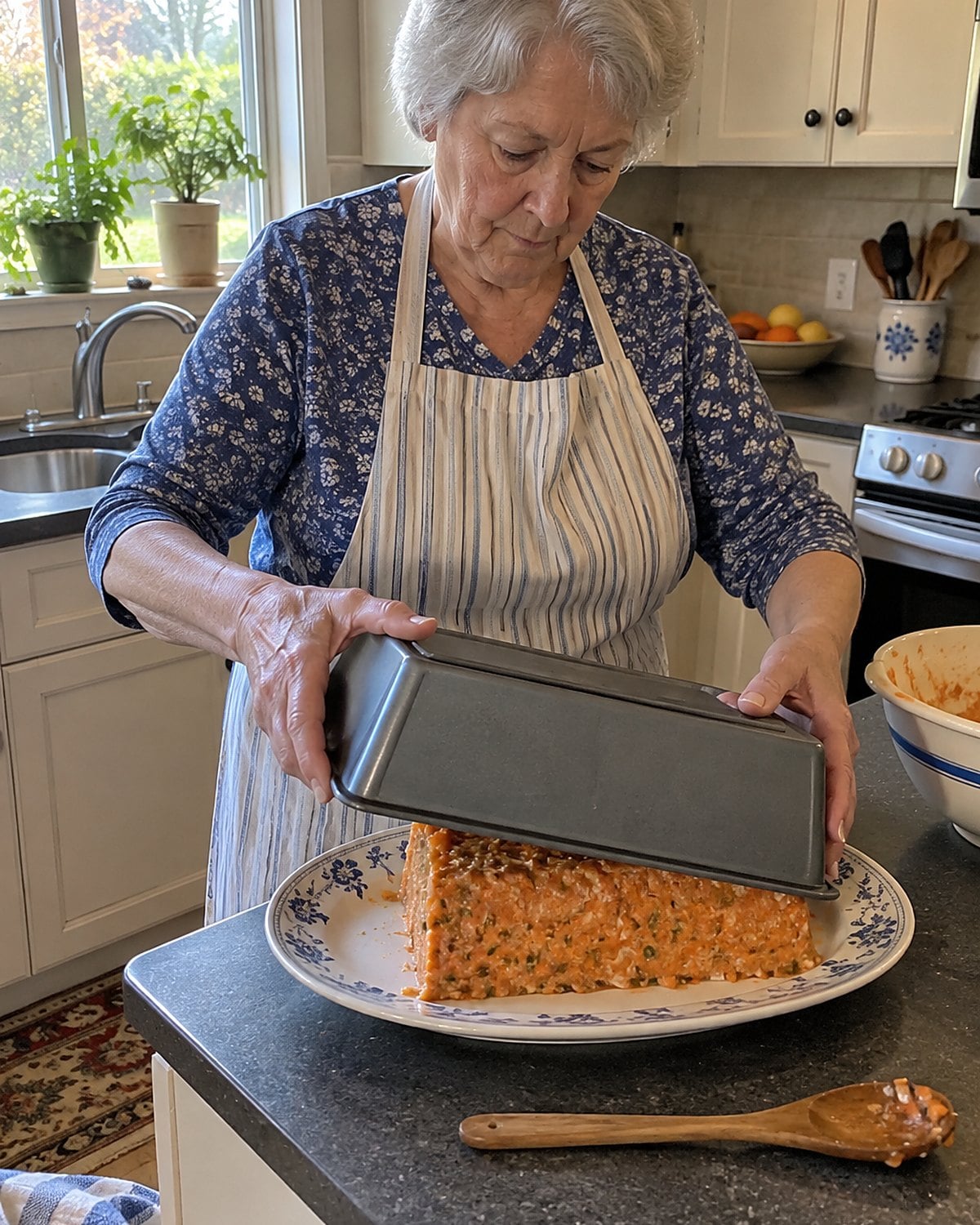
The ring mold came out of the cabinet once a year. A few careful turns onto a serving plate, and suddenly shredded carrots had a place of honor beside the rolls.
That shape was useful at a potluck. It let someone cut a clean wedge without digging through a loose salad. If you want to bring the idea back, use a loaf pan instead of hunting down a mold. Chill the salad until it holds when the pan tips; loosen the edge with a thin knife before turning it out.
Keep the carrots finely shredded. Thick strips make the slice shaggy and hard to lift. The result still looks a little improbable, which is part of its charm. Pass a serving spatula with it so the first person doesn’t have to solve the engineering.
#19 Corn Pudding With Browned Edges
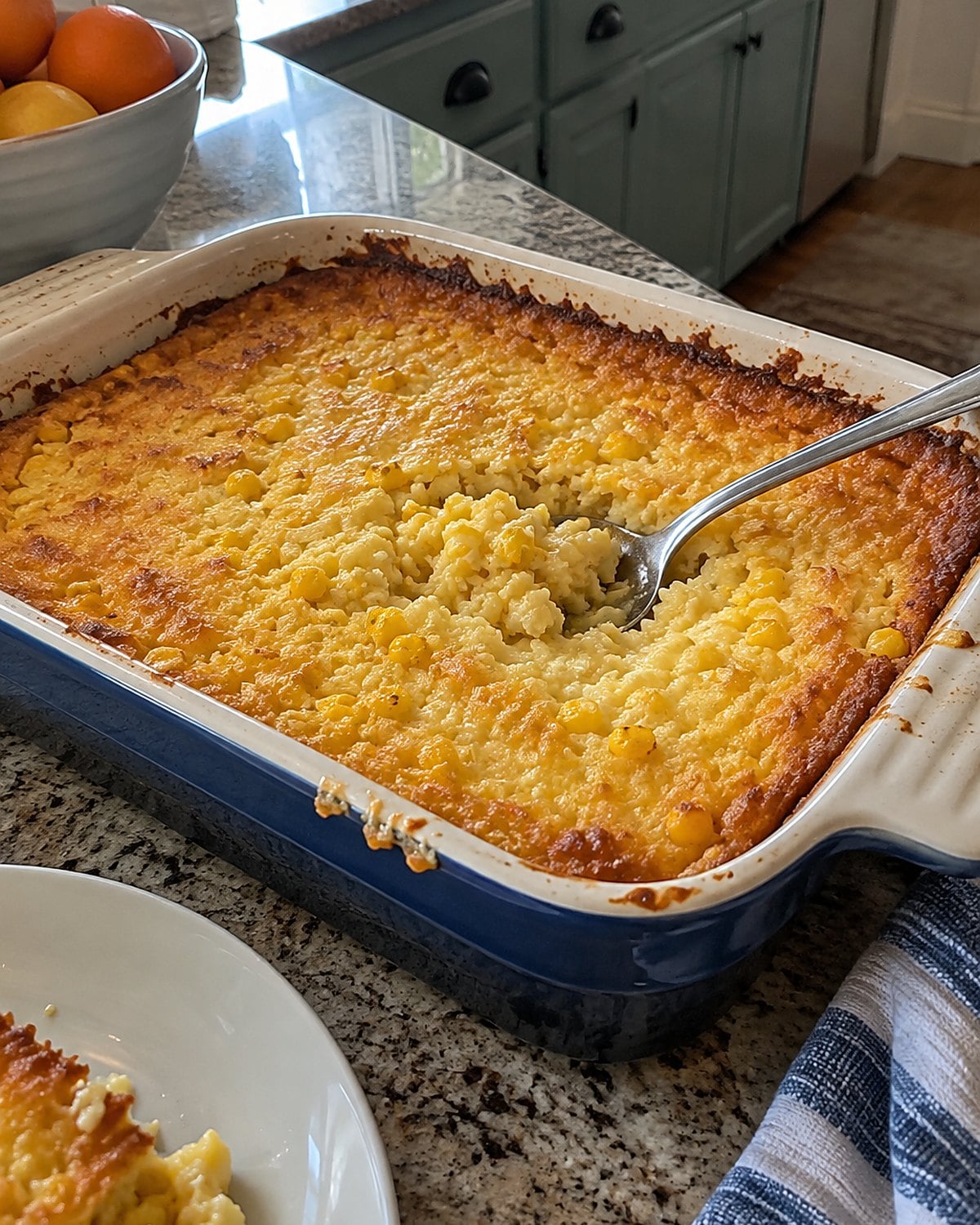
Corn pudding arrives looking settled, then gives a little wobble when the dish lands on the table. That wobble is what you want. A dry, stiff center means it spent too long in the oven.
The old church version sat somewhere between a casserole and a custard. Eggs bind the corn and milk, while the exposed edges brown against the baking dish. Use a wide dish if you love those edges. Put it in a deeper one if you want more tender center in every scoop.
Check it with a small shake of the pan. The center should tremble as one piece, without a wave of liquid moving under the surface. For a pudding made with eggs, check the center with a thermometer, too. The FDA’s egg-cooking guidance calls for 160°F in egg dishes.
Let it stand before serving so a spoon lifts a soft portion instead of dragging a trail through it. Corn brings sweetness of its own. Taste a warm edge before deciding it needs more. Beside peppery turkey gravy, that plain sweetness is enough.
#18 Pea Salad With Cheddar Cubes
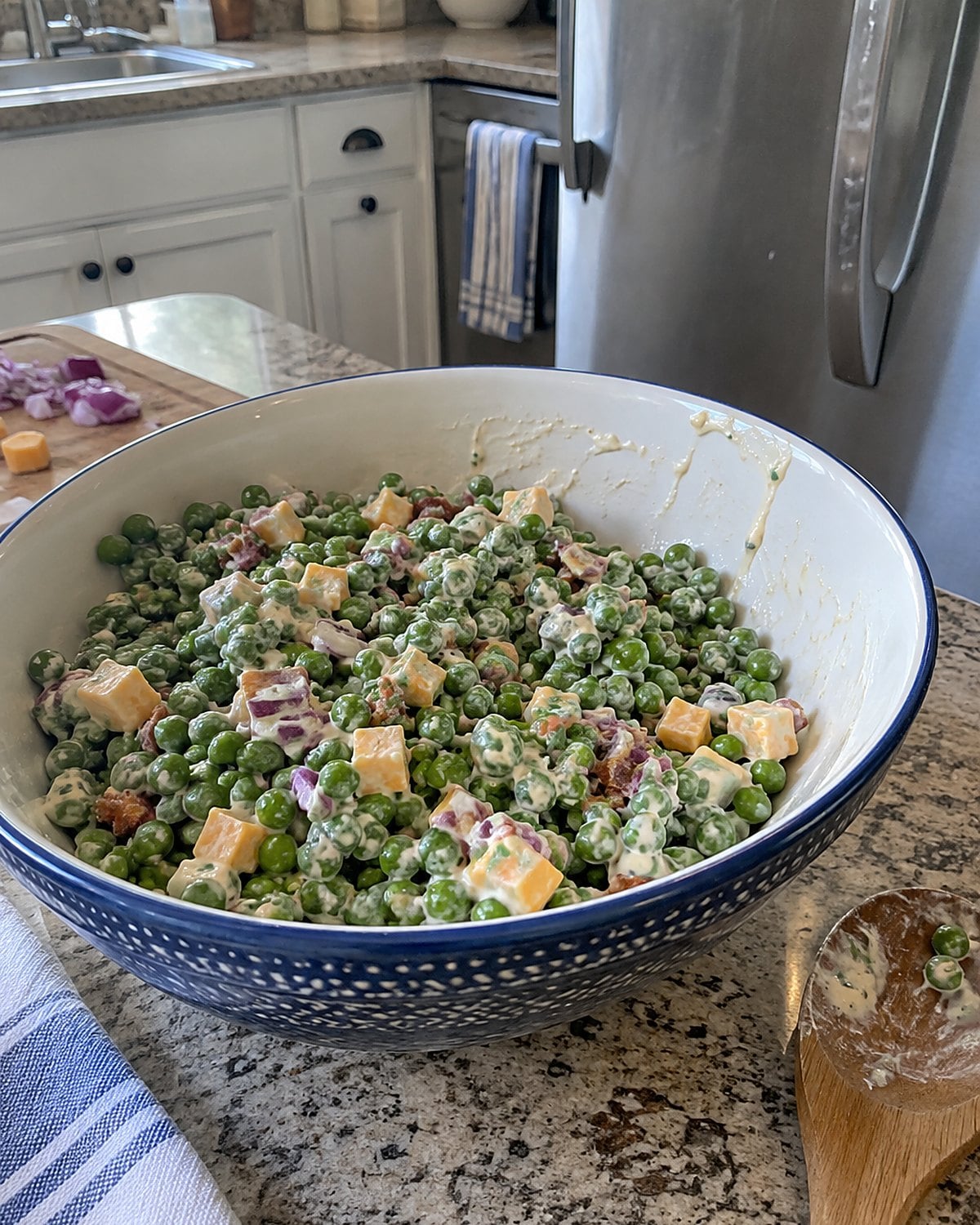
Pea salad sounded unpromising until you reached the bowl. Cold peas, cubes of cheddar, a little onion, and a creamy coating made a sharp change from the hot casseroles nearby.
Texture decides the whole thing. Thaw frozen peas, then drain and pat them dry. Water clinging to them loosens the dressing and leaves a pool at the bottom of the bowl. Cut the cheddar small enough that a spoon gathers cheese and peas together.
Start with less onion than you think you need. Cold onion gets louder as the salad sits. Taste again before you carry it out of the kitchen. You want a little bite, not a bowl that scents the whole table.
#17 Scalloped Tomatoes With Toasted Bread
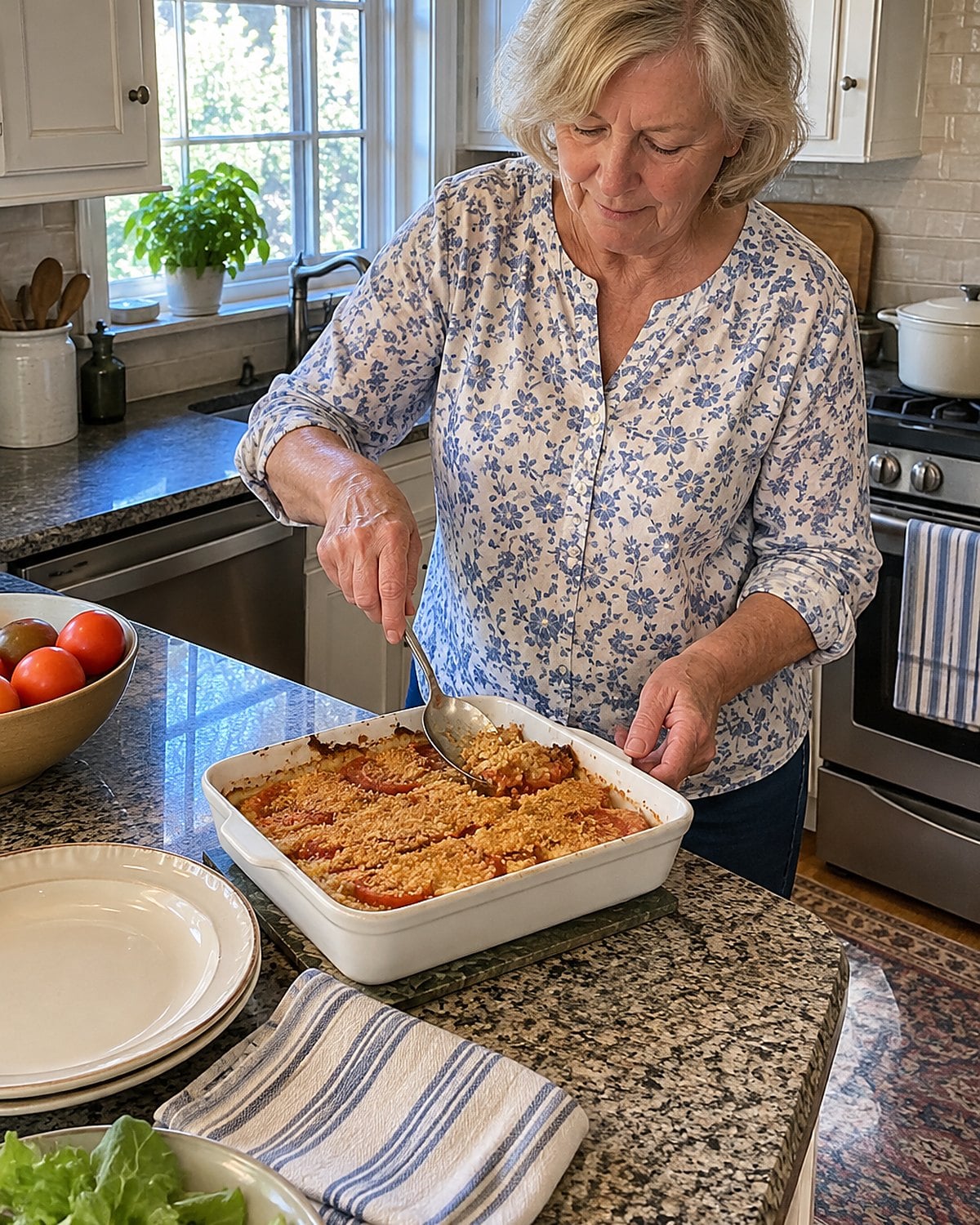
Scalloped tomatoes look plain under their browned top. Break through with a spoon and you find soft tomato, sweet onion, and bread that has soaked up the juices without vanishing.
Toast the bread pieces before they go into the dish. Fresh soft bread drinks liquid too fast and leaves the center pasty. Toasted edges hold their shape, so the finished casserole has something to chew. Use a shallow baking dish to expose more of the top to the oven.
Taste the tomatoes before assembly. If they’re sharp, a little sweetness rounds them out; if they’re already sweet, leave them alone. The finished dish should taste of tomato first.
It also gives you a reason to clear a small space beside the turkey. A spoonful of warm tomatoes cuts through a plate heavy with butter and cream.
#16 Baked Apples With Raisins And Walnuts
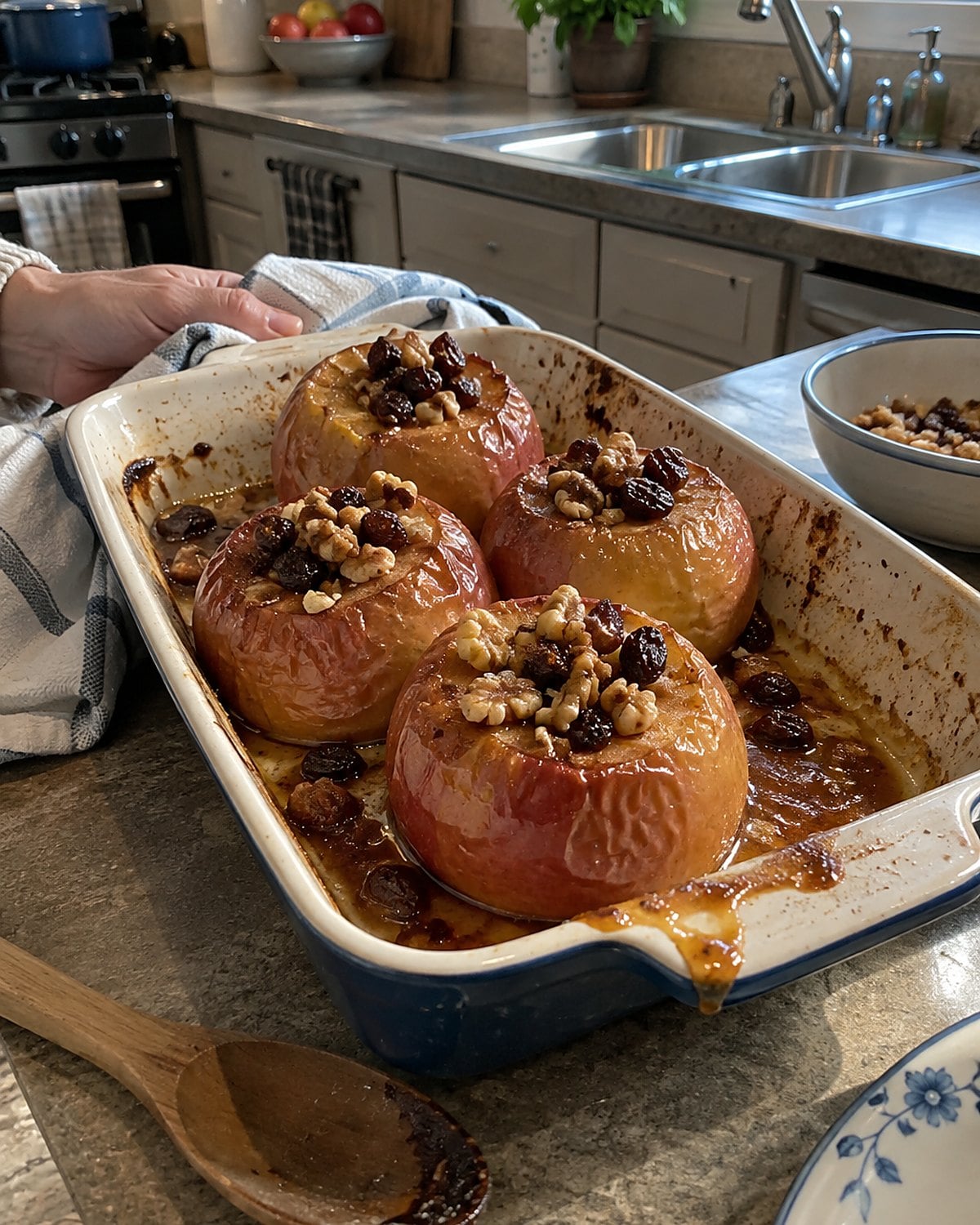
Core the apples without cutting through the bottoms. That small detail keeps the juices inside while they bake.
Some church tables put baked apples among the sides, not the desserts. You could take one beside the turkey and still have pie later. Nobody needed to explain it. Raisins swell in the apple juices, and walnuts stay distinct instead of melting into the fruit. Set the apples close together in a baking dish so they stand upright.
Test one with a knife tip near the center. It should slide in easily while the apple still holds its walls. If the fruit collapses, it tastes fine but gets harder to carry on a serving spoon. Put the warm dish near the savory sides and see who remembers it.
#15 Rutabaga Mash With Butter And Pepper

Rutabaga was the yellow mash some people passed without looking. The ones who took it knew it had a peppery edge that plain potatoes lacked. It held its own against gravy.
A rutabaga is dense, with a waxy coating on some store-bought roots. Cut away the skin with a sturdy knife on a stable board, then make small, even pieces. They cook more evenly than large chunks. Drain them well before mashing, and let steam rise from the pot for a moment. Trapped water thins the mash.
Use butter and black pepper first, then taste. Rutabaga brings its own earthy sweetness. Too much added sugar covers the reason it’s on the table.
The bowl won’t look fancy. Give it a good spoon and a place near the gravy, where anyone curious gets an easy first taste. You’ll know from that first spoonful whether it belongs in your rotation.
#14 Fried Apples From A Cast-Iron Skillet

The skillet stayed on the stove until serving time. Apple slices hissed in butter, browned at their edges, and picked up the dark bits left in the pan. They smelled like dessert but belonged beside ham or turkey.
Choose apples firm enough to hold a slice. Turn them with a wide spatula rather than stirring hard. You’re looking for tender centers and edges with some color, not applesauce.
A little tartness keeps the dish useful at dinner. Taste before adding sugar, especially if the apples started sweet. Bring the skillet to the table only if you have a safe place for the hot handle. Otherwise, transfer the apples to a bowl and keep that browned pan juice with them.
#13 Pineapple Stuffing Beside The Ham
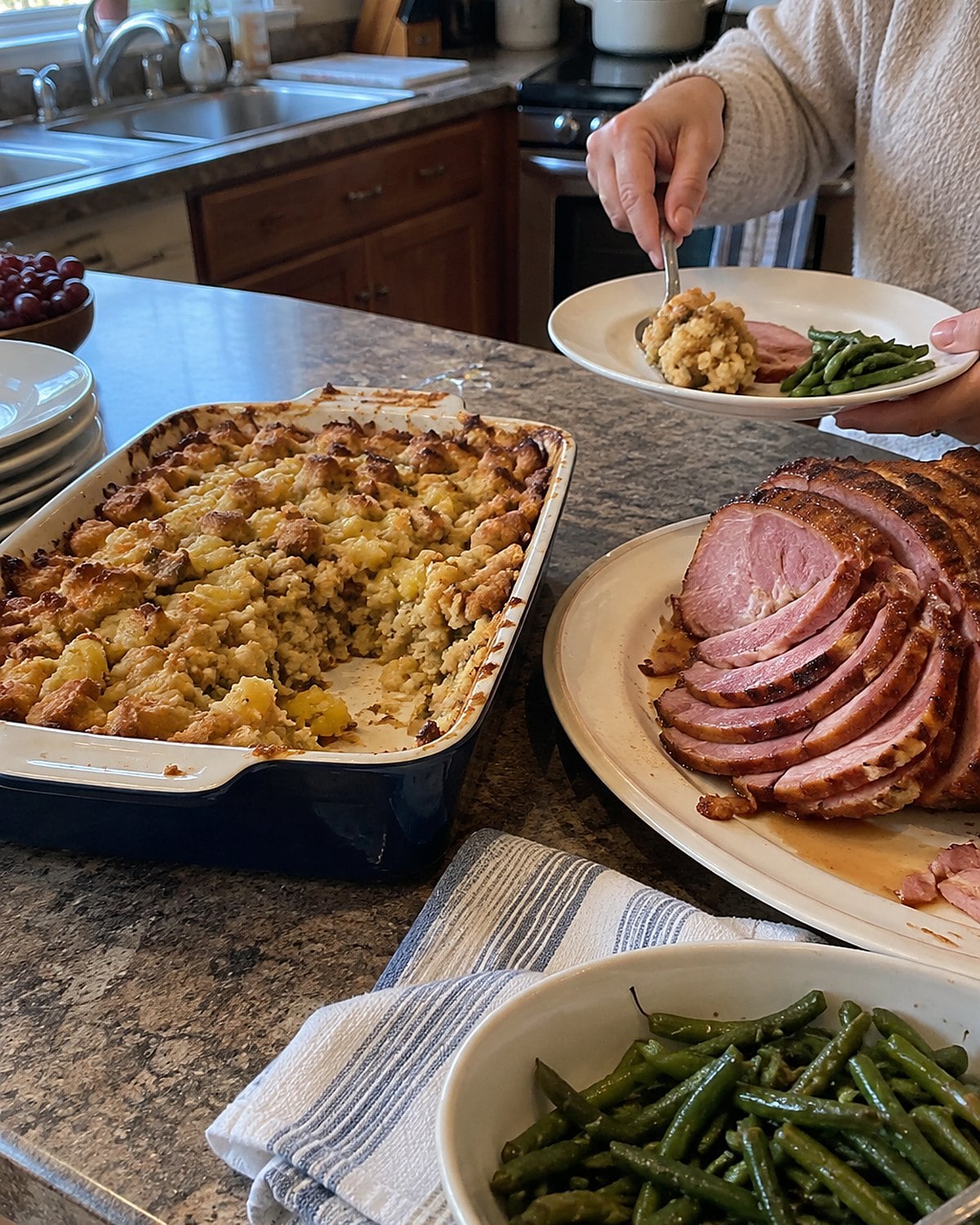
Pineapple stuffing made perfect sense when the church supper had both turkey and ham. Sweet pineapple and soft baked bread met the salty edge of a ham slice. Its name confused newcomers; its empty dish didn’t.
The tempting shortcut is to pour everything together and bake. First, drain the pineapple well. Excess juice collects below the bread and leaves a heavy bottom layer. Fold the fruit through so every scoop gets some, then spread the mixture in a dish with enough surface for a browned top.
Take a bite with a piece of ham before changing the sweetness. On its own, the stuffing tastes sweeter than it does beside salty meat. That pairing is the point.
If you’re feeding only a few people, a smaller baking dish gives you more browned edge per serving. Left on the sideboard in its taped dish, it still draws the person who remembers bringing it years ago.
#12 Turnips Mashed With Potatoes
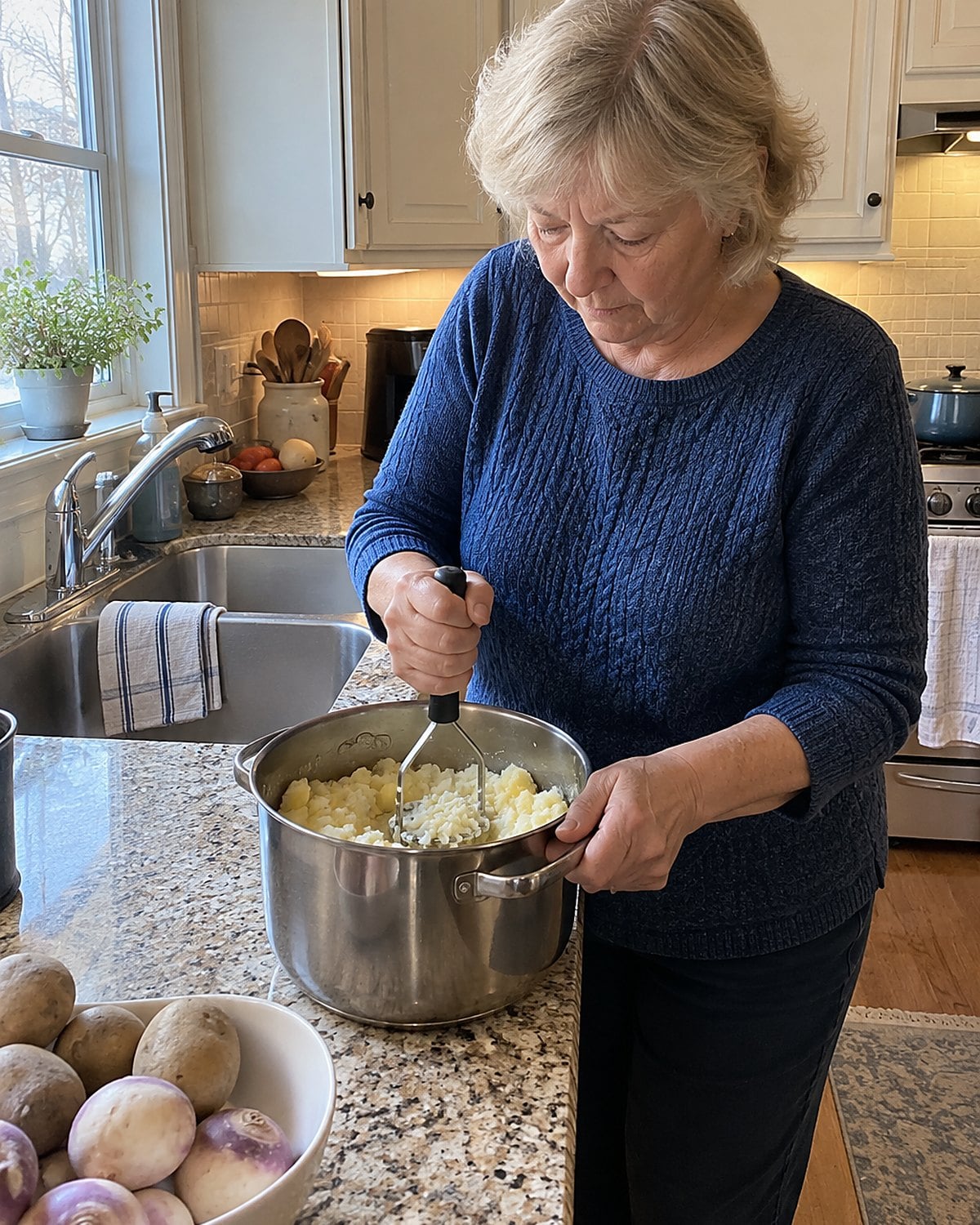
A bowl of mashed turnips and potatoes could pass for plain potatoes until the first forkful. Then came the faint peppery taste, followed by someone asking what you put in them.
Cut the turnips smaller than the potatoes. Turnip pieces need time to soften, and big ones leave lumps while the potatoes fall apart. Cook them together, drain well, and mash while hot. The mix should hold a soft mound on the spoon.
You decide how far the turnip flavor goes. Start with more potato if the bowl needs to feel familiar, then change the balance next time. Don’t bury the taste under a mountain of cheese. Butter, salt, and a good spoonful of gravy tell you whether the vegetables worked together.
#11 Cabbage Casserole Under Cracker Crumbs
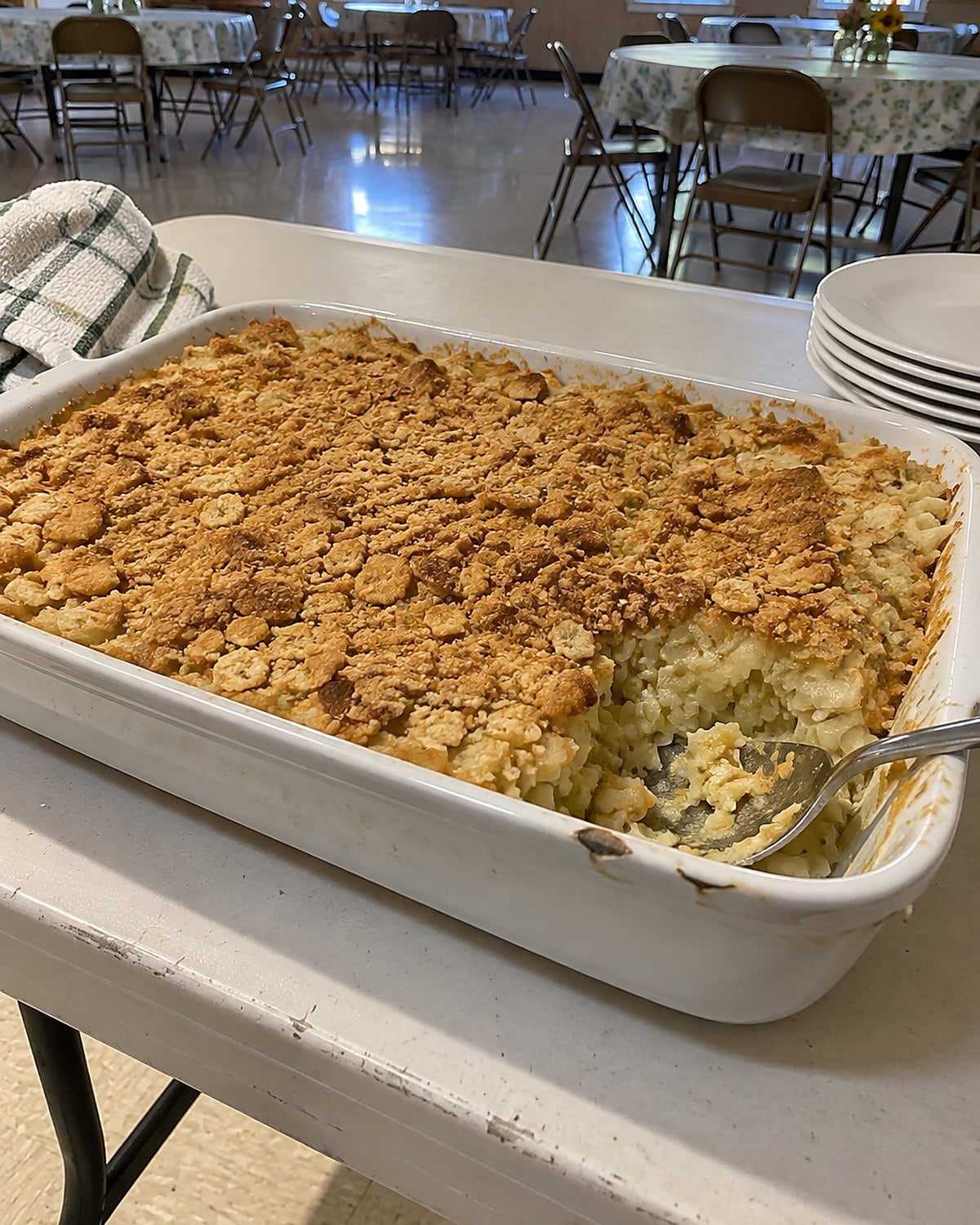
Cabbage was cheap, filling, and easy to carry in a covered dish. It also released water in the oven, which explains the soupy cabbage casseroles left behind on a folding table.
Cook the chopped cabbage first, then drain it thoroughly before it meets the sauce. This step does the work that extra flour never quite fixes. Spread the cabbage in the dish, add the sauce, and finish with cracker crumbs just before baking. That order keeps the crumbs up top, where they brown.
Taste a forkful from the center. The cabbage should be tender but still recognizable, with sauce clinging to it. If the dish tastes flat, salt is the first thing to check. Cabbage needs enough seasoning to stand beside stuffing and gravy.
There’s no grand reveal when the lid comes off. There is a hot, browned top and a serving spoon that comes back for seconds.
#10 Ambrosia With Fresh Orange Segments
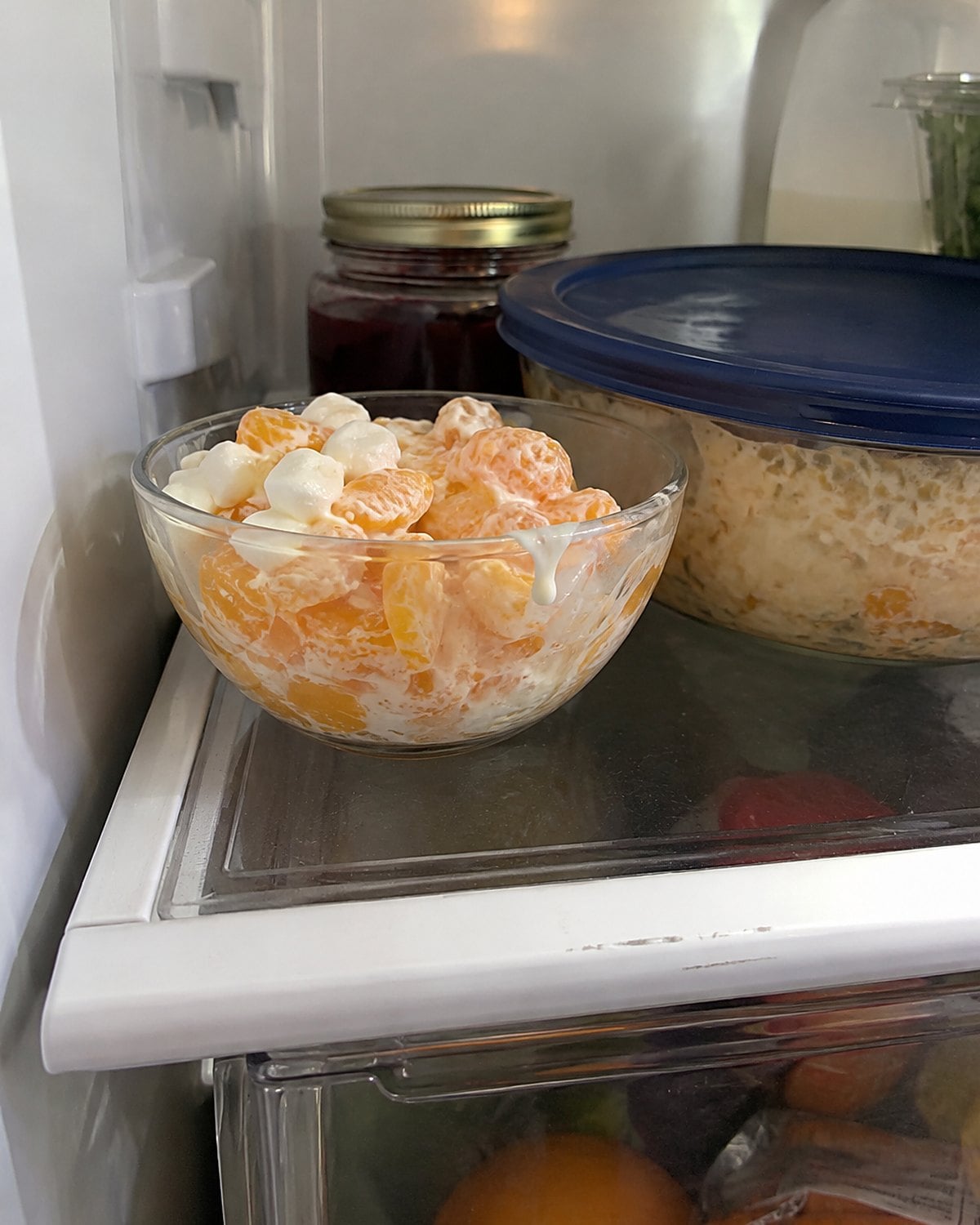
Ambrosia lived in the cold section of the church table, close to the gelatin salads and far from the gravy. Orange, coconut, and creamy dressing made a spoonful feel festive without asking for another pie plate.
Fresh orange segments change the texture. Peel away the white pith and cut between the membranes so each piece is tender. Drain the segments before folding them in. Too much juice turns the creamy part thin and leaves the coconut swimming.
Keep the bowl cold until serving. The FDA advises keeping cold foods at 40°F or below, a useful rule when the Thanksgiving table grows past its usual edges. Put out a smaller bowl, then refill it from the refrigerator instead of asking one big bowl to wait through dinner.
#9 Squash Casserole With A Brown Top
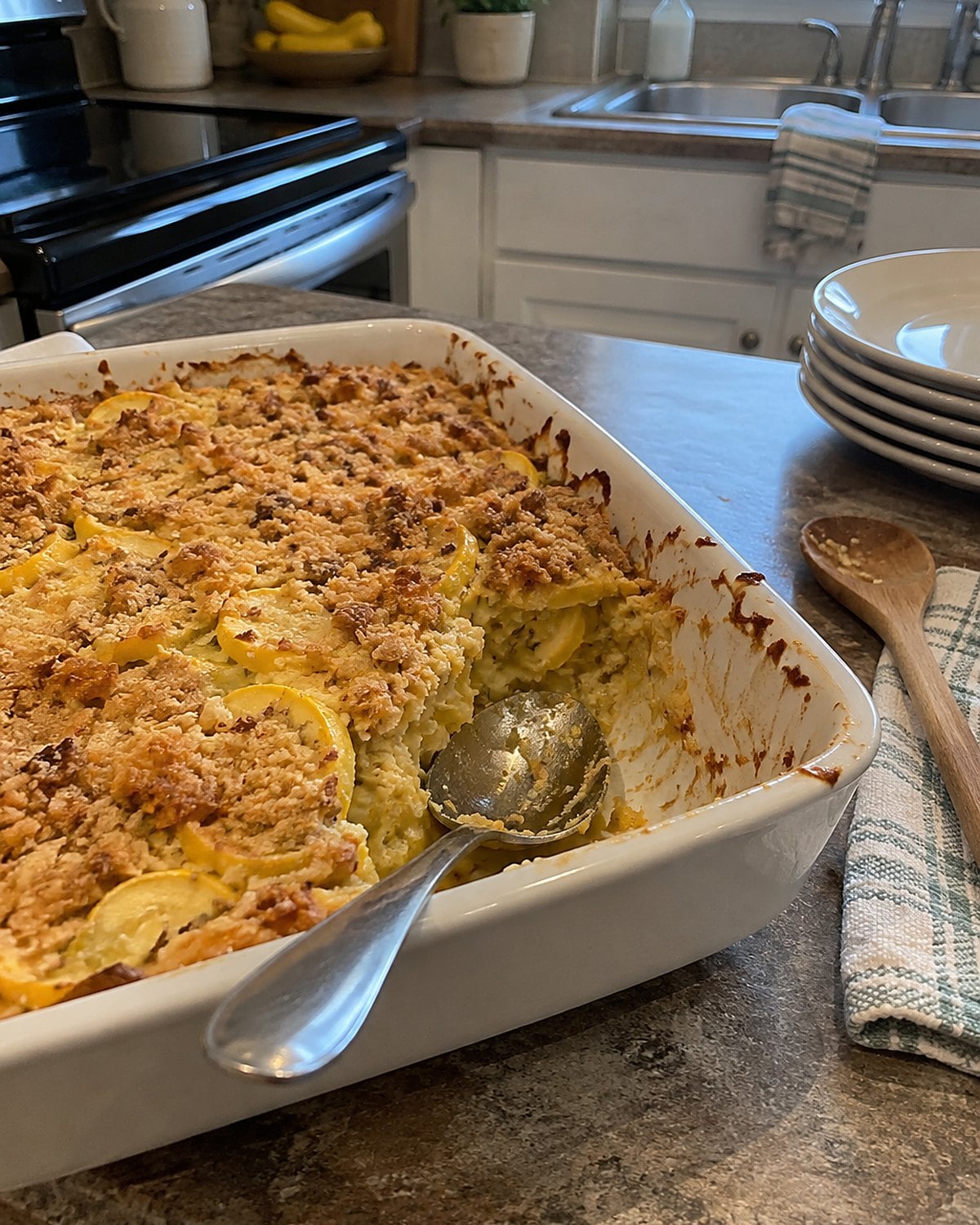
Summer squash seems out of season at Thanksgiving until the casserole lid lifts. Under the browned topping sits a soft, savory dish that earned its place at church suppers long before anyone argued over seasonal menus.
The squash holds water. Slice it, cook it first, and drain it well. Pressing lightly in a colander helps remove the liquid that would otherwise seep into the casserole. Then fold it with the other ingredients and spread it in the baking dish.
Watch the edges as it bakes. They should pull back a little and take on color. If the top browns before the center is hot, cover it loosely and give the middle more time.
Take a spoonful that reaches the bottom. That tells you the truth: tender squash, a creamy center, and no puddle left in the dish. The brown top should be the reward, not a disguise.
#8 Succotash With Lima Beans
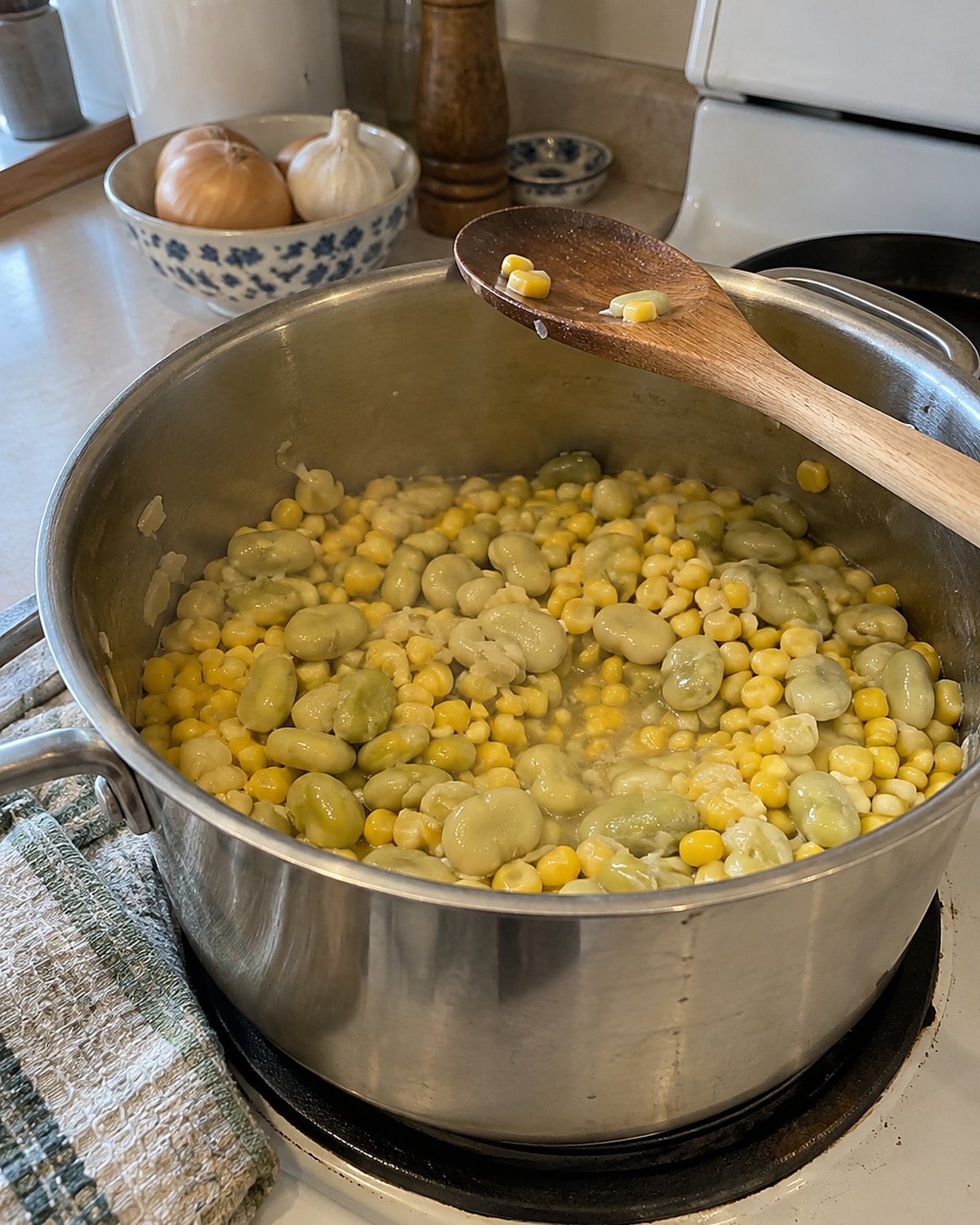
The lima beans were the reason some people skipped succotash. They were also the reason others went back for a second spoonful. Paired with corn, they made a side with real substance.
Cook the lima beans until their centers are tender before adding corn. Corn needs far less time in the pot and loses its sweet snap if it waits for the beans. Once both are ready, butter and a little onion bring them together without hiding either one.
Press a bean against the side of the pot with your spoon. It should yield cleanly, without a chalky middle. Then taste a spoonful with both bean and corn. The contrast is the whole appeal: soft and firm, earthy and sweet, all in the same bite.
#7 Navy Beans Simmered With Salt Pork

A covered bean pot sat near the outlet or the back burner, out of the traffic around the turkey. Inside, navy beans simmered with salt pork until the broth thickened enough to coat a spoon.
The old advice to keep salt away from beans until the end has sent many pots to the table bland. Salt pork seasons the cooking liquid from the start. Its saltiness varies, so taste the broth before adding more. If the beans need longer, give them longer; a firm center won’t improve under gravy.
Keep enough liquid in the pot for the beans to move as they simmer. Scrape a spoon along the bottom now and then, where starch collects and sticks. The finished beans should be creamy inside, with a savory broth you’d eat on its own.
They don’t compete for attention. That’s why a small bowl of them still makes sense beside a holiday plate.
Try it: Instant Pot Ham And Beans
#6 Skillet Cornbread With Crisp Edges
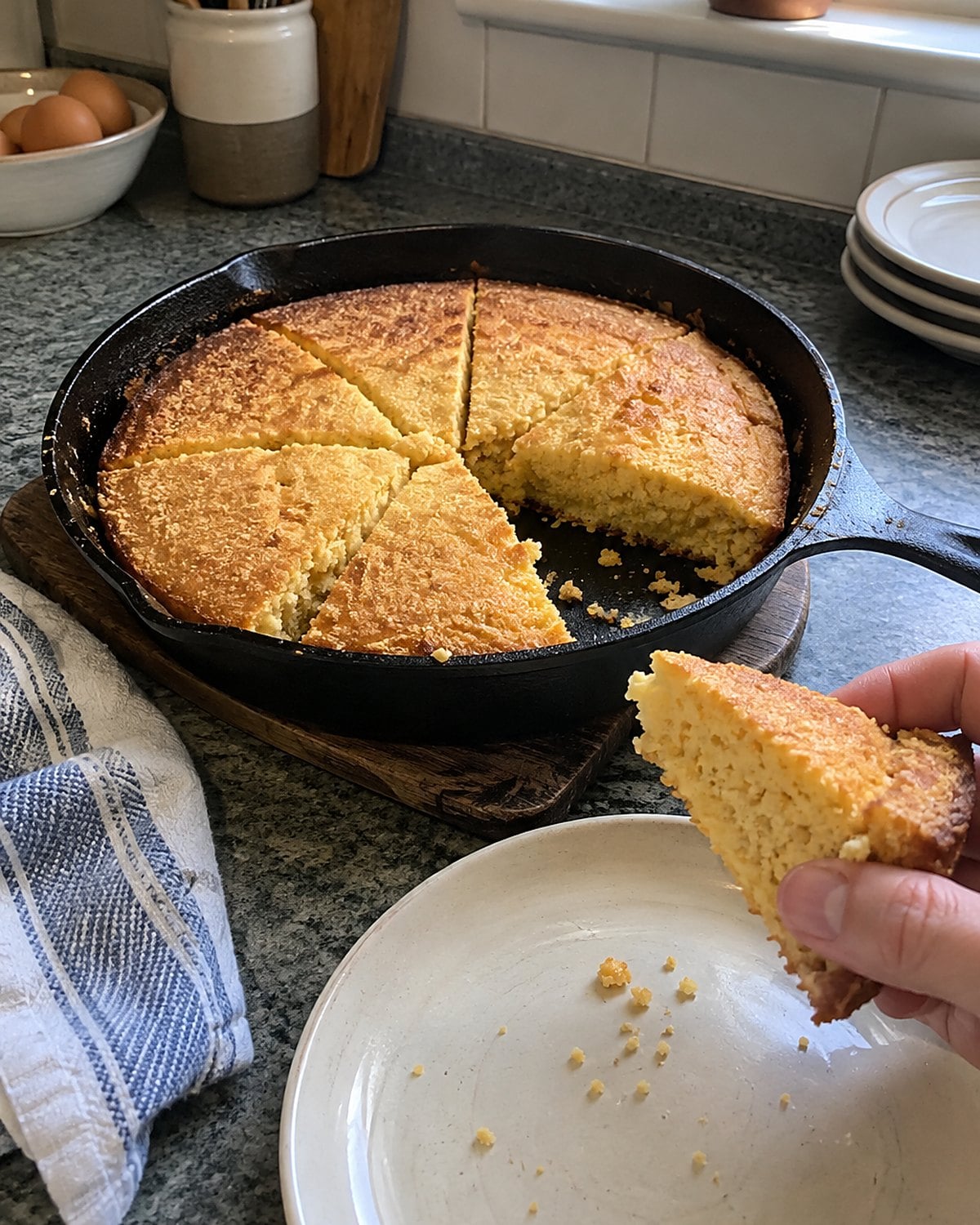
That cornbread arrived in wedges, not neat squares. The person carrying it knew the crisp outer pieces would disappear first.
Heat the cast-iron skillet before the batter goes in. When batter meets a hot, lightly greased pan, the bottom starts to set at once and builds the crust everyone reaches for. Pour it in, listen for a brief sizzle, and get the skillet into the oven.
Let the cornbread rest before cutting. A knife through the center too soon drags at the crumb and breaks your wedges. Serve it with butter, or use a piece to catch the last gravy on the plate.
If there’s one wedge left after dinner, set it aside before cleanup. You already know who’ll want it with the next bowl of soup.
#5 Pecan-Topped Sweet Potato Soufflé

The word “soufflé” on a church cookbook card was a little generous. This was a light sweet potato casserole with eggs in the base and a pecan topping that browned in the oven.
It needs a different check from plain mashed sweet potatoes. Give the dish a small nudge. The center should hold together, not slosh under the topping. If the pecans darken before the middle sets, cover the dish loosely and keep baking. Check the center with a thermometer; the FDA says egg dishes should reach 160°F.
Chop the nuts unevenly. Smaller bits toast and cling to the top; larger pieces give the serving spoon a little crunch. Taste the sweet potato mixture before you add the eggs and topping. If it’s already very sweet, let the pecans and butter do the rest.
Serve from the edge first, where the browned top meets the soft center. That spoonful explains why the dish came home with only a few crumbs left.
#4 Beet Salad In A Glass Bowl
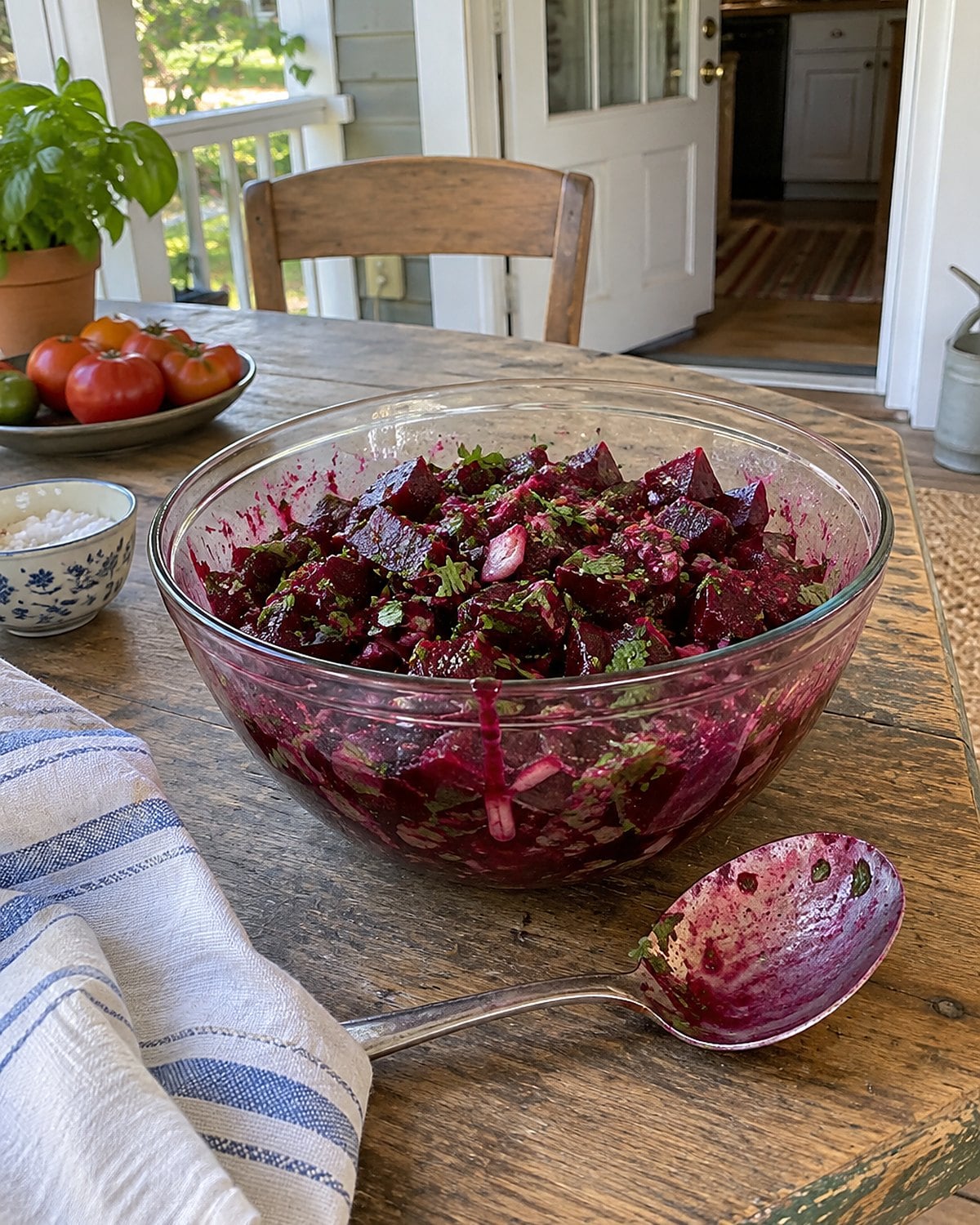
You could spot the beet salad from across the hall. Its deep red color showed through a glass bowl, with a serving spoon already stained pink.
Cooked beets need a sharp dressing to keep them from tasting flat beside a Thanksgiving dinner. Toss them while they’re still a little warm, so they take up the flavor. Then refrigerate the bowl until the beets are cold throughout. If you’re adding onion, slice it thin enough to bend around a fork.
Wear an apron you trust.
Beet juice reaches farther than you expect when you stir a full bowl. Before serving, taste a piece from the bottom, where dressing gathers. It should taste lively without making you wince. The color gets people to stop; that balance gets them to take a second spoonful.
Try it: Instant Pot Beets
#3 Celery Stuffed With Cream Cheese

Someone always brought a tray that needed no oven space. Celery stuffed with cream cheese sat near the rolls, waiting for the person who wanted one crisp bite between rich ones.
Dry the celery stalks well after washing. Filling slides out of a wet groove, especially when the tray travels in the car. Choose stalks with a broad channel, then press the seasoned cream cheese into place with the back of a spoon. A little paprika on top helps you spot which pieces have filling.
Make the pieces short enough to eat without balancing a long stalk over your plate. Keep the tray in the refrigerator until it’s time to set it out; cream cheese belongs in the cold section, not beside a warm casserole.
At the end, those crisp pieces are handy again. You take one while deciding whether there’s room for pie.
#2 Deviled Eggs On The Potluck Tray
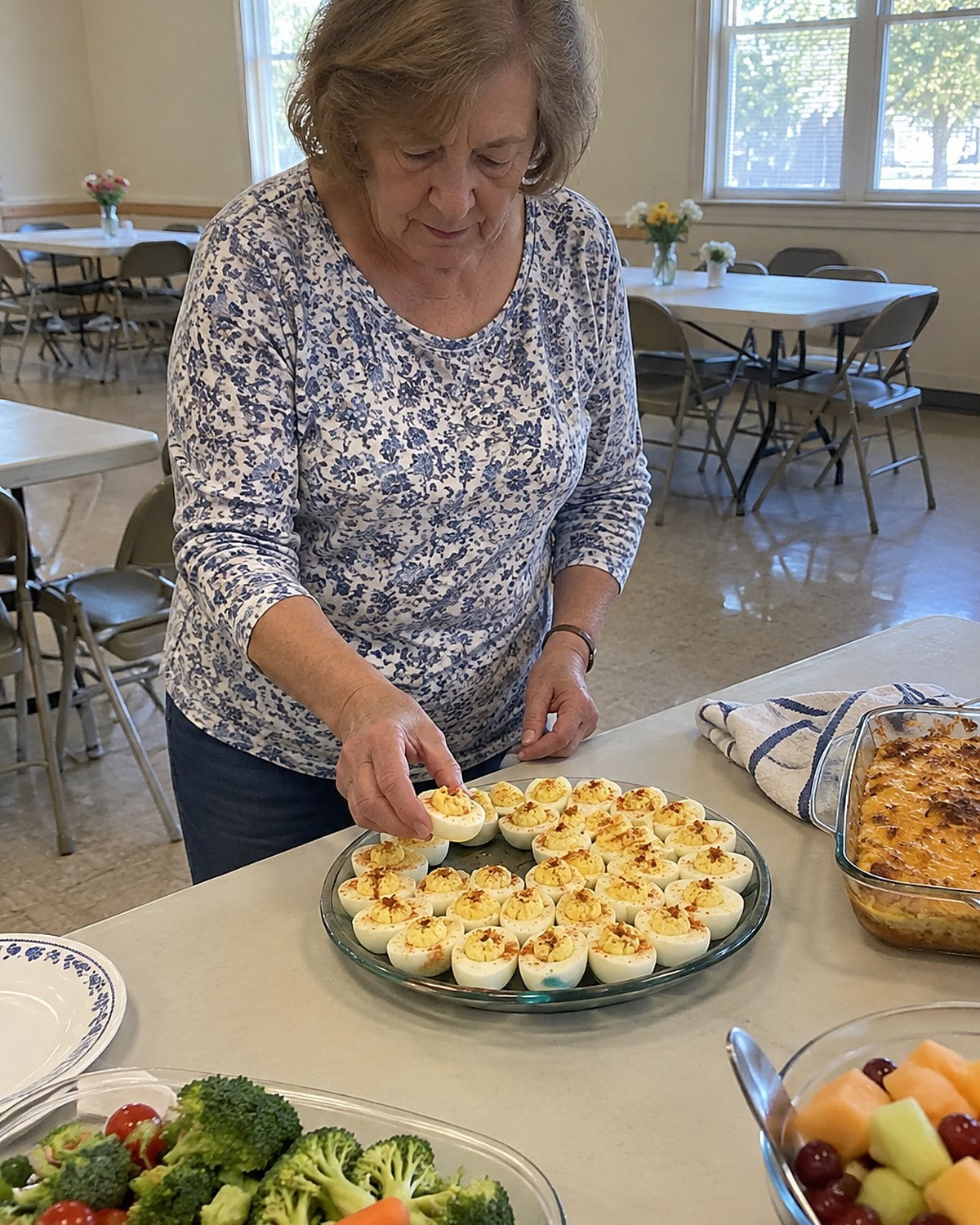
The tray lost its lid, and hands appeared from every direction. Deviled eggs rarely needed an introduction at a church supper. They needed someone to keep the tray from sliding off the table.
A firm yolk filling is easier to carry than a loose one. Add the creamy ingredients little by little, mashing until the filling holds a ridge from the fork. Taste before piping or spooning it into the whites. Cold dulls flavor, so the filling should have a clear mustard or vinegar note while it’s still in the bowl.
Chill the filled eggs, then carry them cold. Put out a few at a time and keep the rest refrigerated. The CDC’s Thanksgiving food-safety guidance is worth a look if your meal travels or stretches into the afternoon. There’s always someone ready for the next tray.
#1 The Covered Dish That Fits Beside Turkey
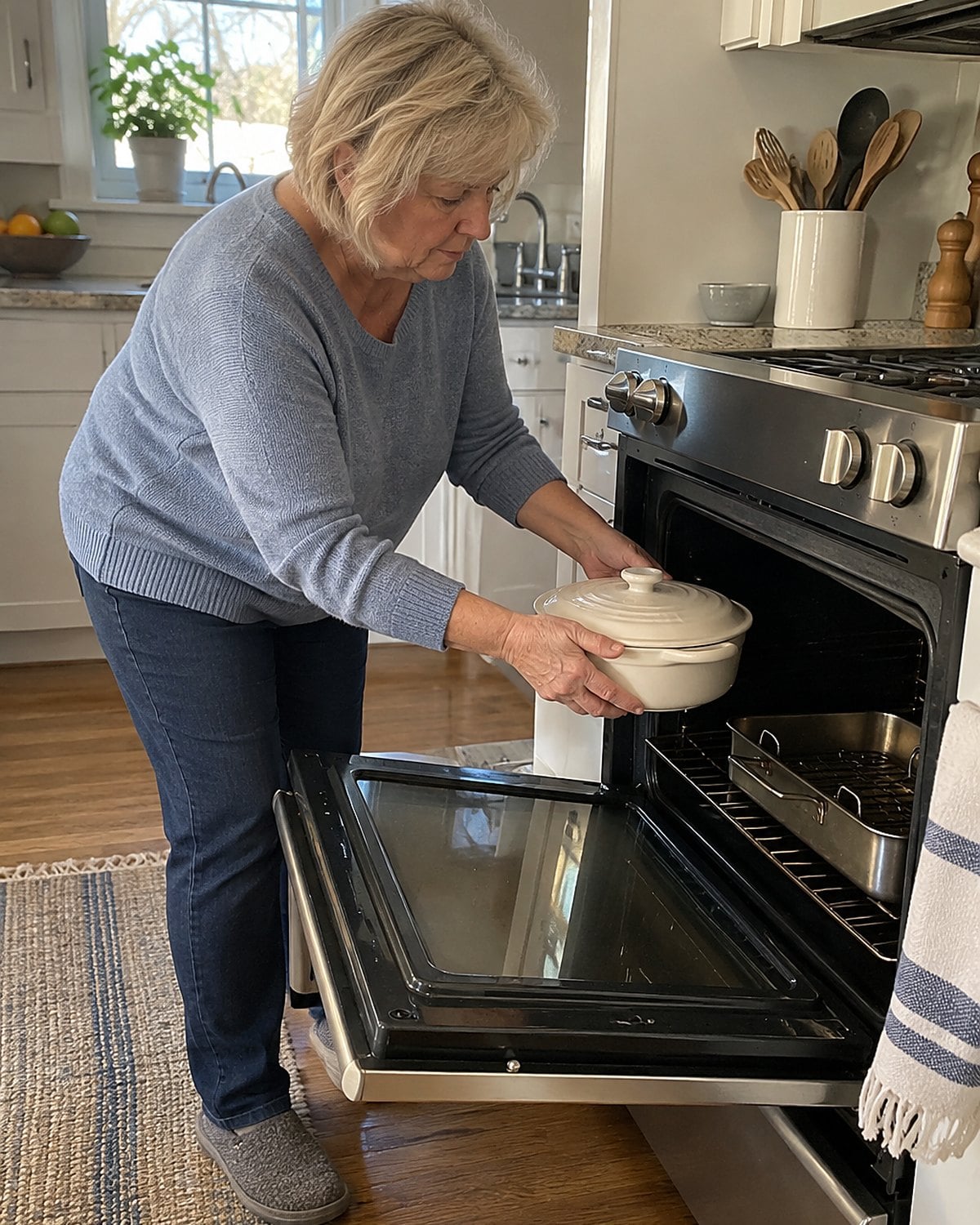
The last church-supper side earned its place before anyone tasted it: its dish fit where the cook needed it. That matters just as much when you make the one casserole you’ve missed for years.
Start with the covered dish you plan to fill. Set it empty beside the roasting pan in your cold oven, then close the door. Try the rack positions you’ll use on Thanksgiving. If the door won’t close, you have your answer before you buy ingredients or promise anyone a hot side.
Now choose the dish for that space. Your church cookbook has the clues: a wide pan gives cracker crumbs and browned edges more room. A deeper dish protects a soft center from drying out. If the recipe calls for one shape and you own another, watch the center rather than trusting the old baking time.
Give the side its serving spoon, too. Set the spoon in the empty dish before you put it away. A lid with masking tape still needs a way to get supper onto the plate.
The bottom line
These sides came from kitchens that knew how to feed a room: something hot, something cold, something crisp, and a dish that traveled without fuss. You don’t need the whole folding table to use that thinking.
The well-prepared version of you has checked the oven space, found the serving spoons, and chosen one old favorite worth making again. Which dish in your kitchen still has a name written on the lid?
Leave a Reply