

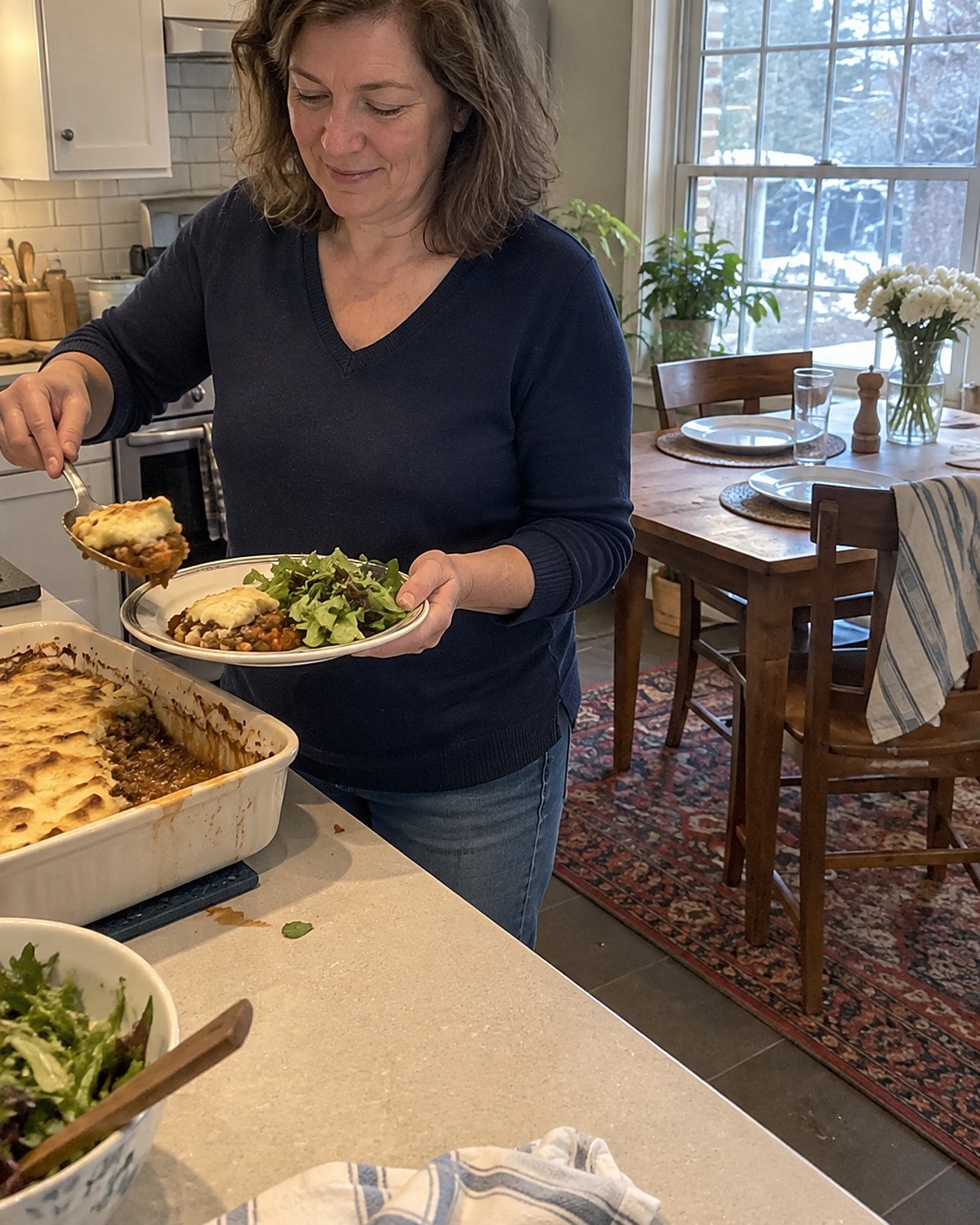
The foil makes that particular crackle as you pull it tight over a baking dish. You’ve heard it before: on the way to a school supper, a family reunion, a church basement after a funeral. The recipe is written on a card with a butter stain, though you stopped looking at it years ago.
Now there are fewer people at home to taste the batch before it leaves. That changes a few things. A full pan lasts longer. The trip across town matters. And the best dish is still the one you know well enough to notice when it needs another pinch of salt.
#24 Broccoli Salad That Keeps Its Crunch
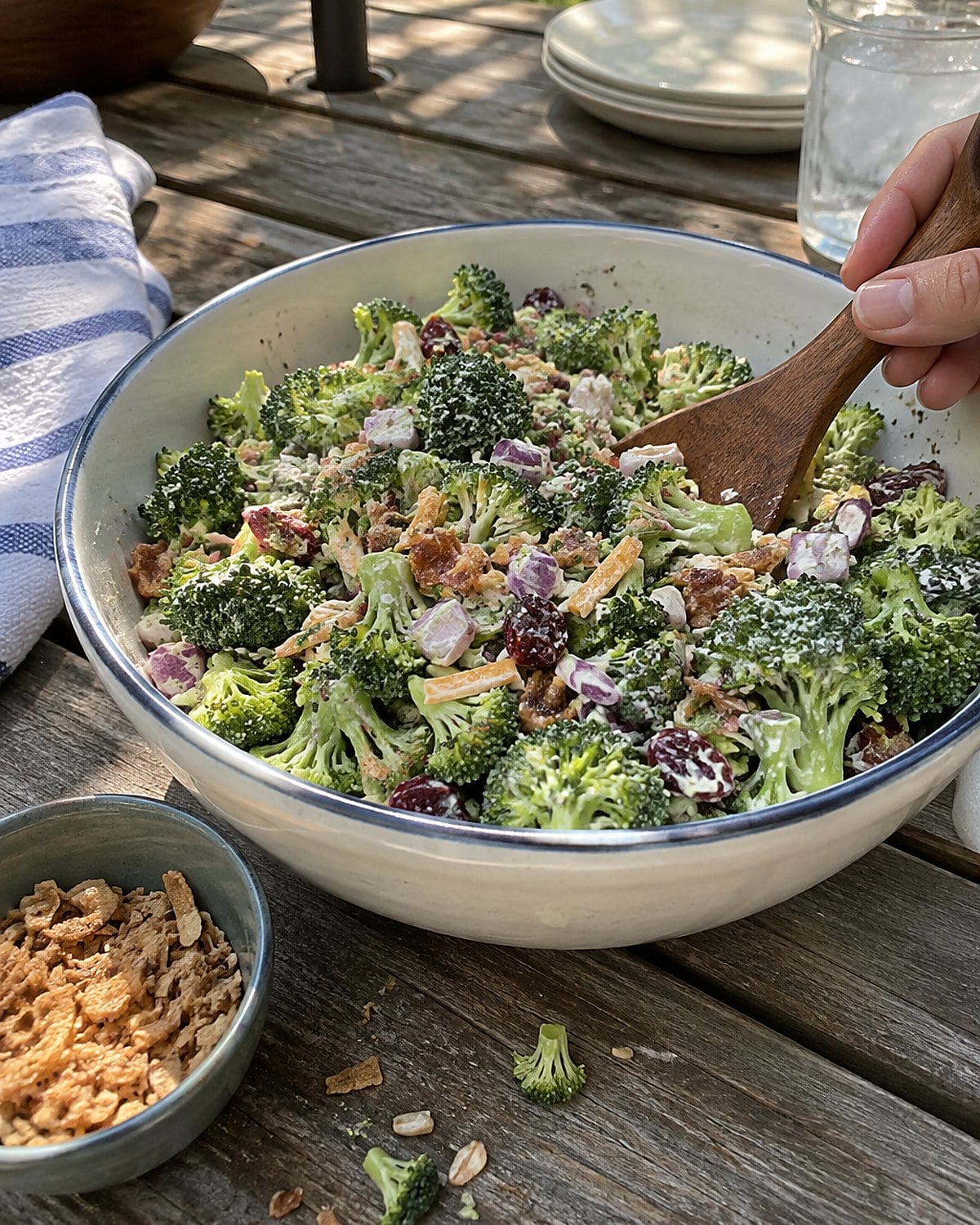
Broccoli salad has a way of sitting beside the heavy casseroles and getting emptied first. You’ve seen someone return for the last spoonful, fishing out the bits at the bottom of the bowl. The appeal is the bite: raw broccoli, a sharp dressing, something sweet, and something that cracks between your teeth.
Cut the florets smaller than you would for a vegetable tray. A serving spoon should pick up several pieces at once. Peel the tough skin from the thick stalk and chop the tender center, too. It tastes good, and it saves the pile of stems left on the cutting board.
Salt the dressing before it meets the vegetables, then taste again after the salad has rested. Broccoli dulls a dressing that seemed plenty lively in the mixing bowl.
Hold crunchy toppings aside until you reach the table. If you’ve carried this salad for years, that small change is worth trying on the next trip.
#23 Deviled Eggs With Firm Whites
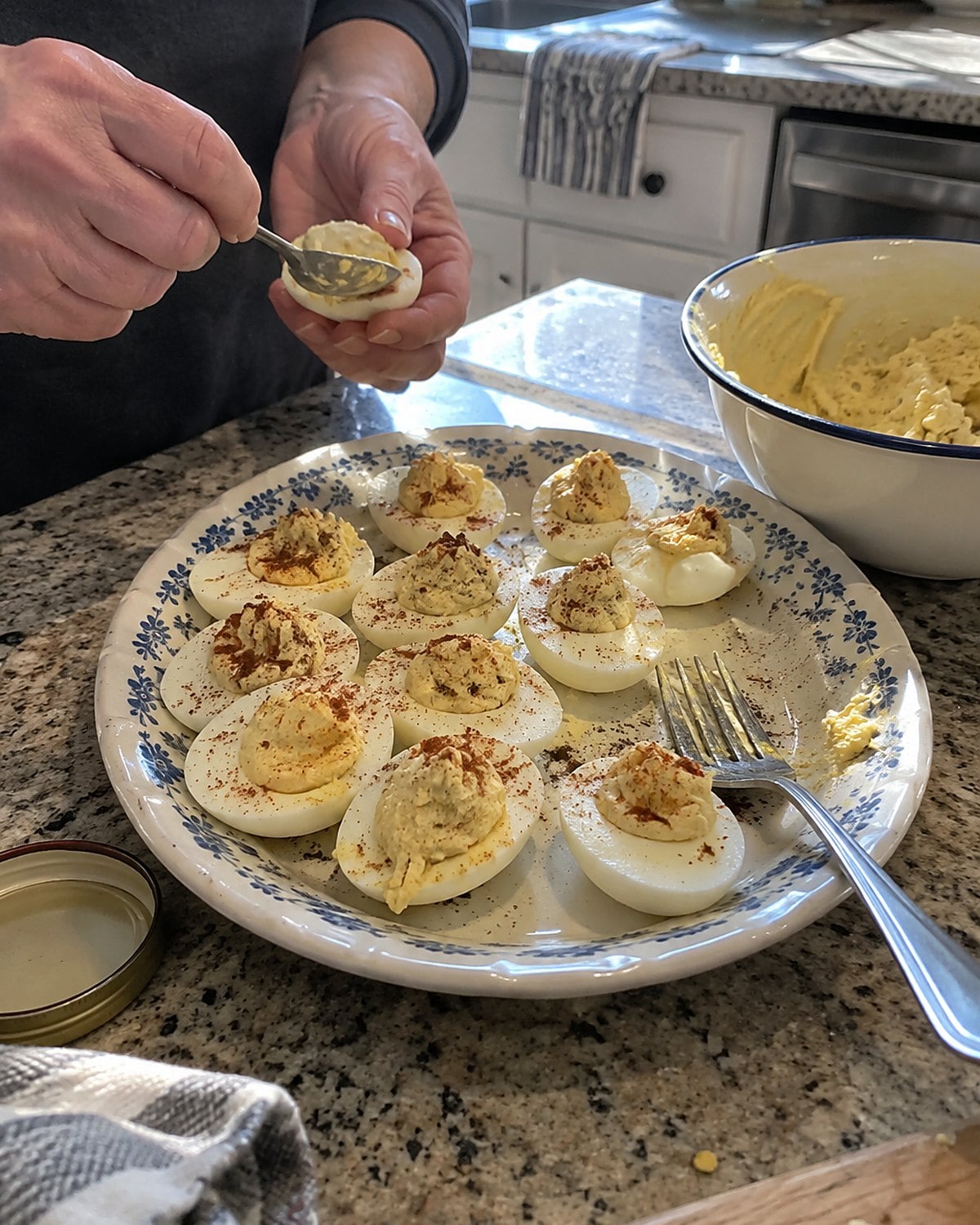
The platter looks fine until you try to lift an egg half and leave part of the white behind. A damp filling makes a deviled egg hard to carry, hard to serve, and impossible to set down neatly after someone has taken a look.
Dry the cut whites with a clean towel before you fill them. Mash the yolks first; add mayonnaise a spoonful at a time. Stop when the filling holds a ridge from the fork. You want enough moisture to make it smooth, but enough body to stay where you put it.
A little mustard gives the yolk a sharper finish. Taste the filling before it goes into the whites, then taste it again with a piece of white. That second bite tells you what your guests will get.
#22 Green Beans With Ham Hock
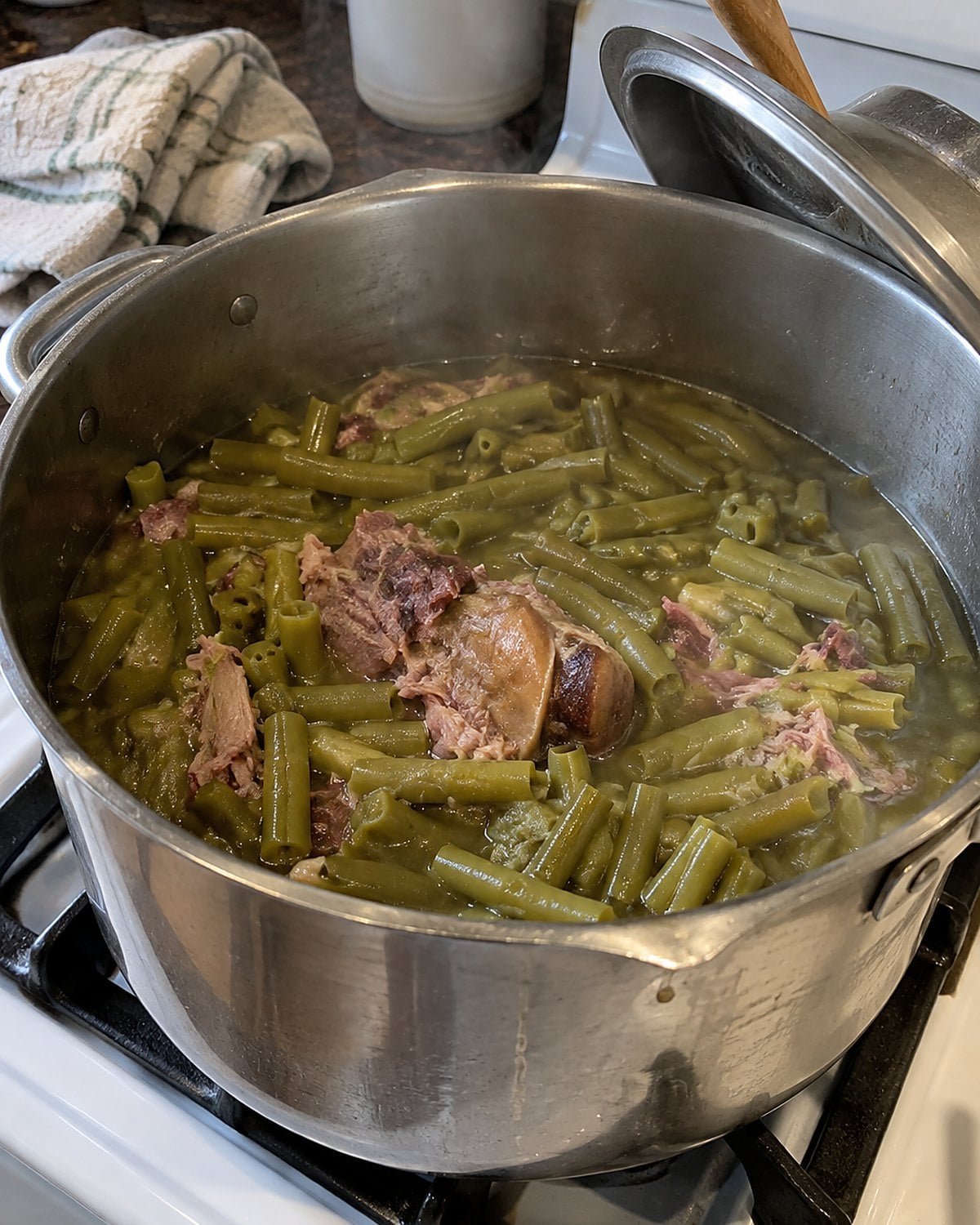
The lid rattles. Steam slips past the handle. For a long time, green beans with ham hock ask for nothing but a low burner and an occasional look into the pot. Then the broth changes smell, and you know supper is getting close.
Put the ham hock in water first so it has time to give the liquid its smoky taste. Add onion if that’s how your family knows the dish. The beans go in later, after the broth tastes worth eating. Add them too early and their flavor disappears into the pot before the meat loosens.
Check the broth before reaching for the salt. A ham hock has already seasoned it, and reducing the liquid concentrates that salt.
Lift out a bean, bend it against the spoon, and take a bite. It should be tender enough to eat with a fork, with some green bean flavor left. Carry some broth along with the beans. At the far end of a potluck line, those last servings need it.
#21 Baked Beans Beneath a Dark Crust
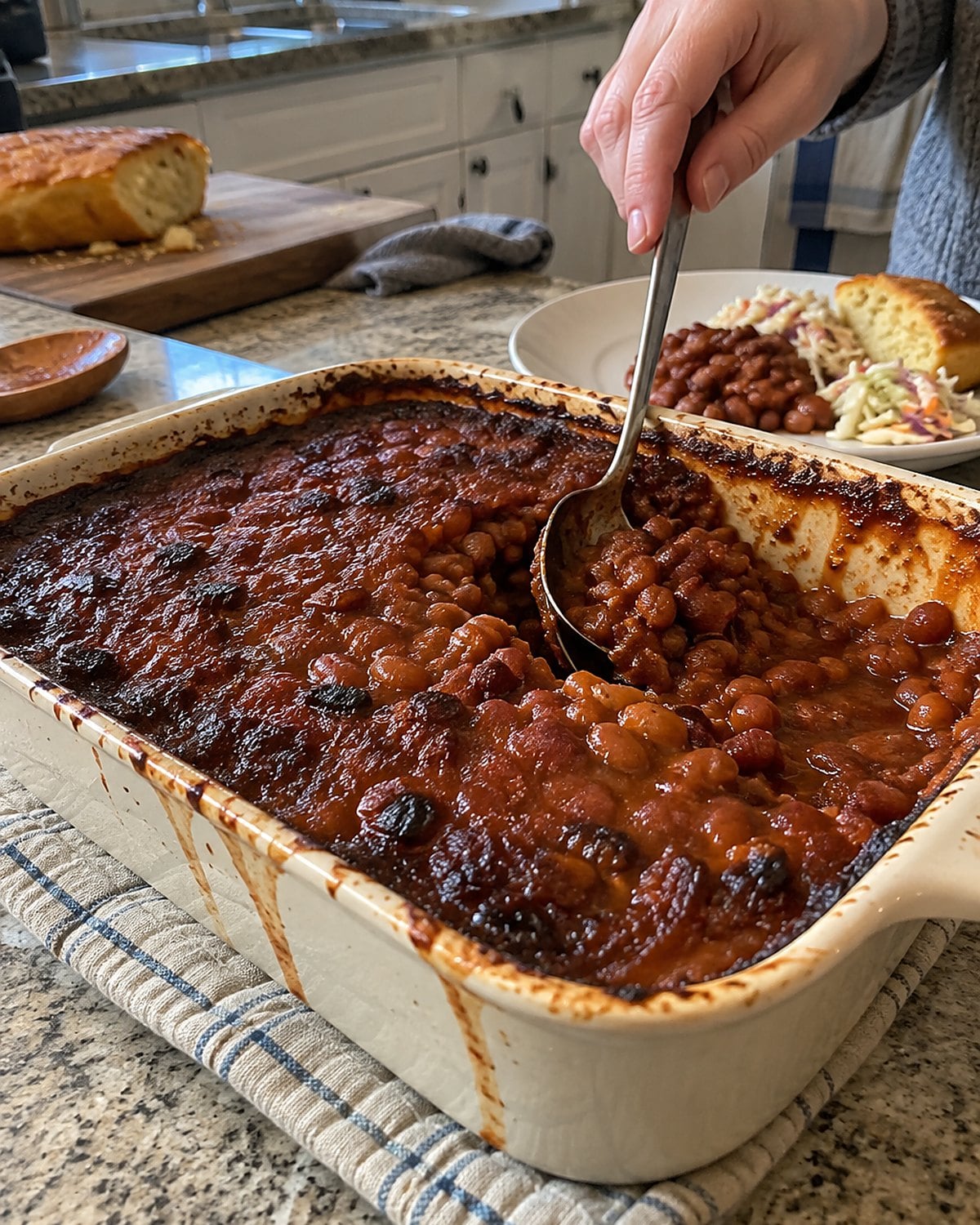
There’s a difference between a dark top and a pan of dried-out beans. The first gives you sweet, browned spoonfuls. The second leaves people scraping the edges and looking for a drink.
Start with beans that have enough liquid to move when you stir them. In the oven, the surface loses moisture before the middle does. Use a wide dish when you want more browned top, and a deeper one when the beans have a long wait before serving.
Check beneath the crust with a spoon rather than judging from the color alone.
Taste for salt after adding bacon or another cured meat. Taste for sweetness after the beans are hot. Once you like both, leave the pan alone long enough for the top to brown. Someone will ask for that corner serving.
Try it: Instant Pot Baked Beans (Vegan & Gluten-Free)
#20 Macaroni Salad From the Big Bowl
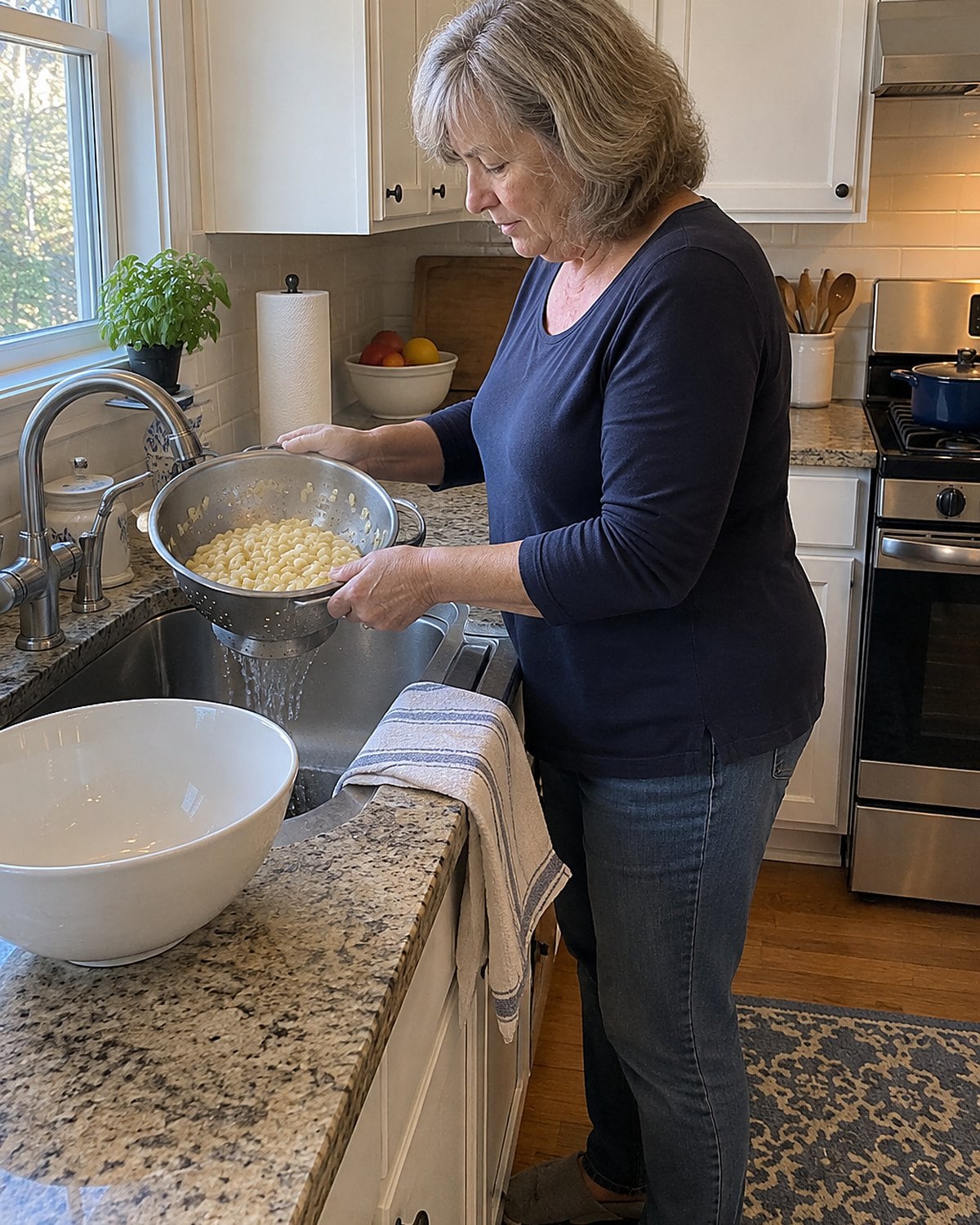
The big bowl comes out of the upper cabinet, the one too wide for ordinary Tuesdays. Macaroni salad belongs in it. You can make enough for a long table without tending a burner all morning, then carry the bowl home nearly empty.
The pasta needs a firm bite when you drain it. It keeps taking in moisture after the dressing goes on, so overcooked elbows turn soft before anyone reaches the serving line. Rinse away the heat, drain well, and shake the colander. Water caught inside the elbows thins a dressing you worked to get right.
Dress the pasta, let it chill, and check it once more before leaving. The first spoonful tells you whether it needs a little more dressing and salt.
If you add chopped celery, cut it small enough to turn up in every bite. The same goes for onion. Nobody wants the single forkful that got most of it.
Try it: Creamy Macaroni Salad With Peas & Ham (Instant Pot, Stovetop)
#19 Three Bean Salad in a Jar
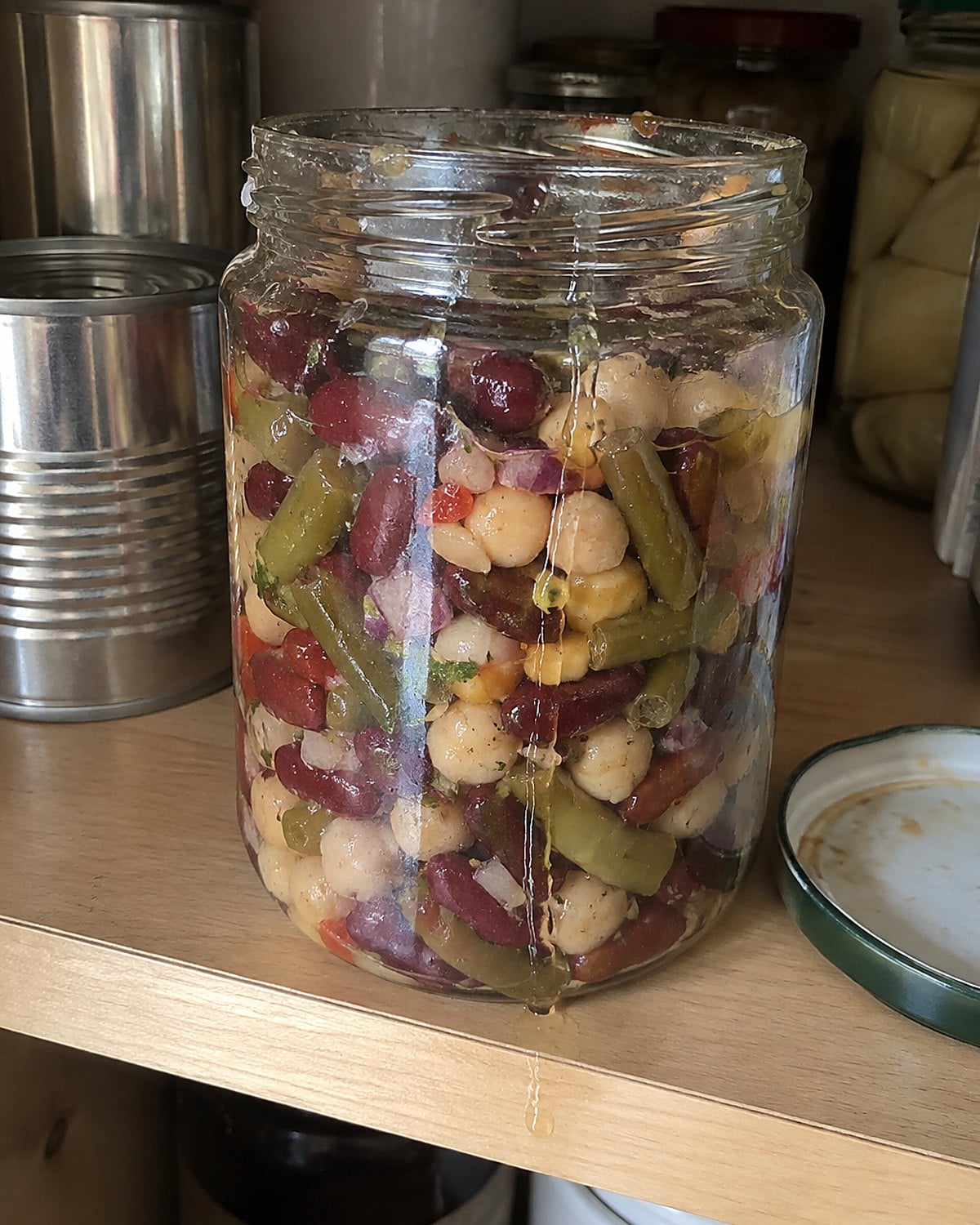
What’s waiting on your pantry shelf when the stove is full and the phone keeps ringing? Three bean salad starts with those cans. Drain them well, then give the beans time with a sharp dressing.
Use beans with different shapes and textures. Kidney beans hold their shape; green beans bring a softer bite. Rinse canned beans if the packing liquid tastes tinny or too salty, then drain until the colander stops dripping.
A watery salad leaves its dressing at the bottom of the bowl.
Whisk the vinegar, oil, sugar, and salt before the beans go in. Taste a bean after it has sat in the dressing, not a spoonful of dressing by itself. The beans should taste bright all the way through the bite.
#18 Lasagna That Slices Cleanly
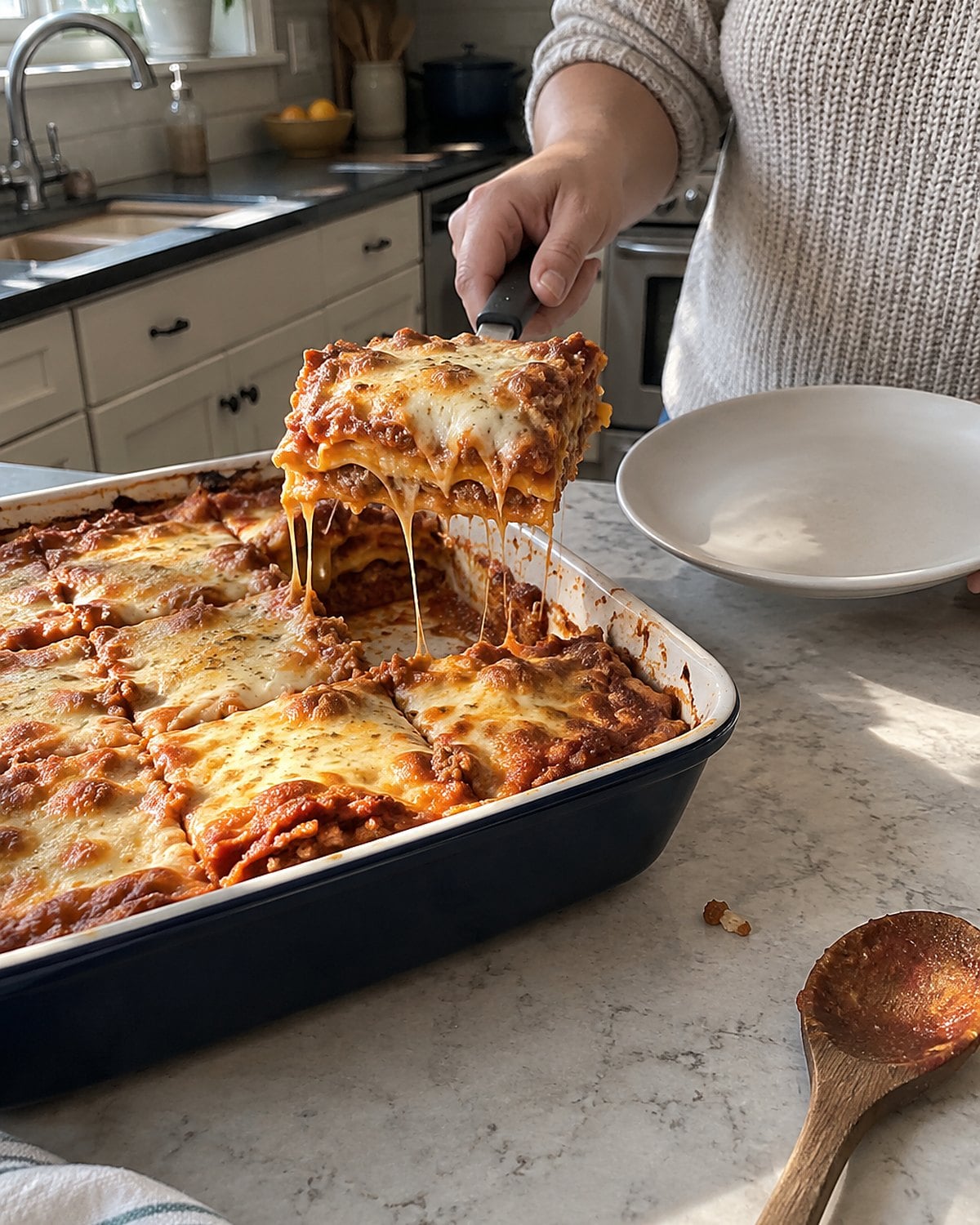
Ever watched the sauce run into the space where a lasagna square ought to be? The knife went down too soon. It still tastes good, but lifting the first serving takes half the pan with it.
The fix begins before baking. Keep the sauce thick enough to cling to a spoon, and spread the filling all the way to the corners. Dry pasta edges stay hard; crowded mounds of filling push the layers apart. If you’re using meat, brown it fully and drain off excess fat before it joins the sauce.
Then give the baked pan a rest. Twenty minutes makes a noticeable difference when you lift the first square.
A clean slice is satisfying. So is the bit of sauce left for bread.
#17 Coleslaw That Won’t Leave a Puddle
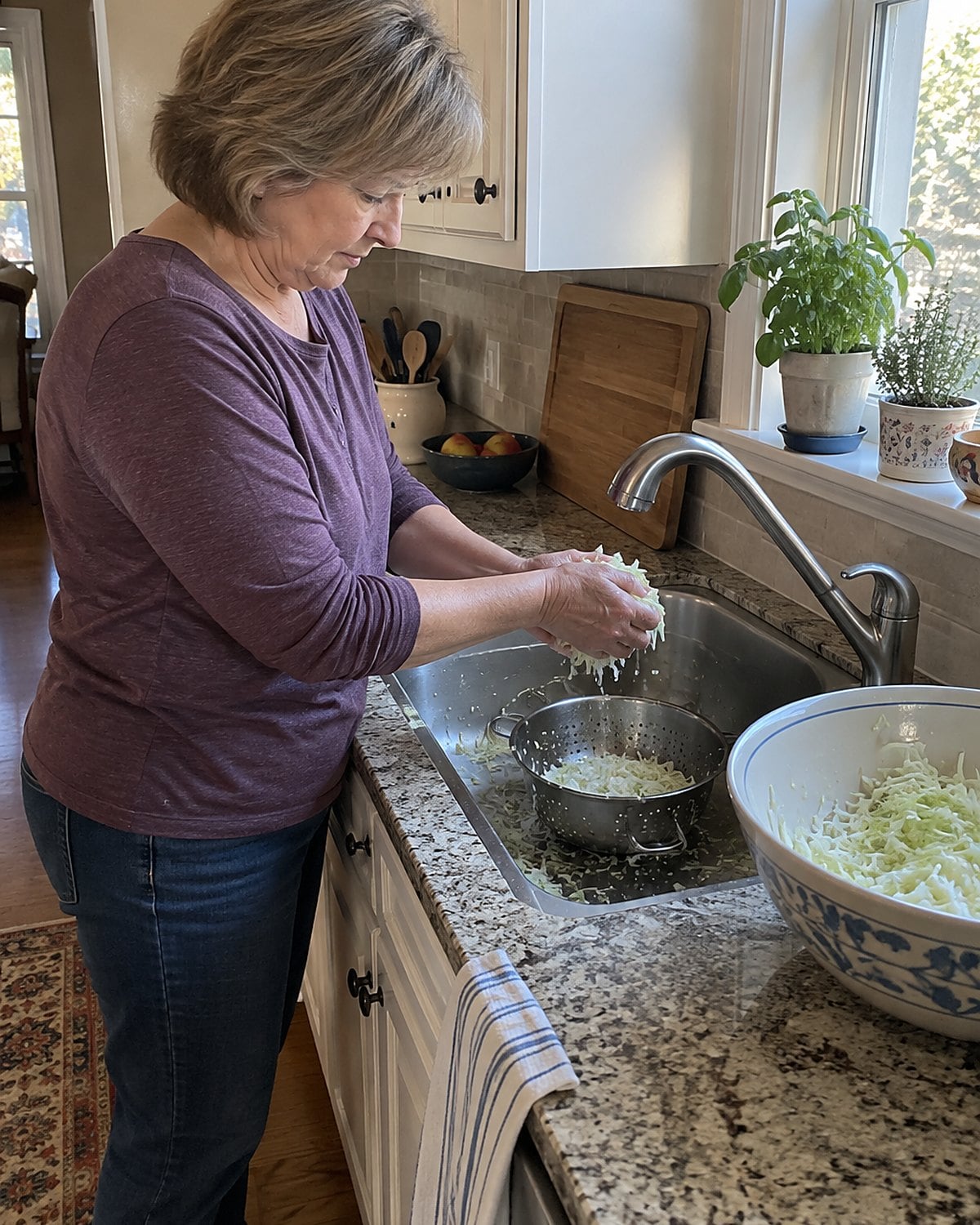
“I’ll bring the slaw.” It’s an easy promise to make when you’re already going to the market. A cabbage and a carrot take up little room in the cart. The surprise comes later, when the bowl fills with liquid and the dressing slides off every shred.
Salt the shredded cabbage, let it stand briefly, then squeeze out the released water. Don’t crush it into a wad; give it a firm handful at a time. Now the dressing has a better chance of staying on the cabbage.
Cut the shreds short enough to eat without pulling half a forkful back onto the plate.
Taste for acid at the end. Rich mayonnaise needs the lift of vinegar or lemon. If you’ve been using the same dressing for years, keep it. Change the cabbage step and see what happens when the bowl gets passed down the table.
#16 Cornbread Dressing in a Shallow Pan
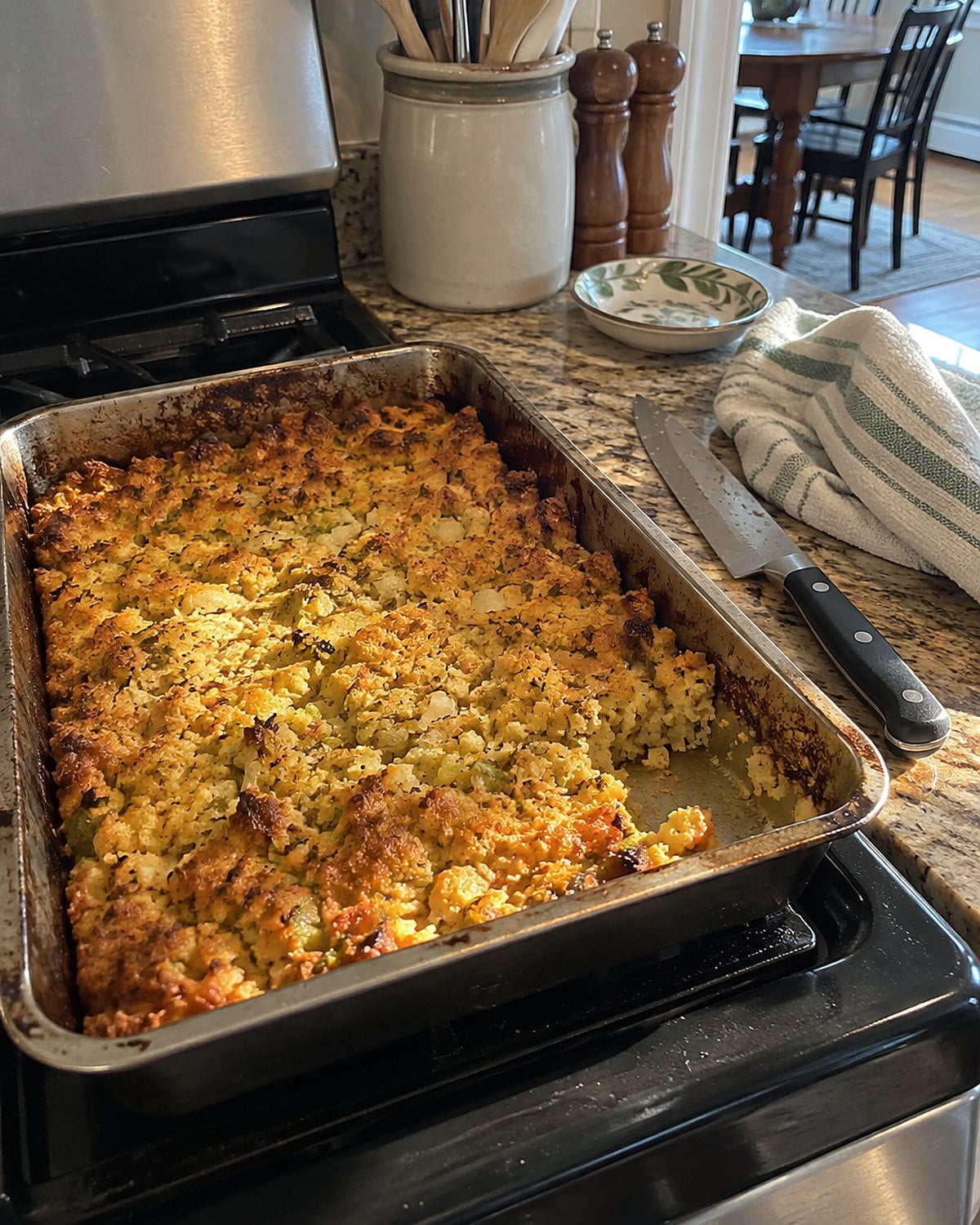
How do you tell when cornbread dressing is ready to come out? The top looks done well before the middle stops feeling wet. A deep dish makes that difference harder to judge, especially when someone is waiting at the door with her coat on.
Dry the cornbread before mixing. Fresh, soft crumbs collapse as you stir in broth; drier pieces keep some shape and leave spaces for the liquid to settle. Cook the onion and celery first, so they’re tender when the dressing is done.
Then add broth in stages, stopping when the mixture holds together without sloshing.
Spread it in a shallow pan. You’ll get more browned edges and a center you can check with the tip of a knife. If the dressing contains sausage, cook the sausage before it goes in. A pan baked beside the turkey is easier to watch than stuffing tucked inside the bird.
Keep some broth in reserve. If a reheated serving looks dry, a spoonful of warm broth brings back the part everyone came for.
#15 Skillet Cornbread With Crisp Edges
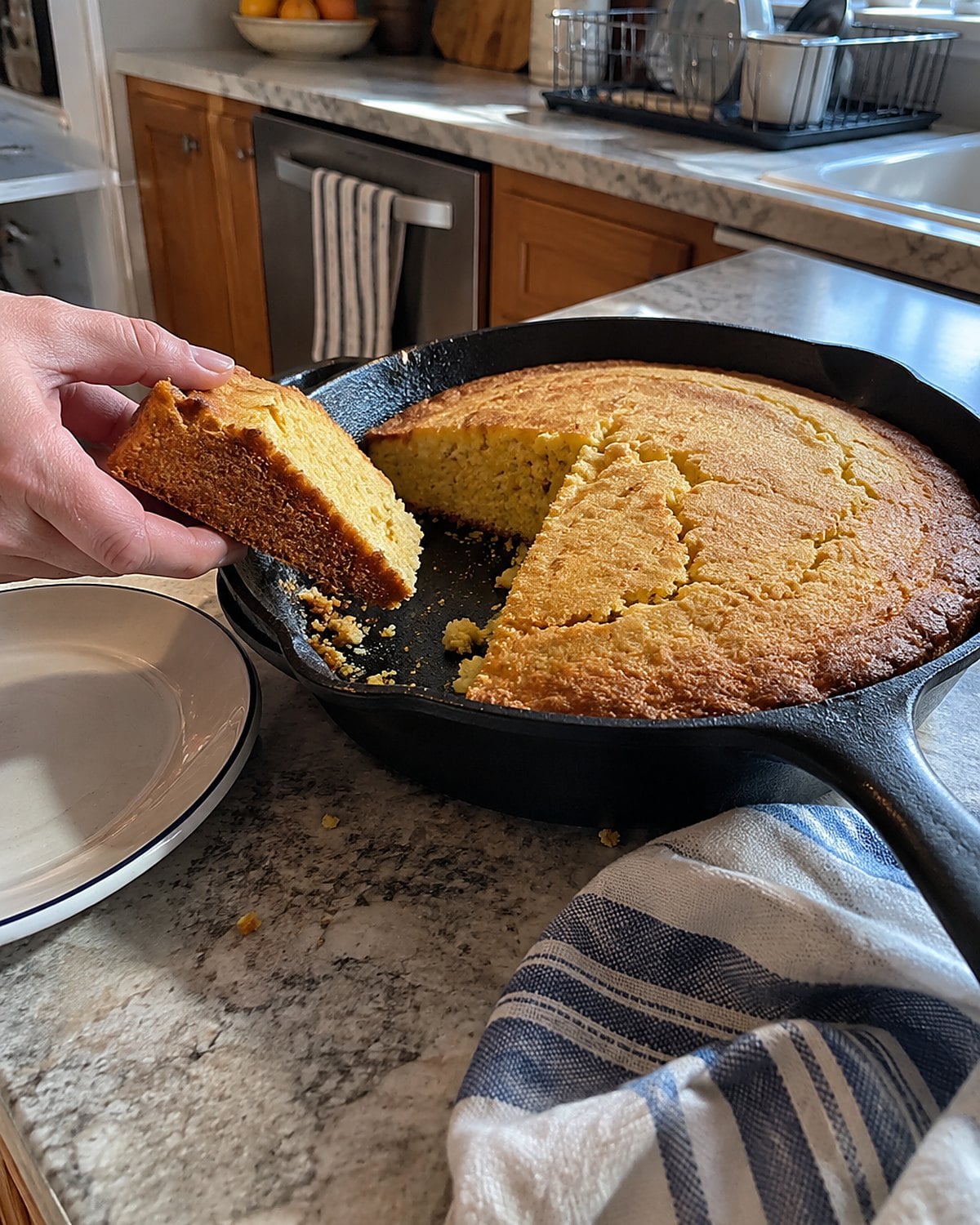
The batter hits hot fat with a hiss. That sound tells you the cast-iron skillet was ready, and the bottom of the cornbread has started forming its crust before the pan even returns to the oven.
Heat the skillet first, add the fat, and pour the batter in while the metal is hot. The surface should set around the edge. A cool pan gives you cornbread, but not that crisp rim people break off while they’re waiting for the meal.
Set the skillet on a sturdy surface before you pour; it’s heavy, and a towel slips under its handle.
Let the bread stand before cutting. Steam finishes moving through the middle, and the slices hold together better on a crowded buffet plate. Taste a corner plain. You’ll know whether it needs butter at the table or whether the crust has already made its case.
#14 Potato Salad With Tender Centers
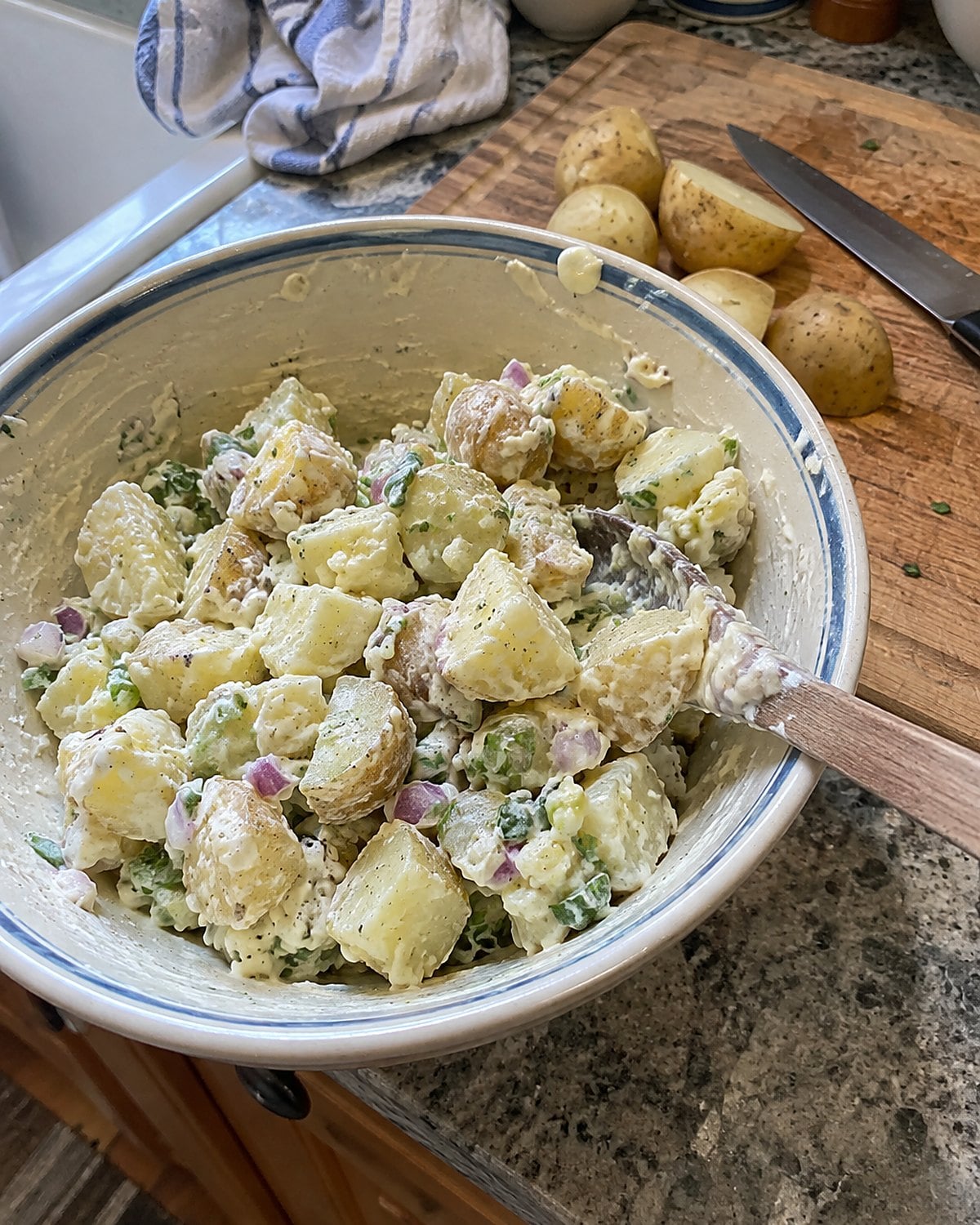
A potato looks done from the outside long before its center agrees. You’ve found that out with a knife through a beautiful salad: the slices hold together, but the middle tastes firm and unfinished.
Start checking potatoes with a thin knife. It should pass through the center without meeting a hard spot, while the potato still keeps its shape. Cut them into similar sizes before cooking, or leave small potatoes whole and check each size separately.
Drain them well; water left in the pot goes straight into the dressing.
Season the potatoes while they’re warm, when a little vinegar or pickle brine has room to soak in. Wait until they’ve cooled before adding a mayonnaise dressing. Then taste an actual piece of potato. Salt in the dressing alone won’t reach the center.
Try it: Instant Pot Potato Salad With Eggs & Creamy Dressing
#13 Pickle Tray That Disappears
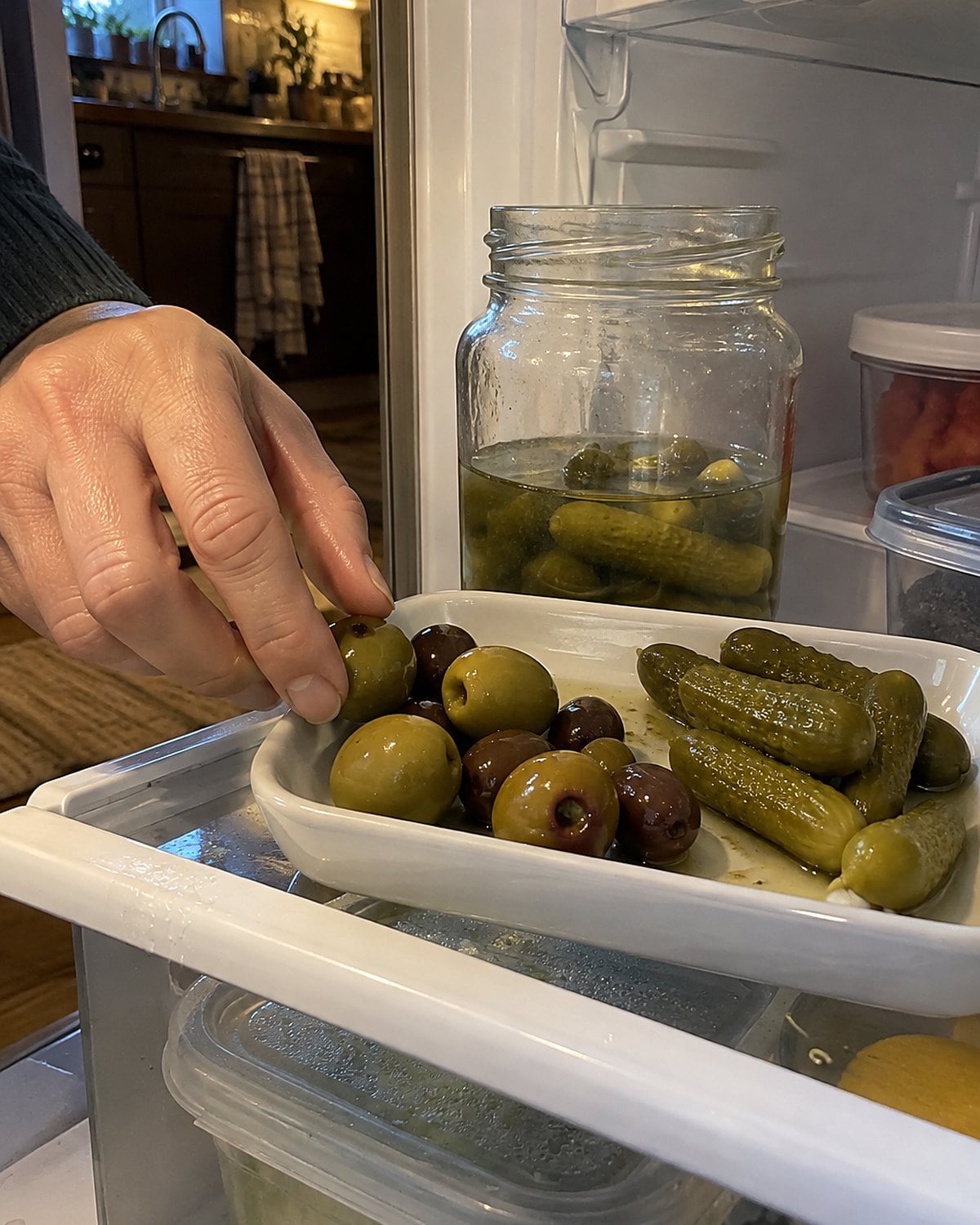
The pickle tray looks like the least demanding thing on the table. Then the casseroles come out, and its sharp little pieces disappear between helpings of cheese and gravy.
Give people a mix of bites: dill pickle spears, olives, pickled onions, or whatever already lives in your refrigerator. Drain everything before it reaches the tray. A pool of brine runs into the crackers beside it and turns the serving spoon slippery.
Keep strong flavors in separate sections so the olives don’t make every pickle taste like an olive. You’ll see which section people come back to before the main course is served.
#12 Meatloaf Slices for a Crowd
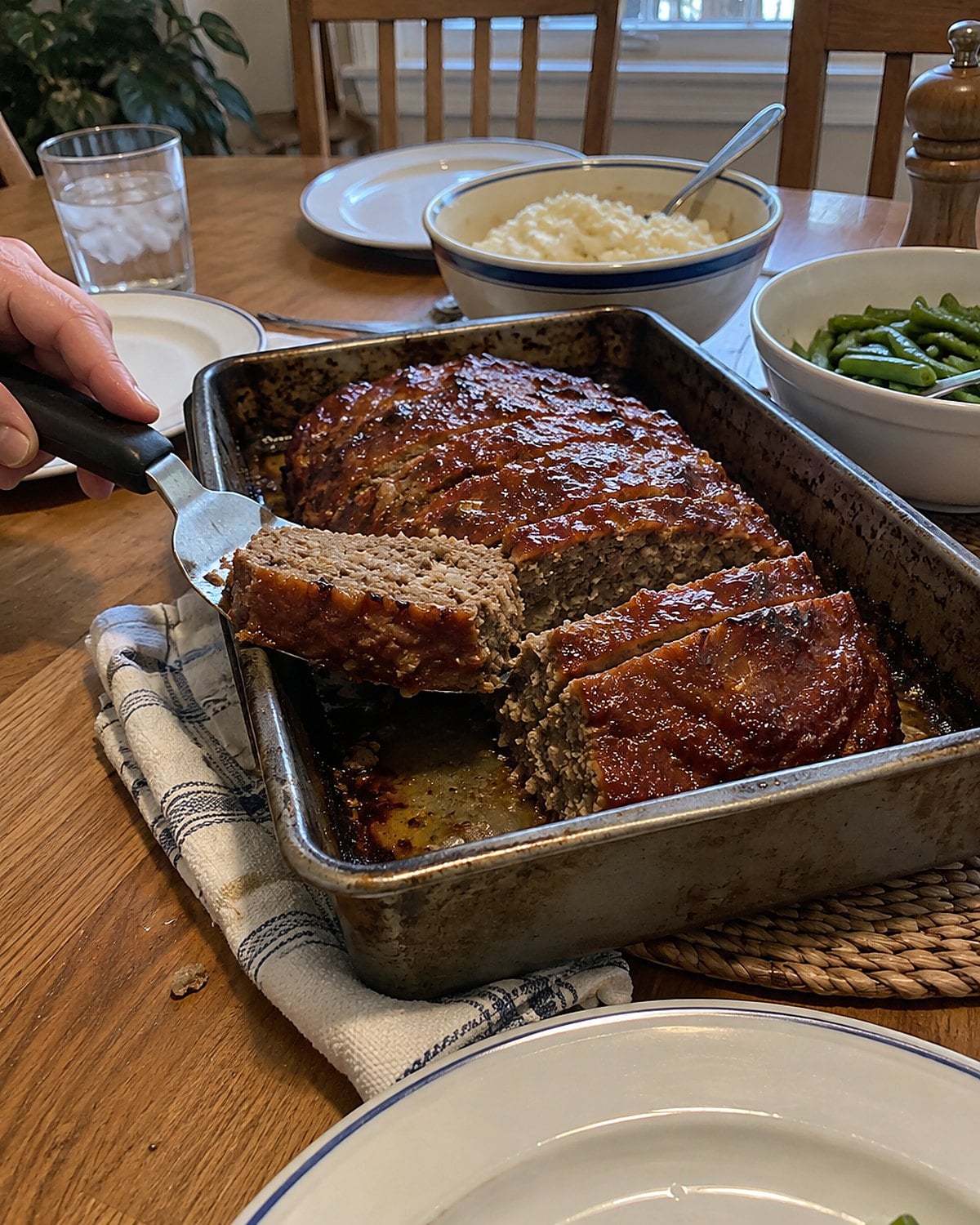
At home, meatloaf comes to the table in the pan. At a potluck, someone has to lift a slice with one hand while holding a paper plate with the other. That changes how you make it.
Mix the seasonings into the wet ingredients before they meet the ground meat. You won’t have to work the mixture hard to spread salt and onion through it. Shape the loaf with an even thickness, leaving room around it in the pan for hot air to reach the sides.
A deep pool of fat makes the bottom greasy.
Use a thermometer, not the color of the juices. The USDA’s Safe Minimum Internal Temperature Chart gives 160°F for ground meat. Push the tip into the center without touching the pan. After cooking, let the loaf rest before slicing so each piece stays in one piece.
Bring a spatula broad enough to support a whole slice. Put sauce on top or alongside, whichever your family expects. Years later, someone still remembers the meatloaf whose slices didn’t fall apart halfway to the table.
Try it: Instant Pot Meatloaf With Barbecue Bacon
#11 Cheesy Potatoes With Browned Corners
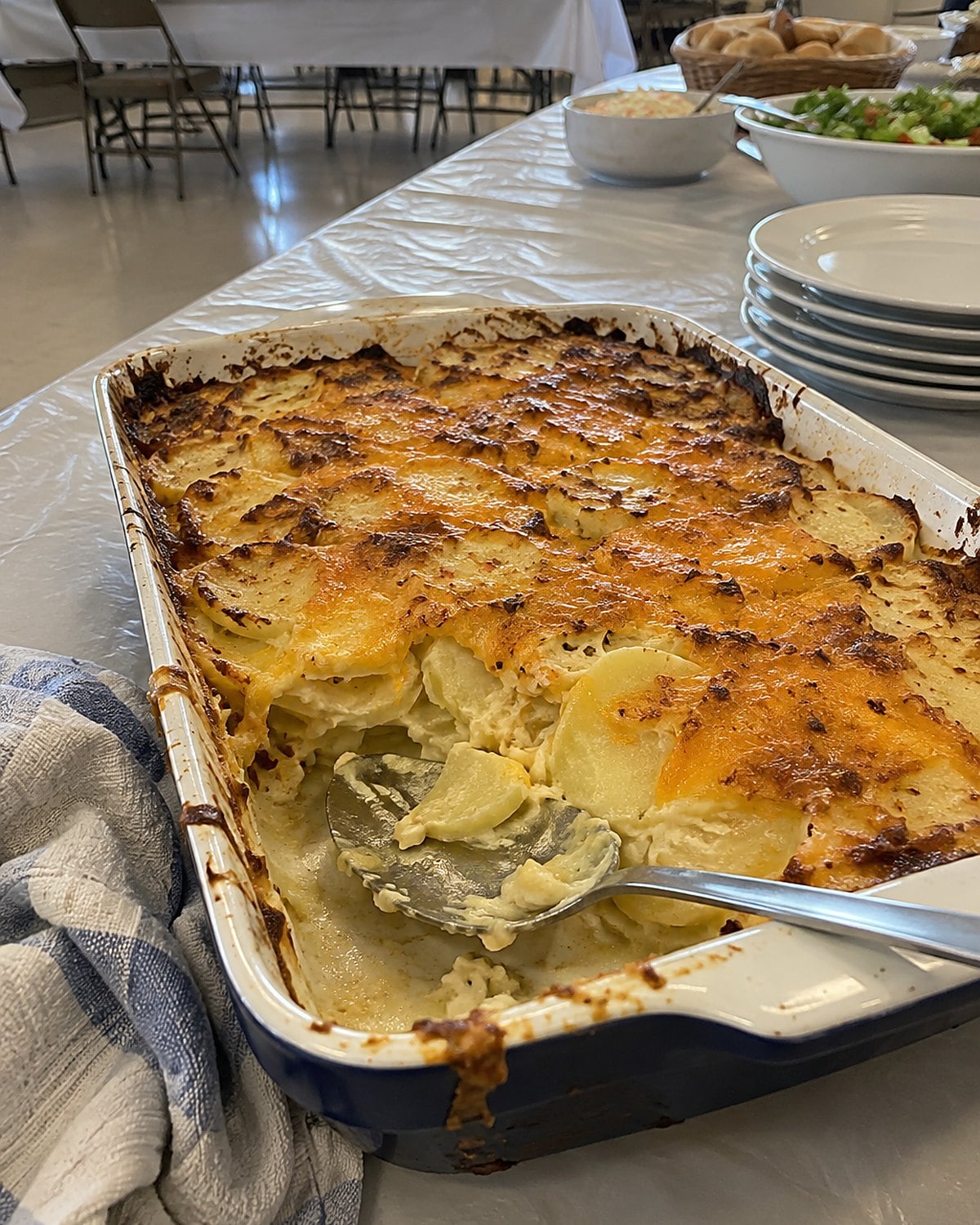
The corners go first. Someone lifts a square of cheesy potatoes and takes a little extra from the browned edge, and you know the top did its work.
Before the pan goes into the oven, spread the potatoes evenly. Thick spots stay dense while thin spots dry out. If you’re using frozen shredded potatoes, break up the hard clumps so sauce reaches them. Cover the pan while it heats through, then uncover it to brown the top.
Browning from the start leaves a dark surface over a cool middle.
Push a knife into the center and touch the blade carefully. It should come out hot, with tender potato on it. Give the pan a short rest before serving; the sauce thickens enough to stay with each spoonful. Leave the serving spoon in the dish. The person behind you in line will thank you.
#10 Chicken Casserole Under Buttered Crumbs
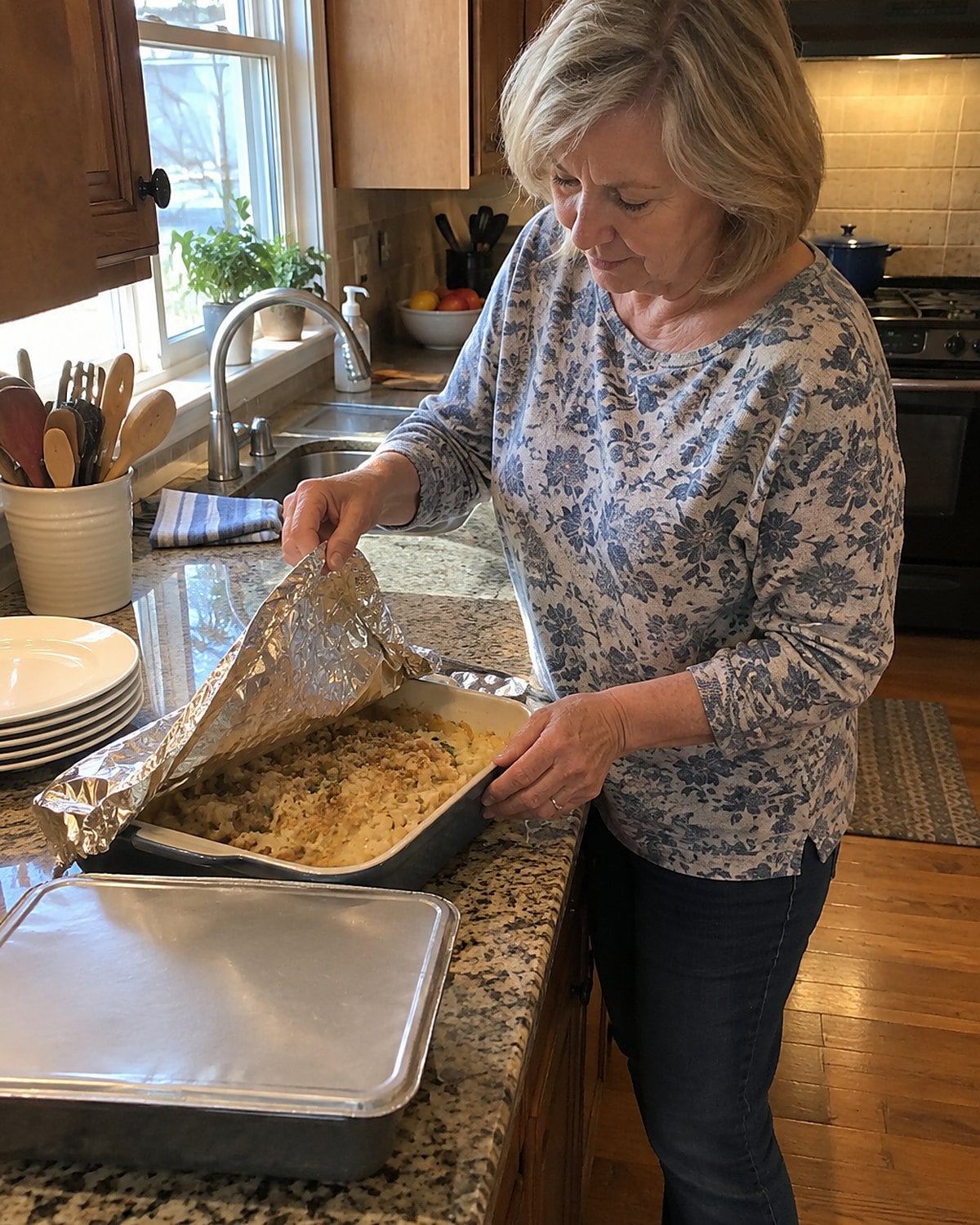
You’ve carried a chicken casserole into a church hall and lifted the foil to find the crumb topping stuck to it. The dish was fine. Still, you spent time on that top, and you wanted it on the chicken.
Bake the casserole uncovered for the last stretch so the crumbs dry and brown. Let it stand before covering for travel. A sheet of parchment held above the topping by the dish’s rim helps keep foil from touching it. If the topping has already lost its crunch, don’t scrape it off.
It still gives the creamy filling a little contrast.
If raw chicken is part of your version, check the center with a thermometer. The USDA’s Safe Minimum Internal Temperature Chart gives 165°F for poultry. For a chilled, cooked casserole you’re reheating, the USDA’s Leftovers and Food Safety guidance also calls for 165°F in the center.
Taste a bite with both filling and topping. That’s the balance worth getting right, not the neatness of the foil.
#9 Rice Pudding in Small Cups
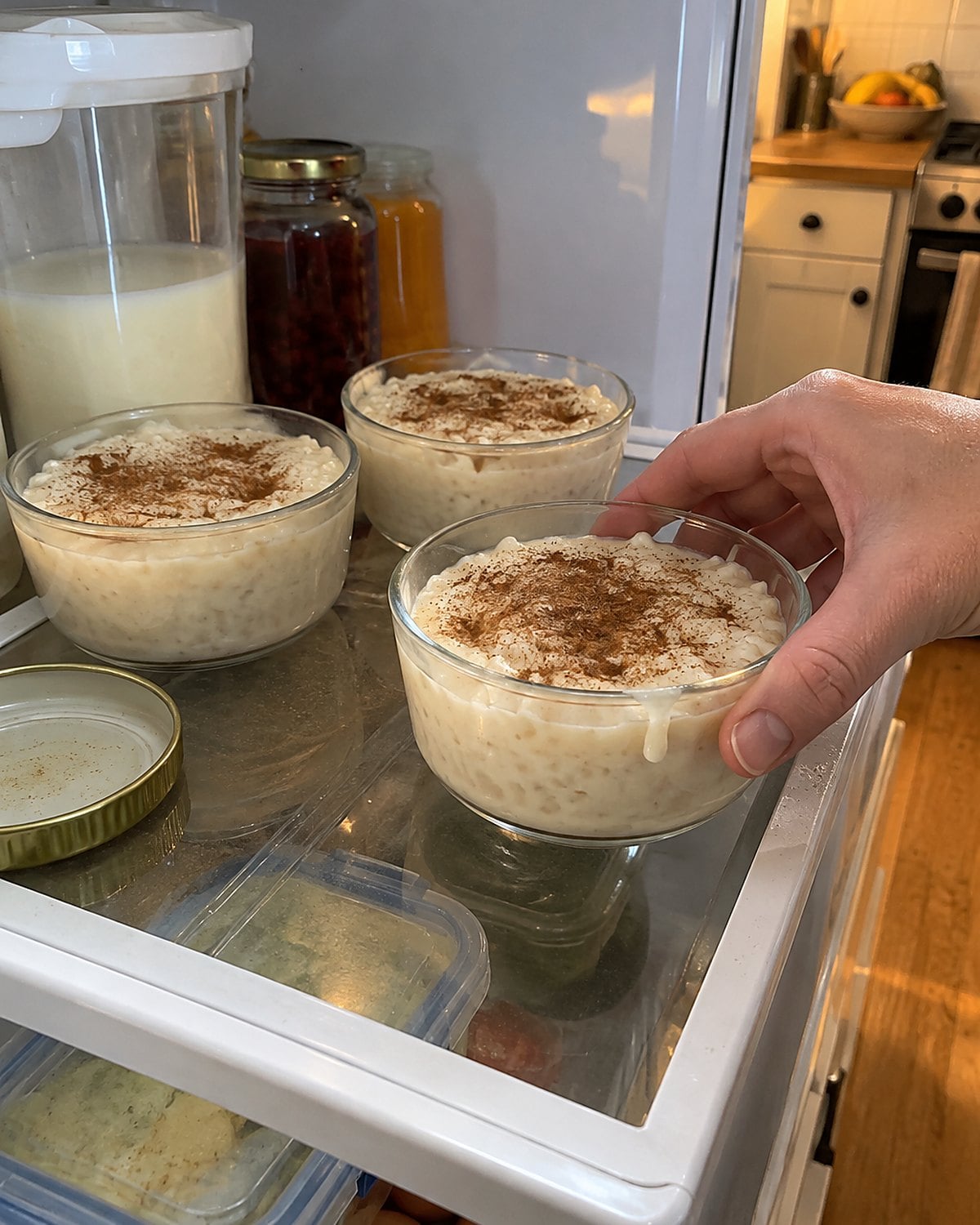
One large bowl of rice pudding takes a serving spoon and a little faith. Small cups let people pick one up, especially when the dessert table is crowded and nobody has found the clean spoons yet.
Cook the rice until its center is tender before you judge the pudding around it. Cooling thickens the milk mixture, so stop cooking while it still moves slowly when stirred. A stiff pudding in the saucepan becomes firmer in the refrigerator.
Spoon it into cups while it still flows off the spoon. Once chilled, tip a cup slightly. The pudding should hold its shape but yield when you press the surface with a spoon. If it sets too firm, stir a splash of cold milk into a cup and taste before adjusting the rest.
Cinnamon goes on after portioning if you want the top to stay distinct. Taste a spoonful with it before you scatter cinnamon across every cup. Some guests want the plain, milky taste they remember.
Save a few cups for your own refrigerator. The next day, you’ll know whether the texture was right without waiting for someone else to say so.
Try it: Instant Pot Rice Pudding (+10 Delicious Variations)
#8 Peach Cobbler With a Crisp Top
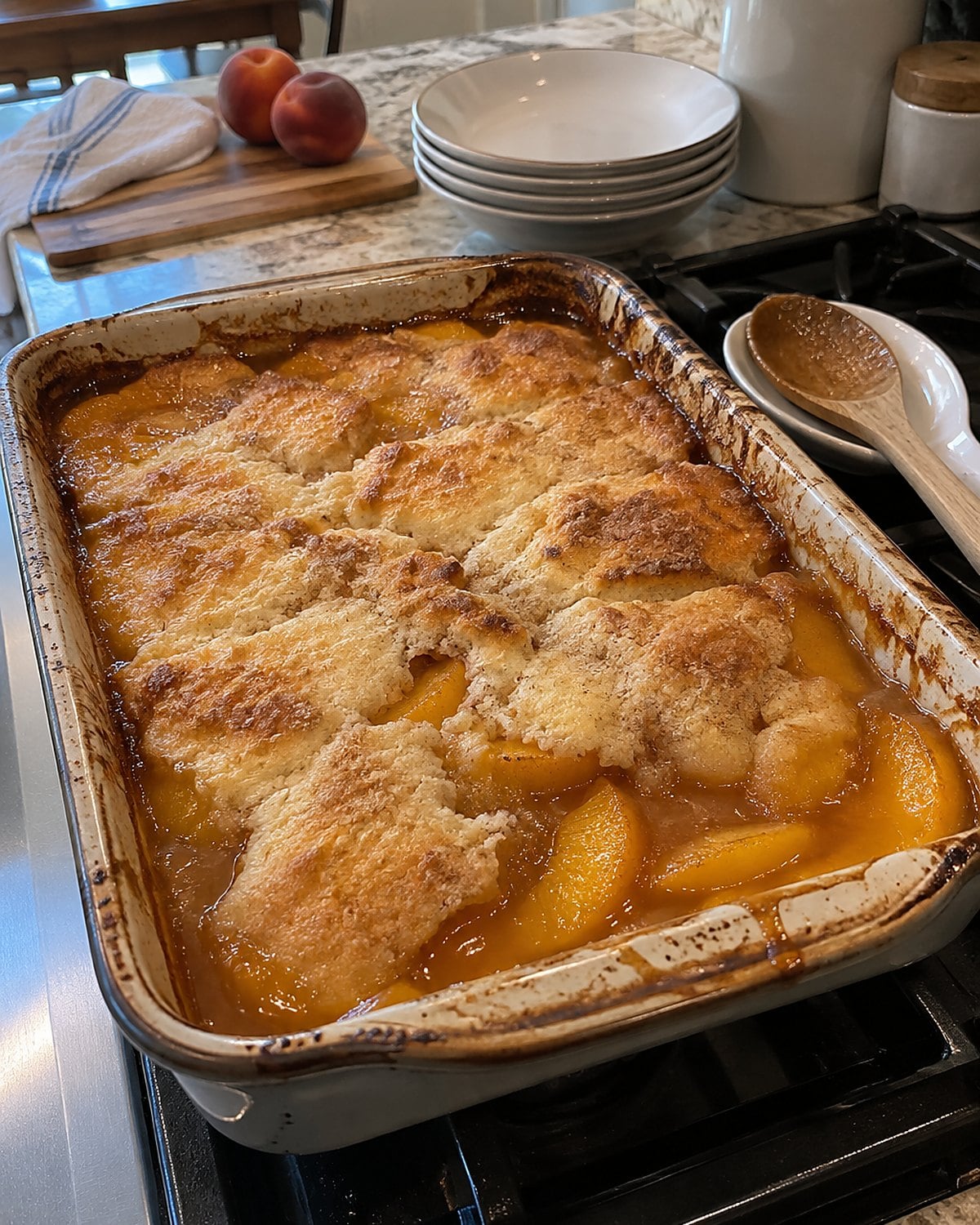
The peach juice bubbles up at the edge, and the top smells done. Then you scoop through the middle and find a patch of damp batter. Cobbler has a habit of showing its best face before its center catches up.
Spread the fruit in an even layer. A mound of peaches under the middle holds more moisture there, while the edges cook faster. If the peaches are very juicy, taste the fruit and its liquid before you cover them. The finished cobbler needs the fruit to taste like peaches, not just sugar.
Look for bubbling in the center as well as at the edge. Break a small patch of topping with a spoon: the underside should look cooked, not glossy with raw batter.
Give the dish time to settle before the trip, since boiling fruit juice runs easily over a low rim. At the table, skip the delicate first scoop. Go right down through fruit and topping. That’s the serving people remember when they ask whether you’re bringing cobbler again.
#7 Banana Pudding With Visible Layers
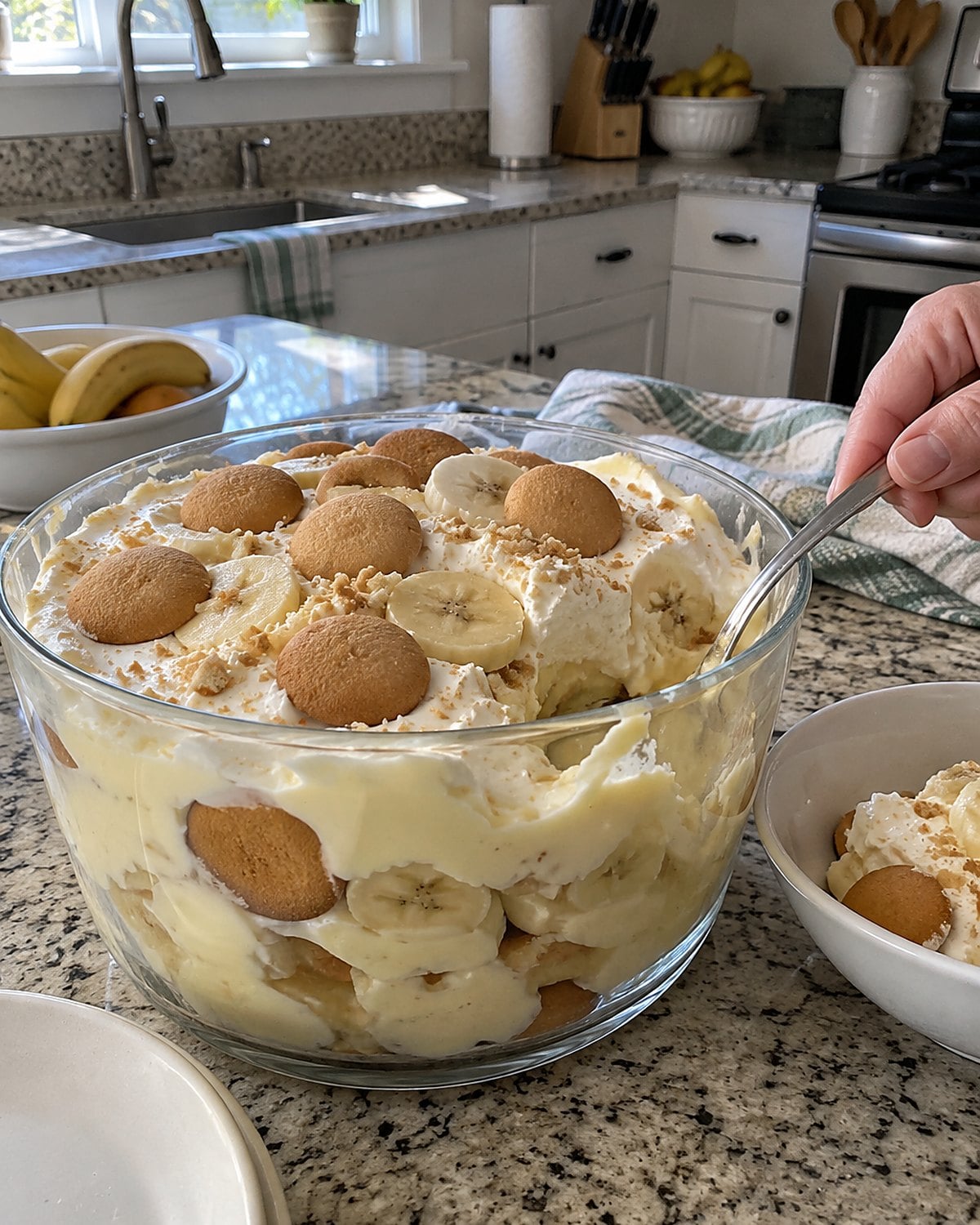
A clear bowl tells you what happened to the banana pudding before anyone takes a bite. Vanilla wafers along the side, banana slices behind them, pudding tucked into every gap. It looks like the version you remember from a long table.
Build the layers so each spoonful gets all three parts. Thick slabs of banana slide around; thin slices settle between the wafers. Cover the banana with pudding as you work, rather than leaving cut fruit exposed while you hunt for the right serving bowl.
Set aside some wafers for the top if you like a little dry crunch against the softened ones below.
The wafers change as the pudding sits. Taste a spoonful after it has chilled, when the layers have had time to meet. Bring a long spoon that reaches the bottom. Otherwise the first guests get the creamy top, and the last ones find all the wafers.
#6 Sheet Cake for Grandchildren’s Hands
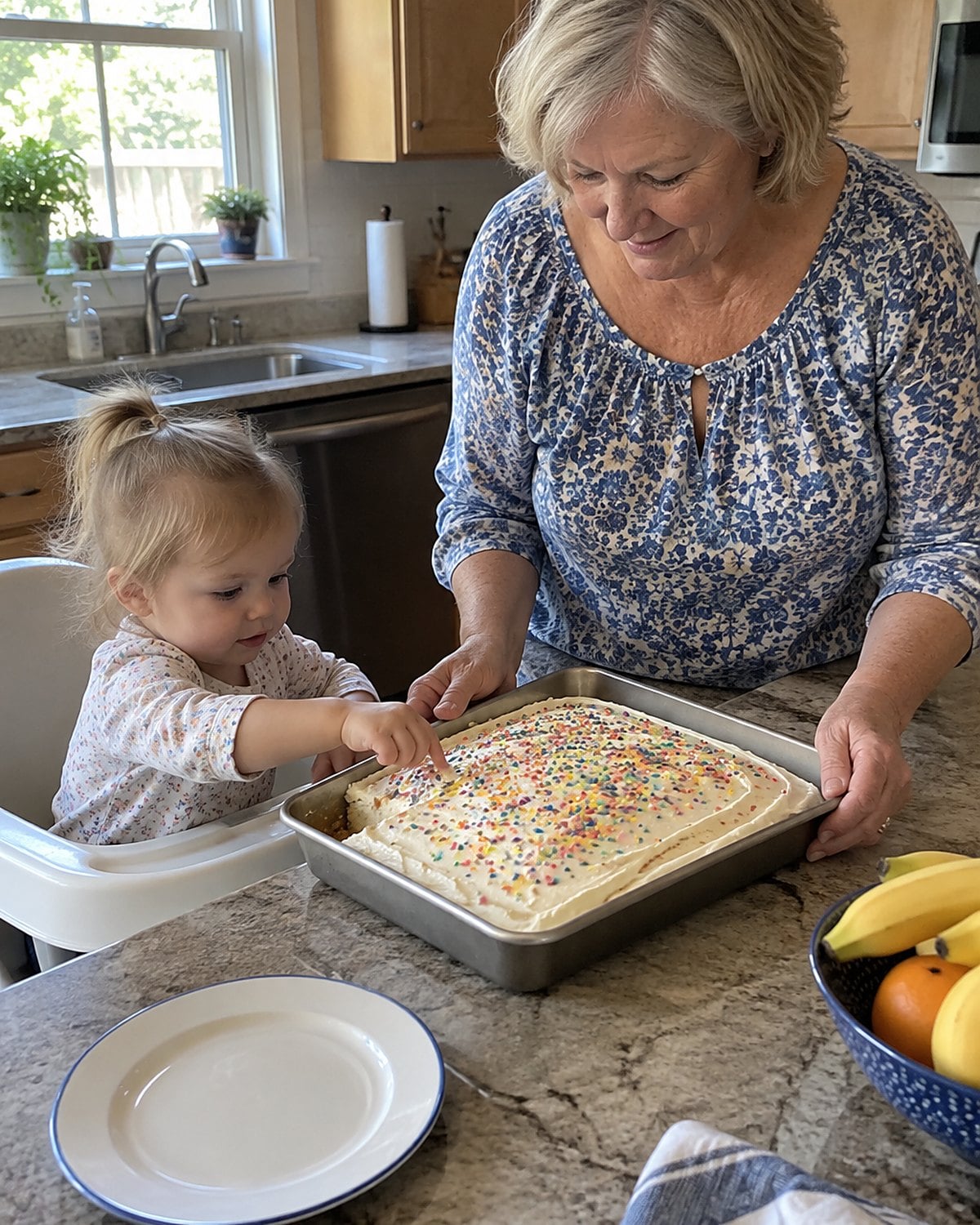
A grandchild spots the sheet cake from across the room. You haven’t even set down the pan, and there’s already a question about when dessert starts.
A wide pan makes thin, easy-to-share squares. Let the cake cool before spreading thick frosting; heat melts it into the crumb and leaves the top bare in places. If your cake gets a poured icing, follow the timing that goes with that icing instead. The church cookbook with the broken spine probably has both sorts on nearby pages.
Cut the cake in the pan after the frosting has settled. Wipe the knife between cuts if neat squares matter to you. If they don’t, leave a spatula and let people serve themselves.
Put the pan where small hands can reach only with an adult nearby, away from the coffee urn and its cord. Save a corner piece for the ride home. After everyone has had a square, that bit of edge tells you why you chose the wider pan.
#5 Chili That Stays Spoonable
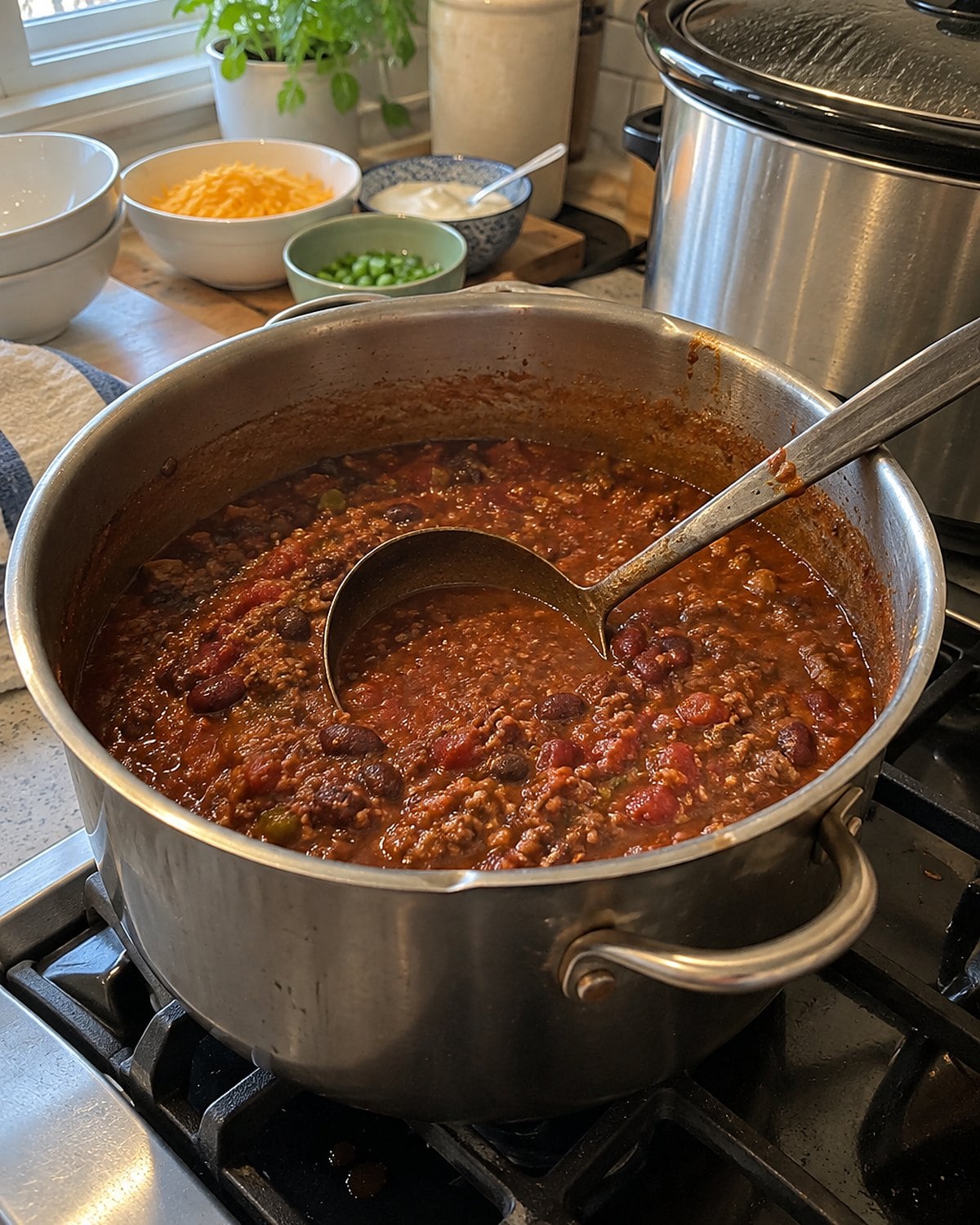
Chili looks loose on the stove and thickens while it waits. Beans and meat settle, steam leaves the pot, and the ladle starts standing at an angle. By the time the potluck begins, you’ve made something closer to a topping than a bowl of chili.
Stir from the bottom before you pack it. If it seems too thick, add a little water or unsalted broth, heat it through, and taste again. Adding liquid changes the salt and heat, so the last taste matters. Don’t count on toppings to fix a flat pot.
For serving, a slow cooker on its warm setting works only after the chili is fully hot. Check that it stays at 140°F or hotter, the hot-holding temperature in the FDA’s Serving Up Safe Buffets guidance. Leave the lid close by. Each time the line pauses, it keeps heat in and prevents a skin from forming.
Try it: Instant Pot Beef & Chorizo Chili
#4 Pasta Bake With a Finished Center
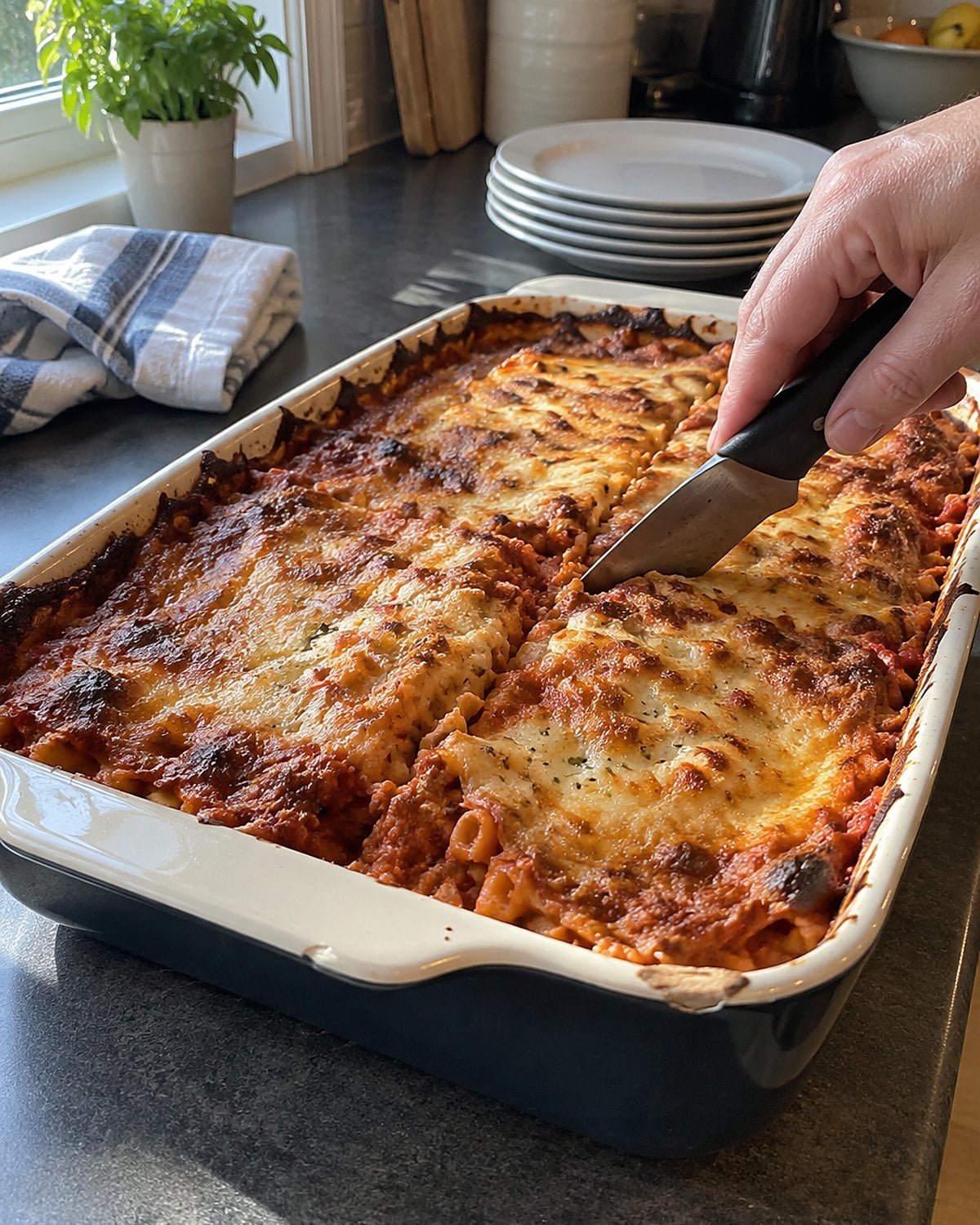
Your mother’s pasta bake went into the oven until the cheese browned. You learned to watch the top, and that habit served you well. A deeper dish, though, changes what the browned cheese tells you about the middle.
Undercook the pasta slightly before mixing it with sauce. It finishes in the oven as it takes in liquid. Spoon some sauce over the bottom of the baking dish before the pasta goes in, so the first serving lifts cleanly.
Then spread the pasta without pressing it down. Sauce needs room to move between the pieces.
Check the center before judging the top. Slide a knife in, leave it there briefly, and touch the blade carefully when you pull it out. If the center needs more heat but the cheese is dark, cover the dish and keep baking. If you’ve made the dish ahead and chilled it, give that cold center extra attention.
Let the bake stand before serving. A familiar forkful of pasta, sauce, and cheese is worth the wait.
#3 Buttered Dinner Rolls in a Basket
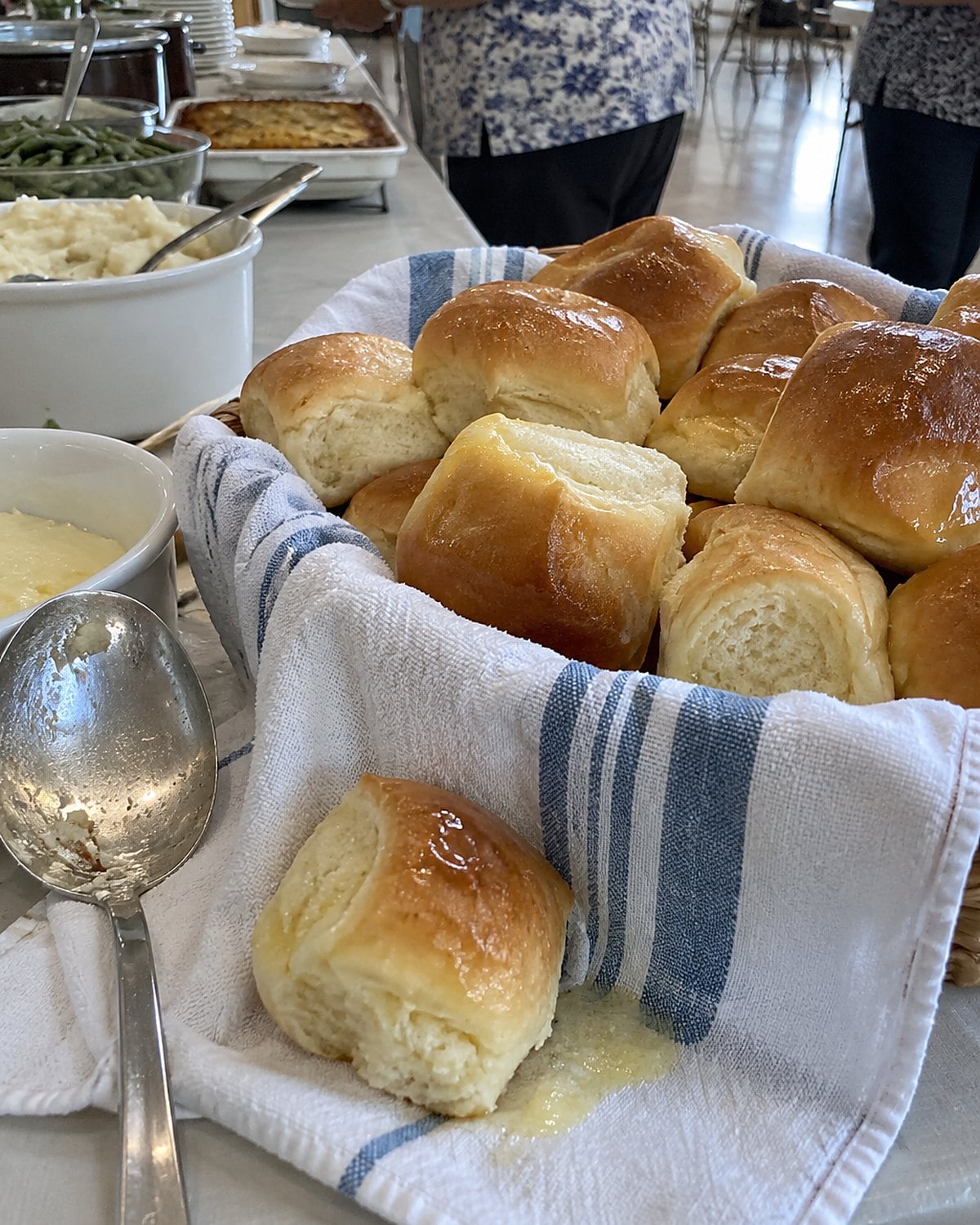
The rolls vanish while everybody is still deciding what else to eat. Put them out too early and the basket is empty before the main dishes open.
Warm the rolls close to serving time. If they’re baked already, wrap them so the oven warms them without drying their tops. Brush on melted butter when they come out, then cover the basket with a clean towel. The towel catches steam; a sealed plastic bag traps it against the crust.
Set out enough that people don’t have to reach across a hot casserole to get one. Bring a separate small plate for butter.
It’s a plain bit of planning, but the serving line moves better when the person holding a roll isn’t also trying to open a wrapper with one hand.
#2 Lemon Bars Beneath the Porch Light
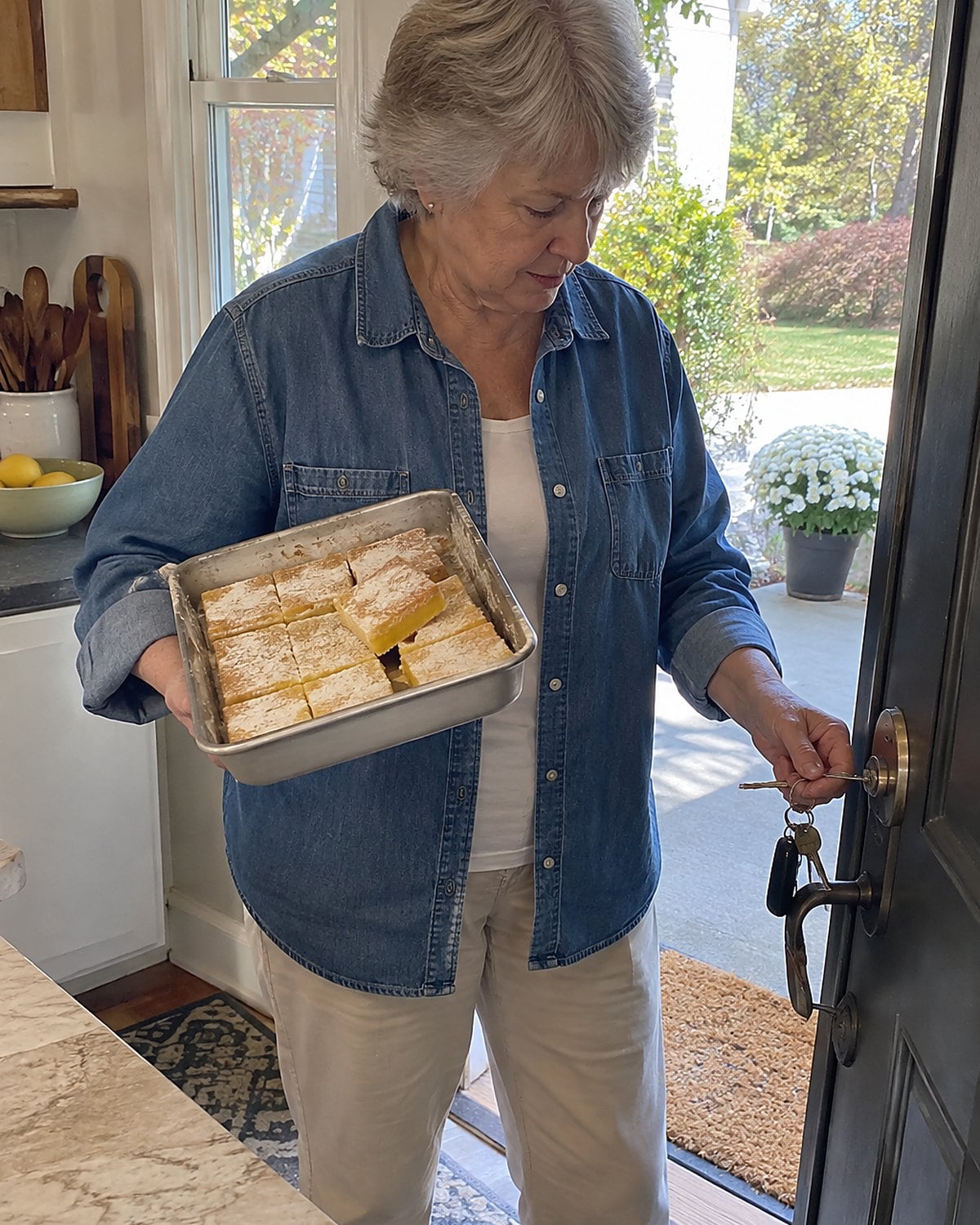
You’re balancing the pan at the door, looking for your keys, and remembering why lemon bars come along so readily. They travel flat. They sit neatly on a dessert table. Nobody has to ask whether the piece with the most filling is taken.
Bake the crust until it has color before adding the lemon layer. A pale, soft base stays damp under the filling. When the bars come out, look for a set center with a slight wobble, then let the whole pan cool before cutting.
A warm filling clings to the knife and pulls the crust loose.
Use a sharp knife and wipe it between cuts. Powdered sugar looks best just before serving, since it disappears into a damp surface as the bars wait. Bring the pan rather than stacking the squares in a box. You’ve done the work of making clean edges; there’s no reason to undo it in the car.
#1 The Potluck Bag Packed Before Bed
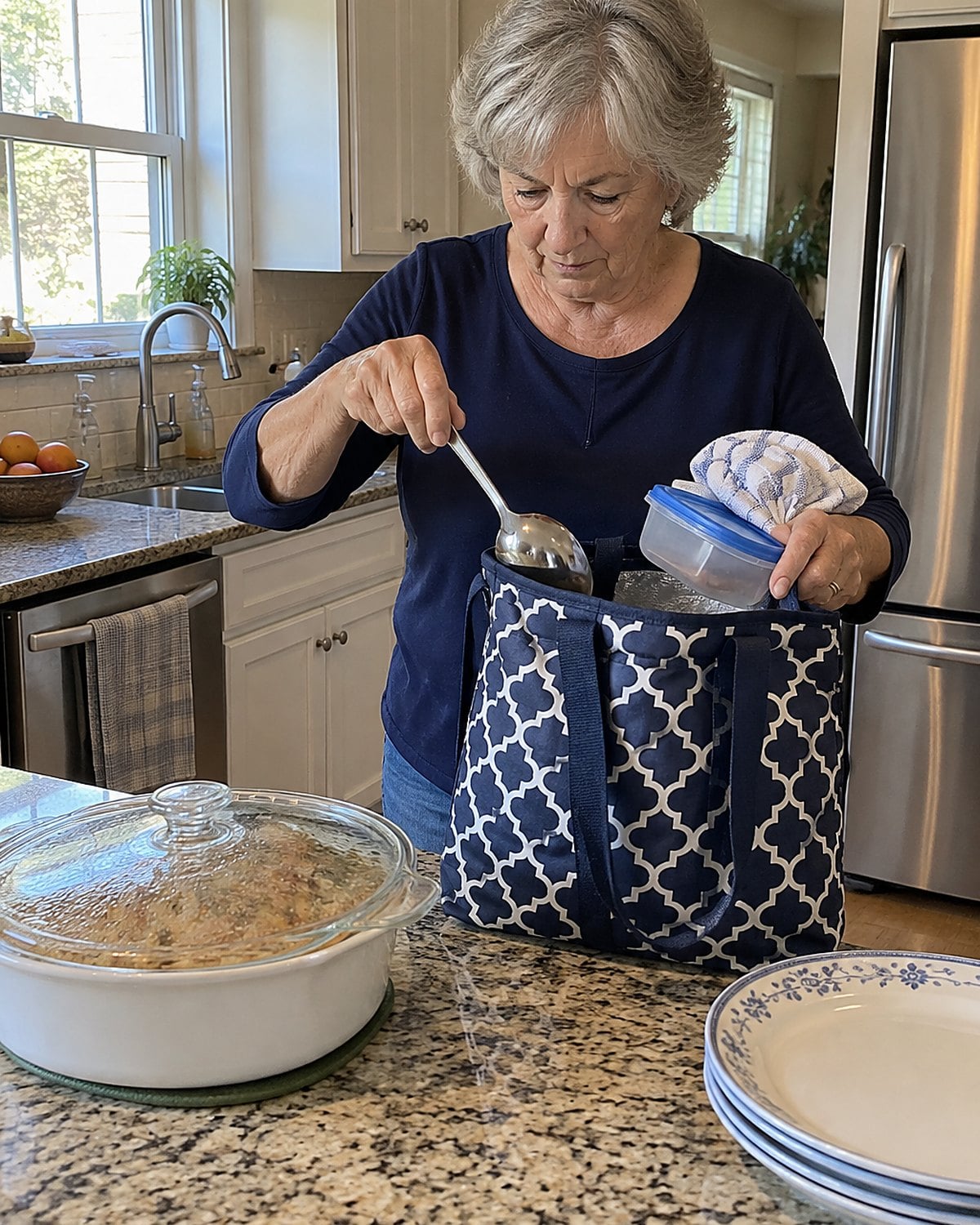
The dish is done. The foil is on. You’re halfway out the door when you realize the serving spoon is still in the drawer. This is the part of potluck cooking that nobody writes on the recipe card, though it decides how the dish reaches the table.
Pack a bag before bed. Put in the spoon or spatula that fits your dish, a towel for a hot handle, and the container you want to bring home. Add a card naming the dish and its ingredients so guests can check for allergens. Write your name on the bottom of the pan.
Match the trip to the food. Put cold dishes in a cooler with ice packs. For hot food, bring it hot and verify it stays at 140°F or hotter. Otherwise, refrigerate it before the trip and reheat it to 165°F at the destination. The USDA’s Leftovers and Food Safety guidance covers that reheating temperature.
Think about the table before you leave. The FDA’s Serving Up Safe Buffets guidance gives perishable food two hours out, or one hour when the air is above 90°F. A cooler and a thermometer answer different questions, and both belong in the plan.
For storage questions, check FoodKeeper. The USDA’s food safety pages are there when you need guidance for a particular dish.
At the other end, set down the pan and take out its own spoon. When it’s time to go, you already have somewhere for the leftovers. That’s worth remembering before the foil comes out.
The bottom line
The dishes that travel well ask for the same last look you’d give them at home. Taste the center. Check the texture.
The well-prepared version of you has already found the foil, packed the bag, and made room in the refrigerator. She hasn’t made a fancier casserole. She’s given the familiar one a better trip.
What’s the dish you know by the sound it makes in the oven, and what would you change before carrying it out the door again?
Leave a Reply