

Food-safety guidance in this article draws on the FDA, CDC, USDA, and National Center for Home Food Preservation. Check their current instructions when preparing food for guests.
The kitchen island is sticky before anyone has eaten dinner. A grandchild reaches past the cookie tin while his mother watches from the sink. You know the look: she has spotted the rum balls. You also know why the plate sits there. At your house, Christmas treats have always been out where people gather.
Still, a recipe and a serving spot are different decisions. You can keep the taste everyone remembers and change who gets first reach. The same goes for the dishes you grew up making, from raw-batter cookies to the punch bowl beside the stairs.

#27 The Divinity Candy That Takes Over the Counter
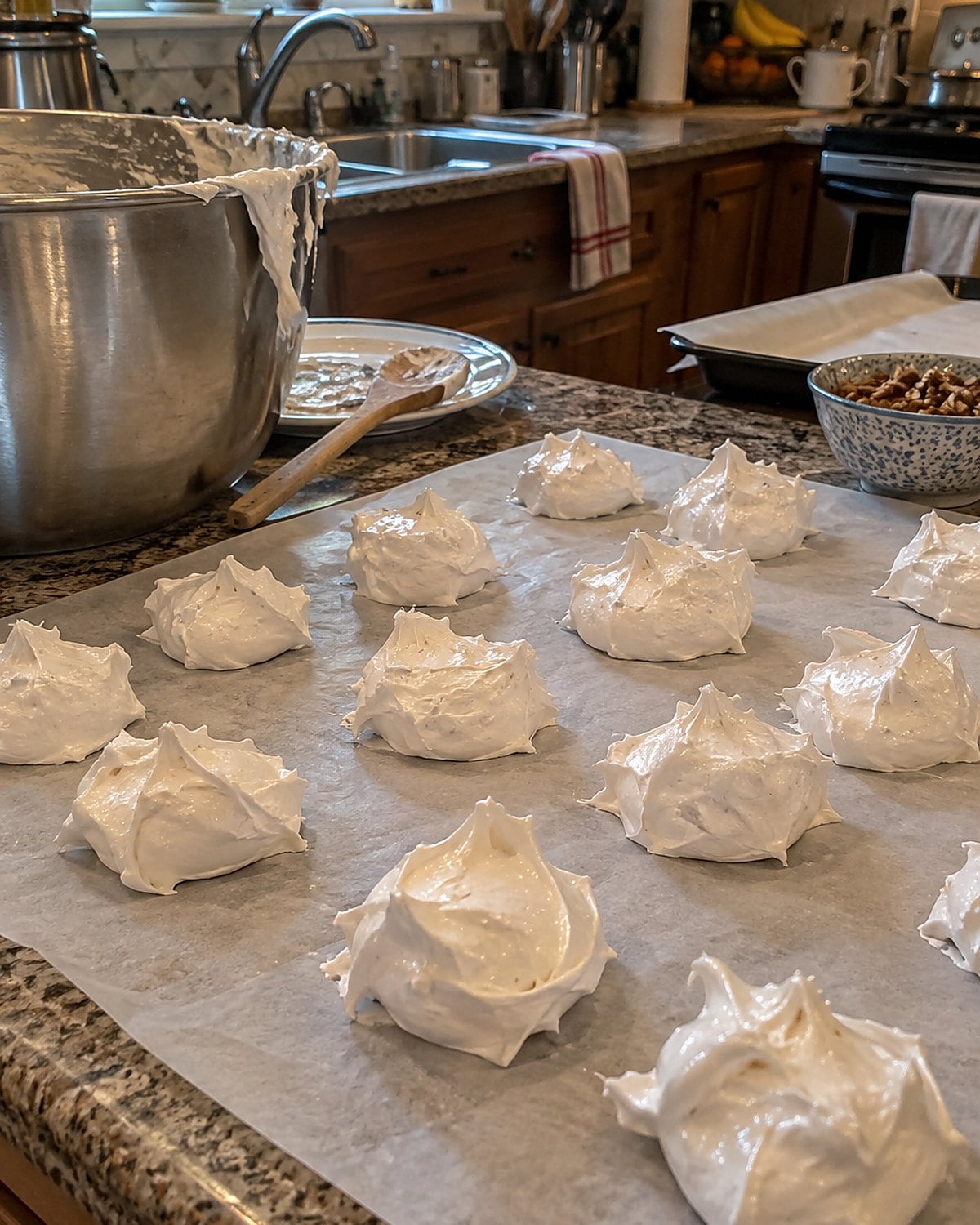
Divinity announces itself with a mixer running and a stretch of counter surrendered to cooling candy. The old recipe leaves little room for someone else’s Christmas breakfast prep. Then a child comes through, sees the white swirls, and wants one before you’ve finished the tray.
For the familiar texture, the syrup has to reach the stage your recipe calls for before it meets the beaten egg whites. A candy thermometer earns its drawer space here. Once you start beating, keep going until a spoonful holds its ridges instead of spreading flat.
Traditional recipes use raw or only partly cooked whites. For a batch headed toward small children, use a divinity recipe written for pasteurized egg whites and follow its method. Don’t swap them into the old card and guess.
Set the finished candy on a high shelf while it firms up, then put a few pieces out when everyone is ready for them.
#26 The Chocolate Mousse Made With Raw Eggs
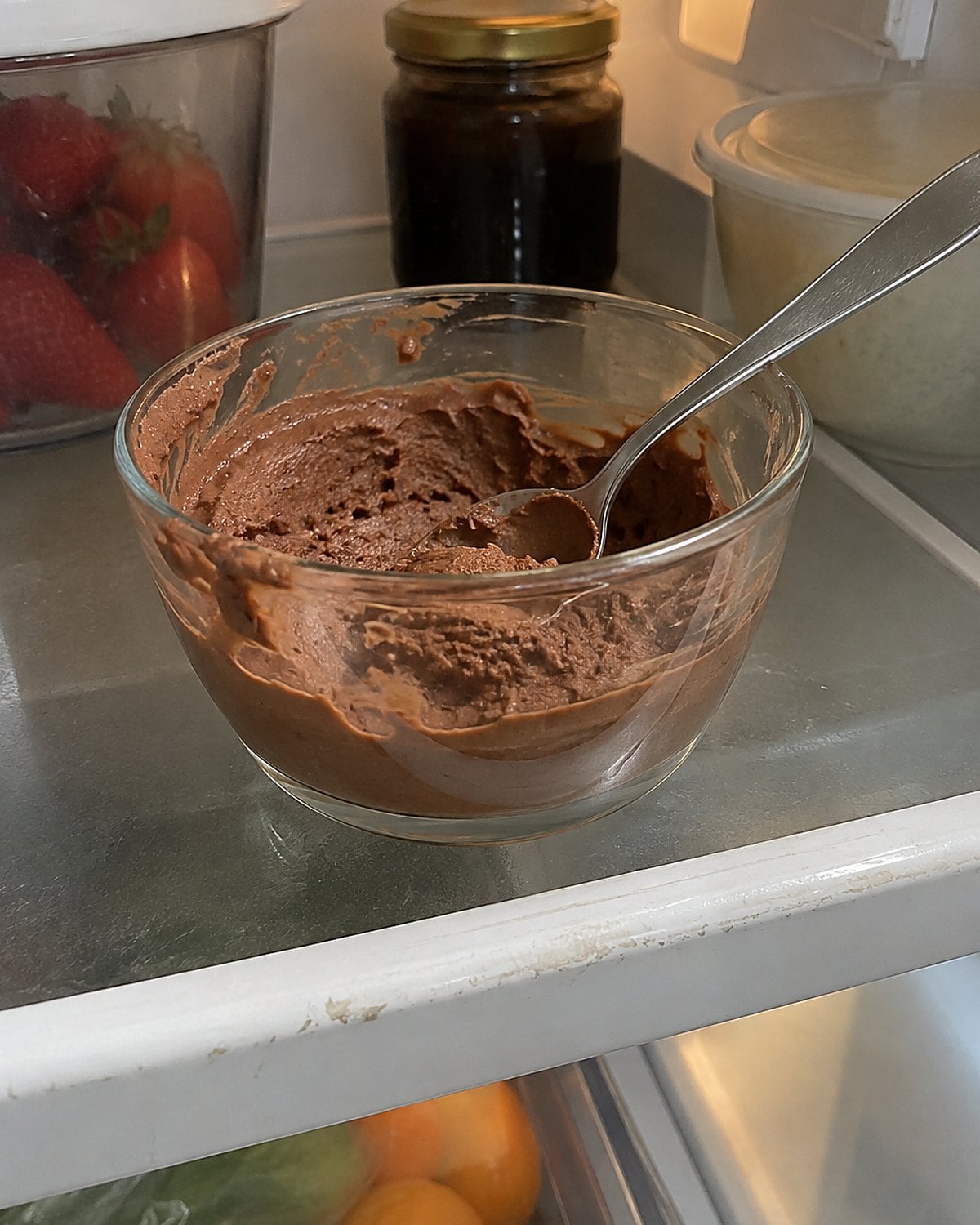
Raw eggs don’t cook just because they’re folded into melted chocolate. That’s the catch in an old mousse recipe when children are coming for Christmas dinner.
You’ve watched a spoon pull through homemade mousse. That soft, airy texture is why a chocolate pudding cup won’t settle the craving.
The FDA’s egg safety guidance calls for pasteurized eggs in dishes served with raw or undercooked egg. Check the carton rather than trusting its familiar shape. Shell eggs and liquid eggs both need the word pasteurized on the label.
Choose a mousse recipe written for pasteurized eggs instead of swapping them into the old card without checking its method. Chill the finished mousse promptly and keep it refrigerated until dessert.
If the grandchildren help set out the bowls, give them the spoons after you’ve filled each serving. You still get the texture you came for. Their mother gets an answer about the eggs before anyone takes a bite.
#25 The Church Hall Peanut Butter Buckeyes
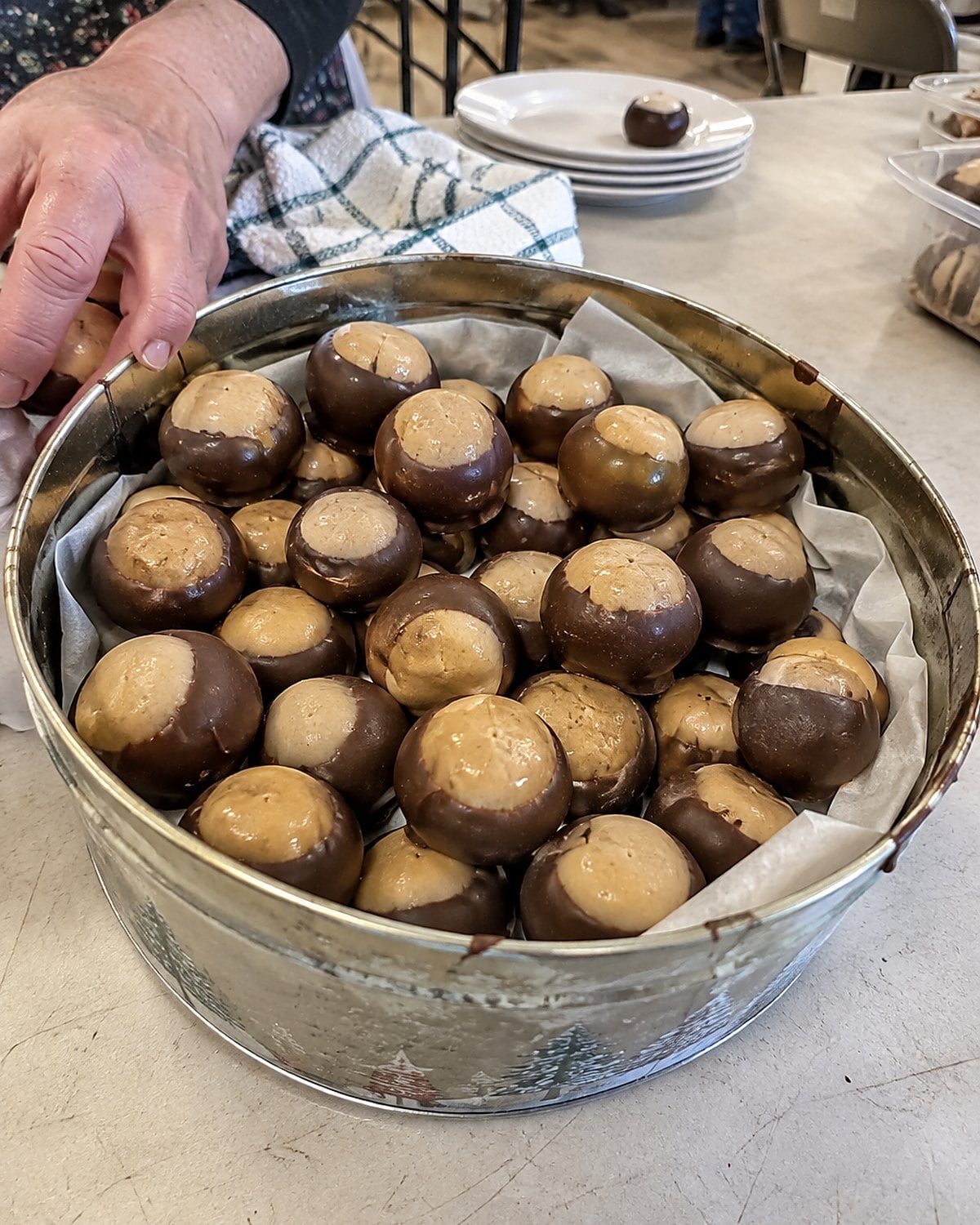
What’s inside that chocolate shell?
Buckeyes travel well in an old cookie tin. At a church hall, you set the tin down among a dozen others and let people pick. At home, you know which grandchild has a peanut allergy, so the old open-table habit needs a different plan.
A child who sees candy doesn’t know there’s peanut butter underneath. Ask the parents about their household rules before you make the batch. Allergens also spread through shared utensils and counters.
If buckeyes belong at the gathering, keep them in their closed tin and bring them out with the adults. Follow the family’s directions for preparing food for their child. Don’t promise that a wiped counter makes another treat safe.
The CDC’s food allergy guidance is worth reading before you host. Your buckeyes still get their audience. They just don’t sit beside unmarked sweets.
#24 The Cast-Iron Skillet of Sausage Dressing
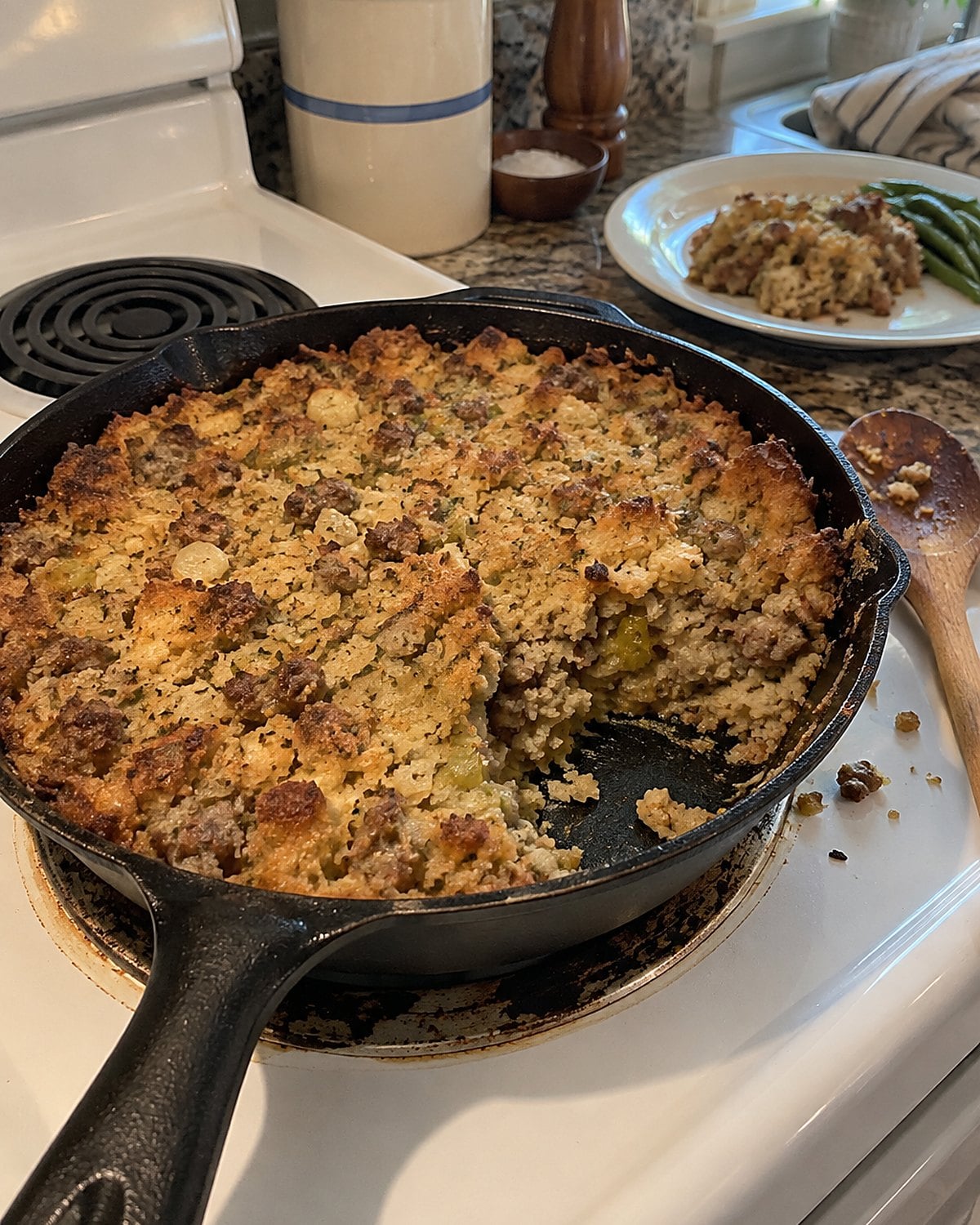
The browned edges are the point of dressing baked in cast iron. You can hear the bottom crust loosen when you drag a serving spoon through it. Someone at the table will ask why there’s sausage in the “bread side,” and someone else will head straight for that corner piece.
Treat sausage dressing as a meat dish, not as seasoned bread. Cook the sausage before it joins the bread and stock. Then check the finished dressing in the center with a thermometer. The USDA calls for stuffing and dressing to reach 165°F.
Your old skillet still belongs in the oven. If you’re making a small pan, watch the edges: cast iron holds heat after it leaves the oven.
Let the pan settle on a trivet, then serve from it. The crust stays crisp, and you’ve checked the part no one sees when they take a spoonful.
#23 The Maraschino Cherries From the Jar
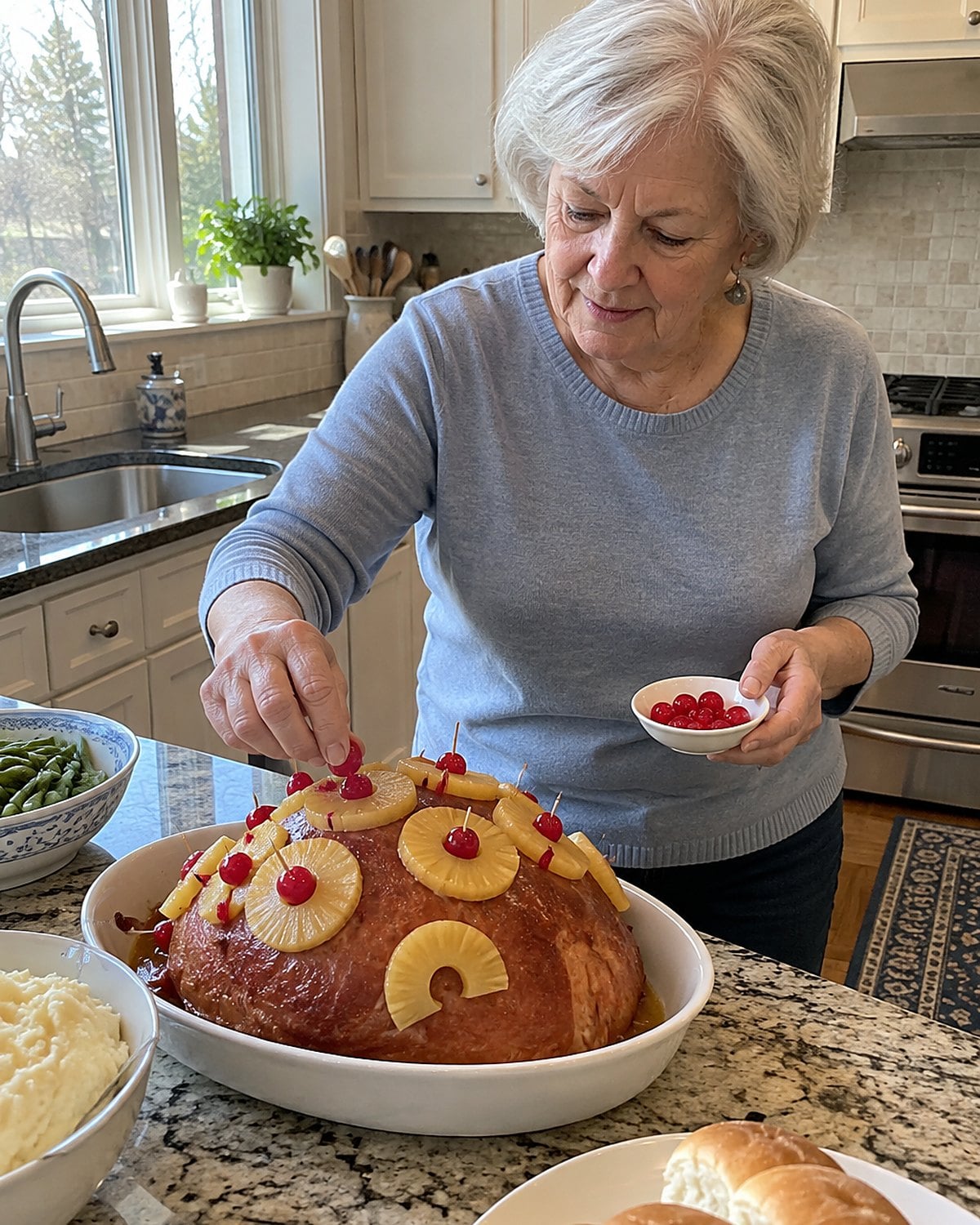
A bright red cherry lands on top of the pineapple ham. Another goes into a grandchild’s mouth before the platter reaches the table. You remember doing the same thing, straight from the jar beside the stove.
This is one of those foods a parent rejects for reasons that have little to do with your cooking. The color, the syrup, or a house rule about candy before dinner is enough. There’s no need to argue over one cherry while the ham waits.
Put the cherries in a small dish and let people add their own at the table. If the parent says no, the child still gets ham and pineapple. Save the syrup for a splash in an adult dessert sauce if you like its taste.
You keep the familiar red dots on your plate without making everyone else accept them.
#22 The Bacon-Wrapped Water Chestnuts Before Dinner
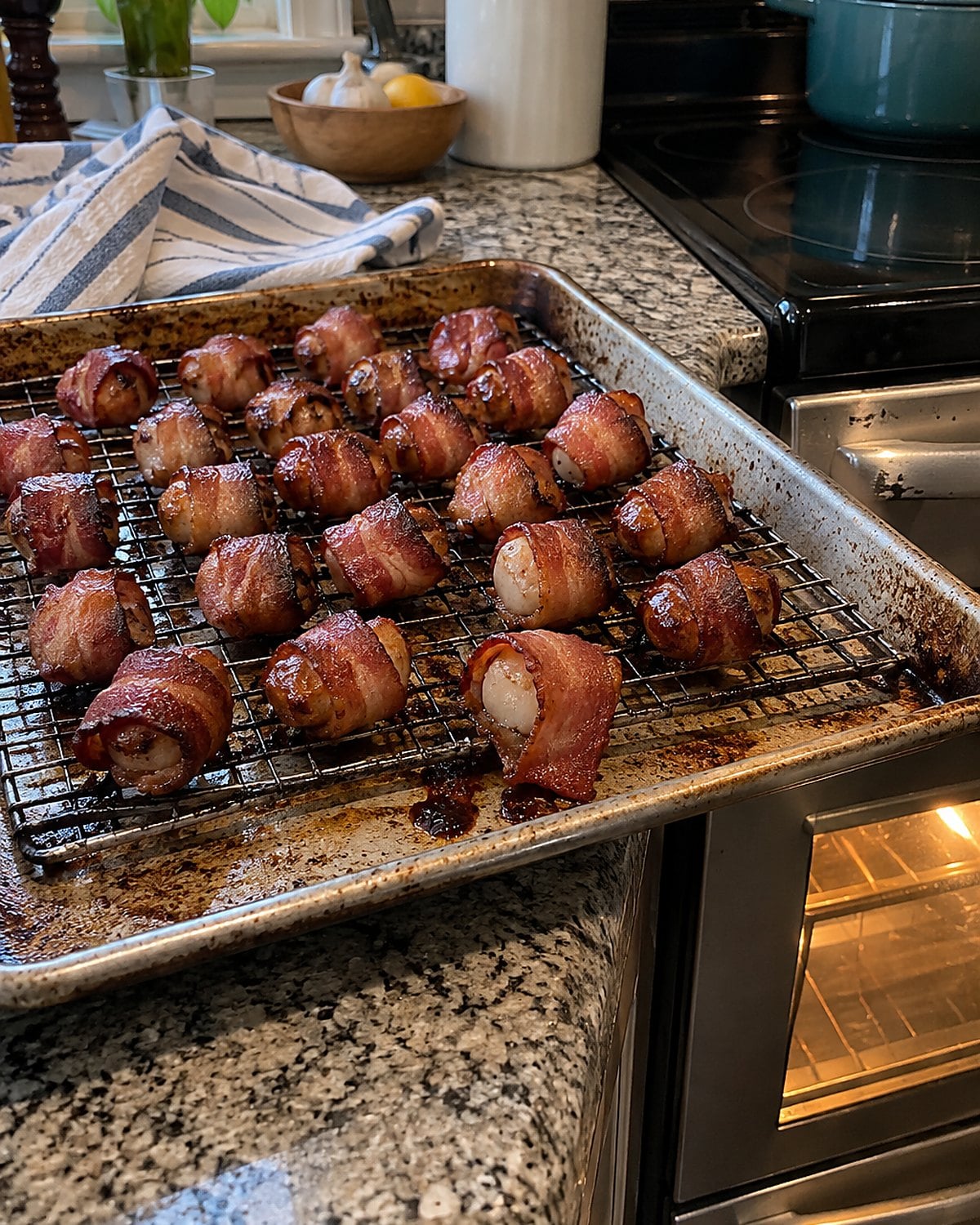
The appetizer tray comes out while the oven is busy with the main dish. Someone pulls a bacon-wrapped water chestnut from the edge, blows on it, and reaches for another.
By dinner, the smaller guests have eaten bacon and sugary glaze instead of what their parents packed.
This tray works because of contrast. The water chestnut keeps its snap while the bacon browns around it. Give the pieces room on a rack set over a pan, and turn the pan if your oven browns one side faster. Crowded pieces steam where they touch.
Make this an adults-first appetizer rather than a child-height grazing tray. Offer the grandchildren something their parents approved at the same time, not after they’ve watched everyone else eat.
Check that the bacon is fully cooked; a shiny glaze alone won’t tell you. Clear the platter when appetizers end. That trip back to the kitchen saves you from finding a forgotten piece beside the ribbons.
#21 The Bourbon Fudge in the Candy Tin
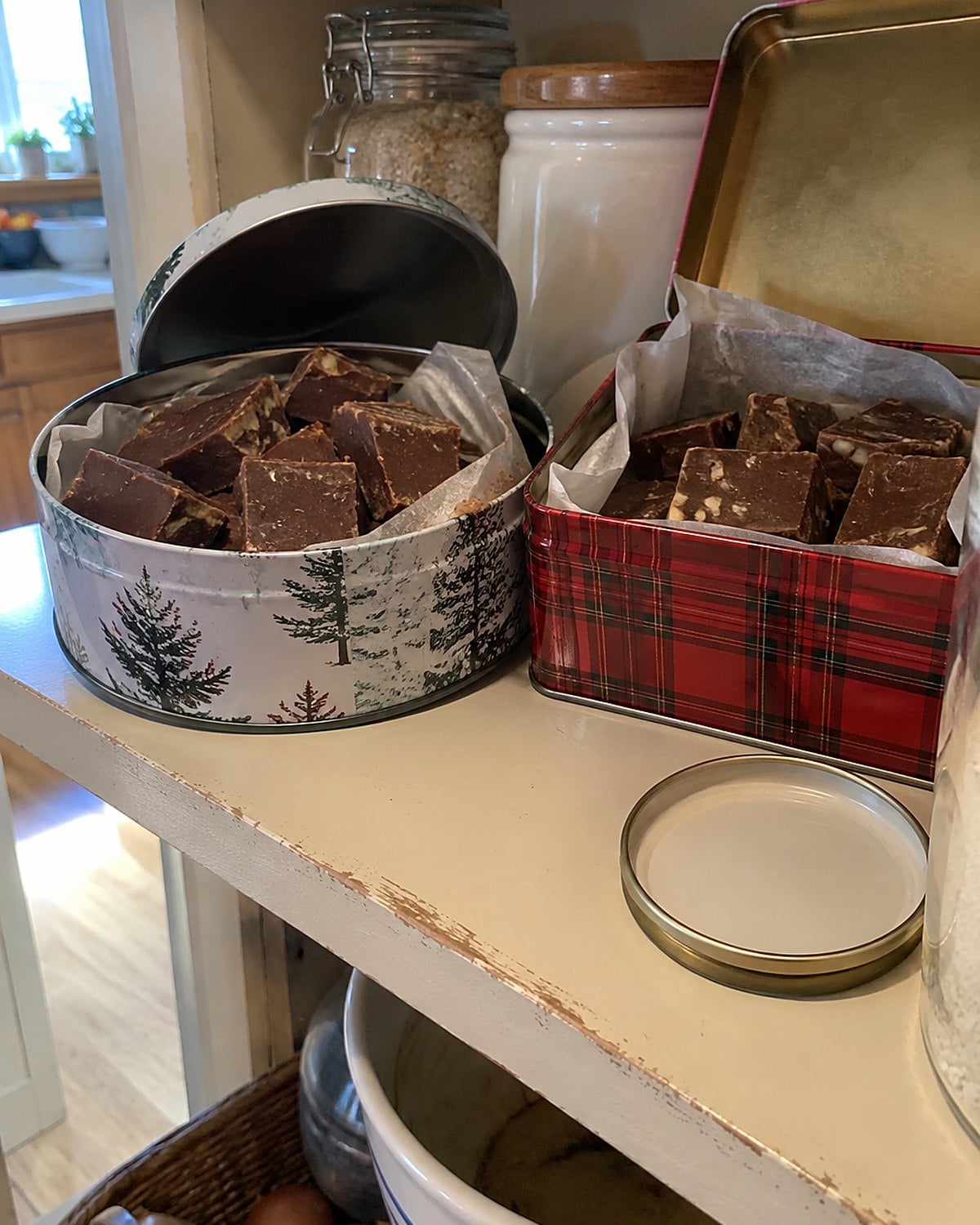
A handwritten note on the tin won’t help a child who has already lifted a square. Bourbon fudge looks exactly like the plain kind until someone bites into it.
Stirring alcohol into a hot mixture doesn’t give you a reliable measure of what remains in the finished candy. For a child-free choice, make a separate batch without bourbon, using a recipe written for that flavor. Don’t remove the bourbon from the family recipe and expect the same set and texture.
Use two different tins, not two layers in one tin. Put the bourbon tin on a high shelf and tell the adults what it holds.
Keep the plain batch where little hands look first. Nobody has to inspect a bite mark to find out which fudge a grandchild chose.
#20 The Spinach Dip Inside a Bread Bowl
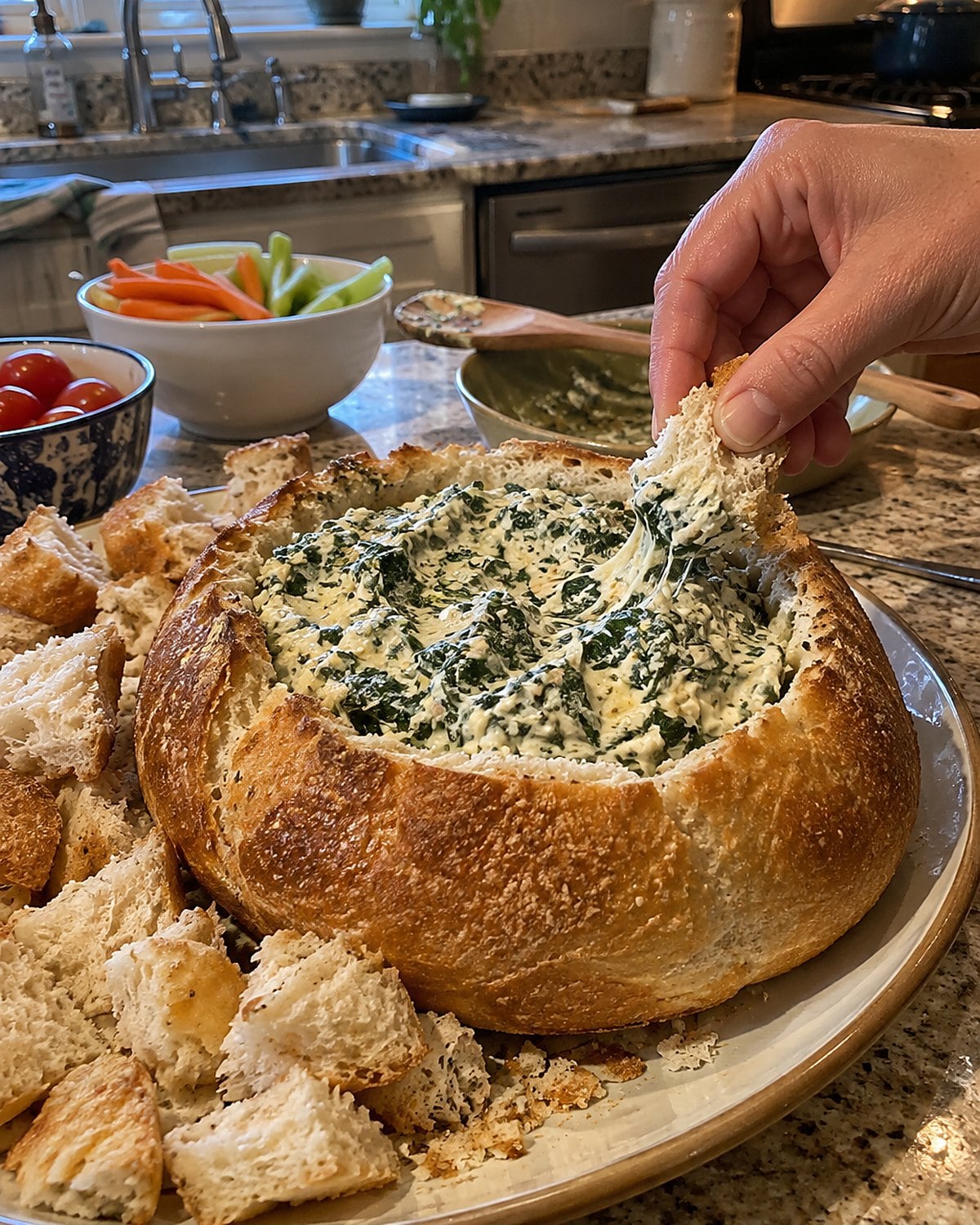
How long has the dip sat on the counter? You’ve asked yourself that after a party, with only the hollowed-out bread and a few green streaks left. At Christmas, people graze through coats, presents, and one more story.
A bread bowl makes it easy to forget the clock.
The dip needs cold holding, especially when it contains dairy. Keep the backup bowl in a refrigerator at 40°F or below. Bring out a smaller portion for guests, then replace it with a fresh cold portion. Don’t pour new dip over the remains of the old bowl.
The USDA’s two-hour rule applies to perishable food left at room temperature. Write the serving time on a scrap of tape under the platter where you’ll see it when you lift the bowl.
Let the grandchildren tear off bread from a separate loaf. It saves the bread bowl from a dozen fingers and gives you one less conversation to have with their mother.
#19 The Cheese Ball Rolled in Pecans
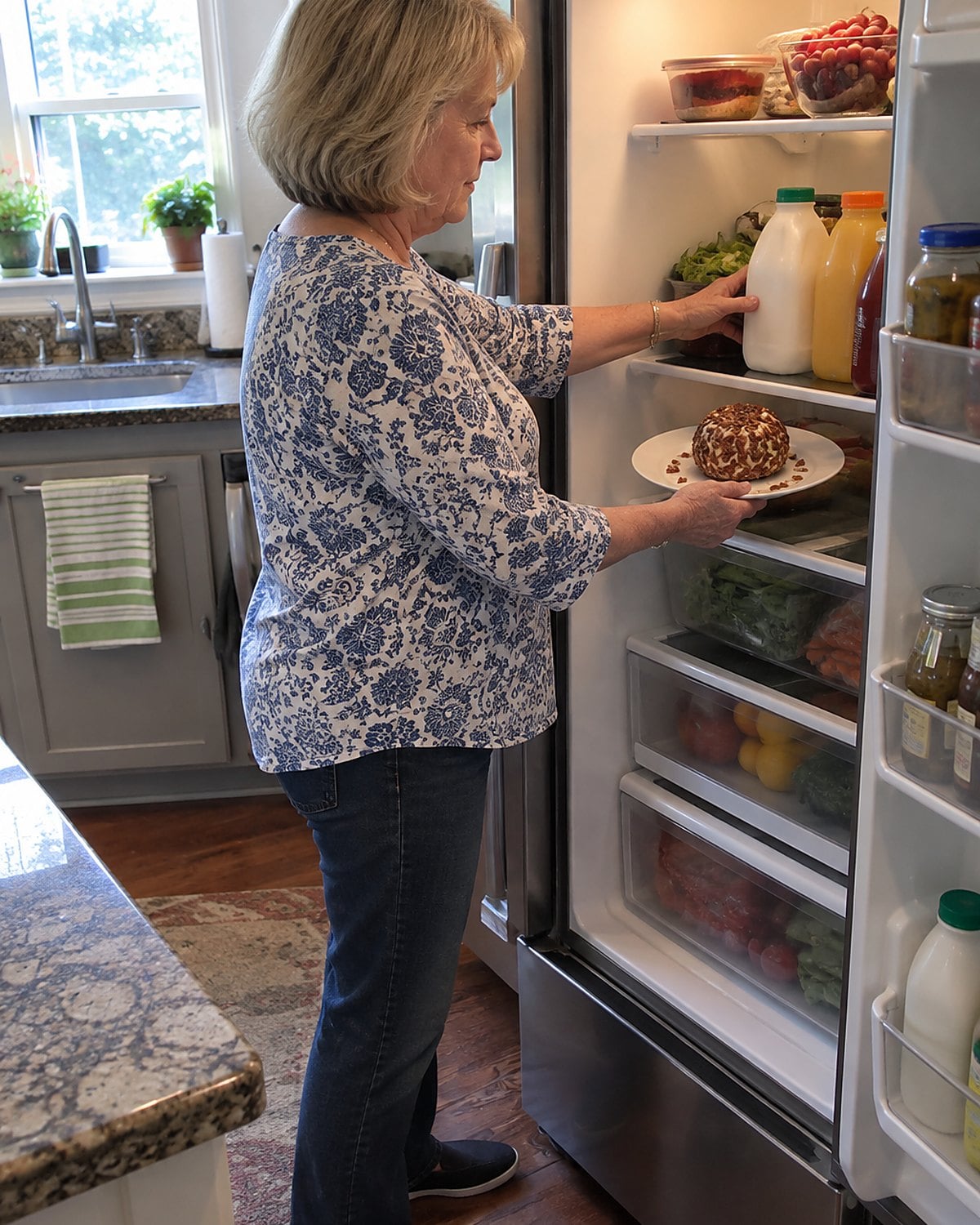
You’ve put a cheese ball out on the porch while you cleared refrigerator space. The air felt cold. The plate came back inside hours later, and everyone kept eating.
A porch isn’t a refrigerator.
Sunshine, a warm spell, and a door opening for guests all change the temperature around that plate. Keep the cheese ball in the refrigerator at 40°F or below until serving. If you need the space, move bottles to a cooler packed with ice instead of moving the cheese outdoors.
The pecan coating brings another question when children visit: who eats nuts, and who doesn’t? Ask before you roll the ball.
If someone has a nut allergy, follow their household’s rules for shared food rather than assuming a plain portion from the same kitchen works. You get to keep the old taste without making a child’s snack depend on a guess.
#18 The Snowball Cookies Hidden Under Powdered Sugar
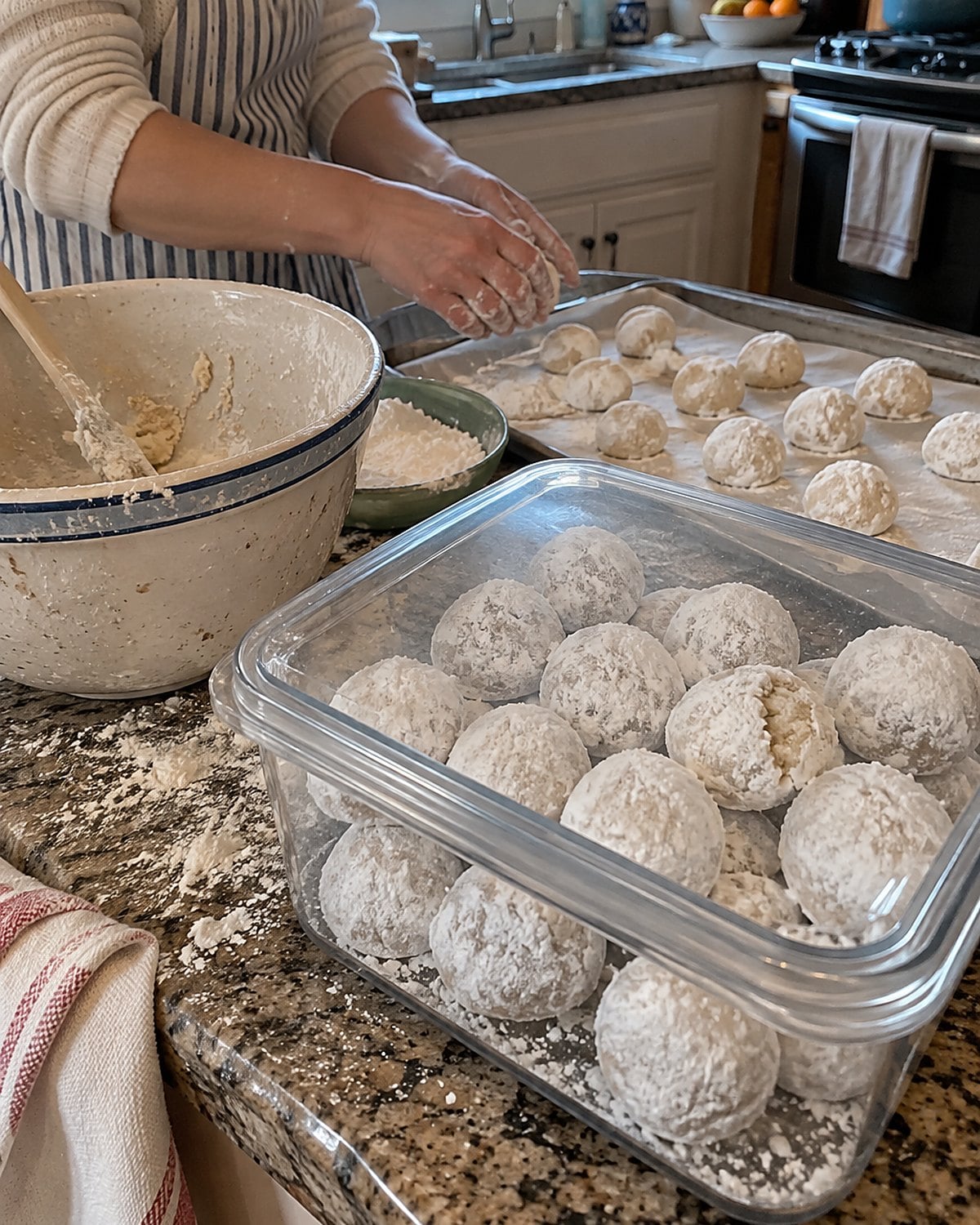
A grandchild sees a white cookie and assumes it’s the same as every other white cookie on the tray. You know the one: a tender butter cookie full of finely chopped nuts, rolled in powdered sugar while it’s still warm.
The sugar hides the filling.
If nuts are an issue in the family, moving the snowballs to the far end of the platter doesn’t solve it. Ask the parents what works in their household before baking. Don’t put nut-containing and nut-free cookies on the same tray or share serving tongs between them.
There’s a baking reason to keep the recipe as written, too. The ground nuts help give snowballs their crumbly bite. Swapping in extra flour produces a different cookie.
For a child who needs a nut-free treat, pick a separate recipe rather than rewriting the church cookbook in the middle of Christmas baking. Keep the finished snowballs in their own covered container. When someone asks what’s inside, you’ll have an answer ready.
#17 The Gingerbread Man With Hard Candy Buttons
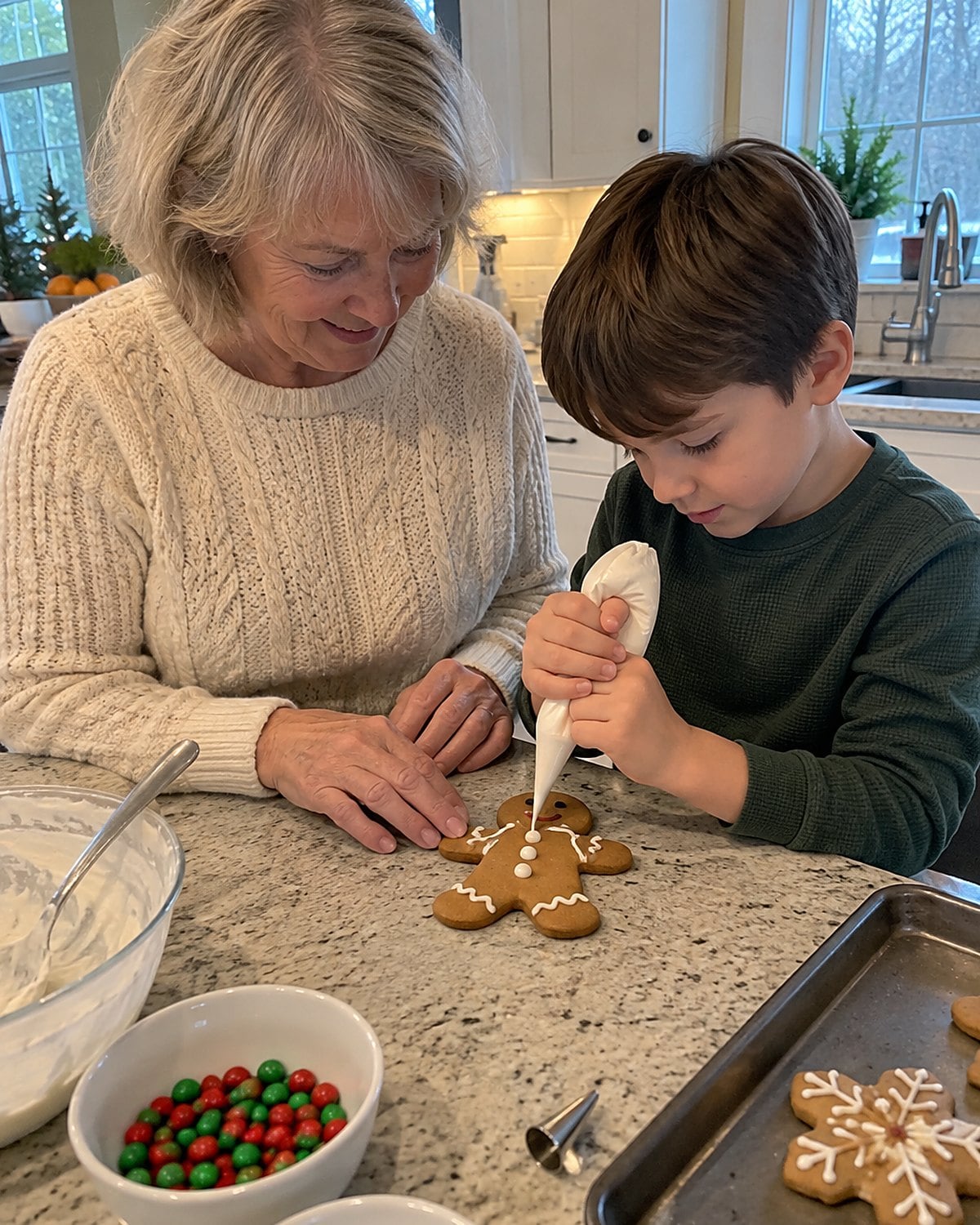
Candy buttons make a gingerbread man look dressed for Christmas. They also pop off when a small child bites the cookie at the wrong angle. A hard round sweet doesn’t belong on a cookie for the youngest guest.
Keep the gingerbread recipe; change the coat. Pipe buttons with icing instead. You’ll still get a face and a row of buttons, without loose hard candy to watch at dessert.
For the cookies themselves, look at the edges rather than relying on color. Dark dough gives you little warning when it has browned. Lift one cookie with a thin spatula: the edge should hold its shape while the center still has a little give.
Cool them before decorating. A grandchild who gets to add the icing remembers the job longer than the candy buttons.
#16 The Warm Crab Dip Beside the Tree

The slow cooker sits by the tree because that’s where the outlet is. Guests lift the lid every few minutes, and the dip clings to the spoon. At some point, the cooker gets switched off so someone can plug in the lights.
That’s the moment to notice.
Warm crab dip is perishable, even when it looks unchanged. If you serve it from a slow cooker, use its warm setting only after the dip has been fully heated. Check the food with a thermometer. The USDA’s hot-holding guidance calls for 140°F or above.
Put the cooker where you can see its light and reach its plug. Give the children their own bowl of crackers away from the hot crock and cord. Nobody needs a lecture while reaching for a snack.
When serving ends, refrigerate leftovers promptly in shallow containers. Don’t leave the heavy insert on the counter while everyone opens gifts.
#15 The Pineapple Cheese Casserole From the Cookbook
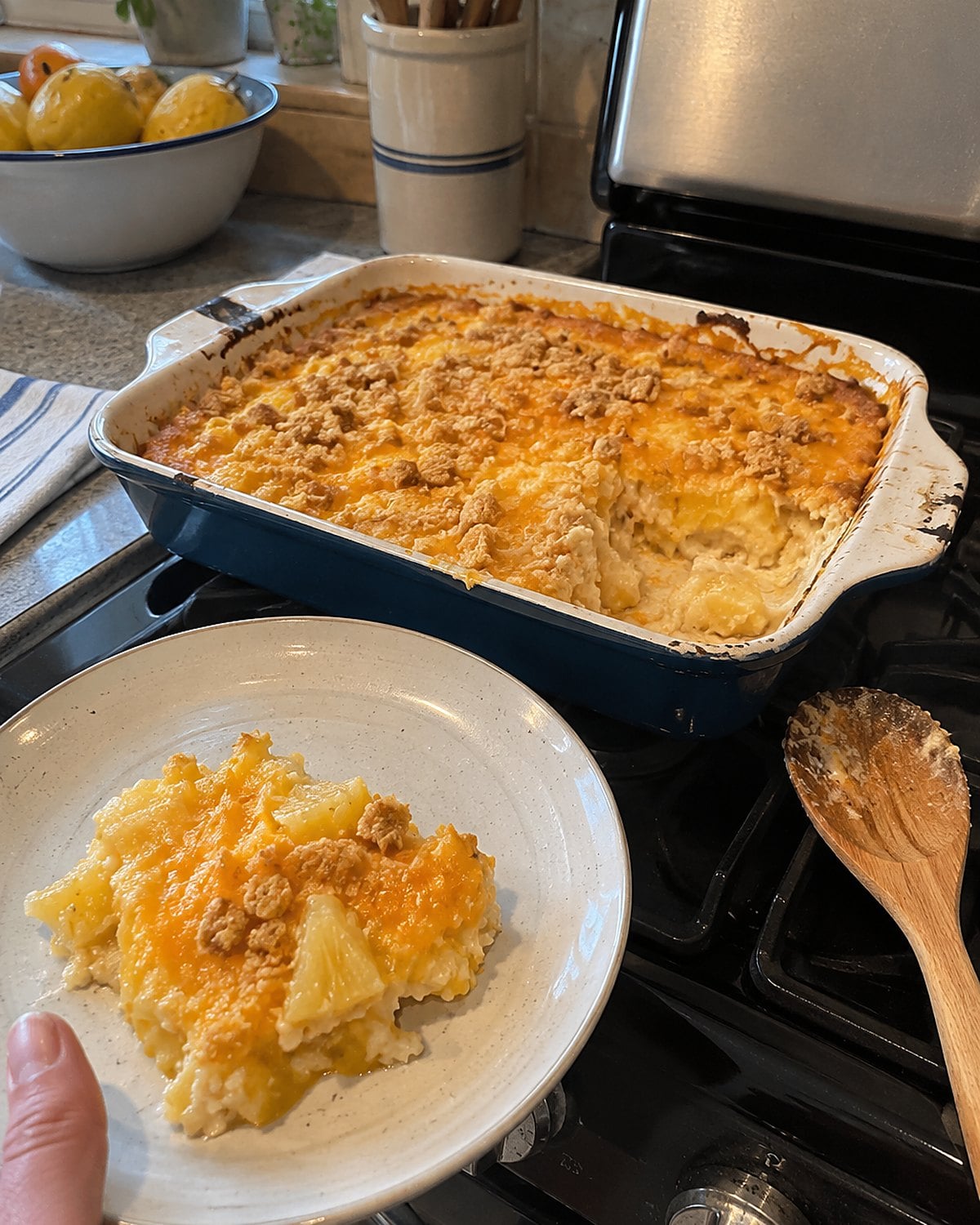
The page has a thumbprint by the pineapple cheese casserole, right where your hand rests when you read it. Pineapple, sharp cheddar, and buttery crumbs sound strange to someone who didn’t grow up with the dish. You’ve seen that look before the first bite.
Give the pineapple a good drain. Excess juice makes the filling loose and leaves the topping damp. Fold the cheese into the fruit and sugar mixture, then add the crumb topping just before baking.
Taste for the balance you remember: sweet fruit, a little salt, and a sharp cheese that still speaks up.
A parent who limits sweets at dinner sees this casserole differently from you. Serve a small spoonful beside the ham and let the parent decide what goes on the child’s plate. There’s room for the recipe without asking anyone to call it a vegetable.
#14 The Sweet Potato Casserole With Marshmallow Peaks

You carry the casserole in with its toasted marshmallow top, and every child watches. One parent reaches for a plain sweet potato instead. She knows her child will eat the topping first, then announce that dinner is done.
Make the sweet potatoes taste good before they meet the marshmallows. Roast or bake them until a knife slips into the thick part without resistance. Mash them while warm, then taste.
A little salt brings out the sweet potato, so you don’t have to rely on the topping to give the dish flavor.
If you’re serving children whose parents prefer less sugar, hold back some of the seasoned mash before you add the topping. Put it in a small oven-safe dish and heat it alongside the casserole. You haven’t made a separate holiday meal; you’ve saved a portion at the point where the dish changes.
Keep the marshmallow pan for the people who ask for the browned corner. When a grandchild wants some, the parent gets to say yes or no without having to defend dinner.
#13 The Frozen Cookie Dough Waiting for Saturday
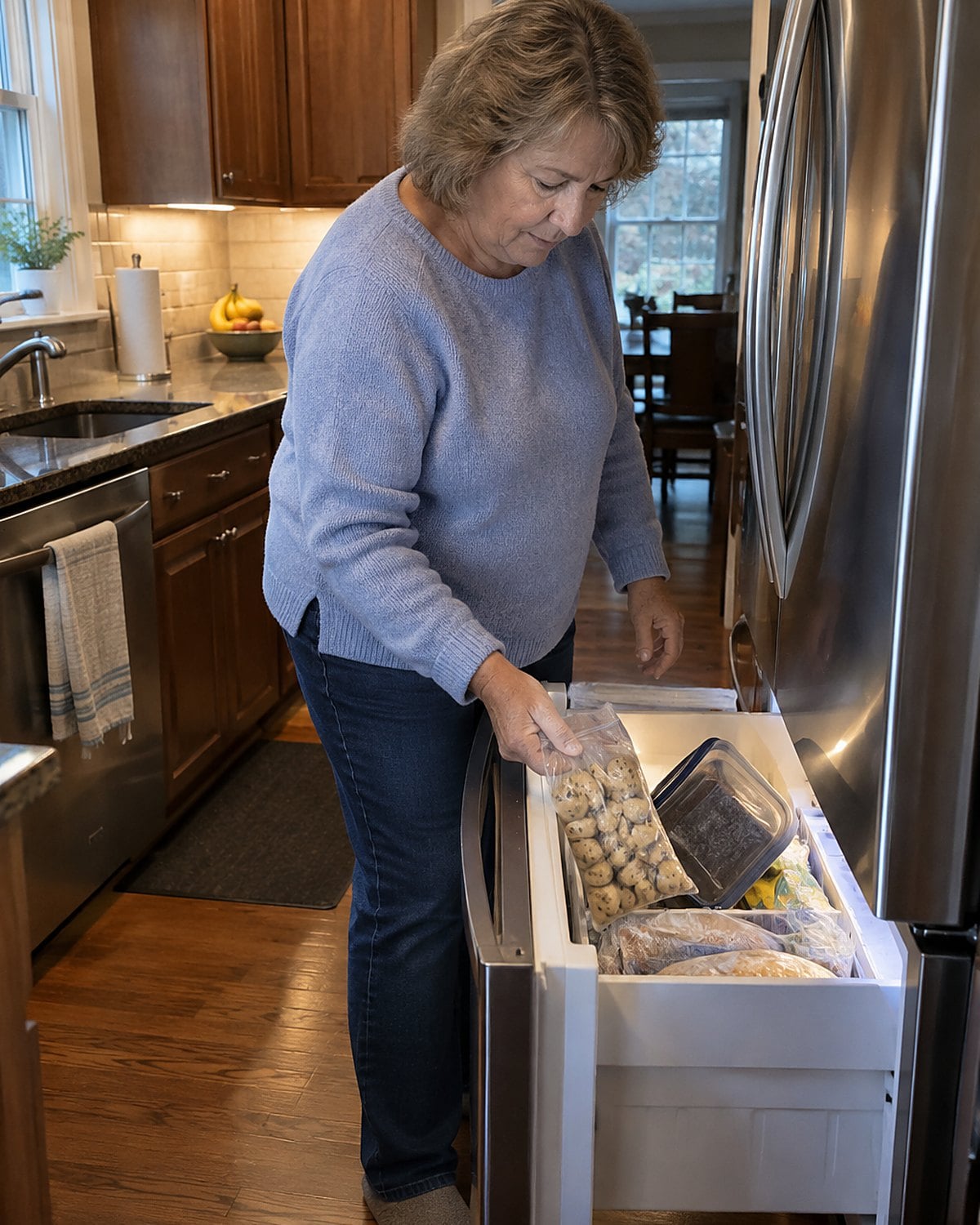
The freezer drawer holds more than vegetables in December. There’s a bag of cookie dough ready for the grandchildren’s visit, and you know they’ll ask for a taste before the oven is warm.
Raw dough brings two uncooked ingredients into that little bite: flour and egg. The CDC’s raw dough advice says not to eat or taste raw dough or batter, even when the eggs are pasteurized. Raw flour is another concern.
Give the children a job that doesn’t require tasting. They can space the chilled dough on a baking sheet, press a fork mark into each piece, or choose a sprinkle color after the cookies bake.
Label the freezer bag with the baking directions from your recipe. Saturday starts faster when you don’t have to find the stained card before the oven goes on.
#12 The Cranberry Sauce With a Generous Pour
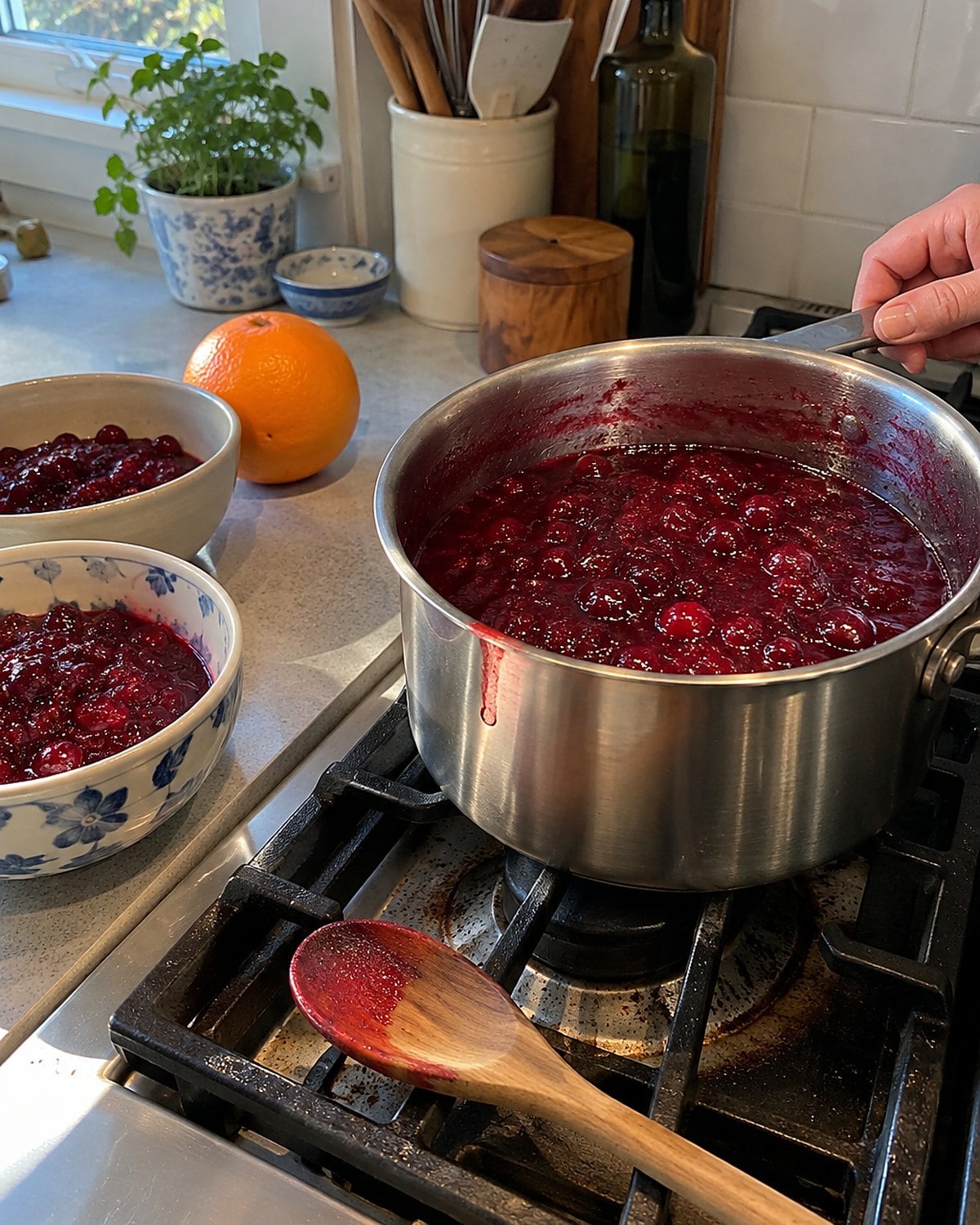
The cranberry sauce has a splash of orange liqueur, because that’s how you’ve made it for years. Your daughter tastes it, then asks what went into the saucepan. The answer matters when she’s fixing her child’s plate.
Cooking changes the flavor of alcohol, but a quick simmer isn’t a promise that none remains.
Make the main batch without liqueur when children will eat it. Orange zest gives you the scent without adding liquid, while a little orange juice adds both sweetness and liquid. Taste before you add more sugar; cranberries already bring plenty of sharpness.
For the adults who want the old version, divide the finished sauce and stir liqueur into their portion. Keep that bowl separate and tell people which is which.
The saucepan order matters here. Once you add liqueur to the whole batch, you can’t ladle out a child’s share and undo it.
#11 The Green Bean Casserole With Fried Onions
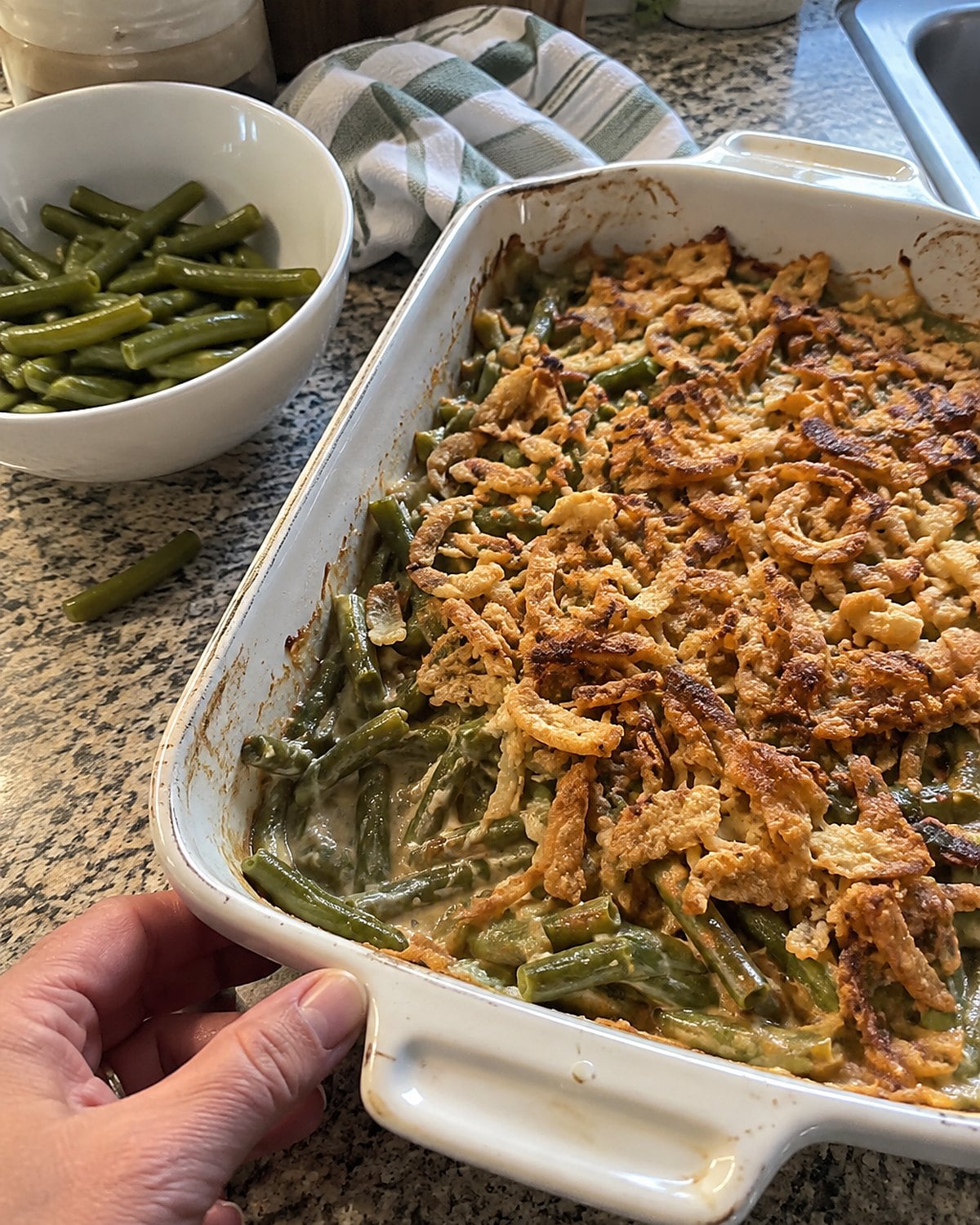
A scoop of green bean casserole looks like a scoop of green beans until the topping crunches. If a parent has asked about packaged ingredients or an allergy, “It’s only green beans” won’t help. The condensed soup and fried onions each have their own ingredient list.
Keep the casserole you like, but save the packages until guests have eaten. Read the labels before you promise what’s in it.
If you make the sauce from scratch, cook the mushrooms until their liquid has cooked away. Otherwise that water thins the sauce while the casserole bakes.
Add the fried onions near the end so they stay crisp. For a child who wants plain beans, lift out some cooked beans before you mix the casserole. They’ll get a side dish, and you won’t have to scrape sauce off a spoonful at the table.
Try it: Instant Pot Green Bean Casserole
#10 The Roast Beef You’ve Always Served Pink
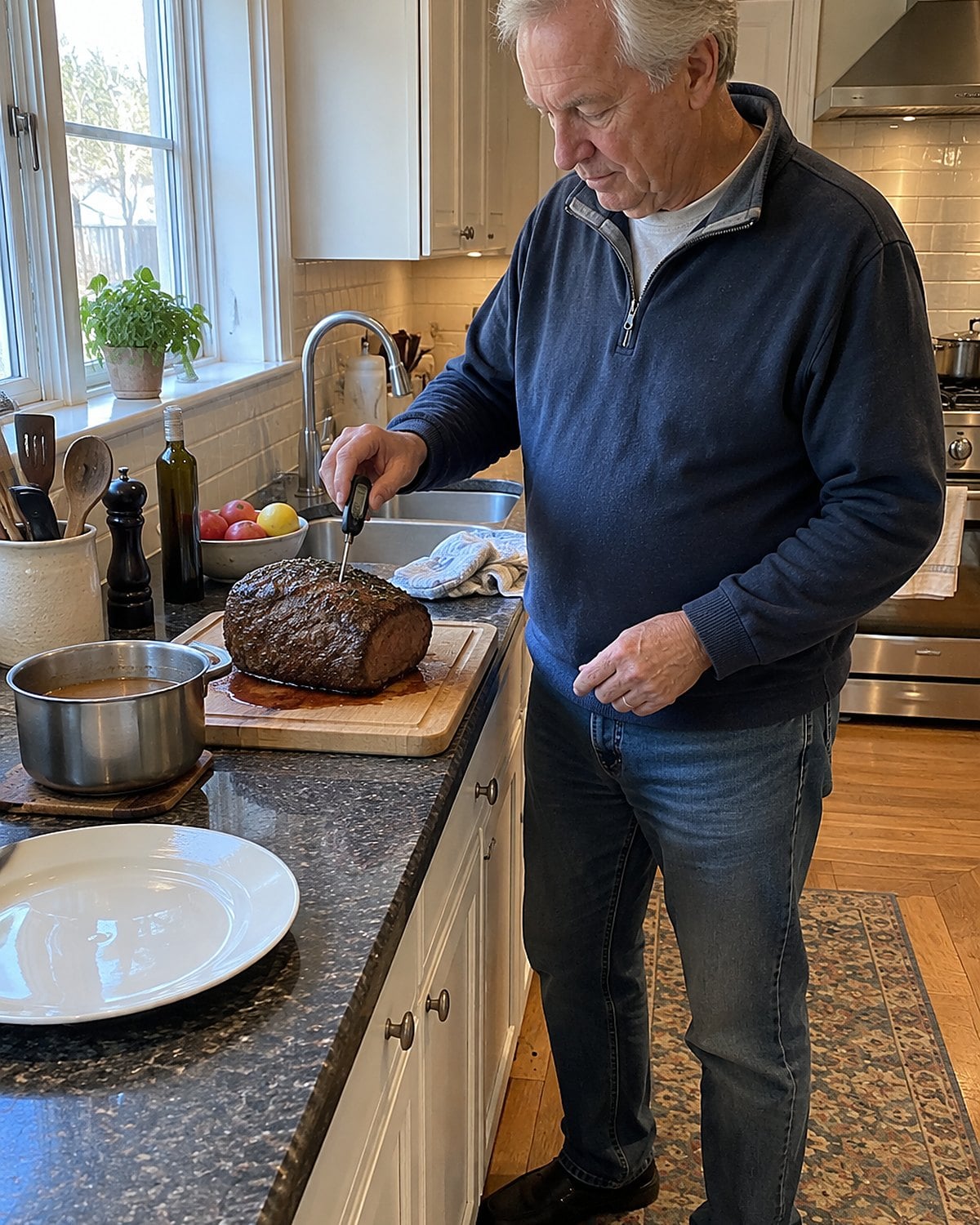
The roast beef rests on the board while you sharpen the knife. You cut the first slice and see the pink center you worked for. Then a parent asks whether the meat is cooked through for their child.
A slice’s color won’t tell you its temperature. For a whole cut of beef, the USDA’s safe temperature chart calls for 145°F followed by a three-minute rest. Push an instant-read thermometer into the thickest part, away from the pan and any bone. Check before you carve.
If a guest wants a more cooked piece, warm their slice in hot pan juices until it suits them. You don’t need to turn the entire roast gray to answer one request. Keep a small saucepan ready so the adjustment takes less time than a family debate.
Resting also gives the juices time to settle before you cut. Put the board somewhere your grandchild can watch without reaching the knife.
Try it: Instant Pot Roast Beef & Gravy
#9 The Homemade Pickles From an Old Recipe Card
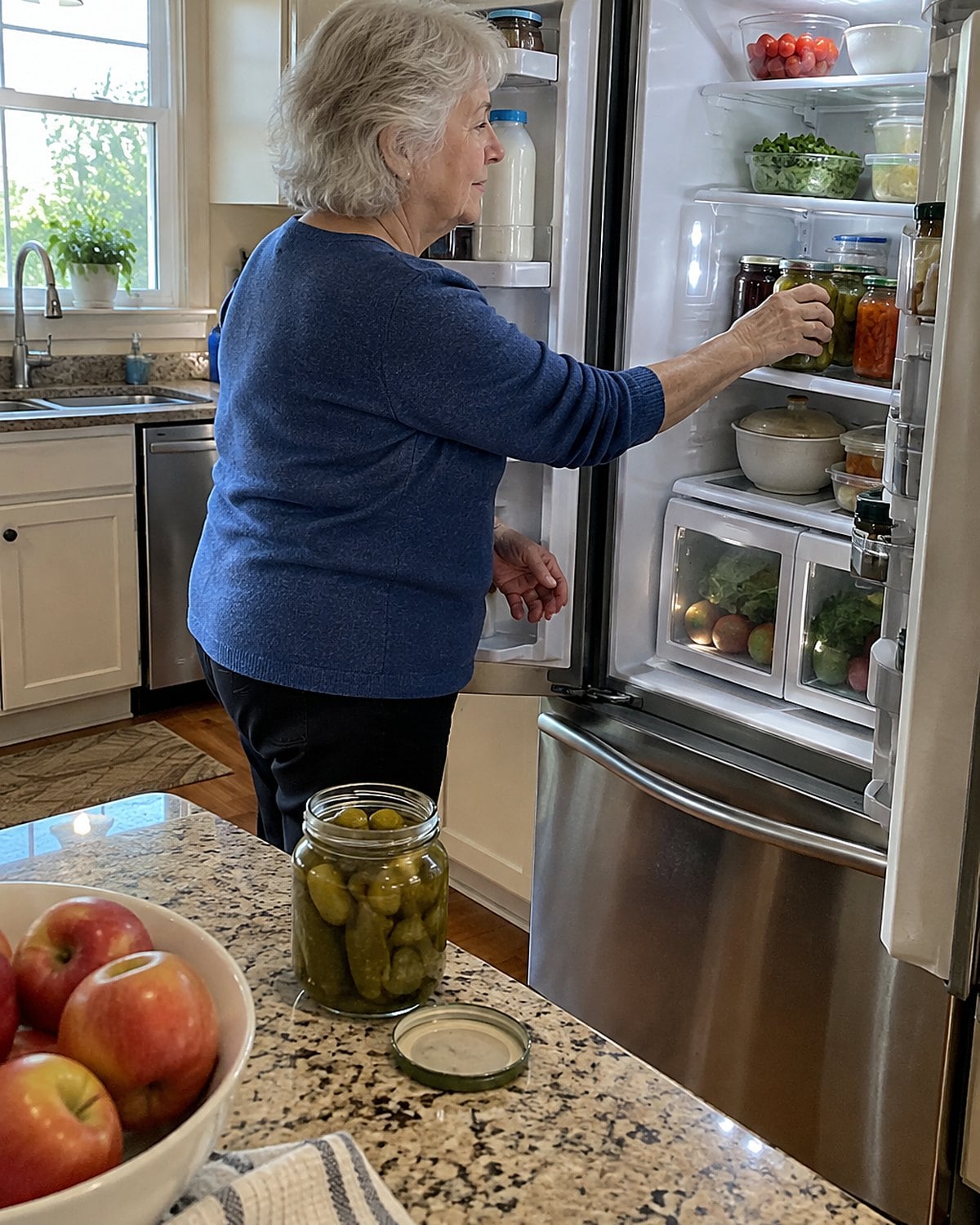
A handwritten pickle card sits in the drawer with the twist ties. It says to fill jars and turn them upside down. You’ve eaten those pickles for years.
Now a jar is headed home with the grandchildren, and you want a better answer than “We’ve always done it.”
For shelf-stable jars, use a tested recipe and its stated processing method. The National Center for Home Food Preservation has instructions for pickles and other home-canned foods. Vinegar strength, jar size, and processing time belong to the recipe, not to memory.
If you want the old card’s spice mix, find a tested refrigerator-pickle recipe that gives you the flavor you’re after. Keep those jars refrigerated. Don’t call them pantry pickles.
You can tell your family exactly where the jars belong, and the card keeps its place in the drawer.
#8 The Sherry Soaked Christmas Trifle

The trifle bowl shows every layer through the glass: cake, fruit, custard, and whipped cream. A grandchild points to the strawberries. You remember that the cake underneath had a good pour of sherry.
Build the children’s portion first, in a smaller bowl, before you add sherry to the main trifle. Use cake, fruit, and custard from the same batches. Then the adult bowl gets the family flavor without a scramble to scoop around it later.
Keep both bowls chilled until dessert.
Watch the custard as you cook it. When it coats the back of a spoon and a finger leaves a clear line through it, take it off the heat. A hard boil can leave it lumpy. If your old recipe uses uncooked egg, switch to a cooked custard recipe.
Give the small bowl a serving spoon of its own. Nobody has to identify a child’s helping by whether the cake looks wet.
#7 The Unpasteurized Apple Cider in the Fridge

The cider jug comes home from a farm stand with a plain label. Before it goes into the refrigerator door, read that label. Some fresh cider is unpasteurized, and the difference isn’t visible in the glass.
The FDA’s juice safety page warns that unpasteurized juice carries extra risk for children and other people more likely to get sick from foodborne germs. Choose pasteurized cider for the family pot.
Warm it with cinnamon and orange peel if that’s your habit. The smell still reaches the front door. Keep the jug label until you’ve served it, so you can answer a parent’s question without trying to recall which stall sold which bottle.
#6 The Turkey Roasting Pan Full of Stuffing
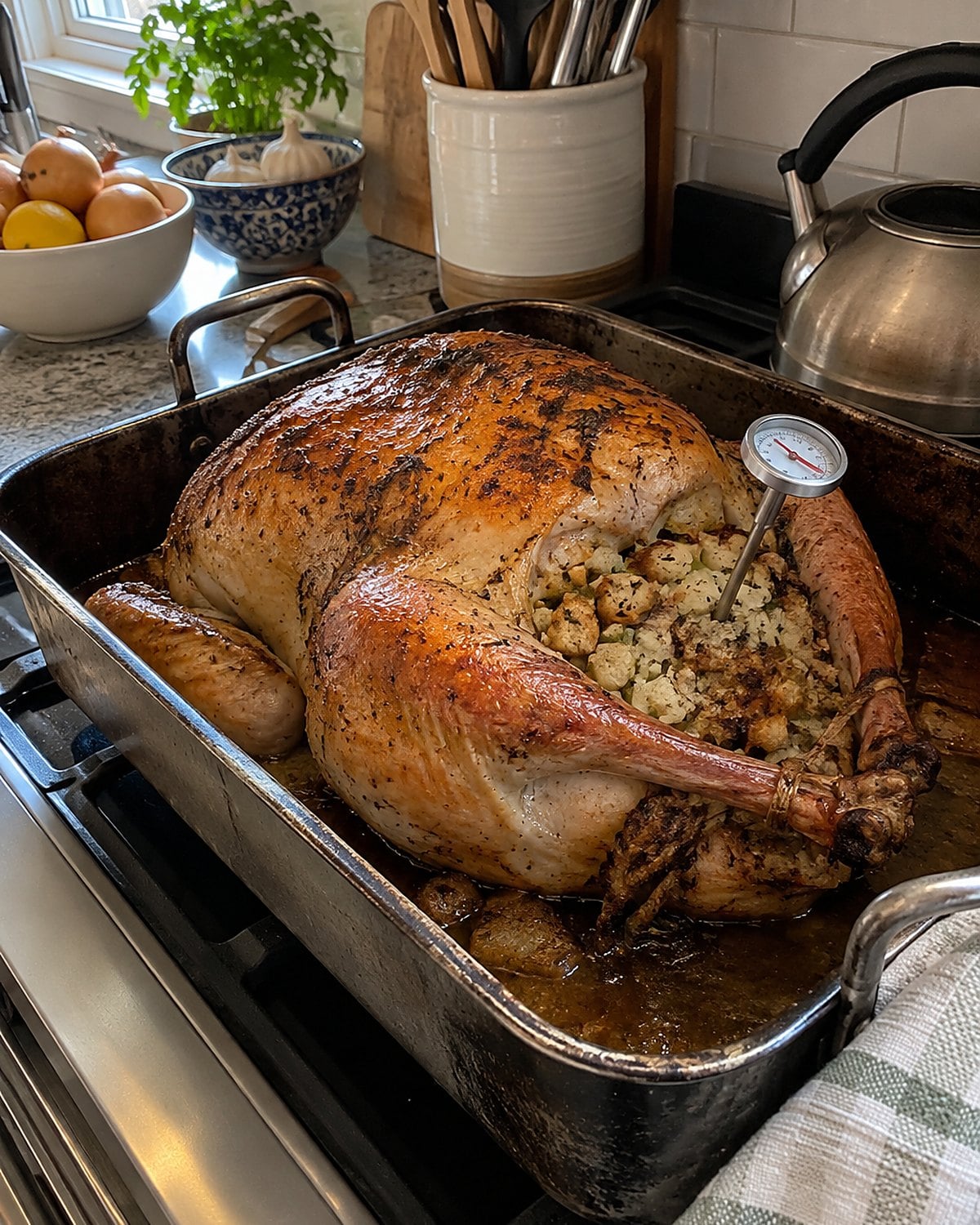
The roasting pan comes out, and someone asks for the stuffing from inside the bird. It tastes of turkey drippings, and it takes more attention than a pan baked on its own.
Stuff the turkey just before it goes into the oven, not the night before. Use a thermometer to check the center of the stuffing as well as the thickest parts of the turkey. Both need to reach 165°F under the USDA’s turkey guidance.
The turkey breast reaching temperature first doesn’t tell you what happened in the stuffing.
If you’d rather skip that wait, bake the dressing in its own dish. Check its center for 165°F, too. You gain more browned edges, which are the pieces everyone hunts for anyway.
Keep raw turkey juices away from the salad fixings and the rolls. Clear the sink before you start, then wash the board, knife, and counter after handling the bird. Your family remembers the stuffing. You’ll remember having room to finish dinner.
#5 The Christmas Morning Cinnamon Roll Tray
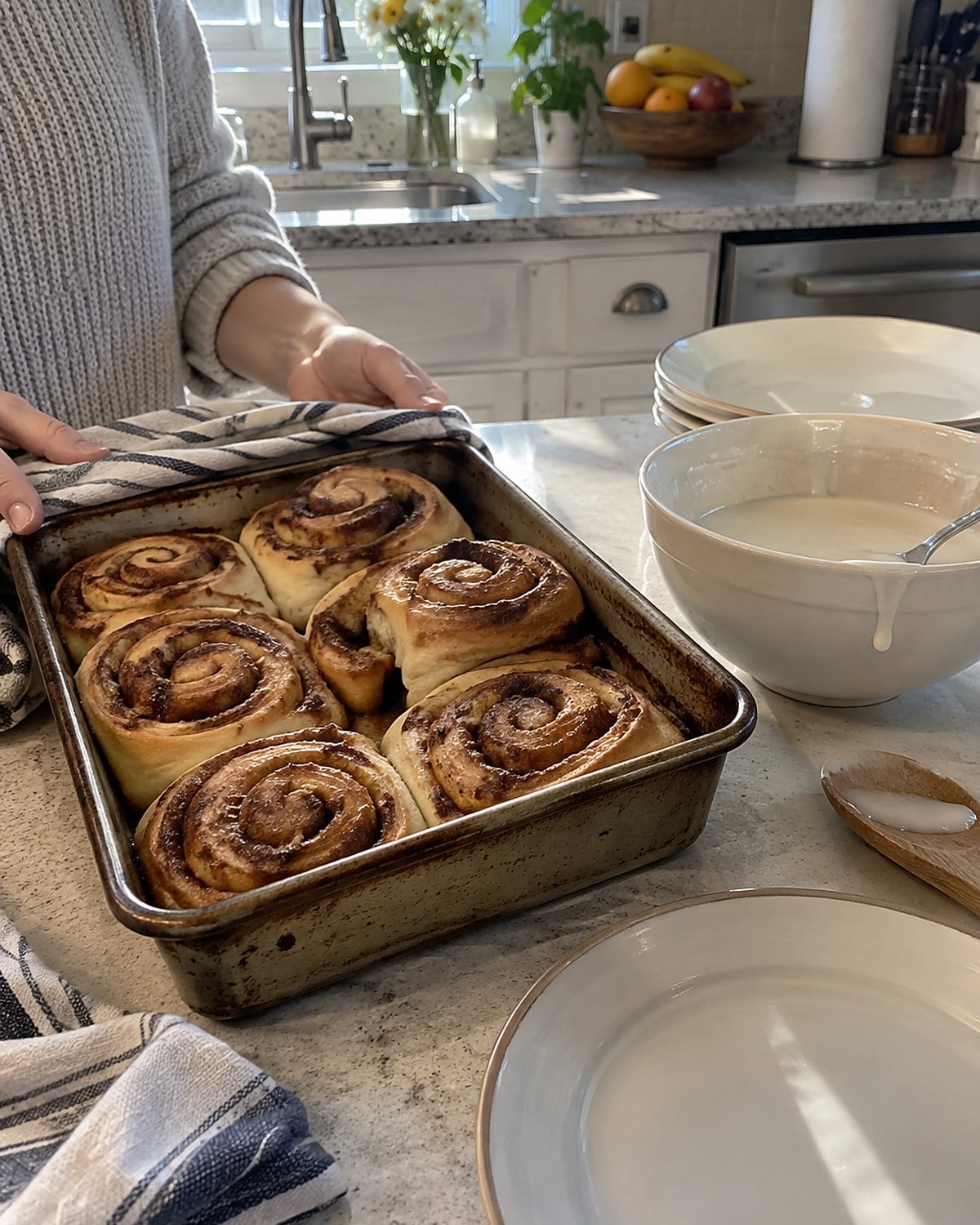
The rolls go into the oven before anyone has found the stockings. Soon the icing runs down the sides, and a child asks for the biggest one before breakfast starts. A parent who planned eggs and fruit sees dessert arriving first.
You don’t have to retire the cinnamon rolls. Put them out after the rest of breakfast is on the counter. Serve smaller rolls, or cut a large one for a child whose parent says yes.
Keep the icing in a little bowl so people add what they want.
For the rolls themselves, look at the center before you ice them. The middle should be baked through, not doughy under a browned top. Let the pan sit briefly so the icing stays on the rolls instead of sliding to the bottom.
The kitchen still smells like Christmas morning, even if the tray waits until everyone has a plate.
#4 The Rum Balls on the Low Plate
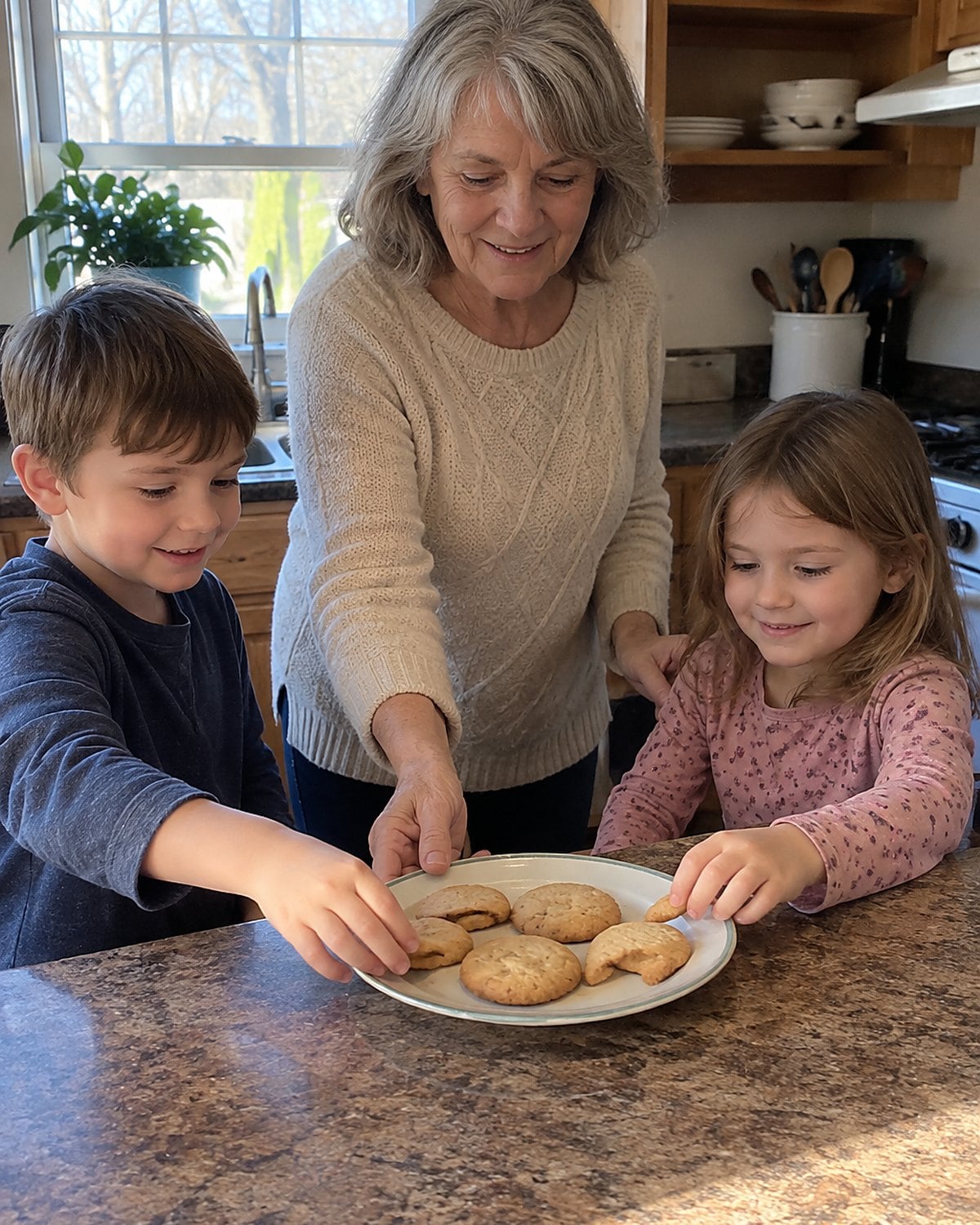
The low plate made sense when it held plain cookies. It’s where guests stop on the way into the living room, and the grandchildren know they’re allowed to choose a treat there.
Rum balls change what that spot means.
Many rum-ball recipes use rum without cooking it afterward. Rolling the mixture in cocoa or sugar doesn’t remove the alcohol. Make the rum balls for the adults if they’re part of Christmas at your house, then put them in a covered container well above a child’s reach.
Don’t put a child-friendly version beside them and trust people to remember which is which. Serve the children’s cookies on the usual low plate. Bring out the rum balls when the adults gather for coffee, and say what they contain.
The parent who once spotted that plate from across your kitchen had a fair question. Answer it before anyone asks: “Those are for the grown-ups. The cookies down here are for the kids.”
#3 The Homemade Eggnog in the Glass Pitcher

Homemade eggnog tastes like the holiday in your kitchen. Nutmeg gathers on top, the pitcher sweats against the counter, and someone asks whether it’s the same recipe you’ve made since the children were small.
Check the egg step before you pour a glass for anyone. An old recipe that beats raw eggs with milk and sugar doesn’t become safe just because it contains spirits.
Use a cooked eggnog recipe and follow its temperature instructions as it cooks. Or pick a recipe written for pasteurized eggs. The FDA’s egg safety guidance covers drinks made with raw eggs.
Make the base without alcohol. Adults who want spirits can add them to their own glasses. Keep the pitcher refrigerated at 40°F or below between servings. A small pitcher is easier to refill than a big one left beside the cookies all evening.
You still get to grate nutmeg over the top. The grandchildren get a drink you can name without adding a private warning to their mother.
#2 The Chocolate Liqueur Cups After Dinner
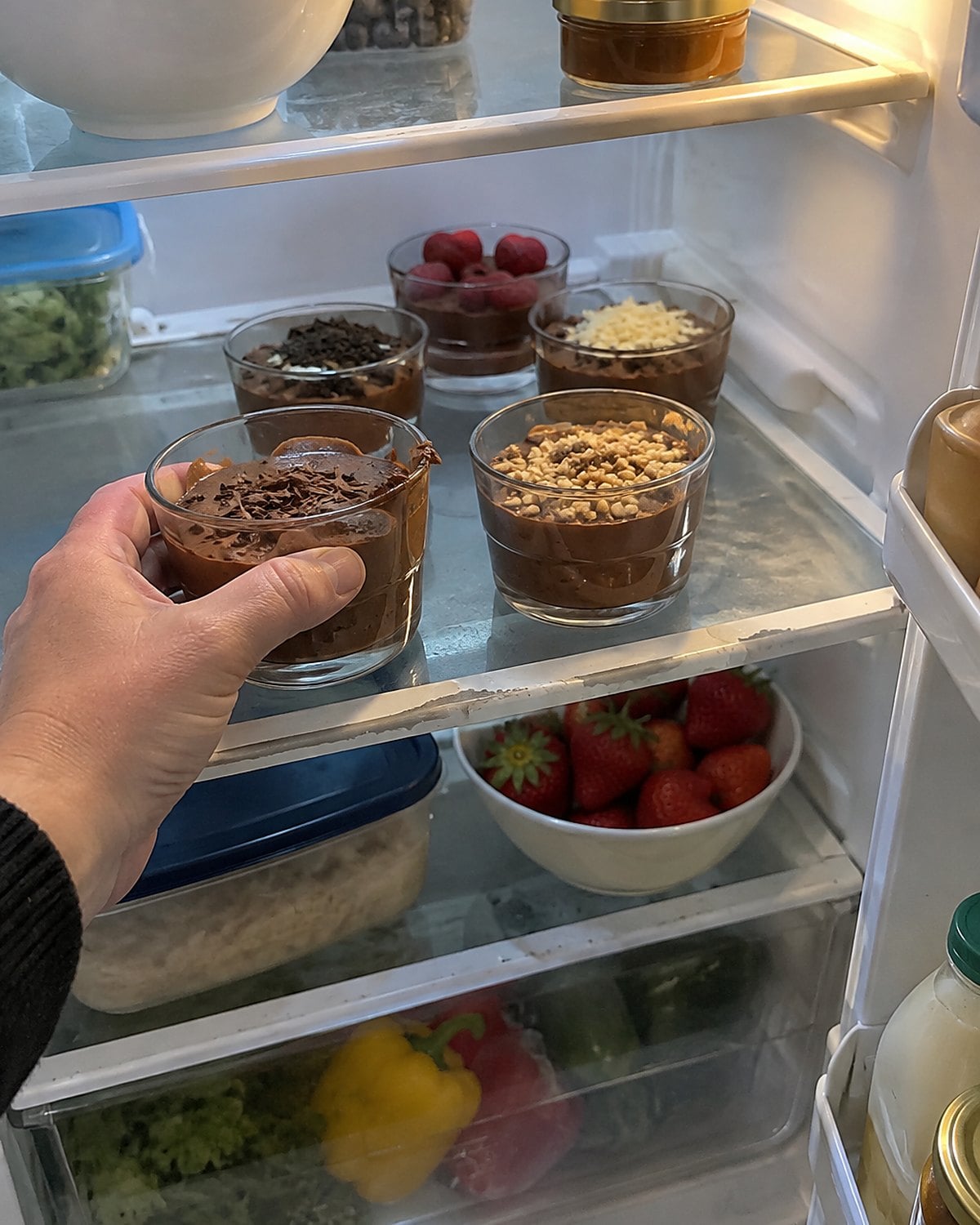
After dinner, you bring out the little chocolate cups filled with cream and coffee liqueur. They fit on a saucer beside the coffee pot, and a child sees chocolate before anyone says what’s inside.
Make the adult cups small and keep them in the refrigerator until coffee. For the grandchildren, fill separate cups with plain whipped cream or chocolate pudding.
Use a different garnish on top so you can tell them apart at a glance, even after the kitchen lights are dimmed for the tree. Tell the adults before they reach for a cup, too. Some guests avoid alcohol, and they shouldn’t have to ask whether dessert contains it.
Put the plain cups within the children’s reach only after their parents have seen them. That tiny dessert holds the whole Christmas question: the recipe belongs to you, while the serving decision belongs to everyone feeding a child that night.
#1 The Christmas Dinner Ingredient Roll Call

The doorbell hasn’t rung yet. You’ve got serving spoons in your hand, a warm oven behind you, and a moment to check what each dish contains.
Start with the foods whose ingredients don’t show on the surface. Pull out the packages you used, including the ones already in the trash. Set them where you’ll find them if a parent asks. For food made from an old recipe card, read through the card before you answer from memory.
Then ask the parents one plain question: “What do I need to know before I serve the kids?” Listen for allergies and household rules. If an answer changes the menu, find out now, while there’s still room on the counter to set a dish aside.
Don’t guess when you aren’t sure about an ingredient. Say, “Let me check.” An unfamiliar candy coating or packaged topping deserves a look at the label, not a confident answer across a crowded room.
Finally, tell the adults what needs explaining before everyone starts eating. This isn’t a speech. “The pecans are in those cookies” does the job. Keep serving utensils with their dishes, and let parents choose their children’s portions.
By the time a stool scrapes across the floor, you’ve done the part nobody sees. You still get to cook from the old cards. You also know what to say when someone points to a plate and asks, “What’s in that?”
The bottom line
The recipes aren’t all the same problem. Some need a thermometer, some need a separate bowl, and some only need a higher shelf. What starts an argument is the moment nobody knows which is which.
You’ve already got the useful parts: the old cards, the good pans, and the memory of who asks for the browned corner. Put that knowledge to work before the grandchildren climb onto their stools.
Which recipe card will you check before the doorbell rings?
Leave a Reply