

The last guest leaves, and the foil makes that familiar crackle as you fold it over the stuffing. There’s still a turkey carcass beside the stove. The little containers you saved all year are in the drawer with the twist ties. You’ve done this cleanup before, perhaps with far more people at the table.
That experience counts. So does the clock. Thanksgiving leftovers become a different job once supper is over: cool the food, give it room in the fridge, and know when to let it go. A full refrigerator and a tired cook make that harder than any recipe.
This guidance follows the USDA and FDA rules cited below. Your thermometer and the time each dish spent out still have the final say.
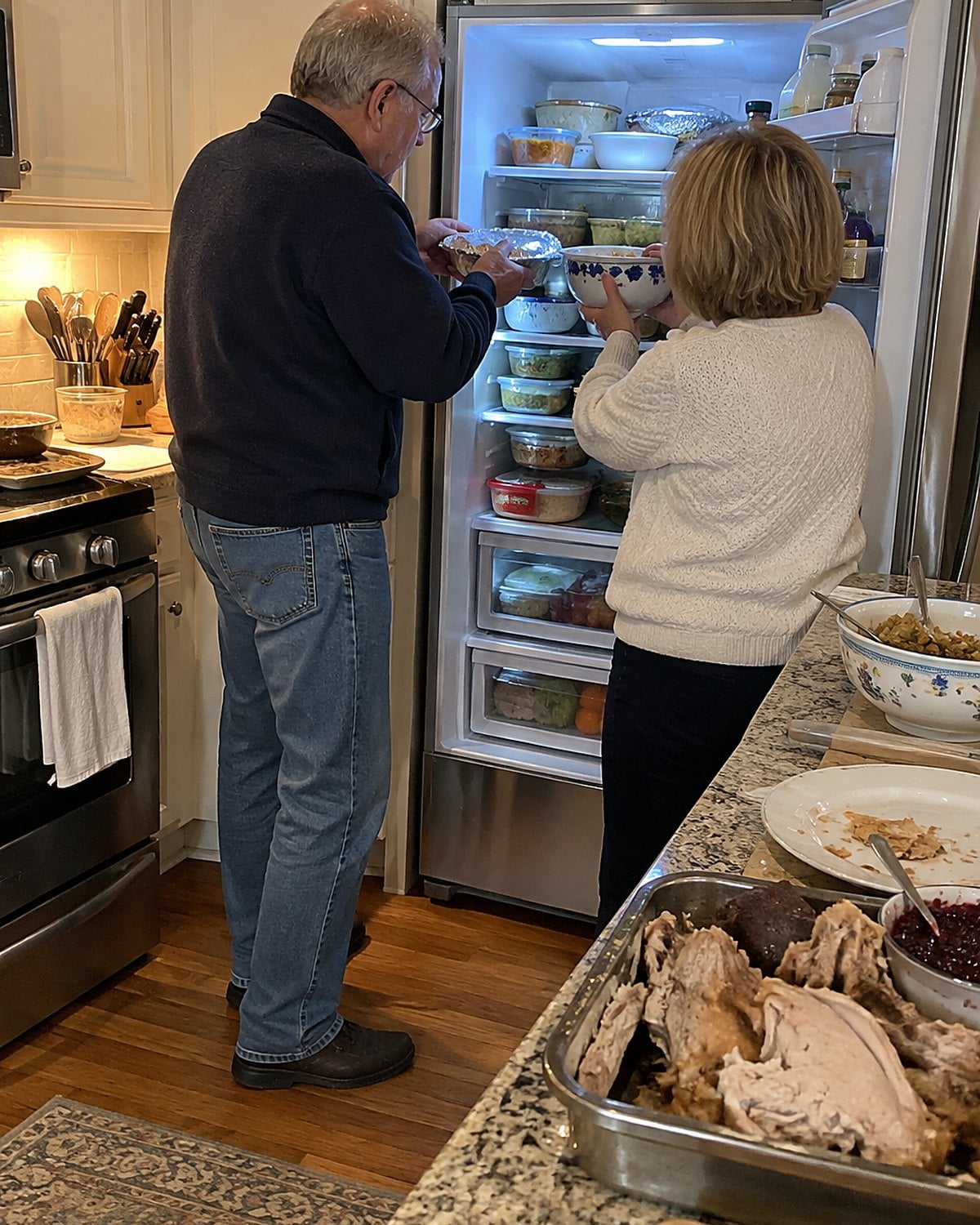
#27 Turkey Carcass Beside the Stove
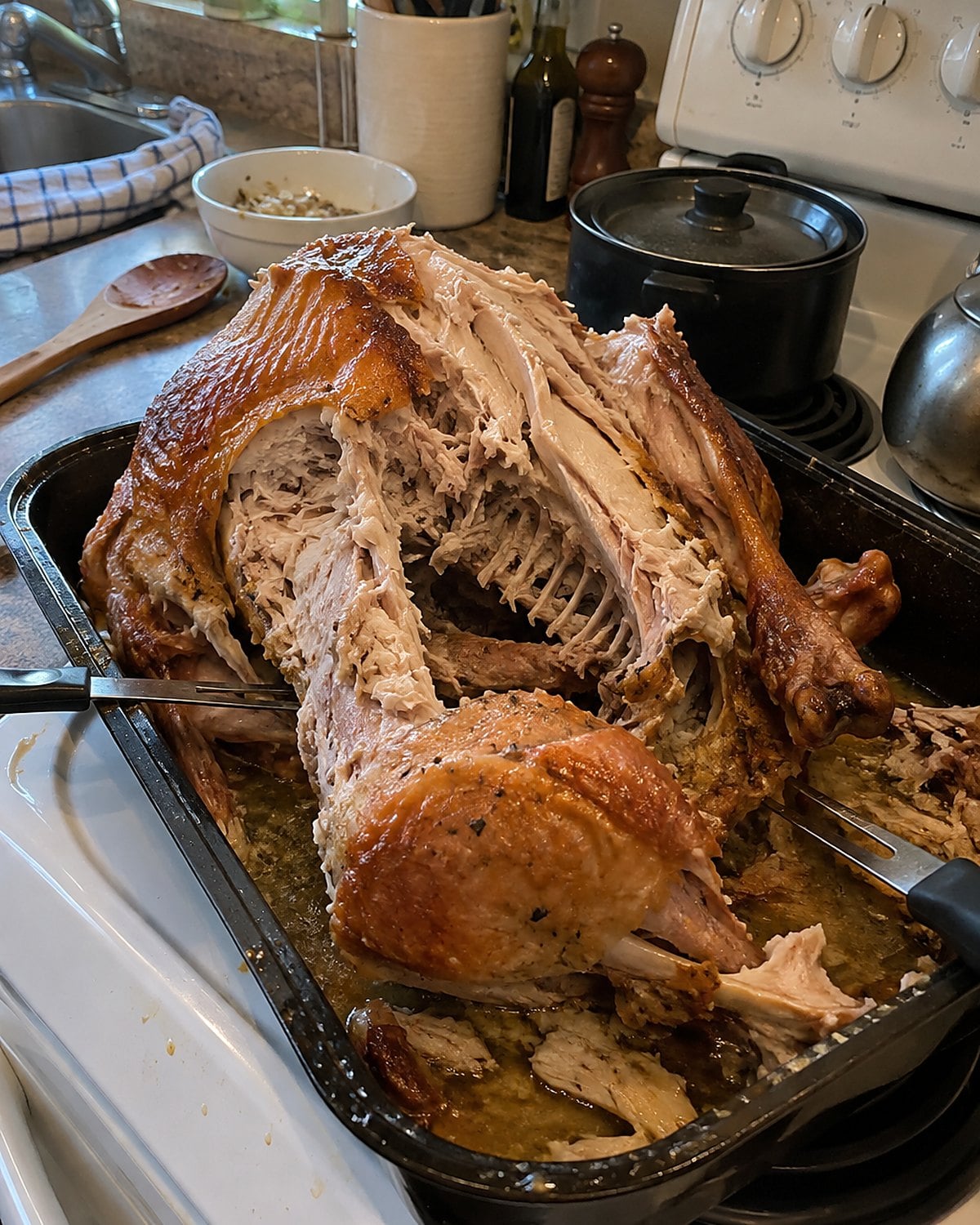
The roasting pan is heavy, the sink is full, and the carcass looks like tomorrow’s broth. Leaving it on the stove until morning saves one last task tonight. It also leaves cooked poultry at room temperature for far too long.
The USDA’s Thanksgiving leftovers guidance says to refrigerate perishable leftovers within 2 hours. An oven that’s turned off and a pot with a lid on it are still places where that clock runs.
Pull the useful meat from the bones while the kitchen is open. Put the meat in shallow containers and refrigerate it. If you want broth, refrigerate the bones promptly. Start the stock when you have time to finish cooling it properly.
A batch of stock left on the stove overnight has the same problem as the carcass. The good broth is the one you had room to chill.
#26 Stuffing Spoon Back in the Dish
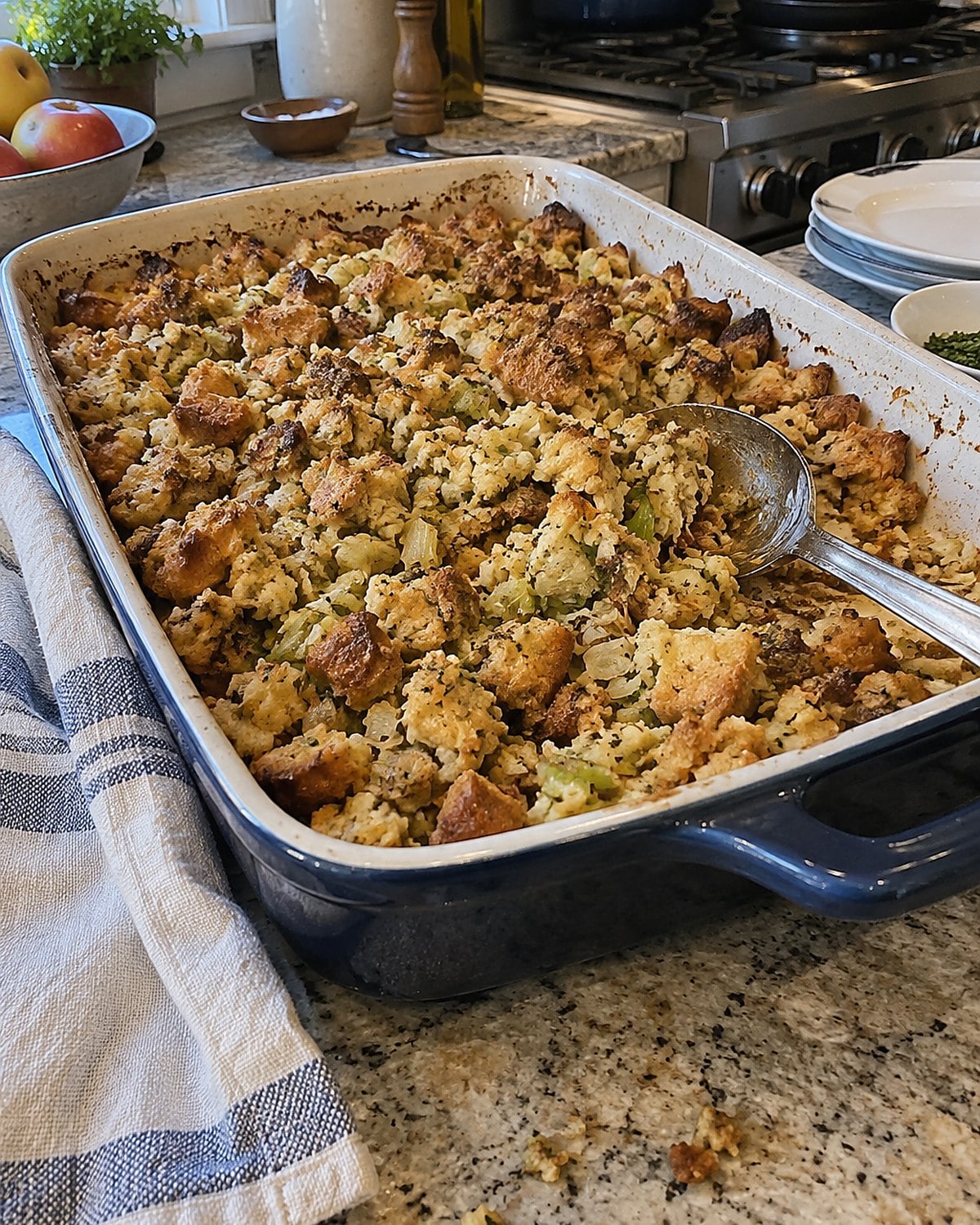
You take a taste from the stuffing dish, decide it needs pepper, and set the spoon down. Later, the same spoon goes back in.
At a crowded holiday table, utensils travel between plates, hands, and serving dishes without anyone keeping track. Set a clean serving spoon in each dish before guests arrive. After supper, pack leftovers with clean utensils.
There’s a second issue with stuffing: its center. Bread packed into a turkey has been touching raw poultry juices. The USDA says stuffing cooked inside a bird must reach 165°F in its center. A browned surface tells you nothing about the middle.
If you’re saving stuffing, first ask whether it was thoroughly cooked. Then get it into the fridge within 2 hours of serving.
The spoon is easy to replace. A missed temperature is harder to undo.
#25 Fridge Thermometer Behind the Pickles
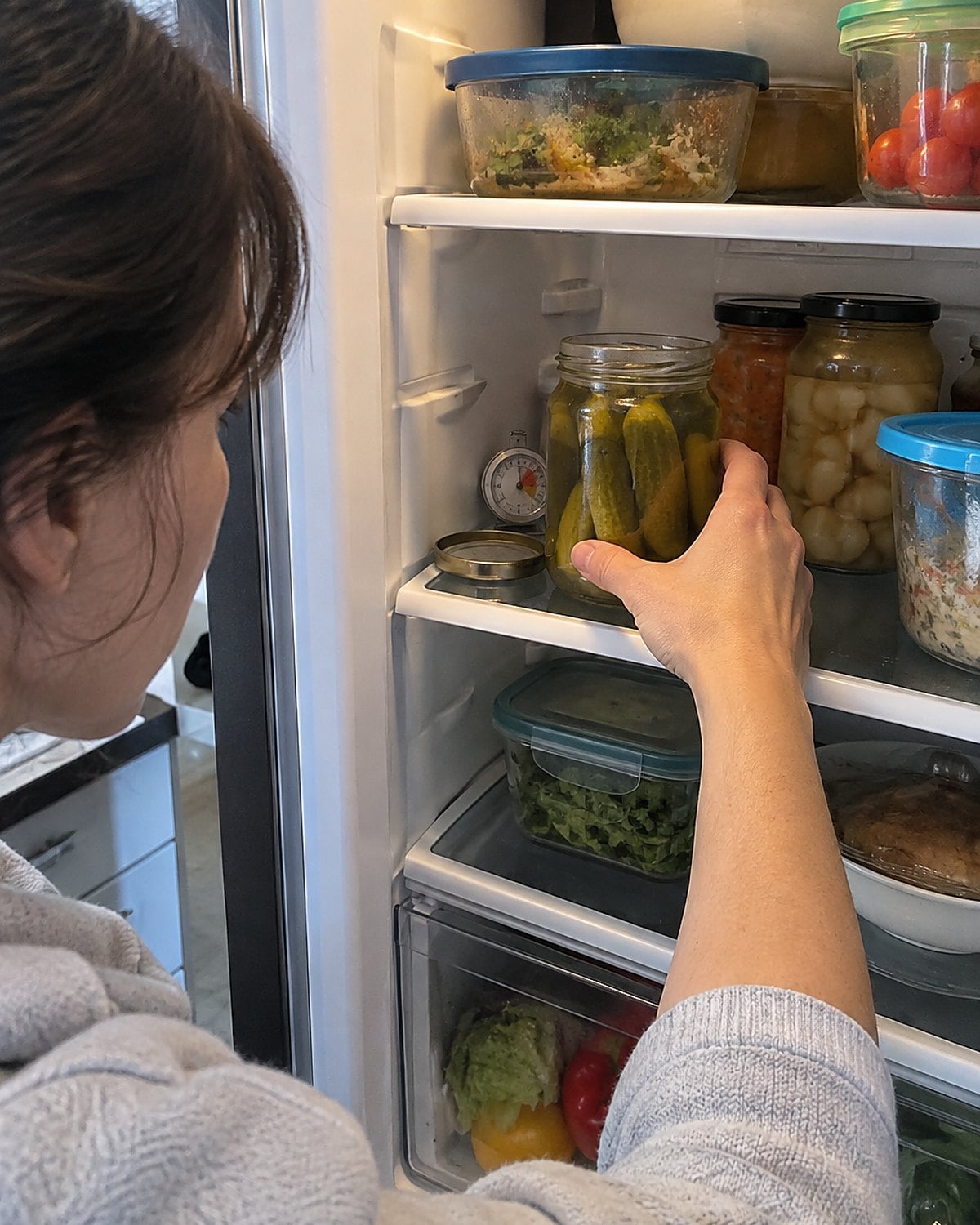
You know where everything goes in your refrigerator. Its actual temperature is less obvious, especially after guests keep opening the door for cream, drinks, and leftovers.
The FDA’s refrigerator advice puts the refrigerator at 40°F or below. Check an appliance thermometer on a shelf rather than trusting the dial marked “cold.” The dial is a setting, not a reading.
Give the thermometer time to settle after you change the setting. Then look again while the fridge is doing its ordinary work, not just after the door has been shut all night.
That reading changes every storage decision on this page. “Three to four days in the fridge” assumes the fridge is cold enough. Find out before Wednesday’s stuffing becomes a debate.
#24 Deep Pot of Turkey Soup

A deep Dutch oven holds a wonderful amount of soup. It also holds heat. Slide the whole pot into a packed fridge, and the center stays warm while cold air works around the metal.
Make room before you start ladling. Divide the soup among shallow containers, then leave space around them in the fridge. The FDA says hot food belongs in the refrigerator without a long wait on the counter.
For a large batch, set the pot in an ice bath in the sink. Stir the soup so the warmer center meets the cooler sides. Then portion it and refrigerate it promptly.
You don’t have to guess whether the bottom of the pot is still hot. Put a clean spoon against it as you portion. A hot bottom tells you the deep pot was holding more heat than the surface showed.
Keep a separate spoon for tasting. Close the containers well once the soup has chilled. Tomorrow’s bowl starts with what you do before washing the Dutch oven.
#23 Grandchild’s Plate of Turkey
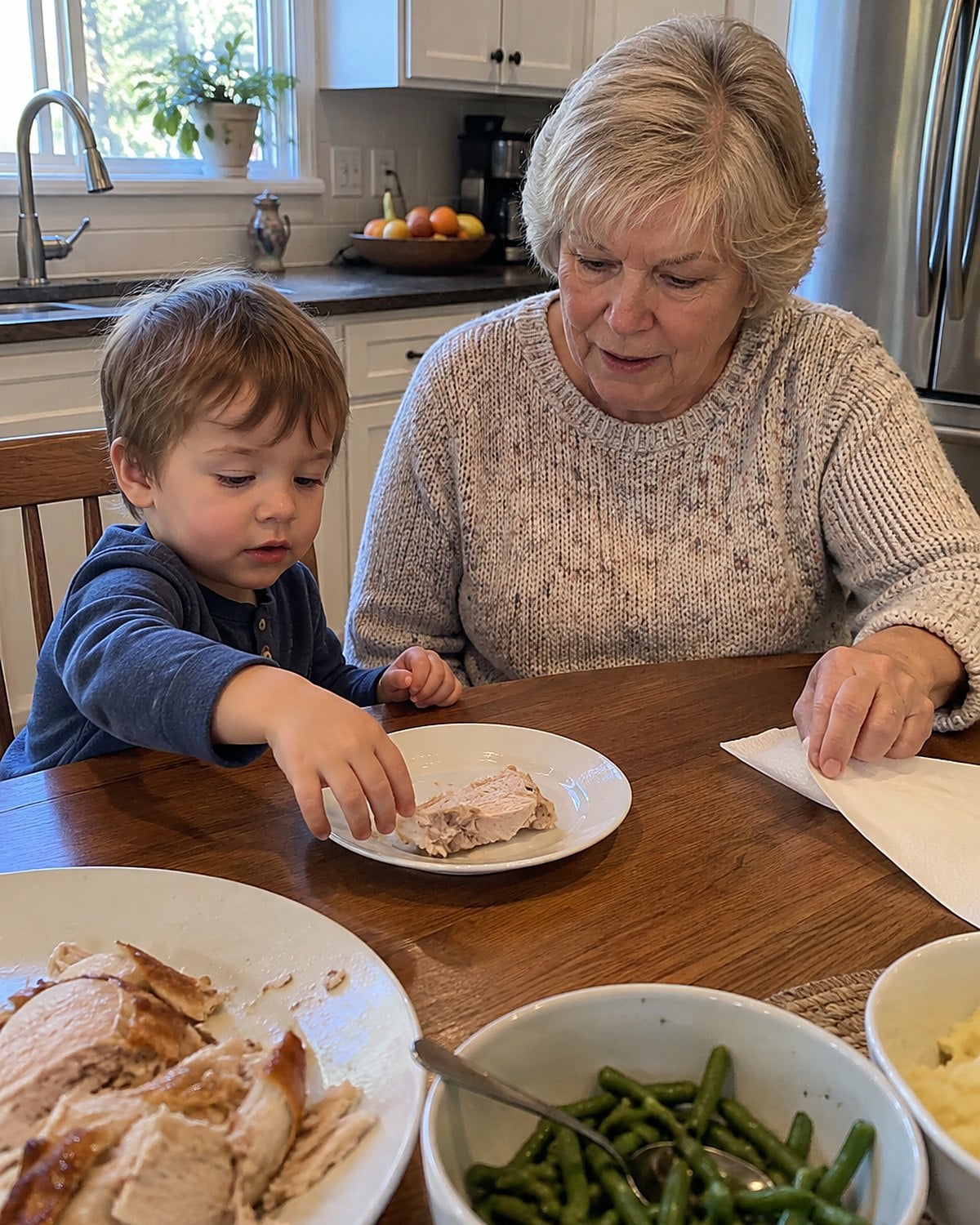
A grandchild asks for another piece, then leaves half of it beside the mashed potatoes. The clean platter is right there. It’s hard to throw good turkey away.
Keep the portions separate. Food from a used plate has met hands and a fork. Don’t scrape it into the container meant for everyone’s sandwiches.
Pack untouched turkey with a clean utensil. If you’re sending some home, tell the recipient when it was cooked. The USDA’s cold storage chart gives cooked turkey 3 to 4 days in a fridge at 40°F or below.
The plate scrap stays out of tomorrow’s lunch.
#22 Roasting Pan Left on the Counter
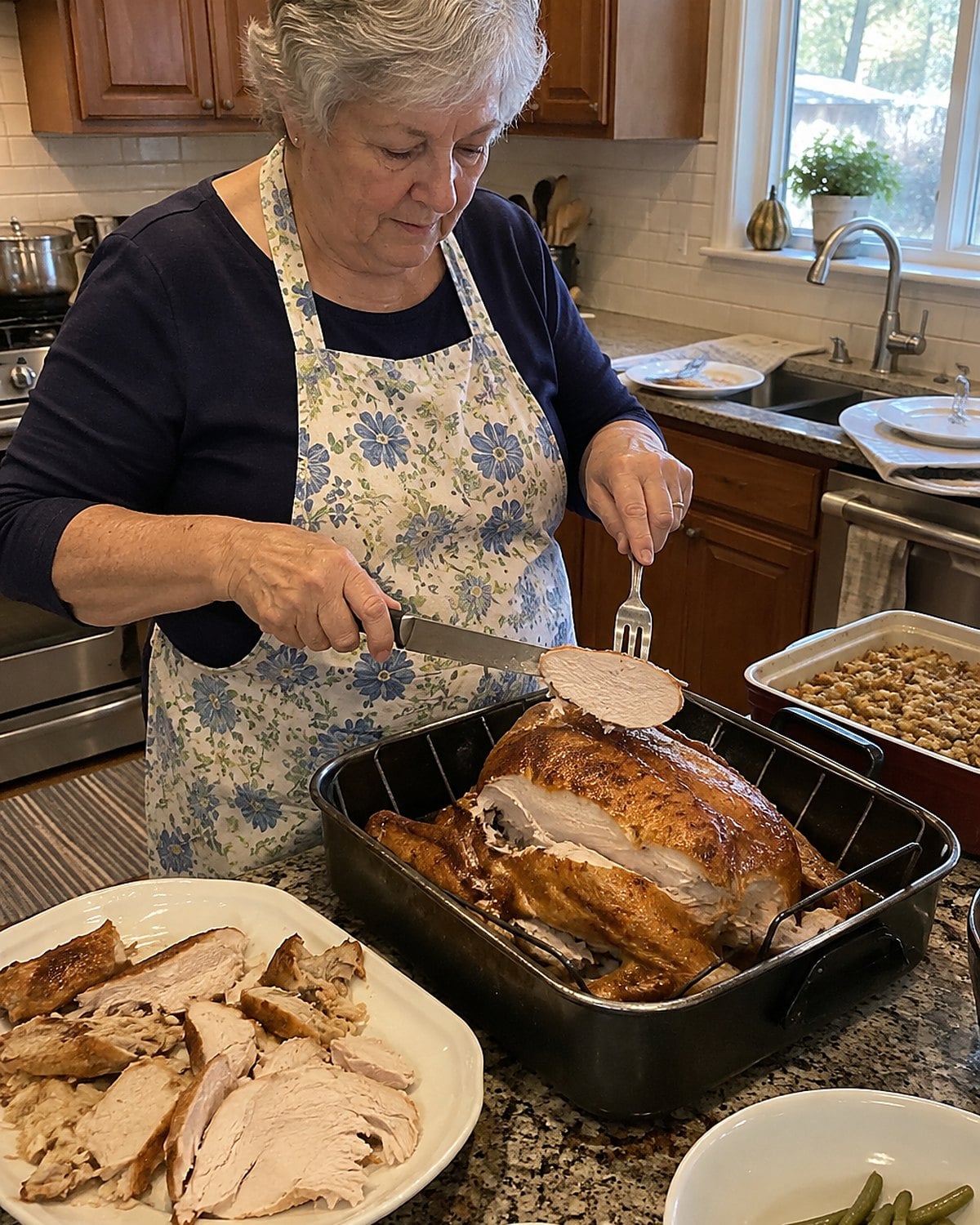
You’ve cleared the table, started the dishes, and put the gravy boat in the sink. The roasting pan still sits under loose foil. After an evening of work, it hardly looks like the urgent thing.
Look at when the turkey left the oven, not when the guests left. The USDA’s 2-hour rule applies while cooked turkey sits at room temperature. Slicing it and putting it away beats leaving the whole bird available for late picking.
Take the meat off the bones and pack it in shallow containers. You don’t need a perfect carving job. Save the elegant slices for the platter; the rest belongs in the fridge.
If the turkey has been out too long, reheating it tomorrow isn’t a repair. Some bacteria leave toxins that heat won’t remove. That’s a painful call when the bird took all afternoon, but it protects the people coming back for lunch.
#21 Creamer Carton Beside the Coffee
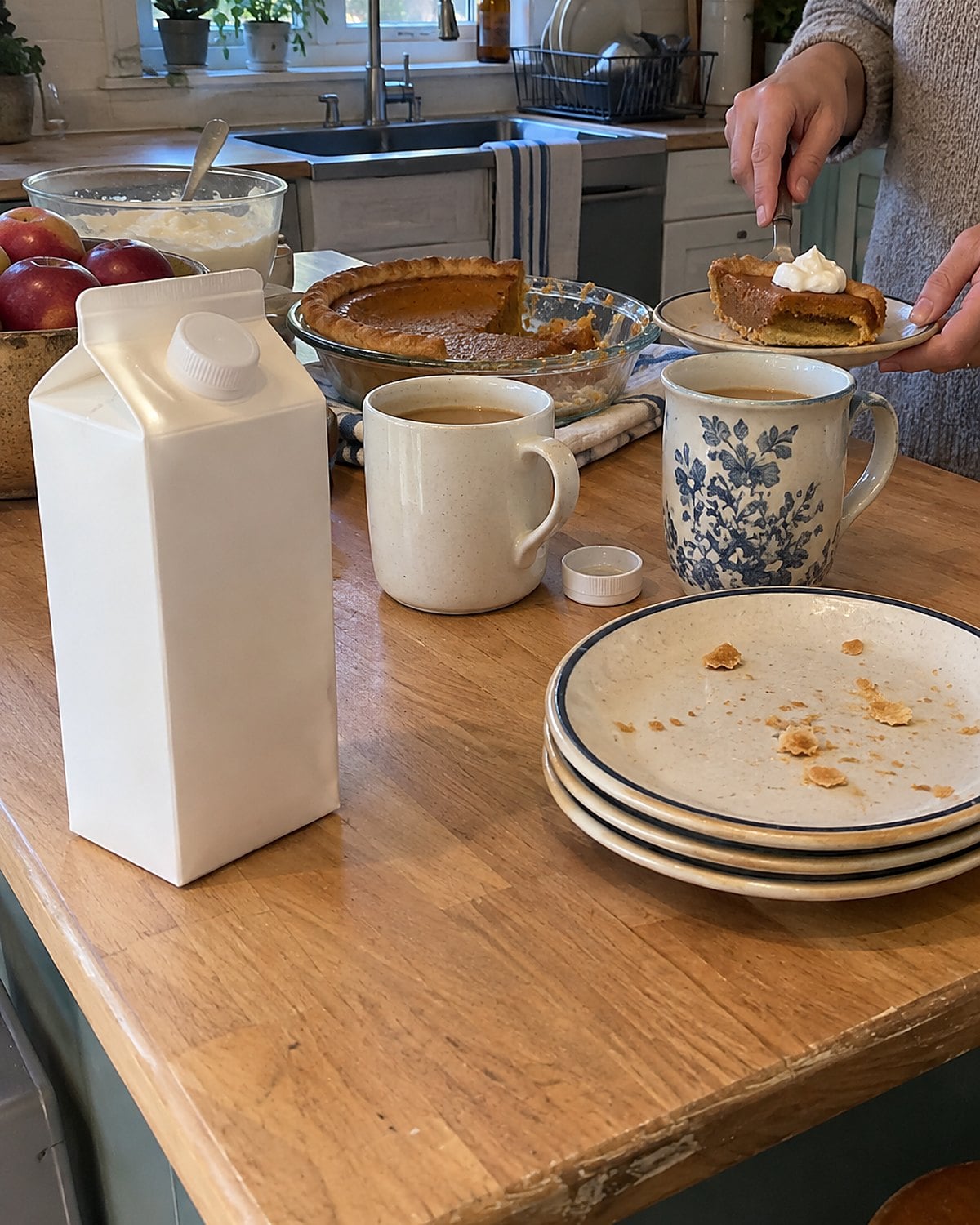
After pie, somebody puts cream on the counter for coffee. The mugs go into the sink, the guests leave, and the carton waits beside a stack of dessert plates.
Return perishable dairy to the fridge between rounds. Do the same with whipped cream and dairy-based dips. If a perishable carton has spent more than 2 hours at room temperature, discard it.
This is the small job worth handing to someone else while you lift the turkey pan. “Put the cream back, please” takes less breath than another round of cleanup later.
Before turning off the kitchen light, scan the counter once. The creamer is easy to miss because it wasn’t part of dinner.
#20 Kitchen Timer Started After Dessert
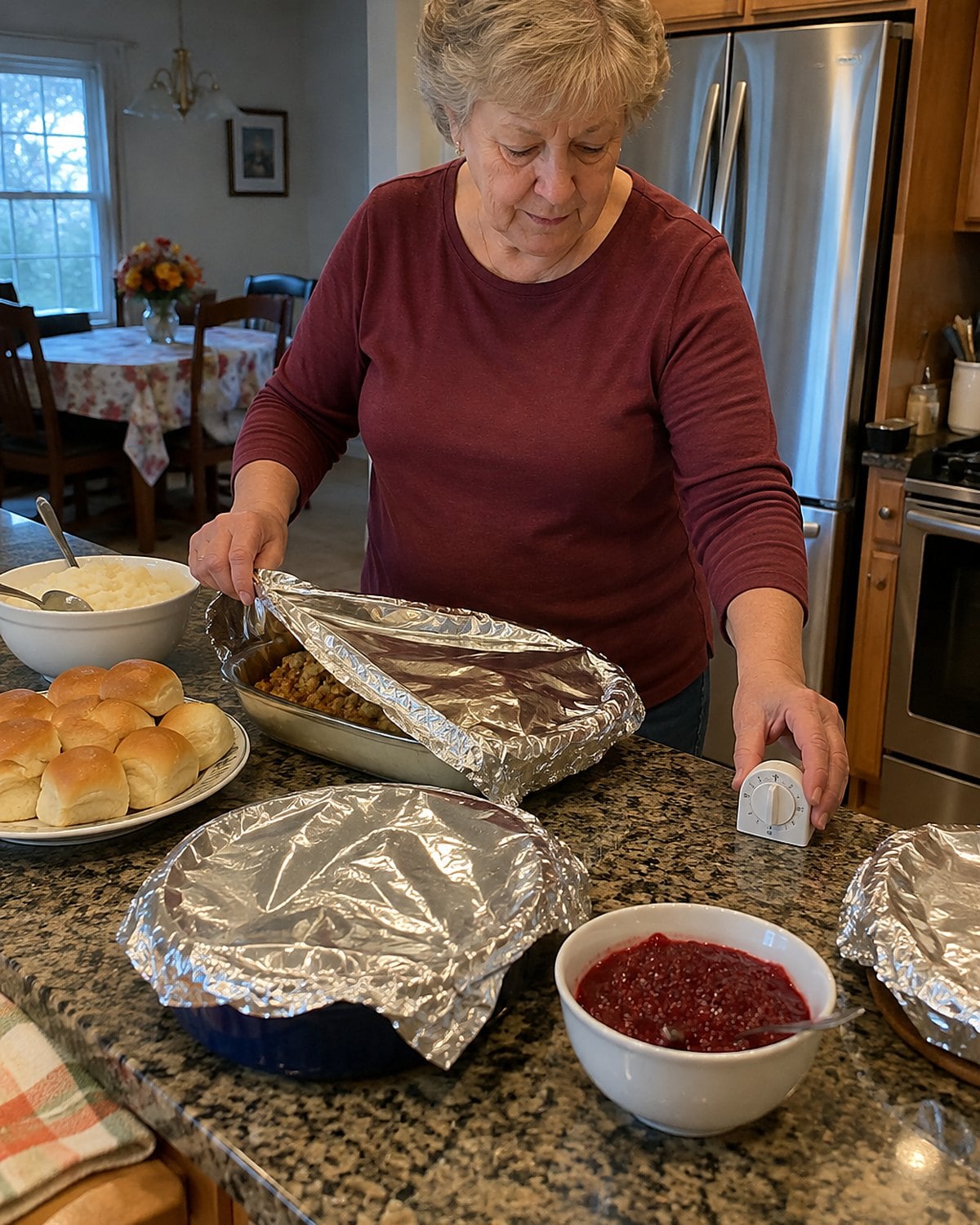
The timer got used for the pie and the rolls. Then dinner began, and nobody set one for the food on the buffet.
A late arrival wants turkey. Someone else takes seconds. Before long, you’re doing clock arithmetic over dirty dishes. Set a phone timer when perishable dishes go out, not when dessert ends. The USDA’s limit at room temperature is 2 hours.
When it sounds, ask who wants a last serving. Then clear the food into shallow containers. Guests taking leftovers home need food that was chilled promptly, not a foil package waiting beside the door.
Outside, the rule tightens to 1 hour when the air is above 90°F. That matters for a warm-weather holiday meal. Indoors, a timer still saves you from reconstructing the evening after everyone leaves.
#19 Gravy Boat Left Until Morning
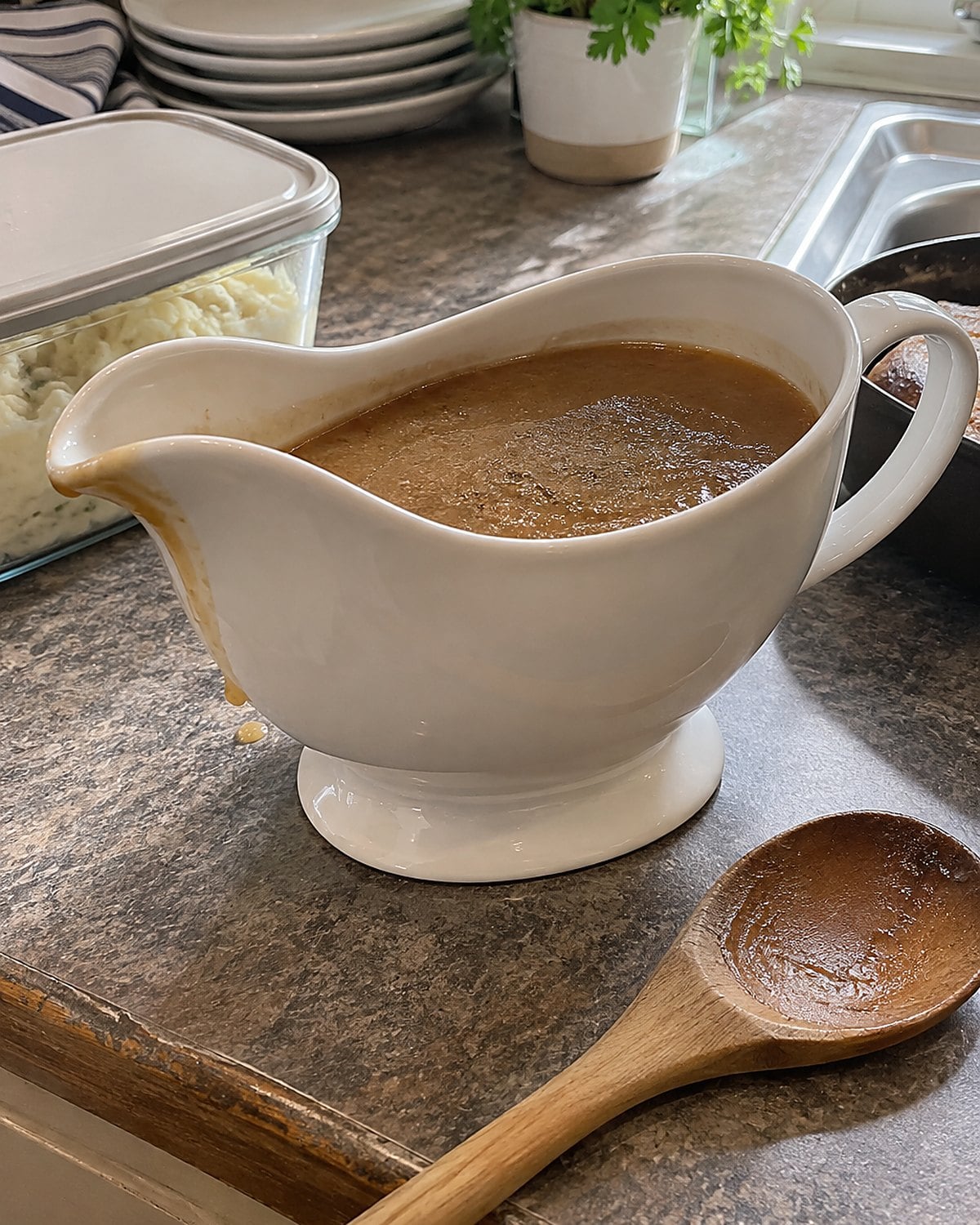
The skin across the top of gravy tells you it cooled. It doesn’t tell you how long it sat there.
Pour gravy into a shallow, clean container while you’re clearing dinner. Don’t leave the boat beside the stove overnight. If the gravy spent more than 2 hours at room temperature, let it go.
The USDA’s cold storage chart gives cooked gravy 3 to 4 days in a refrigerator at 40°F or below. When you serve it again, bring the gravy to a rolling boil, as USDA reheating guidance directs.
Stir the thick parts off the bottom as it heats. Taste for salt after the boil. A spoonful of water will loosen gravy that has thickened in the fridge.
If there’s more than you’ll serve within its fridge window, freeze a portion promptly. Use a small container. You’ll be glad you don’t have to thaw the entire batch for one plate.
Try it: Best Instant Pot Gravy (Quick & Easy, No Drippings!)
#18 Cranberry Sauce Scooped With a Used Spoon
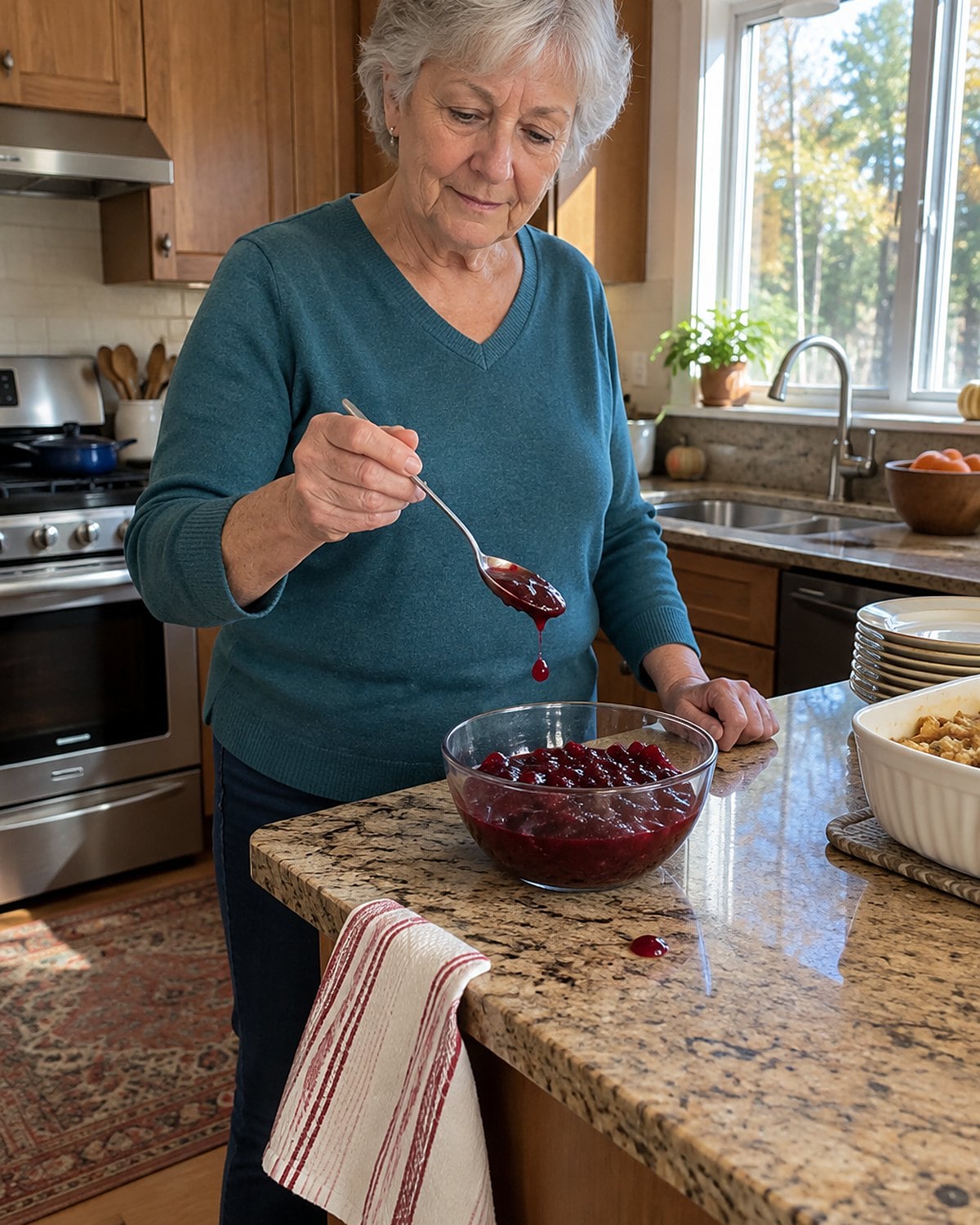
Someone drags a spoon through the homemade cranberry sauce, tastes it, and goes back for more. The sauce still looks bright when you clear the table.
Use a clean utensil to move the untouched portion into a covered container. Keep used serving spoons out of what you intend to store. A sauce’s color and sugar don’t tell you where that spoon has been.
Packaged sauce brings another question: what does the label say after opening? An unopened can and a bowl of homemade sauce aren’t the same storage job. Follow the package directions for one; check the USDA’s cold storage chart for the other.
If you don’t have a storage time you trust, freeze the extra promptly. Don’t assign it a hopeful date because the berries still look good.
#17 Freezer Bag Filled on Sunday
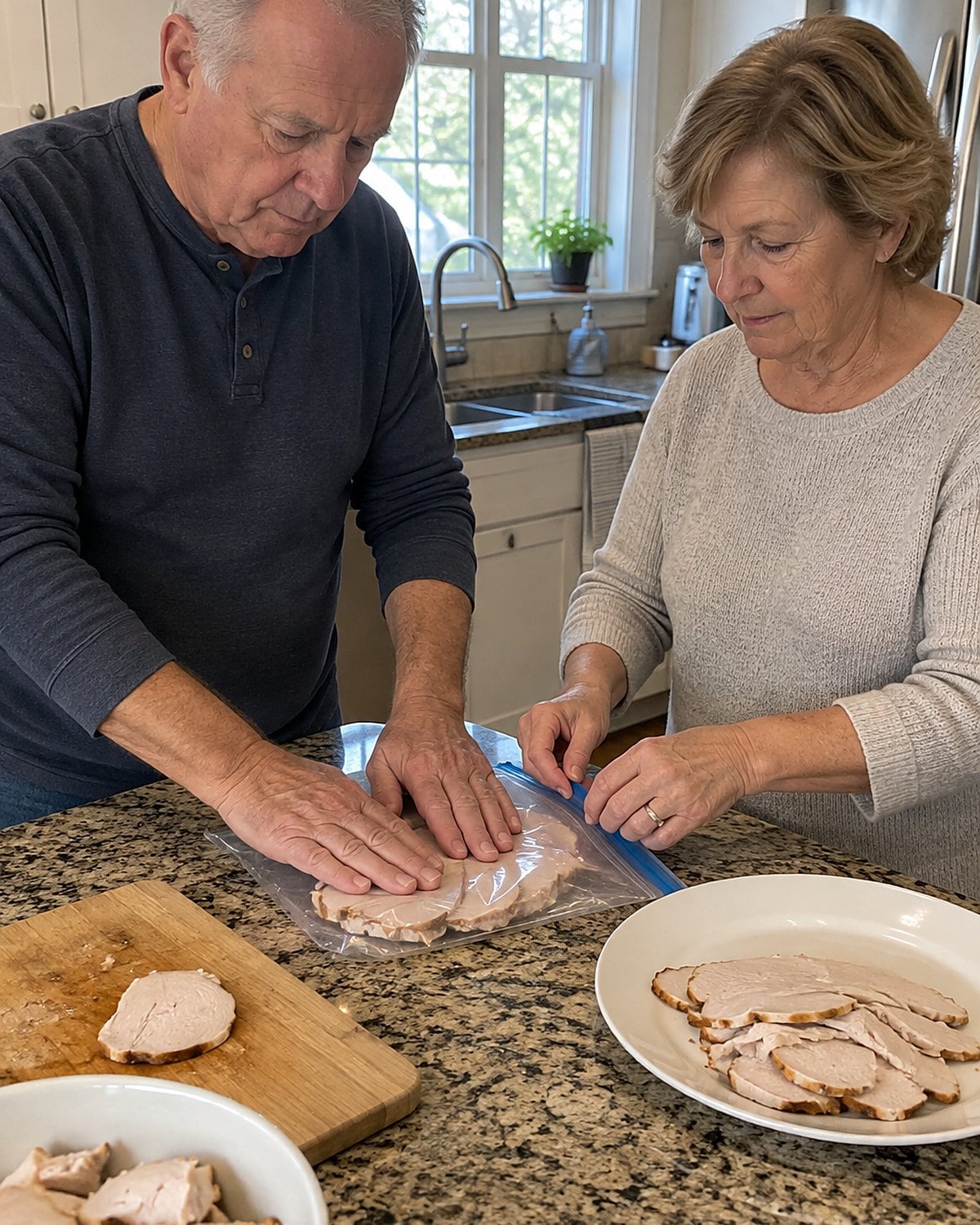
Sunday arrives, and you remember the turkey you meant to freeze. If it has stayed at 40°F or below since Thursday, you’re near the end of the USDA’s 3-to-4-day refrigerator window for cooked leftovers.
Freeze it within that window. The freezer doesn’t repair turkey that spent too long on the table or in a warm fridge.
Flatten meal-sized portions in freezer bags and push out excess air. That shape fits the freezer drawer and gives you less to thaw for one supper.
You’ve done yourself a favor when a bag holds a meal-sized portion rather than everything left on the platter. There’s less to thaw and no need to reheat the whole lot for one sandwich.
#16 Serving Bowl Under Plastic Wrap
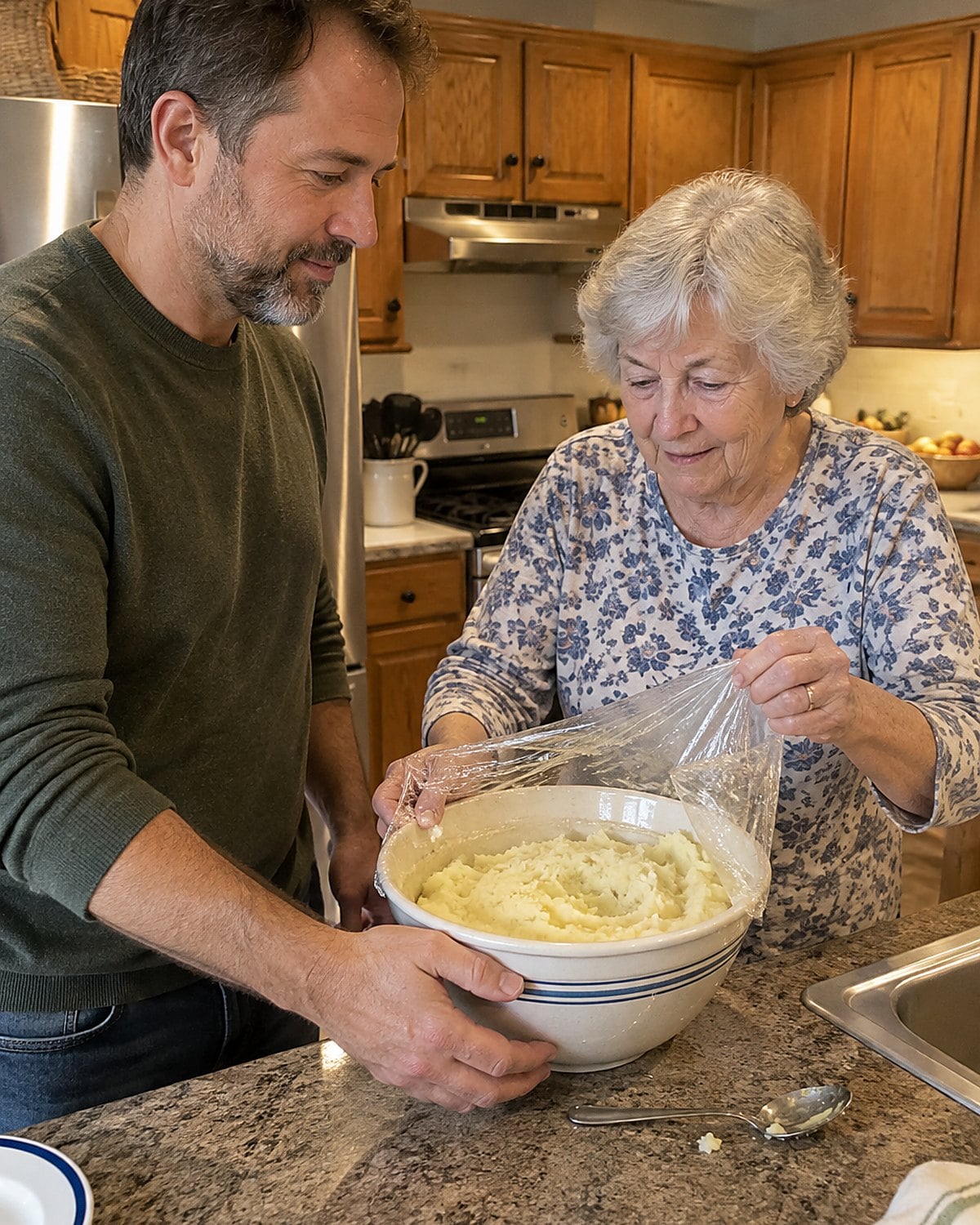
Stretching wrap over the serving bowl saves a dish. For a large bowl of mashed potatoes or stuffing, it also leaves a thick mass of warm food together.
Move perishable sides into shallow containers instead. Smaller portions lose heat faster, and they fit between the milk and tomorrow’s breakfast. Make the transfer while the food is still within the USDA’s 2-hour room-temperature limit.
Set the empty containers on the counter before you lift the heavy bowl. Fill them with a clean spoon. If the serving bowl spent dinner traveling between hands, leave its spoon in the sink.
Think about lunch while you pack. A small container holds the amount you’ll actually eat; the others stay closed and cold. That’s a better use for the saved containers than storing one enormous bowl.
#15 Sink Full of Warm Containers
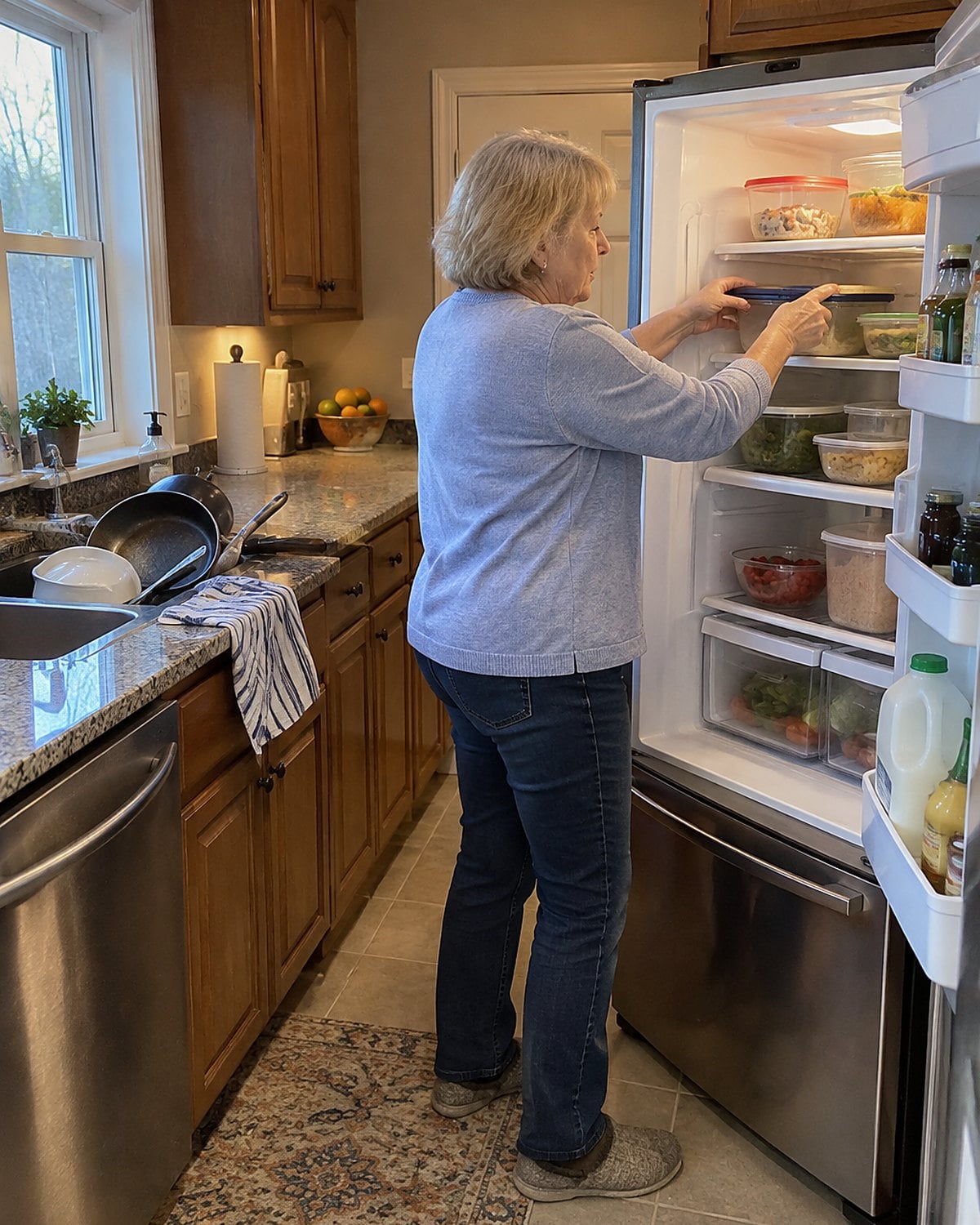
Do leftovers have to cool on the counter before they go into the refrigerator?
No. That old rule leaves food waiting while the sink fills up. The FDA says hot food goes into the fridge. Split a big batch among shallow containers first so the heat has a shorter path out.
Clear a shelf before you start. A tightly packed fridge leaves little room for cold air to move around the containers. You don’t need to wash every serving platter before putting the turkey away.
Look at the appliance thermometer after the fridge has settled. It should read 40°F or below. If it reads higher, make room for airflow and adjust the setting.
The dirty pans will still be there.
#14 Pumpkin Pie on the Counter
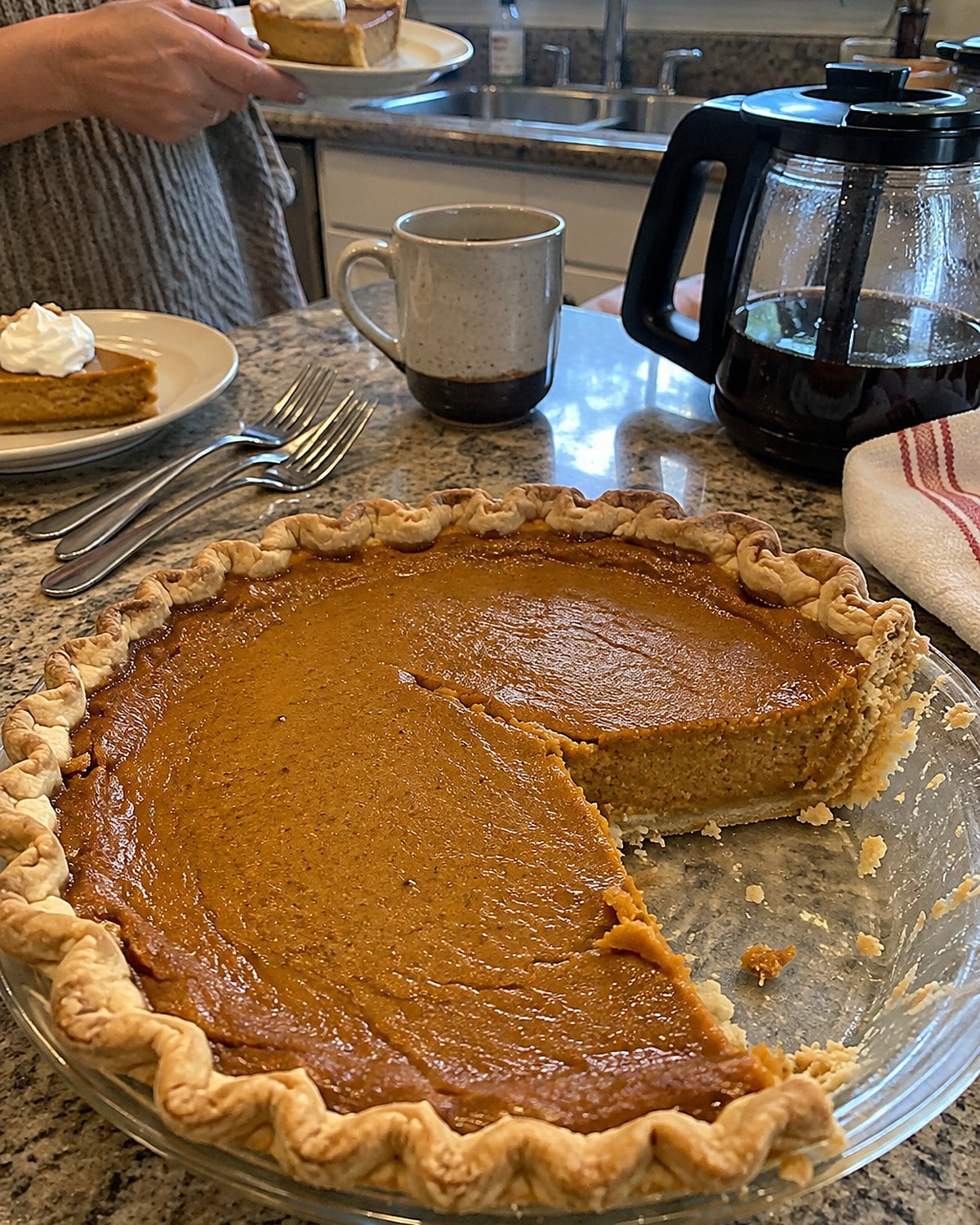
Pie feels separate from dinner. It waits by the coffee pot while the savory leftovers get packed, and somebody cuts one more sliver before bed.
Pumpkin pie is a custard pie made with eggs and milk. Refrigerate it within 2 hours rather than leaving it out overnight. The USDA’s Thanksgiving guidance gives pumpkin pie 3 to 4 days in the refrigerator.
A plain fruit pie is a different food. Don’t use a rule you remember for apple pie to decide what to do with pumpkin, pecan, or cream pie. Check the ingredients and the storage directions for a store-bought pie.
When you’re clearing dessert, make a space on a shelf first. Cover the pie after it has stopped steaming, and keep it cold.
If dessert is going home with a guest, send the pie with a cold pack for the trip. The last slice tastes better when nobody has to argue about where it spent the night.
#13 Mashed Potato Pot on Low
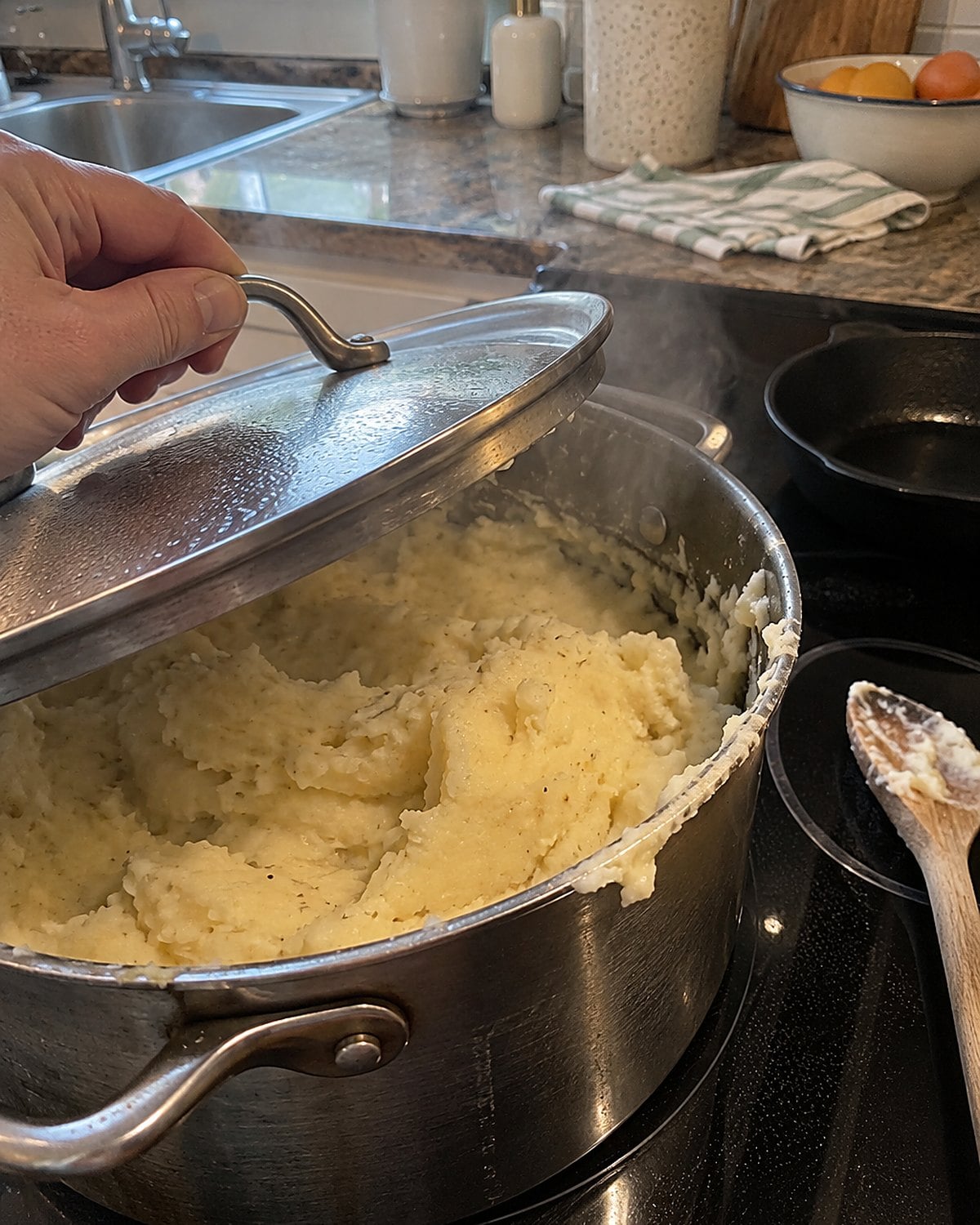
The potatoes are still in their pot, with the burner on low for late seconds. You turn it off after dinner, put on the lid, and leave the pot to deal with later.
Once the heat is off, the pot begins cooling. A lid and a heavy base hold warmth in the middle. They don’t turn the pot into a refrigerator.
Move the potatoes into shallow containers within 2 hours of serving. Spread them rather than pressing them into one deep tub. A clean spoon keeps the portion you’re saving separate from the one that sat out for seconds.
For a later supper, freeze a portion while it’s within the USDA’s 3-to-4-day refrigerator window. The pot belongs in the sink; tomorrow’s serving belongs in the fridge.
#12 Turkey Slices Warm at the Edges
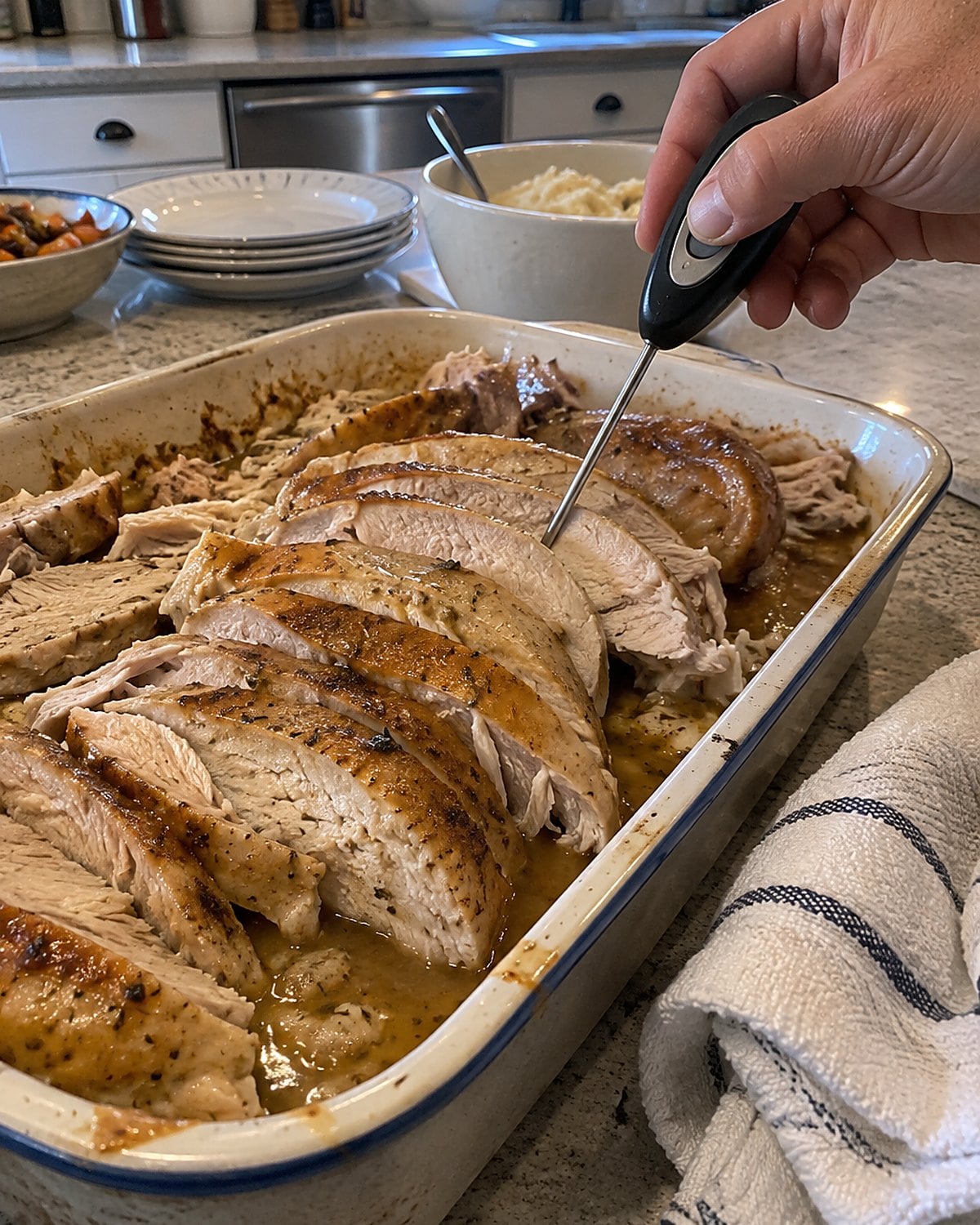
You spoon gravy over cold turkey slices, heat the dish, and find one edge too hot to touch. The middle slice is barely warm.
The USDA says reheated leftovers need to reach 165°F. Put a food thermometer into the thickest slice. Check another spot if the slices overlap. Stir the gravy so heat reaches what’s beneath it.
A microwave leaves hot and cool patches. Cover the dish, rotate or stir it partway through, and let it stand so the heat spreads. Then check the temperature.
A fingertip finds warmth at the surface. It won’t tell you what happened under the stack of slices. Save the finger test for deciding when a fully heated portion is cool enough to eat.
Take out only what you’ll serve. The rest stays cold instead of making the trip from fridge to heat and back.
#11 High-Chair Tray of Stuffing
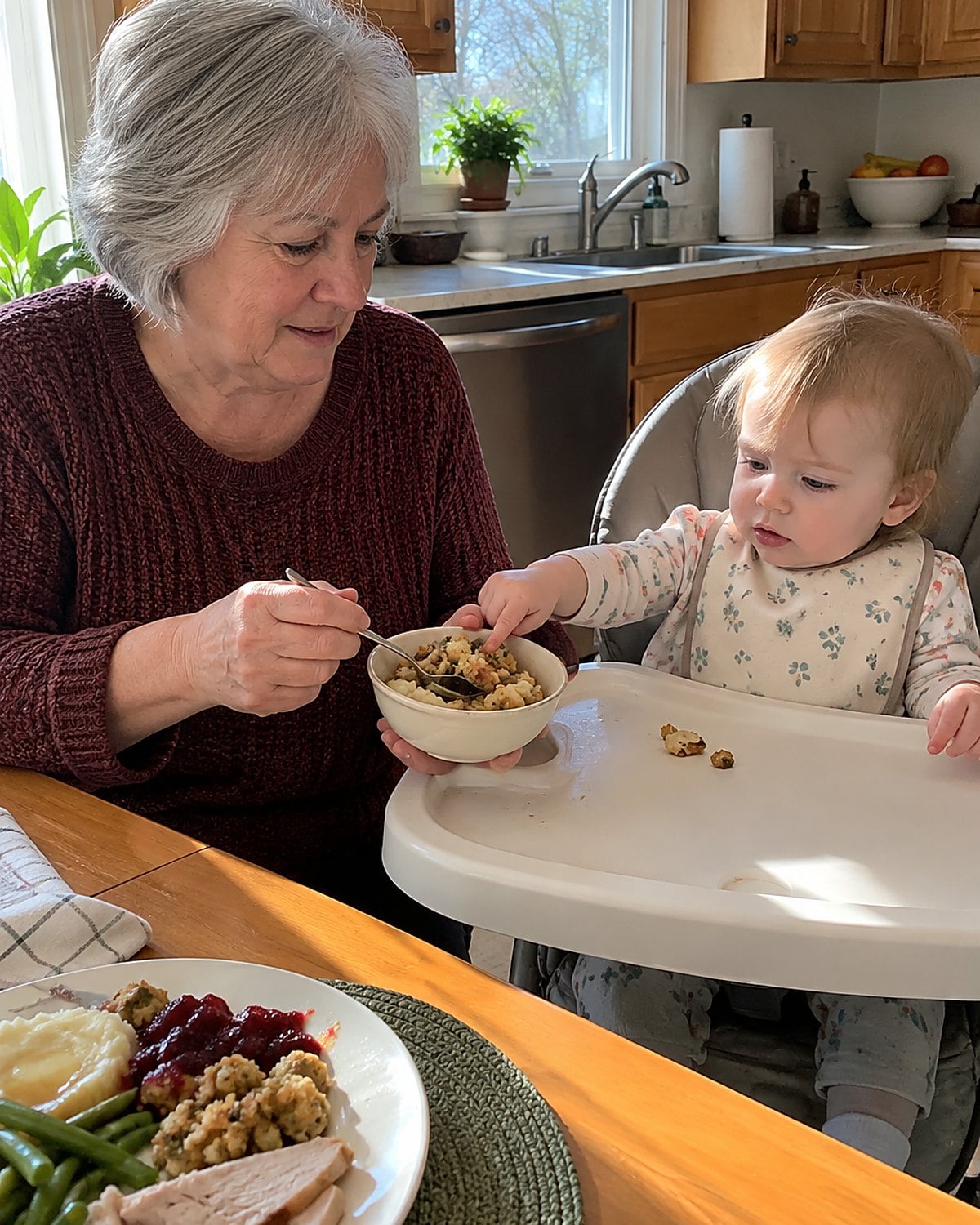
A grandchild is ready for lunch, and the stuffing is still in the fridge. You heat a spoonful, set it on the high-chair tray, and the child asks for more after it cools.
Heat the portion from the refrigerator to 165°F before serving it. Then let it cool to an eating temperature. Keep the main container cold while the child finishes that first spoonful.
Don’t put scraps from the tray back in the fridge with the untouched food. Pack a small portion before the meal instead, so a rejected bite doesn’t decide the fate of tomorrow’s lunch.
There’s a line that helps when another adult is serving: “I’ll heat the next bit from the fridge.” It’s plain, and nobody has to debate how long the first portion has been on the tray.
#10 Casserole Pan With a Cold Center
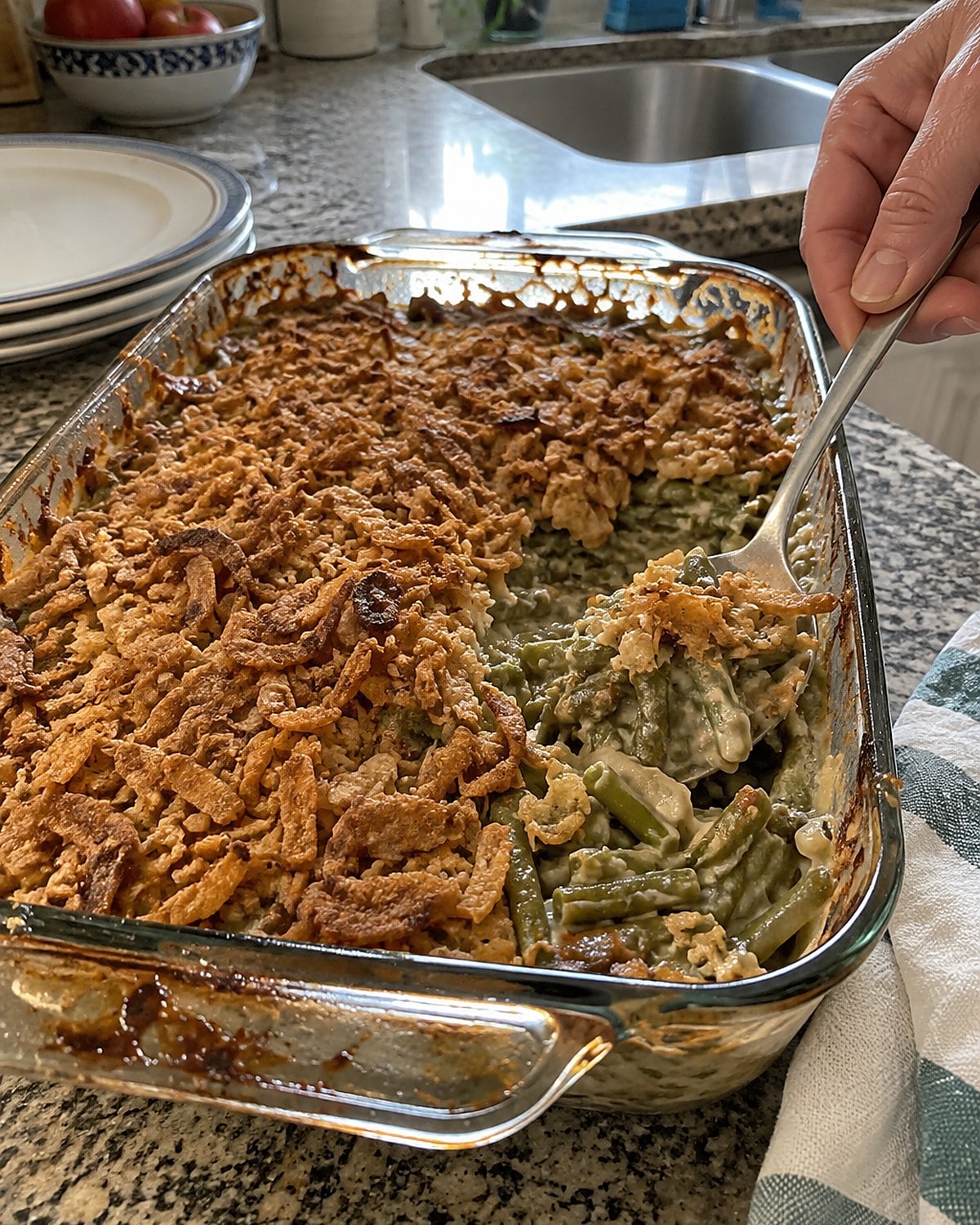
The top is brown. The corners are bubbling. You pull out the green bean casserole and find a cool spoonful in the middle.
A dense pan heats from the outside inward. For a leftover casserole, the USDA’s 165°F reheating target applies at the center. Test there, not beside the hot glass edge. If the center needs more time, cover the pan so the top doesn’t dry out while it finishes.
Smaller portions heat more evenly. Scoop tonight’s amount into a smaller dish and leave the rest cold. That way the entire pan doesn’t make another trip through heating and cooling.
Taste for texture after it’s hot enough. A crisp topping won’t stay crisp under a cover, but you can add a fresh sprinkle after the center reaches temperature. Safety comes first; the crunch gets its turn next.
Try it: Instant Pot Green Bean Casserole
#9 Mystery Bag in the Freezer Drawer
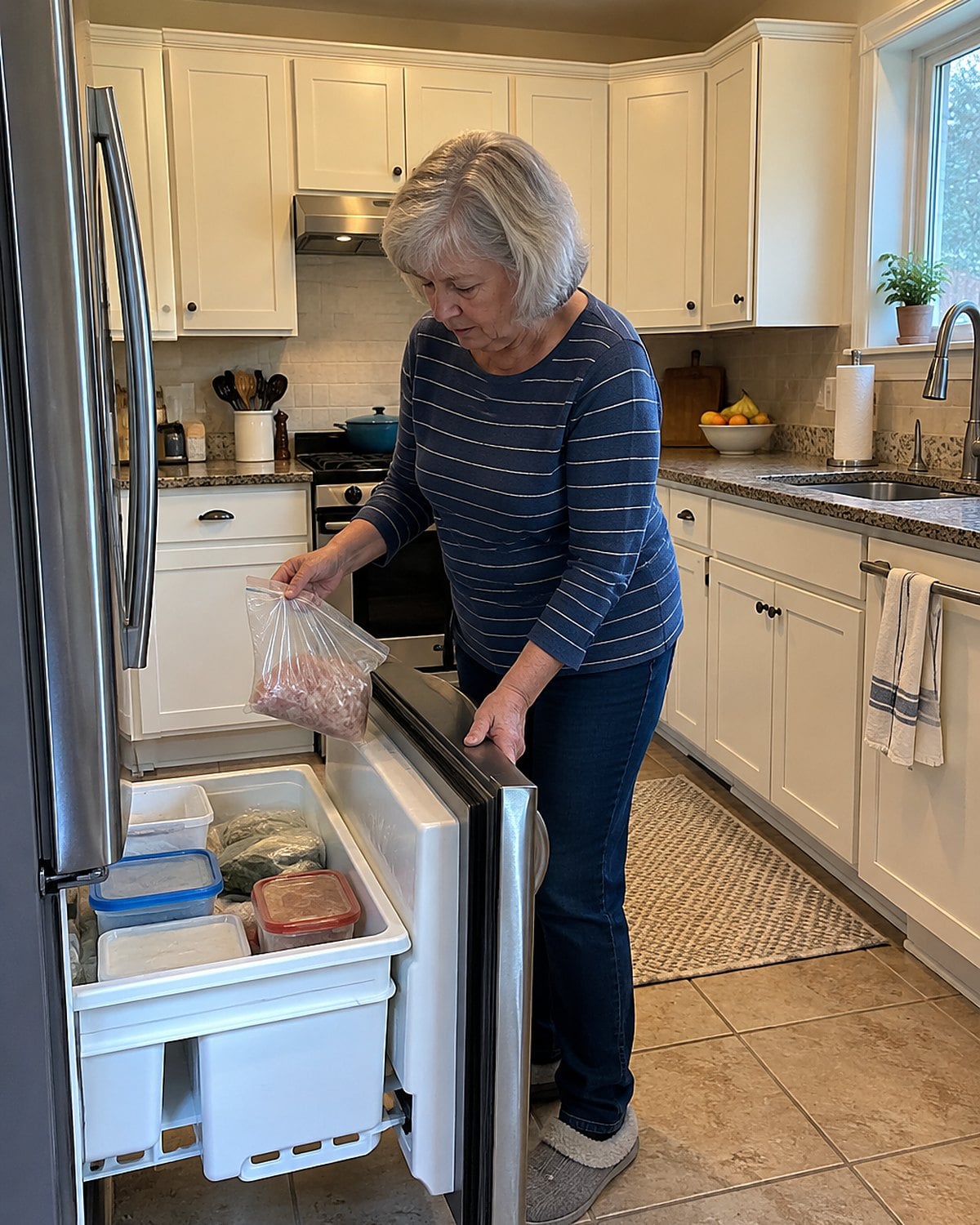
Hold that brown frozen bag up to the light. Stock? Gravy? Last winter’s chili? A date alone wouldn’t answer what to put in tonight’s saucepan.
Write the food name on a freezer bag before filling it, while the surface is dry. Flatten the filled bag so it freezes and stacks neatly. For a quality-storage guide to a particular food, look it up in the USDA’s FoodKeeper.
At 0°F, food that stays continuously frozen remains safe from bacterial growth, according to USDA guidance. Flavor and texture are separate questions. Freezer burn is unpleasant, and an unknown bag is hard to plan dinner around.
Use the contents while you still remember the dish you made.
#8 Casserole Dish Riding Home
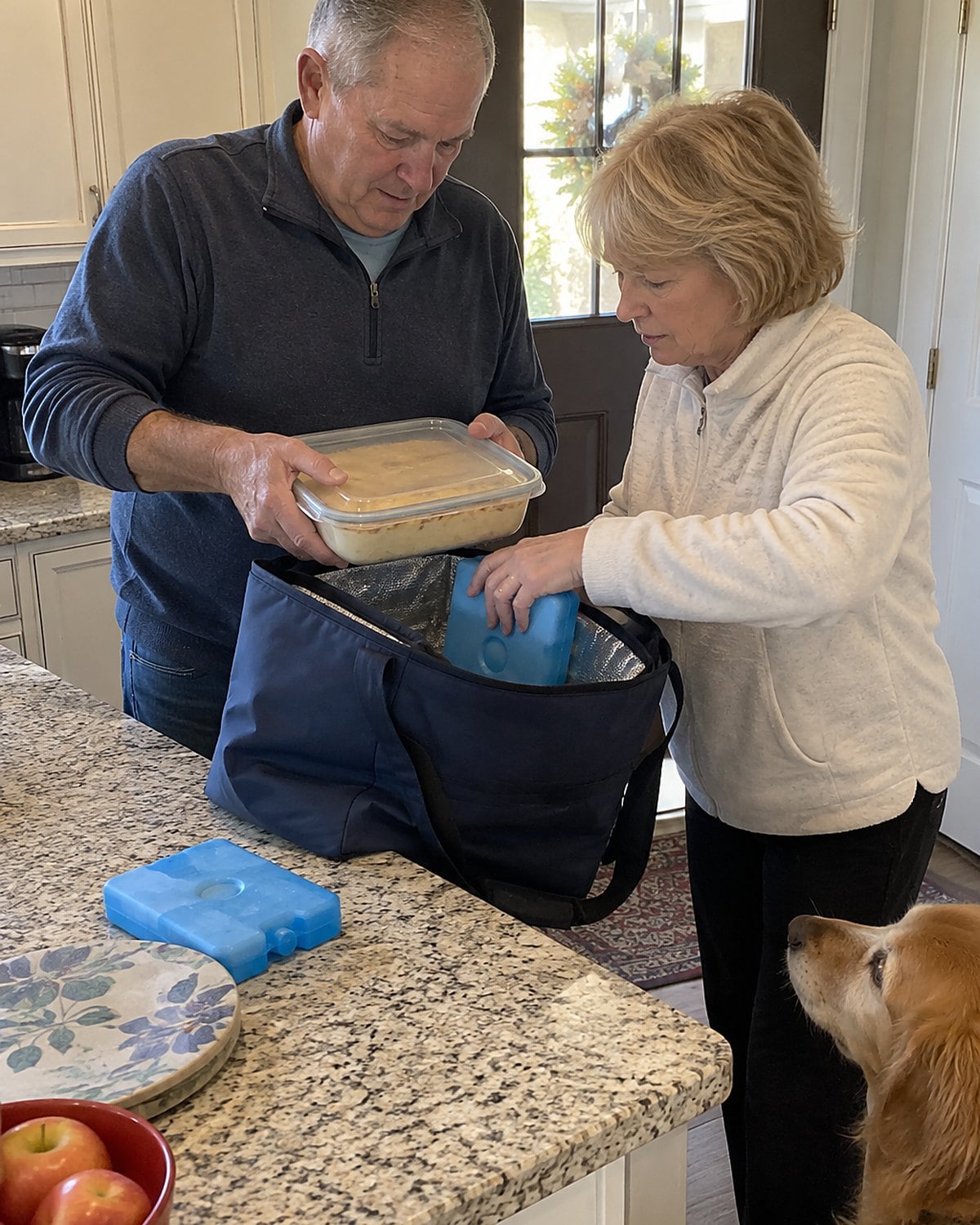
The goodbyes stretch across the driveway. Meanwhile, a foil-wrapped casserole waits in a warm car, and its new owner still needs to stop for gas.
Send a cold casserole in a clean, covered container. Add frozen cold packs to an insulated bag. Tell the person when it was cooked and to refrigerate it on arrival.
Foil and a towel won’t hold a hot dish at a safe temperature through an uncertain trip. If the food is for later, chill it promptly and transport it cold. Otherwise, that long goodbye becomes part of the time the food spends warming up.
The USDA’s 2-hour room-temperature limit includes time on the road without temperature control. Say the useful part out loud: “This needs the fridge when you get home.”
#7 Turkey Sandwich Made From Tuesday’s Box
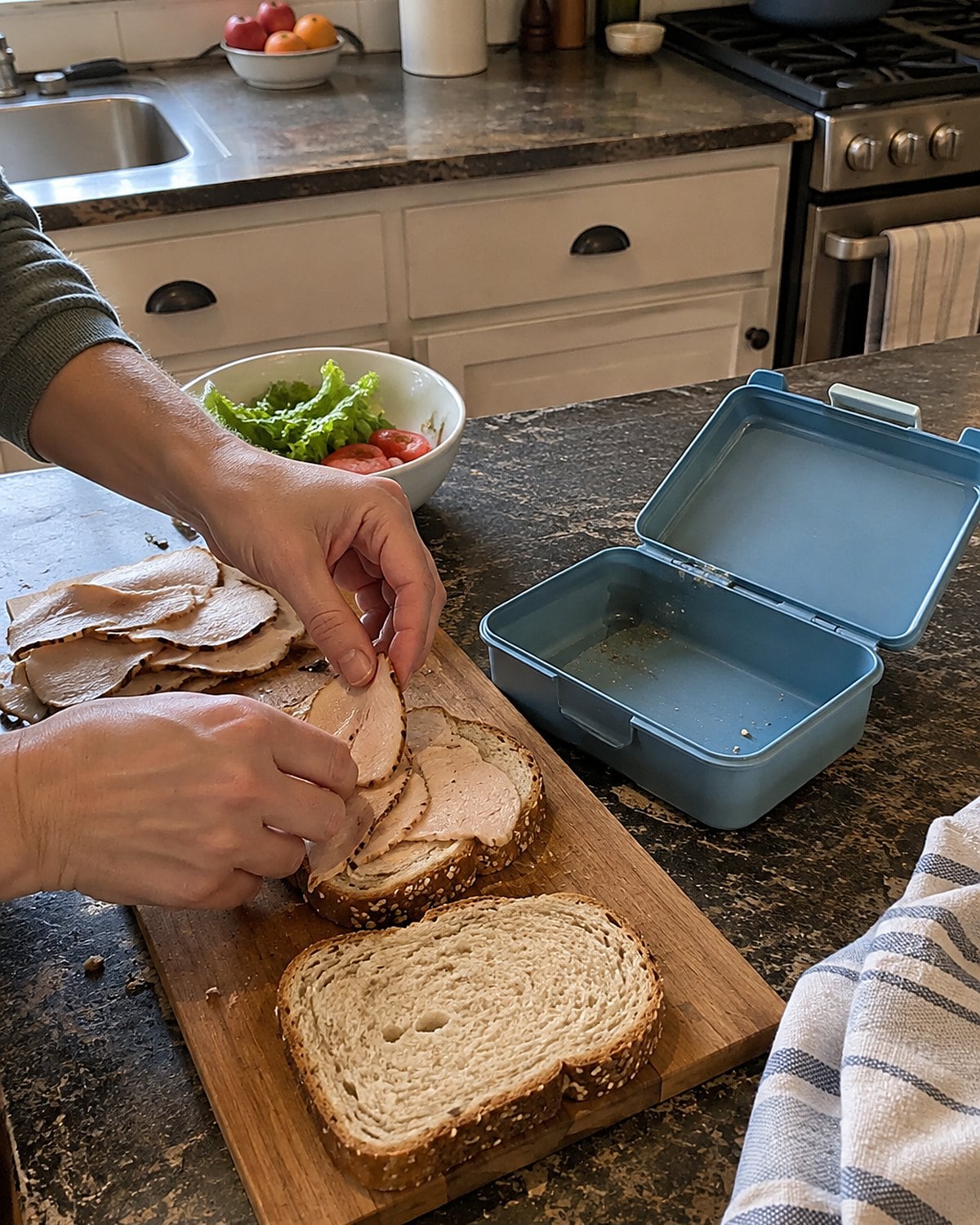
Tuesday’s lunch box has turkey in it. You pack it for Wednesday, then remember the bird was cooked Thursday.
The days blend together, but the turkey’s age doesn’t start over when it moves to a fresh box. The USDA gives cooked turkey 3 to 4 days in a fridge at 40°F or below. From Thanksgiving Thursday, Monday is the far end of that window.
That Wednesday sandwich needs a different filling. If you want turkey later in the week, freeze a portion while it’s still within the fridge window.
There’s no need to argue with a good-looking slice. A clean lunch box and fresh bread don’t change when the turkey was cooked.
#6 Cooler Waiting on the Porch
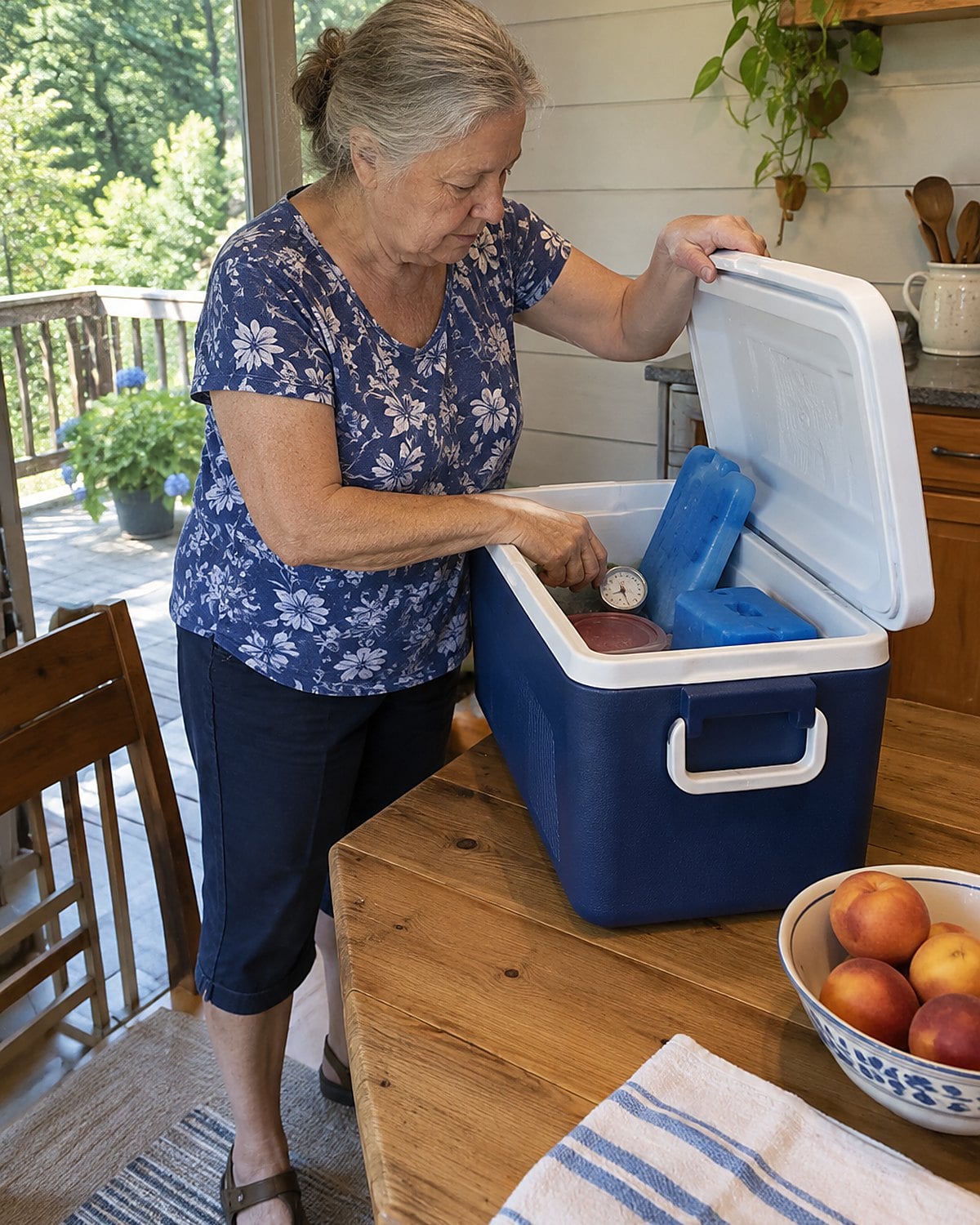
The porch feels colder than the kitchen, so the cooler goes outside with leftover turkey and pies. Morning comes, and the air feels chilly. That doesn’t tell you what happened inside overnight.
Use a thermometer in any cooler holding perishable food. Keep it at 40°F or below with enough ice or frozen packs, and check the reading. Outdoor air changes while you’re asleep.
A dish set directly on the porch has no temperature control at all. The same goes for a cooler with packs that have thawed and no thermometer to tell you when the food warmed.
If fridge space is tight, decide what to send home while guests are still there. Pack chilled food in properly cold coolers for the trip. Make room in the fridge for what stays with you.
A heated porch or a patch of morning sun changes the picture again. Your house thermostat won’t answer the question. The thermometer beside the food will.
#5 Church-Hall Foil Pan of Stuffing
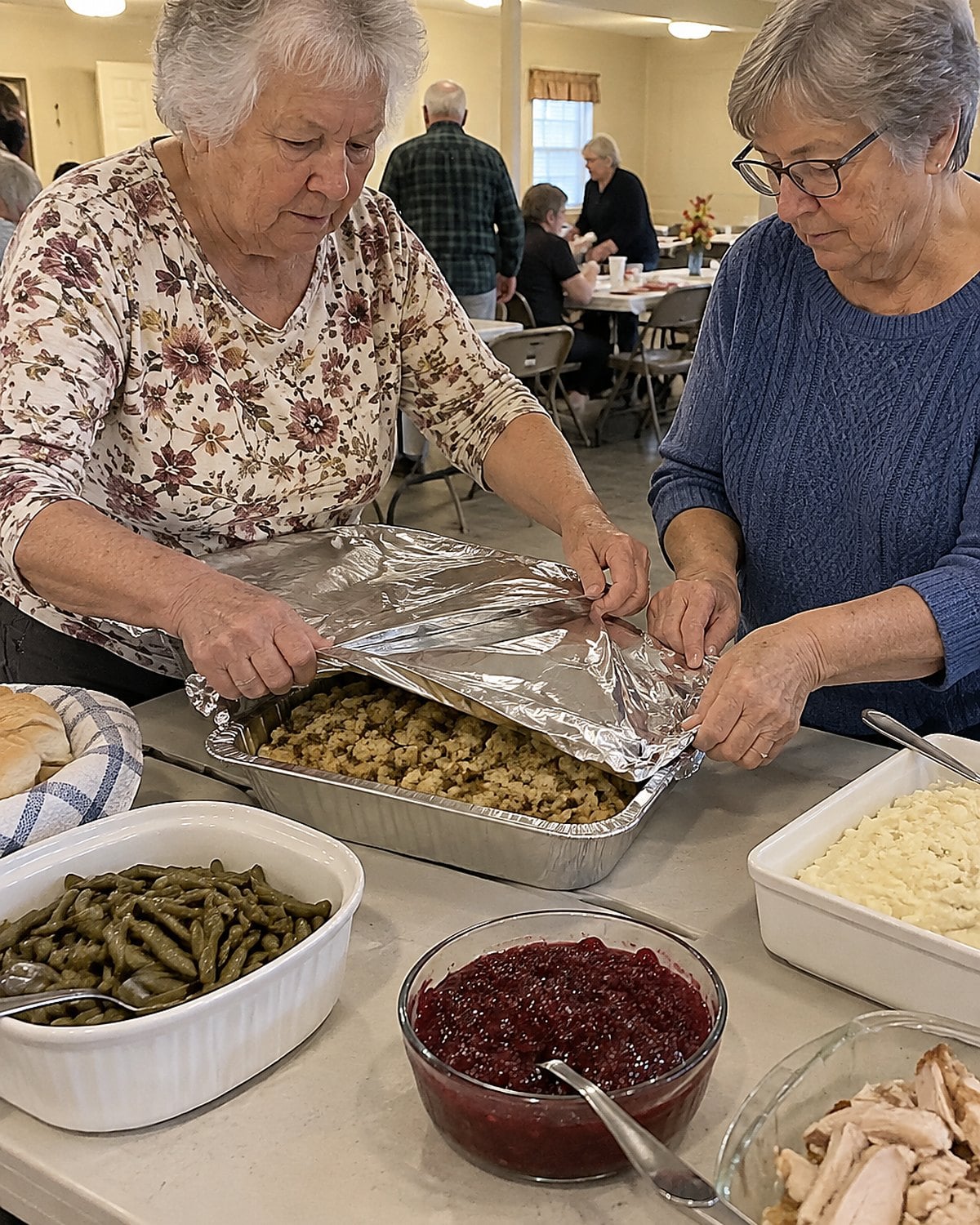
“Do you know when this went out?”
Ask before you take home a foil pan from the church hall. The stuffing has had a ride there, time on the serving table, and a ride back. Knowing the recipe won’t tell you how it was held.
If nobody knows when the pan went out or whether it stayed hot, don’t save it for later. The CDC’s food safety guidance describes the danger zone as 40°F to 140°F. Foil hides the food; it doesn’t control its temperature.
Bring your own dish home promptly in a clean container. There’s no shame in declining a second pan. “We’ve got enough for tomorrow” is a complete answer.
#4 Stuffing Still There on Wednesday
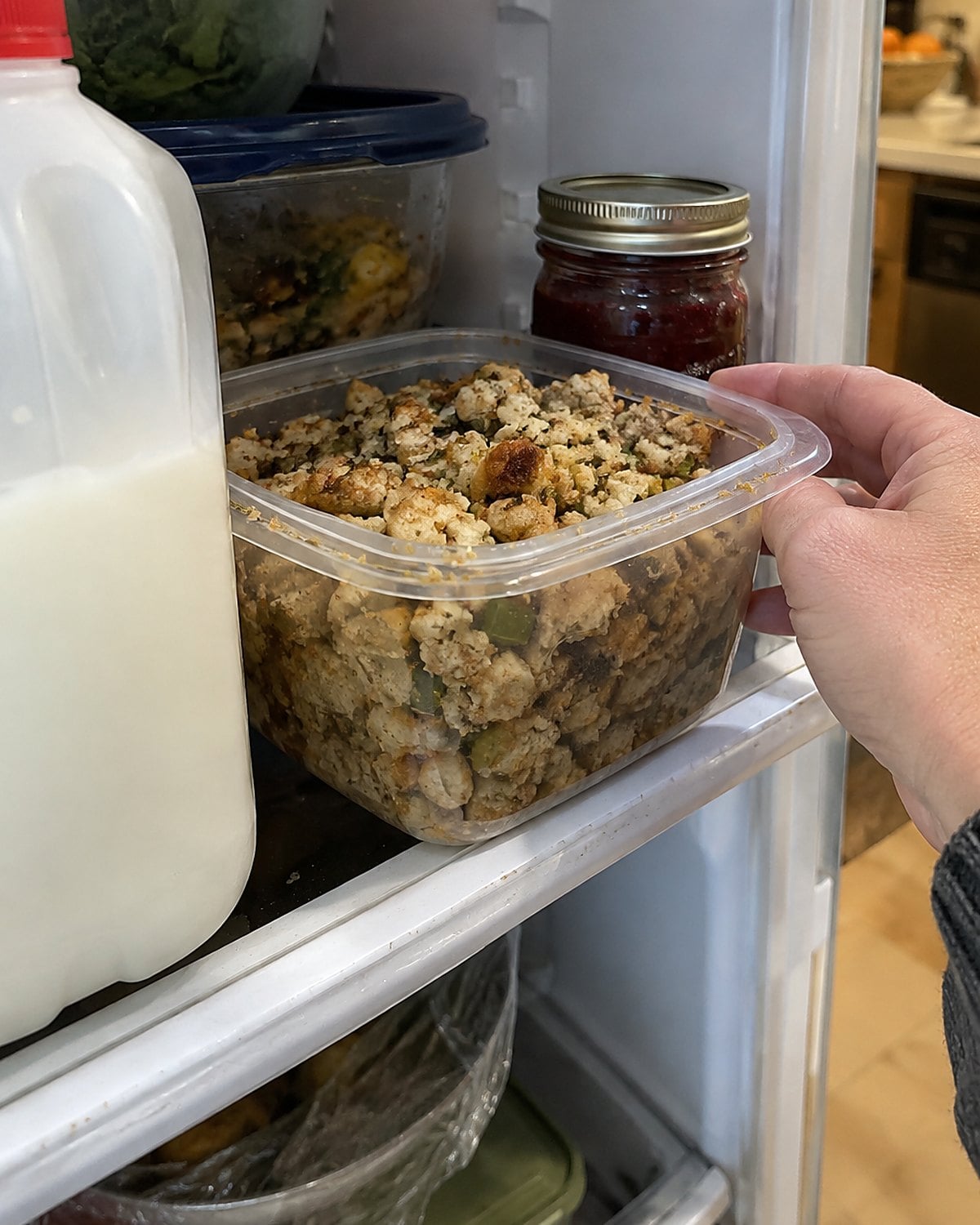
Open the refrigerator on Wednesday after Thanksgiving, and the stuffing container still sits behind the milk. It smells like sage. You remember packing it carefully.
Careful packing matters, but it doesn’t extend the fridge clock. The USDA gives cooked Thanksgiving leftovers 3 to 4 days at 40°F or below. From a Thursday dinner, Wednesday is beyond that window.
Don’t use the smell test here. Harmful bacteria do not have to make food smell bad. Don’t take a taste to decide, either. The small bite is still a bite of the food in question.
If you want stuffing later in the week, freeze a portion during the safe fridge window. Label it and reheat the portion you’ll eat to 165°F.
For the container already waiting on Wednesday, the action is shorter: throw it out, wash the container, and reclaim the shelf.
#3 Monday Lunch From the Serving Platter
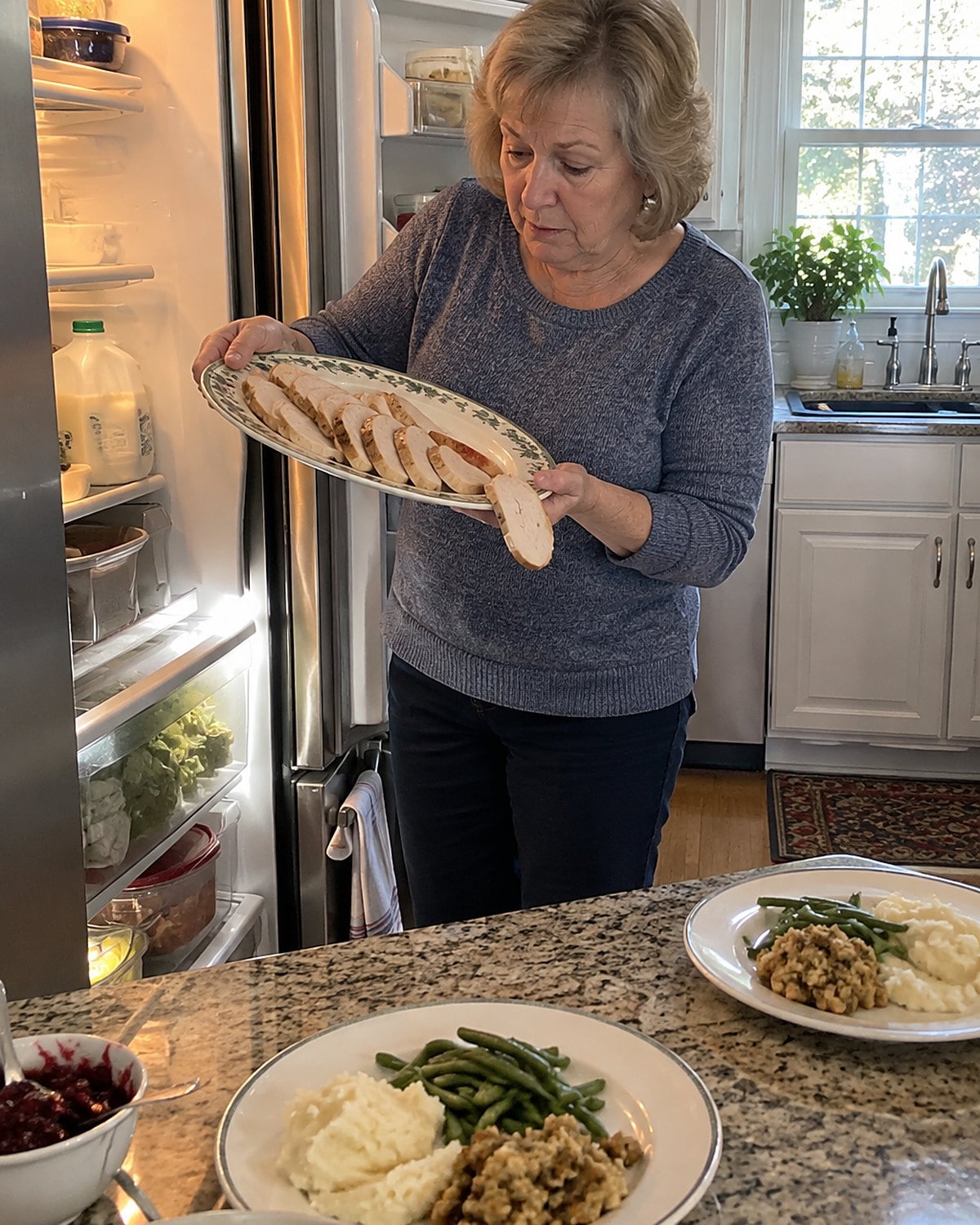
The turkey is still on its original platter. Now it’s Monday, and you’re trying to remember how long it sat uncovered after Thursday’s meal.
The USDA’s 3-to-4-day fridge window assumes the food was handled and chilled properly from the start. A cold shelf doesn’t undo a long stretch on the table. It doesn’t remove what a used fork brought to the platter.
Before making lunch, separate what you know from what you’re guessing. Keep food packed promptly and held at 40°F or below. Freeze what you won’t eat within its fridge window. Discard food whose time out you cannot account for.
It’s a practical inventory, not an audition for how good a cook you are. The turkey did its job on Thursday. Monday asks a different question.
#2 Reheated Gravy Poured Back In
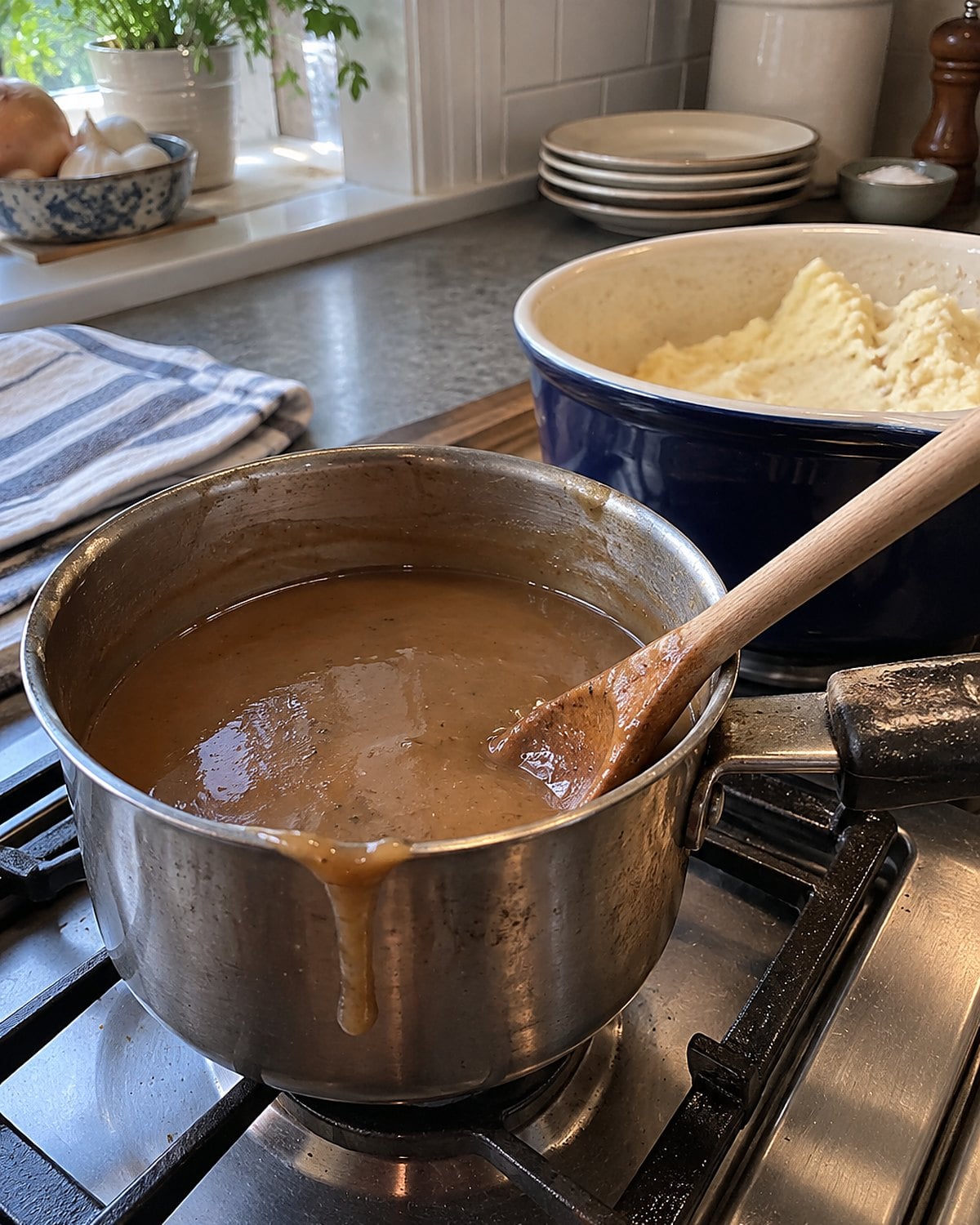
You warm all the gravy for lunch, pour what remains into the old container, and put it back in the fridge. Tomorrow, the whole batch gets warmed again.
Instead, take out the amount you’ll serve and leave the rest cold. Bring that serving of gravy to a rolling boil, following USDA reheating guidance. If you’re warming other leftovers, check that they reach 165°F.
Repeated heating also thickens gravy and dulls its flavor. Portioning helps on both counts. Use a clean spoon to move cold gravy into a small pan; don’t pour used gravy back into the untouched supply.
Keep track of the original cooking day. Reheating a portion doesn’t start a new 3-to-4-day refrigerator window for the batch. The question for tomorrow’s gravy is still when you first made it.
#1 Masking Tape on One Leftover Container
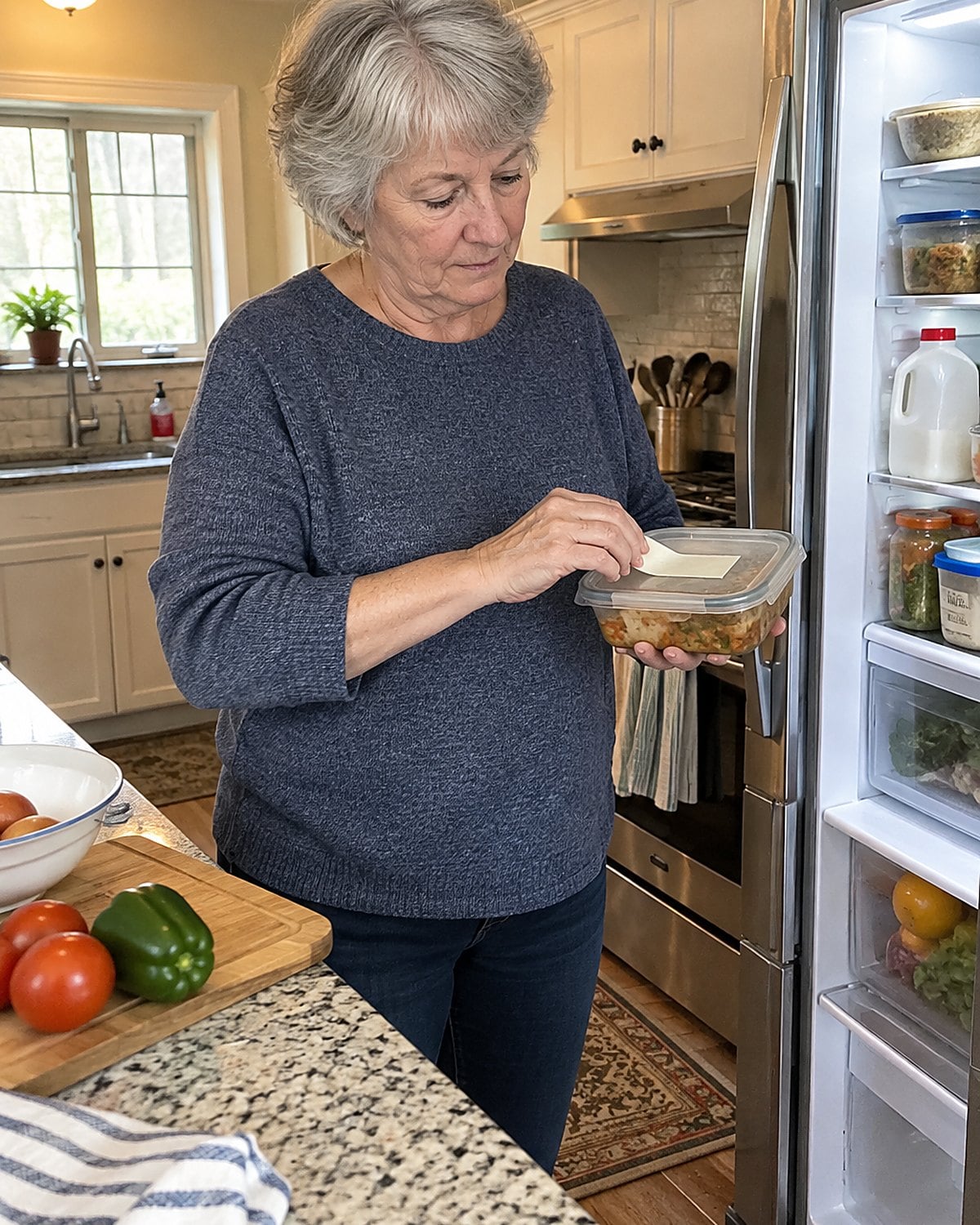
Before the first container goes into the fridge, tear off a strip of masking tape. Write the cooking day and the food name on it. Then press it onto the lid while the lid is still dry.
Now check the fridge thermometer. A dated container is no help if the refrigerator is warmer than 40°F. The tape tells you when the food was cooked; the thermometer tells you whether the USDA’s 3-to-4-day fridge window applies.
You don’t need to label every forkful. Pack clean, shallow containers within 2 hours of serving, and mark the ones you’re keeping. Freeze a portion during its fridge window if you know it won’t be eaten in time.
Keep the tape beside the containers, not in another drawer. When the foil crackles after the next holiday meal, you’ll have the answer ready before the lids go on.
The bottom line
Most leftover mistakes begin while the kitchen still looks full of good food. A dish stays out, a deep pot stays warm, or the fridge runs warmer than its dial suggests.
The well-prepared version of you has cleared a shelf, set out shallow containers, and checked the thermometer. She’s put food away before starting on the roasting pan.
When you open your fridge tomorrow night, which container will you be glad you packed first?


Leave a Reply