

The aluminum foil came off a bowl with yesterday's potatoes underneath, and dinner was already halfway decided. At that stove, a spoonful of gravy had a future. So did the last heel of bread. Nothing went into the trash until someone had considered its prospects.
That habit deserves respect. It also deserves a second look when a pot sits out too long or a refrigerator holds a dish nobody remembers making. The best part of that old kitchen thinking wasn't the mysterious container. It was seeing supper where someone else saw scraps.
#27 The Sunday Roast Sandwich
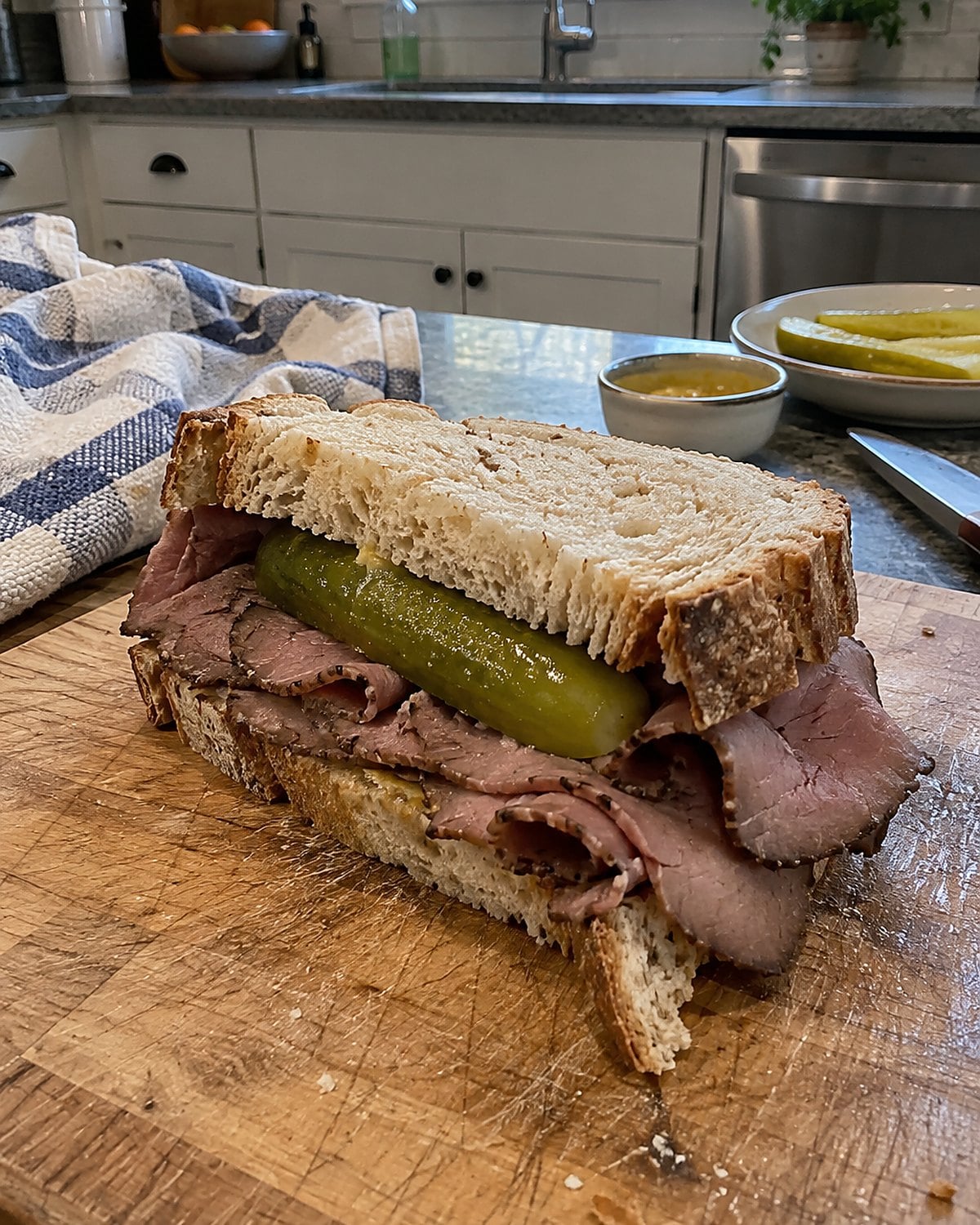
By Monday, the roast was thin enough to see through. Your mother laid slices between bread, added mustard, and called lunch handled. A cook watching over her shoulder might object to the dry meat. She had a better point: nobody needed another full roast dinner.
Cold roast beef turns tough when you try to warm thin slices in a bare skillet. Warm a little gravy first, then slip the slices in just long enough to heat through. For a cold sandwich, cut across the grain and add something sharp, such as horseradish or a pickle. The acid and bite do work that another layer of meat won't.
There's a limit to the old habit of shaving off “one more slice.” Refrigerated cooked meat has a short clock. The USDA's cold storage chart puts cooked meat leftovers at 3 to 4 days. If Sunday's roast won't become Thursday's lunch, freeze a portion earlier. You still get the sandwich, without asking the refrigerator to remember what you forgot.
#26 The Pickle Jar of Bacon Grease
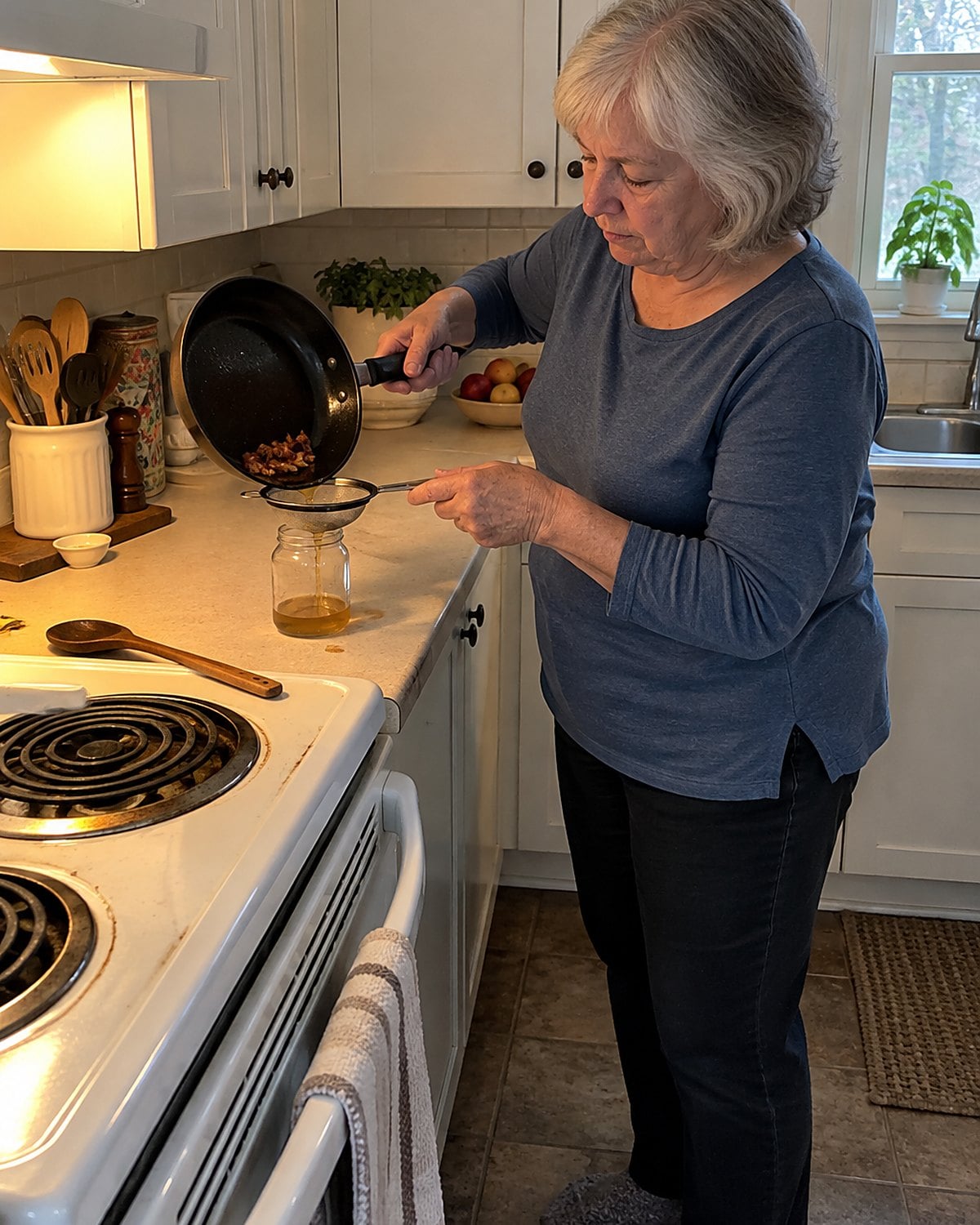
There it sat near the stove: a jar holding the drippings from breakfast after breakfast. A spoonful gave green beans a smoky edge. The old crumbs settling on the bottom were less appealing, especially when the jar lived beside a warm burner.
Strain the grease through a fine sieve while it's still liquid, let it cool, and refrigerate it in a covered container. If it smells rancid or looks moldy, throw it out. Don't pour fresh hot grease into a cold glass jar; the sudden heat risks cracking it.
The clever part was never unlimited reuse. It was noticing that fat carries flavor. Use a small spoonful to start onions for beans or potatoes, then taste before adding salt. Bacon has already brought some to the pan.
#25 The Fried Mashed Potato Cakes
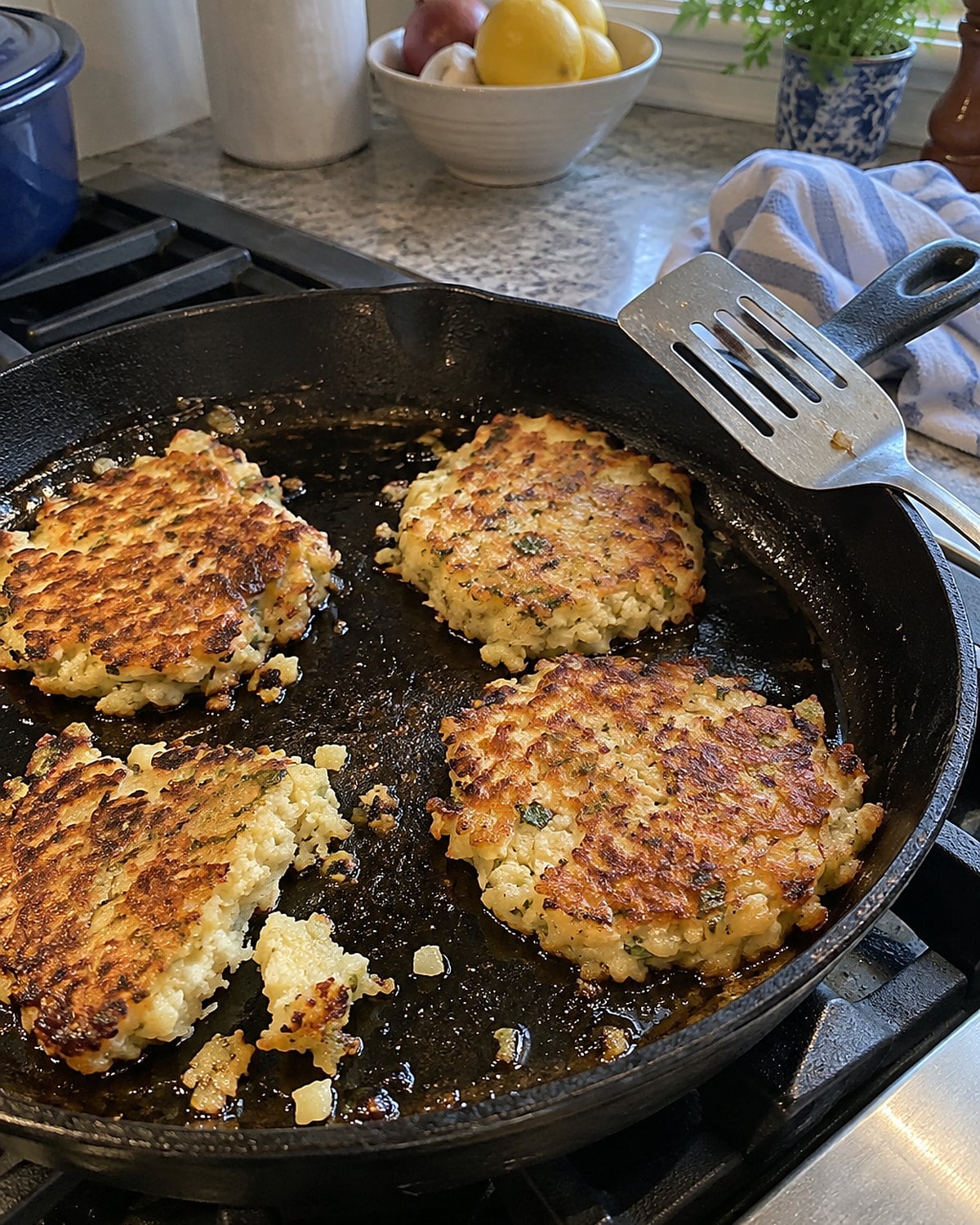
The mashed potatoes came out of the refrigerator stiff enough to hold a spoon upright. Your mother pressed them into patties and browned them in a skillet. The edges were the prize.
A crisp crust and a tender center both disappear when the pan is crowded. Leave space between the cakes and wait until the first side holds together before turning. If the mash is loose, stir in a little egg or flour, just enough to make a patty that stays put on your palm.
Start with a thin film of oil in a hot pan. Butter alone browns quickly, then burns while the middle is still cold.
Taste a bite before you add salt, since yesterday's potatoes were seasoned yesterday.
A plate piled with wet potato cakes steams instead of browning. Cook them in batches, put the finished ones where air reaches the crust, and bring that first crisp batch to the table.
Try it: Air Fryer Mashed Potato Balls with Cheese
#24 The Mystery Tub in the Freezer
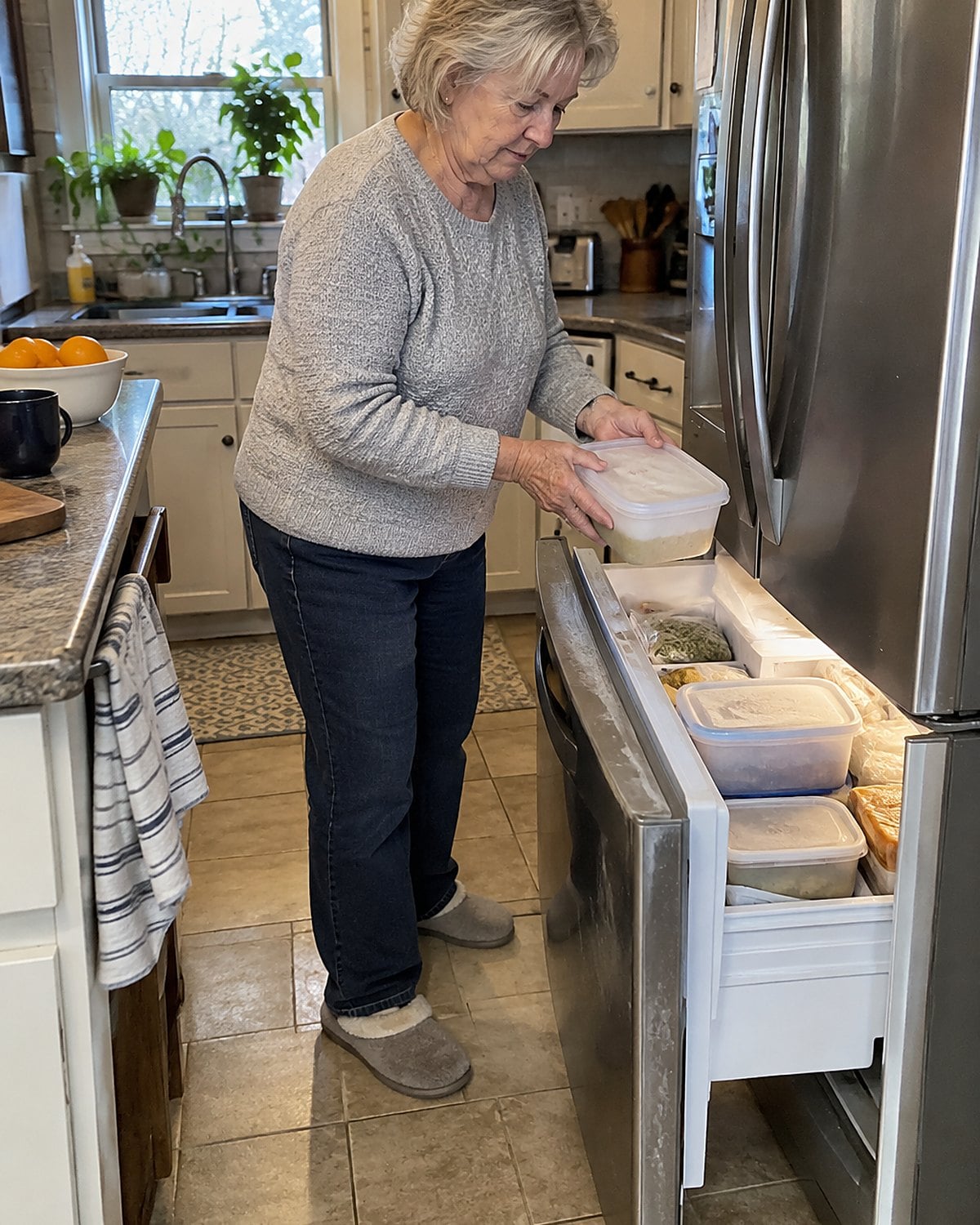
A margarine tub went into the freezer holding something brown. Months later, it came back out holding a question. Was it chili, gravy, or the good bean soup?
The missing name was the problem. Freezing stops bacterial growth while food stays frozen, but it doesn't improve flavor or restore a forgotten dinner. The USDA's Freezing and Food Safety guidance is worth a look if you've inherited the belief that a freezer makes food good forever.
Write the dish and the date on freezer tape before the lid goes on.
If you reuse a food tub, check that its lid seals snugly and the container hasn't cracked. For soup, leave room at the top for expansion. You don't need a filing system. You need to tell future-you what she has in her hand.
#23 The Wilted Lettuce Under Hot Dressing
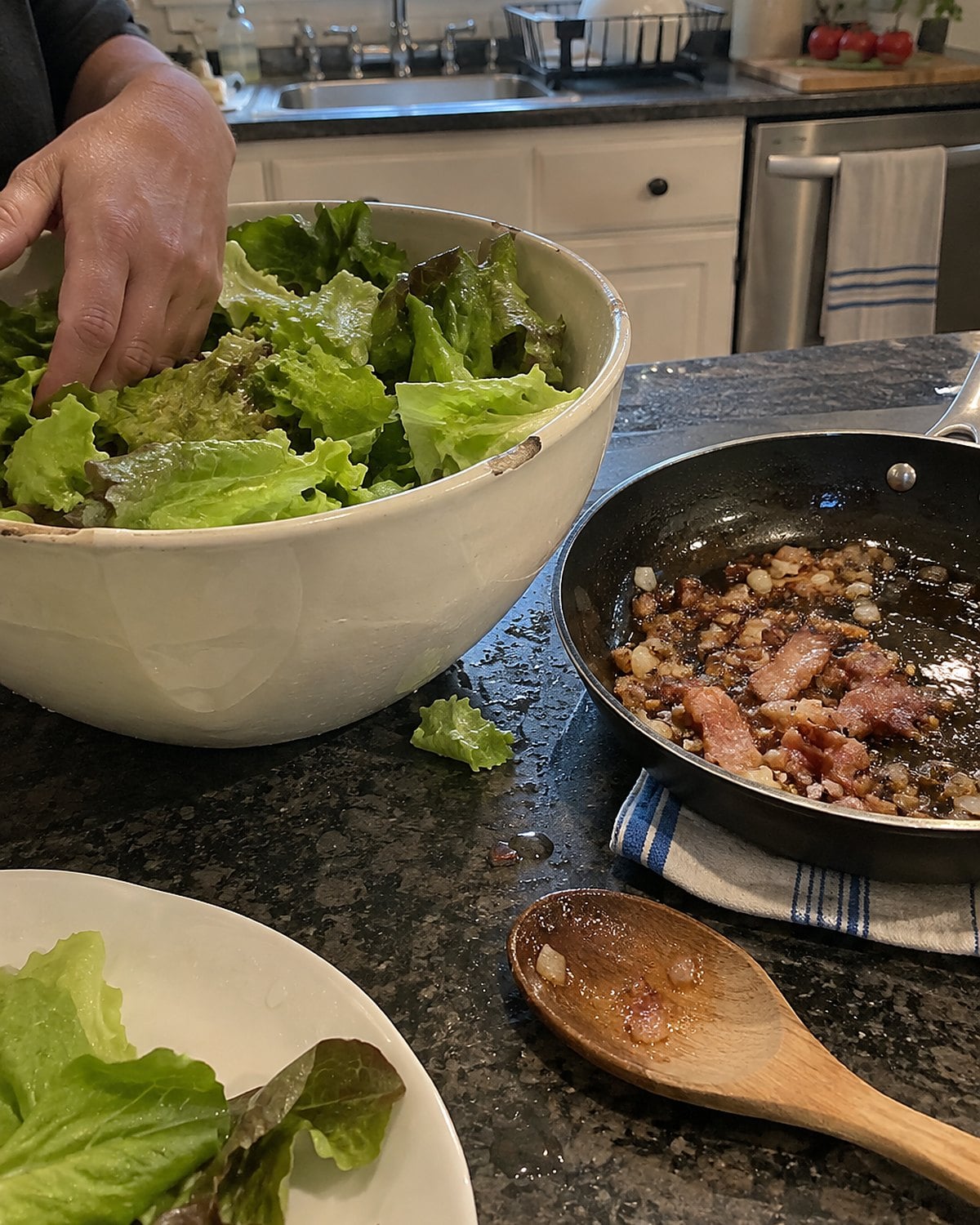
Lettuce past its crisp-salad days went into a bowl. Hot bacon dressing followed. Within seconds, leaves that looked tired became a side dish somebody wanted.
The trick has limits. Wilted leaves are different from slimy leaves. Pick through them first. Discard anything slimy, moldy, or foul-smelling, then wash the sound leaves under running water. The FDA's produce safety guidance backs washing produce under running water rather than relying on soap or a soak.
Dry the leaves well. Water left in the folds dilutes the dressing and sends hot fat spitting. Toss just before serving, so the greens bend without collapsing into a puddle. That dressing was your mother's way of giving a small bowl of lettuce a second chance, not a reason to use lettuce that has gone bad.
#22 The Pan Gravy From Yesterday's Drippings
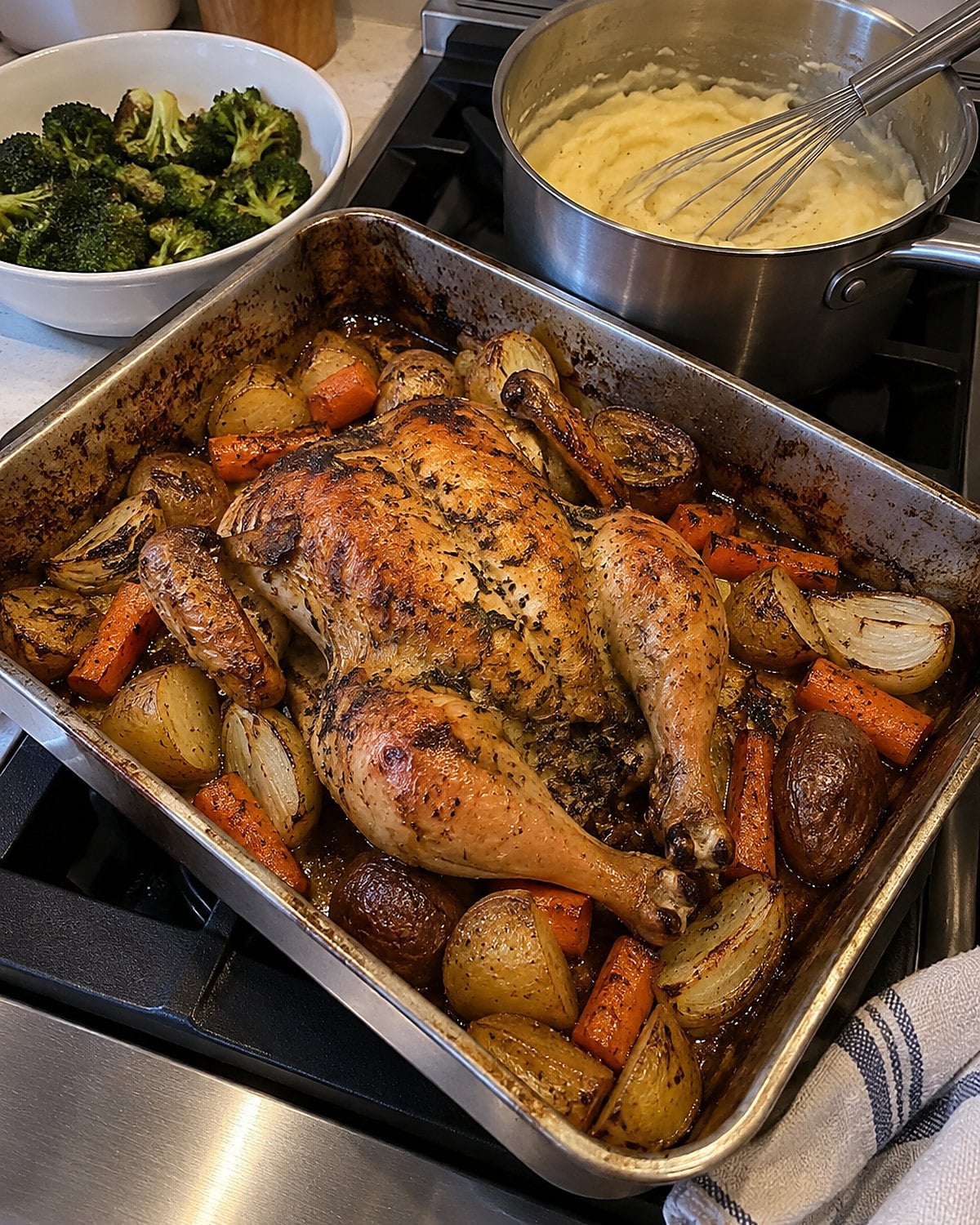
After dinner, a little roast juice waited in the pan. Your mother scraped it into a bowl, and tomorrow's gravy already had a head start. Cold drippings dumped straight into flour, though, make pale lumps.
Separate the fat from the juices once they're chilled. Start with fat in a saucepan, whisk in flour, and let it cook briefly before adding liquid.
Pour in the cold juices a little at a time, whisking as you go. A spoonful of water loosens browned bits stuck to the roasting pan; those bits have more flavor than the pale grease floating above them.
Taste at the end. Reduced drippings concentrate salt, so seasoning first is a gamble. If the gravy tastes flat rather than salty, a few drops of vinegar brighten it without making it sour.
A small amount of good pan juice belongs in a good gravy. You don't have to stretch every last drop into a potful.
#21 The Turkey Carcass Soup Pot
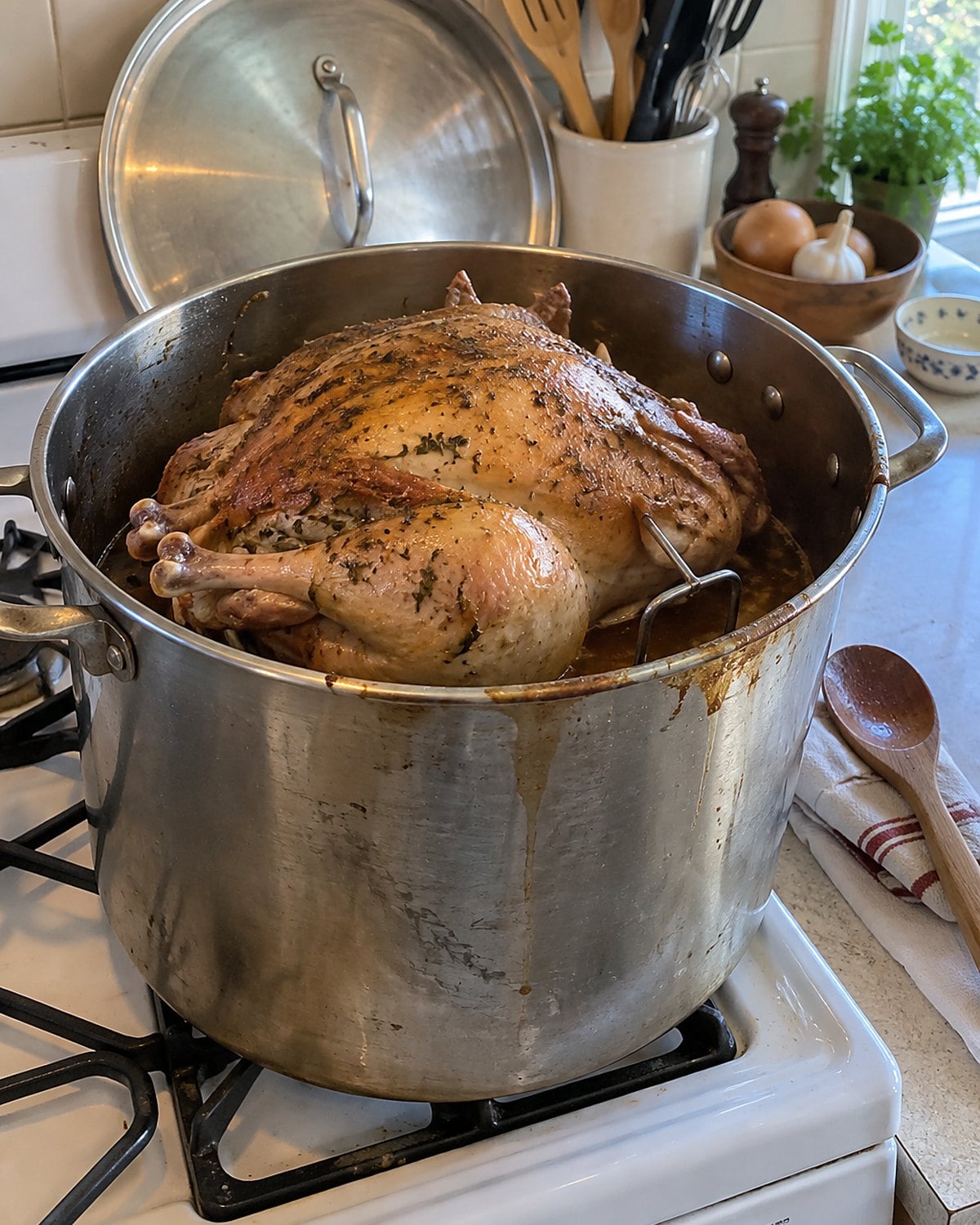
The holiday table had barely cleared before the turkey bones went into a pot. Your mother saw broth in the joints and browned skin, and she was right.
Pull off the meat you want for sandwiches first. Then make broth from the carcass with water, onion, and whatever sound vegetables are on hand. Strain out the bones before anyone eats the soup. Tiny bones hide well among noodles, particularly when a grandchild is at the table.
Your mother's pot tastes best when broth has a clear purpose. Save the good meat for a place where you can still taste turkey. Use the bones for the liquid, then add fresh vegetables to the finished soup if you want a bite that hasn't simmered away.
A pot of broth tastes like the meal got an encore. It doesn't need every scrap from the platter.
Try it: Instant Pot Stocks & Broths (Meat, Fish, Mushroom, Veggie)
#20 The Open Can of Tomato Paste
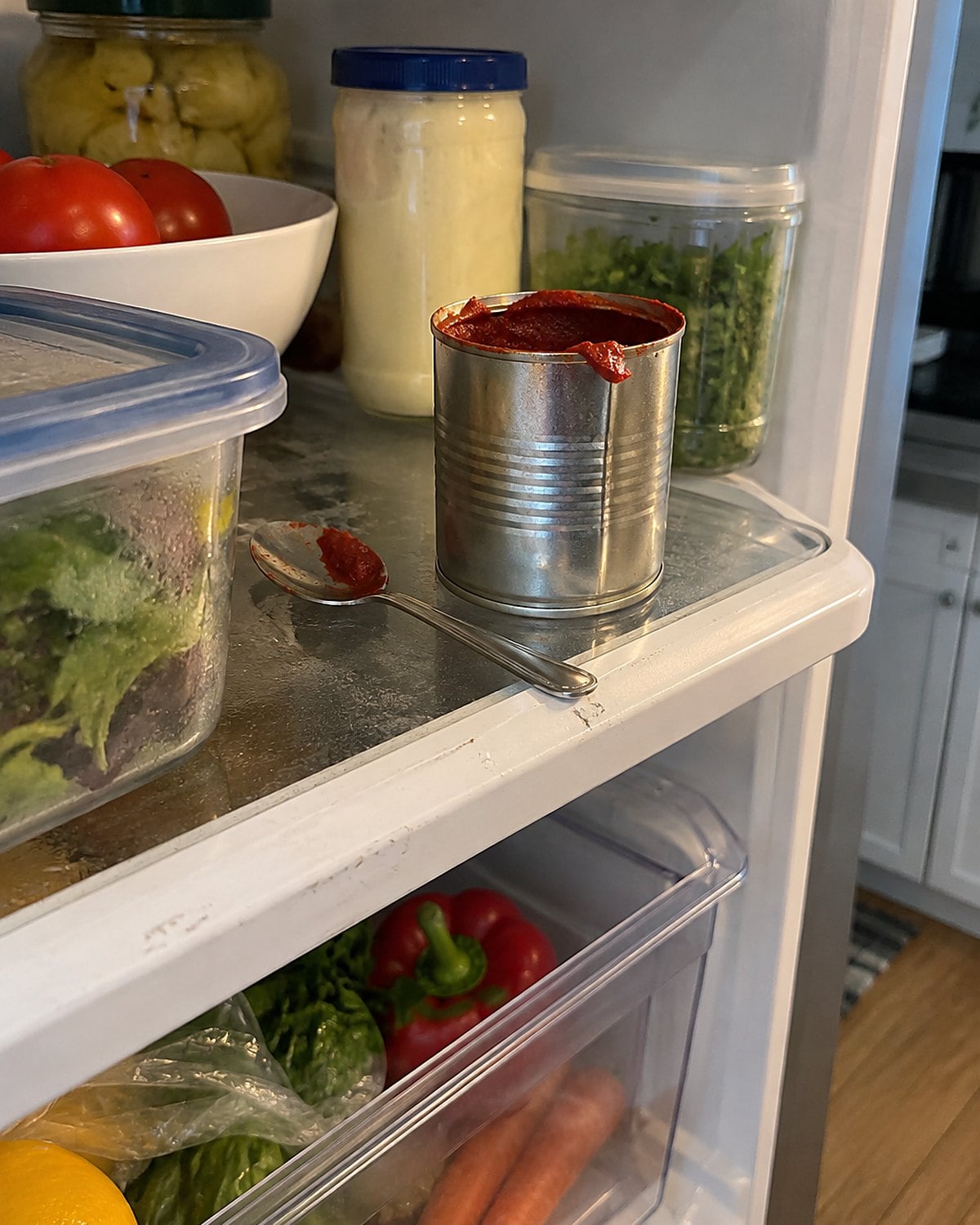
A recipe took a spoonful. The rest of the tomato paste stayed in its open can behind the milk, collecting a dark skin. Your mother wasn't wrong to save it. Tomato paste gives a small pot of beans or sauce a deeper flavor.
Move what's left to a covered container and refrigerate it. Better yet, press spoonfuls onto a piece of parchment, freeze them until firm, and bag them. The portions go straight into a simmering sauce.
Don't mistake a darker surface for a safety test. Look for mold, an off smell, or a container you no longer remember opening. Throw questionable paste out instead of scraping the top. Next time, you'll know exactly where the spare spoonfuls went, and the can won't greet you again next week.
#19 The Cold Spaghetti Skillet
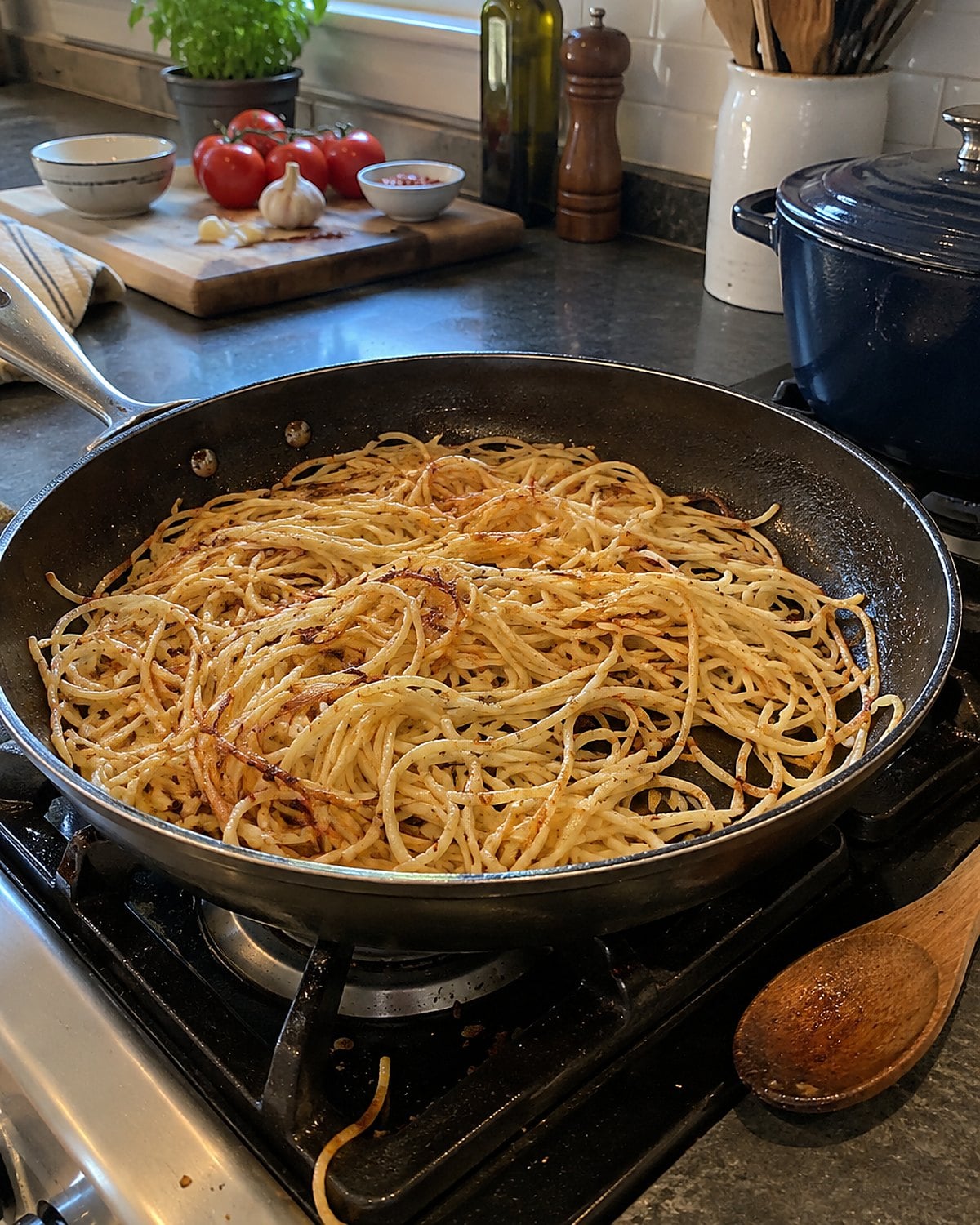
Cold spaghetti has a way of becoming one solid forkful. Your mother tipped it into a skillet, added whatever sauce was left, and made supper without another pot of water.
Give the noodles a little space and heat. A wide skillet lets moisture escape, so sauce clings instead of pooling underneath. Add a splash of water if the sauce has tightened in the refrigerator, then toss until the pasta is hot throughout.
Reheat leftovers to 165°F, the temperature the USDA gives for reheating them. A food thermometer settles the question better than a steaming surface.
Want browned edges? Leave a section of pasta untouched against the pan for a moment before turning it. That crisp bit tastes different from freshly boiled spaghetti, and that's the point. If the sauce has already been stretched thin, finish with a little olive oil and grated cheese instead of drowning the noodles in more water.
The plate won't pass for last night's pasta. It shouldn't have to.
#18 The Church Supper Casserole Spoonfuls
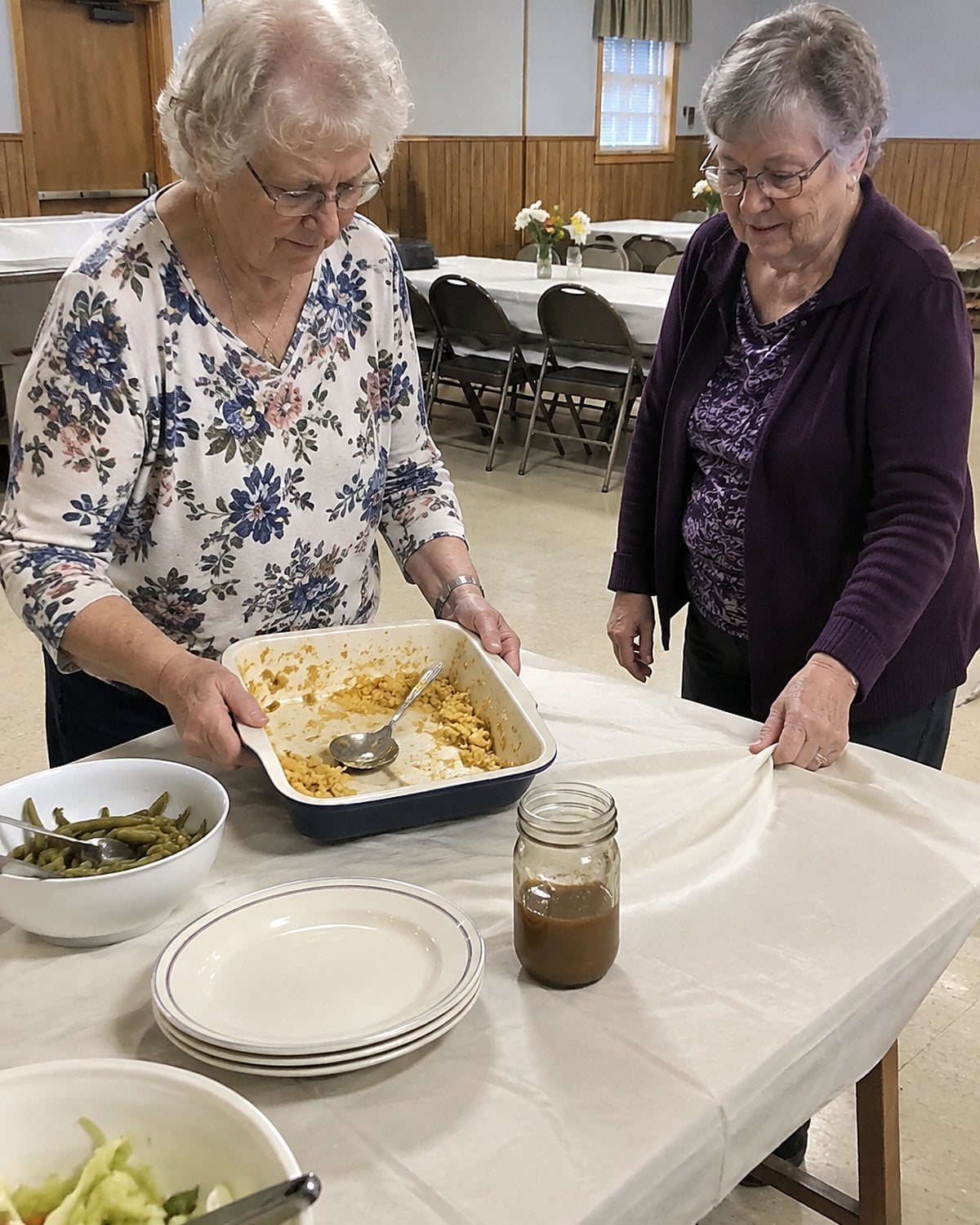
At the church hall, casserole dishes came back to the kitchen with a spoonful here and a corner there. At home, your mother would have saved every bit. The harder question is what happened while the pans sat on the serving table.
For perishable food, the USDA's two-hour rule applies at room temperature. Above 90°F, that window shrinks to one hour. A covered dish isn't exempt, and reheating won't erase every risk from food left out too long.
If you're a guest and don't know how long the dish sat out, leave those last spoonfuls behind. That's an uncomfortable call for someone raised to clear every plate.
There's still a way to honor the cook's work: take the recipe, thank her for the meal, and make a fresh pan another day. A scraped-clean dish isn't the only compliment.
#17 The Leftover Rice in the Pot
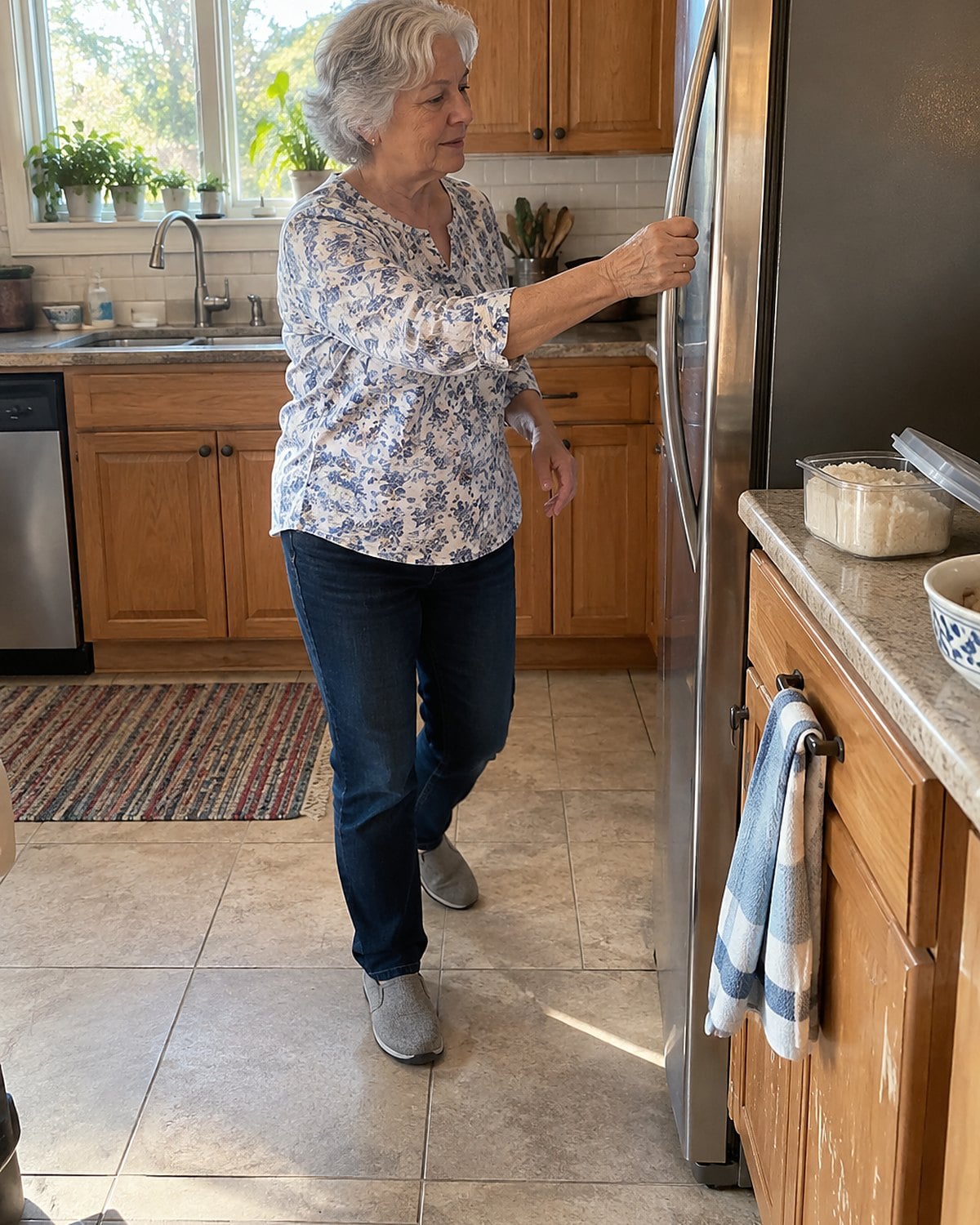
Rice stayed in the cooking pot with its lid on. It looked protected there. Then your mother warmed it the next day and turned it into fried rice.
Cooked rice left at room temperature creates a risk from Bacillus cereus, a bacterium whose spores survive cooking. Reheating doesn't reliably undo the trouble caused by rice left out. The USDA's Leftovers and Food Safety guidance covers prompt refrigeration of cooked leftovers.
For the skillet, use rice you stored promptly at 40°F or below. Cold rice gives you separate grains instead of a sticky mass. Break up the clumps with your fingers or a fork before the rice hits the pan, then heat the finished dish to 165°F.
Let the rice sit against the skillet long enough to pick up a little color. Stirring every second traps steam and leaves those grains pale. The closed lid was a tidy habit; the sound second supper comes from what happened before you opened it again.
#16 The Last Spoonful of Creamed Corn
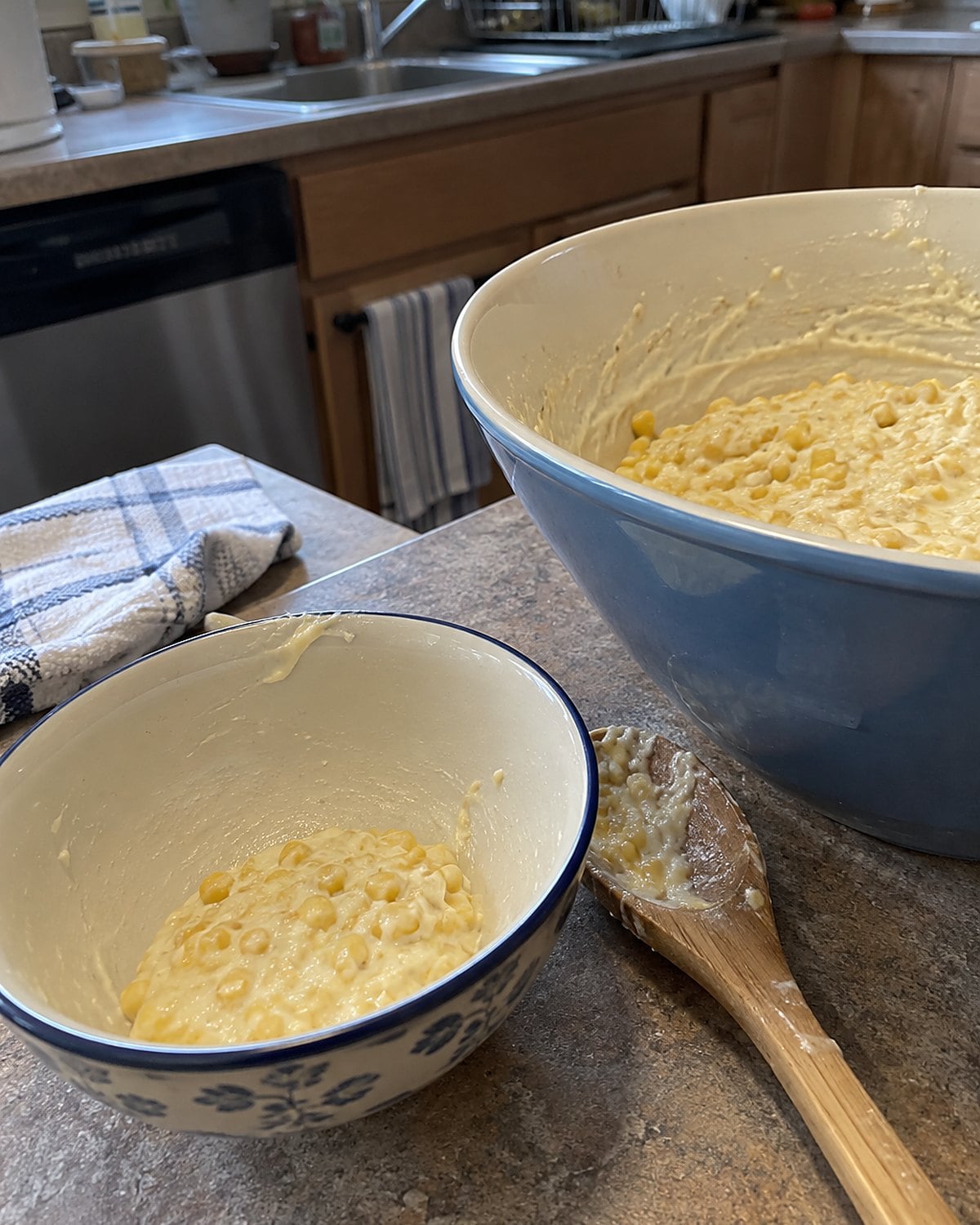
A small dish of creamed corn looked too lonely to serve again. Your mother stirred it into something else, and nobody at the table knew where it went. Smart move, provided it didn't sit forgotten until its next appearance.
Fold that spoonful into a corn pancake batter or add it to a pot of corn chowder. Its sweetness and starch bring both flavor and body. Before you do, check when you made it. Sour or otherwise off? Discard it. A normal taste doesn't prove a dish safe.
Decide first whether the corn belongs in dinner. Then use it where its texture helps, rather than stirring it into a dish just to empty the bowl.
Try it: Instant Pot Creamed Corn Recipe
#15 The Coleslaw Bowl With Extra Dressing
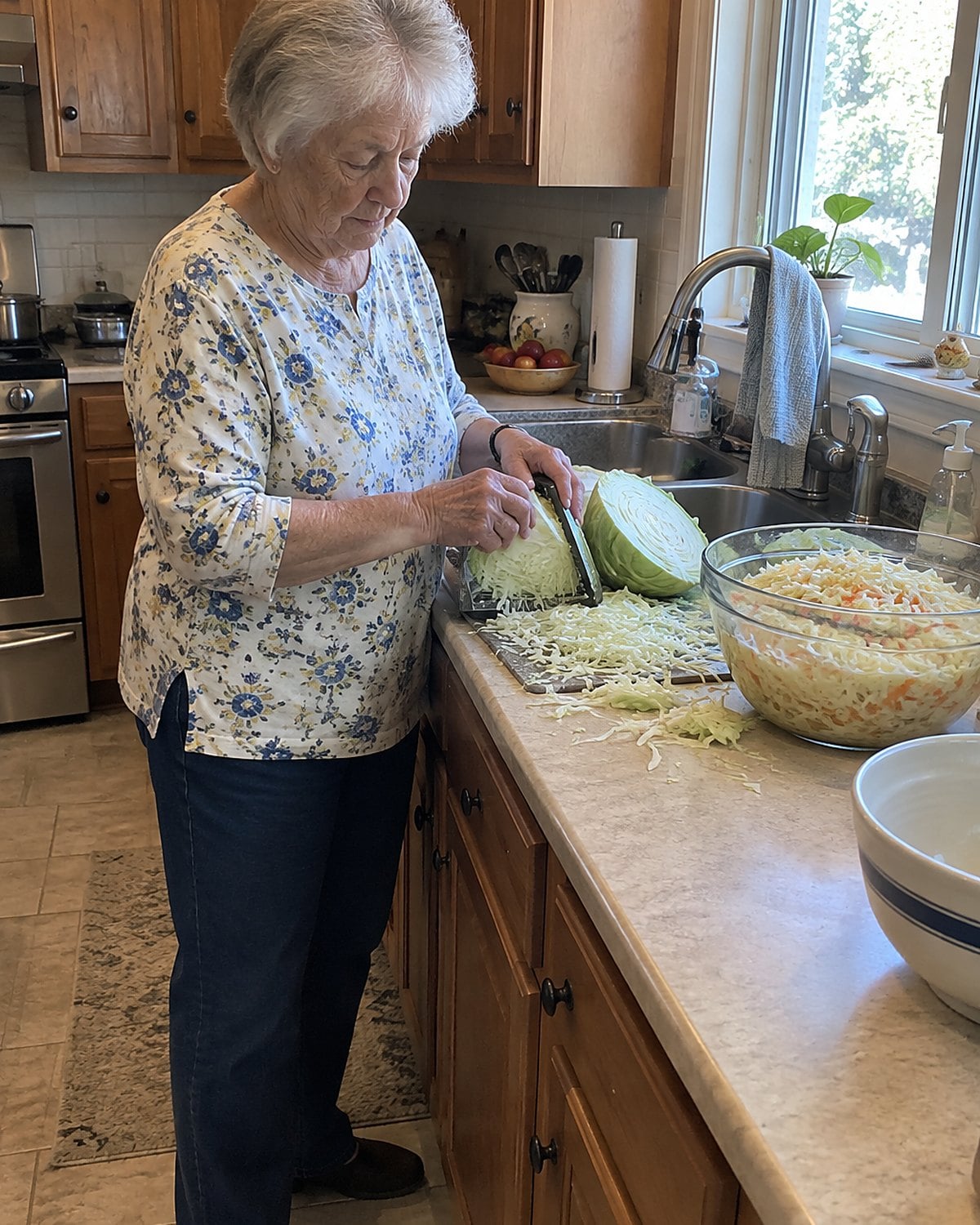
Yesterday's coleslaw had left a puddle at the bottom of the bowl. Your mother stirred it up and set it out again. The cabbage was still there, but its crunch had gone into the dressing.
Salt draws water from cut cabbage. More dressing won't bring the crunch back. Drain the liquid, then decide what the slaw has left to offer. A spoonful beside hot beans works better than a tall mound on a bun, where extra liquid soaks the bread.
For a fresher second serving, shred a little new cabbage into the dressed slaw just before you eat. The old portion supplies seasoning; the new cabbage brings the snap. Keep the bowl refrigerated between meals. The FDA's refrigerator guidance puts the fridge at 40°F or below.
There's no prize for rescuing every wet shred. Save the part you want to eat, and let the dressing puddle go.
#14 The Stale Cake With Warm Custard
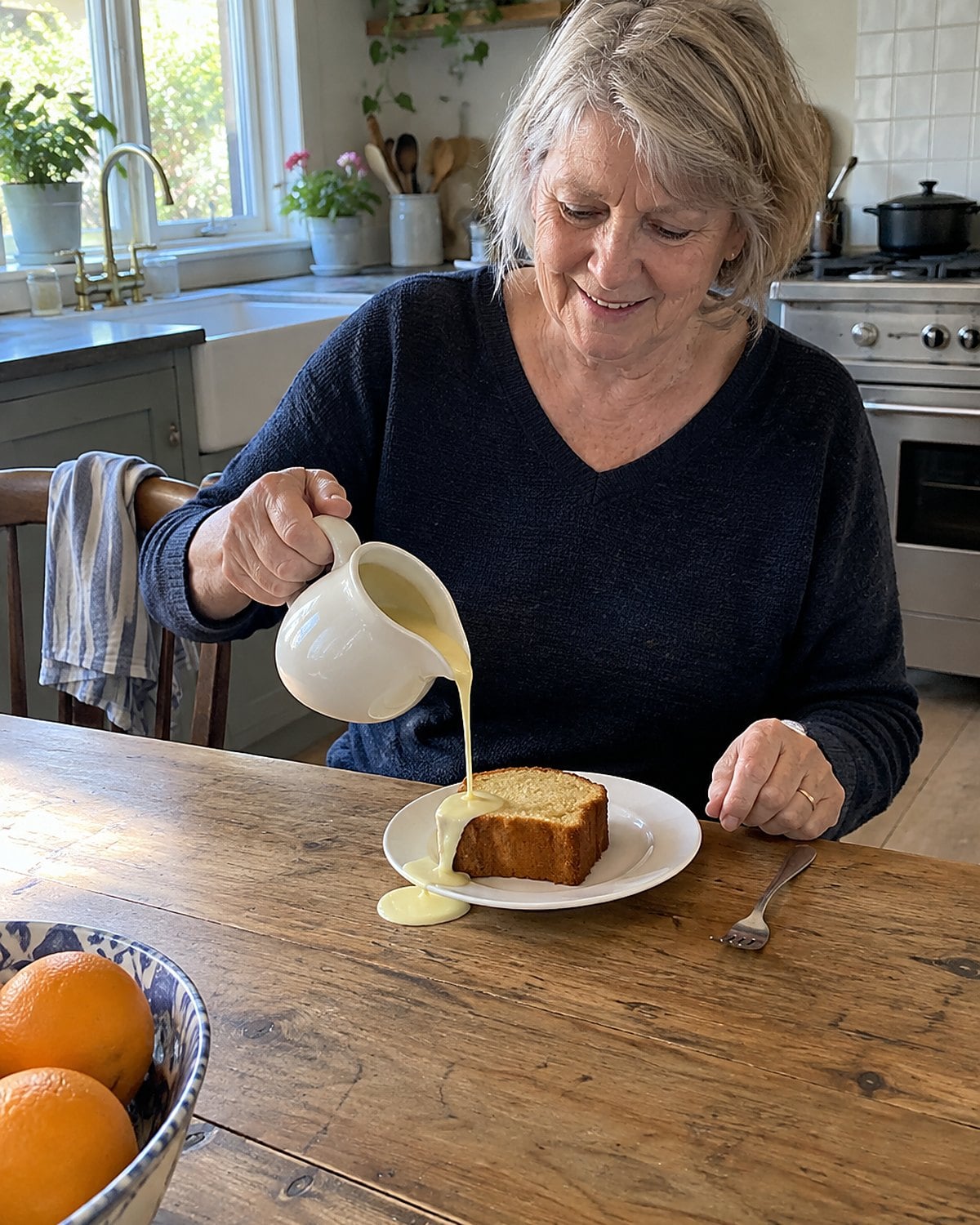
A cake dried out under its cover. Your mother cut generous squares and poured custard over them, as if dessert had been planned that way. Everyone holding a spoon had one question: was there more custard?
Warm custard softens dry cake because the crumb absorbs liquid. Pour it over the portion you're serving, not the whole cake. The rest stays easier to store and doesn't turn soggy in the refrigerator.
Dry is one thing; mold is another. If you see mold on cake, discard the cake rather than trimming the visible patch. Save this trick for cake that's stale but otherwise sound. A little fruit on top adds moisture and tartness, especially if the original frosting was sweet.
That old dessert had good judgment hiding under the generosity. It used the cake's changed texture instead of pretending it hadn't changed.
#13 The Everything-Left Casserole Pan
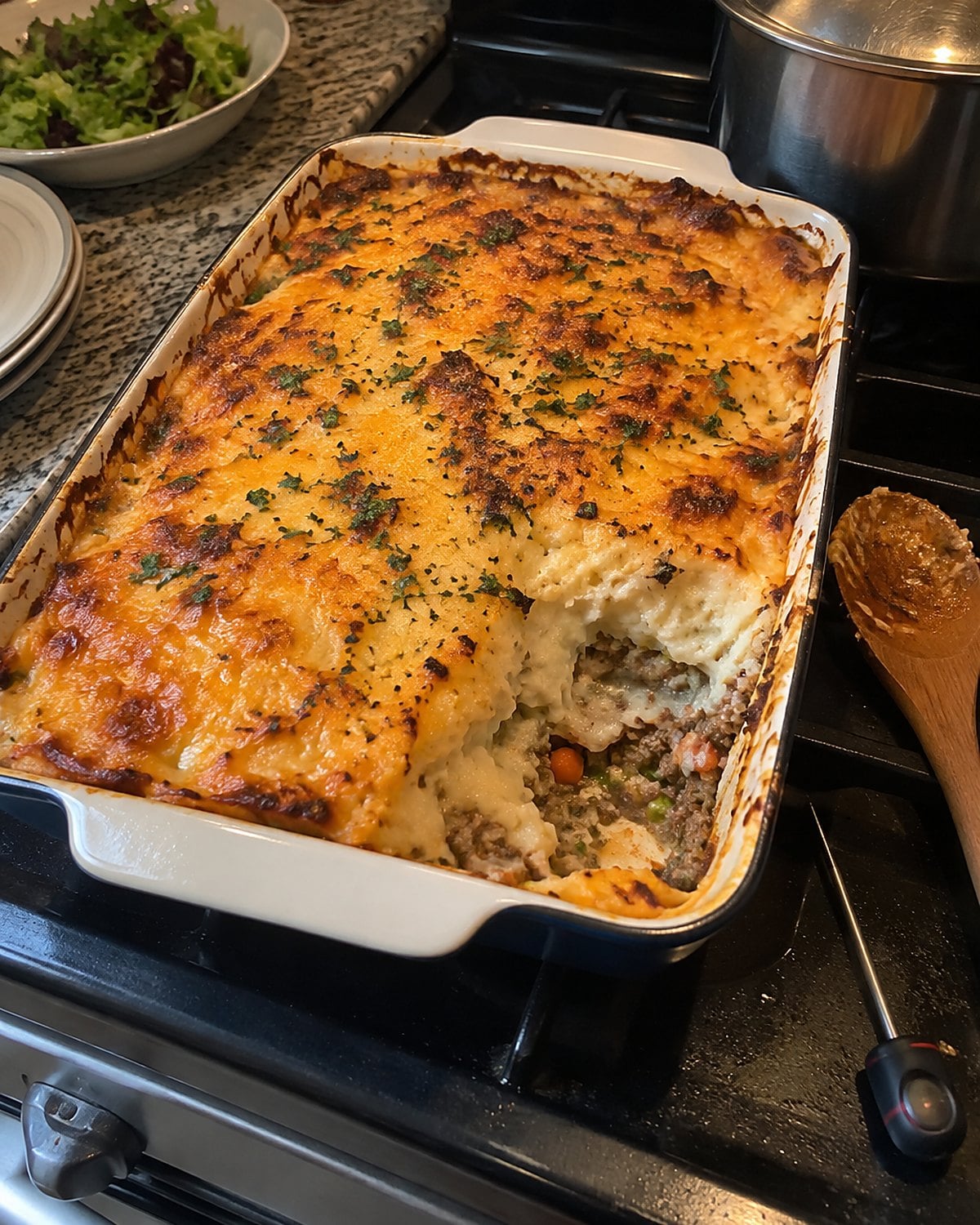
A handful of peas, a scoop of noodles, chopped meat, and a can of soup went into the baking dish. Your mother called it casserole. The result varied with what the refrigerator gave her, and sometimes the top was the best part.
Give each piece a job before you mix. Cooked noodles provide bulk. Peas need little more heat. Chop meat small enough to warm through without drying at the edges. The oven's task is heating and browning, not another full round of cooking.
Keep the sauce loose enough to coat the ingredients before baking. Dry noodles pull moisture as they heat. Add a little broth if the mixture looks stiff, and leave some topping exposed so it browns instead of steaming under a lid.
Check the center with a thermometer: a leftover casserole should reach 165°F. A crisp topping won't tell you what's happening underneath it. Once the center is hot, those scattered odds and ends become a dinner with an actual point of view.
#12 The Jam Jar of Soup
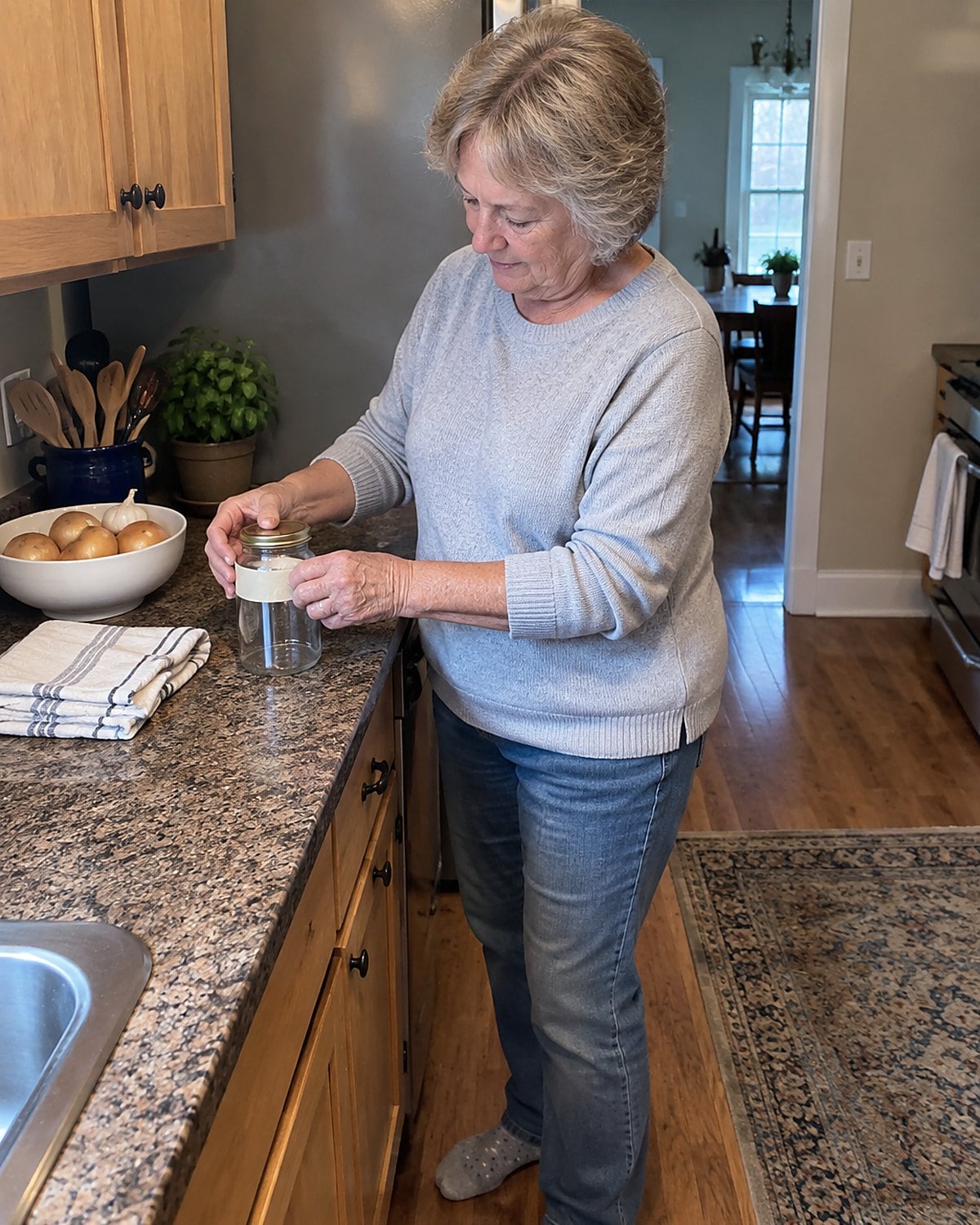
The jar fit neatly beside the milk, and its contents looked familiar. Was it tomato soup? The sauce from Tuesday? Your mother reused good glass jars long before anyone praised her for it.
Reuse the jar, but name what's inside. A strip of tape with the dish and date ends the guessing. Use a freezer-safe container for the freezer rather than assuming any old jar will handle expansion.
A smell test has limits. Harmful bacteria don't always announce themselves with an off odor. The USDA's cold storage chart gives soups and stews 3 to 4 days in a refrigerator at 40°F or below.
Past that window, don't taste a mystery jar to settle an argument. Empty it, wash it, and put it back to work on something you'll recognize.
#11 The Reheated Gravy With a Skin
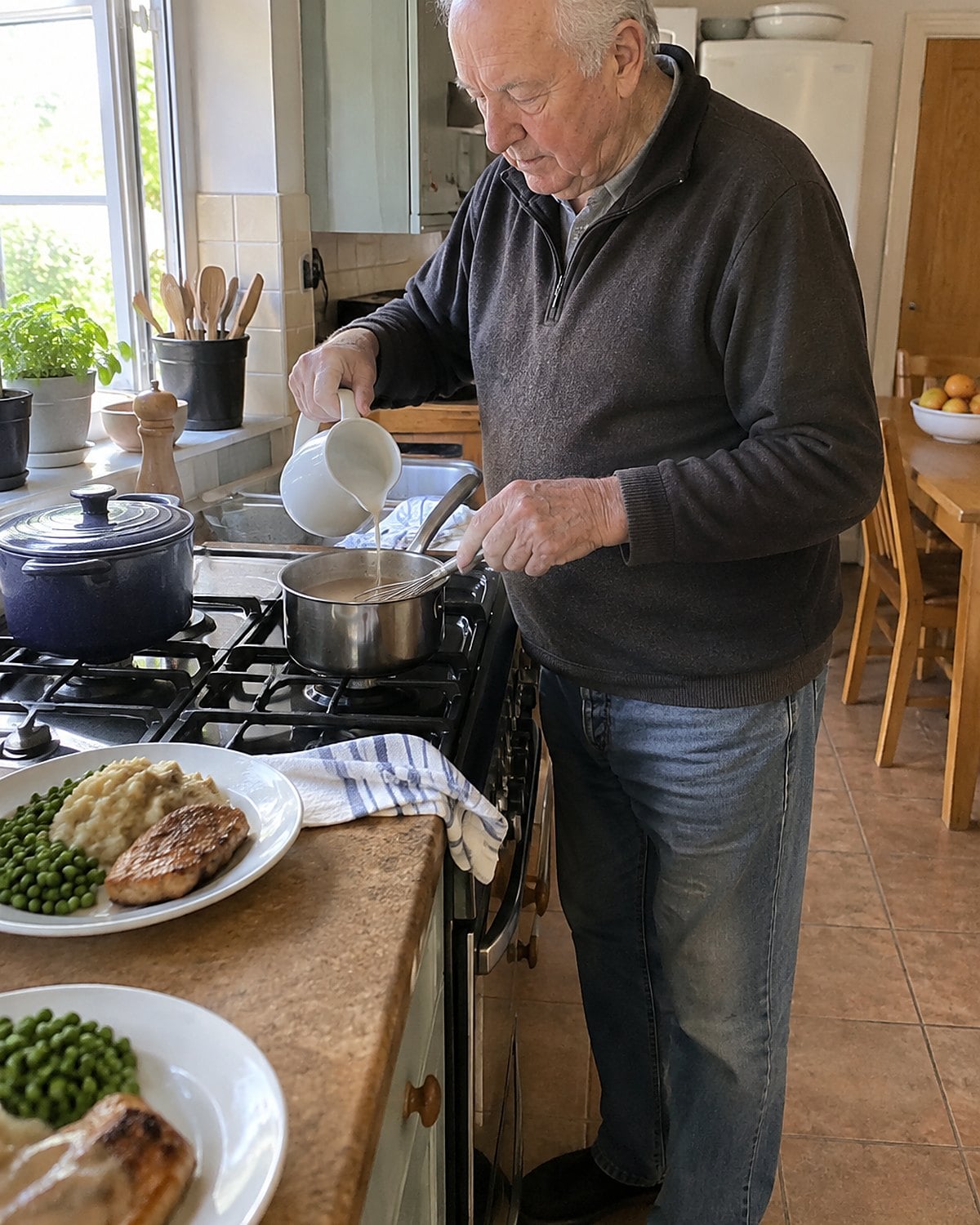
Cold gravy slid from the bowl in one piece. Your mother set it over heat and stirred until it looked like gravy again. Then a phone call came, the spoon stopped moving, and a thick skin formed on top.
Use a saucepan over moderate heat. Add a splash of water or unsalted broth, and whisk as the gravy loosens. Scrape along the bottom, where the starch sticks first. If lumps survive, press the gravy through a sieve instead of chasing each one with the whisk.
Bring reheated gravy to a rolling boil, as the USDA advises for sauces and gravies. Watch it closely. A narrow pot erupts suddenly, while a wider pan gives bubbles room and makes stirring easier.
Too salty after reheating? Dilute with unsalted liquid. A potato dropped into the pan won't selectively pull salt out of gravy. Your mother knew how to get a second meal from the roasting pan; a whisk and a splash of liquid make that second meal worth having.
#10 The Vegetable-End Soup Pot
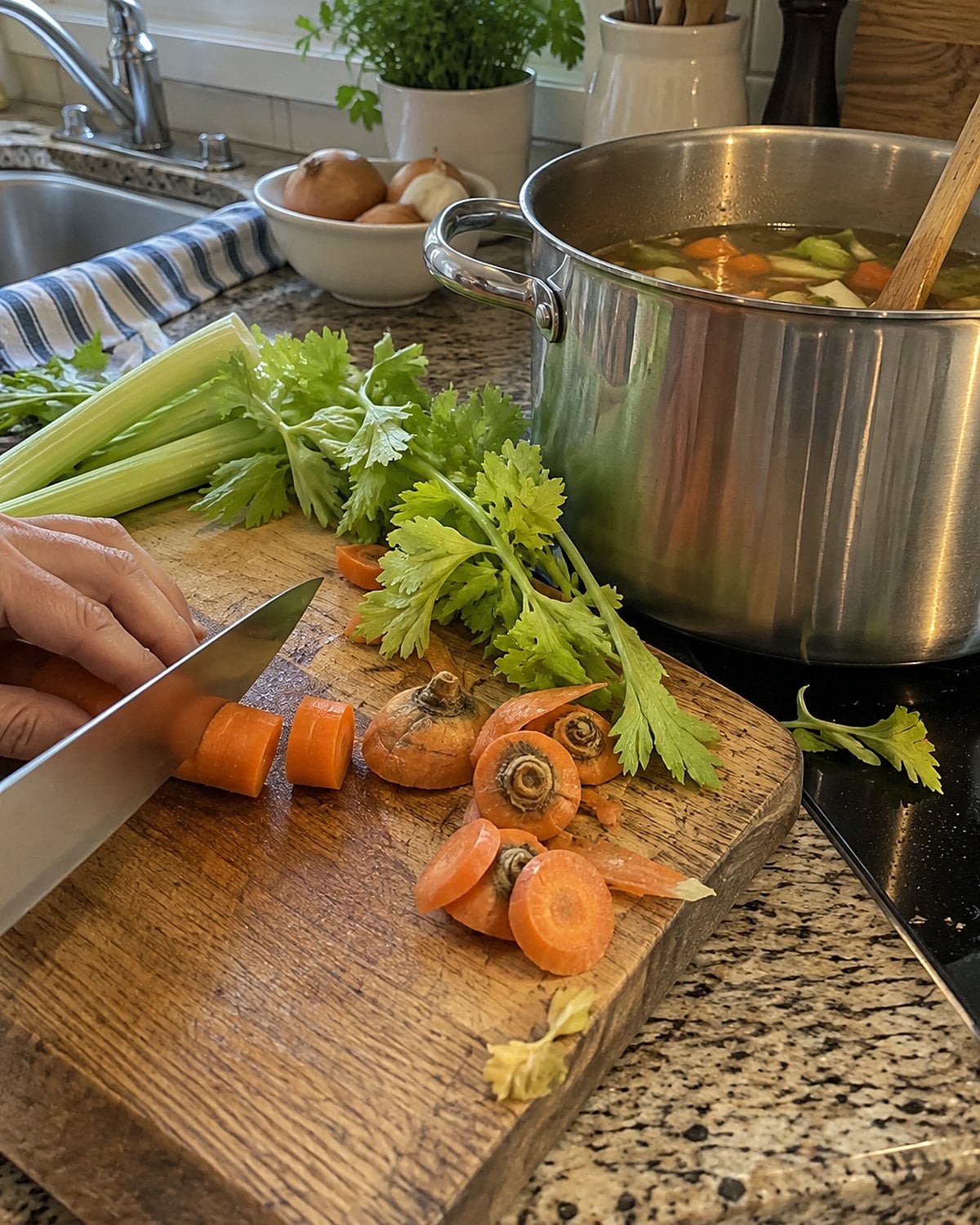
The celery leaves, carrot ends, and onion scraps gathered beside the cutting board. Into the soup pot they went. That saved good flavor, but it also invited anything the vegetable drawer had been hiding.
Wash vegetables before cutting them. Dirt caught near the root end doesn't become soup seasoning because it boiled. Trim away damaged or moldy pieces, and skip scraps that smell rotten. The useful parts are sound peels, leafy tops, and stems with flavor left in them.
For broth, keep the vegetable mix balanced. Too much cabbage turns the pot sharp; a heap of potato peel muddies it. Simmer, then strain before adding the vegetables you actually want to eat. Broth scraps have already done their work, and fresh pieces give the finished soup a better bite.
There's a difference between using every sound part and using every part. The first makes a good pot of soup. The second gives you a reason to avoid it tomorrow.
Try it: Instant Pot Stocks & Broths (Meat, Fish, Mushroom, Veggie)
#9 The Bread Heels in a Paper Bag
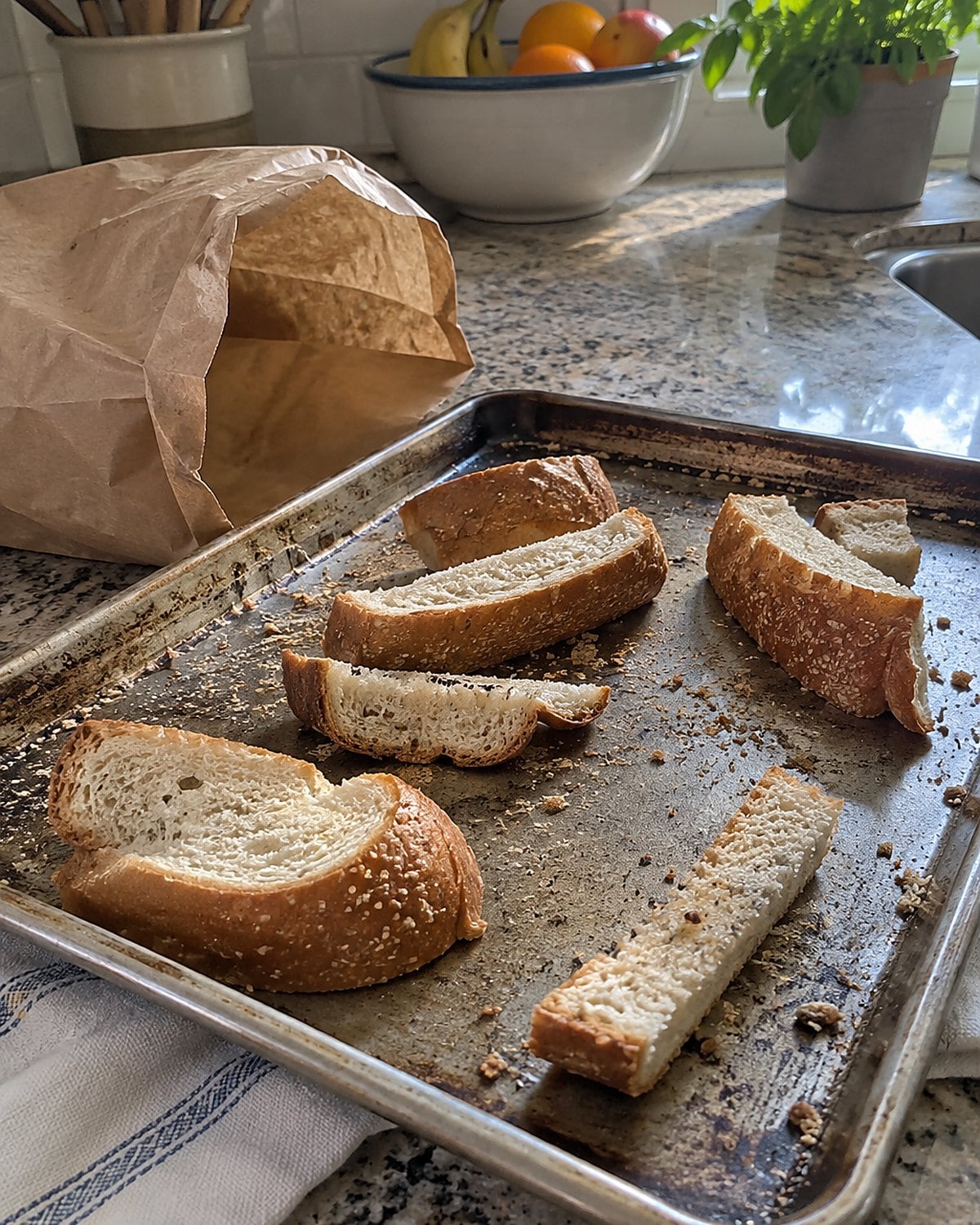
Nobody chose the bread heel when the loaf was fresh. Your mother saved the heels anyway, waiting until there were enough for crumbs or stuffing. She had a good answer for the odds and ends.
Dry sound bread completely before grinding it for crumbs. Tear it into pieces, spread them on a baking sheet, and toast until they're dry through the center. Let them cool before closing them in a container, or trapped steam will undo the work.
For stuffing, taste the bread before it meets broth. Stale bread is useful; moldy bread goes in the trash. You can't cut mold off one corner and treat the rest of a porous loaf as clean. The heel earned its place at dinner, but only while it was still good bread.
#8 The Meatloaf Sandwich at Supper
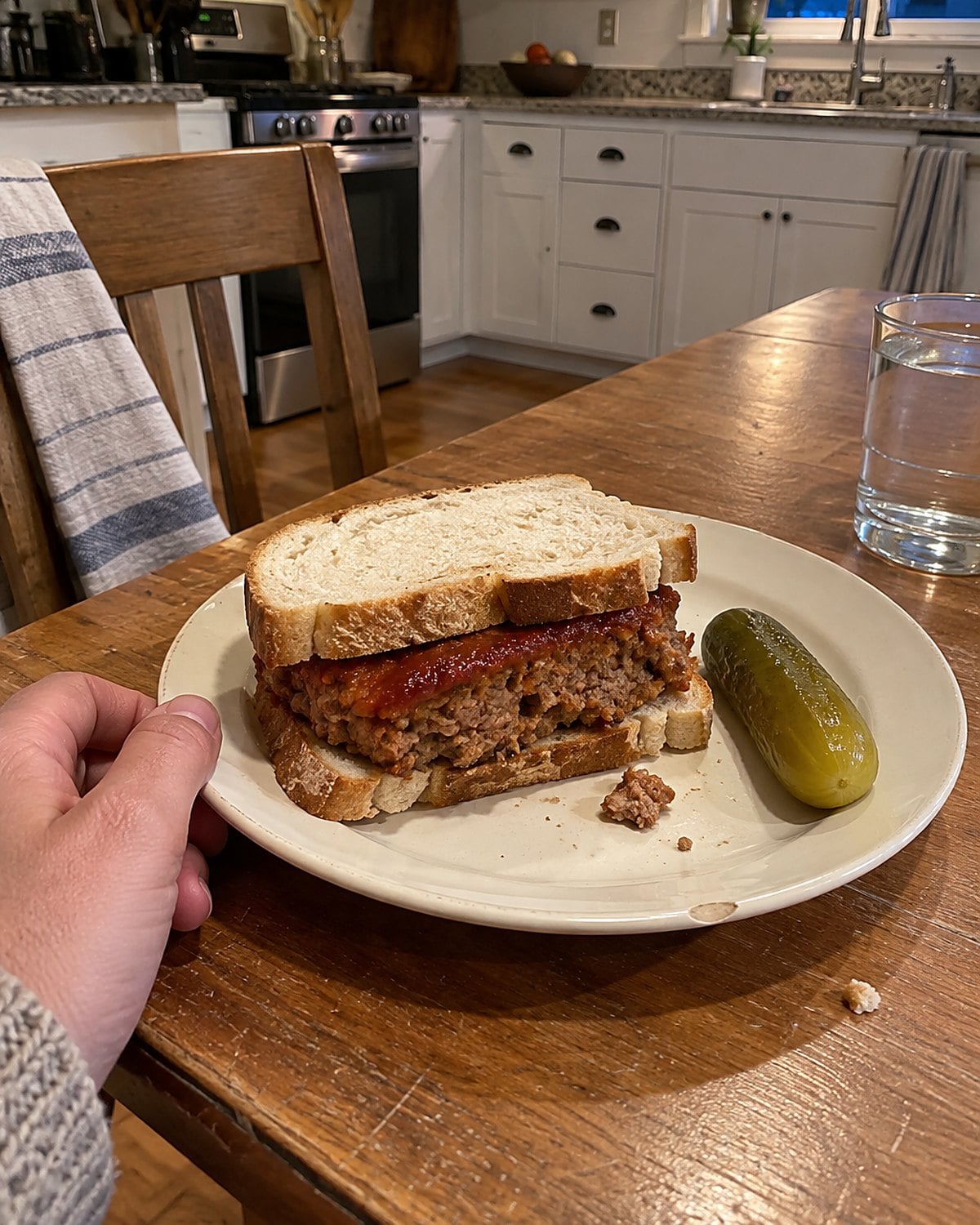
A thick slice of cold meatloaf landed on white bread with ketchup. Your mother didn't call it a new dish. She called everyone to the table.
The slice holds together best when the loaf was chilled before cutting. For a hot sandwich, brown the meatloaf in a skillet, then warm it through without scorching the outside. A little mustard or pickle gives the rich meat something to push against.
If you're reheating a cooked loaf, check its center with a food thermometer. USDA guidance puts reheated leftovers at 165°F. That differs from the 160°F target for cooking ground meat the first time. The number matters more than the color of the browned edge.
There was no reason to make another meatloaf just for two people. One good loaf, handled promptly and sliced with a sharp knife, gave your mother a second supper that had its own appeal. Set out the pickles and let somebody ask for the end piece.
#7 The Thawed Chicken on the Sink
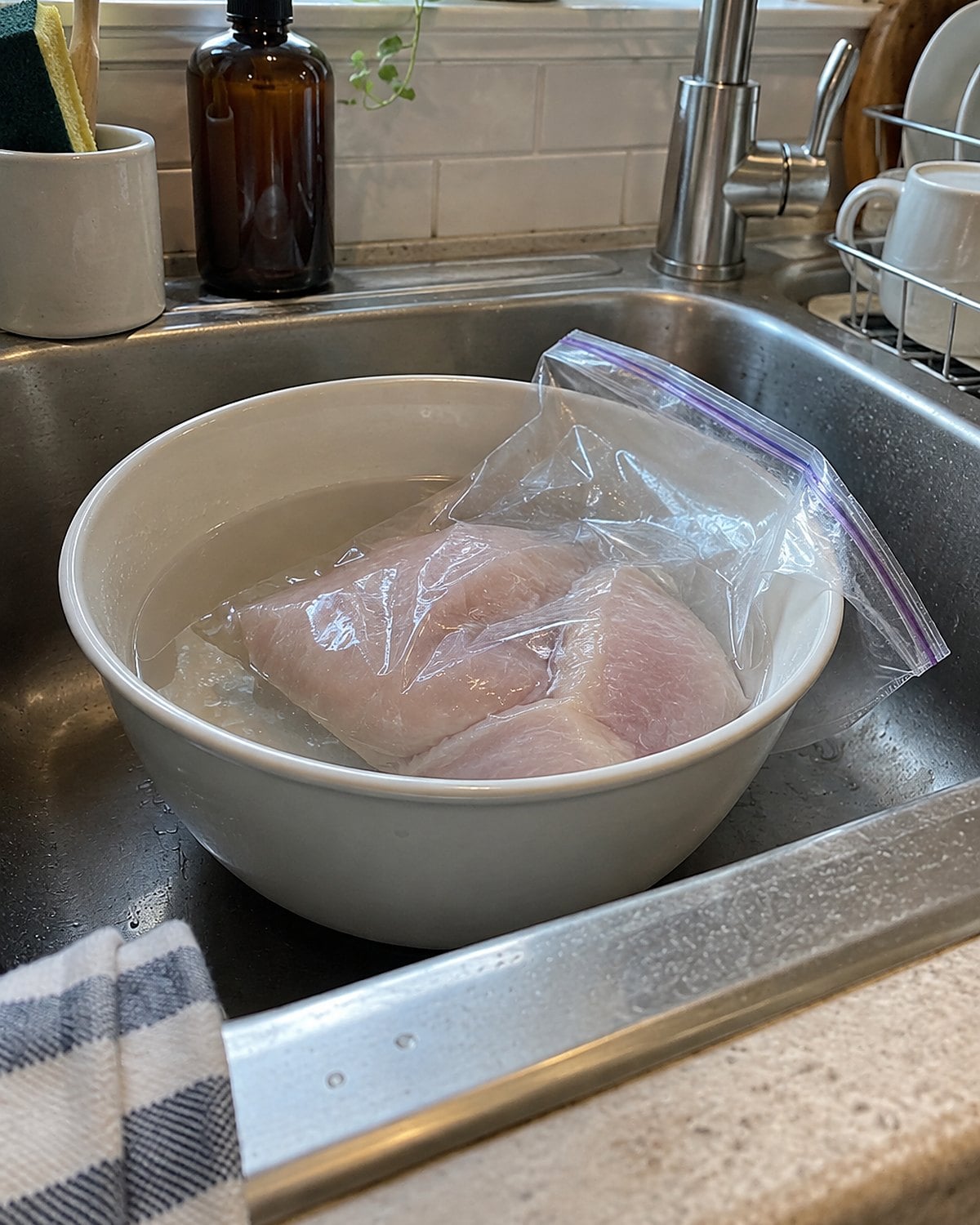
The frozen chicken sat in its wrapping at the back of the sink. Your mother had a full day ahead and meant to cook it by supper. The trouble was the hours when the outside warmed while the center stayed icy.
Thaw chicken in the refrigerator. For a faster route, use cold water with the chicken sealed in a leakproof bag, change the water every 30 minutes, and cook it right after thawing. The USDA's safe thawing guidance also covers microwave thawing, which calls for cooking immediately afterward.
Wipe and wash the sink after handling the package, especially if raw juices escaped. Don't rinse raw chicken; splashes carry bacteria onto nearby surfaces. Cook poultry to 165°F, measured in the thickest part without touching bone.
A chicken dinner isn't worth betting on a cool-feeling kitchen. Give the bird a place in the refrigerator the night before, and the sink stays free for the dishes you already know are coming.
Try it: How to Defrost Chicken in Instant Pot: Quick and Easy!
#6 The Roast Beef in Brown Gravy
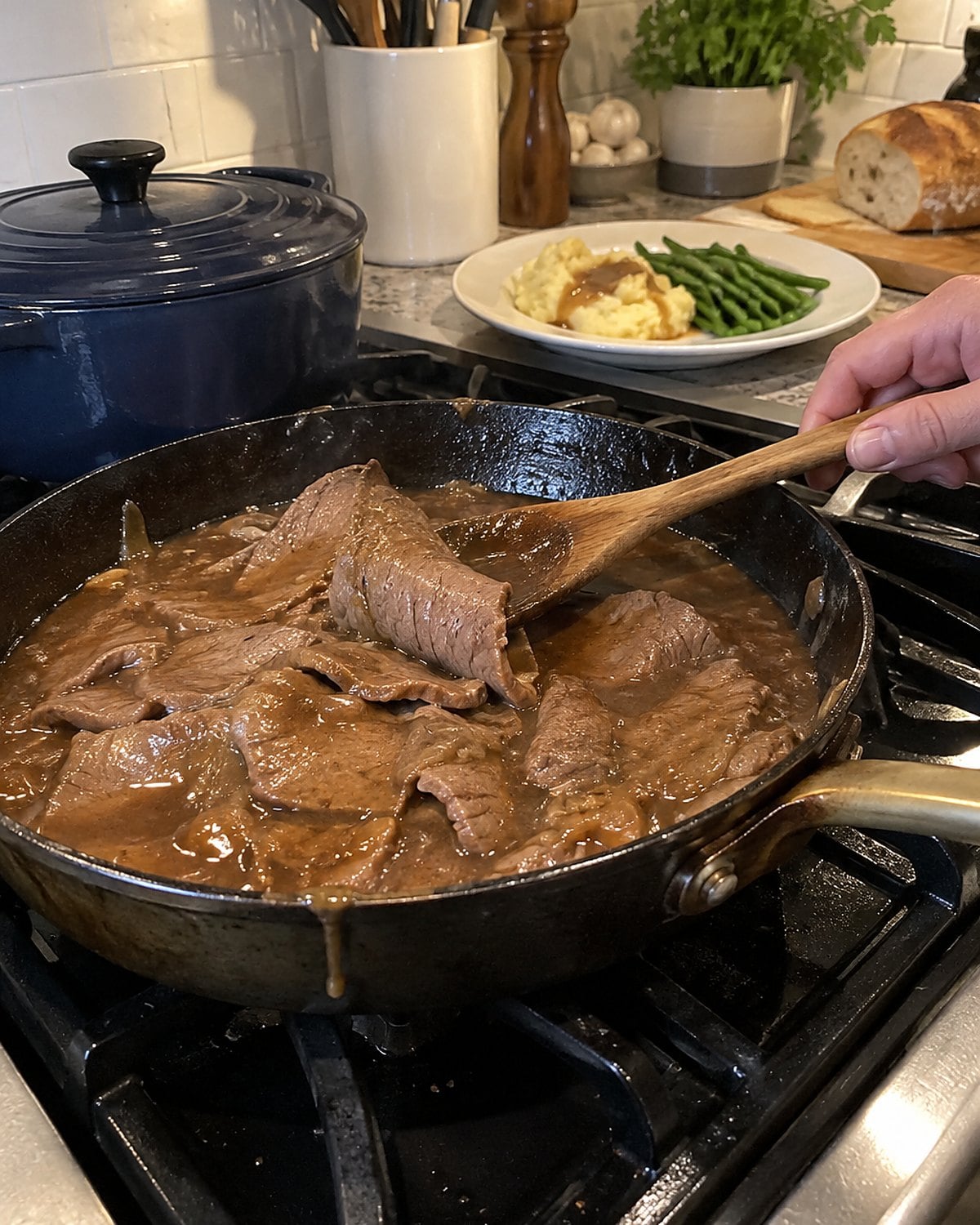
The roast had fed everybody once. Your mother sliced what remained, covered it with brown gravy, and served it again. A long boil would turn those slices gray; the gravy deserves better, too.
Cut the chilled roast across the grain. Warm the gravy on its own, then lower the slices into it. Check the meat with a thermometer as it heats; reheated leftovers need to reach 165°F. Bubbles in the gravy won't tell you the temperature inside a thick slice.
As gravy reduces, its salt grows more pronounced. Add a splash of unsalted broth if the pan looks dry. Put the meat on potatoes or plain noodles so the gravy has somewhere to go.
A smaller portion suits a changed table. It doesn't need to imitate Sunday dinner.
Try it: Instant Pot Roast Beef & Gravy
#5 The Bruised Apples for Pie
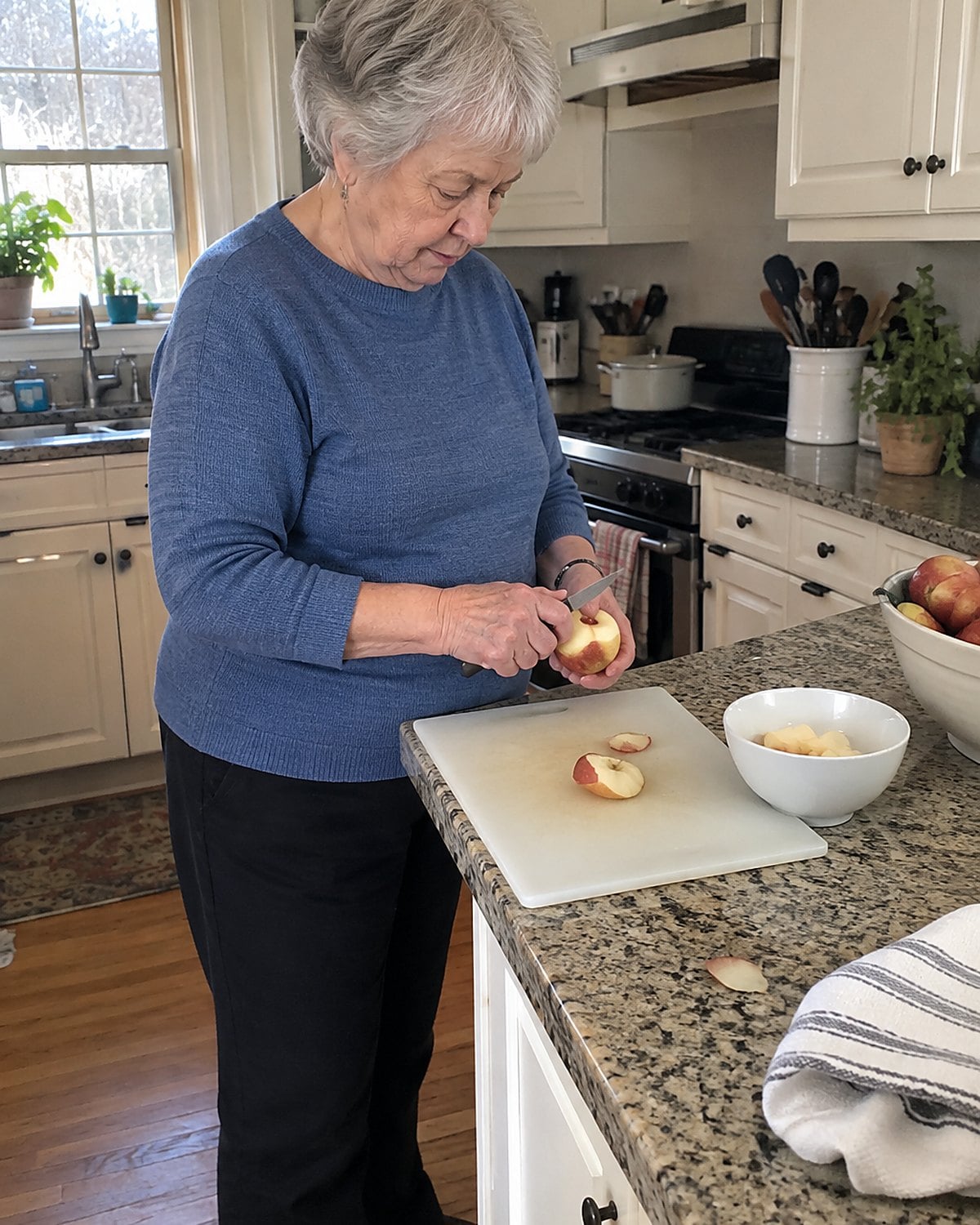
The apples in the bowl had a few bruises, and nobody wanted to bite into them. Your mother reached for the paring knife. Pie gave those apples a place to go.
Cut away bruised areas and check the flesh underneath. Sound fruit smells fresh and feels firm outside the damaged spot. If an apple is moldy or rotten, discard it. Cooking doesn't turn spoiled fruit into a good filling.
For pie, cut the apples in pieces of similar thickness so they soften together. Taste a slice before adding sugar; tart and sweet apples need different amounts. A little lemon juice helps bright fruit taste bright after baking, but it won't disguise a bad apple.
That bowl on the counter wasn't a command to bake everything in it. Choose the apples worth cutting, and the pie will taste like the fruit you meant to use.
#4 The Freezer Bag of Onion Bits
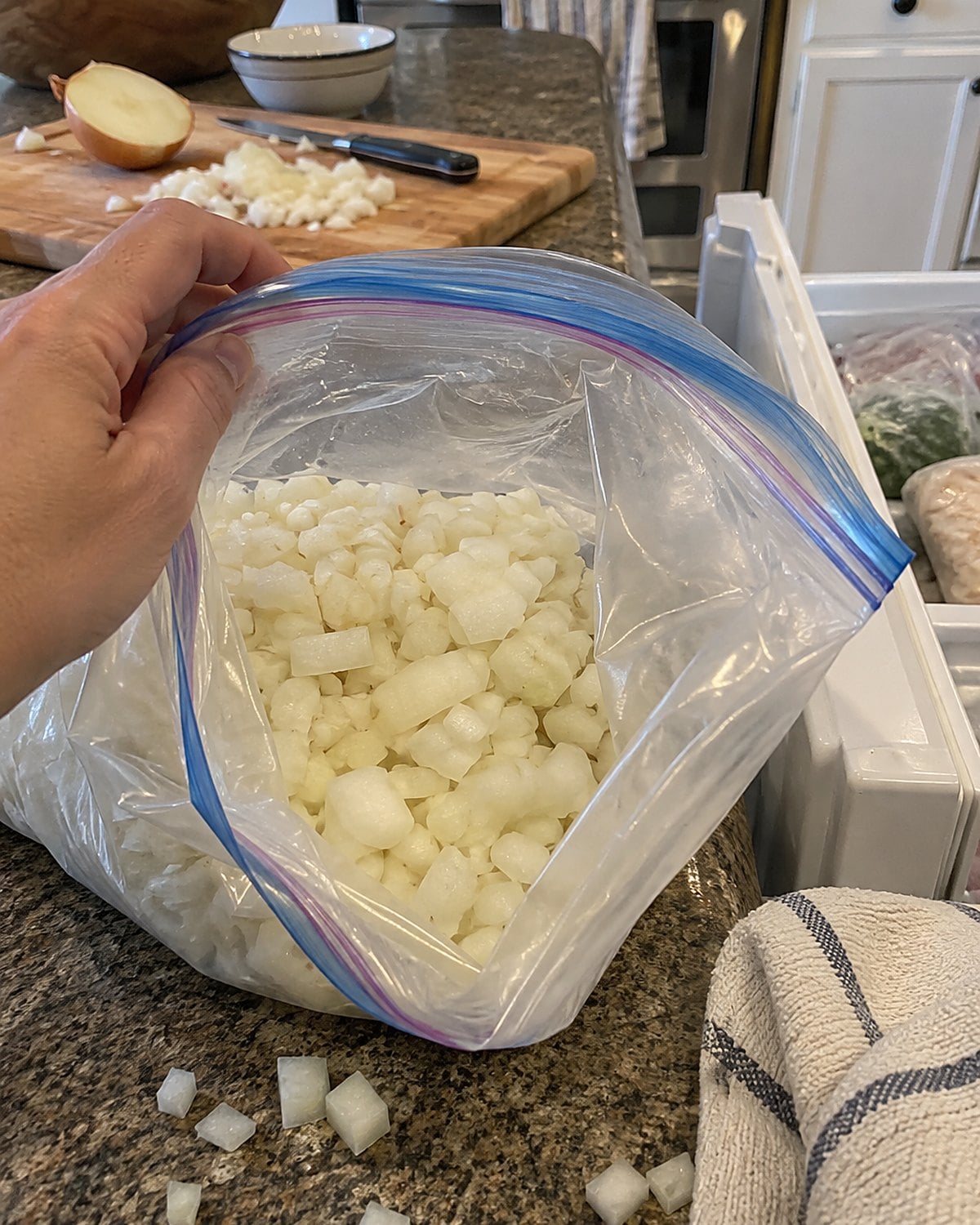
Half an onion stayed in the refrigerator until its edges dried. Your mother chopped the good part and put it in a freezer bag, alongside the next half onion and the next. When soup night came, the bag was ready.
Chop sound onion before freezing it, press excess air from the bag, and write the date on the outside. Frozen onion loses its crisp bite, so send it into cooked dishes rather than a fresh salad. Drop it straight into a hot pot; thawing on a plate leaves a puddle and makes chopping harder.
Keep onion separate from other scraps if you want to control the flavor. A handful suits beans, chili, or tomato sauce. A whole bag dumped into delicate broth takes over.
The bag works because it holds ingredients with a known job. Every small piece you add saves knife work later, and you don't have to pretend frozen onion is fresh onion.
#3 The Single Serving in the Big Pan
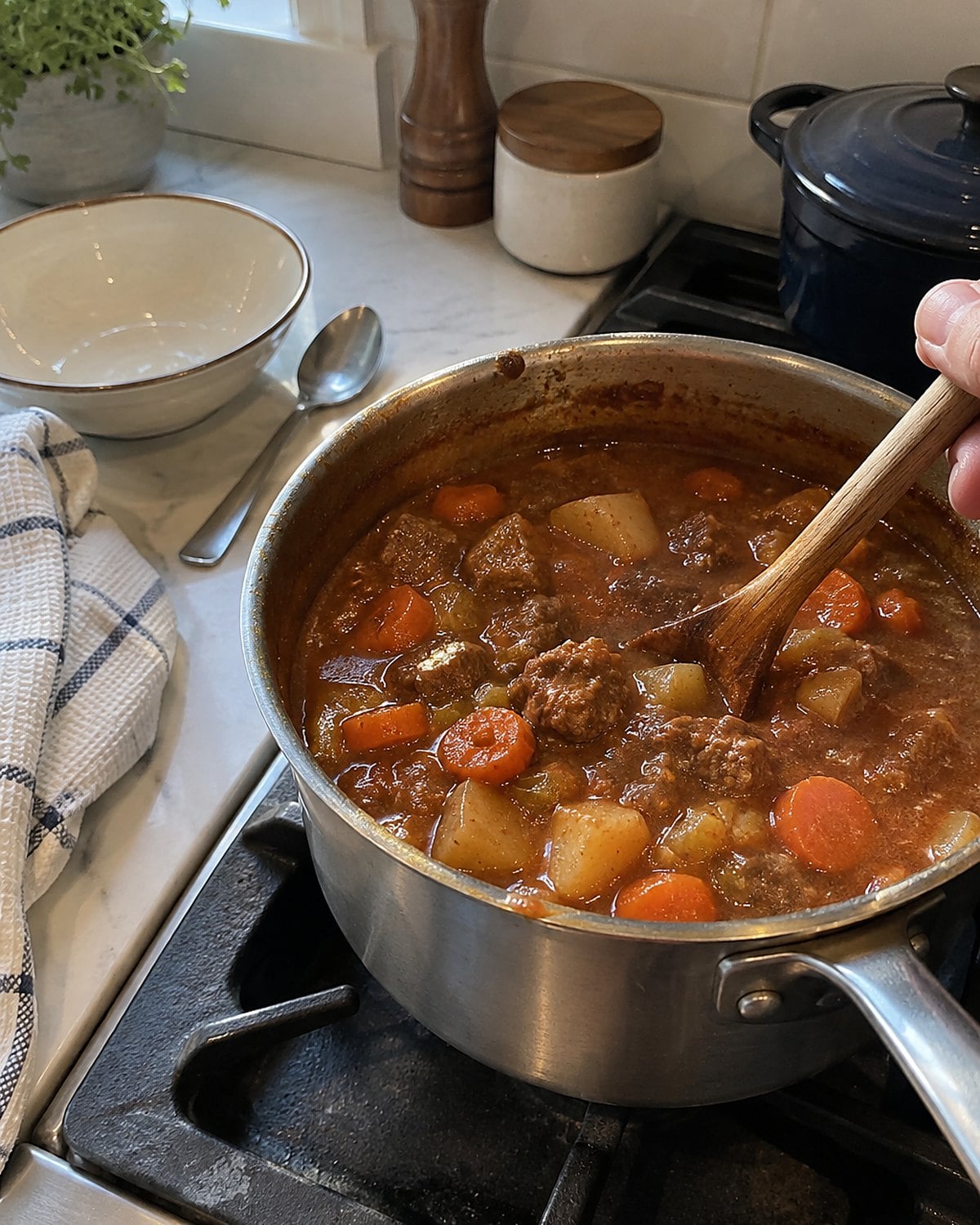
A little leftover stew sat in a wide saucepan. Your mother stirred it, watched it dry around the edges, and added water. Dinner for one seemed to require the same pot she'd used for the whole family.
Match the pan to the portion. A small saucepan keeps stew deep enough to warm without scorching; a lid holds moisture in while the center heats. Stir from the bottom, then check the temperature in the thickest part. Reheated leftovers should reach 165°F.
If you have a shallow single serving of a thick dish, the microwave works too. Cover it, stir partway through, and let it stand briefly before checking for cold spots. The FDA's microwave cooking guidance explains why standing time matters: heat continues to spread after the microwave stops.
One place setting deserves food that tastes right. The smaller pan isn't an admission that the table changed. It's the tool that fits tonight's supper.
#2 The Crowded Refrigerator Shelf
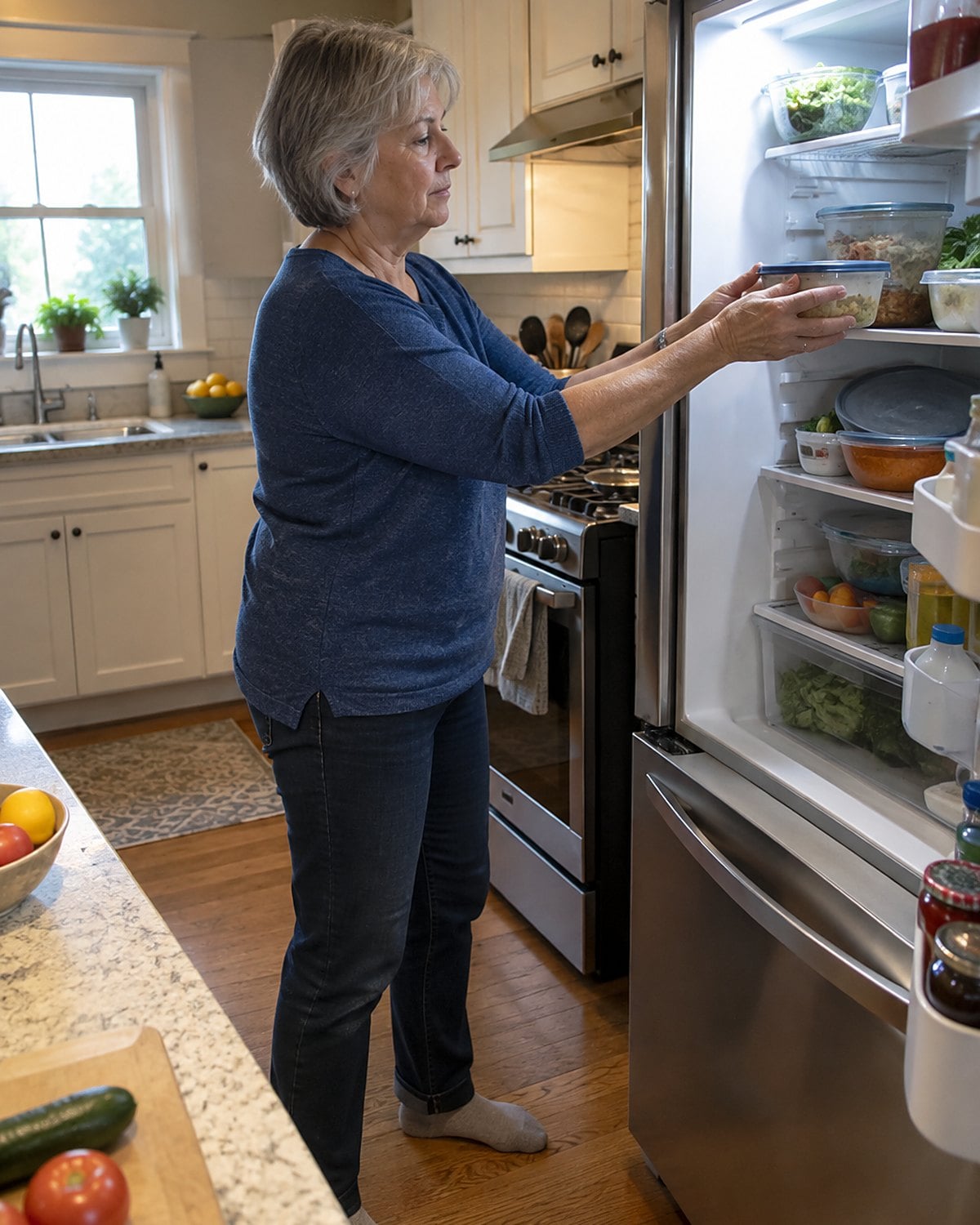
The refrigerator held a bowl under a plate, a roasting pan behind the milk, and a casserole dish balanced wherever it fit. Your mother had made room for all of it. Finding tonight's dinner was another matter.
Put a thermometer in the refrigerator and check that it reads 40°F or below. The FDA's refrigerator and freezer storage guidance uses that limit. Give containers enough space to see what's behind them instead of wedging each one against the back wall.
Keep raw meat on a lower shelf in a leakproof container, away from cooked leftovers. A drip onto a ready-to-eat dish ruins the effort that went into saving it.
Now look at the shelf from tonight's point of view. Which container needs eating first? Move it where you can see it. A crowded refrigerator hides good plans as easily as bad surprises.
#1 The Hot Pot Left on the Stove
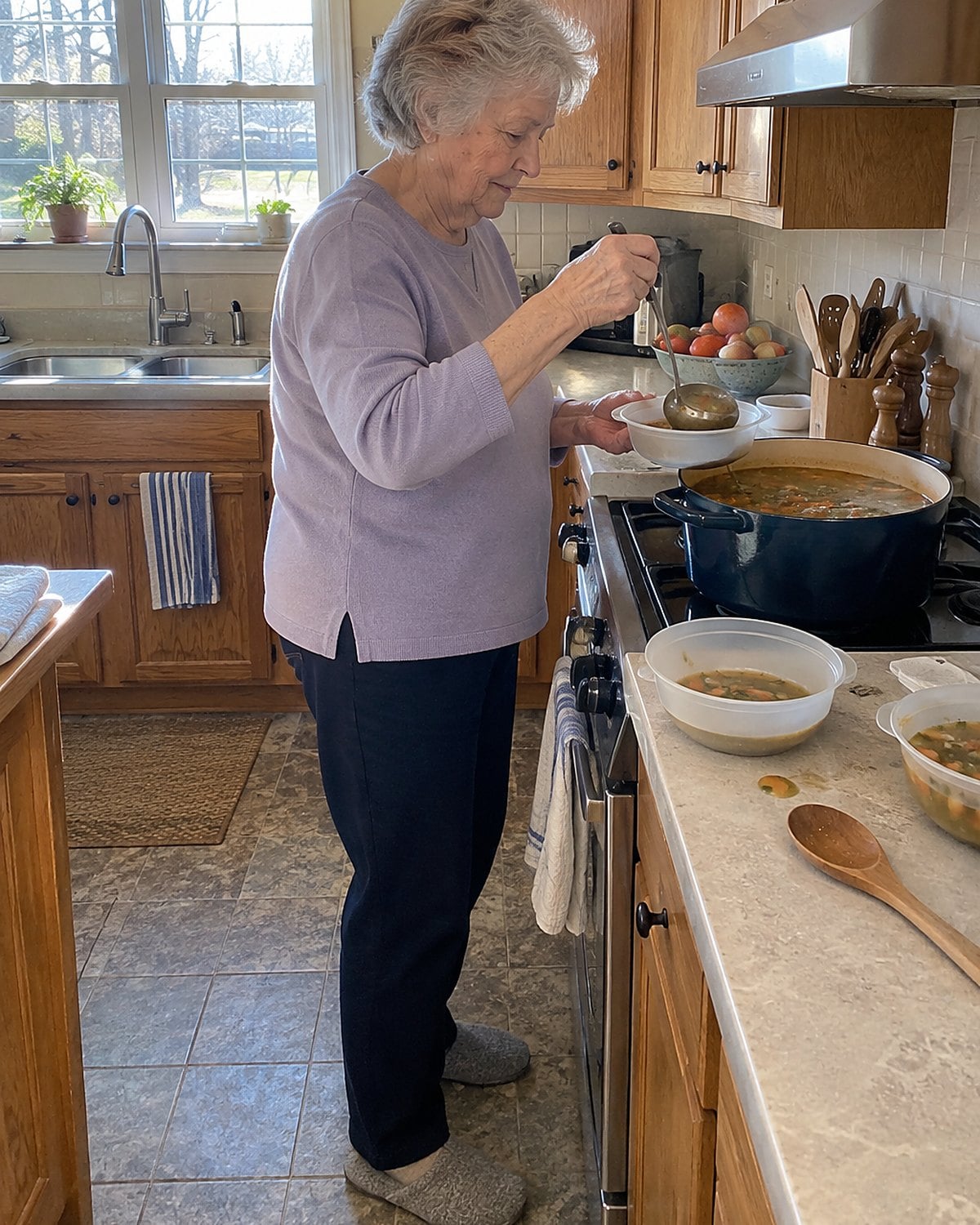
After dinner, a big pot stayed on the stove while the dishes got washed. Your mother wanted it to cool before putting it away. The lid went on, the kitchen got dark, and the pot was still there in the morning.
Don't wait for a deep pot to cool on its own. Bacteria grow fastest in the temperature range the USDA calls the danger zone, 40°F to 140°F. Perishable leftovers need refrigeration within two hours, or within one hour when the air is above 90°F.
Ladle the food into shallow containers while you clear the kitchen. Set them in the refrigerator with room for air to move around them. For a large pot of soup, set the pot in an ice-water bath and stir it while the temperature drops, then portion and refrigerate it. Don't leave the whole job for bedtime.
This is the save that makes the others possible. You spent time and ingredients on that pot. Cooling it promptly protects tomorrow's lunch and the pleasure of opening a container you actually want to eat.
What was on your stove the last time someone said, “Let it cool first”?
The bottom line
Your mother spotted another meal in a spoonful of gravy, a bread heel, or half an onion. Keep that eye. Give it a clean container, a date, and a refrigerator cold enough to finish the job.
The well-prepared version of you has already moved tonight's leftovers into shallow containers and put tomorrow's portion where she'll see it. What's waiting in your kitchen right now that deserves a better second meal?


Leave a Reply