

The lid comes off the pot, and the kitchen smells better than it did while dinner cooked. That’s an odd reward for opening the fridge. You made enough for a full table, but tonight there are two bowls and no need to start over.
Some food loses its best texture overnight. Other food needs that pause. Beans settle into their broth. Spices move through a sauce. The trick is knowing which supper to make ahead, then giving it the right finish when you come back.
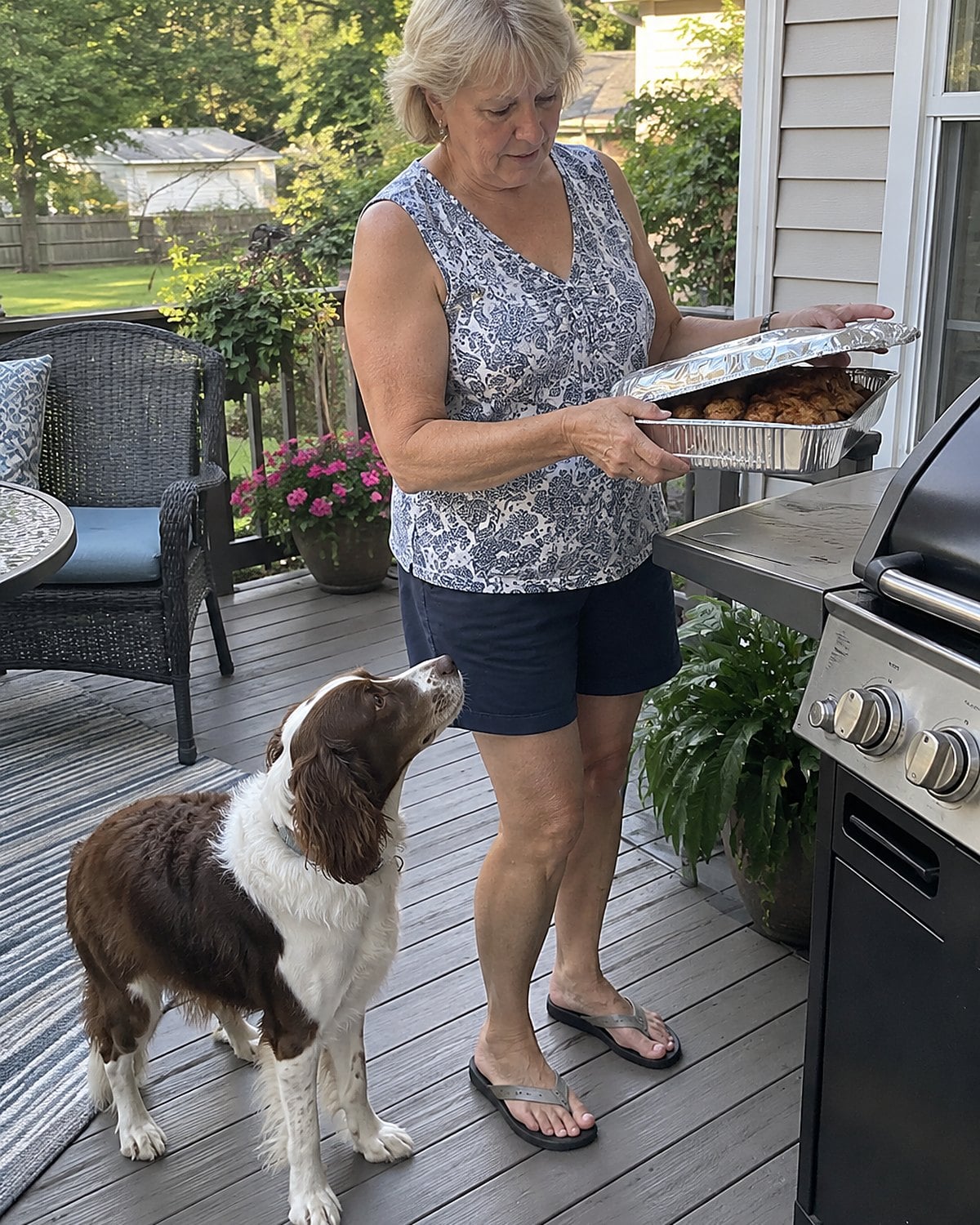
#26 Chicken Chili With Its Cornbread Partner
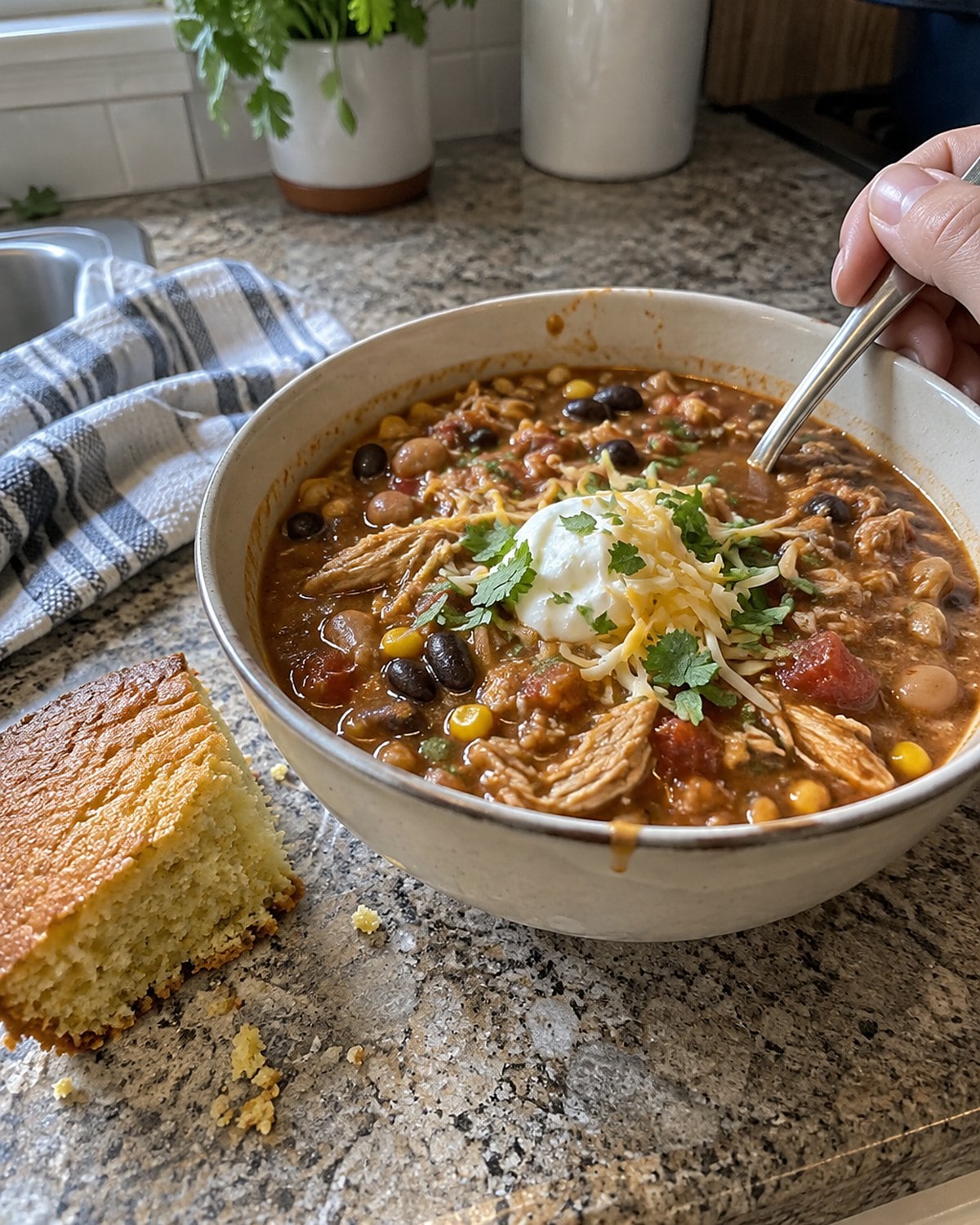
The cornbread was wonderful straight from the oven. By morning, its cut edges are dry. The chili beneath it has gone the other direction: the beans have thickened the broth, and the chicken tastes of the tomatoes and spices around it.
Keep the two apart overnight. Cornbread left sitting on chili drinks up the liquid and turns heavy. Cover the chili in the fridge, and wrap the bread separately. When supper comes around, loosen the chili with a splash of water. Heat it thoroughly, stirring through the center.
Toast a piece of cornbread in a skillet while the pot heats. Its crisp edge gives you something fresh beside a bowl that had all night to settle. If the chili tastes flat after reheating, add a squeeze of lime at the table.
#25 Lentil Soup With a Last-Minute Lemon
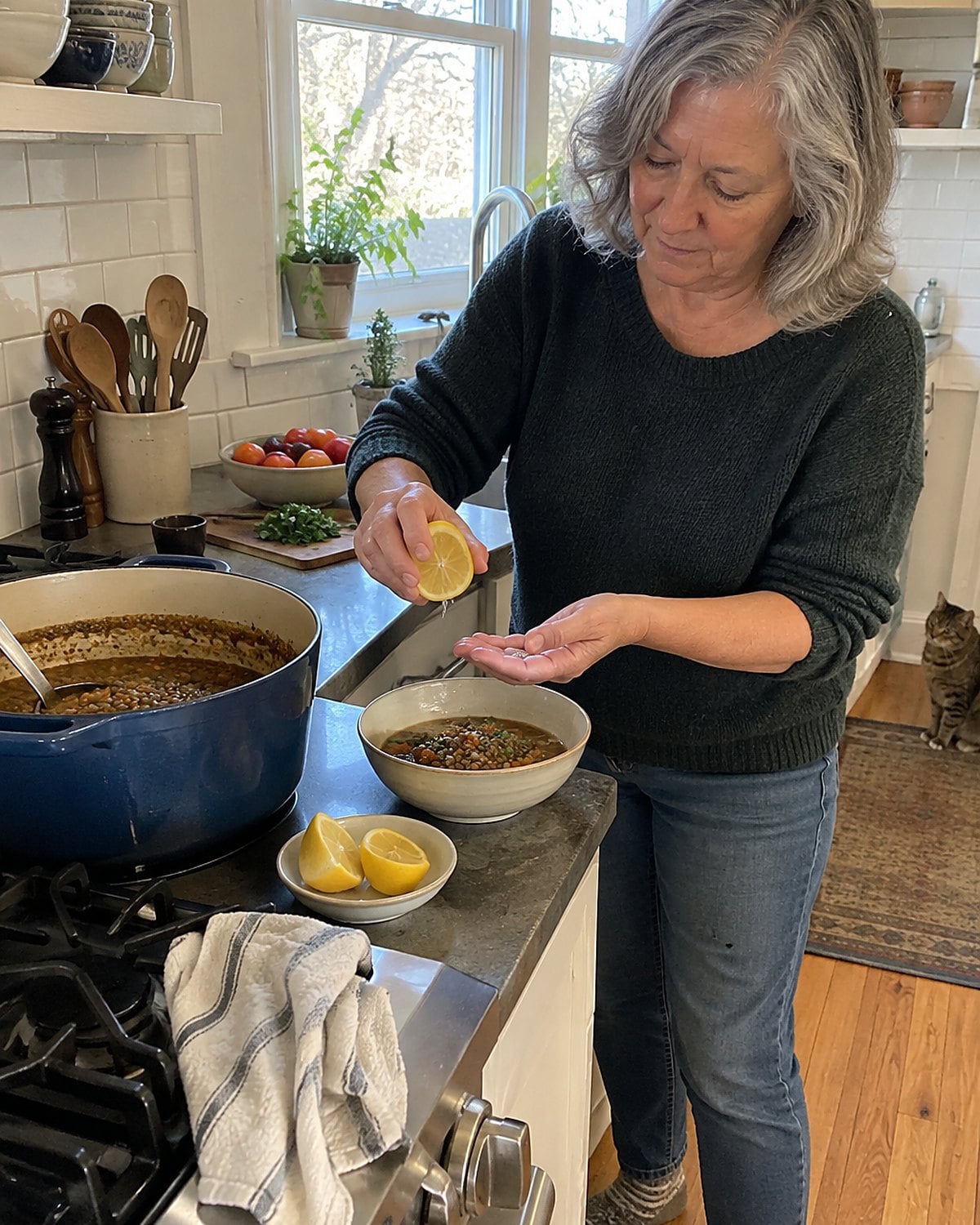
Lentils keep drinking long after you turn off the burner. A soup that poured easily into bowls on Tuesday might stand up around the spoon on Wednesday. Nothing went wrong.
Add water or broth as you reheat it, a little at a time. Stir along the bottom of the pot, where thick lentils catch first. Once it’s hot, taste before adding salt. A squeeze of lemon often brings back the lift you remember without making the soup saltier.
If you put lemon in before storing the soup, taste again anyway. The cold dulls your sense of seasoning, and yesterday’s bright bowl won’t tell you exactly what today’s needs. Put the lemon half beside the stove. You’ll know what to do after the first spoonful.
Try it: Low-Calorie Instant Pot Lentil Soup (Vegan, Gluten-Free)
#24 Beef Stew With a Skimmed Top
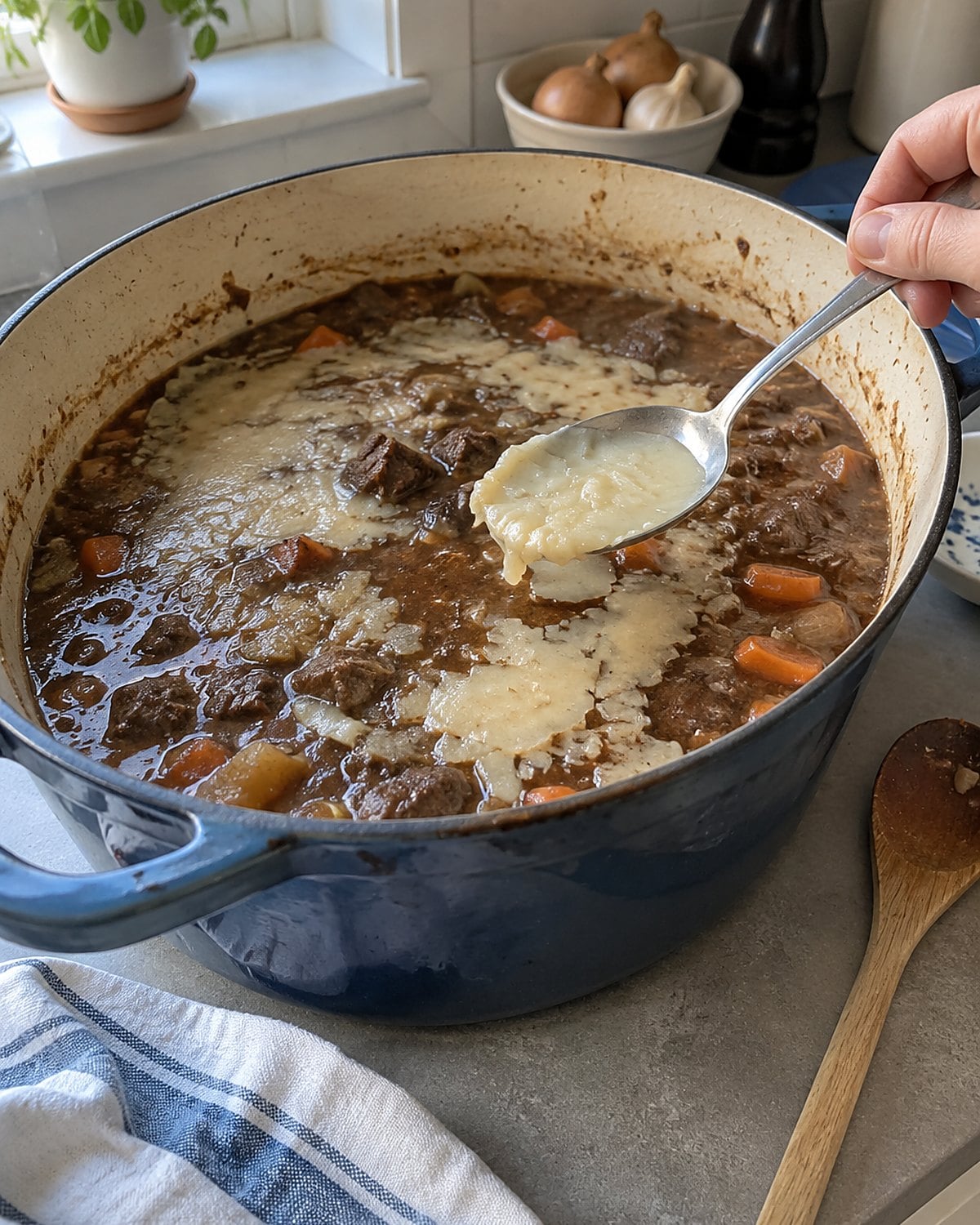
The beef stew in the church cookbook took most of an afternoon. There’s no reason to rush through its second supper. After a night in the fridge, the fat has risen and set into a pale layer you can lift off with a spoon.
That single step changes the bowl. You keep the rich gravy without a slick of fat across your lips. Underneath, the potatoes and carrots sit in a sauce that has thickened as it cooled.
Reheat the stew over moderate heat and stir from the bottom so the gravy doesn’t scorch. Add a little water if the spoon leaves a trench that stays open. Don’t boil it hard to make dinner happen faster; the vegetables are already cooked. A few minutes of patient heat are kinder to them.
Taste the gravy last. Cold storage didn’t put salt in it, but reheating and thinning change what you notice. Set the bread out, then decide.
Try it: Whole30 Beef Stew (Instant Pot & Stovetop Recipe)
#23 Red Beans With a Softer Broth
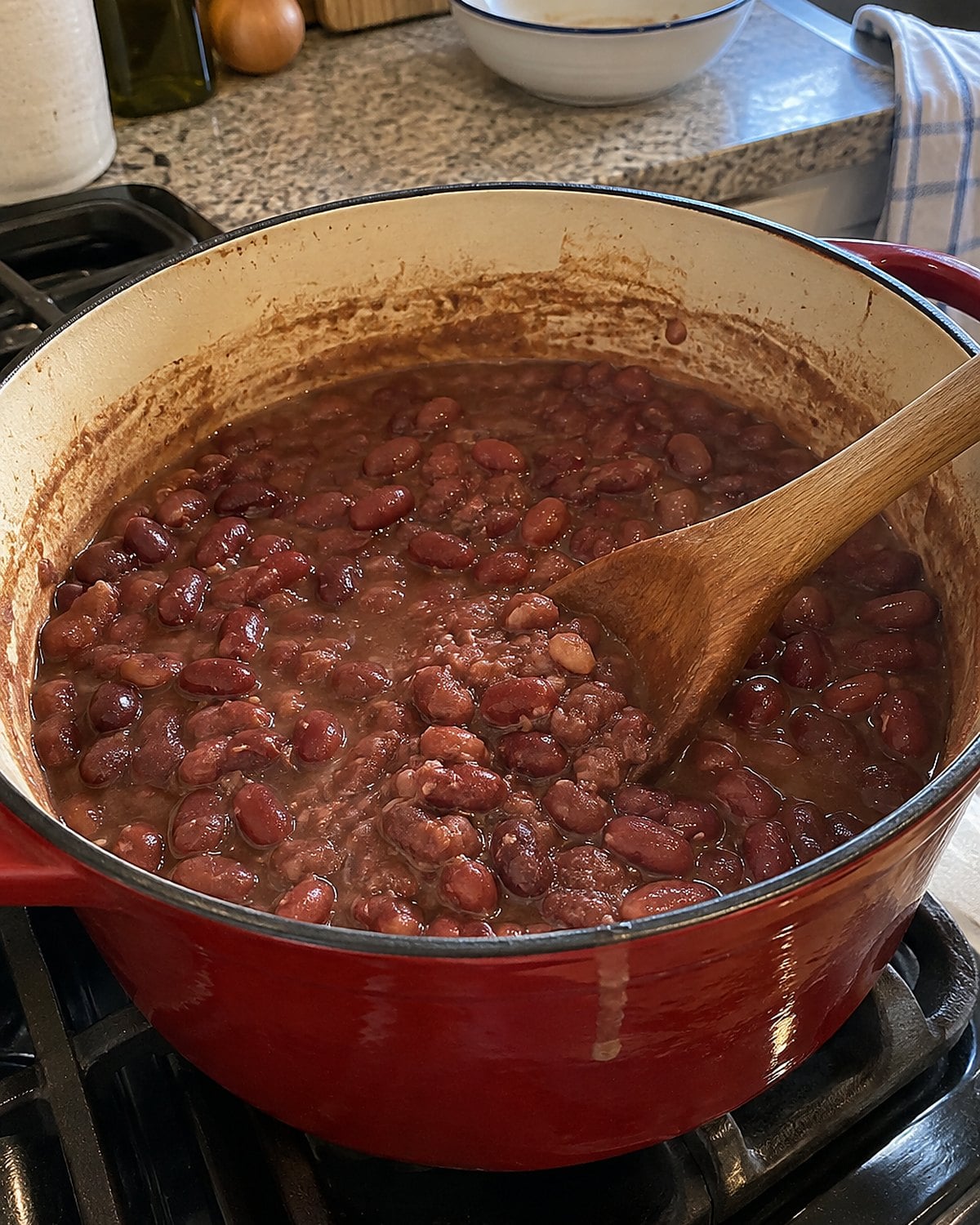
A pot of red beans looks finished when the beans are tender. Give it a night, though, and the liquid turns into the part you drag your spoon through for the last bite.
Starch from the beans thickens the broth as the pot cools. For a creamier result on cooking day, mash a spoonful of tender beans against the side of the pot and stir them back in. Save the vinegar or hot sauce for serving. That sharp finish tastes livelier added to a hot bowl than stirred in before the pot goes into the fridge.
Keep tomorrow’s rice separate. Rice left in the beans swells, taking up the broth you worked for. Make fresh rice or reheat rice you cooled and refrigerated promptly. Either way, ladle the beans over it at the last moment.
#22 Braised Cabbage With a Better Bite
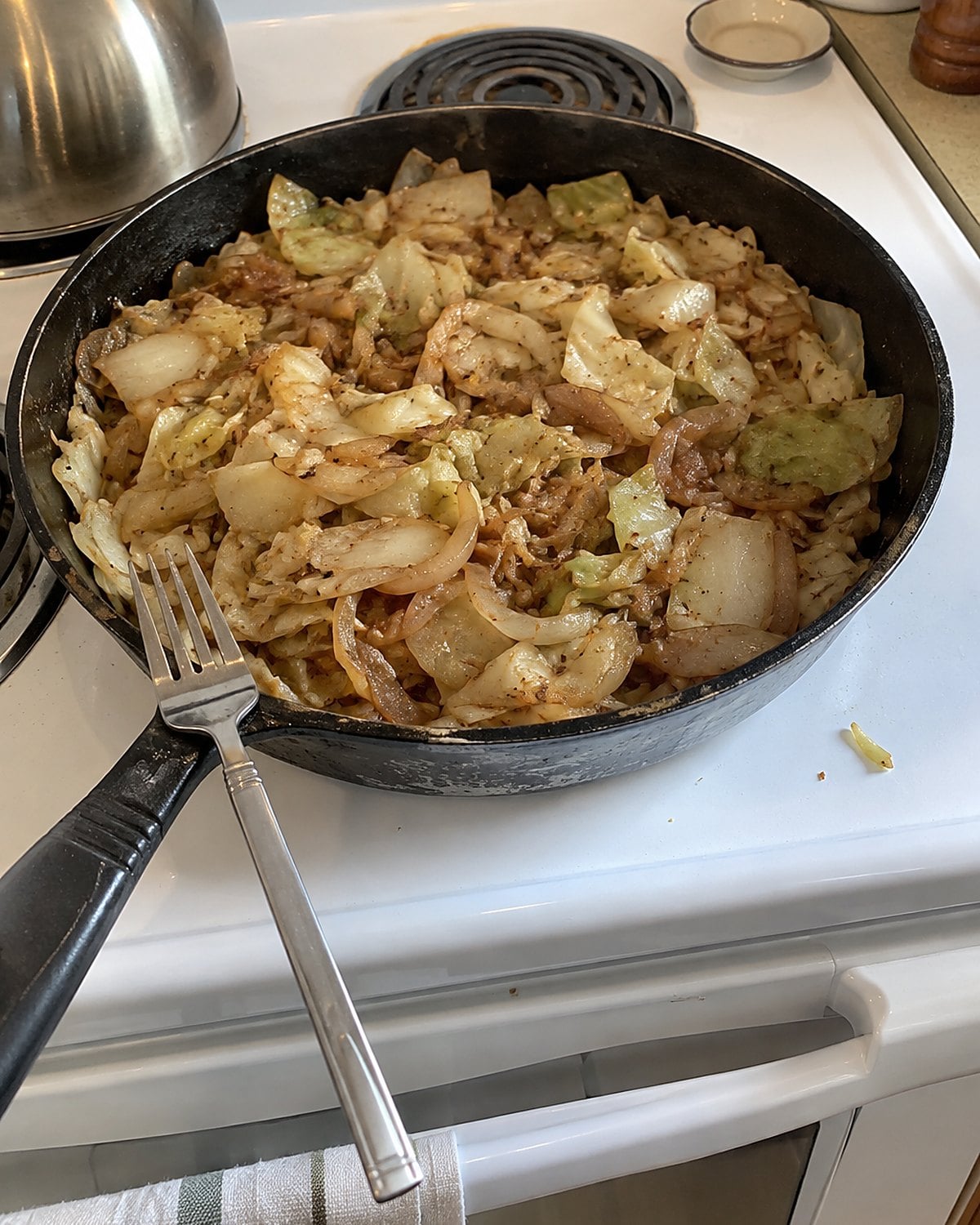
Cabbage left from a plain boil rarely inspires a return trip to the fridge. Braised cabbage is different. In a covered pan with onion and a little liquid, the leaves take on the flavor of the pan without falling apart.
Stop cooking while the thicker ribs still offer a little resistance to a knife tip. They’ll soften further when you reheat the dish tomorrow. If you cook them until limp on the first night, there’s no texture left to save.
Warm the cabbage in a wide skillet so extra moisture escapes. Then taste a forkful. A small splash of vinegar cuts through the sweetness the onion and cabbage have built together. It’s a good companion for a pork chop, but it holds its own beside eggs, too.
#21 Baked Ziti From the Sunday Crowd
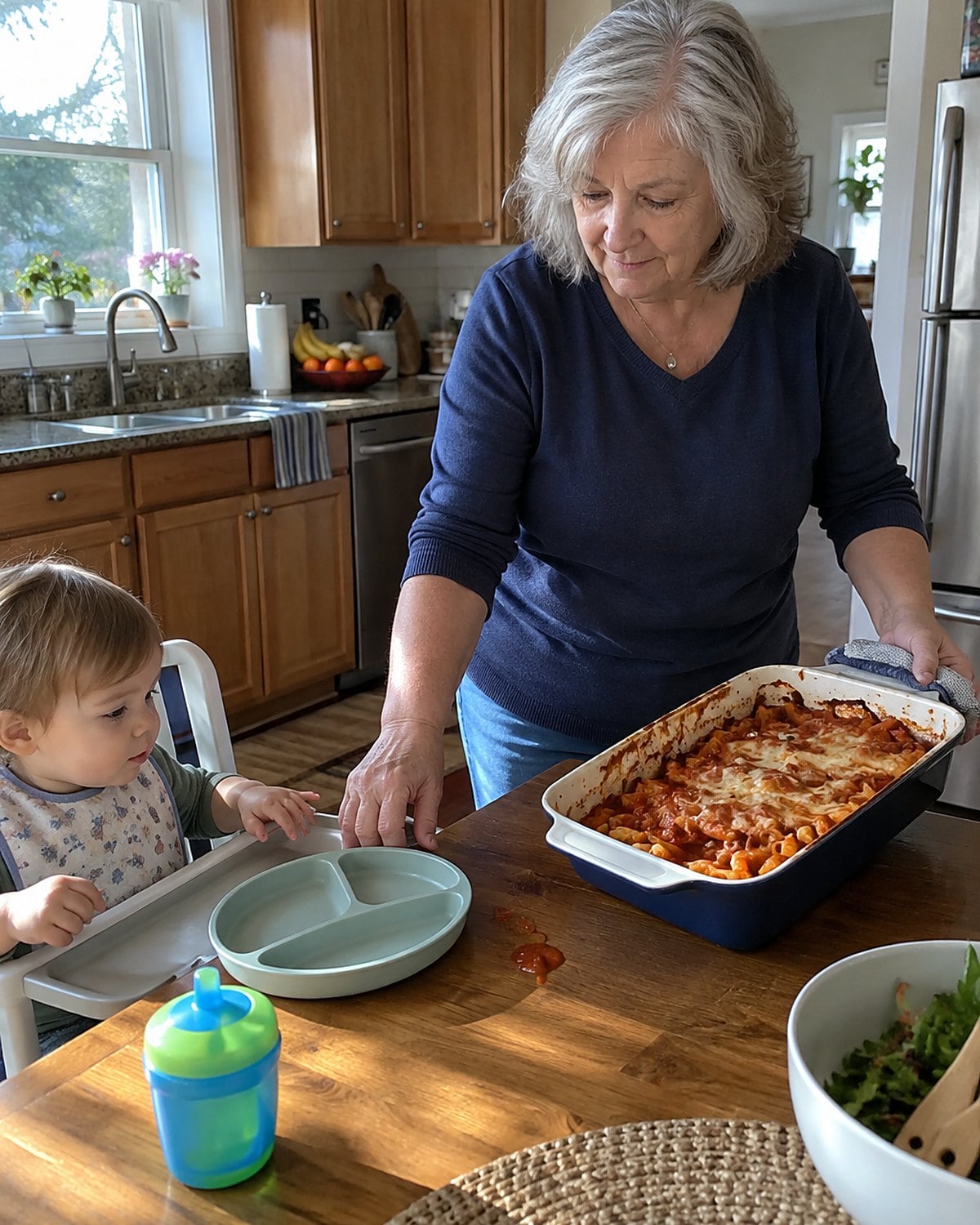
The grandkids have gone home, and the baking dish still has enough ziti for a smaller table. That’s worth planning for. Overnight, the pasta settles into the tomato sauce, and a cut square holds together instead of sliding across the plate.
A dry second-day square is easy to prevent. Before reheating, spoon a little sauce around the edges, then cover the dish so steam reaches the middle. Uncover near the end if you want the cheese on top to regain its color. For a single portion, use a small covered dish rather than heating the whole pan again.
There’s one mistake to avoid on Sunday: boiling the pasta until it’s fully soft before it goes into the oven. Pull it while it still has a firm center. It cooks in the sauce, then rests in that sauce overnight. You get tender pasta on Monday instead of noodles that collapse under a fork.
#20 Curry That Has Time to Settle
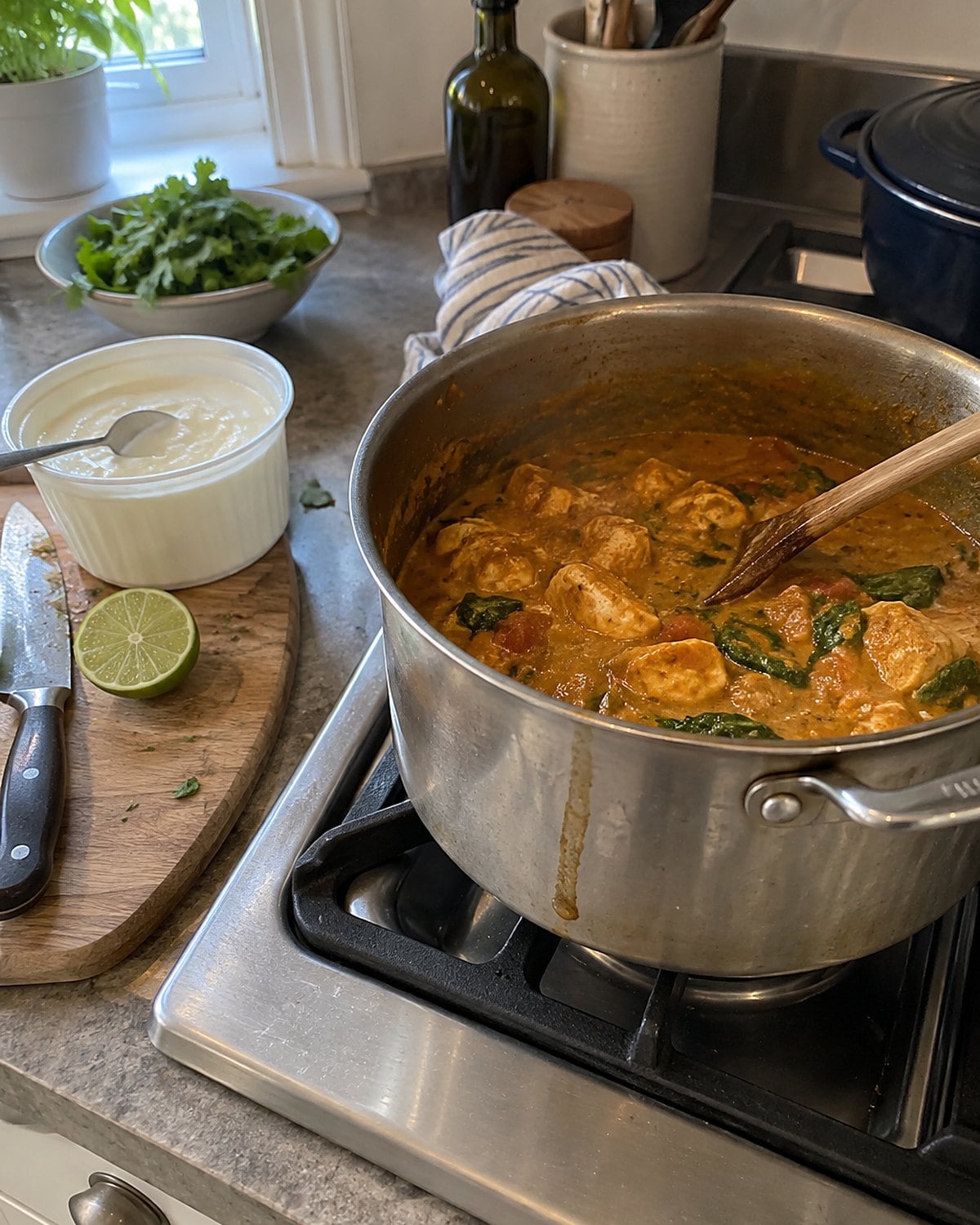
Why does Tuesday’s curry taste fuller than Monday’s? The sauce has had time to sit against the vegetables or meat. Spices, fat, and liquid come back together when you warm and stir the pot.
That rest won’t rescue scorched spices. When making curry, cook the spices briefly in the oil and add liquid before they darken too far. If the bottom of the pot smells burnt, a night in the fridge won’t erase it.
Reheat over moderate heat, stirring into the corners. Add a spoonful of water if the sauce has tightened. Once it’s hot, taste for salt and acidity. A little lime or plain yogurt at serving gives you the contrast the overnight rest has softened. Keep any fresh herbs out of the storage container and scatter them on tomorrow’s bowl.
#19 Split Pea Soup and the Standing Spoon
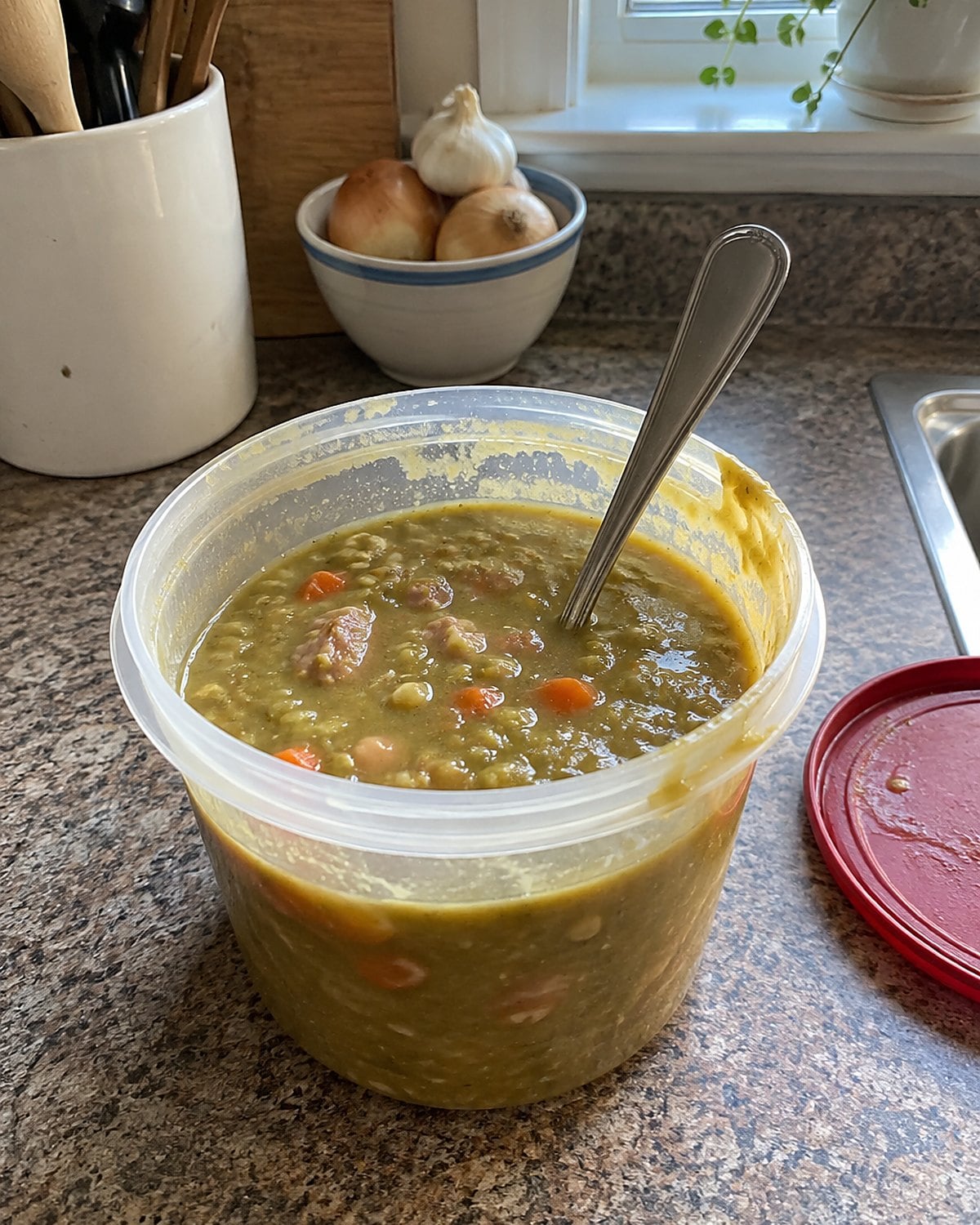
Open the container, push in a spoon, and watch it stand. Split pea soup does that after a night in the fridge. The peas break down while cooking, and the soup firms as it cools.
Don’t judge it cold. Put the portion you want in a pot with a splash of water, then warm it slowly. Stir against the bottom and around the sides until the soup moves freely. Add more liquid until it sits on the spoon the way you like. You don’t need to thin the entire batch to make one bowl.
If you cooked it with a ham hock, pull out the bones and gristle before storing it. The meat is easier to find while the pot is warm. Tomorrow, you’ll be glad to open a container that needs only heat, stirring, and perhaps a grind of pepper. A piece of toast takes care of supper.
Try it: Instant Pot Split Pea & Chorizo Soup
#18 Macaroni Salad After the Church Supper
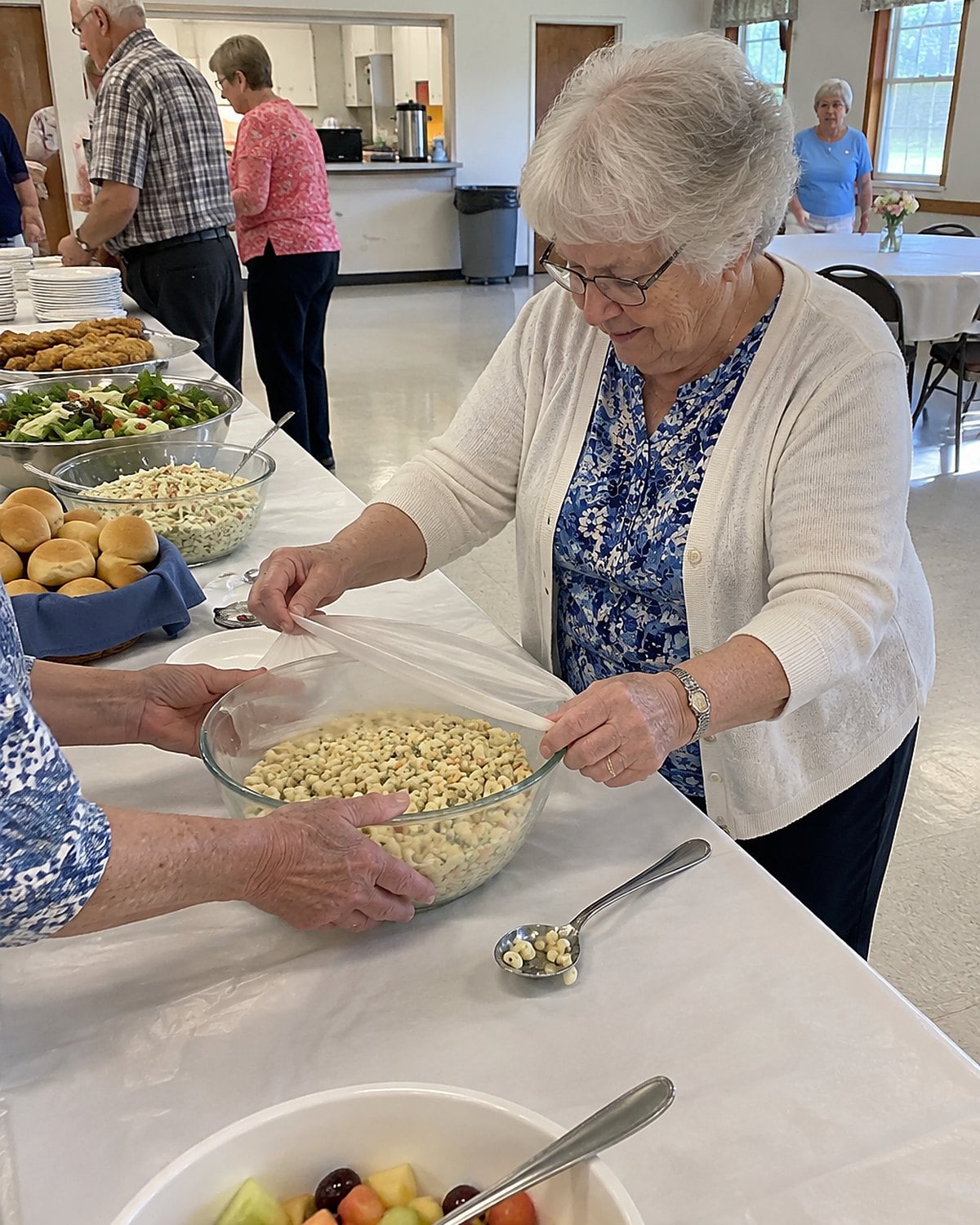
At a church hall table, macaroni salad waits while plates fill and conversations run long. Back home, the leftover salad needs prompt refrigeration, not another stretch on the counter.
Remember when the bowl came out. The USDA’s two-hour rule means perishable salad left out longer belongs in the trash. Above 90°F, that limit drops to one hour.
Cold pasta draws in dressing overnight. That’s why the bowl looks drier the next day. Stir it, then taste before adding anything. A spoonful of dressing brings back the coating; a splash of pickle brine brings back the tang.
If you’re making it ahead, hold back some dressing and add it before serving. Keep the crisp celery separate until then, too. The salad gets its overnight rest, and the crunch arrives on time.
Try it: Creamy Macaroni Salad With Peas & Ham (Instant Pot, Stovetop)
#17 Pork Shoulder In Its Cooking Juices
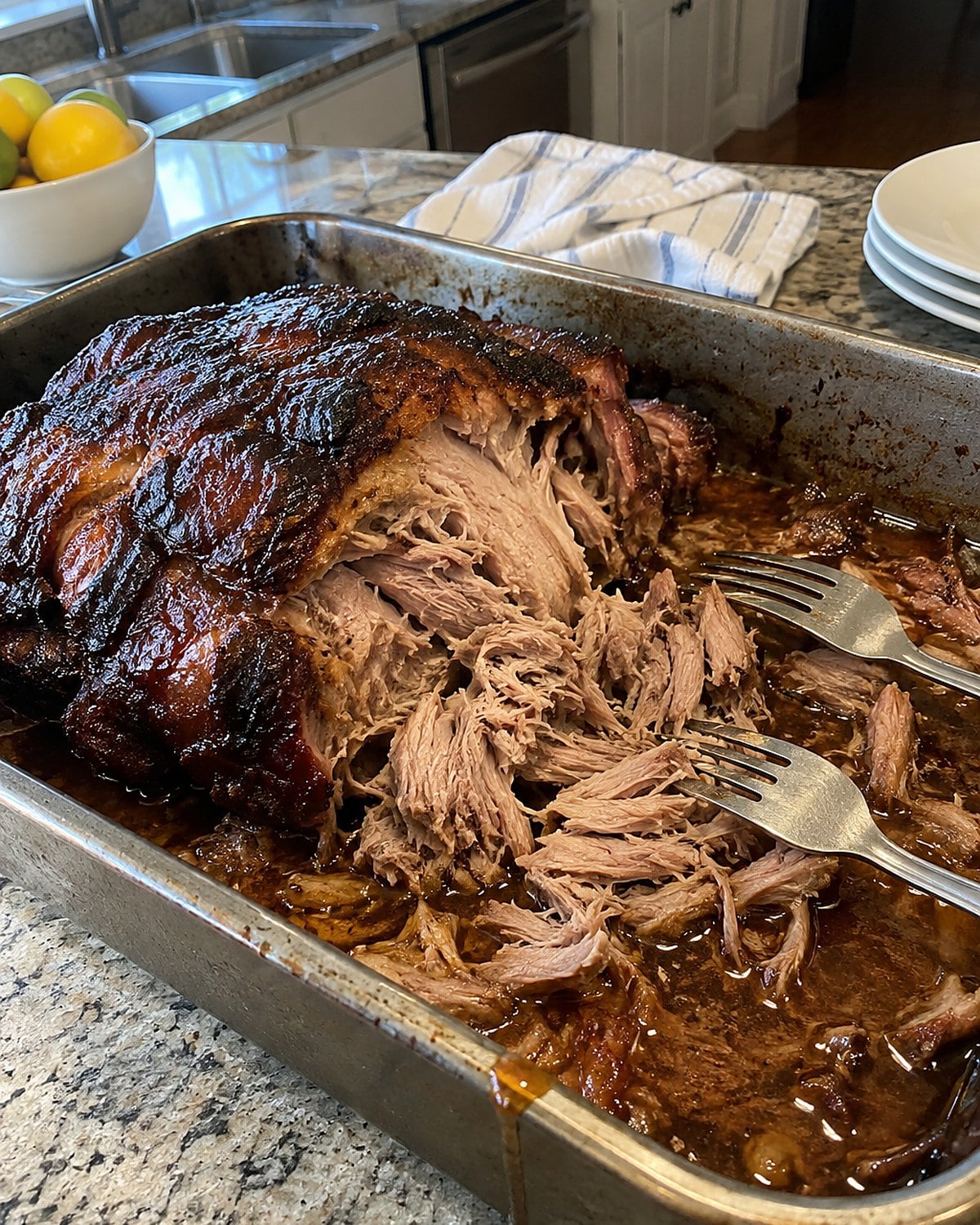
A pork shoulder coming out of the oven tempts everyone to pull at it right away. Take enough for dinner, then leave the rest in larger pieces with some of its cooking juices. Shredding every bit while it’s hot creates more cut surface to dry out overnight.
Keep the juices. They’re tomorrow’s insurance.
Transfer the meat and juices to shallow containers for prompt chilling. A deep roasting pan holds heat in its center long after you’ve put it away. If your fridge shelves are crowded, move things around before dinner. You want room for the containers when the meal ends, not an argument with the butter dish afterward.
Once the meat is chilled, any fat on top is easy to lift off. Warm tomorrow’s portion with some of the juices, covered, until hot throughout. Then pull it apart with forks. You’ll get tender strands without asking yesterday’s meat to sit exposed in the fridge.
Change the finish rather than the whole meal. A spoonful of salsa makes a taco filling. Crisp some strands in a skillet for edges that contrast with the soft center. Or put the warm pork on a roll with slaw added at the last minute.
Cook pork shoulder for tenderness, which means taking it well past the temperature used for a tender whole cut. When the fork twists easily in the meat, dinner is close. Keep tomorrow’s share in mind before everyone gets to the pan.
#16 Meatloaf Made for Cold Slices
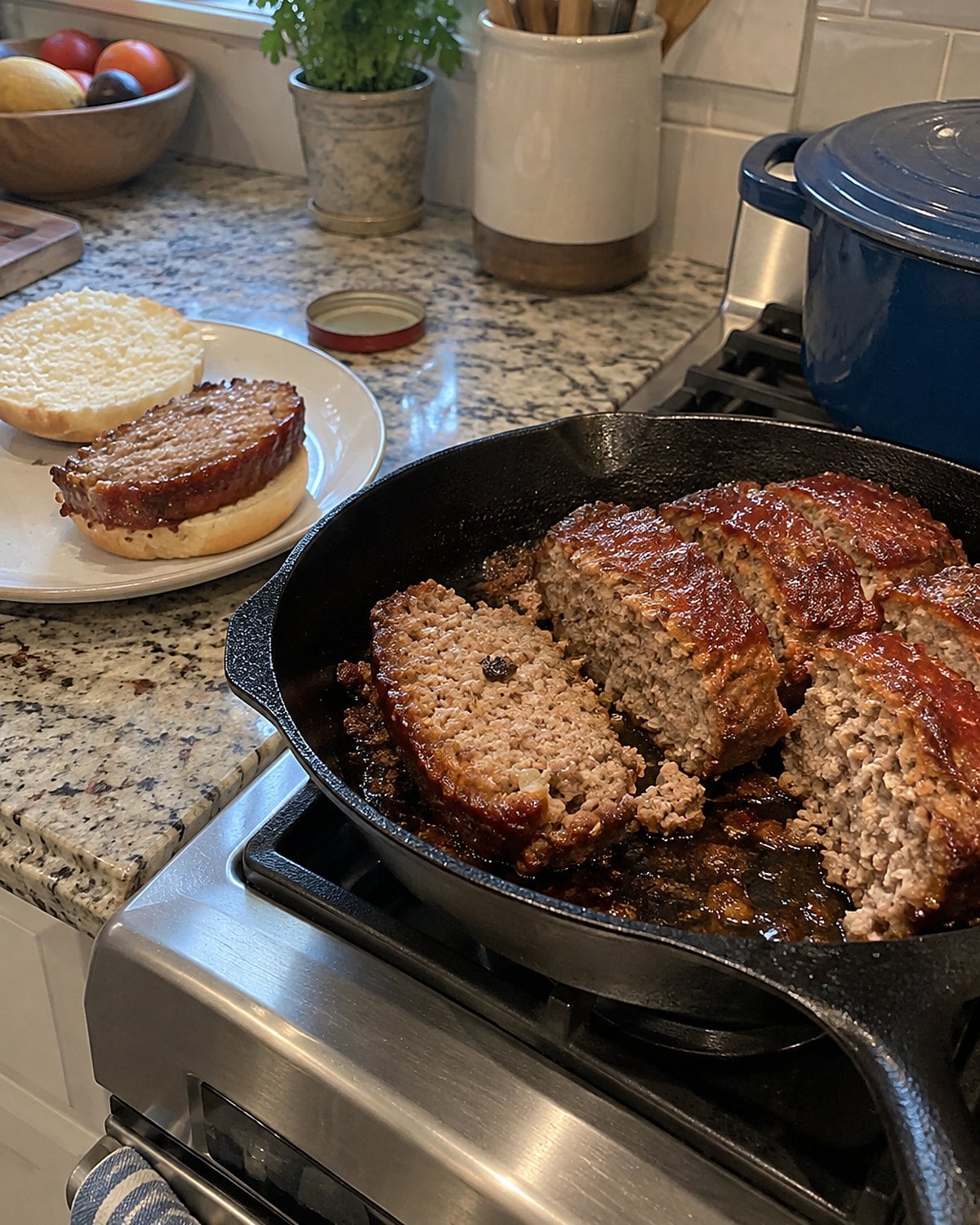
The first slice of meatloaf is always the hardest to cut neatly. Hot juices run, and the loaf gives way under the knife. By tomorrow, it’s firm enough for even slices.
That change has a purpose beyond looks. A slice laid in a skillet gets browned edges while its center heats through. Put it between bread with mustard and a few pickle chips, or serve it beside leftover vegetables. There’s no need to warm the entire loaf for one sandwich.
On cooking day, let the meatloaf rest before cutting. Use a thermometer, too: the USDA’s safe temperature chart gives 160°F for ground beef and pork, and 165°F for ground poultry. Without that check, you don’t know whether the center was cooked safely before you saved it.
#15 Mushroom Gravy Over Fresh Toast
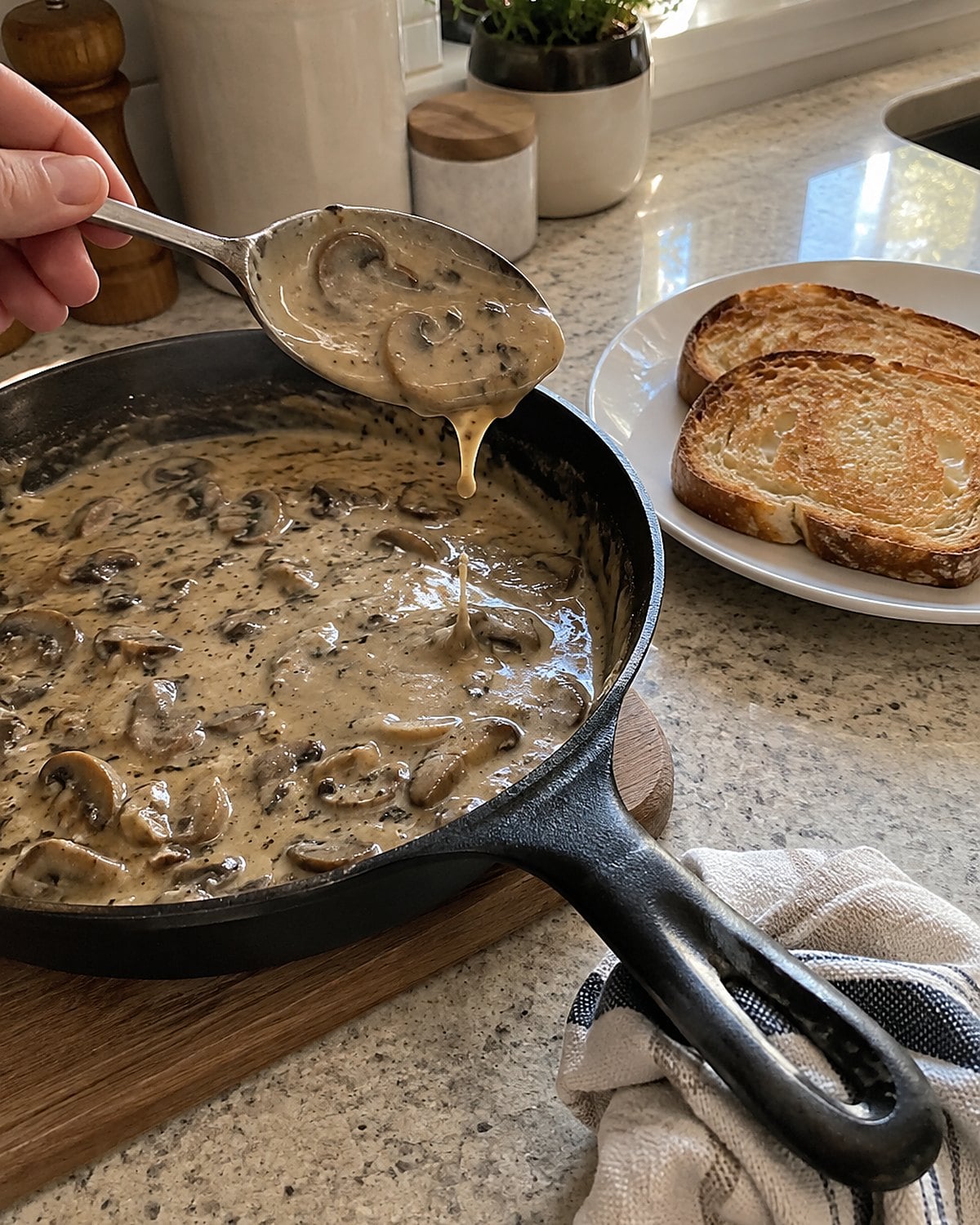
Mushroom gravy gets deeper after the mushrooms have sat in the sauce overnight. The trouble comes when you store it already poured over toast, biscuits, or potatoes. Those soak up gravy in the fridge and leave you with a soft, heavy plate.
Keep the gravy on its own. When you reheat it, use a skillet and stir along the bottom. Add a splash of broth or water if it’s thicker than you want. Give the mushrooms time to heat through before judging the seasoning.
Make the toast at the last moment. You want a crisp surface for that first spoonful and a soft middle after the gravy reaches it. If you have a small amount left, slide a fried egg onto the toast before spooning over the gravy. It turns the odds and ends in a container into a supper you meant to make.
#14 Stuffed Peppers With Their Own Sauce
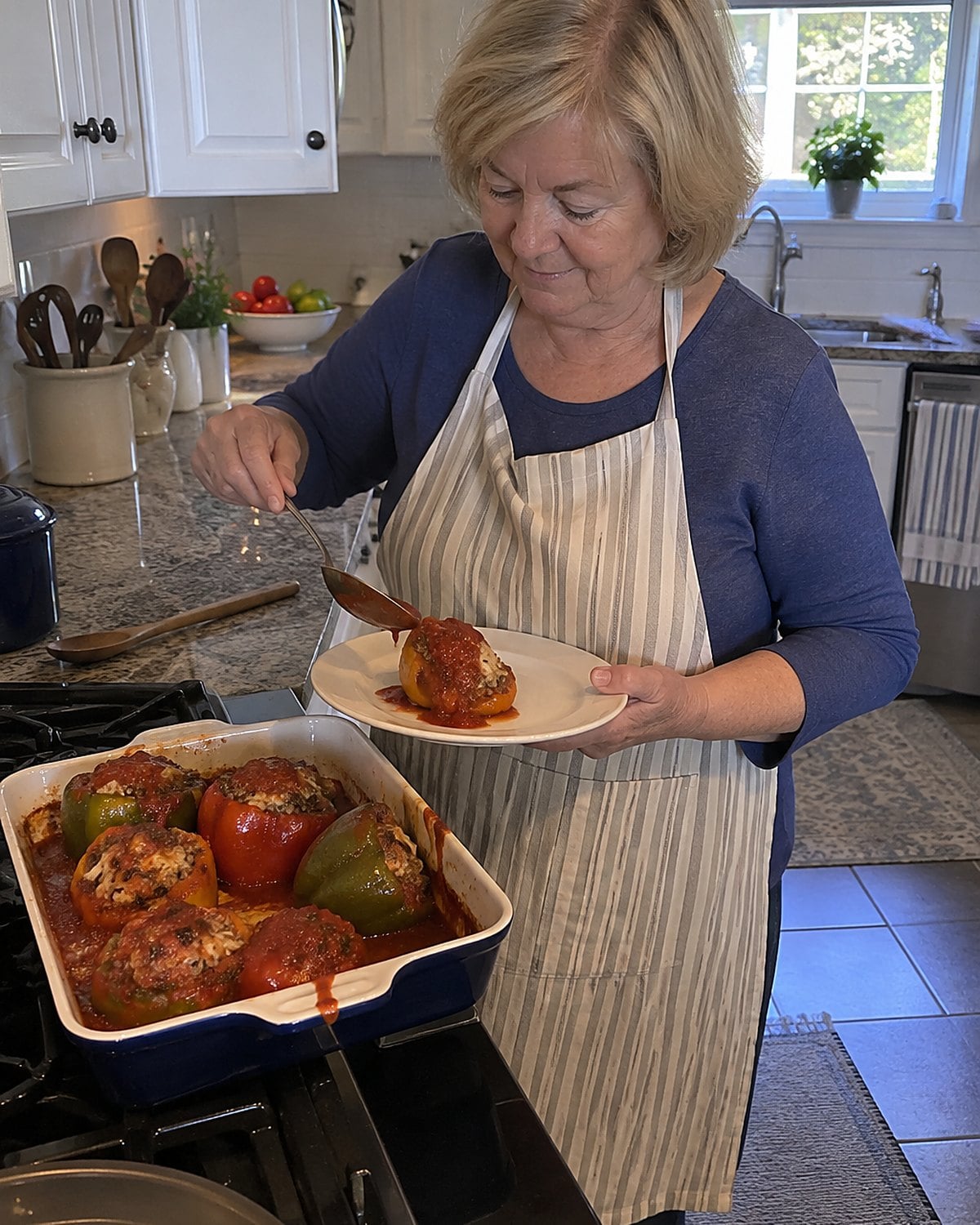
Stuffed peppers look like a complete dinner lined up in a baking dish. On the first night, the pepper walls still have a little bite. By the second, the filling and the pepper taste more like one dish.
Save the tomato sauce from the bottom of the pan. Spoon it over each pepper before reheating, and cover the dish so the filling warms without drying at the top. If the filling contains rice, the sauce matters even more; the grains absorb moisture while they rest.
Cut into the thickest pepper to check that the center is hot. For a meat filling, cook the ground meat to its proper temperature on the first day rather than relying on tomorrow’s reheat to finish it.
At the table, a spoonful of cool yogurt or a few fresh herbs wakes up the rested filling.
Try it: Best Instant Pot Stuffed Peppers
#13 Collard Greens and the Pot Liquor
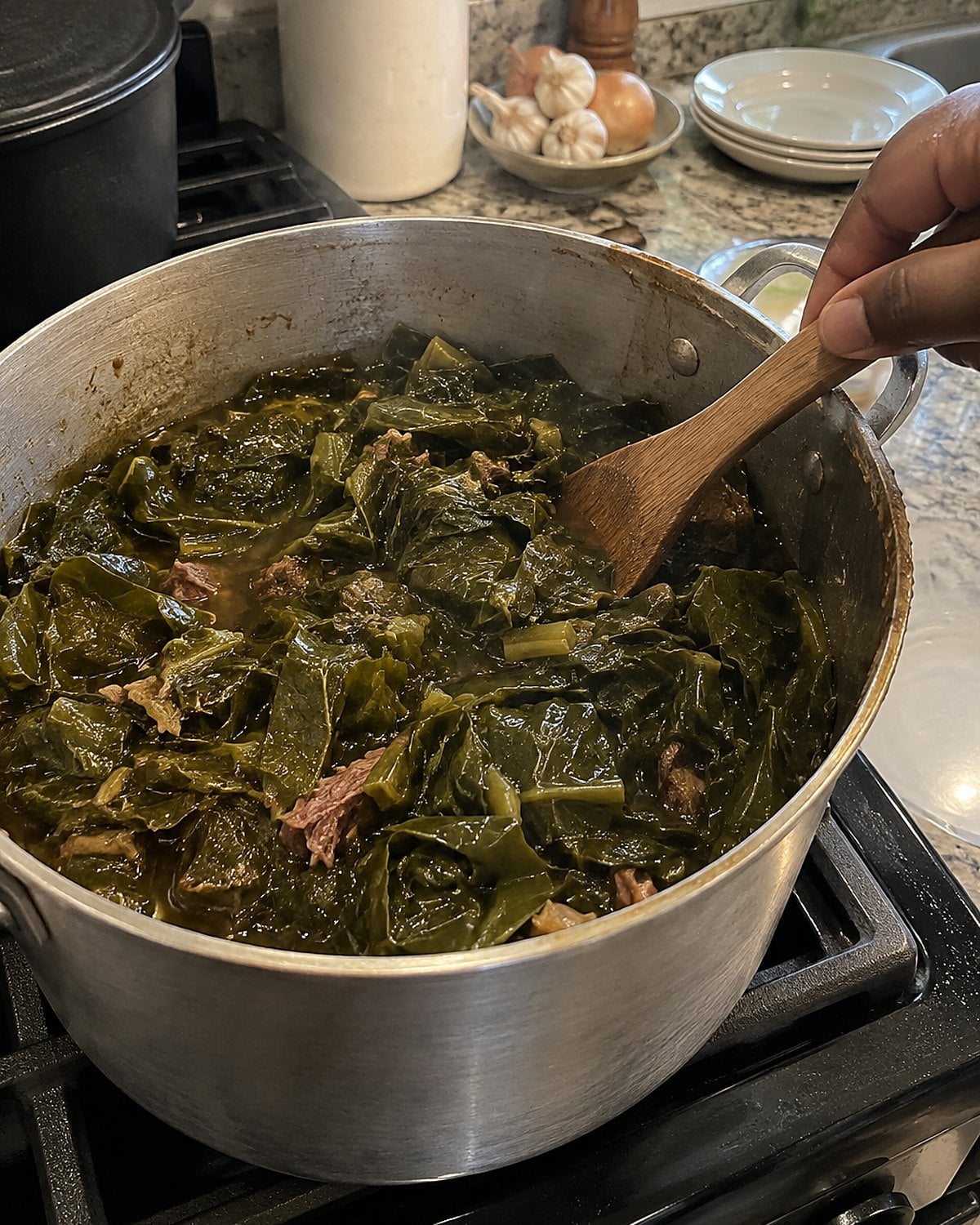
A long-cooked pot of collards gives you two things: tender greens and the seasoned liquid left around them. Don’t drain that liquid away when dinner ends. It carries the onion, smoked meat, or pepper you cooked with, and the greens rest in it overnight.
Cut out the thick stems before cooking, or slice them small and start them ahead of the leaves. That order matters. The stems need more time, and the leaves suffer if they wait in the pot until every stem is tender.
Next day, reheat the greens with enough pot liquor to keep them loose. Taste the liquid from a spoon before reaching for salt. Smoked meat brings plenty of its own. A dash of vinegar belongs at the table, where each person gets the brightness they want.
If you made a big pot, portion it with the liquid rather than packing the leaves alone into containers. The last serving deserves the same good broth as the first.
Try it: Instant Pot Collard Greens With Sun-Dried Tomatoes
#12 Tomato Sauce After the Burner Goes Off
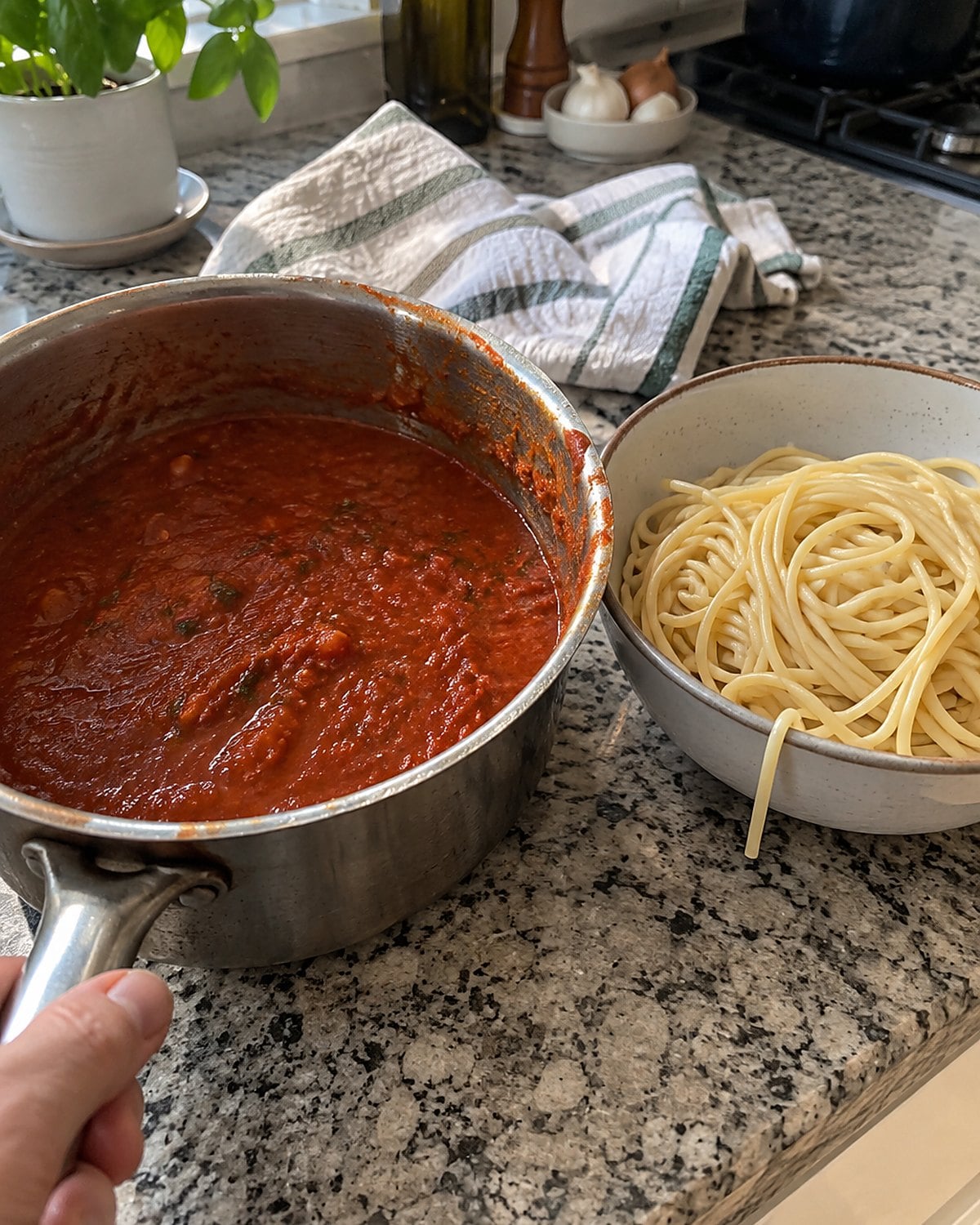
You know the moment: the sauce has simmered, the pasta is ready, and everyone wants to eat. Eat. Just save some sauce on its own before tossing the pasta. By tomorrow, the onion and garlic will have spent more time in the tomatoes, and that separate container gives you choices.
Reheat it in a saucepan until hot and bubbling, stirring around the edges. If it has thickened too far, add a little water. Taste before you correct it. Tomatoes vary, and a sauce that seemed sharp while it was boiling hot tastes different after a rest.
Use it on new pasta, spoon it over a baked potato, or spread a thin layer under eggs in a skillet. The next dinner needn’t look like the first. That’s the reward for keeping the noodles out of the storage container.
#11 Enchiladas From the Freezer Drawer
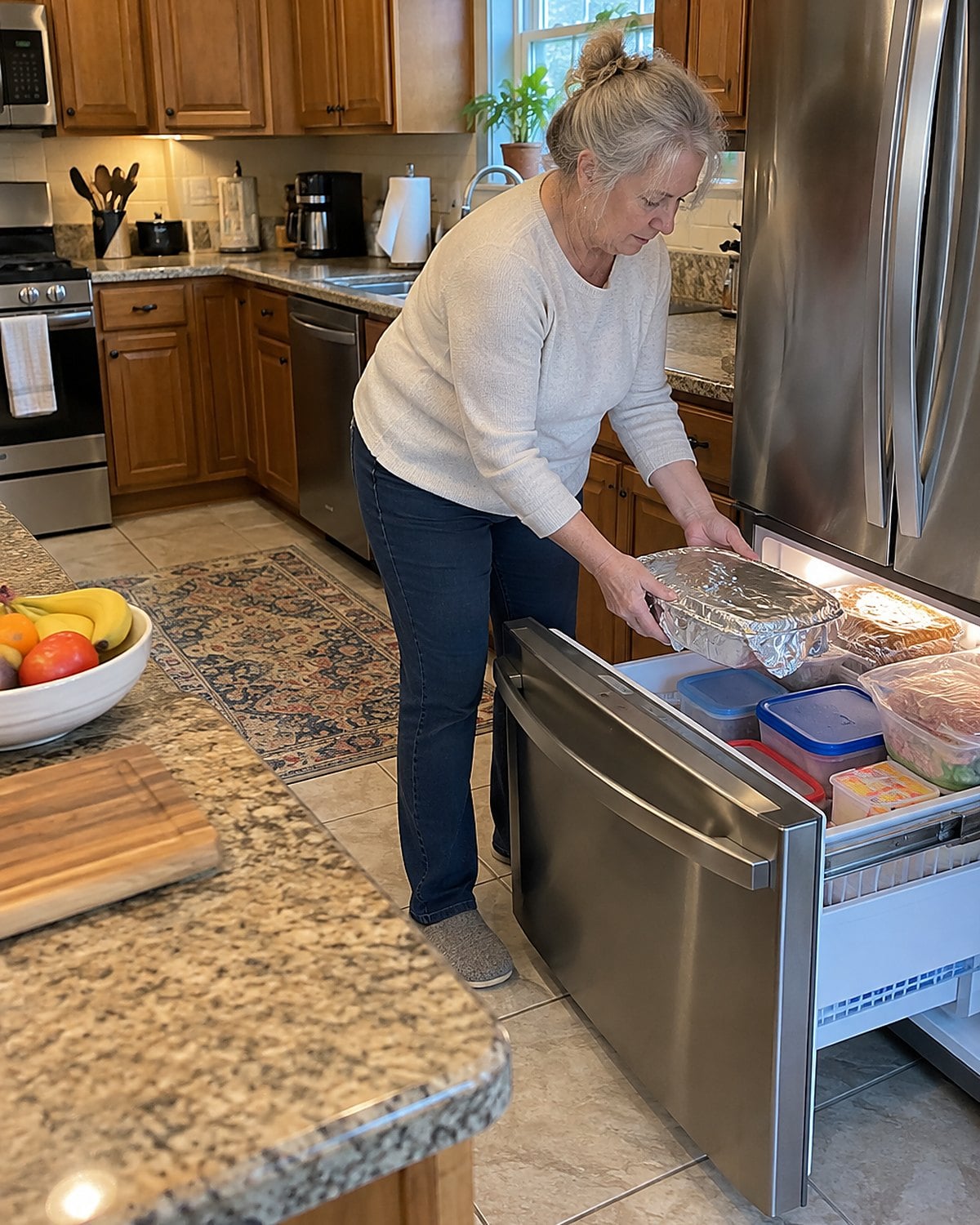
There’s a baking dish in the freezer drawer, wrapped so tightly you forgot what’s inside. Next time, write “enchiladas” and the date on the wrapping before it goes in. You’ll thank yourself when the house is busy again.
Enchiladas also reward a single night in the fridge. The tortillas soften where they meet the sauce, and the filling stays tucked inside when you lift out a portion. Too much sauce, though, turns the whole dish slack. Spoon sauce across the top and into the bottom of the dish without drowning each tortilla.
If the filling is already cooked, assemble ahead and refrigerate promptly. Heat the dish until the center is thoroughly hot; the middle lags behind the bubbling edges. For a frozen dish, thaw it in the fridge rather than leaving it on the counter. That’s the thawing method in the FDA’s safe food handling guide; a counter-thawed center waits too long for dinner.
#10 Black Bean Filling for Tomorrow's Tacos
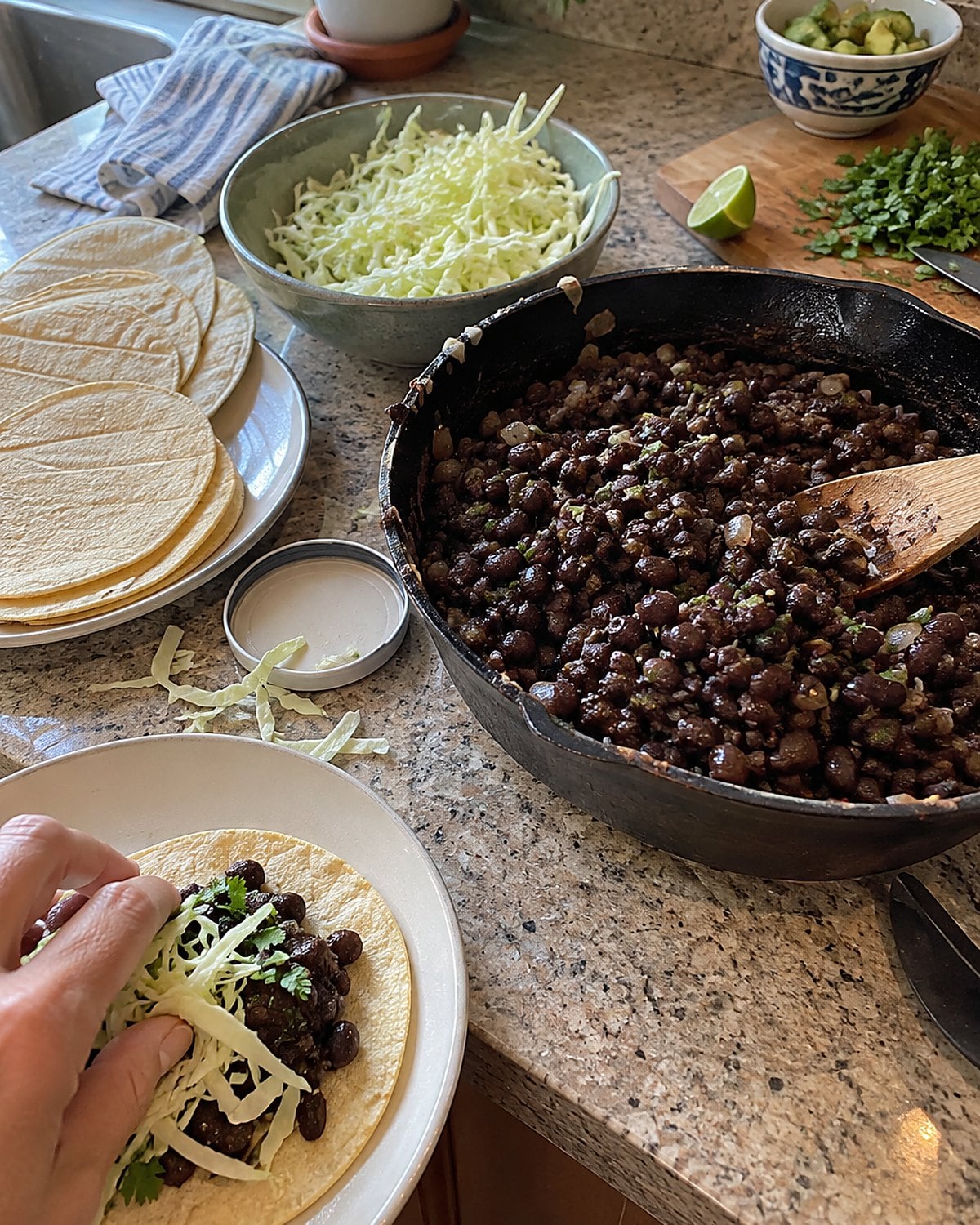
A skillet of black beans, onion, cumin, and tomato looks loose when you turn off the heat. Overnight, the beans absorb some of that liquid. Tomorrow, the filling stays in a tortilla instead of running down your wrist.
Mash a few beans while the skillet is still warm. They thicken the sauce without flour, and the rest keep their shape. Store the filling alone, not inside tortillas.
Reheat only what you need, stirring in a little water if it clumps. Finish with something crisp. Shredded cabbage, diced onion, or a radish gives each bite a fresh edge against the rested beans. If supper is for one, the same filling belongs on toast with an egg. The container has already done the slow part of dinner.
#9 Chicken Pot Pie Filling Without the Crust
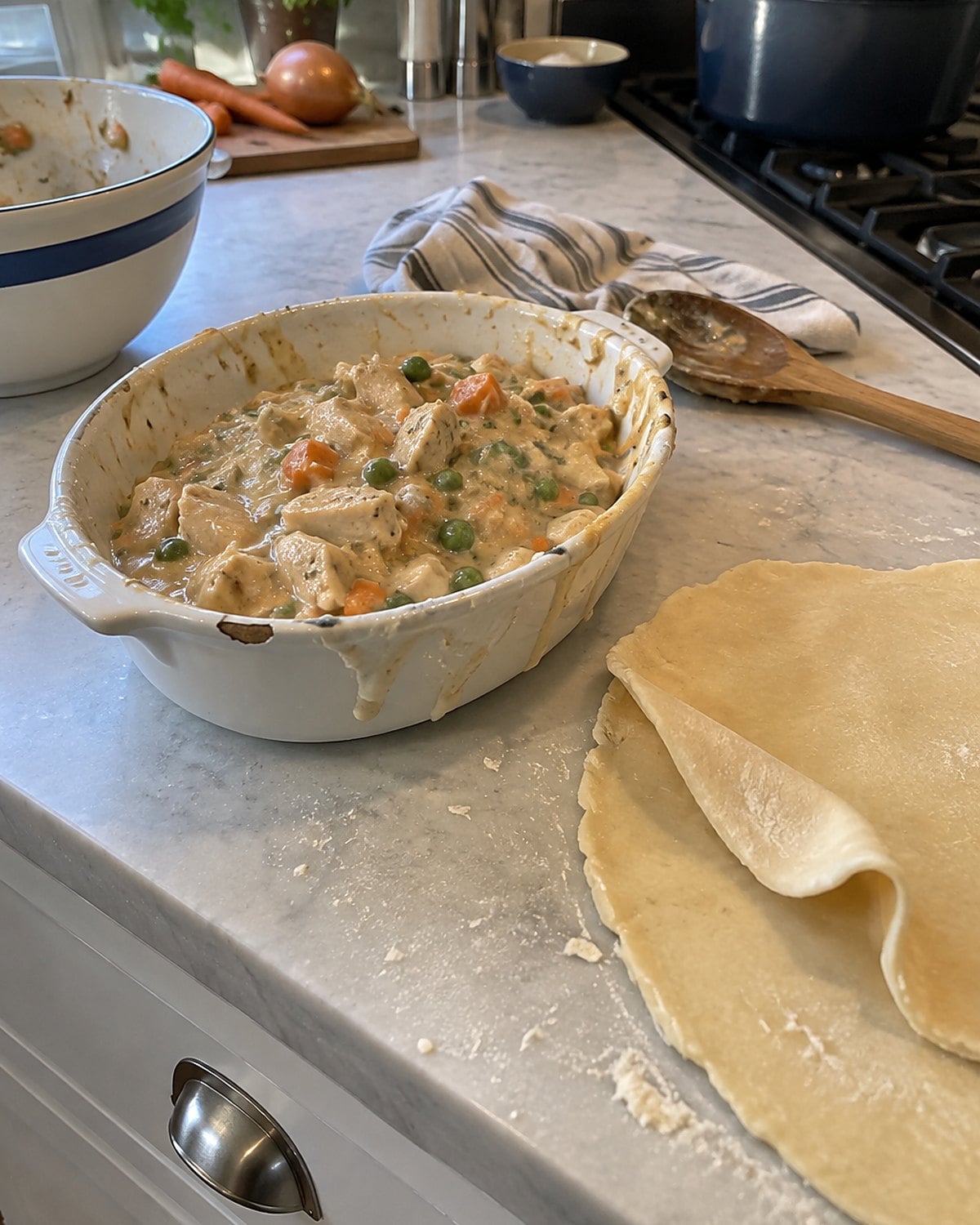
The crust is the part you want crisp. Put a baked pot pie in the fridge, and the filling sends moisture into that crust overnight. Save the filling instead, then give it a fresh top when you’re ready to eat.
Cook the vegetables and sauce together, then stir in cooked chicken. Taste the filling before storing it. A spoonful should coat the spoon without sitting in a stiff mound; it will thicken in the fridge. Reheat it with a splash of broth and stir from the bottom so the sauce warms evenly.
For the second meal, spoon hot filling into a small baking dish and top it with pastry. Or skip the oven and serve it under a hot biscuit. You keep the soft, settled flavor inside and get the crisp bite you wanted outside.
If you cooked the chicken yourself, check the thickest part with a thermometer. The USDA’s temperature chart says poultry needs 165°F. Without that reading, you can’t count on the golden sauce to tell you the chicken was cooked safely.
#8 Sloppy Joe Filling From the Old Recipe Box
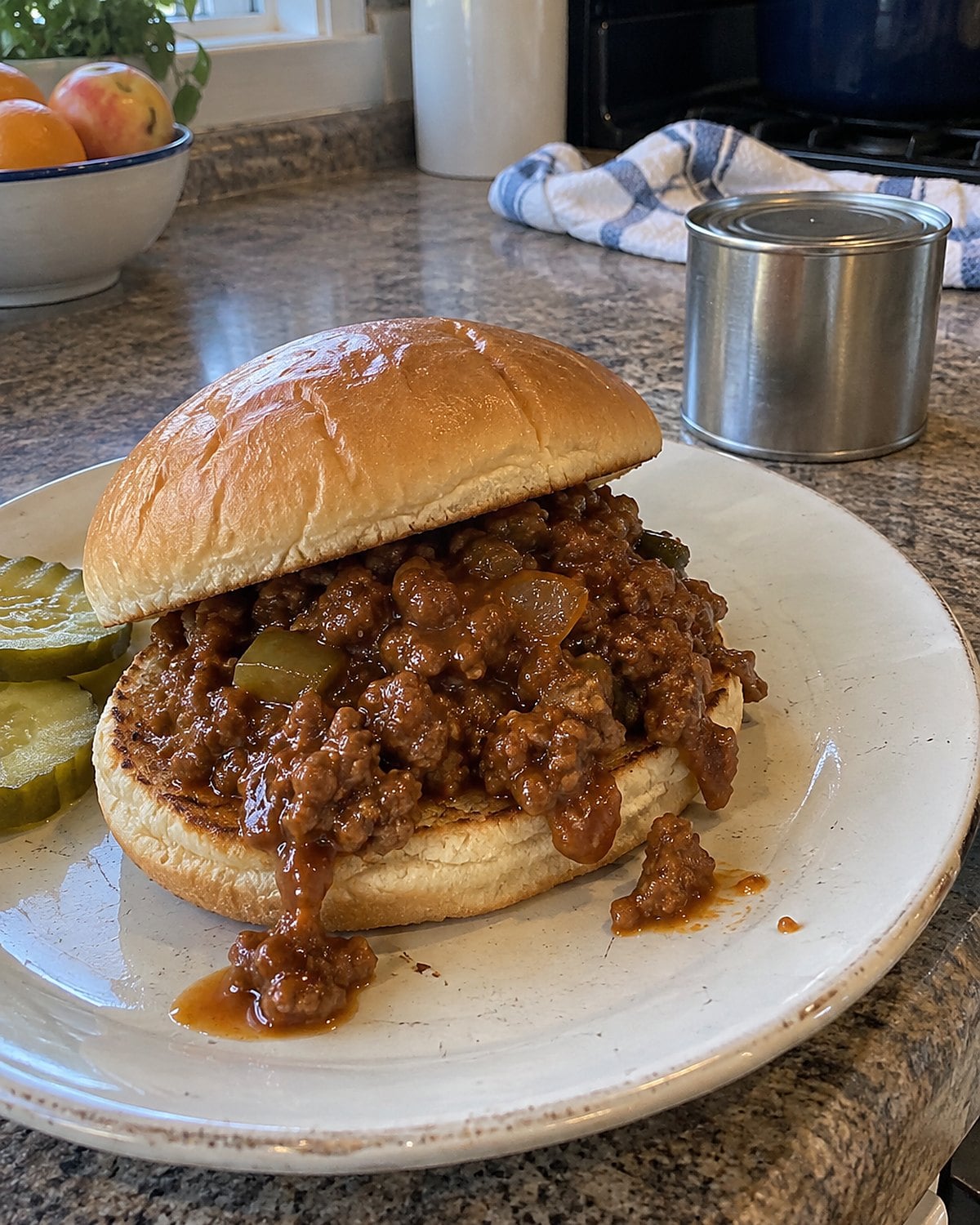
The recipe card has a smear where the tomato sauce was measured years ago. Sloppy Joe filling still earns its place in that box, especially when there are fewer people at the table. Cook a batch once, then take out just enough for a sandwich tomorrow.
The ground meat settles into the sweet, tangy sauce overnight. Before storing it, simmer until the filling holds together on a spoon. A watery filling will soak straight through the bottom bun. Drain excess fat from the cooked meat before adding sauce, then taste for vinegar at the end.
Reheat the filling in a small pan while you toast the bun. Keep the two apart until you’re ready to eat. That toasted surface buys you time to sit down before the sauce reaches your fingers.
Try it: Instant Pot Sloppy Joes (Paleo, Gluten-Free)
#7 Lasagna Squares That Keep Their Shape
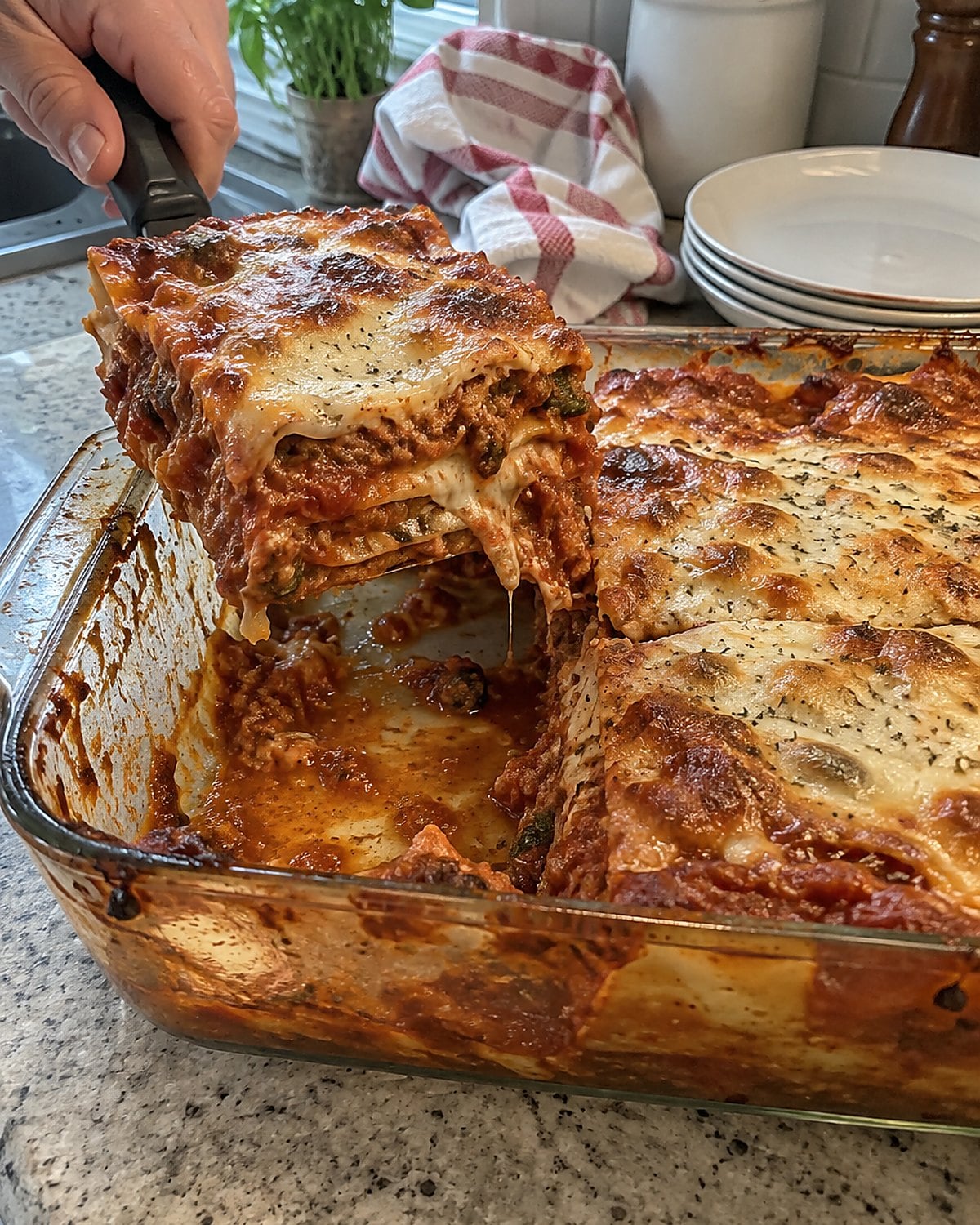
Someone always asks for a corner piece of lasagna. On the first night, even that square slumps when the spatula lifts it. Overnight, the sauce settles into the noodles, and the layers firm enough to cut cleanly.
Don’t chase that firm texture by baking the lasagna dry. You still want sauce around the edges and beneath the top layer. After baking, let the pan rest before cutting. For tomorrow, portion it while it’s cool; a knife goes through the layers without dragging cheese across the dish.
Reheat a square covered, with a spoonful of sauce beside it if you saved some. Leave the cover off briefly at the end if you want the top browned again. Push a knife into the center and touch the blade carefully after you pull it out. A cold blade means the middle needs more time.
That small check beats trusting the hot edges. The corner piece deserves a warm center, too.
#6 Potato Salad Before the Picnic
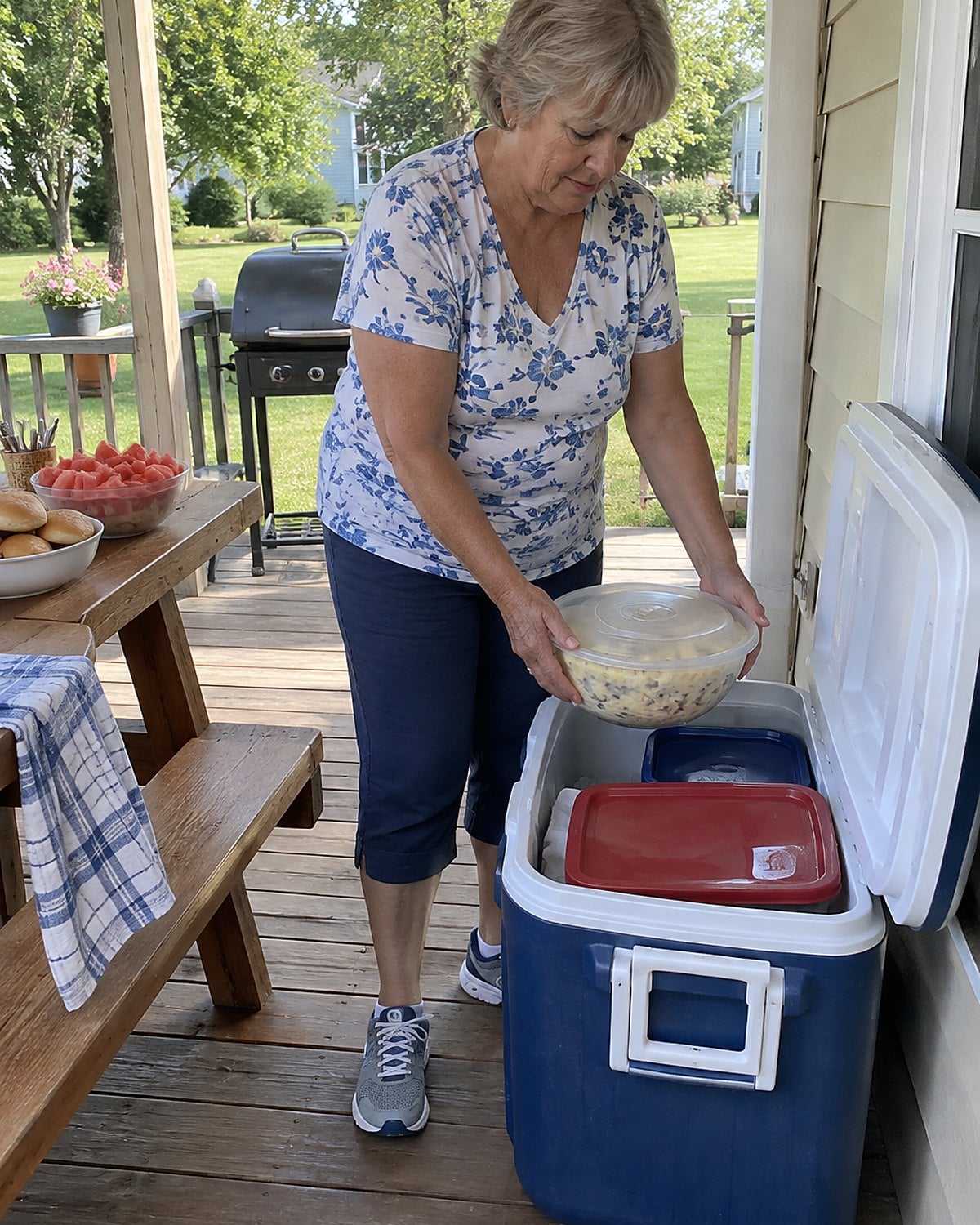
The bowl looks ready, but the potatoes haven’t finished their work. After a night with the dressing, the pieces taste seasoned through instead of coated only on the outside. That’s why potato salad belongs on tomorrow’s picnic plan.
Dress the potatoes while they’re still warm enough to take in flavor, then refrigerate promptly in a shallow container. Save delicate herbs or crisp onion for just before serving. Stir the cold salad from the bottom and taste it. Potatoes mute salt and acidity, so a small splash of pickle brine brightens the whole bowl.
Keep it cold on the trip and at the table. The USDA FoodKeeper helps settle storage questions when you’re planning ahead. No picnic is improved by guessing how long the bowl has sat in the sun.
#5 Gumbo After the Rice Is Put Away
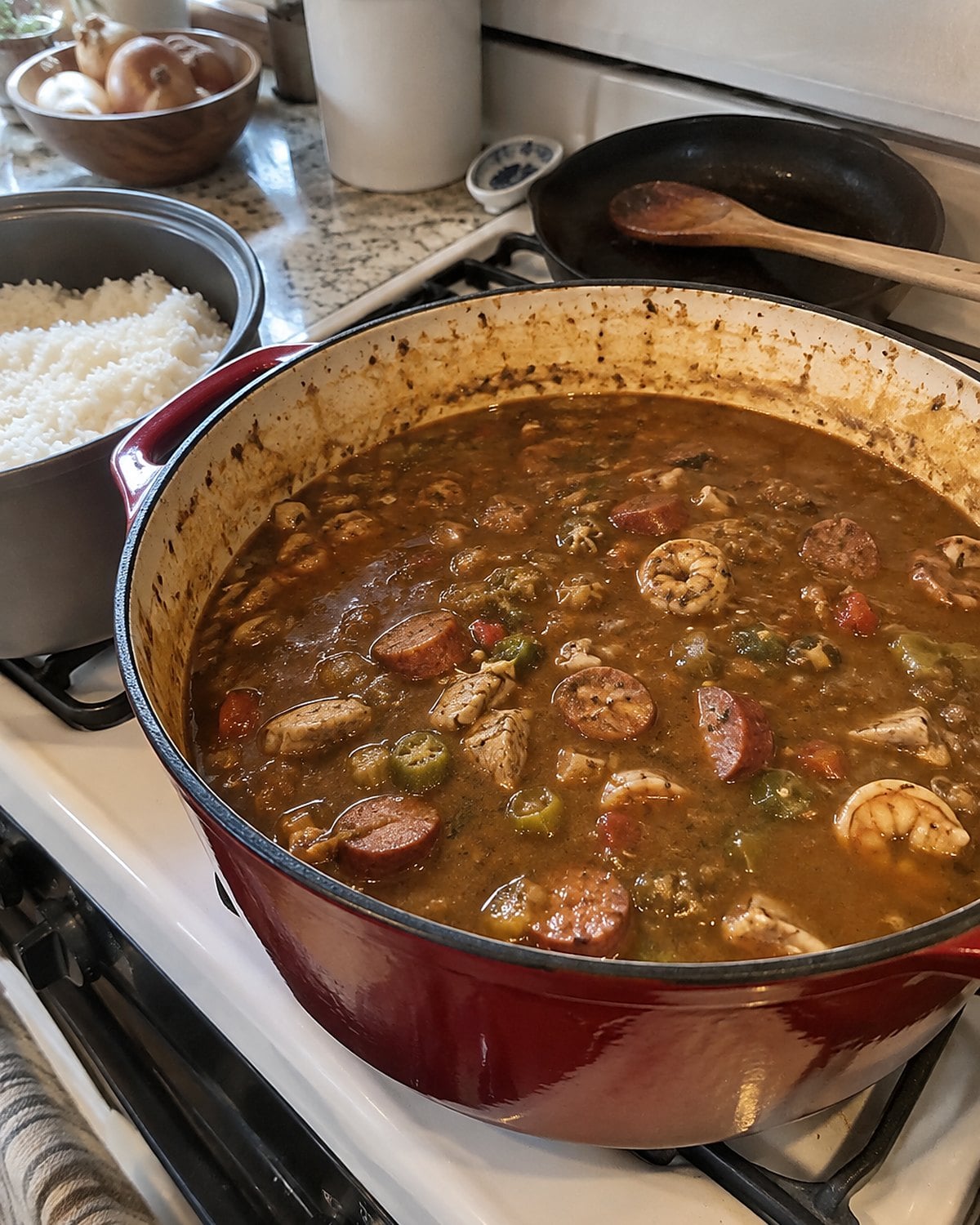
You’ve got gumbo left, and the rice has already gone into its own container. Good. Overnight, the gumbo’s broth takes on more from the browned vegetables, sausage, and seasoning. Rice left in that pot would swell and turn the broth into something else.
The roux deserves attention on the first day. Stir it as it darkens, and don’t walk away to answer the phone. Burnt flour brings a bitterness that a night’s rest won’t fix. Once the gumbo is done, taste the broth before it cools, but leave the last hit of hot sauce for the bowl.
Reheat the gumbo with a slow stir, reaching the bottom where the thicker parts settle. Make fresh rice if that suits tonight, or heat the promptly chilled rice until it’s steaming throughout. Spoon gumbo over it only when you’re ready to eat.
There’s a pleasure in opening a pot that asks so little of you after demanding your attention yesterday. Set out the bowls first. The rest is close.
#4 Eggplant Parmesan With a Crisp Edge
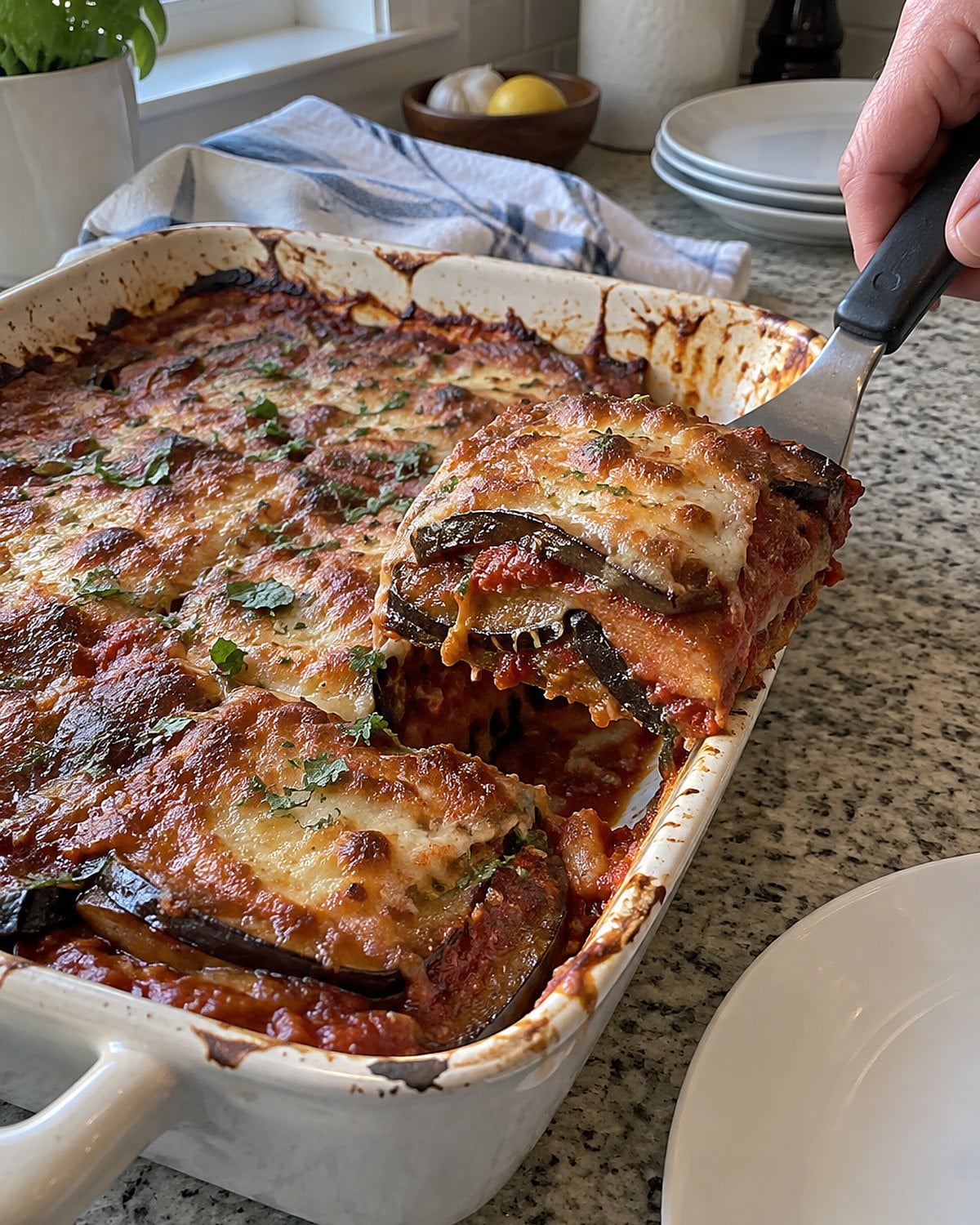
The pan comes out of the oven, and the cheese pulls when you try to serve it. Wait until tomorrow, and the eggplant layers hold together under the spatula. Tomato sauce has settled around the slices, too.
For an edge worth eating again, don’t bury every piece under sauce before baking. Leave a few breaded corners exposed. Reheat a portion in the oven, uncovered for the last stretch, so those corners dry and crisp again.
A microwave heats it, but the coating stays soft.
Slice the eggplant evenly on cooking day. Thick pieces stay spongy while thin ones go limp. If you’re frying the slices first, drain them before layering. Excess oil and sauce collect at the bottom overnight, where nobody wants a puddle. That little pause at the counter pays off on both nights.
#3 Pickled Red Onions Beside the Leftovers
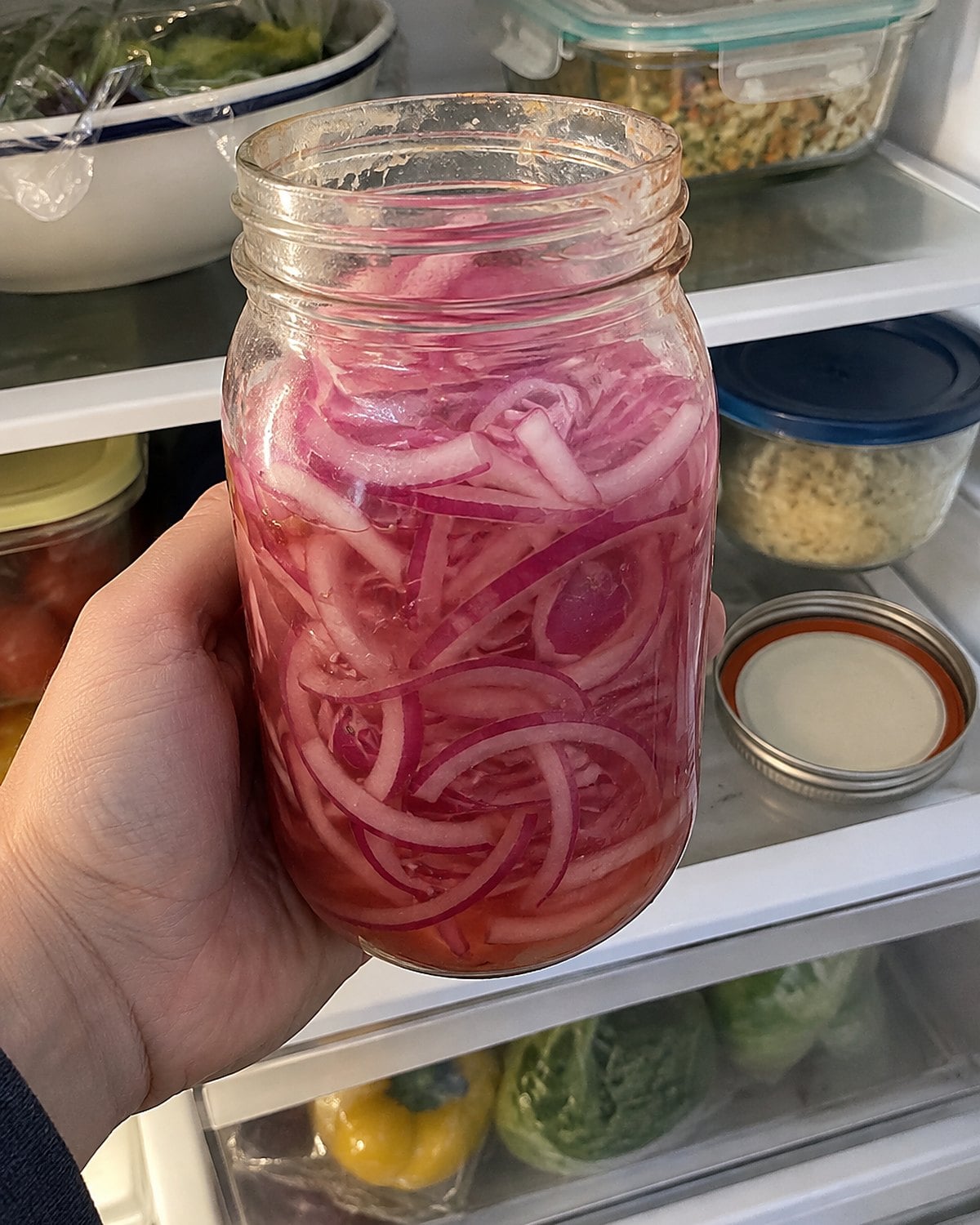
A jar of pickled red onions changes the leftovers without becoming another dinner to cook. On the first day, the slices are sharp and stiff. By the next, the vinegar has softened their bite, and they bend neatly onto a sandwich or taco.
Slice the onions thinly and follow a tested refrigerator-pickle recipe for the brine. Refrigerate the jar as the recipe directs.
This is a refrigerator pickle, not a shelf-stable canned food. Don’t guess at preservation ratios. The National Center for Home Food Preservation has tested methods to check before you start.
Use clean utensils to take onions from the jar. A forkful brightens rich stew meat, beans, or a leftover cheese sandwich. Keep the jar where you’ll see it when you open the fridge. The first bite tomorrow will tell you why it earned the space.
#2 Overnight Oats in a Small Jar
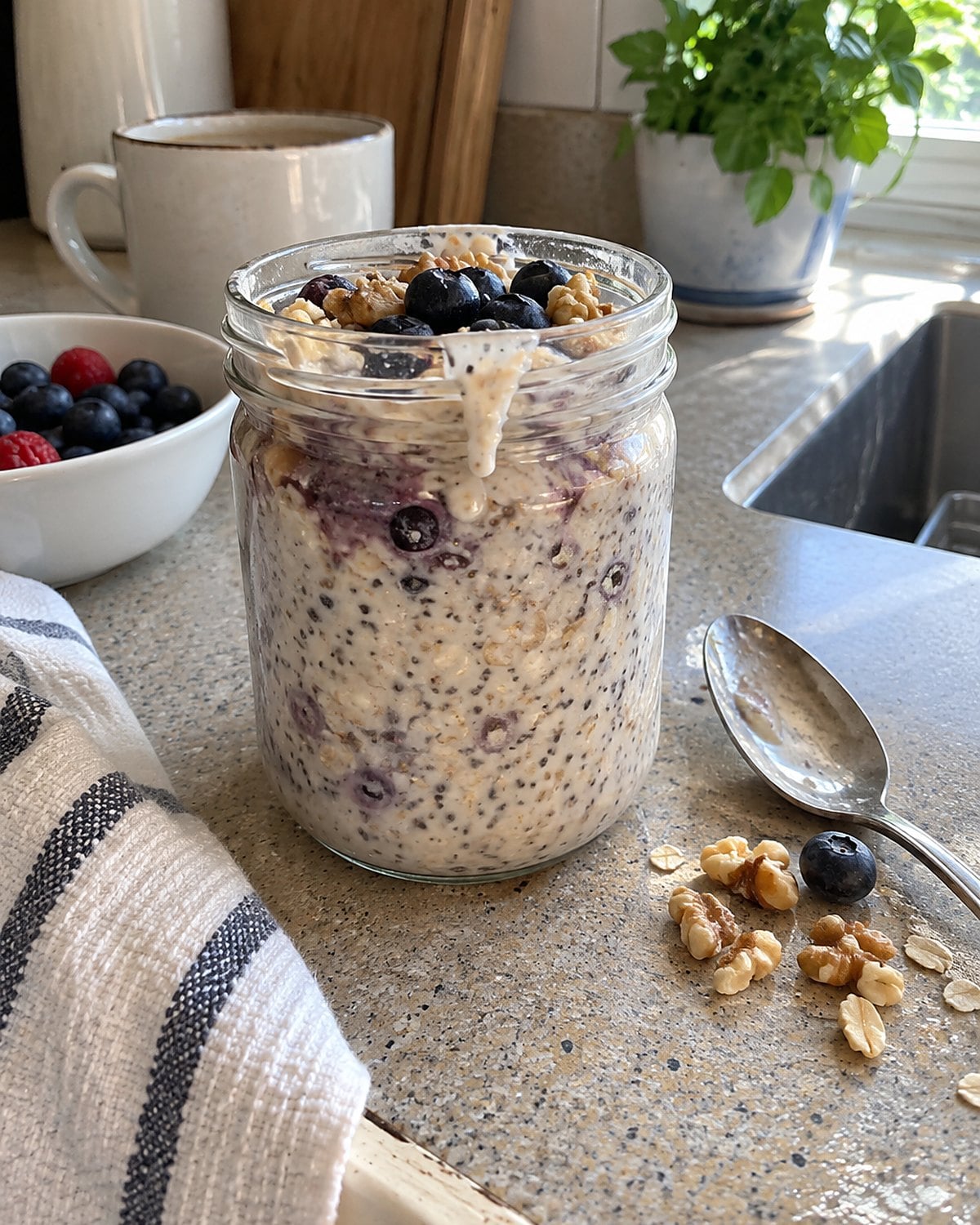
The oatmeal pot was washed last night. Breakfast doesn’t need to make it dirty again. In a small jar, rolled oats take in milk overnight and lose their dry, papery bite. Their texture is softer and cooler than cooked oatmeal, so think of this as its own breakfast.
Stir the oats well before you put on the lid. Dry flakes hide in the corners. Refrigerate the jar overnight. In the morning, add another splash of milk if the spoon meets too much resistance. A few nuts give the soft oats some crunch, while fruit adds sweetness without having to cook it down.
Make one jar for each person who’ll actually be home. That’s the pleasure of a smaller household: no big breakfast pot waiting to be claimed. Open the fridge, add your topping, and take the jar to the table.
#1 Bolognese for the Night You Don't Cook
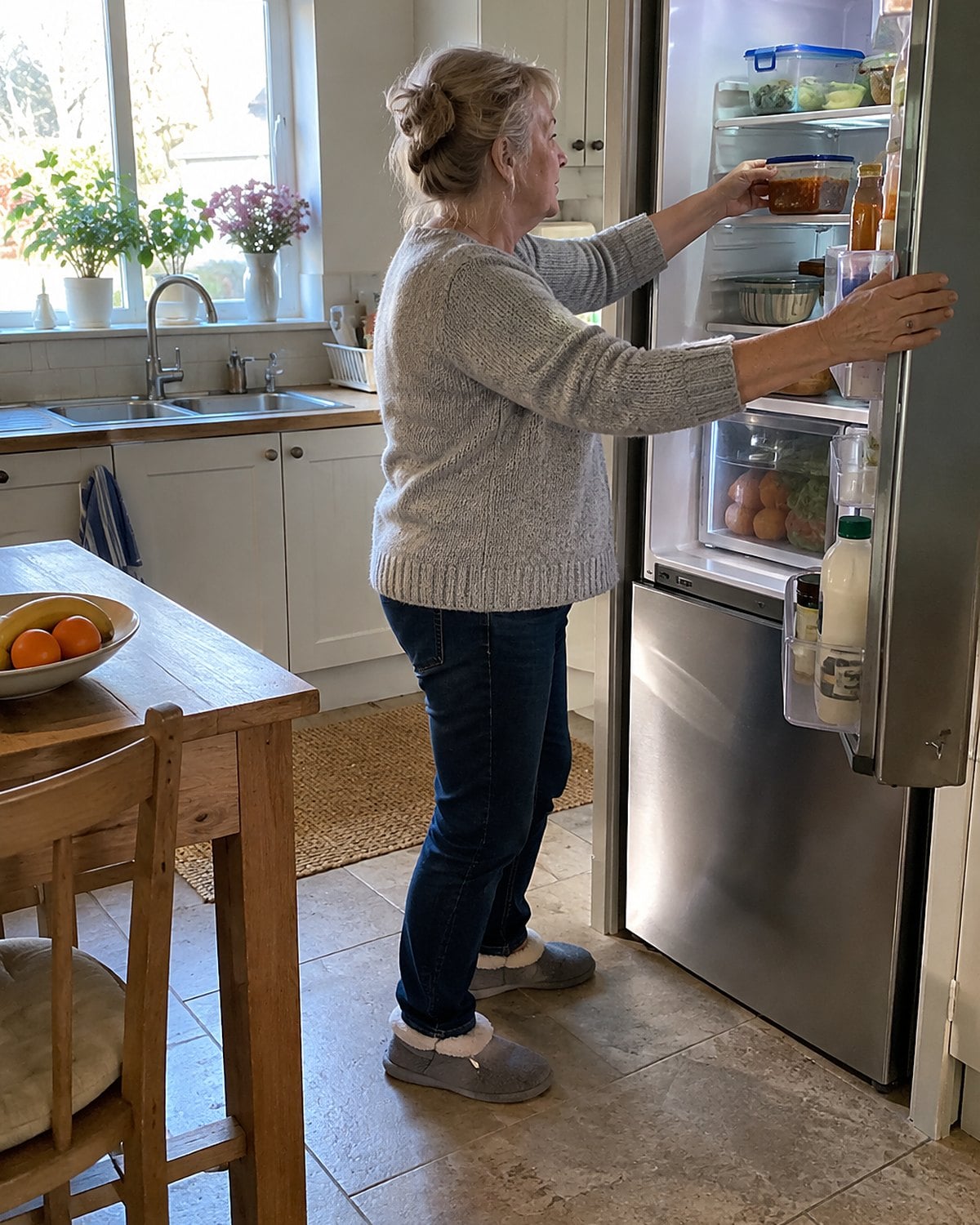
The best second-day dish solves a particular evening. You get home, put down the keys, and see a container of bolognese in the fridge. All that remains is to boil pasta. Yesterday’s work has given tonight a head start.
Bolognese takes time on the stove because the meat, tomatoes, and liquid need to become one sauce. Let it cook at a low simmer, stirring now and then, until a spoon dragged across the pan leaves a brief trail. Stop before it turns dry. The sauce thickens further as it cools.
Before you eat, set aside the share meant for tomorrow. Don’t leave the pot on the stove through a long dinner. Divide that extra sauce among shallow containers for prompt chilling. You’ll have a portion ready to pull out without reheating everything you made.
The USDA’s cold storage chart gives cooked meat leftovers three to four days in a fridge at 40°F or below. Mark the container before it disappears behind the milk. If tomorrow turns into a night out, you’ll know when the sauce needs using.
When you reheat it, stir into the center and check it with a thermometer. The USDA’s leftovers guidance calls for 165°F. Bubbling at the edges alone doesn’t settle whether the middle is ready.
Save the sauce without pasta. Tomorrow, cook only the pasta you need and stir it into the hot sauce with a splash of pasta water. Sit down before you start planning the next meal.
Try it: Instant Pot Bolognese Sauce
The bottom line
The dishes worth making ahead have something to gain from a rest: beans thicken their broth, sauce settles into pasta, and rich filling gets time to taste like itself. Crisp things need a separate place to wait.
The well-prepared version of you has already saved the cooking juices, labeled the container, and left the fresh finish for tomorrow.
What’s in your fridge tonight that would be better with a hot skillet, a squeeze of lemon, or a fresh piece of toast?


Leave a Reply