

A metal lunchbox hits the counter with a hollow clang. Inside, the white bread has a damp outline where the bologna sat, and the apple smells faintly of sandwich. Nobody put a thermometer beside the carton of milk that morning. Lunch went in at breakfast and came out at noon.
Those lunches weren't made by careless people. They were made by people working with what fit, what a child would eat, and what the kitchen had on hand. You remember the taste. You also know a few things about keeping food cold that the old lunchbox never did.
#26 Bologna on Soft White Bread
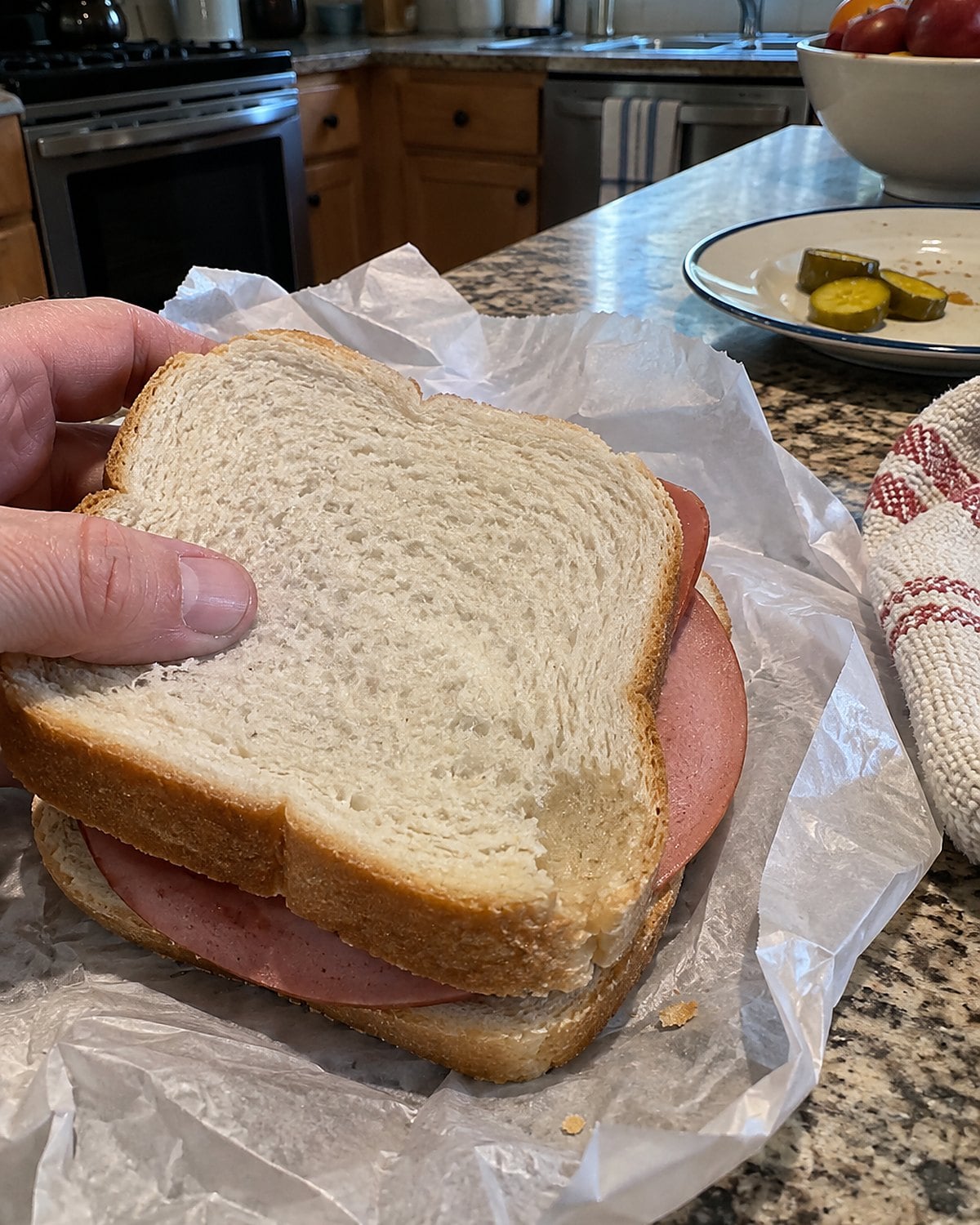
The smell came first when you unwrapped it: bologna, white bread, and a little warm mustard. The bread stuck to the meat where the package moisture had soaked through. A leaf of lettuce looked promising at breakfast and limp by lunch.
Cold cuts need cold storage. The USDA's FoodKeeper guidance puts perishable foods in a refrigerator at 40°F or below. A lunchbox sitting in a classroom wasn't a refrigerator, regardless of how tightly its latch closed.
If bologna is still your sandwich, keep it. Pack it straight from the fridge into an insulated bag with frozen cold sources. Put the lettuce in its own small container so the bread stays dry. Press a paper towel against wet tomato slices before they go near the loaf.
There is no prize for pretending the sandwich tasted bad. There is a better way to bring the same one to lunch.
#25 The Sandwich in a Metal Lunchbox
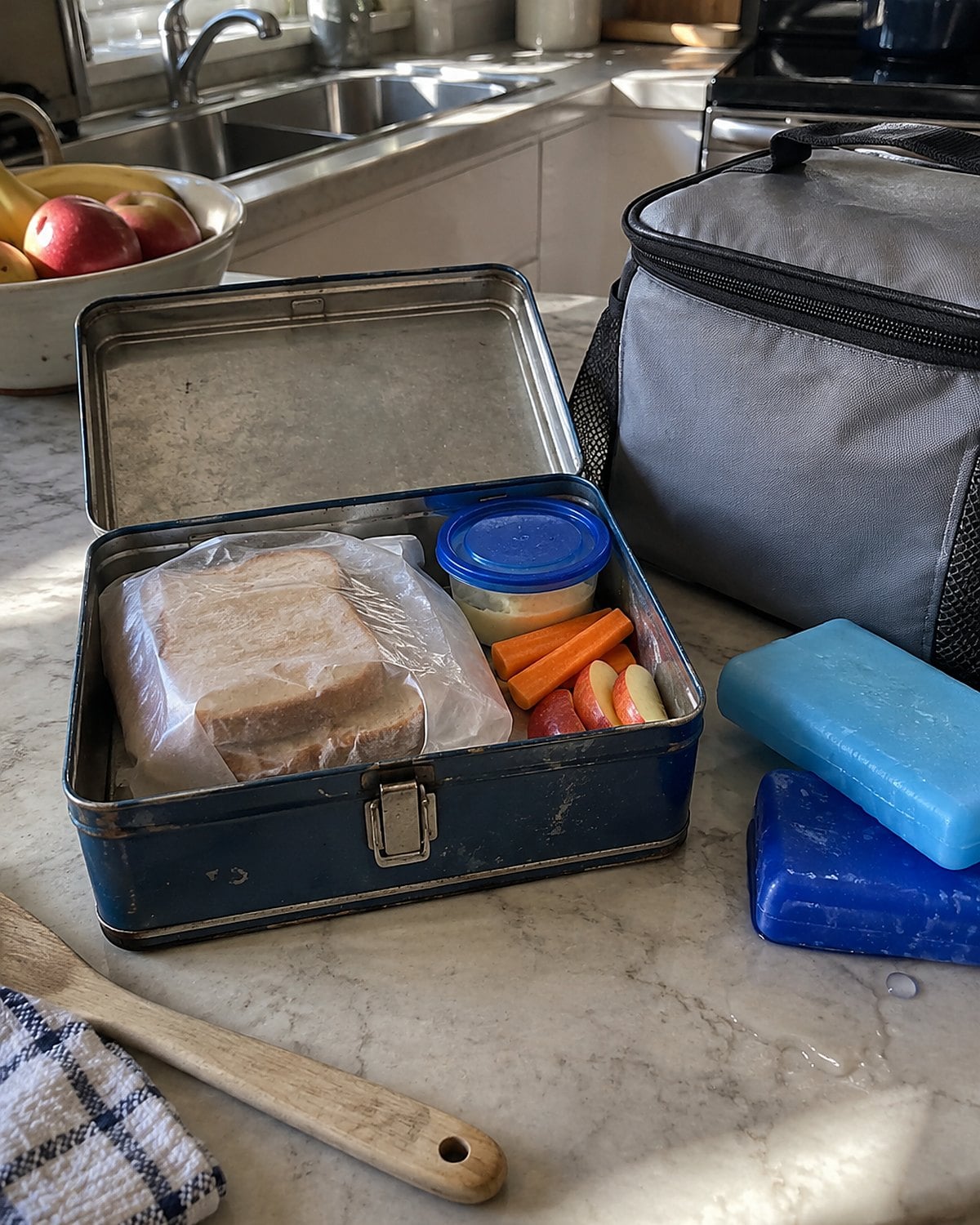
The box had a handle stout enough for a schoolyard fight and a latch that pinched fingers. It kept your sandwich from being crushed. It did nothing to cool the sandwich.
That distinction got lost because the box looked sturdy. Metal takes on the temperature around it. By lunchtime, a box left beside a classroom heater felt warm to the touch. Its solid sides offered no clue about the food's temperature.
For a perishable sandwich, use an insulated bag instead of trusting metal. The USDA advises packing perishable lunches with at least two cold sources. Place them on opposite sides of the food, rather than tucking one against the bag's outer wall.
The old box still has a job on a shelf, holding the little things you don't want to lose. Just don't ask its latch to do a refrigerator's work.
Quick check
- 40°F or below: the cold-storage target.
- Two cold sources: the USDA's lunch-packing advice for perishables.
- Warm lunchbox wall: no proof that the food inside stayed cold.
#24 Milk Cartons in the Lunch Line
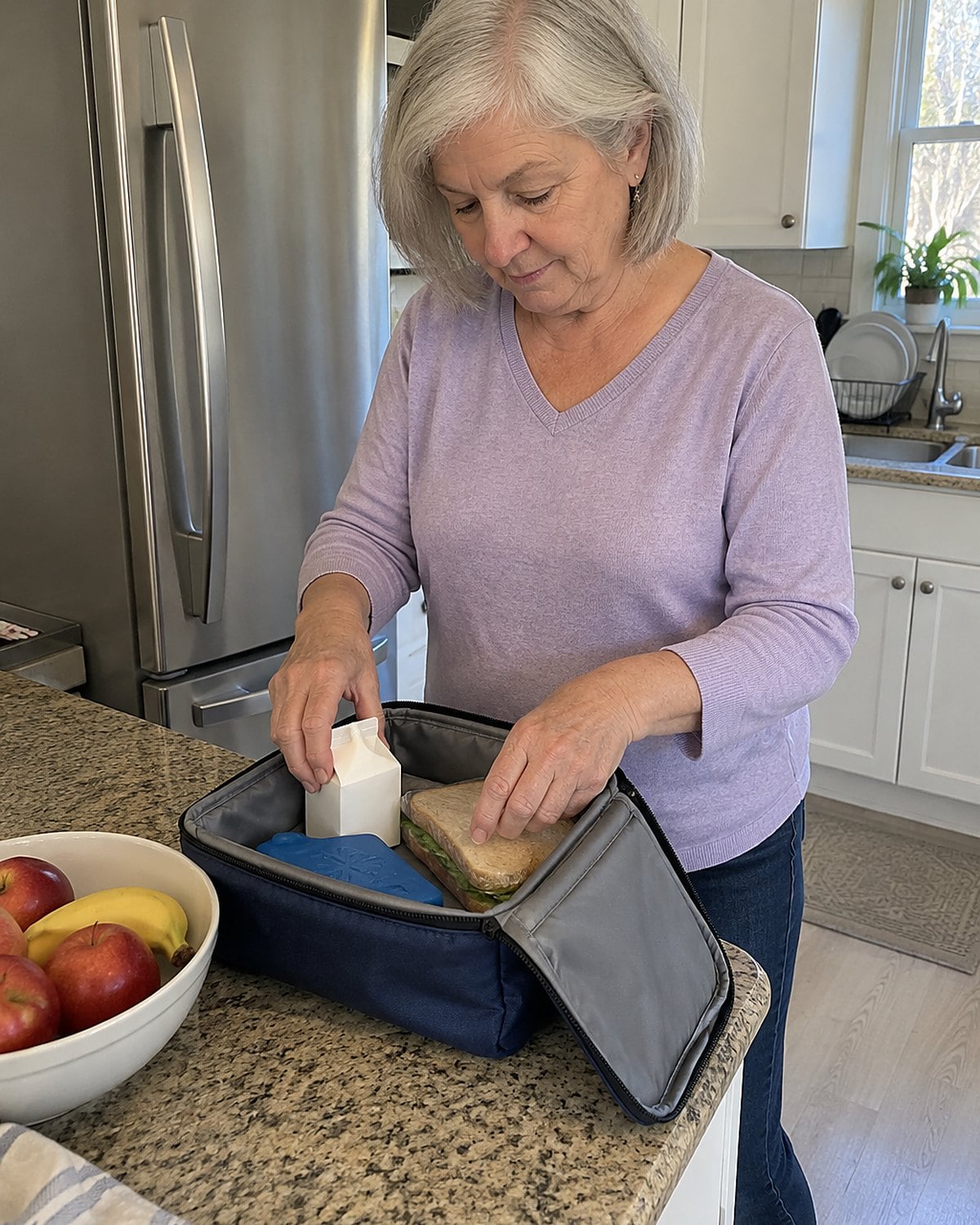
A school milk carton had its own challenge: finding the folded corner that would open without collapsing. Warm milk from home was a different matter. A carton pulled from the refrigerator before the bus arrived needed cold storage until lunch.
If you're packing milk for a grandchild now, buy it from the refrigerated case, leave it cold until departure, and put it beside frozen cold sources. Shelf-stable milk is a separate product. Its sealed carton belongs on a pantry shelf until opened; after opening, follow its package directions and refrigerate it.
Check the words on the carton rather than trusting its shape. Two cartons that look alike belong in different places in your kitchen.
#23 Egg Salad Under the Waxed Paper
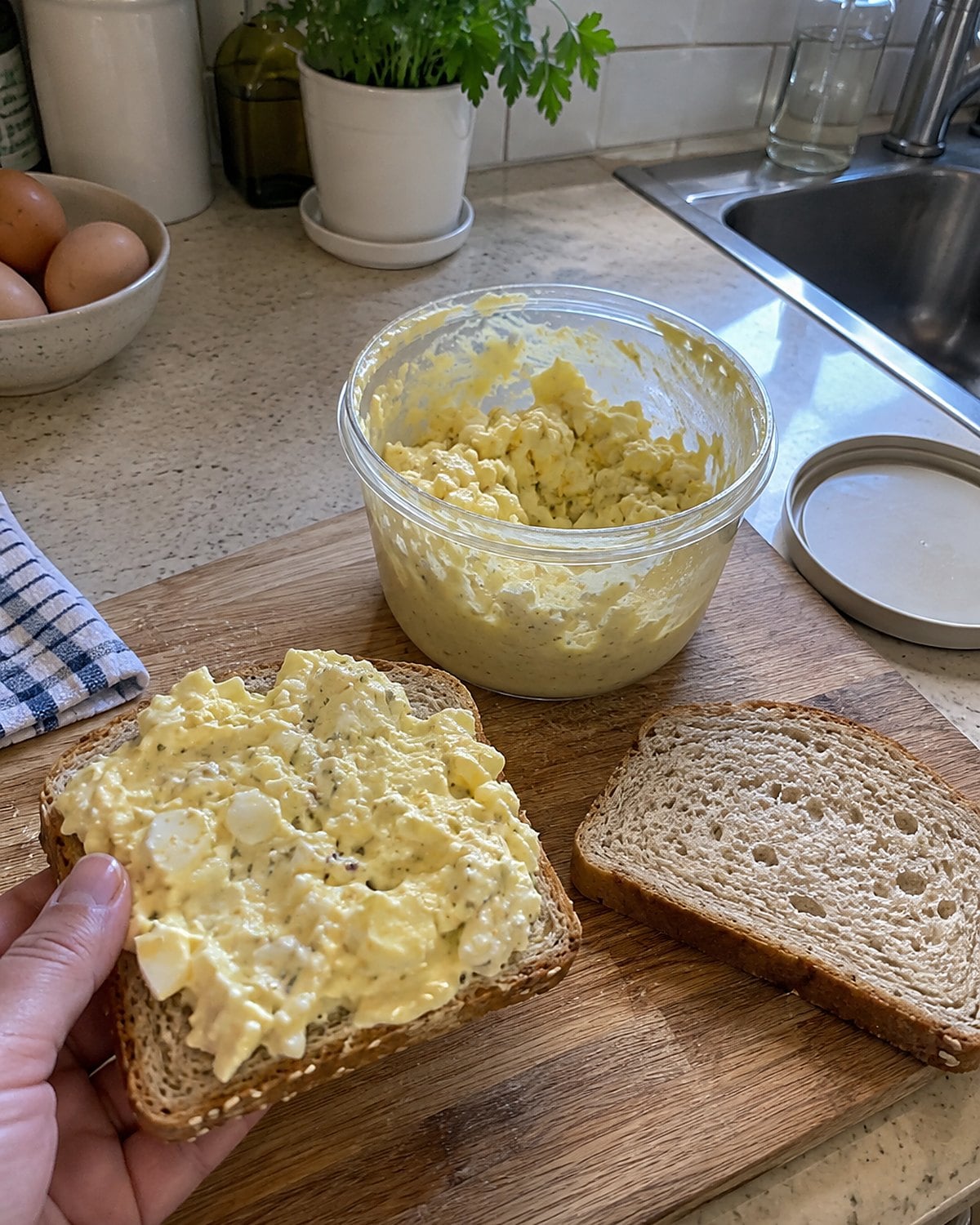
Egg salad traveled badly in waxed paper. It squeezed past the bread when you bit down, then left a yellow stain on the napkin. By the time the last bell rang, the empty wrapper smelled stronger than the sandwich had at noon.
Hard-boiled eggs and egg salad belong in the cold part of lunch. The FDA's egg guidance calls for cooked eggs and egg dishes to be refrigerated promptly. The old trick of adding more mayonnaise didn't make an egg sandwich safe in a warm box.
Keep the parts separate when you want the sandwich to taste good. Carry egg salad cold in a sealed container, with bread in another wrapper. Spoon it on when you're ready to eat. A little mustard and celery give it the snap the bread lost after hours against wet filling.
Wash the spoon when it gets home. Dried egg salad has a way of turning a simple lunch into a sink job.
Try it: Instant Pot Egg Salad (Keto, Gluten-Free)
#22 Peanut Butter and Jelly Every Day
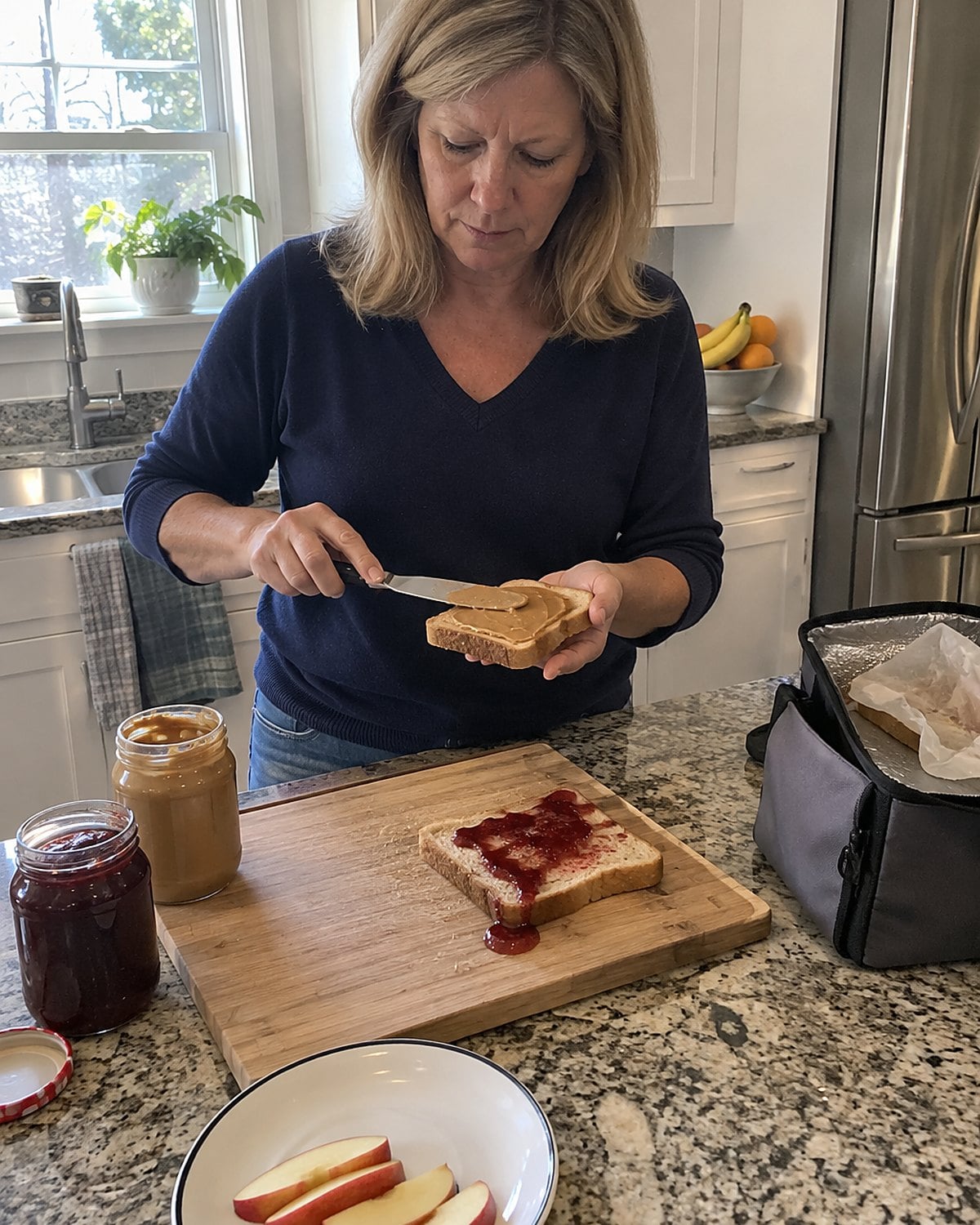
Peanut butter and jelly survived the school morning better than egg salad. It held together after a trip under a stack of books. That was part of its appeal.
The modern objection sits outside the sandwich. A child with a peanut allergy faces a serious risk from peanut exposure. Before you pack lunch for a grandchild, read the school's food rules and ask about that child's allergies.
The CDC's food allergy guidance treats avoiding known allergens at school as a practical safety job, not a matter of taste.
If peanuts are allowed, spread the jelly between thin layers of peanut butter to slow the bread from getting soggy. If they aren't, use the school's approved alternative. A familiar sandwich isn't worth putting another child in danger.
#21 Buttered Bread Wrapped Beside an Apple
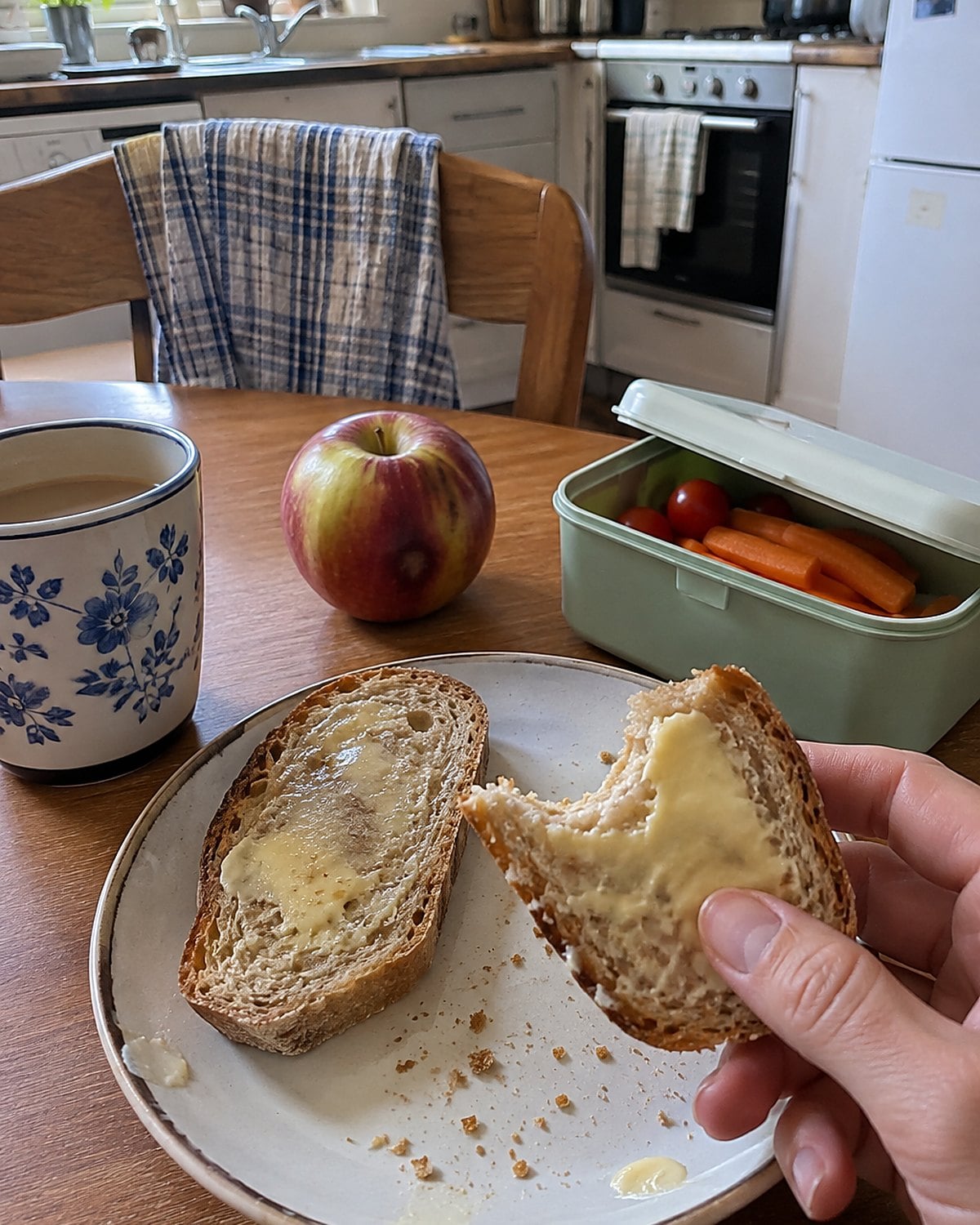
Some lunches were a butter sandwich and a piece of fruit. The apple rolled around inside the box, bruising one side of the bread. The butter picked up the apple's smell.
Butter wasn't the chief problem here. The lunch had little to hold a hungry child through the afternoon. If this was the lunch you asked for, you remember why: it was plain, fast, and dependable.
For a lunch that still feels simple, keep the bread and butter but add a food with some staying power. A hard-boiled egg needs cold storage. A handful of roasted chickpeas travels differently. Let the person eating choose which one belongs in the bag. Lunch gets eaten when it fits the appetite, not when it wins an argument at the counter.
#20 Tuna Salad in a Thermos Cap
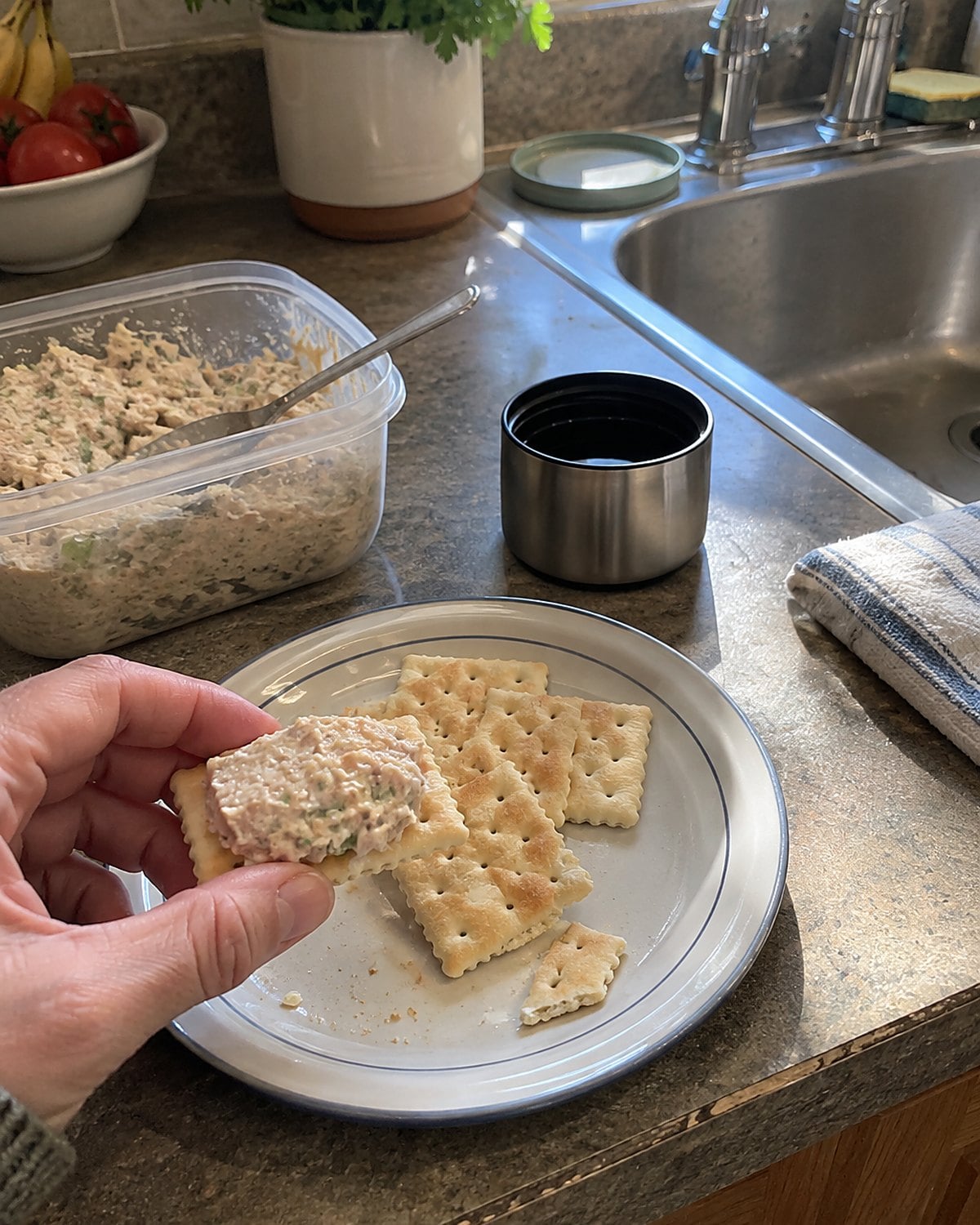
That little plastic cap looked like a bowl. It held a few spoonfuls of tuna salad, which seemed clever until you had to dig it out with a short spoon. The cap also sat outside the thermos body, away from whatever kept the contents hot or cold.
Tuna salad belongs in the refrigerator. A thermos cap isn't part of the insulated chamber. For a packed lunch, put the salad in a sealed container with frozen cold sources.
Before mixing, press the tuna lightly with a fork to drain excess liquid. Water from the can thins the dressing. It also finds its way into crackers and bread.
A little pickle or lemon wakes up the filling. Pack crackers apart, and let them stay crisp until you eat.
#19 Celery Sticks Filled With Cheese Spread
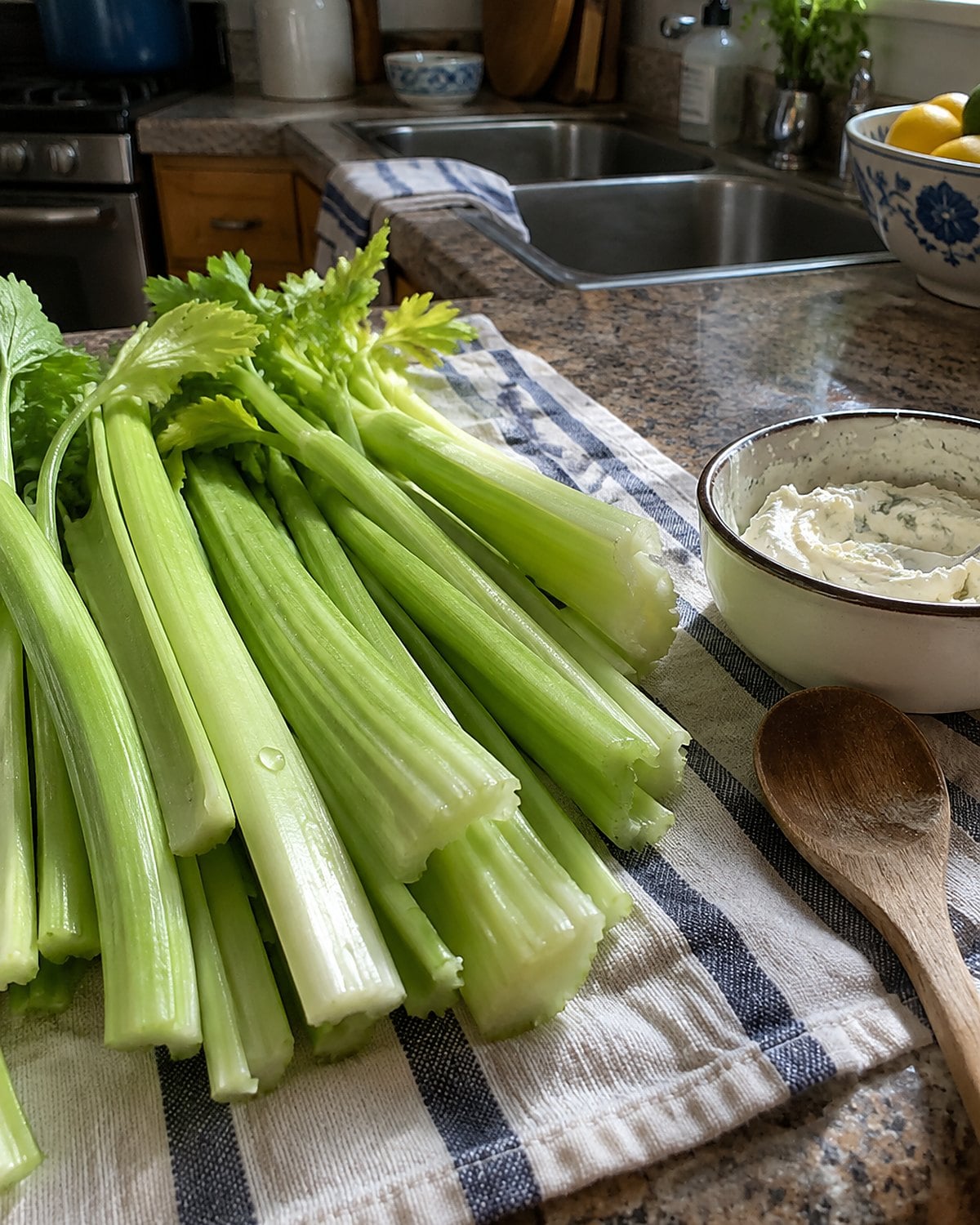
A rib of celery held bright orange cheese spread neatly until somebody sat on the lunchbox. Then the filling flattened into the grooves, and the celery bent instead of snapping.
The spread was sold for convenience, but its real lunchbox trick was texture. Crunch made a plain sandwich feel like a bigger meal. You can get that without packing a messy filled stalk.
Wash and dry celery before cutting it. A wet stalk waters down whatever sits against it. Pack the spread in a small chilled container if its label calls for refrigeration, and let the eater fill the celery at lunch. Look at the label, not the color: shelf life changes when a jar is opened.
#18 Homemade Custard in a Glass Jar
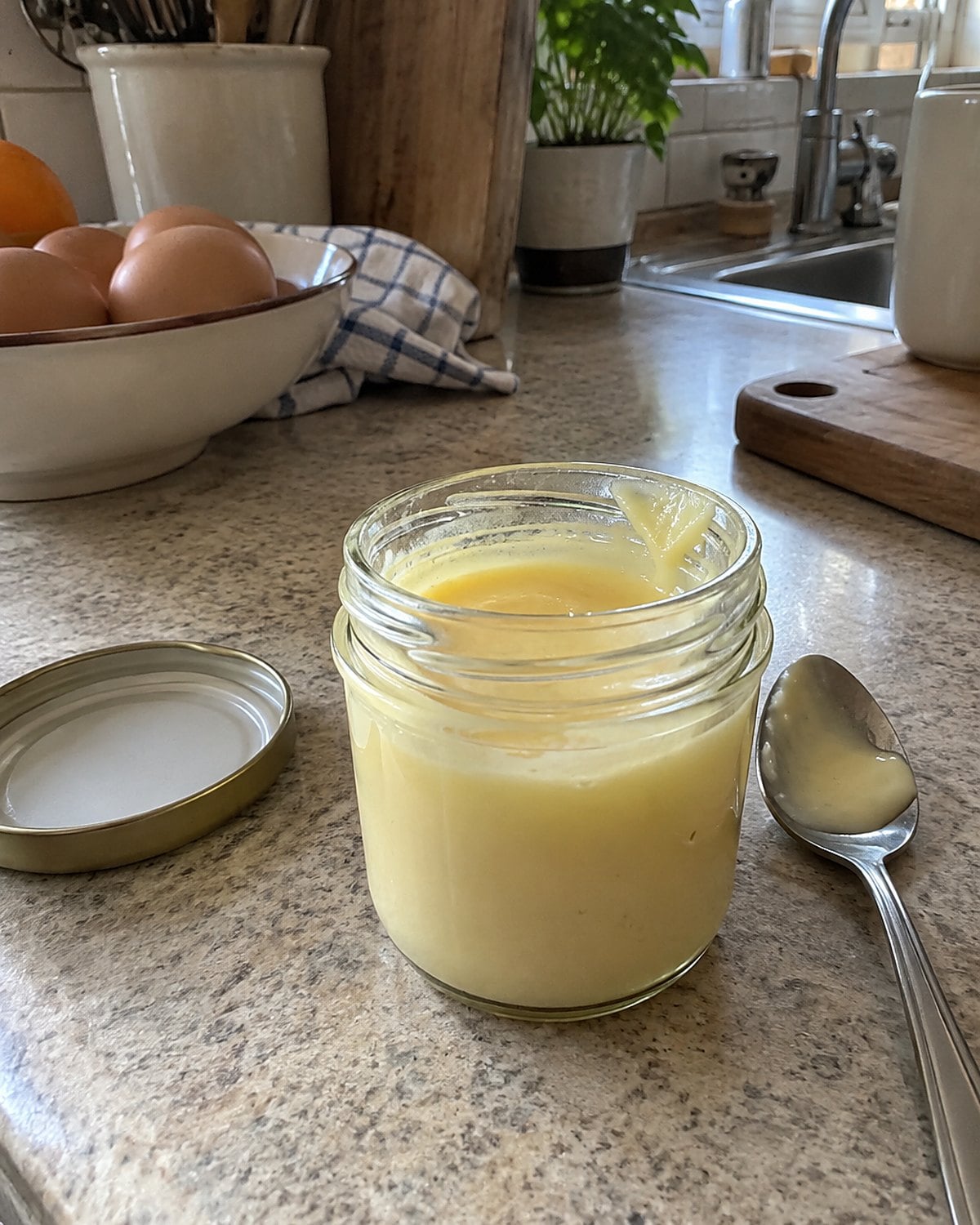
A small jar of custard felt like a gift. The spoon clinked against the glass, and the last bite hid in the curve at the bottom. On the way home, that same jar knocked against everything else in the lunchbox.
Custard contains eggs and milk. It needs refrigeration, even when it's baked until firm. A lid doesn't turn it into a pantry food.
There's another old habit worth dropping: setting a hot jar on the counter until bedtime because putting hot food in the fridge seemed wrong. Divide custard into shallow containers so it cools promptly, then refrigerate it. For lunch, pack a portion cold with frozen cold sources.
Save the glass jar for dessert at home. It still makes the spoon sound good.
#17 Candy Cigarettes Beside the Sandwich
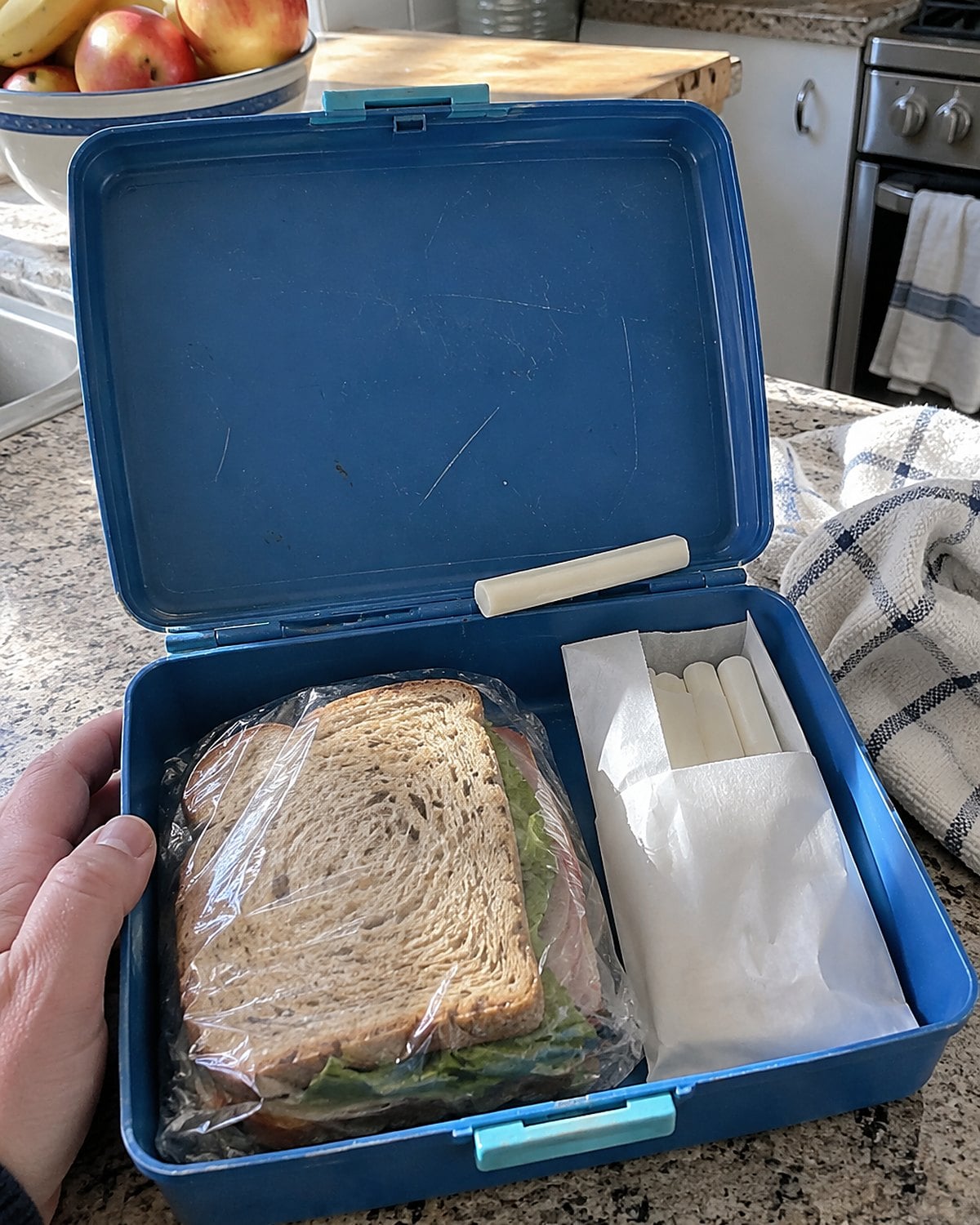
What would you say if a grandchild pulled those white candy sticks from a lunchbox and asked what they were supposed to be?
“They made candy look like cigarettes.” That's the whole explanation. The paper pack, the pose between your fingers, the joke adults once let pass: a child sees it all without a lecture.
You don't need a kitchen substitute for the memory. If a sweet belongs in the lunch, choose a cookie or a piece of chocolate and pack it where the fruit won't crush it. Then tell the story if you're asked. The strange part isn't that children liked candy. It's what the wrapper asked them to imitate.
#16 Frozen Orange Drink Concentrate as Ice
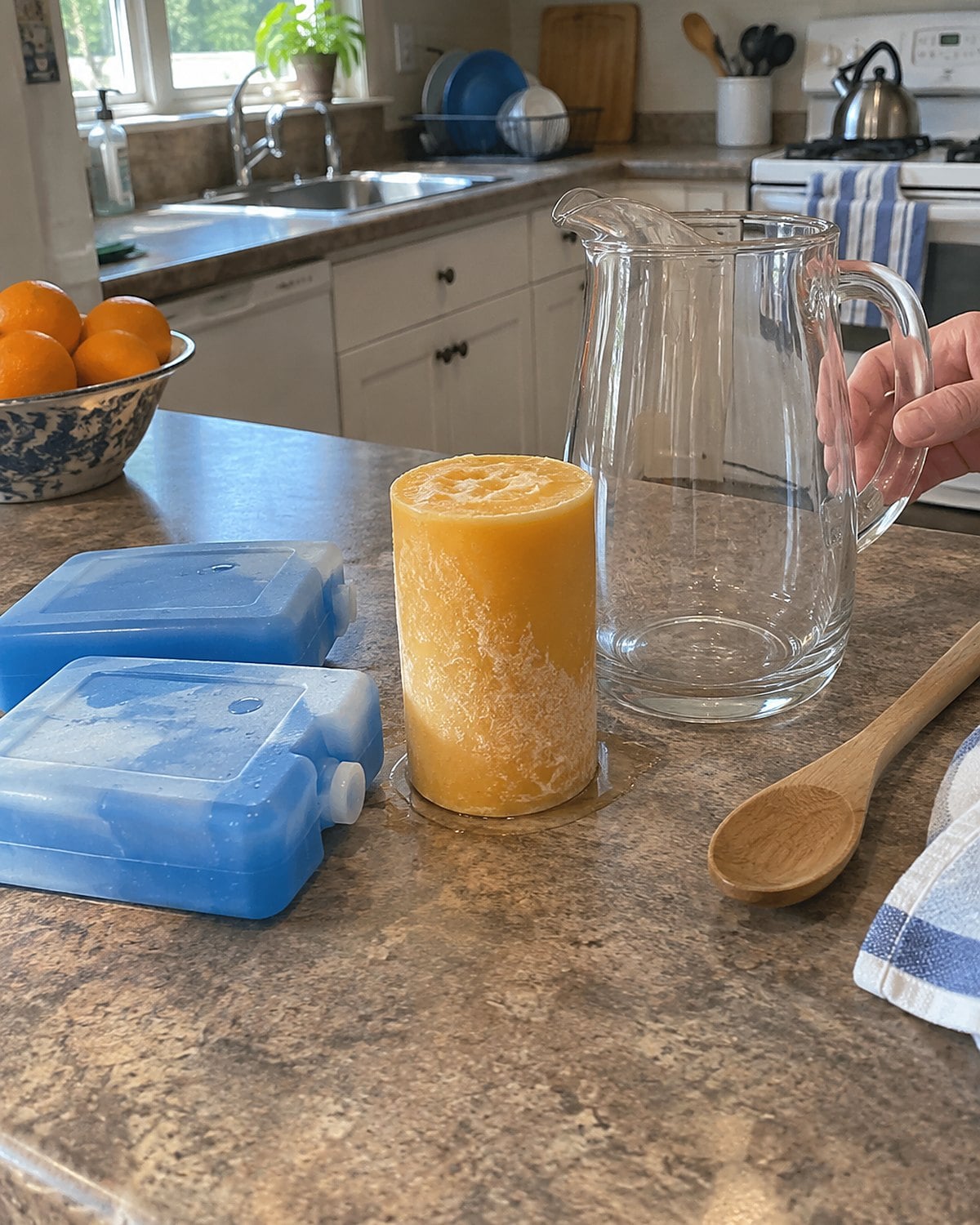
A frozen can of orange drink concentrate had a second job before anyone opened it. It sat against the lunch and thawed while the school day moved along. By noon, the can felt cold and the sandwich felt less warm.
Cold to the hand isn't a reading of the sandwich's temperature. The USDA's packed-lunch guidance calls for frozen cold sources around perishable food. A can meant to become a drink isn't a reliable substitute.
Use ice packs that fit the bag, and keep the food in contact with them. For a drink, pack water or a carton meant for the way it will be stored. Frozen concentrate still belongs in the kitchen: spoon it into a pitcher and follow the can's directions. Lunch shouldn't depend on guessing how far a can thawed.
#15 Sardines Packed in a Small Tin
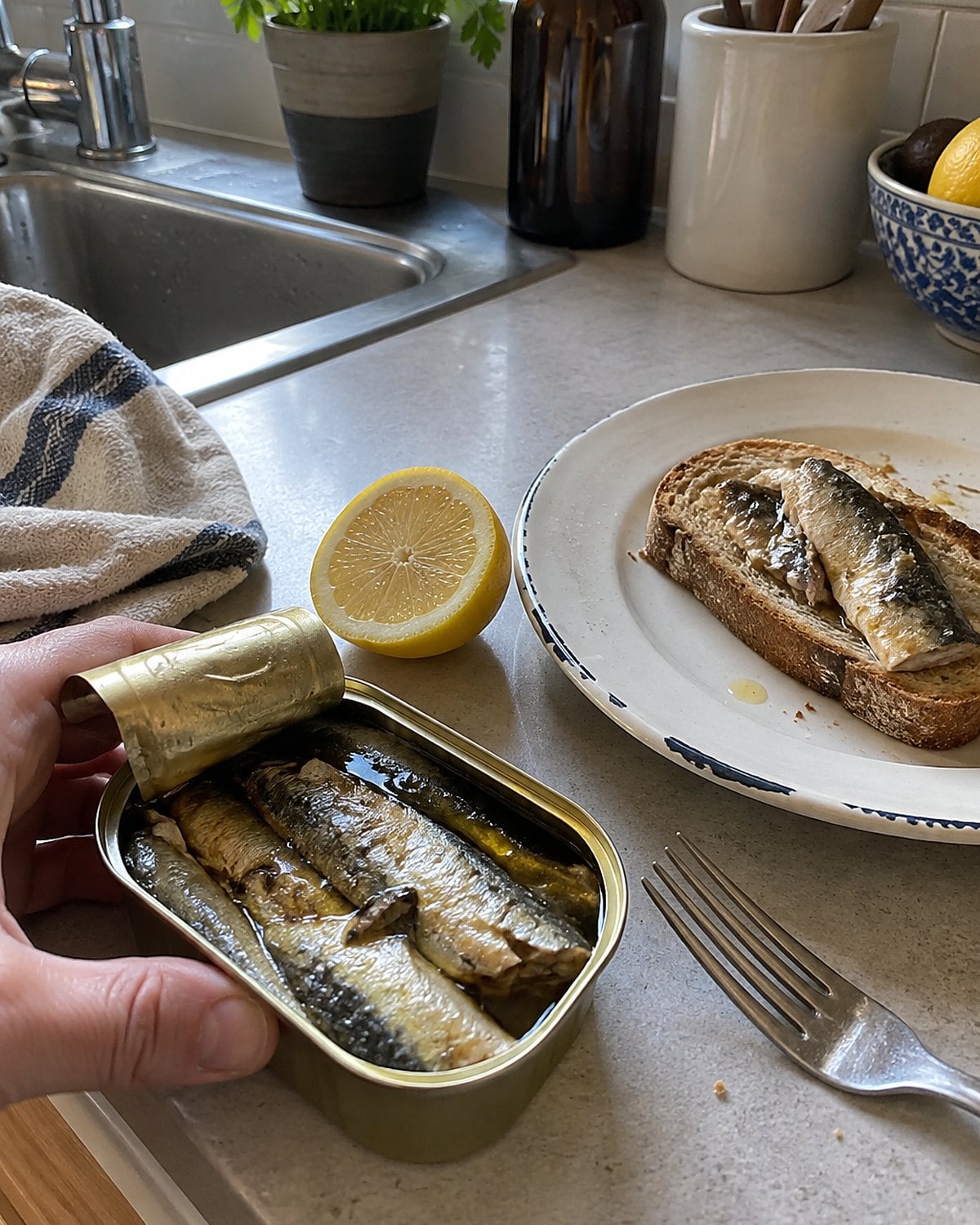
A sardine tin was sturdy and compact. It also required a place to drain the oil, somewhere to put the lid, and a child willing to smell like sardines through the afternoon. That is a lot to ask of a school desk.
The fish itself wasn't the problem. Sardines are cooked during canning, and an unopened shelf-stable tin doesn't need a frozen pack. Once you open it, the rules change. Put leftovers in a covered container in the fridge rather than leaving fish in the opened tin.
If you still like sardines for lunch, eat them at home on toast with lemon. Mash the fish with a fork so the bones disappear into the spread. For a packed meal, choose a place where you have a sink and a proper fork. Some lunches are better after the school bell.
#14 Vienna Sausages With Their Little Key
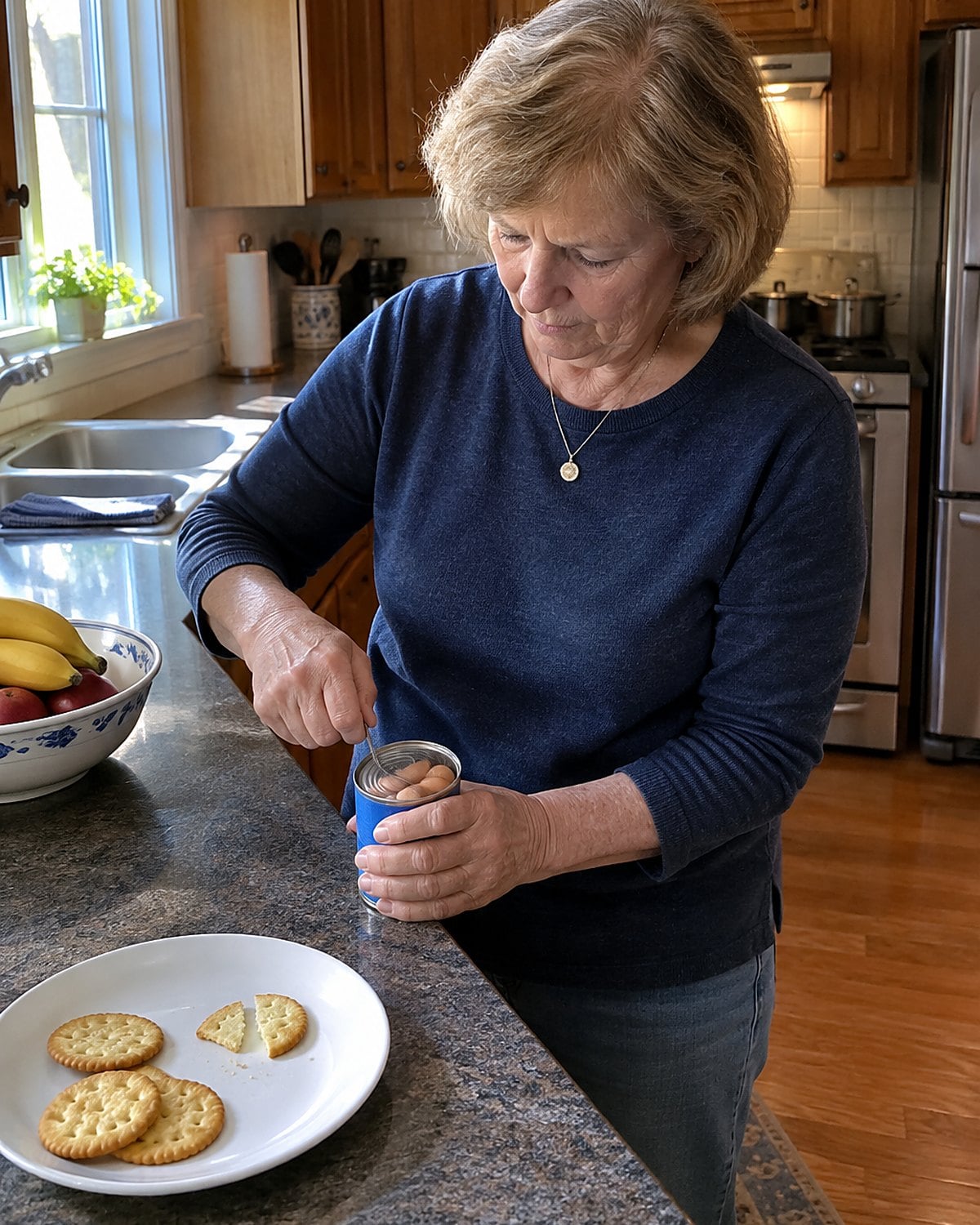
The little key turned around the rim of the can, pulling off a thin strip of metal. It was satisfying right up to the sharp edge. A child opening that can at a desk had to deal with both the metal and the liquid inside.
An unopened shelf-stable can and an opened can are different things. Read the package's storage directions before packing it. Once opened, move leftovers into a covered refrigerator container.
You don't need to pretend the sausages were a fine lunch. Their appeal was obvious: no cooking, no sandwich to assemble, and a portion that fit in a box. If that convenience is what you're after tonight, open the can at home. Put the sausages in a pan, heat them through, and serve them with something crisp instead of handing a child the key.
#13 Deviled Eggs on a Paper Plate
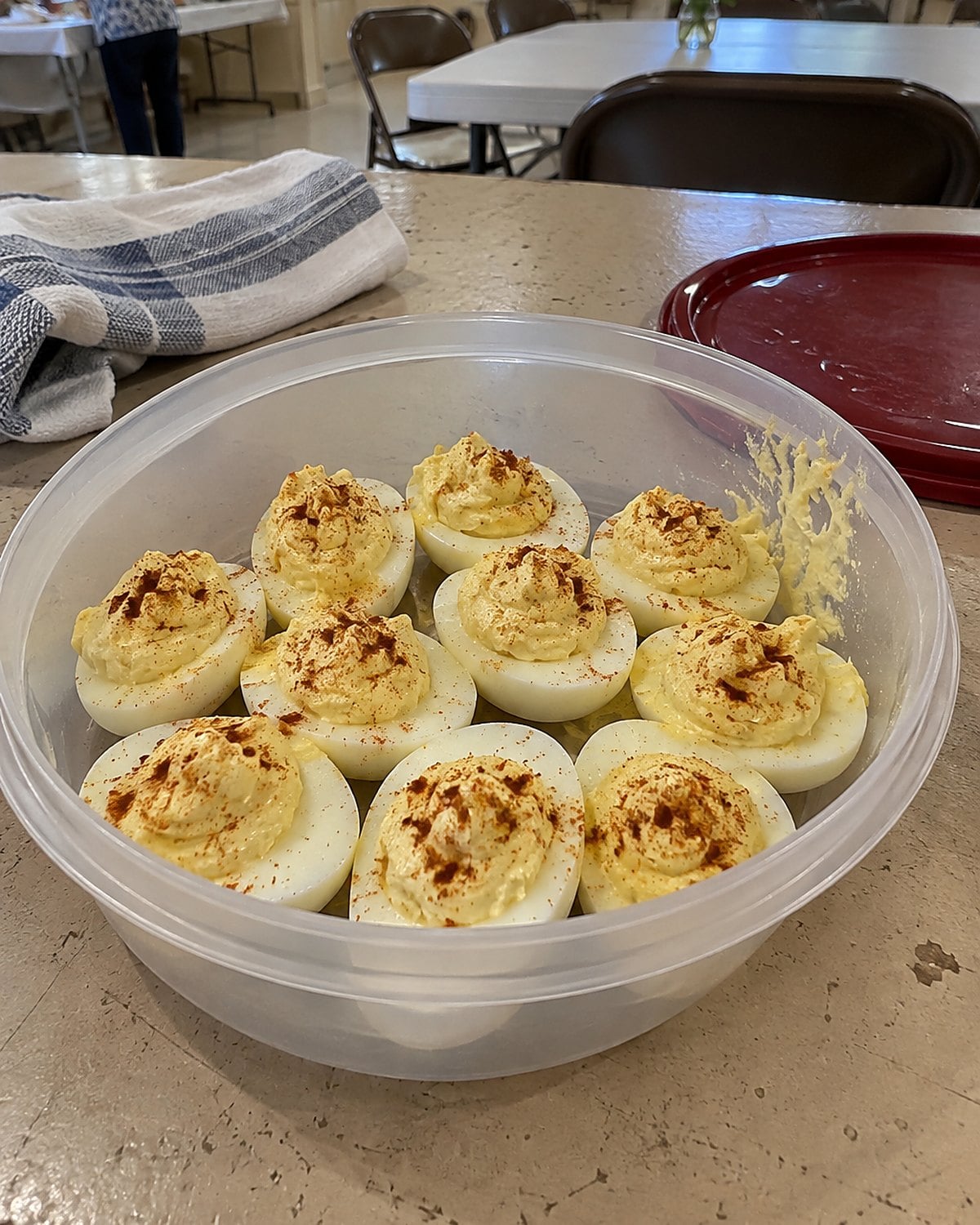
At church hall lunches, deviled eggs appeared in a ring on a paper plate. At school, that plate rode inside a box and every bump threatened the filling. The paprika ended up on the lid.
Use a lidded container that holds the halves snugly, and pack it with frozen cold sources. If the filling slides during the trip, carry it separately and spoon it into the whites when you arrive.
The skipped step happens before any filling goes in. Dry the cooked whites with a paper towel. Filling grips a dry surface; it skates across a wet one.
Taste for enough acid to cut the richness. A sharp little bite of pickle brine does more than another shake of paprika. For a school day without dependable cold storage, choose a different lunch.
Try it: Instant Pot Boiled Eggs (Soft-Boiled, Jammy & Hard-Boiled)
#12 Cold Spaghetti in a Plastic Bag
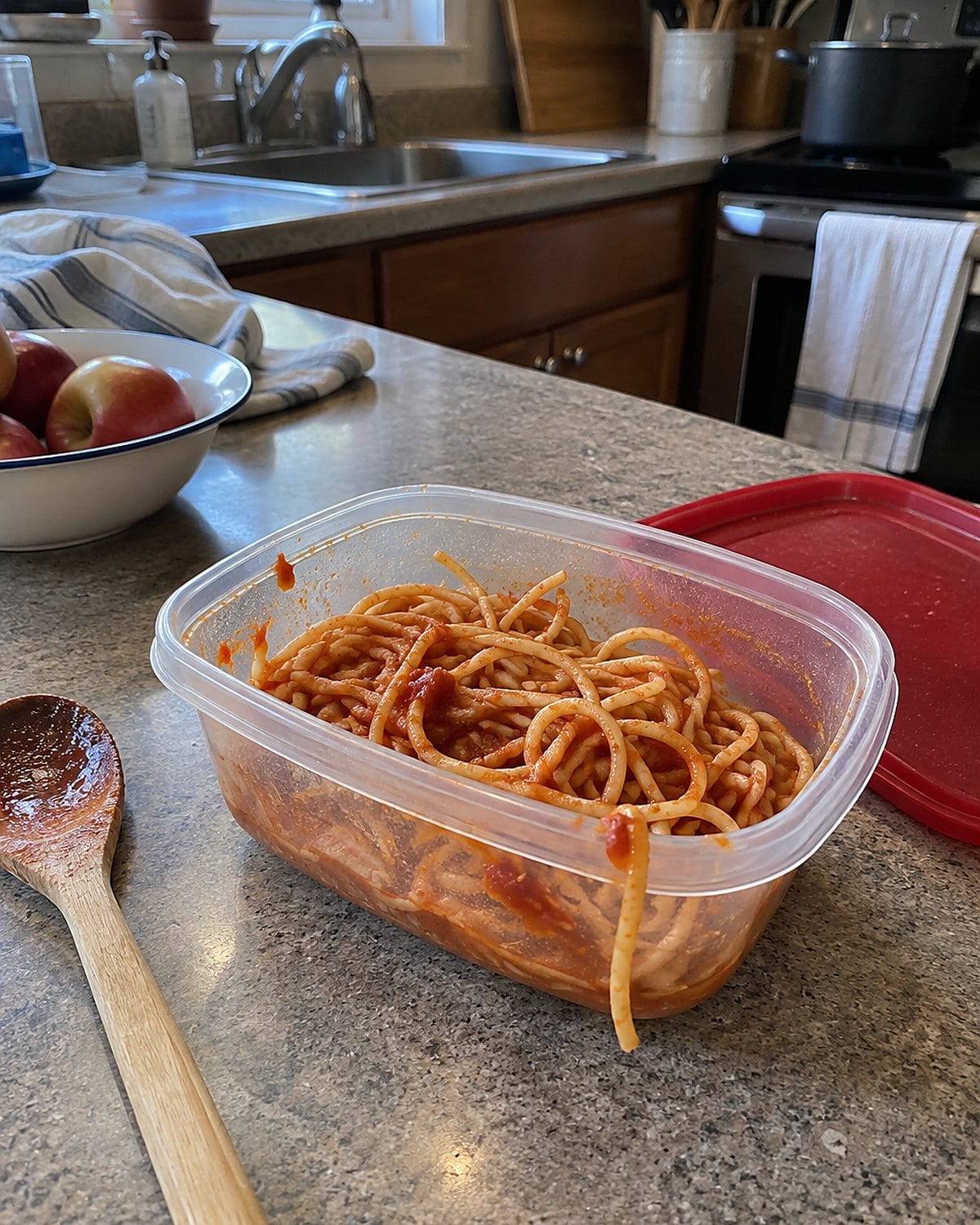
Leftover spaghetti went into whatever bag was clean. The noodles pressed into a solid block, and the sauce colored the plastic orange. If there was no way to heat lunch, you ate it cold or traded it.
Cooked leftovers need prompt refrigeration and a cold trip to school. The USDA's cold storage chart puts cooked leftovers at three to four days in a refrigerator held at 40°F or below. When reheating, bring leftovers to 165°F.
For better pasta tomorrow, chill it in a shallow container instead of a deep lump. Keep a little sauce with it so the noodles don't dry out.
If lunch has a microwave, use a microwave-safe container. Cover it loosely, stir during heating, and check the center with a food thermometer. A hot rim and a cold middle don't count.
Try it: Instant Pot Spaghetti And Meatballs
#11 Marshmallow Fluff Between Two Bread Slices
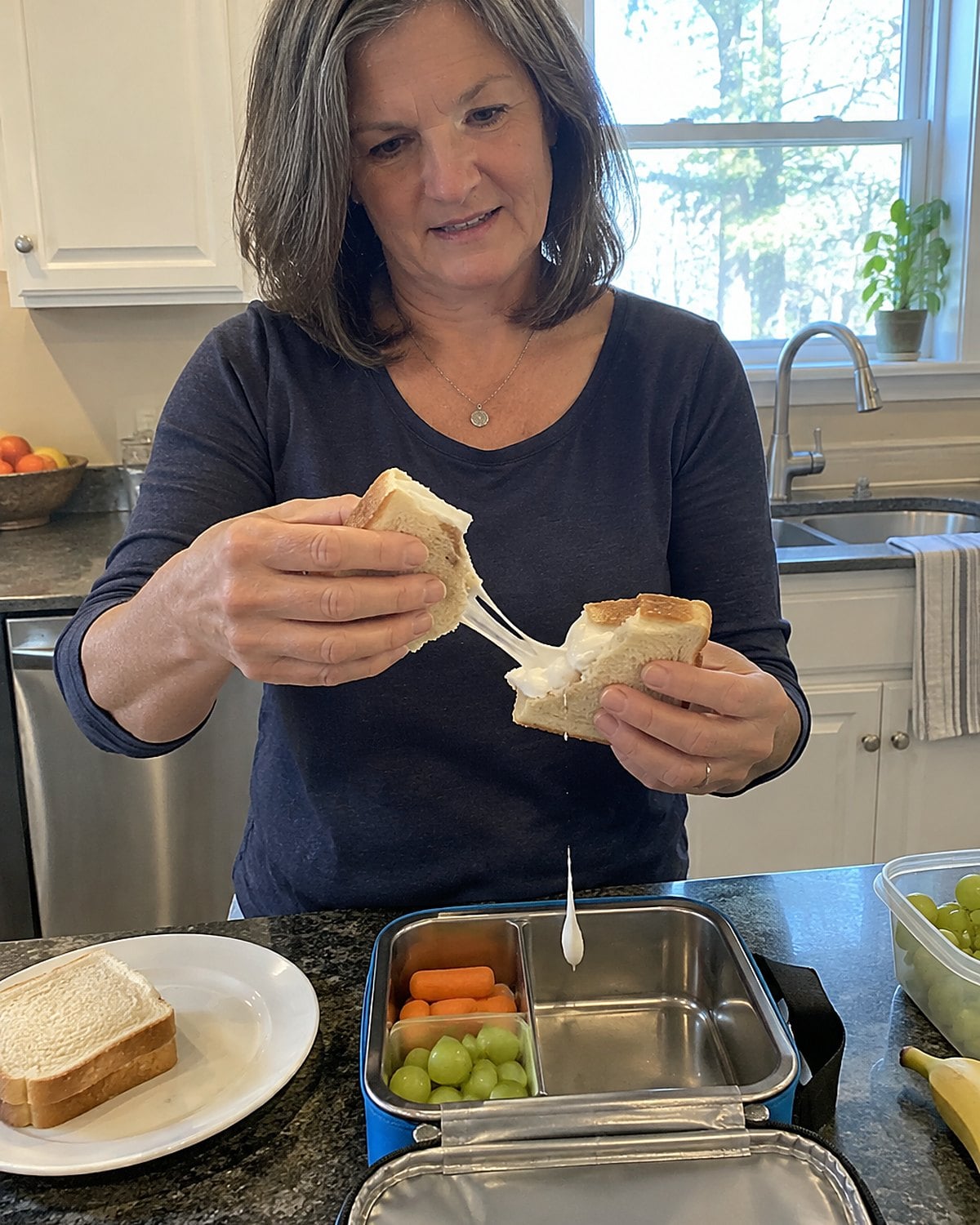
The bread peeled away from the filling in long, sticky threads. By lunch, a fluff sandwich had pressed flat beneath the apple, but it still tasted exactly like the treat you hoped to find.
A dessert sandwich was easy to pack and quick to eat. It also left you looking for more food before the ride home. Keep it as the occasional sweet thing rather than asking it to do a whole lunch's work.
If you're making one for a grandchild, ask what else they'll eat beside it. An apple and a filling snack make more sense than trying to hide “healthy” ingredients under the fluff. Pack a damp cloth or extra napkin. The lunchbox latch will thank you.
#10 Pimento Cheese Pressed Into White Bread
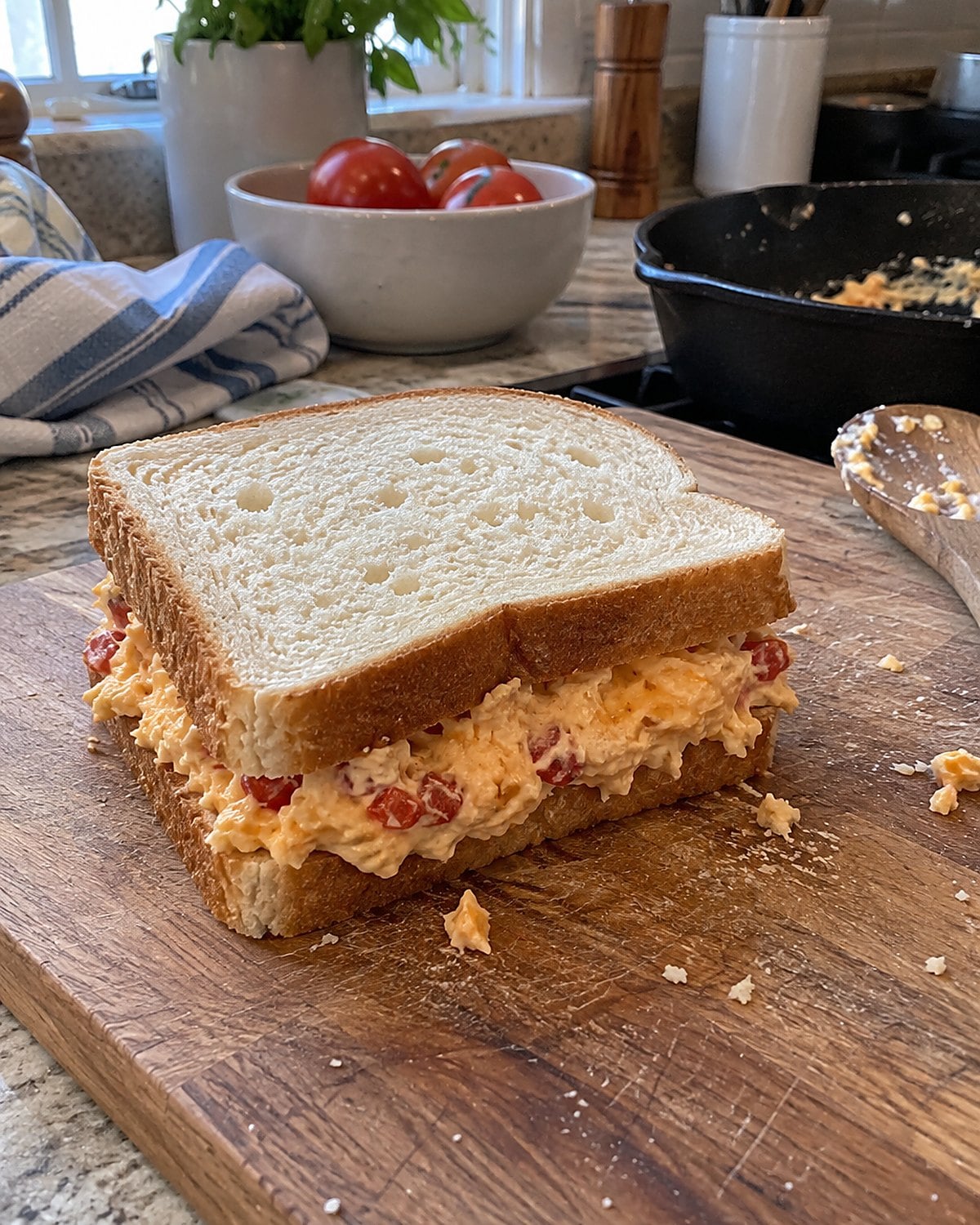
Pimento cheese stained the bread orange at the edges. It tasted best when the cheese still had body and the pimentos hadn't watered it down. In a warm lunchbox, neither the texture nor the storage was working in its favor.
This is a sandwich worth rescuing. Drain chopped pimentos before stirring them into the cheese. Spread the filling between slices of sturdy bread, then chill the finished sandwich before packing. Carry it with frozen cold sources, since homemade pimento cheese is a refrigerated food.
If you're serving it at home, toast the bread in a cast-iron pan and add the cheese after turning off the heat. Residual warmth loosens the filling without turning it oily.
Taste it before adding salt; cheese and pickles have already brought plenty to the pan. Packed cold or eaten warm at the counter, the sandwich deserves better than a hot metal box.
#9 Powdered Fruit Drink in a Thermos
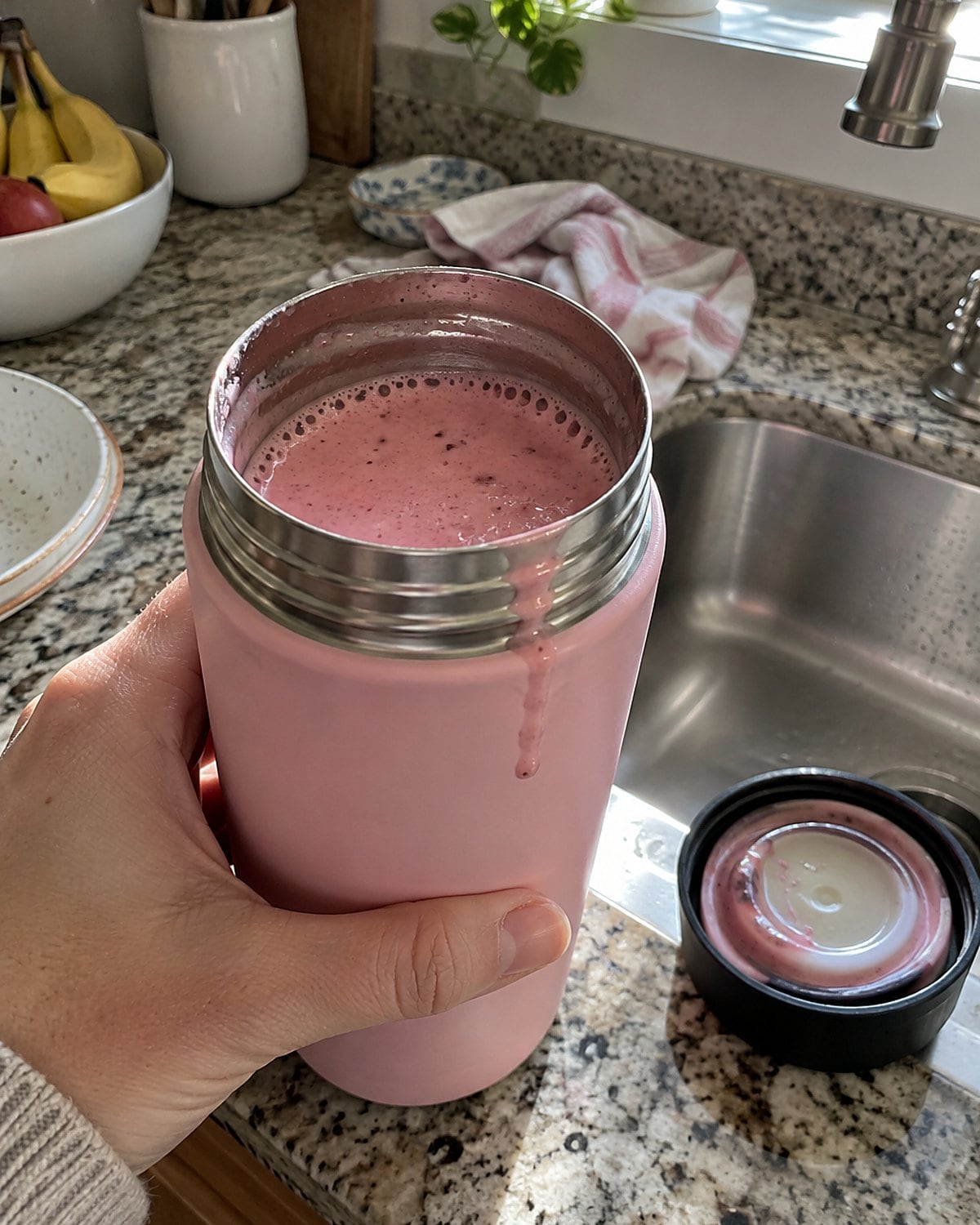
The cap came off pink. So did the inside of the thermos, the napkin, and the ring around a child's mouth. A spoonful of powder was easy for an adult to pour; a child given the jar had a freer hand.
Mix the drink at home if you're sending it. Taste it before it goes in the thermos, just as you'd taste soup before serving. Then wash the lid gasket when it comes back. Sweet liquid hides in that narrow groove long after the main bottle looks clean.
Water works fine beside a sweet sandwich. If the drink itself is the treat, send a smaller portion and food that will carry the afternoon. You don't have to recreate every part of a remembered lunch to enjoy the part you loved.
#8 Chicken Soup in a Glass Thermos
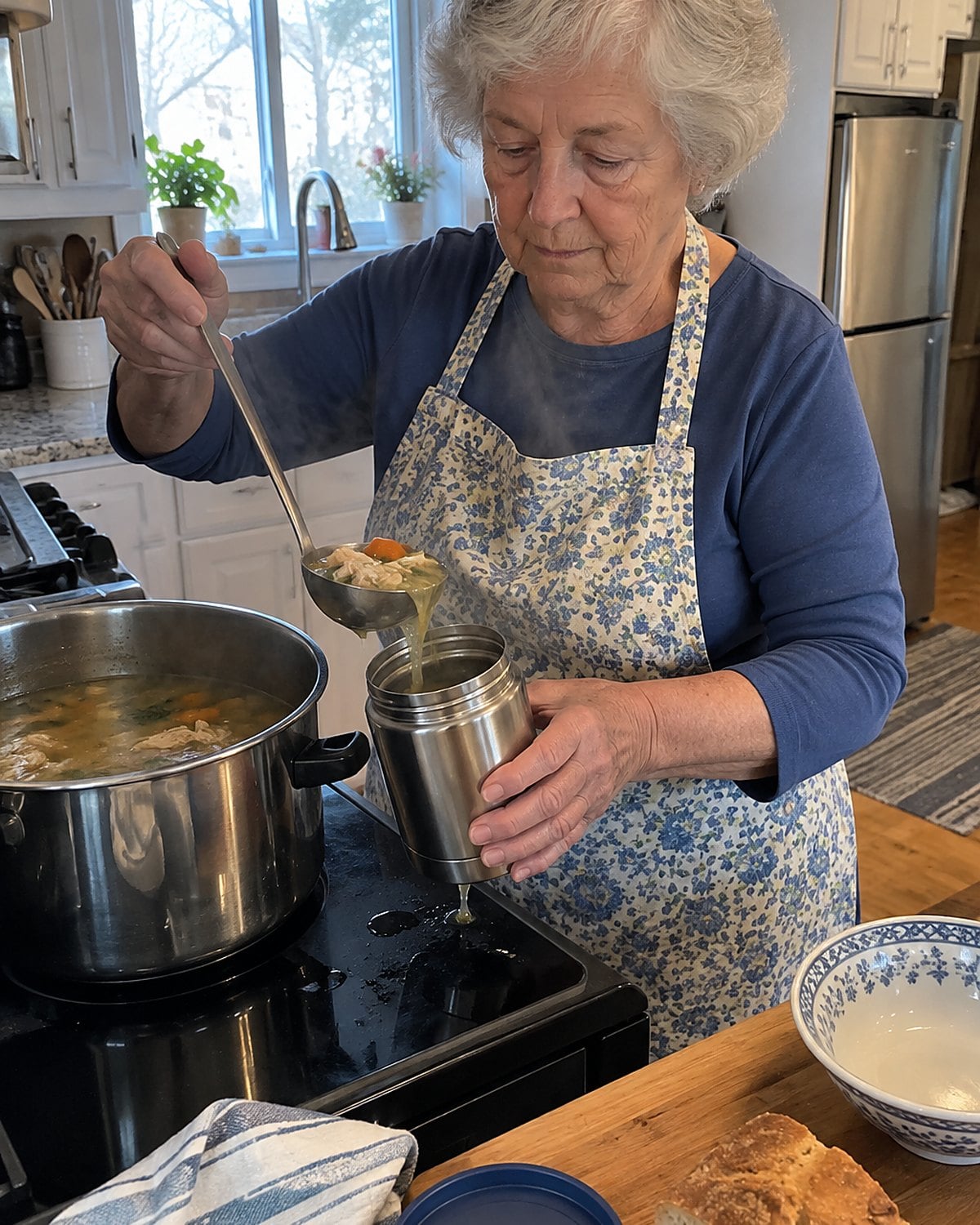
The glass-lined thermos made a faint clink when you set it down. A hard fall could break the liner, and a dent in the outer shell didn't tell you what had happened inside. Soup was comforting; glass shards weren't.
For hot soup, start with an insulated food container made for hot food. Preheat it with boiling water, empty it carefully, then add soup that's steaming hot. The USDA says hot food should stay at 140°F or above. Check the manufacturer's directions for your container, too.
Chicken soup has its own checkpoint before packing. Reheat leftovers to 165°F, stirring so the center gets hot. If you're making soup from raw chicken, cook the poultry to 165°F. A thermometer belongs in the thickest piece, away from bone.
A modern steel food jar fixes the broken-glass problem. It doesn't replace checking the heat. When a school lunch runs late, pack something cold instead of gambling on lukewarm soup.
Try it: Instant Pot Chicken Noodle Soup In 30 Minutes (with VIDEO)
#7 Cookies Traded Across the Lunch Table
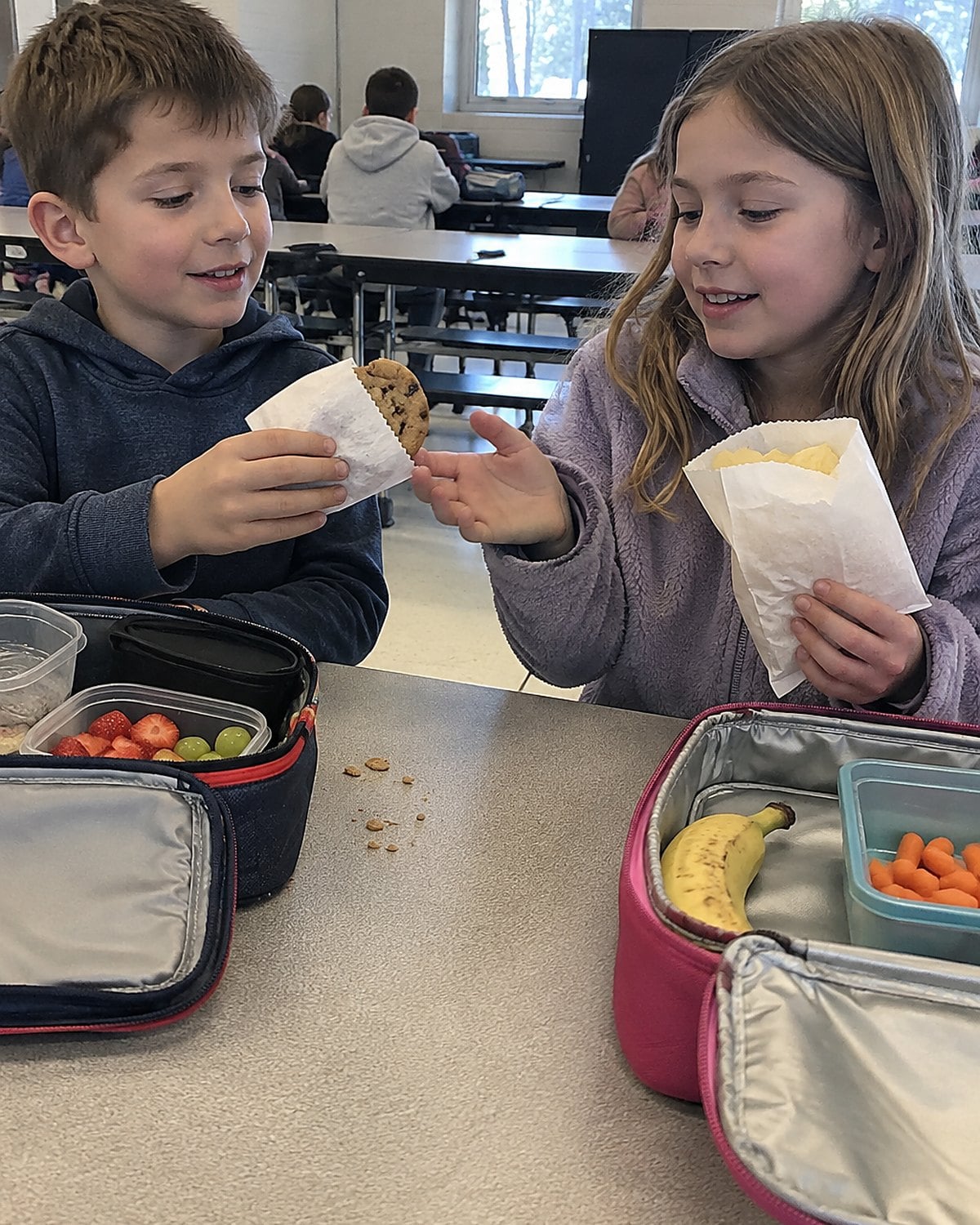
A cookie from home once changed hands for a bag of chips without much discussion. So did an unwanted sandwich. Trading felt like part of lunch, especially when somebody else's box held the treat your household never bought.
For children with food allergies, the swap carries a risk the two traders cannot judge by looking. The CDC tells schools to have plans for students with food allergies. Ask about the school's rules before you promise a homemade batch for a class.
If you bake for a grandchild's lunch, keep the ingredient label from any packaged add-ins. A handwritten “peanut-free” note doesn't erase cross-contact from your kitchen.
You can still send the cookie for that child when their family and school say it's safe. The old trading economy doesn't need a comeback.
#6 Roast Beef Left Over From Sunday
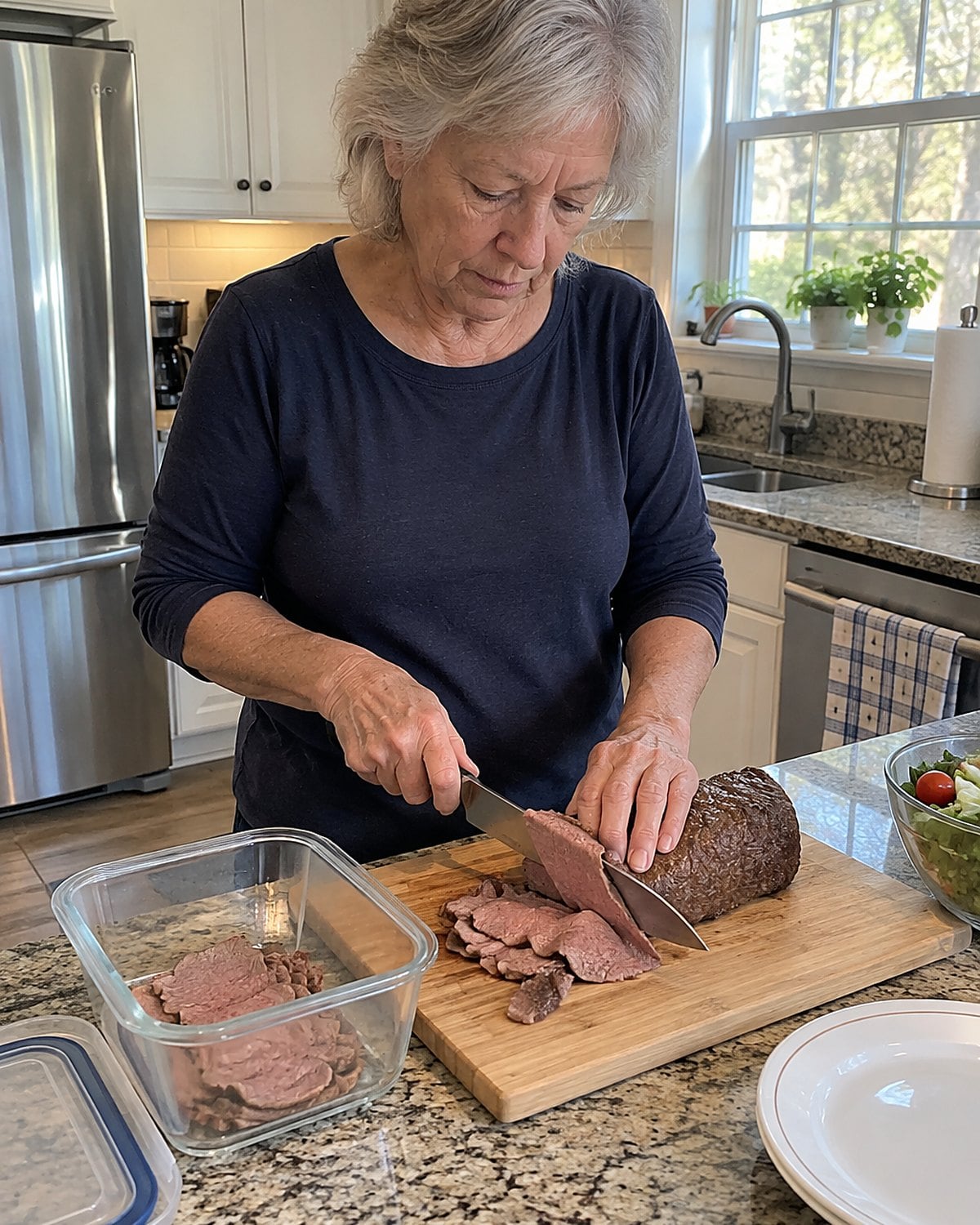
Sunday's roast made Monday sandwiches feel grand. Thin slices, a little mustard, and the good bread were worth carrying. The hard part was everything that happened between carving and lunch.
Put cooked beef in the refrigerator promptly in shallow containers. The USDA's cold storage chart gives cooked leftovers three to four days at 40°F or below.
For a cold roast beef sandwich, keep the meat cold in an insulated bag with frozen cold sources. If reheating the leftovers instead, take them to 165°F.
There is a taste test before the packing test. Slice the beef thinly across the grain; thick slices pull the bread apart. Keep horseradish or wet mustard off the loaf until you're ready to eat. A small container protects both the bread and the best part of the roast.
Write the day on the container when you put the meat away. On a busy week, “Sunday” is easier to trust than a guess made while standing at the open fridge.
Try it: Instant Pot Roast Beef & Gravy
#5 Liverwurst With Mustard and Onion
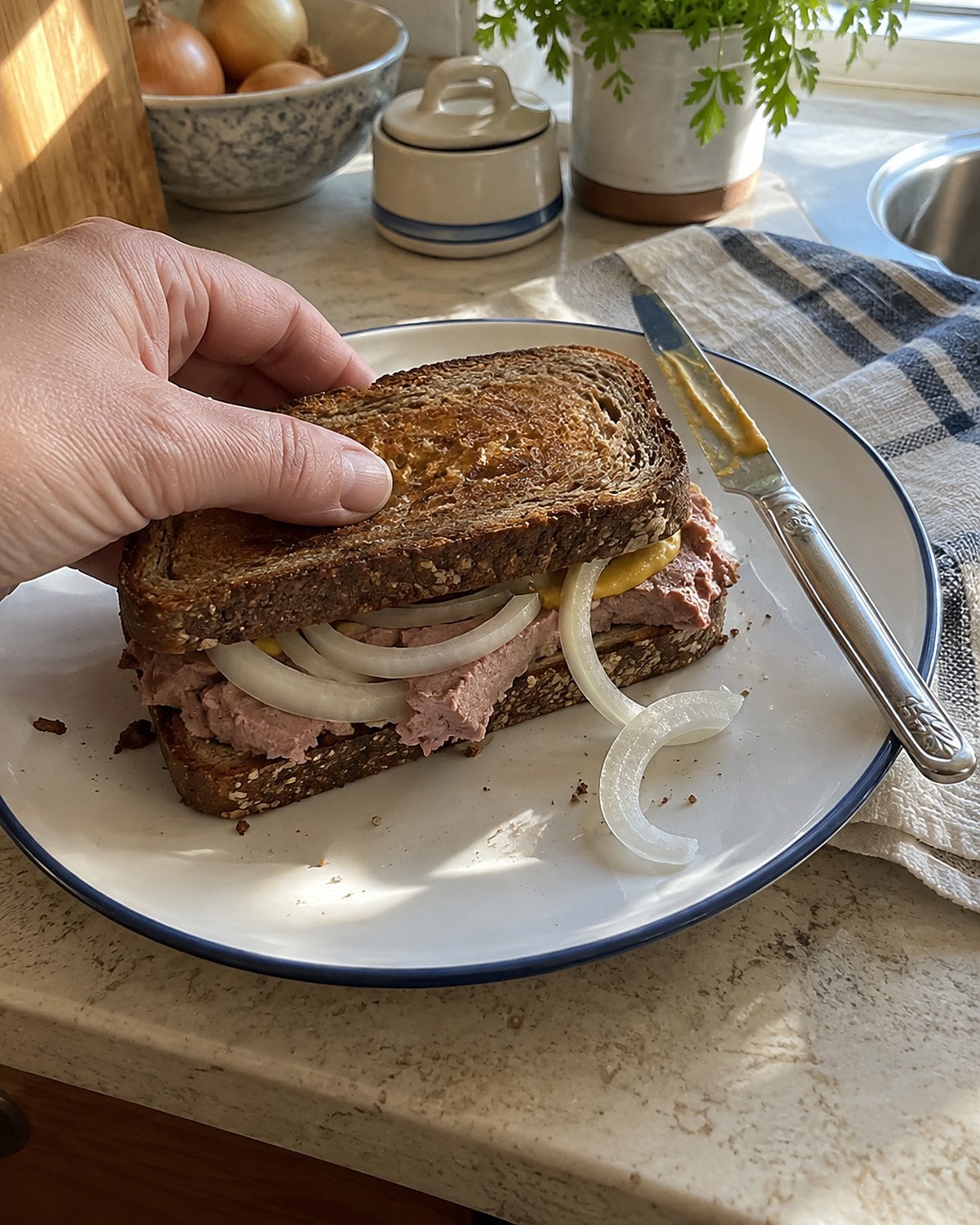
Liverwurst had a smell that announced lunch before you opened the wrapper. Spread thin with mustard and a few onion slices, it had devoted fans and no middle ground in a classroom.
The old sandwich still has a place at your own table. Liverwurst is a refrigerated meat product; keep it cold and follow the package directions after opening. Use frozen cold sources if you pack it.
For better texture, take only the portion you need from the fridge. A warm knife drags through soft liverwurst and tears the bread. Toast sturdy rye, let it cool, then spread. The cooling matters: hot toast melts the fat before you get a bite.
If you're packing lunch for someone else, ask before choosing this one. “Do you actually want liverwurst?” is a fair question.
#4 Potato Salad in a Lunchbox Cup
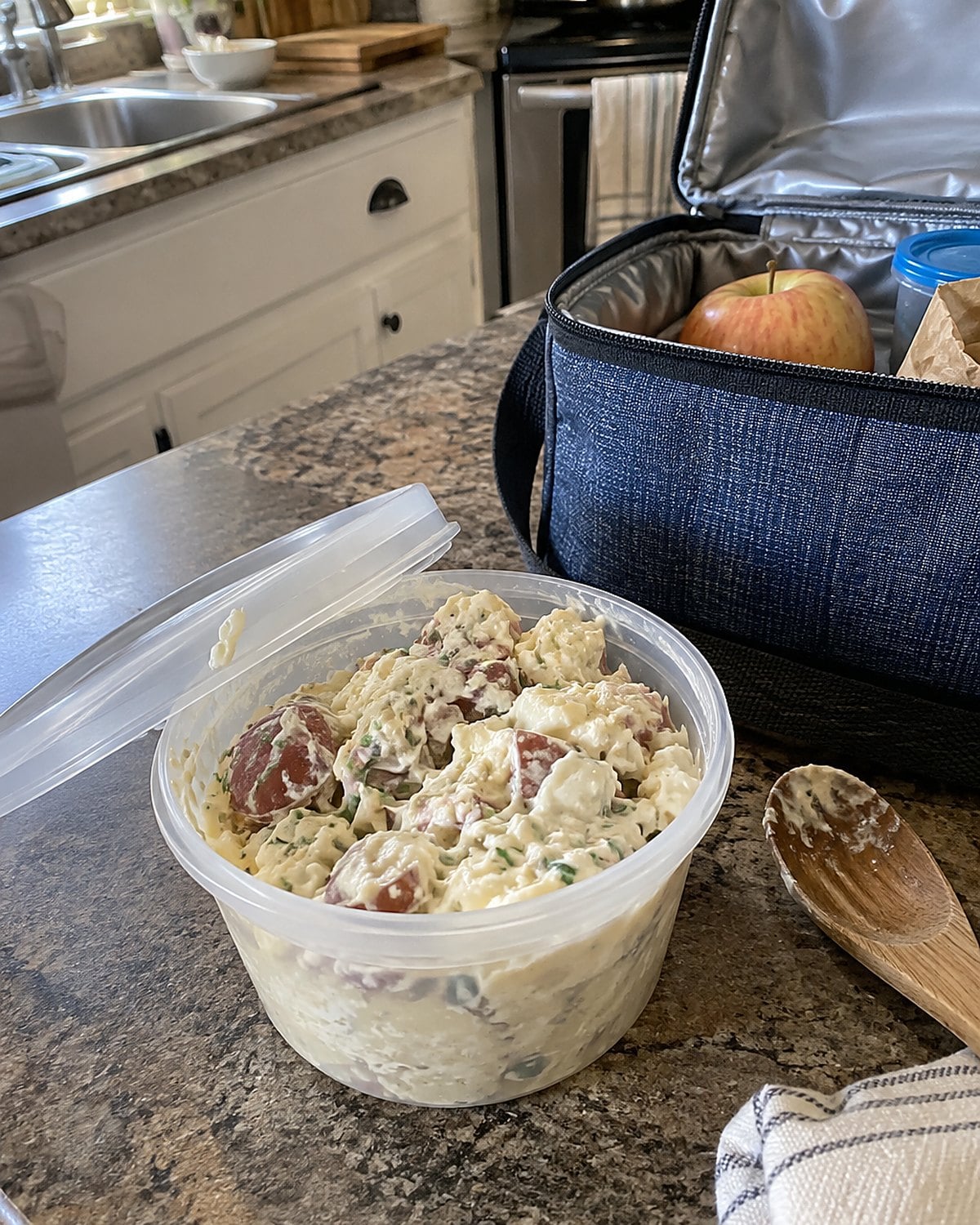
Potato salad slipped into a little cup with a lid that never seemed to seat right. The fork went through the potatoes, the cup tipped, and lunch smelled like vinegar and onion for the rest of the day.
The problem wasn't that mayonnaise itself suddenly turned dangerous in the sun. Cooked potatoes and mixed potato salad need cold storage, whatever dressing you choose. The USDA advises keeping perishable food out of the danger zone, from 40°F to 140°F.
Make the salad better before packing it. Cool cooked potatoes promptly, then fold in the dressing after they stop steaming. Warm potatoes absorb dressing differently and leave the bowl dry.
Taste a piece from the center. It needs salt and acid, not another spoonful of mayonnaise. Use a leakproof container, an insulated bag, and frozen cold sources. Save the wobbly cup for the drawer with the twist ties.
Try it: Instant Pot Potato Salad With Eggs & Creamy Dressing
#3 Whole Carrots Dug Out of the Garden
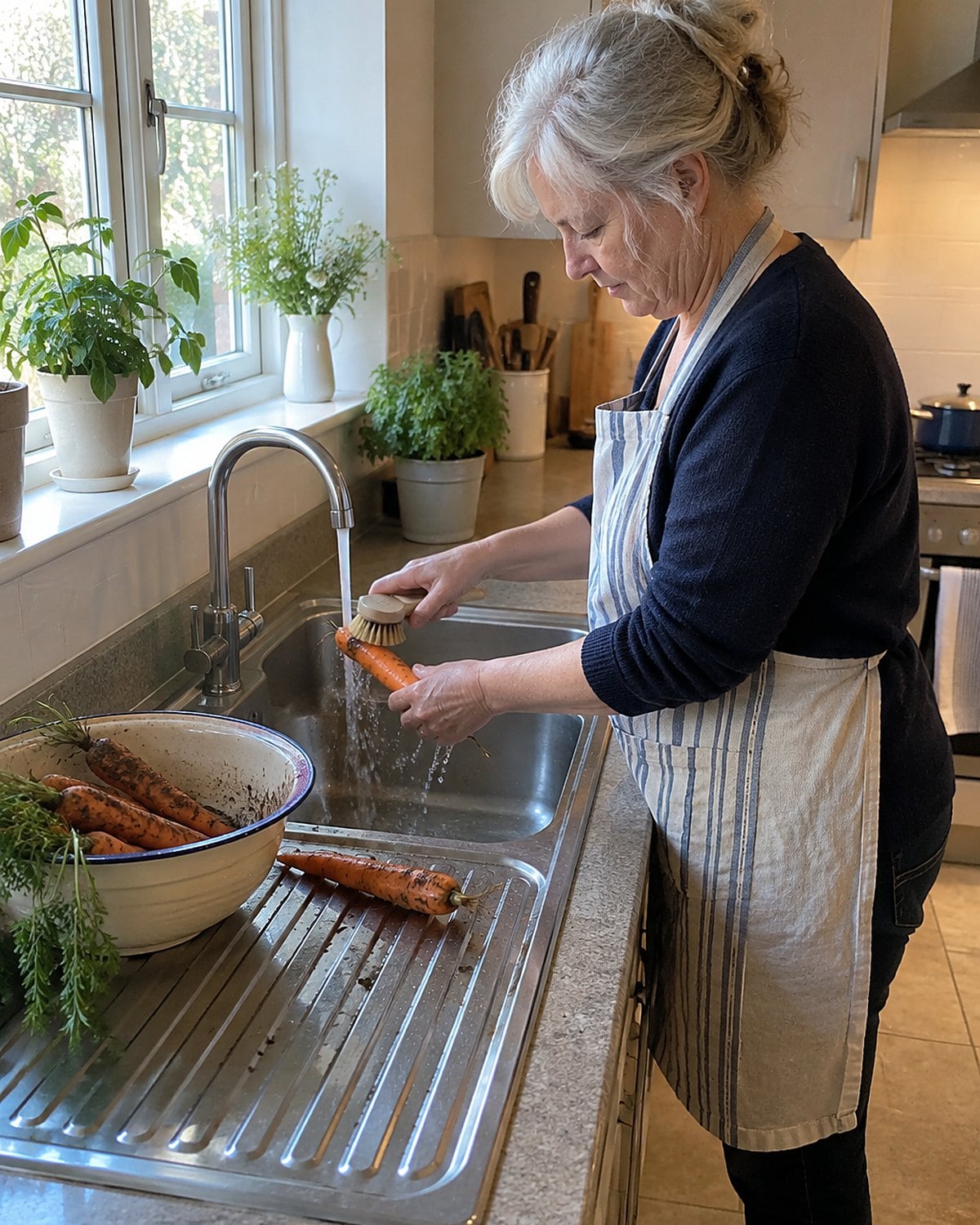
A whole carrot pulled from the soil looked ready to eat after a quick rub on your shirt. The gritty crunch at the end said otherwise. Dirt in the grooves doesn't come off because the orange skin looks bright.
Rinse carrots under running water and scrub them with a clean vegetable brush. The FDA's produce advice says to wash produce before peeling, too. The knife drags surface dirt through a carrot when you cut it first.
Dry the carrots before packing so they stay crisp rather than sitting in water at the bottom of a bag. If you cut them into sticks, use a clean knife and board. The crunch is worth keeping. The grit isn't.
#2 Frozen Pudding Pops in Waxed Paper
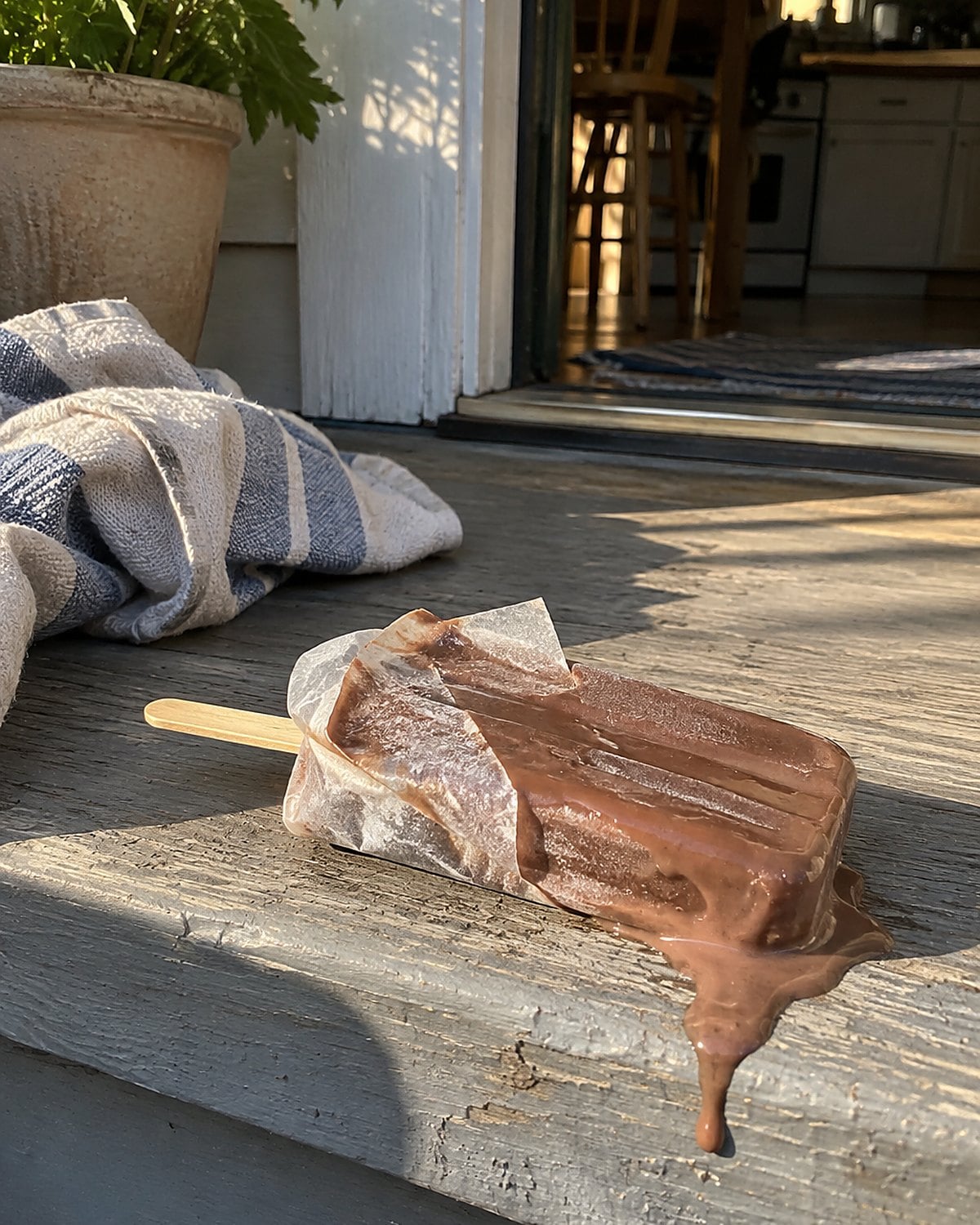
A homemade pudding pop left the freezer firm and arrived at school as a soft packet. Waxed paper caught the drips until it didn't. Whoever opened that lunchbox found chocolate on the spoon, the wrapper, and the corner of the box.
A frozen dessert isn't a cold source you should count on for the rest of lunch. It thaws while doing that job, and its temperature tells you little about the sandwich beside it. Pack perishable food with proper frozen cold sources instead.
Keep pudding pops for the porch after school. Pour cooled pudding into molds, freeze it until firm, and run the outside of the mold briefly under water to release a pop. If you're serving a small grandchild, sit together for the sticky part. This one was never built for a desk.
#1 The Uneaten Sandwich Sent Back Tomorrow
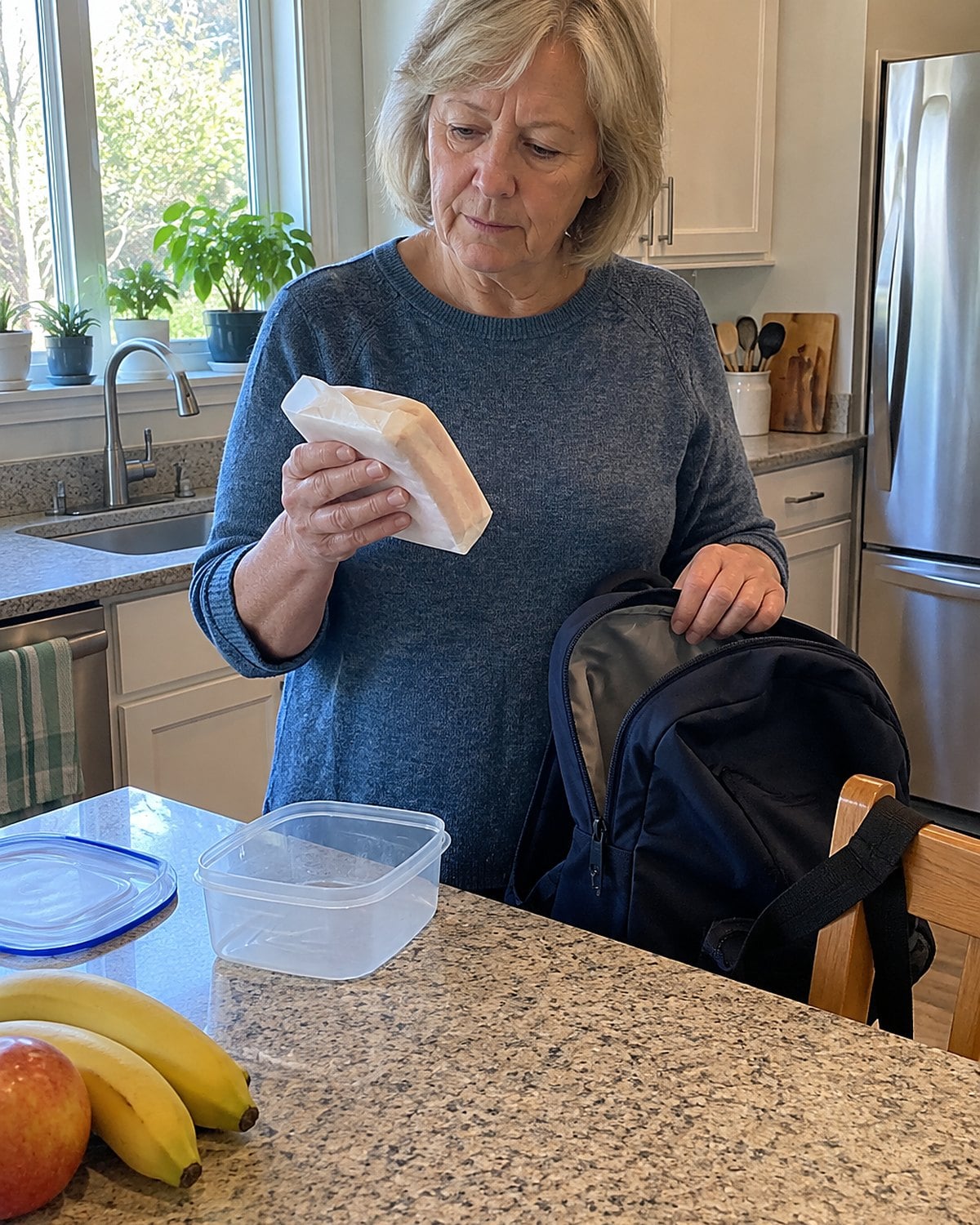
A sandwich came home untouched, so it went back out the next morning. The wrapper was still neat. From the doorway, nobody could tell where lunch had spent the hours between packing and coming home.
That is the lunchbox habit worth ending. If a perishable sandwich spent the day without dependable cold storage, discard it. A clean wrapper and a normal smell don't tell you what temperature the filling reached. Save tomorrow's lunch from the refrigerator, not from yesterday's bag.
Then ask why it came back. Was the bread soggy? Did lunch start too late? Was the filling something the child had already said they didn't like? The answer gives you a better change to make than wrapping the same sandwich twice.
Before bed, set out a clean container and put the cold sources in the freezer. In the morning, pack the new sandwich straight from the fridge. The USDA's school lunch advice is easier to follow when those pieces are ready.
One returned sandwich tells you more about tomorrow's lunch than an empty box ever did.
The bottom line
Those 1960s lunches were built around a sturdy box, food a child would eat, and a rushed morning. The weak point was the stretch between the refrigerator and the lunch bell.
You already know how much easier morning feels when the containers are clean, the cold sources are frozen, and the sandwich choice is settled. Keep the foods you loved; change how they travel.
What came home in your lunchbox that you'd still eat tonight, and what would you leave at the sink?
Leave a Reply