

The freezer drawer sticks, then gives way. Behind the ice tray sits half a bag of peas and a container of beans you forgot to label. There's dinner in there, though the register receipt won't tell you what that dinner costs until you count what goes into the pan.
These are dinner ideas to price at your store, not a list of verified 2026 bargains. No store or location was used to collect the prices. For each supper, add the cost of the portions used, including oil and seasoning, then divide by two. Under $3 a plate means under $6 for dinner.
#24 The freezer bag of loose vegetables
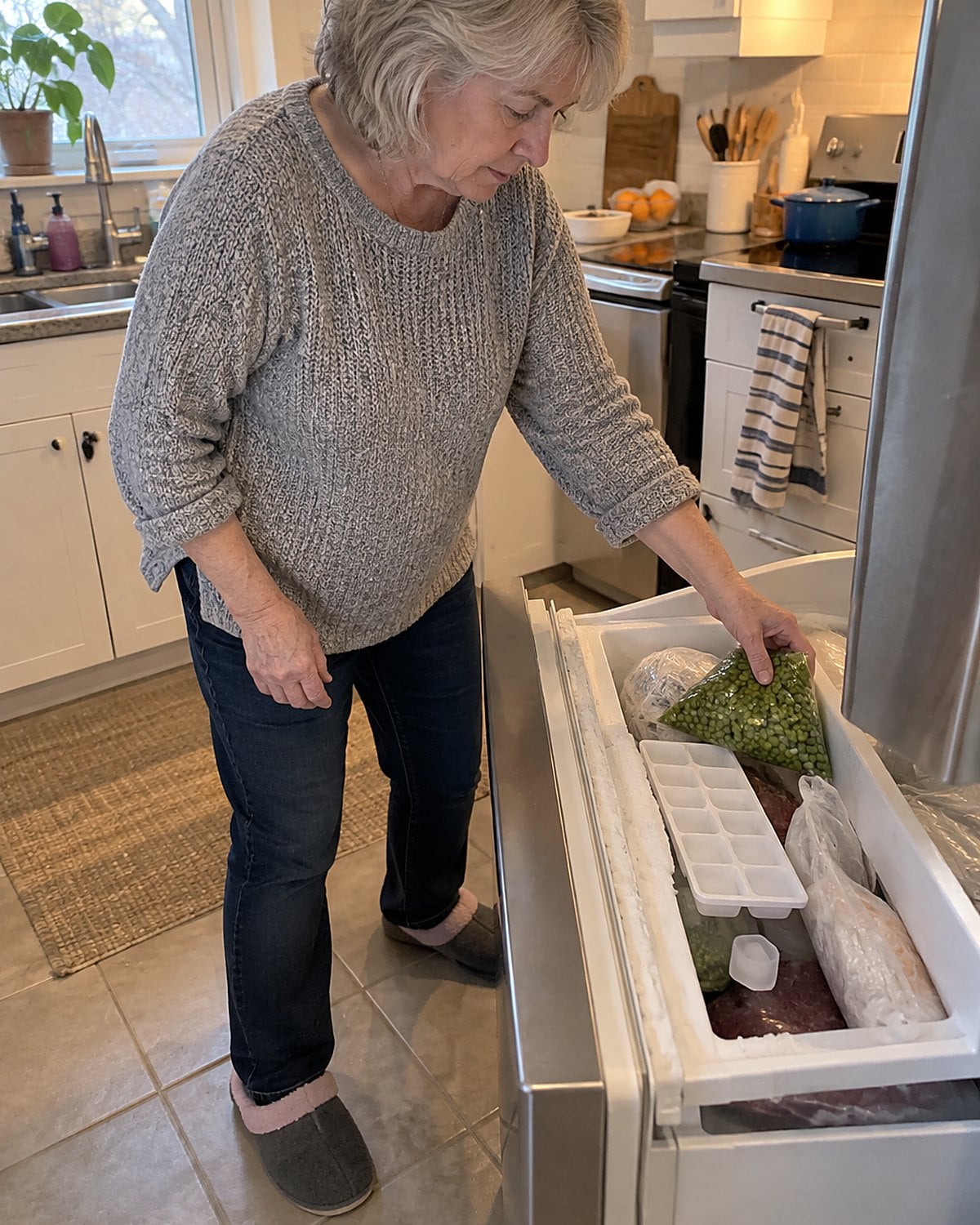
That half-used bag of peas is easier to spend than a fresh bunch of anything. For two plates, put about 2 cups of frozen vegetables into a hot skillet with a little oil. Cover them until the ice has melted, then uncover the pan.
Let the water cook away before adding cooked beans or 2 eggs. If the vegetables leave a puddle, keep the lid off. You want the pan to hiss again before you sit down.
Count the vegetables, half a can of beans, eggs, oil, and seasoning from your receipt. If the total reaches $6, reduce the portion or pick a different supper. Fold the opened bag tight before returning it to the freezer.
Try it: How To Cook Frozen Peas In An Instant Pot
#23 The market bin of loose carrots
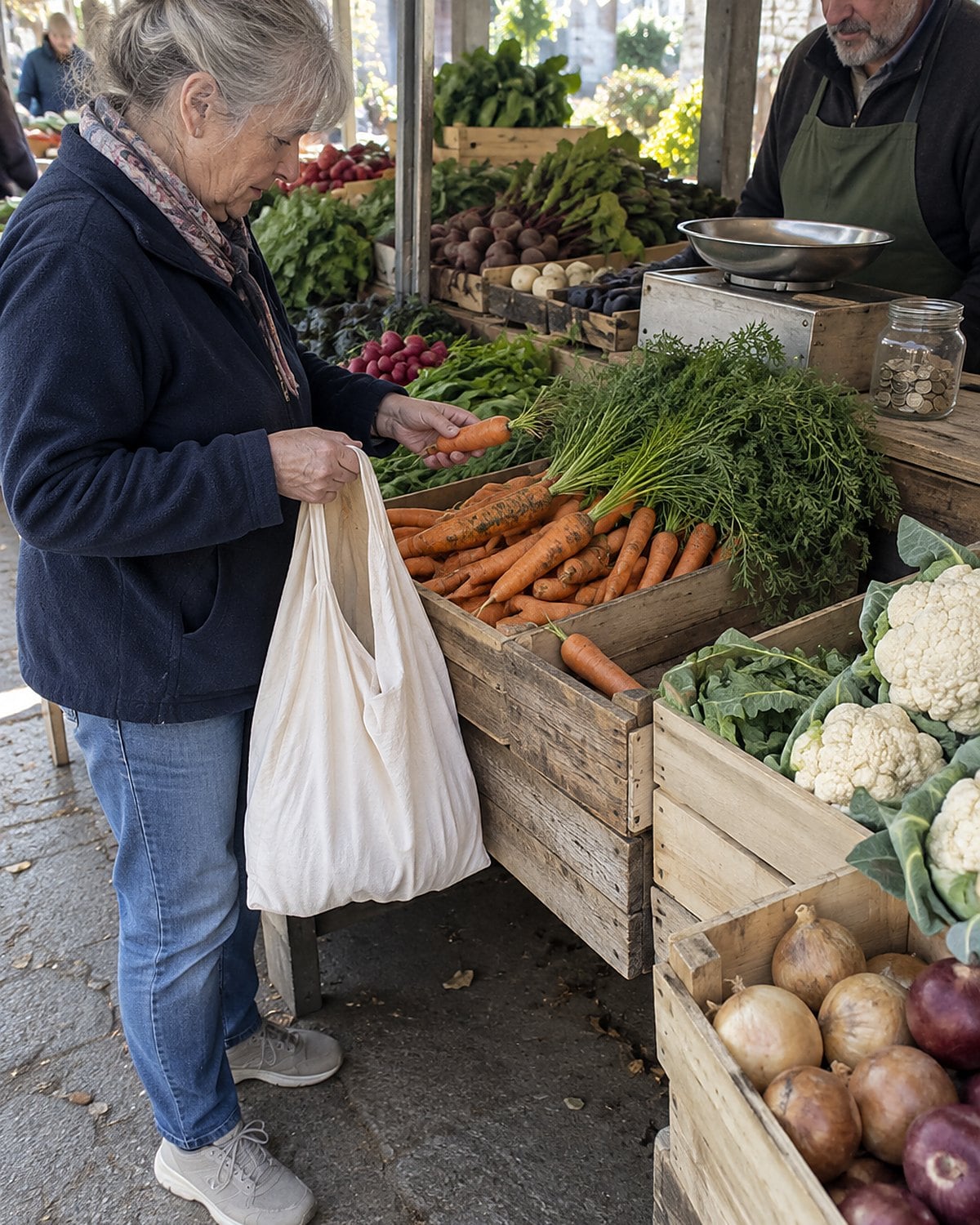
At the market, the bag of carrots looks like the sensible buy. The loose bin deserves a second look when only two people are eating. How many carrots will reach the pan before the rest go limp in the drawer?
Try a carrot and chickpea skillet. Cut about 3 carrots into thin coins and cook them covered with a splash of water. Once a knife tip goes through, remove the lid and let the edges brown.
Add a drained can of chickpeas, oil, salt, and whatever warm spice you already use. Spoon it over rice.
Compare the cost of those 3 carrots with the bag price. Then count the chickpeas, rice, oil, and spice. A cheap bag loses its advantage when half of it stays in the crisper.
#22 The potato and onion skillet
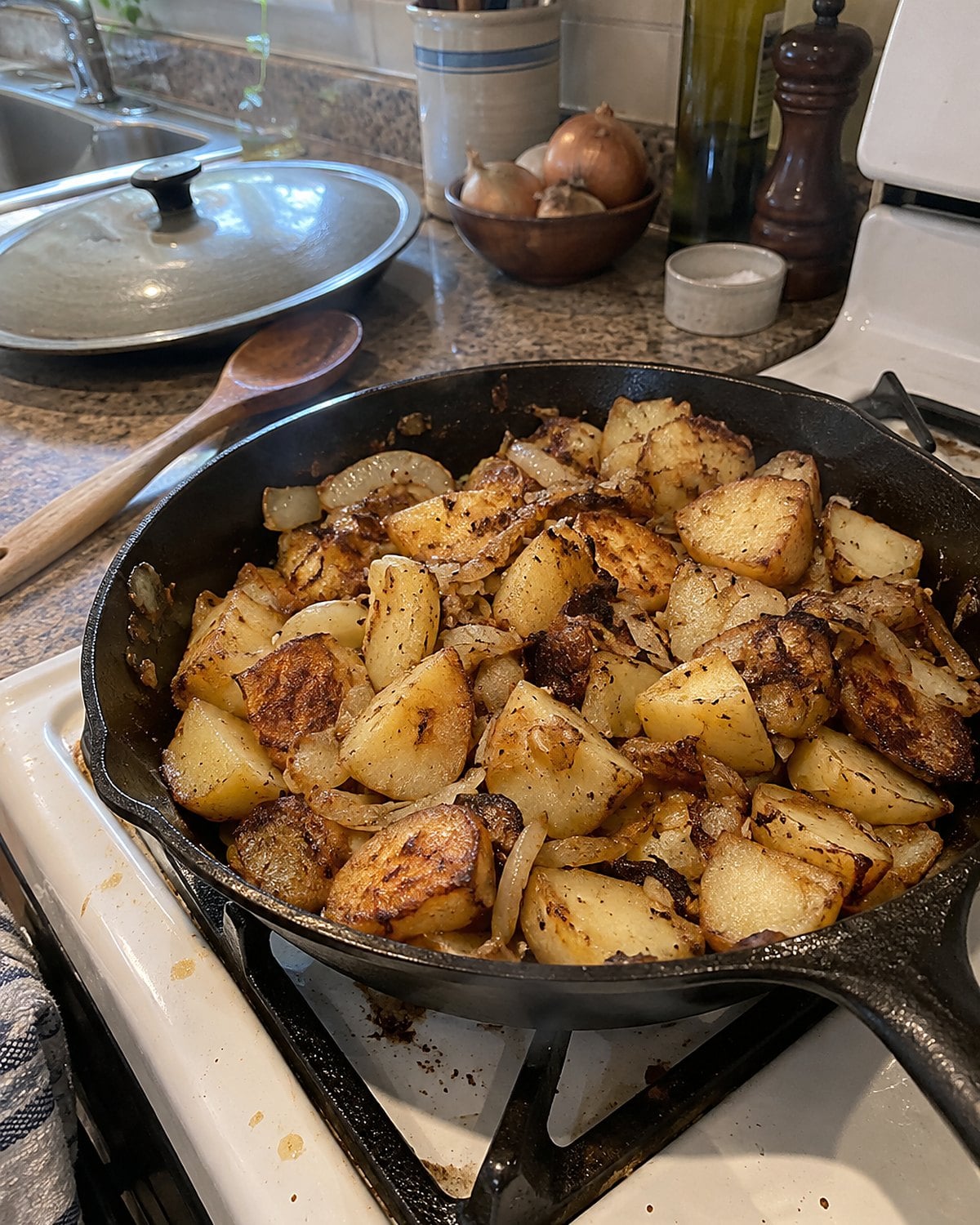
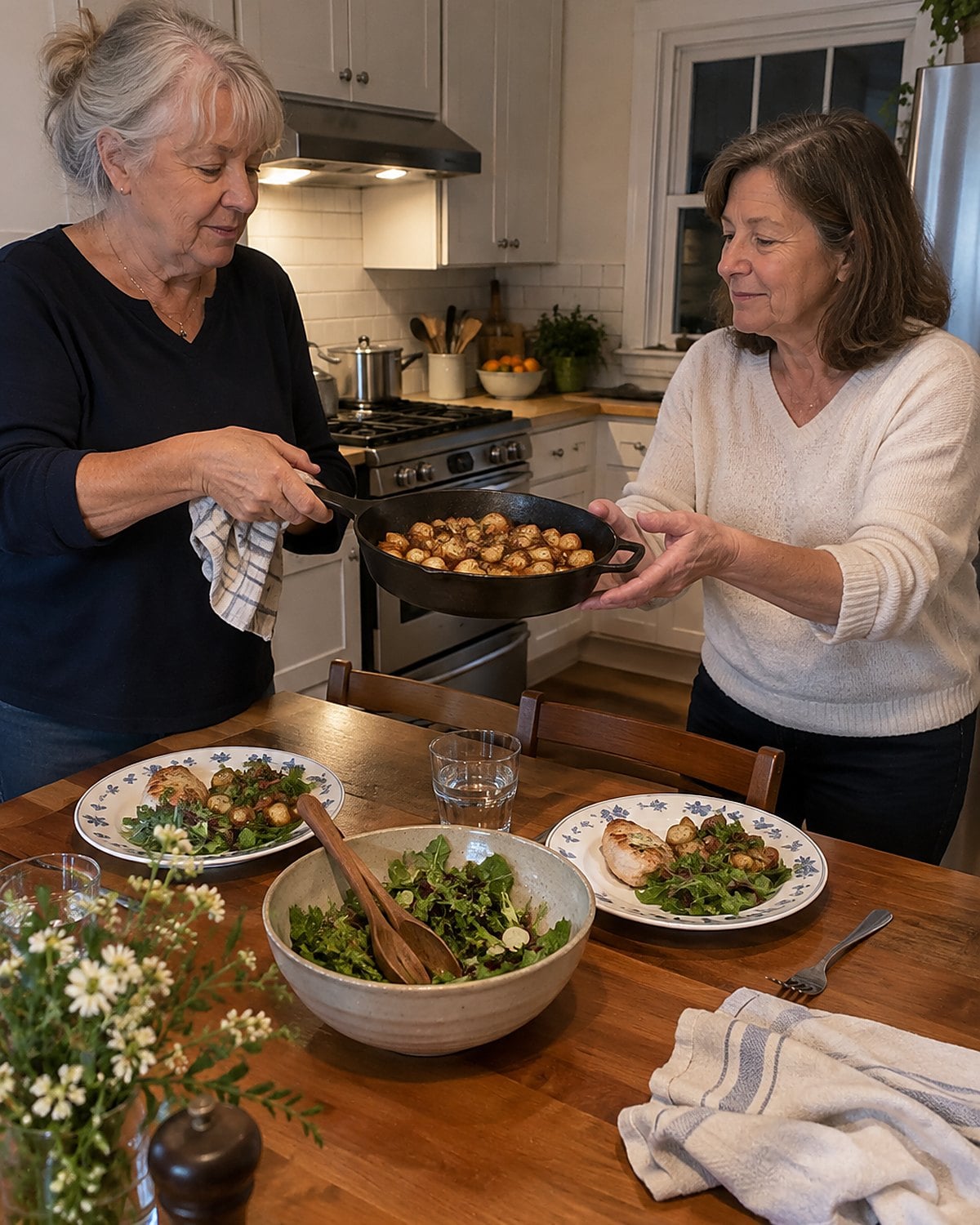
You know the sound: potatoes hit the pan, you reach for a lid, and twenty minutes later they're pale. The lid cooks them through, but it traps the steam that stops the edges from browning.
For supper, cut about a pound of potatoes into small pieces. Start them with a sliced onion, a little oil, and a splash of water. Cover the skillet until a knife tip meets little resistance.
Then take the lid off and leave the potatoes alone long enough to form a crust. Add 2 eggs near the end, or serve the skillet with half a can of warmed beans.
The pan tells you when it's ready to turn: the potatoes release more easily once a crust forms. Don't fight each piece with the spatula. For the price, count the eggs or beans you actually used, not both.
#21 The can of tomatoes beside the stove
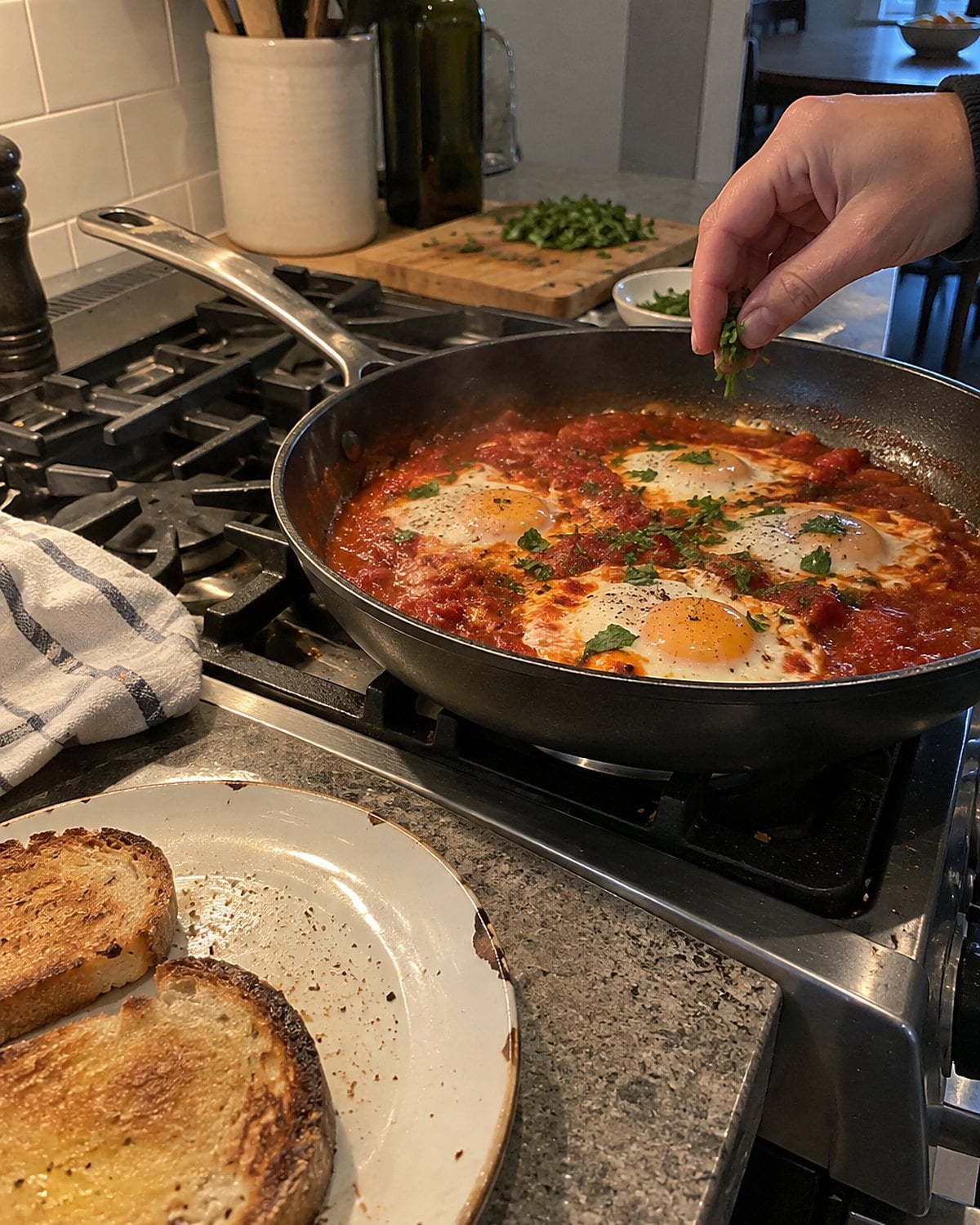
A can of tomatoes looks like a sauce, but supper needs something alongside it. Warm one can with garlic, a little oil, and a pinch of salt. Crack 4 eggs into shallow hollows, cover the pan, and cook until the whites have set.
Put toast on the plates to catch the sauce. This is the dinner for a night when the bread is already open and washing another pot feels unreasonable.
Taste the tomatoes before the eggs go in. If the sauce tastes sharp, give it more time over the heat rather than burying it under sugar.
Count the can, 4 eggs, 4 slices of bread, garlic, oil, and seasoning. Check the egg price first; it's the line most likely to change your answer.
#20 The eggs left after breakfast
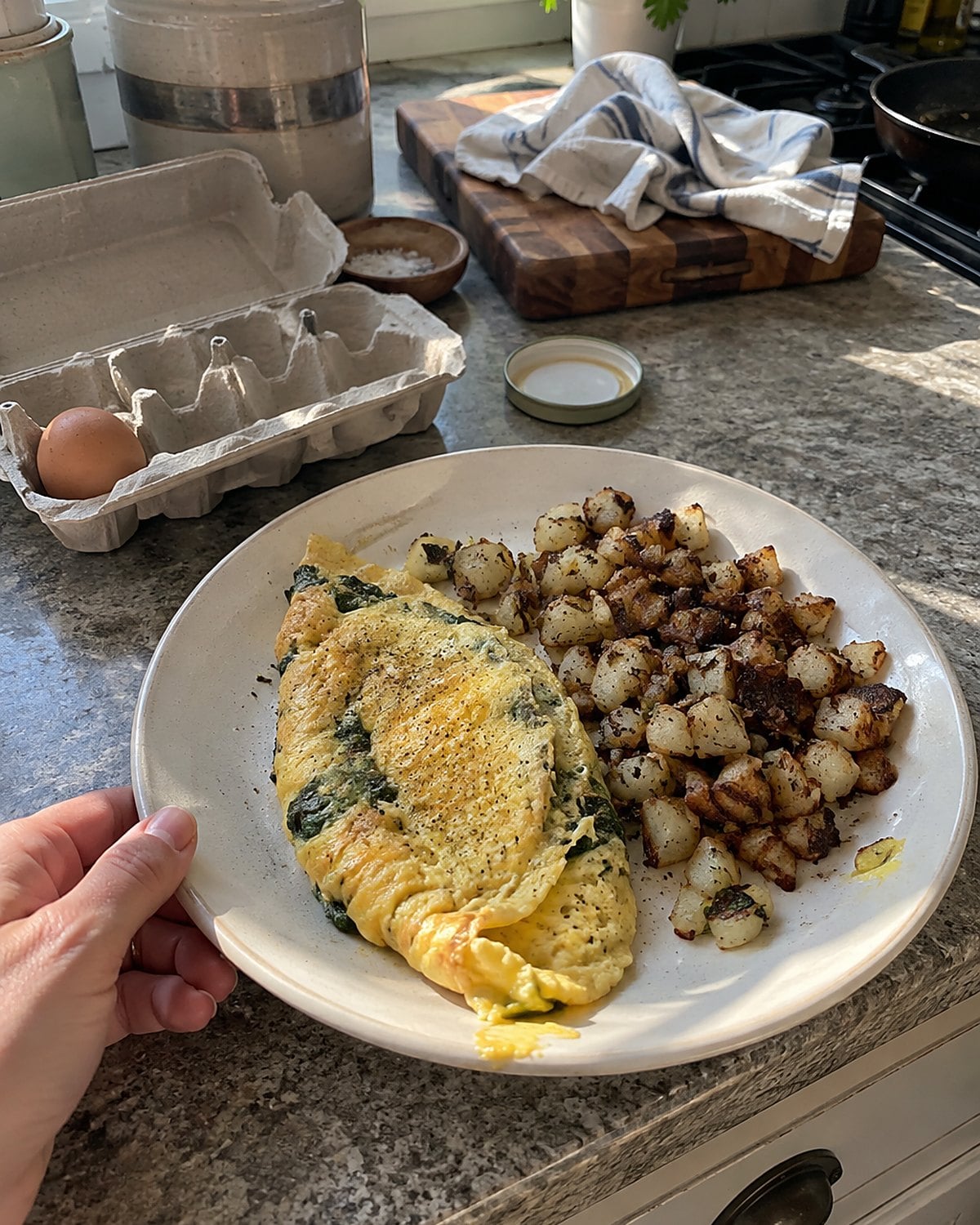
An omelet stops feeling like a make-do dinner when you put potatoes on the plate. Roast or skillet-cook about a pound of potatoes, then fold a little grated cheese and any cooked vegetables into 4 eggs.
Serve half the eggs to each person, with the potatoes alongside. Don't pour raw eggs over a heap of cold vegetables. Warm the vegetables first and let extra moisture cook off. Otherwise, the eggs set at the edges while the middle stays wet.
A wide pan helps, but the pause over heat does more work than the pan. For the cost check, count the cheese you grated, not the whole bag you bought last week.
#19 The cabbage wedge in the crisper
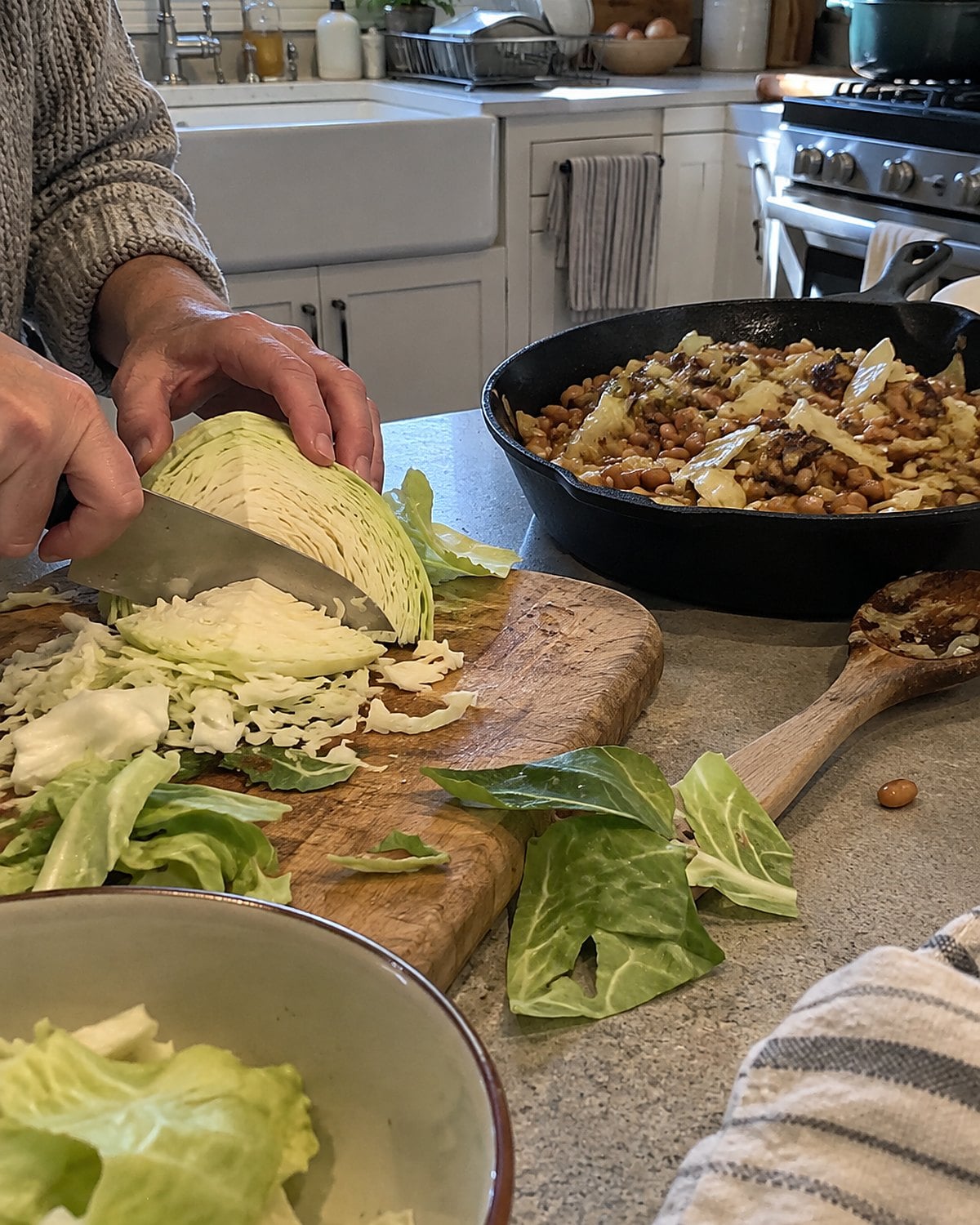
A cabbage doesn't ask you to use it all tonight. Cut off a wedge for a skillet and wrap the rest for another meal. Cook sliced cabbage with onion until the edges brown, then stir in a can of drained white beans.
Mustard or vinegar at the end wakes up the whole pan.
Give the cabbage room. Packed into a small skillet, it releases water and steams. Work in batches if that's the pan you've got, then bring everything together with the beans. Taste after adding the mustard; it brings salt as well as sharpness.
Half a small cabbage belongs in tonight's calculation. The other half hasn't vanished; give it a place in another dinner before it gets pushed behind the milk.
#18 The rice bowl with a fried egg
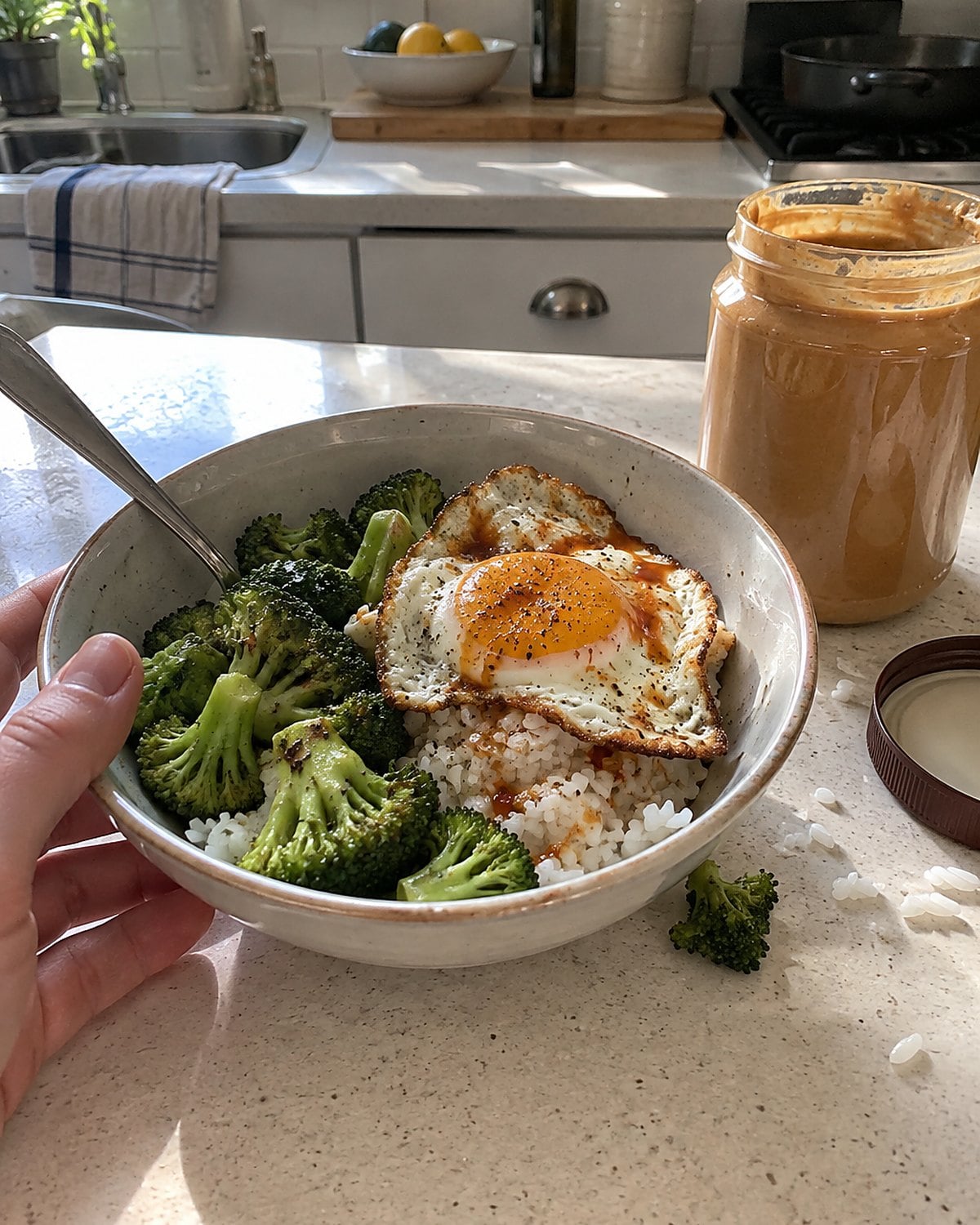
Rice gives you a full plate for little money, but the topping has to carry dinner. Start with about 1 cup of dry rice for two generous bowls. Add cooked frozen broccoli, a fried egg to each bowl, and a spoonful of peanut butter loosened with hot water and soy sauce.
Whisk the sauce in a cup before it touches the rice. Peanut butter dropped straight onto a hot bowl sits in stubborn clumps. Taste before adding more soy sauce, especially if the broccoli already has seasoning on it.
Now price the cup of rice, 2 eggs, broccoli, peanut butter, soy sauce, and oil. Want a second egg apiece? Add both eggs to the total before you divide. The bag of rice cost more than tonight's scoop.
#17 The lentil soup pot
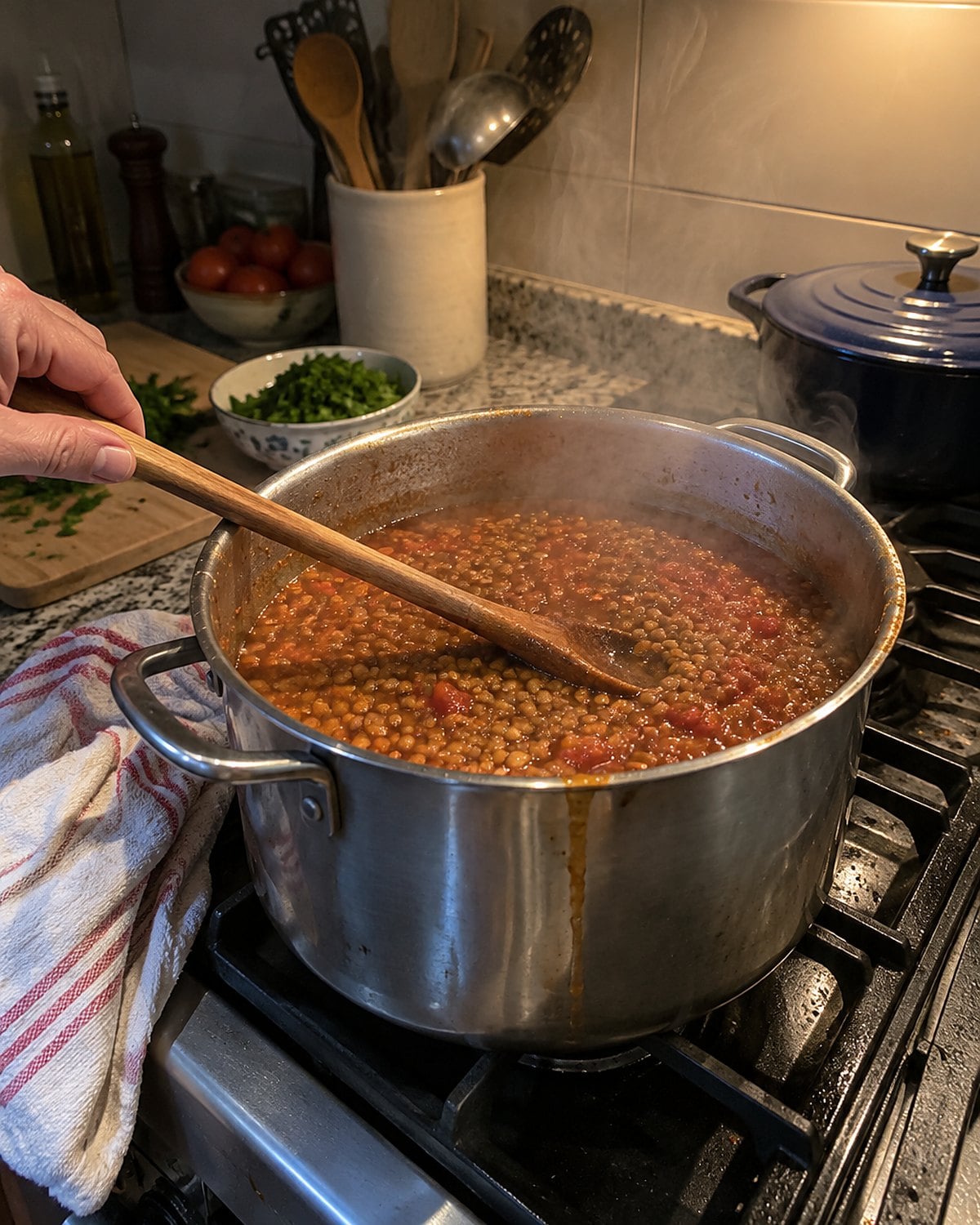
Dry lentils give you a fast answer to the question at the pantry door. Unlike dry kidney beans, they don't need an overnight soak. Rinse about 1 cup of lentils and look through them for small stones.
Cook them with onion, carrots, water, and a can of tomatoes until the lentils are tender. Keep vinegar and lemon out until then. At the finish, you get to decide how bright the soup tastes.
Stir in a handful of frozen spinach near the end and serve with toast. If the soup has thickened too far, add water and taste again for salt.
Price the lentils, vegetables, tomatoes, spinach, bread, oil, and seasoning used. The full dry bag doesn't belong on tonight's bill. Its remaining lentils are still on the shelf.
Try it: Low-Calorie Instant Pot Lentil Soup (Vegan, Gluten-Free)
 You might also like27 Things That Were Always on the Table in the 1960s and Never Are Now
#16 The spaghetti with white beans
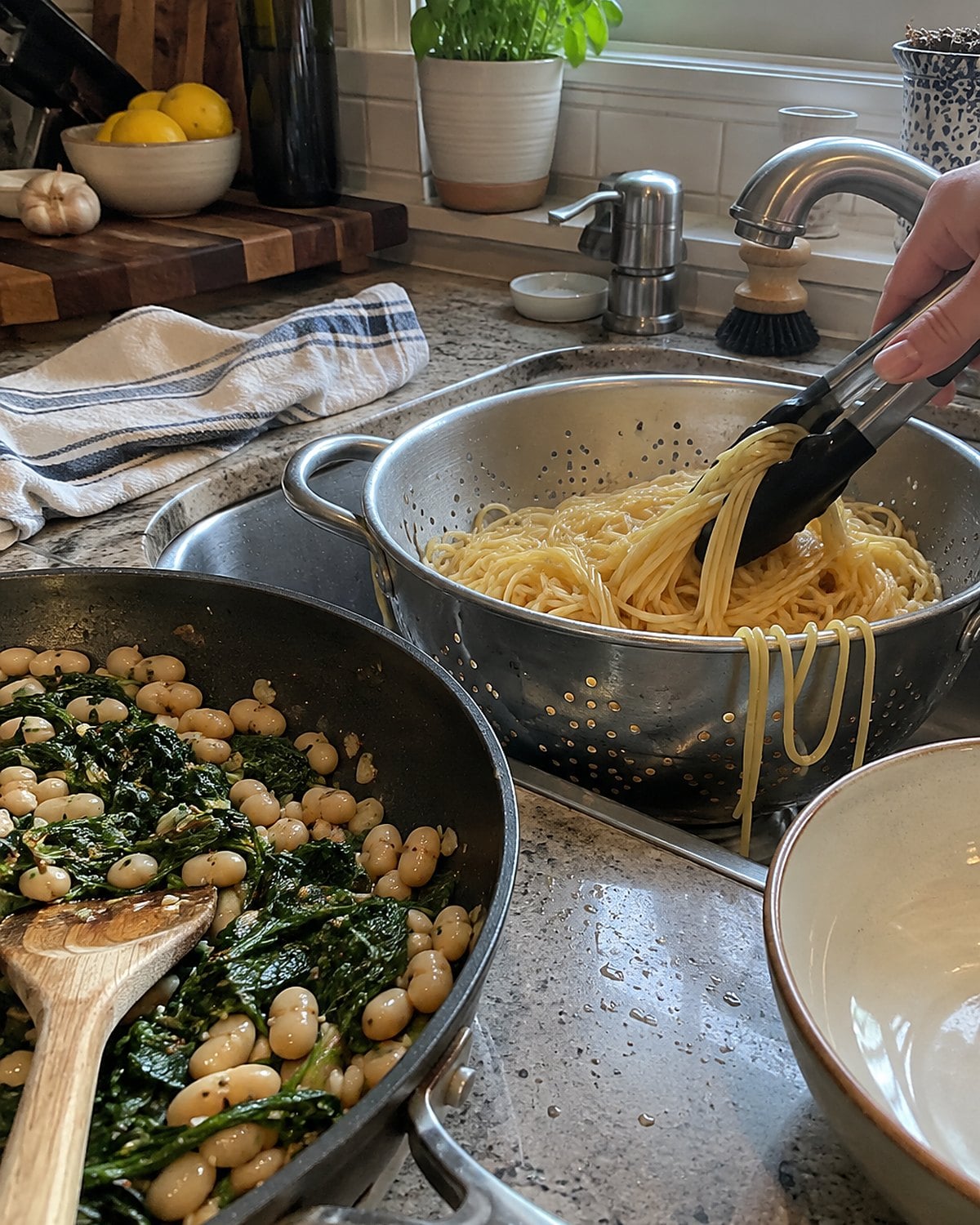
Pasta night doesn't have to hinge on meat sauce. Cook about half a pound of spaghetti. While it boils, warm a can of drained white beans in oil with garlic and a little pasta water.
Add the spaghetti and a handful of greens, then toss until the water and oil coat the strands. That saved pasta water matters. Plain oil slides to the bottom of the bowl; the starchy water helps it cling.
Add a splash at a time, not a mugful at once. Finish with a little grated hard cheese if it's in the fridge, and taste before you reach for the salt.
Check pasta, beans, greens, garlic, oil, and cheese against what you paid. Count the cheese you grated. The strands should look coated, with no pool of oil at the bottom.
#15 The frozen broccoli still in the bag
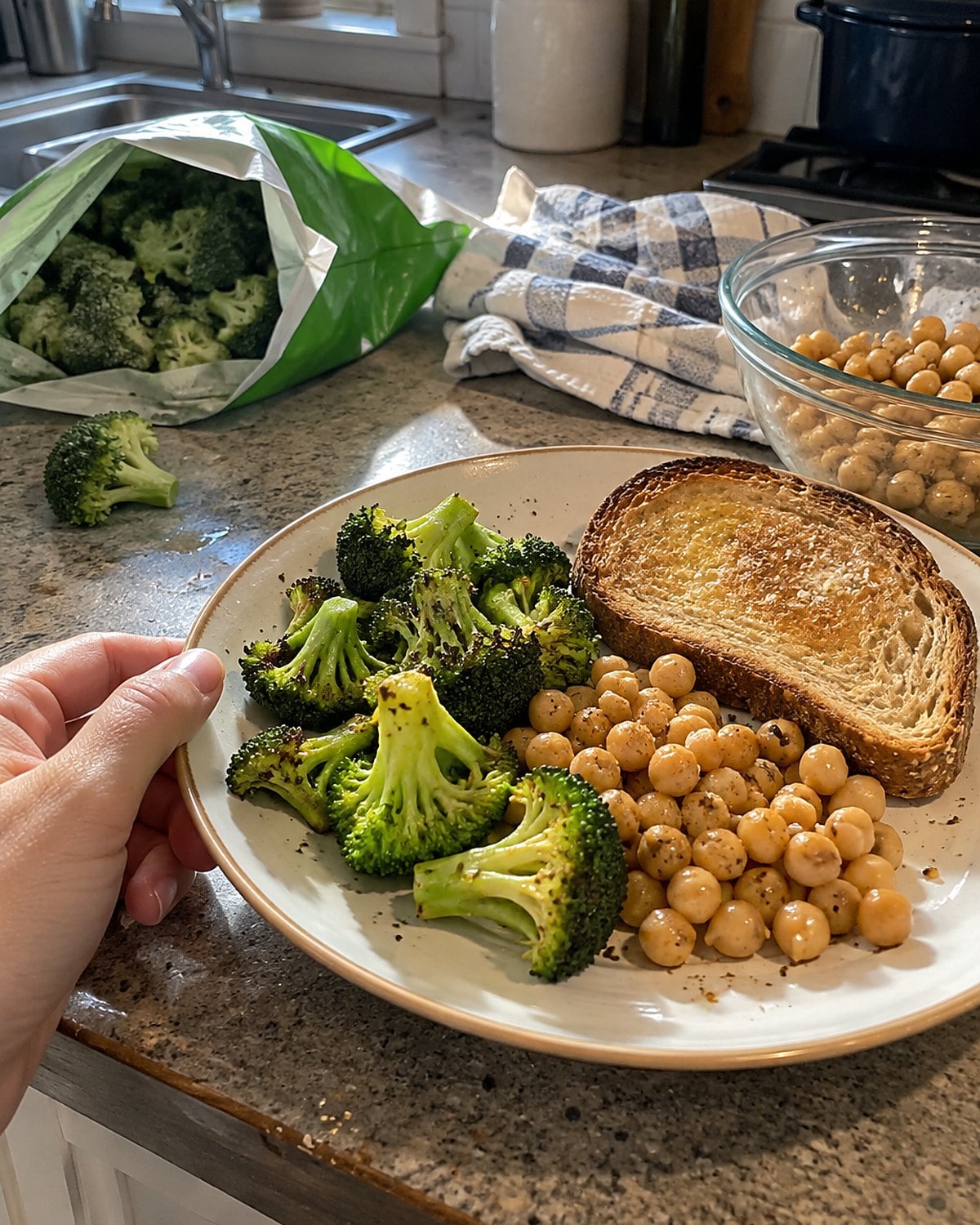
The last third of a broccoli bag is enough to start dinner. Cook it in a skillet until it's hot, then uncover the pan and let the water evaporate.
Add a can of drained chickpeas and toss both with oil, garlic, and a squeeze of lemon. Pile it onto toast.
Watch the broccoli after the lid comes off. When the skillet starts to sizzle again, the water is gone and the edges are ready to brown. That's the point to add more oil if the pan looks dry.
Season after the chickpeas go in so you taste the finished mix, not the broccoli alone. For the bill, write down how much broccoli you used. “The rest of the bag” is a hard number to recover next week.
#14 The chickpea skillet with warm spices
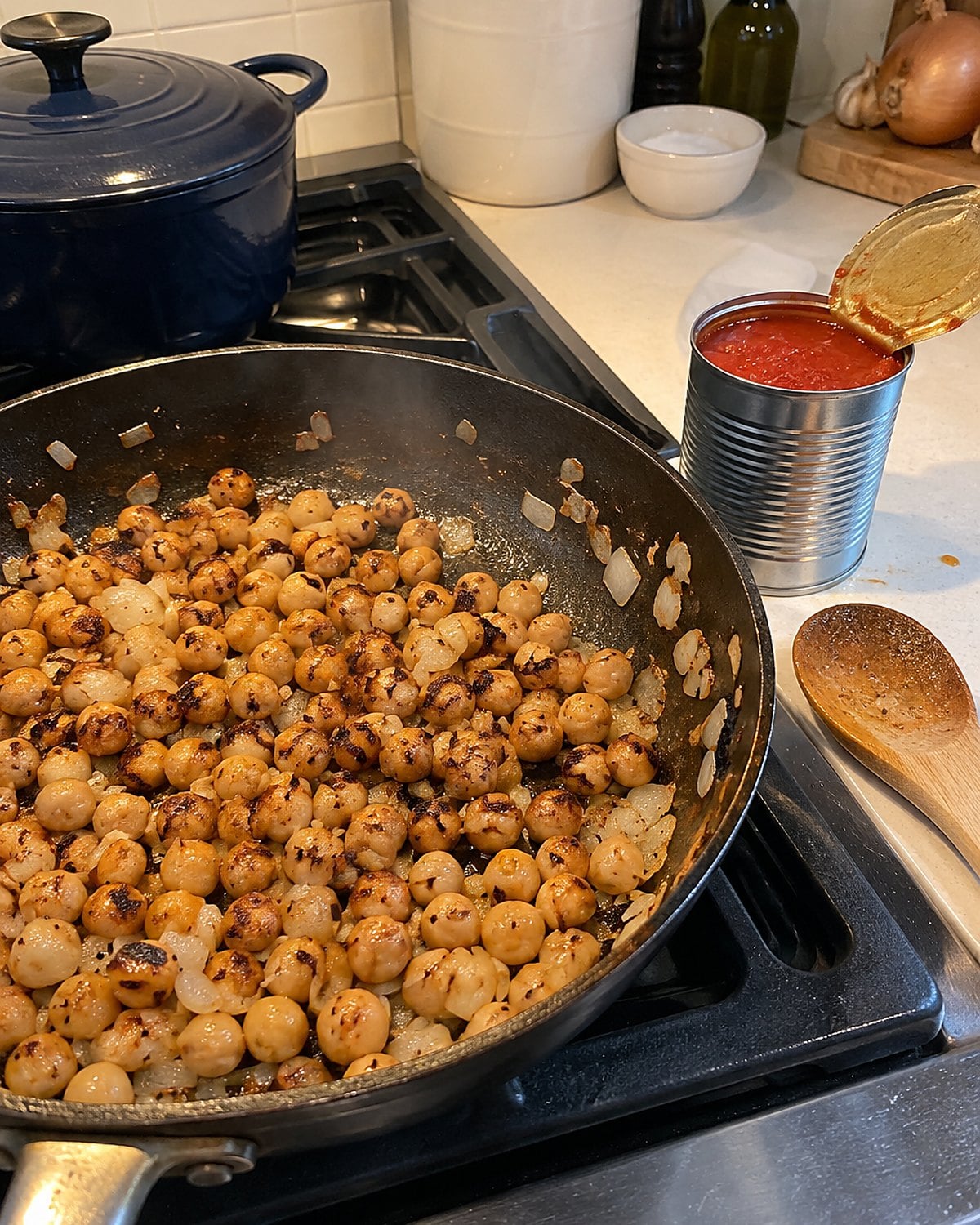
A can of chickpeas waits patiently on the shelf. Dinner starts when you drain it well enough to hear it sizzle in the skillet. Cook sliced onion first, add the chickpeas, then sprinkle in cumin or paprika.
Stir in chopped tomatoes and let their juices thicken. Serve over rice.
The order gives the onion time to brown before the tomatoes make the pan wet. If everything goes in together, you get tender onions, but you lose those browned edges. Taste a chickpea before serving. It should taste seasoned all the way through, not just coated in sauce.
For two plates, use a can of chickpeas, an onion, part of a can of tomatoes, and about 1 cup of dry rice. Count the tomatoes you used. Put the remainder in a covered container in the fridge.
#13 The cornmeal under the skillet lid
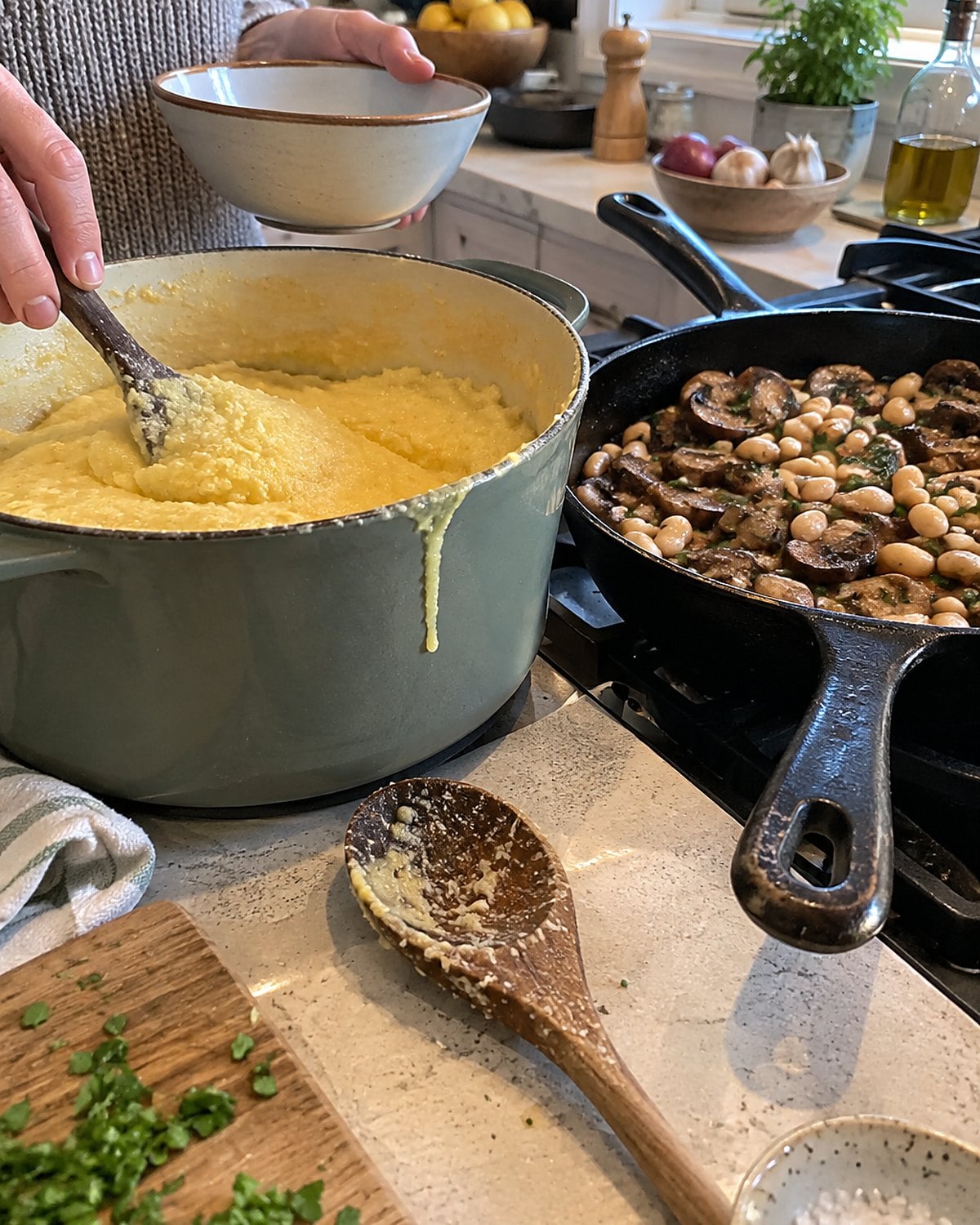
Cornmeal deserves a turn at supper. Cook it in water with salt until it loses its raw, gritty taste. Spoon the warm cornmeal into bowls and top it with mushrooms and white beans cooked in a skillet.
A little oil carries the mushroom flavor through the beans. Stir the cornmeal as it thickens, and turn the heat down when it starts to spit. There's no prize for standing over a pot that's sending hot bubbles at your wrist.
If it tightens before the topping is ready, stir in more hot water. Price about 1 cup of dry cornmeal, a package of mushrooms, a can of beans, oil, and seasoning. Check the mushrooms first; browned onions make another topping if their price breaks your limit.
#12 The tofu cubes in the hot pan
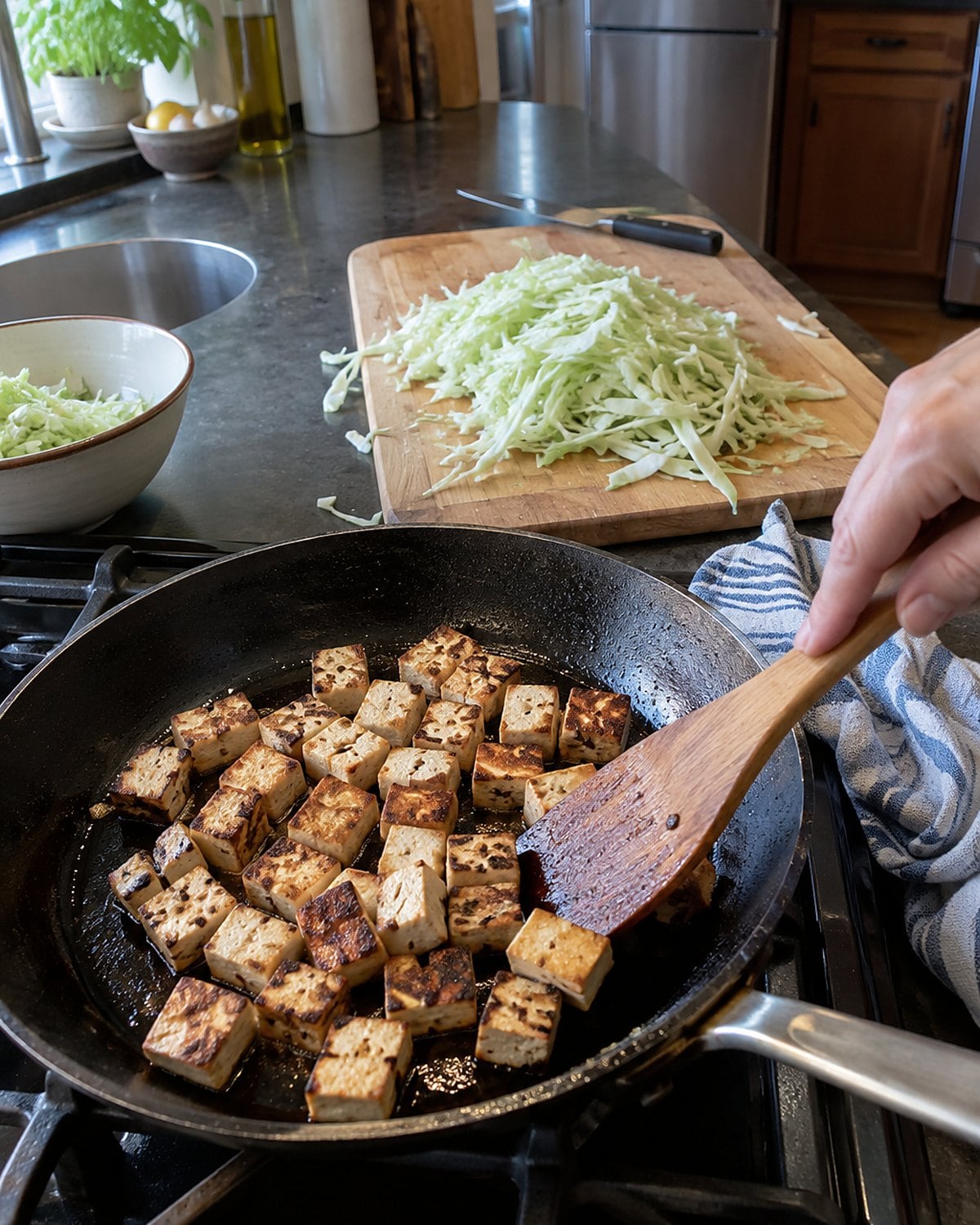
Tofu wants a dry surface and enough space to brown. Pat a block dry, cut it into cubes, and put it in a hot, lightly oiled skillet. Wait until the first side releases before turning the pieces.
Toss with cooked cabbage and a little soy sauce, then serve over rice. Don't add the soy sauce at the start. It wets the tofu and darkens in the pan before the cubes have browned.
Add it near the end and taste the cabbage, too. That's where much of the seasoning will land.
Check the block price while it's in your hand. Add the cabbage wedge, rice, oil, and soy sauce before you decide whether the dinner clears $6.
Try it: Air Fryer Salt & Pepper Crispy Tofu
#11 The bean tostadas on a sheet pan
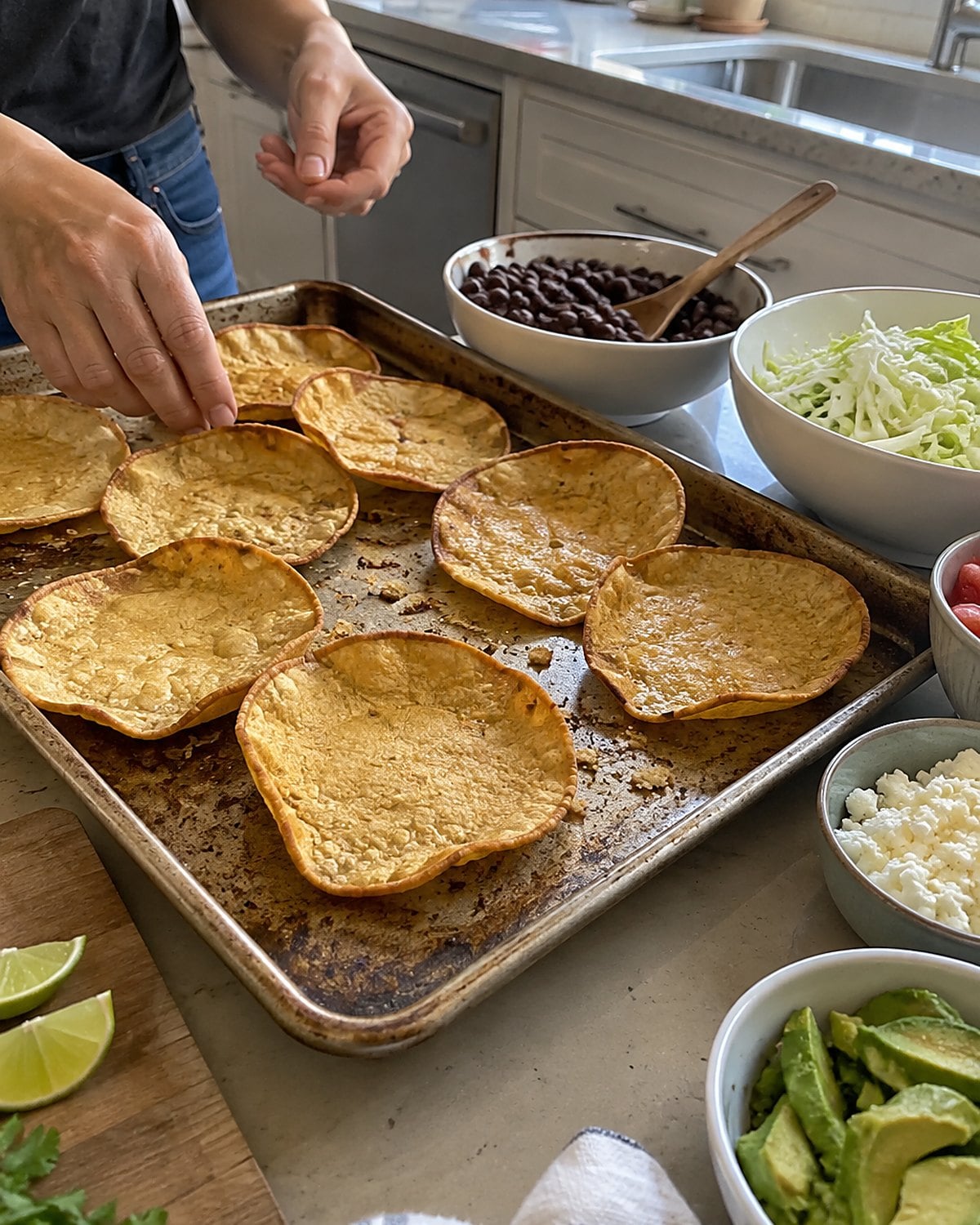
Two crisp tortillas under warm beans feel like a different dinner from beans in a bowl. Brush corn tortillas with a little oil and heat them on a sheet pan until crisp.
Warm mashed black beans with onion, then spoon them on top. Add shredded cabbage and a bit of cheese. Build them at the counter and eat them soon after. Beans left sitting on a crisp tortilla turn it soft.
If a grandchild is joining you, put the cabbage beside the tostada and let them add it. For two adult plates, count 2 tortillas each, plus beans, onion, cabbage, cheese, and oil. Extra diners need extra food in the calculation.
#10 The sardine tin by the pasta pot
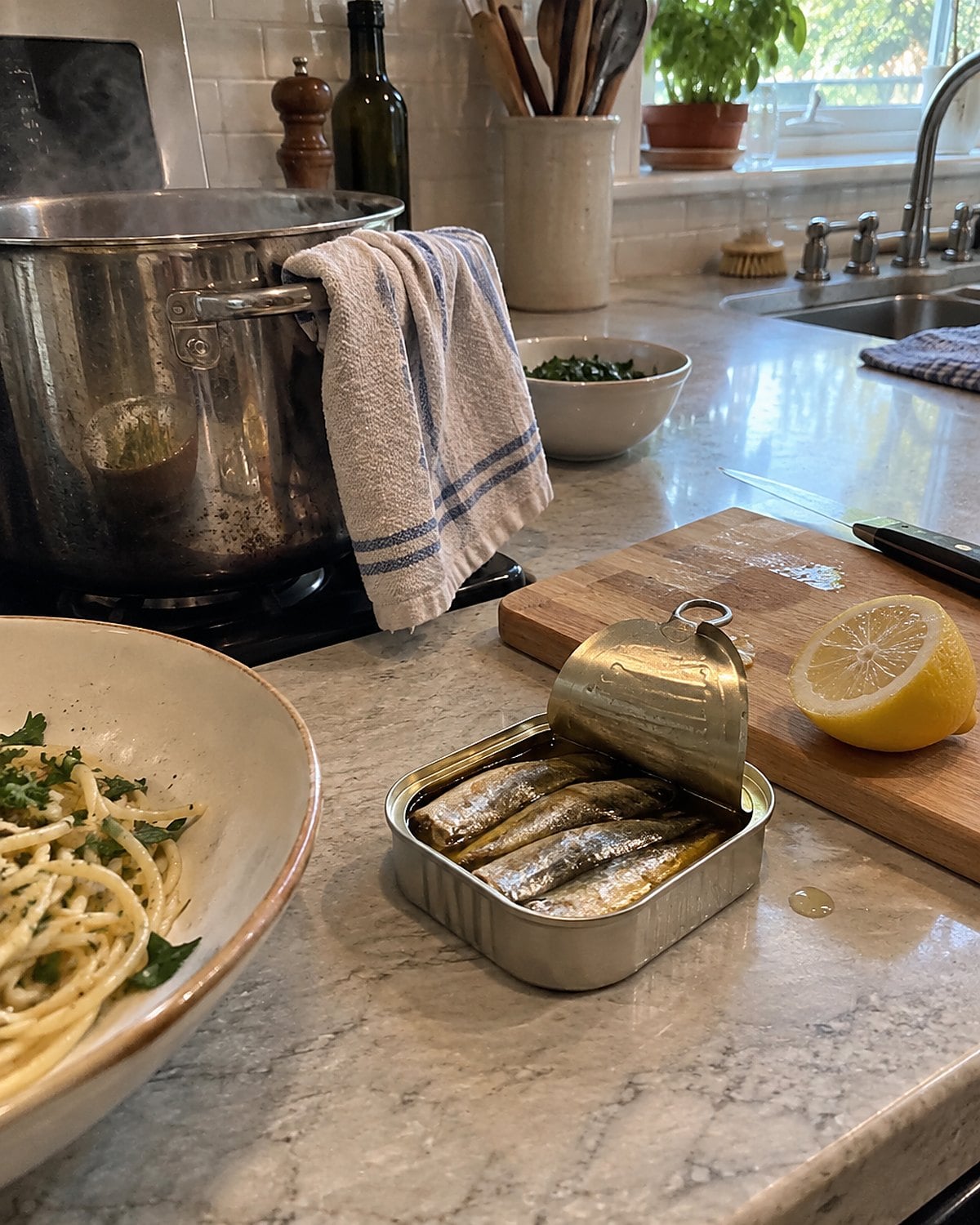
Do you like sardines? If you do, a tin turns pantry pasta into supper without a trip to the store. Cook about half a pound of pasta.
Warm garlic and a pinch of chili flakes in oil, add drained sardines, and break them into the pan. Toss with pasta and lemon. Keep the heat low once the fish goes in. You want it warmed through and spread across the pasta, not cooked down to dry crumbs.
Taste before salting. The tin has already done some of that work.
The tin price decides whether this dinner qualifies at your store. Read it before buying several for the pantry. If you don't enjoy sardines, the white bean pasta above gives you another route.
#9 The chicken thighs on sale
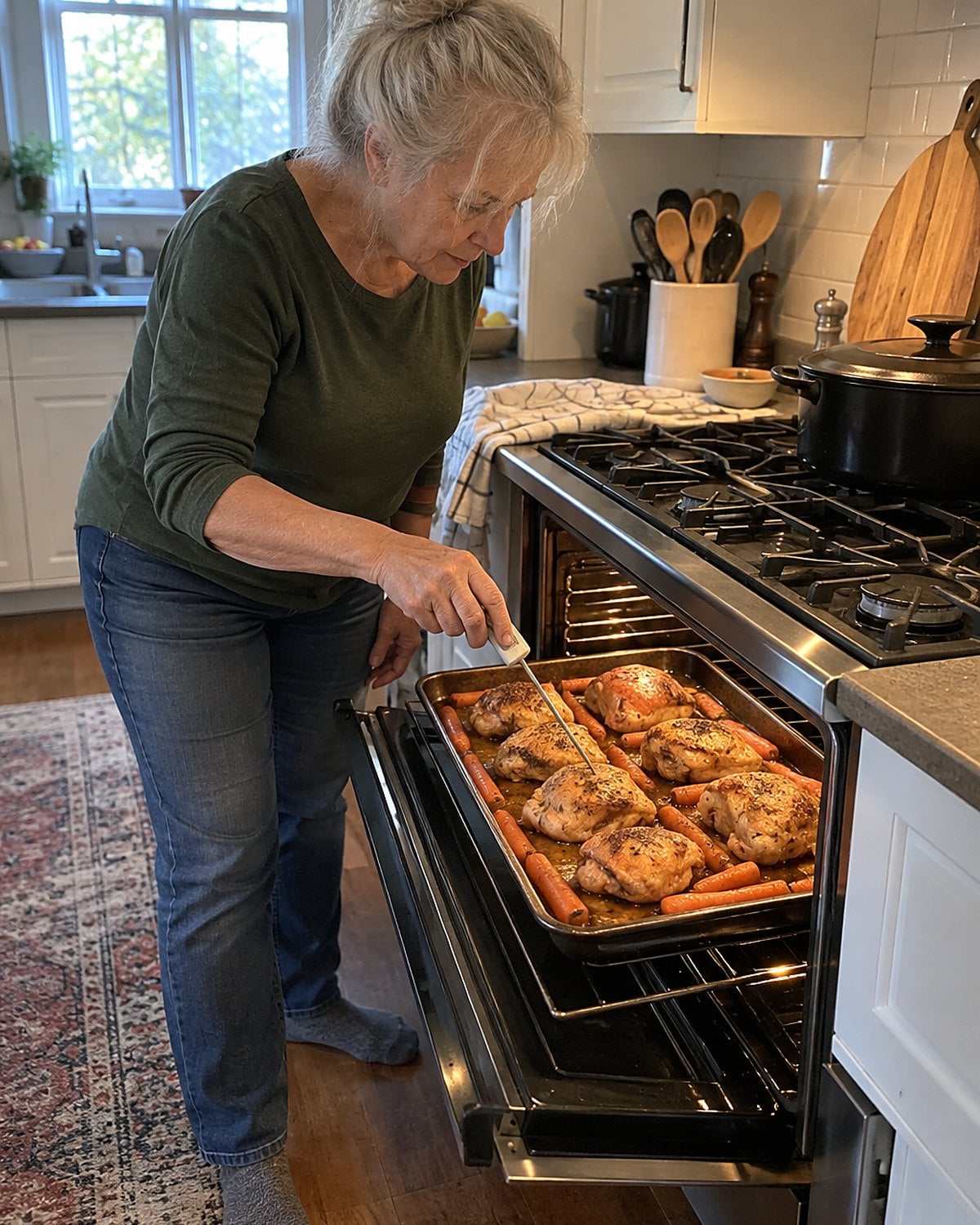
Chicken thighs get called cheap so often that it's tempting to stop doing the math. Don't. At the meat case, read the package's total price, not only the price per pound. You need enough chicken for two plates, plus potatoes, carrots, oil, and seasoning.
If those additions put dinner at $6 or more, choose another supper tonight.
Roast the vegetables first if they're cut large; add the chicken in time for everything to finish together. Push a thermometer into the thickest part of each thigh, away from the pan. The USDA Food Safety and Inspection Service gives 165°F as poultry's safe minimum internal temperature. Browning tells you what happened outside, not at the center.
A boneless thigh package also saves the question of how much weight is bone. Still, compare the total on the label with the meat you plan to serve. A sale sign doesn't do that arithmetic for you.
 You might also like27 Things People Over 60 Still Do With Leftovers That Food-Safety Experts Beg Them to Stop
#8 The ground turkey in tomato sauce
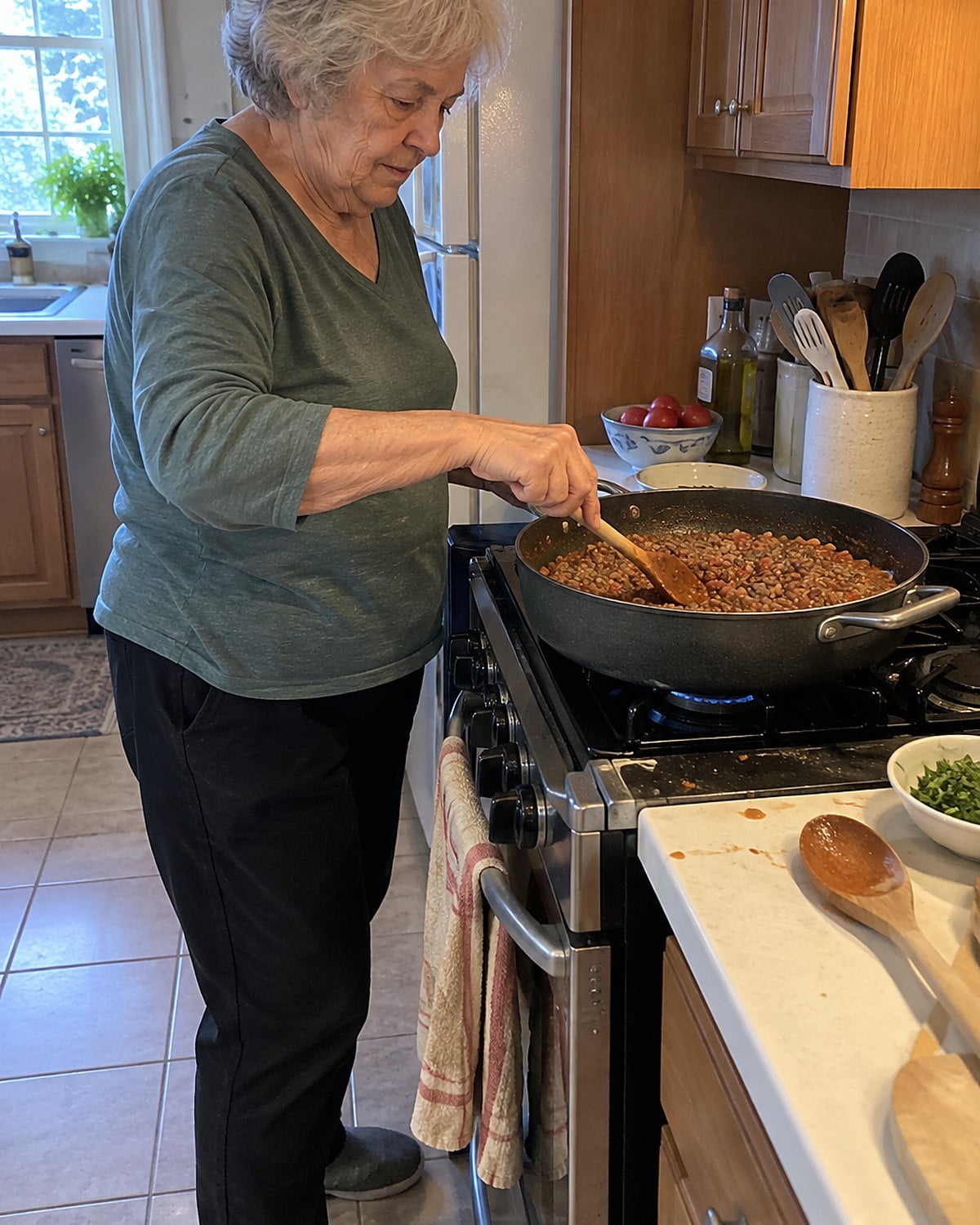
A small package of ground turkey goes further when it joins lentils in tomato sauce. Cook the turkey in a skillet, breaking it into clumps.
Use a thermometer to check the ground turkey reaches 165°F, the USDA Food Safety and Inspection Service minimum for ground poultry. Then add cooked lentils and canned tomatoes, and let the sauce thicken. Spoon it over pasta.
Give the lentils a moment in the sauce before serving. They take up its seasoning and make the mixture feel like one supper, rather than leftovers stirred together at the last second.
If the sauce is thin, simmer it uncovered. More pasta won't fix a watery topping. Price the turkey portion first, then count the lentils, tomatoes, pasta, oil, and seasoning.
#7 The baked potato with beans
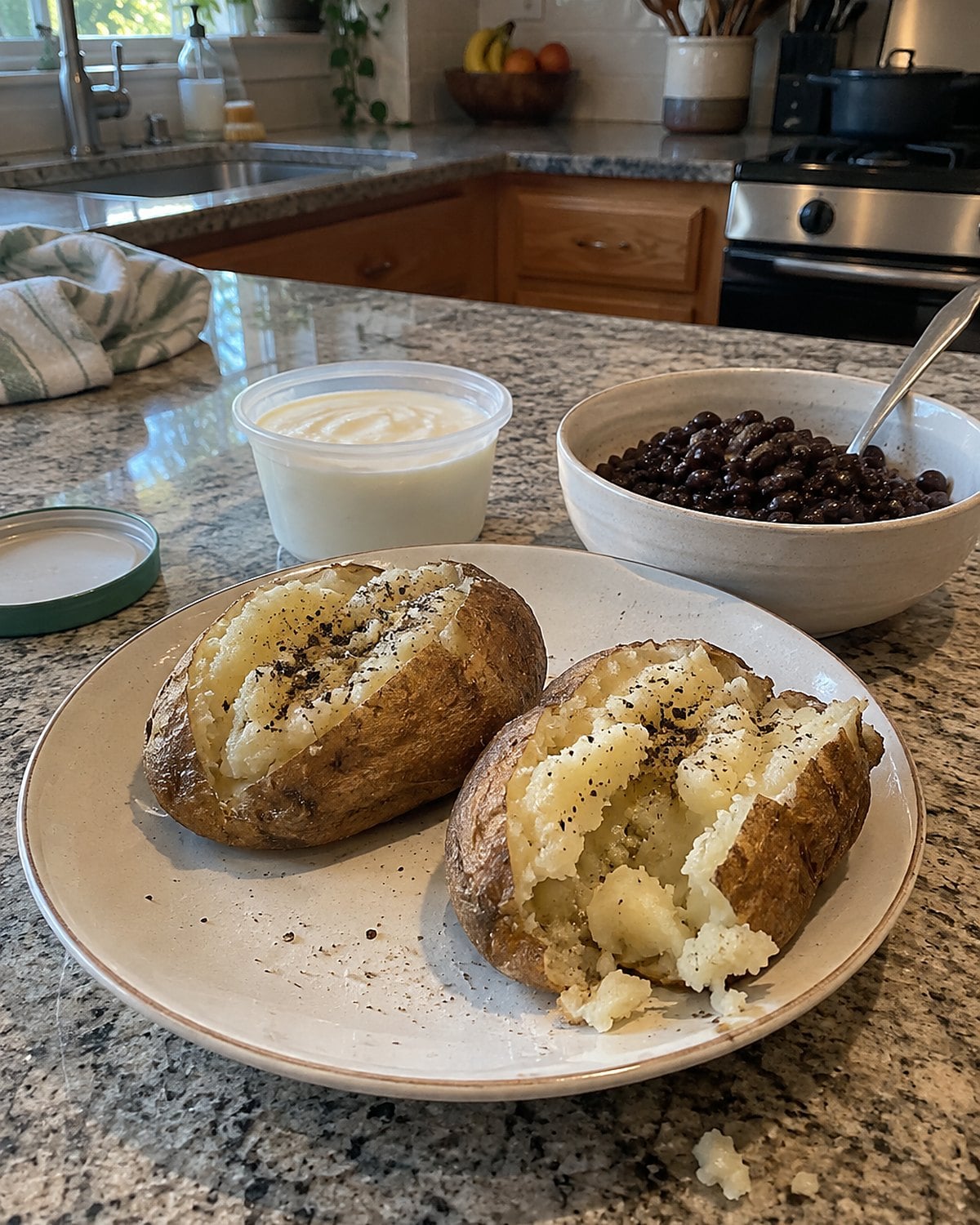
A baked potato makes a fine supper once you give it a proper topping. Bake 2 large potatoes until a knife slides into the centers. Split them open, fluff the flesh with a fork, and add hot black beans, a spoonful of plain yogurt, and sliced scallions.
Heat the beans separately while the potatoes finish. Cold beans cool the potato before you've reached the table. Taste the beans with salt and a little chili powder; the yogurt will soften both.
Count 2 potatoes, a can of beans, the yogurt you spooned on, scallions, and seasoning. If a potato is small, put another on the baking sheet and count it. A price per plate means little if the plate leaves you hunting for crackers.
Try it: Instant Pot Stuffed Baked Potatoes 4 Ways
#6 The split pea pot after lunch
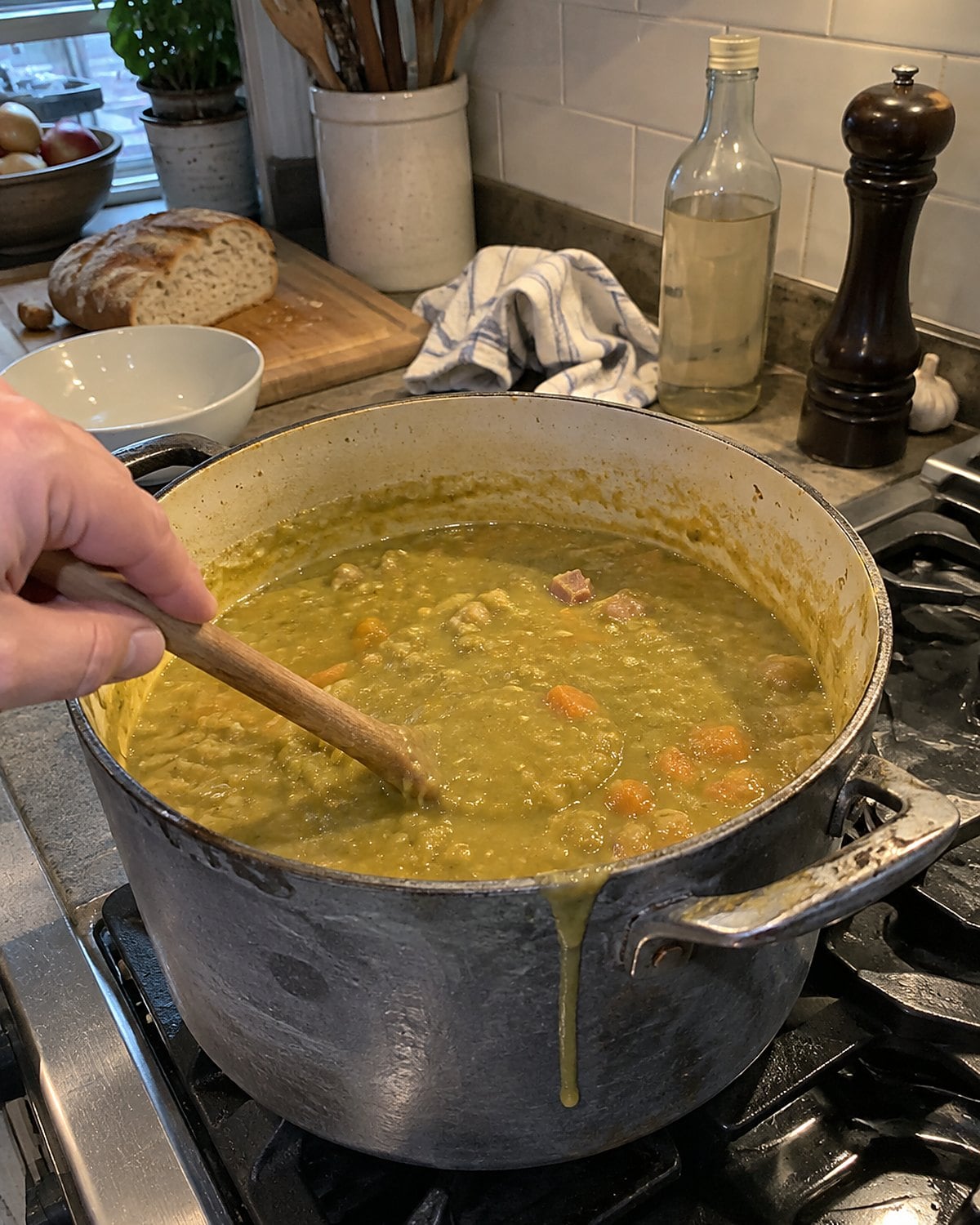
Split peas sit between a bean supper and a soup supper. Rinse them, check for grit, and simmer them with onion and carrots until they break down. Add water as the pot thickens, and stir along the bottom so the peas don't catch.
You don't need ham to give this soup a point of view. Brown the onion before adding water, then finish the pot with vinegar and black pepper. Taste it once before the vinegar and once after.
Serve two generous bowls with toast. Price about 1 cup of dry split peas, onion, carrots, bread, oil, vinegar, and seasoning.
Make more if you want more, but price the portions you serve. Refrigerate leftovers promptly. The USDA's cold storage chart gives cooked leftovers 3 to 4 days in a fridge at 40°F or below.
Try it: Instant Pot Yellow Split Pea Soup (Vegan, Gluten-Free)
#5 The black bean quesadillas in the skillet
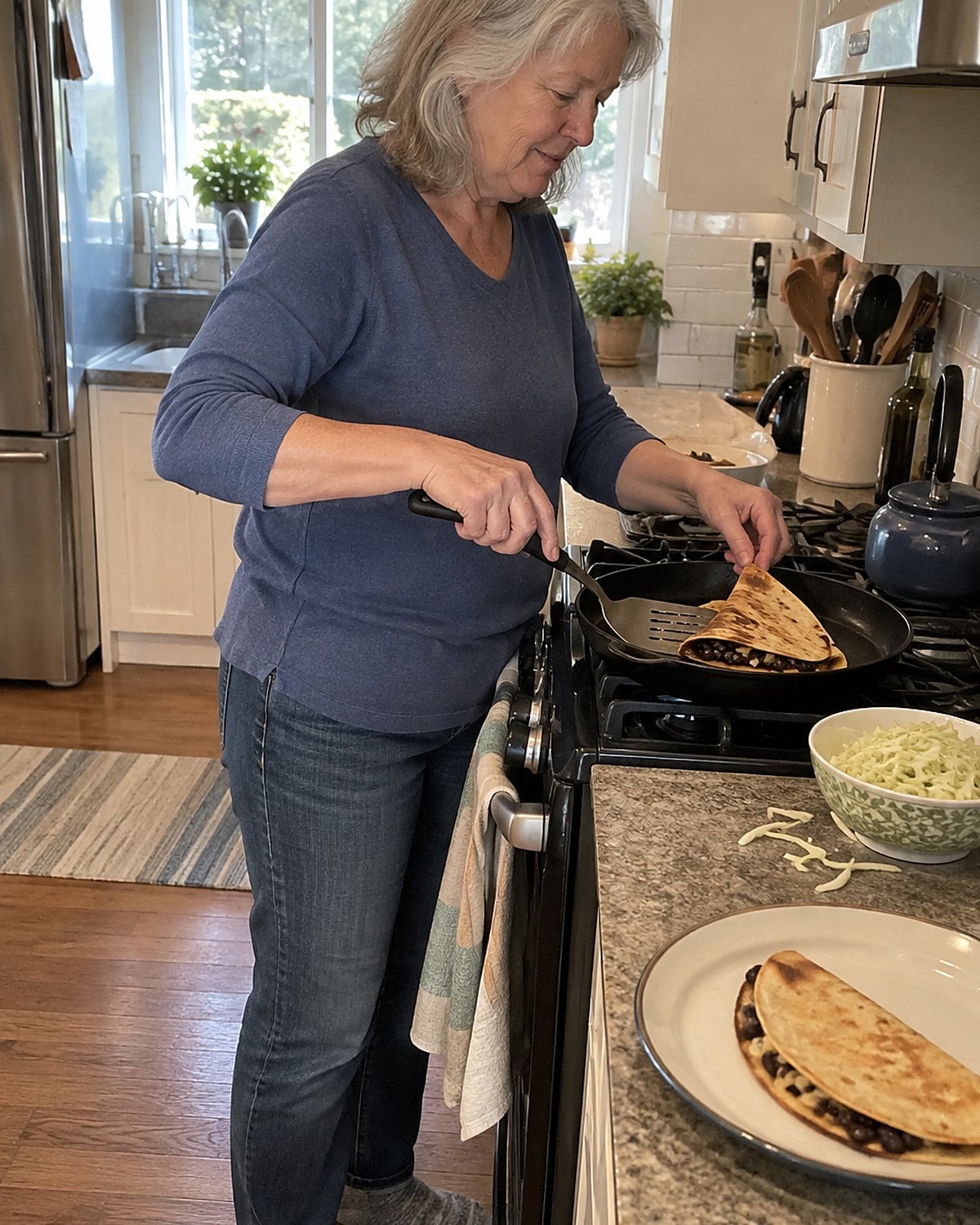
There's a familiar reach into the fridge for the cheese bag, followed by the question of whether there's enough. For quesadillas, a thin layer works once mashed beans fill the middle.
Spread black beans over tortillas, scatter on a little cheese, and fold them. Cook over moderate heat. High heat browns the tortilla before the cheese melts and the beans warm through.
Press with a spatula, turn once, and cut each folded tortilla into wedges. A quick cabbage slaw with vinegar gives you something crisp beside them.
Count 4 flour tortillas, a can of beans, the cheese you used, cabbage, oil, and seasoning. If you have to buy a whole cheese bag for one handful, look at its shelf price before making the trip.
#4 The leftover rice in the fridge
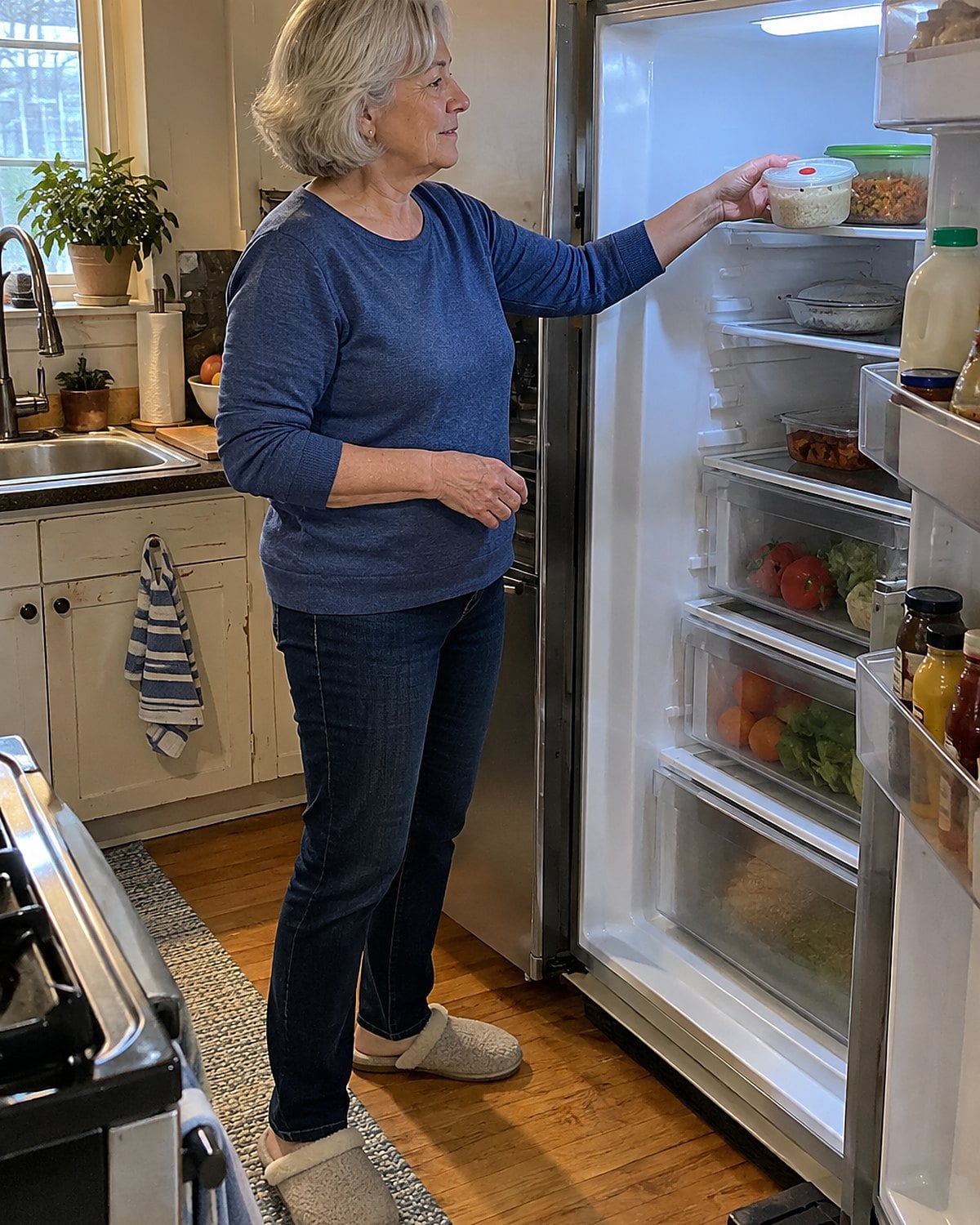
The container of rice looks like a head start. First, check its date. Rice left after dinner needs prompt refrigeration, and leftovers belong in a fridge at 40°F or below. Follow the USDA cold storage chart's 3 to 4 day window for cooked leftovers.
If you can't place when it was cooked, start with dry rice instead.
For fried rice, heat about 2 cups of cold cooked rice in a skillet with a little oil. Add cooked frozen peas and carrots, then scrambled eggs. Break up rice clumps against the pan and keep cooking until the food is hot throughout.
Finish with soy sauce after you taste it. Count the rice, 2 eggs, vegetables, oil, and soy sauce. Date the container when it goes into the fridge. That small mark answers a real question later.
#3 The tortilla soup with crunchy strips
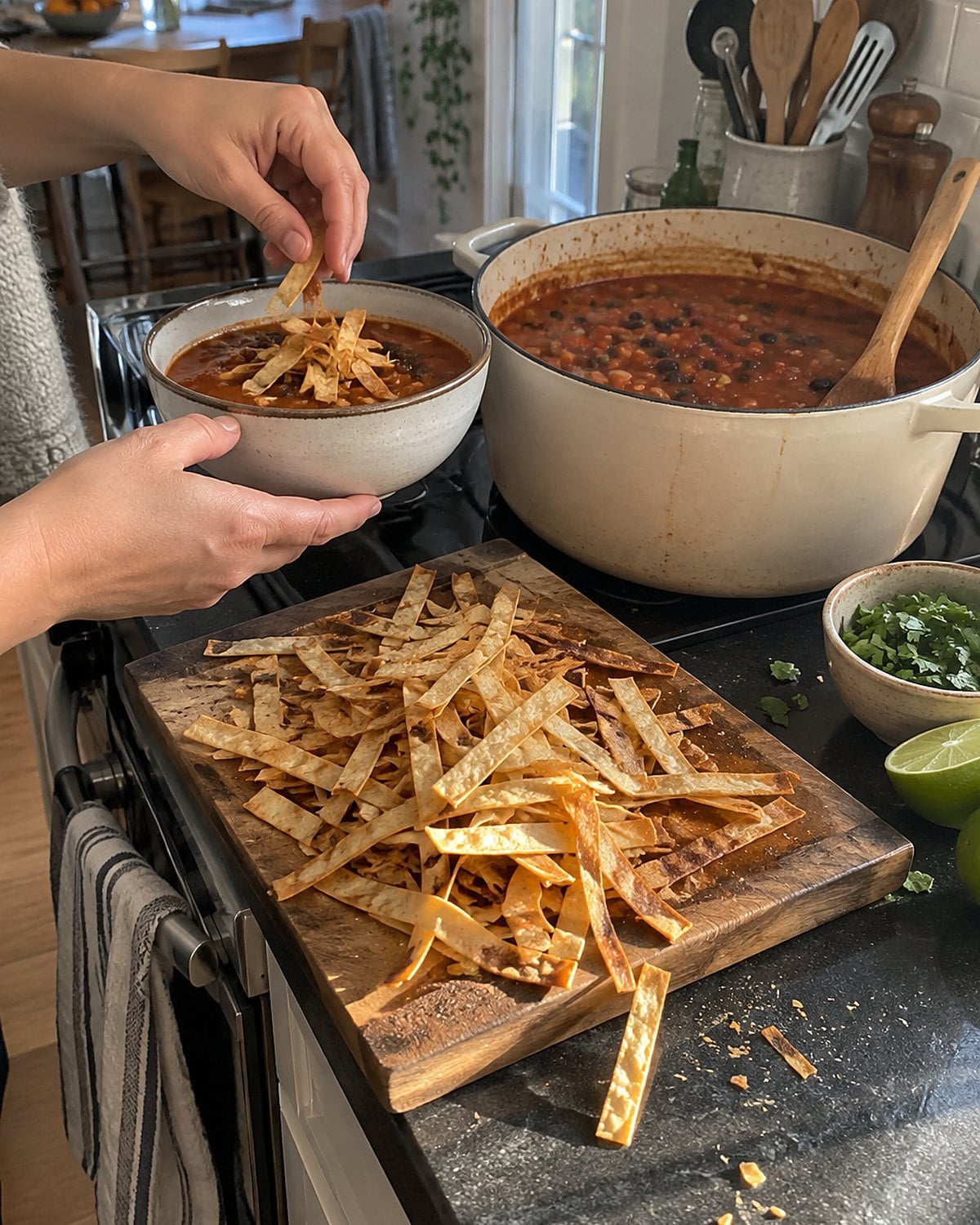
Soup needs a finish you can hear. Start with onion, canned tomatoes, black beans, corn, and water or broth. Simmer them until the onion is tender, then taste the liquid for salt and chili powder.
The soup should taste good before the tortillas touch it. Cut 2 corn tortillas into strips and toast them in a skillet with a little oil. Put them on top at the table, not in the pot.
They keep their crunch, and the broth stays clear of soggy pieces. A squeeze of lime belongs at the end if there's one in your drawer.
Count the beans, vegetables, tortillas, oil, and seasoning. If you're using boxed broth, count the amount poured, not the full carton. Follow the carton's storage directions for what remains.
Try it: Instant Pot Sweet Potato Tortilla Soup
#2 The cabbage and noodle skillet
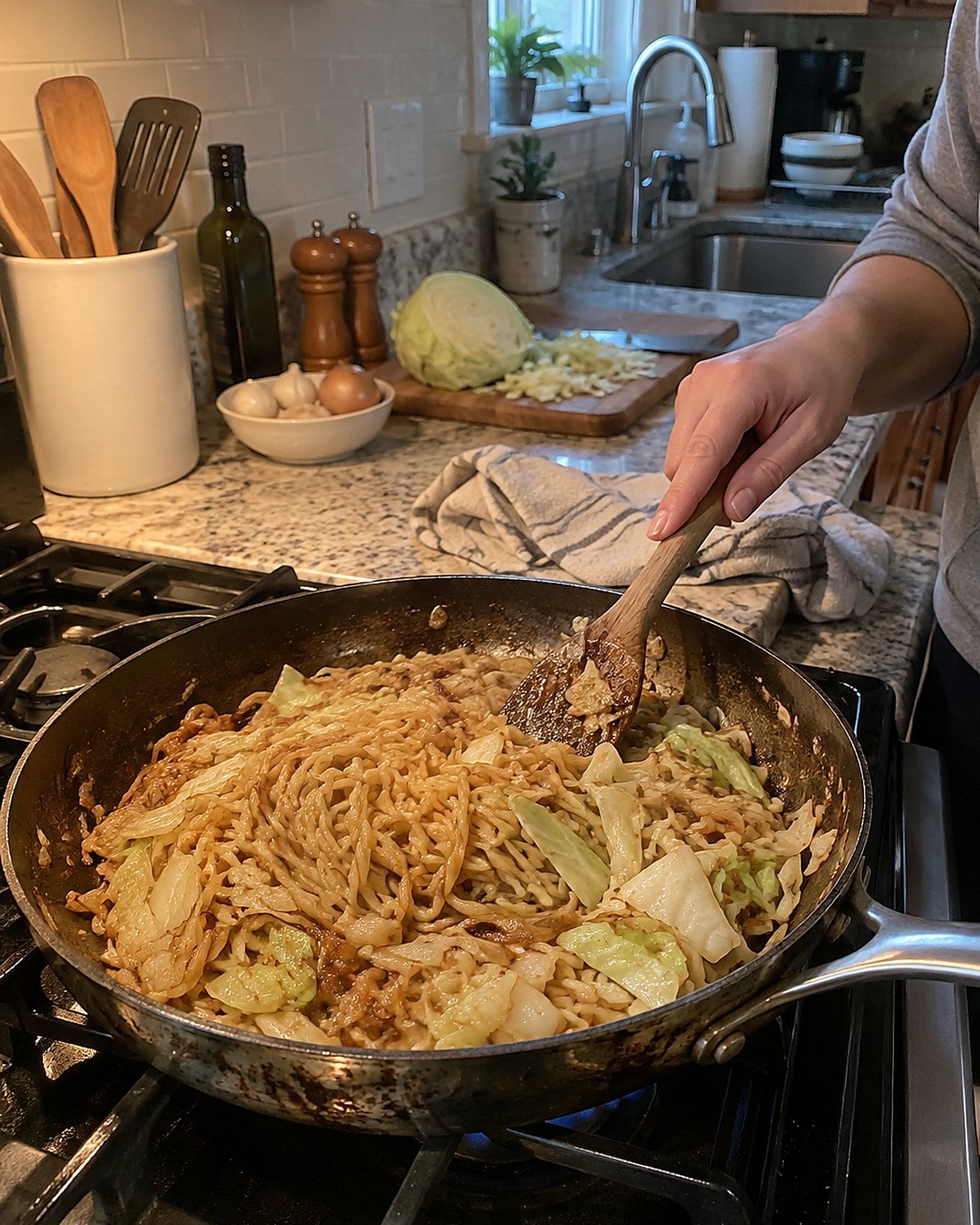
Egg noodles and browned cabbage belong in the same skillet. Cook the noodles separately while sliced cabbage and onion brown in a wide pan. The cabbage needs bare metal beneath it; heap it too high and it steams instead.
Toss in the drained noodles with a little butter or oil. Black pepper and a spoon of mustard give the plain ingredients an edge.
For two plates, count the noodles used, a cabbage wedge, onion, fat, and seasoning. Taste before adding more mustard. The skillet should smell of browned cabbage, not boiled leaves.
#1 The receipt beside two dinner plates
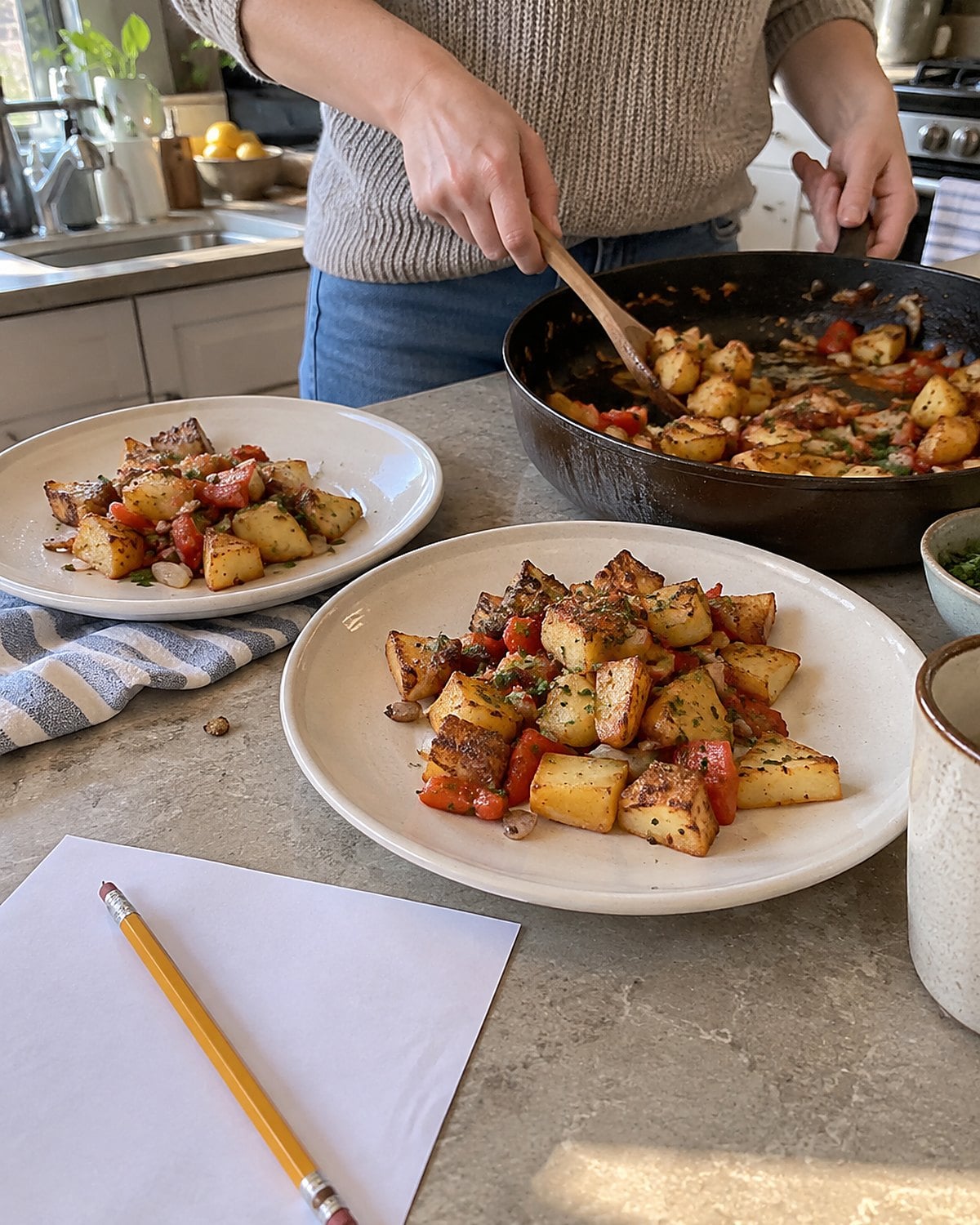
Keep the grocery receipt until you've priced one dinner you make all the time. Take the potato and onion skillet: about a pound of potatoes, an onion, 2 eggs, oil, and seasoning for two plates. Write down what each package cost and how much of it went into the skillet.
Start with the potatoes. If the package holds 2 pounds and you used 1 pound, charge dinner half its price. Do the same for the eggs by dividing the carton price by its egg count, then multiplying by 2.
Add the onion, oil, and seasoning. Divide the total by two. For this headline, the whole dinner must cost less than $6, not exactly $6.
Your receipt gets the final word. If you add cheese, count the cheese. If you feed a third person, count their portion rather than dividing the same skillet three ways and calling it cheaper.
Keep the calculation beside the church cookbook or on the fridge. Next time the store changes its price, you'll know which line to update. You'll also know, before the skillet gets hot, whether dinner still fits under $3 a plate.
### The bottom line
These dinners share a plain pattern: a filling base, something with substance on top, and a small finish that earns its place. The price belongs to the portion you cooked, not the package you carried home.
The well-prepared version of you has already dated the rice, put the half-used bags where they're visible, and kept one receipt. She checks the expensive ingredient first.
Which dinner in your kitchen would pass the receipt test tonight?
Keep reading
 27 Dishes From Church Suppers That Nobody Makes Anymore
See all 27 →
More you’ll remember
 26 Things Grocery Workers Wish Shoppers Over 60 Knew
 24 Pantry Items That Last Years, So Stop Replacing Them
 24 Casseroles That Fed America in 1975 and Disappeared Without a Funeral
Leave a Reply