

The step stool is still beside the pantry, though the child using it now belongs to someone you once lifted onto your own hip. You know how to feed a family. You also know the peculiar sting of hearing that something you served your children has a different rule today.
Honey is one example. Nobody is asking you to forget the meals that worked or the care behind them. The useful question is narrower: What changes when the person eating has small airways, new teeth, and a parent who knows their health history?
#23 The honey spoon offered too early
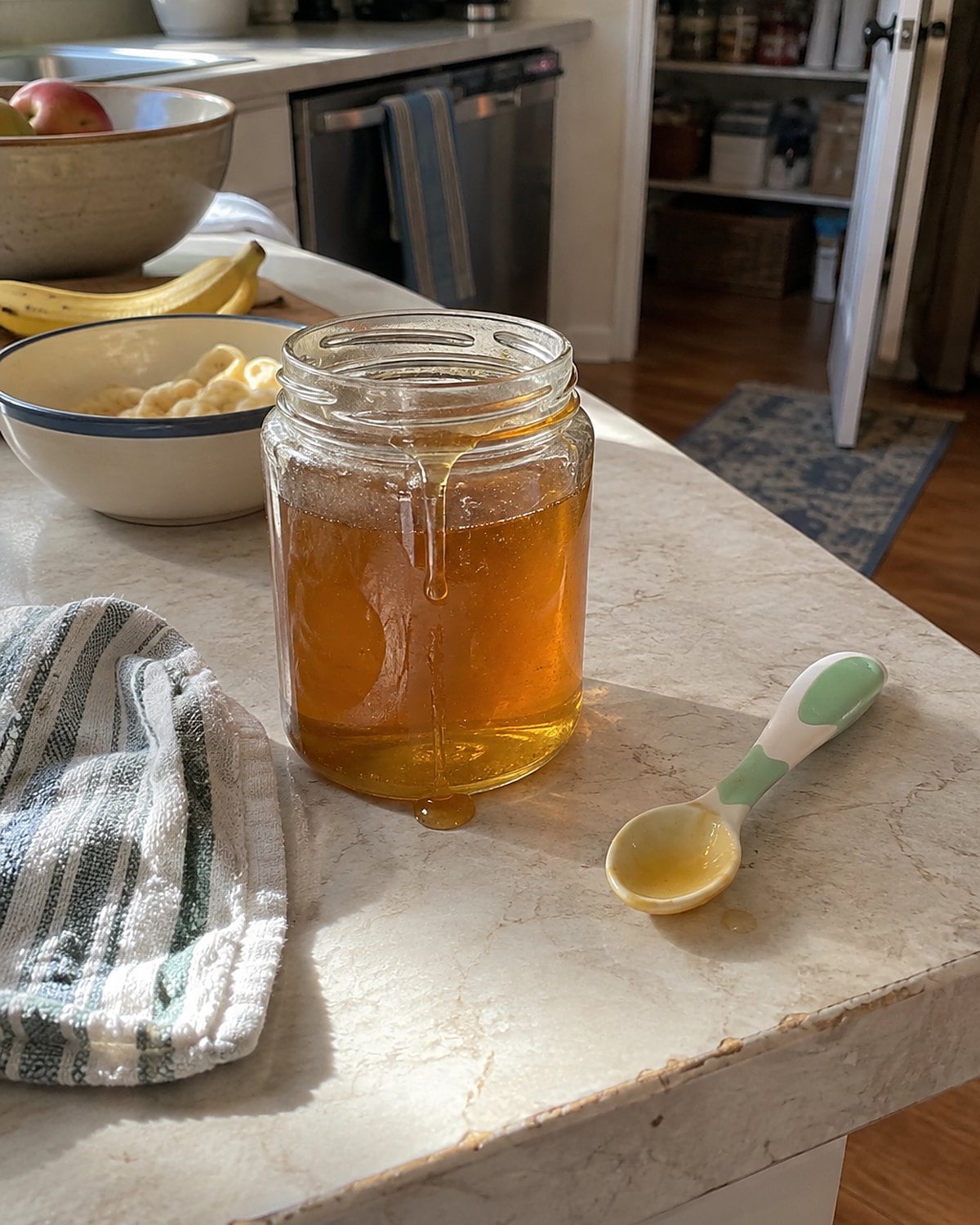
Honey in tea, honey on toast, honey stirred into oatmeal: it was ordinary kitchen food in plenty of homes. For a baby under 12 months, though, it carries a rule worth remembering. The CDC says babies under 1 should not have honey because it can contain spores that cause infant botulism.
That rule includes foods made with honey. A toddler who has reached the first birthday is past this specific restriction. The distinction matters when the grandkids arrive together and you’re fixing the same snack for both. If one is still a baby, keep honey out of that child’s portion entirely.
Check packaged snacks before handing over the first bite. You’re allowed to keep the memory of what you served your own children and change what goes on the spoon.
#22 Whole grapes beside the cheese cubes
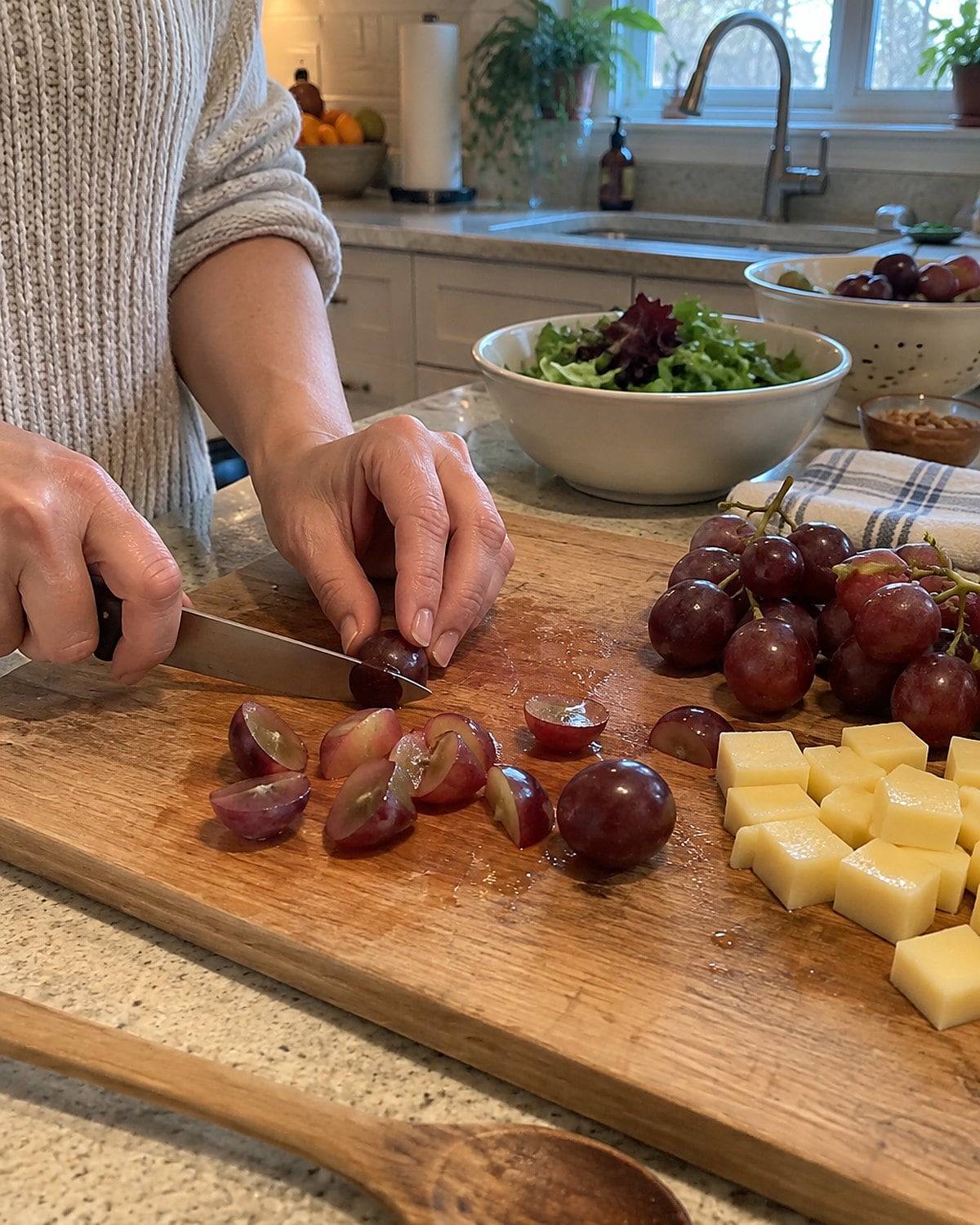
A bowl of grapes looks like the easiest part of lunch. Whole grapes are round, firm, and close to the shape that can block a young child’s airway. The CDC’s choking guidance names uncut grapes as a hazard for young children.
Cut each grape lengthwise into quarters. That leaves narrow pieces instead of little plugs. Do the cutting before the bowl reaches the table, not while a child is already grabbing from it.
You’ve sliced thousands of grapes without thinking about them. This job asks you to think about shape rather than softness. A grape yields under your knife; it doesn’t reliably yield when it slips into the wrong place. The same knife that makes the cheese plate look tidy handles the fix.
#21 Hot dog rounds on a toddler plate
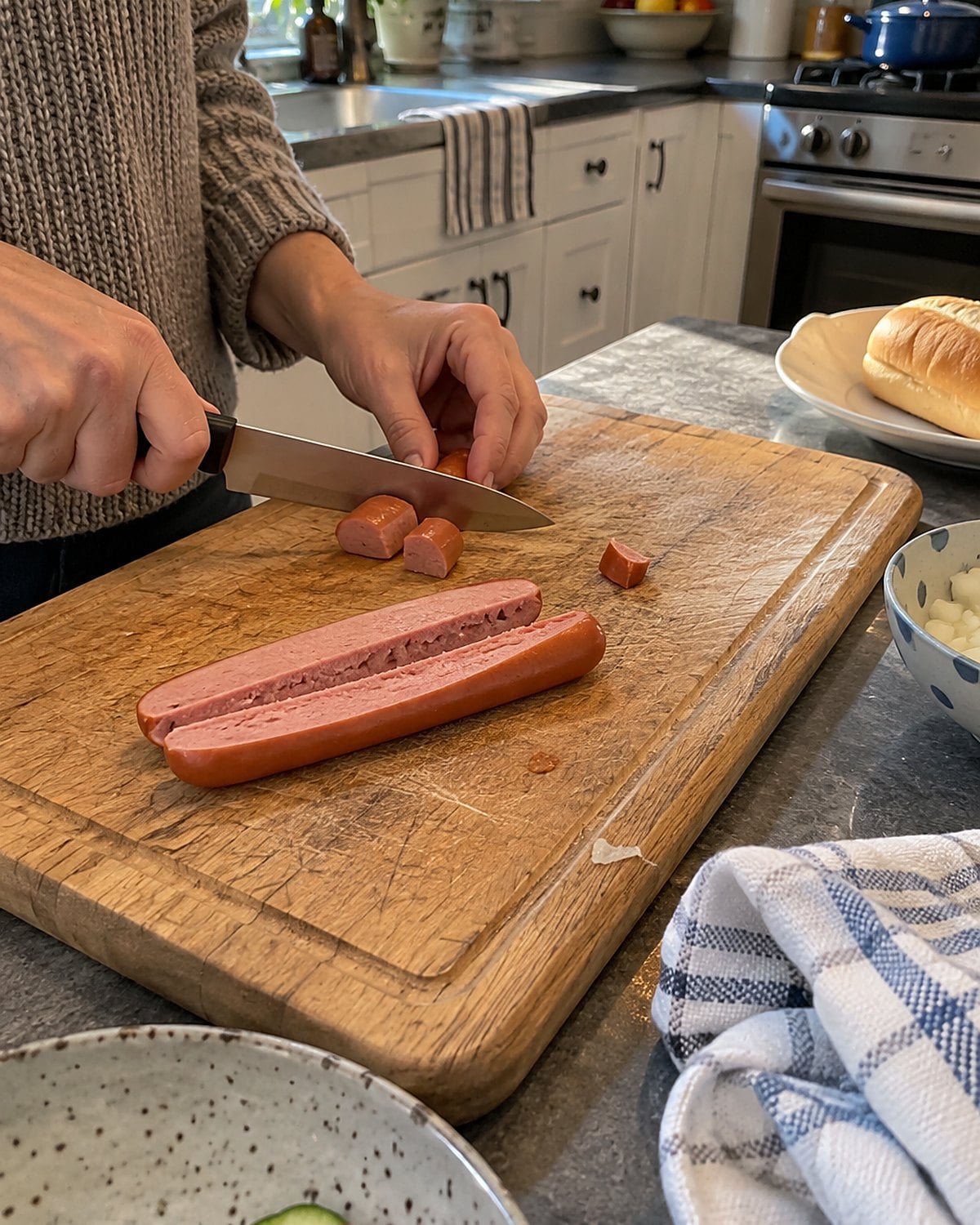
The old trick is to cut a hot dog into coins so small hands can pick it up. Those neat rounds are exactly the problem. A hot dog already has a firm outer surface; a round slice gives it the shape of a cork.
Split the hot dog lengthwise first, then cut those strips into small pieces. If you’re serving sausage, look at its shape with the same eye. Taking off the casing doesn’t turn a thick round slice into a good toddler bite.
The CDC includes hot dogs and sausages among foods that need care because of choking risk. That guidance isn’t a judgment on what your family eats. It’s about the way food enters a small mouth.
Put one cut piece on the plate and look at its narrow side. If it still resembles a coin, give it another cut. Once you’ve made the first lengthwise cut, the rest follows at the counter.
#20 A spoonful of chunky peanut butter
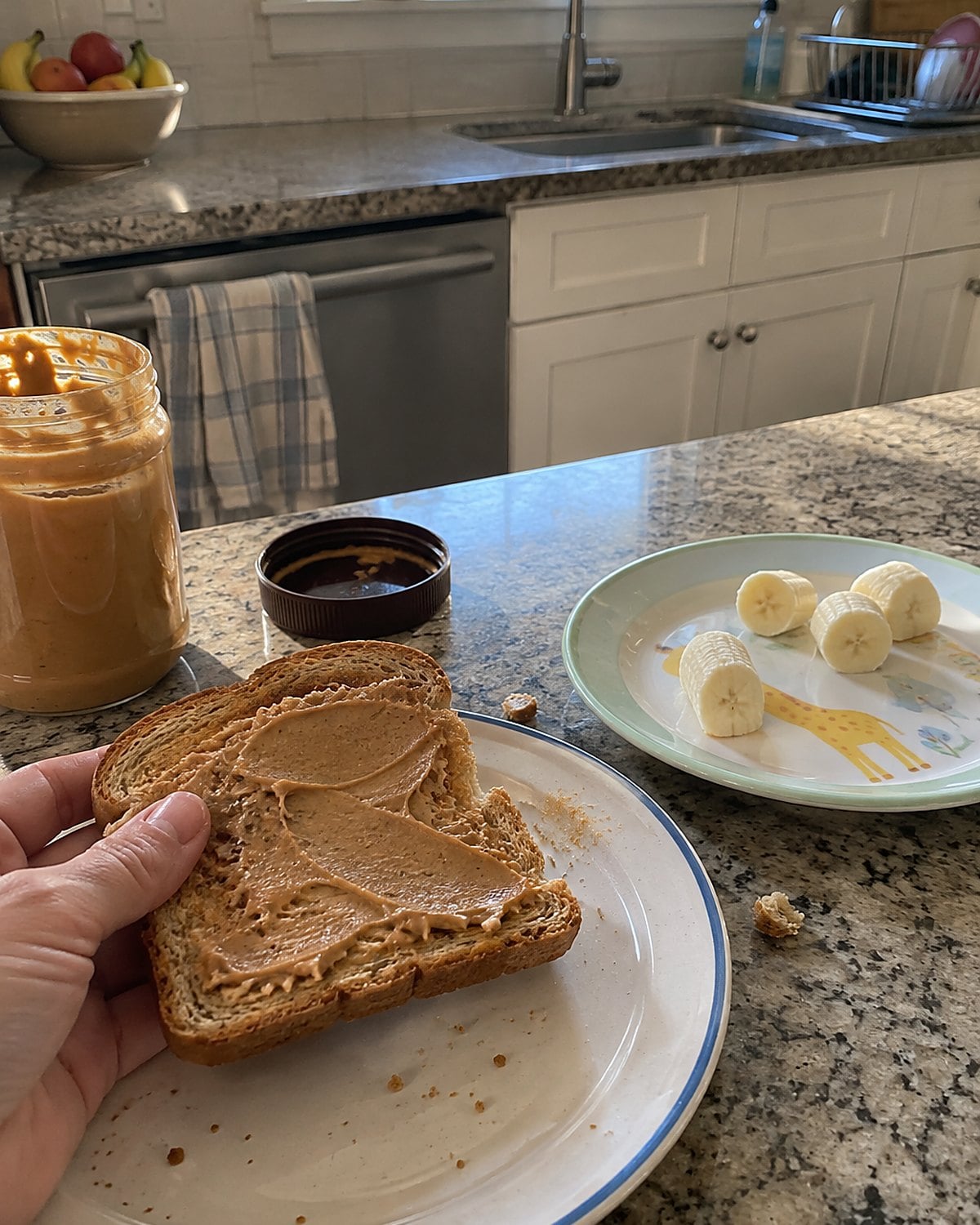
Peanut butter was the snack you reached for when dinner ran late. For a toddler, a thick spoonful can stick in the mouth and become hard to manage. The CDC lists spoonfuls of nut butter as a choking hazard.
Spread a thin layer on toast, or stir smooth nut butter thoroughly into a food the child already eats. Don’t hand over a loaded spoon. Keep whole nuts off the toddler plate as well; they bring a separate choking risk.
Food allergies are a different question from choking. Don’t decide on your own that peanuts should be delayed, or that a first taste belongs at your house. Ask the parent what the child has already eaten and what their clinician has said, especially if there’s an allergy concern.
You have enough kitchen work without guessing at the medical history.
#19 Popcorn shared during the movie
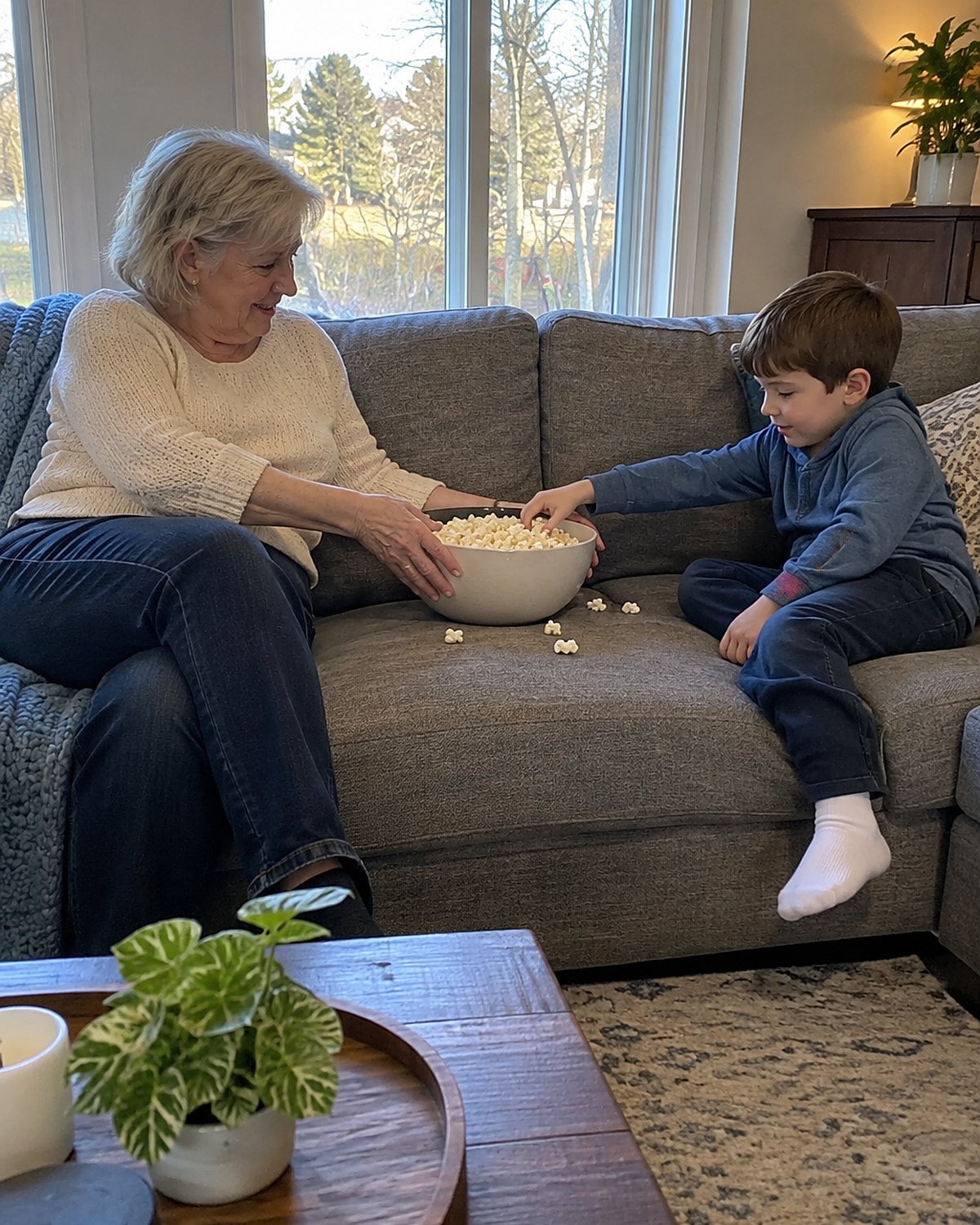
The lights go down, somebody brings out a big bowl, and a little hand reaches between the grown-up hands. Popcorn feels light as air until you notice the hard kernels and irregular pieces mixed through it. The CDC names popcorn among choking hazards for young children.
Set aside a different movie snack before you sit down. Ask the parent what they serve, then put that snack in its own bowl. Passing the popcorn back and forth leaves the child waiting for a chance to reach in.
Watch the small extras, too. Nuts and round candies turn up in snack mixes and at the bottom of a purse. A toddler sees food, not the reason you picked some pieces out.
Keep the adult bowl beyond reach. You’ll have an easier time watching the movie when the snack decision is already made.
#18 The juice box in the pantry
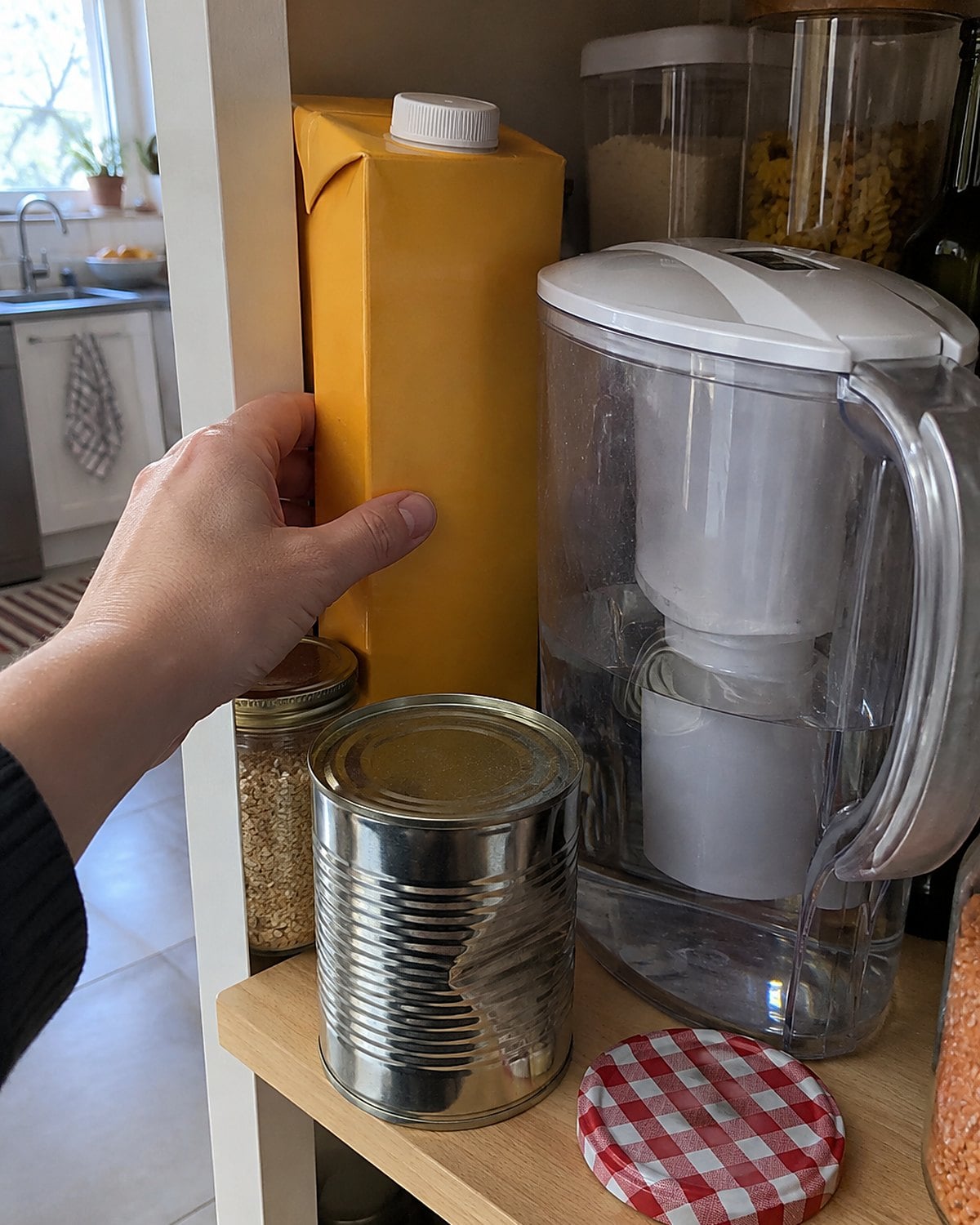
A juice box waits patiently in the pantry, which makes it tempting when a grandchild asks for a drink. The American Academy of Pediatrics’ HealthyChildren guidance advises limiting juice for young children and choosing whole fruit instead.
Put water within reach at meals and between them. If a parent sends milk or gives you a drink plan, follow that plan rather than opening what’s already stocked. A child asking for juice isn’t asking you to settle a nutrition debate. They remember the sweet box.
You can say, “We have water now, and we’ll cut up fruit with lunch.” Then do it. Leave the juice box in the pantry. The child will still get the pleasure of choosing which fruit comes out of the bowl.
#17 The clean-plate bargain at dinner
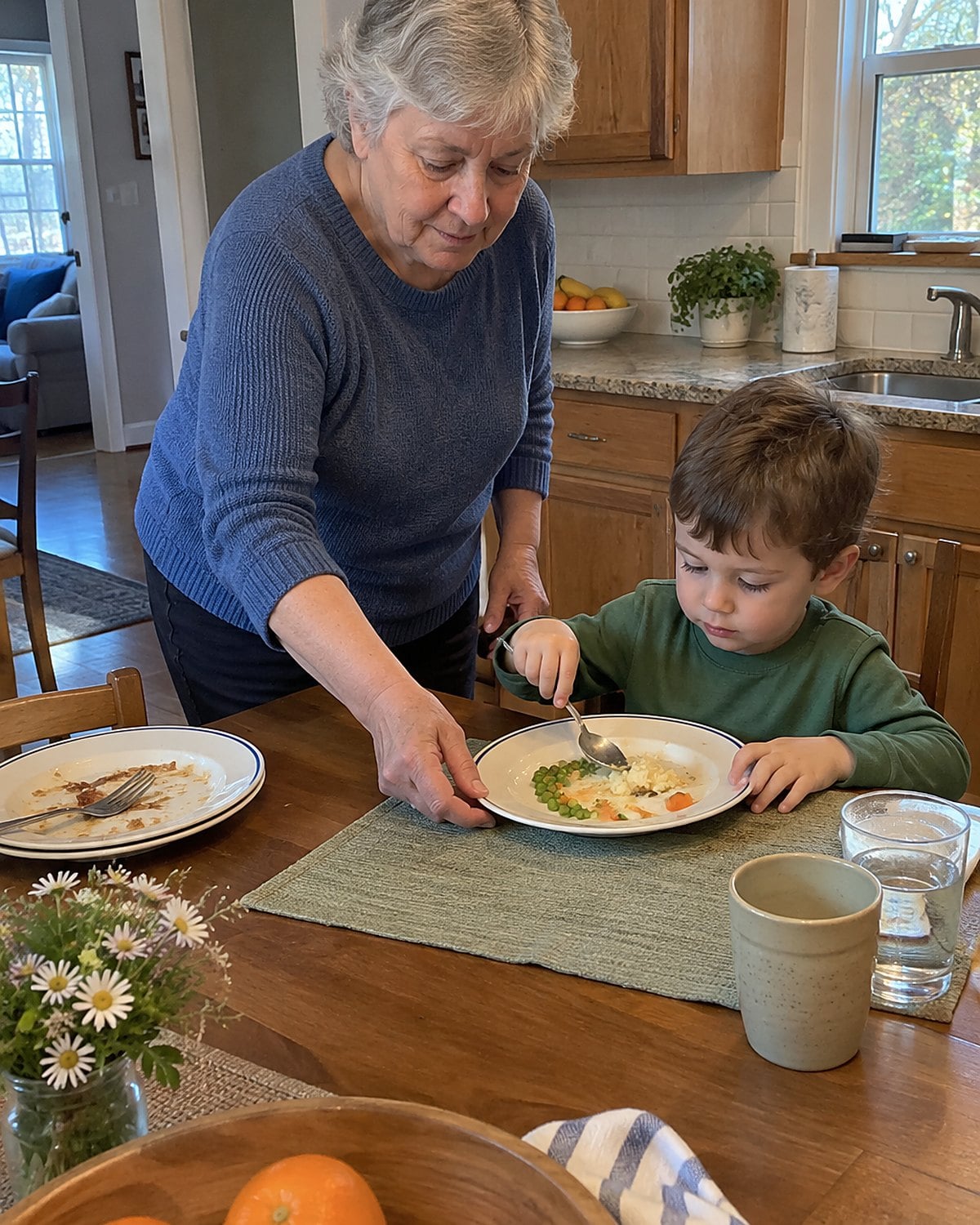
You know the scene. There’s barely any chicken left on the plate, dessert is in sight, and the old words rise up: “Three more bites.” You heard them. You’ve said them. They seem like a small price for getting supper finished.
The American Academy of Pediatrics advises adults to respect a child’s hunger and fullness cues. That means the nearly empty plate doesn’t need a bargain attached to it. Offer a small serving at the start, and let the child ask for more.
That does not require making a second dinner the moment a child refuses one. Keep the family meal steady, include a food the child knows, and put the bargaining away. If a parent has a specific feeding plan, use it.
When the plate comes back nearly full, you haven’t failed. Clear it without a speech. Tomorrow’s appetite will have its own story.
#16 Carrot coins straight from the bag
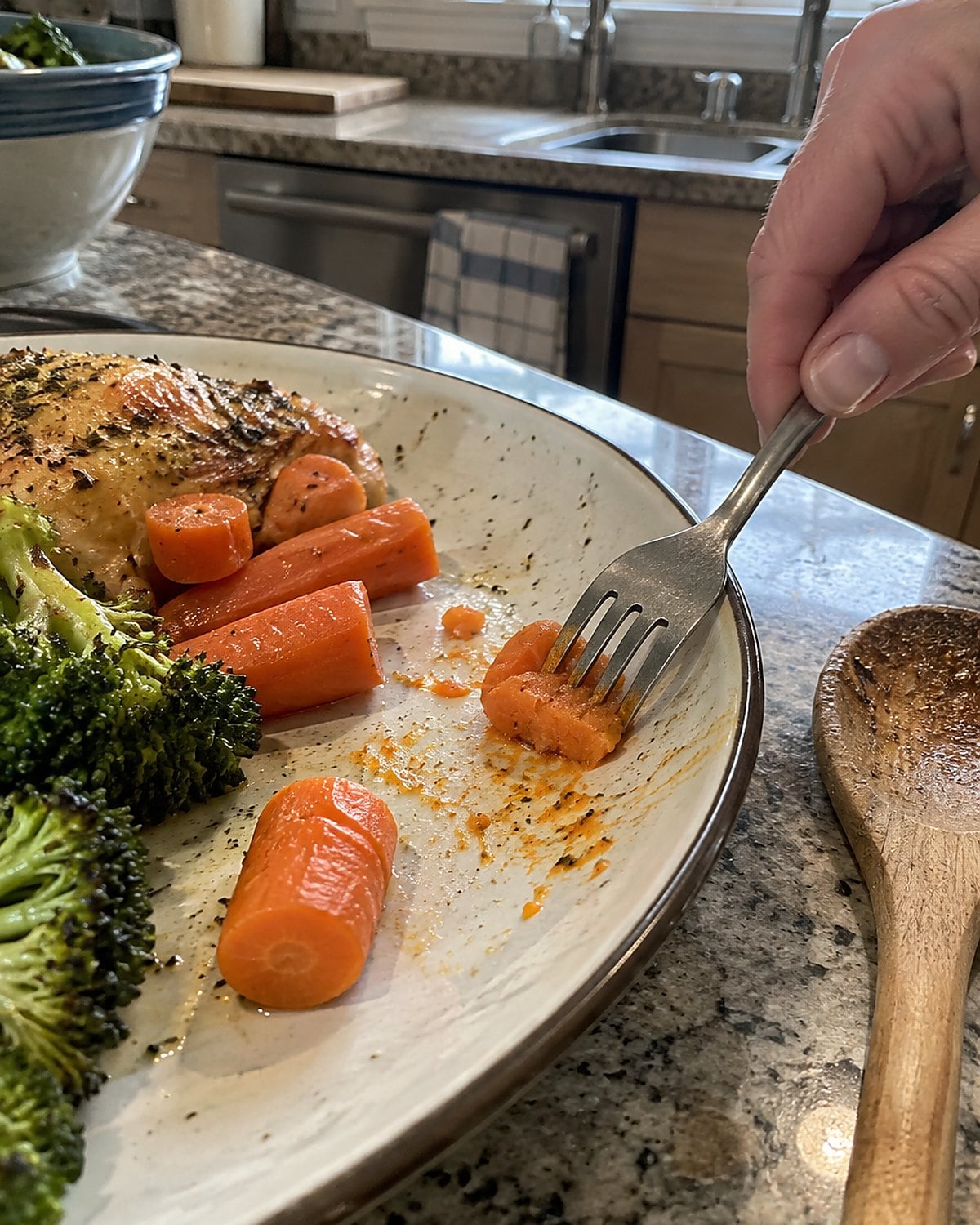
Raw carrots have a satisfying snap for you. That snap is the reason to pause before giving thick coins to a toddler. The CDC lists hard raw vegetables among choking hazards for young children.
Cook carrots until they’re soft enough to mash with a fork, then cut them into small, manageable pieces. If you’re serving a raw vegetable, ask the parent how they prepare it for this child. Teeth alone don’t tell you how well a child chews when they’re tired or excited.
Try the fork before serving. Press a piece against the plate. If the fork skids off, cook the child’s portion longer.
You can still serve the crisp ones to everybody else. One vegetable doesn’t have to leave the pot in a single form.
Try it: Instant Pot Carrots With Honey Soy Glaze
#15 A pot of salty family soup
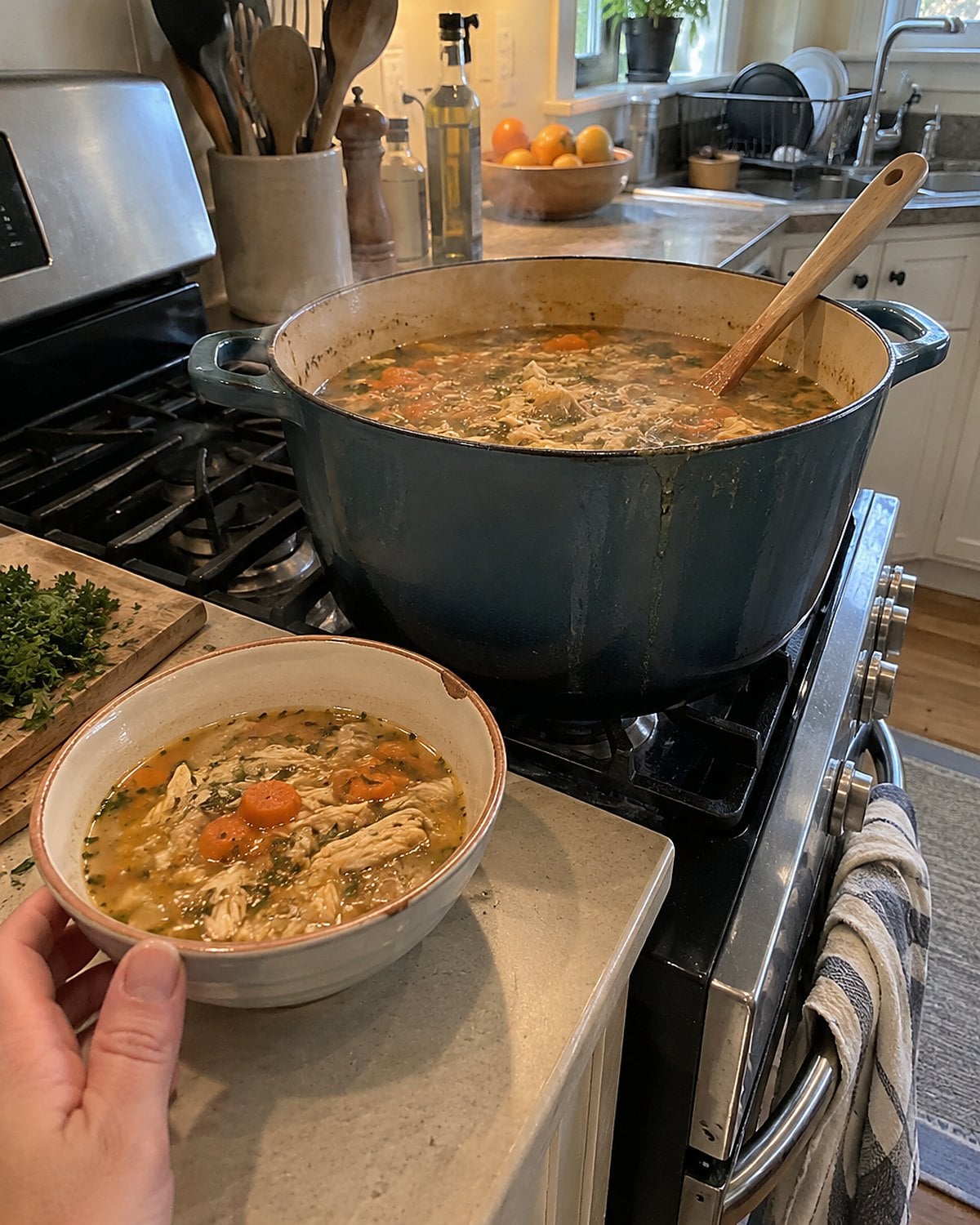
Your soup starts the way it always has: onions in the pot, broth poured in, a generous pinch of salt near the end. A toddler’s bowl deserves its own pause before that last step. Packaged broth, canned vegetables, and cured meat bring salt with them.
The Dietary Guidelines for Americans set lower sodium limits for young children than for adults. Before you season the pot, ladle out a portion made with ingredients that fit the child’s meal plan. Check that the vegetables and meat are cut into manageable pieces. Then season the rest to your taste.
A ham hock changes the whole pot. Reserving a bowl at the end won’t take its salt back out. On that soup day, offer the toddler another familiar food or ask the parent what works.
You’ve spent years tasting a pot before serving it. Add one more question to that taste: What went into this bowl before the salt shaker?
#14 Leftover rice on the stove
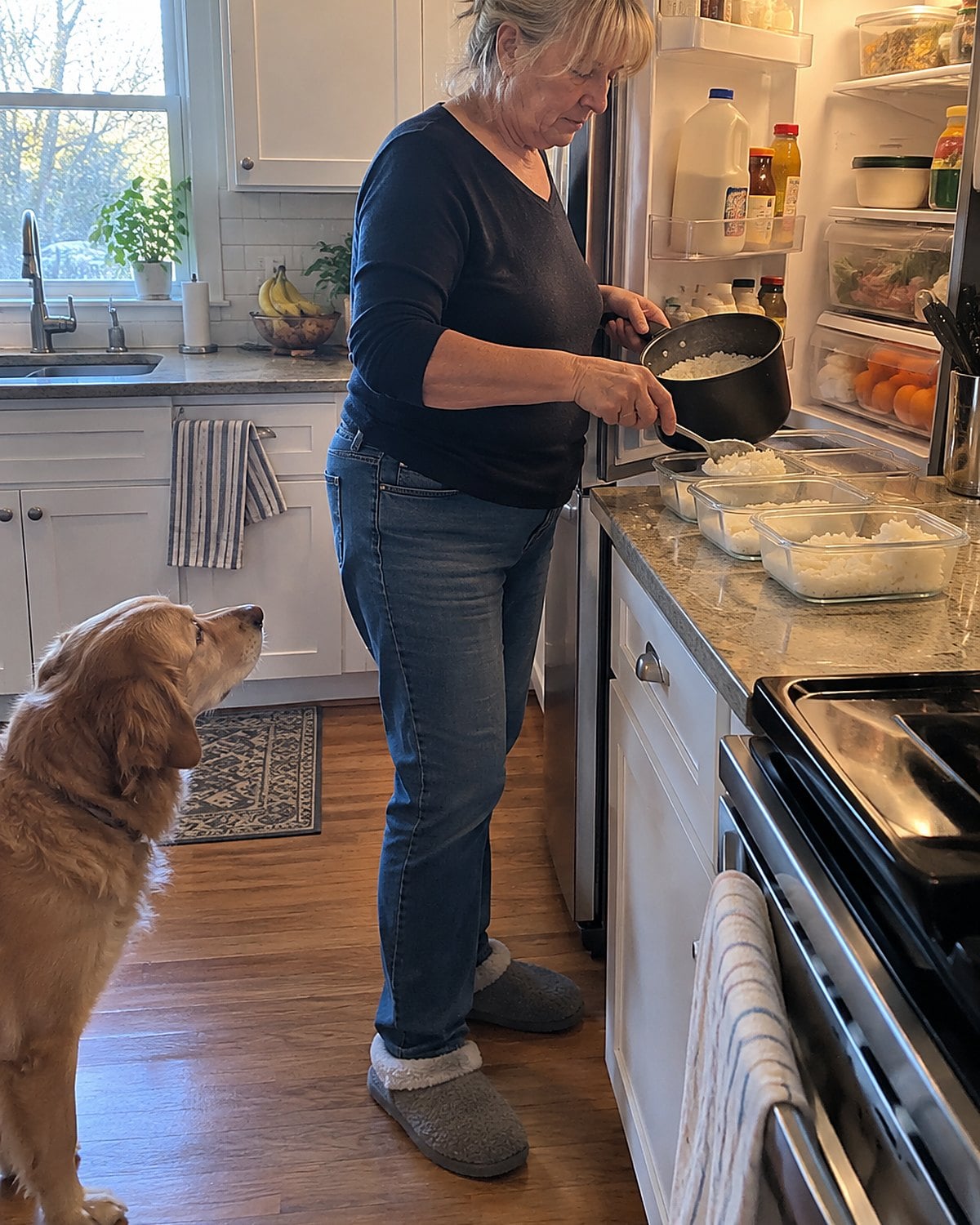
Dinner ends, the kitchen gets noisy, and the pot of rice waits while you read a bedtime book. Rice left at room temperature is a food-safety problem; reheating is not a reset button for rice that sat out too long.
The USDA says to refrigerate perishable food within 2 hours, or within 1 hour when the air is above 90°F. Put leftovers in shallow containers so they cool promptly. Keep the fridge at 40°F or below.
Make the container part of clearing dinner, before the story starts. That way, the next day’s lunch doesn’t depend on trying to recall exactly when the stove was turned off.
Try it: How To Cook Rice In Instant Pot
#13 Egg pieces pulled from the skillet
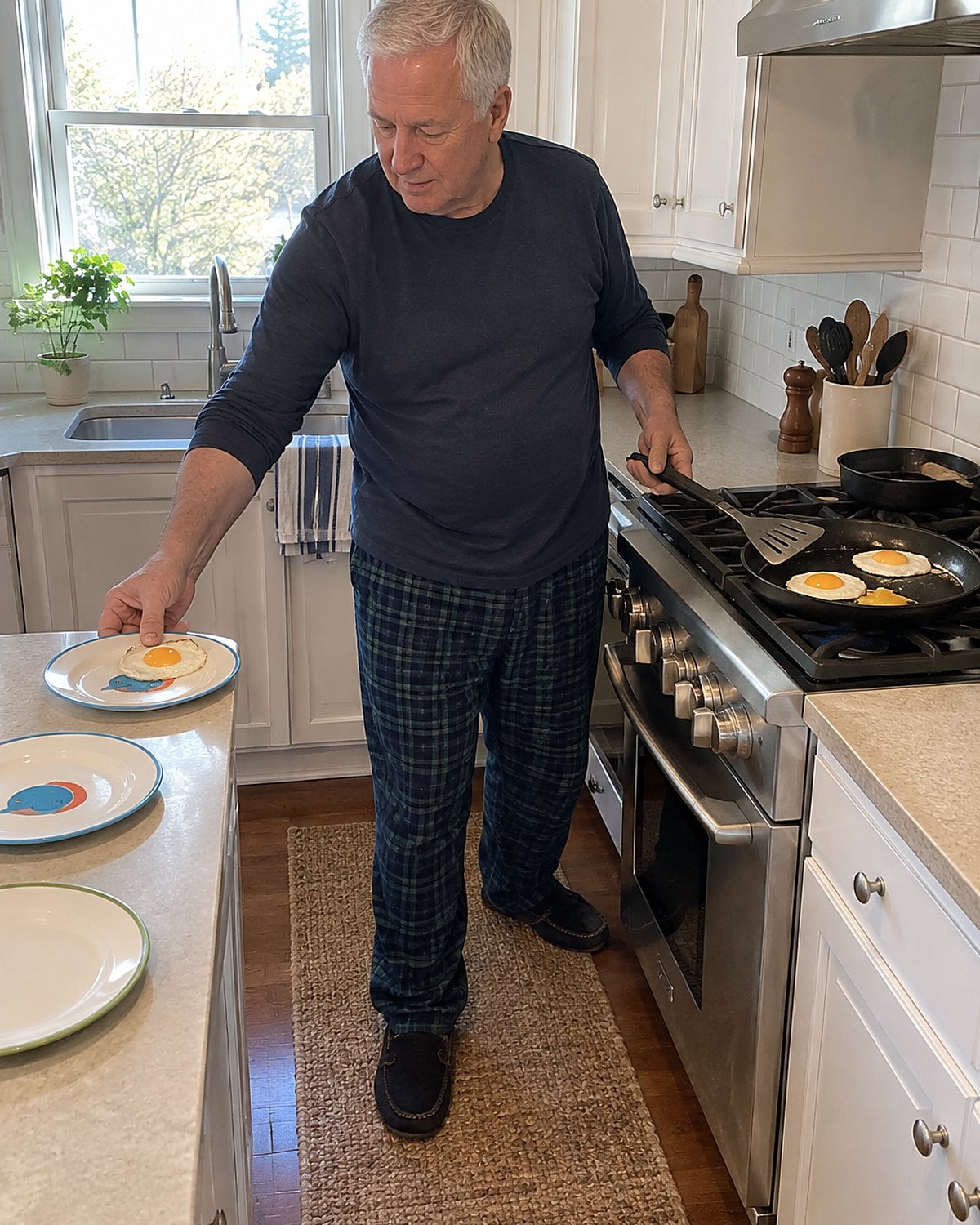
A forkful of egg from your skillet feels like a harmless first taste. Yet “has the child eaten egg before?” is a question for the parent, not for the person holding the spatula. The same goes for other foods linked to allergies, including peanuts, milk, wheat, and sesame.
The AAP’s HealthyChildren guidance on introducing allergenic foods doesn’t advise delaying common allergens without a medical reason. You don’t need to make that decision at your stove. An unplanned first taste leaves the parent without a clear account of what the child ate or when.
Ask a plain question before cooking: “Has she had egg, and how do you serve it?” If the answer is no or unclear, make something already familiar.
If the child has a diagnosed allergy, follow the written plan the parent provides. You’re there to feed the child, not conduct a kitchen trial.
#12 Blueberries rolling across the tray
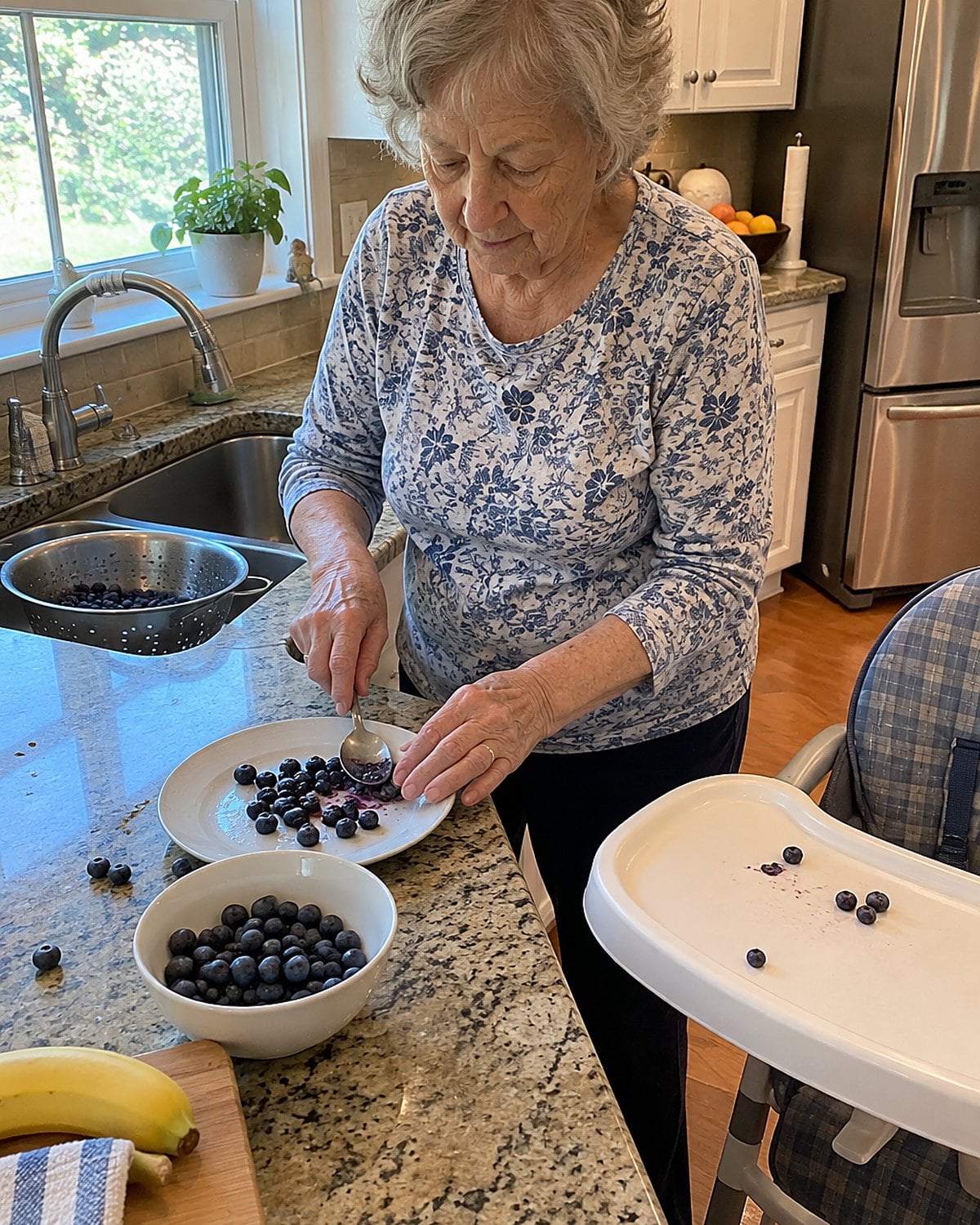
Blueberries seem too small to worry about. A firm, round berry rolls across a high-chair tray and straight into a mouth before you’ve finished washing the colander.
For a young child, flatten each berry between your fingers or cut it so it no longer holds its round shape. The CDC’s choking guidance points to round, firm foods as a concern. Softness varies from carton to carton, so look at the berries in front of you rather than relying on the label.
Try one between your fingers. Does it squash at once, or stay round under pressure? Either way, prepare the child’s handful before setting down the tray.
Leave the rest whole for the adults, who have had more practice chewing while talking.
Try it: Instant Pot Blueberry Oatmeal With Maple Peanut Butter
#11 Chicken checked by its juices
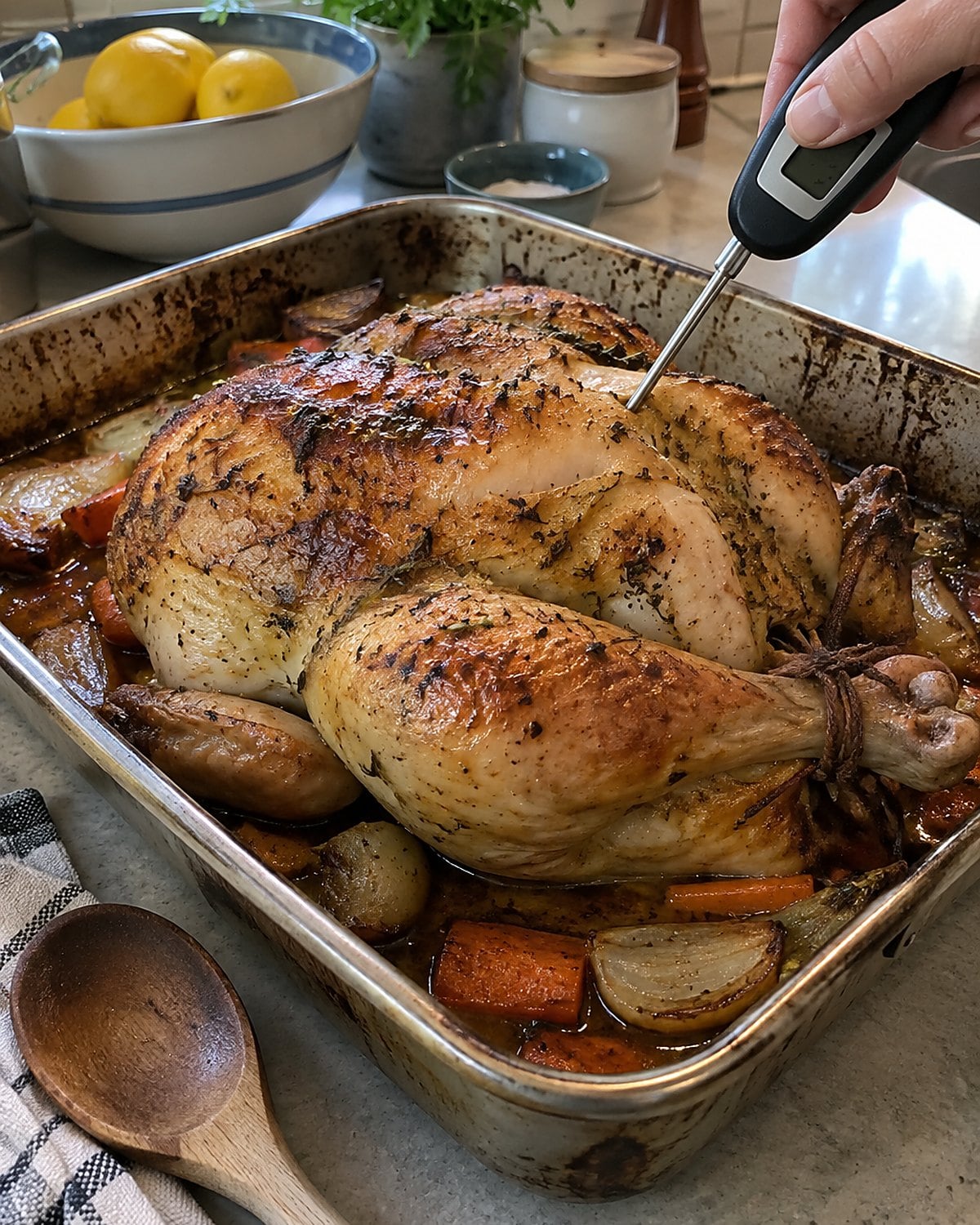
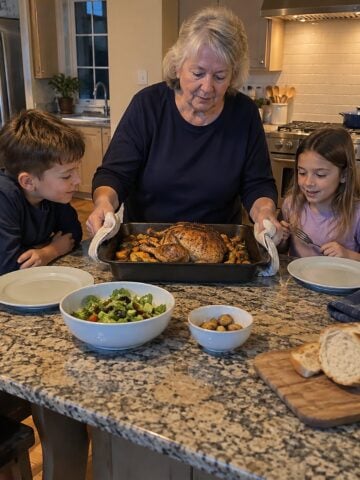
You’ve roasted enough chickens to recognize the smell that fills the kitchen before supper. Clear juices and a browned skin still cannot tell you the temperature at the thickest part. For poultry, the USDA’s safe internal temperature is 165°F.
Push a food thermometer into the thickest part without touching bone. Check a second spot on a large piece. With a whole bird, check the thickest breast and the innermost thigh and wing. Let the number, rather than the color of the juices, decide when the chicken is done.
Small pieces cool fast on a toddler’s plate, but cooling doesn’t finish cooking underdone meat. Cut the child’s portion after the chicken reaches temperature. Check for bones and tough bits as you go.
The thermometer isn’t an insult to your experience. It answers the one question even a good cook’s eyes can’t.
Try it: Instant Pot Roast Chicken & Potatoes (Duo Crisp Or Oven Finish)
#10 Hands rinsed after raw meat
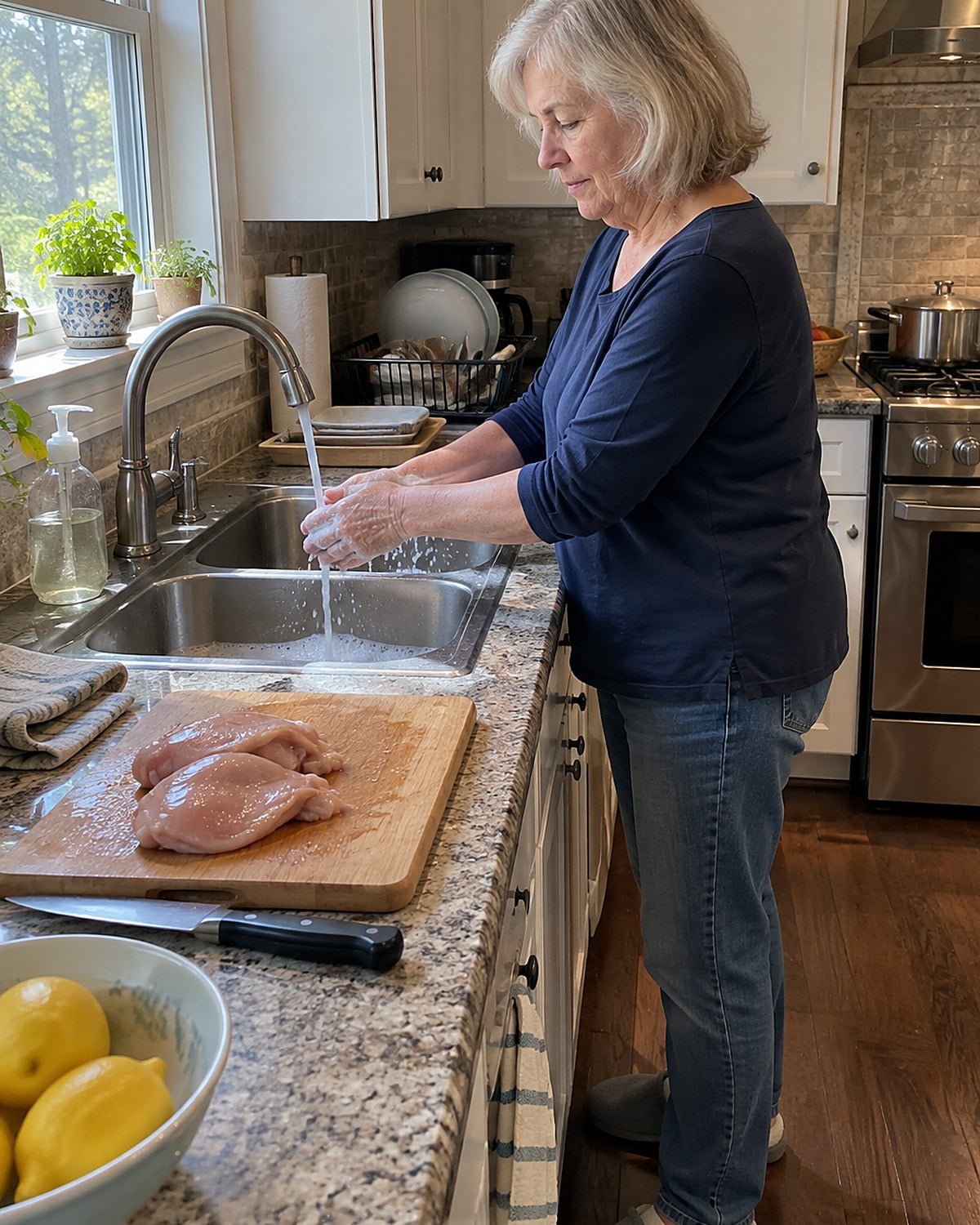
A quick rinse under the faucet feels like washing, especially when dinner is moving. Raw meat calls for soap and running water. The CDC’s food safety guidance says to wash hands for at least 20 seconds after handling raw meat or poultry.
Do it before touching the toddler’s cup, a clean spoon, or the cut fruit waiting beside the board. Wash the knife and board, too, before they meet ready-to-eat food.
A separate cutting board makes the order of work easier to track when somebody is calling from the next room. You don’t need a new kitchen system. You need a clear stopping point between raw food and the foods a child eats without further cooking.
#9 Hard candy from the purse
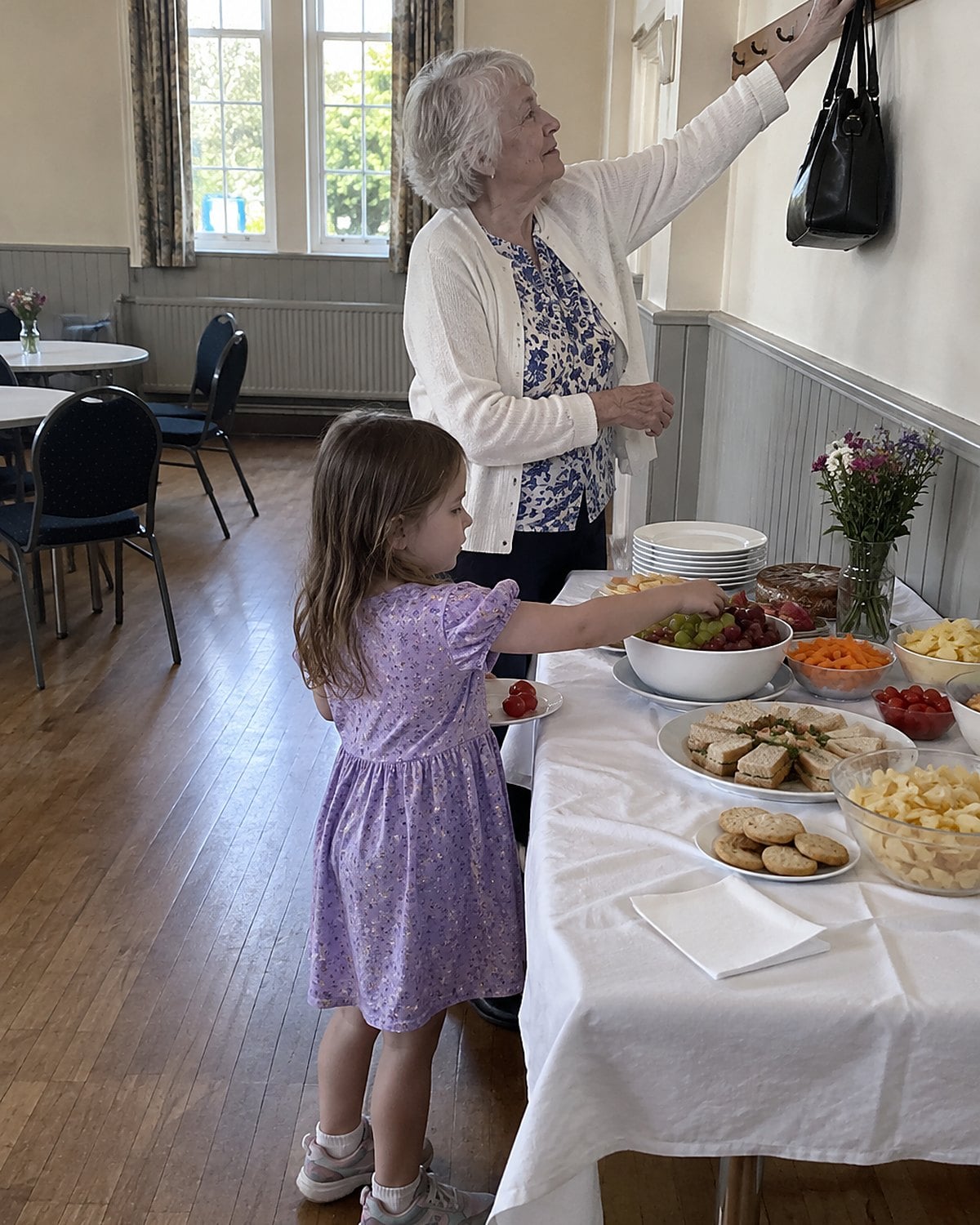
The purse candy was once a tiny kindness: one piece while waiting in line, another after church. Hard candy presents a choking risk for toddlers, and so do cough drops left where little hands can find them.
Keep the purse zipped and out of reach. At the church hall or market, answer the offered candy before the child does: “Thank you, but she isn’t having hard candy.” You needn’t apologize or turn it into a discussion about how everyone was raised.
The purse deserves a check before the visit, too. Look in the side pocket where a cough drop or loose candy wrapper has been hiding since your last errand. A toddler exploring the bag won’t wait for you to remember what’s inside.
If you want a small treat to give, ask the parent first. The pleasure was never in the specific candy. It was in being the person who had something ready for them.
#8 Unwashed berries at the sink
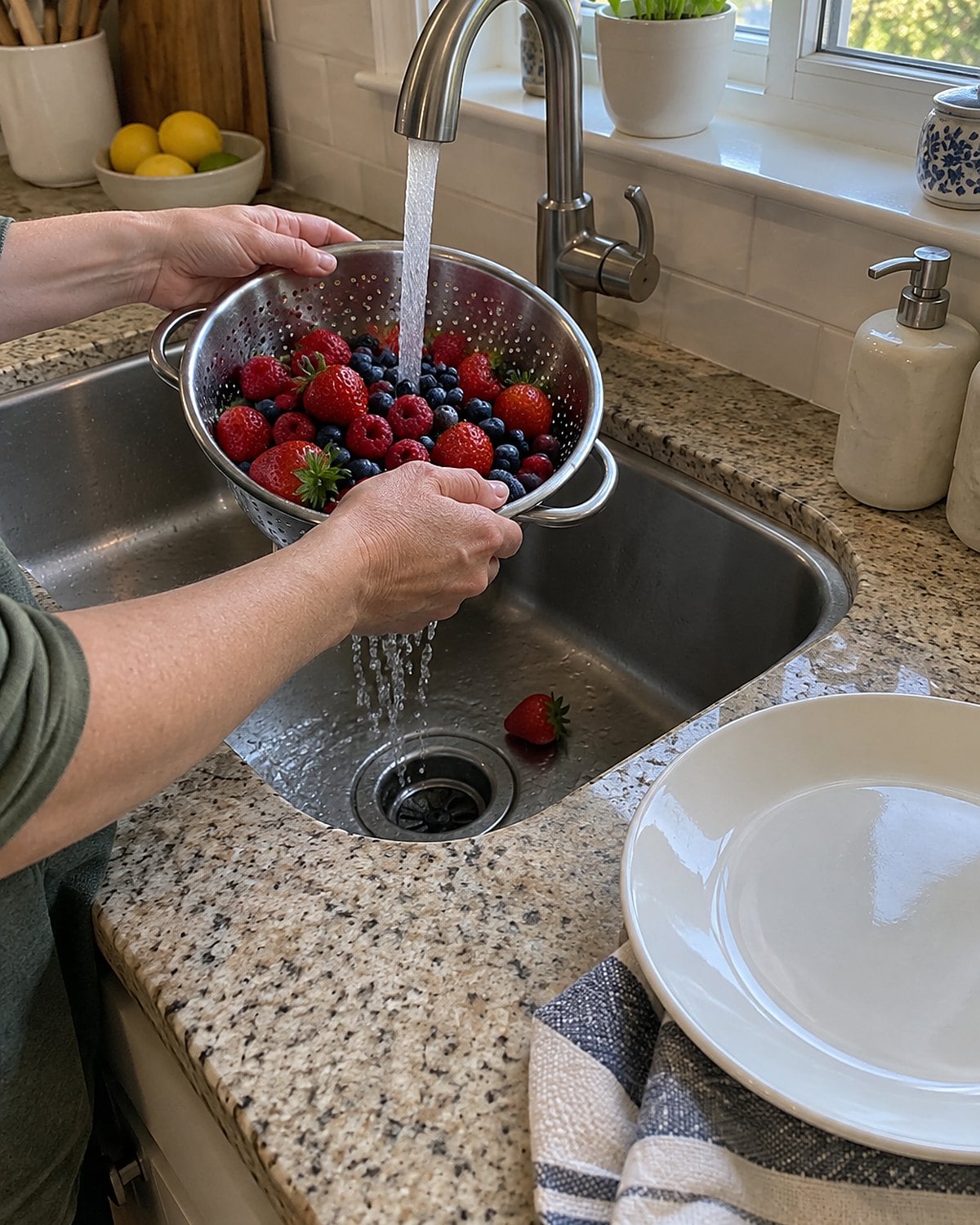
A berry from the carton looks clean enough to hand over while you finish lunch. Fresh produce still needs washing, even when the package looks tidy. The FDA advises rinsing produce under running water before eating or cutting it.
Wash your hands first. Rinse the fruit under running water, then prepare it in the shape this child needs. Don’t use soap or household cleaners on produce. Set the washed fruit on a clean plate rather than back into a carton that held unwashed berries.
This is a small order-of-operations job. Wash, prepare, serve. Once a child is planted by the sink waiting for a taste, skipping the middle step becomes awfully tempting.
#7 The special diet written from memory
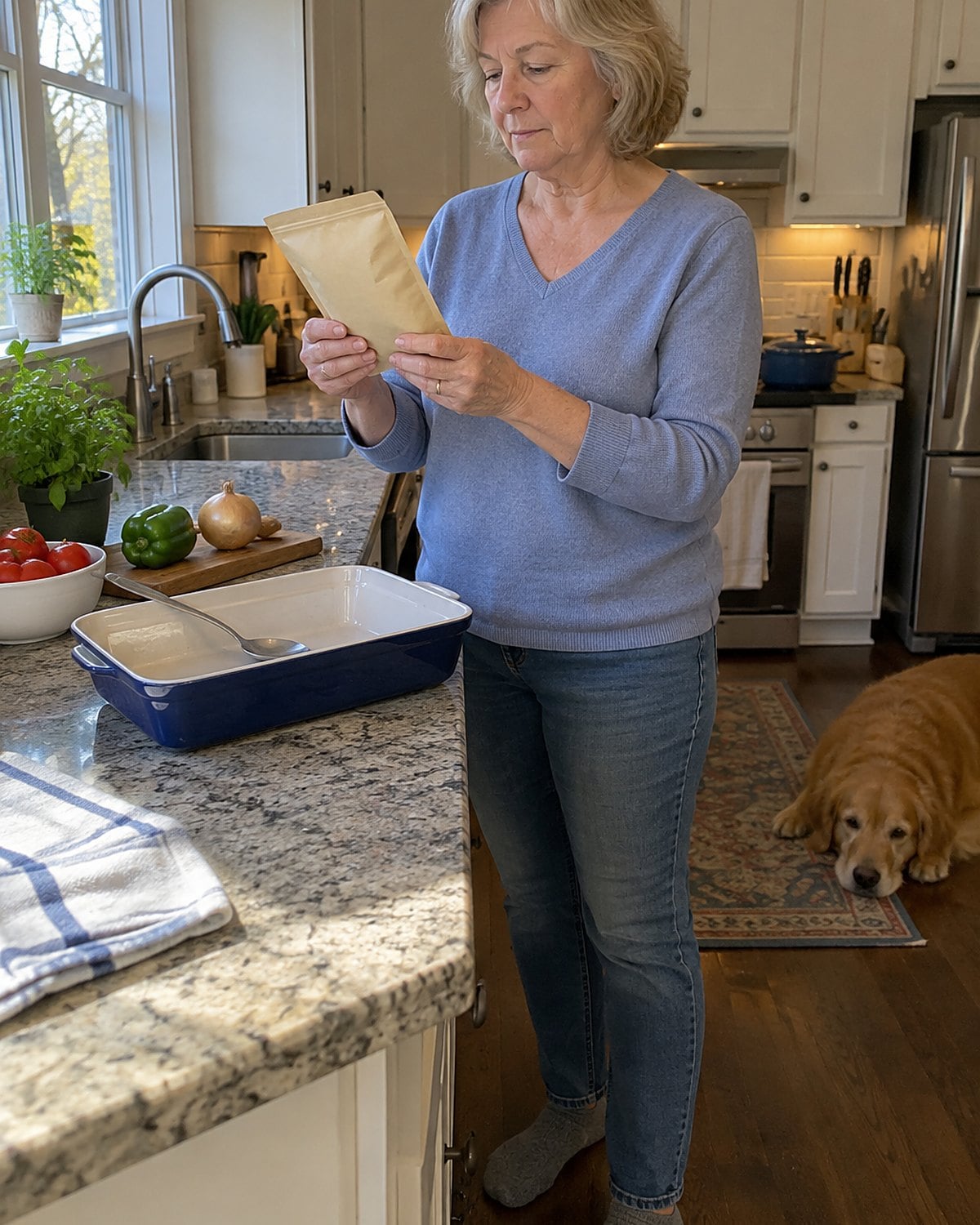
A parent says the child can’t have dairy. You hear the instruction, then face a casserole made with broth, breadcrumbs, and that familiar packet from the pantry. Is there milk in it? What about the bread on the side?
Don’t build a special diet from memory. Ask for the exact foods to avoid, what labels to look for, and what to do if the child eats one. Food allergies, intolerances, and medical diets have different rules. Put the instructions on the fridge before you start cooking.
For a diagnosed food allergy, ask for the child’s written emergency plan and medication instructions before the visit. Don’t substitute a “close enough” food because an ingredient seems minor.
Read the full label each time you open a new package; manufacturers change ingredients. If the label leaves you unsure, set that package aside and choose a food the parent has cleared. You know how to follow a recipe while someone asks where the crayons went. Give this the same attention.
#6 A too-hot bite from the pot
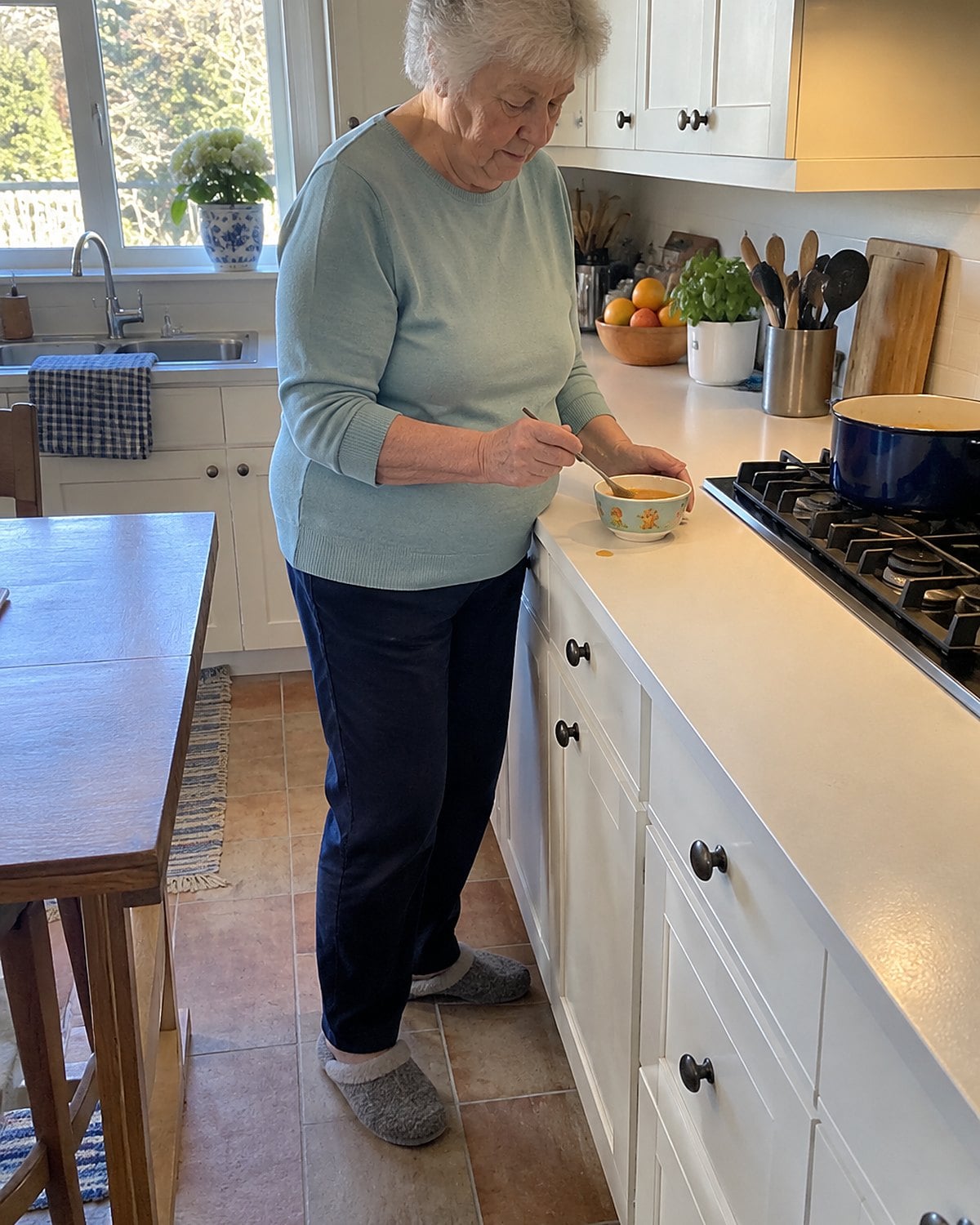
The pot is off the heat, so you dish out a little soup. The bowl sits for a moment. Then a toddler takes a spoonful from the center, where the food is still hotter than it looked.
Stir hot food well and test a small bite before serving. Heat gathers unevenly, especially after a microwave reheating. Give the child’s portion time to cool, and test the part beneath the surface, not just the edge of the bowl.
Your own mouth is a useful check here. If you have to blow hard on a spoonful, it isn’t ready for the toddler.
Keep the hot pot and its cord beyond little hands while everybody waits. Supper loses nothing by arriving a few minutes later.
#5 The milk carton beside the plate
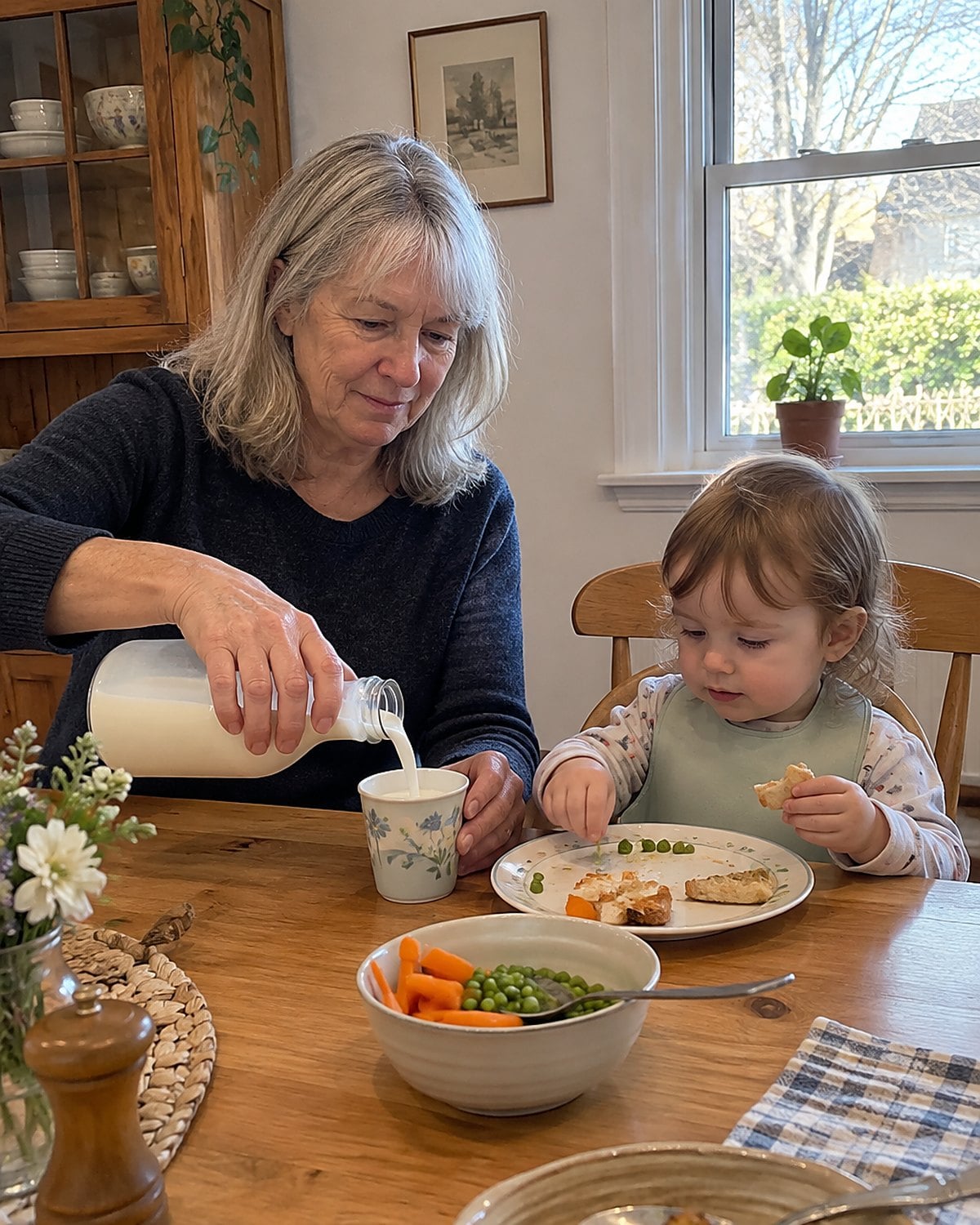
The familiar pitcher comes out with dinner, and you pour a full cup before anyone sits down. A toddler fills up on milk, then leaves the meal untouched. The next pour looks like an easy answer to the skipped dinner.
Ask the parent what the child drinks with meals and between them. The American Academy of Pediatrics advises limits on milk for toddlers because too much can crowd out other foods. If the parent gives you an amount, measure it rather than topping off the cup by eye.
Keep water handy when the cup is empty. You needn’t argue over the untouched food or coax the child through another bite. Just notice how much milk went into the cup before deciding the child rejected dinner.
This is different from a child taking one look at the beans and refusing them. The carton changed what happened before the plate arrived. Put it back in the fridge and let the parent’s drink routine guide the next meal.
#4 Snacks carried around the living room
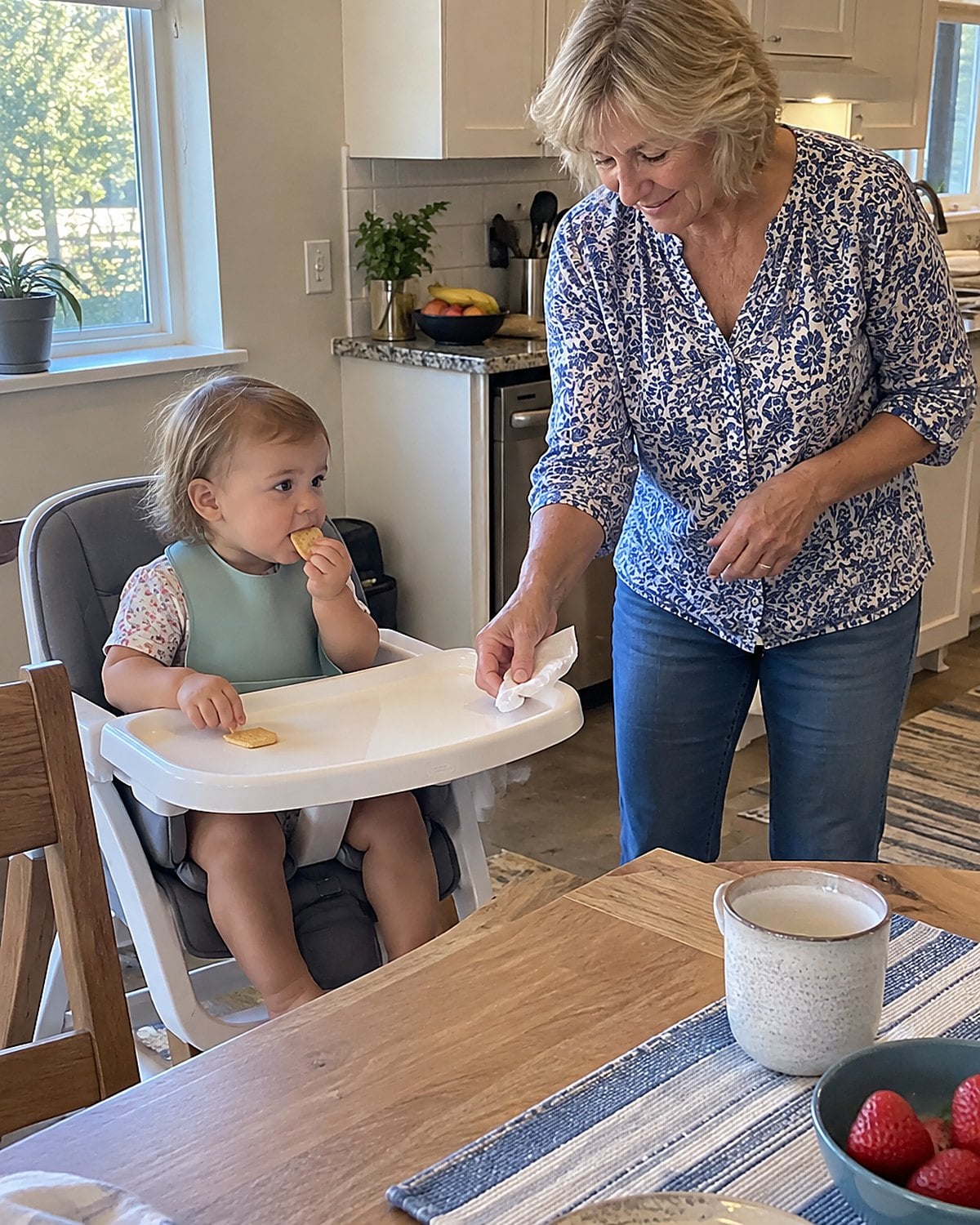
A toddler starts with a cracker in the high chair and finishes it halfway behind the sofa. Eating while running or playing raises choking risk, even when the food itself looked easy to chew.
The CDC’s choking guidance says children should sit during meals and snacks. For you, that means the cracker stays at the high chair when the child heads for the sofa. Stay nearby while they eat, and finish the snack before the next game begins.
This rule is awkward in a house where people graze by the stove and carry coffee from room to room. You don’t have to change every adult habit tonight.
Clear a place for the child, hand over the snack there, and put the plate away before the chase around the couch. The cracker crumbs are easier to find, too.
#3 The shared spoon between bites
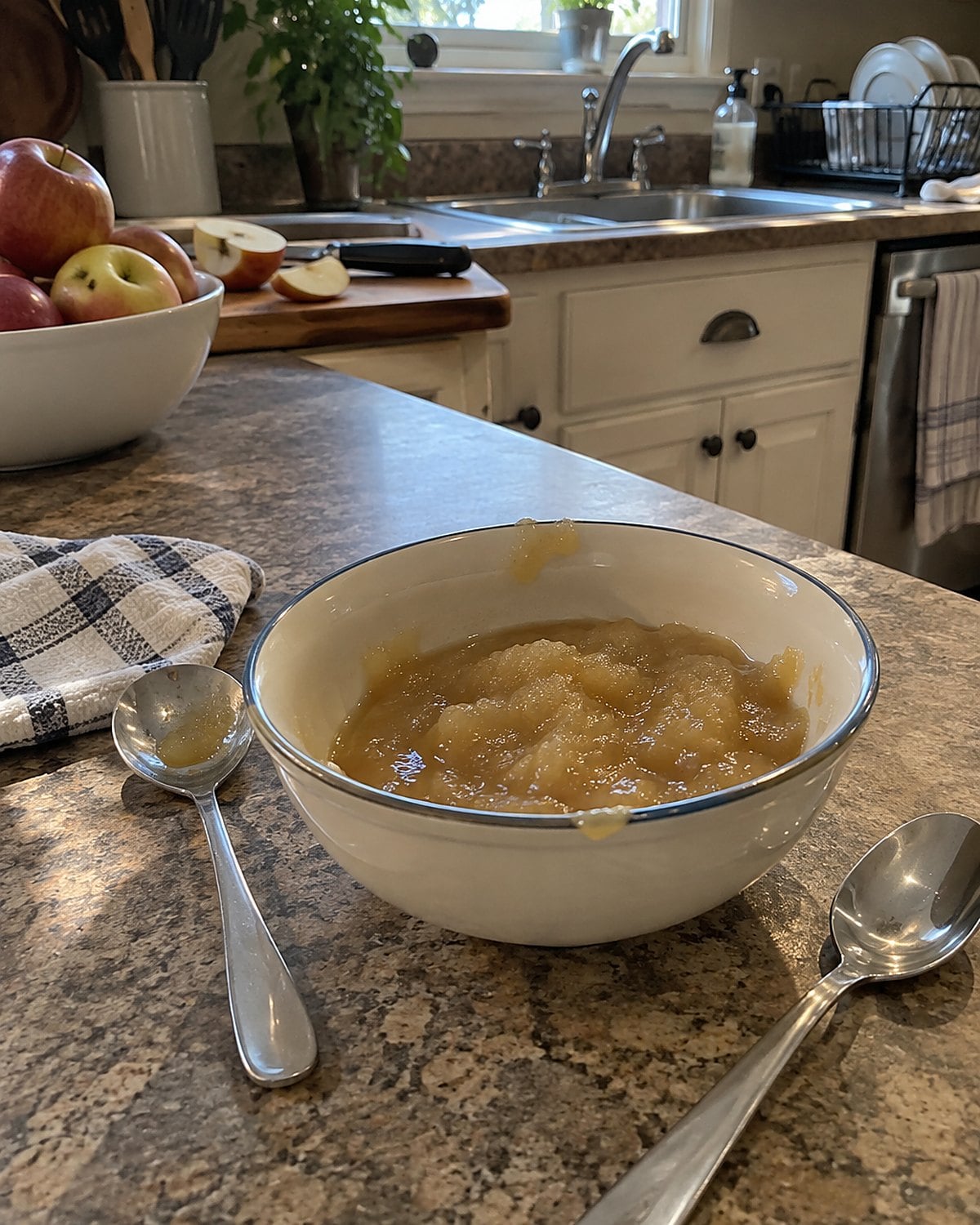
You taste the applesauce, use the same spoon to offer a bite, and think nothing of it. It’s an old family gesture. Sharing utensils also shares saliva, which carries germs. The American Dental Association notes that cavity-causing bacteria can pass through saliva.
Keep a tasting spoon for yourself and a clean spoon for the child. Don’t clean a dropped pacifier with your mouth before handing it back. Wash it instead.
These habits are easy to miss because they happen in the gap between cooking and feeding. Your hands are busy, and the child wants the next bite now.
A second spoon beside the stove solves much of it. Drop the used tasting spoon into the sink as soon as you’re done. You’ve already set out serving spoons for decades of family meals; this is one more utensil with a particular job.
#2 Food offered from the market stall
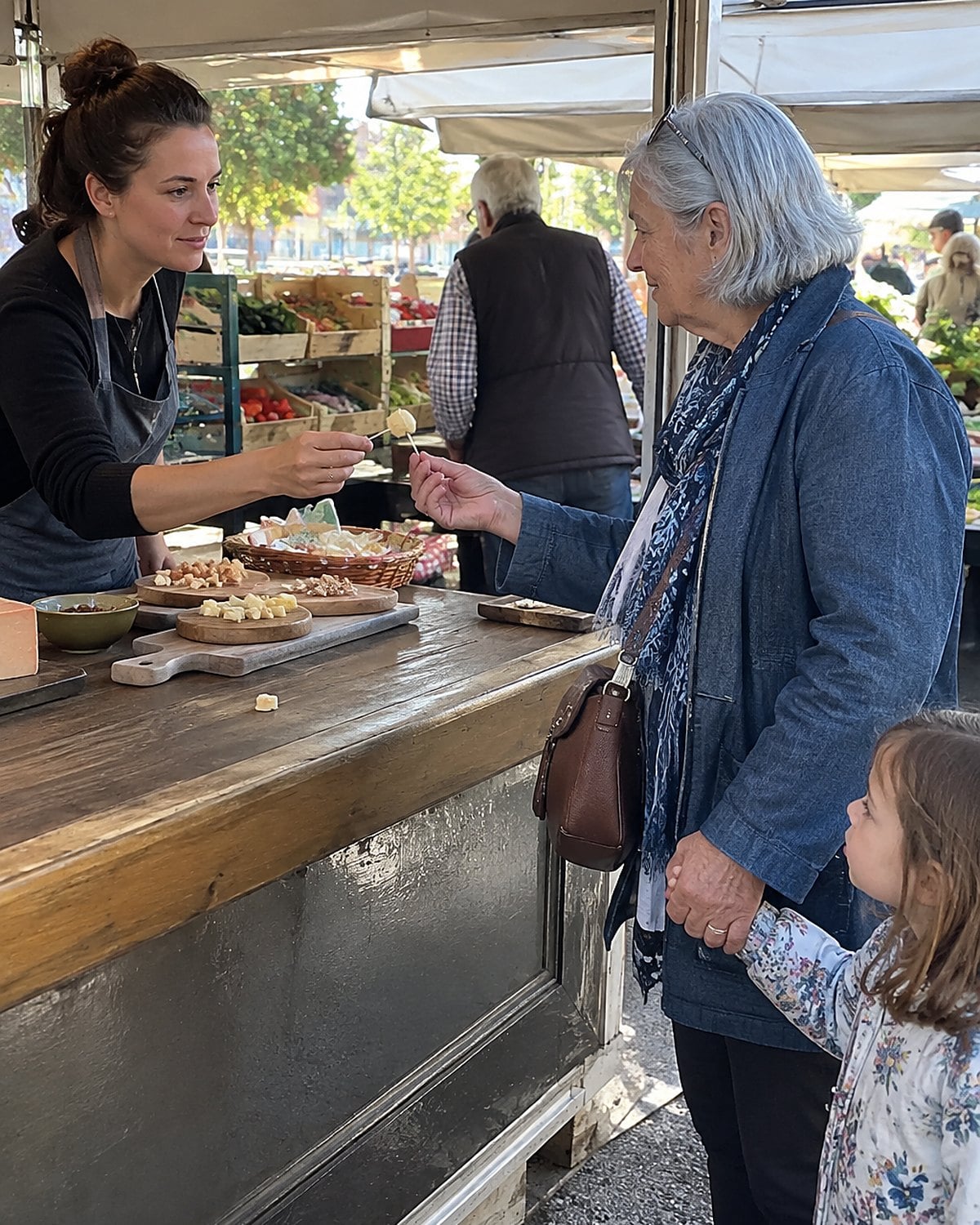
At the market, a vendor holds out a sample. Your grandchild sees you accept one and reaches up for a bite. The offer is friendly, but you don’t know every ingredient, how the food was cut, or whether the parent has introduced it.
Take the sample for yourself. Tell the child, “Let’s have the snack we brought.” If you brought food from home, use that.
This is especially handy around free samples, church hall buffets, and neighbors who remember feeding your own children. You’re not accusing anyone of cooking badly. You’re making a quick decision with less information than the parent has. That boundary takes one sentence, then the outing goes on.
#1 The missing handoff before lunch
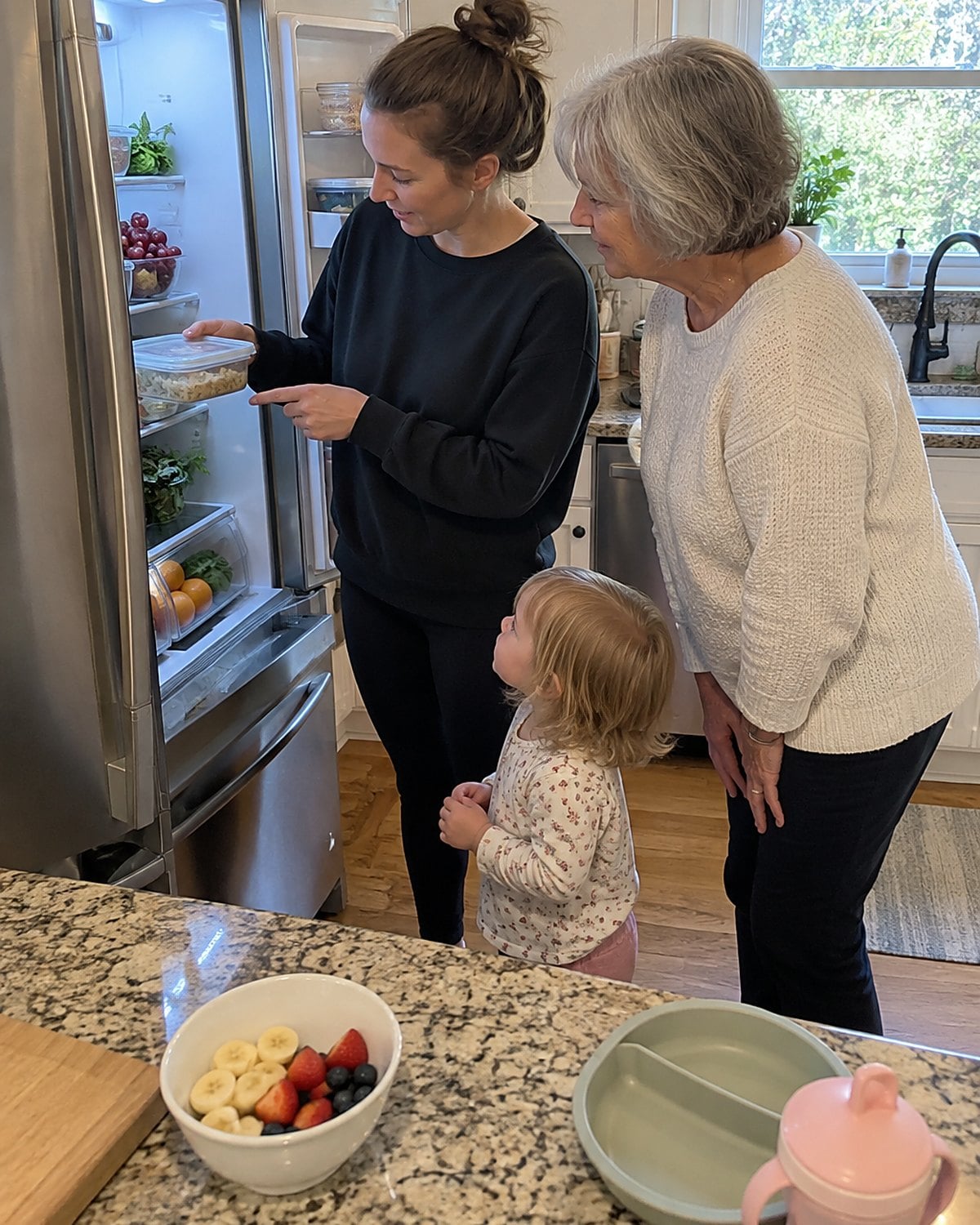
The parent is almost out the door. You know what’s in the fridge, but not what this child has eaten lately or what to do if lunch goes wrong. That’s the mistake worth catching before you turn on the burner.
Keep the handoff in one place. Have the parent write down what the child eats, how it’s prepared, what stays off the plate, and what they drink. Ask where the child sits for meals. Look in the fridge together while the answers are fresh.
Get the parent’s phone number and a backup contact you can find without searching your messages. If the child has a medical plan, have the parent show you the written instructions and where any prescribed medication is kept. For a severe allergic reaction, follow the child’s emergency plan and call 911.
Then show the parent what you intend to serve. “I have chicken, cooked carrots, and rice. Is that how you’d do lunch?” It’s a practical question, not a request to have your cooking graded.
If you can’t reach the parent later, use the plan they left. Don’t invent a substitute meal or medication instruction from memory. You know your kitchen better than anyone; the parent knows this child’s current needs. Put those answers together before lunch begins.
The bottom line
The mistakes here have a pattern: a familiar food, a familiar gesture, and a child whose needs aren’t the same as the adults’ at the table. A few changes happen with a knife. Others take one question before the visit.
The well-prepared version of you has already put the parent’s instructions where they’re easy to see, cleared the hard candy from reach, and found the food thermometer. She still cooks the way she knows how. She just knows which parts to check again.
What’s sitting in your kitchen right now that deserves another look before the next little visitor arrives?

Leave a Reply