

A whole cooked chicken for $4.99 in 2026? At Costco, that familiar price has survived since 2009, even while the rest of our grocery bills climbed.
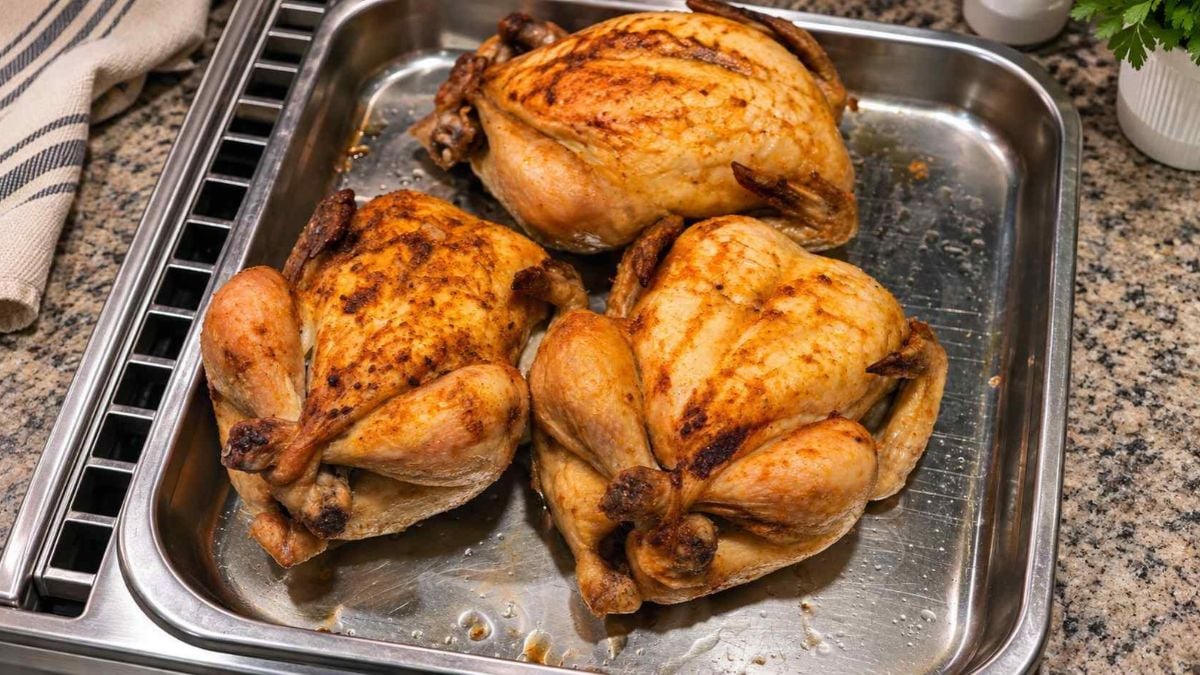
There's a reason: Costco accepts slimmer margins to keep shoppers coming back. It even built a $450 million poultry operation in Nebraska to control supply. That's quite a commitment to dinner!
The $4.99 Price Didn't Start in 2009
Costco sold rotisserie chickens for $4.99 around 2000. The price briefly rose to $5.99 in 2008, during the financial crisis, before returning to $4.99 in 2009. That's when the uninterrupted streak began, not when the price first appeared.
Why Costco Wants You Buying Chicken
The bird is widely called a loss leader: a low-priced draw that brings shoppers into the warehouse, where they might buy higher-margin products too.
As one observer put it, “The rotisserie chicken is exactly a loss leader strategy.” NPR's reporting on inflation and rotisserie chicken explains why this price stands out.
But “loss leader” doesn't prove Costco loses money on each bird. Its exact per-chicken profit or loss hasn't been disclosed.
Costco Was Willing to Give Up Millions
In a 2015 earnings call, then-CFO Richard Galanti said, “When others were raising their chicken prices from $4.99 to $5.99, we were willing to eat” the difference. He estimated $30 million to $40 million annually in forgone gross margin.
That's money Costco could potentially have made by charging more, not a confirmed 30–40 million operating loss.
The Nebraska Plant Behind the Price
Costco didn't stop at pricing. It built a vertically integrated poultry complex in Fremont, Nebraska, for approximately $450 million. The operation opened in 2019.
Costco founded its wholly owned subsidiary Lincoln Premium Poultry in 2016 to help produce Kirkland Signature chicken. “Vertically integrated” means overseeing more steps instead of depending entirely on outside suppliers.
According to Costco's own poultry description, the roughly 325-acre complex contains a hatchery, feed mill, processing plant, and quality-control laboratory.
It was designed to process more than two million chickens weekly and supply around 40% of Costco's U.S. chicken needs. A 2026 account puts actual production at approximately two million weekly, illustrating the scale.
Sales Grew While the Sticker Stayed Put
Around 2018, Costco sold roughly 60 million rotisserie chickens a year. That grew to about 106 million in 2021, then more than 157 million in 2025.
More birds moving through stores makes the unchanged price even more remarkable. It also makes dependable supply essential.
Why Costco Wanted Its Own Supply
The company had disputes with suppliers, including Tyson, and accused poultry suppliers of price gouging during the 2008–2019 period. Those were allegations, not established findings about every supplier or transaction.
Building its own supply chain gave Costco another way to manage costs and secure the chicken sizes and quantities it needed.
What $4.99 Would Mean With Inflation
One inflation comparison estimates that a $4.99 chicken around 2000 would cost about $8.31 if its price had risen with inflation. That's an illustrative estimate rather than a precise November 2026 calculation, but it explains why the warehouse price feels stuck in time.
Don't Waste That Bargain: Store It Safely
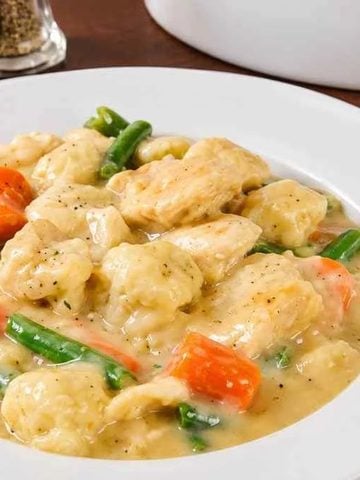
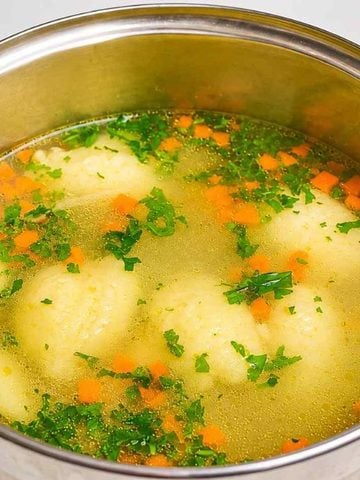
A rotisserie chicken can become sandwiches tonight, soup tomorrow, and a casserole later. Just don't leave it sitting on the counter while you unpack everything else.
USDA says bacteria grow rapidly in the 40°F–140°F danger zone. Follow its leftover storage guidance:
- Refrigerate within two hours of purchase, or within one hour when temperatures exceed 90°F.
- Keep the refrigerator at 40°F or below and freezer at 0°F.
- Eat refrigerated cooked chicken within 3–4 days, counting from when it was cooked, not when you first use the leftovers.
- Freeze portions for 3–4 months for best quality; reheat leftovers to 165°F.
The Real Value of a $4.99 Chicken
Costco's price is a deliberate choice, backed by years of forgone margin and a Nebraska supply operation. For the rest of us, the win is simpler: use the meat across several meals, refrigerate within two hours, and finish it within 3–4 days or freeze it. A bargain only saves money when you actually eat it!
Leave a Reply