

The drawer with the twist ties is open. He’s looking for the peeler, and you know exactly where it is: beside the old church cookbook, not in that drawer.
For years, you’ve moved through this kitchen without explaining its geography. Now someone has time to cook, questions about where things go, and an idea for supper.
You wanted help. You still do. But help feels different when it comes with a rearranged pantry and a pan left soaking beside the sink. Before dinner gets easier, you have to sort out which habits matter, which ones are yours to loosen, and which jobs were never yours alone.
#27 The drawer with the twist ties
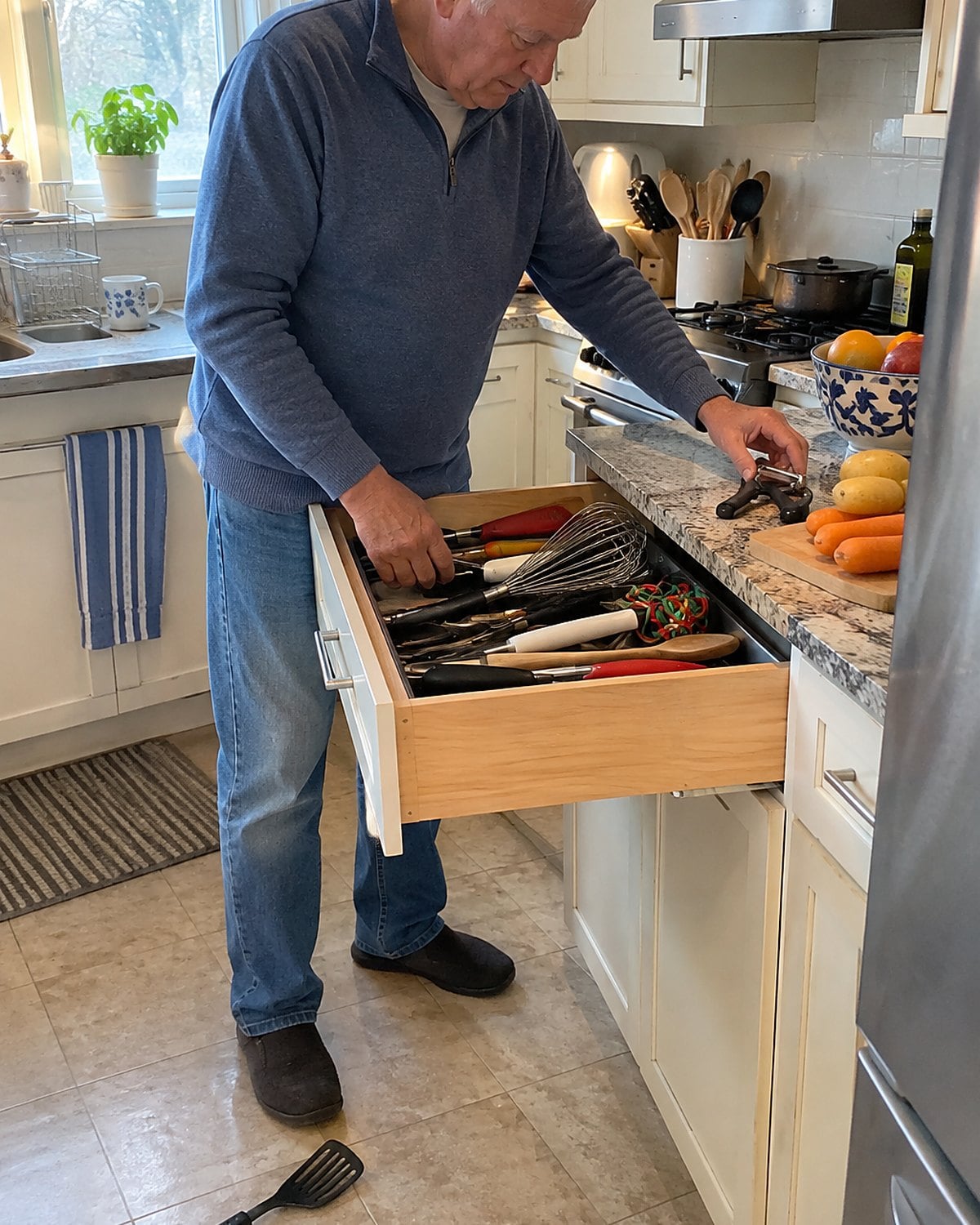
He’s opened three drawers looking for the peeler. You’re already reaching for it before he asks. That little motion has kept countless dinners moving. It has also kept the drawer system inside your head.
Walk him through the places that matter during an ordinary dinner: the peeler, the colander, the potholders. Then let him find them next time. Move a tool together if its old spot makes no sense to either of you. Keep the twist ties where you want them.
This isn’t a tour of your territory. It’s a way to stop being called across the kitchen whenever a potato needs peeling. Once he knows where the peeler lives, the next question is whether he puts it back.
#26 The good knife in the sink
A sharp knife buried under soapy water is hard to see when someone reaches into the sink. If he leaves the good knife there, pull it out by the handle and say plainly where knives go: on the counter until they’re washed, dried, and put away.
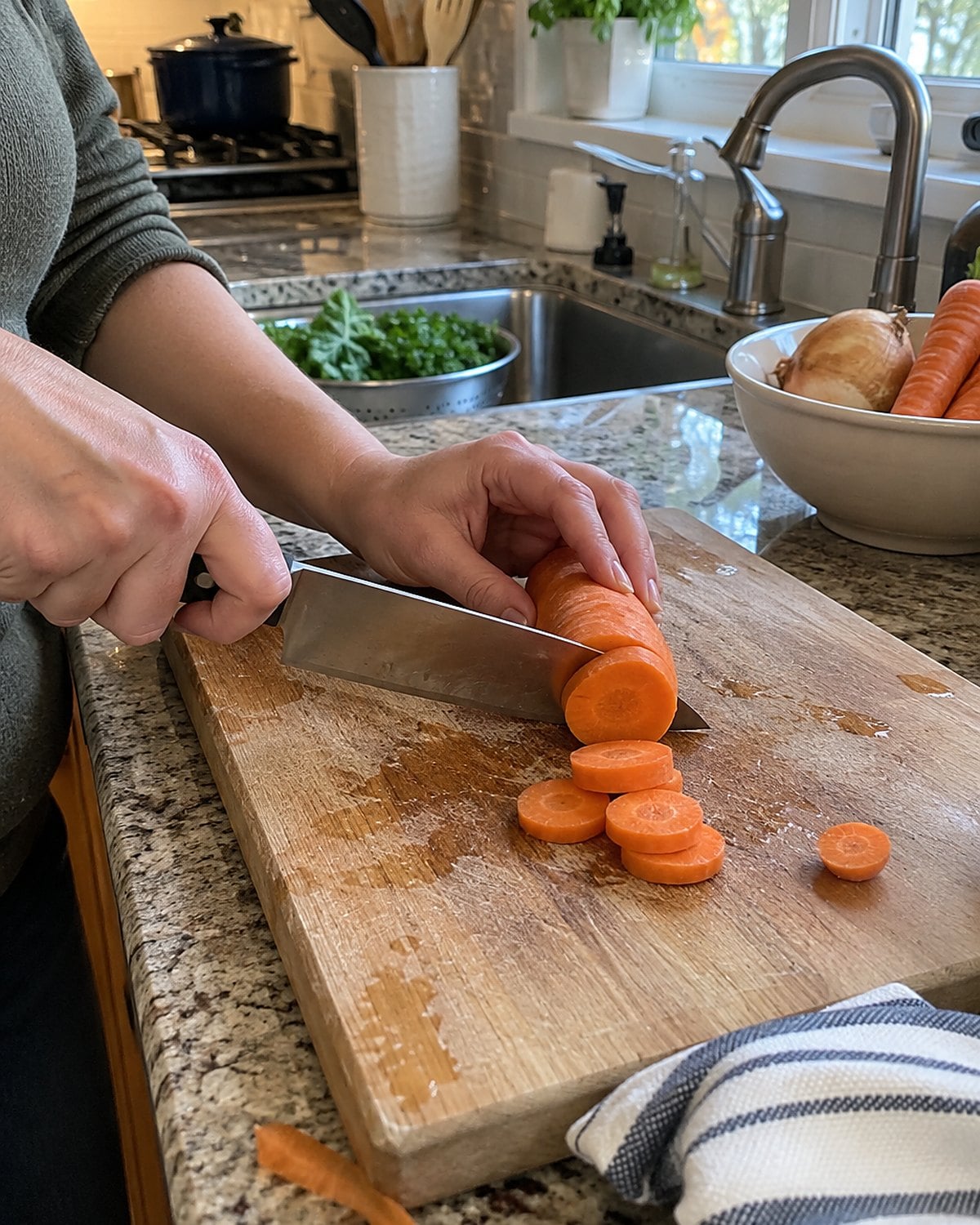
There’s a second lesson at the cutting board. A knife cuts more cleanly when the board stays put. Set a damp towel underneath it, then have him slice a carrot. He’ll feel the difference before you finish explaining it.
You’ve spent years protecting that blade from the dishwasher and the crowded utensil drawer. Tell him why, but give him the work too. “Wash it when you’re done” is a complete instruction, not a request for you to inspect the sink later.
Then notice which rules he learns on the first try. The important ones deserve a clear sentence. A harmless difference in how he cuts carrots doesn’t need one.
#25 The onion going into a cold pan
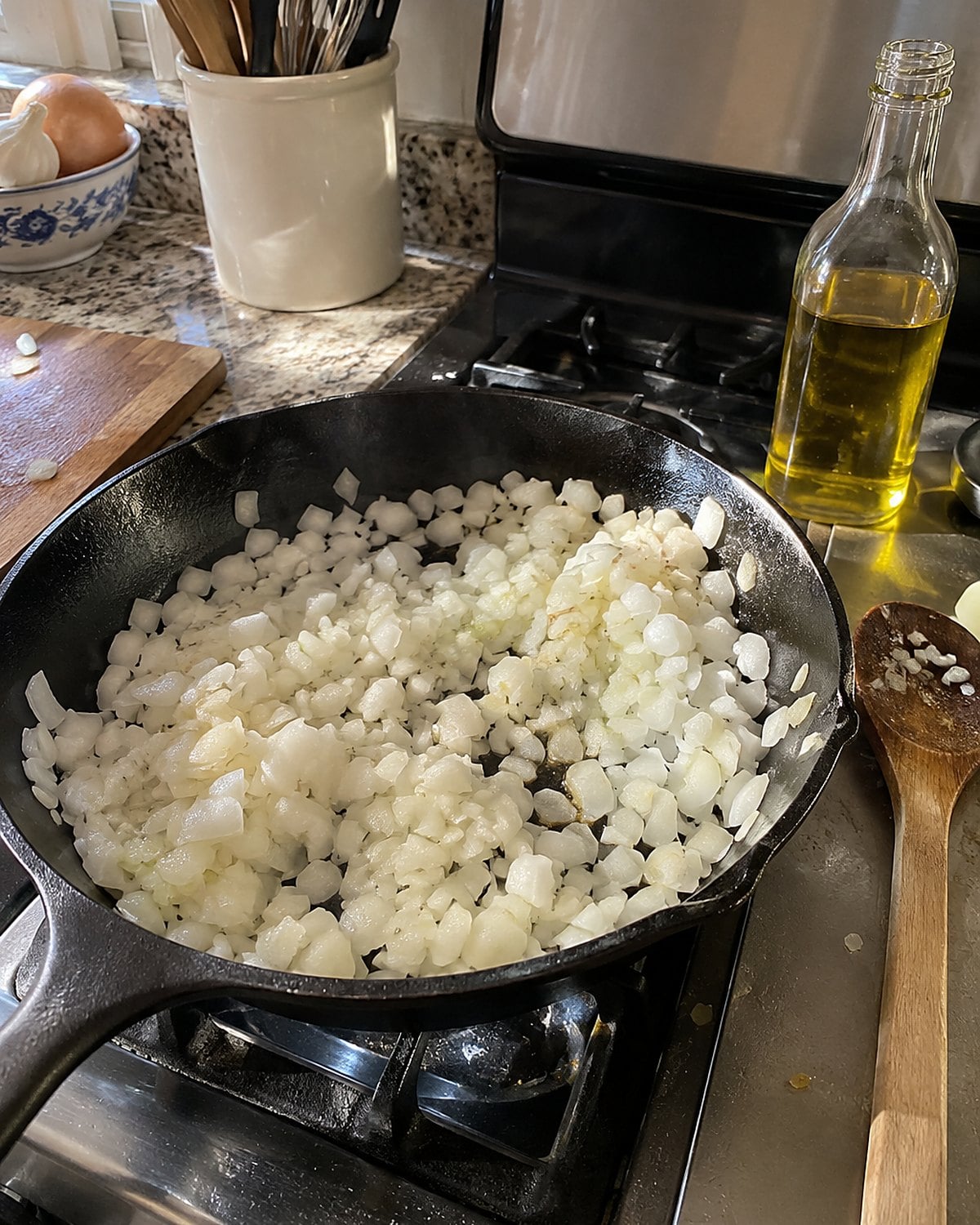
You hear the onion hit the pan before the oil has warmed. Dinner will survive. The onion will behave differently.
A hot pan starts it sizzling; a cold pan lets it warm slowly alongside the oil. Neither path is a kitchen emergency. The question is what he wanted from it. For a browned edge, let the oil heat first and leave room between the pieces. For a softer onion in soup, slow heat does the job.
That’s a useful distinction when you’re tempted to correct the order from across the room. Ask what he’s making before you move the pan. He gets an answer about the food instead of a verdict on his technique.
And you get to save your breath for the habits that truly change dinner.
#24 The milk carton on the fridge door
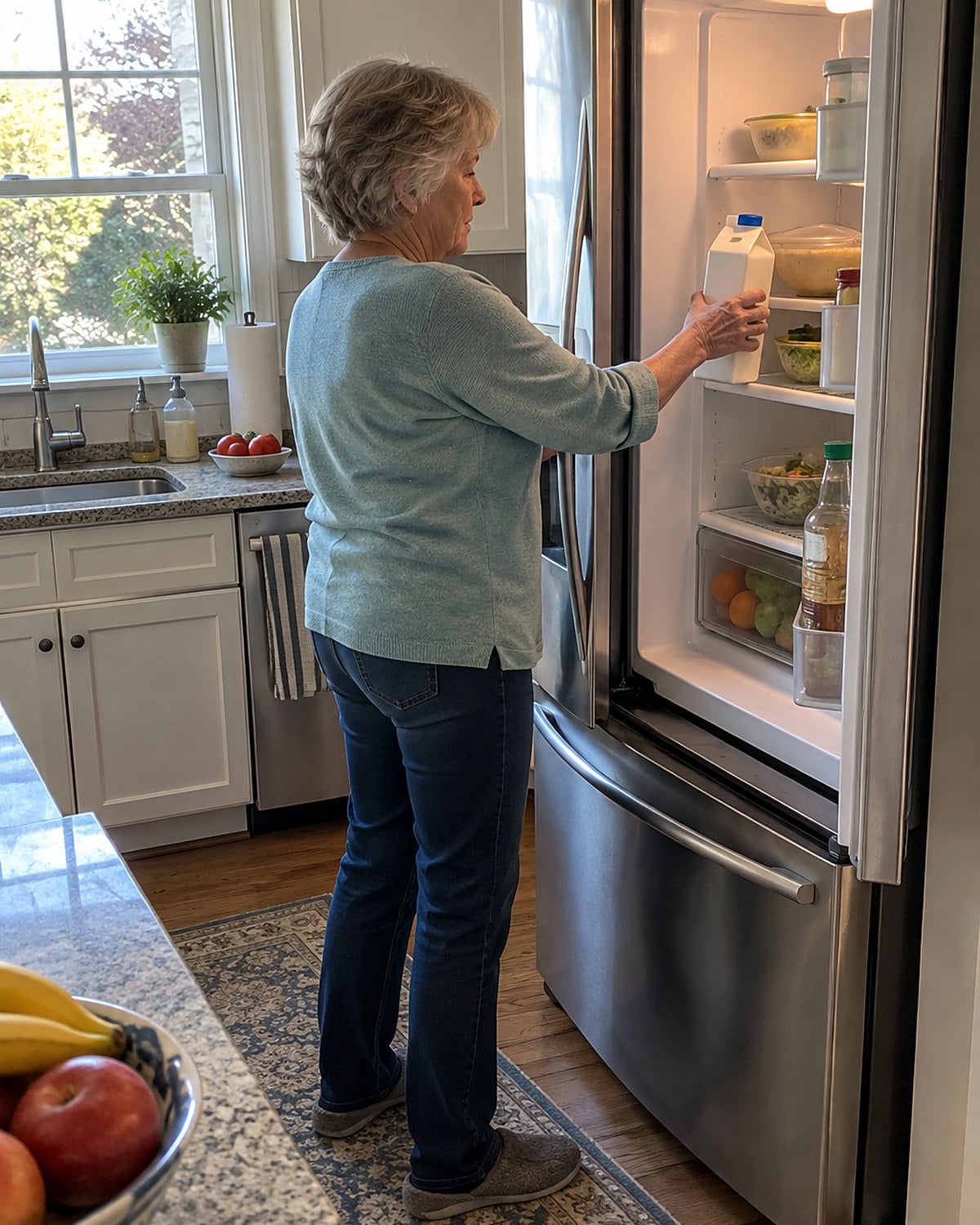
He’s found a spot for the milk where it fits neatly, right in the door. You’ve kept it farther back for years, though you never gave that choice a speech.
The door warms more readily when the refrigerator opens. Put milk on an interior shelf, and leave the door for condiments. The FDA’s refrigerator guidance says to keep the fridge at 40°F or below. If the little dial offers only numbers without temperatures, place a refrigerator thermometer inside and check its reading.
Now for the part the thermometer won’t settle: he moved the milk without asking. Say that, too. “I keep the milk here because it stays colder. If you want to change the fridge, tell me first.” A reason and a boundary fit in the same sentence.
He should get room to cook without making you hunt for breakfast.
Quick check
- Fridge: 40°F or below.
- Milk: on an interior shelf.
- Thermometer: inside the fridge, away from the door.
#23 The chicken breast under the thermometer
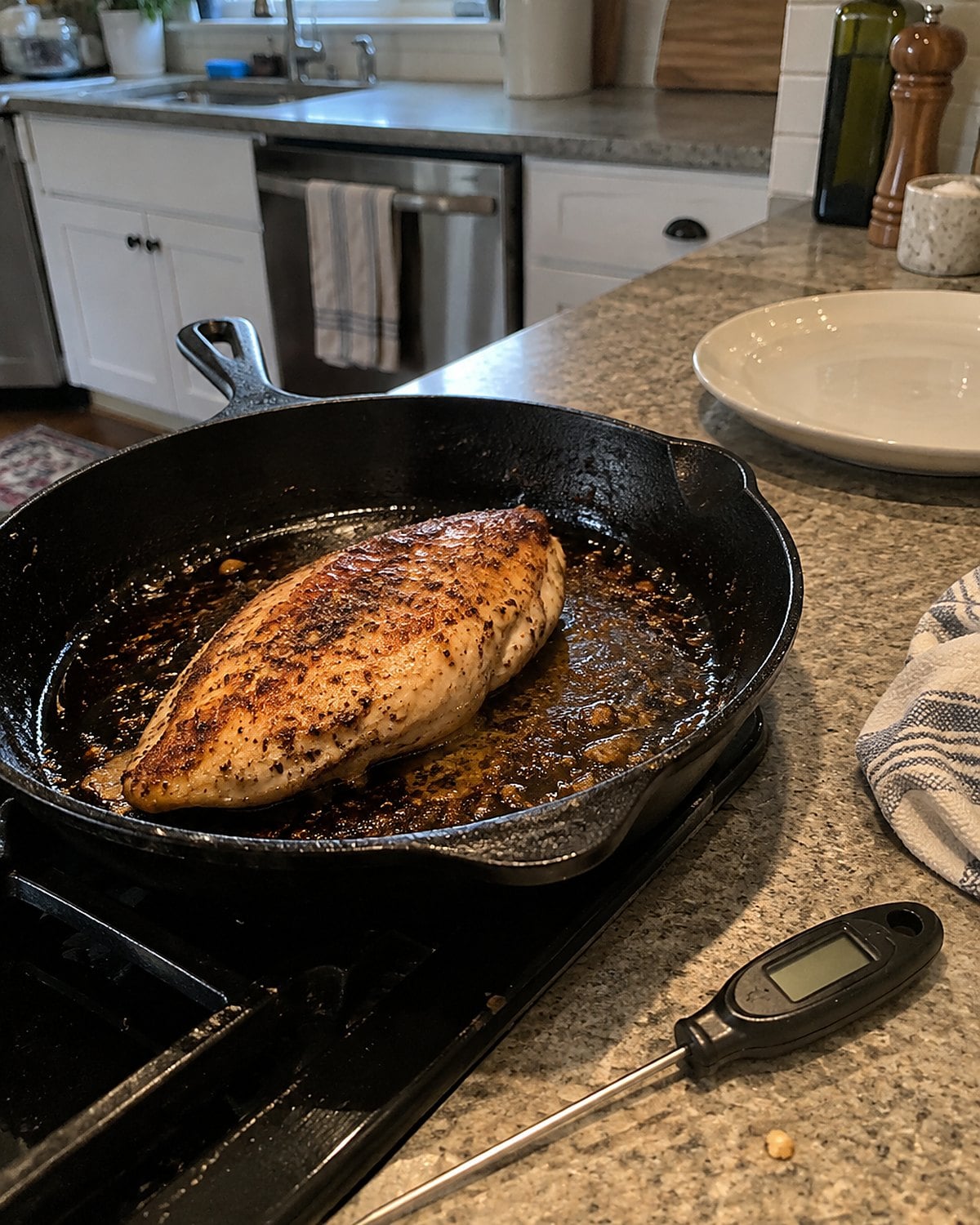
“Does it look done?” is a fair question when the outside has browned and the thickest part still looks pale. Color won’t answer it.
Hand him the thermometer. Push its tip into the thickest part of the chicken, away from bone, and read it. Poultry needs to reach 165°F, the USDA’s safe temperature chart says. If it hasn’t, return it to the heat. There’s no prize for guessing correctly by looking.
You’ve had your own ways of judging dinner for decades. Keep the ones that work. Here, the thermometer takes a job away from both of you: debating whether supper is safe. After that, the argument returns to matters of taste, where it belongs.
#22 The second chair at dinner
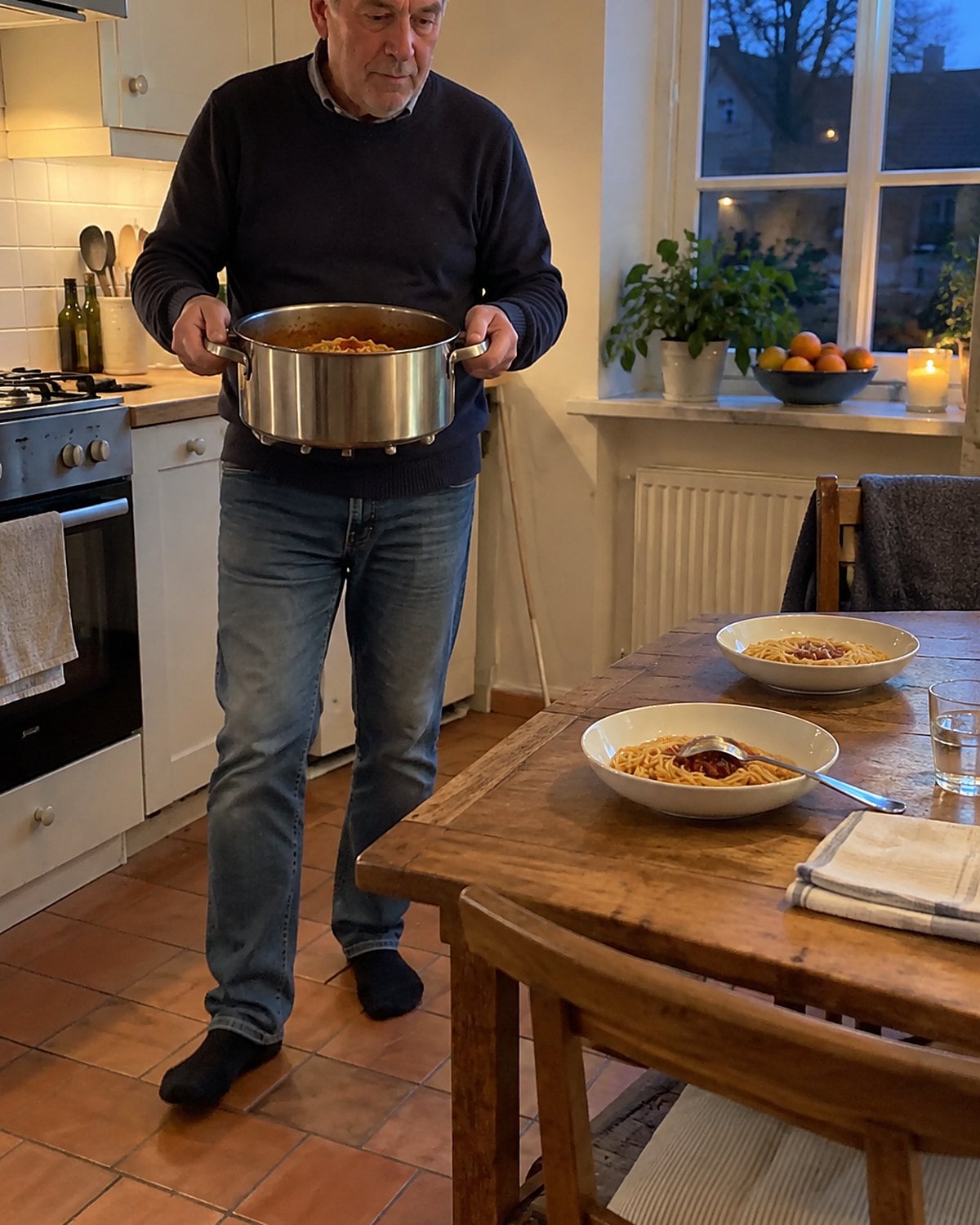
He cooks enough pasta for the family table you used when the kids lived at home. Tonight there are two chairs pulled out, and the pot is still nearly full.
Before you discuss portions, ask what he thought would happen to the rest. He pictured lunch. You pictured containers you’d have to wash, find room for, and remember to use. Both plans sound sensible until only one person carries them out.
Try a smaller pot on a weeknight. If he wants leftovers, ask him to name their next meal while he’s serving dinner. Pasta dressed with sauce has a different second act from plain pasta waiting in the fridge. Set some aside before saucing it if that suits the plan.
The point isn’t to make him cook less. It’s to match the work to the household that lives here now. Weekend grandchildren change the numbers again. Tuesday dinner doesn’t need to pretend it’s Saturday.
#21 The measuring cup beside the saucepan
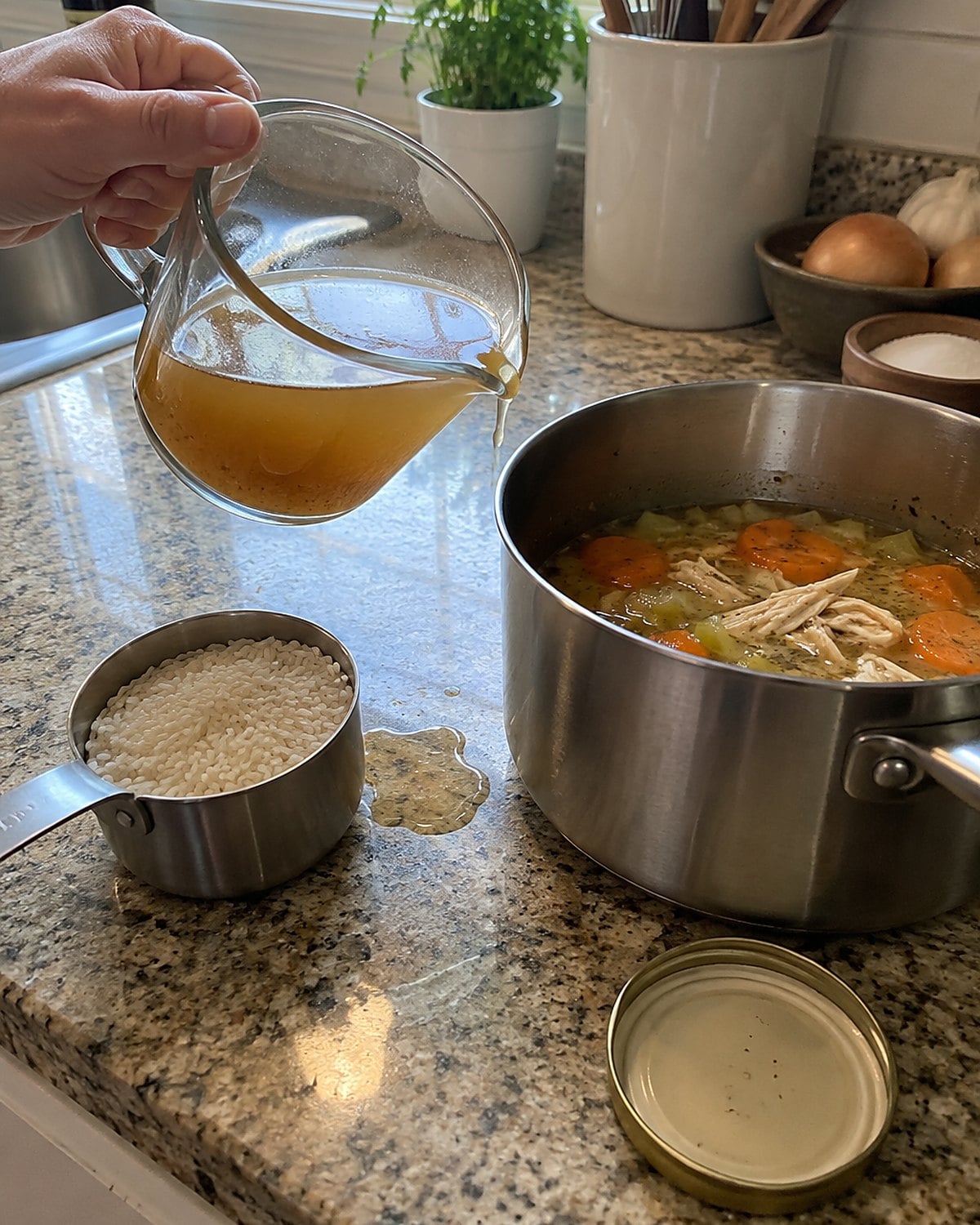
He reaches for a dry measuring cup to pour broth. You reach for the glass cup with a spout. Both hold liquid, but one makes it easier to see the level without lifting a full cup over the saucepan.
Show him the flat counter test: set the liquid cup down and read the mark at eye level. For flour or sugar, use dry cups you can fill and level. Then let him decide which cup he wants when precision doesn’t matter.
It’s a small difference. So is wiping the puddle that follows an awkward pour. If the cup he chose works and the counter stays dry, there’s nothing left to settle.
#20 The casserole with the browned corners
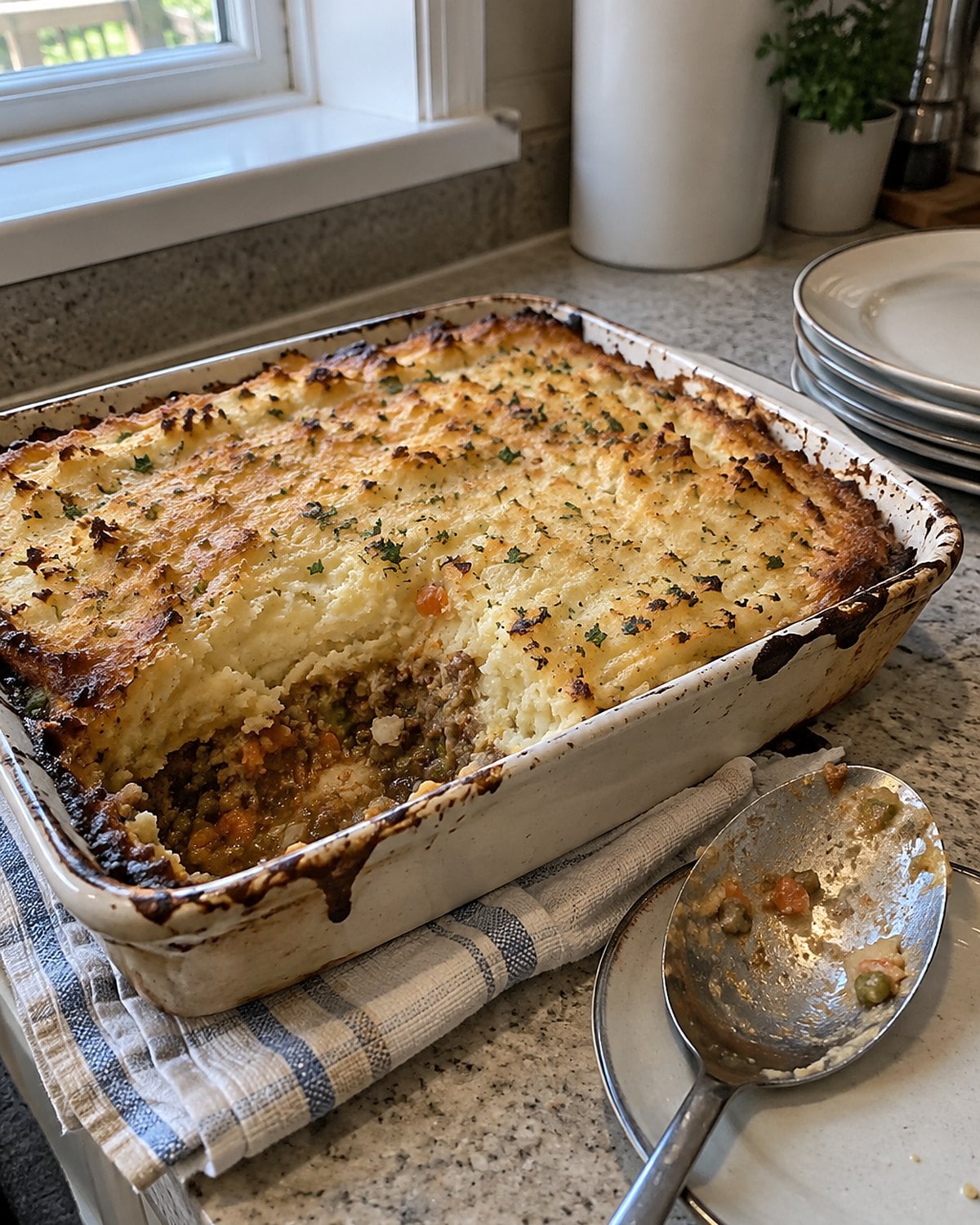
He likes the crisp cheese along the casserole’s edge. You take a spoonful from the middle and find the pasta there needs more time. The browned top told you what happened on the surface, not what happened underneath.
For a freshly baked dish, follow the recipe’s doneness check. If he’s reheating a leftover casserole, put a thermometer into the center. The USDA’s leftovers guidance calls for 165°F. If it falls short, return the dish to the oven.
Now taste a corner. Browning brings flavor to the cheese and exposed pasta, but it also dries those edges. If he loves the crunchy bits, don’t cover every inch next time. If the filling is dry throughout, give it more sauce before it goes in.
The church cookbook with the broken spine has plenty of “bake until bubbly” instructions. You know that phrase leaves a lot to the person holding the potholder. He’s learning the part no cookbook wrote down.
#19 The salt shaker over the pot
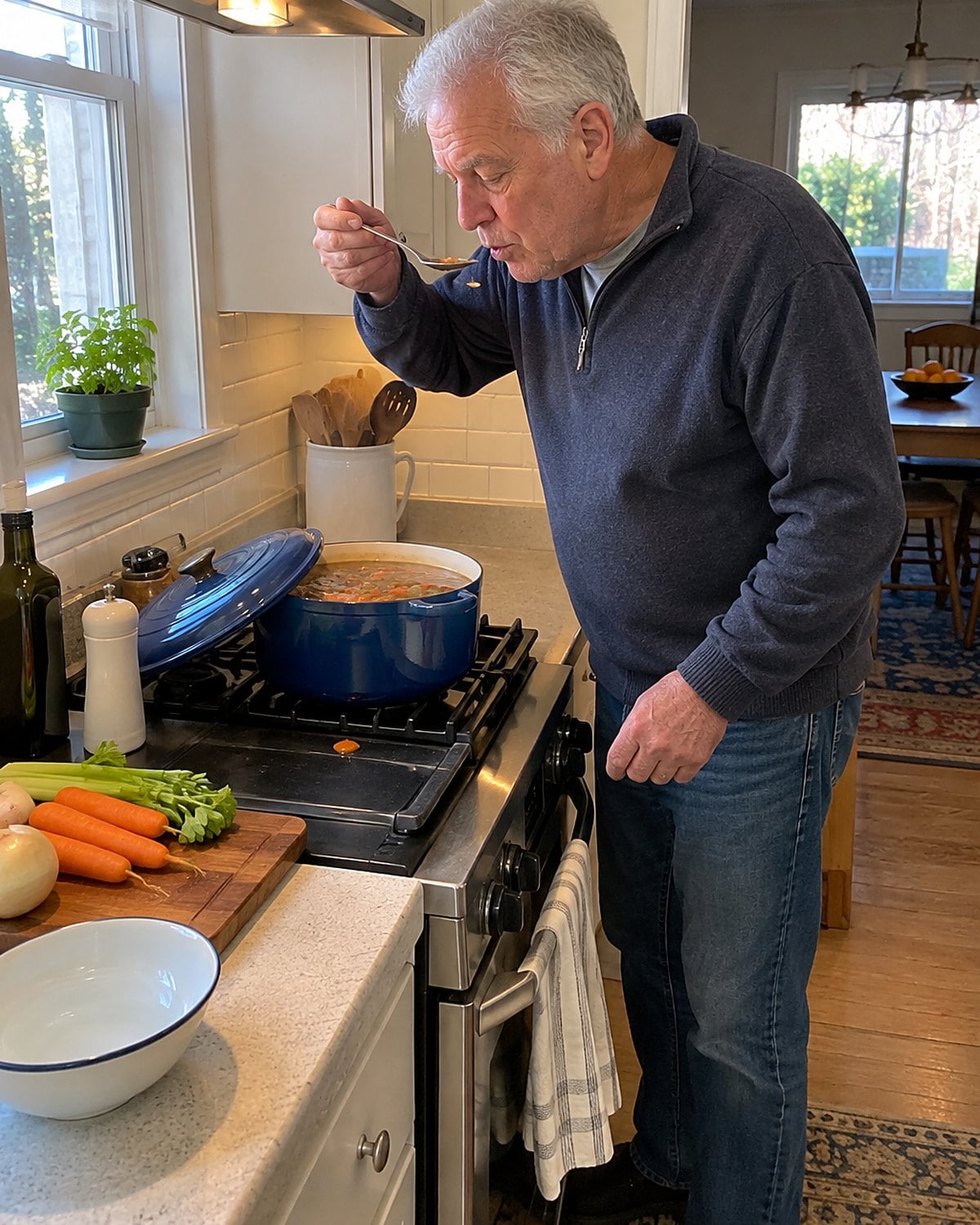
He salts the soup at the end, tastes it, and adds more. You salted the onion earlier. Neither of you can tell what’s missing until the spoon reaches your mouth.
Salt doesn’t turn an undercooked onion sweet or fix a thin broth. It does make existing flavors easier to taste. Before another shake, let the spoonful cool enough to taste properly. Then ask what the soup lacks: salt, acid, or time on the stove.
Try a small spoonful with a squeeze of lemon. Keep that test outside the pot. If you like it, season the pot. He gets to hear an answer that isn’t “You didn’t do it my way,” and dinner gets a better chance.
#18 The grocery list on the counter
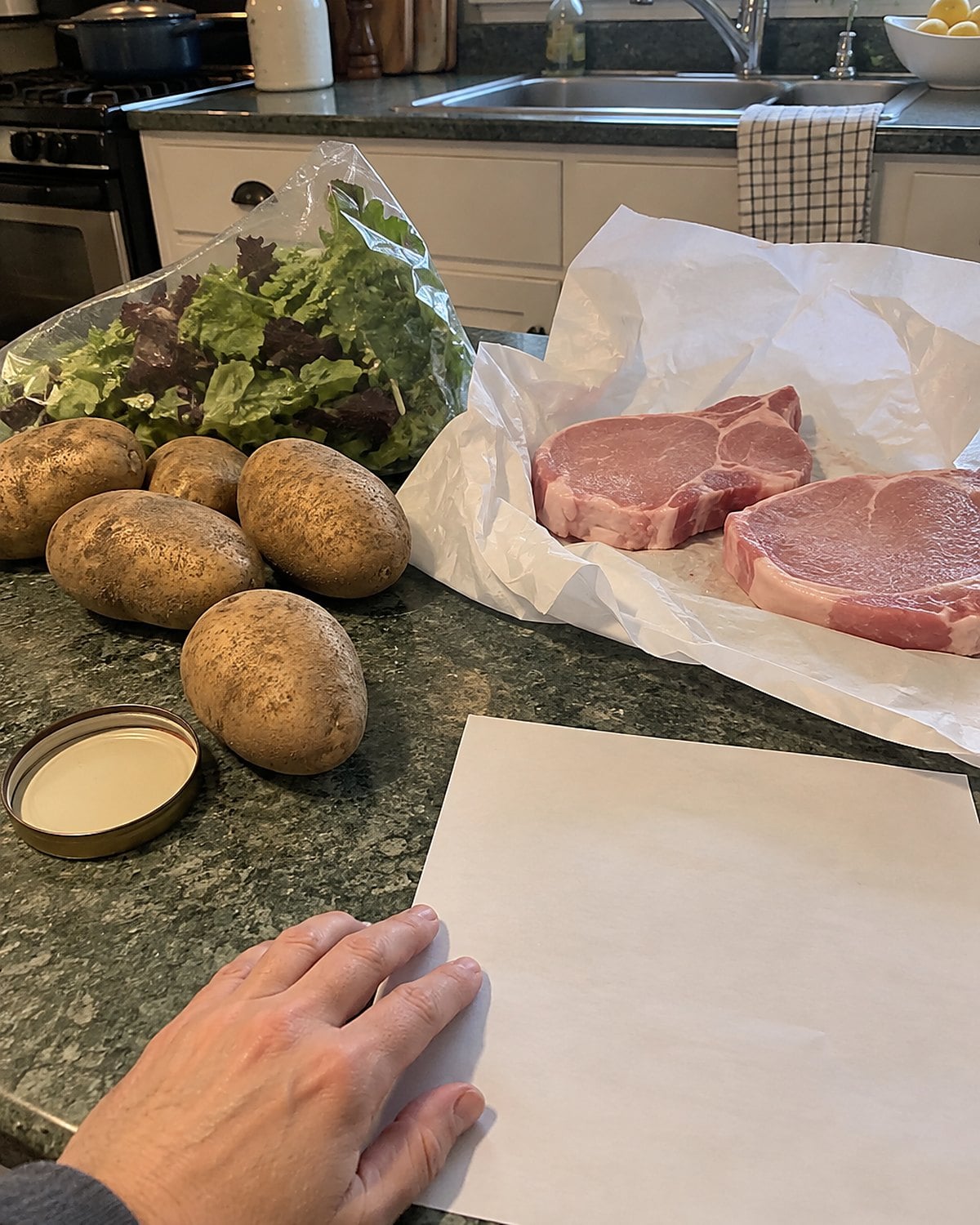
“I bought everything for dinner,” he says. On the counter sit potatoes, pork chops, and a bag of salad. The pantry holds the oil, mustard, and foil. You know what’s there because you checked it yesterday.
Buying the main ingredients is a start. Planning dinner also means checking what the recipe assumes you already own. Hand him the grocery list and ask him to write down the whole meal, including what’s in the cupboard. He can cross off the things he finds before shopping.
Then leave the list where both of you reach it. If mustard runs out, the person who finishes it writes it down. You don’t have to be the household’s walking pantry inventory.
This is where “I’ll cook” starts to mean more than standing at the stove. The cook checks the shelves, buys what’s missing, and notices when the salad needs washing.
#17 The garlic under the knife
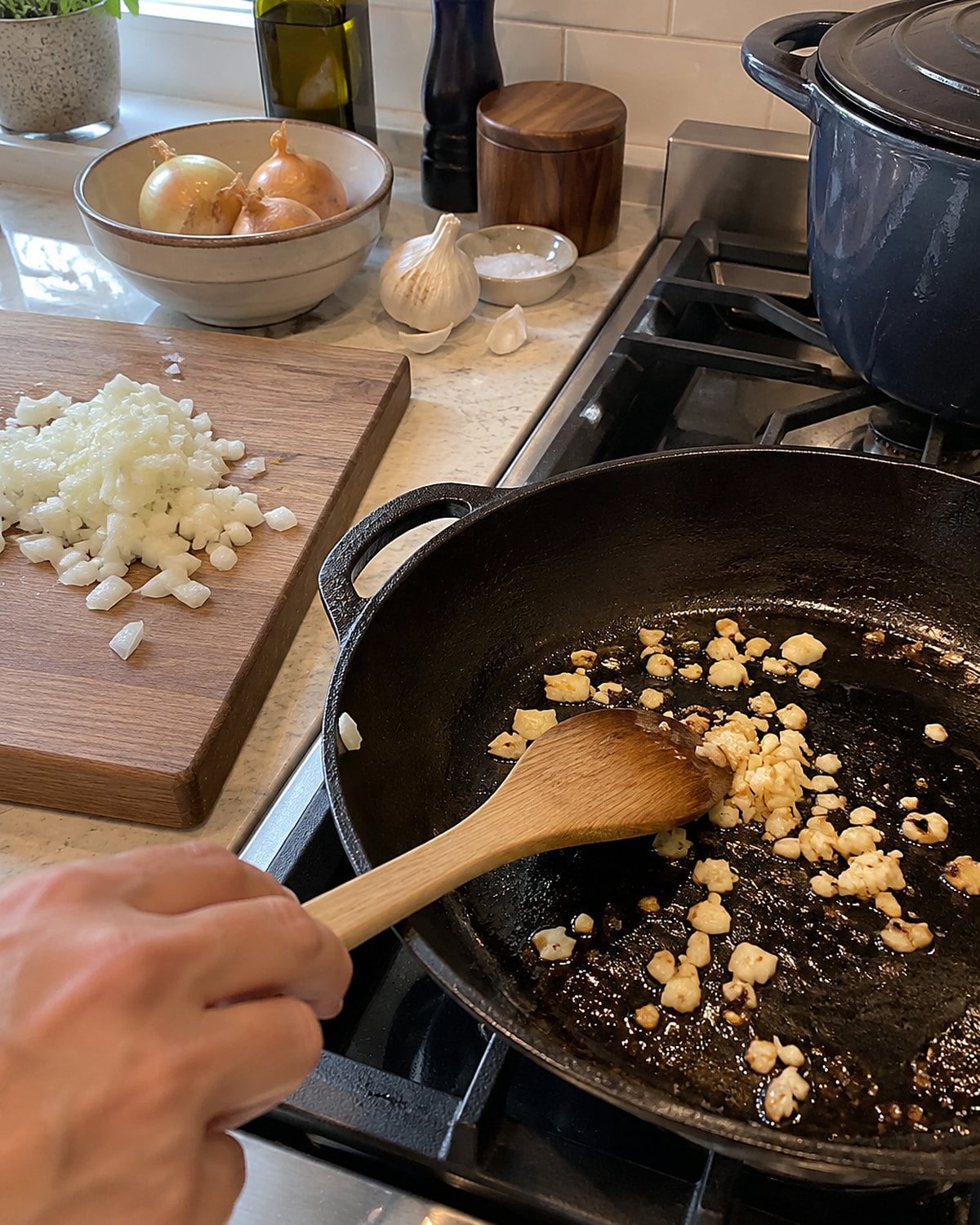
The smell reaches you before you see the pan. Garlic has gone dark while he worked on the next ingredient. It takes little time for chopped garlic to scorch in hot oil, and burnt garlic gives the whole dish a bitter edge.
Ask what needs chopping before the burner goes on. If the onion needs several minutes, cook it first and add the garlic later. When the garlic smells fragrant, move to the next step instead of waiting for a deeper color.
If it has turned bitter, starting that part of the pan again beats trying to bury the taste. He’ll remember the smell. You’ll have done something better than hovering: shown him the order that saves supper.
#16 The grandchild’s high chair
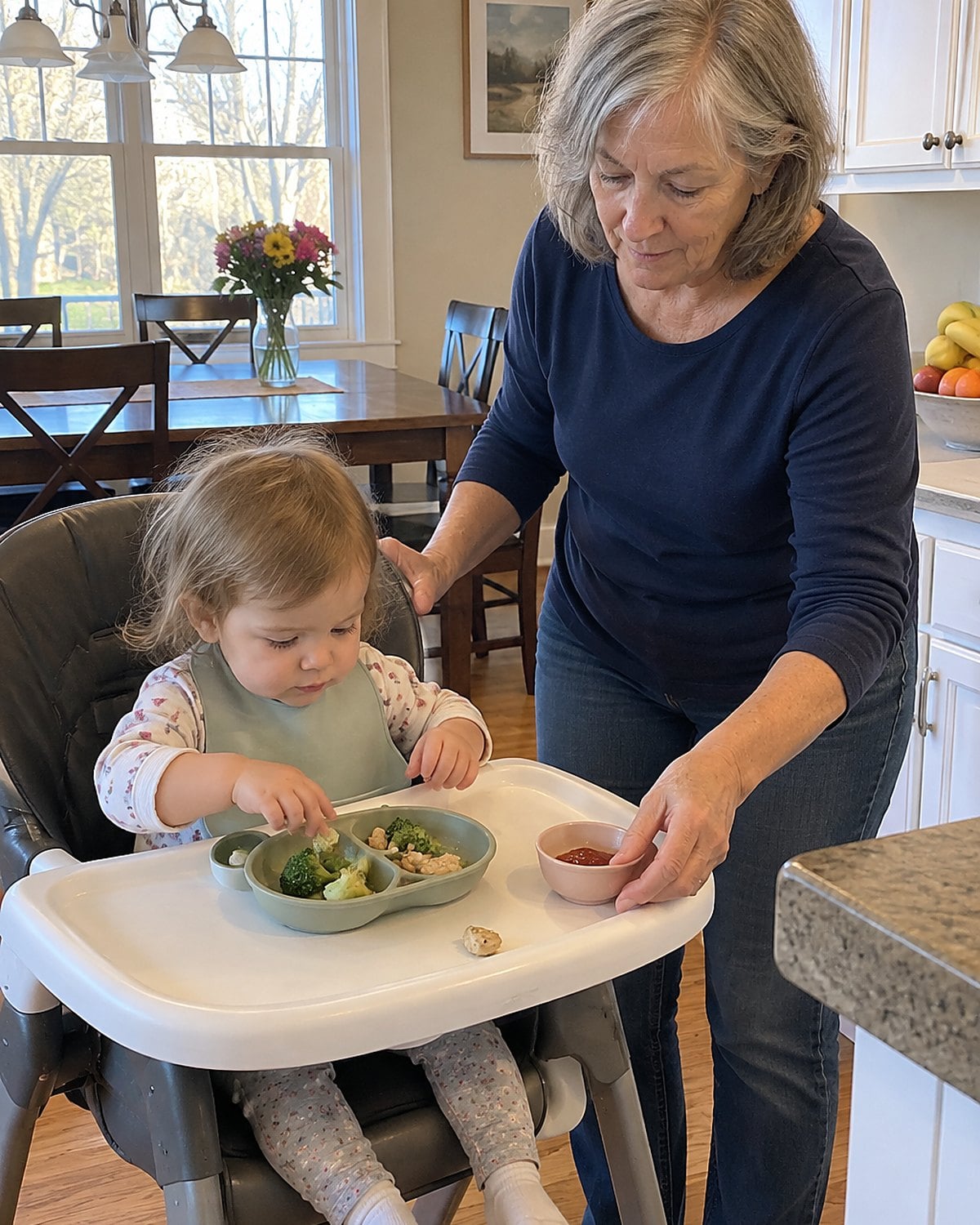
Saturday lunch has a smaller audience with a louder opinion. He’s pleased to make the meal; the grandchild studies the unfamiliar sauce from the high chair. You know the speech that’s about to arrive: just try a bite.
Stop it before lunch becomes a contest. Put a little of the meal on the tray alongside something familiar, and let the child decide what to eat. The CDC’s guidance on feeding young children emphasizes offering foods without forcing bites. Grandchildren have their own routines, too, and their parents know them best.
You can tell your husband the useful part without taking over his lunch. “Let’s keep the sauce on the side.” That leaves him free to serve what he made while giving the child a clear view of the food.
Later, ask the parent about allergies and house rules before planning the next visit. Your kitchen gets busy again on weekends. It doesn’t have to become a test of whose cooking wins approval.
#15 The skillet left on the stove
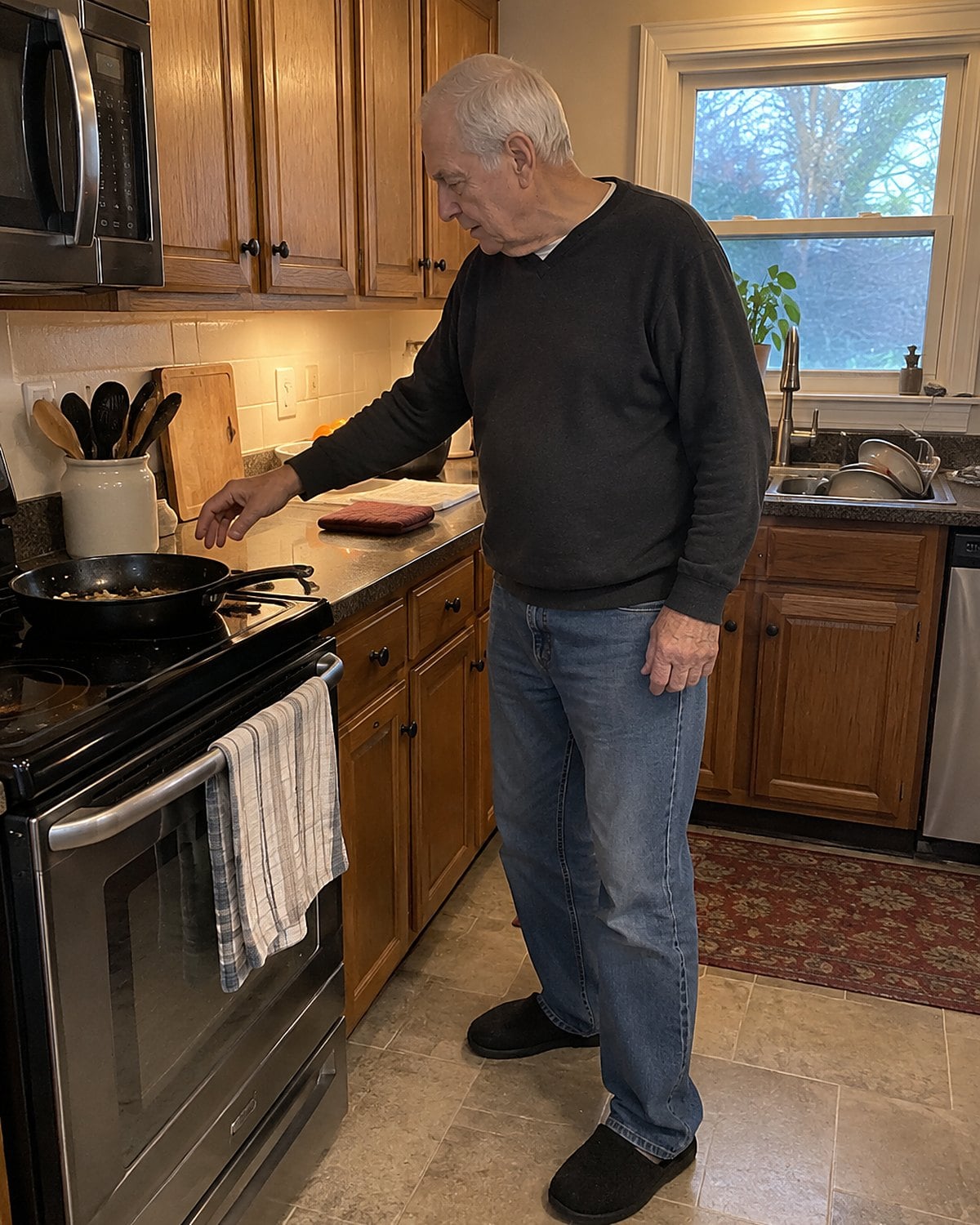
Dinner is over. The skillet is still on the stove, and your hand reaches for it while he carries his plate away.
Stop there.
If he cooked, ask what his cleanup plan is before you start washing. Perhaps you agreed that one cooks and the other cleans. Perhaps you never agreed at all, and old habits filled the silence. Say which job you thought was his.
Let the pan cool before washing it, then wash and dry the cast iron rather than leaving it to soak overnight. He can learn that without you doing the work.
Try the sentence once, out loud: “If you cook, the pan’s yours too.” Tomorrow morning, the stove will tell you whether that sentence held. You won’t need to inspect his dishcloth technique tonight.
#14 The gravy with flour lumps
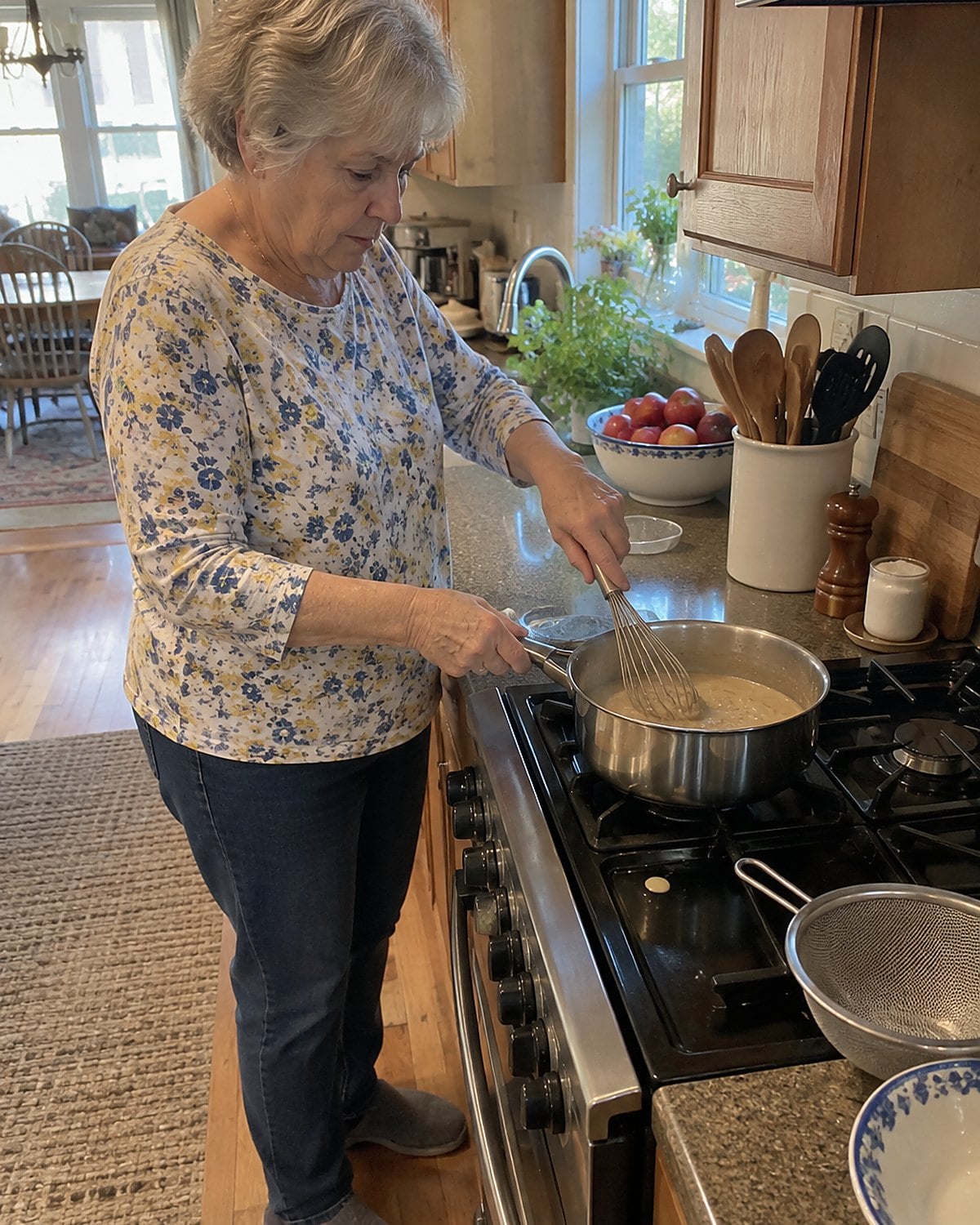
He tips flour straight into the hot liquid. Little pale islands appear, and you can see him considering a bigger whisk.
Take the heat down and give him a way through. Press the gravy through a fine-mesh strainer into another pan, then check its thickness before serving. Don’t pour dry flour over the trouble and hope it disappears.
For the next gravy, start the flour in fat and cook it briefly before adding liquid in stages. That order gives the flour room to spread. It also lets you judge thickness while there’s still time to change course.
You have likely rescued gravy while answering a doorbell and finding the serving spoon. Let him do this rescue himself. Stand close enough to pass the strainer, then put it back in the drawer when he’s finished.
Try it: Best Instant Pot Gravy (Quick & Easy, No Drippings!)
#13 The colander full of dinner dishes
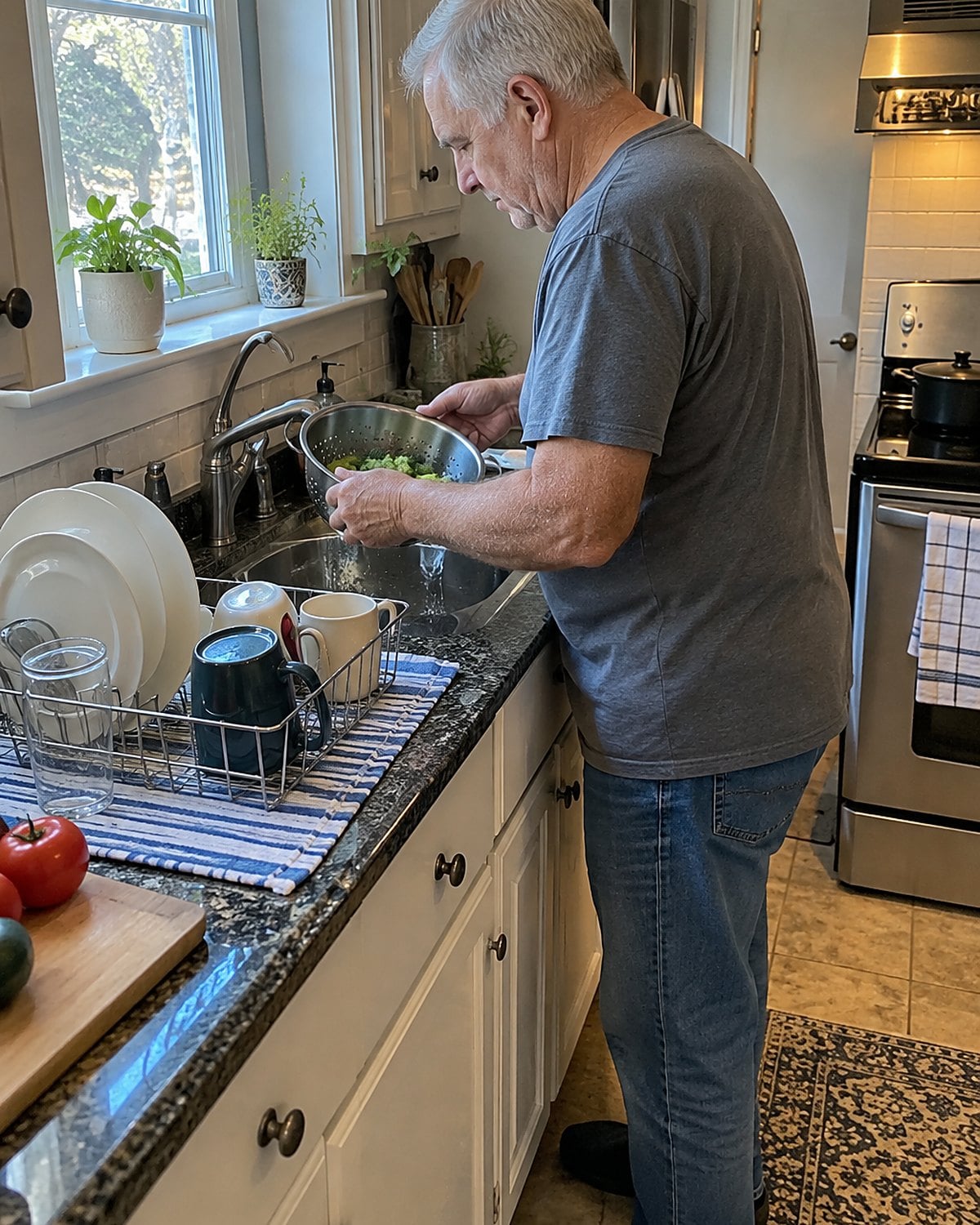
He’s draining pasta at the sink, and the colander is full of washed dishes. You put them there to dry. He needs that spot now.
This is where two sensible habits collide in a space that holds only one of them. Move the clean dishes together and decide where the colander waits during dinner prep. A hook, a shelf, or the empty side of the sink solves more than an argument about who left what where.
Tell him which dishes are clean before he sets them on the counter. He should tell you when he needs the sink clear. Both requests are ordinary. Neither requires a grand discussion about retirement while pasta water runs toward the drain.
#12 The pork chops at the butcher case
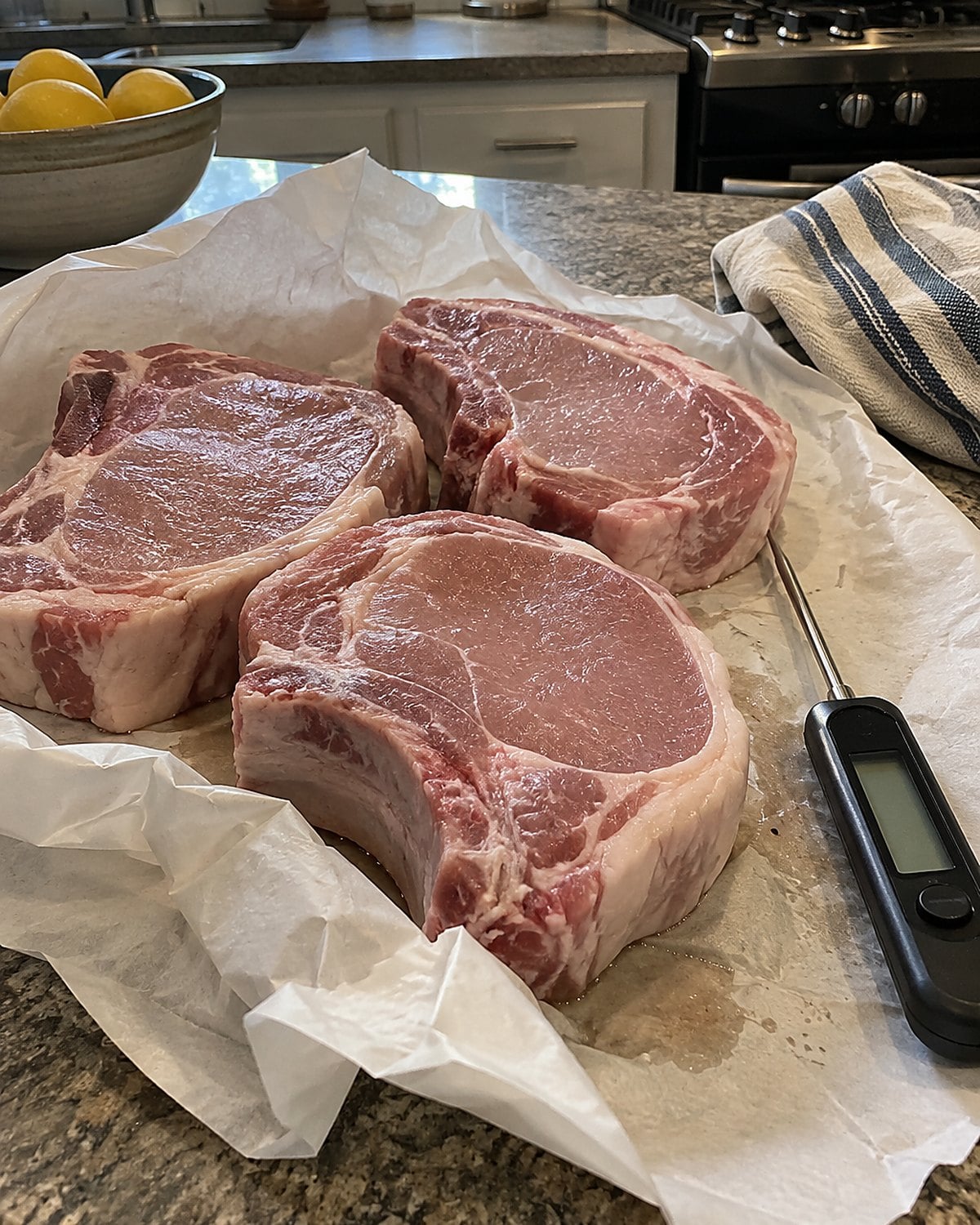
He comes home with pork chops thick enough to need a plan. You’re used to thinner ones that cook before the side dish cools.
At the butcher case, a useful question is, “How thick are these, and are they boneless?” Thickness changes the cooking time more than the label on the package tells you. At home, use a thermometer rather than cutting into every chop. The USDA’s safe temperature chart sets 145°F for whole cuts of pork, followed by a 3-minute rest.
While the chops rest, finish the vegetables. The pause gives the meat time to settle and lets you get everything on the table together. Ground pork has a different target, 160°F. Keep those numbers separate; they answer different questions.
Then taste what he made before telling him which cut you would have bought. The butcher case is his to learn, and the weeknight clock is yours to mention. Next time, he can shop with both in mind.
Try it: Instant Pot Air Fryer Pork Chops With Maple Mustard Glaze (No Breading)
#11 The oven rack above the roast
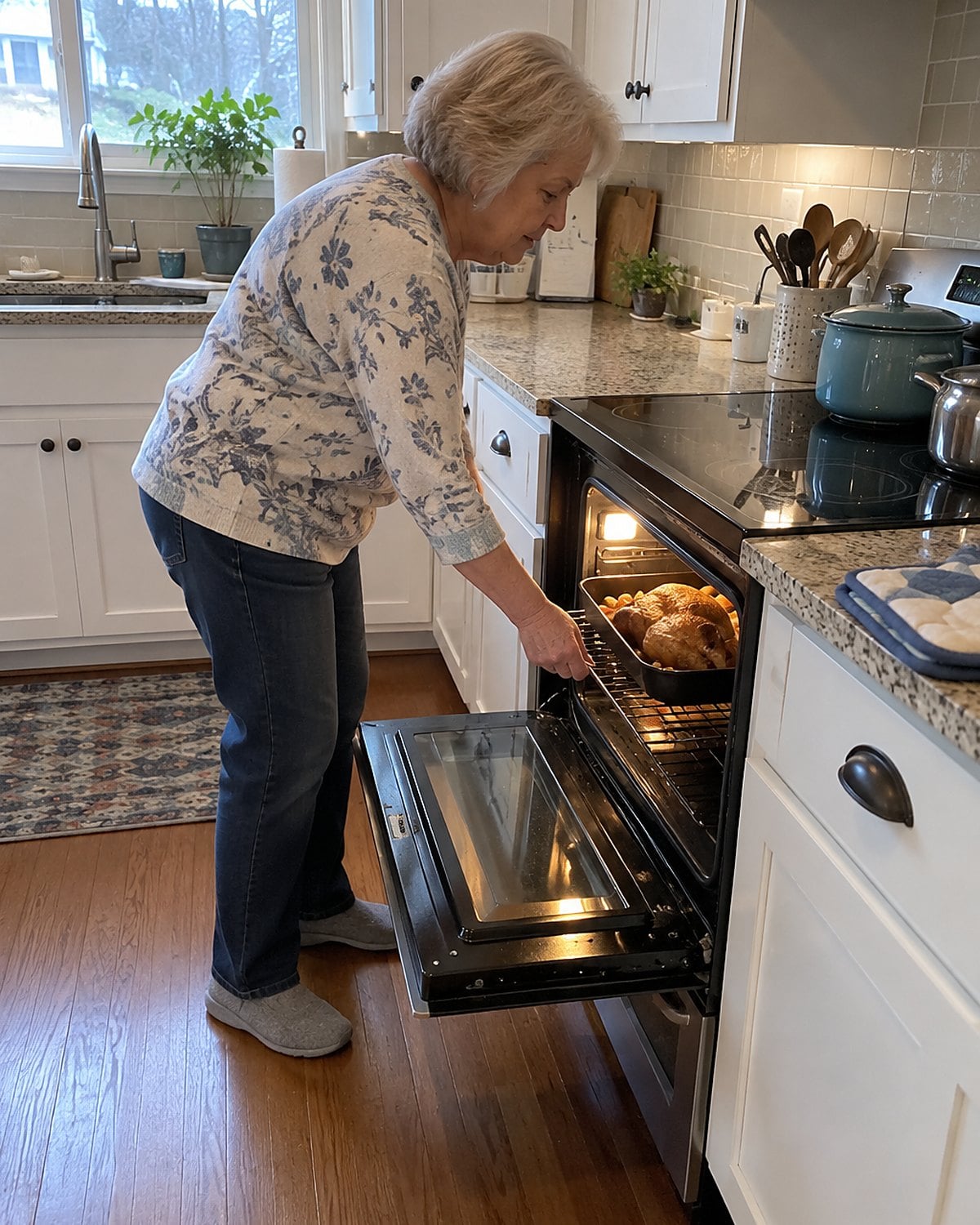
The top of the roast is darkening faster than he expected. Before changing the temperature, look at the rack. A pan near the top of the oven sits closer to the heating element and browns differently from one in the center.
Move the rack before the oven is hot next time. For this dinner, check the meat with a thermometer and give the top protection if it’s browning too fast. Foil laid loosely over the pan buys the inside more time.
Your oven has its habits: the back corner that runs hot, the rack that catches, the light that burned out. Tell him those. Then let him learn the rest by opening the door.
#10 The soup pot on Sunday
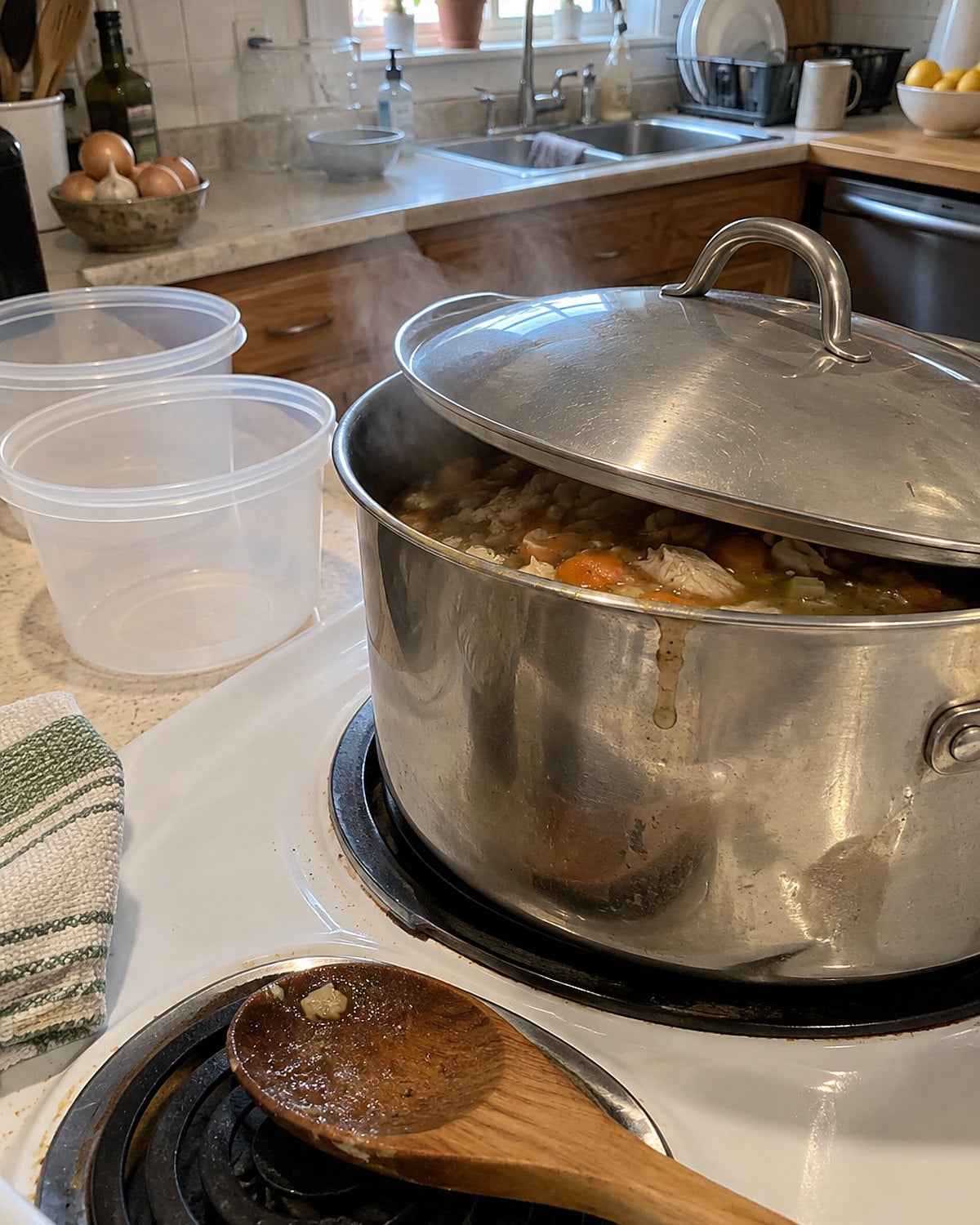
He starts soup with everything in the pot at once: vegetables, broth, beans, and the last of the roast chicken. You’ve made enough Sunday soup to know why some bits turn soft before others are ready.
Start sturdy vegetables in the pot first. Add cooked chicken later so it heats through without spending the whole afternoon in broth. If the beans are canned, rinse them if you want a cleaner-tasting broth, or keep some liquid when you want a thicker one. Neither choice needs a family ruling.
What the soup does need is a taste before serving. Broth changes as it cooks down. Add salt only after tasting the finished spoonful, especially when the pot began with salted stock.
If he wants soup for lunches, bring out containers before you sit down. The USDA’s cold storage chart gives cooked leftovers 3 to 4 days in a fridge at 40°F or below. Mark the date if the freezer is their next stop. Sunday’s generous pot should come with a plan for Tuesday.
#9 The lid on the pressure cooker
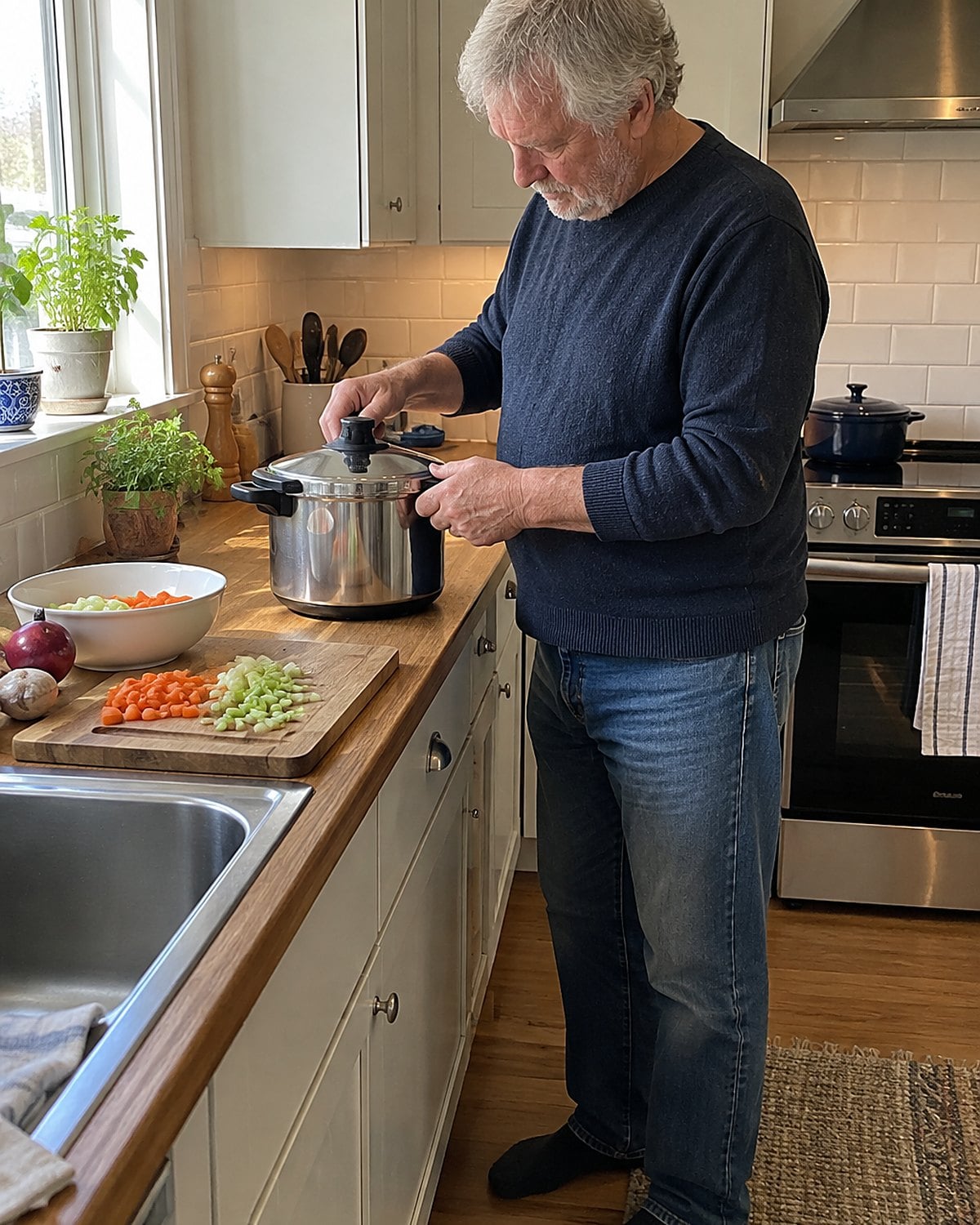
He’s reading the pressure cooker’s display while you’re watching the lid. You’ve both used appliances with locks, knobs, and instructions that differ by model.
Before he starts it, have him check the sealing ring, the lid position, and the steam-release setting against the manual for your machine. Food also needs the liquid and fill level the manufacturer calls for. A guess borrowed from another model doesn’t belong here.
When the cycle ends, follow that recipe’s release directions and keep hands clear of the steam. Then let him be the person who cleans the ring and puts the cooker away. Knowing how to start a machine is only half of knowing how to use it.
Try it: How to Seal Your Instant Pot Like a Pro
#8 The freezer drawer with three soups
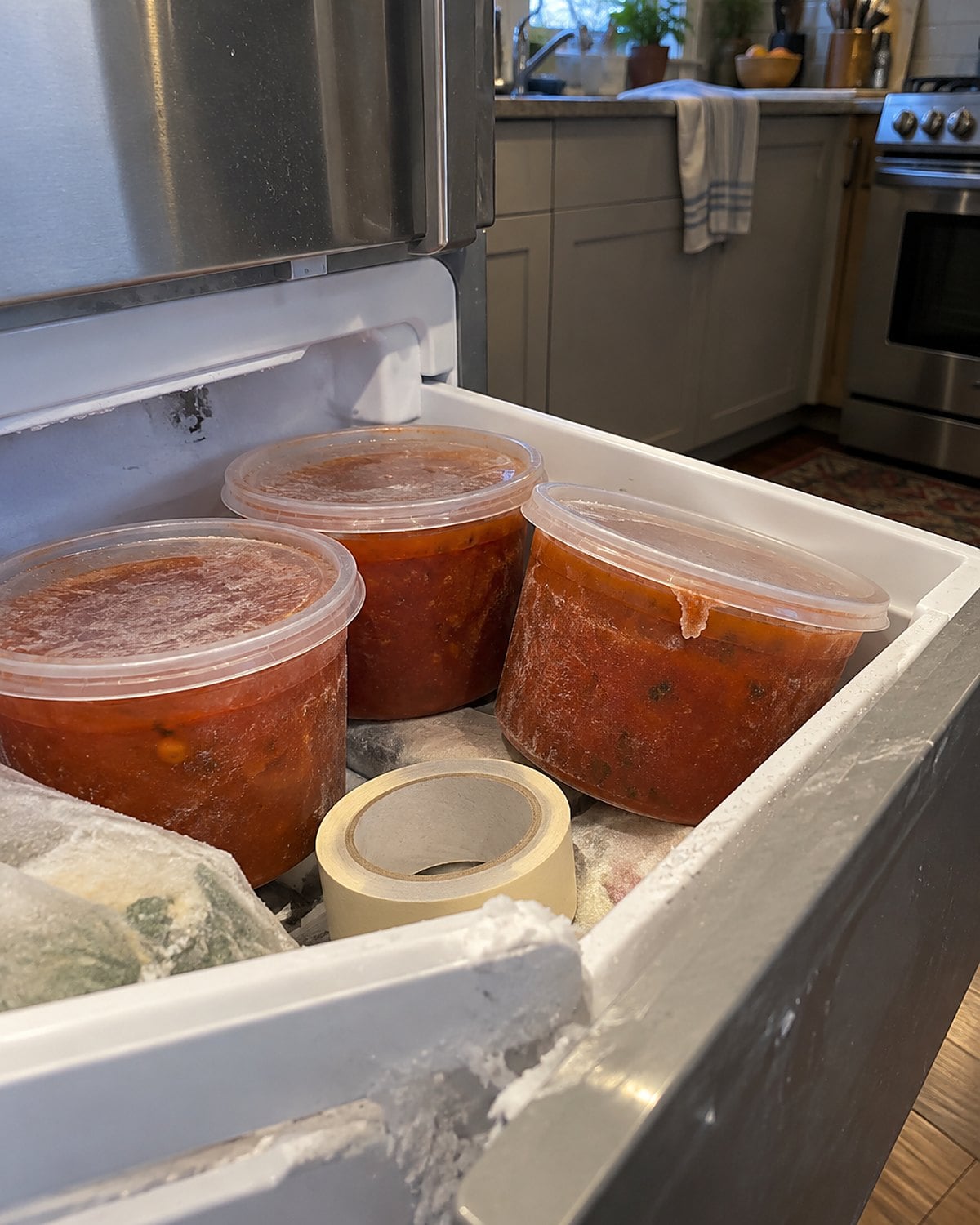
He opens the freezer and finds three containers that all look like tomato soup. One is chili. One is sauce. You know because you put them there, though the lids offer no help.
Put tape and a marker beside the containers. Write the dish and the date before it freezes, while anyone still remembers what went in. Flat freezer bags stack better than a pile of half-filled tubs, but leave room for liquids to expand.
Now ask him to take charge of something going in. If he freezes his soup, he labels it. If he plans to serve a frozen dish, he checks what it is before promising dinner. That last step sounds laughably small until a sauce gets thawed for lunch.
The freezer used to be your private filing system. Make it legible to both of you. You’ll still know where the good peas are, and he won’t have to call you over to identify a block of red ice.
#7 The dish towel over his shoulder
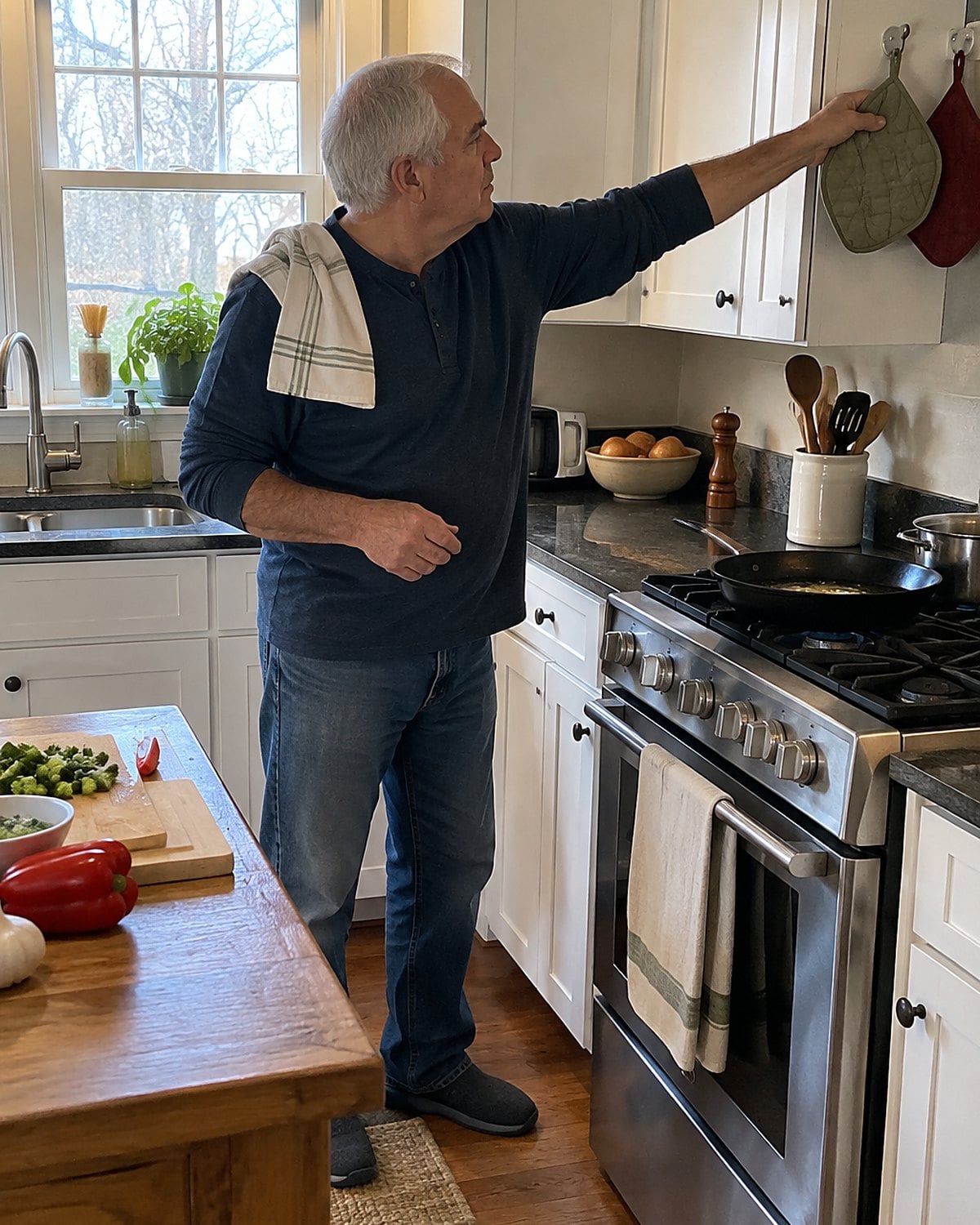
He has the dish towel over his shoulder, ready to grab a hot handle. You’ve done that yourself and felt the warning through damp cloth.
Set out a dry potholder before the pan goes into the oven. A wet towel carries heat to your hand far faster than a dry one. Keep the cooking towel for wiping hands, not lifting metal.
There’s no need to turn this into a lecture delivered across the kitchen. Put the potholder where he can see it and say, “That handle’s hot.”
He says, “I’ve got it,” and reaches for the potholder. That’s the whole exchange. He still owns dinner, including getting the pan out of the oven and onto a clear spot. You don’t have to wait beside him with another warning ready.
#6 The leftovers beside the stove
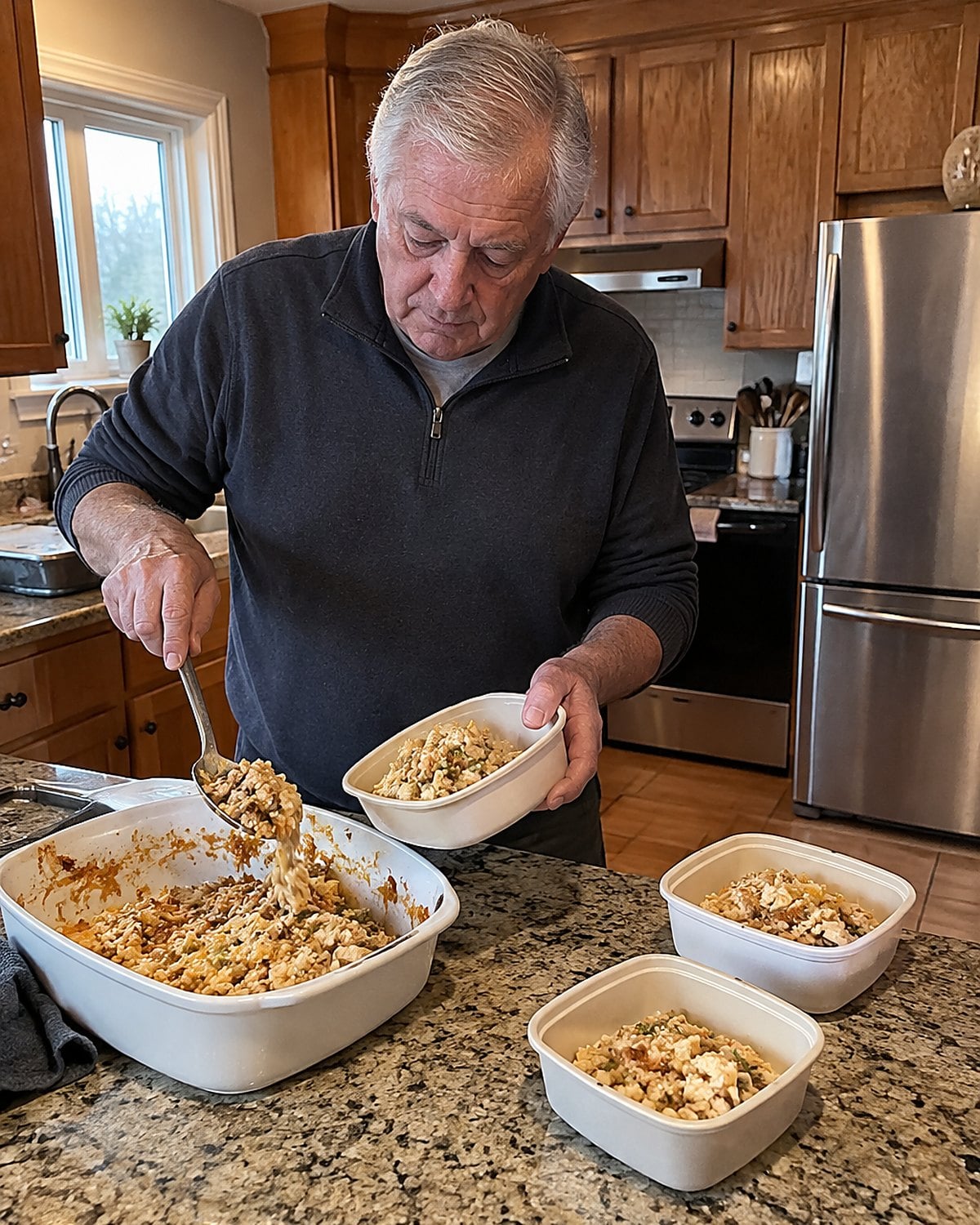
After dinner, the serving dish sits beside the stove while the two of you watch television. You return for tea and find it still there. This is the moment to put a clock on the meal, not to sniff the food and hope.
The USDA’s leftovers guidance says to refrigerate perishable food within 2 hours, or within 1 hour when the air is above 90°F. Divide a large pot into shallow containers so it cools faster in the fridge. Keep the refrigerator at 40°F or below. Food left out beyond that limit belongs in the trash.
Make clearing dinner part of whoever cooks that night. He can choose the containers and find the lids; you don’t need to follow him with plastic wrap. But say the rule aloud, because food safety has no use for the phrase “We’ve always done it this way.”
Worth knowing
- Counter limit: 2 hours.
- Above 90°F: 1 hour.
- Fridge: 40°F or below.
#5 The spice jars above the stove
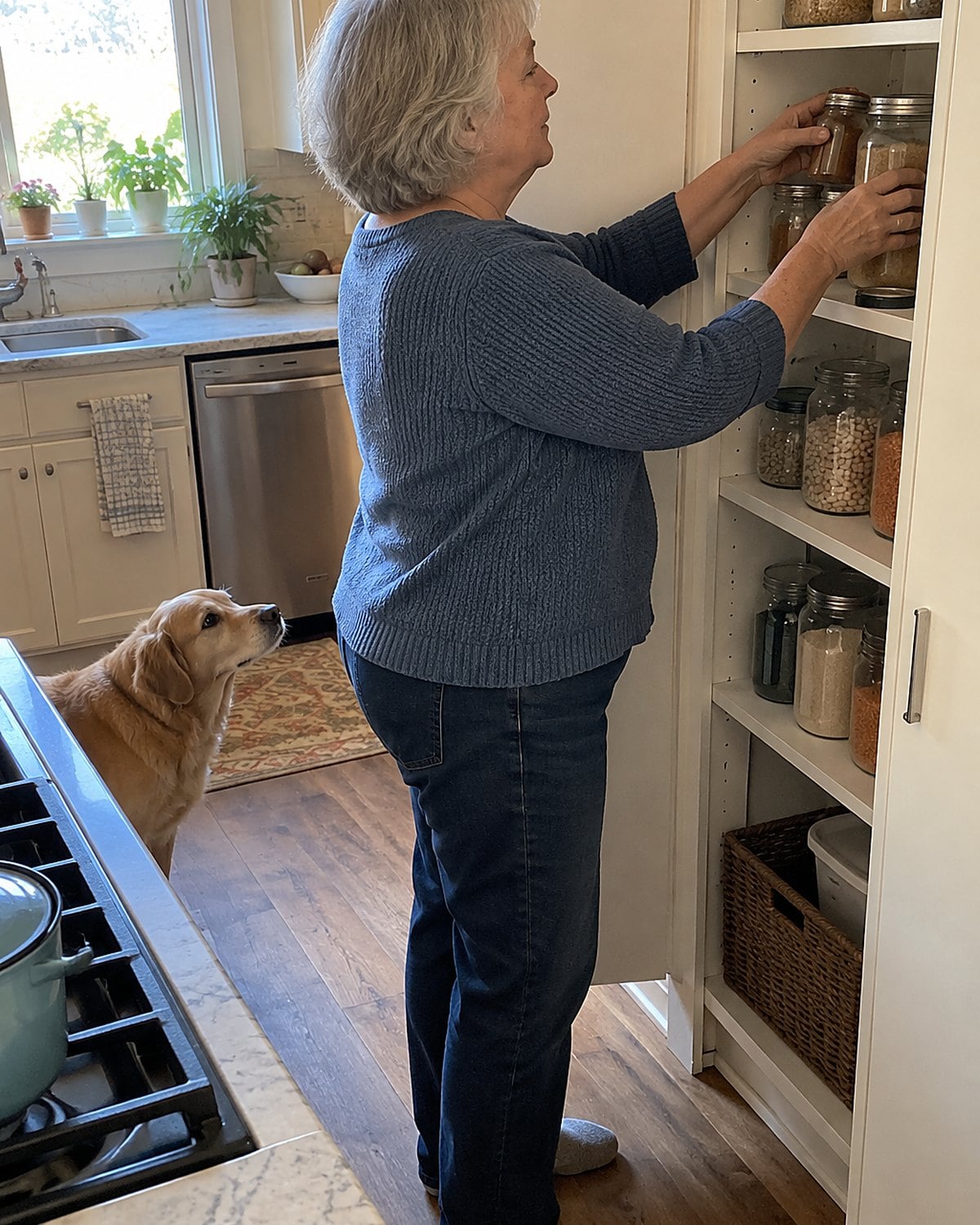
He’s put the cumin where the cinnamon lived. You’re halfway into a familiar dish before the smell tells you something is wrong.
Give the jars a shared order that works for both of you. Labels facing out are enough; an elaborate rack isn’t required. When he empties a jar, ask him to put its name on the grocery list rather than leaving the empty bottle as a reminder only you understand.
Keep a place for the spices you reach for by feel. Let him claim space for the ones he uses.
Before adding a spice to a pot, read the label instead of trusting its old place. Cumin in the oatmeal is a small mistake; discovering it after breakfast has been served is an annoying one. A pantry shared by two cooks won’t look exactly as it did when only you knew its shortcuts.
#4 The Thursday dinner on the calendar
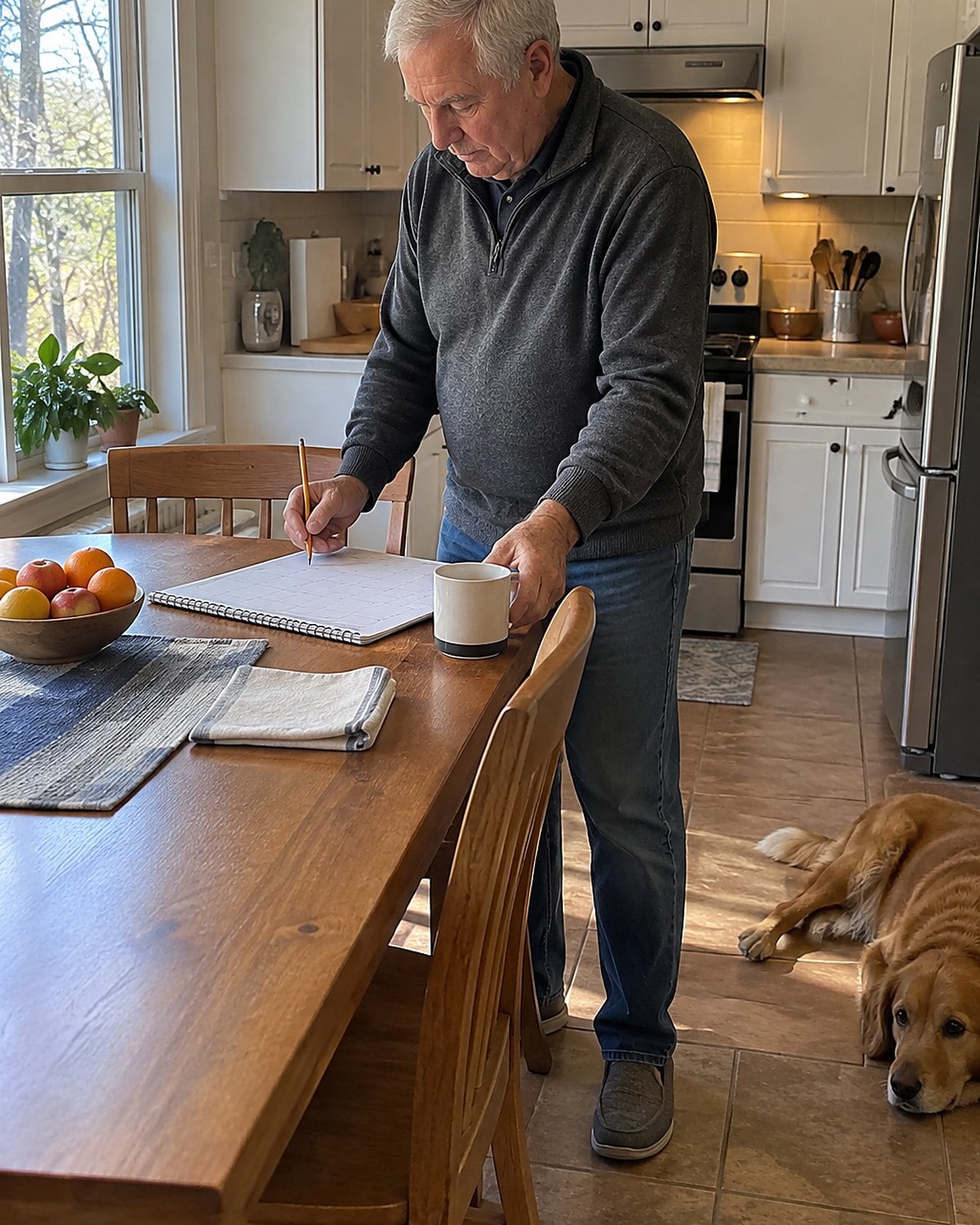
He offers to cook Thursday. By Wednesday night, you’re wondering what he’ll make, whether the ingredients are there, and whether you should thaw something just in case. His offer has become a task on your calendar.
Ask for the whole plan: meal, shopping, and a start time that fits your evening. Then leave it alone. If he needs a recipe, he chooses one. If he needs the freezer cleared, he tells you before Thursday. You shouldn’t have to track the deadline for dinner you aren’t cooking.
Write “his dinner” on the calendar if that helps you both remember. The point is to make the handoff visible, not to keep score. When a grandchild’s school event changes the evening, the person in charge adjusts the plan.
You’ll learn what it feels like to arrive at supper without having held every step in your head. He’ll learn how much happened before a burner ever came on.
#3 The burnt toast at breakfast
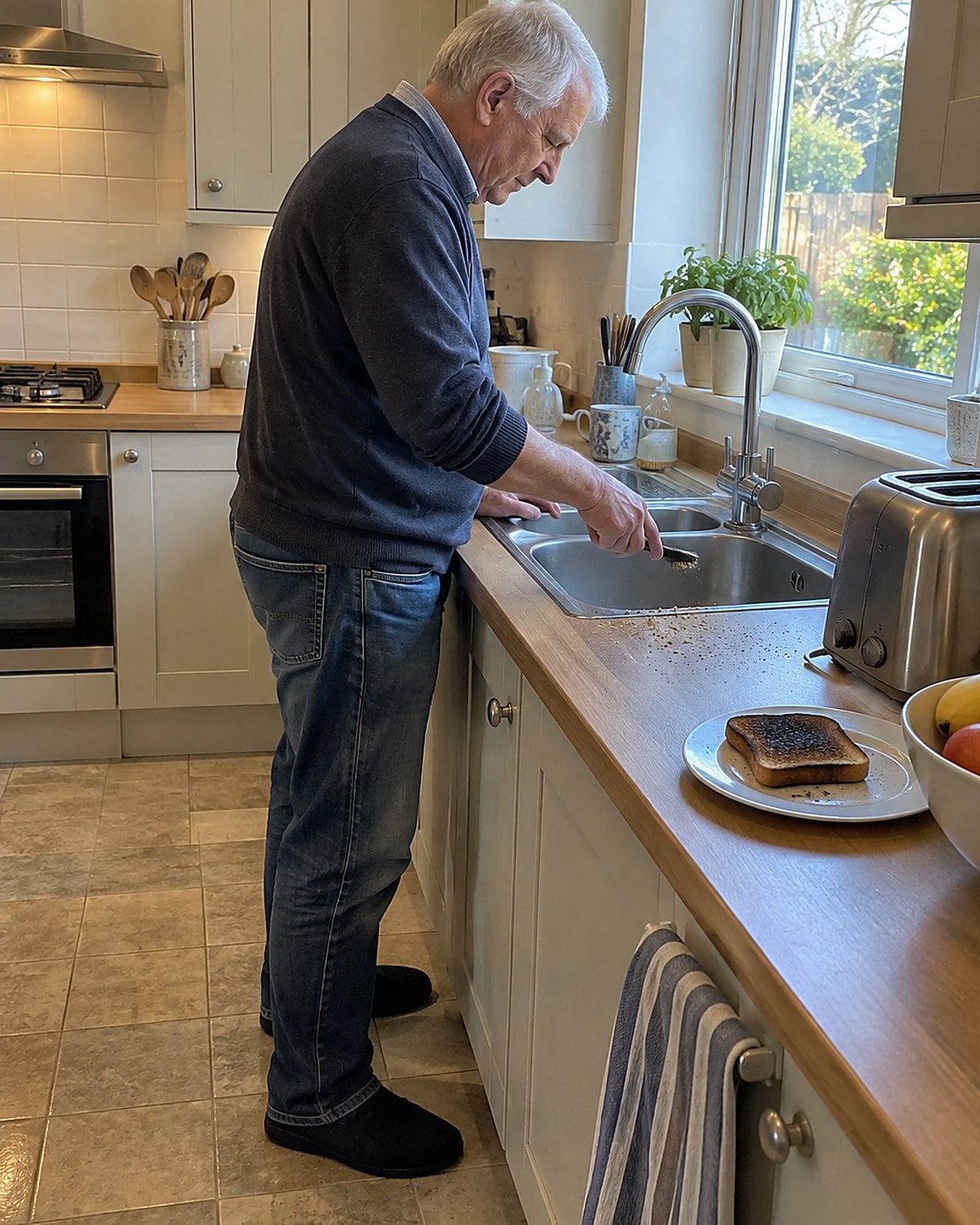
The first breakfast he makes after retirement includes burnt toast. He scrapes it over the sink; crumbs land on the dish rack. You could have caught the setting before the bread went in.
Instead, open a window, clear the crumbs, and ask if he wants another slice. If he does, he makes it. The toaster’s dial takes less time to learn than the feeling of being watched.
There are mistakes worth stepping in for: an unsafe temperature, a hot handle, food left out too long. Burnt toast is breakfast, not a crisis.
Let him have a small failure without turning yourself into the kitchen supervisor. If the toast burns again tomorrow, he knows where the dial is. He also knows where the crumbs land, and he can wipe the dish rack. You needn’t arrive ahead of either problem with a warning or a cloth.
That gives you something to practice, too. When you hear the toaster pop, stay with the cup you’re pouring. Let him decide whether breakfast needs another slice.
#2 The empty counter before cooking
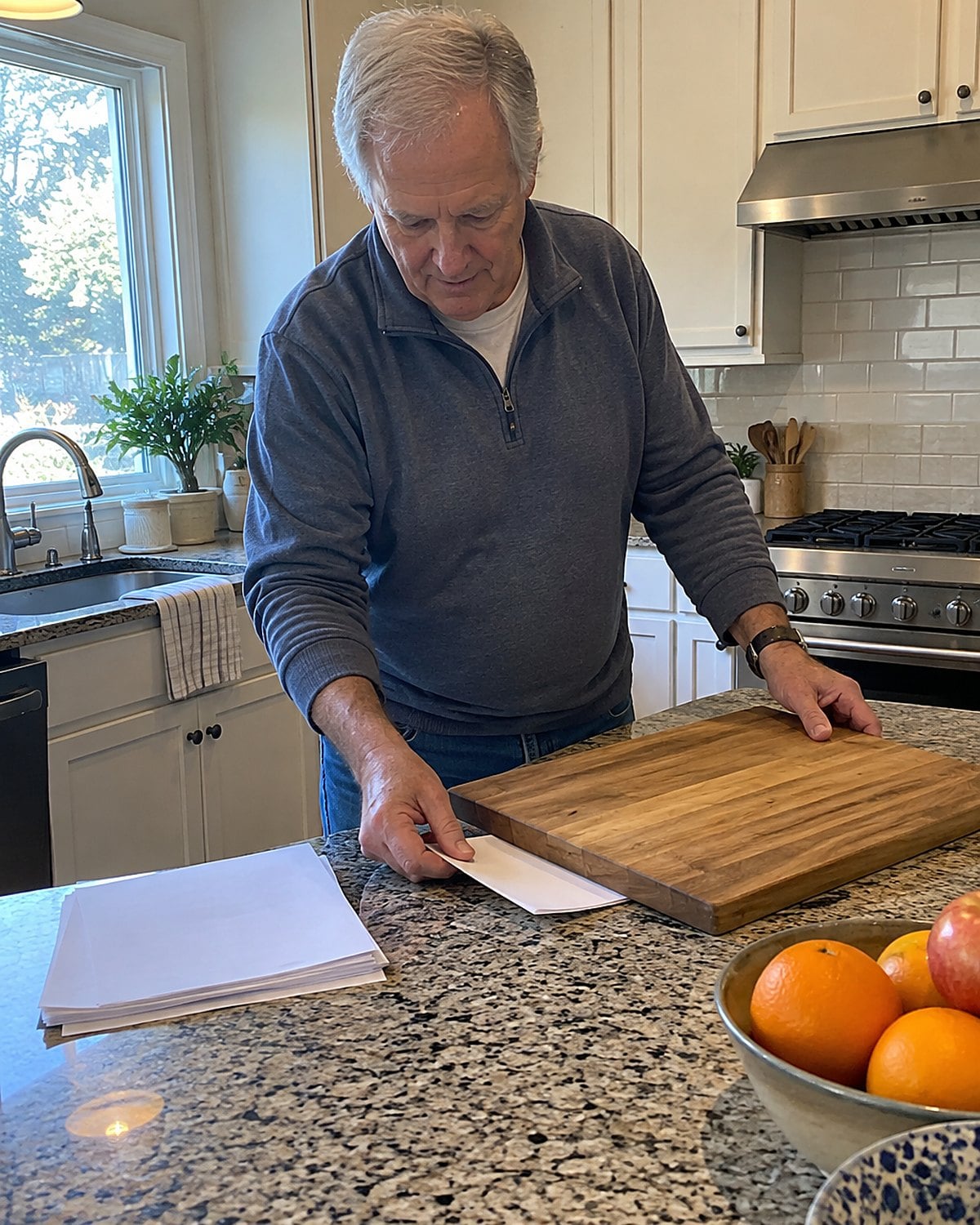
He begins chopping on the only clear patch of counter. A mail pile is beside his elbow, the compost bowl is missing, and the pan he needs holds yesterday’s clean utensils. Halfway through, he asks you where everything should go.
Before either of you starts dinner, clear a landing place for ingredients, a place for scraps, and a spot for the hot pan. Move the mail away from food. He can empty the pan and find the compost bowl himself.
You’ve done this setup for so long that it looks like the counter simply cooperates with you. It doesn’t. A workable space is one of the first jobs of cooking.
Next time he announces dinner, resist the urge to clear the counter ahead of him. Point out where you need your own things kept, then let him set up the space he plans to use. An empty counter is help only when someone takes responsibility for making it empty.
#1 The dinner agreement on the fridge
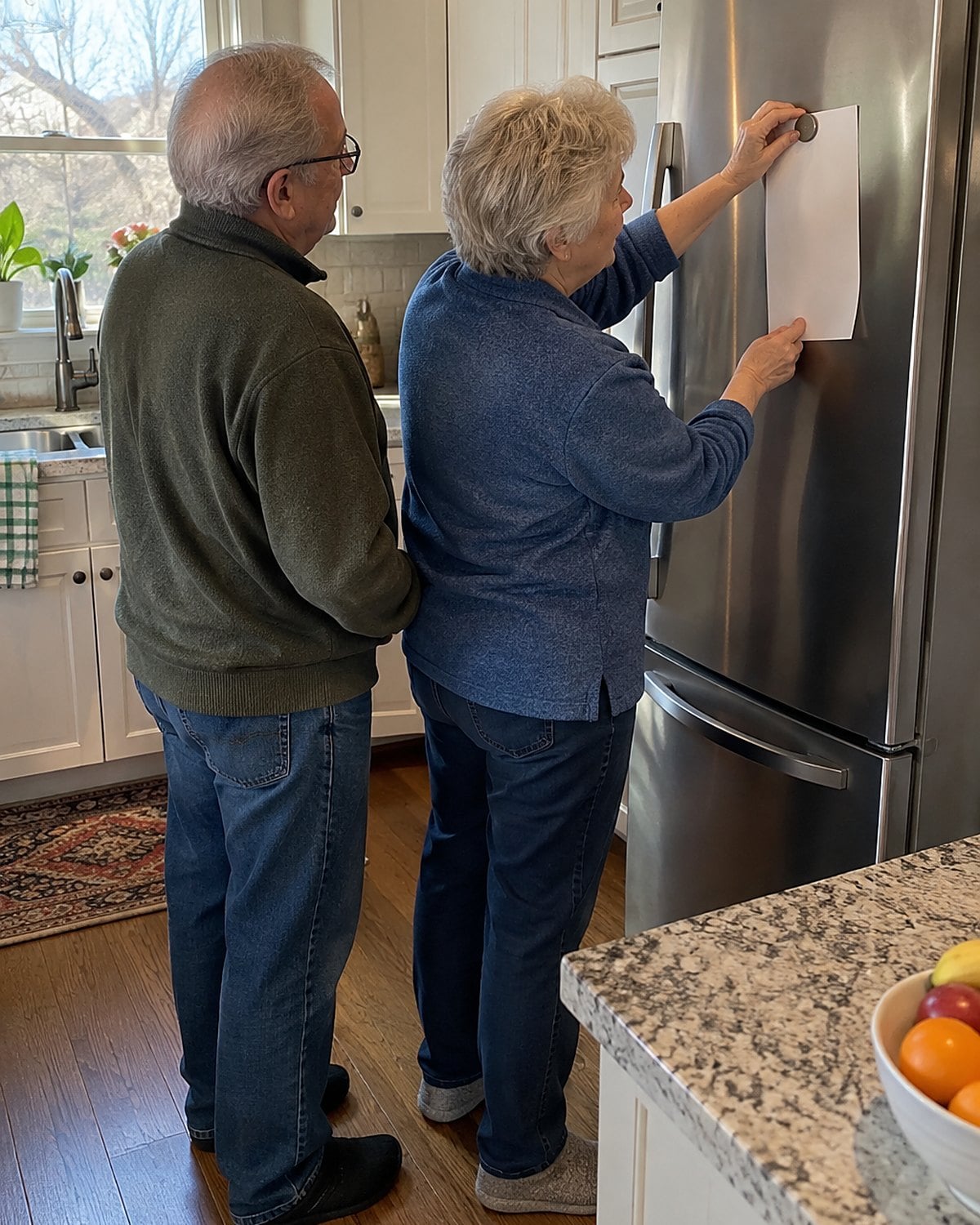
The single most useful thing to put in this kitchen is a short agreement in plain sight. Write down what “I’m cooking tonight” includes. For you, that might mean choosing dinner, checking ingredients, shopping, cooking, putting food away, and dealing with the pans. For him, it might have meant turning on the stove.
Those meanings have to meet before supper.
Use the fridge door, not a long conversation you’ll both remember differently. Start with a line: “The cook owns dinner from plan to leftovers.” Add any exceptions you actually want, such as one person setting the table or the other washing pans. Keep it short enough to read while reaching for milk.
Then try it for a week and change what doesn’t work. You aren’t writing rules for a guest in your kitchen. You’re making the work visible to the person who now shares it. Once dinner has an owner, you can leave the room without wondering which part will come looking for you.
The bottom line
When he starts cooking, you find out how many small decisions used to travel with you from the pantry to the sink. Some are worth teaching. Others are worth letting go.
The well-prepared version of you has said what matters, made the dinner job whole, and put the thermometer and the potholder where either cook can reach them. She hasn’t signed up to supervise every chop.
Which kitchen job would you hand over first? Start with that one, then see what happens when dinner comes around again.



Leave a Reply