


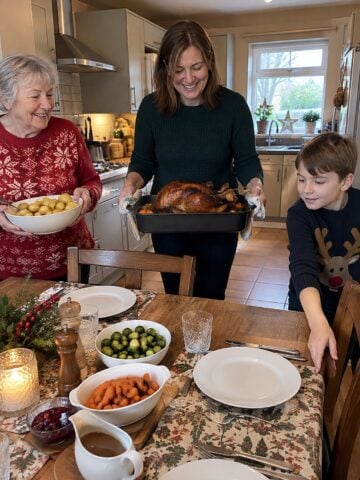
Dinner's almost ready, the kitchen smells wonderful, and your daughter-in-law is helping set the table. She compliments the potatoes, but you remember last Sunday when she needed three glasses of water to get through the salty gravy.
#24 The full plate handed across the counter
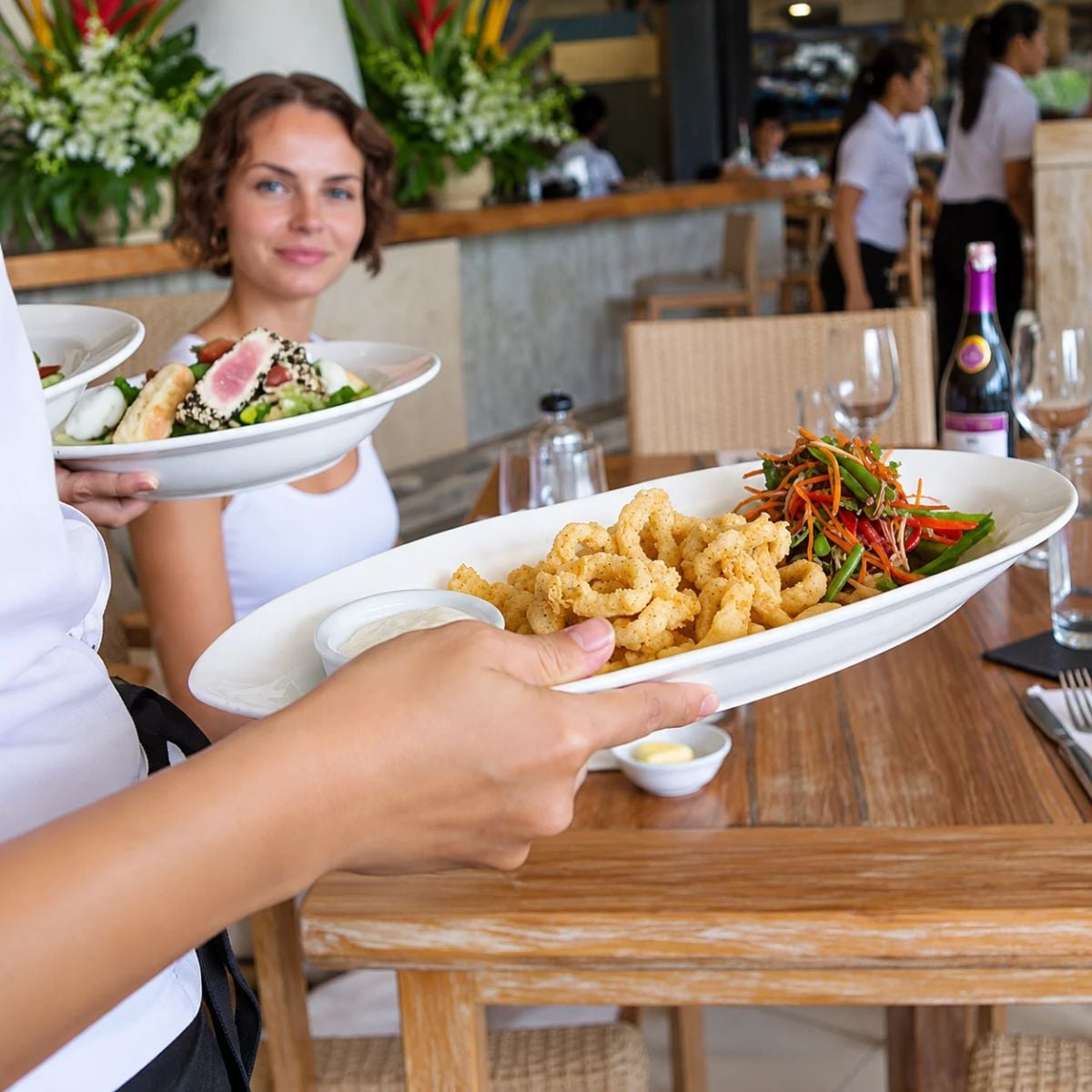
You've spent hours cooking, so naturally, you want everyone to eat well. But when you hand your daughter-in-law a plate piled high with roast and potatoes, she might feel obliged to finish it.
Instead, let everyone serve themselves or simply ask, "How much would you like?"
A smaller first helping leaves room for seconds, and nobody feels guilty about leaving food behind.
I know it's tempting to pile on another potato, but feeding someone doesn't mean filling every inch of their plate.
#23 The salt shaker beside the gravy boat
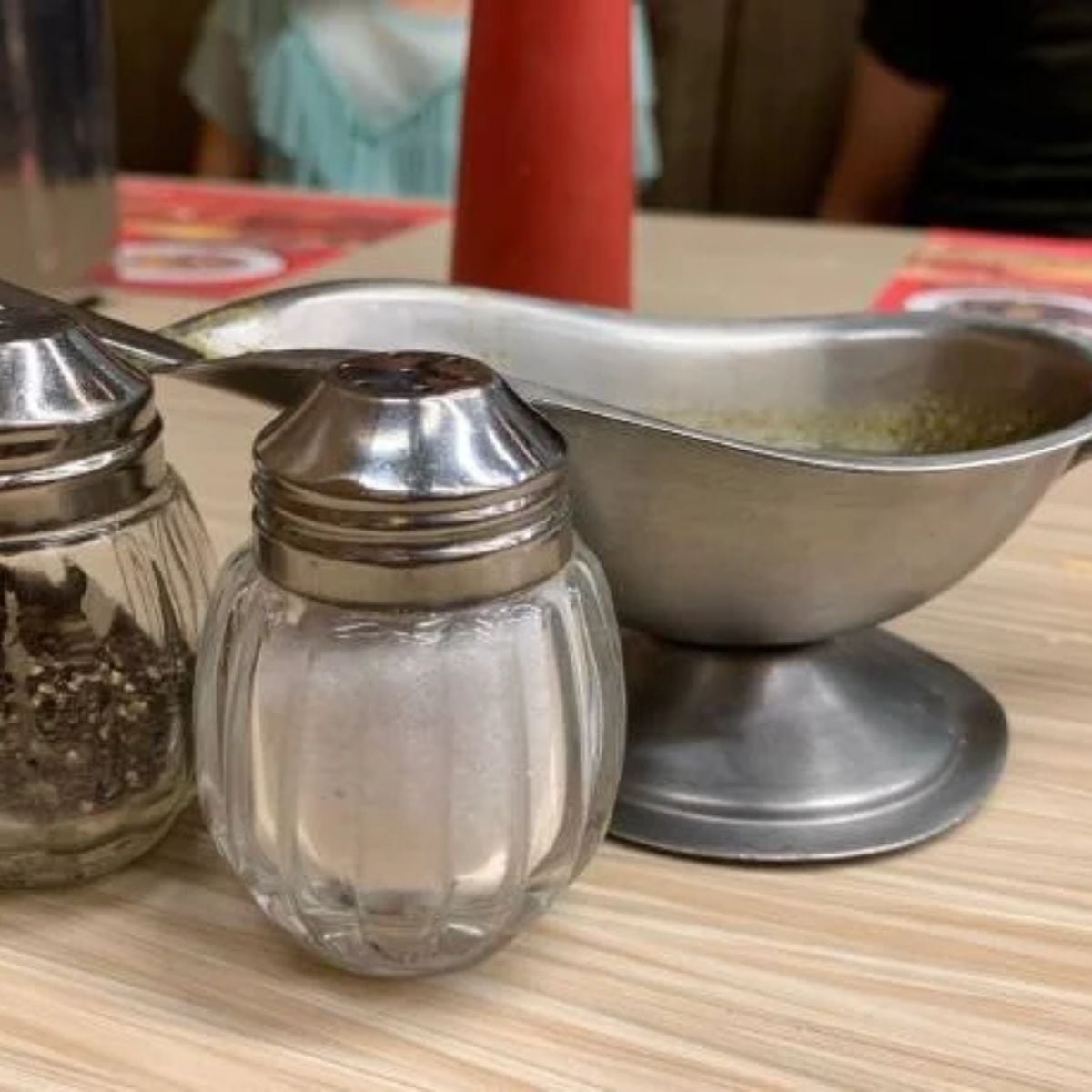
Your daughter-in-law compliments the carrots but barely touches the gravy. Then she reaches for another glass of water. That might be your first clue that the gravy is too salty.
Stock, bouillon, pan drippings, and meat seasoning all add salt. Taste the finished gravy before adding more.
If it's too salty, stir in unsalted liquid and simmer until the consistency improves.
I like keeping a little plain stock nearby for exactly this reason. It's much easier to fix gravy before it's covering everyone's potatoes.
Put the salt shaker on the table and let guests decide whether they want more.
#22 The chicken breast under the knife
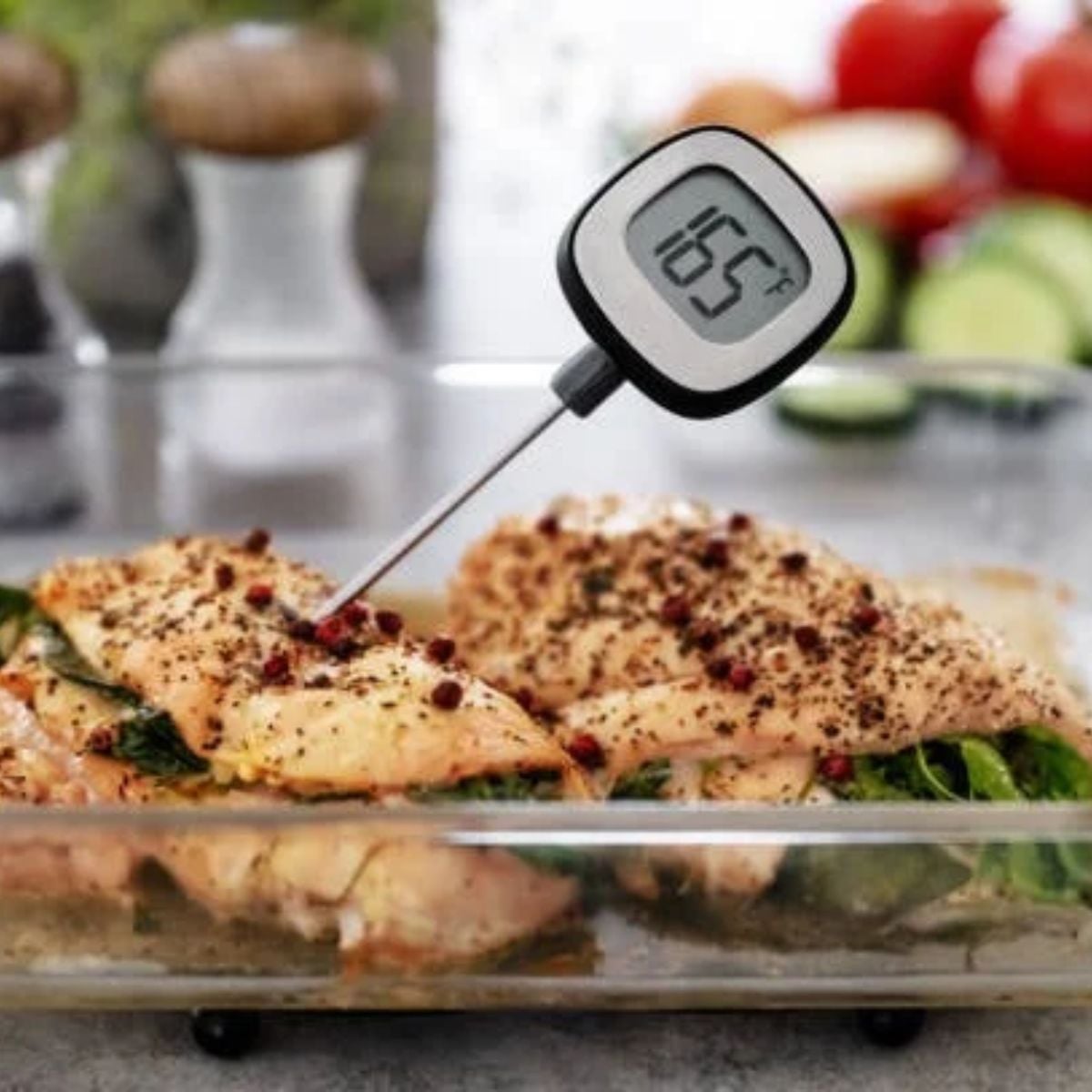
Chicken breasts can be frustrating. The thin end dries out while the thickest part is still cooking. Instead of cutting into every piece, use an instant-read thermometer.
The USDA's safe temperature chart gives 165°F for poultry. Check more than one piece if their sizes differ. Insert the thermometer into the thickest part, away from bone.
If one end is much thinner, fold it underneath before cooking to help the chicken cook more evenly.
Nobody wants dry chicken, especially when they're trying to be polite about it. A thermometer saves everyone from that awkward conversation.
#21 The serving spoon resting in each dish
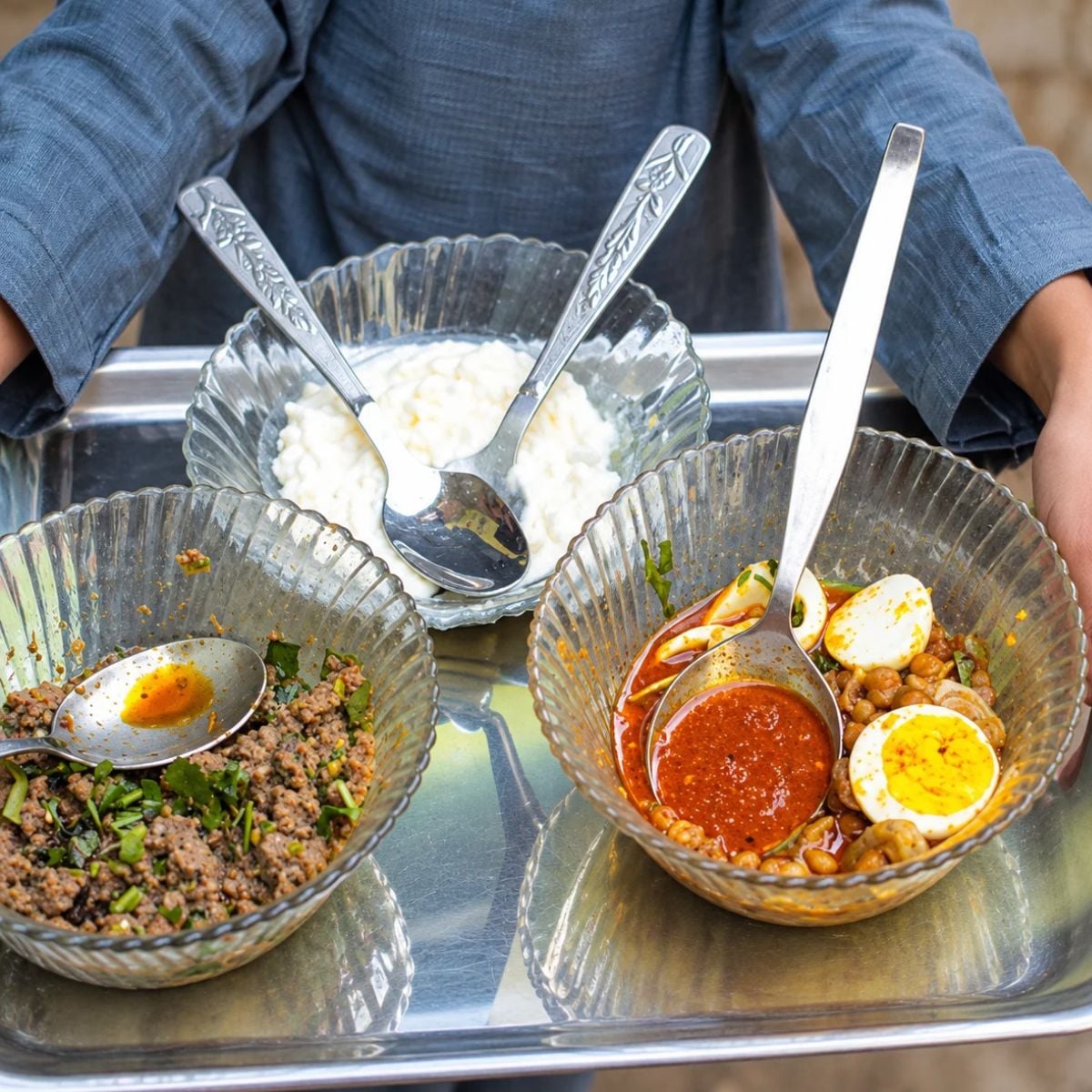
You've been cooking all afternoon, and the same spoon has somehow traveled between the beans, potatoes, and gravy. You know where it's been. Your guests don't.
Give each dish its own serving spoon and keep tasting utensils separate.
Position the handles where people can reach them without touching the food. A small saucer also keeps messy spoons from decorating your tablecloth.
It's a simple habit that makes serving easier and keeps different sauces from mixing.
Besides, you've already cooked dinner. You shouldn't have to spend the meal chasing runaway spoons.
#20 The casserole waiting on the stove
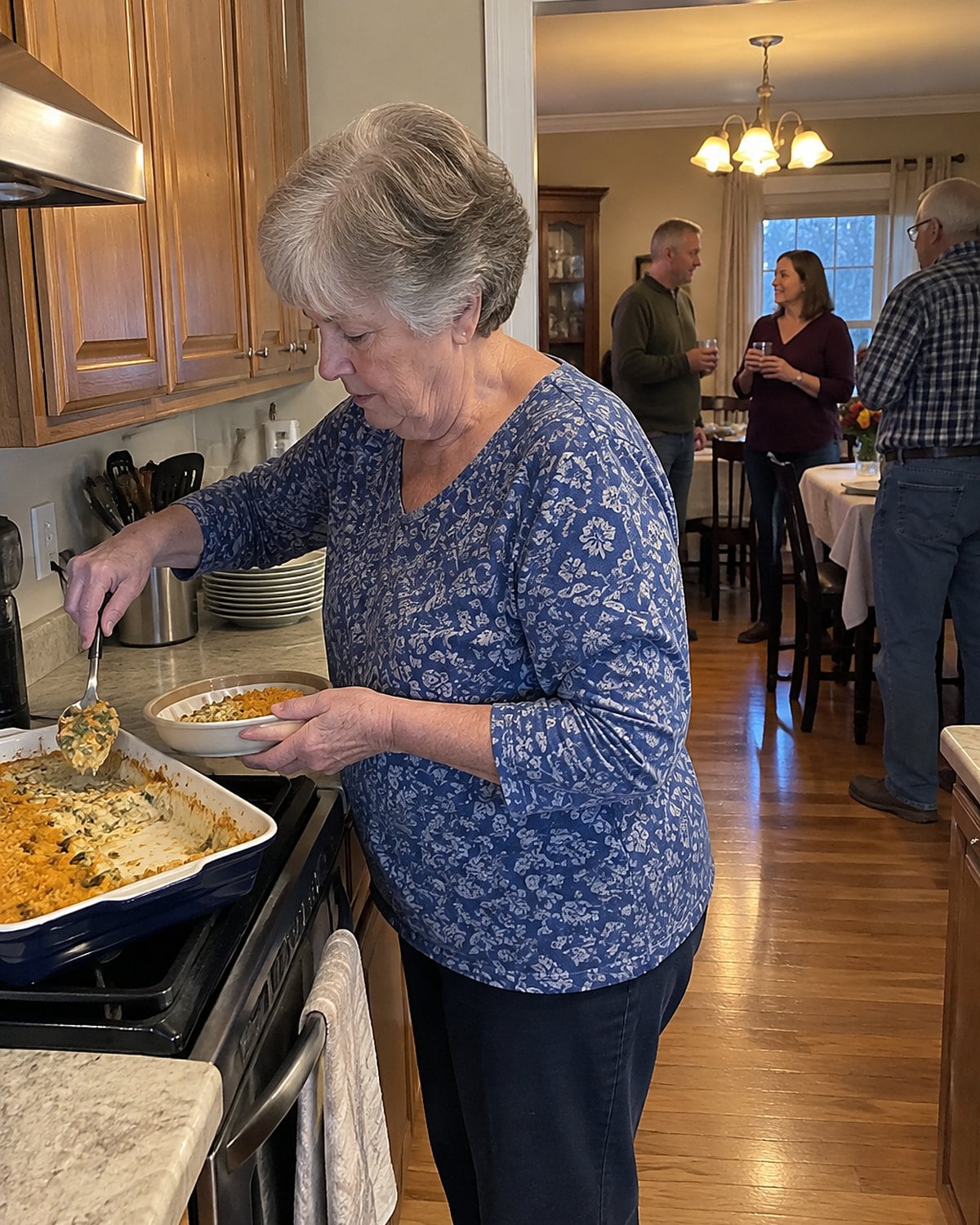
The casserole comes out bubbling hot, but everyone gets caught up chatting. Before you know it, dinner has been sitting on the stove for ages.
The USDA recommends refrigerating perishable food within 2 hours, or 1 hour when temperatures exceed 90°F.
Transfer leftovers into shallow containers and refrigerate them promptly. When reheating, make sure they reach 165°F.
I find it easier to pack leftovers while clearing the table. Otherwise, that casserole can sit there long after everyone has moved on to coffee.
Good conversation is wonderful, but it shouldn't come at the expense of food safety.
#19 The green beans still in the pot
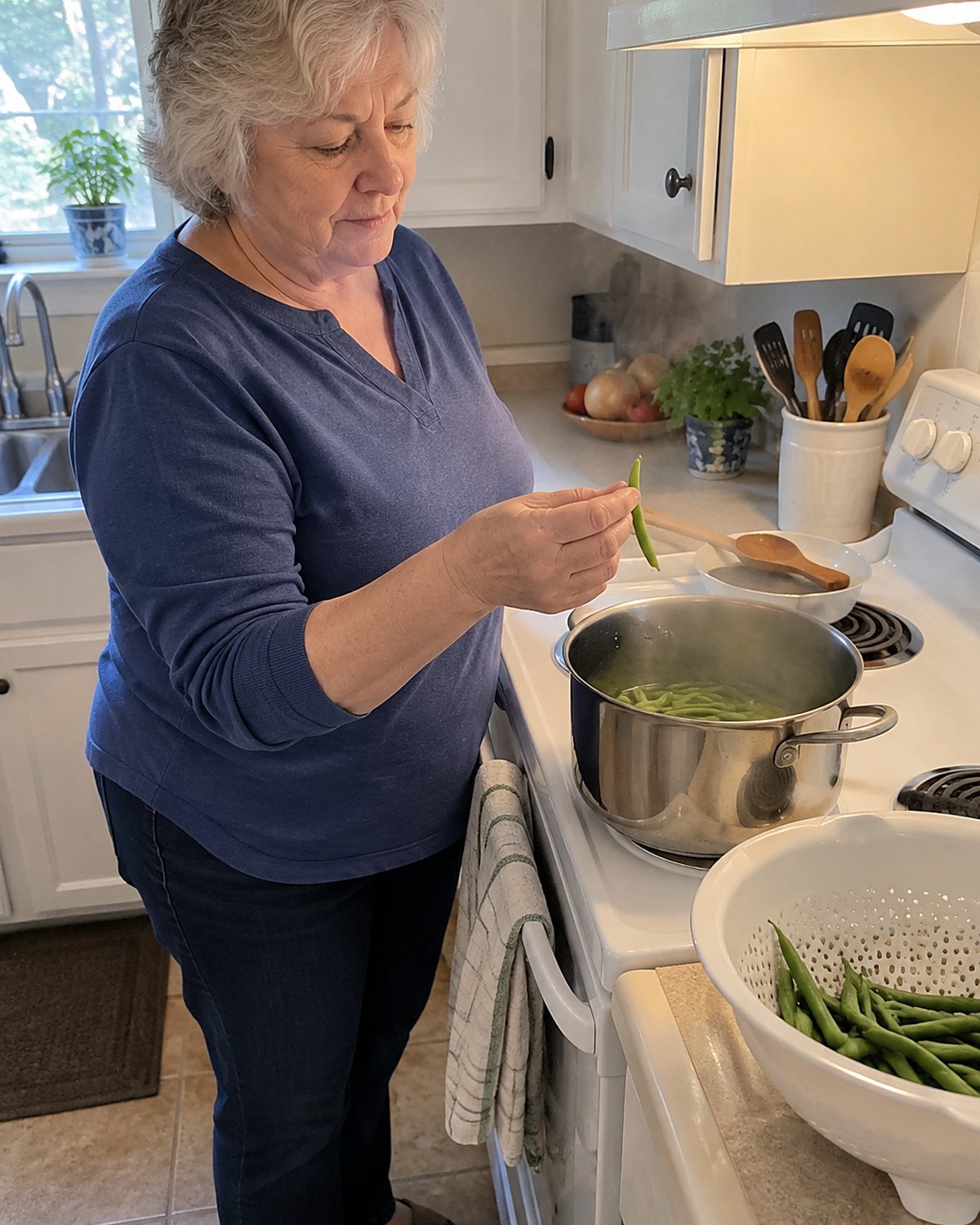
You've always cooked green beans until they're wonderfully soft. Your daughter-in-law, however, prefers hers with a little crunch. Neither of you is wrong.
Taste a bean before deciding it's ready. If you prefer yours softer, remove her portion first and let the rest continue cooking.
You can even ask, "Do you like your beans with a little bite?"
That way, everyone gets vegetables they enjoy without turning dinner into a debate about whose grandmother cooked them correctly.
Show off at the next family dinner with this: Instant Pot Green Beans With Butter & Pepper
#18 The thermometer tucked behind the mitts
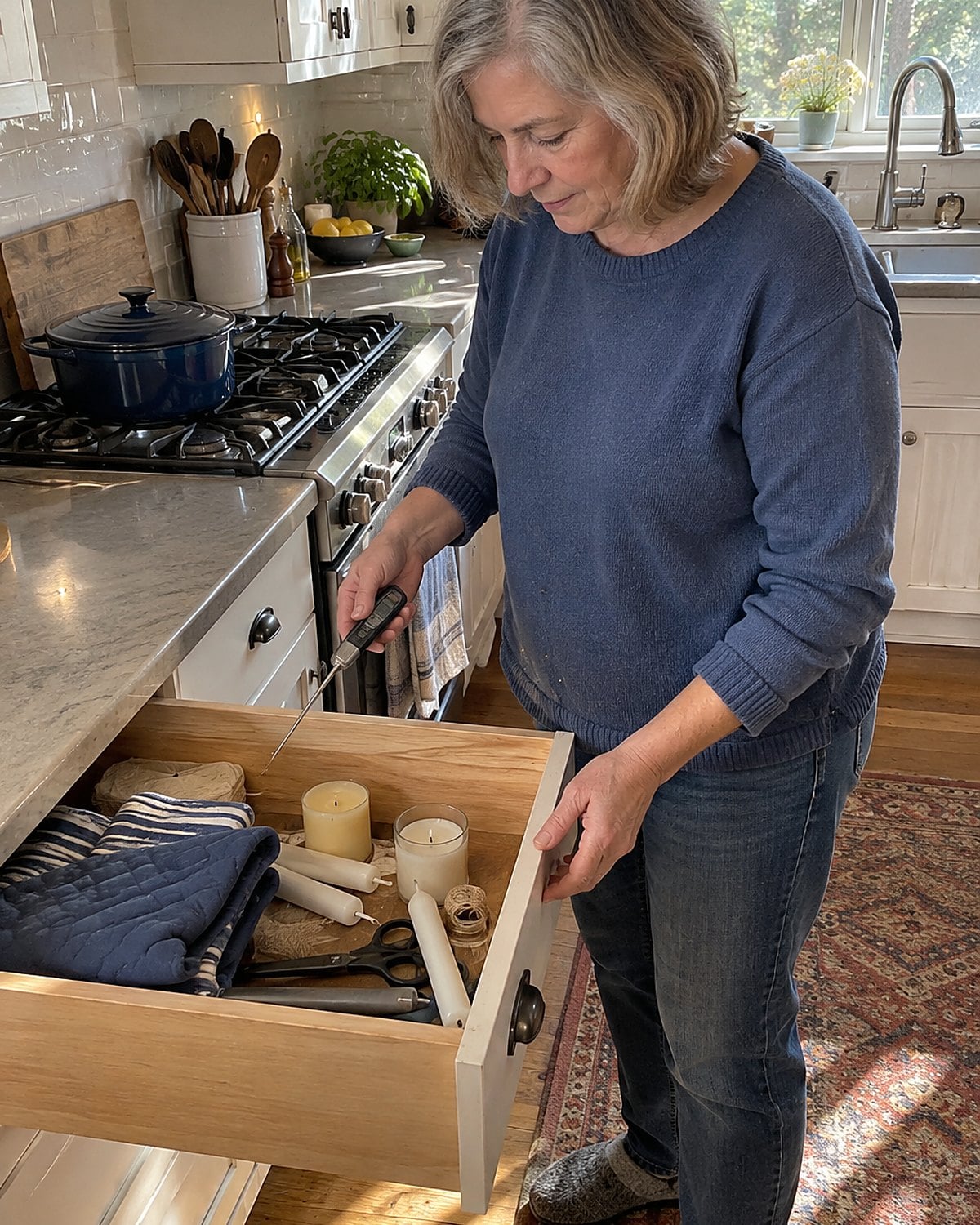
You own a meat thermometer. It's just buried somewhere beneath the oven mitts, spare candles, and things you haven't used since Christmas.
Instead of guessing whether the roast is ready, keep the thermometer somewhere easy to reach.
The USDA recommends cooking whole cuts of beef and pork to 145°F, followed by a 3-minute rest. Ground meat should reach 160°F.
Check the thickest part, avoiding bone and fat. Clean the thermometer after checking raw meat before using it on cooked food.
Years of cooking experience are valuable, but even the best cooks can't see the temperature inside a roast.
#17 The rolls passed around before dinner
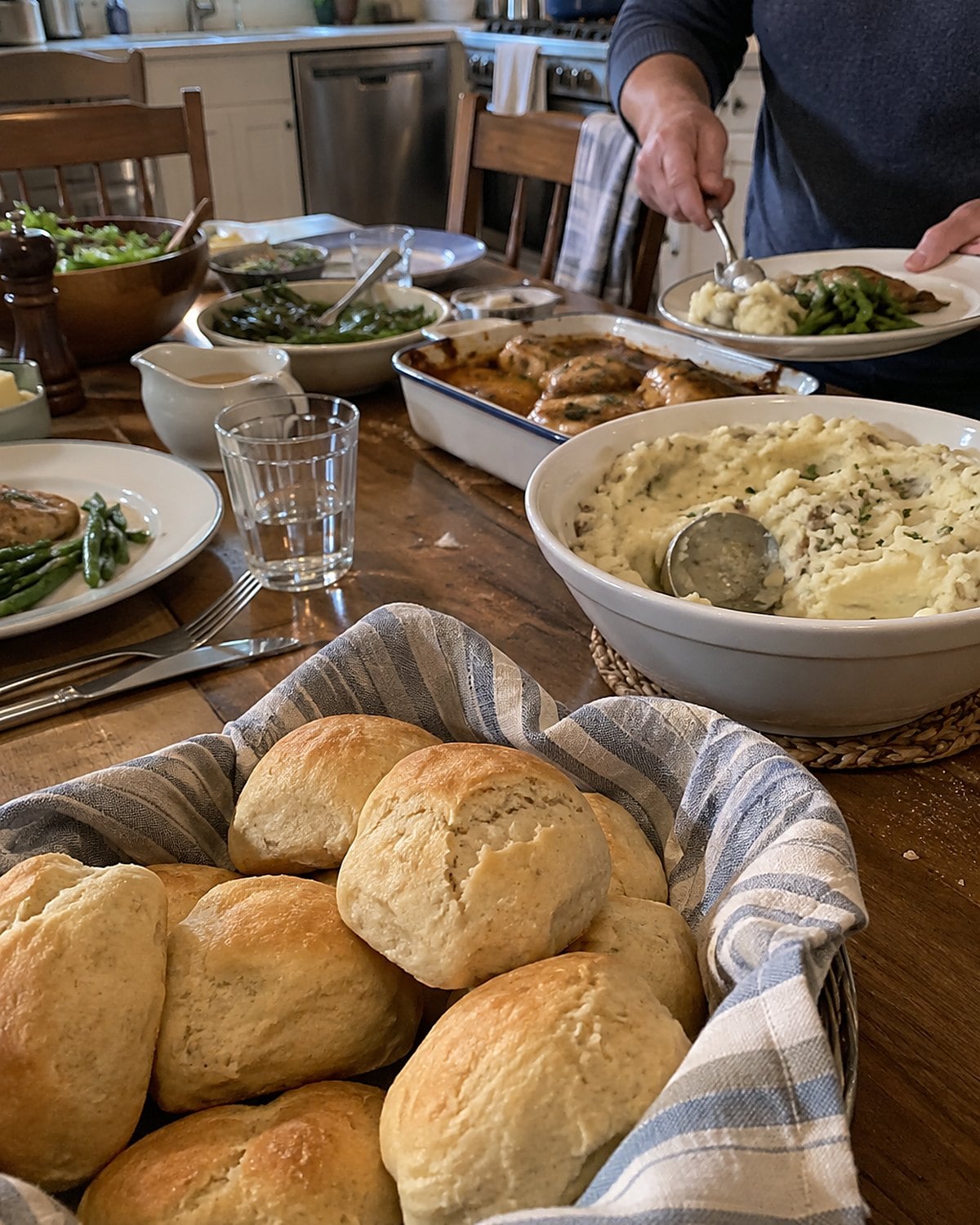
Freshly baked rolls smell irresistible, especially when everyone is hungry and dinner is taking longer than expected.
Your daughter-in-law eats two, then barely touches her potatoes. You wonder whether something was wrong with the meal. Chances are, she was simply full.
Serve the rolls alongside dinner rather than passing them around beforehand. That way, everyone can see what's available before filling their plates.
And if someone skips the bread, don't worry about it.
More rolls for tomorrow's lunch. I certainly wouldn't complain.
 You might also like23 Mistakes Grandparents Make When Feeding Toddlers, According to Pediatric Guidance
#16 The onions crowded into the skillet
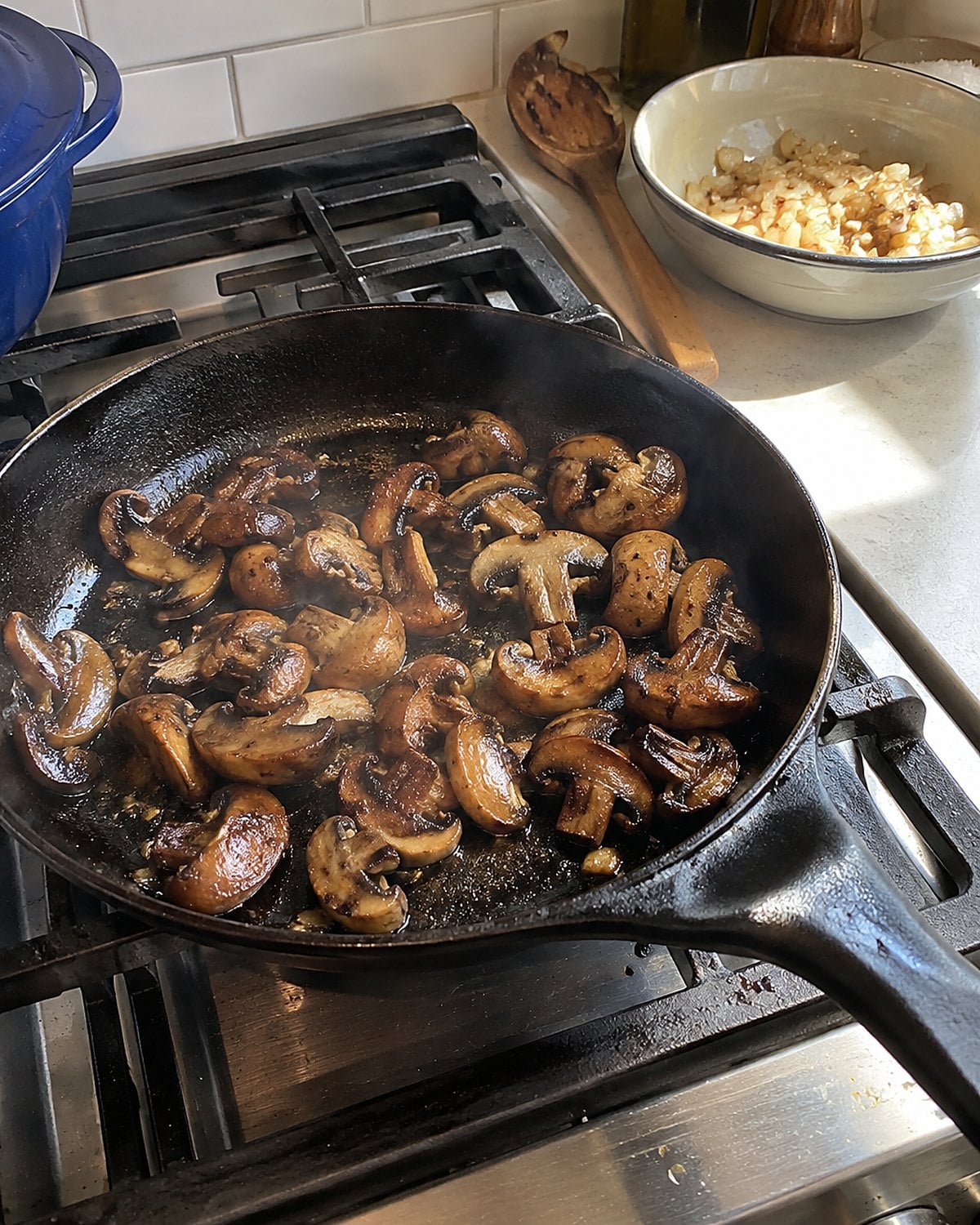
You throw onions and mushrooms into the same crowded skillet, expecting them to brown beautifully. Instead, they release water and turn soft.
Browning needs heat and enough space for moisture to escape.
Cook mushrooms in batches, set them aside, then brown the onions before combining everything.
Listen for a steady sizzle. If liquid starts collecting in the pan, remove some vegetables and let the rest cook.
Those golden edges add much more flavor than another sprinkle of seasoning.
Sometimes the problem isn't what you're cooking. It's how much you're trying to squeeze into one pan.
#15 The second helping offered across the table
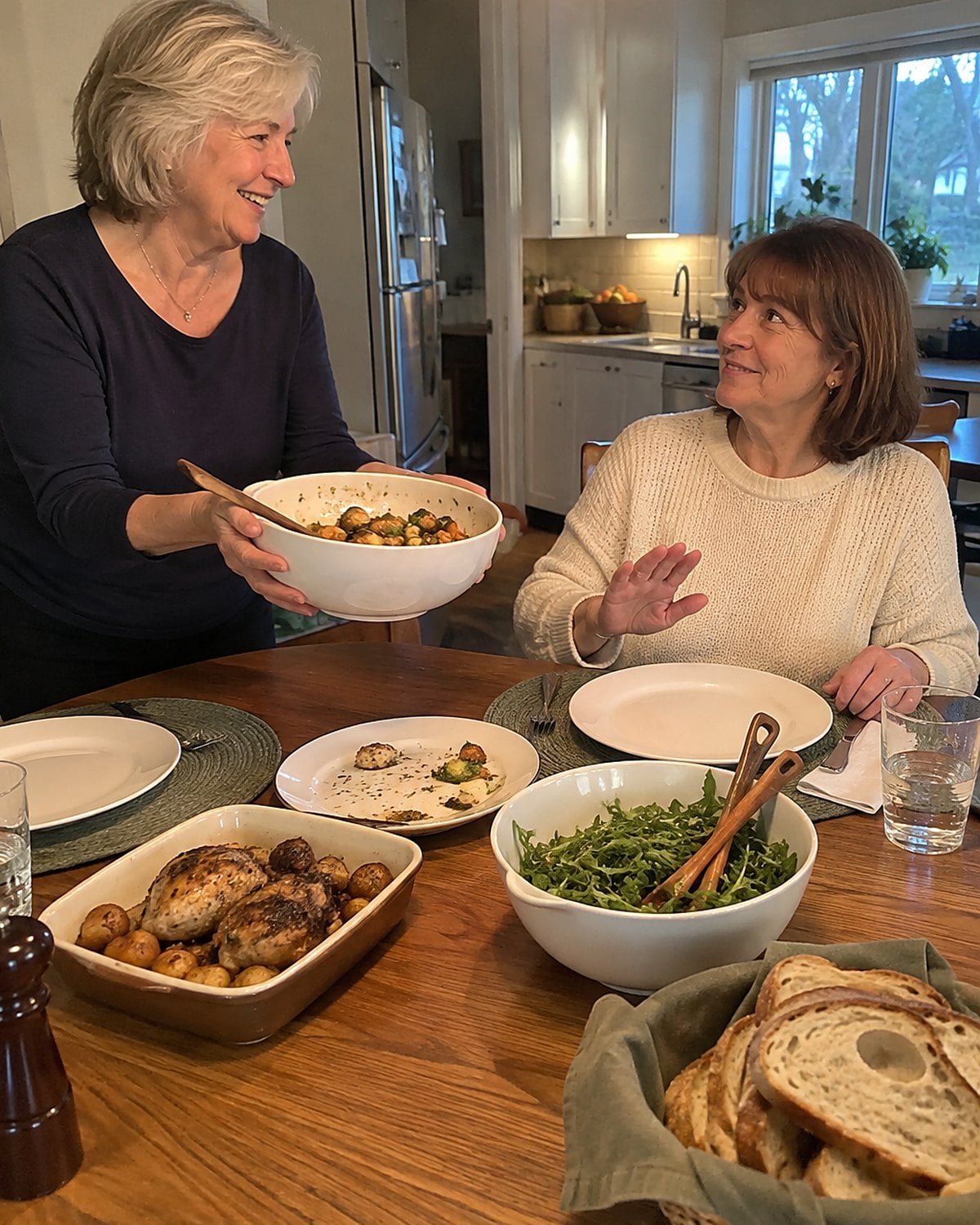
Your daughter-in-law finishes her plate, and you immediately reach for the serving bowl.
"Have some more!"
She smiles politely and says she's full. But you offer again because, well, that's what family does.
Try saying, "There's more if you'd like some," and leave the decision to her.
An empty plate doesn't always mean someone wants seconds.
I know offering more food comes from a good place, but nobody should have to defend their appetite at the dinner table.
If there's plenty left, you can always offer a takeaway dish.
#14 The bouillon cube beside the stockpot
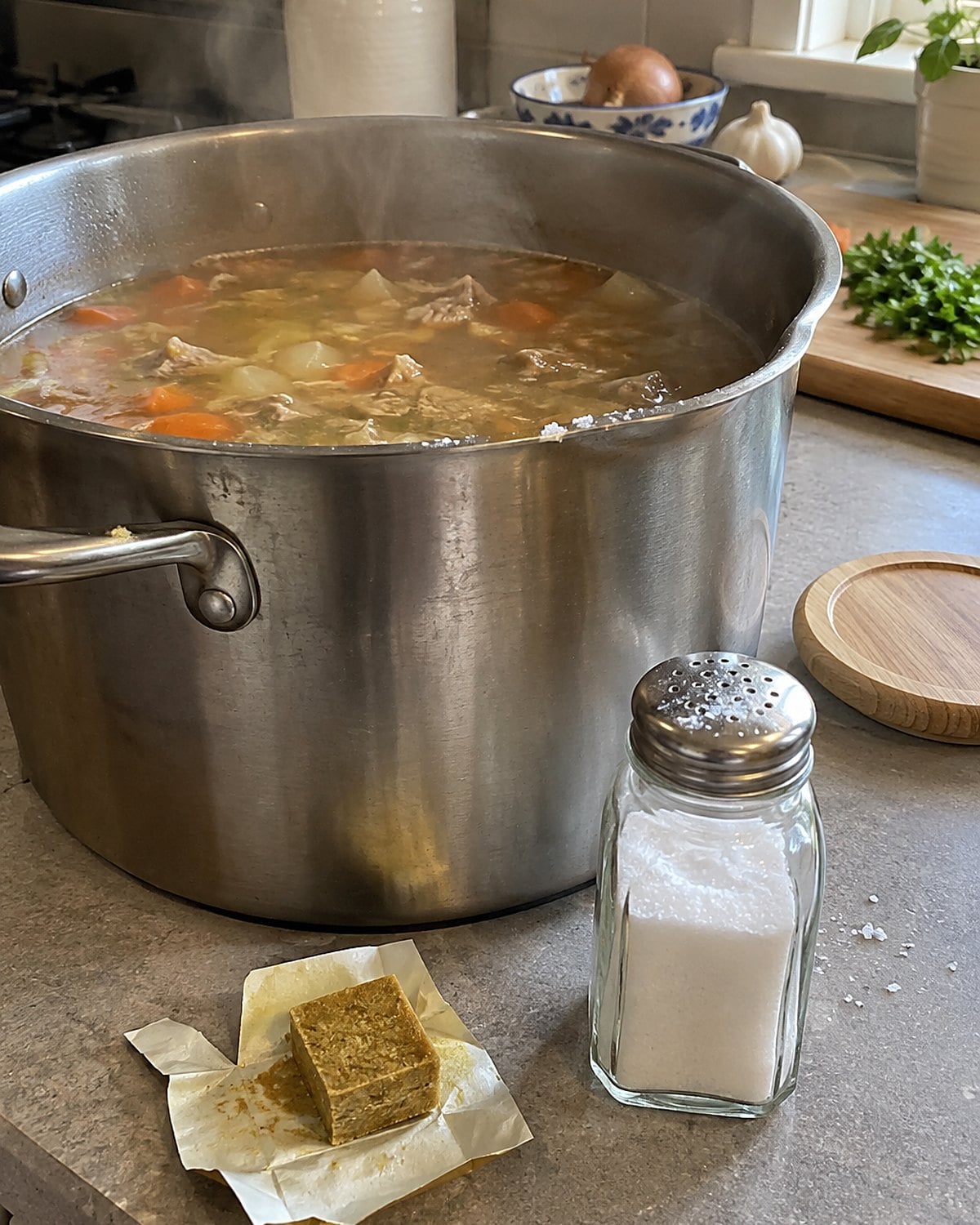
Your soup tastes a little bland, so you reach for another bouillon cube. Before adding it, remember that bouillon and stock often contain plenty of salt.
Check the package and taste the soup before adding more seasoning. Sometimes a little lemon juice or vinegar can brighten the flavor without increasing the salt.
Try adding a small amount to a spoonful of soup first. If it tastes better, adjust the whole pot gradually.
I find this much easier than adding another cube and discovering I've made soup salty enough to preserve itself.
#13 The lettuce spun at the sink
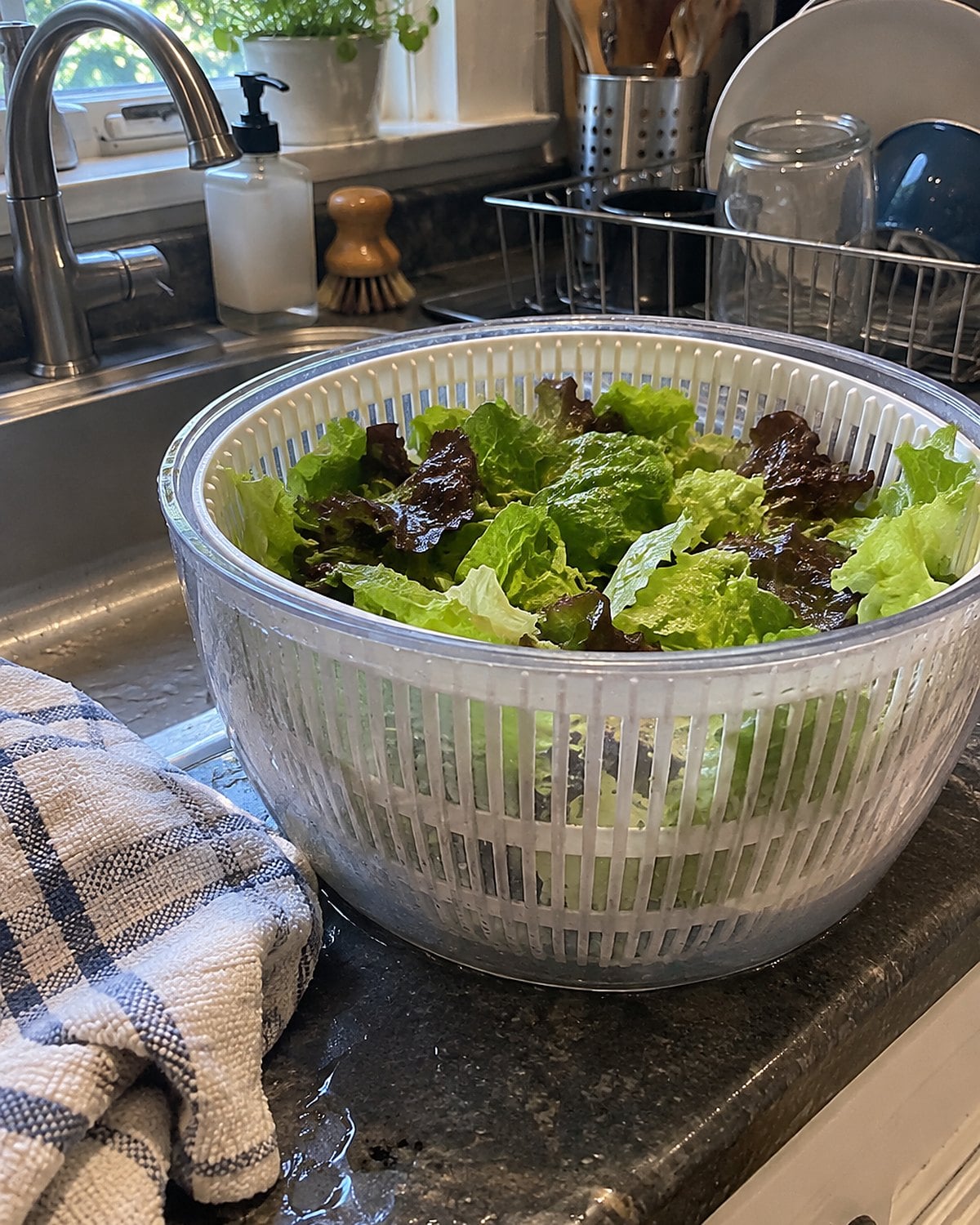
You've washed the lettuce thoroughly, but the dressing keeps sliding off and collecting at the bottom of the bowl. The problem is probably the water still clinging to the leaves.
Use a salad spinner or a clean kitchen towel to dry the lettuce before adding dressing.
If the leaves still drip when you pick them up, they need another spin.
Keep the dressing separate until you're ready to serve, especially if dinner is running late.
Nobody wants a beautiful salad that turns into a soggy, mushy mess before the roast reaches the table.
#12 The leftover container leaving with guests
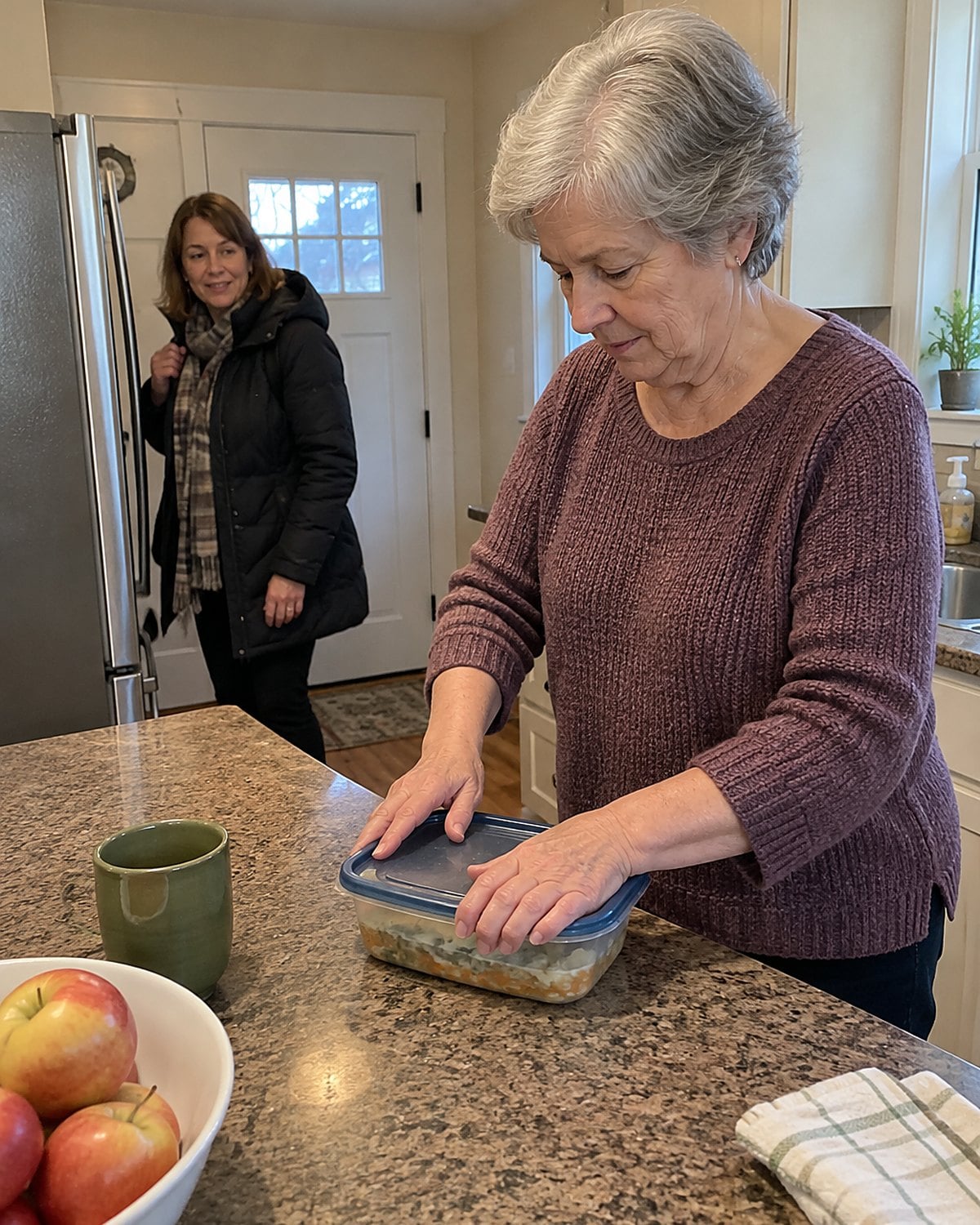
You pack a generous portion of leftovers for your daughter-in-law, but she's stopping somewhere else before heading home.
That warm container could spend far too long in her car. Ask whether she's going straight home or has a cooler available.
Pack leftovers in shallow containers, refrigerate them promptly, and keep them cold during transport.
The FDA recommends keeping refrigerators at 40°F or below.
If she's running errands, offer to keep the food until another time.
Homemade leftovers are a lovely gift, but only when they arrive safely.
#11 The cake slice cut for her
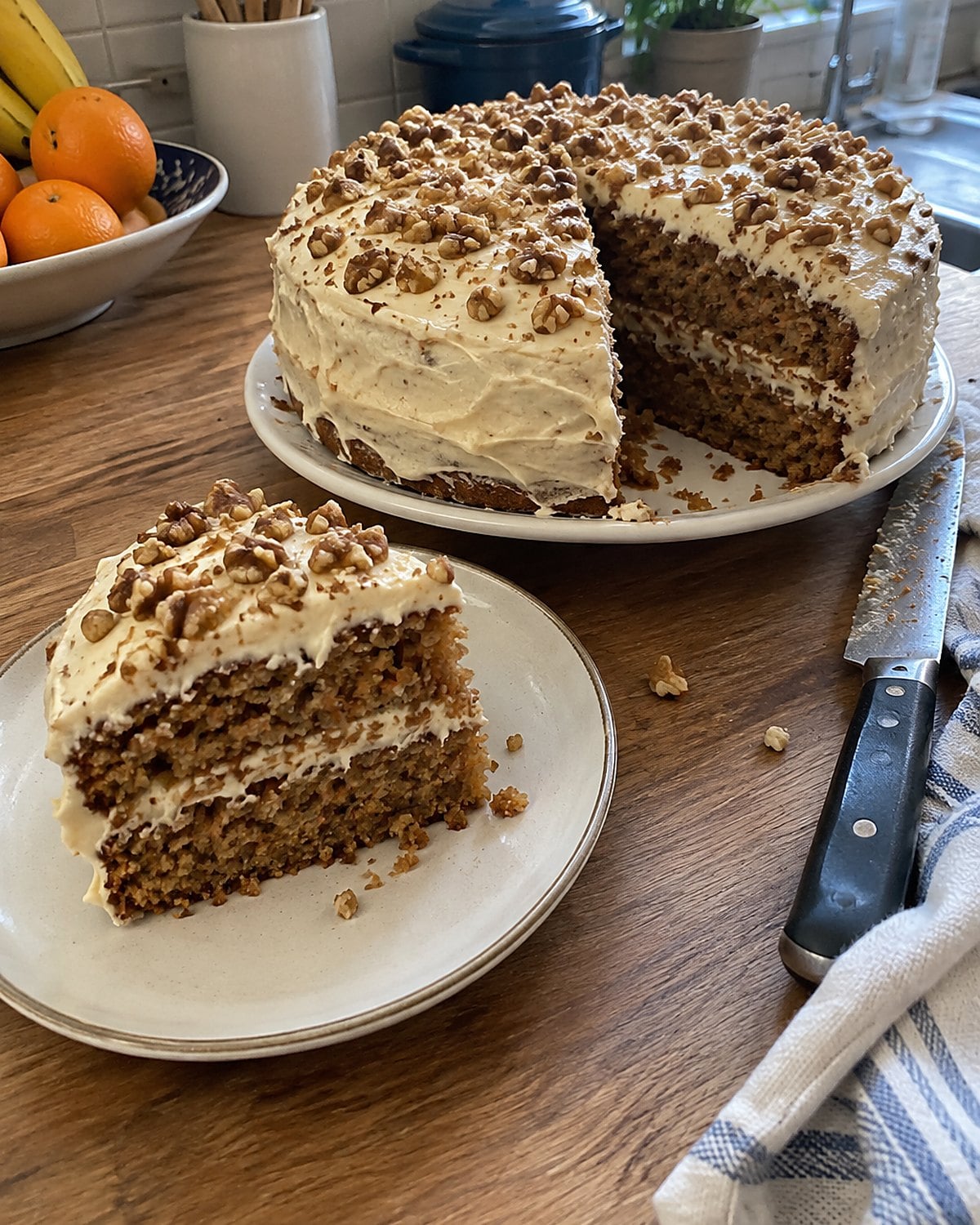
You've made a beautiful cake, and naturally, you want everyone to enjoy a generous slice.
But when your daughter-in-law asks for a smaller piece, there's no need to convince her otherwise.
Cut a thin slice first and let her ask for more. A smaller portion still gives her a chance to enjoy the frosting, filling, and all your hard work.
I also wouldn't ask whether she's being good by eating less. It's cake, not a personality test.
Simply ask whether she'd like coffee with it and enjoy dessert together.
#10 The oven dial on the old range
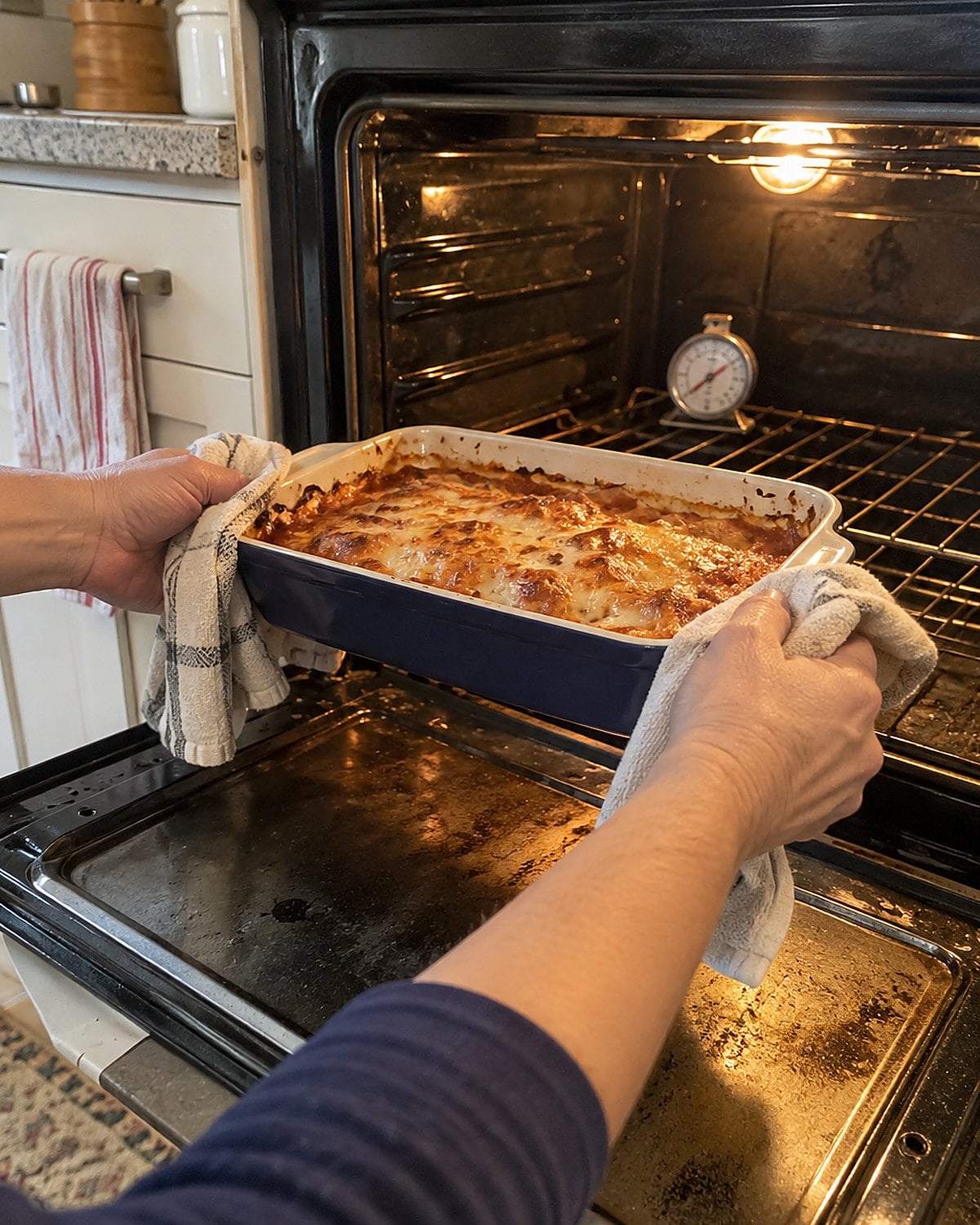
Your favorite casserole recipe says 30 minutes, but the top always browns before the middle is hot. You might blame the recipe, but your oven could be the problem.
Place a separate oven thermometer in the center and let the oven heat fully. Compare its reading with the temperature on the dial.
If they don't match, adjust your cooking time or have the oven checked. Different areas of the oven can also heat unevenly, so positioning matters.
For reheated casseroles, check that the center reaches 165°F.
A golden-brown topping looks lovely, but it doesn't guarantee dinner is hot all the way through.
#9 The grandchild's crowded high-chair tray
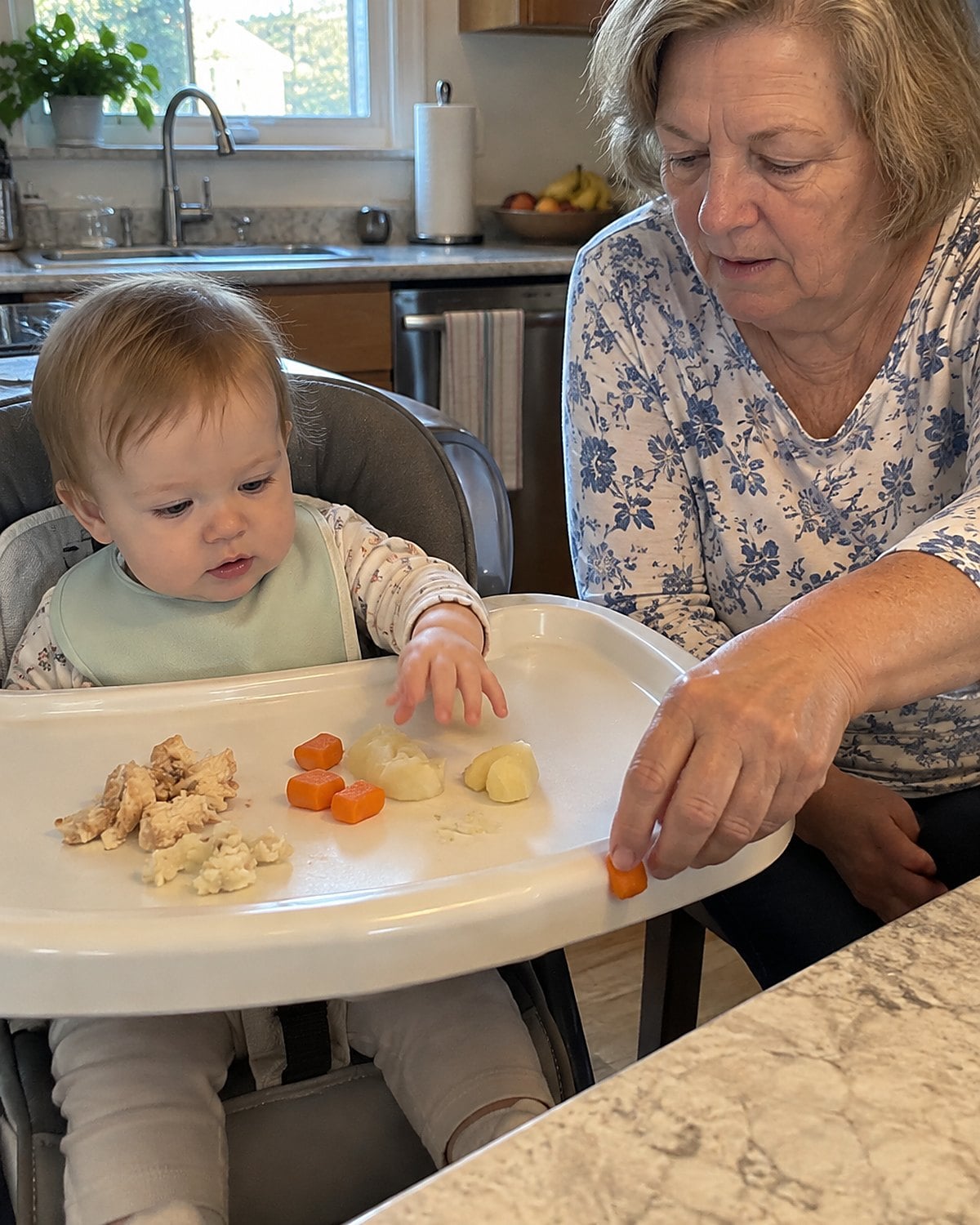
You're filling your grandchild's tray with chicken, carrots, potatoes, and a roll.
Meanwhile, your daughter-in-law is moving everything around because she knows exactly how her child likes to eat.
Instead of guessing, ask how she'd prefer the food served. Start with smaller portions and offer more when needed.
Let the parent decide how food should be cut and which items belong on the tray.
You get to enjoy being the person who made dinner without negotiating every carrot.
And with smaller portions, there's hopefully less food ending up on the floor. Although I wouldn't count on it.
 You might also like27 Things Grandchildren Remember About Your Kitchen That You Never Notice
#8 The rice beneath a heavy lid
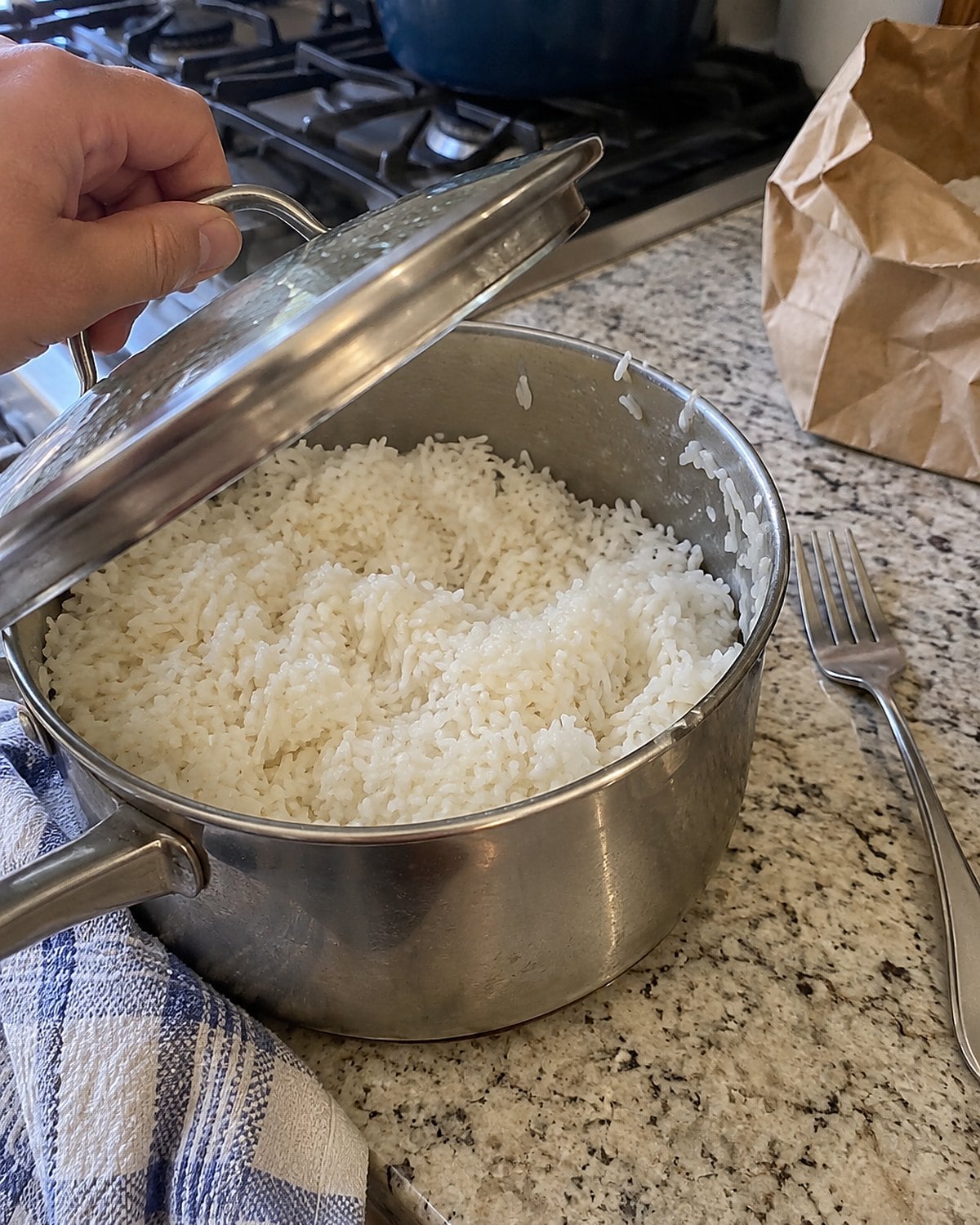
You lift the lid to check the rice, give it a stir, and put the lid back. A few minutes later, you check again.
Unfortunately, all that lifting releases steam and can interfere with cooking.
Follow the water measurements and cooking instructions for the rice you're using.
Bring it to a simmer, cover it, and leave the lid in place. Once the cooking time is finished, let it rest covered before fluffing with a fork.
Different rice varieties need different amounts of water, so don't assume one method works for all of them.
I know it's tempting to peek, but sometimes the best thing you can do for dinner is leave the pot alone.
Ever cooked rice in an Instant Pot? Here's How To Cook Rice In Instant Pot
#7 The recipe card from her family
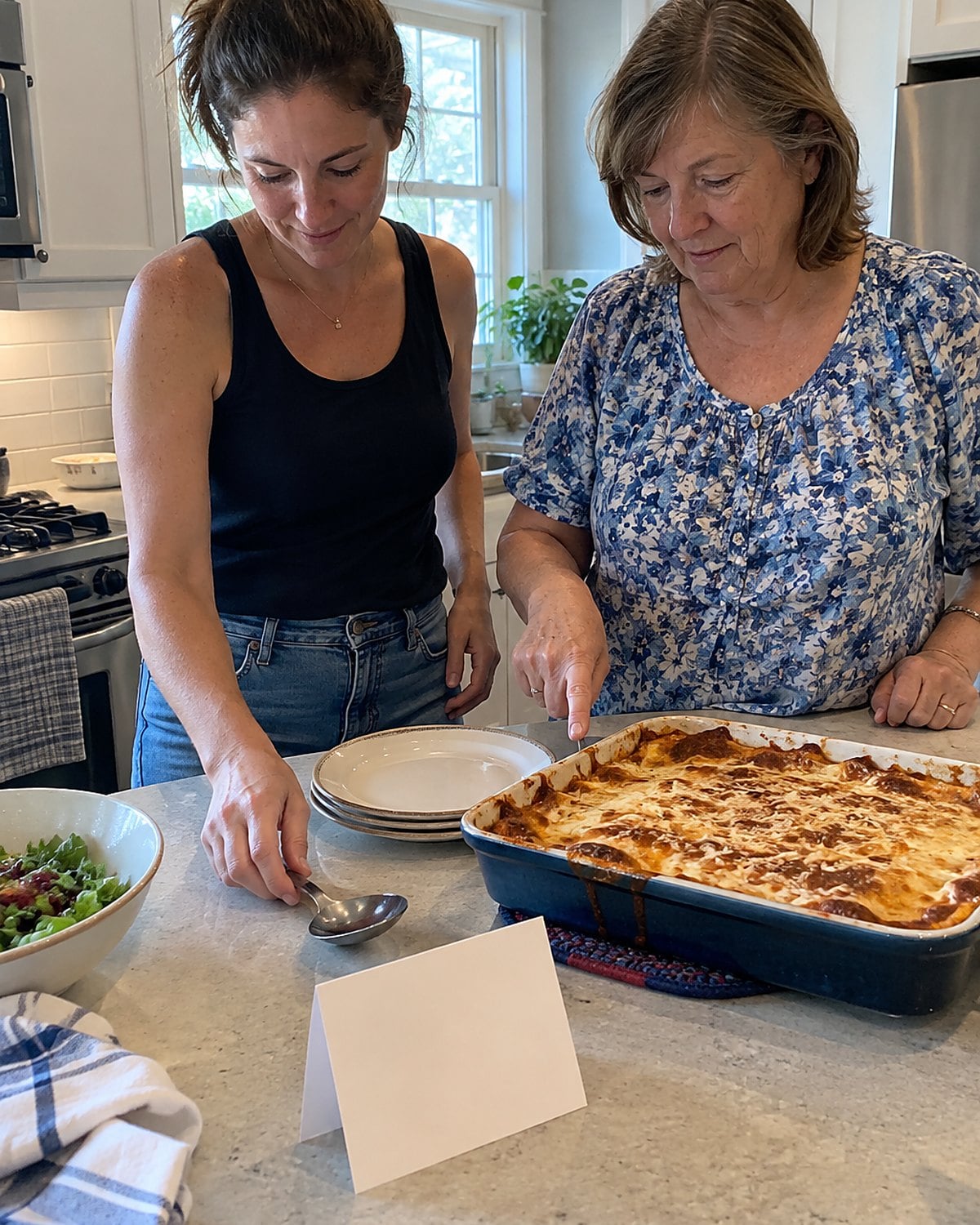
You're making the casserole your son has loved since childhood. Then your daughter-in-law mentions that her family makes something similar, but a little differently.
It's easy to feel protective of a recipe you've cooked for years. Instead, ask what her family adds.
Maybe they use sour cream instead of milk, brown the onions first, or prefer a crunchy topping.
You don't need to change your recipe immediately. Just showing interest makes her feel included.
And if she offers to bring her family's version next time, why not? Two casseroles sound better than one, especially when you don't have to cook both.
#6 The spice jar with the faded lid
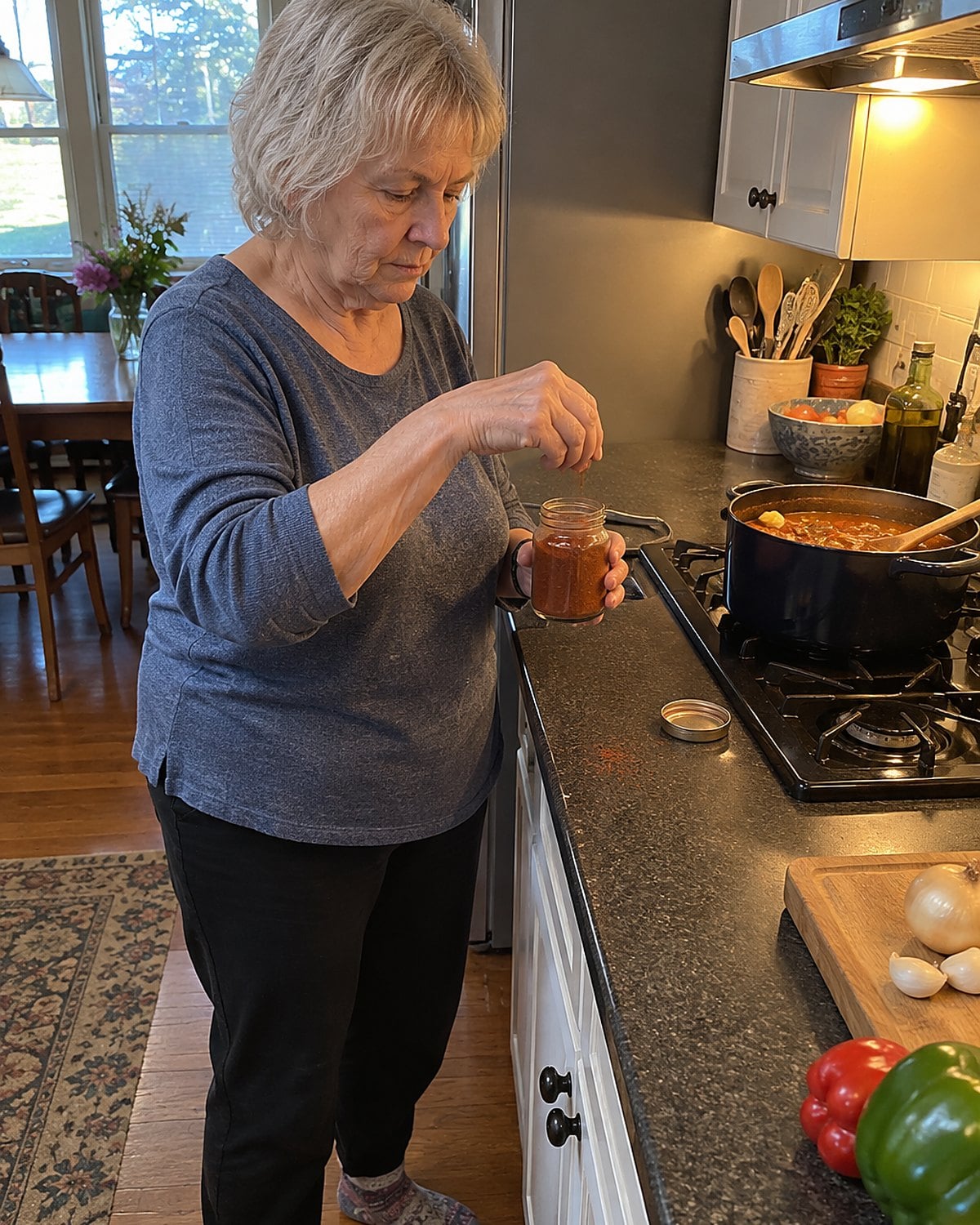
That jar of paprika has been sitting beside your stove for years. It still looks red, but the flavor seems to have disappeared.
Before adding more, rub a pinch between your fingers and smell it. If there's hardly any aroma, adding extra probably won't help much.
Replace old spices when they've lost their fragrance, and store them away from heat.
Taste the dish after the seasoning has had time to blend with the other ingredients.
Sometimes your stew doesn't need more salt or another ingredient. It just needs paprika that hasn't been sitting there since the last family reunion..
#5 The sauce clinging to the pan
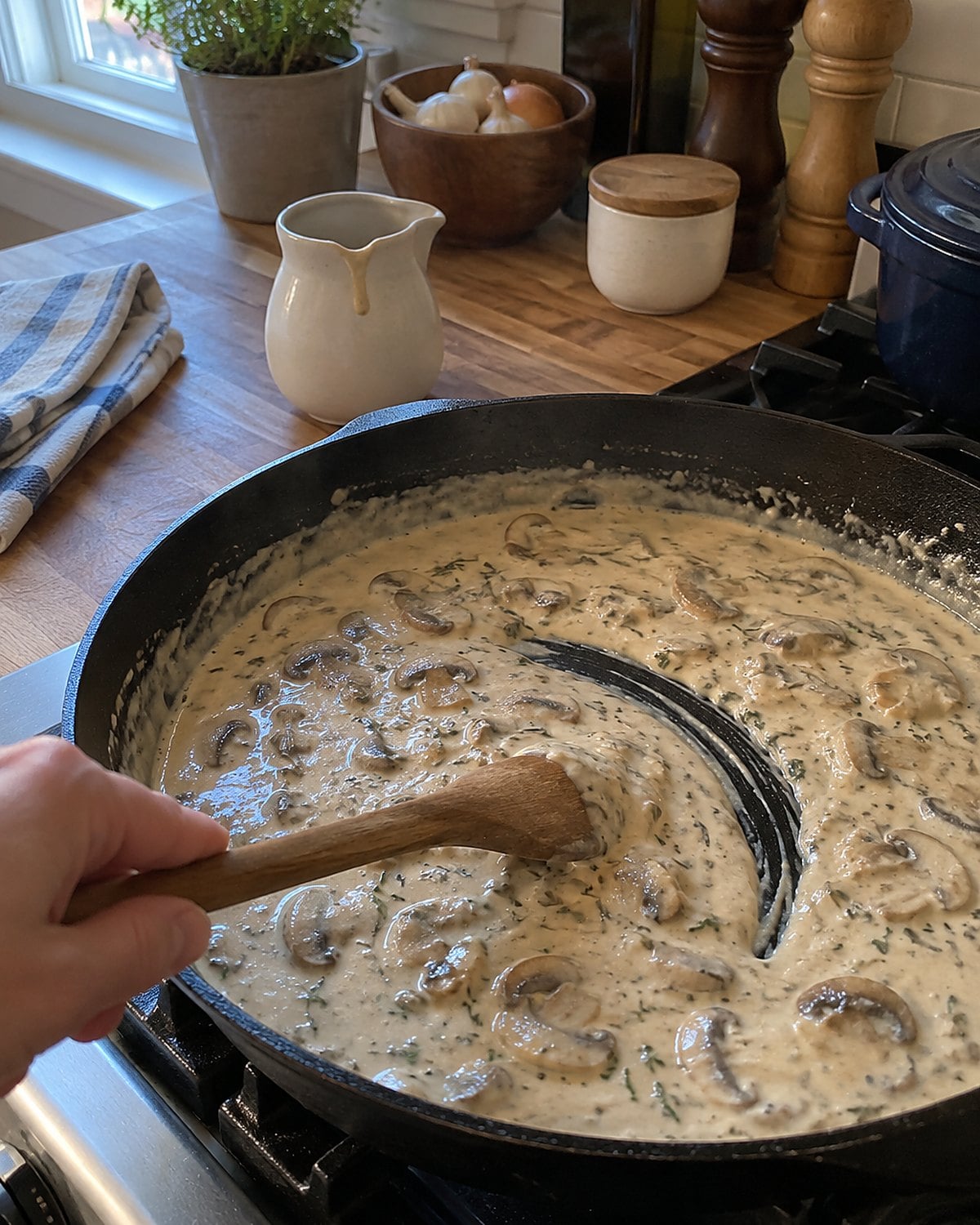
Your sauce looks perfect when you turn off the heat, but by the time dinner is served, it's thick enough to stand a spoon in. Sauces often thicken as they cool.
If yours is too thick, stir in a tablespoon of unsalted stock or water. Heat it through and check the consistency before adding more.
The sauce should coat a spoon or potato without sitting on top in a heavy lump.
I prefer serving extra sauce separately so everyone can add as much as they like.
That way, your daughter-in-law can enjoy a little sauce without having her entire dinner swimming in it.
#4 The dish carried into the church hall
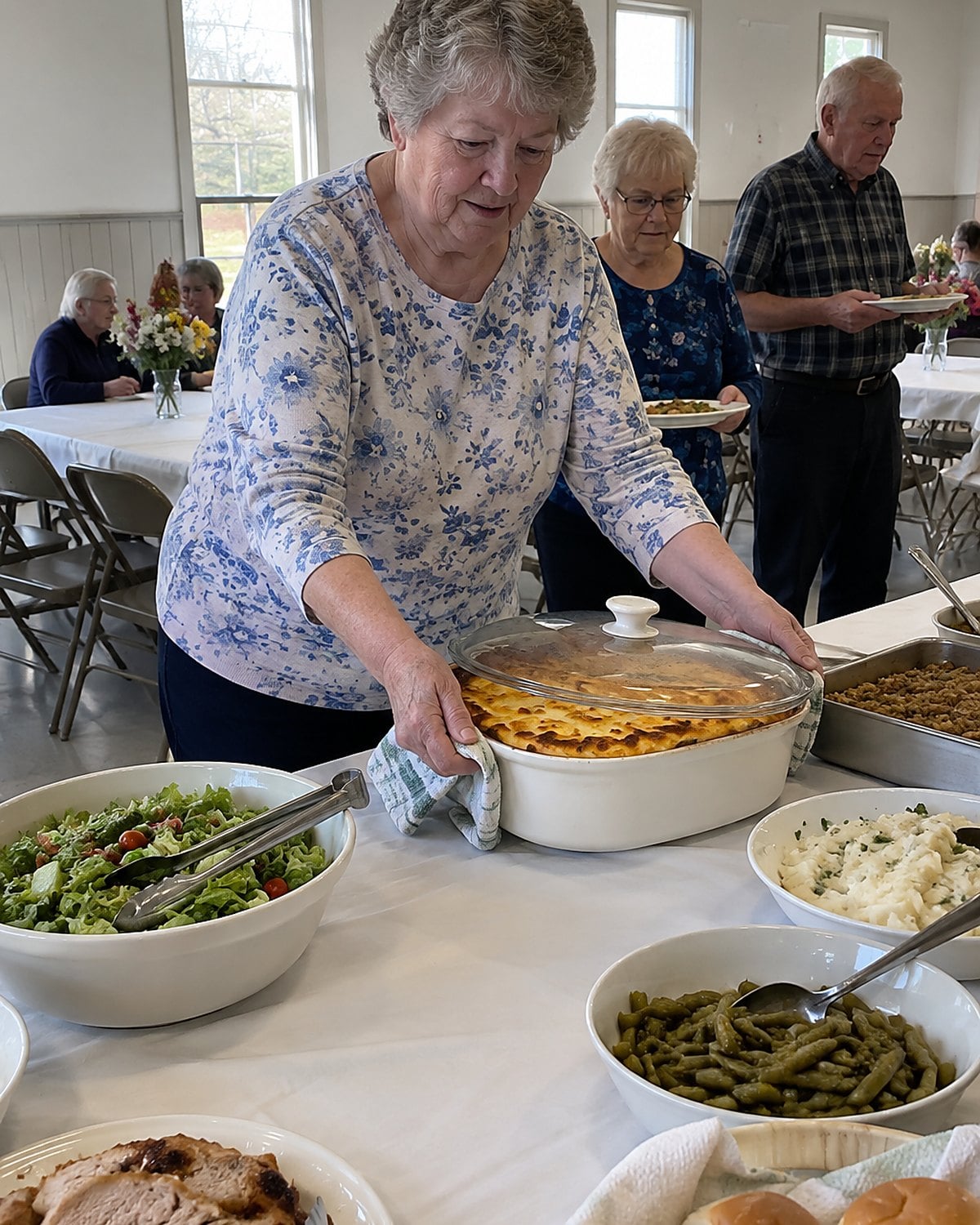
You've made a casserole for a family or church gathering, and everyone is eager to try it. But what if someone needs to avoid nuts, dairy, or another ingredient?
Include a clear ingredient note and tell the person organizing the food about any important allergens.
The FDA emphasizes the importance of accurate ingredient information for people with food allergies.
Bring a clean serving utensil and follow the organizer's instructions for keeping hot foods hot and cold foods cold.
Then let guests choose their portions.
It's a small bit of preparation that makes everyone feel more comfortable, especially those who can't simply eat whatever looks good.
#3 The apron offered before dinner
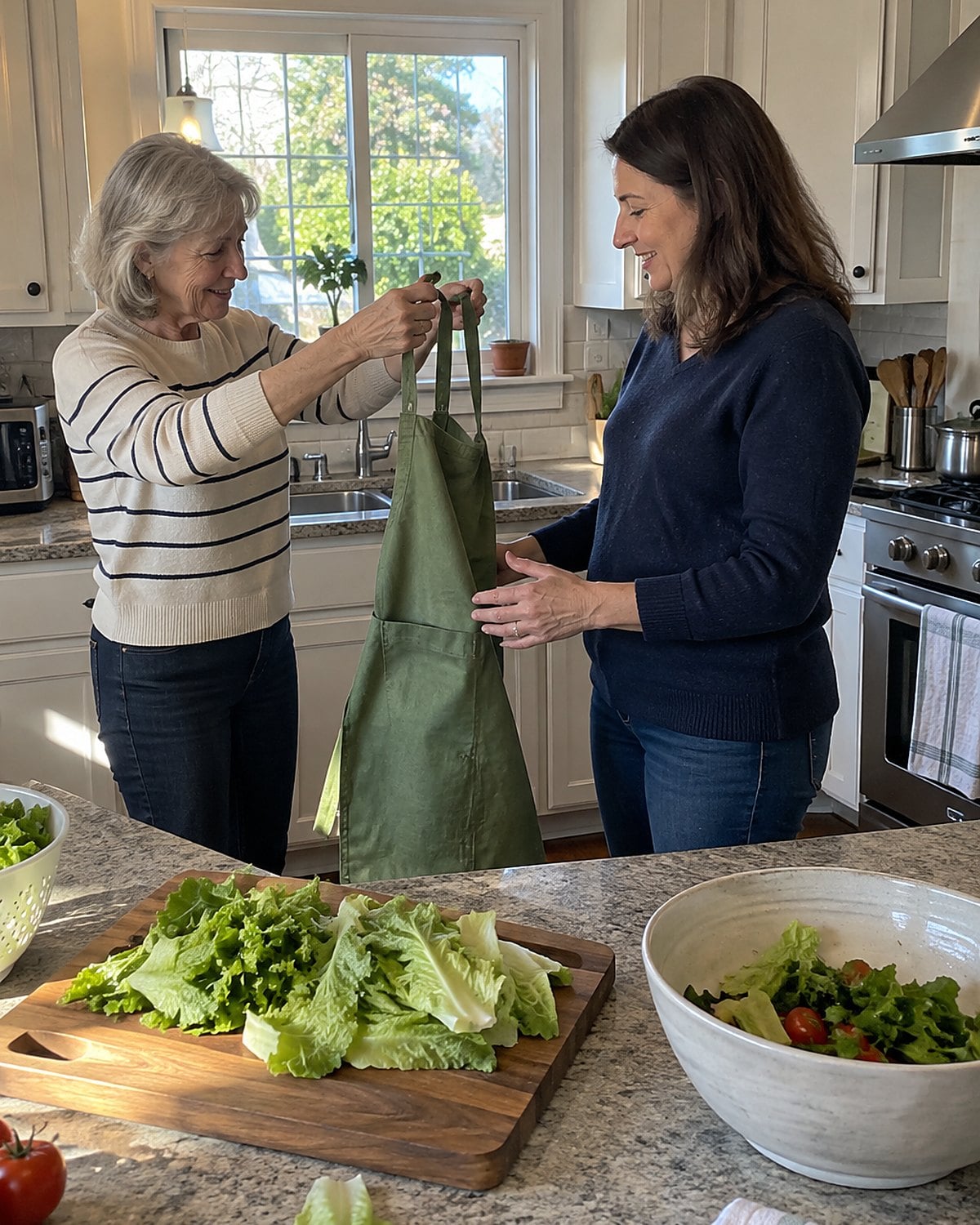
Your daughter-in-law arrives while you're busy cooking and asks whether she can help.
"Oh, no, just sit down!" you say. You're trying to be kind, but she might actually want to spend time with you in the kitchen.
If she'd like to help, give her something simple to do. She could tear lettuce, set the table, or pour drinks.
And let her do it her way. The glasses won't mind if they're arranged slightly differently.
If you'd rather finish cooking alone, invite her to keep you company instead.
Sometimes helping with dinner is less about the cooking and more about feeling included.
#2 The guest's answer at the door
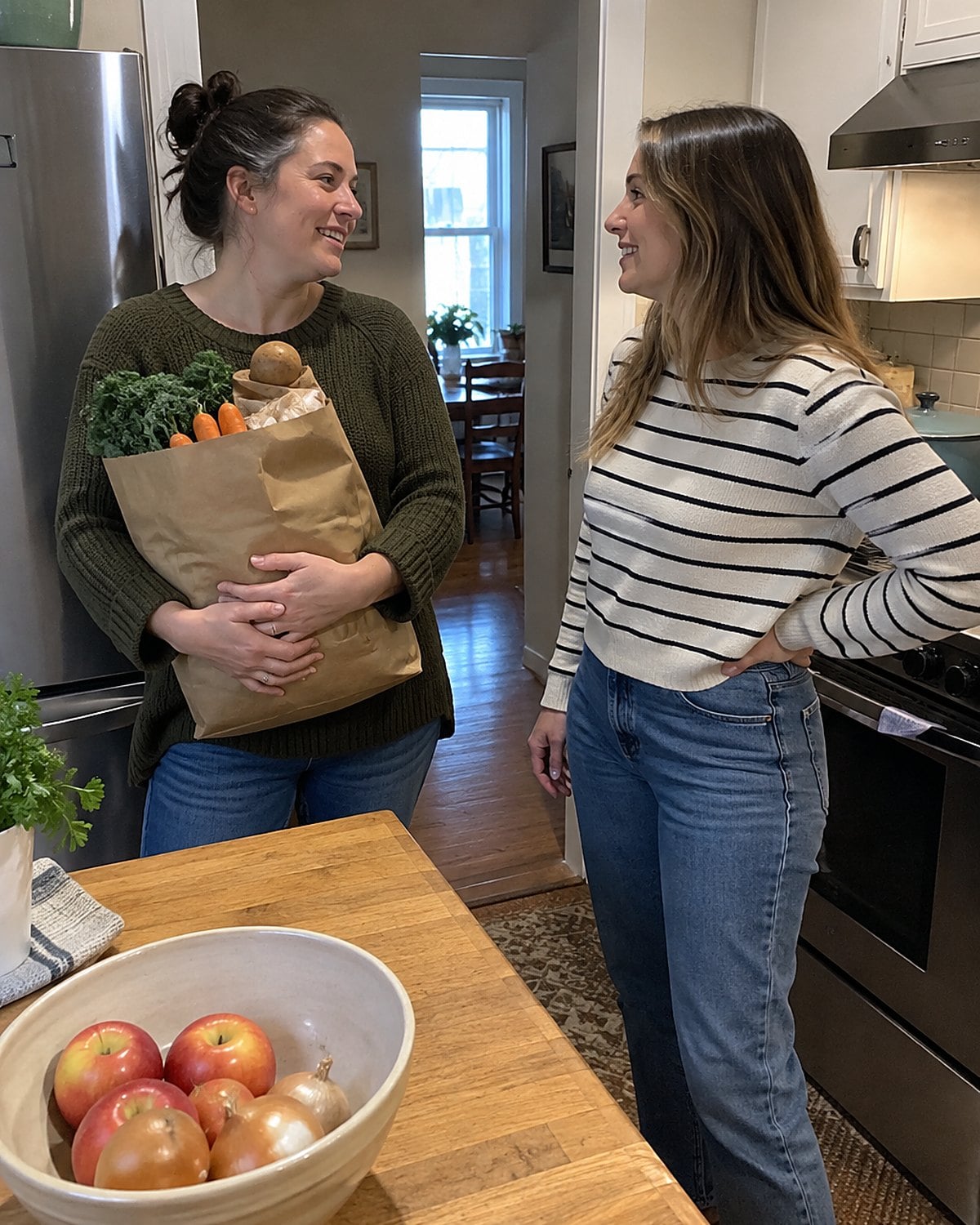
Before planning dinner, ask your daughter-in-law whether there's anything she can't eat or would prefer to avoid.
It's much easier to discuss dietary needs privately than to discover a problem when everyone is already seated.
If she mentions a food allergy, ask which ingredients and preparation steps matter.
Read packaged food labels carefully and avoid promising a dish is allergen-free unless you're certain.
Food Allergy Research & Education also provides guidance on preventing allergen cross-contact.
You don't need to make a huge fuss about it.
A simple "Thanks for telling me" and a little planning can make dinner more comfortable for everyone.
#1 The tasting spoon before guests arrive
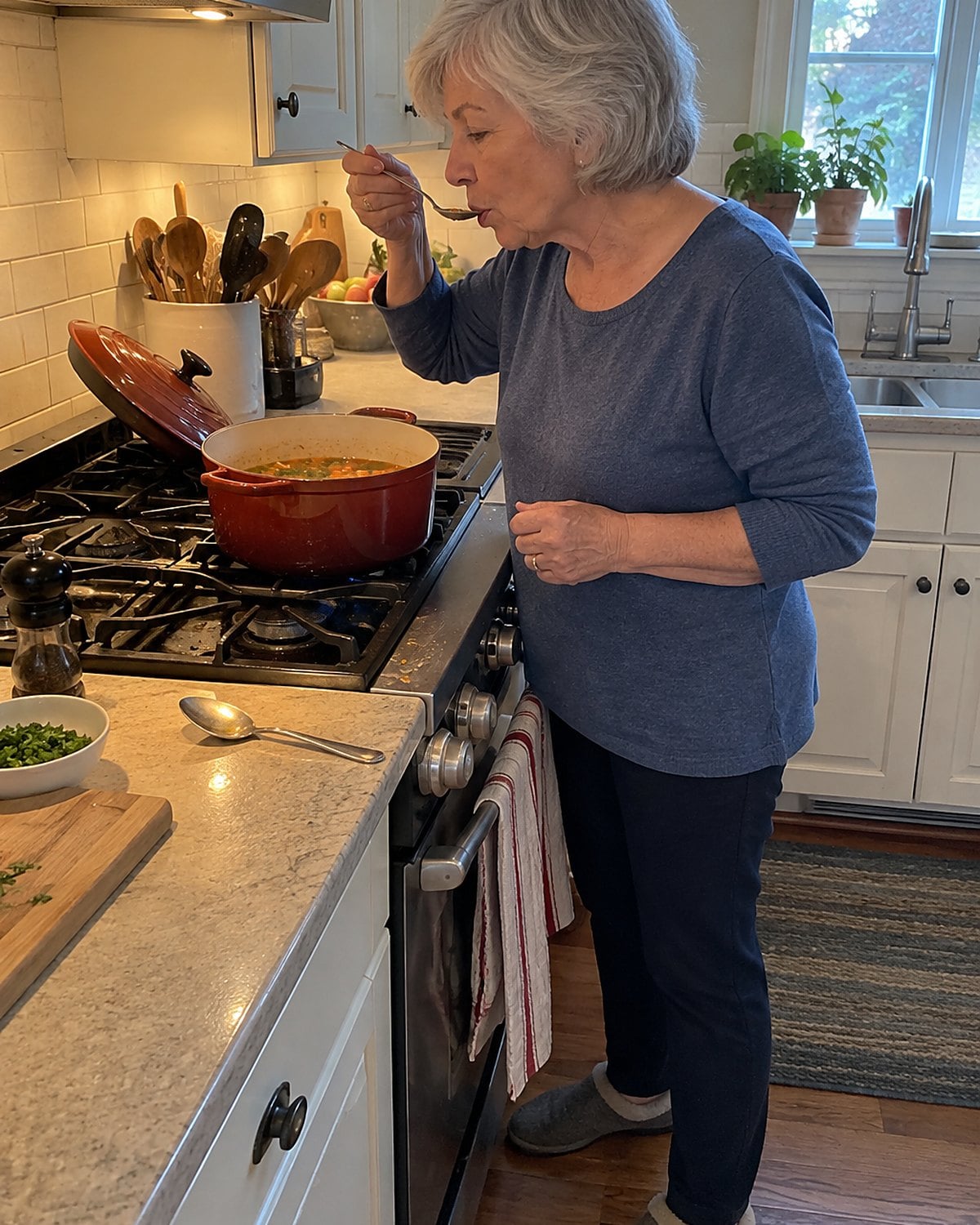
You've spent the afternoon cooking, and everything smells wonderful. But have you actually tasted the finished meal?
Before serving, take a clean spoon and taste the soup, gravy, or sauce.
Check whether it needs salt, a little acidity, or a thinner consistency. If you're serving meat with sauce, taste them together. That's how your guests will experience the dish.
Make small adjustments before changing the whole pot. And leave the salt shaker on the table so everyone can season their own food.
After all, you've done the hard work. A quick taste before serving might save you from watching someone quietly reach for their third glass of water.
Keep reading
 27 Foods Grandmothers Make That Mothers Won't Allow
See all 27 →
More you’ll remember
 27 Things Home Cooks Over 60 Do Without Thinking That Chefs Would Never Do
 24 Dishes That Bring Adult Children Home Without Being Asked
 27 Holiday Foods Your Family Still Argues About Thirty Years Later
The Bottom Line
Your daughter-in-law doesn't need you to guess every preference. She needs room to answer without feeling that dinner depends on her praise.
You've already done the hard work when the food is cooked and the table is ready. Taste it, offer a choice, and believe the answer you get.
What's one small change you've made to family dinners that's made everyone happier?

Leave a Reply