

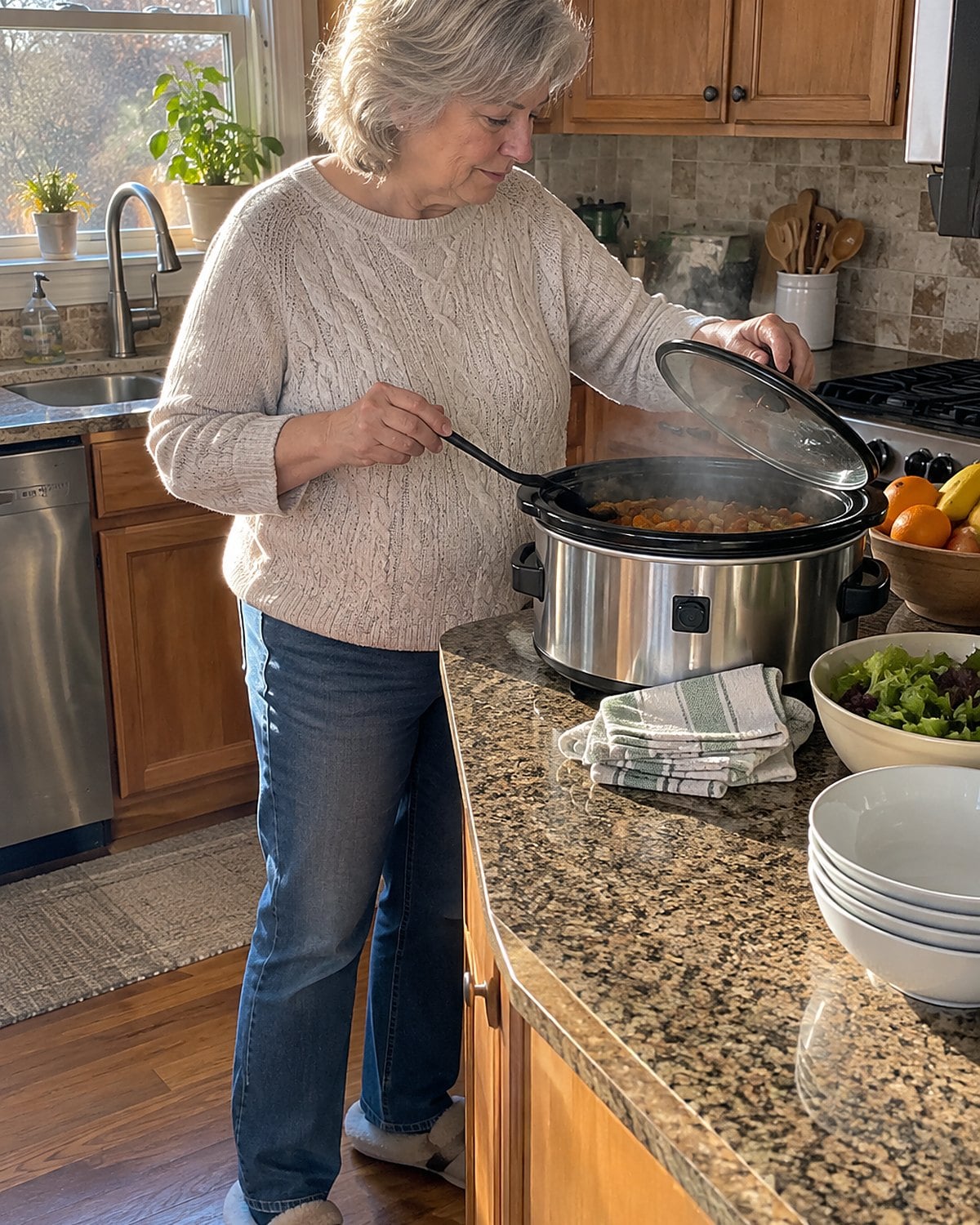
The slow cooker lid knocks once against its rim. You lift it, smell the onions, and hear a question from the doorway: “Are those the green beans we had last year?” The speaker is an adult now, but the question sounds exactly as it did when they needed a step stool to see inside the pot.
Holiday food has a long memory. Someone recalls a crisp edge; someone else recalls gravy from a packet. Both are certain. Before the chairs come out, the old arguments start where they always did: beside the stove.
#27 The Green Bean Casserole Topping
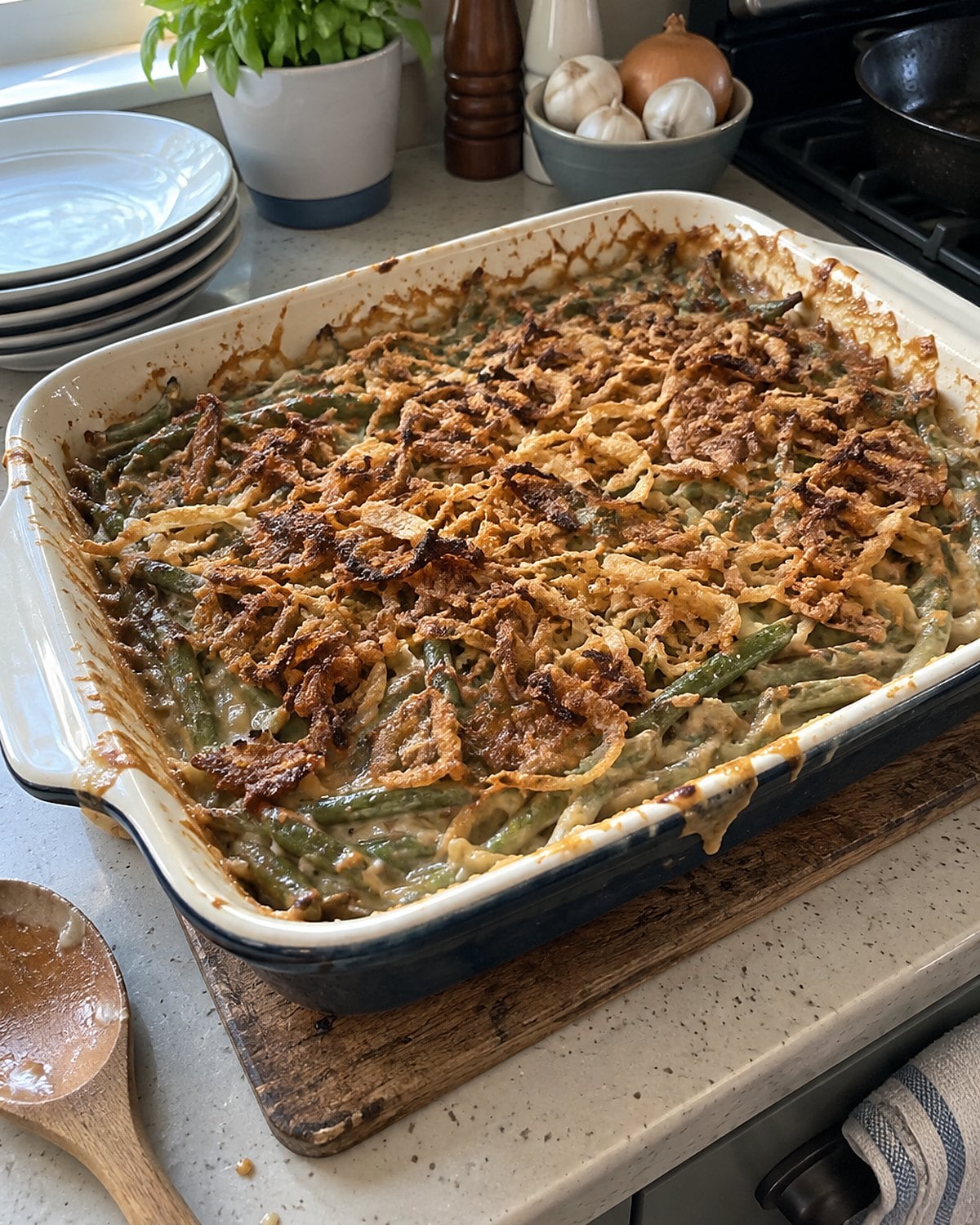
The casserole reaches the table under a brown lid of fried onions. A hand moves toward the spoon, then stops. Were the onions always crisp, or did they used to disappear into the sauce?
Keep some back until the casserole is hot. Onions buried under sauce absorb moisture and lose their crunch. Spread the last handful across the top near the end, then watch for browned edges instead of trusting the clock.
There’s a second argument underneath. Some people want beans that still have a little bend. Others remember the soft canned beans that held onto every bit of sauce. Neither memory improves if you pretend the two versions cook alike. Taste a bean before you add the topping.
That last taste also tells you whether the beans are hot enough for serving. Then scatter the onions and bring out the dish while its top still crackles under the spoon.
Try it: Instant Pot Green Bean Casserole
#26 The Cast-Iron Cornbread Crust
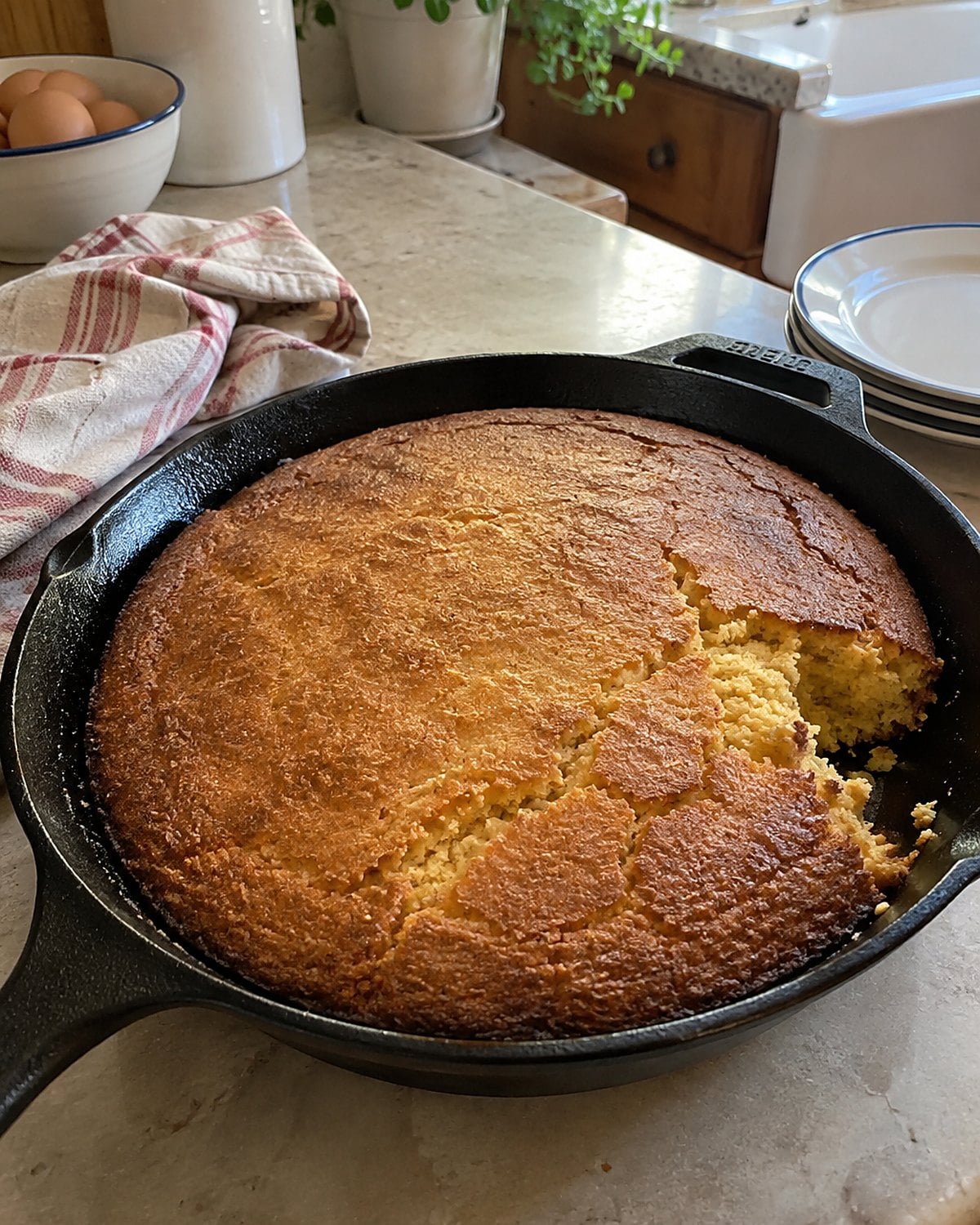
You hear the batter hiss when it hits the pan. That sound has settled more cornbread arguments than any speech about sugar.
A hot cast-iron skillet starts cooking the bottom at once. A cool baking dish gives you a softer edge, even with the same batter. Put the skillet in the oven while it heats, add the fat to the hot pan, and pour in the batter. Keep a towel over the handle afterward. It looks harmless long after it leaves the oven.
Then comes the sugar question. Families draw a firm line there, and the line seldom moves. If you’re baking for people with opposite memories, make the crust your common ground. It gives both camps something to agree on before anyone reaches for the butter.
Run a knife around the edge before turning it out. If the bottom releases cleanly, set it crust-side up. Nobody needs to settle the sugar question to claim a corner piece.
#25 The Sweet Potatoes Under Marshmallows
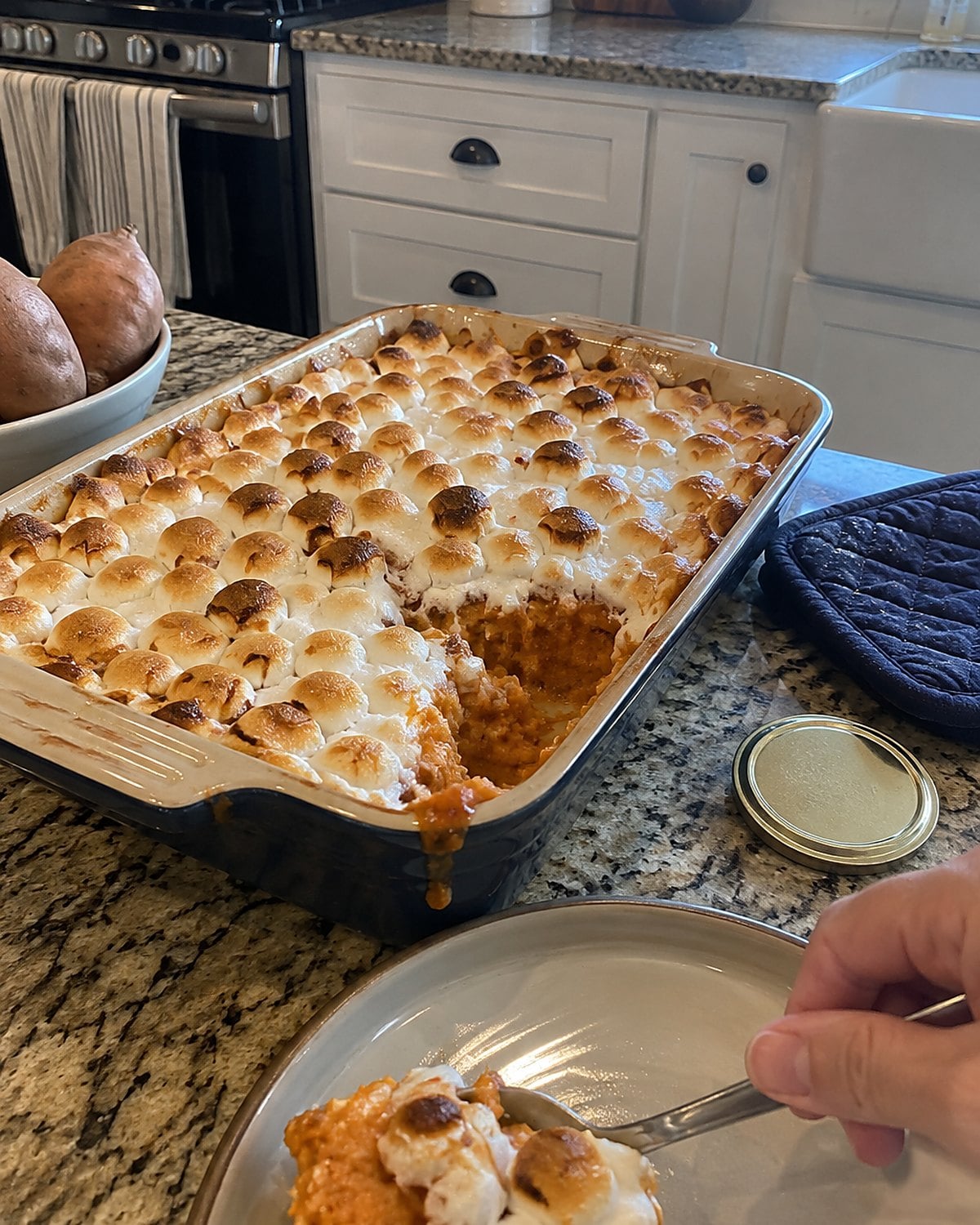
Someone brings out sweet potatoes under a browned blanket of marshmallows. Someone else asks where the pecans went.
Warm the potatoes before adding marshmallows. They brown fast, while a cold dish takes longer to heat through. Stay near the oven once the topping goes on; golden tops turn dark in a hurry.
Put chopped pecans in a small bowl for the person who wants them. The topping stays intact, and nobody has to scrape off somebody else’s favorite part.
#24 The Stuffing Baked Outside the Bird
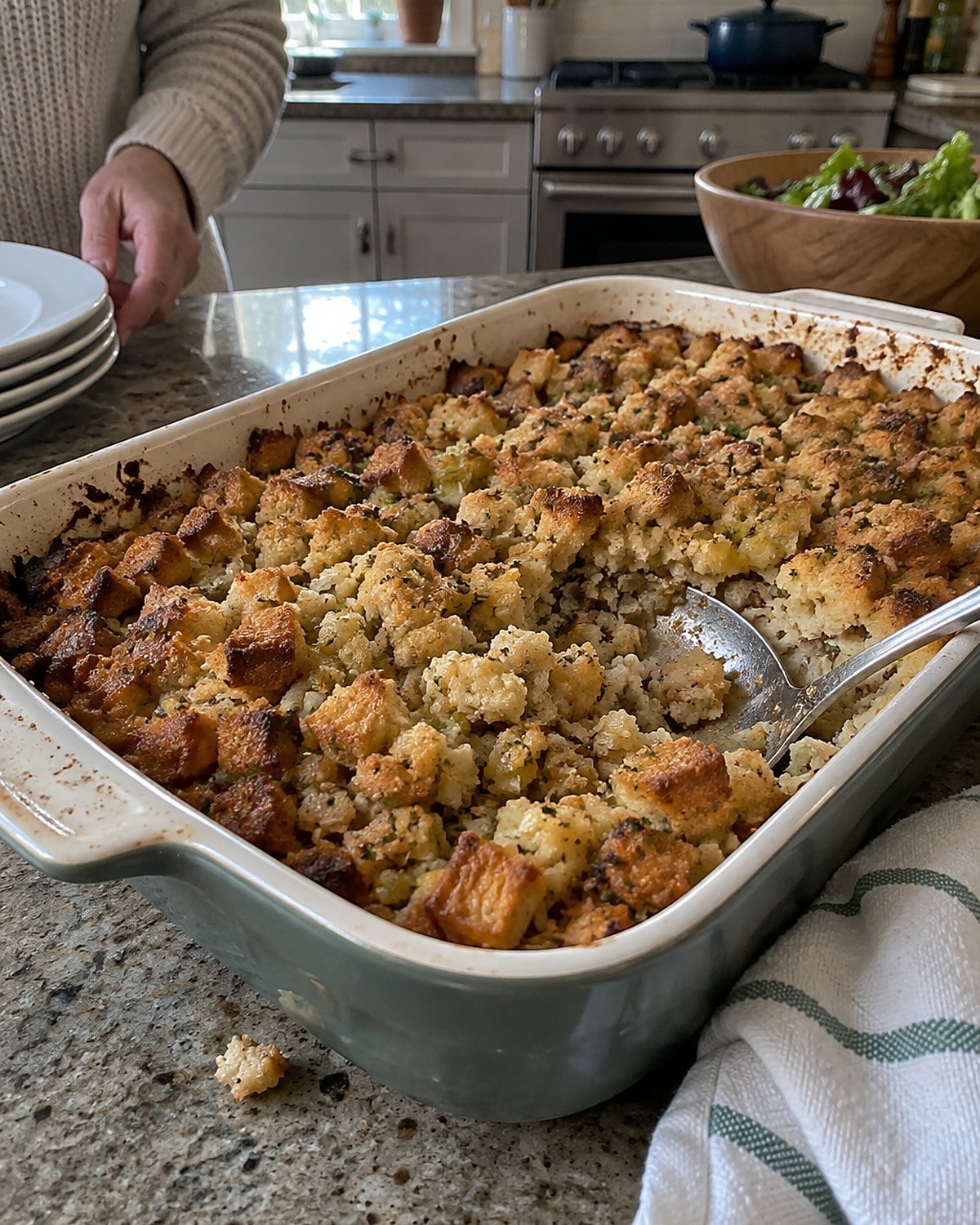
The question arrives while the oven is already full: “Why isn’t the stuffing inside the turkey?”
Baking it separately gives the bread its own browned top. Add enough stock to dampen the pieces without leaving liquid pooled below them. Press a spoon through the center before the dish goes into the oven. You want moist bread, not broth rising around the spoon.
Stuffing cooked inside poultry must reach 165°F, as the USDA Food Safety and Inspection Service explains in its stuffing guidance. A separate dish lets you check the turkey and bread on their own terms. If you serve it as a casserole, check its center with a thermometer too.
If the argument is about the old flavor, cook chopped onion and celery in butter before they meet the bread. Add the herbs while the vegetables are warm. The kitchen will smell familiar before you set down the baking dish.
A wide dish gives more people a browned corner. That detail matters when the same cousin has claimed the crust since childhood. Let the top brown, check the center, and hand them the spoon.
#23 The Mashed Potatoes With Lumps
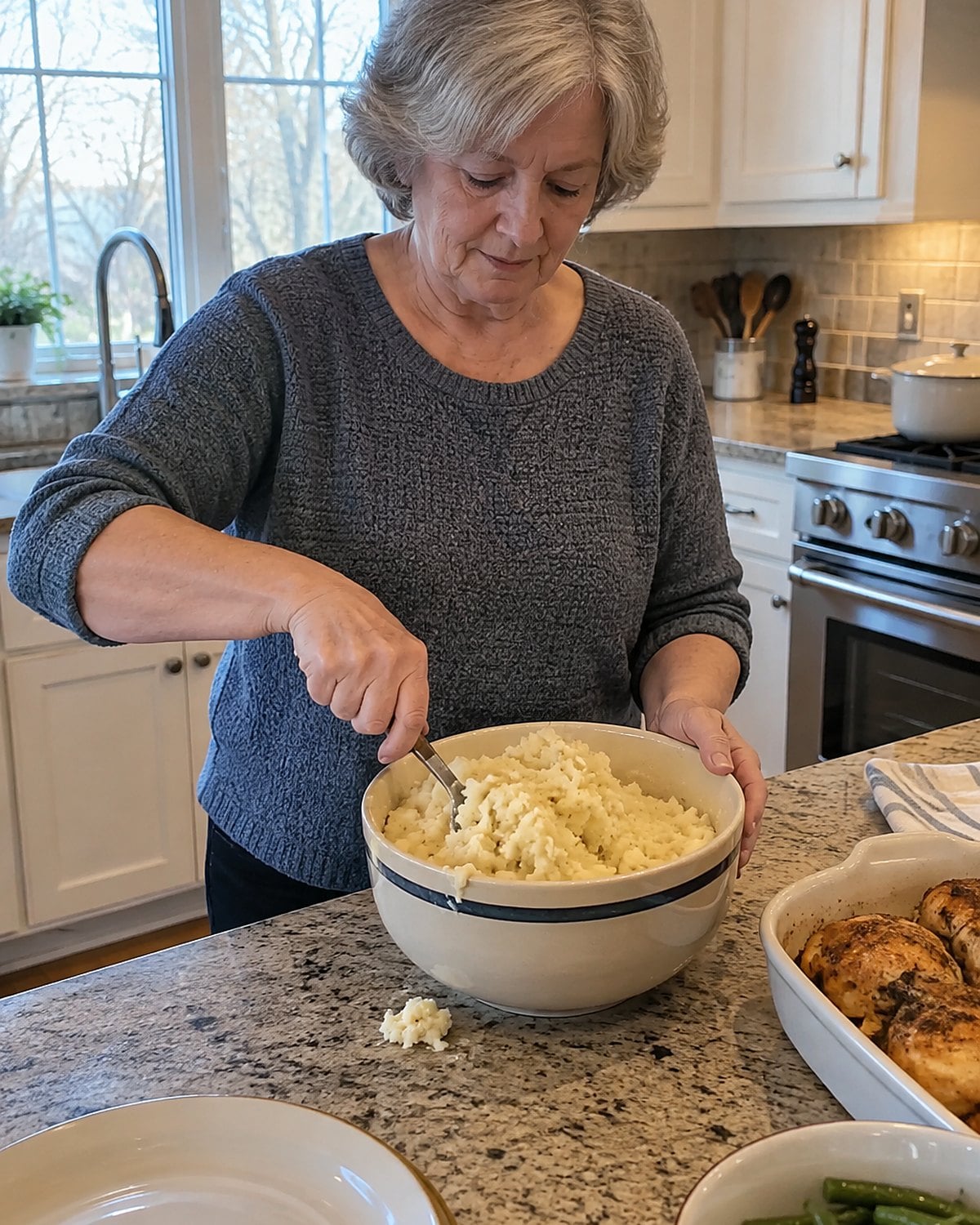
There’s a spoon test for this one. Drag it through the bowl, then look at what’s left behind. A few tender potato pieces are one thing. Hard bits that fight the spoon are another.
Start potatoes in cold water so the outside and center heat together. Drain them well, then put them back in the warm pot briefly to let steam escape. Water left clinging to the pieces thins the mash before you’ve added any milk or butter.
If your family expects lumps, leave them on purpose. Stop mashing when the potatoes hold their shape on the spoon. A blender turns the texture gluey by working the starch too hard. Pass the bowl to the person who remembers the lumps best, and let them take the first scoop.
Try it: Sour Cream Mashed Potatoes (Instant Pot Step-By-Step Recipe)
#22 The Cranberry Sauce Can Shape
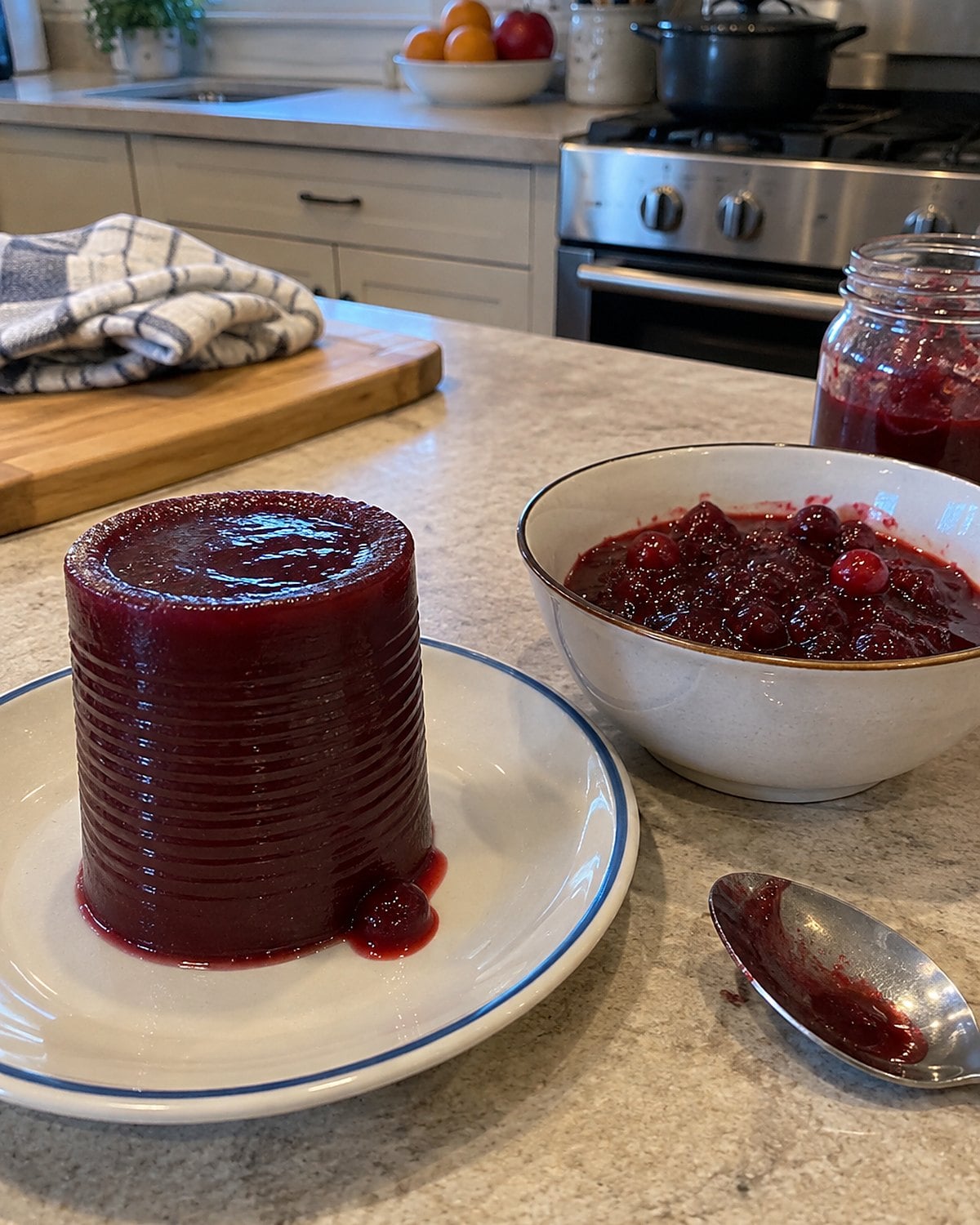
The ridges on a cylinder of cranberry sauce are part of the presentation. Set it on a plate, and someone will ask for a slice before touching the roast turkey.
Homemade sauce brings a different pleasure: whole berries that pop, then thicken as they cool. The choice doesn’t have to become a test of good taste. Put both out if both have loyal eaters. Use separate spoons, because whole-berry sauce smeared across a clean slice annoys the person who came for that slice.
If you make your own, taste it after it cools. The texture changes as it cools, so judge the finished sauce rather than the bubbling pan. Adjust the sweetness before it goes into the serving bowl.
The can has one last trick. Open both ends and push from one side with a spoon. It slides out without a wrestling match, ridges intact.
#21 The Pumpkin Pie Spice Question
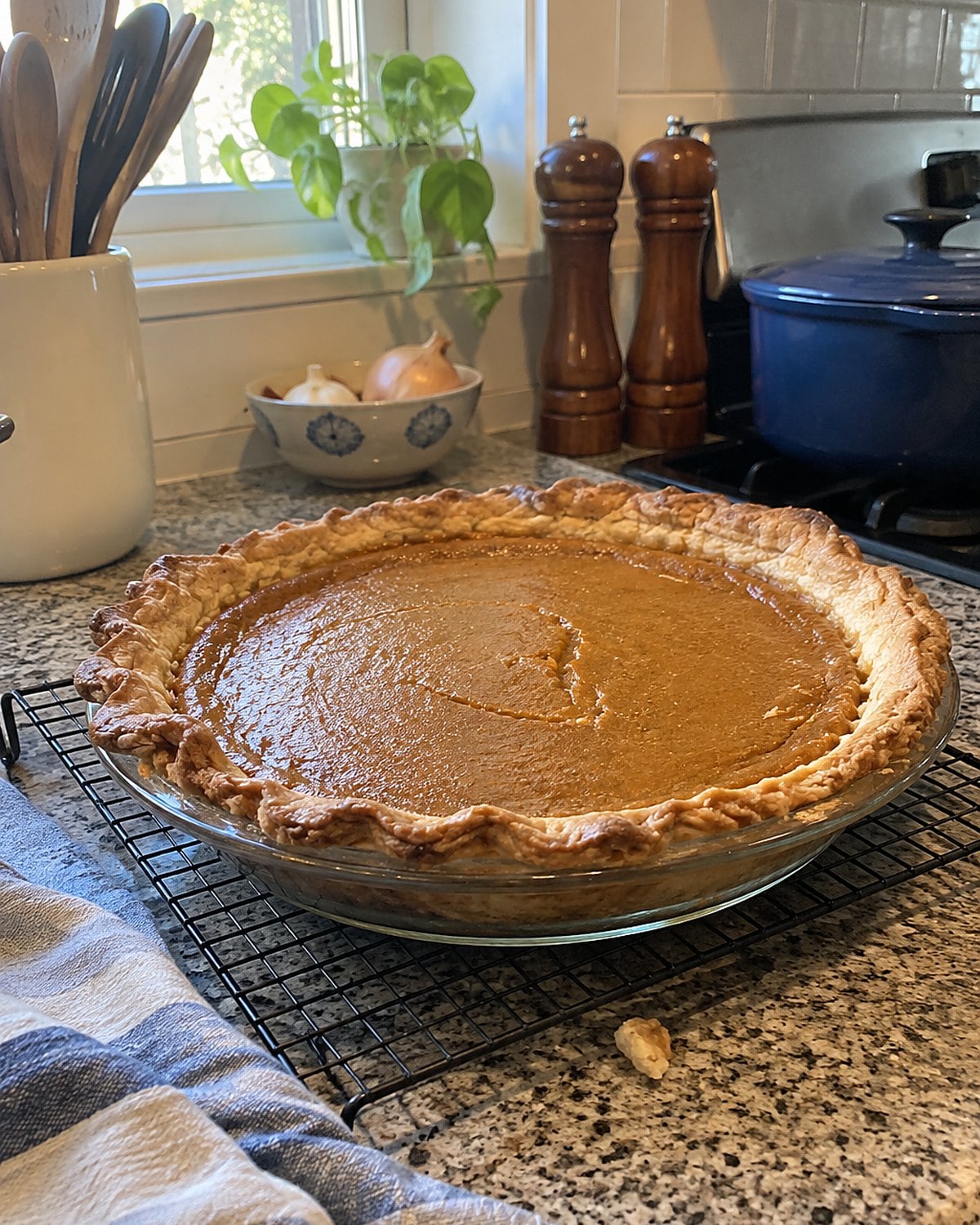
Who decided the pumpkin pie needed more cloves? The person who took one bite and reached for whipped cream has thoughts.
Cloves carry a strong flavor. Cinnamon gives warmth without taking over the pumpkin; ginger adds a sharper note. Taste the pumpkin, sugar and spices before the eggs go in. That gives you a chance to adjust without tasting raw egg.
Once it’s baked, follow the USDA’s holiday pie guidance for cooling and refrigeration. Keep the whipped cream cold until serving, too.
The person who likes extra spice still has an easy move: dust their whipped cream with cinnamon. You keep the filling familiar for everyone else and leave the cloves out of the argument.
#20 The Fried Apples Beside the Ham
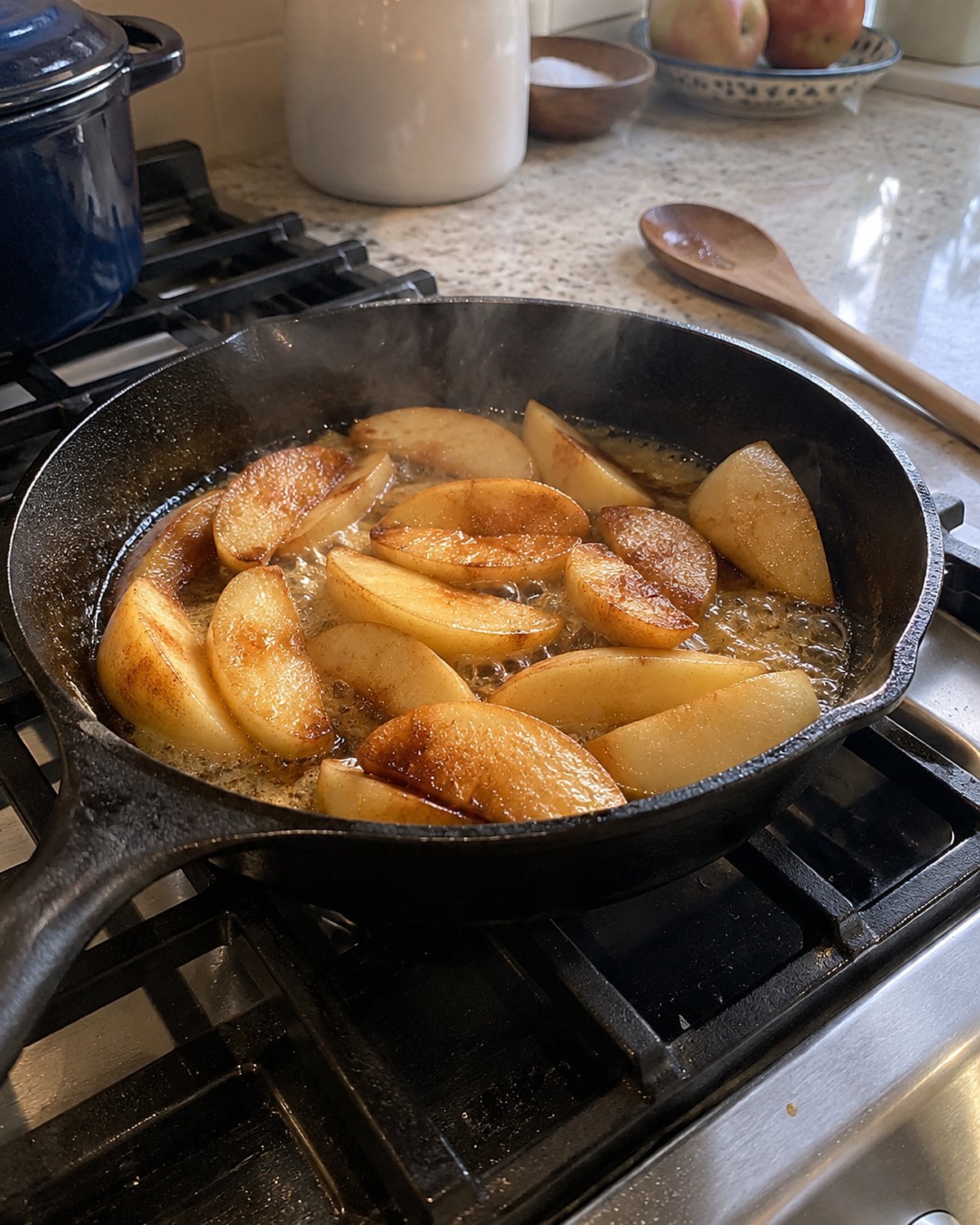
The cast-iron pan has a job left after the savory cooking is done. Apples go in, and the room smells like a holiday meal again.
The order matters. Cut apples into sturdy wedges so they keep some shape. Heat the pan, melt the butter, and lay the wedges down in a single layer. Give them time to brown before you stir. Fill the pan too high, and they steam in their own juice.
Add sugar after the apples have softened. It dissolves into the pan juices rather than scorching against bare iron. A pinch of salt makes the sweet taste fuller; it doesn’t turn the apples savory.
Some households put apples beside ham. Others insist they belong with breakfast the next morning. Set aside a portion for breakfast before dinner starts if you know who’s coming for it. Cool it promptly and refrigerate it, then let the debate resume over coffee.
#19 The Deviled Eggs Without Pickle Relish
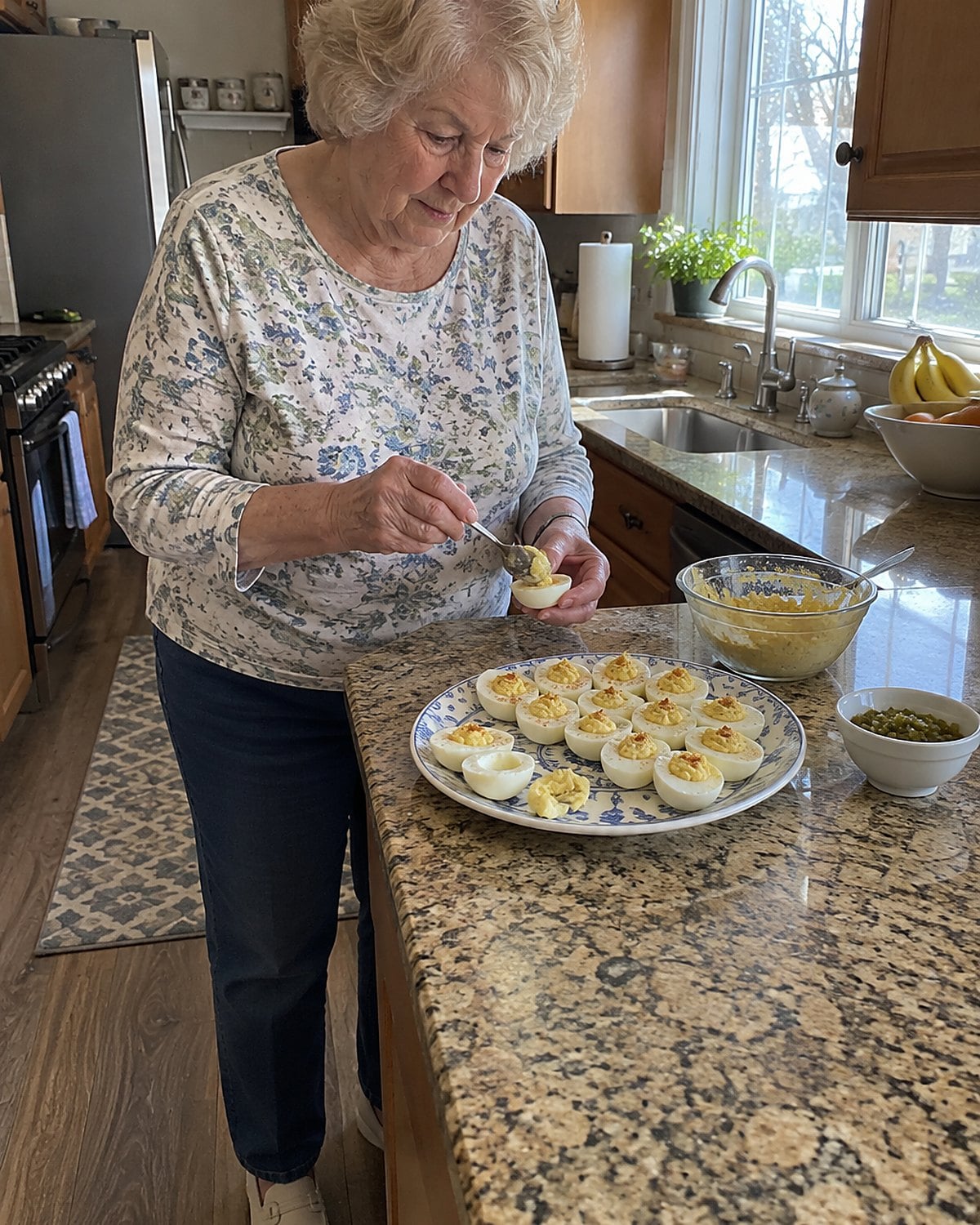
The platter is barely down before someone asks, “Did you put relish in them?”
You know which person that is. Set a few eggs aside before adding relish to the filling, and mark the difference with a small pinch of paprika on one group. No signs, no announcement, no need for anyone to dissect an egg at the table.
For a smooth filling, mash the yolks before adding mayonnaise. Dry yolks break down cleanly; once the mayonnaise goes in, stubborn pieces skid around under the fork. Taste for salt and acid before you fill the whites.
Keep the finished platter chilled until serving. For a trip across town, pack it in a cooler with ice or frozen packs. The USDA’s holiday food safety guidance is worth a look before the platter travels. Your argument should be about relish, not a warm car.
#18 The Roasted Carrots With Burnt Tips
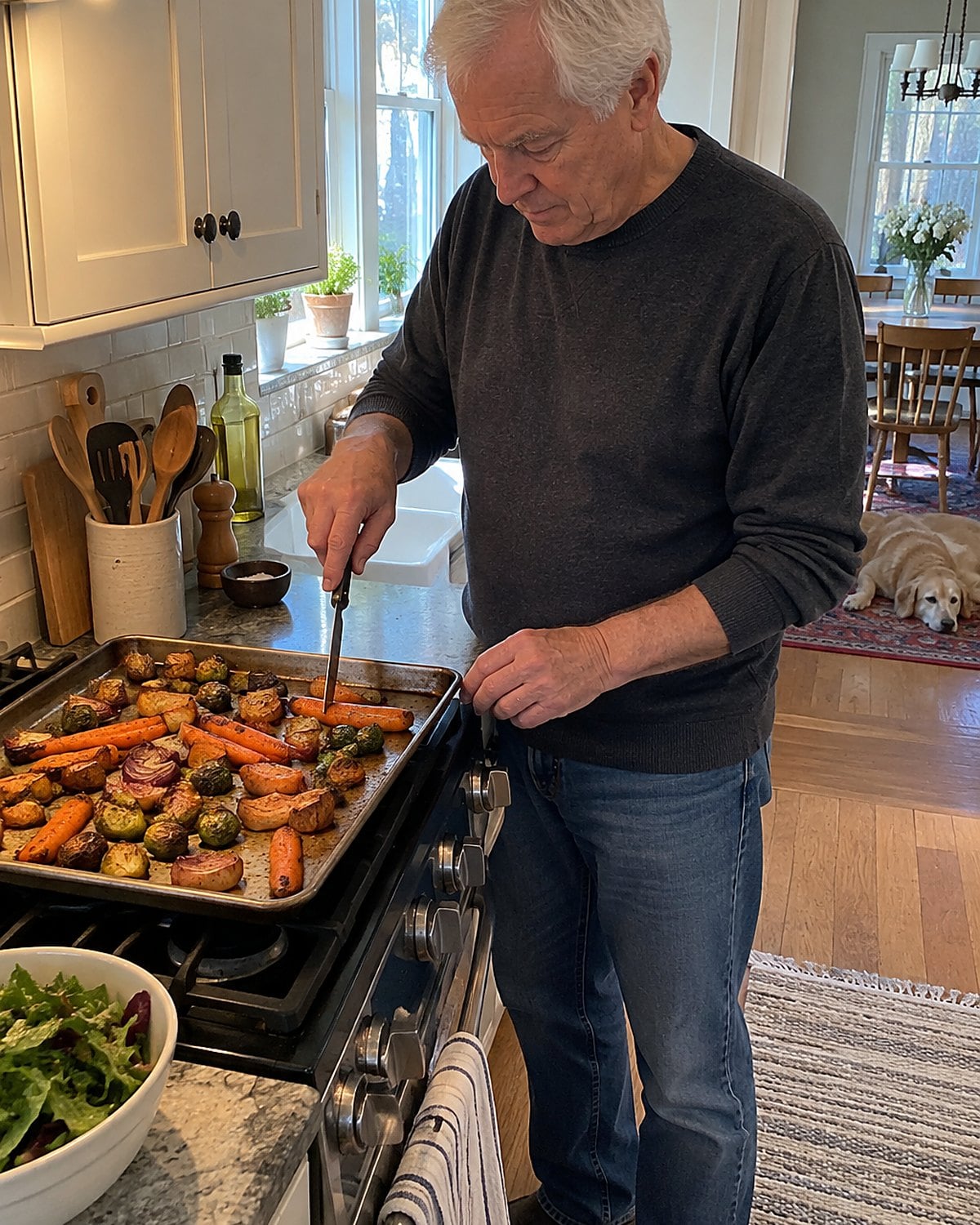
A dark carrot tip gets called burnt by one diner and the best bite by another. Check the thick end with a knife before you settle the dispute.
The knife should slide in without a hard stop. If the wide end resists while the narrow tip is dark, cut the next batch to a similar thickness. A thick carrot left whole asks its thin end to wait too long.
Spread the pieces across the pan with space between them. Crowding traps steam and leaves the carrots soft without browned edges. Taste one before adding honey. Roasting brings out sweetness on its own, and a little salt gives the carrots a clearer flavor.
Put the darkest pieces along one side of the serving dish. The person who calls them burnt has room to choose. So does the person waiting to claim every one.
#17 The Dinner Rolls From the Bakery
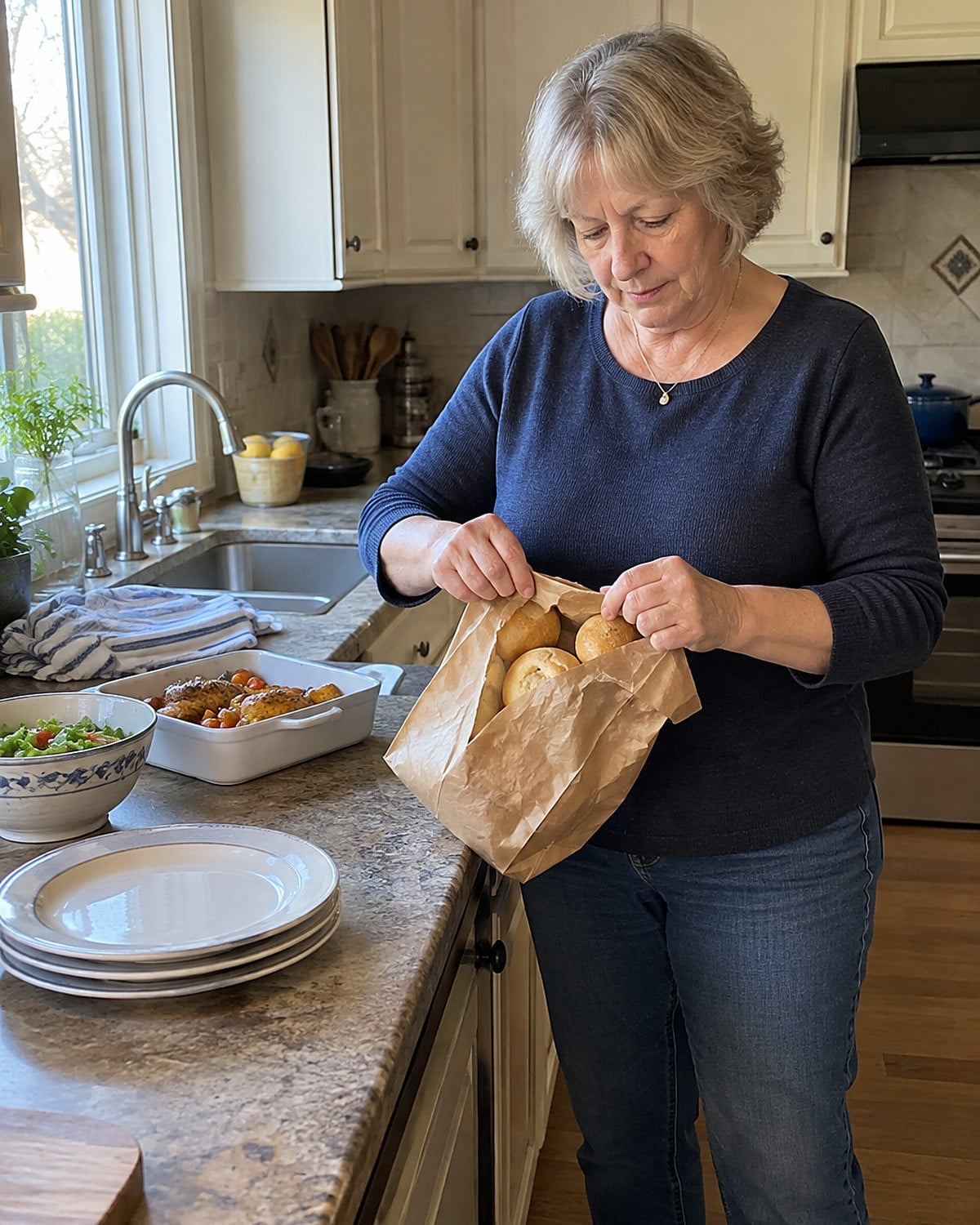
There’s a bag from the bakery on the counter, still tied with its paper twist. Someone asks why you didn’t make rolls this year.
Warm the rolls and see how long that complaint lasts. Wrap them so they heat without drying, then uncover them briefly if you want the crust back. Bread left open in the oven turns hard on the outside before the middle warms.
The holiday argument is seldom about who kneaded the dough. It’s about a warm roll split over a plate, ready for butter or the last bit of gravy. If the bakery makes the kind your family remembers, put your time into the dish that needs your hands. Nobody at the table gets a prize for a longer day at the stove.
#16 The Collard Greens Pot Liquor
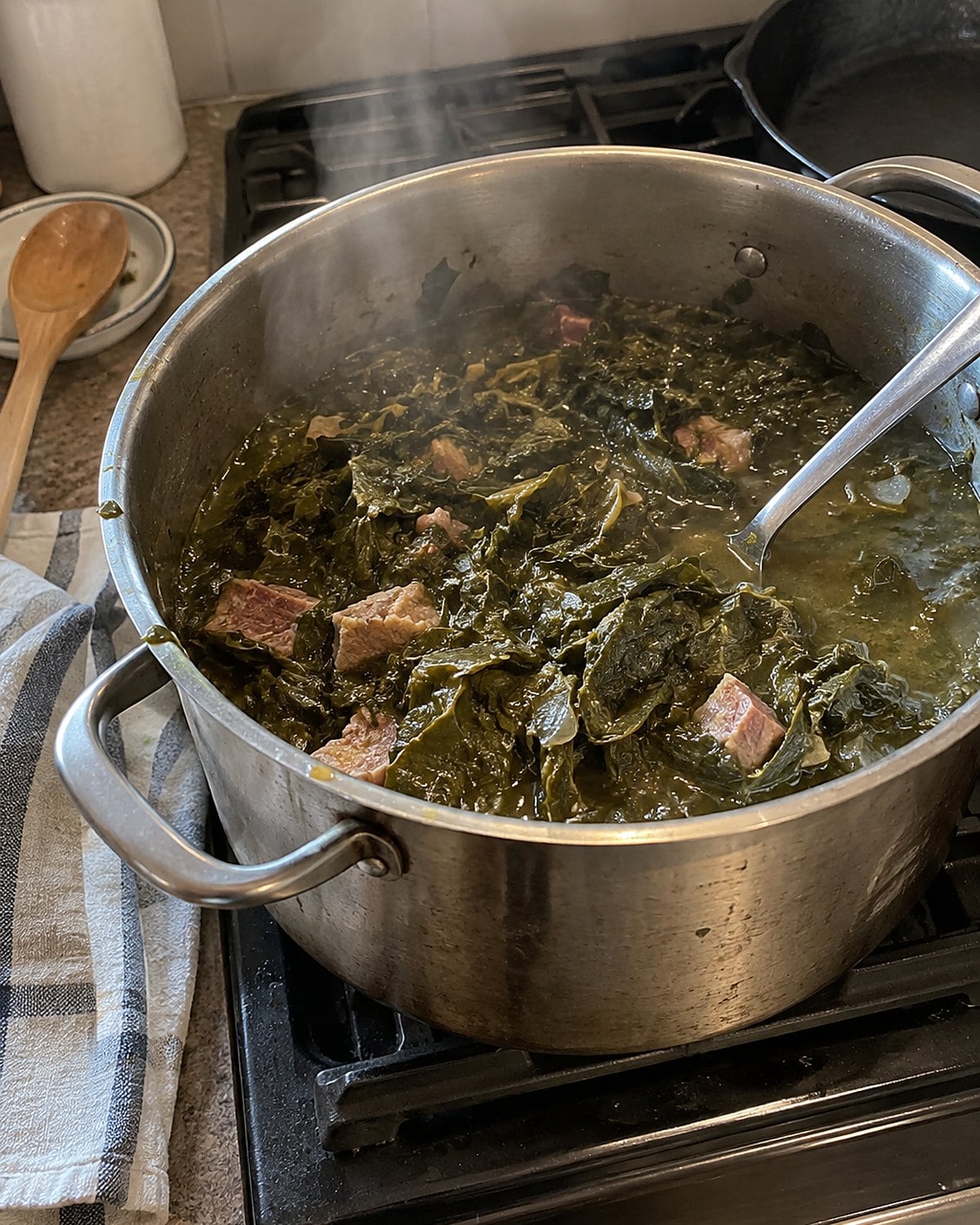
The lid comes off a pot of collards, and a spoon goes straight into the liquid. Before anyone tastes a leaf, they want to know whether the broth is right.
Pot liquor carries the flavor of the greens, onion and seasoning. Don’t pour it away when you serve. Give the greens some cooking liquid, and set out a spoon for the person who wants more over cornbread.
Wash collards carefully before chopping. Grit hides along the stems and in the folds of the leaves. Swish them through fresh water, lift them out, and look at the bottom of the sink or bowl. Water poured over greens in a colander sends the grit right back through them.
There’s no use arguing about tender versus firm until you’ve tasted a stem. Pull one from the pot and bite the thick part. If it still feels tough, keep cooking. When it gives easily, taste the liquid for salt.
A pot that has cooked down needs that final taste. If the broth is too strong, add a splash of water and taste again. Then let the person holding the spoon decide how much belongs on their plate.
Try it: Instant Pot Collard Greens With Sun-Dried Tomatoes
#15 The Pecan Pie That Won’t Slice
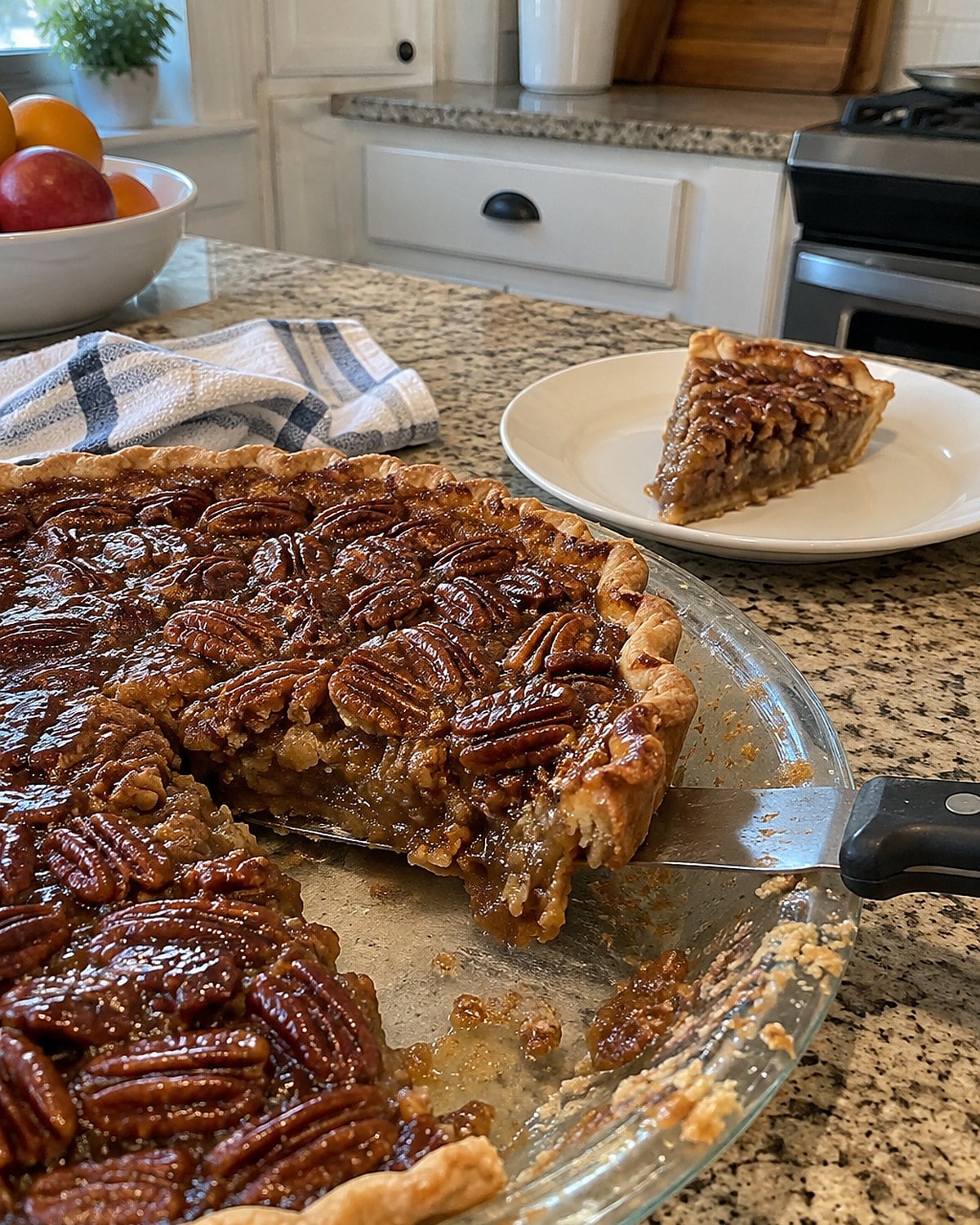
The first slice lifts, bends, and drops its filling back into the pie plate. Everyone has an explanation.
Start with cooling. A pecan pie needs time for its filling to settle before a knife cuts a clean wedge. Cut into it warm, and even a well-baked pie spills across the plate. A center that still moves like liquid when the pie leaves the oven needs more baking.
Once it’s cool, use a sharp knife and wipe the blade between cuts. That small pause saves the next slice from dragging half the first one with it.
Pecan pie contains eggs, so give its cooling and storage the same care you give other egg-rich desserts. The USDA’s holiday pie guidance covers what to refrigerate. Put whipped cream on the side; someone will use it to hide the evidence anyway.
#14 The Turkey Breast Everyone Calls Dry
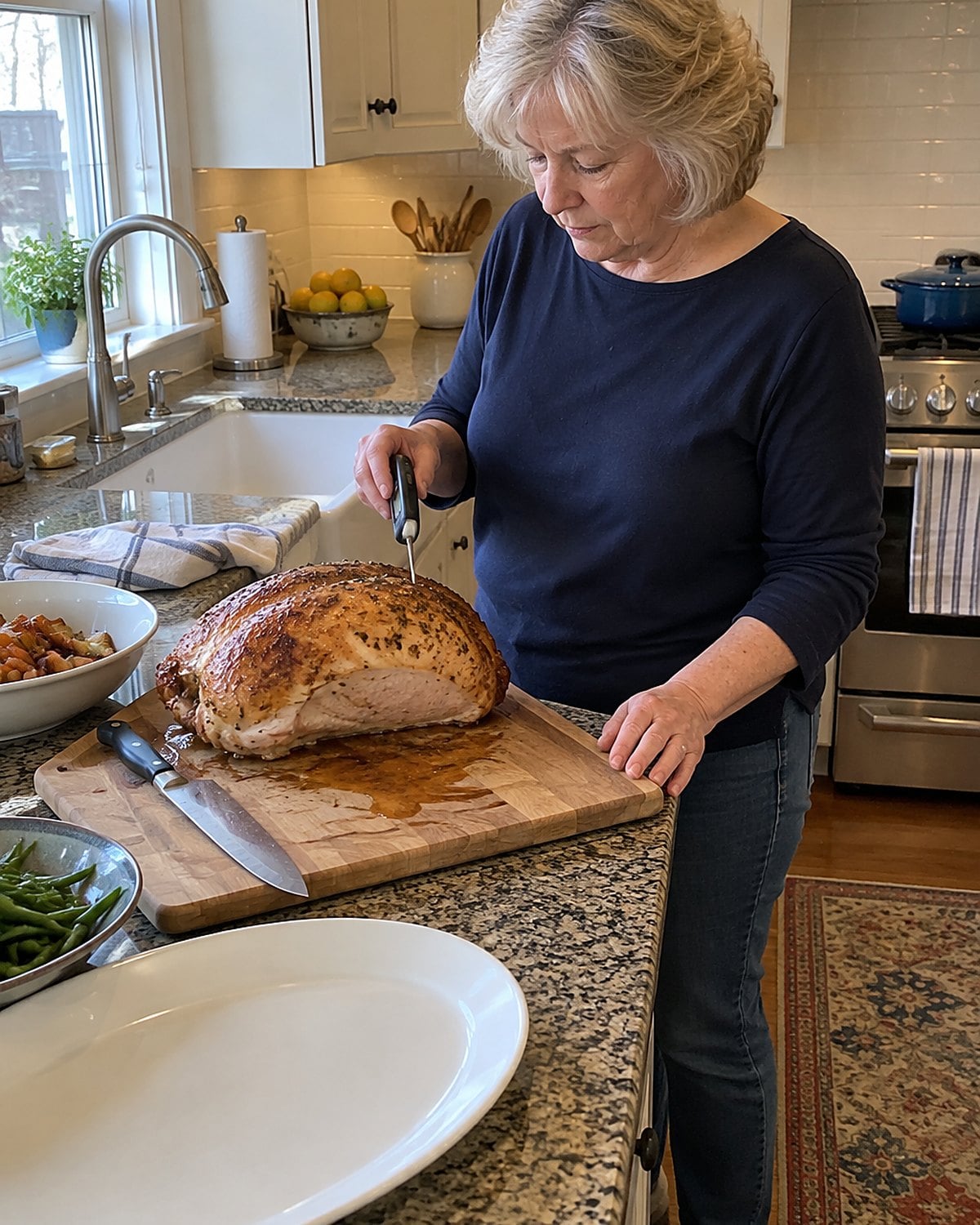
The carved turkey reaches the platter. Before you set it down, someone claims dark meat because the breast is “always dry.”
A thermometer gives you a better answer than the color of the juices. Push it into the thickest part of the breast, away from bone, and check for 165°F. The USDA Food Safety and Inspection Service sets that temperature for poultry. Check the thigh as well, without touching bone.
Let the turkey rest before carving. Cutting right away sends juices across the board instead of leaving them in the meat. When you do carve, cut breast meat across the grain. Thin slices feel different from thick slabs cut along the muscle.
If the breast still tastes dry, bring gravy to the table in a warm boat. It won’t undo overcooking, but it gives each person a choice. Next year, keep the thermometer in the drawer with the carving knife. It will help more than the person watching the oven door.
#13 The Cream Cheese Frosting on Carrot Cake
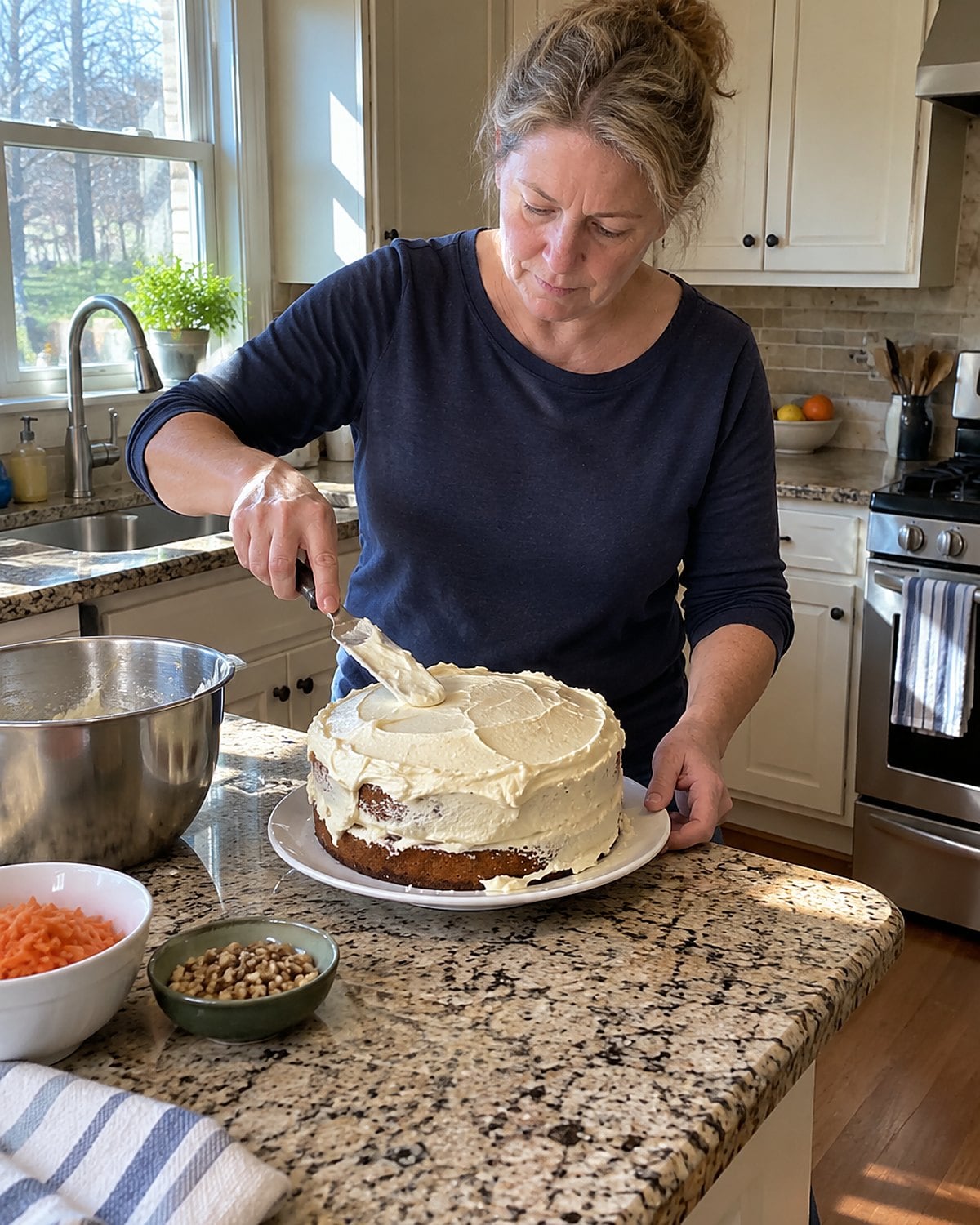
A finger has already traced the edge of the cake plate. The frosting is the part someone came for.
Cream cheese frosting loses its shape when its ingredients get too warm. Beat the cream cheese and butter while they’re soft enough to mix, then stop once the frosting is smooth. Too much beating loosens it further. If the cake is even faintly warm, wait before spreading. Frosting on a warm cake slides toward the plate.
The argument about raisins belongs inside the cake. Frosting is where you’ll get a truce: a tangy layer against a sweet, spiced crumb. Keep a little frosting back to cover a bare spot after the first pass. Then move the cake out of reach of the finger circling the plate.
#12 The Ambrosia Bowl With Coconut
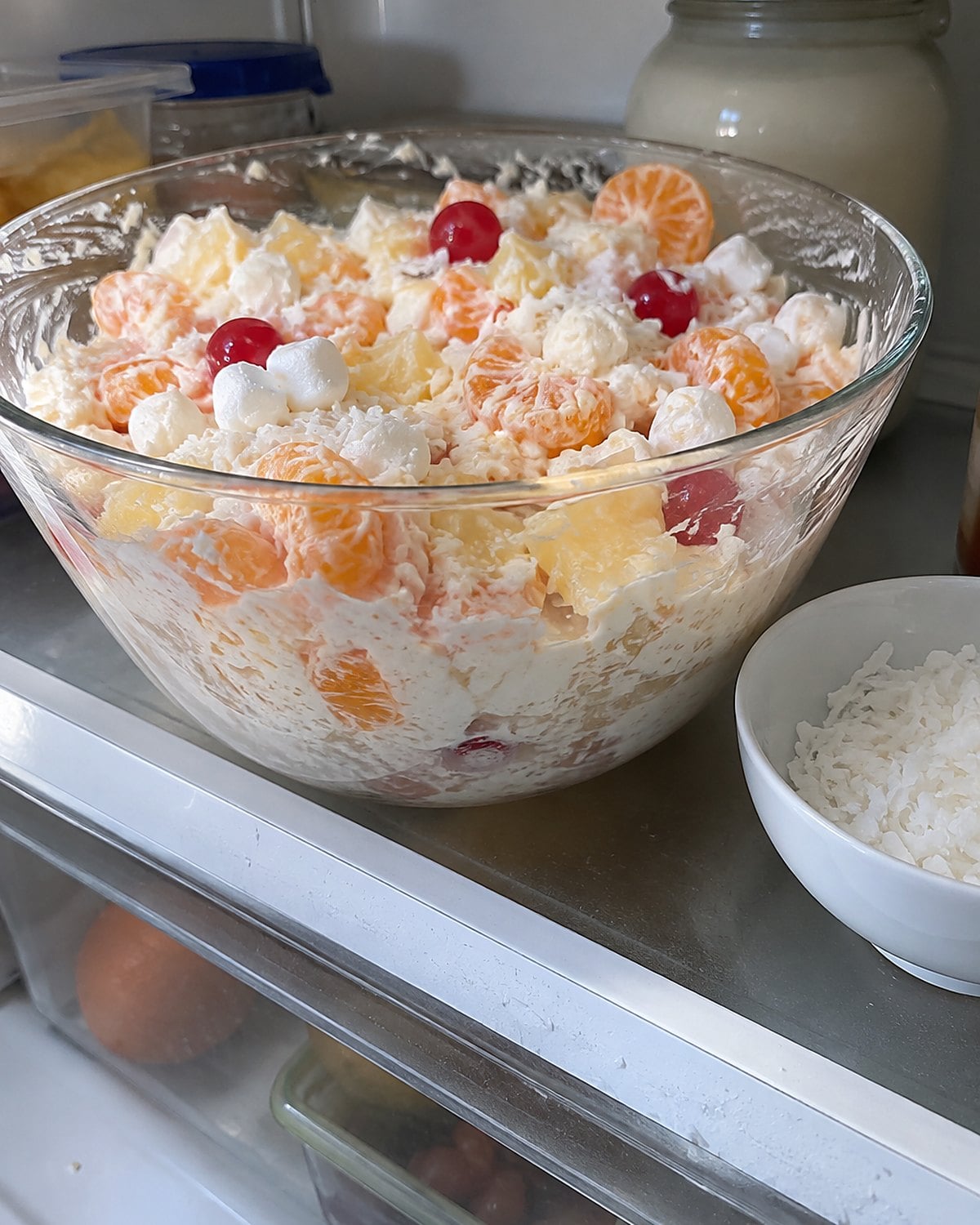
The glass bowl looks as it always did: oranges, pineapple, coconut and a topping that divides the table before dessert.
Drain canned fruit well. Liquid collecting at the bottom thins the creamy part and leaves the last servings swimming. Fold the fruit in after mixing the topping, then refrigerate the bowl until dessert.
Coconut has its own audience. Leave it out of the main bowl and put it in a small dish if that keeps the peace. Each person gets a choice without making you prepare two desserts.
Taste a cold spoonful for sweetness. If the fruit tastes flat, add a little citrus juice. The person who insists ambrosia is a salad will still find room for it beside the cake.
#11 The Church-Hall Broccoli Salad
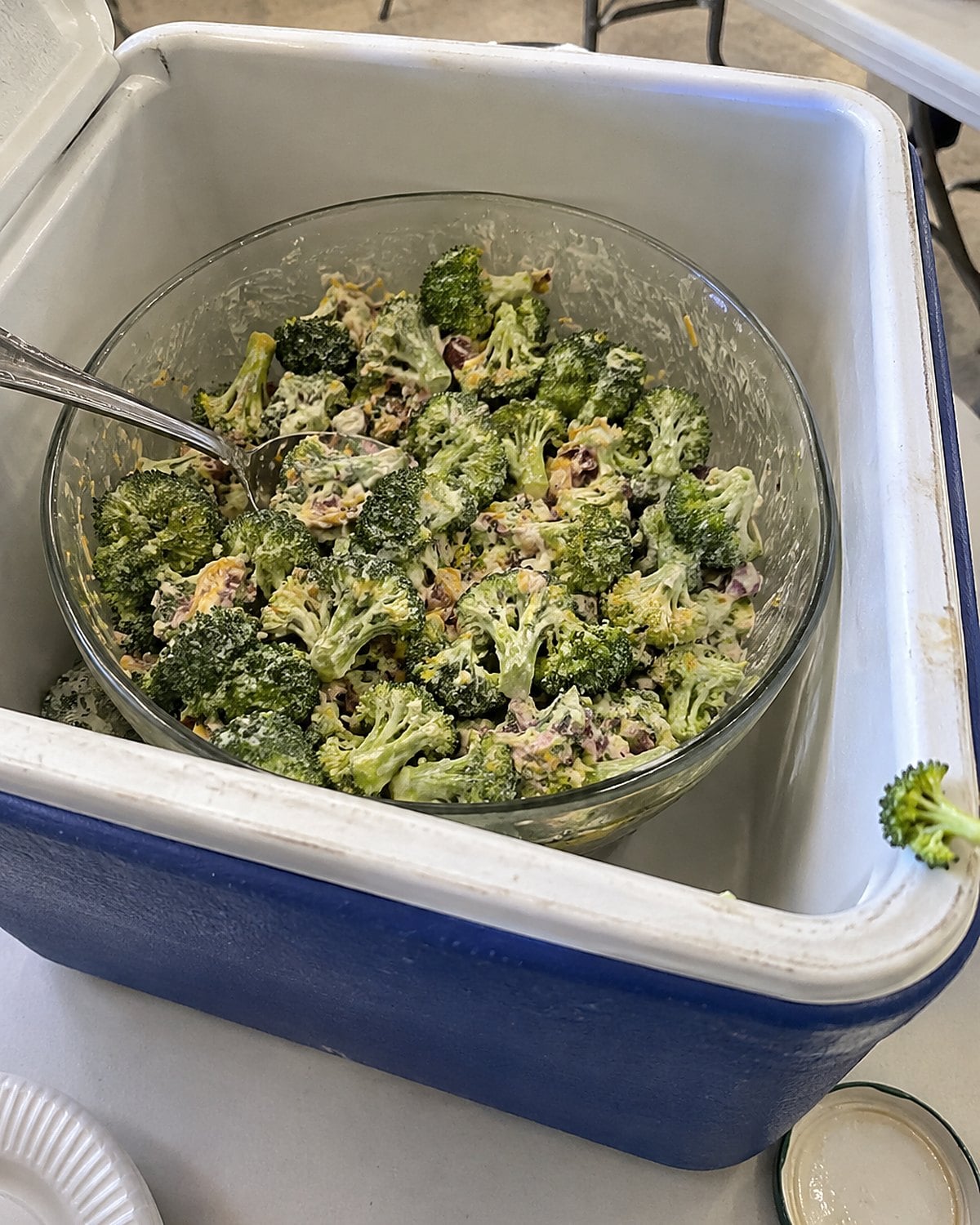
At the church hall, the broccoli salad looks sturdy enough to sit through every conversation. The dressing says otherwise.
Broccoli keeps its crunch after dressing, which makes the salad handy when the stove is busy. Cut the florets small enough to fit on a fork. Large pieces shed dressing, then send a shower of bacon bits back into the bowl. Add the bacon close to serving if you want it crisp.
For mayonnaise-based dressing, keep the salad cold until the meal starts. Carry it in a cooler with ice or frozen packs rather than on the passenger seat. The FDA’s refrigerator guidance uses 40°F or below as the mark. A holiday hall fills with warm coats and hot dishes fast.
When you taste the salad, check a piece of stem. It tells you more about the dressing than a floret covered in raisins.
#10 The Macaroni and Cheese Breadcrumb Top
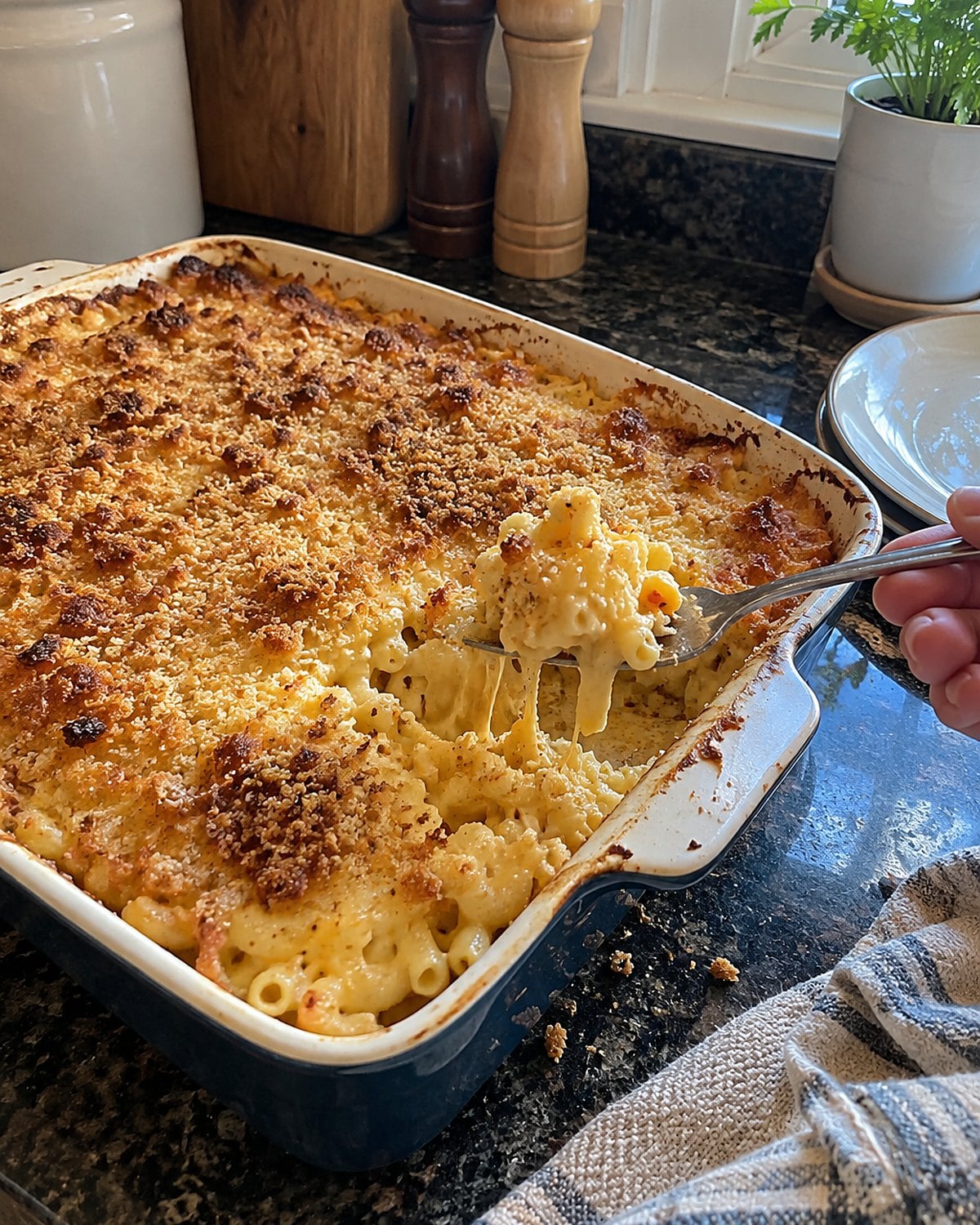
There’s a fork poised over the baking dish before the spoon reaches it. Its owner wants the crust.
Keep the breadcrumbs out of the sauce. Toss them with melted butter, then scatter them over the top just before baking. They brown in the dry heat. Stirred into the cheese, they thicken the sauce and leave nobody with a crisp bite.
Stop boiling the pasta while it still has some firmness. It keeps cooking in the oven. Taste the cheese sauce before it meets the macaroni. A sauce that seems dull on its own won’t become brighter under a browned top; add salt or a little mustard, then taste again.
If half the family wants a soft top, leave part of the dish bare. The fork hovering over the corner will show you whether you left enough. Scrape along the side when you serve so the crust stays with the macaroni beneath it.
#9 The Glazed Ham Stuck to the Pan
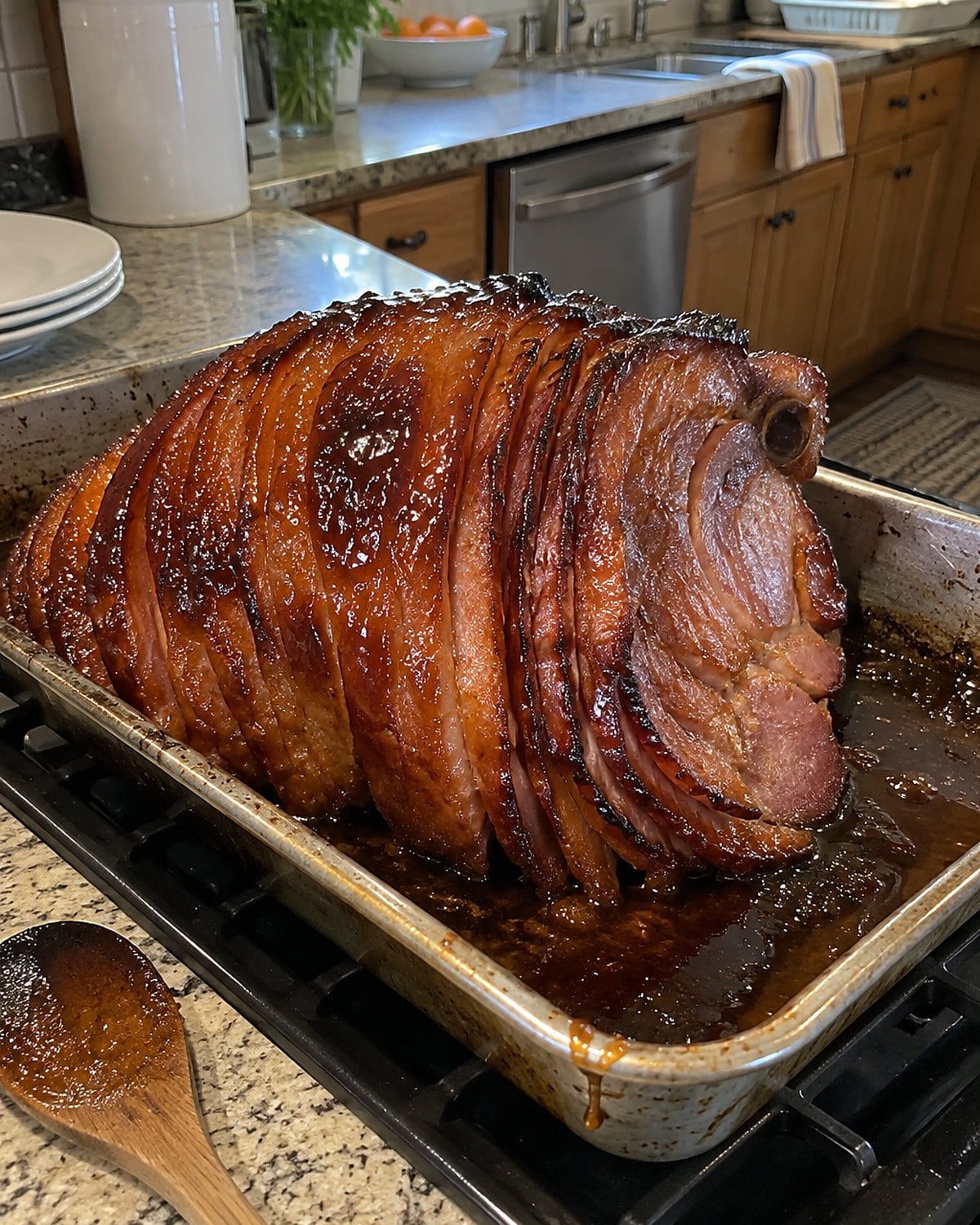
The ham looks splendid until you try to lift it. Sugar has welded the bottom of the pan to the drippings.
Glaze the ham later in its heating time, after the surface is hot. A sweet coating put on too early has a long stretch in the oven to darken and stick. Brush on a thin layer, return the ham to the heat, and watch the shiny spots near the edges.
If the pan is already sticky, don’t scrape scorched sugar into the serving juices. Lift the ham onto a board and taste liquid from a clear part of the pan. Bitter drippings won’t improve under more sugar.
The family disagreement is about glaze thickness. Keep extra warm glaze in a bowl, and let the people who want a glossy slice add their own.
#8 The Black-Eyed Peas With Ham Hock
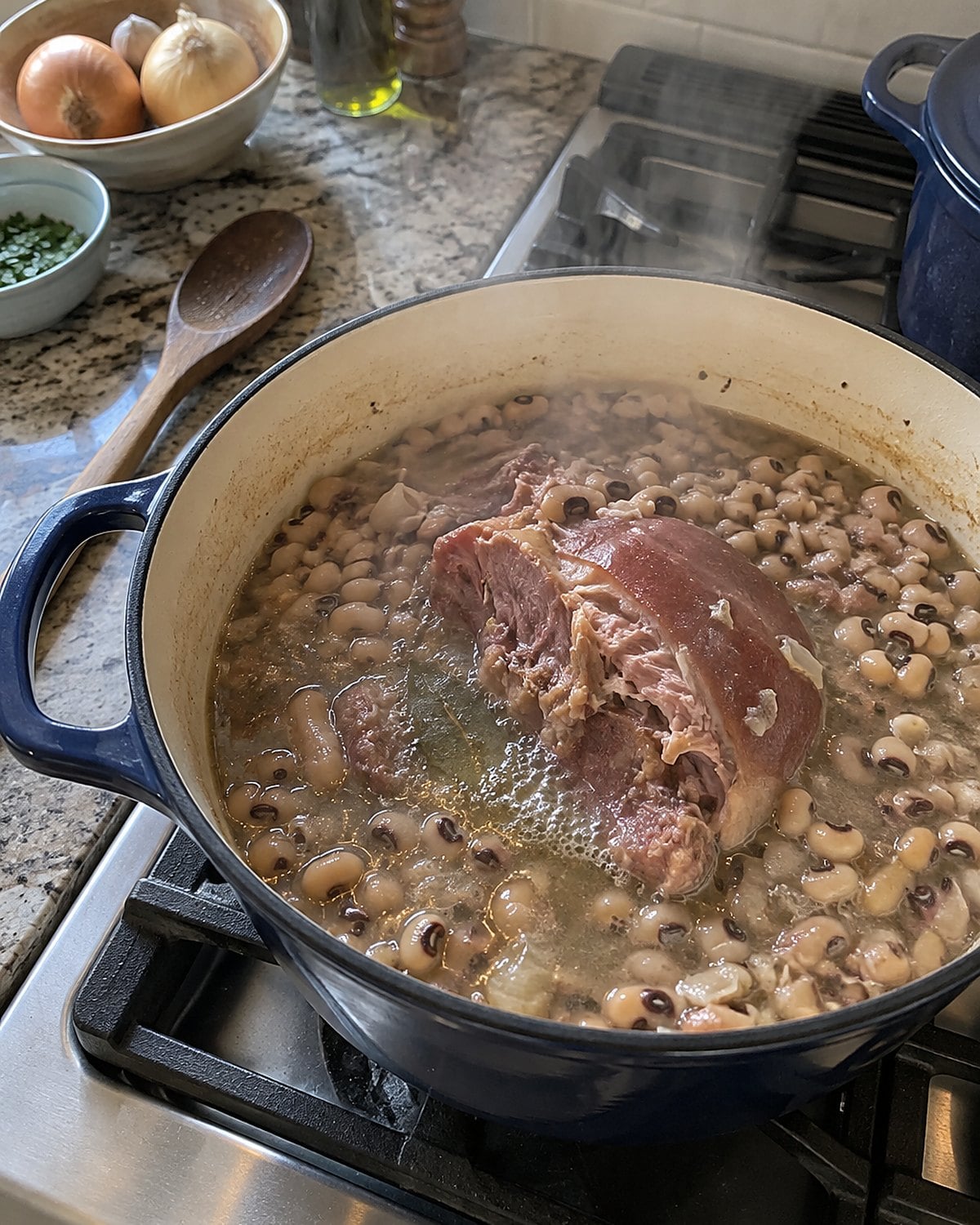
The pot started early, but the peas still have some bite when someone asks if dinner is ready. Give one a taste before reaching for the lid.
A ham hock adds flavor as the pot cooks. It also brings salt, so hold back on extra salt until you’ve tasted the broth. Add water when the peas rise above the liquid, and stir along the bottom where they catch first.
Black-eyed peas carry a New Year’s tradition in many households. The argument is about how much broth belongs in the bowl, or whether the peas should sit beside the greens instead. Before serving, pull out the hock and remove any meat you want to return to the pot. Don’t leave small bones for someone to find with a spoon.
Want a thicker pot? Mash a spoonful of tender peas against the side and stir them back in. You’ll keep the broth’s flavor without cooking every pea until it falls apart. Then pass the hot sauce and hear how someone else remembers them.
Try it: Instant Pot Black Eyed Peas (Southern Style)
#7 The Gravy Boat With Two Colors
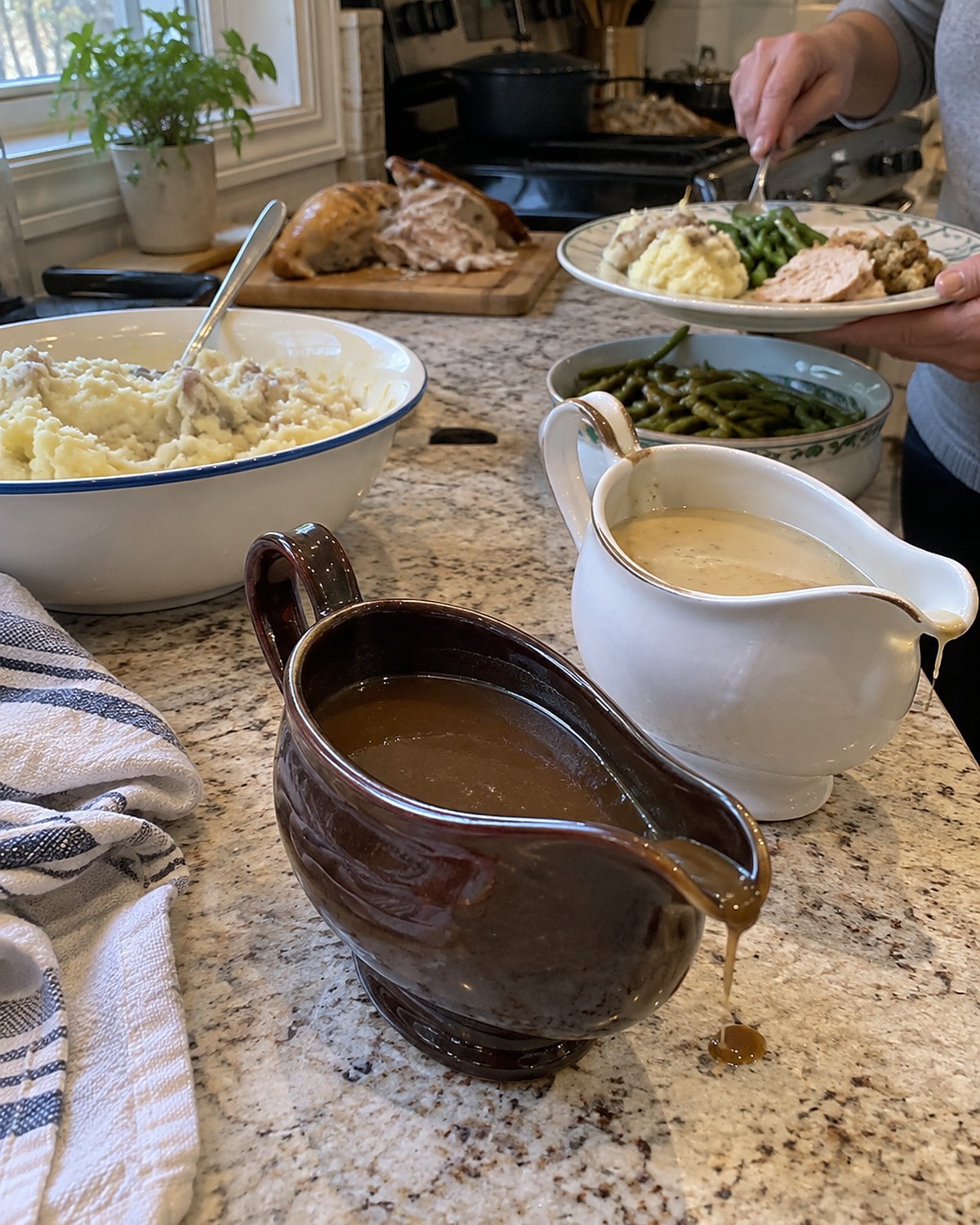
One gravy boat holds pale turkey gravy. Another holds a dark pan gravy. The person reaching between them has a firm opinion.
Color alone won’t tell you whether either tastes good. Spoon a little onto a piece of plain potato. Taste for salt, then for the roasted flavor underneath. If flour tastes raw, the gravy needs more cooking before it leaves the stove.
Whisk flour into hot fat first, then add liquid a little at a time. The flour cooks in the fat and spreads more evenly when the liquid arrives. Dumping flour straight into broth gives you lumps that a handsome gravy boat won’t hide.
Label the boats by what’s in them if one contains meat drippings and the other doesn’t. Say it out loud as you pass them. That settles a more useful question than which color won.
Try it: Best Instant Pot Gravy (Quick & Easy, No Drippings!)
#6 The Refrigerator Shelf Full of Leftovers
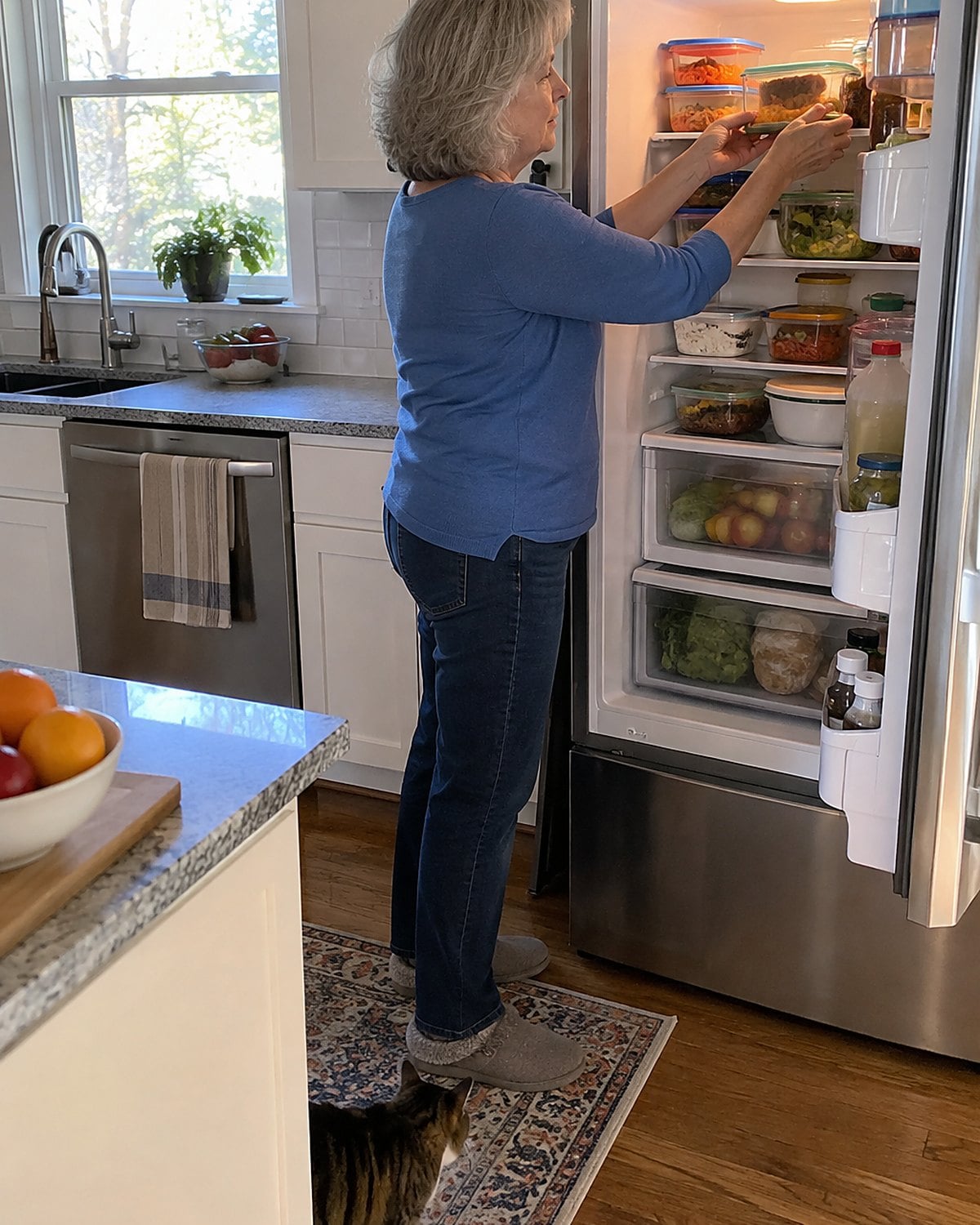
The plates are cleared, and the fridge door is open. Someone is holding a warm casserole dish while you look for space between the milk and a pie.
Move leftovers into shallow containers so they cool faster. Refrigerate perishable food within 2 hours, as the USDA’s leftovers guidance directs, and keep the refrigerator at 40°F or below. A whole deep casserole cools more slowly than smaller portions spread across containers.
Give the turkey and gravy their own containers. The person making a sandwich tomorrow doesn’t need to dig through potatoes to find them. Label anything headed to the freezer with its name and date; the handwriting only has to make sense to you later.
Here’s the argument that returns every year: who gets the last piece? Set aside any promised portion before the containers disappear into the fridge. The next person opening the door will know what’s fair, even if they still ask.
#5 The Spinach Leaves Washed in the Sink
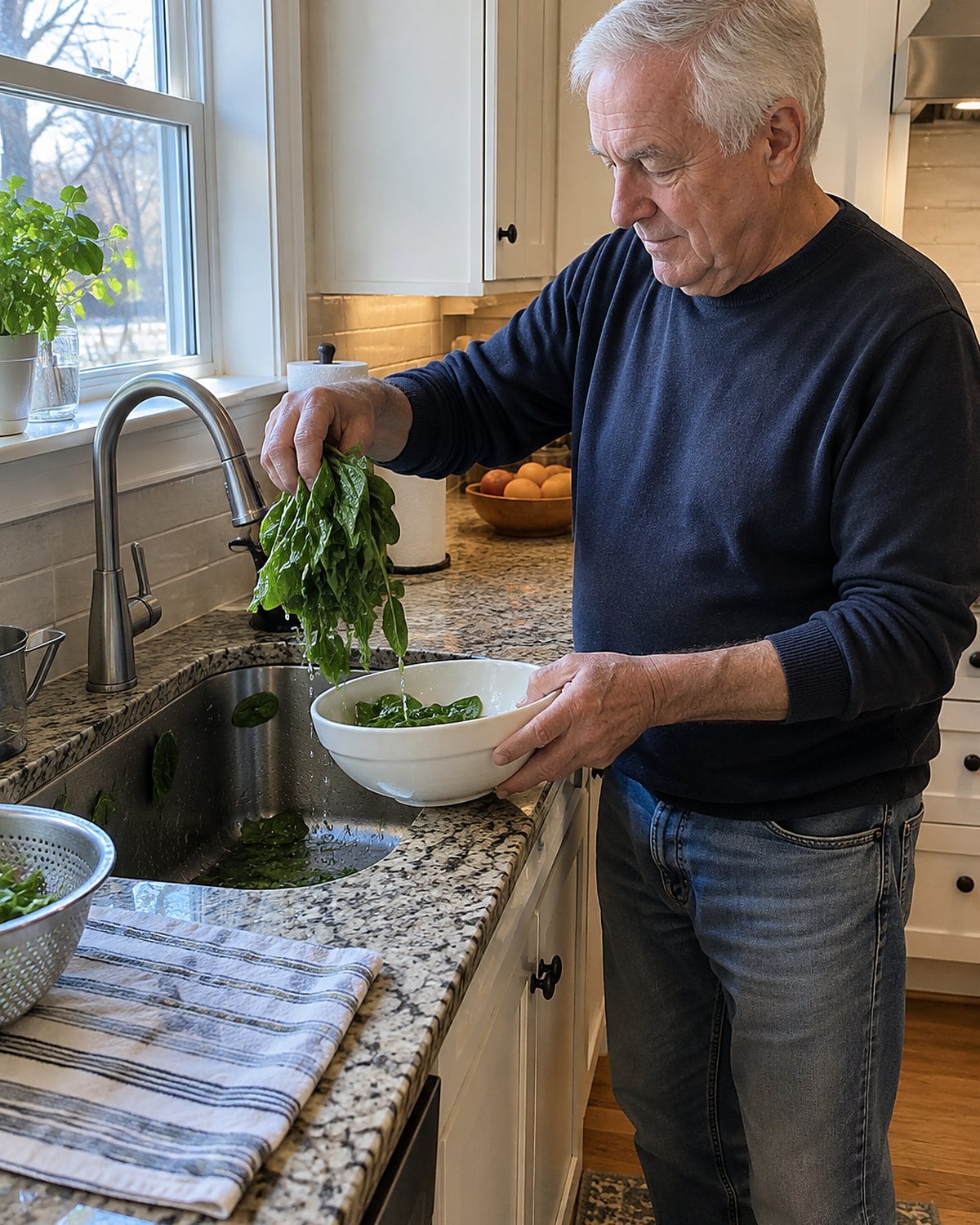
Both hands go into the sink, lifting wet spinach and dropping it into a clean bowl. Grit stays behind in the water. It’s a small step, and you notice its absence at the first bite.
Pull apart the bunches so dirt trapped near the stems has room to fall. Swish, lift, and look at the bottom of the sink. Repeat with fresh water if you see sand.
Dry the leaves before they hit a hot pan. Water clinging to them cools the pan and leaves a puddle beneath the garlic. When you serve them, give the bowl a tilt and leave that cooking liquid behind. Nobody came to dinner hoping for gritty spinach.
#4 The Scalloped Potatoes With Crunchy Centers
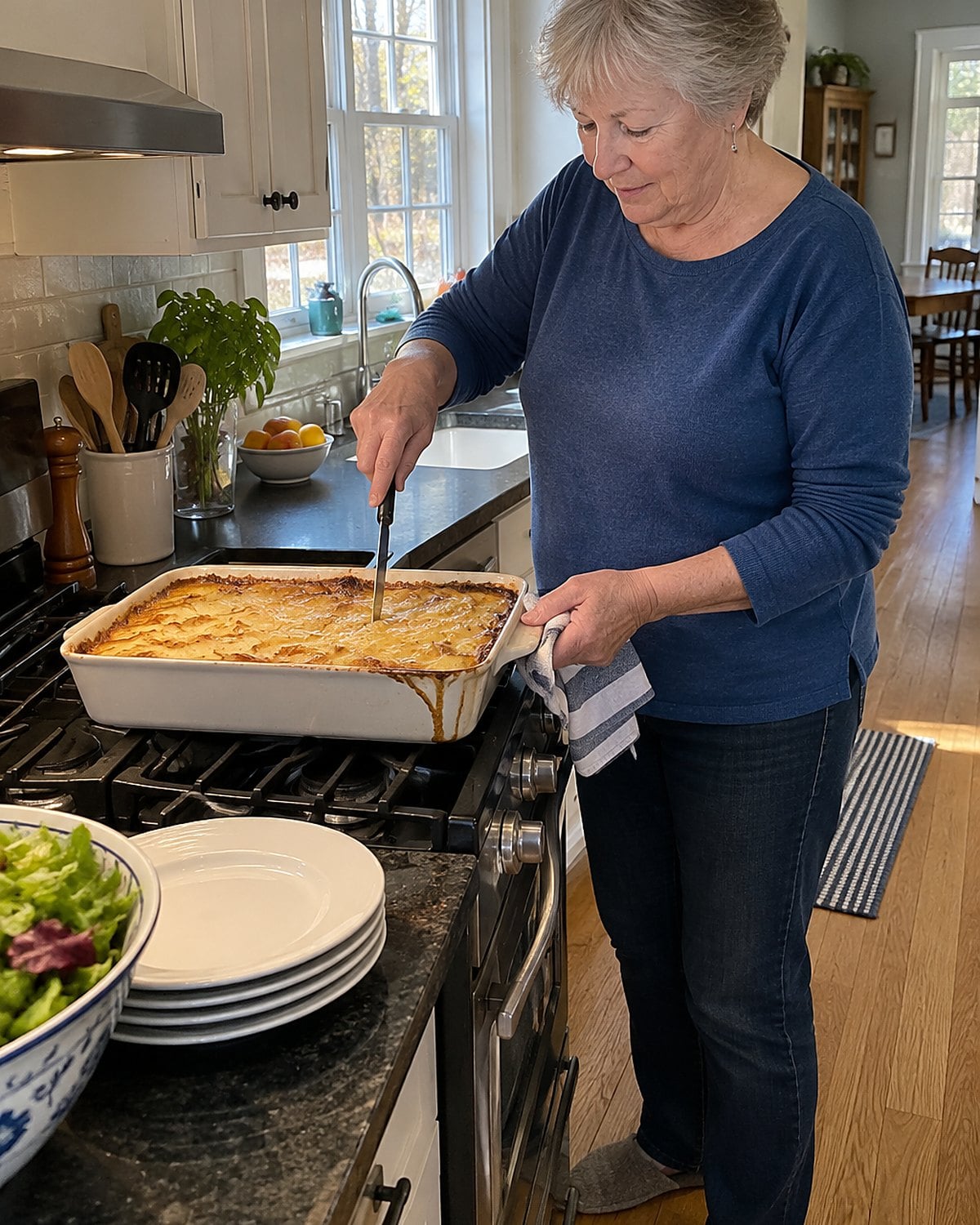
The top has browned, the cheese smells right, and a knife stops halfway through the dish. You already know what someone will say.
Slide the knife into the center, where the potatoes take longest to cook. If it meets firm slices, cover the dish and give it more oven time. A dark top doesn’t tell you the middle is tender. Covering it protects the browned surface while heat works through the layers.
Slice the potatoes to an even thickness before they go into the dish. A few thick pieces buried among thin ones leave you with different dinners on the same spoon. Pour the cream so it reaches between layers, not just across the top. Then press the slices down before baking.
You don’t have to defend the recipe while everyone waits. Set out the rolls, let the potatoes finish, and test again with the knife. The person who remembers a crunchy center from years ago gets first proof that this one is tender.
Try it: Instant Pot Scalloped Potatoes & Leeks (Au Gratin)
#3 The Bread for Turkey Sandwiches
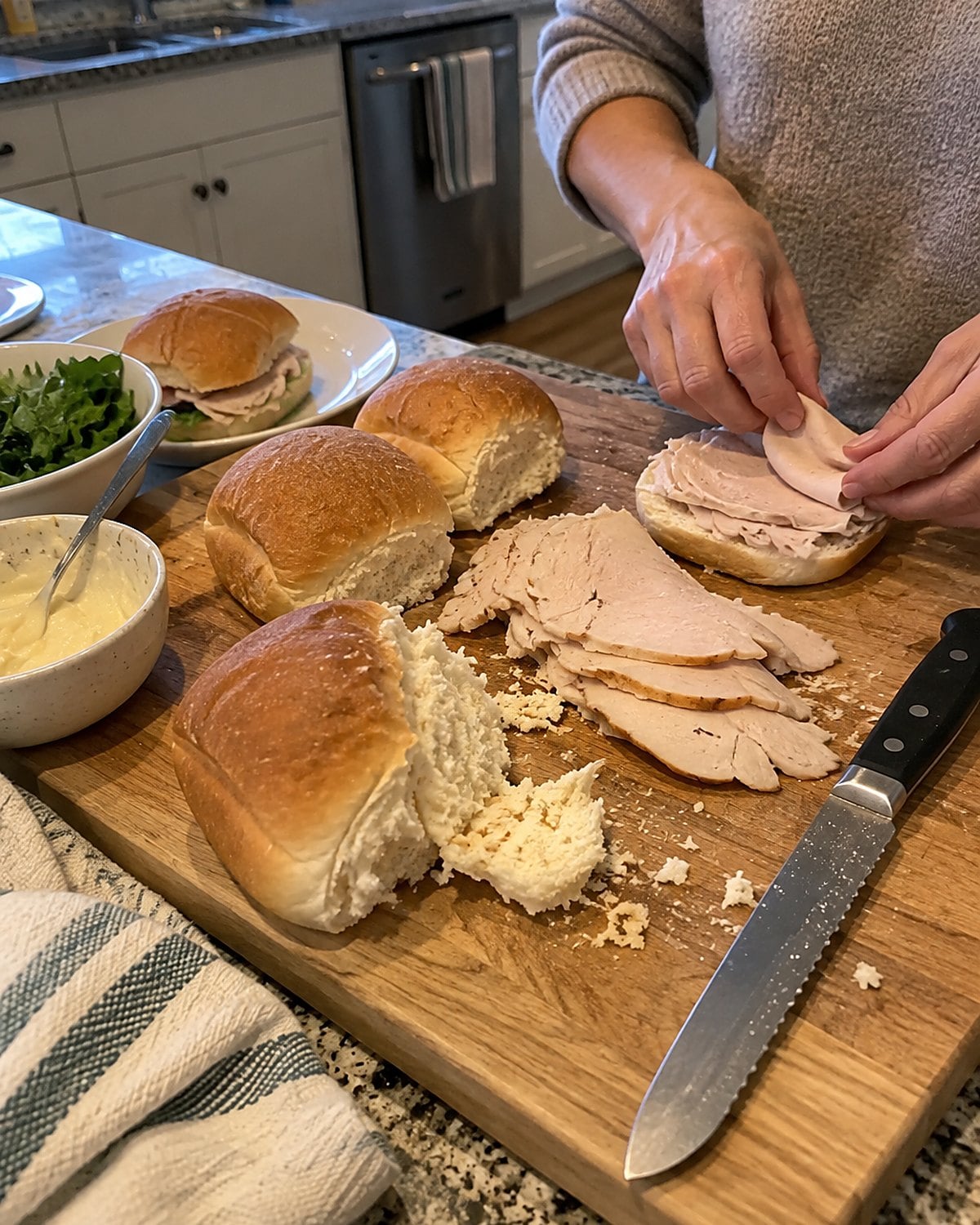
After dinner, the bread board comes out. Someone reaches for a soft sandwich loaf; someone else wants the leftover rolls.
They’re building different sandwiches. Soft bread folds around turkey, cranberry sauce and a little stuffing. A roll holds more gravy, but its crust pushes the filling out if you pile it too high. Let both stay on the counter. You’ve already cooked the turkey; there’s no reason to referee bread.
For a sandwich that doesn’t soak through, spread a thin layer of butter or mayonnaise on the bread before adding wet fillings. Put cranberry sauce against the turkey instead of directly against a dry slice of bread. Save gravy for a warm sandwich served right away.
Then stand back from the board. Someone will make the same sandwich they’ve made since they were tall enough to reach it.
#2 The Good Spoon for the Last Serving
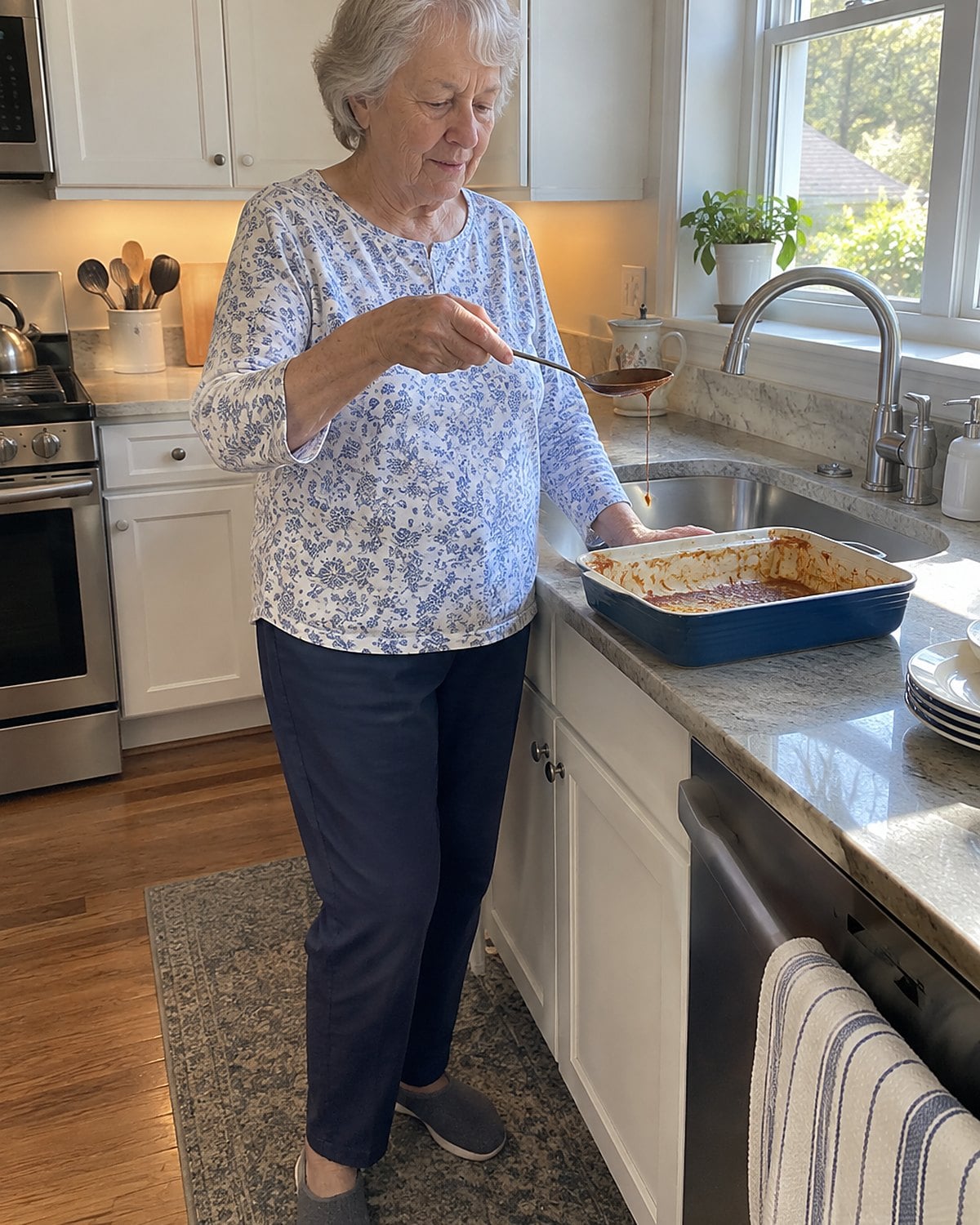
The dish is nearly empty, and the good serving spoon is still in it. Who takes the last scoop?
At a small holiday table, the answer matters more than the size of the casserole. You’ve made a full dish because that’s what the old baking dish holds, even though there are fewer chairs around it now. Ask who wants a portion for home while the food is still in sight.
Move promised portions into clean containers promptly and keep perishable food cold. The USDA’s cold storage chart helps with the later question: what to eat soon and what to freeze. Nobody needs to settle that while passing dessert.
And keep the good spoon. It has a way of going home inside the container unless you put it straight into the sink.
#1 The Pan of Reheated Holiday Leftovers
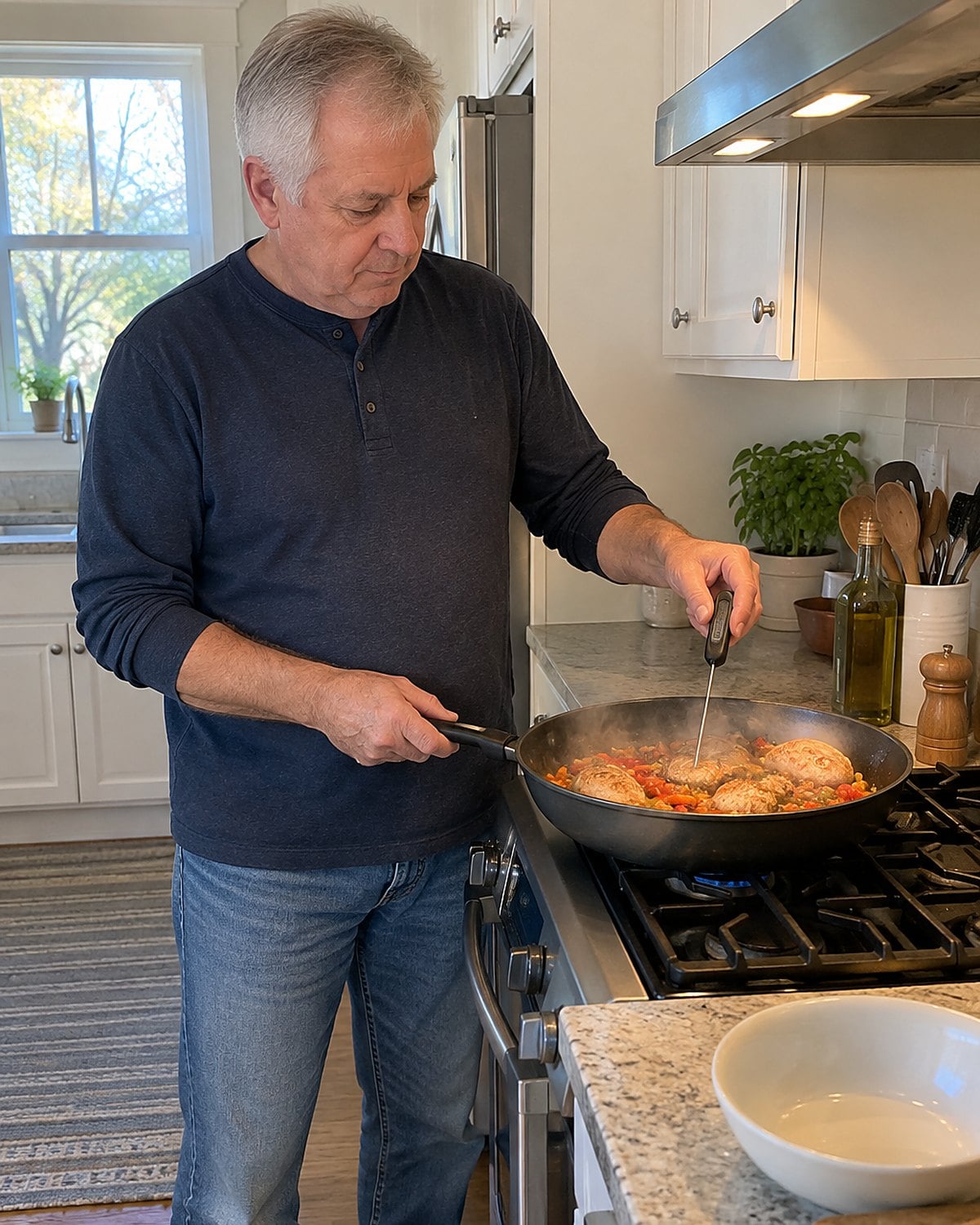
The next day, a covered pan sits on the stove. Somebody wants the meal exactly as it was. Somebody else wants crisp edges, and the microwave won’t give them any.
You have a better plan before either person opens the lid. Put each promised portion in its own container when you clear dinner. The USDA’s leftovers guidance calls for refrigeration within 2 hours and a refrigerator at 40°F or below. Shallow containers cool food faster than a deep serving dish.
When it’s time to eat, reheat leftovers to 165°F. The USDA Food Safety and Inspection Service sets that mark for leftovers. Push a food thermometer into the center of the thickest portion. Stir food that heats unevenly, then check it again.
Use the pan for the person who wants browned edges. Give the food room, heat it through, and let the surface brown before turning it. For someone who remembers a softer serving, cover their portion while it heats.
Now the old argument has a useful question underneath it: “Which part did you come back for?” You can answer that at the stove, with a thermometer close by.
### The bottom line
The arguments stick to details: a browned edge, a spoonful of broth, the bread chosen for tomorrow’s sandwich. Change one, and someone notices.
The well-prepared version of you has tasted the center, made room in the fridge and put the serving spoon in the sink. She also knows which dish deserves to stay exactly as it is.
What will someone ask you to make the old way this year?
Leave a Reply