

The mayonnaise jar takes up the whole refrigerator door shelf. You bought it for sandwiches, potato salad, maybe a visit from the grandchildren. Now there are two people making lunch, and the spoon has to travel a long way down to reach what’s left.
The warehouse club did its job. It sold you a lot for less per ounce. The harder question is what happens after the seal breaks, dinner plans change, and that bargain starts claiming space beside the milk. A full cart feels prepared. A fridge full of food you’re racing to finish feels different.
#25 The mayonnaise jar behind the pickles
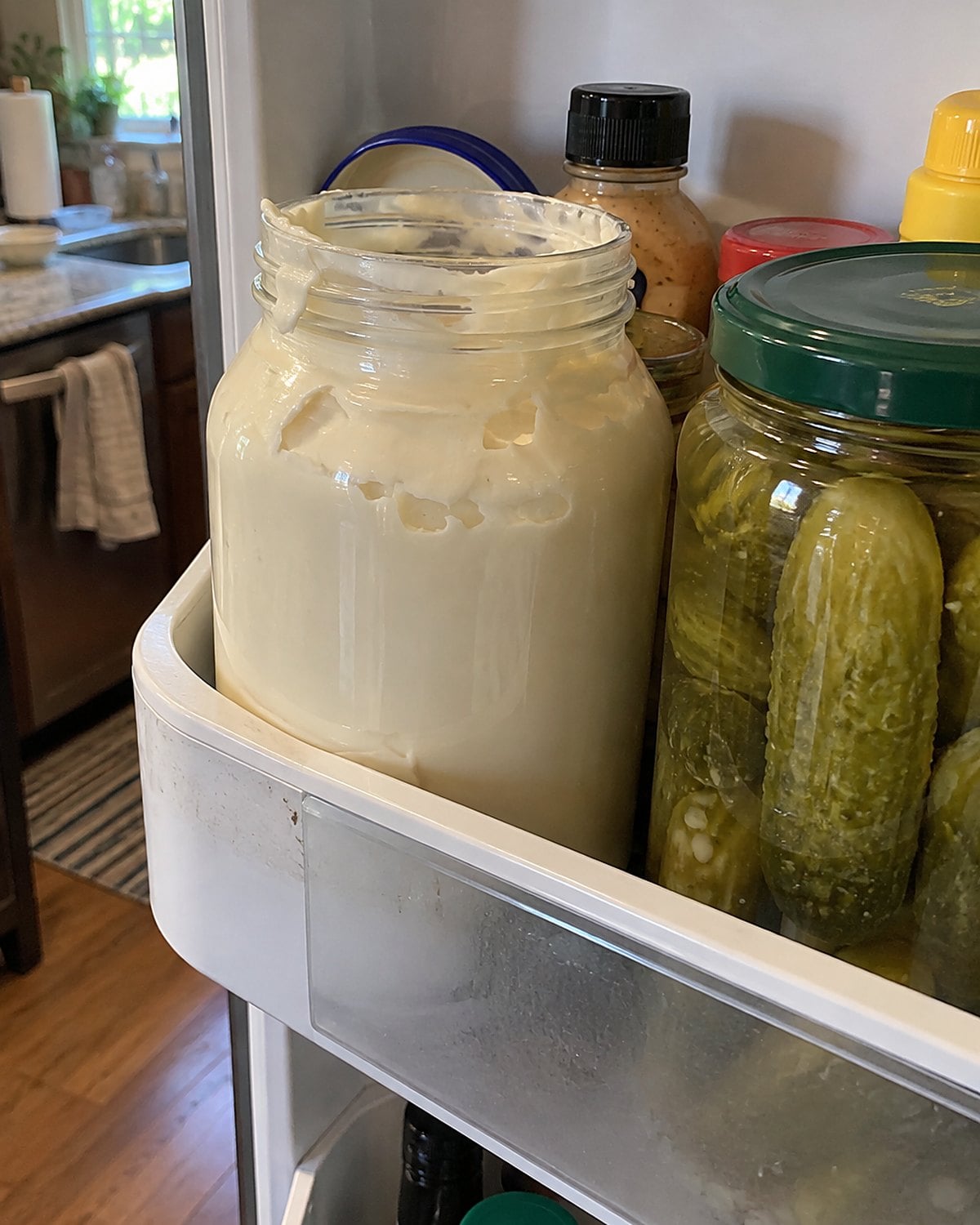
A big jar makes sense when the church potluck is Saturday. On an ordinary Tuesday, you need a different calculation. Count the sandwiches you’ll make before buying mayonnaise for a crowd that hasn’t been invited.
The date on the jar doesn’t replace the storage directions on its label. Once it’s open, use clean utensils and put it back in the fridge promptly. A spoon carrying tuna or egg salad back into the jar has changed what’s in there. So has a jar left beside the cutting board through lunch and cleanup.
There’s no need to rescue a bargain by serving questionable mayonnaise. If you want the large jar for a known gathering, buy it close to the day. Otherwise, take the smaller one and give that refrigerator shelf back to the milk.
#24 The twin loaves of sandwich bread
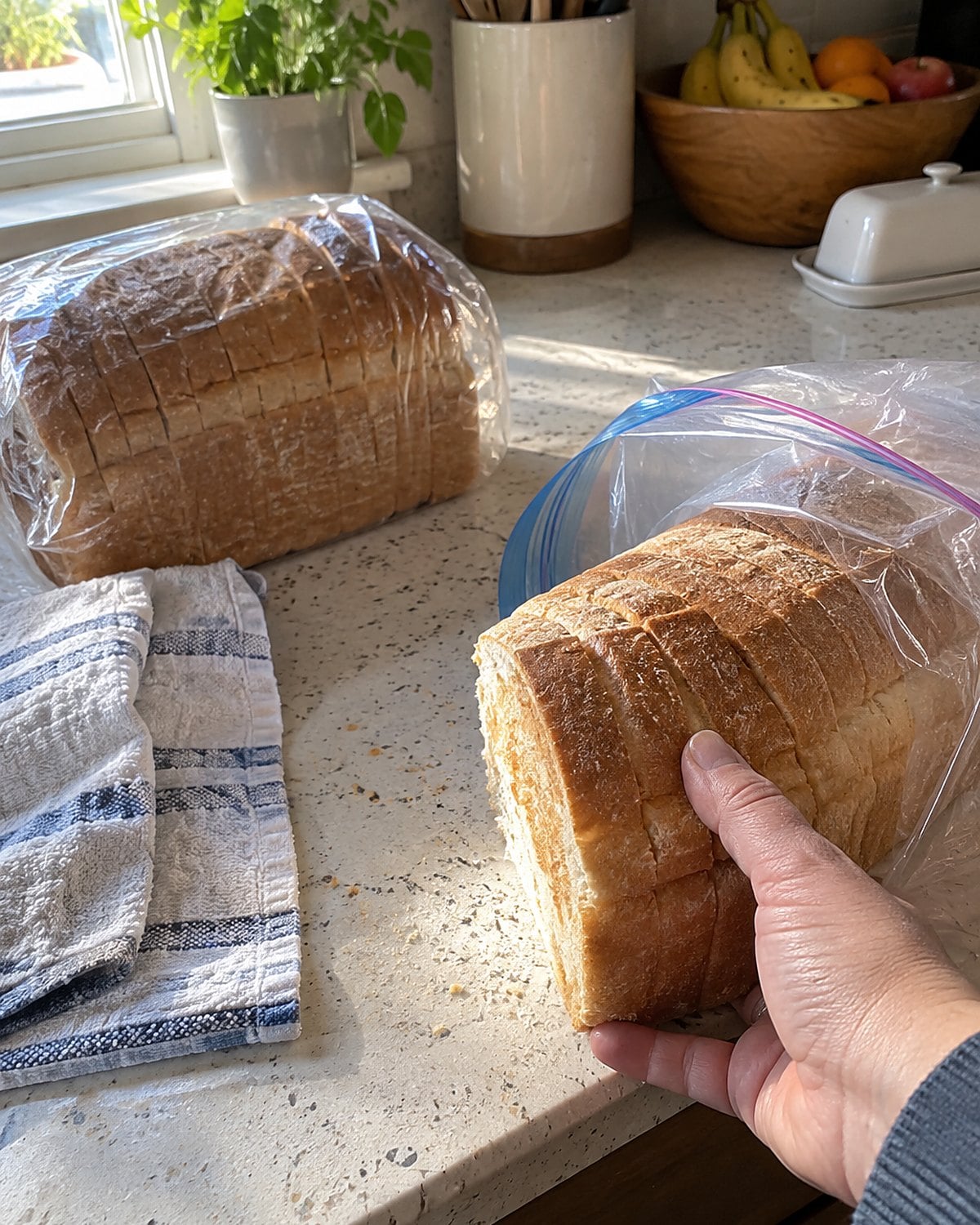
One loaf goes into the bread box. The other sits on top because there’s no room. By the time you reach it, the slices smell stale or show mold near the heel.
Bread freezes better than many people give it credit for. Put the second loaf in the freezer as soon as you get home, while the slices still pull apart cleanly. If you prefer toast, take slices straight from the freezer. For sandwiches, thaw only what you need.
Check the packaging before freezing. A thin bread bag leaves room for air and freezer burn; slip it into a freezer bag and press out the extra air. Write the purchase date on the bag. Then the second loaf stays a planned lunch instead of a forgotten shelf on top of the first.
#23 The mesh sack of ripe avocados
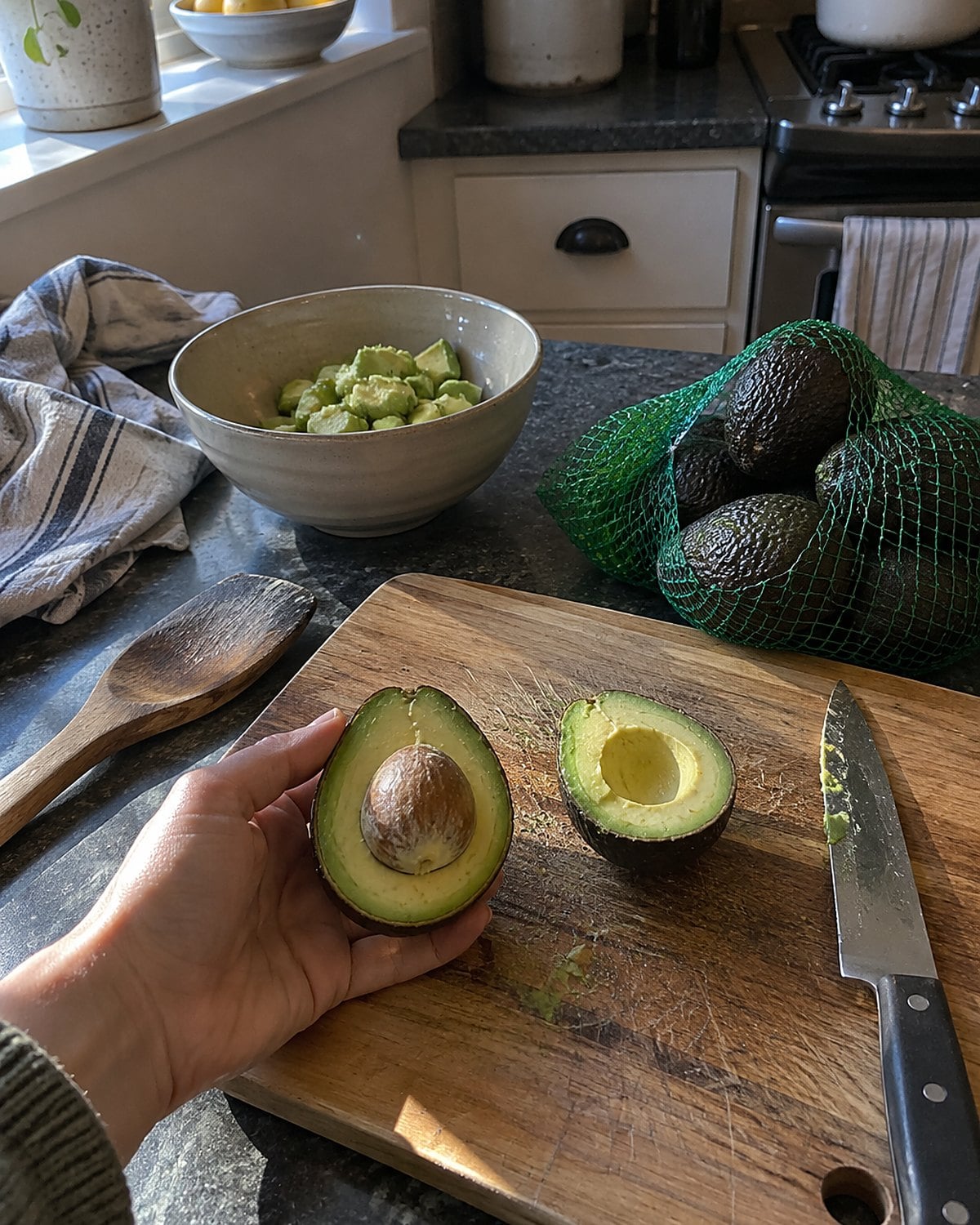
How many avocados will you cut before they all soften? Press each one lightly near the stem end while you’re still at the display. Choose a sack with mixed firmness rather than a sack of fruit ready for the same dinner.
At home, move ripe avocados to the fridge and leave firm ones on the counter. Check them as you plan meals, not after the last sandwich is made.
Try it: Air Fryer Avocado Tacos
#22 The enormous bag of baby spinach
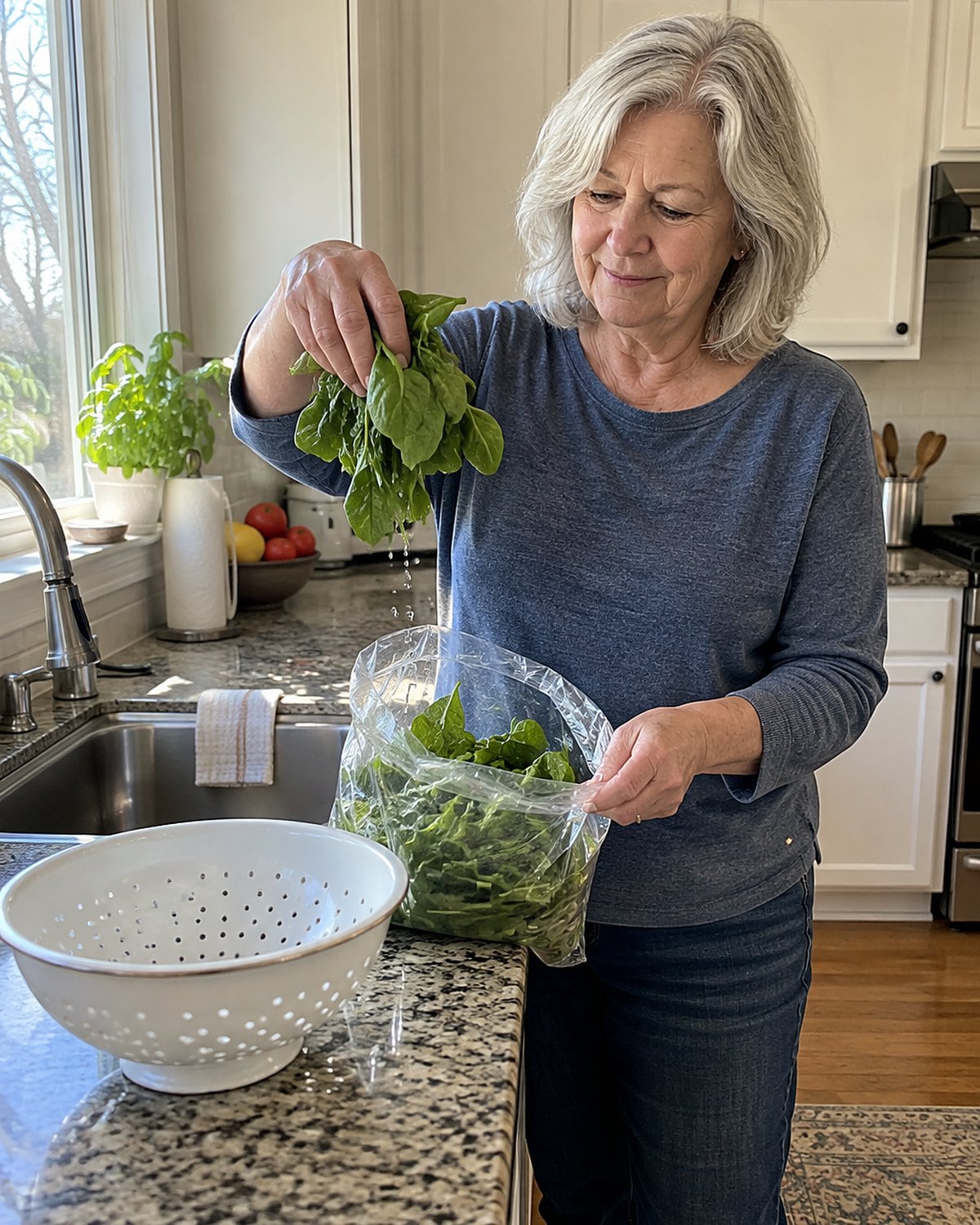
Baby spinach fills a bowl beautifully. It also collapses in the pan, which makes the warehouse bag look smaller right up until you open the fridge and find wet leaves pressed against the plastic.
Pull out any leaves that are already slimy. Keep the rest dry, with a paper towel in the container to catch moisture, and check the towel when you open the bag. Washing the whole batch before storage adds water unless you dry it thoroughly.
If the bag is already open, cook a generous handful tonight. Spinach folds into scrambled eggs, soup, or pasta without needing a separate side dish. What you shouldn’t do is keep adding fresh leaves to a container with spoiled ones. A bargain bag needs attention from the first meal.
#21 The rotisserie chicken meant for dinner
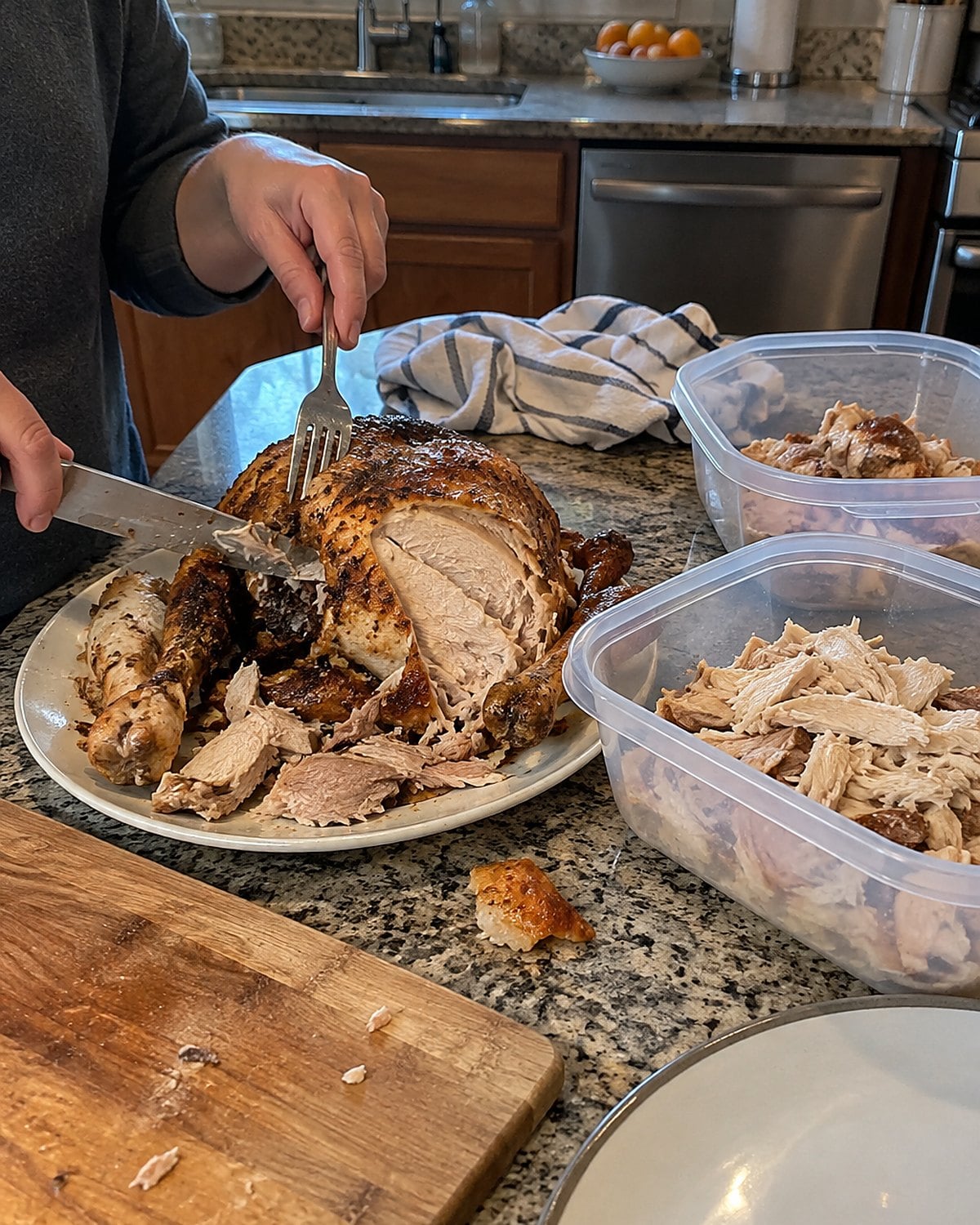
The container clicks shut after supper. You’ve eaten the legs, and the rest of the bird still looks like several easy meals. Before it goes into the fridge, take the lid off again and pull the meat from the bones.
The USDA’s cold storage chart gives cooked poultry 3 to 4 days in a refrigerator held at 40°F or below. Put the meat in shallow containers and refrigerate it promptly. A whole bird left in its deep plastic container takes longer to cool.
Now you can see what you bought. There’s meat for soup, slices for lunch, and perhaps more than you’ll eat within that window. Freeze the extra promptly. Write “chicken for soup” on its container instead of leaving a mystery tub under the peas.
Before making soup, check what’s already in the vegetable drawer. A sound carrot and a piece of celery give those leftovers a destination. If there’s no meal in mind, freezing the meat buys you time to choose one.
The bird was convenient when you bought it. Keep that convenience going after supper.
Try it: Instant Pot Chicken Salad (Classic Recipe)
#20 The giant tub of sour cream
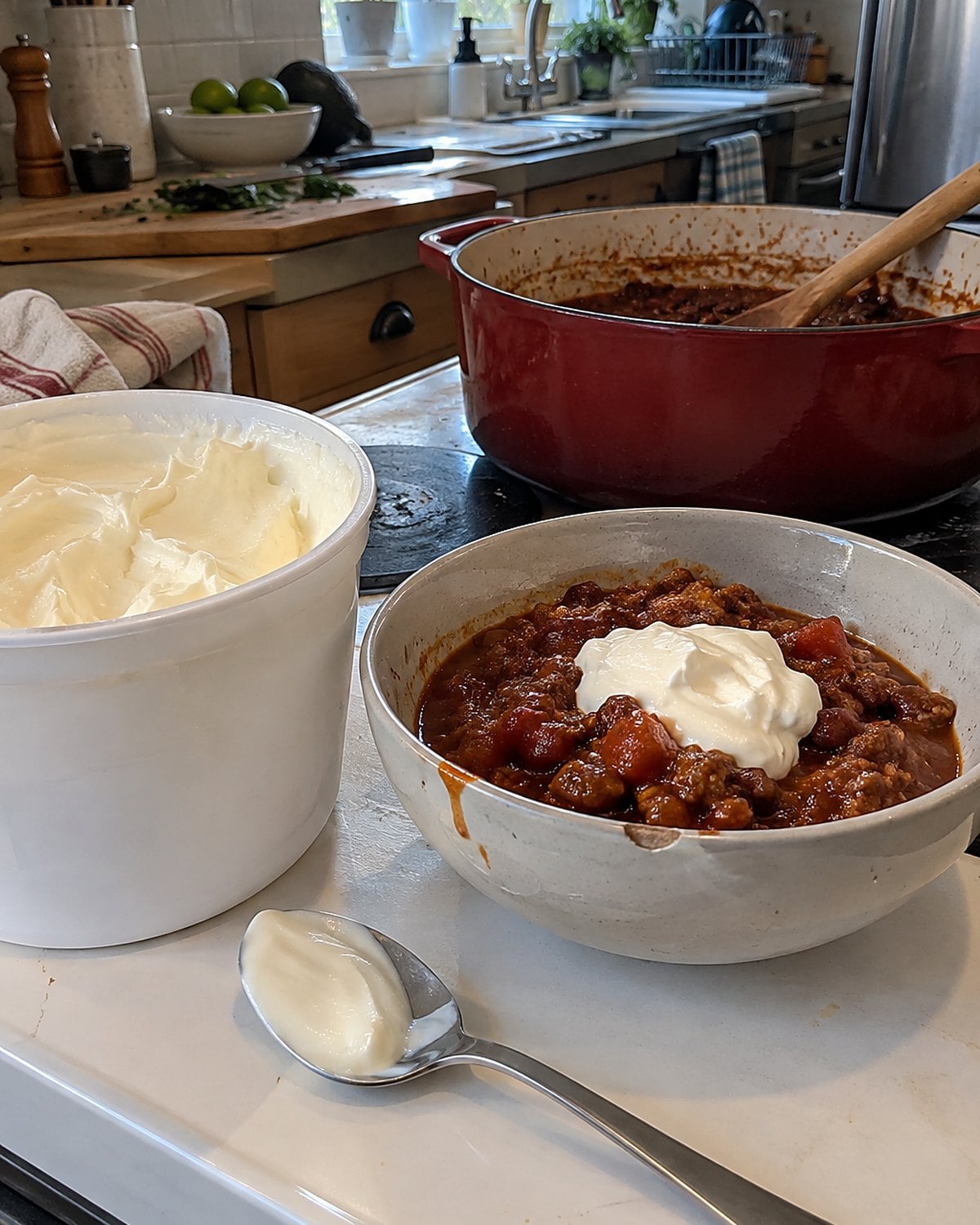
The lid snaps on, but that wide tub has seen a lot of spoons. One went into chili, another onto baked potatoes, and a third touched something on the counter before going back for more.
Sour cream earns its place when tacos, baking, and a family visit are already on the calendar. If you need only a dollop for soup, the tub’s low price per ounce is doing no favors. Look at the recipes you’ll make before you reach for it.
When you get home, give the tub a clean spot in the fridge, not the crowded door. Use a fresh spoon each time, and follow the package’s directions after opening. If you see mold, discard the tub rather than scooping around it. The broad surface gives you more to watch, not more to salvage.
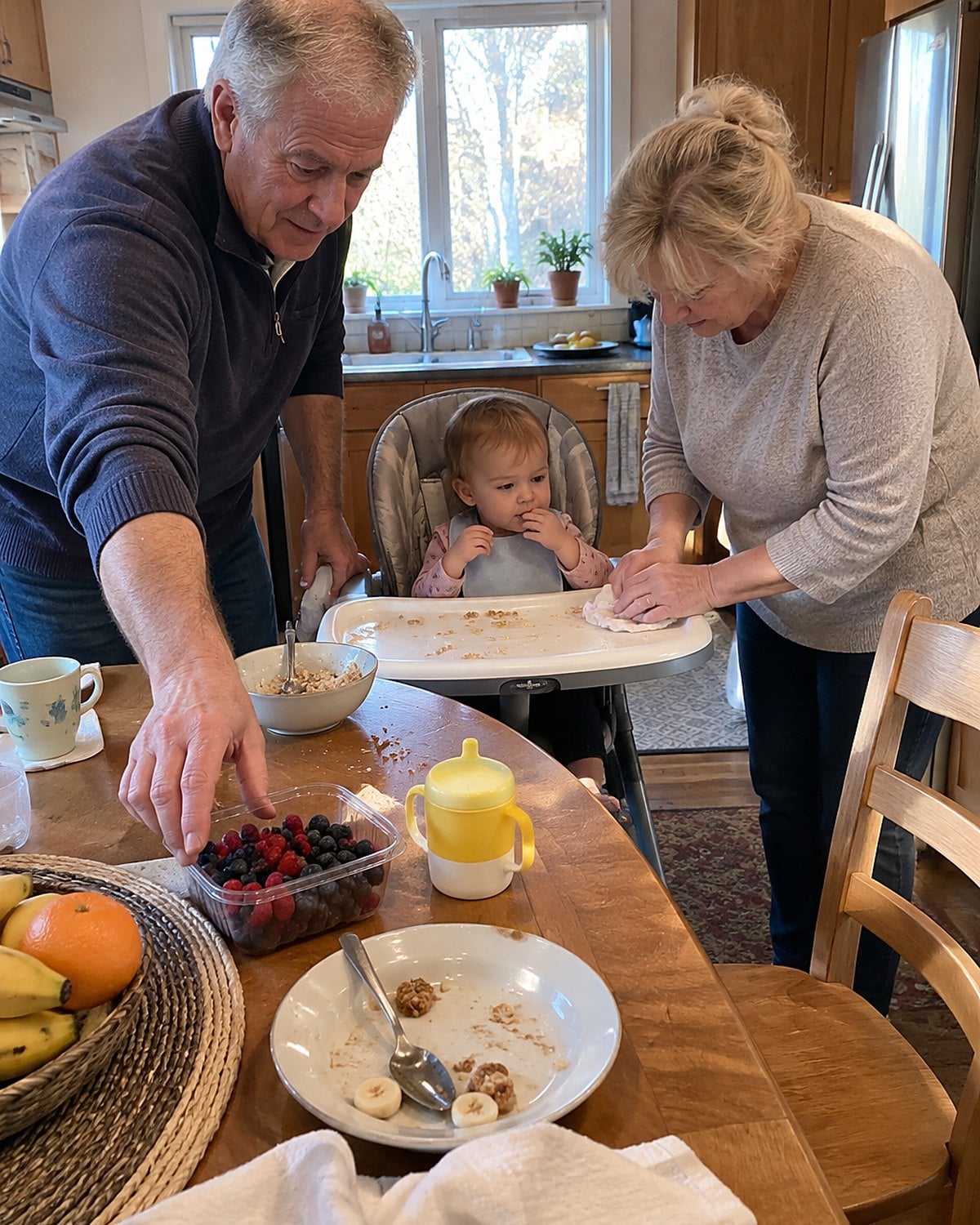
#19 The berries bought for Saturday’s grandchildren
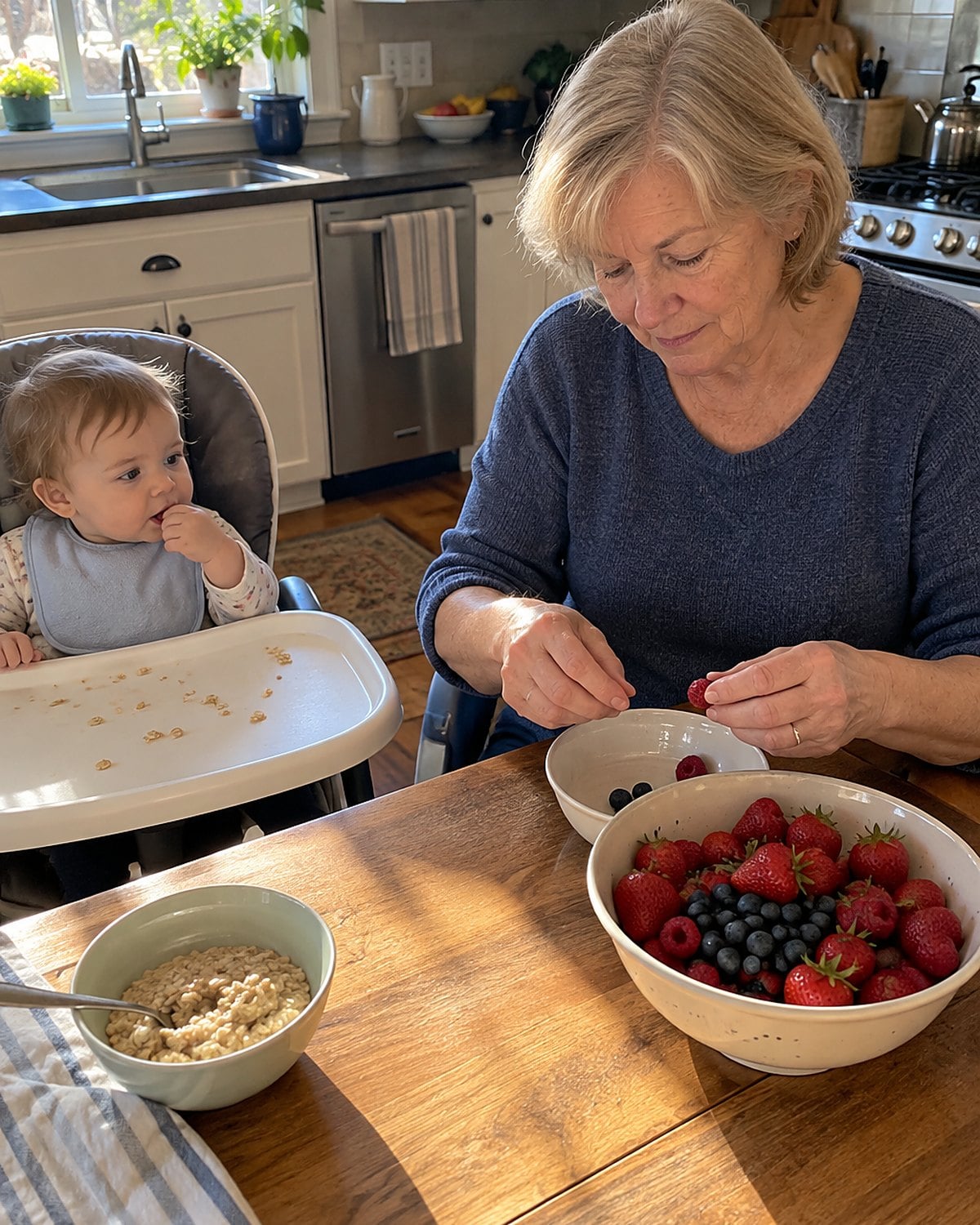
A berry carton looks exactly right for breakfast at the high chair. Then the visit moves to Sunday, or the children choose toast. You’re left with fruit that won’t wait for a revised family calendar.
Before buying the large carton, check the bottom for crushed fruit and damp patches. At home, open it before it disappears into the fridge. Remove any moldy berries, and keep the rest dry until you’re ready to wash them. The FDA advises washing fresh produce under running water before eating it.
If breakfast plans change, deal with the sound berries that day. Spoon them over oatmeal, cook them into a sauce, or freeze them in a single layer before bagging them. Check each berry first; freezing won’t repair spoiled fruit.
There’s a difference between buying for grandchildren who are coming tomorrow and buying for a visit that hasn’t been settled. If the plan is uncertain, choose a carton you and your household will finish on your own. Nobody needs the high chair as an excuse to buy more fruit than breakfast calls for.
#18 The gallon of milk at the fridge door
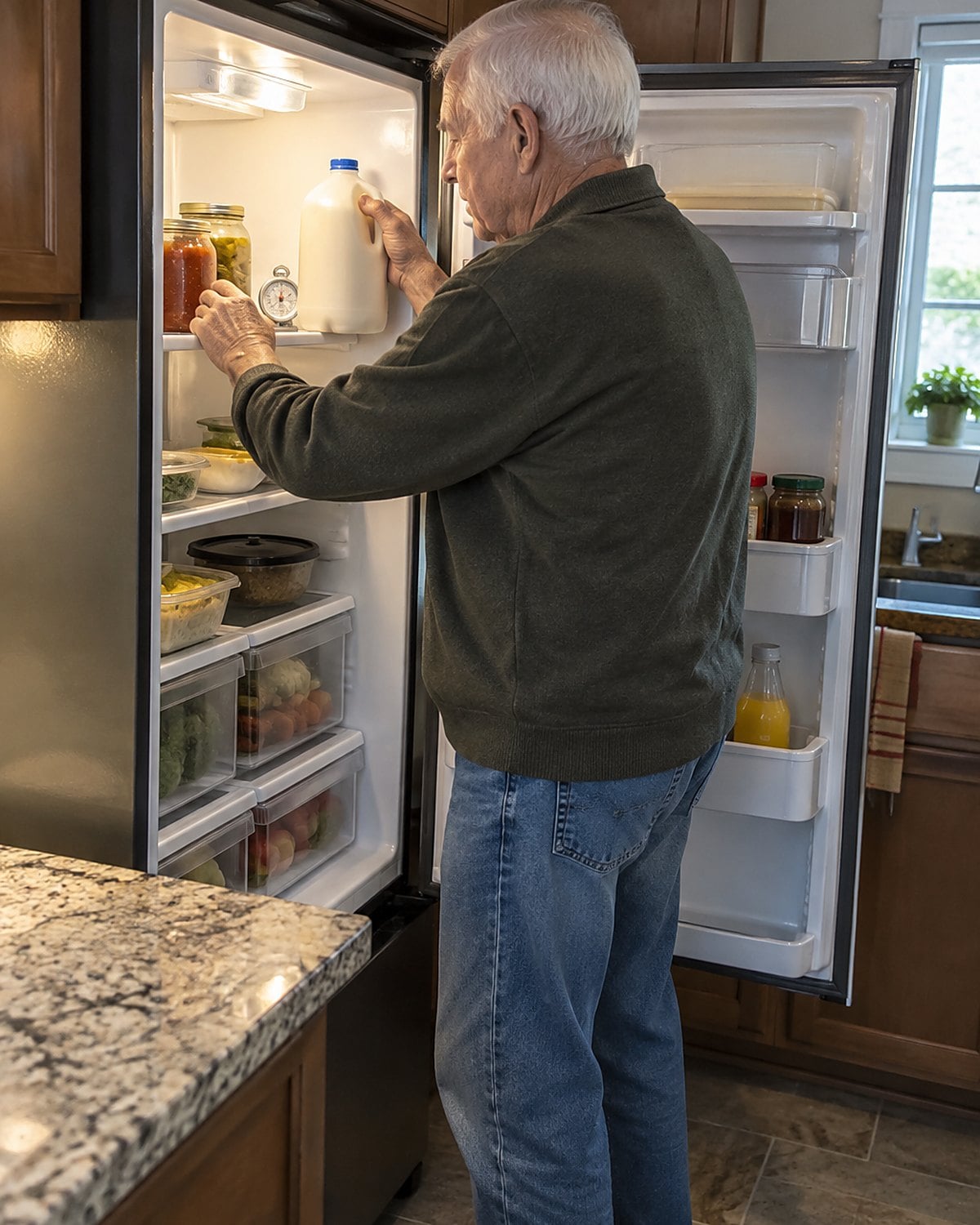
The refrigerator door is handy for milk. It’s also the spot that warms each time someone stands there deciding what to eat.
Put milk on a shelf inside the fridge and check the temperature with an appliance thermometer. The FDA’s refrigerator guidance calls for 40°F or below. That reading tells you more about your kitchen than turning the dial and hoping.
A gallon earns its place if you drink it, bake with it, and make cereal regularly. If half the jug is still there when you’re worrying about the date, change sizes next trip. Pouring milk into coffee doesn’t use it at the same pace as feeding a full breakfast table. You know which table you have now.
#17 The block of cheese with a dry edge
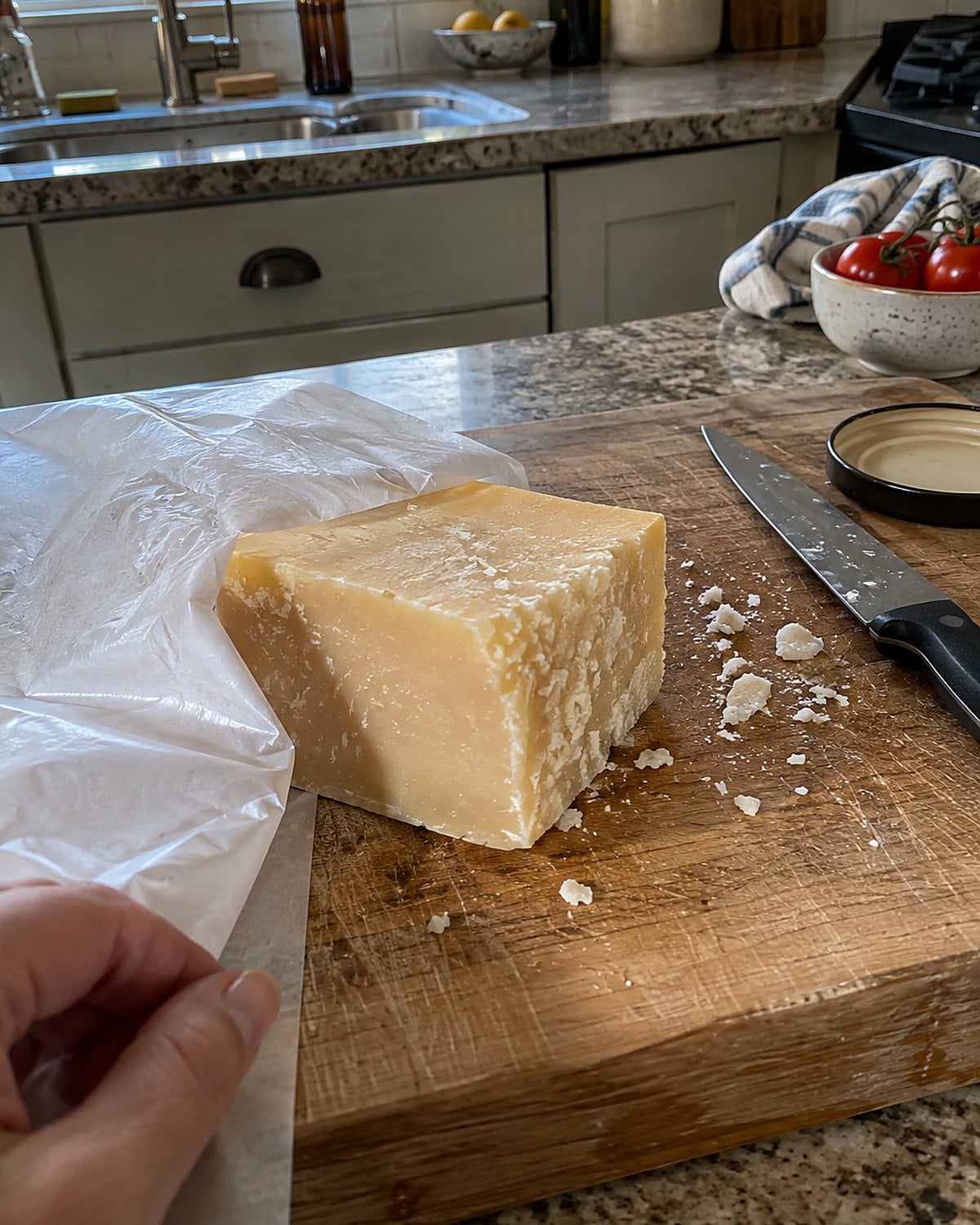
The wrapper never sits flat after you tear it open. Soon the cut edge feels firm under the knife, while the middle still tastes fine.
Cut only what you need, then wrap the exposed block snugly and put it in a container. If the block is too large for the meals ahead, divide it before that edge dries. Freeze the extra pieces for cooked dishes; thawed cheese loses some of its smooth texture.
The USDA’s mold guidance draws a distinction between hard and soft cheeses. If mold appears and you aren’t certain how the guidance applies to that cheese, check before using it. The simpler purchase is a block you’ll enjoy down to the last slice.
#16 The family-size tub of hummus
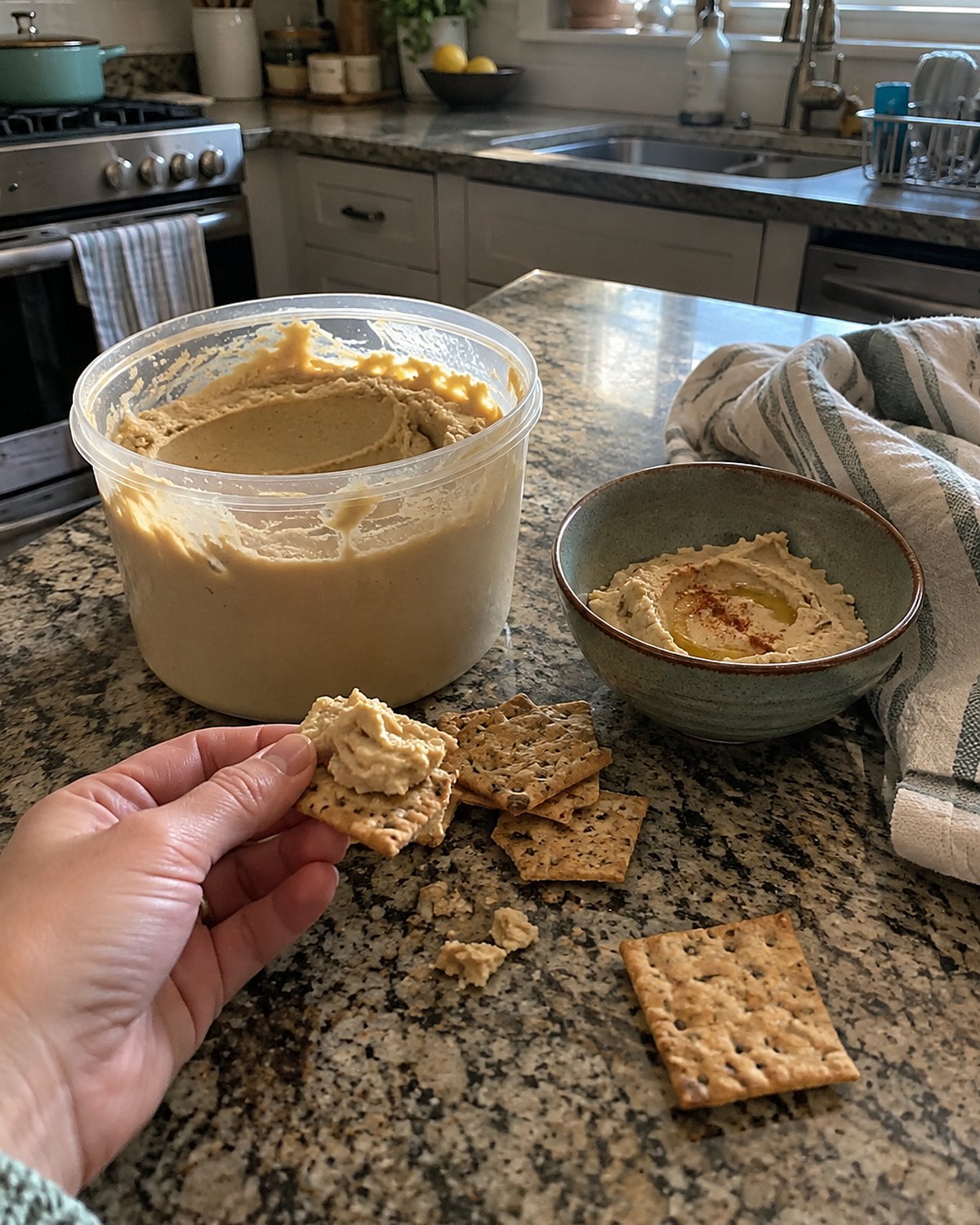
The first serving vanishes with crackers. The rest gets pushed behind the jam because nobody wants hummus three lunches in a row.
Check the package before buying. A sealed date and directions after opening answer different questions. The printed date doesn’t promise that an opened tub will hold until then, especially after it has spent time on the table. Serve a small portion in a bowl, then return the main tub to the fridge.
If you’re buying hummus for a visit, set out what people will eat and keep the unopened backup cold. For a two-person week, smaller containers give you a fresh seal later. The extra packaging is worth weighing against a large tub you throw out half-full.
Ask the useful question in the store: “When, besides tonight, am I serving this?”
#15 The salad kit after Sunday dinner
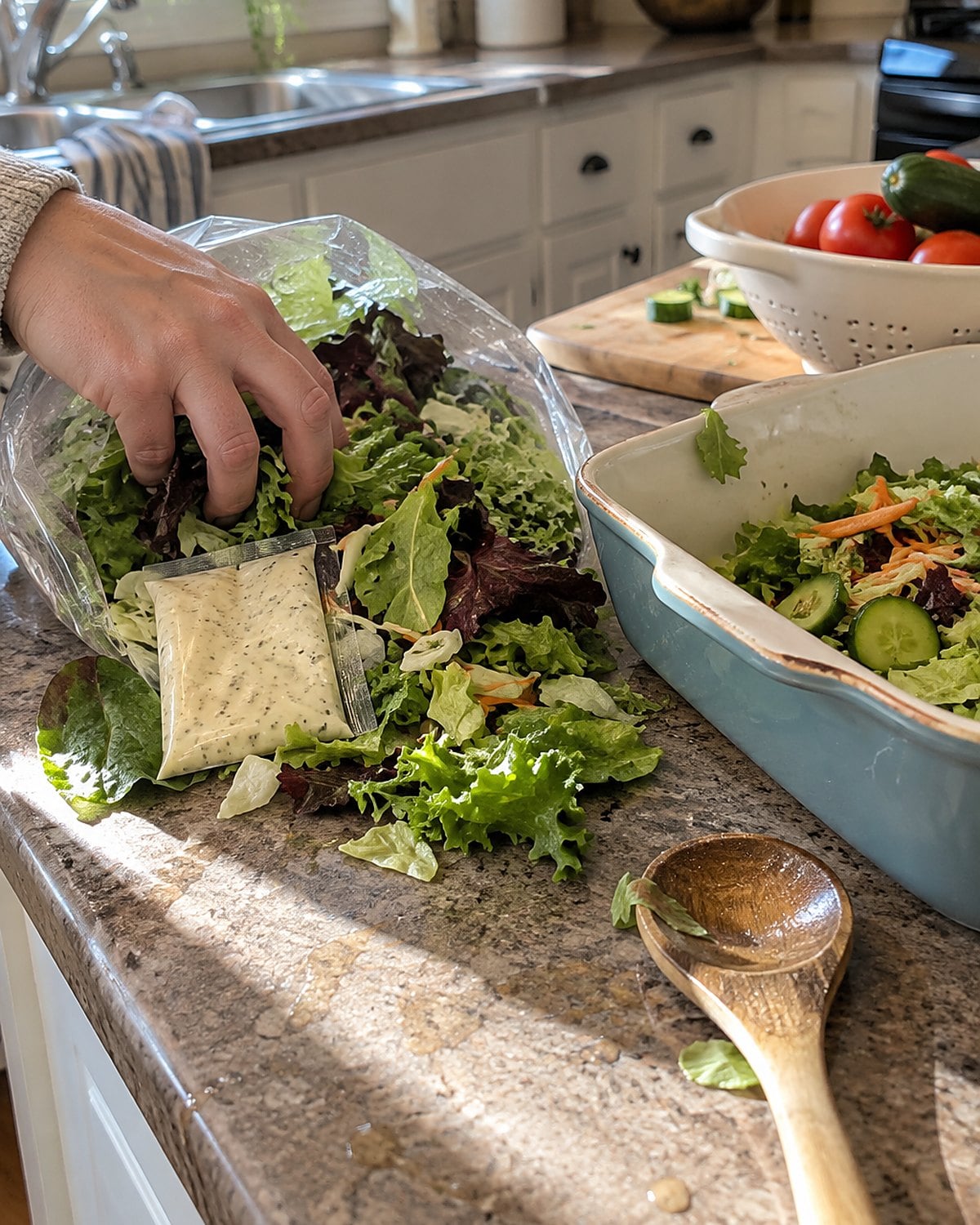
Look at the cut edges through the bag before you put a salad kit in the cart. Those leaves are already chopped, so you don’t have a whole head to trim later. The dressing packet won’t improve leaves that have turned wet.
Sunday’s kit feels like the easiest vegetable in the fridge. Then the main dish changes, and the bag slips beneath a casserole dish. Put it where you’ll see it and plan it for an early meal.
Open the bag before dinner, not after the potatoes finish cooking. If leaves are slimy or smell off, discard them. If they’re sound, dress only what you’ll eat and keep the rest undressed.
For a week without firm dinner plans, buy a whole head. It asks more of your knife and less of your calendar.
#14 The oversized bottle of olive oil
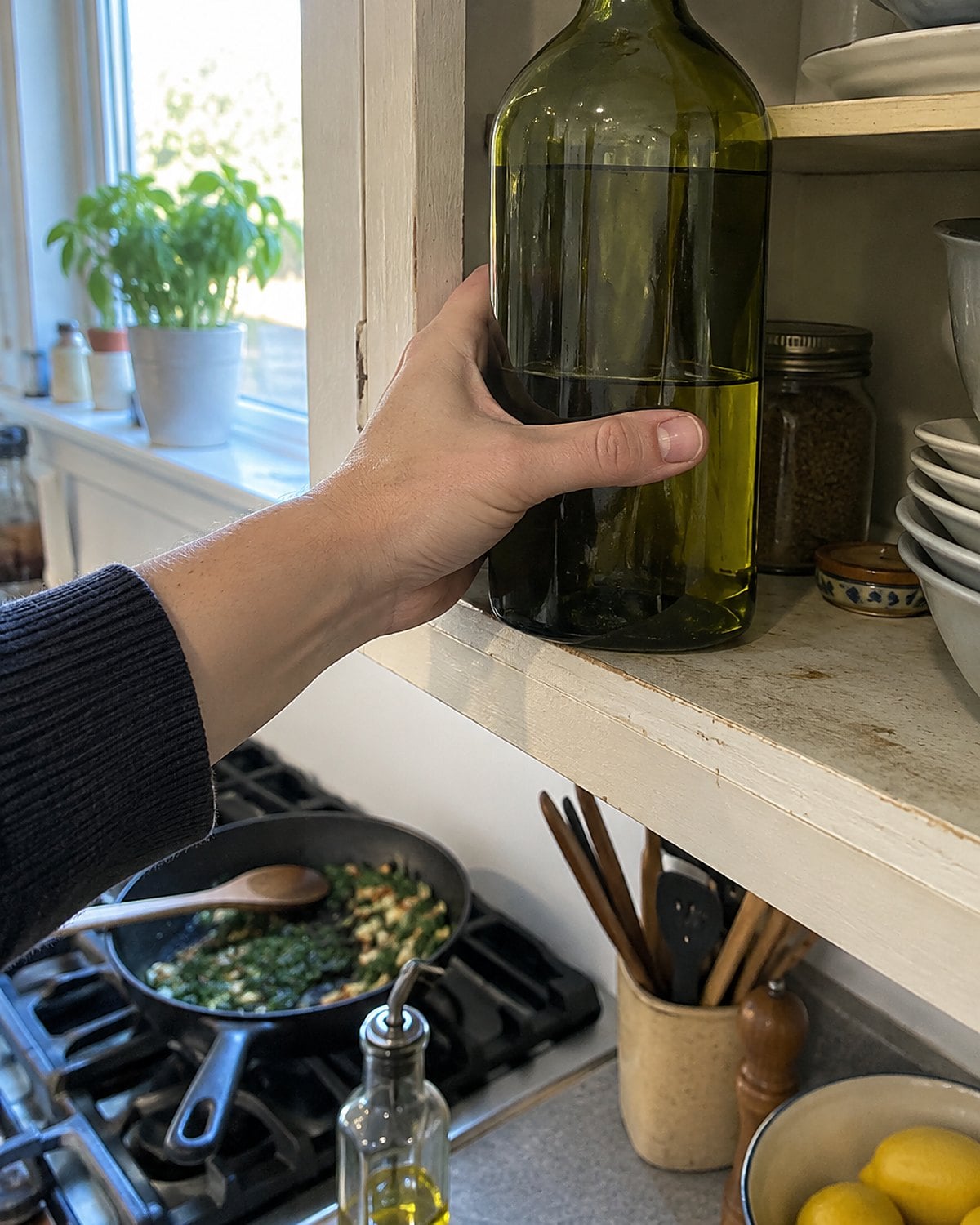
You found a bottle that costs less per ounce, carried it home, and set it beside the stove. That warm, bright spot is convenient when you’re cooking. It’s hard on the oil.
Heat, light, and air work against its flavor. Store the main bottle closed in a cool, dark cabinet, then keep a smaller amount near your workspace if that’s how you cook. Taste a little oil before using it in a salad. A stale, harsh flavor won’t improve once it meets the tomatoes.
Look back at how fast you finished the last bottle. If it sat through changing seasons, a larger one asks you to store more oil for longer. For two people, a bottle you finish while it still tastes good wins over one that looks economical beside the skillet.
#13 The sack of lemons for one recipe
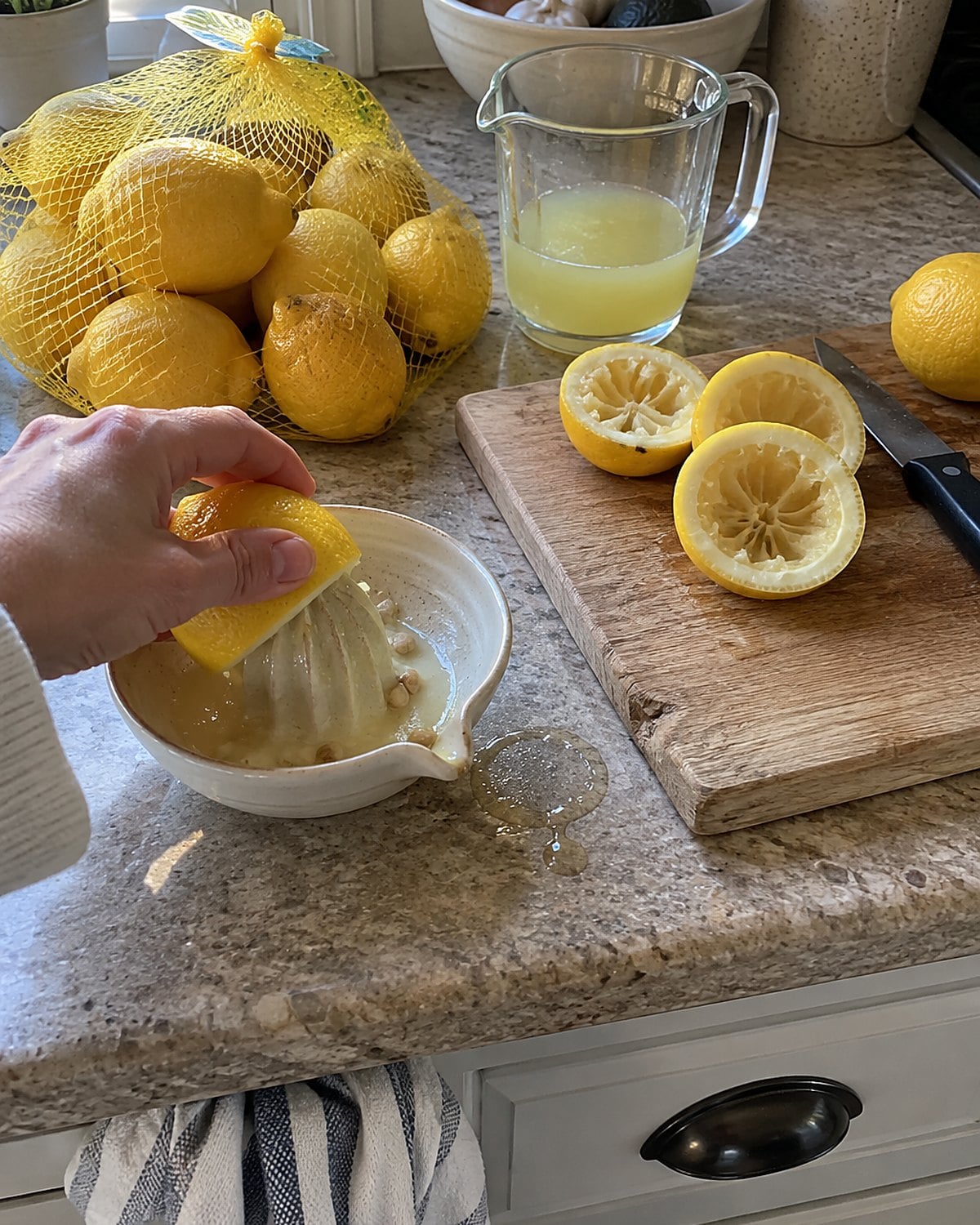
A recipe calls for lemon juice. The warehouse cart offers a whole sack, and suddenly you own a citrus project.
Before checkout, name the other uses. Will you squeeze one over fish, put another in a cake, and make dressing with the next? If the answer stops after the first lemon, buy what the recipe needs somewhere else. A bag of fruit doesn’t become useful because it looks cheerful on the counter.
At home, refrigerate the lemons you aren’t using soon. Check them as you take them out; one moldy lemon pressed against its neighbors is worth catching early. If you’re juicing several for a planned dish, squeeze them before they dry out and freeze the juice in small portions. Mark the container so it doesn’t turn into another anonymous freezer find.
The right amount is the amount you already have a use for.
Try it: Instant Pot Lemon Rice
#12 The double pack of flour tortillas
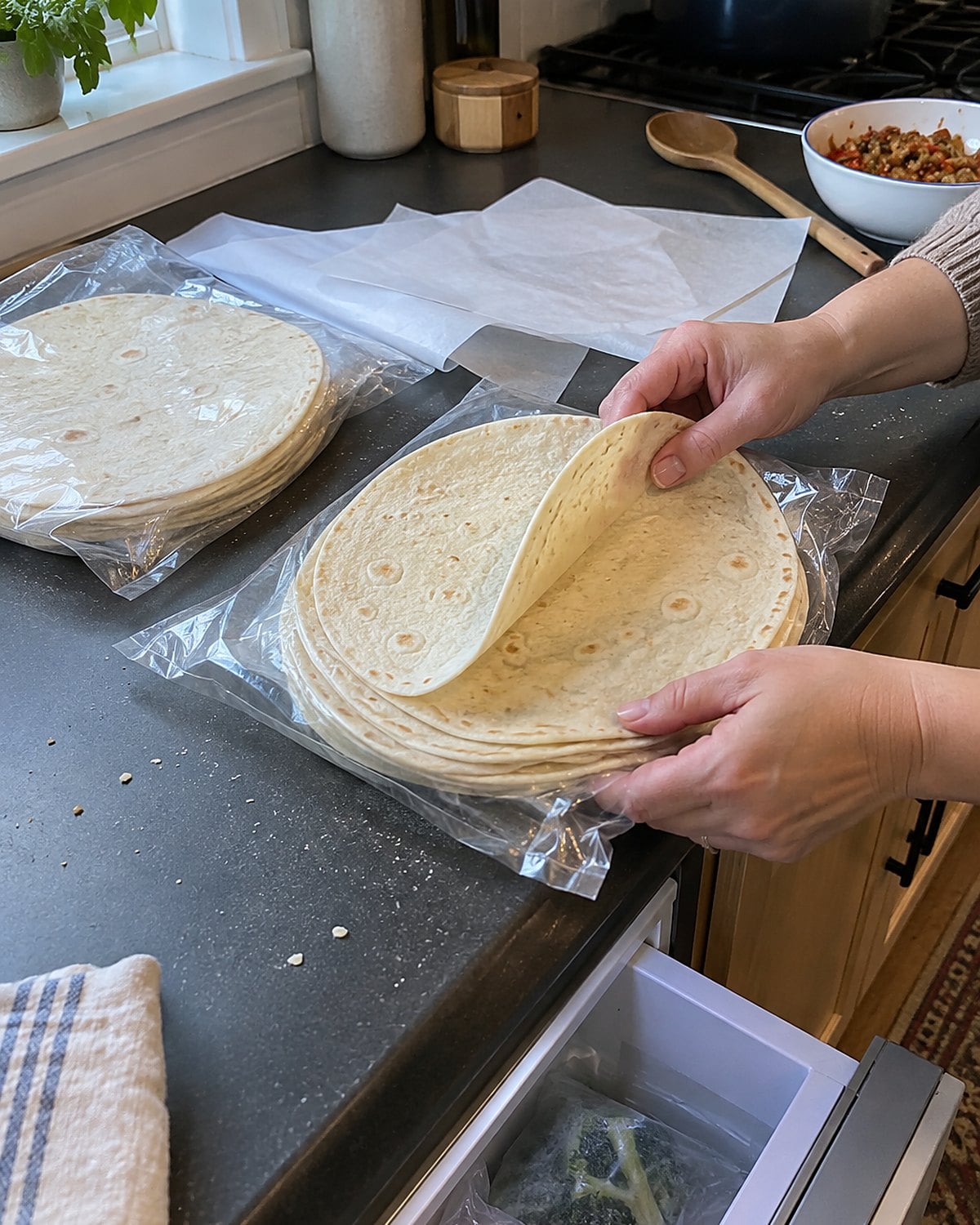
A tortilla package seems thin enough to tuck anywhere. Two packages become a stack that shifts every time you pull out the bread.
Check the date and storage directions on the package, then decide where the second pack goes before opening the first. Freeze the spare while it’s fresh. Slip a sheet of parchment between tortillas if you plan to take them out individually, and wrap the stack against freezer air.
A large pack works when tacos are only the beginning. Tortillas turn leftover chicken into lunch or make a quick supper with beans and cheese. If those meals aren’t already in your rotation, don’t buy enough wraps to invent a new habit. You need freezer space for food you’ll reach for.
Try it: Air Fryer Tortilla Garlic Bread
#11 The clamshell of spring mix in the drawer
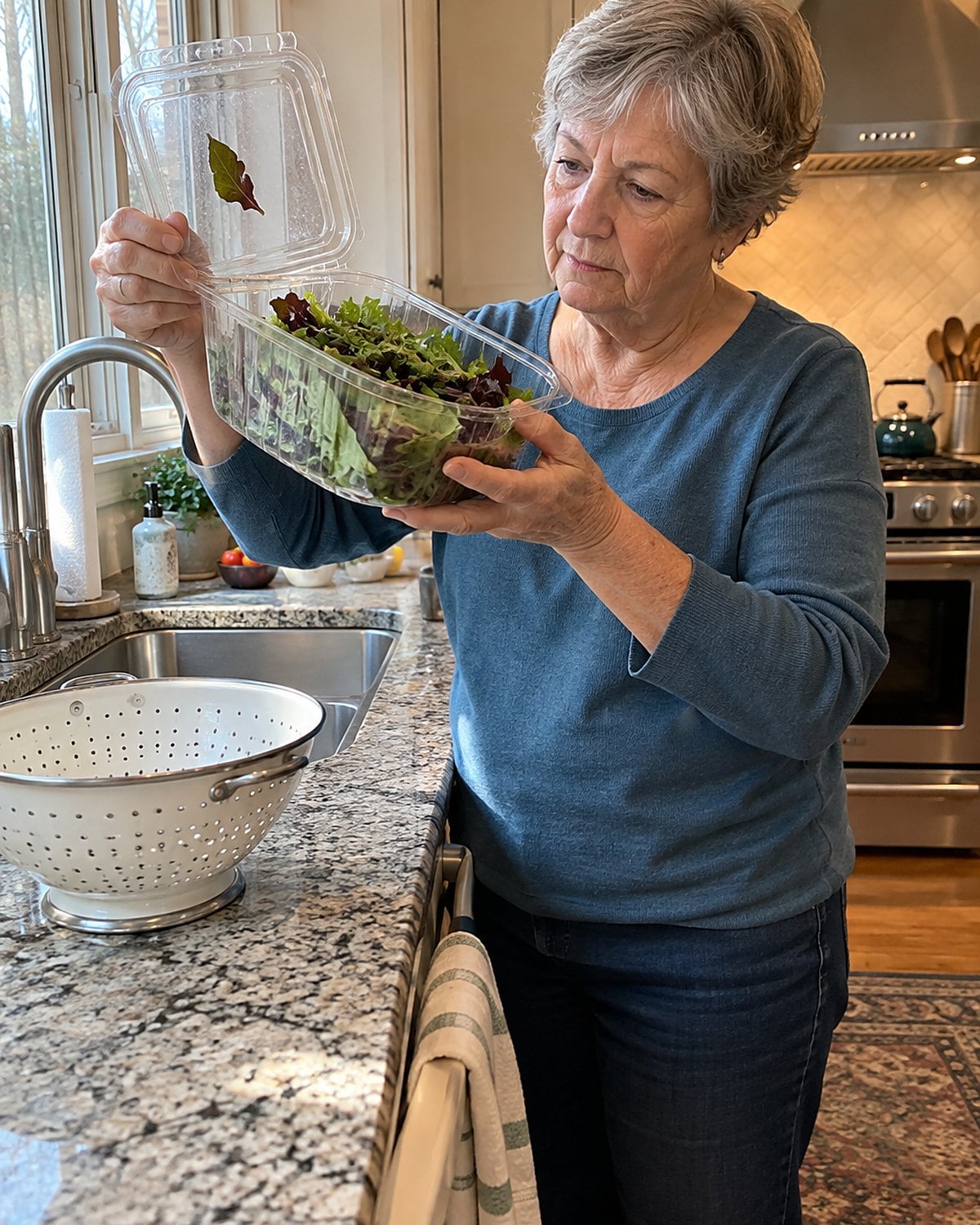
Lift the clamshell before you buy it. The lid shows off the top leaves, but the bottom tells you where crushed greens and moisture have collected.
At home, look underneath again. Pull out damaged leaves and keep the rest dry. The FDA’s produce advice says to refrigerate packaged salads and follow the label’s storage directions.
Use the mix for an early meal. If salads are planned for later in the week, choose a sturdier green or shop closer to dinner. Dressing won’t bring a wet patch back to life.
#10 The giant jar of pasta sauce
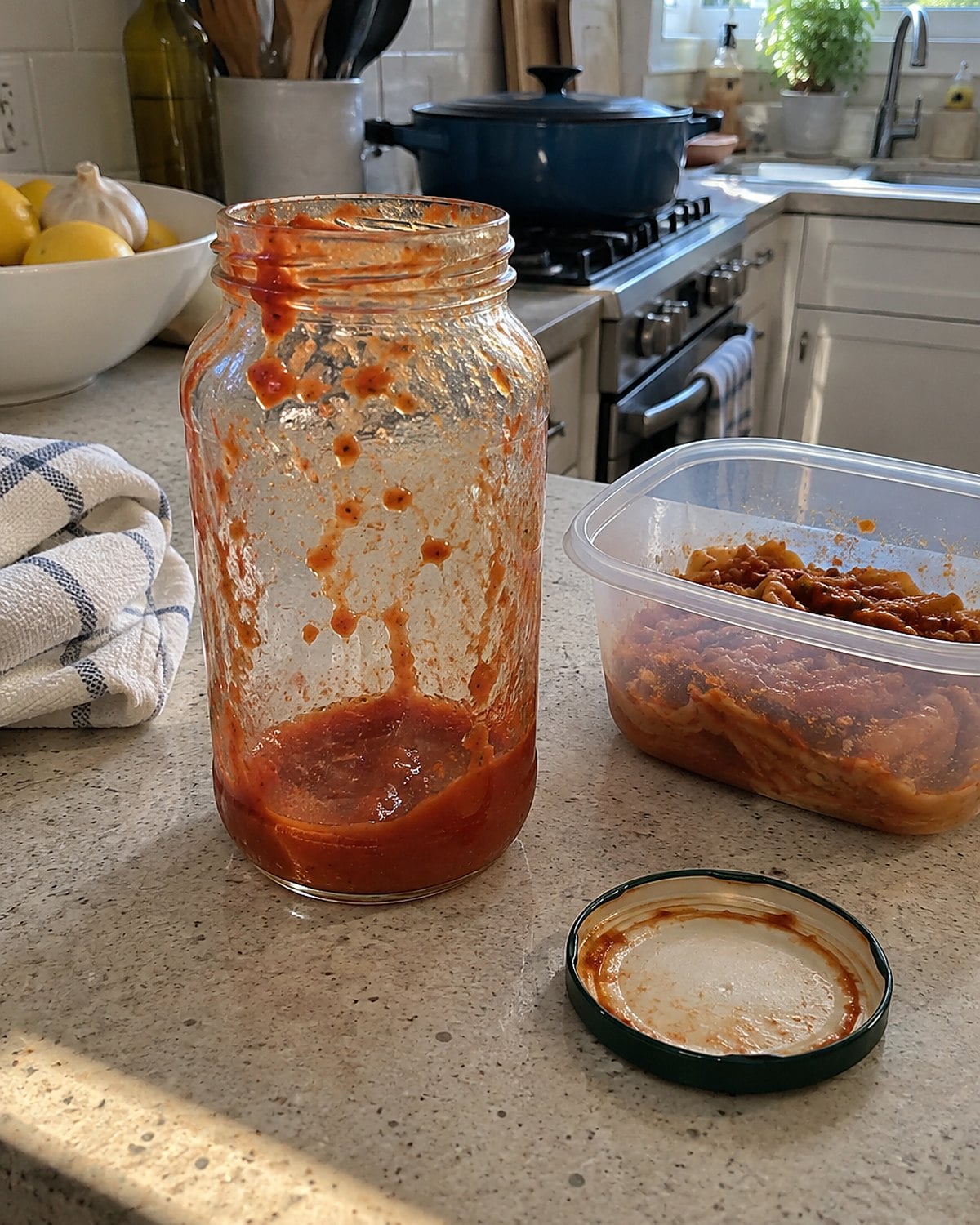
An unopened sauce jar waits patiently in the pantry. The clock changes after you open it for two plates of spaghetti and put the rest in the fridge.
Don’t treat the lid’s cheerful pop as a plan for leftovers. Check the label for refrigeration directions after opening, then portion what remains. A smaller container is easier to find than a huge jar behind the orange juice. Freeze sauce you won’t use promptly, leaving room in the container for it to expand.
The pantry bargain is real only if you use the whole jar. Think beyond pasta before you buy: sauce for baked eggs, a small pizza, or a skillet of meatballs. If those dinners aren’t on your list, take the smaller jar. The second half deserves a meal, not a promise made while clearing the table.
#9 The holiday bag of chocolate chips
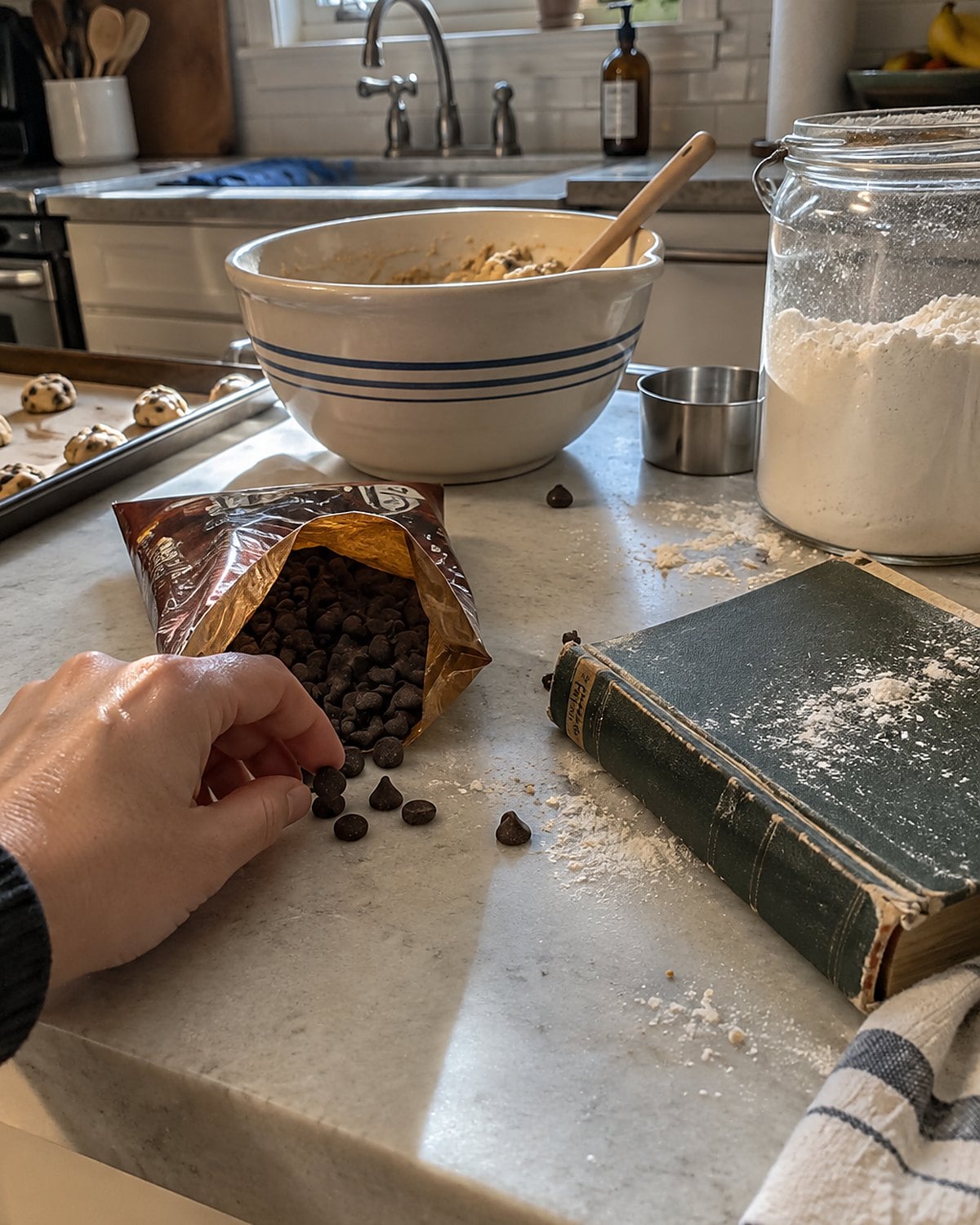
Holiday baking has a way of putting the big bag in the cart. Then the cookies are done, the guests have gone home, and the rest of the chips move between pantry shelves until next December.
Chocolate doesn’t need an elaborate rescue. Close the bag tightly, keep it away from heat and strong smells, and check the package date when you find it again. A pale, dusty coating on chocolate is called bloom. It comes from changes in fat or sugar and affects texture and appearance. Mold or an off smell is a different matter; discard the chocolate.
Before buying the largest bag, count the batches you’re actually baking. A church cookbook with three marked pages is a plan. A vague idea that you’ll bake more this year isn’t.
If you already own the bag, put it where you’ll see it before you buy chocolate again. That small search through the pantry costs less than another bargain.
#8 The enormous tub of mixed nuts
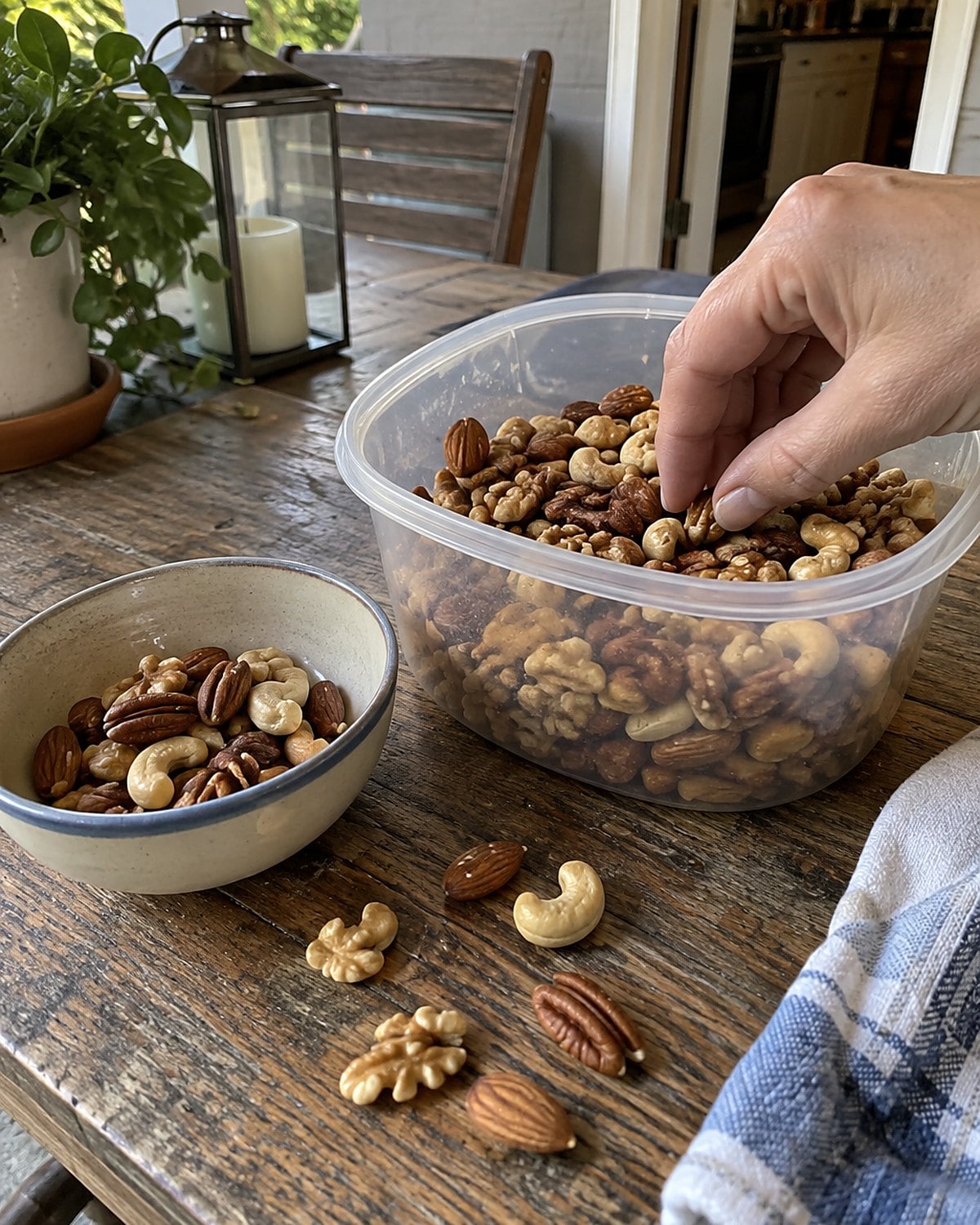
The tub goes out when company comes. After that, it sits by the crackers, gathering handfuls now and then.
Nuts contain oils that turn rancid. Take a bite before you serve an older tub; a sharp, paintlike flavor tells you to stop. Don’t try to hide that taste under spices or chocolate. Keep nuts sealed and away from heat, and freeze the extra portion if you bought them for a later gathering.
A wide tub also invites everyone to reach in. Pour what you want into a bowl instead, then close the main container. If you never finish the nuts between visits, the smaller package is the better host. Nobody came to see how much you saved per ounce.
#7 The half-gallon of heavy cream
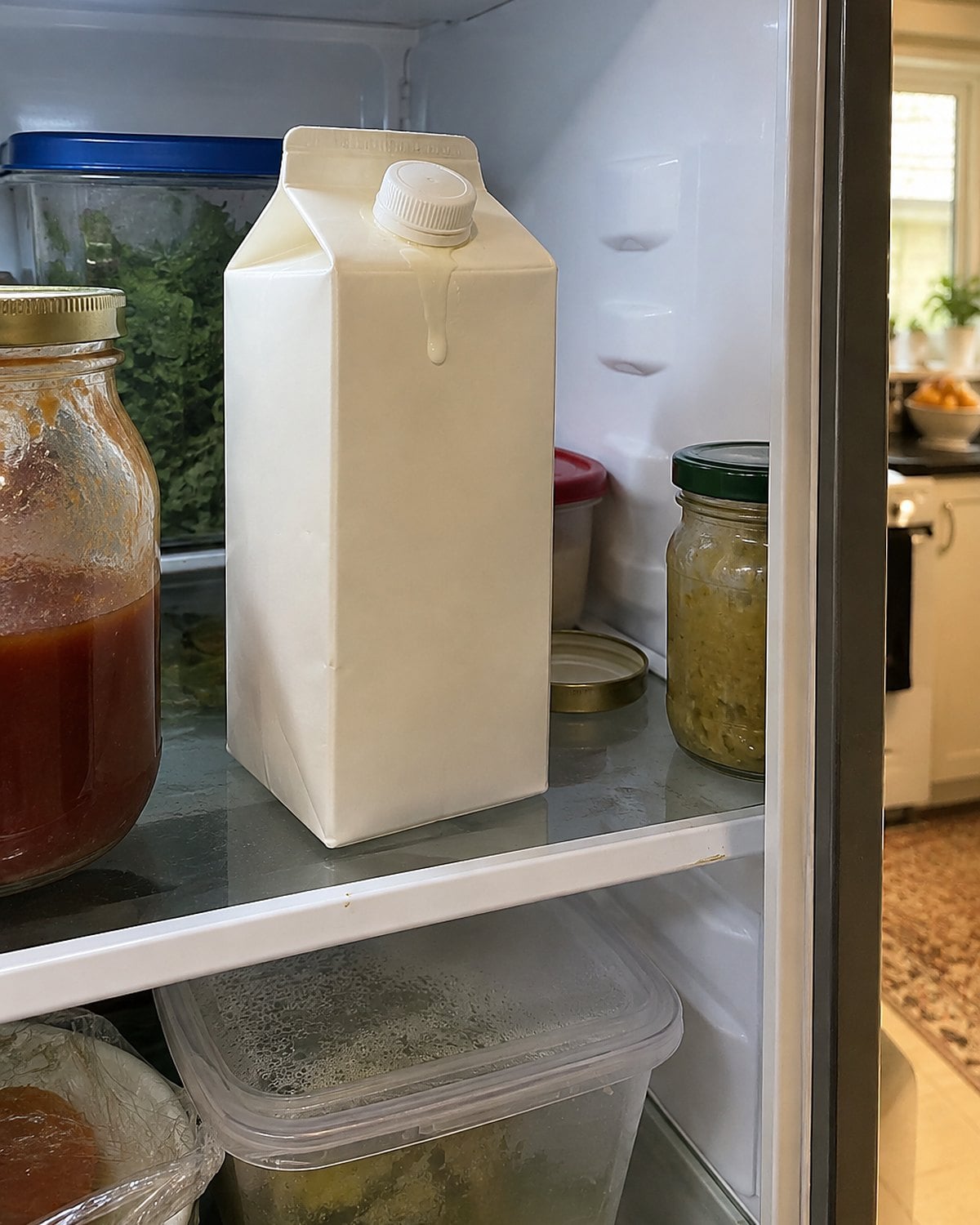
Heavy cream buys you options: a sauce, whipped topping, a splash in soup. A half-gallon buys more options than two people need in an ordinary week.
The carton takes up valuable fridge space, and opening it starts a new question about how soon you’ll use it. Follow the package’s after-opening directions. Pour from the carton with clean hands and a clean spout; don’t leave it beside the mixer while you finish dessert.
If you’ve planned several dishes, use the cream in the order those dishes need it. A sauce can go first. For whipped cream, chill the bowl and beaters, then stop when the cream holds the shape you want. Keep the finished dessert cold.
If all you want is a little richness in coffee, a huge carton isn’t preparation. It’s a standing assignment to find another use for cream.
#6 The double bag of shredded cheese
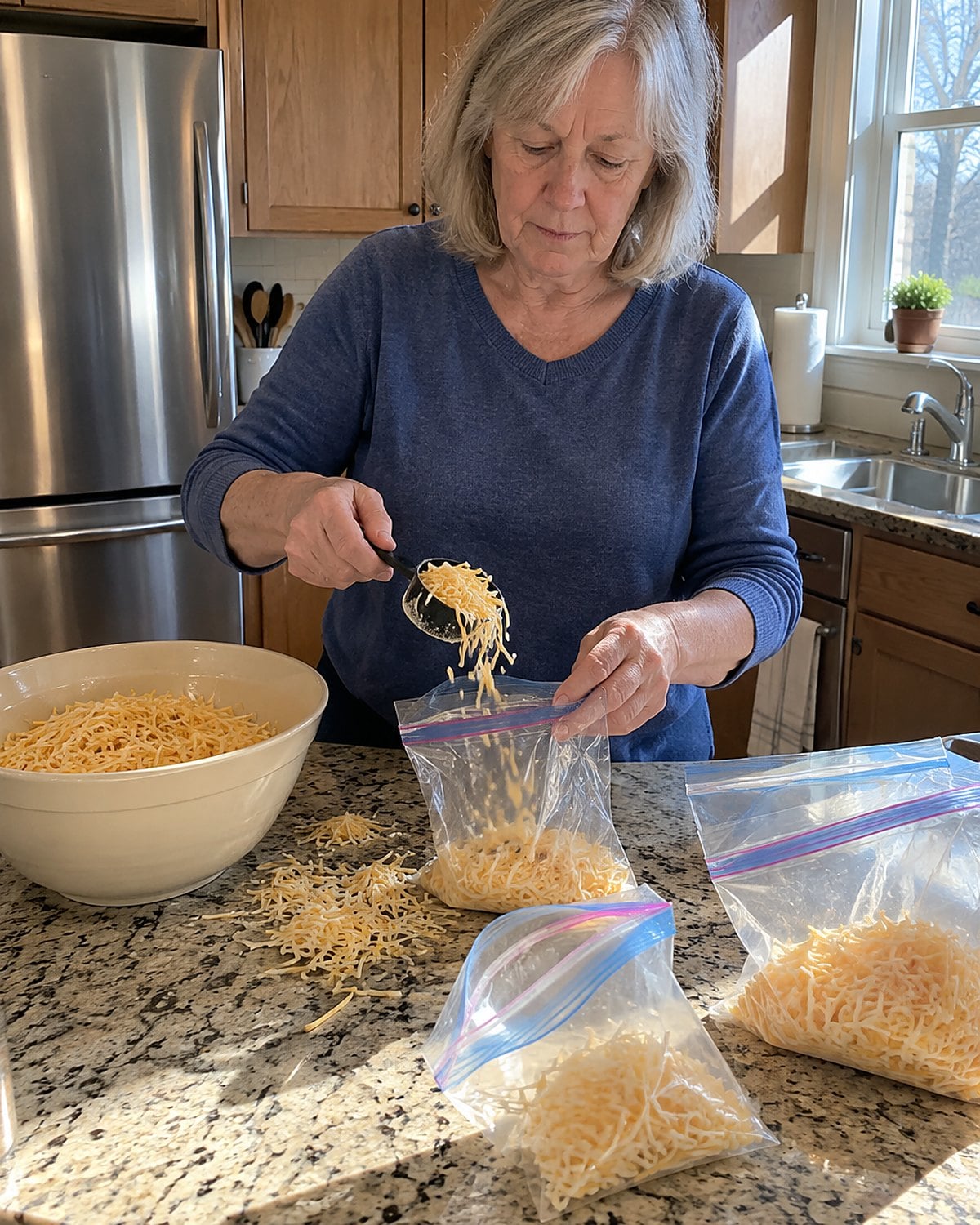
The first bag opens easily. The second stays sealed behind the frozen vegetables until you discover you bought a third.
Divide the purchase as soon as you get home. Keep the bag you’ll use soon in the fridge and put the sealed spare in the freezer. If the opened bag is too large, portion it into freezer bags and press out the extra air. Write “shredded cheese” on the front, even if the contents look obvious today.
Frozen shreds work well on pizza, in a quesadilla, or over a casserole. Take out what you need rather than thawing and refreezing the whole bag. If you’re buying cheese for a single taco night, skip the double bag. The savings depend on remembering the second one exists.
#5 The case of single-serve yogurt cups
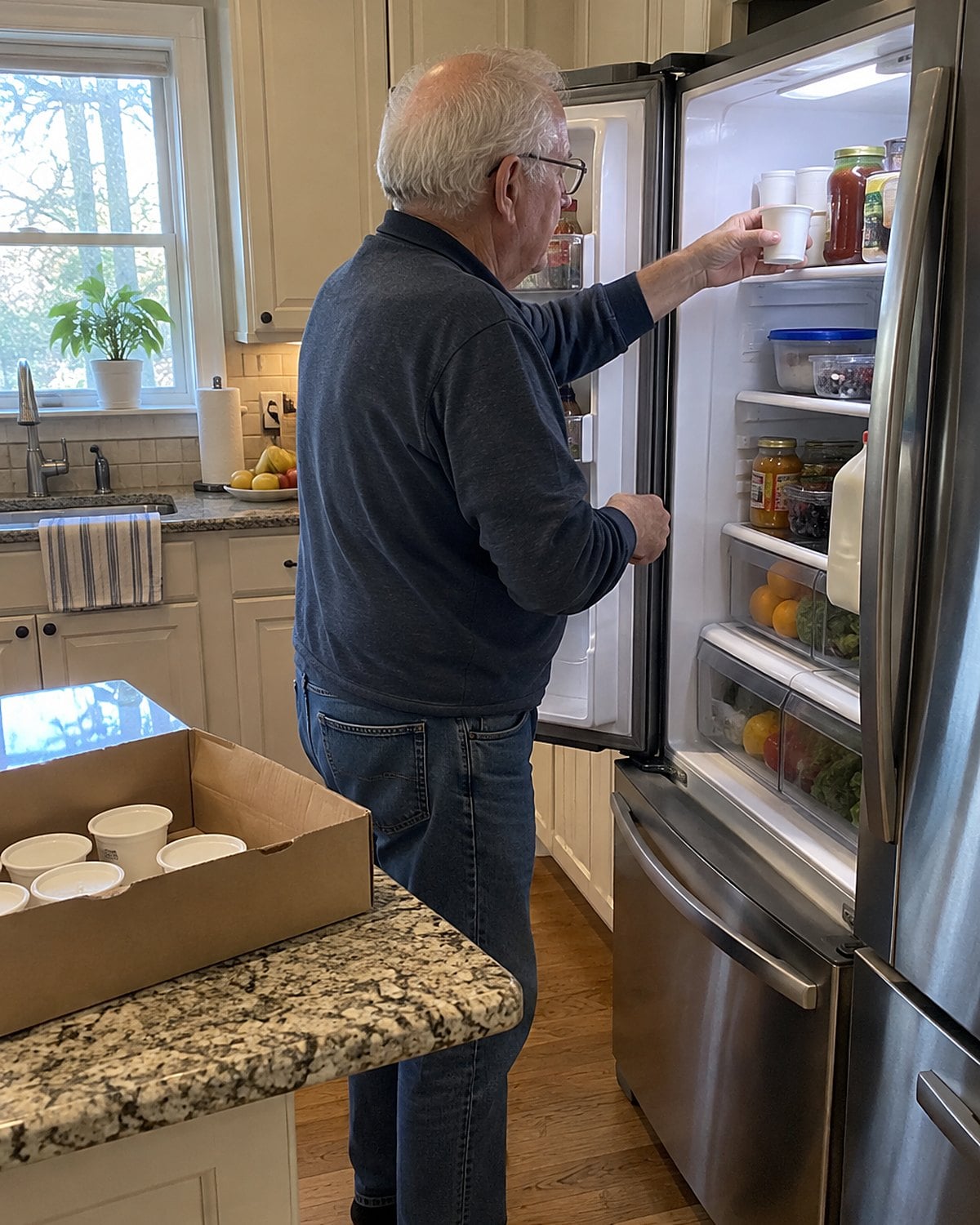
A case of yogurt looks like breakfast solved. Then you eat toast, go out early, or find that the flavor you liked in the sample cup gets tiring by Thursday.
Stand at the refrigerated case and count real breakfasts. Two people eating yogurt twice in the coming week need a different amount from a house with grandchildren staying over. Check the dates across the case; don’t assume every cup has the same one. Make sure there’s room in the fridge before the carton comes home.
The individual cups do help with one problem: opening one doesn’t expose the rest. But each cup still needs to be eaten. Put the earliest dates toward the front, where you’ll see them when you reach for breakfast.
If you already have a case, hand a cup to someone who wants it while it’s still good. Don’t wait until the dates become a puzzle at the back of the shelf.
#4 The party tray of sliced deli meat
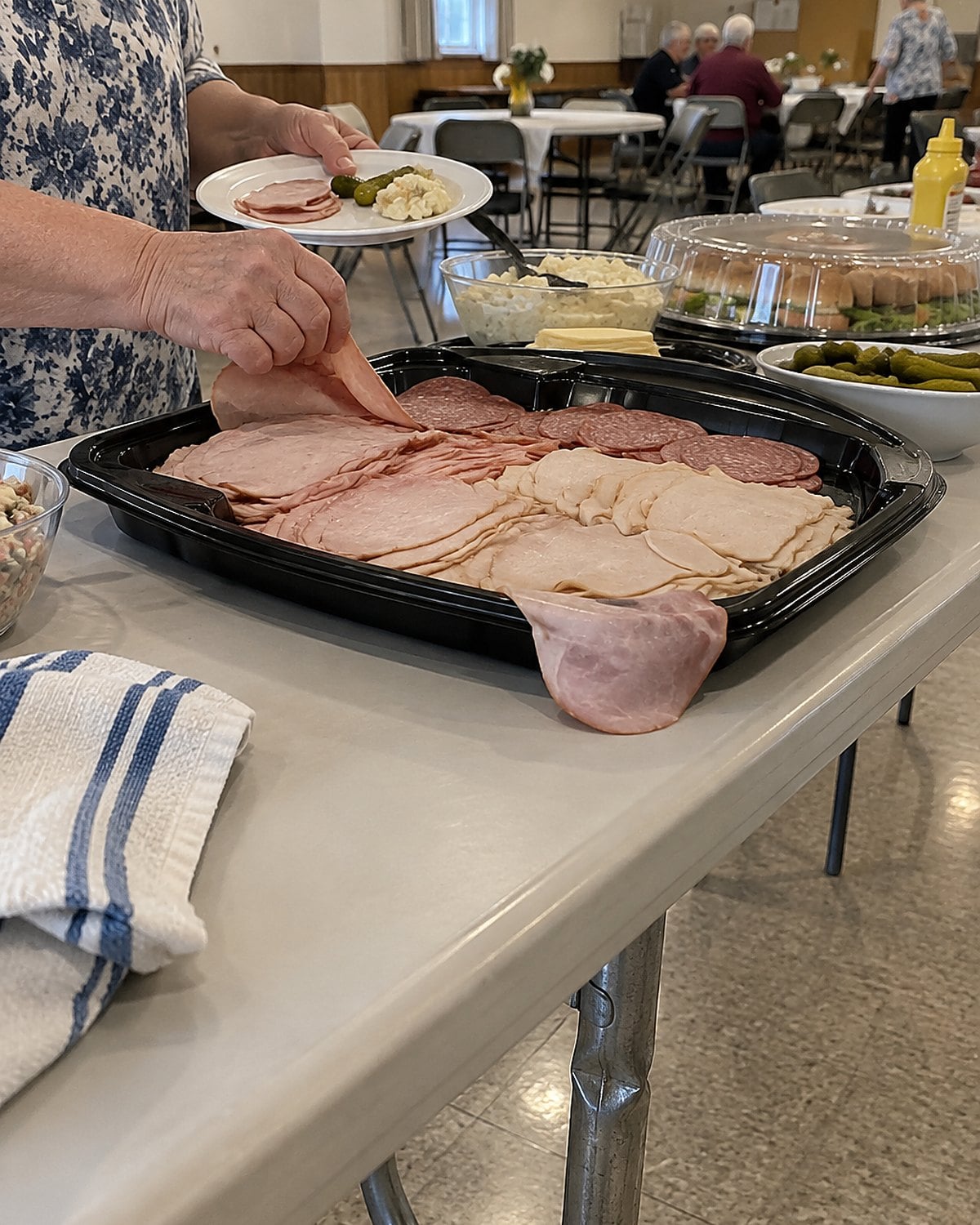
You bought the tray for a gathering. Half stayed covered while everyone chose the roast chicken instead. Now the meat is in your fridge, and “sandwiches all week” sounds like a plan.
The USDA’s cold storage chart gives opened lunch meat 3 to 5 days at 40°F or below. Count from opening, not from the day you finally decide to make sandwiches. Keep the slices cold.
Don’t save meat that sat out through a long party. If you’re unsure about time out of the fridge, check the USDA’s food safety guidance before serving it.
Next time, open less of the tray at once if its packaging allows it. For this time, decide promptly what you’ll eat and what to discard. A party purchase doesn’t become safer because there’s a lot left.
#3 The produce box with hidden bruises
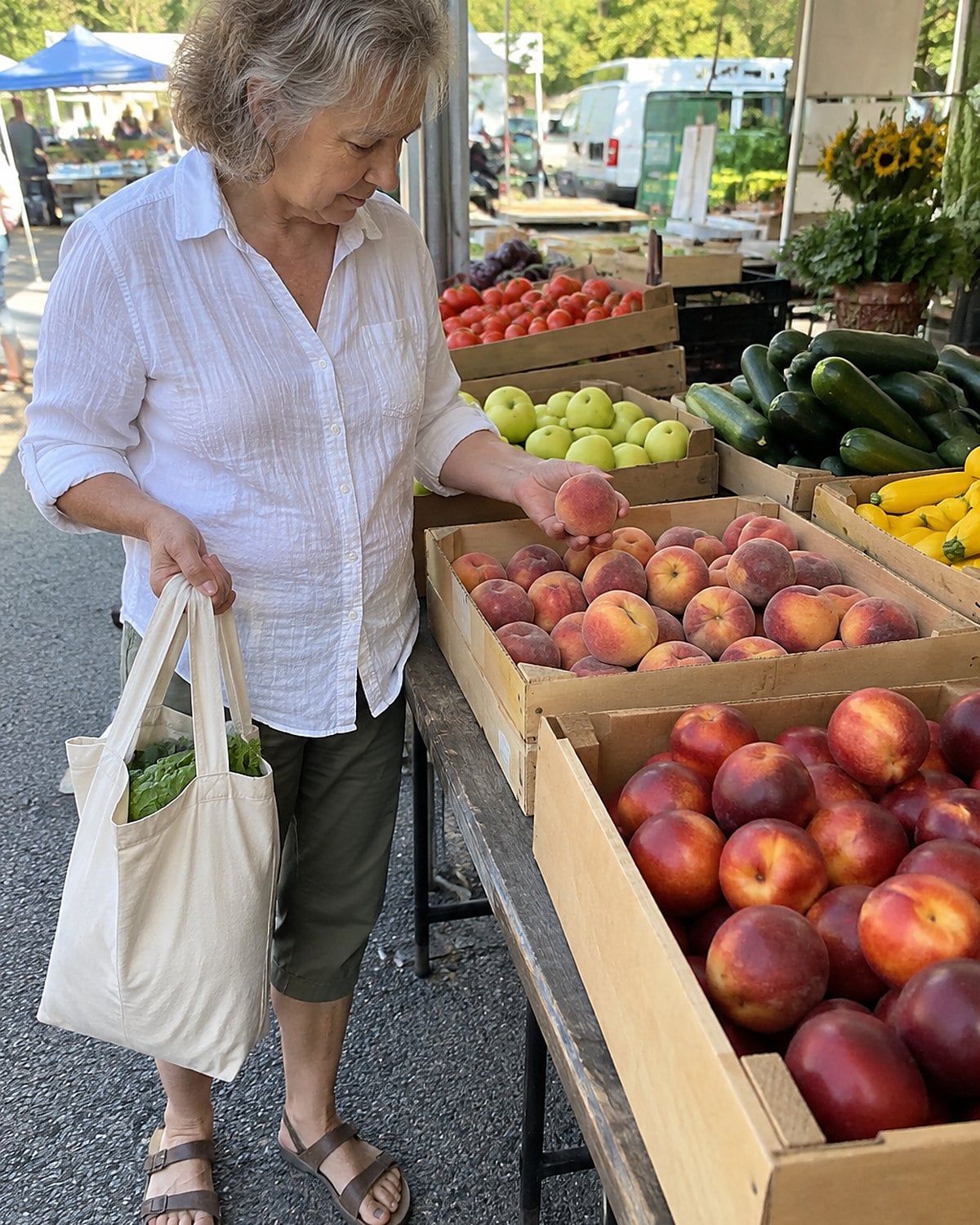
The fruit on top looks beautiful. At home, you lift out the bottom layer and find peaches pressed against the box, with soft spots where they touched.
Open the box before it goes into the cart, if the store permits it. Turn it enough to inspect the bottom and the corners. Don’t buy damaged fruit expecting the whole box to wait until next week. Bruises give you the first pieces to use, and mold is a reason to sort promptly.
When the box gets home, spread the fruit out rather than leaving it piled in the packaging. Set aside the sound pieces you’ll eat fresh. Cook usable bruised fruit after trimming damaged areas, but discard anything moldy or rotten.
Wash fruit under running water before cutting it, even when you plan to peel it. The knife passes through the skin on its way to the flesh. A box is only a good deal when you’ve seen what’s underneath.
#2 The oversized tub of potato salad
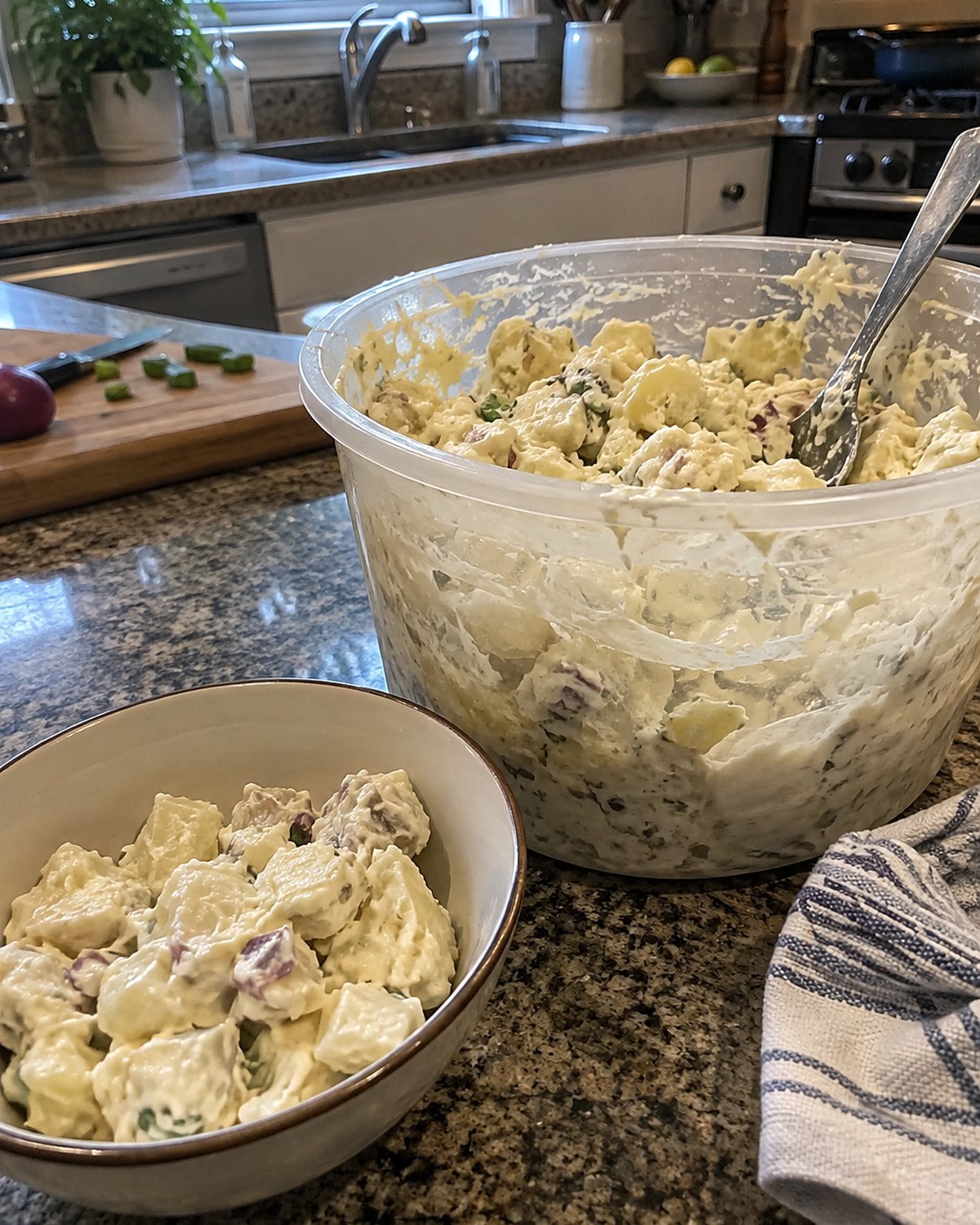
A spoonful beside a sandwich tastes like Saturday lunch. The tub says cookout, even when the cookout ended and only two people came home.
The USDA’s cold storage chart lists prepared salads such as potato salad at 3 to 4 days in a fridge kept at 40°F or below. That window doesn’t give back time the salad spent sitting out. Serve a small bowl, keep the tub cold, and put leftovers away promptly.
Before buying, picture the actual meals ahead. Will you serve it again tomorrow, or are you counting on liking the same side dish until the tub is empty? If the answer feels like a chore, buy less. The last spoonful is part of the purchase, too.
Try it: Instant Pot Potato Salad With Eggs & Creamy Dressing
#1 The jumbo pack of raw chicken breasts
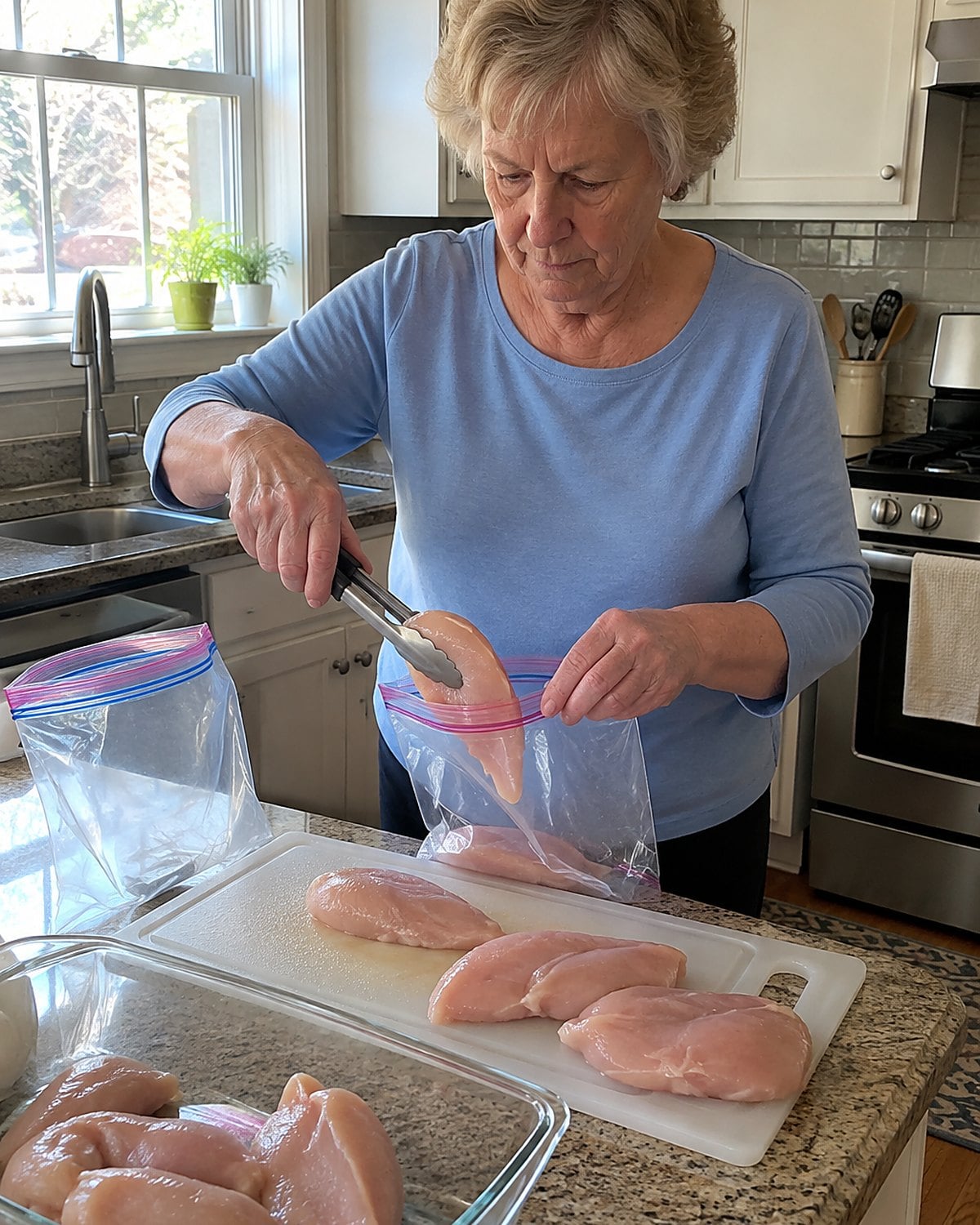
The pack looks practical because chicken becomes so many dinners. Yet a tray of raw breasts is a short-term decision, not a long-term plan for the fridge.
The USDA’s cold storage chart gives raw poultry 1 to 2 days at 40°F or below before cooking or freezing. When you get home, decide which pieces are dinner soon. Divide the rest into meal-size freezer bags right away. Press out the air, label each bag, and lay them flat so they freeze and stack neatly.
Make room in the freezer before you shop. A flat bag needs a clear shelf, not a balancing act on top of ice cream. If there’s no room, buy a smaller tray. You’ll spend less time rearranging frozen food with a raw package waiting on the counter.
Keep raw poultry and its juices away from ready-to-eat food. Don’t wash it in the sink; splashing spreads germs around the counter. The CDC’s chicken safety guidance explains that step. Cook poultry to 165°F, checking the thickest part with a food thermometer.
This is the warehouse rule that saves the whole trip: before the jumbo pack enters your cart, know exactly which portions are headed for the freezer when you get home.
Try it: Instant Pot Chicken Breasts & Gravy
The bottom line
The oversized purchase asks you to pay twice: once at checkout, then again in fridge space, freezer room, and attention. Price per ounce tells only the first part.
The well-prepared version of you has a clean container ready, a freezer bag in the drawer, and a meal in mind before she buys the big pack. She also leaves some bargains on the shelf.
What’s waiting in your fridge right now because the package was sized for a different household?


Leave a Reply