

The screen door shut, and you knew what was for dinner before you reached the stove. Maybe it was onions catching at the edge of a pan. Maybe it was the metal click of his spatula against the griddle.
He made his thing again. Nobody had asked for it, and nobody was surprised. Years later, you might remember the sound better than the meal. If you still make that dish, the small details matter: where he put the heat, what he waited for, and what he refused to measure.
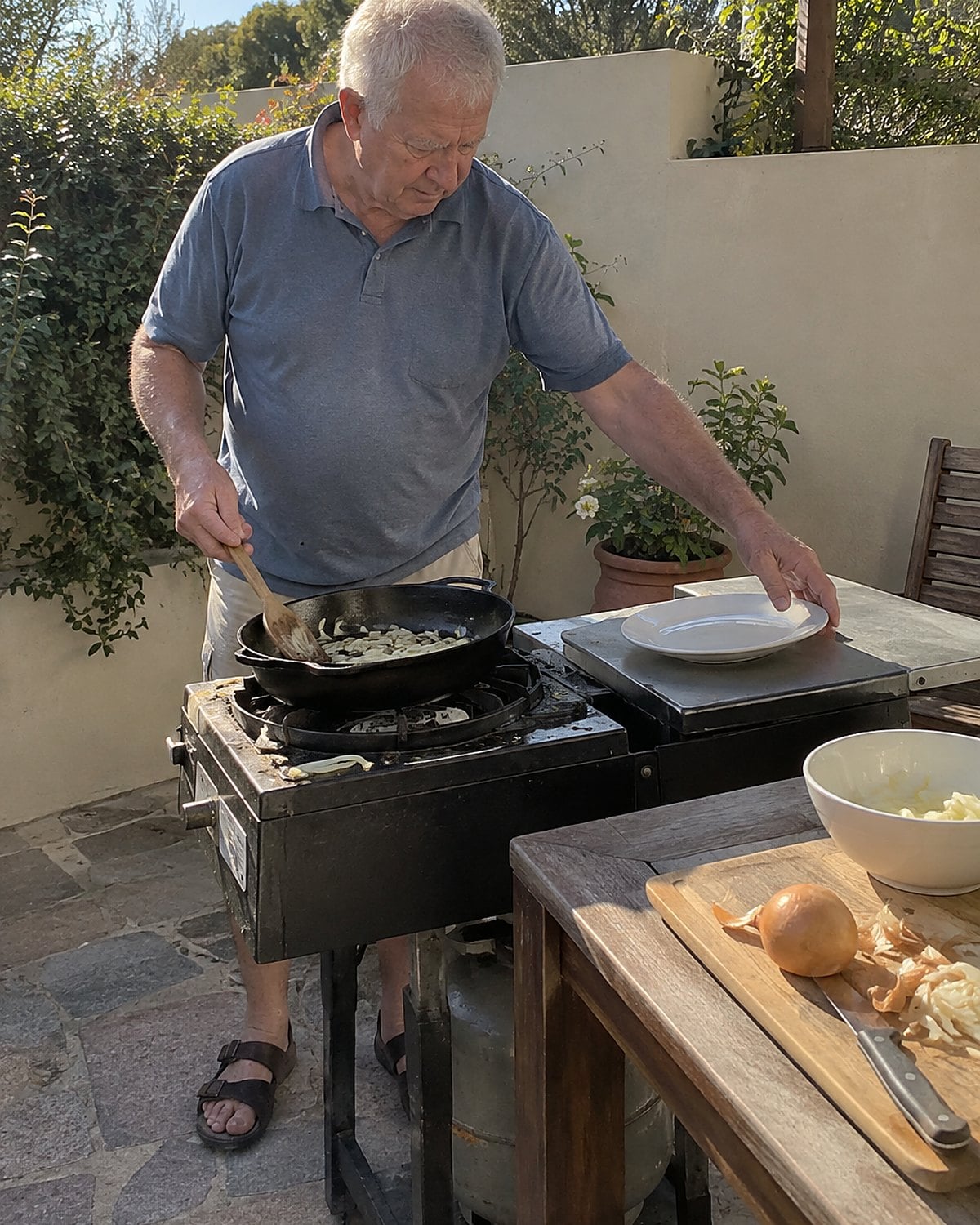
#27 Burgers in the Cast-Iron Pan
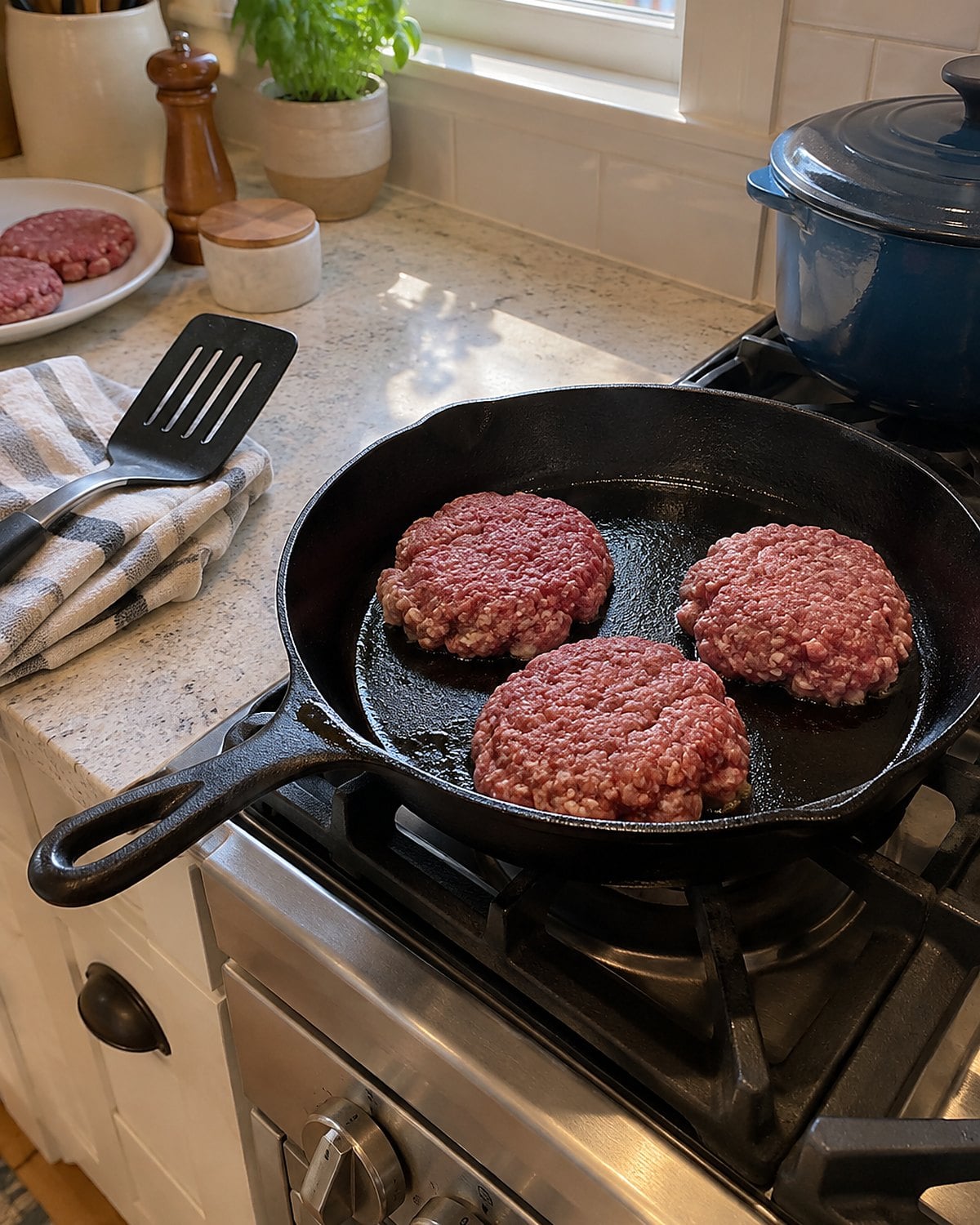
He didn't need a menu. He needed the heavy pan, the package from the butcher, and someone to open the kitchen window. The burgers hit the iron with a noise that brought people in from other rooms.
A crowded pan steams meat before it browns. Leave space between patties, and resist pressing them flat with the spatula. That pressure sends juice into the pan, where it feeds the smoke instead of staying in dinner. Brown crust comes from contact with hot iron and time left alone.
He had probably learned his doneness test by poking a patty. Use a thermometer instead, pushed sideways into its center. The USDA Food Safety and Inspection Service gives 160°F for ground meat. His pan stays. The guesswork doesn't have to.
Try it: 15 Best Instant Pot Hamburger Recipes
#26 Toast with Butter to the Corners
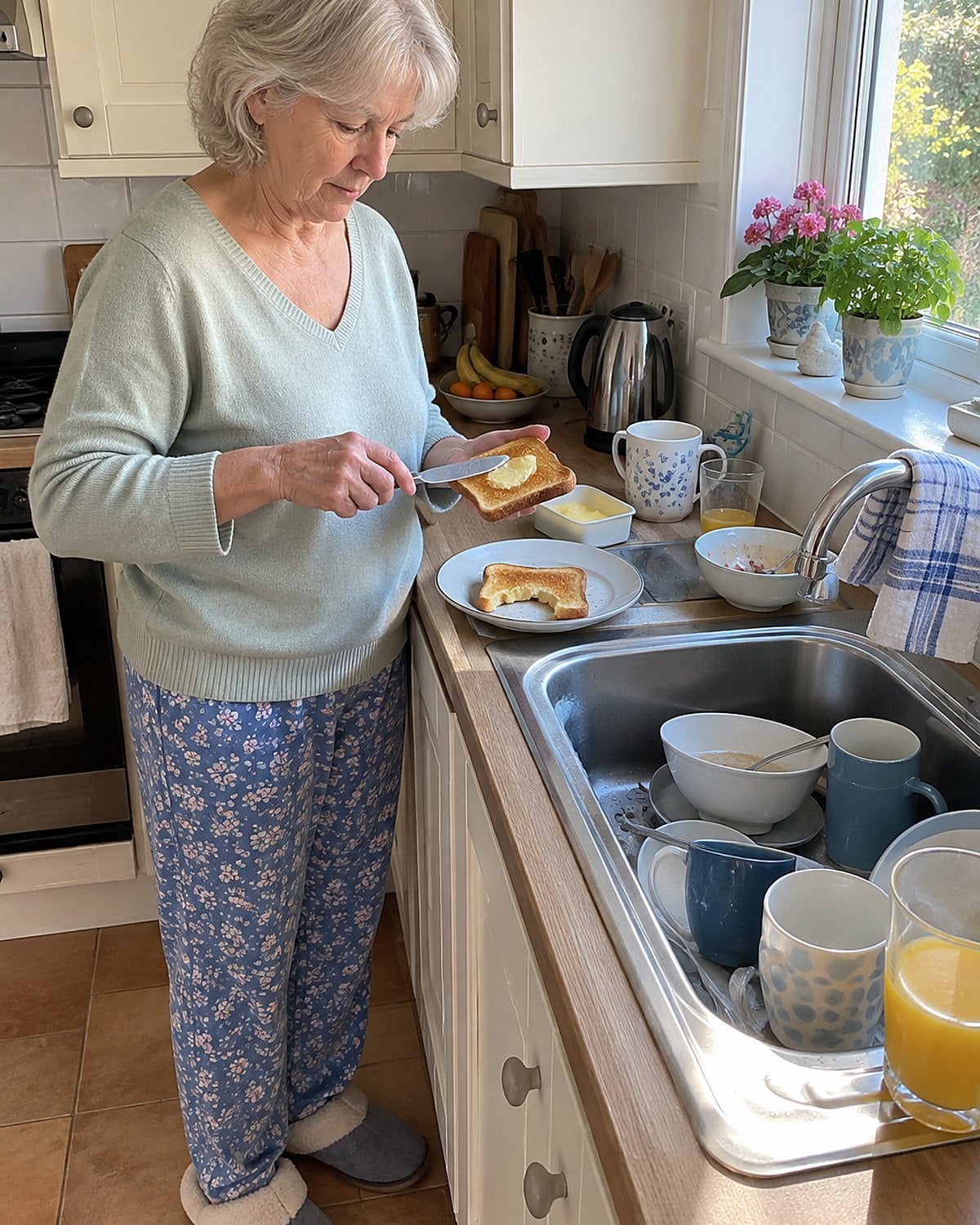
Some fathers made toast as though bare corners were a personal failure. He stood at the counter spreading butter while the bread was still hot, going right out to the crust.
That tiny habit said he noticed what was on your plate. He didn't have to give a speech about it. The butter told you.
Put the butter on as soon as the toast comes up. Its heat carries the butter to the edges. A cold slice tears under the knife instead.
If he toasted bread in a pan, keep the heat moderate. Listen for a dry, papery scrape when you lift an edge. Dark spots come quickly after that. Eat it standing at the counter if that's how he handed it to you.
#25 Hot Dogs at the Backyard Grill
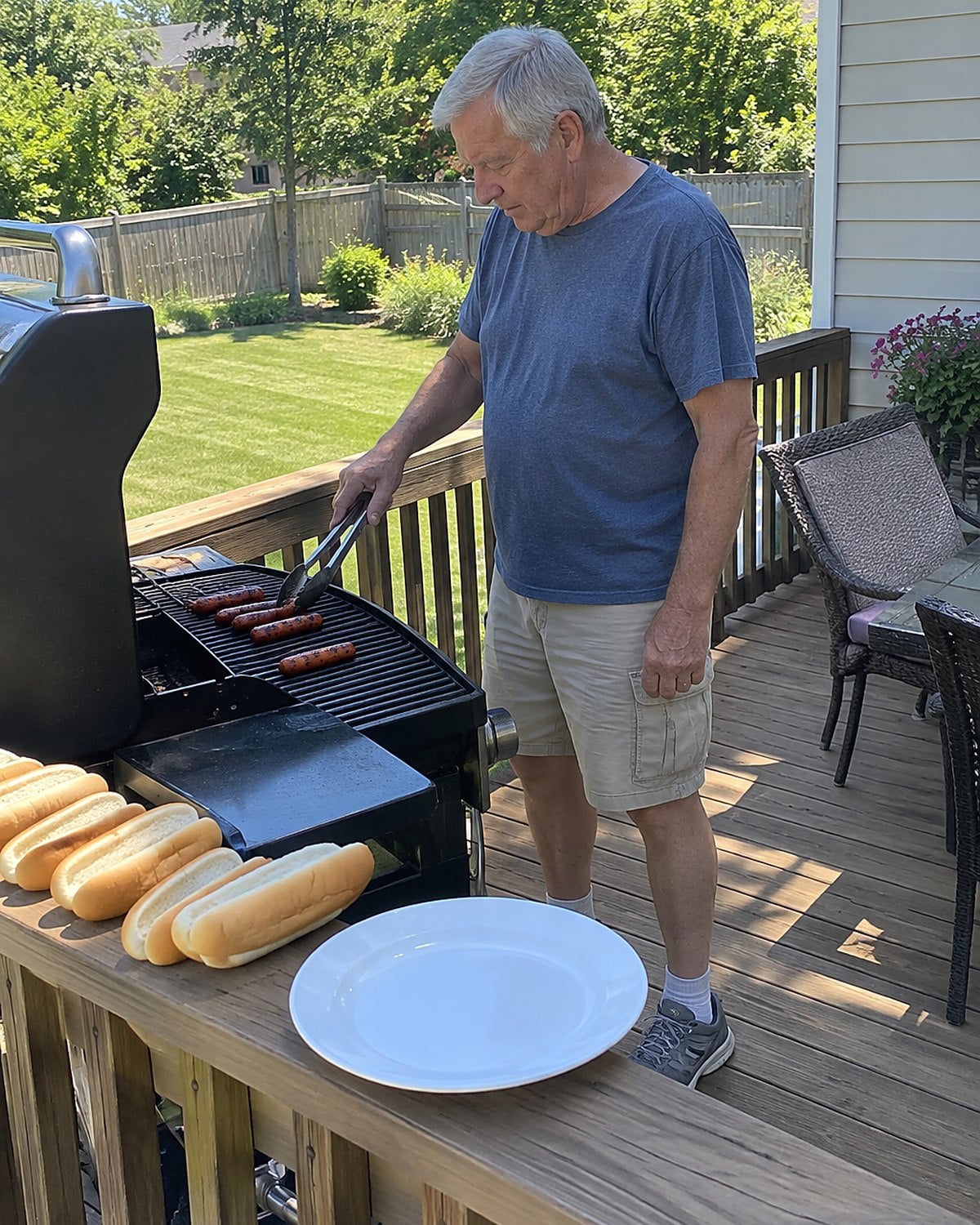
The bun was his real assignment. He'd warm it while turning the hot dogs with tongs, talking over his shoulder to everyone waiting by the door.
Lay a bun cut side down over gentler heat until the inside feels warm and takes on a little color. Leave it too long and the hinge splits. His might have split anyway. There was always another bun in the bag.
When you're feeding a pregnant guest, reheating the hot dog matters as much as warming its bun. The FDA's advice for pregnant people says to reheat hot dogs until steaming hot. Check the center before dressing it.
You remember how he cooked yours: dark along one side, perhaps, because you liked the snap. He remembered too. The tongs stayed in his hand until everyone had eaten.
#24 Fried Potatoes in a Crowded Skillet
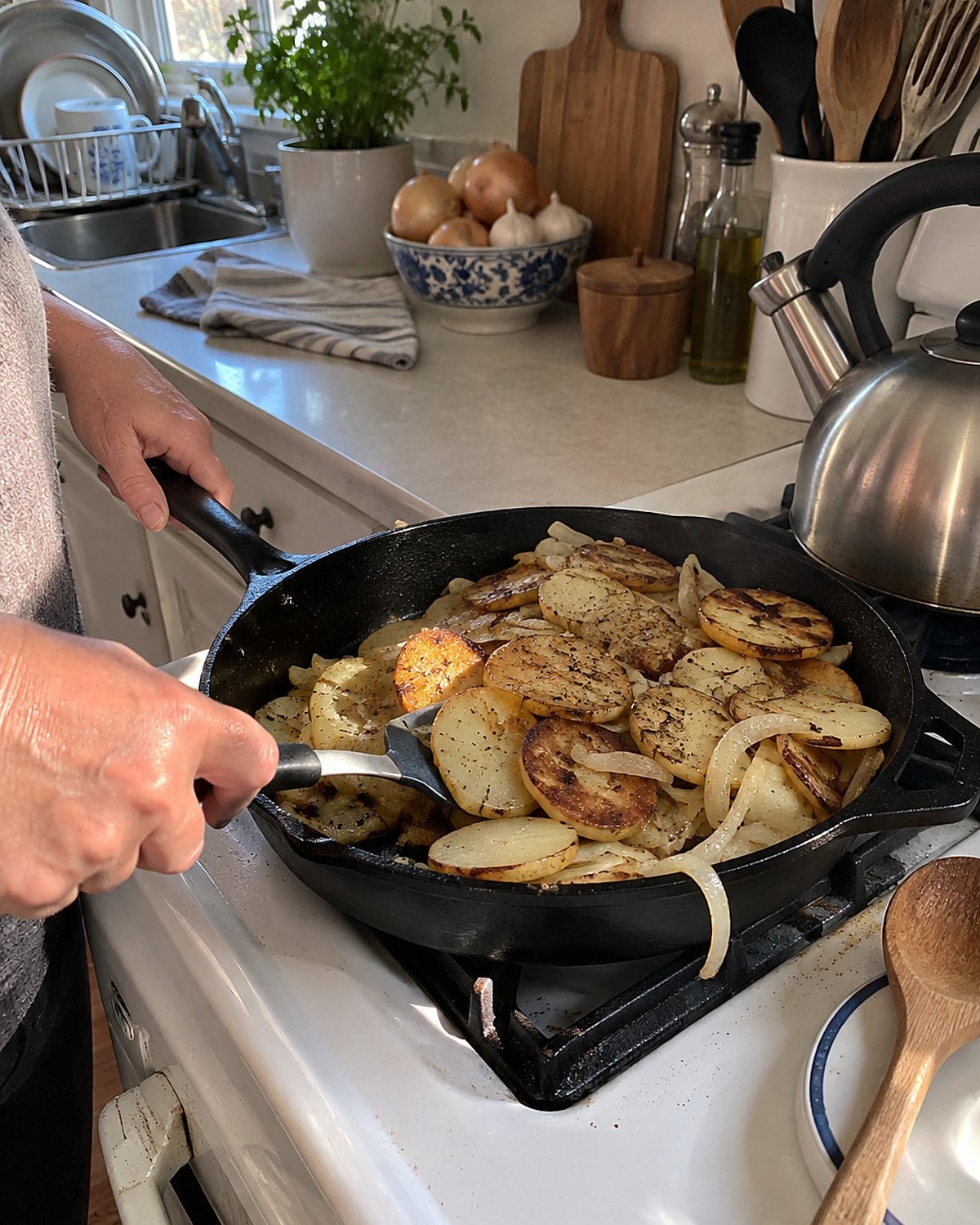
There were potatoes in the pan, onions on top, and his hand moving the spatula long after breakfast should have been ready. Every slice had a different fate. Some went crisp. Others sank into the soft middle.
For crisp edges, dry the cut potatoes before they meet the fat. Spread them across the pan instead of piling them high, and let one side brown before turning. Wet surfaces and constant stirring keep the skillet busy making steam.
Liked his version better when it was soft? Keep the lid nearby. Cover the pan while the potato centers cook, then uncover it to brown the edges. That change gives you both textures without burning the onions. Add those onions after the potatoes have had a head start; their edges darken sooner.
He probably served the lot right from the skillet. Take a forkful from the center before salting. The browned bits around the rim won't tell you how the rest tastes.
#23 Sunday Pancakes from the Griddle
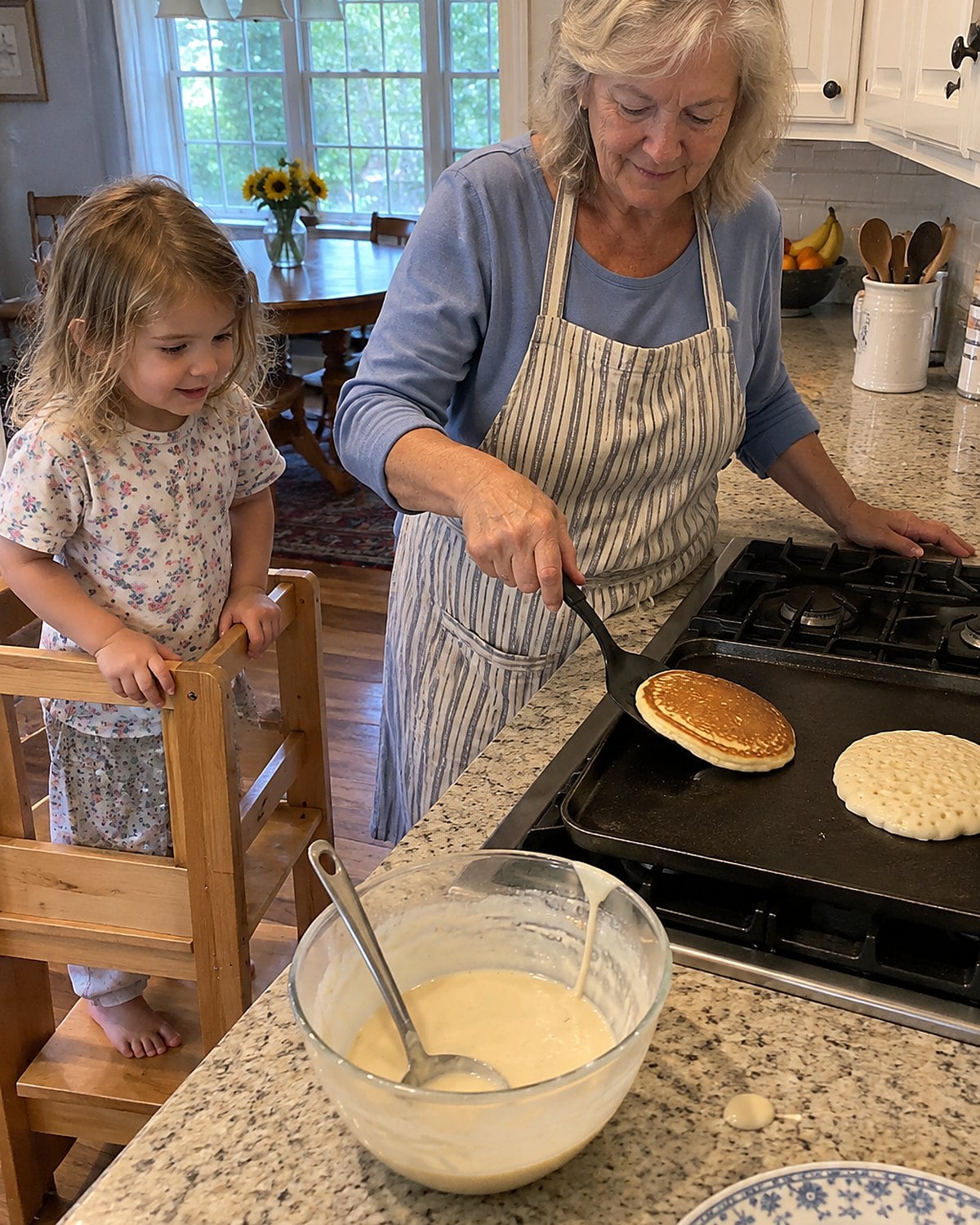
Did he make pancakes on Sundays because he loved pancakes, or because everybody knew where to find him? You knew the sound of batter landing on the griddle and the pause before he reached for the turner.
Watch the top rather than the clock. Flip when bubbles have opened and the edges look set. Turn too soon and batter runs across the griddle; wait too long and the underside goes dark before the middle cooks. A small test pancake tells you what the heat is doing before the rest go on.
His first one was probably uneven. He served it anyway or ate it himself while the better-looking batch cooked. If you have a grandchild at the counter, give them that first pancake and let them choose the next size. He'd know why you're still standing there.
#22 Chili in the Big Dutch Oven
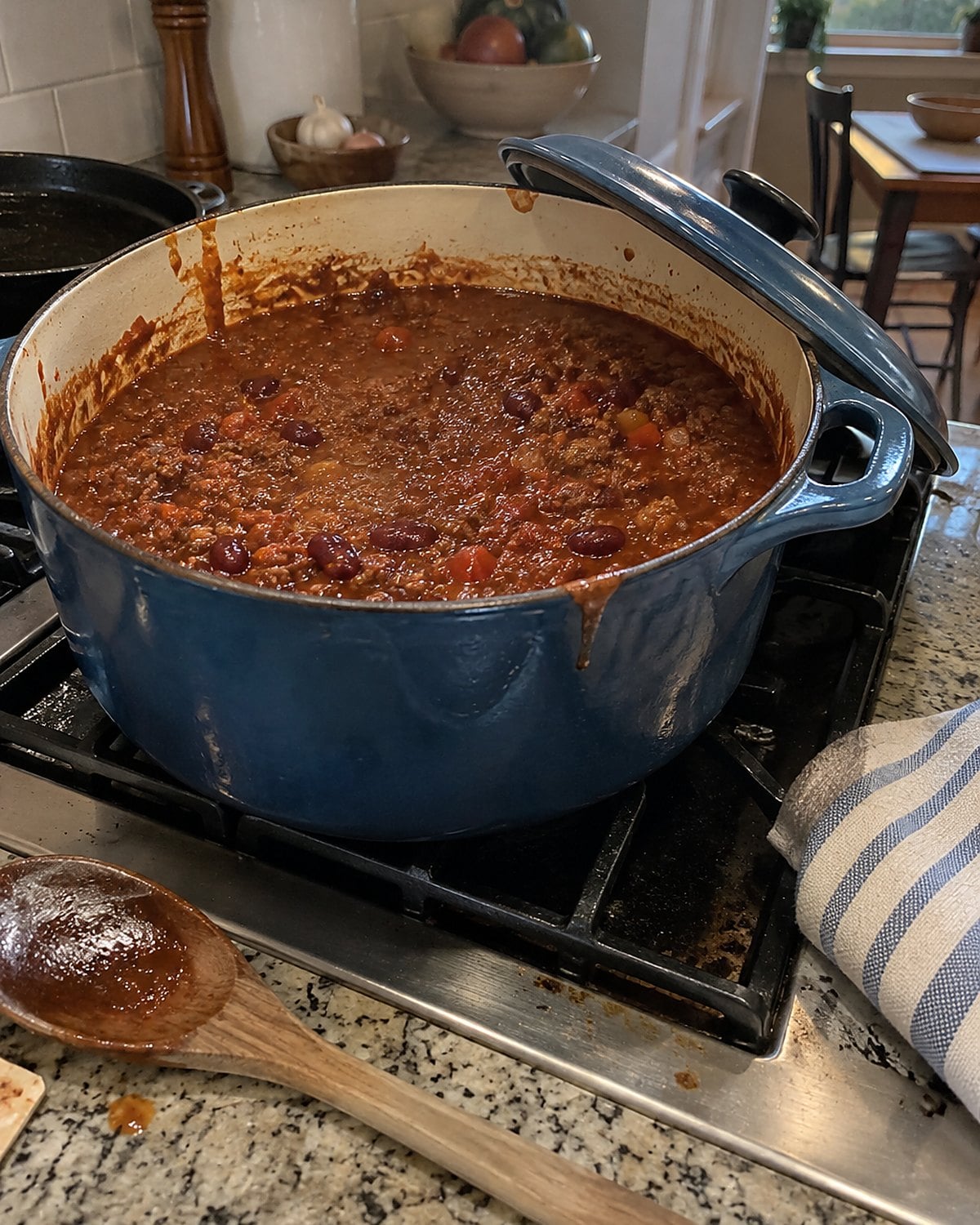
Brown the meat before you add the liquid. That's where a pot of chili starts building flavor, even if the smell of simmering tomatoes is what you remember best.
He owned a big Dutch oven, so he filled it. Onions went in, then meat, and the lid sat crooked once the pot got going. If the meat crowds the bottom, brown it in batches. Stir tomato paste against the hot surface until its raw smell fades.
Then add liquid and scrape up what's stuck. Those dark bits belong in dinner, not under a scouring pad.
Taste near the end. Salt sharpens the meat and beans; acidity from tomato wakes up a pot that tastes heavy. Let the spoonful cool before deciding it needs anything else.
A pot made for a full house leaves more behind now. Divide leftovers into shallow containers and refrigerate promptly. The FoodSafety.gov cold storage chart lists cooked leftovers for 3 to 4 days at 40°F or below. His big-pot habit still works when you make room in the fridge first.
Try it: Instant Pot Beef & Chorizo Chili
#21 Cheese Sandwiches in the Hot Pan
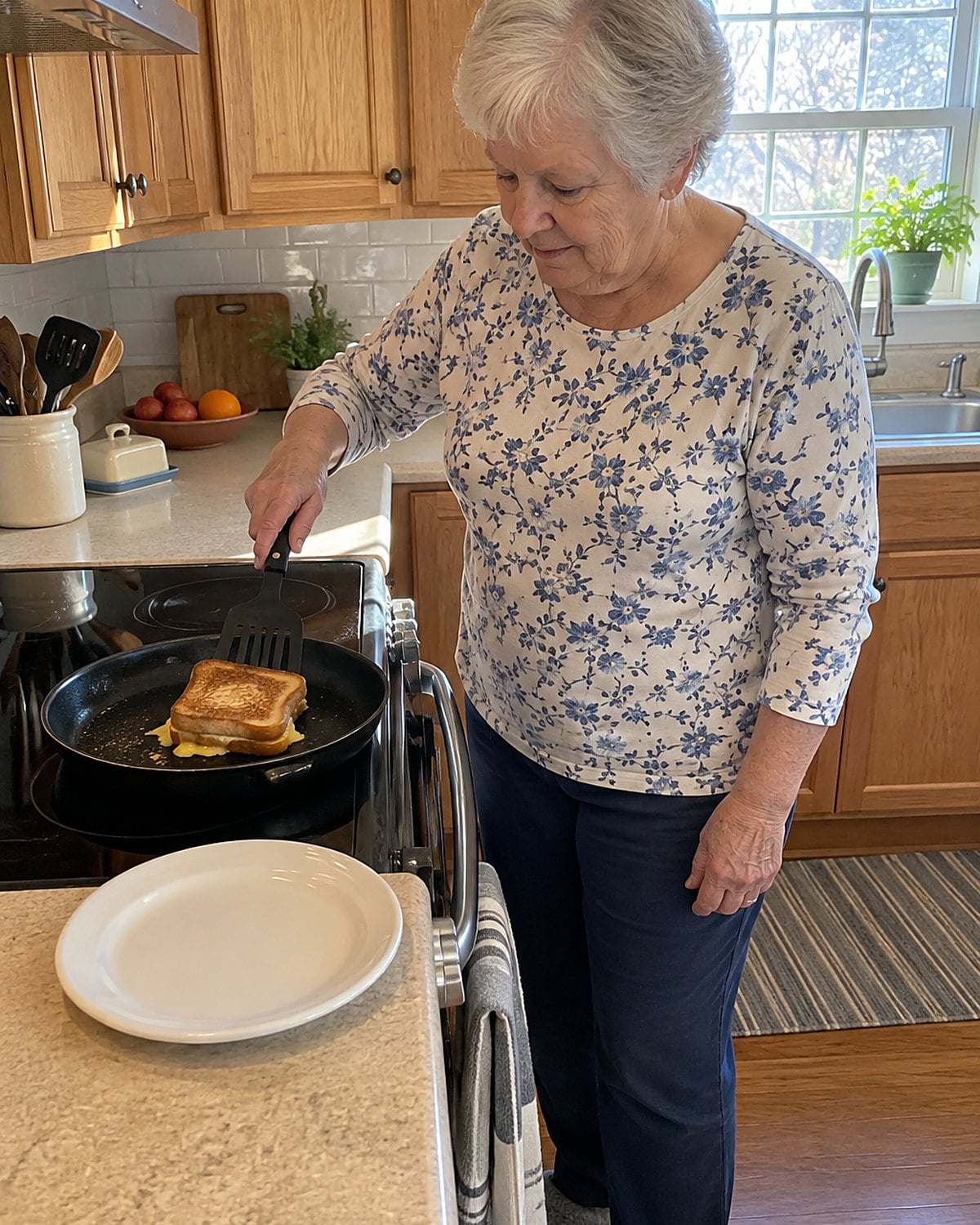
Burnt stripes, cold cheese. You know what happened: the pan was too hot for the middle to catch up.
He put cheese between bread, buttered the outside, and watched the pan as if the sandwich were a serious job. For a while, it was. Set the heat lower and give the cheese time. A lid traps heat above the bread while its underside browns. Lift a corner to check the color, then turn it once.
He cut yours on the diagonal, or he didn't. You remember which. Make one now with the same bread he bought, if you can find it, and see whether the cut still matters. If the cheese reaches the corners, you'll notice that too.
#20 Pot Roast with Carrots Alongside
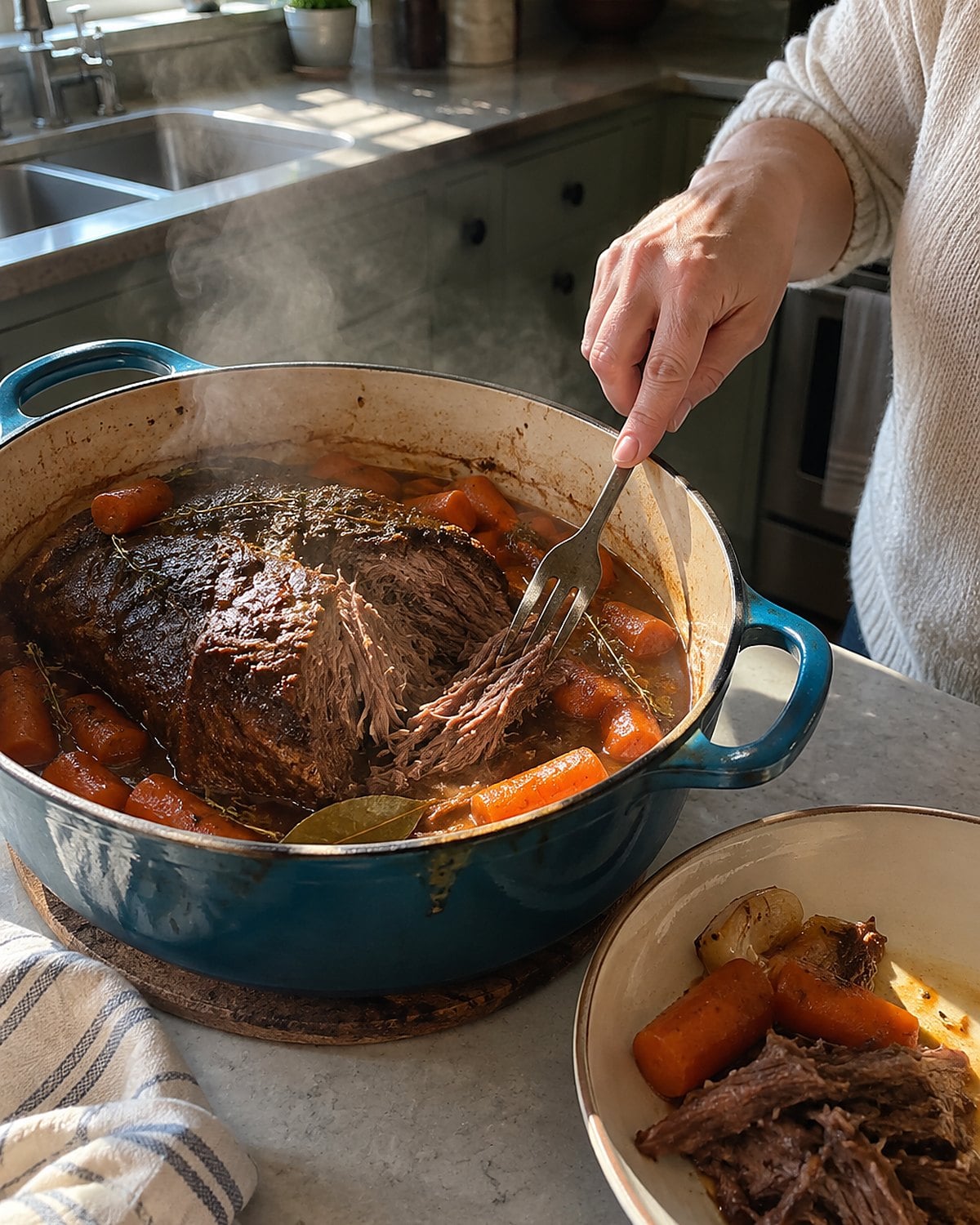
The roast went in before lunch. By late afternoon, the carrots had slumped and the kitchen smelled like onions and beef. He lifted the lid to check it, even after he told everybody to leave the pot alone.
Pot roast works because a tough cut has time to soften in moist heat. A hard boil drives liquid away and leaves the meat tougher than you wanted. Keep the pot at a low simmer, with the lid on, and test with a fork. When the fork slides in and twists without a fight, dinner is close.
Carrots added at the start turn very soft. Put them in later if you want pieces that hold their shape on the plate. Either choice has a family history behind it; you know which texture he served.
He might have carved neat slices while the roast resisted him. Once it yields easily, pull it into broad pieces instead and spoon the cooking liquid over them. Keep the old serving platter if it's still in the cupboard. The meat won't care, but someone across the table will recognize it.
Try it: Instant Pot Beef Pot Roast With Potatoes & Carrots
#19 Spaghetti Sauce from the Same Pot
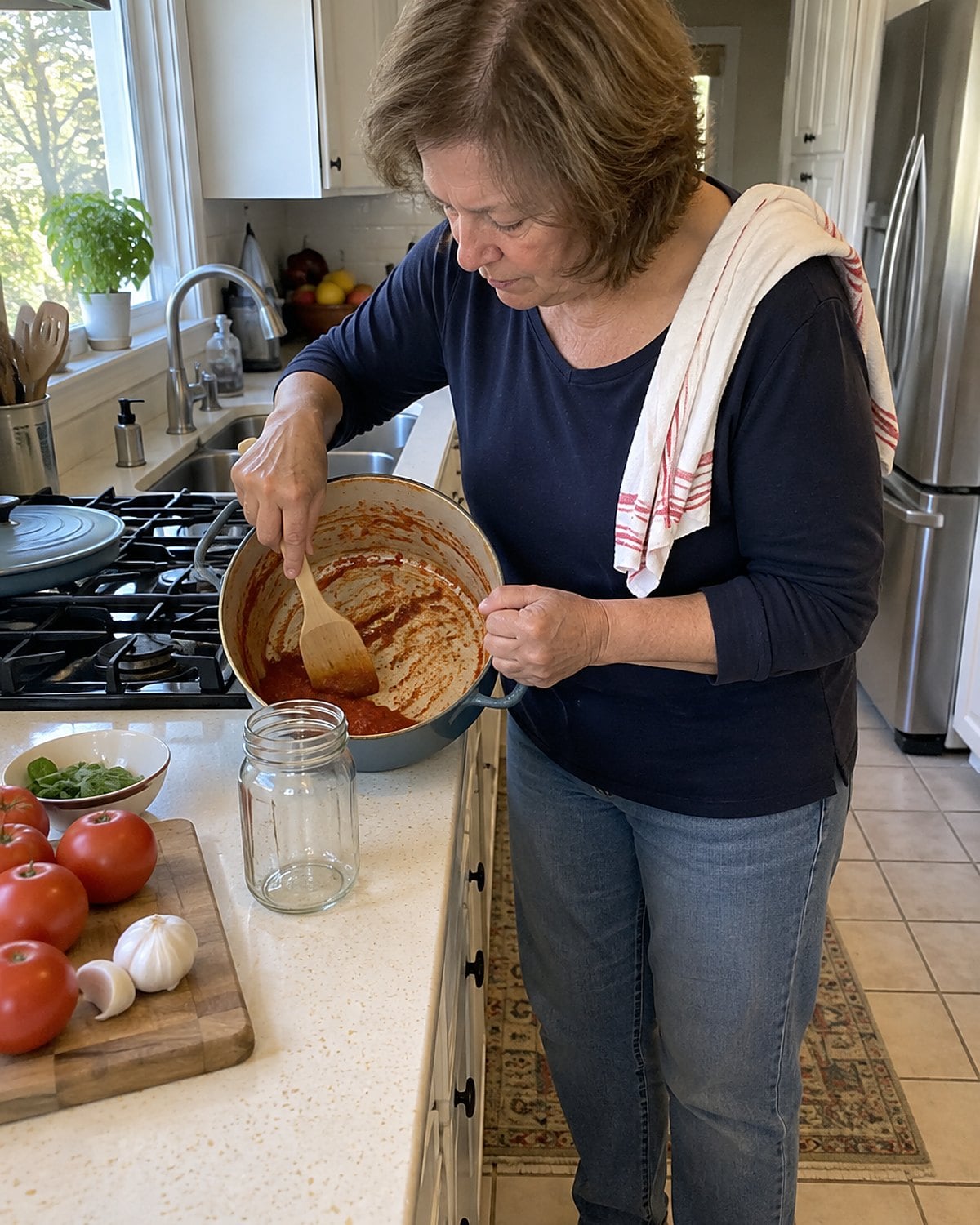
What's that dark ring inside the sauce pot? If it smells scorched, stirring won't hide it.
He used the same tomato-stained pot for spaghetti sauce every time. Sauce catches where heat collects, so scrape the bottom with a flat-edged spoon as it cooks. Turn the burner down when it starts spitting. If it grows too thick before the flavors settle, add a splash of water.
Don't scrape a burnt patch into the rest of the sauce. Move the sauce above it to a clean pot and leave the stuck layer behind. That costs you less dinner than trying to stir the taste away.
Before serving, taste the sauce on a piece of pasta, not straight from the pot. Salt in the pasta water and starch on the noodle change what you notice. If the sauce slips off, move the drained pasta into the pot and toss it there.
His spoon knew that pot's bottom. Your own will learn it too.
#18 Christmas Morning Eggs at the Stove
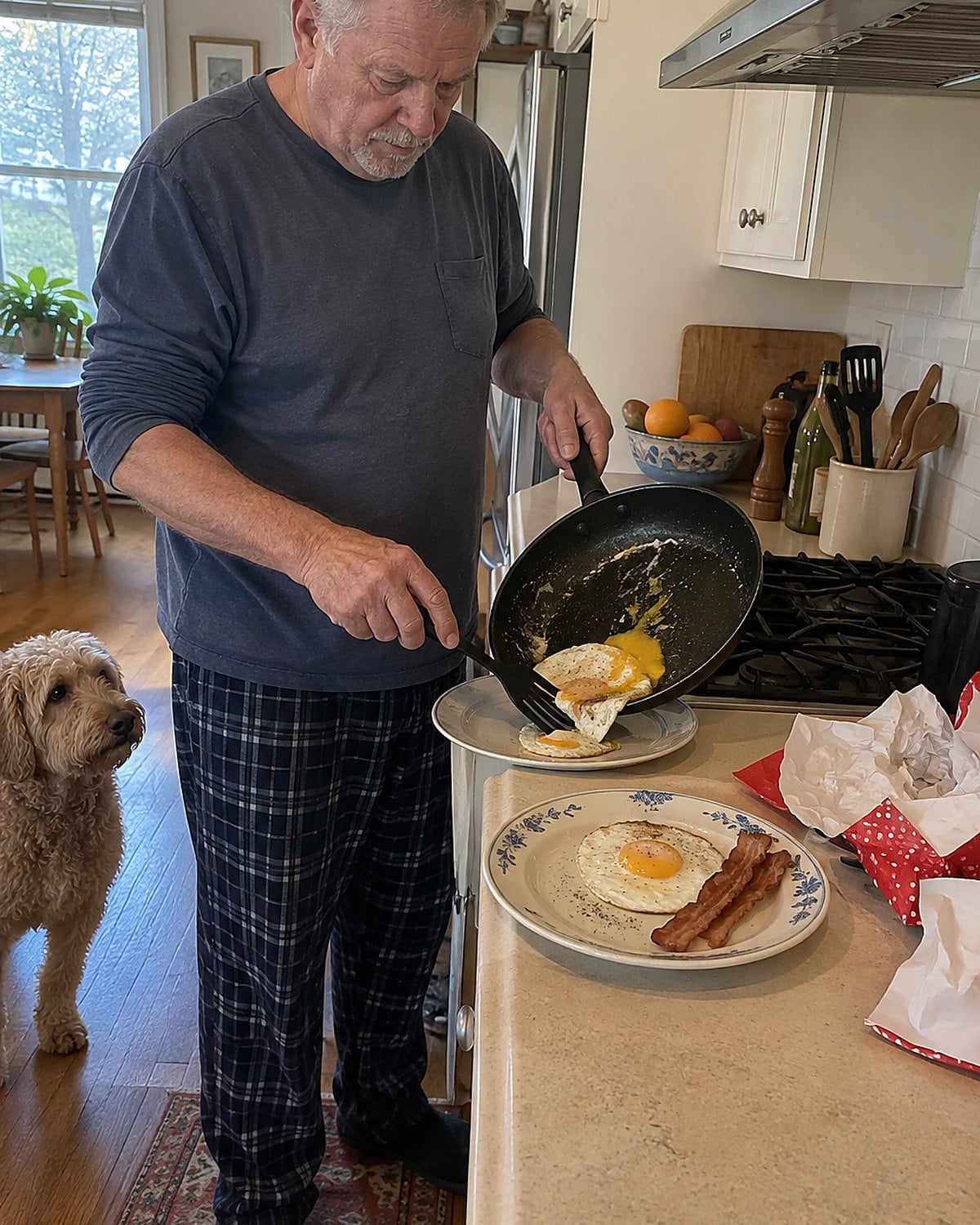
Wrapping paper drifted toward the kitchen doorway, and he stayed by the stove. Somebody wanted runny eggs. Somebody else wanted theirs firm. He kept track without making a list.
Eggs keep cooking after they leave the burner because the pan stays hot. Take scrambled eggs off while they still look moist, then move them to plates instead of leaving them in the skillet. For fried eggs, lower heat gives the white time to set without turning the bottom brittle.
Set the plates nearby before the eggs go in. Toast waits better than eggs do.
For someone at higher risk from foodborne illness, cook eggs until both yolk and white are firm, as the FDA advises.
He asked who wanted what, then forgot his own plate until the end. Next time everyone gathers, give the person at the stove a place set before the first egg cracks.
#17 The Wooden Spoon Beside the Burner
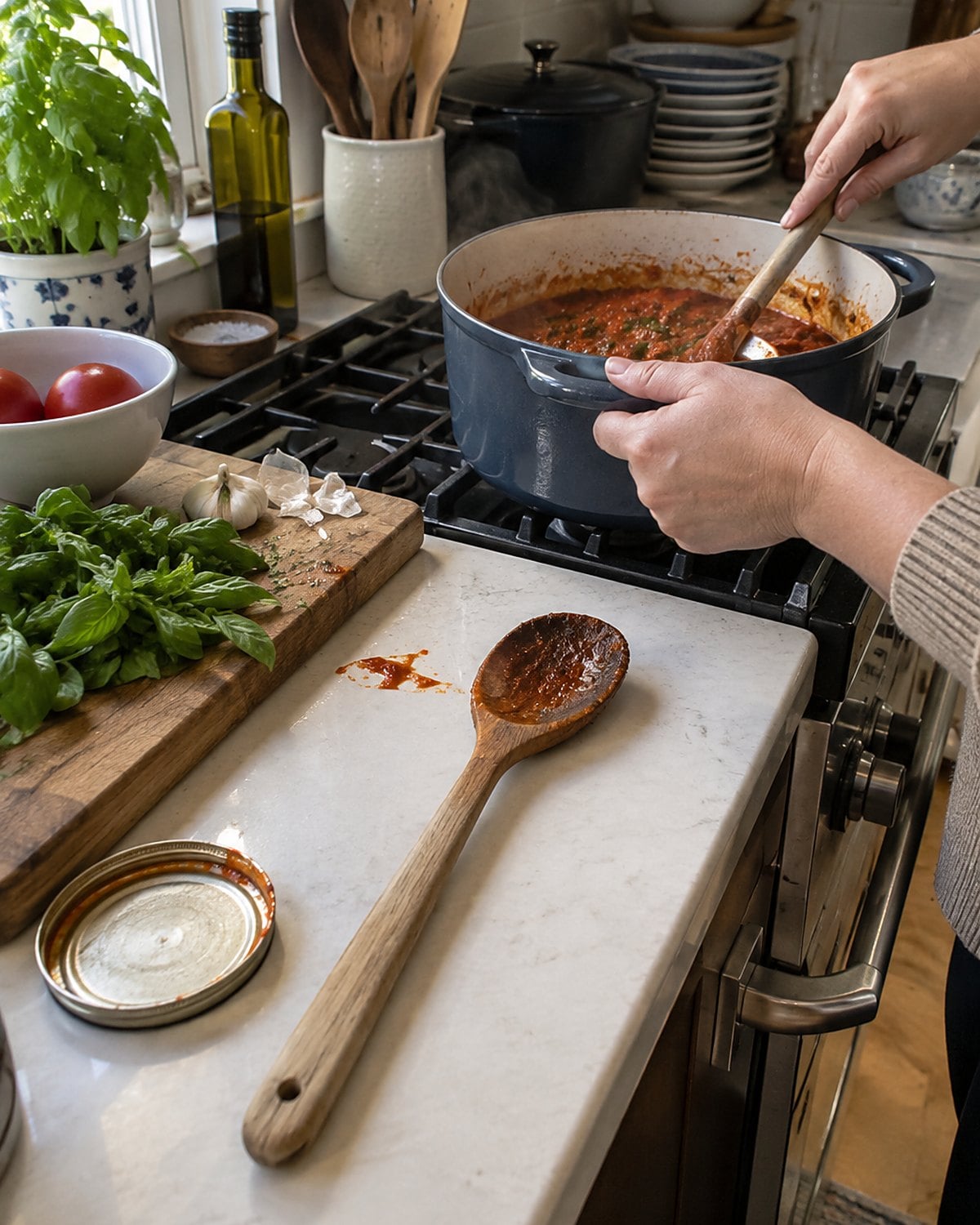
There it was, laid across the counter and marked by decades of sauce. He reached for that spoon no matter what he was cooking. It fit his hand.
Check the bowl for deep cracks that trap food. Wash it well, let it dry, and notice where your thumb rests when you use it. His grip left its mark; yours will leave another.
#16 Fish Fillets Wrapped at the Market
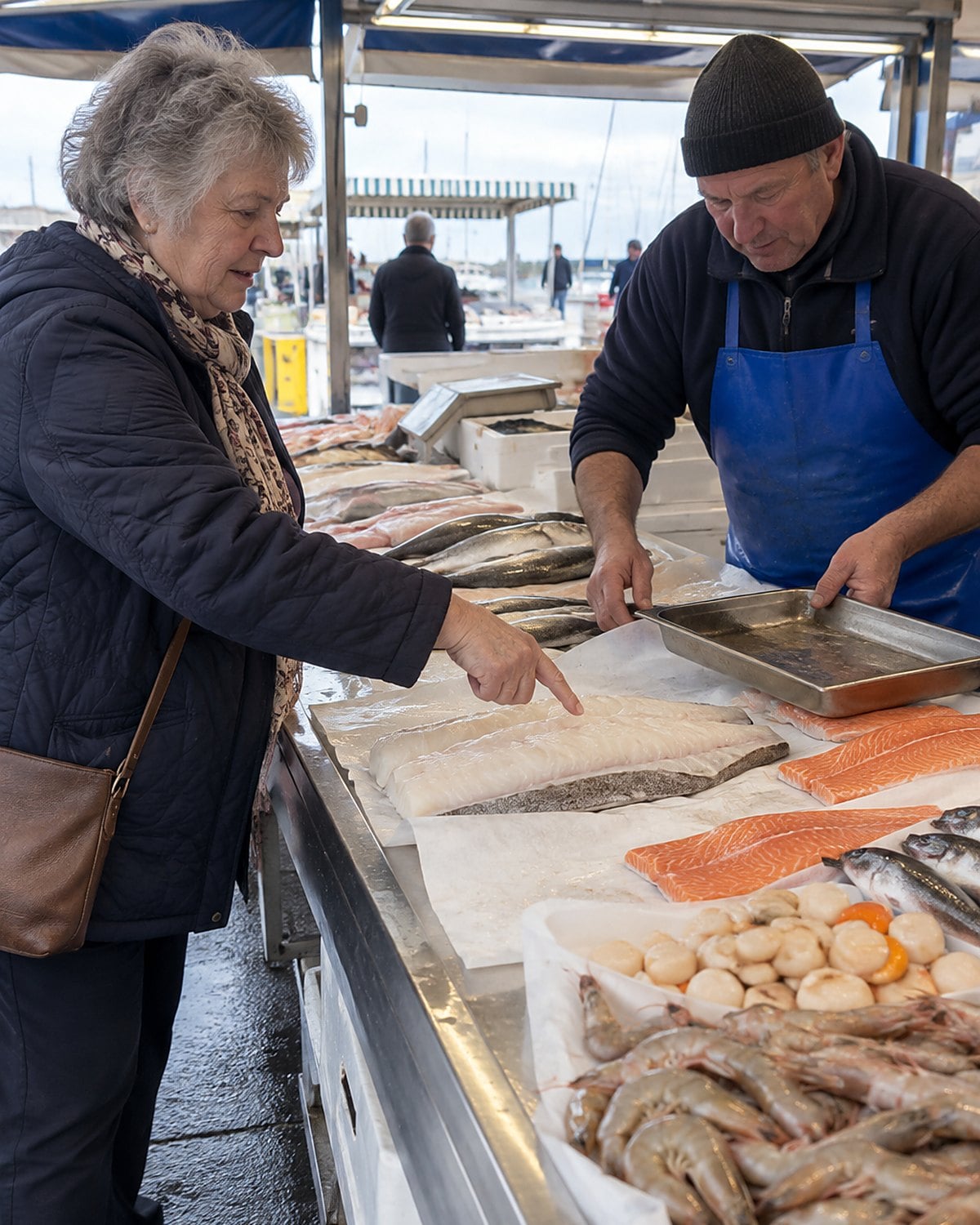
“When did this come in, and how would you cook it tonight?”
Ask that at the fish counter. He came home with paper-wrapped fillets and the certainty that dinner was settled. Perhaps he knew the person behind the counter. You don't need that history to ask a good question.
Look at the fish as well as listening to the answer. It should smell clean, not sharply fishy, and sit cold in the display. Take it home promptly.
A thick fillet and a thin tail won't finish together. Fold the thin end under or move that portion off the heat sooner. Check the thickest part with a thermometer. The FoodSafety.gov safe temperature chart gives 145°F for fish.
His answer to the fish-counter question is gone unless somebody remembers it. The useful part remains: ask the person who handled dinner before you did. Then let the shape of the fillet tell you what to watch in the pan.
#15 Cornbread Baked in an Iron Skillet
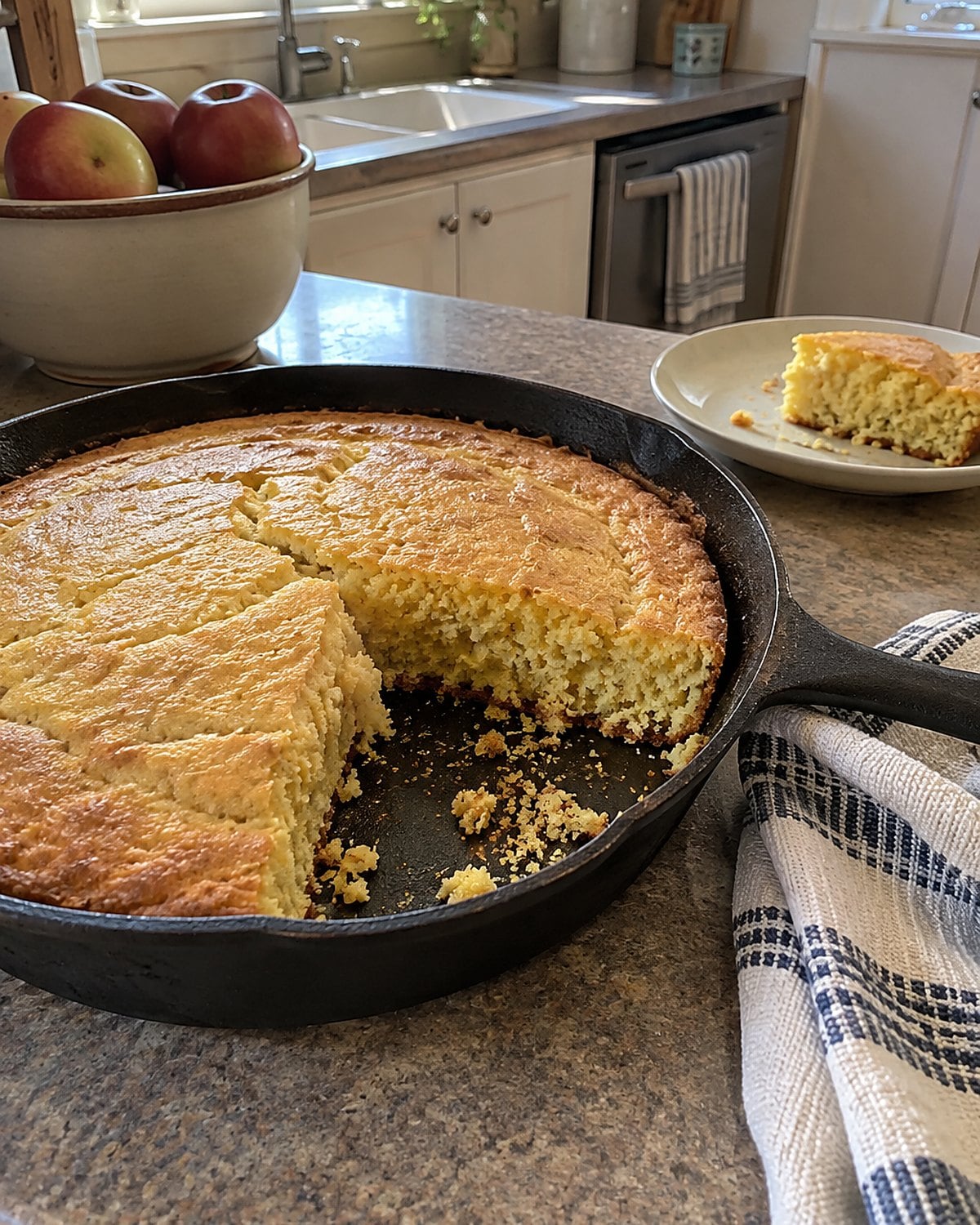
The hiss began before the oven door closed. He'd heated the empty skillet, added fat, then poured in the batter. The edge started cooking on contact.
That head start makes a dark, firm crust. Use a sturdy oven mitt when the skillet comes out, and leave that mitt beside it. The handle stays hot on the counter and at the table.
A browned top won't tell you whether the center is ready. Slide a knife into the middle; it should come out without wet batter. Let the bread rest before cutting so the crumb holds together.
He probably broke off a corner before anyone else got near it. Break one too, then notice whether the crust gives way cleanly or pulls damp crumbs with it. That small test tells you more than the color on top. Save the rest for supper. You know what went beside it at his table.
#14 Steaks Turned with His Tongs
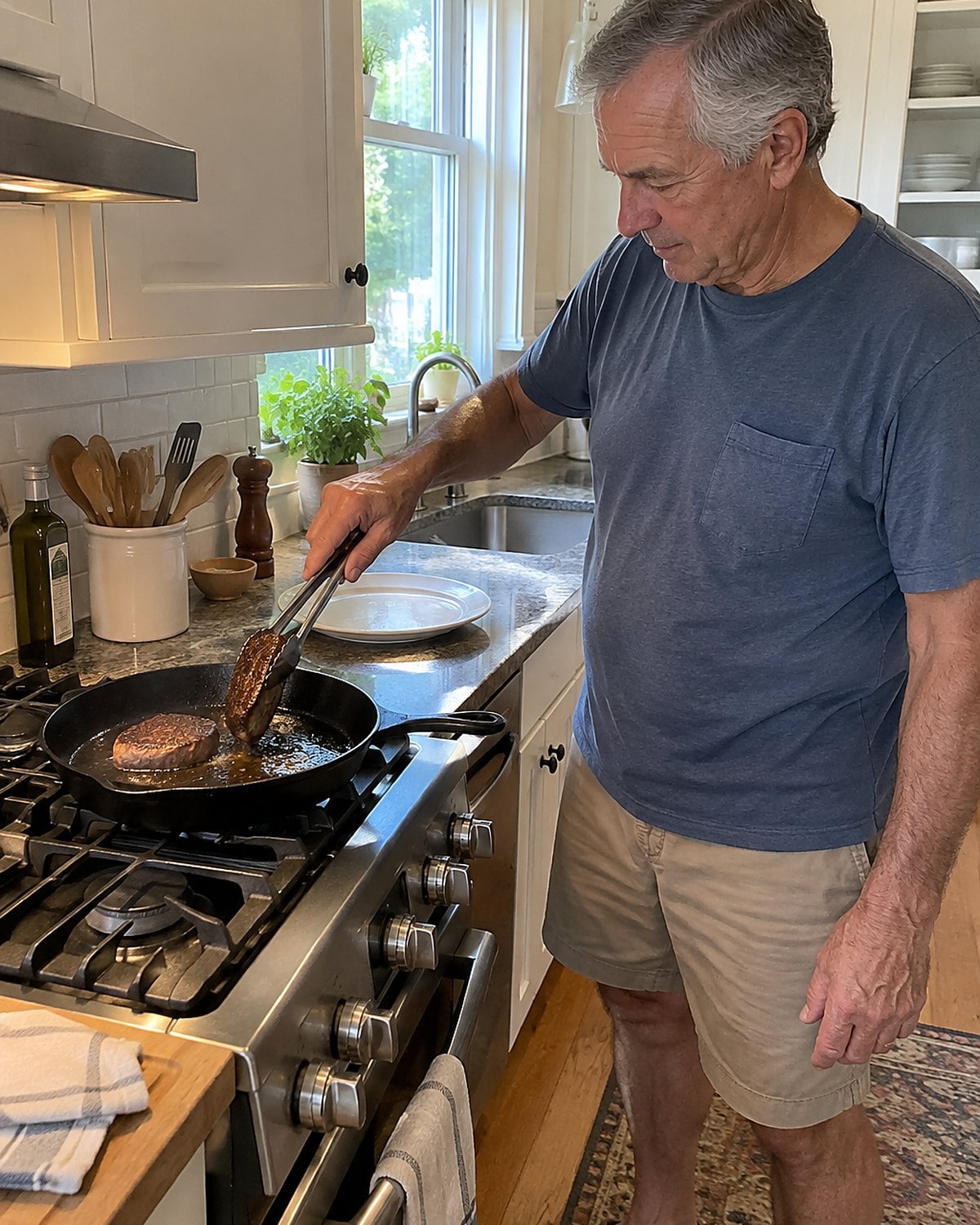
The metal clicked against the pan. He'd lift one edge, check the crust, and set it back down. His tongs were as much a part of steak night as the steak.
If the meat clings hard, give it more time rather than pulling off the browned surface. Then turn it and measure doneness in the thickest part, away from bone. The USDA gives 145°F with a 3-minute rest for whole cuts of beef.
His thumb test had its place in his routine, but thickness and cut change how a steak feels. Put yours on a plate during the rest instead of cutting into it to see. The tongs still get the last word when you carry it to the table.
#13 Roast Chicken on the Sunday Platter
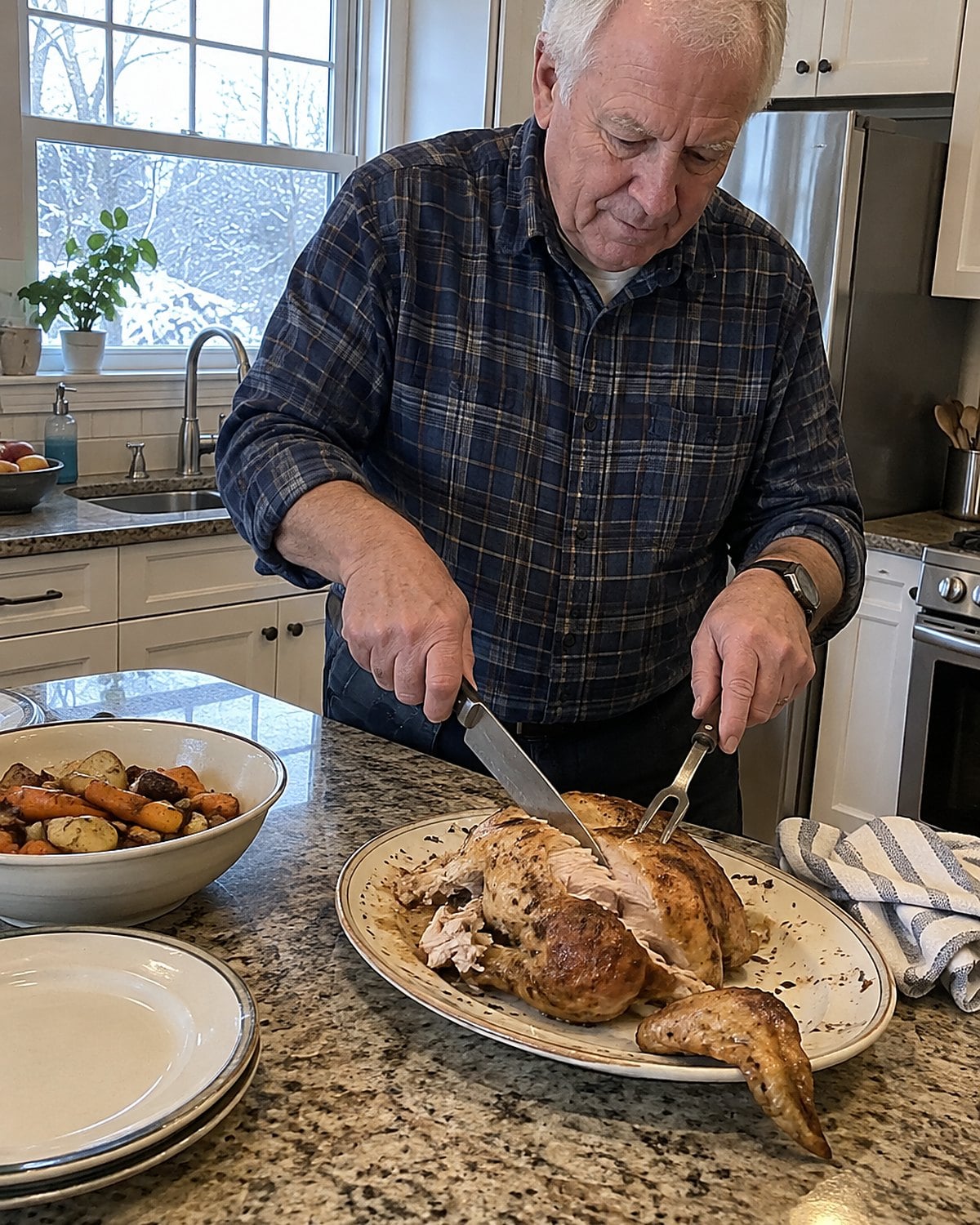
He brought the chicken to the table on the same platter every Sunday. The breast faced the person who liked white meat. Someone else reached for a leg before he finished carving.
A whole bird cooks unevenly. The breast and thigh have different shapes, and the cavity changes how heat moves through the bird. Put the thermometer into the thickest part of the breast and thigh, clear of bone. Poultry needs 165°F throughout, according to the USDA Food Safety and Inspection Service.
If the skin isn't crisp enough, don't keep cooking a finished bird just for color. Next time, pat the surface dry before it goes into the oven. Moisture on the skin has to evaporate before browning gets underway.
What you remember might be the carving. He leaned over the platter, looking for joints, giving away the piece he wanted.
Let the bird rest on a board rather than trying to carve it in the air. Find a joint with the knife tip and cut through it, then move the pieces back to that platter. Set it down in the middle again.
Try it: Instant Pot Roast Chicken & Potatoes (Duo Crisp Or Oven Finish)
#12 Baked Beans in the Casserole Dish
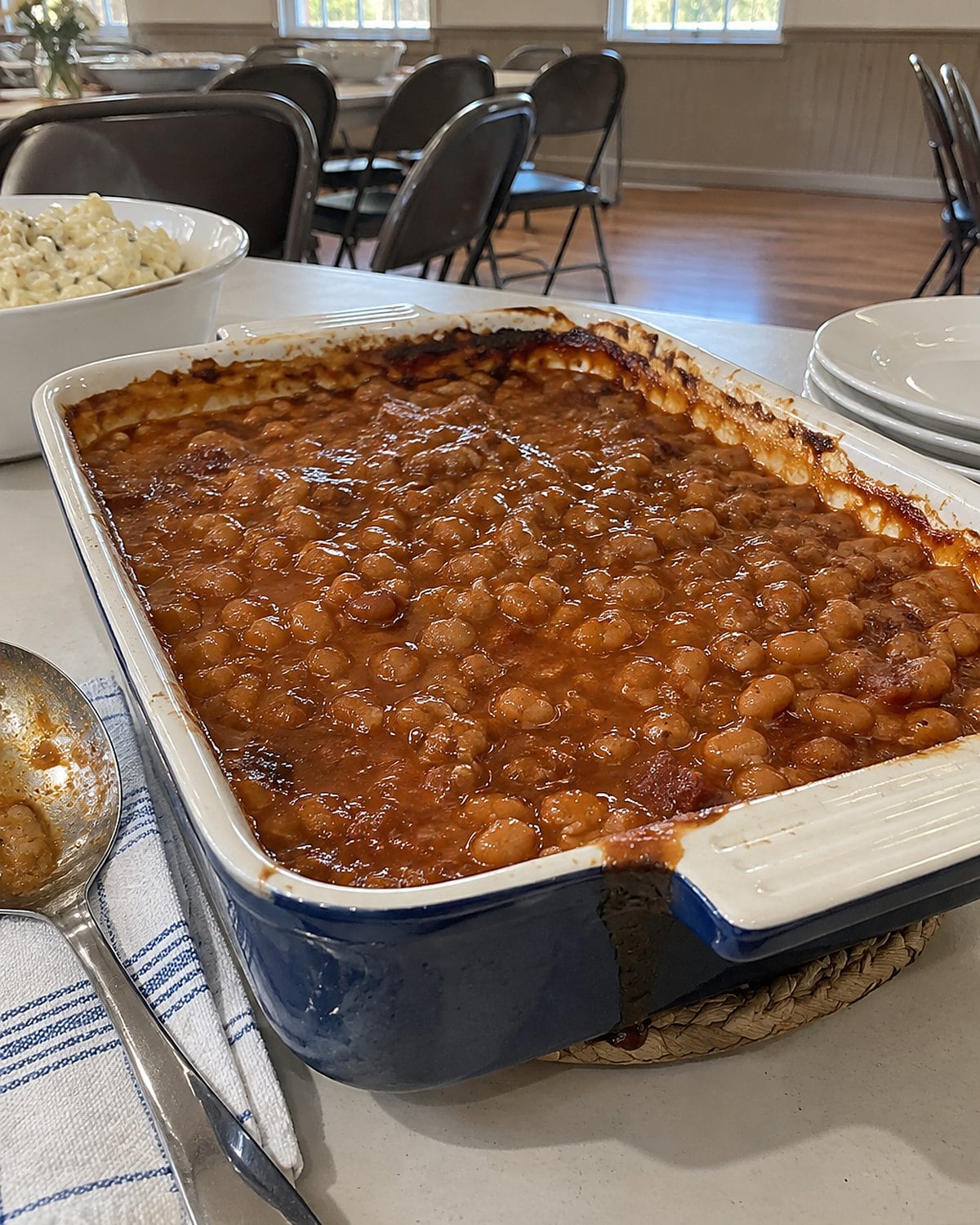
Taste the beans before reaching for sugar. He carried that bubbling casserole with both hands, and its browned top promised plenty. The beans and sauce brought sweetness of their own.
Canned beans are already tender. Oven time thickens the sauce and colors the surface, but a dry dish underneath won't improve with more baking. Stir from the bottom first. If the sauce barely moves, add a splash of water. Leave room at the top so it doesn't spill on the oven floor.
His version might have been sweeter than yours. Bring your dish to the next gathering and listen for the person who says it tastes familiar. Ask what they remember putting in it. A question at the church hall table gets you further than another spoonful of sugar.
Try it: Instant Pot Baked Beans (Vegan & Gluten-Free)
#11 Split Pea Soup After the Ham
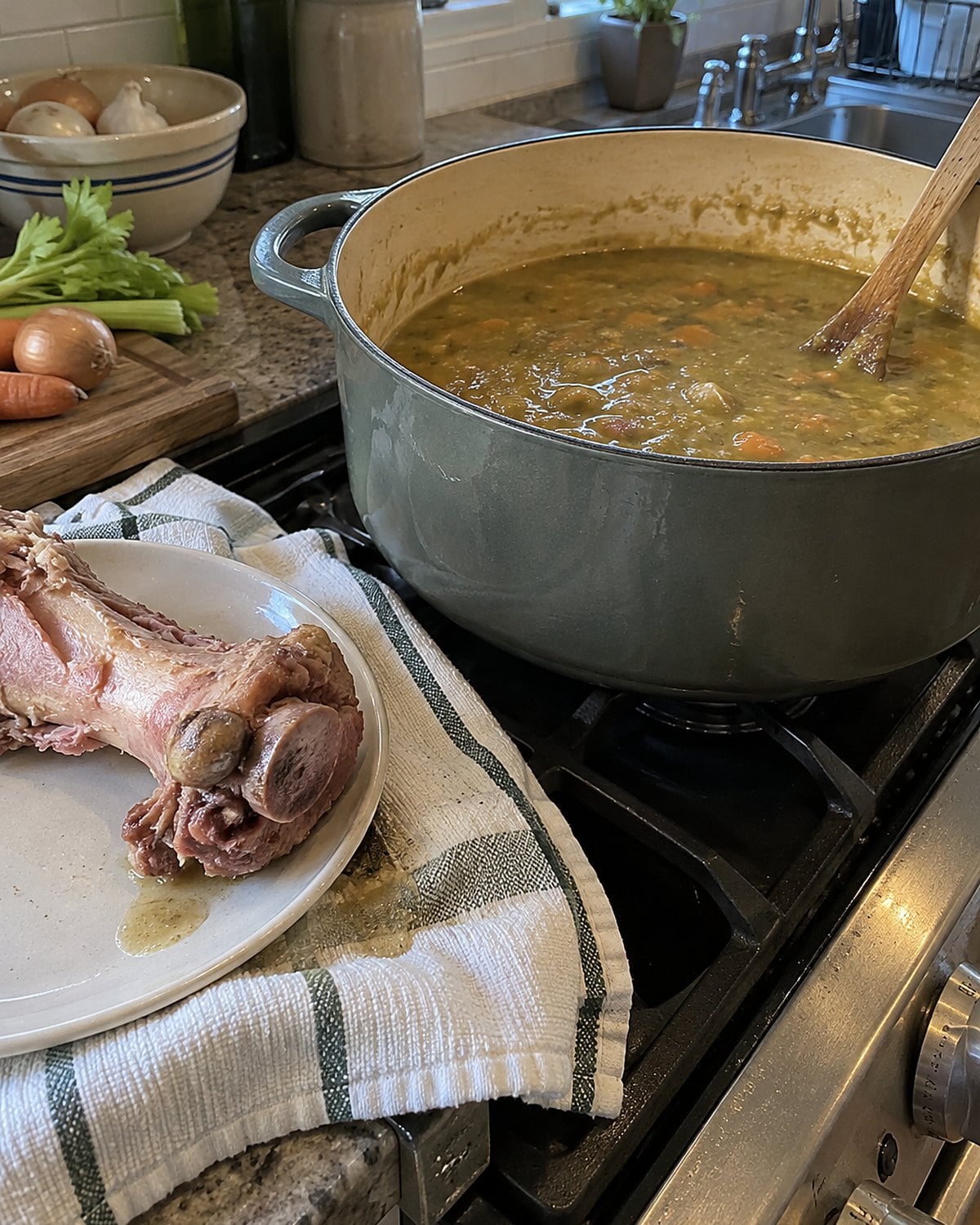
The holiday ham was gone, but he wasn't finished with it. The bone went into a pot with split peas, onions, and enough water to start another dinner.
Split peas break down as they cook. Stir along the bottom, where the thickening soup catches first. If the spoon begins to drag, add water and stir again. The pot will continue to thicken as it cools, so stop before it looks like the bowl you plan to eat.
Ham brings salt into the soup. Wait until the peas have softened and the bone has given up its flavor before adding more. Pull the bone out, strip off the usable meat, and check the soup for stray pieces before serving.
He knew that one meal had another meal inside it. If your ham has a bone, put it to work. If it doesn't, save a portion of the cooked meat for the pot instead. Salt alone won't make the soup taste like ham.
Try it: BEST Split Pea Recipes In The Instant Pot
#10 Grilled Corn at the Porch Steps
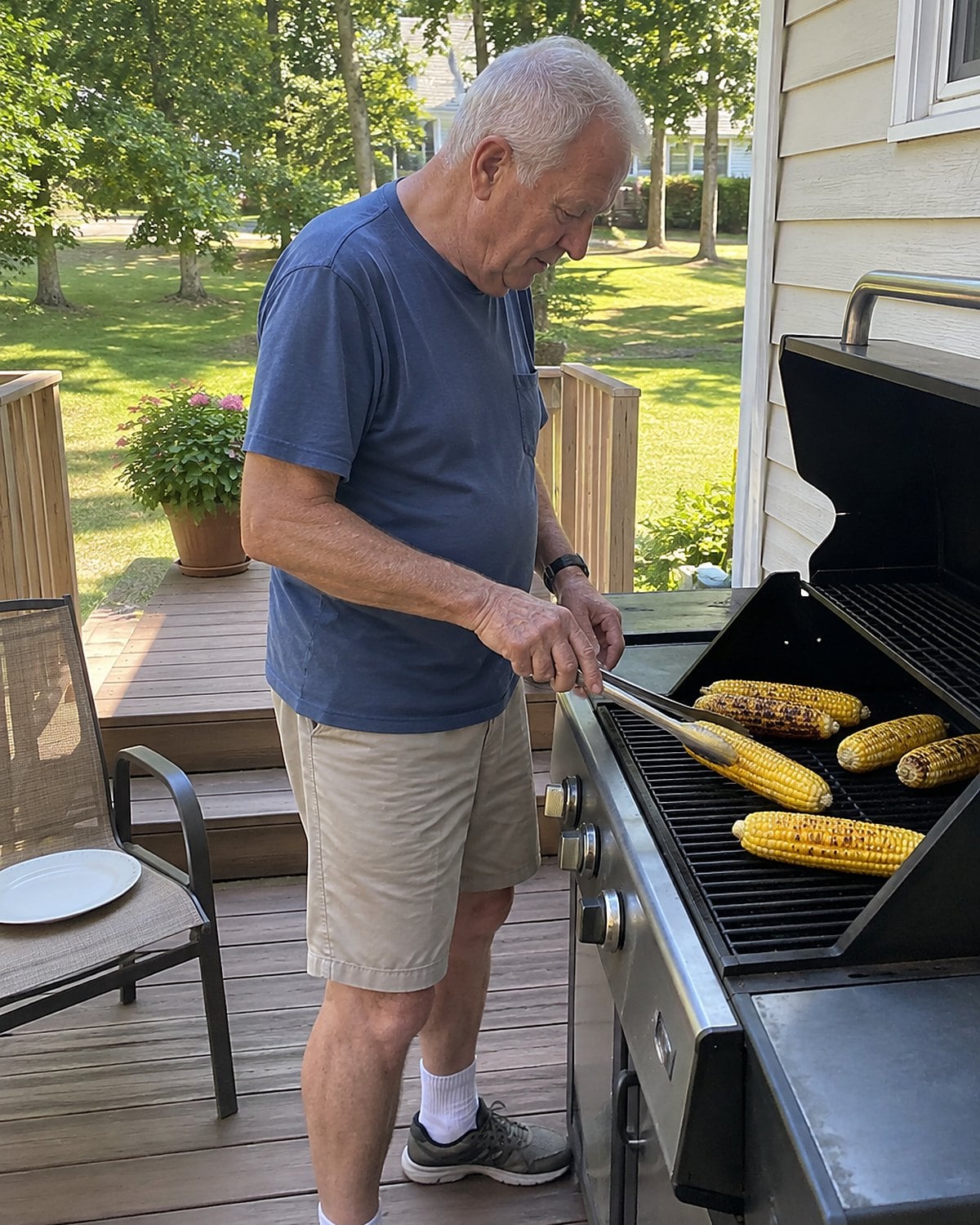
Where did the best ear go? He'd turn corn beside the porch steps, then hand somebody the one with the browned spots.
Look for scattered dark patches, not an ear blackened all over. Turn it so each side meets the heat. Lay the ears across the grill bars if they keep rolling away from your tongs.
Butter waited inside. Ask which ear your guest wants before you carry the plate in. He'd have asked, too.
#9 Meatloaf in the Worn Metal Pan
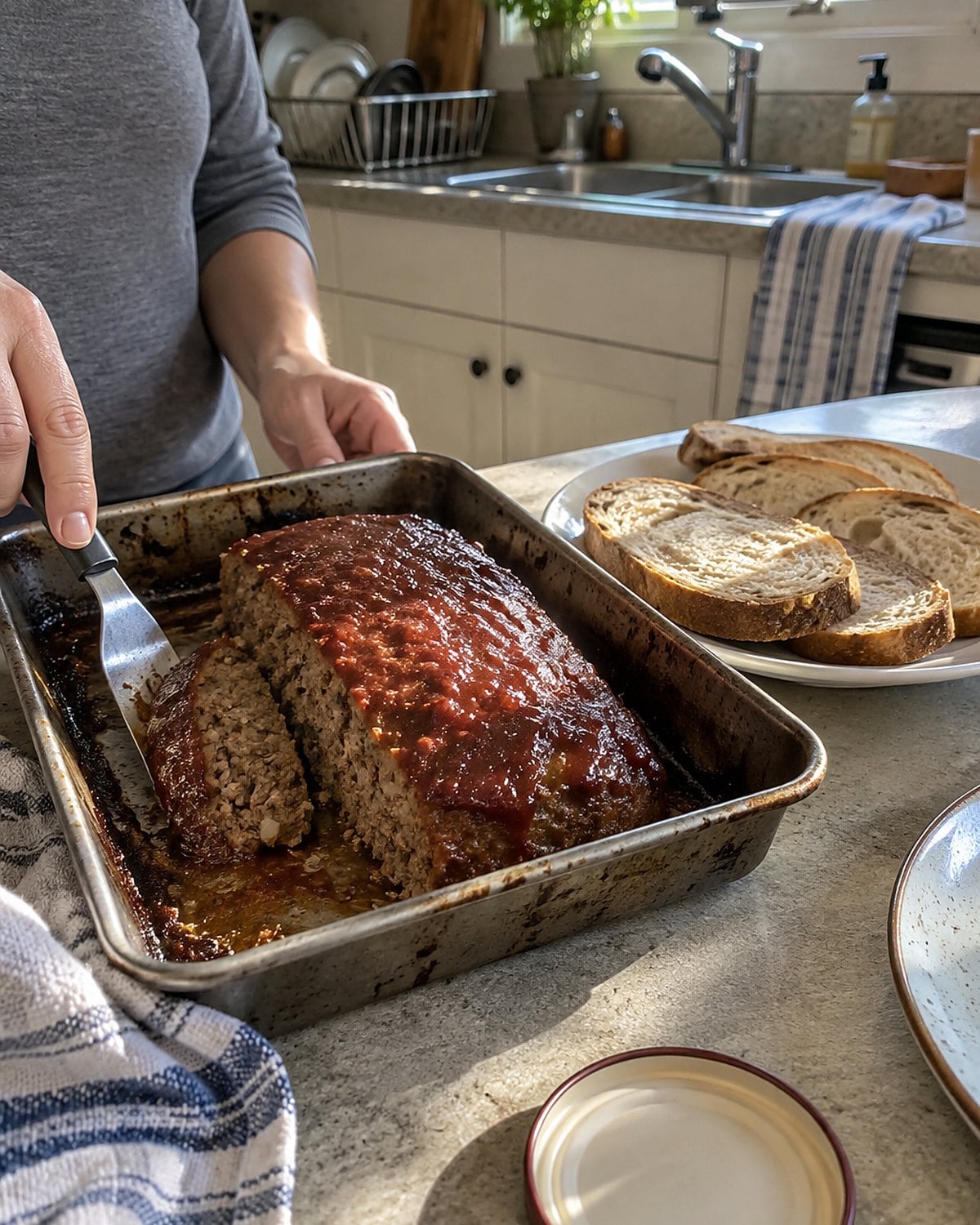
A loaf pan came out of the cupboard, and you knew dinner before he opened the meat. He packed the mixture in, ran a spoon across the top, and made enough for sandwiches later.
Overmixing makes meatloaf dense. Combine the ingredients until the crumbs and seasoning are spread through the meat, then stop. If the mixture feels stiff in your hands, pressing it harder into the pan won't help.
His glaze might have been sweet, sharp, or absent. Taste the seasoning before the raw mixture goes into the pan by cooking a small pinch separately in a skillet. Adjust from that bite. Once baked, check the center with a thermometer: ground meat needs 160°F. Give the loaf a rest before slicing so the pieces stay together.
The next-day sandwich was probably part of his plan. Wrap the leftover loaf for the fridge rather than leaving it on the stove while everyone clears the table.
Try it: Instant Pot Meatloaf With Barbecue Bacon
#8 Macaroni with the Crispy Top
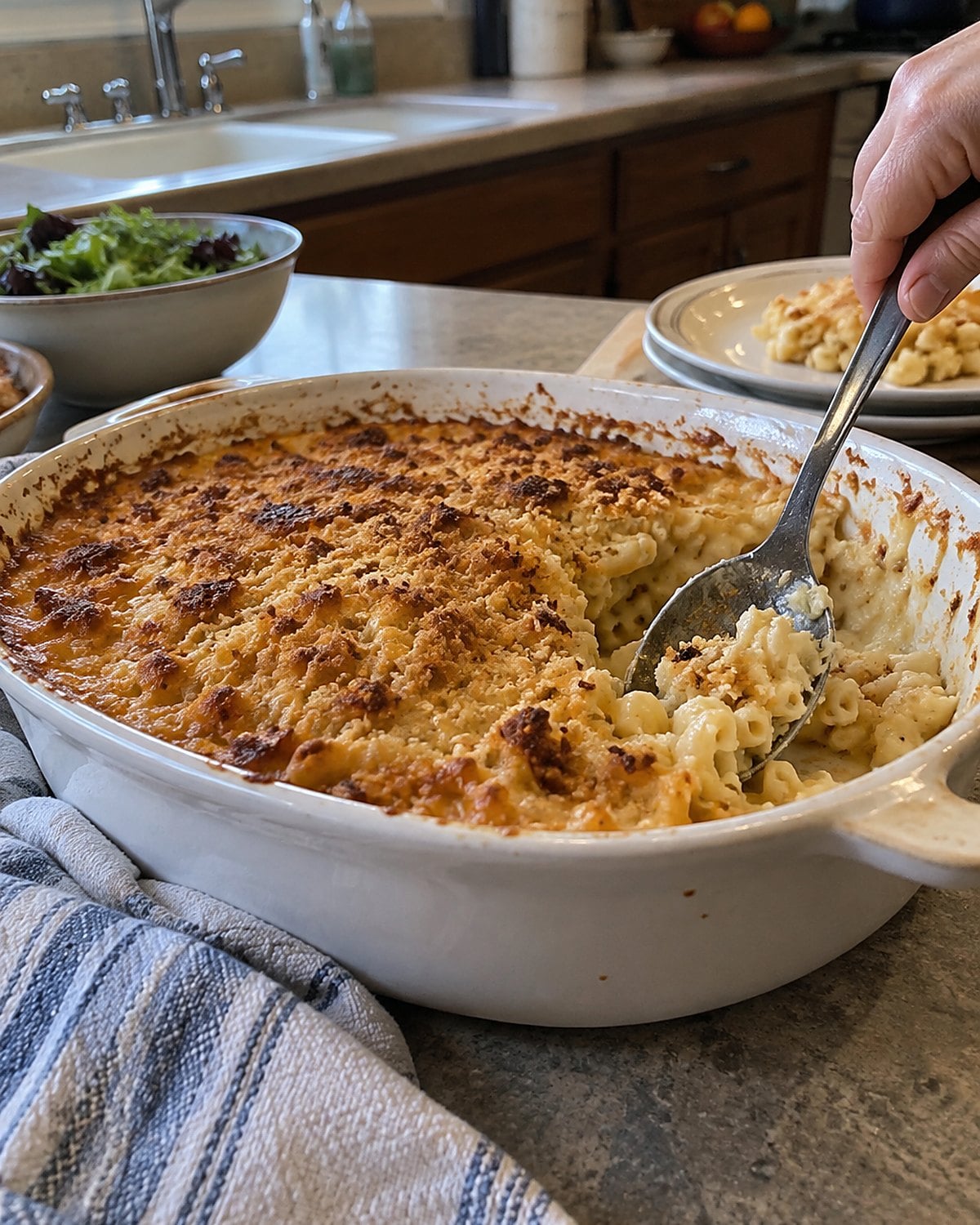
Save a corner piece for yourself. He was proud of those browned edges, even when he served the middle first and scraped the crisp part onto somebody else's plate.
A shallow dish exposes more surface to the oven's heat. Underneath, the pasta keeps cooking in the sauce. Take it off the boil while it still has bite, or it turns soft before the top browns.
Dip a cooked noodle into the cheese sauce before baking. Pasta dulls its seasoning, so the sauce alone won't tell you how the finished dish tastes. Then give the baking dish room on the table, with a spoon that reaches the corners.
#7 Pork Chops Beside the Applesauce
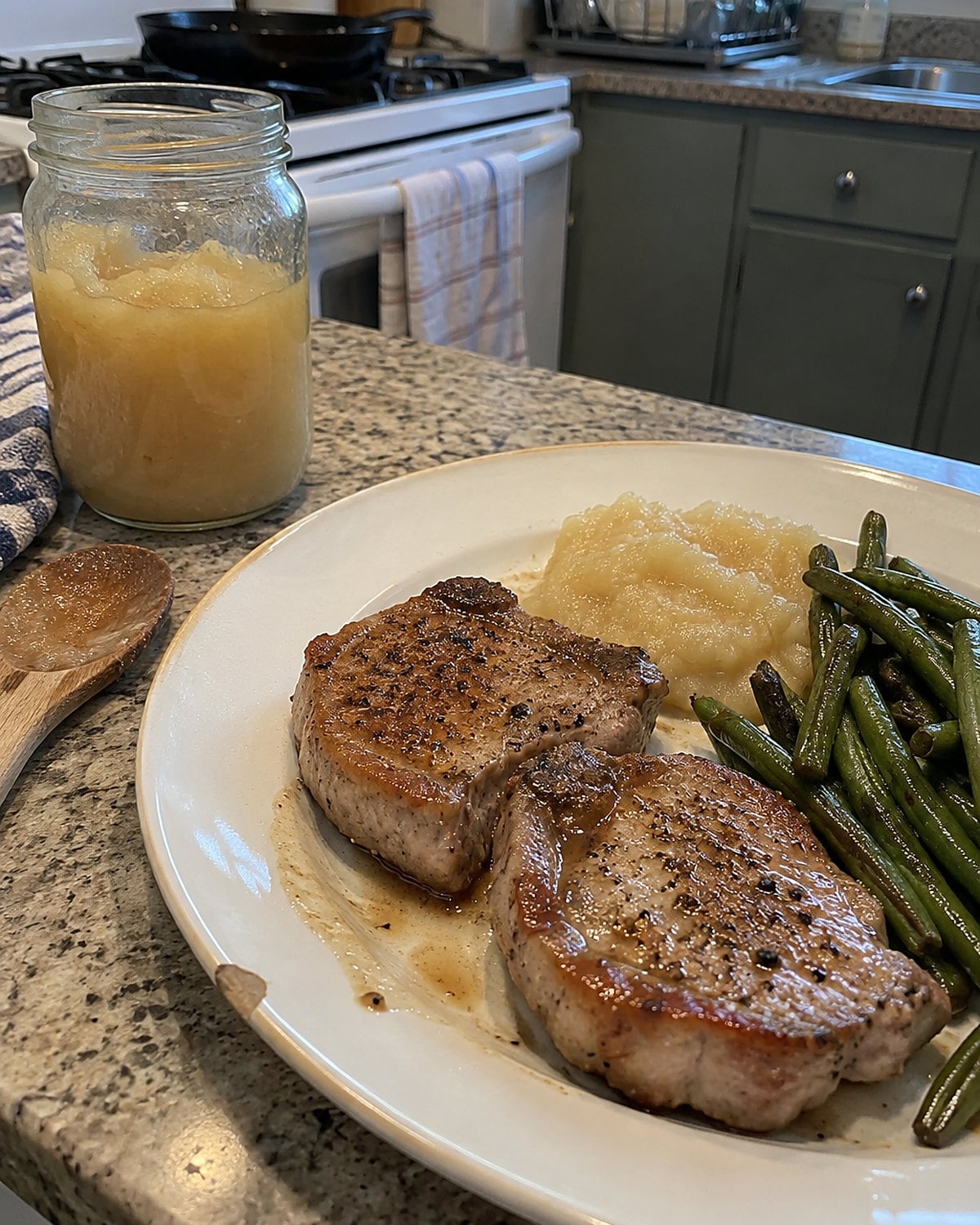
The chops browned while he opened the applesauce. He treated that jar as part of the meal, setting it out before anyone asked. Maybe you still think of the two together when you pass pork at the store.
A chop dries out when its center keeps cooking past doneness. Choose chops of similar thickness so they finish together. Brown them in a hot pan, then lower the heat if the outside is getting dark before the center is ready.
Push a thermometer into the thickest part, clear of bone. For whole cuts of pork, the USDA calls for 145°F followed by a 3-minute rest.
He cut into the first chop sometimes, leaving juice on the board. Keep yours whole while it rests. Spoon any juices from the plate back over it.
The applesauce did something practical as well as familiar: its sweet, tart bite cut through the richness of the meat. Put a little on your fork with a piece of chop. If that taste takes you back, you know what jar to buy next time.
#6 Leftover Rice in the Morning Skillet
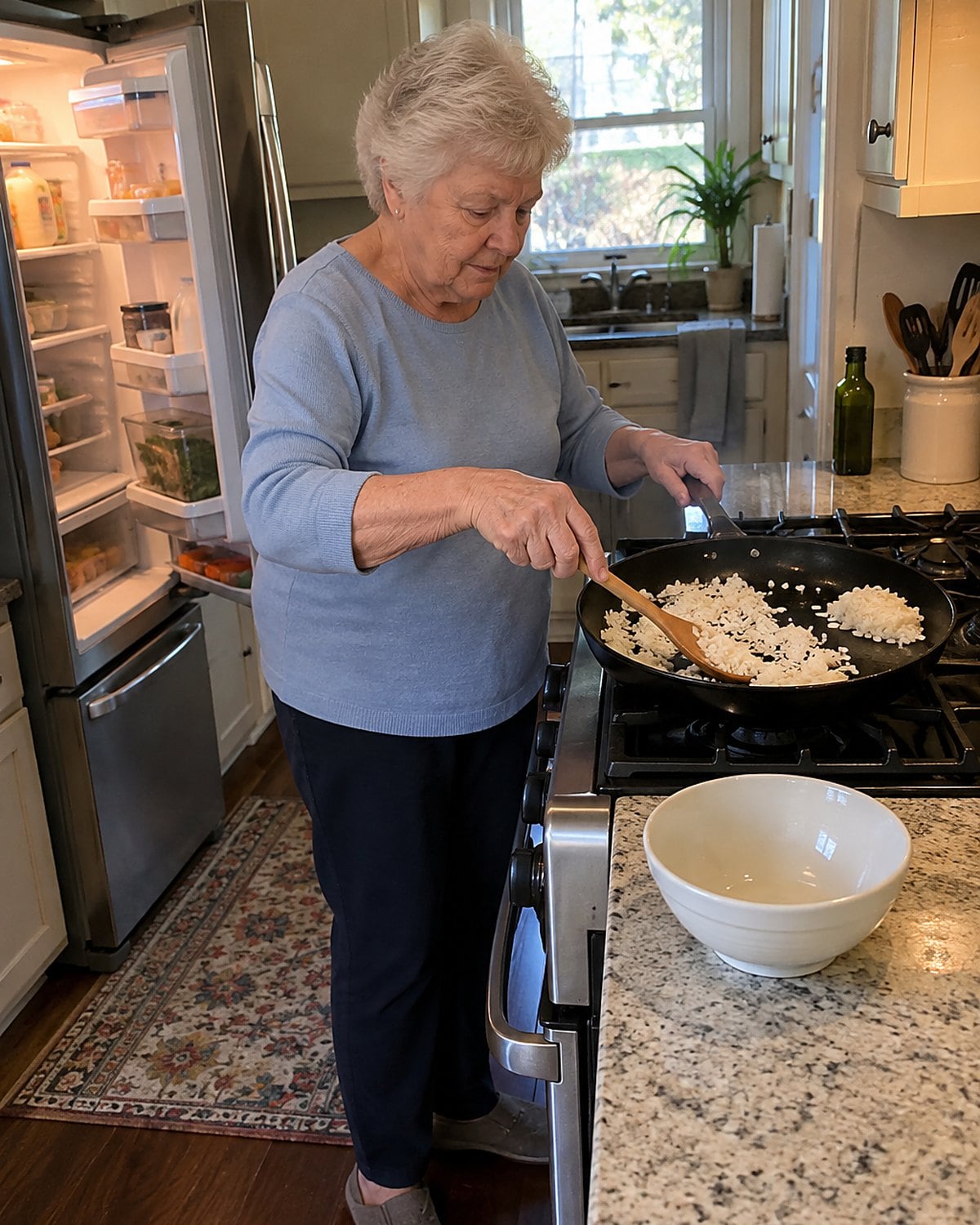
Cold rice breaks into separate grains more easily than fresh, sticky rice. That's why the container he pulled from the fridge worked so well at breakfast.
He saw a skillet meal where someone else saw leftovers. Break up the clumps before the rice hits the oil. Spread it out and leave it against the pan long enough to brown. Move it aside before adding an egg so the egg cooks against the skillet.
The care starts before breakfast. Refrigerate cooked rice promptly in a shallow container and keep the fridge at 40°F or below. Don't use rice that sat out overnight. For storage questions, the FDA's refrigerator and freezer storage chart belongs near the fridge, not buried under takeout menus.
He used what was there. You still get to decide what's fit for the skillet.
#5 Turkey Carcass Waiting by the Sink
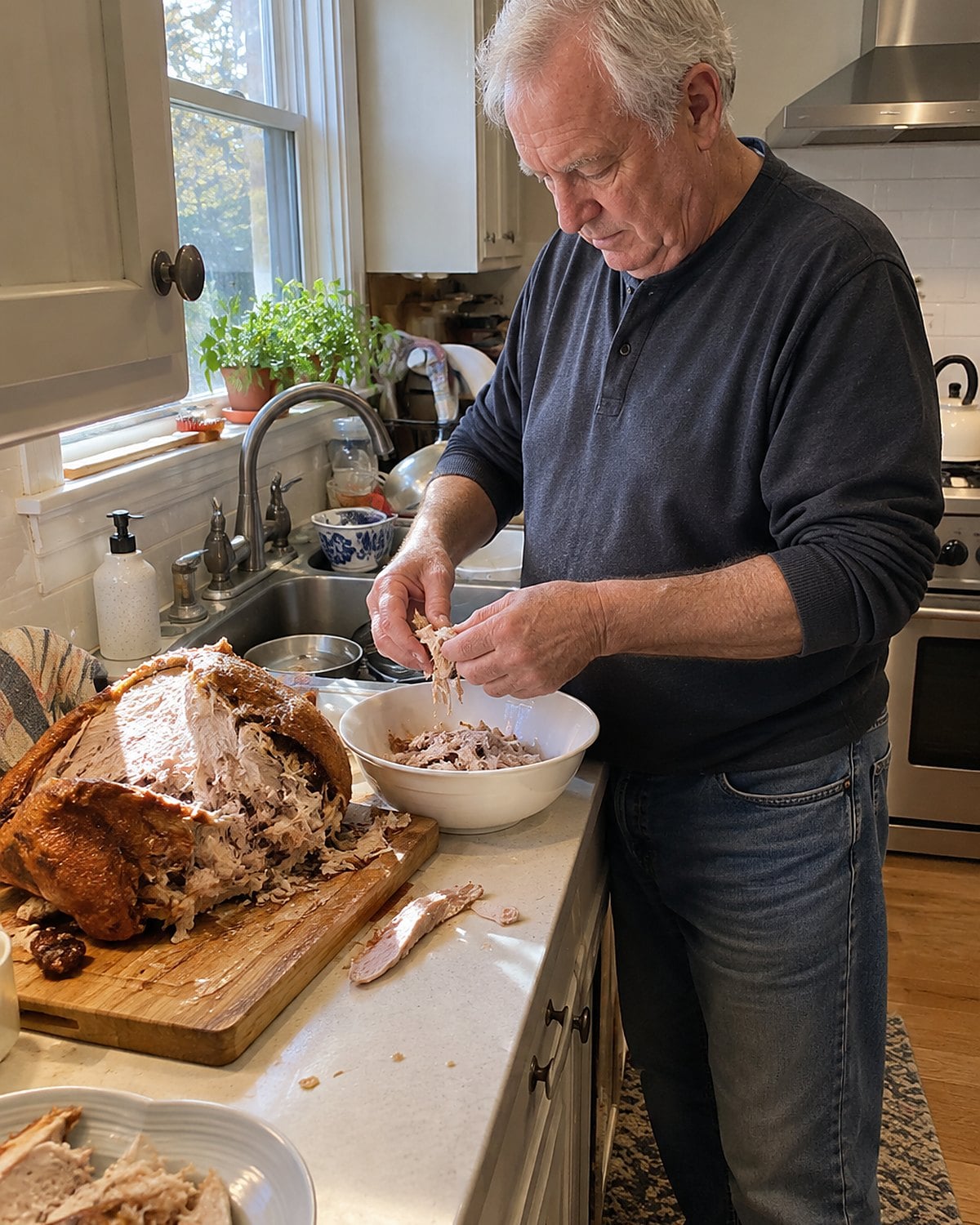
The roasting pan was soaking, but he was looking at the turkey frame. He picked off the meat worth saving, then reached for a pot big enough to hold the bones.
Cover the frame with water, add the onion ends you saved, and keep the pot at a low simmer. Strain out the bones before the stock goes into soup. Taste after straining; salt added at the start grows stronger as the liquid reduces.
Don't leave that big pot on the stove to cool overnight. Divide the stock among shallow containers and refrigerate promptly. The USDA's leftovers guidance is worth a look when you plan to save a large batch.
He saw another dinner in what was headed for the trash. If the sink is full and you're tired, save the picked meat and skip the stock. His lesson was to notice what you have, not to stay up washing a pot.
#4 Tomato Soup with Crackers Crumbled In
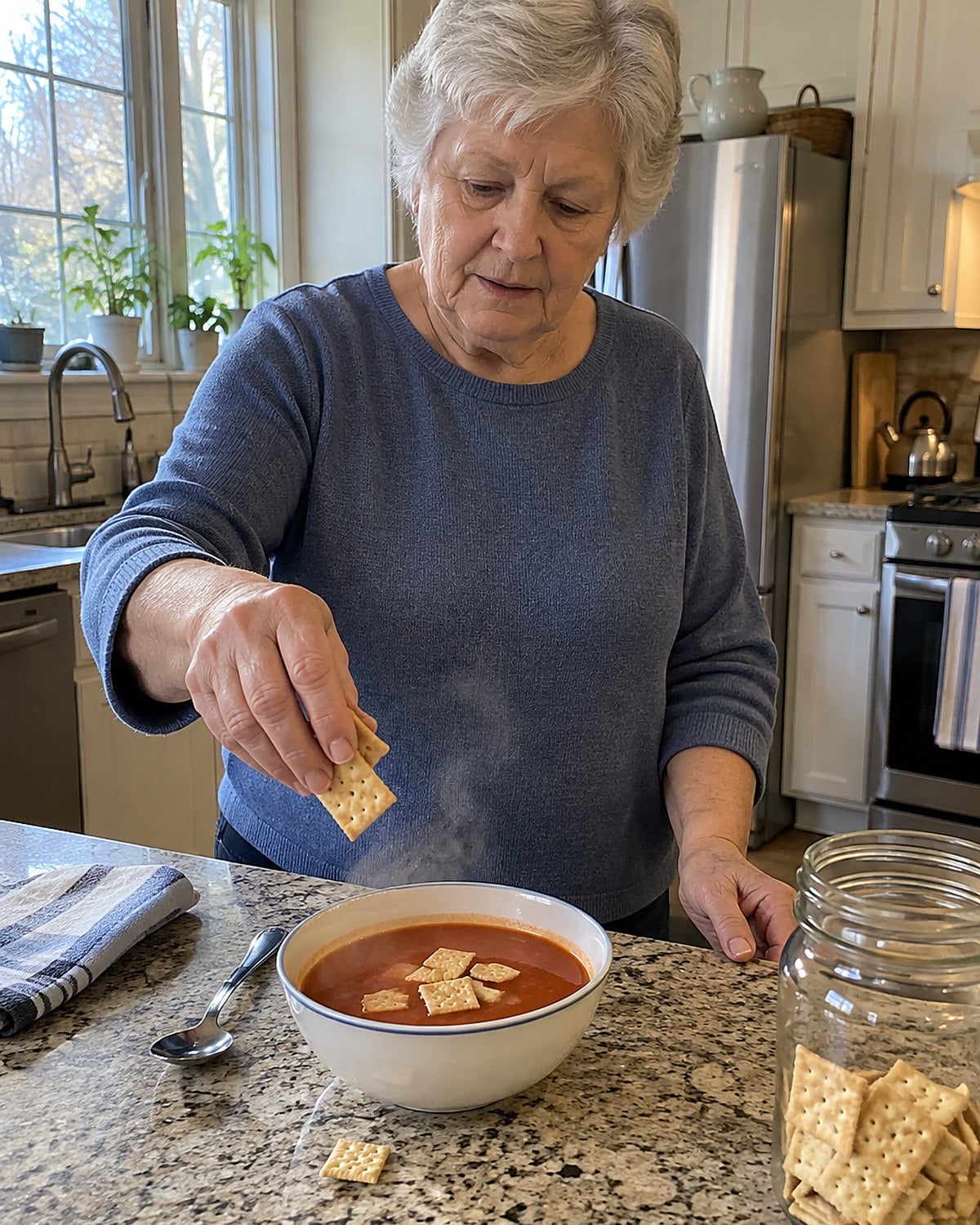
He warmed soup while you opened the cracker sleeve. By the time you sat down, the crackers had gone soft at the edges and the bowl smelled like tomato and salt.
Stir across the bottom of the saucepan as the soup warms. Tomato catches when the burner runs too high. If you want a smoother bowl, whisk while adding the liquid the label calls for.
Keep the crackers on the table for crunch. Crumble them early if you want the edges to sink. You remember which bowl he handed you.
Try it: Best Instant Pot Tomato Soup (Panera Bread Inspired)
#3 Sunday Gravy with Meatballs
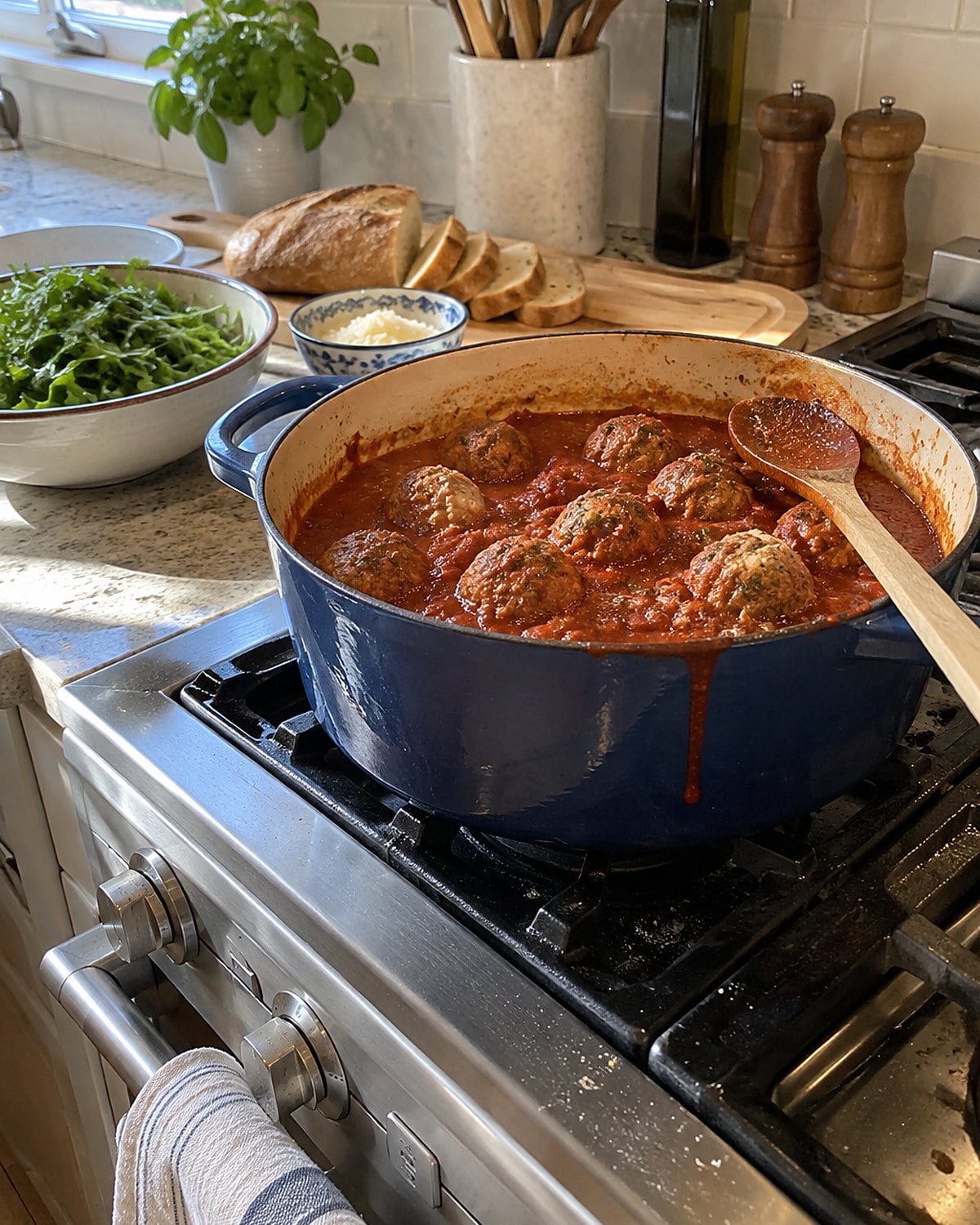
His meatballs were the reason the big pot went on before lunch. Sauce had a job here: give the browned meat somewhere to finish without a hard boil.
Brown the meatballs first, leaving space around them in the pan. Their surfaces pick up flavor before they go into the sauce. Shape them without a firm squeeze; tightly packed meat stays firm after cooking. Check the center of one with a thermometer. Ground meat needs 160°F.
Once they're in the pot, leave the spoon out of their way. A rough stir breaks them. Shake the pot or move the spoon around them instead. Taste the sauce after the meatballs cook in it, since they bring seasoning along.
He judged the batch by who showed up. Your pot might be smaller now, but it still needs space for the meatballs to sit without crowding. Set out the serving spoon, then let whoever arrives decide how many they want.
#2 Pie Crust Under His Floury Hands
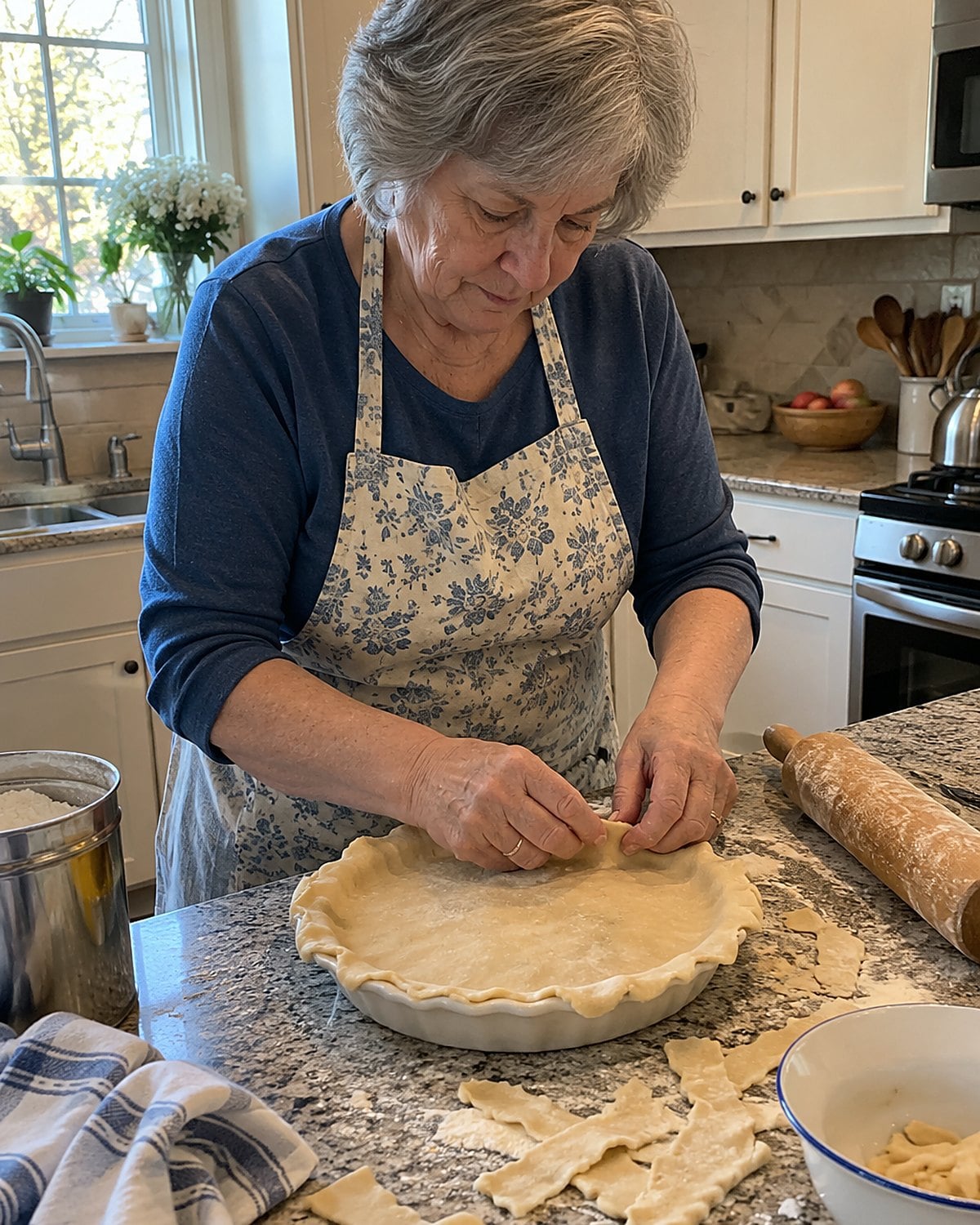
His hands left flour on the faucet. You saw the rolling pin on the counter and knew he was making the dessert he trusted himself to make.
Pie dough needs cold fat and a light hand. Work the fat into the flour until you see pieces of different sizes, then add water a little at a time. Stop when a squeezed handful holds together. A smooth, kneaded ball has already had more handling than it needs.
If the dough cracks as you roll it, let it sit briefly before trying again. If it sticks, lift it and dust beneath it rather than driving the pin harder. His crust might have had a patch near the rim. Press your own patch into place. After baking, the person eating pie will notice the filling first.
#1 His Recipe Told Back to You
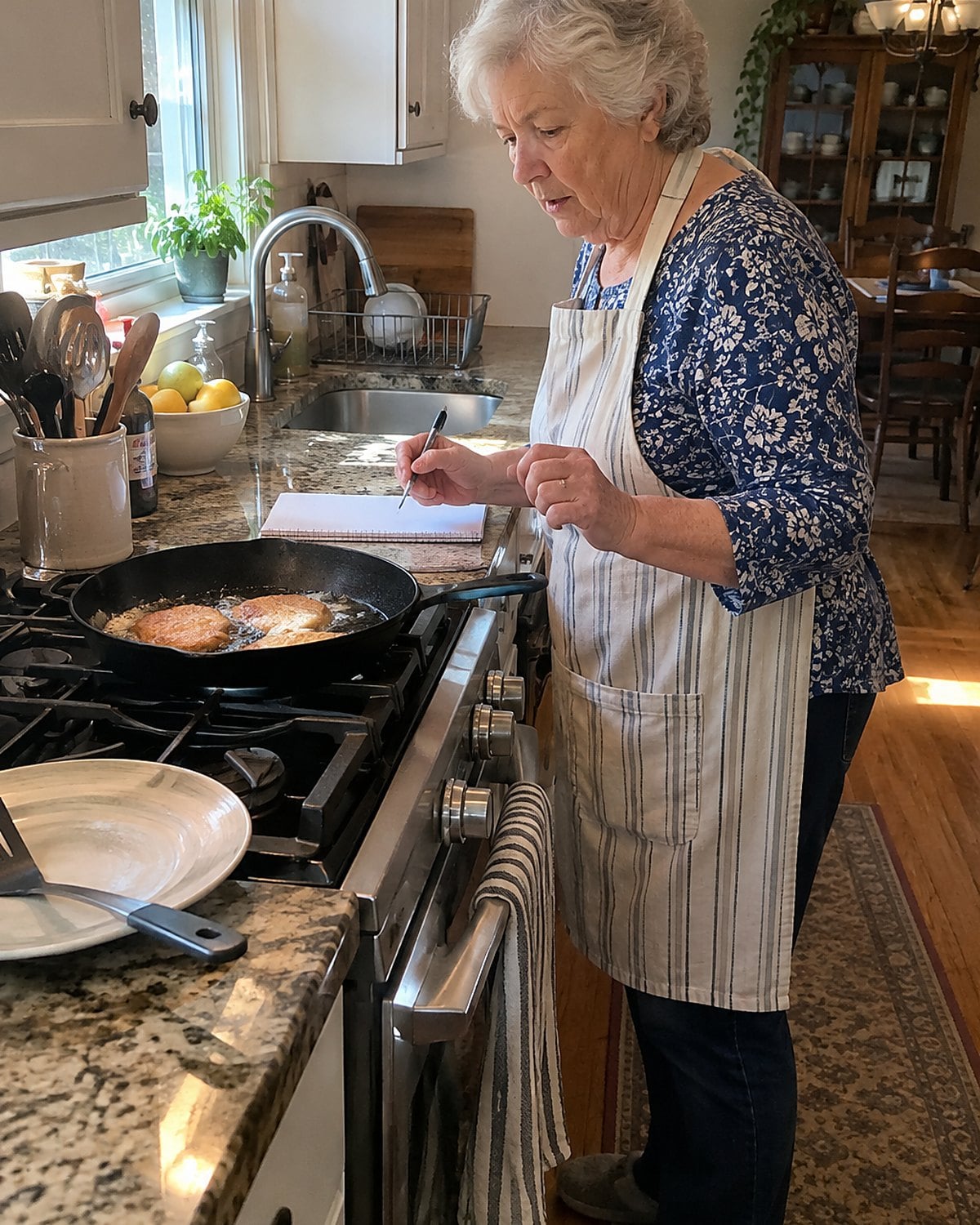
He made the same thing every time, and somehow the directions never got written down. You remember the pan, perhaps. You remember him saying to turn the heat down, but not what went in before the onions.
Write what you know tonight. Name the dish at the top of a page, then record the pan, the first smell, the order of the ingredients, and the sign that told him to stop cooking. Leave a space wherever your memory gives out. Ask the person who stood beside him what happened in that gap.
Then cook it once with the page nearby. Mark the details you discover: the size of the pot, the point when the sauce thickens, the taste just before serving. A useful family recipe tells the next cook what to look for, not only what to put in.
If he's here to answer, call him before you start. Ask him to talk you through the part he always did by feel. You can put him on speaker while you cook. He'll probably tell you the same thing he told you last time, and this time you'll have it on the page.
The bottom line
He returned to his dish because he knew the pan, the people eating, and the moment dinner was ready. That's why the meal stuck with you.
You've got the useful pieces now: a thermometer for the guesswork, a taste before serving, and a place to write down what he never measured.
Which dish would tell someone he'd been in your kitchen? Before you put away that page, ask yourself what detail you'd want them to remember.
Leave a Reply