

Food-safety figures below come from USDA guidance; produce handling and allergy advice draw on the FDA and CDC.
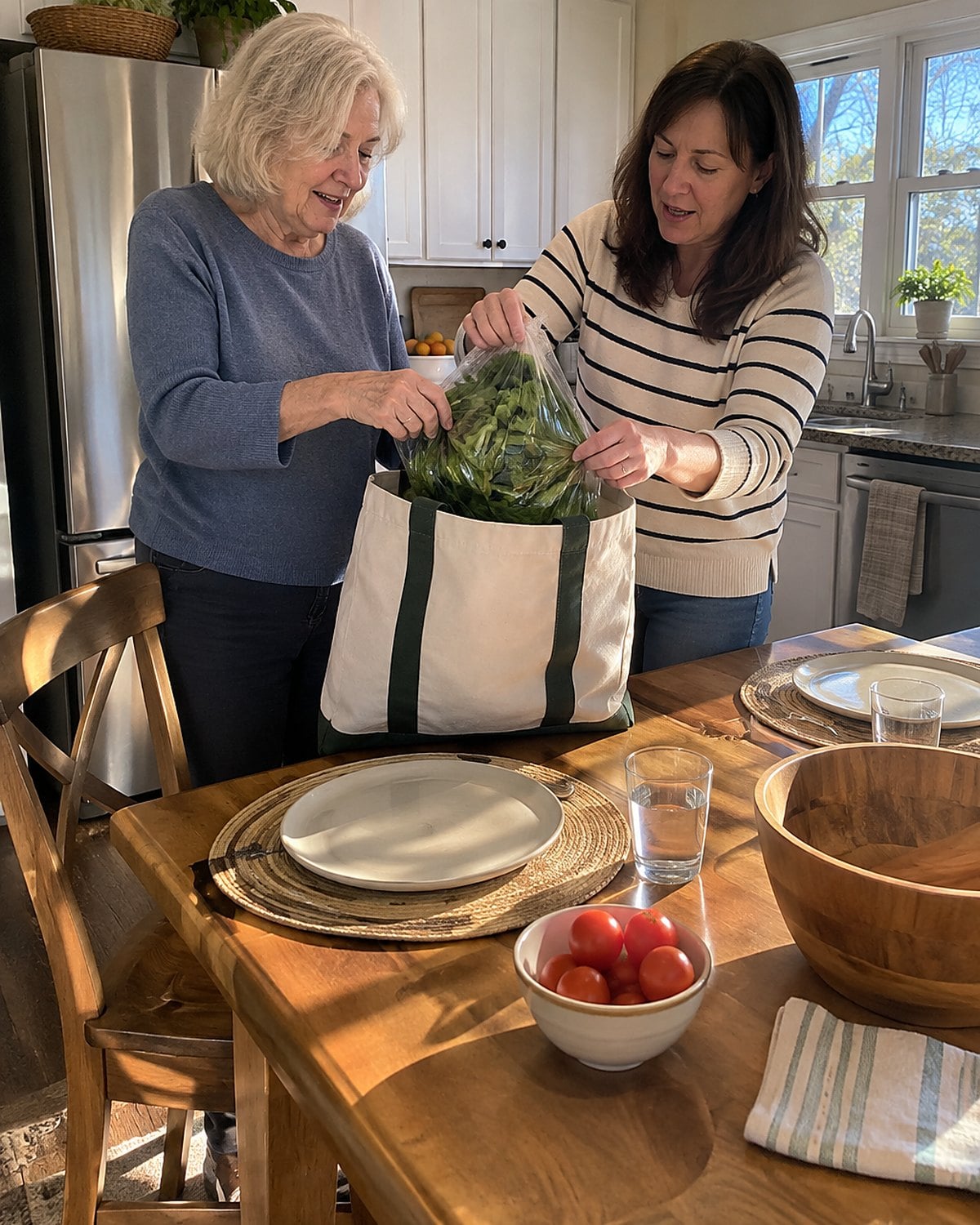
The refrigerator drawer sticks. You pull harder, and there’s the bag of spinach, damp at the corners, under a cucumber that has gone soft. You bought both with dinner in mind. Then Tuesday ran late, Wednesday’s appetite vanished, and Thursday called for toast.
The store sells ingredients as if every night will resemble the night you planned. Your kitchen has to deal with the nights that arrive. Before the next trip, look at what keeps coming home with good intentions and leaving in the trash.
#26 The bag of spinach under everything
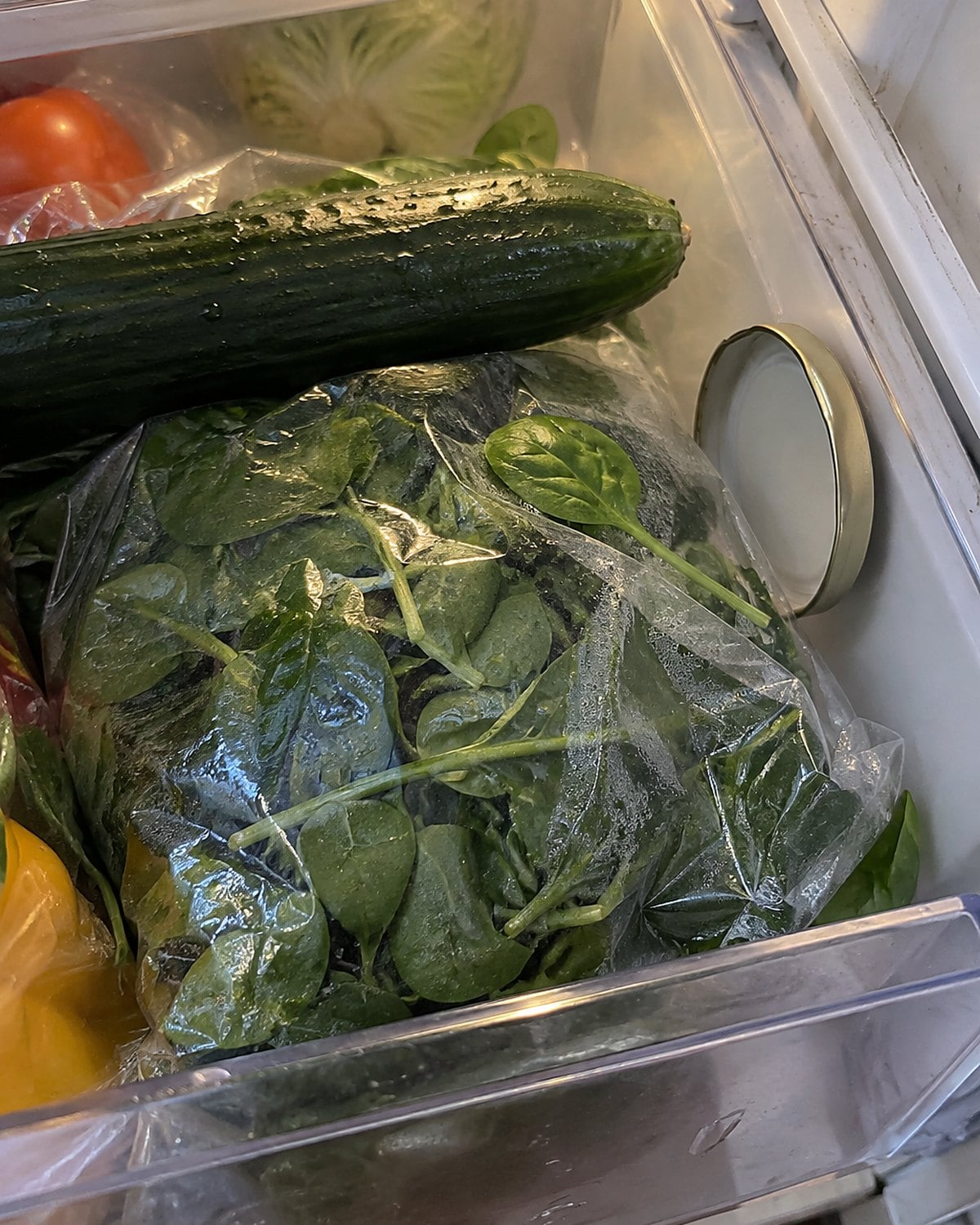
Spinach looks like a decision already made. The leaves are washed, the bag is light, and a handful seems right for one supper. Yet the bag slips beneath everything else in the produce drawer. By the time you remember it, the leaves have turned slick.
Give spinach a job before it goes in the cart. If dinner is eggs, drop a handful into the pan after the eggs start to set. If it’s soup, stir the leaves in near the end, when they need little cooking. Put the bag where you’ll see it when you open the fridge.
Don’t wash a bag labeled ready-to-eat again just to feel thorough. Extra water left on the leaves works against the dinner you planned. The FDA’s produce guidance is worth a look when you’re unsure how to handle greens. If the spinach is already slimy, let it go. Tonight’s eggs deserve better.
Try it: Instant Pot Spinach Rice (Indian Palak Pulao)
#25 The second cucumber for later
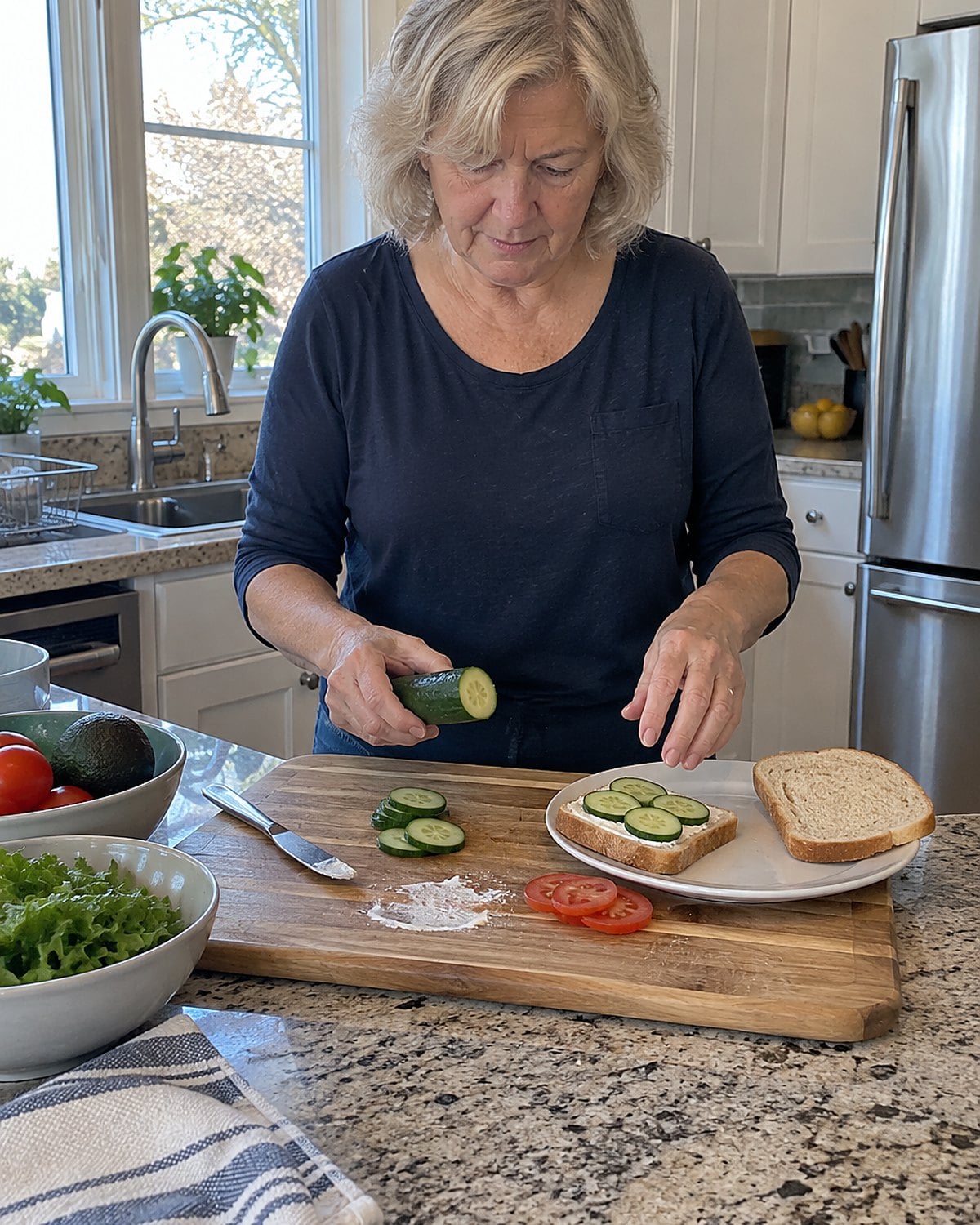
The first cucumber earns its place beside a sandwich. The second is bought for a salad that has no date on the calendar. It sits in the drawer until the middle feels soft under your thumb.
At the store, picture the plate rather than the produce display. Ask yourself which meal gets the cucumber and what else goes on it. If you want only a few crisp slices, buy one cucumber. On the night you cut it, use the rest beside dinner with salt and vinegar. That’s a side dish without another bowl of greens to finish.
A cut cucumber belongs in the fridge, covered. The uncut one belongs where you’ll notice it before shopping again. That leaves no spare cucumber waiting for a future version of Tuesday.
#24 The enormous bunch of parsley
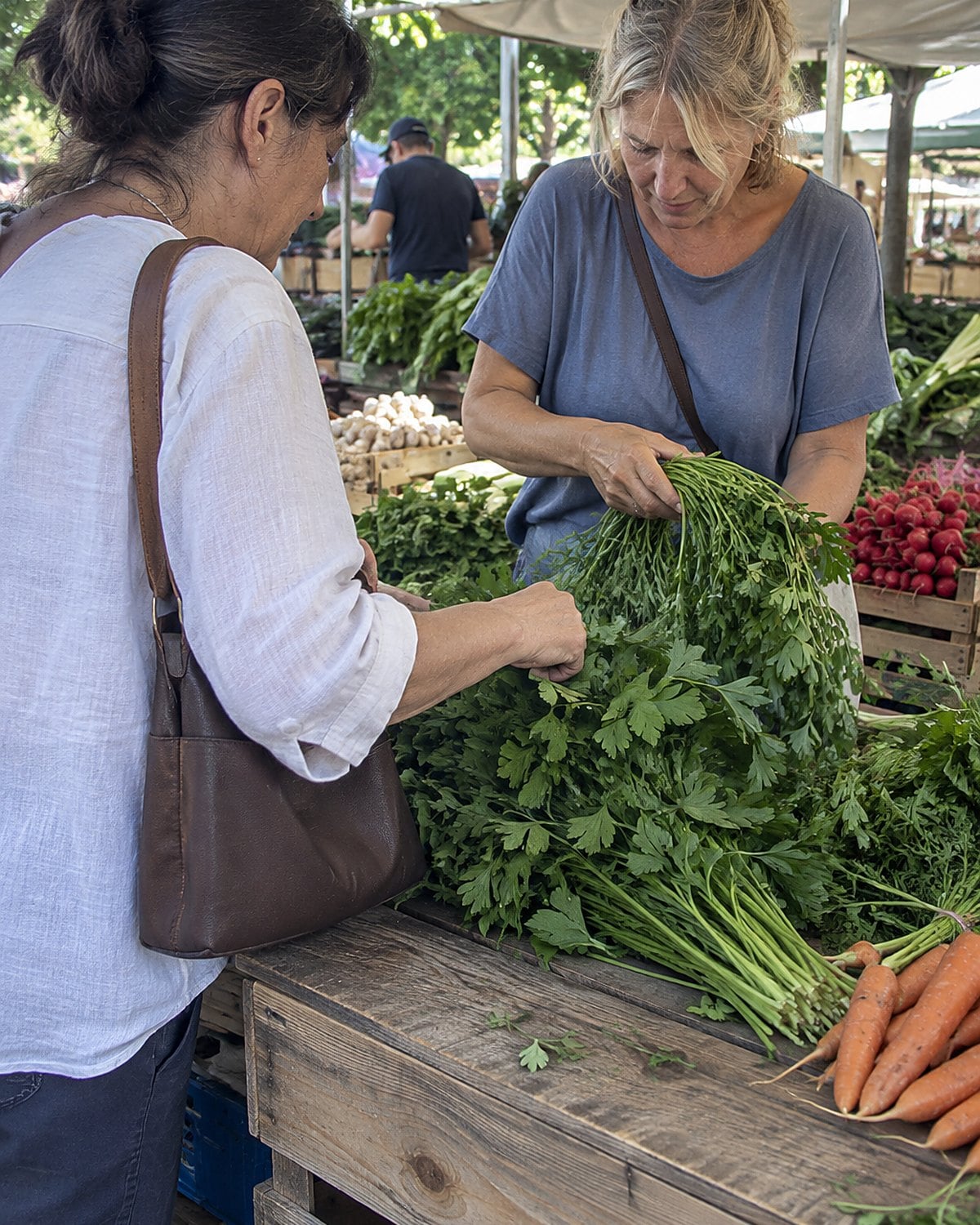
At the market stall, parsley looks cheap and cheerful. You want a little for potatoes. The seller hands you a bunch with enough stems to fill the sink, and the rest rides home because you hate wasting good food.
Chop what tonight’s meal needs first. Then decide whether the remaining leaves have a real destination. Stir them through cooked rice, add them to a tuna sandwich, or scatter them over beans. Parsley stems have flavor too. Chop the tender ones finely rather than stripping every leaf and tossing the rest.
There’s a difference between a plan and a possibility. “I’ll find something to do with it” leaves the bunch in the refrigerator door, slowly turning yellow. “It goes into tomorrow’s beans” gives you a reason to open the container.
Next trip, look for loose sprigs if the store has them. If it doesn’t, buy the bunch when you have more than one meal ready for it. The green on the potatoes will still taste good without a sink full left behind.
#23 The carton of heavy cream
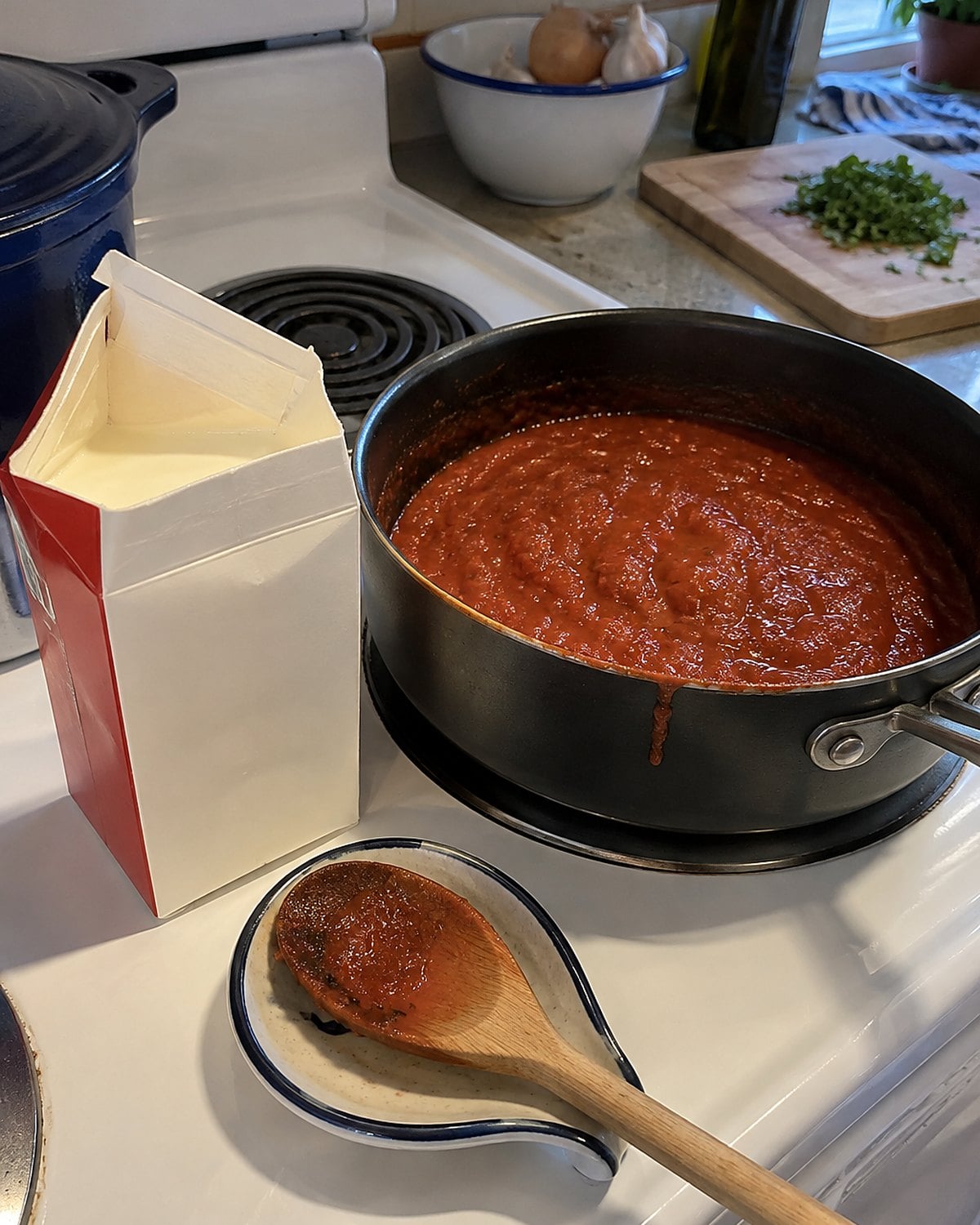
You pour a splash of cream into tomato sauce. The carton goes back beside the milk, and every time you reach past it, you promise yourself a dessert. Dessert never quite makes the schedule.
Before buying cream, check how much the dish needs. A sauce calling for a little cream doesn’t require a second creamy meal, but the leftover carton does require attention. Write the opening date on it.
The USDA’s cold storage chart is a better check for keeping times than a guess based on how the carton looks.
When the sauce is in the pan, taste before pouring. Tomato, onion, and a bit of butter have already done work. If cream belongs there, add it and enjoy it. If you only wanted to soften a sharp edge, cook the sauce a little longer before opening a carton.
#22 The family-size tub of Greek yogurt
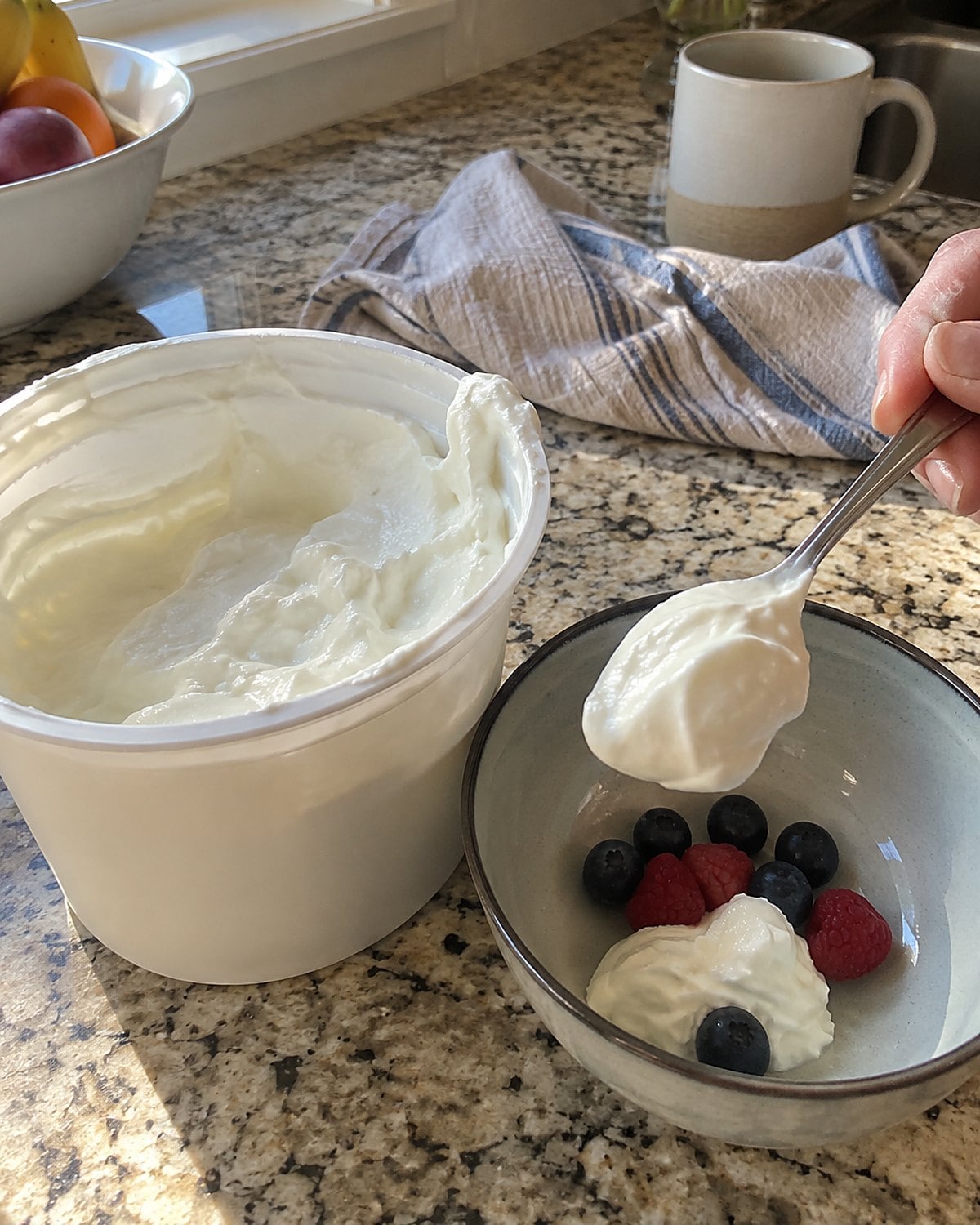
The large tub looks practical when you compare labels on the store shelf. Then it becomes a refrigerator tenant. You eat some with fruit, forget it for several mornings, and buy something else for breakfast.
Choose the tub by meals, not by its footprint. Say the meals aloud: yogurt with berries, a spoonful beside roasted potatoes, and a sauce for chicken.
If those are meals you’ll eat, the larger size has somewhere to go. If breakfast has been toast all week, the smaller container suits the kitchen you have.
A spoon used for tasting doesn’t go back into the tub. Scoop what you need into a bowl, then put the container away. Check the date and the maker’s storage directions rather than treating a large tub as a challenge to finish.
The best deal is the container that gets emptied while the yogurt still tastes fresh. There’s no prize for making yourself eat the same breakfast because the shelf tag made a larger purchase look sensible.
#21 The bag of lemons for one wedge
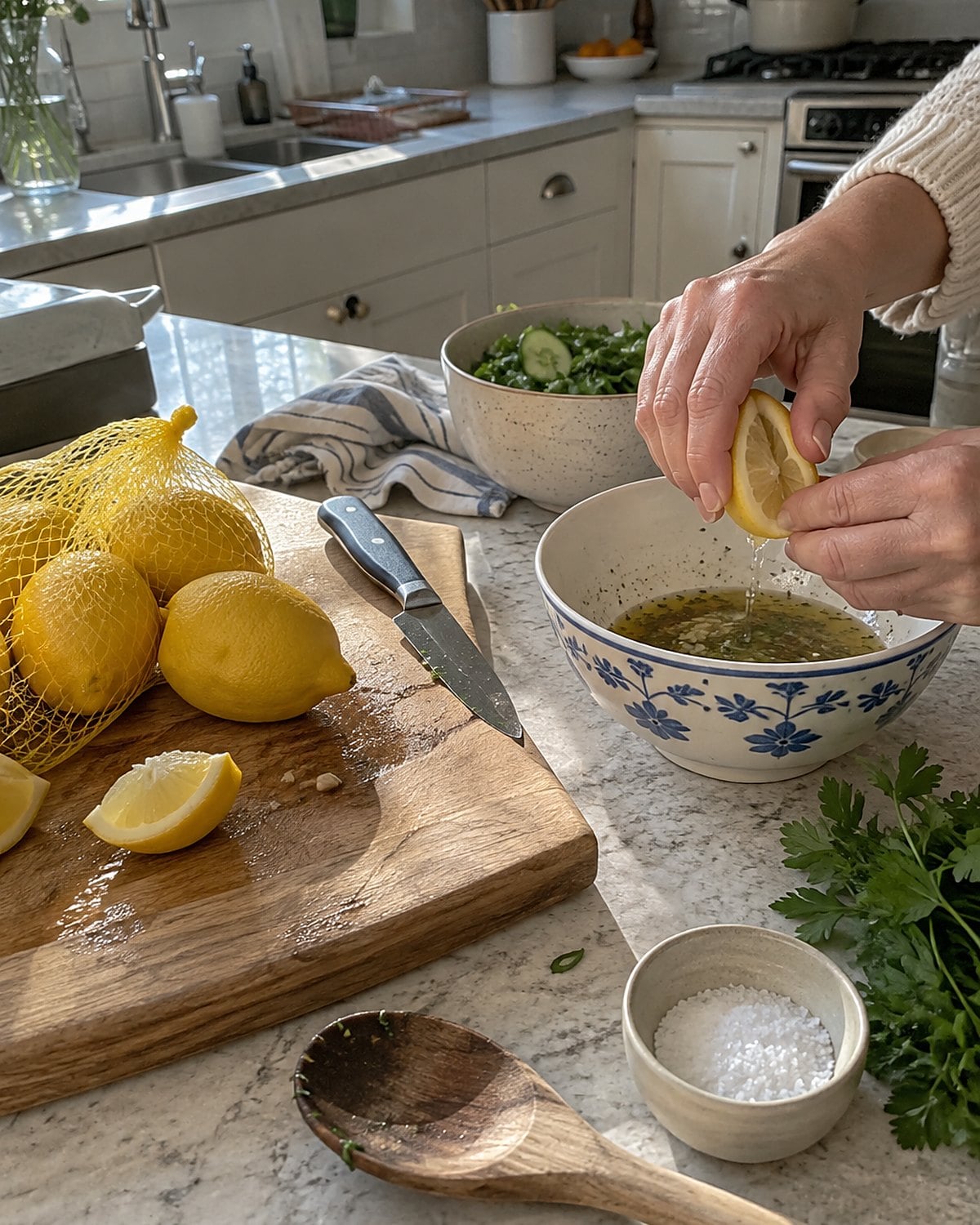
Why does a recipe that needs a squeeze send you home with a whole bag?
Sometimes the store has no loose lemons. Before you buy the bag, decide where the rest will go. A lemon brightens cooked beans, fish, and a plain glass of water. If those sound like your week, fine. If the bag is headed for the fruit bowl to harden, a bottle of lemon juice already in your fridge deserves a look.
Fresh juice and bottled juice don’t taste identical, especially on food served cold. Use fresh when the lemon is the point. When it’s there to lift a cooked sauce, taste what you have before buying more fruit.
At checkout, the question isn’t “Will I use lemons?” It’s “What will I do with the next one?”
#20 The celery hearts beside the sink
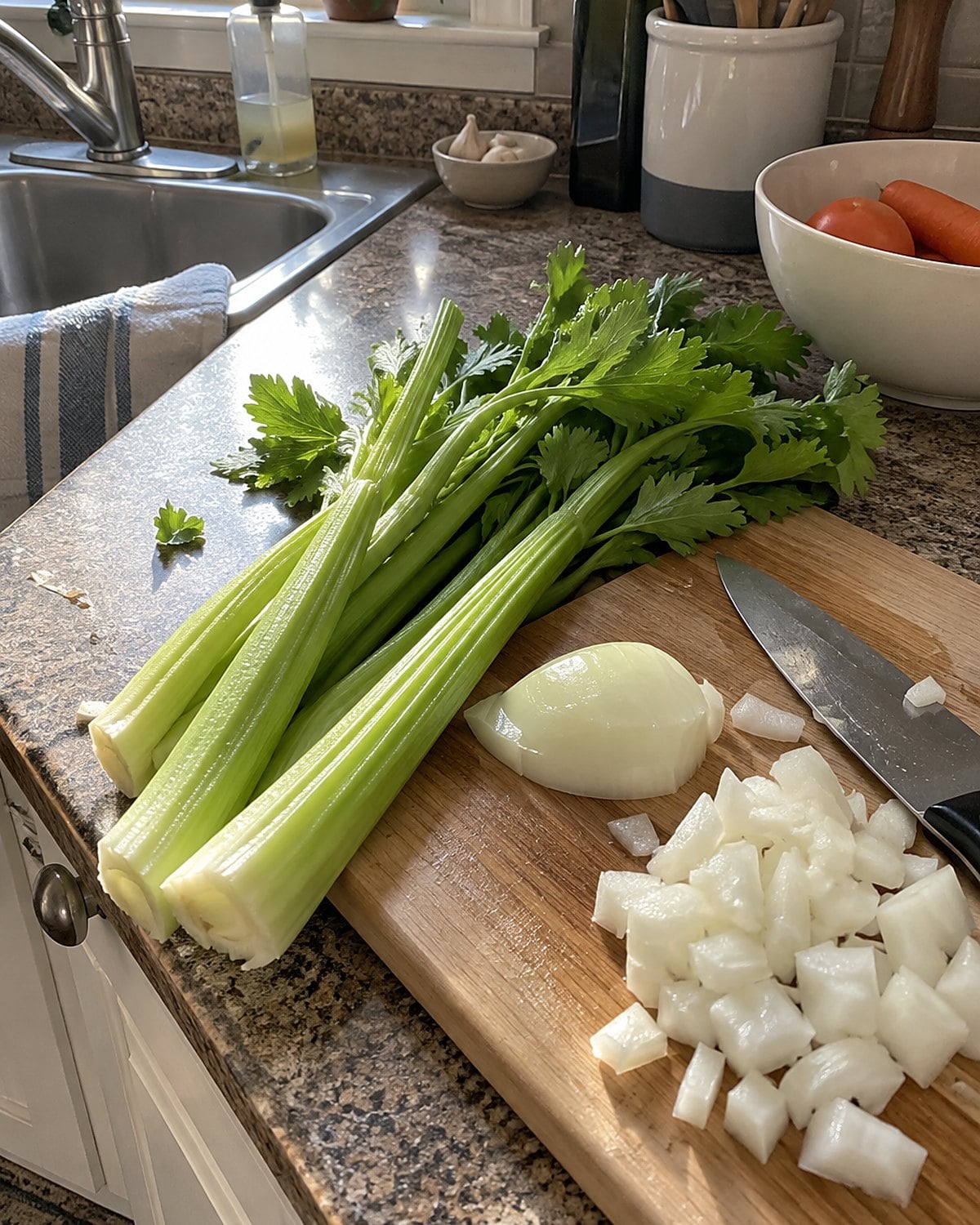
Celery enters the kitchen for the stalks a soup needs. The rest lands beside the sink while you chop onion and carrots. Later, it goes into the produce drawer, where nobody asks for it again.
Look at the leaves before you put the knife away. They bring celery flavor to soup without demanding the same chewing as a stalk. Chop them with the tender inner pieces and add them near the end.
Now count what’s still beside the board.
Slice a stalk for a snack and put it where you’ll see it. Chop the rest for another dish you already make, such as chicken salad or beans. If that dish isn’t coming, leave celery off the next soup list. Onion and carrot still make a good start.
There’s no need to invent a celery campaign because a recipe asked for a little. The thing to notice at the sink is how much remains when the pot goes on the stove.
Try it: Instant Pot Risotto With Celery & Peas
#19 The jar of specialty mustard
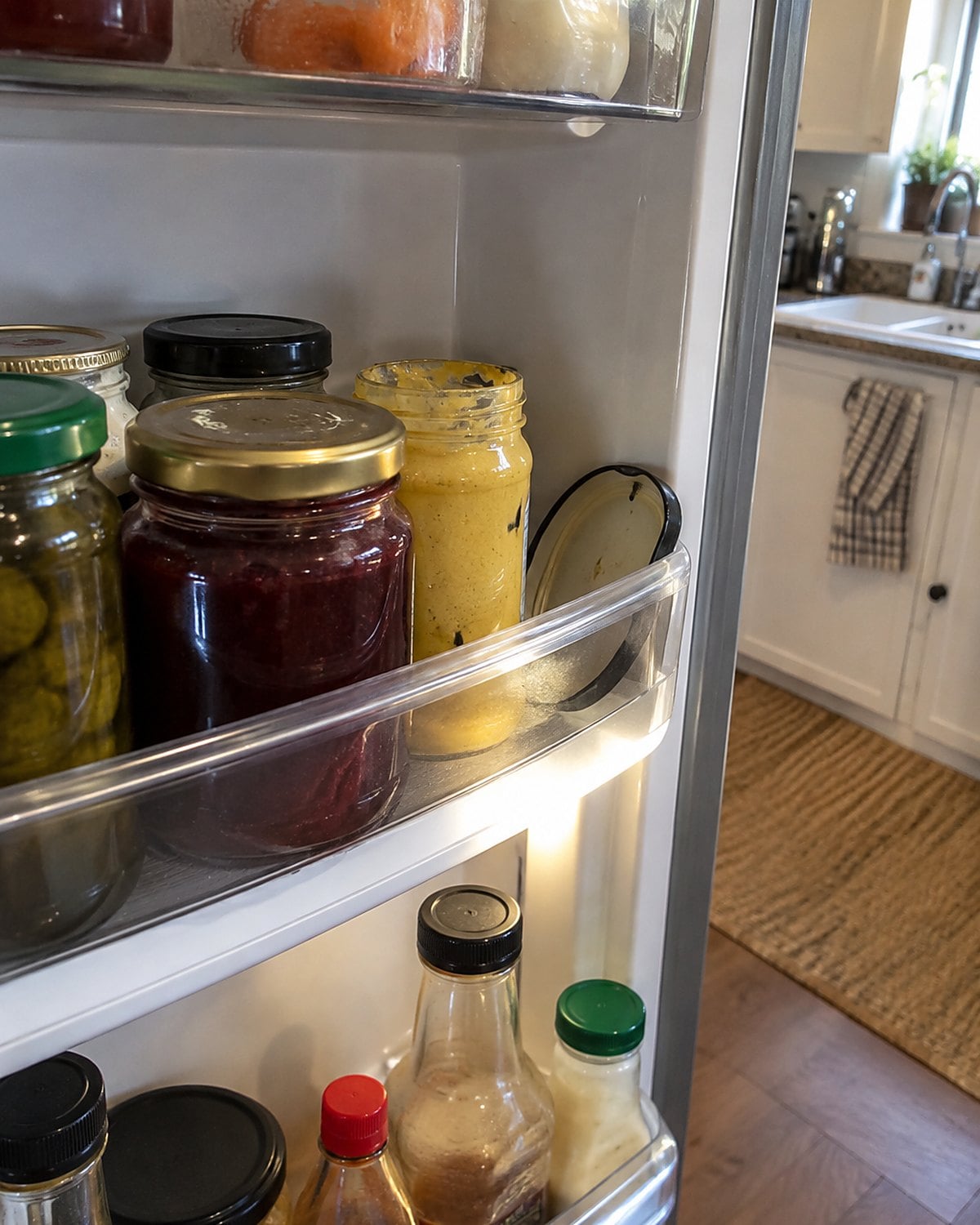
“Which sauce will this replace?” Ask that while the mustard is still on the shelf. You bought the last jar for a sandwich served at a gathering. Now it stands behind the everyday yellow bottle, its label facing the back.
Open the jar at home and taste a little before planning around it. A sharp mustard stirred into a pan sauce behaves differently from a sweet one. Spread some on bread with leftover chicken, or whisk it into a dressing you already like.
If neither appeals, don’t make a recipe to justify the jar. A spoonful of mustard on a pork chop replaces another sauce. It doesn’t have to start a new cooking project.
Next time a recipe calls for an unfamiliar condiment, check the fridge door before shopping. One open jar with a clear job beats several jars waiting for their special occasion.
 You might also like25 Fridge Habits That Waste Money Every Week Without Anyone Noticing
#18 The oversized box of grandchild snacks

Friday’s store trip includes crackers your grandchild ate with delight last month. You buy the big box. On Saturday, she wants toast, then goes home, leaving you with a cupboard full of crackers shaped like animals.
Children change their minds without giving the pantry notice. Buy the small package for a visit unless the snack is something you enjoy too. Put out a little in a bowl and leave the rest sealed. That also lets you see what she eats, rather than guessing from the crumbs under the high chair.
If your grandchild has food allergies, ask the parent what’s safe before you shop. Check the current package label, even if you’ve bought those crackers before. The CDC’s food allergy guidance is there when you need to check what an allergy involves.
Keep one dependable food on hand that everyone at your table eats. Then the visit isn’t built around a box bought for the child she was last month. The high chair will supply enough surprises on its own.
#17 The avocado waiting for Tuesday
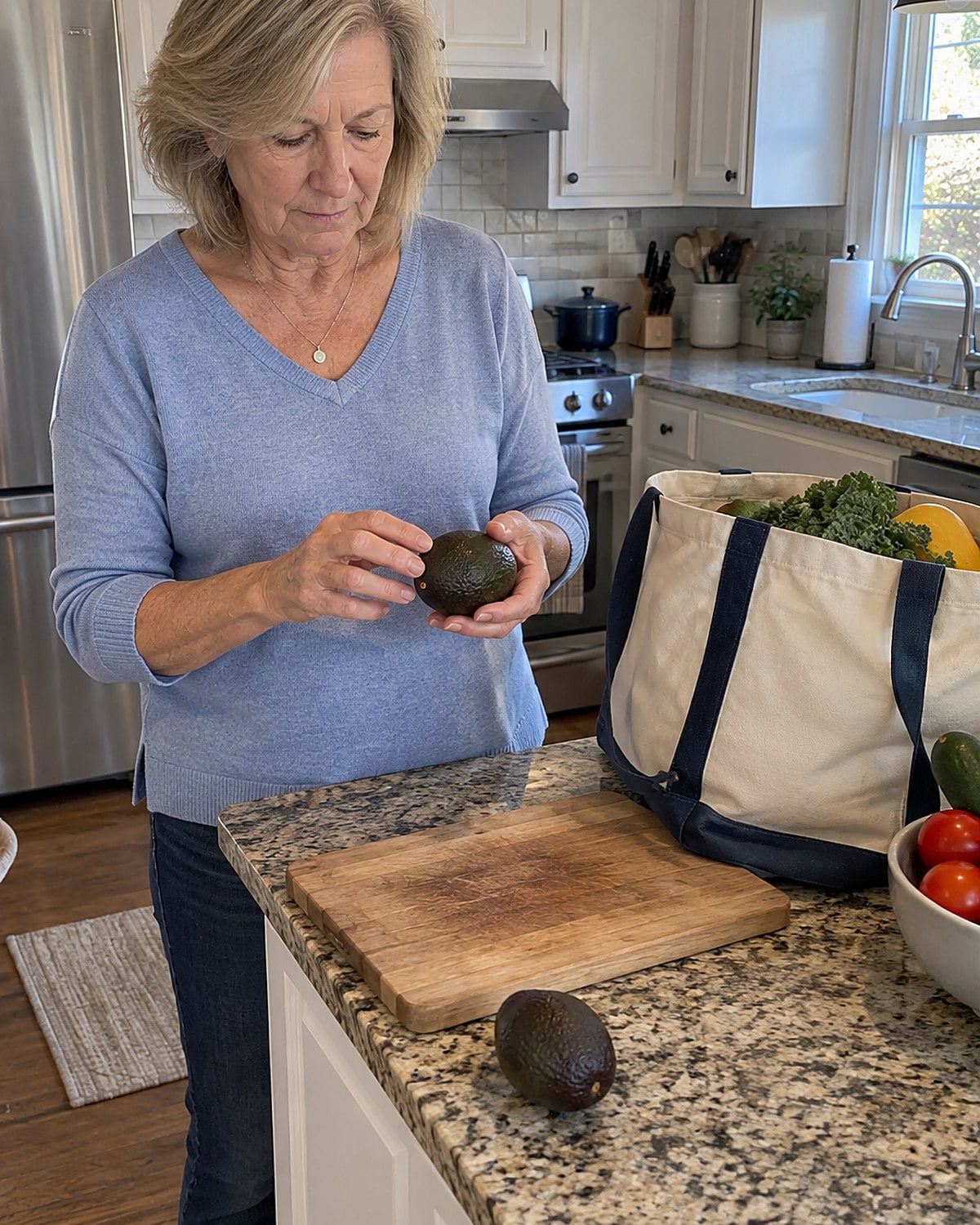
An avocado gives you a narrow moment: firm enough to slice, soft enough to taste good. A hard one bought for Tuesday’s lunch has no interest in your calendar.
At the store, hold it in your palm and press lightly. You’re checking for a little give, not leaving a thumbprint. If it’s already soft and lunch is days away, choose something else. If it’s firm and you have time to watch it, leave it where you’ll notice the change.
Once cut, the flesh browns where air touches it. Brown color alone doesn’t tell you the whole avocado is ruined; look and smell before deciding. But buying several in one trip puts several ripening clocks on the counter. For one sandwich, buy one.
Try it: Air Fryer Avocado Tacos
#16 The church supper bag of potatoes
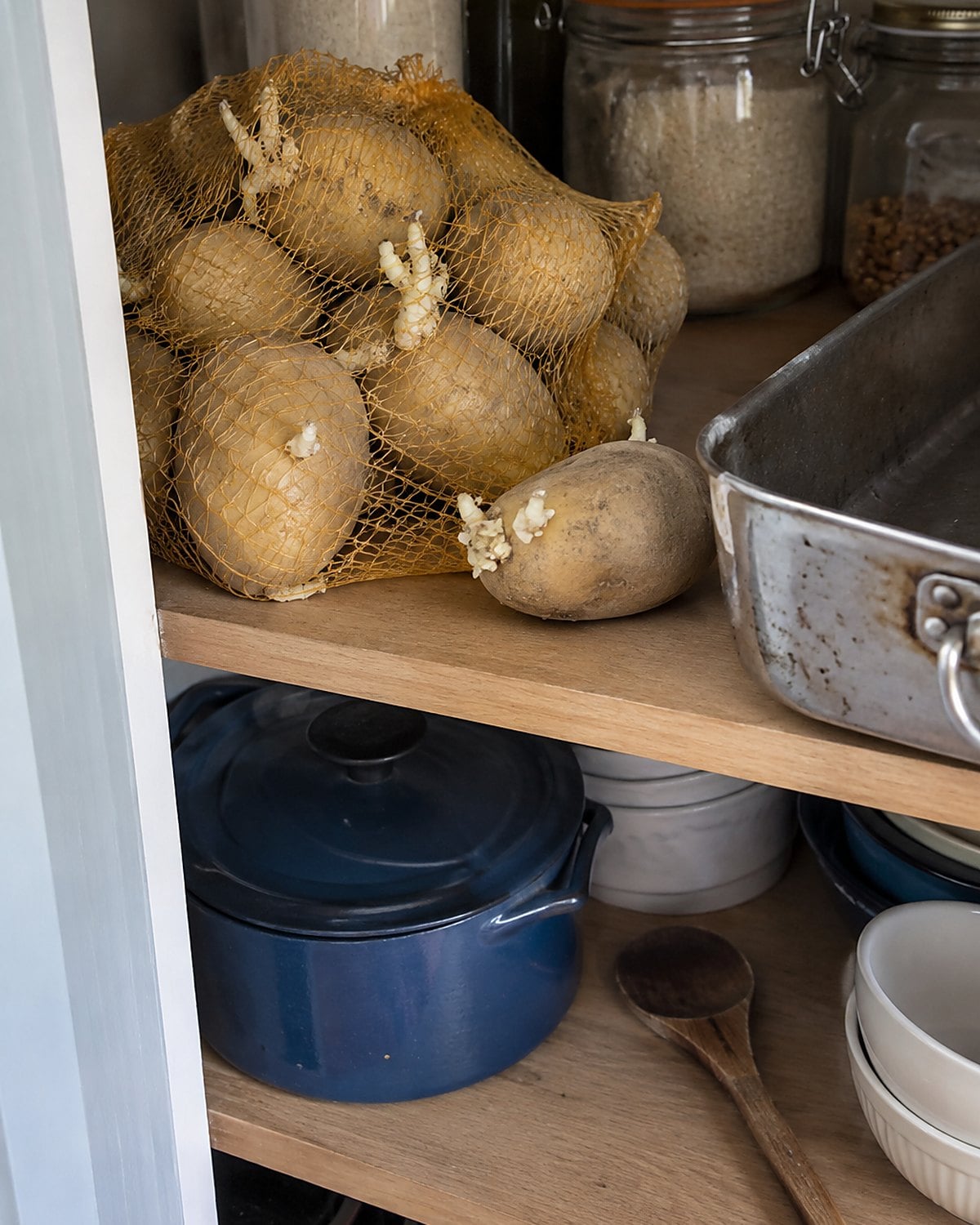
At a church hall table, a full pan of potatoes disappears. At home, the same bag sits in the dark until shoots push through the mesh. It’s easy to shop with the crowd still in your head.
Count the potato dinners you’re going to cook. A baked potato with supper has a place. So does a small pan of hash for breakfast.
“We always keep potatoes around” isn’t a meal, especially when there’s only you to finish the bag.
Store potatoes in a cool, dark spot away from the stove. Keep them out of the refrigerator; the FDA advises against refrigerating raw potatoes because cold storage changes their sugars. If you see green skin, cut away small green areas generously. Throw out potatoes that are extensively green or bitter.
A smaller loose purchase fits a smaller table. You still get the potato supper you wanted, without finding an entire bag when you reach for the roasting pan.
Try it: Instant Pot Air Fryer Rosemary Potatoes
#15 The giant jar of olives
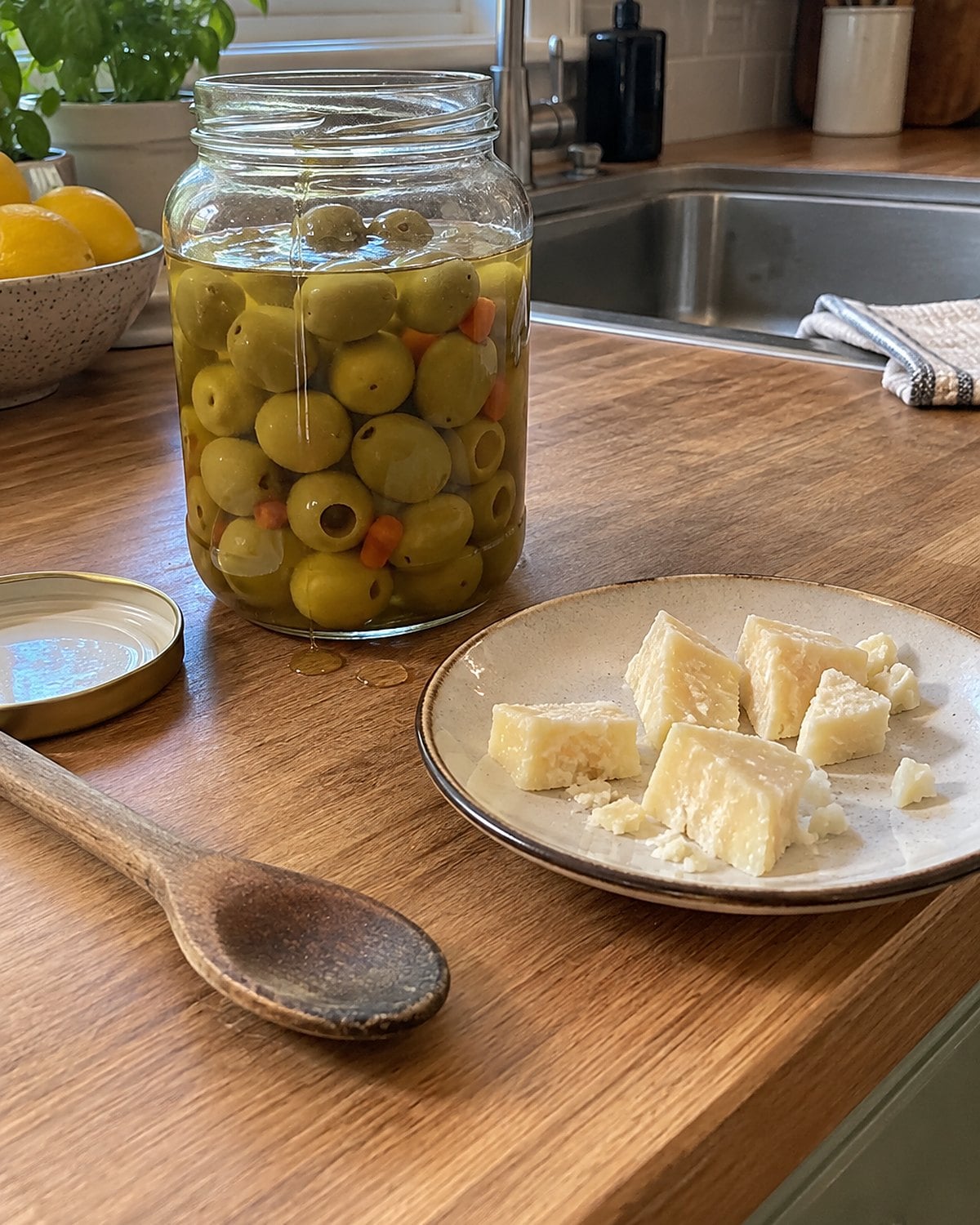
Read the label before the giant jar goes in your cart. After opening, some jars need refrigeration, and the instructions belong to that product.
The big jar costs less per olive. You bring it home, put out a few with cheese, and then it takes up the front corner of the refrigerator. Later, the brine looks cloudy, and you can’t remember when you opened it.
At home, use a clean fork to lift olives out. Keep the fork from your plate out of the jar.
Think about the next meal before choosing the size. Chopped olives give plain chicken salad a salty bite. A few sit well beside eggs. If you don’t want either dish, buy the smaller jar for the cheese plate. Which jar will you actually open again?
#14 The freezer bag of dinner rolls
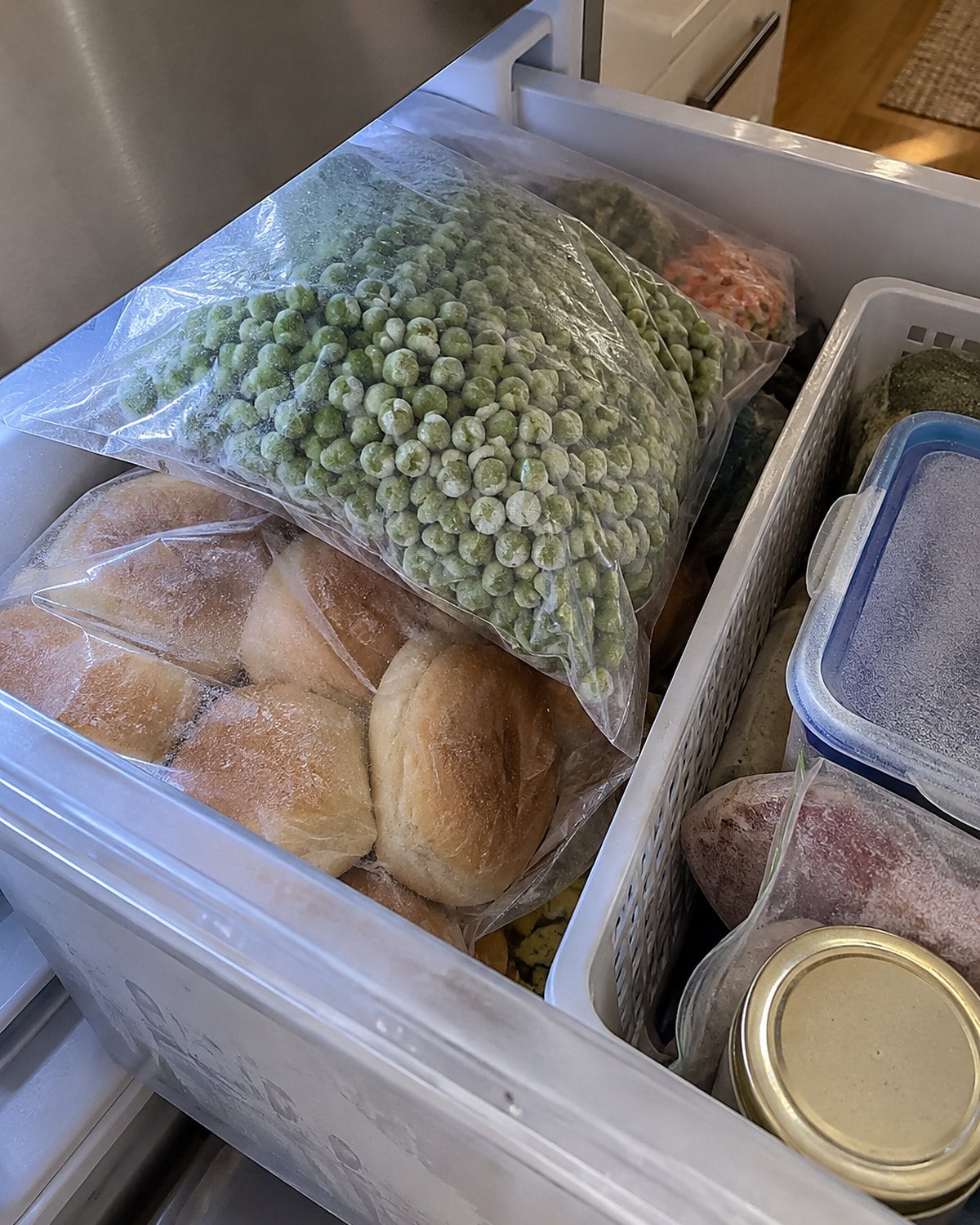
A holiday bag of rolls goes into the freezer with confidence. Weeks later, it’s under a box of peas and a lopsided container of soup. You buy fresh bread because you forgot what was there.
Move the bag to the front and write what’s inside on the closure before it vanishes again. The USDA’s freezing guidance distinguishes safety from quality: food kept frozen at 0°F stays safe, while flavor and texture decline with time. A freezer isn’t a pause button for good bread.
When you want one roll, take one. Warm it until the center is soft, then give the surface a brief toast if it needs a crisp edge. Don’t thaw the whole bag to rescue dinner for one.
Before adding more bread to the cart, pull open the freezer drawer. The useful purchase might already be under the peas.
#13 The cabbage half behind the milk
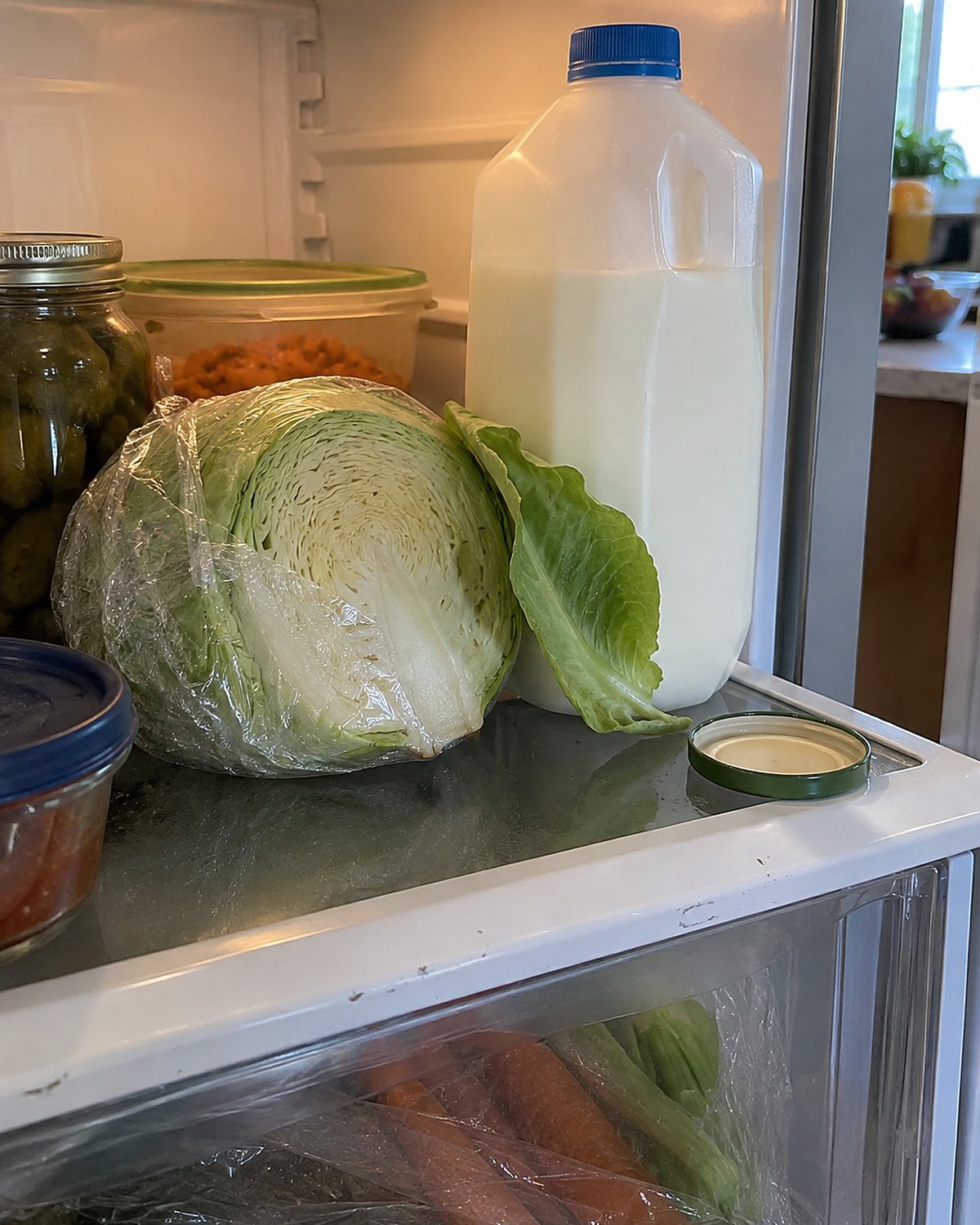
A cabbage looks compact until you cut it. Suddenly there’s a large half taking up a shelf, its cut face drying while you make anything except cabbage.
Cook the portion you wanted first. For the remainder, slice some thinly for a skillet meal. Put the cabbage in after the onion has softened; it needs room to contact the hot pan. A crowded pan traps steam and leaves the cabbage limp before the edges brown.
Taste it with salt and something tart before adding more ingredients. That small adjustment does more than a second pan of plain cabbage. Wrap the remaining cut piece, refrigerate it, and make its next meal visible on your list. If the next meal has no name, buy a smaller cabbage next time.
Try it: Instant Pot Cabbage With Coconut & Spices (Sri Lankan Style)
#12 The salad kit with Tuesday’s name
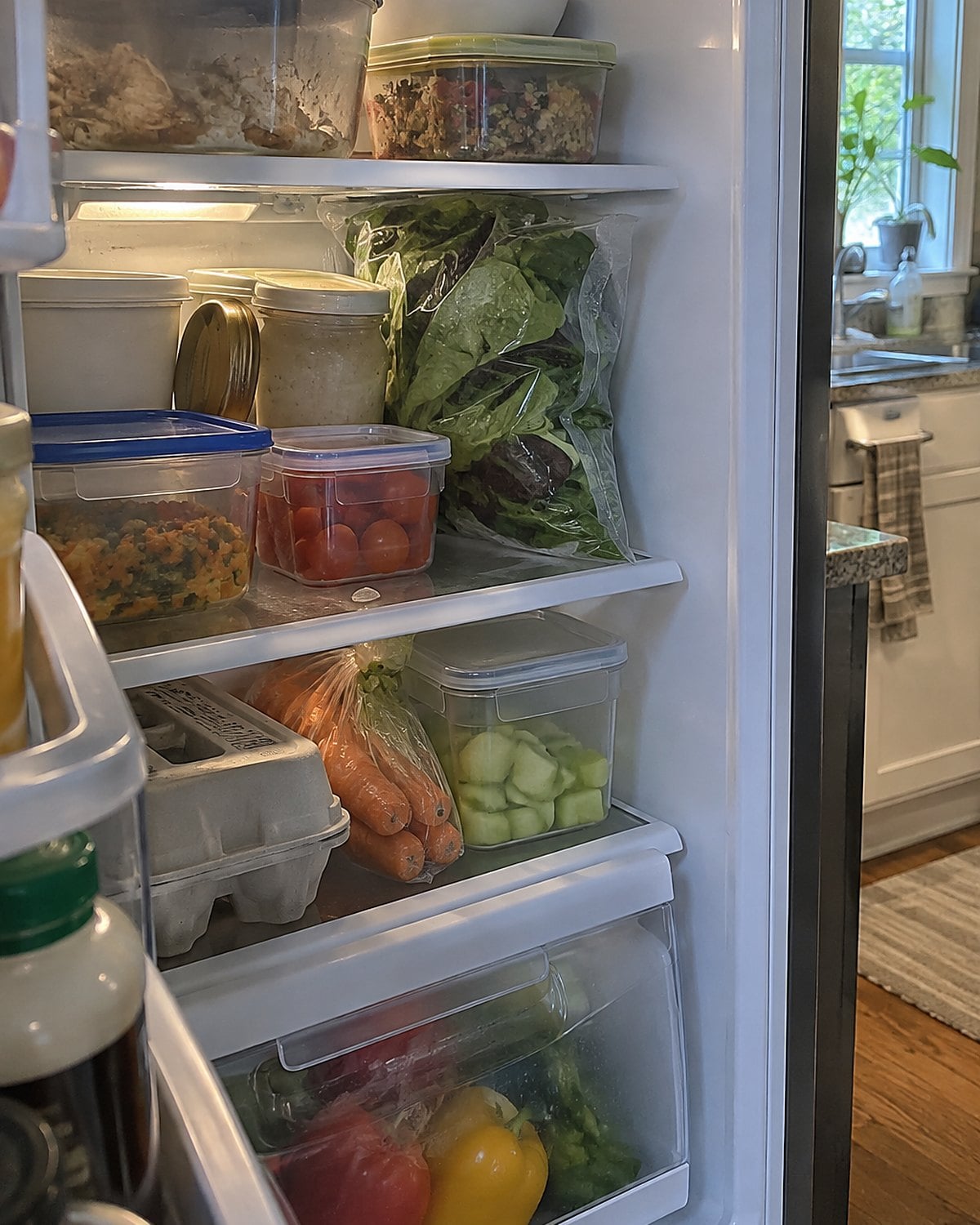
The salad kit looks like dinner handled. Greens, toppings, and dressing share one bag. Then Tuesday brings a bowl of cereal, and the kit spends its short life pressed against the back wall of the fridge.
Look at the date before it goes in the cart, and think about when you’ll open it. A kit meant for tonight belongs in tonight’s plan. A kit bought for some dinner later in the week has to compete with every change of mind between now and then.
When you do open it, use the dressing to taste. Start with some, toss, and add more only if the leaves need it. The packet was packed to suit the bag, not your appetite. Save unopened toppings only as the package directs.
If the greens have become slimy, discard them. The FDA’s advice on selecting and serving produce helps with the broader fridge questions. For this purchase, the clearest fix is simpler: put the kit on the table the day you bring it home.
#11 The berries in the crisper carton
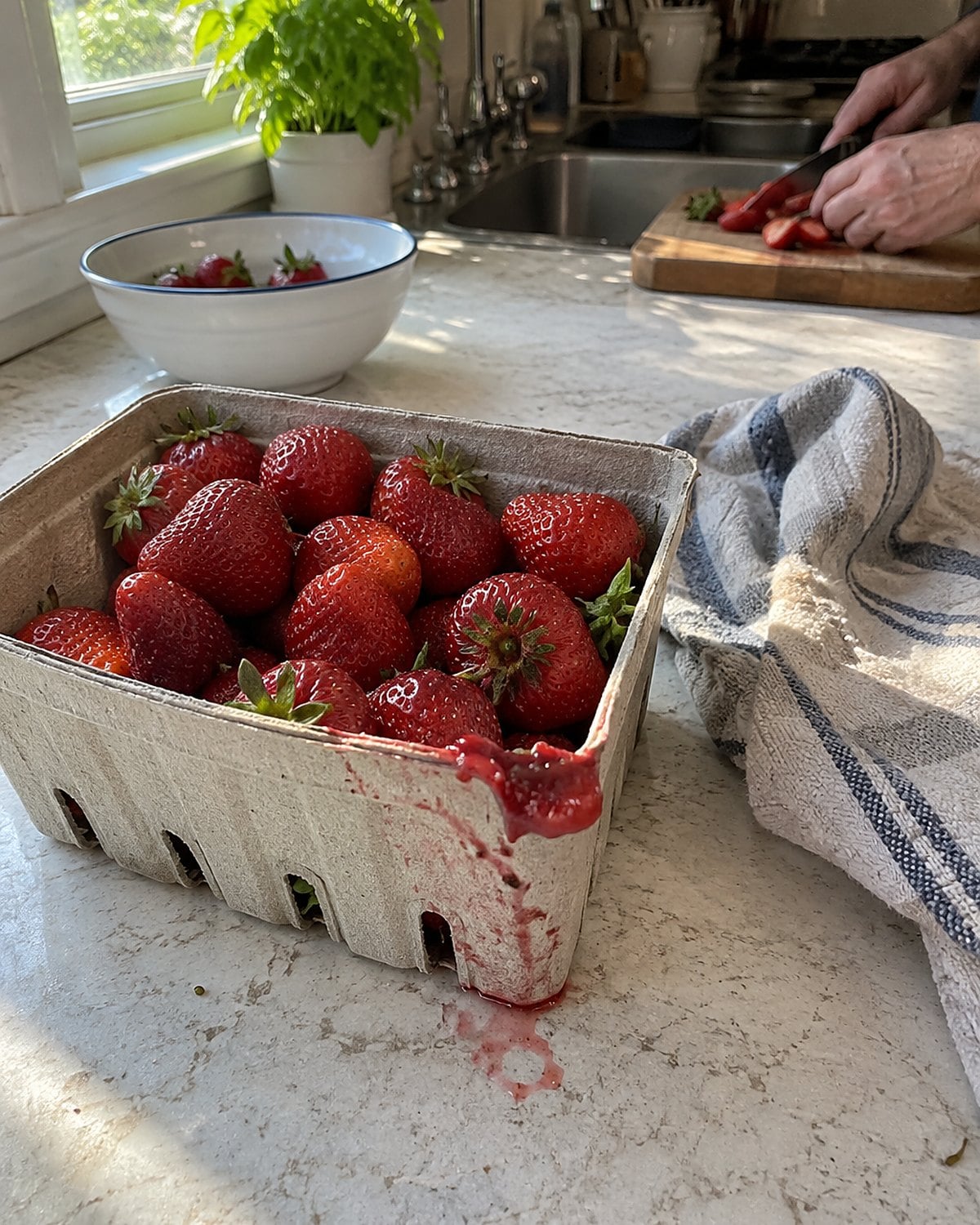
Berries arrive bright and disappear behind the milk. When you find them, one soft berry has pressed against the others and left a damp patch in the carton.
Open the package when you get home. Remove berries that are crushed or moldy, then put the sound ones back in the fridge. Wash them under running water when you’re ready to eat them, not before storage. The FDA’s produce advice calls for washing produce before you prepare or eat it.
Give the carton a place you’ll see at breakfast. A handful beside toast is a better plan than a dessert you haven’t decided to make. If you wanted berries only for a weekend guest, buy them closer to the visit.
The crisper drawer keeps food out of sight. It doesn’t remember the breakfast you had in mind.
#10 The family pack of chicken breasts
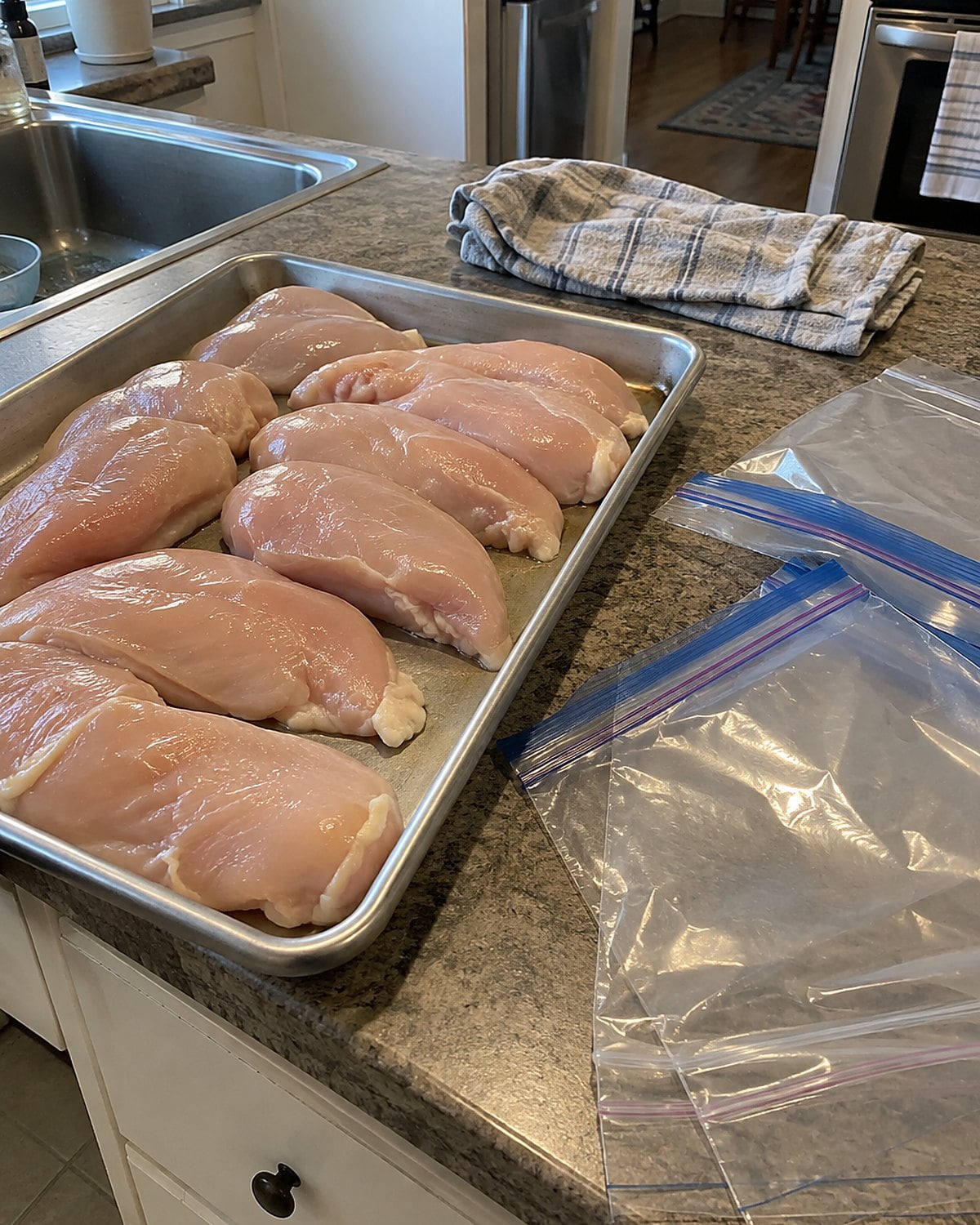
The family pack looks tidy in its plastic tray. At home, it’s more chicken than tonight’s pan will hold. You cook it all anyway, then face several servings of dry leftovers.
Split the pack before dinner. Keep what you’ll cook now in the fridge and freeze the rest promptly in meal-size portions. Label each package so you won’t need to guess later. The USDA’s cold food storage chart puts raw chicken at 1 to 2 days in a refrigerator kept at 40°F or below. That’s a short window, not a standing invitation to wait for Thursday.
At the stove, use a thermometer instead of cutting into every breast to check it. Poultry needs to reach 165°F in the thickest part. Pulling chicken apart to look for clear juices makes a mess and doesn’t give you the same answer.
If you don’t want to divide a slippery package after shopping, buy the smaller pack. Paying for chicken that gets eaten is the comparison that matters.
 You might also like27 Things a Woman Learns When Her Husband Starts Cooking in Retirement
#9 The rotisserie chicken for one supper
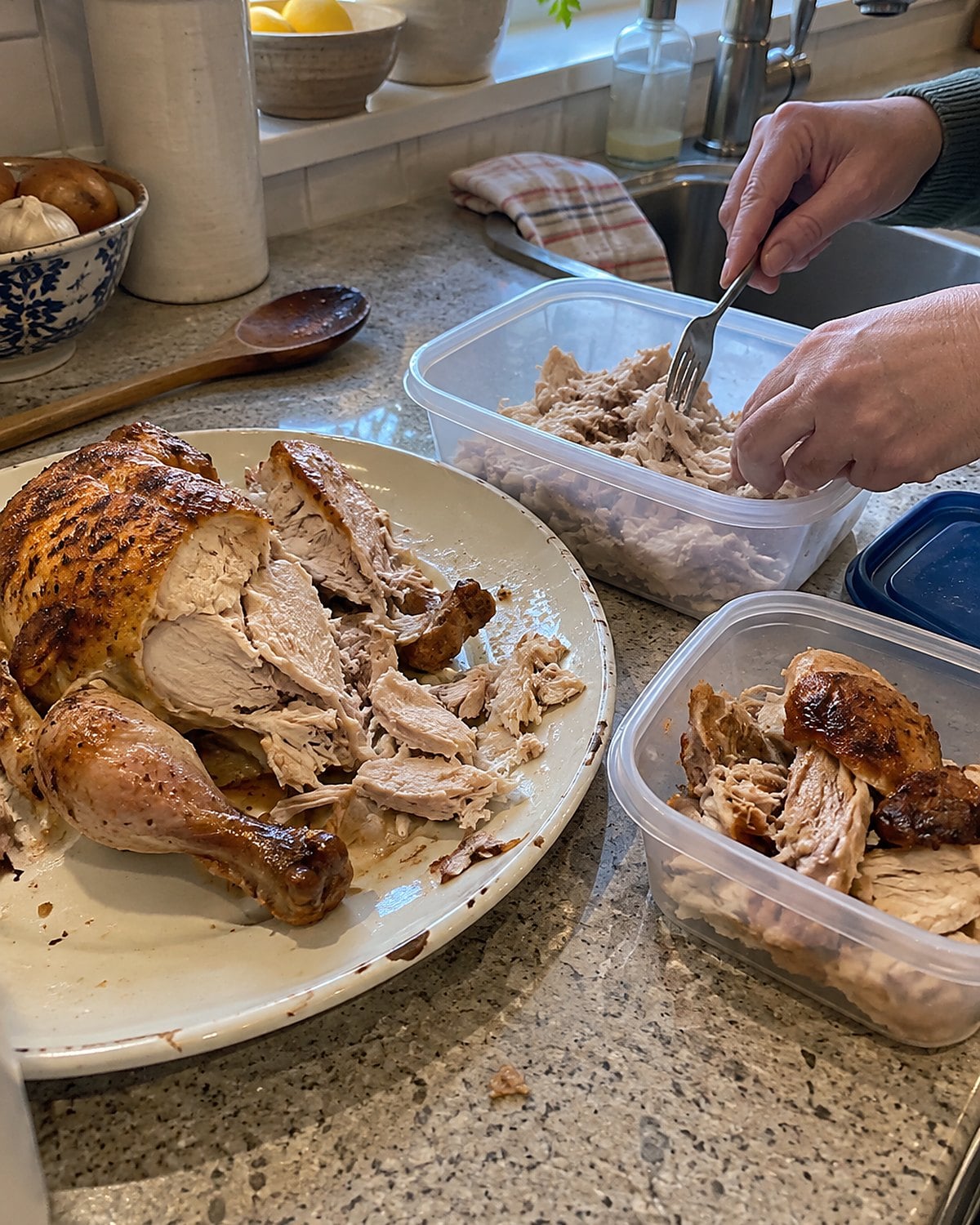
The chicken smells wonderful under the store’s warmer lights. At home, you take a leg, make a plate, and leave the rest in its container while you wash dishes. By the next evening, another dinner sounds better.
Deal with the leftovers before sitting down. Cut off the portion for tonight, then portion the rest into shallow containers and refrigerate it promptly. The USDA’s cold storage chart gives cooked chicken 3 to 4 days in the fridge at 40°F or below. Freeze portions you won’t eat in that window.
The carcass is an invitation, not an obligation. Make stock when you want stock. Otherwise, enjoy the chicken you bought without turning supper into another task. One ready portion in the fridge gives tomorrow’s lunch a fair chance.
Try it: Instant Pot Chicken Salad (Classic Recipe)
#8 The pale melon on the counter
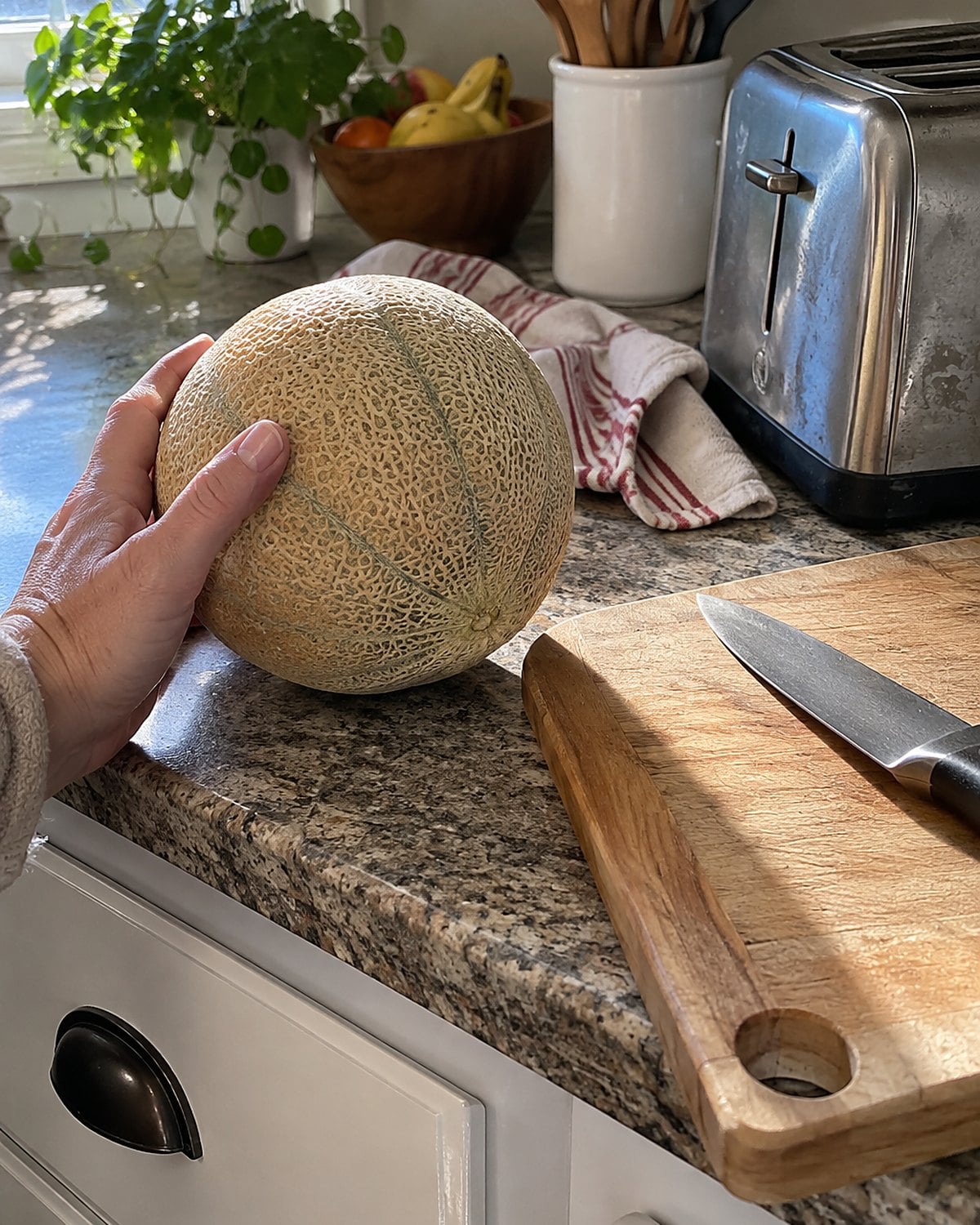
You bought the melon because it looked like breakfast for several days. Now it sits near the toaster, uncut, because hauling out the board and dealing with the rind feels like a whole morning job.
Cut it when the counter is already clear. A sturdy board and a sharp knife make the work steadier. Wash the rind under running water before cutting; the knife passes from the outside into the flesh. The FDA’s produce guidance calls for washing produce before cutting, even when you won’t eat the rind.
Taste a piece before filling containers. If the melon is bland, a little lime or a pinch of salt brings its flavor into focus. Refrigerate cut melon promptly.
For a household of one, the right melon is the one you feel like cutting. A smaller fruit beats a grand breakfast plan that stays whole beside the toaster.
#7 The whole-grain loaf bought from guilt
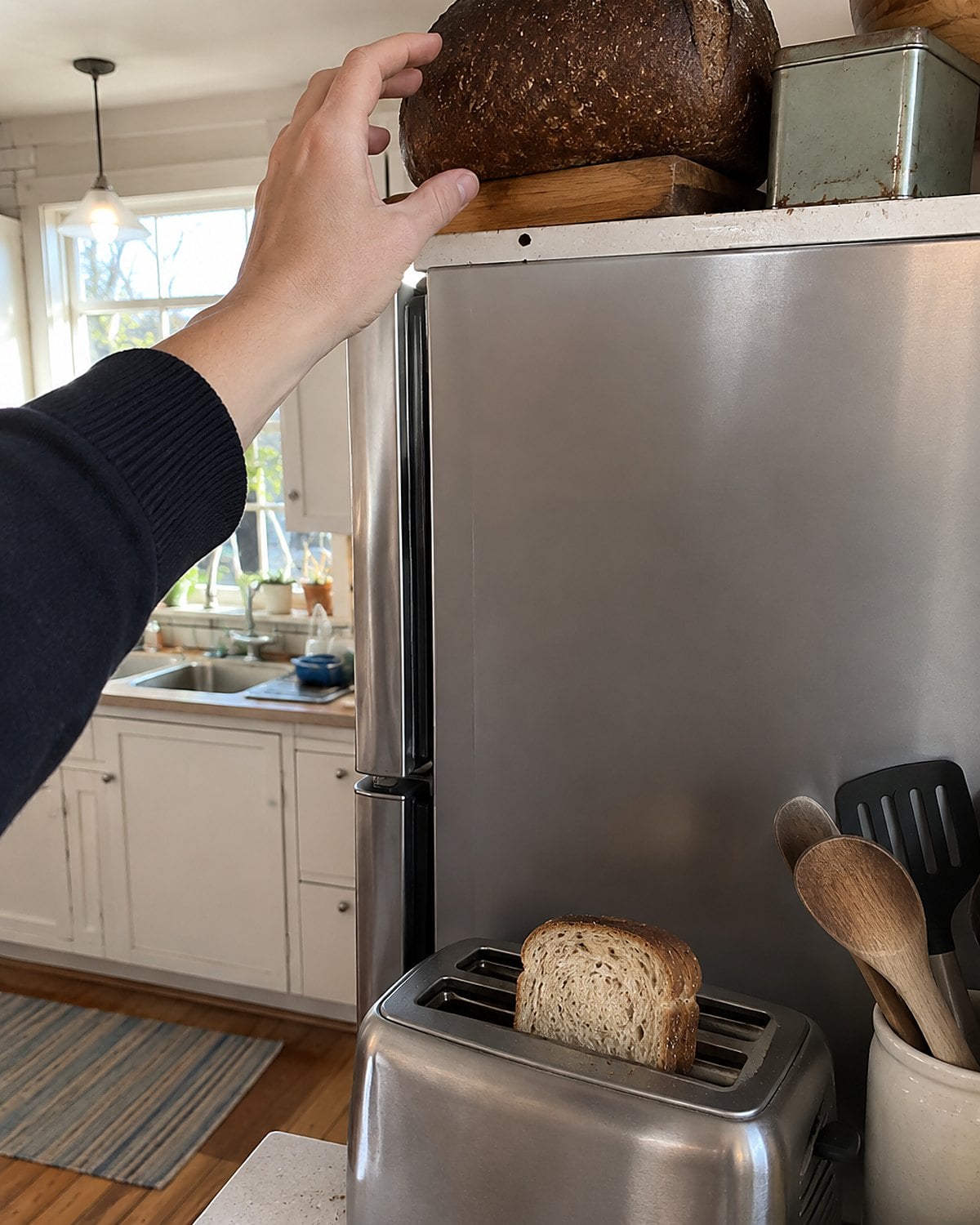
You reach for the dark loaf because it sounds like the sensible choice. Then you make toast with the bread you like, while the worthy loaf grows stale on top of the refrigerator.
Read the ingredient list if whole grain matters to you. Color alone won’t tell you what flour went into bread. The USDA’s MyPlate site explains what counts as a whole grain without asking you to admire a loaf you don’t want to eat.
Taste also matters. If the bread is too dense for your breakfast, try a smaller loaf or freeze slices right away. Pull out the amount you’ll toast, instead of waiting for the whole loaf to fit a week’s meals.
You’ve earned a breakfast you want. Buying bread out of duty only creates a stale reminder of a decision you never enjoyed.
#6 The dried beans for a future pot
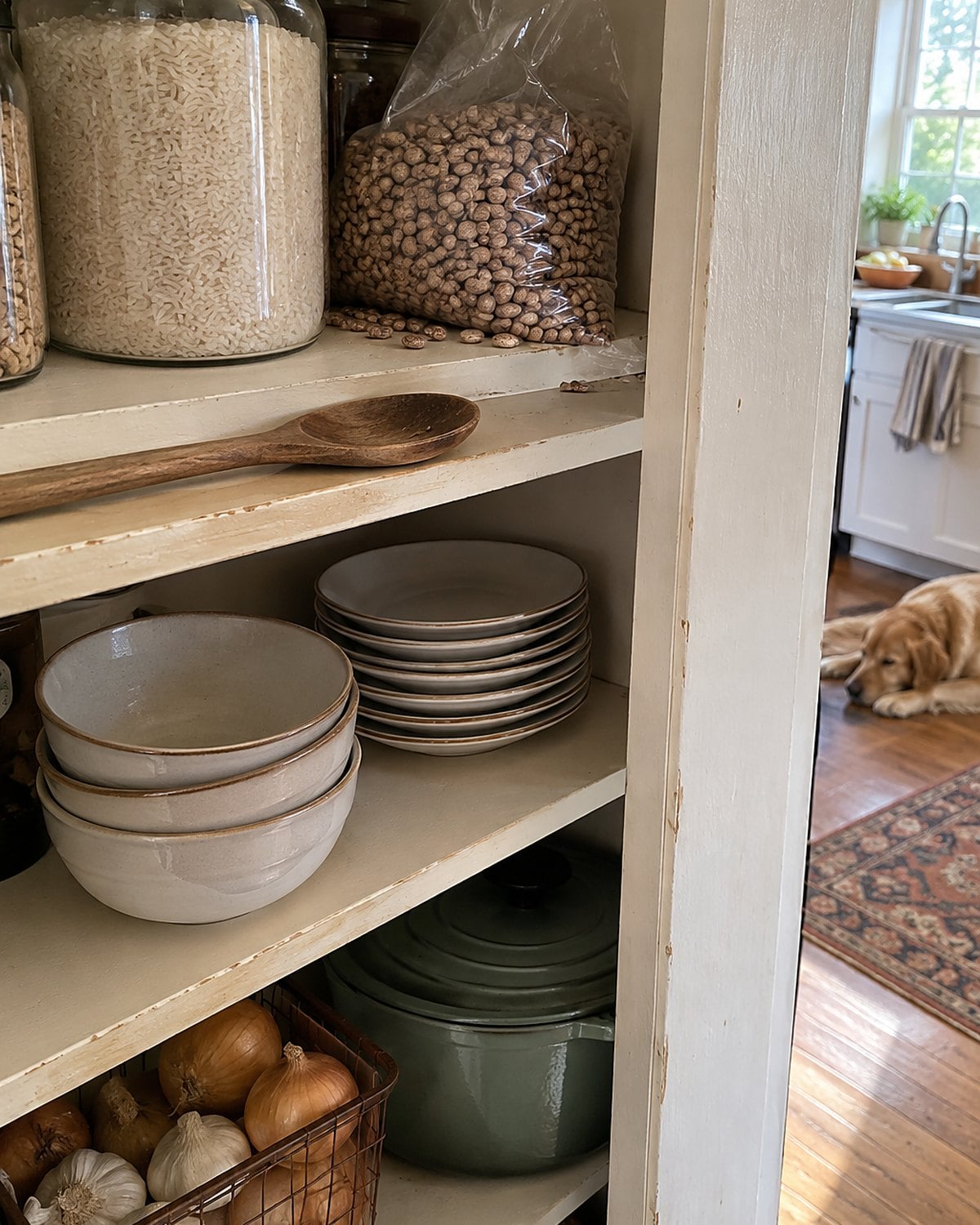
A bag of dried beans promises many dinners for little shelf space. It goes behind the rice and waits. You keep buying canned beans because dinner needs to happen now.
The two forms serve different nights. Dried beans need sorting, rinsing, and cooking until tender; their cooking time changes with the bean and its age. Canned beans are ready when you need a quick supper. Keep the one you actually use, or choose a day for the pot before buying another bag.
If you cook dried beans, hold acidic ingredients such as tomatoes until the beans are tender. Acid slows softening, which is why a pot full of tomato broth leaves you testing stubborn beans long after you expected dinner. Salt isn’t the villain many old recipes make it out to be.
Use trusted guidance for kidney beans in particular. The FDA warns that raw or undercooked kidney beans contain a toxin; a slow cooker alone isn’t the place to take chances with them. A reliable stovetop method, or canned kidney beans, settles that question before dinner begins.
Try it: Instant Pot Bean Soup (Only 5 Ingredients)
#5 The pancake mix for visiting grandchildren
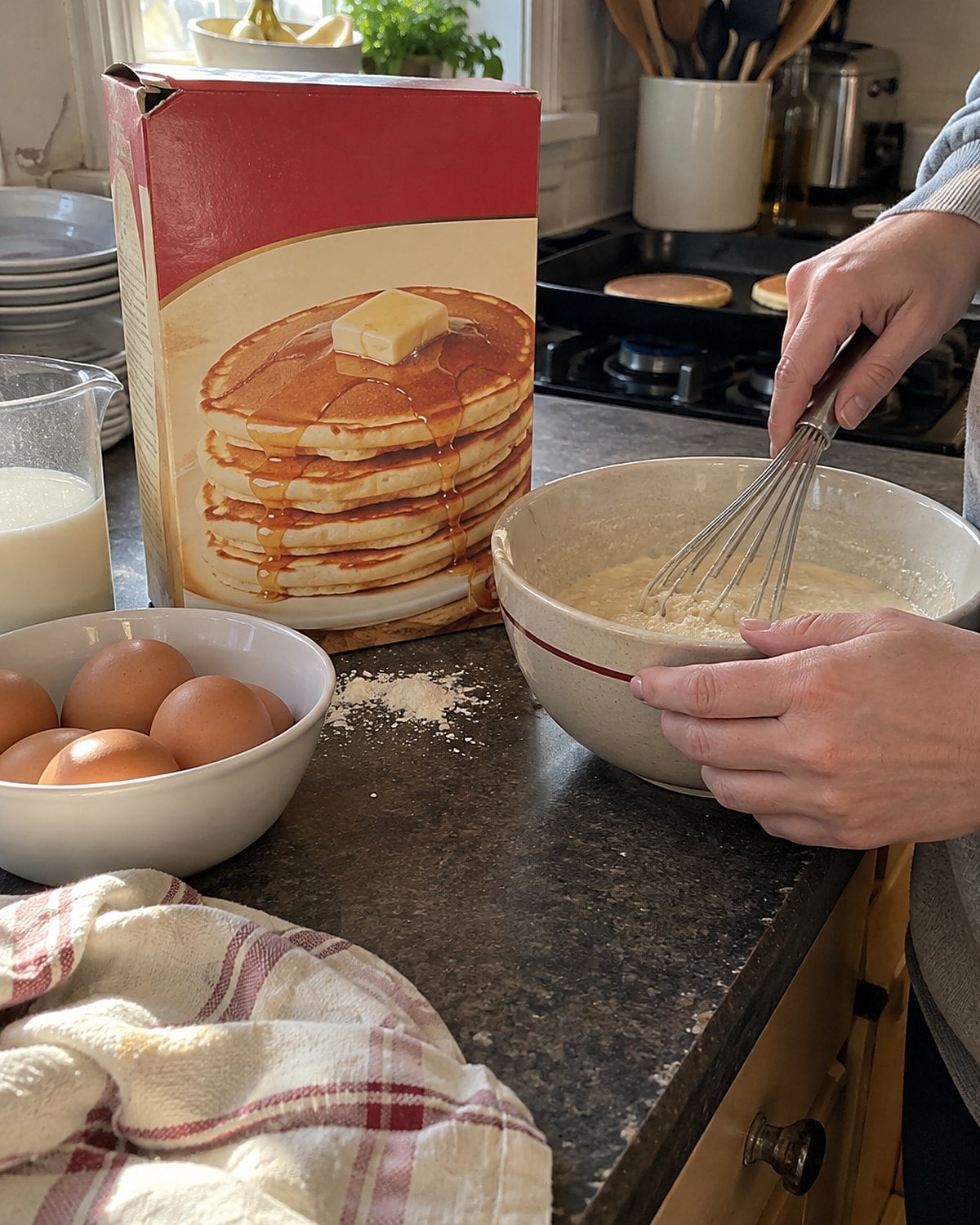
Saturday breakfast sounds festive when you’re standing in the baking aisle. You bring home a large box of pancake mix. Saturday arrives, the children ask for eggs, and the box joins last year’s baking supplies.
Ask the parent what breakfast the children eat now, not what they loved on a past visit. Then check your pantry before shopping. Flour, eggs, and milk already make pancakes if that’s what everyone wants. A mix earns shelf space when you use it between visits too.
Before using a package that has been open a long time, check its date, storage directions, and smell. Discard it if you find pests or signs of moisture. Don’t let the desire to use it up choose breakfast for the whole table.
The grandchild at the high chair is coming to see you. Breakfast doesn’t need a bulk purchase to welcome her.
#4 The second jar of pasta sauce
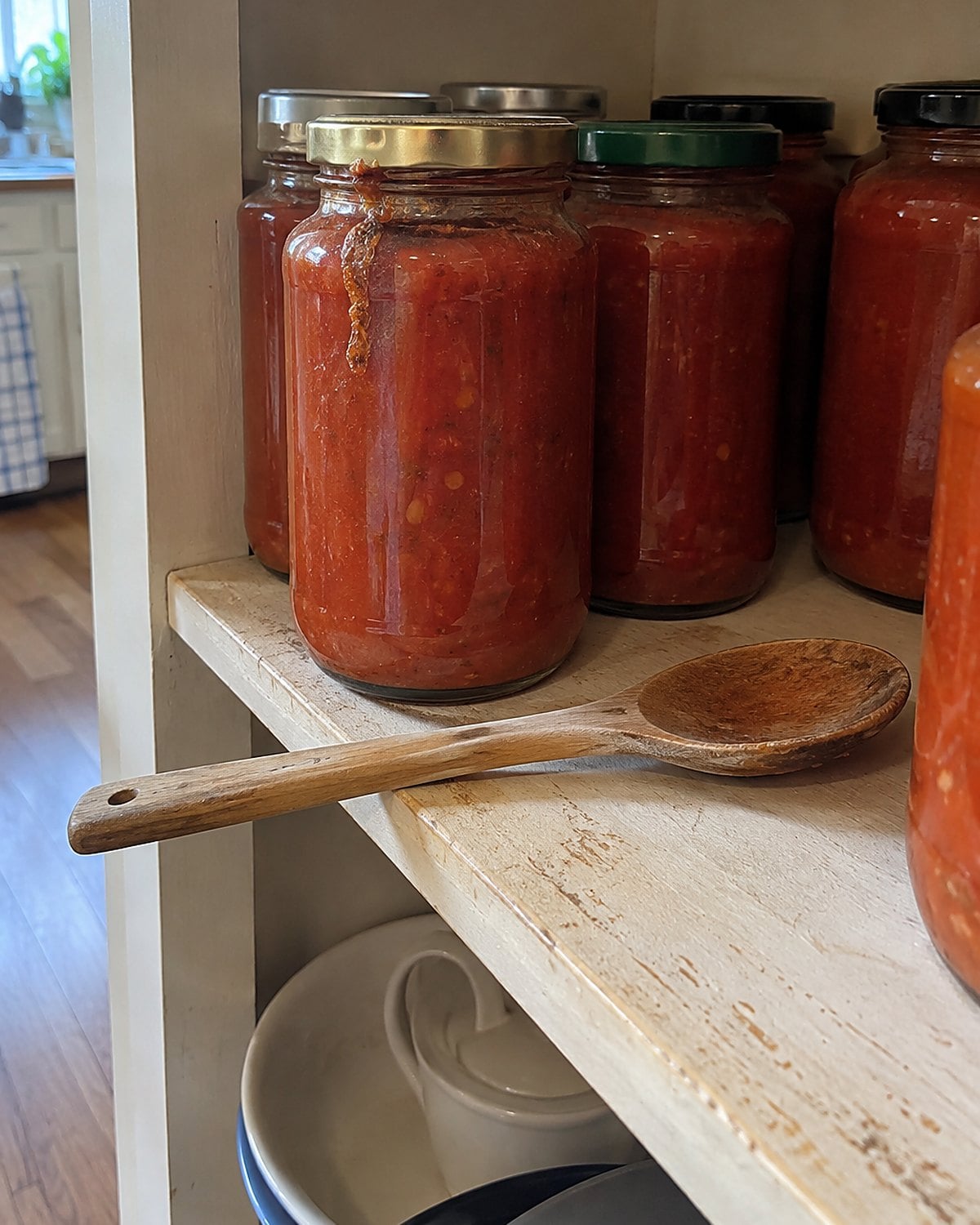
One jar goes in the cart because pasta is an easy fallback. The second follows because it’s on sale. At home, both go behind the tomatoes already there, and you make buttered noodles when you’re tired.
Before taking another jar off the shelf, name where it lives in your pantry. If you can’t picture the space, check at home first. Put the jars you own in front, with labels facing out. That sounds fussy until you’ve bought the same sauce twice while an older jar waited at the back.
A jar of sauce still needs a dinner partner. Keep pasta nearby if that’s the plan. Or spoon sauce over cooked beans and top them with cheese. Heat it through on the stove; taste before adding salt, since the jar has already been seasoned.
Sales don’t make cupboards bigger. The useful bargain is the one you remember when the water is heating and you’re deciding what to eat.
#3 The fresh herbs in plastic clamshells
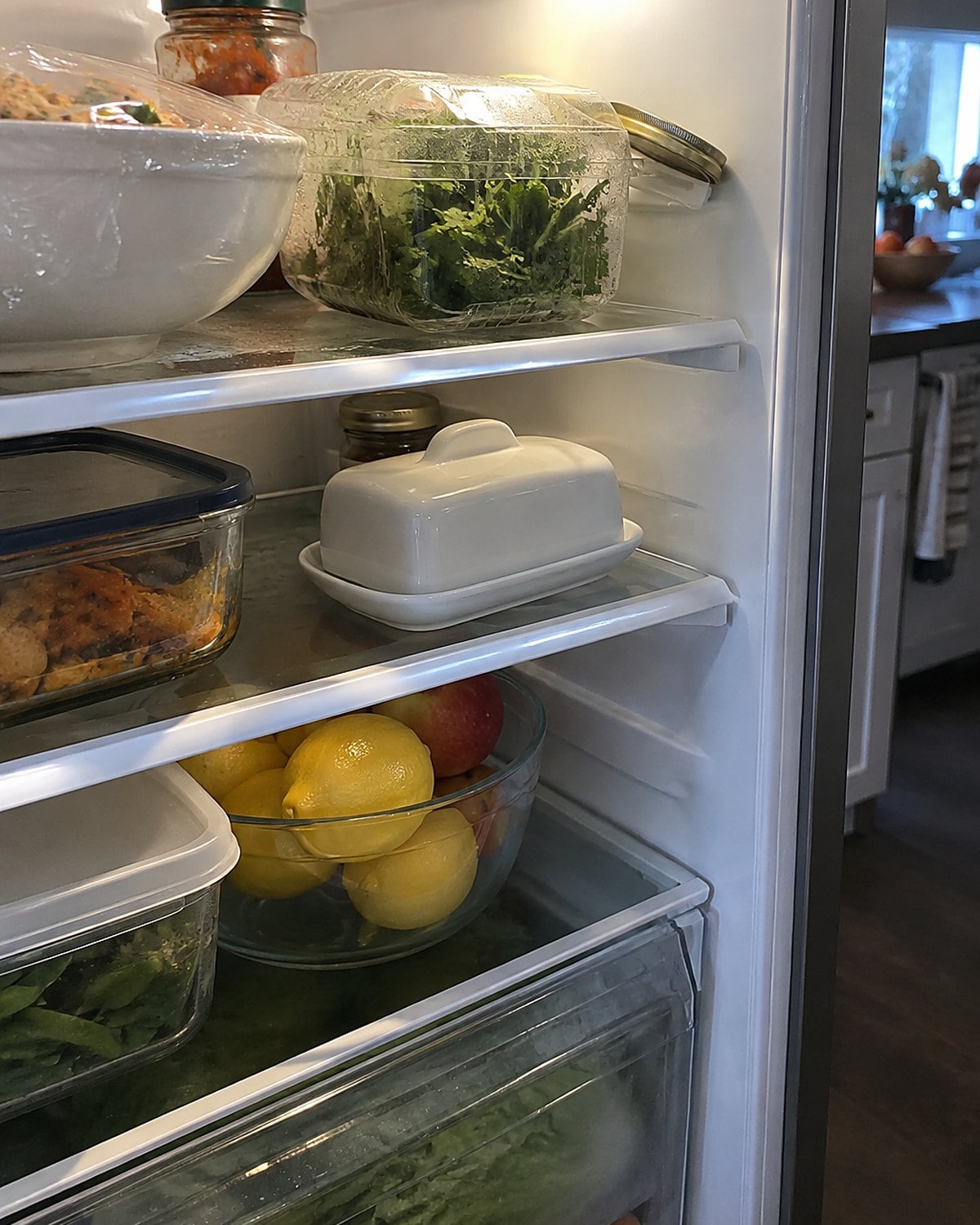
The recipe asks for a few leaves, and the store sells a box. After dinner, the remaining basil or dill sits in its clamshell until the clear lid fogs and the leaves darken.
Look at the role the herb plays. Fresh basil scattered on a finished dish gives a different flavor from dried basil cooked in sauce. If the fresh leaves matter, use them again soon on tomatoes, eggs, or a sandwich. If the herb only seasons a long-simmered pot, check the dried jars you already own.
Don’t buy several fresh herbs for a single supper unless the leftovers have names on your calendar. When the clamshell comes home, move it to the front of the fridge. Hidden behind the butter, it has little chance of meeting another meal.
#2 The large tray of mushrooms
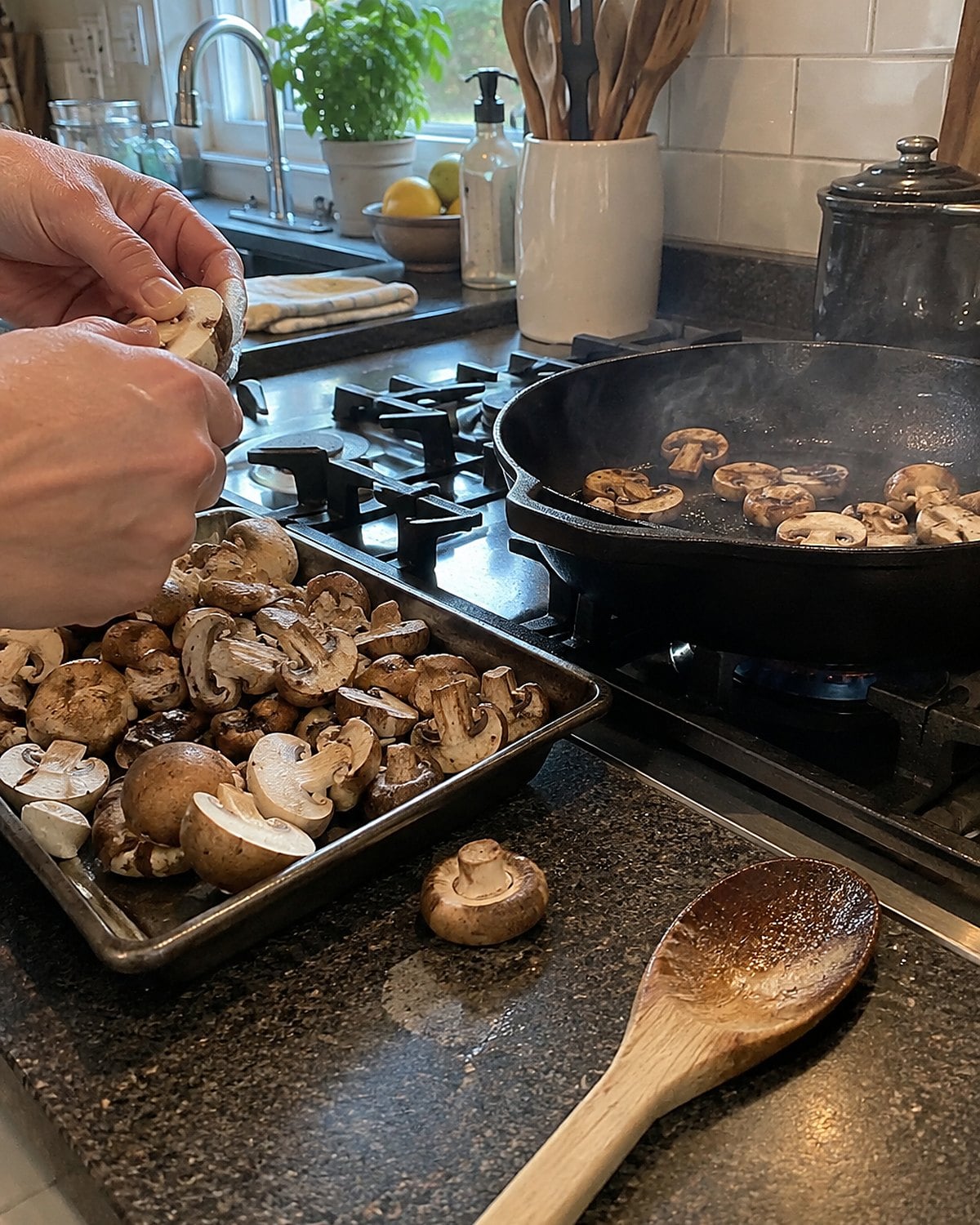
The mushrooms look fine at the store. By the time you want a few for an omelet, the tray feels damp and the caps have dark spots. You bought a whole tray because the loose bin was empty.
Cook the amount you want in a hot pan with enough room between the pieces. Mushrooms give off water first. Crowding them keeps that water around, so they steam instead of browning. Wait until the pan dries and the edges take on color before you add them to eggs.
The rest needs a decision while the pan is hot. Cook extra mushrooms for tomorrow’s toast if that sounds good. Otherwise, buy the smallest package next time. Don’t wash and leave them wet in their package; brush away dirt or rinse just before cooking, then dry them.
One well-browned mushroom supper is better than a refrigerator tray you feel obliged to finish.
Try it: Creamy Instant Pot Mushroom Stew With Garlic Crumbs
#1 The extra ingredient with no dinner
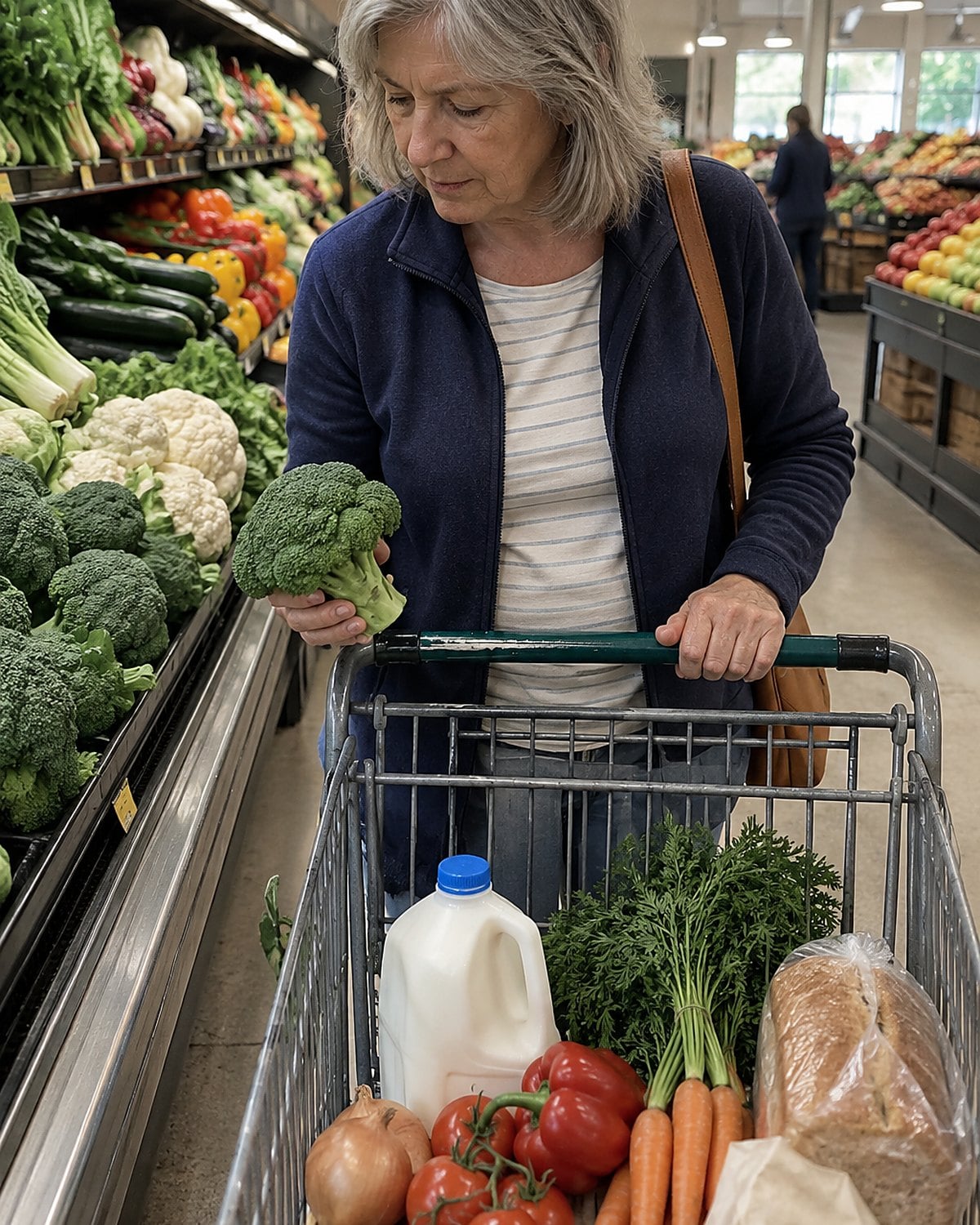
This is the purchase that slips past a careful list. You came for milk, bread, and what you need for tonight’s meal. Then you see a vegetable, a sauce, or a cut of meat that looks promising. Into the cart it goes, with no day attached.
Stop while you’re still in the aisle. Ask yourself, “What dinner will this be, and when?” Give it a companion from home: the rice in the cupboard, the eggs in the fridge, the skillet you’ll use. If you can’t name the meal, leave the ingredient. It will be there another day.
This rule isn’t meant to squeeze the pleasure out of shopping. A ripe peach eaten over the sink has an immediate job. So does cheese you know you’ll have with lunch. The trouble starts when an ingredient asks you to become a different cook later in the week.
Picture the peach once you get home. You set the grocery bags down, wash it, and eat it before putting everything away. No recipe, extra pan, or reminder on the fridge door. If you’re still holding a tempting purchase in the store, try saying, “I’ll eat this when I get home.” If that sounds false, put it back.
Make a little room for changing plans, too. Buy ingredients for the dinners you intend to cook, then keep familiar fallbacks on hand for the nights you don’t. That way, a late appointment doesn’t turn an ambitious purchase into something you discover beneath everything else. What goes in the cart has a way home to your table.
Keep reading
 27 Things People Over 60 Still Do With Leftovers That Food-Safety Experts Beg Them to Stop
See all 27 →
More you’ll remember
 26 Things in Your Fridge Right Now That Should Have Been Thrown Out
 24 Pantry Items That Last Years, So Stop Replacing Them
 26 Things Grocery Workers Wish Shoppers Over 60 Knew
The bottom line
The food left uneaten tends to arrive with an unfinished sentence: “I’ll make something with this.” The meal never got a day, a companion, or room in the fridge where you’d see it.
Before shopping, the well-prepared version of you has looked in the drawer, checked the freezer, and decided what dinner will look like tonight. She still buys good food. She just gives it somewhere to go.
What’s sitting in your kitchen right now, waiting for a dinner you haven’t named?


Leave a Reply