

The lid settles into its groove with that familiar little clack. You turn the dial, wipe the counter, and leave dinner alone. Years of good stews have earned the slow cooker your trust.
Then you come home to crunchy potatoes under shredded beef. Or a sauce so thin it runs across the plate. Nothing about the cooker seems different. But the household is smaller now, dinner is later, and the roast you bought isn't the cut you used to buy. The old habit met a new meal.
#26 The Sunday roast squeezed under the lid
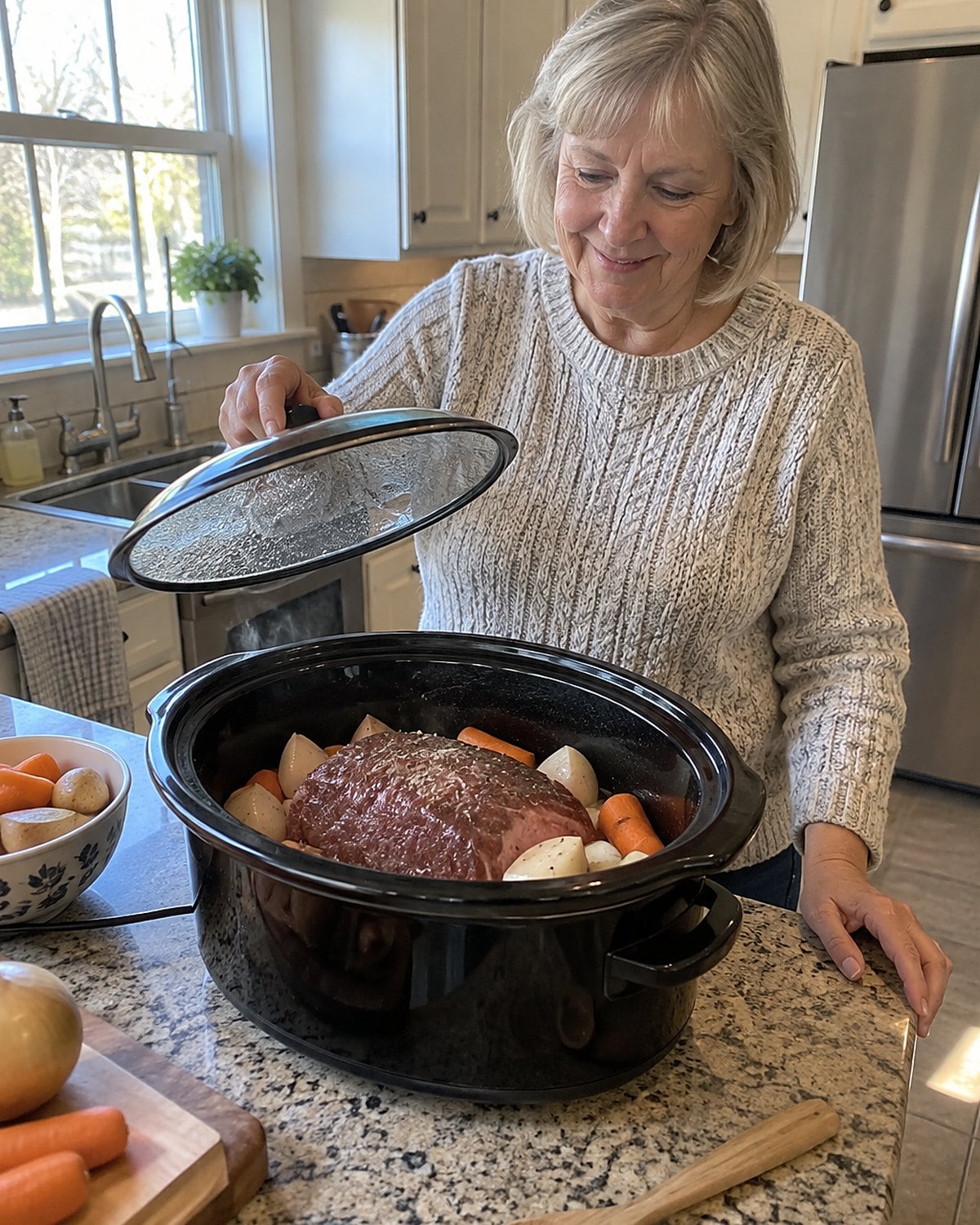
A roast that barely fits looks like a sensible way to feed everyone on Sunday. Then the lid rests on the meat instead of the rim, and steam escapes through the gap. Dinner has lost the snug chamber the cooker needs.
Before you season a large cut, lower it into the crock and set the lid on top. Look at the seam all the way around. If there's a gap, divide the roast or use another cooking method. Don't wedge the lid down with a towel or set a weight on it.
The same check helps when you add potatoes around the meat. Leave space for the lid to sit flat after everything is in place. That crowded Sunday pot leads to a different question: how much should go in at all?
#25 The pantry spices lost in a long stew
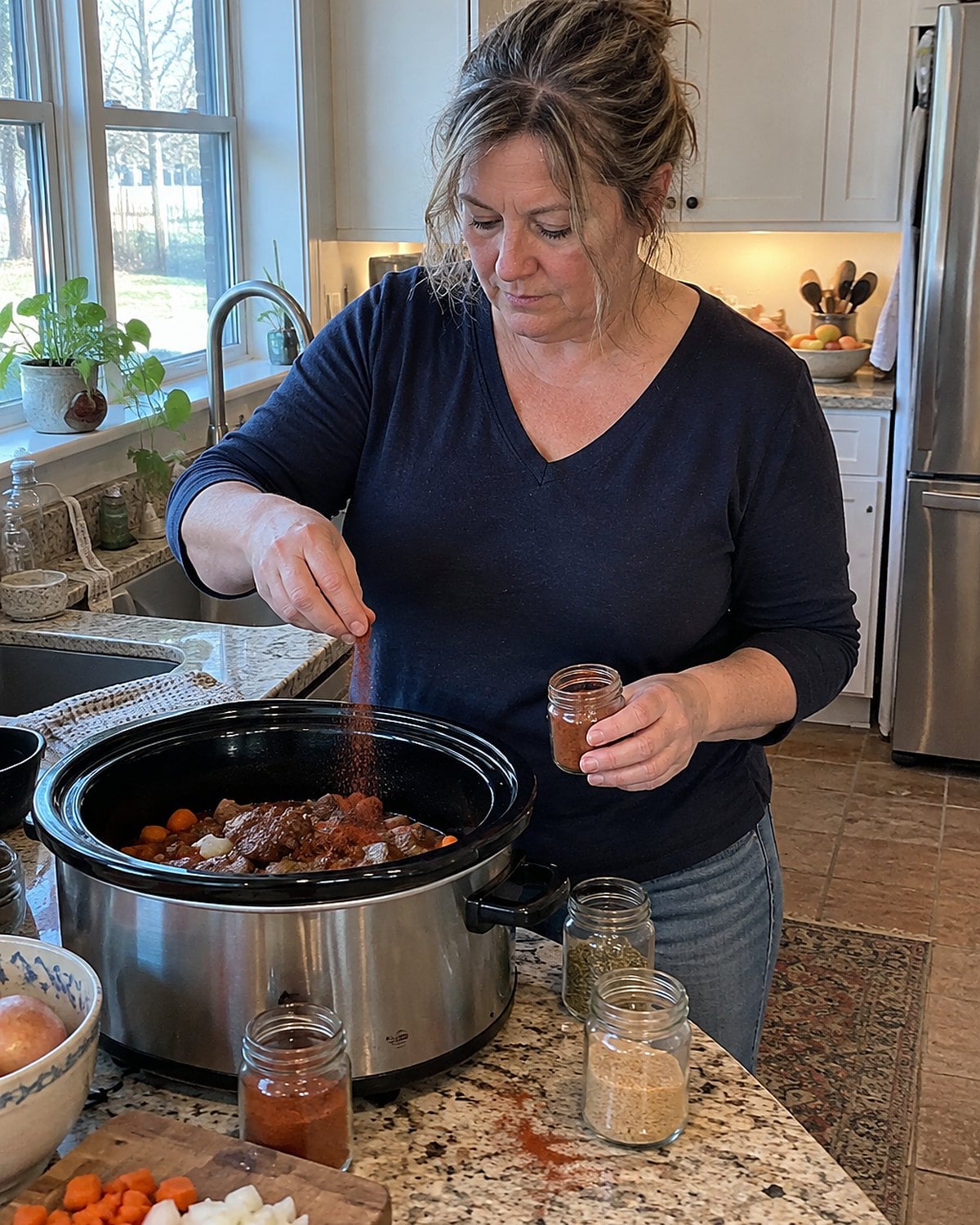
The paprika smells strong when you shake it into the pot. Hours later, the stew tastes flat. A long cook blends flavors, but it doesn't restore the punch to an old jar from the back of the pantry.
Smell the spice before it goes in. Rub a pinch between your fingers, then smell again. If little reaches your nose, use fresher spice instead of tipping in more.
Add sturdy seasonings early, then taste the finished sauce before serving. A little fresh herb or a squeeze of lemon at the end reaches the tongue in a way it won't after a day under the lid.
Salt deserves its own pause. Broth and canned tomatoes already bring some, and liquid stays in the cooker. Wait until the meal is finished before making the final adjustment. A good stew gives you room to taste it at the table.
#24 The dish towel beside the cooker
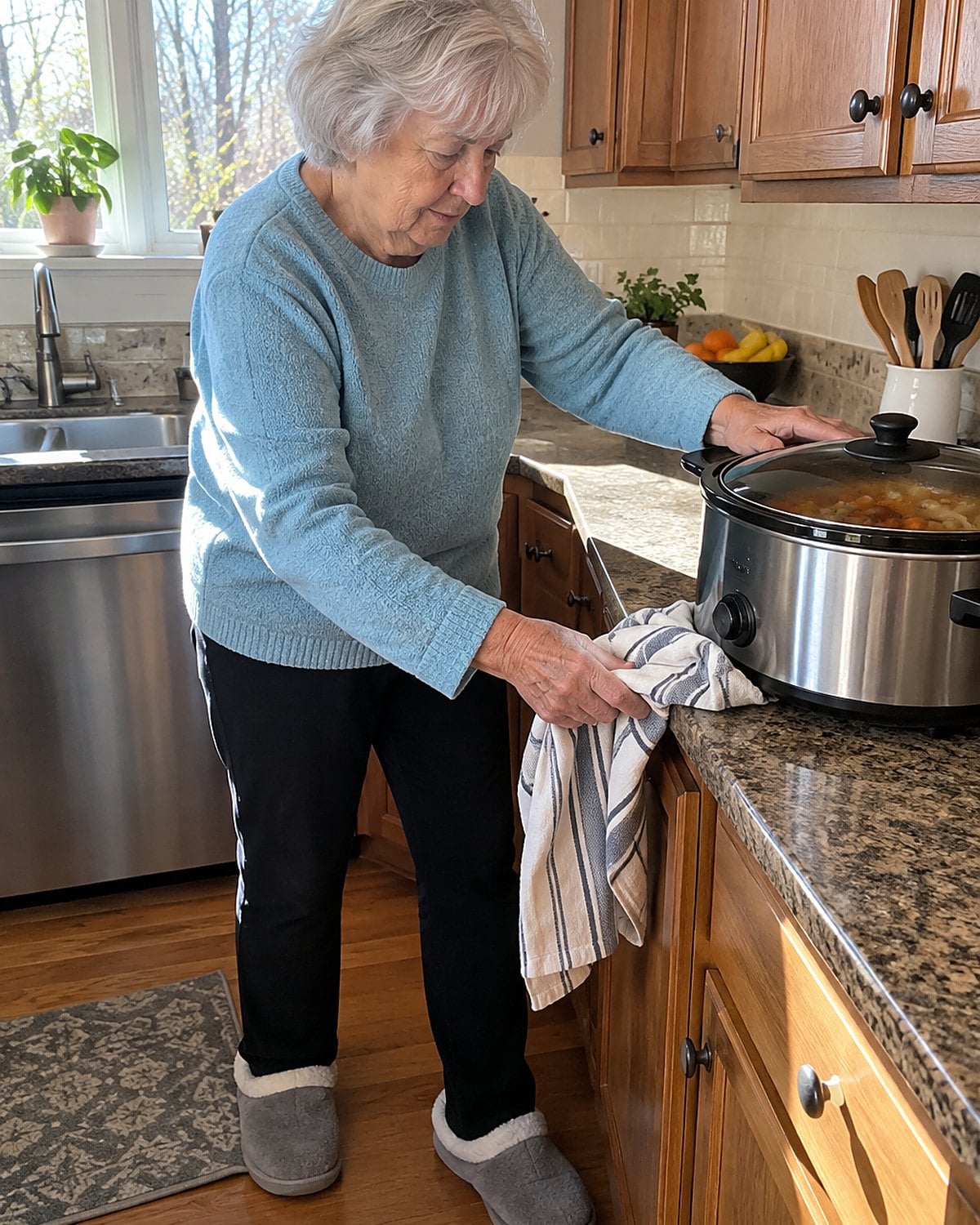
A slow cooker looks at home on the counter, right beside the dish towel and the stack of mail. Then someone reaches for a glass, catches the cord, or pushes the towel against a hot side.
Give the appliance a clear, steady spot before you fill it. Keep the cord where nobody crosses it and set the pot away from the counter edge. Follow the clearance directions in your model's manual; cooker housings and vents differ. Don't place it on the step stool while you clear space or use a folded towel as a trivet beneath it.
Check what's above the cooker, too. A low cabinet changes where you can lift a hot lid, and a dangling cord invites a tug from someone passing through. Clear the landing spot for the lid before you start.
Once the crock is heavy with soup, nobody wants to move it.
#23 The extra broth in chicken soup

You pour in broth until the chicken disappears, as you would in a stockpot. By suppertime, the vegetables have released their own liquid. The soup is thin, and the flavor seems to have gone with it.
A slow cooker holds on to moisture under its lid. Start with enough broth for the soup you want, rather than enough to cover every ingredient. Check the recipe written for your cooker, especially if you're adapting one meant for the stove. Those directions account for the liquid that stays put.
Already made a watery batch? Lift out the solids, reduce some broth in a saucepan, and stir it back in. Or give the bowl something that belongs in broth, such as a spoonful of cooked rice added just before eating.
Taste before adding salt: reducing broth concentrates it too. Next time, remember how much liquid was waiting beneath the lid.
Try it: Instant Pot Chicken Noodle Soup In 30 Minutes (with VIDEO)
#22 The onions skipped on a busy morning
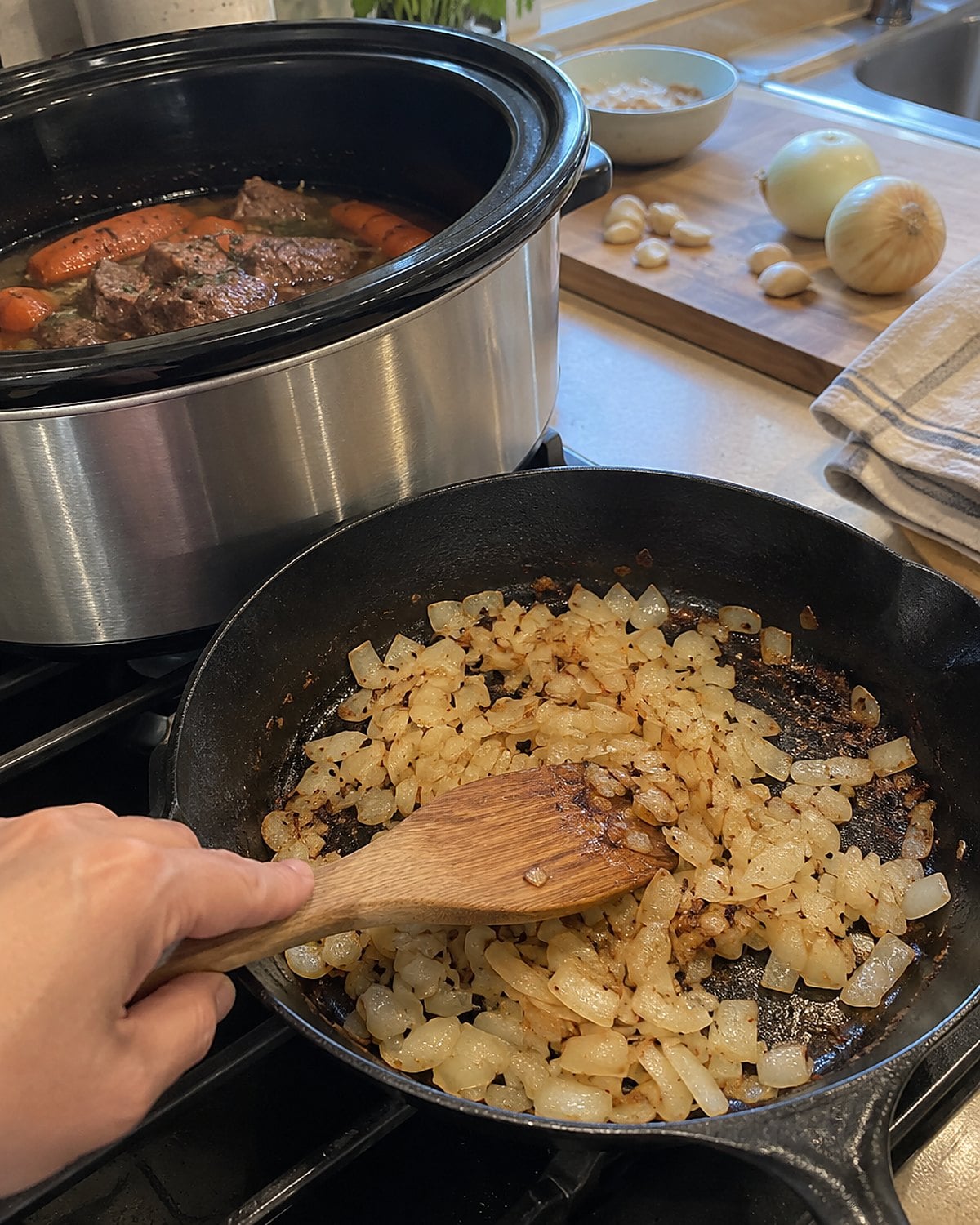
The cutting board is out, the grandkids are coming Saturday, and there's no time to wash another pan. Raw onions go straight beneath the beef. Dinner still cooks, but the sauce lacks the deep, sweet note you expected.
Browning onions in a skillet changes their flavor before the slow cooker takes over. The cooker's damp heat won't give them the same color.
When that flavor matters, sauté the onions while you trim the meat. Scrape the browned bits from the skillet into the crock with a splash of recipe liquid. You needn't turn every weeknight stew into a skillet project. Choose the step when onions give a dish its backbone, as they do in a beef sauce.
On a rushed morning, raw onion is a choice, not a failure. Just don't expect it to taste like the onions you cooked in a pan.
#21 The timer set for the wrong dinner hour
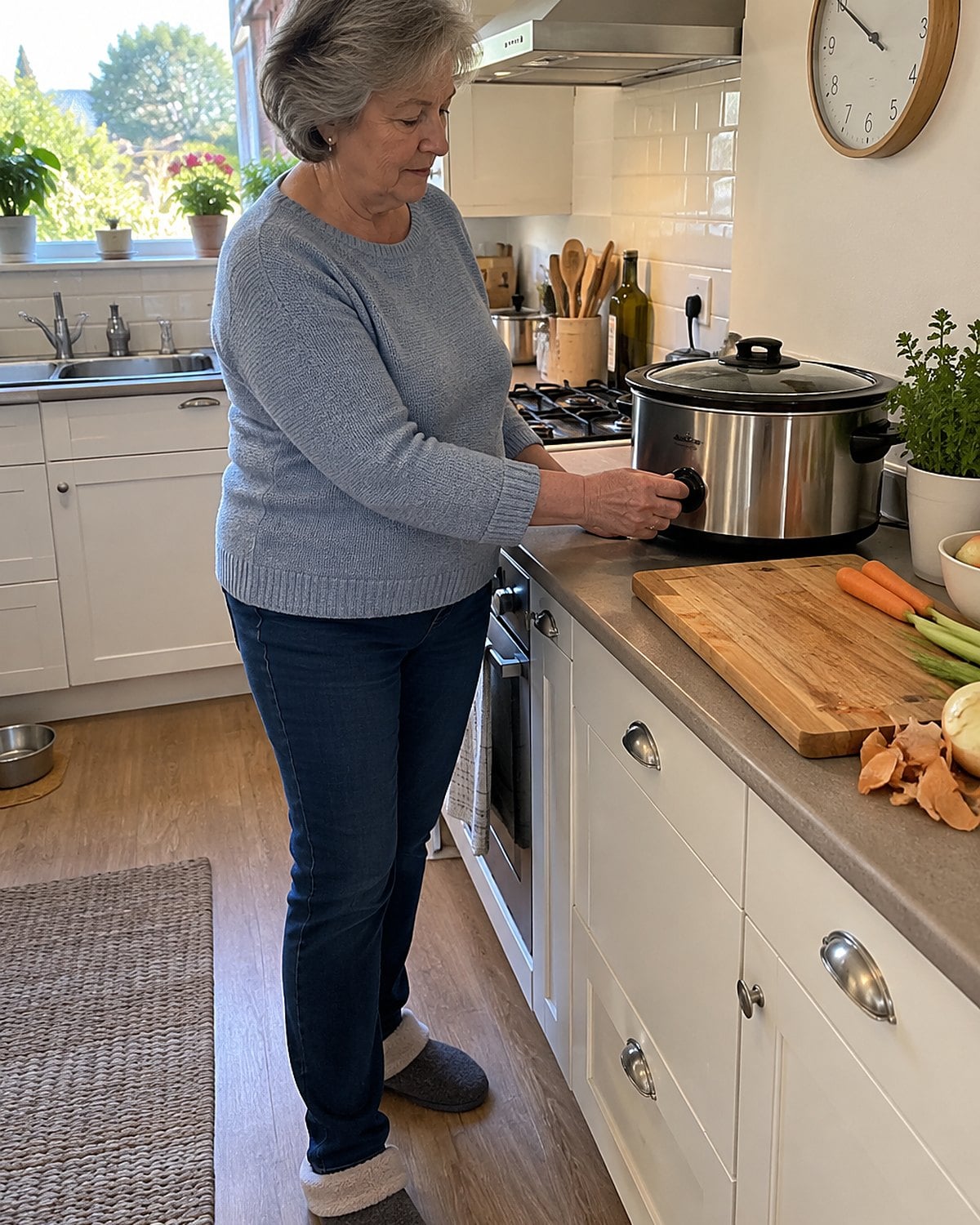
The recipe says “low,” and the knob says “low.” That still leaves the part that matters: when will somebody eat? A slow cooker holds heat for hours, but a tender piece of meat has its own limit. More time doesn't keep improving it.
Read the whole recipe before the ingredients come out of the fridge. Work backward from dinner. Mark any step that needs you home, such as adding a quick-cooking ingredient or testing the meat. If the cooker has a timer, learn what it does when time runs out. The manual beats guessing from the buttons.
Don't use a delayed start that leaves raw meat sitting before cooking. The USDA's slow cooker guidance calls for thawed meat and a prompt start.
If the recipe finishes while you'll still be out, pick a dish that fits the day. The habit worth keeping is looking at the clock before you fill the crock.
#20 The half-empty crock for two
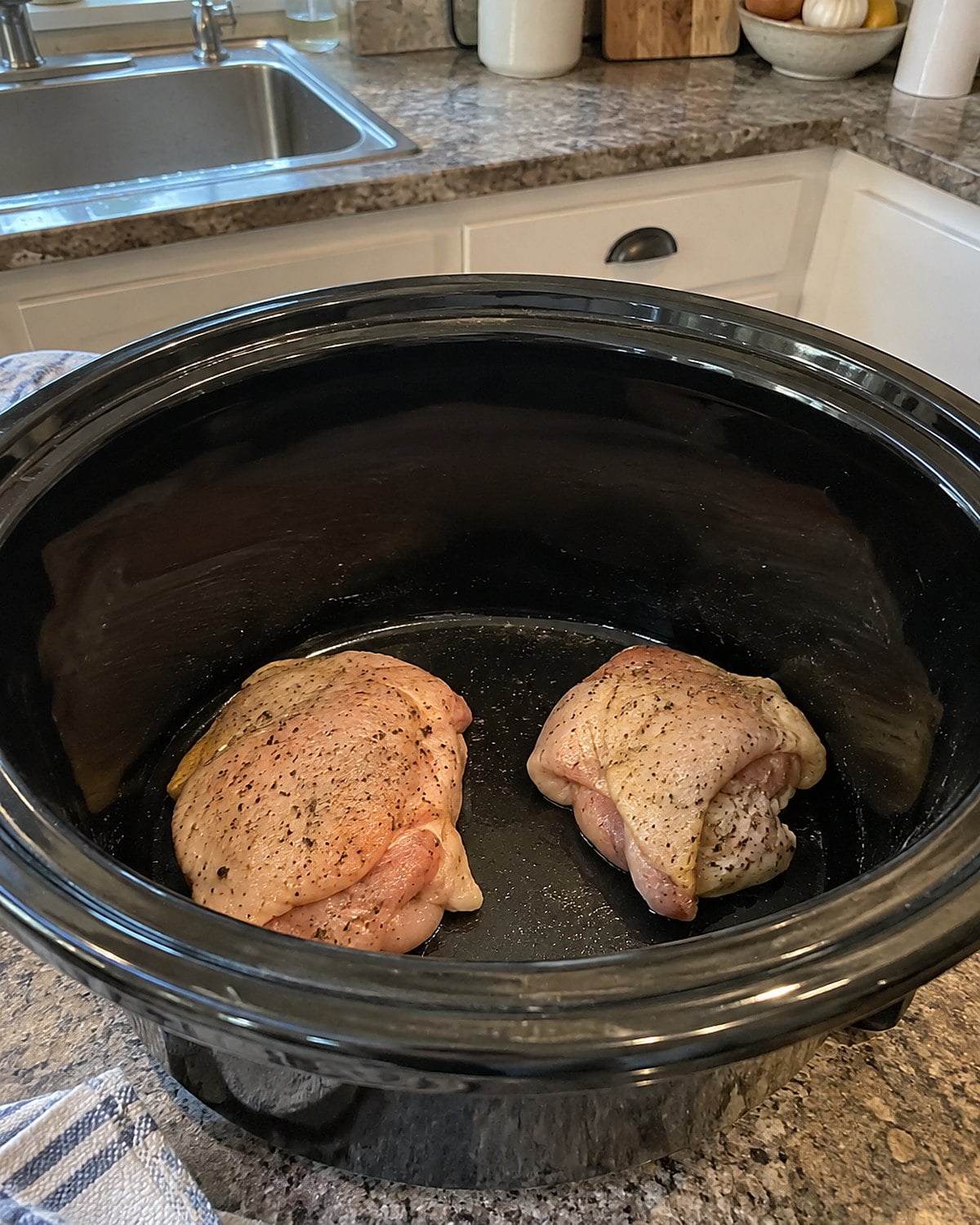
When the household shrinks, the old family-size cooker stays in the cabinet. You put two chicken thighs in its broad crock and follow a recipe written for a full pot. The sauce spreads thin across the bottom, and the meal finishes differently from the batch you remember.
Check the fill guidance in your cooker's manual before shrinking a recipe. An oversized crock changes how the food sits against the hot sides. It also leaves a shallow layer of sauce where a full batch would have surrounded the chicken.
For small dinners, use an appropriately sized cooker or make a full batch of a dish you'll eat again. Measure the empty crock's capacity if its label has worn off, then compare it with the amount the recipe makes.
Don't add water solely to make the pot look fuller. That changes dinner too. The best-sized crock is the one that fits tonight's food.
#19 The lid lifted every time you pass
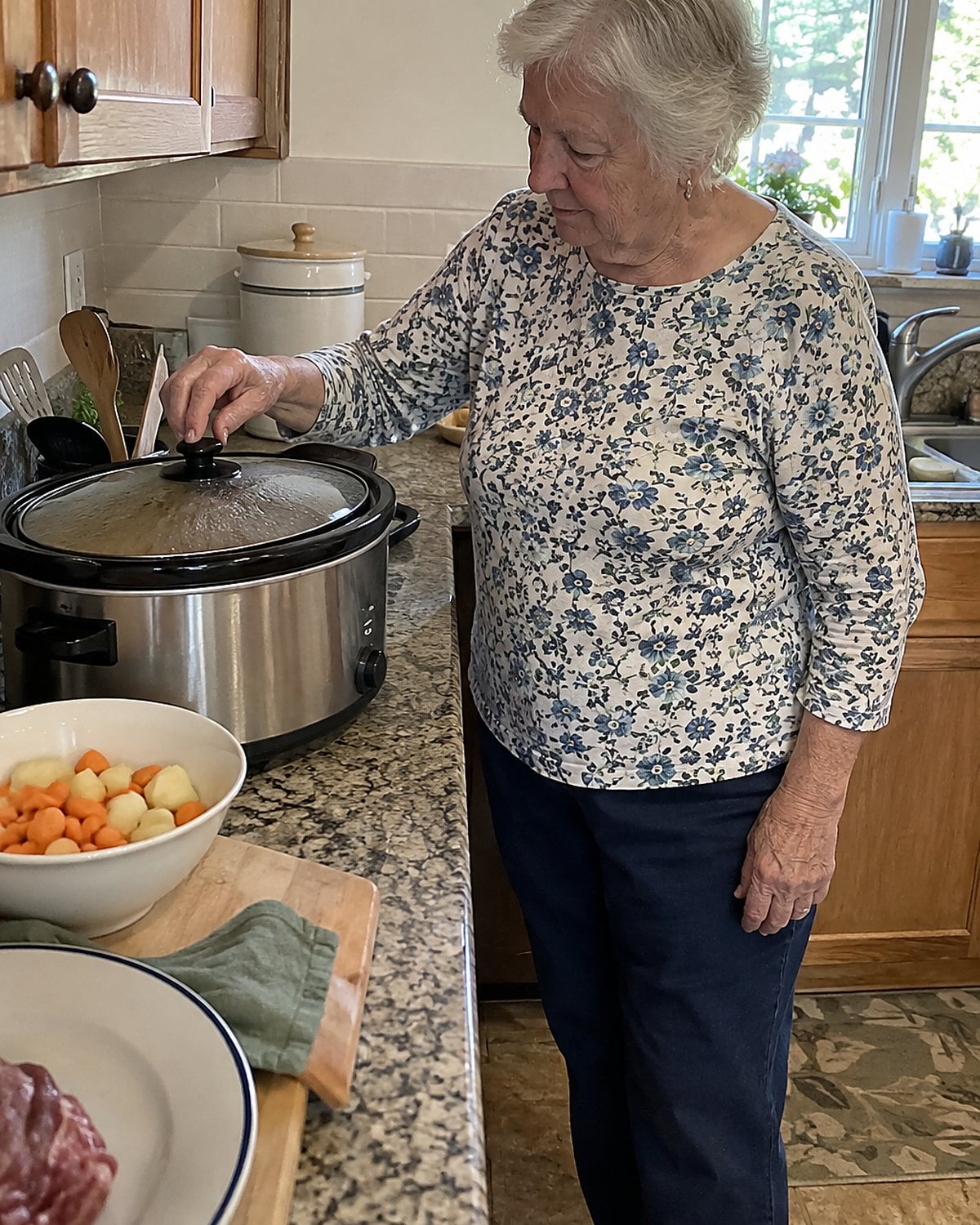
Is it done? You lift the lid, poke the potatoes, and put it back. An hour later, you do it again. The kitchen smells wonderful, but the pot loses heat and moisture each time it opens.
Look through a clear lid while the food cooks. If it's fogged, leave it alone until you have a reason to test.
When the recipe's time is near, lift the lid once and check the thing that takes longest, such as a potato at the center. Use a thermometer for meat rather than judging it by sight.
You've earned the right to be curious about dinner. Give yourself a check time instead of a passing-by check. If the meal isn't ready, replace the lid firmly and let the cooker work. Save the next lift for a real test.
#18 The carrots resting on top of beef
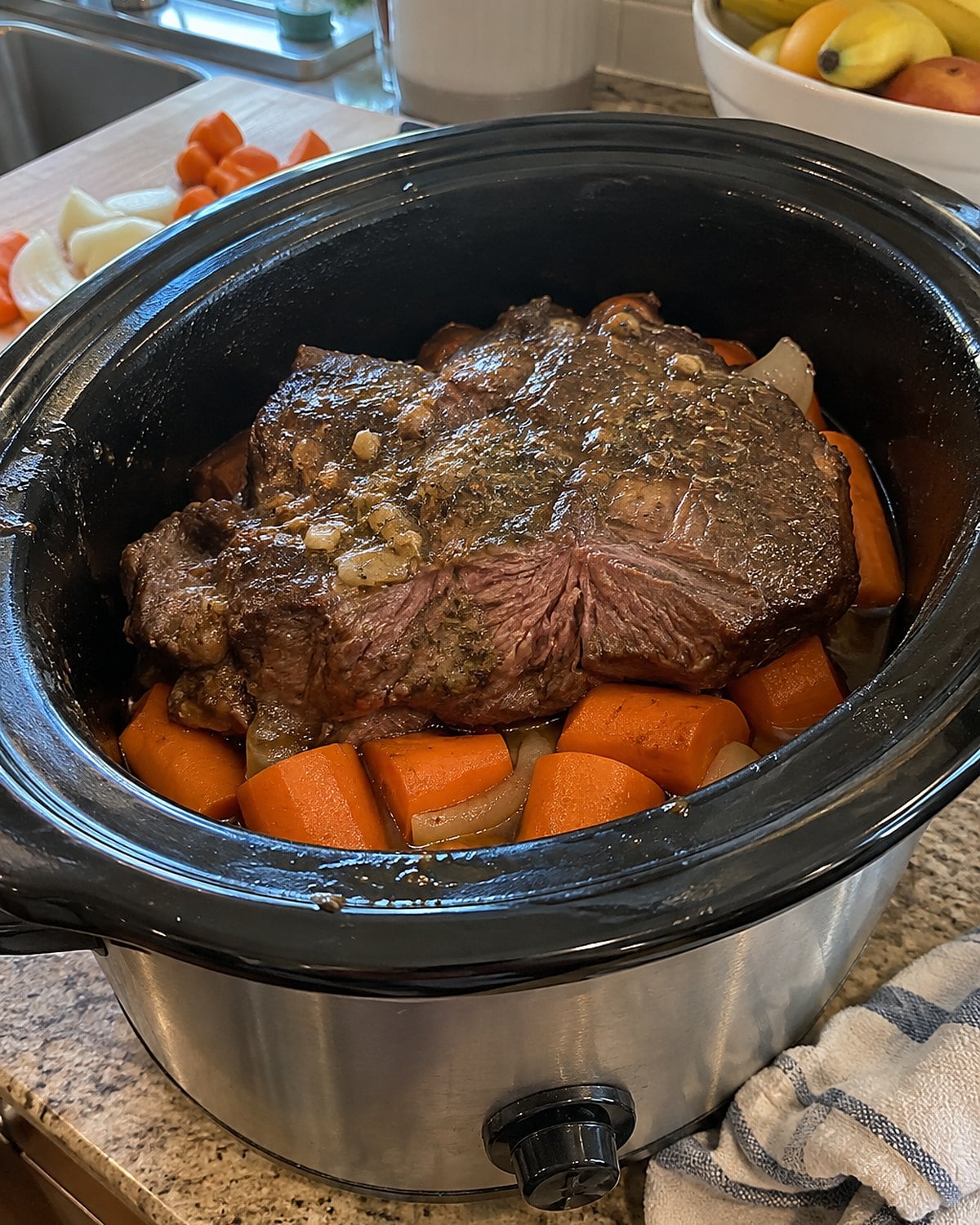
The beef pulls apart easily, but the carrots still snap. Look at where they spent the afternoon. Meat juices collected below, while the thickest carrots sat high above the liquid.
Cut dense vegetables into even pieces and place them toward the bottom of the crock, close to the heat. Set the meat over them. A large chunk of carrot takes longer to soften than a thin coin, so don't mix wildly different sizes and expect the same result.
Before dinner, press a fork into a carrot near the center of the pot. If it resists, the vegetables need more time even when the beef looks finished.
Try it: Instant Pot Beef Pot Roast With Potatoes & Carrots
#17 The potatoes cut bigger than the rest
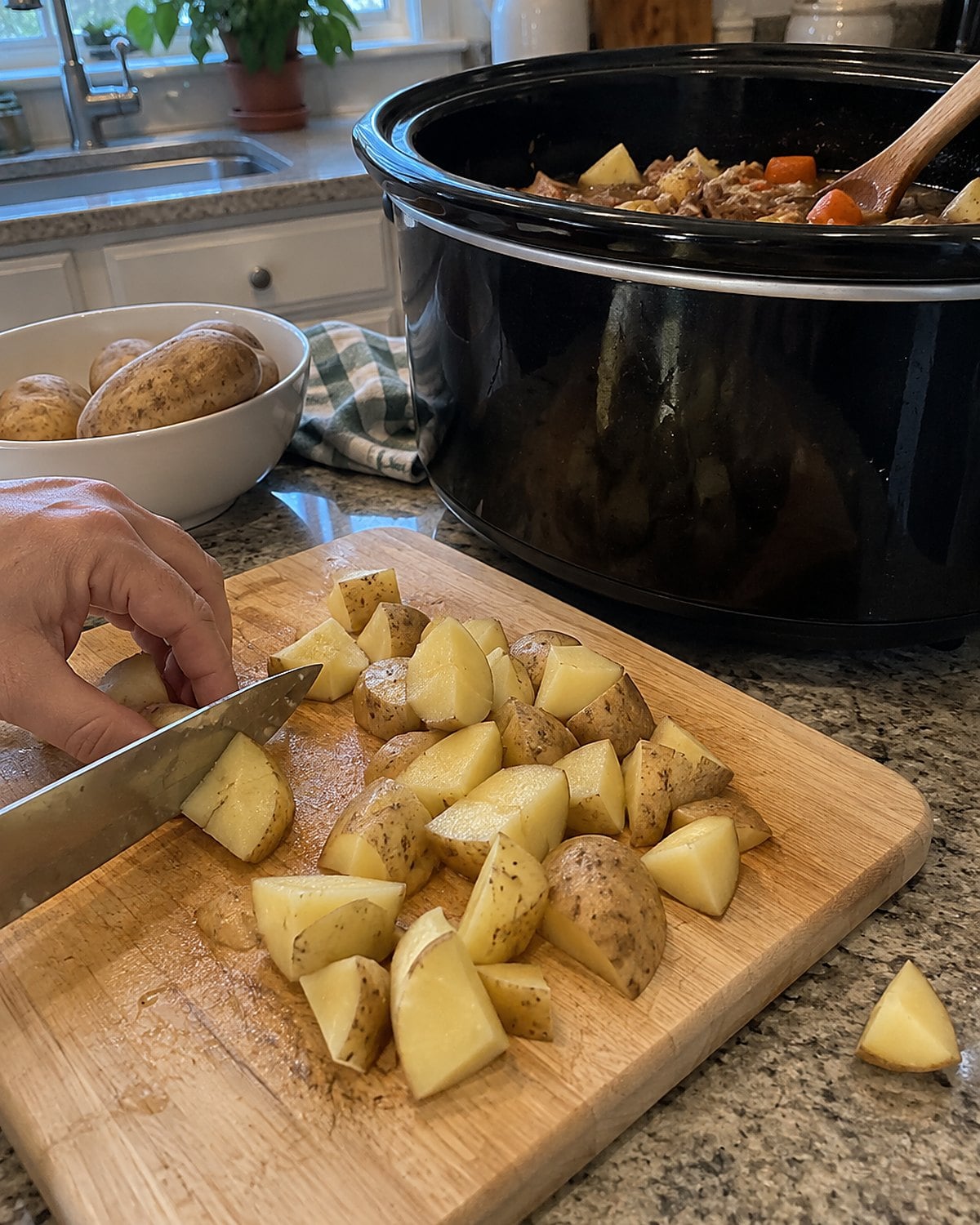
One potato goes in as tidy cubes. Another becomes hefty chunks because you're trying to finish before leaving the house. Hours later, half the pot is ready and the big pieces still hold a hard center.
Put the cut potatoes on the board before they go into the cooker. Compare them by eye and cut the outliers down. For a stew, roughly inch-size pieces give you a sensible place to start; the recipe and potato variety still matter.
Keep pieces of the same ingredient close in size. You don't need a ruler beside the good knife. Just line up the largest and smallest pieces and give the larger one another cut.
At serving time, slide a knife tip into a piece from the middle of the crock. It should pass through without a firm spot in the center. Don't judge the whole pot by the potato nearest the hot wall. That one had a head start.
#16 The green beans buried at breakfast
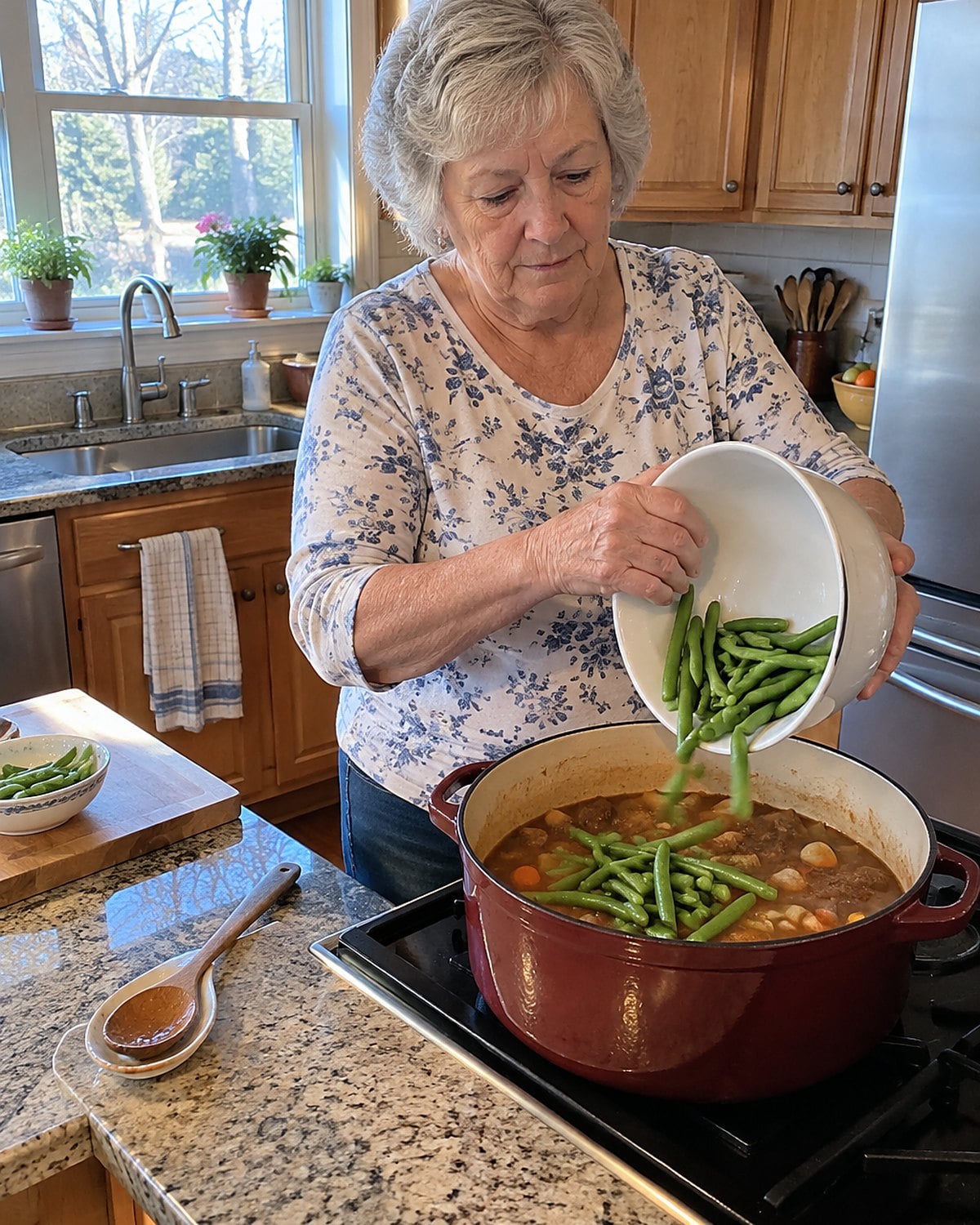
Green beans that went in with the morning stew come out dull and limp. They've spent the entire cook in hot liquid, though they needed only a short finish.
Keep quick-cooking vegetables for the end. Add beans when the rest of dinner is nearly done, close the lid, and check for the texture you like before serving. Frozen peas need even less attention; stir them into a hot stew near the finish and let them heat through.
Use your eyes and teeth. A bean should bend and still have some bite if that's how your family likes it. The slow cooker handles the long job; the green beans don't have to take the same shift.
#15 The cream poured into hot chowder
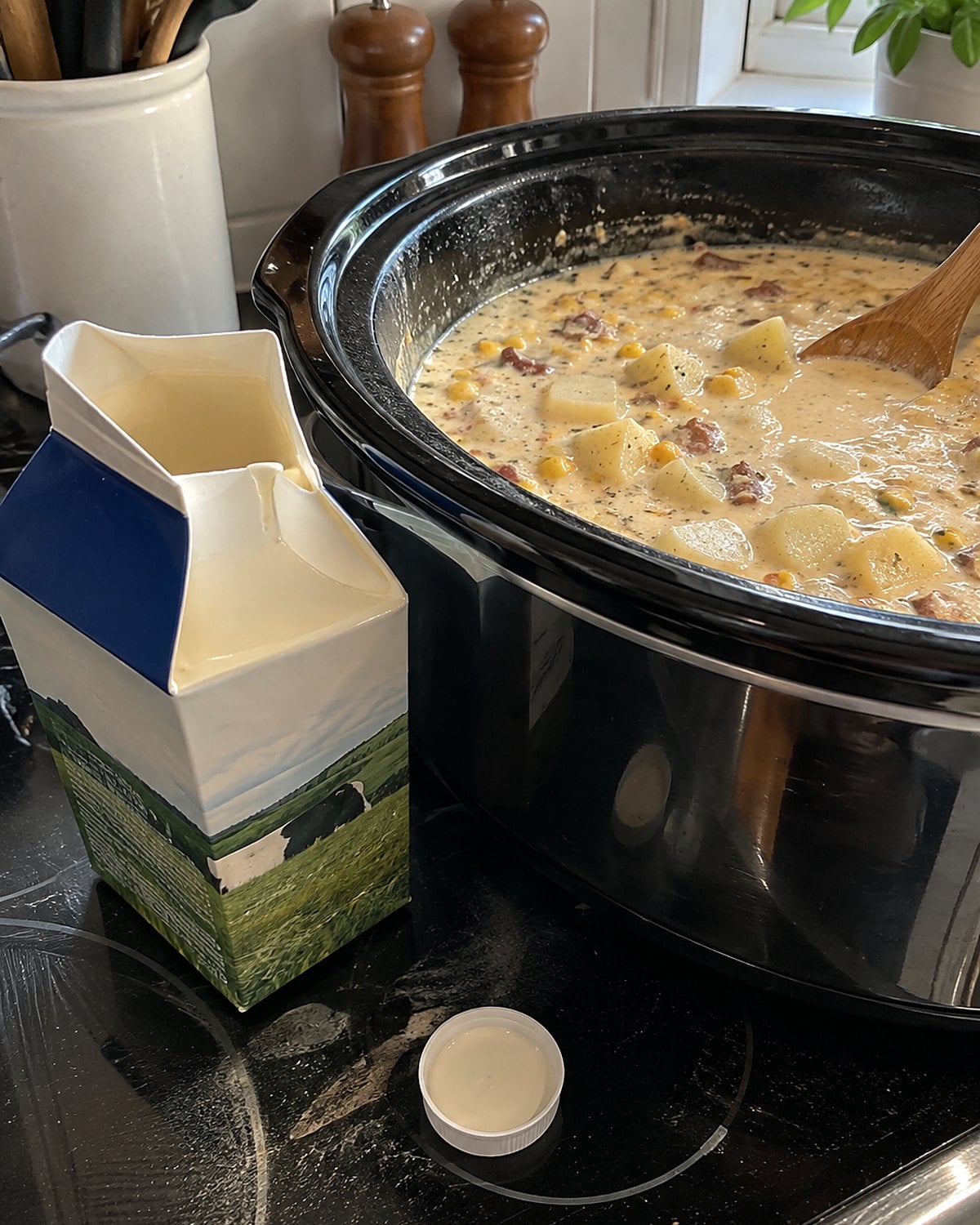
The chowder looks ready, so in goes the cream. The pot keeps cooking while you set the table, and the sauce turns grainy around the edges. Dairy has less patience for long, sustained heat than the potatoes beneath it.
Cook the base first. When the potatoes are tender, stir in the cream, put the lid back on, and heat it through without extending the cook for hours. For a recipe thickened with sour cream or yogurt, stir it in at the end, off the heat.
Already see little flecks in the ladle? Whisk a spoonful in a bowl before trying to fix the entire crock. The texture won't always come back, but a taste tells you what the chowder still needs.
The carton can stay in the fridge until the ladle is nearly out. That small change keeps the long cook for the potatoes and the short finish for the cream.
Try it: Instant Pot Chowder With Potatoes, Sweet Corn & Dill Pickles
#14 The rice added with everything else
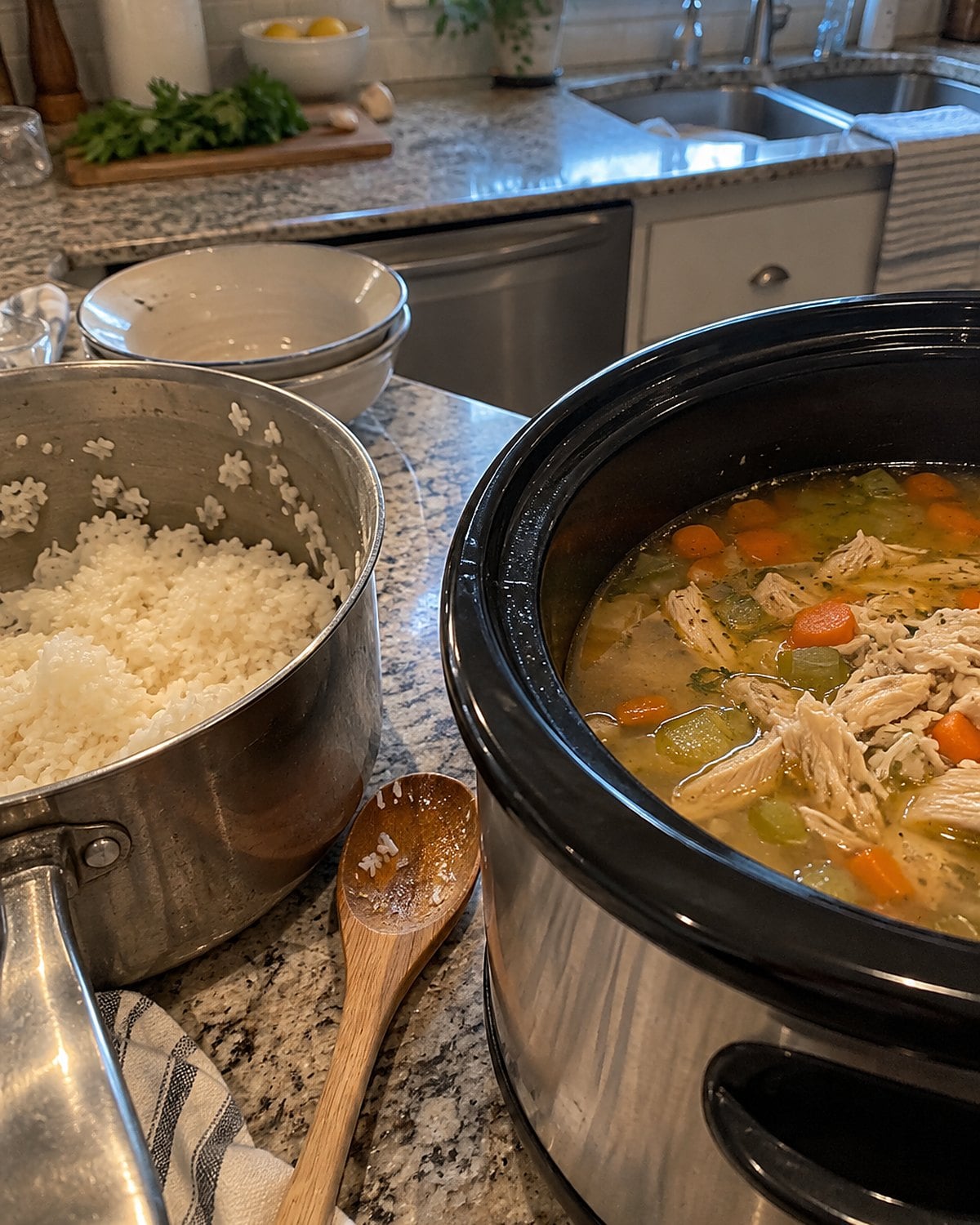
Rice drinks liquid. Leave it in the slow cooker through a long stew, and it keeps swelling while the chicken and vegetables cook. What began as grains becomes a soft layer at the bottom.
For a broth that should stay brothy, cook rice separately and spoon it into each bowl. If the recipe is built around rice cooking in the crock, follow its liquid and timing directions instead of treating rice as an afterthought.
The question at the stove is simple: do you want rice in the soup, or soup absorbed into the rice? Your answer decides when it goes in.
#13 The pasta dropped into morning broth
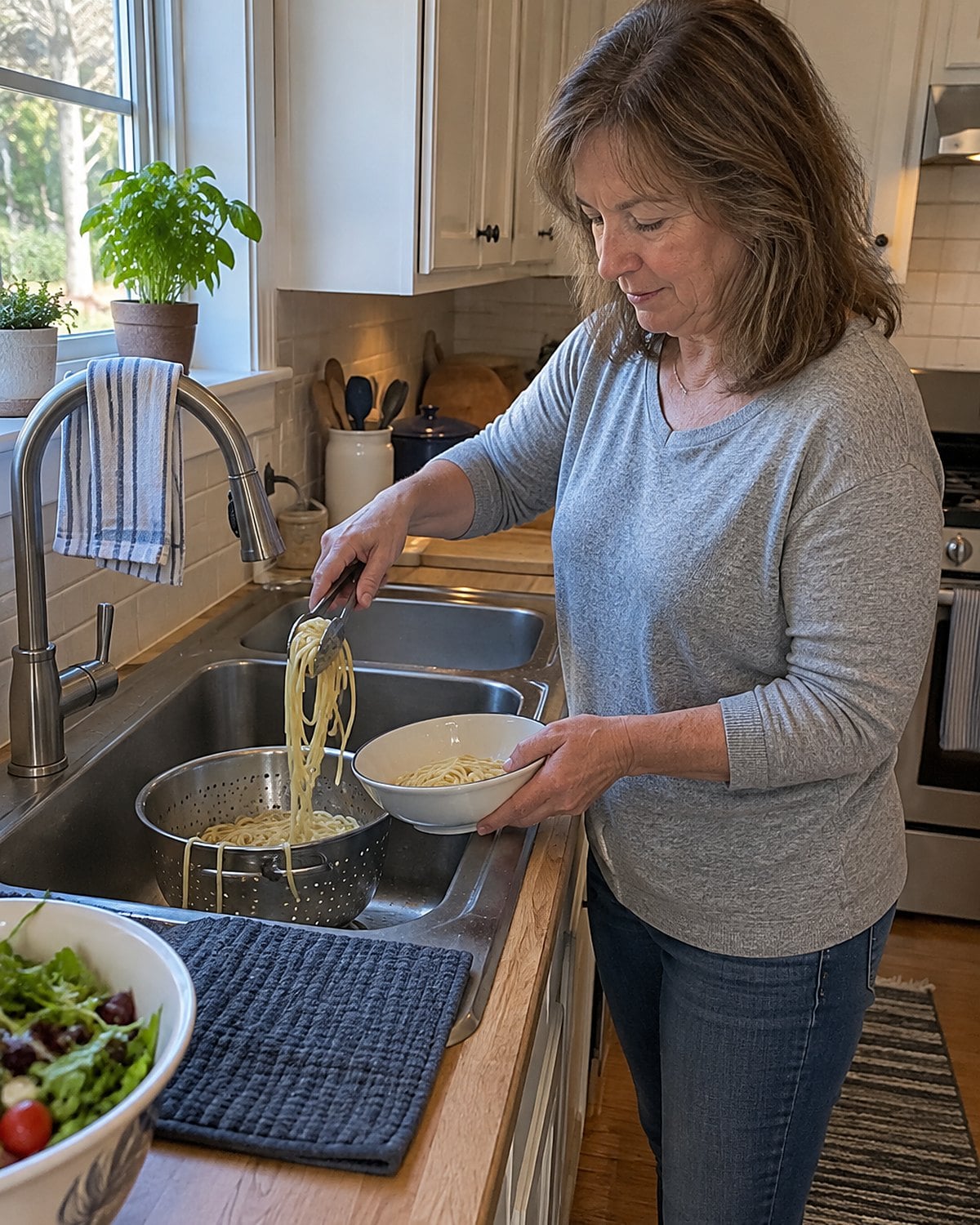
The little pasta shapes look sturdy as they slide into the broth. At dinner, they've drunk much of it and lost their edges. Even a good chicken soup turns heavy when pasta cooks for the whole afternoon.
Cook pasta separately on the stove, then add it to bowls before ladling hot soup over it. That also helps when the pot feeds you again tomorrow: the noodles won't keep soaking up broth in the fridge.
If you want to finish pasta in the cooker, wait until the soup is cooked and follow a recipe that gives the pasta its own time. Test a piece rather than trusting the look of the broth. Pasta at the surface and pasta below it haven't necessarily had the same cook.
There's no prize for getting every ingredient into the crock before breakfast. Leave the pasta box by the stove, where you'll see it later. The broth you worked for will still taste like broth.
#12 The pork tenderloin treated like shoulder
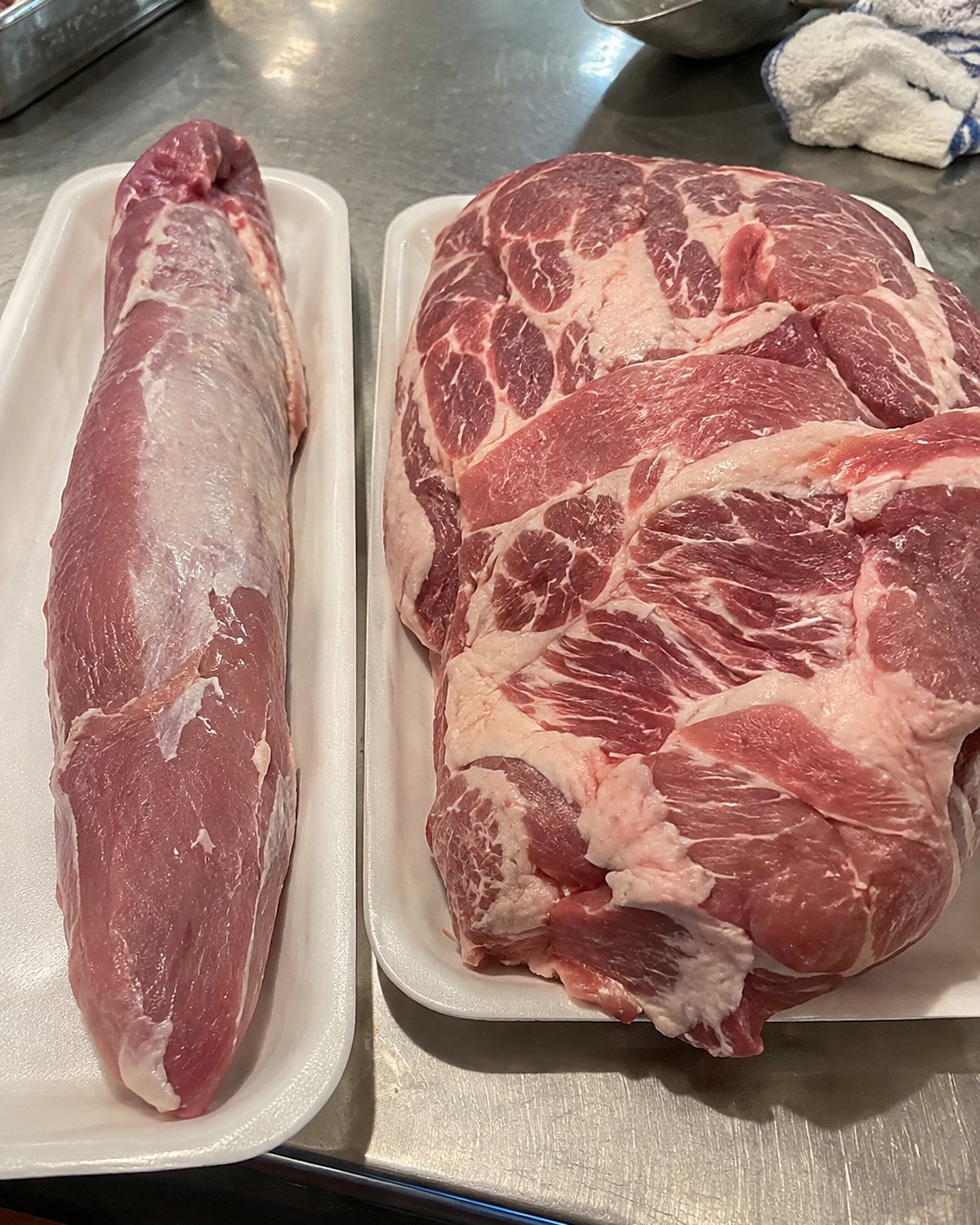
Pork shoulder welcomes a long, damp cook. Its connective tissue breaks down as it cooks, giving you meat that pulls apart. Pork tenderloin is lean and narrow. Give both the same afternoon in the slow cooker, and the tenderloin loses the tenderness its name promised.
Read the package before the meat hits the crock. If it says tenderloin, choose a shorter method or a recipe written for that cut. If you want pork that shreds into sauce, buy shoulder and give it the time its connective tissue needs.
At the meat counter, you can ask, “I'm making pulled pork in a slow cooker. Which shoulder cut do you have?” That's a better question than asking for “a pork roast,” which describes several cuts.
A tenderloin already in your fridge doesn't need to become pulled pork. Save the sauce for another meal and cook the tenderloin by a method suited to it. The cut makes the plan.
Try it: Instant Pot Pork Tenderloin With Honey Garlic Sauce
#11 The chicken judged by its color
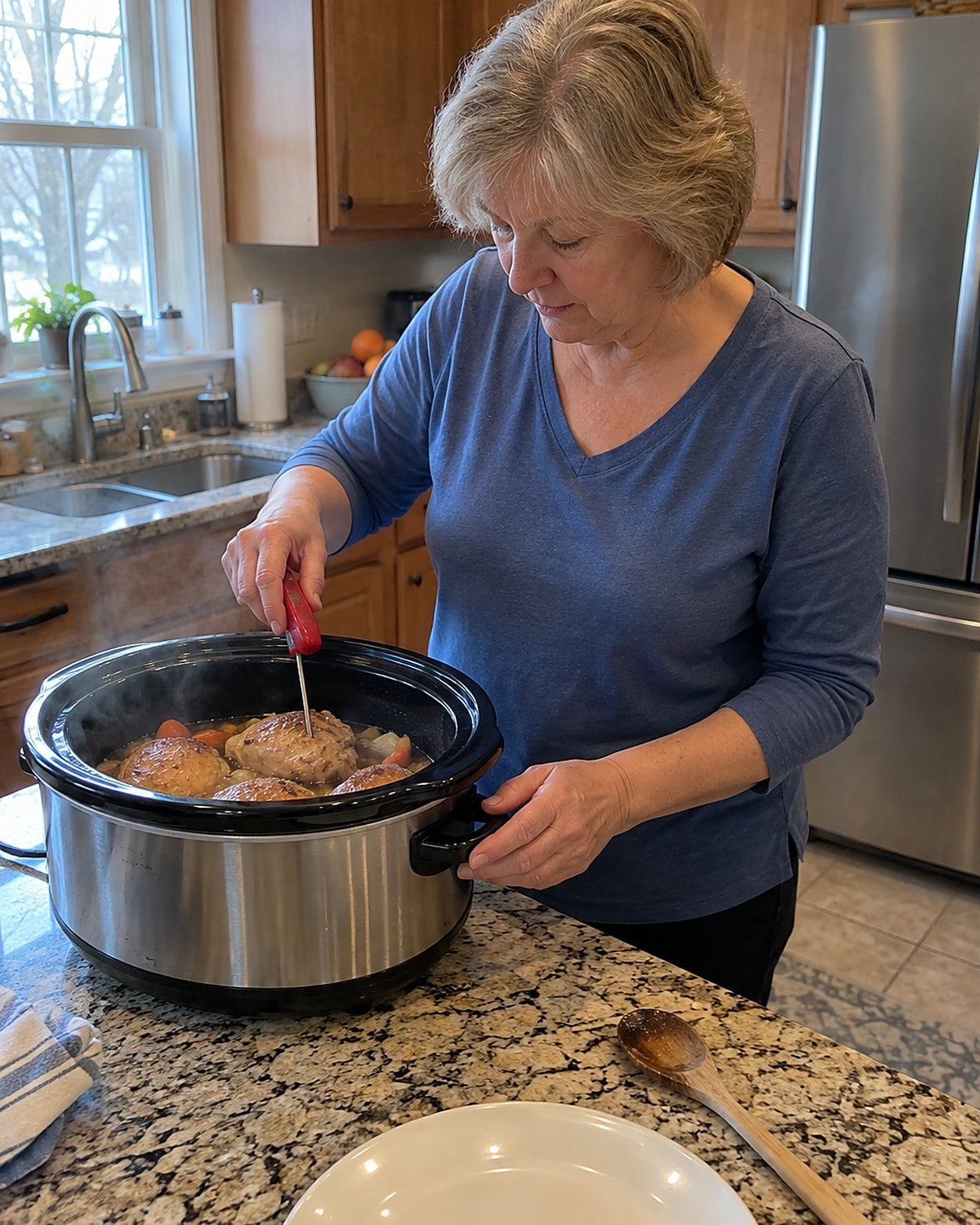
The chicken breaks apart, and its juices look clear. Neither sight tells you the temperature at the thickest point. Keep an instant-read thermometer in the drawer where you keep the good knife.
Push the tip into the thickest part without touching bone. For poultry, look for 165°F, the safe internal temperature in the USDA's safe minimum temperature chart.
Check more than one piece if their sizes differ. The smaller thigh near the side of the pot isn't proof that the larger one in the center is ready.
A thermometer also stops the opposite mistake: leaving finished chicken in the heat because you're afraid to serve it. Once it reaches the mark, move on to dinner. You've cooked enough meals to trust a real test over a hopeful glance.
#10 The frozen chicken breasts at dawn
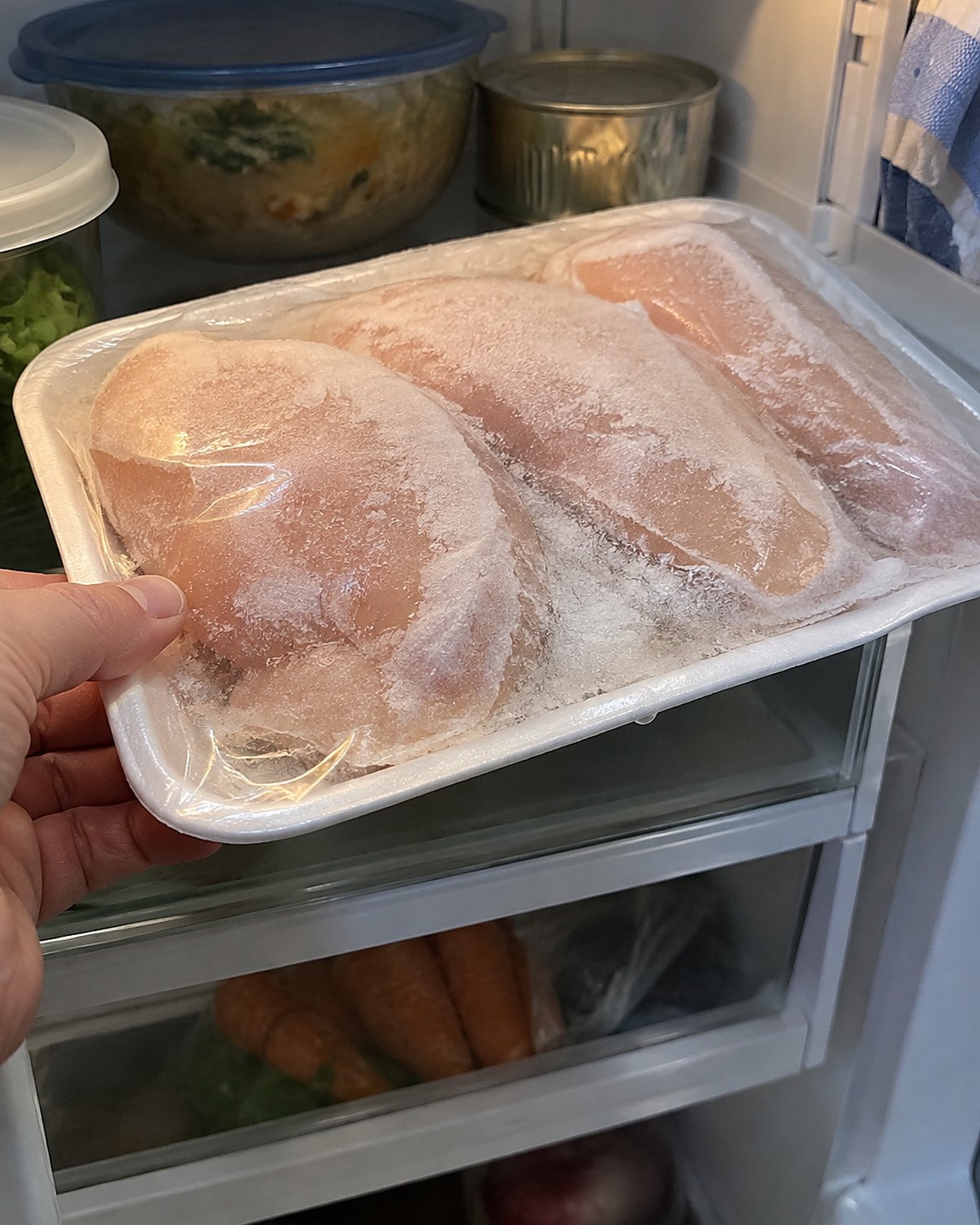
The chicken is still solid when you open the freezer. The slow cooker seems like the answer: put it in now, and surely the hours will take care of it.
Don't start raw frozen chicken in the slow cooker. The USDA's slow cooker guidance says to thaw meat and poultry first so they heat safely through the slow cook.
Move the chicken to the fridge ahead of time, or use a USDA-approved thawing method and cook it promptly. Put the package on a tray while it thaws in the fridge, so drips stay off the other food.
If you find it frozen at breakfast, change the menu rather than asking the cooker to thaw and cook in one run. Scrambled eggs and toast have rescued plenty of dinners. Tomorrow's chicken will be worth the wait.
#9 The vinegar added before dry beans soften
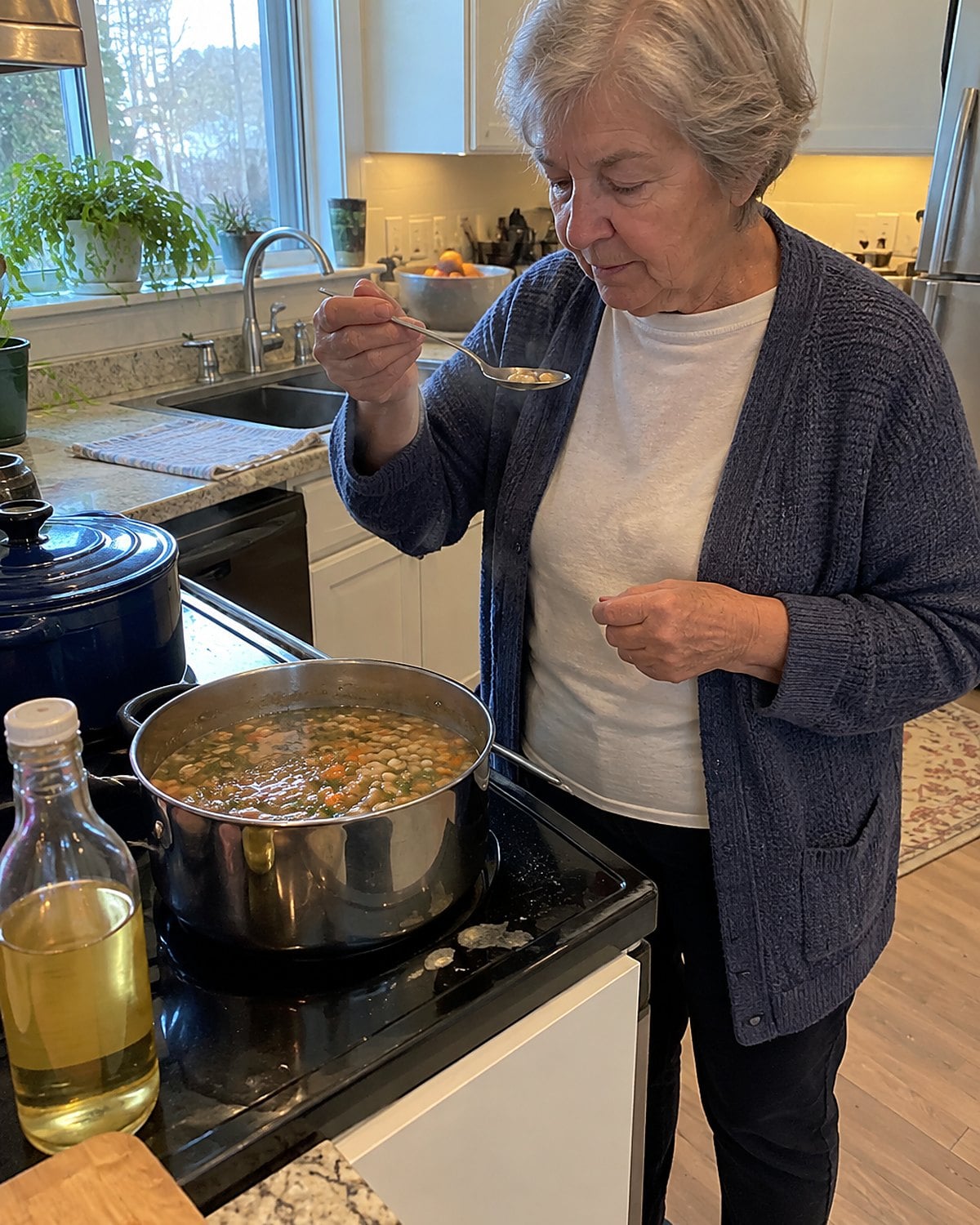
A spoonful of vinegar gives bean soup its bright finish. Add it while the dry beans are still hard, though, and dinner takes longer. Acid slows their softening.
Cook beans until they're tender before adding vinegar or lemon juice. Tomatoes bring acid too, so follow a reliable slow cooker bean recipe rather than dropping dry beans into a tomato-heavy sauce.
To check the pot, take out a few beans and bite through them. If their centers feel chalky, they're not finished. Wait on the vinegar bottle until the beans are soft, then taste the broth.
That last splash belongs to the finished soup, not the morning setup. Beans have another exception worth remembering; you'll find it at #1.
Try it: Instant Pot Bean Soup (Only 5 Ingredients)
#8 The thick sauce stuck above the broth
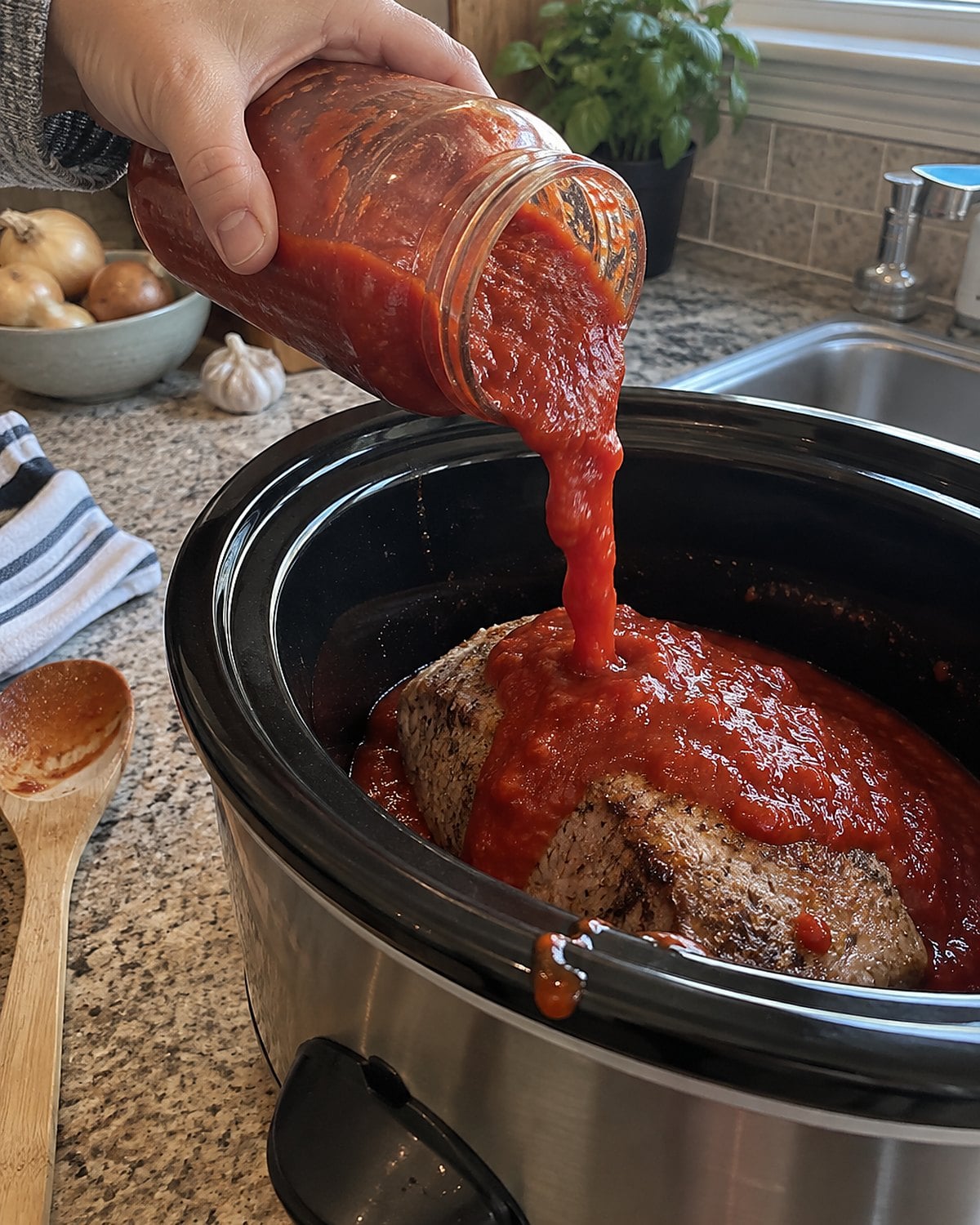
You pour a jar of thick sauce over the meat, set the lid, and leave. At dinner, sauce clings high on the food while liquid has gathered below. The top tastes concentrated; the bottom tastes thin.
Before switching on the cooker, stir the recipe's liquid into a thick sauce so it reaches around the ingredients. Scrape sauce from the jar with a little of that liquid instead of adding an unplanned cup of water.
For a glaze meant to stay on top, follow the recipe's order and resist stirring it away.
Look at the crock before you leave it. Is sauce reaching the food, or sitting in one mound? That quick glance tells you whether the recipe has a chance to cook evenly. A jar makes dinner easier, but it doesn't do the mixing for you.
#7 The leftover stew in the full crock

After dinner, the full ceramic crock still feels hot. It's tempting to let the stew cool there while you wash plates, then put the whole heavy insert in the fridge.
Instead, move leftovers into shallow containers and refrigerate them promptly. The USDA's leftovers guidance says to refrigerate perishables within 2 hours, or within 1 hour when the temperature is above 90°F. Keep the fridge at 40°F or below.
A shallow container lets food cool faster than a deep pot of stew. You also won't have to wrestle a full crock past the milk tomorrow morning.
Set the containers beside the cooker before you serve. If there's still a lot of stew after supper, divide it among them rather than filling one deep tub. The work left after dinner will feel smaller.
#6 The cold chili switched to warm
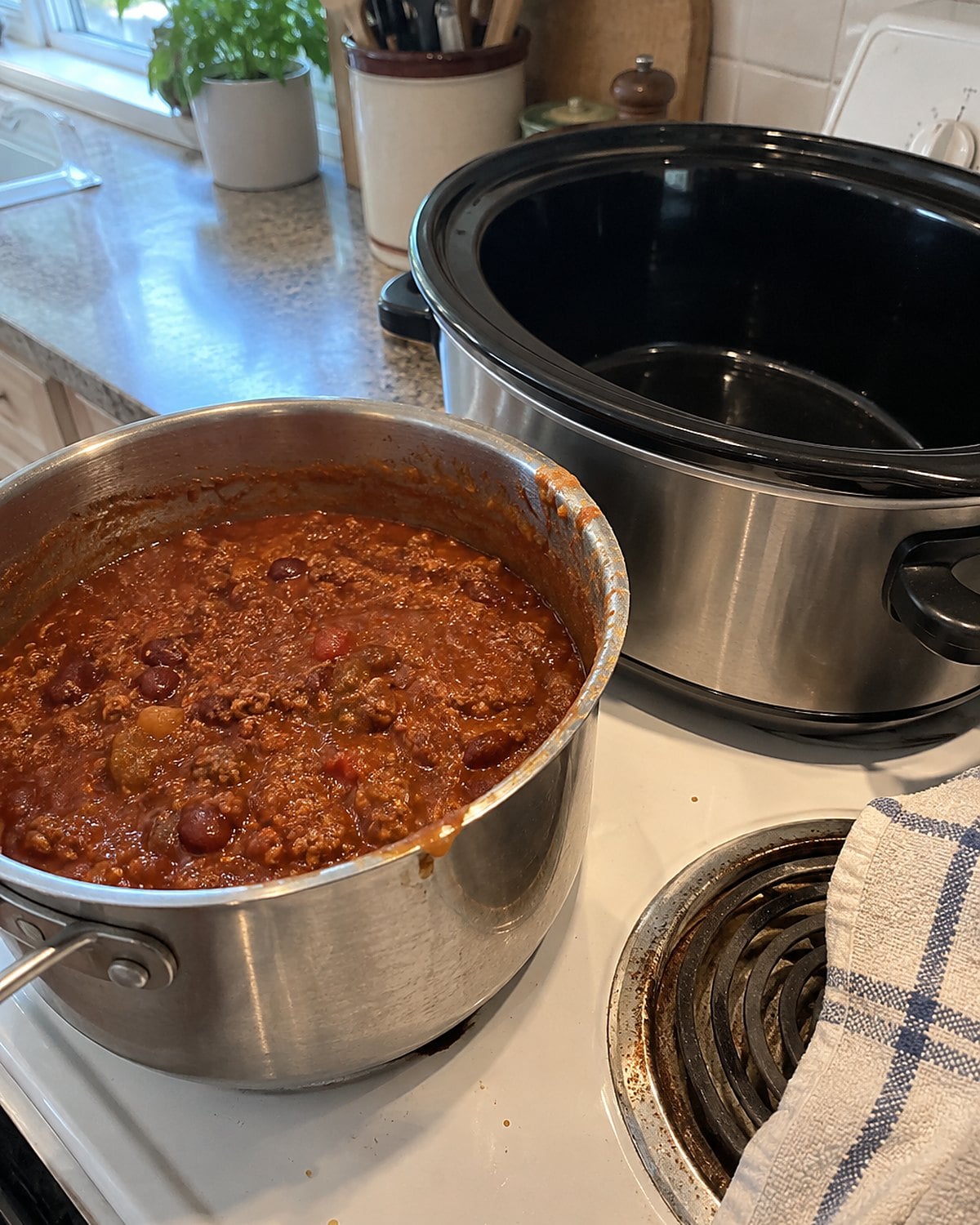
Yesterday's chili tastes better today. You set the cold container's contents in the cooker, turn it to warm, and figure dinner will be ready when everyone comes in.
The warm setting is for holding hot food, not reheating cold leftovers.
Reheat leftovers to 165°F. The USDA's leftovers guidance says not to reheat them in a slow cooker because they heat too slowly. Use the stove or microwave, check with a thermometer, then transfer the hot chili to a preheated cooker if you need to hold it for serving.
That sounds like another pan to wash, and it is. It also separates two jobs that the dial makes look like one. Warm keeps dinner ready after reheating; it doesn't make cold leftovers ready in the first place.
Try it: Instant Pot Creamy Taco Chili
#5 The cooker stopped during an outage
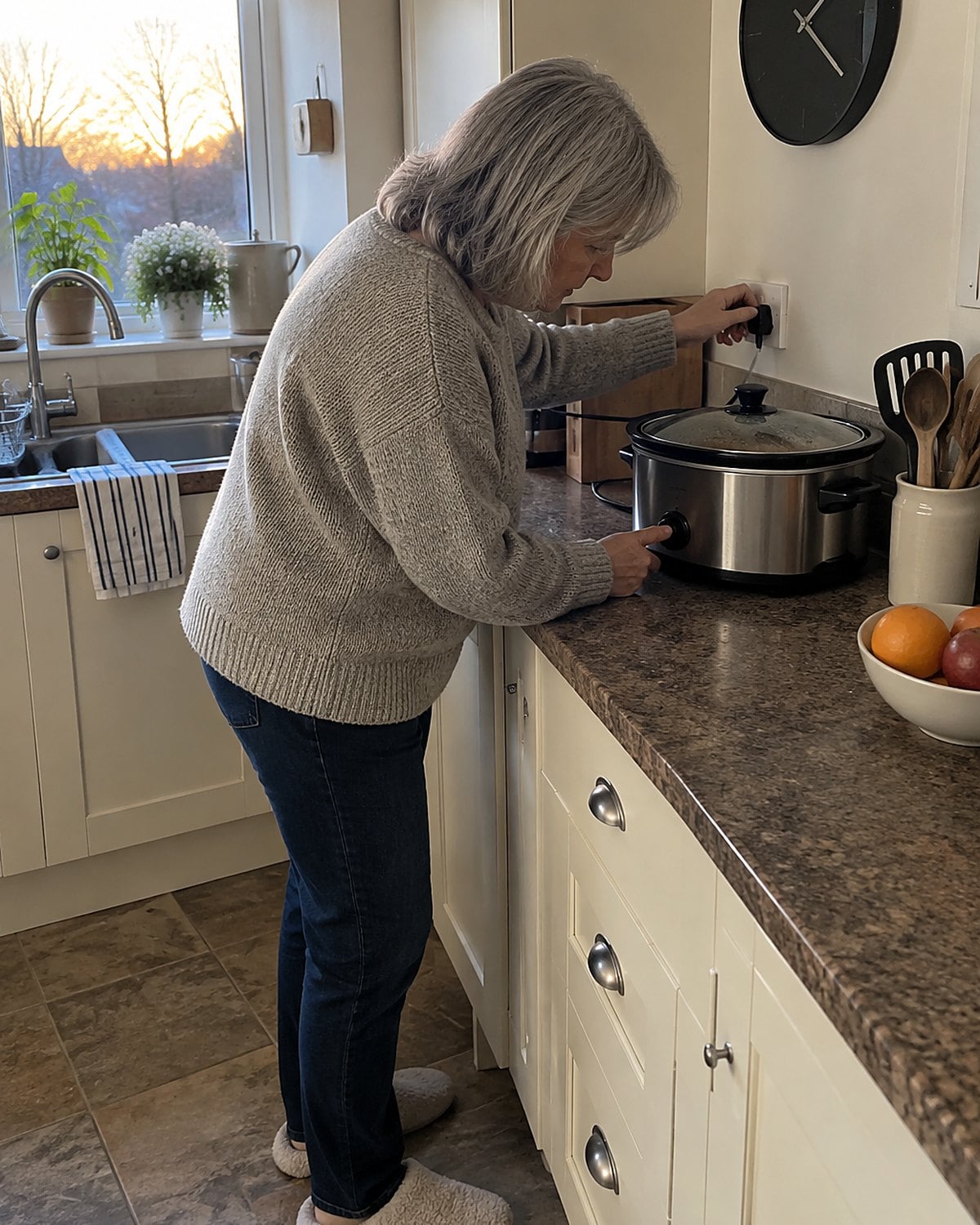
You come home to a dark clock and a cooker that's no longer running. The kitchen smells like supper, but you don't know when the power went out.
Don't use smell or a taste to settle this. The USDA's slow cooker guidance says to throw away food if you were away and the power went out during cooking.
If you were home when it happened, follow the USDA's directions for finishing the food right away by another method. The answer changes because you know when cooking stopped; a dark clock discovered later can't tell you that.
The frustrating part is losing a meal you paid for and prepared. The useful part is having the answer before anyone reaches for a spoon. Don't guess how hot the crock stayed.
#4 The warm button mistaken for low
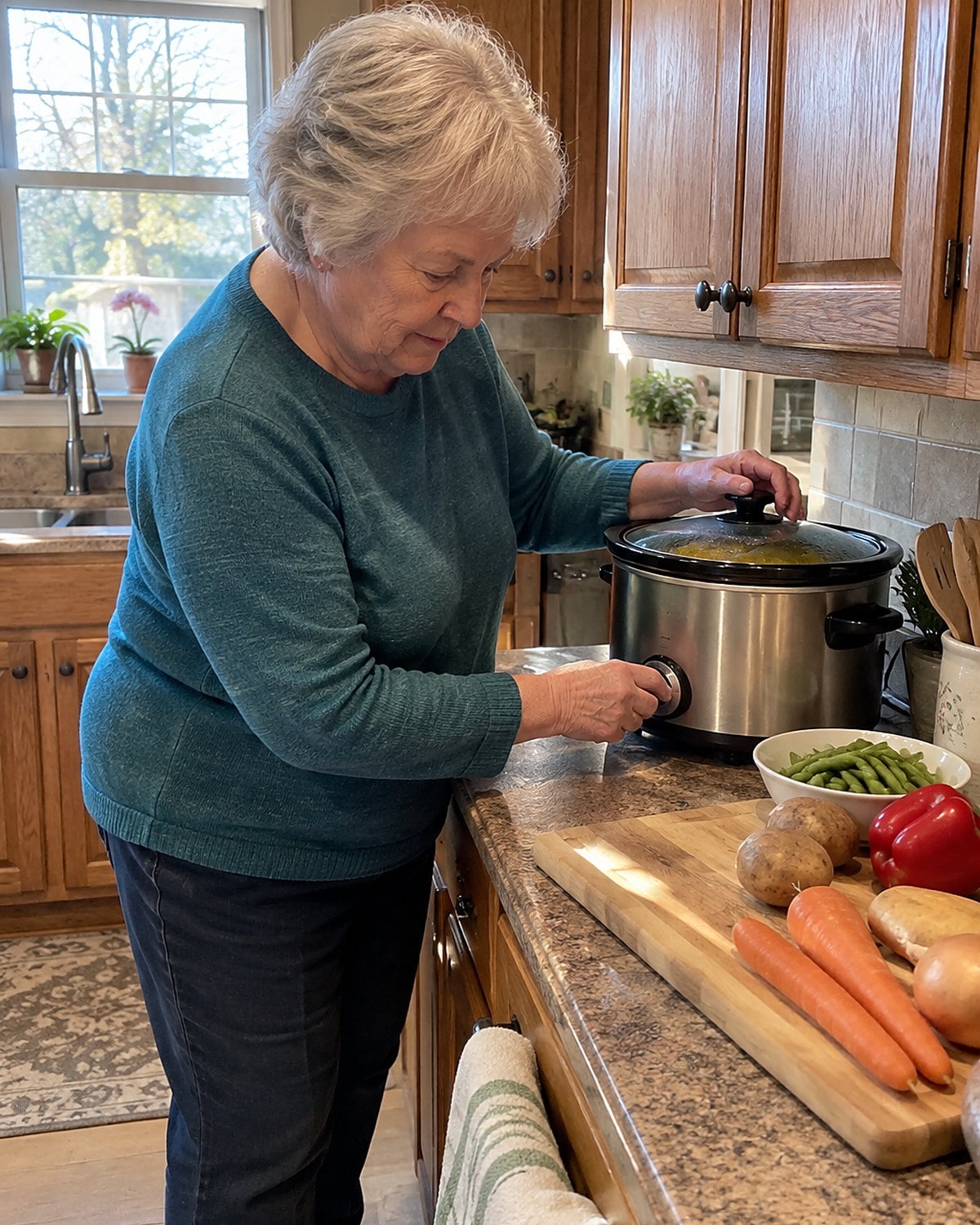
The dials sit side by side, and both make the cooker feel warm to the touch. But “warm” and “low” do different jobs. Low cooks the meal. Warm holds food that has already finished cooking.
Check the setting after you turn the knob, especially on a cooker whose labels have worn thin. If your model switches to warm at the end of a timed cook, read its manual for how that feature works.
Don't use warm to start raw stew because dinner is far away and you want it to cook slowly.
At serving time, check that hot food stays at 140°F or above while it's being held. The USDA's slow cooker guidance gives that holding temperature. A thermometer answers the question better than a hand against the lid.
#3 The canning jars lowered into the crock
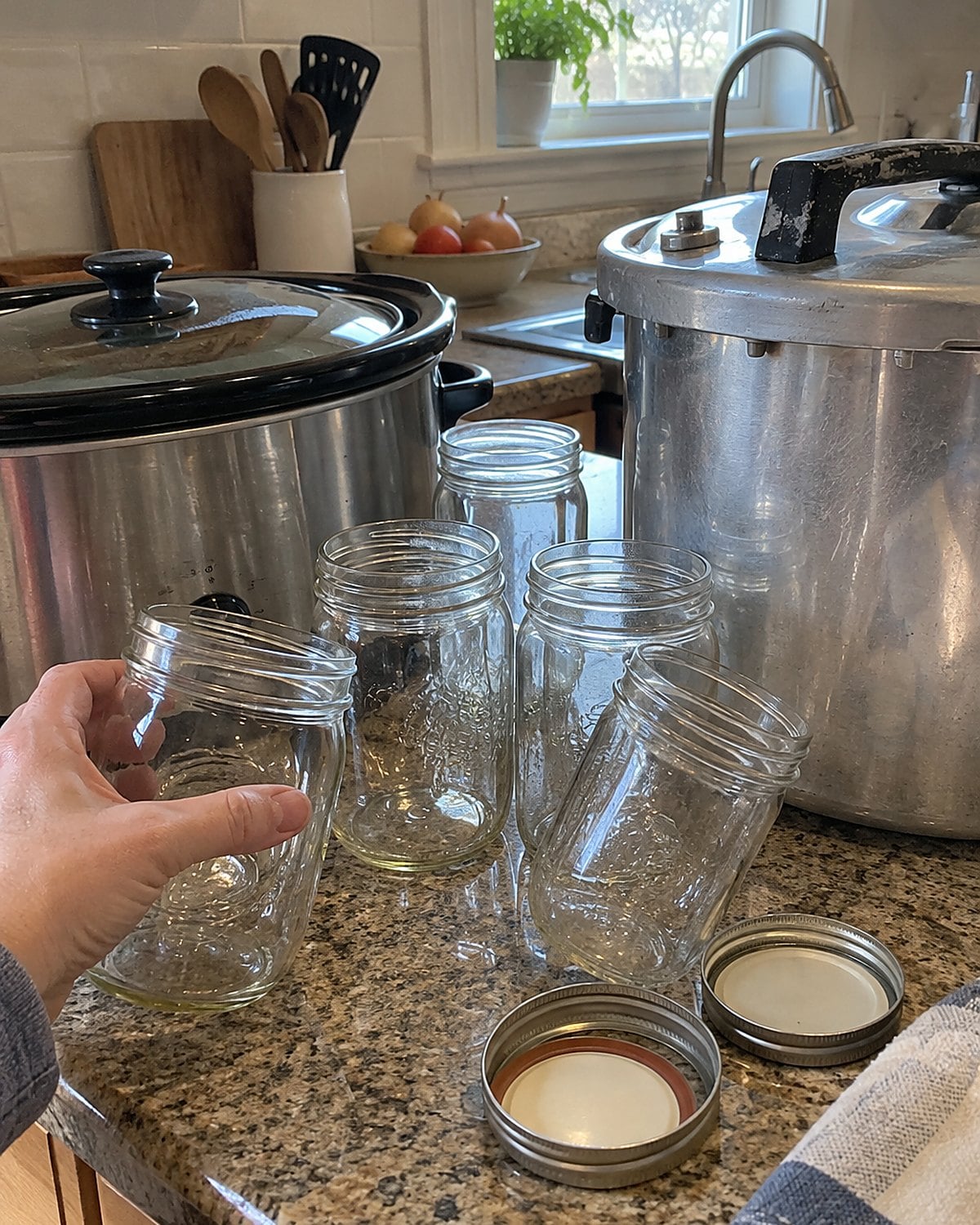
Little jars of sauce look tidy in a slow cooker. So does the plan to seal them there for the pantry. A lid that pops down after cooling feels convincing, but it does not prove the food was processed safely.
Don't use a slow cooker to can food for shelf storage. Safe canning requires a tested method matched to the food, jar, and equipment. The National Center for Home Food Preservation has those methods; a slow cooker isn't a substitute for a boiling-water or pressure canner.
The pantry shelf is the part that changes the stakes. A jar intended for dinner is one thing; a jar you expect to store without refrigeration needs a tested canning process.
For pantry jars, bring out the proper canner and a tested recipe. The sound of a sealing lid isn't the test.
#2 The chipped lid kept for one more stew
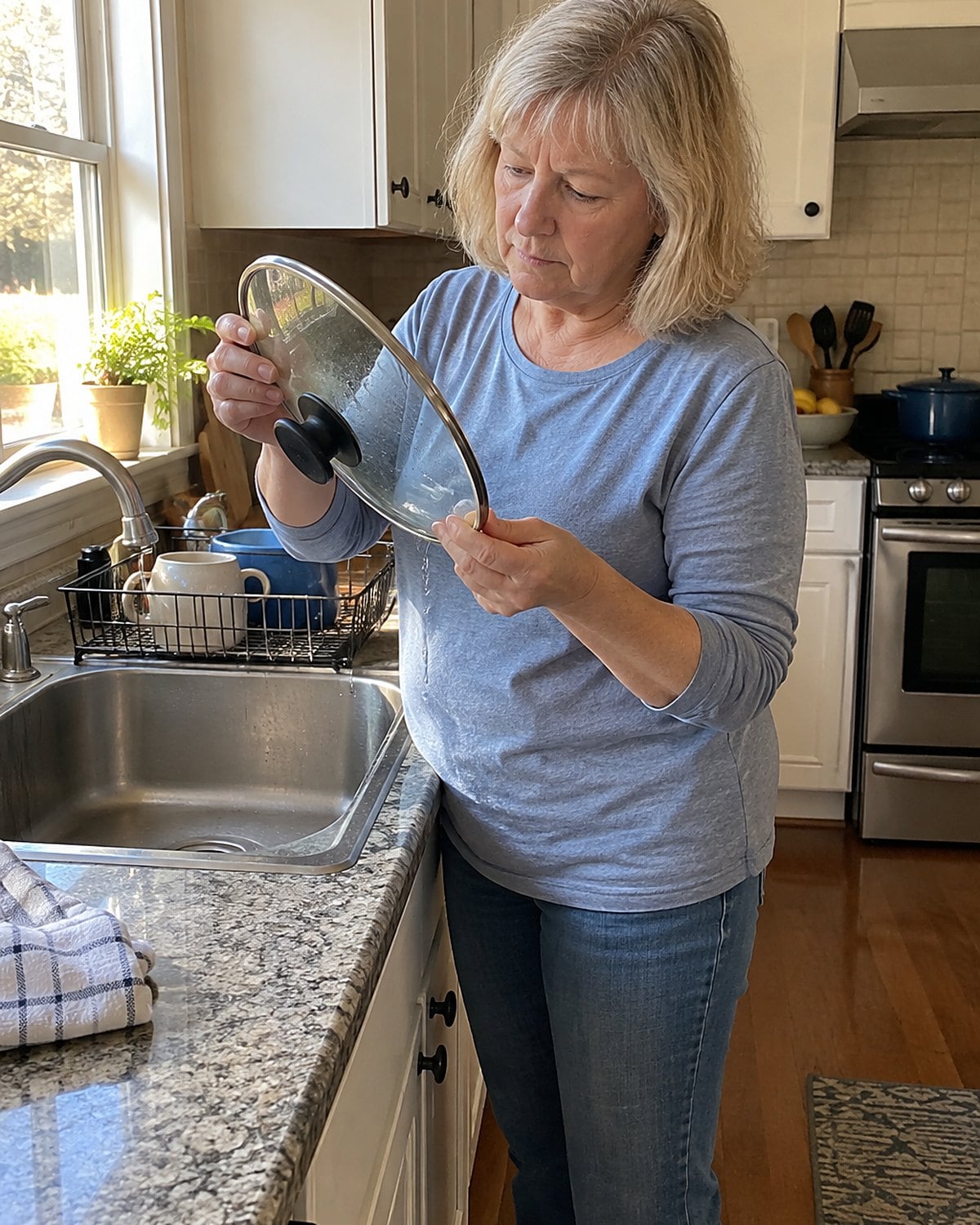
The old lid has a small chip near its edge. It still covers the crock, and after years together, replacing it feels excessive. Then you notice the chip catches a fingernail right where the lid meets the rim.
Wash and inspect the lid and crock before the next long cook. Look for cracks, chips at the sealing edge, and damage to the cord or plug.
Stop using damaged parts and check the maker's replacement guidance for your exact model. Don't borrow a lid from another cooker because its width looks close enough. Set the replacement lid on the empty crock and check the fit before you plan dinner around it.
A clean, intact lid sits flat. If yours rocks or leaves a visible gap, solve that before shopping for the ingredients. The easiest inspection happens when the crock is empty, not when a seasoned roast is waiting on the cutting board.
#1 The dry kidney beans in chili
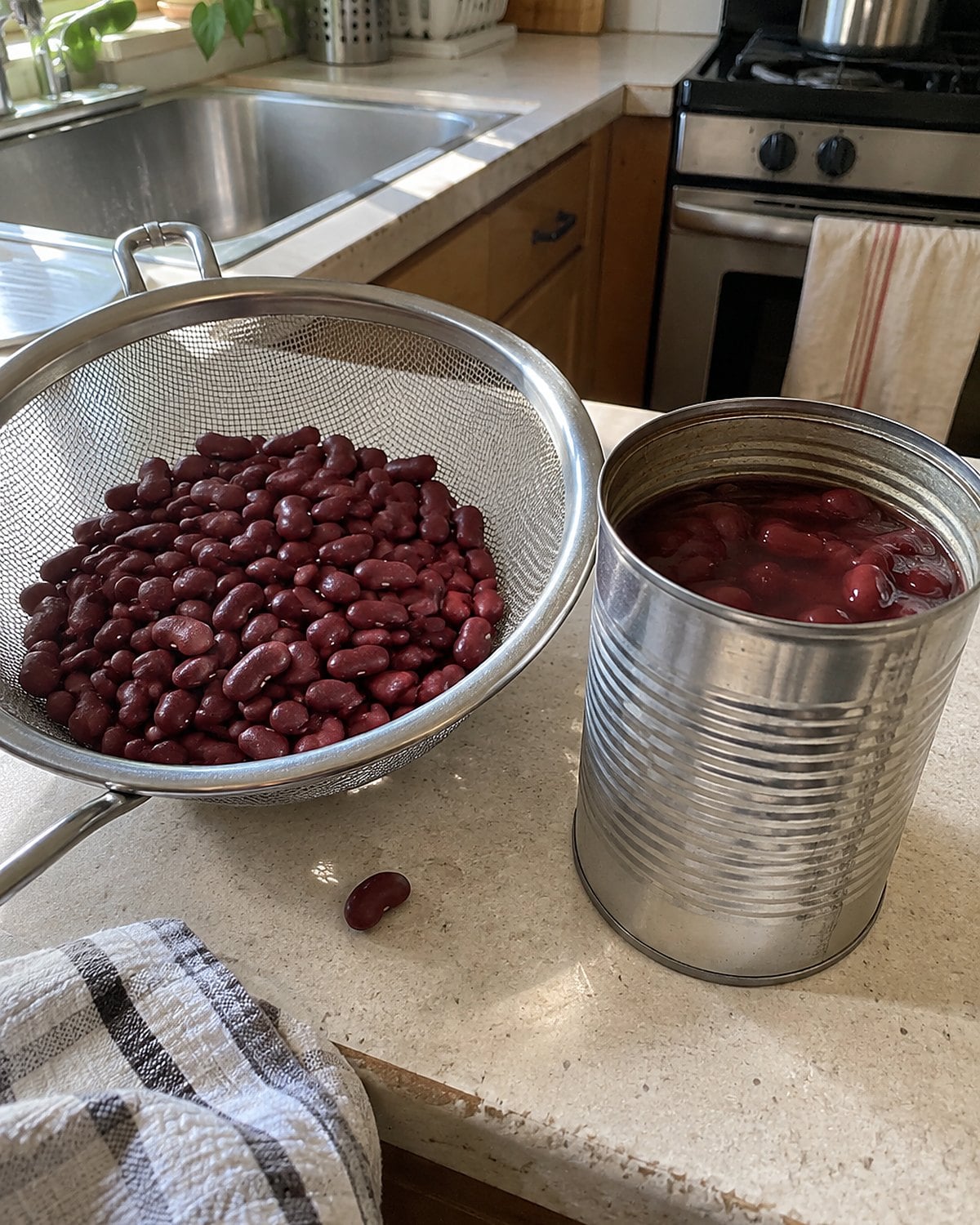
A bag of dry kidney beans seems easier than opening cans. You rinse them, add them to chili, and leave the slow cooker to do its work. Unlike a thin sauce or a tough roast, undercooked kidney beans pose a food-safety risk.
Raw or undercooked kidney beans contain a toxin called phytohaemagglutinin. The FDA's Bad Bug Book warns that cooking them below a full boil does not reliably destroy it. A slow cooker alone isn't the place to prepare raw kidney beans.
For this chili, use canned kidney beans. They've already been processed, and you can add them according to your recipe. If you want to start with dry kidney beans, follow the FDA's Bad Bug Book directions for soaking and boiling them before they enter the slow cooker. Don't use tenderness or a taste as your safety test.
This is the old shortcut worth retiring first. Check the bag before it goes near the crock.
Try it: Instant Pot Beef & Chorizo Chili
The bottom line
The cooker hasn't forgotten how to make your favorite stew. An old habit just doesn't answer every question about a new cut, a smaller batch, or a different dinner hour.
The well-prepared version of you has checked the recipe against the clock, left the lid alone, and put the thermometer where she can find it. Which habit in your kitchen deserves a second look before tonight's pot goes on?

Leave a Reply