

The freezer drawer sticks until you lift its handle and pull. Inside sits a bag of peas beside something wrapped so long ago the label has gone pale.
Perhaps you grew up with frozen vegetables boiled until they surrendered, or strawberries that thawed into pink water. Those memories earned their place. Freezing also slows the changes that spoil food after harvest. The question at the store isn't whether frozen is respectable. It's whether that particular food will still do its job after the ice melts.
#27 The bag of frozen peas
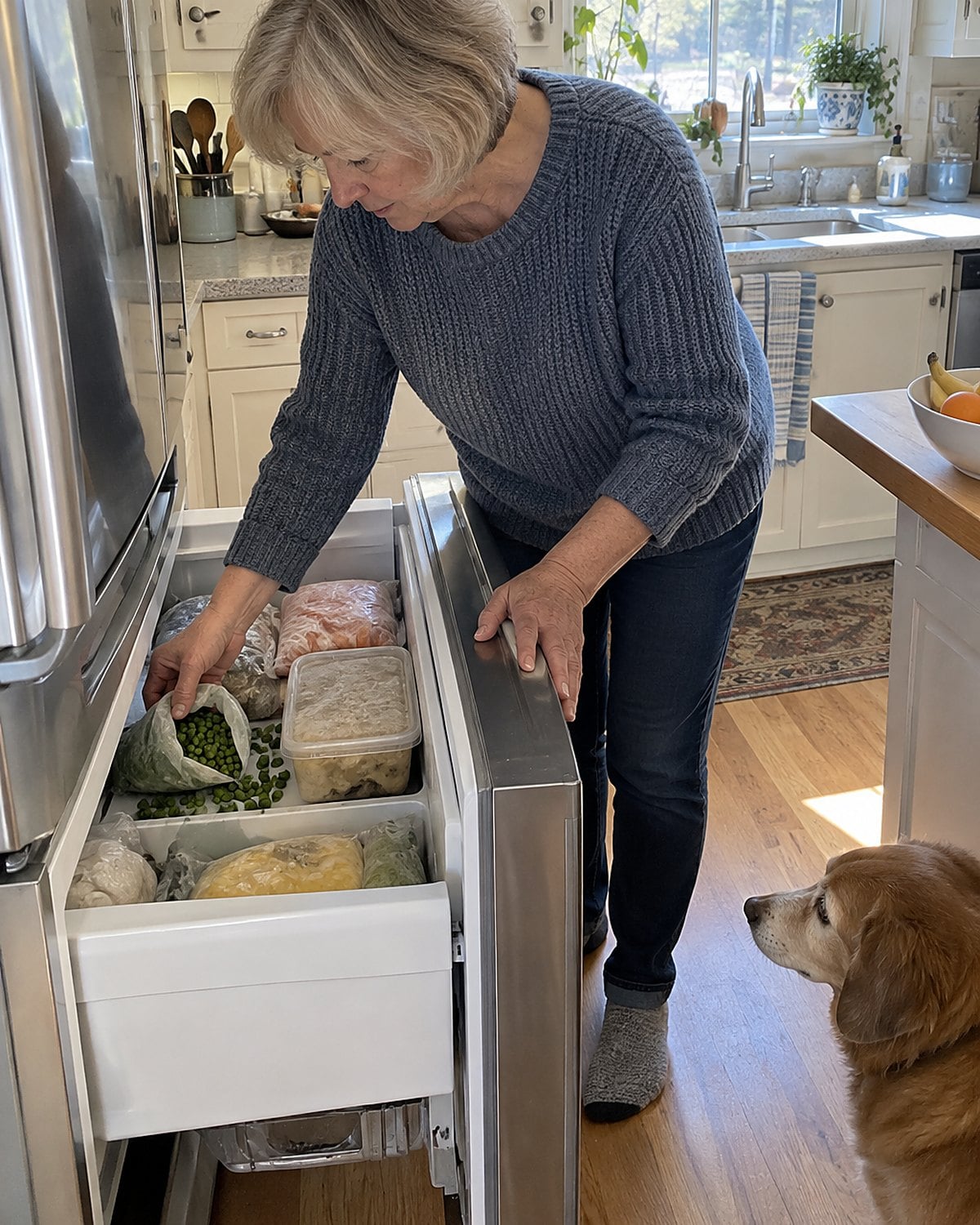
Buy them frozen. Peas lose sweetness after picking as their sugars turn to starch, so the freezer bag has a strong case against the pods sitting in a produce bin. You also skip shelling.
When you're cooking for one or two, take the handful you need and return the bag to the freezer before it thaws on the counter.
The mistake happens at the stove. Boil peas for the length of an old family phone call and they turn dull and soft. Drop them into a skillet or soup near the end instead. Once they're hot and bright, stop cooking. Taste one: it should pop rather than smear against your tongue.
If the bag holds a solid block instead of loose peas, look for torn packaging or signs of thawing and refreezing. Pick a bag with pieces that move when you squeeze it. That small check protects both supper and your freezer space.
Try it: How To Cook Frozen Peas In An Instant Pot
#26 Fresh asparagus in the cast-iron pan
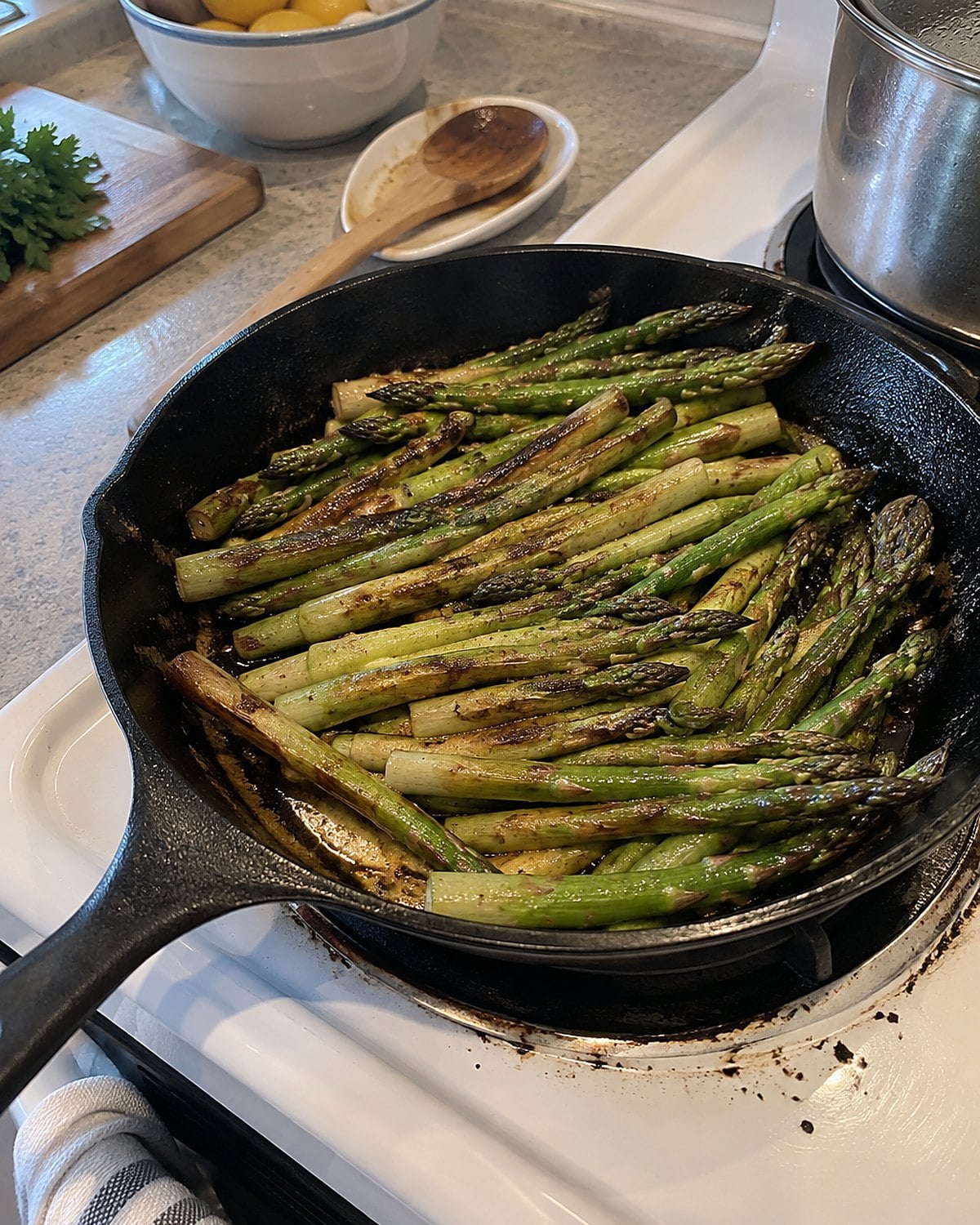
Pay for fresh asparagus when you want browned tips and stalks with a little resistance. Frozen spears release water as they heat. Crowded in a cast-iron pan, they steam before their surfaces have a chance to brown. No amount of extra butter fixes that texture.
At the market, bend the cut end of a stalk. It should feel firm, not limp or slimy. Look at the tips, too: tight heads hold together in the pan. Thick stalks aren't automatically tough; old, dried-out ends are the trouble.
Trim the woody base with a knife rather than snapping every spear and throwing away more than you meant to.
For supper, dry the stalks after washing, heat the pan first, then give them room. Turn when one side has color. A squeeze of lemon goes on after cooking, so the acid doesn't wash the hot pan into a puddle.
If asparagus is headed into a blended soup, frozen is fine. For that browned-pan dinner you pictured, fresh earns its price.
#25 The market stall's ripe peaches
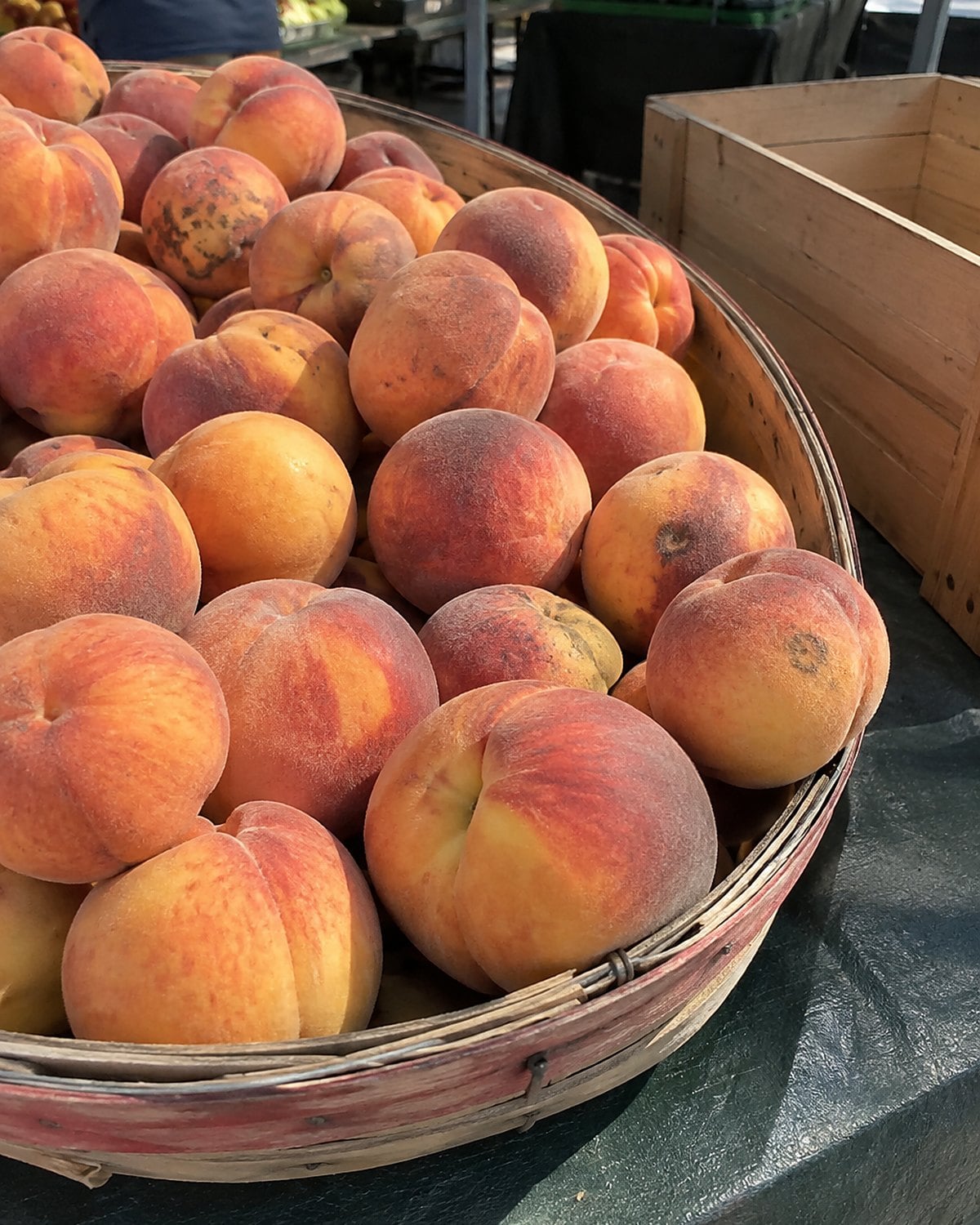
A ripe peach has a short window. That's why fresh peaches deserve their turn when you want juice running over the sink and slices on a plate. Choose fruit with a peach scent near the stem and a little give when pressed with your whole palm.
A hard peach with green around the stem needs more time. Leave firm peaches on the counter and check them each day with your palm. Once they give a little, decide what you're making before they get too soft to slice.
For a pie baked out of season, buy frozen slices instead. Their juice will run as they thaw, and that moisture belongs in the filling calculation. Thaw them in a bowl, keep the juice, and add the thickener your pie recipe calls for.
Don't ask a frozen slice to sit neatly beside a sandwich. Do ask it to become a cobbler when the fresh display smells of nothing.
#24 Frozen spinach beside the saucepan
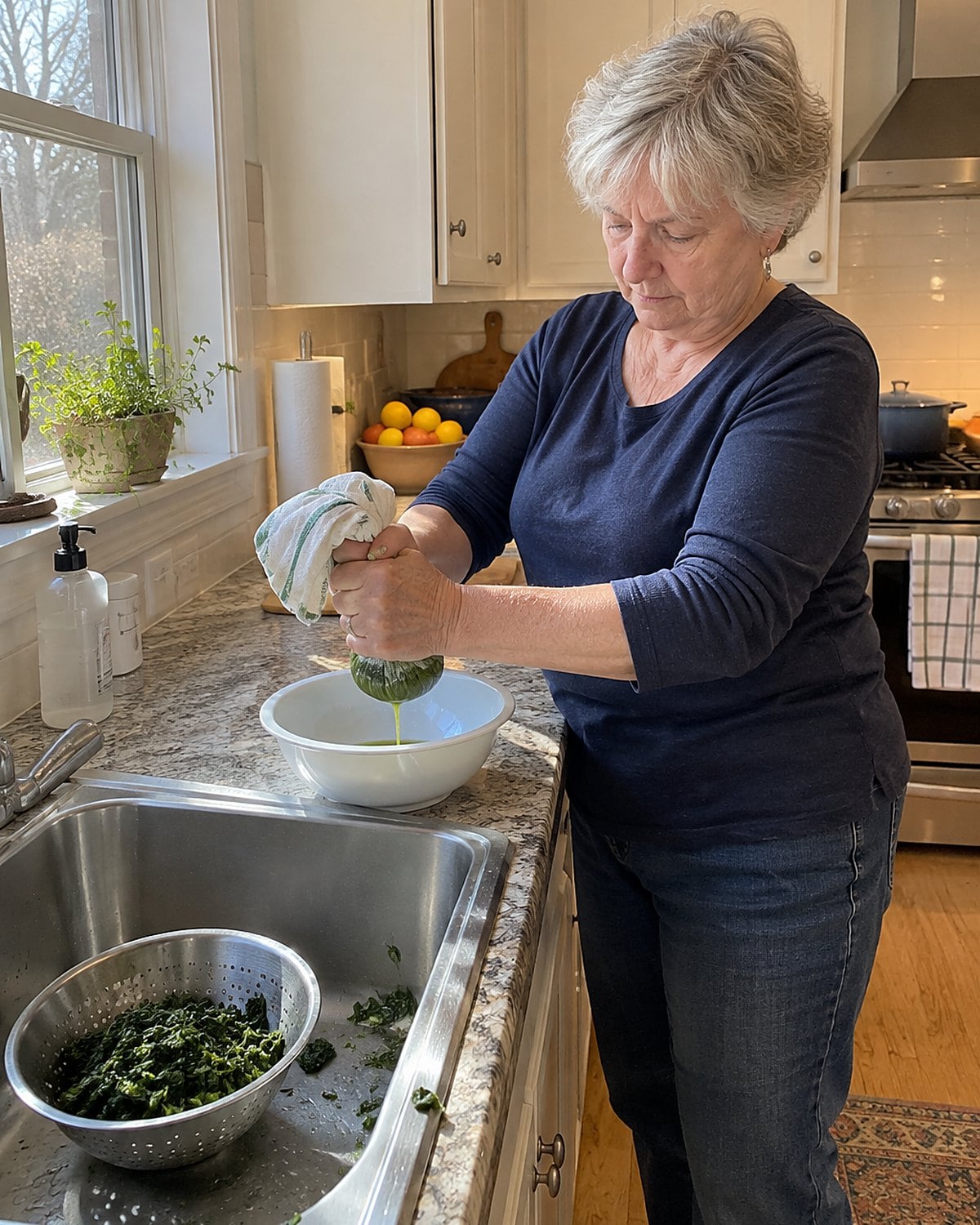
Buy frozen spinach for dishes where the leaves disappear into the cooking: soup, lasagna filling, or a skillet of eggs. A box or bag holds far more cooked spinach than the same-looking space filled with fresh leaves. It also waits until the evening you actually want it.
Water is the price of that convenience. Thaw the spinach, put it in a clean towel, and squeeze over the sink. Then squeeze again. If it goes straight from the package into a ricotta filling, that water loosens the filling and leaves a puddle under the pasta.
Read the package before paying. Plain chopped spinach gives you control over salt and seasoning; creamed spinach is a different ingredient.
For a salad, buy fresh leaves. Thawed spinach won't spring back into the crisp leaves you washed and spun. The useful dividing line is simple: if the spinach needs to stand up on its own, go fresh. If it's going into the pot, let the freezer carry the load.
#23 Blueberries beside the high chair
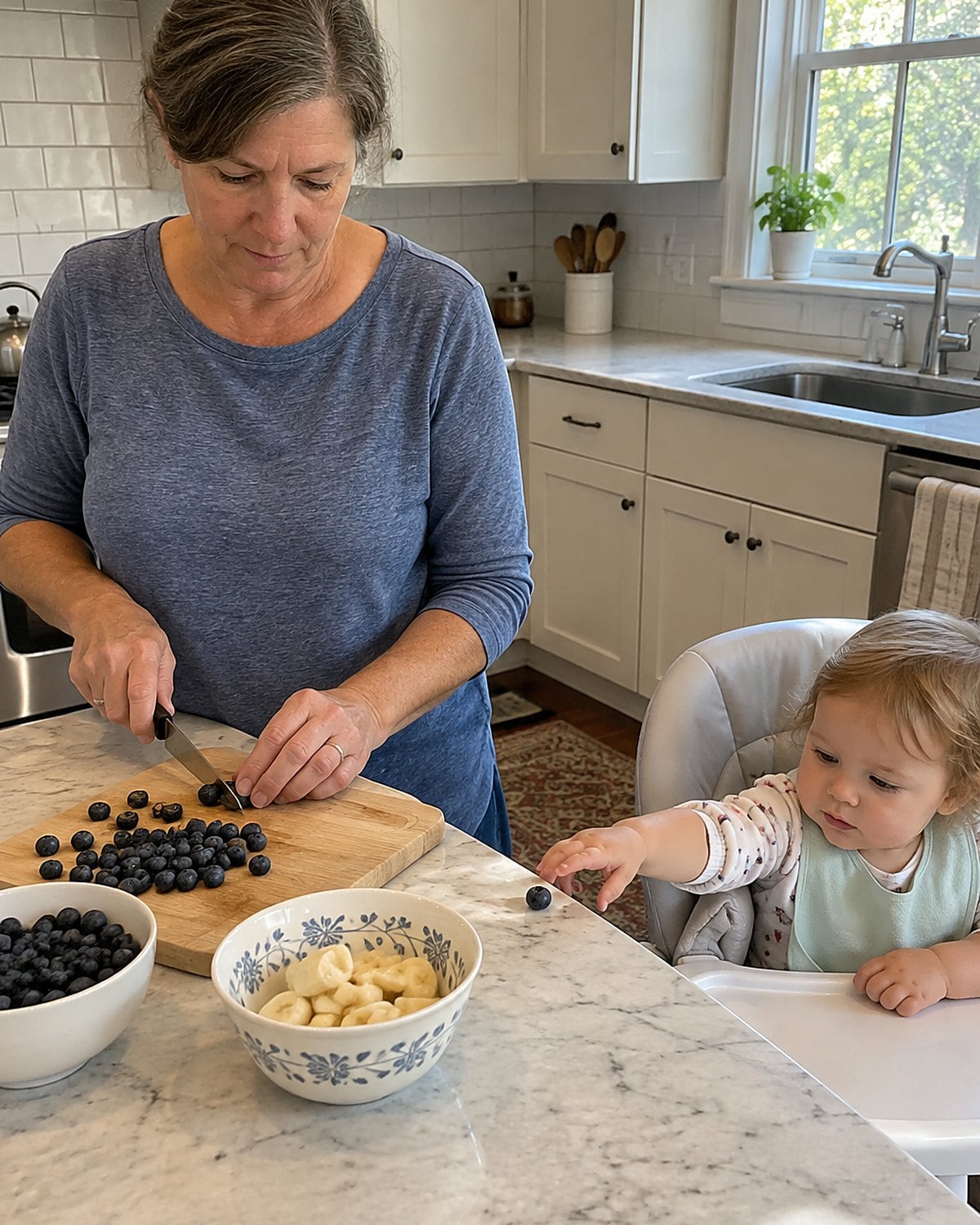
Frozen blueberries belong in oatmeal, pancakes, muffins, and sauce. A few spoonfuls turn a plain breakfast into one you actually want to sit down for. Put frozen berries straight into muffin batter and fold only until they're spread through it. Stir too long and the batter turns purple.
For fresh berries eaten by the handful, shop by sight and touch. Dry berries that roll freely in their container beat damp ones stuck together. Check the bottom for juice or mold before the carton lands in your basket.
A grandchild at the high chair changes the job again. The CDC advises cutting small round foods, including berries, for young children. Frozen fruit needs to be fully thawed and prepared to suit the child's age.
Your own hot oatmeal asks much less of the berry: tartness, color, and a spoon.
Try it: Instant Pot Blueberry Oatmeal With Maple Peanut Butter
#22 Fresh mushrooms waiting by the sink
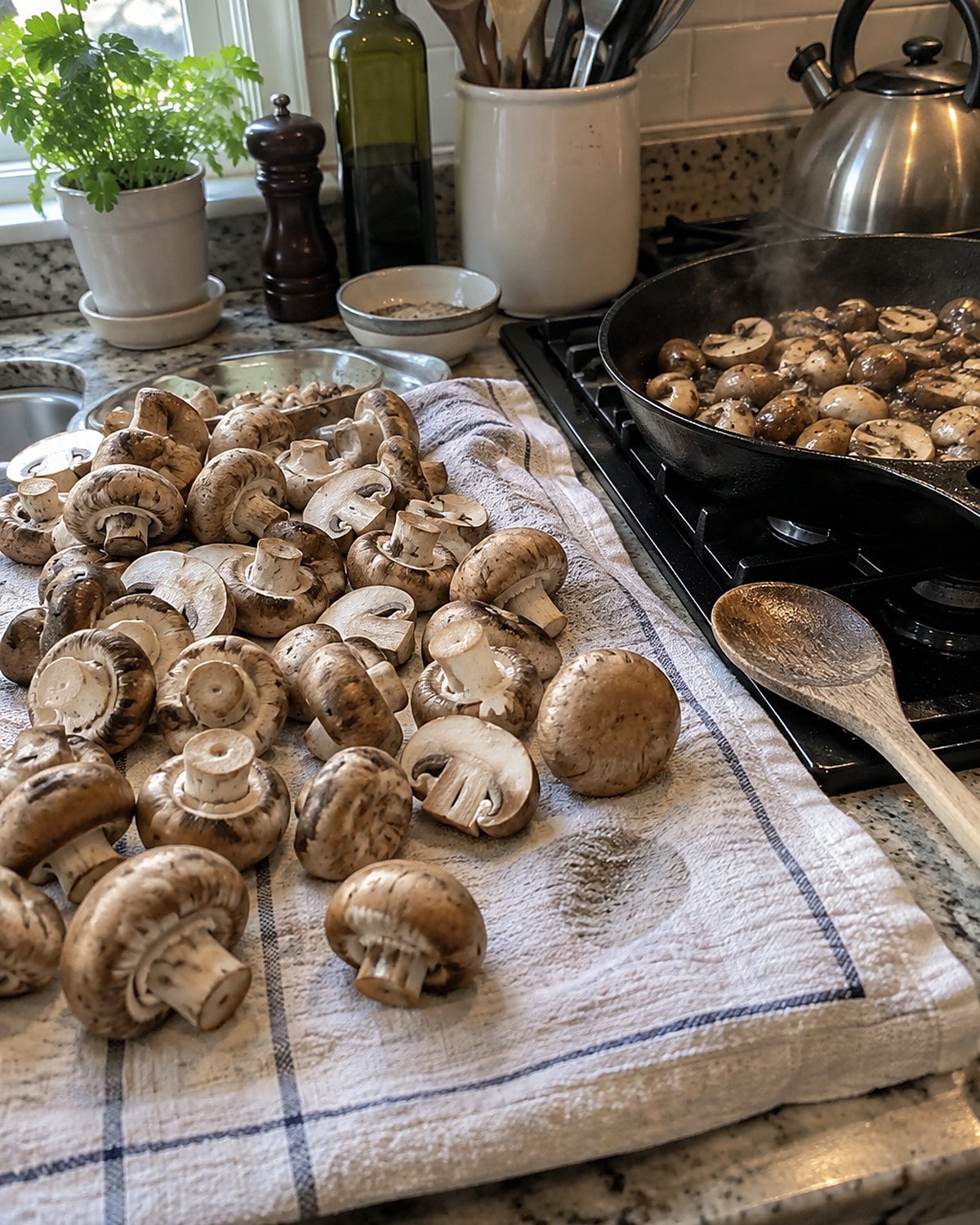
Buy fresh mushrooms for a skillet. Frozen mushrooms shed water as they thaw, then sit in that water while you're waiting for browned edges. They have a place in a long-cooked sauce, but the quick pan of mushrooms beside a pork chop needs fresh ones.
There's an old argument over washing them. You don't have to brush every speck of dirt away with a dry towel. Rinse whole mushrooms briefly, then dry them well.
The bigger enemy of browning is a wet surface meeting a crowded pan. Cut the mushrooms, heat the skillet, and leave enough space for steam to escape.
Listen before you stir. A steady sizzle says the water is leaving and the edges are taking color. A faint simmer under a mound of mushrooms says you've filled the pan too far. Cook another batch rather than waiting for the whole heap to brown at once.
If your plan is soup that gets blended, frozen sliced mushrooms will still give it earthy flavor. For a plate where each browned slice matters, fresh is the purchase that matches the dish.
#21 Corn kernels under the wooden spoon
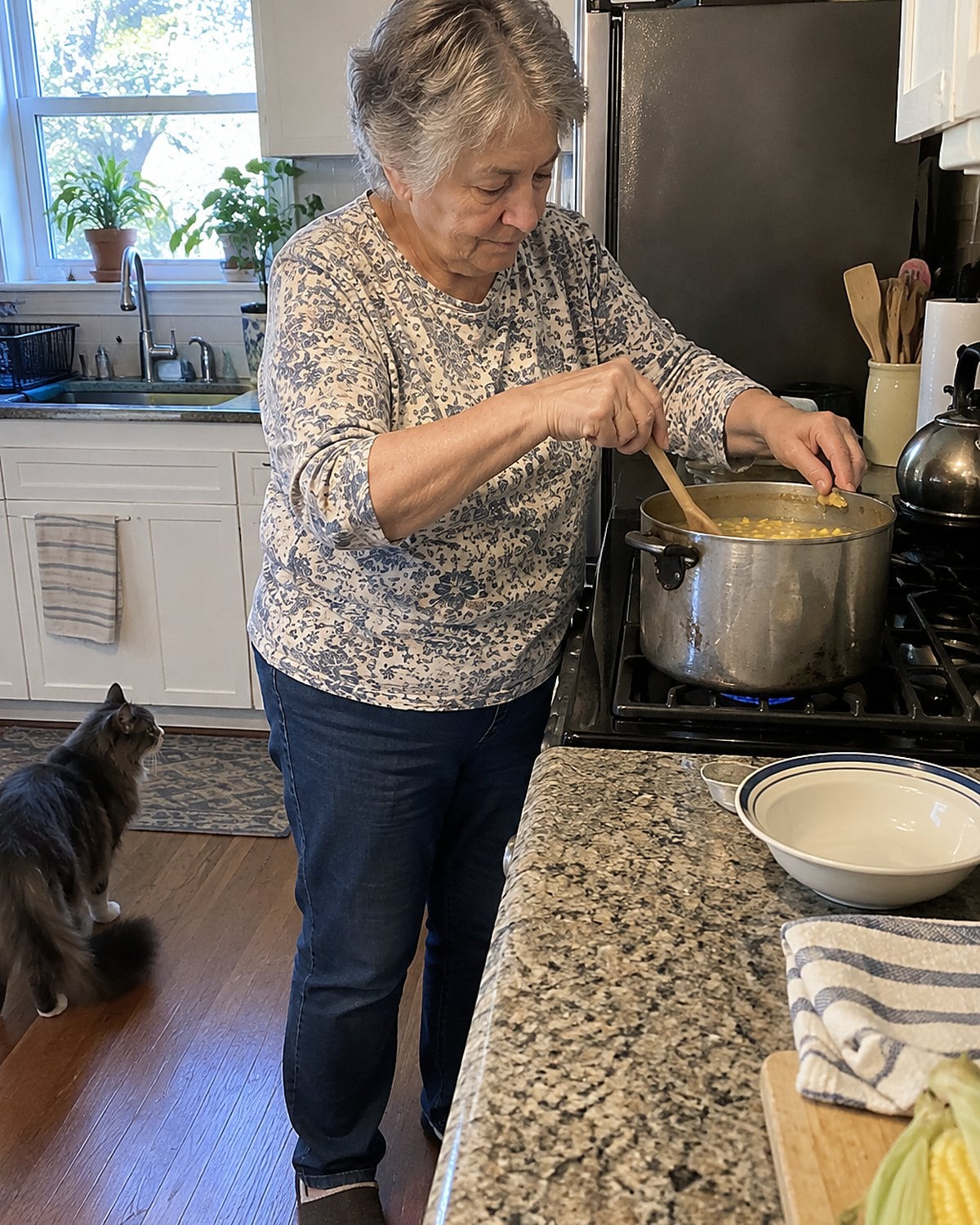
The wooden spoon pushes a few kernels around the skillet. Behind you, the empty chairs don't need the pile of shucked cobs they once did.
Buy frozen corn for chowder, cornbread, and a weeknight skillet. Kernels from a bag go into the pan without silk to chase across the counter. Add them near the end of a simmering soup so they heat through without losing their snap.
Fresh corn wins when the cob itself is supper. Peel back a little husk at the market and look for plump, even kernels, then cover them again. Dry, dented kernels won't regain their juice in boiling water.
If fresh ears come home with you, plan to cook them within a day or two for the sweetest bite. Taste before reaching for sugar; good corn doesn't need that old pot trick.
Frozen kernels have another advantage when the table has shrunk. Take out what fits your skillet and close the bag. The rest doesn't become an obligation by Thursday.
#20 Chopped onions on the cutting board
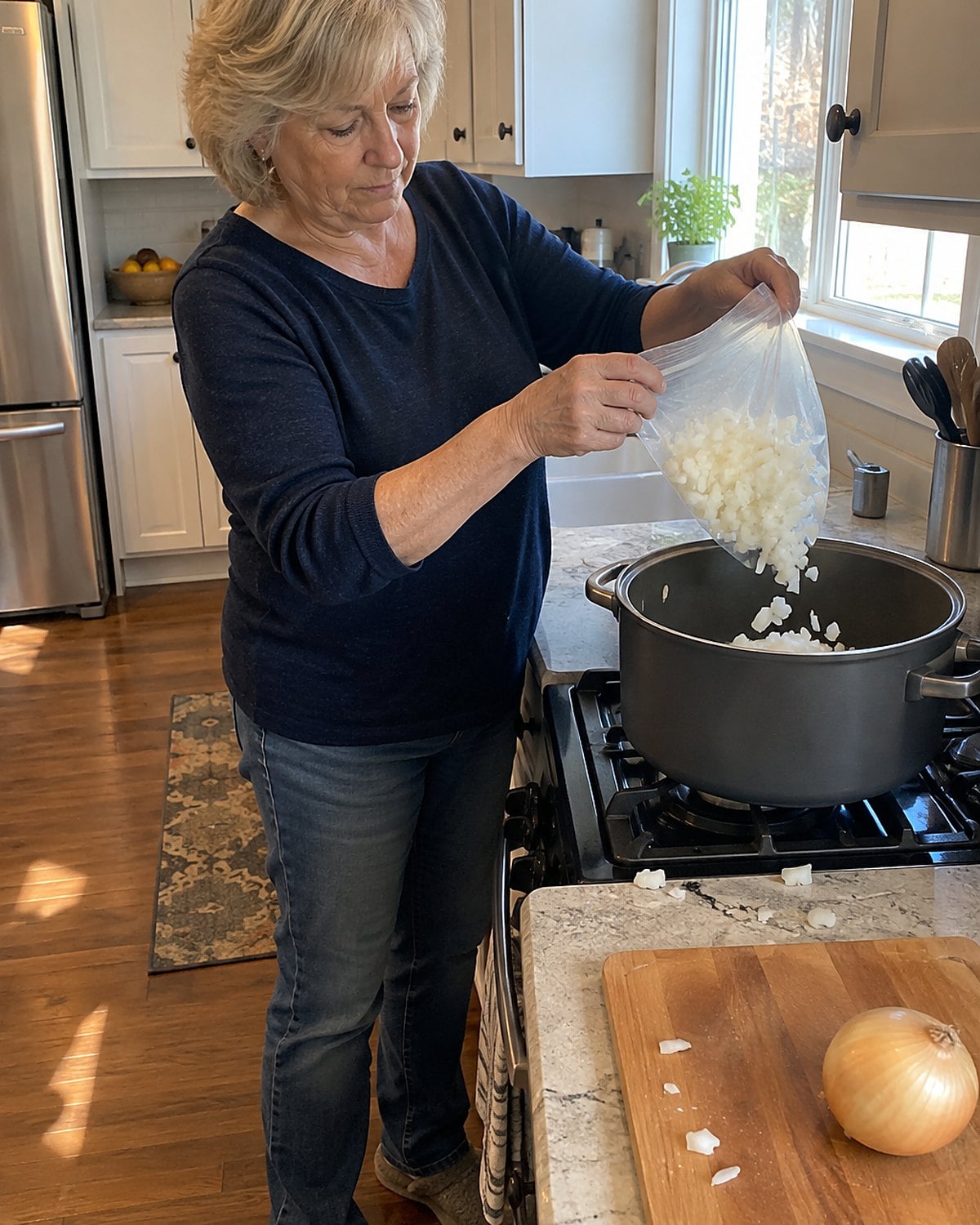
Frozen chopped onions solve a real Tuesday problem: you need an onion in soup, but you don't want another half onion wrapped in the fridge. Buy a plain bag and pour from it while the pieces are still separate. They go straight into a hot pot for chili, tomato sauce, or stew.
For onions you intend to caramelize, pay fresh and cut them yourself. Frozen pieces release water first. Browning begins after that water cooks away, and tiny packaged pieces lose their shape along the way. Fresh slices give you control over thickness and enough surface to turn deep brown.
There's no shame in keeping both. A bag of frozen chopped onions handles the soup you start after an appointment runs late. The whole onion handles Sunday gravy, where the smell of slices slowly browning is part of the afternoon.
Check the ingredients on seasoned onion blends. A plain onion gives you the choice of garlic, peppers, and salt. Your recipe doesn't need a stranger at the factory making those decisions.
#19 Green beans beside the roast
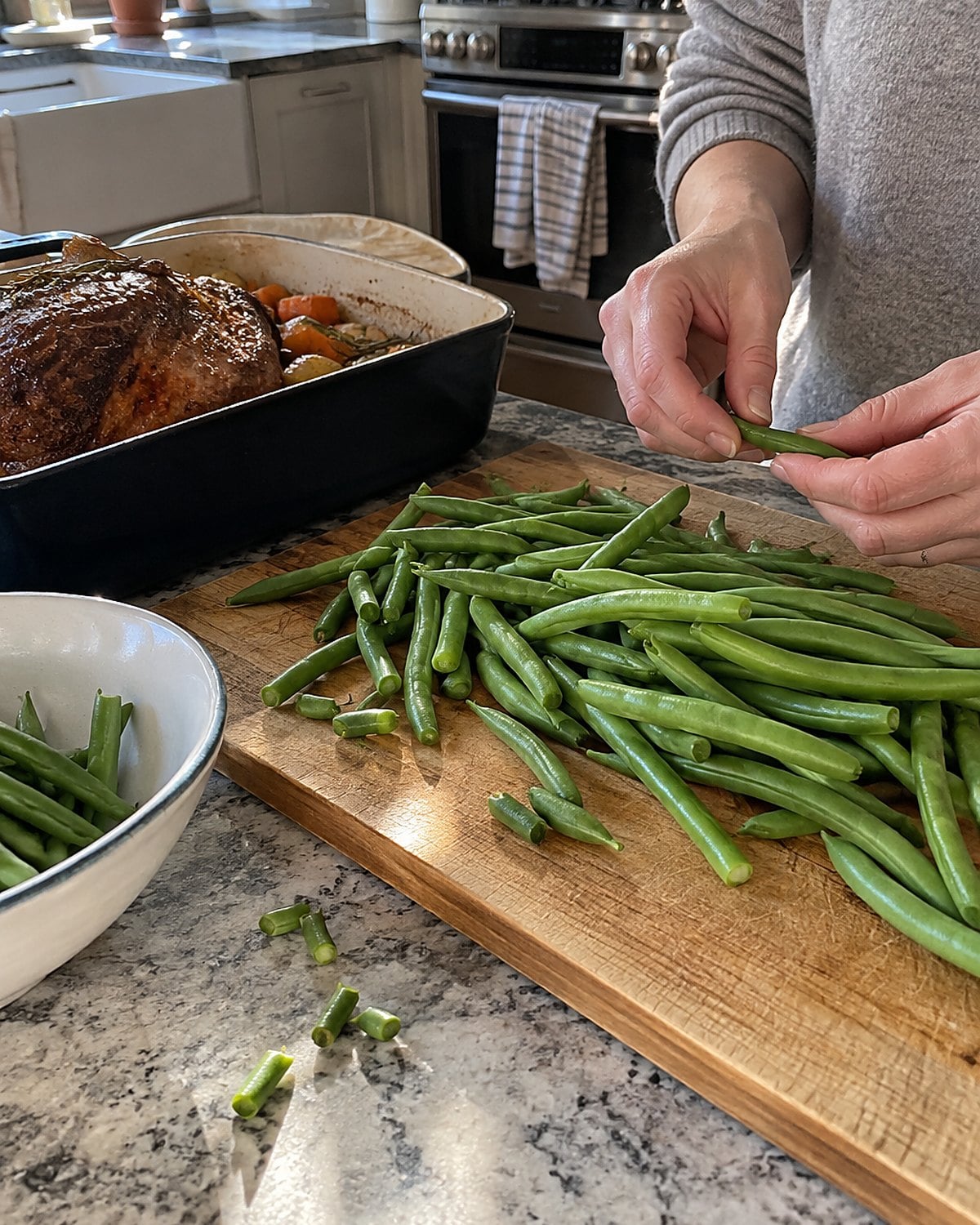
A bean bends in your hand at the store. If it folds without breaking, leave that handful behind. Fresh beans for the plate beside a roast should snap cleanly.
Trim them, cook until the color deepens, and taste a bean before draining the pot. It should still offer a little resistance. Buy only what fits the dinners ahead; don't let a big bag make tomorrow's menu for you.
Frozen cut green beans do different work. They belong in a casserole, soup, or braise where the beans cook with other ingredients and a crisp snap isn't the point. Put them into a hot skillet from frozen if you're serving them plain. Let their surface water cook away before adding butter.
Remember the beans boiled while the roast rested, then left in their water until everyone sat down? Neither fresh nor frozen deserves that ending.
Drain them when they're ready, not when the rest of supper catches up.
Try it: Instant Pot Green Beans With Butter & Pepper
 You might also like27 Things Home Cooks Over 60 Do Without Thinking That Chefs Would Never Do
#18 Raspberries clumped inside the bag
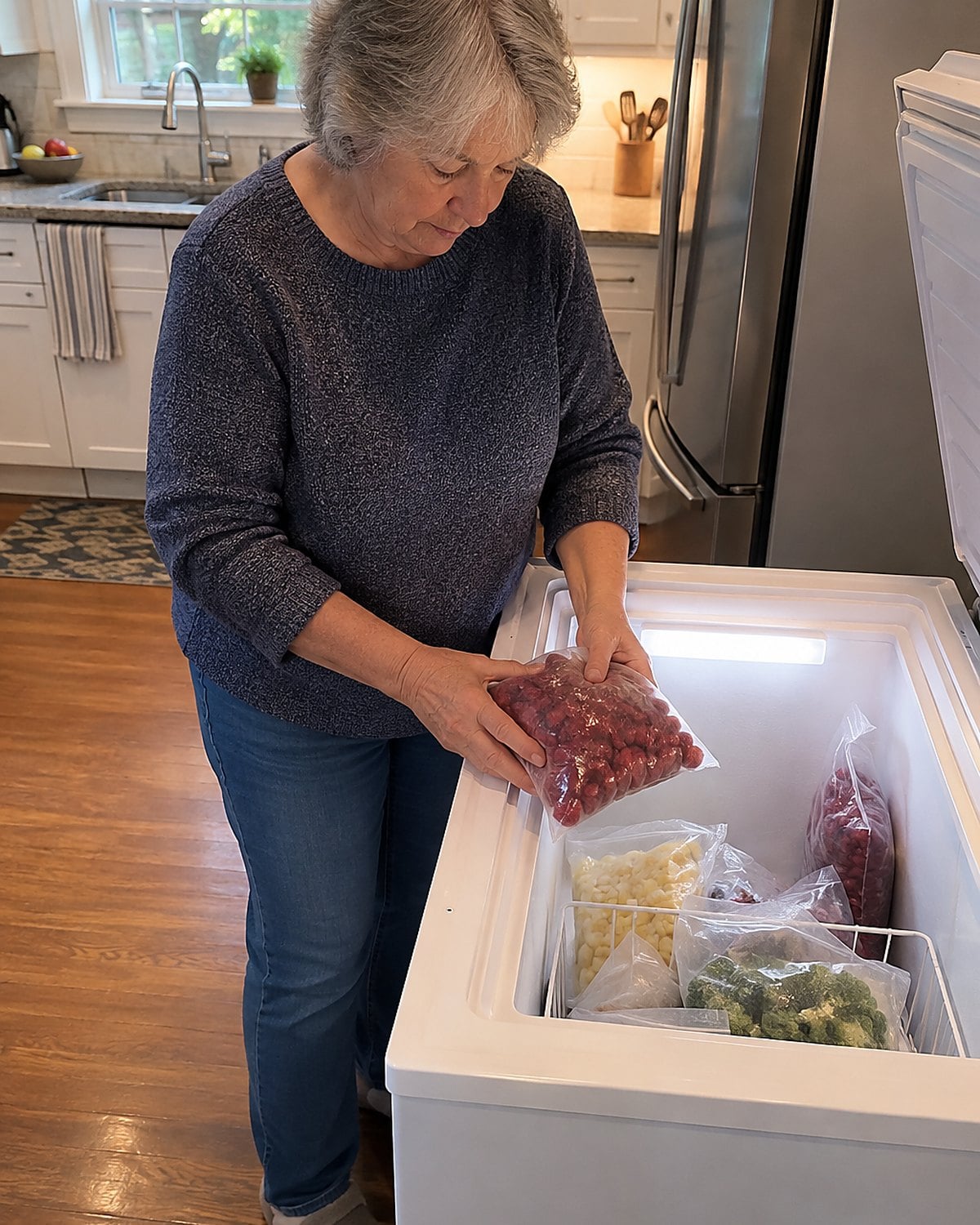
Fresh raspberries bruise on the way home. By the time the carton reaches your fridge, berries at the bottom might already be soft.
That's the case for buying raspberries frozen for a sauce, baked dessert, or smoothie. Look at the bag before you buy it. Berries that move separately are easier to measure and cook than a single icy mass. Excess frost inside damaged packaging is a reason to choose another bag.
At home, keep the bag closed between uses so moisture doesn't build up around the fruit. Pour out what you need while the berries are still frozen, then put the rest away.
Thawed raspberries will be soft. Spoon them over yogurt with their juice, or warm them in a saucepan and taste before adding sugar.
If you want berries perched on a birthday cake, pay for fresh ones close to the day you'll serve it. The cake needs berries that hold their shape; the sauce doesn't.
#17 Fresh zucchini under the knife
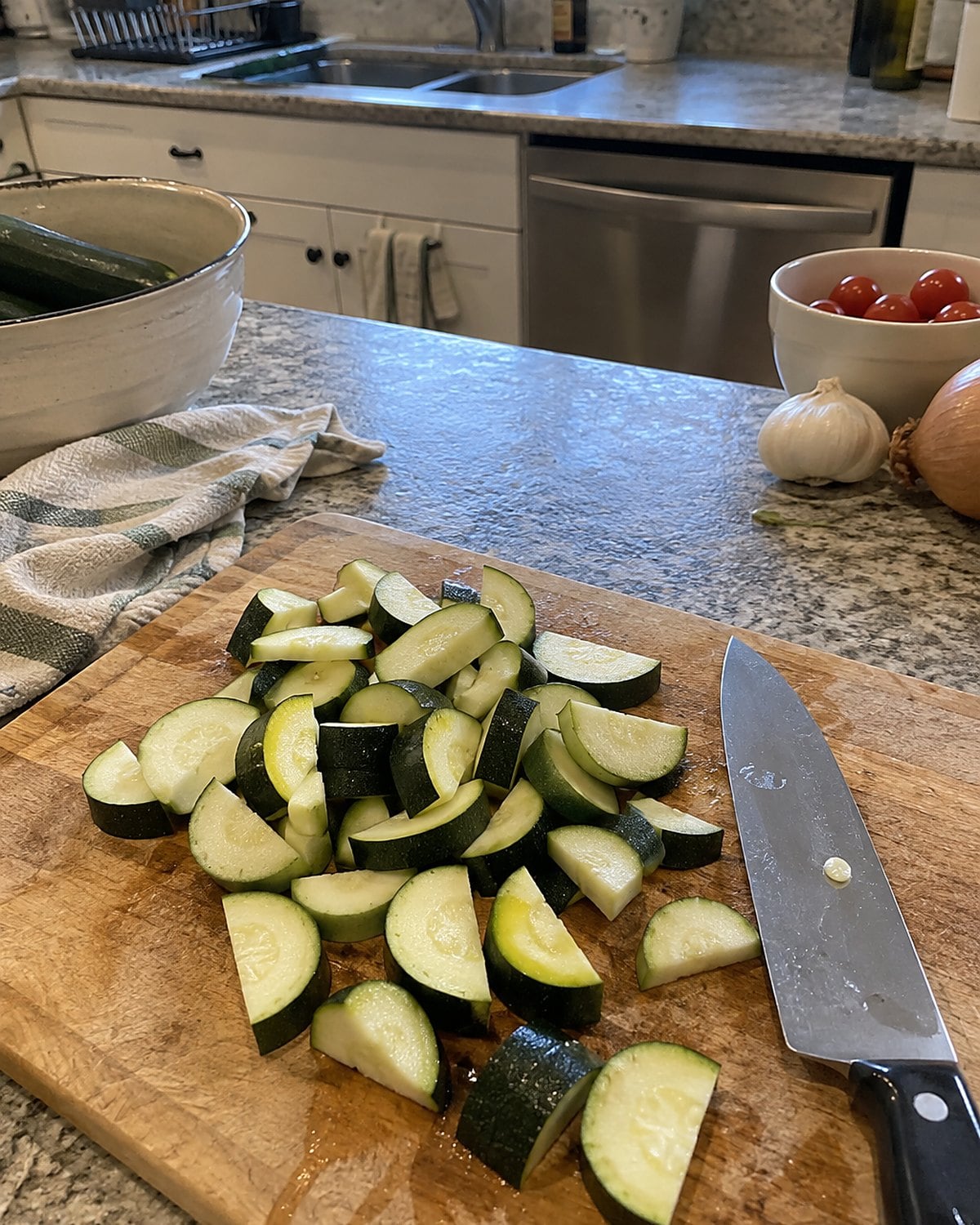
Fresh zucchini belongs under the knife when you're making a quick sauté. Slice it thick enough to keep its shape, salt after browning begins, and leave space between pieces. Crowding draws out water and turns the skillet into a steaming tray.
Frozen zucchini is different. Its cells break down during freezing, so thawed pieces slump and release liquid. That works in a soup you plan to blend or in a baked dish where zucchini isn't expected to hold an edge. It won't give you the firm half-moons you wanted beside chicken.
At the store, choose zucchini that feels firm and heavy for its size, without soft patches. You don't need the largest one in the bin.
A modest squash with tender skin is easier to cut, cook, and finish before another lonely piece ends up in the produce drawer.
#16 Butternut cubes in the soup pot
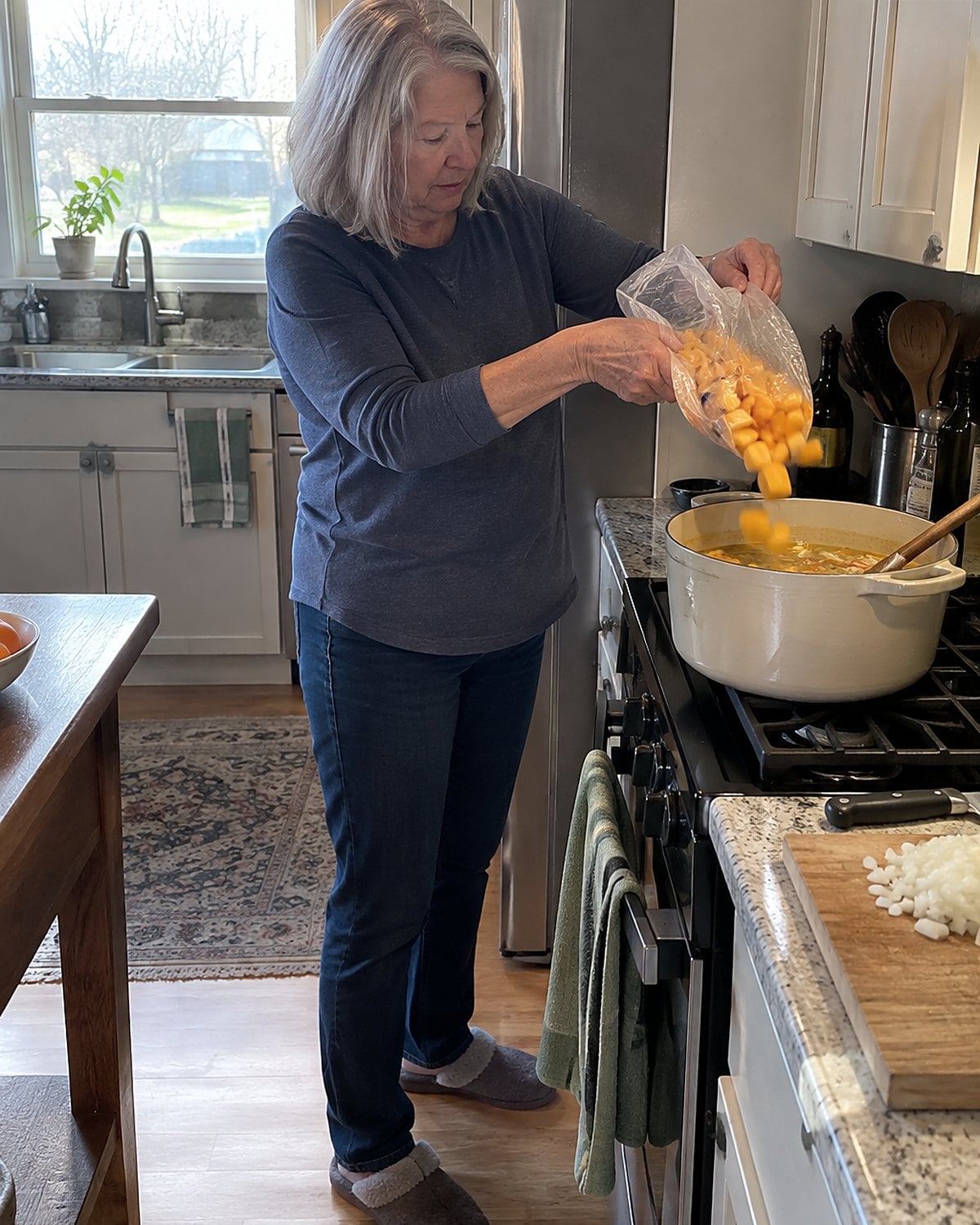
Frozen butternut squash cubes save the part of supper that takes the most effort: peeling a hard squash on a cutting board that keeps shifting.
For a pureed soup, buy the cubes. Tip them into the pot with your browned onion and broth, then cook until a piece crushes against the side with a spoon. No one needs to know you skipped wrestling a whole squash.
For roasted cubes with crisp edges, fresh squash gives you better control. Pat cut pieces dry, spread them apart on a baking sheet, and turn them once they release from the metal. Frozen cubes shed water as they heat. They'll cook, but a full sheet of them won't brown like freshly cut squash.
Before buying a package, check whether the squash is plain. Sweetened or seasoned cubes belong to someone else's dinner plan.
If you're serving a small household, the bag also means there's no cut half waiting in the fridge. Use enough for tonight's pot and leave the rest frozen for the next cold day.
Try it: Instant Pot Butternut Squash Soup
#15 Basil leaves at the market stall
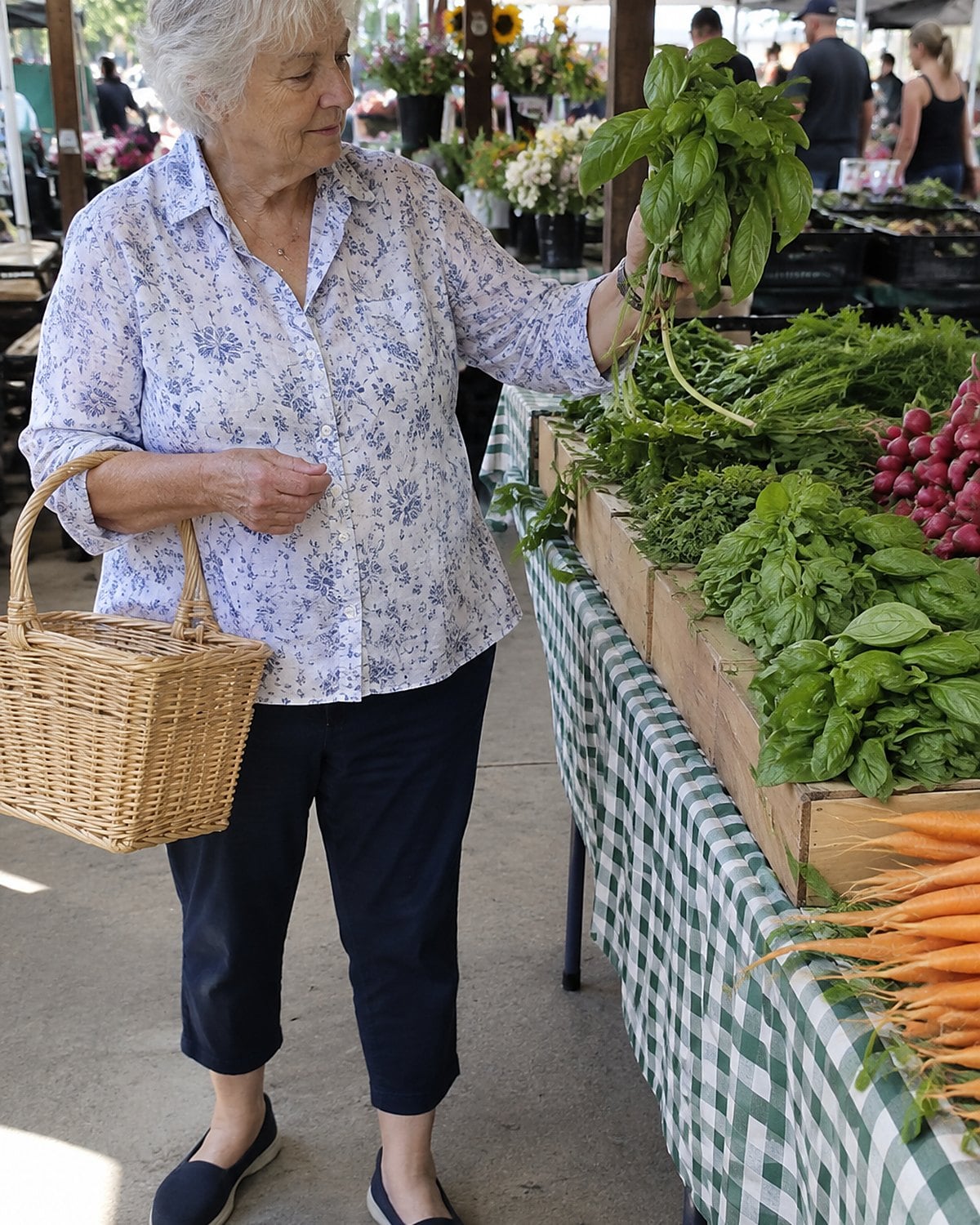
Buy fresh basil when the leaves finish the dish. Torn over tomatoes or pasta, it gives you a scent that frozen chopped basil doesn't deliver in the same way. Look for springy leaves without dark, wet patches. Carry the bunch home where it won't be crushed under the milk.
Frozen basil belongs inside cooked tomato sauce or soup. Once thawed, the leaves darken and lose their shape. Flavor stays useful, but that bright green finish is gone.
If the freezer package contains basil in oil, read its ingredients before adding more oil or salt to the pan.
This is a purchase worth deciding before you shop. Sauce simmering on the stove? Frozen will do the work. Sliced tomatoes waiting on the counter? Buy the fragrant bunch, and use it while the leaves still look alive.
#14 Fresh broccoli in the hot skillet
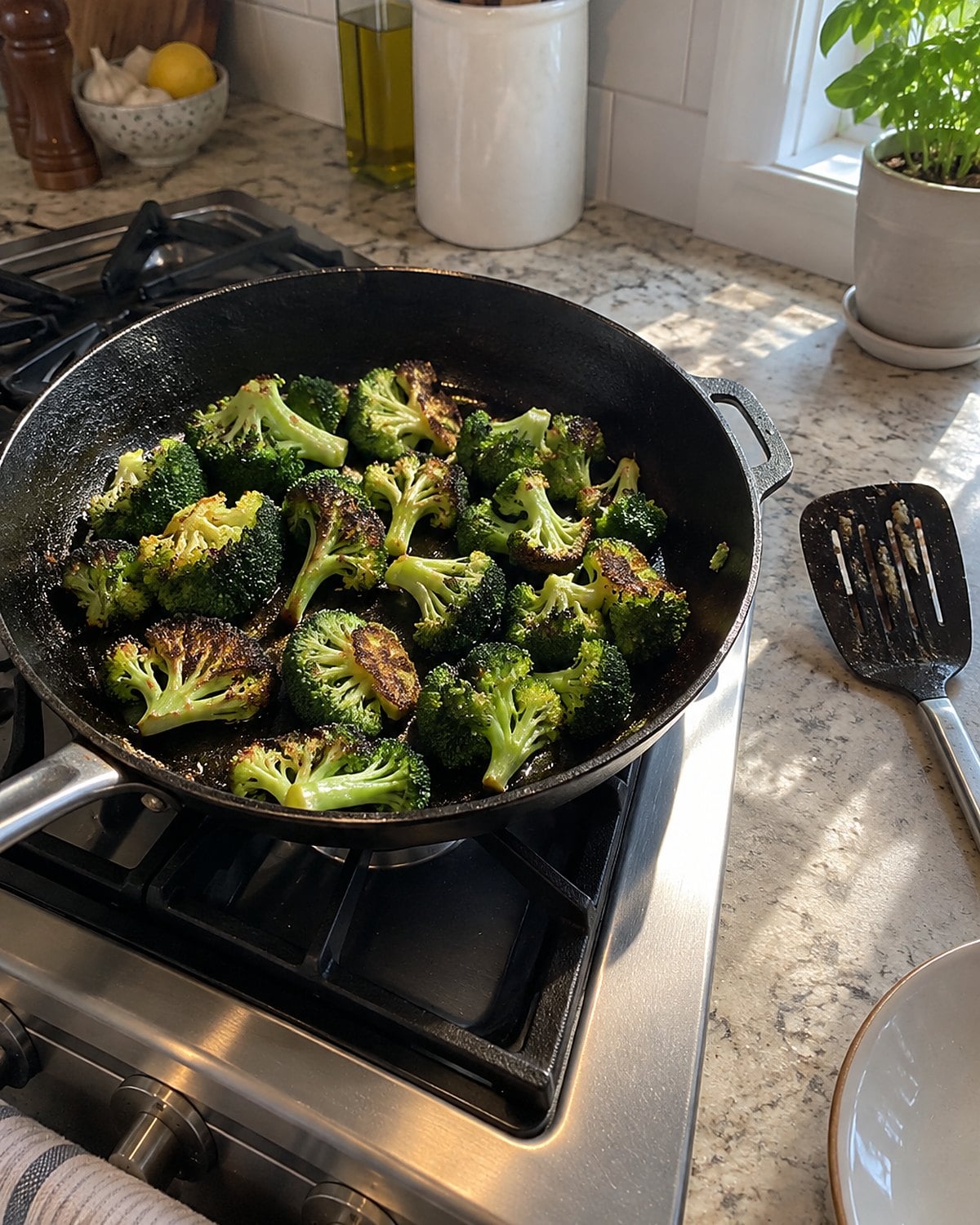
A thick broccoli stem is worth a second look. Peel its tough outside and the inside cooks up sweet. Cut the florets so their flat sides touch the skillet, then leave a little bare metal between pieces. Fresh broccoli earns its price when you want browned surfaces and stems with a crisp center.
Frozen broccoli does well in soup, a cheesy bake, or a covered pan where tenderness matters more than browning. The florets release water and their tops soften. For a quick side, steam from frozen and drain before adding butter or a sharp dressing.
Watch the bagged frozen florets, too. Some packages contain many small stem pieces. Those pieces are useful in soup, but disappointing if you bought the bag for large florets beside fish.
Feel through the package and read its description. It's a small decision at the freezer case that saves you from picking through the pan later.
#13 Cherries in the porch bowl
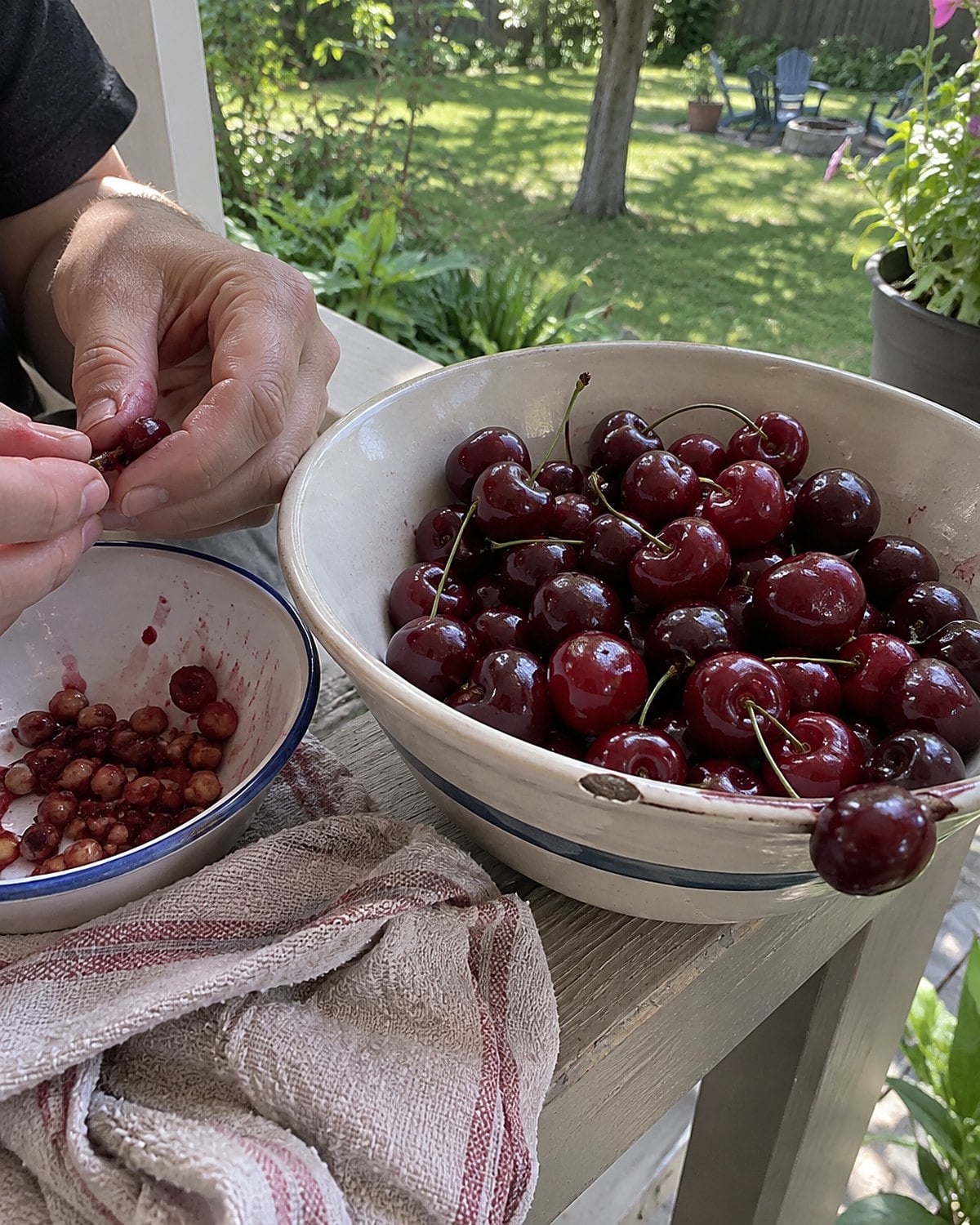
Fresh cherries belong in a bowl on the porch when they're in season and you want the pleasure of eating them one by one. Look for firm fruit with smooth skins and green stems. Wash only the portion you're about to eat, then set out a second bowl for pits.
Frozen pitted cherries win for baking and sauces. The pit work is already done, and the fruit's softer texture disappears in a cobbler. Thaw them over a bowl so the juice stays with the fruit. That juice carries flavor, but it also adds liquid to a filling, so use the thickener called for in your recipe.
If young grandchildren join you, handle pits and pieces before the bowl reaches them. The CDC lists hard fruit and pits among choking hazards for young children.
That changes the serving, not the pleasure of buying cherries.
#12 Shrimp behind the seafood glass
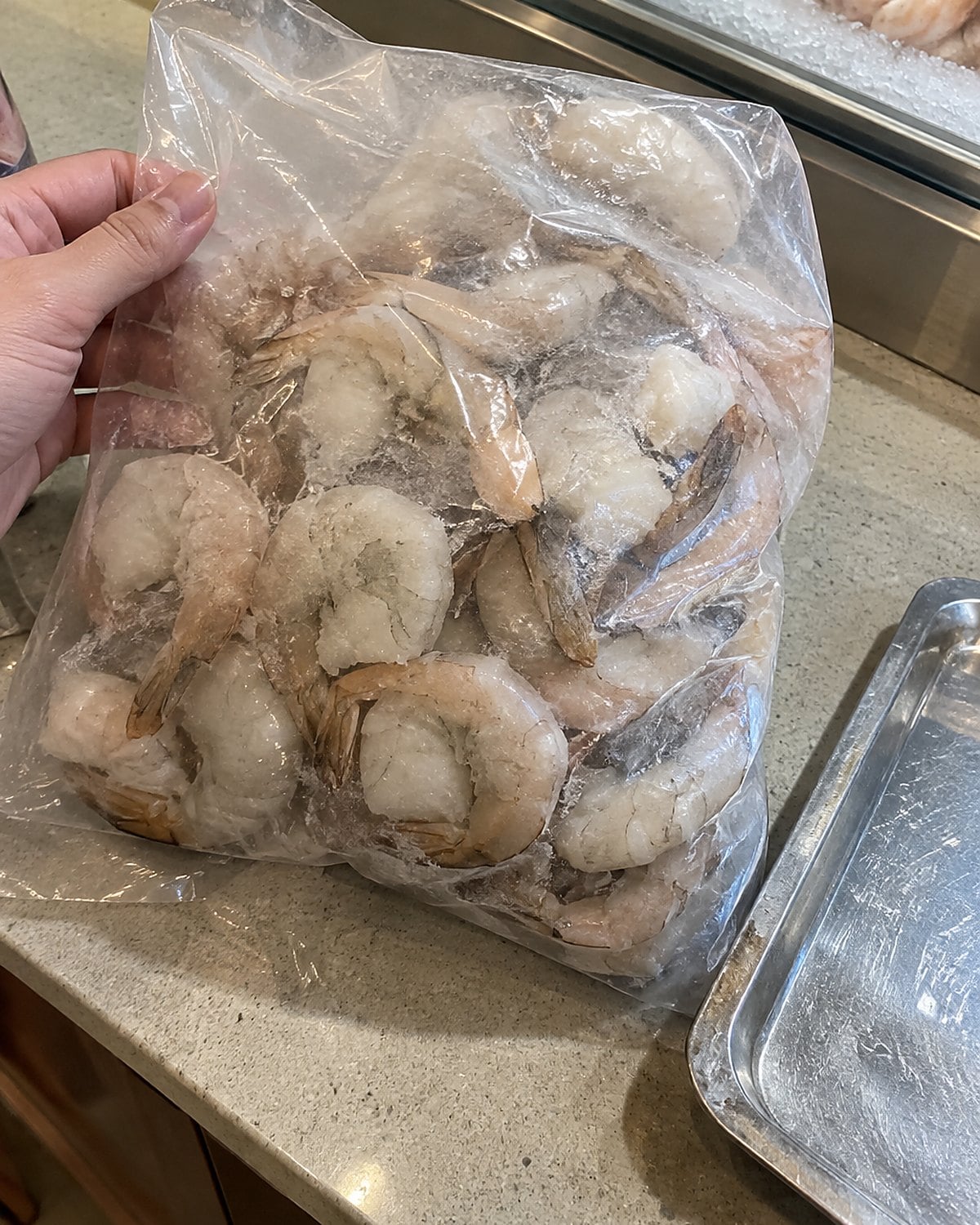
The word fresh on a seafood sign doesn't tell you whether the shrimp was frozen earlier. Ask at the counter: “Was this previously frozen?” If the answer is yes, a sealed bag of frozen shrimp gives you more say over when it thaws and when it goes into the pan.
Check the package for added salt or a solution if you want plain shrimp. At home, thaw it in the refrigerator. For a faster thaw, put the shrimp in a leakproof bag in cold water. Change the water every 30 minutes, then cook it right away.
Don't leave shrimp on the counter for the afternoon. The USDA's thawing guidance explains the cold-water method.
Dry thawed shrimp before searing. Wet shrimp steams, no matter how fine the skillet is. Cook until the flesh is pearly and opaque, then take it off the heat.
The fresh-versus-frozen choice matters less here than buying well, thawing safely, and stopping the cooking at the right moment.
Try it: Instant Pot Shrimp With Tomato & Garlic Sauce (From Frozen)
#11 Strawberries for the shortcake
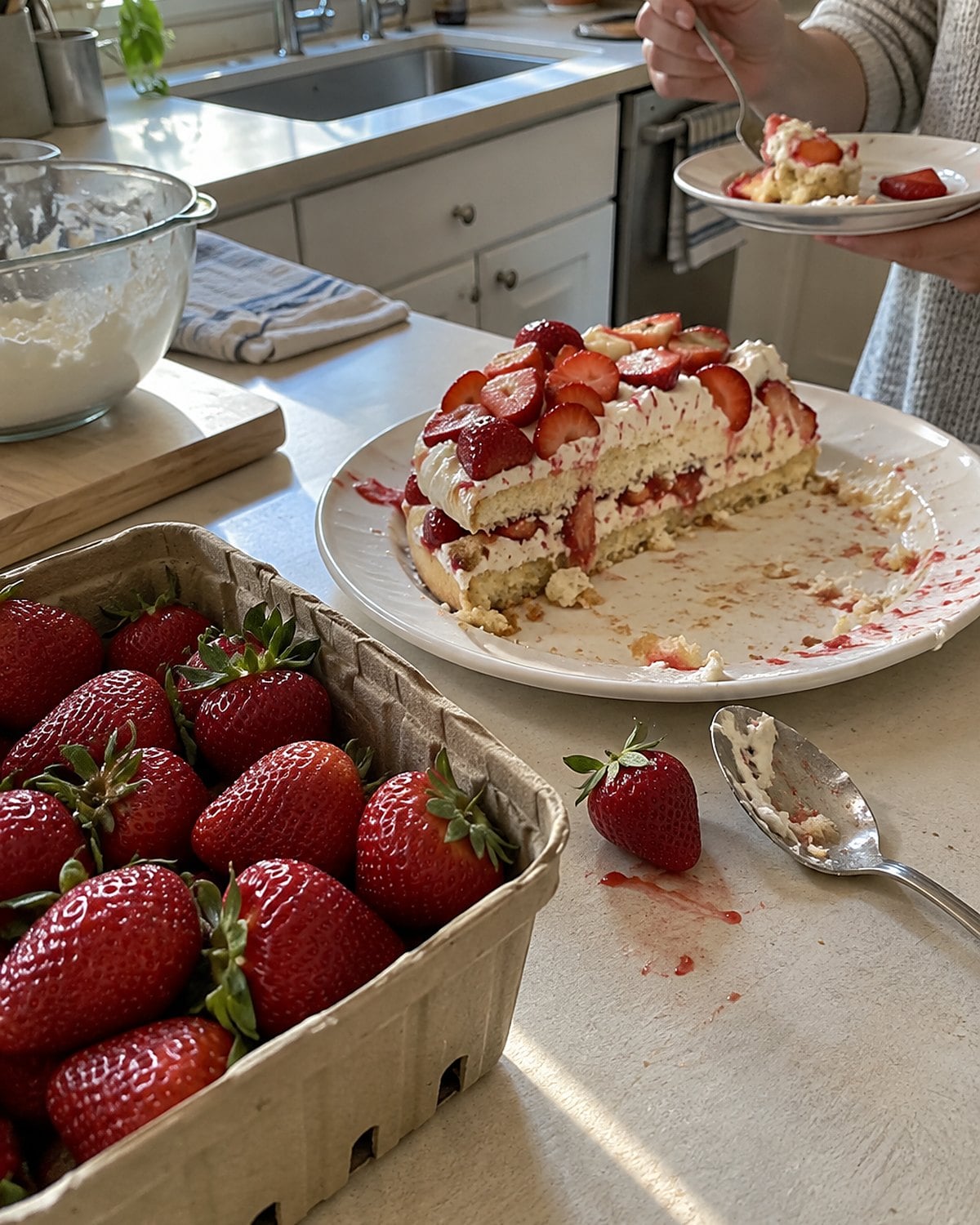
Fresh strawberries belong on shortcake. Their firm slices stand above the cream, and a ripe berry smells like a strawberry before you cut it. Check the bottom of the carton for wet spots. One crushed berry leaking juice onto its neighbors gives you extra sorting to do at home.
Frozen strawberries belong in a sauce or a baked filling. Thaw them in a bowl, then use their juice rather than pouring it down the sink.
Their softened texture won't recreate a neat layer of fresh slices, even if the package shows a handsome whole berry.
There's a good question to ask before reaching into either display: will someone see and bite this berry as a berry? If yes, pay fresh when the fruit smells ripe. If the berries will be cooked and spooned over cake, the freezer case has your back.
#10 Lettuce in the crisper drawer
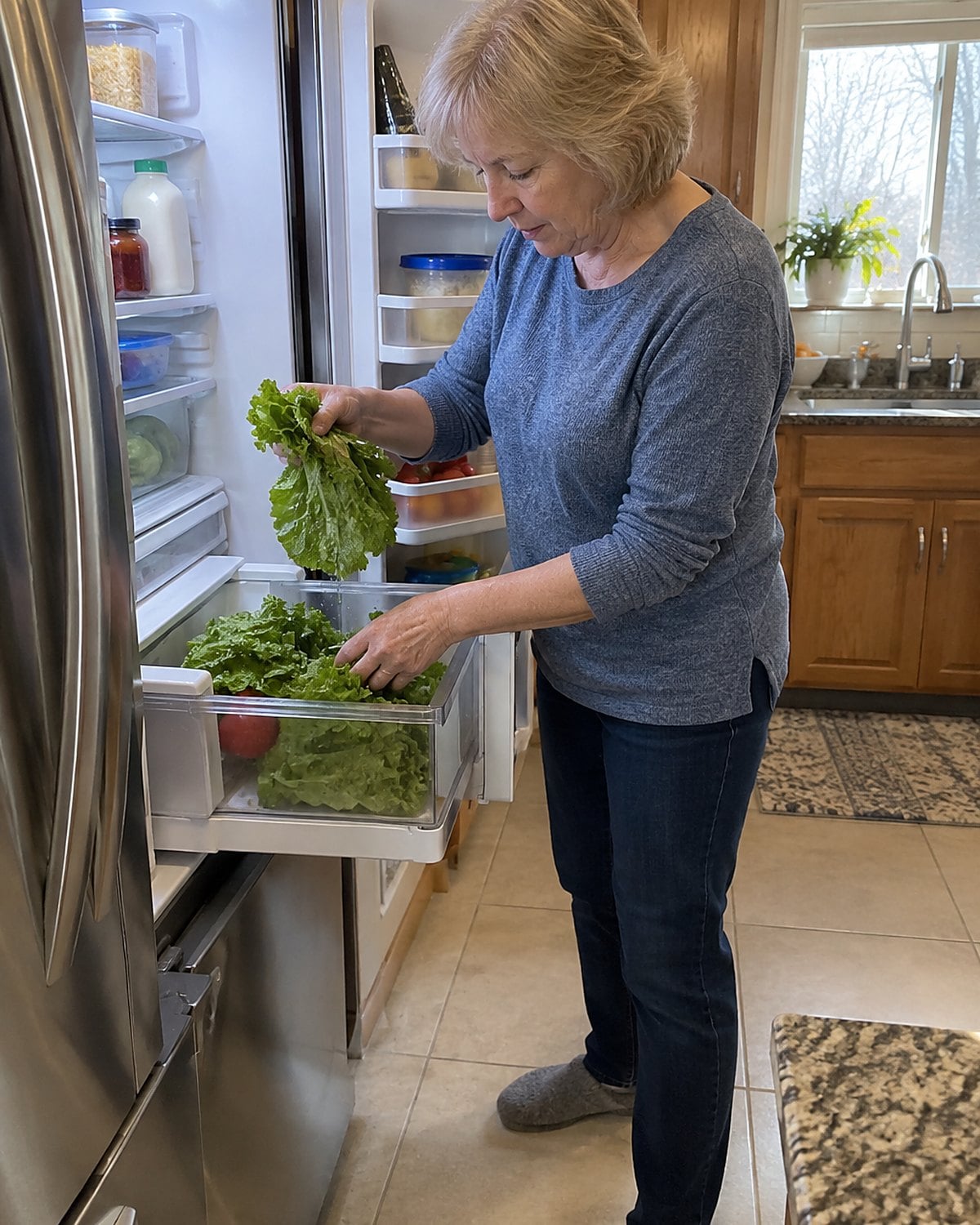
Pay fresh for lettuce. Freezing breaks the structure that gives a leaf its crunch, so thawed lettuce won't return to a salad bowl looking crisp. Buy a head or package sized for the meals you have planned, rather than the household you fed years ago.
Give the leaves a look before they enter the cart. Brown liquid at the bottom of a bag, slippery edges, or a sour smell are reasons to leave it.
At home, keep washed leaves dry enough that they don't sit in water. A towel in the container helps catch moisture, and a clean container makes it easier to see what needs using.
The FDA's produce guidance says to rinse produce under running water before preparing or eating it. Skip soap.
If tonight's salad is the reason you're buying lettuce, build tonight's salad. A good freezer cannot rescue a leaf you forgot in the back of the drawer.
 You might also like25 Fridge Habits That Waste Money Every Week Without Anyone Noticing
#9 Puff pastry on the baking sheet
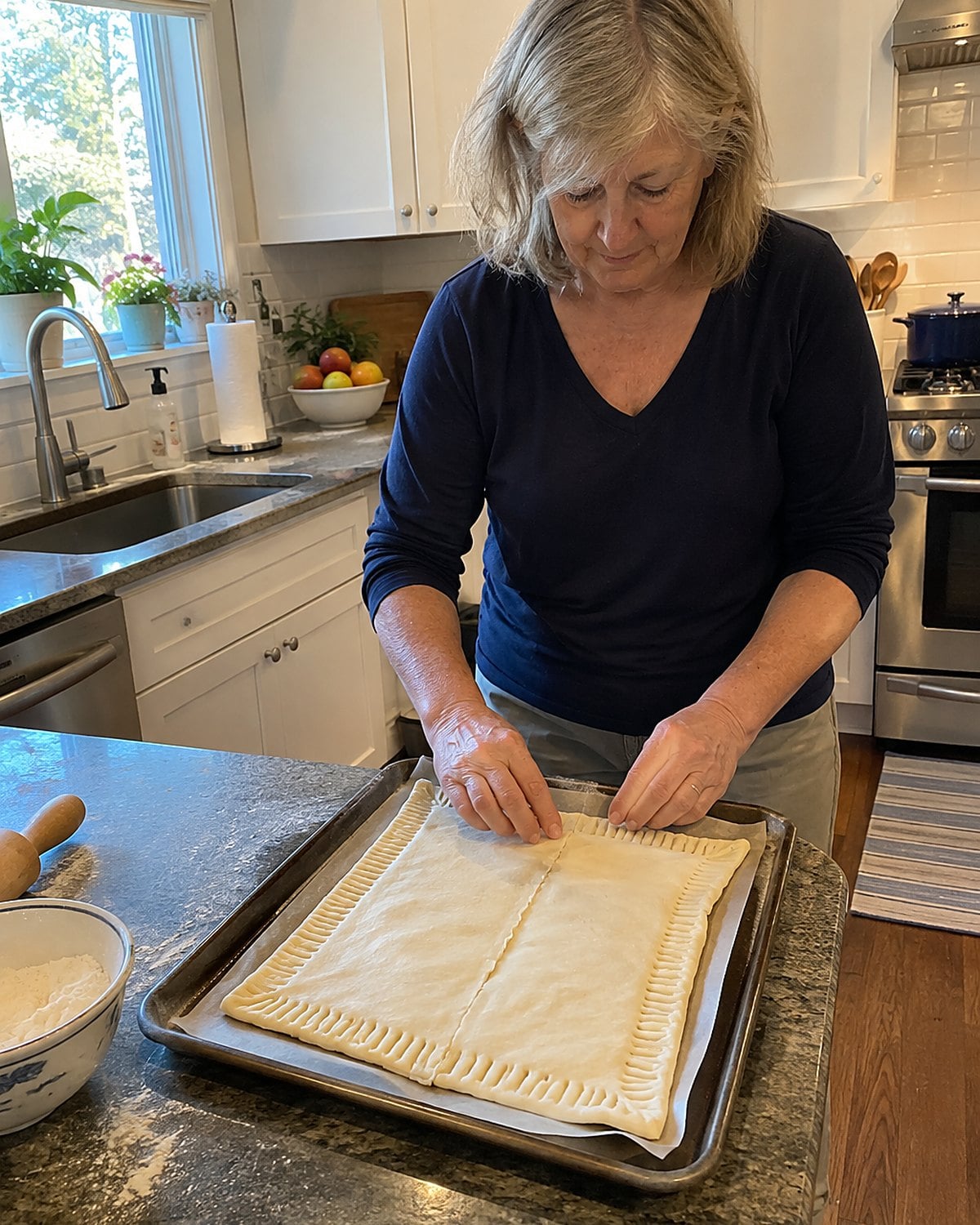
Buy puff pastry frozen unless you're planning to make laminated dough yourself. Its layers of dough and butter are built to puff as the butter melts and steam lifts the pastry. The freezer keeps that work ready for the day you want a tart or a pot pie top.
Thaw it as the package directs, then keep it cool while you work. Warm, sticky pastry is harder to unfold and cut. If a seam cracks, press it together with your fingers rather than rolling the whole sheet thin.
A hot oven and a baking sheet with room around the edges help those layers rise.
Don't bury the center under a wet mountain of filling. This is the freezer aisle doing skilled prep for you, with no apology required.
#8 Cauliflower florets on the baking sheet
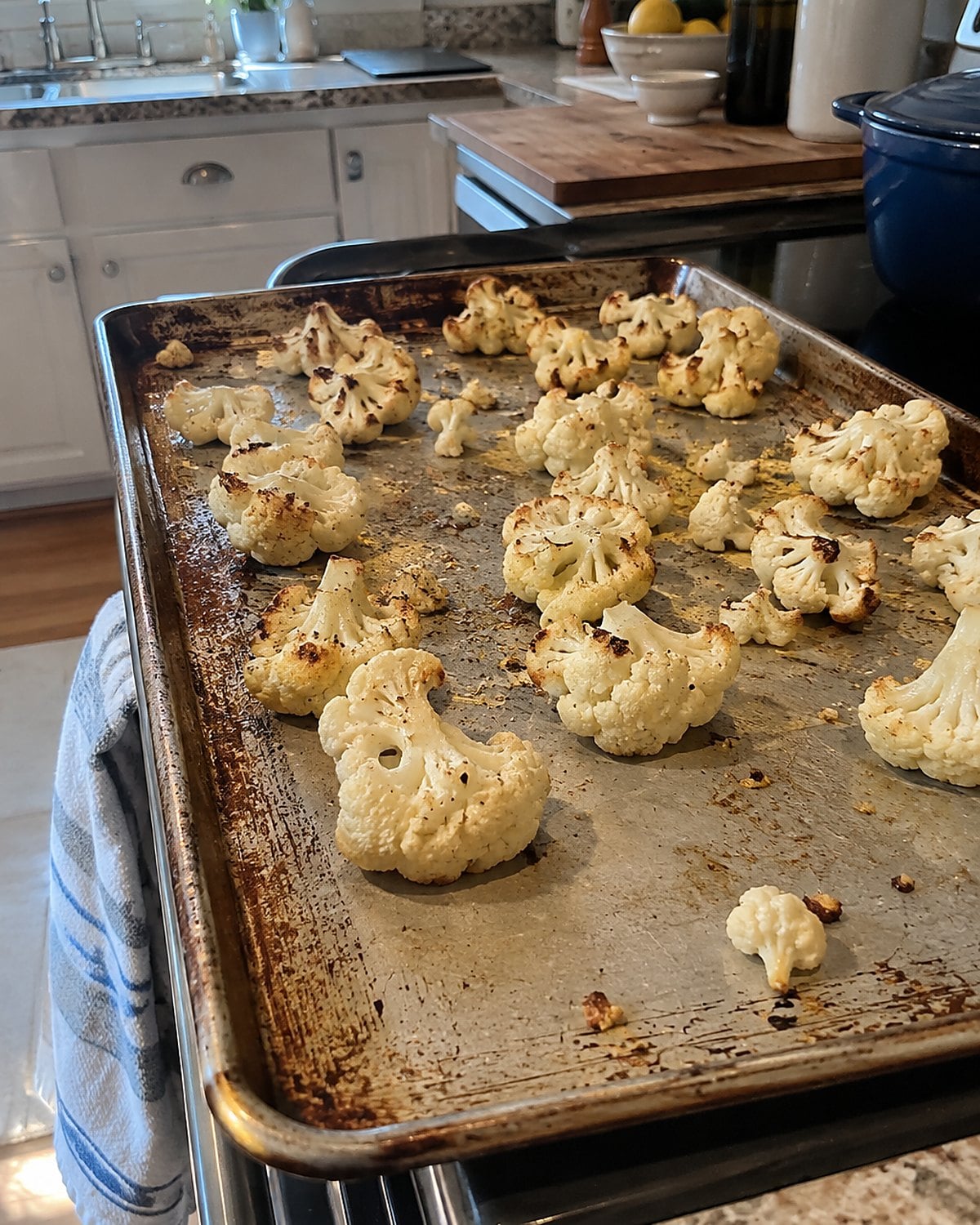
Fresh cauliflower makes the stronger case for roasting. Cut florets with flat sides, dry them after washing, and spread them over the sheet without piling them up. That bare space lets moisture escape. You'll see brown edges instead of a pale, damp heap.
Frozen cauliflower has plenty of work in mashed cauliflower, soup, curry, and casseroles. Its softer texture fits dishes that break the florets down anyway. If you roast it, put the pieces on a hot sheet from frozen and leave space between them. Expect a softer center than you get from fresh.
The label matters. Cauliflower “rice” is already cut tiny; it sheds water fast in a covered pan. For a skillet side, cook it uncovered until steam dies down before adding sauce. Otherwise the sauce becomes the thing at the bottom of the bowl.
A whole fresh head takes a little cutting, but it gives you stems and florets sized for your dish. Frozen saves the cutting. Neither choice wins every night.
#7 Mango chunks beside breakfast
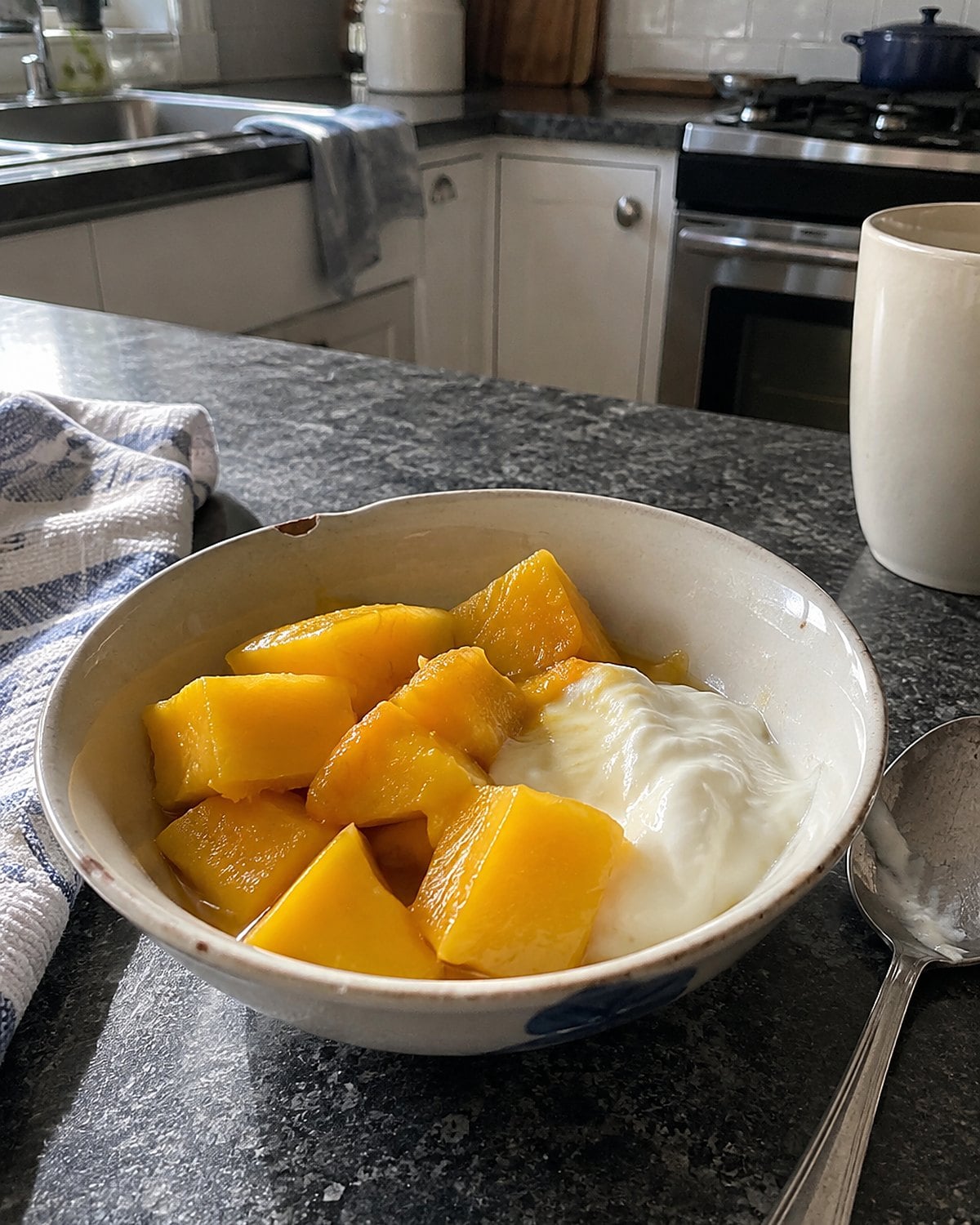
Frozen mango chunks are worth keeping for smoothies, sauce, and a quick bowl of fruit alongside breakfast. Let them thaw in the refrigerator when you want pieces you can eat with a spoon. Their texture will be softer than fruit cut from a ripe mango, but their sweet-tart taste still wakes up plain yogurt.
Fresh mango wins when slices need to hold their shape on a plate. Press the fruit with your palm at the store. It should yield a little and smell fruity near the stem. Color alone won't tell you when every variety is ripe.
If you've spent years cutting around that broad, flat pit, frozen chunks also buy back the cleanup.
Take the amount you want, close the bag, and let the next breakfast wait its turn.
#6 Chicken breasts for the supper pot
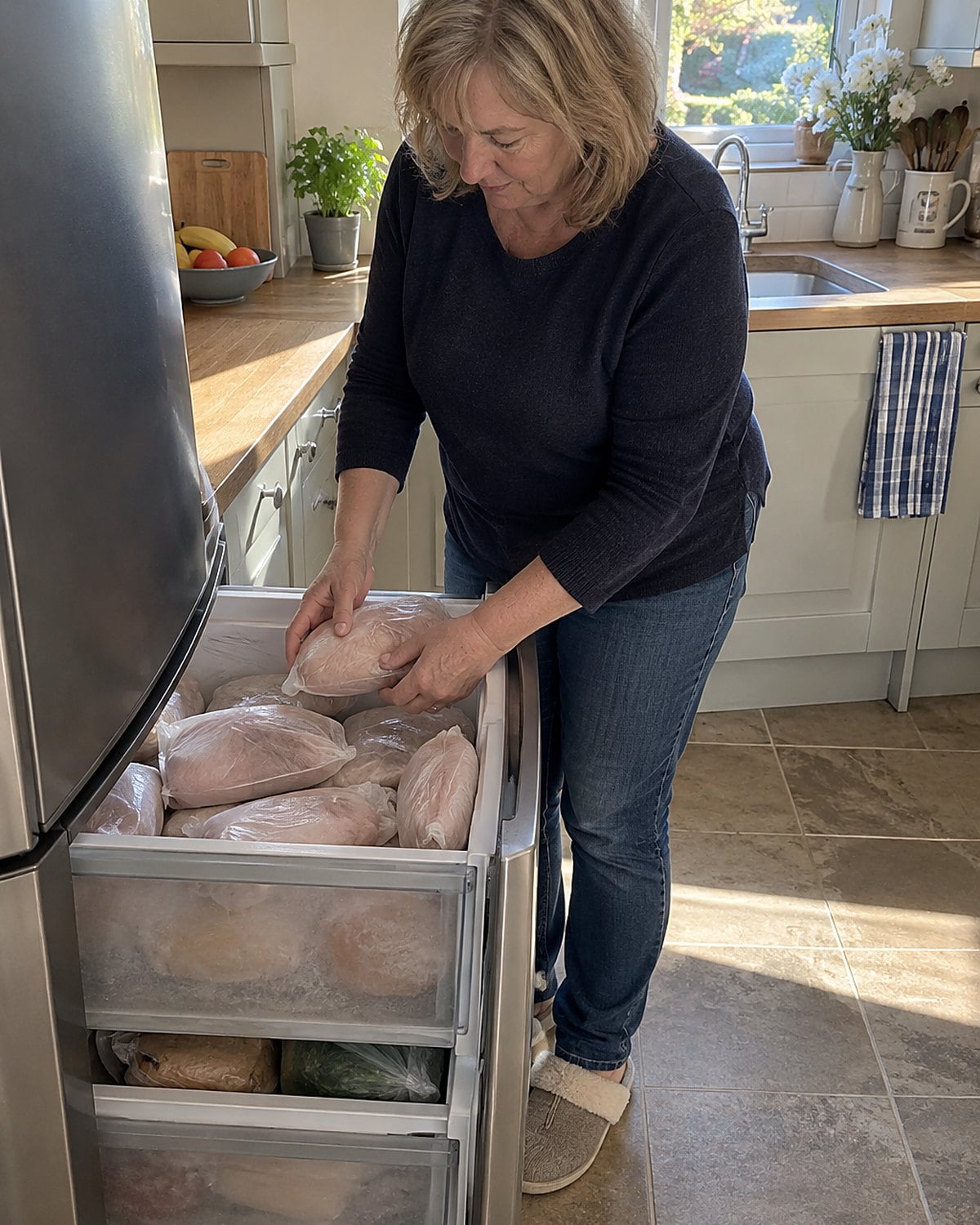
Dinner plans change. A package of chicken breasts in the freezer gives you something to work with when the table fills up unexpectedly. Choose pieces you can separate, or portion fresh chicken before freezing it yourself. A solid block makes it harder to take out only what supper needs.
Thaw chicken in the refrigerator, not beside the sink. For a faster thaw, follow the USDA's cold-water method. Use a leakproof package, change the water every 30 minutes, and cook the thawed chicken right away.
Fresh chicken earns its place when you're cooking it tonight and want to inspect the pieces at the counter. But “fresh” isn't a reason to buy a family pack for a table of two. Ask the butcher for the amount you need, or freeze portions promptly at home.
Whichever package you buy, check the thickest part with a thermometer. Poultry needs to reach 165°F. Keep the tip away from bone; the color of the juices doesn't settle the question.
That's the useful insurance: a portion sized for your supper and a thermometer in the drawer.
Try it: Instant Pot Chicken Breasts & Gravy
#5 Tomatoes on the cutting board
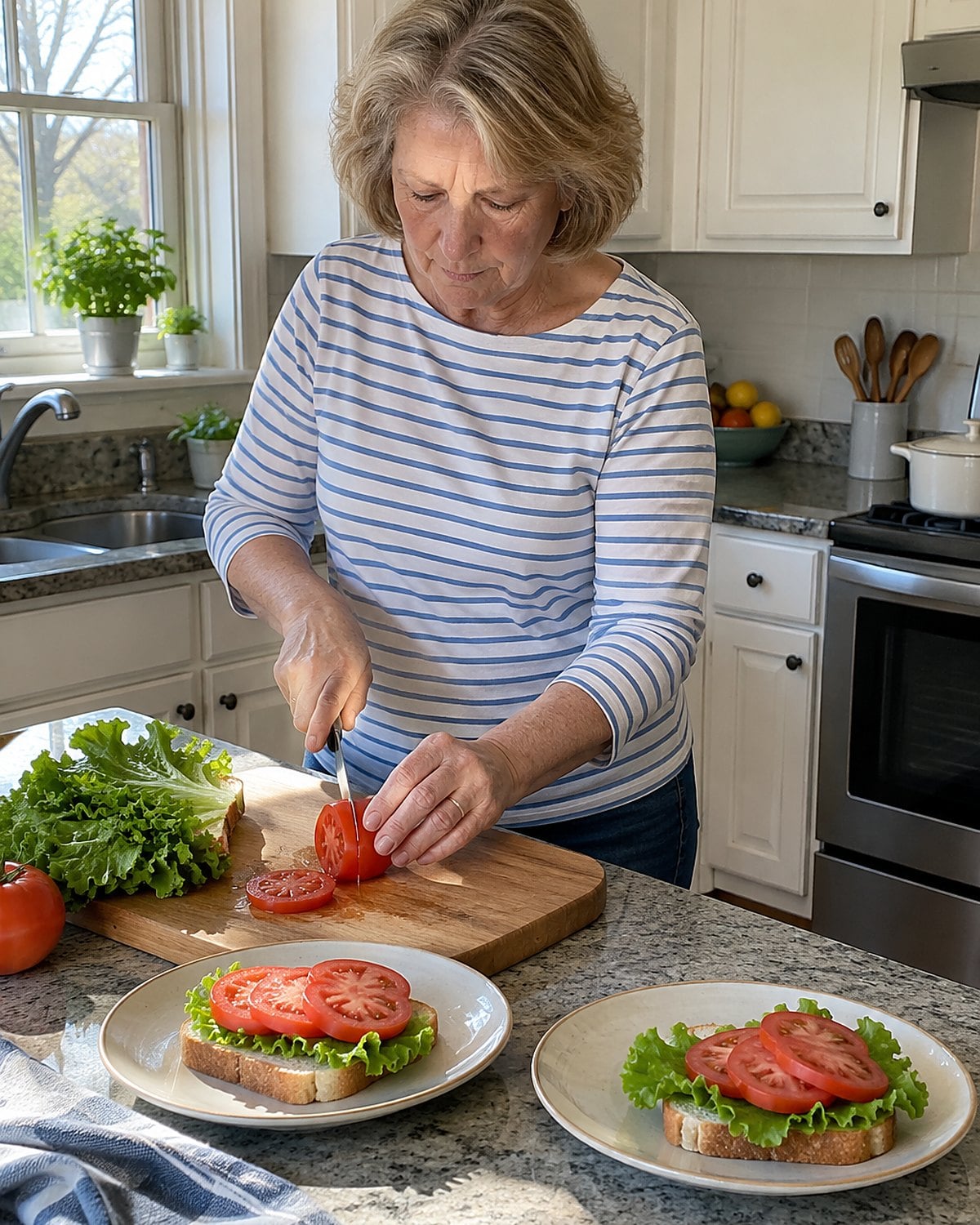
Fresh tomatoes are worth paying for when you'll slice them for a sandwich or lay them beside an egg. Feel for a little weight and give. A tomato that smells good near the stem has more promise than one chosen by bright color alone.
Frozen whole tomatoes serve a different meal. Once thawed, their flesh collapses, which makes them easy to add to soup or sauce.
Freeze extra ripe tomatoes for that purpose, but don't expect them to return as sandwich slices. Remove the cores before cooking and simmer until excess water cooks away.
When the fresh tomatoes on display are hard and scentless, don't pay extra for the word fresh. If supper is sauce, frozen tomatoes you've saved from a good harvest know their job.
#4 Brussels sprouts on a busy night
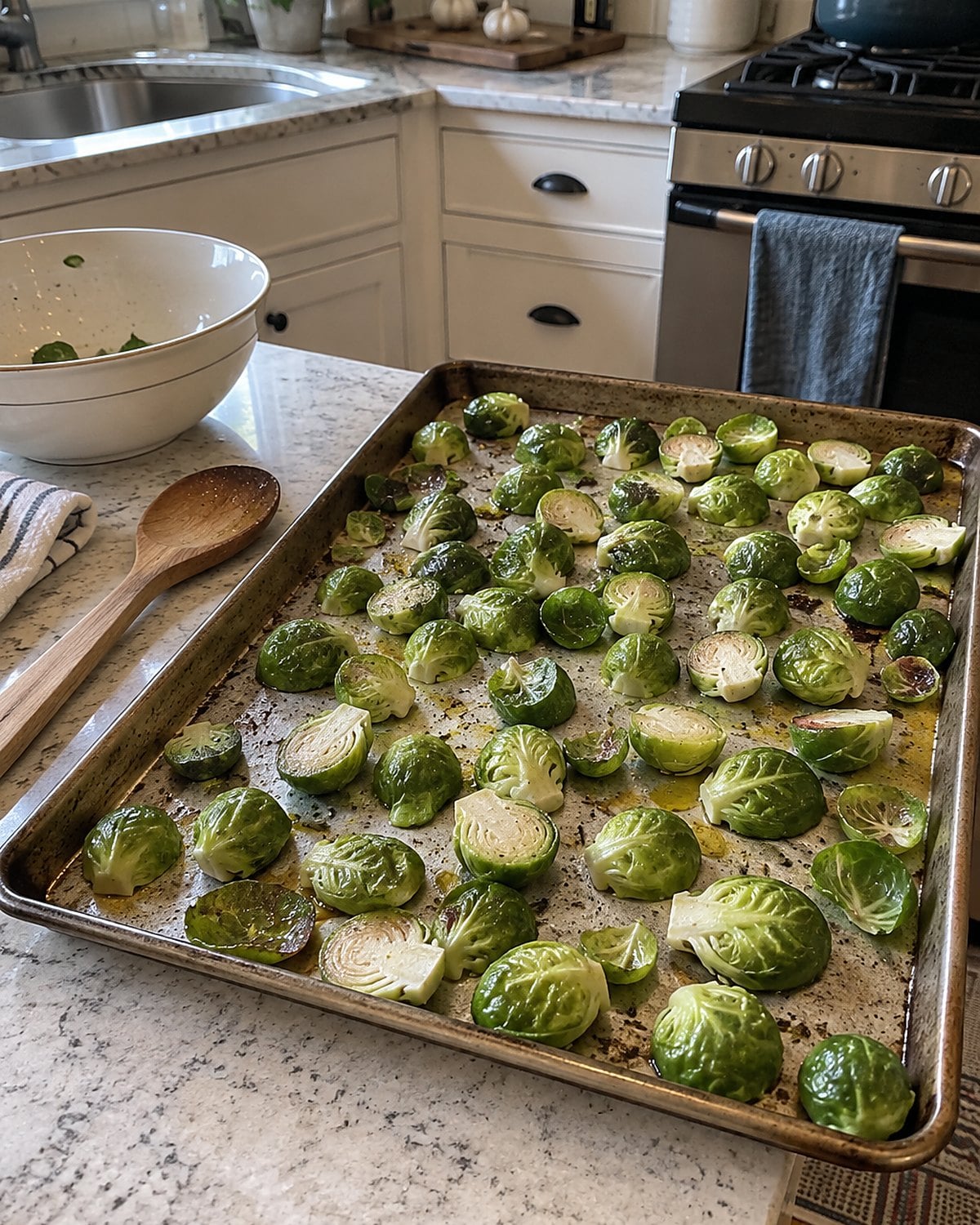
Frozen Brussels sprouts get vegetables onto the stove without trimming a pile of stems. They work well halved into a braise or cooked with a sauce that suits their tender texture. Follow the package cooking directions, then taste before adding salt.
For deeply browned sprouts with crisp outer leaves, buy fresh. Trim the ends, halve the sprouts, and put the cut sides against a hot baking sheet.
If they sit piled on top of each other, they steam. Give the loose leaves room, too; those are the bits people reach for first.
Use the bag when dinner needs to happen now. Bring home the fresh stalk or carton when the roasted edges are the reason you're making sprouts at all. Those are different dinners, even if they start with the same vegetable.
Try it: Cheesy Brussels Sprouts (Instant Pot + Oven)
#3 Edamame beside the high chair
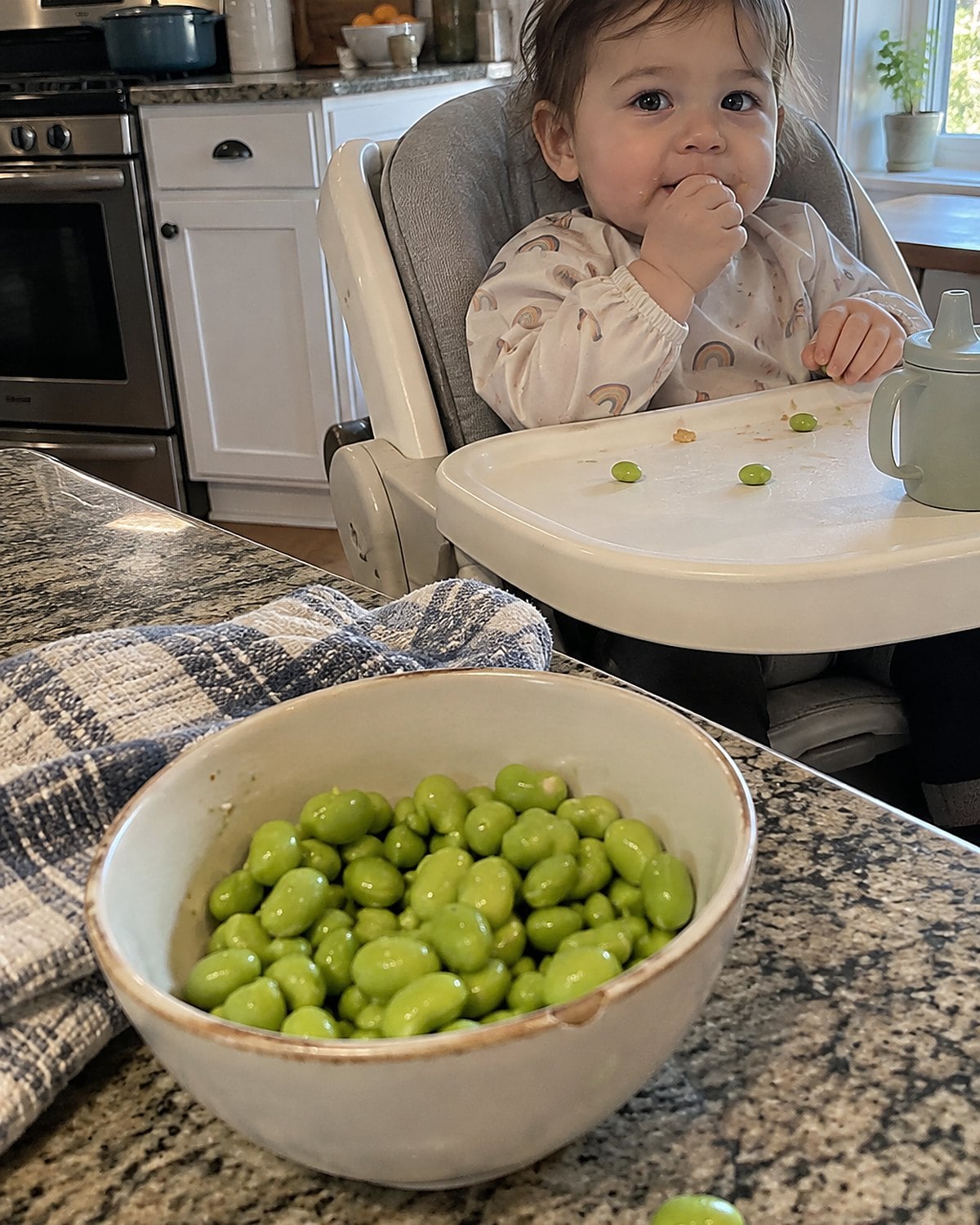
Frozen edamame is a smart buy because the beans are sold ready for a quick heat, either in pods or shelled. For a small dinner, shake shelled beans into a pot of noodles or rice. They add color and a pleasant bite without a trip to the produce aisle.
Read the bag: salted beans and plain beans give you different control over the finished dish. Cook according to the package directions.
Pods belong on a plate where the eater knows to squeeze out the beans and leave the tough shells behind.
At a high chair, serve the beans out of their pods and prepare them for the child's age and eating skills. The CDC's choking-hazard guidance is worth checking before serving small foods to young children. For your own bowl, a squeeze of lemon at the end makes the freezer bag feel like an intentional purchase.
#2 Fish fillets at the shop counter
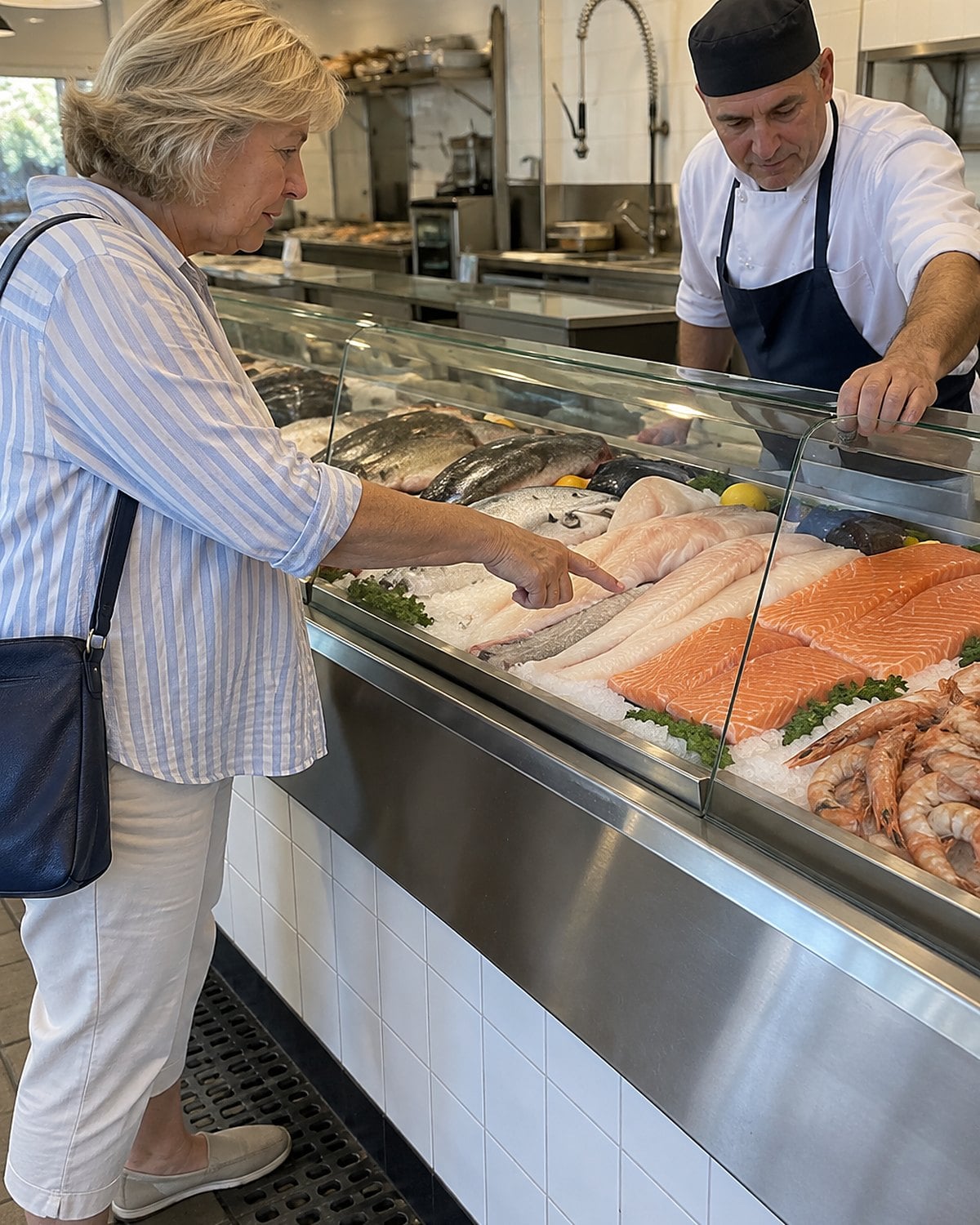
A frozen fish fillet gives you a chance to buy for a later supper rather than trying to beat the clock on the drive home. Look for intact packaging and fish without thick frost buildup inside the bag. At a seafood counter, ask when the fish arrived and whether it was previously frozen.
Choose fresh fish when you're cooking it promptly and the counter has firm, clean-smelling pieces you want. A strong fishy or ammonia smell is a reason to walk away. The FDA's seafood buying advice explains what to look and smell for.
Thaw frozen fish in the refrigerator. If it's vacuum packaged, follow its thawing instructions, including removing the fish from that packaging when directed. The FDA Food Code addresses thawing fish in reduced-oxygen packaging.
Dry the surface before it meets the skillet, then check the thickest part for 145°F. A browned outside doesn't tell you what's happened at the center.
The useful question isn't “Was it frozen?” Ask, “What condition is it in now, and when am I cooking it?” That question travels well from the fish counter to the freezer drawer.
Try it: Instant Pot Italian Fish (From Frozen, Whole30)
#1 Bread rolls in the freezer drawer
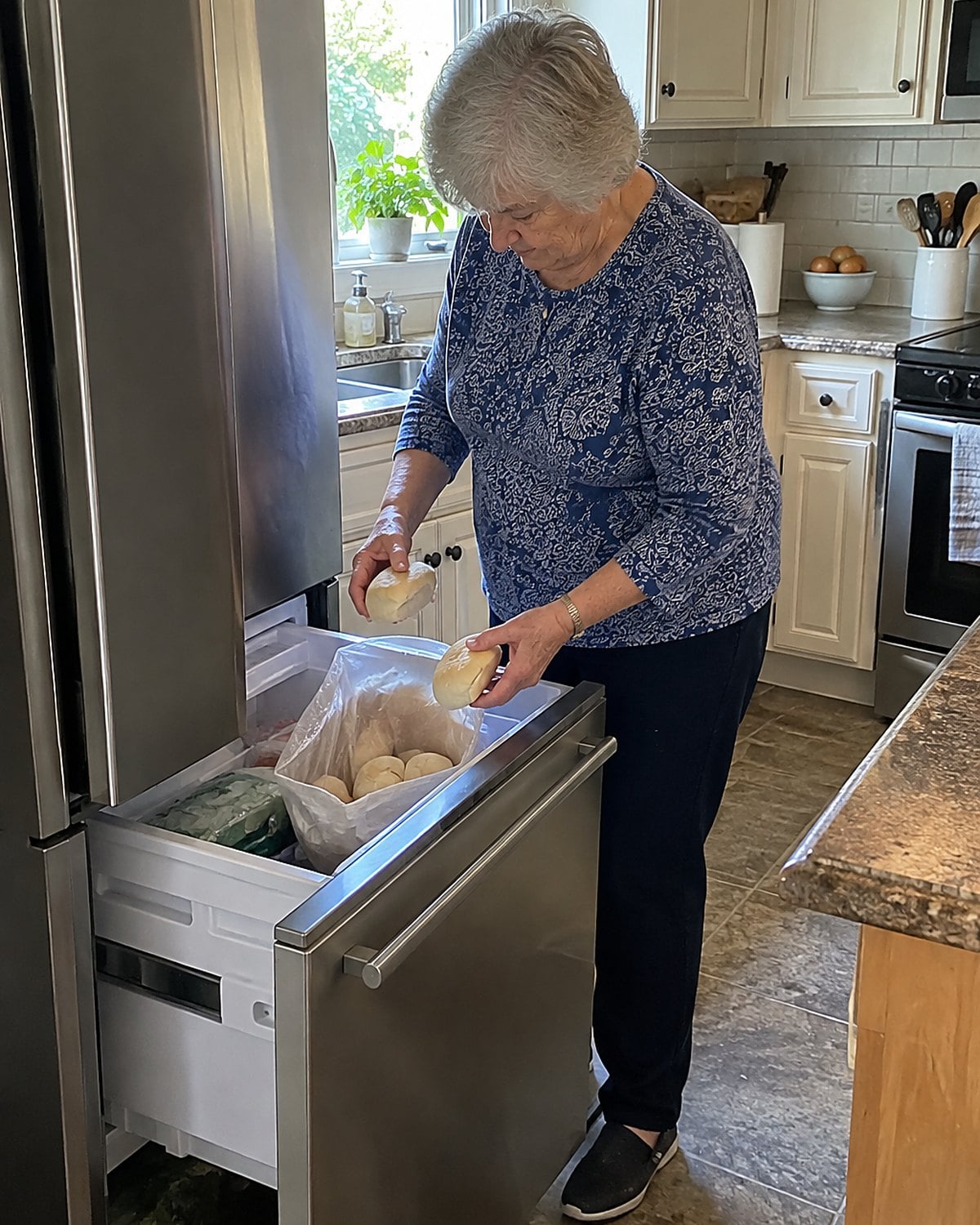
Two chairs are pulled up for supper. The bakery bag holds more rolls than you want tonight, yet a warm roll beside the pot still sounds right. This is where buying frozen fits the household you have now.
Look for rolls you can separate without thawing the whole package. Heat two and leave the rest in the drawer, following the package directions. If you've frozen bakery rolls yourself, wrap them well first. A flimsy open bag lets their surfaces dry out.
Write the date on the bag. The USDA's cold storage chart separates freezer quality from safety; that date helps you reach for the rolls while they still taste good.
Fresh bakery rolls win when everyone is coming over tonight and the crust is part of the meal. On the other nights, buy for the chairs actually pulled up to your table.
Keep reading
 24 Pantry Items That Last Years, So Stop Replacing Them
See all 24 →
More you’ll remember
 26 Things Grocery Workers Wish Shoppers Over 60 Knew
 26 Things in Your Fridge Right Now That Should Have Been Thrown Out
 27 Things People Over 60 Still Do With Leftovers That Food-Safety Experts Beg Them to Stop
The bottom line
Pay fresh when crispness, fragrance, or a browned surface is the point. Buy frozen when the food is headed into a soup, sauce, or filling where those fresh textures won't survive.
The well-prepared version of you has loose peas, a few rolls, and clearly dated portions in the freezer. She still stops for ripe peaches when they smell right.
Which fresh food in your kitchen keeps asking you to eat it faster than you want to?
Leave a Reply