

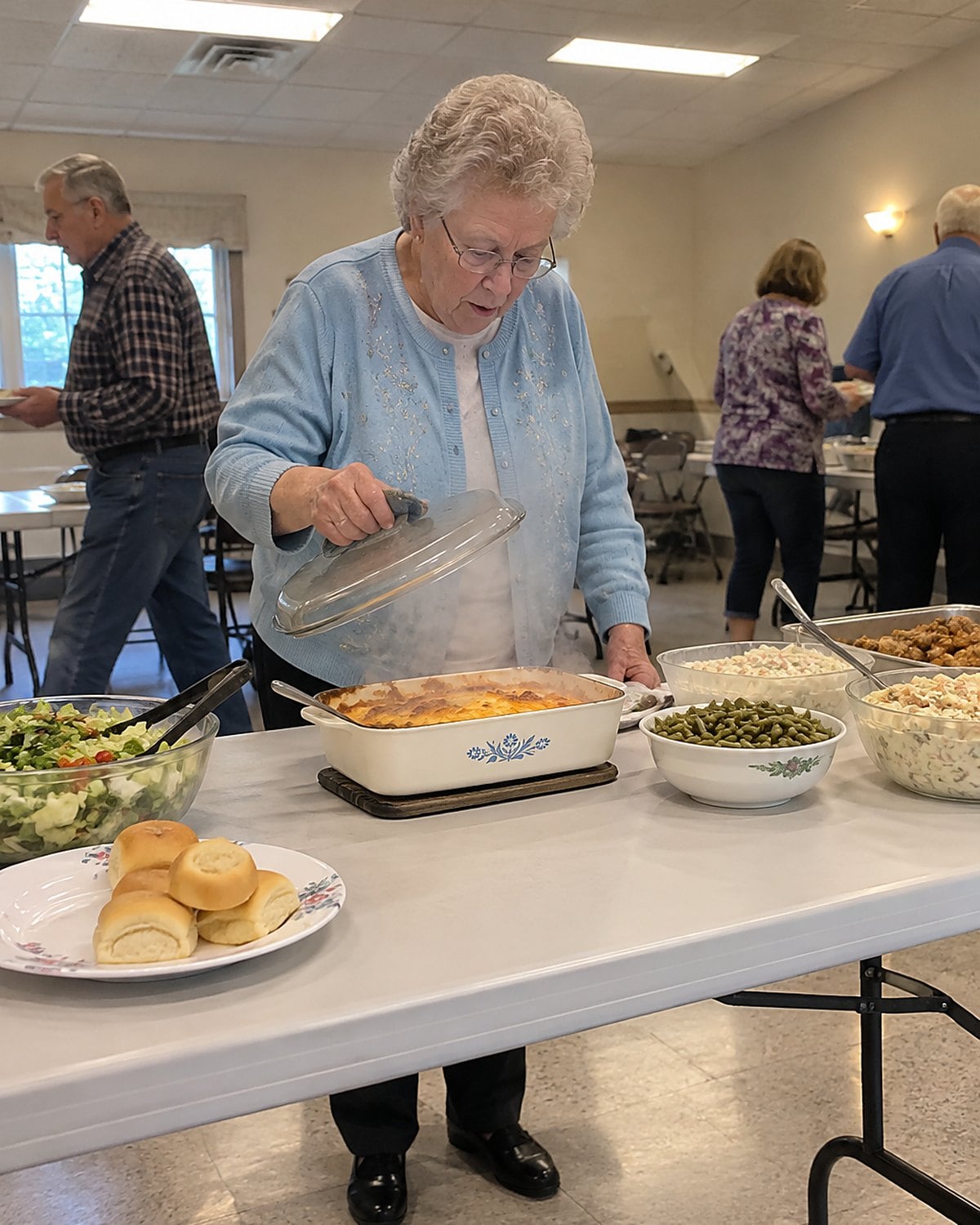
You could hear the register keys before you saw the total. A paper bag sat open at the end of the counter, ready for bread, milk, and whatever dinner needed. If you remember a loaf costing a quarter, you remember the pleasure of watching a dollar stretch across several things.
That memory has a street address, not a national price tag. Your wedding year, your town, and the store you used all matter. Package sizes changed, too. The habits are easier to carry forward than the prices: read what you're buying, know what's at home, and give the last portion a job.
#26 The loaf beside the register
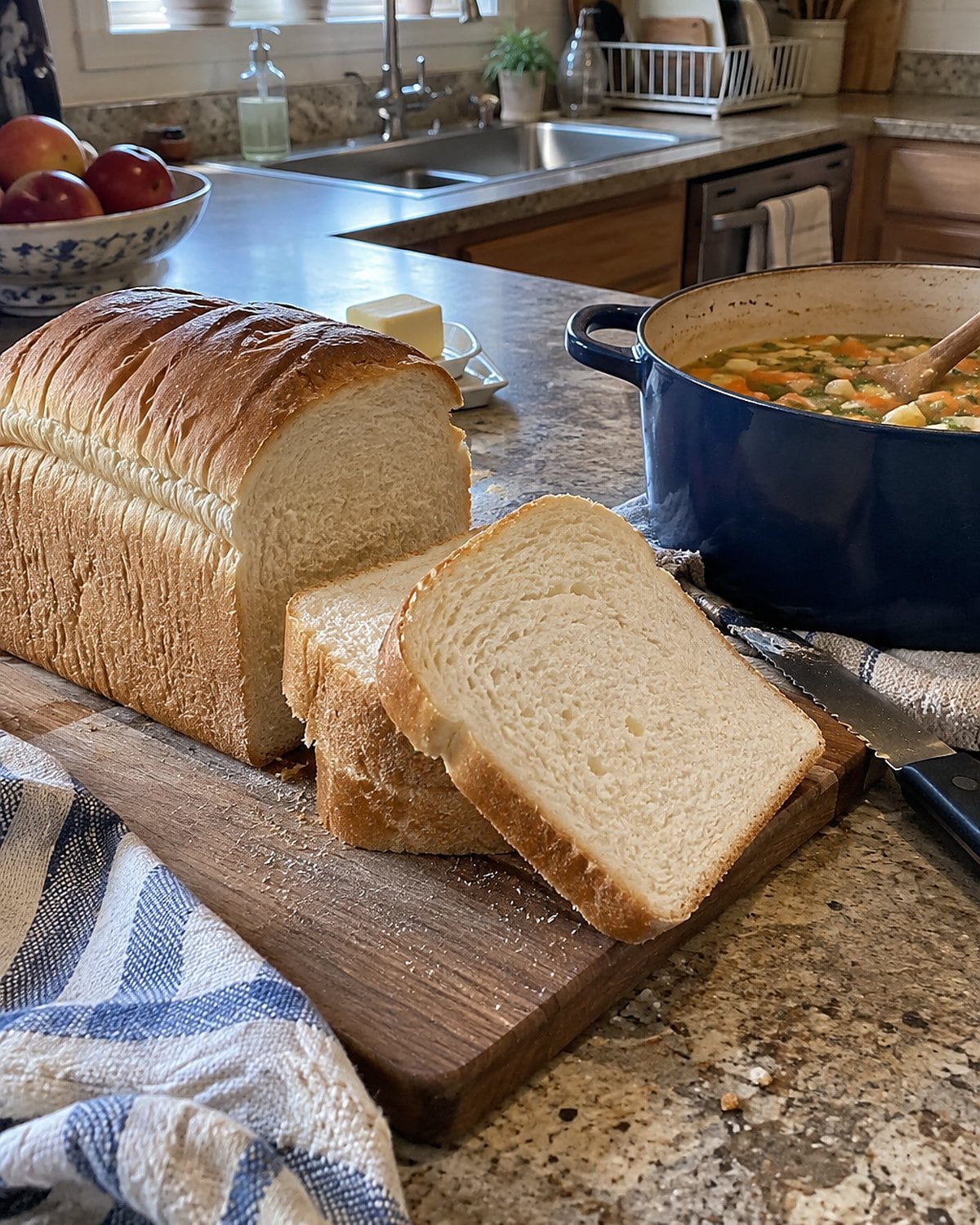
Bread waited near the register, where an extra loaf was easy to pick up. At home, it went beside the soup pot, under sliced tomatoes, or straight into the toaster. A quarter loaf might be clear in your memory. The weight printed on its wrapper is harder to recall.
That matters if you find an old grocery ad. A price alone doesn't tell you how much bread came home. Look for the loaf weight and the town on the ad before comparing it with anything you buy now.
The U.S. Bureau of Labor Statistics publishes historical average prices. Its bread figures give you a wider view, not the price at the store you walked into after work.
Tonight, check the wrapper on your loaf. Then put the end slices to work. Toast them until firm, rub them with cut garlic, and float them on soup. They hold up better there than a soft middle slice.
#25 The cracker sleeve inside the box
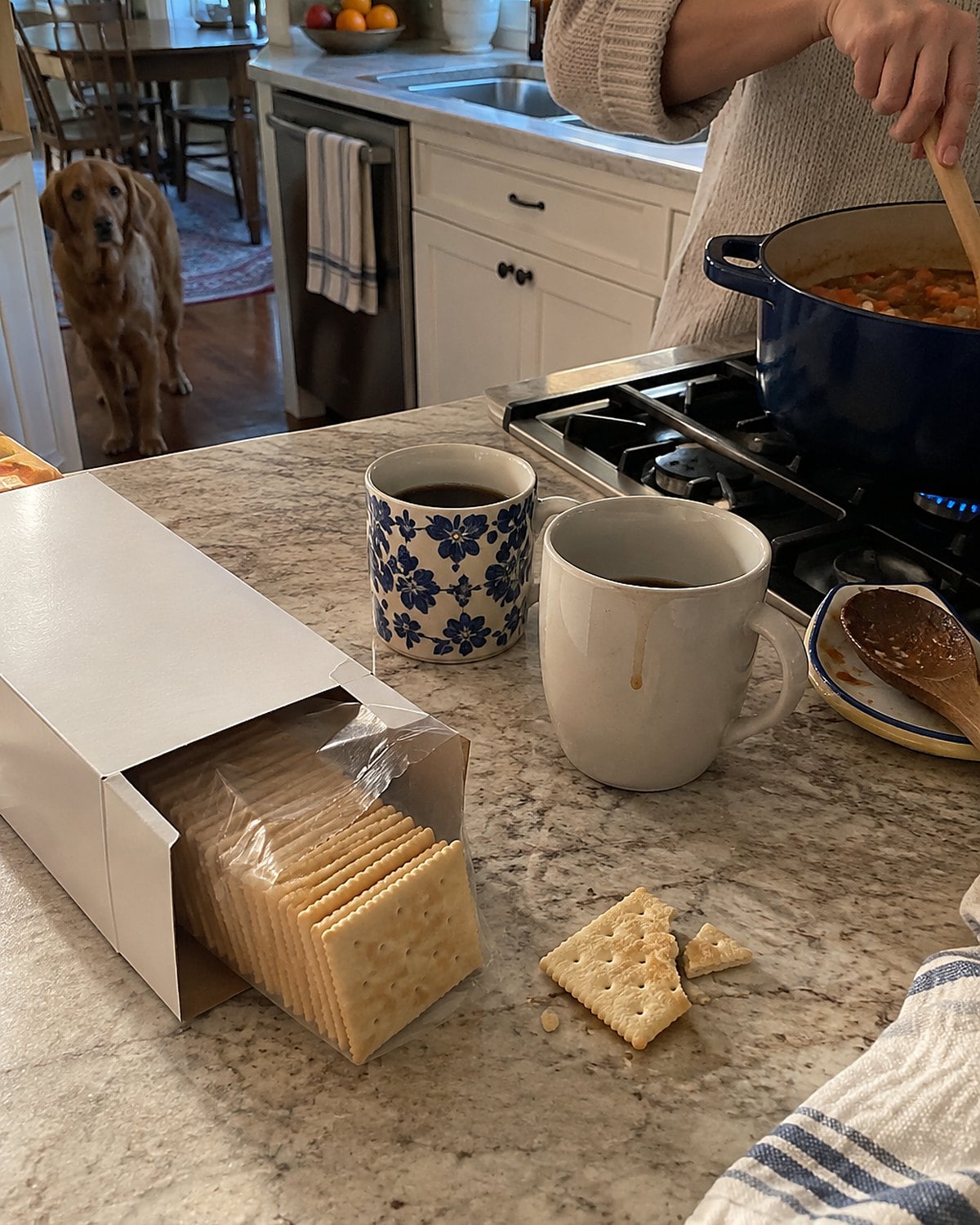
Pick up the cracker box. It feels familiar, but the sleeves inside tell you how much you bought. Before putting it away, check the net weight and count what's actually in there.
For soup and cheese, pour out what your table will eat. Close the remaining sleeve before the kettle boils. That old habit saves the crisp crackers for another lunch.
Taste a stale cracker before using it as a casserole topping. If it tastes flat, crumbs and a little fat give it another job. If it smells rancid, throw it away.
#24 The soup can by the cookbook
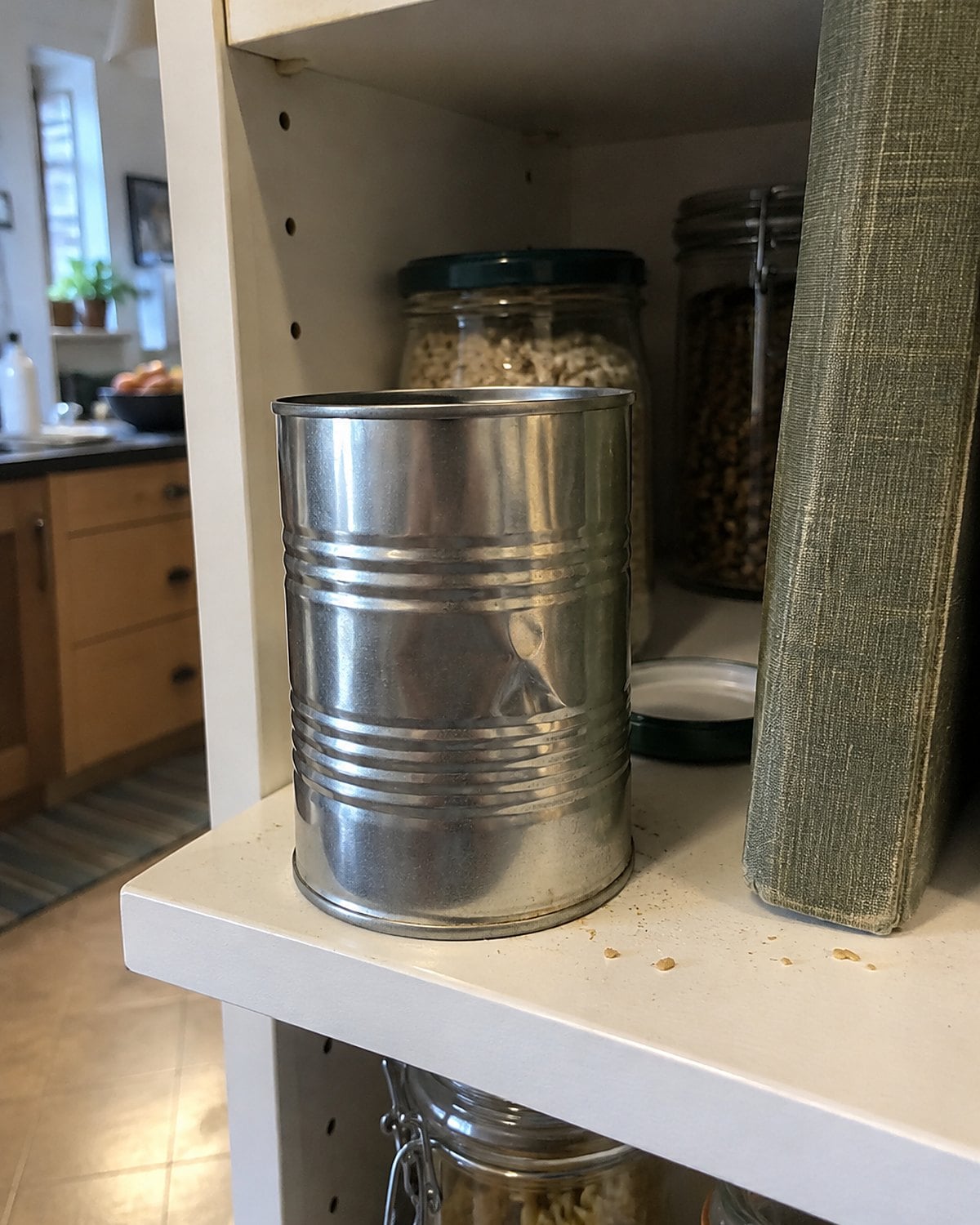
The church cookbook opens to a casserole page with a grease mark near the binding. The instructions call for condensed soup, and the can in your pantry says ready-to-eat. Do you use it?
No. Condensed soup expects added liquid; ready-to-eat soup already contains it. Pour the latter into that casserole and the filling gets wetter than the cook who wrote the recipe intended. Set the can aside for lunch.
You can make a binder in a saucepan instead. Cook flour in fat until no dry patches remain, then whisk in stock a little at a time. Stop when the sauce coats a spoon. Taste it before adding it to the dish.
At the store, turn both kinds of can around. Read the description and the amount inside before comparing their prices. The front labels tell you far less about what will happen in the baking dish.
#23 The lettuce head at the market
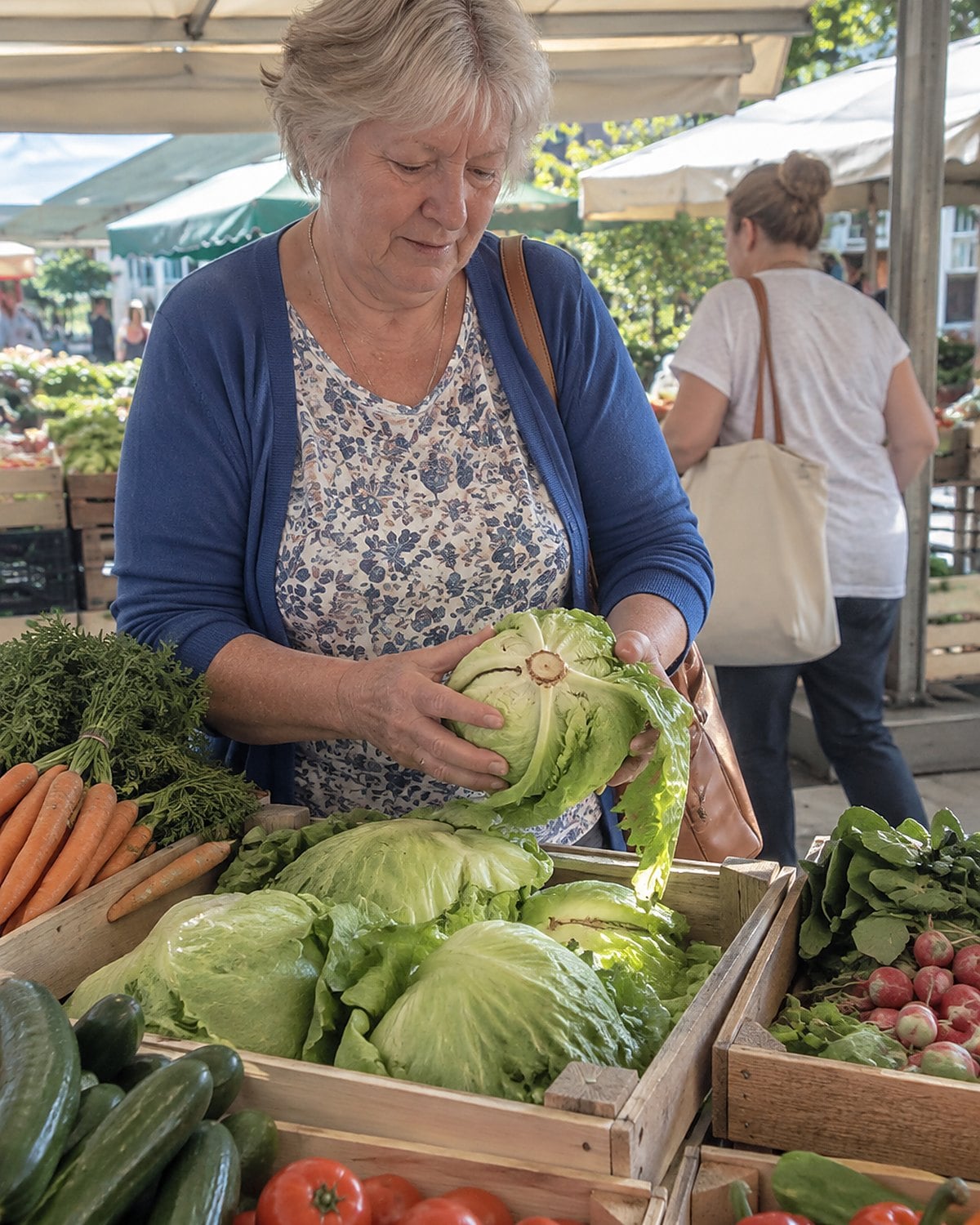
At a market stall, lift the lettuce before choosing it. A head that feels substantial and has crisp outer leaves deserves a closer look. Check near the core for wet, dark spots.
Back home, the work is familiar: wash the leaves, shake off the water, and spread them on a towel. Dry leaves hold dressing better. Wet ones send it to the bottom of the bowl.
A whole head also needs a plan when there's one salad eater at dinner. Take the tender center for tonight. Tuck the outer leaves into tomorrow's sandwiches. If the head is too much for both meals, buy less rather than letting a bargain wilt in the drawer.
#22 The flour bag above the stove
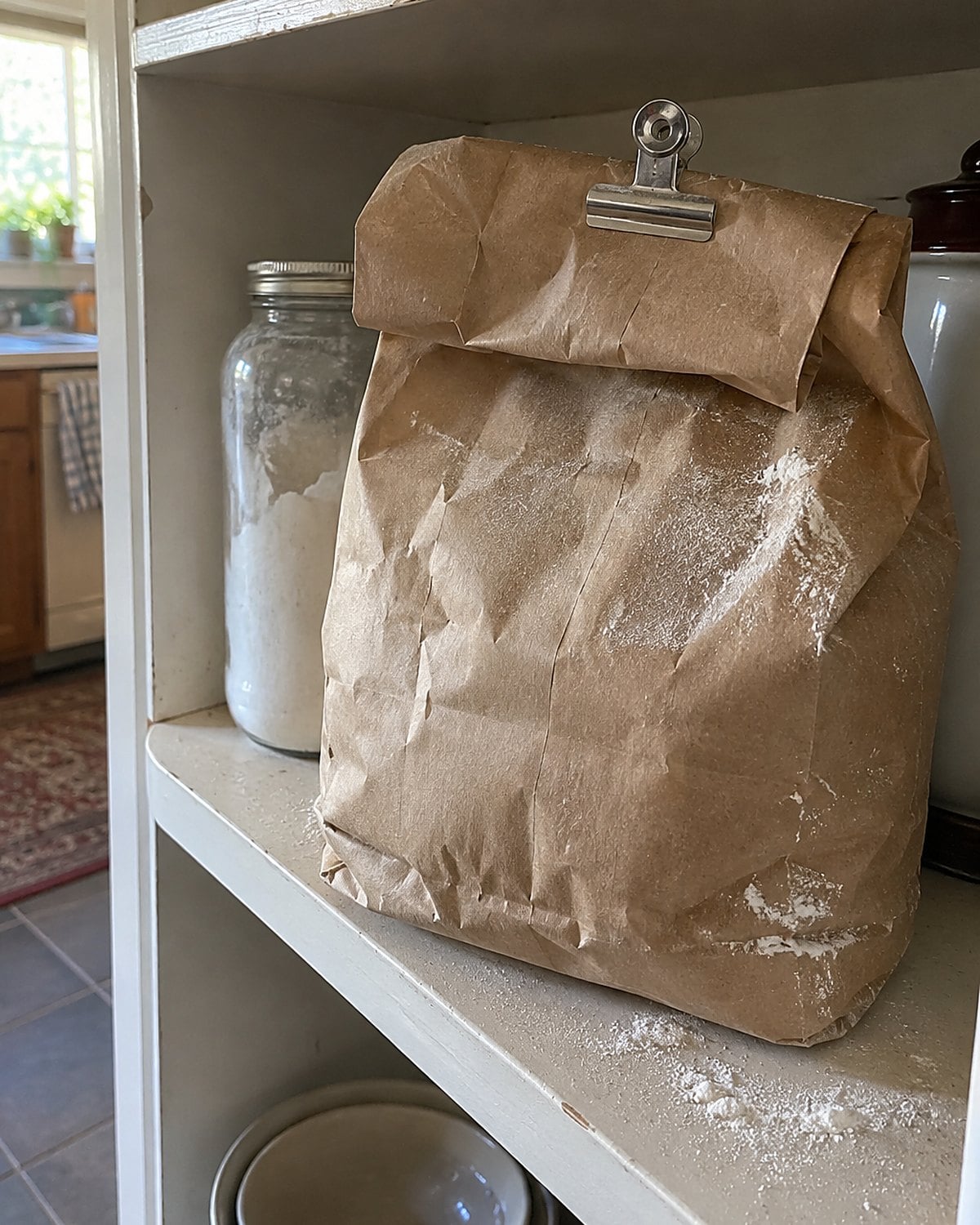
Move the flour before you start the gravy.
That shelf above the stove catches heat and steam every time a lid comes off. Give the bag a cool, dry spot instead. When you open it, smell the flour. It should smell plain, not musty or bitter.
For gravy, stir flour into the fat and cook until the dry patches disappear. Add warm stock gradually, stirring along the bottom of the pan. The order matters: liquid poured onto dry flour leaves you chasing lumps.
Taste after the gravy thickens. If you still taste raw flour, keep it on the heat and stir. The folded bag in the cupboard did far more than bake cakes. It helped turn a roast's pan drippings into supper again.
#21 The egg carton with pencil marks
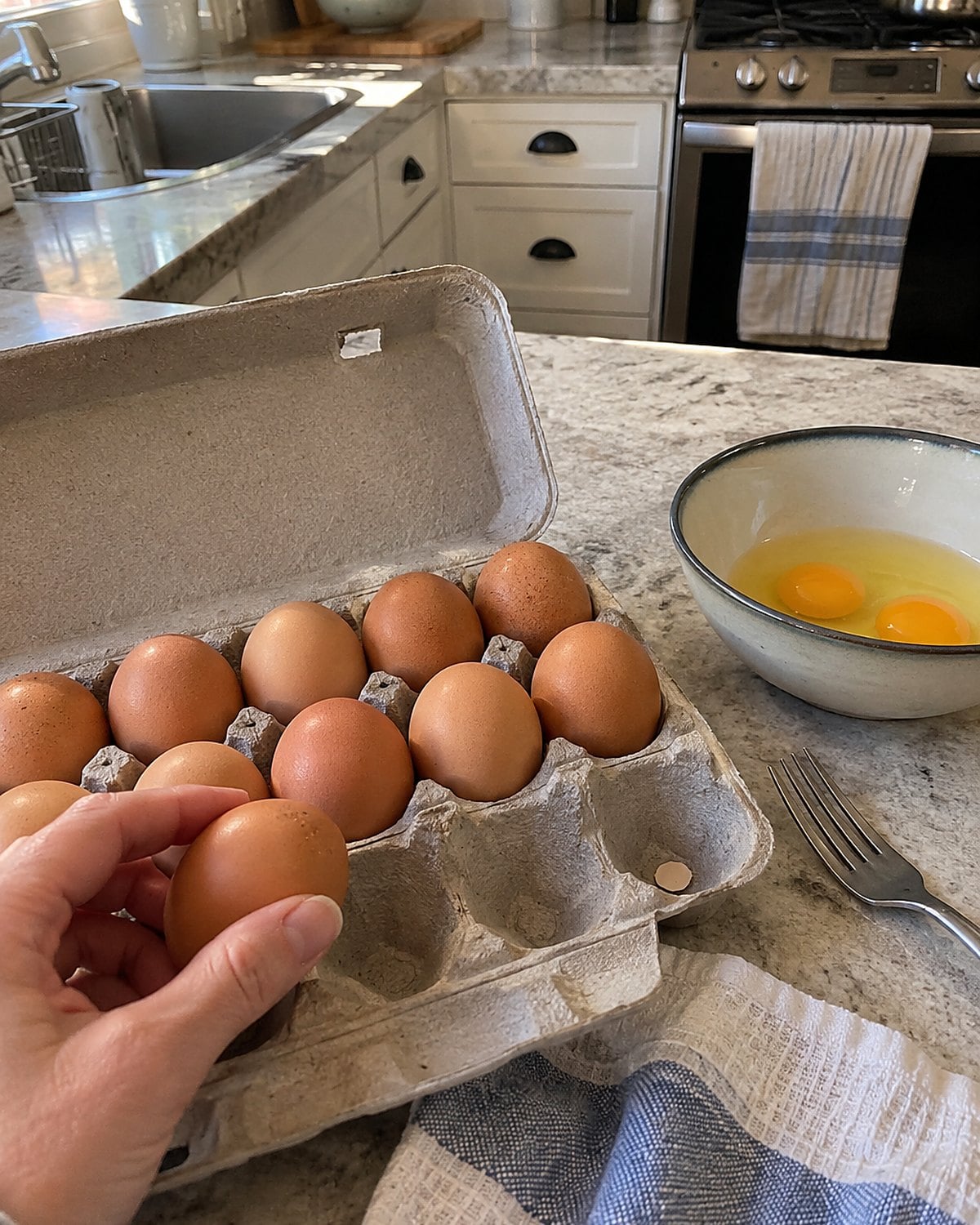
You reach for breakfast and find 2 eggs. Someone baked, someone made a sandwich, and nobody thought to mention the carton was nearly empty.
Count before you promise a frittata. Then leave the eggs in their carton on an inside fridge shelf, where the printed information stays with them. A pencil note recording when you bought them helps you keep track, too.
If the carton has been there long enough to make you pause, consult the USDA's egg storage guidance rather than guessing from the note. Tonight's supper could be the 2 eggs you have, folded around leftover cooked vegetables and a little cheese. That beats discovering an empty carton with the skillet already hot.
#20 The butter wrapper beside the cake pan
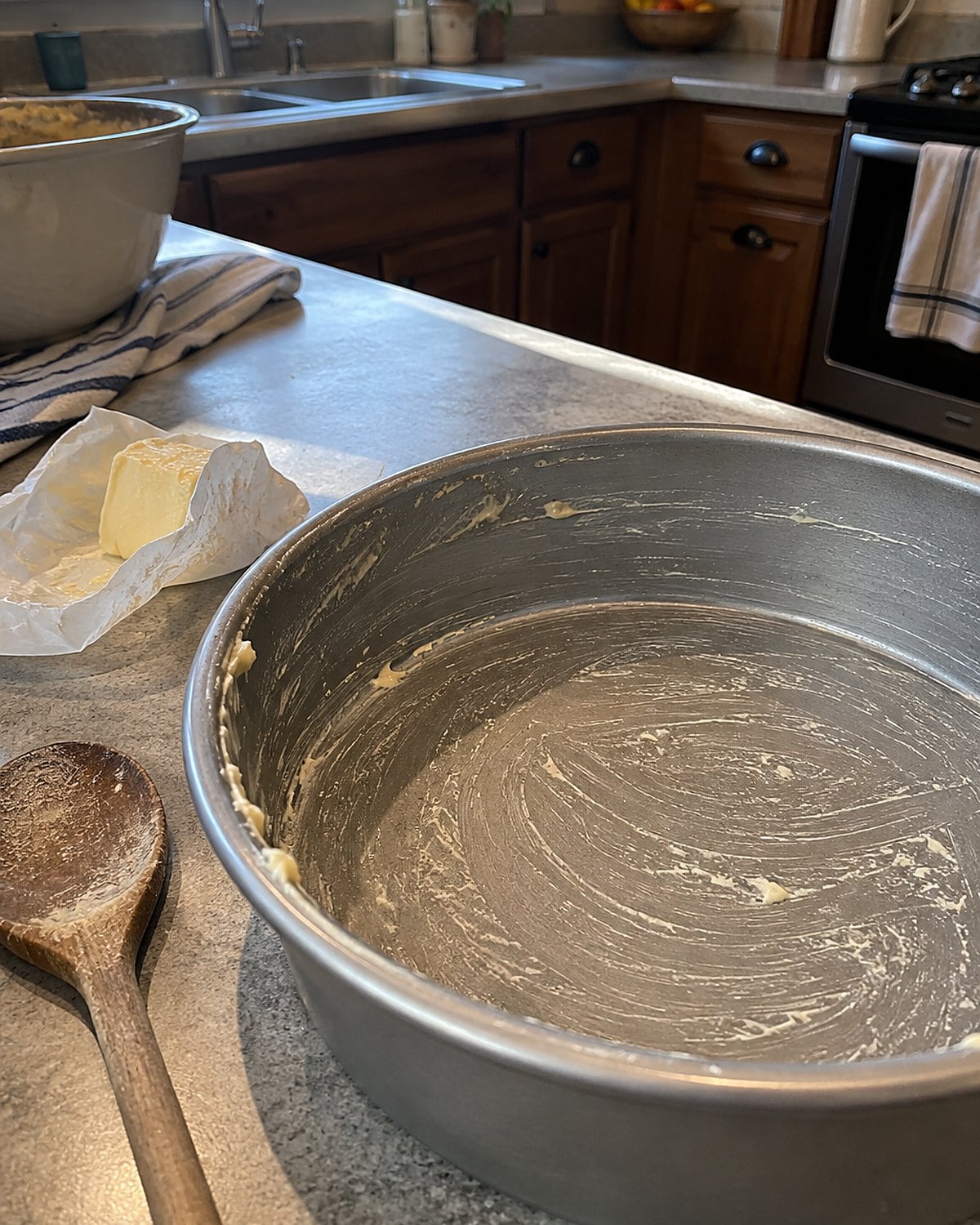
A folded butter wrapper waited in the fridge because somebody knew it could grease a cake pan. It took a few strokes around the sides, then went into the trash.
The butter inside the package had another precise job. A church-cookbook cake written for butter relies on how butter firms when chilled and melts in the oven. A tub of spread won't necessarily behave the same way. Read the ingredient name and package weight before treating the two as equal purchases.
When the recipe tells you to cream butter with sugar, press the butter first. It should hold a dent without looking glossy or slumped. Too firm? Cut it into pieces while you gather the other ingredients. Too warm? Put it back in the fridge briefly.
Keep a clean wrapper for the pan. That small scrap earned its place beside the mixing bowl.
#19 The milk jug in the fridge door
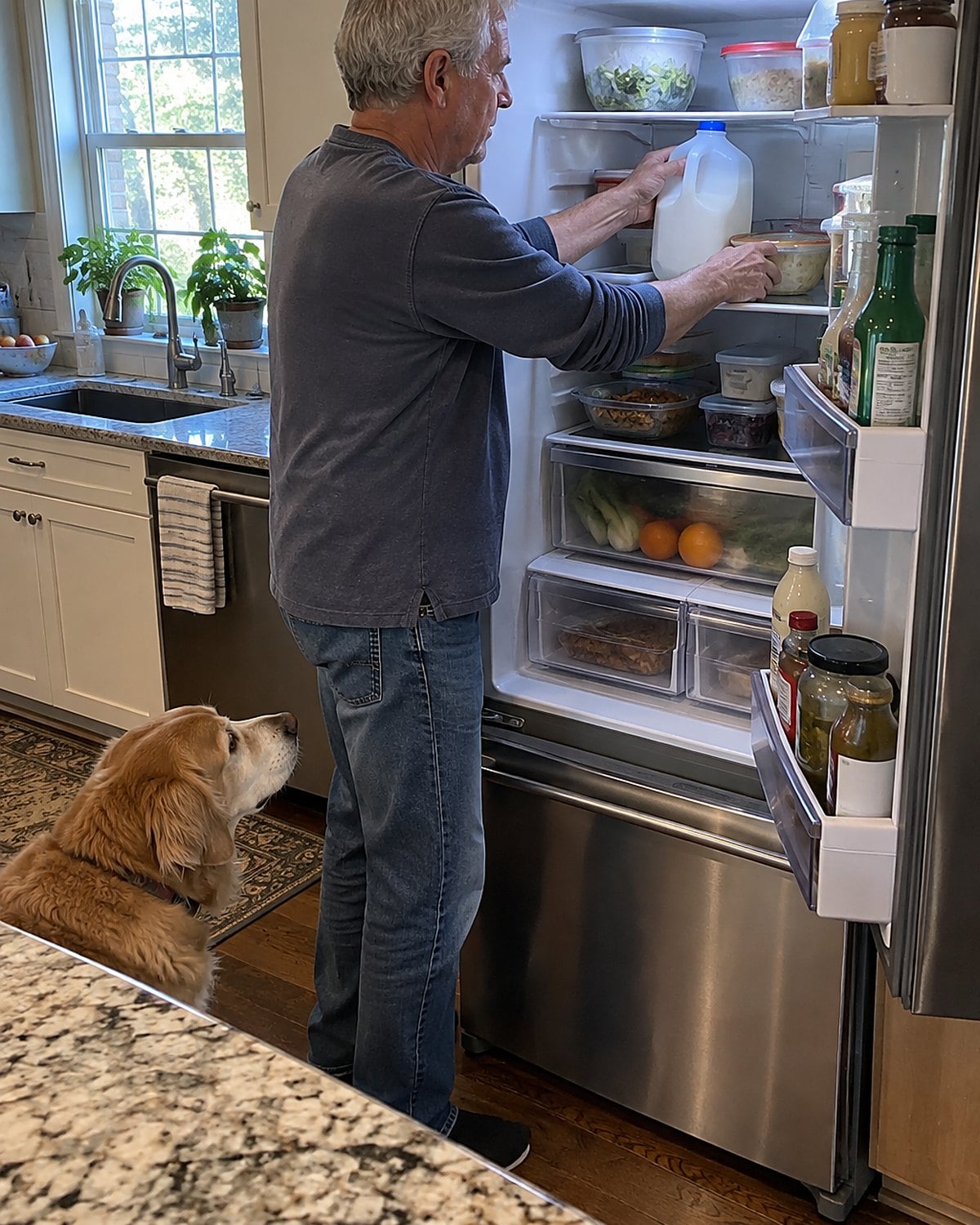
The fridge door opens for mustard, leftovers, a cold drink, and one last look before supper. Milk sitting there takes every warm draft.
Move the jug to an inside shelf. Put a refrigerator thermometer near the food and check for 40°F or below, the target in FDA refrigerator guidance. You get an answer from the thermometer, not from how cold the jug feels.
A gallon and a half-gallon also tell different price stories. Read the volume before you decide what a sale sign means for your household. The larger jug isn't a bargain if you won't finish it.
For a white sauce tonight, pour the milk over moderate heat and stir along the pan's bottom. If it starts sticking there, lower the heat. Scorched milk is hard to hide.
 You might also like27 Things That Were Always on the Table in the 1960s and Never Are Now
#18 The coffee tin full of twist ties
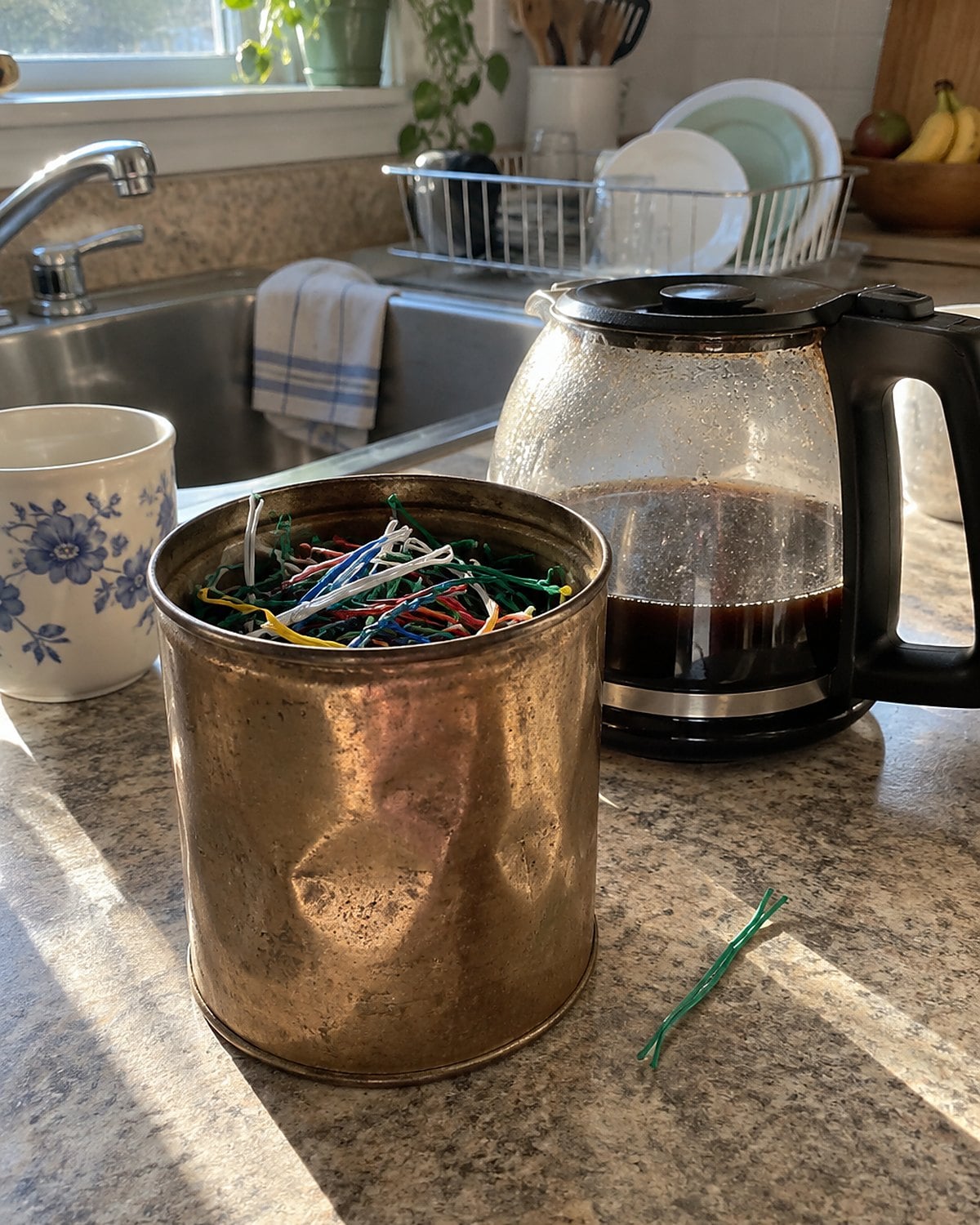
Where did the twist ties go? In one kitchen, the answer was the empty coffee tin. The tin outlasted breakfast and saved a search through the drawer.
Before the coffee went in the pot, though, its package deserved a second look. A sturdy tin and a soft bag are hard to compare by sight. Read the net weight, then check whether you're buying ground coffee or whole beans.
If this morning's cup tasted bitter, wash the pot's removable parts. Feel around the basket and spout for oily residue. Old coffee oils cling there even when the glass looks clean. Brew only what you intend to drink instead of leaving a full pot on the heat.
The empty tin still earns counter space if you know what's in it. Call out, “Twist ties are in the coffee tin,” and the next person won't have to empty the drawer.
#17 The sugar bowl with its spoon
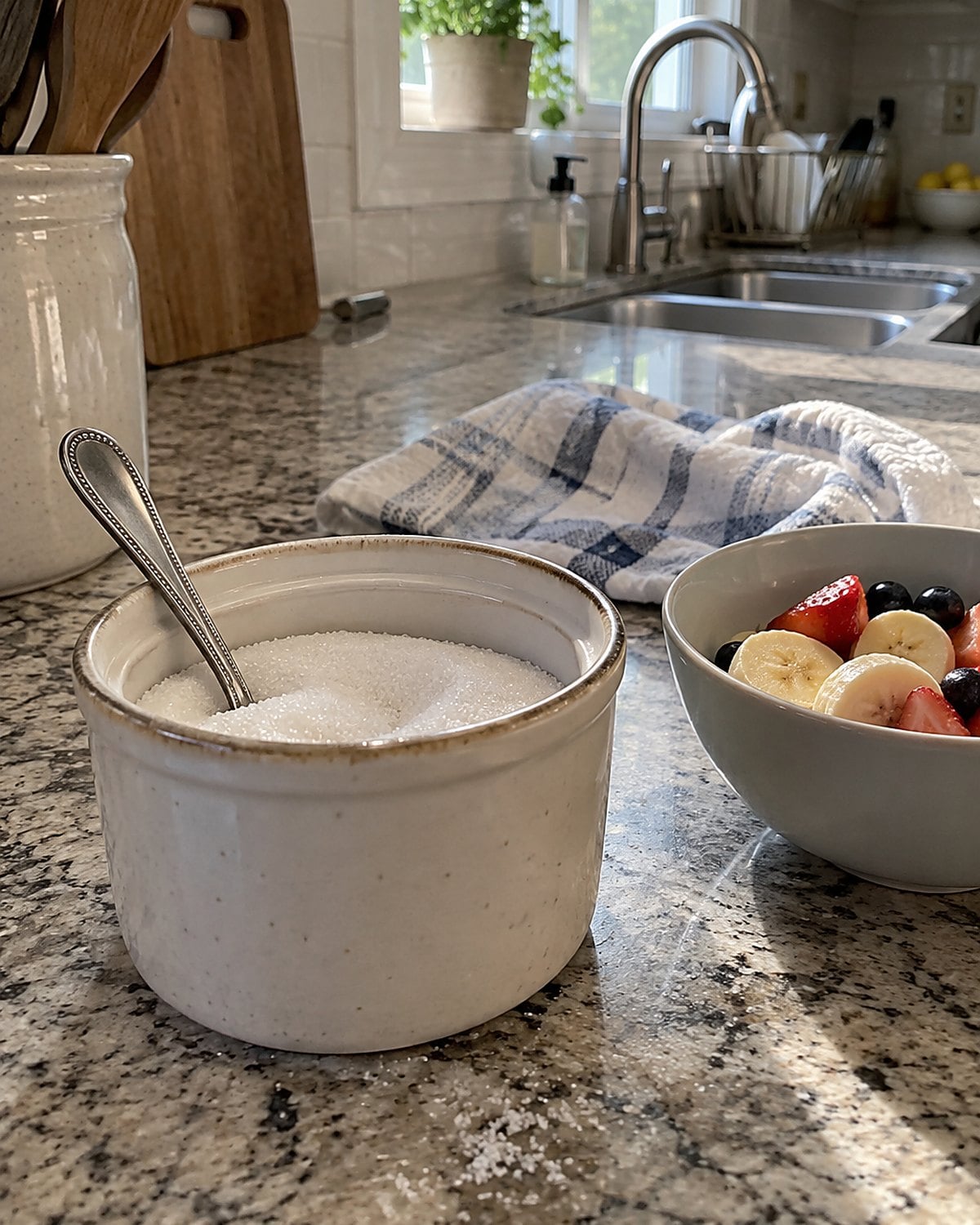
One spoonful goes into tea. Another lands on tart berries. You know when the bowl needs filling because you're the person who fills it.
The bag in the cupboard has a less visible job in baking. Sugar helps beaten butter hold air, so a cake's texture depends on more than its sweetness. When you cream them together, watch the mixture turn lighter and less gritty before adding eggs.
For tonight, put cut fruit on the table without sweetening the whole bowl first. Let each person taste it and reach for the spoon if needed. The fruit gets a fair chance, and you see what the household actually uses.
#16 The potatoes away from the plumbing
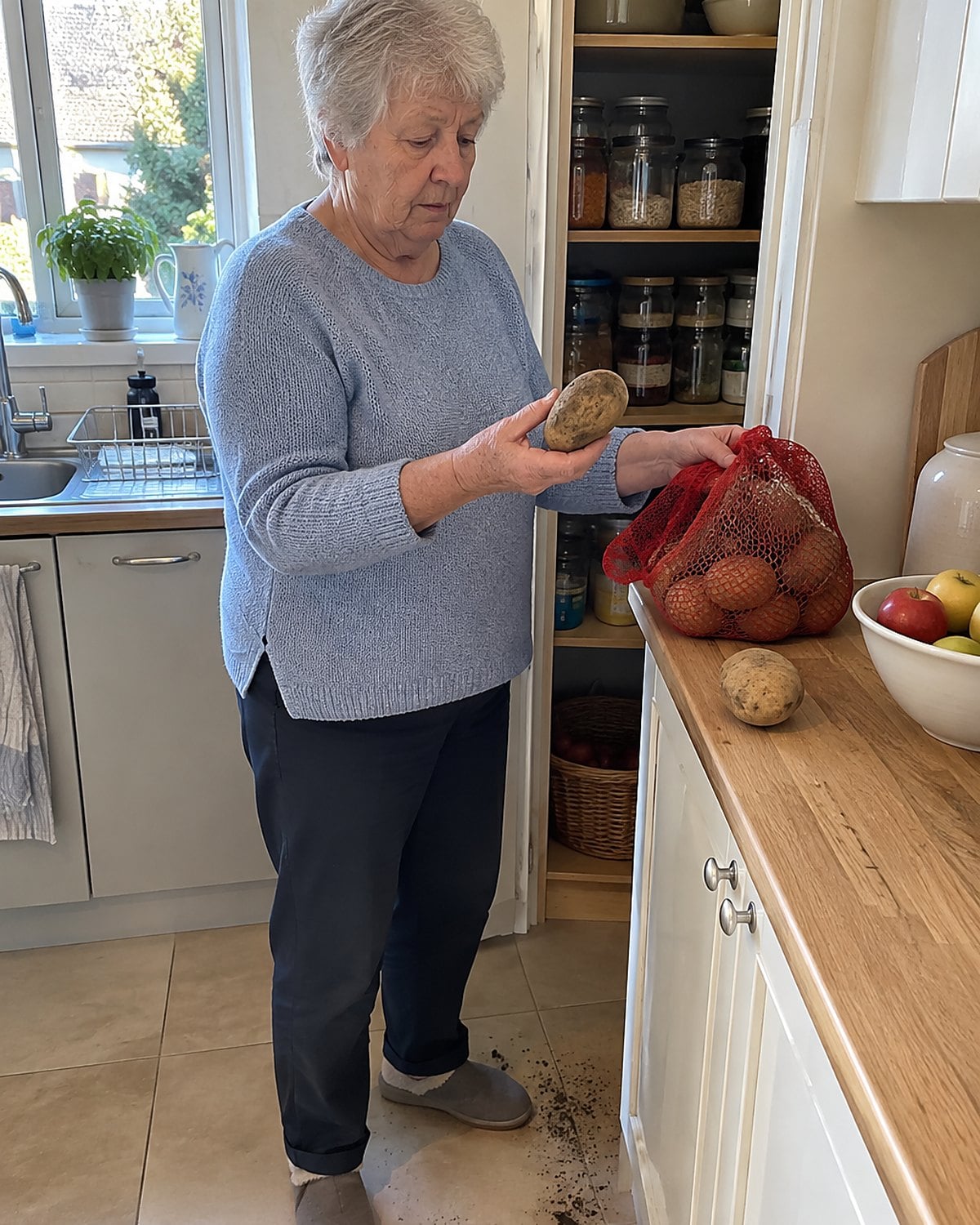
A bag of potatoes promised several suppers. Under the sink, it also sat below pipes and next to damp cleaning cloths. Give it a cool, dark, dry cupboard instead, away from direct light.
Before choosing a bag, turn it over. Look through the mesh for wet spots and potatoes that have begun to sprout. You want firm potatoes for the meals you have in mind.
Now consider the pot. A floury baking potato breaks down into a fluffy mash. A waxy red potato holds its shape, which is what you want for a skillet supper. The type matters more than the size of the bag.
If waxy potatoes are what you brought home, lean into them. Boil until a knife slides through, drain well, and toss with butter and parsley. Tomorrow, use the rest in a skillet instead of trying to force them into cloudlike mash.
Try it: Instant Pot Air Fryer Rosemary Potatoes
#15 The onion at the bottom of the bag
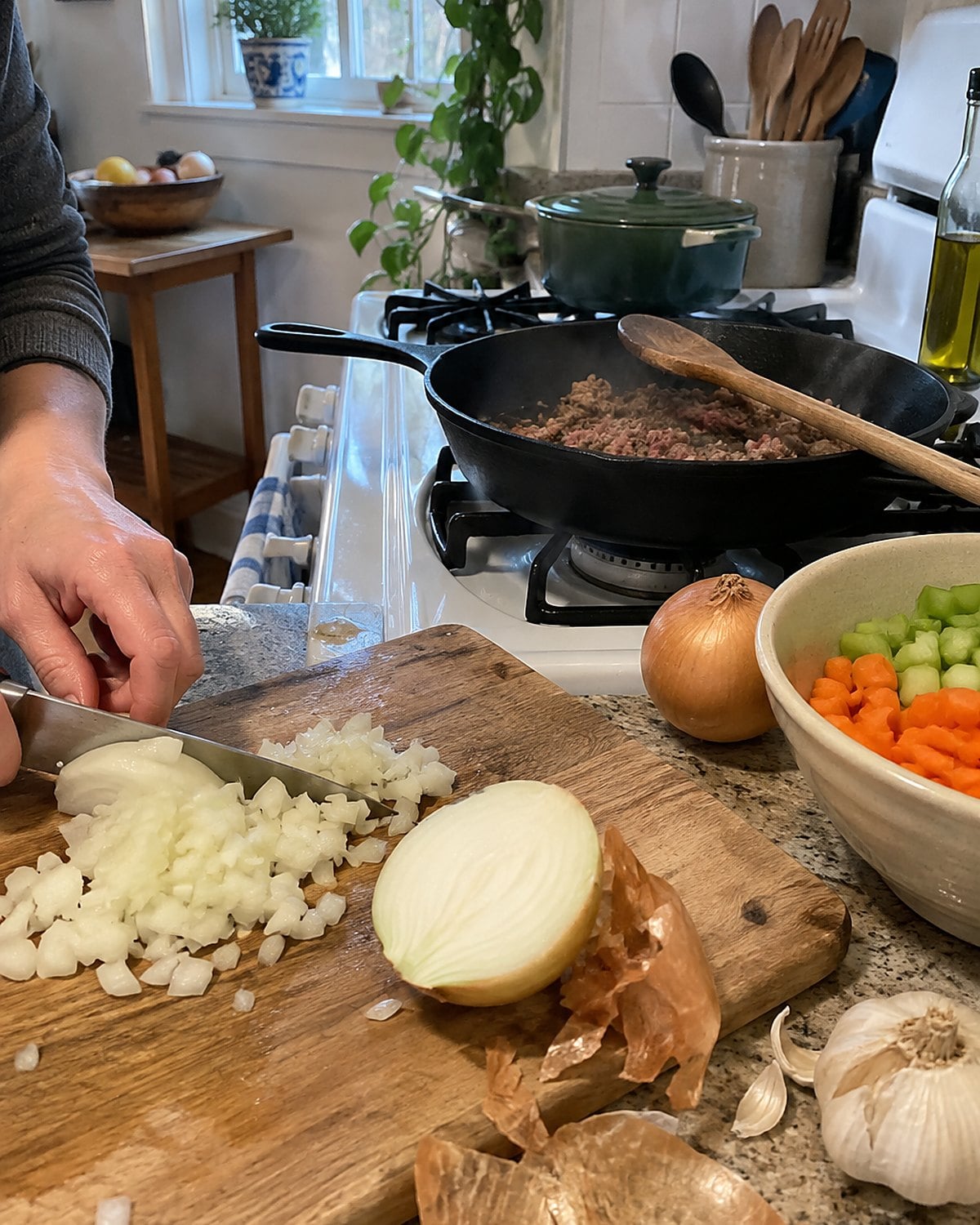
Cut an onion for the skillet, then stop stirring for a moment. Its edges need contact with the hot pan to brown. Stir constantly and you'll get softened onion without those browned bits.
Keep the heat at medium and watch the pan. If the bottom goes dry before the onion softens, add a splash of water. Scrape up the color with your spoon and let the water cook away.
The shopping part happens earlier. Choose firm onions with dry outer skins, and give them air at home. A sealed plastic bag holds moisture against them. You don't need a string bag full when one sound onion will start the soup you want tonight.
#14 The carrots cut for the stew
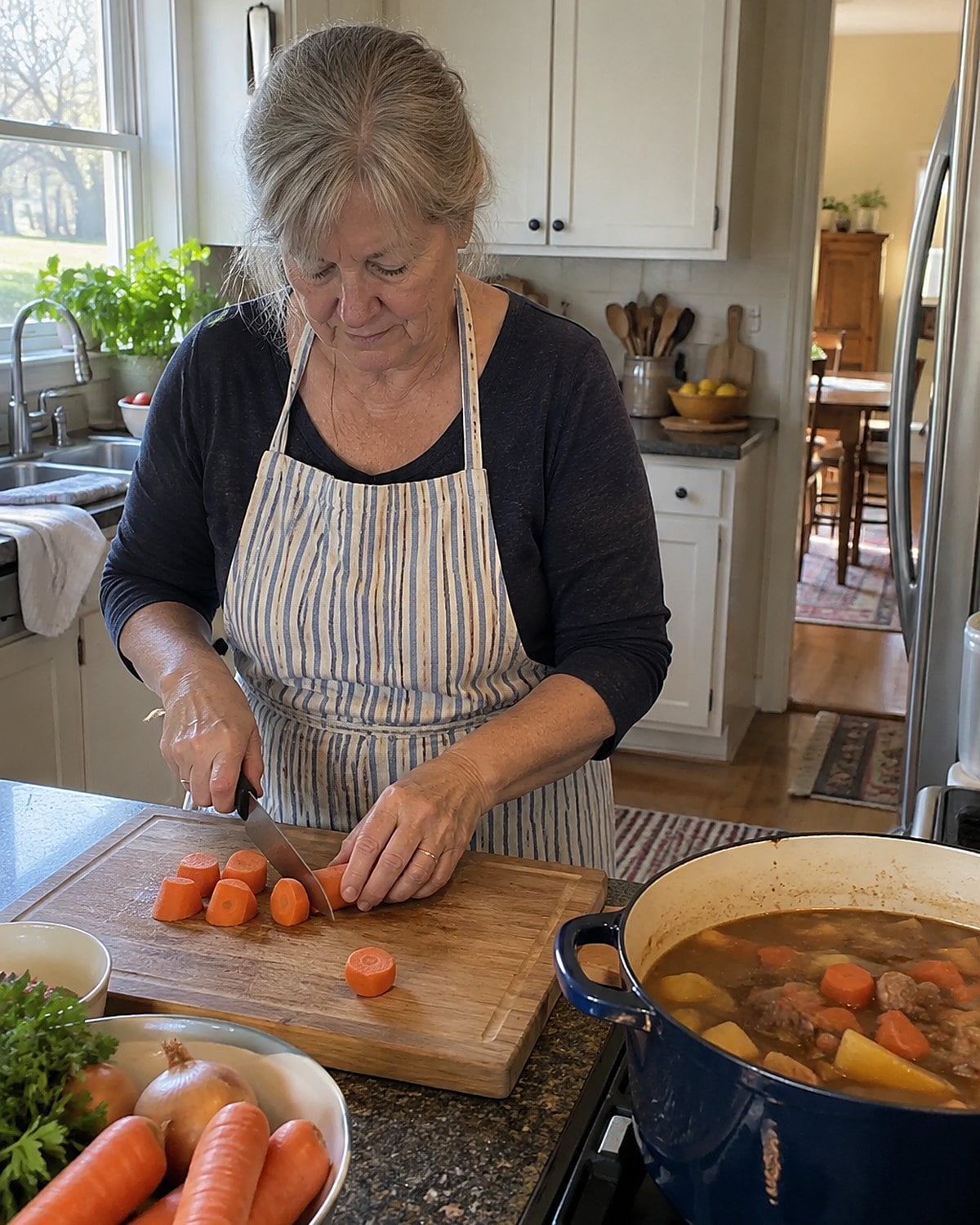
Your knife gives the first answer. Cut the thick end of a carrot smaller than the narrow tip, and the pieces will finish closer together in the pot.
Add carrots early enough to soften, but not so early that you lose every distinct piece. Near the end, push a knife tip into a thick piece and taste it. Tender on the outside with a hard middle means it needs more cooking.
A bendy carrot calls for inspection before it joins the stew. Trim it, check its surface and smell, and use it in a cooked dish if it's sound. Discard one that's slimy or smells off. Peeling doesn't repair spoilage.
That leaves the firm carrots for crunch. If dinner is for one or two, cut only what goes into this pot. The rest remain whole for the next meal.
#13 The cabbage wedge in the skillet
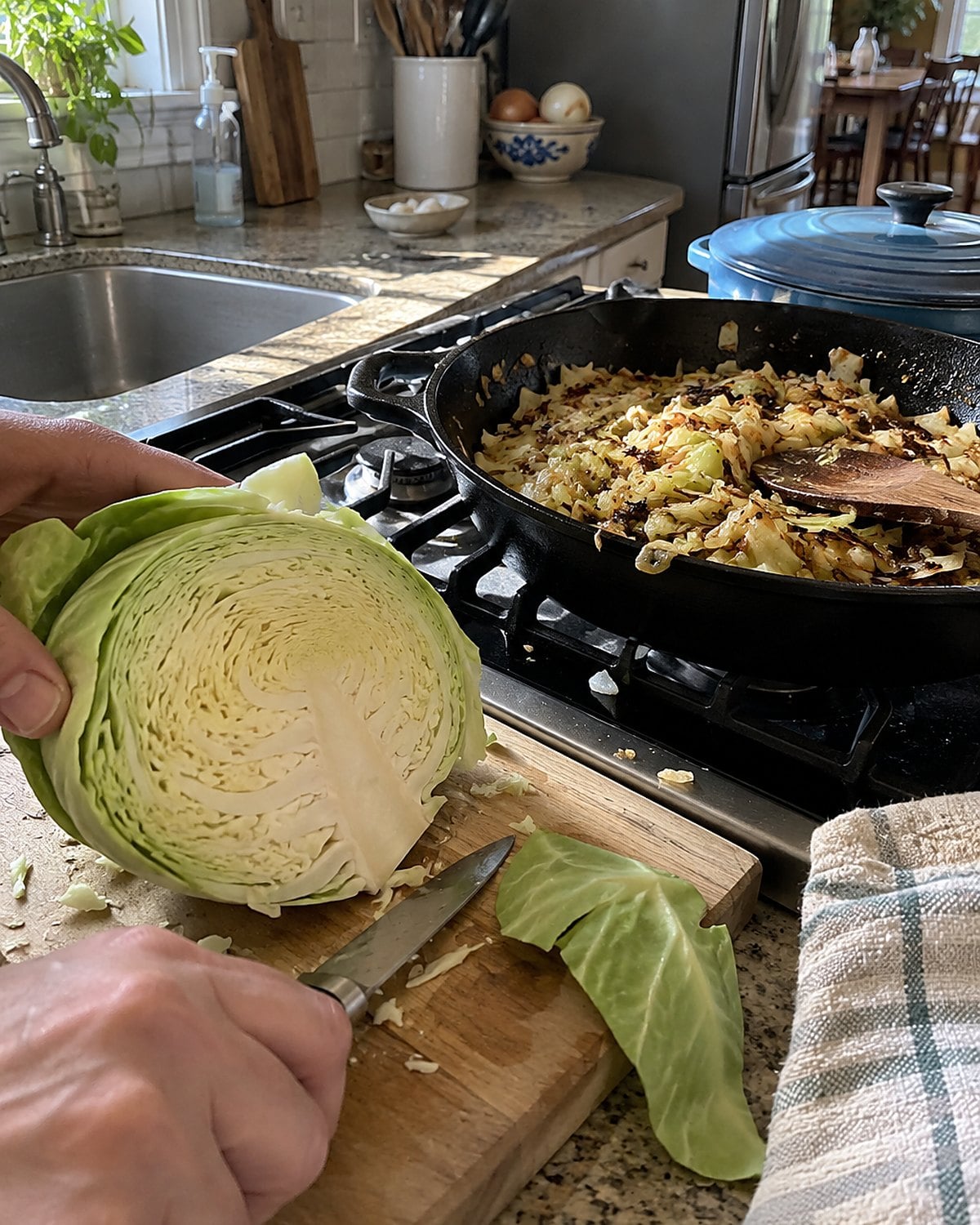
Half a cabbage waits by the sink. You were going to boil it, but the skillet is already out. Slice a wedge thinly and put it into a hot pan with enough room to spread.
Let the cut edges sit before you stir. They pick up color; cabbage stirred from the first second goes limp without browning. Finish with vinegar, then taste before deciding how much salt it needs.
Thick wedges are a different dinner. Give them more time and a lid to help the centers soften. Use the knife cut to choose the method, rather than treating the whole head alike.
If cabbage once meant a pot that scented the entire house, the browned skillet version is worth your attention. Taste an edge straight from the pan.
#12 The dried beans in the jar
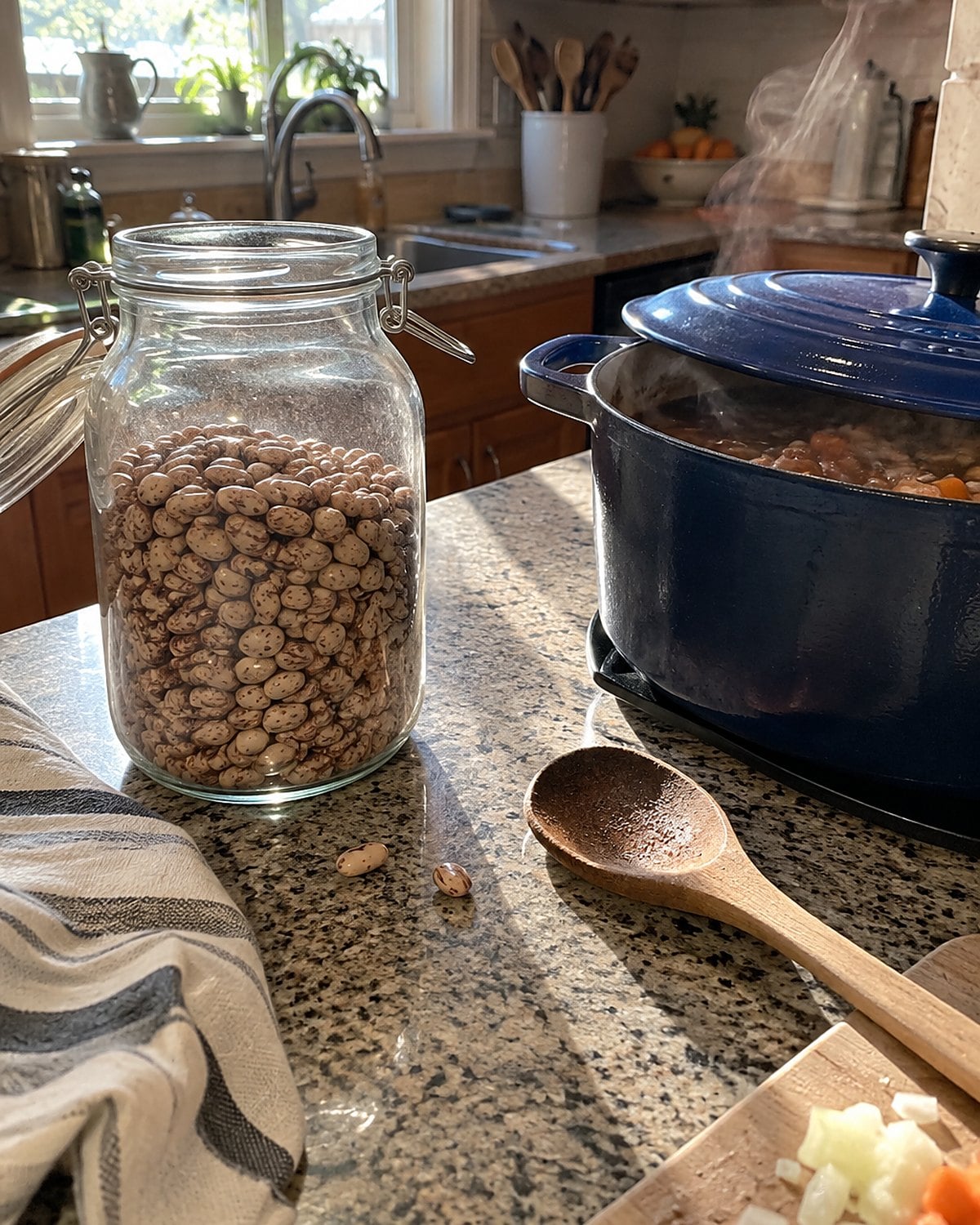
The jar says dinner is waiting. The beans say dinner will take as long as it takes.
Old dried beans take longer to soften. Taste beans from different parts of the pot instead of trusting the clock. A tender skin around a chalky center isn't finished. Keep cooking until the center yields.
Red kidney beans deserve their own instructions. The FDA's Bad Bug Book discusses the toxin in undercooked kidney beans and the boiling step before slow cooking. Don't move dry kidney beans straight into a slow cooker on the strength of a recipe for another bean. Check the FDA's directions first.
Write the purchase date on the jar and bring older beans to the front of the cupboard. That doesn't tell you their cooking time. It tells you which jar to reach for when there's time to stand by the pot and taste.
Try it: Instant Pot Bean Soup (Only 5 Ingredients)
#11 The rice jar with the dented lid
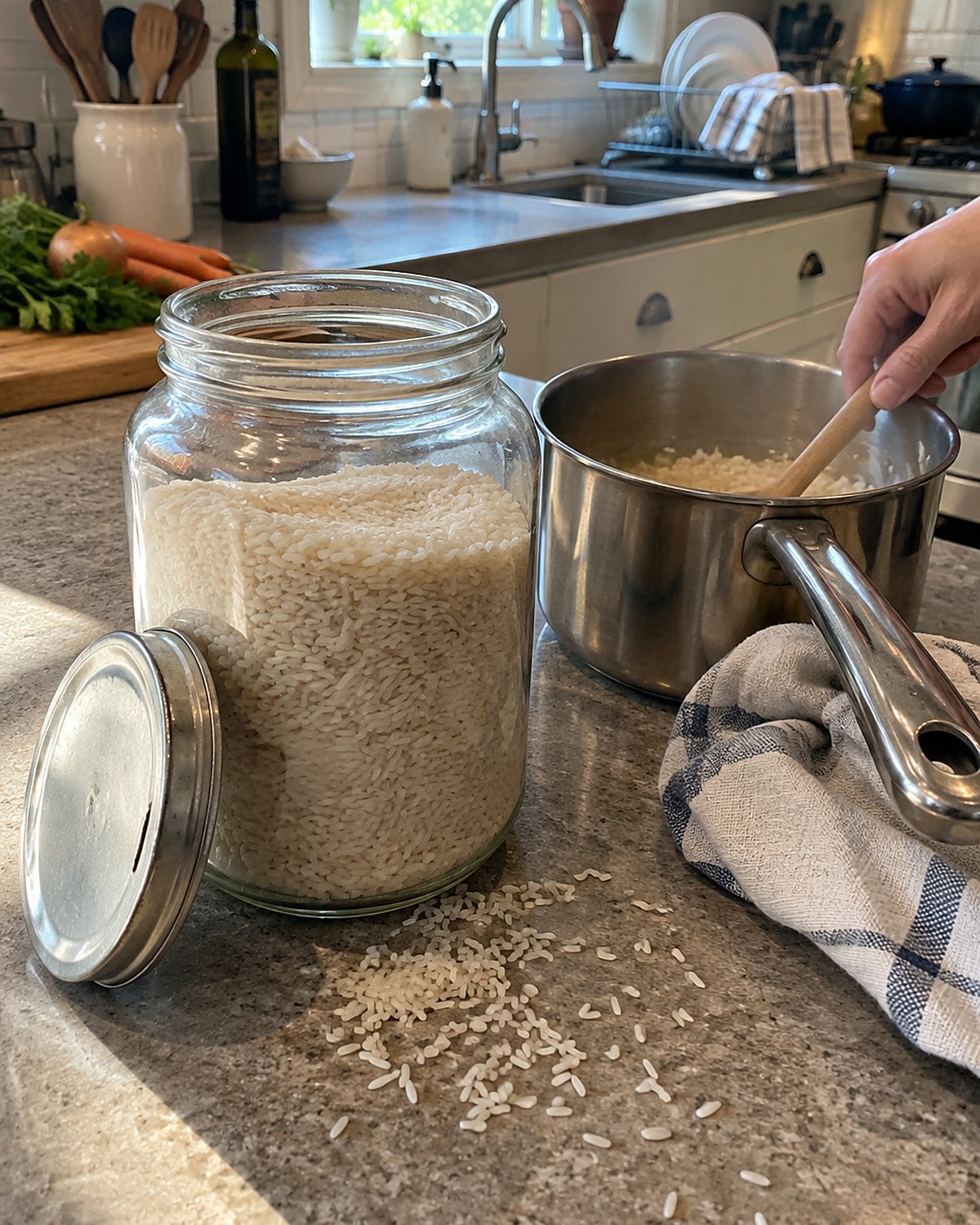
There are 3 kinds of rice on the shelf, and the dented lid belongs to only one jar. Long-grain white, brown, and quick-cooking rice need different amounts of liquid and different cooking times.
Read the package for the rice in your hand. A remembered ratio from another bag is a poor substitute. Once the pot finishes, leave the lid on for the rest directed on that package. Steam helps finish the grains.
To stretch the last of a stew, spoon it over cooked rice. Don't stir all the rice into the pot. You keep the grains separate and leave yourself free to use the remaining stew another way.
When you refill the jar, keep the cooking directions where you can find them. A clipped piece of the package in the cupboard saves you a search next time.
Try it: How To Cook Rice In Instant Pot
#10 The spaghetti box behind the cereal
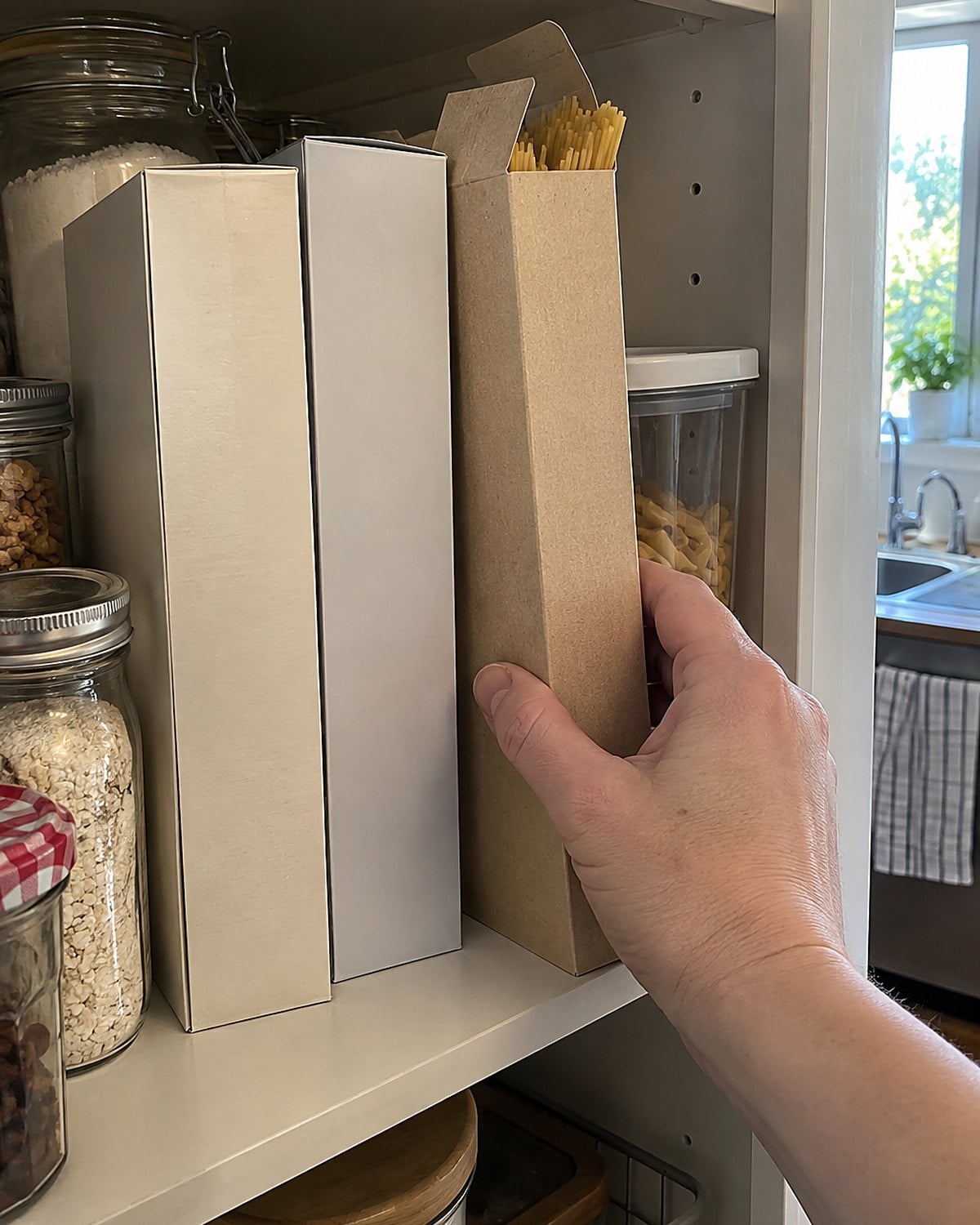
That long box waits behind the cereal until supper has no plan. Before you put water on, look at the pasta shape. Ridges catch a thick sauce; smooth strands suit a sauce that coats them.
The box weight tells you what the shelf price bought. It also tells you more than the large serving pictured on the front. Buy the shape you'll use, not the photograph you'll forget.
Before draining, dip a mug into the pasta water. Toss the hot pasta with sauce in a skillet, then add a splash of that water. Its starch helps the sauce cling. Stir over low heat and watch it turn glossy.
Taste a strand before it leaves the pot. The printed cooking time can't tell you how firm you want dinner. And if you used to rinse every drained box, skip that step for hot pasta and keep its starch.
 You might also like26 Things in Your Fridge Right Now That Should Have Been Thrown Out
#9 The ground beef at the counter
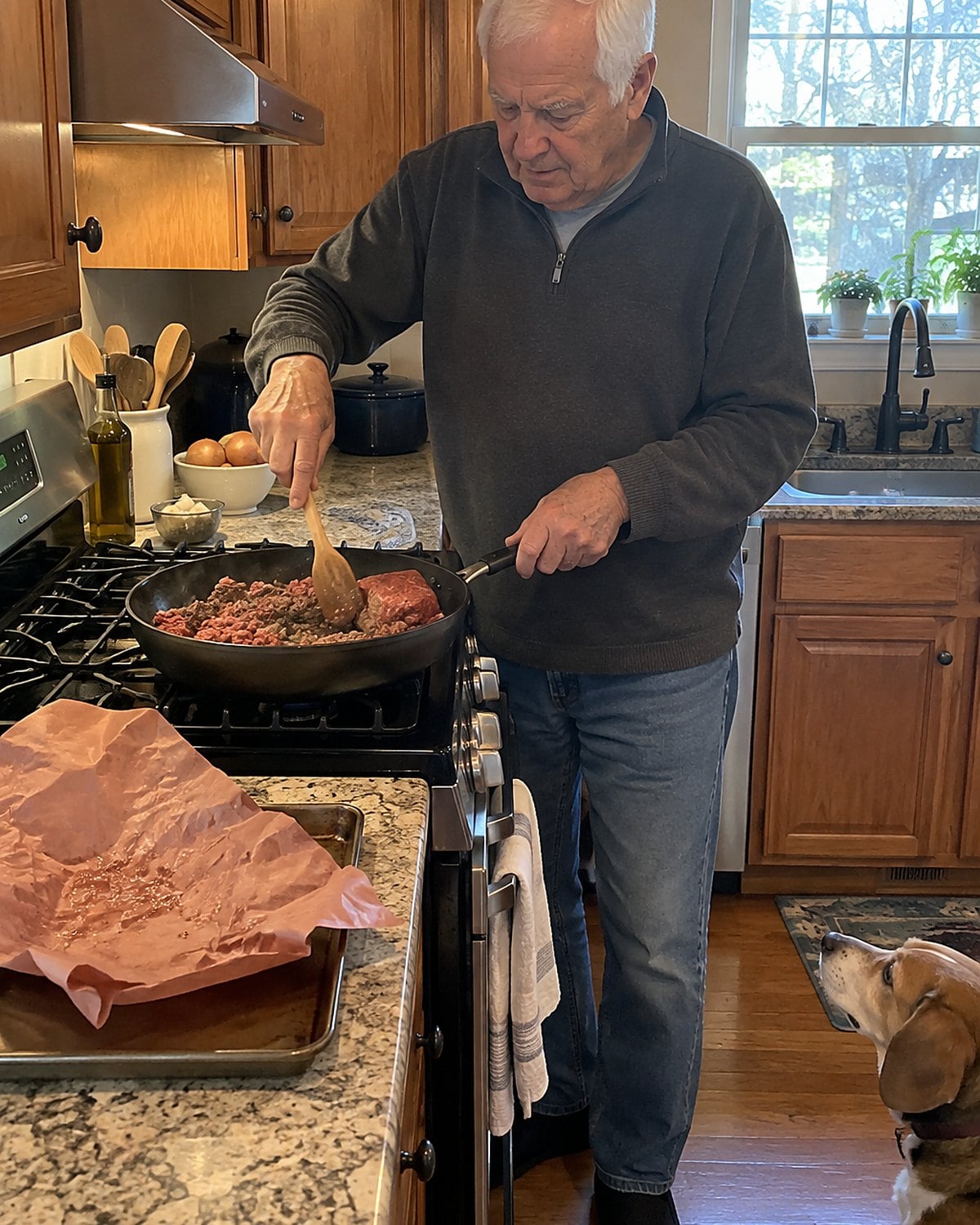
“How much do I need for two?” is a fair question at the meat counter. Ask it before accepting a package sized for a full household.
Read the weight through the wrap, then think about the dish. A skillet sauce and a plate of patties don't use ground beef the same way. If the counter sells the amount you want, ask for it.
For sauce, brown the beef before adding anything wet. Break it up and let the pan drive off liquid. Wait for browned spots before the tomatoes go in.
A patty needs a thermometer, not a guess from its color. USDA safe-temperature guidance puts ground meat at 160°F. Push the thermometer into the thickest part of the patty without touching the pan. Then you know what you're serving.
#8 The whole chicken in butcher paper
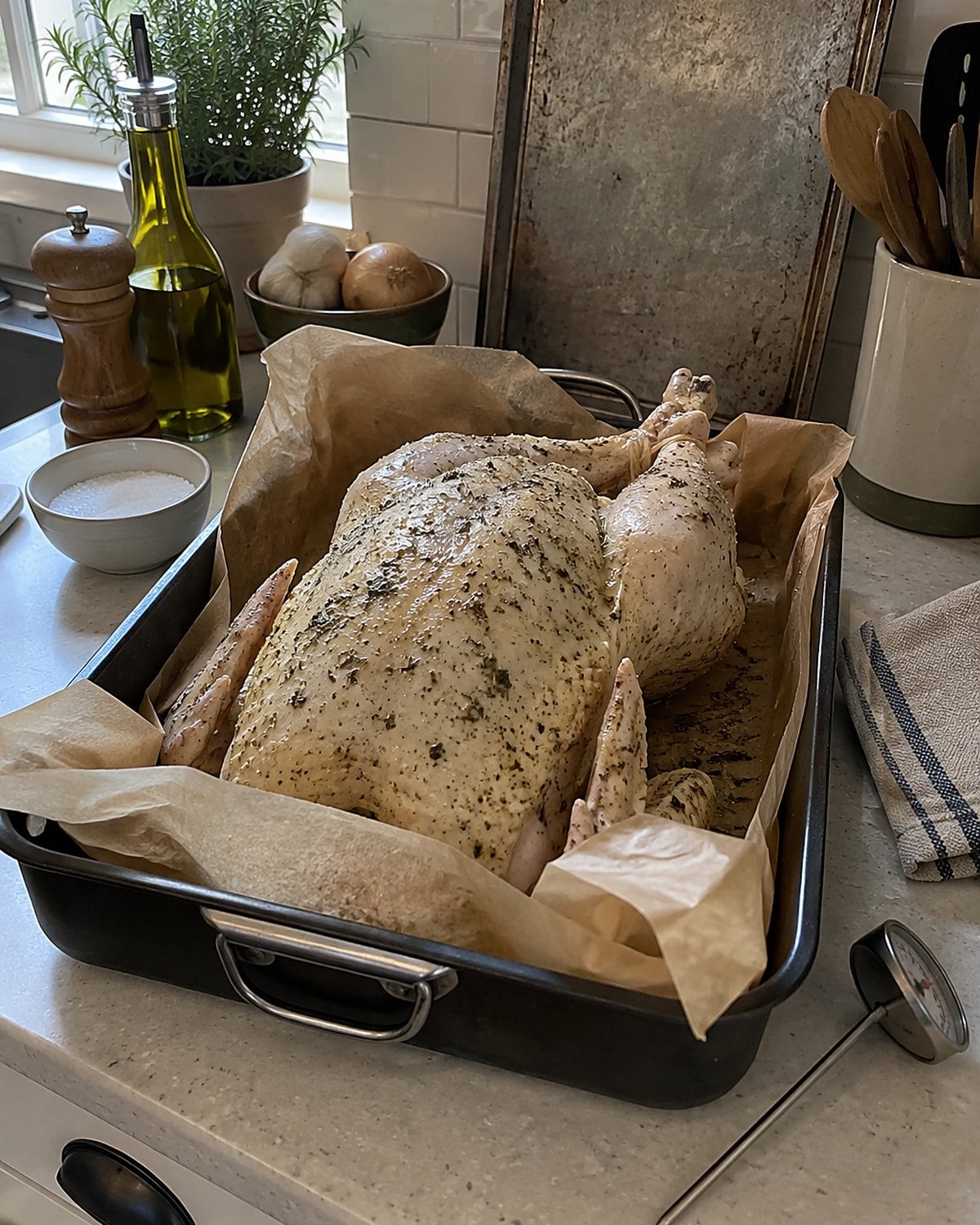
The butcher paper lands on the counter, and the question follows: dinner tonight, or several meals worth of work? A whole chicken includes skin and bones as well as meat. Boneless pieces cost you less cutting time.
Compare the package weights and picture what you'll cook. If you want roast chicken, unwrap the bird, pat the skin dry, and season it. Give it room in the pan so hot air reaches the sides.
Check the thickest part with a thermometer, avoiding bone. USDA guidance sets 165°F for poultry. That reading decides when dinner comes out.
Afterward, pull off the remaining meat while the bird is still easy to handle. Put it away promptly instead of leaving a picked-over platter on the stove. The bones have stock written all over them, but the meat deserves your attention first.
Try it: Instant Pot Whole Chicken In 50 Minutes
#7 The canned tomatoes for supper
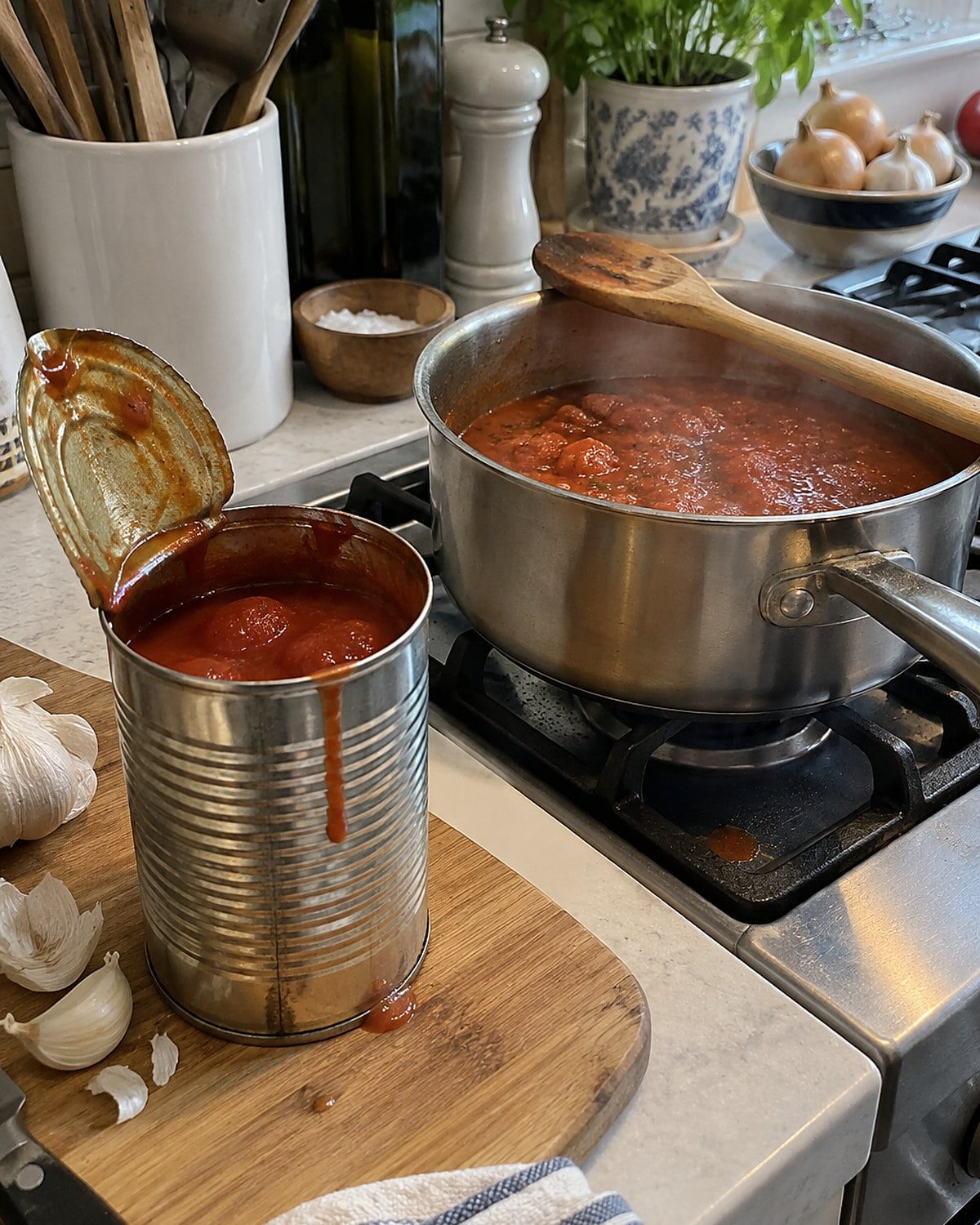
Fresh tomatoes on the counter look promising, yet a can is the one with enough flavor for tonight's sauce. Which kind did you buy?
Crushed tomatoes settle into a sauce quickly. Whole peeled tomatoes let you break them to your preferred texture. Diced tomatoes hold their shape longer. Read the can before changing a recipe that expects another form.
Cook the onion in oil first. Add the tomatoes and simmer until a spoon drawn across the pan leaves a brief trail. Taste before reaching for sugar. Salt and time might be what the sauce needs.
Keep a can where your hand finds it. On a night when the cupboard seems bare, that small bit of order gives you somewhere to start.
Try it: Instant Pot Tomato Basil Sauce
#6 The frozen peas behind the ice tray
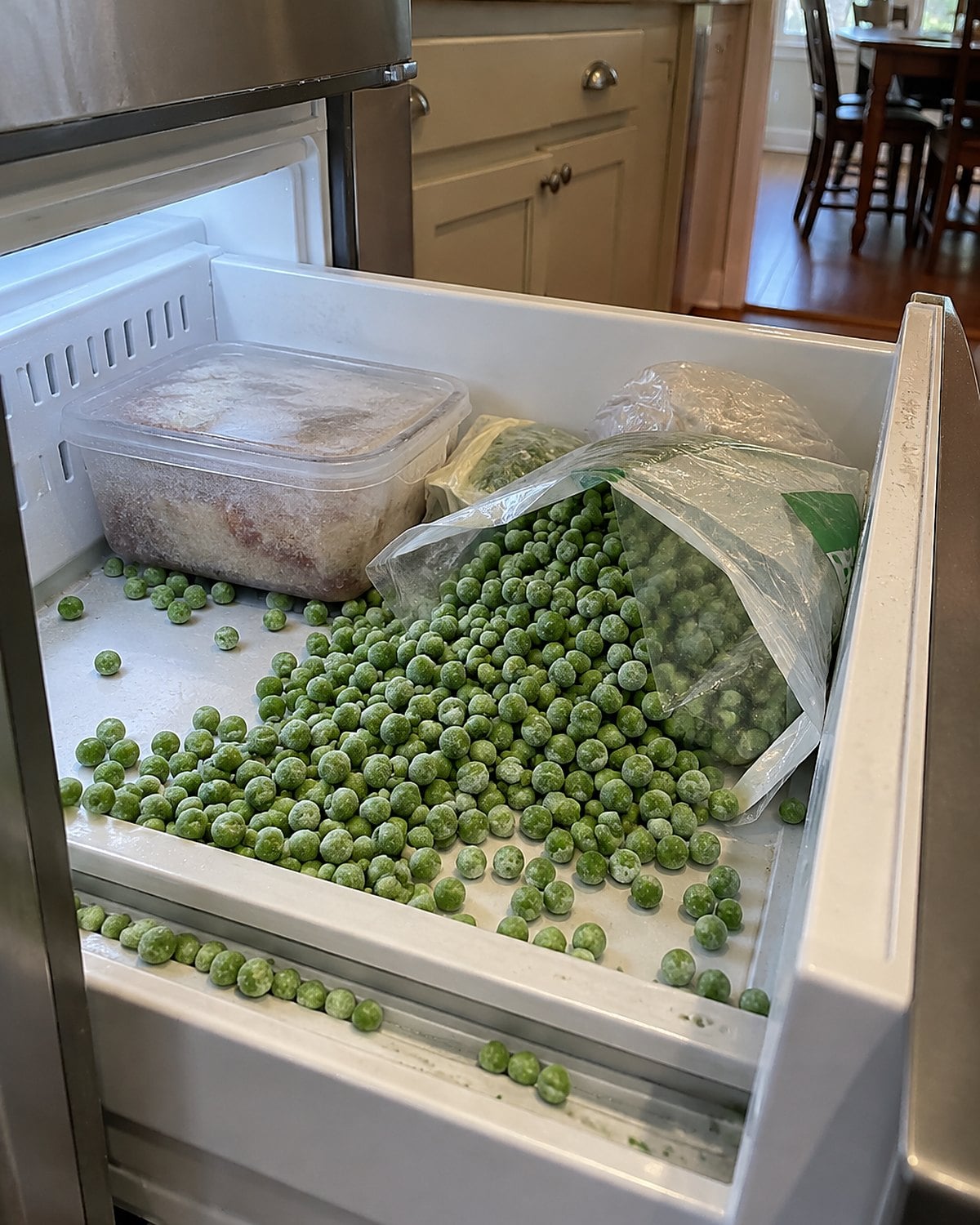
A loose pea rolls across the freezer drawer. The twist tie came off again.
Frozen peas suit a smaller supper because you take what the pot needs and return the rest. Twist or clip the original bag firmly, then set it where opening the drawer won't tip it over.
Add peas near the end of a hot dish. In soup, wait for the steady simmer to return and taste one. In a skillet, stir until the peas are hot and bright. An entire simmer leaves their color and sweetness behind.
A scoop also changes leftover rice without asking you to cook another vegetable from scratch. Clear the stray peas from the drawer before they hide behind the ice tray.
Try it: How To Cook Frozen Peas In An Instant Pot
#5 The oatmeal tin at breakfast
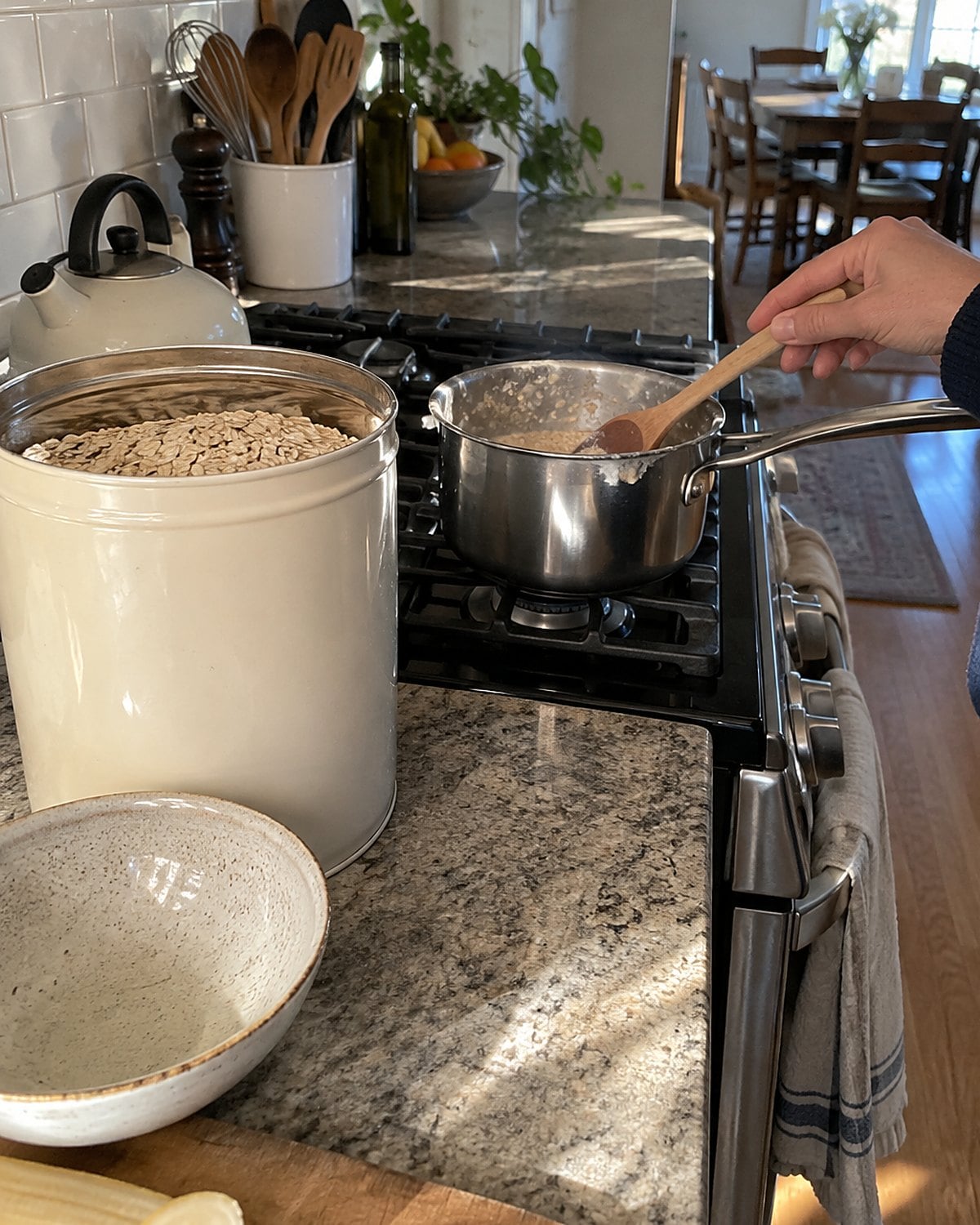
An early-shift breakfast and a sleepy grandchild's breakfast start with the same tin. What lands in the bowl depends on which oats are inside.
Quick oats cook into a softer bowl. Old-fashioned rolled oats keep more chew. Read the label before repeating the timing from the last tin. If you want distinct oats, take the pan off the heat while you can still see them; the bowl thickens as it sits.
For more toasted flavor, stir dry rolled oats in the pan until they smell nutty, then carefully add the liquid. A pinch of salt helps the oats taste like themselves, even under fruit.
Keep the empty tin for something else if it earns the shelf space. Breakfast doesn't need to become a project to be worth making.
Try it: Instant Pot Rolled Oats With Cinnamon & Banana
#4 The peanut butter jar with the sticky rim
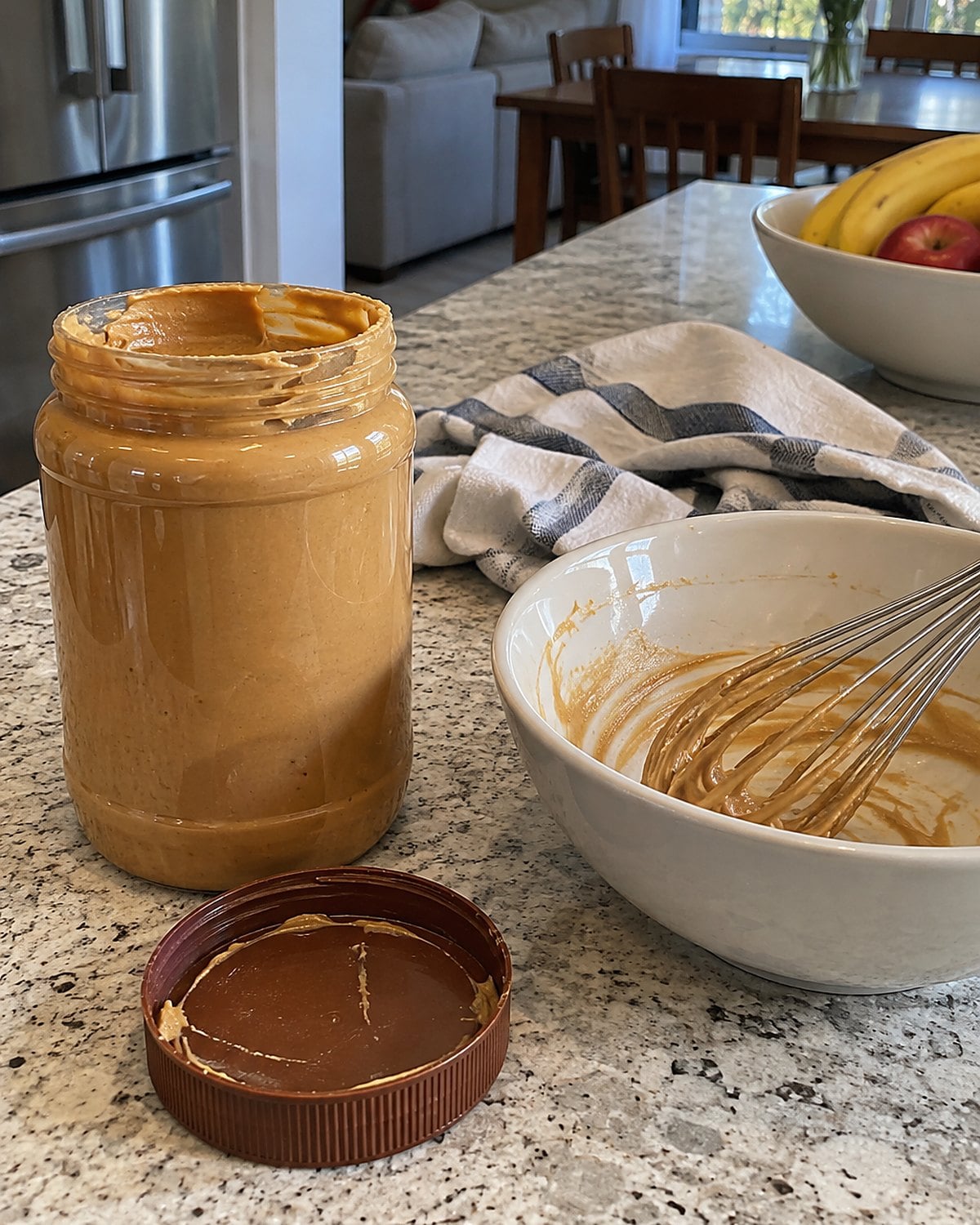
The lid sticks because the last sandwich maker didn't wipe the rim. You turn it hard, find the knife in the sink, and know who made lunch.
At the store, compare jar weights rather than their heights. A familiar-looking jar doesn't tell you how much peanut butter is inside. Read the ingredients, too. One jar separates and needs stirring; another stays smooth.
For a quick sauce, whisk a spoonful with warm water before adding it to noodles or cooked vegetables. Peanut butter dropped straight into a hot skillet forms thick clumps that take longer to work loose. Taste the sauce, then add vinegar or lime to cut the richness.
Wipe the rim when you're done. It's a small favor to the person making the next sandwich, even when that person is you.
#3 The apples in the paper bag
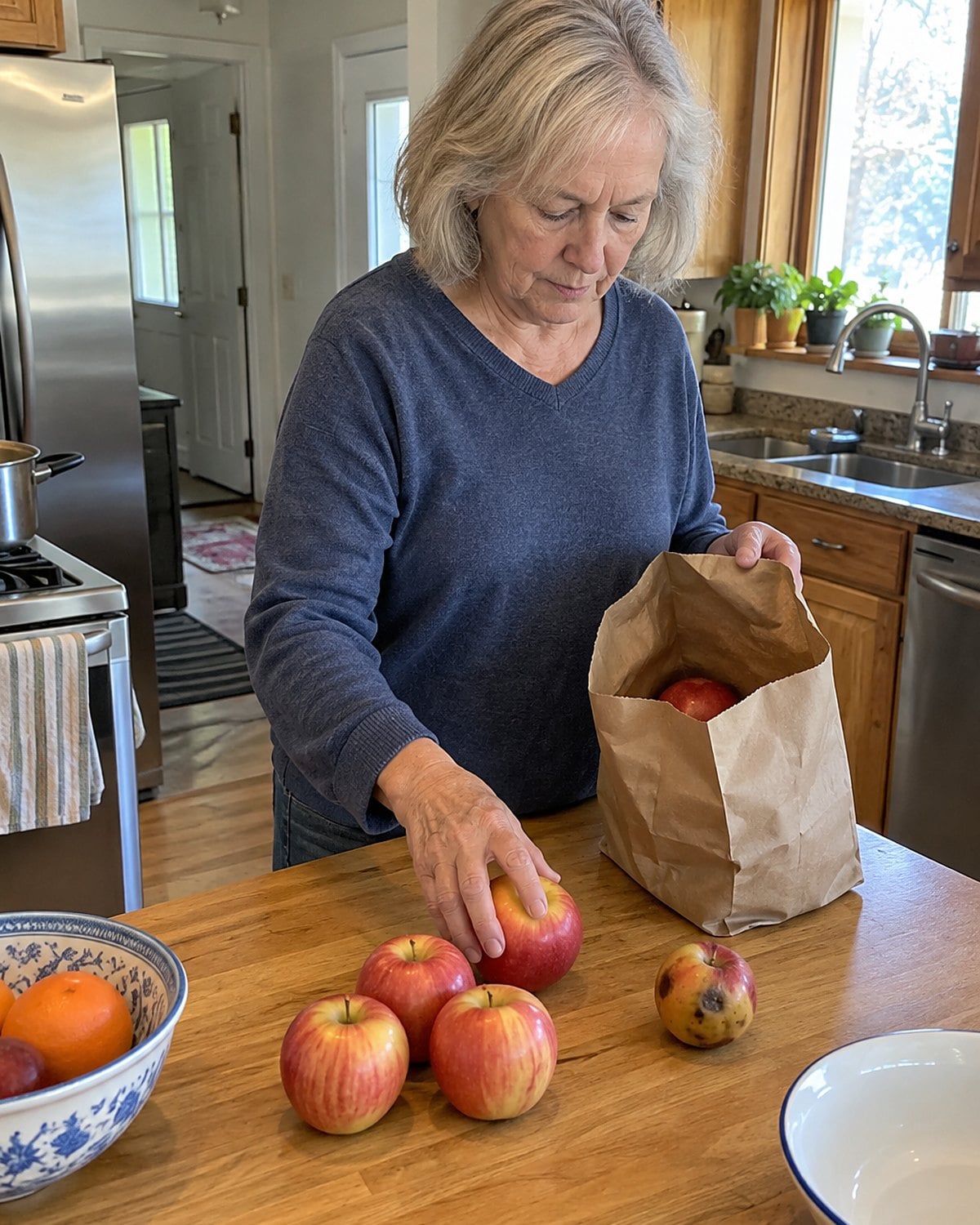
Pick up the paper bag before you put it in the cart. Check its bottom for a bruised apple hidden beneath the firm ones.
At home, a small bruise has an immediate use. Cut away the damaged part and cook the sound fruit for sauce. Discard fruit with mold or rot. The pan is for good fruit that needs a plan, not fruit that has spoiled.
For a warm topping, cook apple pieces until their edges soften but their centers hold. Taste before adding sugar. A tart apple and a sweet one won't ask the same thing of you.
If the table has changed since you bought apples by the bag, buy the number you'll eat while crisp. Leave the rest at the stall.
Try it: Instant Pot Apple Butter
#2 The bananas on the counter
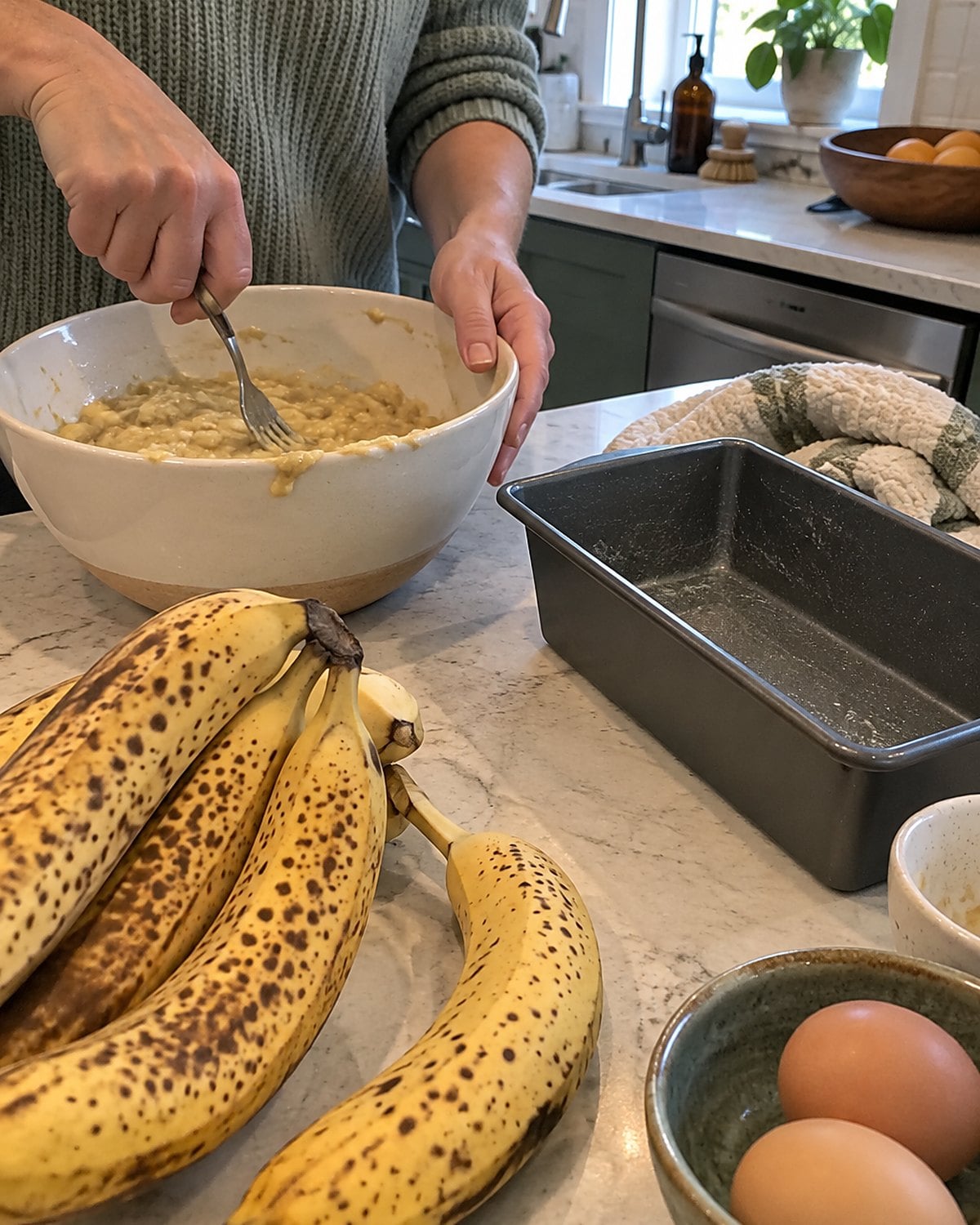
Bananas keep their own calendar. Green when you buy them, yellow by breakfast, spotted by the time you remember the loaf pan.
Buy for the people eating at your table now. Separate the bunch at home so each banana stays in sight. When the skins turn speckled, choose: eat, bake, or peel and freeze. A frozen banana in its skin is hard to deal with later.
For banana bread, mash until no hard lumps remain. Once the dry ingredients meet the wet ones, stir just until the flour disappears. More stirring builds a tougher loaf.
If there's only one banana left, you don't owe anyone a baking project. Eat it tomorrow.
#1 The freezer bag marked with a date
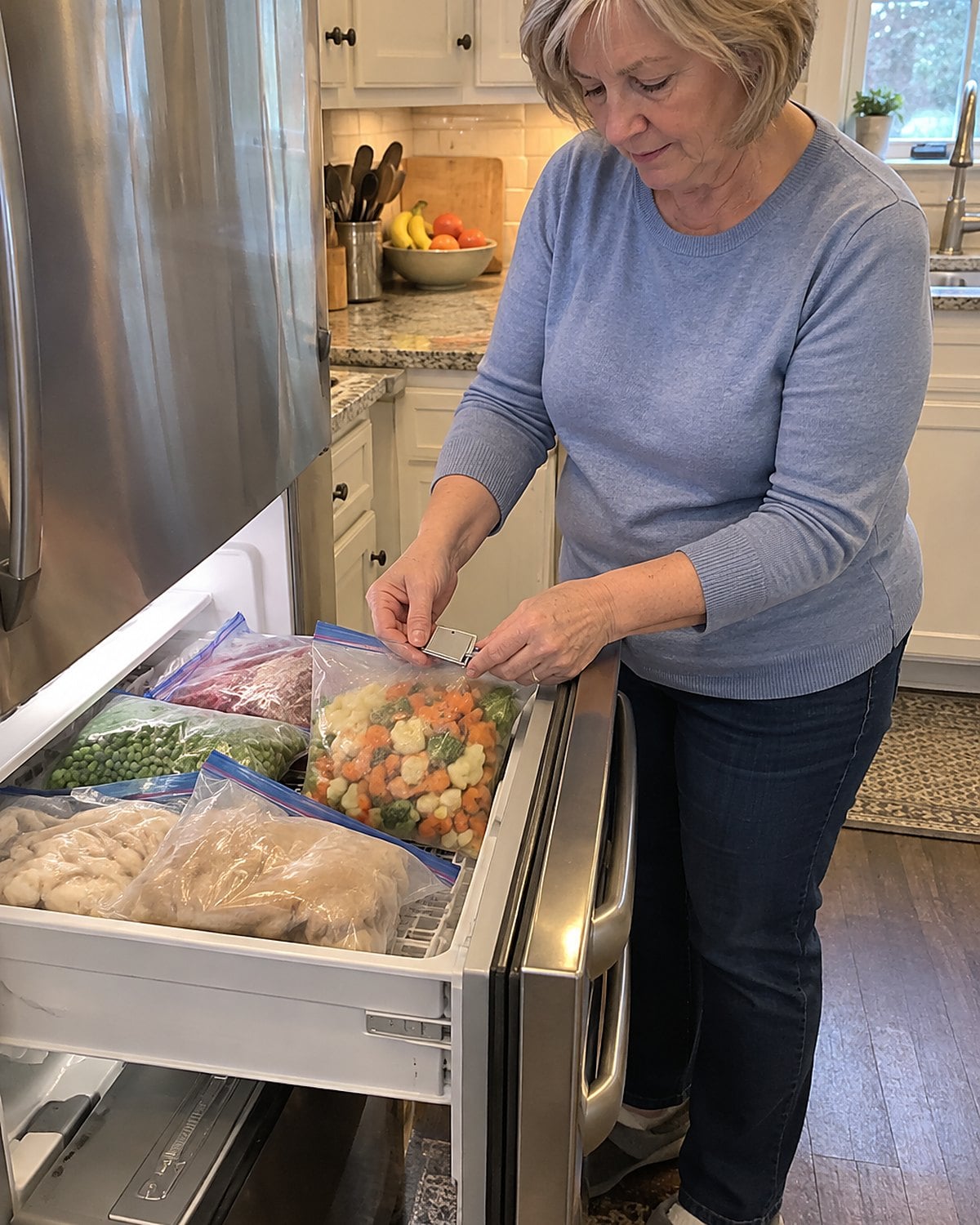
A dollar spent well still goes to waste if you can't find what it bought. Open the freezer drawer. Which bundle would you choose for dinner without first unwrapping it?
A dated freezer bag answers that question. Write the food, the amount, and the date on the bag before filling it. “Chicken, enough for two, Oct. 2” gives your future self a plan. An unmarked bundle under the ice packs gives you another chore.
Flatten food in the bag so it stacks neatly and thaws more evenly. For cooked food, refrigerate or freeze it within 2 hours, as USDA leftover guidance directs. Keep the freezer at 0°F. Use a thermometer rather than trusting the dial.
When you're ready to cook, USDA thawing guidance covers the refrigerator, cold water, and microwave methods. Follow its instructions for the one you choose.
Tonight, pull the oldest labeled bag to the front. The next dinner might already be in your hand.
Keep reading
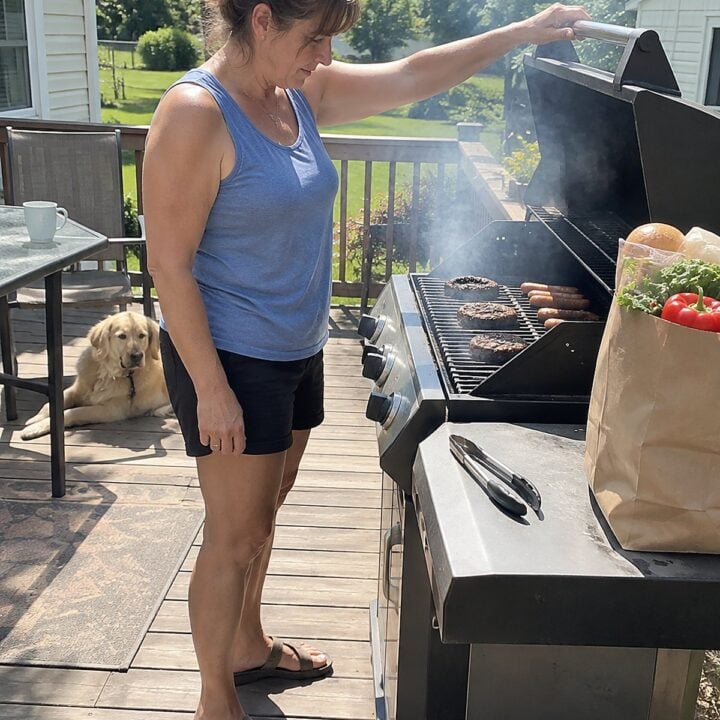 26 Things Grocery Workers Wish Shoppers Over 60 Knew
See all 26 →
More you’ll remember
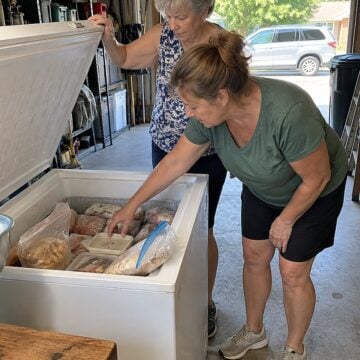 24 Pantry Items That Last Years, So Stop Replacing Them
 26 School Lunchbox Foods From the 1960s That Would Horrify a Parent Today
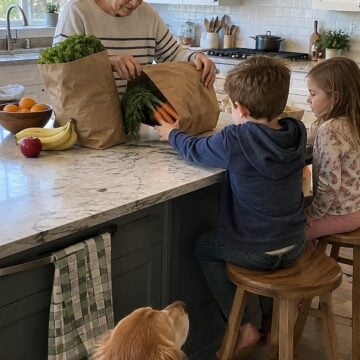 27 Things People Over 60 Still Pay Full Price for That the Store Would Rather You Didn't Notice
The bottom line
The old grocery cart held more than low prices. It held package sizes, cooking plans, and the habit of knowing what was already at home.
You have the better version of that habit when the flour smells fresh, the potatoes are firm, and tomorrow's meal has a name on its bag. Check one shelf or drawer before you shop.
What would the younger you recognize in your kitchen tonight?
Leave a Reply