

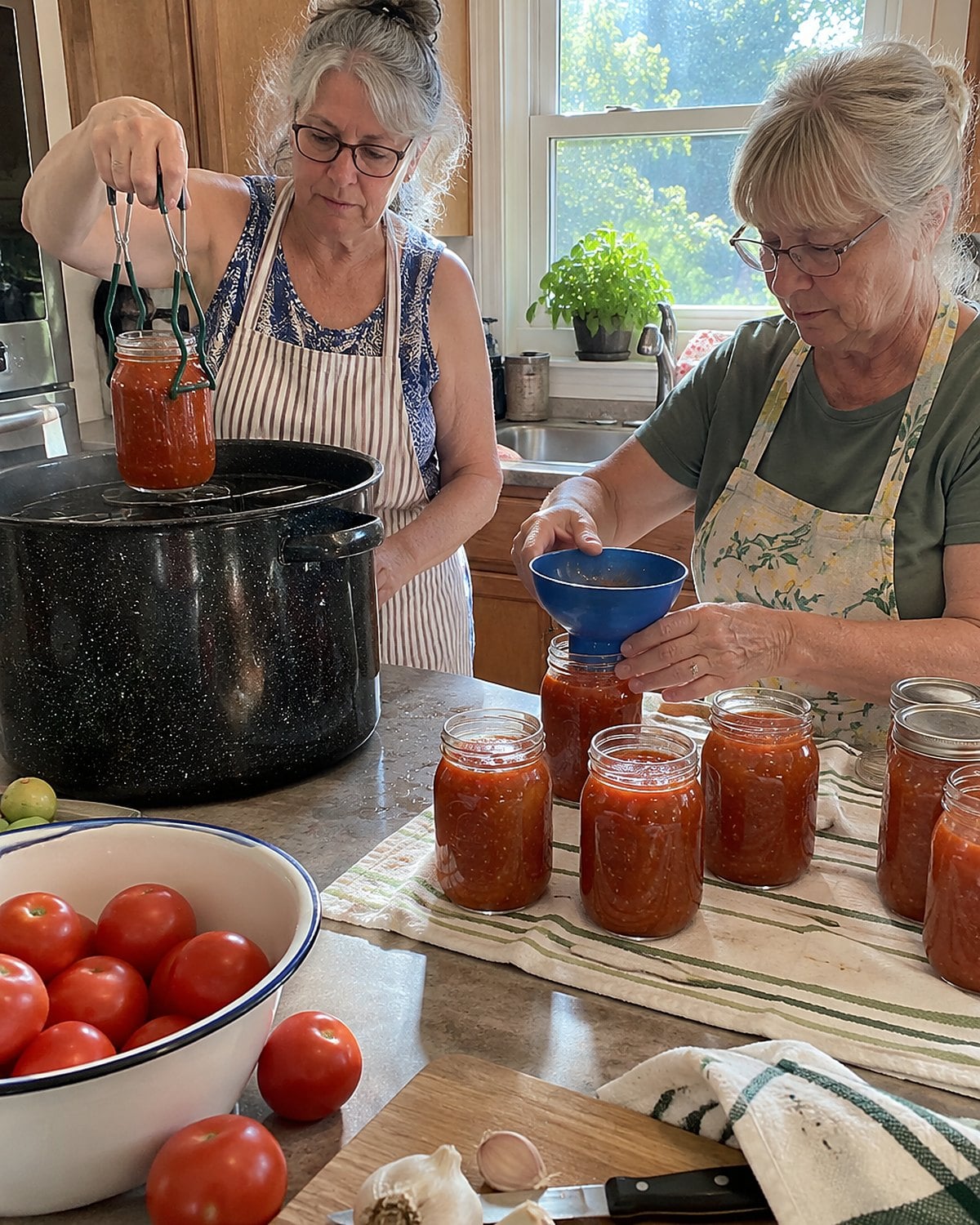
The grocery bag lands on the counter. Out comes another bunch of parsley, beside the one turning dark in the crisper. You needed a few leaves. The bunch looked cheap.
That small decision keeps returning in different clothes: a larger carton, a sale that needs a second purchase, dinner for four when two people are eating.
There isn't a reliable national price tag for your wasted parsley or your extra store run. Your receipts and trash can tell you more. Start with the habits you recognize, then put your own prices beside them.
#27 The freezer drawer full of guesses
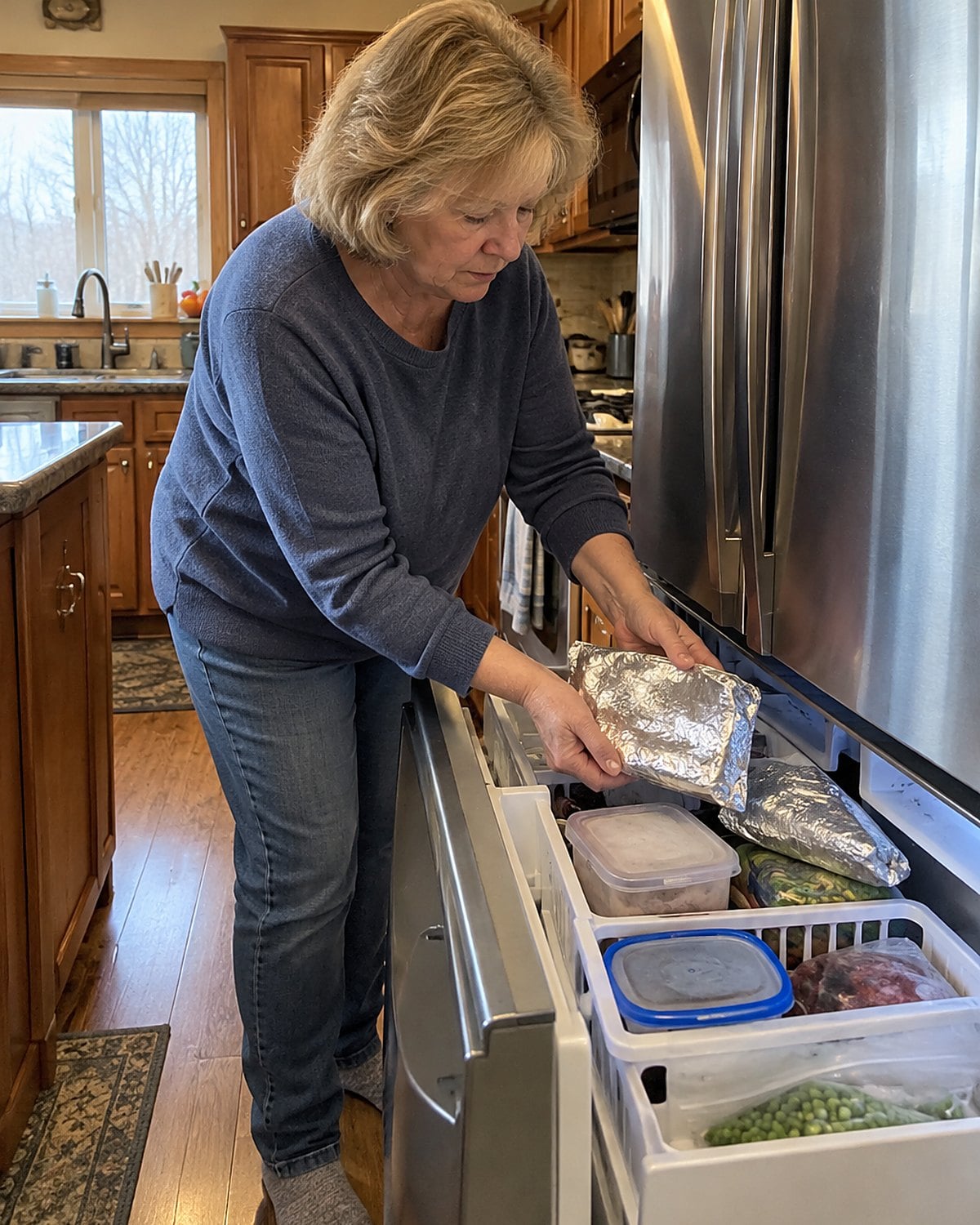
Open the freezer drawer and look past the ice cube tray. There’s a foil packet without a name, a freezer bag holding something red, and a container that needs thawing before anyone knows whether it’s soup or sauce.
Food without a label stops being a planned dinner. You buy another package of ground meat because you can’t tell what’s already there. Later, the mystery packet gets thrown out.
Keep a marker beside the freezer bags. Write the food, the date, and enough detail to make dinner easy: “cooked taco beef” beats “meat.” Once a month, pull everything forward and choose a meal from what you find.
Don’t judge an unmarked package’s safety by its looks. Check the USDA cold storage chart for the food you’ve identified. If you cannot identify it, discard it.
#26 The bigger yogurt tub nobody finishes
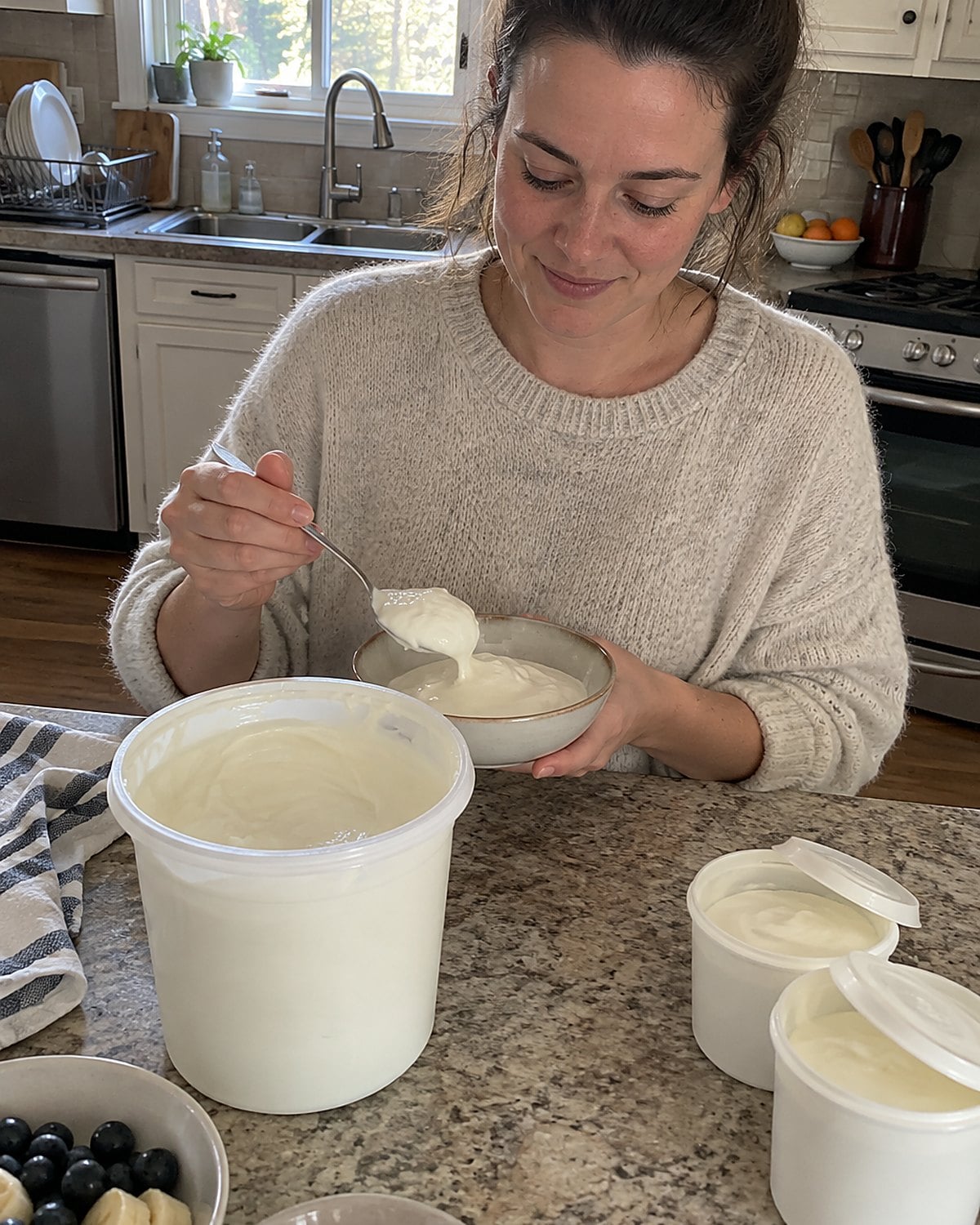
The large tub has a lower price per ounce. That only helps when the yogurt gets eaten.
Compare a 32-ounce tub with the smaller cups on the same shelf. Divide each price by its ounces. Now think about breakfast at your house: if yogurt appears twice a week, which container will you finish?
Then look at the flavors. A plain tub needs fruit or jam if nobody wants it plain. The cheaper label on the shelf isn’t the cost of breakfast at your table.
Before you switch sizes, give the larger tub a job. Put it in smoothies, spoon it over fruit, or use plain yogurt in a sauce. If you don’t have those meals in mind, buy the size that leaves an empty container rather than a fuzzy surprise.
#25 The generous handful of shredded cheese
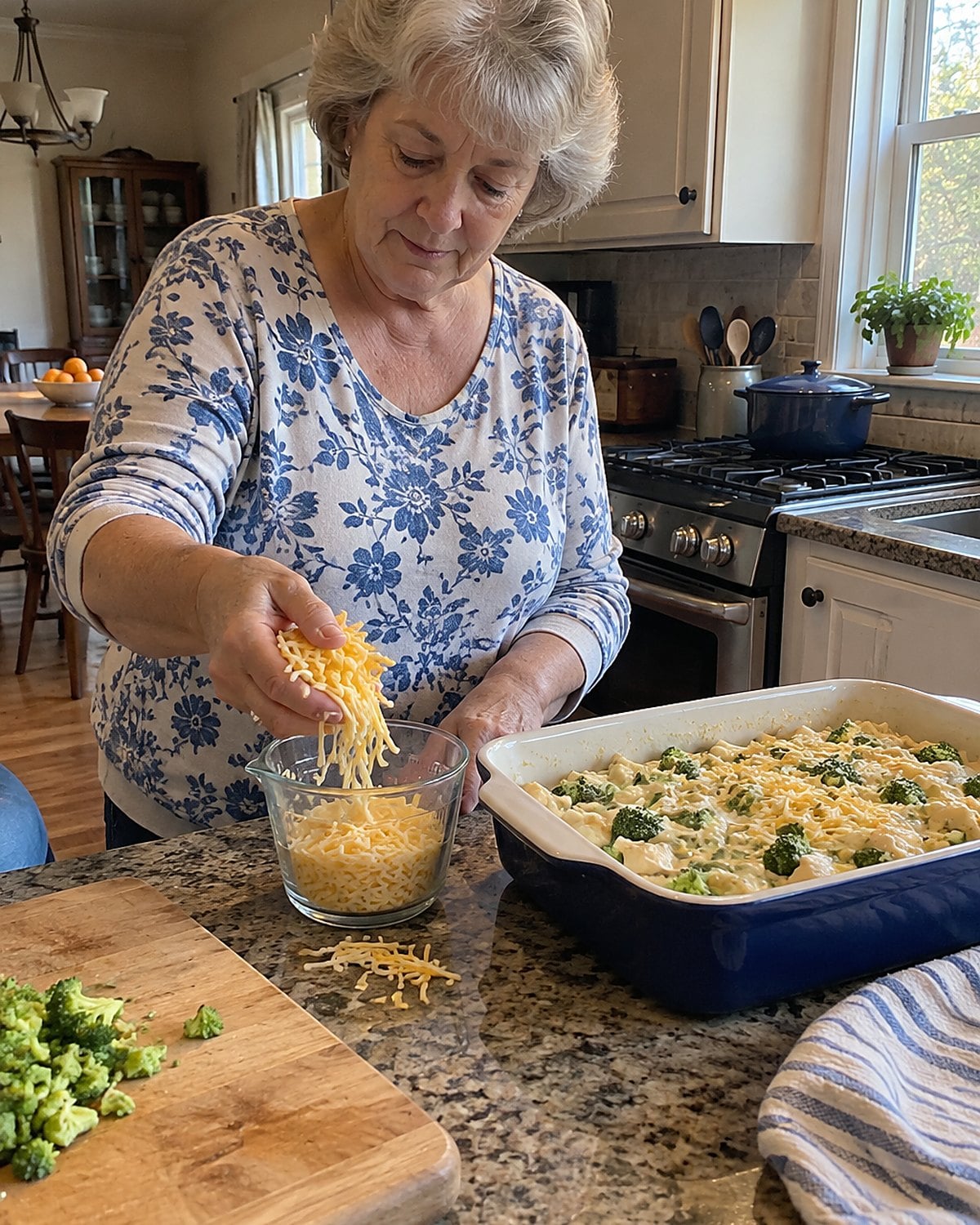
A handful over the casserole, another while it’s hot, and a little more at the table. Cheese disappears without anyone opening a recipe.
Measure your usual handful once. Put it in a measuring cup before it hits the dish. This isn’t a rule about how much cheese belongs on dinner. It tells you how many dinners that bag truly covers.
Compare that handful with the 1-cup mark. If you meant to use a cup across the whole dish, you’ll see how much room remains for the top. The next grocery list gets more honest when the bag has a known job.
For a baked dish, save some cheese for the top instead of mixing every bit inside. You see and taste that browned layer first. Grate a block when you have the time, but compare its shelf price by weight with the shredded bag.
The better buy is the one you’ll use, without buying another bag midweek.
#24 The grandkids’ backup snack shelf
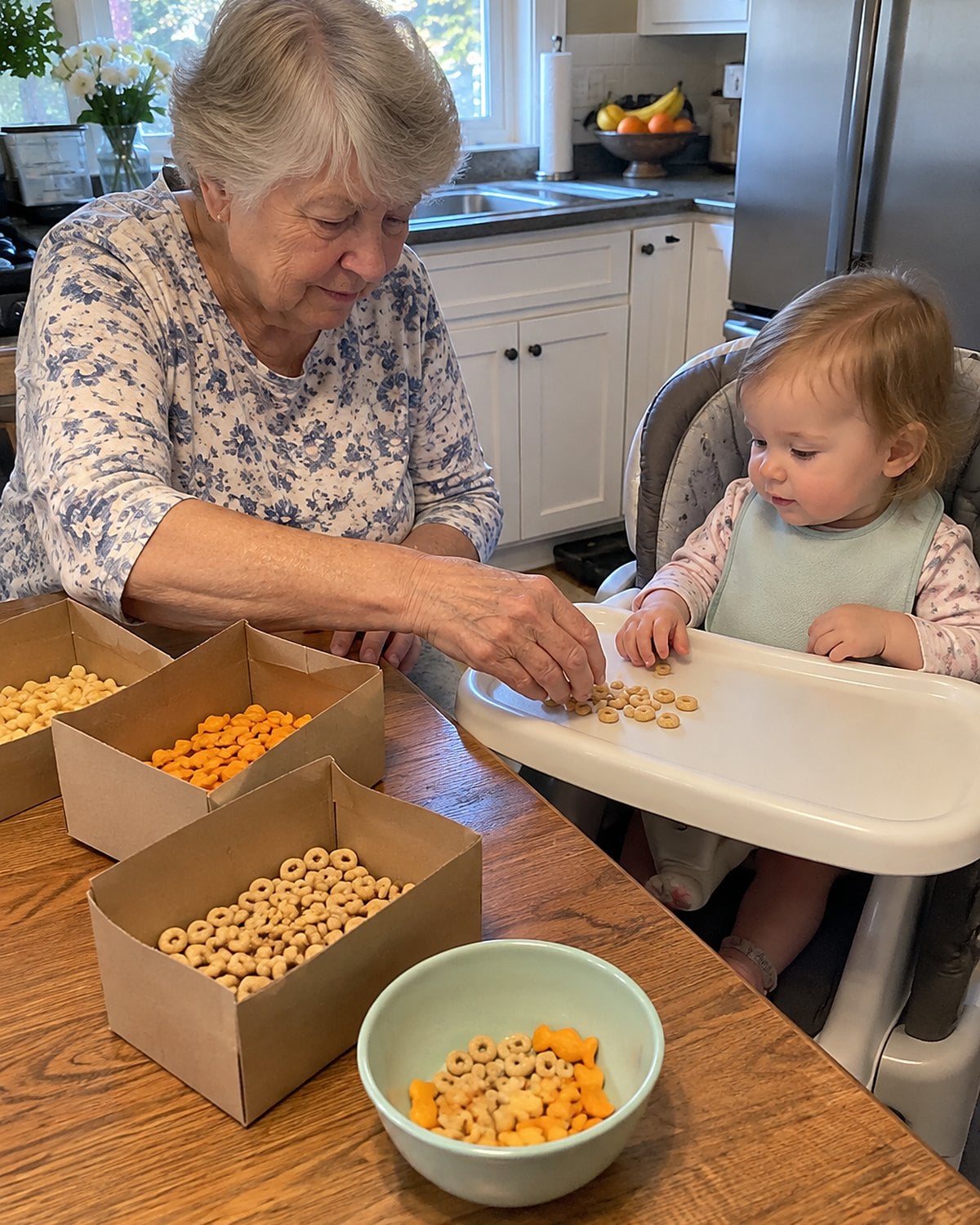
The grandchildren arrive on Saturday. By Monday, the pantry holds opened crackers, half a sleeve of cookies, and the special cereal only one child wanted.
You don’t have to turn a visit into a lesson about finishing food. Give the backup snacks a smaller footprint. Keep one shelf or basket for them, and look there before shopping for the next visit. Ask which snack the children actually ate, not which package looked festive at the store.
A grandchild’s appetite changes between visits. So does the number of people in the house. Buy the treat you’re glad to serve, then let the rest of the meal come from food your household eats on ordinary Tuesdays.
That way, a canceled visit doesn’t leave you with a pantry full of someone else’s groceries.
#23 The sale sign with two prices
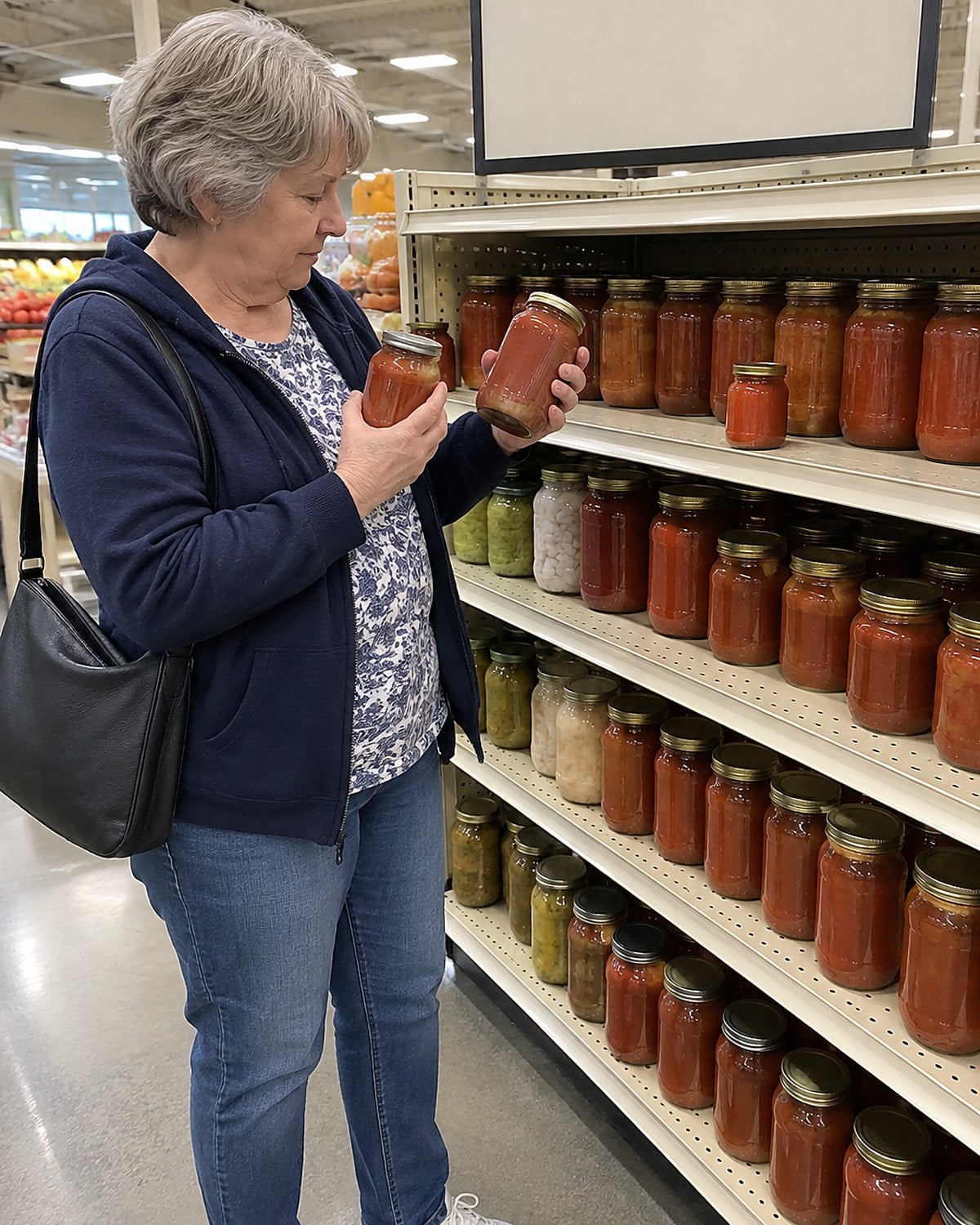
The shelf sign says “buy two,” and your hand reaches for the second jar. Stop long enough to read the whole tag.
Some promotions require the stated number of items. Others give the sale price on each item. The register follows the printed terms, not the large type you saw from the aisle. If one jar gets the discount, take one when one is what you need.
Check the receipt before you leave, especially when the shelf sign and register price differ. A quick question at customer service beats carrying home extra food to justify a deal.
You’ve spent years spotting a good sale. The useful distinction now is whether the sale fits the smaller kitchen waiting at home.
#22 The shopping trip before a pantry check
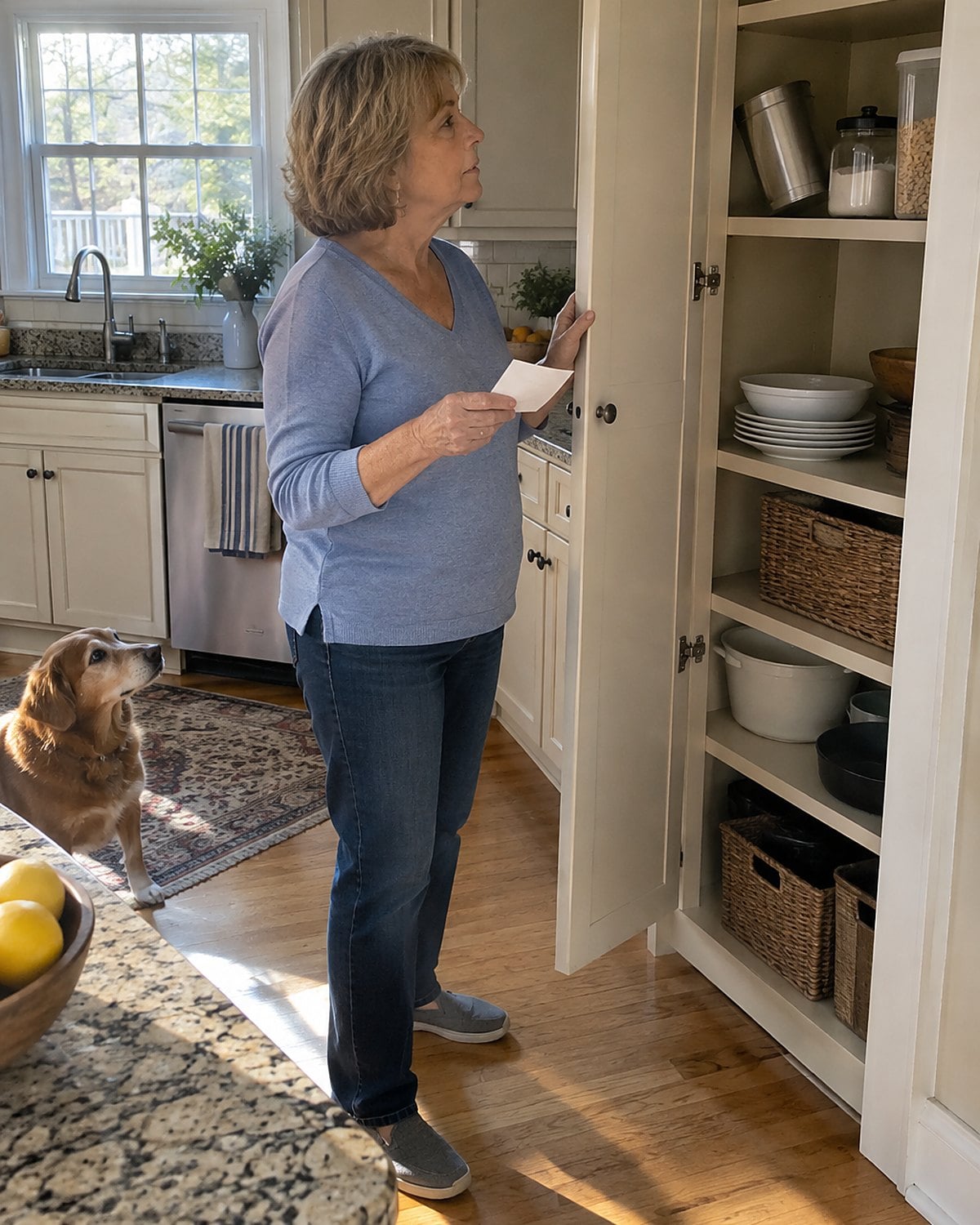
You’re standing by the cart, trying to remember whether there’s rice behind the oatmeal. Into the cart goes another bag.
Before leaving, open the pantry door and look at the actual shelf. Do the same with the fridge and freezer. A list written from memory counts the food you think is there. A list written while looking counts what you can cook.
Keep a short “use first” spot at eye level for open packages and produce that needs dinner soon. Move those foods forward before you make the list. Then plan a meal around one of them.
The few minutes at home are worth more than wandering an aisle trying to picture the back of a cabinet.
#21 The bag of greens with wet leaves
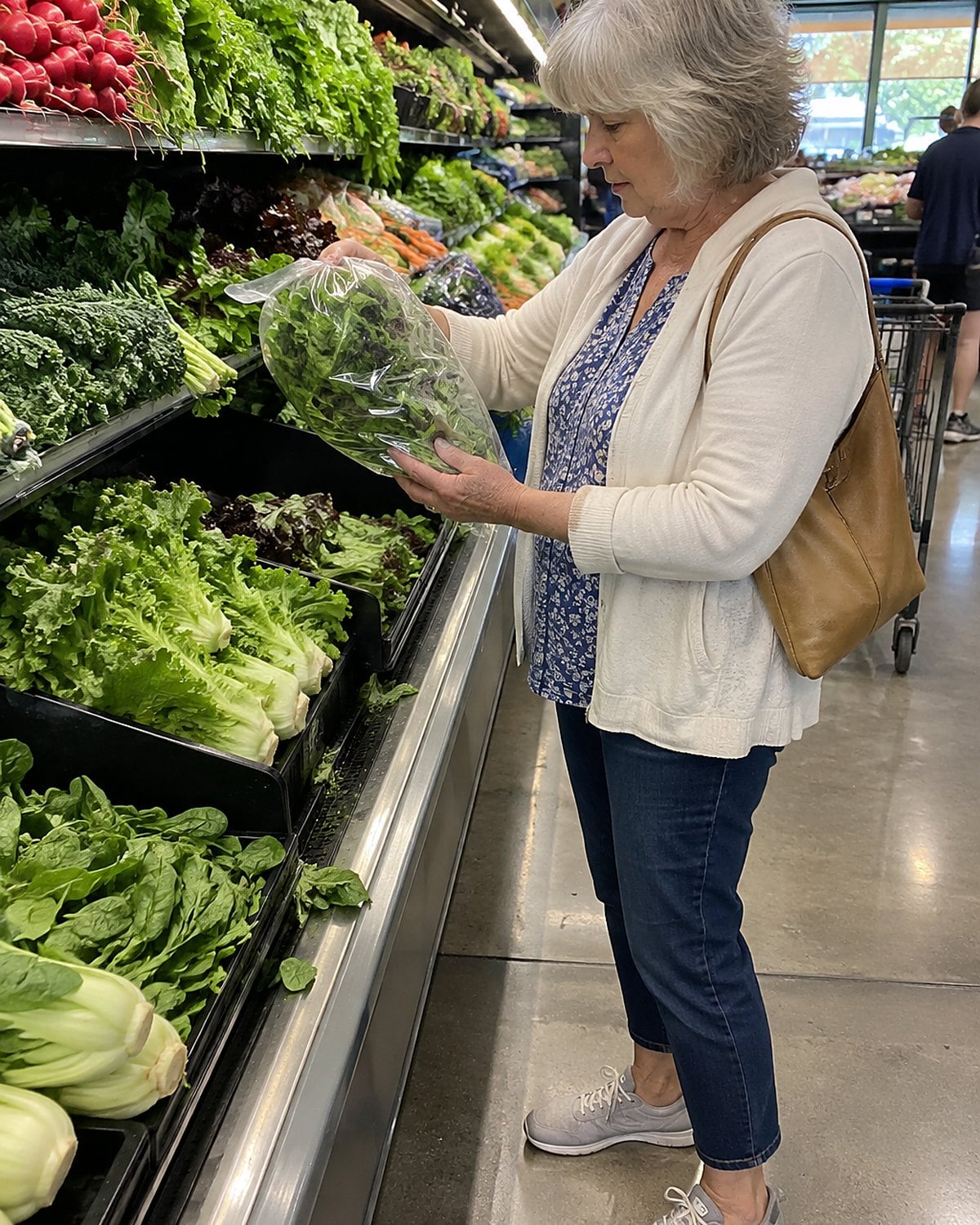
Turn the bag over at the store. If leaves are crushed, wet, or browning inside, the printed date won’t make them dinner-worthy.
Bagged greens save washing and chopping. That’s worth paying for when a full bag becomes salad. For a household of two, though, the large bag can lose its appeal after the first meal. Compare a 5-ounce bag with the larger size by what you’ll serve, not by price per ounce alone.
At home, look in the crisper before you open another bag. Use sound greens that need attention in a cooked dish rather than waiting for a perfect salad night. If the leaves are spoiled, discard them.
The plan for next time is a smaller bag or a specific second meal, not a promise to try harder.
#20 The third jar of the same spice
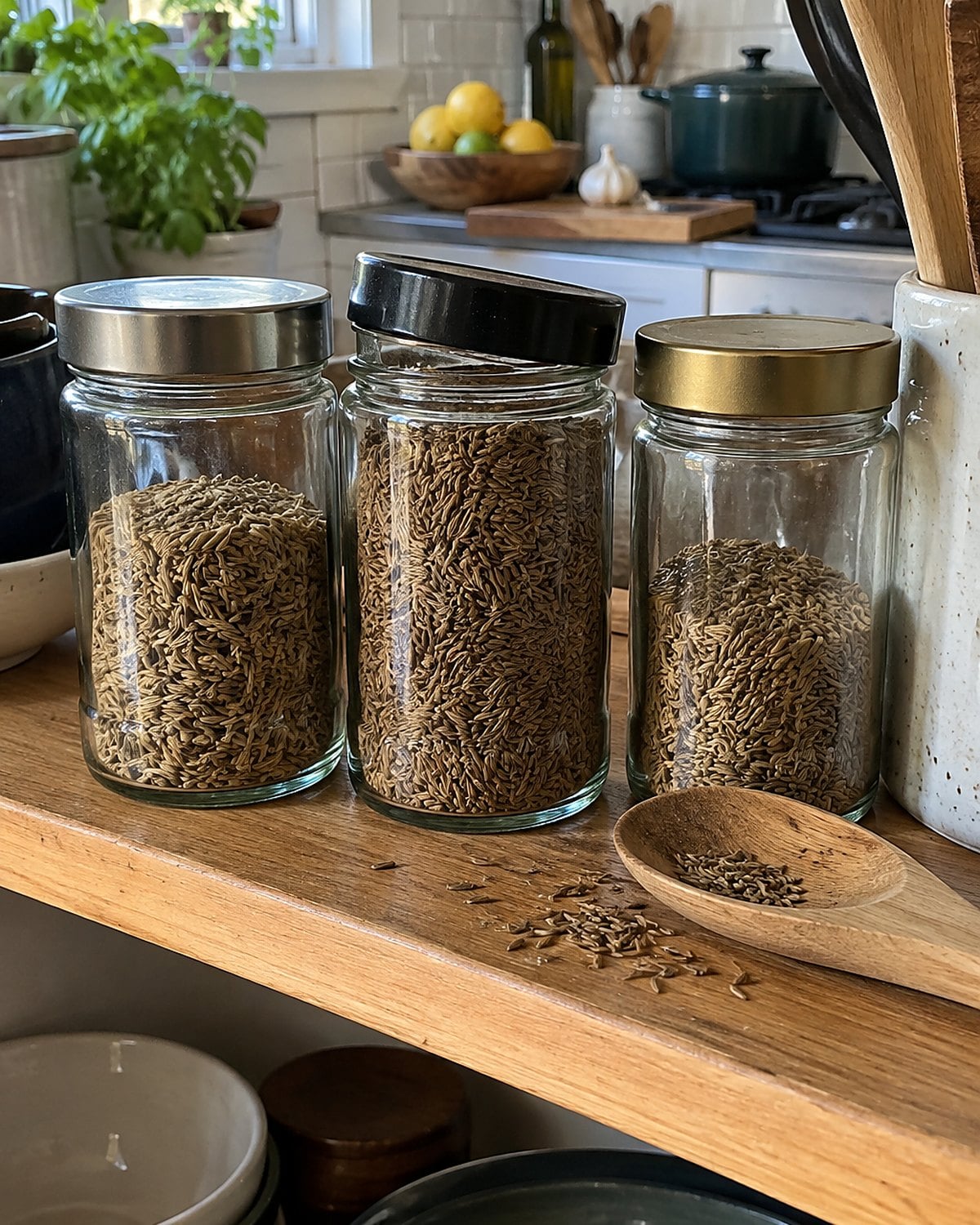
Three jars of cumin hide behind the cereal.
Pull the jars out before your next big shop. Put duplicates together and write a spice on your list only when the supply is truly low. Your cooking will tell you which seasonings earn cabinet space.
For spices you rarely use, buy the smallest container available. A low unit price on a large jar means little when its flavor fades before you finish it. Keep the open jar where you can reach it. The next time dinner needs cumin, you’ll know what you own.
#19 The meat counter package for four
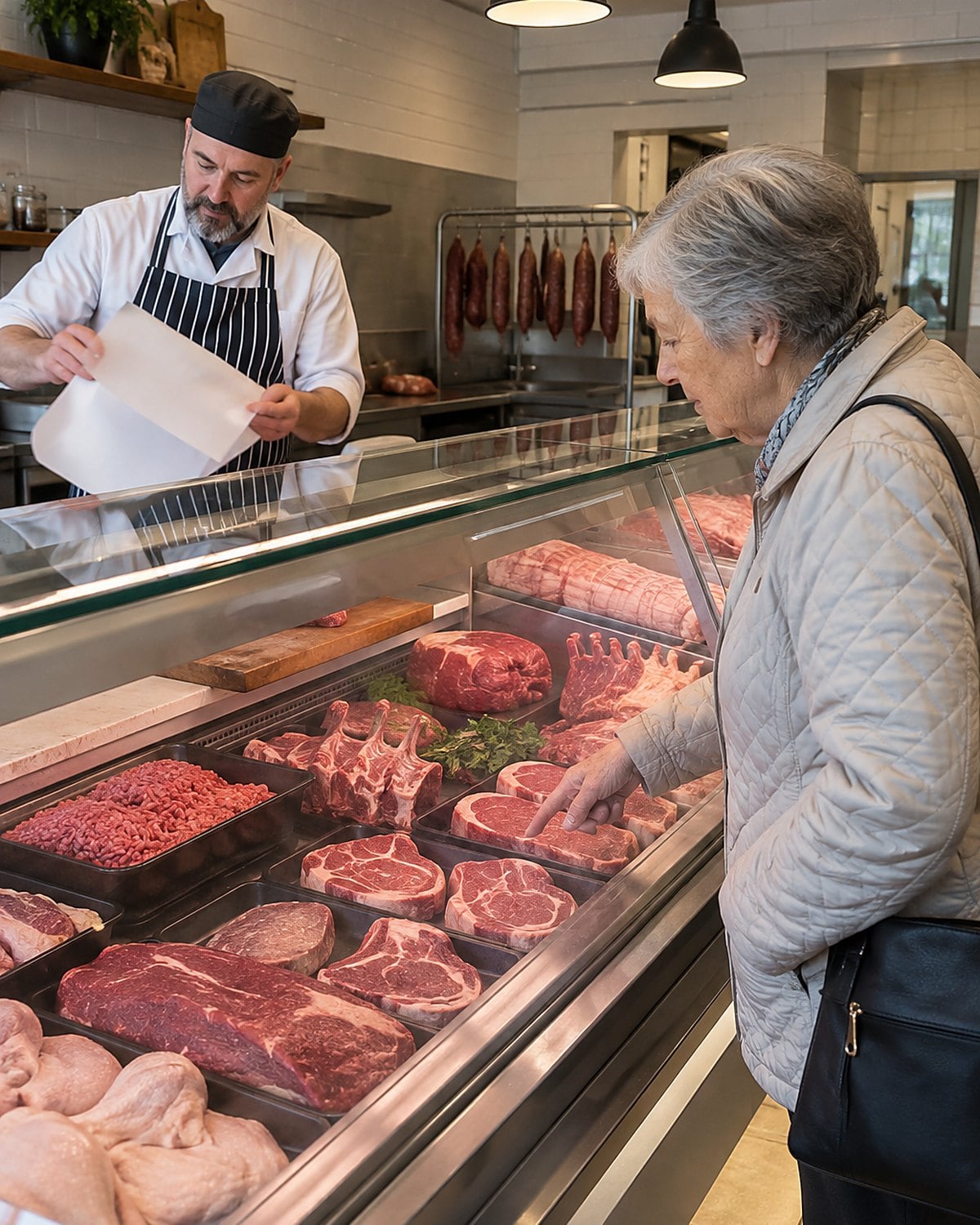
The butcher’s case still speaks in family-size packages. Your dinner table doesn’t have to follow.
Ask, “Could I have enough for two portions?” At a staffed counter, request a smaller piece or the number of chops you’ll cook. At a packaged case, look for the smallest suitable pack before settling for the lowest price per pound.
Suppose the larger pack costs less per pound. Check the total on both labels. Then decide where every extra portion goes before the package enters the cart. A lower unit price doesn’t refund meat you later discard.
If the larger pack has a clear use, portion it with clean hands and equipment when you get home. Wrap each portion separately and mark the contents and date. Consult the USDA’s cold storage chart for storage guidance.
There’s another choice: buy the smaller pack and leave freezer space for food you already own. That matters when the drawer is full and dinner needs to be easy to find.
A family pack saves money only when every portion has a destination. Otherwise, the cheaper pound leaves you with a more expensive dinner.
 You might also like26 Things in Your Fridge Right Now That Should Have Been Thrown Out
#18 The rice scoop made for company
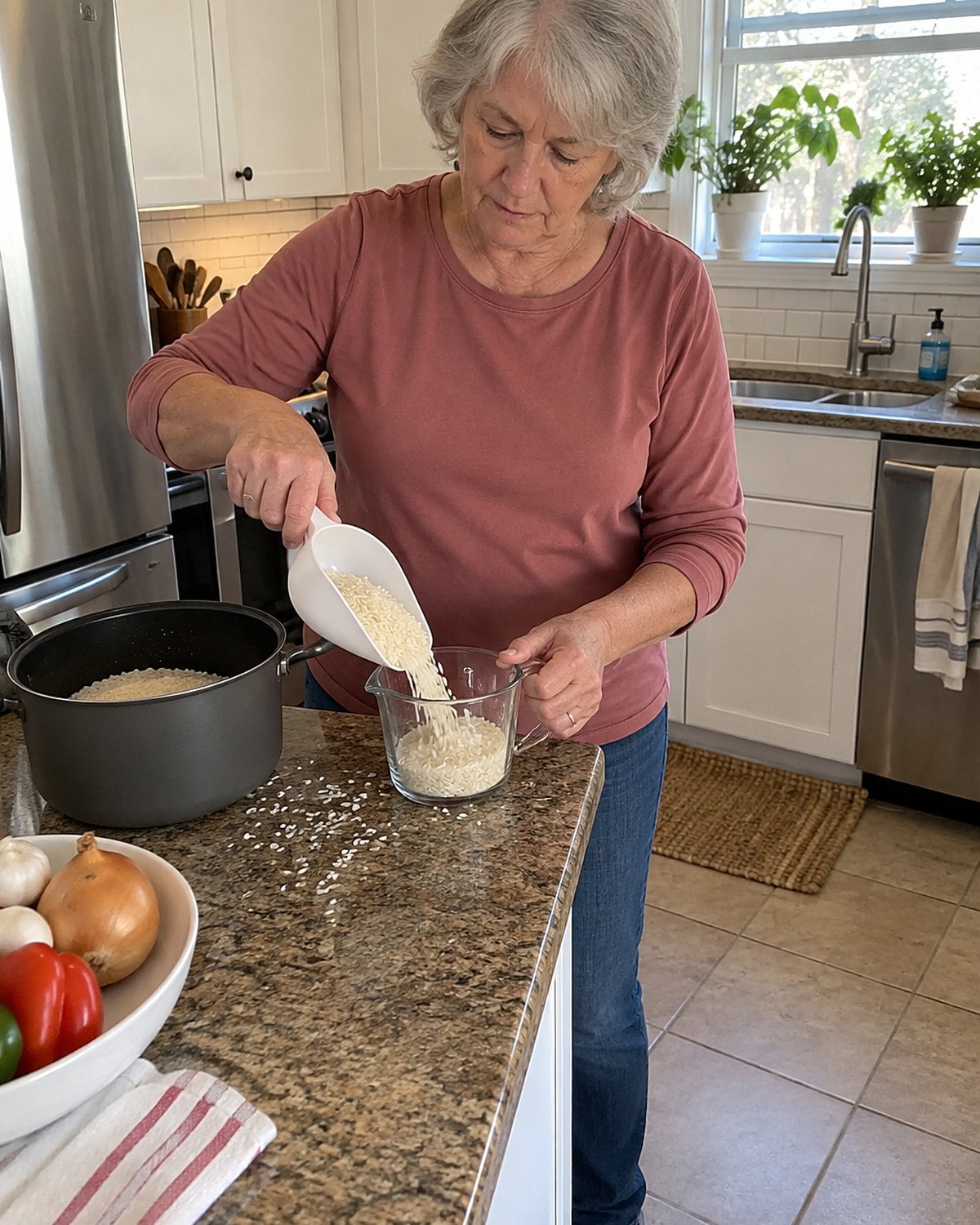
You’ve used the same scoop for years. It remembers a full table even when dinner is for two.
Measure the dry rice you pour for an ordinary meal. Compare it with what actually lands on the plates. One cup of dry white rice makes about three cups cooked, though varieties differ. Next time, start with less if a container goes untouched afterward.
Follow the package’s liquid and cooking directions for the smaller amount. A pot full of rice doesn’t cost much on its own. The point is to notice what your familiar scoop puts on the stove.
Leftovers deserve a plan, not a vague hope. Refrigerate cooked food promptly in shallow containers. The USDA leftover guidance gives the details.
If tomorrow’s rice has a place in dinner, make it deliberately. If not, let the smaller scoop do its job.
#17 The receipt with an extra stop
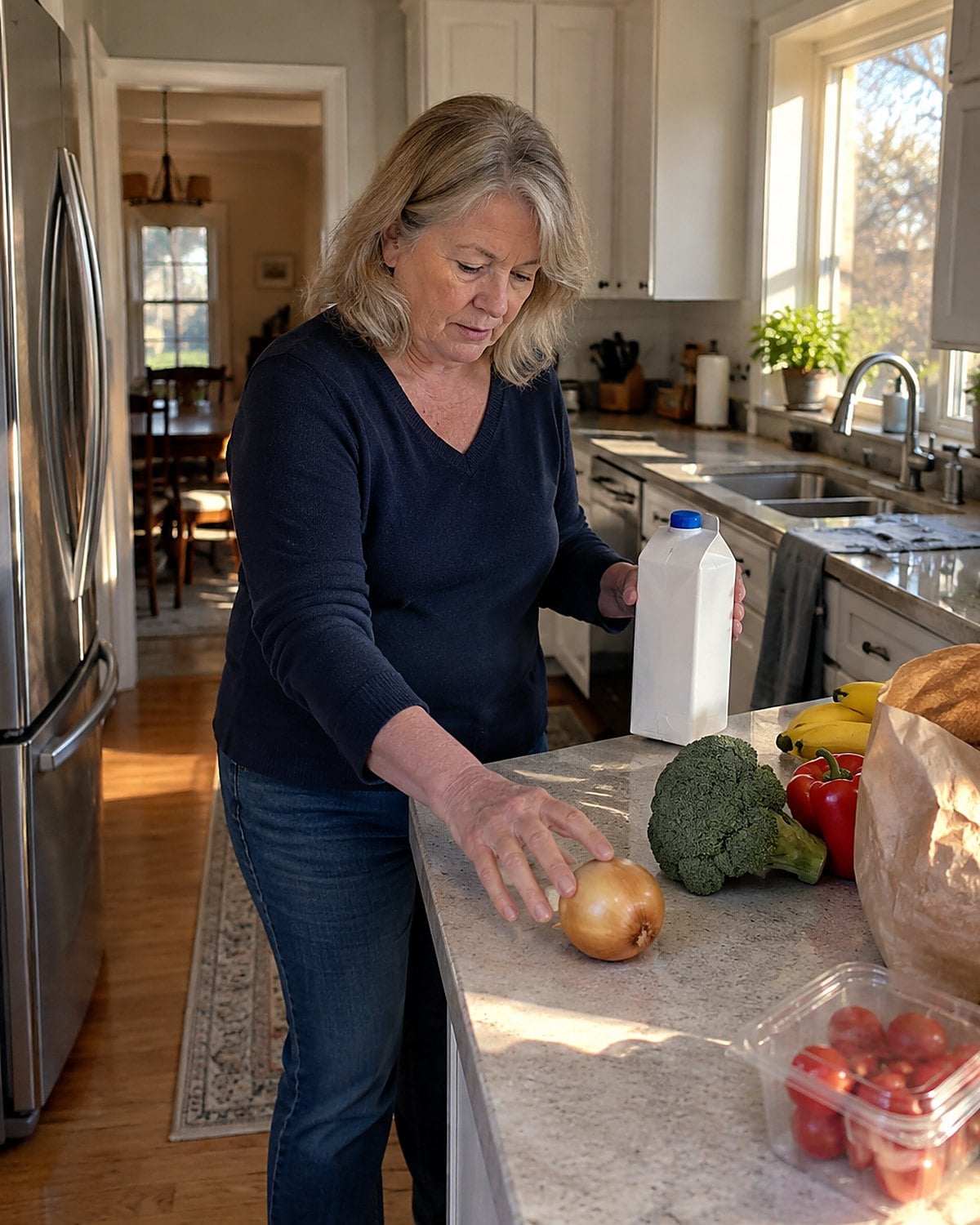
One grocery trip ended, but the milk was forgotten. The second trip brought milk, a magazine, and something from the bakery case.
Look at the receipt from that extra stop. Circle only what you went in to buy. The rest is the cost of the detour in your own store, on your own date. Don’t estimate it from someone else’s grocery budget.
Put a running list where hands are free to use it: the fridge door, a note on your phone, or the scrap of paper near the coffee maker. Add milk when the carton gets low, not when you’re already in the car.
If you still need a second trip, take the list inside. A forgotten item costs less when it remains the only item.
#16 The produce washed before you need it
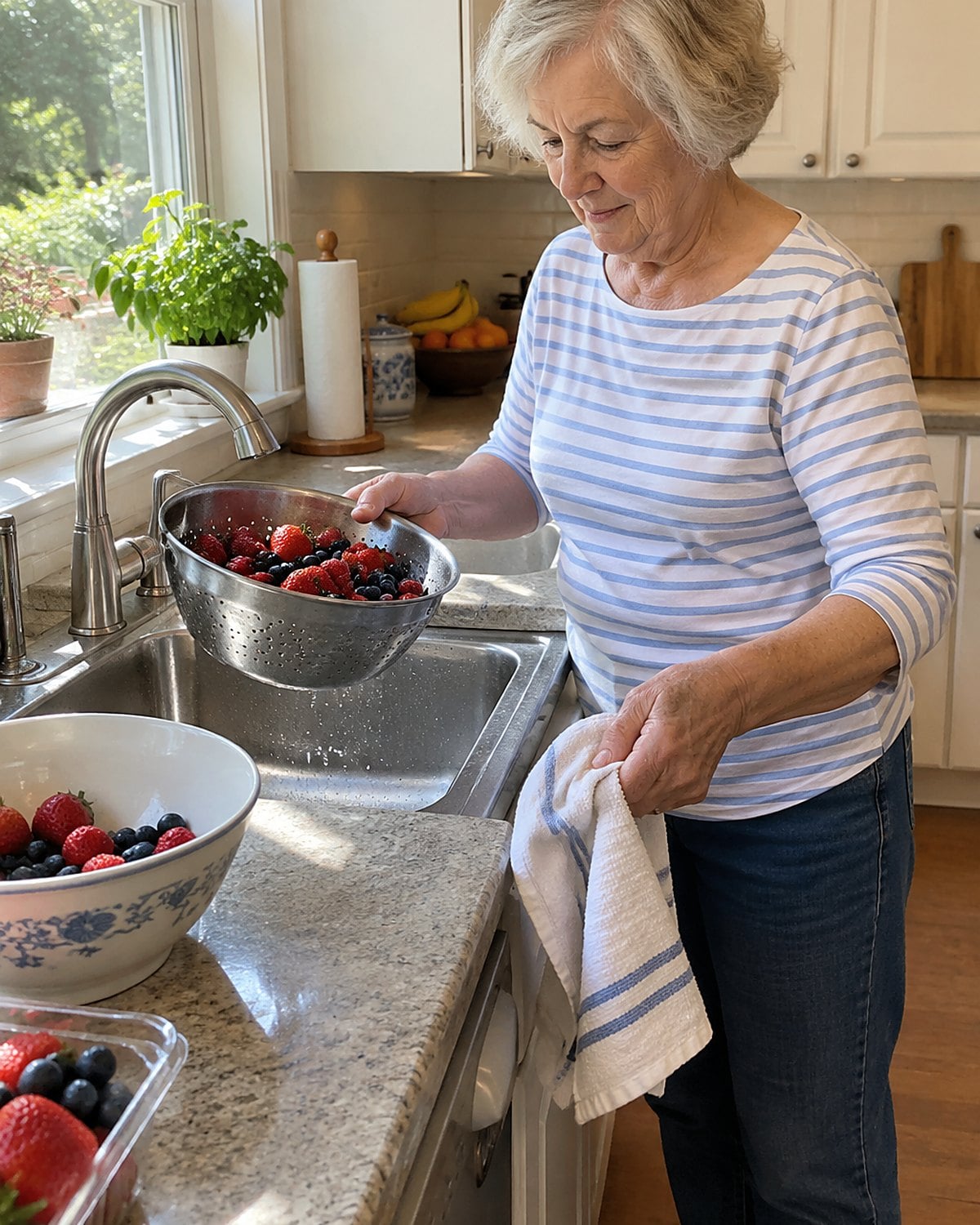
The sink fills with berries, lettuce, and herbs as soon as you get home. Then damp produce goes back into containers.
Wash fresh produce under running water before eating or preparing it, following FDA produce guidance. For produce you wash ahead, dry it well before storing it. Trapped moisture leaves delicate leaves and berries in poor shape sooner.
The money habit here starts at the sink. If washing everything right away makes dinner easier for you, make drying part of that routine. If the washed berries sit untouched, try washing the amount you’ll serve.
Check the package label on ready-to-eat greens before washing them again. Less handling also means less chance of bruising what you paid for.
#15 The unit price beneath the bright tag
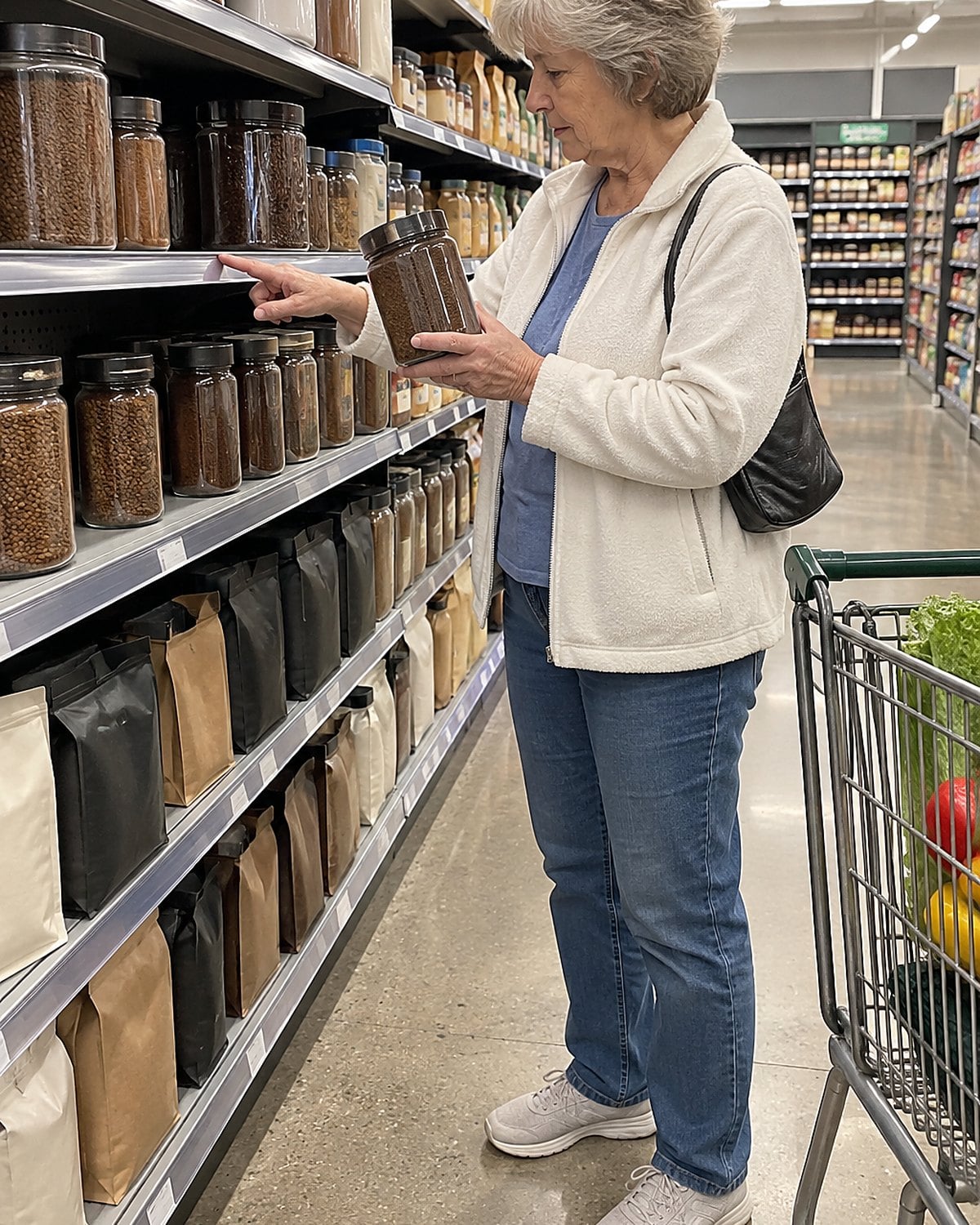
Which tag tells you what the package costs per ounce?
It’s the small shelf label, not the bright sale sign. Compare price per ounce with price per ounce, or price per pound with price per pound. If the tags use different units, use the package weights and your phone’s calculator.
Then ask what the tag can’t answer: will you use the whole thing? A 12-ounce bag of coffee you drink every morning has a clear path into your cup. A large tub of sour cream bought for one dinner does not.
The shelf math favors a lower unit price only for the part you use. Half a tub thrown out changes the cost of the half you ate. Choose the package by both numbers: the price on the tag and the amount your kitchen will finish.
#14 The whole chicken meant for Sunday
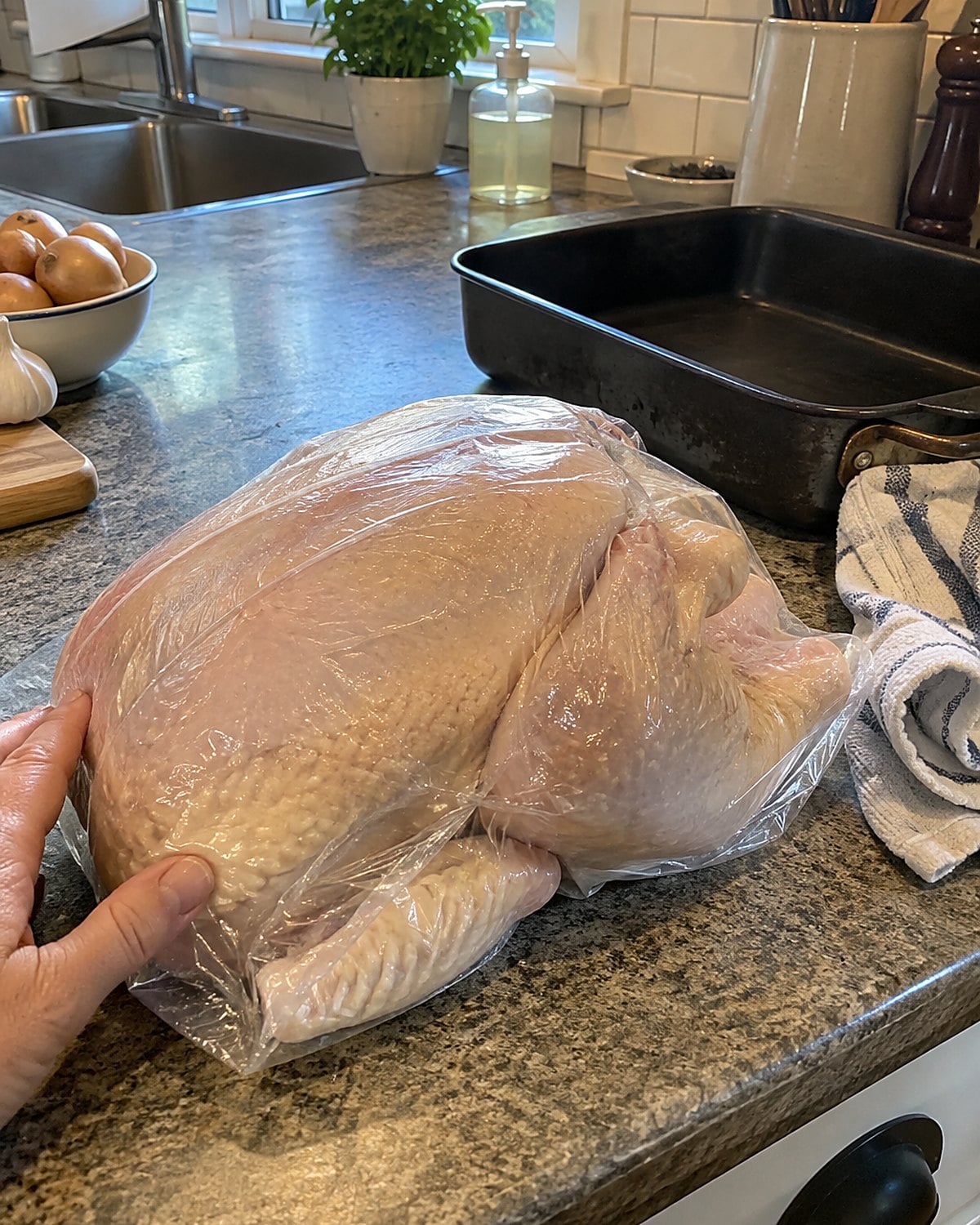
A whole chicken can make a fine Sunday dinner. It also leaves a lot of meat for two people.
Before buying it, name the next meal. Chicken salad? Soup? Sandwiches for Monday lunch? If you don’t want those meals, compare the total cost of the cuts you’ll actually eat. Paying more per pound for fewer pounds can leave you spending less at the register.
Cook poultry to 165°F, checking the thickest part with a food thermometer. The USDA safe temperature chart is there when another cut raises a question. Refrigerate leftovers promptly.
The skipped step happens before the oven goes on: deciding whether the chicken fits the week in front of you, rather than the Sunday dinners you used to cook.
Try it: Instant Pot Chicken Salad (Classic Recipe)
#13 The freezer pack that stays whole
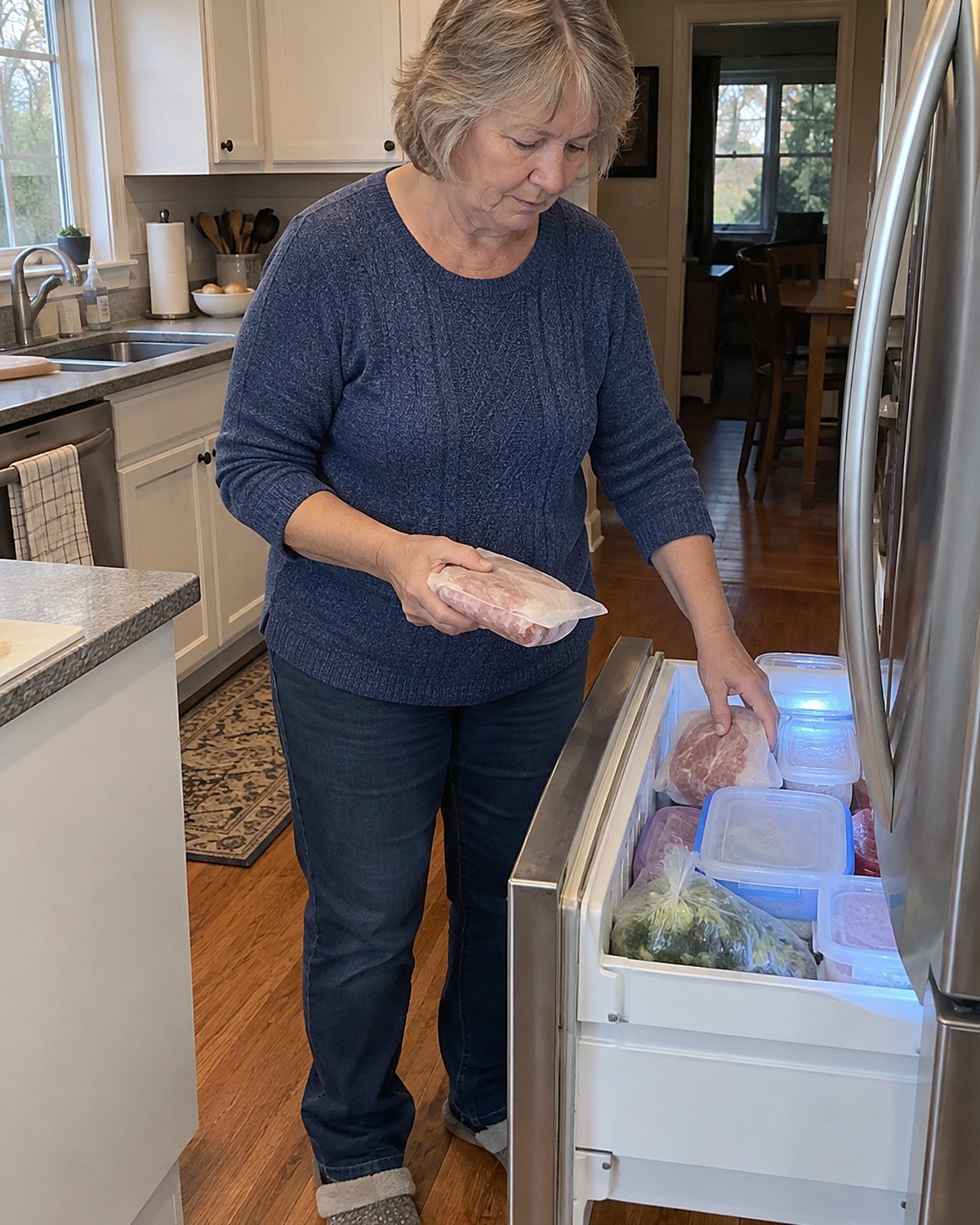
That good meat sale filled the freezer. Later, the entire pack is frozen into one solid slab, and you need two pieces for dinner.
Divide a family pack into meal-size portions before freezing it. Wrap or bag the portions, press out excess air, and label what’s inside. Lay packages flat where you’ll spot them. A price per pound saved at the store isn’t helpful if using the meat requires thawing far more than you need.
If the slab is already there, plan its use rather than leaving it buried. Thaw food safely in the refrigerator, cold water, or microwave, following the USDA thawing guidance.
The next time you see a family-pack sign, picture your freezer drawer. The bargain needs to fit there in useful pieces.
#12 The date stamped on the carton
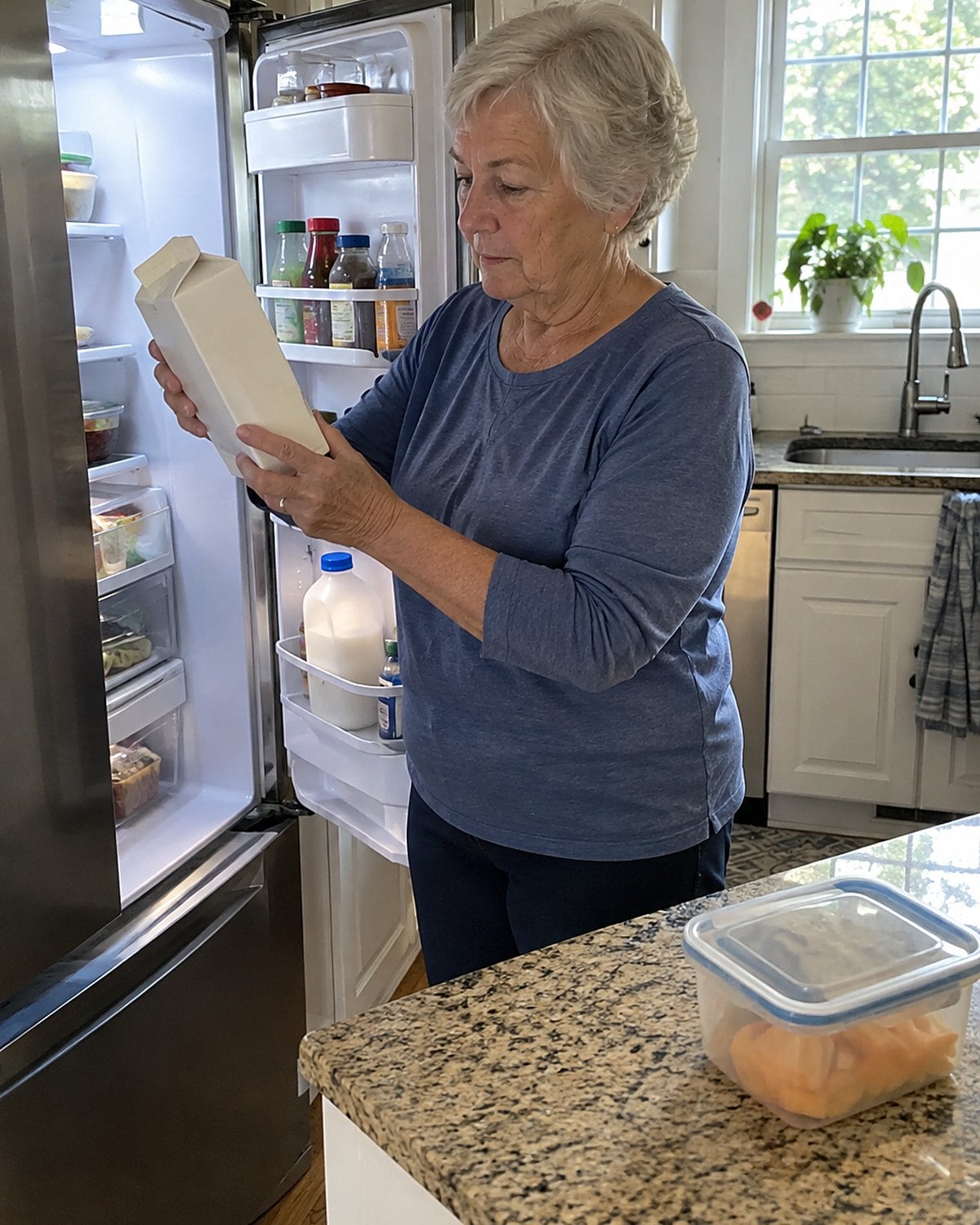
The date on a carton catches your eye, and a usable food lands in the trash. Then you buy it again.
Except for infant formula, food date labels usually speak to quality rather than a federal safety cutoff. The USDA’s food product dating guidance explains the labels. That does not mean ignoring spoiled food, unsafe storage, or a package’s handling instructions.
Keep the fridge at 40°F or below. Look at what you have, how it has been stored, and the guidance for that food before deciding. Don’t taste food to test whether it’s safe.
The useful shopping habit is simple: check the carton already at home before buying its replacement. A printed date deserves attention, not an automatic trip back to the dairy case.
#11 The Sunday list without dinners
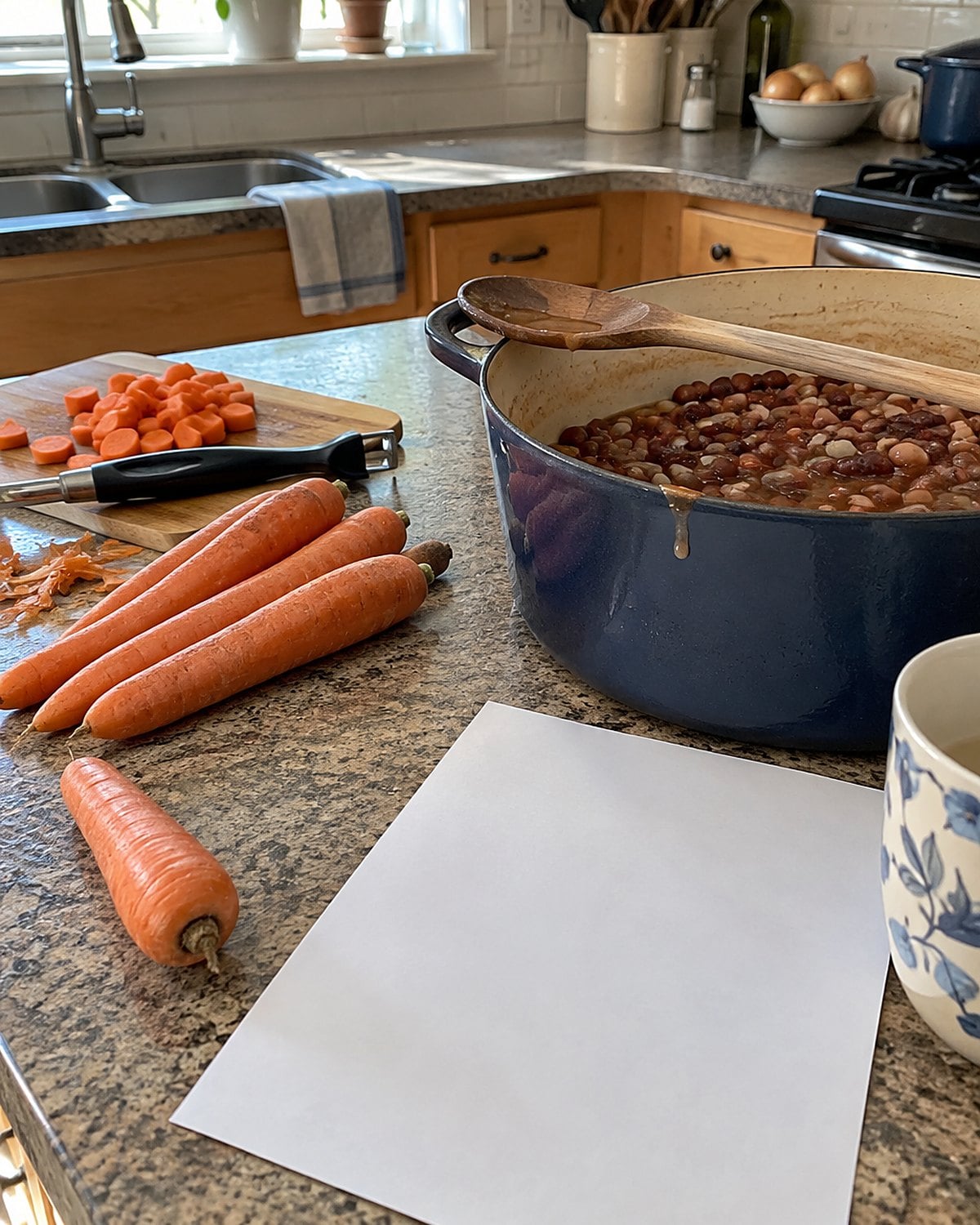
The shopping list says carrots, beans, and chicken. It doesn’t say what becomes dinner on Wednesday.
Give each perishable item a job before you buy it. Carrots for Tuesday’s soup; chicken for Sunday; beans for the side you’ll cook when the grandchildren visit. You don’t need a neat weekly menu on the fridge. You need to know why a fresh item is going into the cart.
Leave room for a meal you can pull together from pantry food when plans change. If you eat out unexpectedly, the canned beans wait. The bunch of cilantro bought for a dinner you never named does not wait as kindly.
Shop for the week you actually have, including the evenings when nobody wants to cook.
#10 The coffee bought away from home
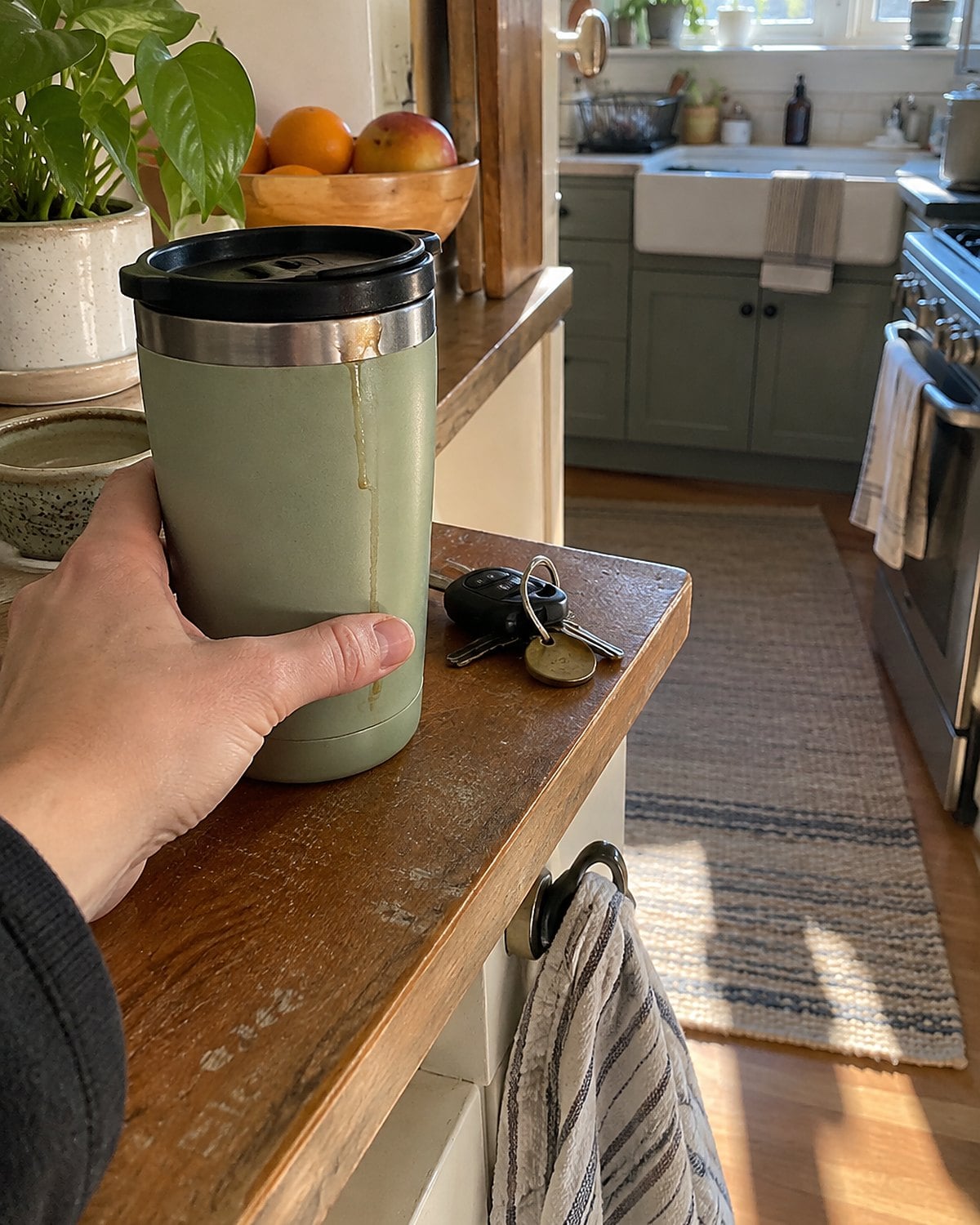
Coffee at the grocery store and coffee from a counter serve different mornings. Both belong in the food budget if you buy both.
Here’s the math without pretending every cup costs the same. Write down what you spend on a bought drink and how many you buy in an ordinary week. Multiply those numbers, then multiply by 52 for a full year at that pace.
If the routine changes with the season, use your actual receipts instead. You don’t have to give up the cup you enjoy with a friend. Pick the one you value, and notice the ones bought because you left home without breakfast.
A travel mug beside the keys changes a different purchase from a standing appointment into a choice.
 You might also like27 Things People Over 60 Still Do With Leftovers That Food-Safety Experts Beg Them to Stop
#9 The cut fruit behind the whole melon
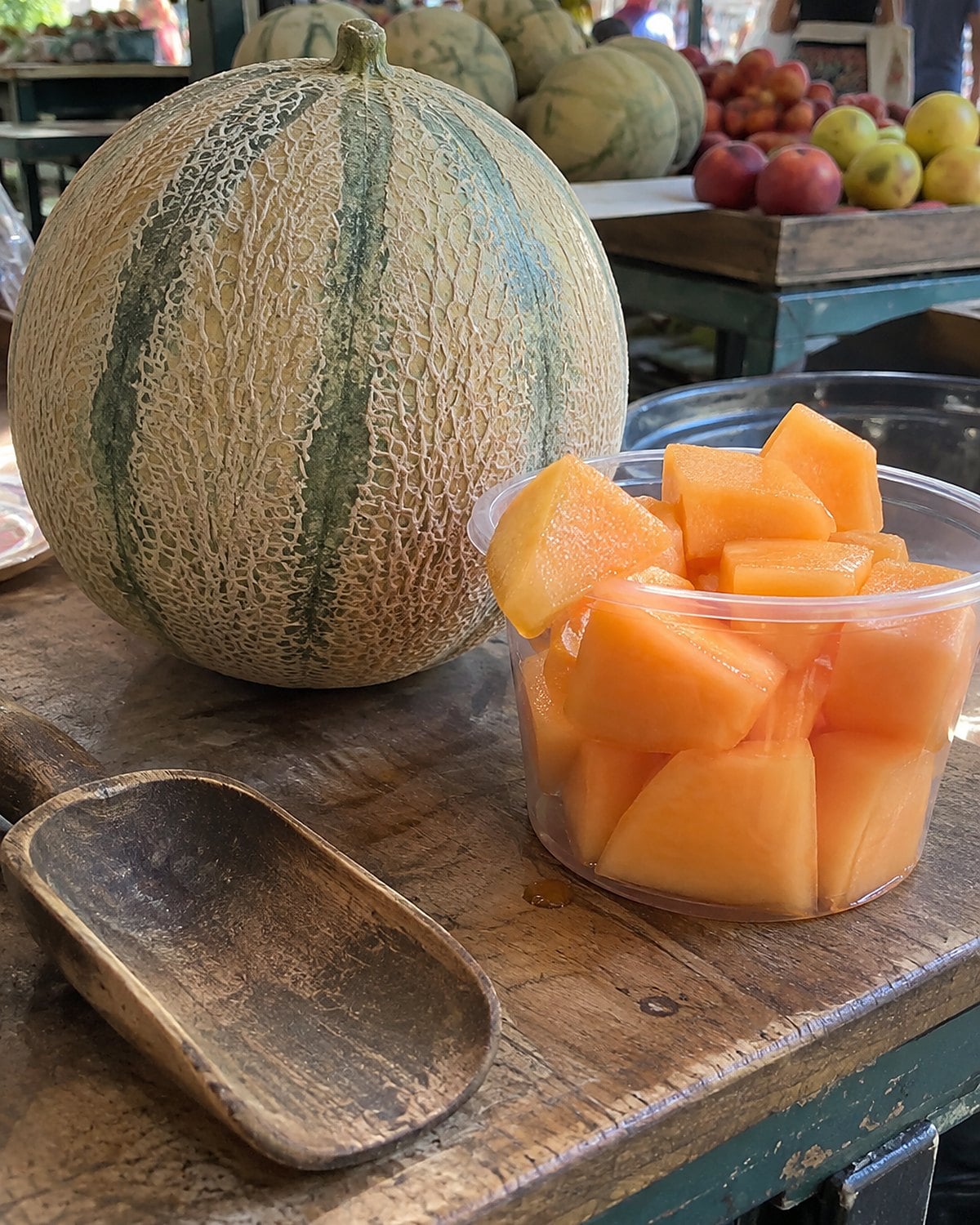
Cut fruit earns its place when you’ll eat it. The whole melon earns its place when you’ll cut it.
At the store, compare the price by weight, not just the size of the container. Use the price of an 8-ounce tub and the weight on the whole melon’s tag. The tub includes someone else’s cutting work; the whole melon includes rind you won’t eat.
Then be honest about the work waiting at home. A whole melon left untouched on the counter costs more than a small container you finish. A cut-fruit tub bought beside a whole melon you already own is another matter.
Before you pay for convenience, look at your calendar. Is there time to cut fruit when you get home? If not, buy an amount that fits the people eating it. The best comparison includes your knife, your available time, and the fruit already in the kitchen.
#8 The leftover container pushed behind the milk
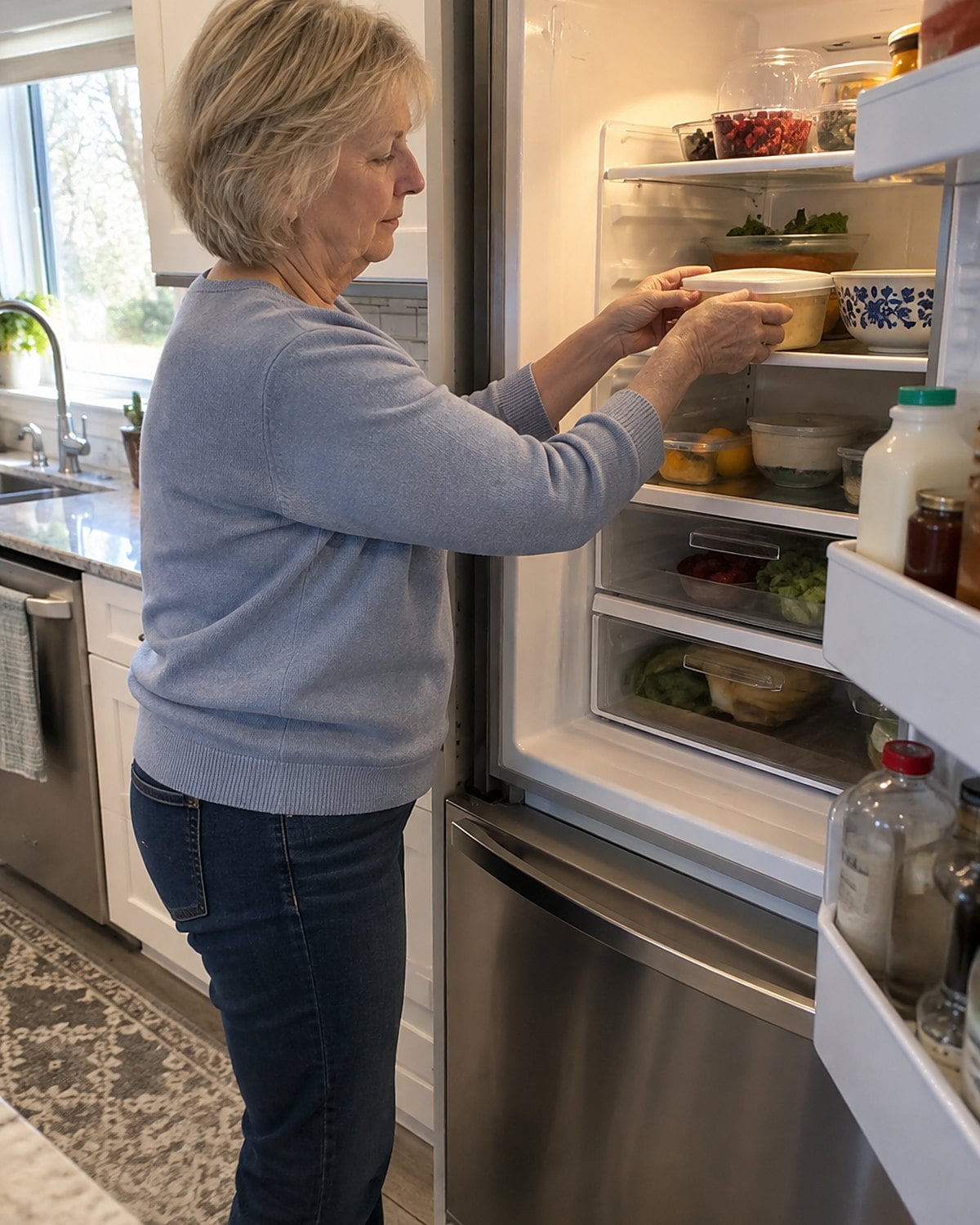
Dinner was good. You packed what remained, slid the container behind the milk, and remembered it when you needed the shelf for groceries.
Give leftovers the front row. Use a clear container if you have one, and put a date on it. Refrigerate promptly; large amounts cool faster in shallow containers. The USDA says cooked leftovers keep three to four days in the refrigerator. Its guidance also covers freezing and reheating.
When you put dinner away, decide whether the leftovers are lunch, another dinner, or freezer food. Then check that front row before you start cooking something new.
This isn’t a demand to eat the same meal until you’re tired of it. It’s a way to keep a dinner you already paid for from becoming a container you dread opening.
#7 The open crackers behind the new box
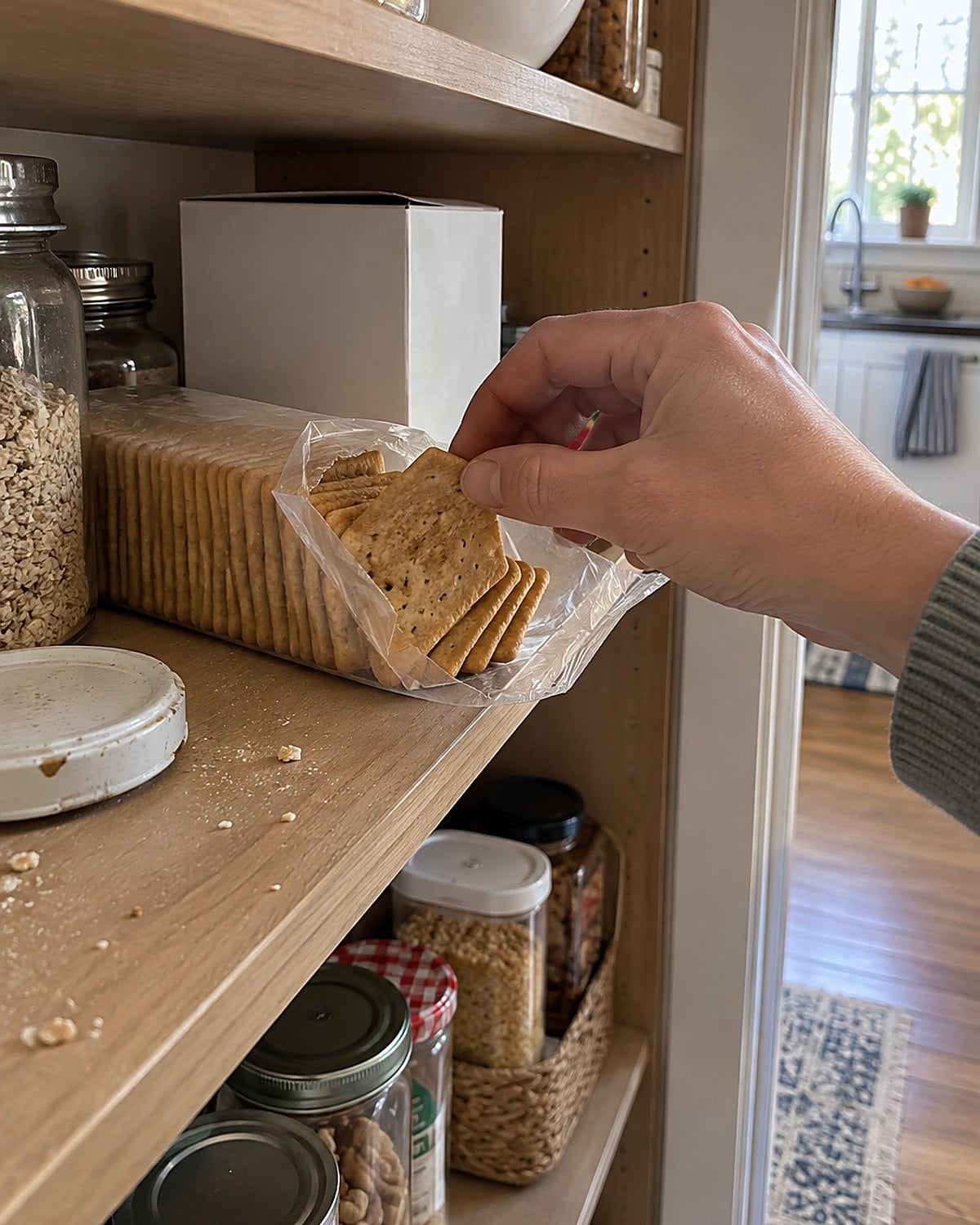
A fresh box comes home while an open one sits behind the bread.
Before storing new groceries, bring the open package to the front. Close it well, or move its contents to a container you can see through. Put the unopened box behind it. The same move works for cereal and baking supplies.
Stay at the pantry shelf long enough to spot what needs eating. You’ll find the purchase you forgot before opening its replacement.
#6 The Tuesday takeout after a full shop
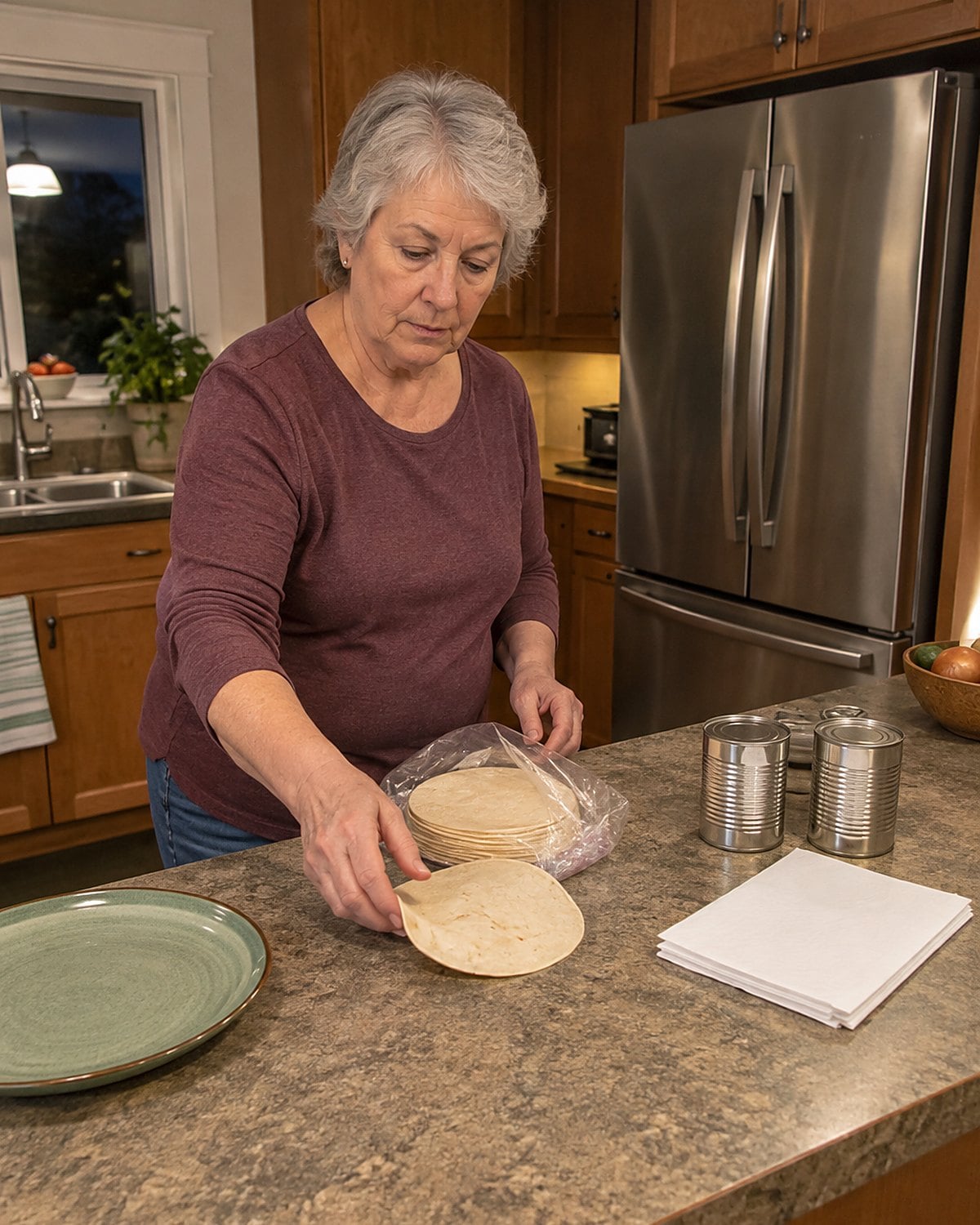
The fridge is full. Nothing in it looks like dinner you want to make at six o’clock.
Build one low-effort dinner into the grocery trip. Keep the parts together: tortillas and beans, eggs and toast, or pasta and a sauce you like. Pick food you’d gladly eat, not an emergency meal you resent.
If takeout is the plan, enjoy it. The expensive pattern is buying a week of perishables and then letting those groceries wait while you order dinner.
Before you shop, glance at the busiest night on your calendar. That night needs the easiest meal. Move anything that needs chopping or a long simmer to a day with more time.
You’ve cooked enough dinners to know that good intentions feel different at the store than they do at a tired stove.
Try it: Instant Pot Refried Beans
#5 The staple found missing mid-recipe
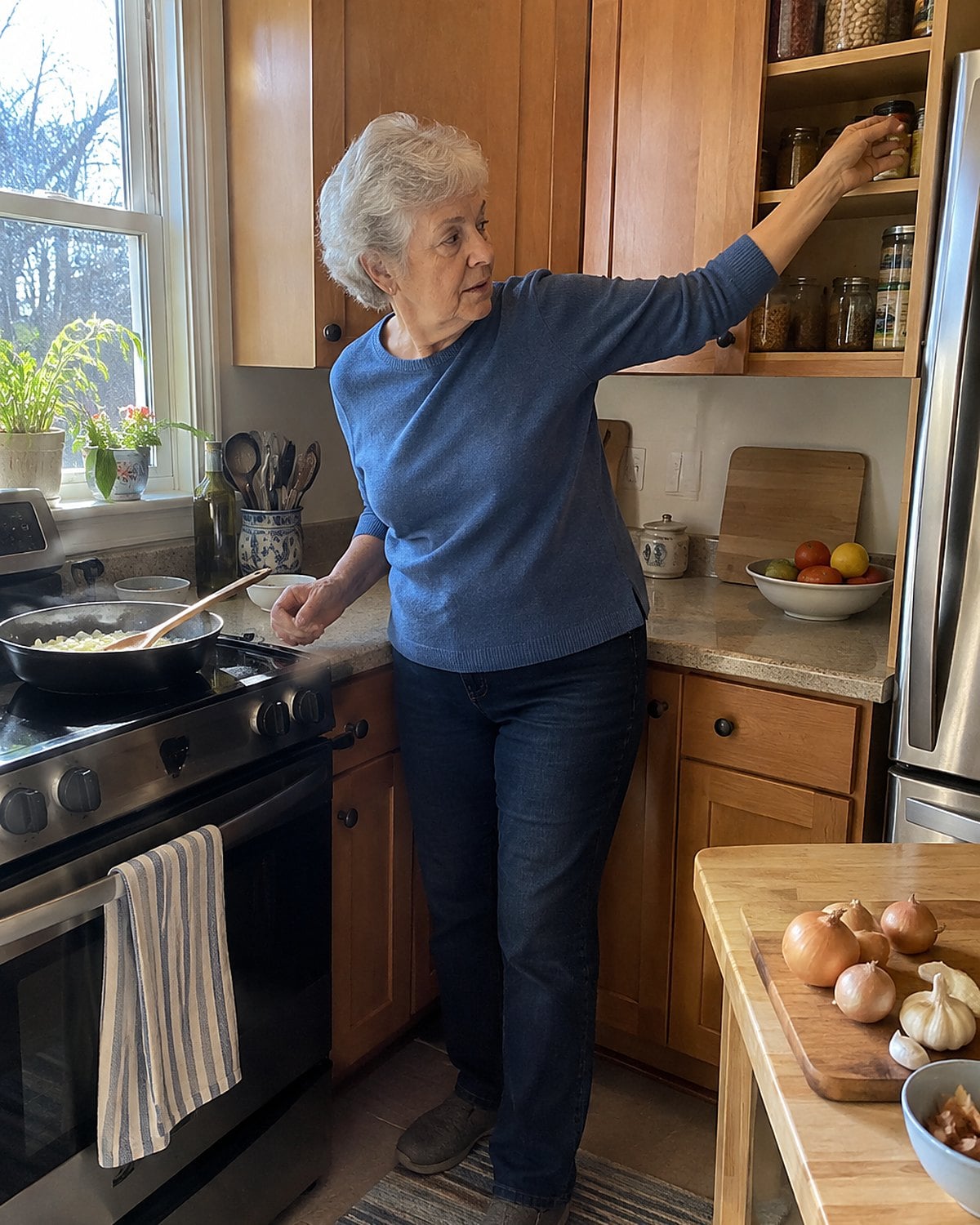
The onions are in the pan. You reach for the canned tomatoes, and the shelf has none.
A second store trip is an easy way to bring home more than tomatoes. Keep a short list of the staples your regular dinners rely on. When you use the last can, add it to the list right then.
Don’t stock every possible ingredient. Stock what your own kitchen reaches for again and again. Check the back of that shelf before replacing anything. There’s no saving in building a wall of canned goods you can’t see past.
The goal is enough to make dinner without an extra errand, and little enough that you know what’s there.
#4 The pasta pot set for six
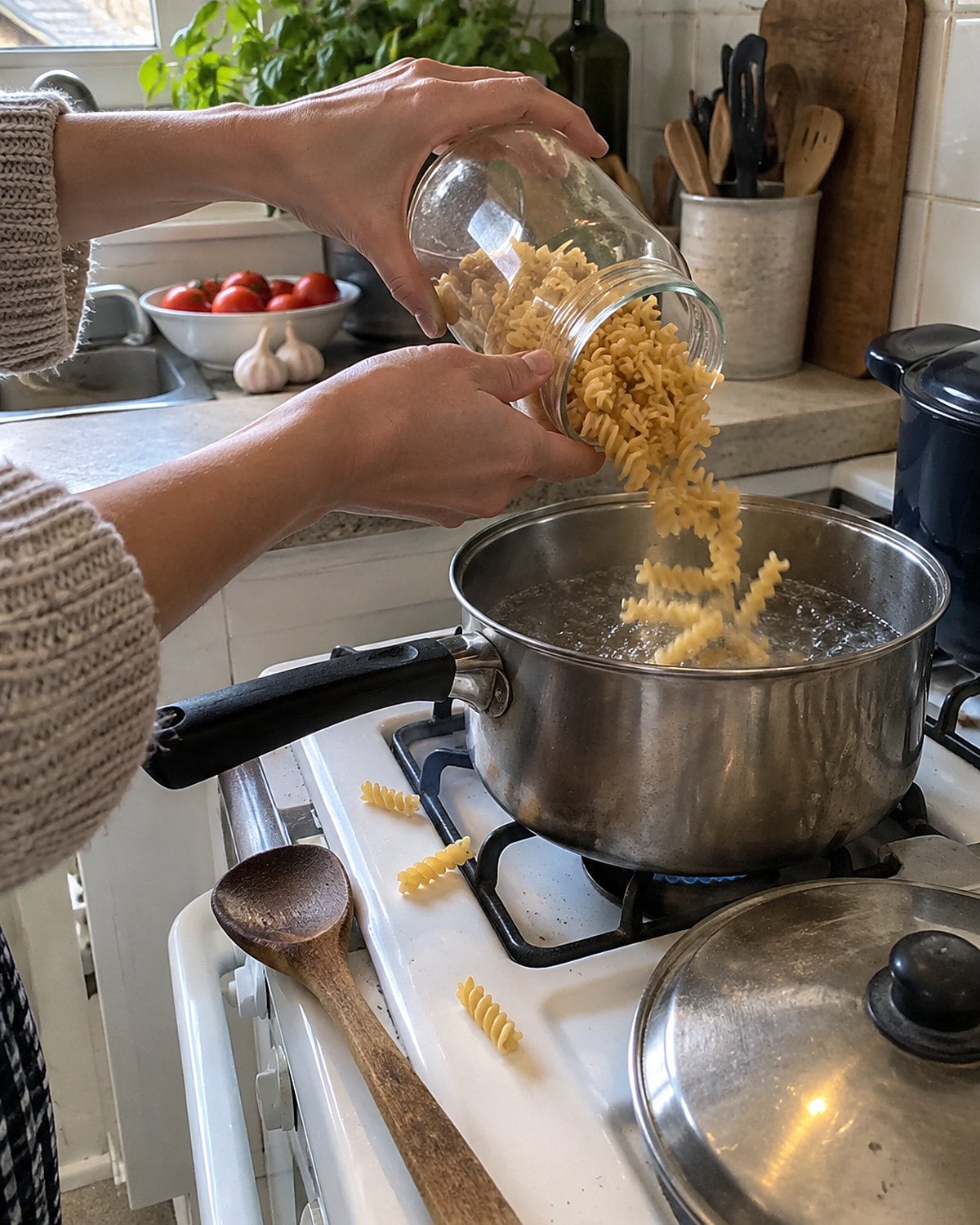
The old pot still feels right in your hand. The amount you pour into it belongs to a bigger table.
Read the serving size on the pasta box, then measure the dry pasta once before it reaches the water. That gives you a reference for the portion you’ve poured by eye for years. Cook the amount you want for tonight and notice what happens at dinner.
Are the plates satisfying? Do you want leftovers for tomorrow? Adjust from there. The package’s serving information gives you a measure to compare with your own appetite; it doesn’t have to decide dinner for you.
If you’re making a baked pasta dish for company, use the full pot. On an ordinary night, a smaller pour leaves less food to cool, pack, and remember.
Keep the same sauce you love. Change the amount to match who’s coming through the door.
#3 The five-dollar extra every trip
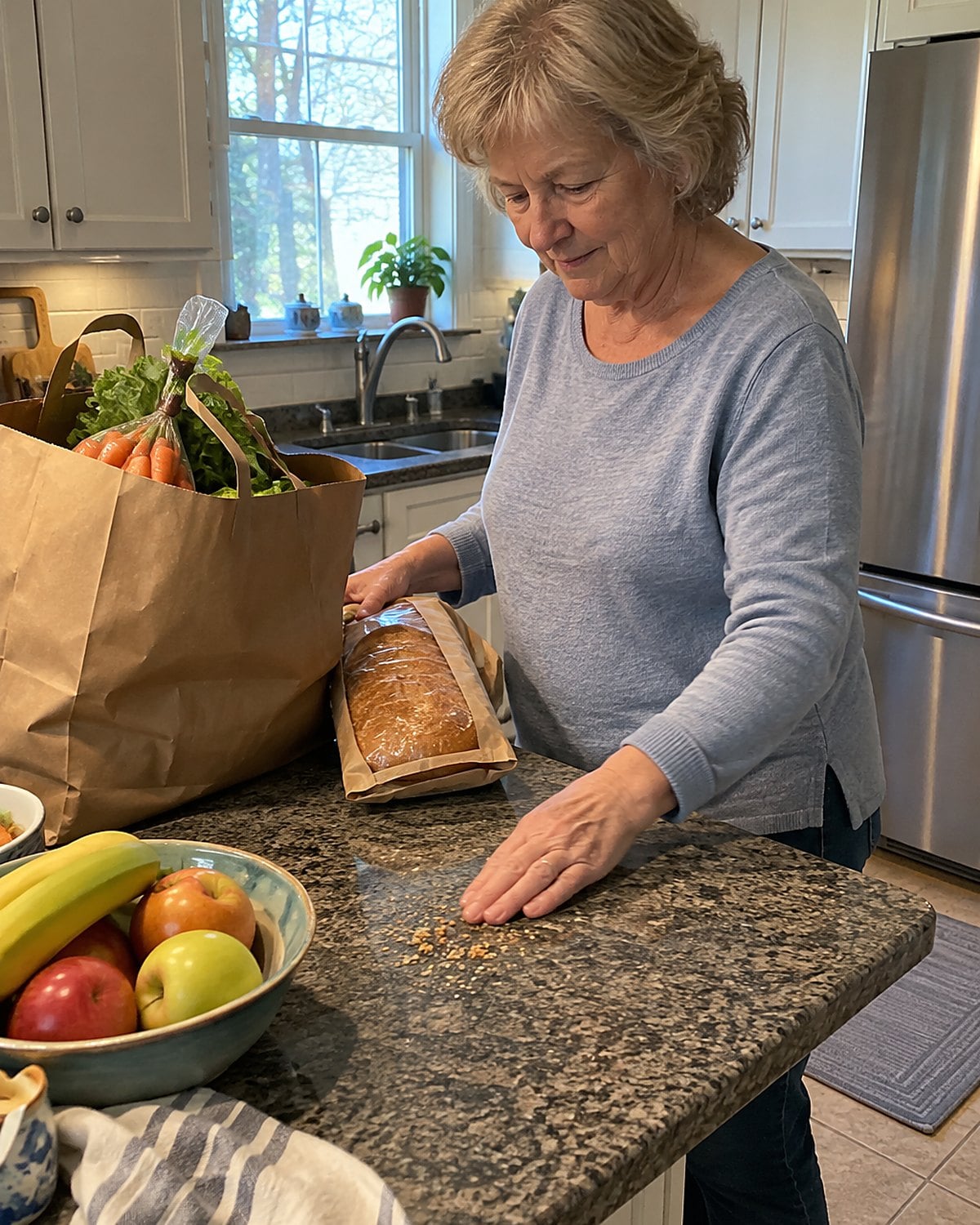
A bakery loaf, a bunch of flowers, a bag of chips. None of those is a bad purchase. The trouble starts when “just five dollars” has no place in the plan.
Use your real receipts. Find one extra item you bought on a routine trip, then count how many trips like that you make. At $5 once a week, the arithmetic is $260 across 52 weeks. At $5 twice a week, it’s $520.
Those are examples of multiplication, not a claim about anyone else’s spending. If the loaf on your receipt costs something else, use that price. If you shop less frequently, use your own trip count. The honest total belongs to your calendar and your store.
Choose the extras you want to keep. If the flowers brighten the whole week, they’ve earned their place. Put them on the list. The aim isn’t a receipt without pleasure.
It’s the unchosen add-on, bought while waiting in line or turning toward the checkout, that deserves another look. Circle those items on several receipts before you decide what to change.
#2 The pickup cart saved from last time
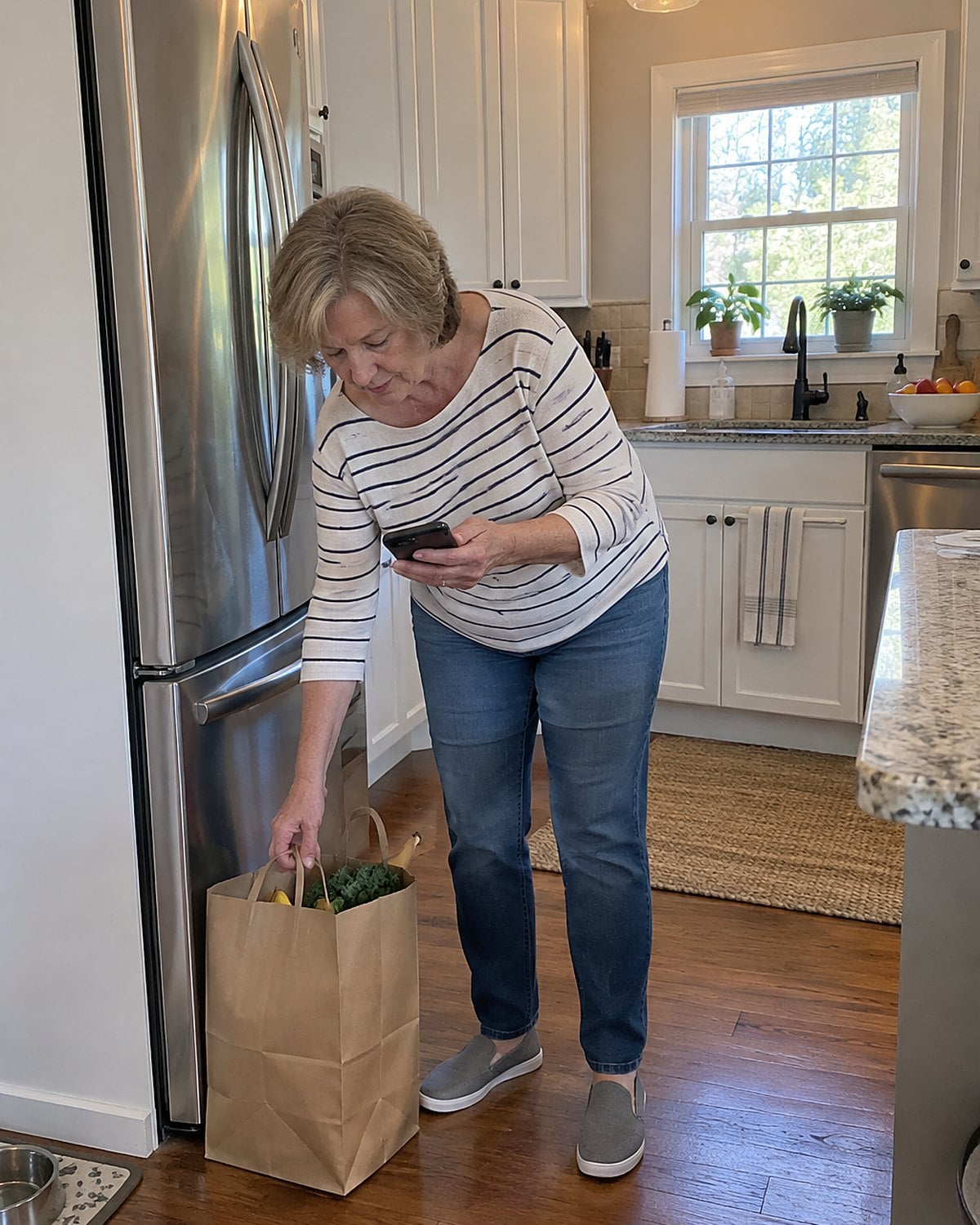
A saved online cart is handy until it orders last week’s life again.
Before you tap checkout, scan every item. Are the grandchildren visiting? Did you finish the bananas last week? Is there already a bottle of dressing in the fridge? A cart built for convenience still needs your eyes on it.
Check substitution settings, too. If the requested size is unavailable, decide whether a different size fits your meals. Review fees and tips in the total before comparing pickup with shopping inside.
Use the service when it helps you; just don’t let a remembered cart decide how much food your household needs this week. The fastest grocery order is the one that doesn’t send unwanted food home.
#1 The meal count on the fridge door
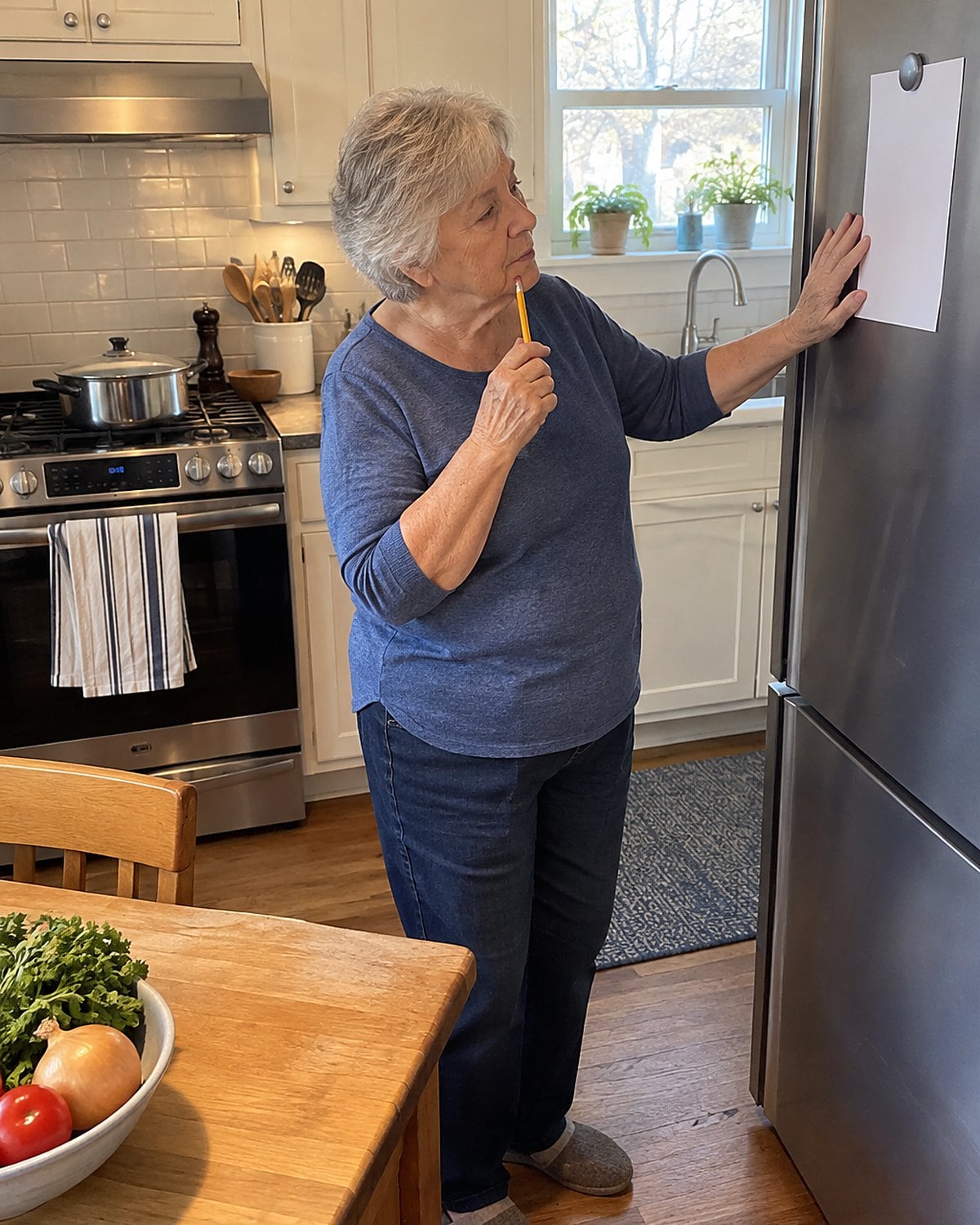
Before writing a grocery list, count the dinners that will happen at home.
Take a scrap of paper and mark the nights until your next shop. If you shop weekly, that’s seven nights to account for. Cross out dinner with friends, the church supper, or the night you already plan to eat out. Mark a visit when more people will be at your table.
What remains is the number of dinners your groceries need to cover. This count belongs on the fridge door, where a changed plan stays visible instead of living in your head.
Now look in the fridge, freezer, and pantry. Give food you already own the first few dinners. Write down only what’s missing to make the remaining meals. Include an easy dinner for the busiest night.
Suppose Saturday’s visit is canceled before shopping day. Take that dinner off the paper. The chops, salad greens, and dessert meant for extra guests no longer need to enter the cart. If guests are added instead, you’ll see that gap before standing in the aisle.
This short count catches expensive habits before they start. It stops produce bought for a meal with no date. It leaves room for a treat you actually chose.
When plans change, change the count before you change the cart.
Keep reading
 26 Things Grocery Workers Wish Shoppers Over 60 Knew
See all 26 →
More you’ll remember
 25 Fridge Habits That Waste Money Every Week Without Anyone Noticing
 24 Pantry Items That Last Years, So Stop Replacing Them
 27 Things People Over 60 Still Pay Full Price for That the Store Would Rather You Didn't Notice
The bottom line
The waste isn’t one dramatic mistake. It’s food bought for a household that looked different last year, plus small purchases made without looking at what’s already home.
The well-prepared version of you has checked the shelves, counted the meals, and chosen which extras are worth buying. The receipt still reflects a full life, just one you recognized before reaching the checkout.
Which purchase on your last receipt was already waiting in your kitchen?

Leave a Reply