

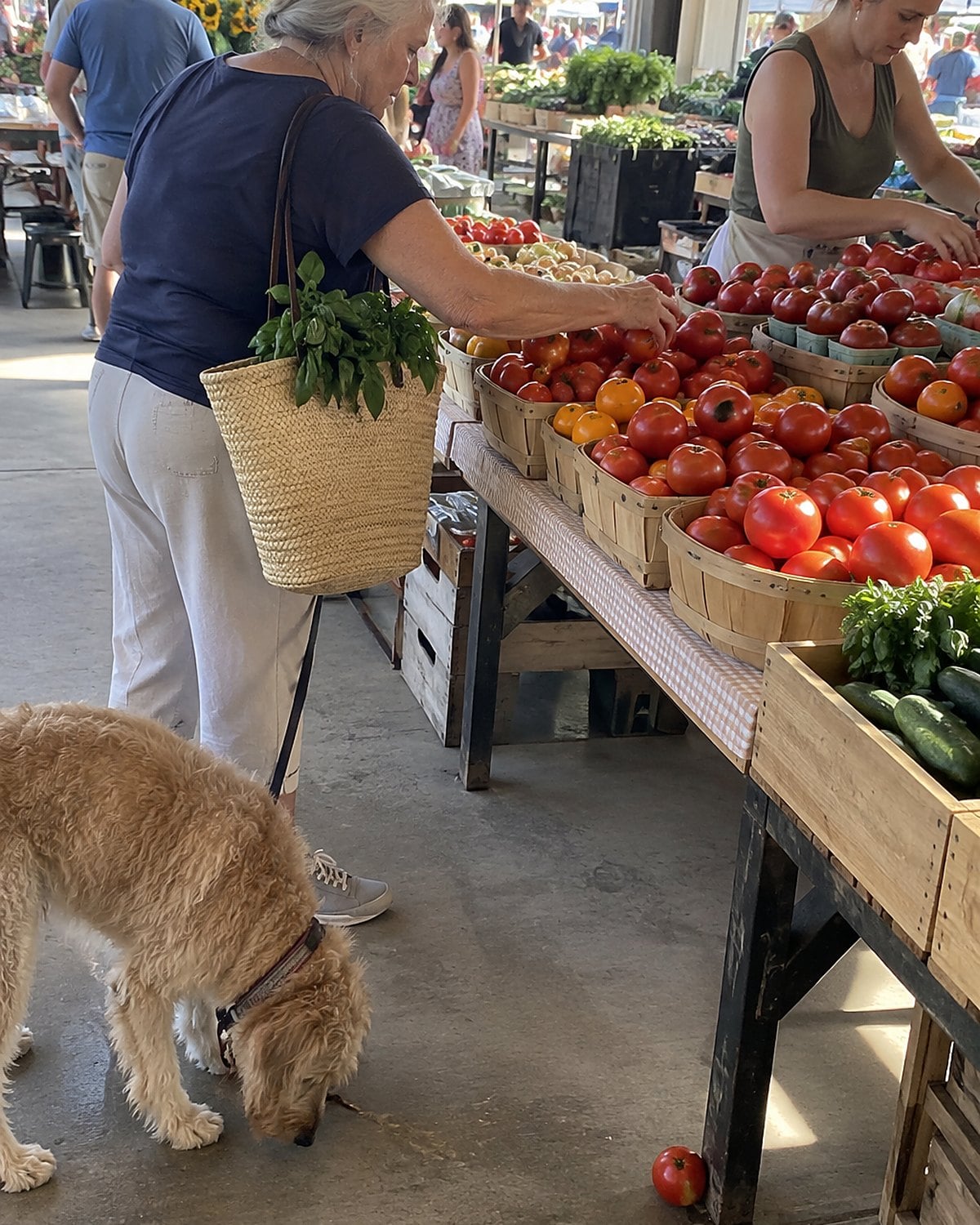
The baking-soda box sits where it has always sat. The lettering is so familiar you could find it with the pantry light out. Beside it, the store version costs less, and suddenly a box you've bought since 1985 feels like a decision.
You don't need to replace every old favorite to shop well. Some ingredients disappear into a pot without changing dinner. Others have a flavor or texture you'd notice before the plates were cleared.
Start with the easy swaps. Keep the brands that earn their shelf space. And when two products taste alike, check what each ounce costs before the jar goes in your cart.
#25 The Baking Soda Beside the Flour
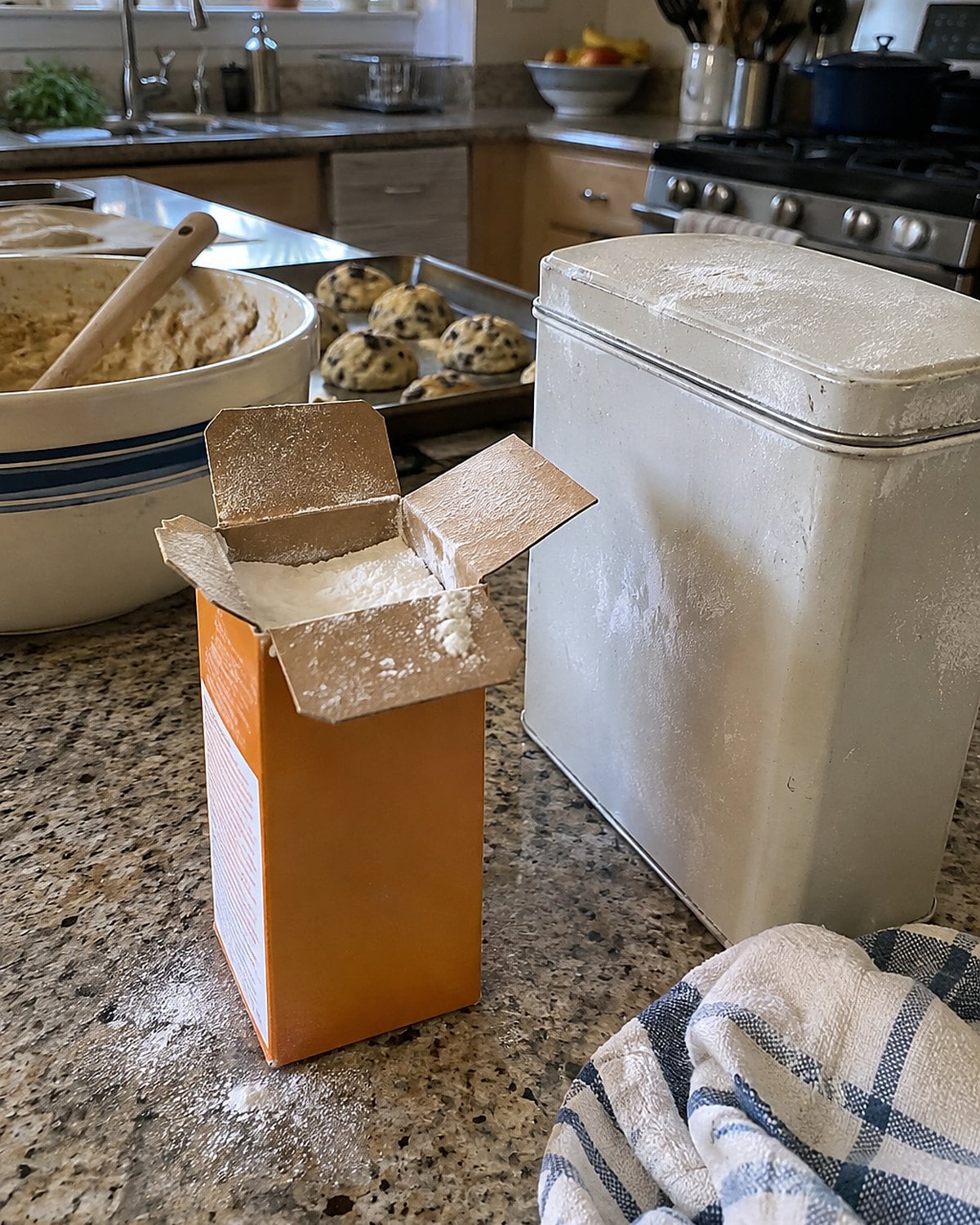
That little box has probably followed you through several kitchens. For baking, the useful question is what its contents do, not what the front looks like. Baking soda is sodium bicarbonate. In a batter with an acidic ingredient, it reacts and helps produce the gas that lifts the crumb.
Compare the ingredient panels. If both boxes say sodium bicarbonate, the store version deserves a turn in the church cookbook's banana bread. Measure it the same way you always have, and keep the batter and pan unchanged. That gives you a fair look at the result.
Freshness deserves more attention than the logo.
An open box that has spent ages near the stove isn't a useful standard for comparison. Buy a new store box, mark the date you opened it, and make a recipe you know by heart. You'll notice a flat loaf faster than anyone reading a brand name will.
#24 The White Sugar in the Canister
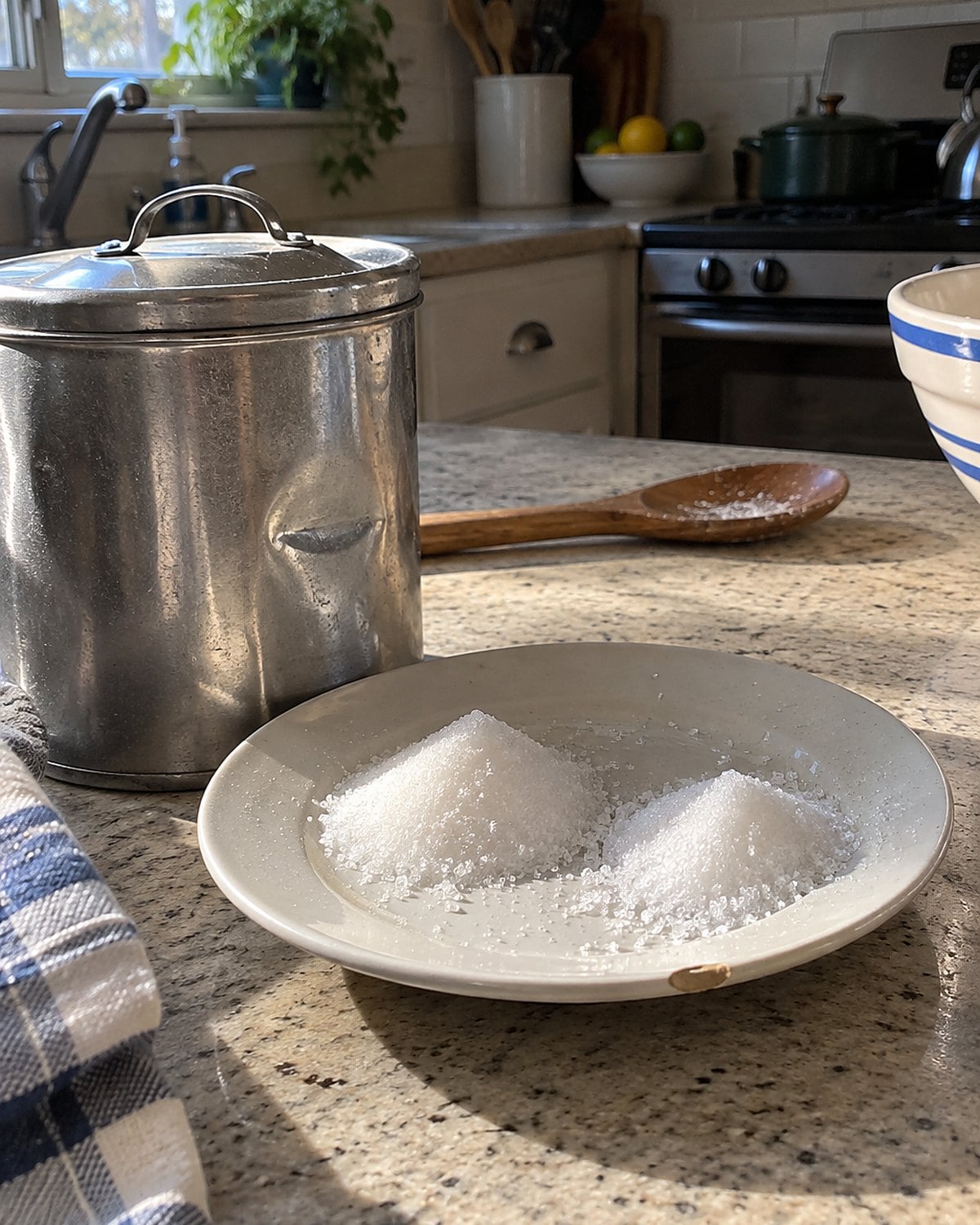
Granulated white sugar has little room to hide a brand personality. If the store bag and your usual bag list the same ingredient, put a spoonful of each on a dry saucer. Look at the crystals, then taste them. For everyday cakes and coffee, the store bag is an easy trial.
The bag itself matters. A torn seam turns a bargain into a sticky pantry shelf. Check that it's sealed before it goes in the cart, then pour it into the canister you already use. You don't have to make room for a new package.
Keep brown sugar out of this test. Its moisture and molasses flavor do real work in a cookie. White sugar is the place to try a store brand without asking the rest of the recipe to change.
#23 The All-Purpose Flour on the Counter
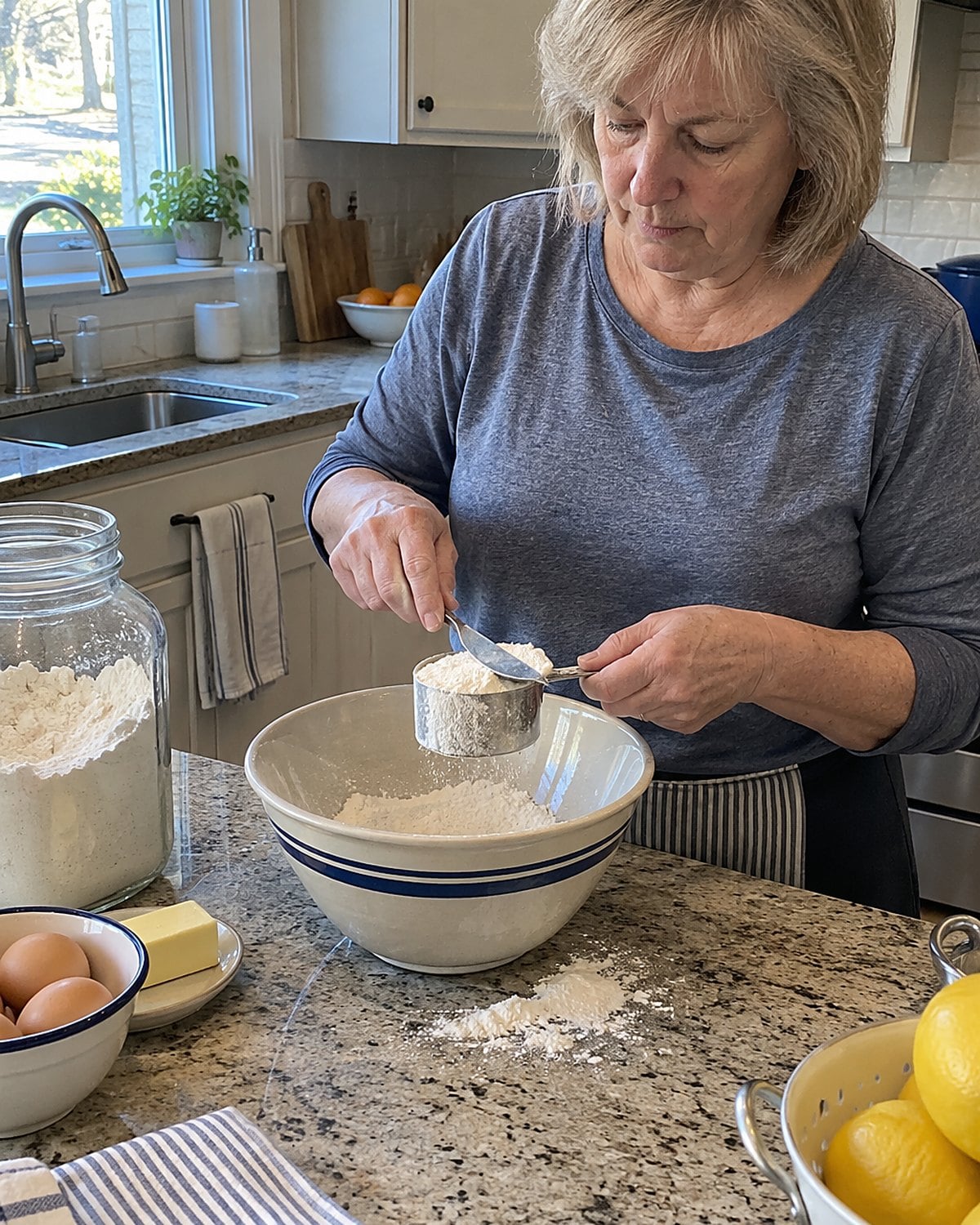
Flour deserves a baking test, not a vote based on its bag. Wheat protein levels differ among flours, and protein affects how dough handles. That distinction shows up faster in bread than in a pan of brownies.
Start with something familiar that doesn't rely on a lofty rise. Make your usual muffins or biscuits with store-brand all-purpose flour. Spoon it into the measuring cup and level it, just as you did with the old bag. Packing flour down would change the test before the oven even warmed.
Then pay attention to the dough. Does it need more liquid to come together? Does the baked result feel dry?
If you like it, keep the store bag for everyday work. You can still save a favored flour for the loaf where you notice its handling most.
#22 The Long-Grain Rice Behind the Lentils
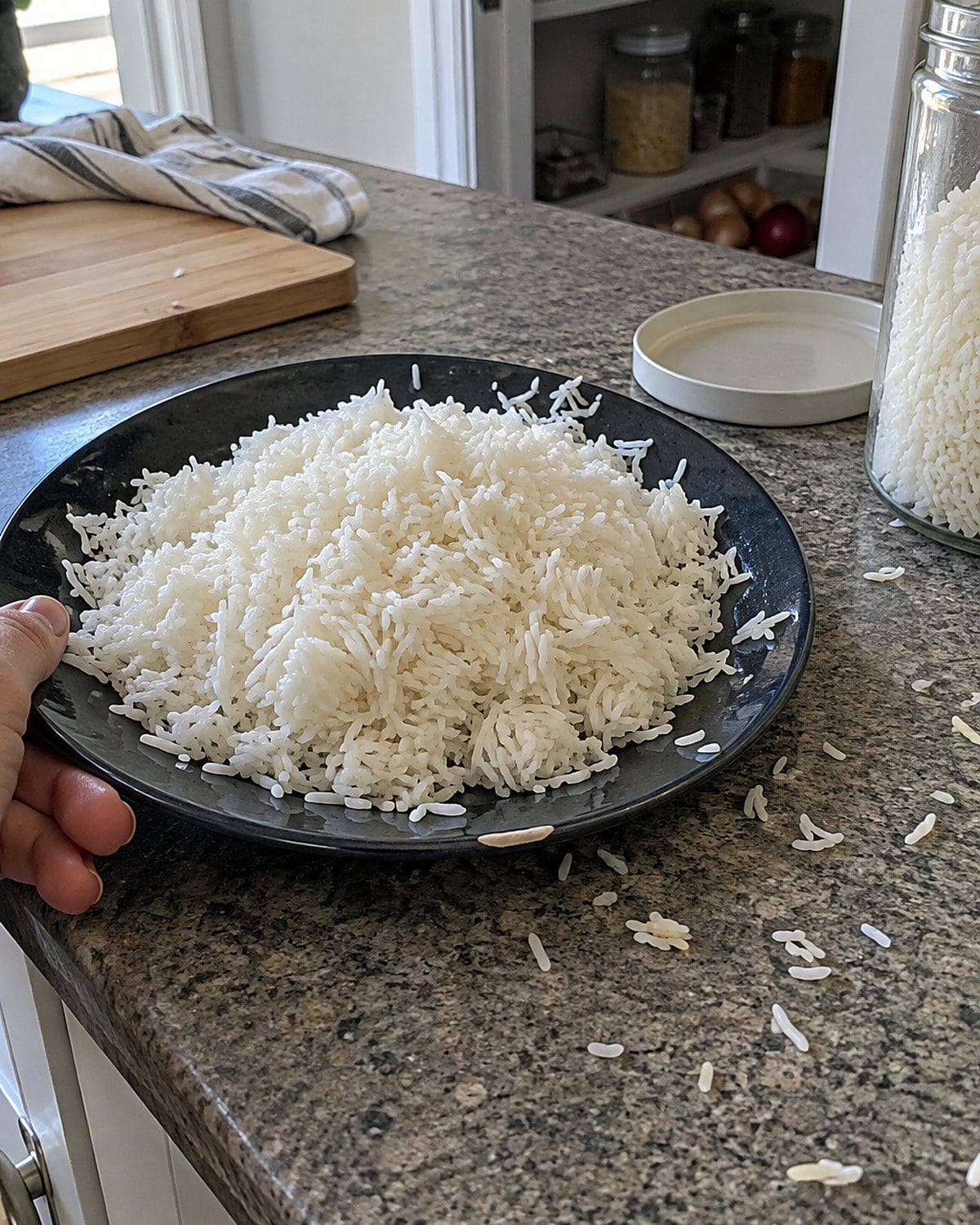
Open a bag of rice before you commit it to a big family meal. Tip a little onto a dark plate and look for broken grains. More broken pieces release more starch into the cooking water, which changes how separate the cooked rice feels.
For plain long-grain white rice, the store bag is worth a trial. Rinse and cook it the way you cook your regular rice, with the same pot and water measure. Changing the method along with the brand tells you nothing. If the grains turn out pleasantly separate, you've found an easy switch.
Rice for risotto or a particular family dish is another purchase. There, the grain type carries the texture. Don't trade Arborio for ordinary long-grain rice and blame the store label when the spoon tells you something is missing.
#21 The Baking Powder in the Old Tin
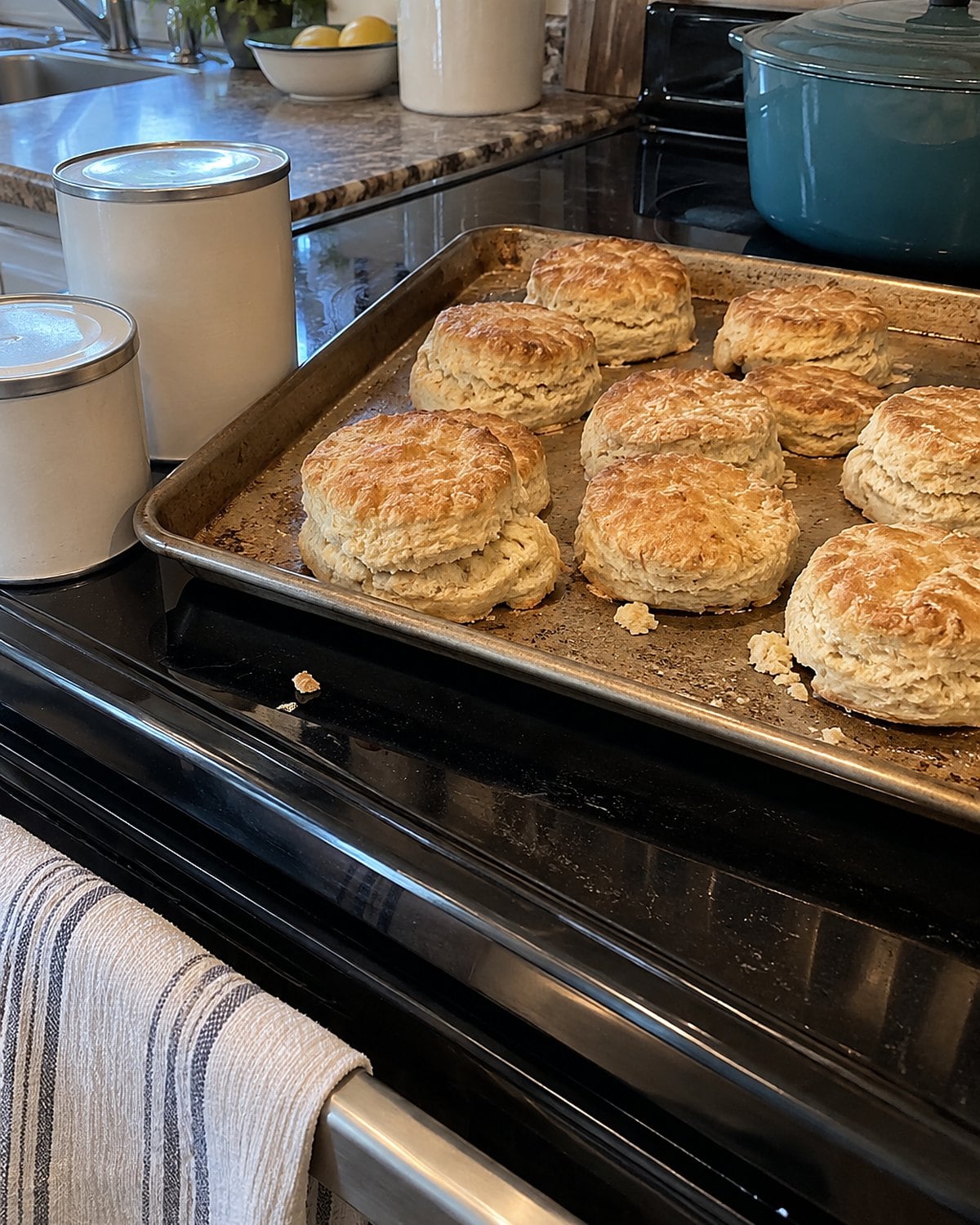
Baking powder asks for a different decision than baking soda. It contains leavening ingredients and starch, and its lifting power fades after the container is opened. Your trusted name-brand tin won't rescue biscuits if it has sat open through too many baking seasons.
Before shopping, check the tin you own. Stir 1 teaspoon of baking powder into about a third of a cup of hot water. Vigorous bubbling tells you it still reacts. A faint fizz gives you a reason to replace it, regardless of the name on the lid.
Now compare new tins. Look for the same type of baking powder on both labels, and check the dates. Make a small batch of the biscuits or pancakes you know well. Use the same amount in each batch and watch the rise, especially where the dough was thickest.
Write the opening date on the new lid. The next time the biscuits come out low, you won't have to guess when that tin arrived. If the store powder lifts them and tastes right, the familiar colors on the old tin have done their job.
#20 The Frozen Peas in the Drawer
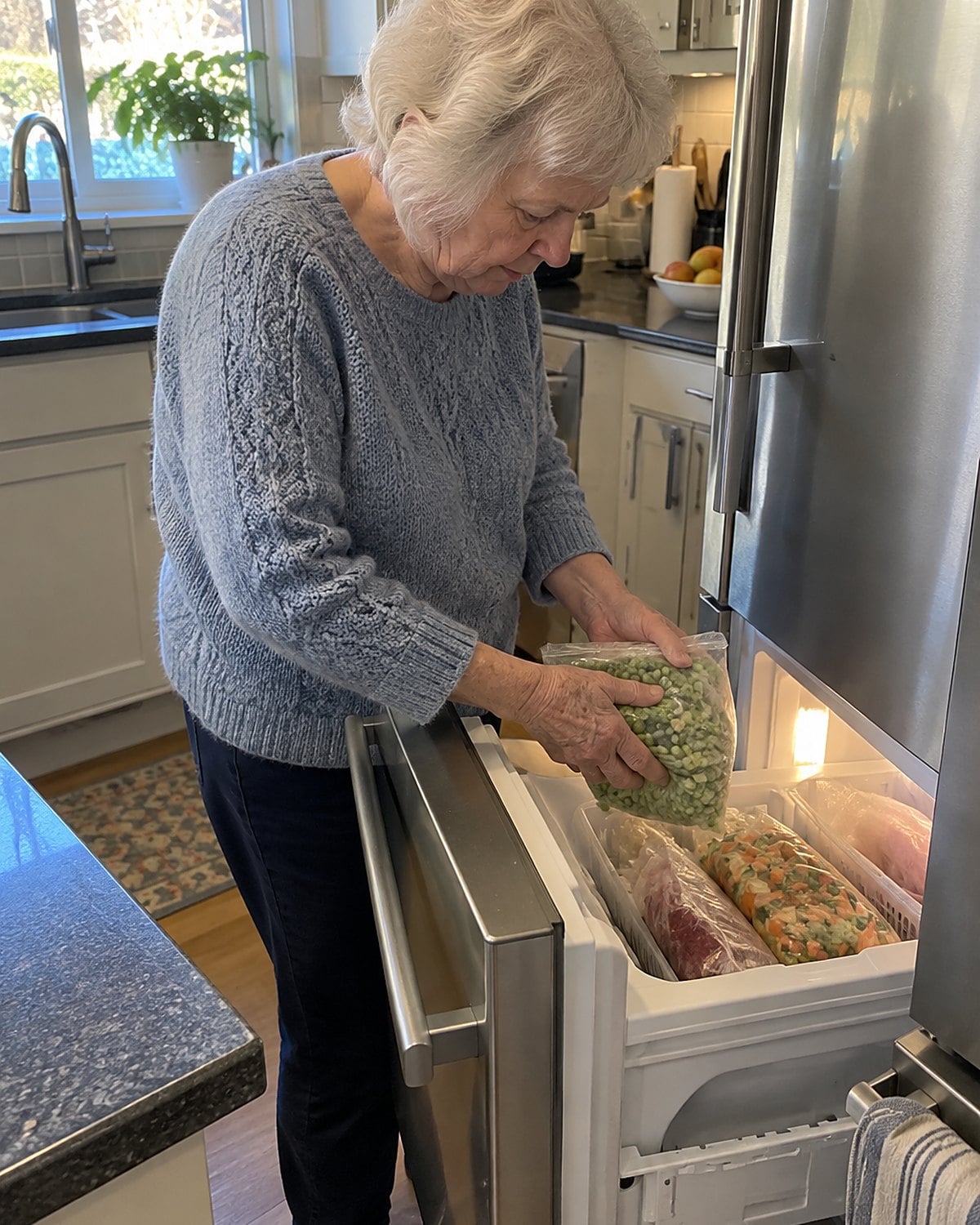
A bag of frozen peas has a job: give you peas that stay sweet and distinct after heating. Brand loyalty doesn't help you judge what's inside a sealed bag.
Pick up the store bag and feel it through the plastic. Loose peas are what you want. A hard mass tells you the contents have clumped, so choose another bag. Check for a tight seal before it goes in your cart.
At home, cook a small handful from the store bag beside a handful from your regular brand. Taste both without butter first. If they're equally sweet and tender, that's a switch worth making. Keep the rest for pot pie or soup, where the peas have plenty of company.
Try it: How To Cook Frozen Peas In An Instant Pot
#19 The Mayonnaise in Potato Salad
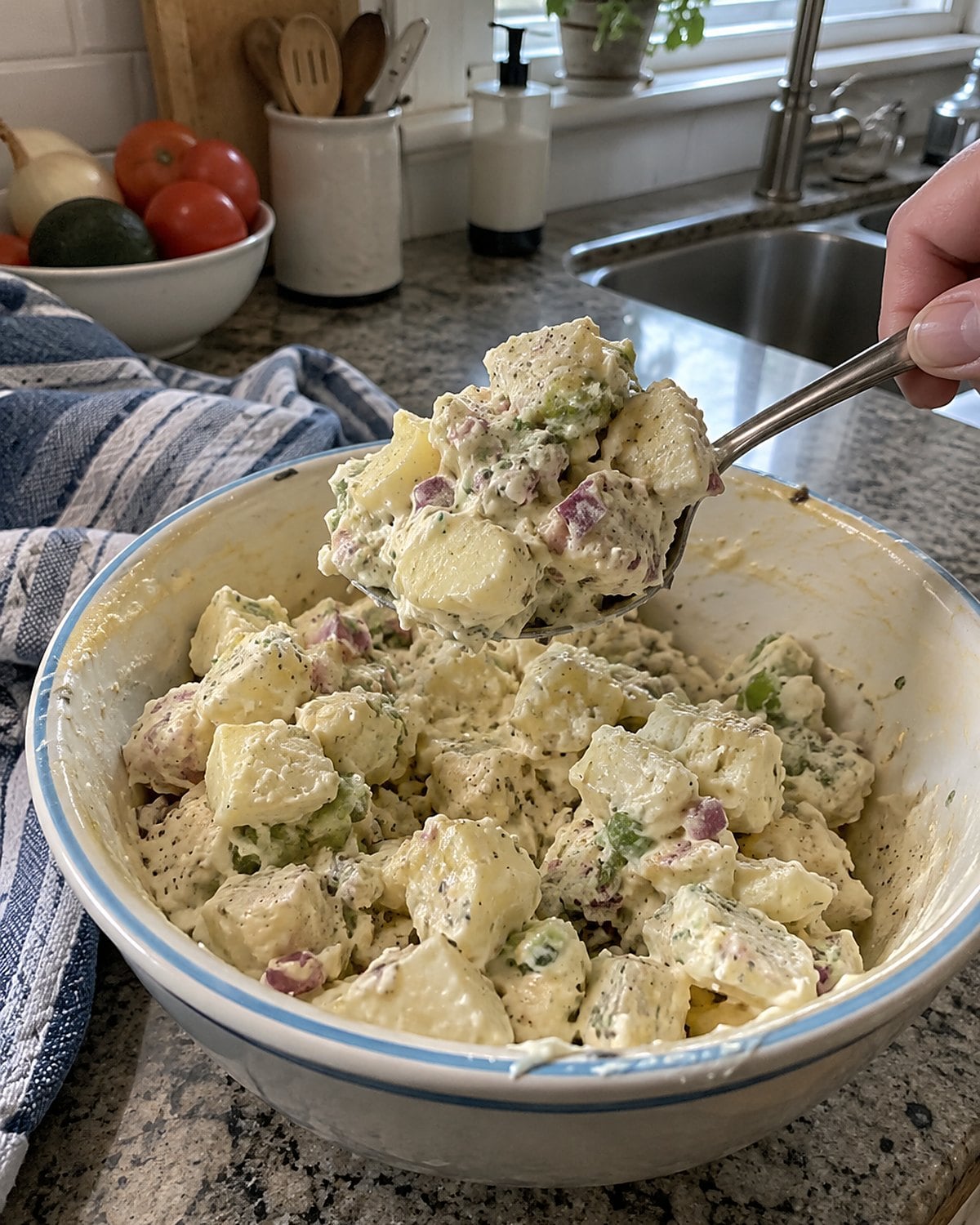
This is where loyalty starts making sense. Mayonnaise changes the flavor and feel of potato salad, chicken salad, and the sandwich you've made the same way for decades. Acidity, sweetness, and thickness vary from jar to jar. The label won't tell you which one tastes right in your recipe.
Try the store jar in a small bowl, not the whole dish for Sunday lunch. Stir a spoonful into a little cooked potato while it's still plain. Taste for tang and salt before adding pickle, mustard, or onion. Those additions would cover the difference you're trying to find.
If the store version pleases you, switch. If it leaves the salad too sweet or too sharp, the name brand has earned its place.
Put the finished potato salad in the fridge promptly and check that the thermometer reads 40°F or below. The FDA's refrigerator thermometer guidance gives you a place to check that setting.
Try it: Instant Pot Potato Salad With Eggs & Creamy Dressing
#18 The Rolled Oats Near the Stove
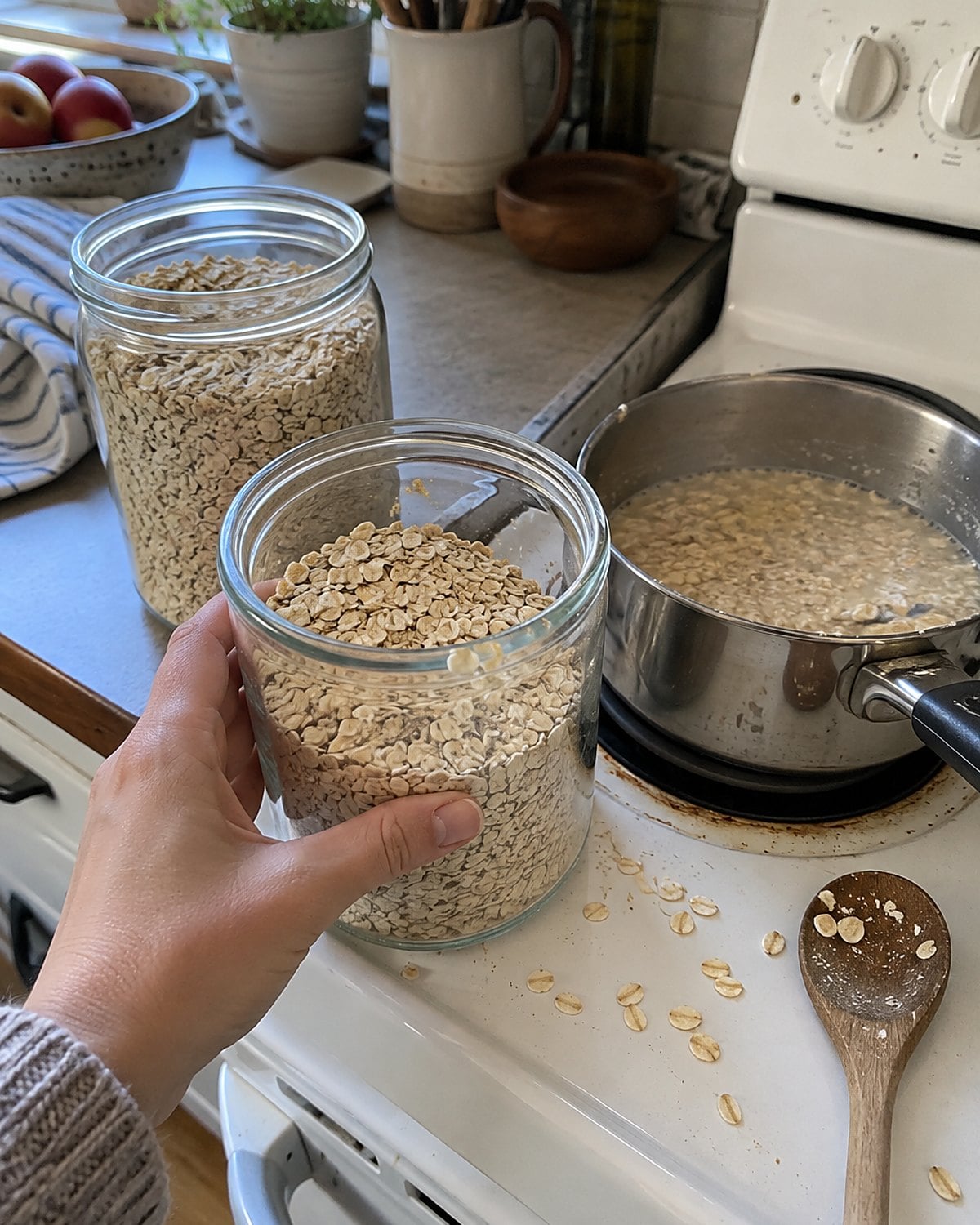
Two canisters marked “oats” aren't always the same breakfast. Look for old-fashioned rolled oats on both labels before comparing prices. Quick oats are cut smaller and cook into a softer bowl. Steel-cut oats are a different texture altogether.
Once the type matches, the store canister is a sensible trial. Cook a small pot without brown sugar or fruit, then taste it plain. Does it have the chew you expect? Is there a stale smell when you open the lid? Your nose will catch that before cinnamon covers it.
Oats also spend a lot of time in cookies and meatloaf. If a store brand passes the breakfast test, you'll have little reason to keep a second canister for those jobs. The breakfast bowl is the stricter judge.
Try it: Instant Pot Rolled Oats With Cinnamon & Banana
 You might also like27 Things Home Cooks Over 60 Do Without Thinking That Chefs Would Never Do
#17 The Cornflakes Under the Milk
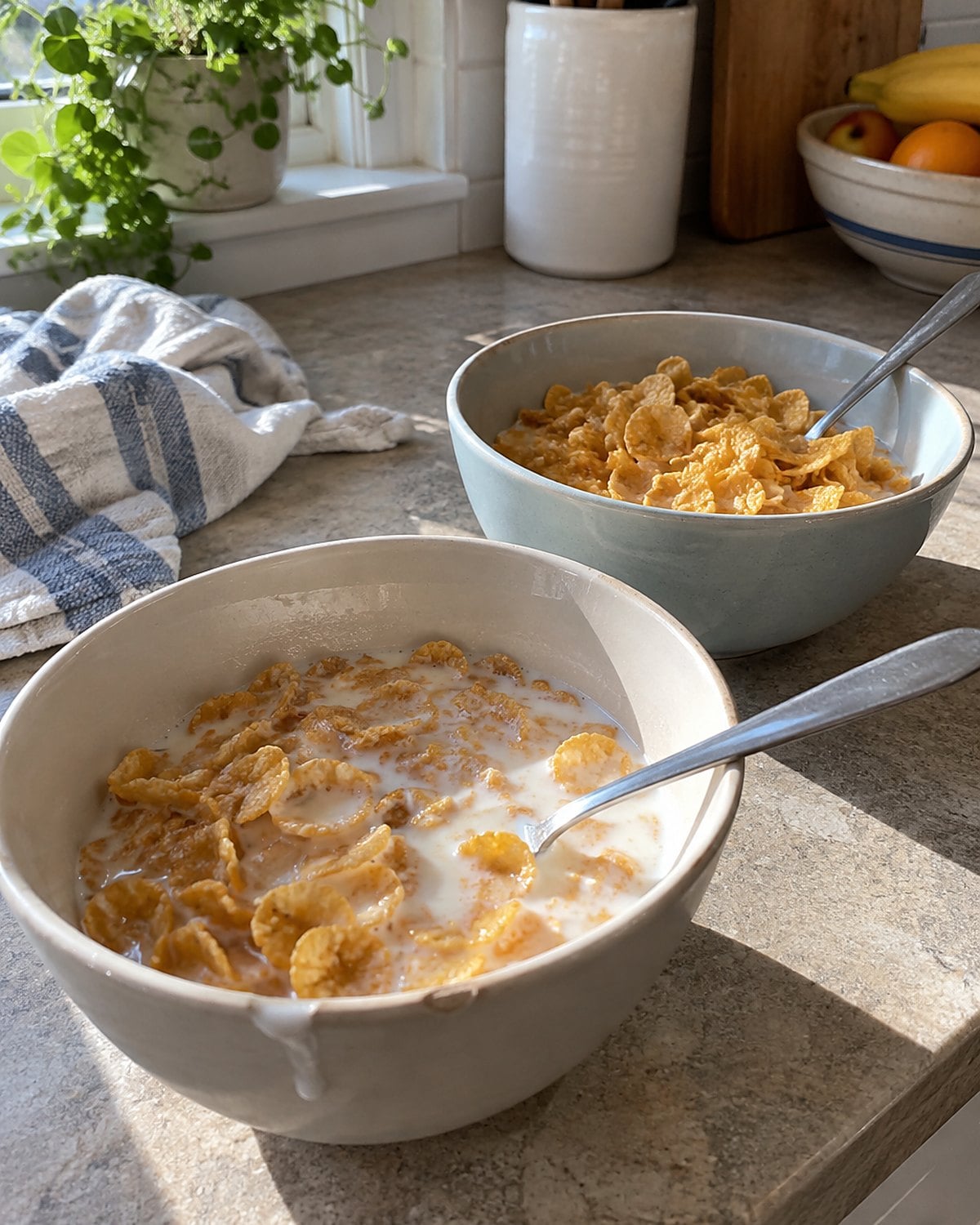
Cereal gives you an immediate answer. Pour the store flakes and your regular flakes into separate bowls, add the same milk, and taste before they soften. Listen for the crunch. Then wait a few minutes and see which bowl turns limp first.
If the flakes are headed into a crumb topping, the distinction matters less. If breakfast is the point, you deserve the box you want to eat. Compare the labels too: sweetness and serving size differ among cereals that look nearly identical from the front.
This isn't a test for a visiting grandchild to settle for you. Make yourself the bowl. If the store flakes taste right, buy them again. If they don't, keep your familiar box without turning a few cents into a household debate.
#16 The Milk Carton for Two
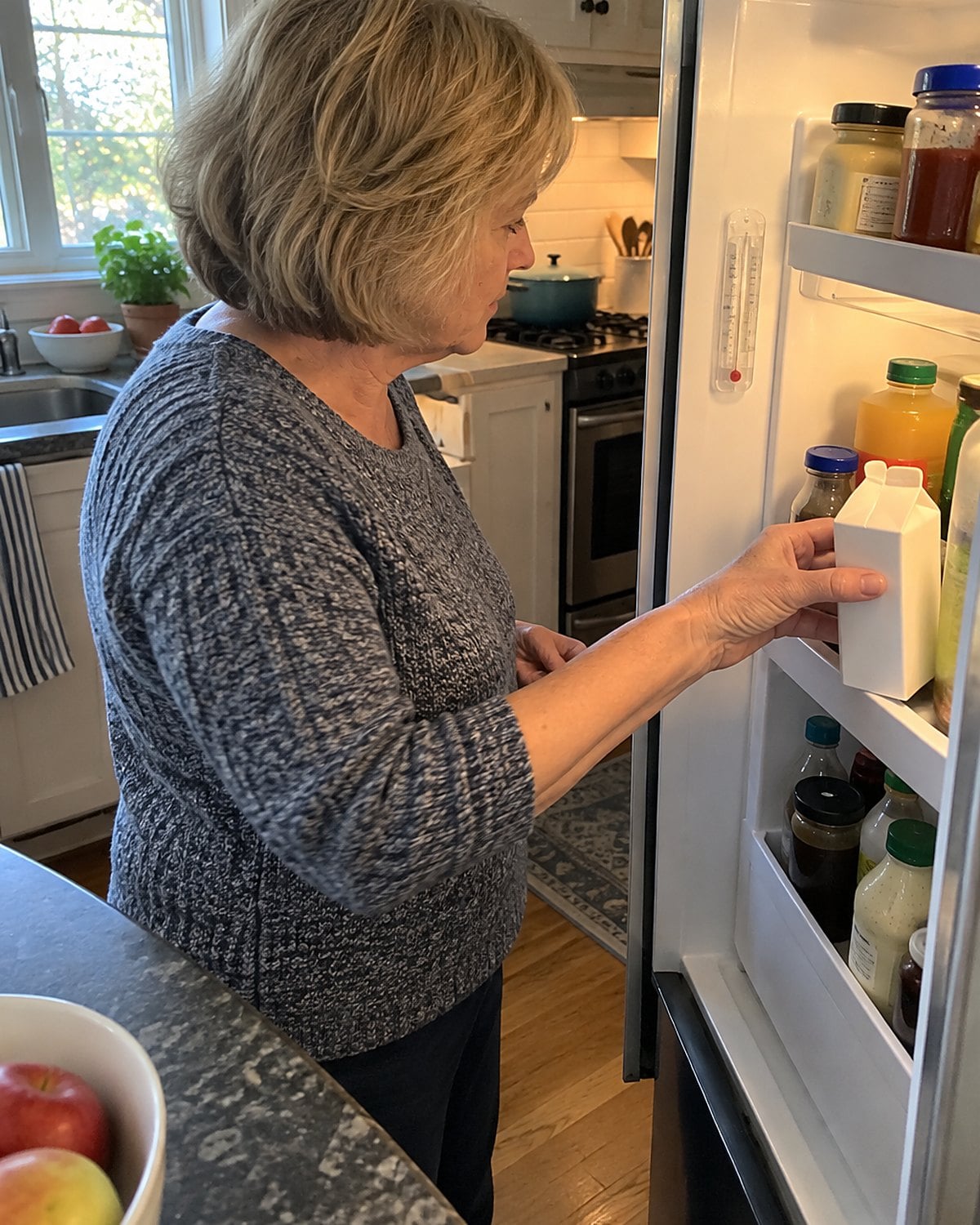
The best milk deal is the carton you'll finish. A larger container has a lower shelf price per ounce at times, but that saving disappears when the last pour smells wrong and goes down the sink.
Start with the date, then choose the size that fits the household eating breakfast this week. A half-gallon beside a gallon gives you a real choice. If grandchildren are coming, your usual carton size still has a job. On a quiet week, the smaller one deserves a look.
Milk is also a fair store-brand taste test. Pour each kind cold into a separate glass and taste before it goes into coffee.
Keep the carton chilled on the trip home and put it in the fridge promptly. For the fridge setting, use 40°F or below, as the FDA advises. The carton that suits your week wins.
#15 The Saltines for a Sick-Day Tray
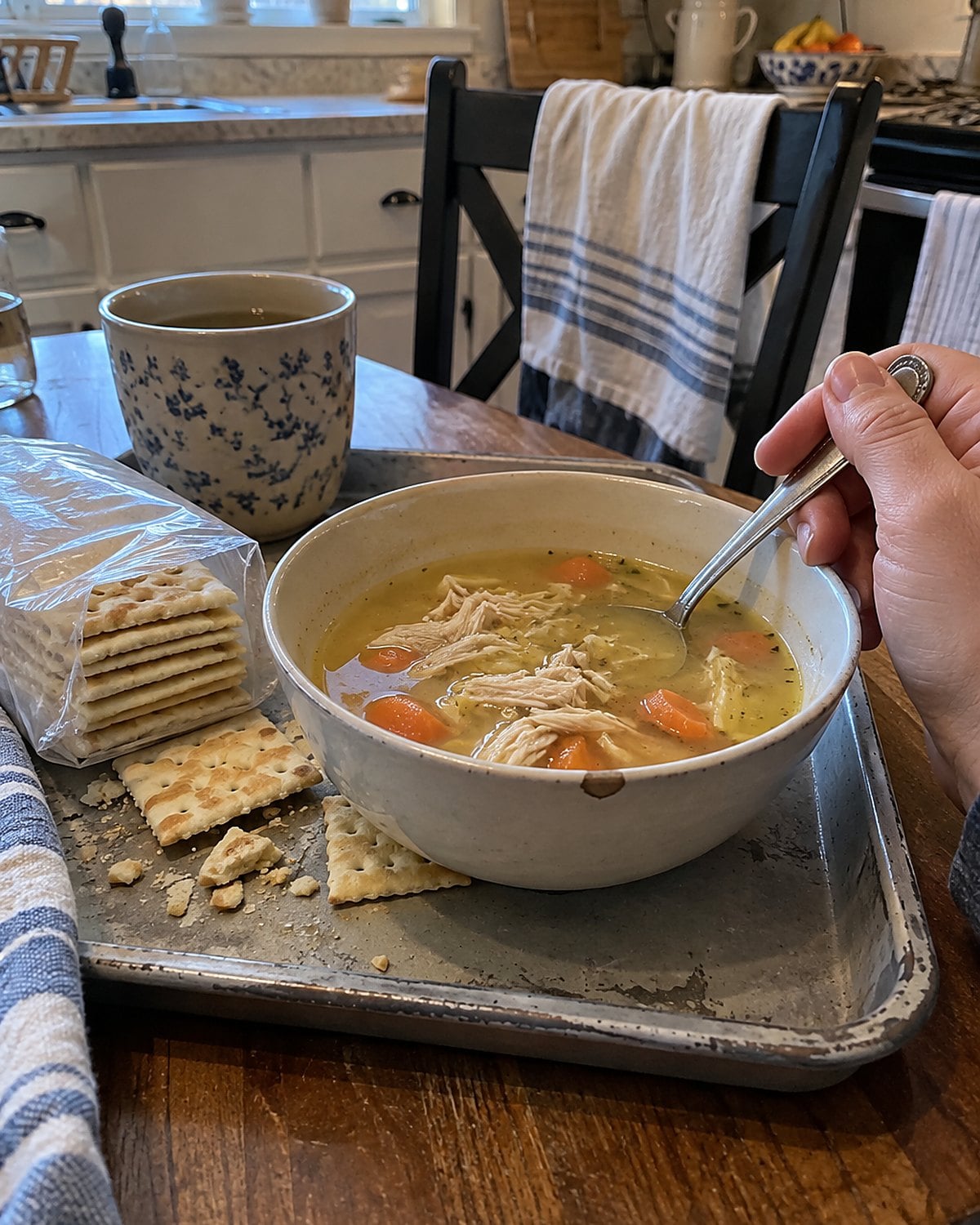
You know the sound a good saltine makes when it breaks. That makes crackers easier to judge than an ingredient buried in a casserole. Open the store-brand sleeve and check for whole crackers, a clean snap, and the salt level you like.
The package is part of the purchase. Crushed crackers work for a topping, but they're disappointing beside soup. Look through any clear part of the wrap before you buy. At home, keep the opened sleeve tightly closed so the second bowl gets the same crunch as the first.
Try the store version with a plain piece of cheese or a spoonful of soup. If you're reaching for the familiar box after one bite, trust that answer. A snack you eat on its own doesn't need to pass a savings argument.
#14 The Chocolate Chips on the Cookie Sheet
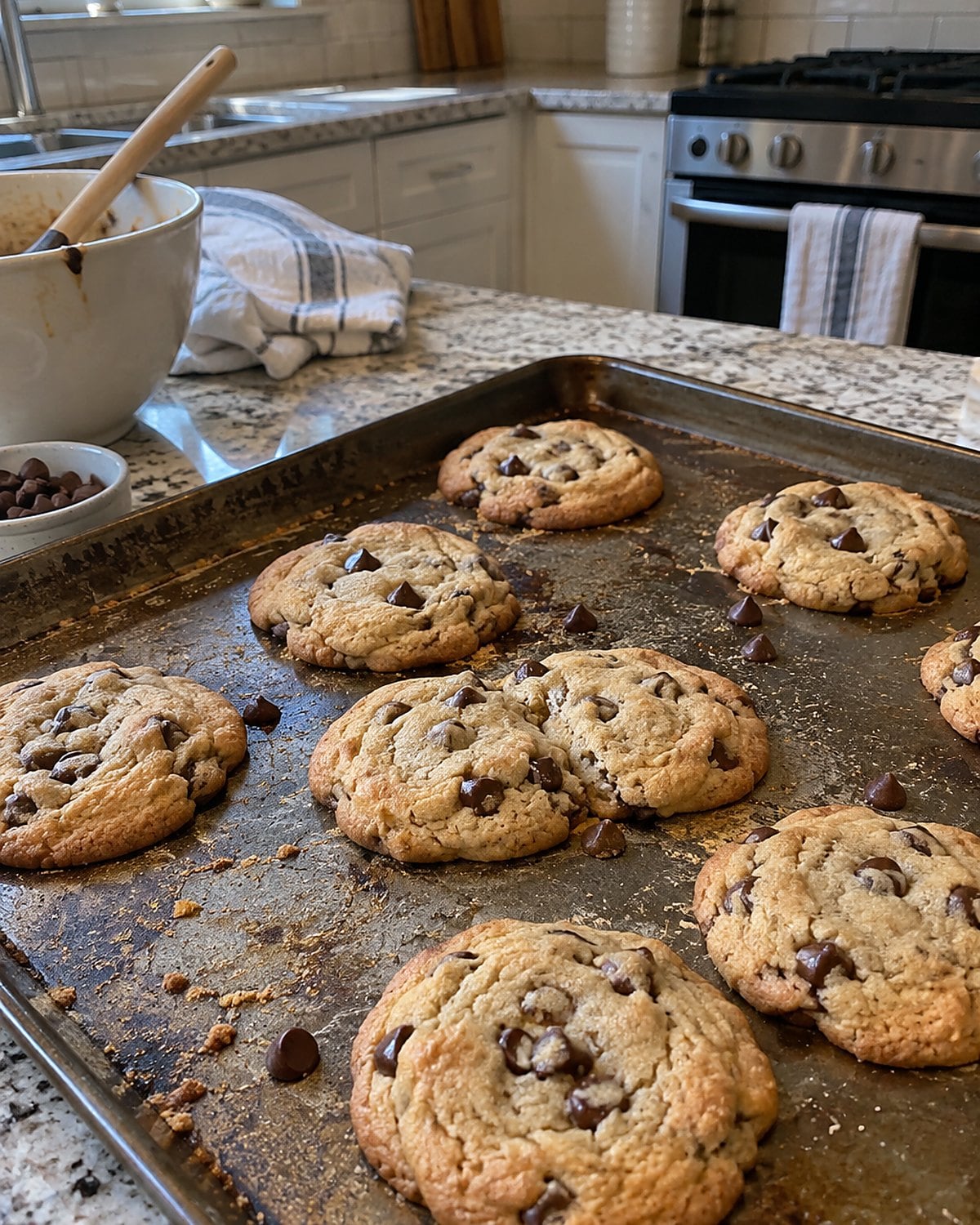
The chips you loved in a cookie years ago earned that memory with taste. Chocolate chips differ in sweetness and cocoa flavor, even when their bags look equally suited to baking.
Here's a small test before you change a whole batch. Taste a few chips straight from each bag.
Then bake a tray of your usual cookies with the store chips, leaving the dough and baking time alone. When the cookies cool, check whether the chocolate still tastes good against the butter and sugar. A chip that's pleasant from the bag has an easier job than one you already dislike.
If you chop chocolate for a cake where it melts into batter, you have another chance to compare. For the cookie with visible pockets of chocolate, keep the brand that makes you reach for a second one. Put the leftover chips in a well-closed bag so the next batch gets a fair test.
#13 The Canned Beans Beside the Pot
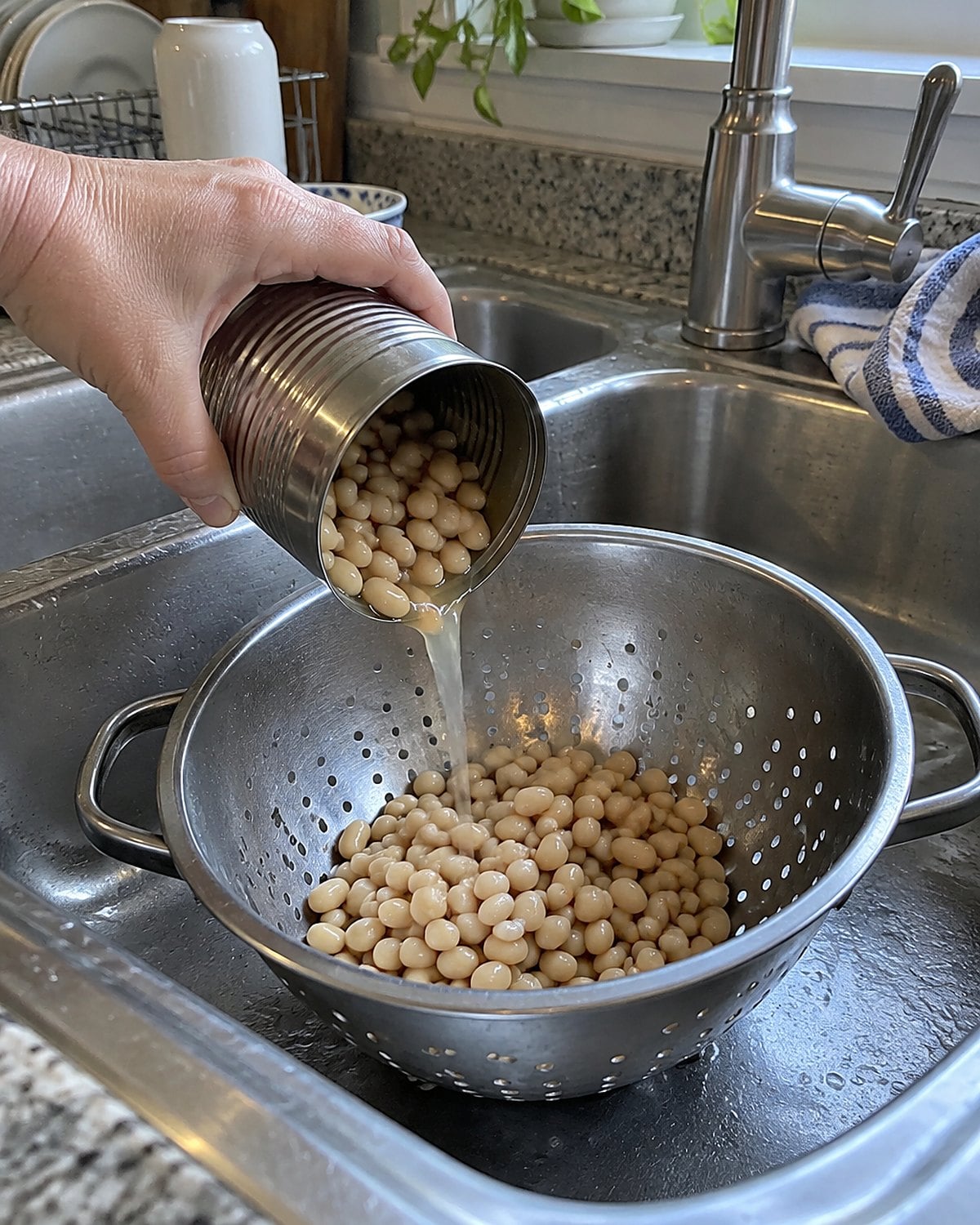
Canned beans bring their own liquid, salt level, and texture to dinner. Open a store can beside your regular one. Look at how many beans hold their shape and taste one from each after rinsing. A bean that's already mushy won't improve in a pot of chili.
Check the labels before you compare. A low-sodium can and a regular salted can aren't the same purchase. If your recipe starts with onion and spices, you have room to season the beans yourself. For a bean salad, texture matters more because there's nowhere for a broken bean to hide.
If the store can passes, keep a few in the pantry for nights when soaking beans wasn't part of the plan. A can opener and a hot pan have rescued plenty of dinners without anyone asking whose label was on the tin.
#12 The Cinnamon Jar at the Back
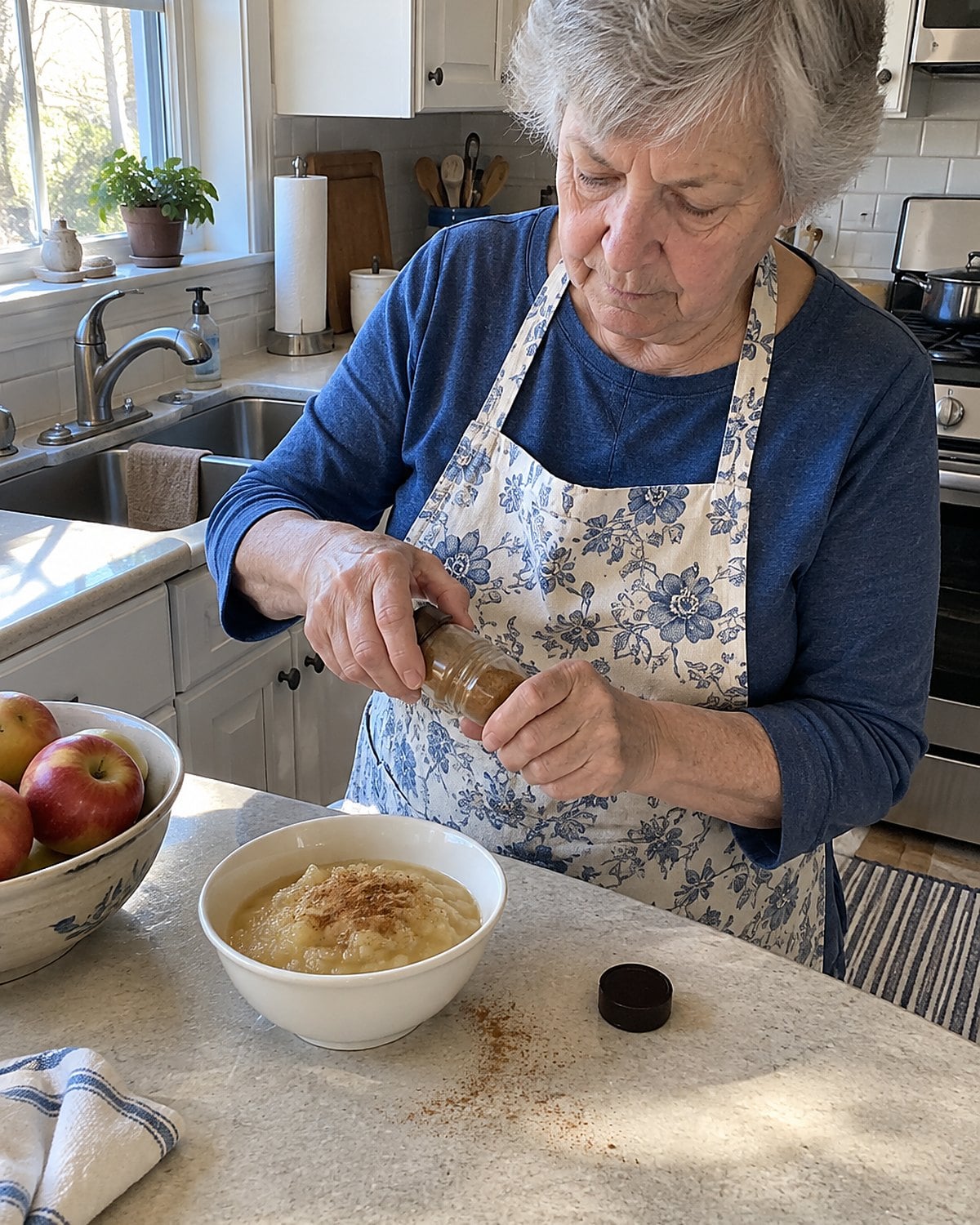
Bring the jar close and smell it. Ground cinnamon that barely smells of cinnamon has little to offer oatmeal, no matter how reassuring the label looks. That makes an old name-brand jar a poor opponent for a newly bought store jar.
Buy the smaller size if you use it only for holiday baking. At home, rub a pinch of each between your fingers and smell again. Then taste them in a spoonful of plain applesauce. Heat and sugar in a pie make differences harder to spot; the applesauce gives you a quick answer.
Check the ingredient label for blends before comparing. You want ground cinnamon against ground cinnamon. If the store jar smells bright and tastes right, write its opening date on the lid and give it the pantry spot. If your familiar jar wins, finish it while the aroma is still there.
#11 The Vanilla Bottle for Birthday Cake
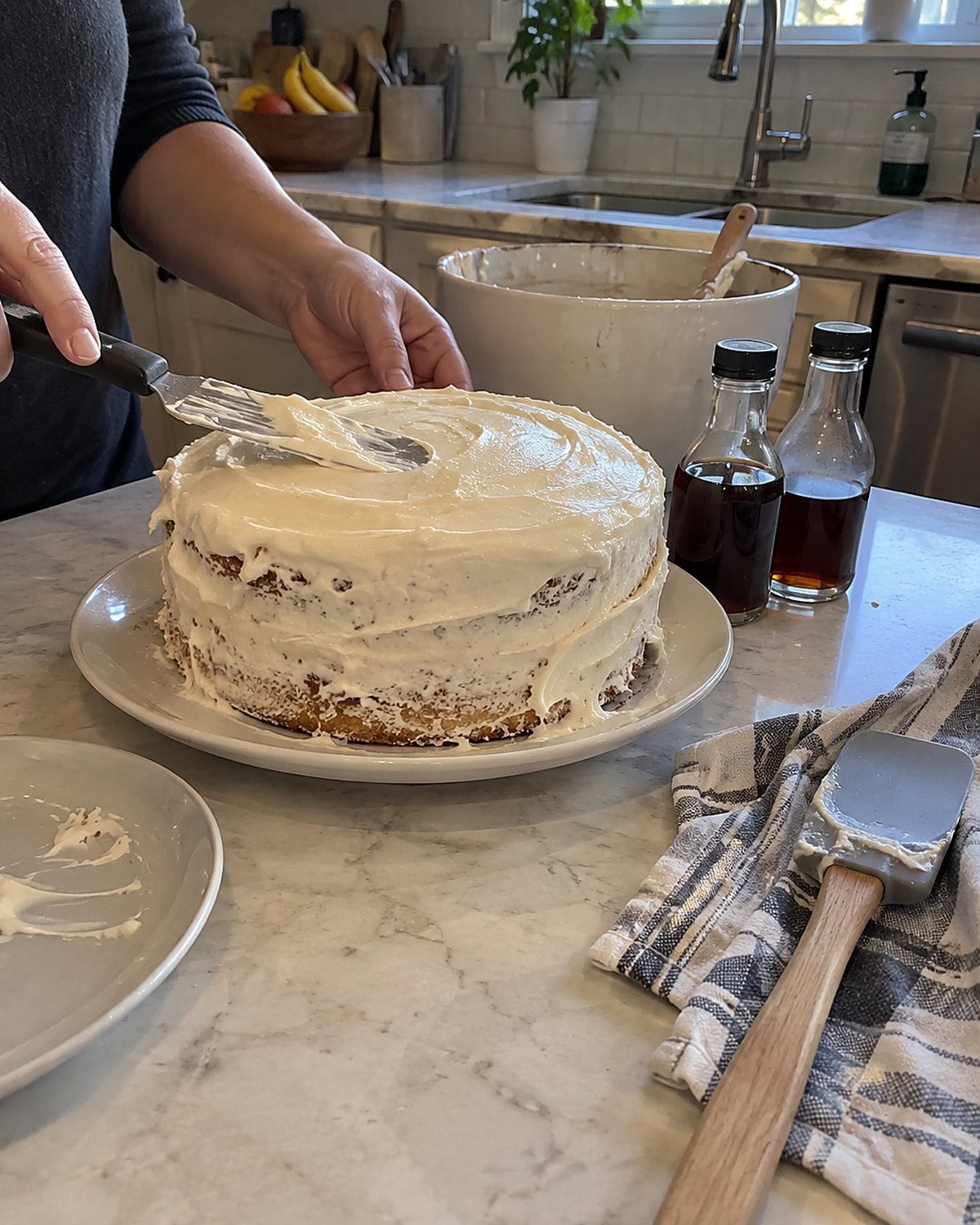
Vanilla is a label-reading purchase. “Pure vanilla extract” and “imitation vanilla flavor” tell you that the bottles contain different products. A price comparison between them isn't a brand comparison.
Start there. Then smell a store-brand pure extract beside the pure extract you know. A cake recipe with plenty of frosting won't give you the same answer as a plain custard or whipped cream, where vanilla has less to hide behind. Try a little in the dessert you actually make.
Small bottles deserve a look when the baking calendar is quiet. The large bottle you bought for birthday cakes has no advantage if it spends years waiting for the next one. Keep the bottle tightly closed and out of the stove's heat.
If the store extract gives your cake the smell you expect when you open the oven, that's enough. If the flavor you've always loved belongs to one bottle, keep it for the baking where you notice.
#10 The Mustard Beside the Sandwich Bread
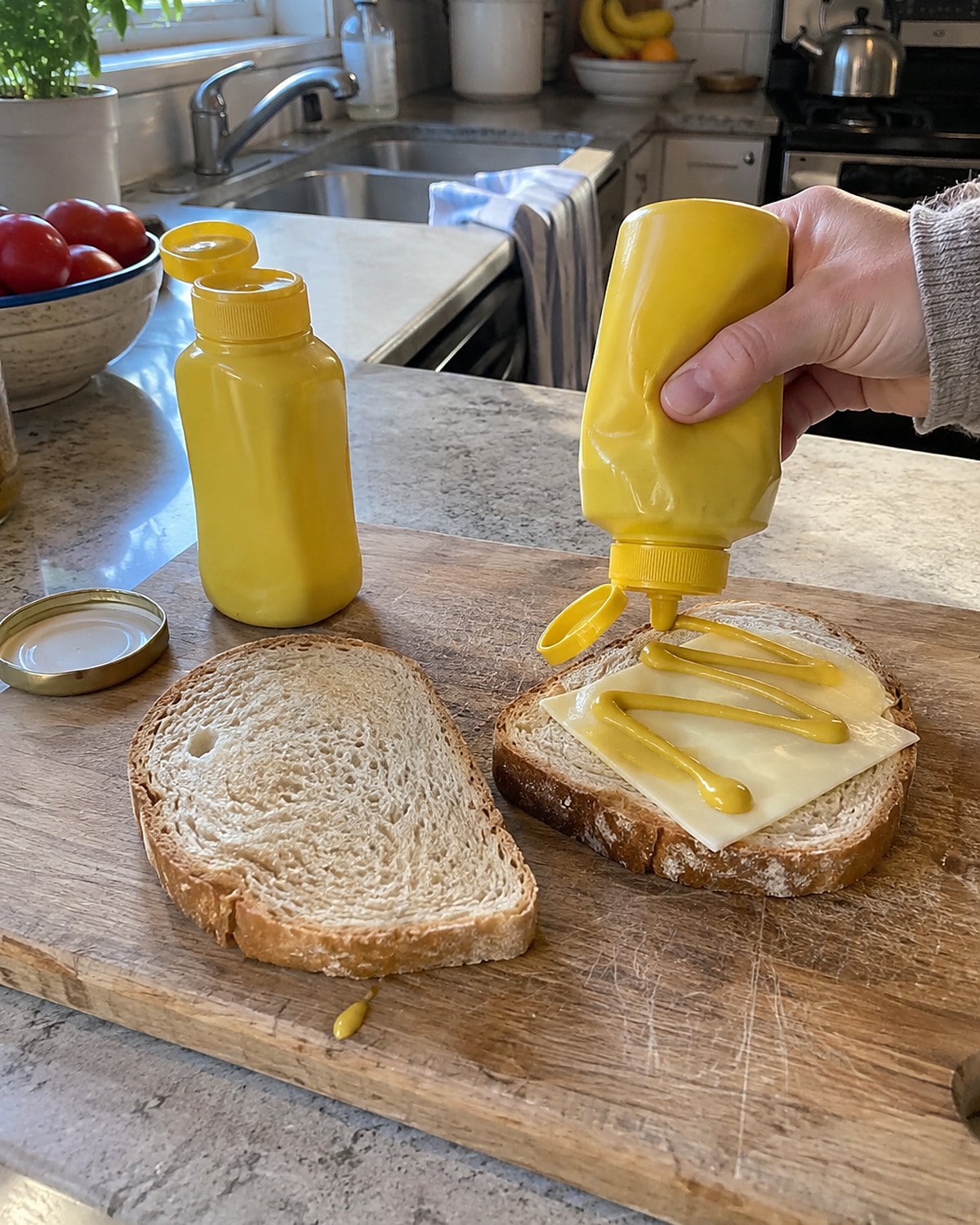
Yellow mustard has an easier store-brand trial than a specialty Dijon. Its sharpness matters, but you can find out with one bite instead of changing a family recipe.
Put a little of each on plain bread or a piece of cheese. Taste the store brand first, then your regular bottle. One tastes sweeter? One has a sharper vinegar bite? You'll know which belongs on the sandwich you make for yourself. The answer matters less in a glaze mixed with other strong ingredients.
Check the bottle opening, too. Mustard that comes out in a rush makes a mess of lunch. If the store bottle tastes right and behaves at the counter, it has done everything you asked of it. Keep the Dijon you've settled on until you give that separate product its own test.
 You might also like27 Things People Over 60 Still Do With Leftovers That Food-Safety Experts Beg Them to Stop
#9 The Frozen Broccoli in the Freezer Bag
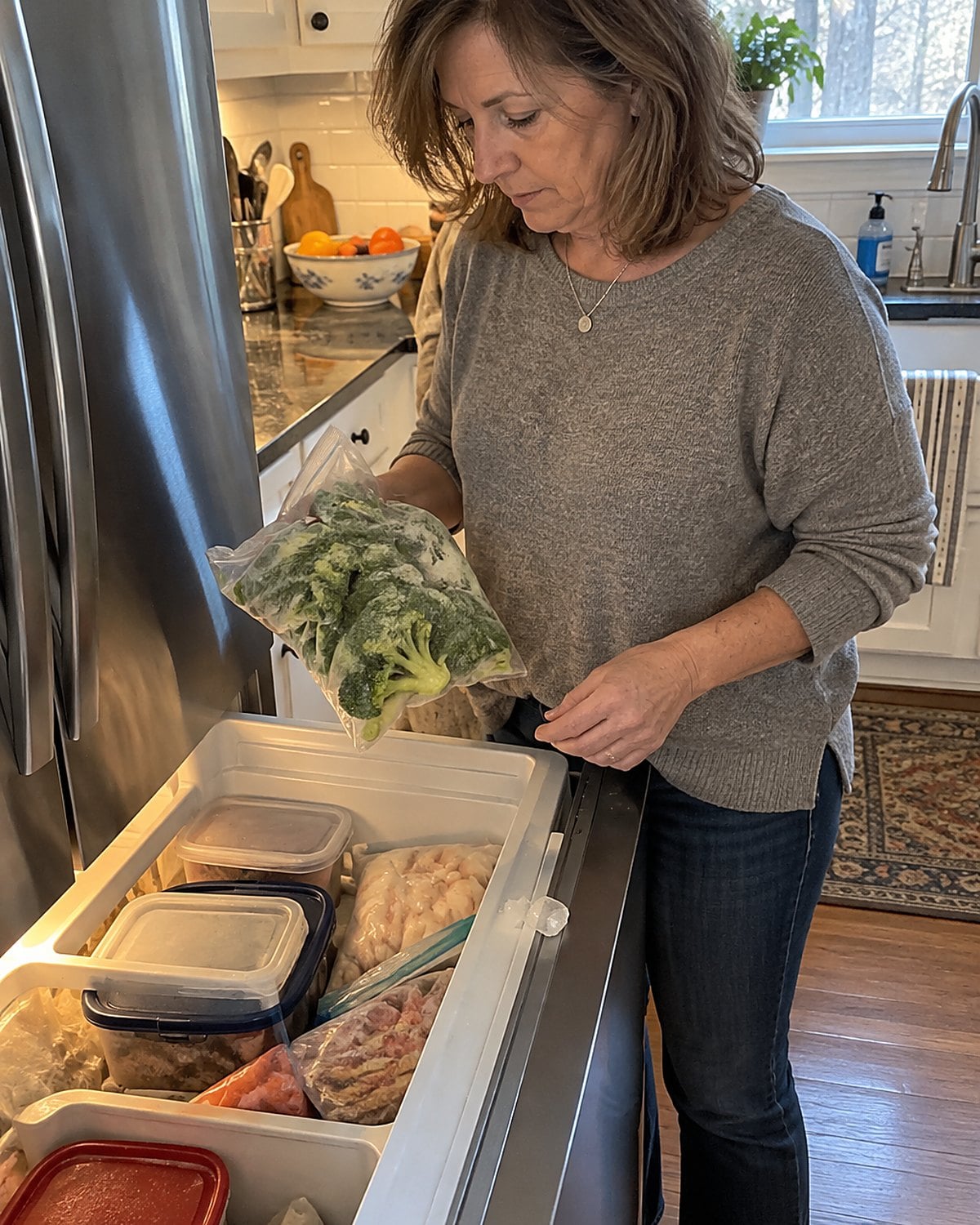
A bag marked “broccoli cuts” won't cook like a bag of florets. Cuts include more stem, which changes both the price and what lands on the plate. Match the words on the front before deciding whether the store version measures up.
Feel for loose pieces in the sealed bag. Then cook a portion from each brand by the same method. Drain well and taste without sauce.
Do the stems turn tender before the tops go dull and soft? That's the question, not which bag looks prettier through the freezer door.
For a blended soup, uneven shapes won't matter much. For broccoli served beside chicken, you notice every piece. Buy the store bag for the job it handles well. You don't need one permanent winner for every dinner.
Try it: Instant Pot Broccoli With Lemon & Garlic
#8 The Peanut Butter on the Toast
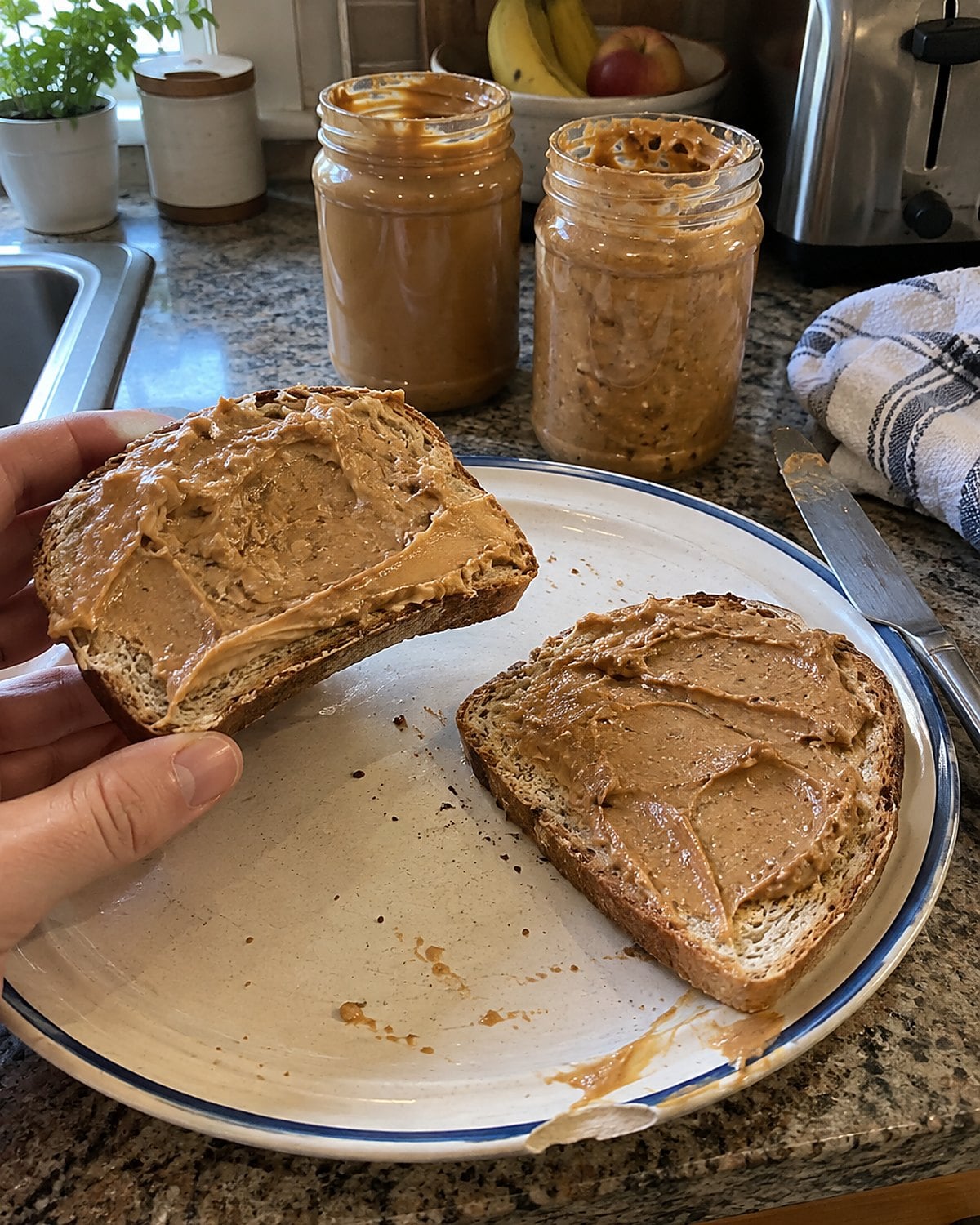
Peanut butter makes a plain piece of toast reveal a lot. Store and name brands differ in sweetness, salt, texture, and whether oil separates in the jar. Compare the ingredient lists before you bring one home. A jar with peanuts and salt belongs to a different test than one with added sweeteners and stabilizers.
Spread each on warm toast. Does one tear the bread? Does the other taste too sweet once the toast cools? If you're packing sandwiches for grandchildren, ask what they actually finish, not what the jar promises.
For peanut allergies in the household, read the label every time you buy, even for a familiar brand. The FDA's food-allergen labeling guidance explains what to look for in ingredient and allergen statements. Your toast test settles taste; the label tells you what's declared in the jar.
#7 The Tuna Tin for Lunch
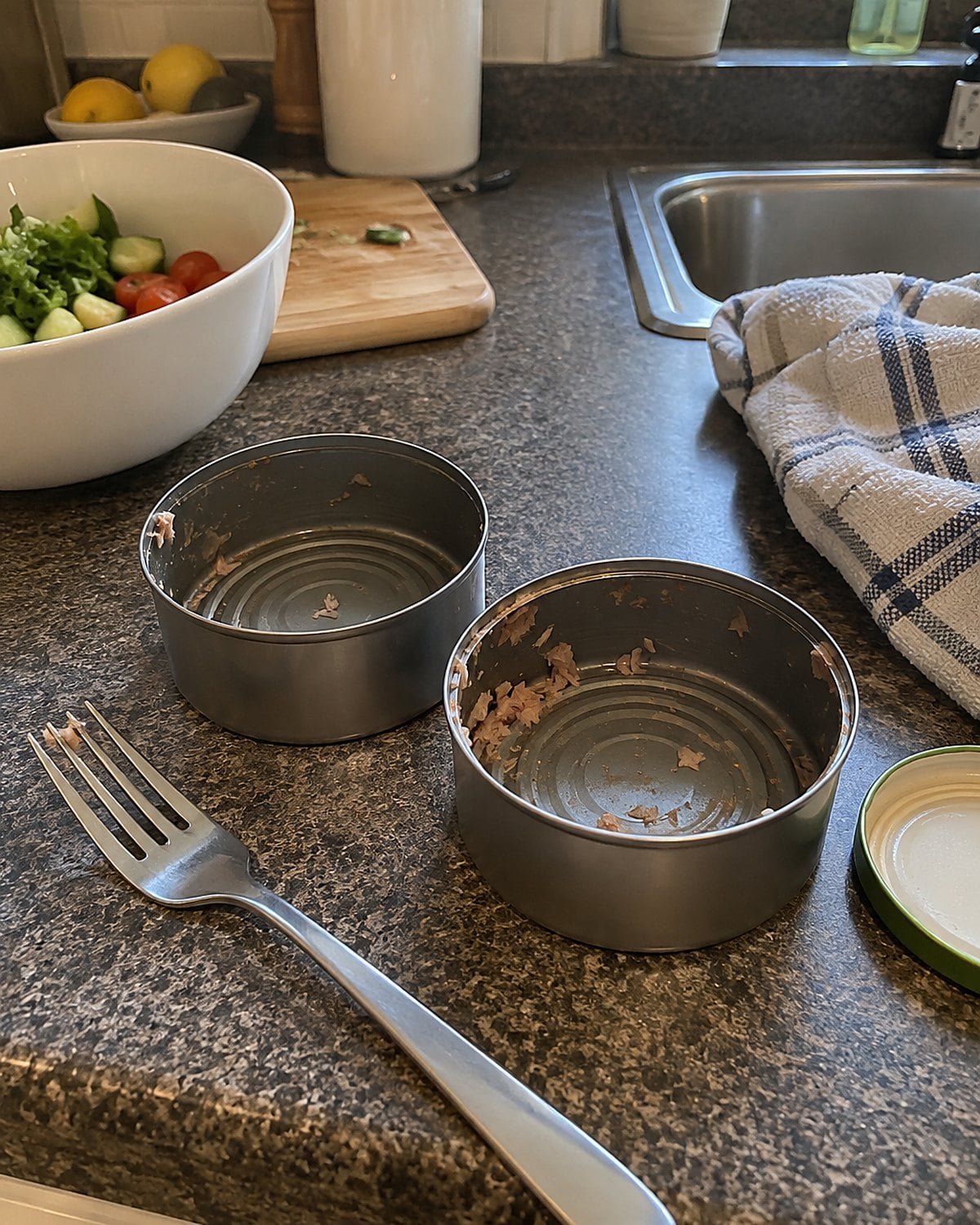
What did the tin you grew up buying say beneath the brand name? Look again before replacing it. Tuna packed in oil tastes and feels different from tuna packed in water. Chunk light and solid white describe different kinds of tuna, too.
Set matching tins beside the can opener: same tuna type, same packing liquid. Drain both the same way. Put a forkful of each on a plate and press it once. One holds in broad flakes; the other falls into small bits. That difference follows the fish into your lunch salad.
Taste before adding anything. Then decide which texture you want when the mayonnaise goes in.
There is another reason to read the fish name. The FDA's Advice About Eating Fish distinguishes among tuna types in its mercury guidance. A familiar label doesn't make every tuna tin interchangeable.
#6 The Butter Wrapper Before Baking
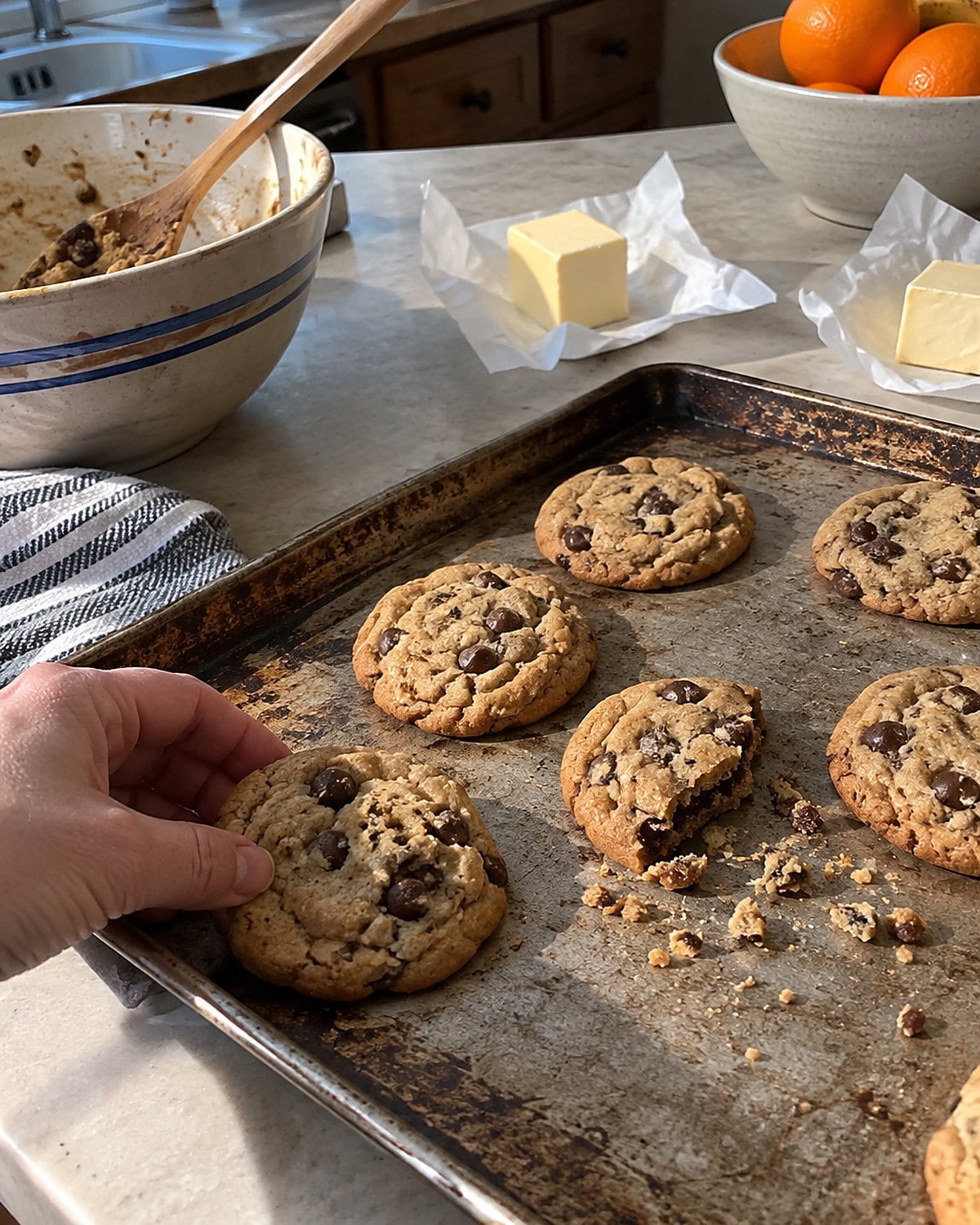
Butter has a specific job in a cookie: it brings fat, water, and flavor to the dough. Start by comparing butter with butter. A “spread” in a tub isn't the same purchase as a wrapped stick, even if the shelf puts them close together.
For store and name-brand butter, check salted against salted or unsalted against unsalted. Bake your familiar cookies with the store sticks and notice how far they spread. Taste one while it's warm and another after it cools. Cold cookies tell you more about butter flavor than melted chocolate does.
If the store butter works in baking, try it on toast, where nothing covers its taste. You might keep a favorite for the table and use the store box for cookie dough. That's a practical choice, not a broken rule about loyalty.
#5 The Bread Bag for Tomorrow's Sandwich
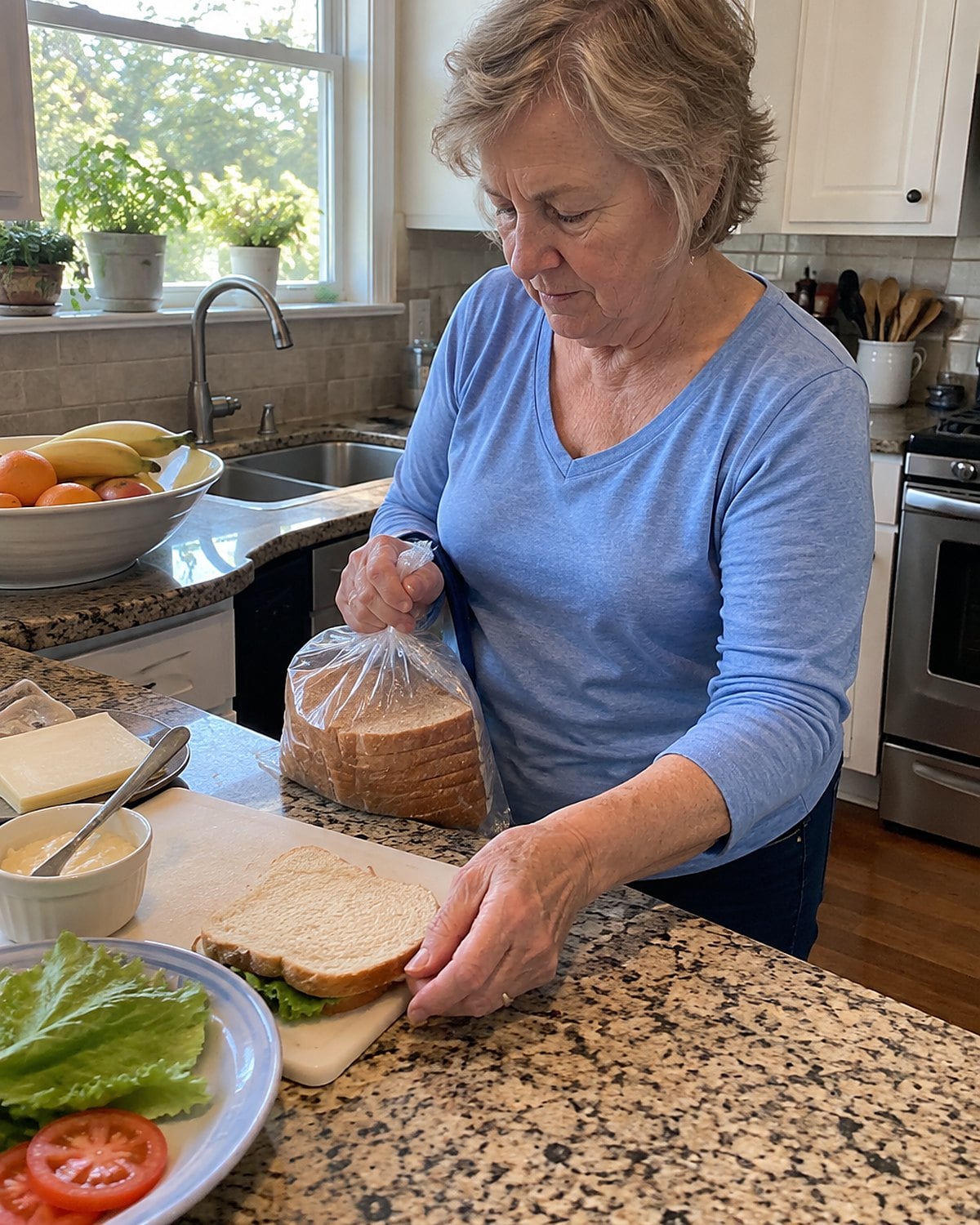
A loaf deserves the second-day test. Fresh from the bag, store and name-brand sandwich bread can feel close. Tomorrow, one slice might bend around a filling while another cracks or turns gummy.
Compare like with like: white with white, whole wheat with whole wheat. Look at the slice size if your toaster has narrow slots. Make the sandwich you actually eat, then try another slice the next day. A label full of appealing words can't tell you how it handles peanut butter or a juicy tomato.
Check the bag closure in the store. A loose tie lets air at the loaf before you get home. If the store bread passes your sandwich test, buy it again. If it doesn't, a cheaper loaf that sits untouched in the bread box has solved nothing.
#4 The Coffee Tin Before the First Cup
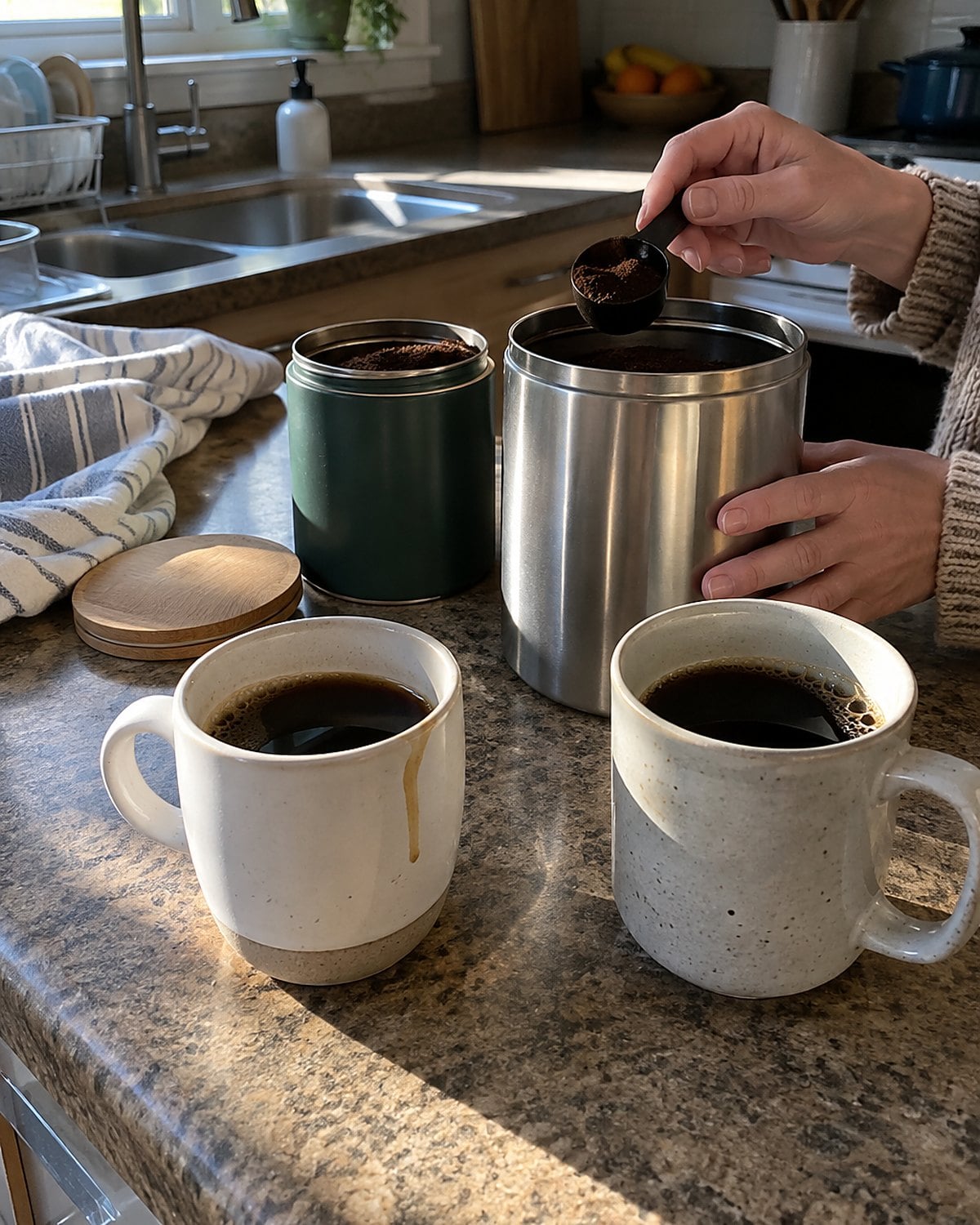
Coffee is a poor place for someone else to make your decision. Its roast, grind, and freshness all affect the cup you know before the kitchen is fully awake. A store tin that says “medium roast” won't necessarily taste like the medium roast you've bought for years.
Match ground coffee with ground coffee and keep the brewing method the same. Make each cup with your usual measure, then taste before adding cream or sugar. Smell the grounds as well. That first scent from the open tin is part of what you're buying.
If the store coffee pleases you, the switch is easy to repeat. If it doesn't, don't use a full tin trying to talk yourself into breakfast. Keep your regular coffee, and look for savings elsewhere in the cart.
#3 The Canned Tomatoes for Sunday Sauce
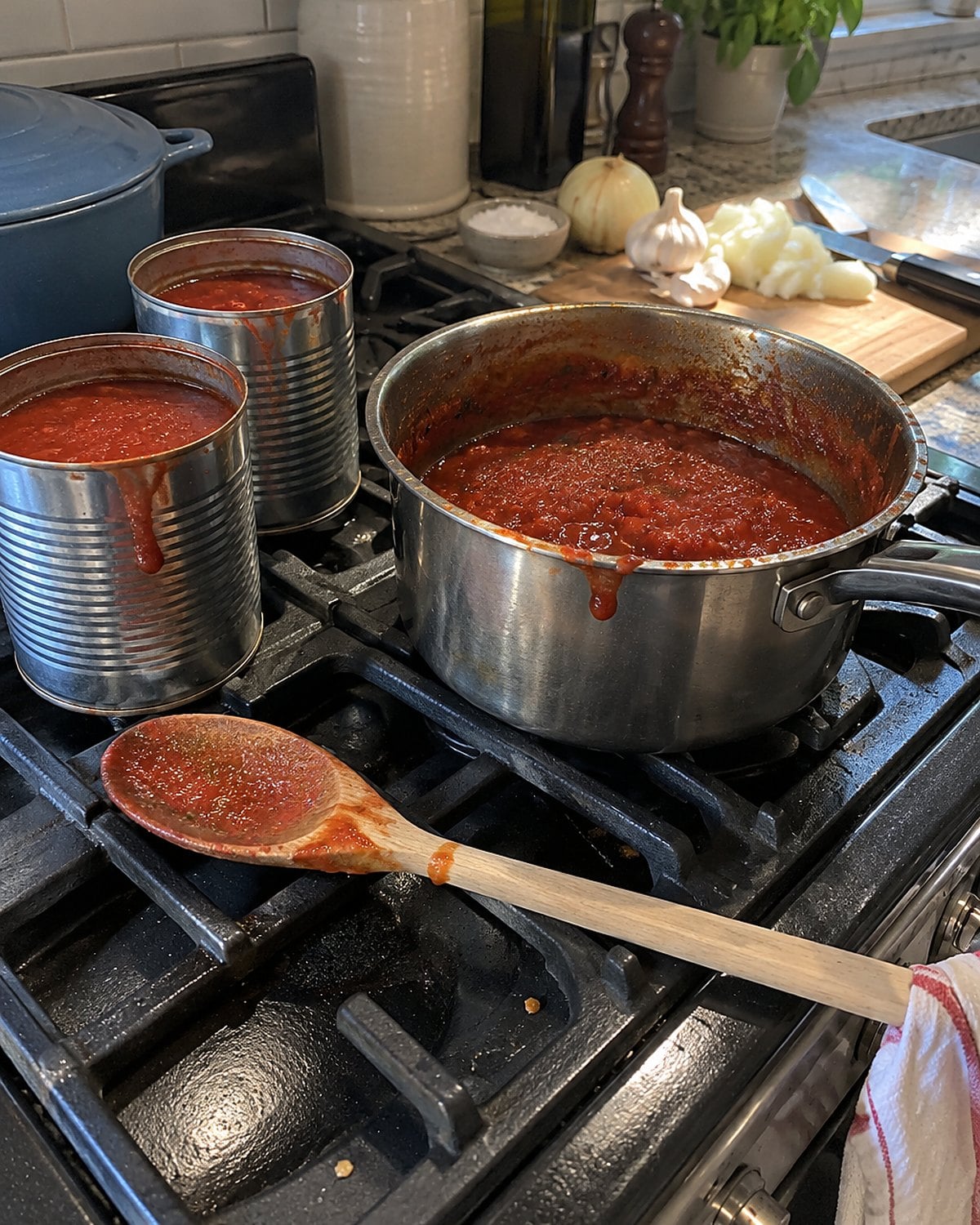
Tomatoes change a pot before the seasonings go in. Open two cans of the same style, such as crushed tomatoes, and spoon a little from each into separate bowls. Taste for sweetness and acidity. Look at how thick the contents are before either hits the stove.
A sauce that simmers for hours gives thin tomatoes time to reduce, but that takes time and changes the amount left in the pot. For a quick pasta sauce, thickness matters right away. Whole tomatoes also differ in how readily they break apart under a spoon.
Try the store can in a small weeknight pot first. Use the onions, oil, and cooking time you know, then taste before adding sugar or extra salt. If the sauce tastes like yours, switch. If the tomatoes make you work to get back to that familiar flavor, keep the can you trust for Sunday.
Try it: Instant Pot Tomato Basil Sauce
#2 The Chocolate Bar for the Good Dessert
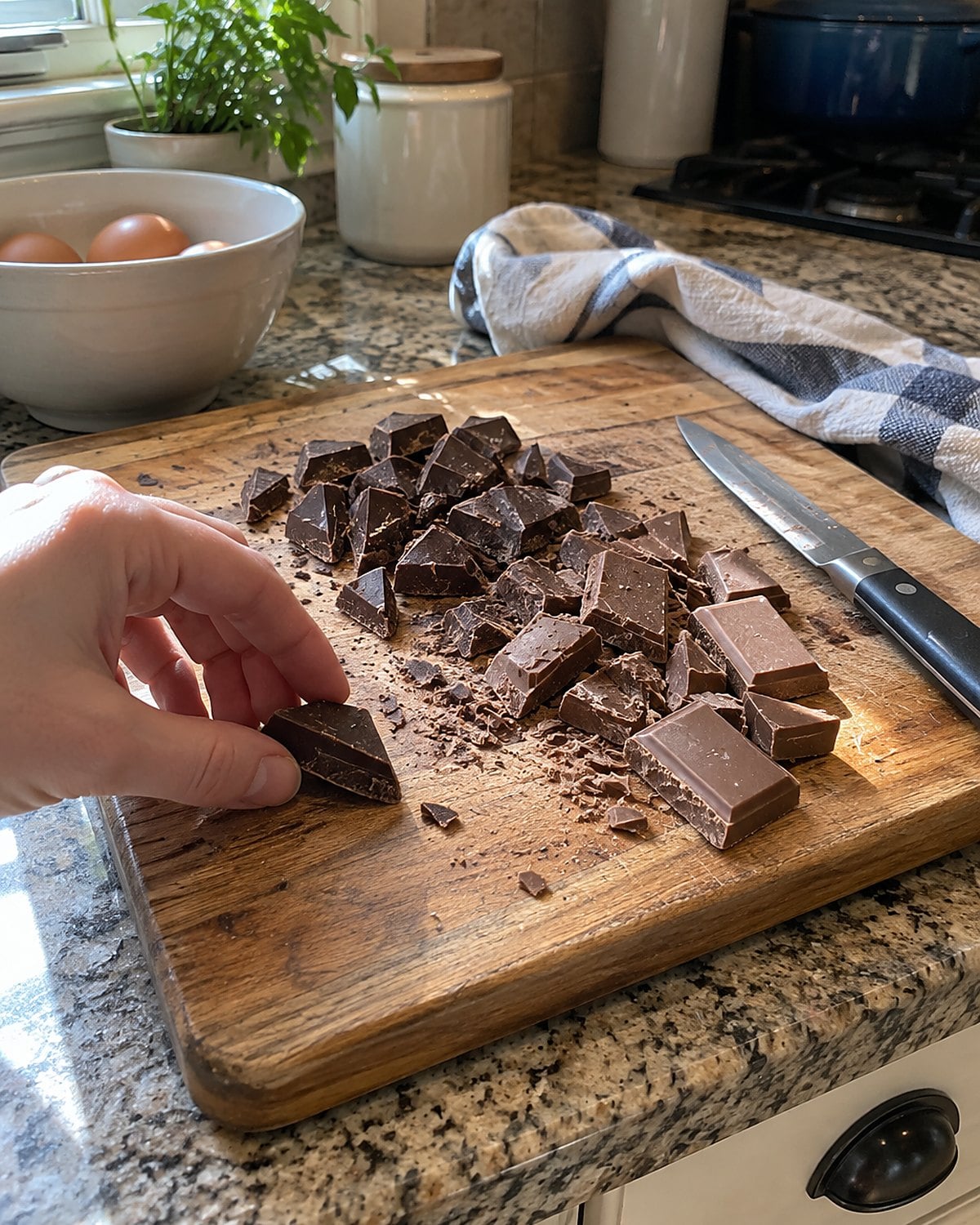
A chocolate bar served on its own has nowhere to hide. The same goes for a few shavings over ice cream or chocolate melted into a simple ganache. Here, the store label deserves a taste, not an automatic place in the cart.
Match the type of chocolate first. Milk chocolate and dark chocolate answer different cravings. Break off a piece of each and let it melt on your tongue. Notice sweetness, cocoa flavor, and the feel it leaves behind. Don't test one straight from the fridge and the other at room temperature.
If the store bar wins, enjoy it. If your usual bar tastes better, keep buying it for the dessert where you notice every bite. Use a less costly chocolate in a busy batter only after you've tasted that result. The good dessert is a fair place to spend on the ingredient you want.
#1 The Store-Brand Jar Beneath the Shelf Tag
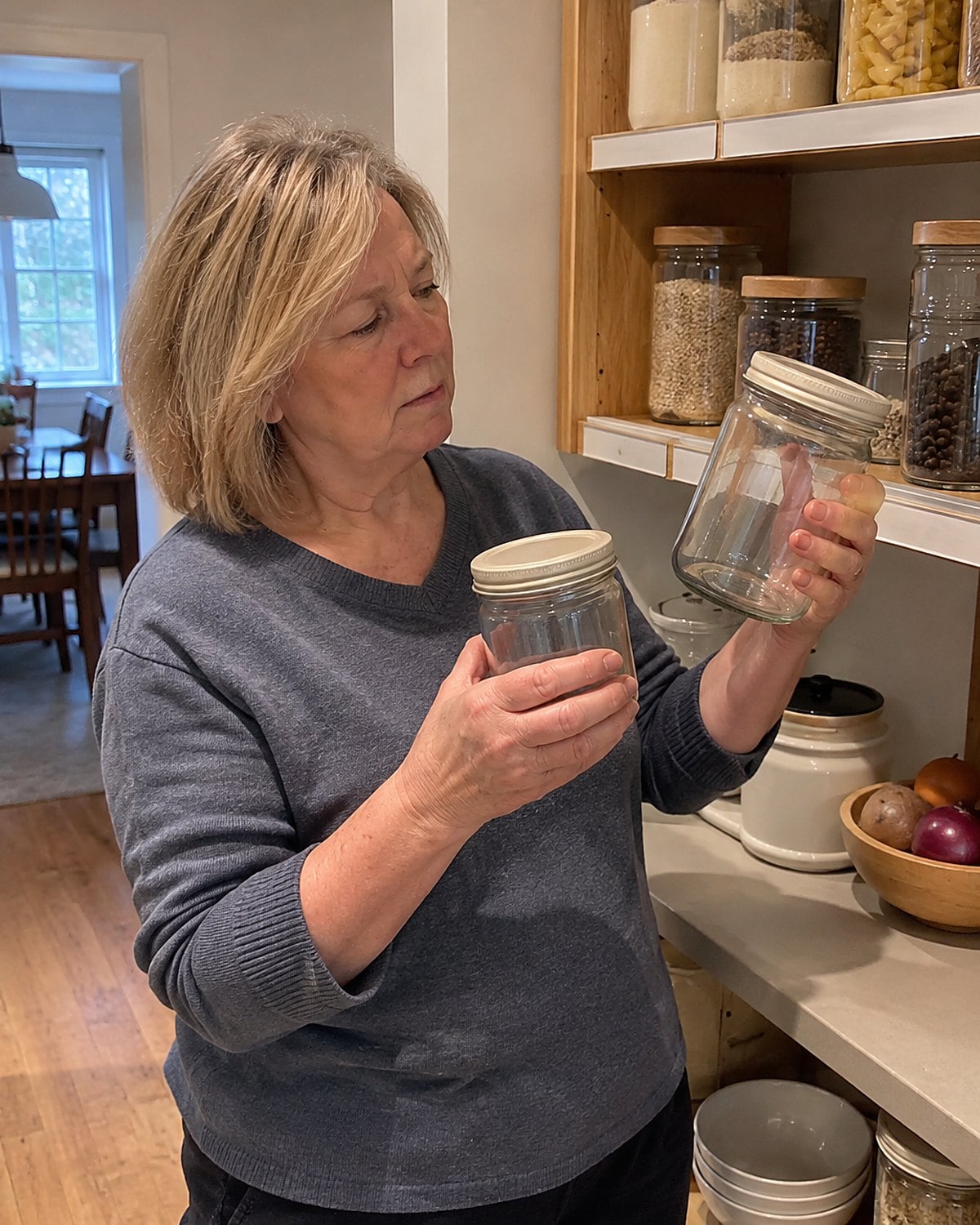
Two jars look alike until you pick them up. The store version sits beside the brand you've bought for years, with a lower shelf price. But one jar holds less. Which one earns a place in your cart?
Look first at the front and ingredient panels. Match the product, not just the shape of the jar. Then read the unit-price tags beneath them. A sale on the name brand changes the comparison, and a bigger store jar wins nothing if you won't finish it.
Make the math concrete without guessing at grocery prices. If one jar holds 16 ounces and another holds 32 ounces, the second holds twice as much. For equal cost per ounce, its shelf price would have to be twice the first jar's price. Otherwise, read each price per ounce on the tag. If the tags use different units, divide each shelf price by its package size with your phone's calculator.
The FTC's Unit Pricing page explains why those small shelf figures help when package sizes differ. If a tag is missing, ask for the unit price rather than trusting the larger-looking jar.
A store jar that tastes as good, suits your household, and costs less per ounce has matched the name brand. Keep that one. If the familiar jar wins any of those tests, you know exactly why it's coming home.
Keep reading
 26 Things Grocery Workers Wish Shoppers Over 60 Knew
See all 26 →
More you’ll remember
 27 Things People Over 60 Still Pay Full Price for That the Store Would Rather You Didn't Notice
 24 Pantry Items That Last Years, So Stop Replacing Them
 26 Things in Your Fridge Right Now That Should Have Been Thrown Out
The bottom line
Store brands do best when the product has a clear job and you compare like with like. Taste the foods you eat plainly; test baking ingredients in recipes you know.
You've already got the tools: the spoon, the familiar pan, and the sense of how dinner should taste. Which brand in your kitchen has earned its place, and which one has simply held it for years?
Leave a Reply