

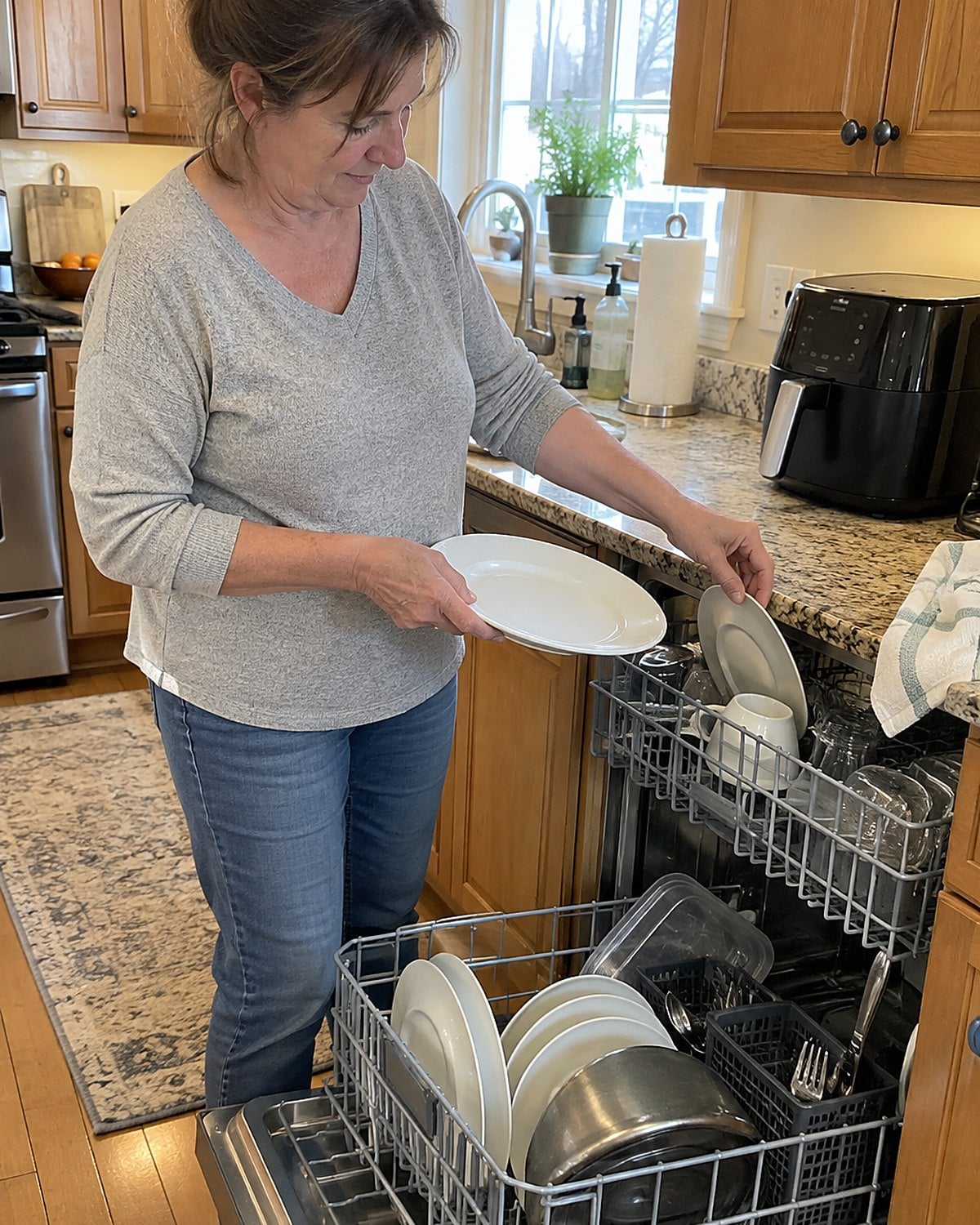
The dishwasher is half unloaded when you notice the clock. The clean plates are still in the rack. The sink holds a colander, and dinner hasn't started.
You know how to get a meal on the table. You've done it for decades. What changed is the number of people waiting for it.
Heating a full oven for one piece of fish feels foolish. Cereal isn't dinner, either. Then that appliance your daughter kept mentioning starts looking less like a gadget and more like a way to use the good plates before bedtime.
She was right about something. You don't have to tell her yet.
#23 The oven that stayed cold
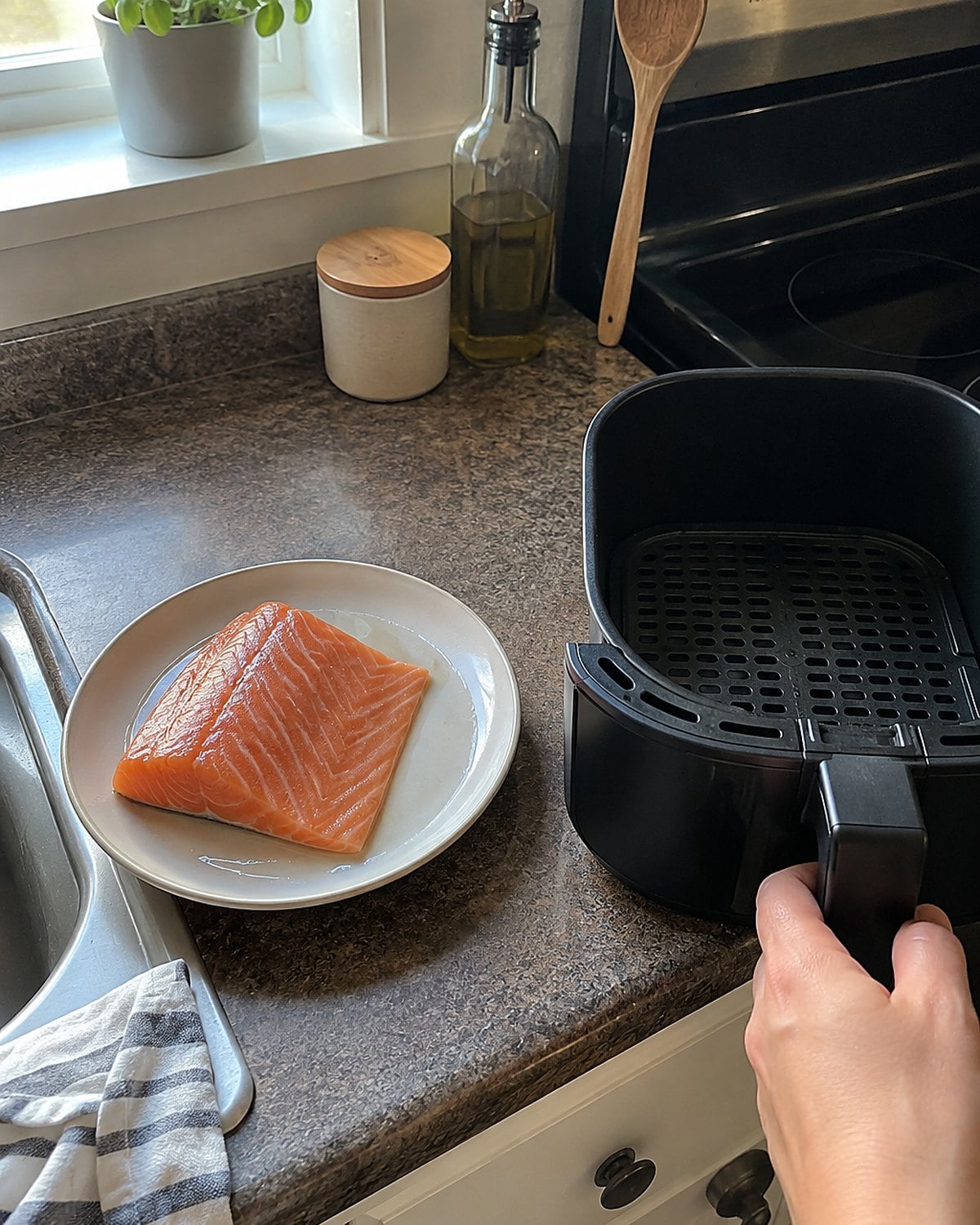
For years, the oven was the signal that dinner had begun. You turned it on, cleared the counter, and made enough food to justify the heat. Then the table got smaller. One piece of salmon doesn't care about the ceremony surrounding it.
An air fryer circulates hot air through a small space. Food on its rack has more of its surface exposed than food in a crowded pan. That's why a small supper gets browned edges without warming the kitchen for an entire evening.
The change starts before you turn anything on. Look at the portion, then choose the appliance. One fillet and a small side don't need a full oven. A pan of food for visiting family does.
The oven hasn't lost its place. It just doesn't get first refusal.
#22 The potato with crisp edges
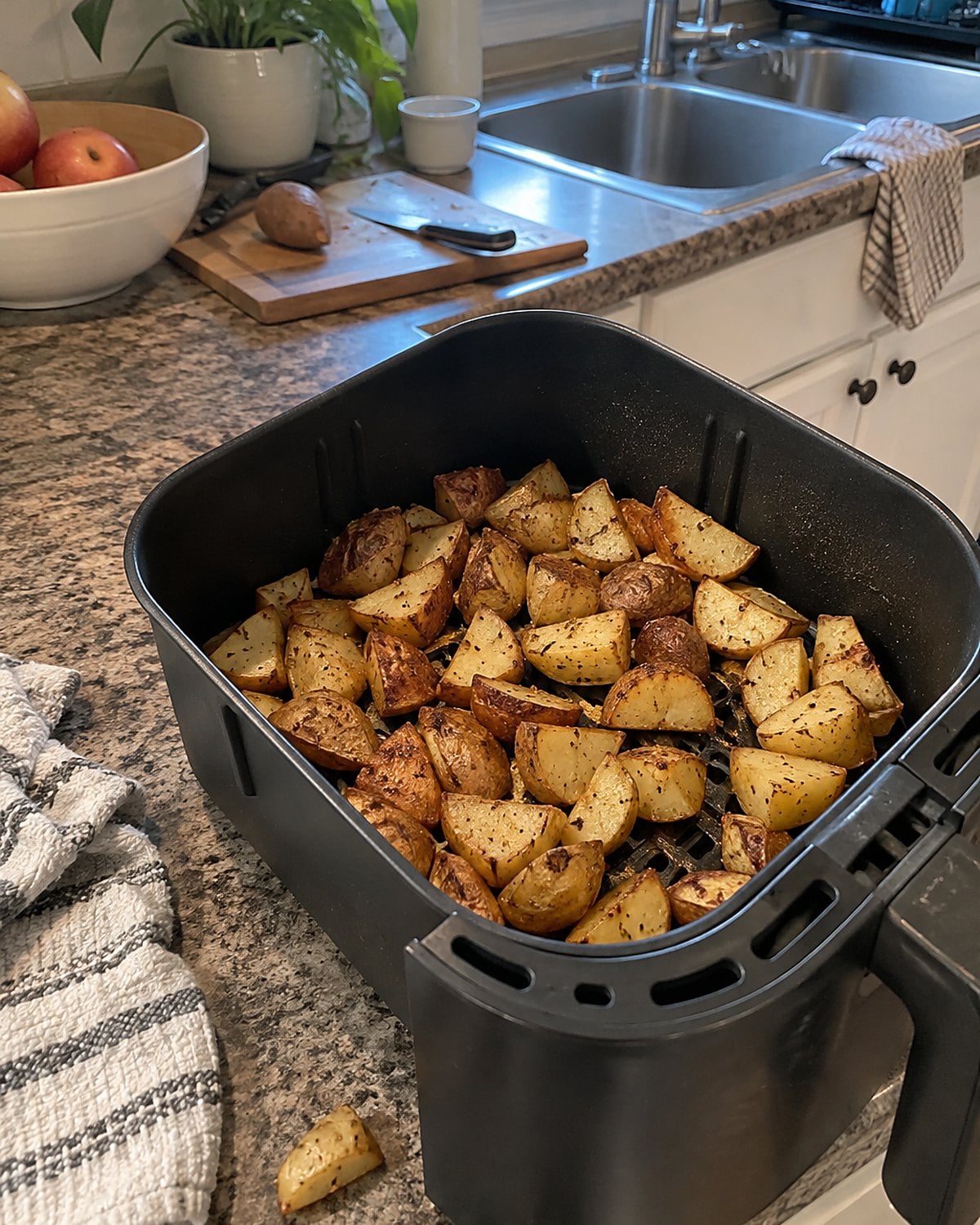
A baked potato takes patience. A small pile of cut potatoes asks for something else: exposed surfaces. Cut them into pieces of similar size, dry them with a towel, and toss with a little oil. Damp potato steams before it browns.
Give those pieces room in the basket. About halfway through, pull it out and shake. Look for edges that have changed from pale and wet to browned and rough. A knife should slide through the center without meeting a firm spot.
If the edges darken before the middle gives way, cut smaller pieces next time. Changing the temperature alone won't make a large chunk cook like a small one.
Try one piece before you empty the basket. A crisp edge means little if the center still tastes raw. Your knife, rather than a promising display, tells you when supper is ready.
Try it: Red Potatoes Air Fryer
#21 The broccoli you stopped boiling
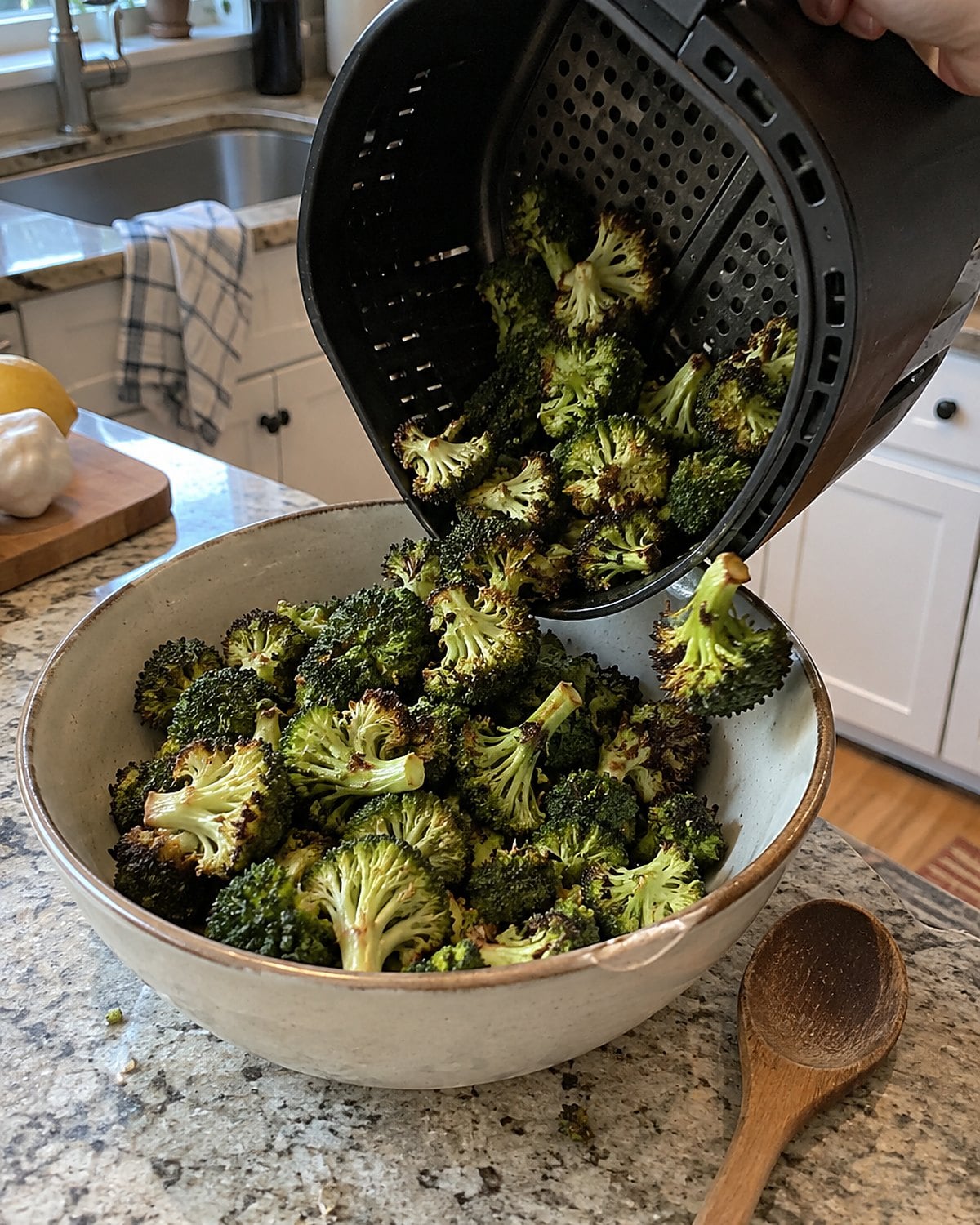
You know the smell of broccoli that's gone past tender. It hangs around the sink long after the pot is washed. In a basket, broccoli takes a different path: the cut faces brown while the stems keep some bite.
Start by drying the florets. Water trapped in the tops turns to steam, and a wet heap comes out limp. Toss with oil and salt, then spread them so air reaches the branches.
Check the thinner pieces first. When a knife tip enters the thick part of a stem with slight resistance, pull the basket. The browned tips should smell toasty, not sharp or burned.
Save lemon for the end. Its juice on raw broccoli wets the surface you were trying to brown. Add it at the counter, along with cooked garlic if you like. That order is small enough to remember on a Wednesday.
#20 The grandchild's chicken nuggets
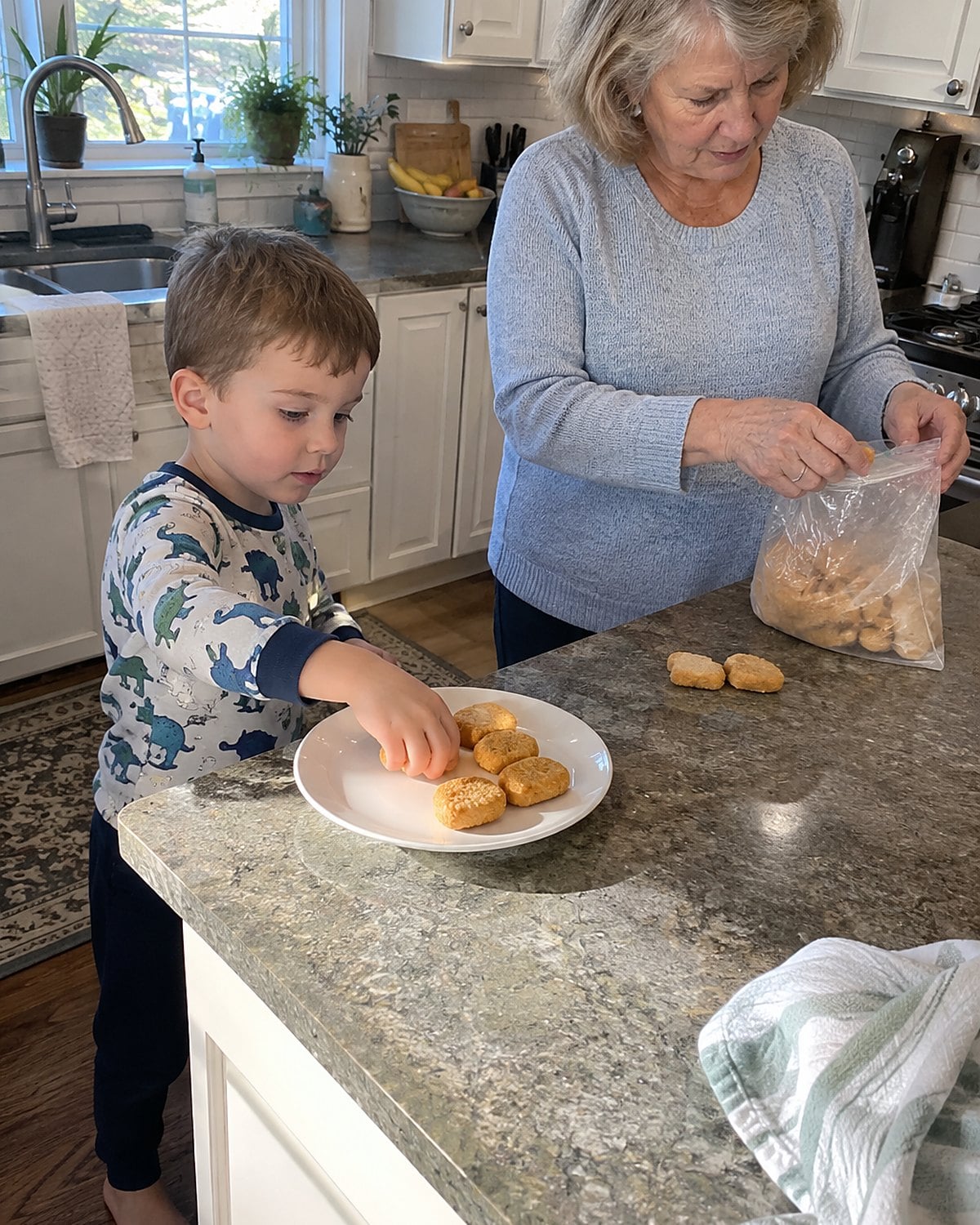
A grandchild asks for nuggets, and the freezer bag solves lunch. At dinner, the same bag presents a familiar problem: some pieces come out hot, while the ones buried underneath feel cold at the center.
Spread frozen nuggets in one layer and follow the package's air-fryer directions when they're printed. Turn or shake them during cooking. Check the thickest piece with a food thermometer.
For homemade nuggets made with raw chicken, the USDA safe-temperature chart calls for 165°F. If the store-bought nuggets are made with raw chicken, follow their cooking directions and check that same temperature.
You don't need a tray of nuggets for the adults just because the oven is on. Cook the amount requested, then put the bag back in the freezer. Another round belongs to whoever is still hungry.
Try it: Instant Pot Air Fryer Chicken Nuggets (From Frozen)
#19 The toast that escaped the toaster
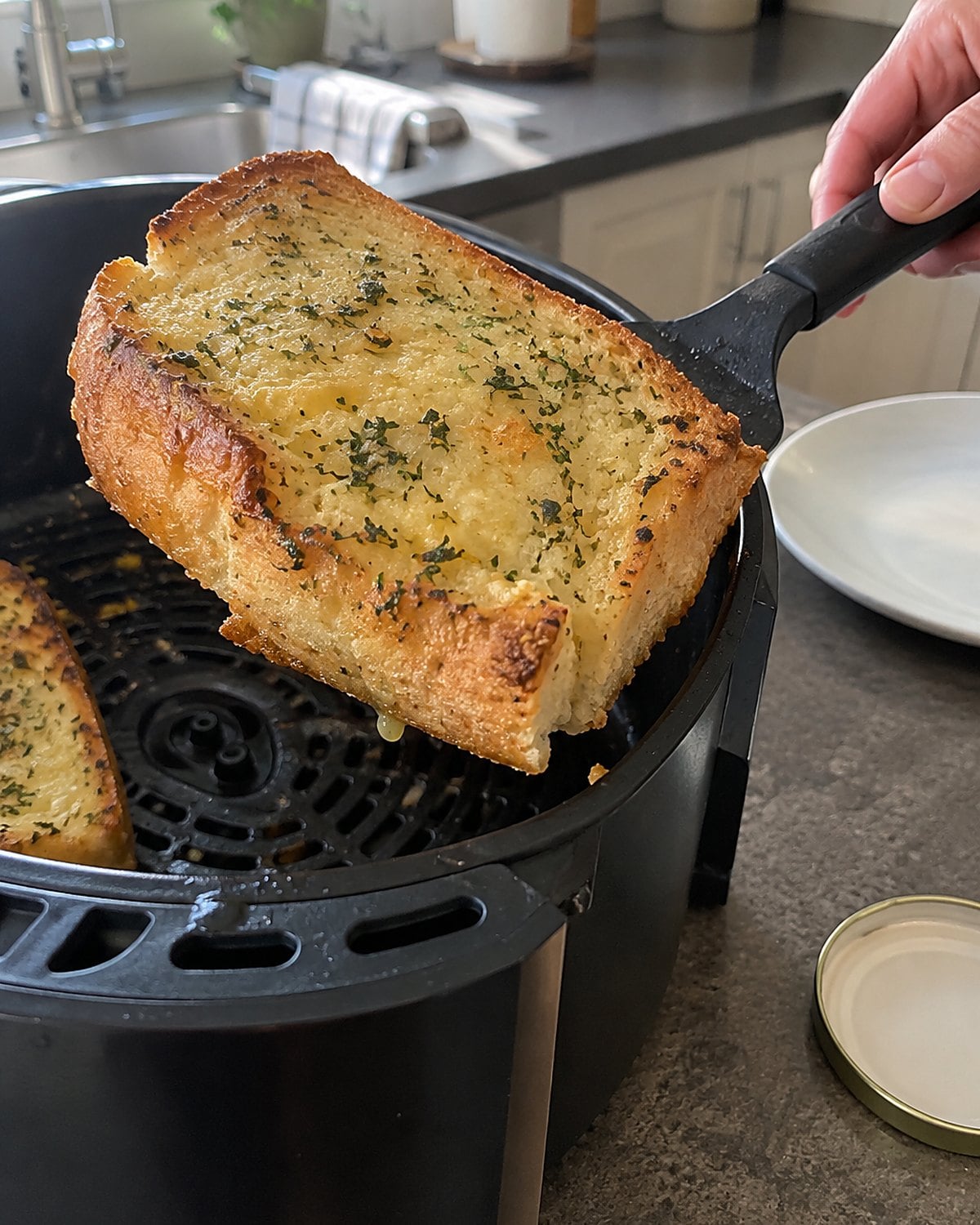
A thick slice from a round loaf doesn't always fit the toaster slot. Squashing it down feels like an insult to good bread.
Set the slice in the basket and watch it closely. Light bread lifts in strong airflow, especially once it dries. Keep it below the heating element and follow your machine's guidance about loose toppings.
Butter and garlic brown fast. Add cheese near the end, after the bread has warmed. Look for a firm edge and a center that still gives when pressed. That's when toast tastes like bread, not a cracker.
The toaster keeps its morning job. This is for the odd slice left beside the cutting board, or the piece of garlic bread you want with dinner.
#18 The pork chop beside the frying pan
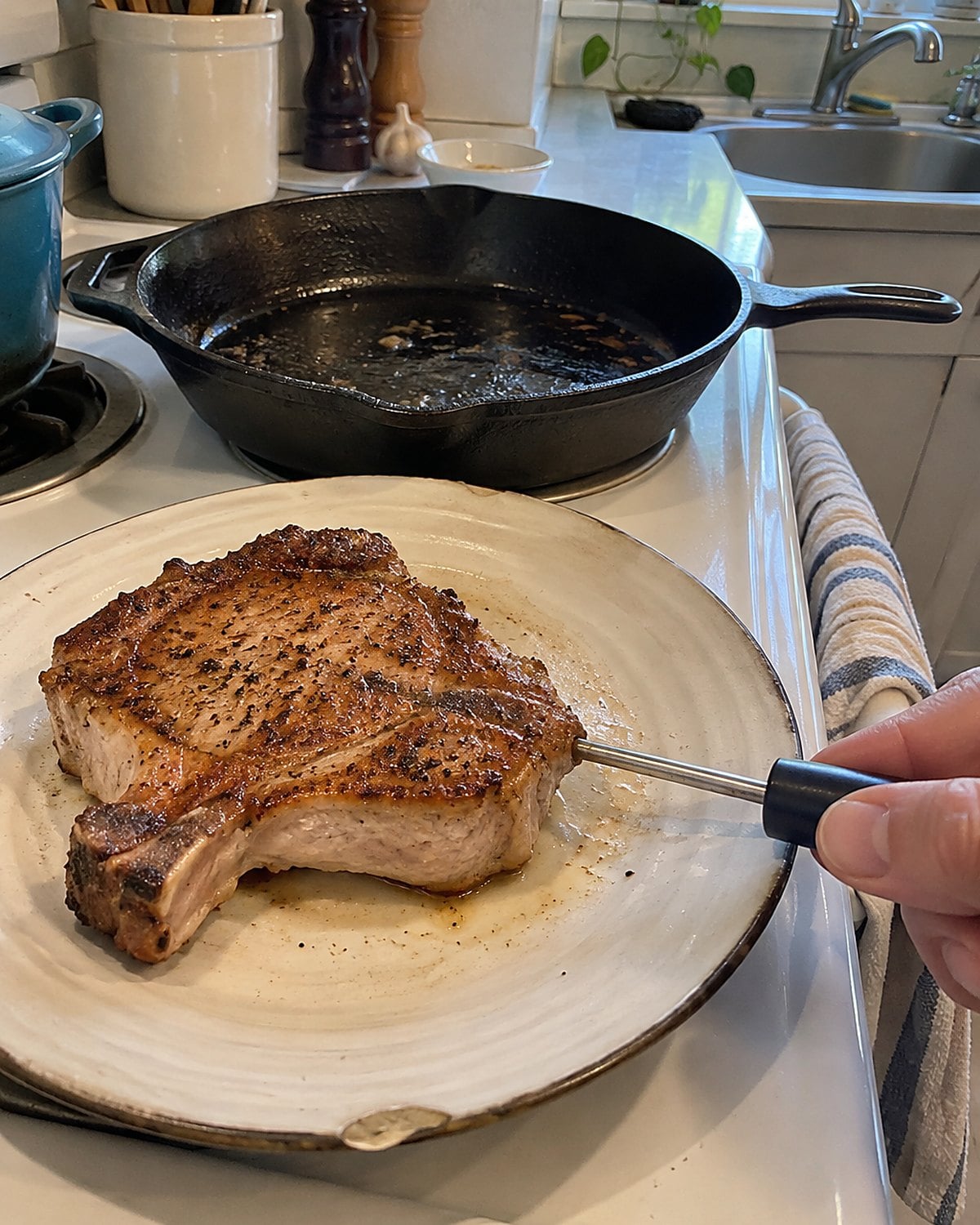
A skillet is excellent for pork chops until you're cooking one and don't want to stand over splattering oil. The air fryer gives that chop an exposed surface. Color, though, won't tell you what's happening inside.
Pat the chop dry and season it. Set it in the basket with space around it; turn it so both sides meet the moving air. Start checking early if it's thin.
Push a food thermometer into the thickest part, away from bone. The USDA's safe-temperature chart gives 145°F for a whole cut of pork, followed by a 3-minute rest. A ground-pork patty needs 160°F.
Rest the chop on a plate while you finish the vegetables. Keep the frying pan, of course. You'll still want it for pan sauce. Tonight, the chop just doesn't require an audience at the stove.
Try it: Instant Pot Air Fryer Pork Chops With Maple Mustard Glaze (No Breading)
#17 The pizza slice from last night
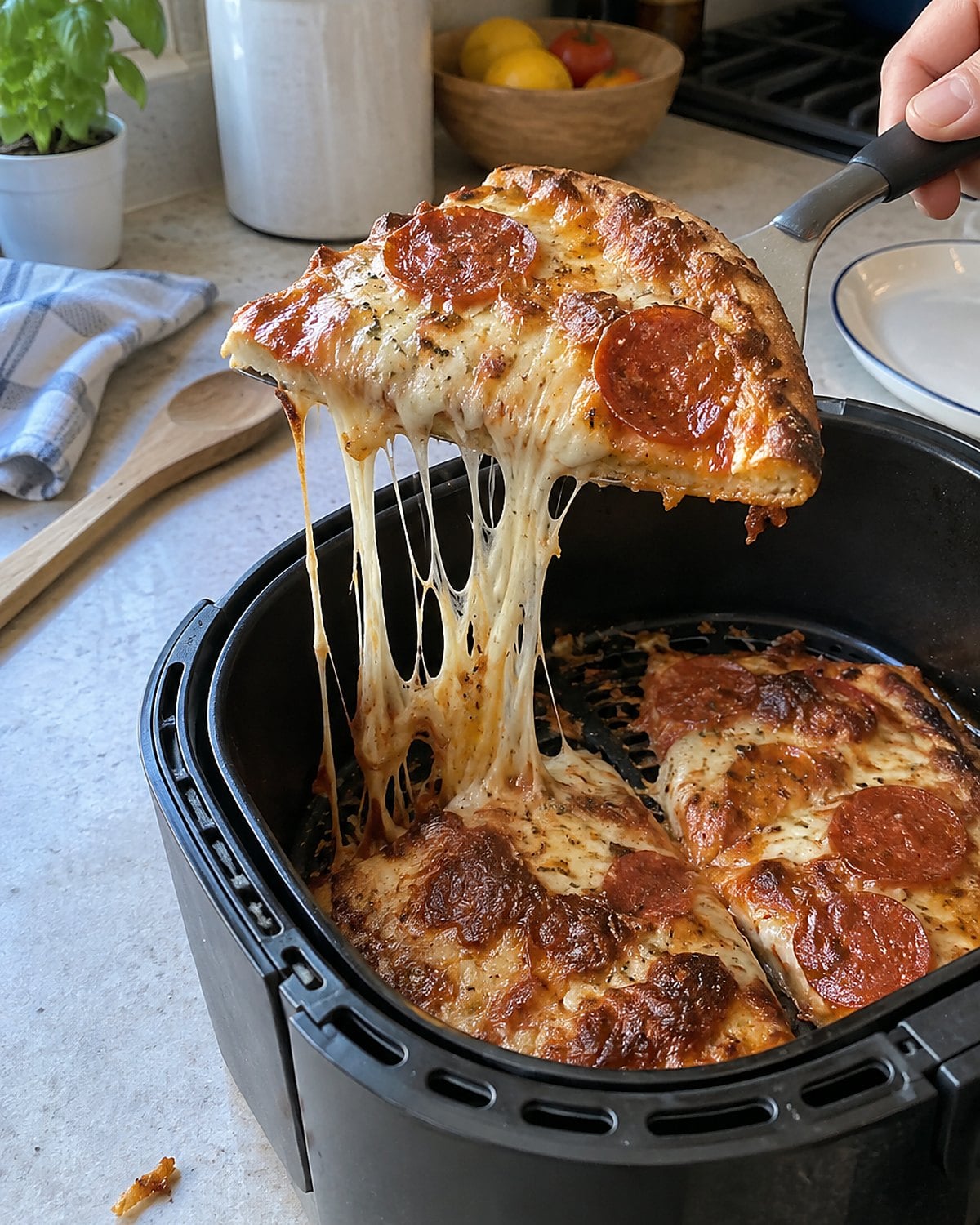
Microwaved pizza gets hot, but the bottom goes slack. You eat it standing at the counter anyway because taking out a baking sheet for one slice seems excessive.
Put the slice straight in the basket, with nothing beneath the crust to trap moisture. Watch the cheese. Once it bubbles and the bottom feels firm when lifted with a spatula, check the center too.
Handle that leftover with more care than the pizza box encourages. The USDA's cold-storage chart puts refrigerated leftovers at 3 to 4 days. Keep the fridge at 40°F or below, as the FDA's refrigerator guidance advises.
If the slice spent the evening on the counter, don't treat reheating as a rescue plan. The useful discovery is the crisp bottom, not a new rule for keeping old food.
 You might also like26 Things in Your Fridge Right Now That Should Have Been Thrown Out
#16 The chickpeas at the back of the pantry
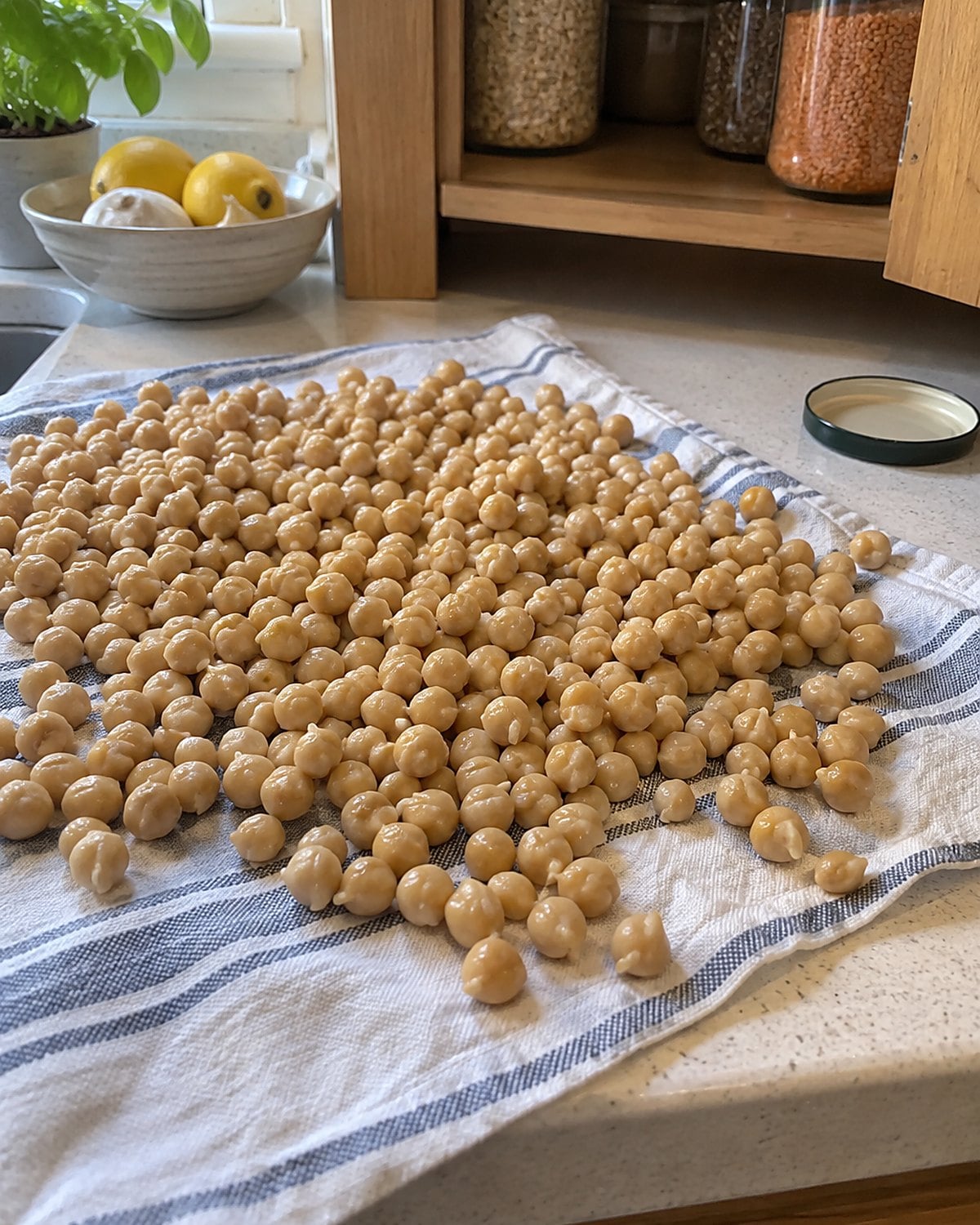
Canned chickpeas start out wet. That matters more here than the seasoning.
Drain the can, rinse the beans, and dry them thoroughly on a towel. Damp skins won't crisp the way dry surfaces do. Toss the chickpeas with oil and salt, then spread them in the basket. Shake as they brown.
Taste one after it cools enough to handle. You want a pleasant crunch, not a hard shell that hides a chalky middle. If powdered spices begin to smell scorched, add them after cooking instead.
Some beans stay tender in the middle. They still belong beside a salad or over rice. What changed was the size of the undertaking: a pantry can became something warm without committing you to a pot of stew.
#15 The Sunday chicken skin
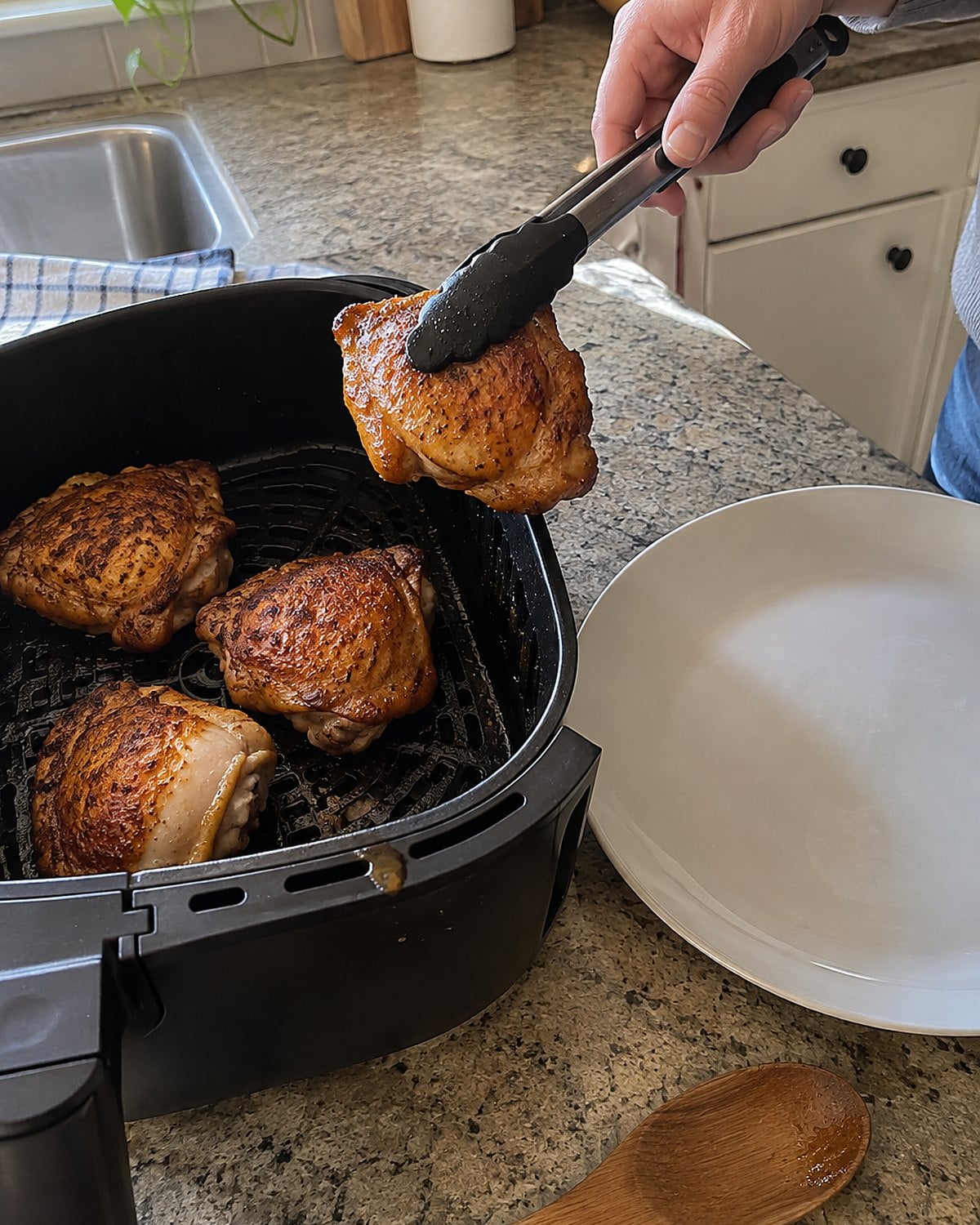
Roast chicken has a place in the family record. There's the pan, the drippings, the person who always asks for the crisp skin. For a smaller meal, chicken thighs give you that part without asking you to roast a whole bird.
Blot the skin dry before seasoning. Lay the thighs skin side up, with gaps between them, so air moves across the surface. Don't pile a raw vegetable underneath. Chicken juices and crowded space change how both foods cook.
Check each thickest part with a thermometer, clear of the bone. The USDA safe-temperature chart gives 165°F for poultry.
You won't get a pan full of drippings for gravy. You will get browned skin and a manageable dinner. If the skin looks done before the thermometer agrees, keep cooking. Crisp skin has never been an internal-temperature reading.
Try it: Air Fryer Boneless Chicken Thighs
#14 The parchment liner in the drawer
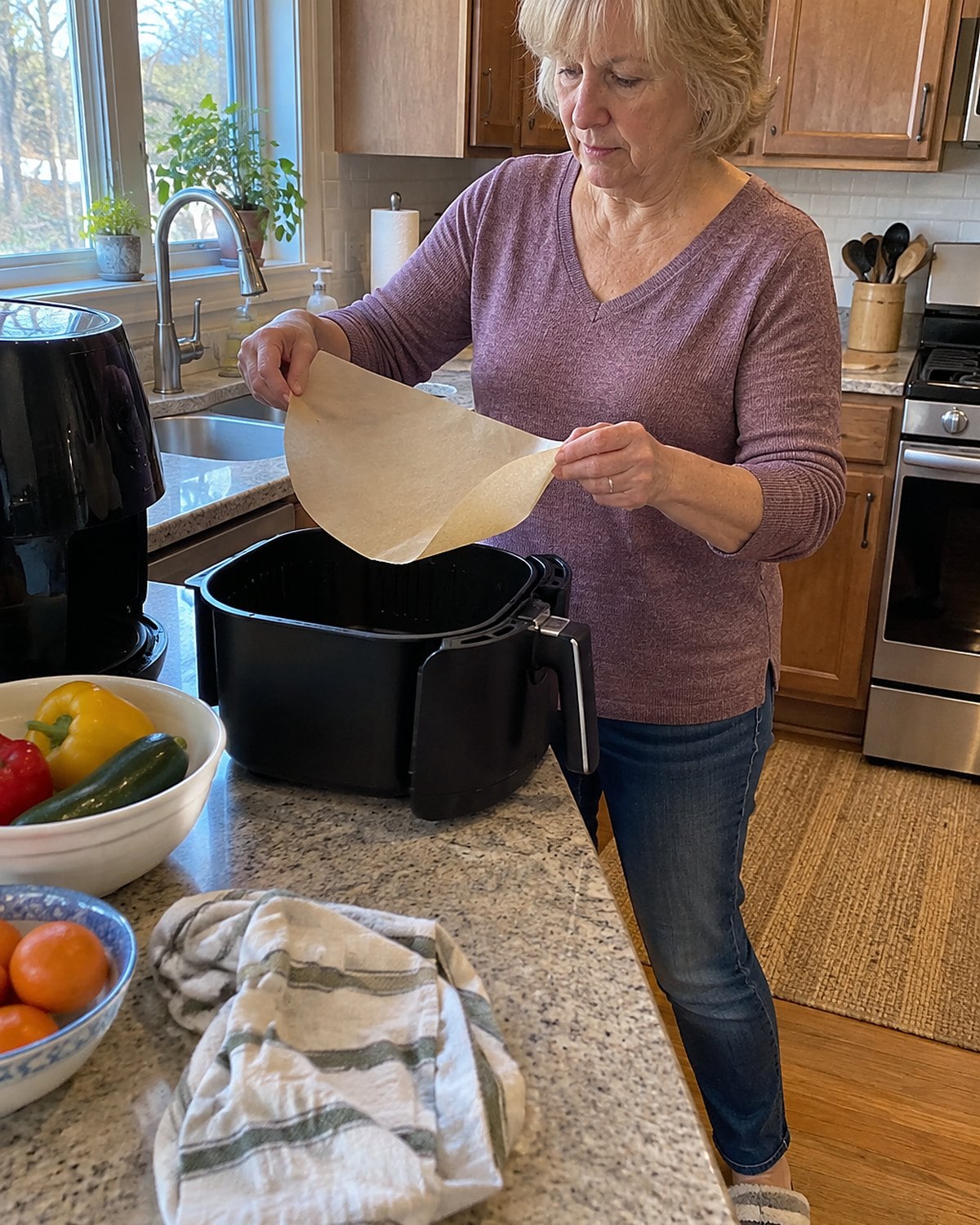
The paper liners looked sensible beside the appliance in the store. Then one blew upward during preheating, and you learned why the instruction booklet matters.
Never preheat with loose parchment in the basket. Airflow lifts paper toward the heating element. If your model permits liners, anchor one with food and leave the basket's airflow paths open.
You don't need a liner for every supper. A bare basket exposes more of the food's underside to moving air.
Check your manufacturer's instructions before using paper or silicone accessories. The drawer with the twist ties already holds enough things bought for their promise of convenience.
#13 The green beans that kept their snap
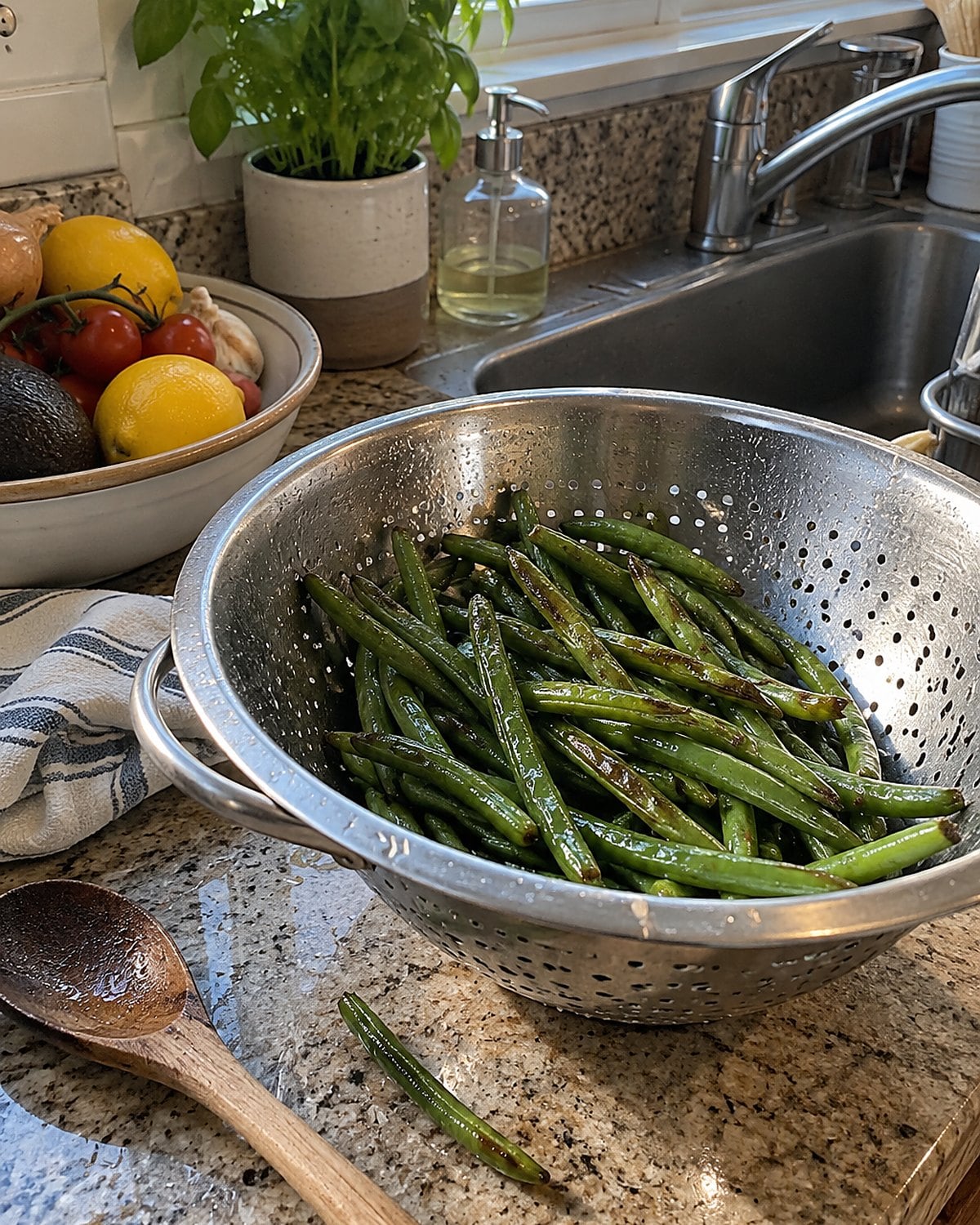
Green beans tell you when they're ready. Pick one up with tongs. It should bend a little before breaking, and the thickest bean should give when you bite it.
Dry washed beans before they meet the hot basket. Coat them lightly with oil and spread them out; a packed mound sweats. Shake them during cooking, then taste the thickest one rather than the thinnest.
A few blistered spots are welcome. A bowl of brittle beans means they stayed in after the center was done.
Salt at the end if the first taste seems flat. This is the side dish for a night when you don't want another pot to wash, and you still want the beans to taste like beans.
#12 The frozen shrimp from the market
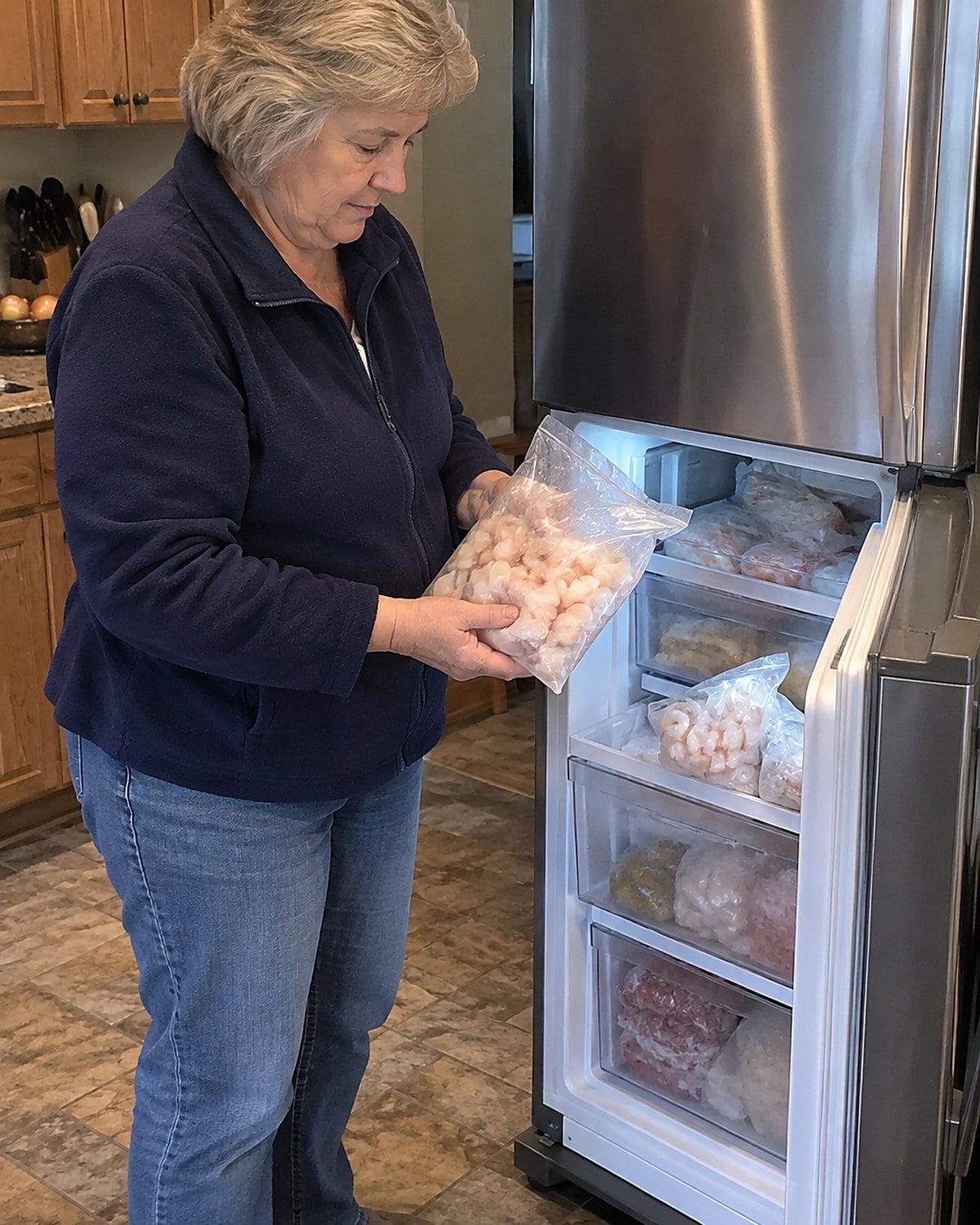
The market freezer holds shrimp that seem handy until you picture thawing, peeling, and washing a skillet. Start with peeled shrimp, and that picture changes.
Read the bag first. Raw and precooked shrimp need different treatment, and package directions take priority. For raw shrimp, thaw and dry the pieces, then spread them in the basket. Pull one of the largest to check the center.
The FDA's seafood guidance describes cooked shrimp as pearly and opaque. Already-cooked shrimp need warming, not a second full cook that makes them tough.
Water clinging to shrimp becomes steam, so you lose the browned edge before cooking has even started. Pat them with a towel and keep the portion small enough to spread out. Now the freezer bag looks more like dinner waiting than another chore.
#11 The biscuit dough from the tube
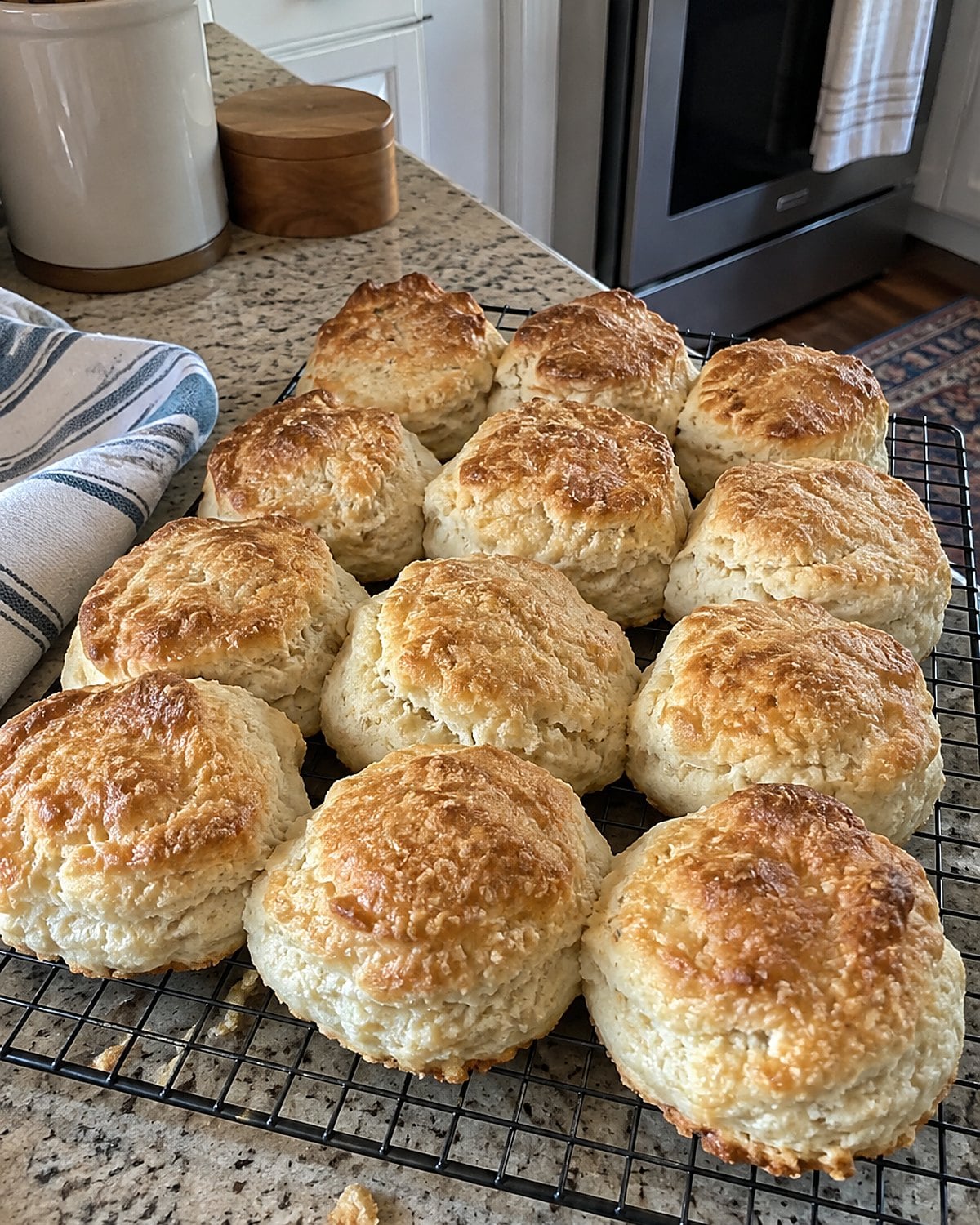
There are nights when a biscuit from a tube sounds exactly right. You don't have to justify it with a holiday meal.
Leave room between the biscuits so their sides expand. Check the tops, then lift one and look underneath. A browned lid over a gummy bottom needs more cooking, not another pat of butter. Lower the heat if the top darkens before the middle cooks through.
The printed oven directions and your model's manual won't necessarily describe the same conditions. Basket size and dough thickness change what you see. Stay close enough to check the first batch.
When you find what works, write it down before tossing the wrapper. Next time, reaching for a biscuit won't turn supper into a baking project.
#10 The baked fish for one
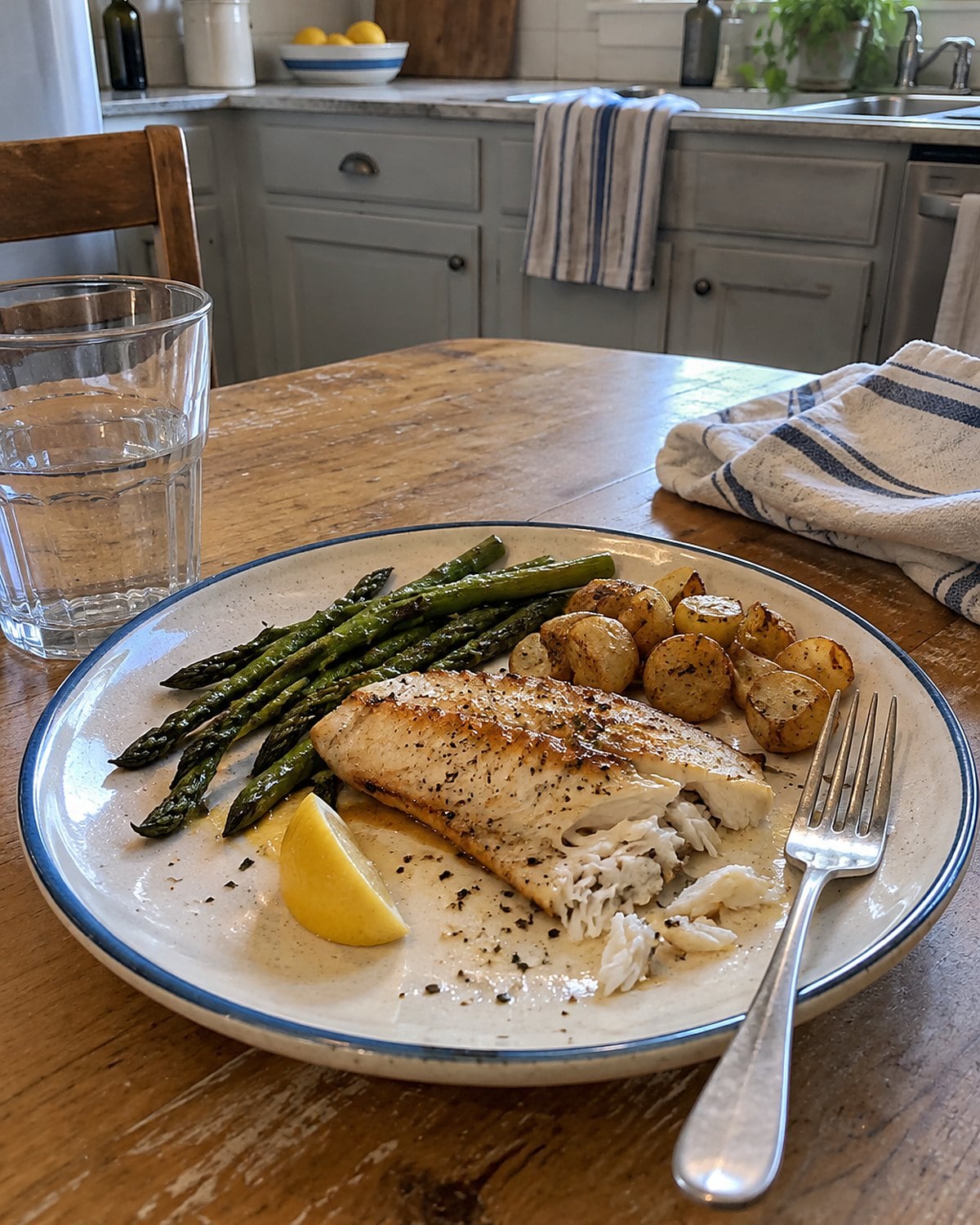
The fish counter feels different when the household shrinks. A fillet for one looks lonely on a baking sheet, while a larger piece has you planning tomorrow's lunch before tonight's dinner.
Ask for the portion you'll use. At home, pat the fish dry. Oil the basket or use an accessory approved for your machine, and leave room around the fillet.
Thin tail ends cook before the thick center. Fold a very thin end under itself for a more even thickness. The FDA's seafood guidance gives 145°F for finfish. Slip the thermometer into the thickest section without pushing it through to the hot basket.
Then put the fillet on a plate with whatever side is ready. You haven't stopped knowing how to bake fish. You've stopped arranging the entire evening around one piece of it.
Try it: Flaky & Crispy Cod In The Air Fryer
#9 The carrots with the dark corners
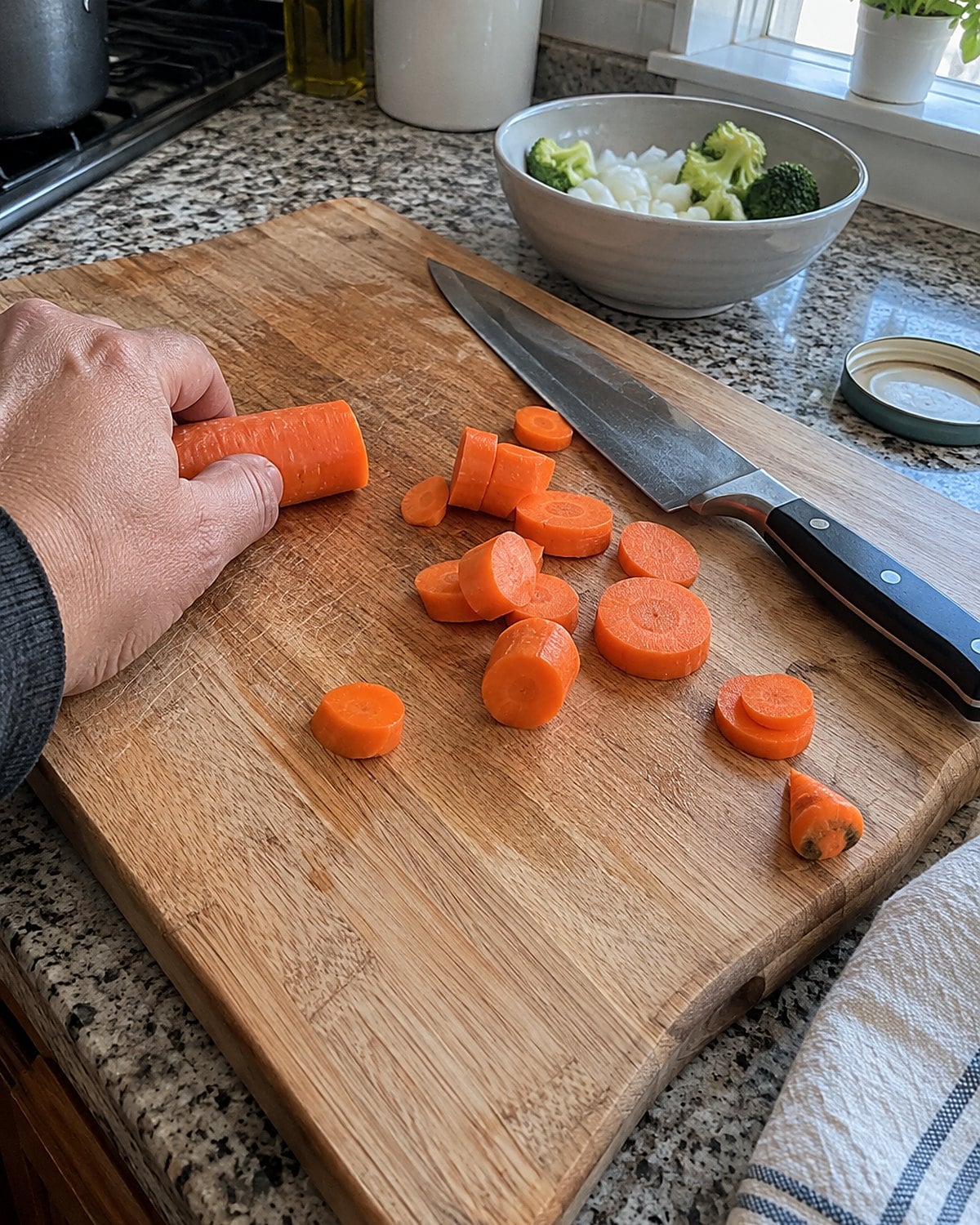
Cut carrots too small and their narrow ends scorch before the thick centers soften. Leave them too large and dinner waits while the outside grows leathery. This is a knife problem before it's an appliance problem.
Cut pieces to a similar thickness, paying attention to the taper of each carrot. Toss them with oil and spread them in the basket. Shake them as they cook.
When a knife tip enters a thick piece without a hard core, taste one. It should be sweet, with browned edges, rather than shriveled all the way through.
Save a sticky glaze for after the carrots have browned. Sugar on raw carrots darkens early and sticks to the basket. Stir a little honey through the hot carrots in a bowl instead.
 You might also like27 Old-Fashioned Desserts That Deserve a Comeback
#8 The toaster oven still on the counter
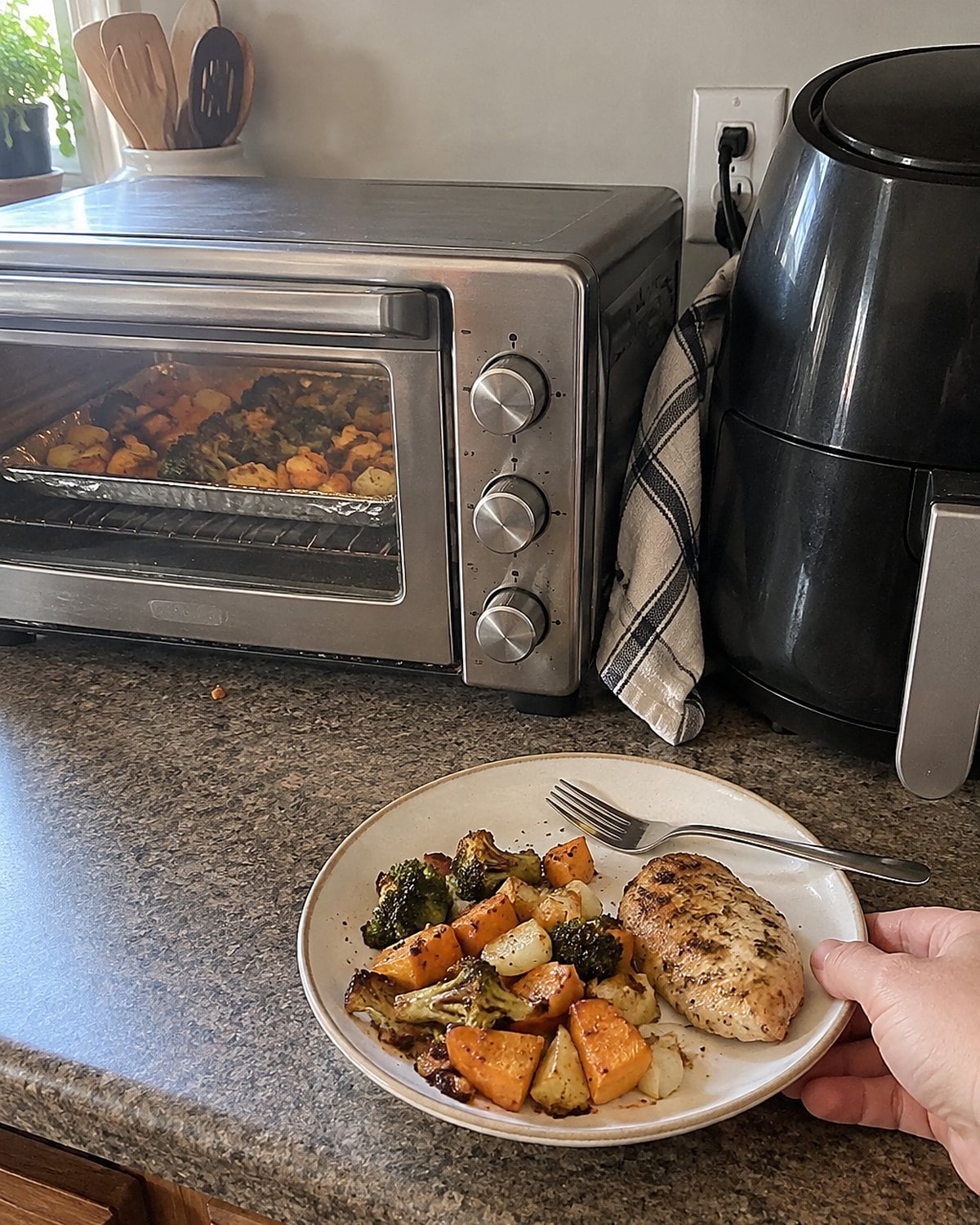
Your toaster oven has earned its spot. It holds a small casserole dish, catches melting cheese, and lets you see dinner through a door. Nobody needs to talk you into replacing a tool that works.
An air fryer earns space for a different job: food that benefits from air moving around it. Think cut vegetables or chicken skin. A covered, saucy dish belongs in the toaster oven or regular oven. Its sauce doesn't need wind.
Before giving the new appliance permanent counter space, make one supper in each machine. Notice what fits and which cleanup you resent less.
If the toaster oven handles the work you ask of it, the air fryer belongs in a cabinet between uses. A useful tool doesn't require a dedicated corner.
#7 The weekend quesadilla request
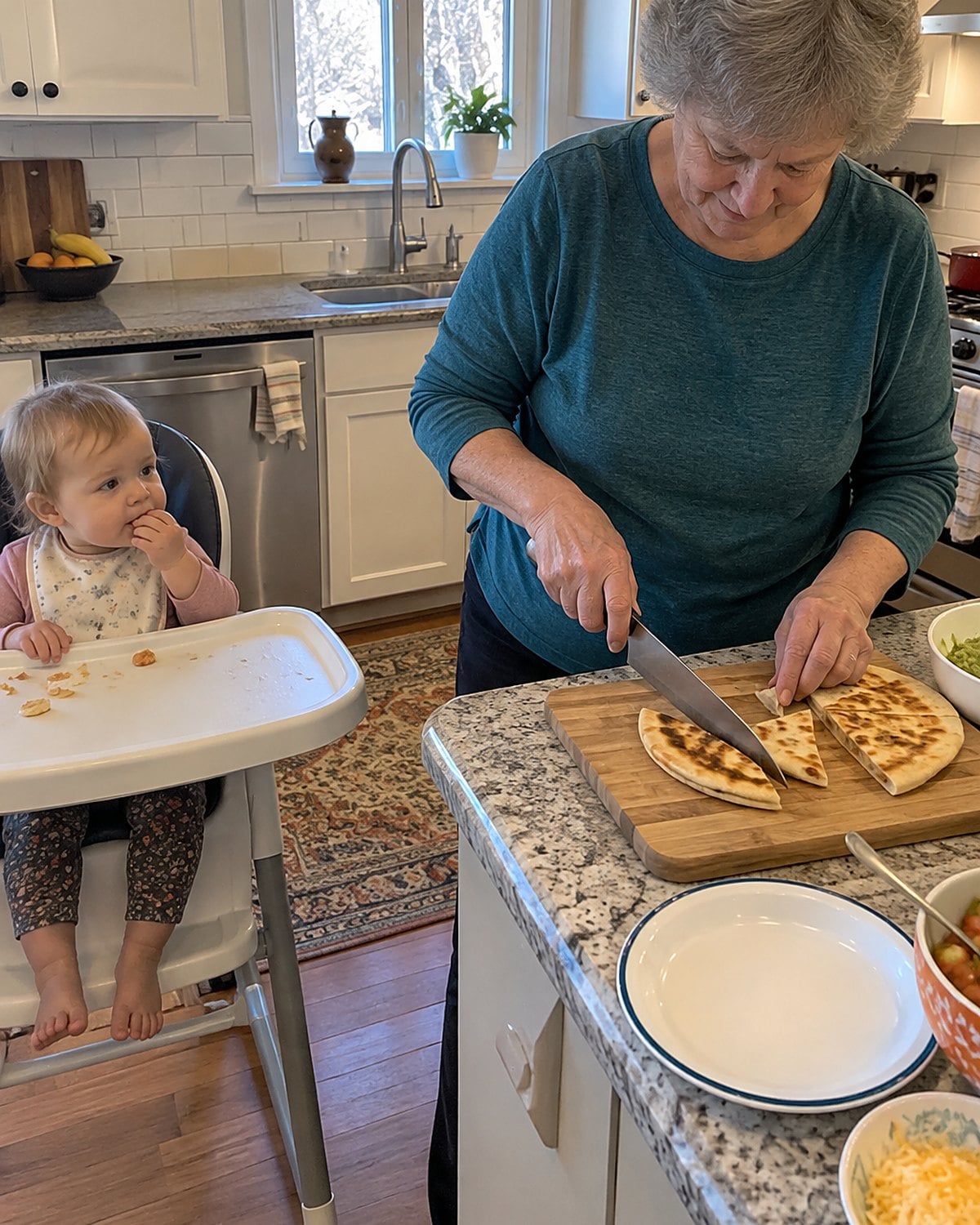
A grandchild asks for a quesadilla just as you finish wiping the stove. The skillet is right there. So is the prospect of cheese escaping into it.
Use enough filling to hold the top tortilla in place, with the cheese kept away from the edge. Don't put a loose tortilla into an empty, running basket. Air lifts it. If you want to use a rack, check that your manual allows it.
Turn the quesadilla once the lower side firms up. Wait for the center cheese to melt, then cut it at the counter and let the filling cool before handing it over.
You still get the crisp edge. You also get to leave the stove you just cleaned alone.
#6 The casserole your air fryer cannot fix
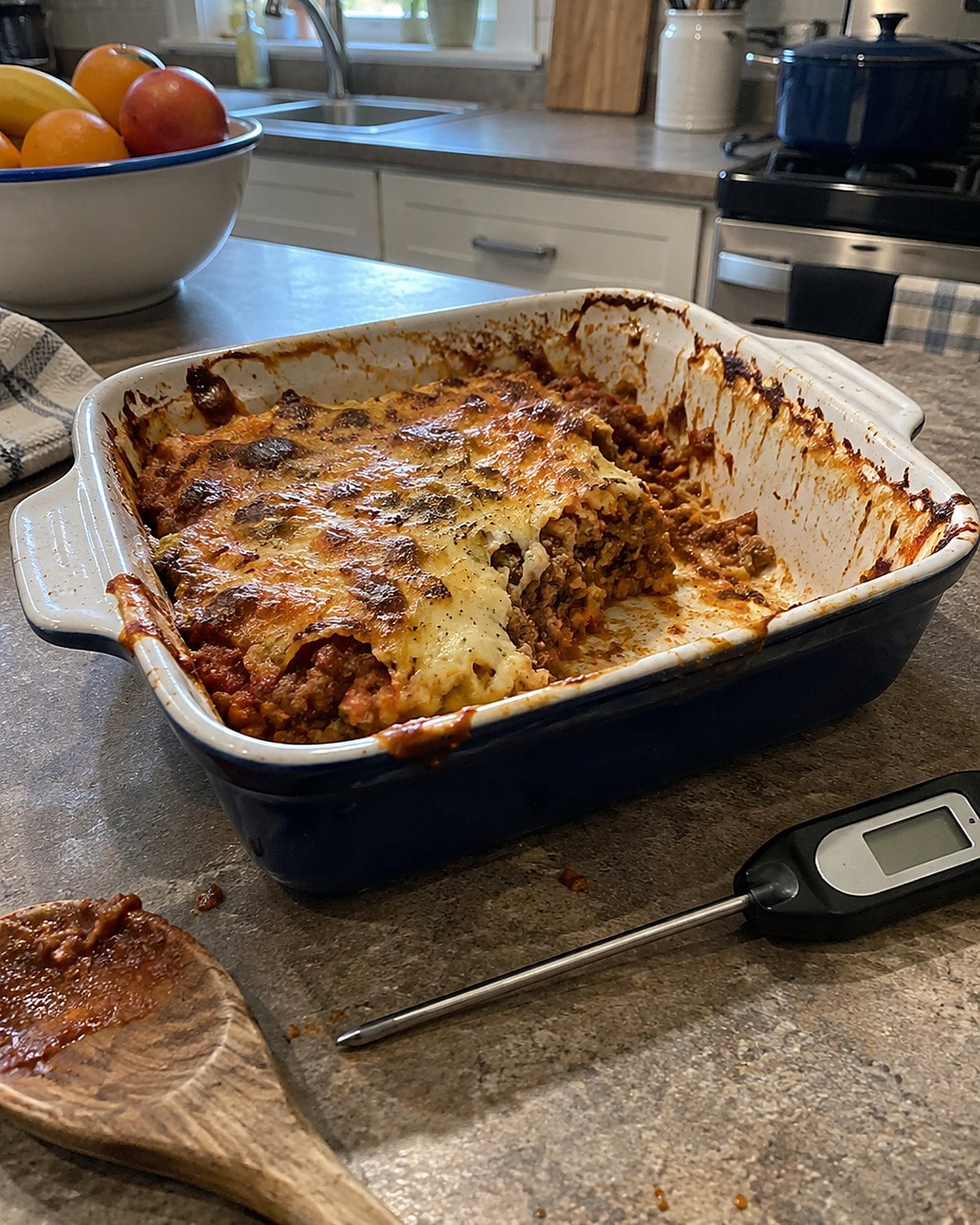
Can the whole leftover casserole go in the basket? First, it needs a dish approved for your model, with clearance for air to move around it. Even then, the browned top tells you little about the middle.
Dense leftovers heat from the outside inward. Stir a saucy portion partway through reheating, then check the center with a thermometer. The USDA safe-temperature chart calls for 165°F for leftovers.
If you can't stir the dish or reach its middle properly, use the oven or microwave and check there instead.
That limit is a relief. A lasagna square in a suitable pan is one task; a deep dish full of cold casserole is another. Choose the machine that heats the part you'll eat, not the one already on the counter.
#5 The greasy basket at the sink
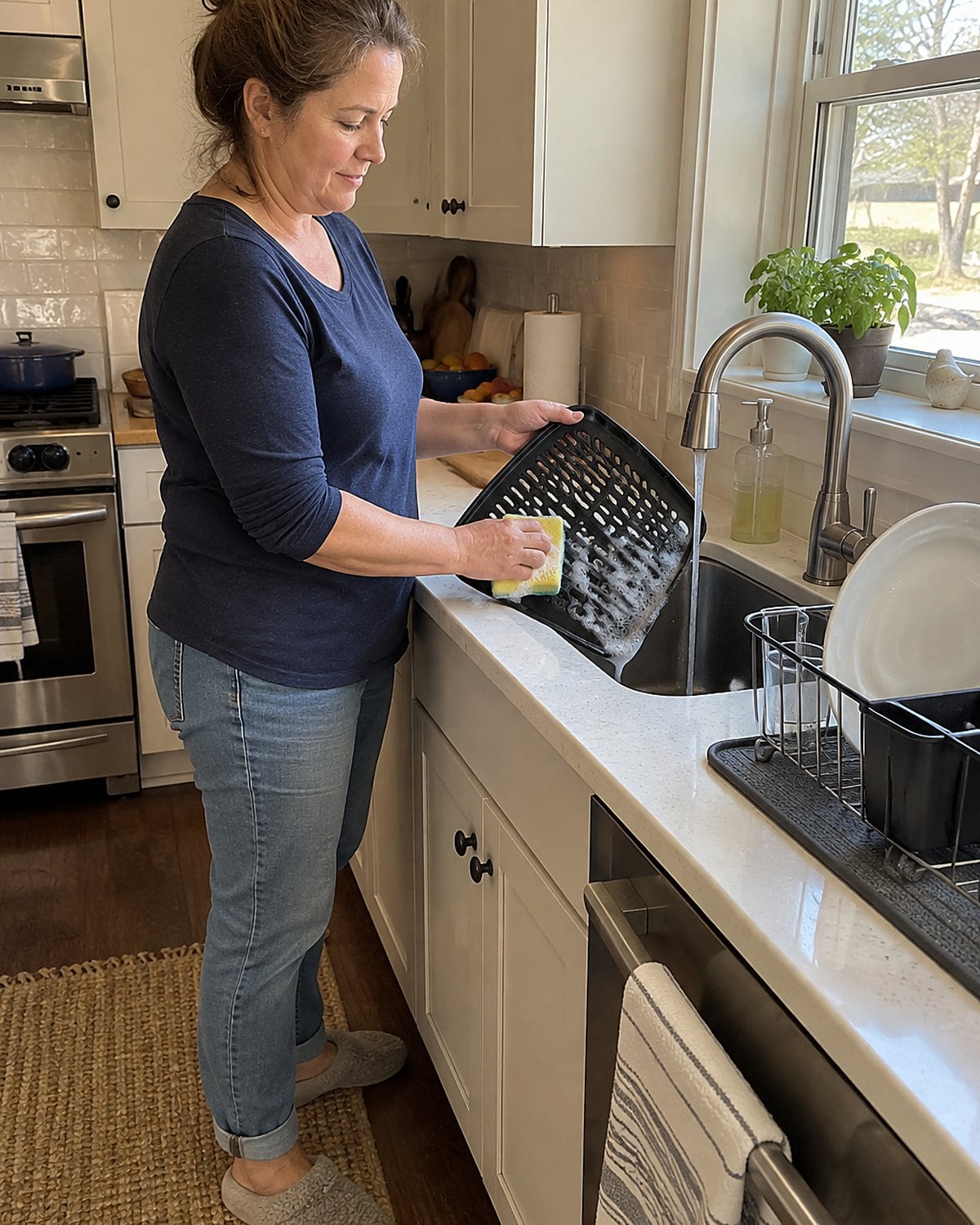
After dinner, grease has gathered near the grate. A few browned bits cling to the corners. Leave them until morning and they'll ask for an argument.
Let the basket cool. Remove the grate if your model allows it, then wash the pieces according to the manual. Warm water, dish soap, and a non-scratch sponge handle the ordinary mess. Keep water out of the appliance body.
Stuck-on food needs a soak, not steel wool against a coated basket. Dry the removable parts before sliding them home.
That's a dinner change, too. A clean basket makes tomorrow's small meal easy to start. The one with yesterday's grease in its corners sends you back to the skillet before you've even chosen what to cook.
#4 The church cookbook's breaded cutlet
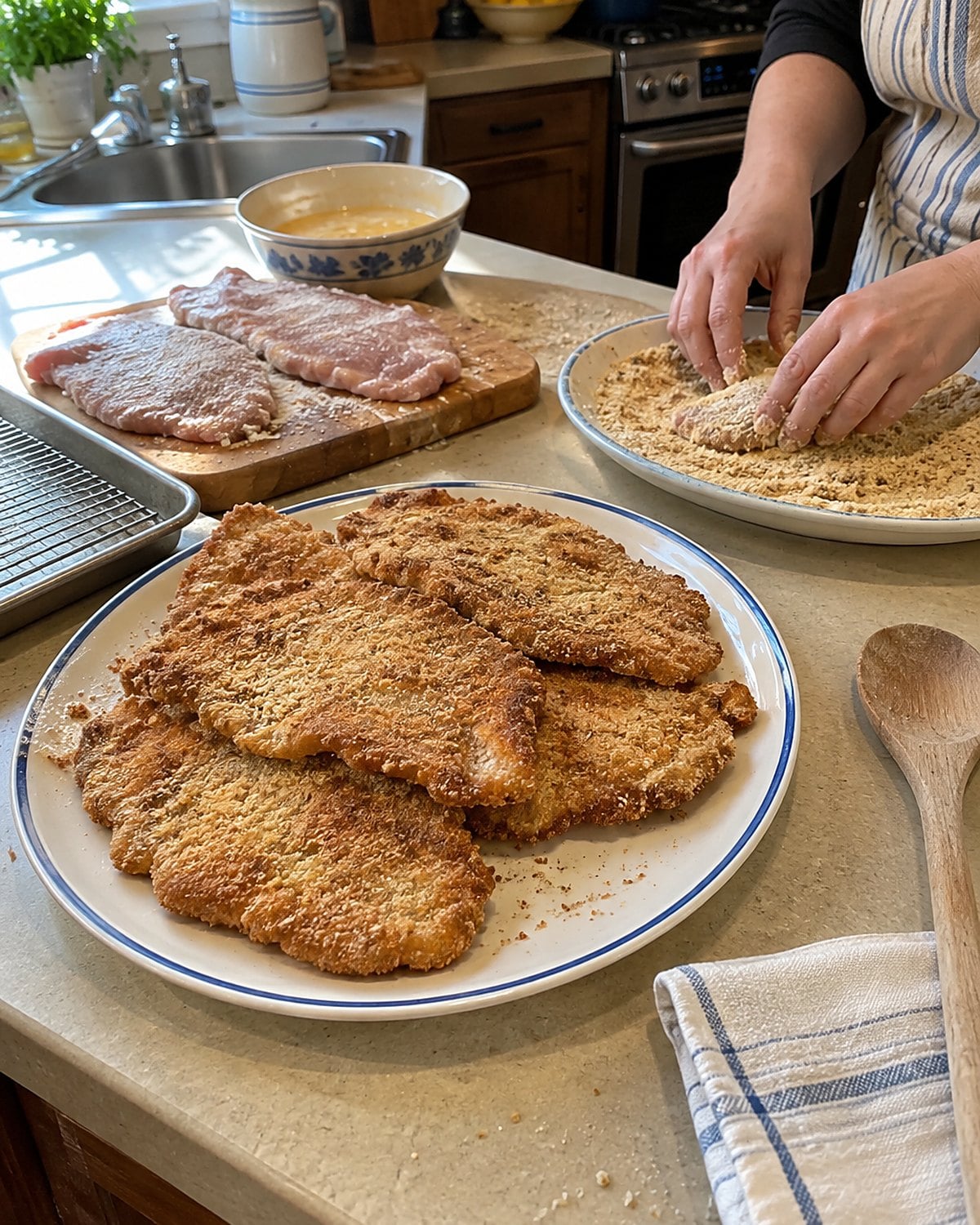
The church cookbook with the broken spine has a breaded cutlet you know by heart. Flour, egg, crumbs, then a skillet with enough oil to make the coating sizzle. The air fryer version presents a different problem: dry crumbs.
Press the coating firmly onto the cutlet. A light coating of oil on the outside helps the crumbs brown; bare patches stay pale and dusty. Set the pieces apart, then turn them carefully so the coating stays put.
A crisp coating won't tell you whether raw meat is done. The USDA safe-temperature chart gives 165°F for chicken. For a whole cut of pork, it gives 145°F and a 3-minute rest.
You won't get the exact flavor of a skillet full of oil. If that's what you want, take out the skillet. On a smaller weeknight, this cutlet brings familiar crunch without asking you to tend hot oil.
Try it: Crispy Panko Pork Chops Air Fryer Style
#3 The basket load for two
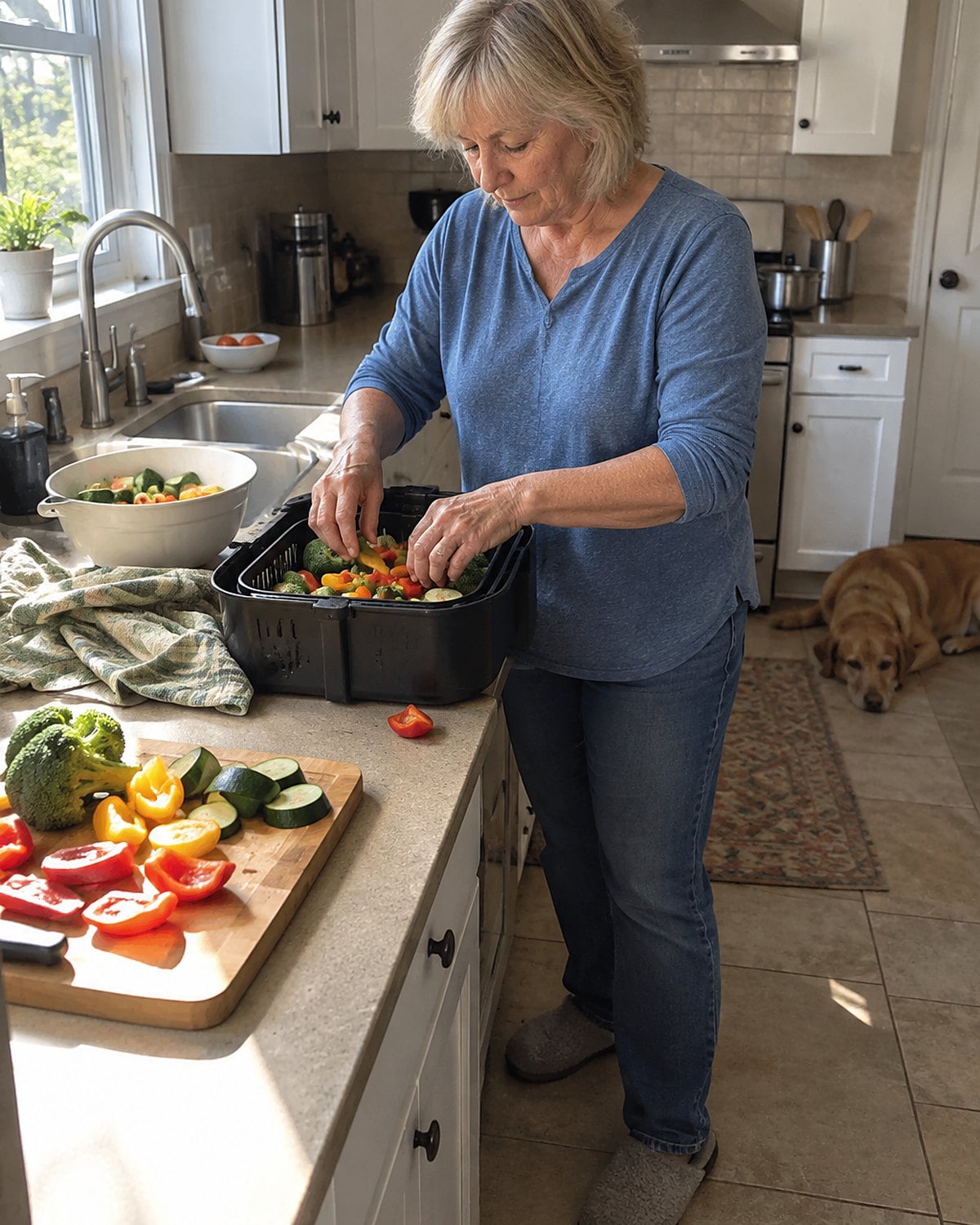
A basket full of dinner looks efficient until its underside comes out pale. Air has to reach the food for the surface to brown. When pieces sit against each other, those spots stay damp.
Make tonight's portion, then look at it before pressing Start. Turn overlapping pieces so more surface faces the air. If the load still forms a heap, cook a second batch or use a wider pan.
Don't try to solve a crowded basket with a hotter setting. The exposed edges will darken while the buried food waits. Instead, pull out the basket partway through cooking and move pieces that haven't had their turn.
This is the lesson the oven never forced on you. Its broad baking sheet hid a crowded supper. The smaller basket shows you exactly what dinner needs: room, or a different pan.
#2 The smaller grocery list
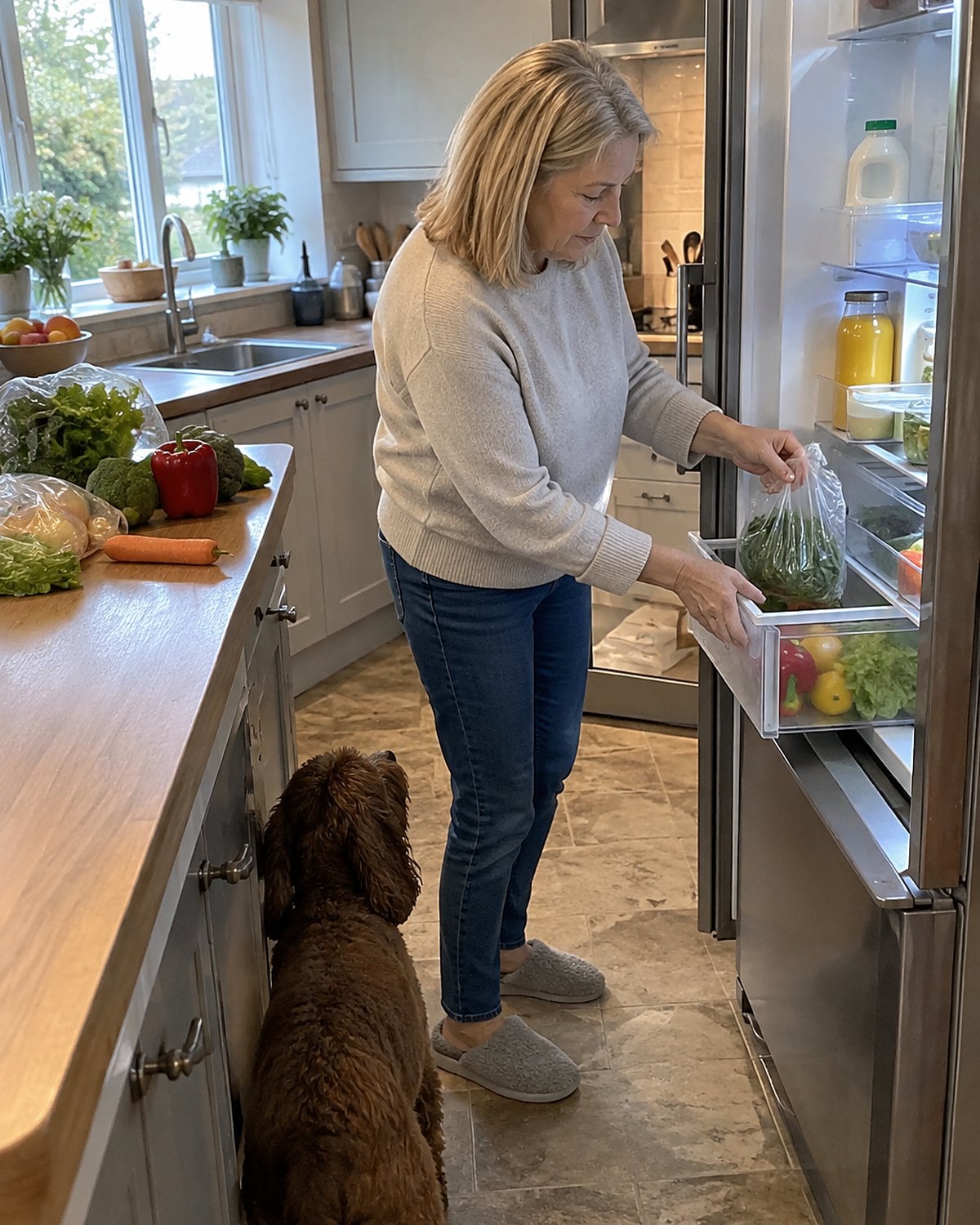
Shopping for the old household has a way of continuing after the old household changes. You bring home enough asparagus for company, enough chicken for tomorrow, and a bag of potatoes that assumes somebody wants seconds.
The air fryer won't fix a grocery list by itself. It does make a smaller plan feel like a complete dinner. Buy the portion of protein you'll cook and choose a vegetable for the same meal. You don't need extra food to justify heating the oven.
Try changing the question at the store. Instead of asking what would feed everyone, ask what you'll be glad to cook when you walk in the door.
Write that answer on the list before checkout. You still get to shop for the grandchildren's weekend. Tuesday doesn't have to carry their share.
#1 The thermometer beside the cutting board
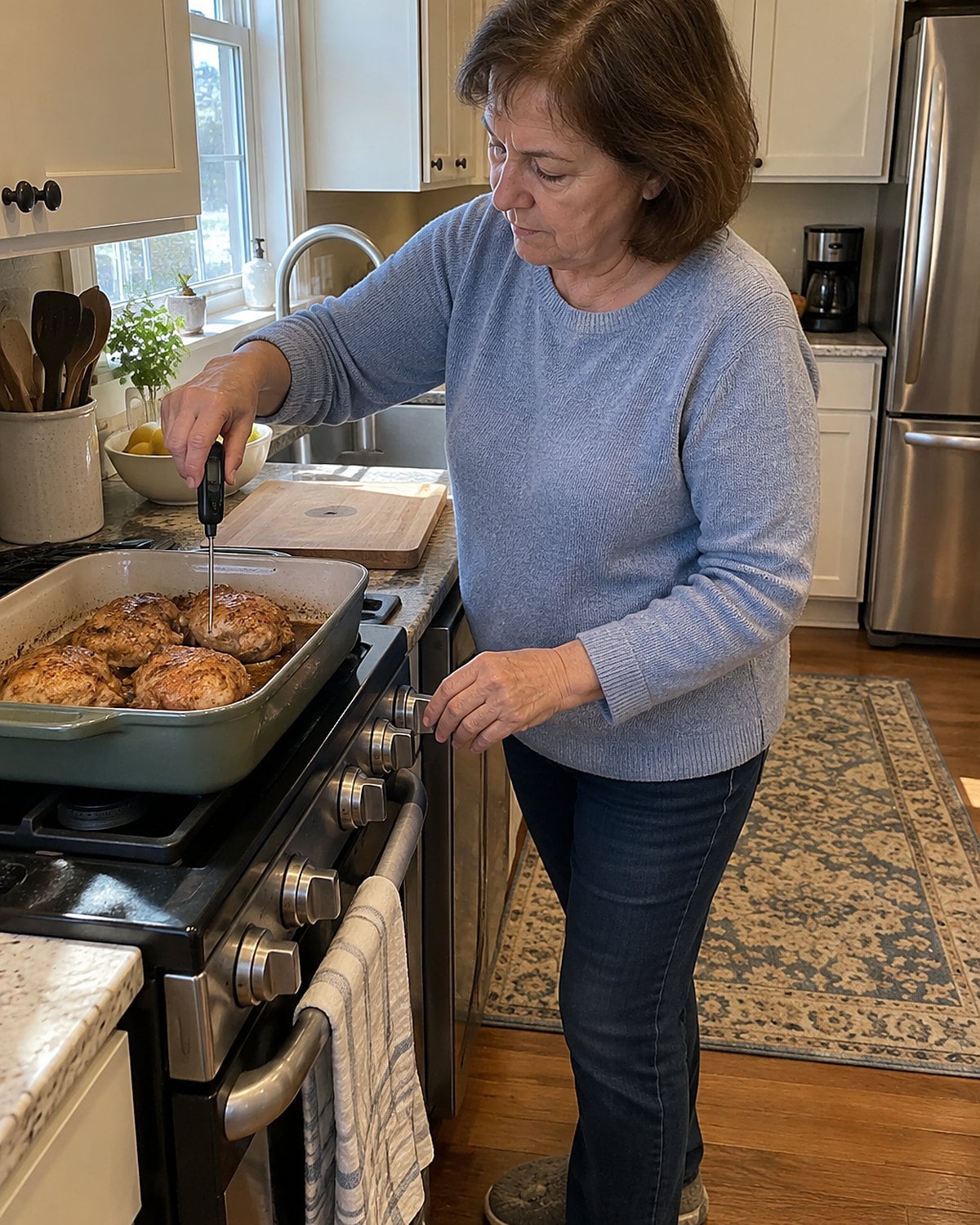
The air fryer browns food quickly enough to make color look like an answer. A chicken thigh has crisp skin. A pork chop has a crust. You remember how each felt the last time you cooked it, and that confidence has earned its place.
Still, the thickest part gets the last word.
Keep a food thermometer beside the cutting board, rather than buried behind the foil. Insert it from the side of a thin piece so the sensing tip reaches the center. For bone-in meat, keep the tip clear of bone. If a reading seems wrong, reposition the tip and check again.
The USDA safe-temperature chart gives 165°F for poultry and 160°F for ground meat. Whole cuts of beef and pork need 145°F, followed by a 3-minute rest.
Check the food, not the clock on the appliance. A thicker cut takes longer than a thin one, even when both surfaces look browned. That small check lets you put dinner on the good plates without guessing what happened in the middle.
Your daughter was right about the appliance. She doesn't need credit for the thermometer. That belongs to the cook who's standing there.
Keep reading
 27 Things Home Cooks Over 60 Do Without Thinking That Chefs Would Never Do
See all 27 →
More you’ll remember
 27 Things a Woman Learns When Her Husband Starts Cooking in Retirement
 27 Things People Over 60 Still Do With Leftovers That Food-Safety Experts Beg Them to Stop
 26 Things Home Cooks Over 60 Do on Thanksgiving That Chefs Would Never Do
The bottom line
The change wasn't a new way to cook everything. It was permission to make a good, small dinner without warming the whole oven or pretending the table is still full.
The well-prepared version of you has the basket clean, the thermometer nearby, and a plan that fits the people coming through the door tonight. What would you cook differently if you chose the portion first and the appliance second?
If counter space is still the sticking point, look next at our guide to choosing between an air fryer and a toaster oven. Which one has earned its place in your kitchen?
Leave a Reply