

The fork went down, but the plate still held three forkfuls of peas. Across the table, the roast platter had gone cold. Nobody reached for the dish towel until every chair was empty.
If you sat at that table, you remember the rules before anyone says them. Some kept a crowded supper moving. Some protected food that took work to buy and cook. Others turned a full stomach into a contest of wills. You’ve spent enough years feeding people to decide which instructions deserve another evening at your table.
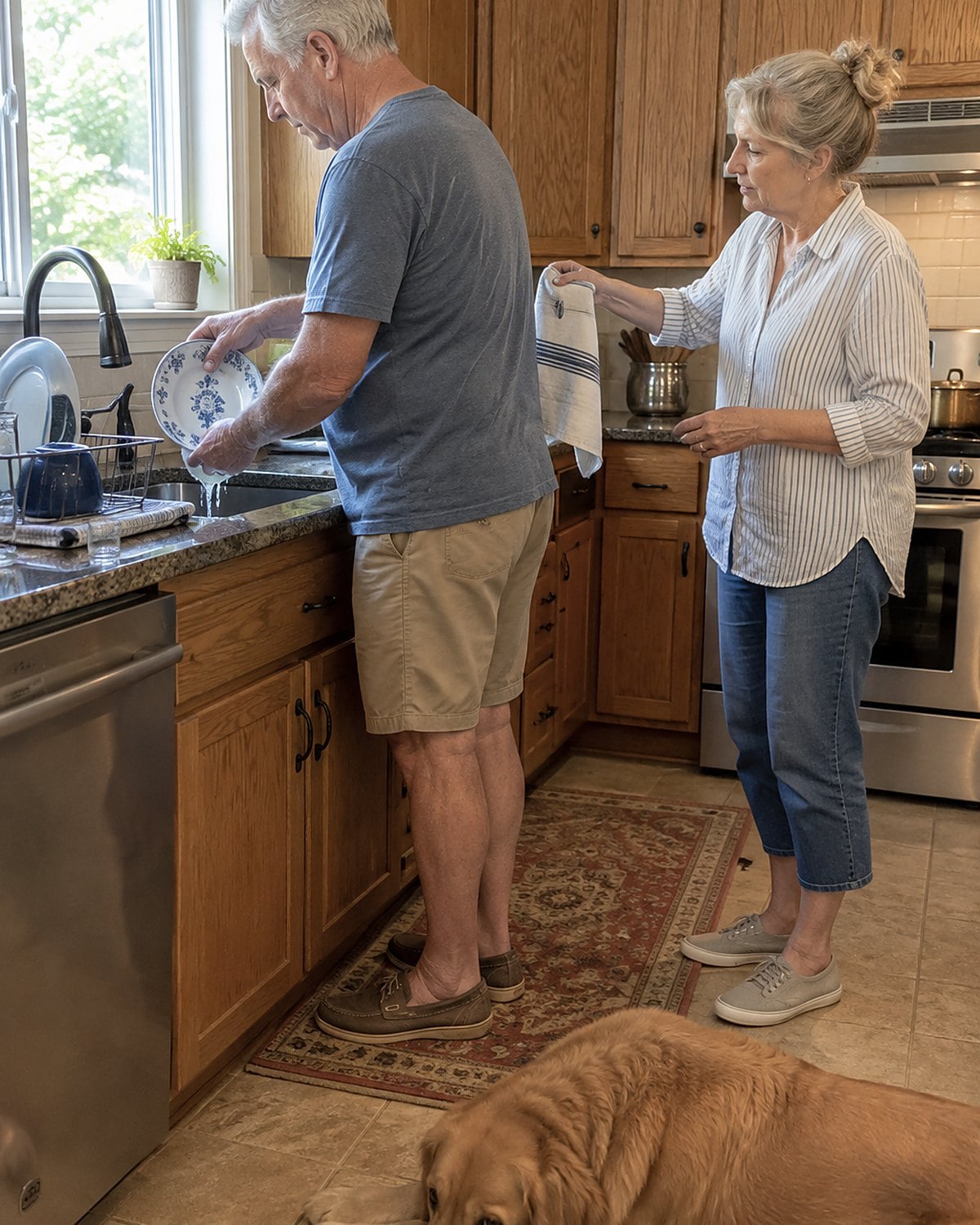
#27 The Turkey Carving Platter
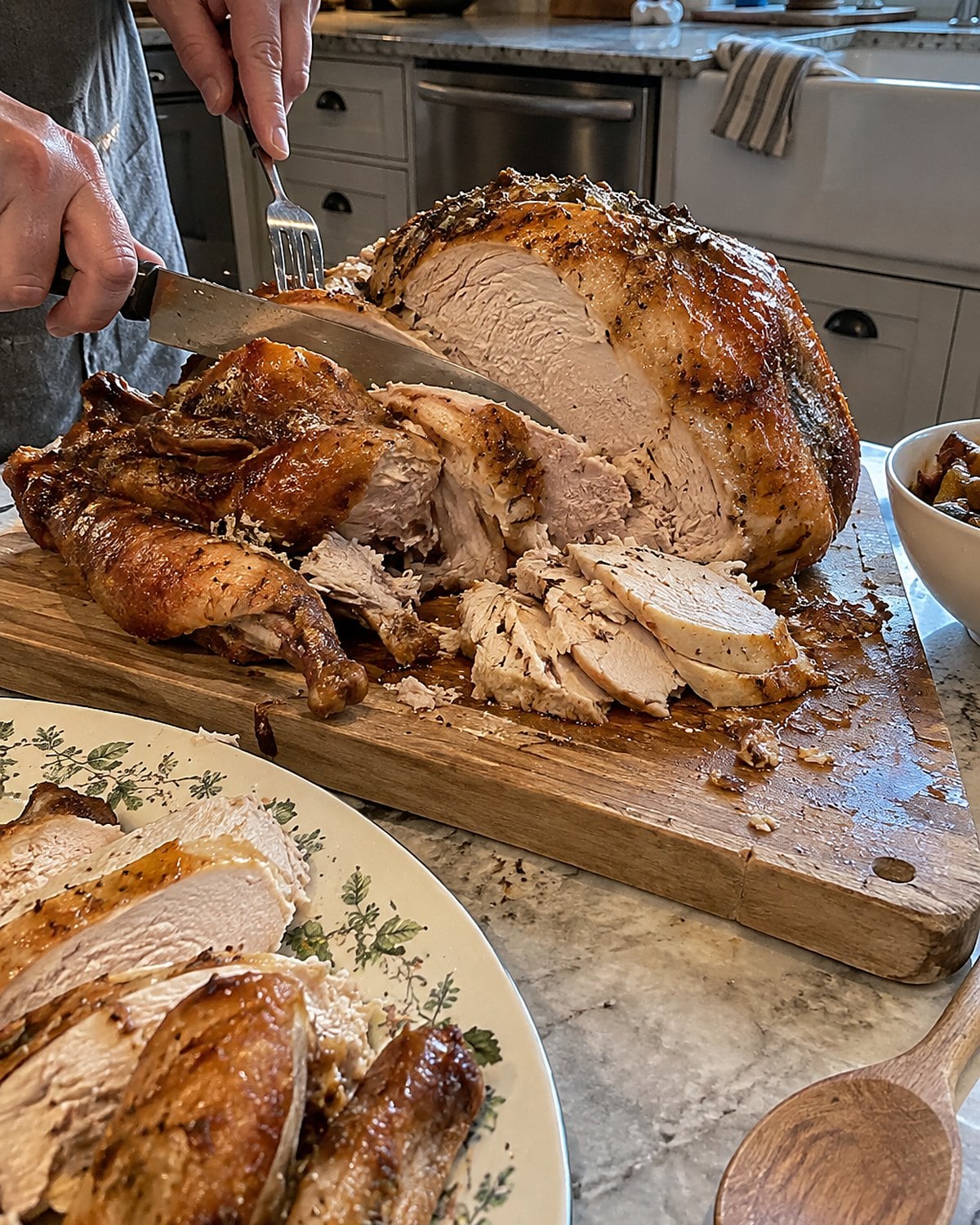
Nobody took a slice until the carver finished. On a holiday, you watched the good knife work around the breast while the mashed potatoes cooled in their bowl. The delay gave the person at the head of the table control over the meal, though the person who roasted the bird had done most of the work.
Carving is still worth a pause. Cut a roast straight from the oven, and juices run across the board. Set the platter beside the cutting board, let the roast rest, and bring it to the table already sliced. Then nobody has to balance a fork while someone wrestles with a joint.
For poultry, put a thermometer into the thickest part, clear of bone. The USDA Food Safety and Inspection Service says to cook it to 165°F. Browned skin won’t tell you what happened near the bone. Check it at the counter, and supper arrives without an audience waiting for the first cut.
#26 The Napkin Across Your Lap
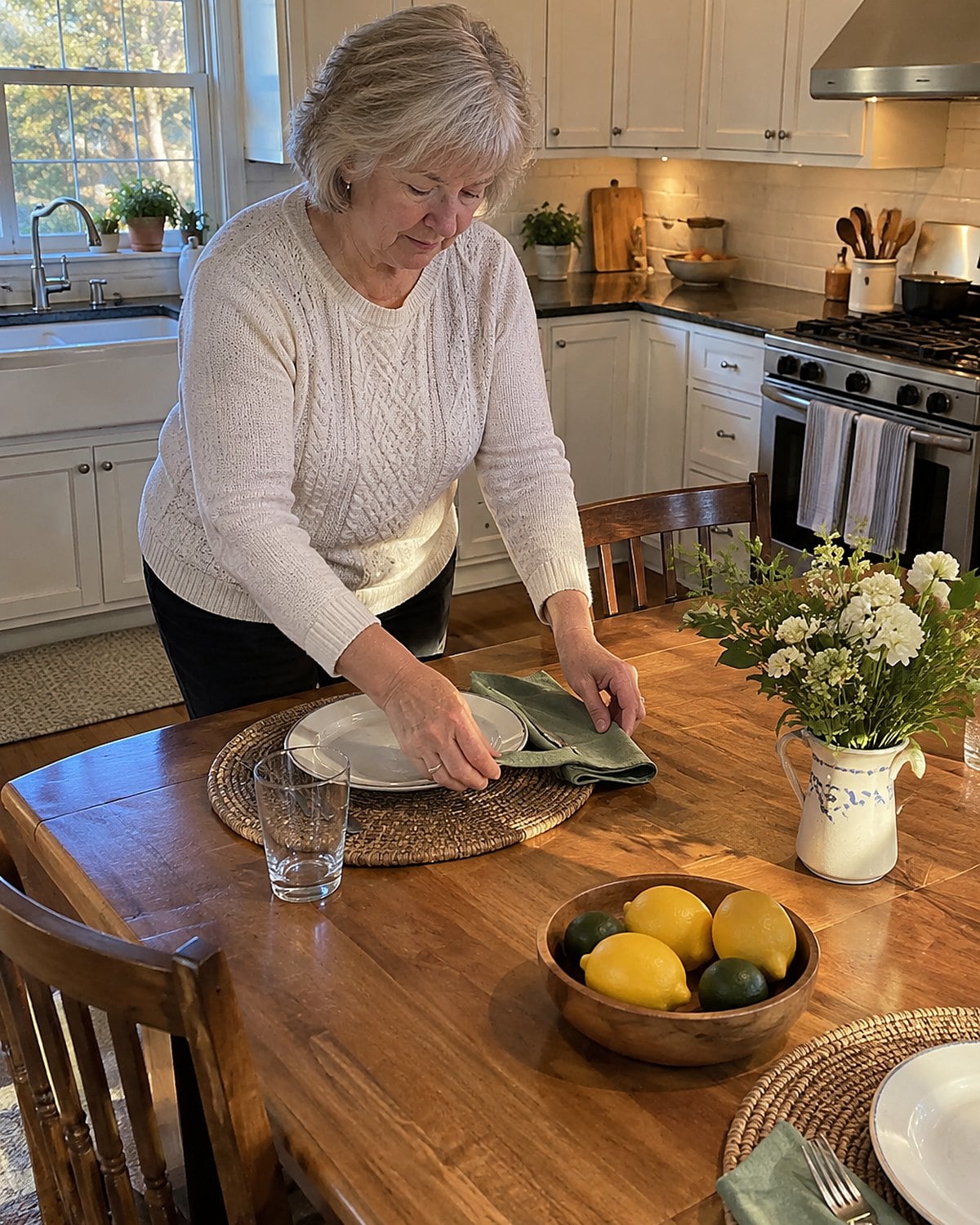
The napkin rule was enforced before a bite was taken. A child could be hungry, the potatoes could be steaming, and still a hand would stop halfway to the fork.
There’s sense beneath that bit of ceremony. A cloth napkin catches gravy before it reaches a good skirt, and putting it in your lap frees both hands.
But dinner doesn’t need to halt while everyone folds a square precisely. Set napkins beside the plates before you call people in. If the grandchildren are there, put a napkin within the smallest one’s reach. Leave the stiff, slippery linen in the drawer.
A damp cloth napkin also earns its place when there’s barbecue sauce or a sticky peach on the table. Keep the part that serves the meal. Let the folded triangles go.
#25 The Green Beans Cooked to Surrender
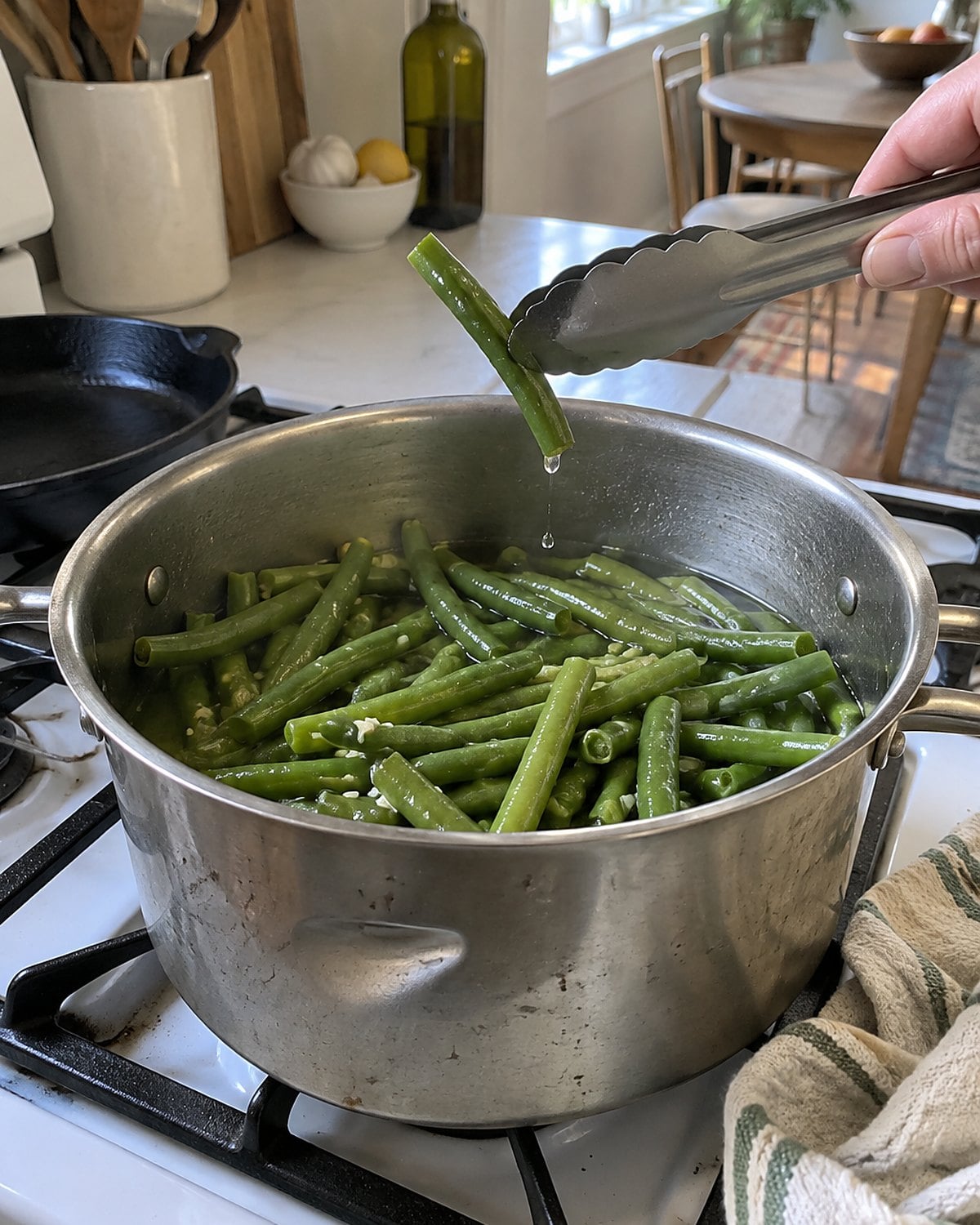
Green beans used to stay on the stove until the pot lid rattled and their bright color had faded. You ate what was served, even when the beans had lost their snap. Leaving them behind meant sitting longer than everyone else.
For tender beans with a little life left, take one out with tongs and bend it. It should give without feeling limp. Taste the thick end, too. A bean that looks done from across the kitchen can still be tough at the stem.
That test does more than watching the clock. Thin beans and thick ones don’t cook at the same pace, and a crowded pot behaves differently from a small one. Pull them when they suit the people eating them.
Add a little butter or a spoonful of cooking liquid before they reach the table. You don’t owe the old rule another pot of beans boiled past the point you enjoy. Nor does a child need to finish a serving you chose without asking.
Try it: Instant Pot Braised Green Beans (Turkish-Style)
#24 The Elbows Beside the Dinner Plate
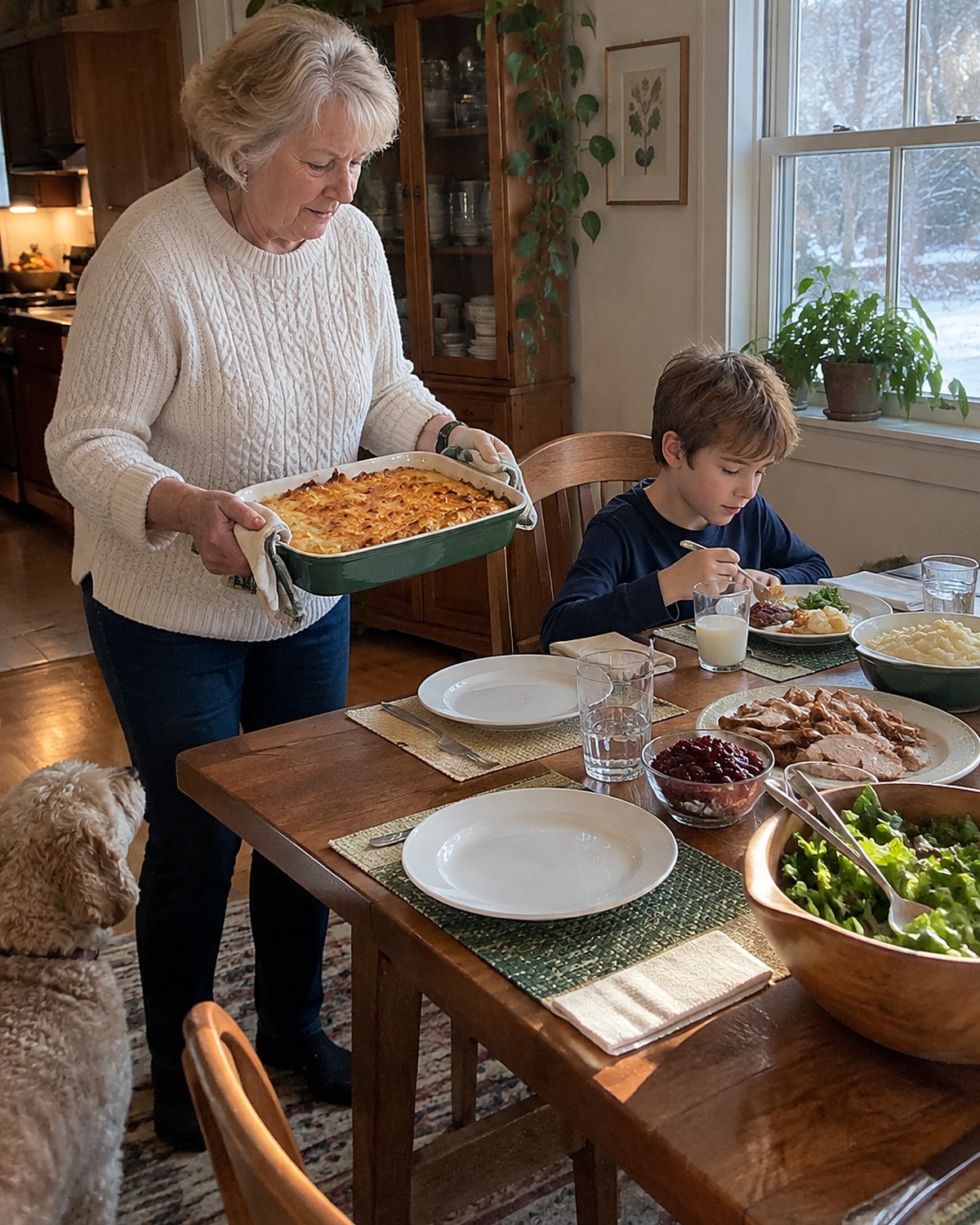
“Give me room for the casserole” does more work than “Elbows off the table.” The first tells the person beside you what’s coming. The second could follow a child through an entire meal, even when no dish was being passed.
At a crowded table, elbows really do knock over milk glasses. The useful rule is about space: move your arms when someone carries a hot dish past your plate. Clear a landing spot before the casserole arrives.
If you’re the one carrying it, say where you’re headed. “I’m setting this beside the potatoes” gives everyone a moment to move a glass or pull back a sleeve. That’s a supper rule adults can follow, too.
Once the dish is down, let people sit comfortably. The glass stays upright. The conversation survives. Nobody needs to spend dinner watching where a child’s elbows land.
#23 The Sunday Roast Before Sandwiches
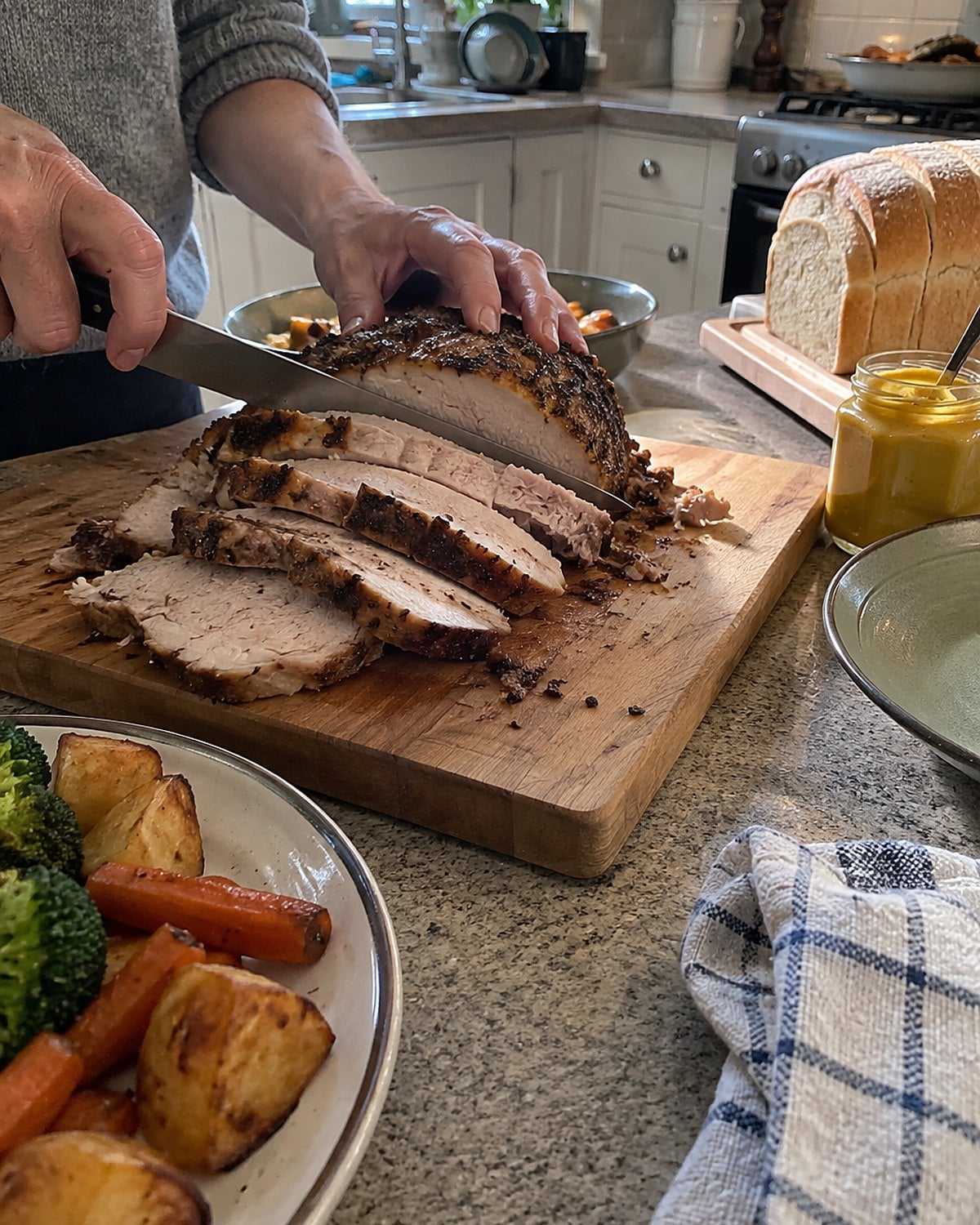
Before anyone reached for the bread and mustard, thick slices of Sunday roast went on the dinner plates. Sandwiches belonged to the next day. That order protected the centerpiece, even when everyone knew there was more meat than the table would finish.
In a smaller household, decide what portion you want for supper before the roast goes into the oven. Wrap the remaining uncooked portion for another meal, or plan where the cooked meat will go. Use a clean knife and board when you portion it.
For whole cuts of beef and pork, the USDA Food Safety and Inspection Service calls for 145°F inside and a three-minute rest. Put the thermometer in the thickest part, away from bone and fat.
A rest belongs to the cook, too. You’ve earned a moment before anyone starts asking about sandwiches.
Try it: Instant Pot Roast Beef & Gravy
#22 The Butter Knife on Its Plate
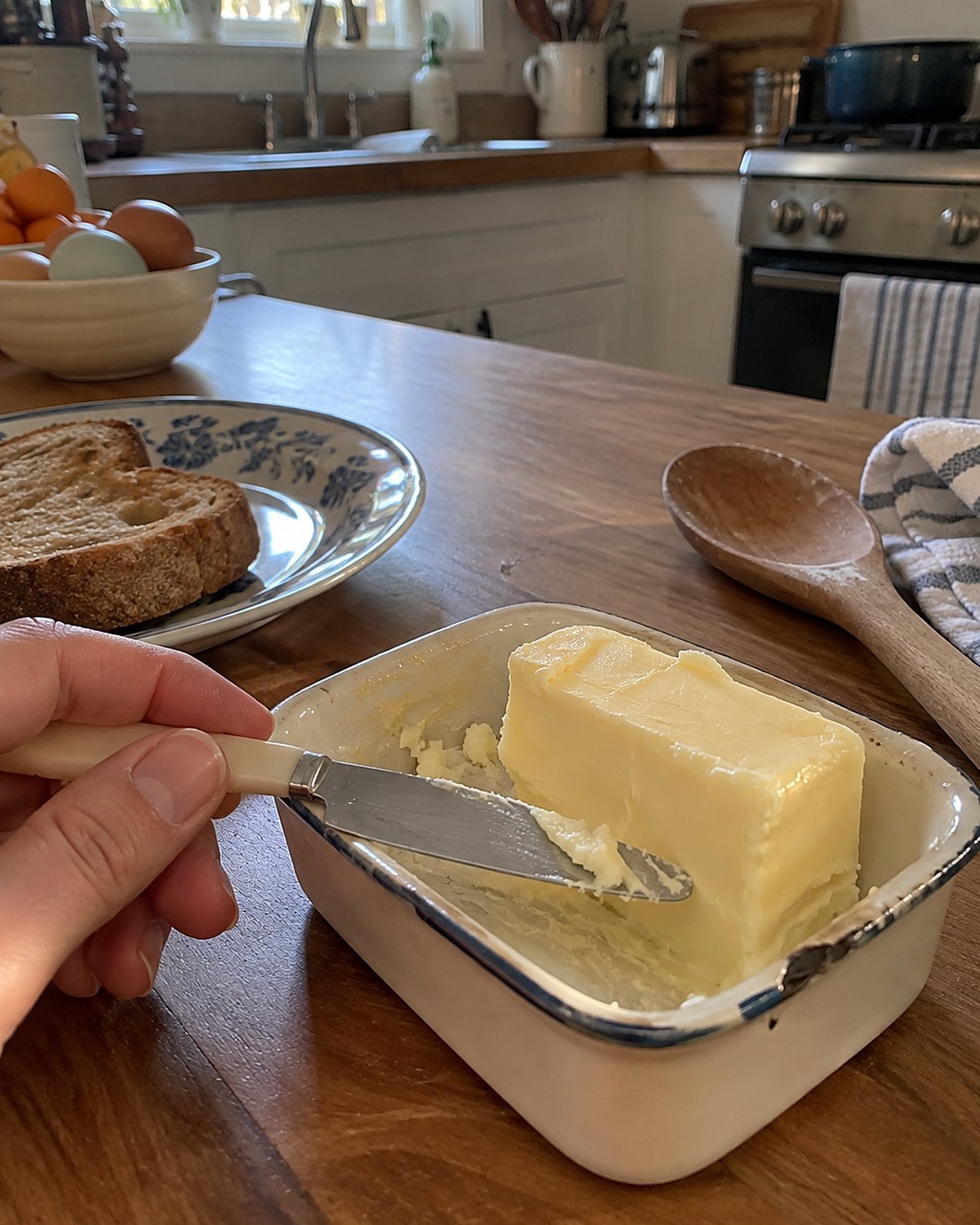
At some tables, the butter knife had a plate of its own. You took butter with that knife, then used your own to spread it. A stray crumb in the butter dish could draw a look from across the table.
The rule was fussy, but the separation had a job. A shared knife stayed out of the jam and gravy on individual plates. The trouble started when the ritual needed more attention than the meal.
If you’re serving butter now, put a small spreader beside the dish and tell people where to return it. A clean knife makes the next person’s turn easier. Nobody has to hunt for the handle under a thumbprint of butter.
For a quick supper, sliced butter or a little dish at each end of a long table does the work without instructions. Save the lecture. Pass the potatoes.
#21 The Milk Glass Beside the Plate
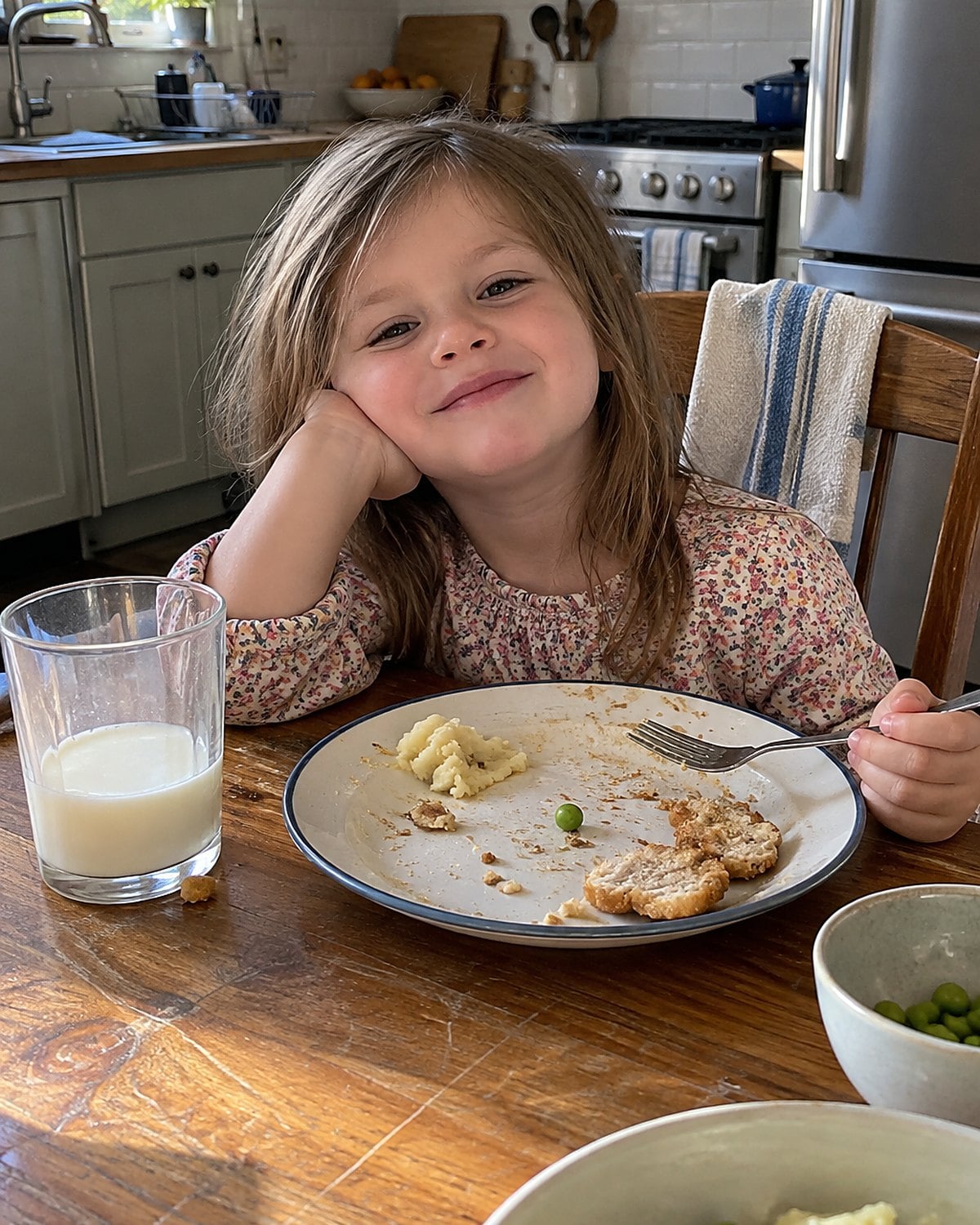
Drink your milk. Finish it before you leave. Don’t push the glass behind the bread basket where nobody will see it.
The old milk rule treated a poured glass like a promise. Yet pouring for someone isn’t the same as asking what they want. A half-full glass at the end of dinner tells you the answer without another argument.
At your table, ask before you pour. For a grandchild, begin with a small amount and refill it if requested. Set a water glass within reach, too.
That changes two things. There’s less milk to pour down the sink, and no child stuck finishing a glass an adult chose for them. The table still has rules. They just start with a question.
#20 The Last Biscuit in the Basket
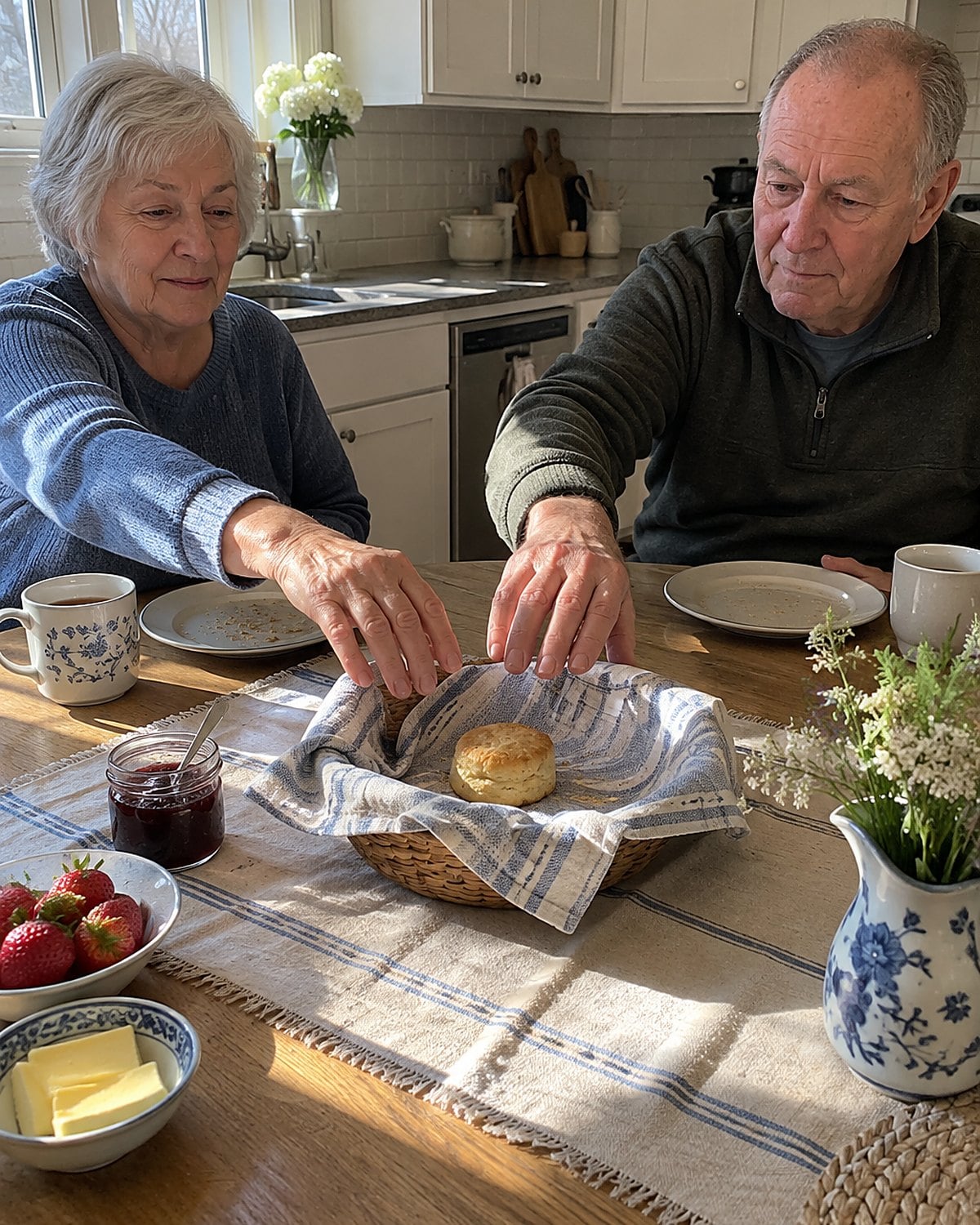
The last biscuit sat in the basket because everybody wanted it and nobody wanted to look greedy. “Offer it around first” was the rule, even if it had already made a full trip around the table.
Sharing matters. So does ending the little ceremony. If you baked enough for everyone to have one, say that plainly when you set down the basket. When there’s one left, ask, “Who wants the last biscuit?” A hand goes up or it doesn’t.
If two hands go up, break it in half. If nobody wants it, cover the basket and move on. You know how much work went into those biscuits. Watching one turn cold out of politeness honors none of it.
Tomorrow’s breakfast won’t suffer if someone eats it tonight. The person who made them gets to put up a hand, too.
#19 The Butter Dish Left After Supper
The butter dish had a regular place, and moving it could provoke more comment than the food. Somebody always wanted to know whether the butter should be out, cold or soft enough to spread.
The answer depends on the butter and the room, so don’t turn an old household habit into a safety guarantee. If the dish has sat out and you’re unsure about it, follow the package directions and the FDA’s food storage guidance.
Keep a clean knife with the butter you serve. Put away what belongs in the refrigerator when supper ends.
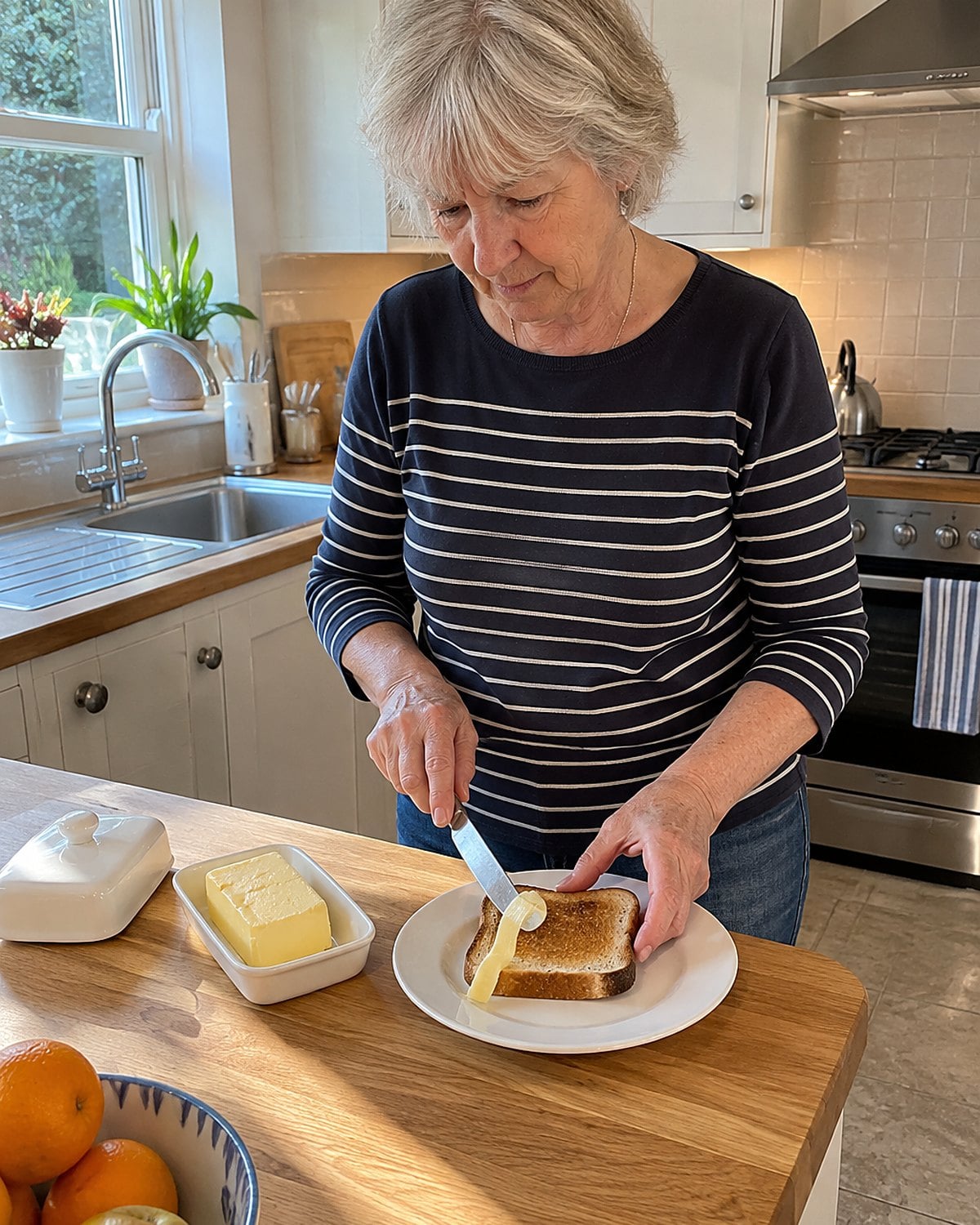
For easier spreading, shave thin curls from cold butter with a knife. They warm against toast while you pour coffee. No one has to remember how long a dish sat on the table or scrape a hard block across a tender biscuit.
The part worth carrying forward is simple: notice what’s in the dish before you pass it.
#18 The Pea Platter Passed Properly
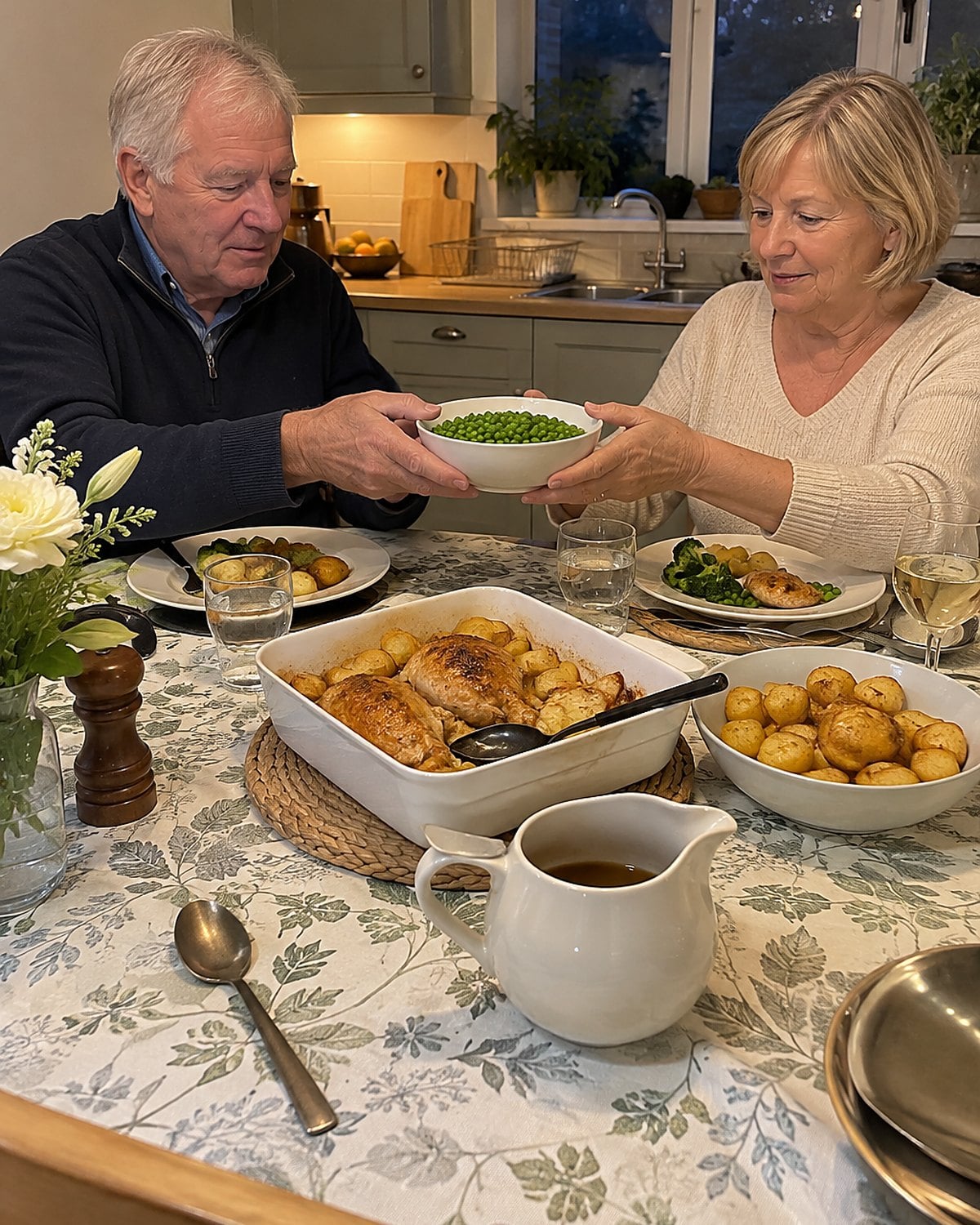
A platter moved around the table in order. You waited for it, took a portion, and sent it along. Reaching across another person’s plate was grounds for a correction before your fingers touched the serving spoon.
That rule made sense when the table was full and hot dishes traveled hand to hand. It still helps when someone carries a heavy bowl that could slip. Put the serving spoon on the side nearest the next person, and clear a space before passing the dish.
Watch the handle on a crowded table. Turn it inward before a sleeve catches it, and ask someone to take the bowl rather than stretching across a child.
At a smaller table, place the peas where both diners can reach them. Then eat while they’re hot. The point was never the direction of travel. It was getting everybody fed without a bowl landing in a lap.
#17 The Casserole Pan Nobody Refused
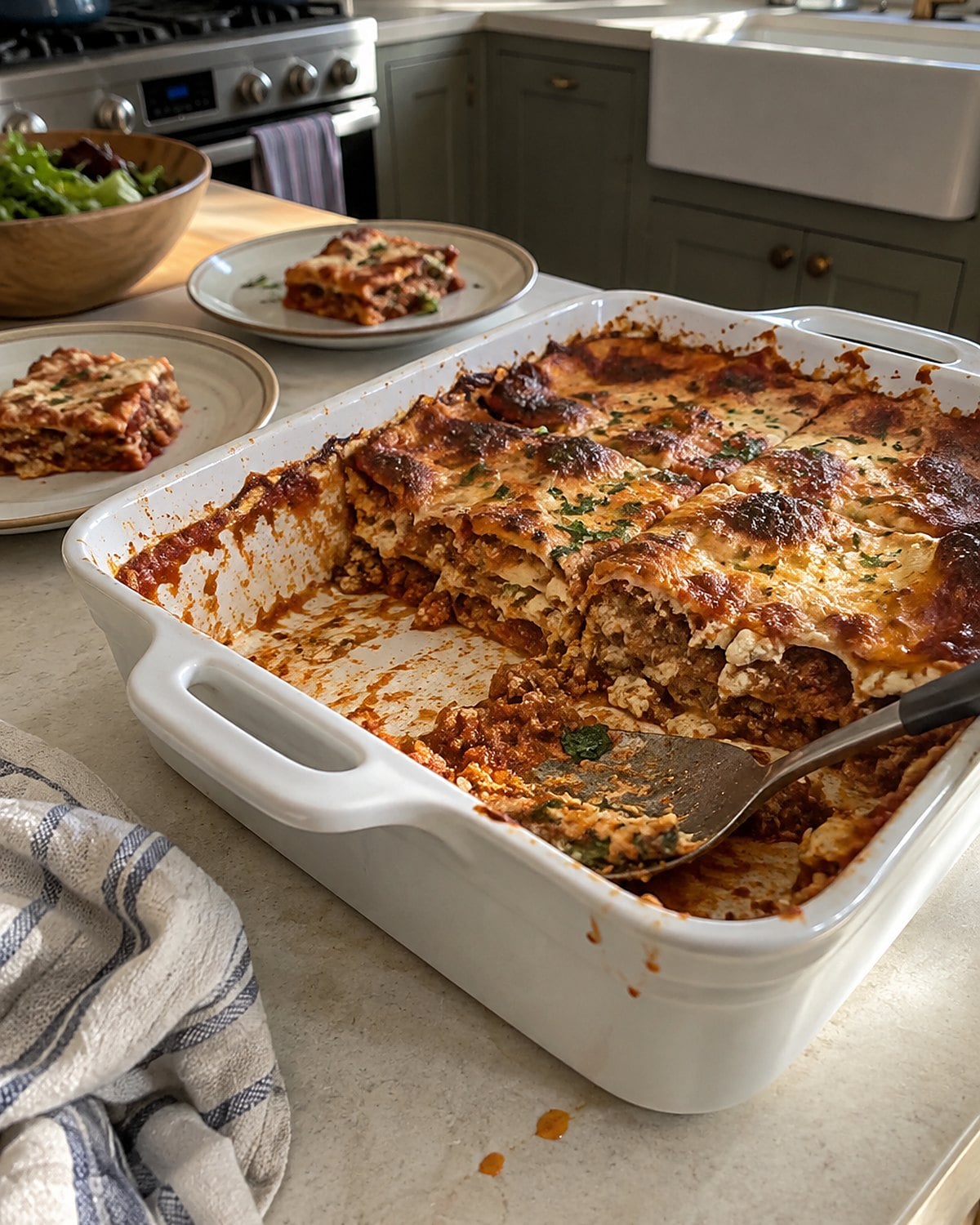
The casserole came to the table in its baking dish, browned at the edges and still bubbling near the center. You took a square even if you didn’t want one. Declining it could sound like a verdict on the person who made it.
That feeling hasn’t disappeared. If someone has cooked for you, a kind response matters. But there’s room between gratitude and a forced serving. “That smells good, but I’ll pass tonight” is enough. You needn’t make a public case against cream sauce or mushrooms.
When you’re the cook, give people a way to choose. Cut smaller squares. Keep a serving spoon beside the dish so someone can take a taste instead of a full portion. If you’re reheating a casserole, check the middle with a thermometer, not the browned edge. USDA guidance says reheated leftovers should reach 165°F.
Look at what returns from the table. A dish scraped clean tells you one thing; a row of untouched squares tells you another. Either answer is more useful than insisting everyone liked it.
Try it: Instant Pot Casseroles Perfect For Comfort Dinners
#16 The Chair You Couldn’t Leave
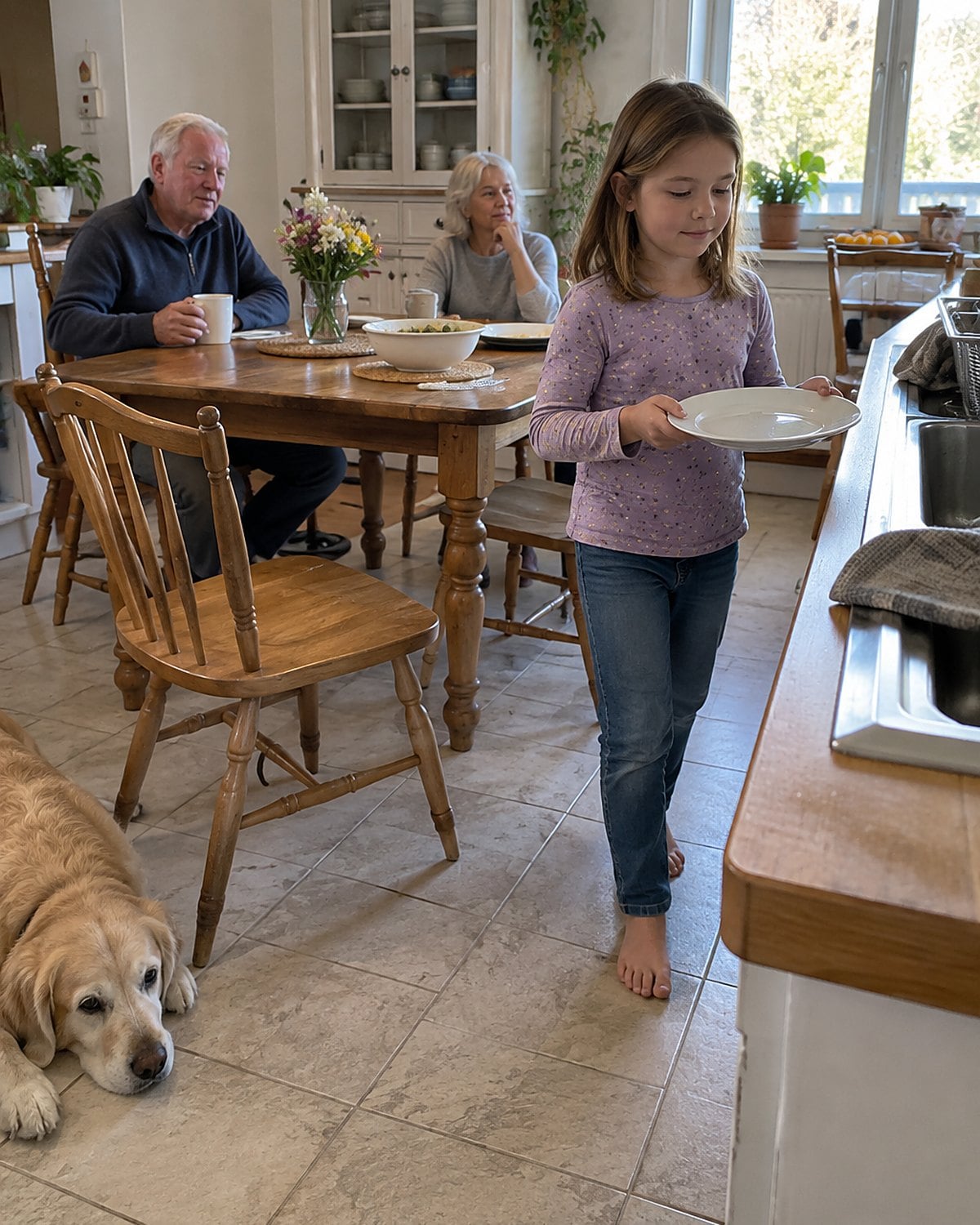
“May I be excused?” stood between a finished meal and the kitchen door. Permission mattered even when your plate was empty and the grown-ups had moved on to another conversation.
There’s value in not abandoning people halfway through dinner. Yet a child trapped at the table gains little from hearing adults discuss bills or a roof repair. Agree on a clear end to the meal: dishes in the sink, hands washed, then back to whatever comes next.
For adults, the same courtesy works without a formal request. Tell the person still eating that you’re getting up to put the kettle on. You can be considerate without keeping everyone in their chairs.
#15 The Chocolate Pudding Cups Saved
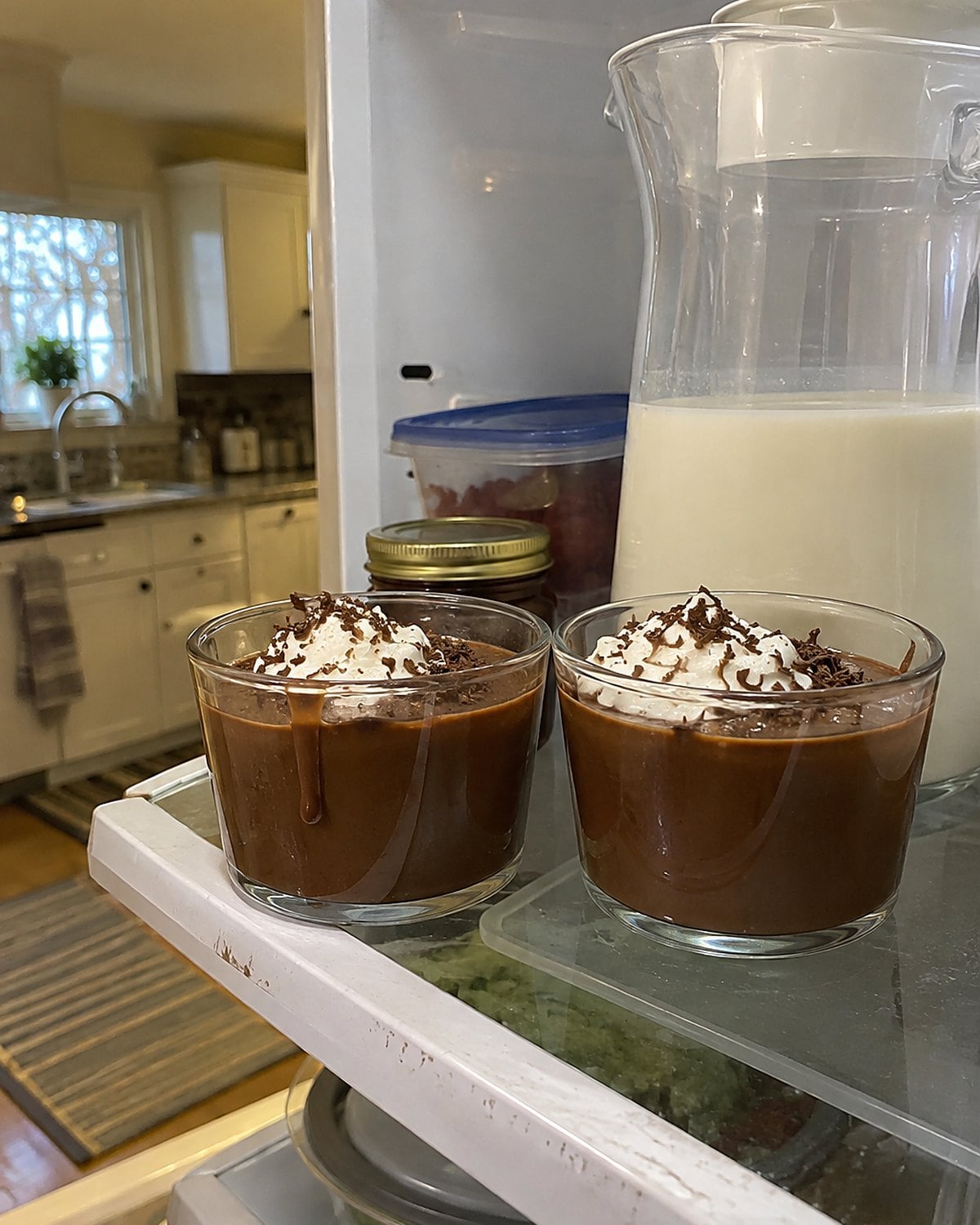
Dessert waited until dinner was finished. The pudding cups in the refrigerator had more power than any speech about vegetables. A child who wanted chocolate knew what stood between them and the spoon.
It’s worth asking what the rule taught. Eating past fullness to earn pudding turns both the main dish and the dessert into a bargain. Serve the meal in portions people can finish comfortably, and let the pudding stand on its own as part of supper.
If you’re making cooked pudding, watch what happens in the pan. Stir across the bottom and into the corners, where it thickens first and sticks fastest. Once it coats the spoon, taste it before you fill the cups. A scorched edge won’t improve in the refrigerator.
Give a grandchild a small serving if that’s what they want. If they’re done after two bites, the spoon can go in the sink. Nobody has to win dessert.
#14 The Celery on the Relish Tray
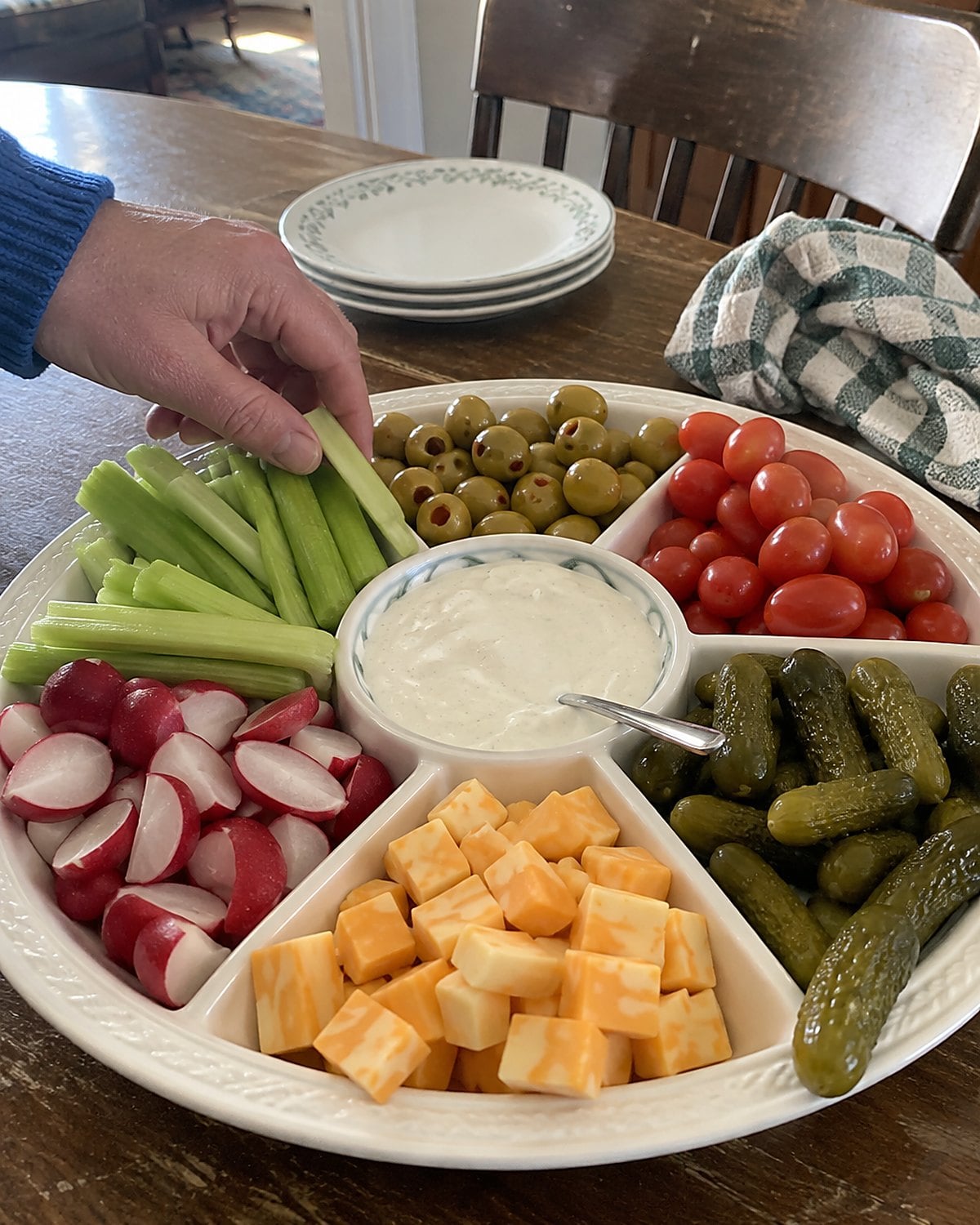
A relish tray arrived with celery sticks, olives and pickles arranged like they belonged to a formal occasion. You took something from it because it was on the table, even if you were saving room for supper.
The tray did have a clever job. It gave people something crisp while the cook finished the hot food. Pickles also cut through rich meat and potatoes. You can use that idea without asking everyone to admire an untouched arrangement.
Put out what people actually eat. If the celery ends up dry in the refrigerator every time, leave it off. A small bowl of pickles near a heavy casserole will get passed.
A whole tray built from obligation comes back to the counter almost as it left. Save yourself the chopping, and give that space to the dish people keep reaching for.
#13 The Soup Pot Before Second Helpings
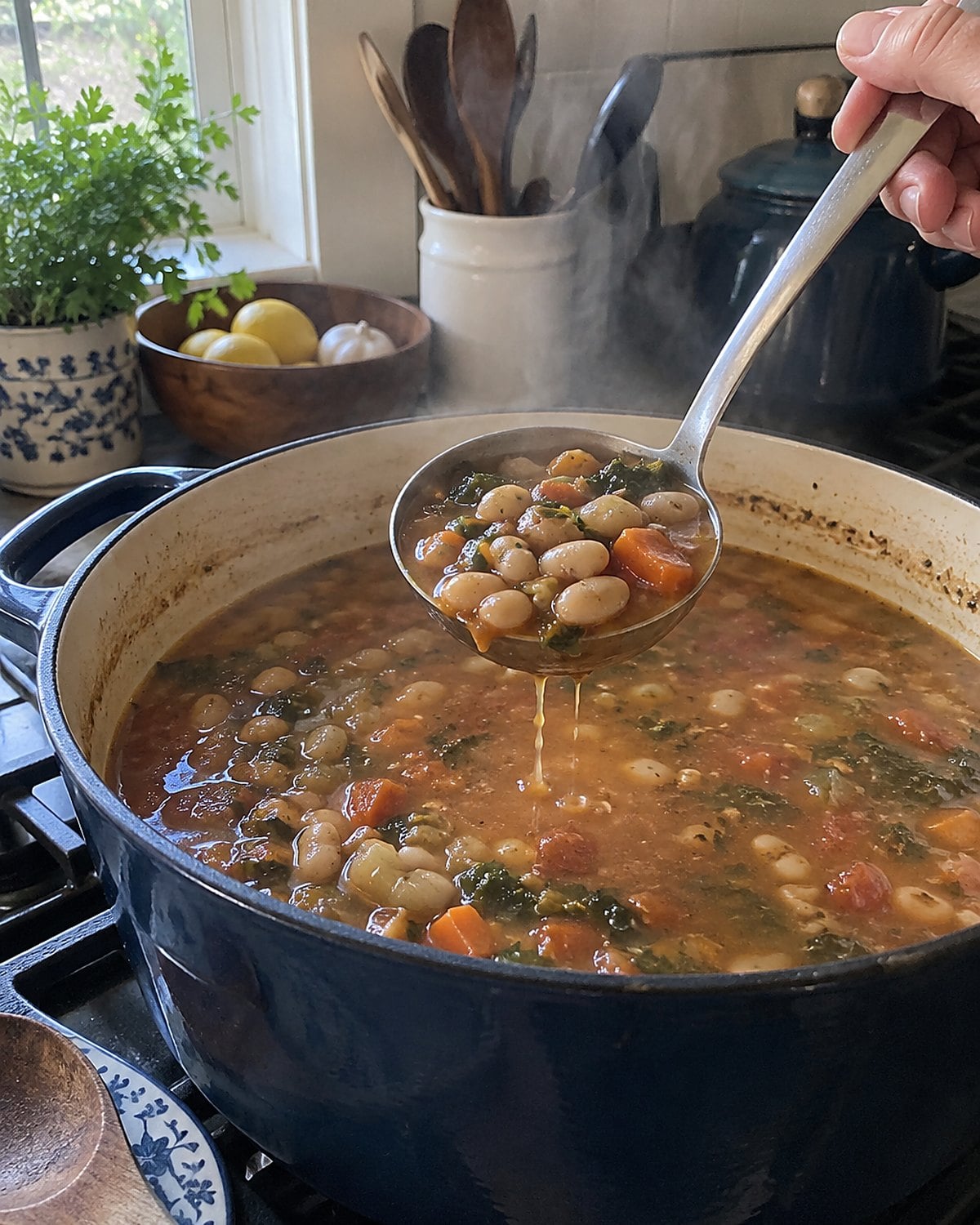
No seconds until everyone had firsts. The ladle moved from bowl to bowl while you watched the pot, trying to judge whether enough soup remained. That rule was fair when the pot had to feed a full table.
It also put the cook in charge of an awkward count. Before you carry the pot in, look at who’s eating and how many bowls you expect to serve.
If the soup is thick with beans or potatoes, stir from the bottom before each ladleful. Otherwise the first bowls get broth and the last bowl gets the heavy pieces. A ladle that scrapes the bottom gives each person some of what you put in.
Taste the soup after its final simmer, too. Beans and pasta drink up liquid and change the balance. A squeeze of lemon or a splash of vinegar brightens a dull pot without another spoonful of salt.
When the first round is served, say what’s left. “There’s enough for another bowl” lets a hungry person ask. You don’t need a rule so strict that someone leaves hungry beside a covered pot.
#12 The Supper Hour on the Clock
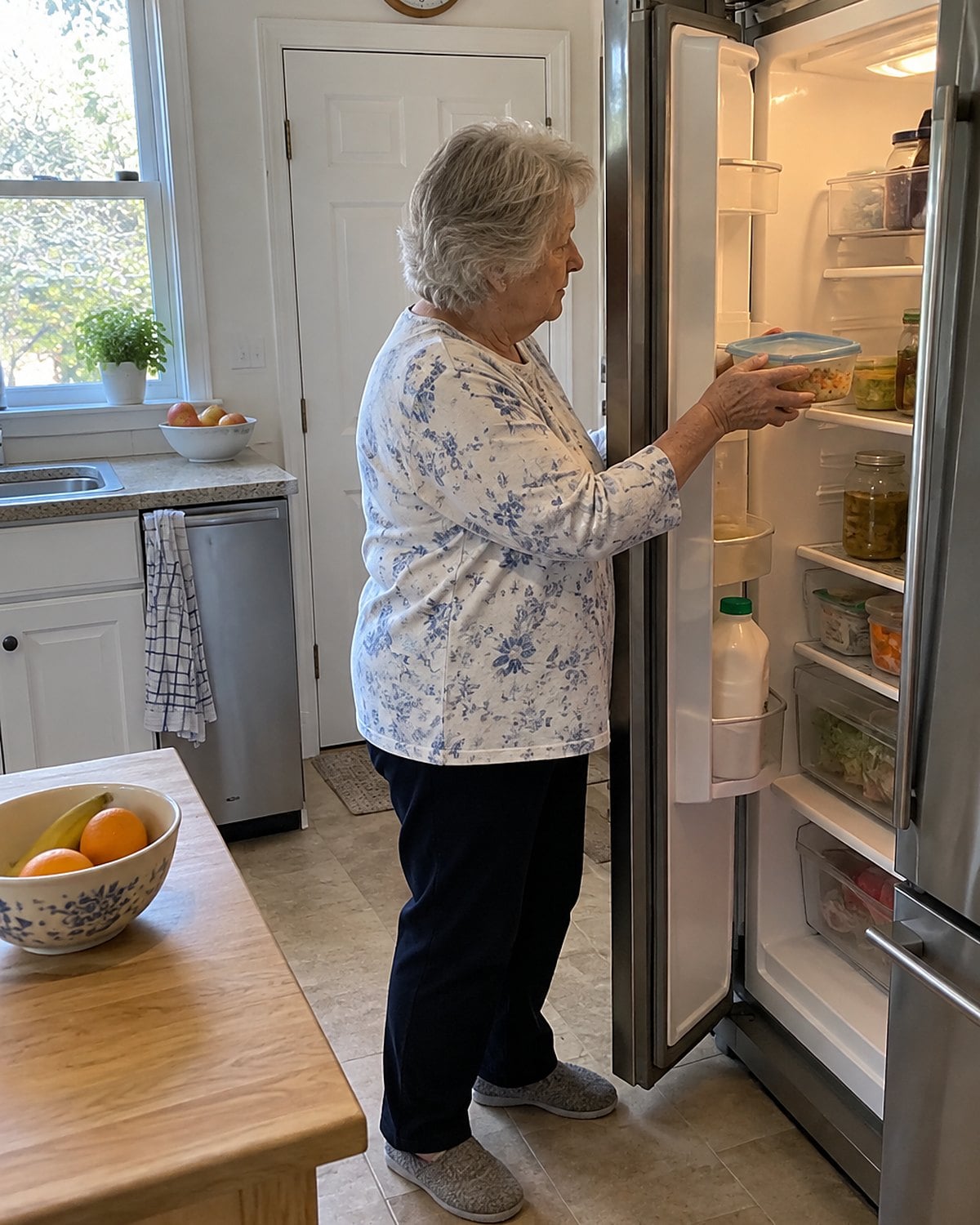
Supper was at a set hour. If you missed it, the kitchen clock made your case for you. Dinner had been planned around work, school, church and the stove. No one wanted to warm the same pan over and over.
A regular time still helps the cook. It tells you when to start and keeps hot food from waiting on a late arrival. But you don’t have to turn a delay into a trial. Set aside a portion before everyone serves themselves, then refrigerate it promptly.
The USDA Food Safety and Inspection Service says perishable food shouldn’t sit at room temperature for more than two hours. That settles the question of a covered plate waiting on the stove. A late diner gets a refrigerated portion to heat; the rest of you get to eat.
#11 The Liver and Onions You Owed
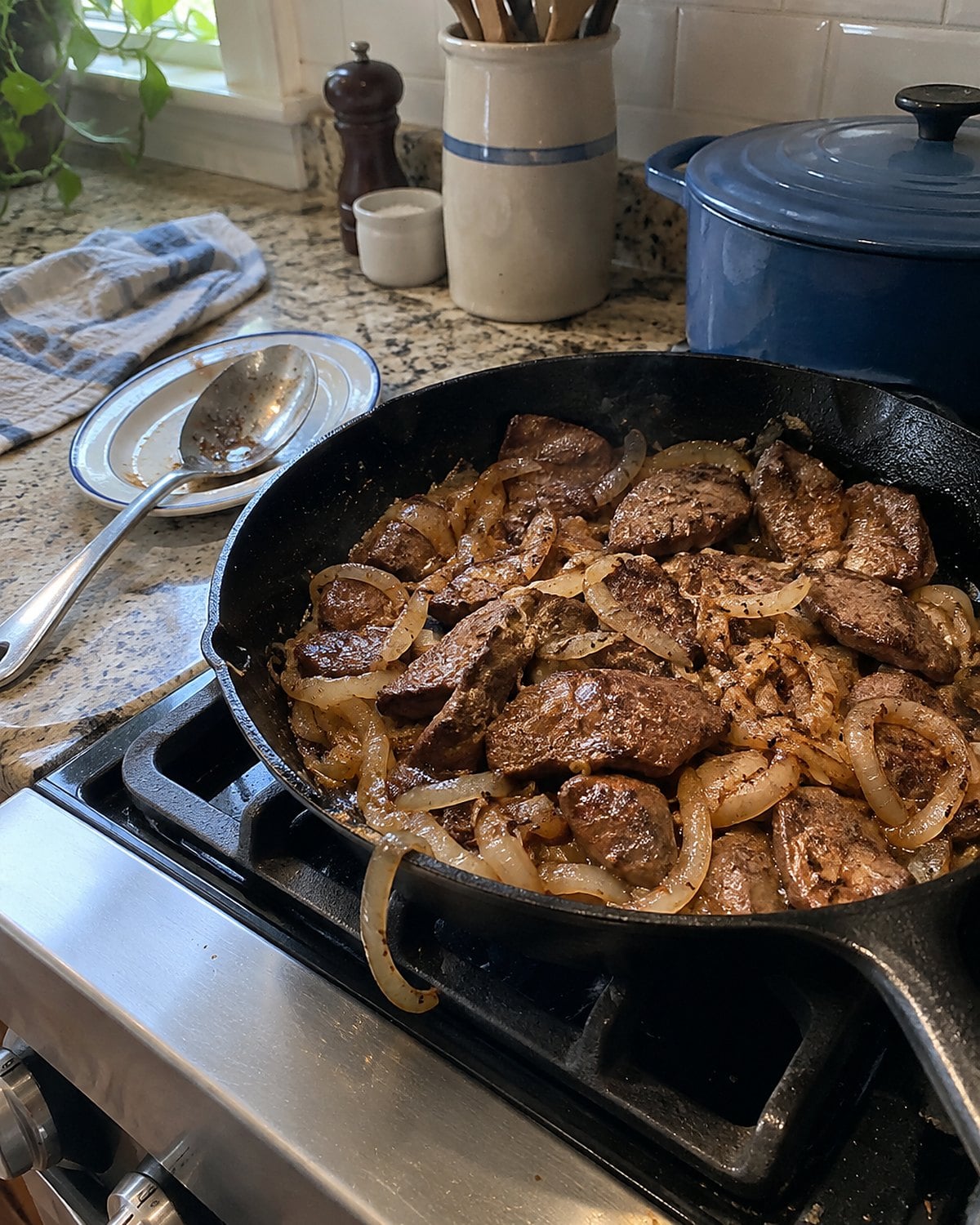
Liver and onions could divide a table before the skillet reached it. If you disliked the smell, you still had to take a serving. You could cut it small, chase it with potatoes and wait for permission to stop.
Some families served liver because they liked it. Others cooked it because it was familiar, affordable or part of a habit handed down. None of those reasons makes a child’s dislike imaginary. A forced plate rarely improves an ingredient’s chances next time.
If you enjoy liver, buy and cook a portion for the people who want it. Keep onions moving in the pan until they’re tender and browned rather than scorched. For meat cooking temperatures, use the USDA Food Safety and Inspection Service’s safe temperature chart instead of judging by color.
Ask, “Would you like some?” Then accept the answer. You’re allowed to cook a food you love without making the entire table prove its gratitude.
#10 The Gravy Boat Kept Moving
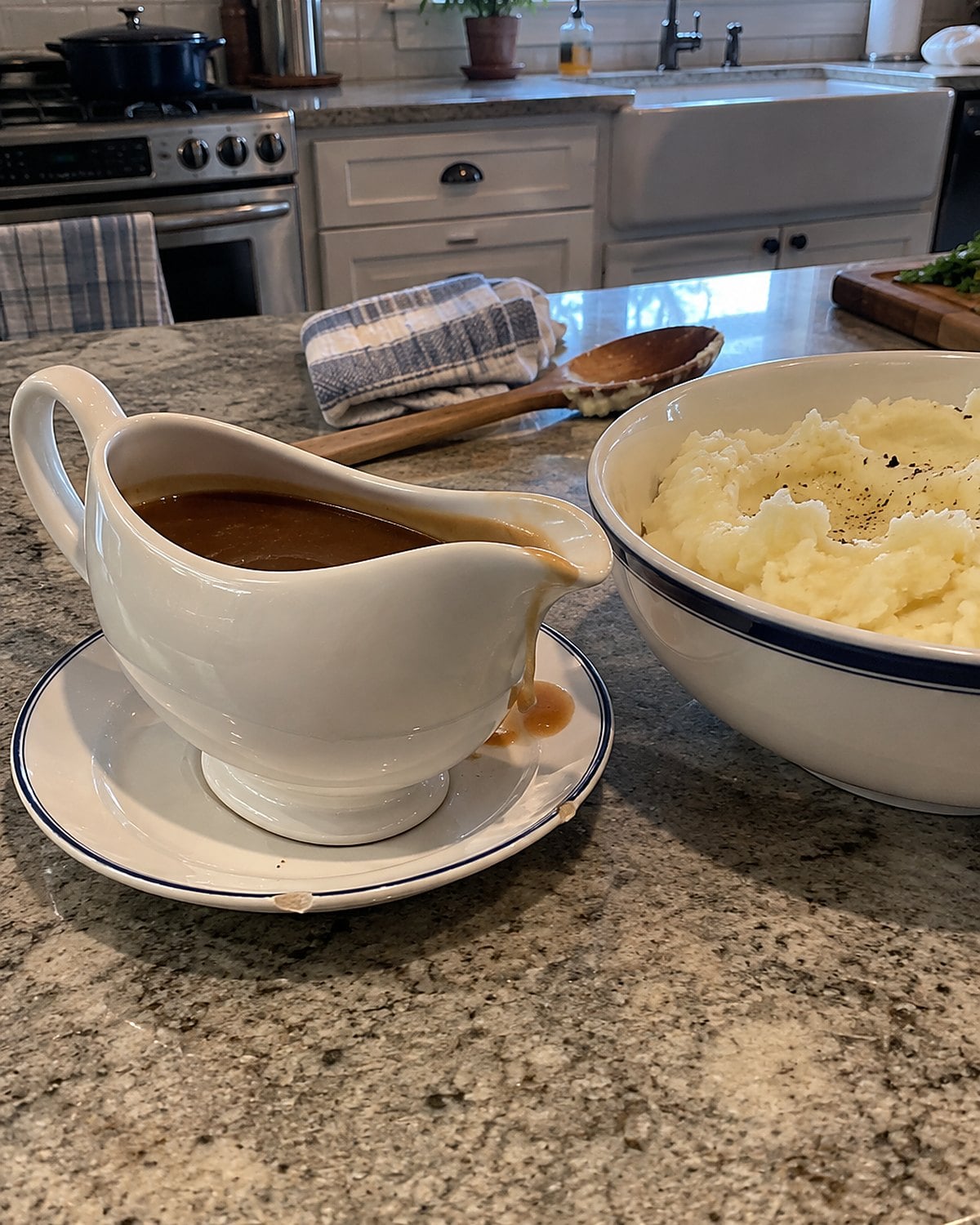
The gravy boat made a circuit while someone waited with dry mashed potatoes. Passing it along was polite. Holding it to inspect the gravy wasn’t.
At the stove, gravy tells you what it needs when you drag a spoon through it. A thin gravy runs straight back into the trail. A thick one holds the line and sits heavily on the spoon.
Add warm cooking liquid a little at a time if it has tightened too far. If it tastes flat, taste before reaching for more salt; pan drippings already carry plenty.
Bring the boat to the table with a small plate under it for drips. Put it within reach of the potatoes. Those two moves spare the tablecloth and end the endless passing.
Try it: Best Instant Pot Gravy (Quick & Easy, No Drippings!)
#9 The Grandchild’s Unfinished Supper Plate
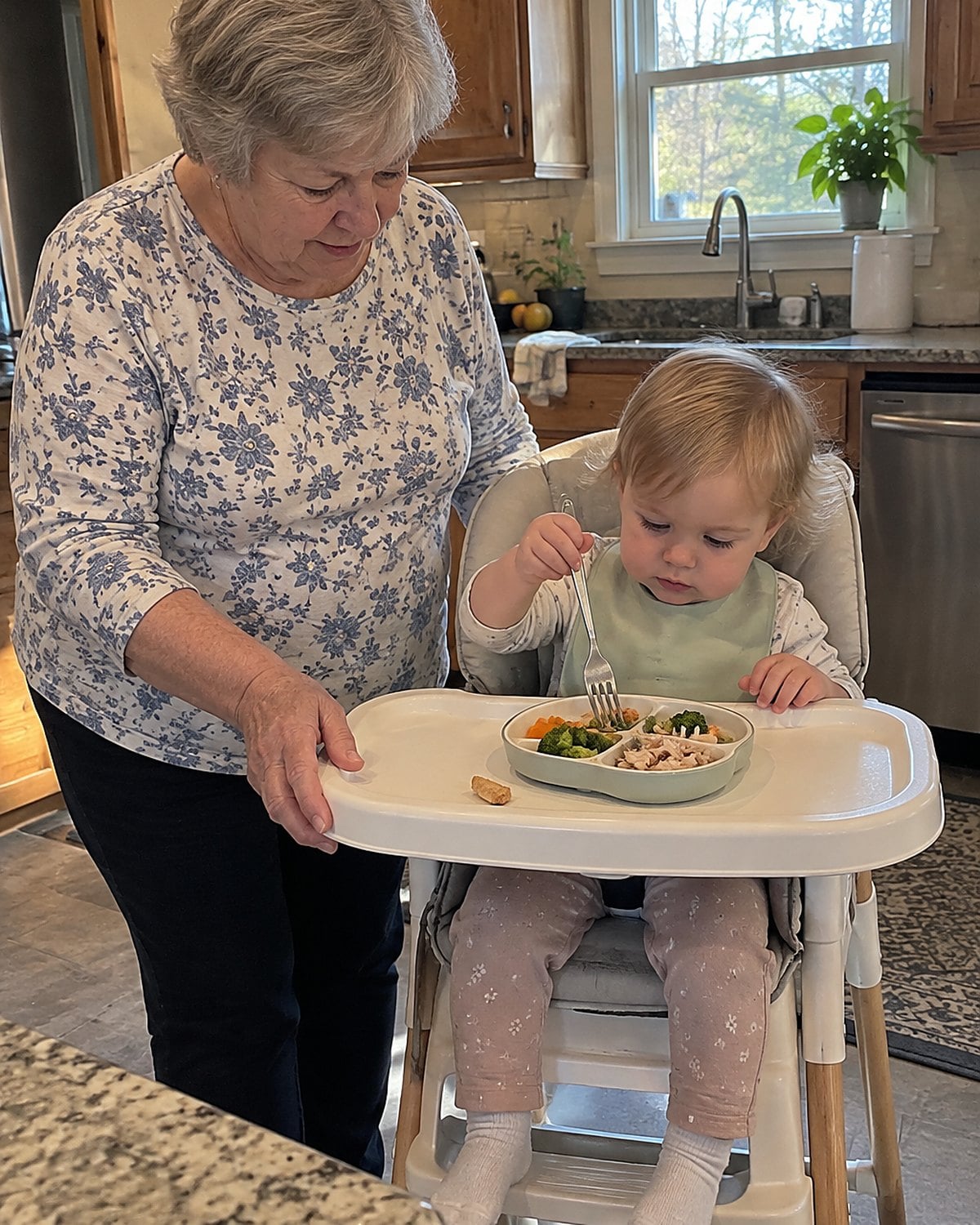
A small child takes three bites, spots the dog and announces dinner is over. You remember exactly what came next in 1965: sit down, pick up the fork, finish what’s there. The plate became the argument.
You can set a different rule without running a short-order kitchen. Put a modest serving on the plate. Keep the rest in the serving dish. If the child wants more, there’s more. If they’re finished, ask them to carry their plate to the counter.
Don’t ask them to predict how hungry they are from a mountain of food an adult served. You’ve seen how quickly an appetite changes after a long afternoon or a snack at the wrong hour.
The CDC’s guidance on healthy eating for kids discusses hunger and fullness cues. At supper, that looks less like a lesson and more like a smaller first spoonful.
One firm sentence is enough: “You don’t have to finish it, but supper is what we’re serving.” Then you get to eat yours while it’s hot.
#8 The Bean Bowl You Couldn’t Pick Through
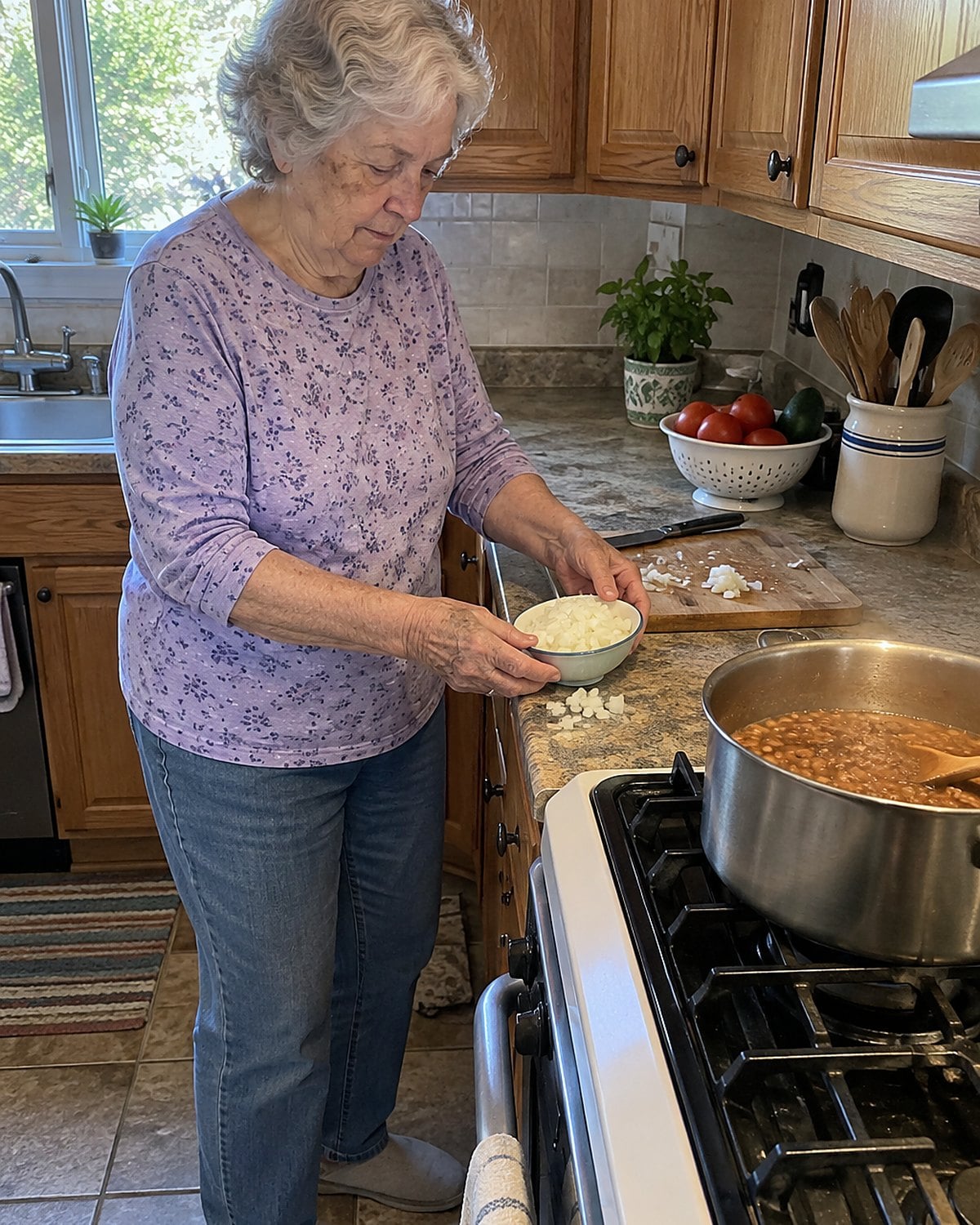
Picking through a serving was forbidden. If beans were in the bowl, you were expected to eat the beans, the onions and whatever else the spoon brought along. Sorting one ingredient to the edge of the plate looked like bad manners.
There’s a useful distinction between a preference and a safety concern. If someone tells you an ingredient causes an allergic reaction, take the warning seriously. Don’t ask that person to pick pieces out of a mixed dish.
The FDA’s food allergen guidance explains which ingredients must be named on packaged-food labels. At your table, the immediate job is simpler: tell your guest what went into the pot before serving it.
For ordinary dislikes, keep the talk brief. Put the toppings on the side next time, if the dish allows it. Let someone leave the onions today. A neat plate isn’t worth turning supper into an argument.
#7 The Supper Planned on the Grocery List
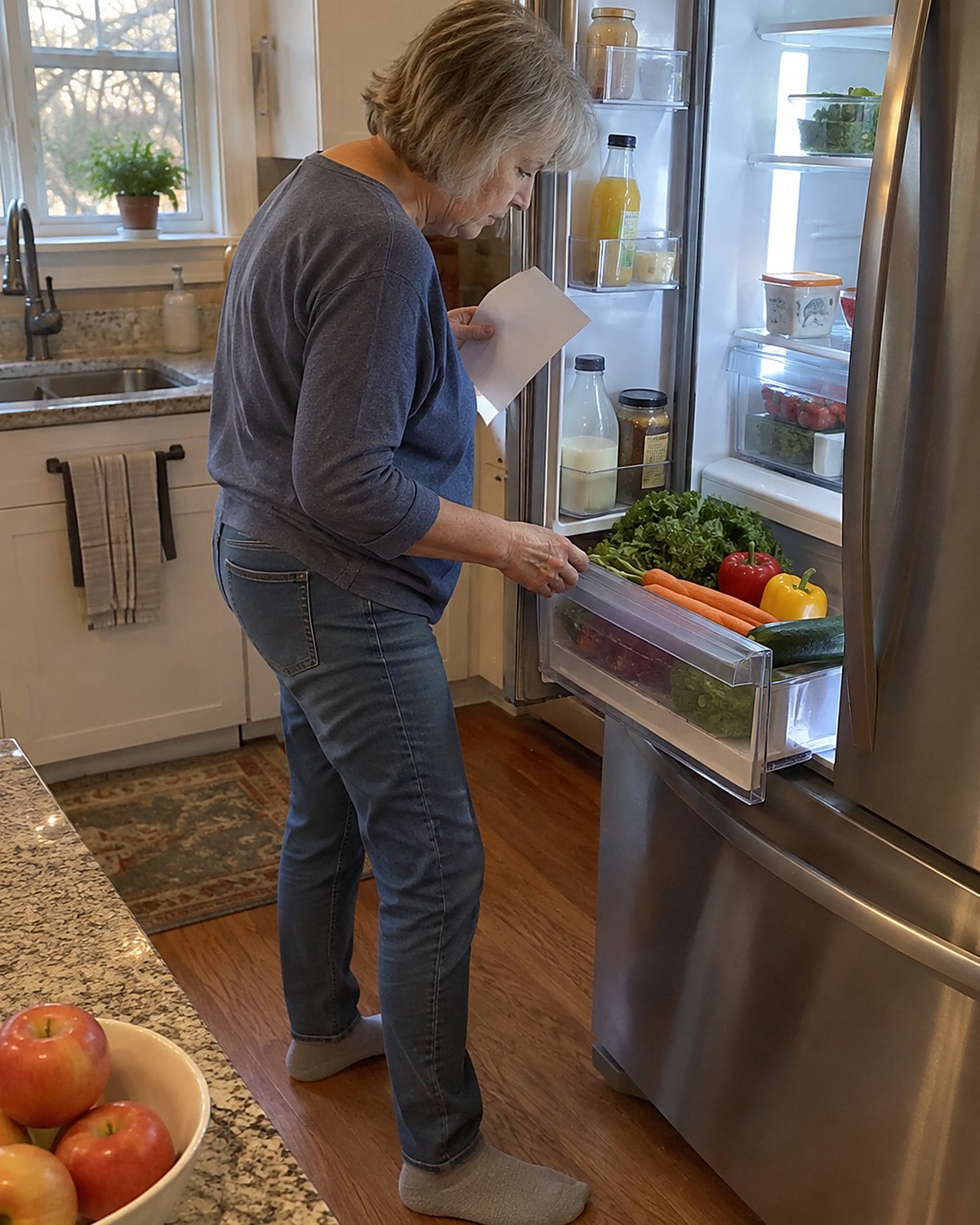
The list on the refrigerator door once followed the week’s meals. A mother bought what she planned to cook, then expected everyone to eat it. Turning down supper didn’t mean a second grocery trip.
That planning still earns its keep, especially when two people live where a larger household used to. Before shopping, look in the crisper, then at the freezer bags with dates written on them. Build one meal around what’s already there.
Write down what you need to finish that meal, not every ingredient in a fresh plan. A list made after you open the refrigerator has a better chance of matching what’s at home.
Leave room for a change of mind. If you’re tired of the planned chicken, cook the beans you already have and move the chicken to a day that suits it. The list is supposed to work for you.
Ask the other person at your table what they’ll eat this week before the shopping is done. That question prevents an unwanted meal more effectively than a rule delivered over a full plate.
#6 The Foil-Wrapped Plate for Guests
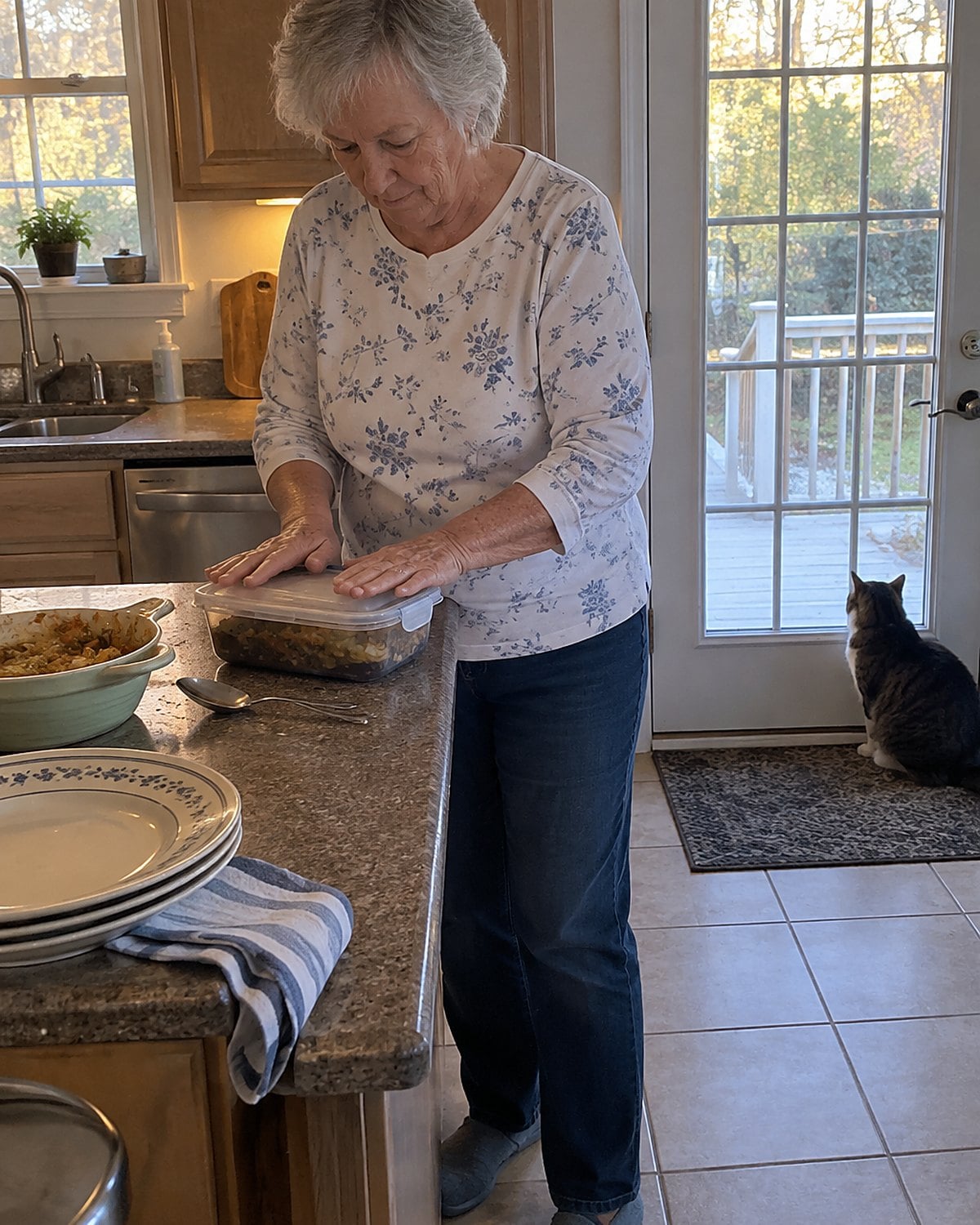
Guests went home with food whether they asked for it or not. A foil-wrapped plate was pressed into their hands at the door, with a firm instruction to take more.
The impulse was generous. The execution left someone carrying a serving they didn’t want or couldn’t use. Ask first. If the answer is yes, pack the food in a clean container that closes, and tell them what’s inside.
Keep perishable food refrigerated until they leave. If the trip home will be long, ask whether they have a cooler. Don’t make a guest solve that problem after the porch door closes.
When the answer is no, believe it. You can offer a slice of cake, send nothing, or keep the food for your own lunch. Hospitality still counts when the guest leaves empty-handed and happy.
#5 The Sunday Leftovers You Had to Eat
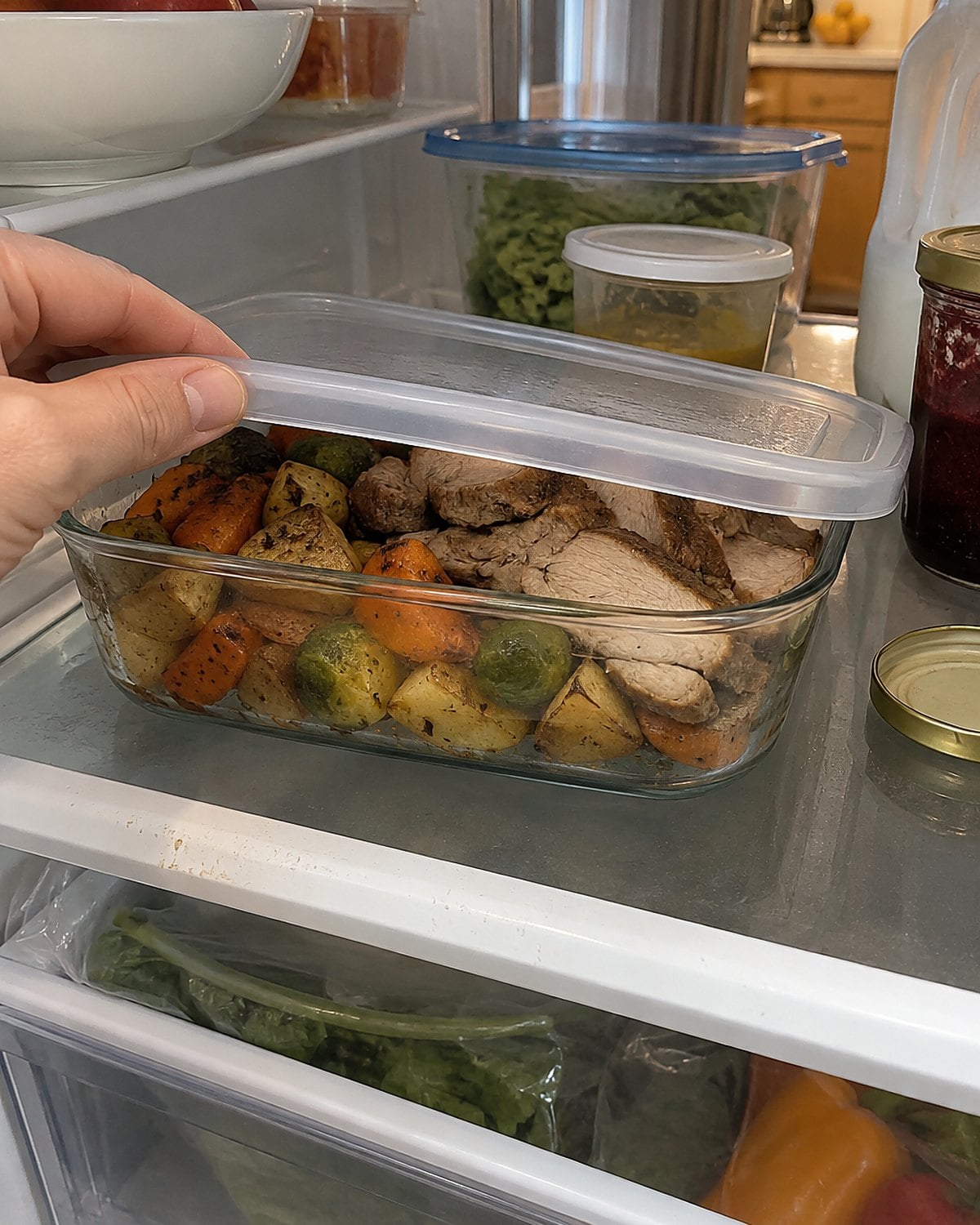
A Sunday dinner could turn into Monday lunch, Tuesday sandwiches and one last plate nobody wanted. The old clean-plate rule followed the food into the refrigerator: it had been cooked, so it ought to be eaten.
Start with a pencil, a bit of tape and the date. Put leftovers into shallow containers and refrigerate them promptly. The USDA Food Safety and Inspection Service’s cold storage chart gives cooked leftovers three to four days in a refrigerator at 40°F or below. The date saves you from guessing which dinner a container holds.
Before reheating, look and smell, but don’t use either as proof that food is safe. Harmful bacteria don’t announce themselves with a bad odor. Heat leftovers to 165°F, checking the center with a thermometer. If a container’s history is a mystery, throw it out.
The hard part isn’t writing the date. It’s allowing yourself to discard food when keeping it would mean taking a risk. You’ve already done the work of feeding everyone. A forgotten serving doesn’t deserve another turn at the table.
#4 The Sunday Dinner Everyone Had to Attend
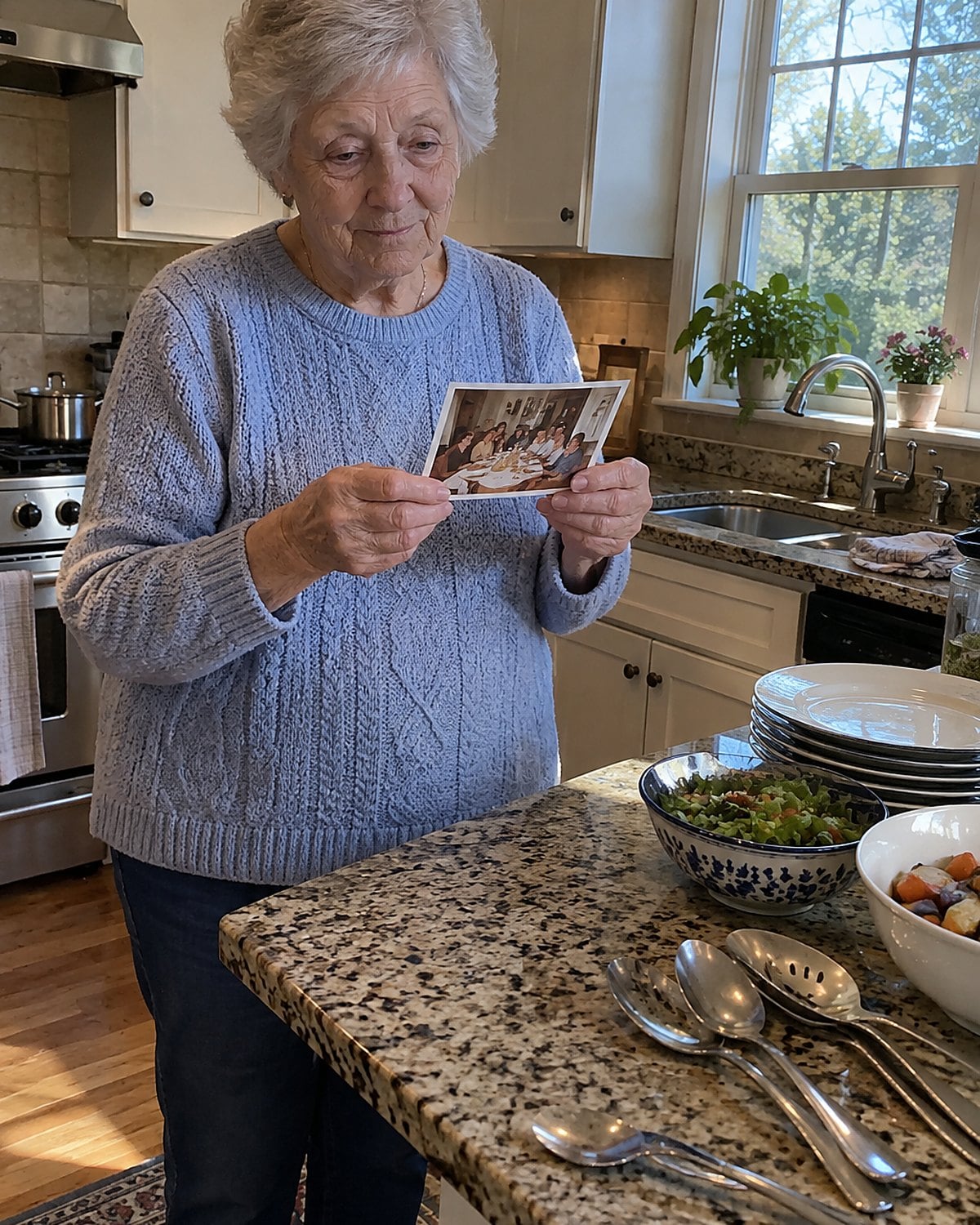
In a family photo, everyone sits straight and the dishes look plentiful. You can’t see who was told to finish the carrots, who asked for less gravy, or who ate quickly because they needed to clear the table.
Sunday dinner carried its own rule: be there, dressed and ready, when the food arrived. That gathering gave people a place to meet. It also meant somebody stayed in the kitchen while everyone else took a seat.
Look a little longer at the old picture. Who served the meal? Who got up for the extra spoon? Who ate after the food had cooled?
You’re free to keep the recipes and change the work around them. Ask someone else to carry the dishes. Let a guest bring the salad. Leave the good platter in the cupboard on a Tuesday.
The table in the picture was real, but it doesn’t have to set tonight’s rules.
#3 The Freezer Drawer for Every Leftover
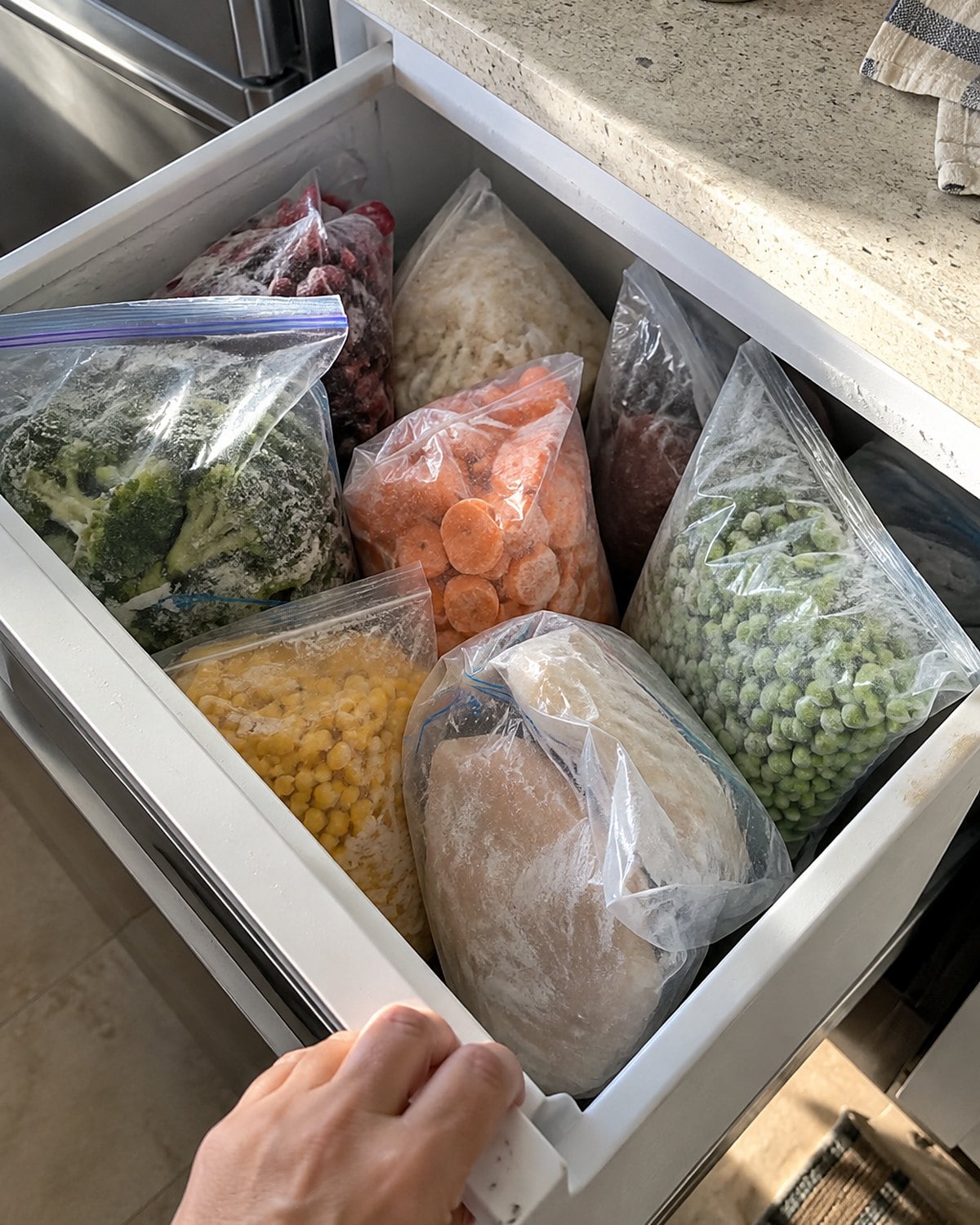
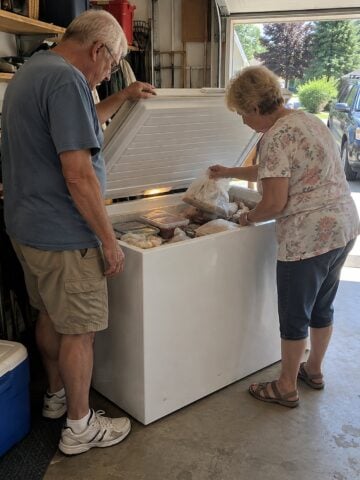
Nothing went to waste, so every leftover went into the freezer drawer. A full drawer looked like a promise until every bag held an unnamed brown square.
When supper fed a larger household, leftovers filled the next day’s menu by sheer volume. With fewer people eating, saved food needs a destination before it disappears behind the ice trays.
Freeze a portion you want to eat again, not a pan you feel guilty discarding. Portion hot leftovers into shallow containers and refrigerate them promptly. Once chilled, pack the food in a freezer container or bag. Label it with the dish and the date.
Lay bags flat until frozen, then stand them upright so you can see what’s there. The USDA Food Safety and Inspection Service’s freezer storage guidance helps when you need to check how long a particular food keeps its quality.
When you open the drawer tonight, pull one dated meal toward the front. That’s a supper decision already made.
#2 The Big Supper Plate Filled First
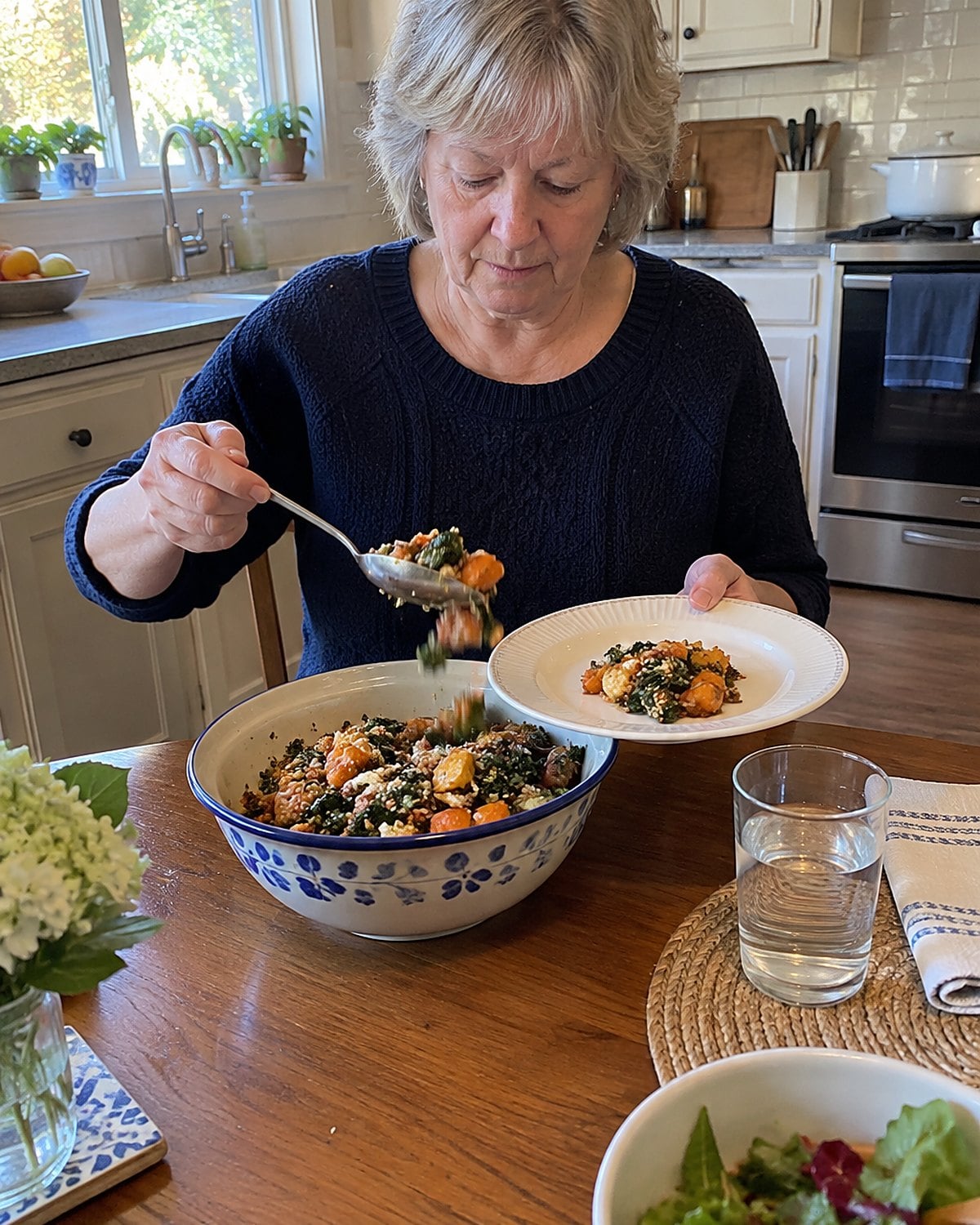
The big dinner plate seemed to ask for a full serving. Meat, potatoes, vegetables and bread each claimed a place. An empty corner looked like something the cook had forgotten, and the rule was to fill it before sitting down.
Try setting a smaller plate for an ordinary supper. Serve what you expect to eat, then leave the dishes where you can reach them again. Seconds are easier to take than an unwanted first helping is to undo.
Keep the serving spoon in the bowl instead of piling extra food on each plate “just in case.” Someone who wants another potato can ask. Someone who doesn’t has room to stop.
This isn’t about measuring food or making a rule from plate size. It’s about giving yourself the same freedom you’d offer a guest: enough to begin, with more available.
The person who cooked dinner deserves to sit down before deciding whether they’re still hungry.
#1 The Last Forkful on Your Plate
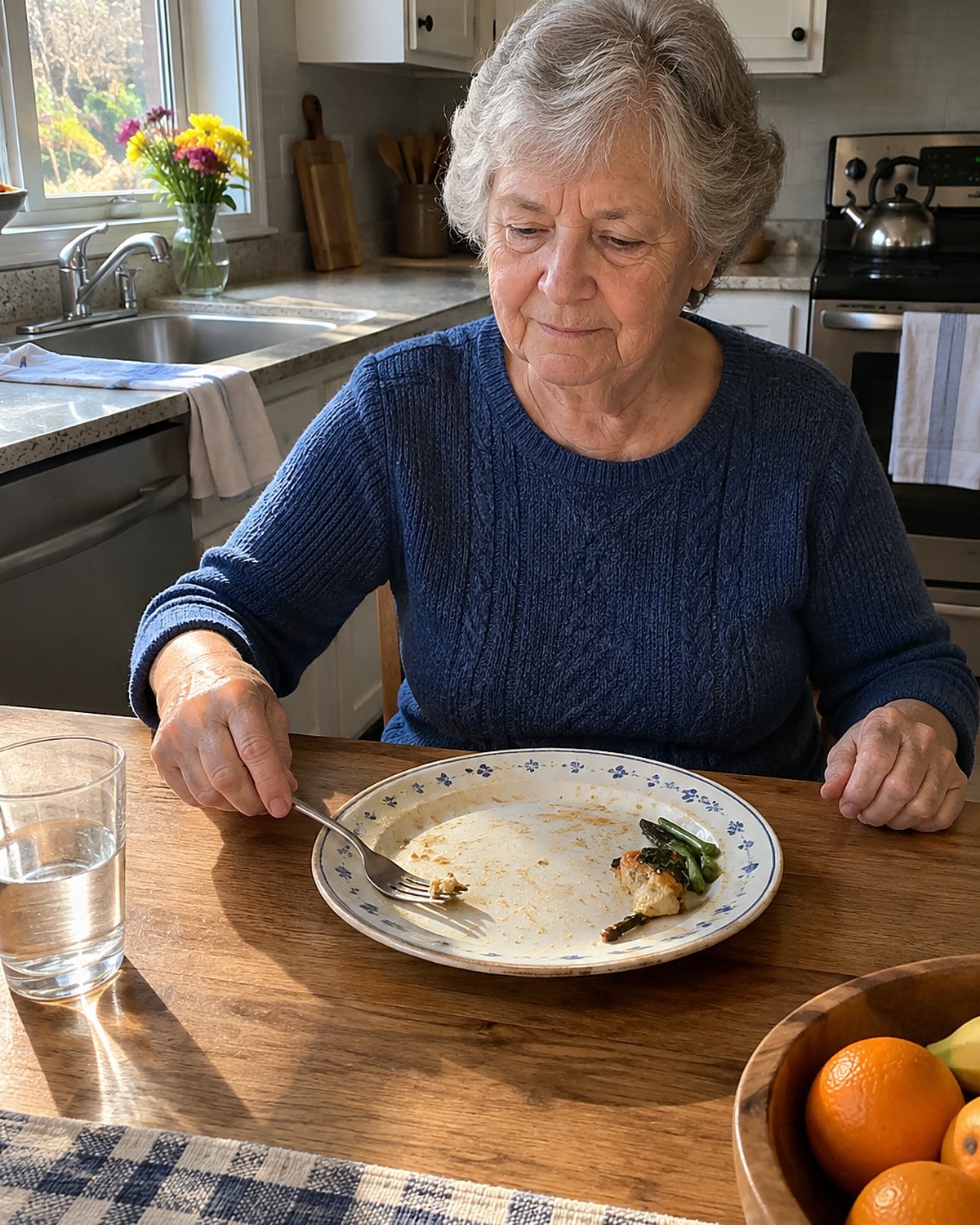
You sat until your plate was clean. Perhaps the dishes were washed around you. Perhaps everyone else had gone into the next room. The last forkful had stopped being supper, but leaving it still felt forbidden.
That rule came from somewhere real. Food cost money. Cooking took time. Throwing it away stung, especially in a household that knew what an empty pantry looked like.
You can respect every bit of that history without making your stomach the place where unwanted food goes.
At tonight’s meal, start with less on the plate and keep the serving dish nearby. Eat, pause, and ask yourself whether another bite still sounds good. If it does, take it. If it doesn’t, stop.
Pack what can be saved promptly. Scrape what can’t. The amount wasted is easier to change before serving than after someone is full.
Say it plainly when a grandchild is watching: “You’re done when you’re full. Next time, we’ll start with a smaller helping.” That gives the cook useful information and gives the child a way to learn. It also leaves you room to say the same thing to yourself.
The plate can go to the sink with one forkful left.
The bottom line
The old rules mixed courtesy, thrift and control on the same tablecloth. Keep the ones that help people share food. Change the ones that ask anyone to eat past fullness.
The prepared version of you has already put smaller servings on the plates, dated the leftovers and left room for seconds. Supper is ready without a contest at the end.
Which rule from your childhood table still slips into your kitchen before you notice it?

Leave a Reply