

The wall phone rings while you're lifting a hot lid. Its cord reaches halfway across the kitchen, if nobody has wound it into knots. Behind you, the refrigerator is harvest gold. Someone has left the bread bag open beside the toaster.
That room held a whole household's working knowledge. The jars, drawers, and appliances had jobs, even when they were awkward or ugly. A grandchild looking at the same room would have questions. Some of the answers are worth keeping. Others belong right where that old fridge ended up.
#25 The harvest-gold refrigerator door
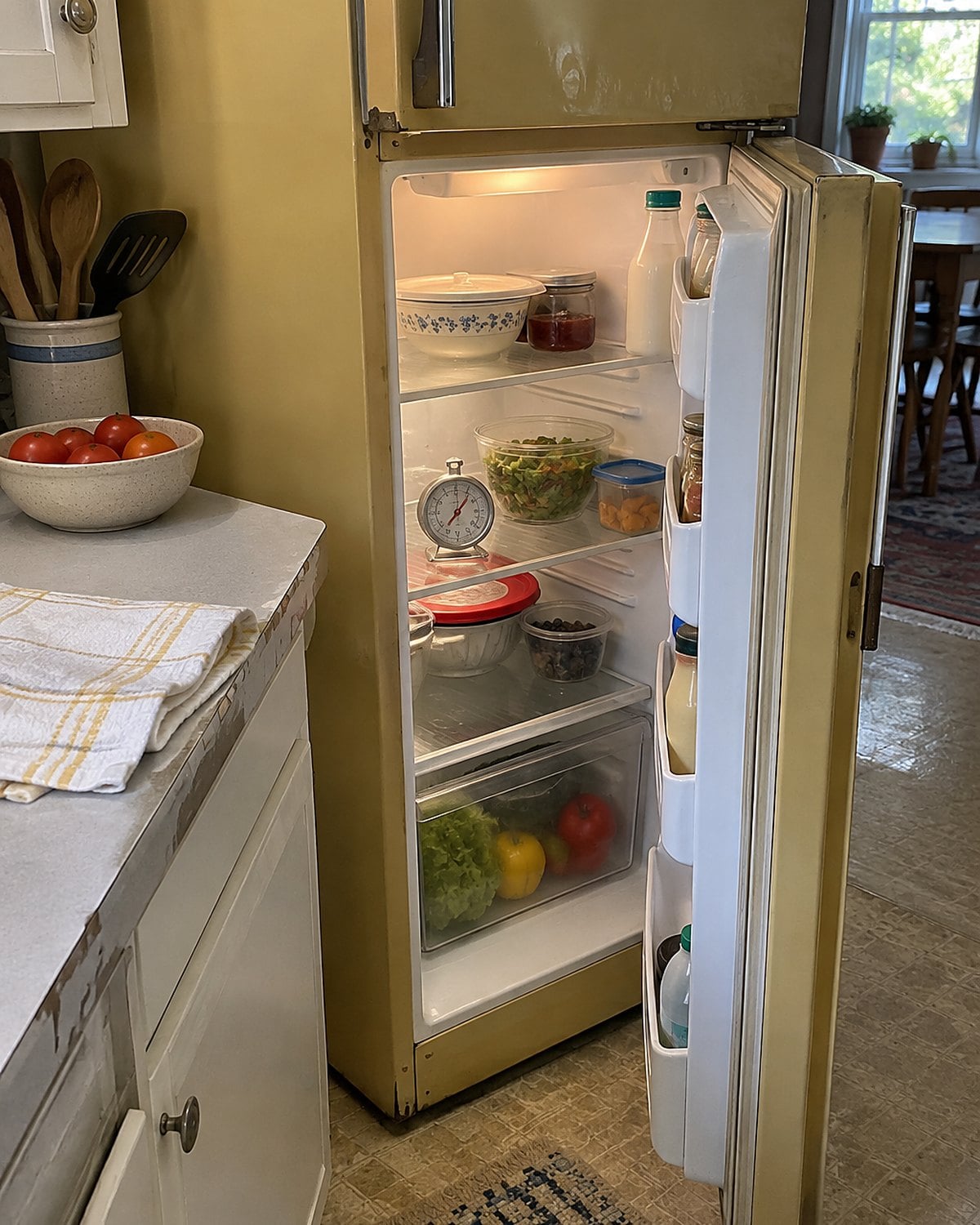
You could spot the fridge from the hallway. Harvest gold was a major appliance color in the 1970s, alongside avocado green. The finish made even a plain refrigerator feel like part of the room.
Its thermometer mattered more than its color. The FDA's refrigerator guidance says to keep the refrigerator at 40°F or below. An appliance thermometer on a middle shelf tells you what the dial alone doesn't.
Check it after the door has stayed shut awhile, rather than right after unloading groceries.
That old fridge also taught a useful lesson about crowded shelves. Cold air needs room to move. If a carton is wedged hard against the back wall and the lettuce freezes beside it, shift things around before turning the dial.
You don't need harvest gold back. You need to know what your own refrigerator is doing.
#24 The wall phone's stretched-out cord
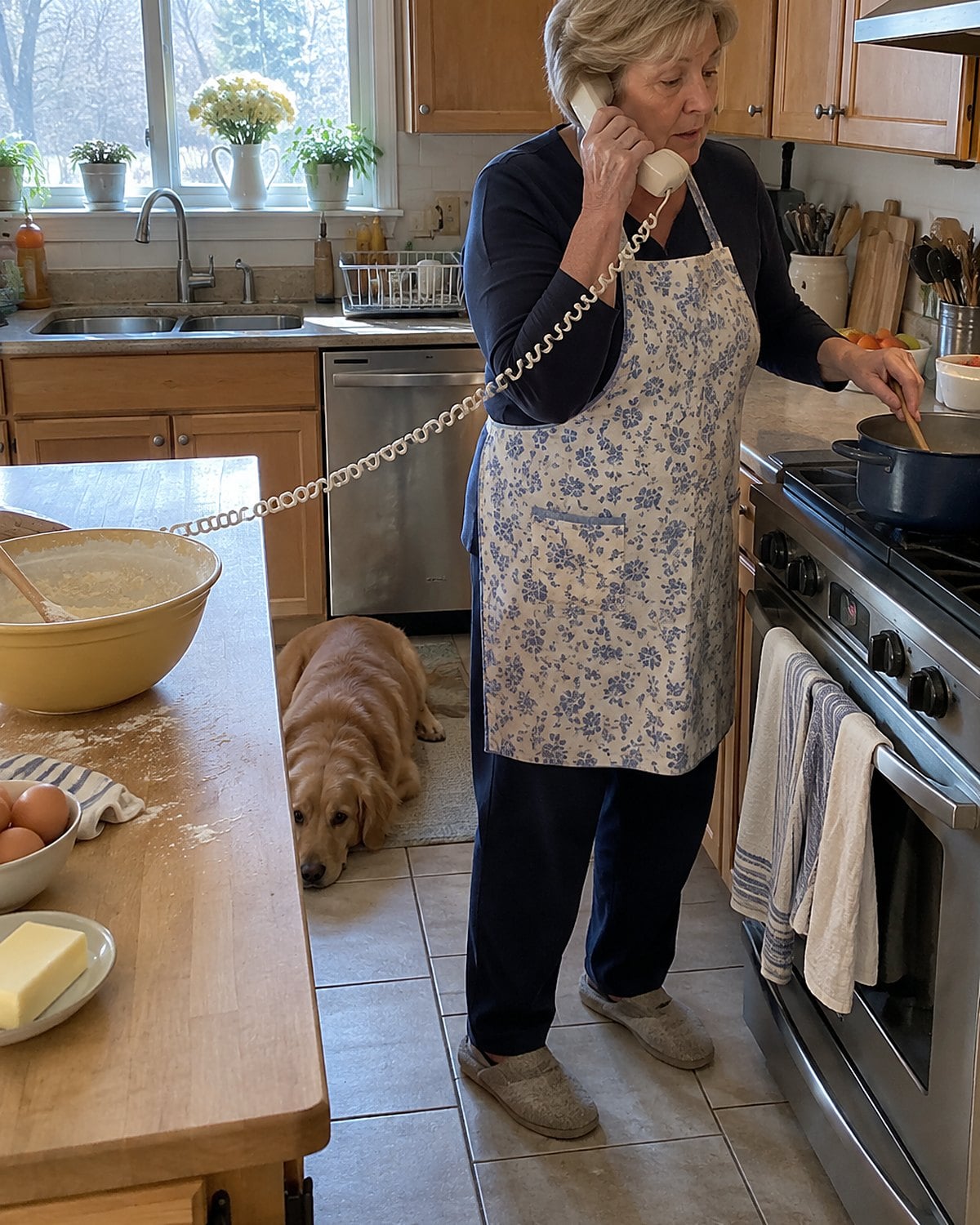
The phone lived on the kitchen wall because that was where people were. You answered it with flour on your fingers, tucked the receiver against your shoulder, and stretched the cord toward the stove. Eventually the coils tangled into a tight little rope.
A grandchild who has only used a phone that fits in a pocket might ask why anyone stayed beside the wall to talk. The answer was supper. Somebody had to watch the skillet, and somebody was calling to ask when to come over.
There was an unplanned advantage: a call didn't follow you into every room. The kitchen had its own noise, and the ringing joined it.
Next time your phone lights up while you're cooking, leave it on the counter until the pan is settled. You already know what happens when you divide your attention between a conversation and onions that need stirring.
#23 The avocado-green electric range
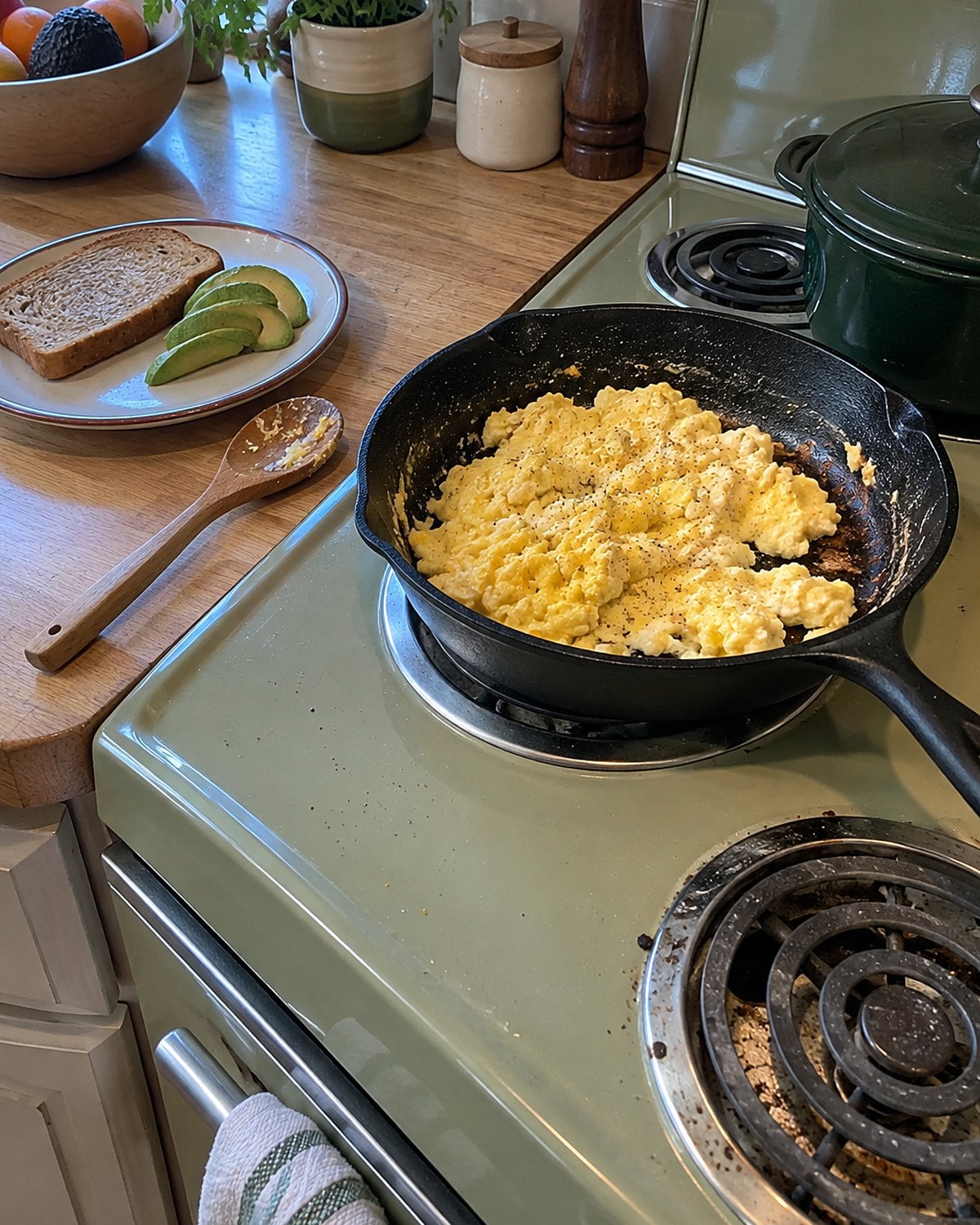
An avocado-green stove didn't hide in the kitchen. Its color announced itself before you saw what was cooking. Under the burners, little metal drip bowls caught spills until someone finally pulled them out and scrubbed them.
Electric coils had another habit: they held heat after the knob clicked off. You learned to move the pan when the eggs were done, or they kept cooking while you reached for plates. That lesson still holds on a glass-top electric stove.
Try it tonight with a skillet of scrambled eggs. Take the pan off the heat while the eggs still look slightly glossy; the hot pan finishes them.
Watch the eggs instead of waiting for the burner to cool. Whoever first taught you to pull a pan aside had probably cleaned enough stuck egg to make the point memorable.
#22 The metal ice-cube tray lever
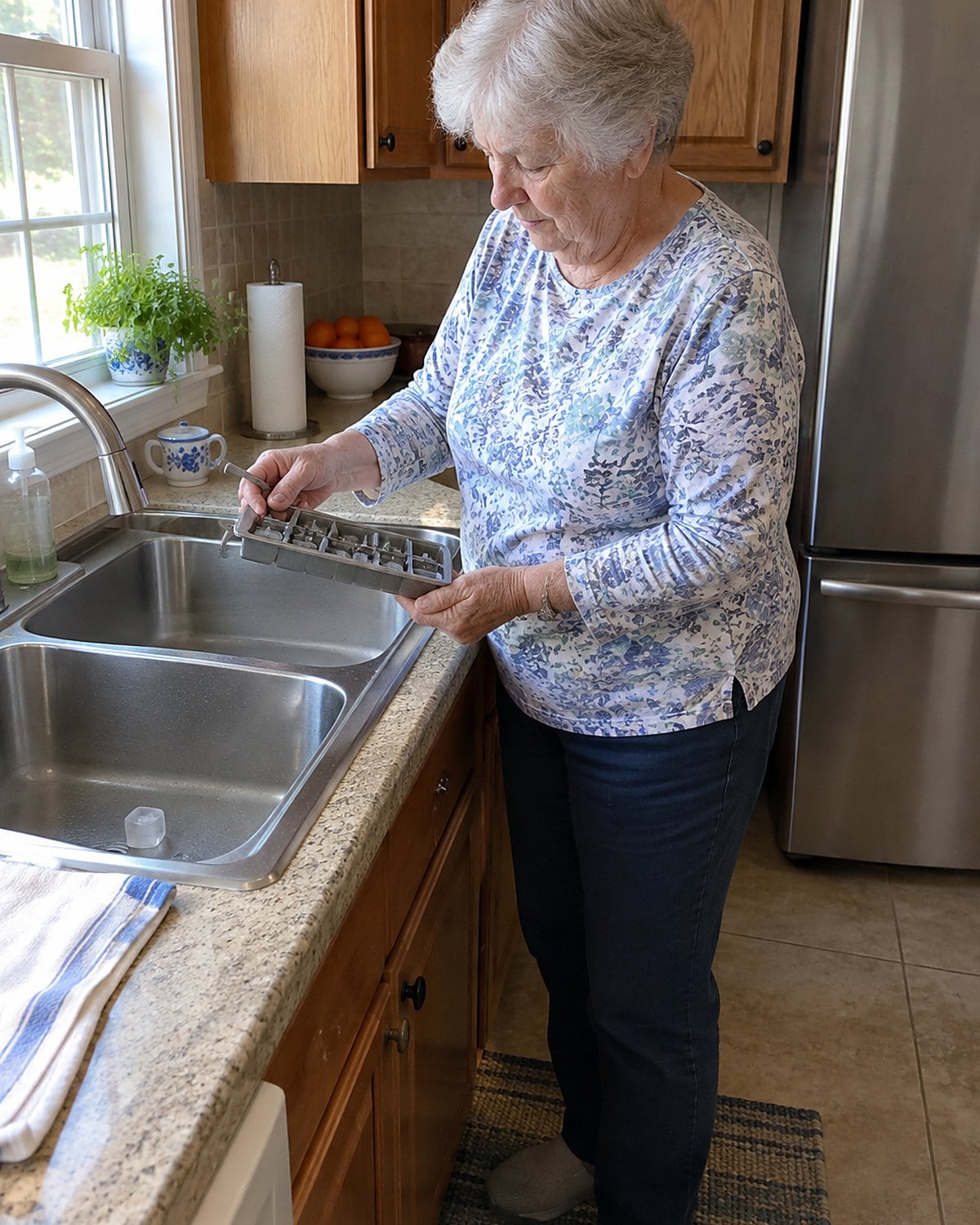
That lever could make the whole kitchen jump. You filled the metal tray, froze it, then pulled its handle to break the cubes loose. A stubborn tray demanded a firm grip and a little patience.
The old tray did leave you with a handy test for drinks. A full cube lasts longer than crushed ice, so it cools a glass without watering it down as quickly.
For iced tea, let the brewed tea cool before it goes into the refrigerator. Put it in a shallow, covered container rather than parking a hot stockpot among the cold food.
If you've kept a metal tray, don't wrestle with one that's frozen to the freezer shelf. Let it release without prying at the shelf or the tray. Then make a fresh batch for the next pitcher.
The sound of that lever still says company is expected, even when the company only wants water.
#21 The electric knife in its box
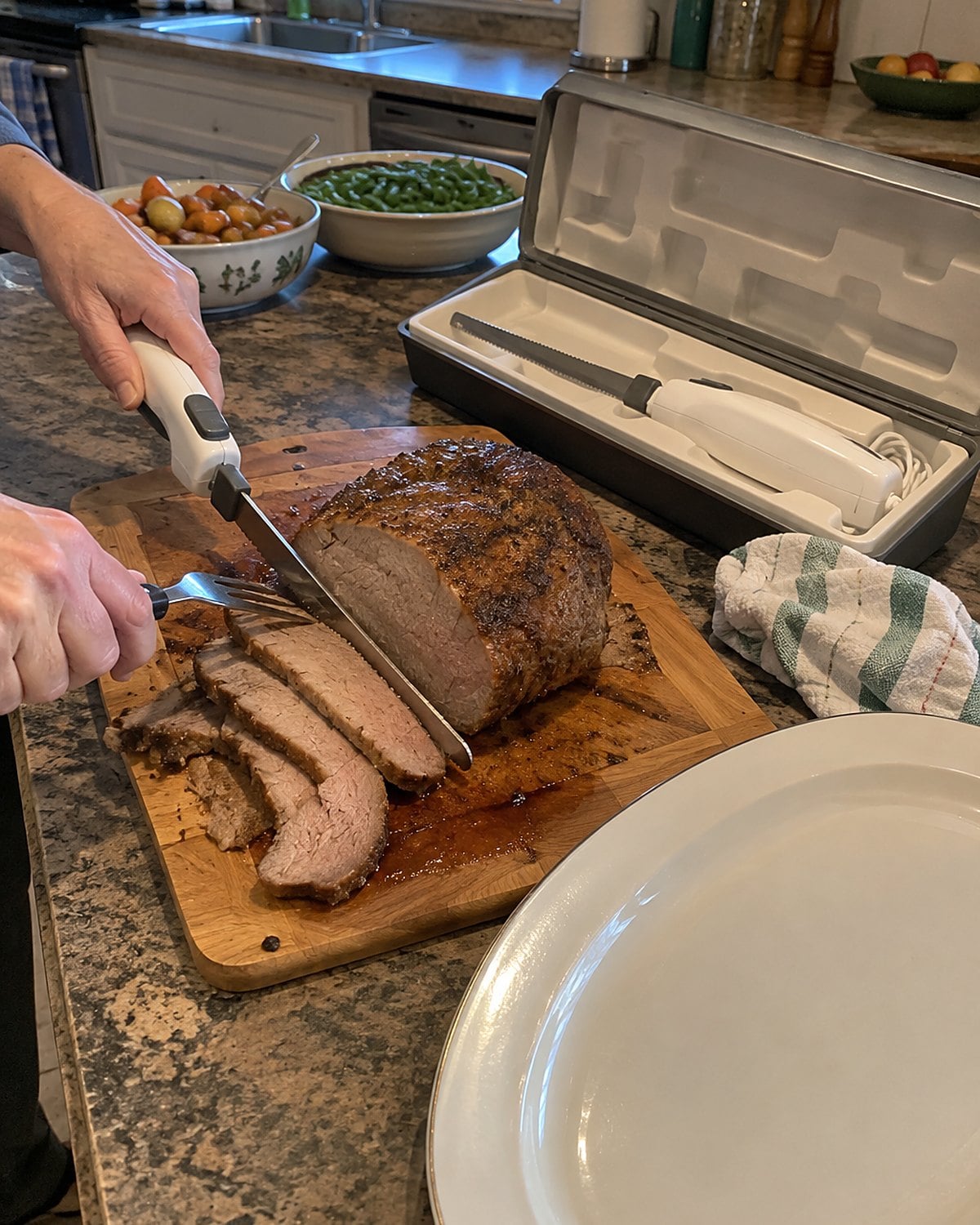
The electric knife came out for turkey, ham, and the roast that had taken all afternoon. Its paired blades buzzed through the kitchen while somebody found the serving platter. Then the cord, blades, and handle went back into their fitted box.
The useful idea wasn't the motor. Thin, even slices make leftover roast easier to eat cold and easier to warm without drying the edges. A sharp, long knife does that work now. Let cooked meat rest before slicing, and cut across the grain.
You'll see shorter fibers on the face of each slice.
If the old electric knife still lives high in your cabinet, inspect the cord before anyone plugs it in. A cracked cord is reason to leave it there. The platter can wait while you reach for the knife you already use.
#20 The butter dish by the toaster
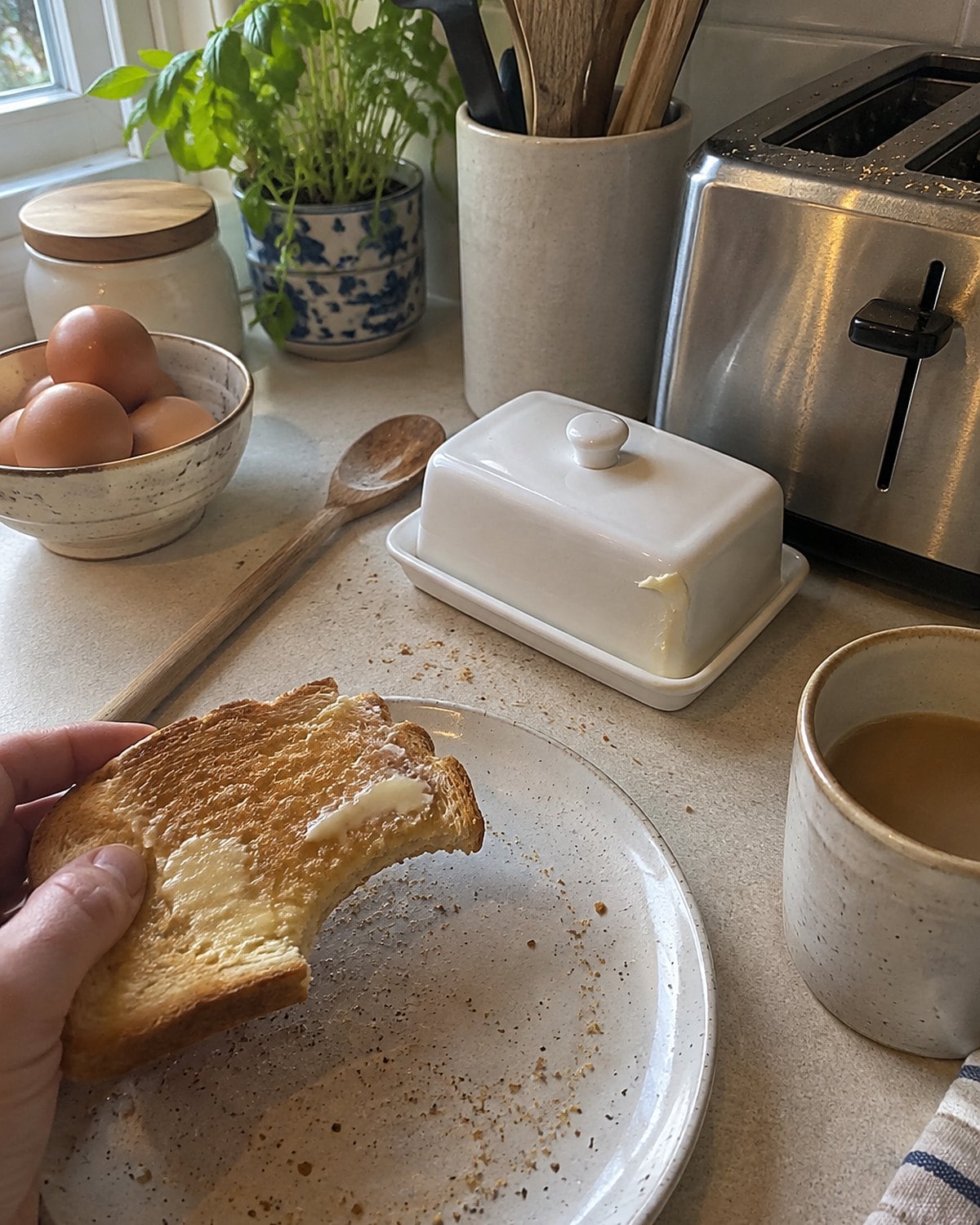
Did your butter dish have a lid that never quite sat straight? It moved from breakfast toast to supper rolls, then waited beside the toaster for the next meal.
A butter dish also told you who had been in the kitchen. There might be a streak of jam in the butter or toast crumbs pressed against the edge. Scrape out the crumbs and wash the dish before refilling it. Clean butter is much nicer on the next person's bread.
For storage, follow the butter package's directions instead of an old house rule. Heat in the kitchen, the kind of butter, and what has touched it all matter.
If the dish sits near the range while you're baking, put it back in the refrigerator afterward. The covered dish still earns its place, especially when grandchildren discover that spreading cold butter tears warm toast.
#19 The glass sugar bowl with its spoon
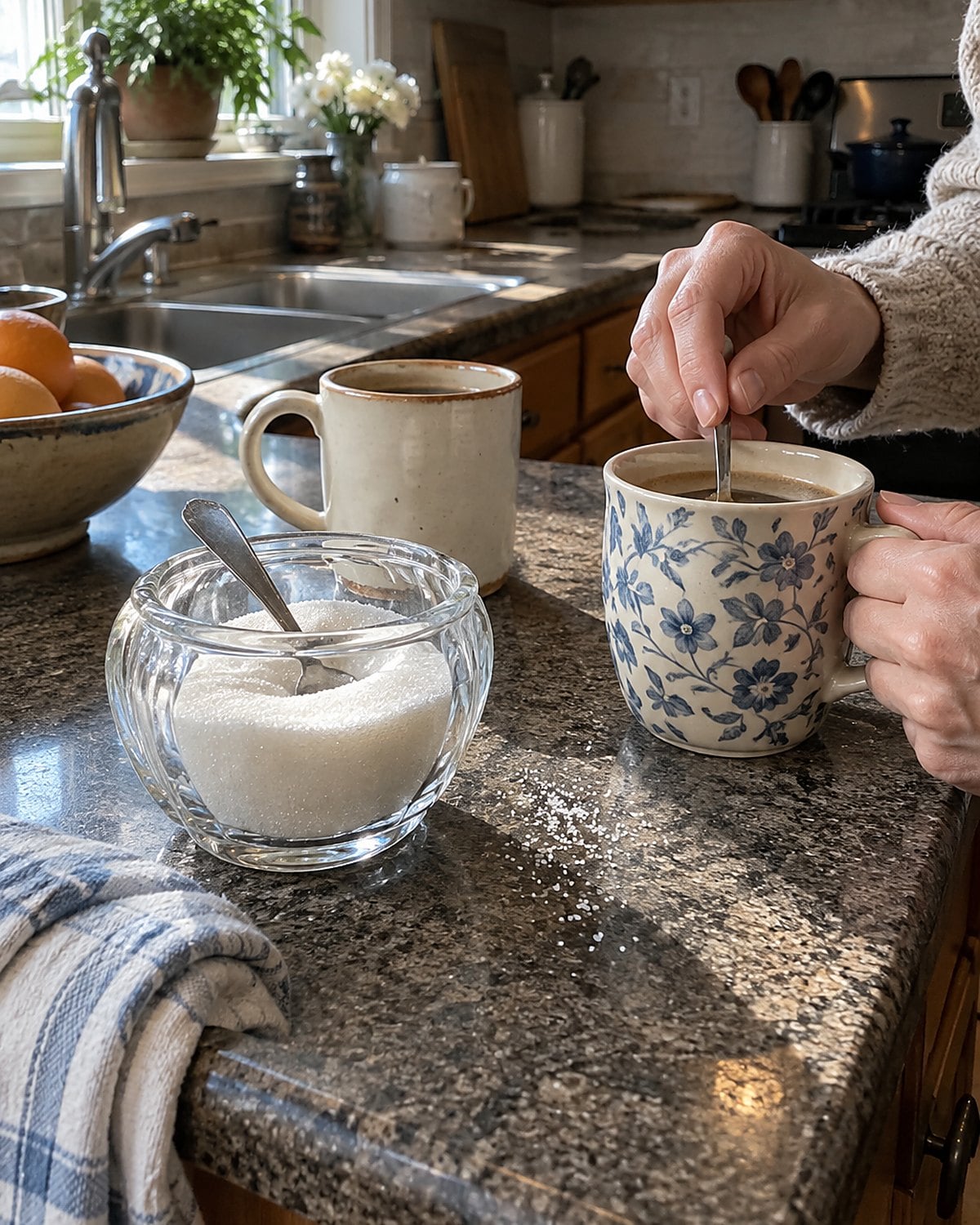
The sugar bowl stood beside the coffee things, spoon handle sticking out. Guests served themselves. Children learned quickly which cupboard held the spare sugar.
A wet spoon was its enemy. One dip after stirring coffee left hard little lumps for the next person to break apart. Keep the spoon dry, and wash the bowl if you see damp clumps instead of pouring new sugar over them.
That small ritual had a social side. Coffee arrived, the bowl followed, and nobody needed to ask how sweet anybody took it. Set out your own bowl the next time people stay for coffee.
Pass it across the counter. That's still an invitation to linger.
#18 The kitchen-table bread box
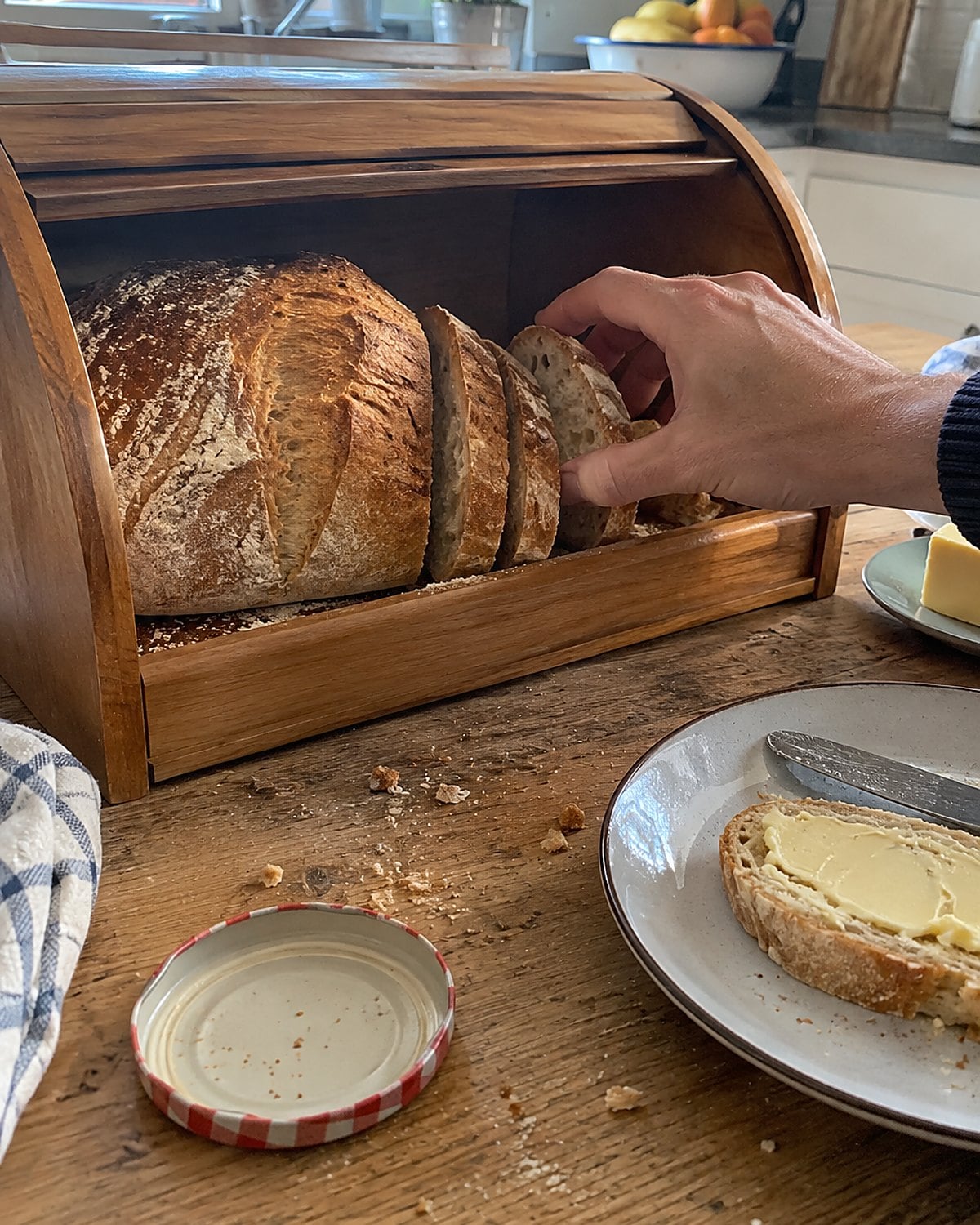
A bread box looked substantial, even when all it held was a half-used loaf and a few rolls. Lift the lid and you got a rush of yeast, crumbs, and whatever else had been tucked inside.
It had a sensible job. Bread stales faster in the refrigerator, so keeping a loaf out of the fridge preserves its texture. But a bread box won't rescue a loaf once mold appears.
The USDA's mold guidance says to discard moldy bread, since mold grows below the surface.
Give the box a shake over the sink when crumbs collect, then wipe it dry. If your household is smaller now, freeze the portion you won't reach soon. Slice the loaf first, and you can take out what you need for toast.
A grandchild sees an unfamiliar box; you see how much bread the house will eat.
#17 The brown-glass medicine-bottle spice rack
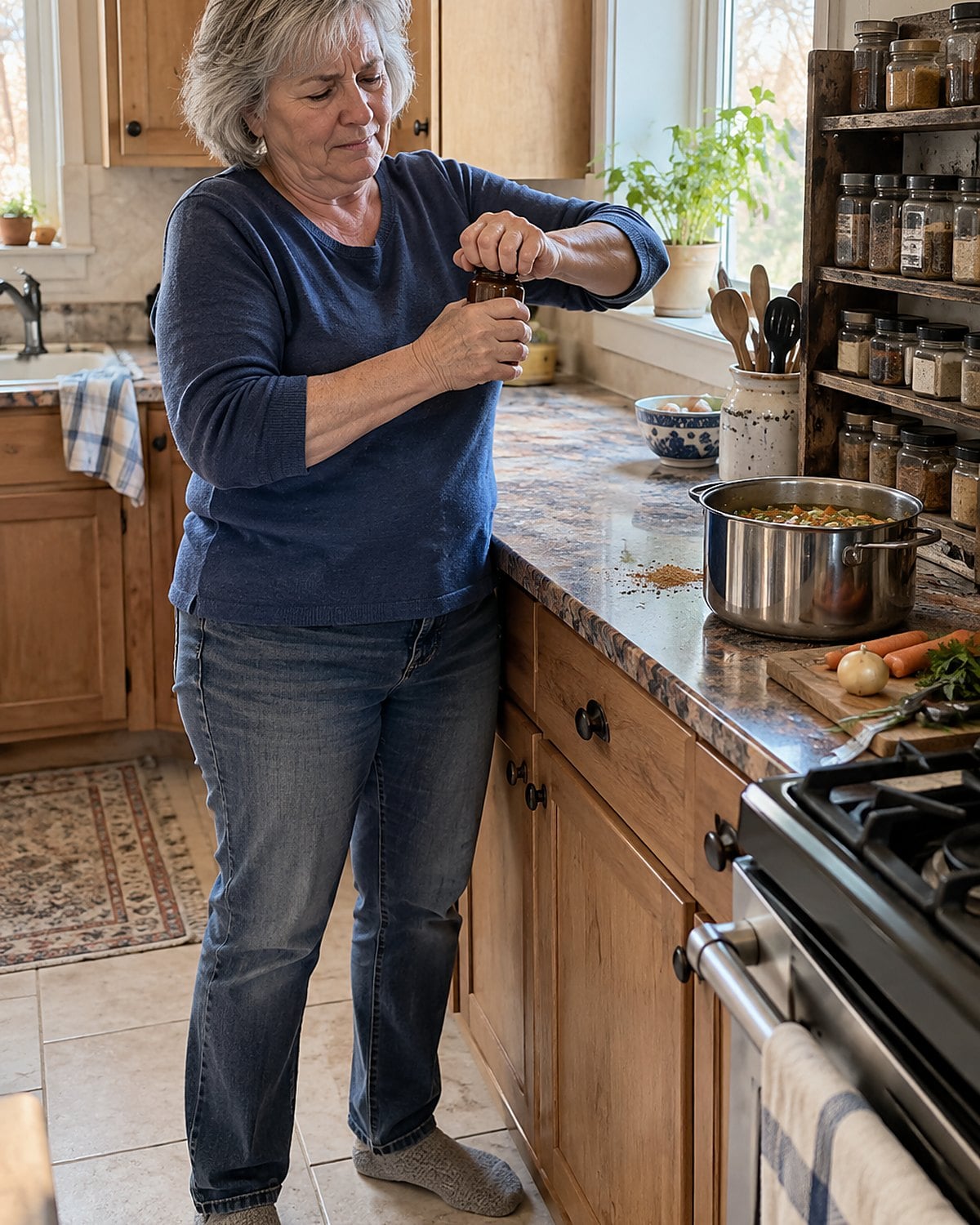
Some spice racks held matching brown-glass jars, each with a plastic lid and a label rubbed thin by years of cooking. The rack looked orderly even after the spices had lost their punch.
Open a jar before adding it to supper. Rub a pinch between your fingers and smell it. If there's little aroma, there'll be little flavor in the pot. Ground spices lose their strength faster than whole ones because more of their surface meets the air.
You don't need to replace the whole rack at once. Start with the jars you reach for: cinnamon for baking, paprika for deviled eggs, chili powder for a pot of beans.
Buy amounts you'll finish and write the purchase date where you'll see it. The jars are handsome, but the smell should make you want to cook.
#16 The coffee percolator's glass knob
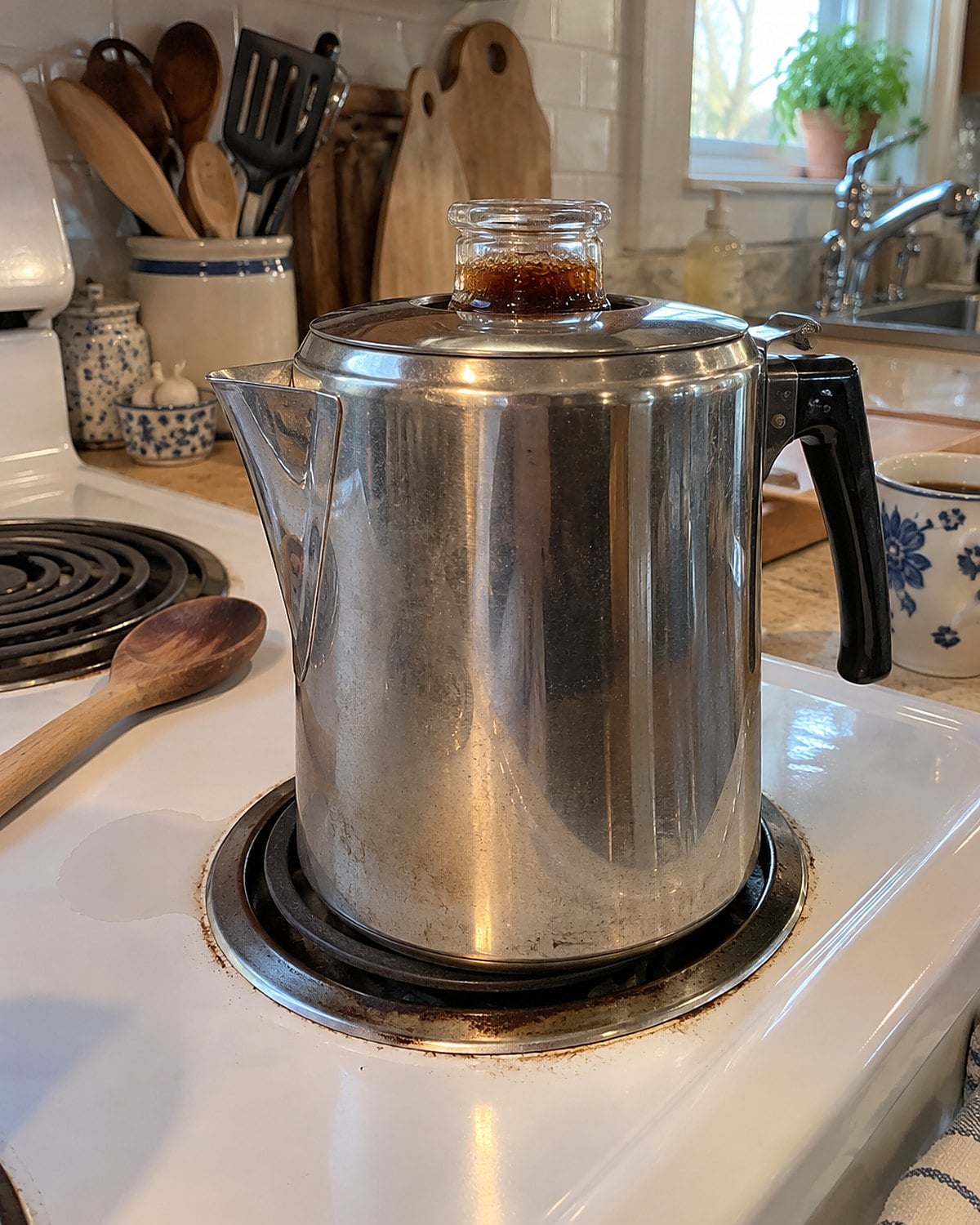
You watched coffee climb into the little glass knob on top of the percolator. Each dark splash promised that breakfast was getting closer. Leave the pot on the heat too long, though, and the coffee grew bitter.
That knob was a built-in reminder to pay attention. Percolating sends hot coffee back over the grounds. More trips through the basket mean more extraction, including bitter flavors.
If you still own one, listen for the perk to slow and take the pot off the heat. Don't leave it there while everyone gets dressed.
The other lesson applies to a modern brewer: clean the parts that touch coffee oils. A stale film in the pot spoils good grounds before you've had a sip. Wash the basket and stem, not only the pot you pour from.
Then hand someone a cup and ask if they remember that sound.
#15 The plastic lemon-shaped juice bottle
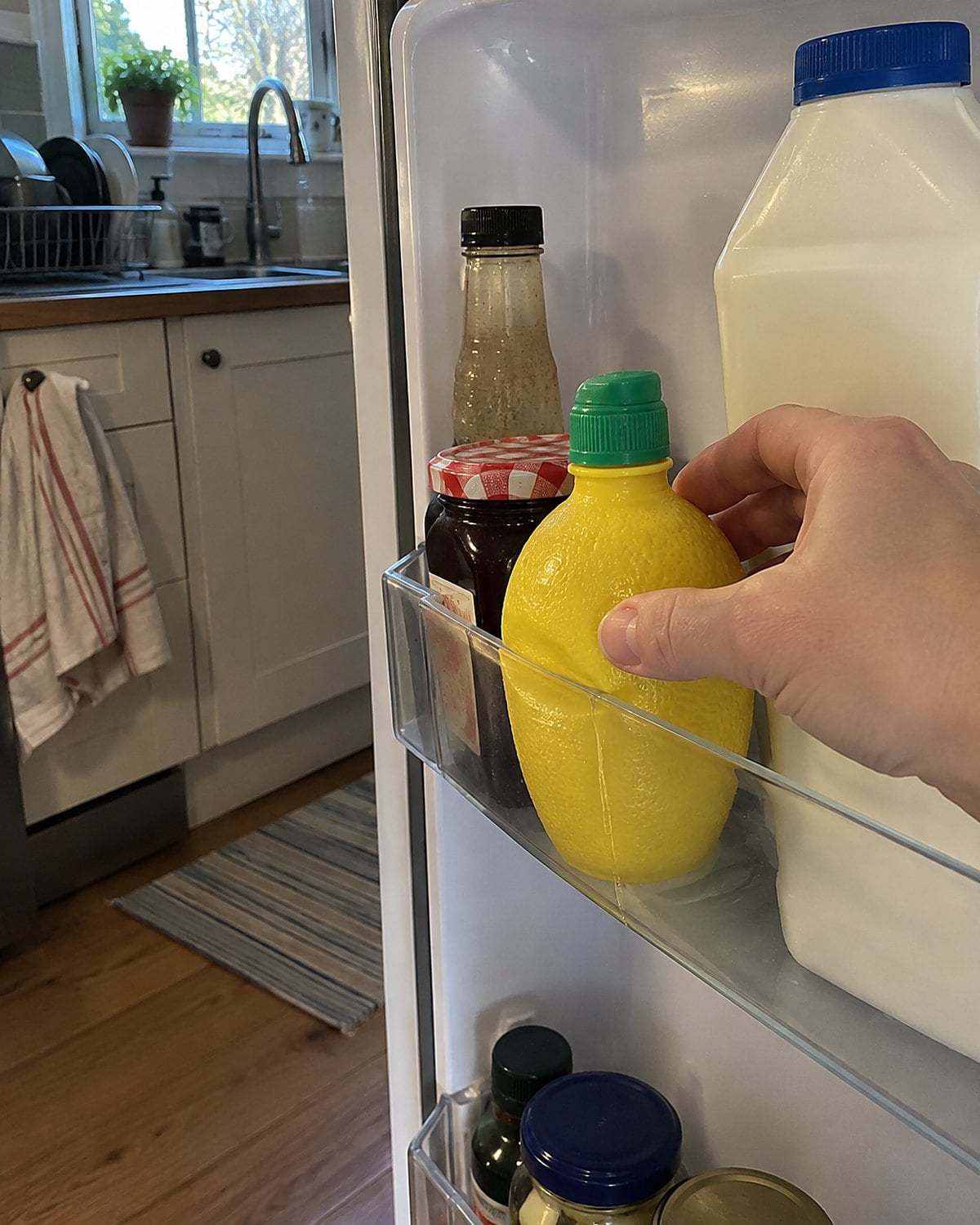
It sat in the refrigerator door beside the ketchup, bright yellow and hard to mistake for anything else. You squeezed its pointed tip over fish, tea, or the apple slices going brown.
Bottled lemon juice and fresh lemon juice both bring acid, but they don't taste identical. Fresh lemon gives you fragrant peel oils as well as juice. For a finishing squeeze over vegetables, taste with fresh lemon if you have it. Add a little, stir, and taste again before you add salt.
There's one place to skip the swap: canning. When an approved recipe calls for bottled lemon juice, use bottled lemon juice. Its acidity is standardized for that purpose.
The National Center for Home Food Preservation is the place to check the recipe, not the old lemon-shaped bottle.
#14 The divided Tupperware party tray
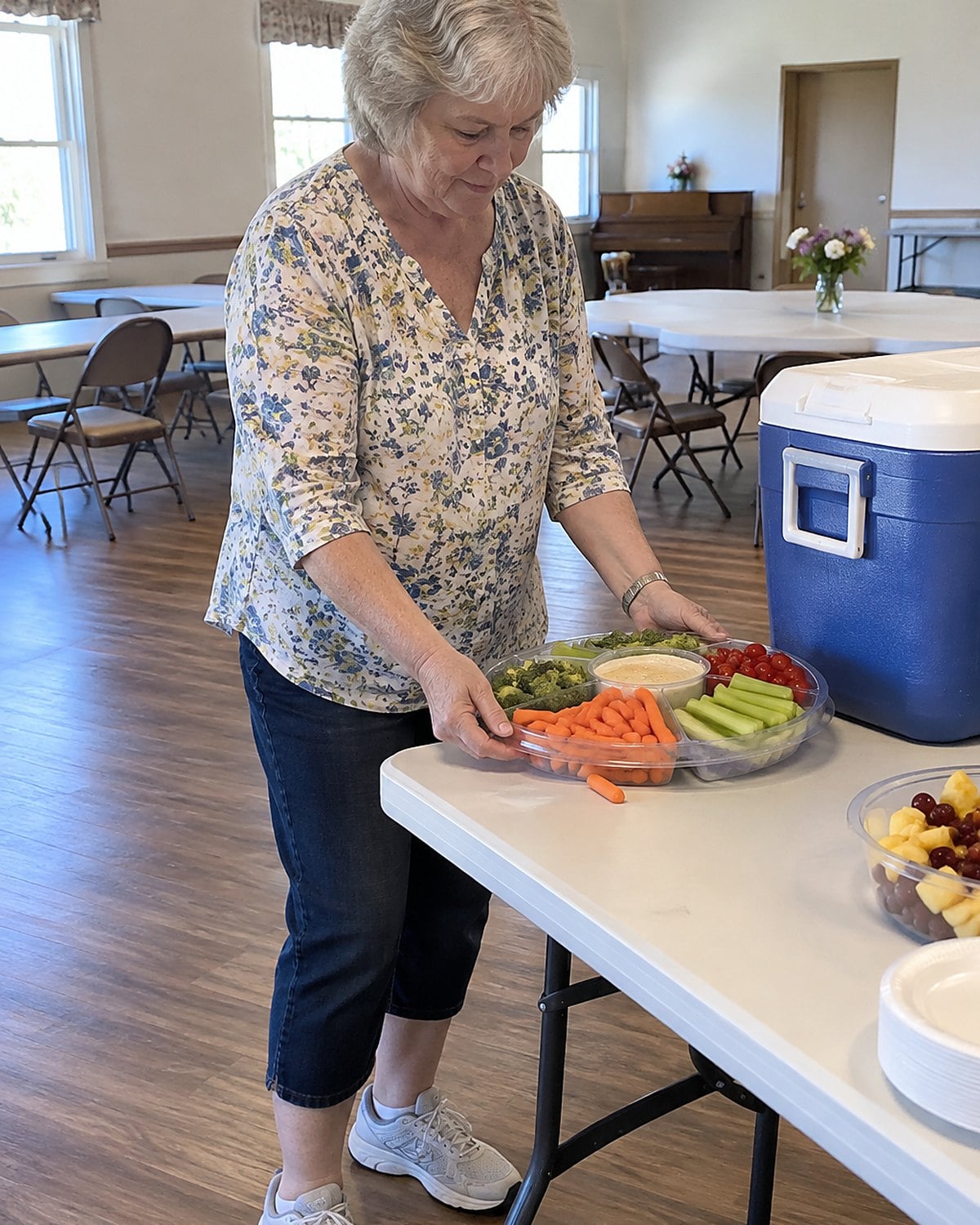
The lid snapped over a circle of little compartments: celery, carrots, olives, maybe pickles that stained their section. It traveled to church halls and family gatherings, then returned with one stubborn olive rolling around inside.
That tray solved a problem worth remembering. When the main dish needs your attention, put something ready to eat where people can reach it. Washed vegetables, cheese, and crackers buy you time without making supper feel late.
If you're taking a tray to a gathering, keep perishable foods cold on the trip and at the table. The USDA's food safety guidance says perishable food should not sit out for more than 2 hours. Above 90°F, that window drops to 1 hour.
Use a cooler and bring out a smaller tray, then refill it from the cold supply. Your old divided tray still knows how to make an entrance.
#13 The hand-cranked egg beater
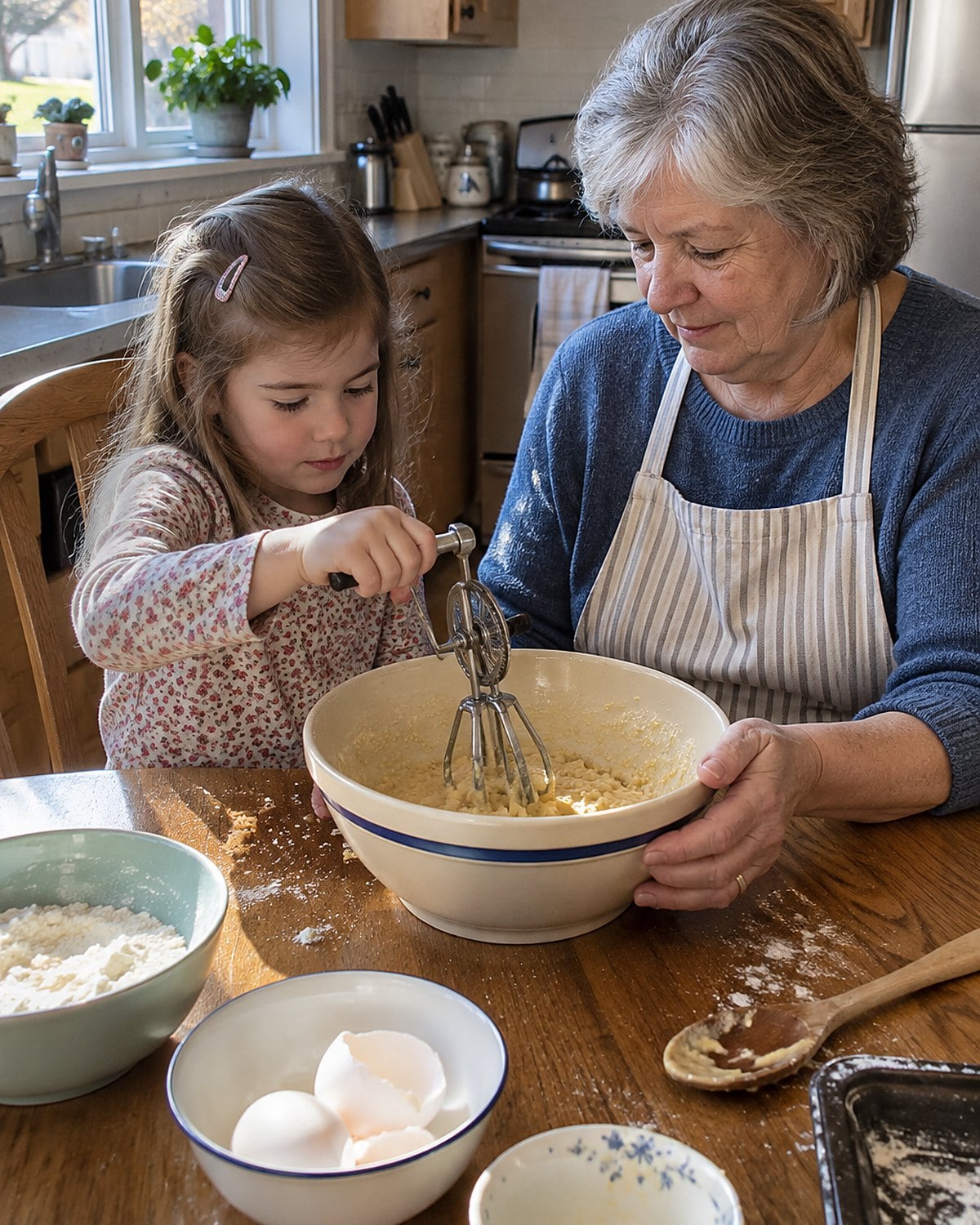
The two beaters turned when you worked the handle, and a bowl of eggs changed color beneath them. No outlet, no motor whine, and no detachable parts to hunt for in a drawer.
There's a good reason to whisk eggs right before they meet the pan. The yolks and whites need to come together so they cook evenly. Beat until you no longer see separate ropes of clear white. Stop there; the eggs don't need a mountain of foam.
A hand-cranked beater is also a fine job for a grandchild who wants to help. Set the bowl on a damp towel so it won't skid, and give them room to turn the handle.
They'll see the eggs change with each turn. That's a better explanation than saying the old gadget worked without batteries.
#12 The dish rack beside the sink
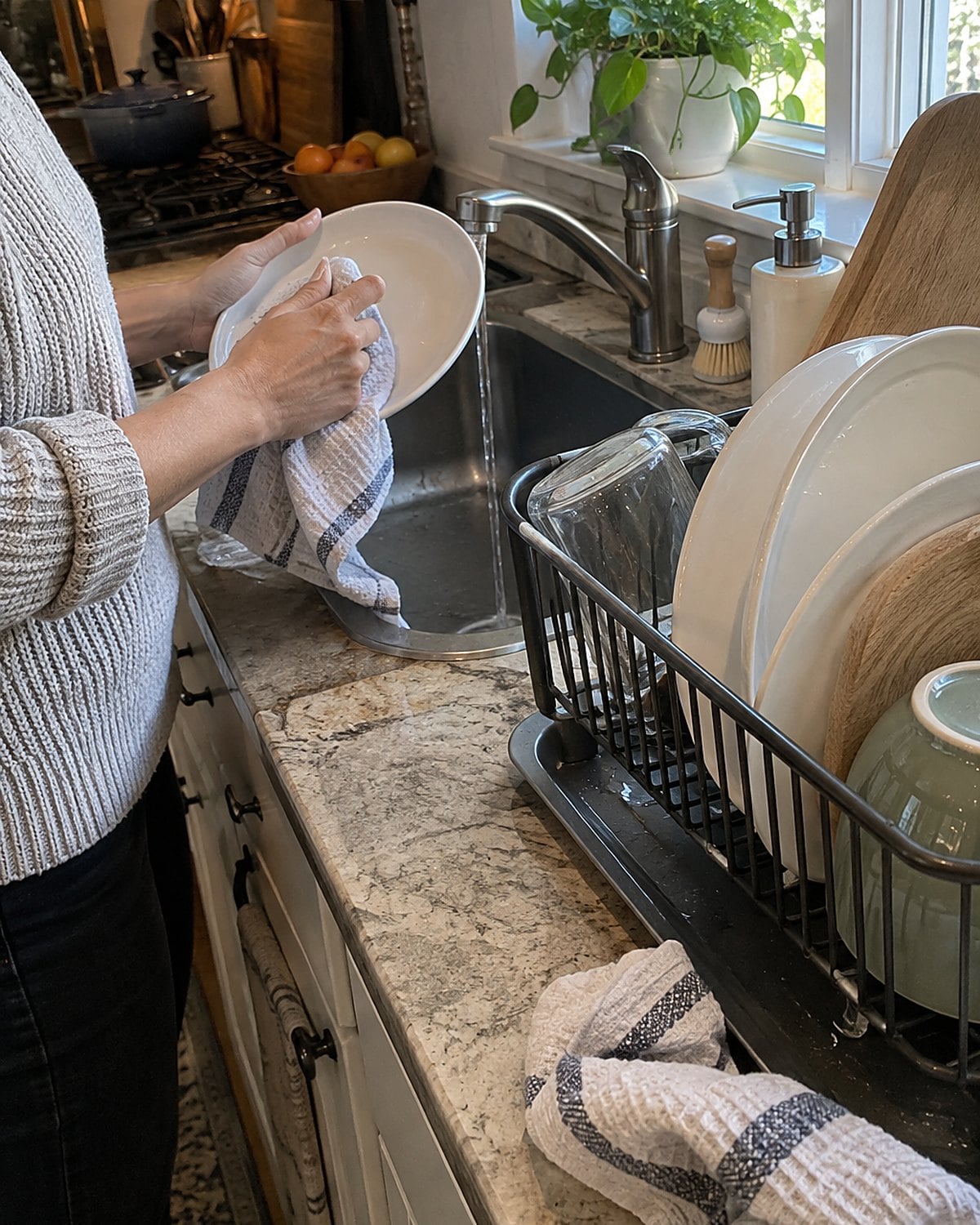
Before every kitchen seemed to have a dishwasher, the dish rack stayed busy. Plates stood upright, cups balanced along the edge, and somebody had to decide where the big pot would go.
A rack still helps with the items a dishwasher won't treat kindly. Wooden spoons and cutting boards need washing by hand and thorough drying. Stand a board where air reaches both sides instead of laying it flat on a wet towel. If it smells stale after drying, wash it again and check where you store it.
Remember the rack's tray, too. Water sitting underneath leaves a film and makes the counter unpleasant. Empty it, wash it, and let it dry.
The task takes less time than rearranging clean dishes because someone set a dripping colander on top. Some kitchen habits survived for good reasons; this one deserves the clear patch beside your sink.
#11 The aluminum foil freezer packets
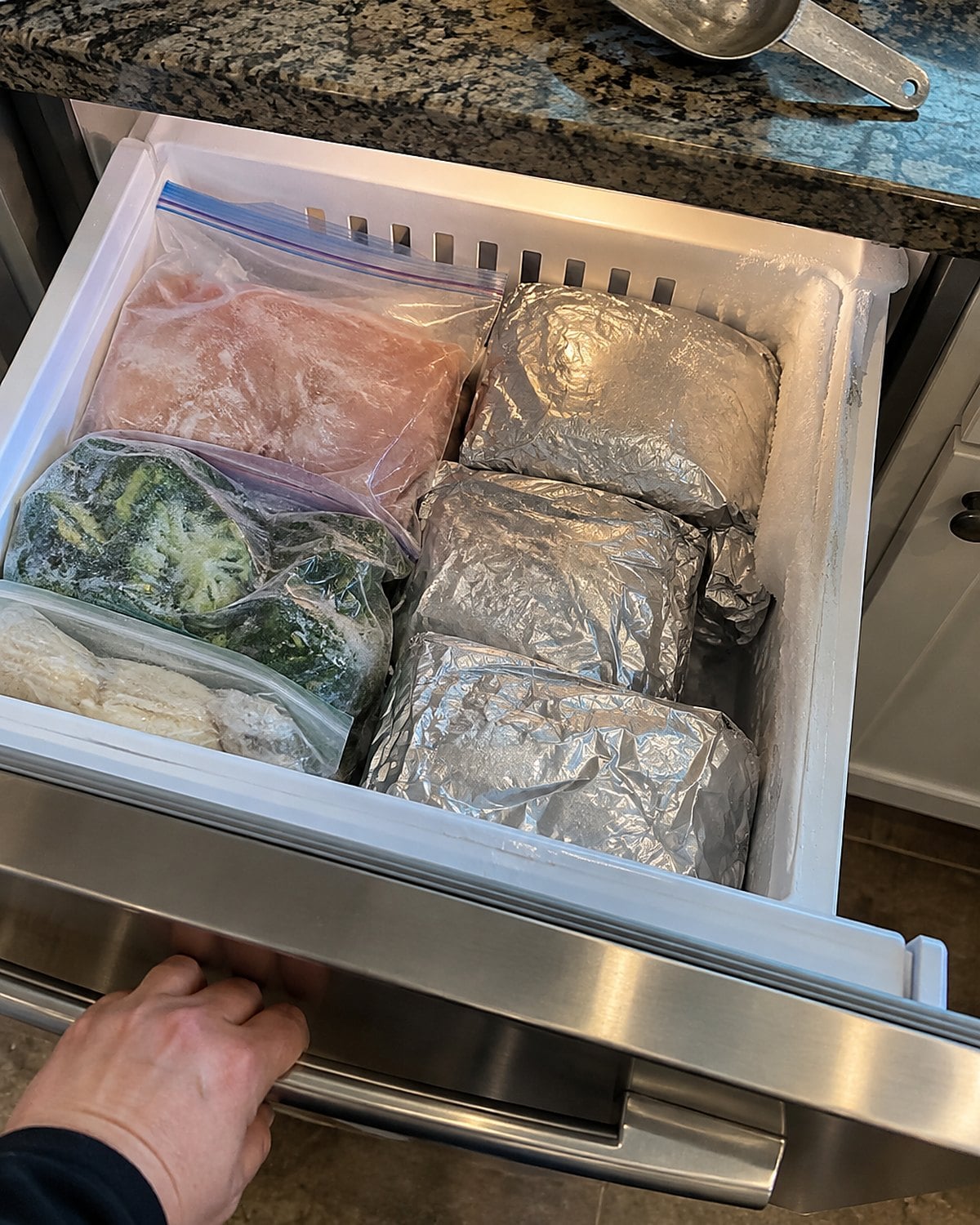
A freezer full of silver bundles looked like a treasure chest until you had to identify dinner. Was this cooked chicken, raw pork, or the last piece of birthday cake? Once the foil tore, the question got harder.
Label food before it goes in. Write the contents and the date on freezer tape or a freezer bag; add the number of portions if that helps your current household. Press excess air out of a freezer bag before sealing it to protect the food's quality.
Foil still has a job around a firm item, such as a wrapped loaf, but a bag gives you a place to write.
Freeze food in portions you'll actually use. The old freezer assumed a full table. Your freezer gets to know who's coming to supper now.
#10 The tuna noodle casserole dish
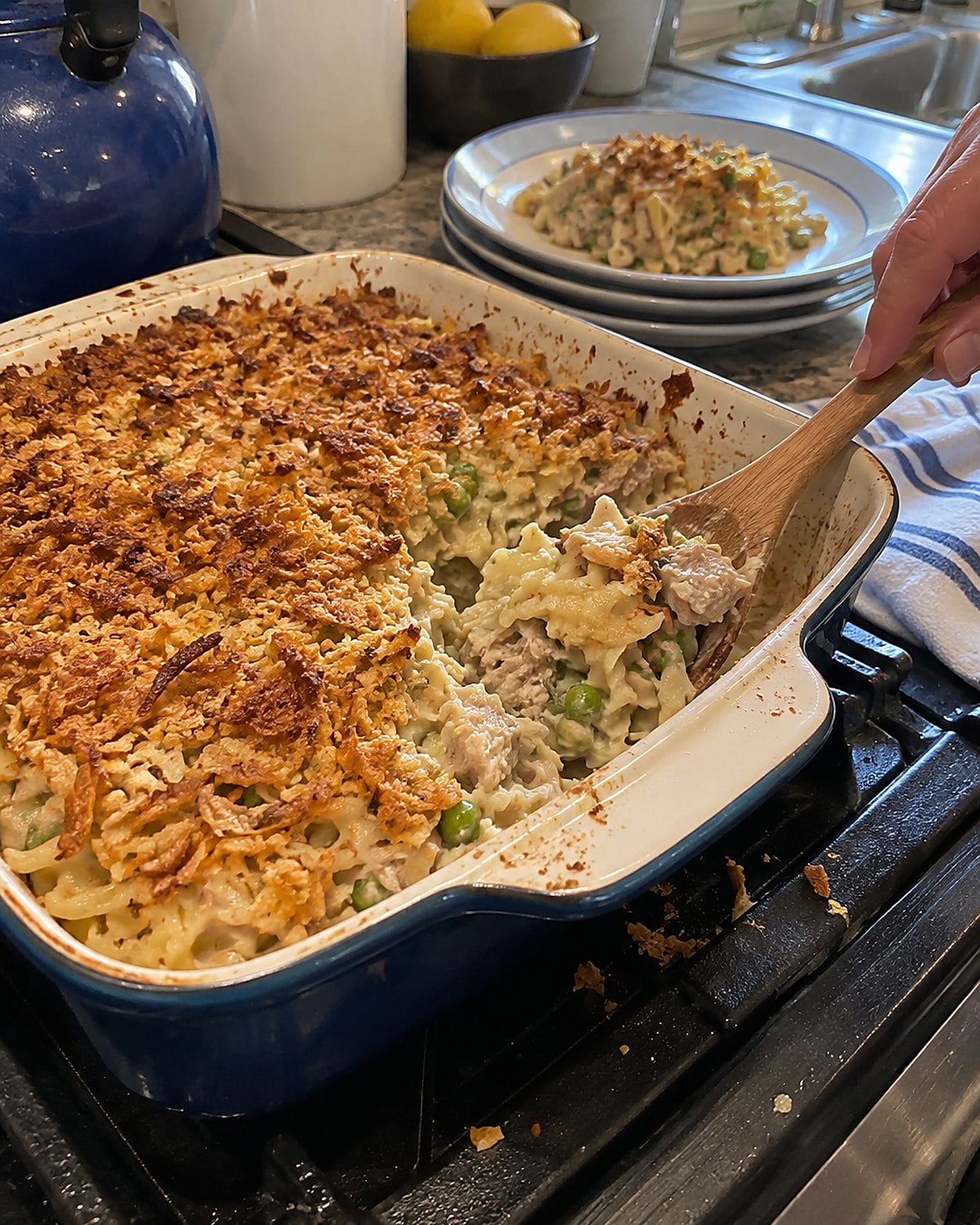
That baking dish came to the table bubbling around the edges, with a crunchy top that somebody reached for first. The noodles underneath were another story if the sauce had dried out in the oven.
For a better casserole, cook the noodles until they're short of fully tender. They'll keep taking up liquid as the dish bakes. Mix the sauce through before adding the topping, and look for moisture at the bottom of the bowl. Dry-looking noodles won't improve under a crust.
Taste the filling before it goes into the dish. Canned tuna and condensed soup bring salt, so reach for pepper or a squeeze of lemon before adding more. Then spread the topping across the surface, including the corners.
This is the dinner many grandchildren recognize from a photo, even if they've never eaten your version. Give them a corner with plenty of crunch and see what happens.
Try it: Instant Pot Tuna Casserole
#9 The wooden recipe-card box
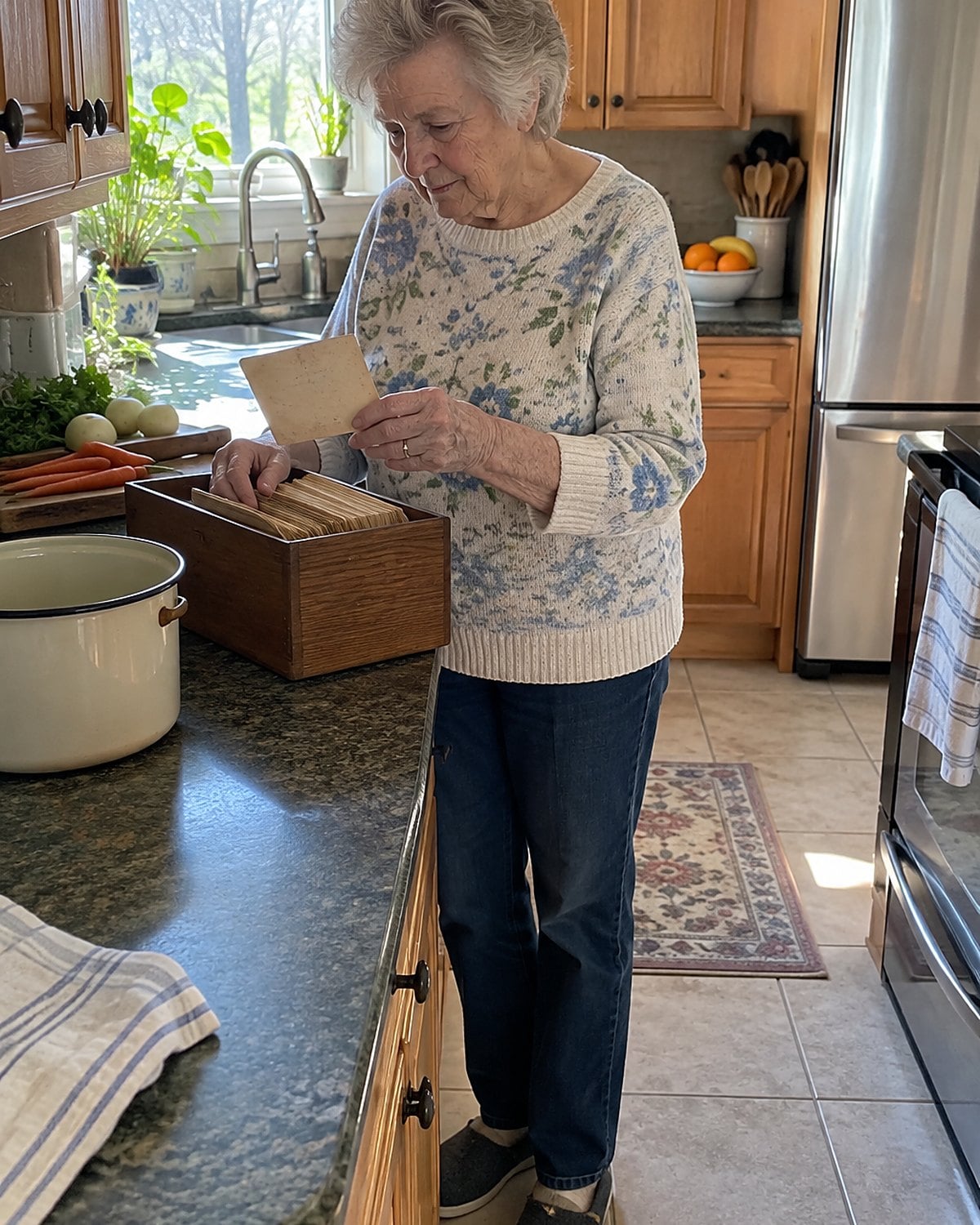
Someone's handwriting ran across the card in blue ink. The corners curled, and a splash beside the word “vanilla” had been there longer than anyone remembered.
Recipe cards were small, but they carried more than ingredients. A cake named for its cook told you whose table came first. The missing details told another story: “bake until done” made sense to the person who wrote it.
Sort the box before those clues disappear. Put the cards you inherited together, apart from blank cards and store-bought recipes. On each inherited card, write whose handwriting you're looking at and who handed it to you. Put those details on the back if the front is full.
Then ask someone who remembers whether the dish had another name at home. A cake called “Sunday cake” on one card might be the same one a relative calls “the yellow cake.” Keep both names. The notebook at the end of this list has a different job: recording what happens at your stove now.
#8 The flour canister with its scoop
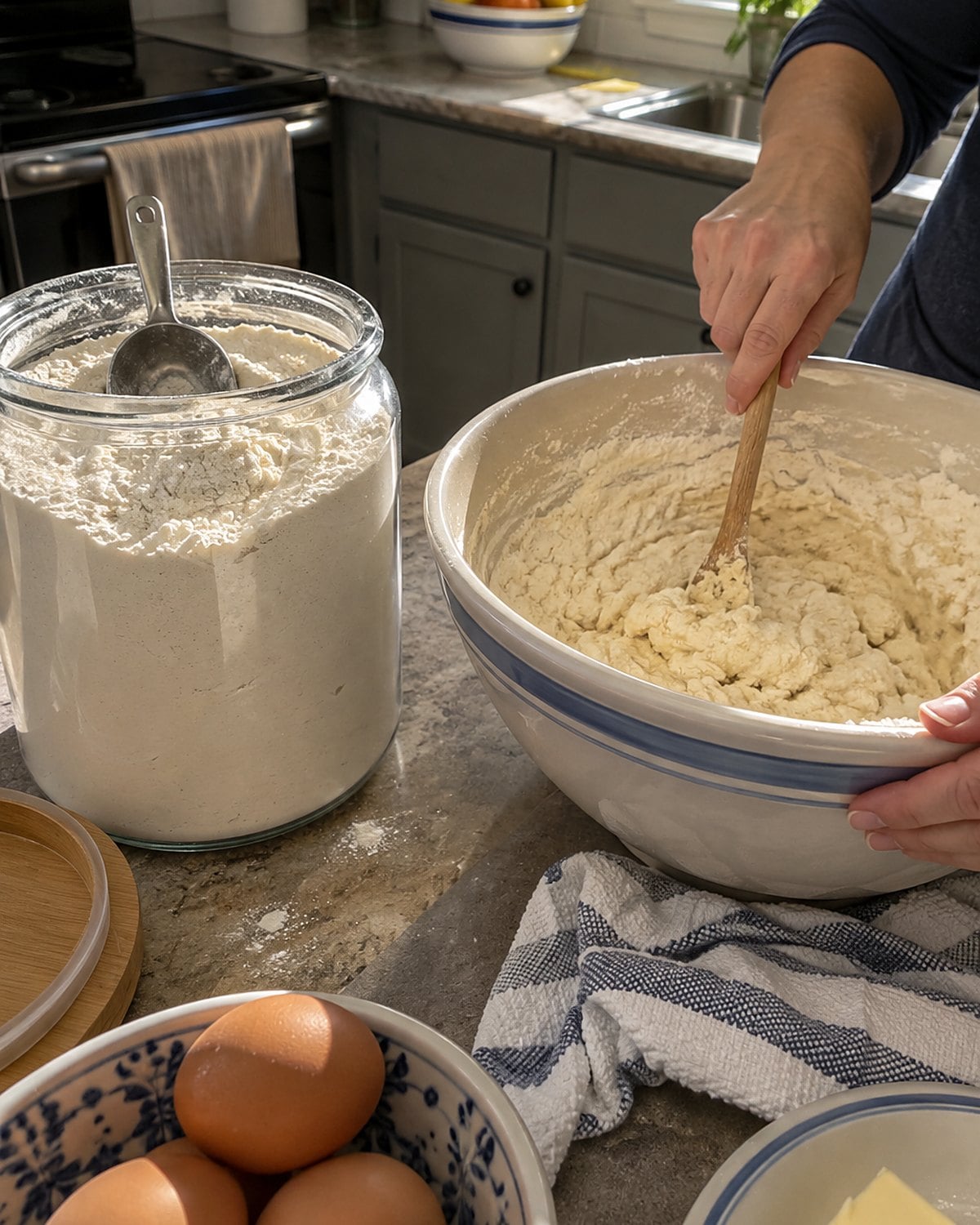
The scoop lived buried in the flour, handle just visible beneath the lid. You reached in, leveled the top against the canister, and carried it to the mixing bowl.
That motion changes a measurement. Flour packed down in a canister gives you more flour than a loose scoop. For baking, stir the flour first, spoon it into the measuring cup, and level it with a straight edge.
Better yet, use a kitchen scale when the recipe gives weights. The point is repeatable dough, not a fancier counter.
Check the canister while you're there. Flour should smell mild. If it smells stale or you find pantry insects, discard it and clean the container before refilling. Then keep the scoop dry and close the lid.
A canister earns its space when you know what went into it and what came out.
#7 The countertop electric can opener
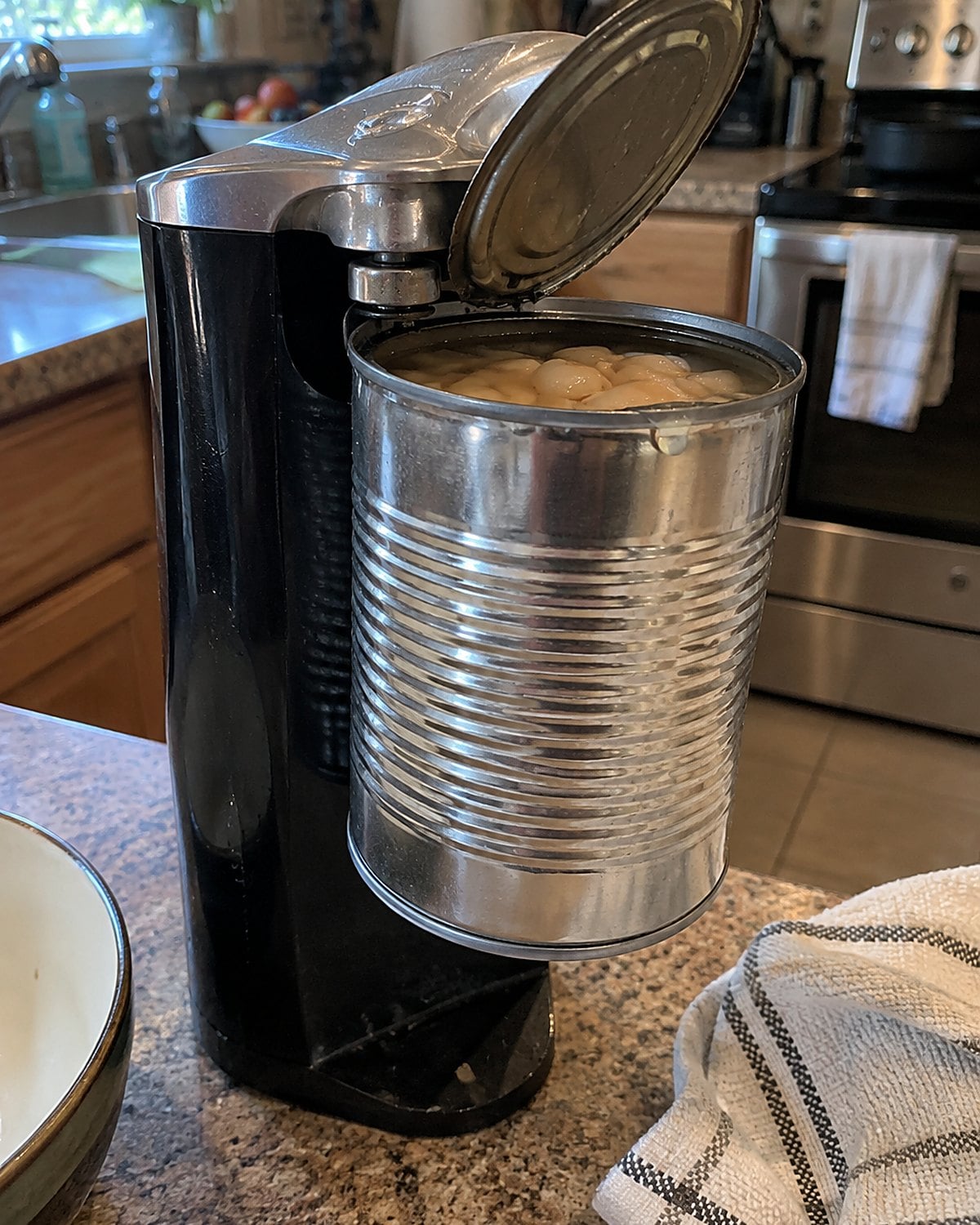
The can opener clung to the counter, cord trailing behind it. Press the lever and the can turned while the blade did its work. On a crowded counter, it felt like a machine built for a very small job.
That job was easier on your hands than wrestling a stiff manual opener. If yours still works, clean the cutting wheel after use. Food collects there where you don't see it. Unplug the machine first, and follow its cleaning directions rather than putting the motor under the faucet.
Look at the edge of the opened can before reaching inside. A jagged rim cuts fast.
Move the contents to a bowl with a spoon instead of digging around with your fingers. The grandchild who thinks this appliance looks strange will understand its purpose after a turn of the lever.
#6 The pressure cooker's rocking weight
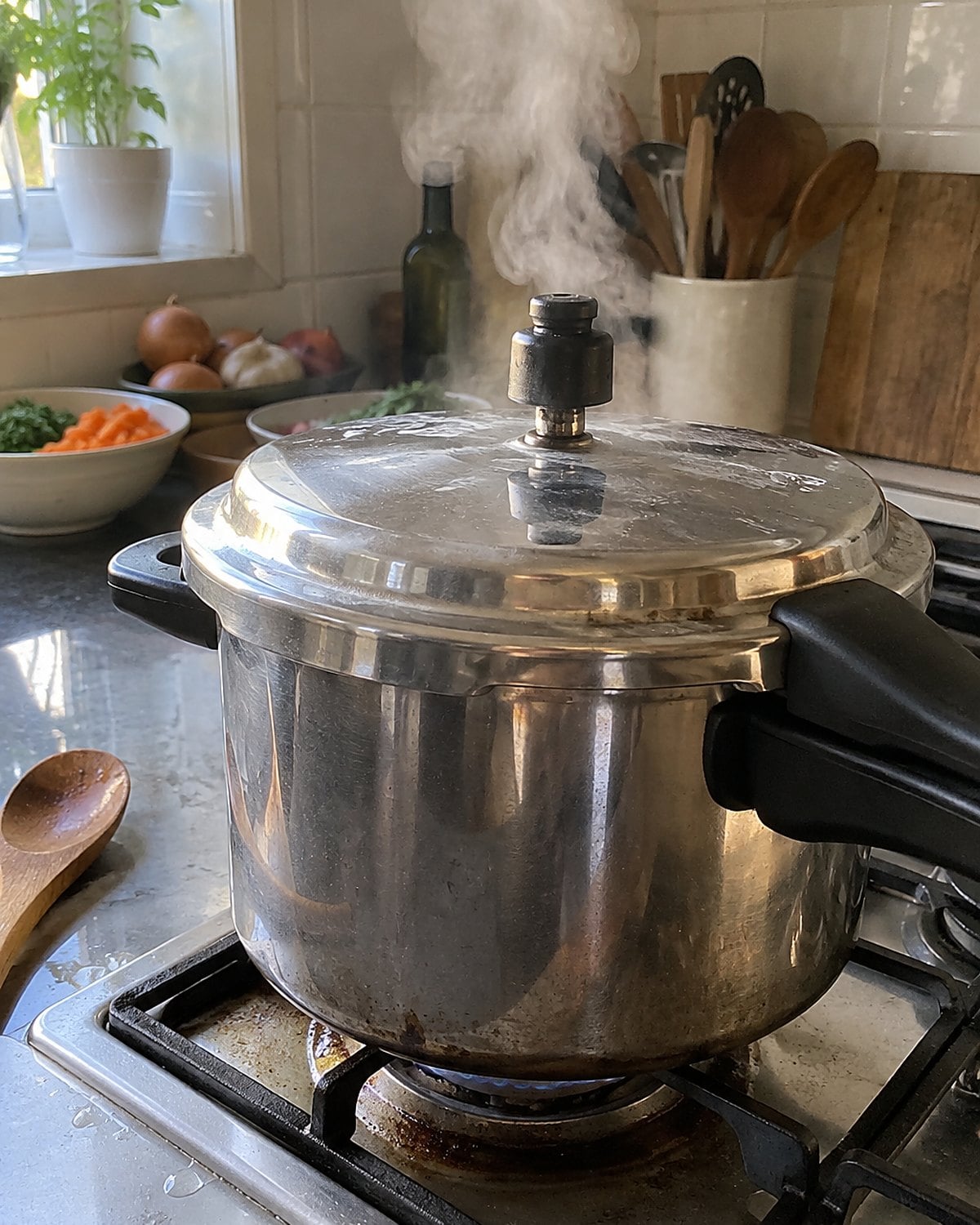
The weight rattled on top while steam escaped in short bursts. Everyone in the kitchen knew it was working, even if they had never touched the stove.
The old pressure cooker demanded respect for a simple reason: hot food under pressure stays in the pot until the pressure drops. Never force the lid.
Follow the instructions for the cooker in front of you, including how its pressure releases and which foods need special care. An electric pressure cooker has different controls from a stovetop model; old timing notes don't transfer blindly.
There's a useful cooking lesson inside that noise. Beans soften when heat and moisture reach their centers. An acidic ingredient, such as tomatoes or vinegar, belongs after dry beans have softened when you're cooking them from scratch. Otherwise you risk firm beans in a flavorful pot.
That rule applies even when the rattling weight has been replaced by a quiet electric cooker.
#5 The twist ties saved in a drawer
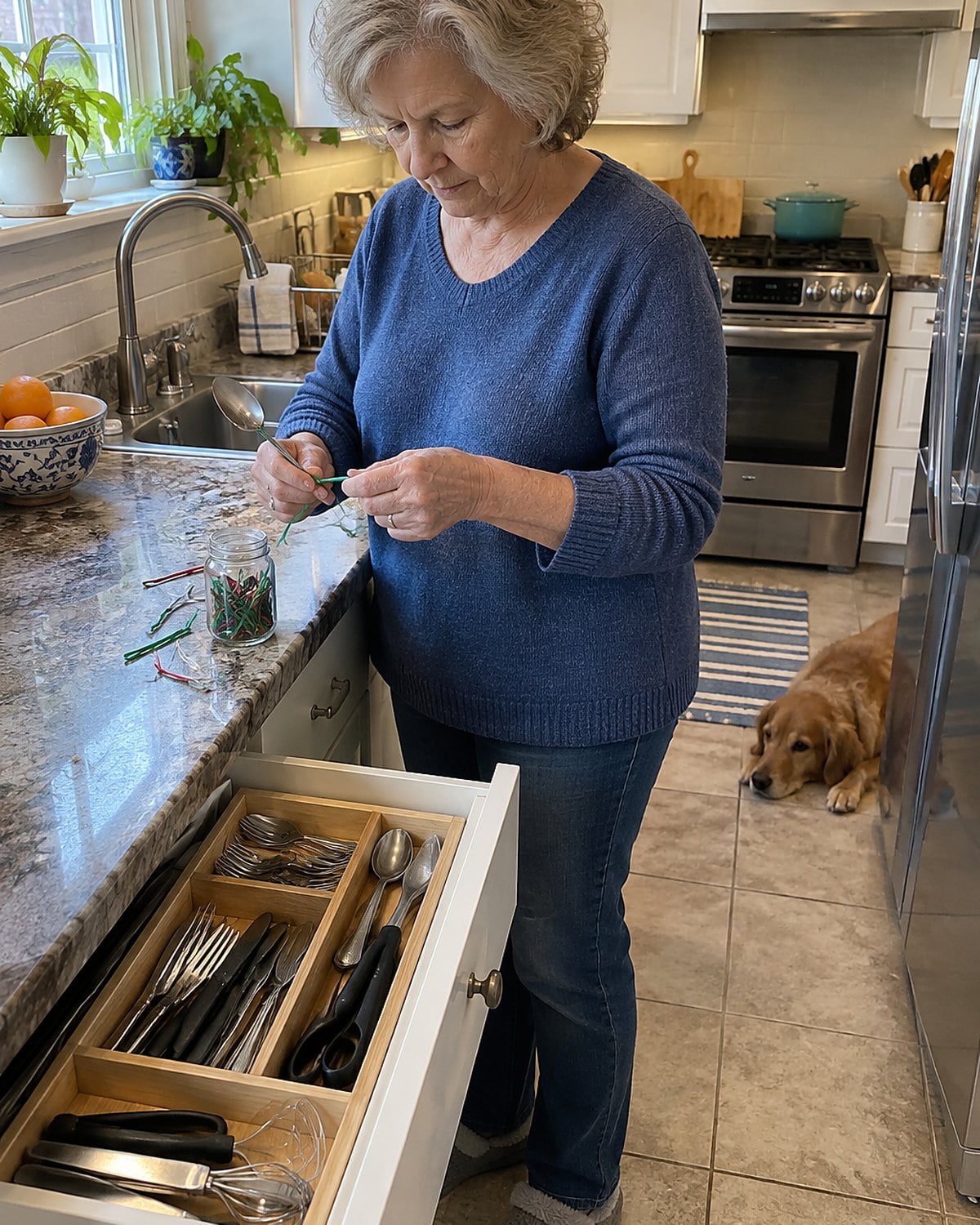
Open the drawer and out came bread ties, rubber bands, and a twist tie that had lost its paper coating. None looked worth saving until you needed to close a bag of rolls.
A twist tie still beats a loose fold when you want to keep crumbs in the bag. But it won't turn stale bread fresh again. Close the bag after taking what you need, and freeze extra bread before its texture goes downhill.
Give that drawer a quick sort. Keep a handful of clean ties that still twist shut; toss the bent wires that poke your fingers. Then put them in a small jar so they don't catch on the drawer runner.
You don't have to keep every scrap to keep the old instinct: use what you already have before buying another plastic clip.
#4 The stovetop popcorn pot
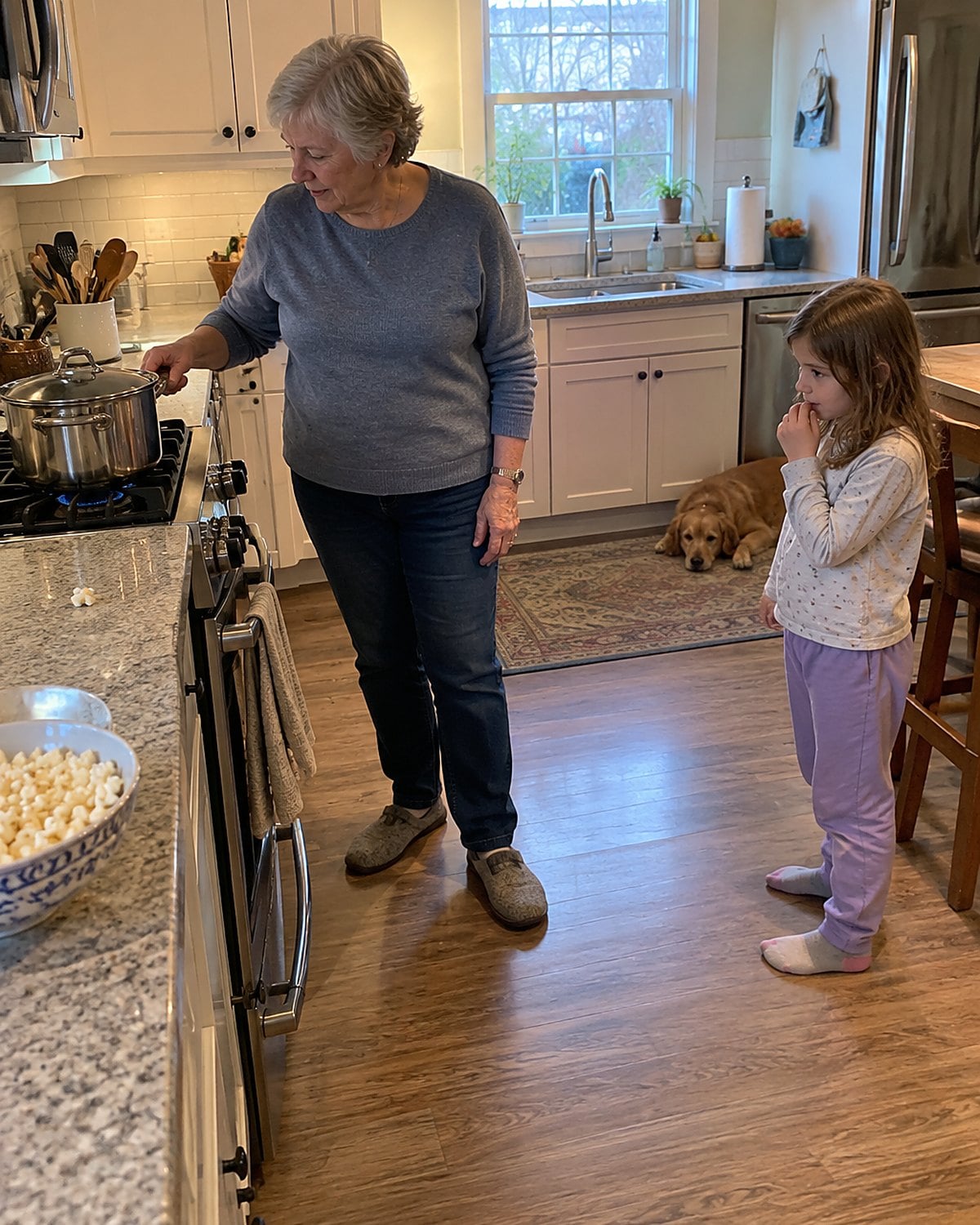
Before microwave bags filled the pantry, popcorn meant a pot with a lid. The first kernels hit the hot oil and rolled around. Then came the noise, so sudden you called anyone nearby to come listen.
Use a heavy pot with room for the kernels to move. Heat the oil and a few test kernels under the lid; when they pop, add the rest. Keep the lid on and move the pot across the burner as the popping starts.
When the pops slow with clear gaps between them, take the pot off the heat.
Don't lift the lid toward your face. Steam escapes first, and an eager kernel still has a last jump in it. Pour the popcorn into a bowl before adding melted butter; butter left in the hot pot scorches.
The grandson who has never seen corn go from hard kernels to a bowlful gets a show, and you get to choose how much salt goes on it.
#3 The box of clipped newspaper recipes
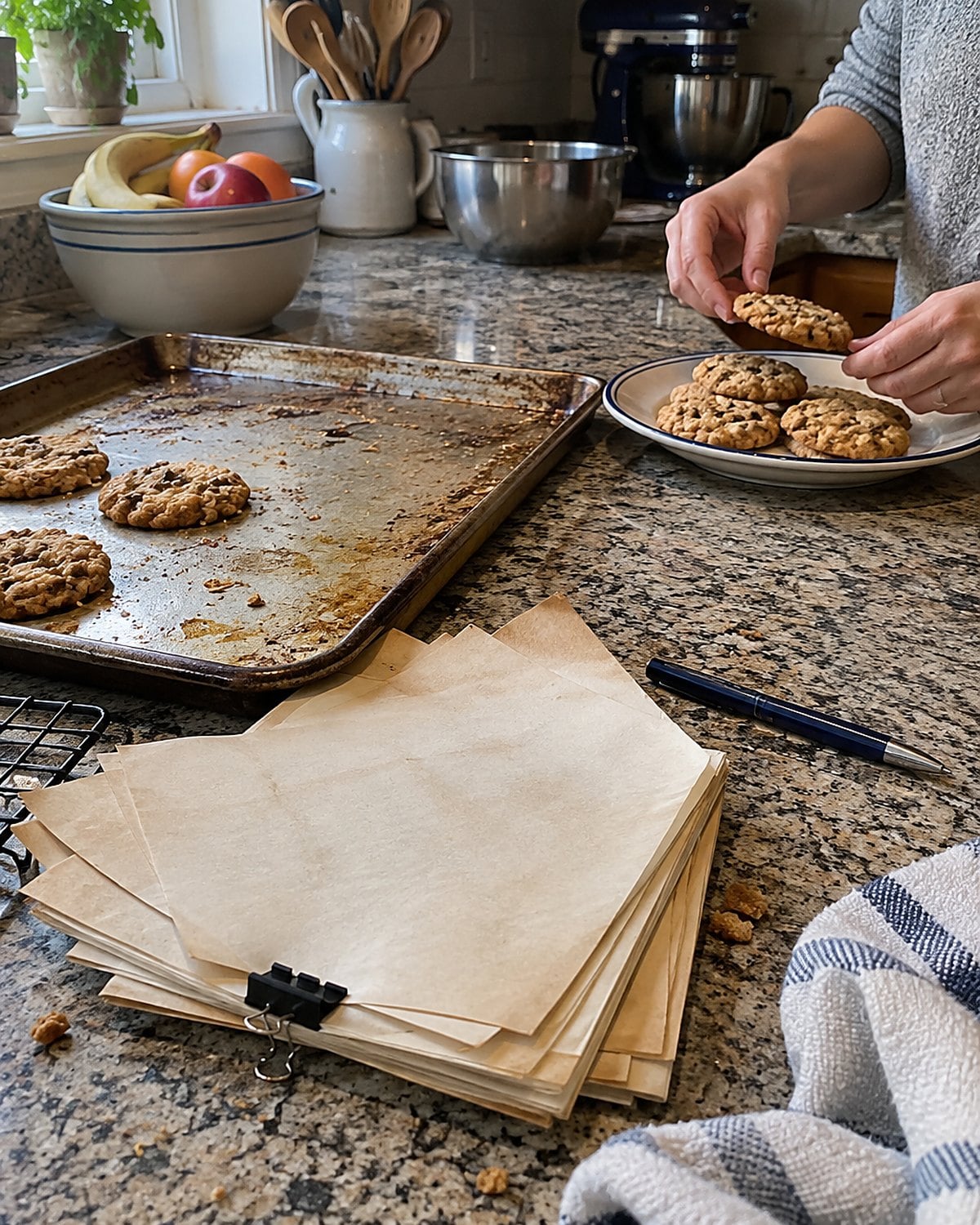
The clippings collected beside coupons and grocery lists. Some showed a whole recipe; others had lost the final instructions where the scissors cut too close.
Set aside the clippings with a missing page or an instruction you can't decipher. Don't fill in a canning method from memory. If a clipping describes home canning, compare it with a tested recipe from the National Center for Home Food Preservation before you use it.
Recipes that use raw meat deserve another check. Cook poultry to 165°F and ground meat to 160°F. Whole cuts of beef or pork reach 145°F, followed by the rest specified on the USDA's temperature chart.
Keep the clipping if you love it. Let a thermometer, rather than faded newsprint, settle supper.
#2 The porch bag of garden tomatoes
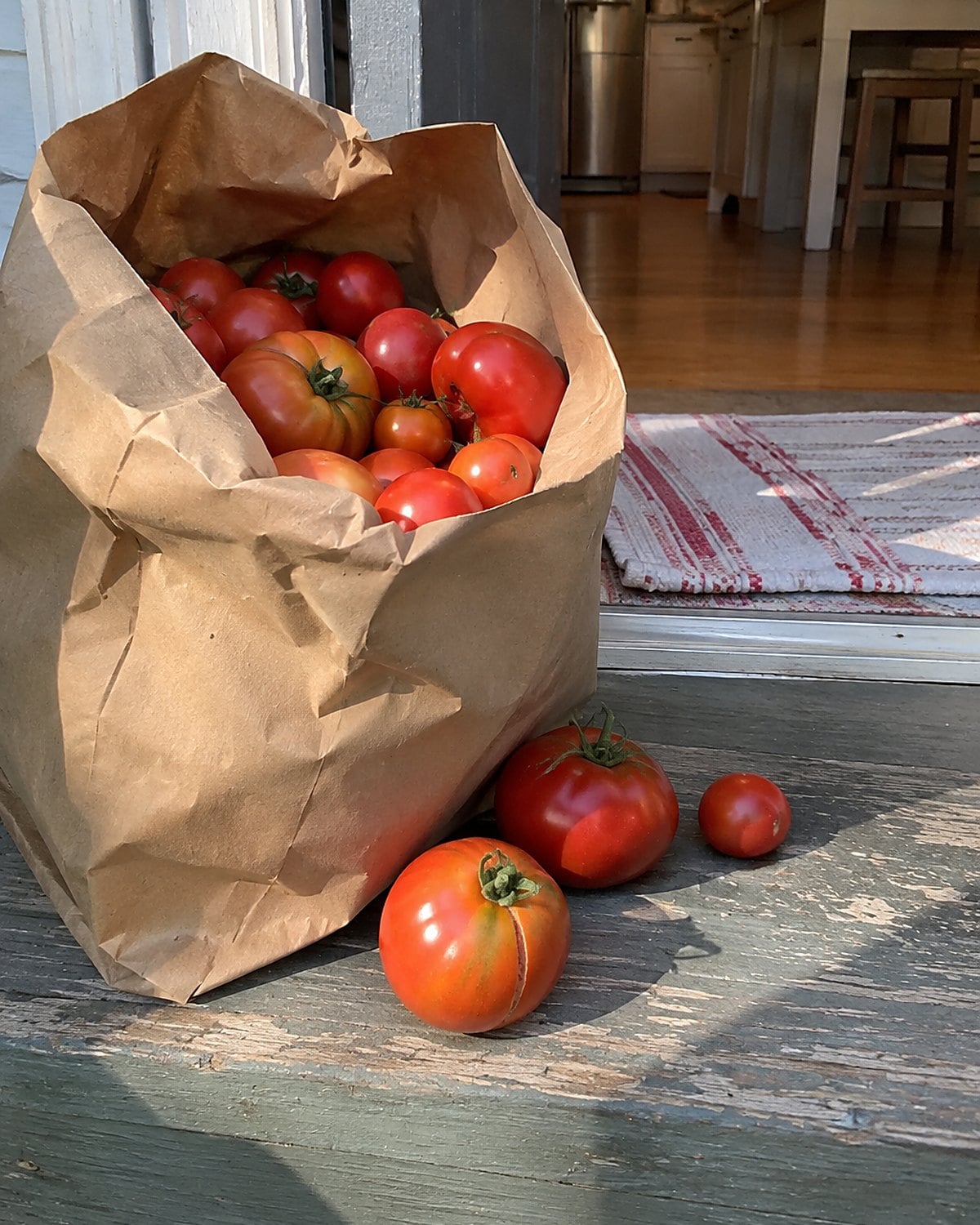
Somebody left the bag by the back door, and it held more tomatoes than the household could eat. A few had split on the ride over. You took the bag to the sink and started deciding what needed supper tonight.
Set the ripe, sound tomatoes on the counter away from direct sun. Put bruised or split ones first in line for cooking, cutting away damaged spots as you prepare them. If a tomato is moldy, discard it.
For a quick sauce, cook chopped tomatoes uncovered until the liquid reduces and the spoon leaves a brief trail across the pan.
Taste before reaching for sugar. Salt and a little more cooking time bring the tomato flavor forward. If the bag is truly too much, ask a neighbor to take some while they're still good.
A porch delivery was always partly about the tomatoes and partly about knowing who would open the door.
Try it: Instant Pot Tomato Basil Sauce
#1 The handwritten family recipe notebook
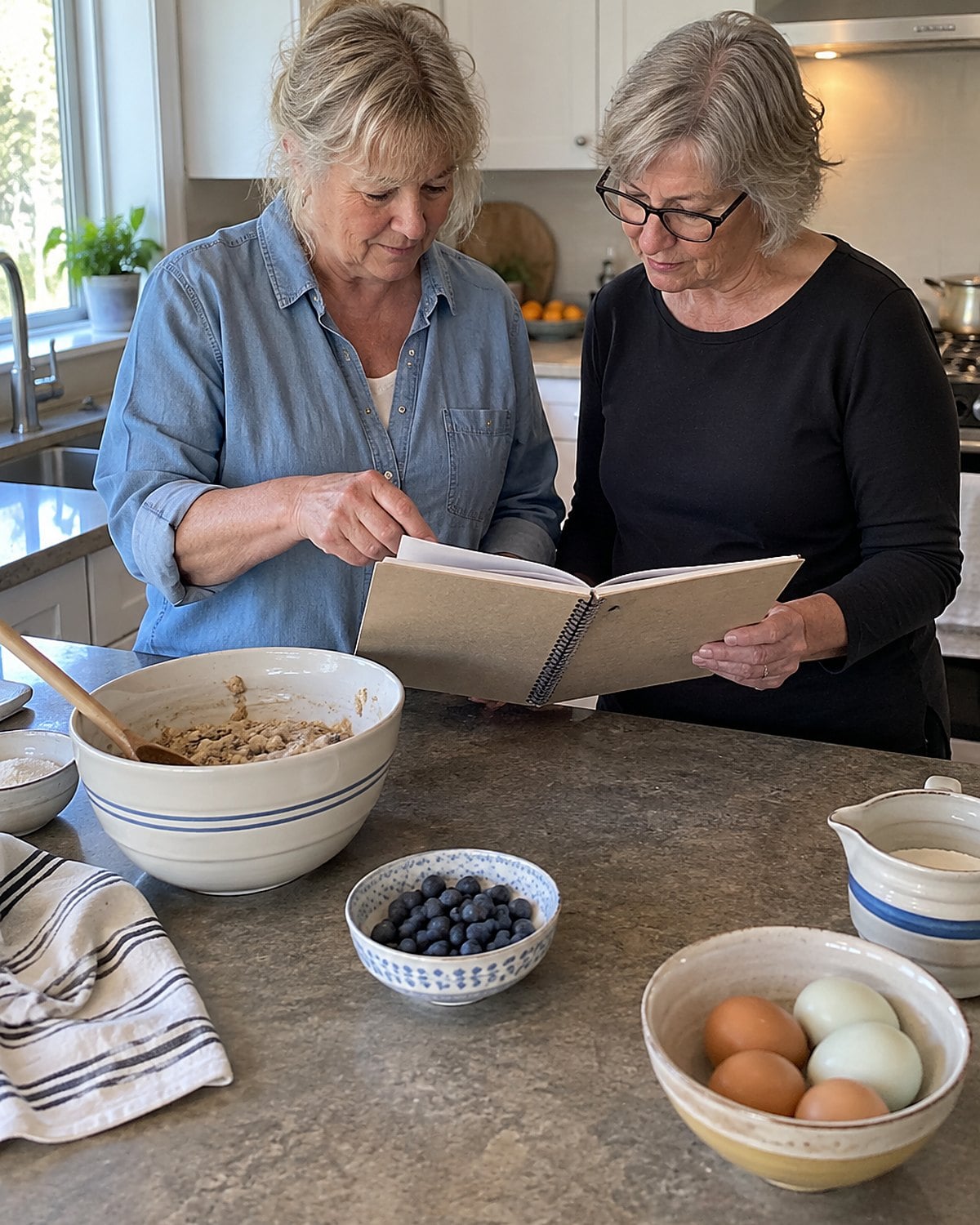
A loose recipe card tells you how someone made a dish once. The family notebook tells you what changed. Beside the meatloaf, someone wrote “smaller pan now.” Next to a cake, there's a note to check early in the new oven.
You can start that record tonight without rewriting a lifetime of recipes. Choose the dish people ask you to make. Write what you actually did this time: the pan you used, how you knew it was done, and what you'd change next time.
If a recipe makes more than your household eats now, note the smaller batch that worked. Leave room for the next cook's handwriting.
Then tell a grandchild to pick a page and ask a question. Why did you use that pan? Who liked the crisp corner? The answers belong beside the instructions.
Years from now, nobody will need to guess what “cook until it looks right” meant at your stove.
The bottom line
The old kitchen was full of tools for watching, sharing, and making do. Some did their jobs beautifully. Others taught you what to check before you trust an appliance, a label, or a recipe.
You've already kept the best part if you know which pan works, where the thermometer sits, and whose handwriting you want to save.
What would a grandchild pull from your kitchen drawer today and ask you to explain?
Leave a Reply