

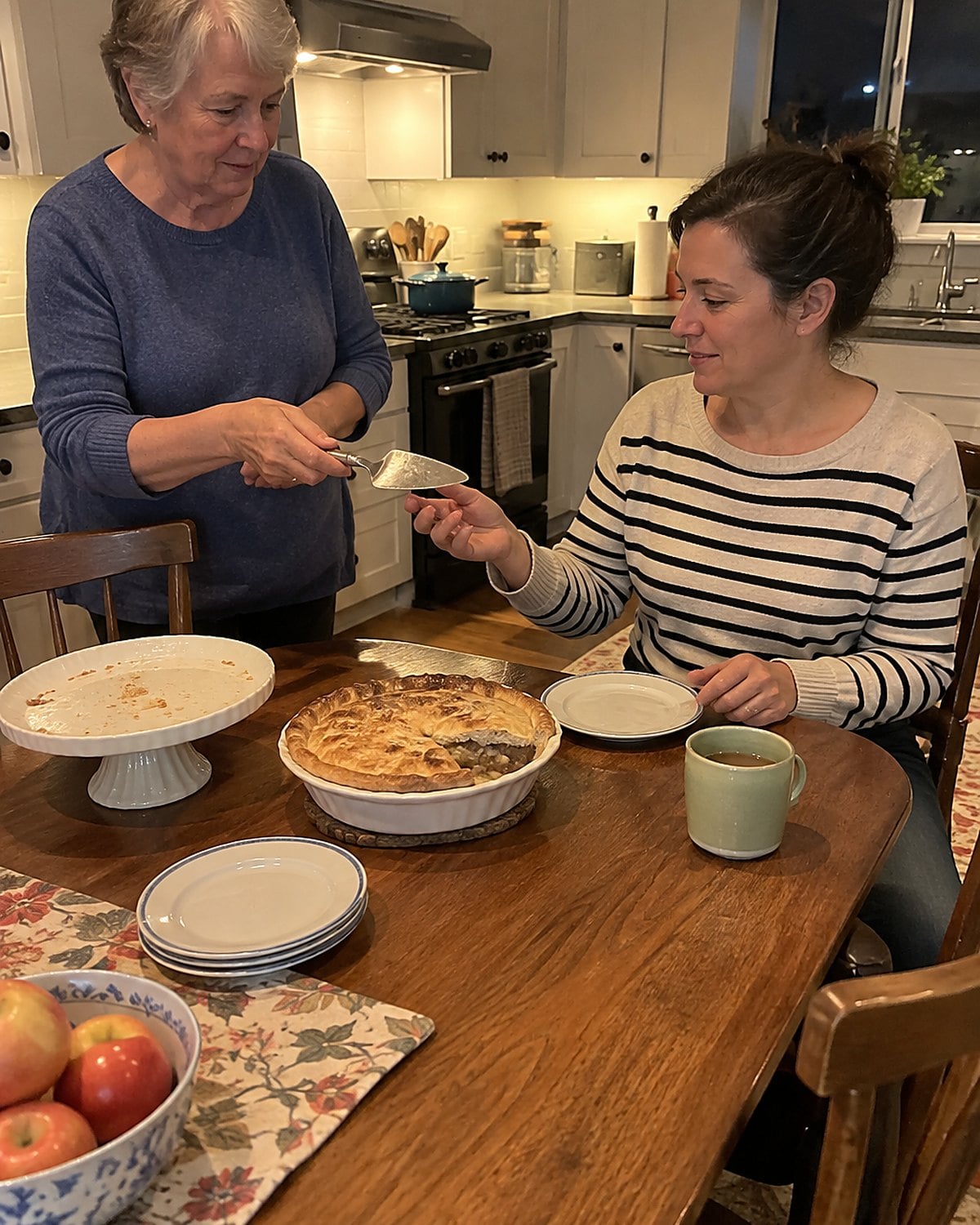
The oven light clicks on in a kitchen you know well, though the foil lives in a different drawer now. Your daughter-in-law reaches for the roasting pan, and your hand starts toward it too. For years, that motion meant the whole meal was yours to manage. This year, someone else has the oven schedule.
There's relief in that. There's also a strange moment when you don't know where to stand. The change goes better when the old host and the new one agree on practical things before the potatoes need draining. A towel placed on the right counter can matter as much as a warm welcome.
#24 The first question at the door
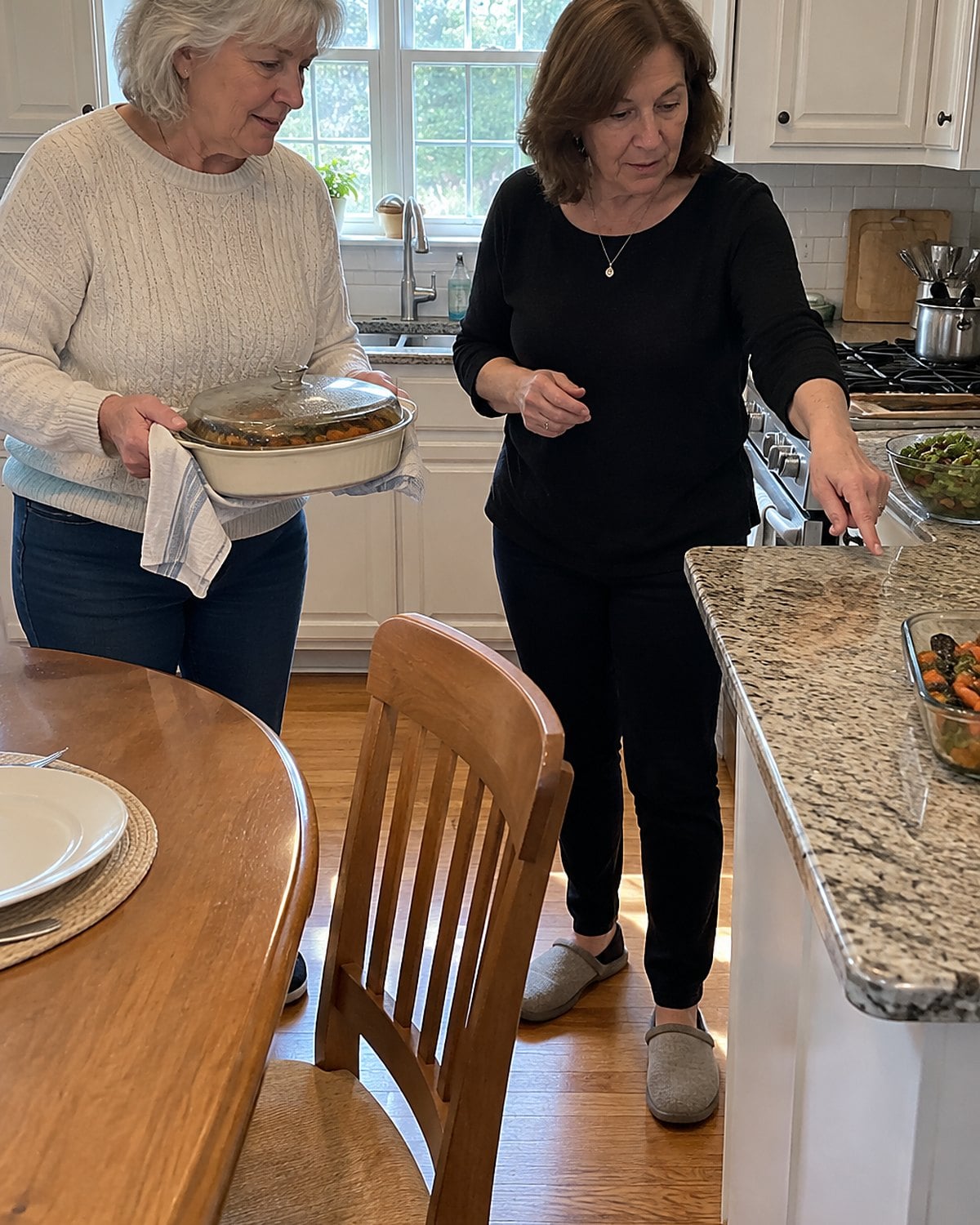
When someone else hosts, your first job is to arrive as a guest. That sounds easy until you see a full sink and a turkey on the counter. You've spent years noticing what needs doing before anybody asks. Your hands will still want to move.
Try one question at the door: “Where would you like this, and what would help right now?” Then wait for the answer. If the answer is “Nothing,” put down your bag and take off your coat. You've offered help without taking charge of the room.
You don't have to pretend you can't see the sink. You just have to leave its timing to the person using that kitchen. There will be another task. There always is at Thanksgiving, especially once everyone starts looking for the serving spoons.
#23 The oven knob you used to turn
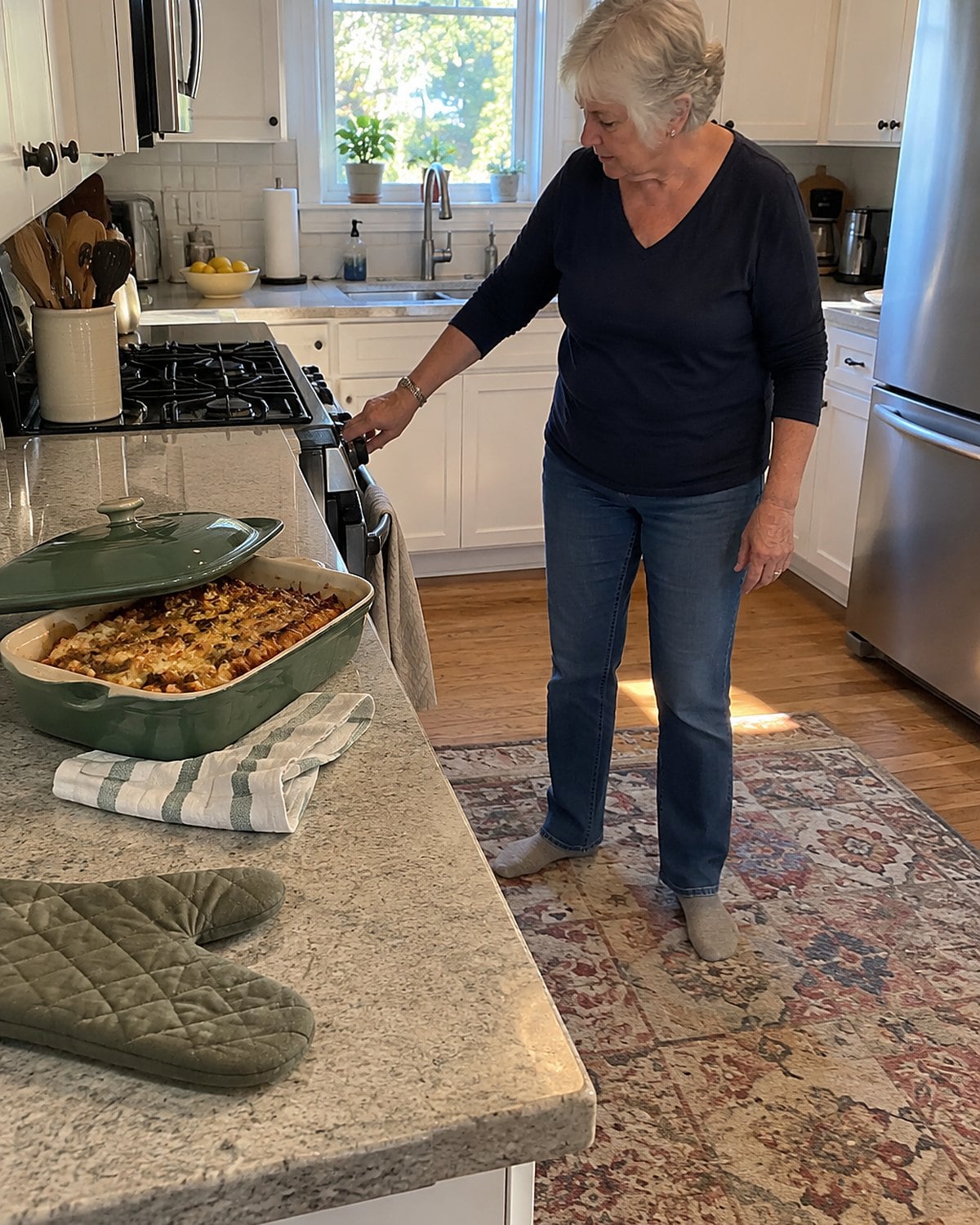
You know the sound your own oven makes when the heat comes on. In another kitchen, the host knows which shelf browns the rolls and which pan fits beside the turkey. Let her make those calls, even when you'd set the dial differently.
If you're bringing a dish that needs oven time, tell her the temperature and the time before Thanksgiving Day. Ask whether she has room for it. A dish that needs 30 minutes at 375°F has to fit into a real oven schedule, not the one you pictured at home.
When she says the oven is full, bring it hot in an insulated carrier or choose something served cold. That small change keeps your casserole from becoming her problem at the busiest point of the day.
#22 The refrigerator shelf before you arrive
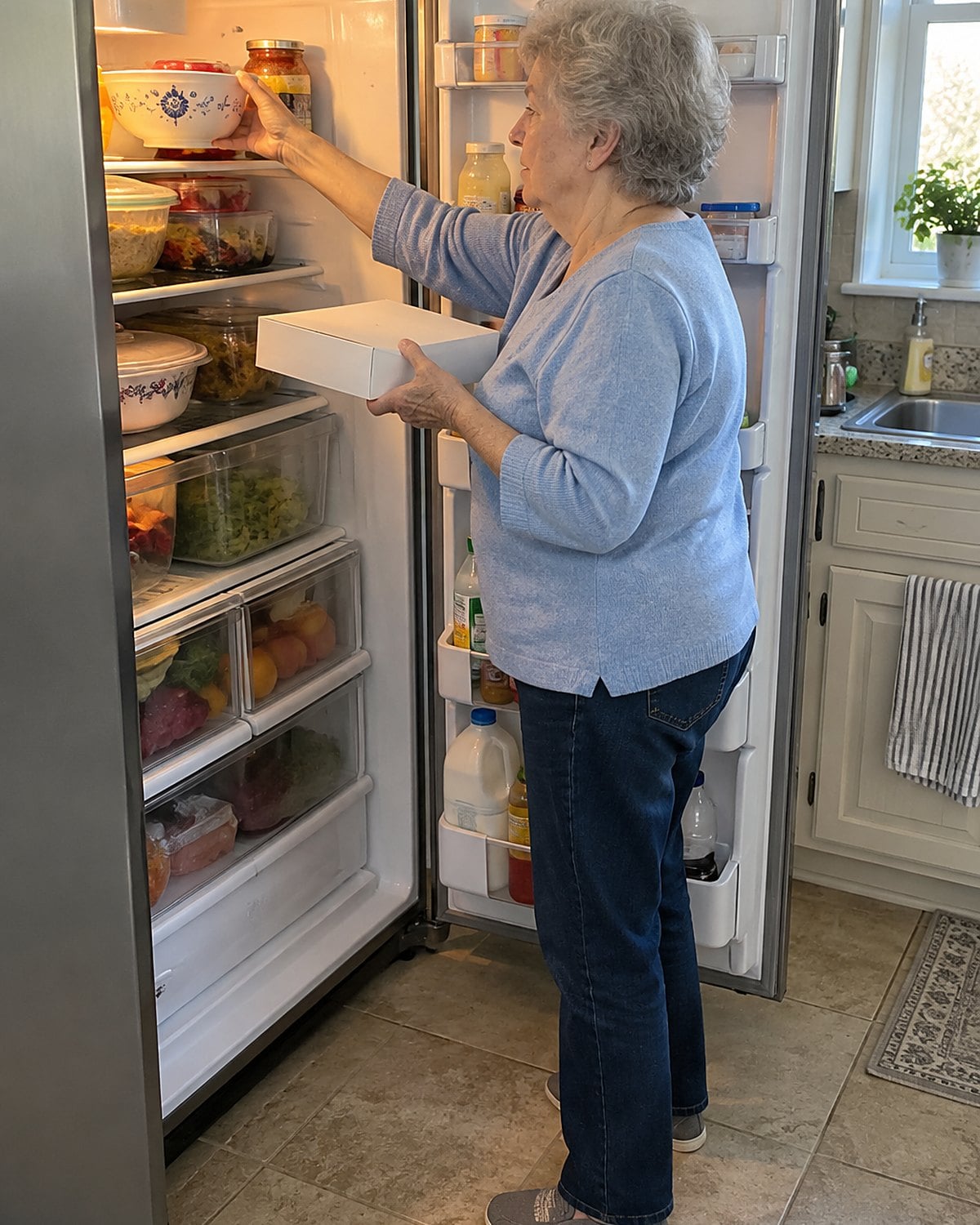
A pie box looks small in your hands. On Thanksgiving morning, it has to compete with the turkey, the drinks, the butter and a stack of covered bowls. Ask about fridge space before you promise to bring anything chilled.
The FDA says a refrigerator should stay at 40°F or below. A thermometer on a middle shelf tells you more than the dial does. At the host's house, don't wedge a warm, covered dish between cold foods and assume the crowded shelf will chill it promptly.
If your dish needs refrigeration, carry it cold in a cooler with ice packs. Ask where it should go as soon as you arrive. Better still, offer a contribution that asks nothing of her fridge, such as rolls or whole fruit.
A packed refrigerator is a practical limit, not a judgment on your cooking. Knowing that limit ahead of time lets you bring something she'll be glad to see.
Quick check
- Refrigerator: 40°F or below.
- Cold dish in transit: use a cooler with ice packs.
- On arrival: ask for shelf space before unpacking.
#21 The good knife in the wrong drawer
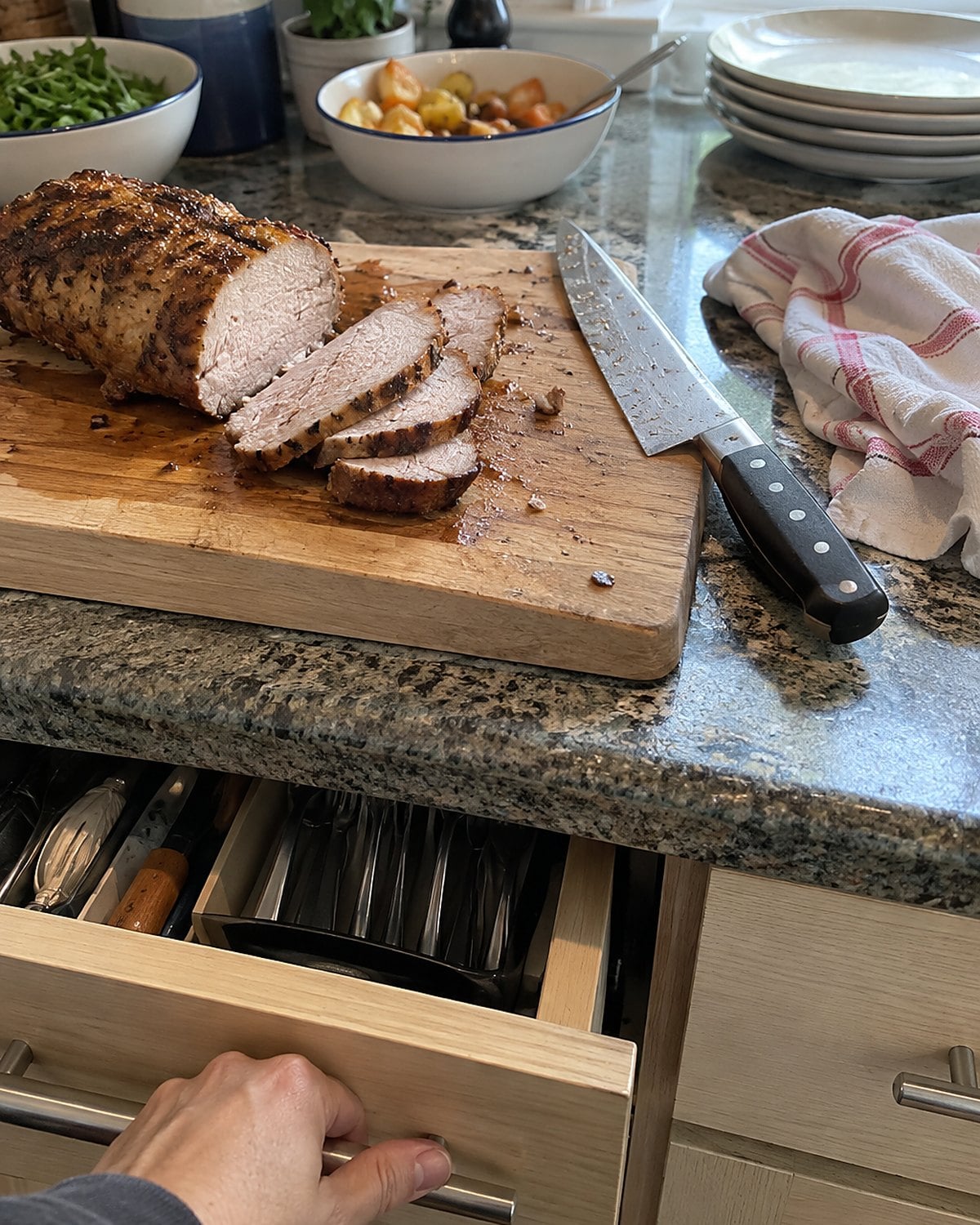
The cutting board is out, but the knife you want is nowhere near it. You know exactly where yours lives at home. Reaching through every drawer in this kitchen feels rude, yet standing there while the host works feels odd too.
Ask where she keeps her carving knife, then use the one she gives you. Her drawers have a system, even if it isn't yours. The same goes for the dish towels, the trivet and that serving fork everybody remembers from last year.
If you're invited to carve, clear a landing spot before the turkey arrives. Set out a board with a channel and a platter for the slices. You'll have a job you know how to do, and the host won't have to stop cooking to find room for your elbows.
#20 The cranberry sauce in your bowl
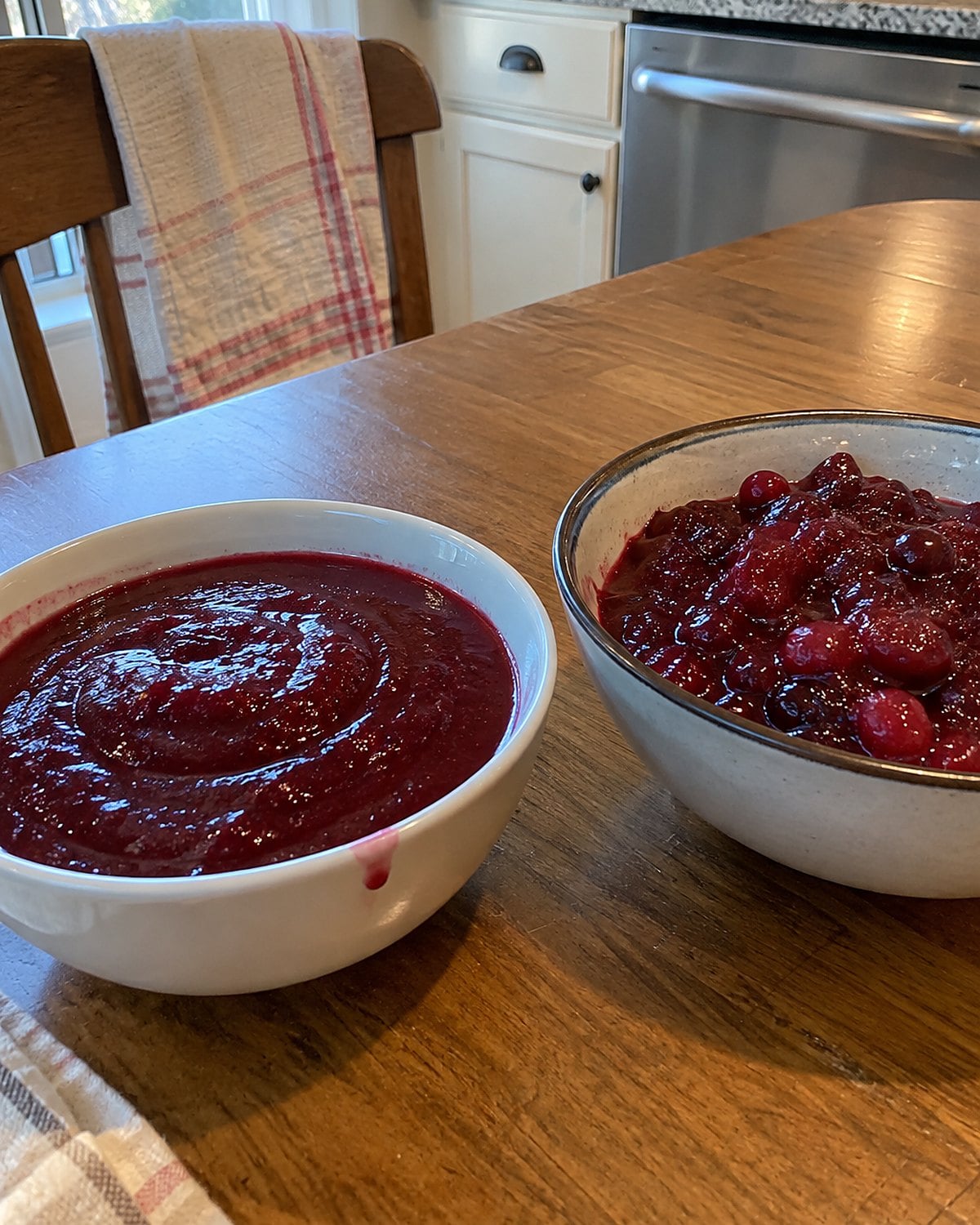
Your cranberry sauce arrives in the bowl you've used for years. The host has already made one too. Set yours on the table if she wants it there, but skip the speech about which version the family expects.
Two sauces give people a choice. They don't need to be put to a vote.
If you're making yours ahead, taste it after it cools. Cold cranberry sauce tastes less sweet than it did while bubbling on the stove, and a little orange zest comes through more clearly once it sits. Use a clean spoon, then adjust it at home rather than carrying sugar into someone else's kitchen for a last-minute fix.
You still get to bring the dish people know. The new host gets to serve her version as well. Notice what gets spooned onto the plates, and let everyone eat in peace.
#19 The guest list on her phone
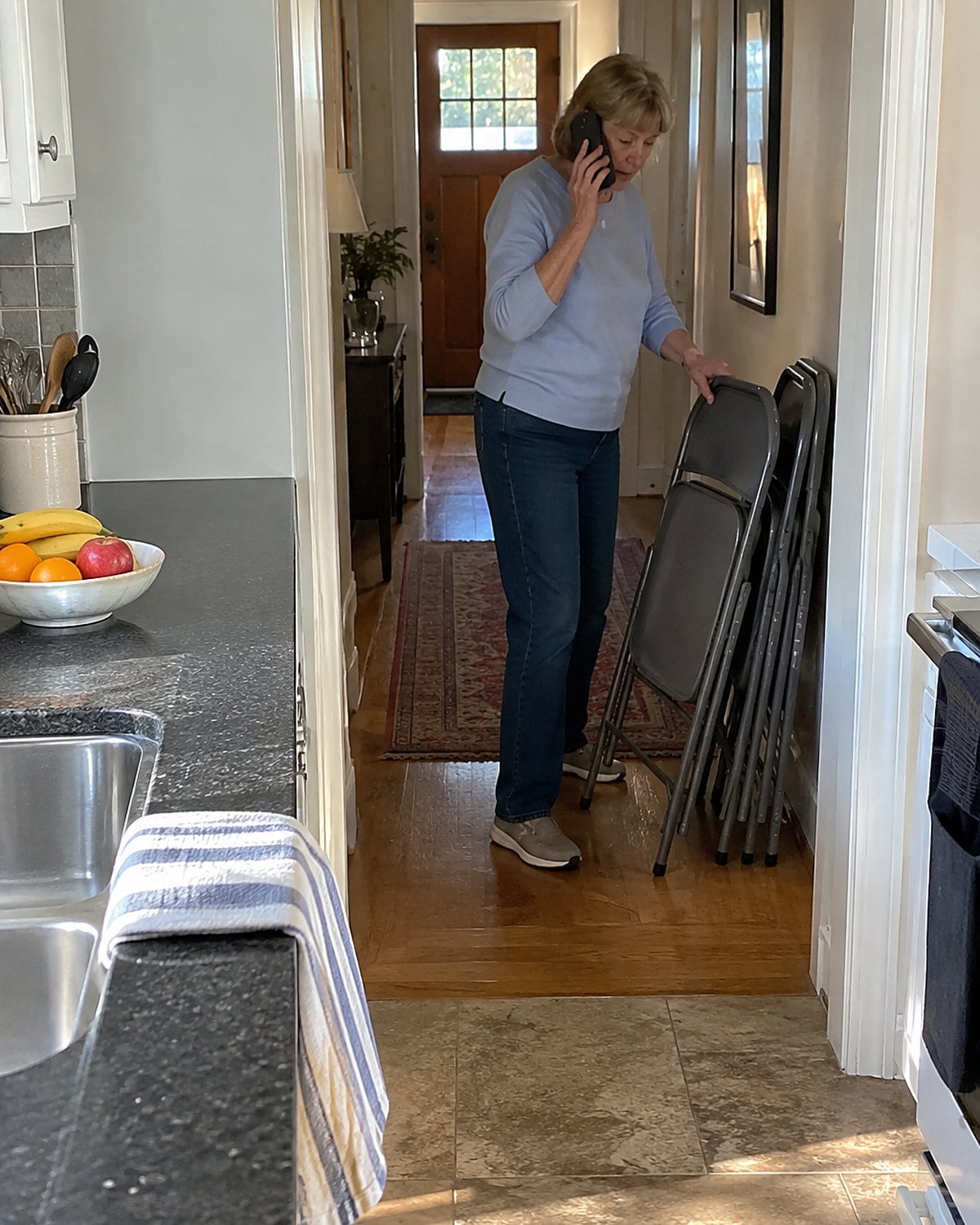
For years, you knew who was coming because you made the calls. Now the host has a group message, a table count and a plan for the folding chairs. Ask once who is expected, especially if you're bringing food for a particular person.
Don't add a guest directly. A cousin passing through town deserves an invitation from the person buying the groceries and finding the chair. Give the host the chance to say yes without an audience waiting for her answer.
“Would you like me to ask Carol if she's free?” leaves the decision where it belongs. “I told Carol to come” gives the host another place setting to find. You know the difference from all the years that question came to you.
#18 The rolls your family expects
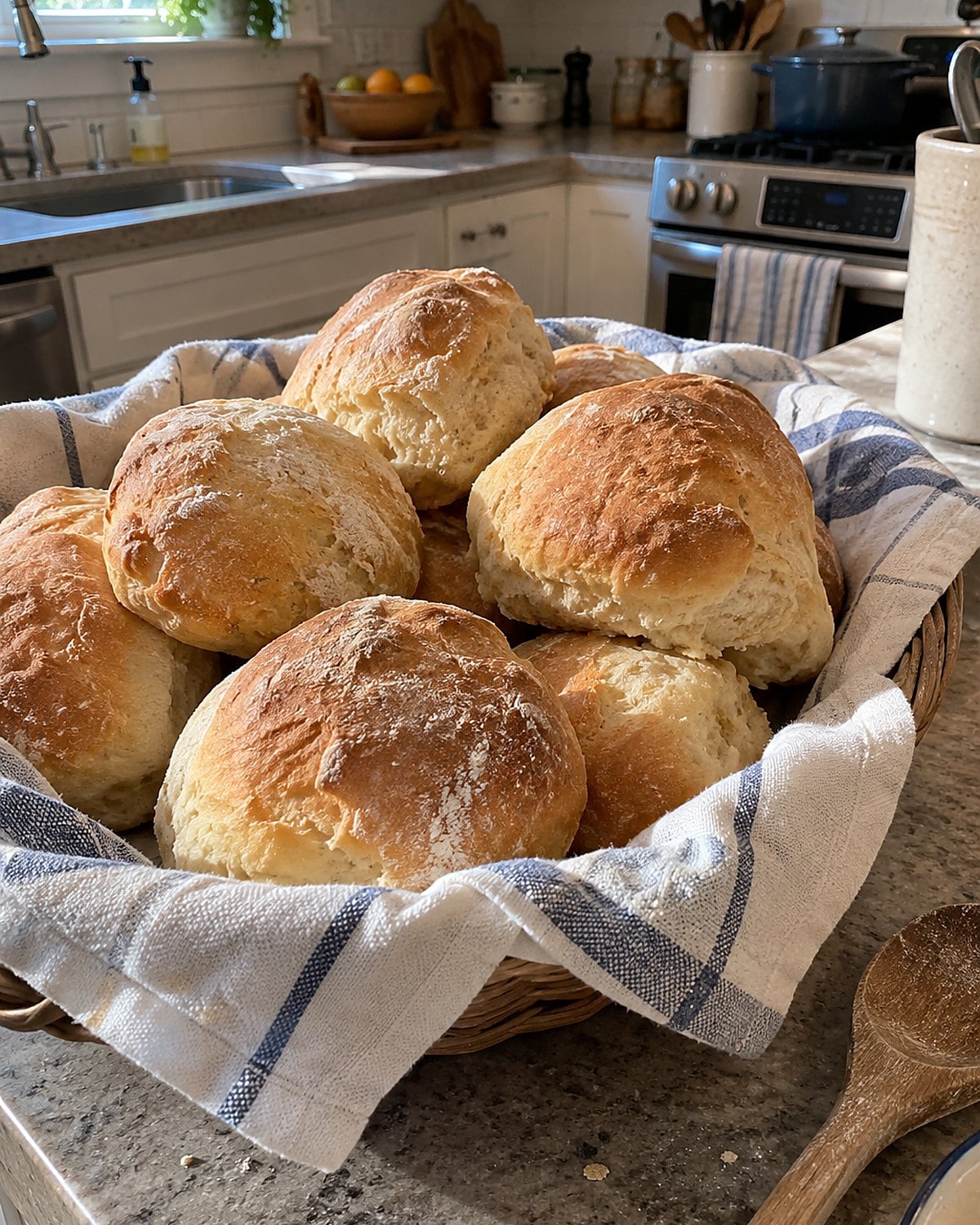
There are foods people notice missing even when the table is full. If your rolls are one of them, ask to bring them. Don't bake them as a surprise and arrive expecting space in the oven.
A simple handoff is specific: “I'll bring the rolls baked, wrapped and ready for a basket.” Now the host knows what she doesn't need to make. If your recipe tastes best warm, ask whether a brief turn in the oven will fit. Take “no” without argument and bring a cloth-lined basket to hold the heat.
This is also the place to retire a task you no longer enjoy. If kneading dough before a trip leaves you tired before dinner starts, say so. Bring the butter instead. Someone else gets a chance to learn the rolls, and you get to arrive without flour on your coat.
The family recipe has lasted because people keep making it, not because only one pair of hands is allowed.
#17 The thermometer beside the turkey
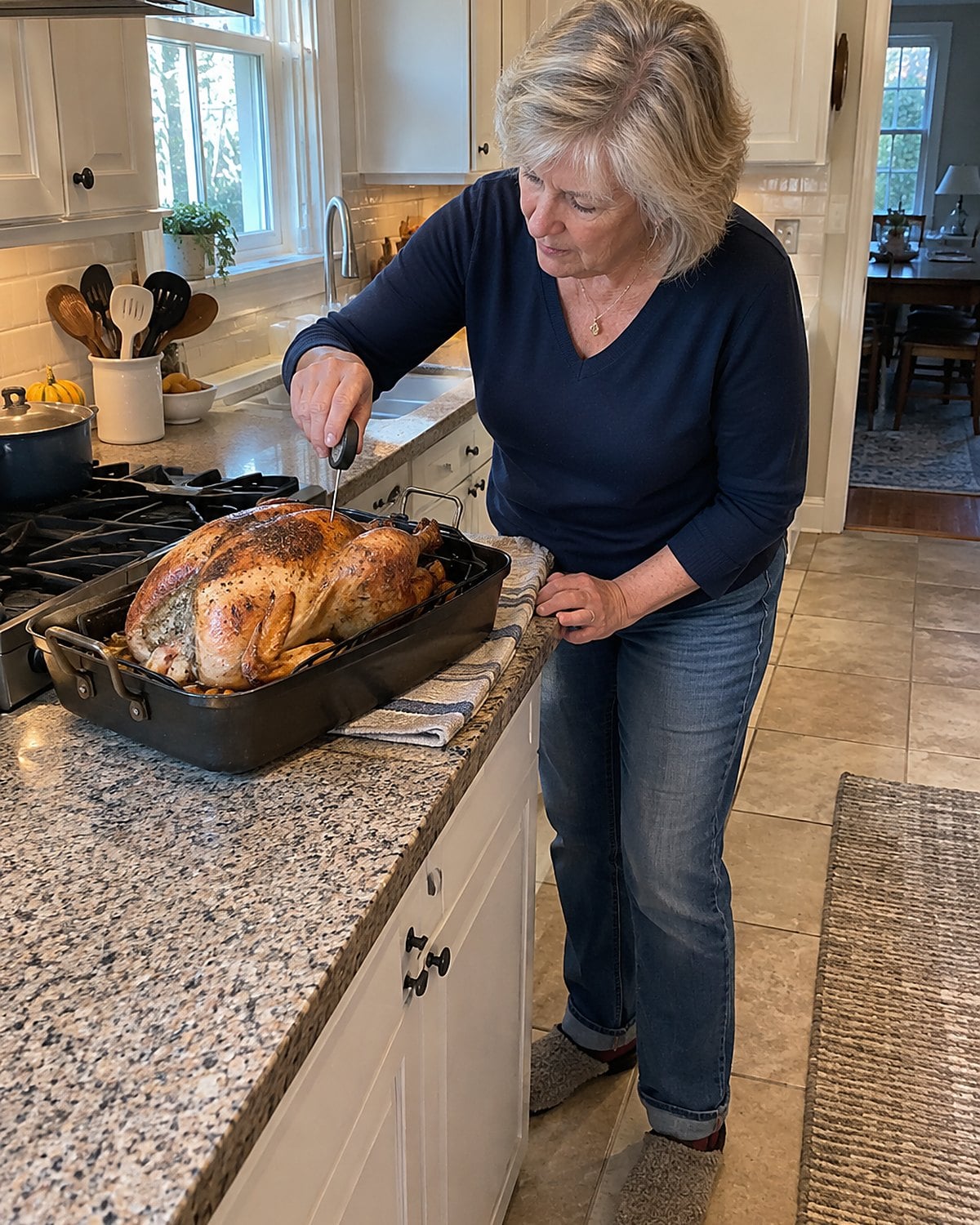
A browned bird looks done long before every thick part has reached the same temperature. If the new host asks you to check it, reach for a food thermometer, not the color of the juices.
USDA Food Safety and Inspection Service says poultry needs to reach 165°F. Check the thickest part of the breast and the inner thigh, away from bone. If the turkey is stuffed, the center of the stuffing needs to reach 165°F too.
Tell the host what the thermometer says. Then let her decide who lifts the pan and when dinner is called. You can be the steady hand holding the thermometer without becoming the person directing the whole kitchen again.
 You might also like24 Things Your Daughter-in-Law Thinks About Your Cooking and Won't Say
#16 The serving platter from your cupboard
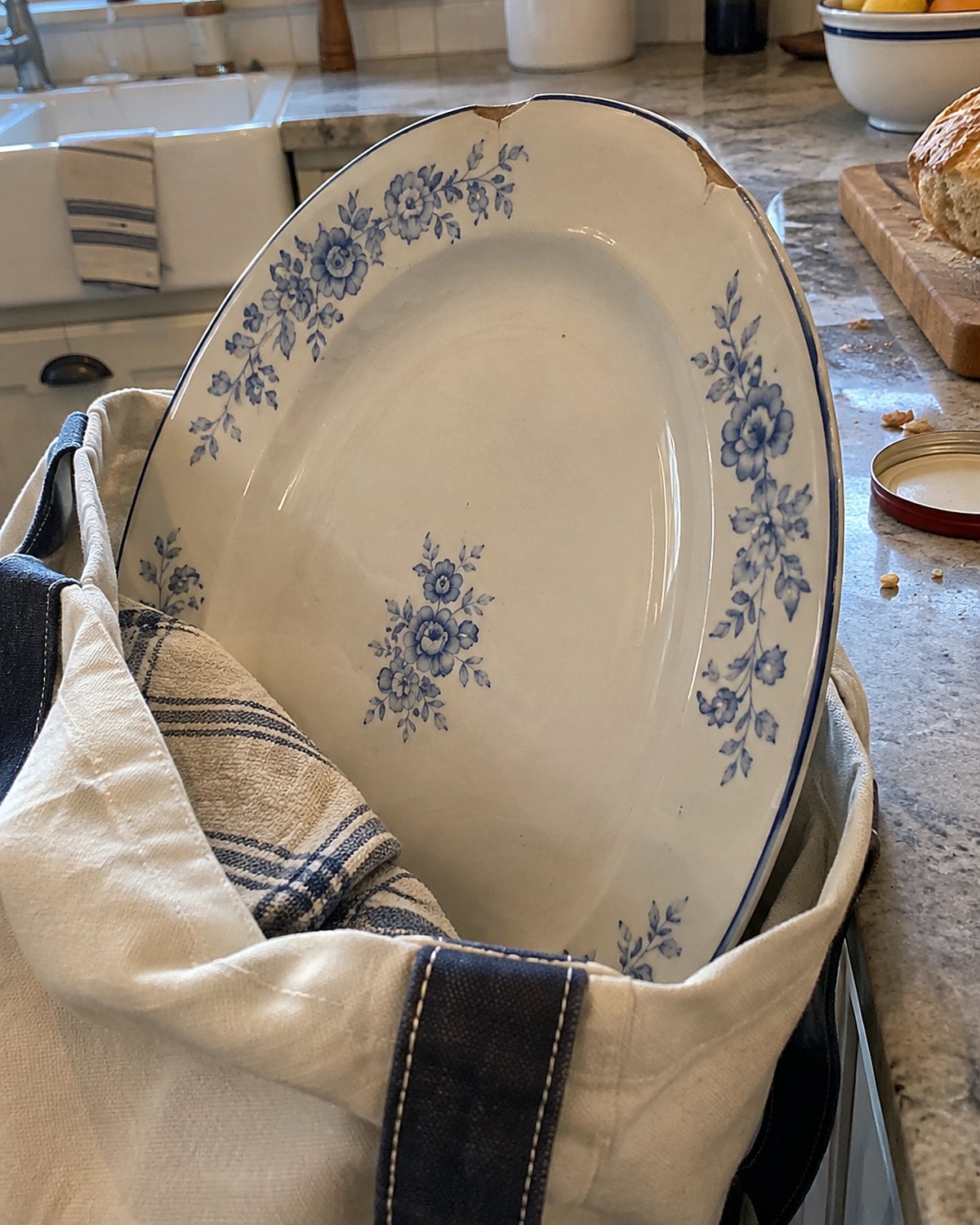
You brought the big platter because the turkey always went on it at your house. The new host owns a platter too, and hers fits the space she cleared on the counter. Ask before you unload yours.
If she wants it, wonderful. If she doesn't, set it back in the bag. A platter takes up more than table space. It carries an old picture of how the meal is supposed to look, right down to where the parsley goes.
The useful question is “Do you have a platter for the turkey?” Ask it before you leave home. You might learn that she plans to carve in the kitchen and carry sliced meat to the table. That's an easier trip through a crowded doorway, and the turkey stays easier to reach.
Your platter will have another outing. For now, you have room in the bag to take home the leftovers she offers.
#15 The potluck dish no one assigned
A surprise side dish sounds generous until the counter fills up. The host has planned burners, serving bowls and a place for every pan. Your extra green beans need a spot too.
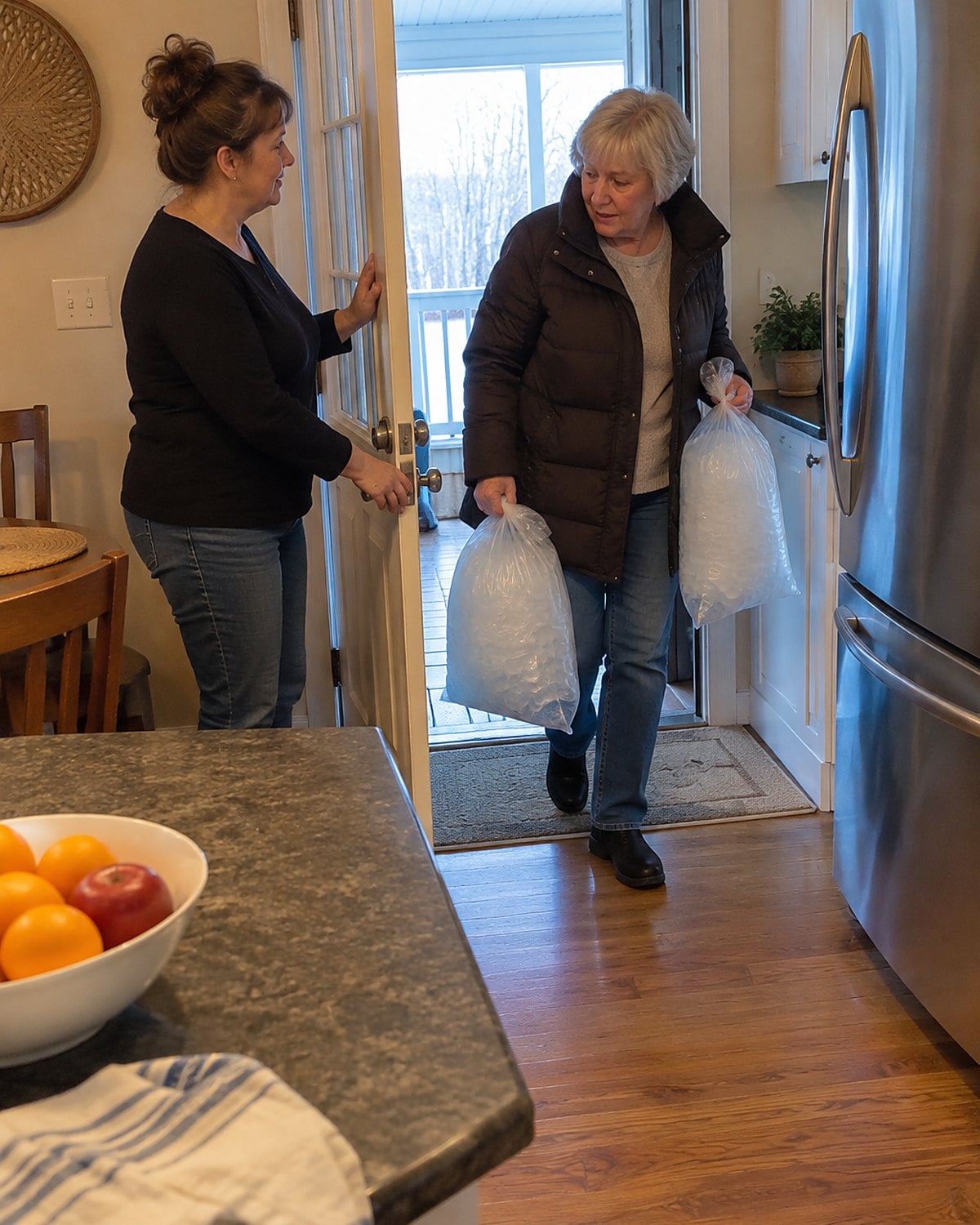
Ask what would take work off her list. Accept the answer, even if it is ice. Bags of ice free her from clearing a freezer drawer, and they don't need a burner when you arrive.
If you want to cook, give her a short choice: “I could bring green beans or cornbread. Which helps?” Once she picks, stop planning additions. The meal has one host. Being trusted with one clear job feels better than standing at the stove wondering whether your surprise is welcome.
#14 The mashed potatoes under the lid
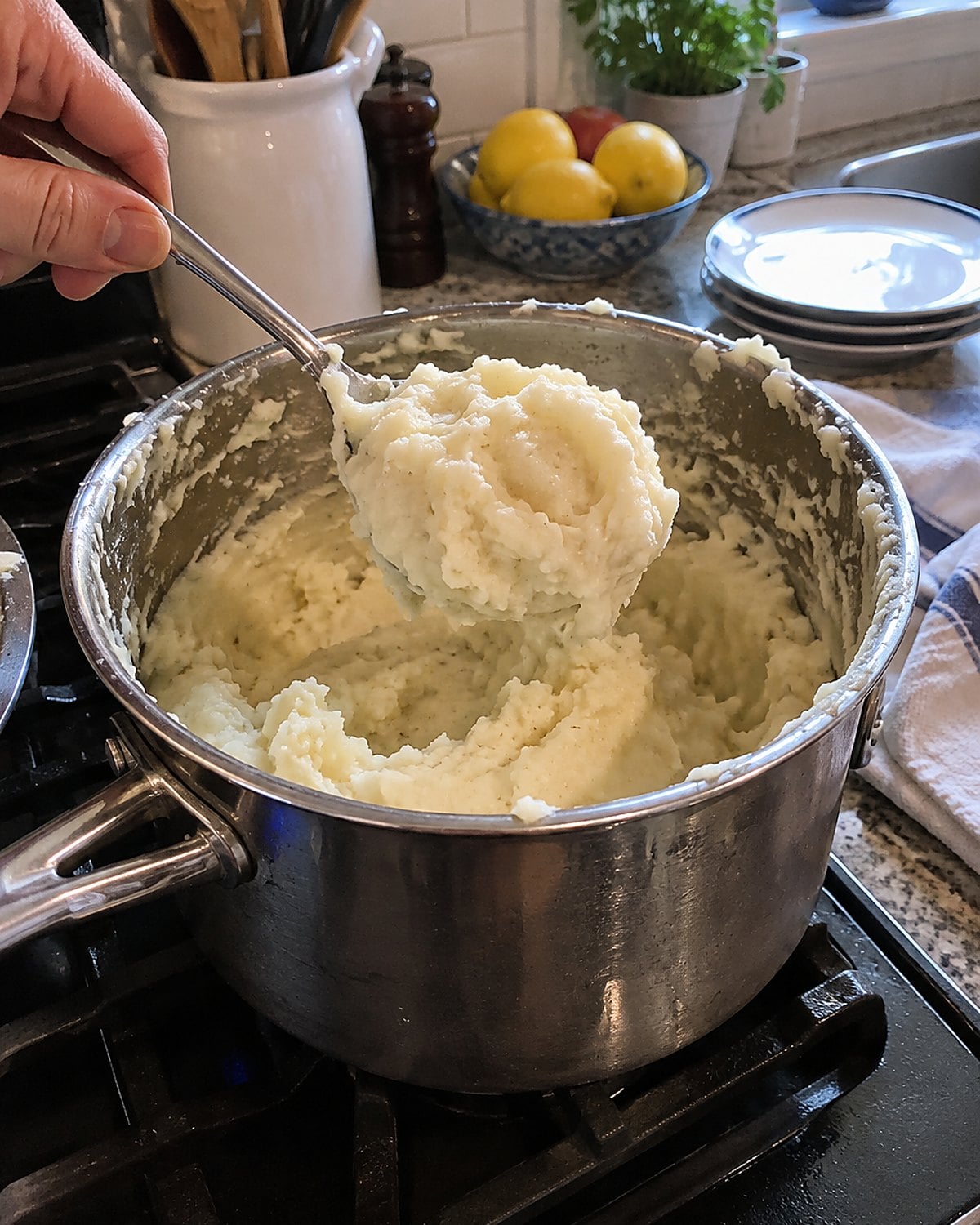
Mashed potatoes stiffen as they sit because the starch keeps absorbing moisture. That doesn't mean the new host made them wrong. If she asks for help, stir in warm milk a little at a time and taste before adding salt.
Cold milk cools the potatoes fast. Hard stirring makes them gluey. A wide spoon and a light hand do more good than another long turn with a mixer.
If you're the one bringing potatoes, talk through the timing first. A heavy pot stays hot longer than a shallow bowl, but it also takes up a burner when it reaches her house. Bring them ready to serve if that's what she needs. Keep hot food at 140°F or above, as the USDA advises, rather than leaving the covered pot on the counter through a long visit.
The familiar taste is still yours to share. The timing has to work in her kitchen.
Try it: Sour Cream Mashed Potatoes (Instant Pot Step-By-Step Recipe)
#13 The oven rack already full
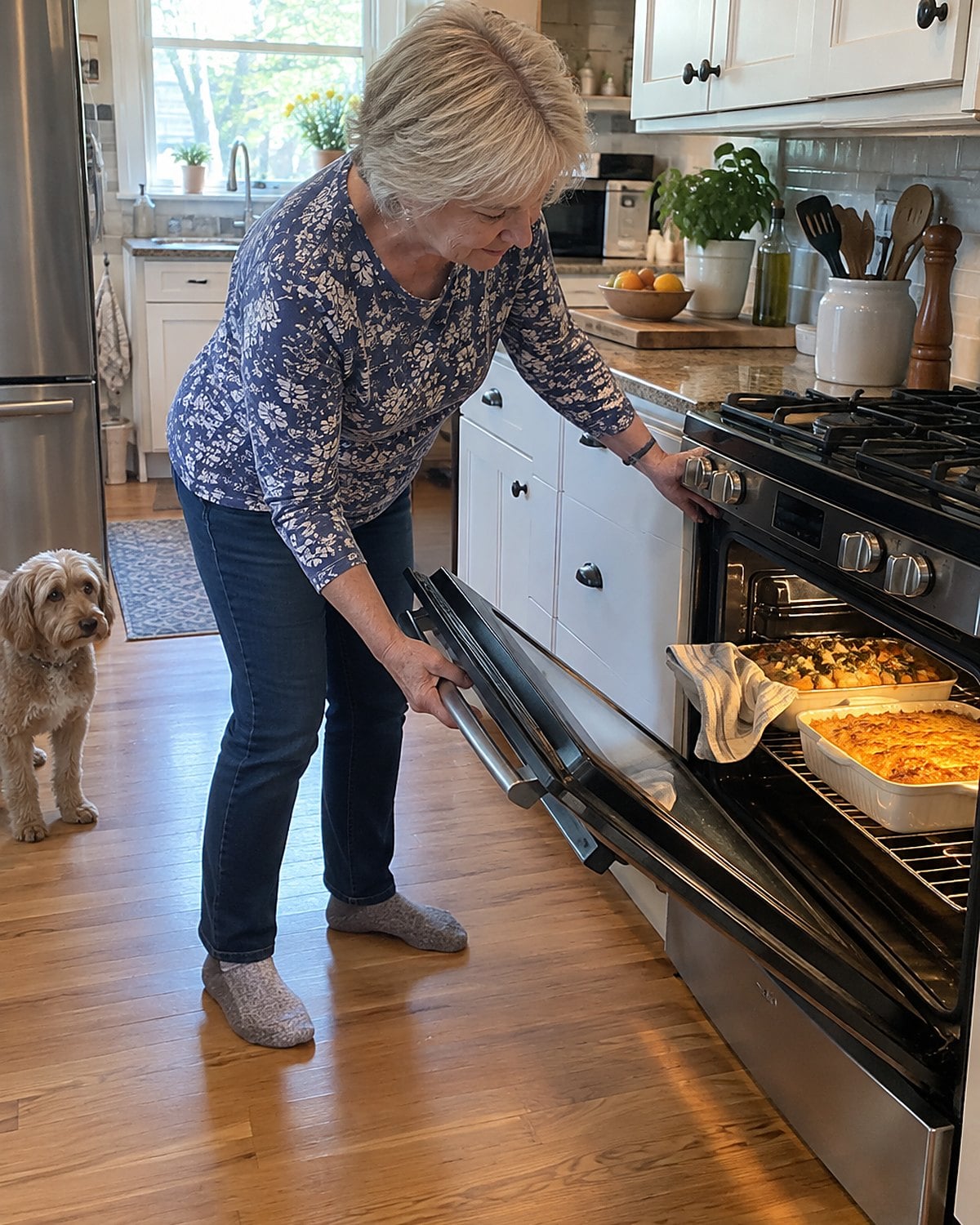
There's a moment when every casserole seems to require the same rack. The host has worked out an order, even if the counter looks chaotic to a visitor. Ask before moving a dish or turning the oven up.
If you've been assigned a side, find out whether it needs baking there or only serving there. A fully cooked dish brought hot puts less pressure on the oven. Keep it hot in an insulated carrier until the host is ready to put it out.
When she asks you to watch the rolls, stay near enough to look. Set a timer and check the color rather than trusting the time printed on a package. You've had rolls go from pale to dark while everyone gathered around the turkey. The new host has enough to watch without adding yours to the list.
#12 The gravy your mother strained
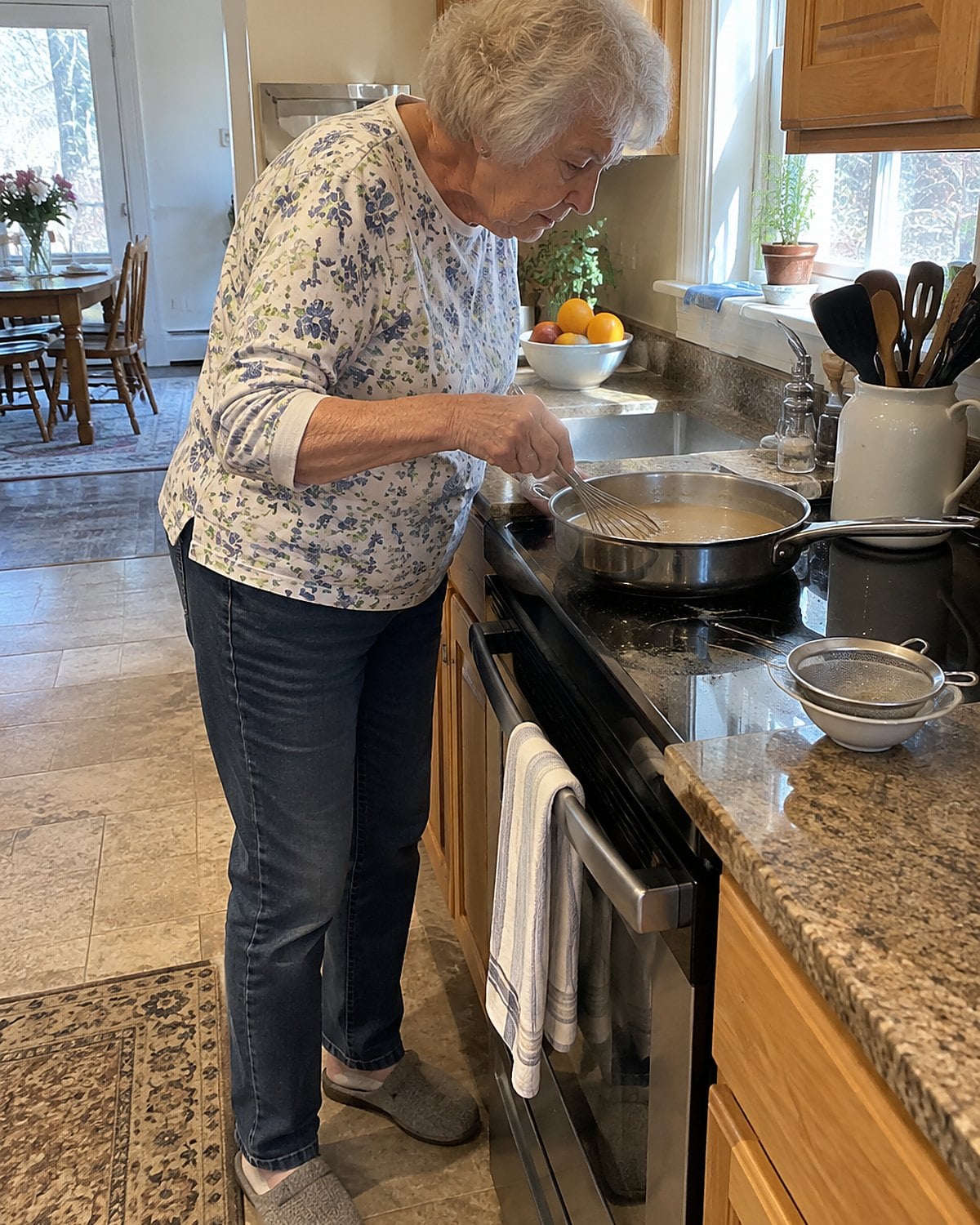
Your mother strained the gravy until it was smooth, and you still reach for a sieve. The new host likes the browned bits in hers. Both versions start with the same good drippings.
If she asks you to help, find out which gravy she wants before you pick up the pan. Skim the fat, loosen the browned bits and taste for salt after the stock goes in. Drippings already carry seasoning from the bird, so a heavy hand with the salt is hard to undo.
Keep the whisk moving when you add flour to the fat. Give the flour a brief cook before adding liquid, so the gravy loses its raw taste. If lumps appear, offer the sieve. Don't pass the whole pan through it without asking.
A family habit is useful knowledge. It doesn't have to become a rule in the kitchen someone else is running.
Try it: Best Instant Pot Gravy (Quick & Easy, No Drippings!)
#11 The green bean casserole on arrival
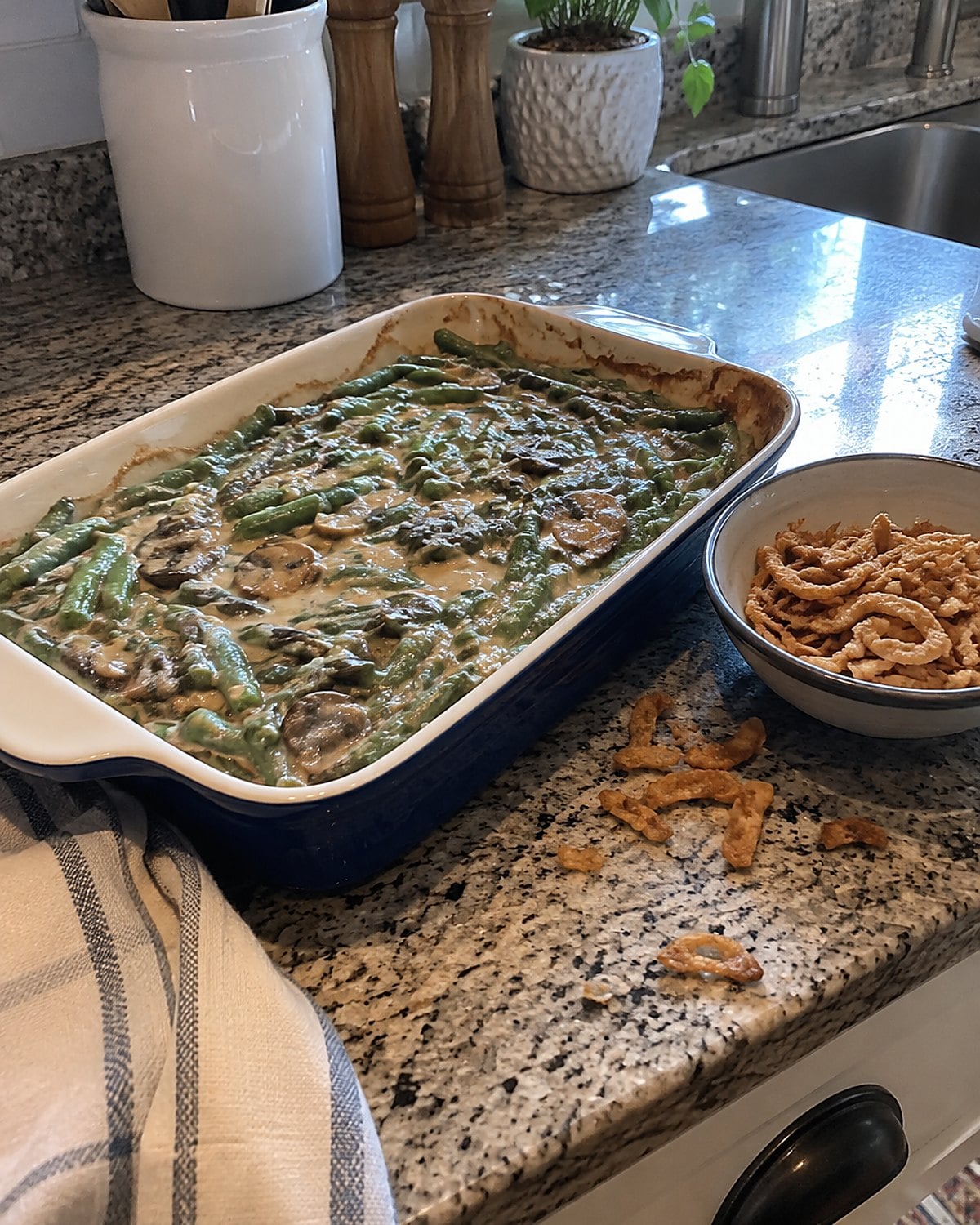
A green bean casserole has a soft middle and a crisp top. Cover it tightly for a long drive, and the steam softens the onions before anyone gets a fork.
Ask the host if there's room to add the topping at her house. If there isn't, keep the onions separate until the dish goes on the table. Taste the beans before packing the casserole. Canned soup, cheese and fried onions all bring salt, so the filling needs less seasoning than it first appears to.
Most important, agree on the serving temperature ahead of time. Don't arrive with a cold casserole that needs the oven without warning. The host already knows when the turkey comes out. Your contribution should fit that moment instead of moving it.
Try it: Instant Pot Green Bean Casserole
#10 The foil over the resting turkey
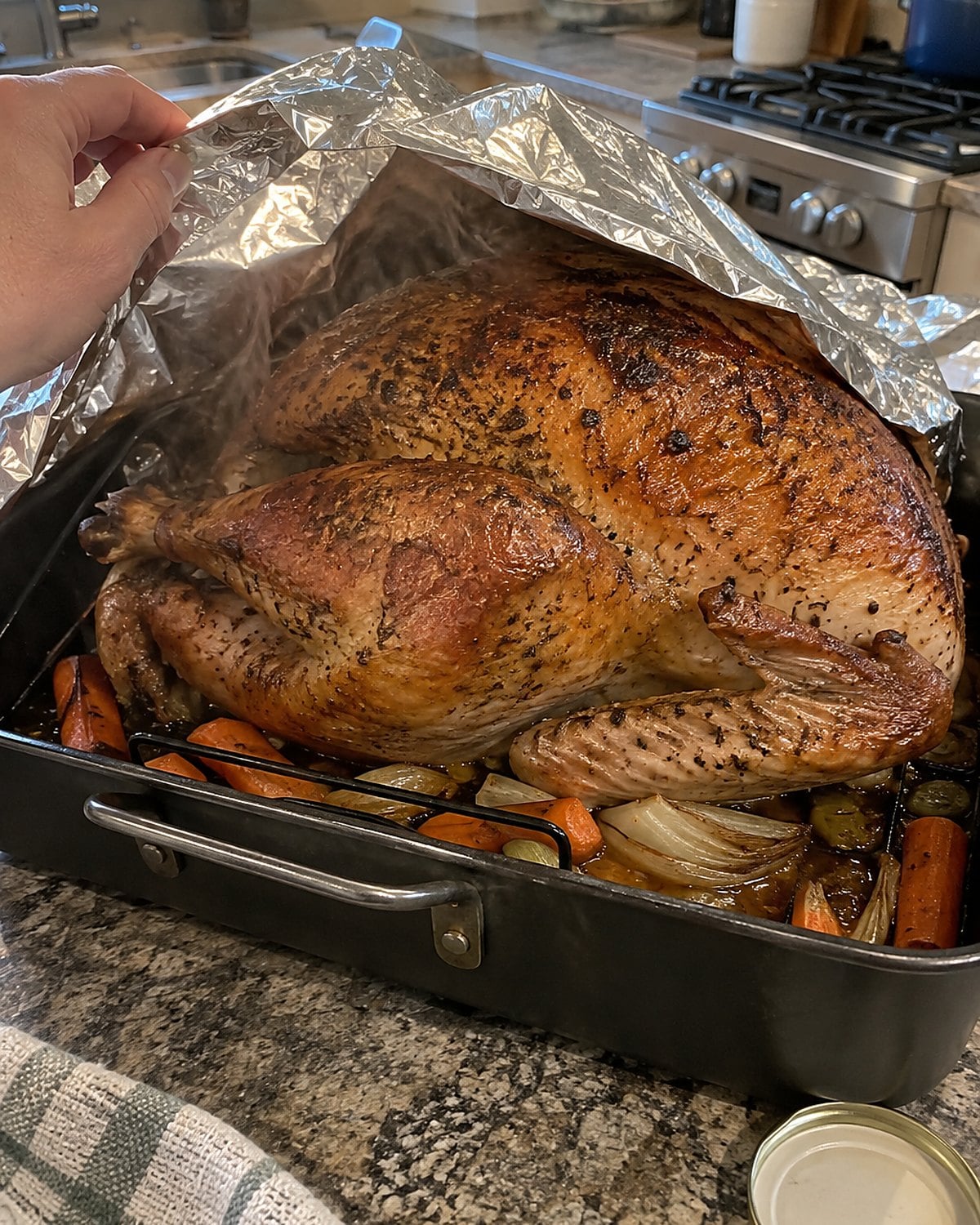
The turkey comes out, and everyone asks when to eat. The host reaches for foil. You've seen a bird rest before carving, so you know dinner hasn't stalled.
A loose cover holds some heat while the juices settle. Wrap it tight, and steam softens the skin you spent the afternoon watching turn brown. If the host asks you to help, lay the foil over the bird without sealing the edges.
This pause gives the kitchen back an oven rack. Rolls go in, gravy gets its last stir, and somebody finds the missing spoon. Don't start carving because people look hungry. Ask the host where she wants the bird and who is doing the cutting.
If grandchildren are circling the counter, put out a plate of rolls where the host wants it. You can ease the wait without announcing a new dinner schedule.
#9 The containers stacked by the sink
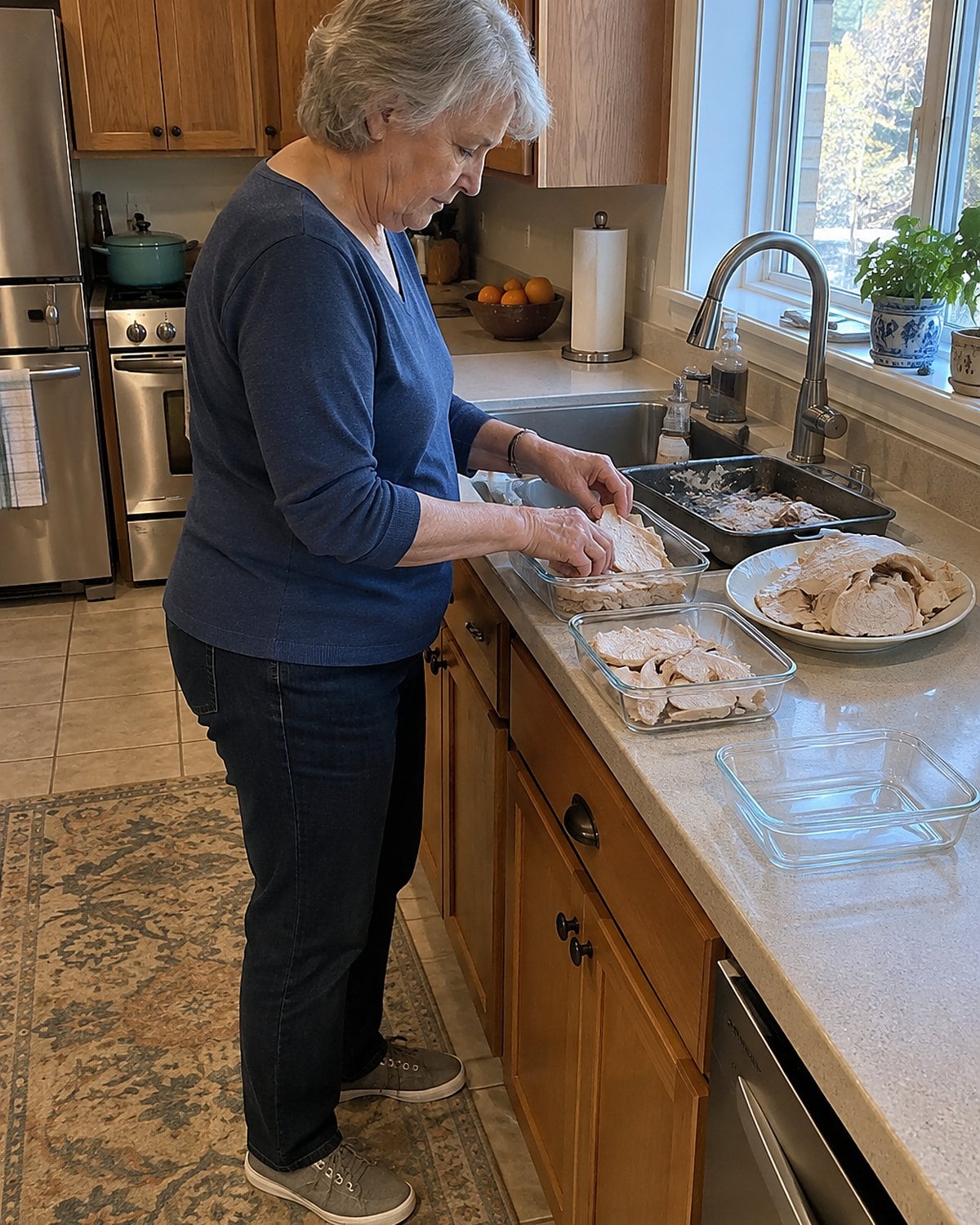
Leftovers need somewhere to go, and the person hosting shouldn't have to surrender every storage container in the house. Bring a few clean containers you don't need back soon. Ask before filling them.
USDA guidance says to refrigerate perishable leftovers within 2 hours. Divide big amounts into shallow containers so they cool promptly, then get them into a refrigerator at 40°F or below. A covered roasting pan full of warm turkey takes longer to chill than a few smaller containers.
Offer to portion food for the host first. Then let her decide what guests take. You remember the years when everybody left with pie while you searched for a container for your own lunch. This time, you can make the packing easier without claiming the leftovers.
 You might also like27 Things People Over 60 Still Do With Thanksgiving Leftovers That Food-Safety Experts Beg Them to Stop
#8 The grandchild's seat at dinner
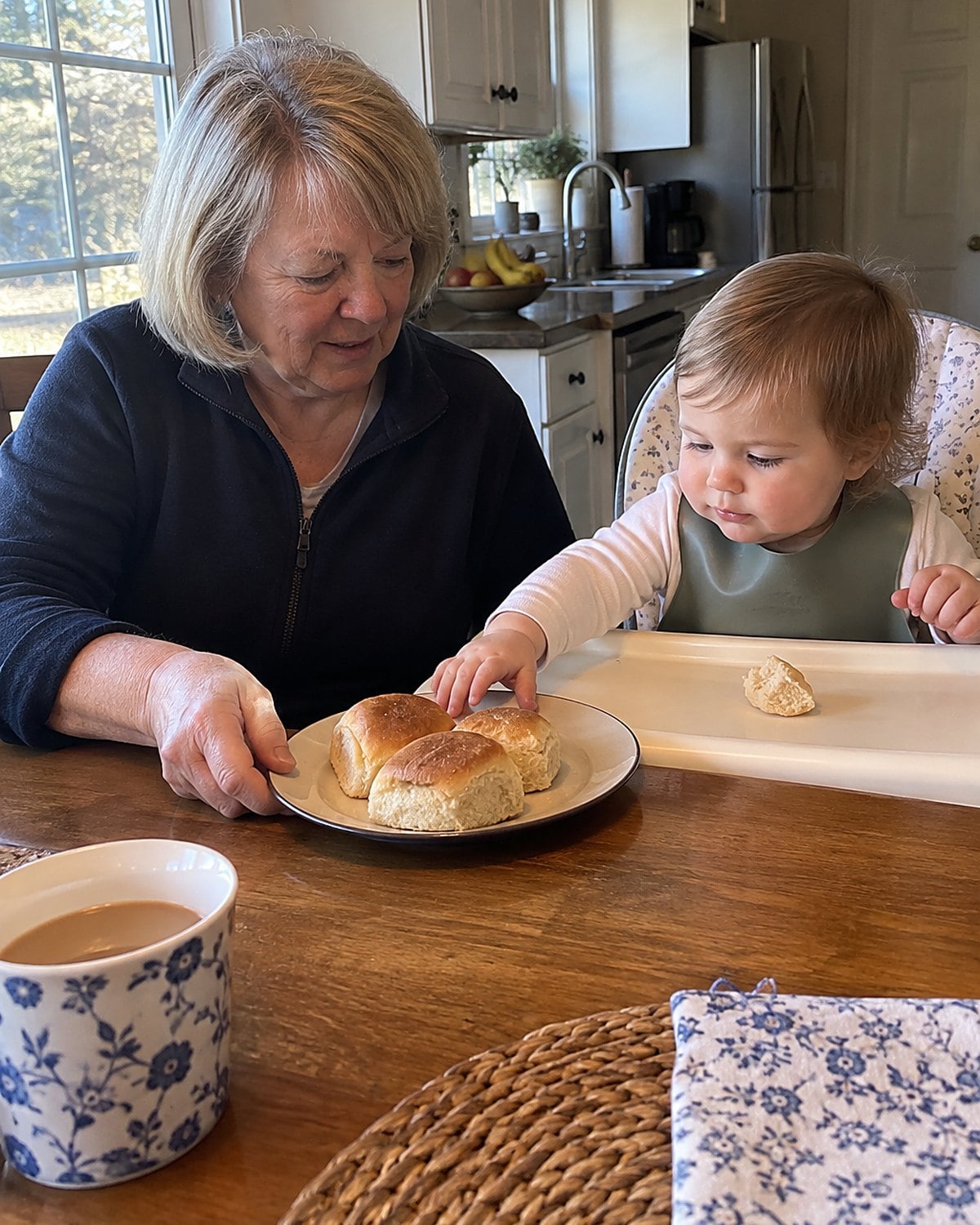
A grandchild comes in hungry, and you know exactly which snack will settle things. Ask the parent before you hand it over. Dinner belongs to this household's schedule now, including what goes into the high chair.
You still have a role. Wash small hands at the sink. Cut the roll the way the parent asks. Take the child to see the leaves outside while the host finishes the gravy. Those jobs matter, and they keep the stove area clear.
If a child won't touch the new sweet potatoes, let it pass. A holiday table is a poor place to make someone defend a dish. Offer a familiar food that's already on the table, then return to your own plate. The host doesn't need a review delivered through a grandchild.
#7 The pie cooling by the window
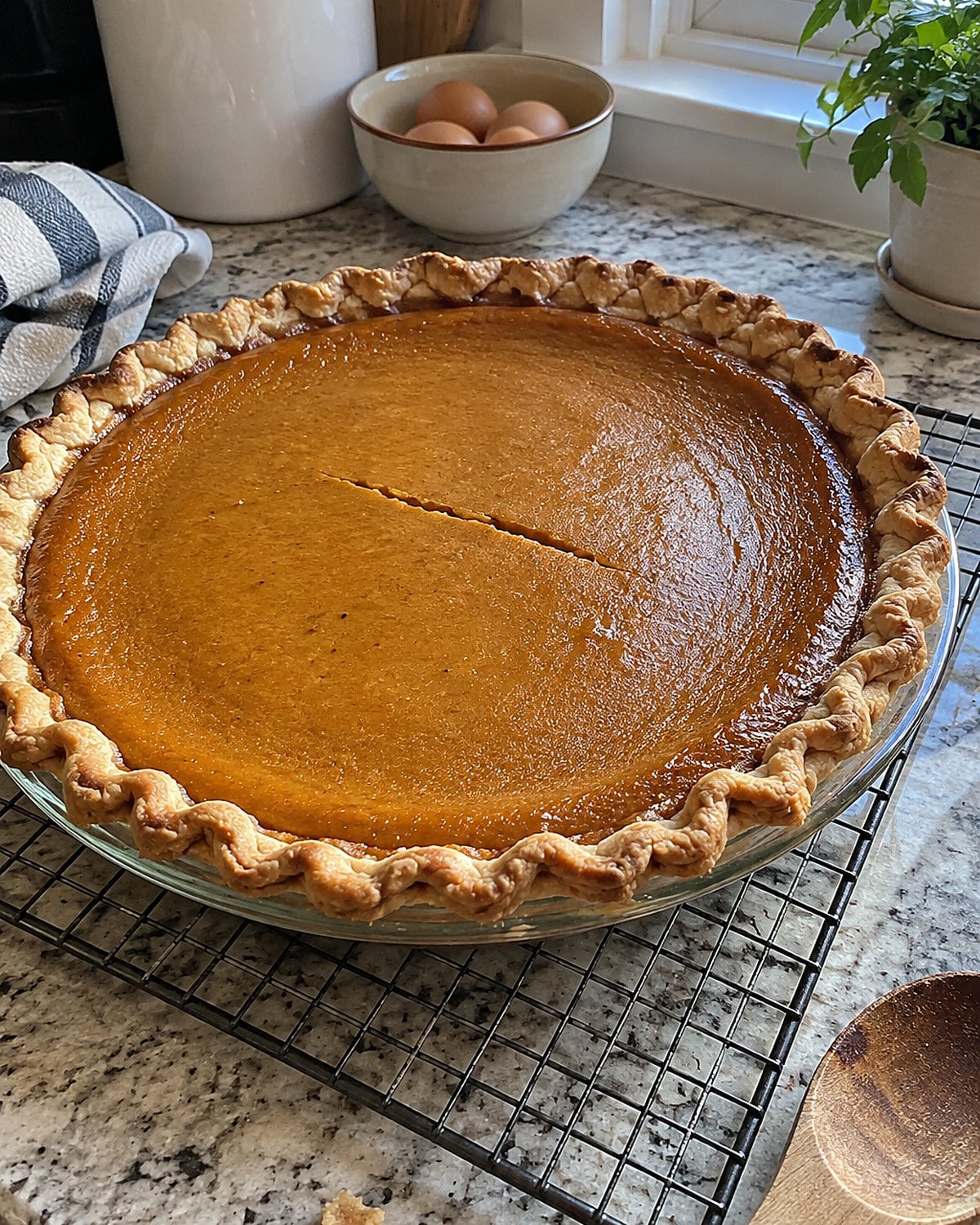
A pie by an open window looks like a holiday painting. It also raises a plain question: what's in it? Fruit pie and pumpkin pie don't have the same storage needs.
USDA Food Safety and Inspection Service says pumpkin and other custard pies belong in the refrigerator after cooling. If you bring one, make fridge space part of the plan. Don't leave it on a sideboard all afternoon because the counter is crowded.
Set the pie where the host directs it, away from curious hands and the edge of the counter. When dessert comes, ask whether she wants help slicing. A knife dipped in hot water and wiped dry between cuts gives a cleaner slice of custard pie. One useful job is enough.
#6 The cake stand after the plates
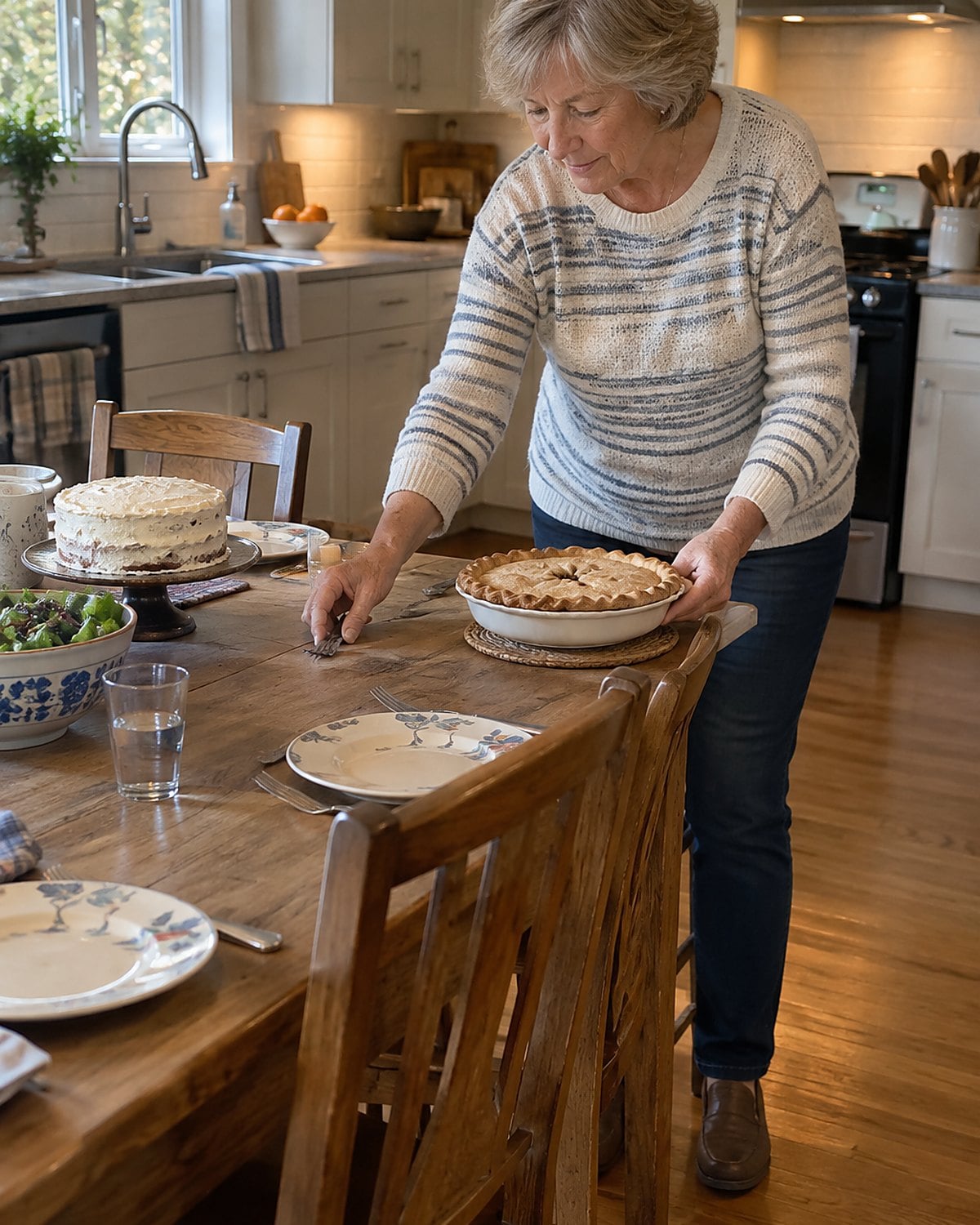
Dinner plates are still out, and somebody puts a cake stand on the table. You start reaching for the pie knife because dessert used to be your cue. Then the host says she'll bring coffee first.
Let her.
Ask where she wants the desserts, not when she plans to serve them. If you brought pie, tell her which one needs refrigeration and which container belongs to you. Then sit with the people you didn't have time to talk to while dinner was being made.
If she'd like help, take the practical end of it. Clear a patch of counter, find clean plates and carry the cream from the fridge. Dessert doesn't need an assistant director. It needs forks, space and somebody willing to wash the sticky knife afterward.
The cake stand looks different in her hands. It still holds the pie.
#5 The table setting with new napkins
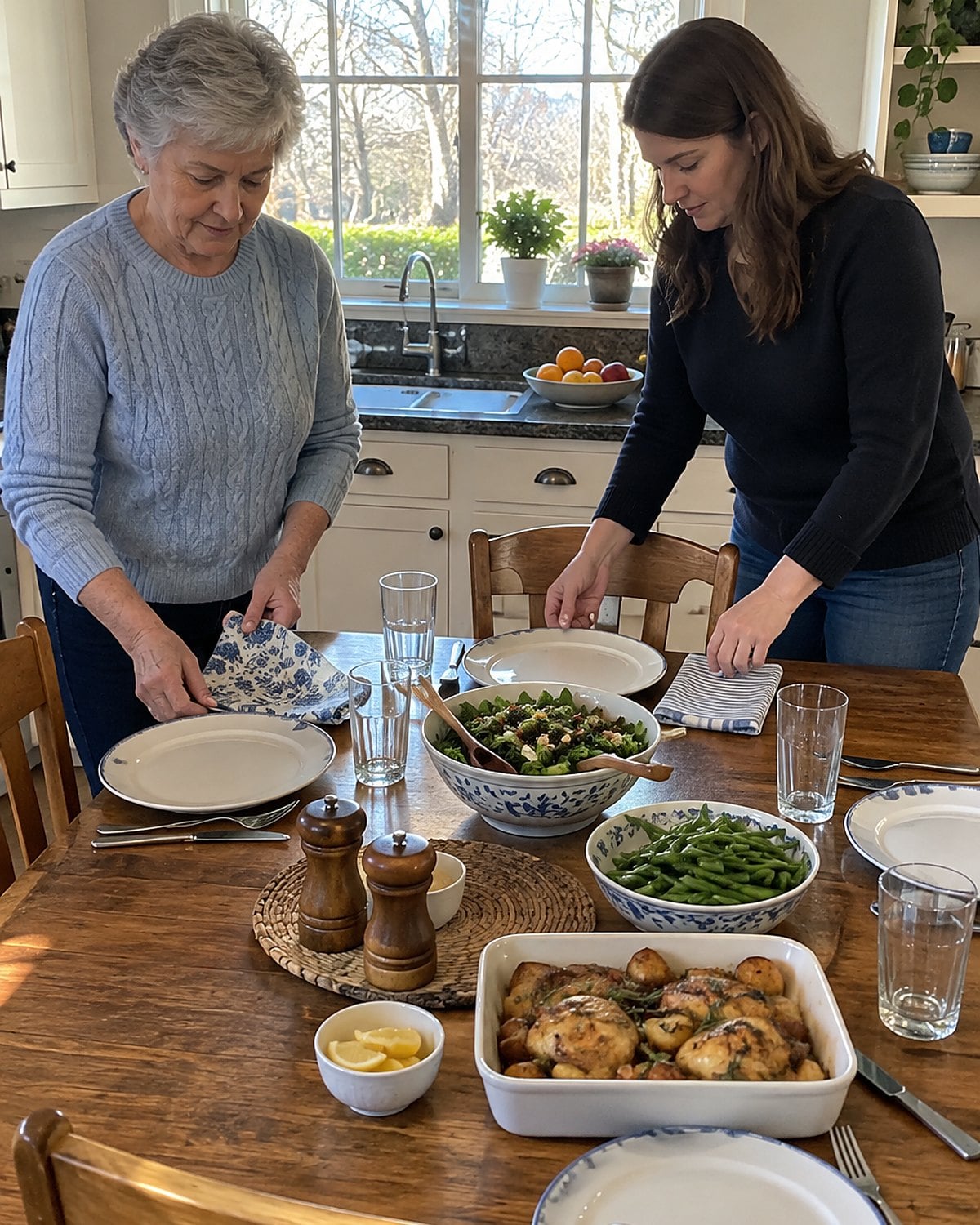
You set Thanksgiving tables for years without asking where the forks went. Now you're looking at napkins you didn't choose and wondering whether to move the glasses. Ask the host if she wants the table set. If she does, follow her plan.
A place setting doesn't have to match the one your family grew up with. The little bowls for cranberry sauce, the extra water pitcher and the child's seat near the end of the table all have reasons. Find out what she's planned before you rearrange anything.
If she says it's handled, carry the water pitcher when it's time. You'll still be part of getting dinner onto the table. The napkins can stay exactly where she put them.
#4 The sink after everybody eats
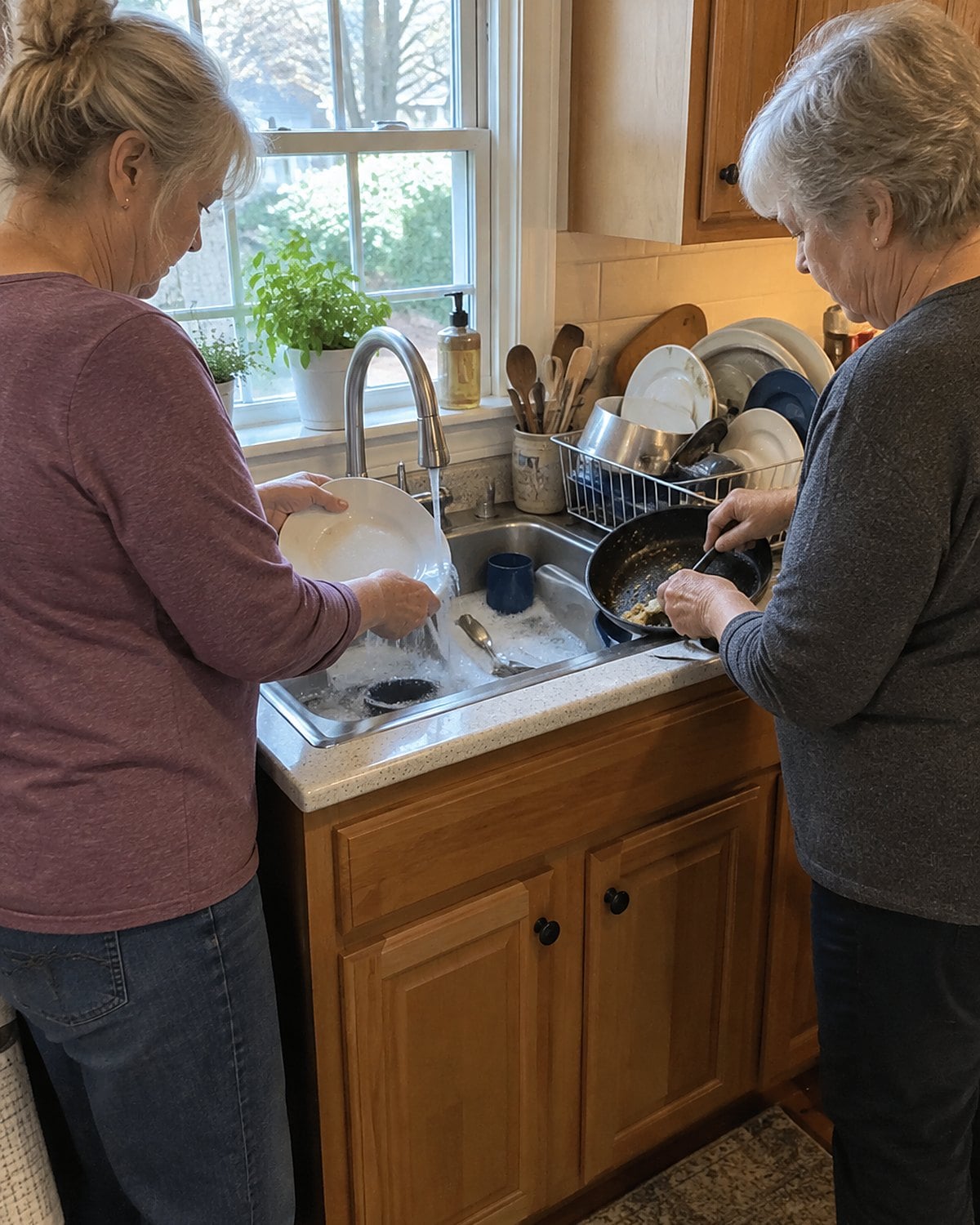
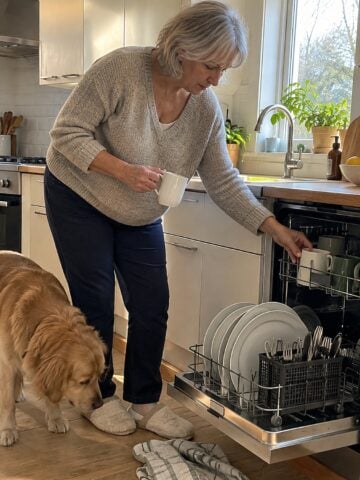
After dinner, the sink fills in layers: plates, serving spoons, the pan nobody wants to lift. You know how much work is coming. This is a good time to offer a task with a clear end.
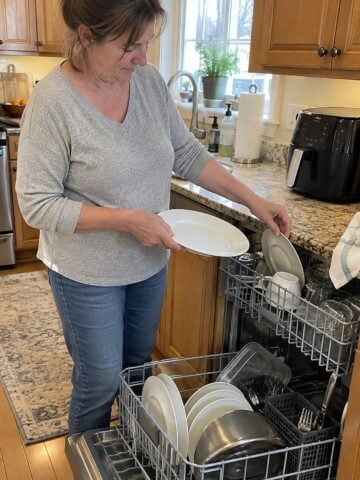
“I'll clear the plates and load the dishwasher. What stays out?” gives the host control of her own cleanup. Ask which pans need hand-washing before you soak them. Don't put a wooden board in the dishwasher or scrub a seasoned cast-iron pan with a surprise plan of your own.
Work beside her rather than reorganizing her cabinets. Stack clean dishes where she asks. Leave the leftovers for whoever is portioning them. If she says to stop and have coffee, stop. She's allowed to decide that the pie dishes can wait.
You'll know you've helped when she doesn't have to search for her favorite spoon tomorrow.
#3 The coat rack before you leave
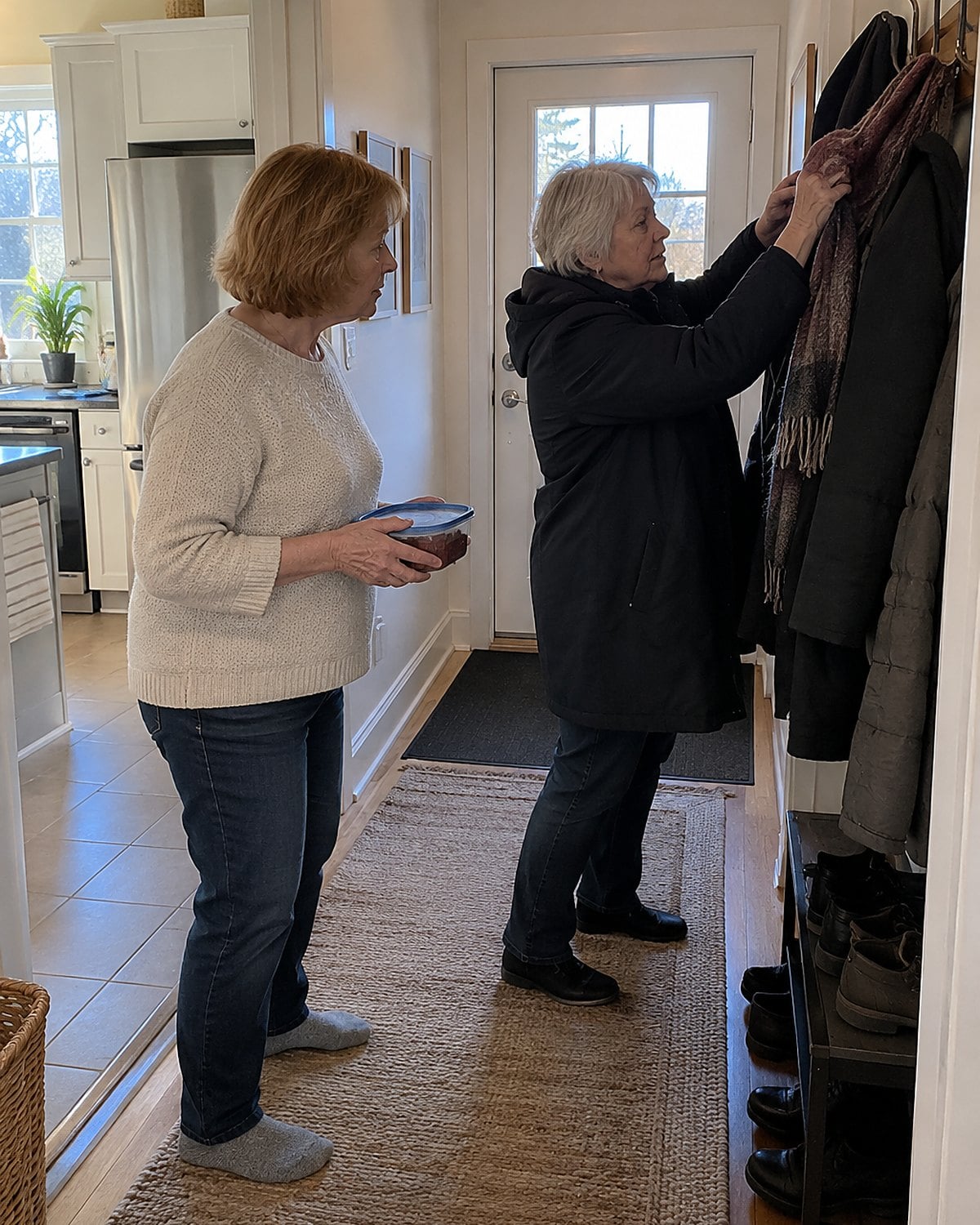
The room is warm, the children are tired, and your coat is on the rack. Before you go, ask one small question: “What should I take home?” The answer could be your baking dish, a container of turkey or nothing at all.
Don't start packing food while the host is seeing someone else to the door. Leave the containers where she put them and let her divide what remains. If you brought a serving piece, check the kitchen for it without turning your search into a cleanup inspection.
Then thank her for a specific thing. Tell her you loved the crisp edge of the dressing or the way she made room for everyone. She has spent the day making choices. Let her hear that you noticed.
#2 The recipe card with the stain
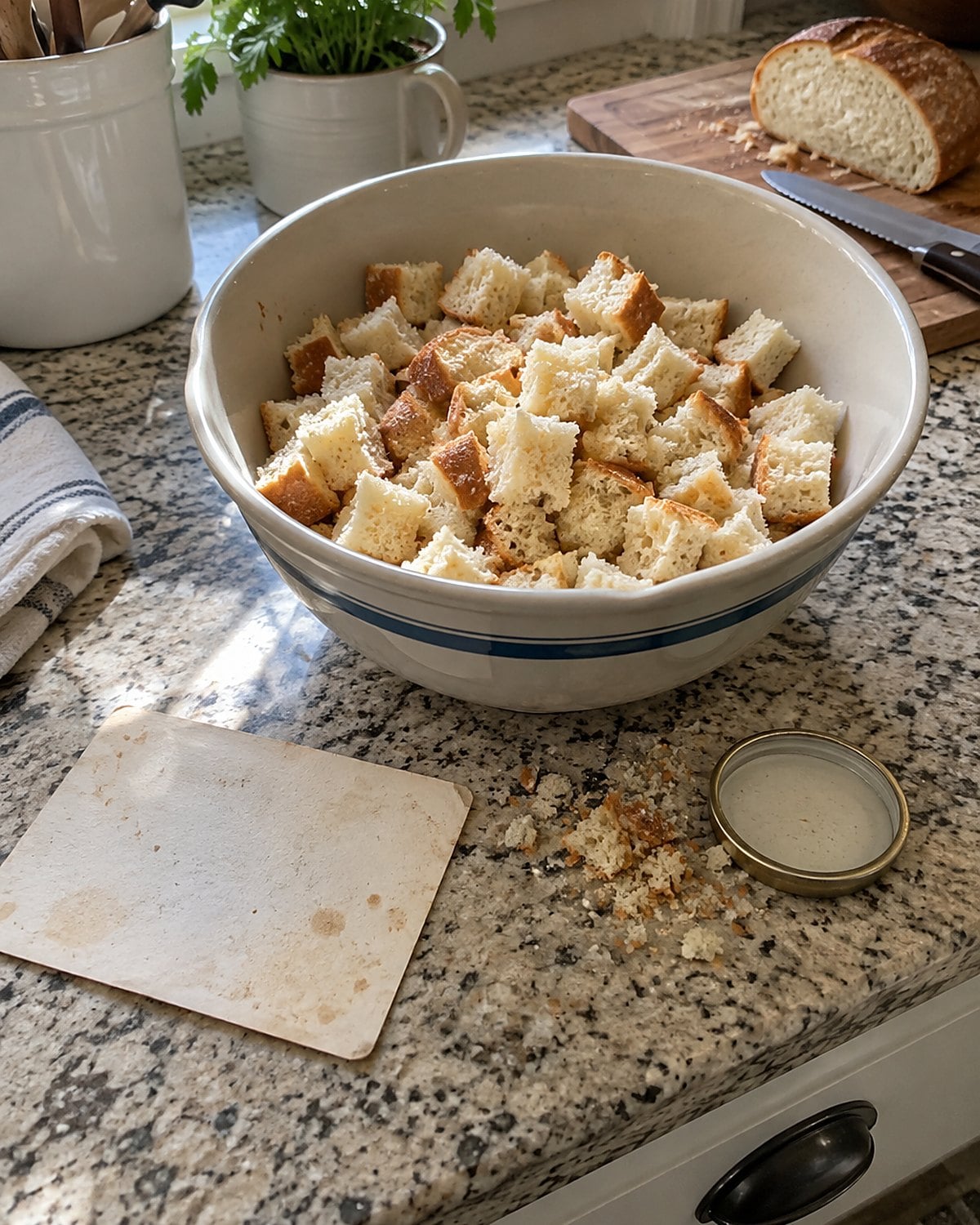
The old recipe card has a butter stain across the corner, and the new host wants to make the dressing next year. Hand it over. Tell her which line is hard to read and which part you learned by watching your mother cook.
A recipe needs more than its list of ingredients. Say what the bread should feel like after the broth goes in. Show her the spoon you use to judge the seasoning before it bakes. If you changed the recipe over the years, write that down rather than expecting her to guess.
Then let her make it. She'll use a different pan, and she might add an ingredient you never did. You don't have to approve each choice for the recipe to remain part of the family meal. You gave her the part she couldn't find in a cookbook.
#1 The handoff note taped inside a cupboard
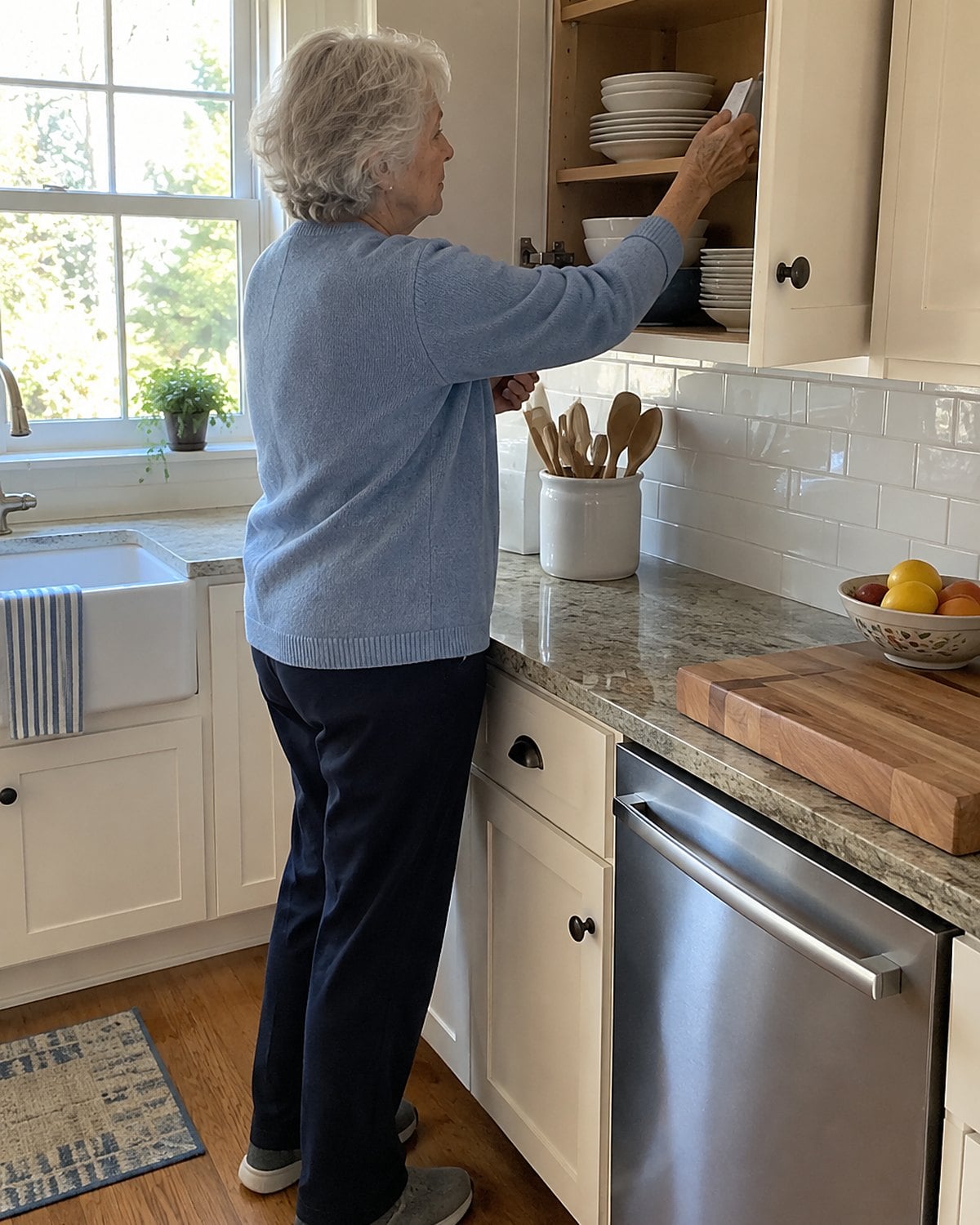
Before next Thanksgiving, write down what the new host actually asks you about. Keep it to a page she can use: who brings the rolls, which guest needs a ride, where the extra chairs came from and who owns the big roasting pan. Add the recipe details that never made it onto a card.
Give her the note. Don't arrive next year with it as a checklist for her performance.
The useful detail is the one that saves a phone call during the busiest hour. If she wants your turkey timing, tell her what size bird you cooked and remind her to use a thermometer. If she wants the name of the cousin who always brings ice, give her the number and let her make the call.
You spent years carrying those details in your head. Passing them on frees you to show up with the dish she asked for, pull up a chair and stay available when she needs you.
Keep reading
 25 Thanksgiving Habits From the Old Days That Food-Safety Experts Beg You to Drop
See all 25 →
More you’ll remember
 26 Things Home Cooks Over 60 Do on Thanksgiving That Chefs Would Never Do
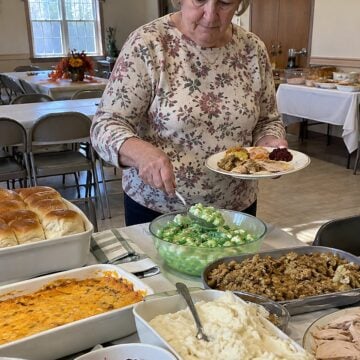 27 Thanksgiving Side Dishes From Church Suppers That Nobody Makes Anymore
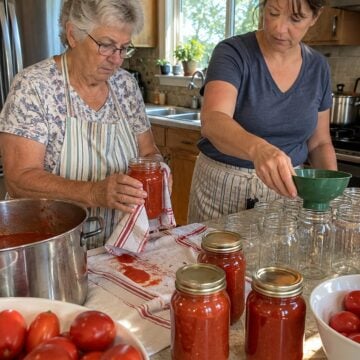 24 Holiday Shortcuts Nobody at the Table Will Ever Notice
The bottom line
When someone else hosts, the oven, the guest list and the timing become theirs. Your experience still belongs at the table. It works best when you offer it in a form they can use.
The well-prepared version of you has asked what to bring, packed it for the trip and left room for a different way of doing things. Which detail from your kitchen would save the new host a phone call next year?

Leave a Reply