

The market tomatoes smell like the ones you remember. Then you see the price card and reach for your wallet anyway. Back home, a supermarket receipt curls beside the fruit bowl. You meant to compare the two, but dinner got in the way.
A farmers' market isn't one price category. A crowded harvest crate, a tiny clamshell, and a jar with a hand-lettered label all carry different costs. The trick is to know which one belongs in your basket tonight, before the smell of basil makes the decision for you.
#27 Strawberries in a little clamshell
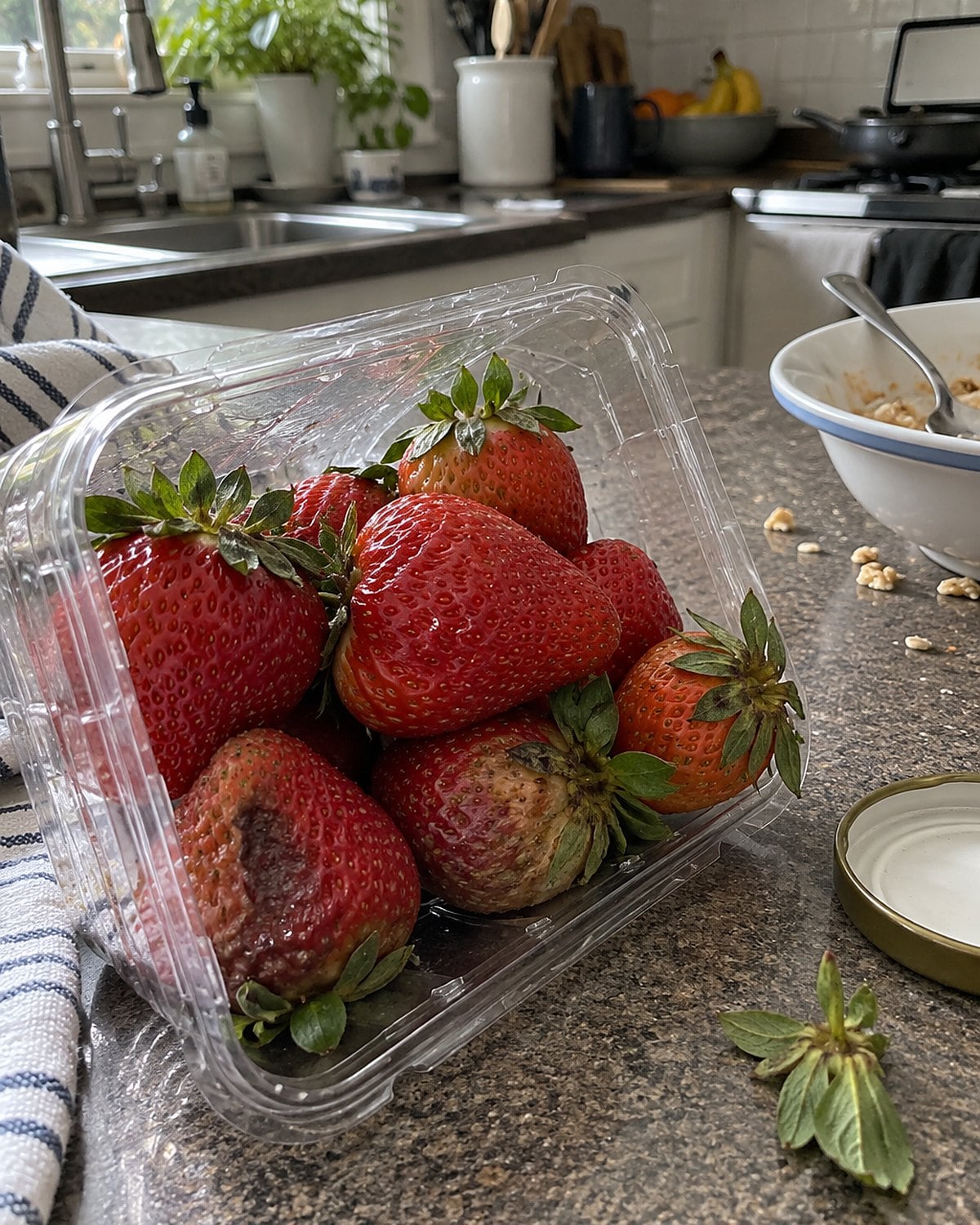
Those berries look like Saturday breakfast with the grandchildren. Lift the clamshell before paying. If the fruit barely covers the bottom, compare its weight with the supermarket package, not the price written on the stall card.
Early berries also carry a different price from fruit arriving in the thick of the local harvest. The USDA's Seasonal Produce Guide helps you identify the season, but the signs in front of you settle the bill.
Turn the container over and look for crushed fruit or juice. A bargain disappears when half the berries go straight into the compost.
For a small household, though, a little box you finish beats a larger box you forget behind the milk. Buy the amount that fits breakfast, then let the price per ounce tell you if it's a treat or a deal.
#26 Loose summer squash beside the scale
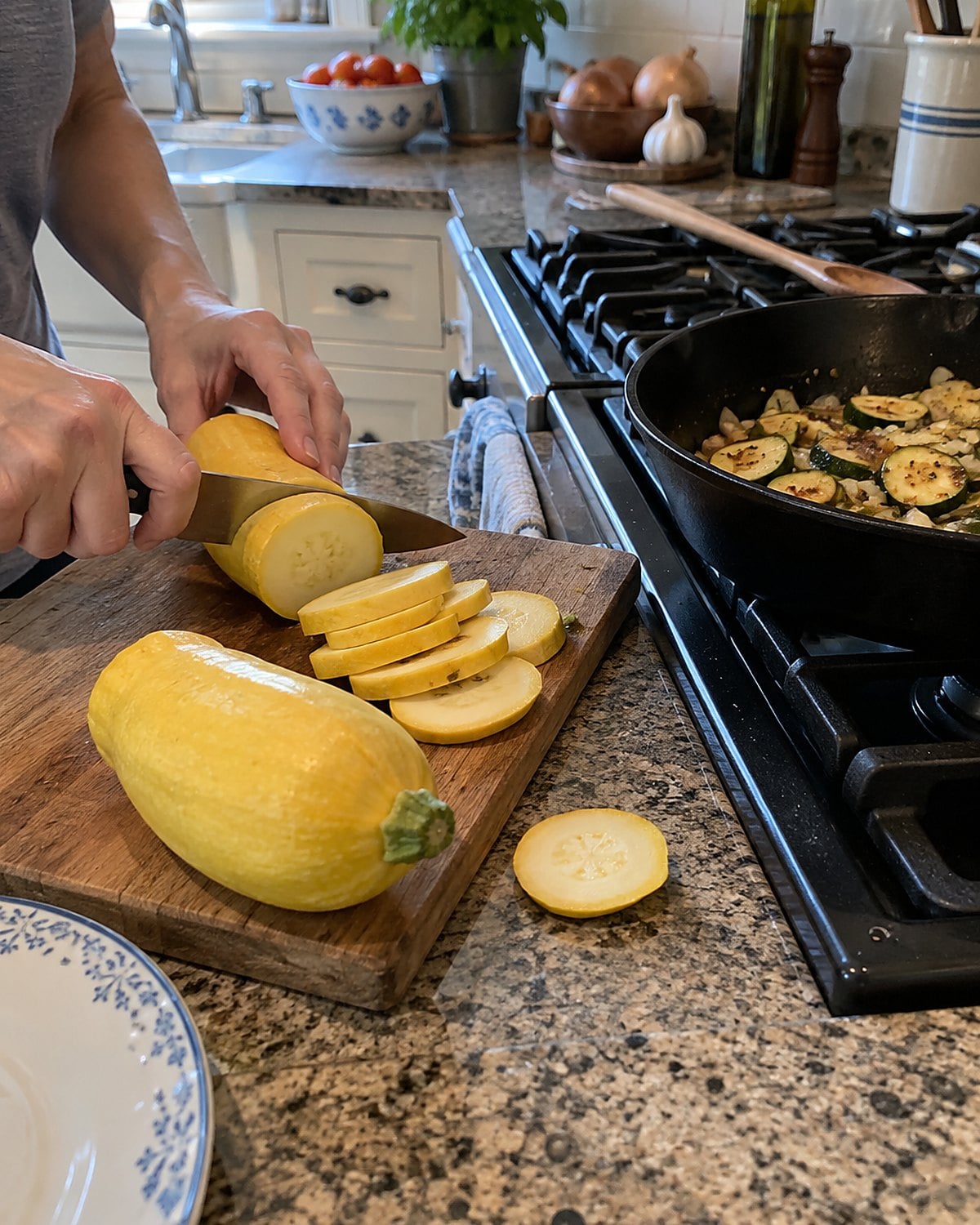
A supermarket pack ties your dinner to someone else's count. At a market stall, you can ask for one zucchini and one yellow squash. That matters when only two people are coming to dinner.
Peak-season squash sometimes costs less at the market because the grower has crates of it. Sometimes the supermarket beats it with a produce promotion. Both statements fit on the same shopping trip. Read the price per pound before you hand over the bag.
Choose squash that feels firm for its size and has no soft spot near the stem. Large zucchini deserves its own question: will you grate it for fritters or bread? If not, take the smaller one.
Seeds grow tougher as zucchini gets oversized, and the extra weight isn't buying you a better skillet supper. At home, cut it into broad pieces and brown it without crowding the pan. Dinner, rather than a forgotten vegetable drawer, is the return on that purchase.
Try it: Healthy Air Fryer Zucchini Fries
#25 Fresh herbs tied with string
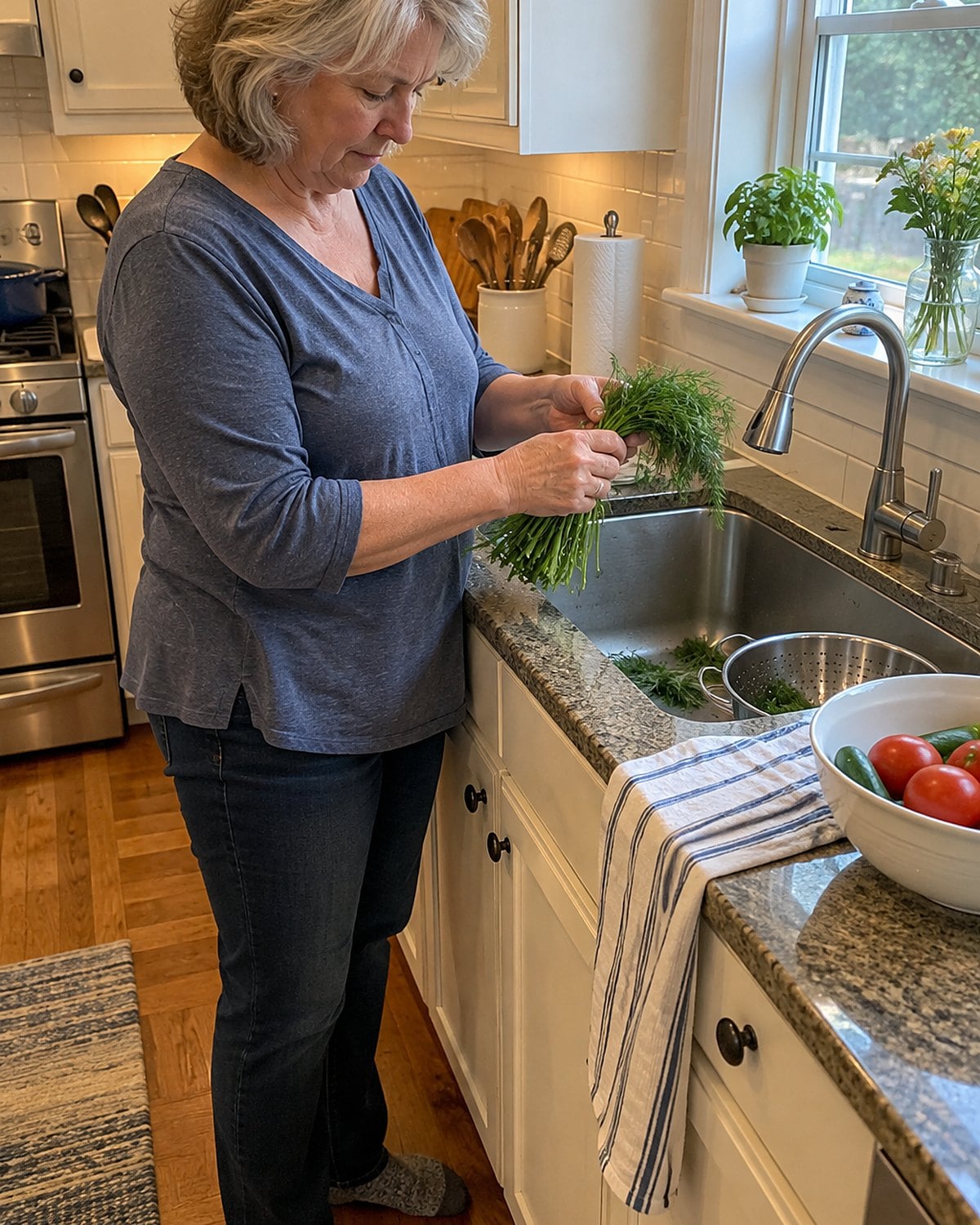
Do you need a whole supermarket plastic box of dill for the potatoes tonight? Ask the grower how the herb bunches are priced, then look at how much you'll actually use.
A generous market bunch can beat the box on price per ounce. It can also leave you with more parsley than a two-person kitchen needs. Pinch a leaf and smell your fingers. Bright scent tells you more about dinner than a bushy-looking bundle with tired stems.
If you're buying basil for a pot of sauce, the large bunch has a clear job. If you need a spoonful of chives for eggs, check the smaller supermarket pack before you buy. Don't let the size of the bunch write next week's menu unless you want it to.
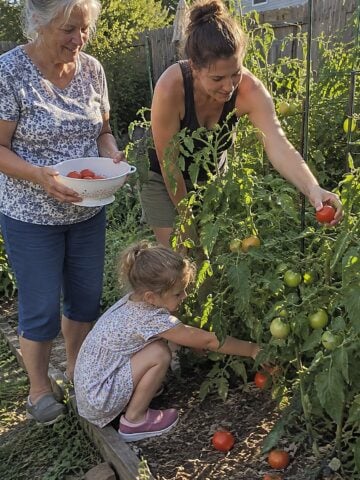
#24 A full tomato crate in August
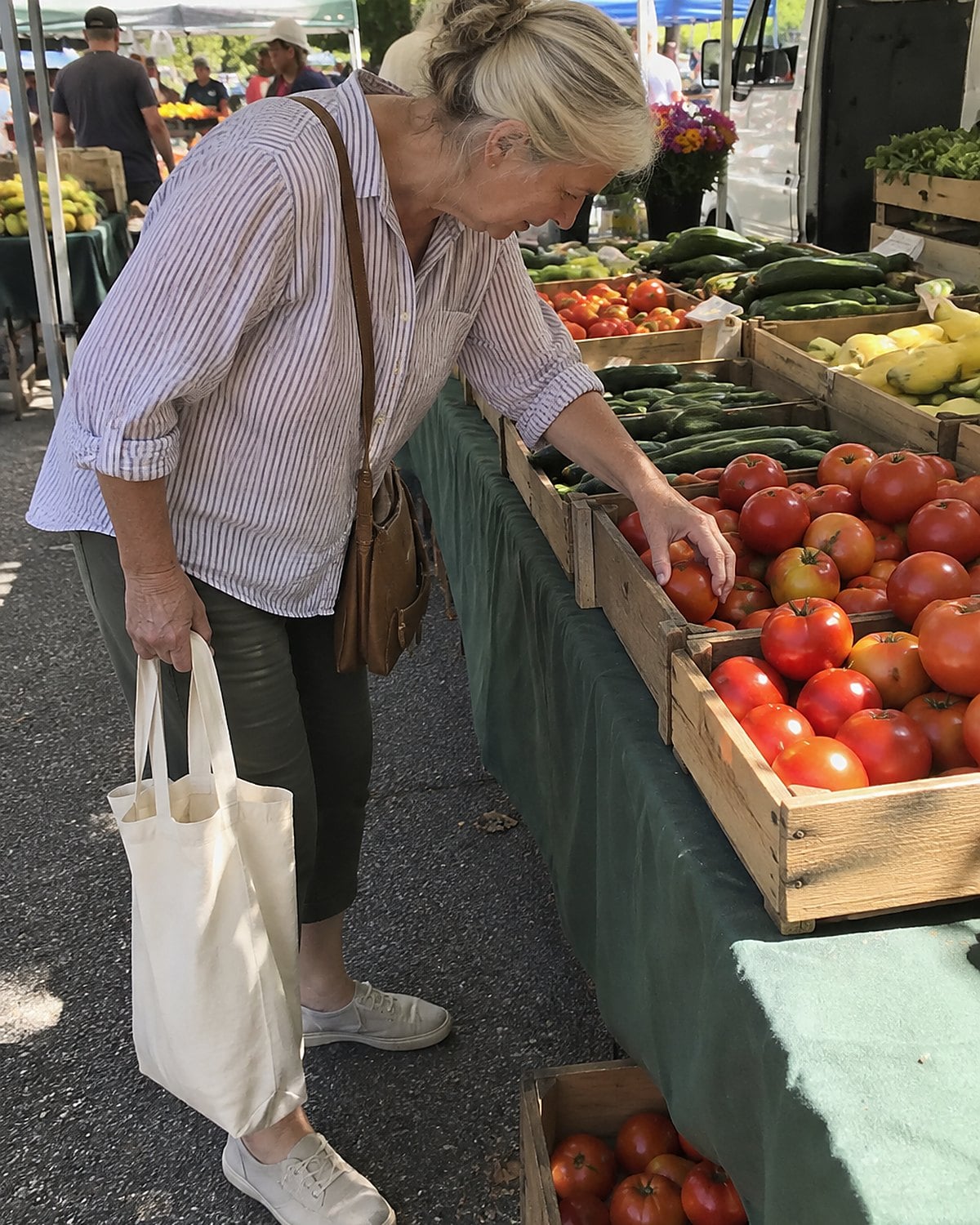
A tomato grower has a table of beautiful fruit and a crate underneath with split shoulders. Ask, “Do you have tomatoes for sauce?” It's a different question from asking for the prettiest tomato.
A cosmetic crack is no obstacle when you're cutting the tomato up tonight. Leave fruit with mold, leaking flesh, or a sour smell. Check the price per pound against the supermarket's cooking tomatoes. If the grower offers a cheaper box, ask how much it weighs before you agree.
Then give yourself an honest assignment. A large box needs a pot, a knife, and time. Cut away damaged parts and cook the sound tomatoes for a sauce you'll use promptly or freeze.
Don't improvise shelf-stable canning with a family recipe. Tomatoes vary in acidity, and safe canning instructions specify acid and processing steps. The National Center for Home Food Preservation has tested directions.
The market bargain sits in the sauce pot, not in the box waiting by the back door.
Try it: Instant Pot Tomato Basil Sauce
#23 Peaches still firm at the stem
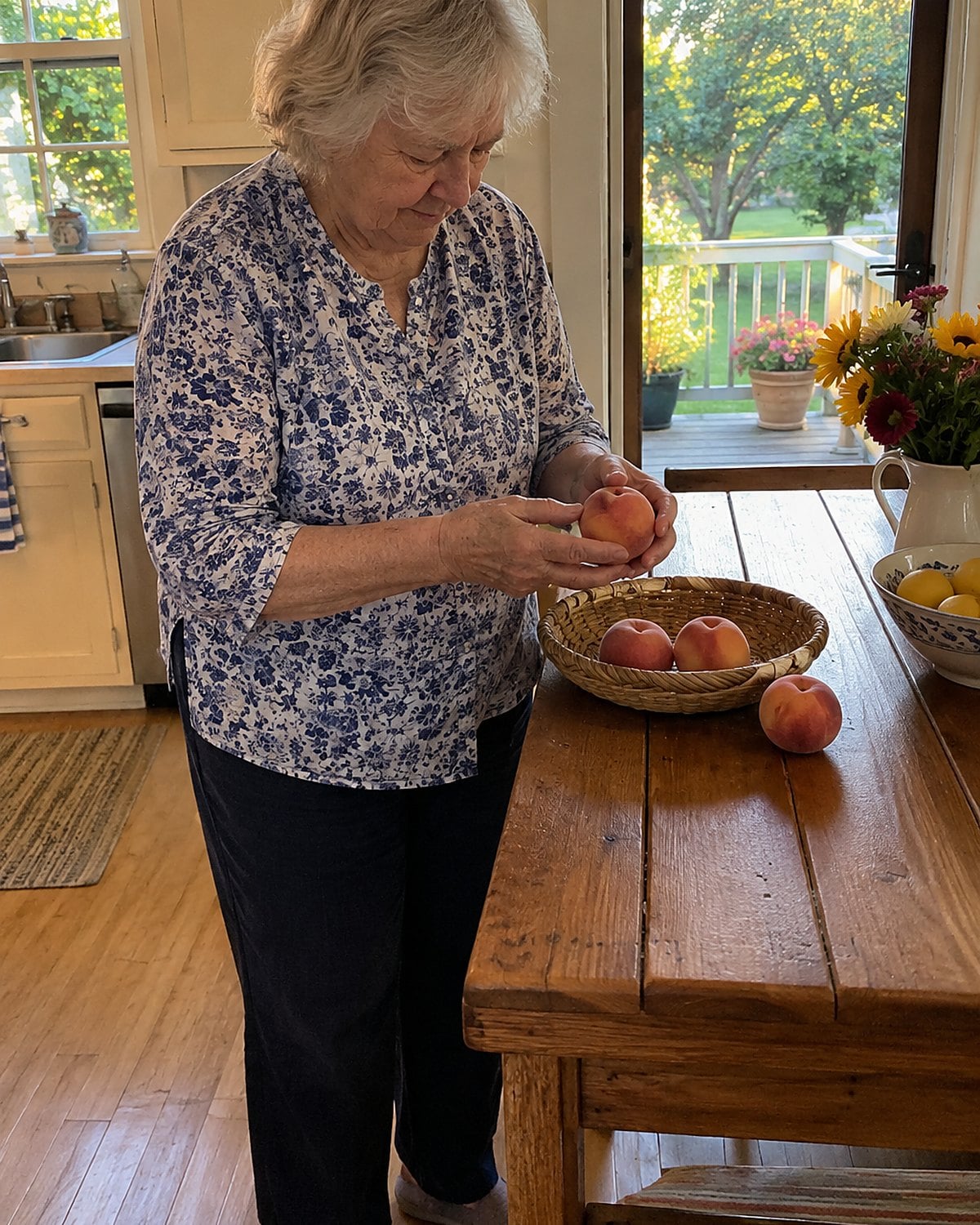
The peach stand draws a crowd because ripe fruit has a smell no hard supermarket peach can imitate. Still, count the people at your table before filling a bag.
Ask which peaches are ready today and which need more time. Press near the stem with your palm, not a fingernail. Fruit that gives under heavy pressure belongs in tonight's bowl. For baking later, choose sound fruit with a little more firmness.
Compare by the pound, then consider what you'll lose to bruising. A lower market price means little if you buy a heavy bag and the bottom fruit gets crushed in the car. Spread peaches in a shallow basket for the ride home.
If the market price is higher, buy the ones you want to eat fresh and leave the cobbler-sized haul for another week.
#22 A bag of local apples
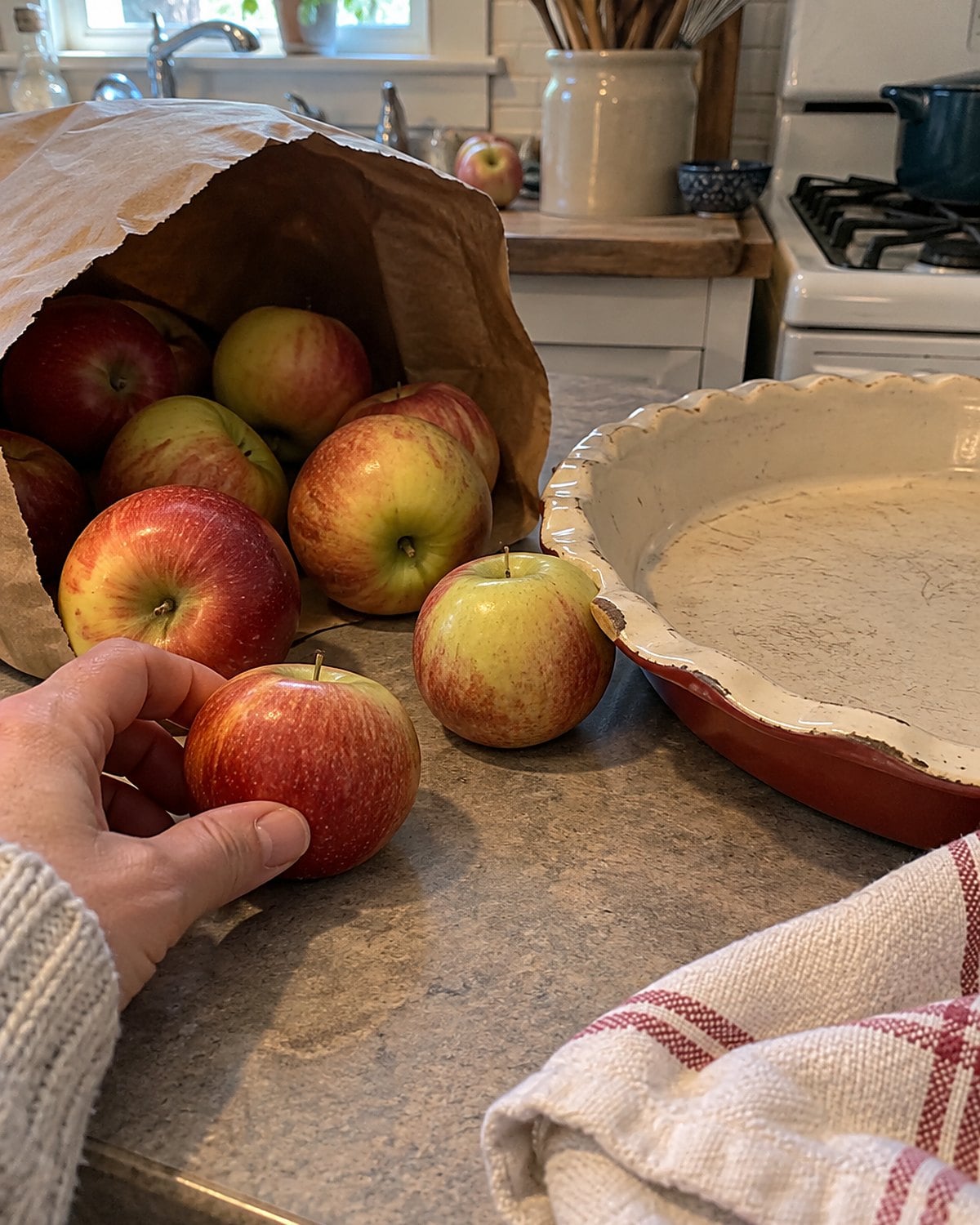
Autumn apples give you a clean price comparison because both sellers commonly post a price per pound. Read the sign, weigh your bag, and keep variety in the picture.
A supermarket promotion on familiar apples can undercut a market grower. The grower might beat the store on a variety piled high after harvest. Ask which apples hold their shape when baked. That answer is worth more than taking home a bag that turns to mush in the old church cookbook's pie.
Inspect the bottom of a prefilled bag if the seller allows it. Bruised apples are fine for immediate cooking once you cut away the damage, but don't pay storage-apple prices for fruit you must use tonight.
The market wins when the variety, condition, and price match your plan. A printed “local” sticker alone doesn't do that work.
Try it: Instant Pot Apple Butter
#21 Green beans in a paper bag
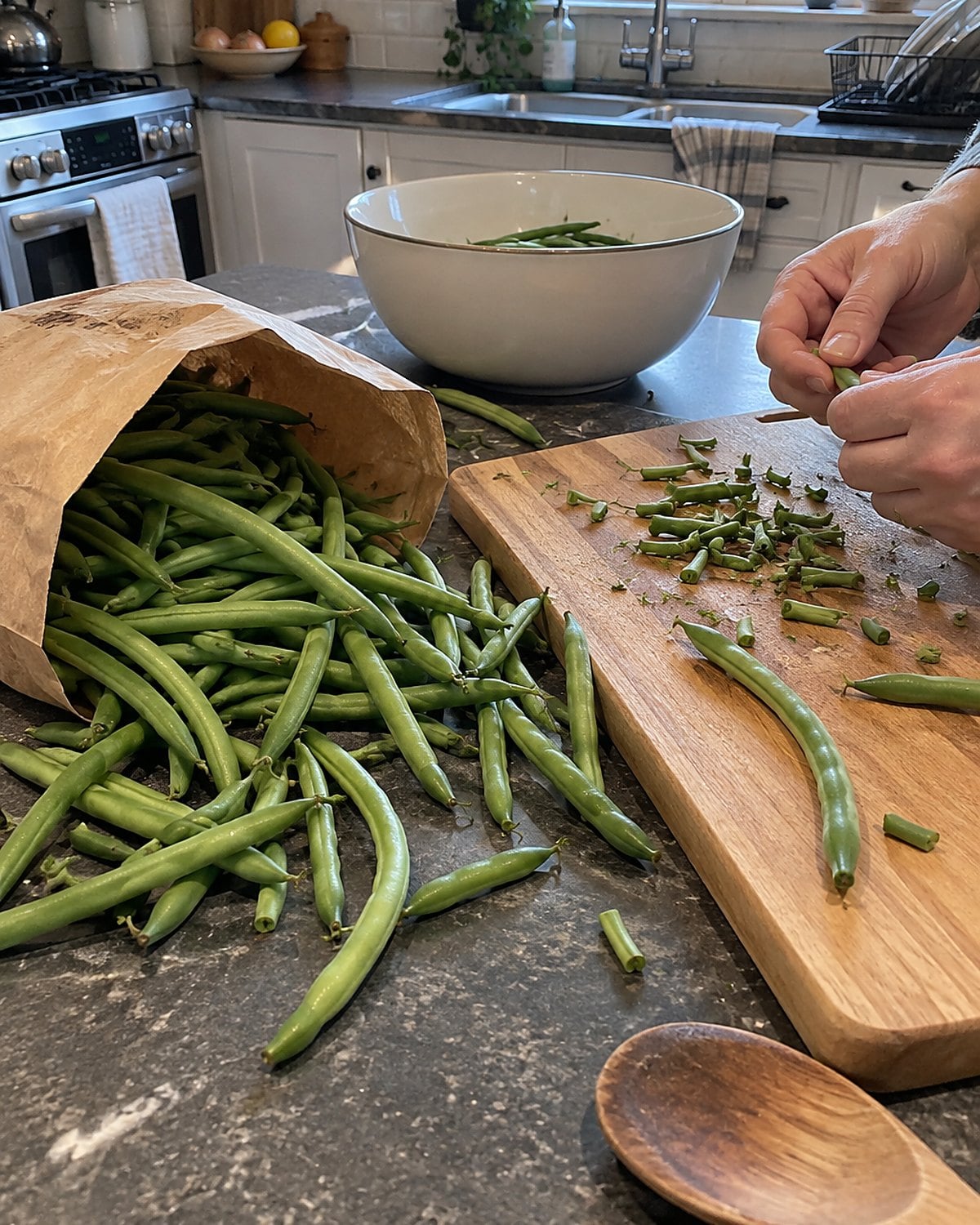
A fresh bean should snap. Bend one at the stall; a limp bean won't snap back.
During a heavy harvest, loose market beans can cost less than the supermarket's trimmed bag. That bag, though, saves prep. Decide which job you're buying. If your hands and knife are ready after supper, loose beans are an easy side. If dinner has to start the minute you walk in, the prepared bag has value too.
Before paying, peek inside the paper bag for damp, spotted beans. At home, trim the stems and cook just until the beans lose their raw bite. Toss them into the pan with the onions after the onions soften.
If you have a child at the table who likes to help, hand over a colander and let them find the stems. You'll learn how much work the bag holds before supper. The market price matters most when you'll eat the beans while they're still crisp.
Try it: Instant Pot Green Beans With Butter & Pepper
#20 Eggs in a recycled carton
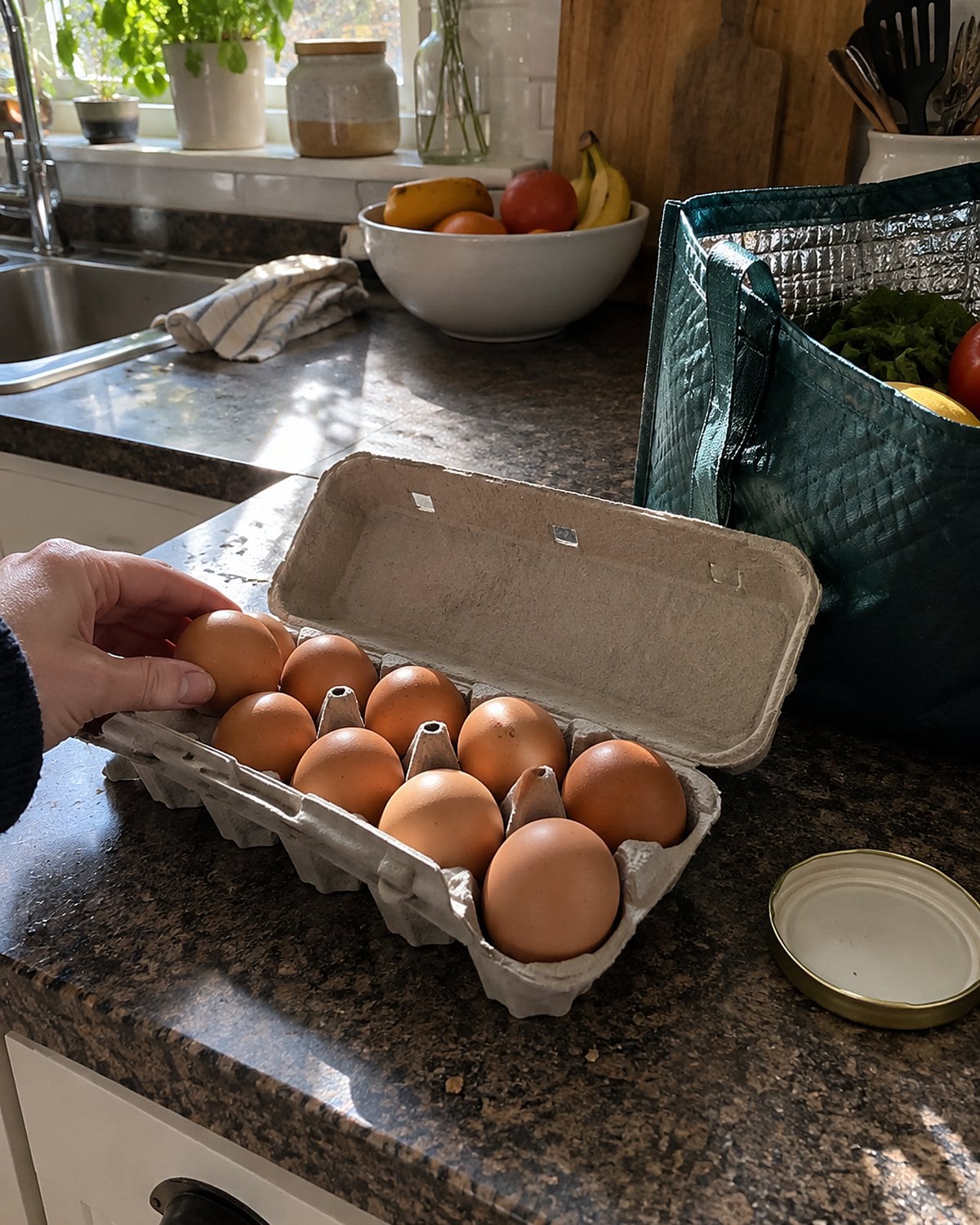
A carton at the market tells you surprisingly little until you ask questions. “How many eggs are in here, and what size are they?” is a perfectly ordinary thing to say at the stall.
Supermarket eggs have standardized size labels. A dozen large eggs and a dozen mixed-size farm eggs aren't a straight comparison for baking. For scrambled eggs, size matters less than the total cost and the eggs you'll use. Open the carton and look for cracks before you pay.
Refrigeration matters too. Follow the FDA's egg safety advice on handling and cooking eggs; a story about the hens doesn't replace it. If you're heading to another stop in hot weather, think about getting eggs last.
Farm eggs are frequently a purchase you make for the farmer and the eggs themselves, not a sure way to lower the grocery bill. Compare the carton with the store's price for the same size and type. Then decide without pretending every market purchase has to be a bargain.
#19 Sweet corn piled beside the truck
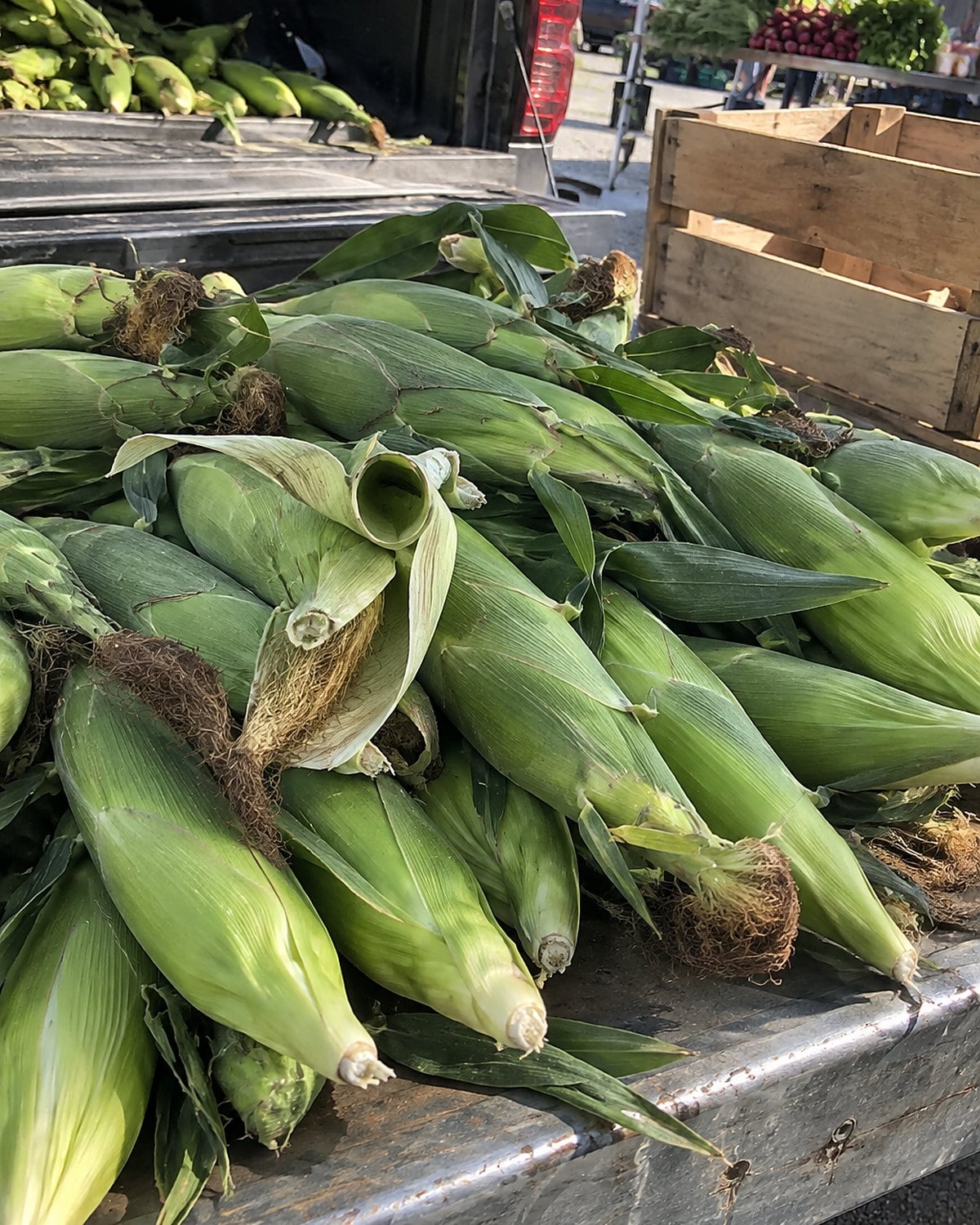
Does the sign price corn by the ear or by the bundle? Ask before you start filling the bag.
In local corn season, growers moving a large harvest have a reason to price ears competitively. Supermarkets also run corn promotions. Count the ears each price buys, and don't let a big stack stand in for arithmetic.
Peel back only a bit of husk if the stall permits it. Look for full kernels near the tip and skip ears with obvious damage. Corn loses sweetness after picking as its sugars turn to starch, so the freshest good ear has value beyond its price.
Cook what you buy for tonight's table. The grandchildren aren't coming until Sunday? Buy Sunday's corn closer to Sunday.
Try it: Air Fryer Corn On The Cob
#18 Mushrooms sold in open baskets
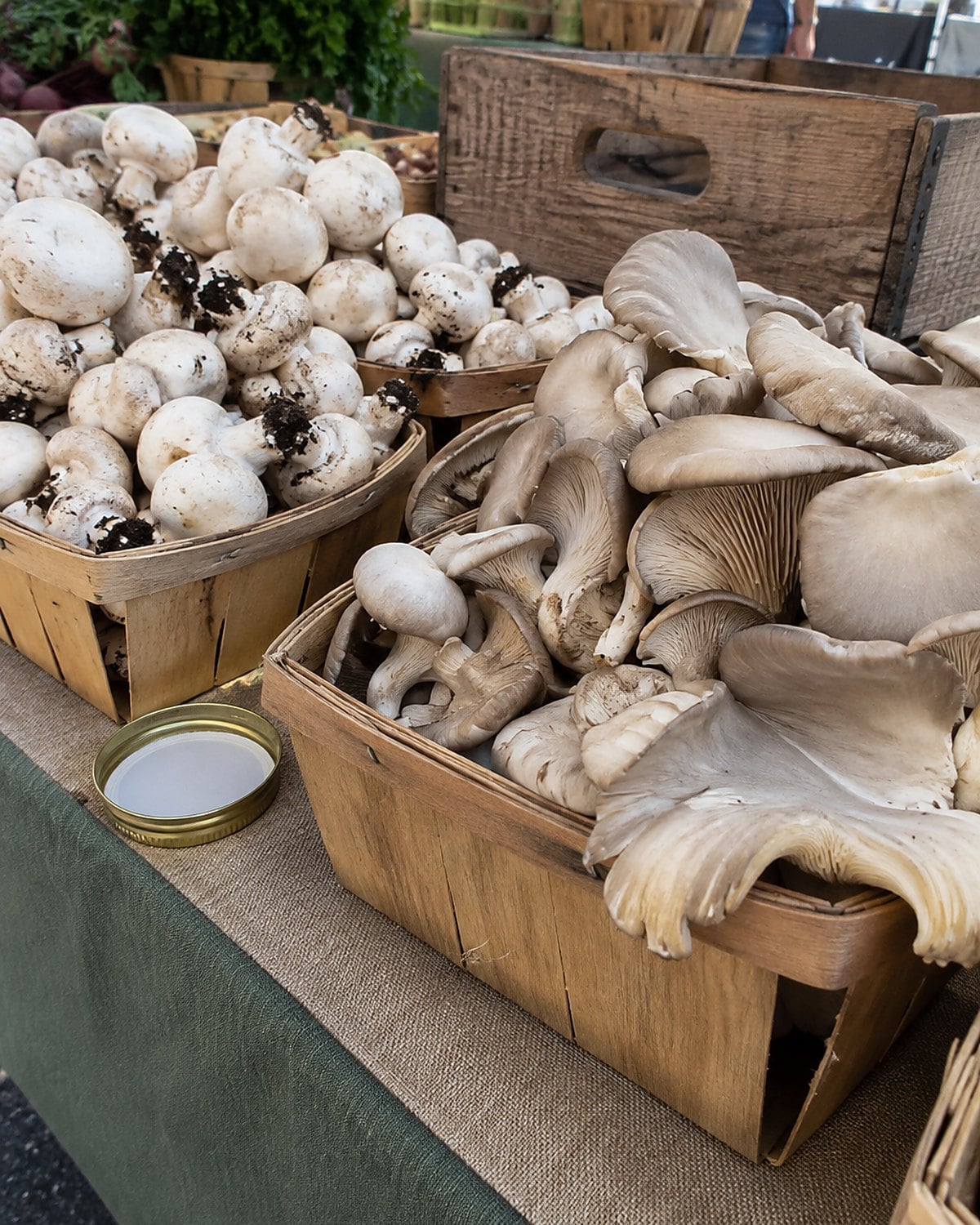
The mushroom stall smells earthy, and the baskets look far removed from the supermarket's sealed plastic pack. Price them by the pound before deciding the open basket is cheaper.
Store packages often show a package price that hides the comparison. The shelf label's unit price gives you a fairer measure. Then look closely at the mushrooms. Dry, firm caps beat slick ones; moisture trapped in a package can make mushrooms deteriorate. A market mushroom with dirt on it isn't a flaw you need to pay someone else to remove.
If you're making a skillet supper, brown mushrooms in a roomy pan before adding liquid. Crowding steams them, which throws away the texture you shopped for.
Specialty mushrooms belong in another comparison entirely: a basket of oyster mushrooms shouldn't be judged against a store pack of white buttons. Match type to type, inspect both, and buy only what will reach the pan.
#17 Bread wrapped in brown paper
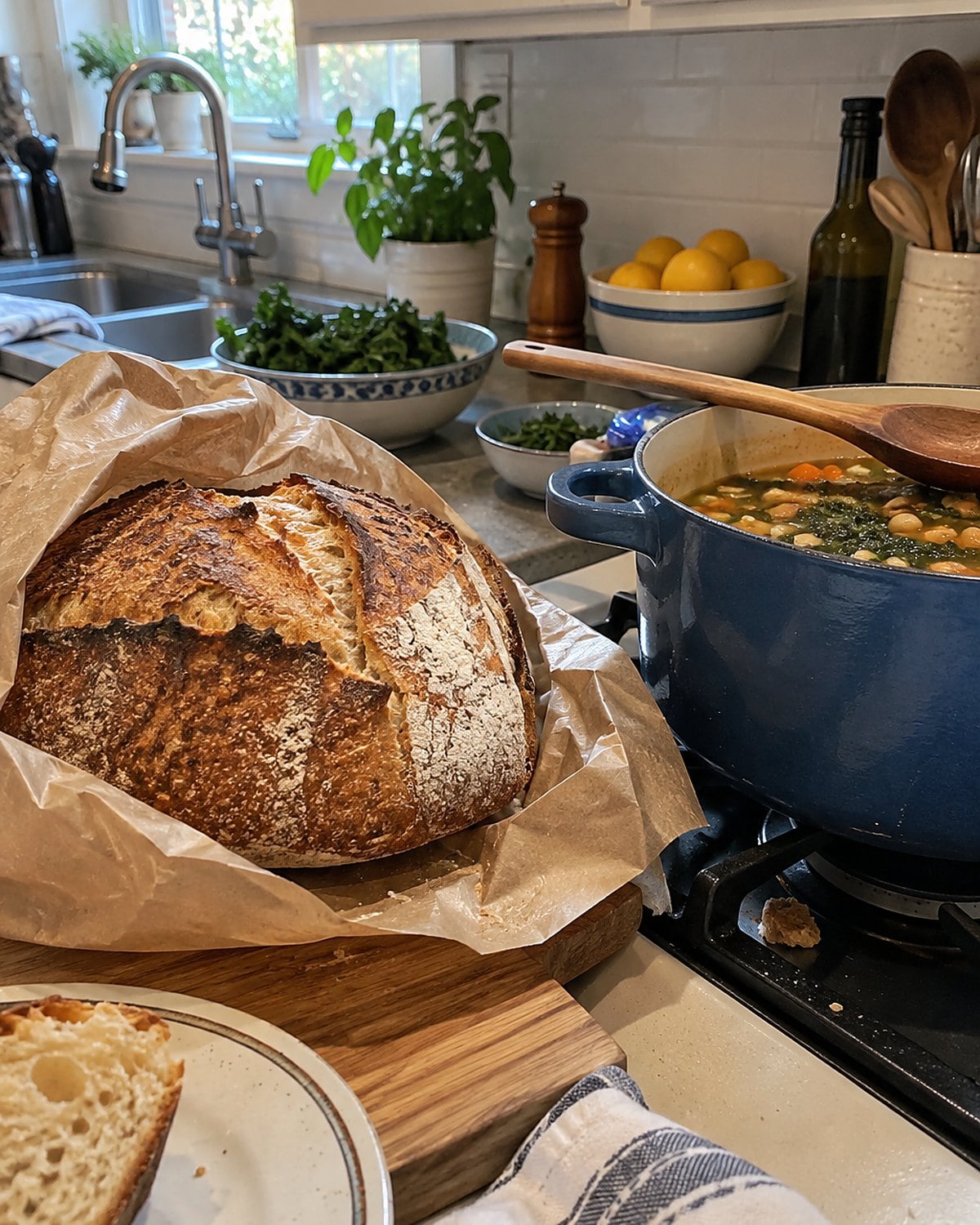
The loaf smells wonderful. That's a reason to buy it, but not proof it costs less.
Compare loaf size, flour, and ingredients before setting bakery bread beside a supermarket sandwich loaf. A small sourdough and a large packaged loaf do different jobs. Ask whether the baker sells day-old bread at a reduced price. That's where the market bargain sometimes appears.
Feel the bottom of the loaf through its wrapping. A dry, sturdy crust suits toast and soup; a very soft loaf deserves a plan for the next meal. If dinner is tomato soup and you want two thick slices, buy for that dinner. Don't make a special loaf carry the burden of beating every supermarket bread price.
#16 Last-hour crates under the stall
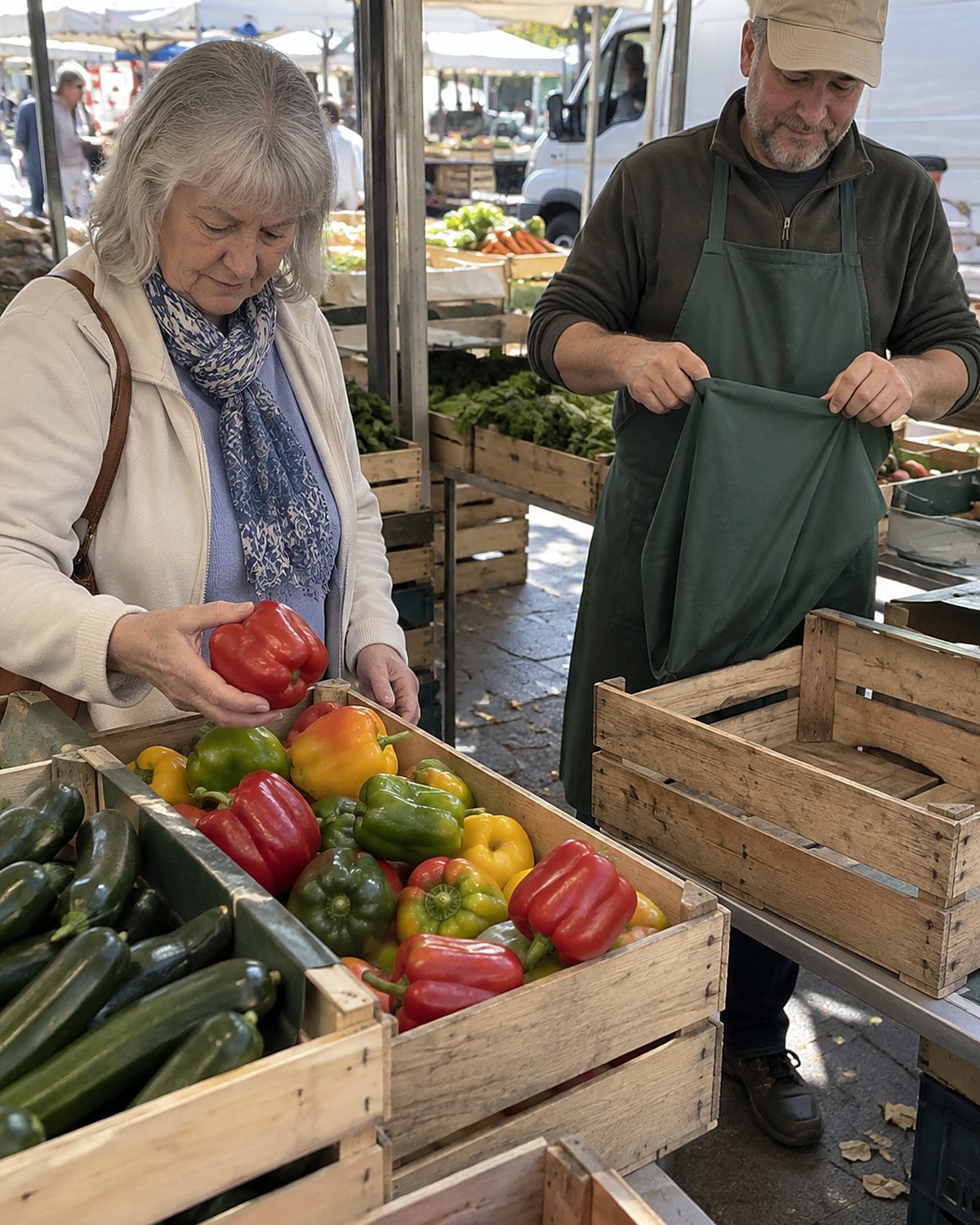
Near closing time, some growers would rather sell ripe produce than load it back into the truck. That doesn't make every last-hour offer a bargain. The fruit needs to be sound enough for your plans, and the price still needs a comparison.
Look for a posted markdown rather than assuming the seller will offer one. A grower who hasn't marked anything down has given you an answer already. Check that reduced produce is ripe or oddly shaped, not moldy.
Keep your week in mind. If discounted peppers need roasting, will you turn on the oven when you get home? If the answer is no, buy fewer. A half-price box that sits on the counter has taken money from tomorrow's groceries.
Market timing also changes selection. Shop late for a chance at marked-down harvests; shop earlier if you need a specific vegetable for guests.
The choice matters when the market is your only stop. Arrive late for a particular vegetable, and you may leave without it. Arrive early for a markdown, and there may be none. There isn't one correct hour. There is only the hour that suits what you're willing to cook.
#15 Bell peppers with uneven shoulders
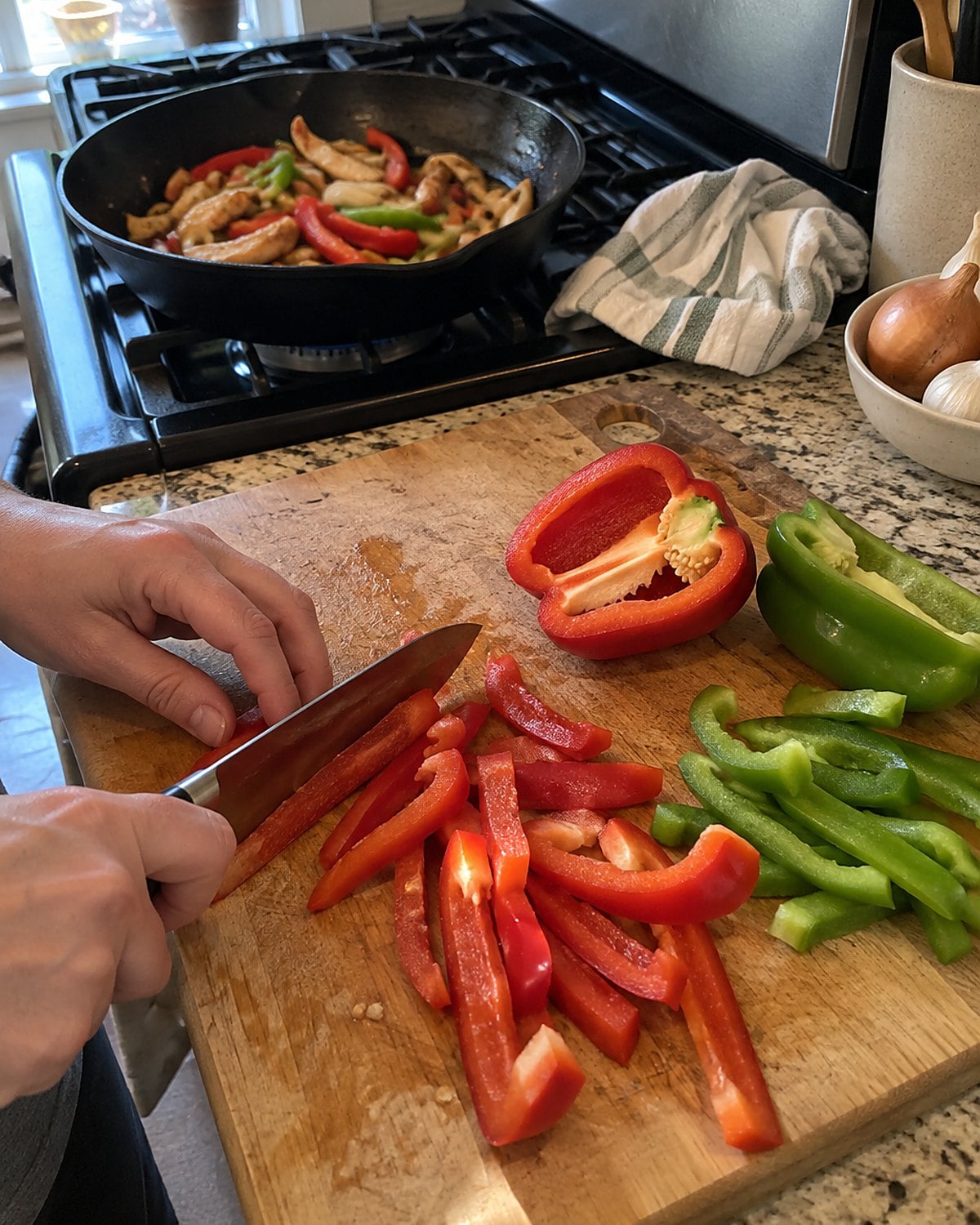
A crooked pepper slices into a skillet as well as a straight one. Growers sometimes sort imperfect-looking peppers into a lower-priced bin; supermarkets tend to charge for a more uniform display.
Check each pepper around the stem and base. Firm walls are what you want. A soft patch means the clock is running, and a wet, collapsing patch is a reason to leave it behind. Ask whether the lower price applies to the whole bin or only certain peppers.
Back home, cut the peppers into strips and cook them before adding sauce. That short turn in the pan drives off some moisture and brings out sweetness. For stuffed peppers, shape matters because the halves need to sit steady. For fajitas, uneven shoulders are nobody's problem. Buy for the knife work you'll actually do.
#14 A jar of local honey
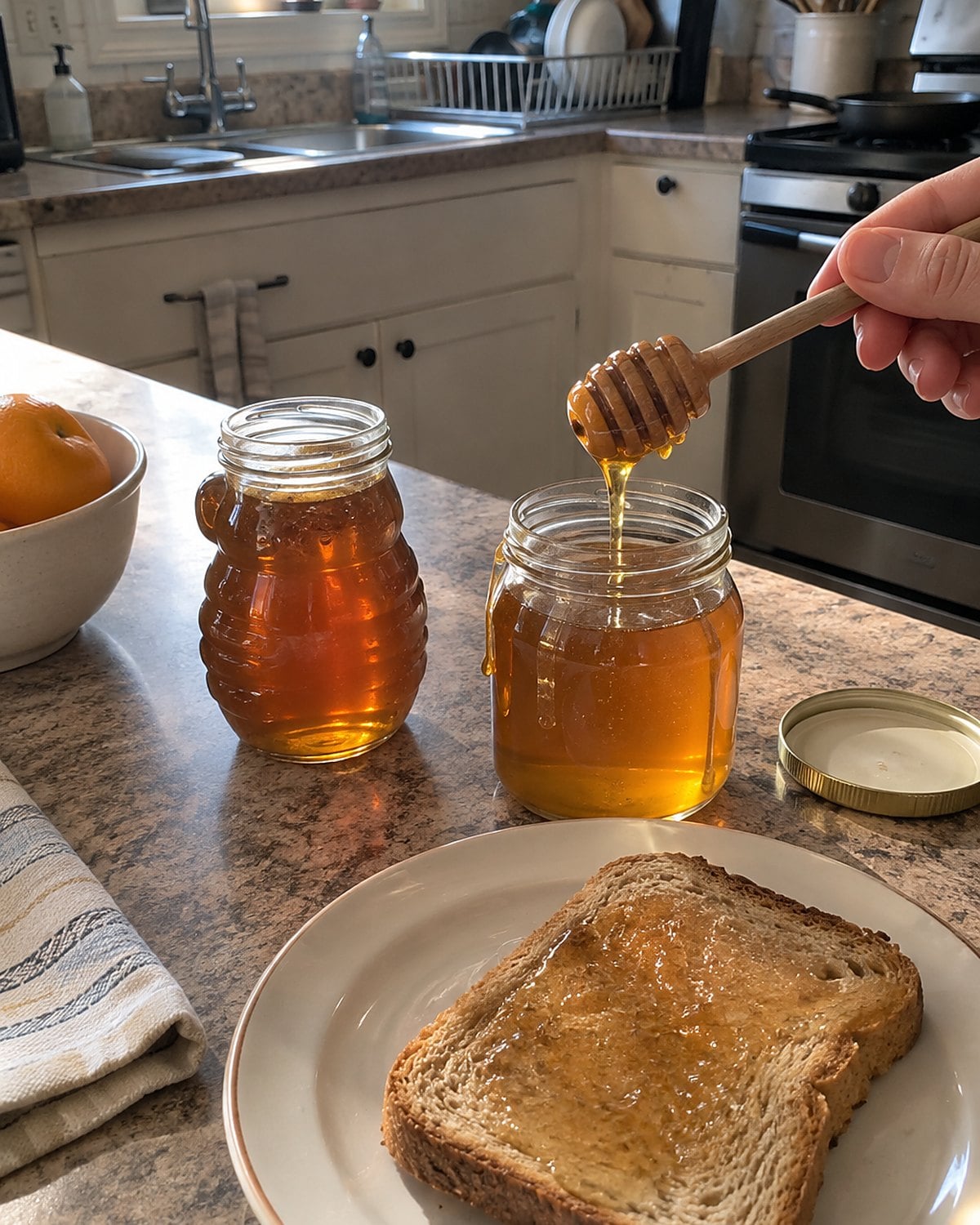
Honey at a farmers' market is easy to admire and hard to compare. Jar shapes differ, and a wide jar can look bigger than a tall one. Read the net weight.
A supermarket brand in a larger bottle will often have a lower price per ounce. A beekeeper's honey is worth considering for its taste and where it was produced, but “local” isn't a discount sign. Ask for a taste if the stall offers one, then decide what that flavor is worth on your toast.
Don't buy honey expecting it to prevent seasonal allergies. The American Academy of Allergy, Asthma & Immunology does not recommend local honey as a treatment for allergies. And keep honey away from babies under 1 year old, as the CDC advises. If there's a baby at the weekend table, that detail matters more than the price tag.
#13 Pumpkins headed for the porch

The grandchild has already chosen the lopsided pumpkin. Now you have to decide whether you're buying a porch decoration or something for dinner.
Market growers price pumpkins by size, weight, or the pumpkin itself. Supermarkets run seasonal displays with their own deals. Ask how the stall prices them before lifting one into the wagon. A heavy carving pumpkin and a small cooking squash don't serve the same purpose, even if both are orange.
For the porch, check for a firm stem and a sound bottom. For the pot, ask which variety has dense, sweet flesh. Save the sentimental purchase for the pumpkin you want to look at every time you open the door. It doesn't need to masquerade as a grocery savings plan.
#12 Cheese cut from a large wheel
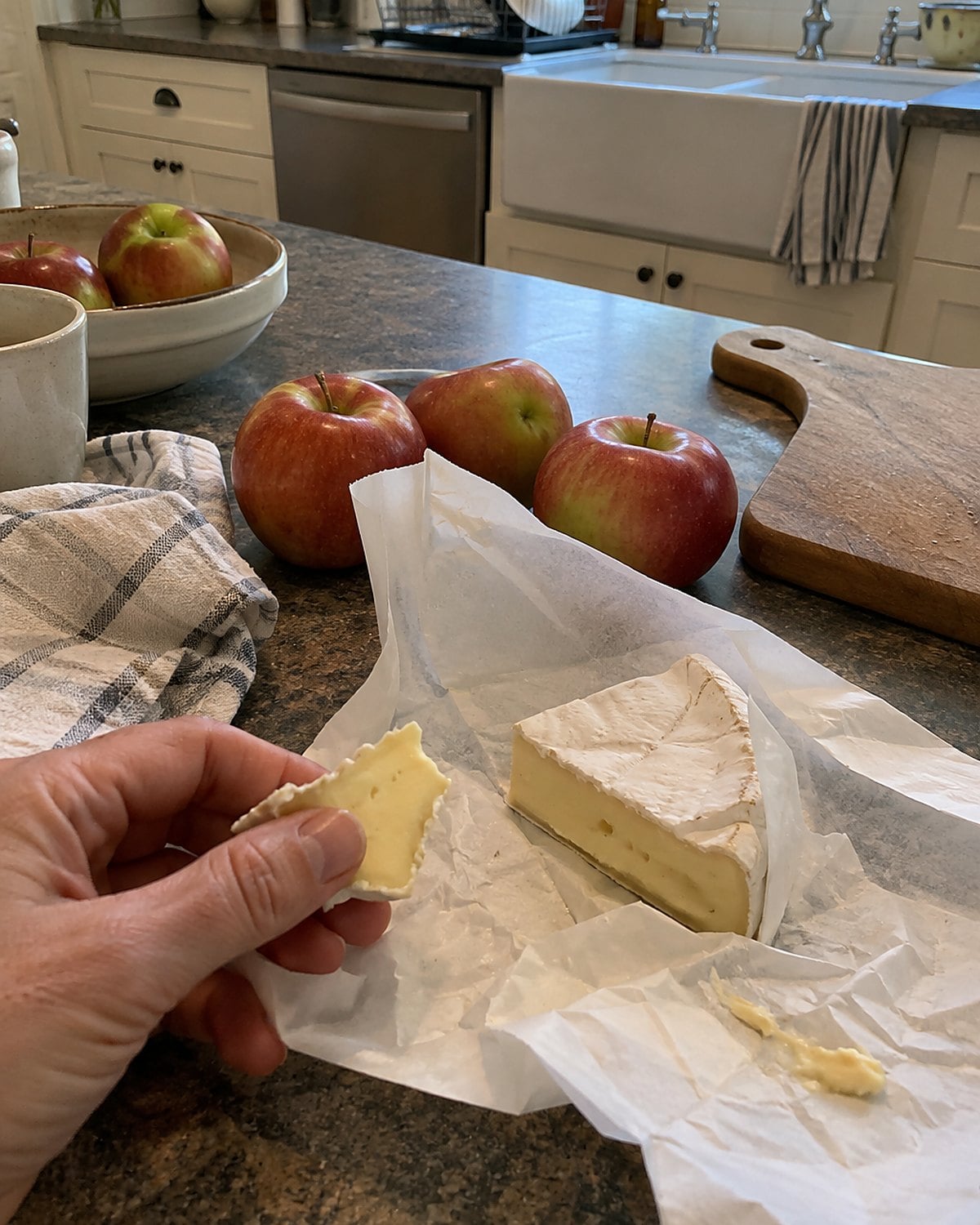
The sample tastes wonderful. Before buying the wedge, read its weight. A smaller piece with a friendly price can cost more per pound than the cheese you buy at the store.
Ask what milk the cheese uses, whether it is aged, and how it tastes when heated. Those questions give you a reason to buy it for a particular meal. If you're grating cheese across a whole casserole, a supermarket block might be the better buy. If you're putting a few thin slices beside apples, the market wedge has room to shine.
Packaging is another difference. A fresh, soft cheese needs the cold trip home planned before you linger over the flower stall. Follow the producer's storage directions, and keep perishables cold. The FDA's food storage advice sets 40°F or below for the refrigerator.
The question at the counter is practical: “How much does this piece weigh?” Taste first if offered, but do the math before the paper goes around it.
#11 A sack of dried beans
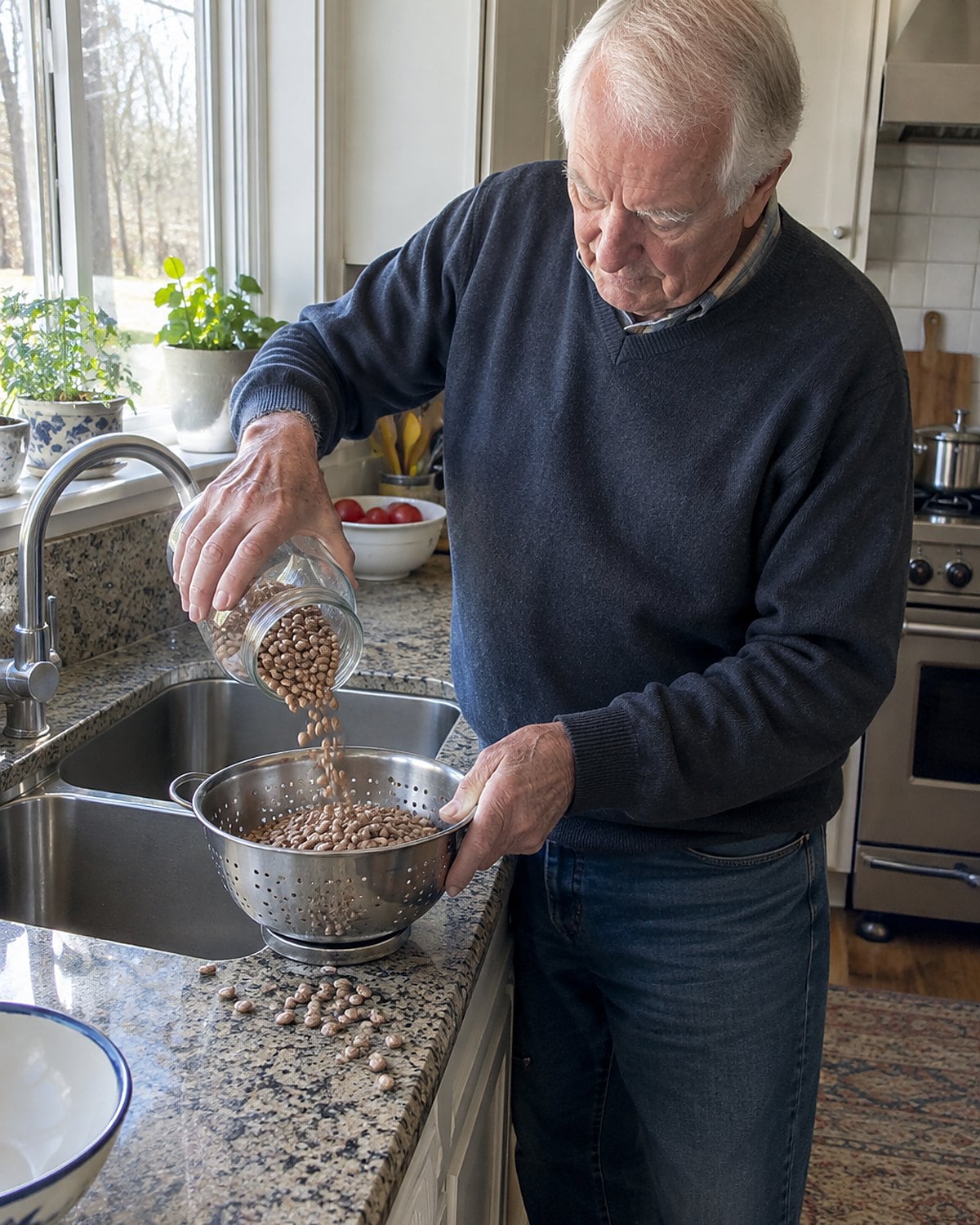
A sack of local dried beans has an appeal all its own. The colors look good in a glass jar, and the grower can name the variety. Still, supermarket dried beans are hard to beat on price per pound.
Compare dry beans with dry beans. A small bag of a named heirloom variety is not the same purchase as a large bag of standard pintos. Freshness changes how readily dried beans soften, so ask when the crop was harvested. If the seller doesn't know, plan to cook by texture rather than by an exact clock.
Pick through the beans for stones, rinse them, and simmer until the centers are tender. Don't count on undercooked beans becoming soft after you add acidic tomatoes. Get the beans tender first.
Buy the market sack because you want that bean in your pot; buy the supermarket sack when the main job is filling it cheaply.
Try it: Instant Pot Bean Soup (Only 5 Ingredients)
#10 Chicken from the farm cooler
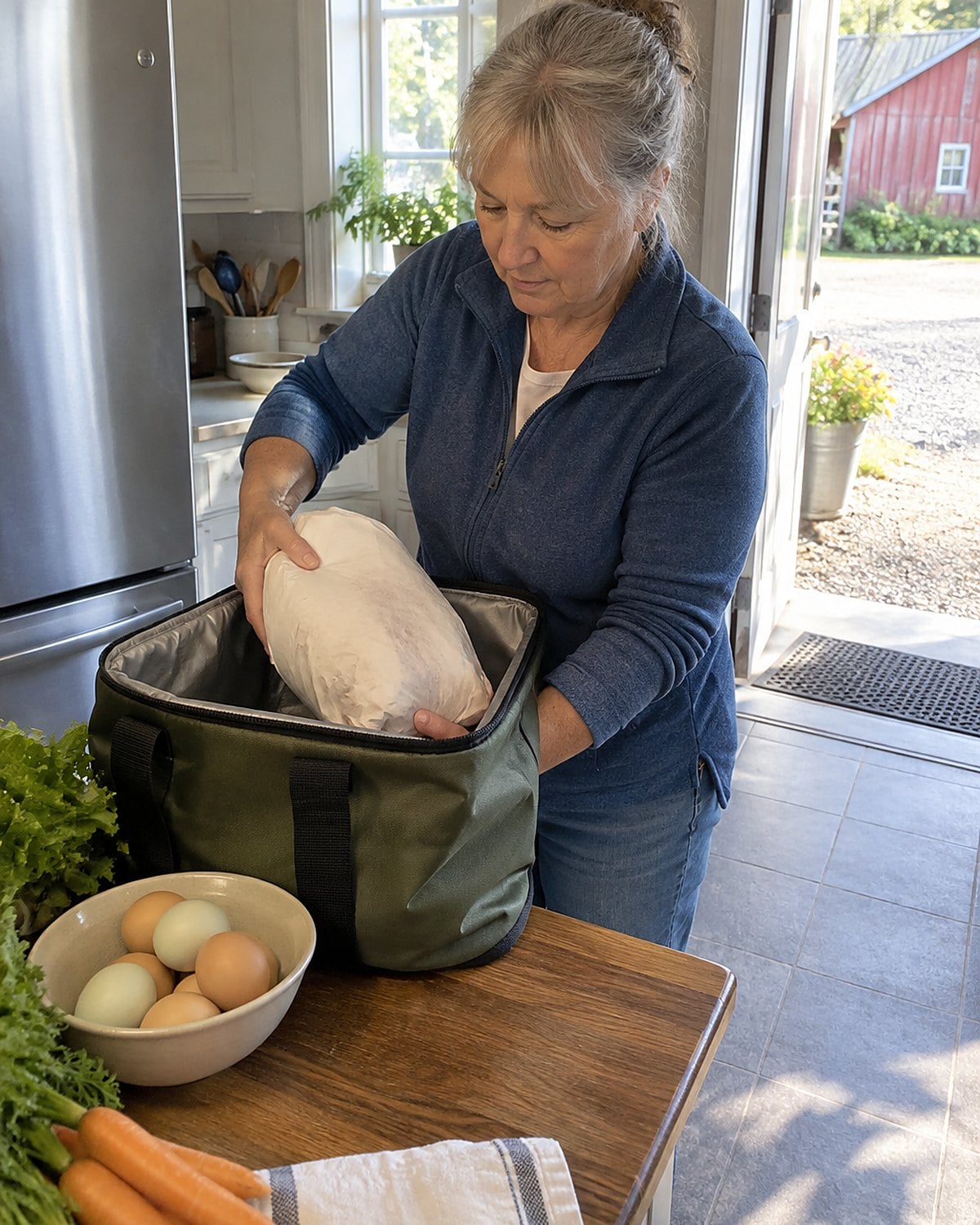
At the cooler, ask what's included in the price: a whole bird, cut pieces, or a package of mixed parts? Bone and skin change the amount of meat on your plate, so price per pound alone won't settle every comparison.
A whole farm chicken usually costs more than a supermarket sale bird. The difference might be worth paying for its source or how it was raised. Ask the grower directly about those details rather than reading a vague adjective on a sign.
Before you leave, make the cold trip home part of the purchase. Set the package in an insulated bag with ice packs, and cook poultry to 165°F, measured in the thickest part. The USDA Food Safety and Inspection Service has the poultry guidance.
If the price strains dinner's budget, the supermarket bird is a reasonable choice. Roast it well, save the bones for stock, and spend your market money on something the store can't match as easily.
#9 Okra beside the freezer drawer
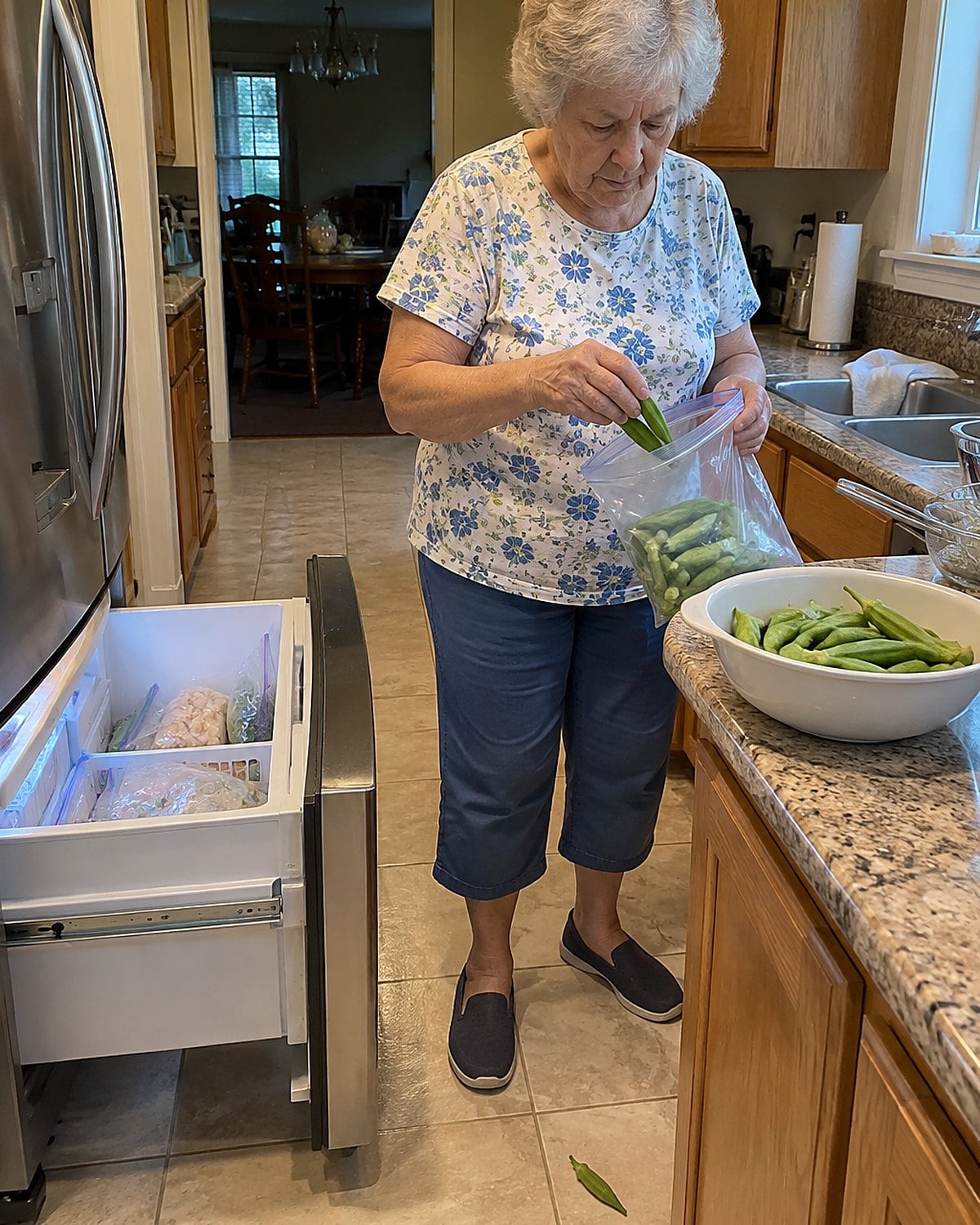
A mound of okra appears at the stall, and suddenly you're picturing a winter pot of gumbo. Stop at the freezer drawer before buying. Is there room to put away what you won't cook this week?
Compare the market's price per pound with the store's fresh okra, then look inside the bag. Pods should feel firm, without wet or collapsing spots. The smallest pods aren't automatically the best buy if you need a potful, but a bag of tough, oversized ones won't improve in the freezer.
At home, wash the okra and dry it well. Slice the pods for the dish you have in mind and use a tested university extension guide for freezing instructions. Write the date on the freezer bag so it doesn't become an unidentified green lump.
For tonight's supper, buy a handful and cook it. Don't take home a freezer project just because the stall has a mountain of it.
#8 Potatoes in a muddy crate
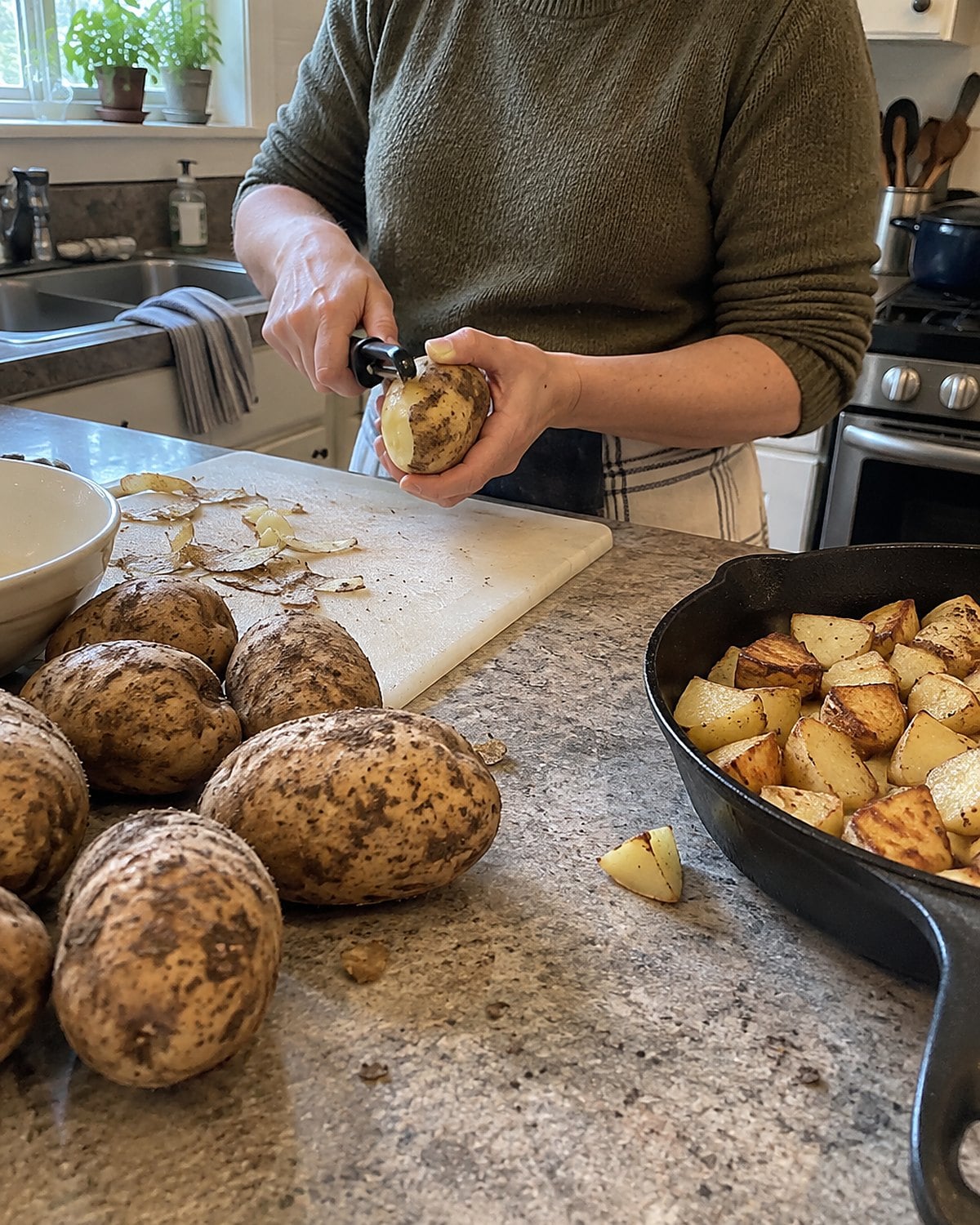
Mud makes potatoes look straight from the field, but it also makes a bag harder to inspect. Rub one with your thumb. Look for firm skin, no wet spots, and no strong green coloring. Light exposure creates green areas, a sign to leave that potato behind.
Supermarkets sell potatoes in large bags at prices growers don't always match. The market can win when you need a few potatoes of the right kind. Ask whether the grower has waxy potatoes for a salad or starchy ones for baking. Paying for a bag you won't finish is no saving.
For skillet potatoes, cut pieces to similar size and dry them before they hit the fat. Wet potatoes steam; dry surfaces brown. Don't stir constantly. Let one side form a crust, then turn the pieces.
Now check the full cost of the side dish. You need enough potatoes for dinner, not a pantry sack bought only because the price per pound was lower. A smaller market purchase can keep the meal cheaper even when its unit price is higher.
#7 Asparagus standing in a bucket
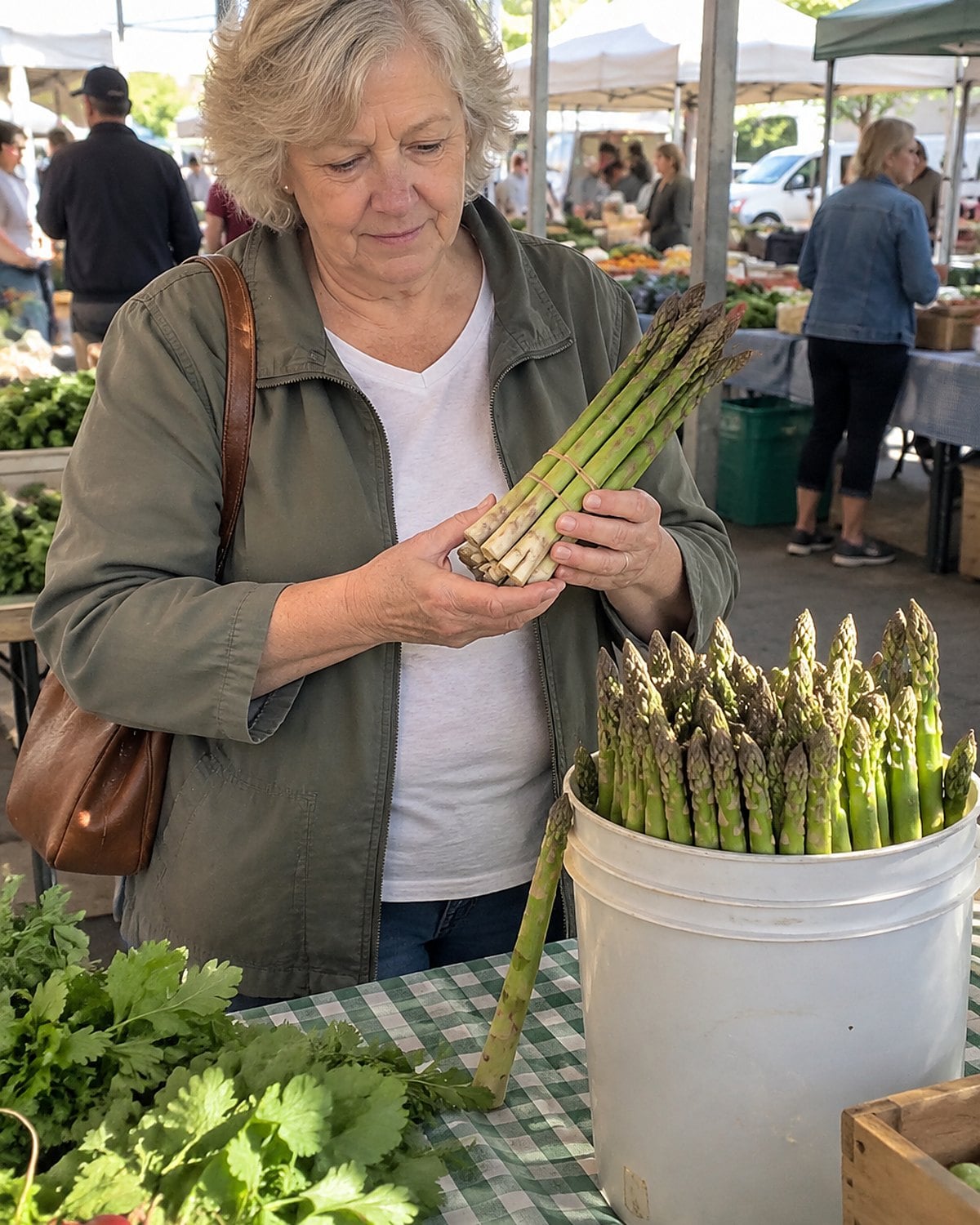
That first bunch of asparagus is a promise of spring, and its price reflects the rush to buy it. Later in the local season, more bundles arrive. Check both market and supermarket prices each week rather than carrying the first price in your head.
Match bunch weights. Thick spears aren't a sign of tough asparagus; freshness and cooking matter more. Look at the cut ends. Dry, split ends tell you the bunch has spent time waiting, while tight tips and firm stalks make a better supper.
Ask, “Was this cut today?” The answer gives you a reason to choose one bunch over another, though it doesn't erase a large price gap. At home, bend a stalk to find where its tough base starts, then trim the rest by eye. Roast or sauté just until the spear turns tender when pierced.
Try it: Instant Pot Asparagus With Garlic, Lemon & Pepper
#6 Salad greens inside the crisper
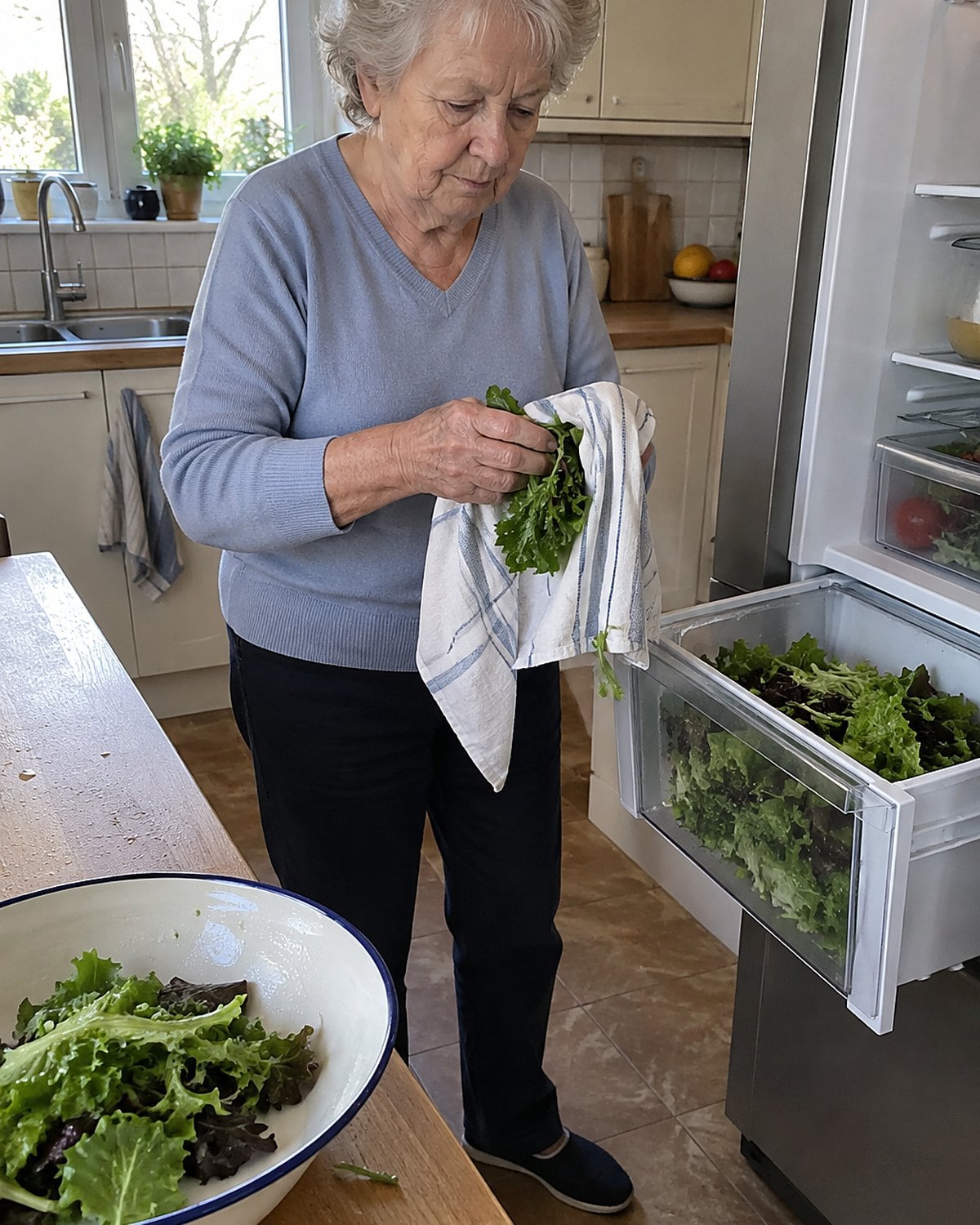
Loose market greens can seem expensive until you compare them with the supermarket's boxed greens by weight. They can also turn into an expensive puddle if you put them away wet and forget them.
Lift a leaf at the stall. Crisp edges and a fresh smell matter more than a picture-perfect pile. Ask whether the mix has been washed. Even if it has, follow the seller's directions and wash fresh produce under running water before eating; the FDA's produce guidance explains the basics.
At home, dry washed greens well and keep them cold. Set a clean towel near the salad spinner so the job actually gets finished. Buy enough for the meals you already have in mind.
If you need one salad for two, a smaller bag that gets eaten has a better final price than a bargain tub you throw away.
#5 Garlic bulbs with tight wrappers
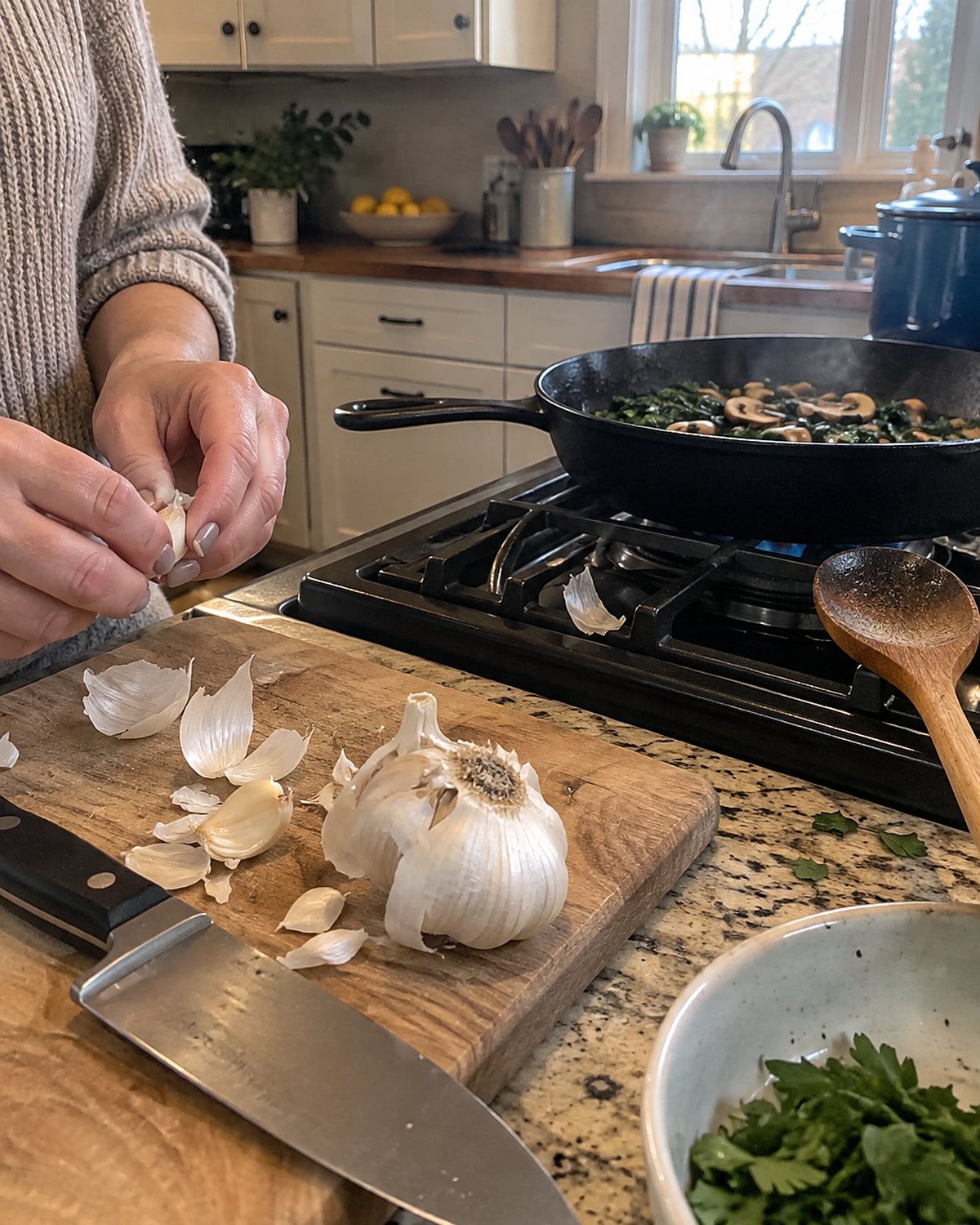
Good garlic feels firm and heavy for its size. Press the bulb lightly. If cloves feel loose or soft beneath the wrapper, leave it there.
Market garlic is rarely the lowest-price garlic beside a supermarket multi-bulb bag. Look instead at variety and condition. A grower with several kinds can tell you which is sharp raw and which roasts sweet. Ask whether the garlic is fully cured for storage or freshly harvested for prompt cooking.
When you get home, keep cured bulbs in a dry, airy spot rather than a sealed plastic bag. Separate a clove only when you're ready to cook. If the recipe needs garlic browned in oil, watch it closely: once it turns dark, bitterness follows.
Buy one sound bulb for tonight's pan before buying a braid for the pantry.
#4 Jam jars lined across the table
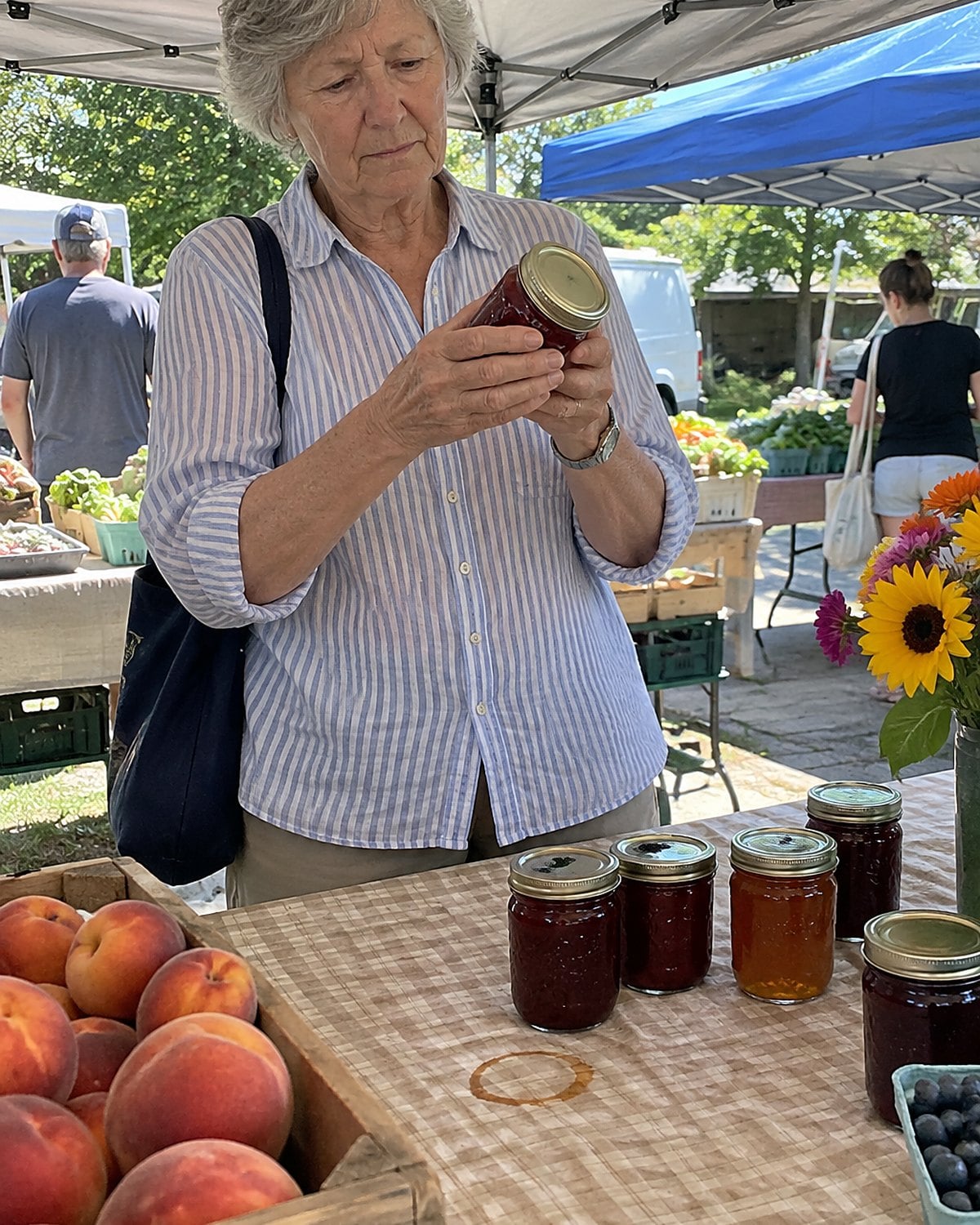
The labels name fruit you wish you had picked yourself. Turn a jar and read its net weight before comparing it with supermarket jam. A small jar of preserve and a large store jar can share a shelf price while giving you very different amounts.
Ask what fruit is in it and whether the producer has a sample. Taste gives you a reason to choose the jar. Price per ounce tells you what that choice costs. Market preserves usually aren't the place to find the cheapest toast topping, especially when the fruit was processed and packaged by hand.
Don't mistake a loose lid or damaged seal for charming homemade character. Leave that jar behind. Once a jar is open, follow its label for storage.
If you're curious about preserving your own fruit, use tested directions from the National Center for Home Food Preservation rather than copying a method from a faded card.
One good jar for Sunday biscuits is a clear purchase. Filling a pantry shelf because the table looks lovely is where the market starts to feel like a splurge.
#3 One ripe melon for two
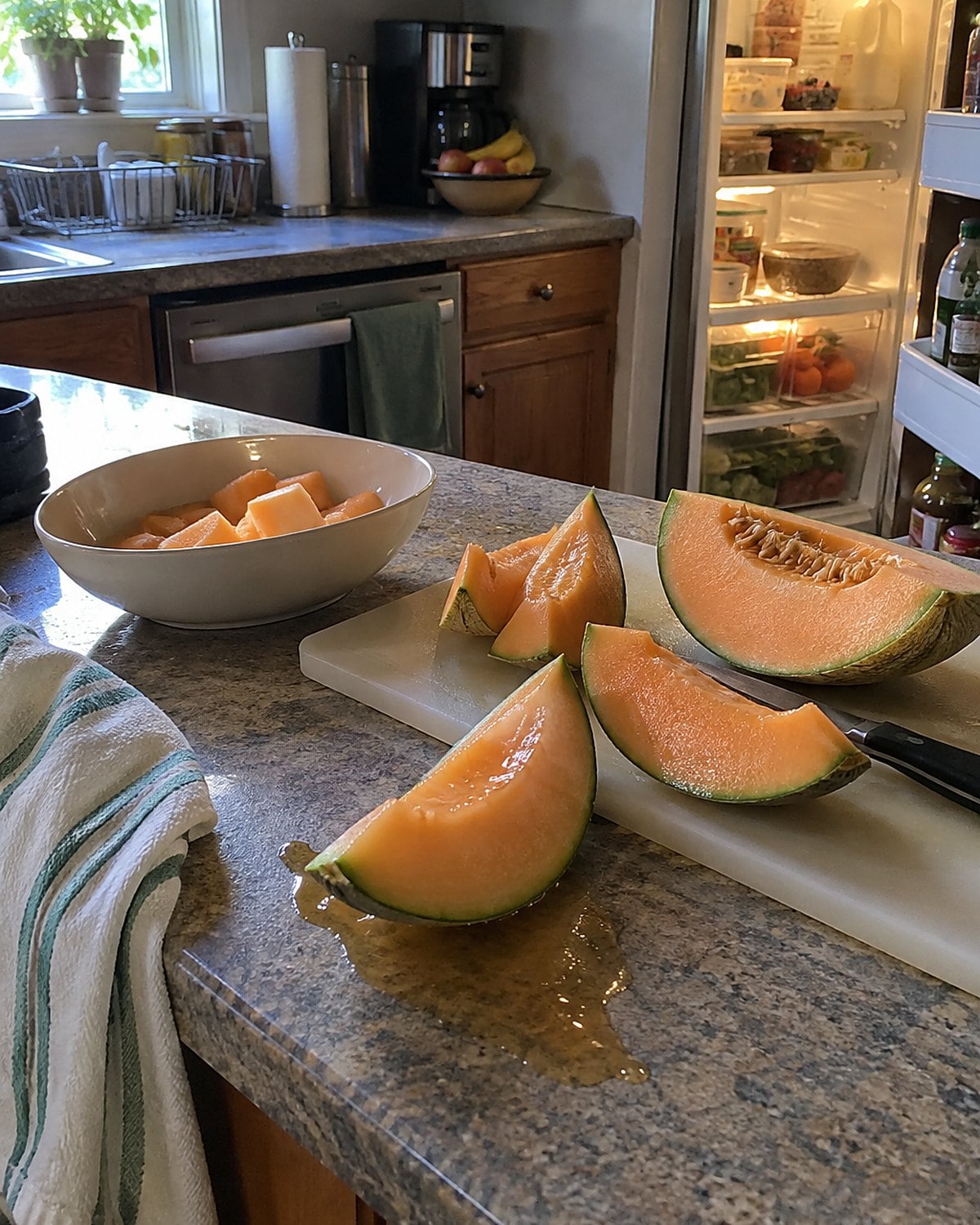
At the supermarket, the big melon looks like value. At home, it occupies half the refrigerator and keeps asking to be finished. For a table of two, compare the market's smaller melon with what you'd actually eat from the larger one.
Ask the grower which melon is ready now. For a cantaloupe, smell the blossom end for a sweet scent and look for a slight give there. Avoid fruit with wet cracks or soft, sunken areas. Different melons ripen and smell differently, so ask about the variety in front of you.
A market melon can cost more by weight yet spare you a bowl of discarded fruit. It can also cost less during a strong local harvest. Bring it home with a purpose: slices after dinner, cubes for tomorrow's breakfast, and no heroic promise to eat melon all week.
#2 Carrots with their leafy tops
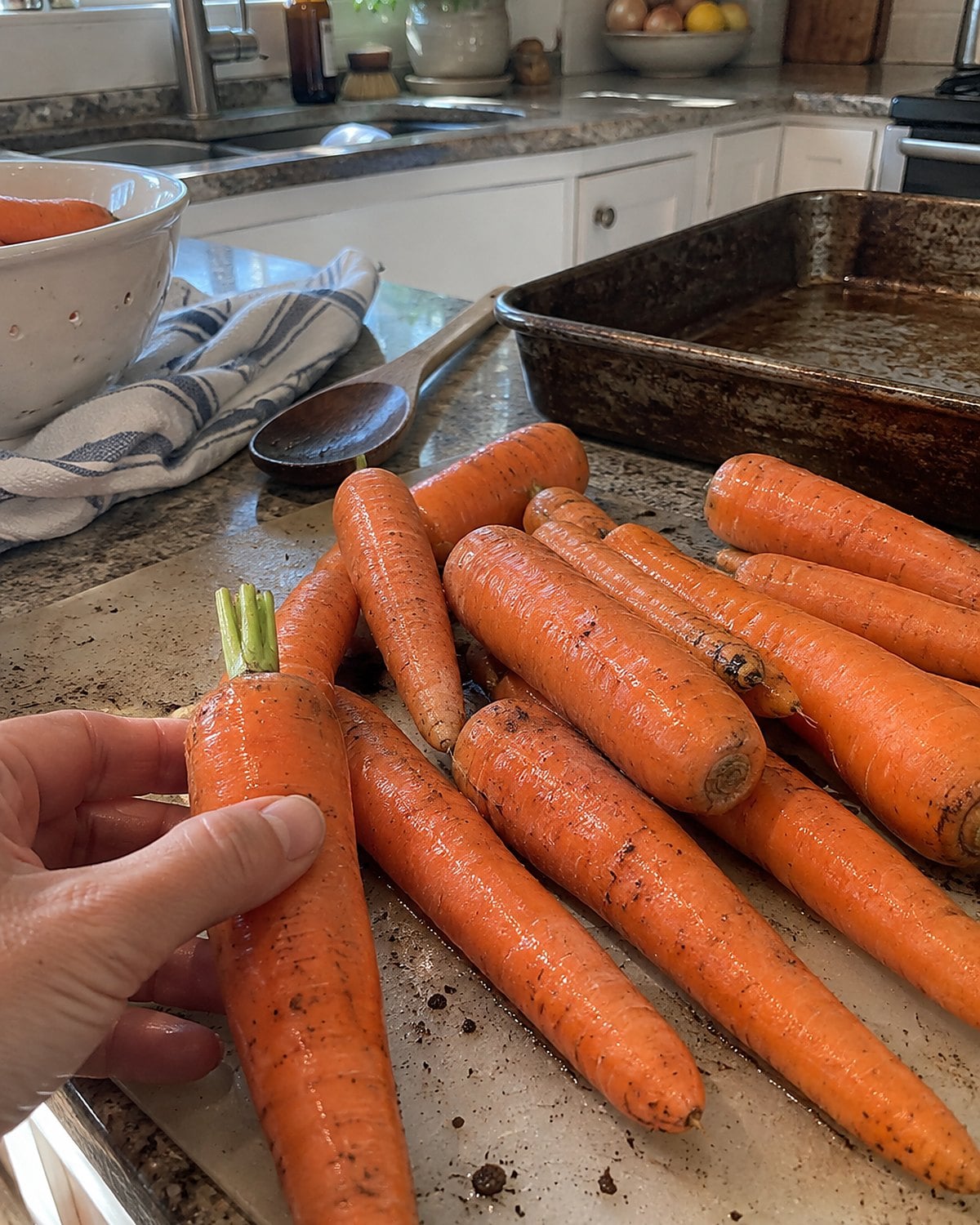
The leafy tops make carrots look fresher, but they also add bulk to the bunch. Compare the price for the carrots you'll eat, not the size of the greenery.
Lift the bunch. The roots should feel firm, without deep splits or slick spots. Ask whether the grower has loose carrots or a larger bag without tops. During harvest, that plainer choice can beat supermarket bunches. Store bagged carrots still win plenty of price comparisons, especially when the market bunch is small.
Take the tops off when you get home so they don't draw moisture from the roots. Then roast the carrots in a single layer, with room between them. Crowded carrots steam and stay pale. Turn them when the undersides brown and taste one before adding more seasoning.
Save a small amount of sound tops for pesto if that's truly on your menu. Otherwise, don't make the leaves responsible for proving you got a bargain. The sweet carrot on your dinner plate is the point.
Try it: Instant Pot Carrots With Honey Soy Glaze
#1 The supermarket receipt in your pocket
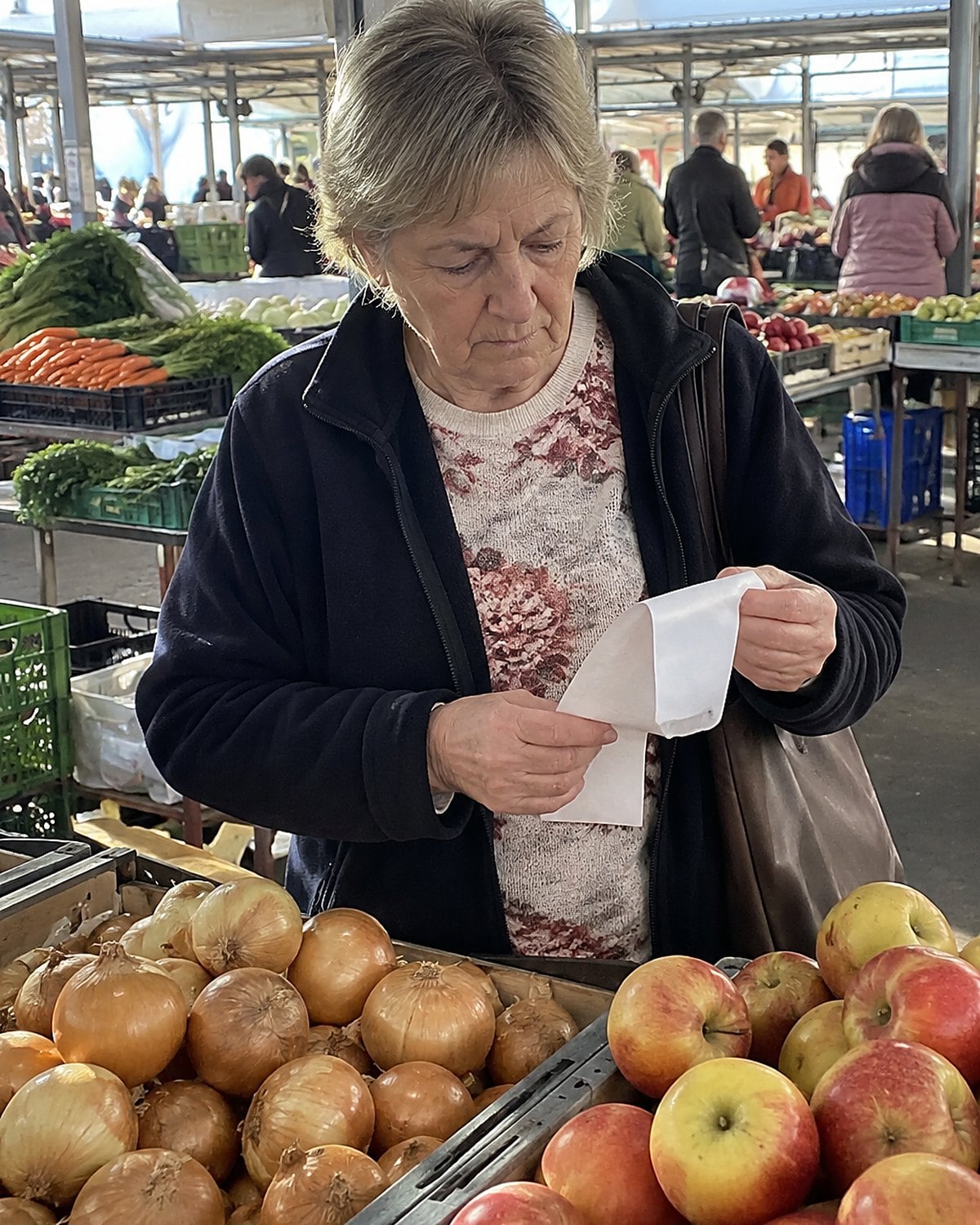
Fold last week's receipt into your market bag. It doesn't have to record every grocery you bought. Circle a few things you buy again and again: onions, apples, eggs, or whatever your household finishes. The #1 item is the comparison you brought with you.
At the stall, match the unit. A price per pound goes against a price per pound; a bunch needs a weight or a count before it enters the contest. Ask the seller if the sign isn't clear. Then ask yourself a second question: “How much of this will we eat?”
That last question changes the result. A market bunch can have a higher unit price and still cost you less for dinner than a large supermarket package. A discounted crate can have a lower unit price and cost you more when it spoils on the counter.
The USDA's farmers' market resources help you find markets, but no directory knows the price at your own stall today. Your receipt and the sign do. Keep both where you can see them, and let the answer change next week.
The bottom line
Harvest gluts, imperfect produce, and loose quantities give the market its best chances to beat the supermarket. Packaged goods, large store bags, and products with extra labor behind them tell a different price story.
You've already got the useful tools: a receipt, a bag sized for your household, and a plan for dinner. You don't have to turn every stall into a bargain hunt.
What's sitting in your crisper right now that would change what you buy on Saturday?

Leave a Reply