

The spoon hits the floor with a sharp clatter. You stand there holding the empty end of your hand, annoyed because you had it a second ago. Dinner still needs finishing. The floor needs wiping. And the thought that arrives first is, *I never used to drop things.
A kitchen remembers its old arrangements even when the people eating there, and the hands doing the work, have changed. Some fixes are no bigger than moving a towel. Others ask you to stop carrying a full pot across the room. Keep the habits that earn their place. Change the ones that now make dinner harder.
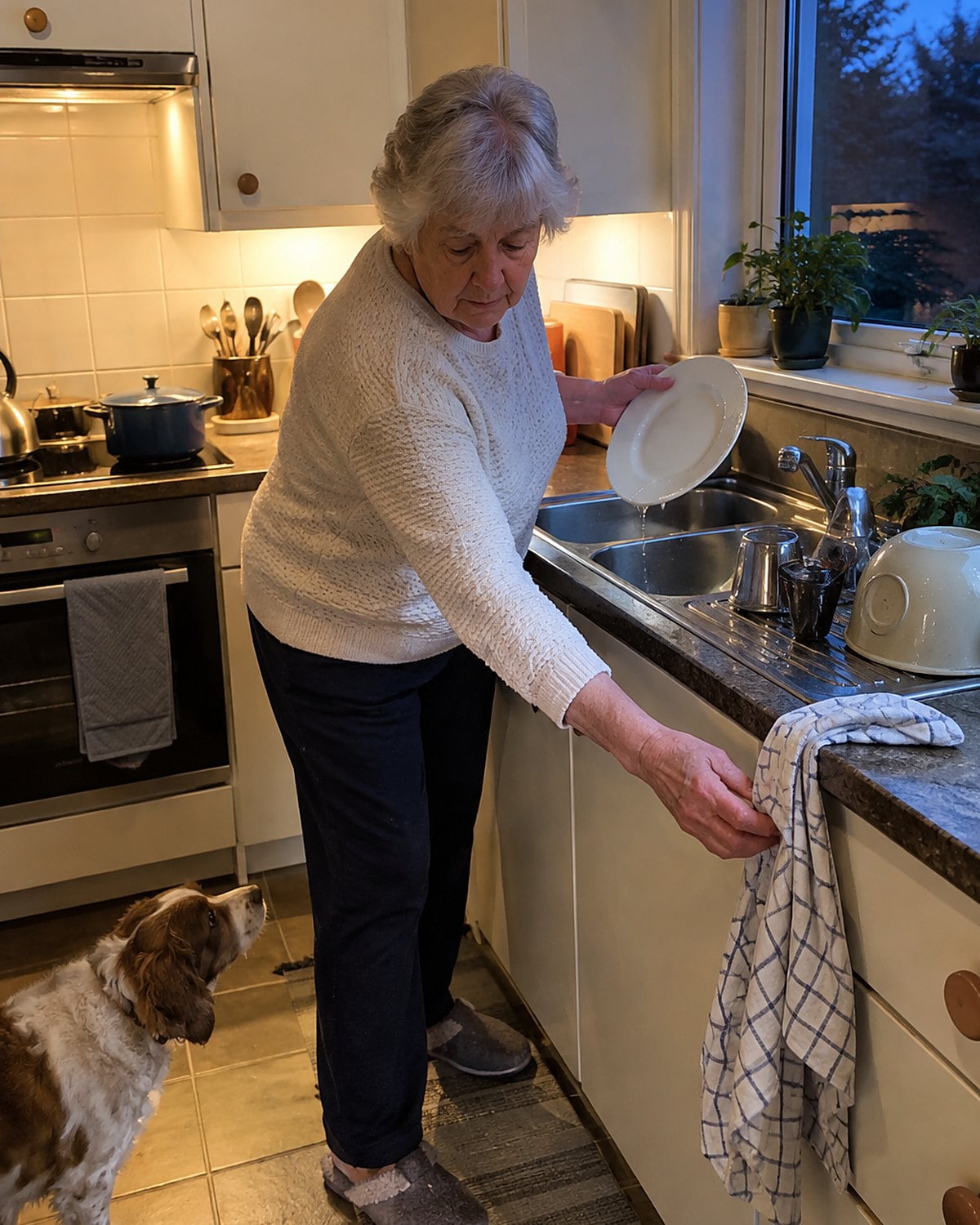
#27 The damp dish towel beside the burner
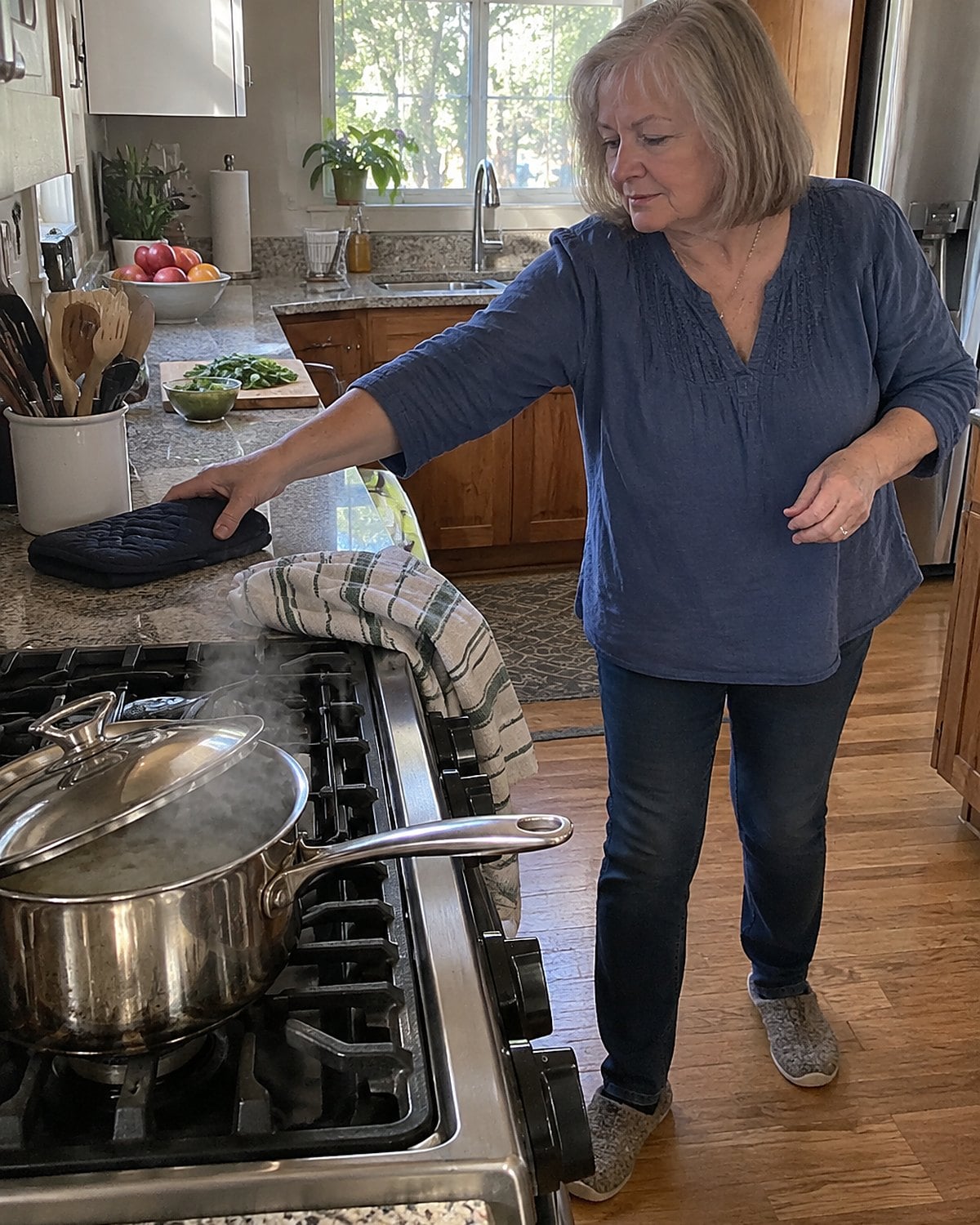
You’ve grabbed that towel a thousand times. Then it comes out of the sink damp, and the pan handle is already in your hand.
Water carries heat through fabric. A wet towel gives your fingers less protection than a dry one, even when it feels thick. Put a clean, dry mitt beside the stove before the burner goes on. Keep the dish towel for wiping, where its dampness won’t matter.
Check the mitt before lifting anything heavy. Thin spots, loose seams, and a slick patch from spilled oil all change your grip. If the pan feels unstable while it’s still resting on the grate, set your other hand where it will help before you lift. There’s no prize for making the trip with one hand.
#26 The jar that turns under your fingers
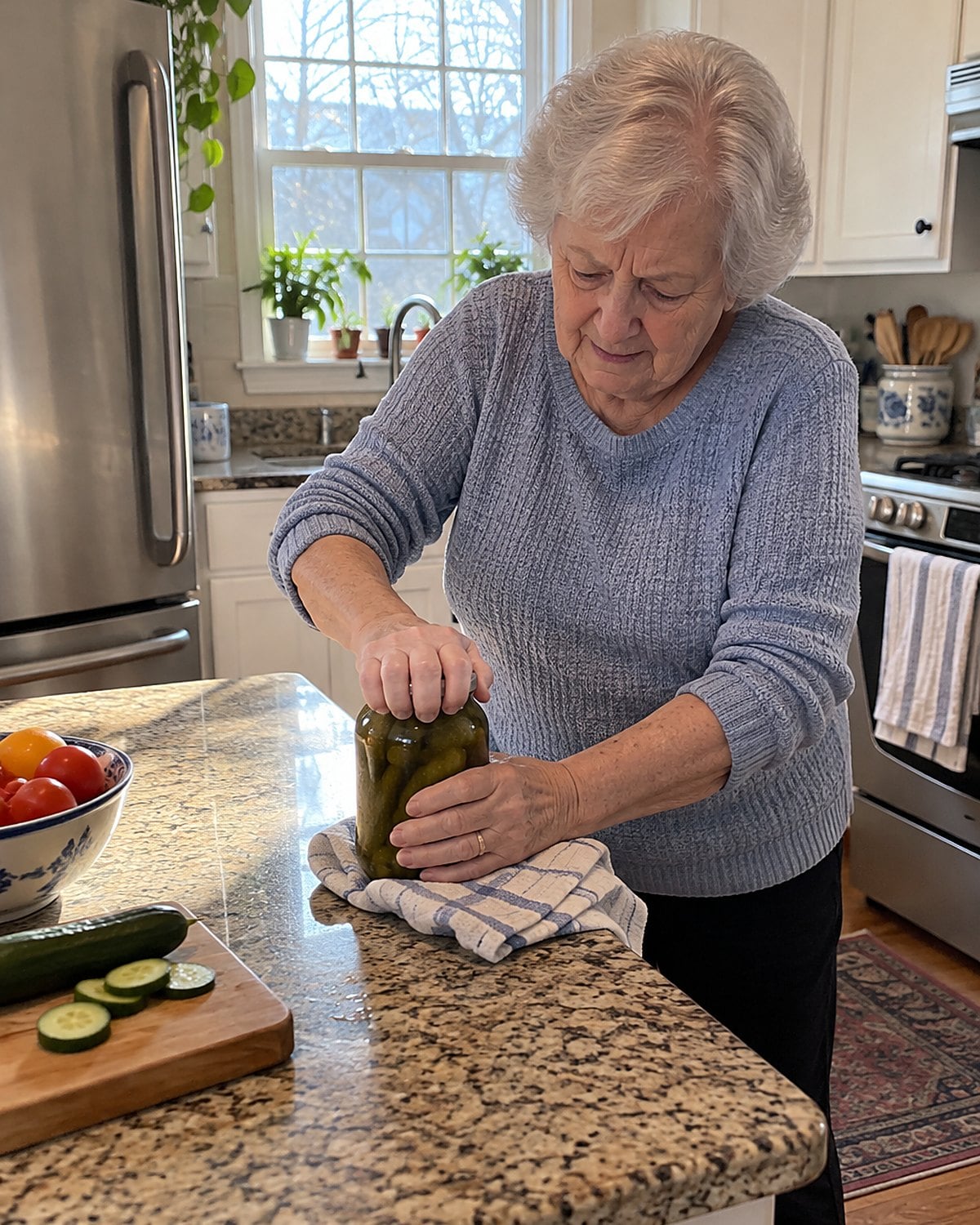
The lid is tight. The glass isn’t. You twist harder, and the whole jar starts to rotate against the counter.
Set it on a dry, folded towel or a nonslip shelf liner. That keeps the jar from skating while you work on the lid. A rubber jar gripper gives your other hand traction without asking it to squeeze harder. If your fingers ache, use a jar opener that grips the lid for you.
Skip the knife slipped beneath the rim. A blade that jumps from a stubborn lid has a clear path toward your hand.
Once the seal breaks, stop and reset your grip before the final turn. That last turn is when the lid comes free and the jar tips. It’s irritating to change a move you’ve made for decades. It’s less irritating than washing pickles off the floor.
#25 The stockpot full of pasta water
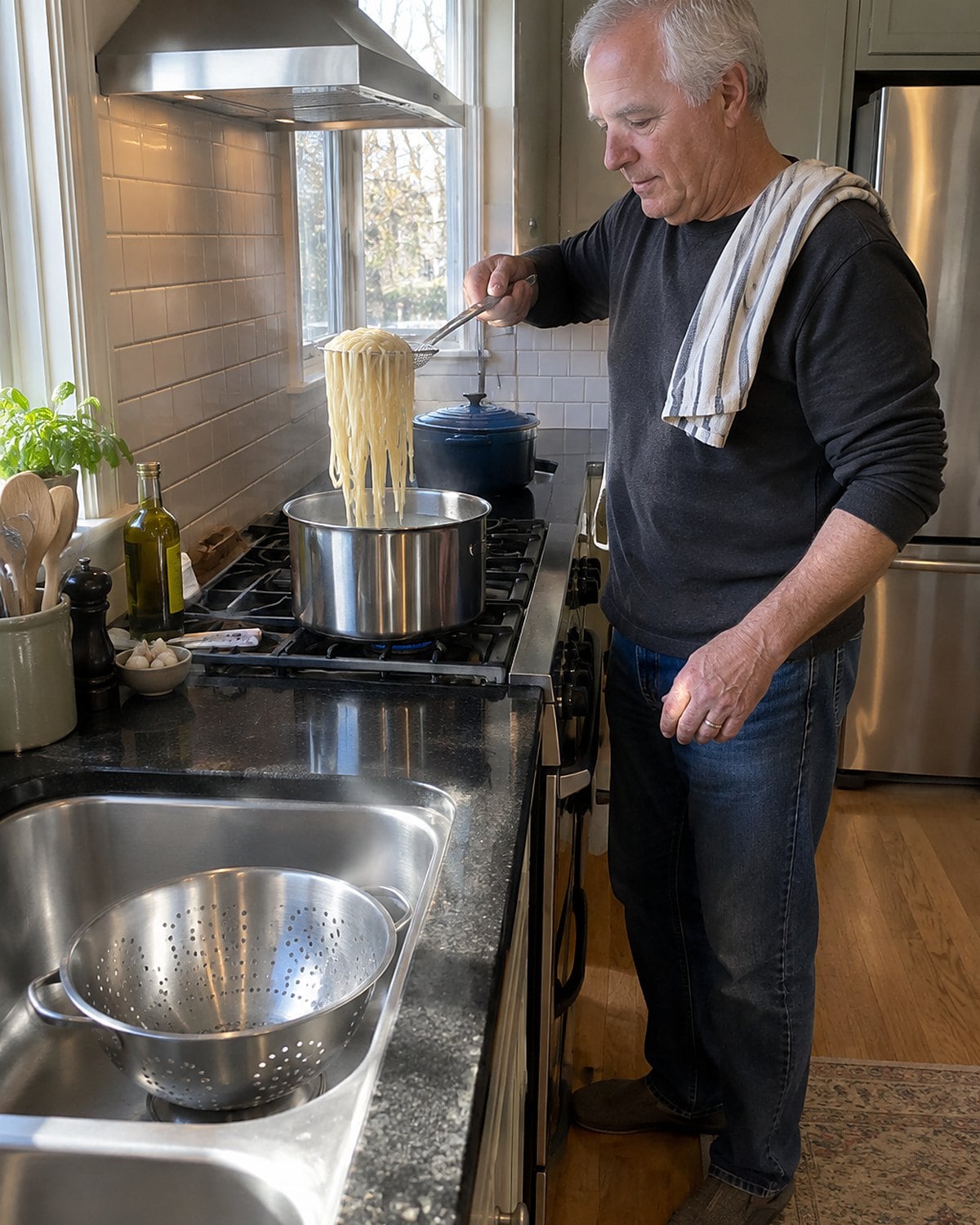
Where will the boiling water go when the pasta is done? The pot is heavier than it was empty, and steam climbs toward the hand holding the handle. Tipping it also means keeping a colander steady.
Leave the pot on the stove. Set a heat-safe colander inside a large bowl in the sink, then move the pasta with a spider or sturdy slotted spoon. For a small dinner, lift out only the portion you need. The hot water stays put until it has cooled enough to handle.
If you prefer pouring, clear the route first. Put the colander in place, move anything crowding the sink, and use two dry mitts. Don’t pour toward your body. Rest the pot’s edge against the colander rather than holding its full weight in the air.
Judge the lift while the pot is still cold and full of tap water. If the walk feels doubtful then, boiling water won’t improve it. Pasta doesn’t care how it reaches the bowl.
#24 The slick handle on the good skillet
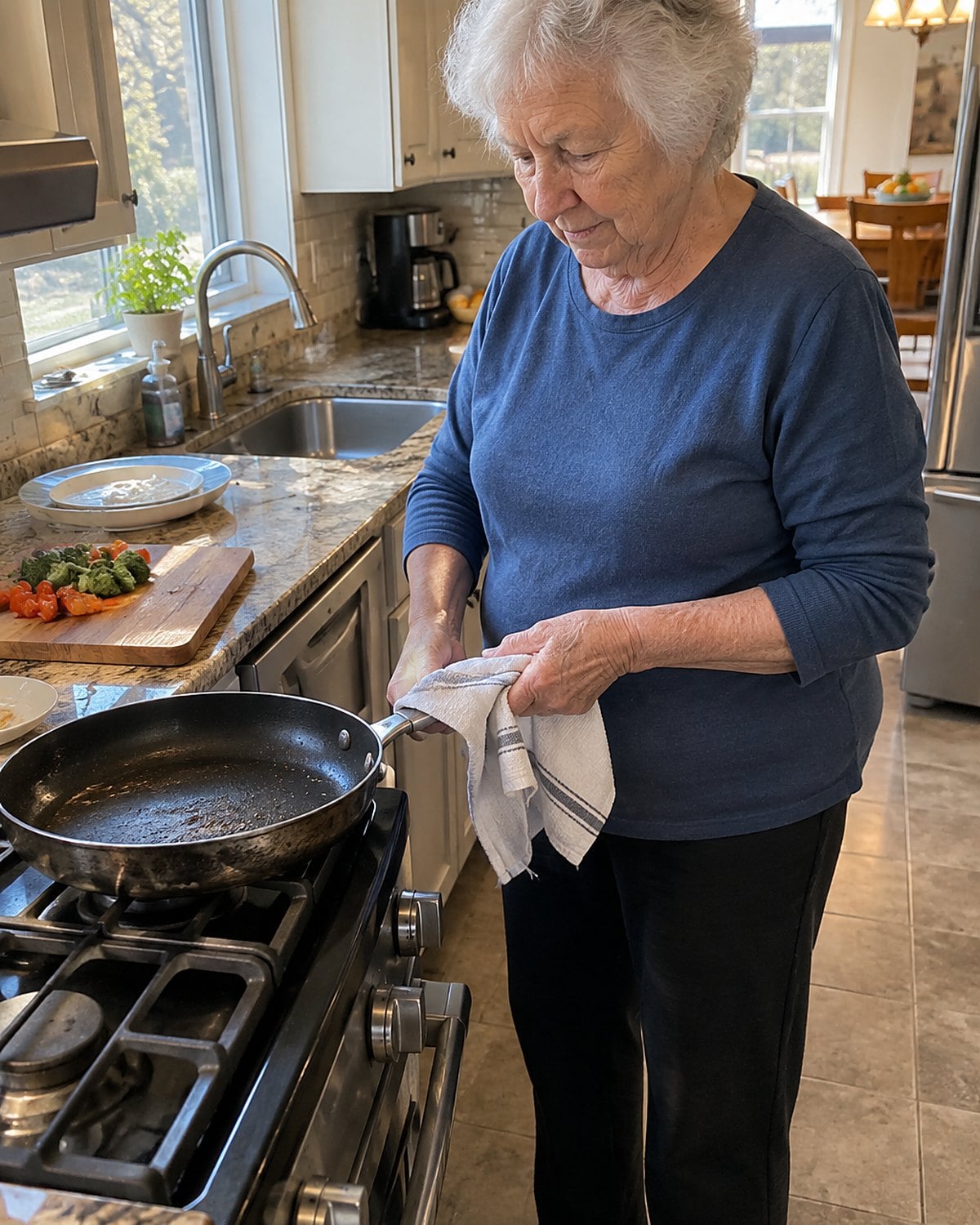
Oil on your fingers transfers to a skillet handle. So does rinse water left after washing. The pan looks steady until dinner shifts to one side.
Before adding food, wipe the handle dry. Turn it inward, away from the edge of the stove, but keep it clear of the other burners. For a heavy skillet, put both hands to work: one on the handle, one under the far side with a dry mitt.
Some silicone handle covers slide when you pull sideways. Check yours with the cold pan before trusting it over heat. If it moves, take it off and use the mitt.
#23 The coffee mug filled to its lip
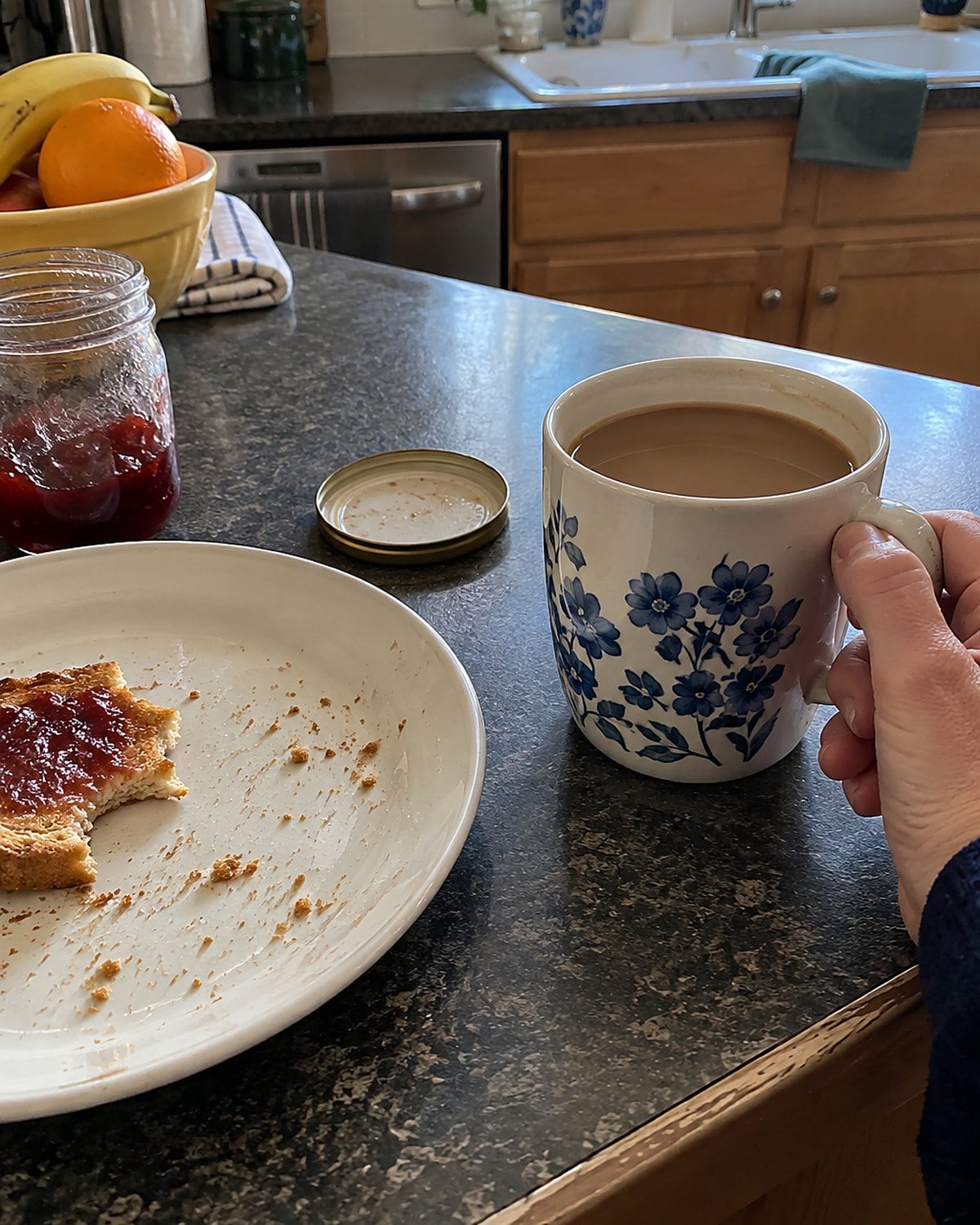
The first sip isn’t the problem. The walk from the counter to the chair is. A full mug sends a little coffee over the rim each time your hand changes direction, especially when you’re carrying a plate too.
Leave room at the top. Set the mug on the counter while you pick up the plate, then make another trip. If that sounds fussy, notice how much time it takes to wipe hot coffee from a cabinet door and change your shirt.
A mug with a broad, easy-to-grip handle beats the pretty little one that asks your fingers to pinch. Keep the handle turned toward the hand that will lift it, not tucked against the wall. You’re setting up the next move while the mug is still safely on the counter.
And if hot drinks have started feeling too hot before you notice the spill, let them sit. Your lip is a poor thermometer.
#22 The cutting board that creeps forward
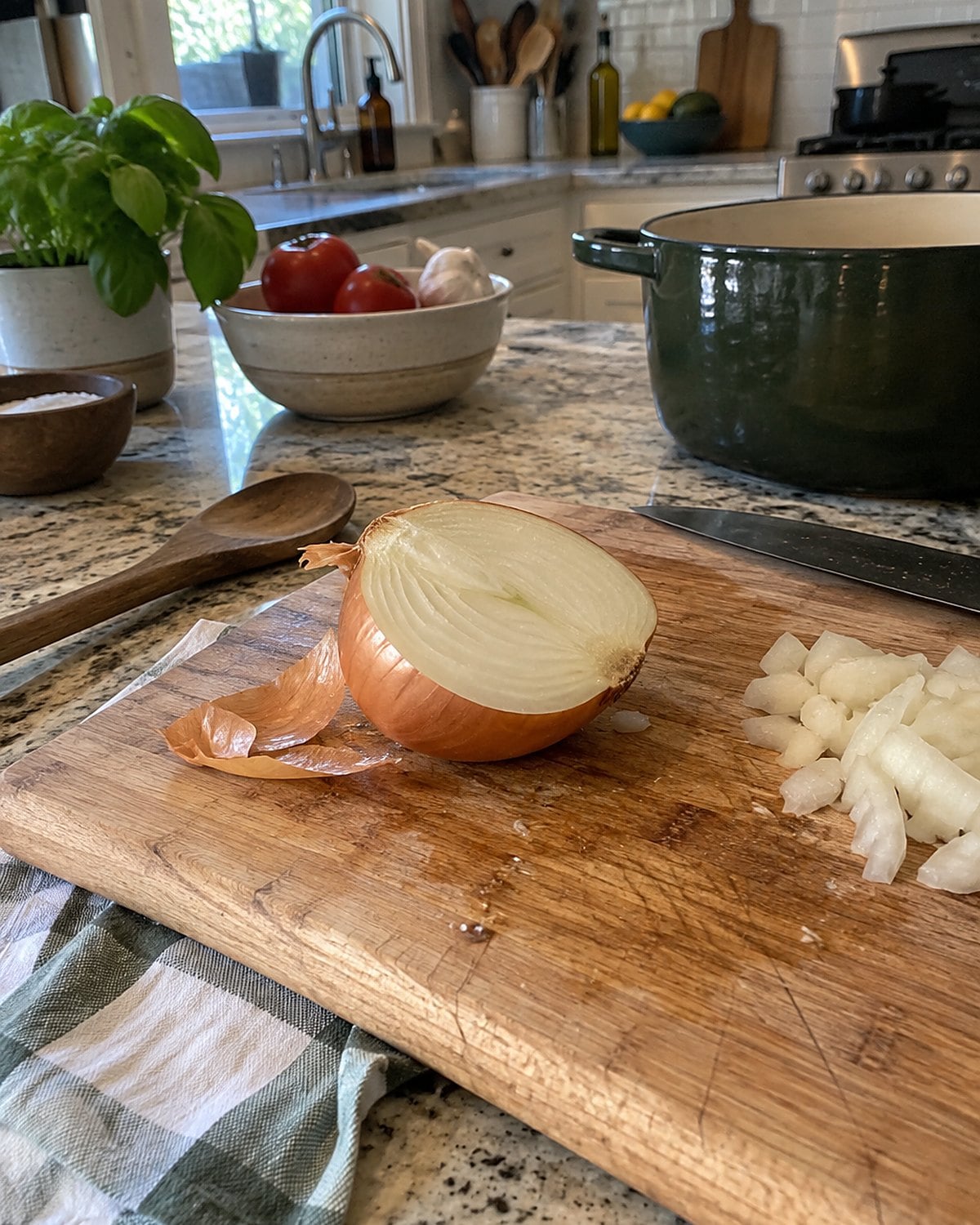
Watch the board when you chop an onion. If its front edge inches toward the counter’s edge, your knife is working on a moving surface.
Put a damp cloth or a piece of nonslip liner under the board. Press each corner. The board should stay put when you push it sideways with your palm. A towel bunched in the middle leaves the board rocking, so smooth it flat before the first cut.
Give the onion a flat side too. Cut it in half, place each half cut-side down, and then slice. Rolling food asks your other hand to chase it across the board.
If the board still walks, check the counter for crumbs and water. Wipe both surfaces and try again. A steady board lets you use the knife you already know without tightening your grip for every slice.
#21 The casserole dish behind the oven door
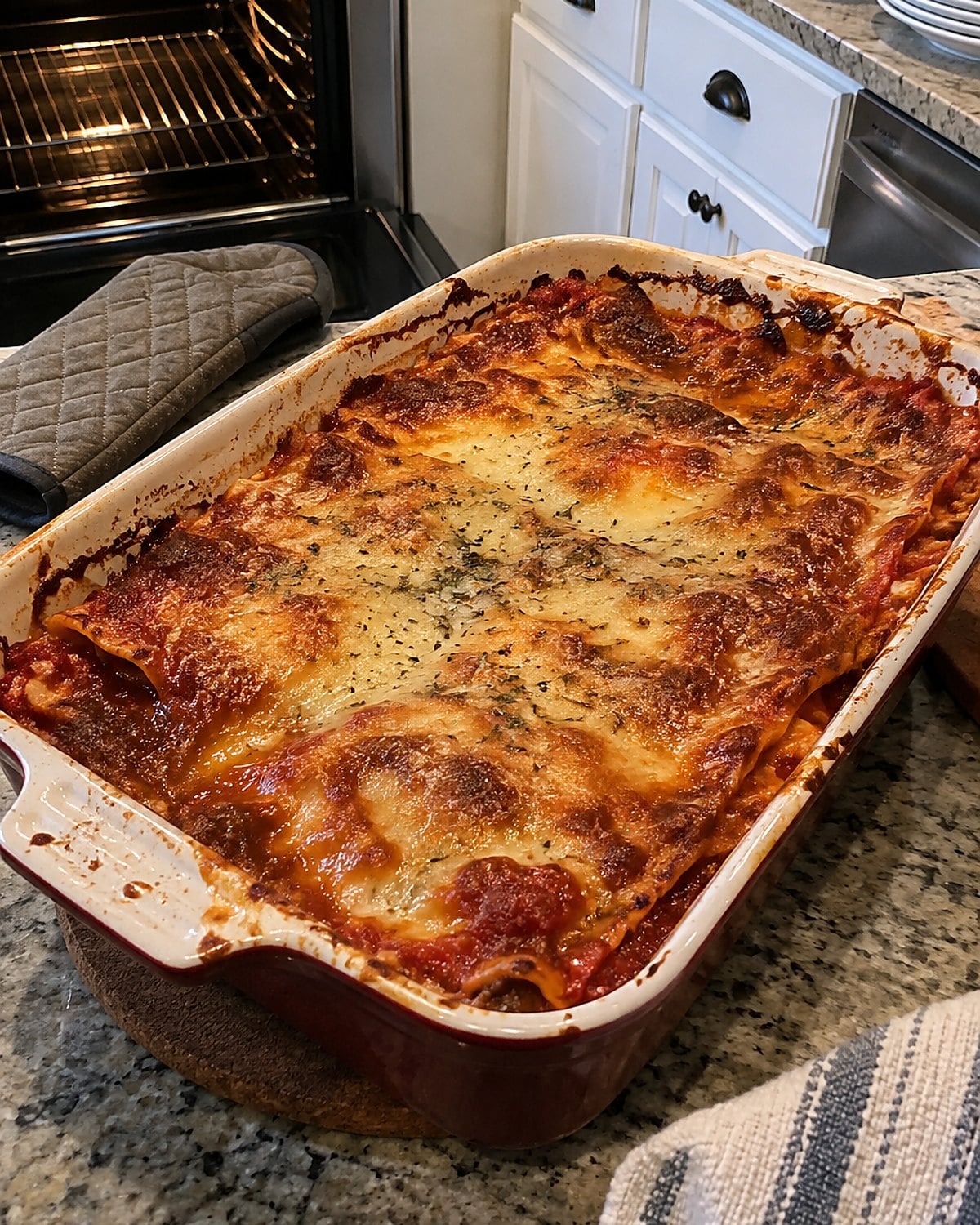
The oven mitt is on. The casserole is done. But the open door puts a hot metal ledge between you and the dish, and the nearest clear counter is farther away than you remembered.
Make the landing place before opening the oven. Move the mail, put down a trivet, and clear enough space for the entire dish. Then pull the rack partway out so you can reach the handles without stretching deep into the heat. Keep the rack supported by its guides.
Hold the dish from both sides with dry mitts. Take a breath before lifting. If one handle is crowded by another pan, move that pan first rather than trying to hook a fingertip through a gap. Shut the oven door after the dish is safely down.
Glass adds a separate risk. Pyrex’s use and care instructions warn against putting hot glassware on a wet or cold surface. Set it on a dry trivet or towel, not the damp patch beside the sink.
The casserole will wait while you clear a square of counter. Your hands shouldn’t have to improvise its landing.
#20 The spoon resting across the saucepan
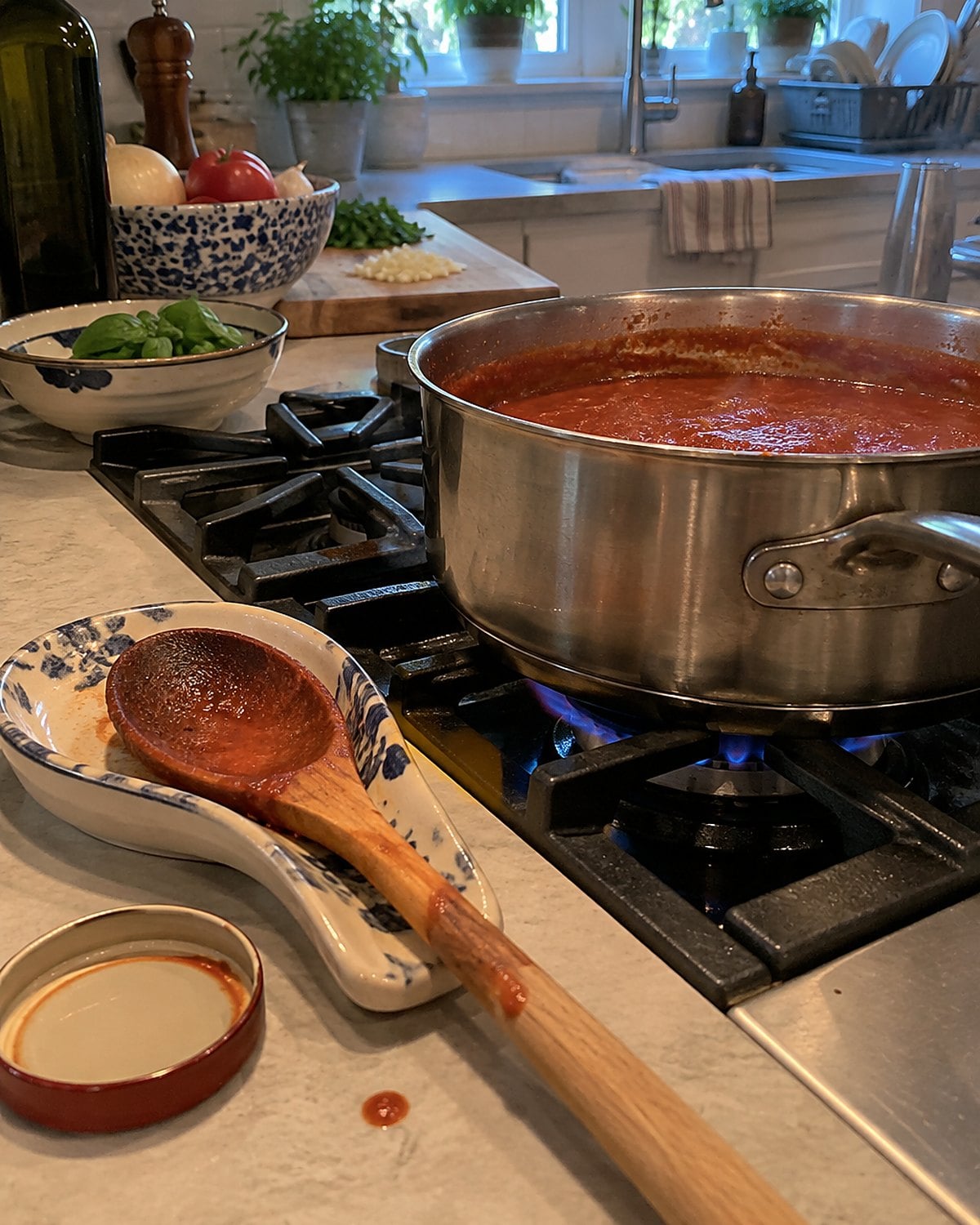
One sleeve catches a wooden spoon handle. That spoon has been lying across a bubbling pot, with its handle sticking into the aisle between stove and sink.
Set a spoon rest beside the burner instead. Keep utensil handles inside the counter’s edge, especially when someone else is passing through. A long spoon caught by a sleeve can tip a pot before anybody understands what happened.
Give stirring its own space. Pull the pot away from the back wall enough to reach it comfortably, without moving it near the front edge. When you’re done, put the spoon down. Don’t leave it balanced across a hot, bubbling rim.
That small patch of counter beside the stove is working space, not storage space.
#19 The roasting pan with the turkey
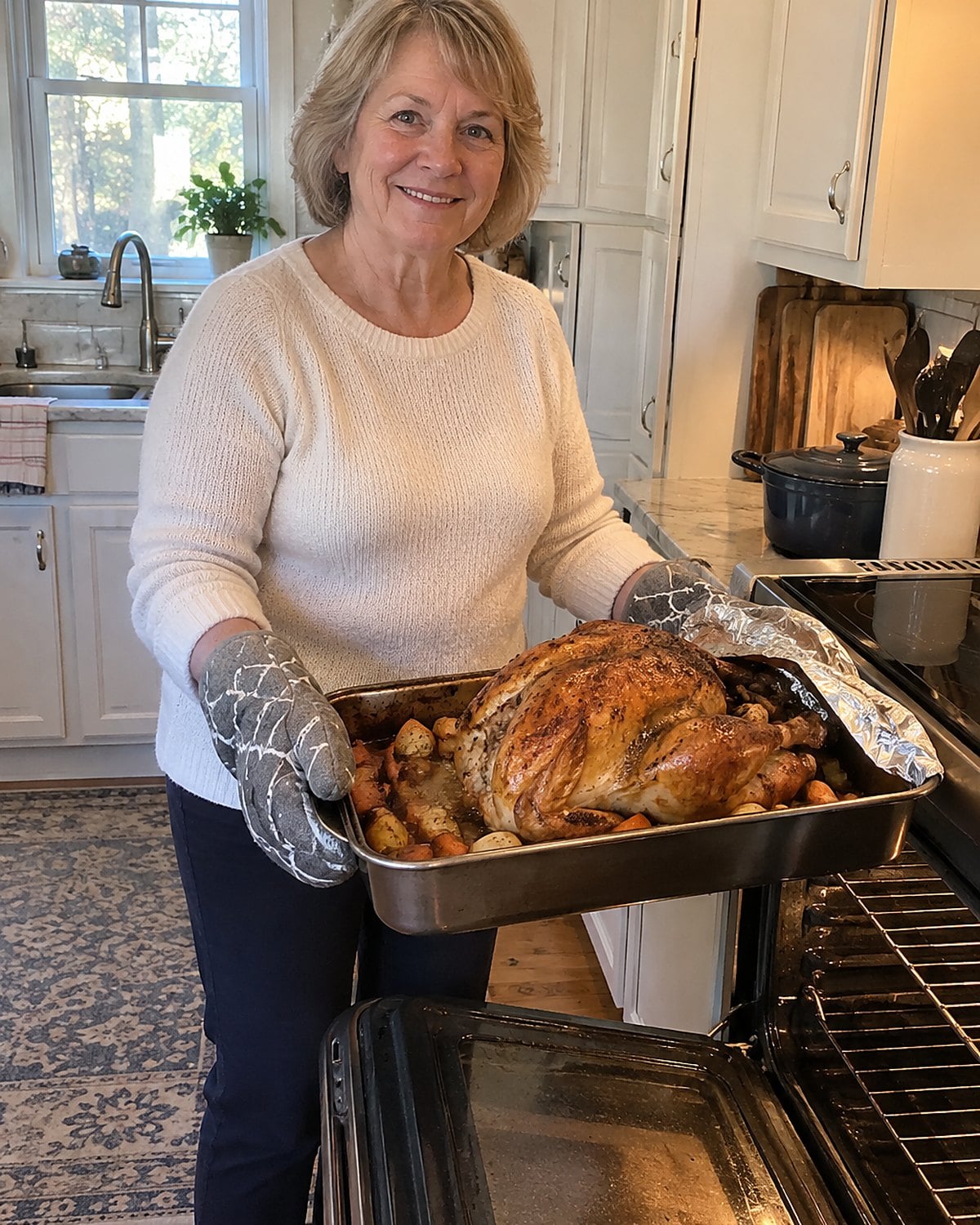
Where are you holding the roasting pan? Its handles sit low, with hot fat pooled in the corners. The turkey adds weight, and the open oven door lies between the pan and your feet.
Before cooking, decide where the pan will go and whether you can lift it at that weight. A disposable pan needs support from a sturdy baking sheet; its thin sides bend when loaded. If the filled pan is too much, ask someone to take one side.
After roasting, pull the rack out enough to get a firm hold. Keep the pan level on the way to its landing spot. Don’t tip hot juices into a bowl while holding the pan aloft.
Use a food thermometer for the turkey, not the color of its skin. The USDA’s safe-temperature guidance puts poultry at 165°F in the thickest part. A finished bird deserves a steady trip out of the oven.
#18 The loose lid on the mixing bowl
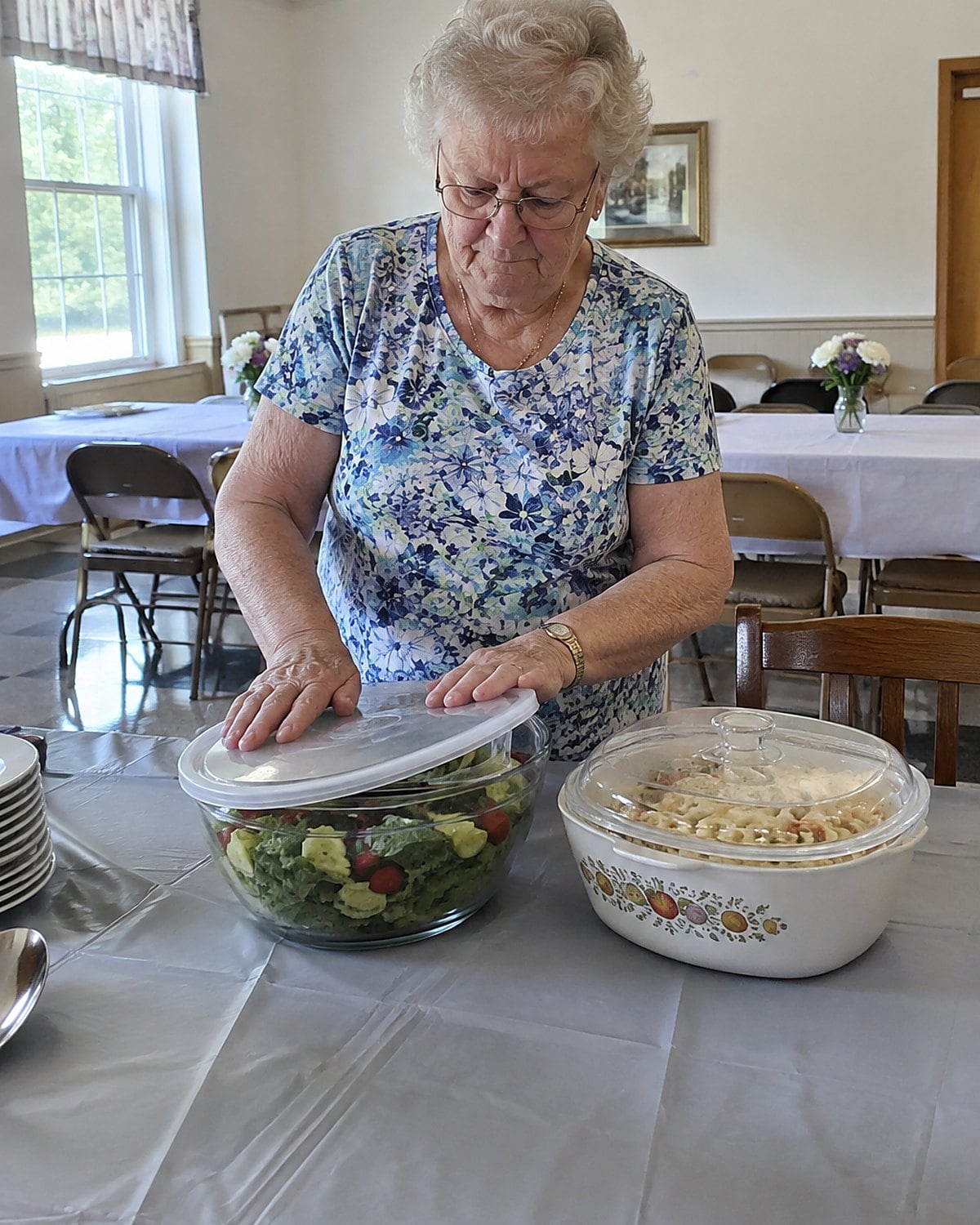
The church supper salad is ready. You snap a lid onto the bowl, pick it up by the rim, and discover halfway to the car that the lid was the only thing you were holding.
Lift the bowl from underneath. Before leaving, press around the entire lid and turn the covered bowl a little over the sink. If the seal shifts, carry it upright in a box or switch containers. Plastic lids warp; a familiar click isn’t proof that every side has caught.
A wide bowl of food also pulls away from you when you hold it at arm’s length. Keep it close to your body and make the trip without keys or a handbag in your other hand.
At the church hall table, set it down before peeling back the lid. The last-minute tug that frees a stubborn corner sends dressing farther than the drive ever did.
#17 The saucepan handle over the front burner
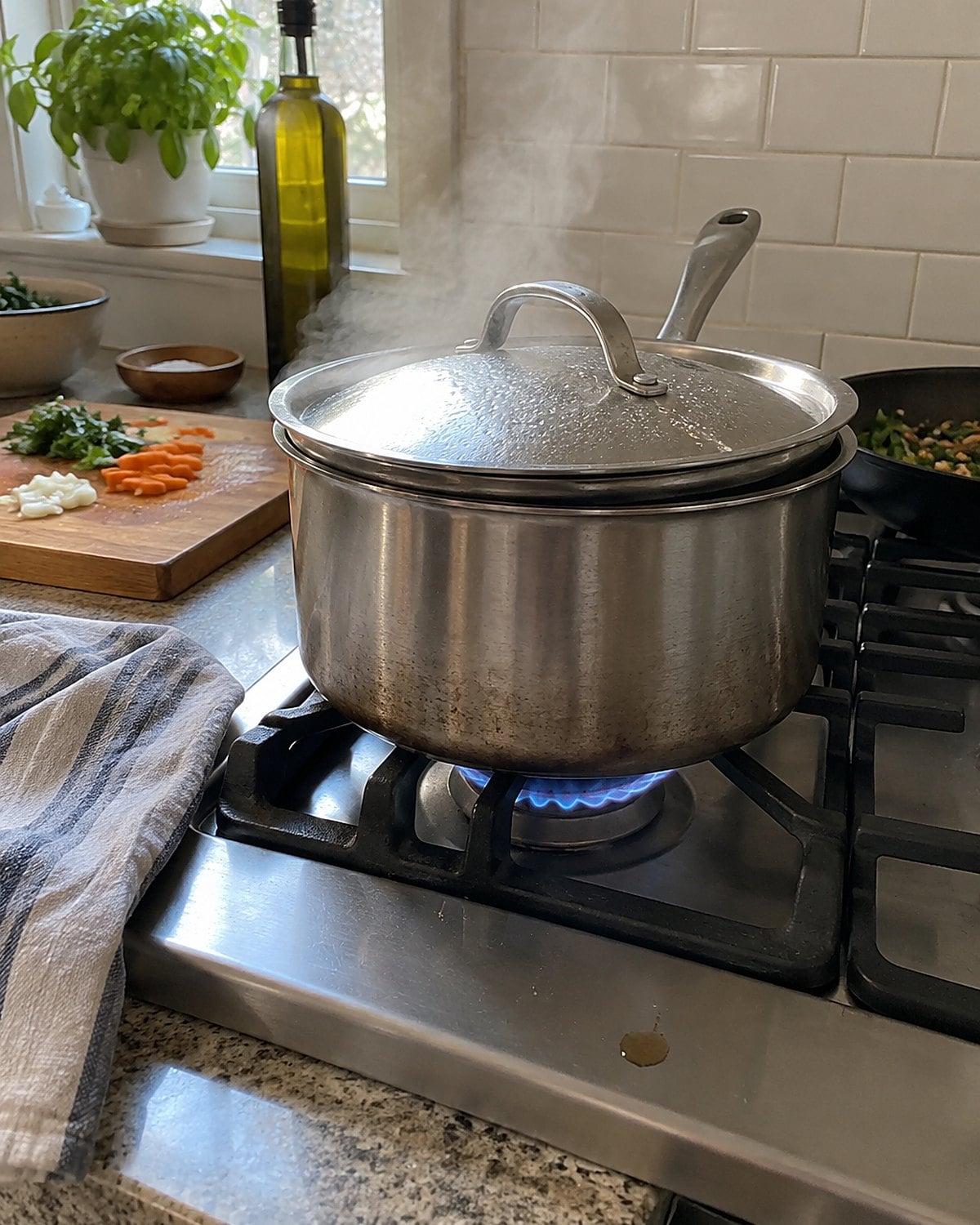
A saucepan handle sticks into the path to the spoon drawer. You turn, your hip meets it, and the pot pivots.
Set the handle to the side or toward the back before heating, clear of the neighboring flame or hot element. Check it again after stirring. A handle that was safely tucked away shifts when you rotate the pot.
Use a back burner when the pot fits and you can reach it without leaning over another hot pan. Don’t let that rule force you to stretch. The safer burner keeps the handle out of traffic while leaving you a comfortable reach.
If a child is visiting, look at the stove from the child’s height. A handle that seems tucked away to you is an invitation from below. The American Academy of Pediatrics gives families stove and burn guidance, but your counter tells you where the reachable handles are tonight.
Turn every handle before you walk away.
#16 The hot lid lifted toward your face
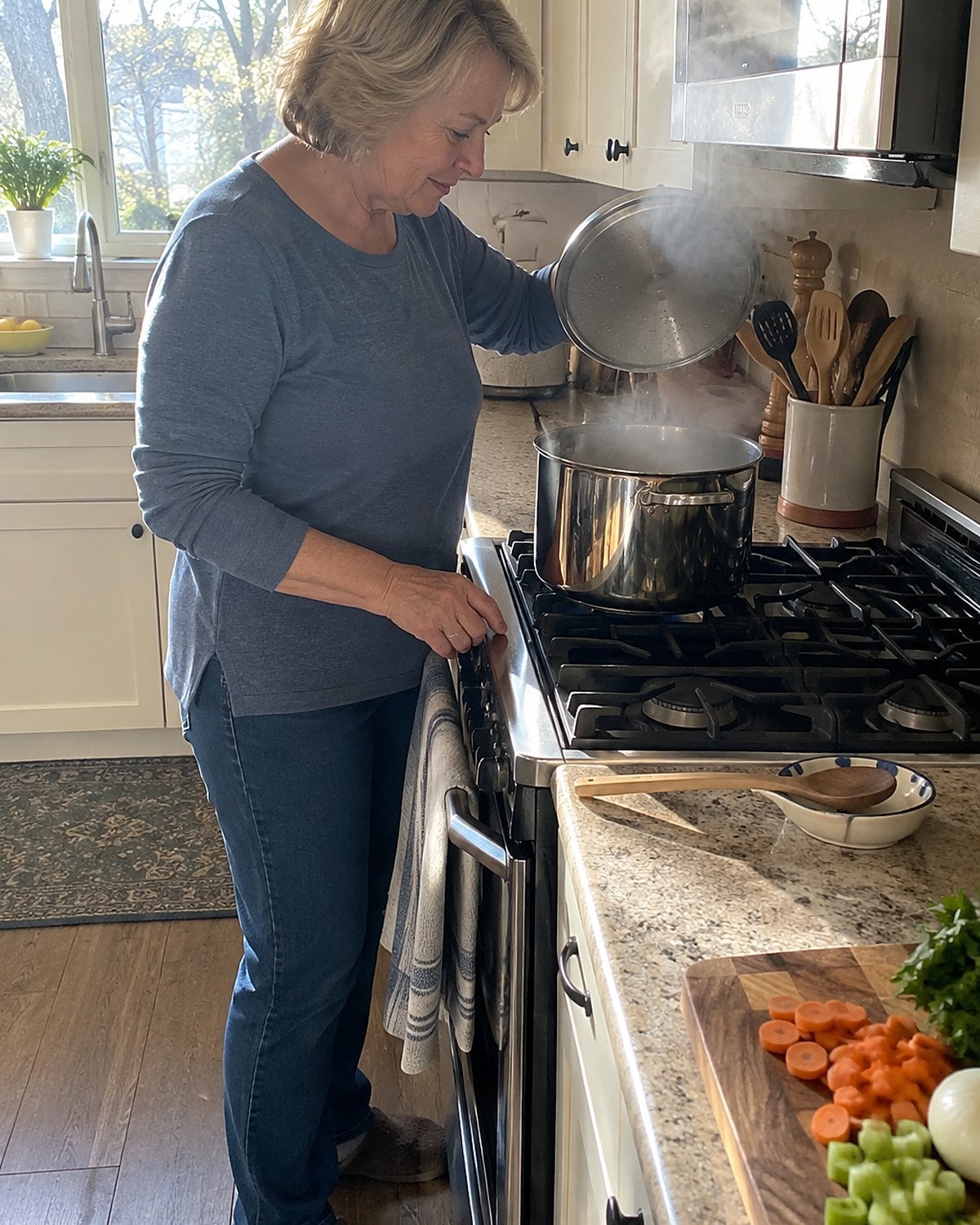
The soup has been simmering. You lift the lid to smell it, and a cloud of steam catches your wrist or glasses.
Start at the edge farthest from you. Tilt the lid so steam escapes away from your face, then lift it clear. Keep your hand out of the gap. Steam is hot even when the lid handle feels manageable.
Pause before reaching for the spoon. If your glasses have fogged, wait until you can see the pot and its handles again. With a wide lid, use a dry mitt on the knob; condensation on your fingers changes your grip.
Set the lid on a plate or trivet, with its wet underside away from the counter’s edge. Otherwise, the water it sheds becomes the next hot thing your hand finds.
#15 The pressure cooker valve after dinner
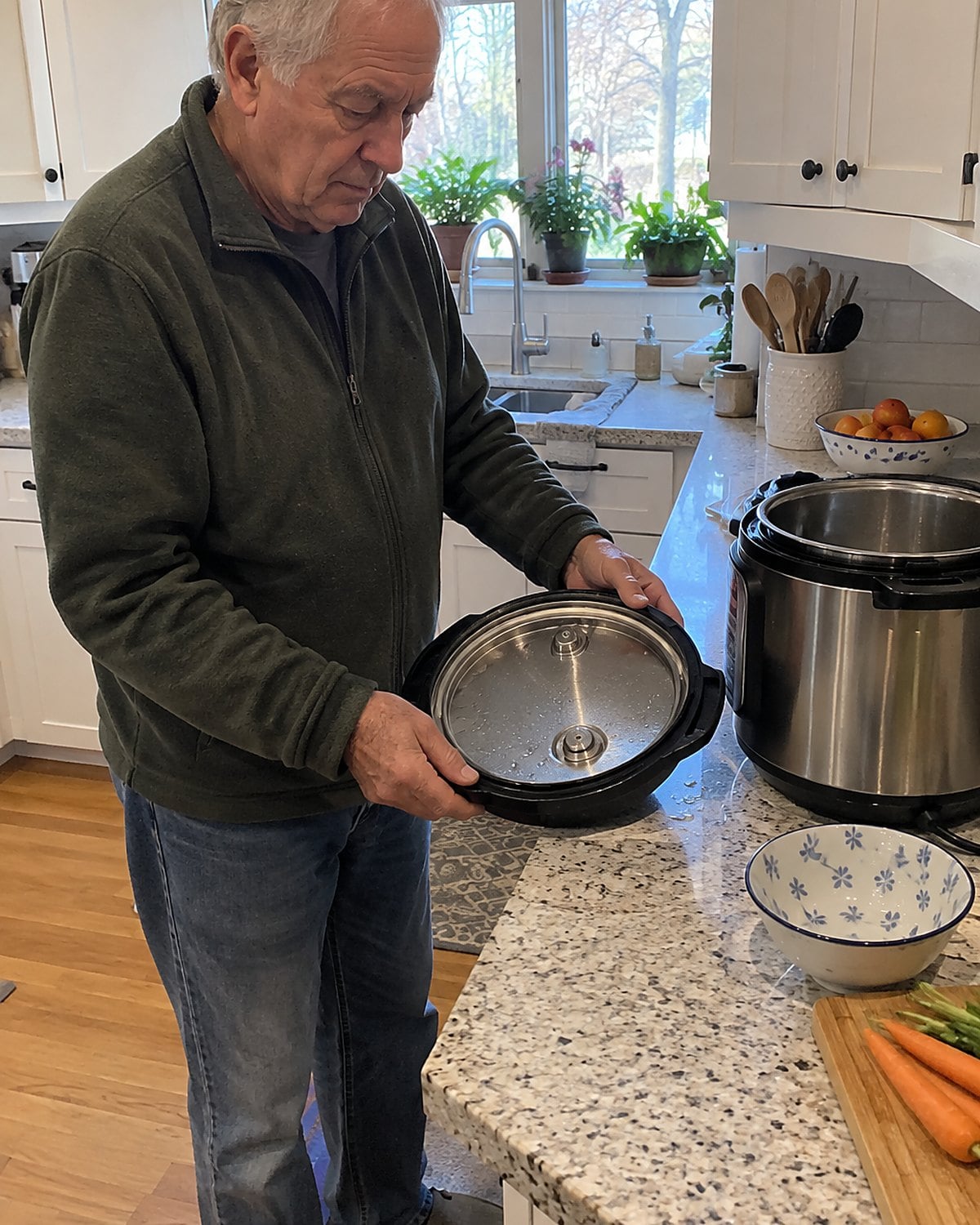
Done cooking doesn’t mean ready to open. The display has changed, but the pot is still pressurized. Reaching for the lid because the timer finished is an old stove habit in the wrong appliance.
Follow your cooker’s instructions for releasing pressure. Keep your face and hands away from the steam vent, and don’t drape a towel over it. Wait for the float valve to drop before trying the lid. If the lid resists, stop. Force has no place in that step.
For foods that foam or spatter, such as beans or thick soups, check the manufacturer’s release directions before choosing a quick release. Hot liquid can travel with the steam. Move the pot only after pressure is gone and the contents have settled.
Make one clear spot beside the cooker for the lid. Lift it away from you, as you would a saucepan lid, and set it down without crossing the vent with your arm. The timer tells you when cooking ended. The valve tells you when the pot opens.
#14 The bottle of dish soap by the sink
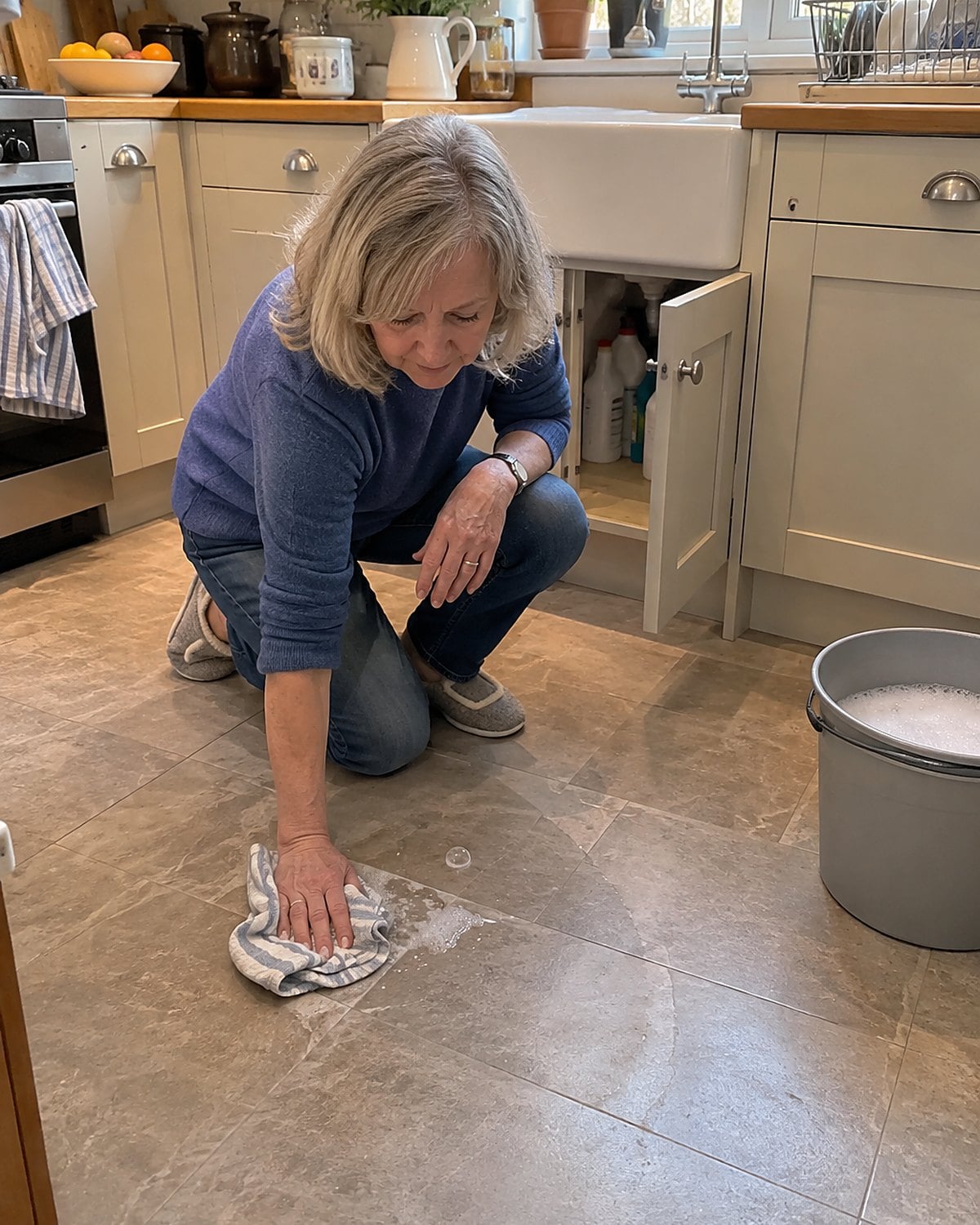
A little dish soap on the floor is almost invisible. Your shoe finds it anyway, right where you turn from the sink to the stove.
Keep the bottle in a tray or beside the back of the sink, where a drip lands somewhere you’ll see. After washing a greasy pan, feel the sink edge and floor with a dry cloth. A slick patch deserves attention before dinner calls you back across the room.
Don’t trust a quick splash of water to clear grease. Soap and grease need wiping up, followed by a clean rinse and a dry floor. The same goes for a dropped ice cube. Pick it up before it melts into a spot you forget.
The CDC’s fall-prevention guidance includes clearing hazards at home. In this kitchen, that starts with the few steps between the sink and stove.
#13 The high chair tray at Sunday lunch
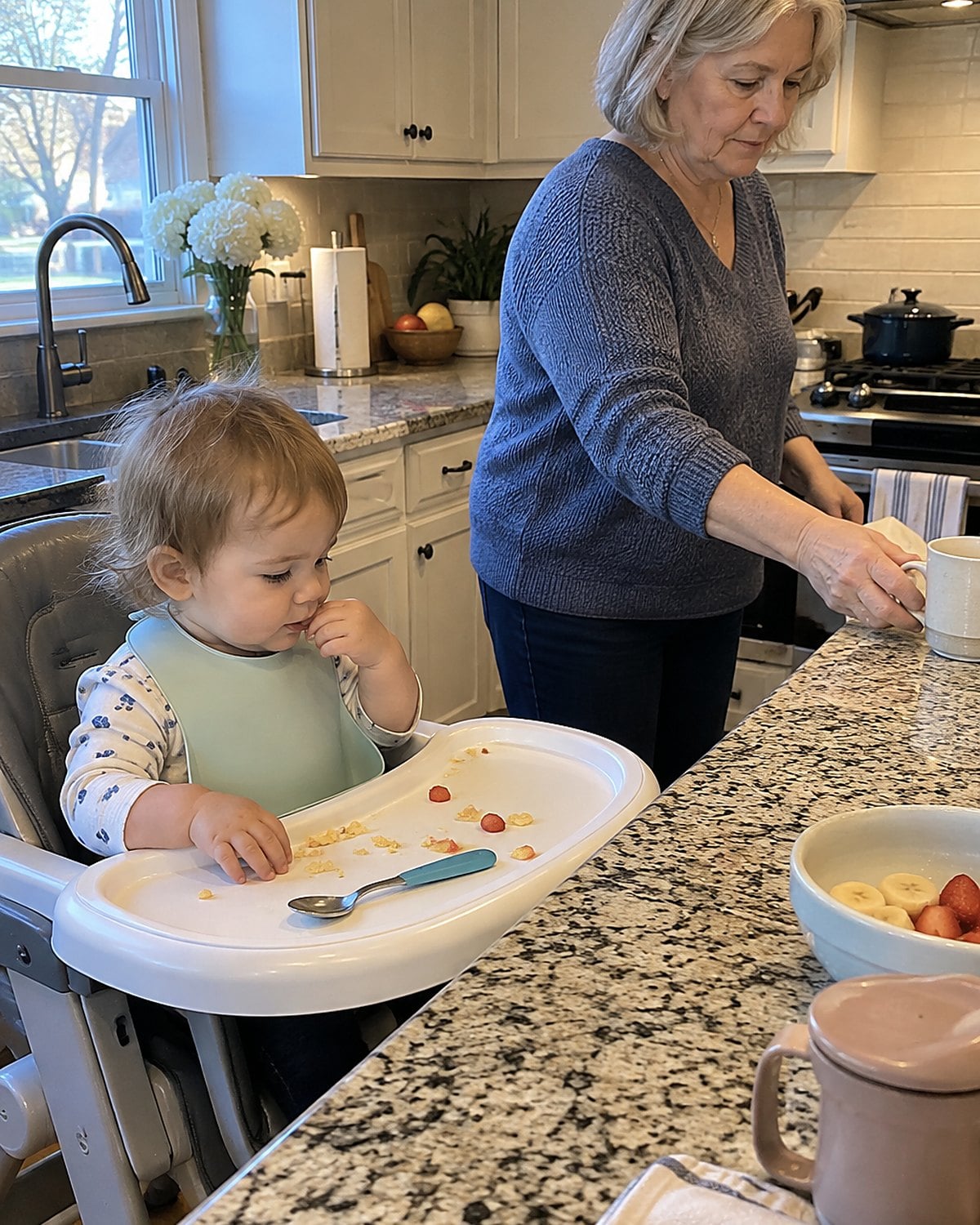
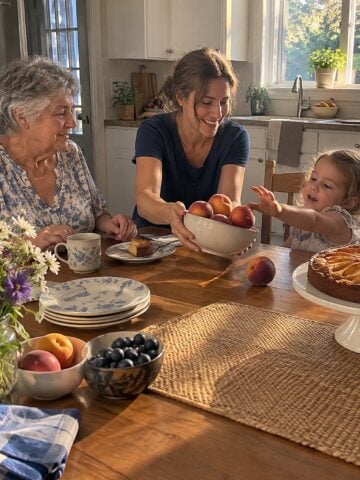
A grandchild arrives, and suddenly the kitchen has small hands at a different height. The pan cooling near the counter edge, the mug beside the high chair, and the loose tablecloth all become reachable.
Set the high chair away from the stove and from cords hanging off the counter. Put hot dishes in the middle of the table, beyond a child’s reach. Don’t carry a hot drink while holding a child; both your hands already have jobs.
The tray is for the child’s food, not a parking place for your mug while you fetch a napkin. If something falls, set down the hot item before bending to pick it up. Children move faster than the sentence “Don’t touch that.”
There’s no need to remake the whole kitchen for a visit. Walk the route from stove to table at a slower pace before lunch starts. Move the tempting things once, while the room is calm. Then you get to enjoy the company instead of guarding every edge.
#12 The parchment paper near the oven element
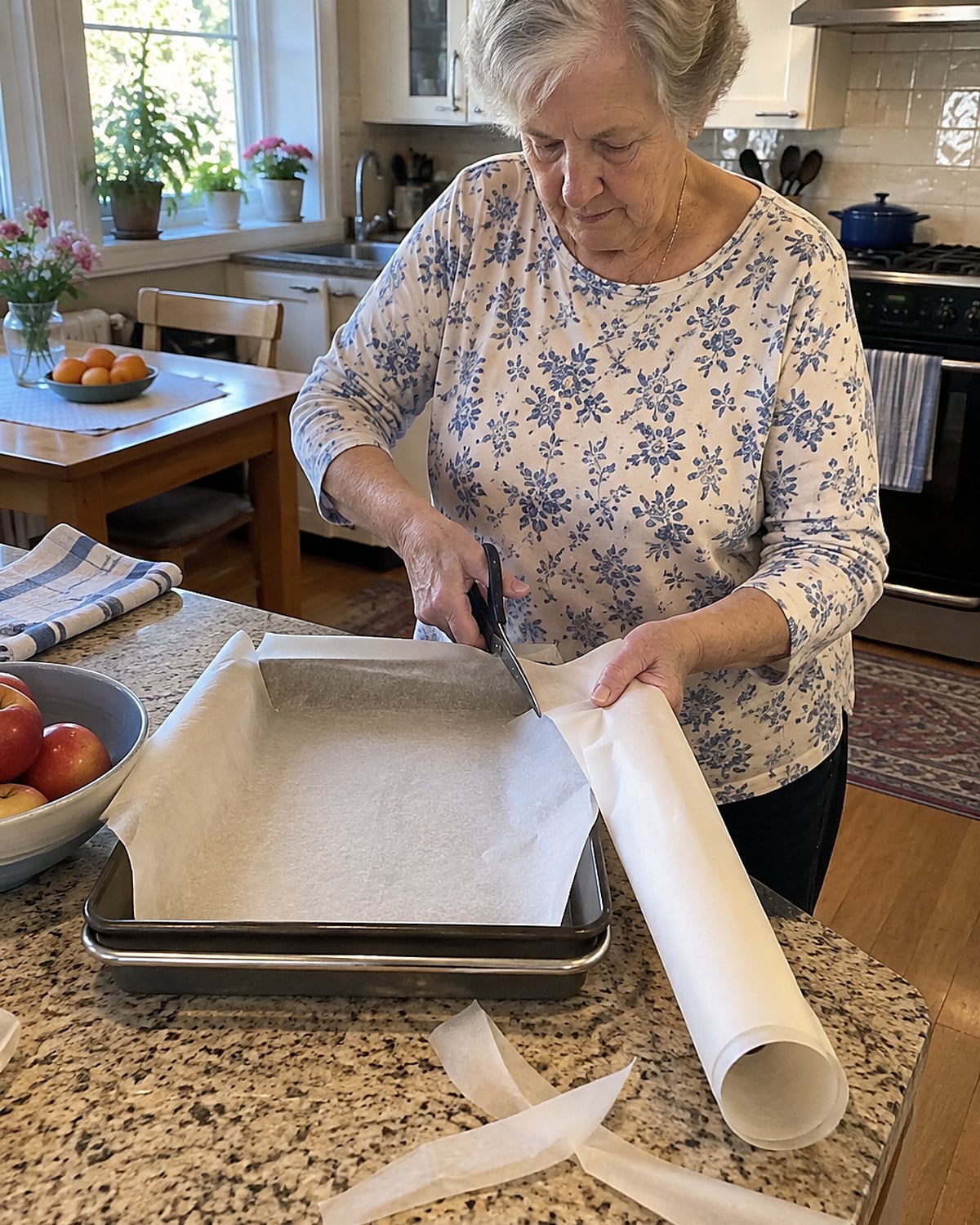
A sheet of parchment curls up when the pan goes into the oven. Its corner hangs past the tray, close to the heating element.
Cut parchment to fit the pan. Keep it flat under the food, and follow the temperature limit printed on its package. Check that limit before a hot roast or broil; the box, rather than the color of the paper, tells you when to leave it out.
Parchment and wax paper aren’t interchangeable: wax paper doesn’t belong in the oven. If the drawer holds both, look at the box before you tear off a sheet.
When using an air fryer, don’t put loose parchment in an empty basket during preheating. The fan lifts it toward the hot element. Add paper only when food will hold it down, if your appliance instructions allow paper at all.
That corner takes seconds to trim before the oven is hot.
#11 The bacon grease waiting on the stove
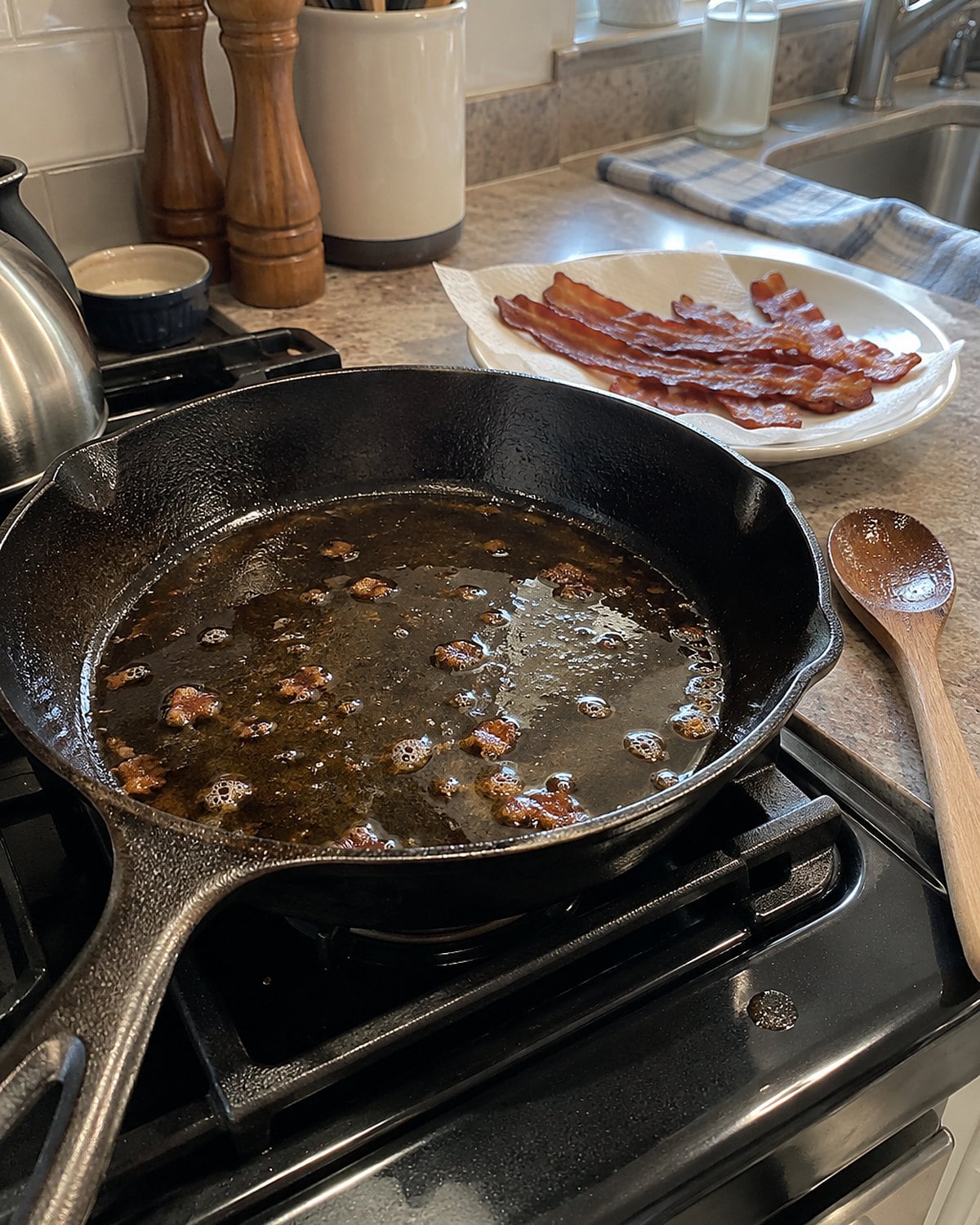
The skillet has stopped sizzling, so you pick it up. The grease still moves like hot oil because it is hot oil. One tilt toward the sink sends it up the side of the pan.
Let the skillet cool on the stove, with its handle turned away from traffic. If you need the burner, move the pan only after you’ve cleared a nearby landing spot and put on dry mitts. Don’t carry a pan of hot grease across the kitchen to make room.
Once the grease has cooled, scrape it into a disposable container for the trash. Don’t pour it down the drain, where fat collects in pipes. Wipe the pan with a paper towel before washing.
If grease catches fire, turn off the heat if you can do so safely. Cover the pan with a metal lid or baking sheet; don’t use water or carry the pan. The National Fire Protection Association has home cooking fire guidance worth reading before there’s smoke in the room.
#10 The heavy bag of potatoes
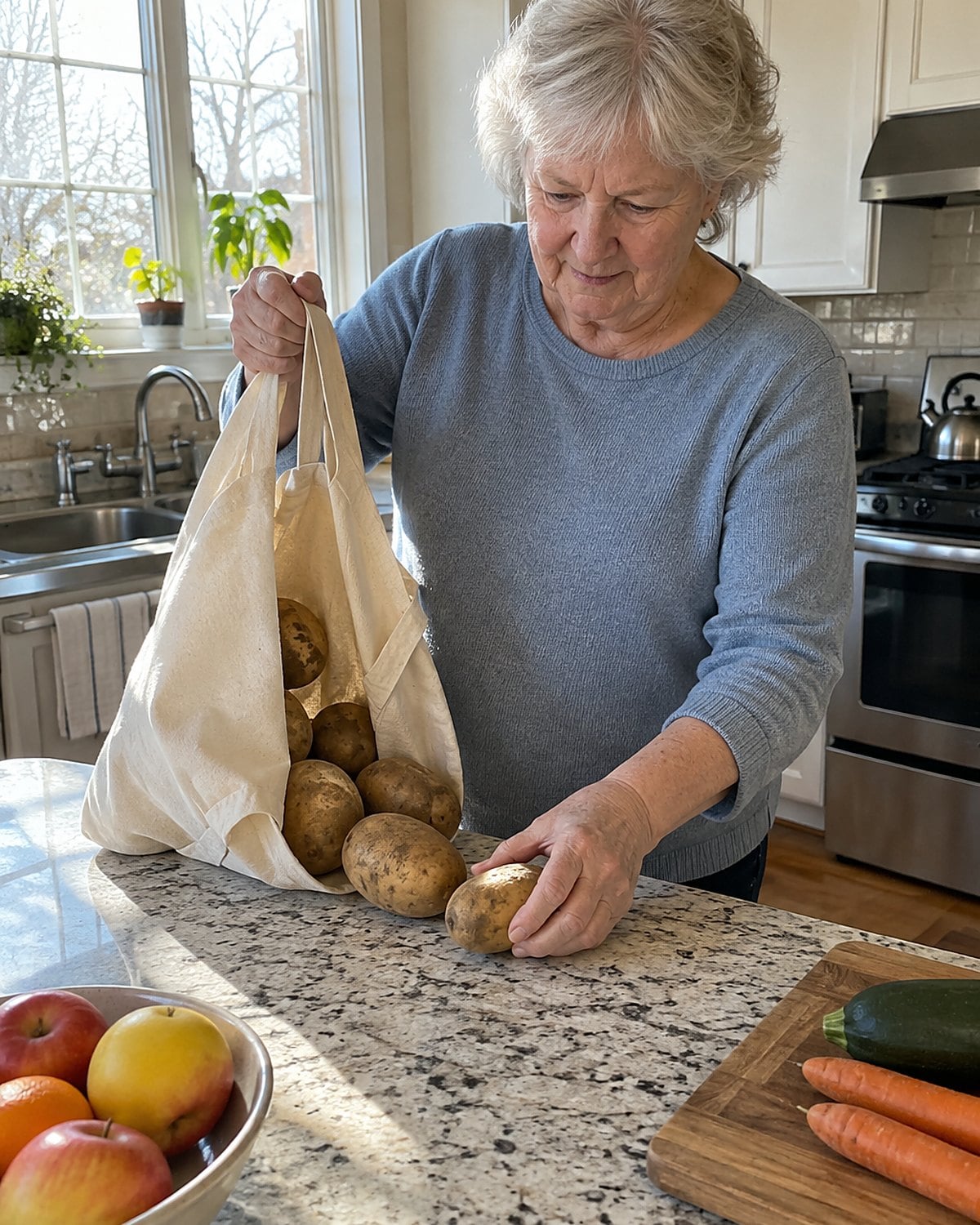
The grocery bag lands on the floor because the counter is full. Later, you bend to haul it up while turning toward the pantry.
Bring the bag to a clear chair or counter first. Take the potatoes out in smaller handfuls, then store them. That adds a few trips and removes the twisting lift. Keep the potatoes where you can reach them without dragging a full bag from a low shelf.
At the market, split heavy groceries between bags before you leave the stall. If someone is bagging them for you, ask whether they’ll put the potatoes in a separate bag. If they can’t, divide the load yourself before you carry it.
The same rule works for flour, pet food, and a basket of apples. You’re allowed to unpack a load before you move it again.
#9 The thermometer in the crowded drawer
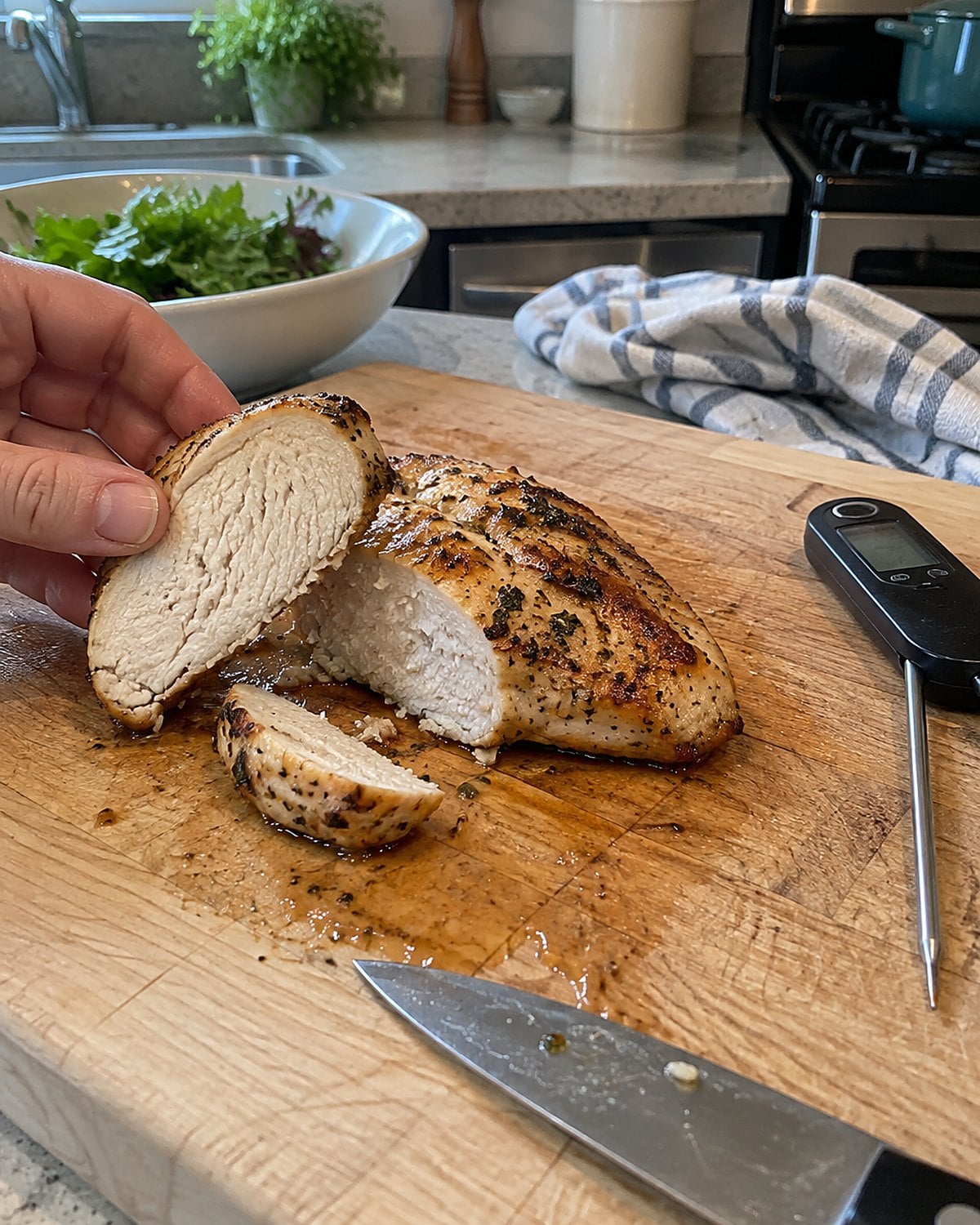
Where’s the thermometer? Under the takeout chopsticks and the broken peeler, right when the chicken is already on the board.
Give it a place you can reach without opening three drawers. Clean the probe according to its instructions between uses. Push it into the thickest part of the food, away from bone.
The USDA’s safe-temperature chart lists 165°F for poultry and 160°F for ground meat. For whole cuts of beef and pork, it lists 145°F, followed by a 3-minute rest.
For a thin piece, insert the probe from the side to keep its tip in the center. Read the display while the food stays on the board or pan; don’t hold a hot piece in your fingers to check it.
A thermometer saves the extra oven trip prompted by a doubtful glance. More important, it settles the question before you serve anyone.
#8 The freezer drawer that sticks
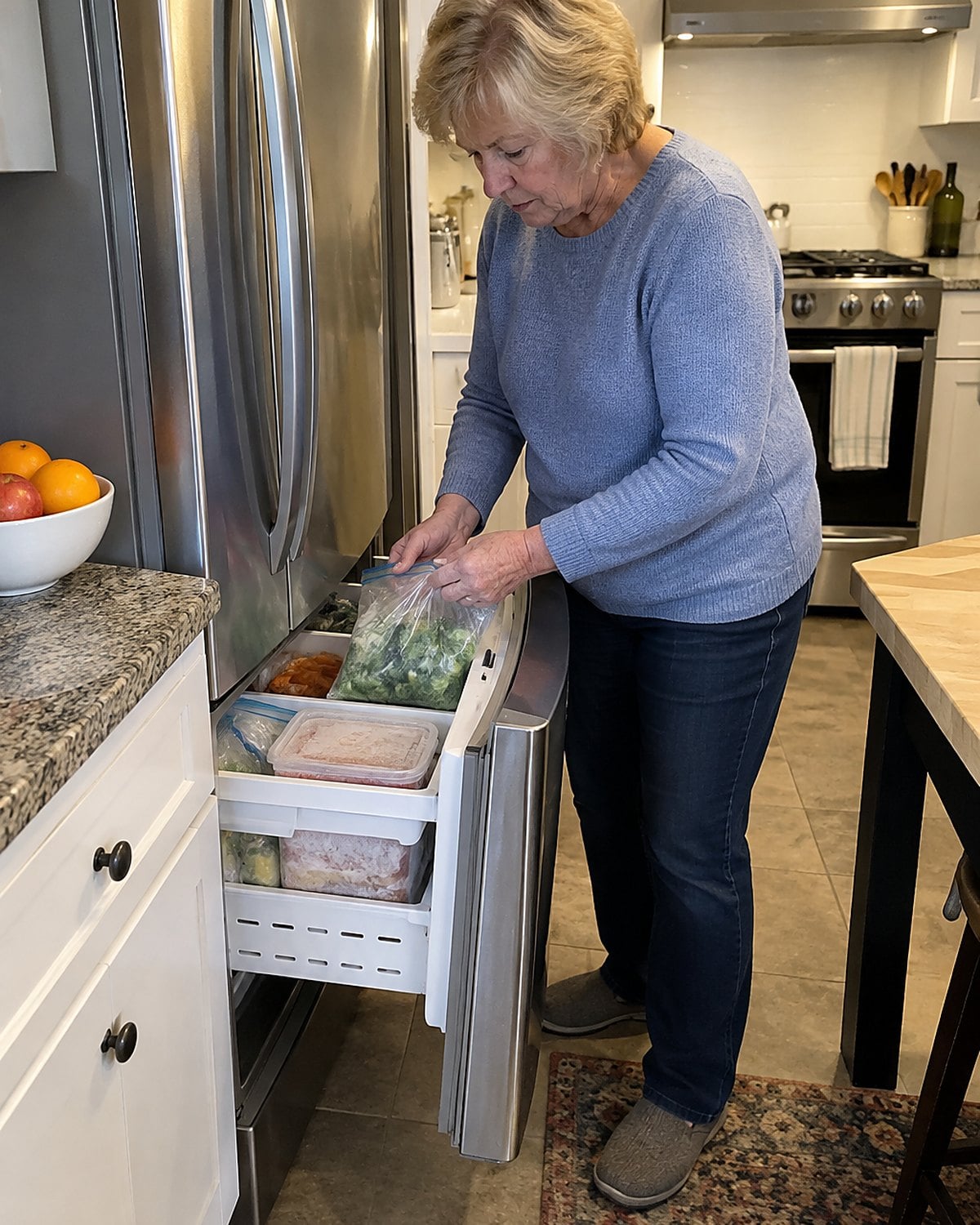
You pull harder. The drawer releases all at once, and a bag slides onto the floor.
Open it with one hand on the handle and the other ready to steady the drawer, not the falling food. If a package blocks the rails, stop and shift it instead of yanking. A freezer bag filled flat stacks more neatly than a round, overstuffed one.
Label the bag before it freezes. You don’t need to stand with the drawer open, turning a hard lump over to work out what dinner it used to be.
Wipe frost and spills from the drawer edges when you find them. If the drawer keeps binding, check the appliance manual rather than forcing the plastic parts.
#7 The colander balanced in the sink
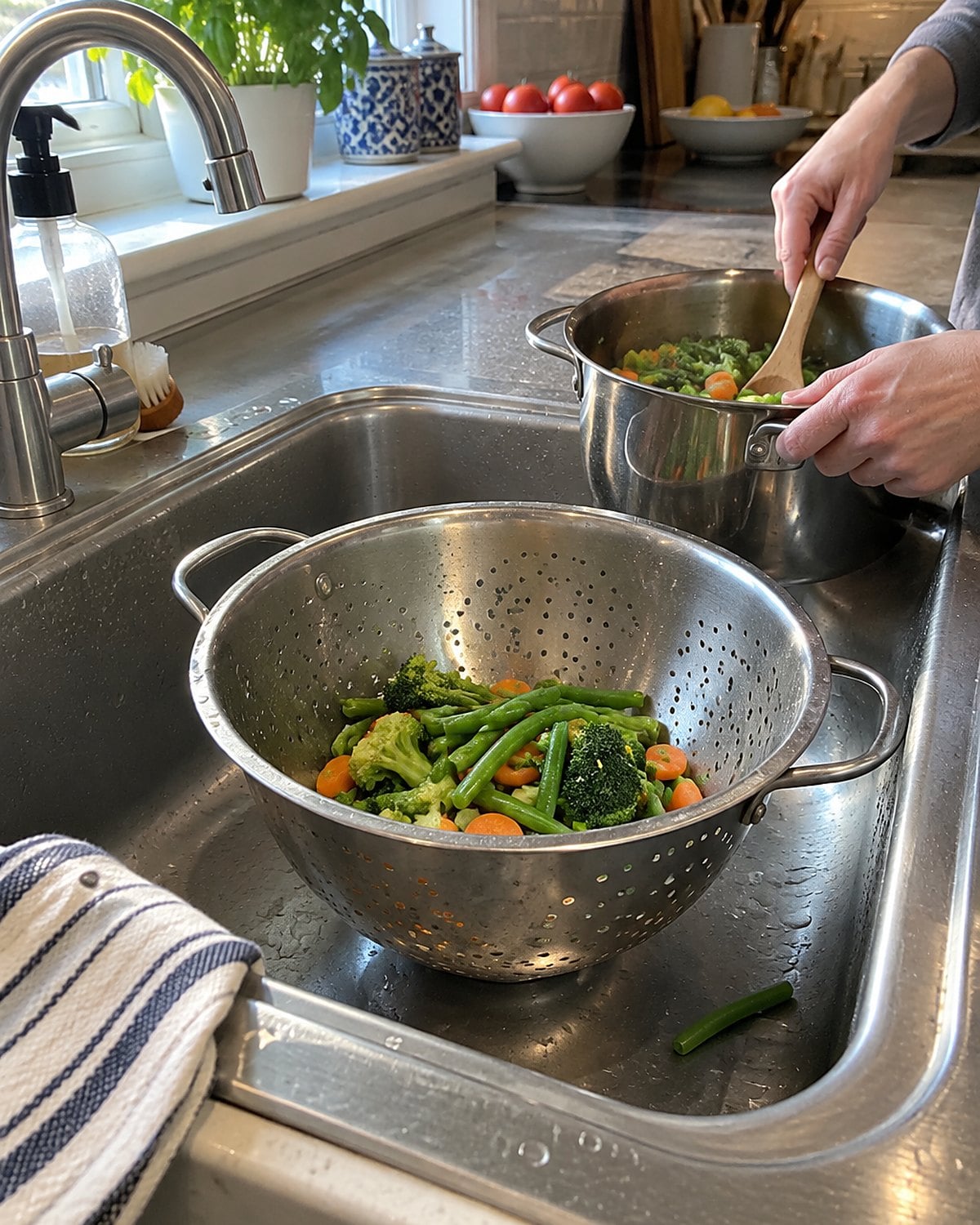
The sink is full of breakfast dishes. You perch a colander on top because the vegetables are ready to drain. Then a plate shifts beneath it.
Clear the sink before you need it. Set the colander on its own feet, with nothing under a leg or handle. For a small pot, drain into a bowl on the counter instead. You’ll see the water level and keep the whole job away from the breakfast stack.
Hot food deserves a stable target. Test the empty colander with your palm: a small push shouldn’t rock it. If it does, use another one or make room for it. A wide mesh strainer is handy for beans and chopped vegetables, but only when it sits firmly over its bowl.
If raw meat has touched the sink, clean and sanitize it before using that space for vegetables. The USDA’s kitchen-cleaning guidance explains how. A pile of dishes hides both wobble and spills; give the colander a clear place to work.
#6 The refrigerator shelf above your shoulder
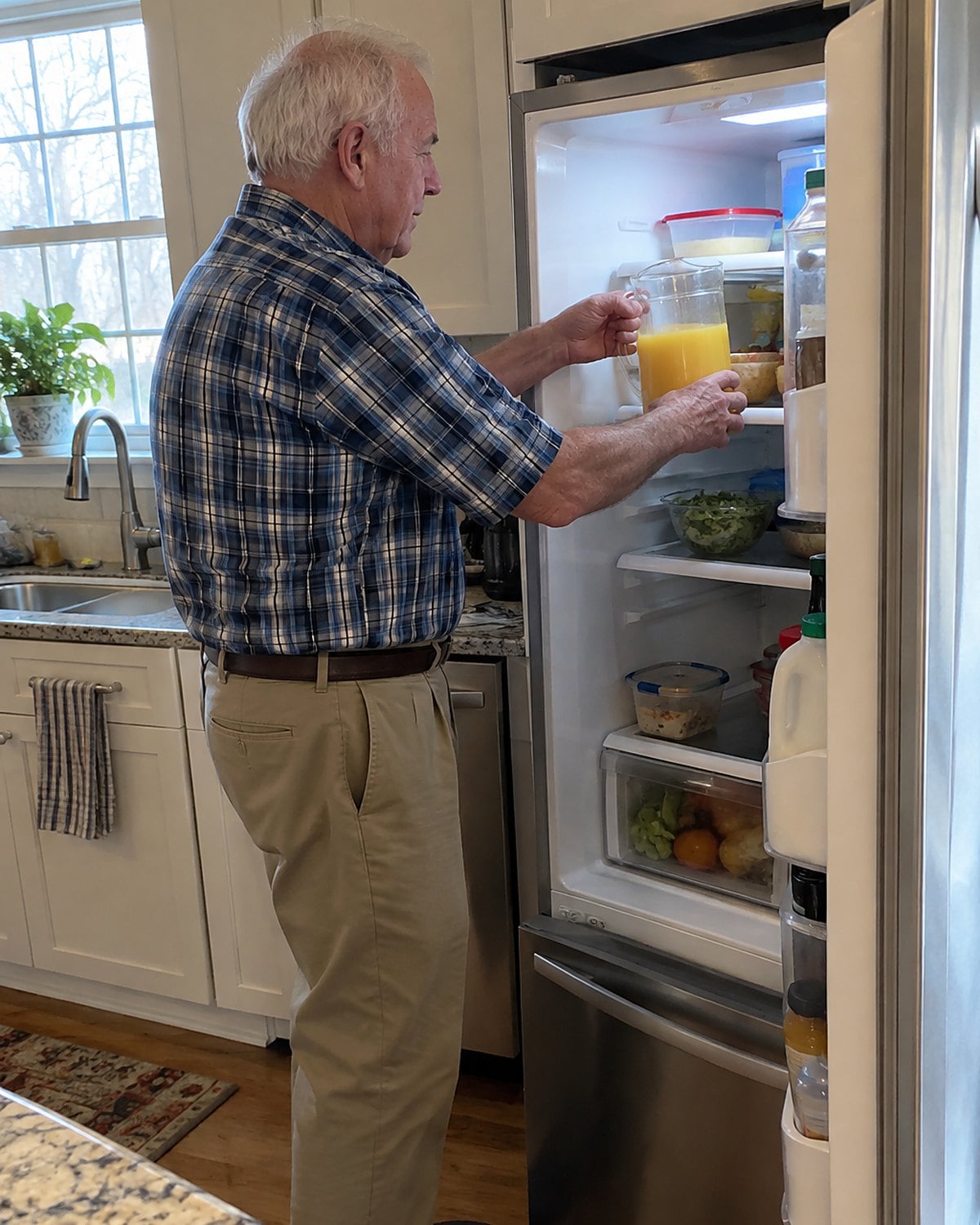
The big pitcher fits on the top shelf. Getting it down means lifting chilled liquid above your shoulder, then lowering it past the door shelf. A gallon of water weighs about 8 pounds before you count the pitcher.
Put heavy pitchers and leftovers on a shelf between waist and chest height. Keep lighter containers up high. A clear, smaller container also lets you see what remains without tipping it toward you.
Check the refrigerator temperature while you rearrange. The FDA’s refrigerator guidance says to keep it at 40°F or below. Use an appliance thermometer rather than trusting the dial. Leave room to grasp the pitcher without catching the shelf above it.
That pitcher has a better home than the shelf where it happened to fit.
#5 The step stool beside the pantry
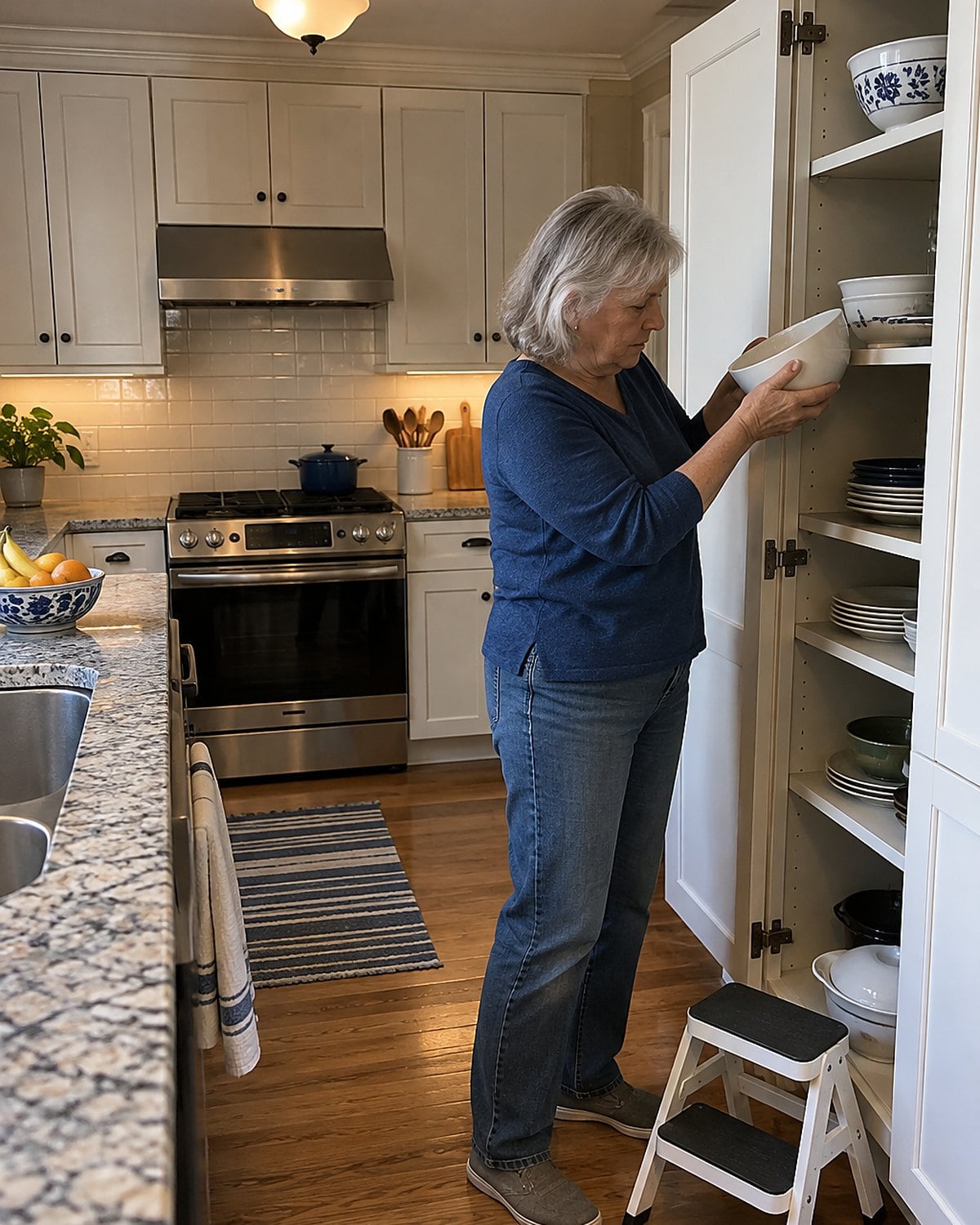
The good serving bowl lives above the pantry door. You need it for Saturday, so out comes the little step stool with paint on its legs.
Check the stool before climbing. Its feet need to sit flat on a dry floor, and its steps should hold still under your weight. Don’t climb in slippers that slide, and don’t reach sideways from the top step. Come down and move the stool instead.
Better yet, give the good bowl a reachable shelf. Use the high space for light things you rarely need, not a stack of dishes or the flour you use each week. Moving familiar things feels disruptive. So does dropping a serving bowl while you’re trying to make lunch.
If you need help with a high shelf, ask for the shelf to be rearranged, not for a standing appointment to fetch the bowl. The fix should still work when you’re home alone.
#4 The rug in front of the sink
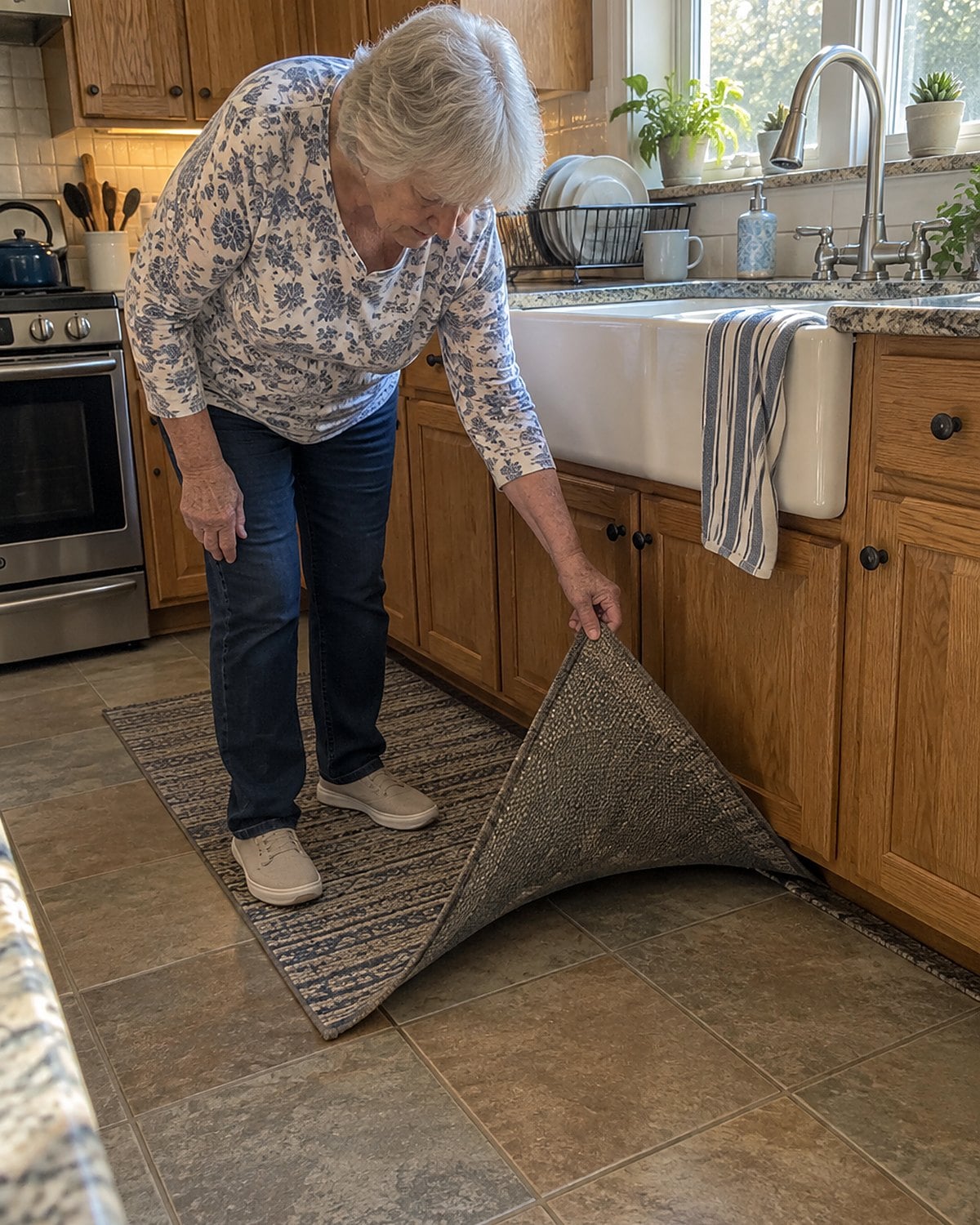
That rug catches drips and feels good under your feet. Its curled corner catches a shoe just as well.
Lift it and check the backing. Give the rug one sideways push with your shoe. If it slides or the corner folds under, remove it or secure it with a backing made for your floor. Flattening a curled edge each morning doesn’t fix a rug that curls again by supper.
Check it again after washing it. A rug that gripped yesterday deserves another push once its backing has been through the laundry.
Keep the sink area dry enough to spot a fresh spill. A patterned rug hides water, crumbs, and a dropped spoon. The floor has to work for the way you walk across it, not for the way it looks from the doorway.
#3 The pie plate caught by one thumb
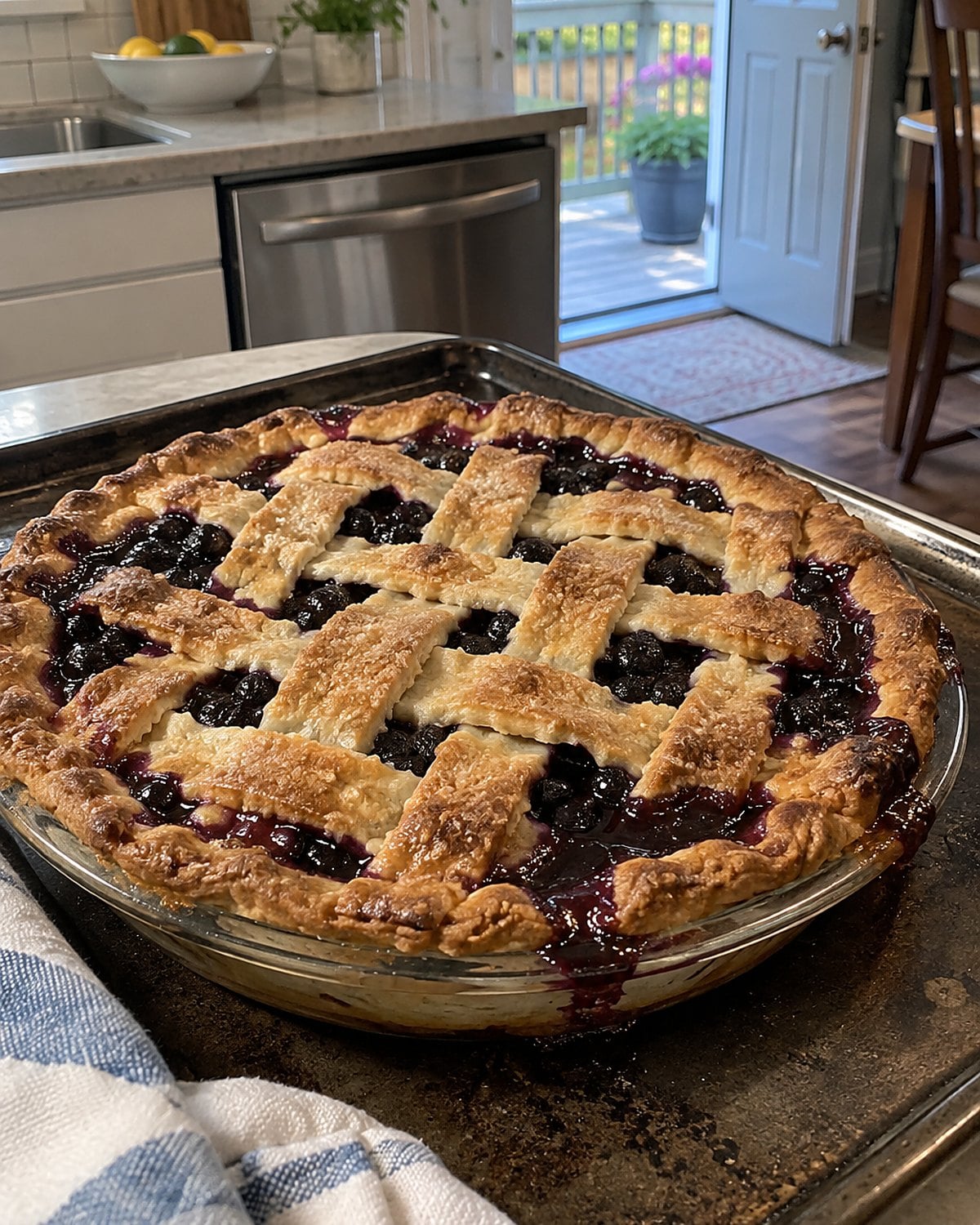
You’re carrying the pie to the porch. The plate is warm, the crust smells right, and your thumb is hooked over the rim. A pie plate doesn’t give you much to hold once that thumb slips.
Put the plate on a sturdy tray or baking sheet before moving it. Hold the tray from below with both hands. If the pie is going into a car, set the tray on a flat surface and brace it against sliding. Don’t balance it on a sloping seat.
Let a hot pie cool on a rack first, following the recipe’s directions. Clear the porch table or counter before you pick up the tray, so you can set it down without shifting your grip.
Nobody will notice the tray under your pie. They’ll notice if the pie reaches them in one piece, and so will you.
#2 The dinner plate carried with everything else
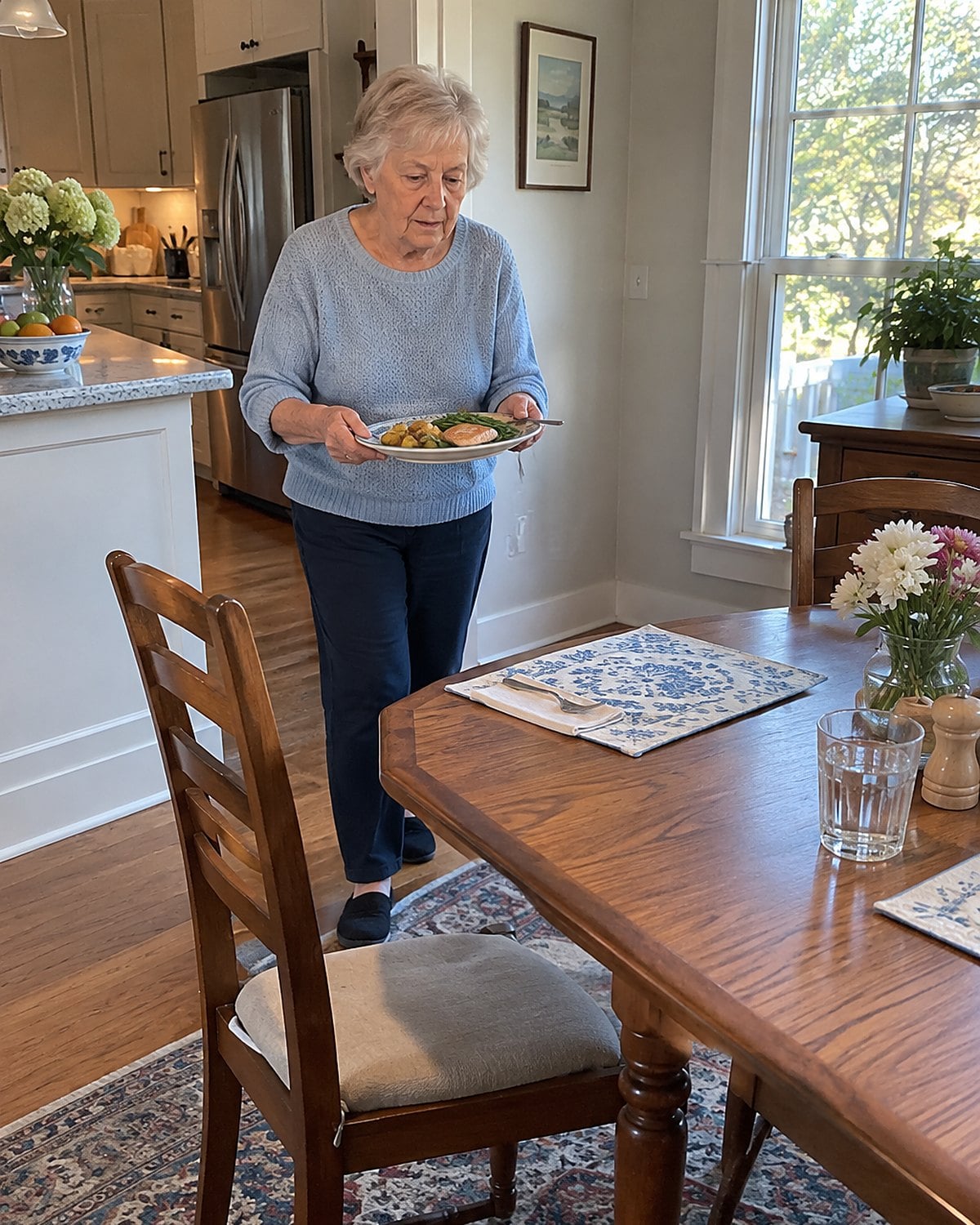
How many things are in your hands on the way to the table? A plate, a fork, a glass, and the phone that started ringing while you served yourself.
Put the phone down. Carry the plate level with both hands if it’s hot or heavy. Return for the glass. A second trip across a clear floor takes less effort than keeping a sliding fork balanced against your wrist.
For a meal with several dishes, use a tray that fits through the doorway without turning sideways. Load it on the counter first, then lift it from below. If the tray bends or blocks your view of the floor, carry less.
The table will still be there when you come back.
#1 The clear landing spot before you lift
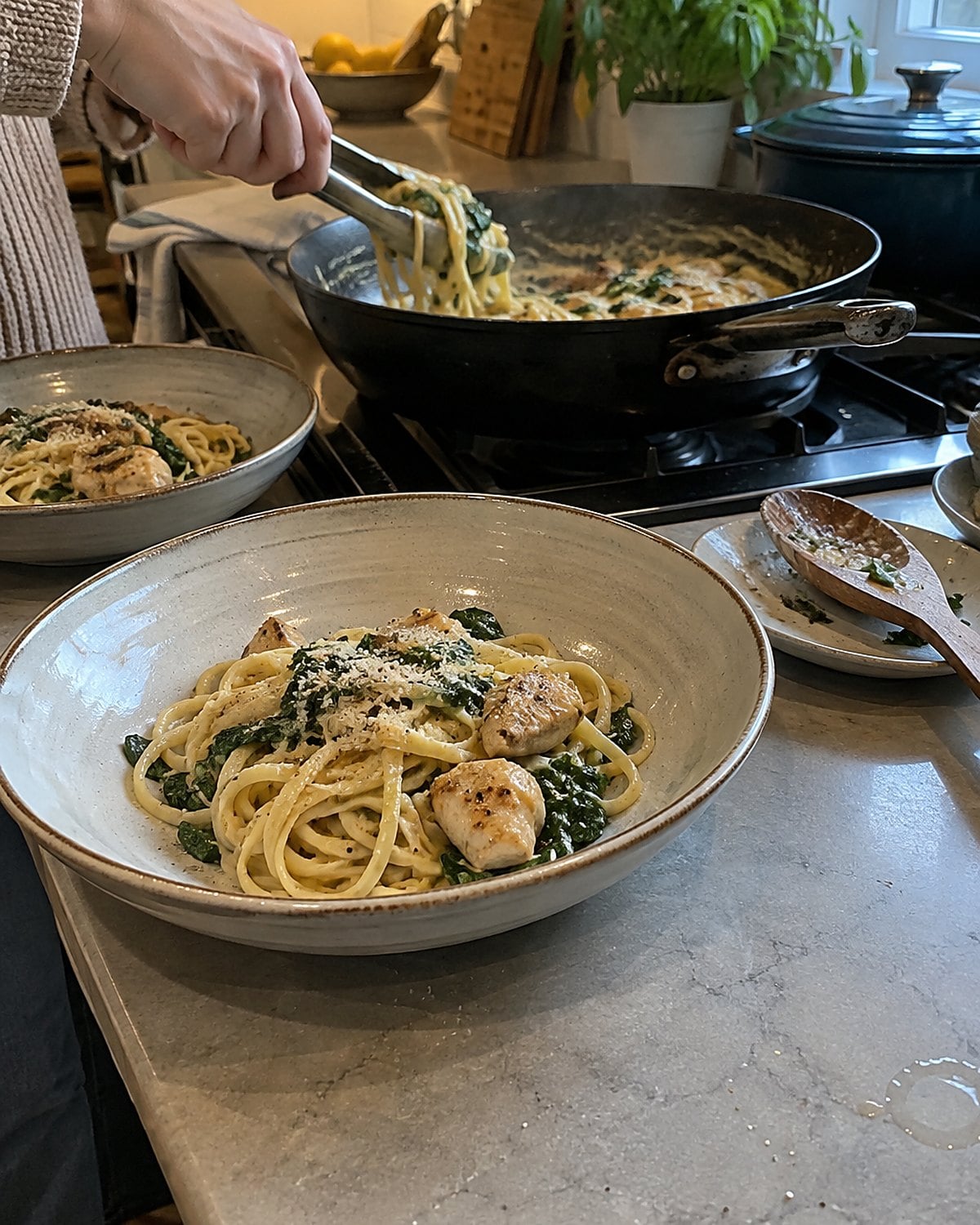
A hot pan leaves the stove. Your eyes jump to the counter, looking for somewhere to set it. The trivet is under yesterday’s mail, so you shift your grip and try the other side of the room.
Stop that trip before it starts. Before you heat, drain, or pull anything out of the oven, choose its landing spot. Clear a space larger than the pot or dish. Put a dry trivet there. Then walk the route empty-handed and move the chair, bag, or open drawer in your way.
This works for cold things too. Decide where the grocery bag, mixing bowl, or full pitcher will land before you pick it up. Once something heavy is in your hands, your choices get smaller and your grip gets tired.
Try it tonight with one pan. Set up its destination before you turn on the burner. When dinner is ready, the next move is already waiting for you.
The bottom line
The trouble spots have something in common: they ask you to solve the next step while your hands are already full.
The well-prepared version of you has cleared a landing spot, dried the mitt, and made room for a steady grip. Which move in your kitchen still asks you to improvise?
Leave a Reply