

The pantry door catches on a sack of potatoes. A jar of mustard stands behind three open boxes of pasta. You know how to turn any of it into dinner. The question is why the next grocery trip keeps adding food that has no place to go.
A smaller household changes the arithmetic. The big package that fed four without a thought now asks for a plan, and the good sale asks an even better question: Who’s eating it? Start there. Dinner can stay generous while the cart gets more deliberate.
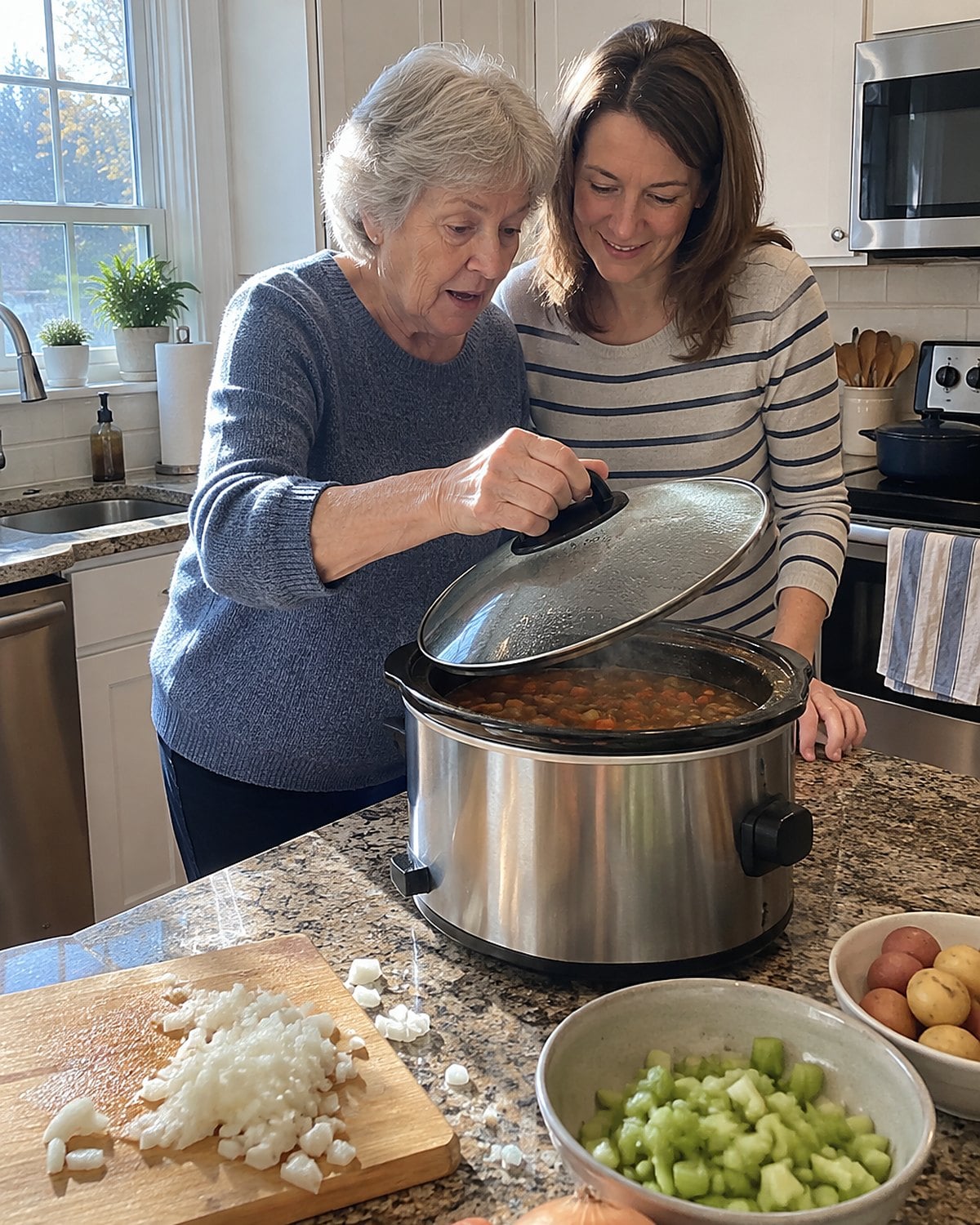
#27 The pantry shelf before the store
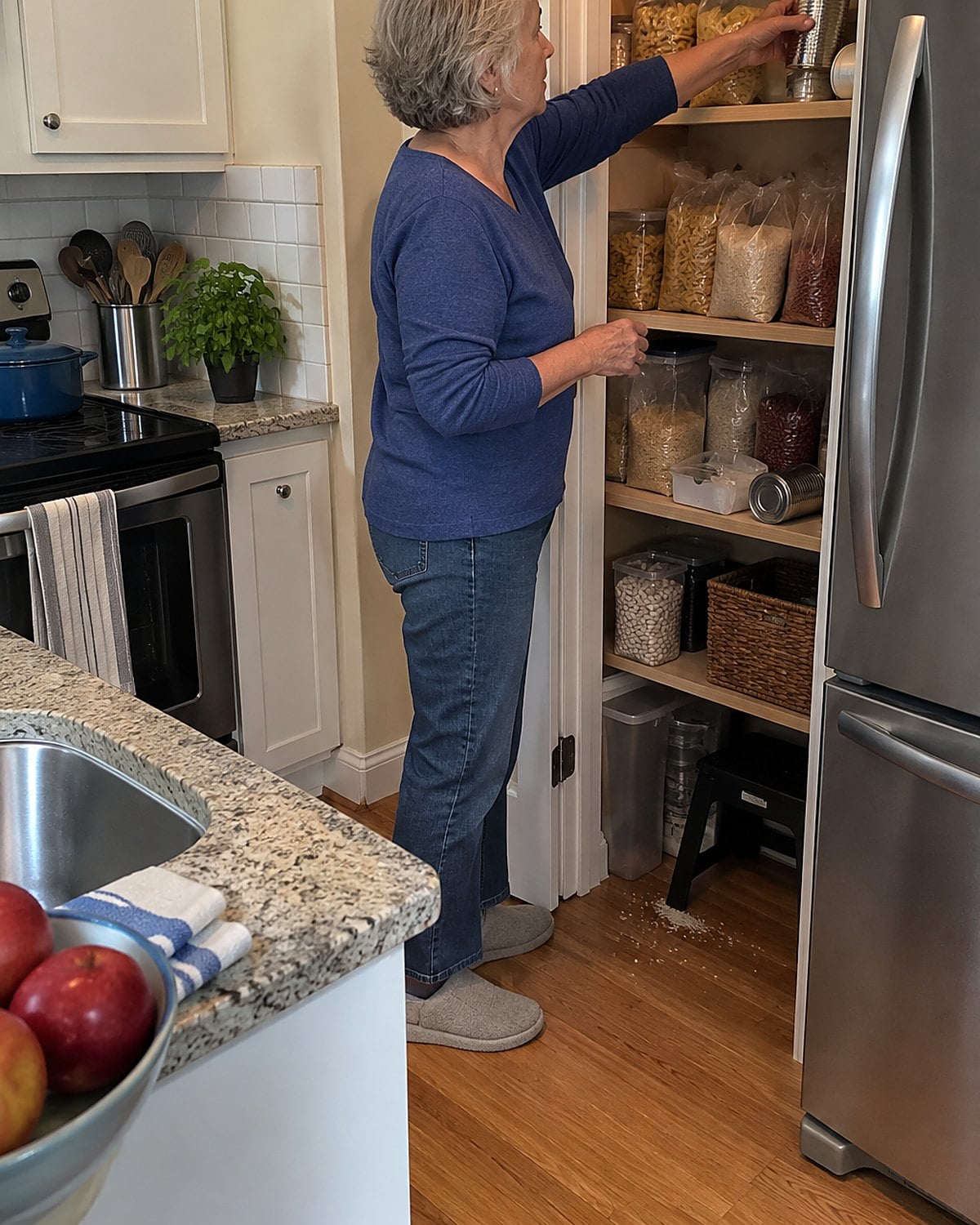
Open the pantry before you write a single line. Pull forward the open rice, the half-used noodles and the can that keeps disappearing behind the flour. You’ve already paid for them. Give one a place at dinner before buying its twin.
The easiest check is physical: put the open packages on the counter where you can see their amounts. A tablespoon of rice left in a bag is different from enough rice for two suppers. That difference decides what goes on the list.
Now look for the missing partner. Rice without a main dish asks for beans, eggs or chicken. Pasta without sauce asks for tomatoes, garlic or a block of cheese. Write the partner, not a replacement for the food you own.
Before you close the door, move the older packages to the front. That little shuffle keeps the next grocery trip from starting with another archaeological dig.
#26 The shelf tag under the cereal
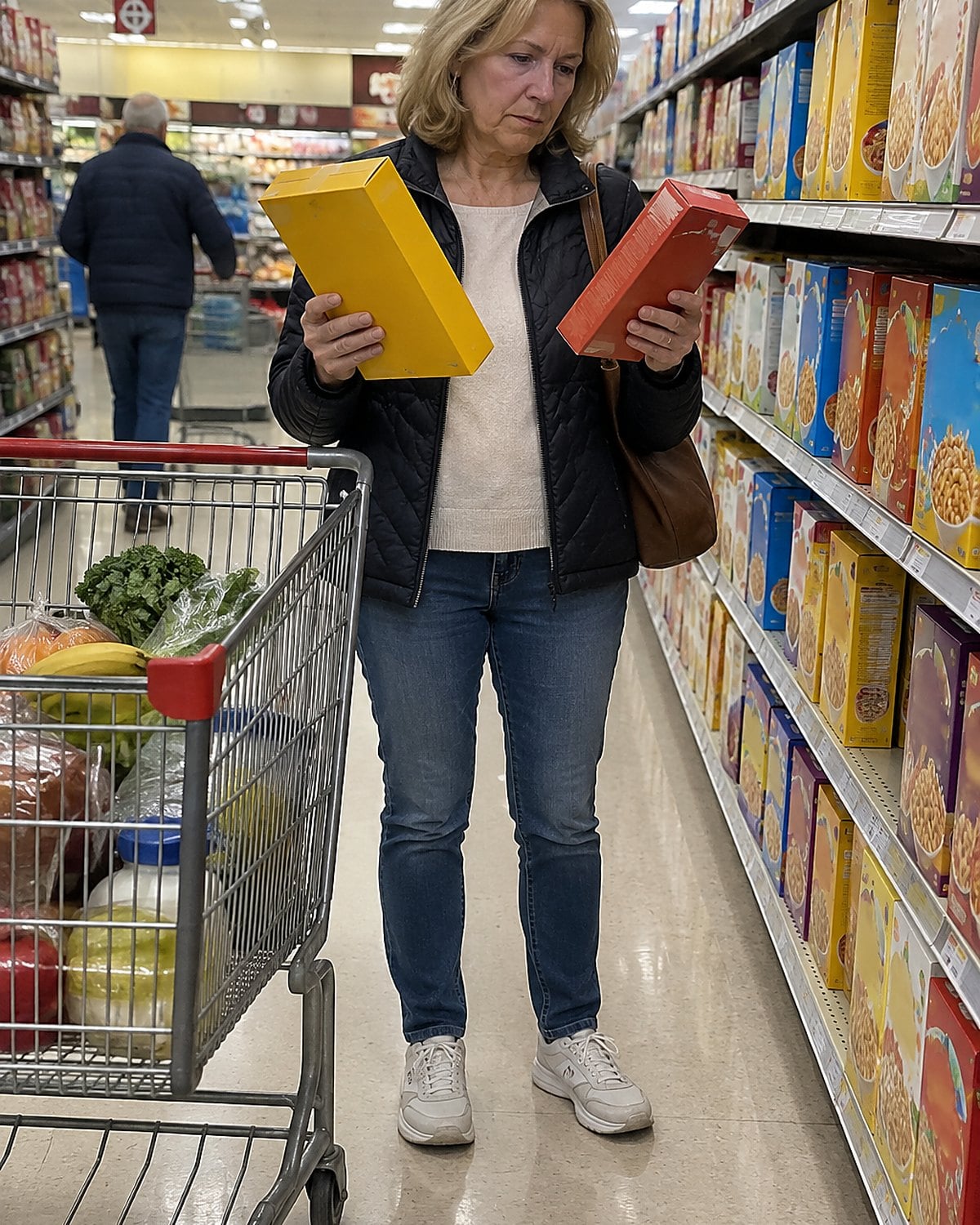
Two boxes can look equally cheap until you check the shelf tag. The large print gives the package price. Smaller print gives the unit price, such as cost per ounce. That’s the number to compare when box sizes differ.
Look at the units first. One tag might price cereal by the ounce and another by the pound. Compare matching units, or use the package weights and a calculator.
A bigger box earns its place only when you’ll finish it while it still tastes good. Then read the bag itself. A bargain-sized cereal nobody wants after Tuesday isn’t a bargain. Neither is a giant tub that crowds out the milk in a small fridge.
For a quick test, compare the regular size with the store-brand size you’d actually bring home. If the unit prices are close, choose the amount that fits breakfast this week. You’re buying cereal, not making a long-term commitment to cardboard.
#25 The freezer drawer with two dinners
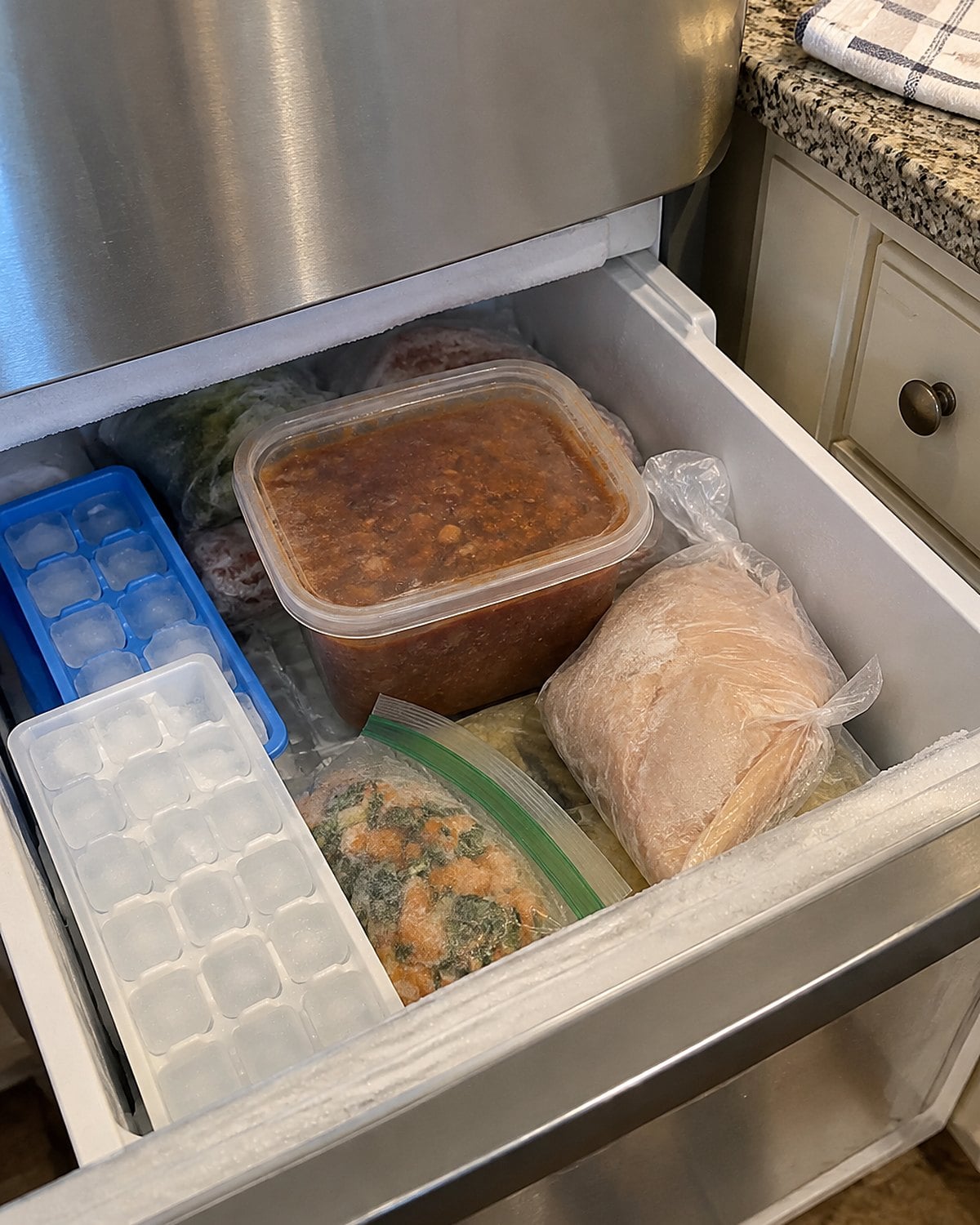
Pull out the freezer drawer before adding frozen food to your list. Count dinners, not bags. Three bags of peas are side dishes. A container of chili and a packet of cooked chicken are two evenings when the stove gets a break.
If you find a package you can’t identify, open it before shopping. Leave it out of the supper plan until you know what’s inside. That mystery wrapper is a reason to check the drawer, not a reason to buy another dinner.
Now match what you found with something fresh. Cooked chicken asks for tortillas or potatoes. A container of chili needs little more than a topping you like. Frozen fruit has breakfast covered, but it won’t solve Thursday’s supper.
Close the drawer knowing which meals are already there. “Chicken for tacos” is more useful than a vague memory of food in the freezer.
#24 The cabbage beside the salad mix
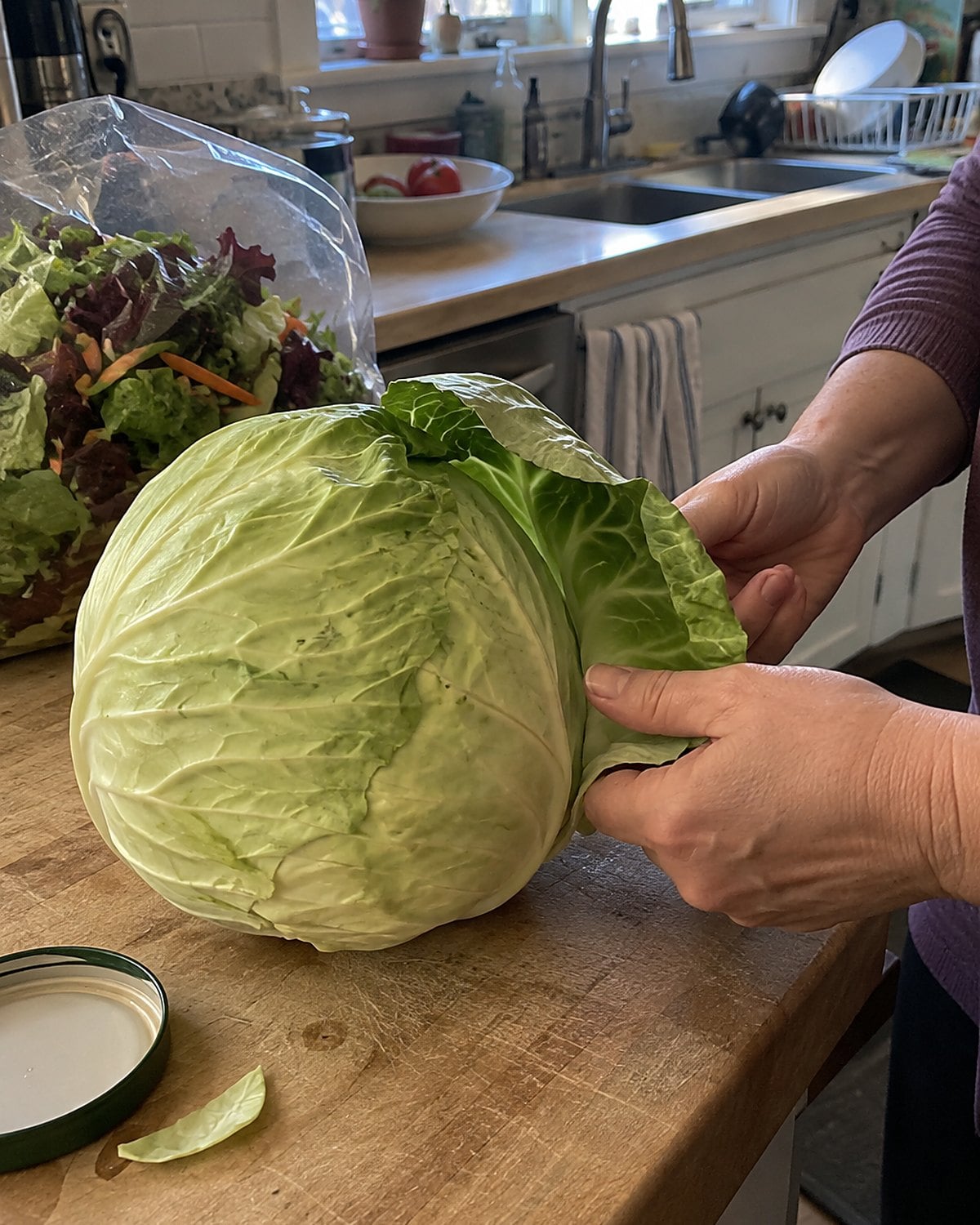
A bag of salad mix gives you a fast salad. A head of cabbage gives you several different textures: crisp shreds for slaw, wedges for roasting and thin strips for a skillet. Buy the one that matches how you’ll cook this week, not the one with the brighter package.
Pick up the cabbage. It should feel heavy for its size, with firm leaves. Skip heads with wet, decaying spots. At home, cut only what dinner needs, then wrap the rest and refrigerate it.
Start with slaw beside something rich. The next night, put shredded cabbage into a hot pan with onions. Let the cut edges brown before stirring; that’s where the sweetness comes from. A squeeze of lemon or a spoon of vinegar wakes it up at the end.
If grandchildren are coming, roast wedges until the edges color and put dressing on the table. The vegetable hasn’t changed. The way it lands beside dinner has, and your list needed only one head.
Try it: Air Fryer Cabbage Wedges
#23 The chicken package marked family size
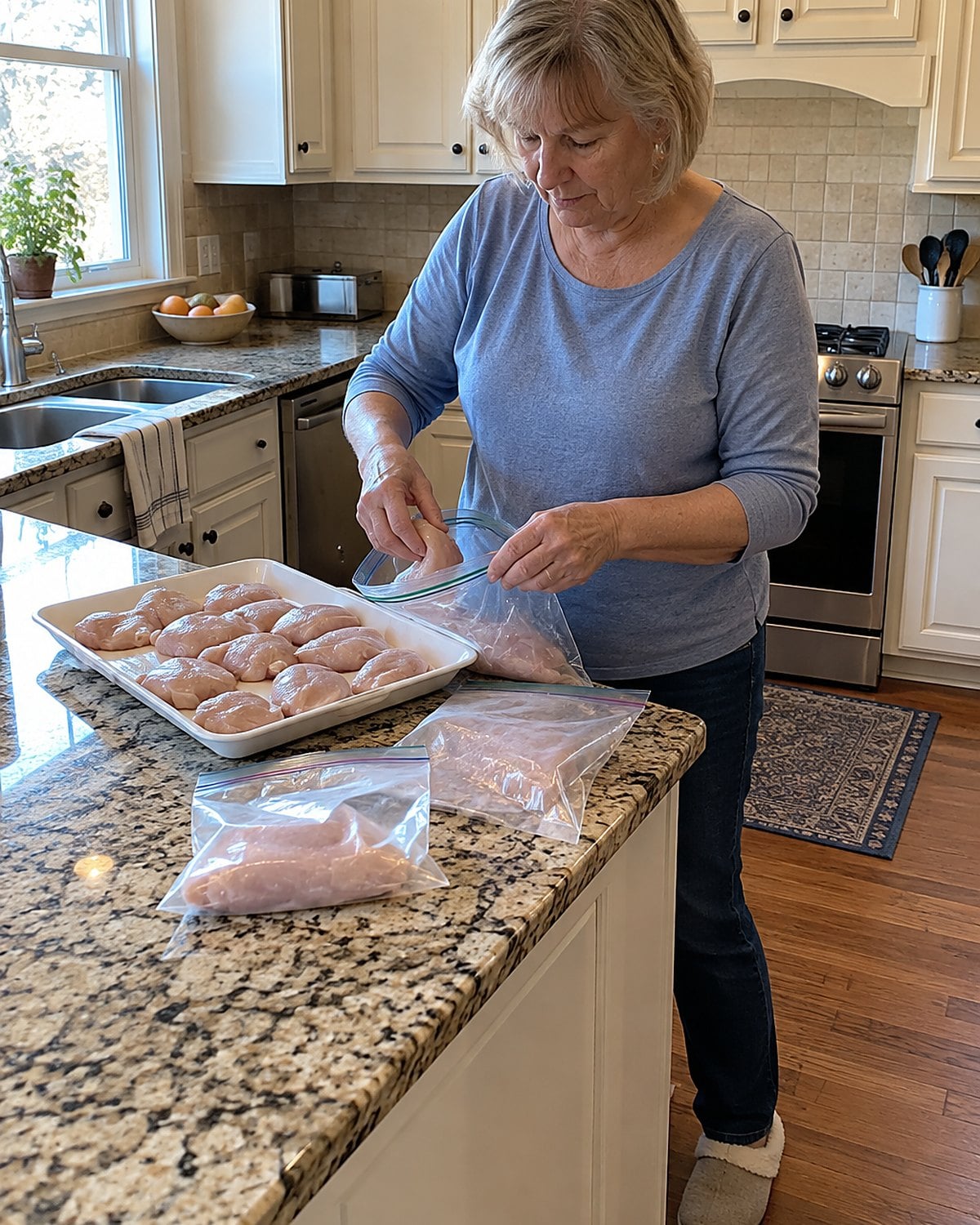
The family pack catches your eye because the price per pound looks lower. Before it goes in the cart, decide where every portion will go. If there are two people at home, a package meant for a larger table needs freezer space and a little work that same day.
Compare its price per pound with the smaller package. Then count the meals you’re willing to make from it. A low price stops helping when the last pieces sit untouched in the refrigerator.
At home, divide raw chicken into meal-sized portions. Wrap each securely, label the package and freeze what you won’t cook soon. Keep raw chicken away from ready-to-eat food, and wash the board and knife after handling it.
The USDA’s cold storage chart puts raw chicken at 1 to 2 days in a refrigerator kept at 40°F or below. Buy the large pack only when the splitting job fits your afternoon.
#22 The pot of beans on the stove
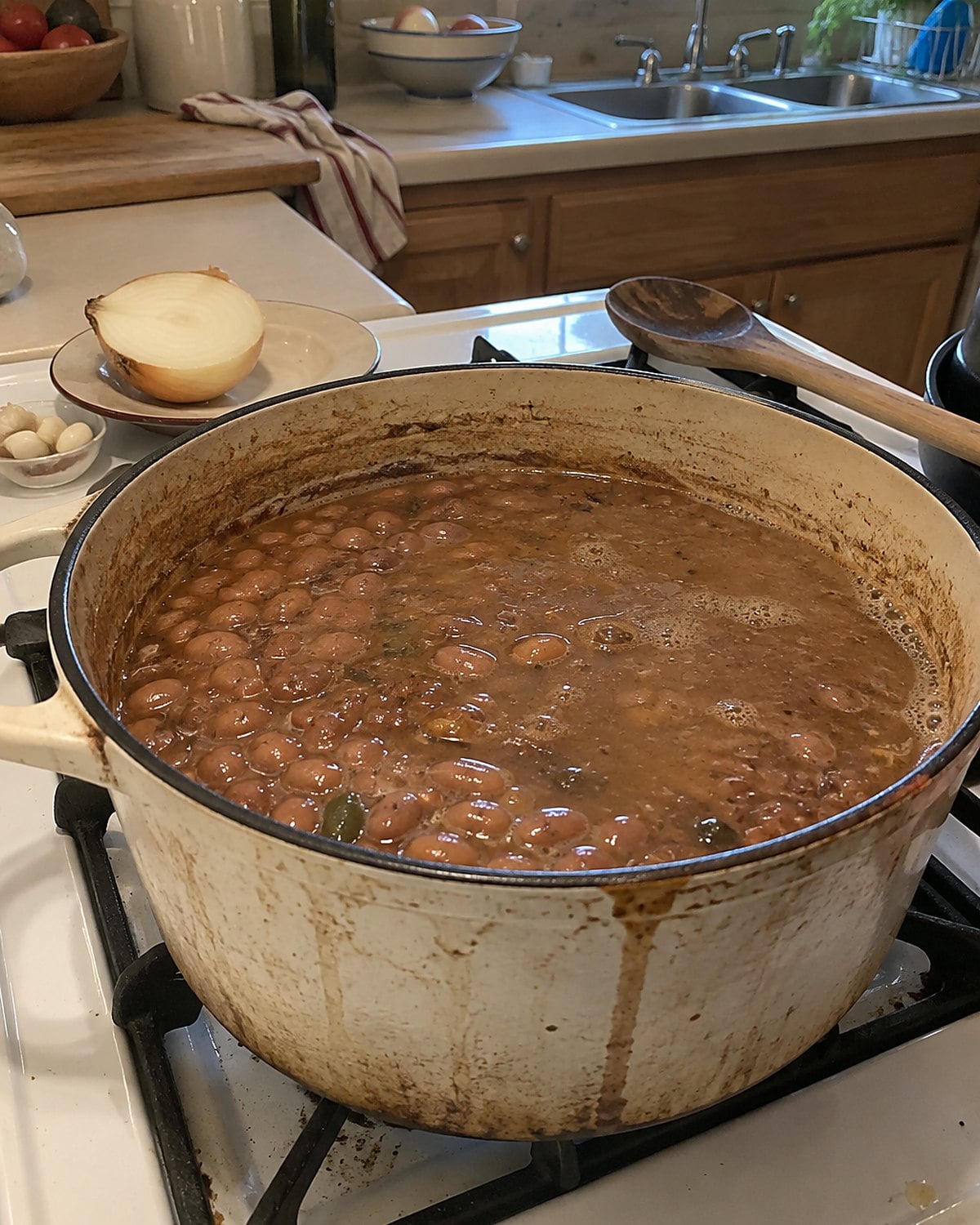
Dried beans earn space on a grocery list when you want more than one dinner from the pot. The first night, spoon them over rice. Later, mash some for tortillas or add them to soup. Their cooking liquid gives each meal a head start.
Sort through the dry beans for stones or damaged pieces, then rinse them. Soaking shortens the stovetop cook, but the pot still needs checking. Older beans take longer to soften. Taste one rather than trusting the clock.
Salt and aromatics belong in the plan too. An onion, garlic and a bay leaf give the beans somewhere to begin. Save sharply acidic ingredients, such as tomatoes, until the beans are tender; acid slows their softening.
Kidney beans need a firmer plan. Raw or undercooked kidney beans contain a toxin called phytohaemagglutinin. The FDA’s Bad Bug Book explains the risk and the soaking and boiling steps for dried kidney beans.
Follow those steps on the stove before adding dried kidney beans to a slow cooker. Don’t start them raw in it. For an easier weeknight pot, buy canned kidney beans instead.
Try it: Instant Pot Refried Beans
#21 The oats behind the pancake mix
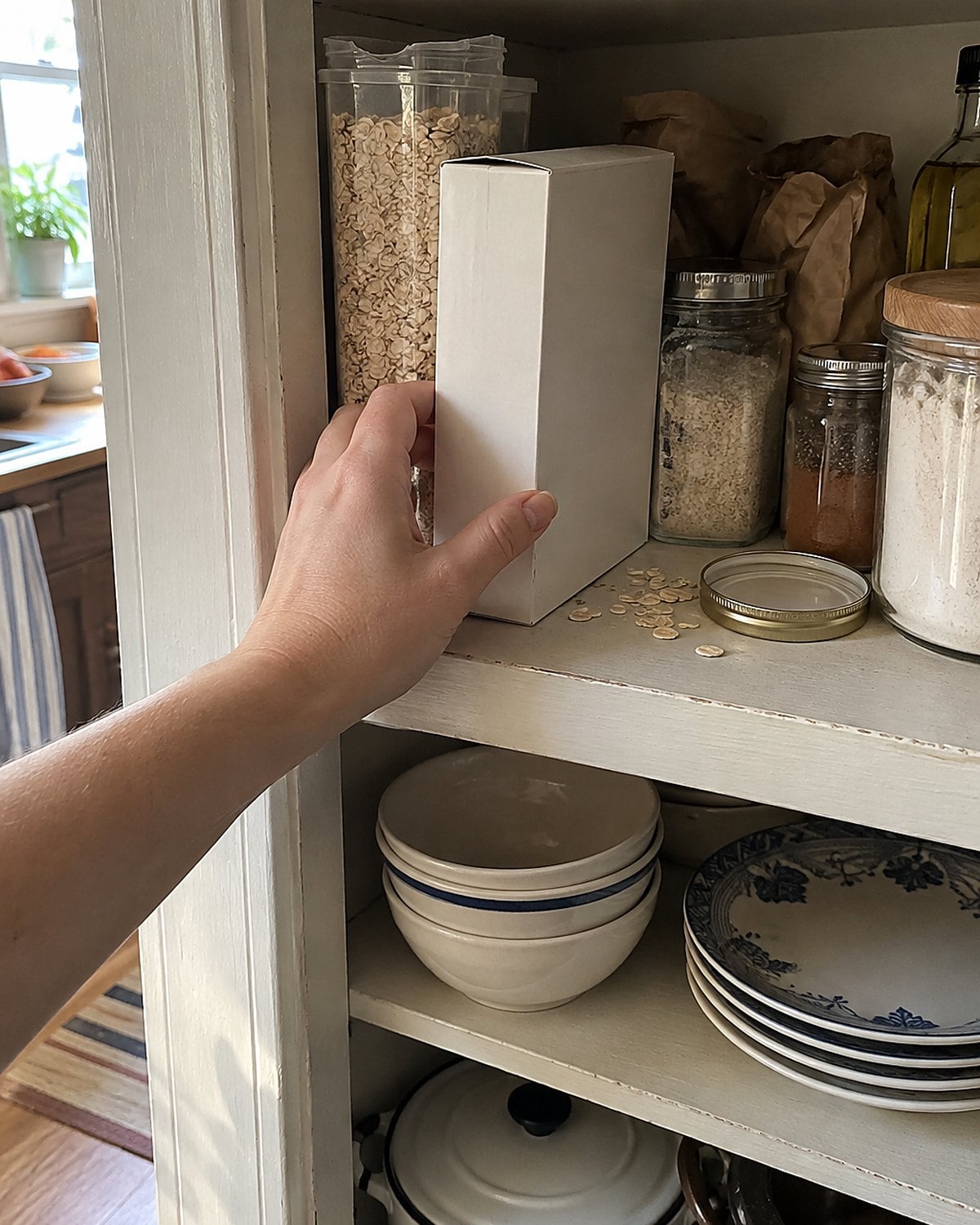
Remember when breakfast meant setting out enough for everybody? With one or two at the table, that half-finished box can linger behind newer purchases. Bring the oats forward and give them more than a breakfast job.
Old-fashioned oats make a warm bowl. They thicken meatloaf and stretch meatballs, too. Add a modest handful to ground meat with the egg and seasonings, then cook as you normally would. They absorb juices without asking you to buy breadcrumbs for a single recipe.
At breakfast, skip the oversized batch if you’re tired of reheating it. Cook just what you’ll eat and top it with a spoon of peanut butter or the last chopped apple. Check the package for its water ratio; oats sold under the same broad name don’t all cook alike.
Put oats on the list when you’ve finished the open carton. Until then, the one behind the pancake mix has work waiting.
Try it: Air Fryer Baked Oats
#20 The loose carrots at the market
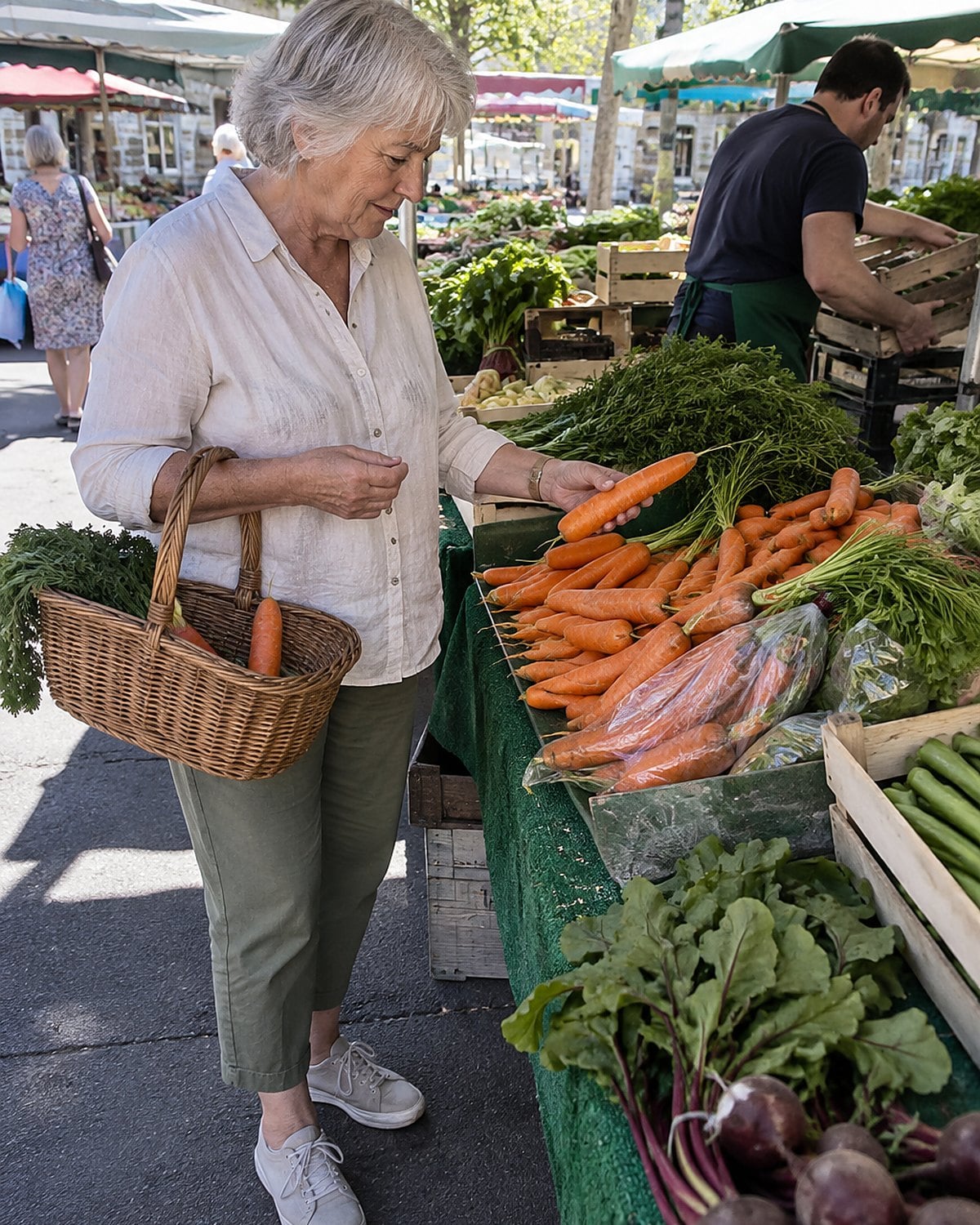
A neat bag of carrots is tempting, even when you need only a couple for soup. Look for loose carrots if the store sells them. You get to choose the amount and inspect every one before it reaches your crisper drawer.
Choose firm carrots without slimy patches. A bendy carrot has lost moisture. If the rest is sound, use it in soup instead of expecting a crisp snack.
The tops, if attached, draw moisture from the roots. Remove them before storing the carrots in the fridge. Picture the next few meals while you’re at the stall: soup tonight, grated carrot in slaw, roasted carrot beside potatoes.
If the bag costs less than the loose amount you need, decide where the extra carrots will go before choosing it. A sale doesn’t supply its own dinner.
#19 The rice scoop for two plates
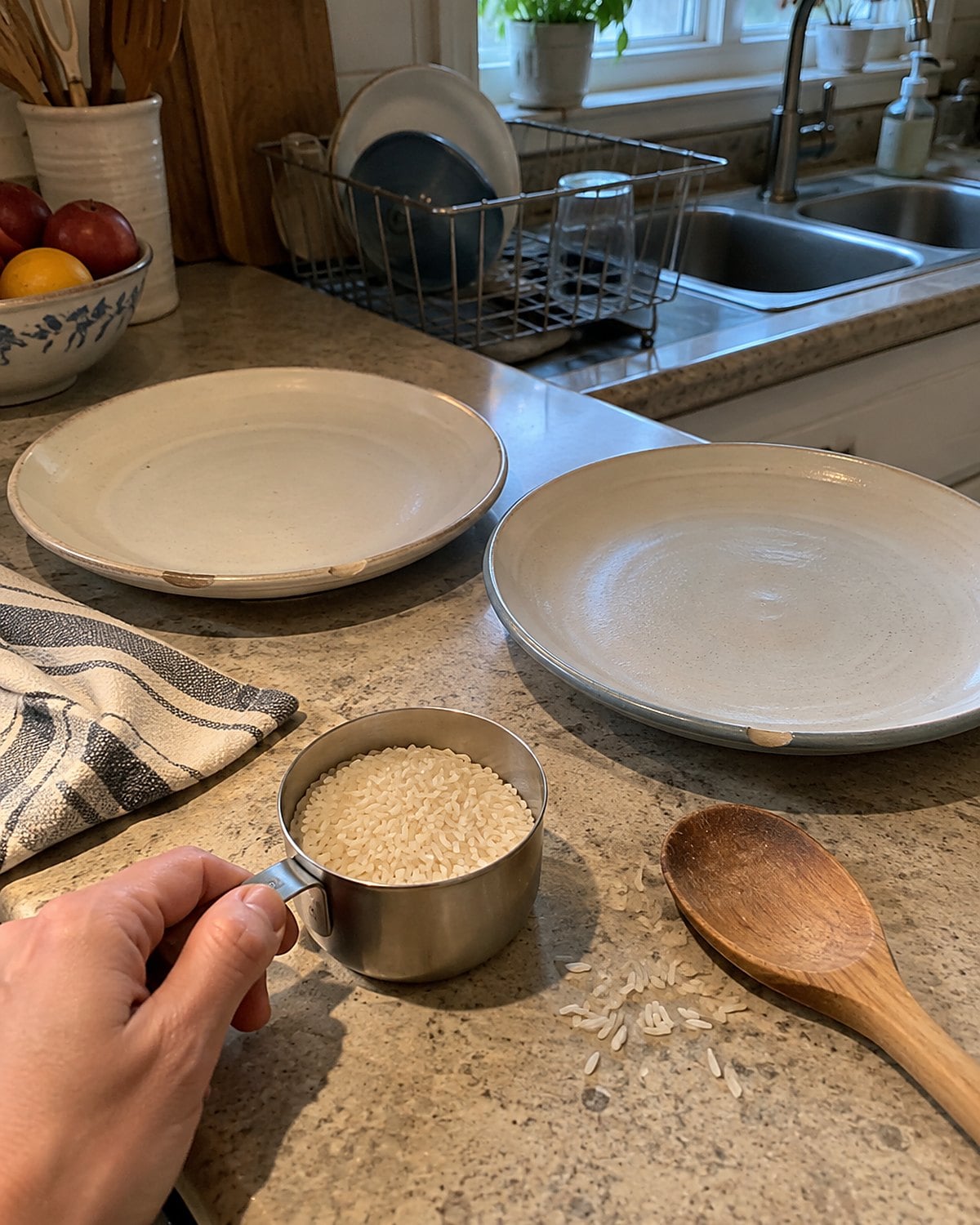
How much rice do you actually want left after dinner? The scoop you used when the children were home has a long memory. Your appetites now get the final say.
For a starting point, 1 cup of uncooked rice makes roughly 3 cups cooked. The yield varies by rice. If leftovers keep gathering in the refrigerator, measure a smaller dry amount next time.
Rice also needs a safe ending. Refrigerate cooked rice promptly in shallow containers rather than leaving the pot on the stove through the evening. The USDA’s leftovers guidance says to use refrigerated leftovers within 3 to 4 days.
Write rice on the grocery list only after checking the jar. Then plan the cooked amount around the plates in front of you, not the plates you used to set out.
Try it: How To Cook Rice In Instant Pot
#18 The sheet pan of roasted vegetables
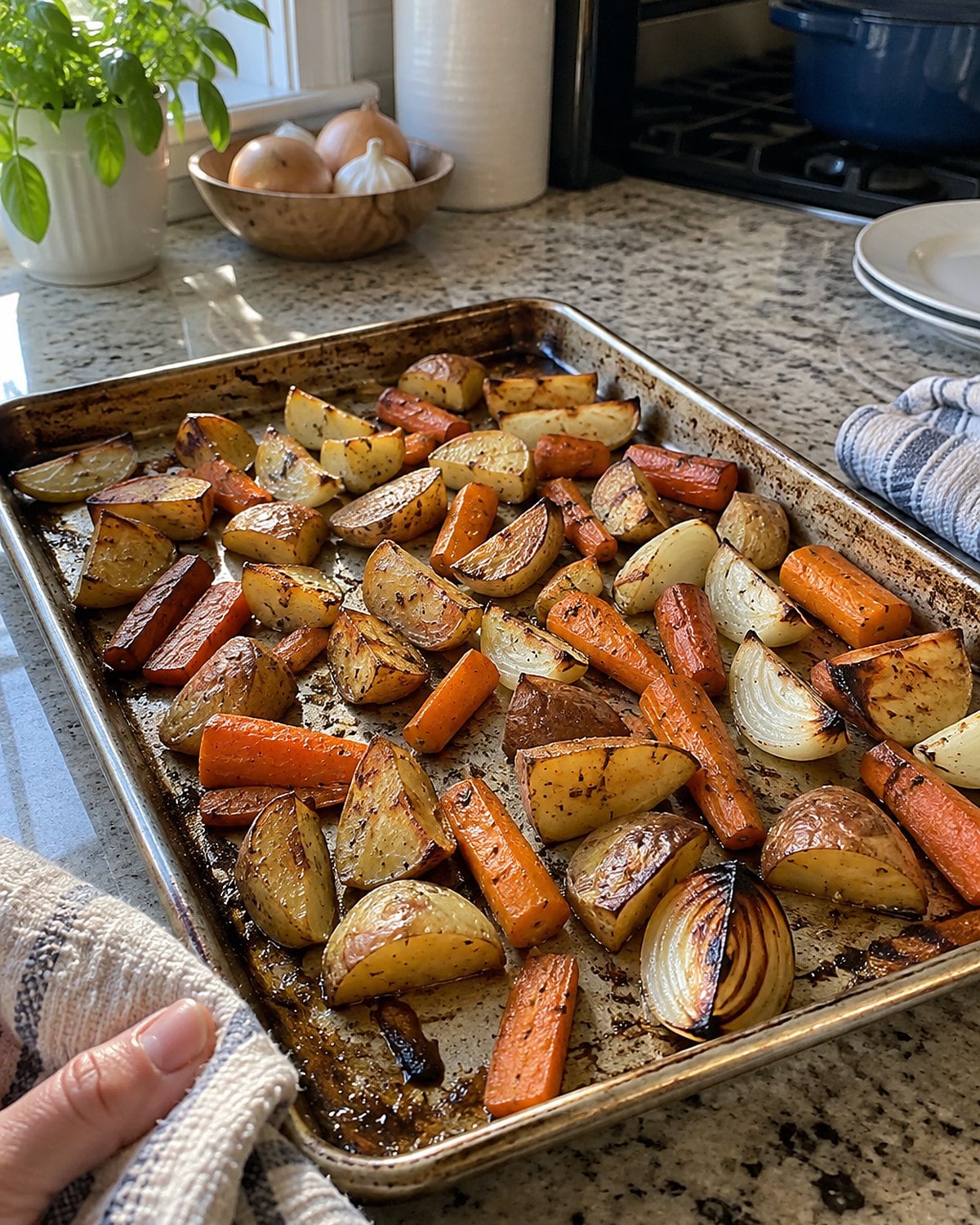
A full sheet pan once made sense because a full table was waiting. Now a half-empty pan is an advantage: vegetables brown when hot air reaches them instead of steaming beneath their neighbors.
Choose sturdy vegetables with different destinations. Roast potatoes and onions for dinner, then tuck leftover onions into an omelet. Roast carrots beside them for soup later. If one vegetable needs more time, cut it smaller or give it a head start.
Spread everything in a single layer with space between pieces. At 425°F, check after about 20 minutes and turn pieces that are coloring faster than the rest. Browning comes from contact with the hot pan and dry heat; a crowded pile loses both.
This makes the grocery list easier to trim. You don’t need a separate vegetable for every meal if the ones you buy have second uses.
Taste a piece before it leaves the pan. Salt and a little acid at the end do more for dinner than another forgotten sauce.
#17 The jar of mustard in the fridge
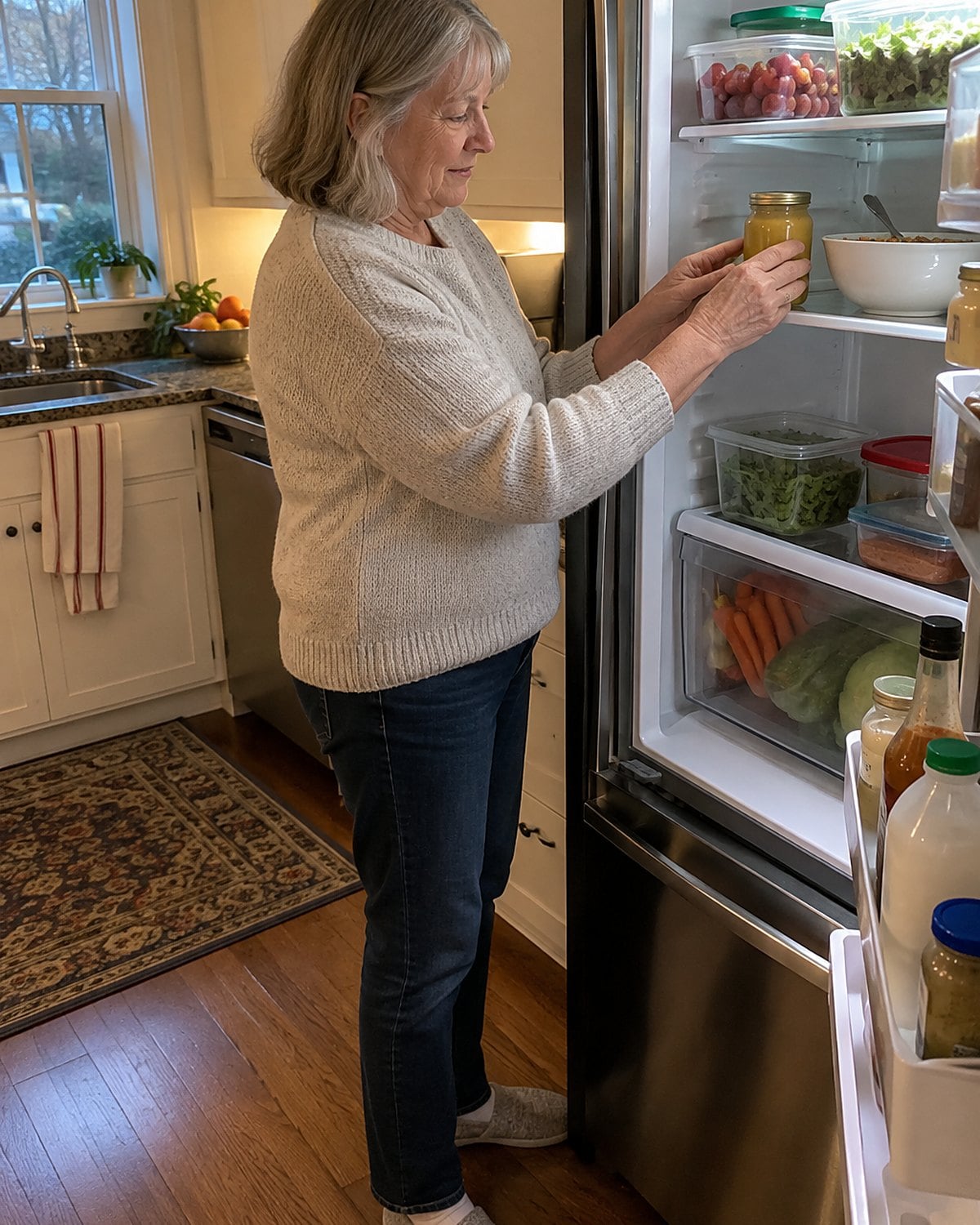
Open the fridge door and count the jars with only a spoonful left. That row has already bought you flavor. Put those odds and ends to work before another bottle joins them.
Mustard gives a skillet sauce bite. A spoon of pickle brine sharpens potato salad. A little jam brushed onto cooked pork gives it sweetness. Check each jar for spoilage and follow its label for storage; this isn’t an invitation to rescue food that smells wrong or shows mold.
Then write the list around the jars. If mustard is waiting, buy cabbage and sausages. If salsa is open, choose eggs and tortillas. A condiment becomes useful when it has a meal to meet.
Keep a small space at the front of the shelf for the jars you’re finishing first. You’ll see them each time the door opens, which beats finding four mustards during the next cleanout.
#16 The butcher counter and one question
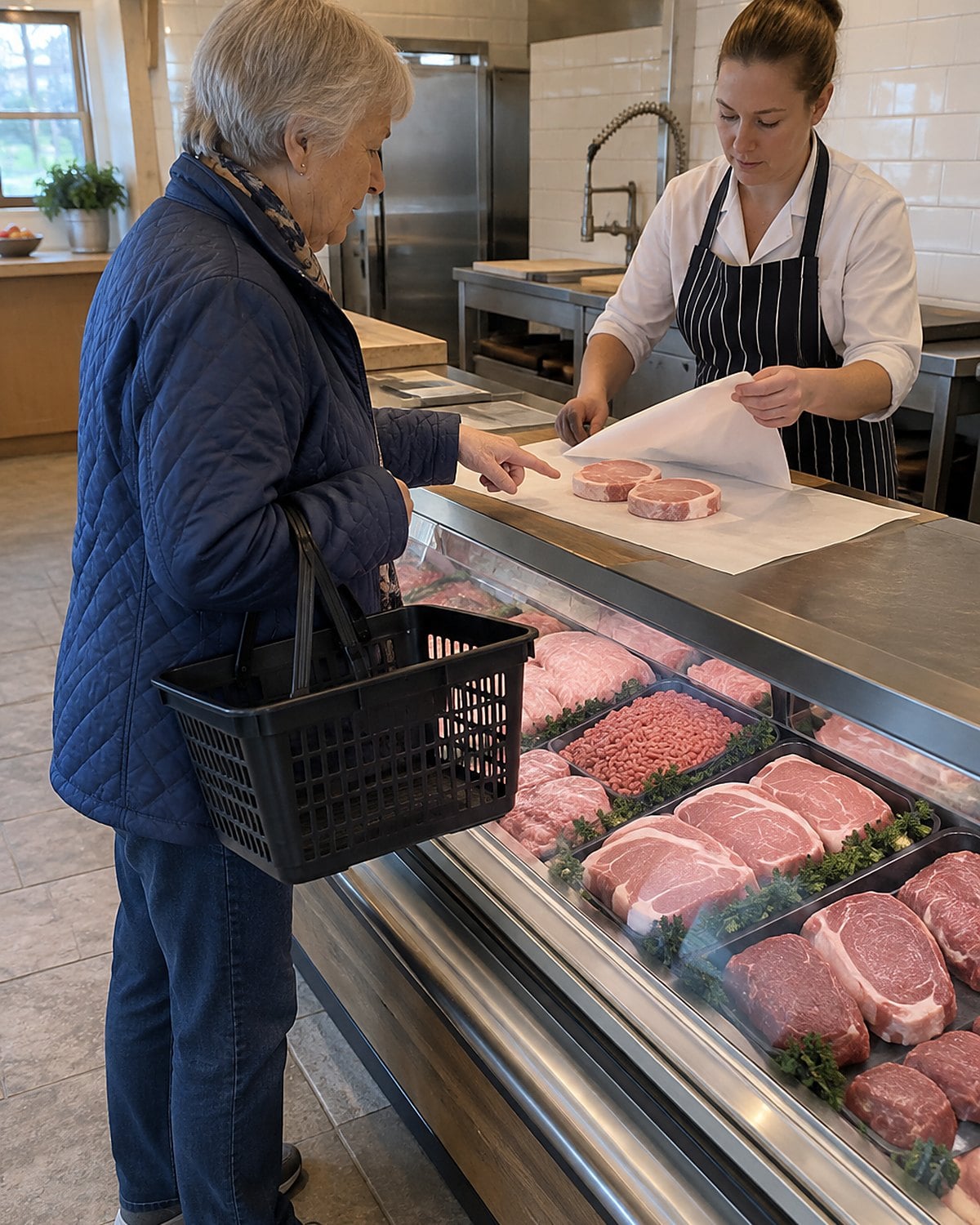
At the meat counter, ask for the amount your household will eat. “Will you cut me two chops from that tray?” is worth asking. The answer depends on the counter, but asking takes less time than finding space for unwanted extras.
Compare the price per pound before you choose a cut. A bone-in cut and a boneless cut aren’t identical purchases: part of the bone-in weight isn’t meat.
Yet the bone-in cut has its own place at dinner, especially when it browns in a pan and finishes with a sauce. Thin cutlets suit a quick supper. A larger roast asks for a second meal and time to cook it.
If that second meal doesn’t sound good, pass on the roast even when the sticker looks persuasive. Your list can say “meat for two dinners” rather than naming a cut in advance. At the counter, you’ll have room to choose what looks good without bringing home more than you want.
#15 The freezer bag marked soup
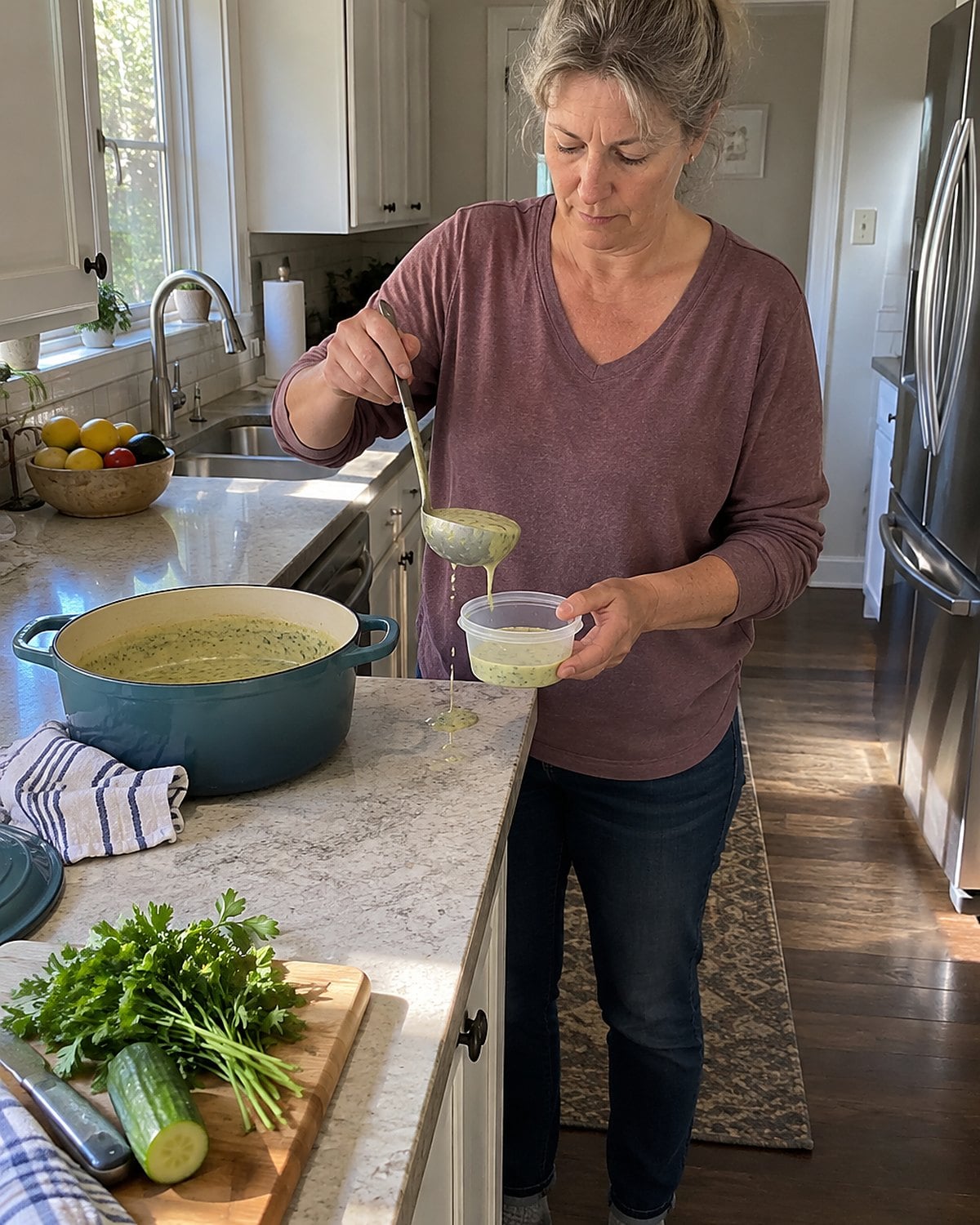
Soup leftovers look reassuring in a large container, right up until you want only one bowl. Freeze them in portions you’ll reach for. A flat freezer bag or a small freezer-safe container takes less space and thaws more conveniently than a deep tub.
The USDA advises dividing large amounts into shallow containers so they cool faster. Refrigerate the soup promptly. Once chilled, transfer it to freezer-safe packaging if needed, leaving room for expansion.
A container holding two portions tells you what supper already has covered. Add bread or a salad ingredient to the shopping list instead of buying supplies for another entire meal.
When you reheat the soup, bring it to 165°F. Stir while heating so the middle gets as hot as the edges. The USDA’s leftovers guidance gives that reheating temperature. Then sit down with the bowl you actually wanted.
#14 The pasta water before the colander
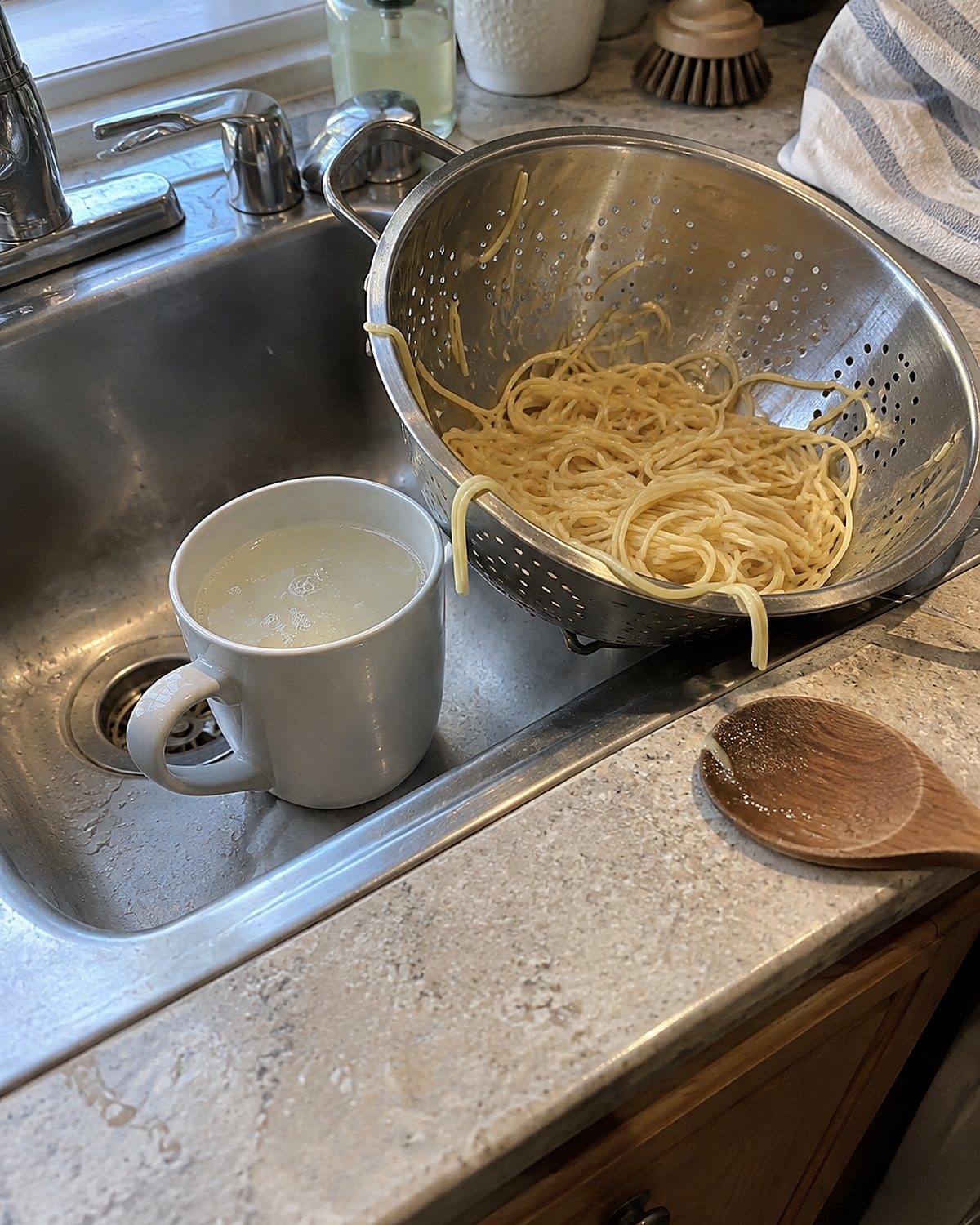
The pot is boiling, the pasta is ready, and your hand is on the colander. Stop long enough to scoop out some cooking water. That cloudy liquid helps sauce cling to noodles, especially when the sauce is olive oil, cheese or tomato from a can.
Start the sauce in a skillet while the pasta cooks. Move the drained pasta into that skillet, then add a splash of its water. Toss over heat. The starch and the movement help the sauce coat each strand instead of collecting at the bottom of the bowl.
This matters to the grocery list because dinner doesn’t always need a jarred sauce. Garlic, canned tomatoes and a little cheese already in the fridge can carry the meal. Taste before adding more salt; the pasta water and cheese have brought some along.
Don’t save a quart of pasta water for a vague future project. Take what you need for this pan. The useful part is the small pause before you pour it all down the sink.
Try it: Instant Pot Cacio e Pepe Inspired Spaghetti
#13 The apples sold one at a time
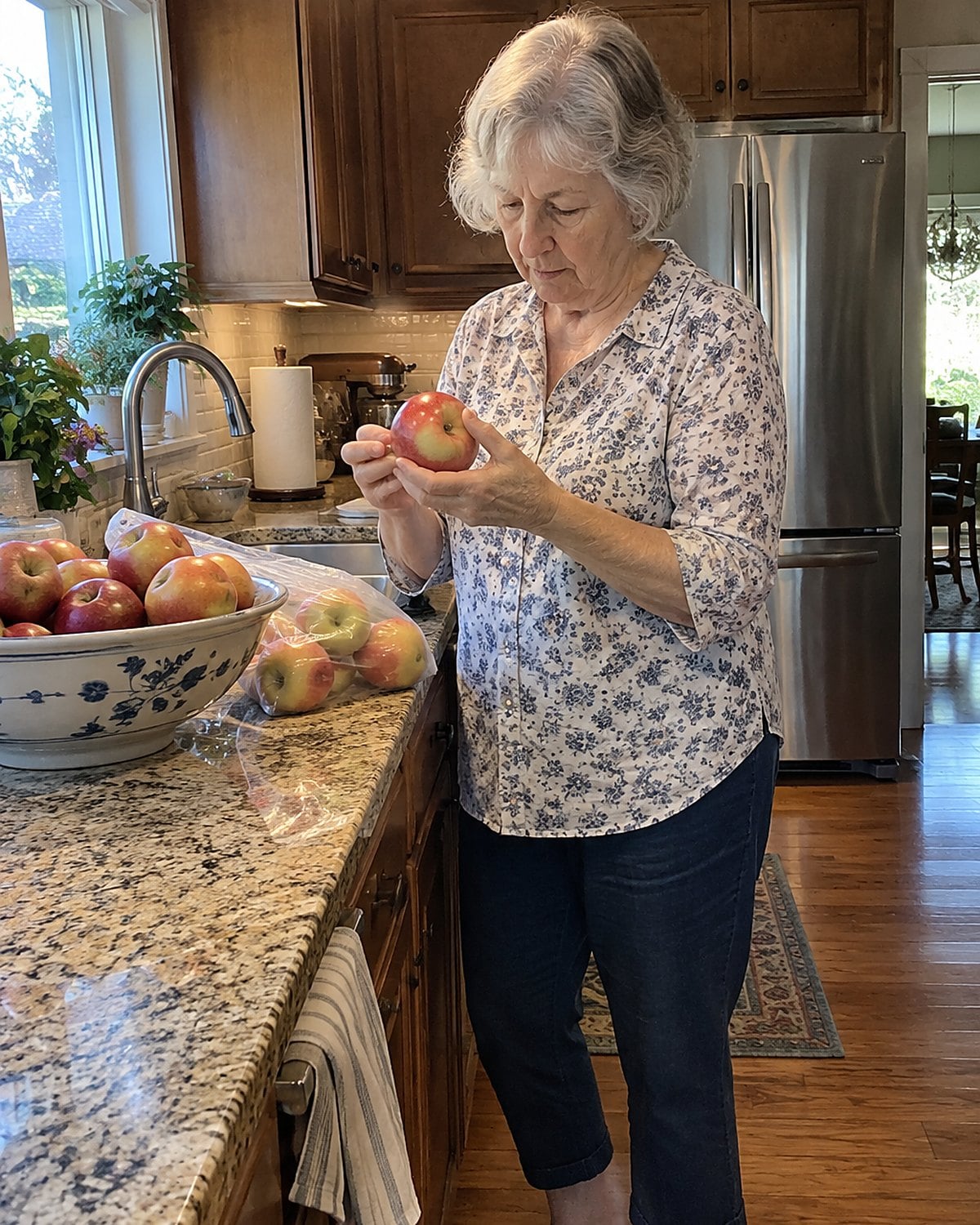
A bag of apples looks tidy in the cart. Loose apples let you buy for the actual eaters at home. Count the afternoons when you reach for fruit, then choose enough for those moments.
Look over each apple for bruises and broken skin. Pick a firm one for eating out of hand. An apple with a small bruise belongs in cooked oatmeal after you cut away the damaged spot, provided the rest is sound.
At the display, compare the bag’s price per pound with the loose fruit. Bring home the bag if its extra apples already have jobs: lunches, a baked dessert or a visit from the grandchildren. Otherwise, paying for fewer apples leaves you ahead even at a higher unit price.
The useful question isn’t “Which package looks cheapest?” It’s “How many apples will get eaten here?” Answer that while you can still put the bag back.
#12 The calendar square marked grandkids
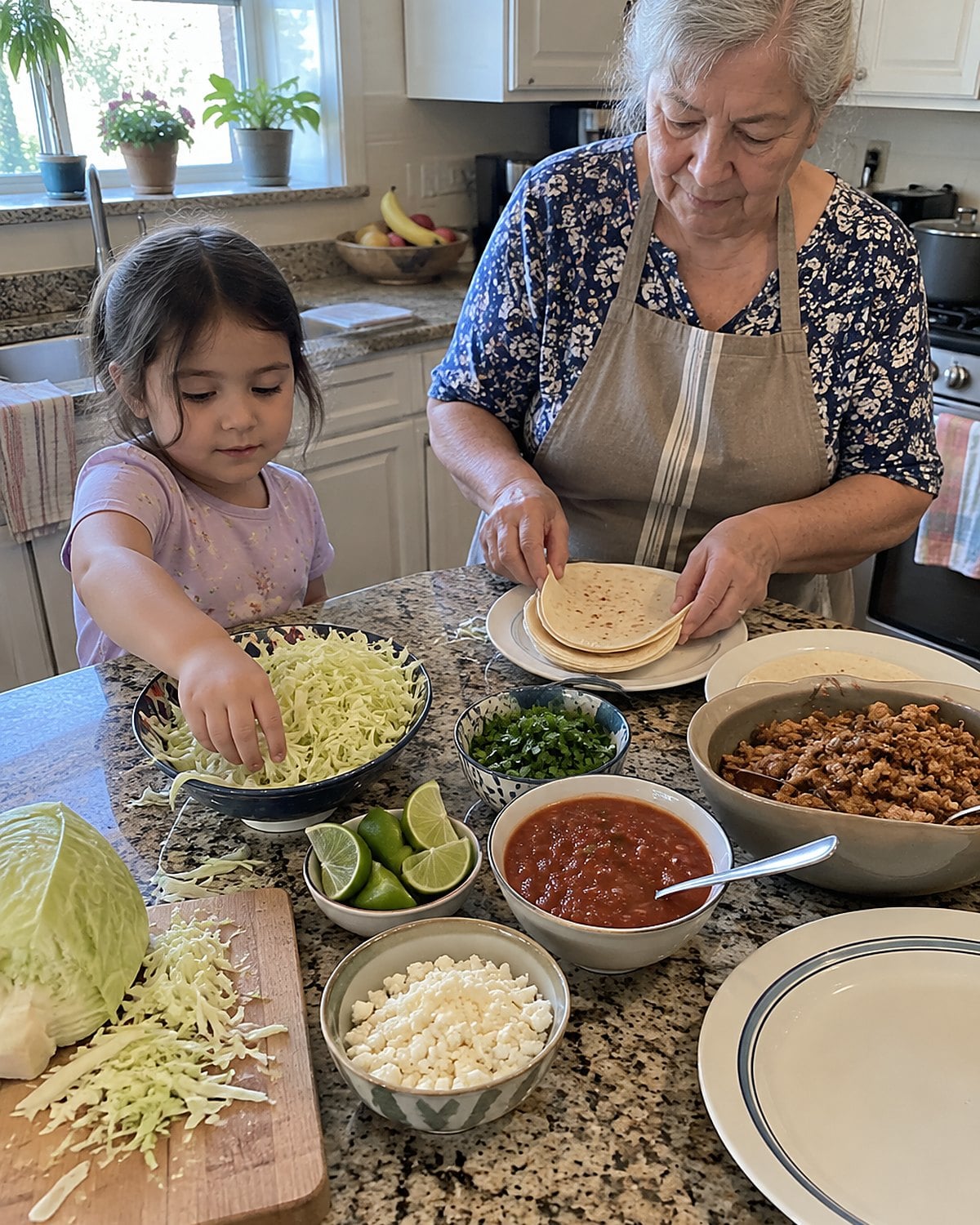
A visit from the grandchildren changes the grocery list, but it doesn’t change every day of the week. Mark the visit before shopping. Then separate what those hungry extra people will eat from what you need for the other evenings.
A taco supper handles a shifting table well. Cook the filling, set out toppings, and let everyone build a plate. Buy enough tortillas for the visit, but choose toppings you’ll keep using afterward. Cabbage goes into slaw. Cheese goes into eggs. Tomatoes can finish a sandwich.
Ask about changed appetites or food restrictions before filling the cart. The child who ate berries all last summer has had time to form a new opinion. That’s familiar territory to anyone who has cooked for a family.
When the house empties again, the remaining ingredients should still resemble dinner for you. A calendar square keeps a weekend visit from turning into a week of eating around leftover party supplies.
#11 The leftover container behind the milk
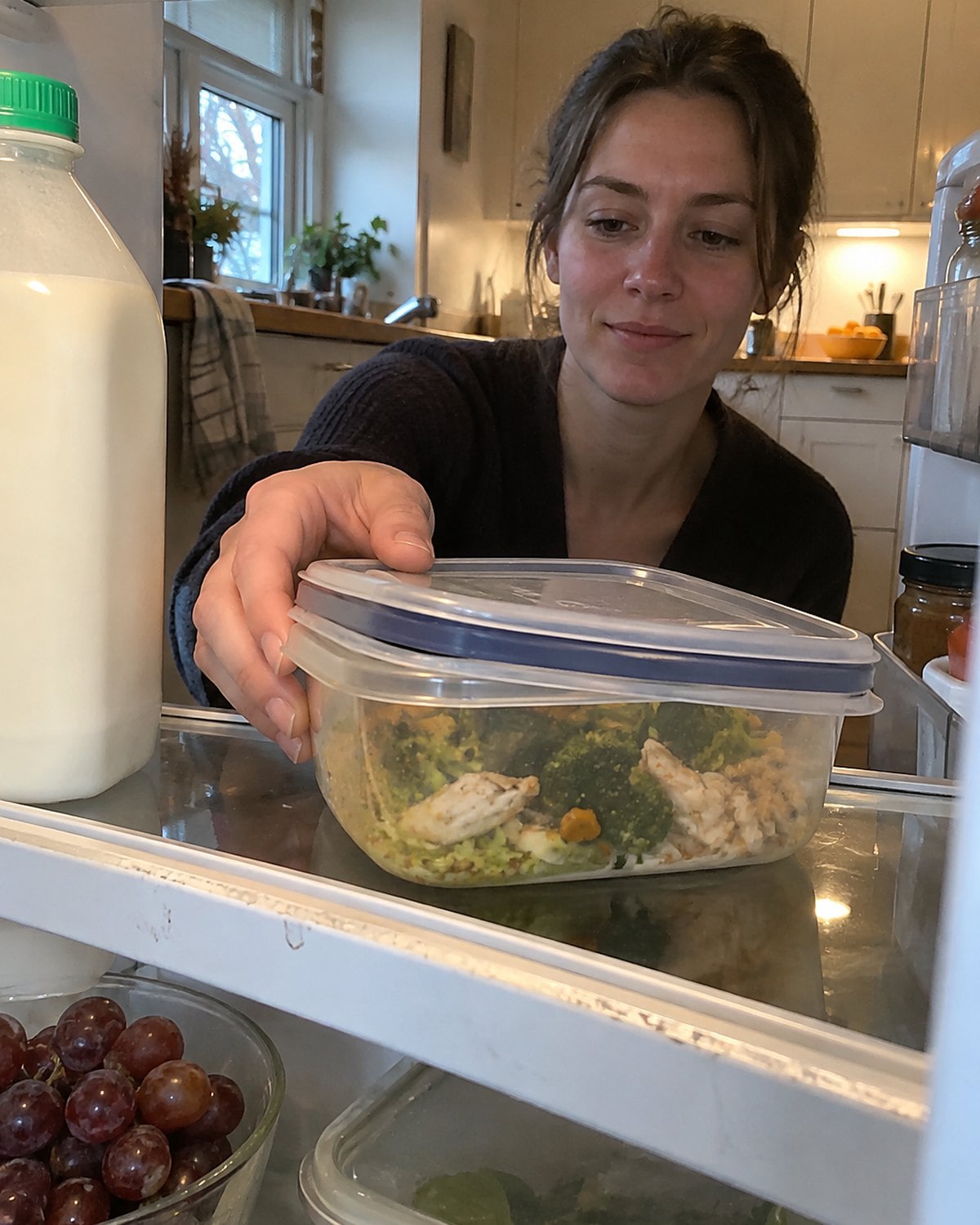
A leftover container shoved behind the milk has a way of becoming invisible. Bring it forward before writing “something easy” on the shopping list. Open it, identify it and check when it was cooked.
For cooked leftovers, the USDA’s 3 to 4 day refrigerator window is the boundary to use at 40°F or below. Don’t treat a good smell as proof that food outside the window is safe. When you can’t tell when it was cooked, throw it out.
If dinner is still within that window, give it a deliberate second form. Roast vegetables become a frittata. Cooked chicken goes into a hot soup. Reheat leftovers to 165°F, checking the center with a food thermometer.
A clear container helps, but placement does the daily work. Put tonight’s food where your eye lands first. There’s no reason to shop for an easy supper while one hides behind the milk.
#10 The skillet with eggs and potatoes
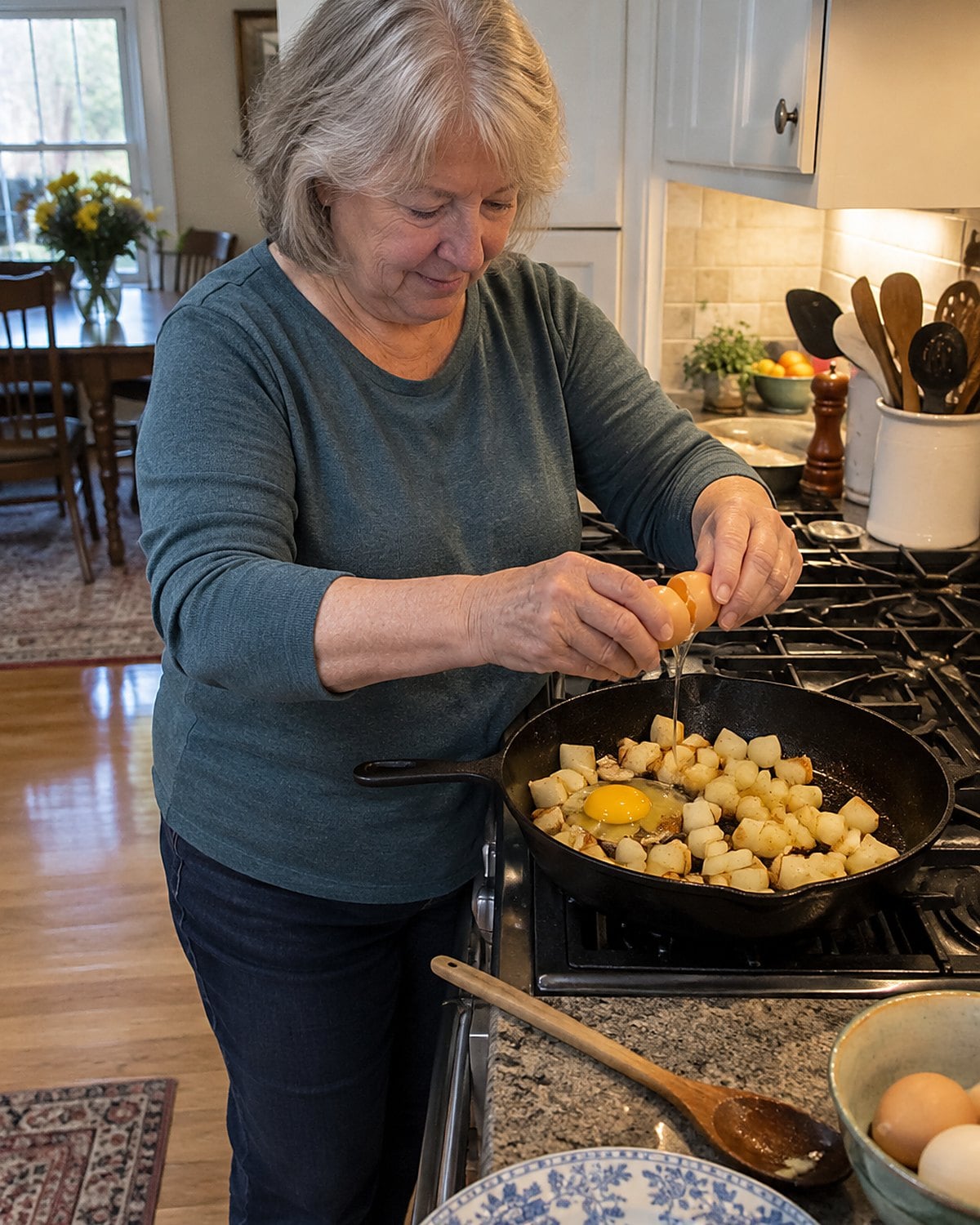
There are evenings when a planned dinner asks too much of you. Keep one supper on the list that needs no thawing and little ceremony. Eggs, potatoes and an onion will do it.
Cook the diced potatoes first, covered with a splash of water until they’re tender. Remove the lid, let the water evaporate, then add oil and leave the potatoes against the hot skillet long enough to brown. Add the onion as the potatoes finish so it softens without burning.
Eggs go in last. Scramble them through the pan or make spaces and crack them in. A spoon of salsa or the last herbs from the fridge finishes the job. Taste the potatoes before adding the eggs; bland potatoes stay bland beneath a good-looking yolk.
The lesson for your list is practical. One dependable backup dinner protects you from an extra store trip or an order you didn’t plan to make. Put its ingredients where you’ll find them on a tired Thursday.
#9 The frozen peas behind the ice trays
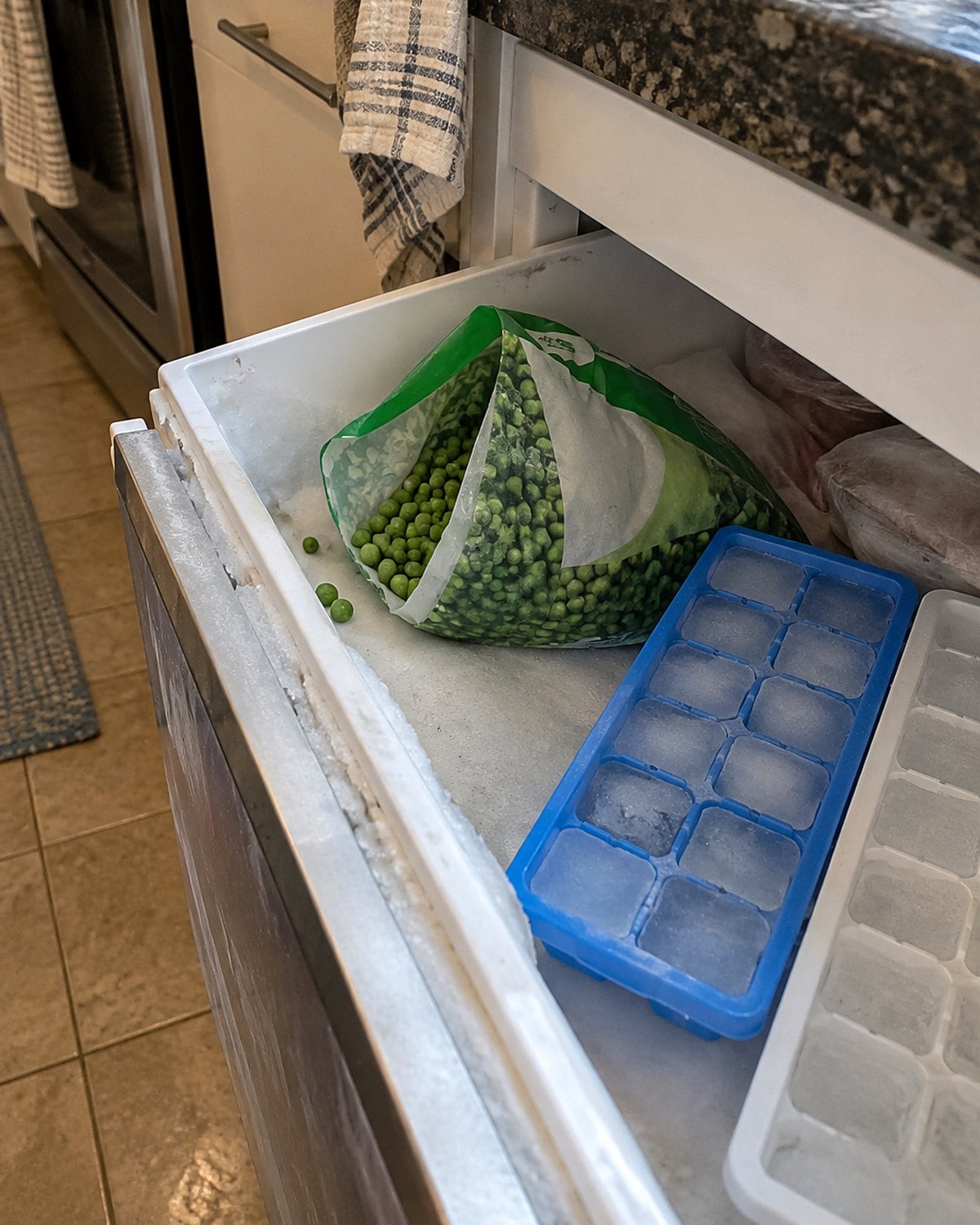
Frozen peas have a good answer to “What green thing goes with this?” They’re picked and frozen without needing you to race a fresh bag against the calendar. Scoop out the amount dinner needs and put the rest back.
Cook them briefly. Add peas to a simmering soup near the end, or warm them in a skillet with a spoon of water. Stop when they’re hot and bright green. More time gives you dull color and a soft texture, the very thing that made peas unpopular at some childhood tables.
Check the freezer bag before you shop. If it holds enough for another side dish, buy the vegetable you’re excited to cook instead. If it’s empty, peas keep a vegetable ready without buying fresh produce for every supper.
They’re a backup, not a punishment. Butter and lemon help make that clear.
Try it: How To Cook Frozen Peas In An Instant Pot
#8 The can marked no salt added
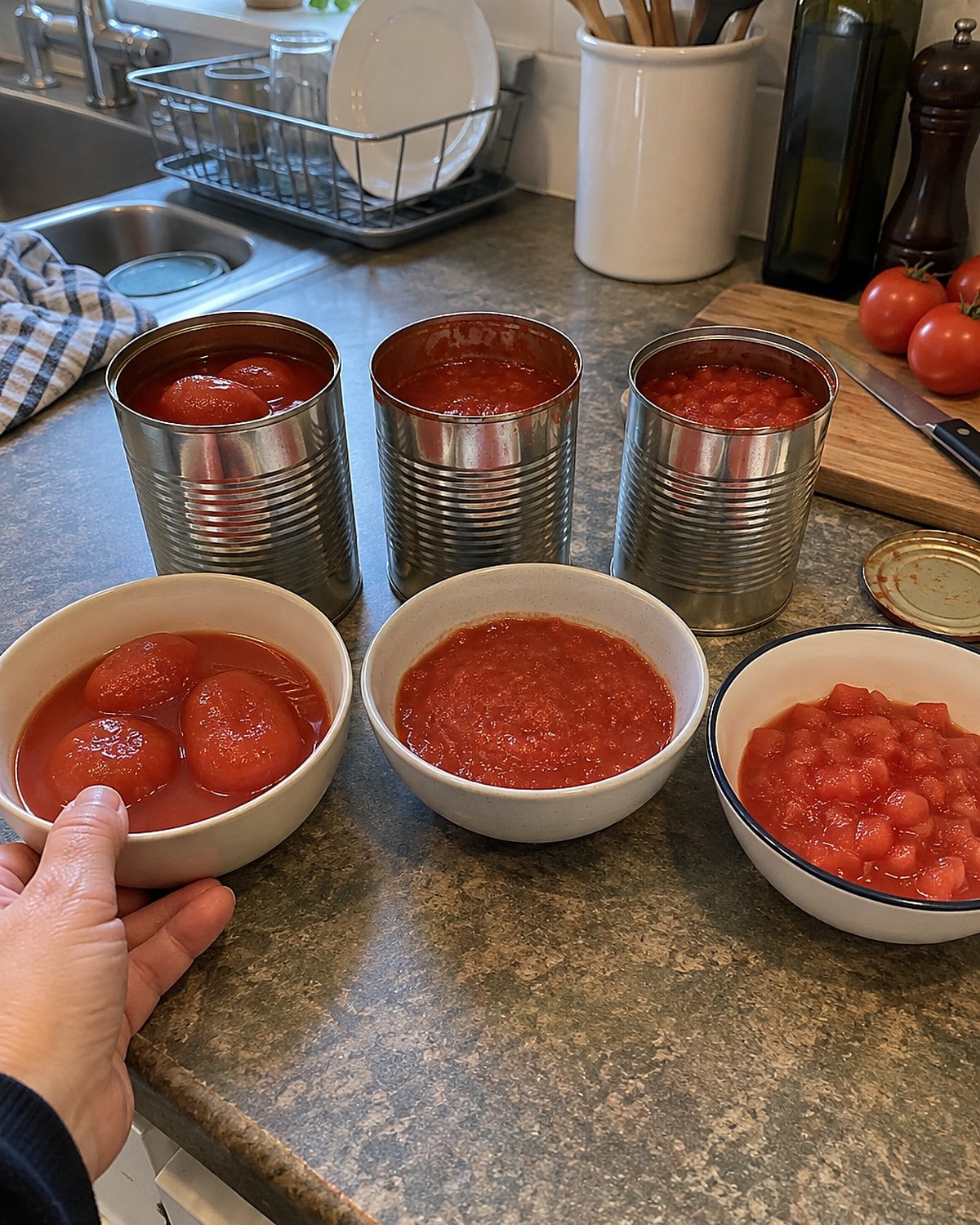
Two cans of tomatoes sit side by side, one marked “no salt added.” That label tells you about salt, not whether the tomatoes will make a good sauce. Choose the can for the dinner you’re cooking, then season the pot yourself.
Compare canned tomatoes by weight and form. Whole tomatoes give you pieces to crush by hand. Crushed tomatoes make a smoother sauce faster. Diced tomatoes tend to hold their shape, which suits soup or chili better than a sauce you want silky.
The FDA’s Nutrition Facts label guide explains how serving sizes and sodium amounts appear on the package. Read the label if salt is part of your decision. Don’t assume two brands use the same serving size.
Stock the form you’ll actually use. A bargain case of diced tomatoes won’t help if every pasta night ends with you wishing for a smooth sauce.
Try it: Instant Pot Tomato Basil Sauce
#7 The small loaf beside the bakery case
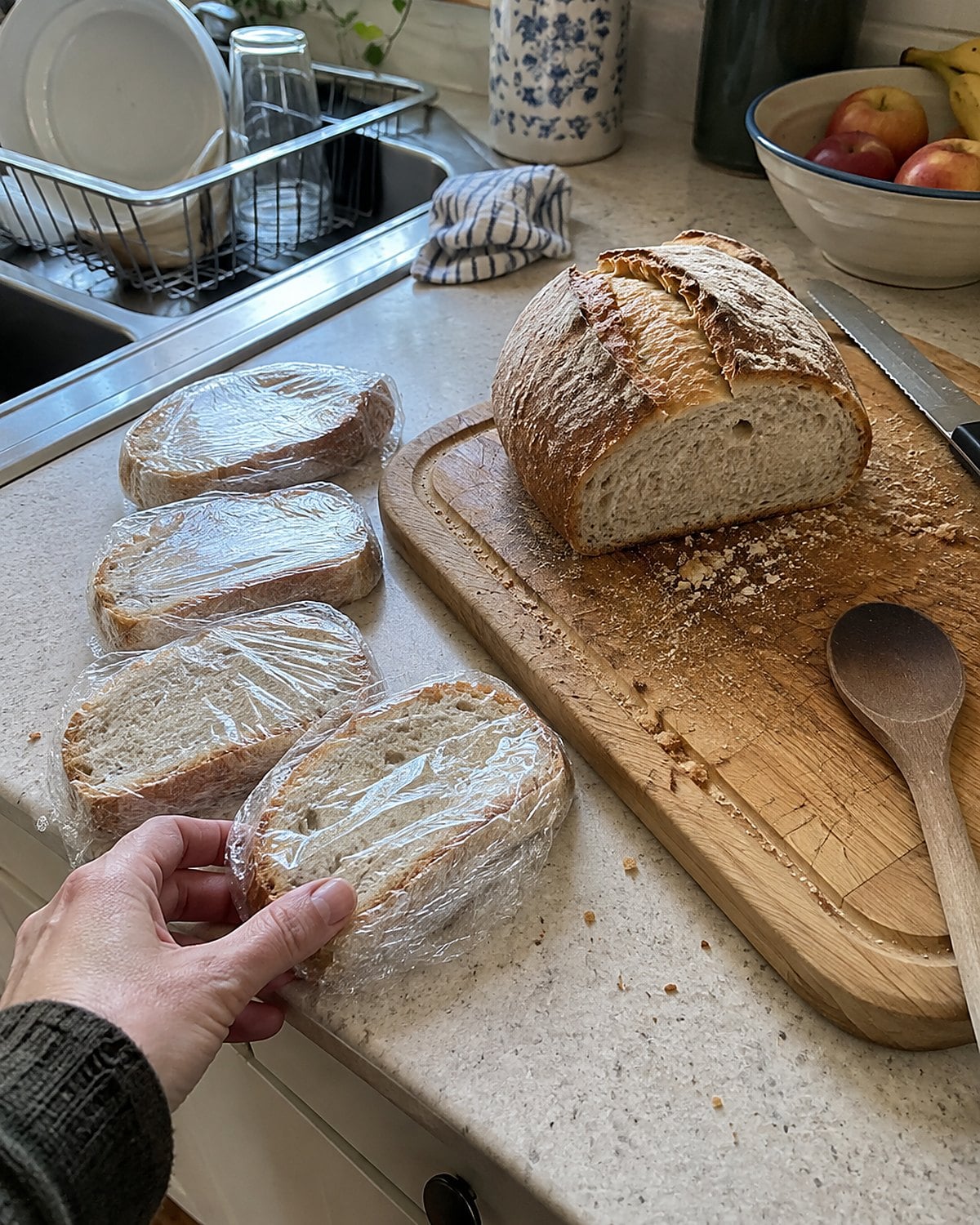
A full loaf made sense when sandwiches vanished every school morning. Now the heel goes stale while half the bag waits. Check for a smaller loaf, buy rolls individually or freeze part of the loaf as soon as you get home.
If you freeze it, separate slices before packing them tightly so you can take out what you need. A slice goes straight into the toaster. For dinner, a roll beside soup feels intentional, not like a rescue operation.
Look at the price of the bread you’ll eat, rather than price per ounce alone. If a smaller loaf costs nearly as much but gets finished, it has done its job. If the larger loaf freezes well in your kitchen, take the better unit price and make that freezer plan before checkout.
The bread aisle still sells loaves sized for the old household. Take the one that suits this week’s sandwiches.
#6 The ground beef divided at home
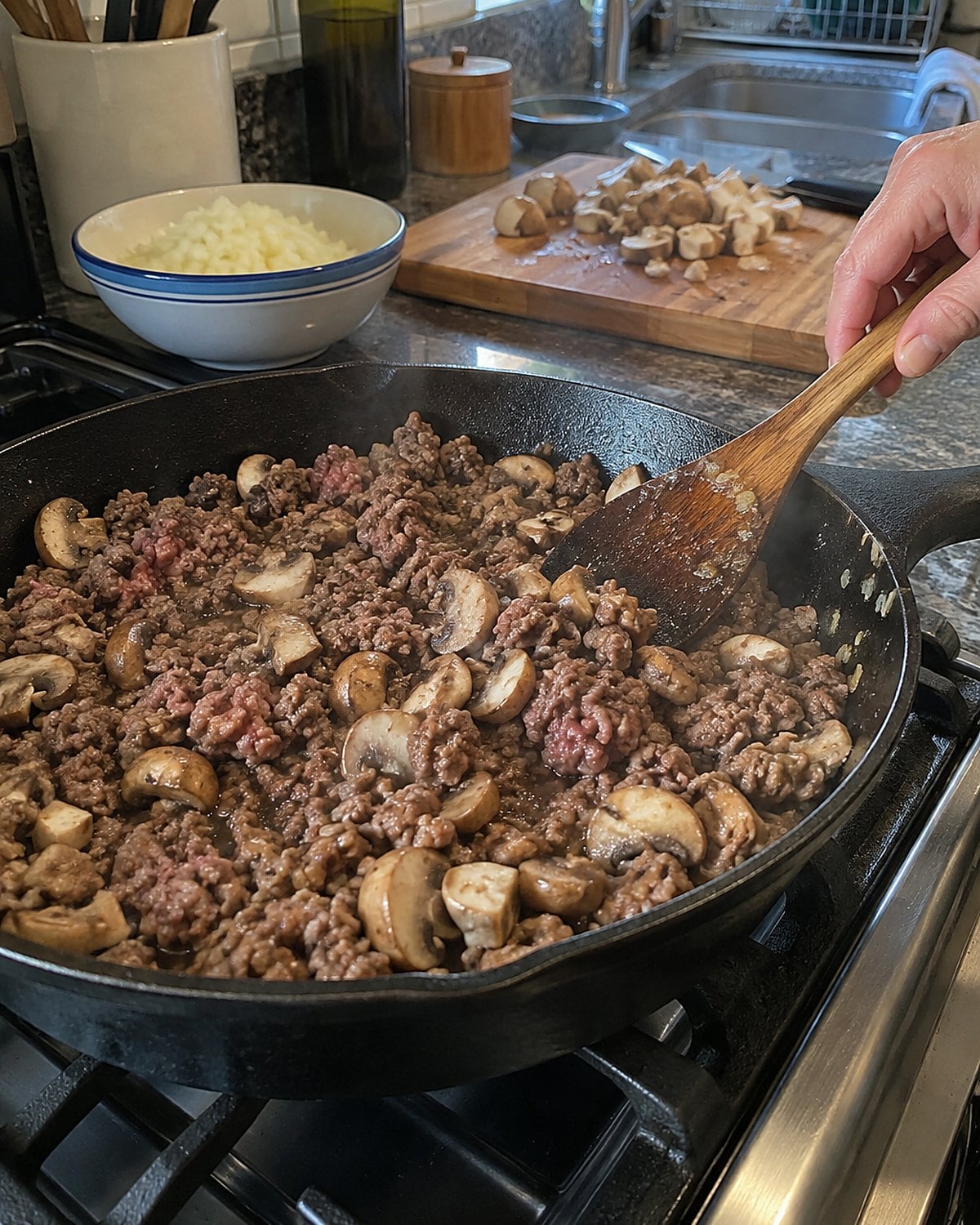
A pound of ground beef doesn’t have to become one large meat sauce. Divide it according to the dinners on your calendar, then decide where beans, mushrooms or vegetables belong. Stretching meat works best when the other ingredients add texture, not just bulk.
For tacos, browned mushrooms chopped small sit well beside beef. Let their moisture cook off before adding seasoning. For chili, beans give the bowl substance. For meatballs, oats or breadcrumbs hold juices as the meat cooks.
Keep raw ground beef refrigerated for only 1 to 2 days at 40°F or below, following the USDA’s cold storage chart. Freeze what you won’t cook in that window. When cooking ground meat, check that it reaches 160°F with a food thermometer, following FoodSafety.gov’s temperature chart.
Buy the amount that fits those meals, not the amount that sounds customary. Your list can name “tacos and chili” next to the beef. That note tells you what else to buy and what the package needs to become.
Try it: Instant Pot Vegetarian Mushroom Chili
#5 The freezer door inventory note
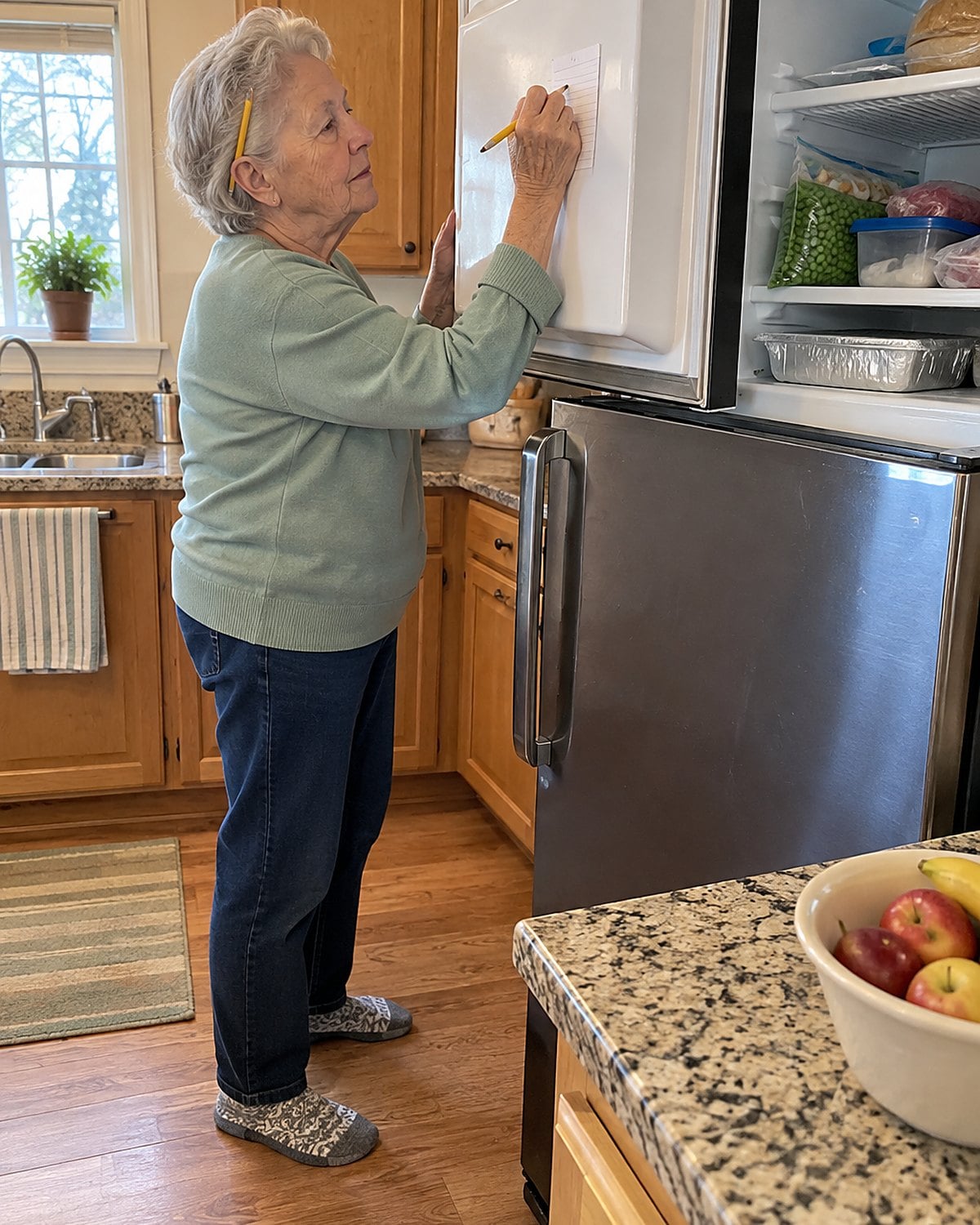
The freezer door is a better place for an inventory than the back of a receipt. Keep a small note there and change it when food goes in or out. No elaborate system, just names and portions you recognize.
Write “two bowls of soup,” not merely “soup.” Write “fish for Friday,” not “fish.” When you take the last portion, cross it off.
The USDA’s FoodKeeper helps when you need storage guidance for a particular food. Use it for that question, rather than guessing from the frost on a wrapper.
Once a week, open the drawer and check the note against what’s there. If you find the fish after crossing it off, put it back on the note. Your handwriting earns its place on the door by telling the truth.
#4 The checkout receipt on the counter
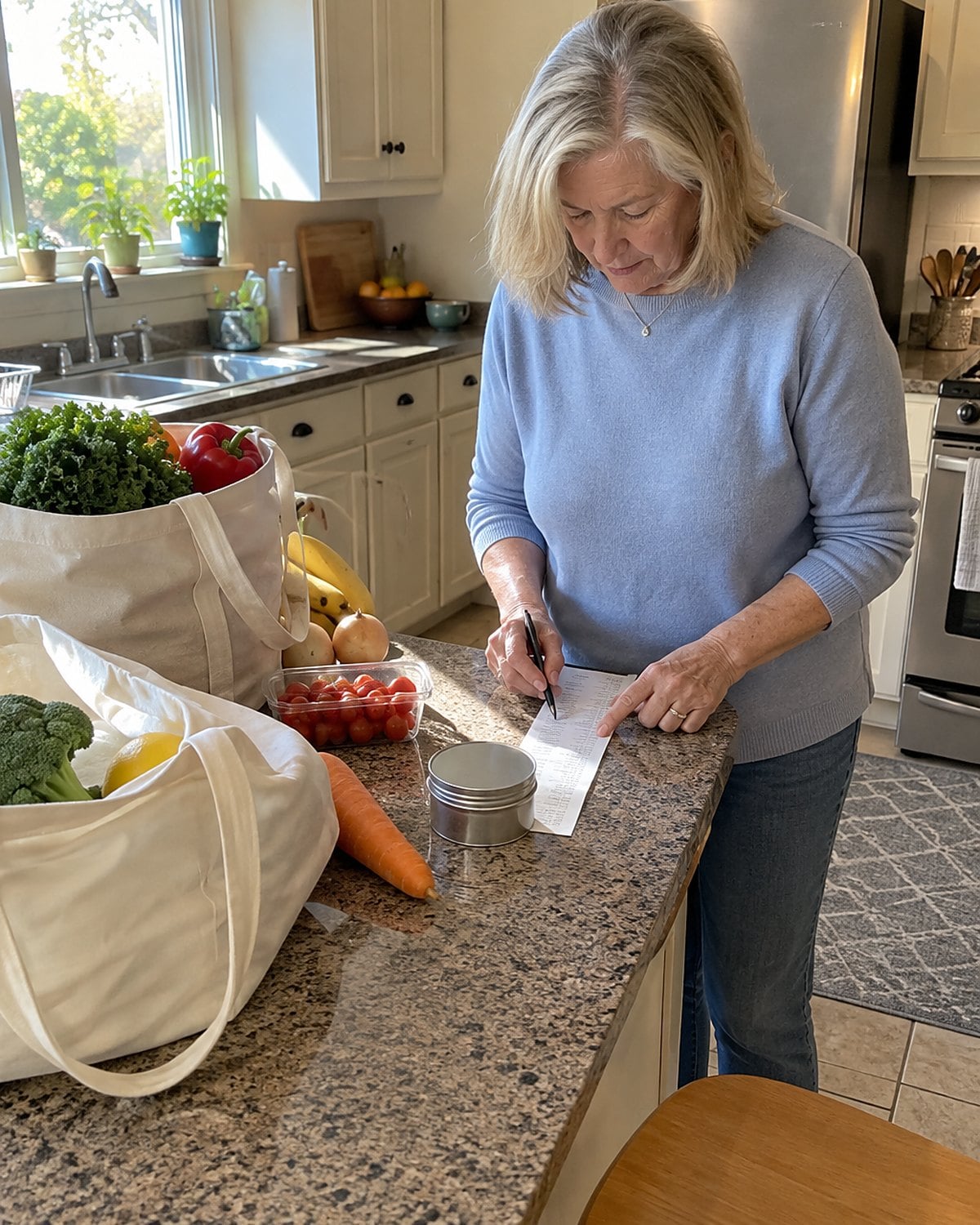
Bring the receipt home and give it one minute before it disappears into the bag of bags. Circle anything you bought without a dinner, breakfast or planned snack in mind. Don’t scold yourself. Just find the line where the list stopped doing its job.
Some unplanned buys earn their place. The ripe peaches at the market might replace dessert. A marked-down cut of meat could fill an open freezer slot. But a second sauce bought because the first was hiding at home tells you what to check before the next trip.
Now look at the total alongside the meals you brought home. A low total doesn’t help if you’re missing Thursday’s main dish. A higher total has a different meaning when it includes food for the grandchildren’s weekend visit.
Keep the receipt until the next shop. Did the peaches get eaten? Is the second sauce still unopened? Those answers are worth remembering before the cart fills again.
#3 The crisper drawer before shopping
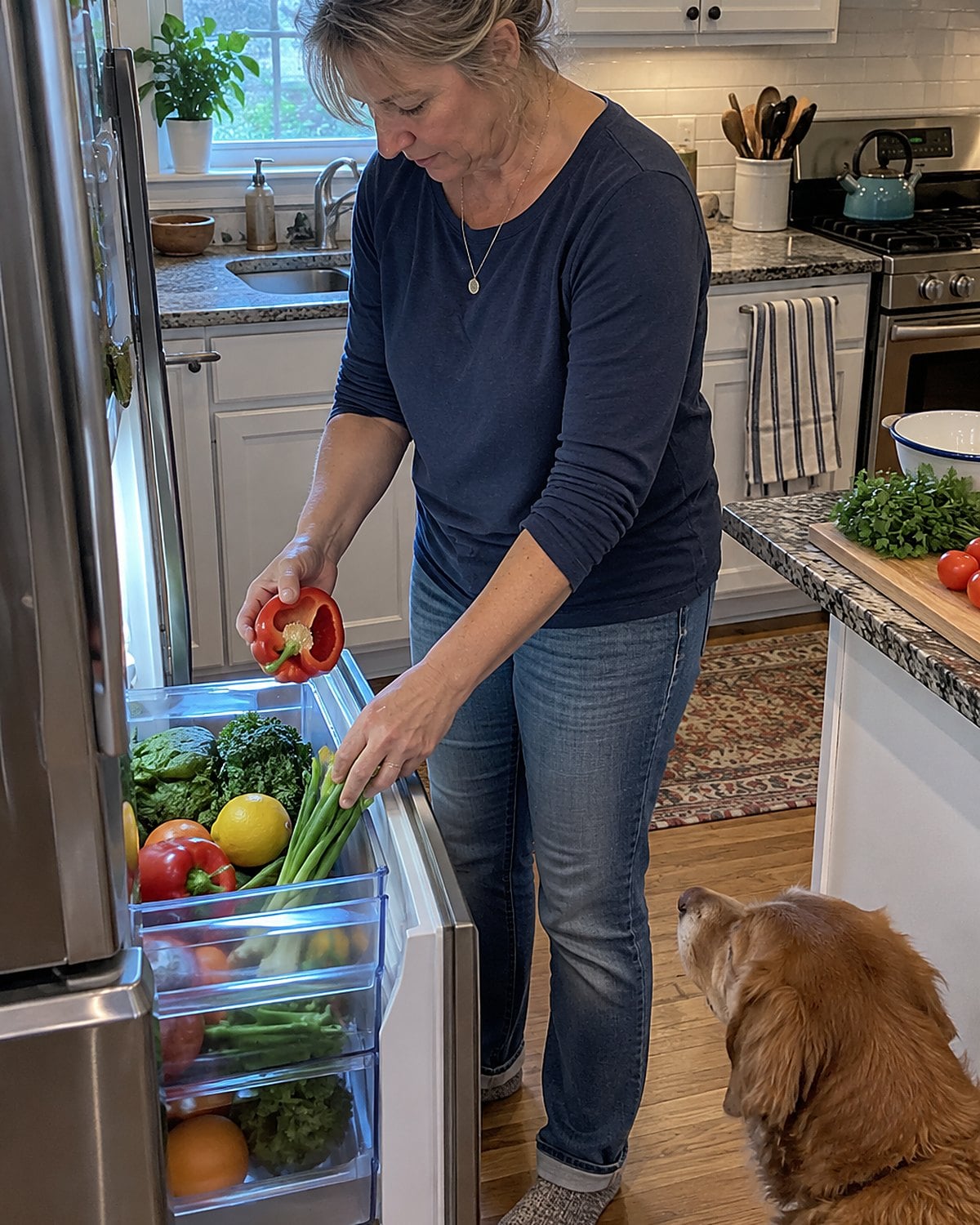
Pull open the crisper. The scallions are leaning over, a lemon is rolling around, and half a pepper sits in a container. Those are dinner clues, not a demand that you invent a feast from scraps.
Check what’s sound. Use the pepper in an omelet, squeeze the lemon over roasted potatoes, and put the scallions on top. Discard anything spoiled. Then write the missing main dish on your list instead of buying another complete set of vegetables.
Give the drawer a quick wipe while it’s empty enough to reach. You’ll see what remains, and the next head of lettuce won’t land on an old spill. Keep delicate produce where you’ll notice it before sturdier vegetables.
Shopping from the crisper first asks less of you than a grand meal plan. It starts with what needs attention tonight.
#2 The supper plan for tomorrow night
Plan tomorrow’s supper before you plan a whole week. Tonight’s dinner is already speaking loudly. Tomorrow is where an unplanned grocery trip tends to begin.
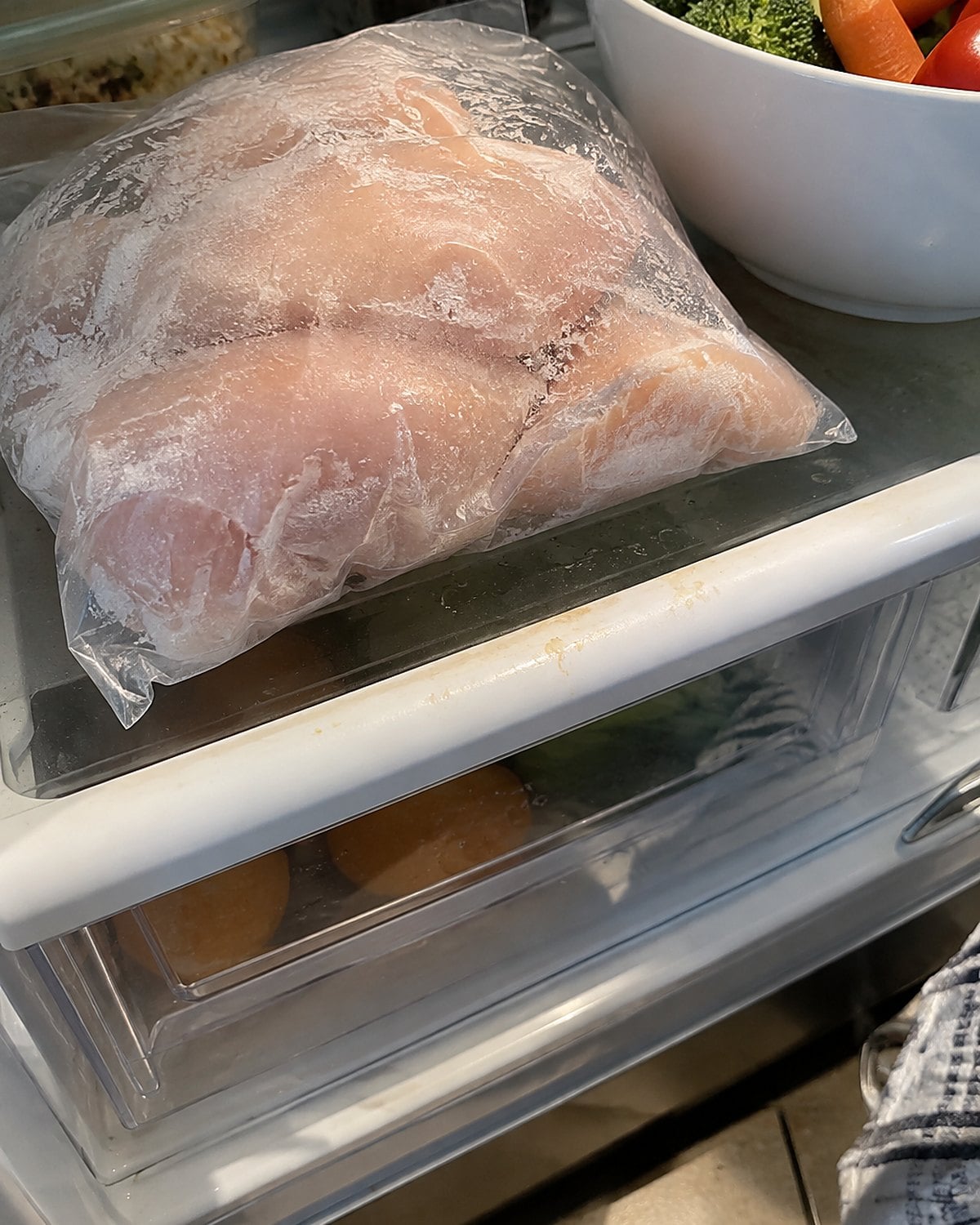
Choose one main dish and write down what’s missing. If you have potatoes and onions, buy fish or eggs. If there’s chicken in the freezer, put it in the refrigerator to thaw safely and buy the vegetable you want beside it. The USDA’s thawing guidance rules out thawing meat on the counter.
Then look one evening farther. Give a shared ingredient a second job, such as tortillas with tomorrow’s filling and breakfast eggs later. Stop when you have enough of a plan to shop with confidence. You don’t owe the calendar seven beautiful menus.
That small head start changes the cart. You’re buying toward dinner rather than hoping dinner emerges from a collection of sale tags.
#1 The guest count beside the place settings
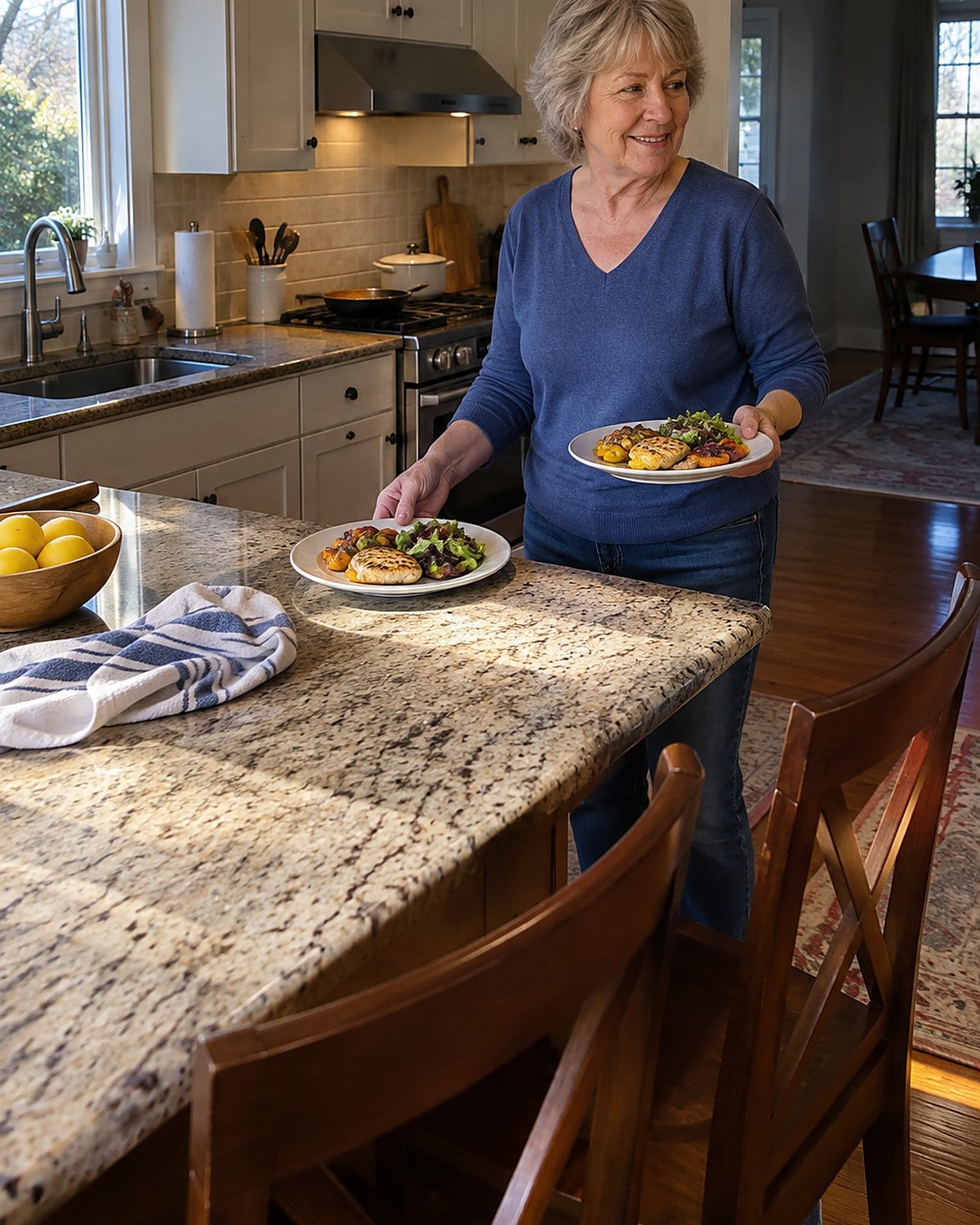
Set the table in your mind before choosing the package size. Two chairs tonight, more when the family visits: those are different shopping trips. A sale tag won’t tell you which table you’re feeding.
Count the people who will sit down before you shop. Then count how many meals you want from the purchase. A large package makes sense when every portion has an eater or a place in the freezer. If neither is true, take the smaller one and spend the difference on something dinner needs.
This count helps at the counter, too. You don’t have to buy for the household you ran years ago, and you don’t have to make less of a meal now. Ask yourself, “Who’s coming, and what will we eat afterward?”
The answer belongs beside the place settings, not on a sale sign.
The bottom line
The bill shrinks when fewer groceries arrive without a job. Check what you own, buy what finishes a meal, and choose package sizes for the table you set now.
The well-prepared version of you has tomorrow’s supper in mind and a use for the cabbage that’s left afterward. She also knows when the freezer already holds dinner.
What’s in your kitchen right now that belongs on tonight’s plate?


Leave a Reply